
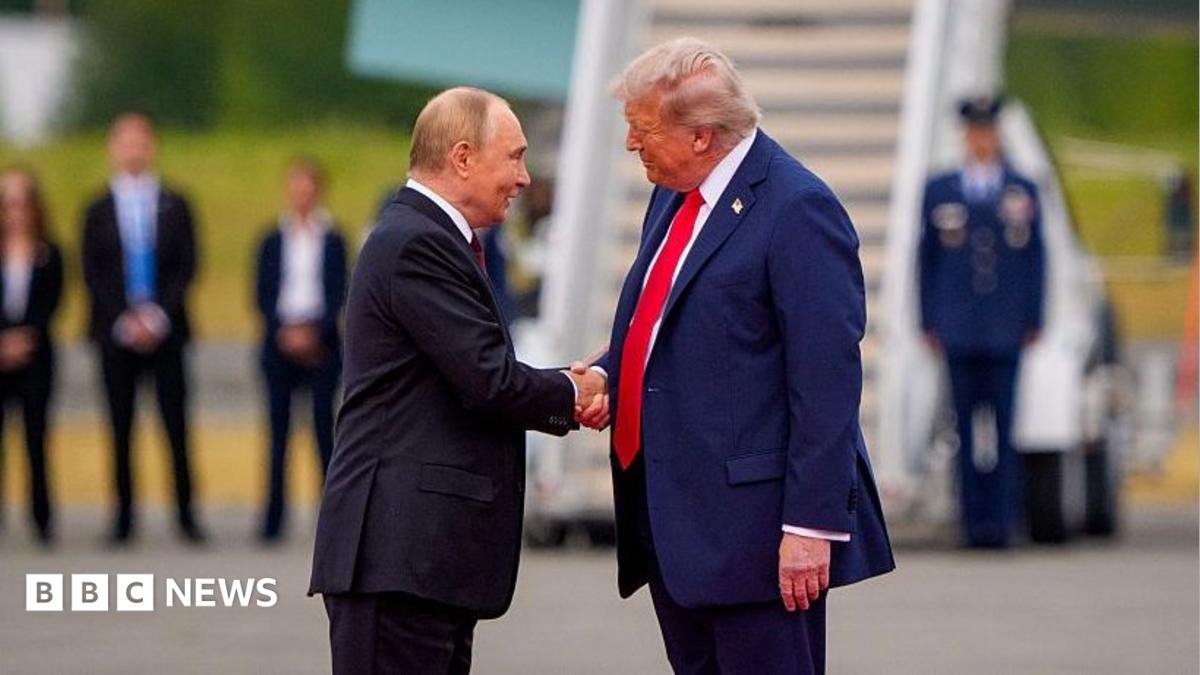
President Trump plans to import Russian diesel to lower fuel prices. The move faces intense criticism from Ukraine and international observers.
President Trump announced a new deal to import diesel fuel from Russia. The White House expects this move to lower high energy prices in the United States. Leaders in Ukraine immediately condemned the agreement as a gift to Moscow.
However, the agreement allows Russian diesel to enter the global market without current sanctions. The U.S. Treasury plans to pause these specific rules until April 7. Other financial sanctions against Russia remain in place for now.
Why this matters
This decision changes the global approach to the ongoing war in Ukraine. Many nations previously worked to cut off Russian energy profits to stop the fighting. This deal creates a divide between U.S. policy and international allies.
Also, this policy aims to solve a domestic political problem. Voters often focus on fuel prices when they head to the polls. The President hopes lower costs will help his party in the upcoming midterm elections.
Details of the fuel agreement
The deal includes a quick release of 300,000 tonnes of diesel. Russia plans to send 500,000 more tonnes in November. A later shipment of one million tonnes is also part of the plan.
Meanwhile, the President claims more fuel will arrive soon after those shipments. He noted that future amounts depend on the status of Russian oil refineries. Ukraine recently attacked some of these facilities during the conflict.
However, many experts doubt these shipments will lower American gas prices. Financial analysts noted that the total amount is quite small. U.S. drivers use millions of barrels of fuel every single day.
Also, some question if Russia can actually meet these delivery goals. The country faced a self-imposed export ban earlier this year. Moscow claims it is ready to supply the global market now.
International reaction and context
President Zelensky of Ukraine voiced strong anger regarding the announcement. He called the deal an investment in a war that needs to end. He urged the U.S. to take a tougher stance on Russia.
Still, the U.K. government remains firm against the Russian leadership. A spokesperson said they will keep current sanctions in place. They intend to maintain pressure on Moscow to secure a lasting peace.
Meanwhile, the White House has not explained what Russia receives in return. The President also recently criticized the Nobel Committee. He expressed frustration over not winning the Peace Prize this year.
How we got here
- February 2026: The war in Iran begins and causes global energy price spikes.
- Early 2026: Russia places a ban on its own diesel exports.
- October 9, 2026: President Trump announces the deal to import Russian diesel.
- October 10, 2026: President Trump criticizes the Nobel Committee for not giving him an award.
What happens next
The U.S. government will likely face pressure to explain its strategy. Lawmakers may demand more details about the trade-offs made in this deal. Markets will also watch to see if fuel prices actually drop.
After that, the success of this plan depends on Russian production capacity. If the fuel does not arrive as promised, the plan may fail. The administration faces a difficult path balancing energy needs and global support for Ukraine.