
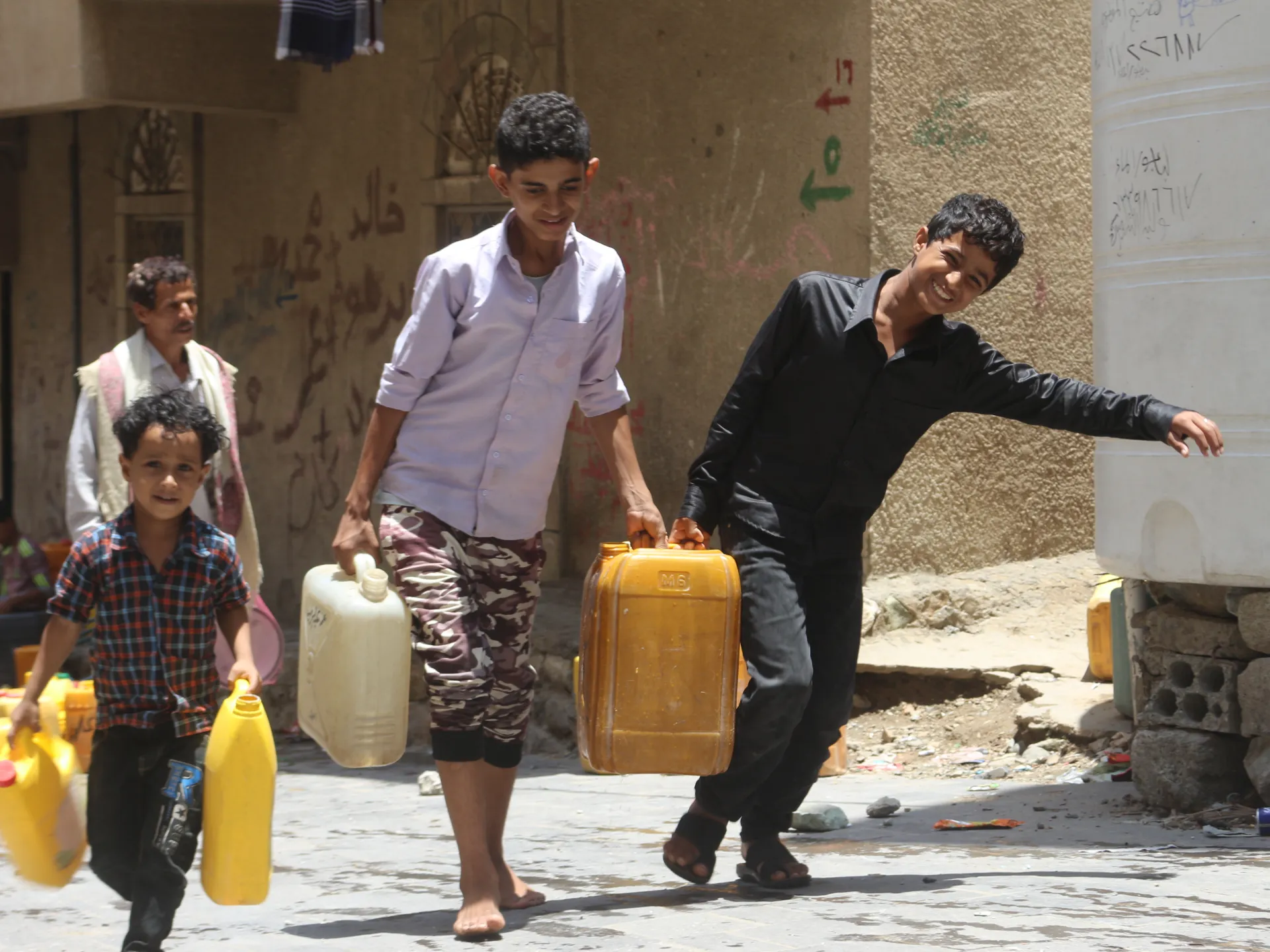
A new siege in Yemen threatens civilian lives while a diplomatic standoff forces a reduction in British staff in Jerusalem.
Tensions grow in both Yemen and the Middle East as global conflicts shift. New reports show a tightening siege in the city of Taiz. Meanwhile, a diplomatic clash between Britain and Israel forces a major change in Jerusalem.
These events create new challenges for international leaders. Civilians in Yemen face severe shortages of basic goods. At the same time, the British government must adjust its diplomatic footprint in the region.
Why this matters
The situation in Taiz highlights the human cost of long-term conflict. Residents suffer as food and fuel supplies dwindle under a new blockade. Families struggle to find clean water and power for their homes.
Also, the diplomatic rift between London and Jerusalem carries heavy weight. It tests the strength of long-standing alliances during times of war. The removal of diplomats marks a rare and serious step between two close partners.
Finally, these two crises show how regional instability spreads quickly. Both Yemen and Jerusalem remain key points for global diplomacy. Observers worry that these developments could trigger more volatility in the coming months.
Changes in Jerusalem
Israel recently ordered significant staff cuts at the British consulate in East Jerusalem. Foreign Minister Gideon Saar confirmed that 20 diplomats must leave their posts. The consulate officially ends its former operations.
However, the British government maintains that the facility will not fully close. It will now function as a limited UK mission. Only seven staff members remain to manage essential duties.
Meanwhile, the British flag still flies outside the historic building. The UK government describes the removal of staff as a temporary measure. They cite security concerns as the primary reason for these changes.
New Struggles in Yemen
The city of Taiz faces a harsh new reality as a siege begins again. Houthi forces have restricted the movement of goods into the area. This blockade makes it hard for civilians to buy basic items like cooking gas.
Also, the Yemeni government has launched a new offensive across the country. They aim to retake territories currently held by Houthi rebels. Local residents now fear that the fighting will cut off supply lines for good.
Additionally, people are stocking up on water and food as a precaution. They worry that prices will continue to climb as shortages grow. The humanitarian situation in the city remains very fragile.
How we got here
- September 8, 2026: Israel announces plans to shut the British consulate following UK sanctions on settlements.
- October 8, 2026: British and Israeli officials confirm the withdrawal of most diplomatic staff from the Jerusalem facility.
- October 10, 2026: Reports emerge of a renewed Houthi siege in Taiz, leading to rising costs for food and fuel.
- October 11, 2026: The Yemeni government begins a military campaign to reclaim regions from Houthi control.
What happens next
Analysts expect the situation in Taiz to worsen if the blockade continues. Humanitarian groups may find it difficult to deliver life-saving aid to the city. The new government offensive could further disrupt vital supply routes.
Also, the diplomatic compromise between the UK and Israel may prevent further escalation. The two nations appear to want to avoid a total collapse in relations. Both sides will likely monitor the new limited mission very closely.