
Protests erupt in France and India as citizens demand better education and election reform. Governments struggle to address these widespread grievances.
French students and Indian activists are currently demanding major changes from their leaders. Both groups are challenging authority in very different ways.
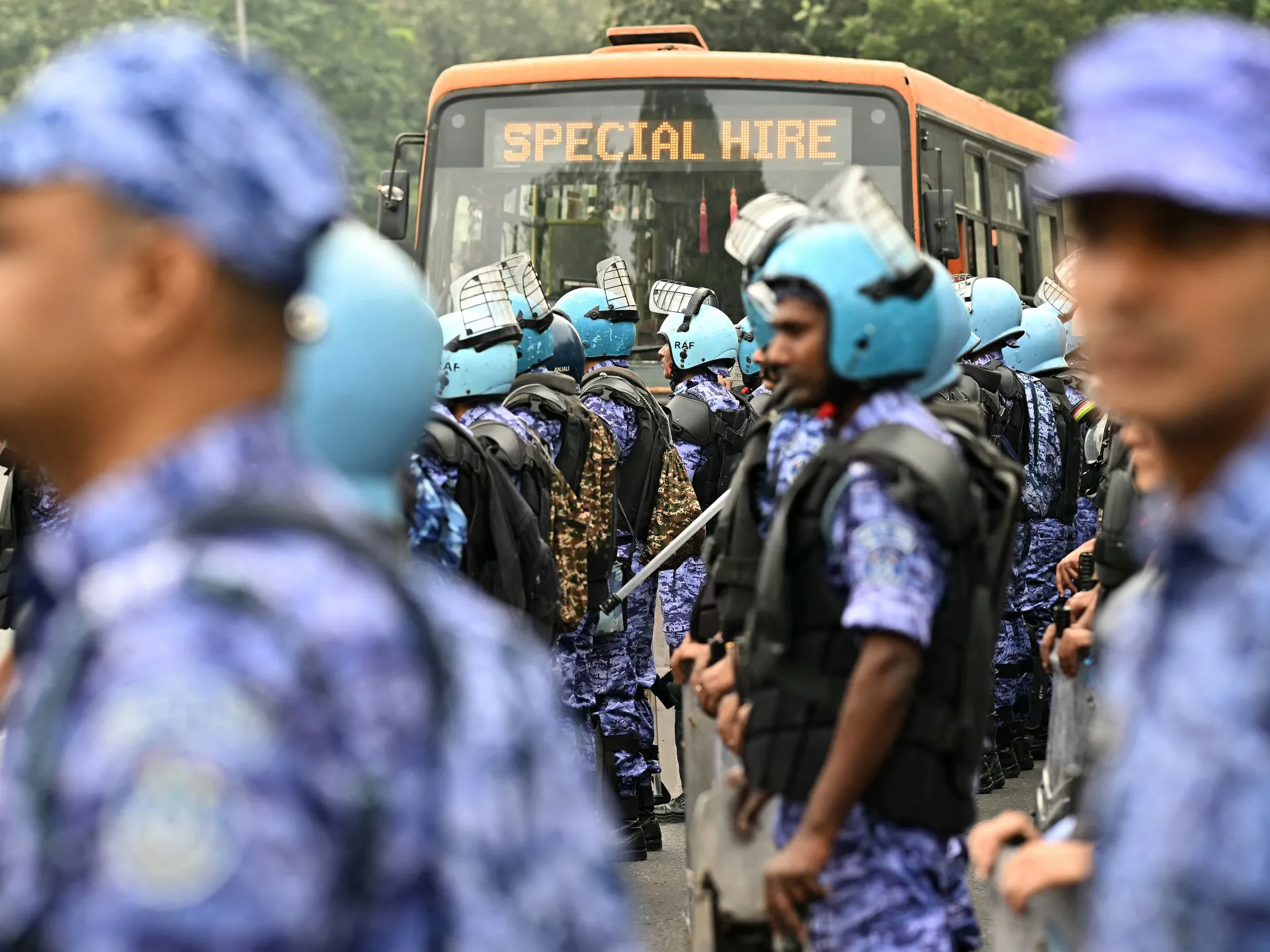
Meanwhile, authorities in Paris and New Delhi are struggling to keep order. They face rising pressure as these movements gain more support.
Why this matters
These protests show a growing gap between young citizens and their governments. People feel that their basic needs remain ignored by those in power.
However, governments worry about the cost of these demands. France faces high debt, and India faces questions about its election integrity.
As a result, both nations remain on edge. The outcome of these protests will set a tone for future civic engagement.
French Students Demand Better Schools
High school students in France continue to demand more resources for their classrooms. They argue that many teachers are absent too often.
Furthermore, these absences force students to miss many hours of learning. Protesters gathered in Paris at the Bastille to voice these concerns.
Next, the French government offered a small concession to the protesters. Education Minister Edouard Geffray promised 3,000 extra supply teachers.
Then, the minister suggested using new software to place these teachers quickly. He also offered more pay for teachers willing to work extra hours.
Still, many student leaders feel this offer falls short of their needs. They continue to organize further days of action across the nation.
Also, violence marred some of these recent demonstrations. Police used tear gas to disperse crowds who threw stones and fireworks.
Indian Activists Protest Election Leadership
In India, the Cockroach Janta Party led a new protest in New Delhi. They demand that the current election chief resign from his post.
However, police detained the group's founder, Abhijeet Dipke, before the protest began. Authorities placed the capital under a strict security lockdown.
After that, the police increased patrols near the protest site at Jantar Mantar. They aim to prevent any major disruptions to public life.
Finally, the movement continues to press its case against the election official. They claim the current leadership threatens the fairness of future votes.
How we got here
- Early October 2026: French students begin a three-week movement against poor secondary education resources.
- October 9, 2026: Thousands of protesters gather at the Bastille in Paris to demand change.
- October 10, 2026: The French Education Minister promises 3,000 new supply teachers to address staff shortages.
- October 10, 2026: Indian police detain leaders of the Cockroach Janta Party in New Delhi.
- October 10, 2026: New Delhi enters a security lockdown to manage rising political tensions.
What happens next
France will likely see more protests as students prepare for another day of action. The government hopes its small offer will calm the situation.
However, the budget deficit limits what the French state can spend. This keeps the possibility of future, larger conflicts very high.
Meanwhile, Indian authorities will likely maintain a heavy police presence in New Delhi. They want to stop the protests from spreading further.