
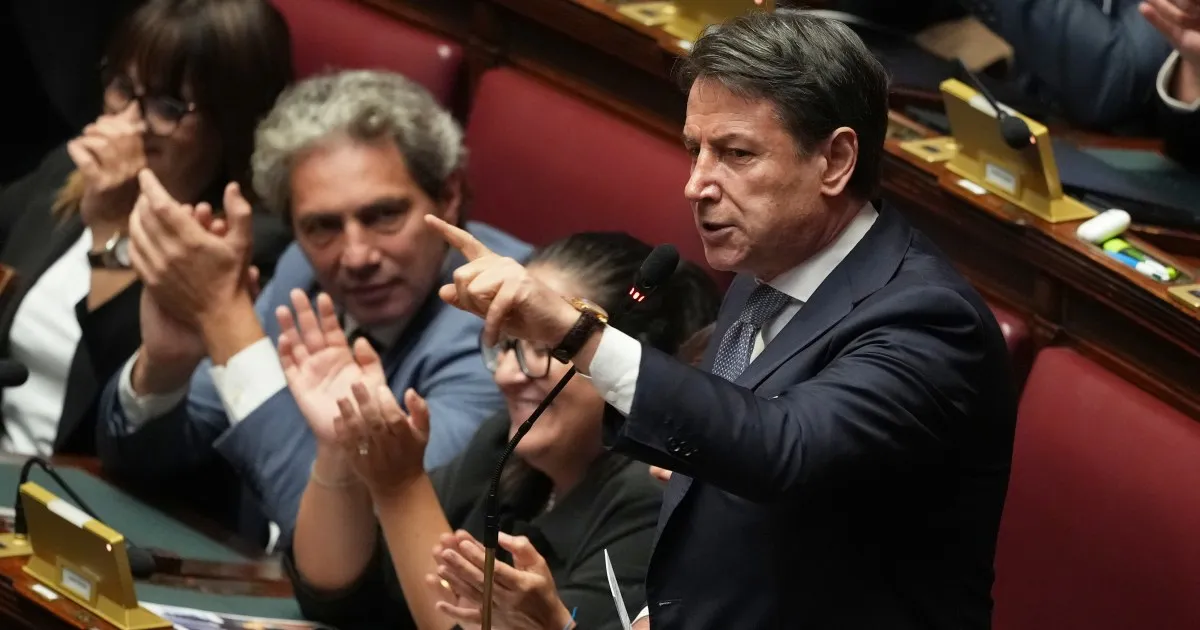
New election laws in Italy and protests in India highlight growing concerns about the fairness of global democratic processes.
Citizens in Italy and India recently watched their governments change key voting rules. These actions sparked loud protests and fierce political debates.
Meanwhile, leaders in both nations face pressure over how people cast their ballots. These moves raise questions about the future of fair elections in their countries.
Why this matters
Changes to election laws often shift the balance of power. New rules can make it easier for one party to hold control for many years.
Also, these shifts impact how much a single vote counts. Citizens worry that such changes might favor those currently in power.
Furthermore, democracy relies on trust between the people and the state. When that trust breaks, public protests and civil unrest often follow closely behind.
Finally, international groups watch these events with great concern. Stability in major nations helps keep the global economy moving forward steadily.
New election rules in Italy
Lawmakers in Rome just approved a controversial new plan. This law gives bonus seats to the party that wins the most votes.
Critics argue this system hurts smaller political parties. They say it makes the parliament less diverse and ignores the views of many voters.
However, supporters claim the law creates more stable governments. They believe it prevents long delays when leaders try to form new coalitions.
Then, the Five Star Movement voiced strong opposition to the bill. They fear this change hands too much power to the election winners.
Protests erupt in India
Police in Delhi recently stopped a large protest at the Election Commission headquarters. Opposition leaders gathered there to complain about voter roll changes.
The police detained figures like Rahul Gandhi during the march. Videos of the event showed officers forcing them onto buses to clear the area.
Also, opposition groups claim the Election Commission favors the ruling party. They demand the resignation of the top election official immediately.
Still, the commission denies these claims of bias. They insisted that the opposition follow normal rules to request an official meeting.
How we got here
- Early October 2026: India’s opposition parties protest against the Election Commission over voter list updates.
- October 6, 2026: Police detain Rahul Gandhi and other MPs during a march in Delhi.
- October 8, 2026: Italy’s parliament passes a law granting bonus seats to election winners.
- October 9, 2026: Tensions remain high as both nations debate the fairness of these new electoral procedures.
What happens next
In India, the standoff between the government and the opposition will likely continue. Further protests may occur if the Election Commission does not address the complaints.
Next, legal challenges could arise in both countries. Opponents may take these laws to court to prove they violate constitutional rights.
Meanwhile, international observers will monitor the next elections in Italy and India closely. Any sign of voter suppression or unfair advantages will draw further criticism.
Finally, citizens will decide the ultimate fate of these laws at the ballot box. Their votes will show if they accept or reject these major political shifts.