
NASA manages a busy schedule with a cargo ship departure and a major new discovery from the Hubble Space Telescope.
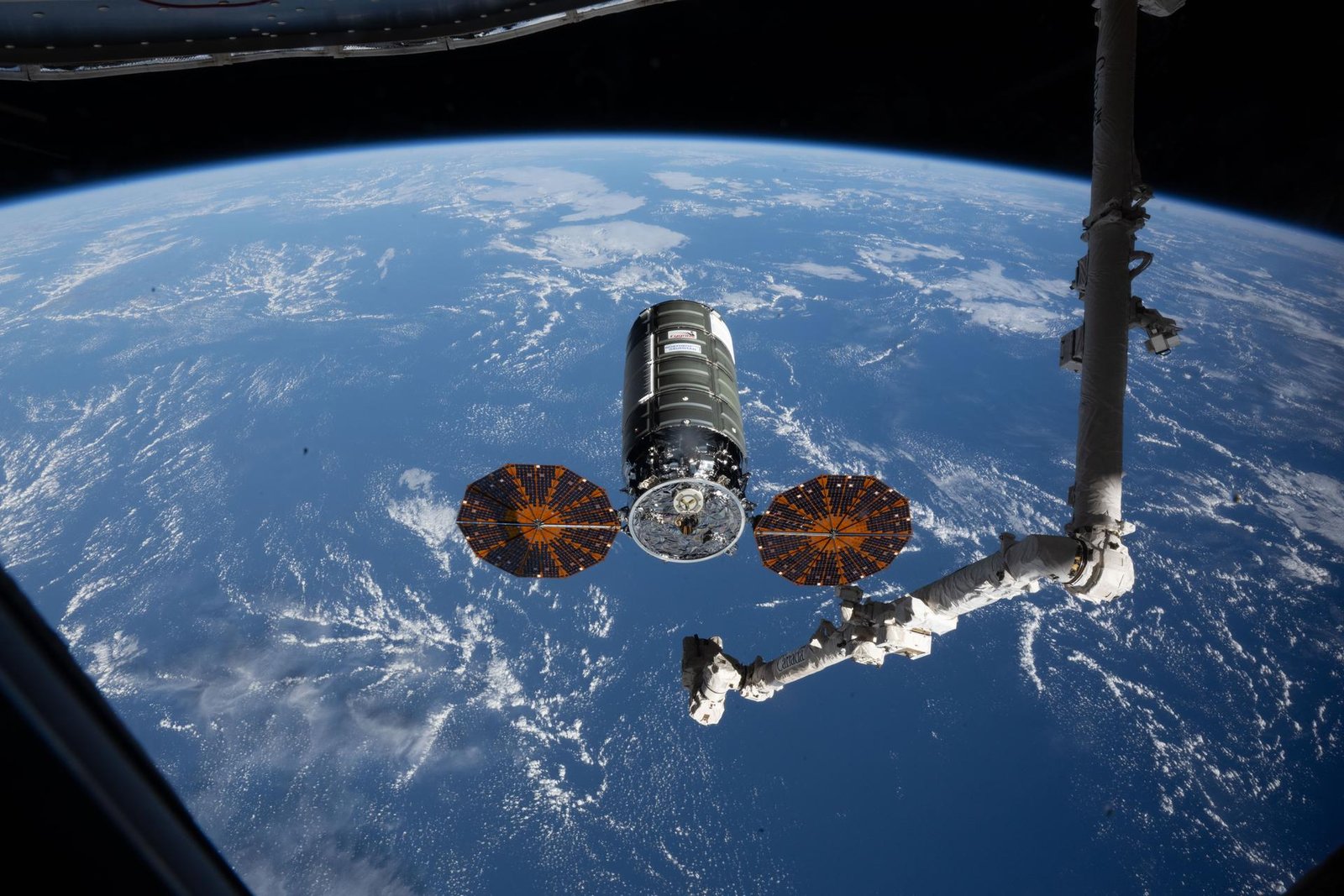
NASA prepares for a major cargo mission departure from the International Space Station this week. The Northrop Grumman Cygnus XL spacecraft will leave the station on Friday, October 9.
Meanwhile, astronomers have solved a long-standing mystery using data from the Hubble Space Telescope. These two events show the wide range of NASA’s current space exploration efforts.
Why this matters
Space logistics missions keep the International Space Station running smoothly. These flights deliver essential supplies, new science experiments, and fresh food for the crew.
However, the work does not stop once the cargo arrives. Disposing of trash and old hardware is just as important for station operations.
Also, the discovery of a second-generation planet changes how we view stellar life cycles. Scientists previously thought planetary systems died when their host stars reached the white dwarf stage.
This new finding suggests that stars can host new worlds even after they exhaust their fuel. It expands our search for life and planetary systems across the galaxy.
Cargo departures and orbital science
Flight controllers will soon trigger the undocking of the Cygnus XL craft. They will use the robotic arm called Canadarm2 to detach the ship from the station.
Then, the team will maneuver the craft to a safe release point. NASA astronaut Luke Delaney will carefully monitor this entire process from inside the orbital complex.
After that, the spacecraft will carry thousands of pounds of trash away from the station. It will then prepare for its final trip through the atmosphere.
Meanwhile, the science team focused on the HS 0209+0832 star system used modern databases to revisit old data. They identified a chemical signature that stumped researchers for decades.
Next, the team confirmed high levels of niobium in the system. This element acts as a calling card for material that gathers around a dying star.
Finally, this discovery transforms our understanding of white dwarfs. Astronomers now see these stars as potential nurseries for new planets rather than just cold, dead objects.
How we got here
- April 11: The Cygnus XL spacecraft launched from Cape Canaveral Space Force Station on a Falcon 9 rocket.
- 1999: The Hubble Space Telescope first observed the HS 0209+0832 star system, recording mysterious chemical data.
- Monday: Researchers published their findings in Nature Astronomy regarding the second-generation planet discovery.
- October 9: The scheduled undocking and departure of the Cygnus XL spacecraft from the International Space Station.
What happens next
The Cygnus XL craft will remain in orbit for a short time after its release. Ground teams will prepare the craft for a controlled descent.
Then, the spacecraft will perform a destructive re-entry into Earth’s atmosphere on Sunday, October 11. NASA does not plan to provide live coverage of this final burn-up.
Also, astronomers will continue to study the HS 0209+0832 system for more clues. They hope to find further evidence of how these unique planets form.
Finally, researchers will use these findings to look at other white dwarf systems in the archives. This could lead to more discoveries about second-generation planets in our universe.