
NASA tests new aviation safety tools while scientists study rare Earth geology and Spain maintains its winning streak in international soccer.
Why this matters
NASA conducts vital research to keep air travel safe from rare weather threats. These efforts focus on supercooled large droplets found in specific cloud types. Such droplets can freeze instantly upon contact with aircraft surfaces. This poses a serious risk to planes that lack specific protections.
Also, NASA continues to study Earth and space geology to expand human knowledge. Astronauts recently captured images of unique lunar-like rocks in Madagascar. These scientific endeavors run alongside global news events like international soccer. The world remains busy with both technical progress and human competition.
Aviation safety and geological discoveries
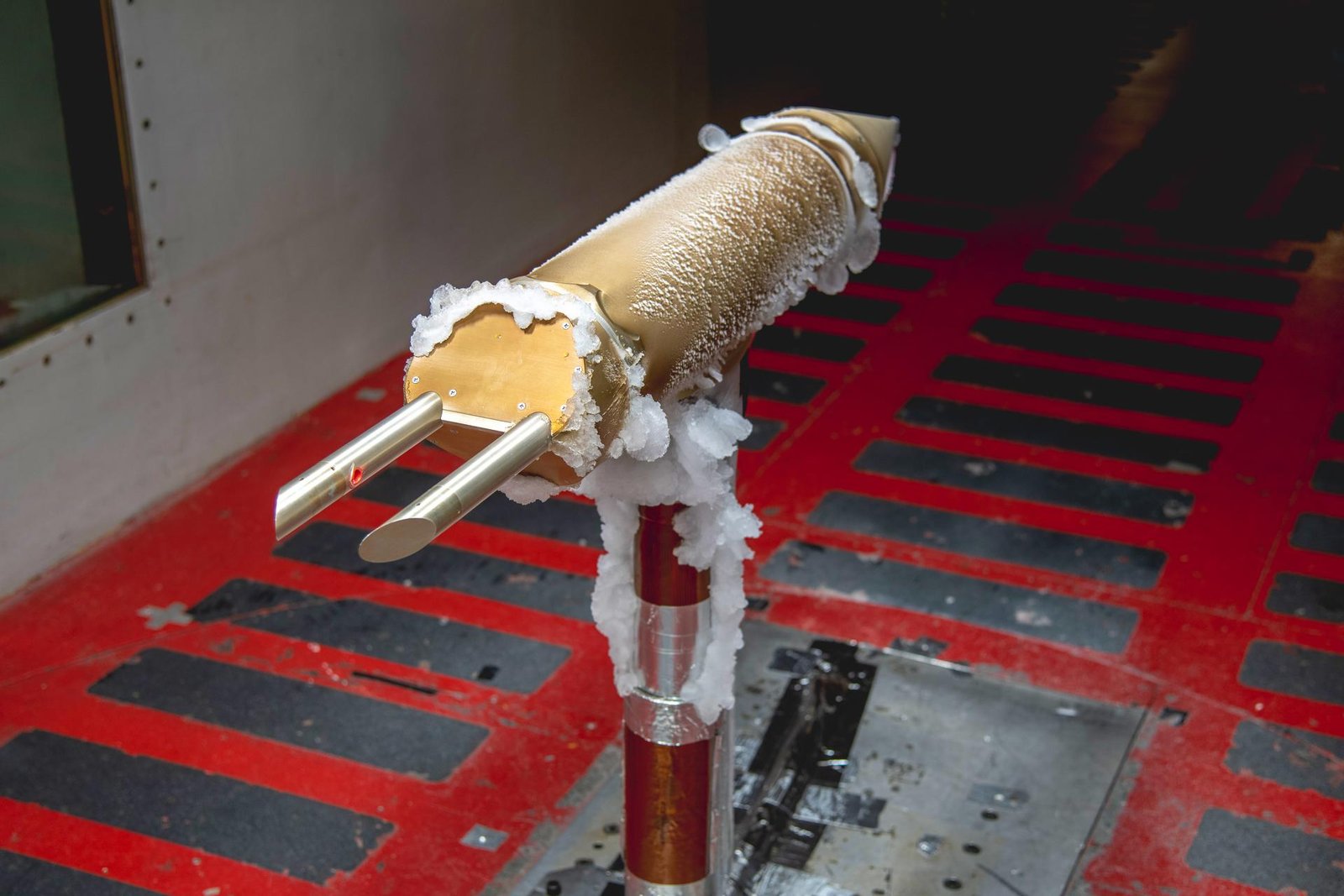
Researchers at the Glenn Research Center recently tested new ice detection tools. They used a special tunnel to simulate dangerous icing conditions. This helps engineers build planes that handle large water drops better. Current designs sometimes struggle with these rare, freezing environments.
Meanwhile, space experts analyzed images taken from the International Space Station. These photos show anorthosite rocks in southern Madagascar. This rock type is common on the Moon but rare on Earth. Scientists think these formations are over 600 million years old.
However, the world of sports also saw major action this month. Spain defeated the Czech Republic in a recent soccer match. Lamine Yamal scored an early goal during the event. This win keeps Spain at the top of their group.
After that, the Spanish team maintained a long unbeaten streak. Their recent performance suggests strong form for upcoming tournaments. Many fans watch these games closely as the Ballon d’Or award approaches. Players like Yamal continue to influence the outcome of these matches.
How we got here
- August 28, 2026: An astronaut photographed the Saririaky anorthosite massif in Madagascar.
- June 8-11, 2026: NASA researchers conducted particle size tests in the Icing Research Tunnel.
- July 2026: Spain won the World Cup final against Argentina.
- October 3, 2026: Spain secured a 3-1 victory over the Czech Republic in the Nations League.
What happens next
NASA plans to refine its instrumentation based on recent tunnel data. This process will likely lead to safer wing designs for future aircraft. Engineers will also compare test results with existing flight models. These updates ensure that planes can fly through harsh weather with greater safety.
Next, the scientific community will further study the Madagascar rock samples. Geologists want to understand how these rocks formed millions of years ago. These findings could offer clues about the early history of our planet. Researchers may also link these Earth features to lunar surface evolution.
Finally, international soccer will continue its current season. Spain aims to maintain its momentum in the Nations League. Fans expect more high-scoring games as players vie for individual awards. The intersection of sports and science remains a key theme for this year.