
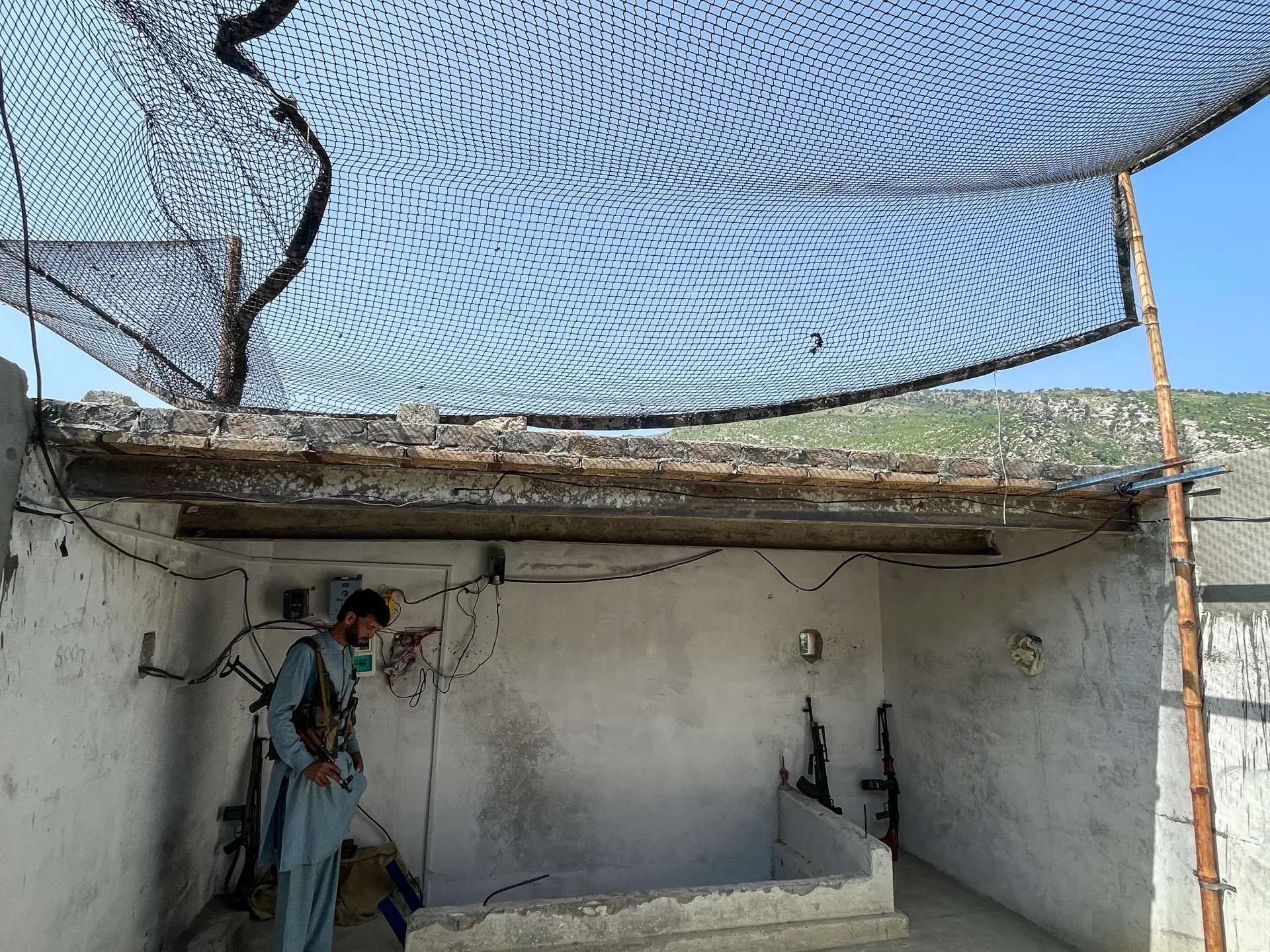
Pakistan is using common fishing nets as a low-cost defense against militant drone attacks at border security posts.
Pakistan security forces now use simple fishing nets to protect their outposts. These nets cover the roofs of buildings in the Hangu district. This area sits in the Khyber Pakhtunkhwa province near the border.
Officials hope the mesh stops small drones from dropping explosives. The nets act as a physical shield against incoming threats. Soldiers want to block tiny machines before they hit targets.
Why this matters
This low-tech solution shows a big shift in modern border warfare. Drones are cheap and easy to buy today. Militant groups use them to hit police stations and army bases.
Also, these nets highlight a lack of high-tech defense tools. Most small outposts cannot afford expensive radar systems. Fishing nets offer a cheap way to lives.
Finally, this choice reflects the reality of local security challenges. Terror groups operate with limited resources in mountain areas. Security forces must adapt using items they find nearby.
New defenses against aerial threats
Meanwhile, the drone threat has grown quickly across the region. Militants use these tools for attacks and for spying. These drones often carry small bombs that cause big damage.
Then, police officers noticed more drones flying over their posts. The nets provide a basic layer of armor. They stop the devices from getting too close to the roof.
Also, local villagers watch these changes with deep concern. They worry about the constant threat of violence. Life in Hangu district remains tense for many residents.
Security measures at remote outposts
After that, engineers looked for other ways to improve safety. They reinforced walls at several key locations. These outposts guard roads and mountain passes in the province.
However, the nets remain the most visible change for now. They cover exposed areas where soldiers stand guard. No one knows if these nets will stop all types of drones.
Still, commanders believe every small effort helps the mission. They must keep their troops safe while on duty. The nets stay in place through all kinds of weather.
How we got here
- 2024: Militant groups start using cheap drones for tactical attacks in border zones.
- 2025: Security forces report a sharp rise in drone sightings near remote mountain outposts.
- Early 2026: A series of drone-based strikes hit police stations in Khyber Pakhtunkhwa.
- October 2026: Authorities install fishing nets to block small drones from dropping explosives on buildings.
What happens next
Now, military planners will study the success of this strategy. They will check if drones get caught in the mesh. This will tell them if they need stronger or different materials.
Next, the government might buy more advanced electronic jammers. These tools could block remote control signals for drones. Jammers would be more effective than physical nets.
Finally, international experts will observe these local tactics. They want to see how small groups fight against drone technology. This conflict provides a lesson for armies all over the world.