
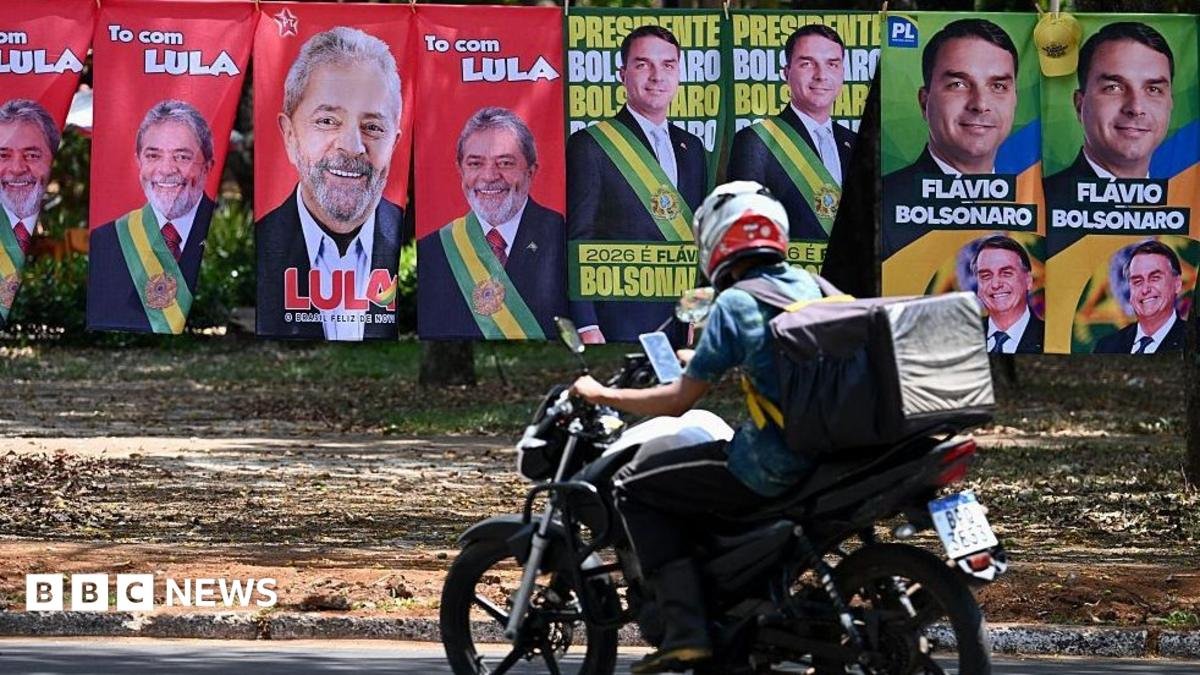
Brazil's presidential race moves to a final run-off vote after a close first round. President Lula da Silva faces a challenge from Flávio Bolsonaro.
Millions of Brazilians cast their ballots this Sunday. Voters participated in the first round of the national presidential election. This contest forces the country into a tense second round.
President Luiz Inácio Lula da Silva seeks a fourth term in office. He currently leads the nation. He faces a challenge from newcomer Flávio Bolsonaro.
The two candidates must now prepare for a final vote. Officials set the run-off date for October 25. The entire nation watches this outcome closely.
Why this matters
This election highlights a sharp divide in Brazilian society. Many citizens remain split between two very different visions. The result will shape the country's economic path for years.
Also, the international community views this vote with caution. Observers worry about potential instability during the transition period. Stable leadership matters for Brazil's regional influence.
Meanwhile, recent rhetoric has raised concerns about democratic norms. Allegations of foreign influence add another layer of complexity. These claims test the strength of Brazil's election institutions.
However, the voting process remains the focus of millions. People want to see how their government will address rising costs. The next president must bridge a deep social gap.
The Race for the Presidency
President Lula da Silva remains a central figure in this race. He holds years of experience in the executive office. His supporters point to his past policies as evidence of stability.
Next, his opponent Flávio Bolsonaro represents a shift in strategy. He is the son of former President Jair Bolsonaro. He promises a new direction for the Brazilian government.
After that, voters must decide which leader fits their needs. The campaign period has been filled with heated rhetoric. Both sides argue that the future of the nation hangs in the balance.
Finally, the election officials confirmed the need for a second round. They continue to count and verify all incoming data. The final tally will determine who takes power in January.
How we got here
- 2019-2022: Jair Bolsonaro serves as the President of Brazil.
- Sunday, October 2026: Voters head to the polls for the first round of the presidential election.
- Following the vote: Officials announce a run-off election between the top two candidates.
- October 25, 2026: The scheduled date for the final run-off election between Lula and Flávio Bolsonaro.
What happens next
Now, both campaigns will restart their efforts. They must appeal to the voters who chose other candidates. Every single vote counts in this tight contest.
Then, the candidates will likely engage in final televised debates. These events often change the minds of undecided voters. The public expects a very intense final push.
After that, the electoral court will monitor for any fraud or interference. They aim to ensure the results are trusted by the public. Transparency remains the top priority for election officials.
Still, the world will wait until October 25 for the final winner. The outcome will decide the path for the largest nation in South America. All eyes remain on Brazil until the final count finishes.