
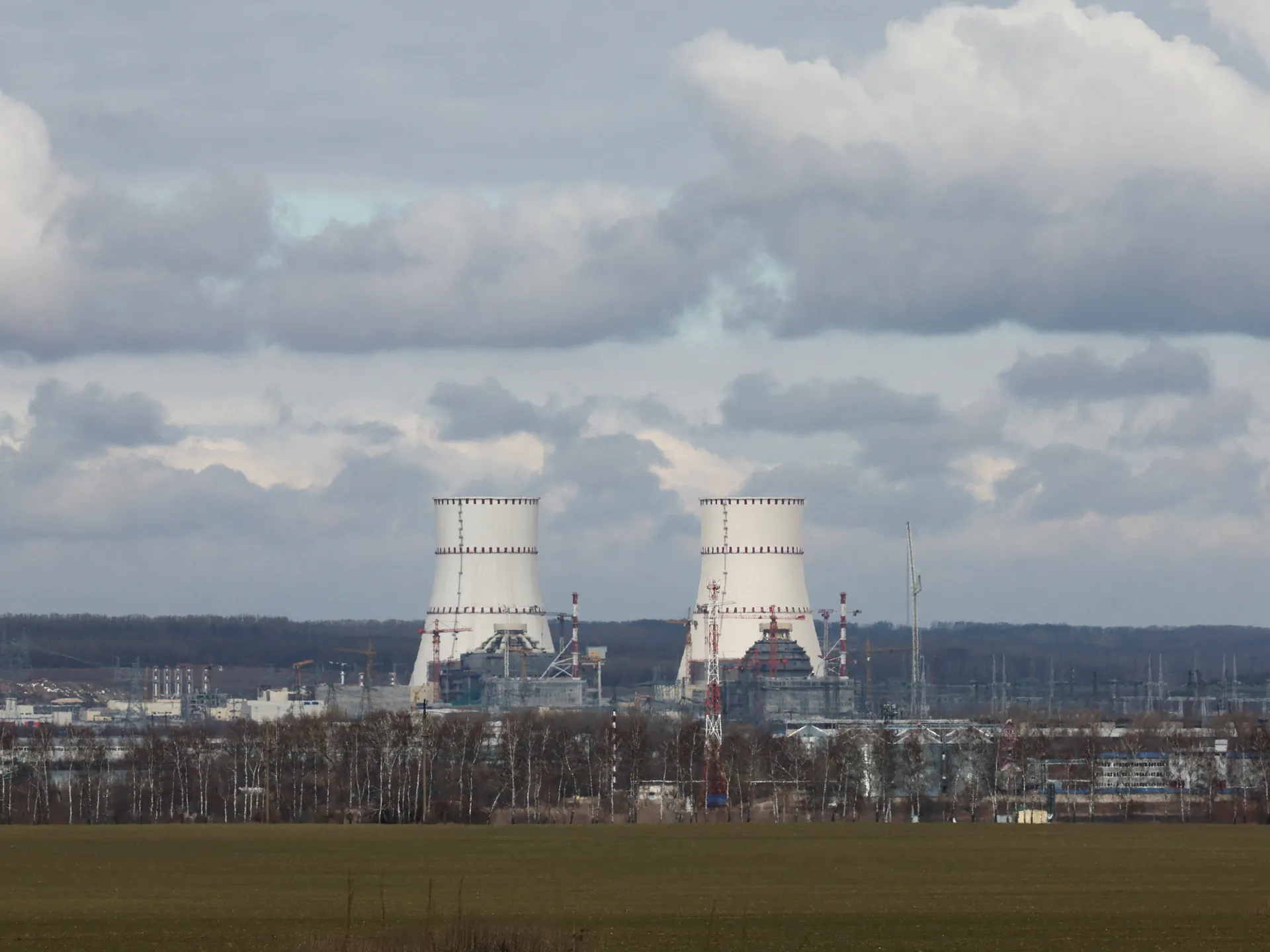
Russia faces mounting nuclear decommissioning costs while continuing its military campaign against Ukrainian bridges and infrastructure.
Russia struggles with two distinct crises today. Aging nuclear reactors within its borders require massive cleanup funds. Simultaneously, the nation maintains intense military pressure on Ukrainian infrastructure.
These problems create a complex picture of Russian domestic policy and foreign aggression. Officials must now balance the high cost of nuclear safety against the price of active war.
Why this matters
Nuclear reactors have limited lifespans. Proper dismantling prevents future environmental disasters and radiation leaks. Russia currently plans to retire 35 reactors soon.
However, the company in charge lacks the money needed for this work. This financial gap leaves the international community at risk. Poorly managed waste could harm neighbors for decades to come.
Military Strikes and Infrastructure Damage
Meanwhile, Russian drone attacks continue to target vital bridges in Kyiv. The Pivnichnyi Bridge suffered strikes on consecutive days this week. These attacks injure civilians and disrupt daily commutes.
Also, these strikes damage more than just roads. One drone hit a heating main in the Desnyanskyi district. Thousands of people now face a shortage of hot water as a result.
Next, the Russian military targets other regions as well. Attacks hit a warehouse in the Sumy region. Another strike destroyed a communications facility in the city of Dnipro.
The Burden of Nuclear Maintenance
However, the danger exists beyond the battlefield. Russia ignores the long-term cost of its own nuclear plants. Many reactors are over 50 years old today.
Also, the company Rosenergoatom admits to a large funding gap. Estimates suggest they need billions more than they currently have saved. Experts worry that delayed cleanup will only increase the eventual price.
After that, the pattern of deferral continues. Russia often chooses safe storage over full dismantling. This kicks the financial burden to future generations while safety risks grow.
How we got here
- 2004: Lithuania shuts down the first reactor at the Ignalina plant.
- 2009: The second reactor at Ignalina closes to meet European Union standards.
- 2023: Reports emerge regarding U.S. payments to Russian nuclear agencies.
- 2026: Russian drones strike major bridges in Kyiv during a visit by the German Chancellor.
What happens next
Analysts suggest that Russia will likely continue its deferred maintenance strategy. This approach saves money now but invites larger problems later. No clear solution for the funding gap appears on the horizon.
Also, the military situation in Ukraine shows no signs of slowing down. Continued strikes on infrastructure will drain more resources from the state. This may force Russia to choose between domestic safety and foreign conflict.
Finally, international monitors will watch the state of these aging reactors closely. Any failure to manage nuclear waste will cause global concern. The path ahead remains costly and uncertain for the Russian government.