
Brazil prepares for a high-stakes election while Cornell University addresses past failures. Meanwhile, space technology finds new uses in everyday business.
Why this matters
Modern institutions face many complex challenges today. Leaders must balance public trust with legal duties. These stories show how technology and politics shape our world.
Also, universities and governments hold great power. People expect transparency from these large groups. When leaders fail, they must answer to the public.
Furthermore, new tools like artificial intelligence change how candidates run for office. This forces voters to question what is real. It also tests the strength of our democratic systems.
Finally, space research helps solve problems here on Earth. Small changes in technology can boost many different industries. This creates new paths for growth and safety.
Political shifts and academic accountability
Brazil holds a major presidential election this Sunday. Voters choose between two top candidates. Both men have very familiar last names.
Luíz Inácio Lula da Silva leads the current polls. Flávio Bolsonaro challenges him for the top spot. He aims to replace the current leader.
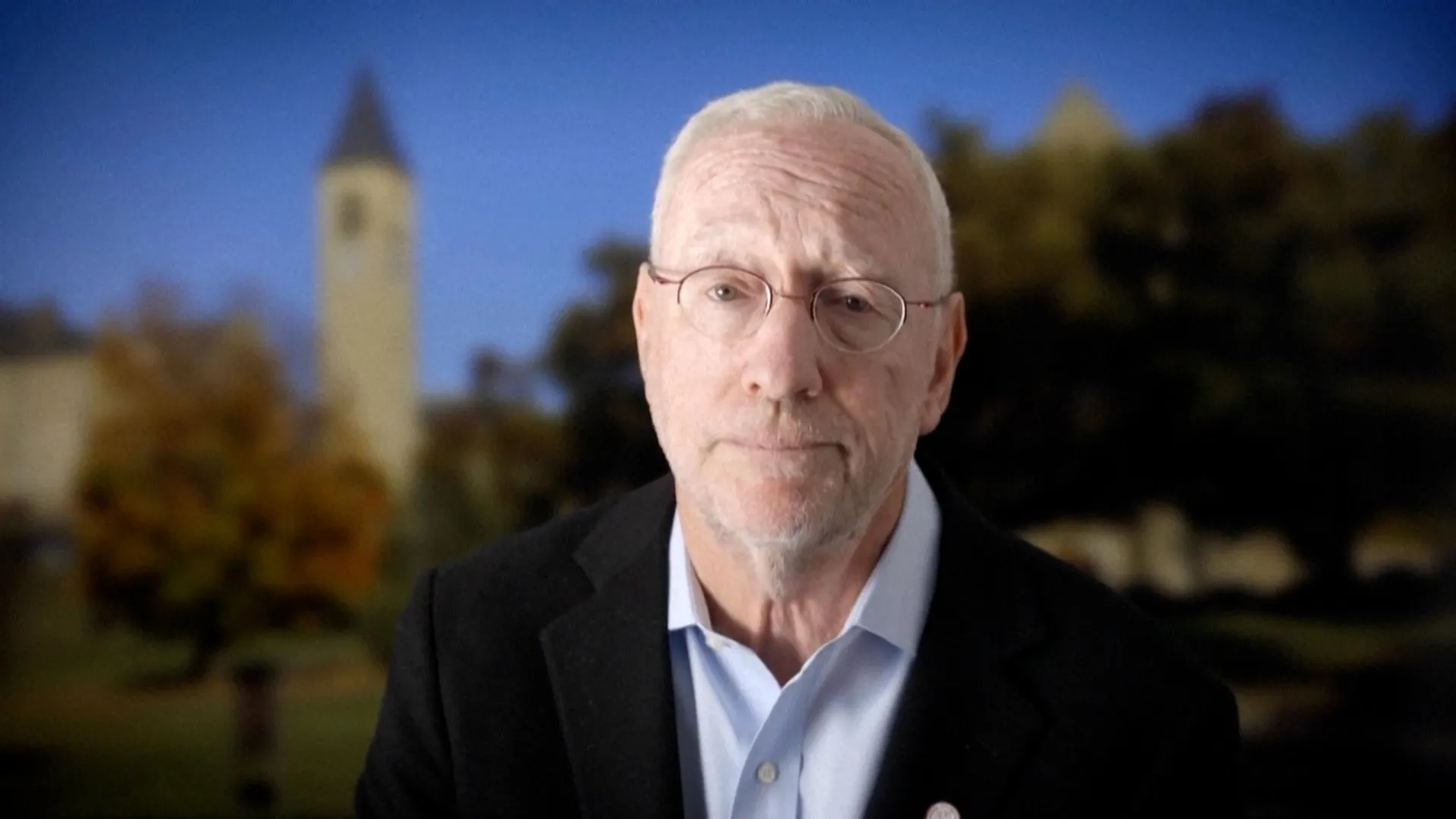
Meanwhile, Cornell University faces serious internal pressure. The school president admitted mistakes regarding old rape allegations. He says the college must improve its processes.
Next, the former president Jair Bolsonaro remains a key figure. He cannot run for office himself. A court banned him after a failed coup attempt.
However, his son uses AI to keep his father's image alive. He showed a deepfake video of his father during a rally. This move sparks debate about ethics in politics.
How we got here
- 2022: Luíz Inácio Lula da Silva wins the Brazilian election over Jair Bolsonaro.
- 2024: Allegations of gang rape arise at Cornell University during the school year.
- 2025: Jair Bolsonaro receives a long prison sentence for plotting a coup against Brazil.
- 2026: NASA technology moves from Mars research to helping local breweries capture carbon gas.
- 2026: Cornell President Michael Kotlikoff releases a public video regarding past safety failures.
What happens next
Brazil will likely move to a second round of voting. Candidates need over 50 percent to win outright. Many voters remain undecided this close to the election.
Then, the Brazilian Supreme Court may review the AI campaign ads. Lawyers for the elder Bolsonaro deny his involvement. The court must decide if these tactics violate election rules.
After that, Cornell University will likely face more calls for reform. Students and staff demand safer campus policies. The administration must prove it can change its ways.
Finally, businesses will continue to use space-age carbon capture tools. This tech helps reduce waste and saves money for many firms. It marks a success for government-funded science projects.