
Russian drones target critical bridges in Kyiv while Houthi rebels launch a new strike on Saudi oil infrastructure.
Global conflict is spreading across two major regions this week. Russian drone strikes damaged key bridges in Kyiv on Saturday. Meanwhile, Houthi rebels launched a new attack against a Saudi Aramco energy facility.
These separate events show how quickly regional fighting can grow. Civilians face danger as infrastructure becomes a primary target. World leaders are now watching these developments with deep concern.
Why this matters
Attacks on infrastructure change how modern wars work. Bridges serve as the lifeblood for a city of three million people. When they fail, the movement of food, medicine, and troops stops.
Also, the strike on Saudi energy sites threatens global oil prices. Energy markets often react poorly to instability in the Middle East. Any disruption to supply chains can hurt consumers in many distant countries.
Furthermore, these strikes suggest a shift in strategy by militant groups. They now aim to cripple the logistics of their opponents. This tactic forces governments to spend more on repairs and defense systems.
Bridge strikes in Ukraine
Russian drones hit the Pivnichnyi Bridge in Kyiv on Saturday morning. This is the second bridge hit by Moscow this week. The Pivdennyi Bridge also suffered multiple drone strikes recently.
Next, emergency teams arrived to clear the road and fix power lines. Mayor Vitaliy Klitschko warned that the city is in a dramatic situation. These links are vital for the city's east and west sides.
However, officials say the bridges remain standing for now. Experts worry that repeated hits will weaken the structures over time. The city council is now planning for emergency ferry services.
Still, millions of people rely on the metro to cross the river. If the bridges close, the city will face major transit problems. Many residents fear the capital could be cut in two.
Energy sector attacks in the Middle East
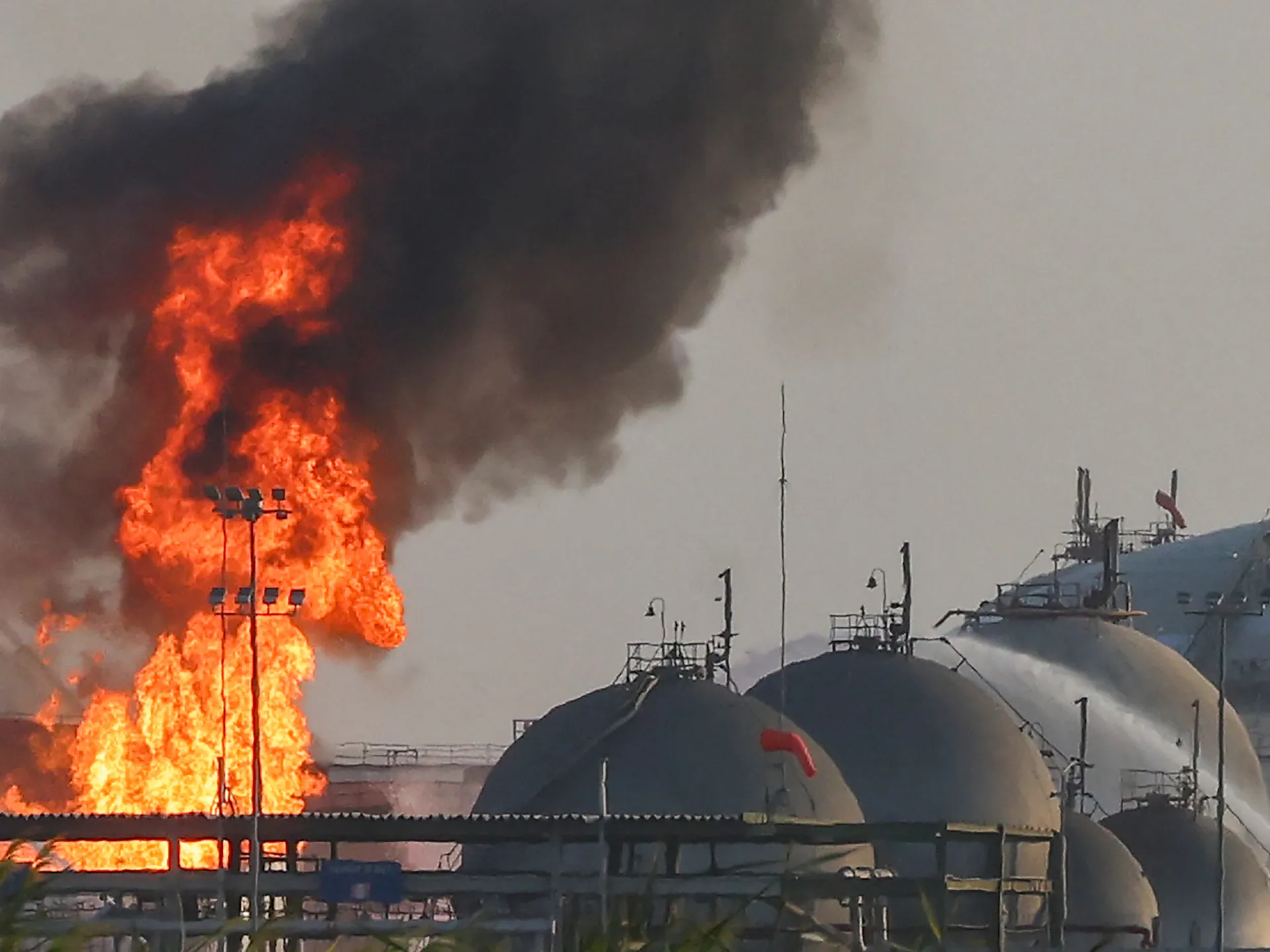
A fire erupted at a Saudi Aramco facility south of Riyadh on Friday. Houthi rebels claimed responsibility for the strike. This attack marks a sharp increase in regional fighting.
Then, images showed large flames rising from the industrial site. Saudi officials have not shared full details about the damage yet. The strike happened as violence in Yemen continues to grow.
After that, the attack highlights the ongoing risk to oil infrastructure. Saudi Arabia remains a major player in the global energy market. Disruptions here usually cause immediate shifts in fuel costs.
How we got here
What happens next
Military planners will likely focus on protecting remaining bridges in Kyiv. The Ukrainian government may order more anti-aircraft guns to shield key routes. Repair crews will work under constant threat of new strikes.
Also, Saudi officials will assess the safety of their energy sites. They may boost security patrols around remote oil facilities. Global markets will monitor these repairs for signs of supply shortages.
Finally, international monitors will track these events for signs of escalation. Both conflicts show no clear path to a quick peace. Diplomatic efforts will continue to face major hurdles in the coming weeks.