
Bosnians vote with new technology while Brazil faces political tension. Meanwhile, NASA shares insights on the night sky this October.
Voters in Bosnia are heading to the polls this Sunday to pick a new government. At the same time, Brazil faces its own election season with high political tension. These events show how many nations are managing change in late 2026.
Meanwhile, scientists continue to look at the stars during this busy month. NASA data highlights deep space events, even as politics dominate the news on Earth. Both politics and space science shape our world today.
Why this matters
Elections in Bosnia and Brazil carry heavy weight for global stability. Bosnia uses complex systems to balance different groups within its borders. New technology aims to make these votes more open and fair for everyone.
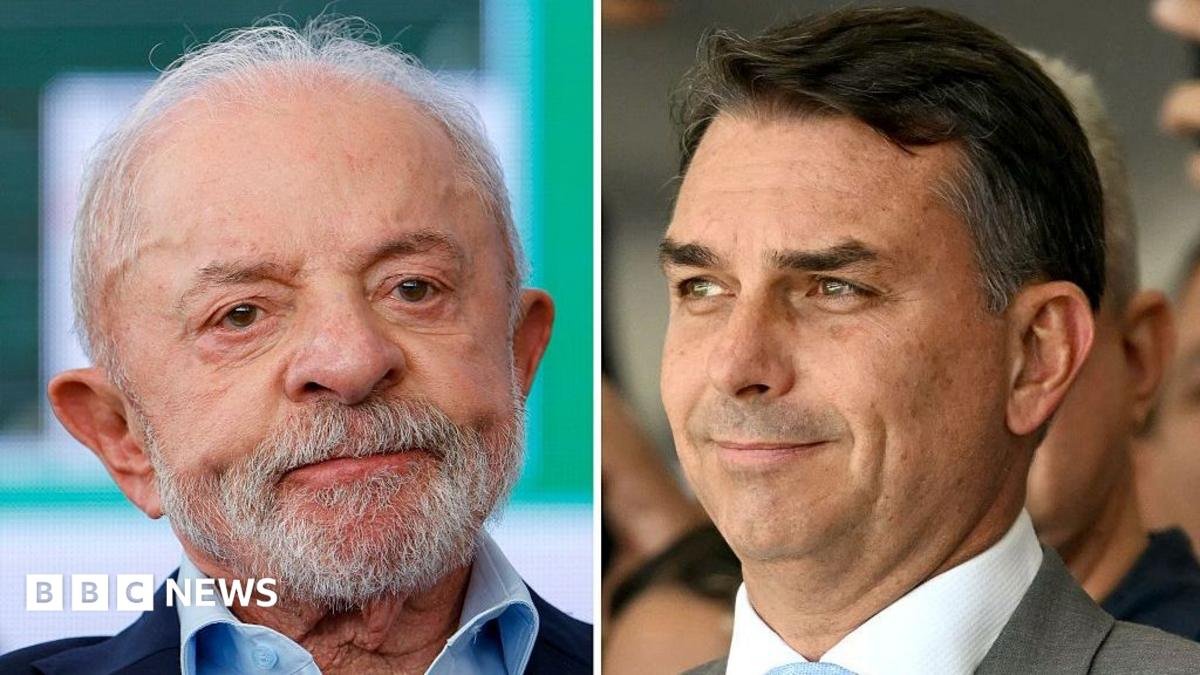
Also, Brazil faces concerns about foreign influence in its democratic processes. President Lula da Silva claims outside forces want to sway the result. These claims spark debates about national sovereignty and international trade.
Finally, these events show a trend of high-stakes voting around the world. Citizens want more transparency in how leaders take power. Technology plays a big role in these efforts across different continents.
New technology in Bosnia
Bosnia is trying new ways to secure its general election. Officials will use biometric devices to check voter IDs at stations. This change helps ensure that each person votes only once.
Next, workers will use scanners for all paper ballot papers. This method does not replace paper voting with digital screens. Instead, it speeds up the counting process for officials.
Furthermore, these tools aim to lower the risk of fraud during the count. Many hope this makes the results more trustworthy for the public. Results will likely reflect a clearer picture of voter intent.
Tensions rise in Brazil
Brazil is currently caught in a heated political contest. President Lula da Silva faces a strong challenge from the right wing. He accuses the opposition of welcoming foreign interference in the race.
However, the opposition denies these claims while pushing for closer ties with the United States. This debate affects how voters view trade and foreign policy. The outcome will decide the future path of the nation.
Still, the tension remains high as election day nears. Many people watch how these political shifts impact regional stability. Sovereignty stays at the heart of the ongoing public argument.
How we got here
- 2022: Denis Becirovic defeats Bakir Izetbegovic in the Bosnian presidential race.
- November 2022: Zeljka Cvijanovic begins her term as a Serb member of the Bosnian presidency.
- September 2026: Bosnian officials prepare for general elections using new scanning technology.
- October 2026: Voters in Bosnia head to polls to choose government leaders at all levels.
What happens next
After the voting ends, Bosnia will start the long process of counting ballots. Officials will verify the biometric data to confirm the winners. This period often leads to intense debate among political parties.
Then, Brazil will move toward its final election day. Observers will watch for more signs of outside influence or tension. International groups may monitor the process to ensure fairness.
Finally, scientists will continue to track cosmic events like the blinking star Algol. While politics change, the patterns in the night sky stay the same. Both spheres of life remain active as the year moves forward.