
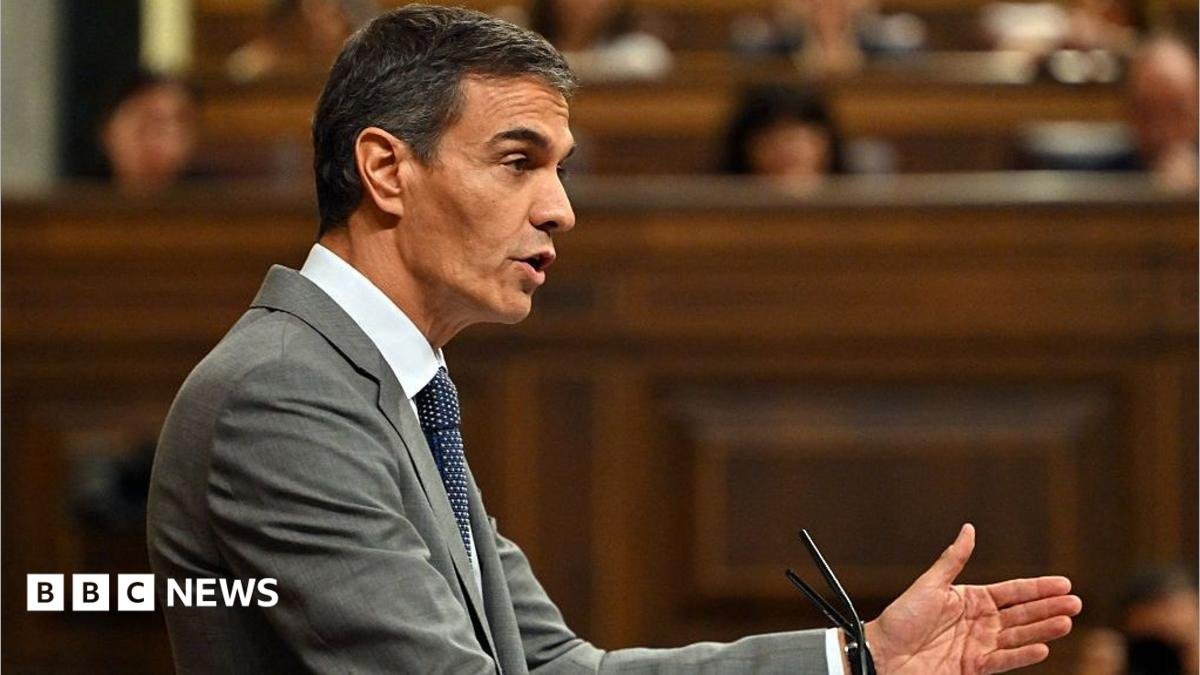
Spain's government faces a major political crisis after parliament rejected emergency housing laws. Protests continue across the country as citizens demand affordable rents.
Why this matters
Spain now faces a deep political divide over the right to housing. The government lost two major votes that aimed to protect renters. This loss shows the fragile state of Prime Minister Pedro Sánchez’s leadership. He lacks a clear majority in the national Congress.
Also, the housing crisis affects millions of citizens across Spain. Rents have risen sharply in major cities like Madrid. Many families struggle to afford basic shelter as corporate landlords increase prices. This struggle has sparked a wave of public anger and large street protests.
Meanwhile, the failure of these laws signals a difficult road ahead for the Socialist Party. Opponents now feel emboldened to challenge the government on other issues. Some critics even demand a snap general election before next summer. The political climate remains tense as the government weighs its next moves.
Legislative defeat and public unrest
Lawmakers rejected two key decree-laws on Wednesday. The first measure failed by a narrow margin of 178 to 172. The second measure lost by 184 to 166. These laws were meant to lower costs for tenants across the country.
However, the defeat happened while protesters stood outside the building. Demonstrators shouted slogans against the government and greedy landlords. Some signs read "your profits, our misery" to show their frustration. The crowd expressed anger over the recent eviction of an elderly woman.
After that, the Tenants' Union announced a change in strategy. They moved from camping in central squares to organizing in local neighborhoods. This group wants to build a permanent movement in every street. They believe this will force real change against rental abuses.
The catalyst for national protest
The recent crisis began with the eviction of 87-year-old Maricarmen Abascal. She lived in a flat owned by the firm Urbagestión. The company raised her rent to a level she could not pay. Local activists gathered to support her during the painful removal process.
Next, the public outcry forced the company to negotiate a new deal. Abascal returned to her home with a lower rent payment. Still, this did not end the national movement for better housing rules. Many citizens feel that one victory is not enough to fix the system.
How we got here
- September 2026: Public anger surges after the eviction of 87-year-old Maricarmen Abascal from her Madrid flat.
- Late September 2026: Protesters begin camping in city squares to demand affordable rental laws.
- October 2, 2026: The Spanish government presents two decree-laws to protect tenants and halt evictions.
- October 2, 2026: Congress rejects both housing decrees, weakening Prime Minister Sánchez’s coalition government.
What happens next
Now, Prime Minister Sánchez must decide how to keep his government together. He will spend the coming days meeting with his allies. They must choose between staying in office or calling for an early election. The outcome will shape Spanish politics for the coming year.