
NASA is currently recruiting new flight directors to lead lunar missions while partnering with international agencies to develop space-based agriculture.
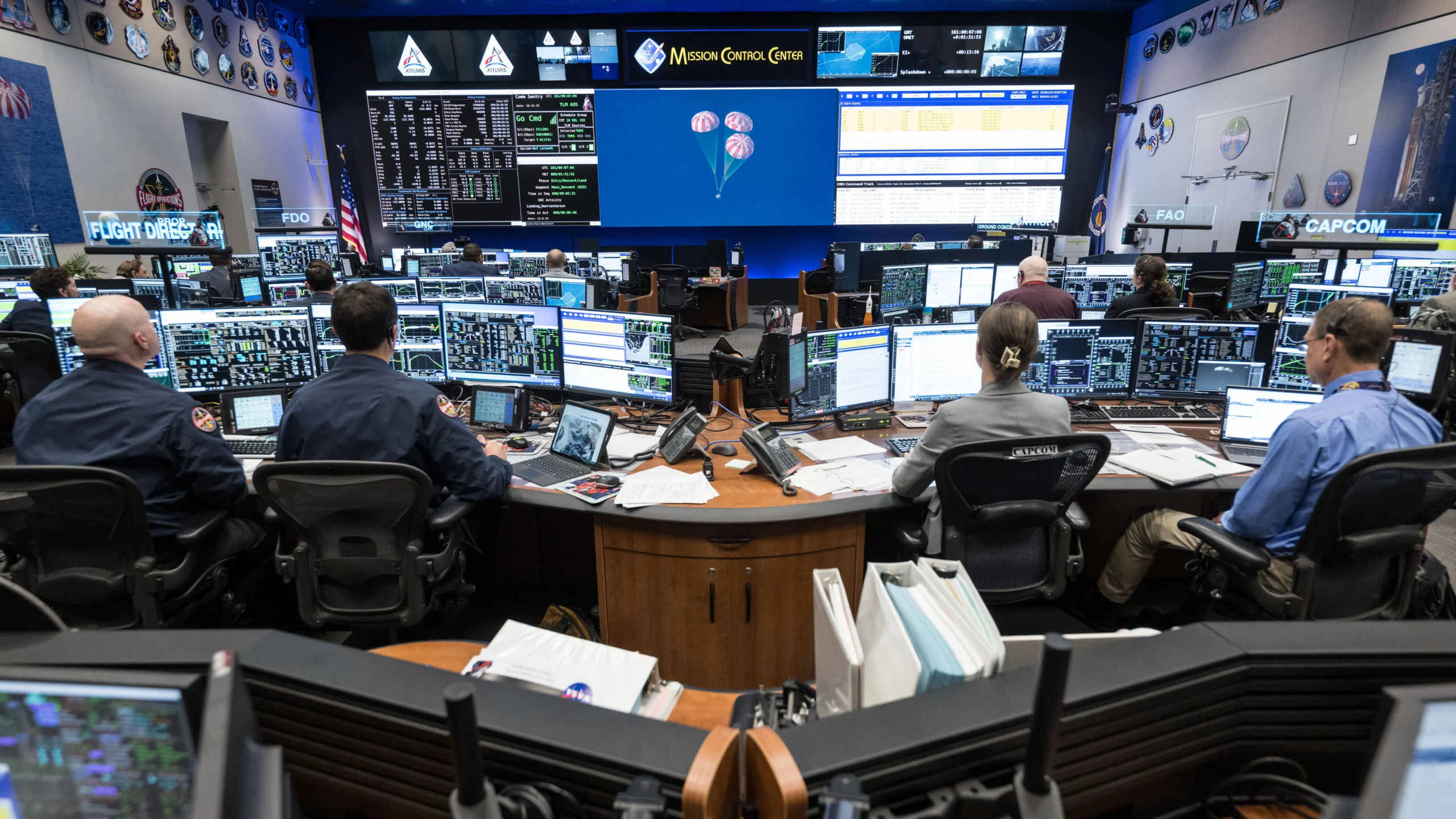
NASA officials recently opened the application window for the next class of flight directors. These leaders will oversee complex human spaceflight missions. They will manage operations at the Johnson Space Center in Houston.
Meanwhile, the agency is also expanding its international research efforts. NASA recently joined forces with Canada and Germany to study space farming. This work aims to sustain astronauts on the Moon for long periods.
Why this matters
This initiative represents a major shift in how humans explore deep space. Space agencies must now move beyond short trips. They need to build systems that keep crews alive and healthy for years.
Also, the role of a flight director is becoming much more complex. These individuals must balance technical data with rapid decision-making. They act as the primary bridge between ground teams and crews in space.
Furthermore, growing food on the Moon presents unique technical challenges. Radiation and low gravity change how plants develop. Solving these problems is vital for future missions to Mars and beyond.
Still, the stakes for these missions remain very high. Every decision made at mission control carries life-or-death consequences. Only the most prepared leaders can manage such extreme environments successfully.
New Leadership and Lunar Farming
NASA wants candidates with strong backgrounds in science or engineering. Applicants must hold a degree in fields like mathematics or computer science. They must also show experience working under high pressure.
Then, those selected will undergo rigorous training programs. They will learn to manage spacecraft systems and complex mission plans. Successful candidates will lead teams through the Artemis lunar missions.
Meanwhile, the new Lunar Agriculture Module project focuses on sustainability. Scientists hope to grow crops in environments that mimic the Moon. These plants will provide fresh food for space crews.
After that, the researchers will test how these plants produce oxygen. They also plan to study how the crops recycle water. This research directly supports the goal of a permanent Moon base.
How we got here
- 2023: NASA scientists began using advanced cameras to track plant health at Kennedy Space Center.
- September 2026: NASA, Canada, and Germany signed a deal to start lunar crop research.
- October 2026: NASA officially opened the application process for a new group of flight directors.
What happens next
NASA will stop accepting applications for flight directors on October 12. Agency leaders will then review all submissions carefully. They plan to announce the new class of directors by the end of the year.
Also, the space agencies will begin building the ground-based test demonstrators for crops. These tests will take place on Earth before any hardware goes to the Moon. Data from these tests will guide the design of the future Moon Base.
Finally, these flight directors will begin their training for upcoming lunar expeditions. They will work closely with international partners and commercial companies. Their leadership will help shape the future of human space exploration for decades.