
NASA explores new flight and farming tech while a major amusement park closes a famous ride after safety complaints.
Why this matters
Modern society relies on safety, innovation, and long-term planning. Whether on Earth or in space, we look for ways to push boundaries safely. These stories show how different groups handle big risks and new goals.
Also, these events highlight the need for constant improvement. Companies and space agencies must balance progress with public trust. Success requires both smart engineering and deep care for human life.
Advances in flight and lunar farming
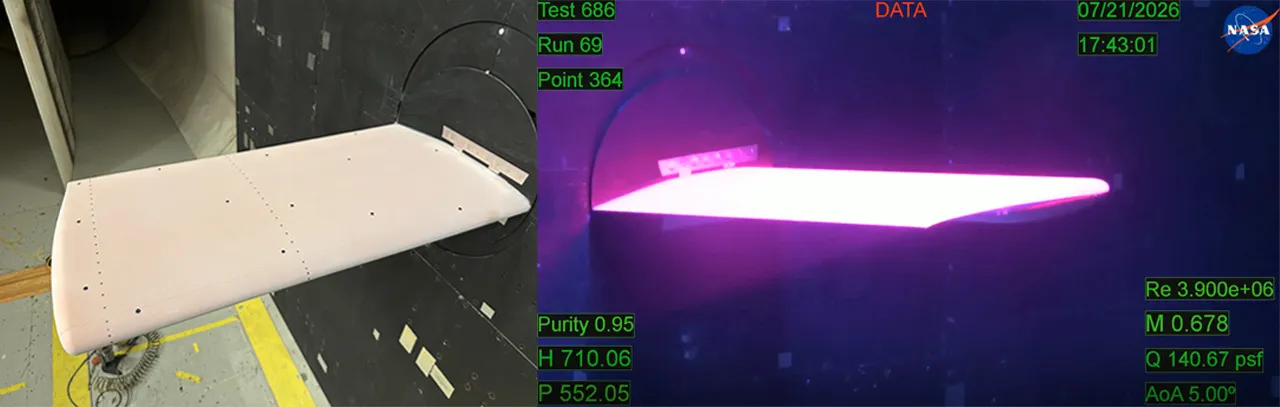
NASA researchers recently tested a new wing model in Virginia. They used special paint that glows under ultraviolet light. This paint helps cameras track air pressure on the wing surface.
Meanwhile, space experts are looking further toward the moon. NASA signed a new plan with Canada and Germany. They want to learn how to grow crops in space environments.
Next, these space crops will serve two major roles. They will provide fresh food for astronauts on long missions. They will also help recycle water and produce oxygen for the crew.
Safety concerns at a major park
However, safety remains a challenge for amusement parks here on Earth. Six Flags Magic Mountain recently closed its X2 rollercoaster. The ride faced many claims about rider brain injuries.
Also, lawyers representing victims say the decision came too late. The law firm noted that hundreds of people reported harm. Some riders even required emergency brain surgery after their experience.
Finally, the park claims it prioritizes guest safety above all else. They decided to retire the ride to maintain public trust. The ride had operated for nearly two decades before its closure.
How we got here
- 2002: The original X rollercoaster opens at Six Flags Magic Mountain.
- 2007: The park closes the ride to replace trains and fix design flaws.
- 2008: The ride reopens as X2 and serves over 16 million guests.
- 2022: Christopher Hawley dies after riding the X2 rollercoaster.
- 2026: NASA tests new pressure-sensitive paint at Langley Research Center.
- Sept 30, 2026: NASA and international partners sign a deal to study lunar agriculture.
- Oct 2026: Six Flags retires the X2 coaster following public pressure and legal claims.
What happens next
NASA will likely use its new paint data for future designs. This will help create flexible wings for more efficient aircraft. The agency continues to refine these tools for better computer simulations.
Also, the lunar crop program will move toward ground testing. Scientists will study how plants grow in conditions similar to the moon. These findings will prepare humans for longer missions to Mars.
Finally, lawyers for the X2 victims may continue their legal battles. The park faces pressure to ensure that whatever replaces the ride remains safe. Future safety standards for thrill rides could change as a result of these cases.