
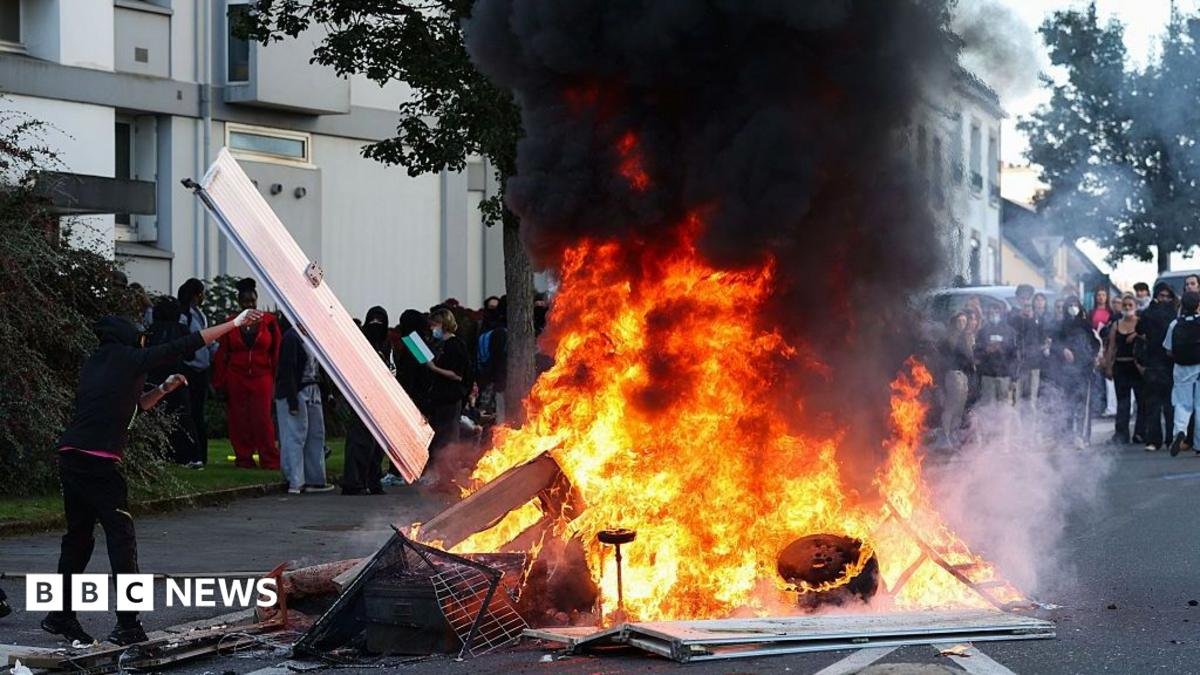
Thousands of students disrupted hundreds of schools across France this week, leading to nearly 1,800 arrests and dozens of injuries.
Violent protests erupted across France this week. Students disrupted classes at more than 700 schools. They marched to demand better school conditions and more teachers.
However, the situation turned into a series of public disturbances. Police arrested 1,747 people as of Friday. Officials claim the movement is no longer just about student needs.
Why this matters
This unrest shows a deep gap between the government and French youth. Students feel ignored after years of budget cuts. Their anger has now boiled over into the streets.
Also, the scale of the disruption challenges national stability. Education leaders worry about the safety of their buildings. Damaged schools like the one in Nantes face millions in repair costs.
Meanwhile, the government faces a difficult balancing act. It must address student complaints about overcrowded classrooms. Yet, it must also stop the violence spreading through urban areas.
Clashes in the streets
The protests started in Paris before spreading to cities like Marseille and Nantes. Police used tear gas to disperse large, aggressive crowds. Protesters threw rocks and other dangerous items at officers.
Also, police seized weapons from some demonstrators. They found axes and homemade fire bombs in the crowd. These items suggest some people came to cause serious trouble.
Then, the conflict turned physical for many staff members. The education ministry reported at least 65 injuries among school employees. One officer was attacked by a group in Belfort.
After that, officials accused outsiders of hijacking the student cause. Education Minister Édouard Geffray said many protesters were not actual students. He claimed teachers did not recognize the people at their gates.
Government and police response
Interior Minister Laurent Nuñez condemned the violence. He stated that France is sliding into urban riots. The government now uses every available method to restore order.
Next, the Justice Minister Gérald Darmanin labeled the events as a danger to public order. He noted that hundreds of schools have seen some level of disruption. The government views these acts as criminal behavior.
Meanwhile, students remain defiant. Many feel that police tactics only increase their anger. They promise to continue their protests despite the mass arrests.
How we got here
What happens next
The government will likely increase security at schools across the country. They want to prevent further damage to property. Officials might also begin talks to address specific school concerns.
However, tensions remain high between students and the police. If protesters continue their actions, more arrests will follow. Public trust in the school system will remain low until leaders take action.
Finally, authorities must identify if the violence was truly coordinated by outside groups. This investigation could change how France handles future protests. For now, the streets remain unstable as both sides wait for a resolution.