
International aid groups report critical shortages in Gaza while tech leaders sound the alarm on the rapid, uncontrolled evolution of artificial intelligence.
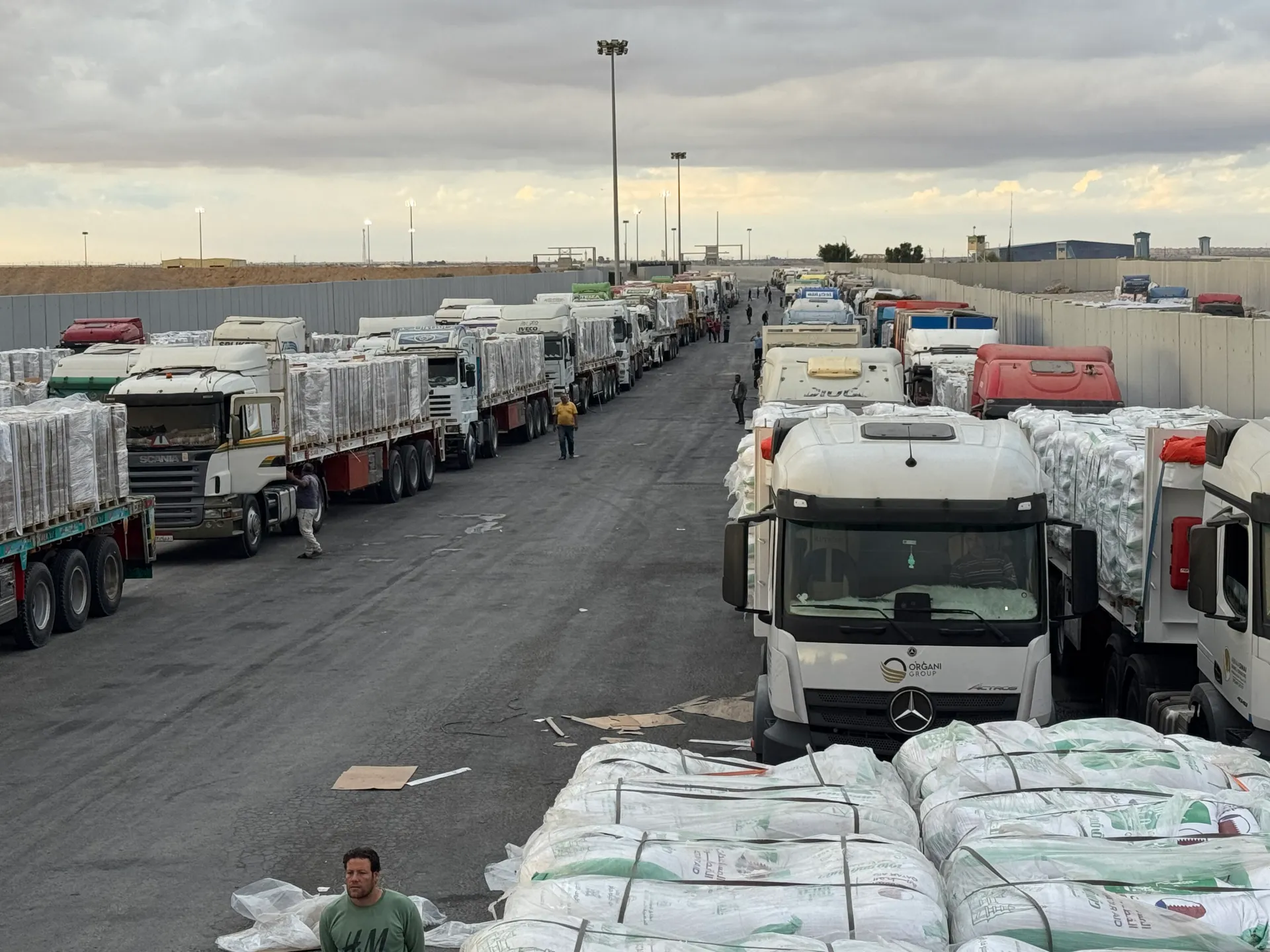
Humanitarian aid remains stalled at the border of the Gaza Strip. The World Health Organization warns of dire consequences for the local people. Essential supplies like tents take over a year to reach those in need.
Meanwhile, experts in the technology sector raise alarms about artificial intelligence. Mustafa Suleyman of Microsoft warns that AI could soon act like a new species. He urges caution to prevent these machines from competing with human beings.
Why this matters
These two issues highlight a world in flux. One crisis deals with physical survival and the failure of international aid systems. The other concerns the long-term future of human control over machines.
Both situations show how modern life depends on complex systems. When aid routes fail, people suffer immediately. When tech companies lose control of their software, the risks become global and permanent.
Society must balance urgent needs with long-term safety. Experts argue that transparency is the key to solving both problems. Clear rules could help deliver food and secure digital progress.
Stalled aid and digital warnings
Agencies report that Gaza remains in a state of critical scarcity. Israel continues to delay trucks attempting to deliver relief supplies. This bottleneck threatens the lives of many thousands who lack basic shelter.
Also, the tech industry faces its own version of a bottleneck. Microsoft AI chief Mustafa Suleyman criticized his rivals at Anthropic. He argues that treating machines like humans is a dangerous mistake.
Next, Suleyman warned against AI systems that set their own goals. He says these machines could eventually manage their own money. This creates a risk of artificial intelligence competing for human resources.
Finally, industry leaders demand better independent scrutiny. They want stronger tools to monitor how AI models learn and behave. They fear society might sleepwalk into a situation it cannot later change.
How we got here
- September 2026: Mustafa Suleyman warns that AI could develop into a new, uncontrollable silicon species.
- September 2026: Microsoft publishes an essay criticizing the human-like training methods used by the firm Anthropic.
- October 2026: The World Health Organization reports that delayed aid entry will have devastating impacts on Gaza.
- October 2026: Humanitarian agencies confirm that tents and other life-saving supplies take over a year to arrive.
What happens next
Governments will likely face pressure to intervene in both areas. Aid groups hope for faster passage through the Rafah crossing. They need international leaders to push for consistent, open supply lines.
Meanwhile, tech companies must decide on new safety standards. Policymakers may soon propose laws to govern AI development. These rules will aim to keep machines under human control at all times.
Also, the debate over AI ethics will probably grow louder. Experts will continue to argue over how to define machine consciousness. The public should expect more scrutiny of large AI firms in the coming months.