
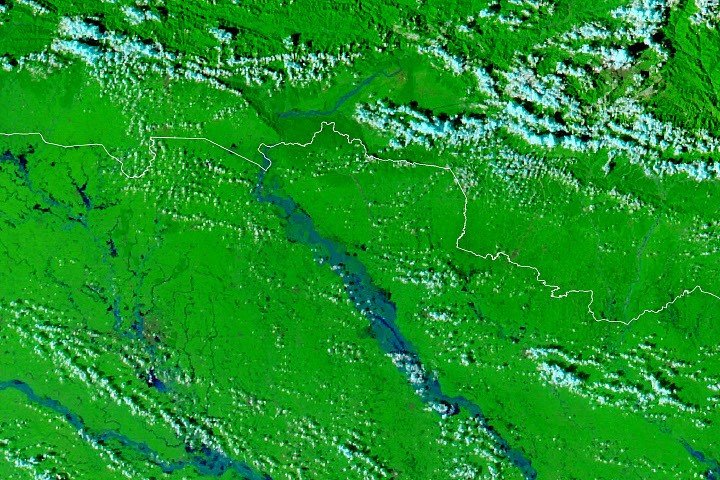
Severe flooding devastates communities along the Gandak River while global leaders debate climate responsibility.
Why this matters
Record-breaking floods in South Asia highlight the growing risks of climate change. The Gandak River recently reached its highest level since the 1960s. This event forced thousands of people from their homes. It also destroyed farmland across vast regions in Nepal and India.
Also, these disasters put pressure on world leaders to act. Nepal’s Prime Minister Balendra Shah spoke at the United Nations. He argued that smaller nations suffer for global climate issues. His speech shows how environmental crises drive diplomatic tensions today.
Meanwhile, venue planners in other parts of the world face their own environmental hurdles. The 2032 Brisbane Olympics recently approved the Fitzroy River for rowing events. This choice sparked debate because the river houses about 100 saltwater crocodiles. Safety and flood risks remain top concerns for organizers.
The Gandak River Crisis
Torrential rains hit Nepal between September 24 and 27, 2026. The water rushed into the Gandak River system. This caused the river to burst through its embankments. Massive floods then spread across hundreds of kilometers of land.
Next, NASA satellites captured the scene from space. The images show a dramatic change in the river. It expanded significantly between September 20 and September 29. Water inundated fields and villages in places like Bagaha and Areraj.
Then, local officials reported major damage. Thousands of people lost their homes due to the rising water. The gauge at Devghāṭ hit 11.94 meters. This level is a new record for the region.
Olympic Venue Challenges
However, water management is a concern far beyond South Asia. Officials in Australia approved the Fitzroy River for the 2032 Olympics. Experts studied the river for flood risks and water levels. They believe the site can host fair competitions.
After that, organizers faced questions about local wildlife. Saltwater crocodiles live in the river and can reach six meters long. Olympic leaders compared the risk to surfing with sharks. They urged a positive mindset regarding the venue choice.
Still, some former athletes expressed worry about the decision. They cited potential for future flooding and athlete safety. These concerns reflect the difficulty of planning large events in changing climates.
How we got here
- September 17, 2026: Officials approve the Fitzroy River for 2032 Olympic events.
- September 20, 2026: NASA captures the first satellite image of the Gandak River.
- September 24-27, 2026: Heavy rains trigger floods and landslides in Nepal.
- September 25, 2026: Nepal’s Prime Minister addresses the UN about climate justice.
- September 27, 2026: The Gandak River reaches a record high level at Devghāṭ.
- September 29, 2026: Satellite images show the full scale of the flooding.
What happens next
Now, authorities in South Asia must focus on recovery. Residents need shelter and food after the destruction of their homes. Engineers must also rebuild the broken embankments to prevent future spills.
Next, global leaders will continue to debate climate policy. The words of Prime Minister Shah signal a demand for more help. Developing nations will likely seek more financial support for climate protection.
Finally, Brisbane organizers will move into the next phase of planning. They must finalize designs for the Olympic rowing course. Safety protocols for athletes and spectators will remain a high priority for the games.