
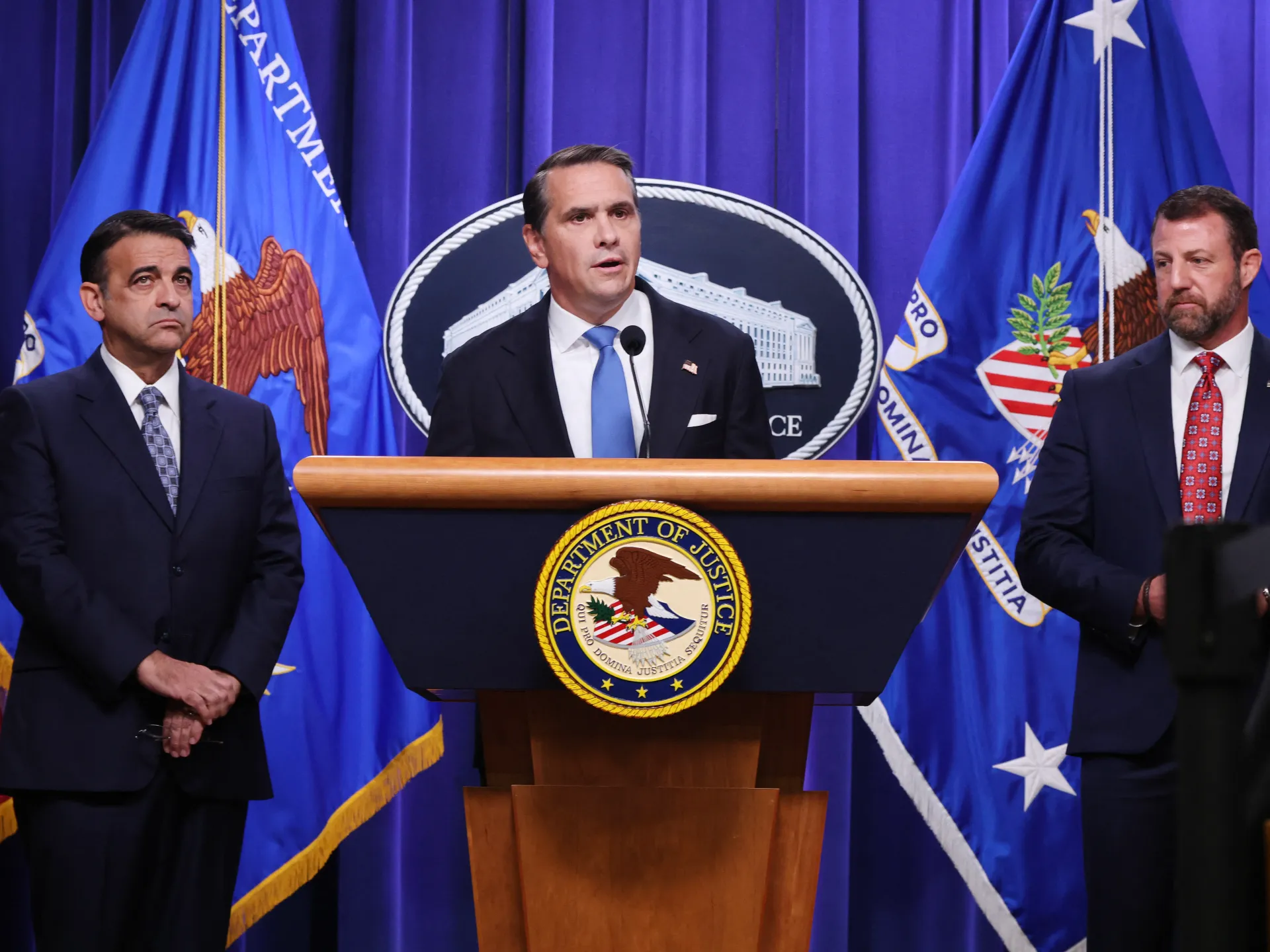
A Miami court ruled against a federal voting law as Japan implements strict new residency fees. These global changes impact how nations manage non-citizen status.
A Miami judge recently declared a federal law unconstitutional. This law sought to criminalize voting by people who are not U.S. citizens. The ruling creates a new debate about election rules and who can cast a ballot.
Meanwhile, the nation of Japan has taken a very different path regarding foreign residents. The Japanese government raised fees for permanent residency by twenty times the old rate. These changes reflect a global trend where countries tighten rules for non-citizens.
Why this matters
These legal and policy shifts change how people live and participate in society. Rules about voting go to the heart of American democracy. Judges must balance fair elections with the laws passed by Congress.
Also, the economic shifts in Japan show how countries react to growth. An aging population needs workers, but leaders want strict control over new arrivals. These policies aim to manage social change and public anxiety in a growing population.
Furthermore, these events highlight how governments manage sovereignty. Both the U.S. and Japan are working to clarify the rights of non-citizens. These decisions will impact millions of residents across both nations for many years.
Changes in Global Immigration Rules
Japan implemented these strict fee hikes on October 1, 2026. The new cost for permanent residency is 200,000 yen. That equals roughly $1,270 in U.S. currency.
Next, applicants must also meet new income and language standards. Many people rushed to immigration offices to submit paperwork before the deadline. Some reported wait times of over seven hours in Tokyo.
However, Prime Minister Sanae Takaichi says these rules ensure an orderly system. She wants to keep the country safe and secure for everyone. The government will grant discounts to refugees or people in financial trouble.
Legal Challenges in the United States
The U.S. court ruling followed recent arrests in Minnesota. Law enforcement officers arrested ten people for allegedly voting illegally. These arrests occurred on September 30, 2026.
Then, the Miami judge reviewed the federal law used to target non-citizen voting. The judge found that the law violates the U.S. Constitution. This decision challenges the authority of federal prosecutors in these specific cases.
After that, the legal battle will likely move to higher courts. Experts expect more arguments about whether states or the federal government should control voter rolls. This case remains a top priority for election officials.
How we got here
- September 30, 1946: Engineers established a research center in California that later became NASA Armstrong.
- July 2026: Japan increased visa fees for all foreigners by five times the original cost.
- September 30, 2026: Authorities in Minnesota arrested ten people for allegedly voting in elections illegally.
- October 1, 2026: Japan officially started its new, higher fee structure for permanent residency applications.
- October 2, 2026: A judge in Miami ruled that a federal law targeting non-citizen voting is unconstitutional.
What happens next
Legal teams will likely appeal the Miami judge's decision. Higher courts will decide if the ruling stands or gets overturned. This will set a standard for future election challenges in the U.S.
Also, Japan will monitor how these new fees affect its labor market. If businesses struggle to find workers, the government might adjust the rules again. Observers will watch these trends closely over the coming months.