
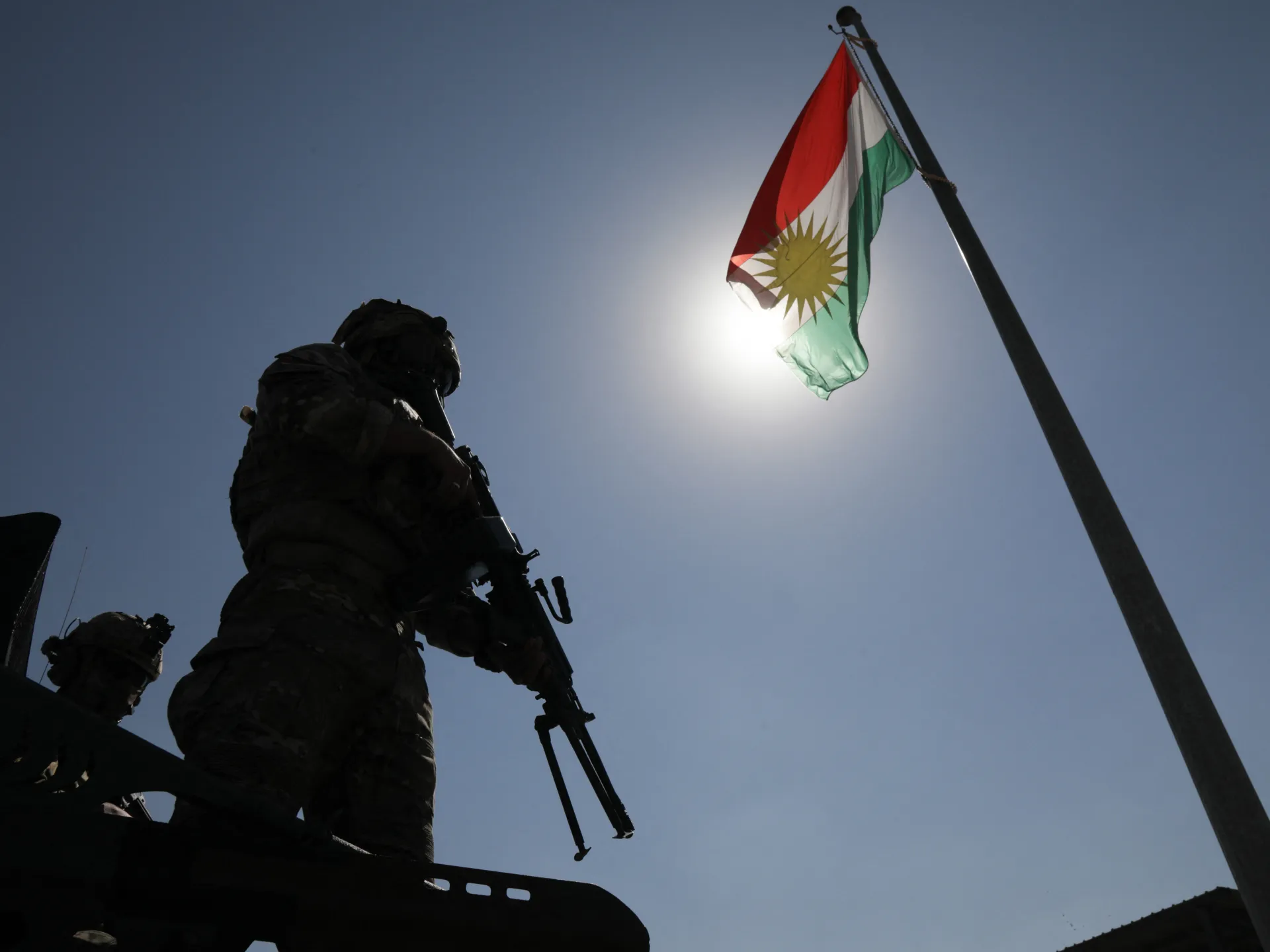
The United States concludes its combat mission in Iraq while President Trump faces backlash over the use of government funds for television advertisements.
The United States recently ended its military mission against ISIS in Iraq. This change comes as regional security fears continue to grow. Kurdish Peshmerga fighters now prepare for a new era of self-reliance.
Meanwhile, officials in Washington face their own set of challenges. President Trump faces criticism over new television advertisements. Critics argue these ads use government money for political gain.
Why this matters
This situation highlights two major shifts in American power. First, the military withdrawal from Iraq marks the end of a long, costly commitment. The region must now find its own balance of power without US help.
Also, the debate over government ads affects trust in public office. Rules exist to stop the use of tax dollars for political campaigns. If these rules fail, it could change how leaders use public funds in the future.
Changes in Iraq and Regional Security
The US military mission officially concluded this week. For years, these troops supported local forces in the fight against ISIS. Now, the Kurdish Peshmerga must handle these threats alone near Erbil.
However, experts worry about the power vacuum left behind. Many fear that militant groups could regain strength without constant monitoring. Local leaders hope for stability despite these deep concerns.
Also, the geopolitical landscape in the Middle East remains tense. Neighbors of Iraq watch these developments with great interest. The shift in US policy changes how these nations view their own security.
Political Advertising and Federal Funding
In the United States, a different kind of conflict emerged. President Trump recently appeared in several television advertisements. The US government paid for the production and airtime of these spots.
Many people argue that these ads break federal laws. The law forbids using tax money for personal or political publicity. Critics claim these spots look and sound like campaign material.
Still, the White House defends the move. Officials describe the ads as public service announcements. They insist the messages inform citizens about government programs rather than promote a candidate.
Next, legal experts continue to analyze the situation. Some suggest the ads cross a line despite the White House's claims. The public debate over these ads shows a divide in how voters view government power.
How we got here
- 2014: The US military launched a mission in Iraq to fight the rise of ISIS.
- 2026 (September): The US military officially ended its combat mission against ISIS in Iraq.
- 2026 (Late September): Reports surfaced regarding television ads featuring President Trump funded by the government.
What happens next
Iraq will likely focus on strengthening its own defense forces. The Kurdish region must build new alliances to stay safe. Officials will watch for any signs of ISIS resurgence.
Meanwhile, the debate over federal ads will likely head to the courts or Congress. Legal experts will test the White House's claims against existing laws. Voters will decide if this issue matters during the upcoming midterm elections.