
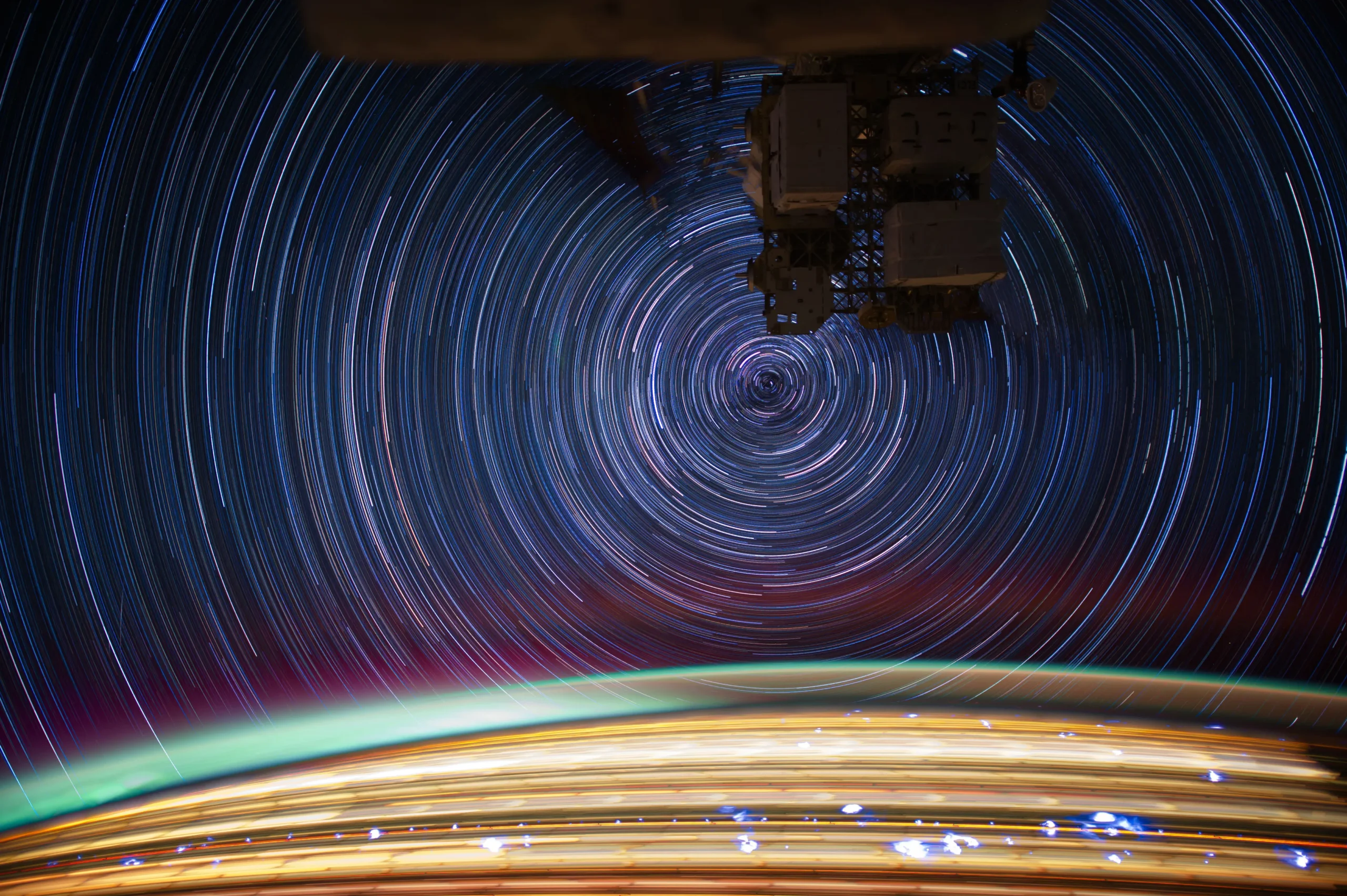
NASA awards new research grants to students as astronomers reveal fresh cosmic images. Meanwhile, political changes unfold on the world stage.
NASA recently announced the 2026 Space Technology Graduate Research Opportunities. These grants support students across dozens of top universities. They focus on new tools for space exploration and lunar travel.
Meanwhile, space observers continue to capture stunning images of the cosmos. Astronomers recently highlighted the Shrimp Nebula. These events show how science continues to progress during a busy autumn.
Why this matters
These research grants represent a major investment in the next generation of space engineers. Young researchers will develop technologies to solve complex problems in deep space. Their work includes better docking ports and robotic assembly tools.
Also, these projects help the United States maintain its lead in global space technology. Many of these ideas will eventually assist astronauts on the Moon. This work bridges the gap between classroom theory and real space missions.
However, the global landscape remains complex beyond the lab. Political shifts continue to influence how nations interact on Earth. Scientific progress often relies on stable environments to thrive.
Advancing deep space technology
The new grants cover many different areas of study. Students are creating better power systems for lunar outposts. Some are designing robots that can assemble structures in orbit.
Next, teams are working on navigation for spacecraft. They want to make landing on other worlds much safer. These technologies aim to handle the harsh conditions of space missions.
Furthermore, researchers are exploring new materials for space suits and structures. They hope these materials will withstand extreme radiation. This research will help keep future crews healthy and safe.
Cosmic observations and global context
Outside of the lab, space photographers keep watching the sky. They recently captured the Shrimp Nebula in high detail. This massive object shows how stars change over time.
Also, news from Earth shows that society is changing quickly. Serbia held important elections late in September 2026. Student movements played a big role in these political developments.
Still, the intersection of space discovery and earthly politics remains important. Scientific grants often depend on national budgets. Changes in government can affect how agencies fund future projects.
How we got here
- September 2026: NASA announces the list of students for the 2026 research grants.
- September 26, 2026: Student protesters hold a major rally in Kragujevac, Serbia.
- September 28, 2026: Reporters highlight the connection between political unrest and national priorities.
- September 29, 2026: Astronomers release new images of the Shrimp Nebula to the public.
What happens next
The student researchers will now begin their specific projects. They must meet strict deadlines set by the space agency. Progress reports will track their success over the coming year.
Meanwhile, space agencies will watch these projects for breakthrough results. Many of these technologies might undergo testing in ground simulators soon. Success could lead to actual flight tests in the future.