
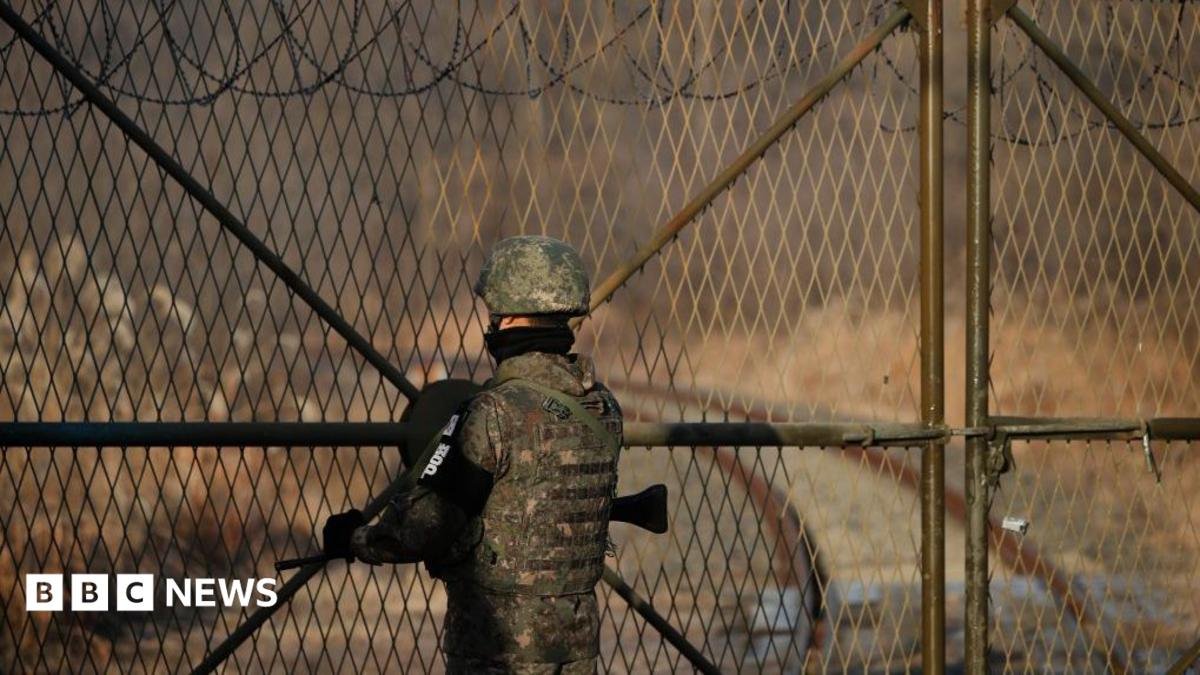
South Korean officials demand an apology from Pyongyang following recent landmine explosions in the DMZ that injured three soldiers.
Why this matters
Tensions between North and South Korea are reaching a breaking point. These mine blasts create a dangerous new layer of hostility. The Demilitarised Zone, or DMZ, serves as a fragile buffer. Any military action within this area threatens regional stability.
Furthermore, analysts warn that communication lines have collapsed. The two nations no longer talk to each other regularly. This silence increases the chance of a major misunderstanding. A small mistake could quickly trigger a larger conflict.
Meanwhile, the global community watches these events closely. The border represents a long-standing historical divide. Both sides remain locked in a cycle of blame and denial. Each incident makes a lasting peace harder to achieve.
Border Security and Military Tensions
South Korean officials recently issued a stern demand. They want North Korea to apologize for landmine blasts. These explosions occurred inside the DMZ on September 21. Three South Korean soldiers suffered injuries from these mines.
South Korean military leaders believe the evidence is clear. They claim the mines originated from the North. They vowed to take necessary measures in response. Seoul views this as a direct violation of their armistice.
However, North Korean officials deny these accusations. Kim Yo Jong dismissed the reports as a total farce. She accused the South of creating a fake narrative. Her statement warned of consequences for these claims.
Next, the North claims the South wants to escalate tension. Kim Yo Jong said the accusations serve political goals. She rejected the idea that her military crossed the border. She labeled the claims as a planned provocation.
Historical Context of the DMZ
The 1953 armistice ended active fighting in the Korean War. It created the four-kilometer-wide DMZ to keep troops apart. This zone has remained a flashpoint for decades. Sporadic violence often occurs along this line.
Also, both sides have fortified the border over time. North Korea continues to place mines to prevent movement. South Korea frequently reports these activities to the international community. These actions show the deep distrust between the two governments.
How we got here
- 1953: The Korean War armistice creates the DMZ as a buffer zone between the two nations.
- 2015: Two South Korean soldiers are hurt by landmines near a guard post.
- September 21, 2026: Three South Korean soldiers sustain injuries during new mine explosions in the DMZ.
- September 29, 2026: South Korea officially demands an apology and an end to border fortification.
- September 30, 2026: North Korea rejects the accusations as a political farce through state media.
What happens next
Experts suggest the situation will likely remain tense. There is little chance of a quick diplomatic resolution. North Korea will probably continue its current border policy. South Korea must decide how to respond without triggering war.
Finally, international observers will monitor the border area carefully. Any further movement by the North will draw more condemnation. Diplomatic pressure may increase, but success remains uncertain. Peace depends on both sides choosing to de-escalate.