
A busy Pacific hurricane season brings flood risks to North America while rescue teams recover victims from a tragic ferry fire in the Philippines.
A series of powerful tropical storms now moves across the Pacific Ocean. These systems bring heavy rain and dangerous winds to parts of Mexico and the United States. Meanwhile, emergency teams in the Philippines continue to search for victims of a deadly ship fire.
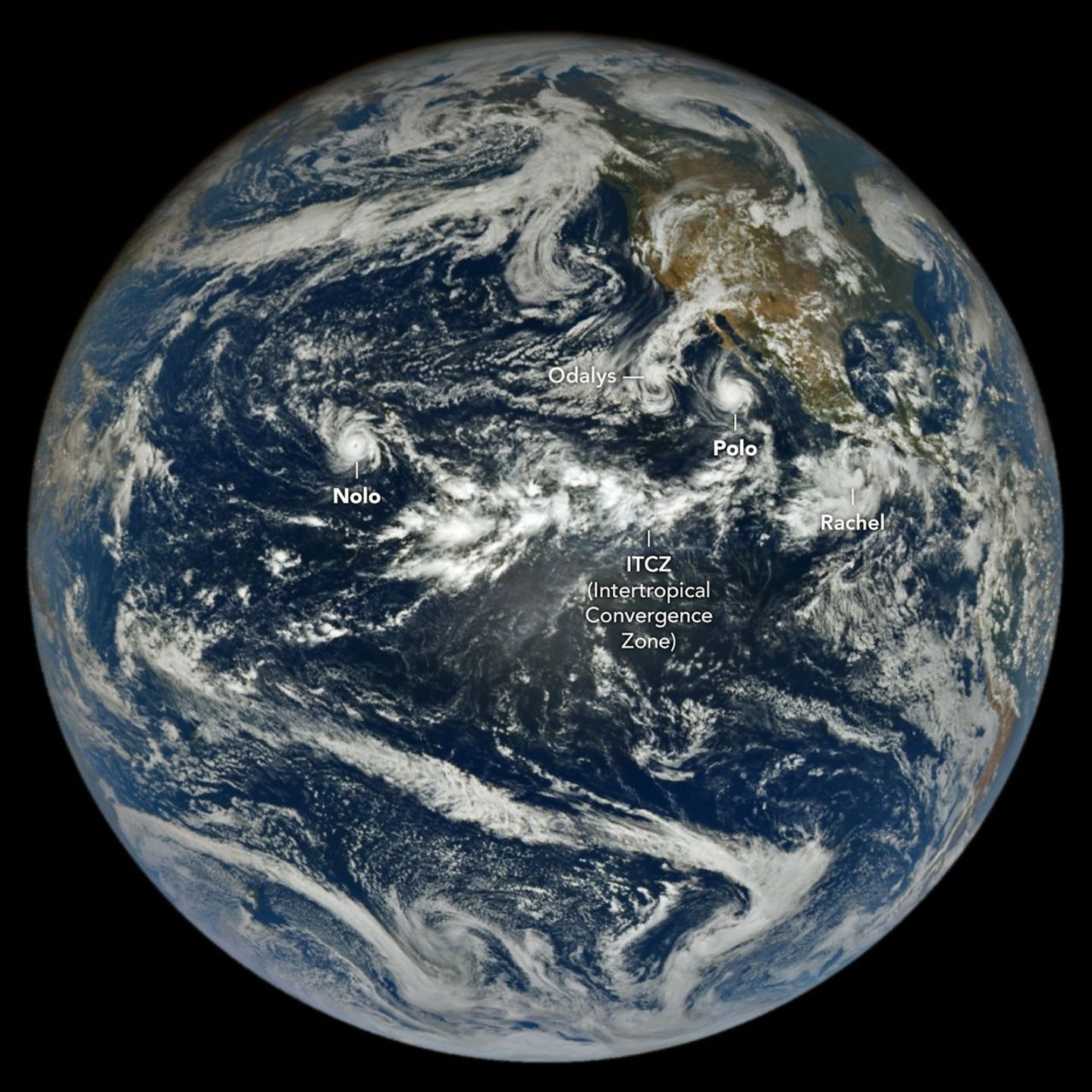
The tropical cyclone season has been very active this year. NASA satellites show a busy basin filled with swirling storm clouds. Nine storms reached hurricane strength by late September. This is well above the normal average for this time of year.
Why this matters
These two events show the risks people face from both nature and human systems. Climate patterns can fuel intense storms that threaten coastal homes. At the same time, aging infrastructure and safety lapses cause tragic accidents at sea.
Also, authorities must manage these twin crises at once. Resources often stretch thin during major disasters. Clear communication becomes vital to protect lives in both regions.
Storms impact coastal regions
Hurricane Polo recently made landfall in Baja California Sur. The storm had earlier reached category 5 strength over warm ocean waters. It later weakened to a category 2 before hitting the coast. It then moved across the Gulf of California to strike near Guaymas.
Next, the remnants of this storm will push into the southwestern United States. Forecasters warn of major flood risks in this area. Heavy rain may also reach parts of the southern Plains. Residents should prepare for dangerous road conditions.
Meanwhile, other storms continue to form in the Pacific basin. Tropical Storm Rachel currently tracks parallel to the coast of Mexico. High winds and large waves pose a threat to those near the water. Officials urge people to avoid the shoreline until the storms pass.
Recovery after the ferry tragedy
Rescuers in the Philippines still work to recover victims from a burnt ferry. The MV June Aster caught fire while near the town of Coron. The blaze killed 76 people in total. Most of the victims died in the fire or while trapped inside.
After that, the Philippine Coast Guard began to remove bodies from the wreckage. Lingering heat and toxic fumes made this task very hard. Officials now focus on identifying the victims through DNA testing. Families provide personal items to help with this sad process.
Finally, investigators look at why the fire spread so fast. Survivors say they heard a loud explosion before the smoke appeared. People did not have enough time to put on life jackets. The ferry operator promises to help with the full government inquiry.
How we got here
- March 2026: The MV June Aster passes a safety inspection.
- September 9, 2026: A fire erupts on the ferry near Coron.
- September 22, 2026: Hurricane Polo reaches category 5 intensity.
- September 27, 2026: NASA satellites capture images of the busy Pacific storm basin.
- September 28, 2026: Hurricane Polo makes its first landfall in Baja California Sur.
- September 29, 2026: The storm makes a second landfall near Guaymas.
What happens next
Experts expect the Pacific storm activity to remain high for a few more weeks. Meteorologists will track the remnants of the storms to predict flood zones. State and local agencies must remain on alert to issue evacuation orders if needed.
Also, investigators will continue to review the ferry disaster. They will look at the ship's maintenance logs and cargo records. New safety rules for passenger vessels may follow the final report. This process will take several months to complete.