
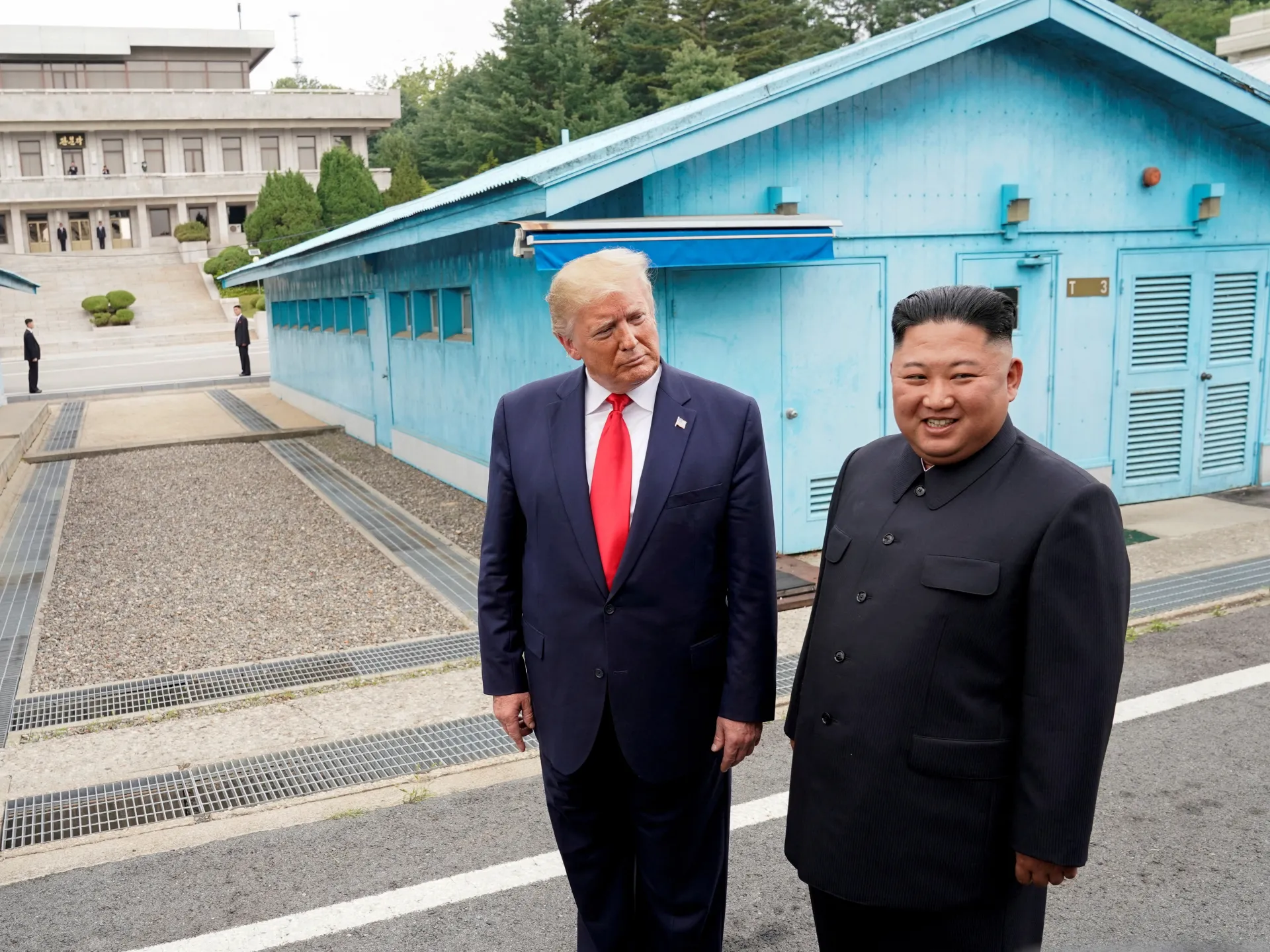
President Trump seeks to manage relations with China and North Korea. He calls Kim Jong Un a friend while navigating a tense trade truce with Beijing.
President Donald Trump recently described North Korean leader Kim Jong Un as a friend. He also downplayed the threat of North Korea's nuclear weapon stockpile. These comments come during a busy week of international diplomacy.
Meanwhile, the President met with Chinese leader Xi Jinping at the White House. The two leaders aimed to solve difficult trade and technology disputes. Their meeting highlights the complex nature of current American foreign policy.
Why this matters
Global stability depends on how the U.S. manages its biggest competitors. Tensions between Washington and Beijing affect the entire world economy. Decisions made at the White House influence markets, jobs, and national security.
Furthermore, the status of Taiwan remains a major flashpoint for conflict. Balancing military support for Taiwan with trade needs is a tough task. Failure to manage these ties could lead to lasting global instability.
Negotiating trade and technology
The summit between Trump and Xi ended with a short trade truce. Both nations agreed to pause their tariff war until January. Beijing had hoped for a much longer deal to support its economy.
Also, the two leaders discussed artificial intelligence and its future safety. They did not announce any concrete rules for this new technology. Both countries continue to compete for leadership in the digital space.
Still, China faces serious problems at home with its domestic economy. High youth unemployment and low property values hurt their growth. Access to U.S. markets remains vital for Chinese leaders right now.
The Taiwan and North Korea factors
Xi Jinping warned the U.S. about selling weapons to Taiwan. He views these arms deals as a major red line. Trump previously held up a large arms package for the island.
However, Trump faces pressure from both political parties to help Taiwan. He calls the weapons package a useful tool for future negotiations. This strategy keeps Beijing waiting for a final decision.
Finally, the President expressed a warm view of North Korea's leader. He claims Kim Jong Un acts differently than leaders in Iran. These remarks set a unique tone for his Pacific strategy.
How we got here
- 2019: Trump and Kim Jong Un meet at the Korean Demilitarized Zone.
- May 2026: Xi Jinping warns Trump that Taiwan policies could lead to conflict.
- Last Year: The U.S. imposes heavy tariffs on various Chinese goods.
- September 2026: Trump and Xi hold a summit at the White House to discuss trade.
What happens next
The short trade truce will likely lead to more intense talks later. Both sides need to offer concessions to reach a permanent deal. Expect negotiators to work behind the scenes until the January deadline.
Also, the administration must decide on the stalled Taiwan arms package. Political pressure will likely force a choice by the start of next year. The world will watch closely to see if tensions rise again.