
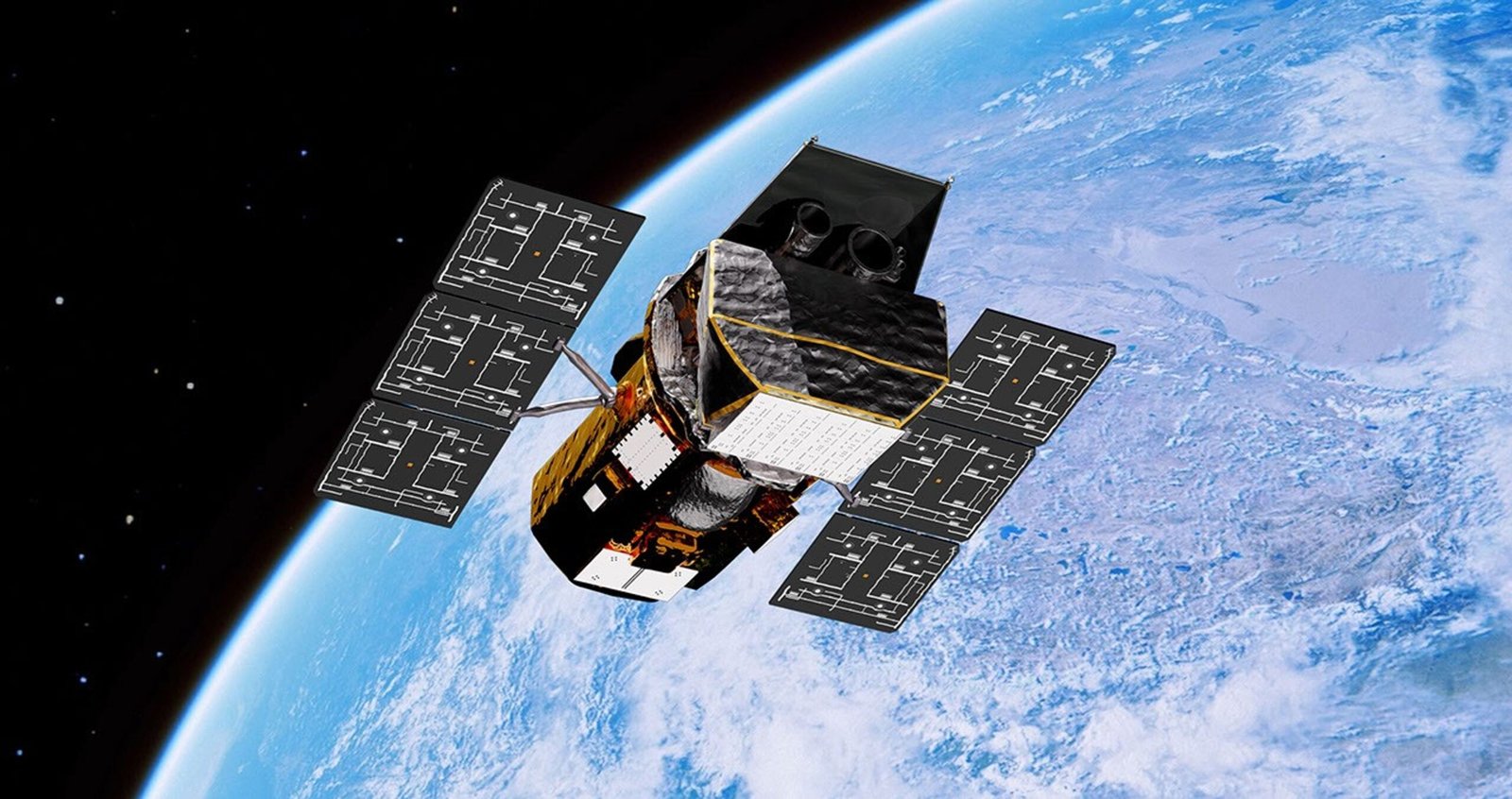
NASA gained vital experience from a recent attempt to boost the Swift observatory. The agency now looks toward new technologies for future satellite repairs.
Why this matters
NASA wants to change how it manages satellites in low Earth orbit. Many spacecraft lack their own engines to stay in space. Atmospheric drag pulls these satellites toward Earth over time. This drag eventually ends their missions prematurely.
Also, commercial partnerships offer a new way to solve this problem. NASA now looks for private firms to help extend mission lives. These tests teach engineers how to grab and move old satellites. Such skills could billions in future space operations.
Lessons from the Swift project
The Neil Gehrels Swift Observatory studied powerful explosions in deep space for two decades. It looked at black holes and distant galaxies since its 2004 launch. However, solar activity increased the drag on the aging telescope. The agency needed a quick way to boost its orbit.
Next, NASA hired Katalyst Space to perform a rescue mission. The Arizona company built a robotic spacecraft called LINK. They had only one year to design and launch the machine. This short timeline pushed the team to move faster than usual.
Then, the LINK spacecraft launched from the Marshall Islands in July 2026. It flew on a Northrop Grumman Pegasus XL rocket. The mission aimed to meet and lift the Swift observatory. Unfortunately, the effort failed to raise the satellite’s altitude.
However, NASA officials remain proud of the attempt. They argue that the mission provided valuable data for future projects. Engineers learned how to manage tight deadlines for complex space repairs. This experience helps them prepare for even harder tasks ahead.
Expanding flight and space research
Meanwhile, NASA continues to innovate at its Armstrong Flight Research Center. This facility celebrates 80 years of testing new aircraft designs. It recently earned a new title as the center for flight test operations. Experts there support major missions like the Artemis moon program.
After that, the center began testing the quiet X-59 supersonic plane. This project aims to fly faster than sound without loud booms. They also use other aircraft to study wildfires and melting glaciers. These missions help scientists track environmental changes across the globe.
How we got here
- 1946: Engineers arrive at Muroc Army Airfield to start supersonic flight research.
- 2004: NASA launches the Neil Gehrels Swift Observatory to study cosmic explosions.
- 2025: NASA awards a contract to Katalyst Space to attempt a boost for Swift.
- July 2026: The LINK robotic spacecraft launches on a Pegasus XL rocket.
- September 2026: NASA concludes that the Swift boost mission did not succeed.
What happens next
Finally, NASA will apply these lessons to future servicing missions. The agency plans to keep testing robotic technologies in space. These tools could eventually fix or refuel satellites instead of just boosting them.
Also, the Swift observatory will likely re-enter Earth's atmosphere by the end of the year. NASA will continue to monitor the spacecraft as its mission comes to a natural close. The agency remains focused on safer, more efficient space flight.