
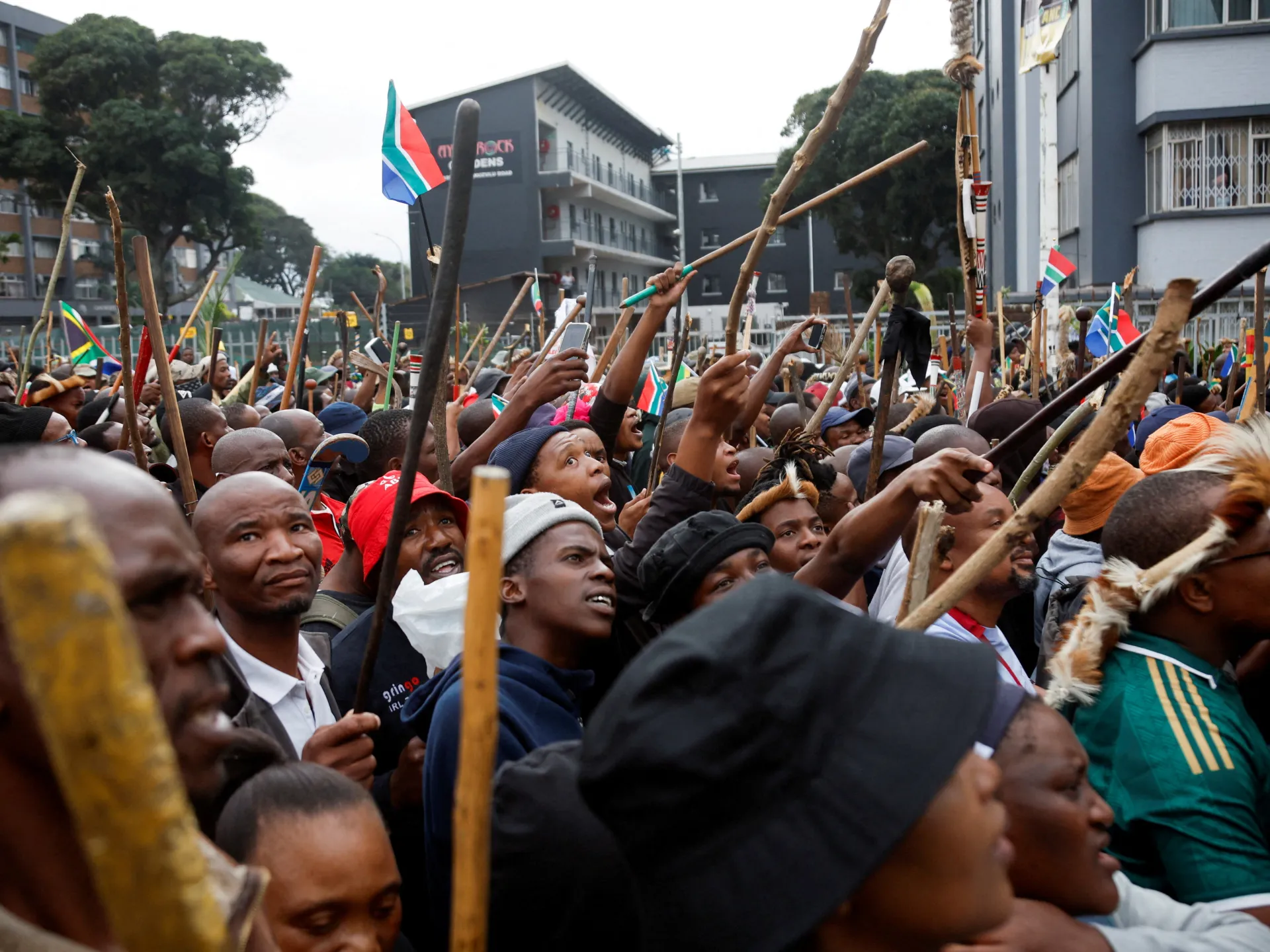
Refugees in South Africa face growing threats as an anti-immigration group demands they leave the country by September 30.
Tensions rise in South Africa as a September 30 deadline approaches. An anti-immigration group called March and March issued this warning. They demand that all undocumented foreign nationals leave the country immediately.
Many refugees and asylum seekers feel terrified by these threats. Bishop Raphael Bahebwa currently hides from those who want to attack him. He spoke out for migrant rights and now fears for his life.
Why this matters
This situation creates a dangerous climate for vulnerable populations. The political landscape in South Africa feels very unstable right now. Migration issues often become tools for political gain during election cycles.
However, the impact of this rhetoric reaches far beyond voting booths. It threatens the daily safety of families seeking a better life. Many migrants already fled violence in their home countries. Now they face similar threats in their new home.
Also, the lack of distinction between legal and illegal status puts everyone at risk. Violent mobs rarely ask for identification documents during attacks. This creates a state of constant fear for all foreign nationals.
Rising Tensions in Durban
Refugees gathered outside the Durban Refugee Reception Centre for months. They arrived there to seek safety from past violence. Instead, they lived on the pavement under very poor conditions.
Meanwhile, food and medicine became very hard to find. Volunteers provided the only help these families received. Reports indicate that one man died from tuberculosis while living at the camp site.
Next, conflict reached the camp gates on September 3. Members of March and March confronted the people living there. Violence erupted, and police had to intervene to protect the migrants.
Then, police formed barriers during later protests to keep the groups apart. Officers stood between angry citizens and frightened refugees. These incidents show how quickly protests can turn into physical fights.
How we got here
- 26 years ago: Bishop Raphael Bahebwa arrived in South Africa as a refugee from the DRC.
- Early 2026: Protests led by March and March began spreading across the nation.
- Spring 2026: Hundreds of migrants moved to the pavement outside the Durban Refugee Reception Centre.
- September 3, 2026: A confrontation occurred between protesters and migrants, leading to at least four reported injuries.
- September 30, 2026: March and March set this date as a final deadline for migrants to leave.
What happens next
After that, the country will hold local government elections on November 4. Political parties might use this anger to win more votes. This could lead to even more aggressive campaign rhetoric.
However, analysts expect the government to face more pressure to act on security. Local authorities must decide how to handle these public protests. Protecting all residents remains a key challenge for the state.
Finally, the migrant community waits to see what the deadline brings. Many hope for police intervention to prevent further harm. The coming days will test the safety of these vulnerable groups.