
Governments in Turkey and the United Kingdom are increasing pressure on activist groups. This creates new tensions regarding human rights and public protest.
Governments in Europe and the Middle East are taking new steps to control protest groups. These actions affect activists in Turkey and the United Kingdom. Officials say these moves protect public order and national values.
Meanwhile, protestors argue these policies silence important voices. The situation highlights a growing tension between state authority and civil rights. Citizens are now questioning how far the law should go to limit speech.
Why this matters
These events show a global trend of leaders restricting activist organizations. In Turkey, the government uses family values to justify police raids. This strategy creates fear among marginalized groups.
Also, the United Kingdom faces its own struggles with political expression. Officials there are weighing the balance between public safety and the right to protest. When states label groups as threats, they often bypass traditional democratic debate.
Furthermore, these crackdowns can lead to lasting changes in how citizens interact with their leaders. If people cannot organize safely, they may feel their only option is to stop speaking out. Democracy relies on the ability to disagree with those in power.
Pressure on Activists in Turkey
Turkish police recently launched a massive operation against LGBTQ+ groups. They dubbed this campaign "My Family is Safe." Officers raided homes and bars across 12 different provinces.
Next, authorities detained 47 people during the operation. The Istanbul prosecutor said police seized drugs and weapons during the raids. However, activists tell a different story about the scope of the event.
Then, the group Kaos GL claimed that 50 of their members were taken into custody. They argue the state is using these raids to spread fear. The government has also blocked several websites and social media accounts.
After that, the Turkish Human Rights Association spoke out against the raids. They claim the state uses these policies to dismantle civil society. They view the "Decade of the Family" campaign as a tool for discrimination.
Protest Tensions in the United Kingdom
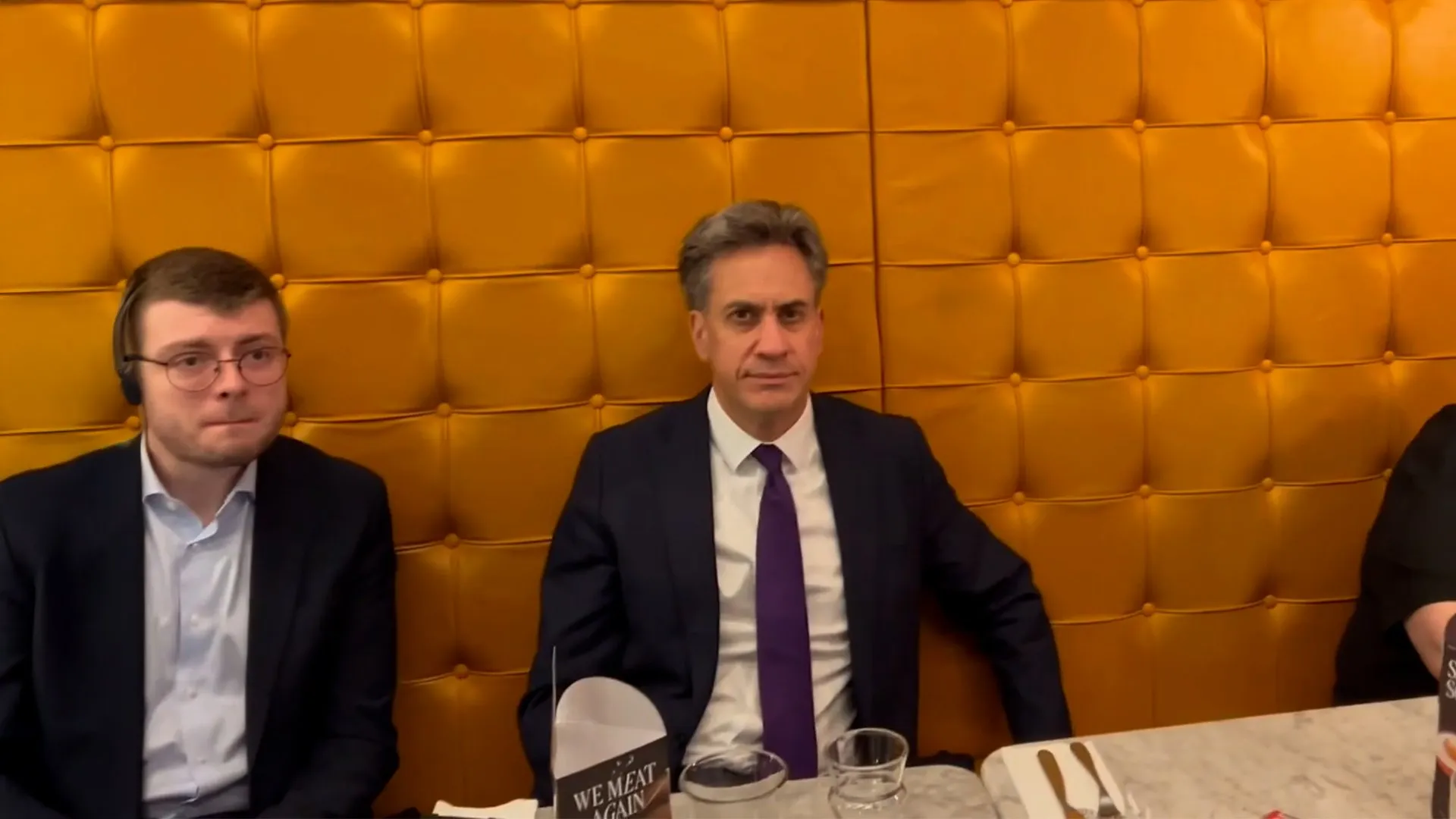
In the United Kingdom, political friction remains high as well. Activists recently confronted Foreign Secretary Ed Miliband at a restaurant. They challenged him over the recent ban of the group Palestine Action.
Meanwhile, more than 50 demonstrators were arrested outside a Labour Party conference. These people gathered to support the banned group. Lawmakers continue to debate whether such groups undermine the rule of law.
Also, legal experts have warned officials about the risks of public statements. Some argue that comments from ministers could harm fair trials for those arrested. The legal process remains a point of intense public concern.
How we got here
- September 2026: Turkish police raid LGBTQ+ spaces in a campaign to protect family values.
- September 2026: Activists confront British officials over the ban of Palestine Action.
- September 2026: Over 50 people face arrest at a protest in Liverpool.
- Recent Months: Turkish officials begin legal proceedings against 160 individuals and organizations.
What happens next
Experts expect further legal battles regarding these bans and raids. In Turkey, the government will likely continue its "Decade of the Family" campaign. This may result in more arrests of activists who challenge state policies.
Also, lawyers in the United Kingdom will likely watch for trial delays. They fear that political rhetoric will make it hard to find neutral juries. Courts will need to decide if the government went too far.
Finally, international human rights groups will monitor these situations closely. They may push for investigations into the treatment of protestors and activists. The coming months will test the strength of civil rights in both nations.