
Political tensions are growing on and off the field as Ireland plays Israel in a charged match while world leaders clash at the United Nations.
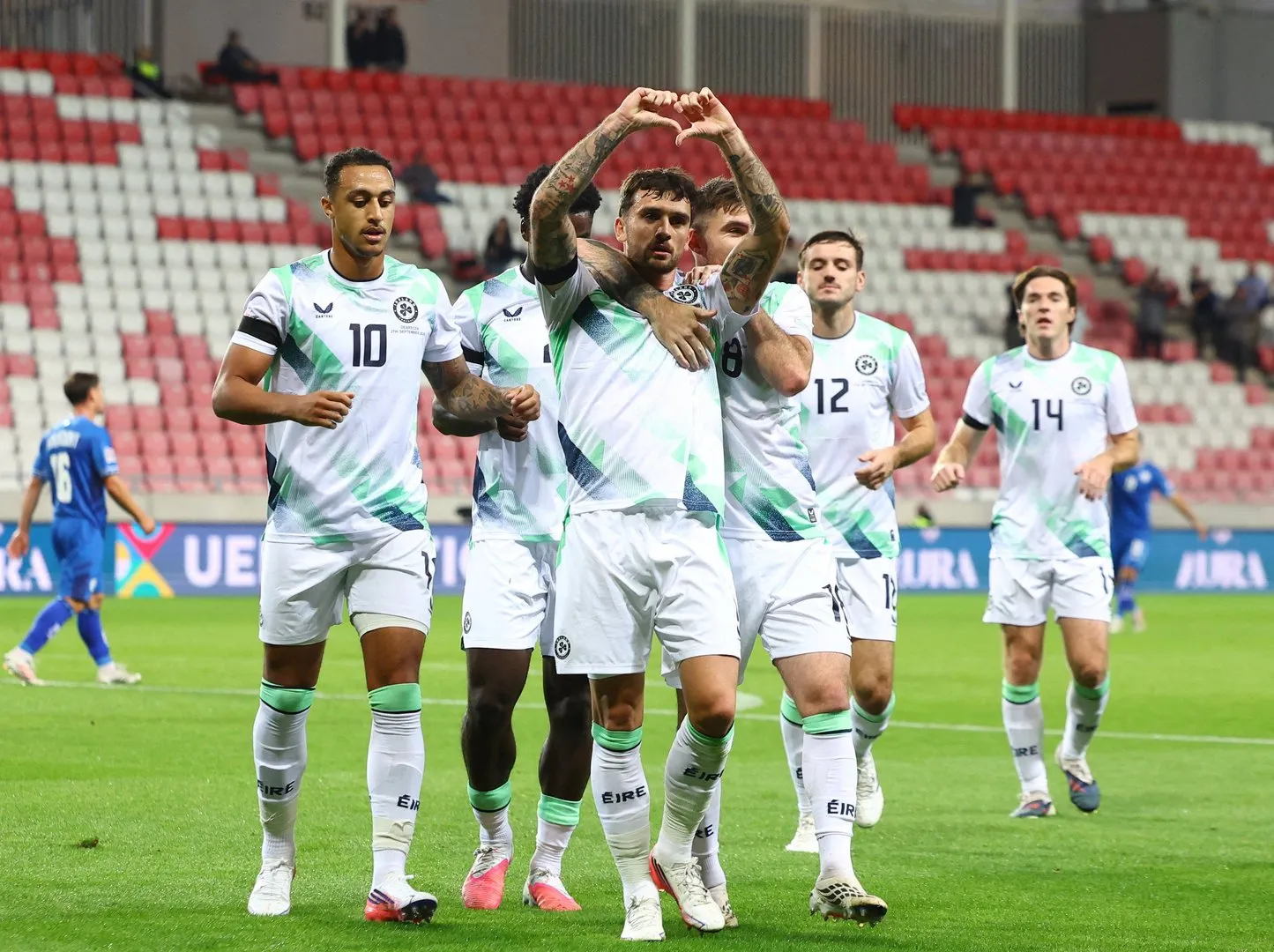
Ireland beat Israel 3-0 in a UEFA Nations League match held in Hungary. Irish players wore black armbands during the game. This gesture signaled support for the people of Gaza.
Meanwhile, the match saw no handshakes between the two teams. This event reflects rising global friction surrounding the Middle East conflict. Tensions now reach beyond the battlefield into sports and international politics.
Why this matters
Sporting events often mirror broader world conflicts. Governments and athletes use these stages to show their political stances. This creates friction between nations on neutral ground.
Also, the lack of handshakes shows how deep the divide is today. Fans and players face pressure to take sides. These public acts influence how the rest of the world views the ongoing war.
Diplomacy on the World Stage
Benjamin Netanyahu recently spoke to the United Nations General Assembly. Many delegates walked out of the room during his address. He defended his military actions in Gaza and other regions.
However, Netanyahu faced strong criticism from other world leaders. Mahmoud Abbas claimed Israeli policies threaten the existence of Palestinians. He spoke via a video link because he lacked a U.S. visa.
Additionally, Netanyahu clashed with Turkish President Recep Tayyip Erdogan. He called Erdogan a tyrant for supporting Hamas. The Turkish government quickly rejected these accusations as baseless.
After that, Netanyahu dismissed claims of genocide. He also minimized the number of deaths in the West Bank. UN figures contradict his claims about settler violence.
Sports and Political Protest
The football match in Hungary became a major political flashpoint. Many people called for a total boycott of the game. Officials decided the match should go ahead anyway.
Next, the Irish team chose to make a clear public statement. They wore black armbands to highlight the crisis in Gaza. This action turned the match into a platform for protest.
Finally, the silence on the field spoke volumes. Players refused to shake hands before the whistle blew. These small acts show how the conflict defines modern international relations.
How we got here
- 2023: The conflict between Israel and Palestinian groups intensifies in Gaza and the West Bank.
- September 2026: Mahmoud Abbas claims Israeli policies threaten Palestinian survival during a UN video address.
- September 24, 2026: Dozens of delegates walk out of the UN as Benjamin Netanyahu takes the stage.
- September 28, 2026: The Irish national football team wears black armbands during a match against Israel.
What happens next
Diplomatic tensions will likely continue at future UN meetings. Leaders will keep using their platform to defend their actions. The cycle of walkouts may become a new norm.
Also, international sports groups might face more pressure to intervene. They must balance the rules of sports with the demands of political activists. Future matches could face further disruptions or boycotts.