
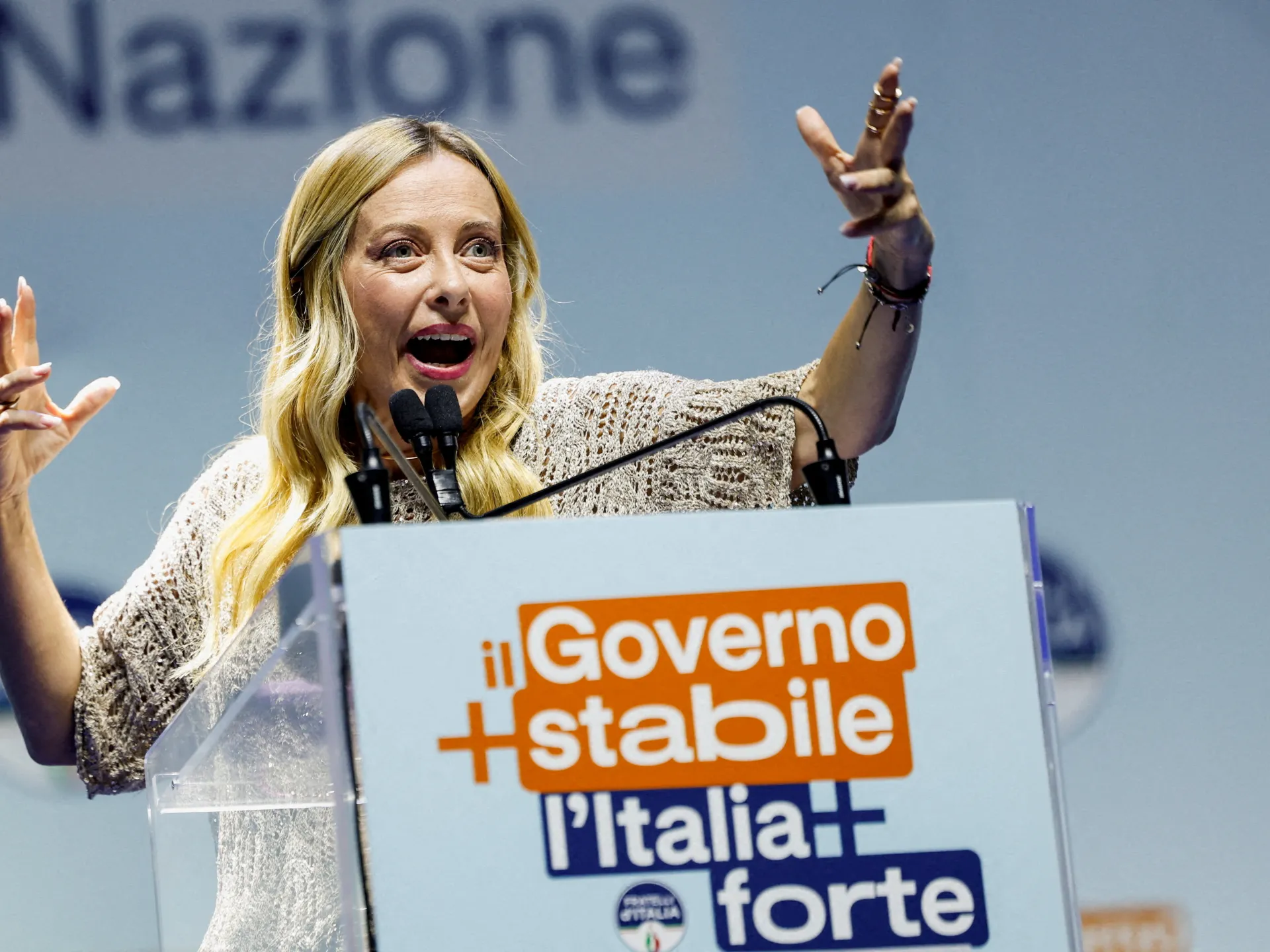
The Italian government has introduced a new decree imposing a ban on face coverings and a 30-percent cap on non-Italian speakers in classrooms, igniting a national debate on integration.
The Italian government’s recent legislative shift regarding school environments represents a significant escalation in the European debate over social integration and secularism. specific religious face coverings, the administration of Prime Minister Giorgia Meloni is attempting to reassert a traditionalist cultural standard within public institutions. This move extends beyond mere administrative policy; it signals an effort to combat the electoral influence of far-right factions that have pushed for more aggressive "remigration" rhetoric, thereby centering the public education system as a primary theater for national identity politics.
The Italian cabinet has formally adopted a decree-law that introduces two major restrictions within the country's school system. The legislation mandates an absolute prohibition on the wearing of burqas and niqabs ent cap on the number of non-Italian-speaking students permitted in any single classroom. Officials have stated that these rules are designed to ensure a uniform starting point for all pupils and to facilitate more effective language integration.
To enforce these standards, the government has authorized fines of up to 1,000 euros ($1,140) for violations. Education Minister Giuseppe Valditara indicated that the policy is expected to impact approximately 1,000 classrooms nationwide, representing roughly 0.3 percent of the total school population. While the government has pledged to provide additional language-support funding for schools struggling to meet these new demographic benchmarks, local administrators have expressed skepticism regarding the practical implementation of such rigid quotas in areas with high migrant populations.
The reception to the decree has been sharply divided along ideological lines. Opposition leaders, most notably Elly Schlein of the Democratic Party, have characterized the move as a "shameful" distraction. Critics argue that the administration is leveraging culture-war tactics to obscure its failure to address systemic deficiencies in the public education infrastructure. Teachers' unions have further criticized the government for a perceived lack of consultation and for imposing new burdens on school staff without the necessary resources to manage the transition.
The policy currently awaits ratification ing the potential for barriers to education, the President’s final signature remains a critical hurdle for the decree. The move has been viewed political threat posed igrant platforms.
The immediate future of the decree hinges on the constitutional review d be forced to either revise the language or pursue a more arduous path through the legislature, which would likely invite further public protest and potential legal challenges. If ratified, the implementation phase will test the administrative capacity of local school boards, particularly in urban centers where diverse student populations make the 30-percent cap difficult to achieve without significant disruptions to current class rosters. Observers suggest that the government may use the threat of funding cuts or the promise of "language support grants" to pressure compliant authorities, but the threat of litigation from civil rights groups remains a probable outcome that could stall the decree’s enforcement in the courts.