
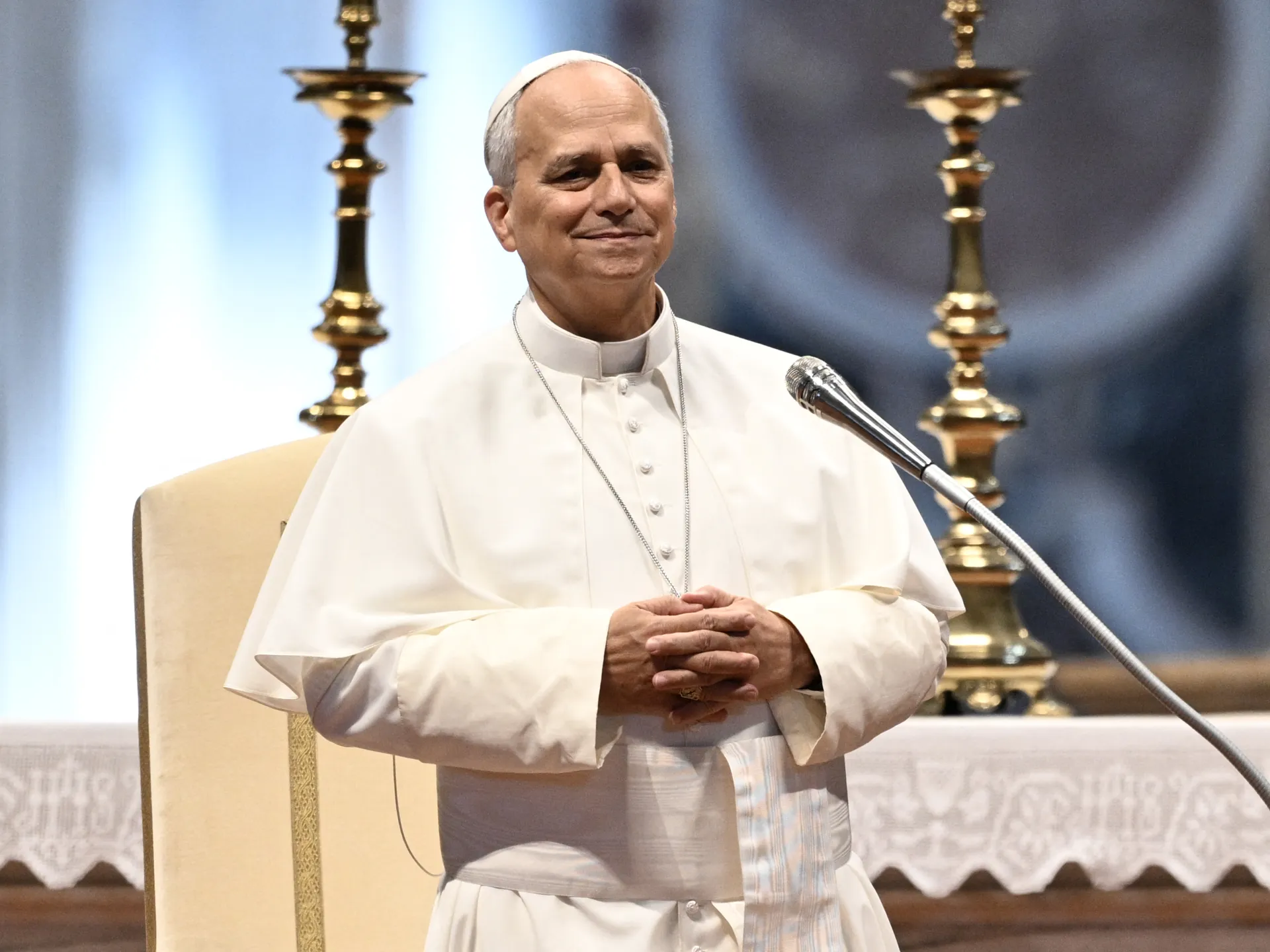
Pope Leo XIV begins a four-day state visit to France, navigating a delicate balance between secular policy clashes and the Church's ongoing efforts to address historical abuse scandals.
Pope Leo XIV begins a four-day diplomatic journey to France this Friday, marking the first official papal visit to the nation in nearly two decades. The trip, which centers on themes of human dignity and global ethics, places the leader of the Catholic Church in the heart of a country that has recently codified policies diametrically opposed to Vatican teachings. As the first American pope, Leo XIV faces the complex challenge of addressing a secular political landscape while navigating deep-seated internal wounds regarding institutional accountability.
The Vatican’s delegation arrives as the French government shifts its legislative priorities, most notably through the enactment of an assisted dying law in August. This legislation, which permits medical intervention for adults with incurable illnesses, stands in stark contradiction to the Church’s doctrine on the sanctity of life from conception to natural death. Observers suggest that while these moral disagreements are central to the visit, the Pope’s approach may be characterized a nation where religious influence on public policy has steadily declined.
This visit represents a critical stress test for the Vatican’s influence within Western Europe, a region defined ench legislative disputes; the visit serves as a proxy for how the Church intends to position itself in the 21st century across advanced economies. the Vatican is attempting to re-establish its relevance in global discourse, particularly concerning emerging technologies like artificial intelligence. The ability of the Pope to bridge the gap between historical dogma and the reality of modern European social policy will likely dictate the effectiveness of his upcoming international agenda.
The itinerary for the visit is carefully balanced between high-level diplomatic meetings and pastoral engagements. After being greeted at the Elysee Palace society, followed ion of the Church as a proactive partner in global peace and technological ethics. Simultaneously, the Pope will participate in a youth vigil at the Stade de France, a move aimed at reconnecting with a younger generation of believers in a country where church attendance has waned.
However, the trip is not without significant internal pressures. A central component of the visit is a private meeting in Lourdes with seven survivors of clerical sexual abuse. This meeting arrives at a time when the French Church is still reeling from the long-term consequences of a 2021 independent inquiry that estimated 330,000 minors were abused over several decades. Despite the implementation of new safeguarding measures and compensation programs, survivors continue to demand greater transparency and accountability, highlighting the persistent credibility gap that the Vatican must address to maintain its moral authority.
The Pope’s agenda also extends to humanitarian concerns, including a scheduled visit to a migrant support center in Paris and a concluding summit in Metz focused on European unity. These efforts are part of a broader strategy to assert the Church’s position on migration and international solidarity. However, the success of these initiatives may be tempered hat while the French leadership remains open to dialogue, the administration’s commitment to secularism ensures that the Pope’s influence on domestic policy remains limited, forcing the Vatican to rely on soft power and ethical advocacy to leave an impression.
Following the conclusion of the trip in Metz, the Vatican will likely assess the effectiveness of its diplomatic engagement in France to inform its strategy for other secular European nations. The Pope’s private session with abuse survivors in Lourdes is expected to serve as a bellwether for how the Church manages its internal crises moving forward; if the meeting is perceived as insufficient, the Vatican may face renewed pressure to accelerate structural reforms. Additionally, the Pope’s rhetoric on assisted dying during his public addresses will be closely monitored one or doubles down on its traditional prohibitions as it encounters evolving social laws in the West.