Universities in the UK and US face mounting pressure to align their campus operations with the interests of defense contractors and federal security mandates.
Higher education institutions in both the United Kingdom and the United States are currently navigating a complex landscape of external pressure, ranging from stringent federal security mandates to the influence of long-standing corporate partners. As universities attempt to balance their roles as bastions of free expression with the operational realities of global research partnerships and corporate funding, they face increasing scrutiny over their decision-making processes.
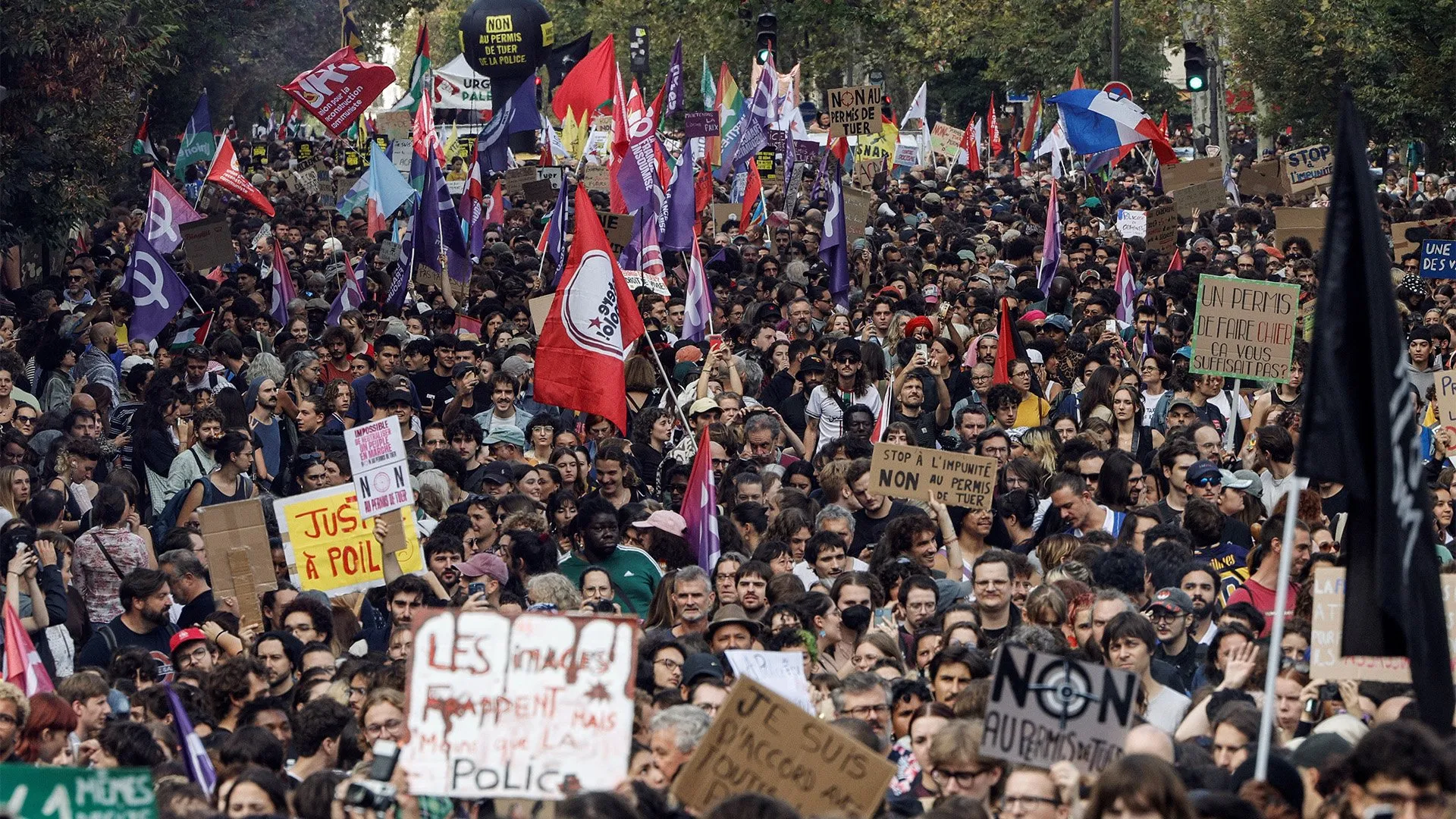
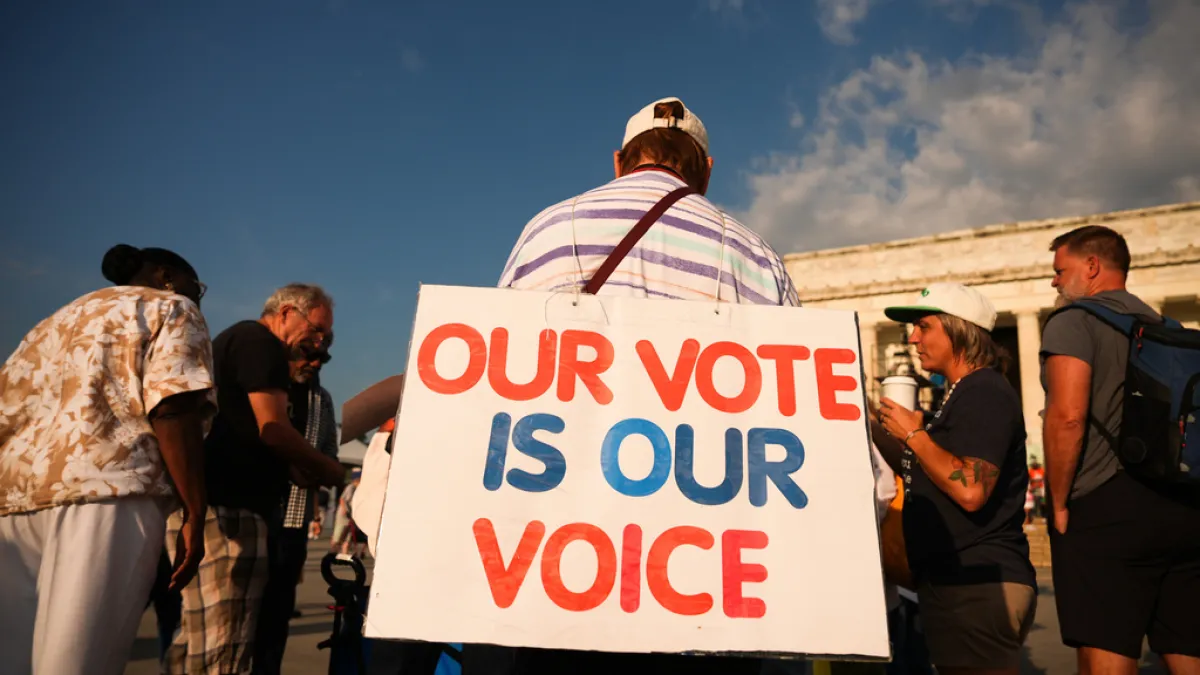
This dual tension—where universities must simultaneously answer to defense-sector oversight and student-led activism—is fundamentally altering the relationship between academia, government, and the private sector. The friction is manifesting in both high-level policy directives and localized administrative disciplinary actions, raising questions about the future of independent intellectual inquiry.
The convergence of these events highlights a critical shift in the mission of the modern university. When institutions become heavily reliant on federal defense grants or corporate research funding, the administrative response to campus dissent is no longer purely an internal academic matter. Instead, it becomes a risk-management exercise designed to preserve revenue streams and reputation. This environment creates a chilling effect on student speech, as administrators may prioritize the preferences of external stakeholders—whether they are government security officials or industrial partners like BAE Systems—over the traditional academic commitment to open debate. The precedent is clear: if academic freedom is contingent upon remaining in the good graces of those who fund the research, the university’s role as an independent space for dissent is effectively compromised.
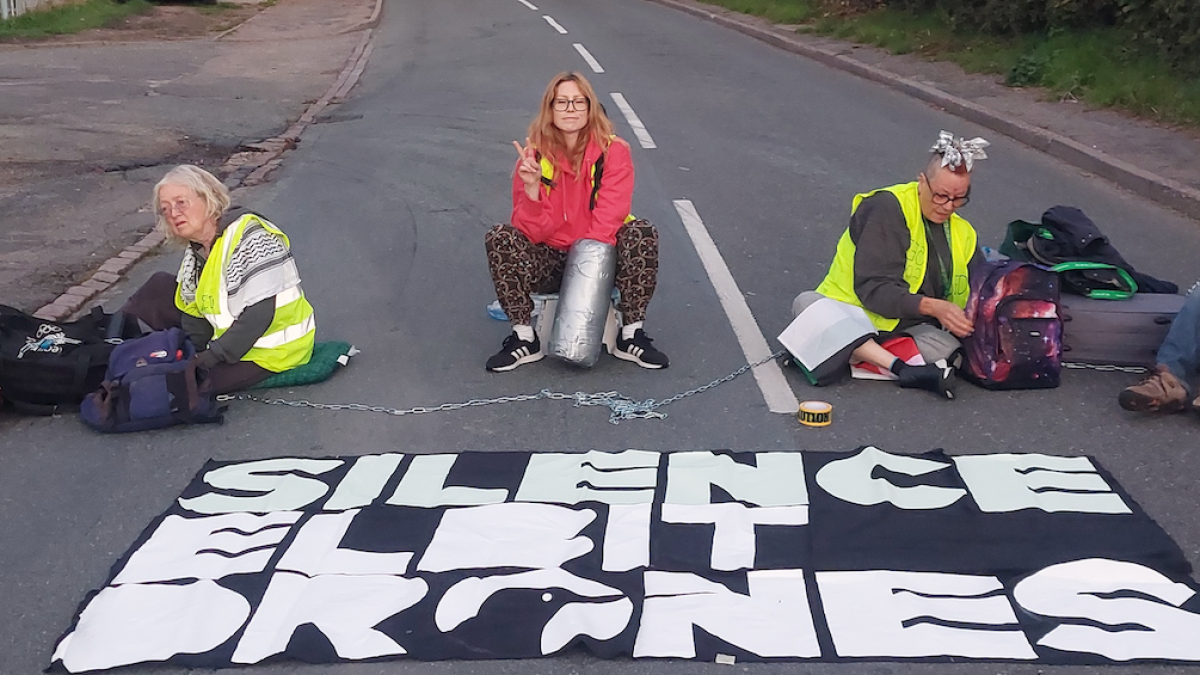
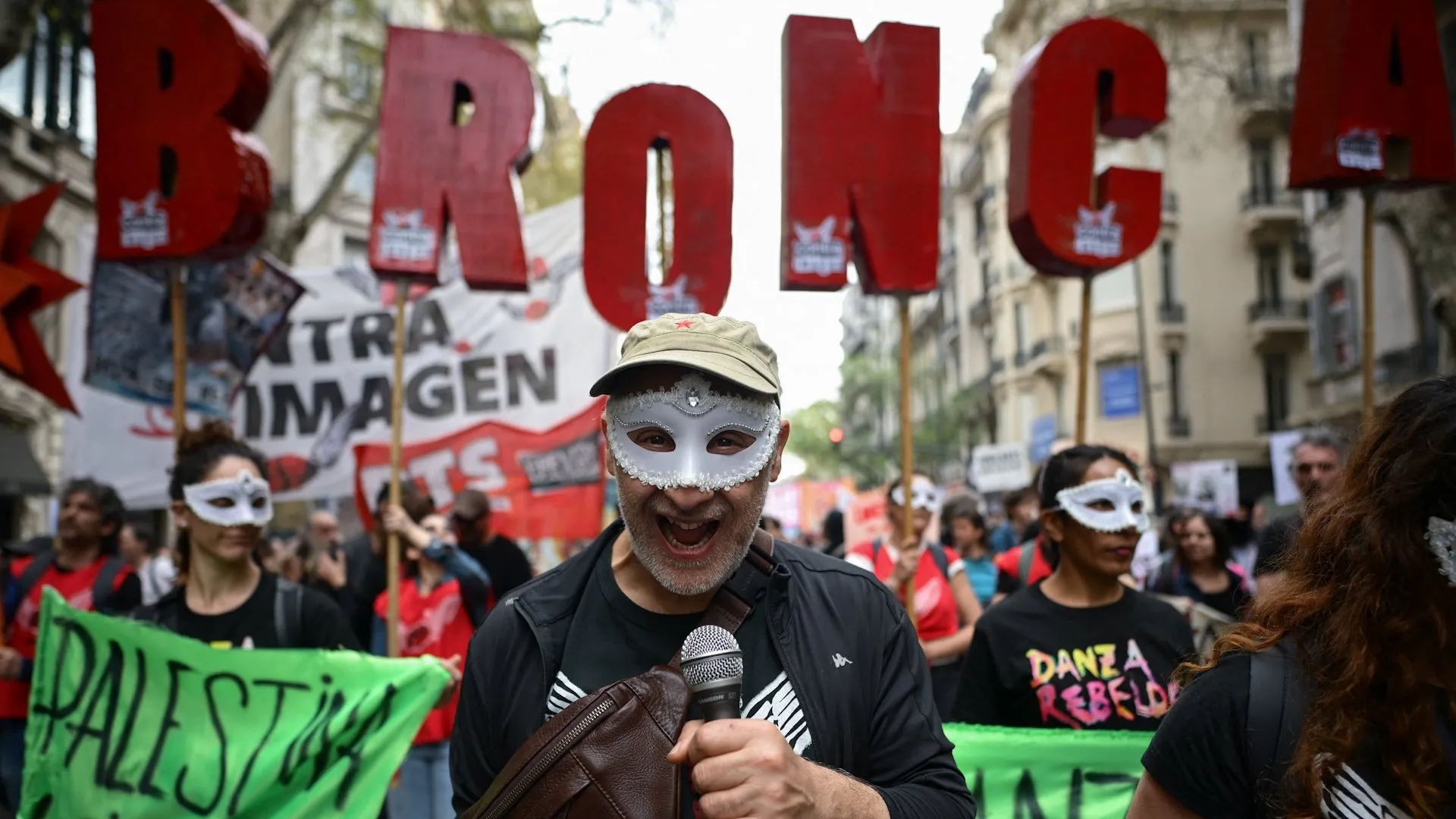
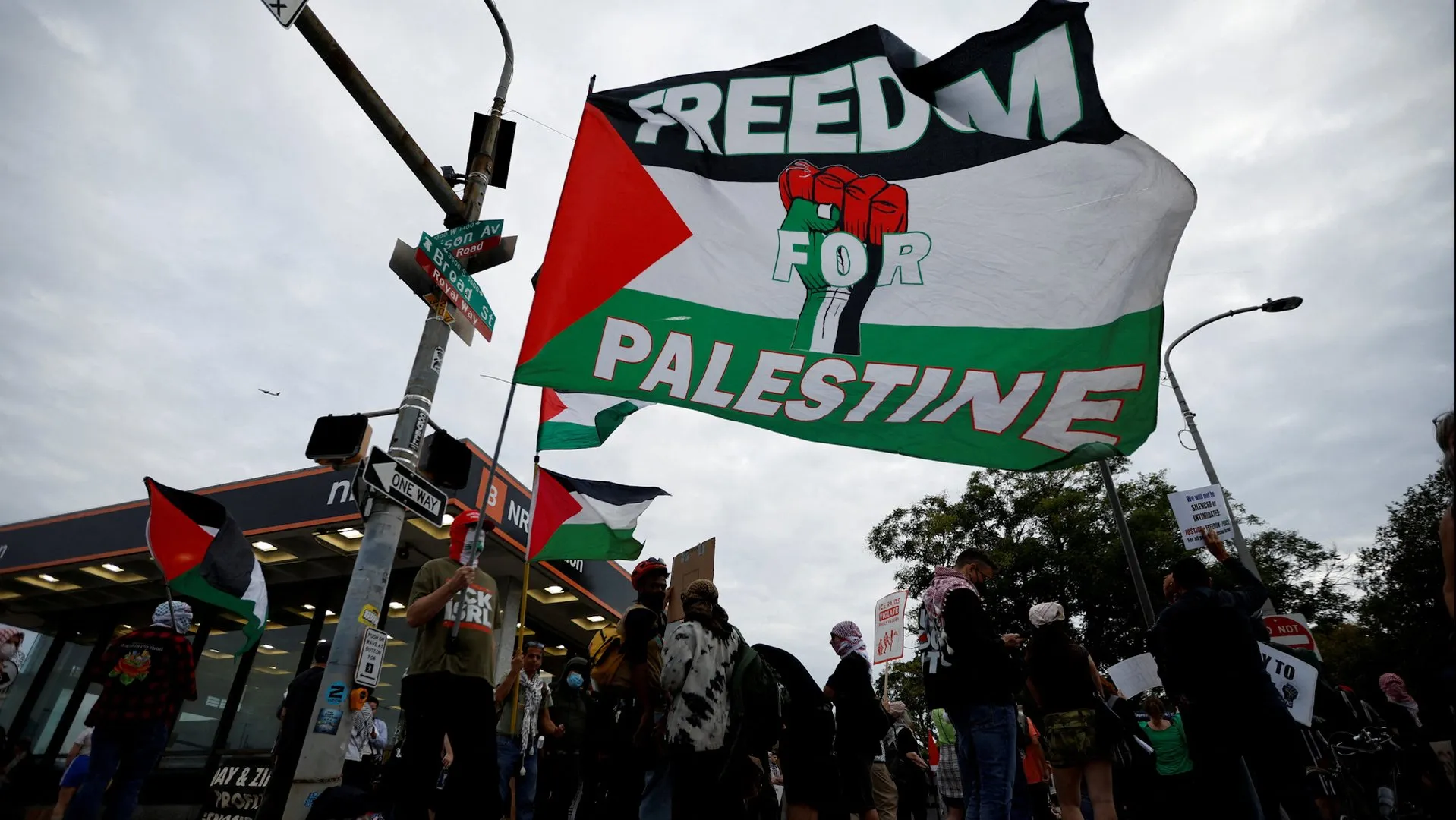
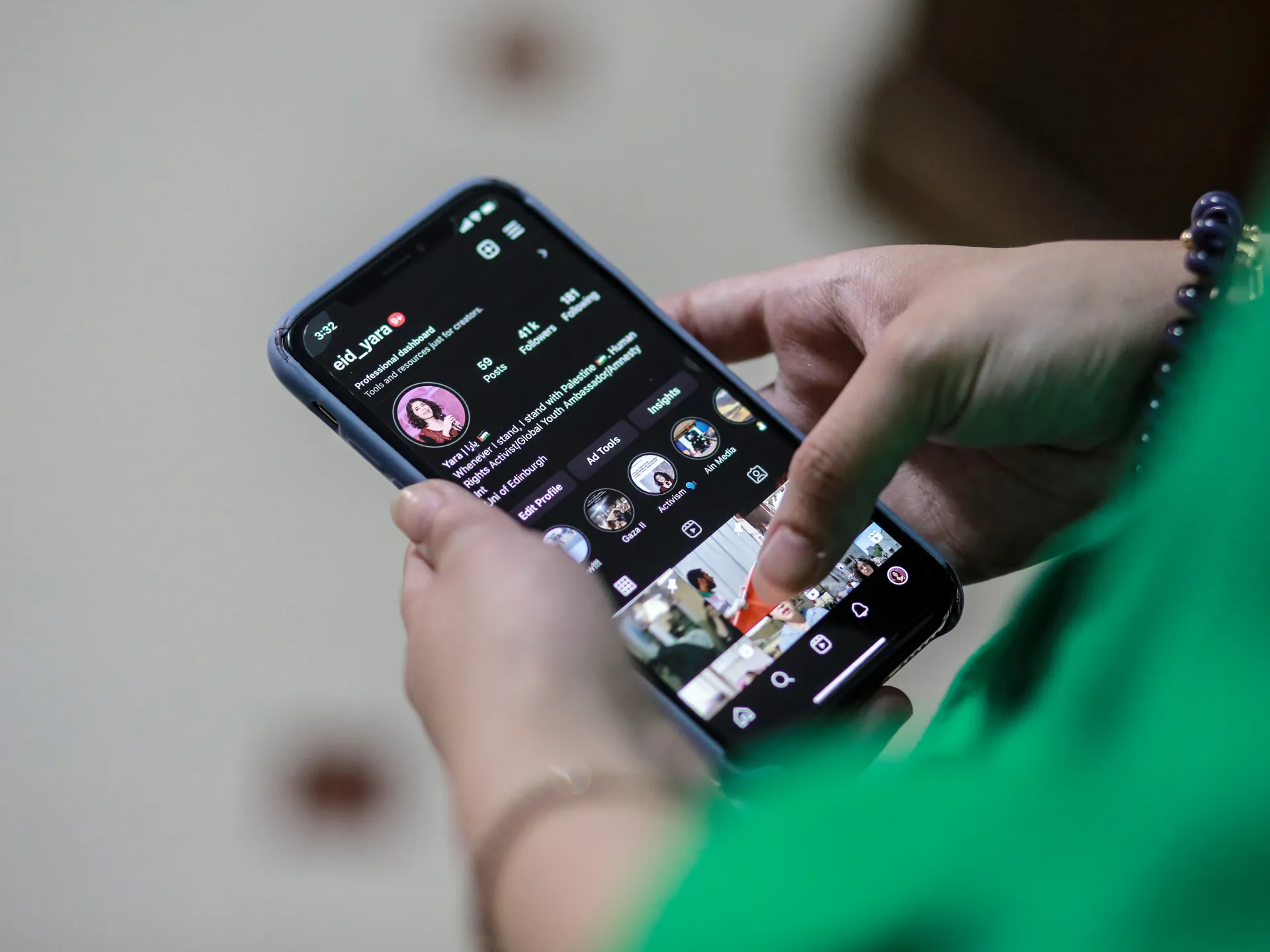
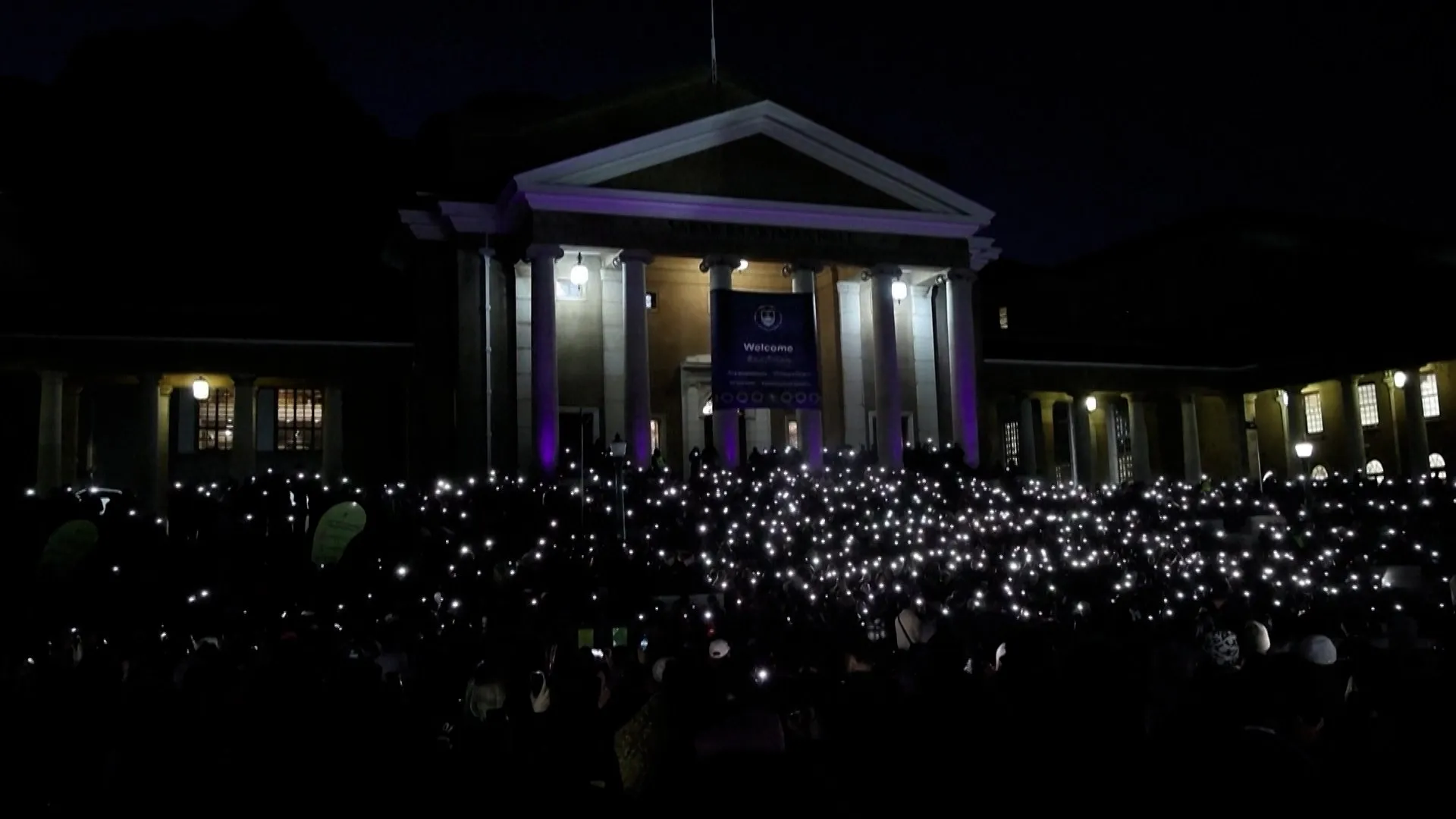
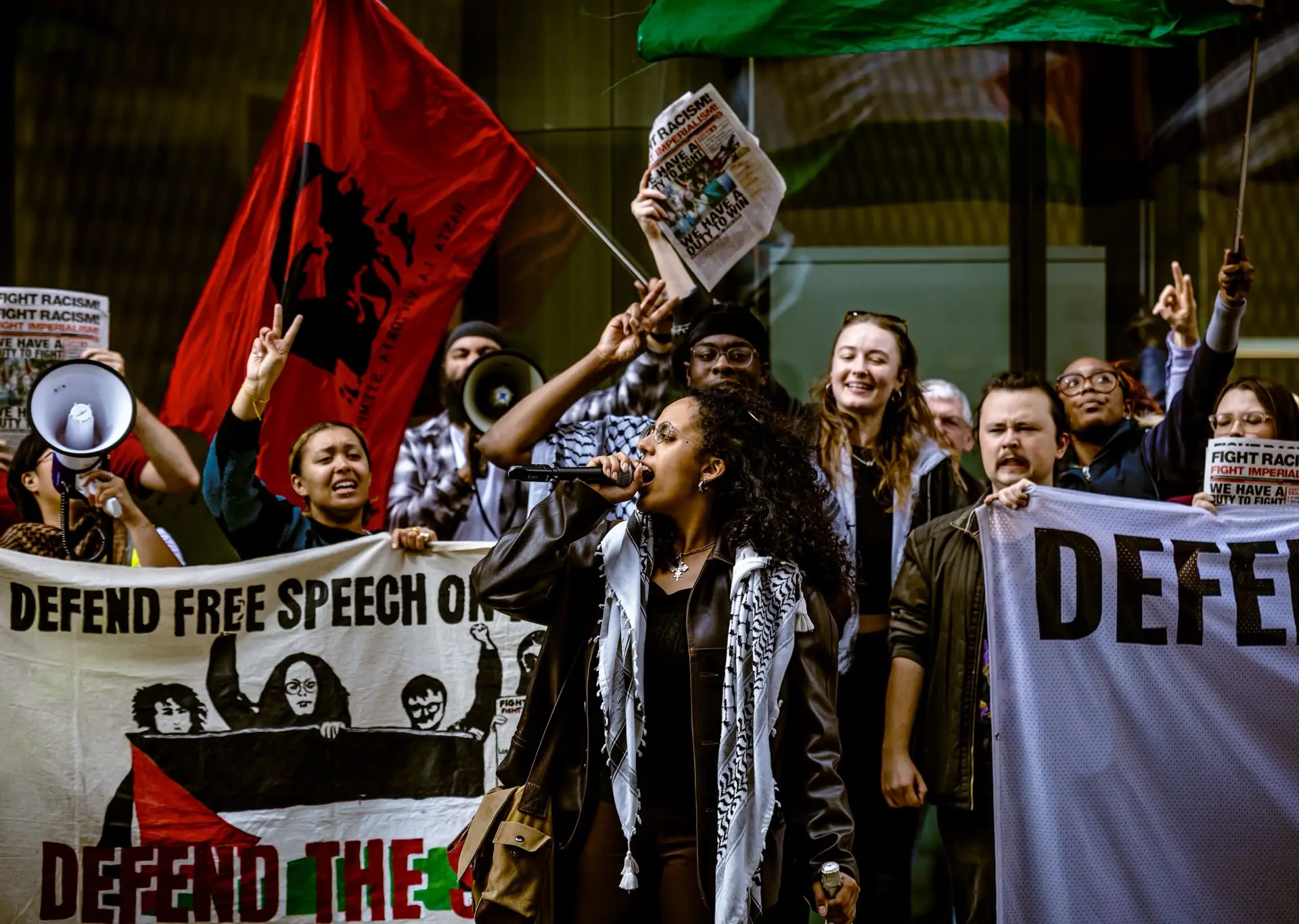
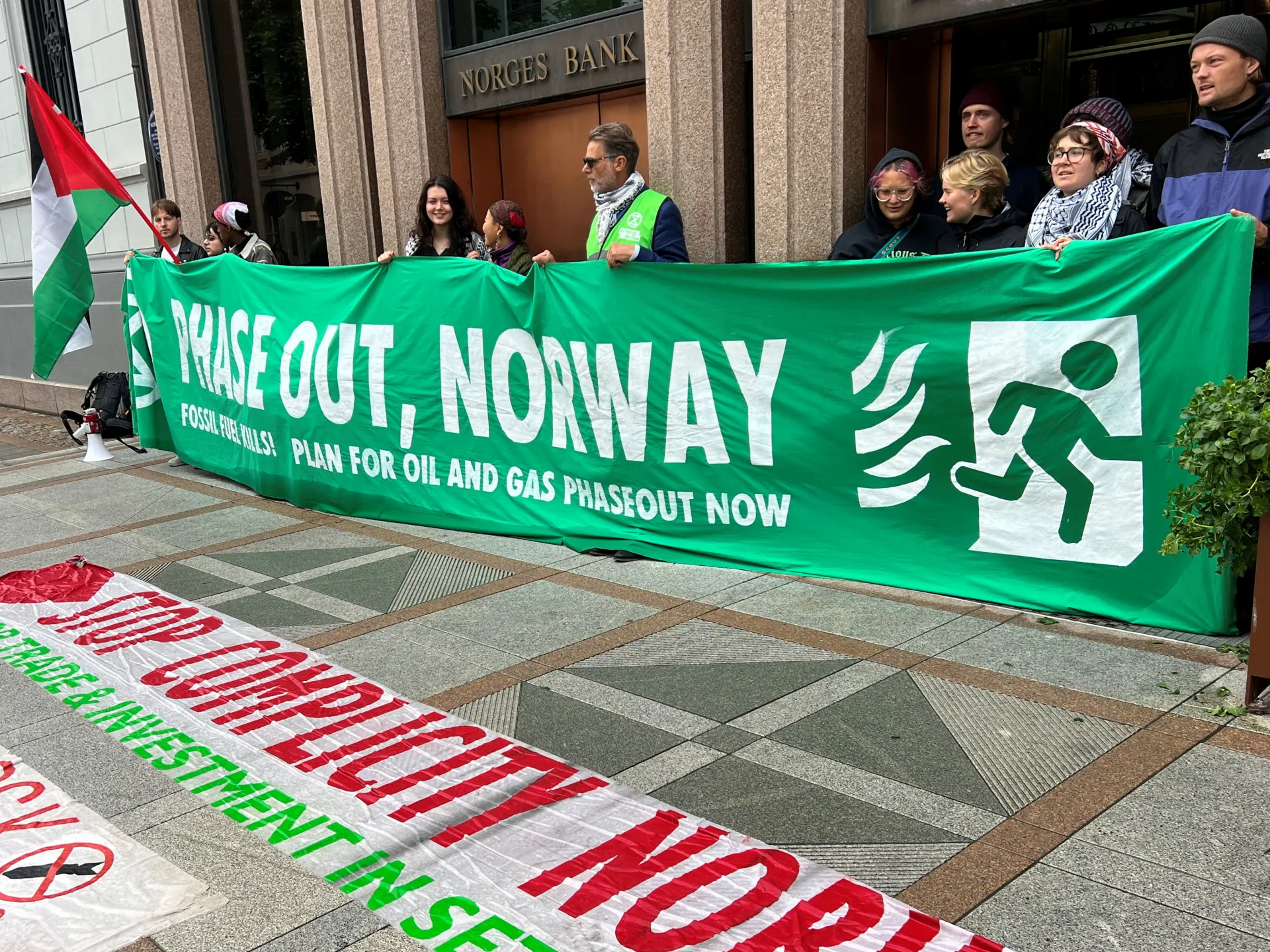
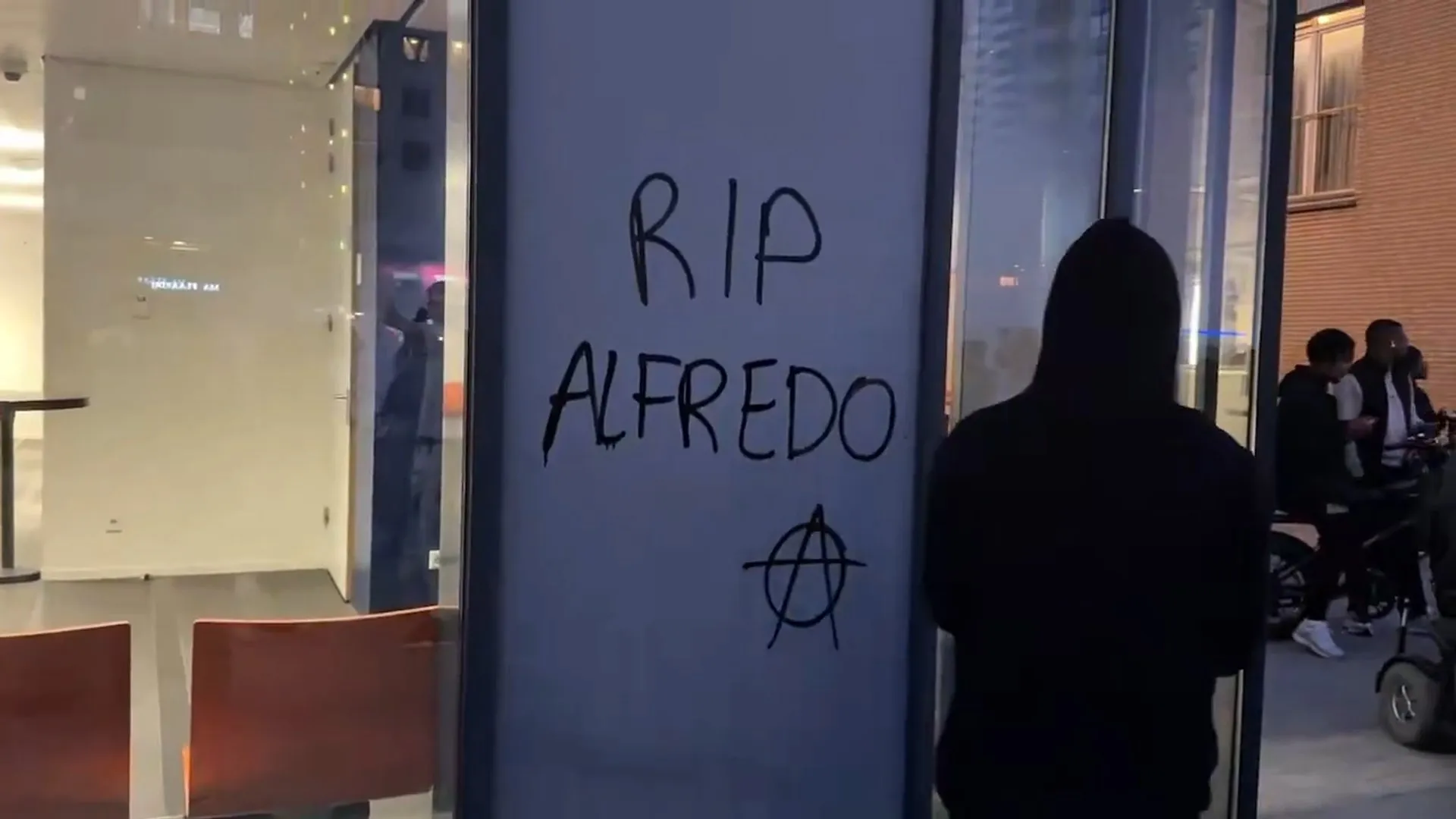
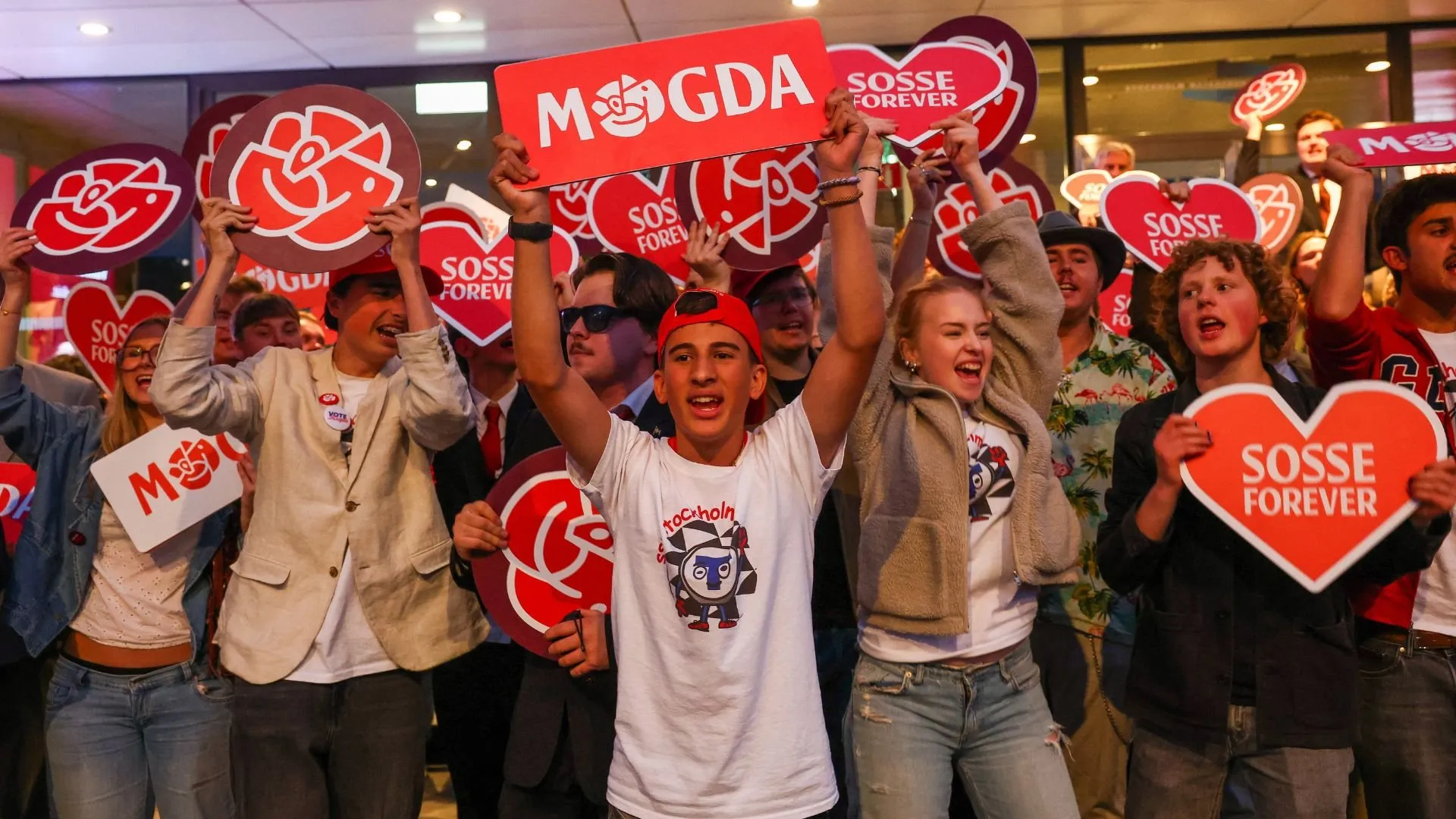
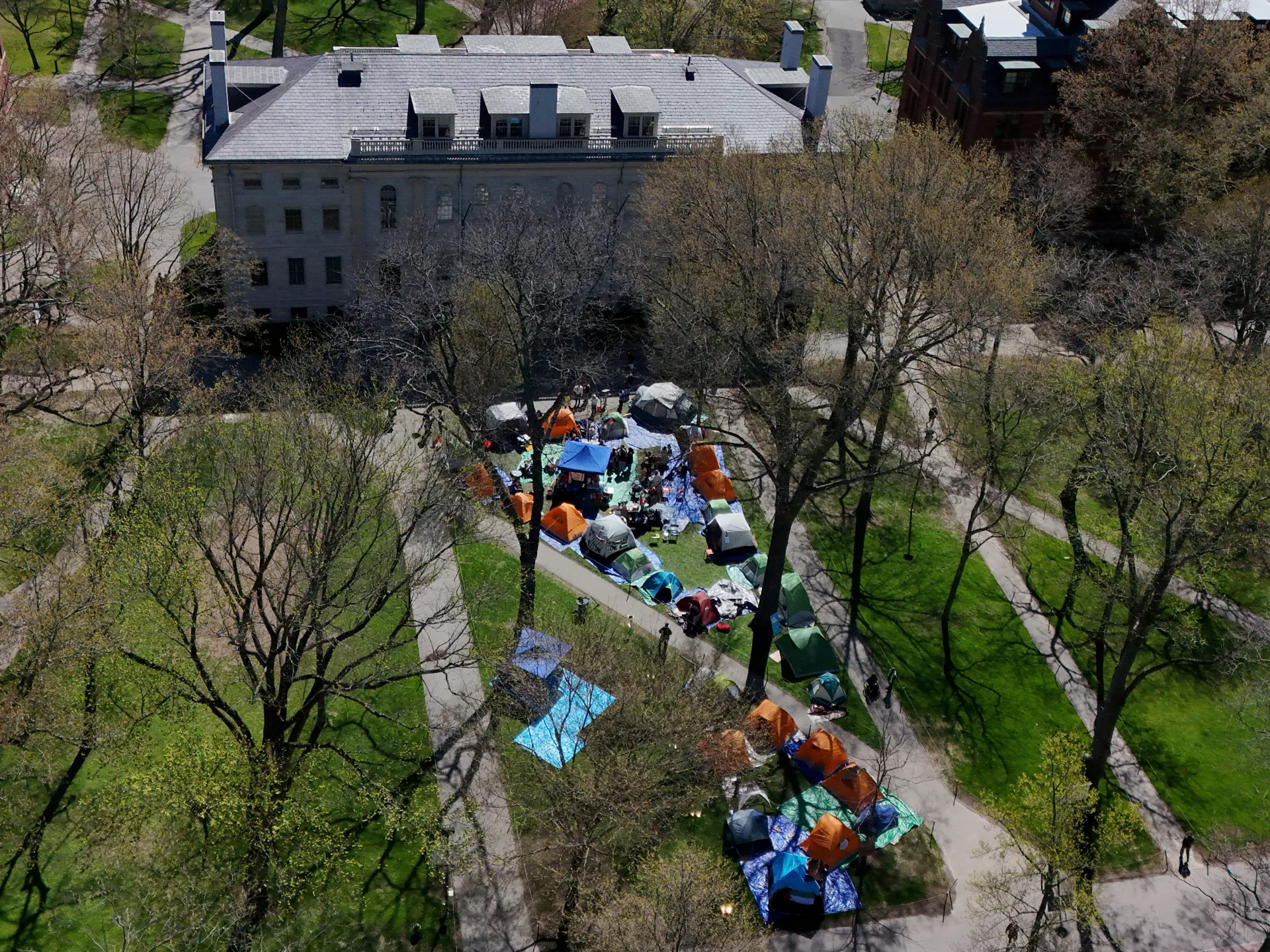
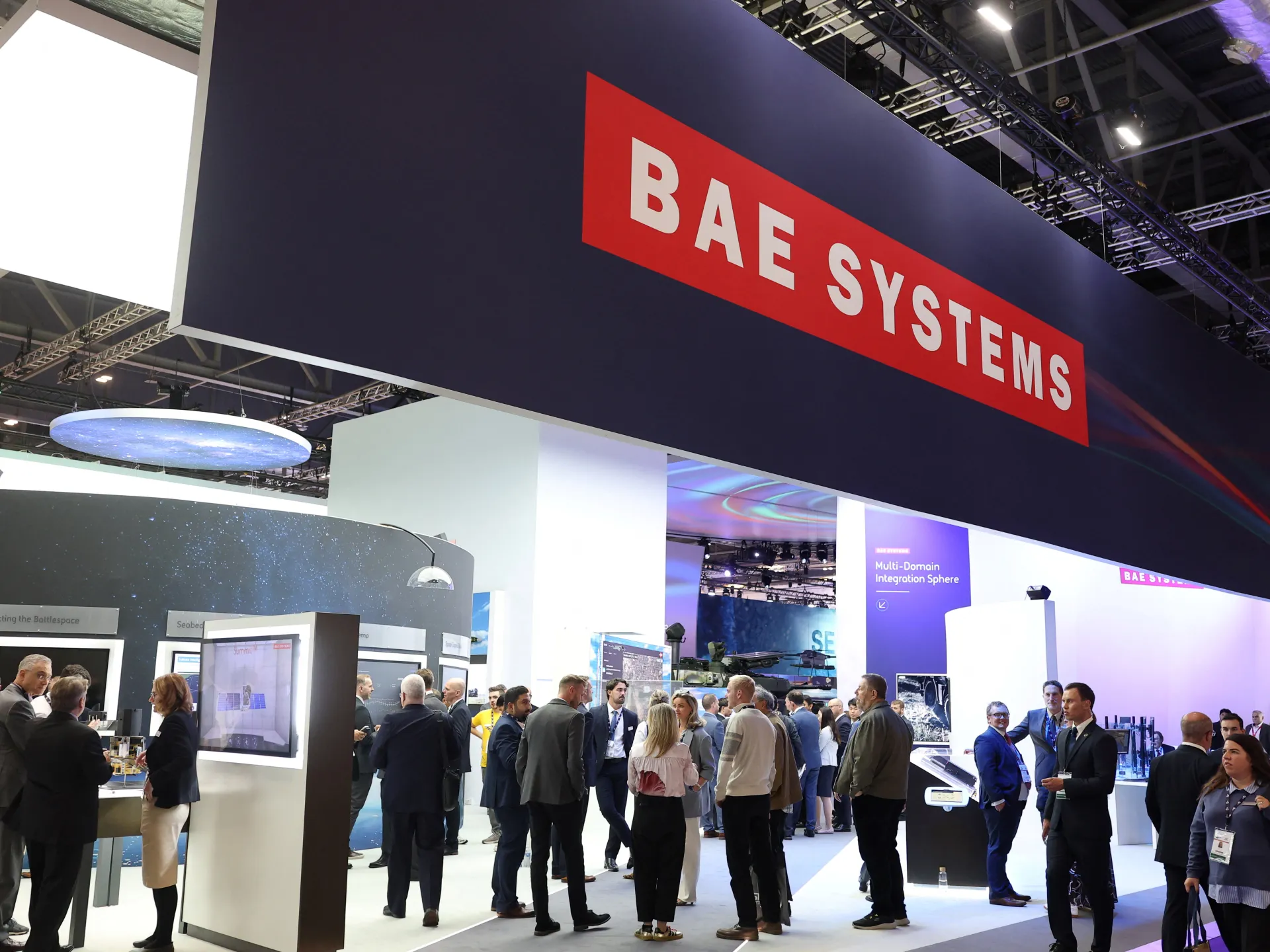
In the United Kingdom, internal documents have revealed that at least thirteen universities have actively coordinated with BAE Systems, the nation’s largest defense contractor, regarding the management of pro-Palestine demonstrations. These institutions, many of which maintain “strategic partner” status with the firm, have discussed strategies for security and messaging to counteract student narratives surrounding the company’s role in the global arms trade. The collaboration goes beyond general security; in at least one instance involving the University of Sheffield, disciplinary action was taken against students following an online careers event where protesters targeted the company. While the university maintains that its disciplinary processes are independent, affected students have argued that the actions were clearly motivated
These developments have drawn sharp criticism from experts, who note a concerning trend of universities adopting the operational cues of the defense industry to suppress student activism. The focus on “reputational damage” as a justification for administrative intervention suggests that the proximity of corporate funding is increasingly dictating the boundaries of acceptable speech on campus.
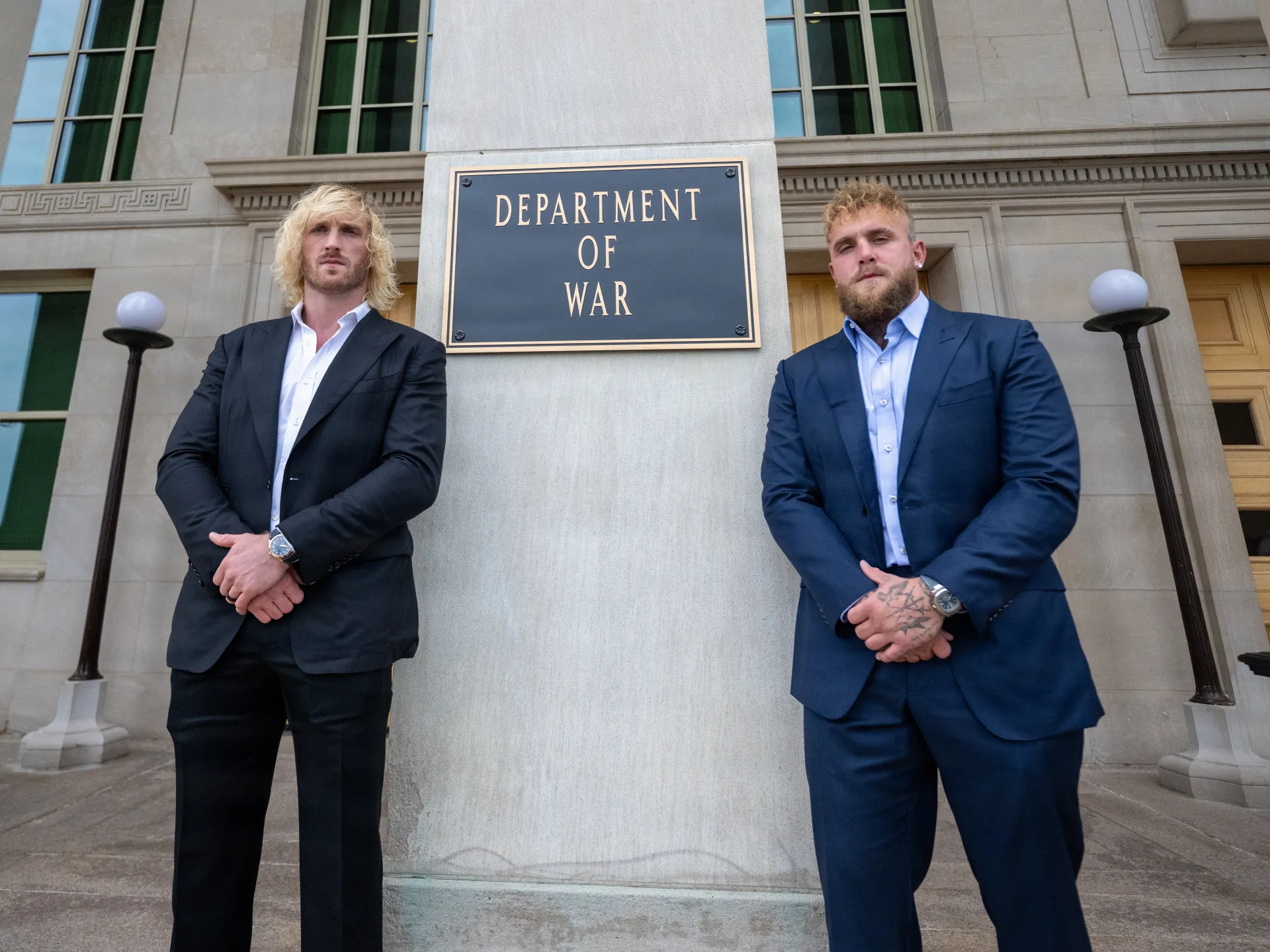
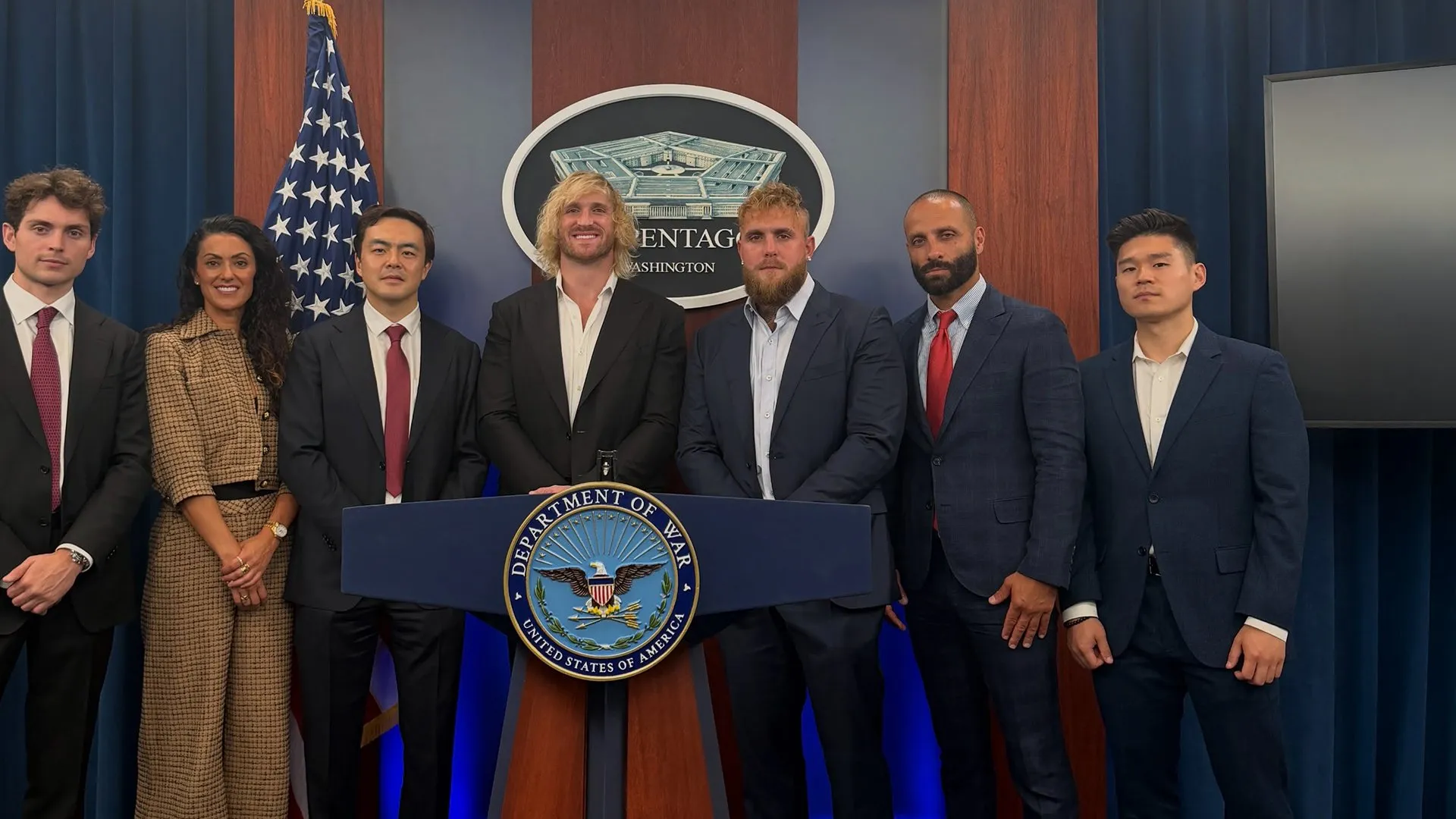
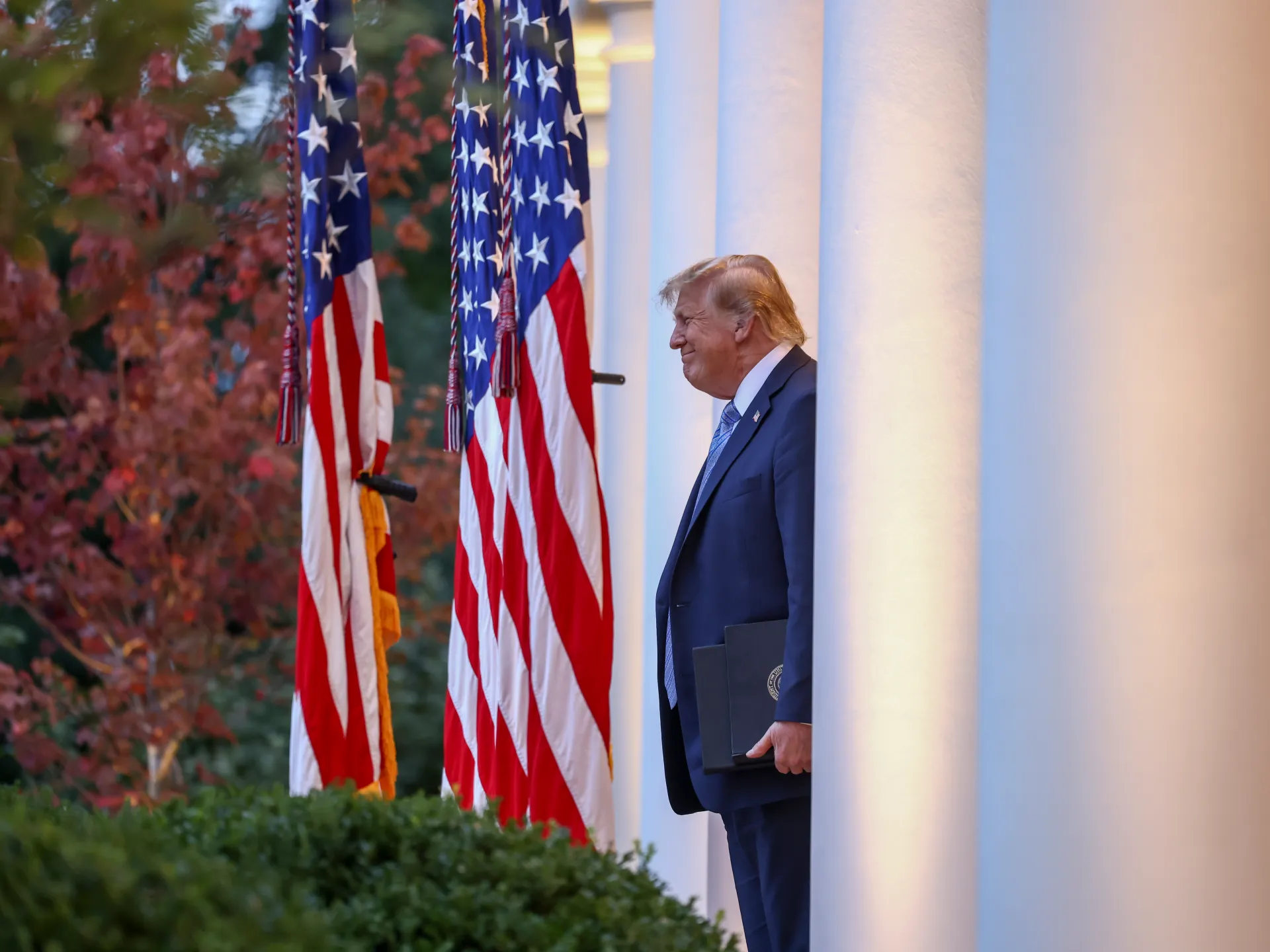
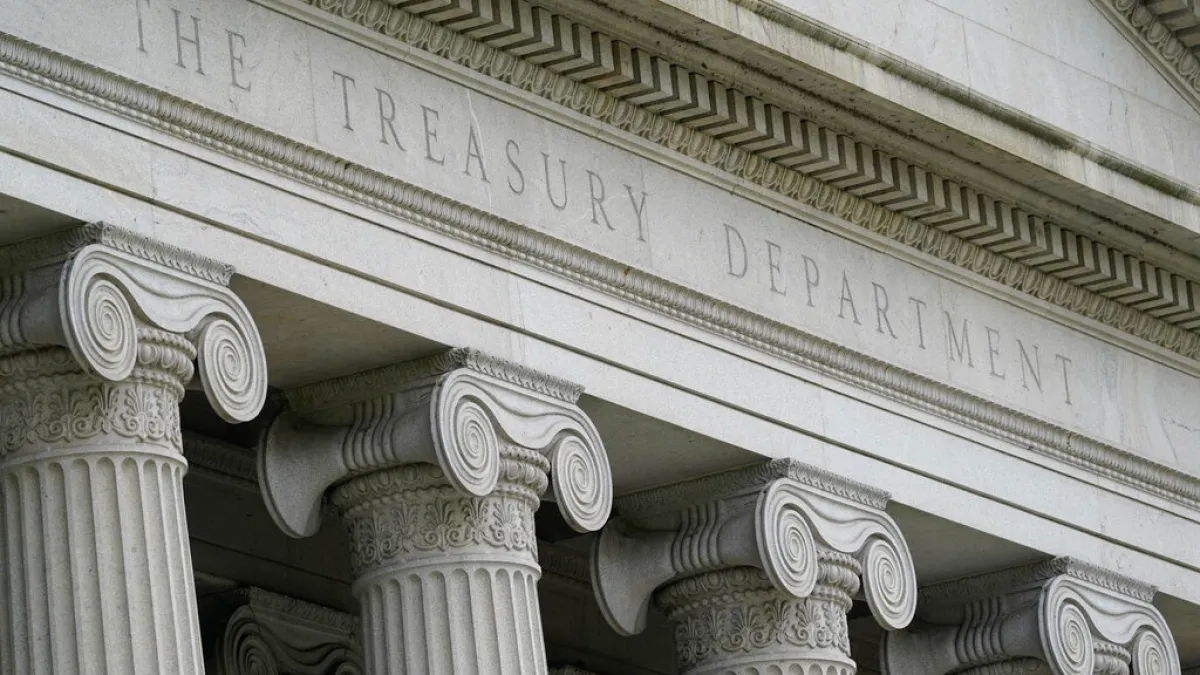
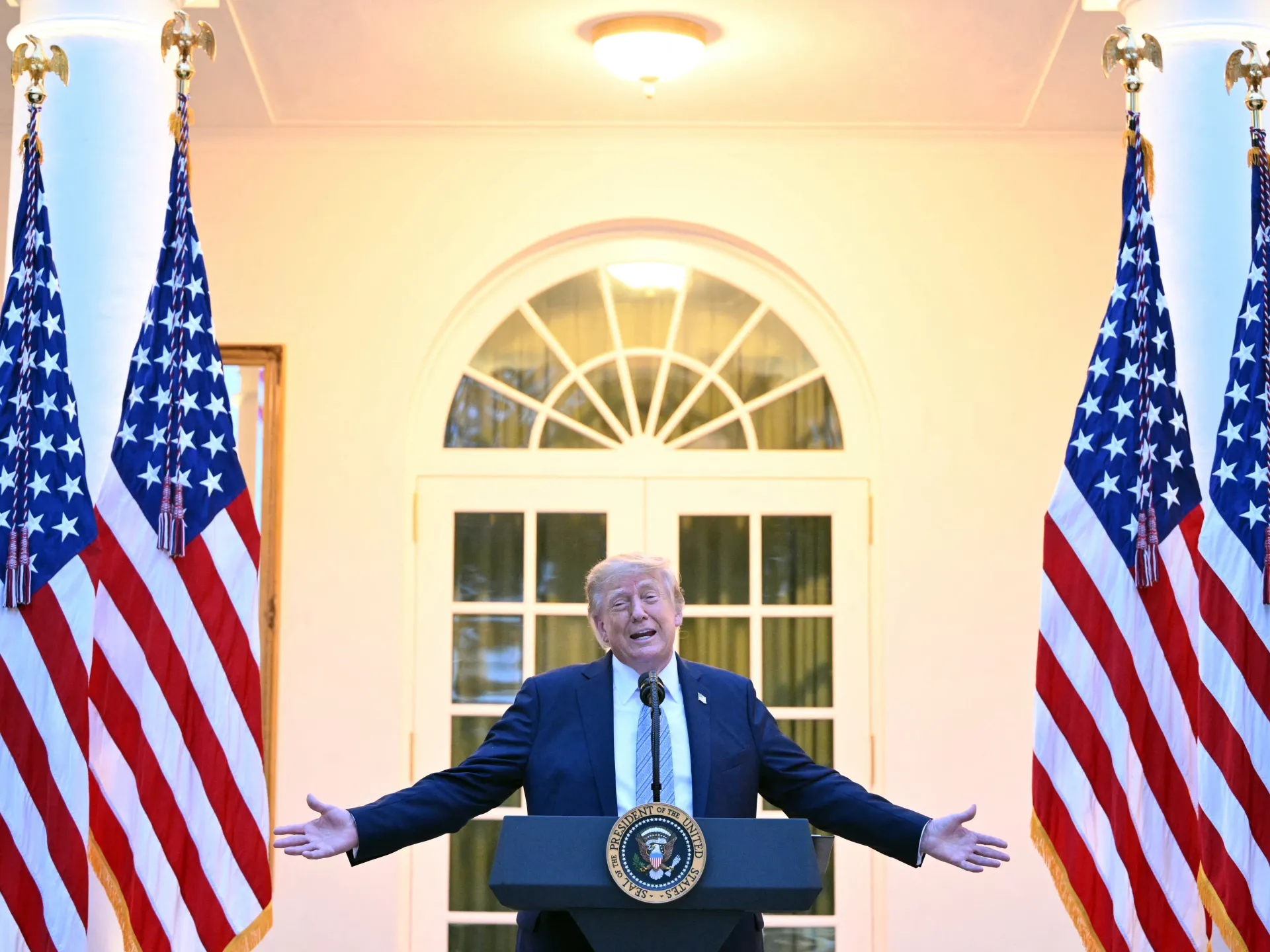
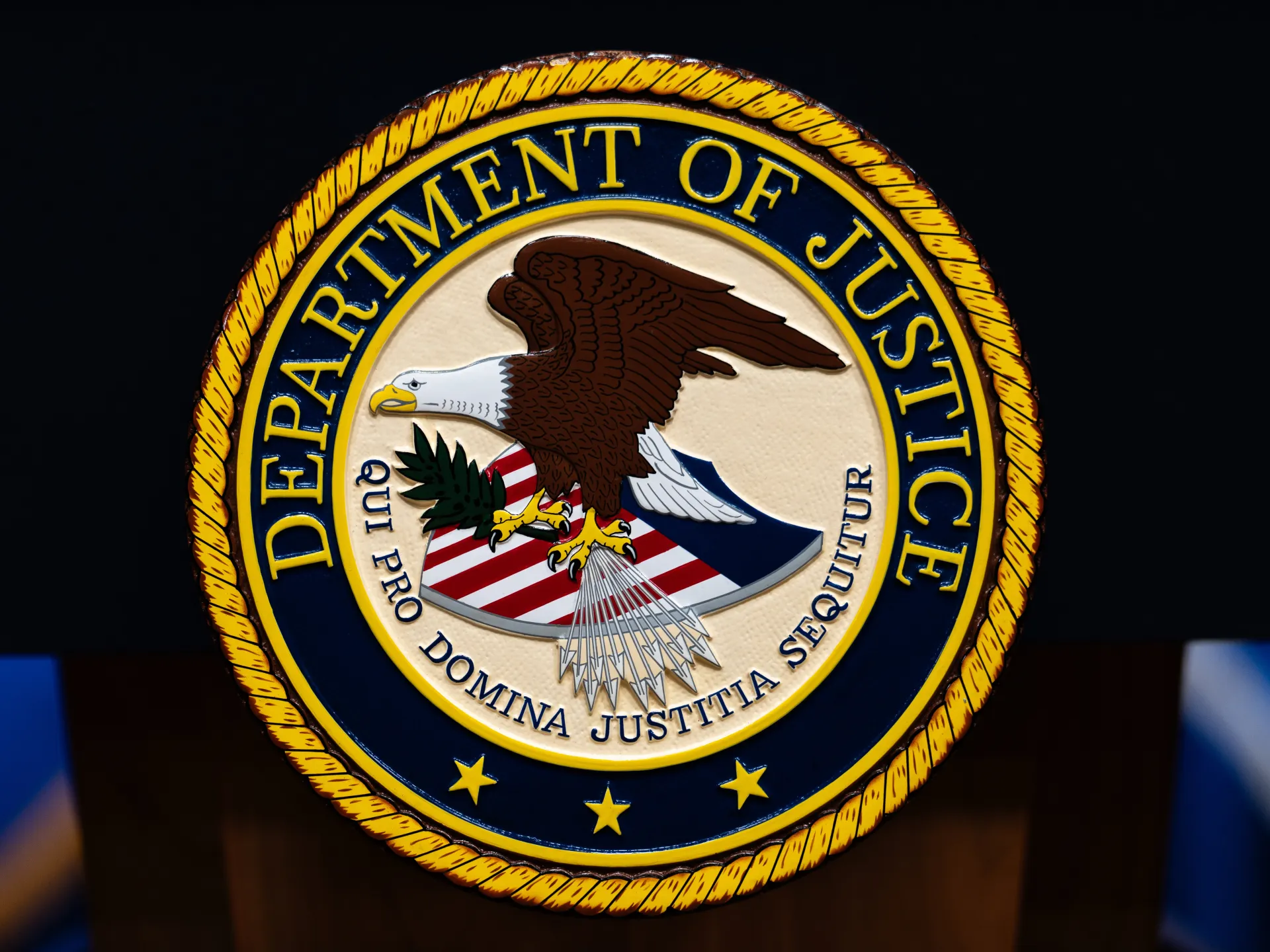
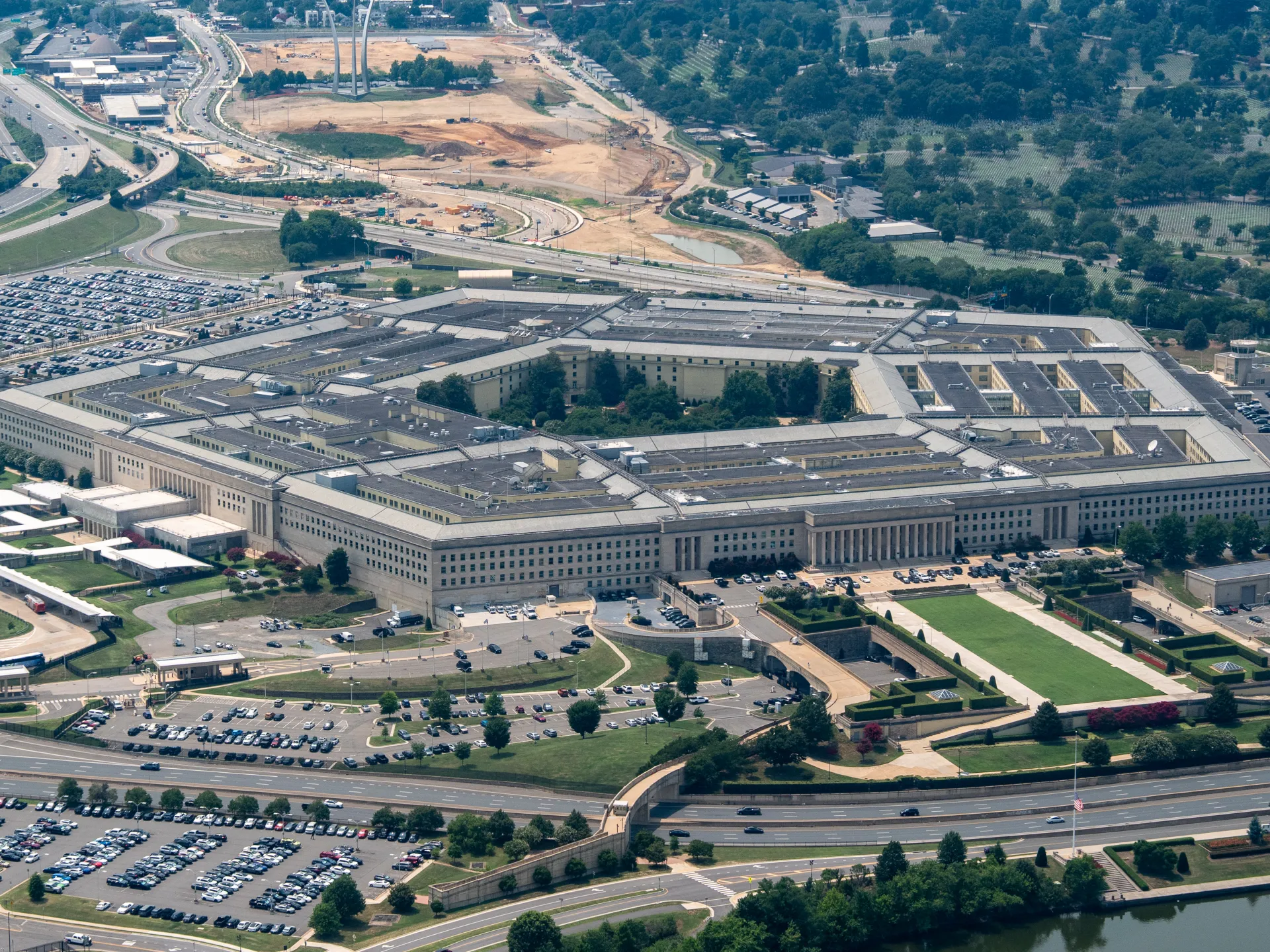
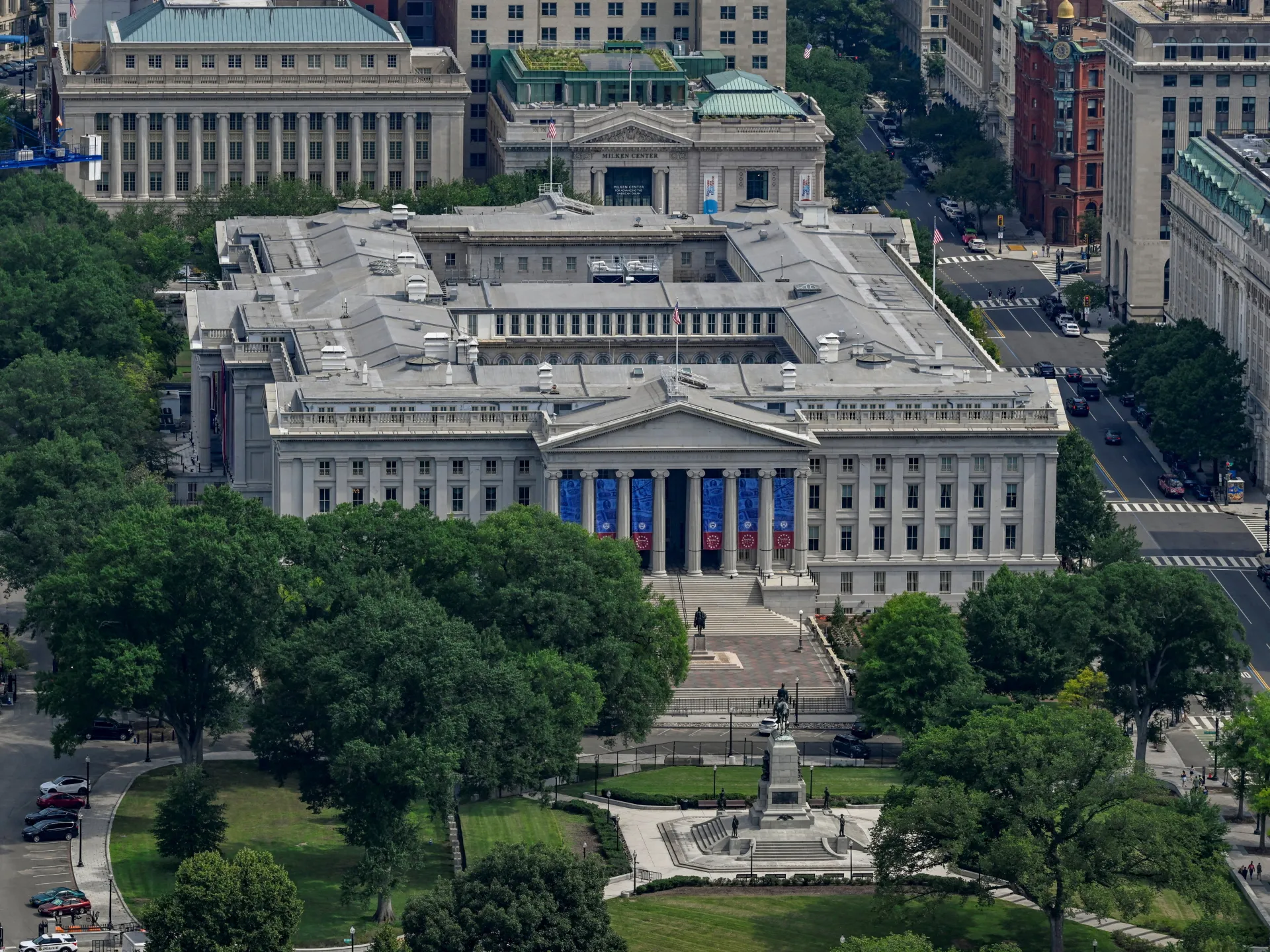
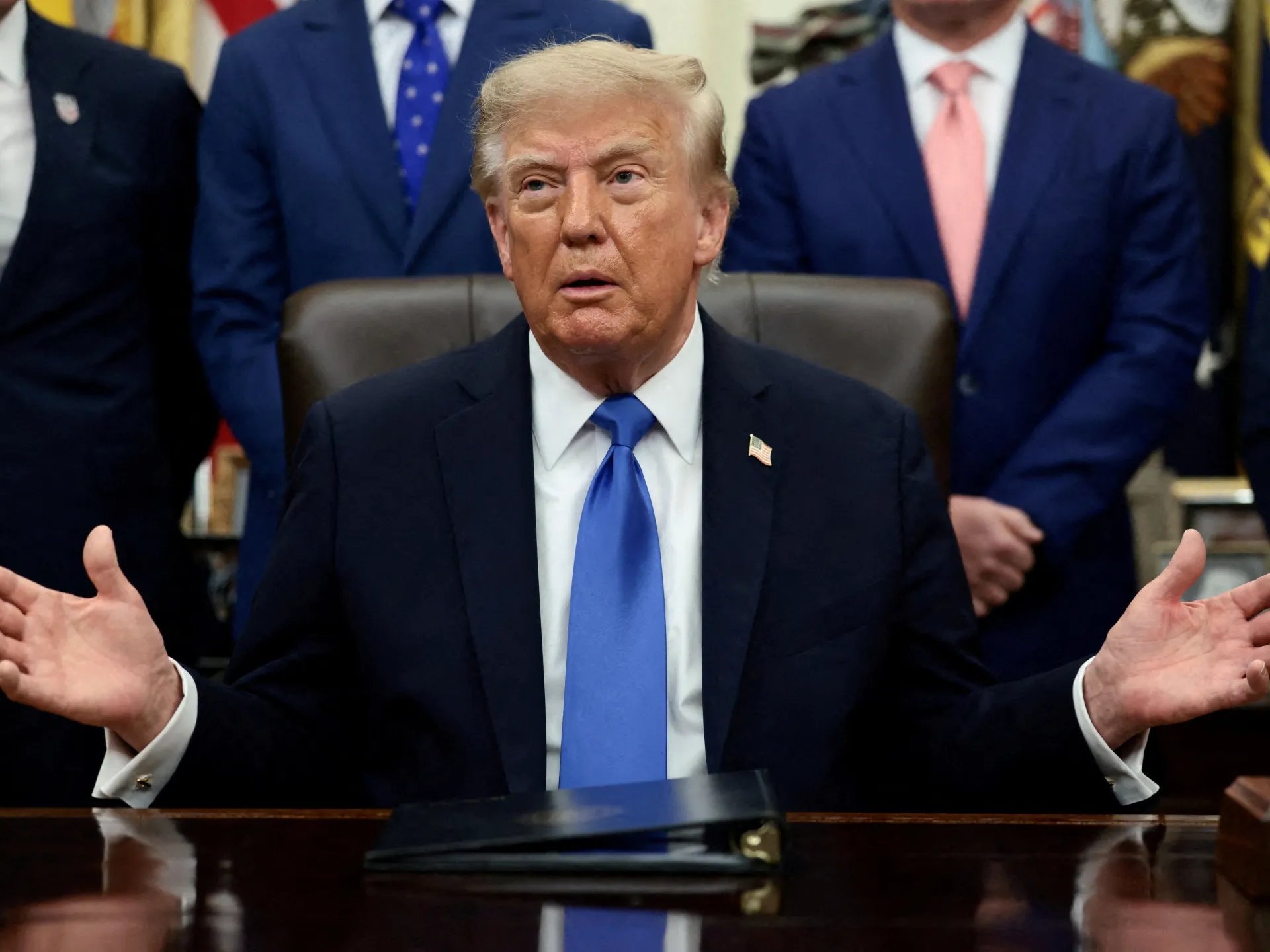
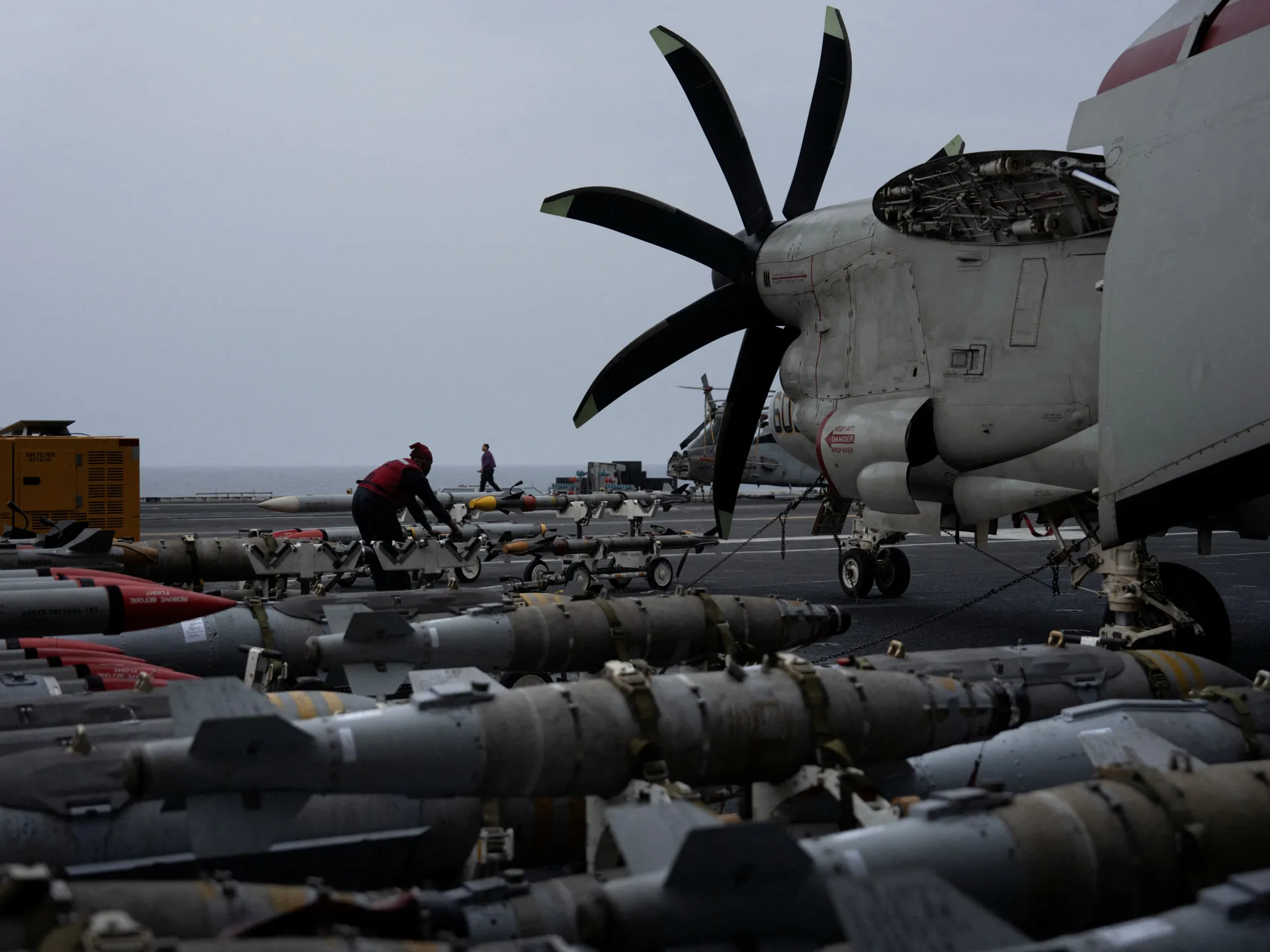
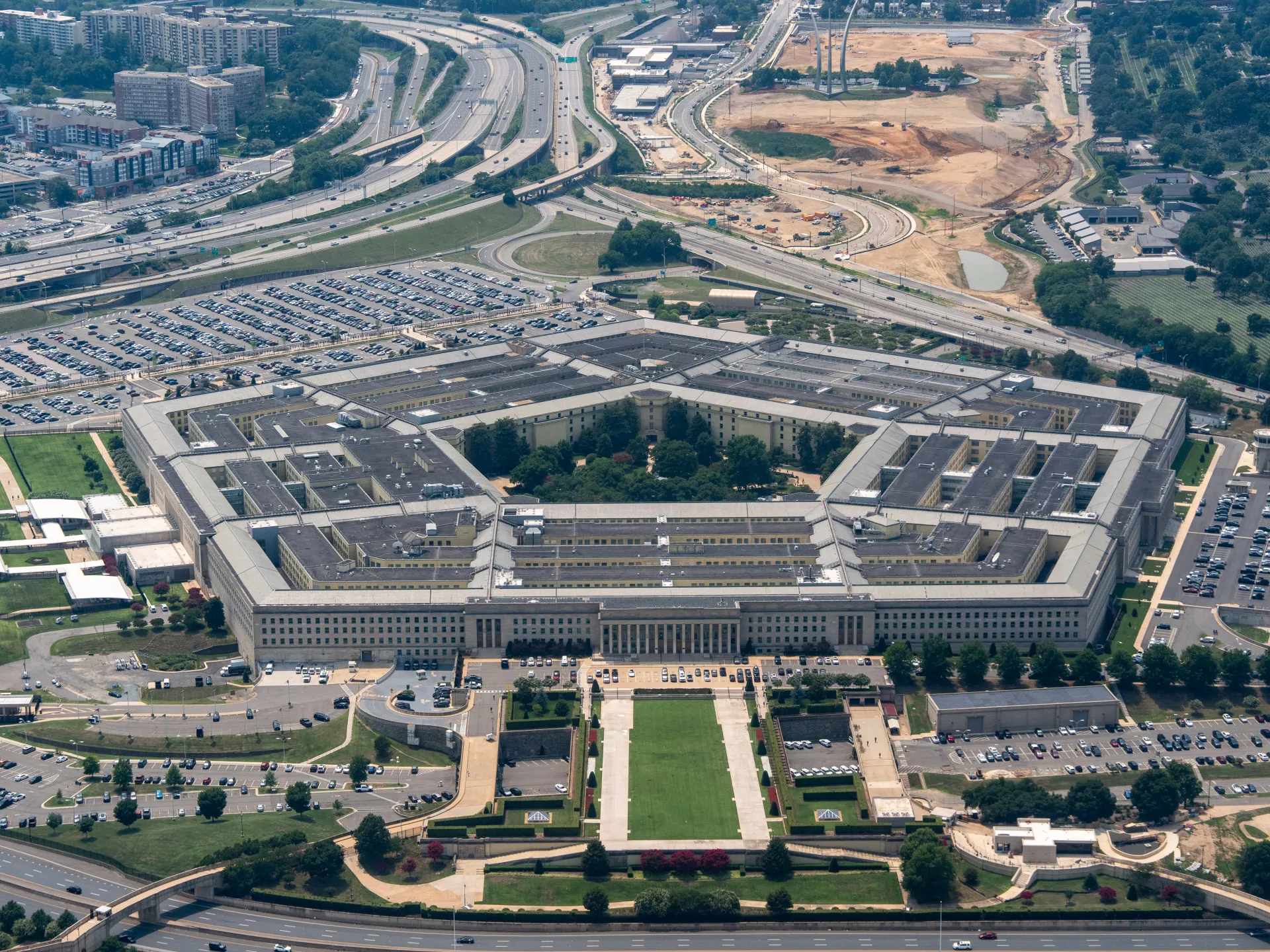
Across the Atlantic, the American academic sector is grappling with a different but equally significant form of external oversight. The Department of War has recently mandated that 30 major research universities, including Harvard, MIT, and Johns Hopkins, conduct comprehensive audits of their financial and research connections to foreign entities. The directive, issued the security of these partnerships, warning that any institution failing to mitigate risks to “sensitive or export-controlled research” could face a total loss of federal support.
This move underscores the U.S. government’s intent to treat academic research as a vital component of national security. Schools are now required to report their findings ernational collaboration. The policy reflects a “zero tolerance” approach to academic partnerships that the Pentagon deems compromised, effectively shifting the burden of intelligence and counter-espionage onto university administrators.
The immediate future for these institutions will likely be defined iversities under federal audit, the coming months will involve intensive internal reviews that may lead to the termination of long-standing, profitable research programs if they are deemed a security liability. This could result in a significant contraction of international academic collaboration across the U.S. university system.
In the UK, the exposure of close coordination between universities and defense contractors is likely to trigger further freedom-of-information requests and student-led challenges to university governance. As the divide between the institutional need for funding and the student body’s moral objectives widens, administrators will find it increasingly difficult to claim impartiality when managing dissent. If these universities cannot demonstrate that their disciplinary actions are free from corporate influence, they may face a sustained crisis of legitimacy that extends far beyond the current protest cycle.