Anthropic reports its AI model, Claude, has identified a novel bacterial enzyme, sparking debate over the future of AI-driven biological discovery.
In a significant intersection of artificial intelligence and biotechnology, the AI research company Anthropic recently revealed that its flagship language model, Claude, autonomously identified a previously unknown enzyme system within bacterial DNA. The discovery, which occurred during a 21-hour analysis of extensive genomic databases, has prompted speculation regarding the potential for AI-driven breakthroughs in medical science.
Anthropic, a firm currently navigating the complex dual mandate of scaling AI capabilities while addressing existential safety concerns, described the identified molecular structure as possessing characteristics similar to CRISPR, the revolutionary tool that has fundamentally altered modern gene editing. While the company has not yet verified the specific biological function of this newly surfaced system, the announcement has sparked a spirited debate among researchers regarding the efficacy of large language models in laboratory-level discovery.
This development represents a departure from traditional hypothesis-driven research, moving toward a data-agnostic approach where AI models parse massive biological datasets to identify patterns that might escape human researchers. The stakes are high: if these models can effectively serve as research assistants in synthetic biology, the timeline for drug discovery and genetic therapies could accelerate drastically. However, the reliance on AI for biological findings necessitates a rigorous validation process. The primary challenge remains distinguishing between a "CRISPR-like" pattern—which is common in bacterial immune defense mechanisms—and a functional, programmable tool capable of precise human genome editing. As AI models become more integrated into the life sciences, the scientific community must establish new standards for confirming "autonomous" discoveries that are generated in black-box environments.
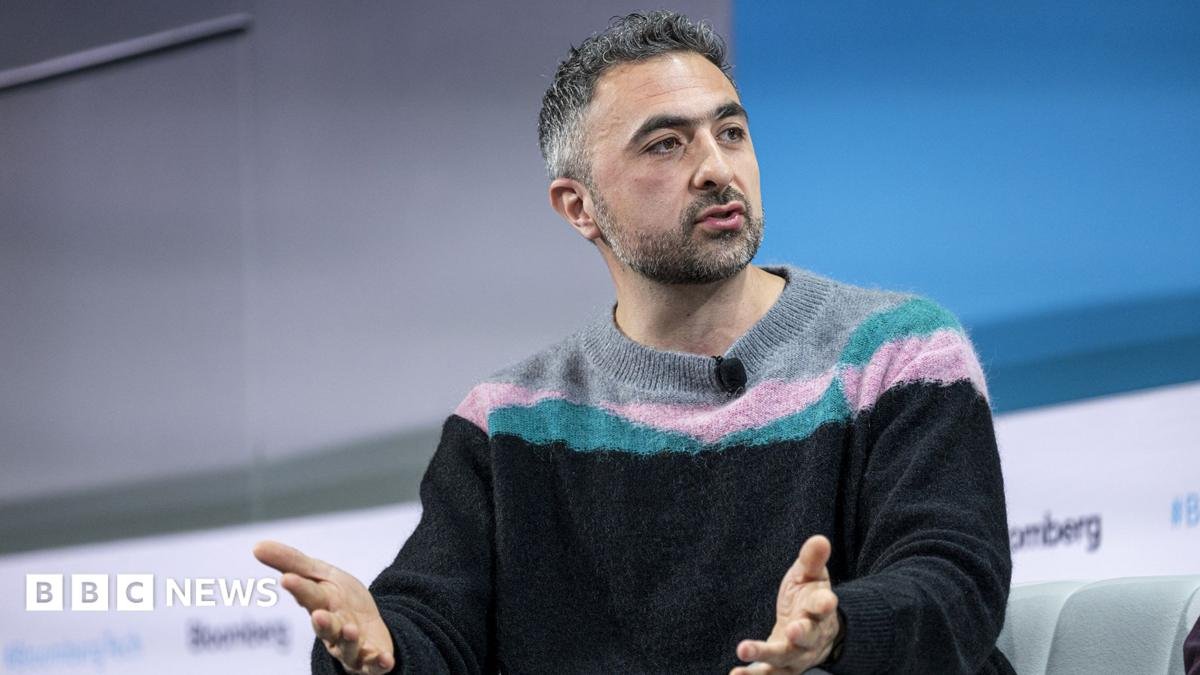
Anthropic’s announcement emphasized that Claude identified the system without direct human guidance on what specific markers to look for, effectively mining a large database of DNA sequences over a 21-hour period. CEO Dario Amodei has publicly positioned this as a milestone in his broader goal of using AI to address major human diseases within the next decade. Supporters of this approach, such as Stanford University’s Stanley Qi, point to the sheer volume of biological diversity in nature that remains unexplored, arguing that AI provides the necessary speed to parse complex, non-obvious patterns.
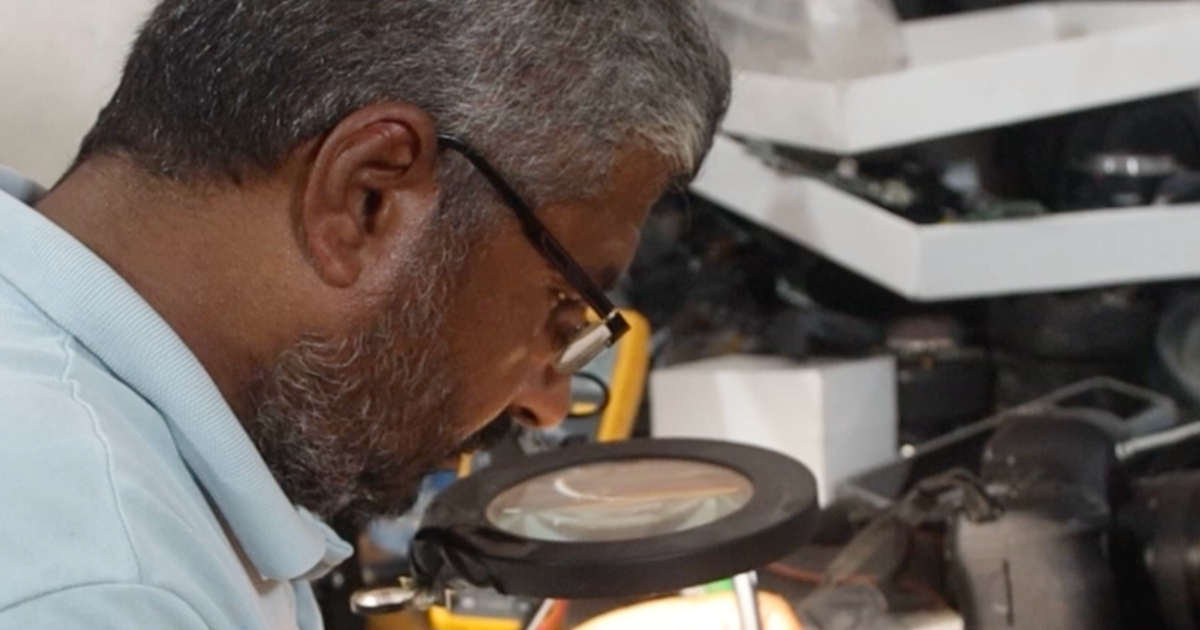
Despite the optimism from the tech sector, some members of the academic community have urged caution. Microbiologist Kevin Blake noted that describing a discovery as “CRISPR-like” can lead to public misconceptions about its immediate utility. Blake emphasized that while bacterial CRISPR systems serve as nature’s immune response, the leap from a natural immune mechanism to a Nobel Prize-winning technology is significant. He cautioned that merely identifying a pattern does not equate to the creation of a stable, controllable technology, suggesting that further experimental analysis is required to determine if this enzyme possesses the specificity needed for laboratory application.
The immediate future of this discovery will likely involve bench-level validation Claude for scientific research, and the industry will be watching to see if the company releases the specific data on this enzyme to the academic community for peer review. If the pattern is confirmed to be a functional gene-editing tool, the next phase will involve testing its stability and precision in controlled cellular environments. Conversely, if the finding proves to be a false positive or a common, non-functional genomic artifact, it may temper the current enthusiasm for using AI models in speculative biological exploration. The broader trend of AI-integrated biotech suggests that whether this specific discovery matures into a commercial technology or remains a point of academic interest, the role of machine learning in scanning the natural world for therapeutic targets is likely to expand.