As international summits address economic divides, the United Nations warns of a humanitarian catastrophe in Ukraine amid intensifying infrastructure strikes.
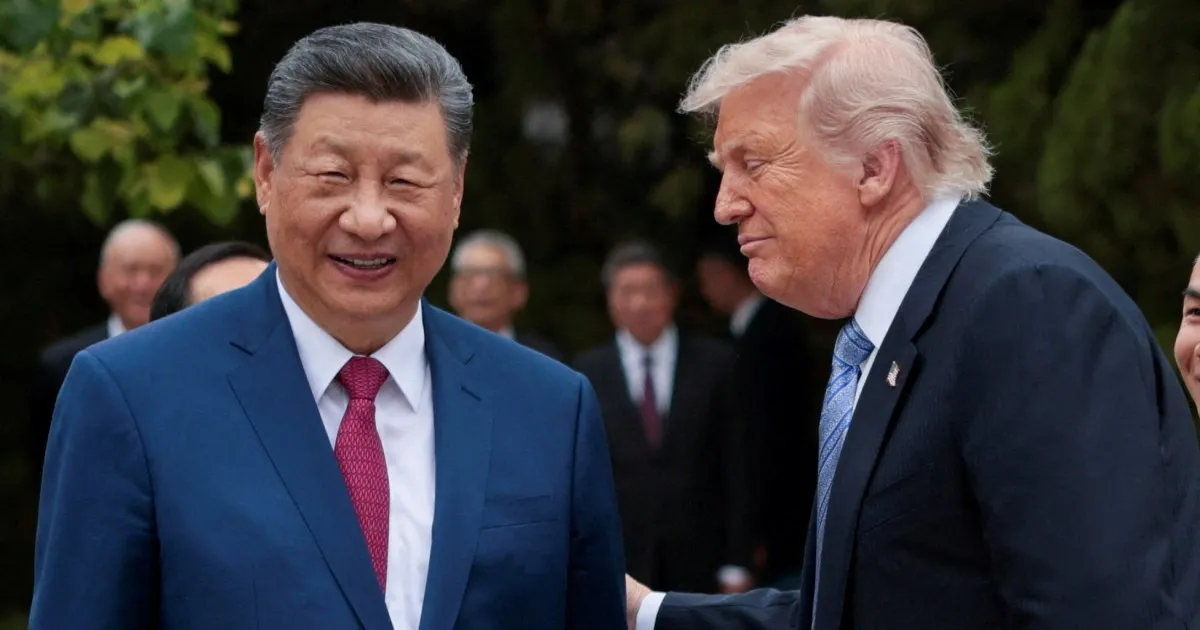
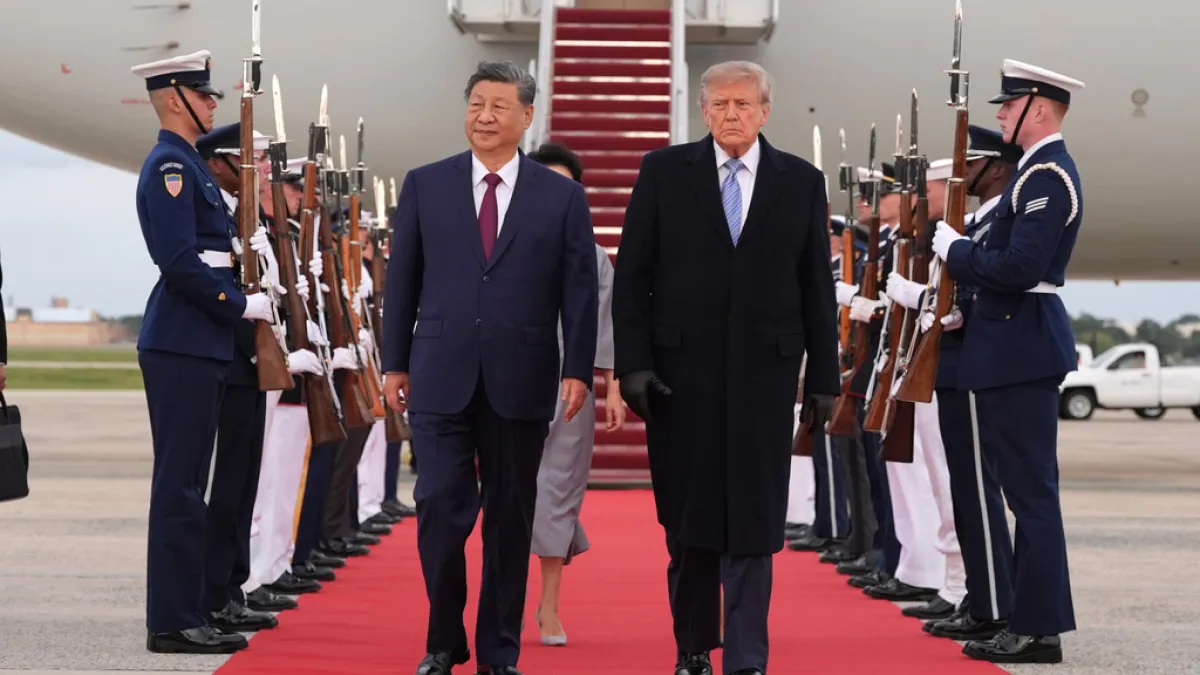
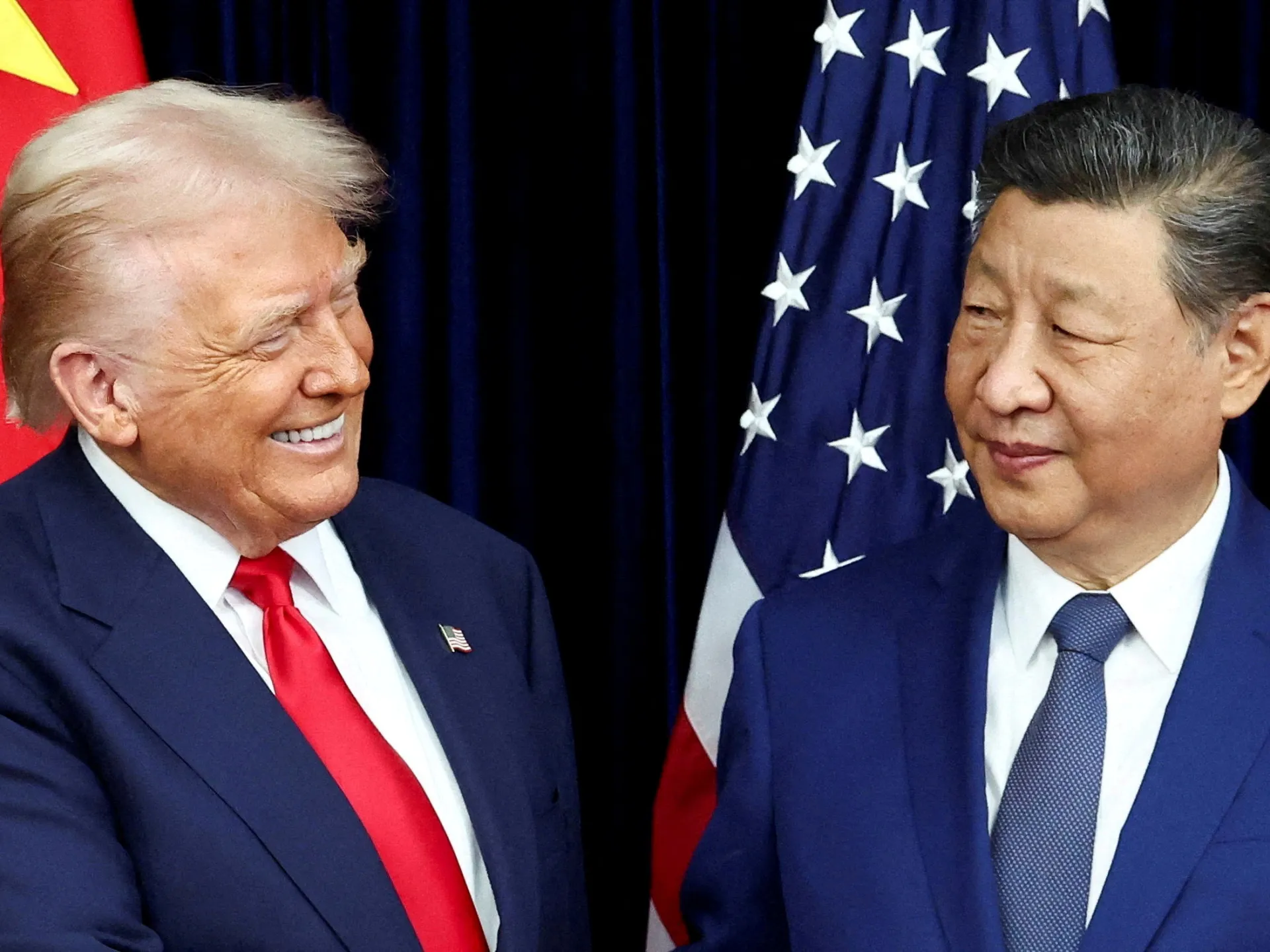
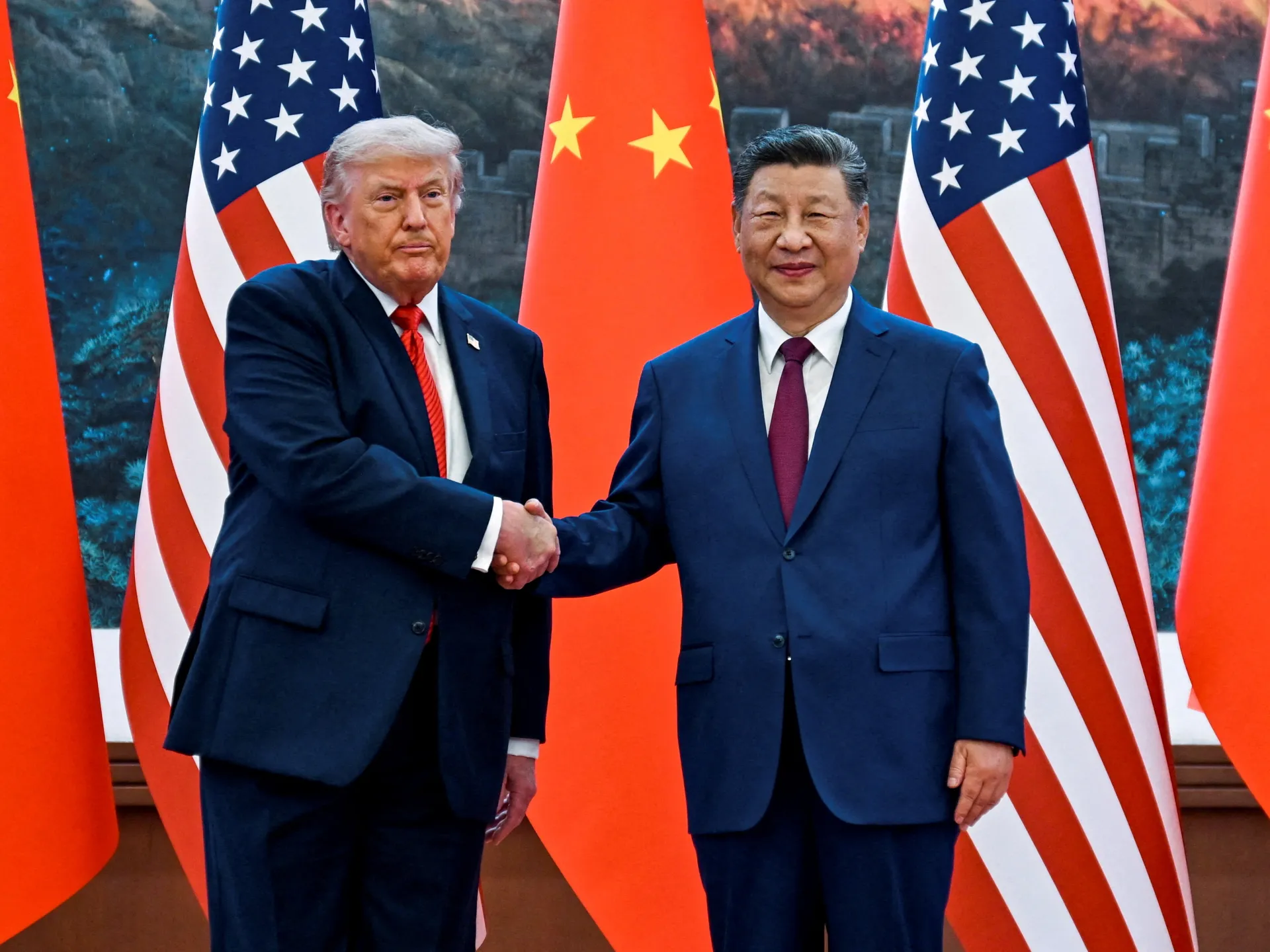
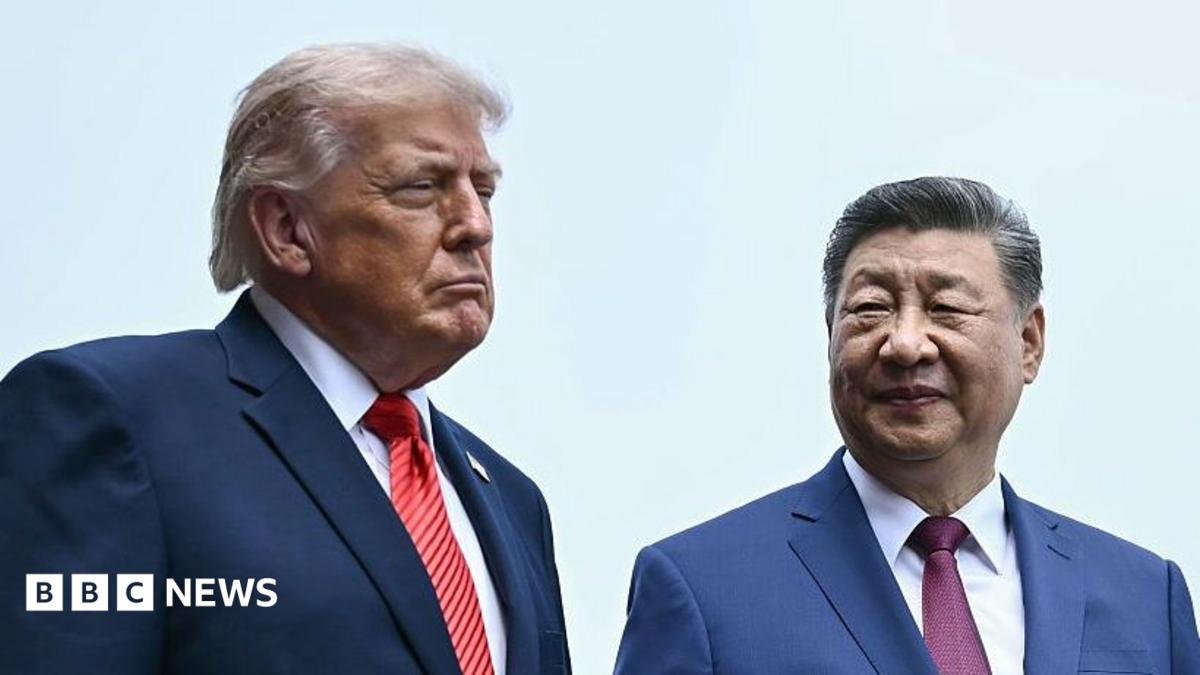
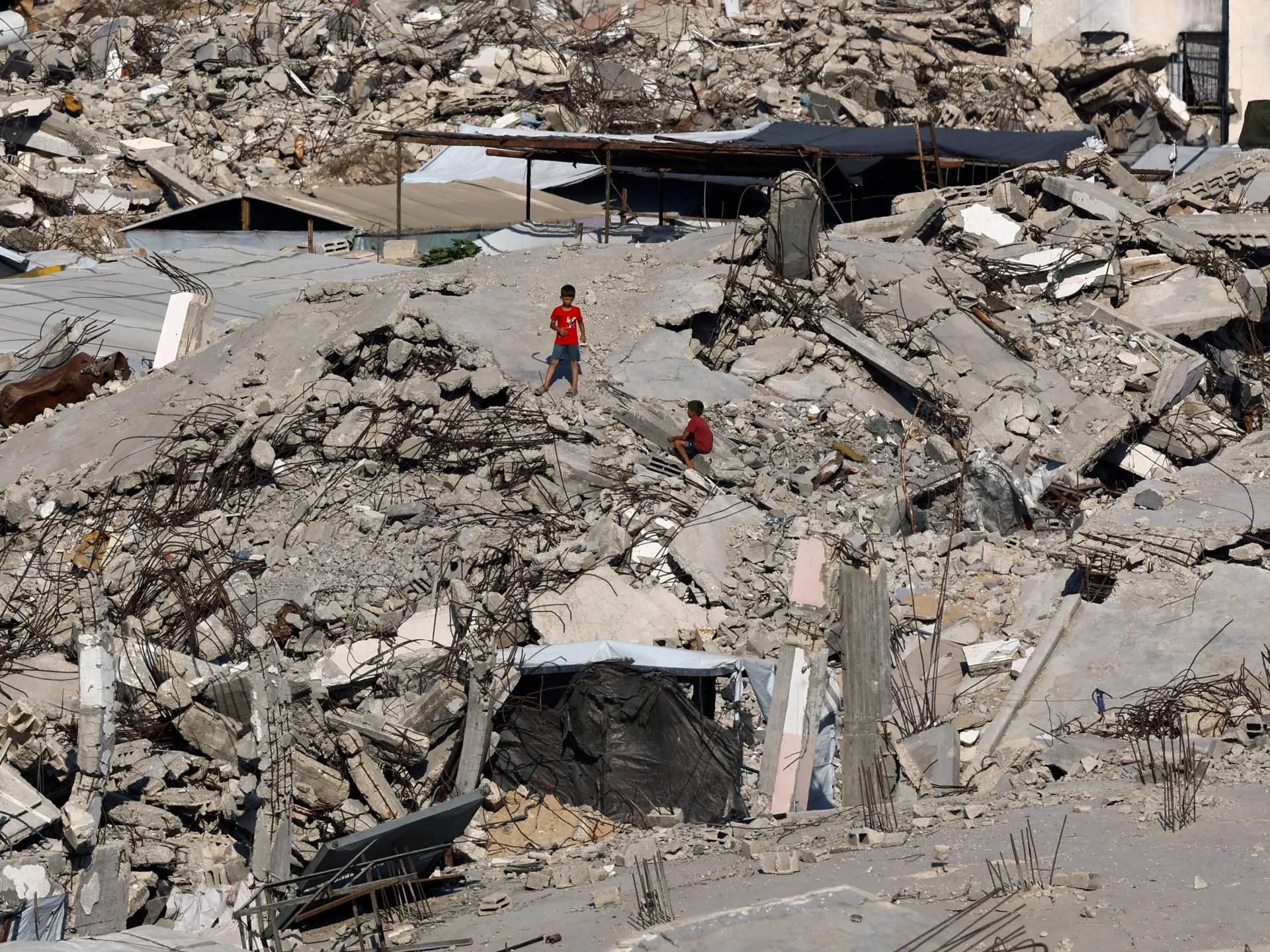
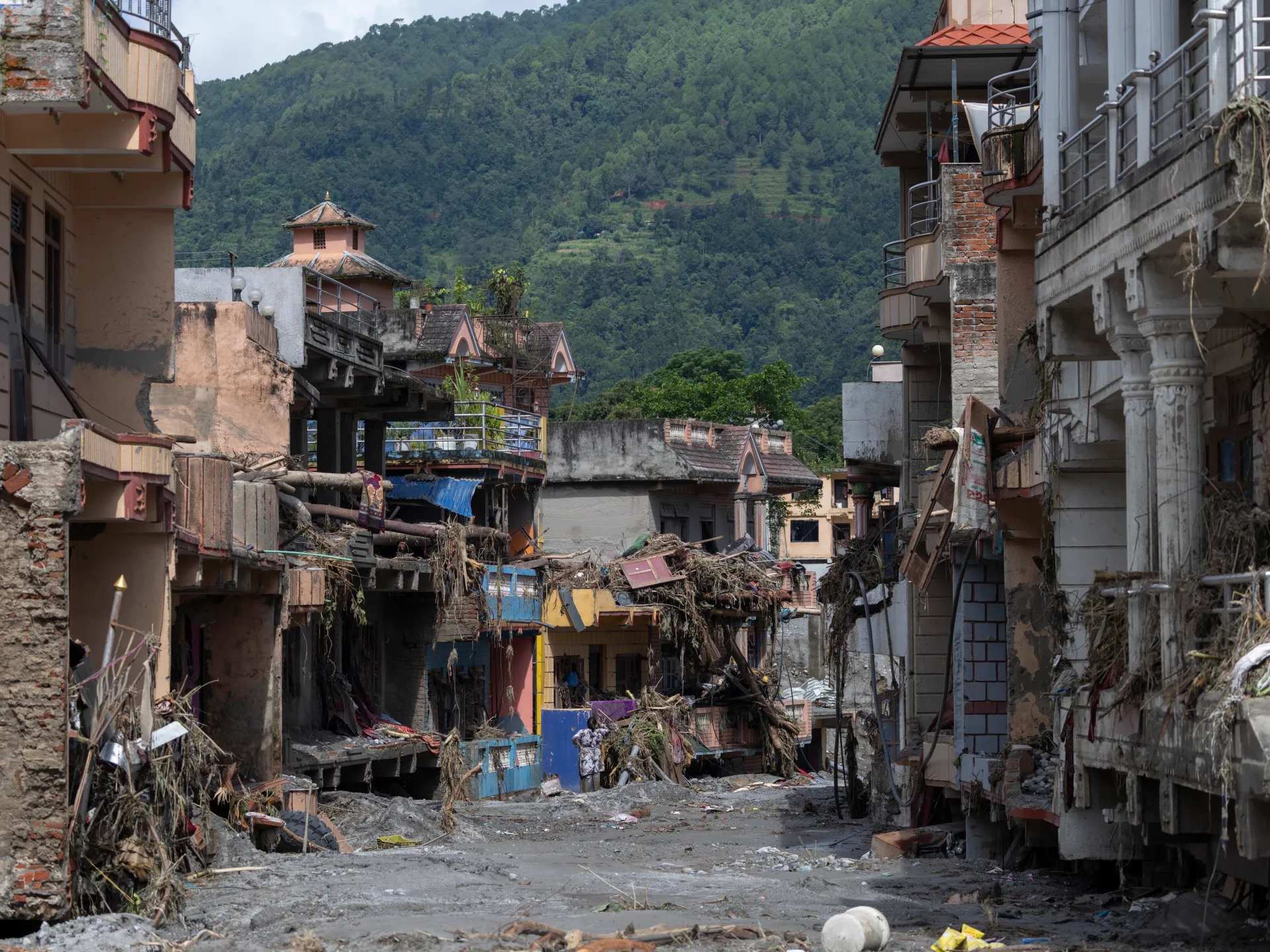
The convergence of systemic economic inequality and the brutal realities of prolonged modern warfare highlights a fracturing global order. While high-level diplomatic summits, such as those between the United States and China, dominate the news cycle, the foundational stability of nations is being eroded velopment and the weaponization of civilian infrastructure in active combat zones. This dichotomy suggests that global progress is not merely stalling but in some regions actively reversing, creating a precarious environment where human security is increasingly fragile.
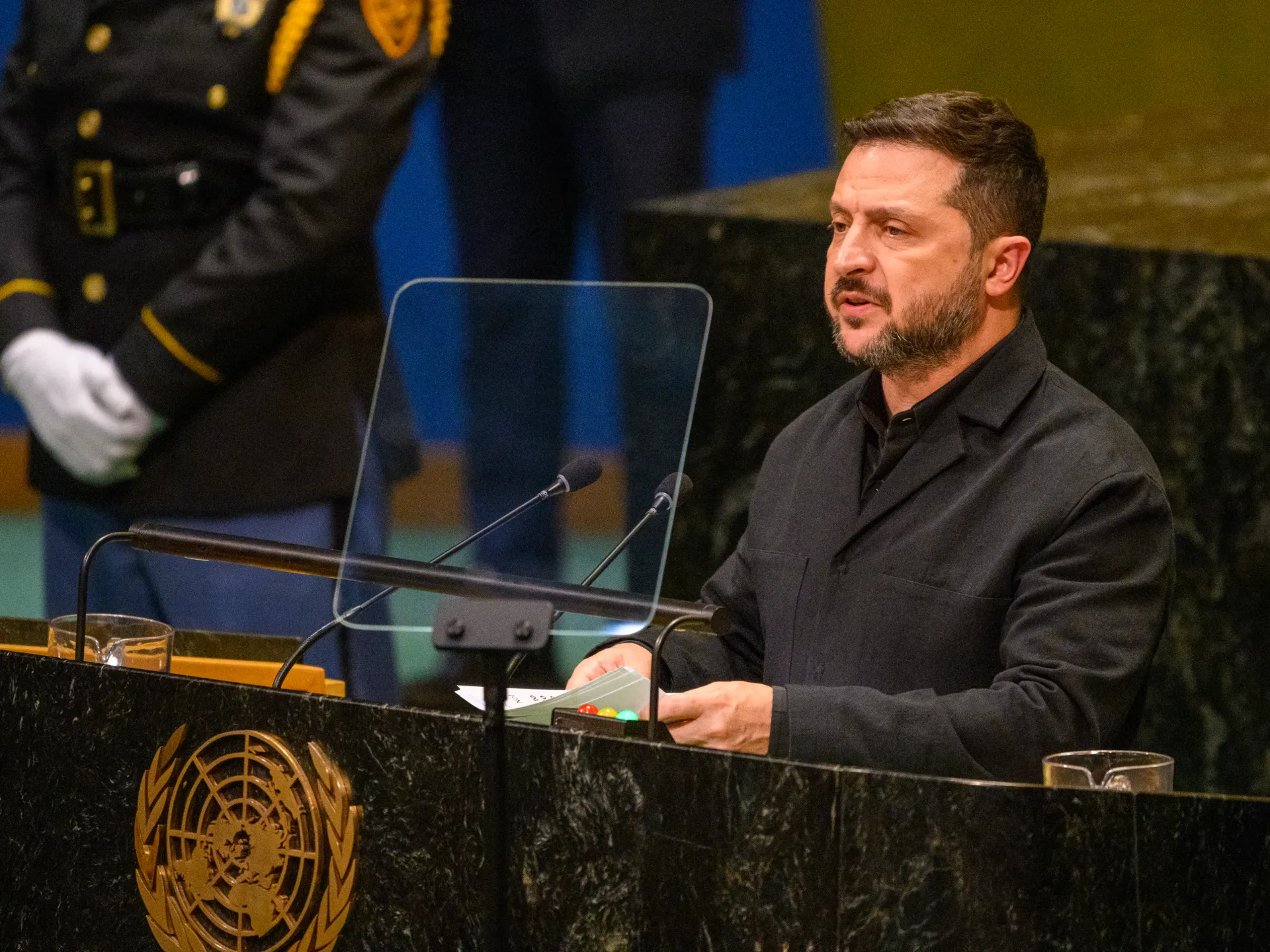
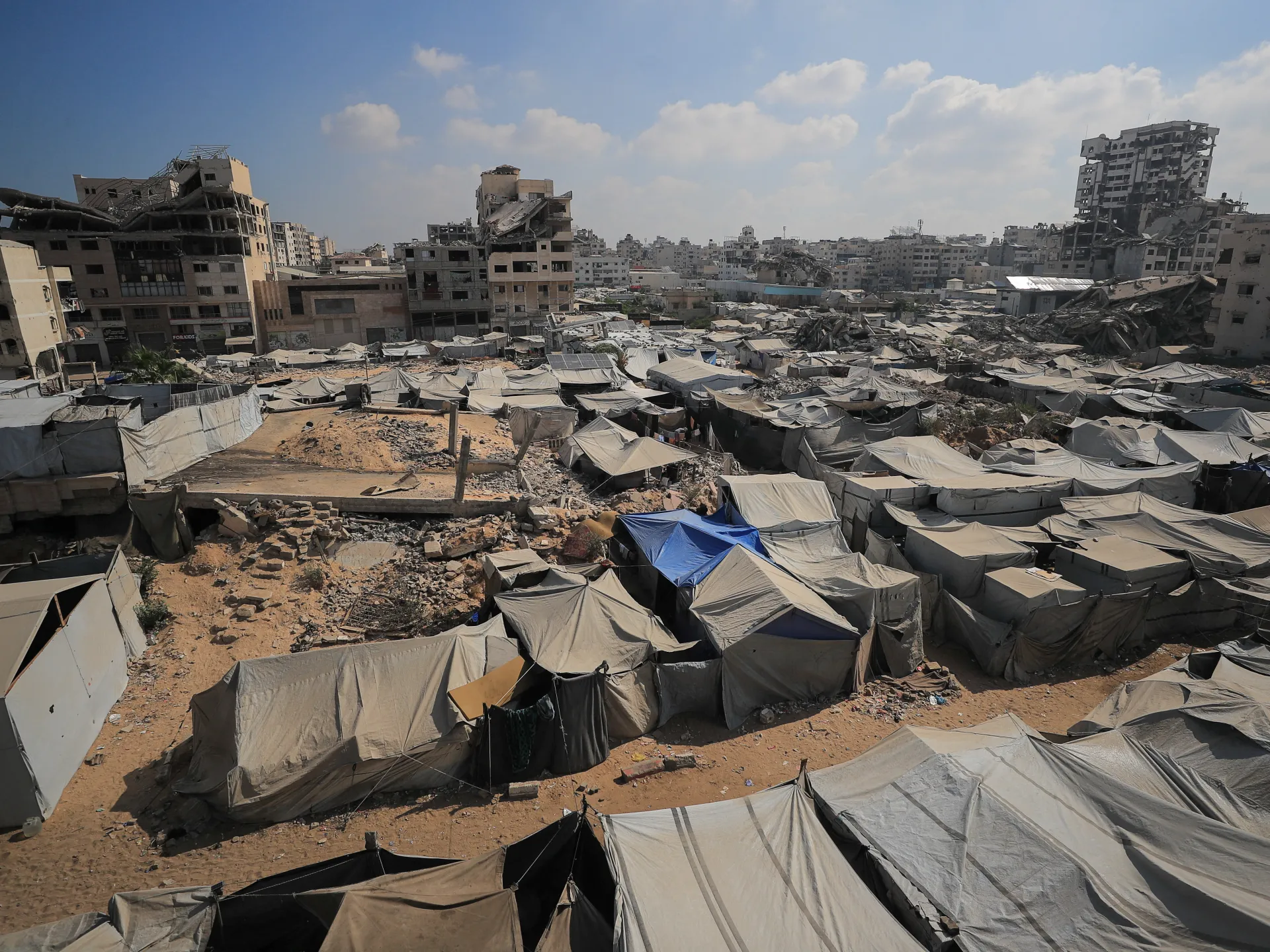
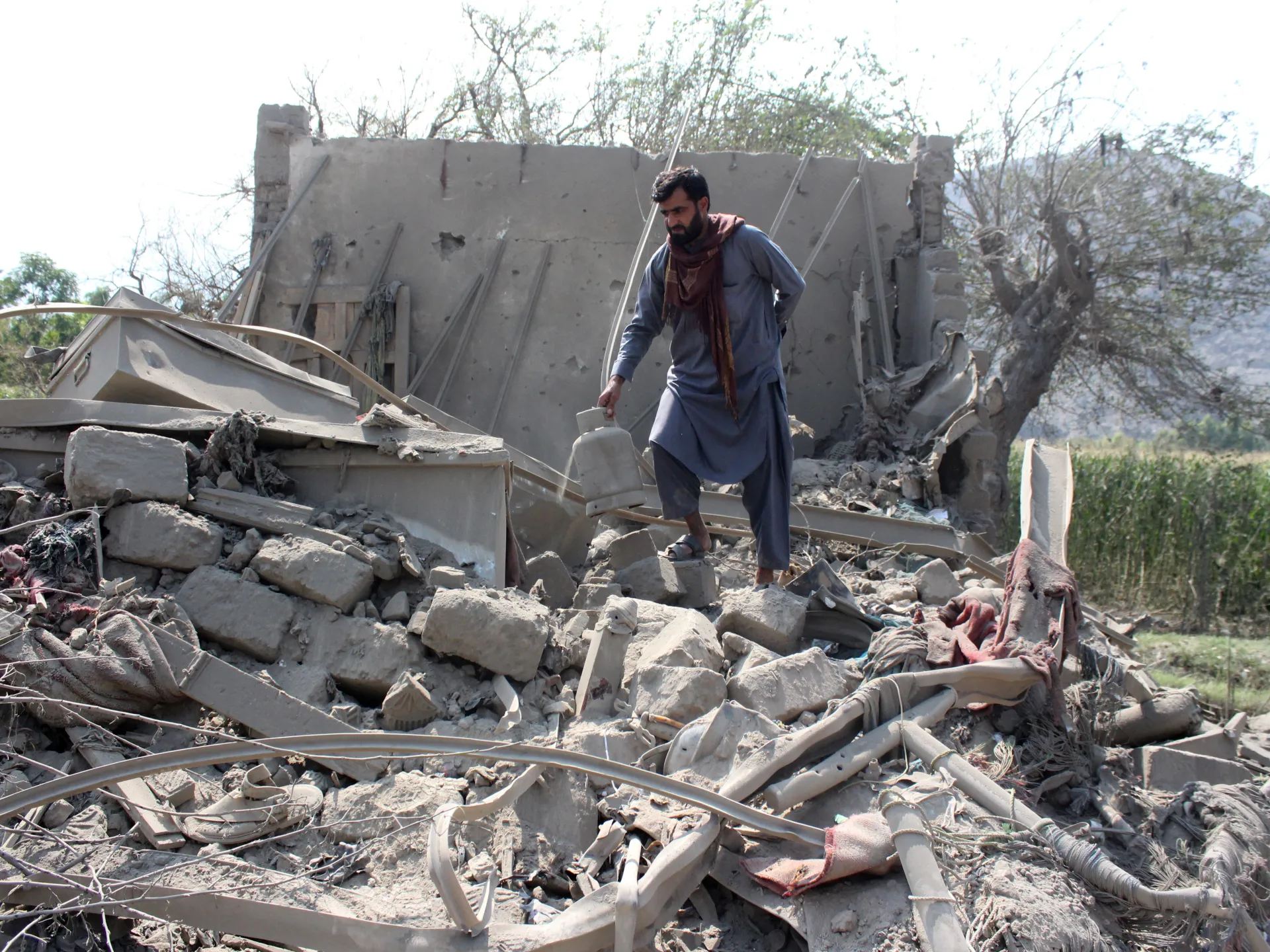
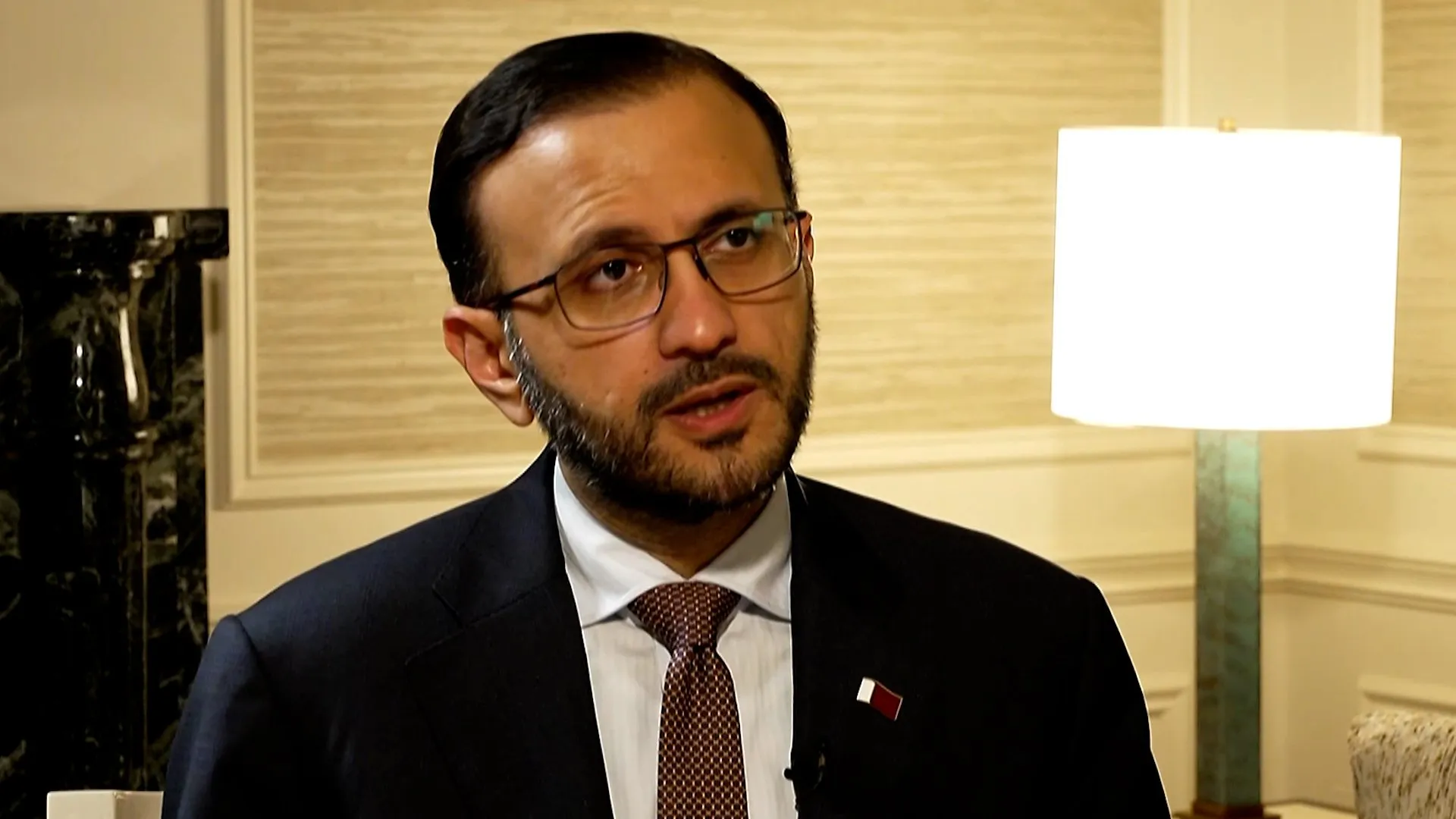
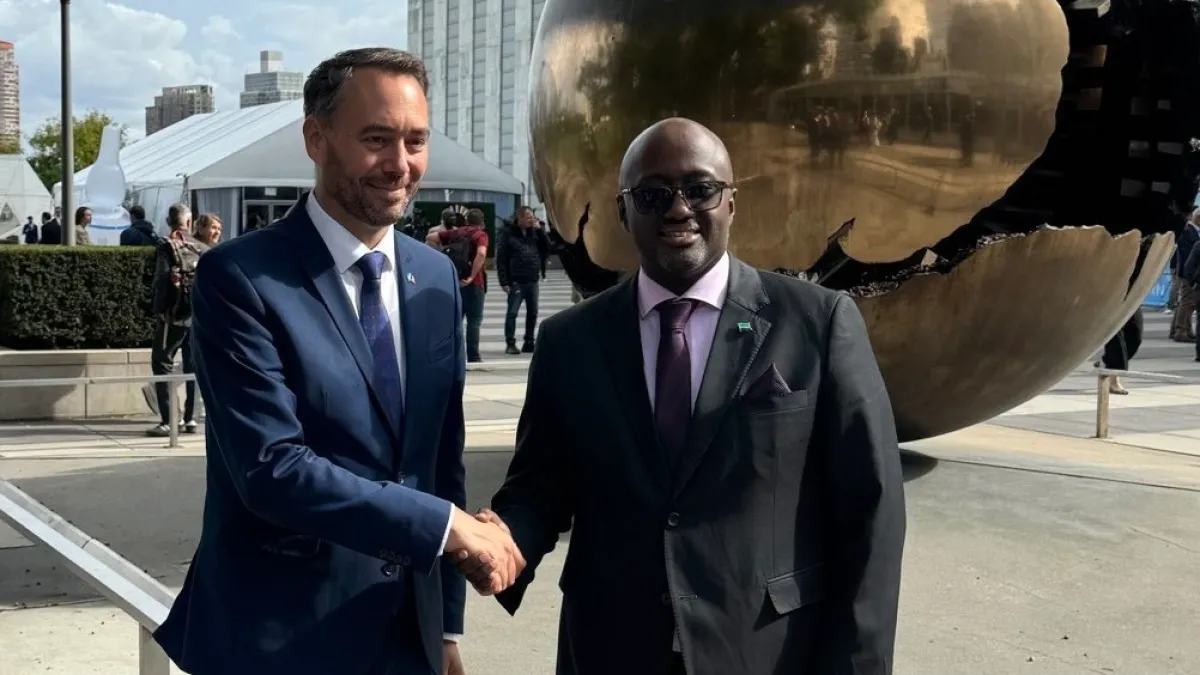
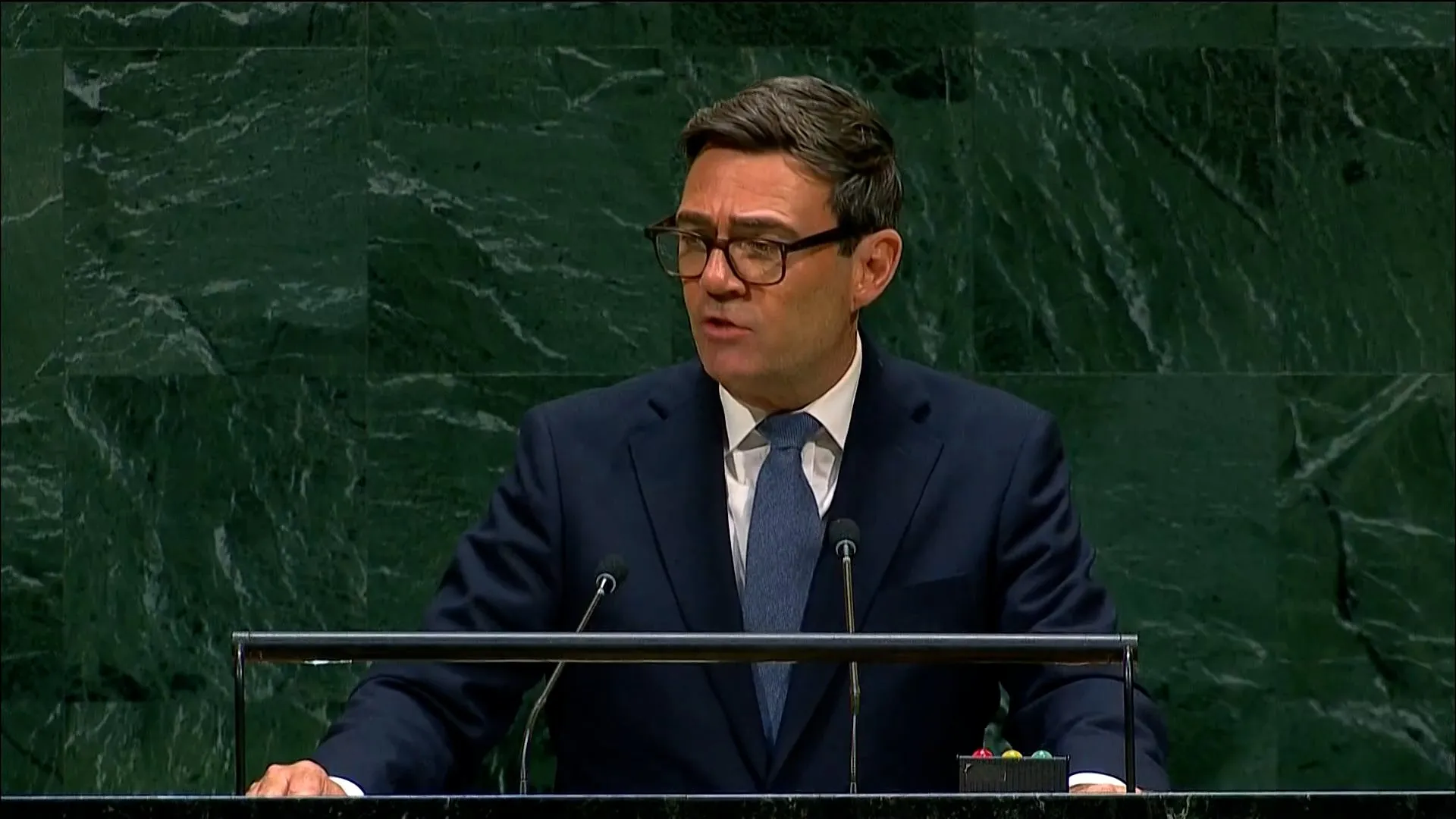
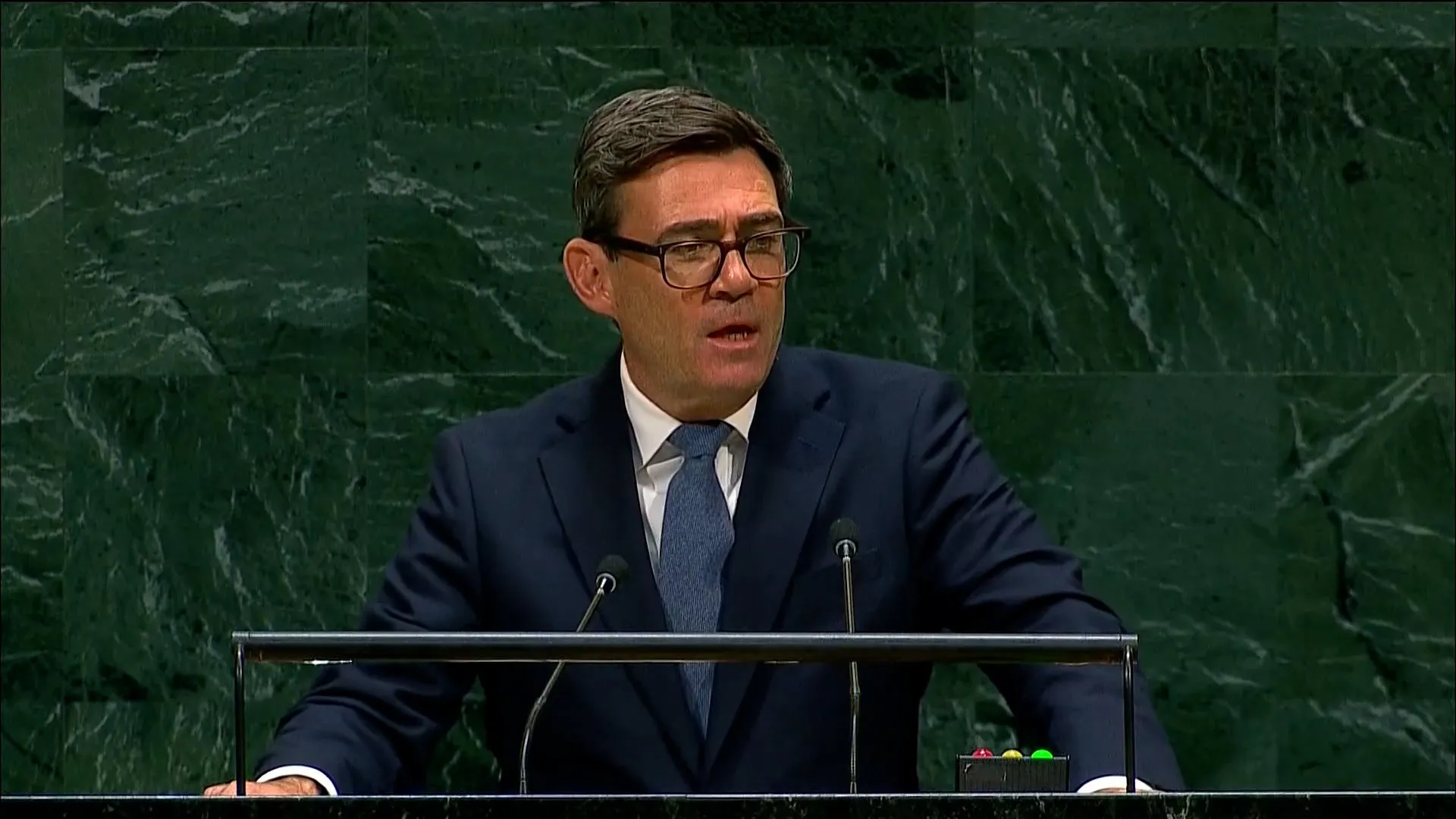
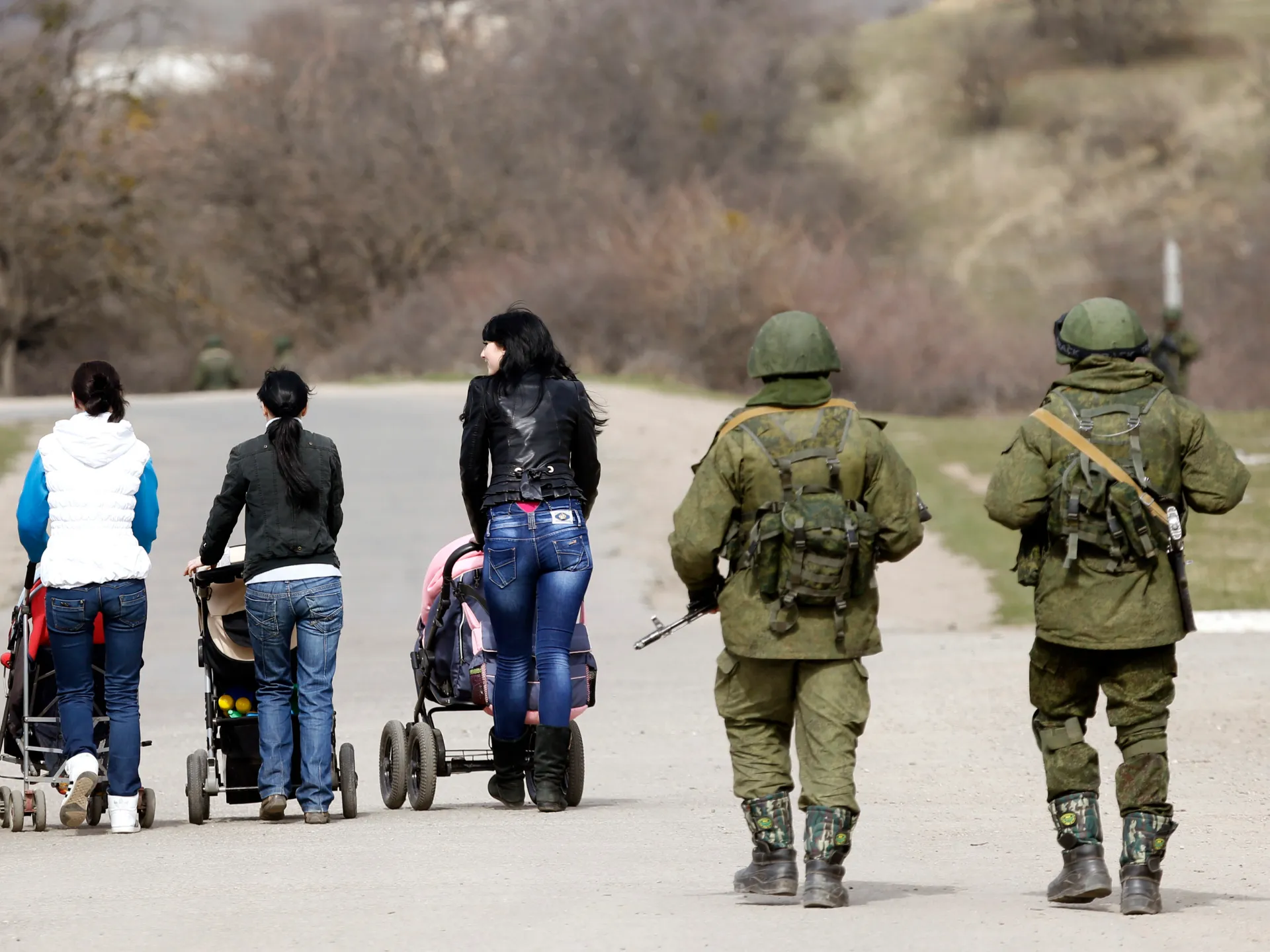
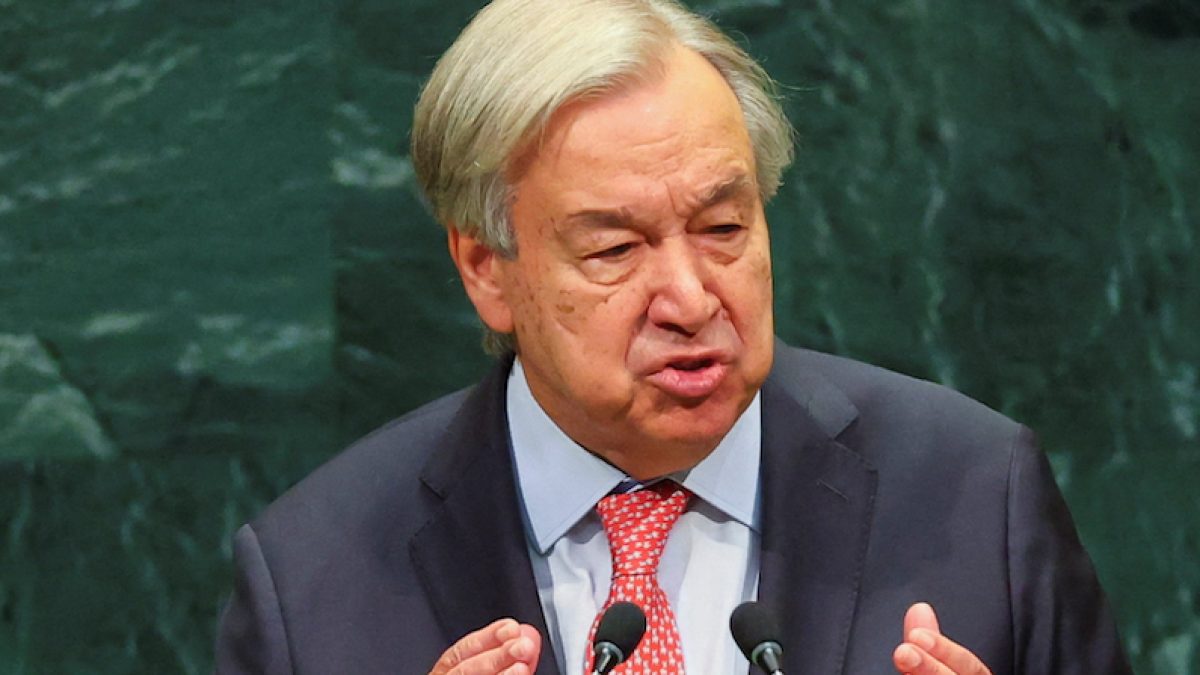
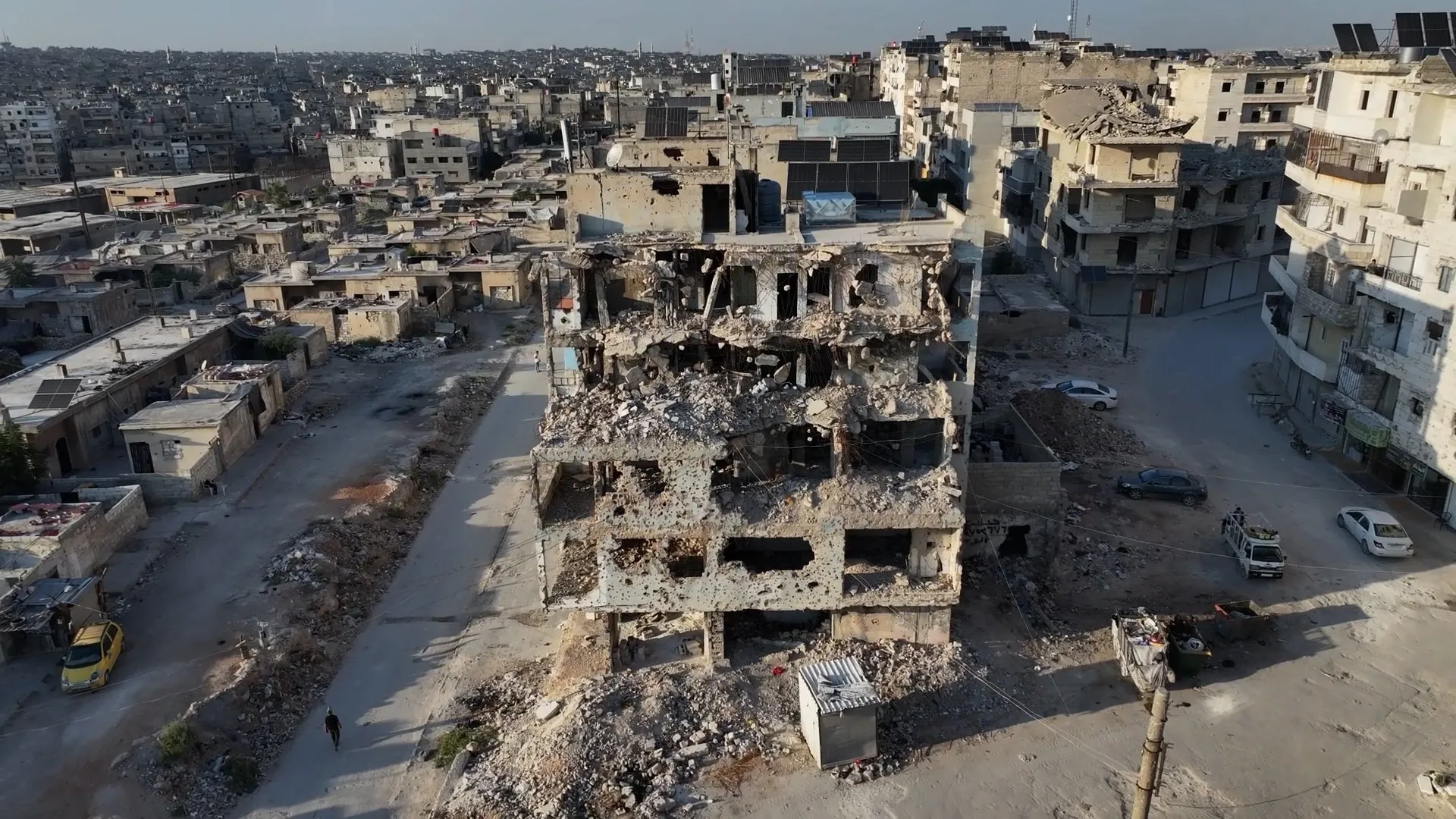
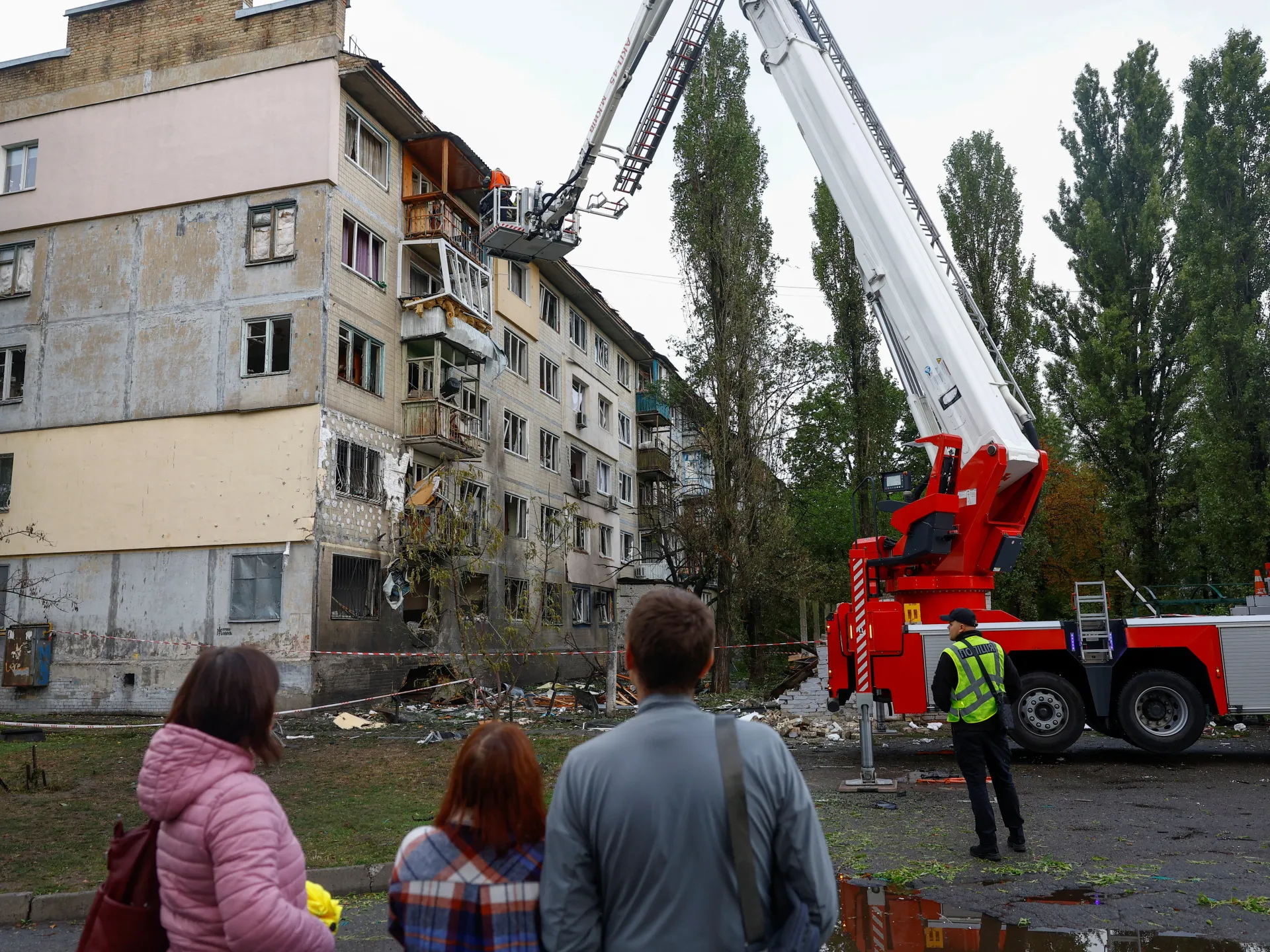
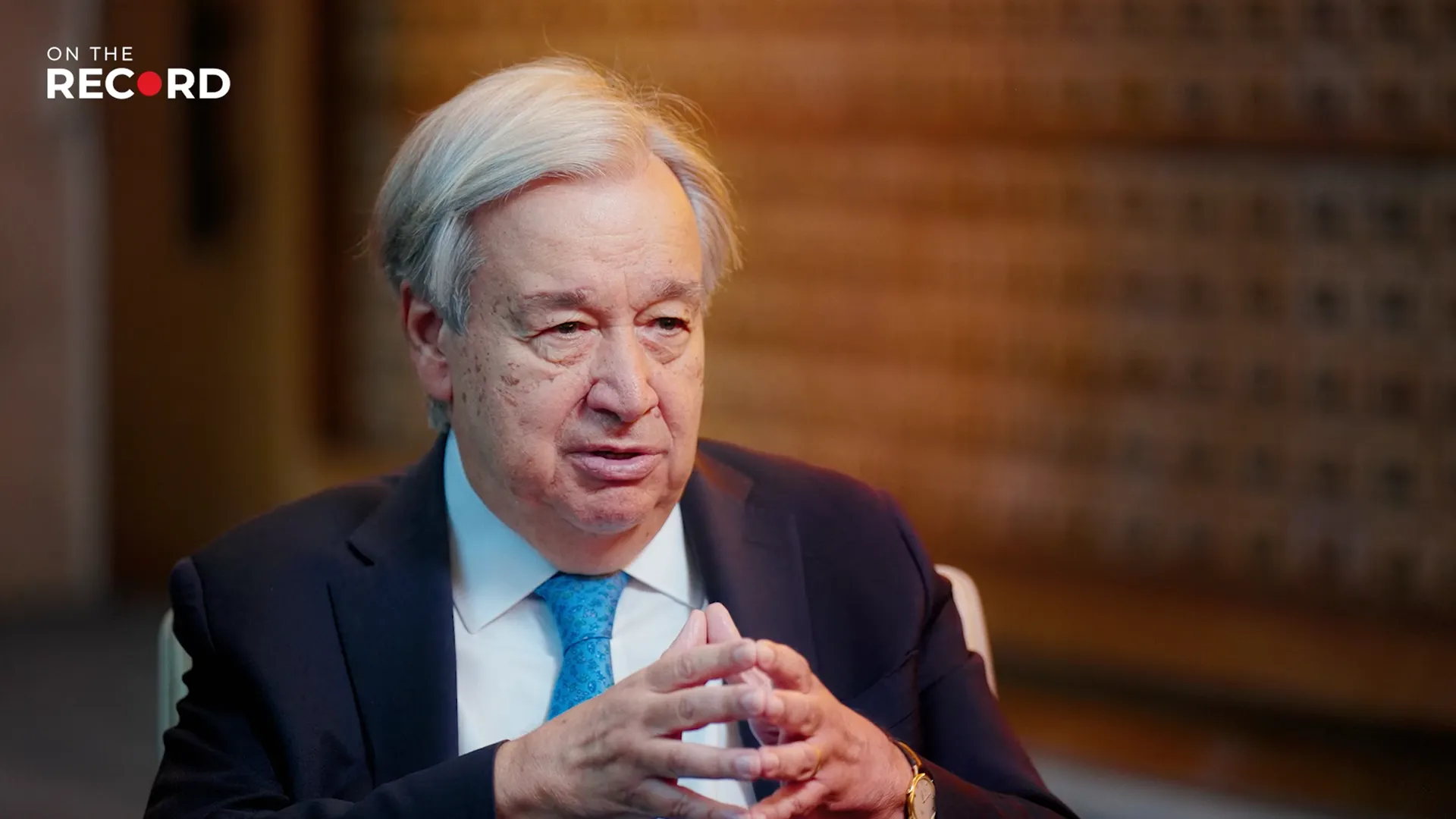
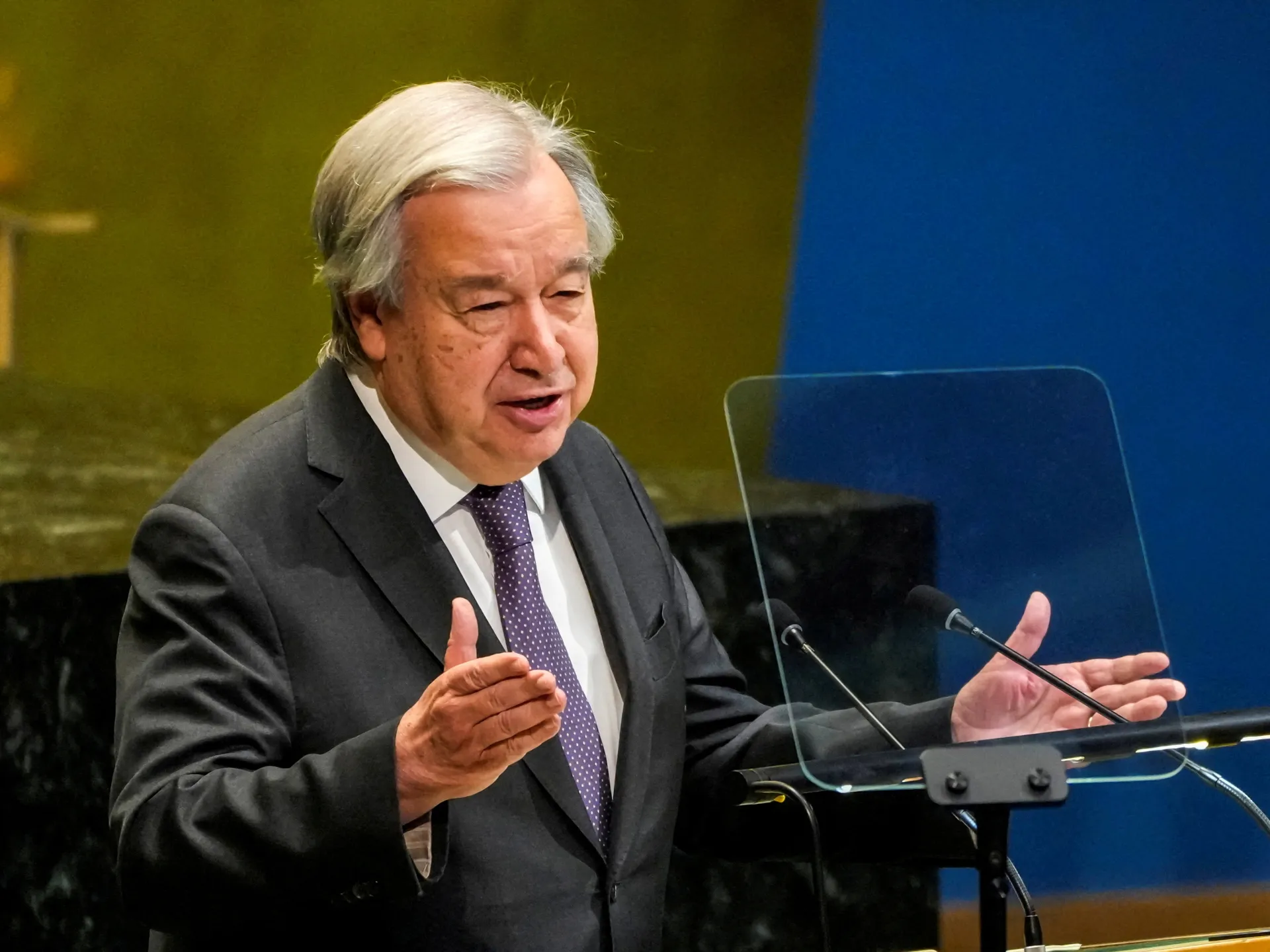
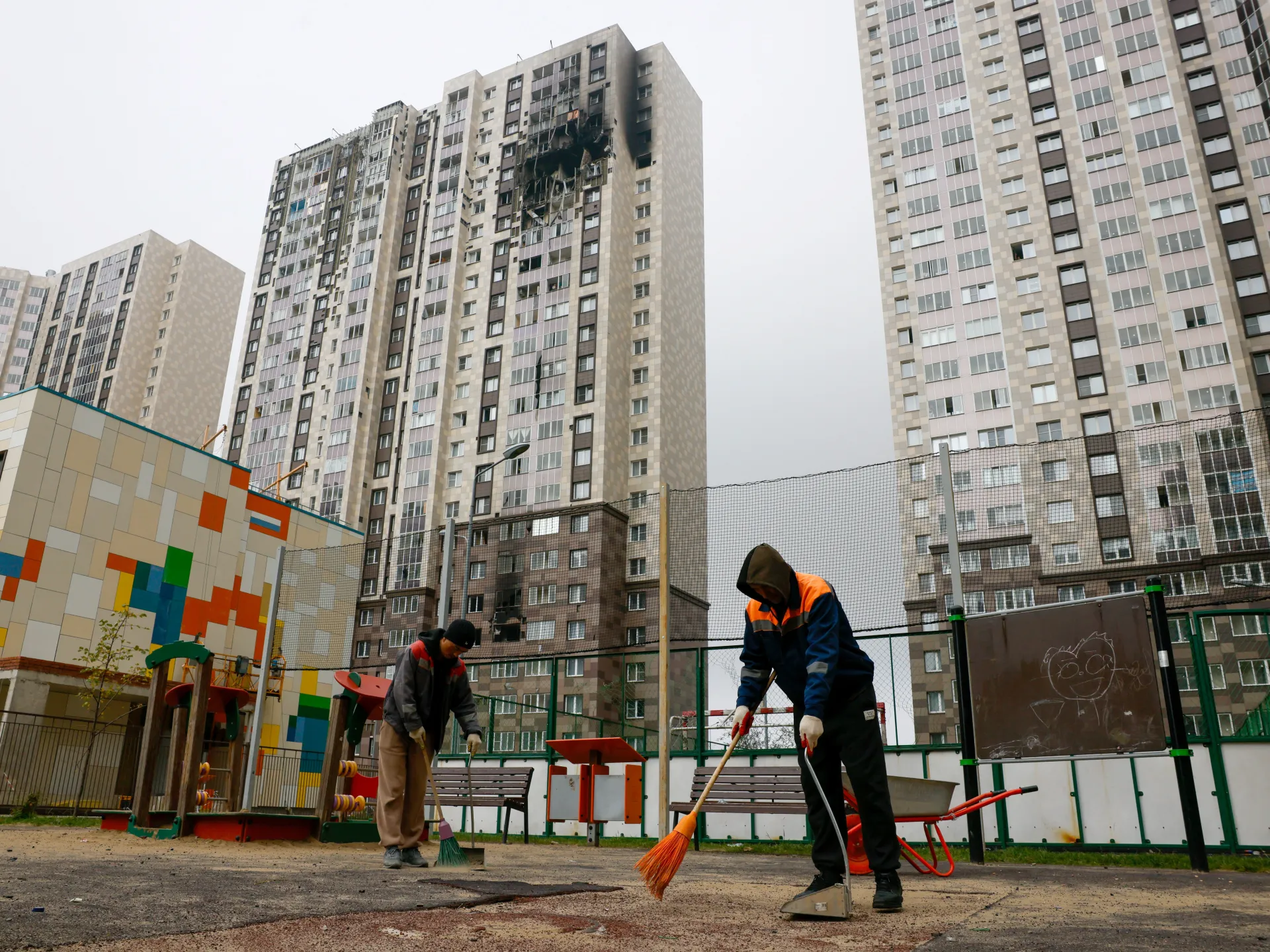
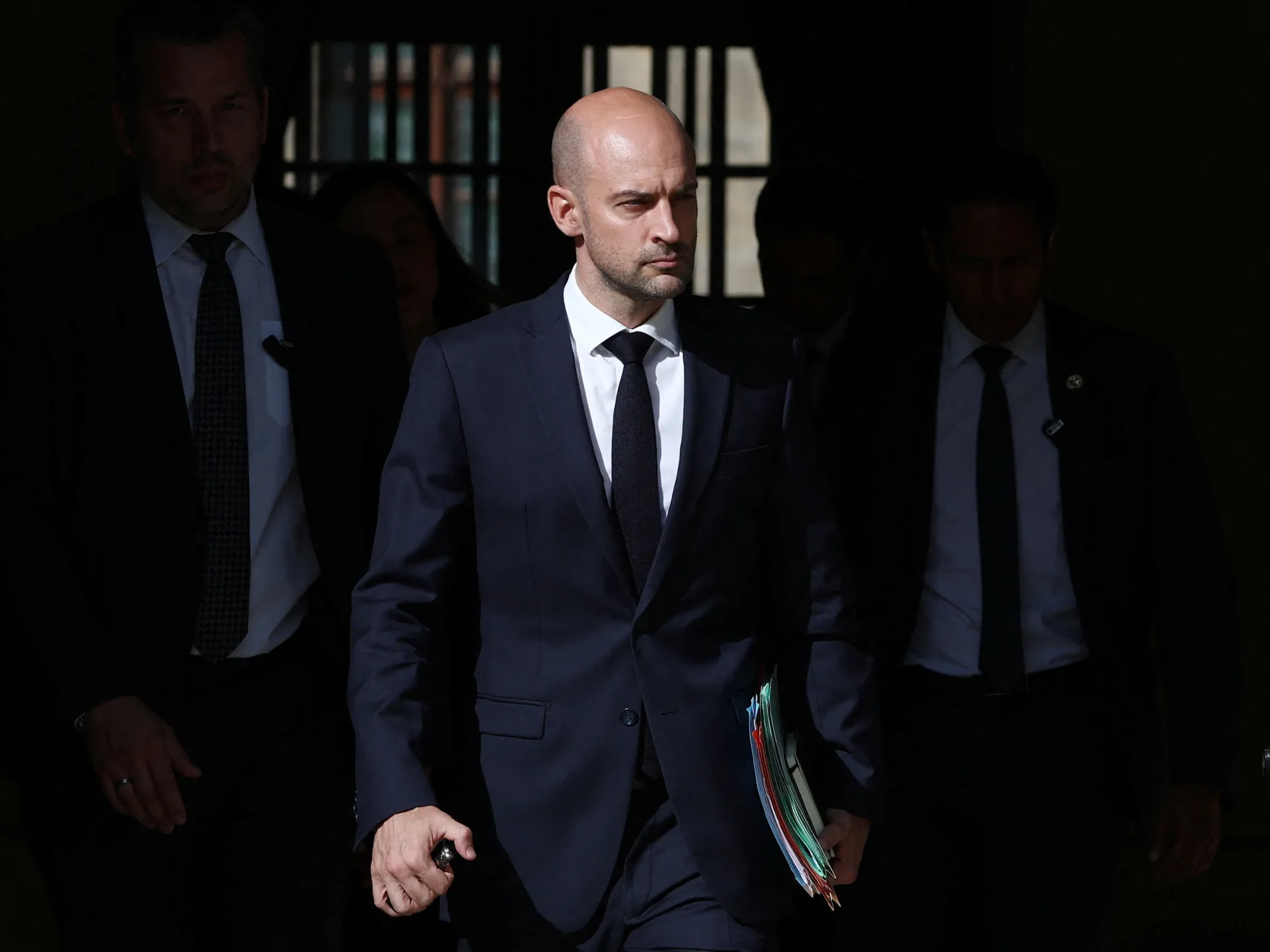
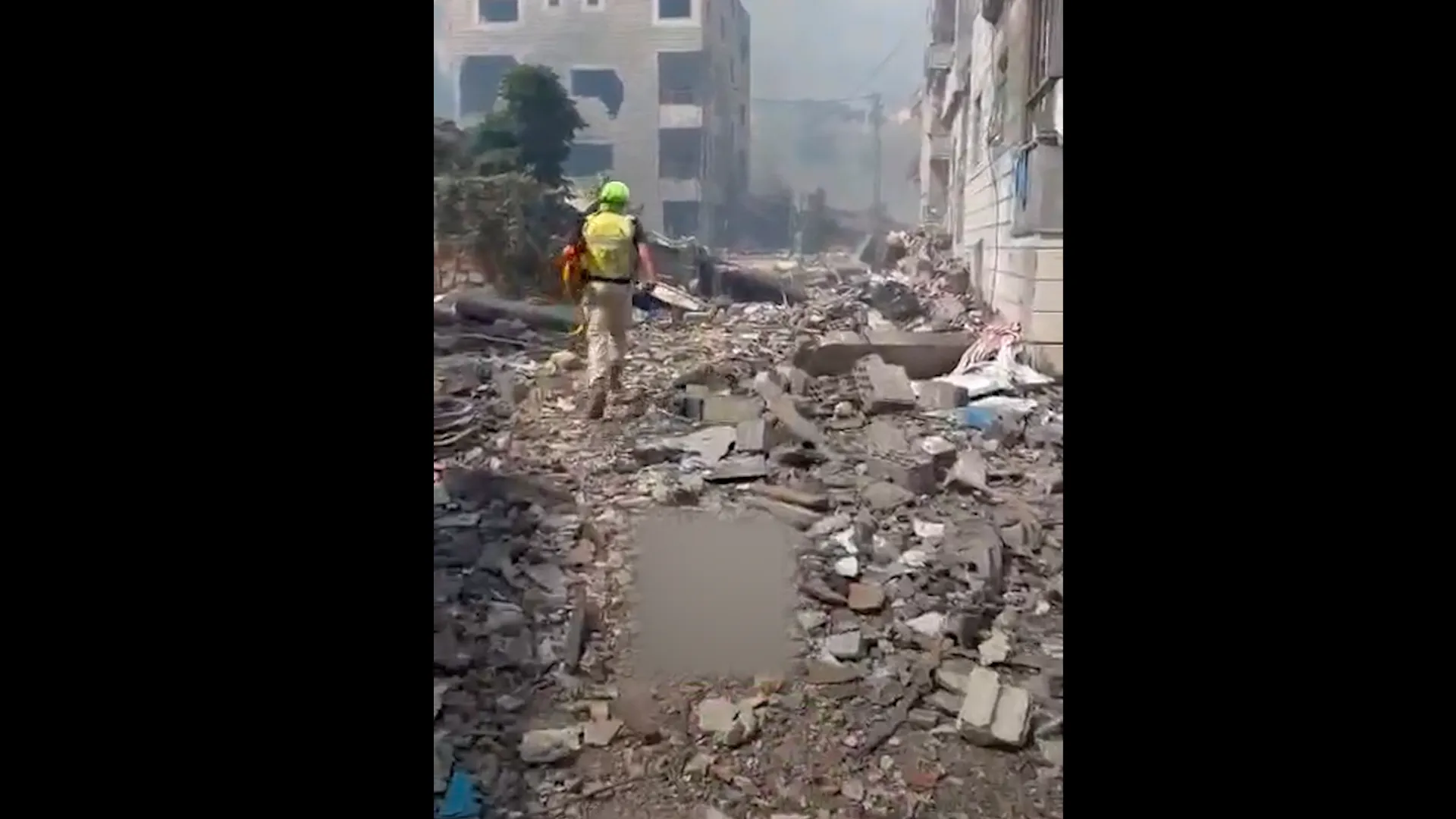
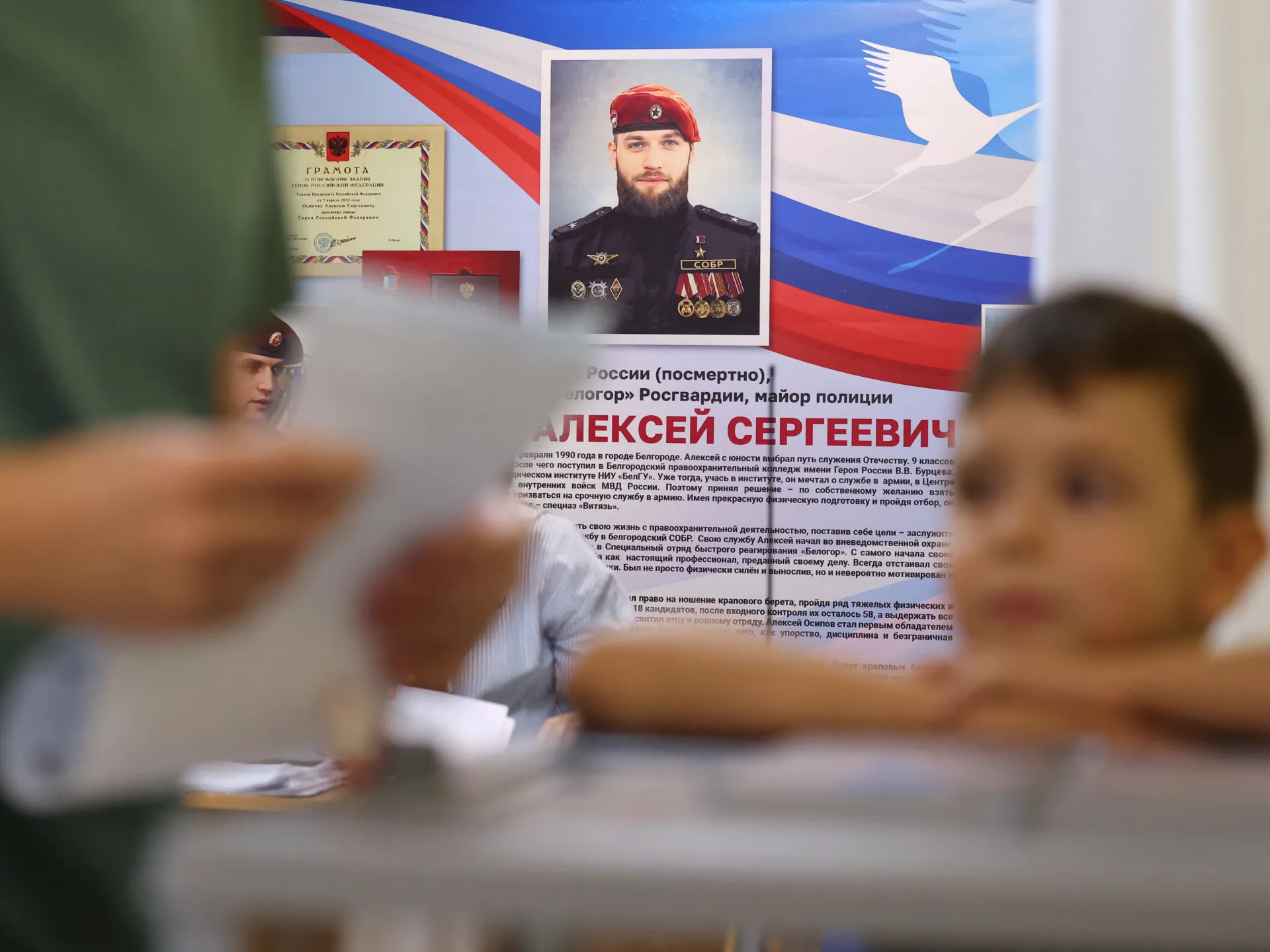
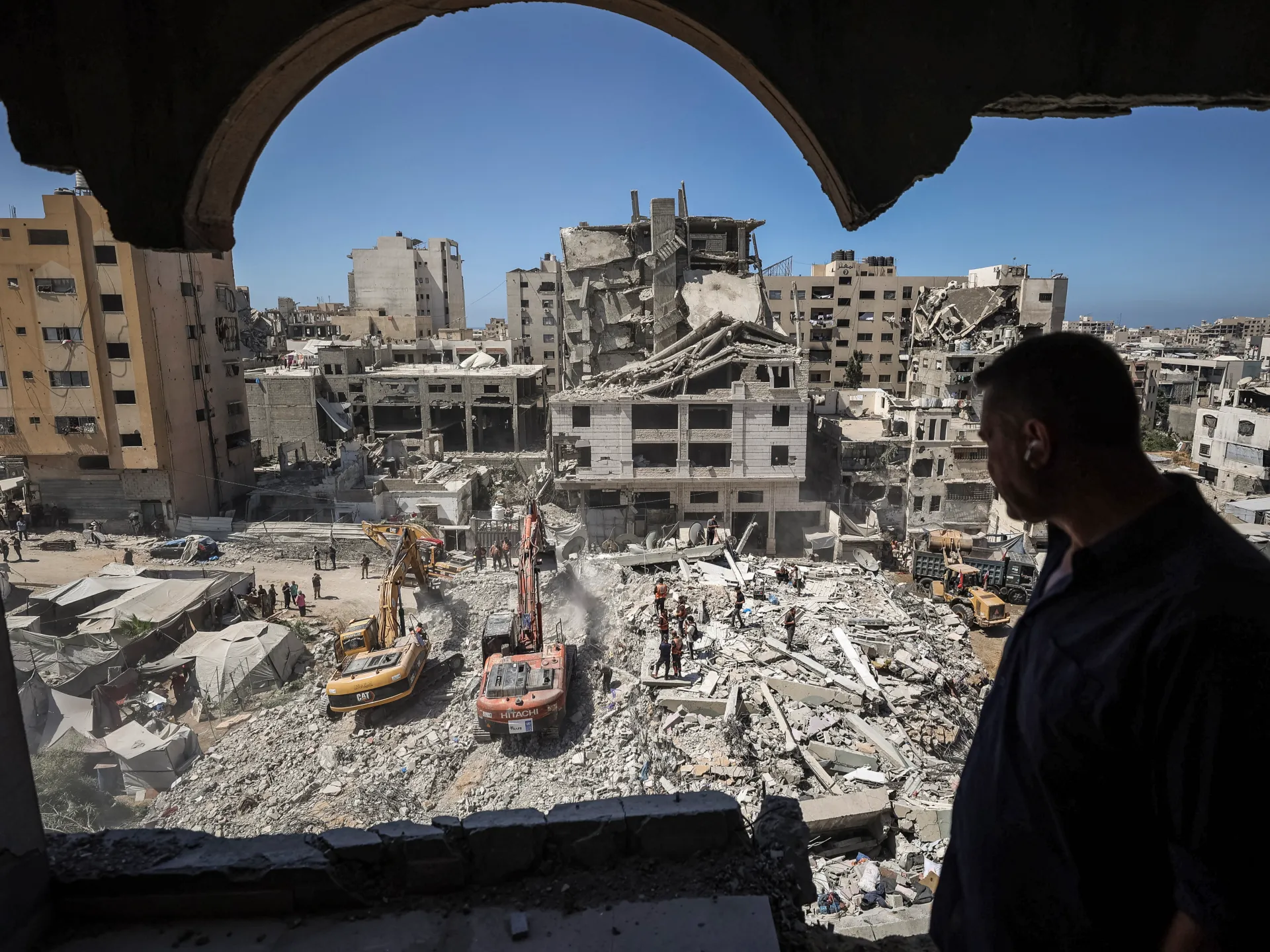
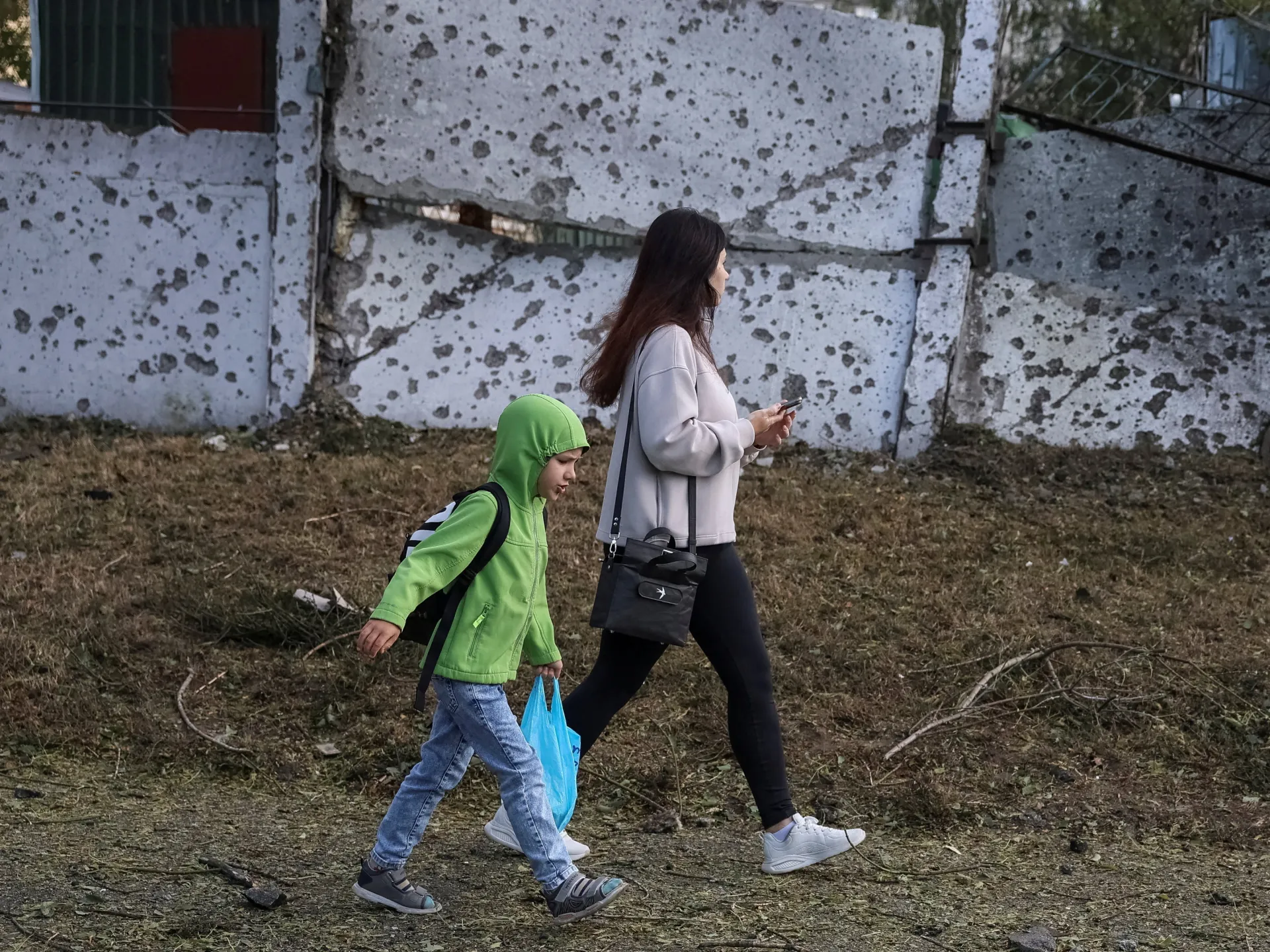
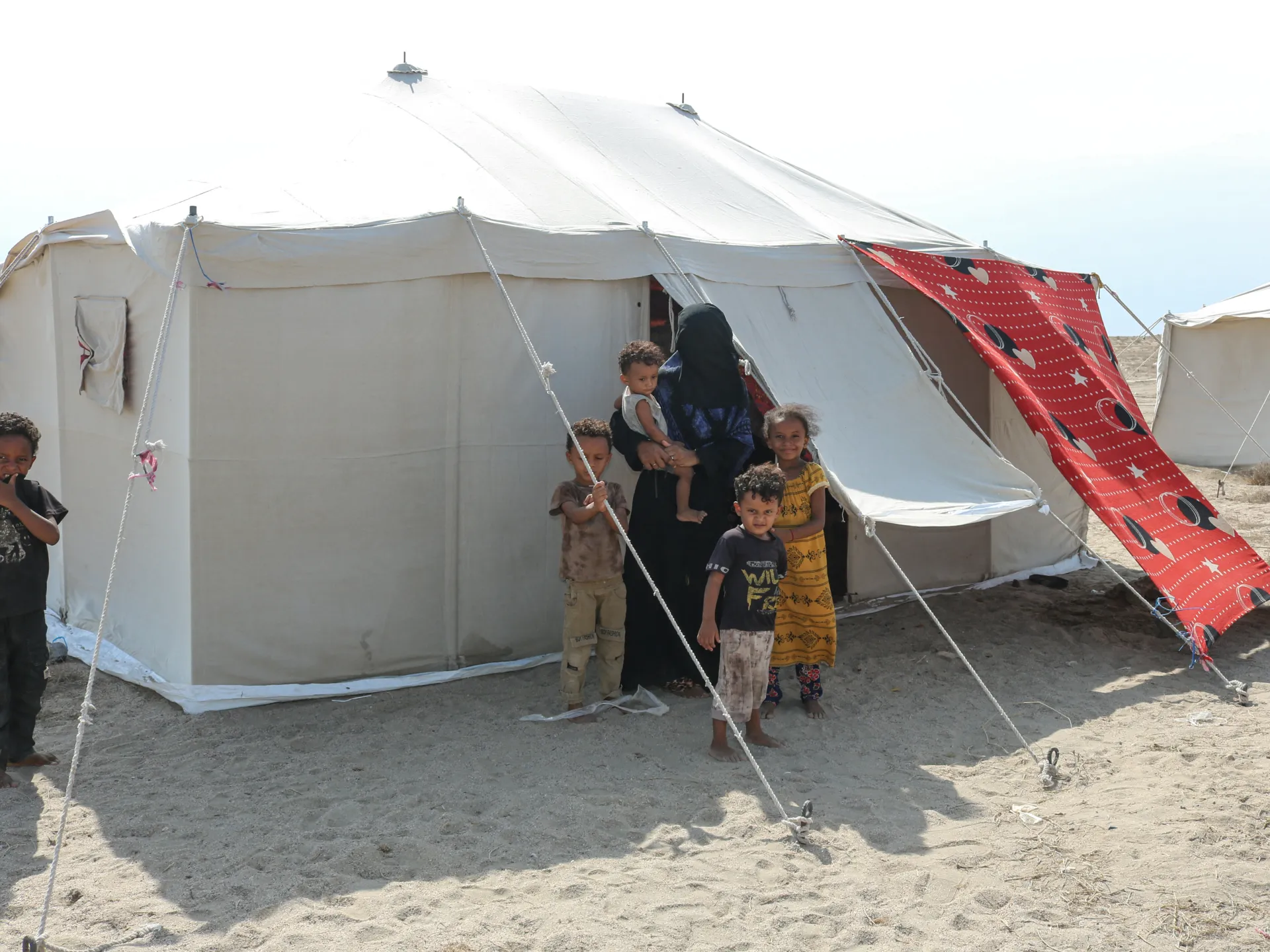
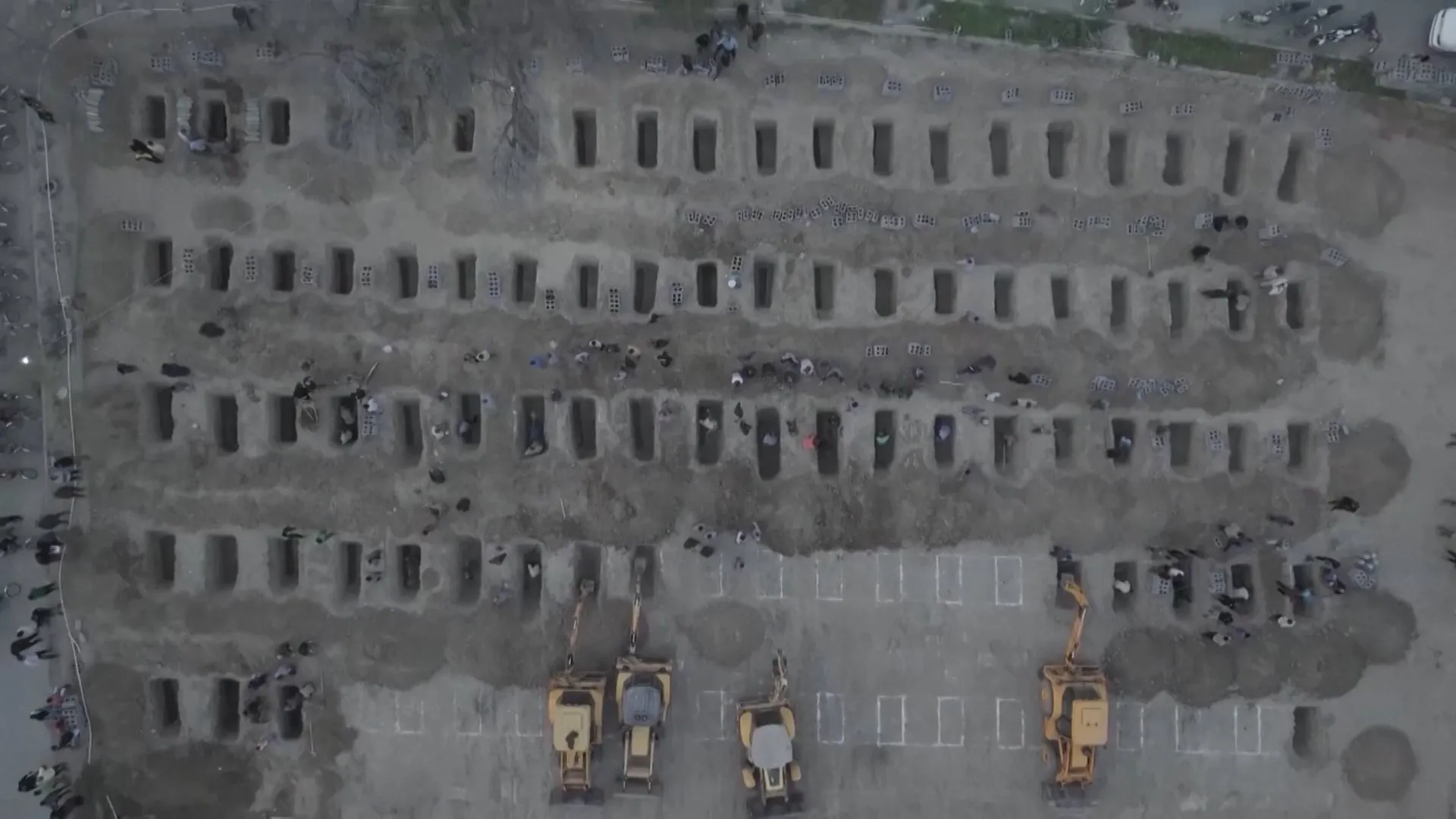
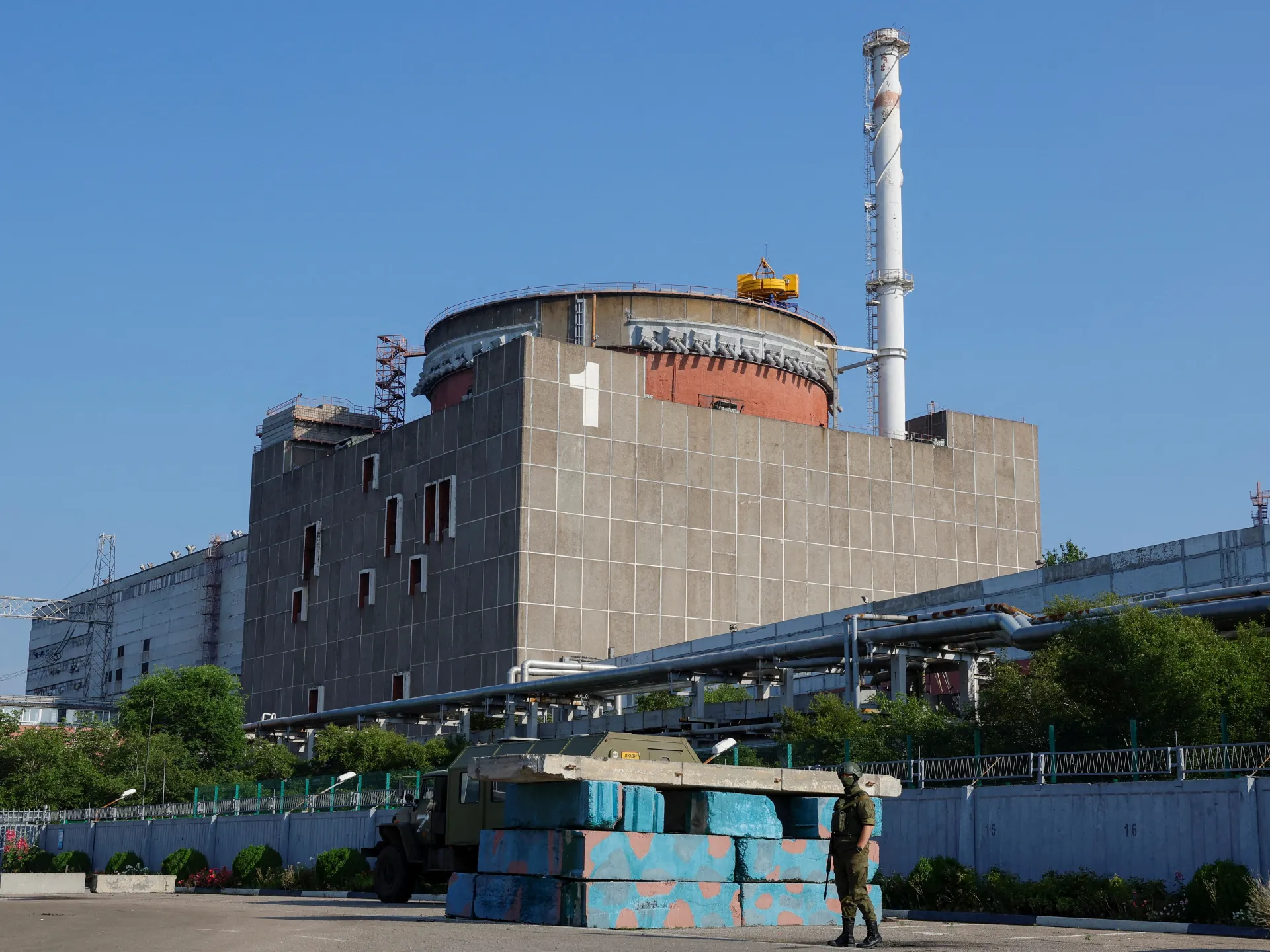
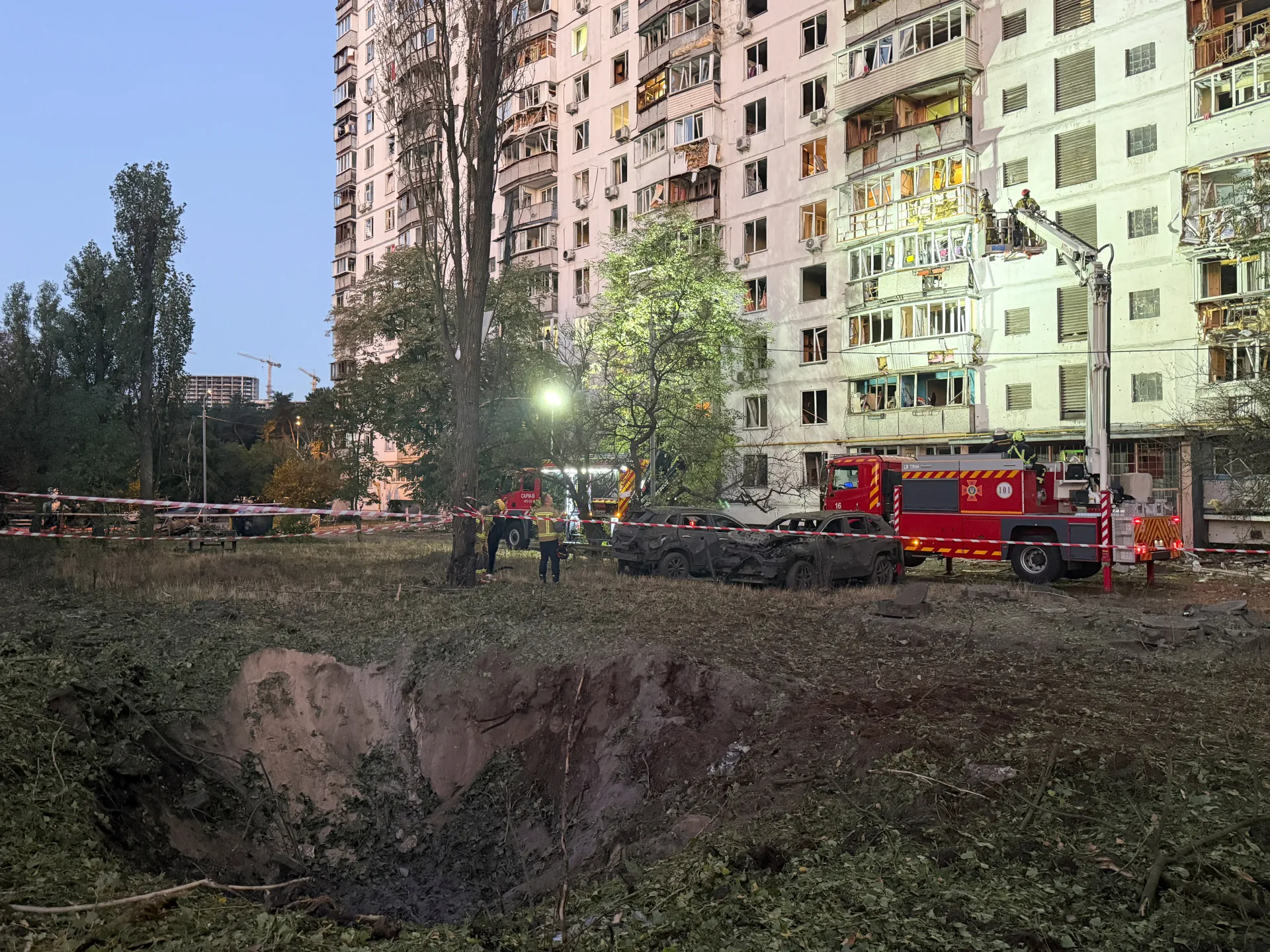
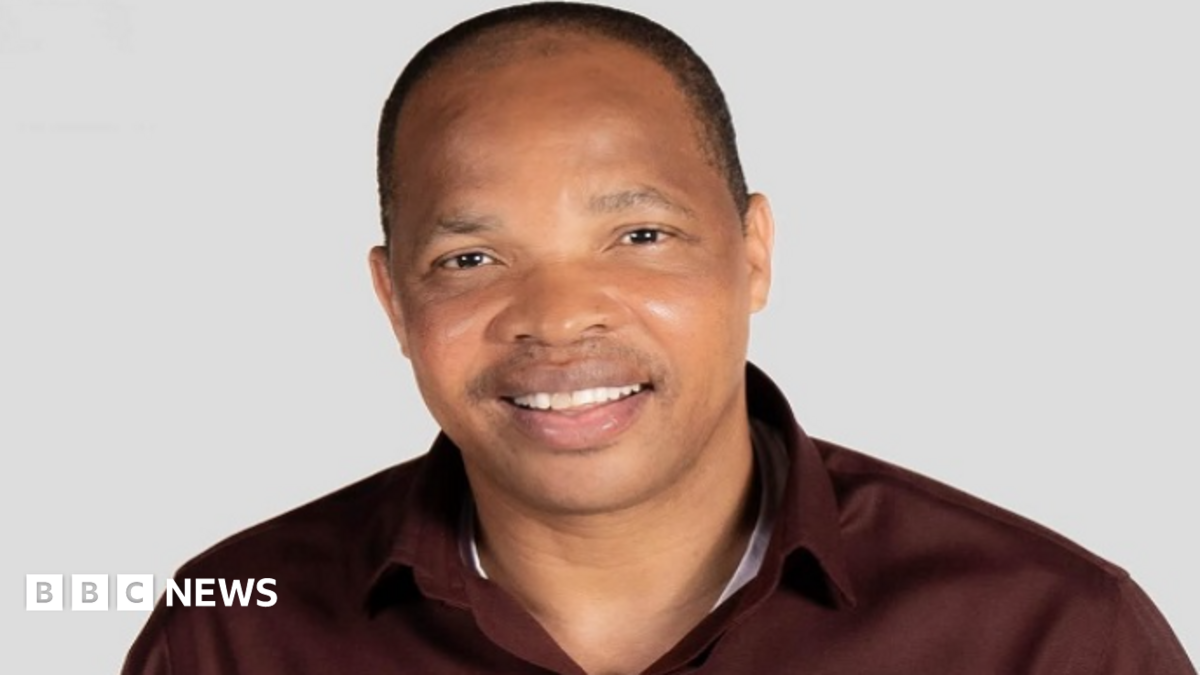
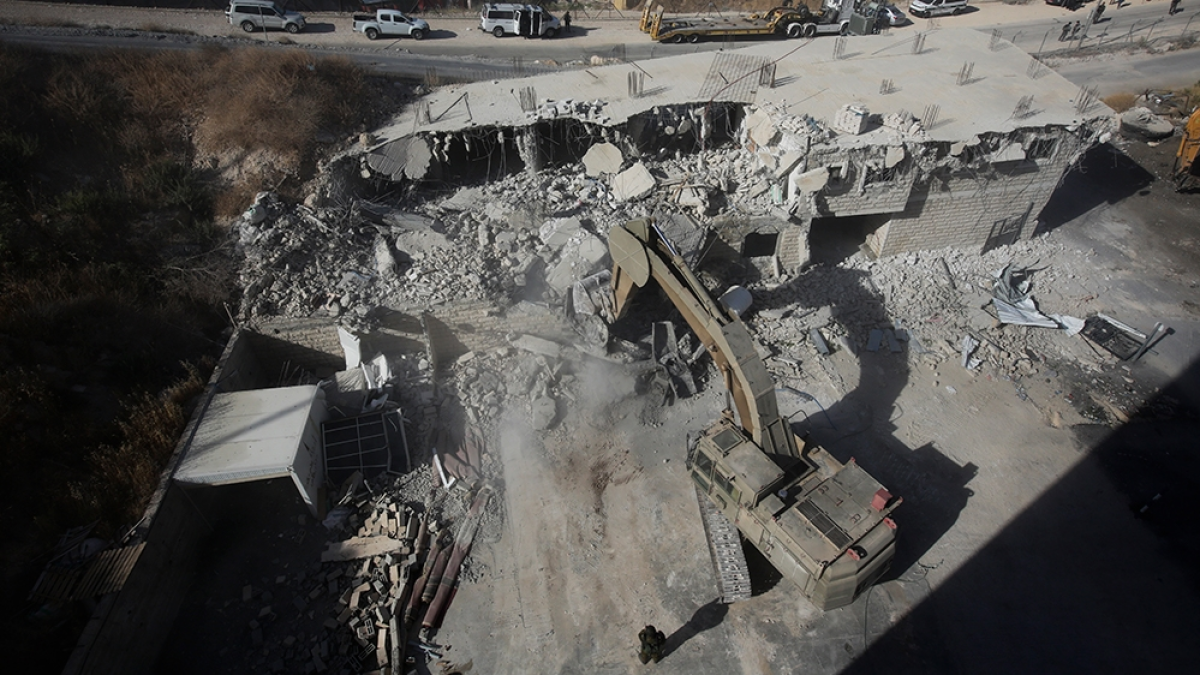
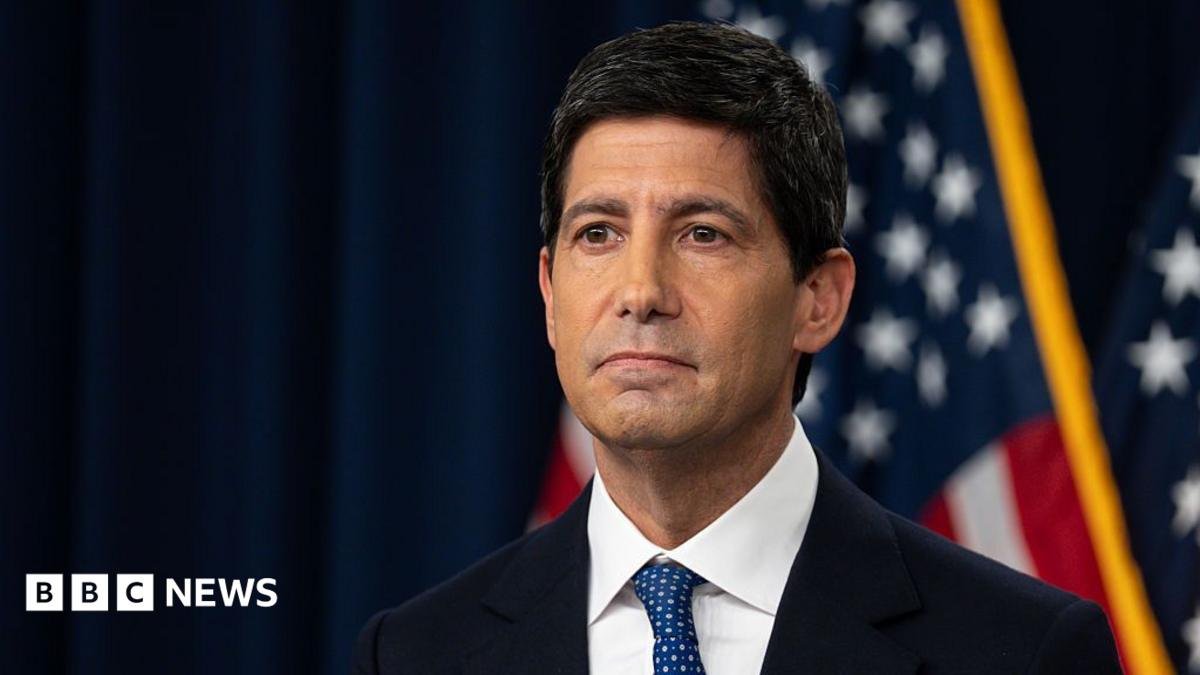
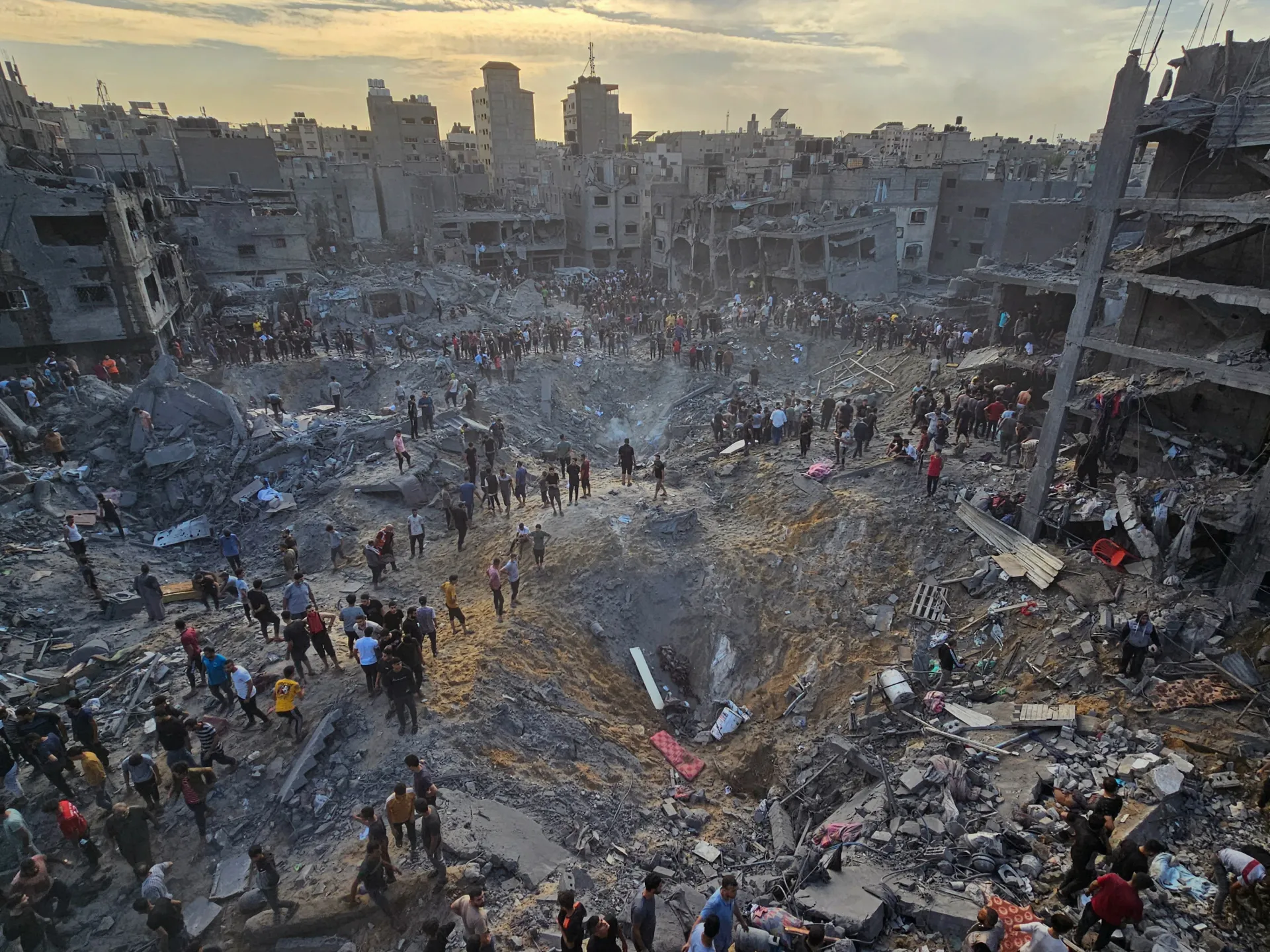
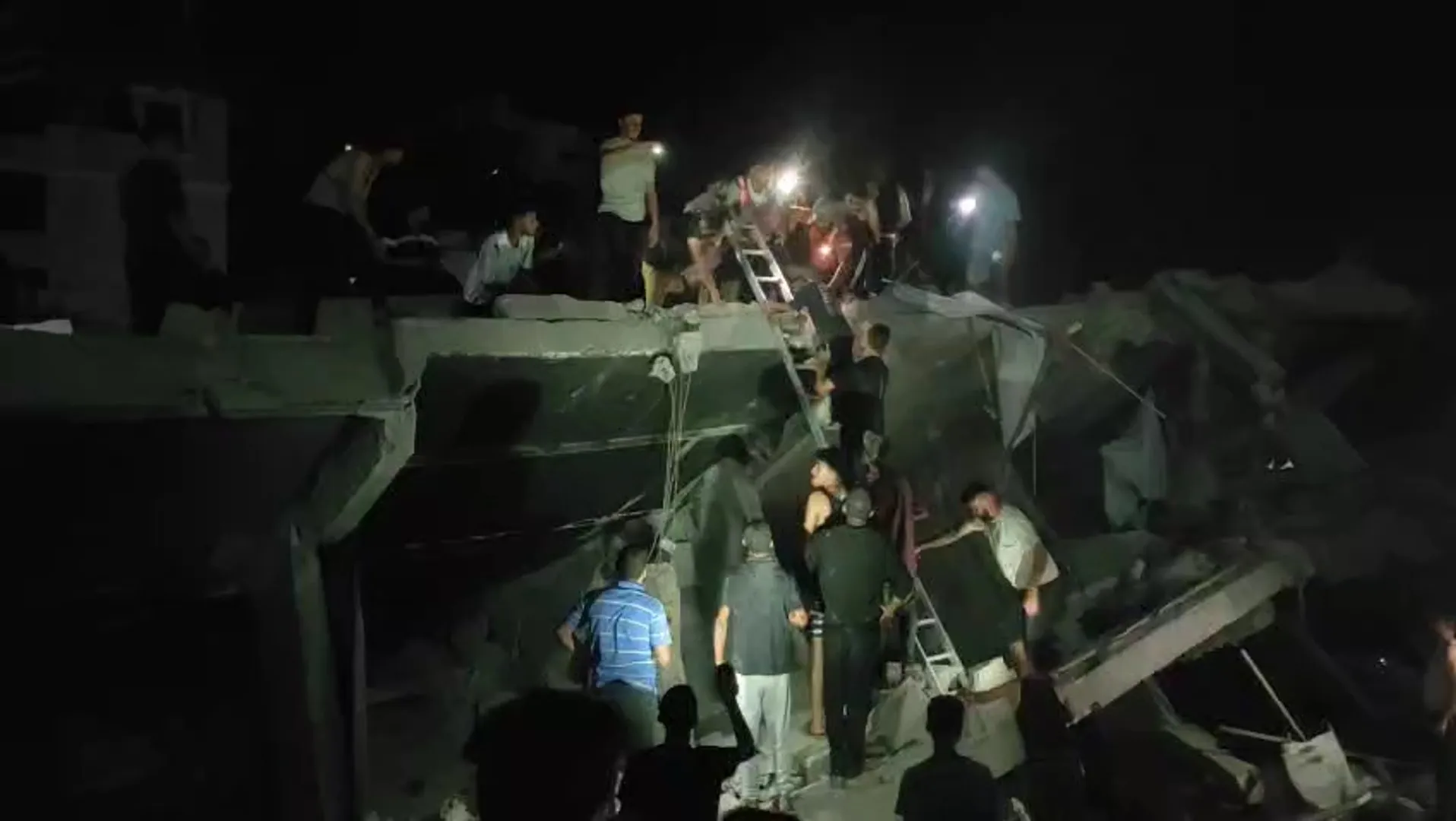
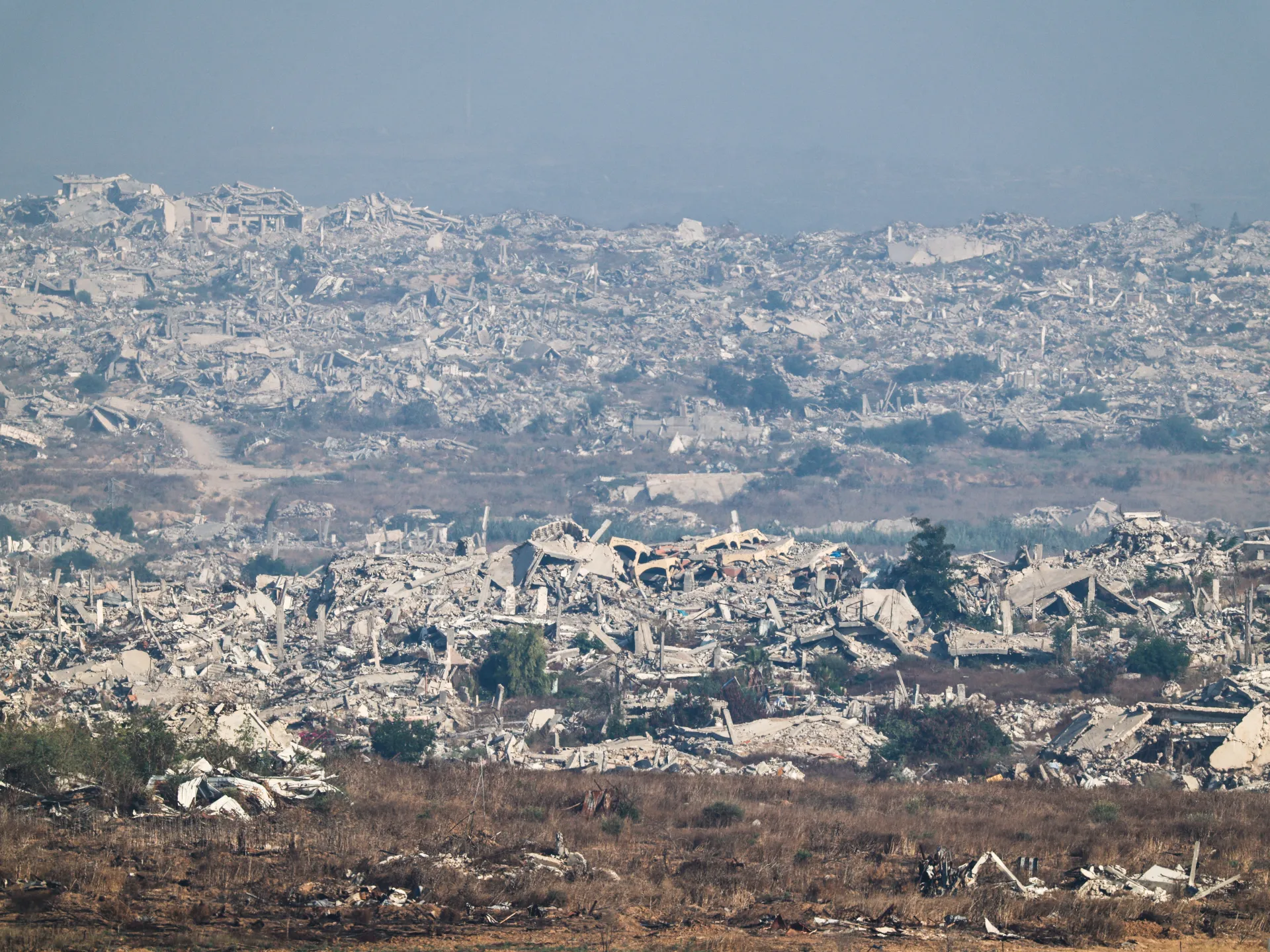
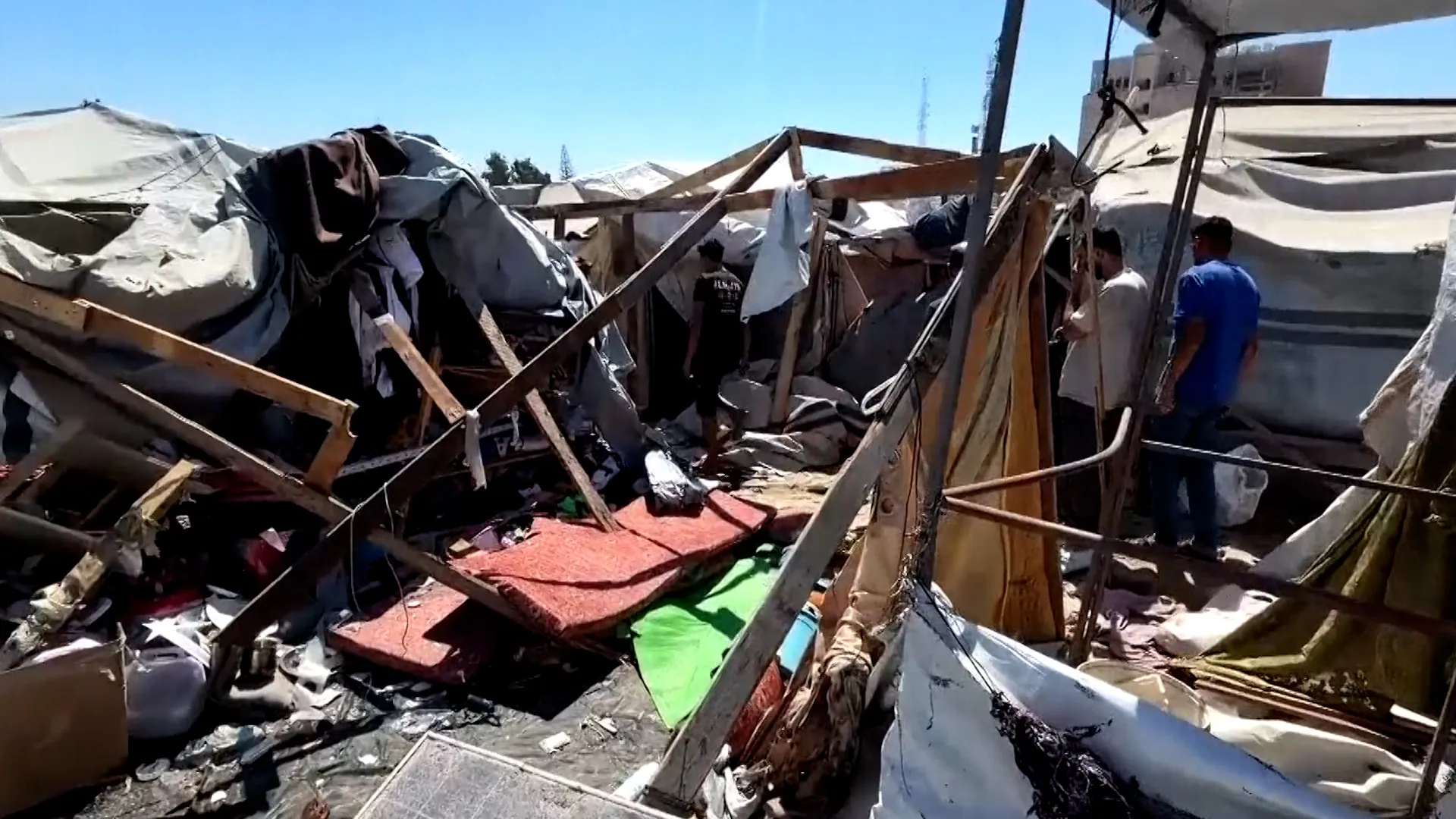
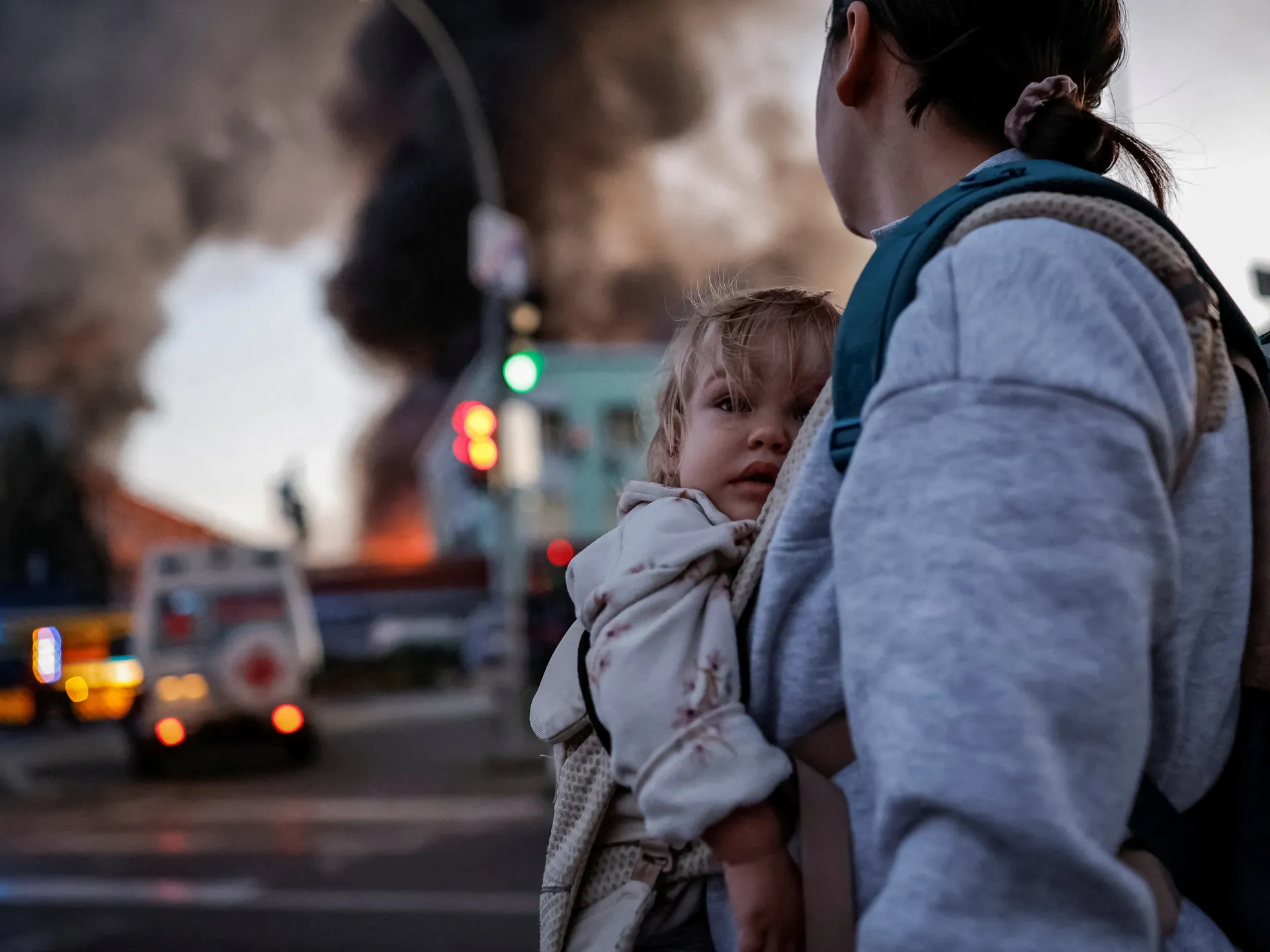
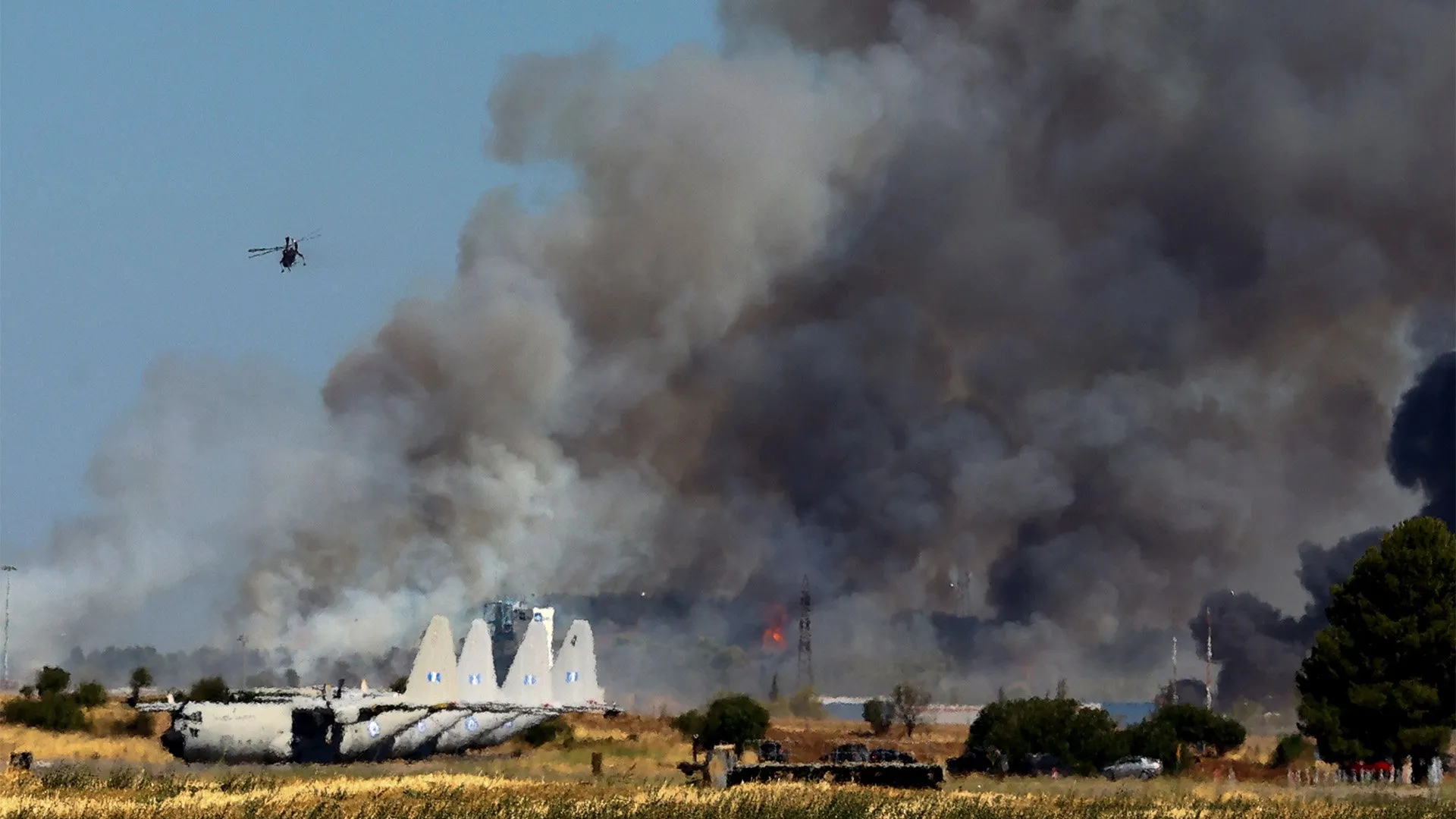
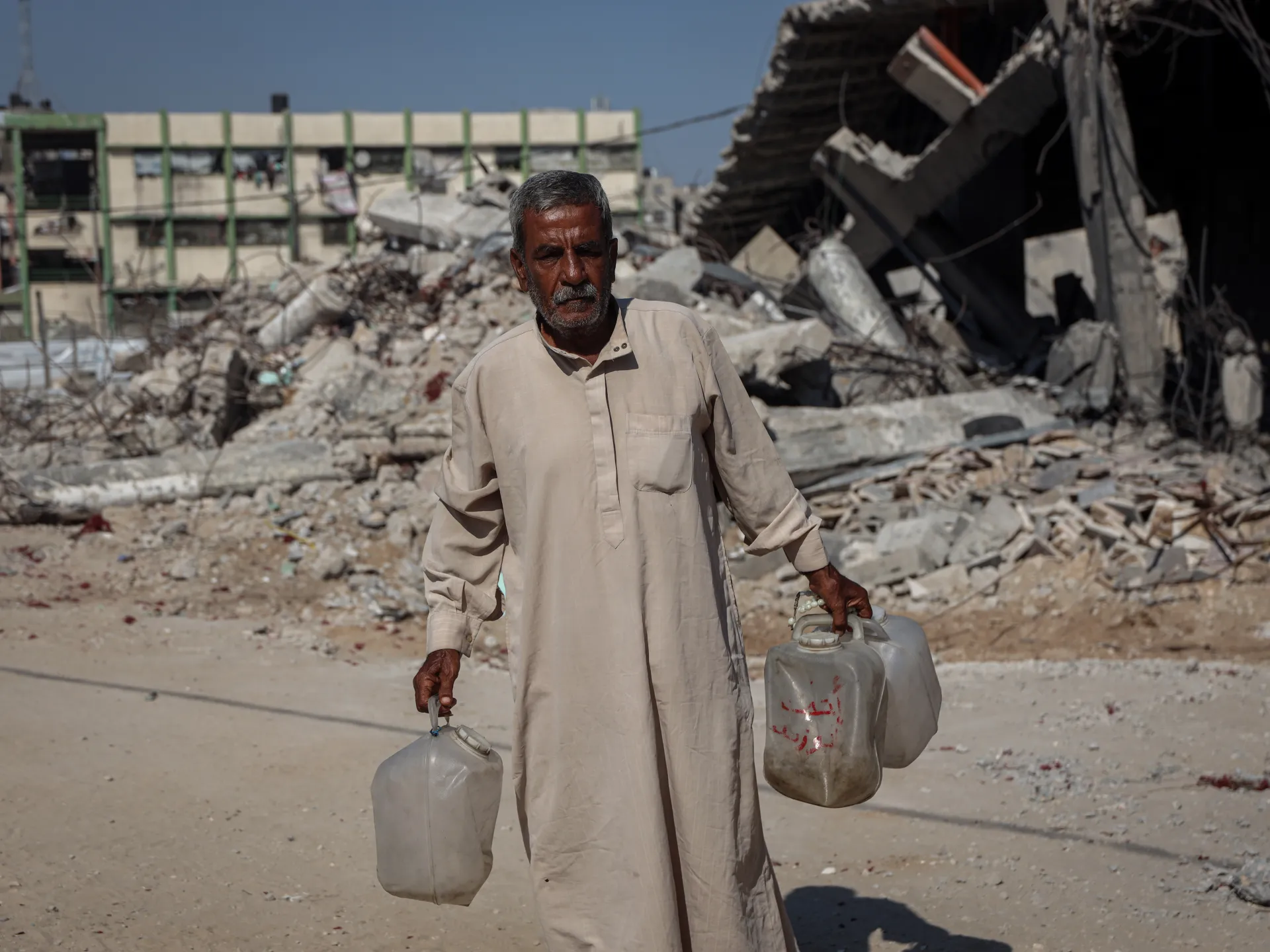
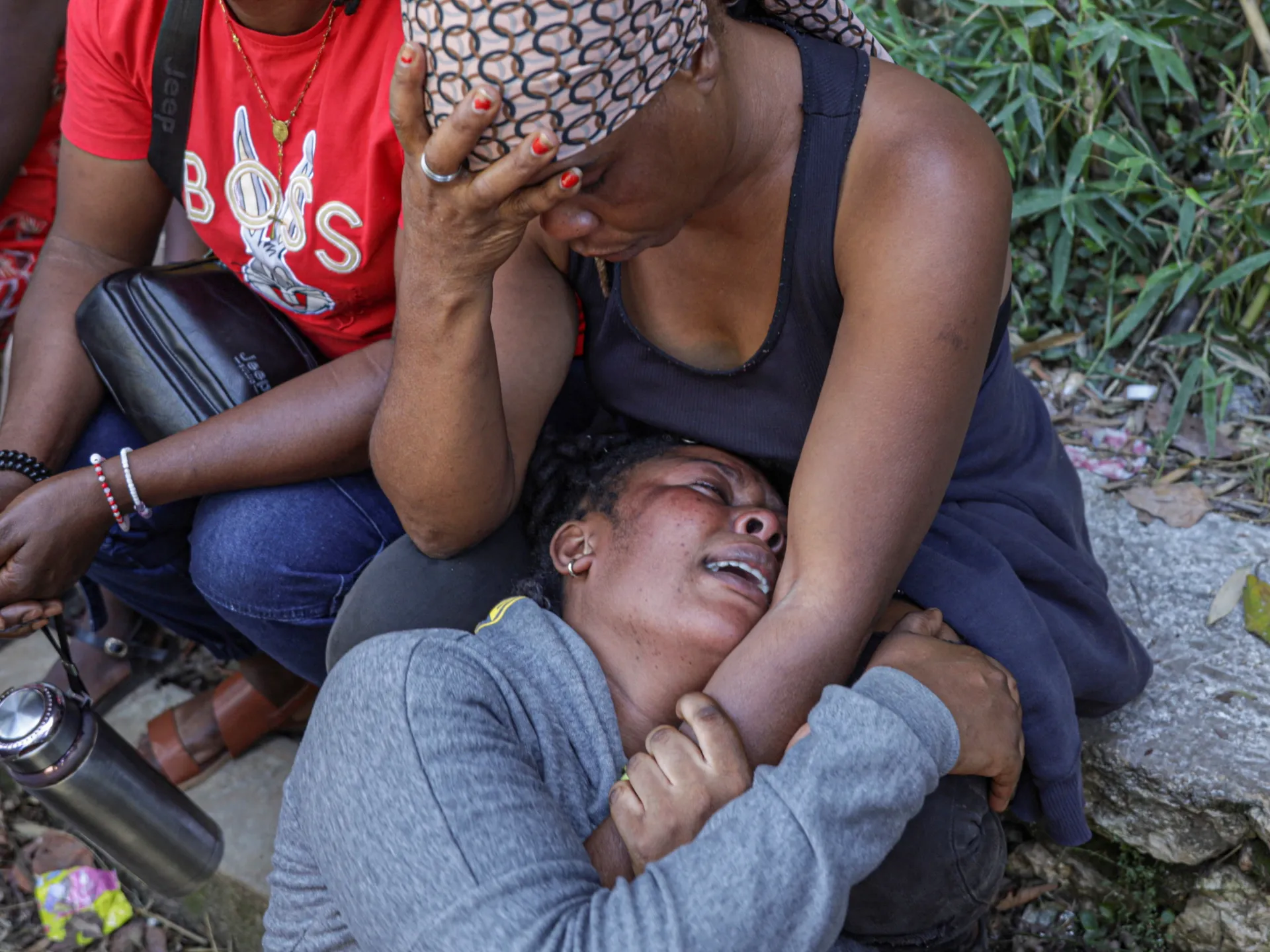
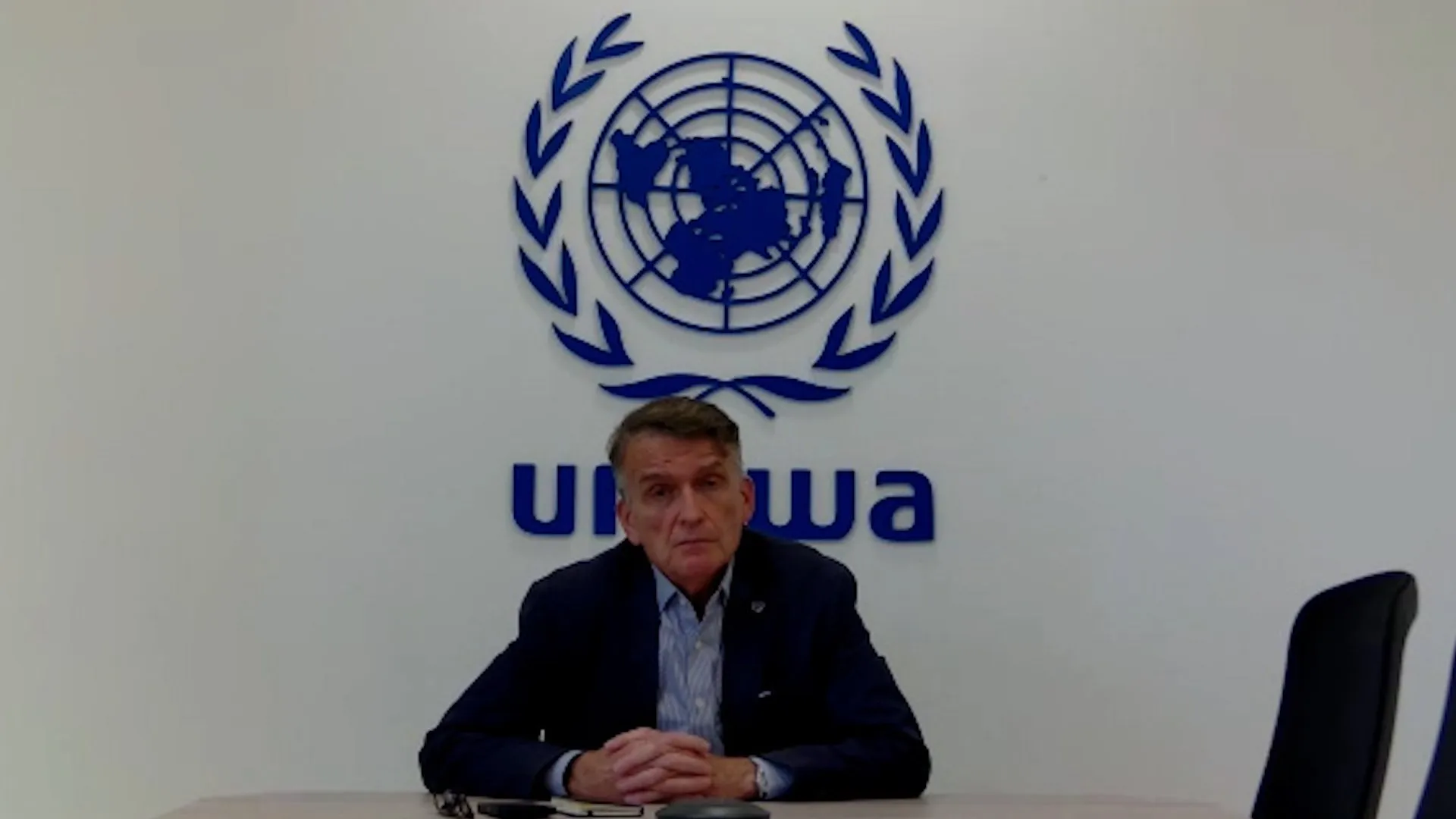
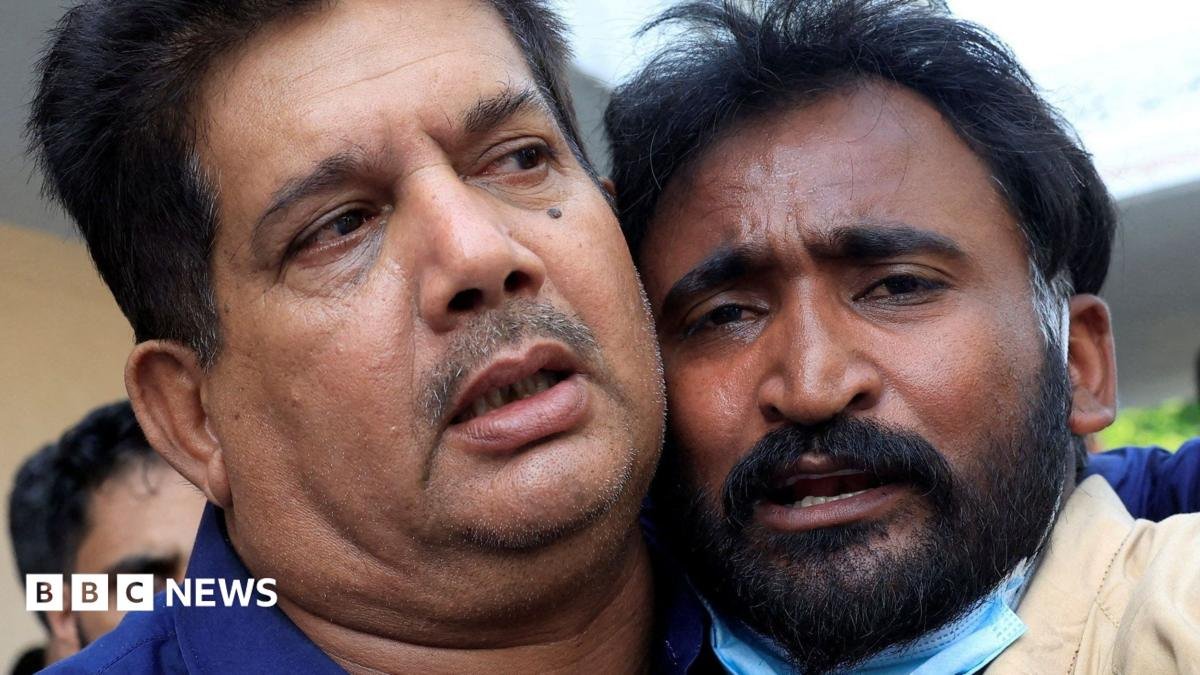
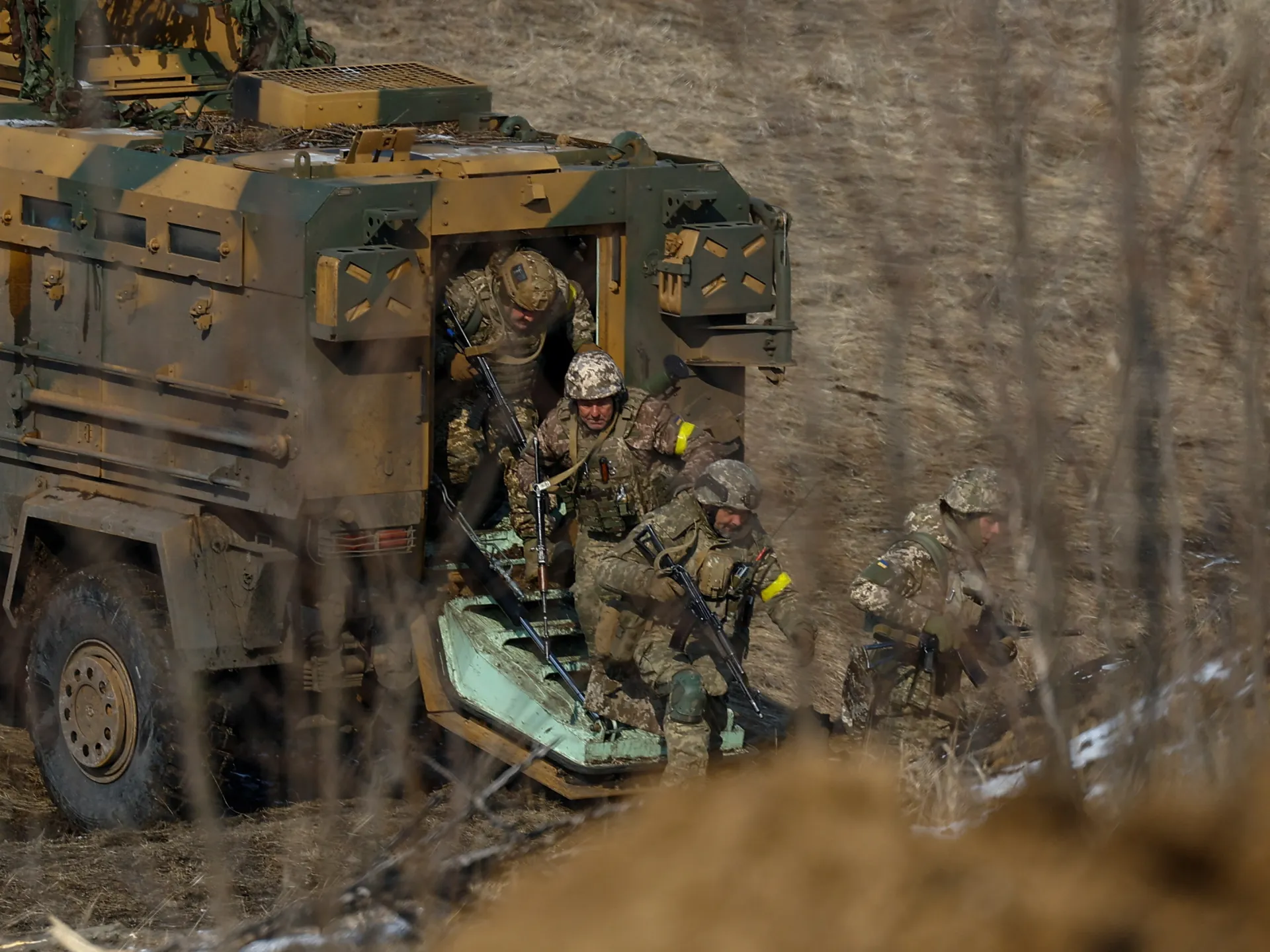
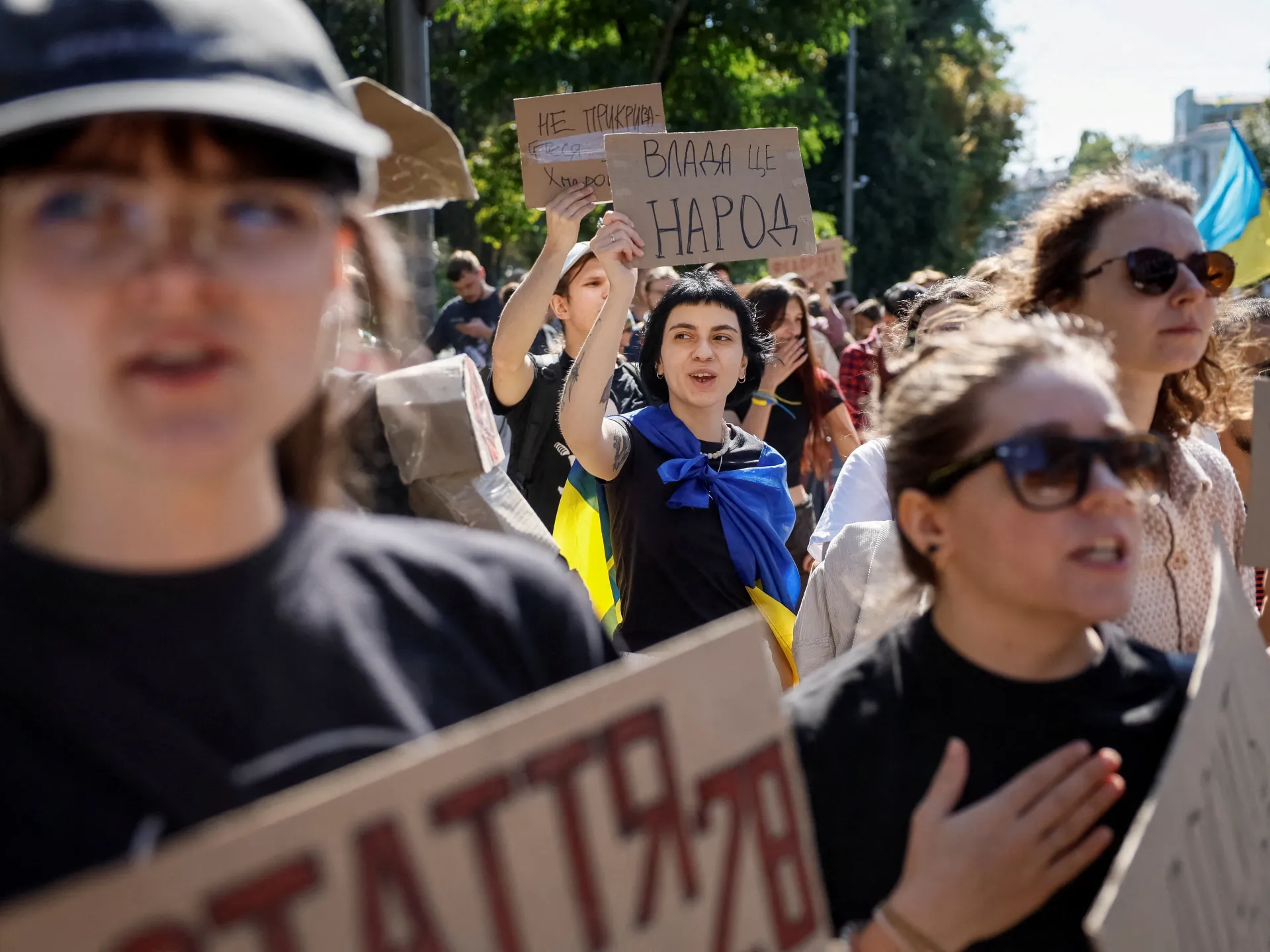
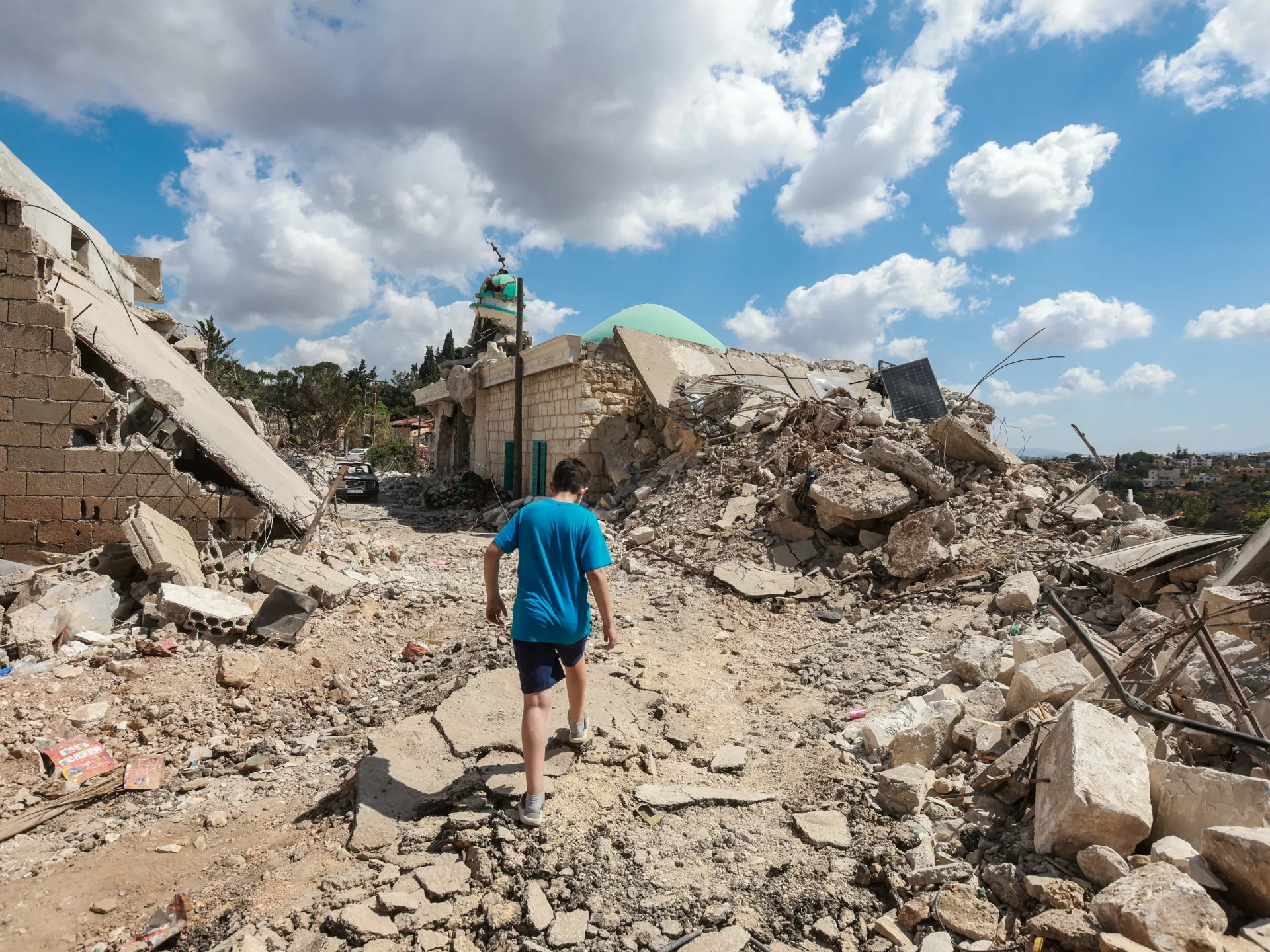
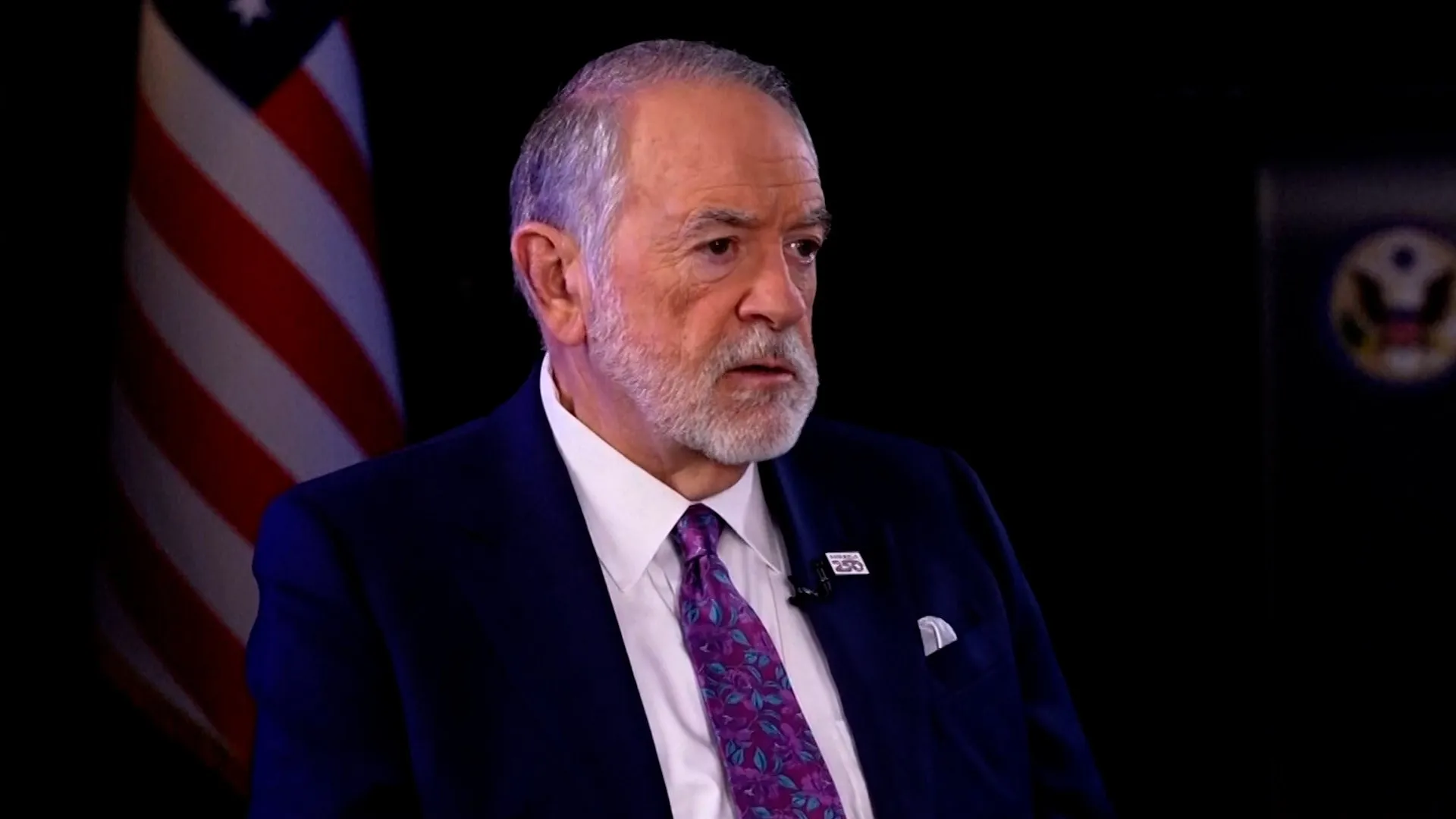
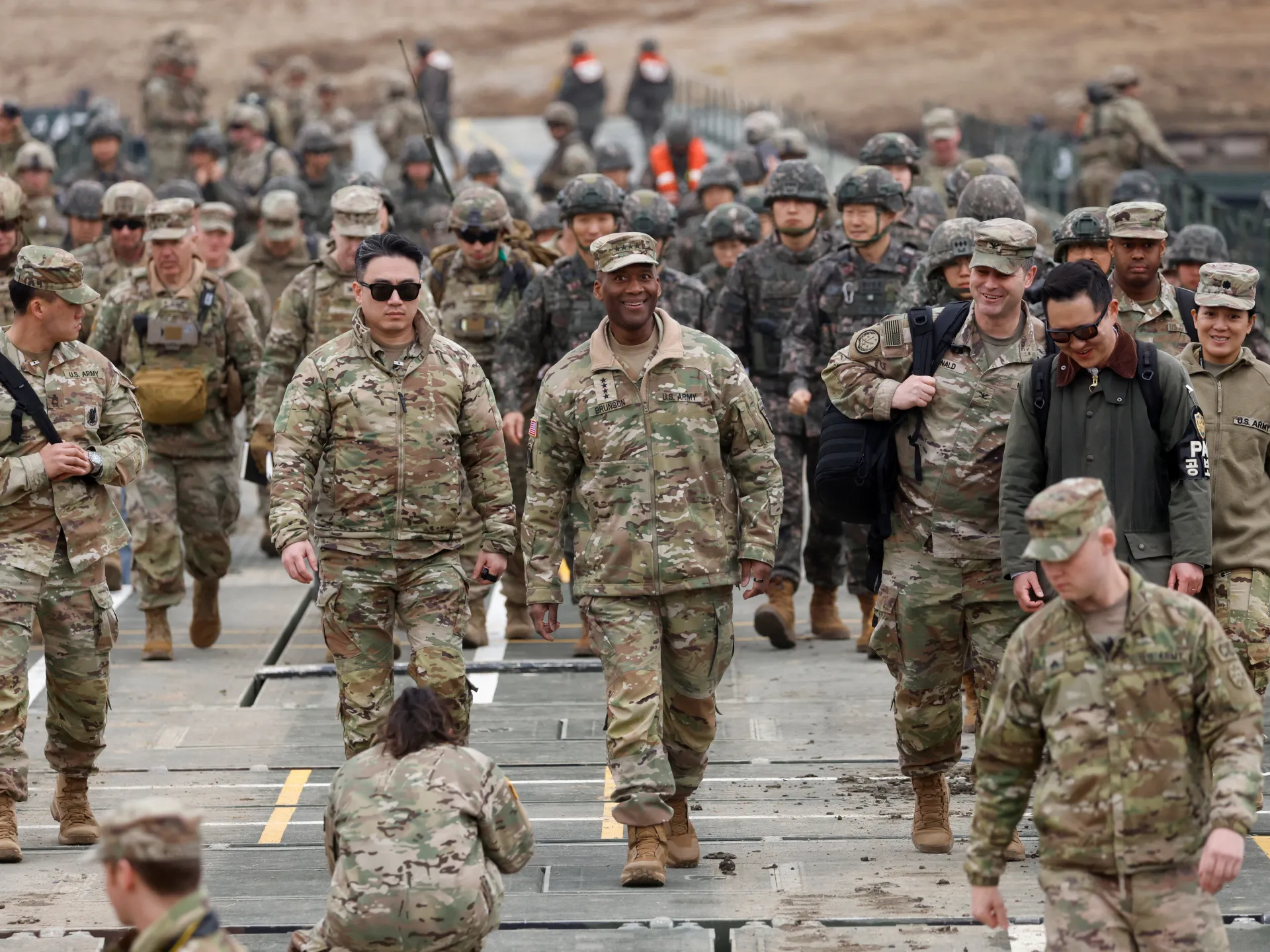
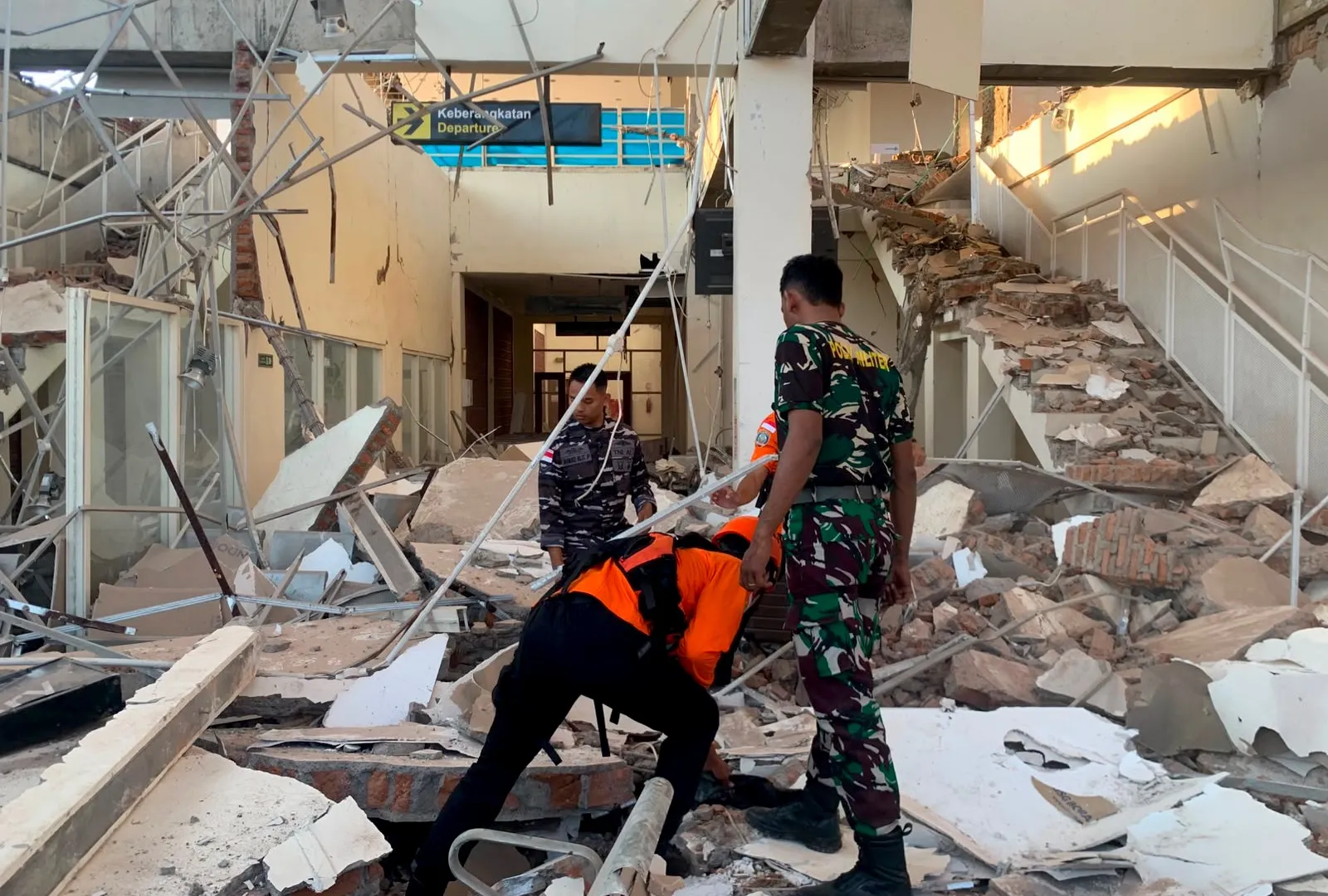
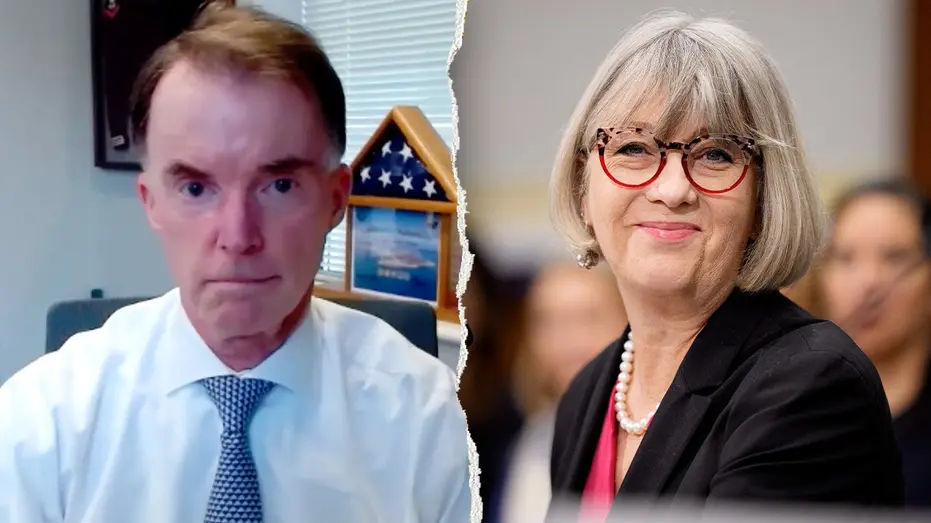
As the conflict between Russia and Ukraine enters its fifth year, the humanitarian situation has reached a critical juncture. Alexander De Croo, representing the United Nations, has characterized the approaching winter as the most dangerous since the 2022 invasion. The systematic targeting of energy networks ucture before temperatures plummet, a situation the UN warns could trigger a full-scale humanitarian catastrophe.
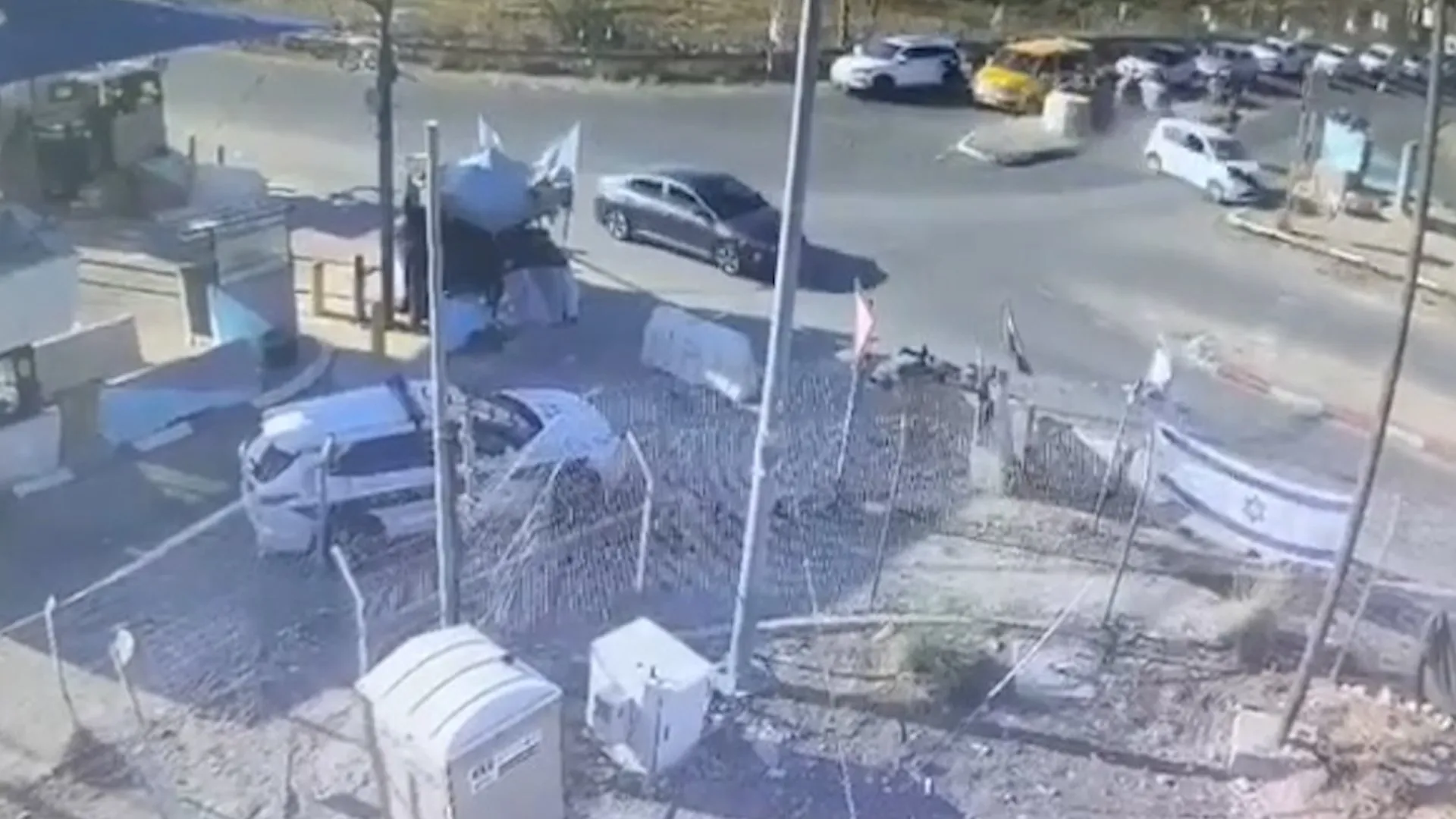
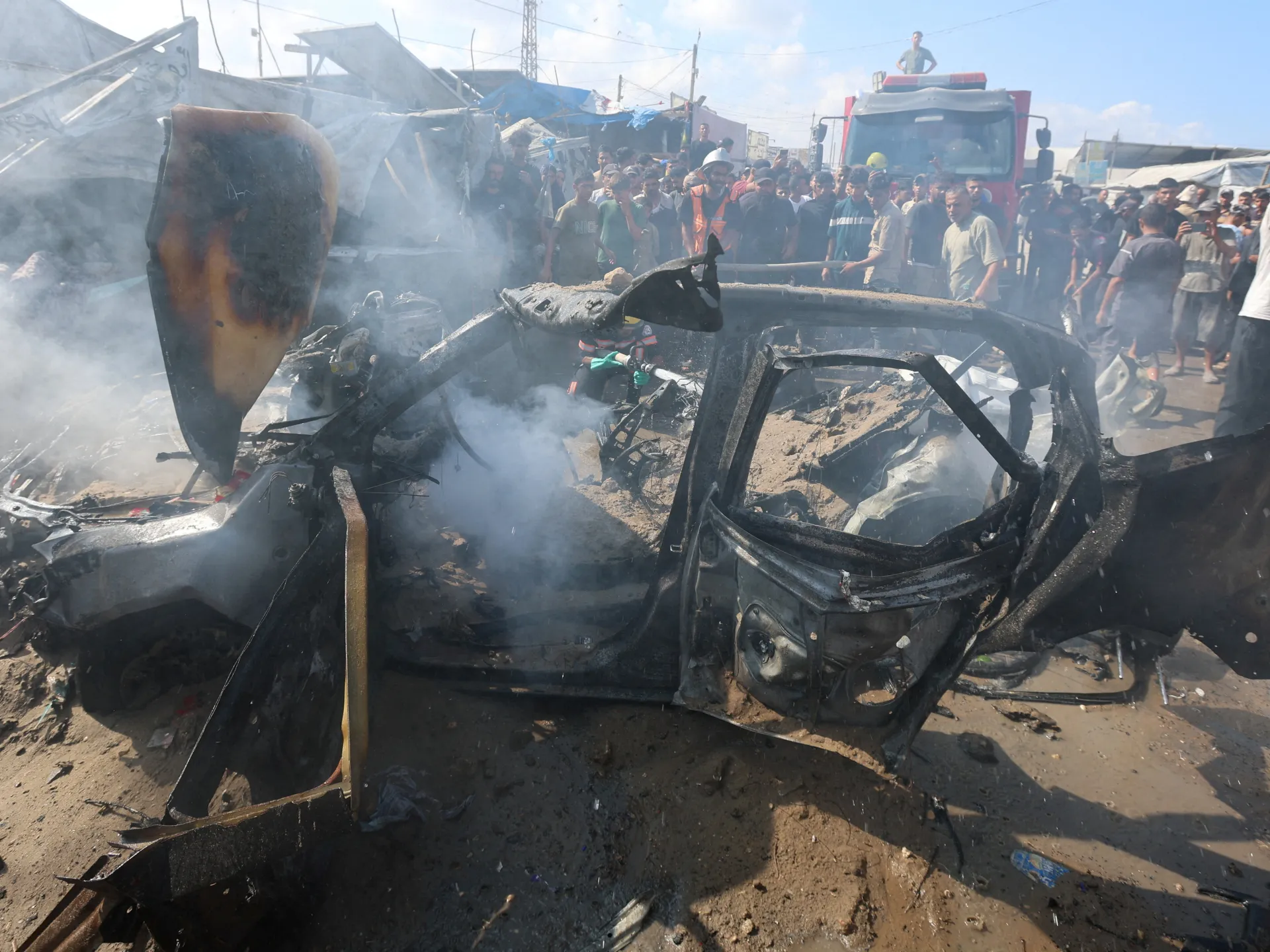
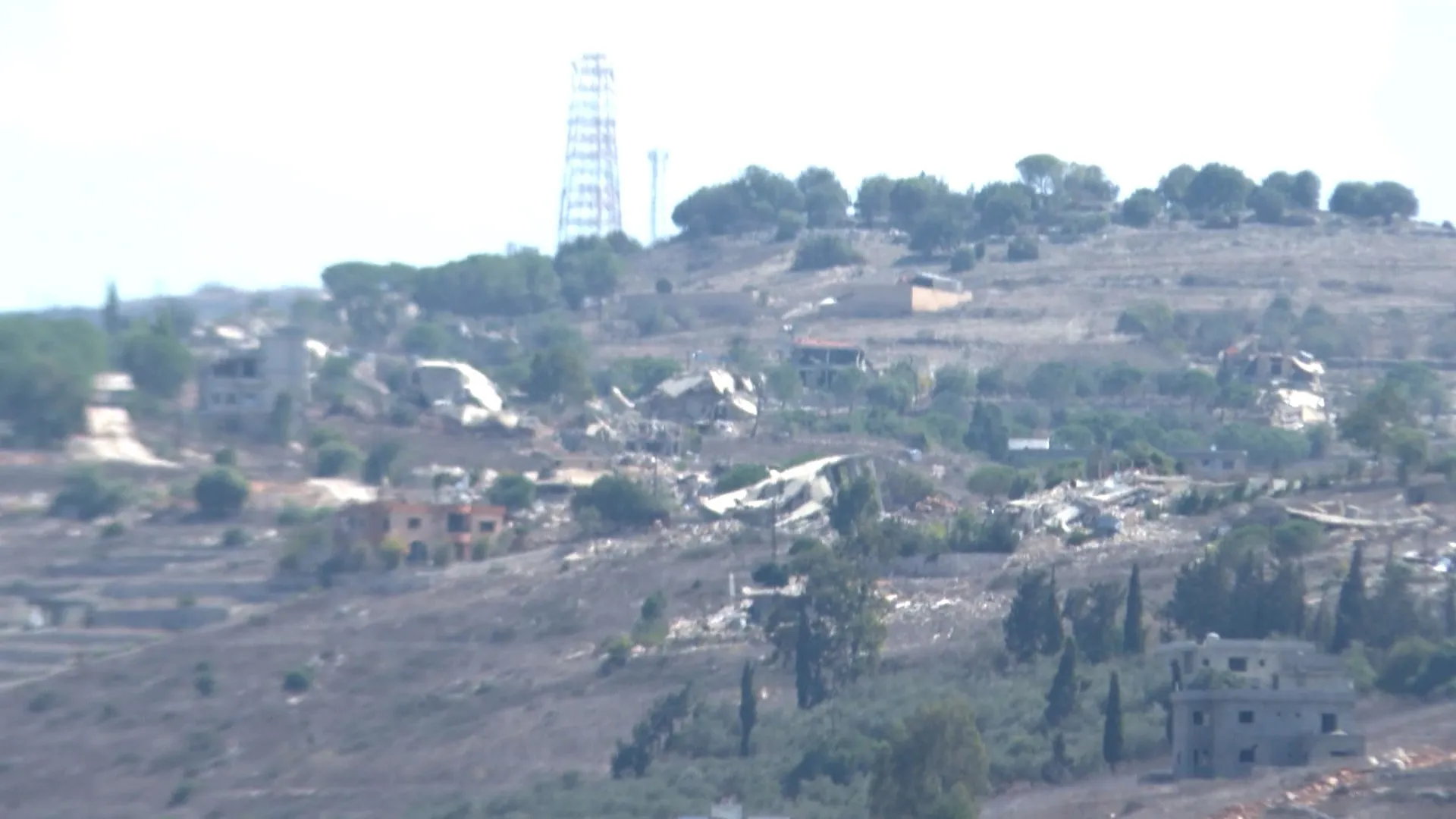
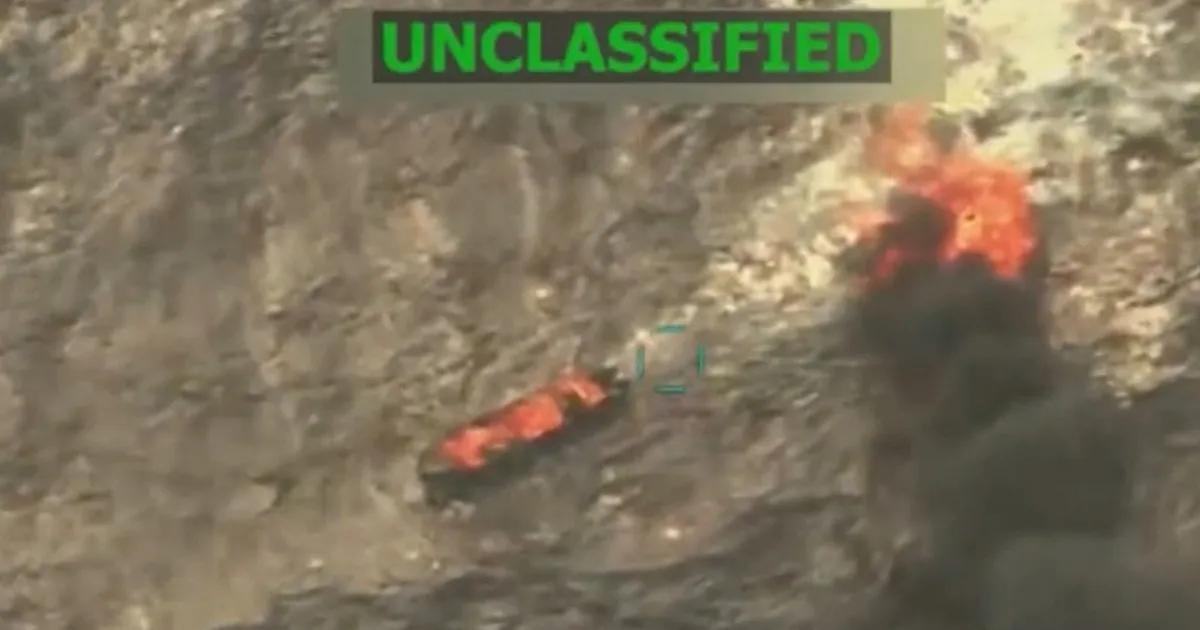
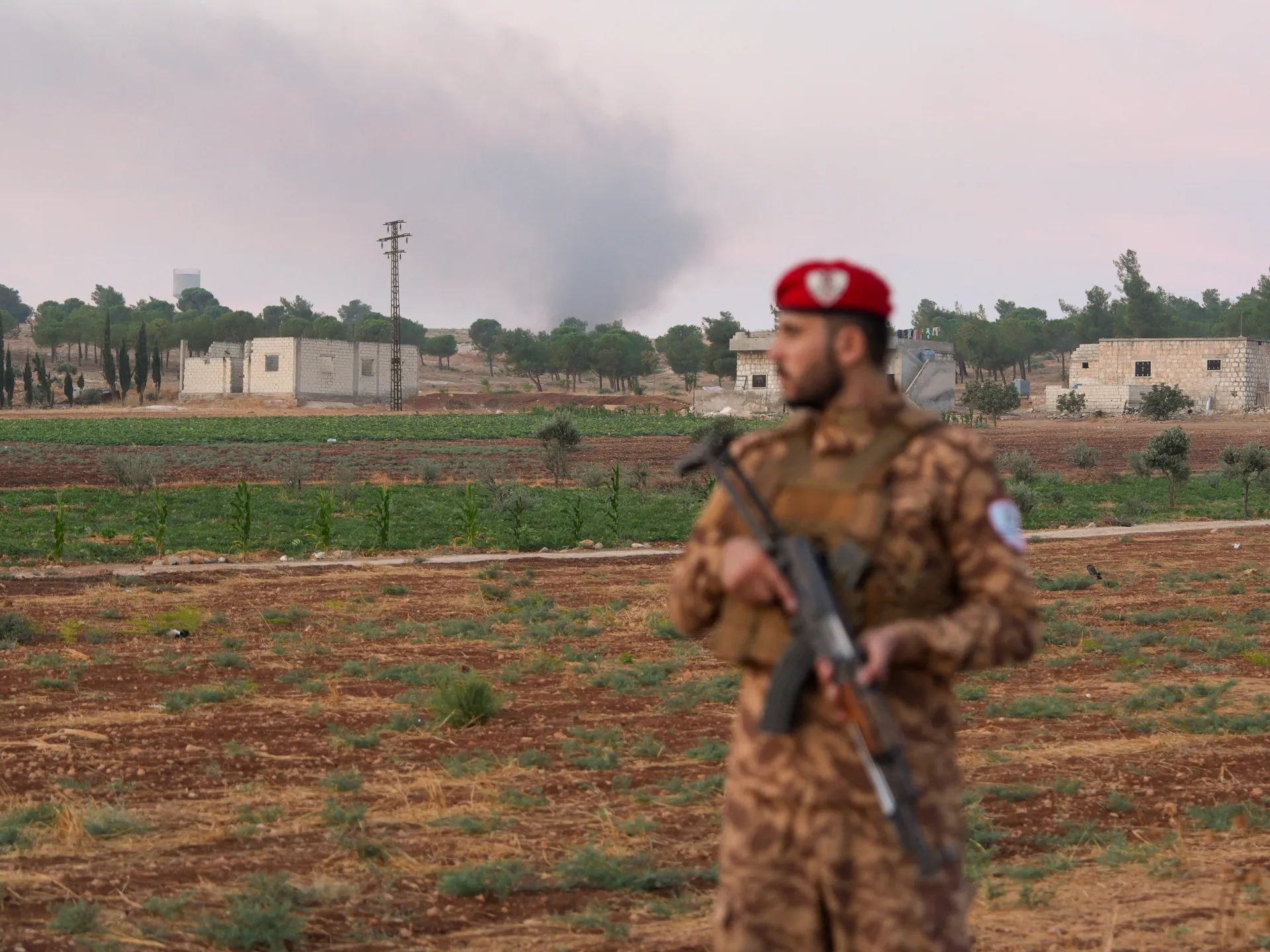
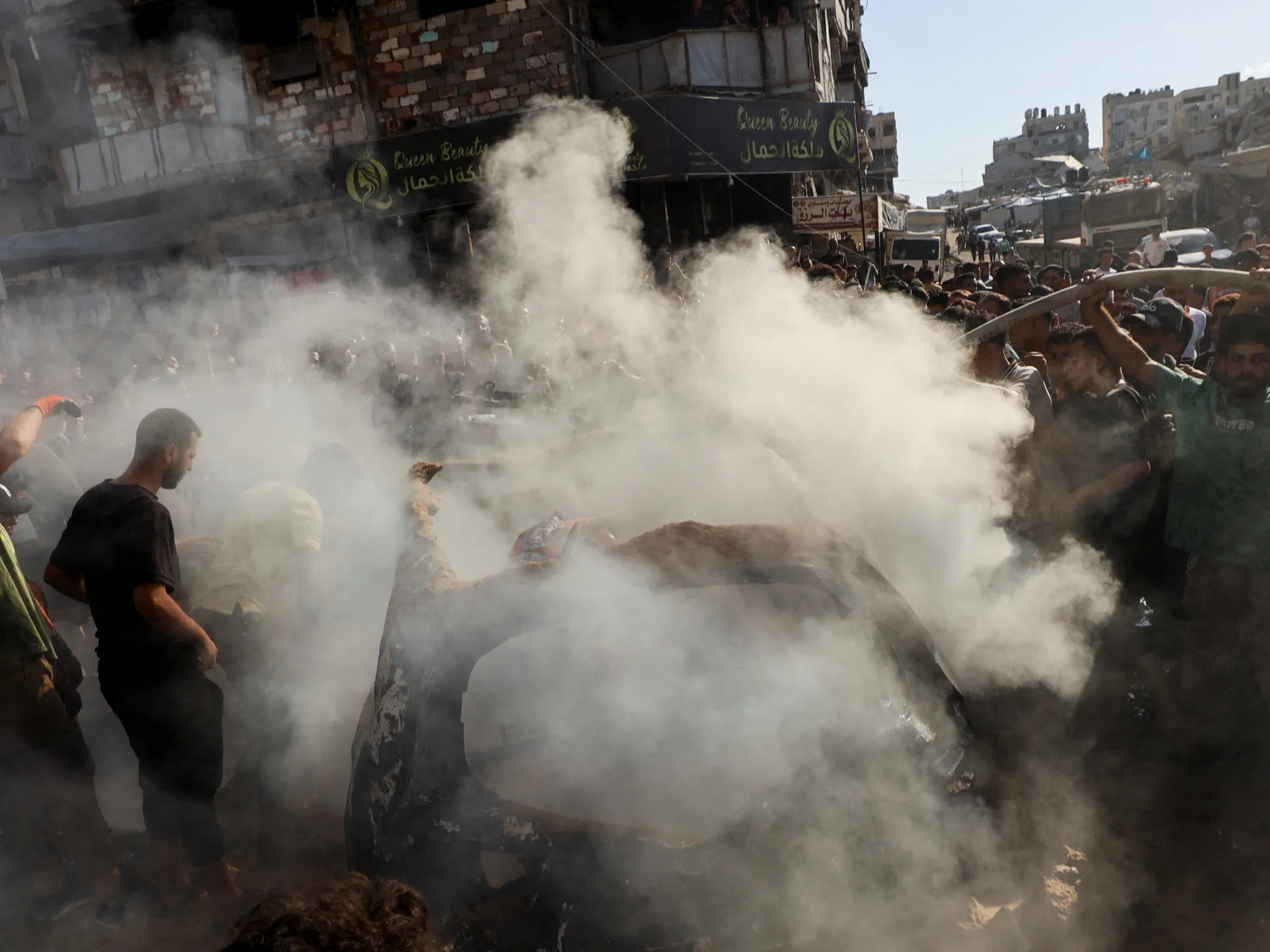
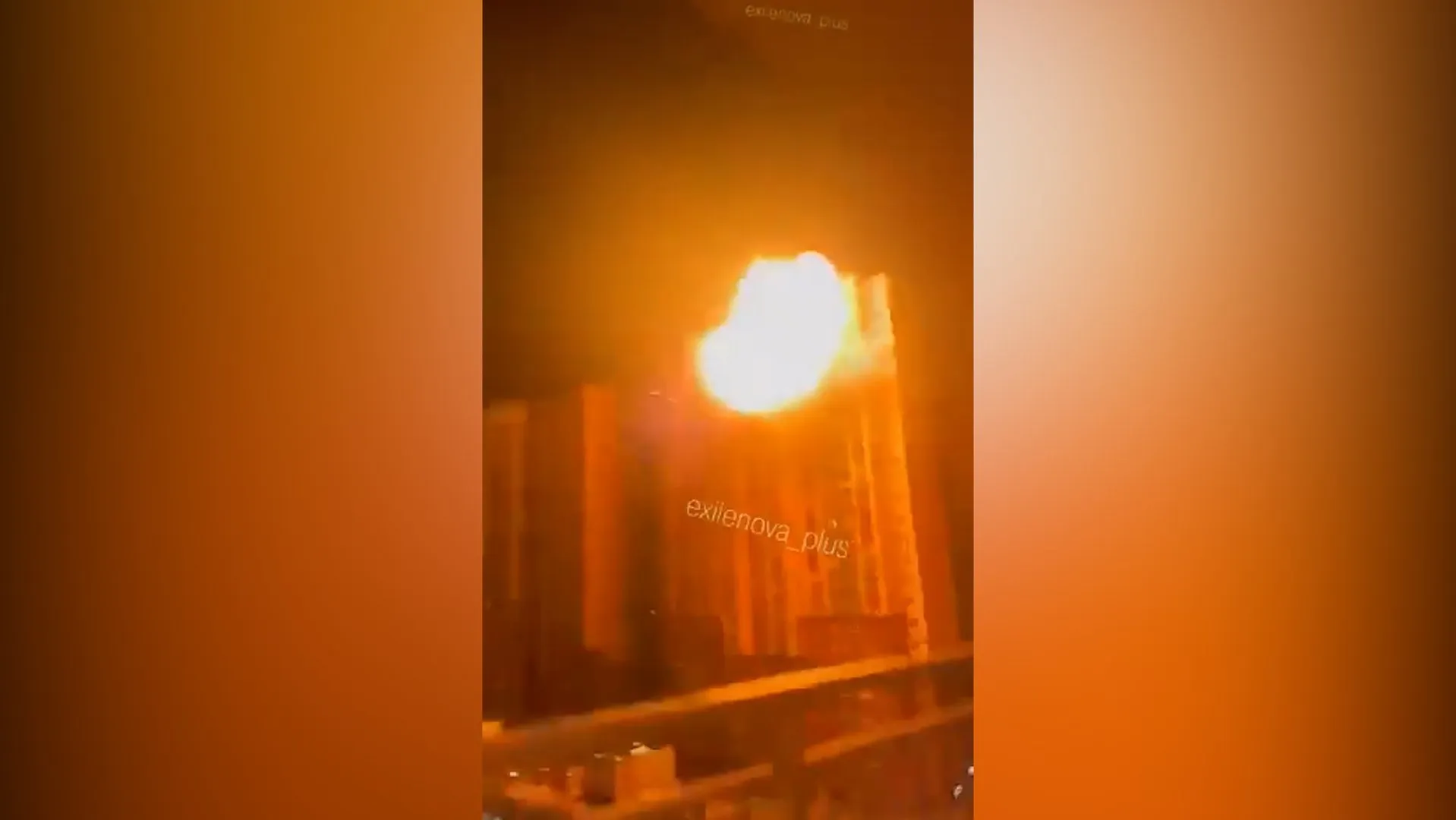
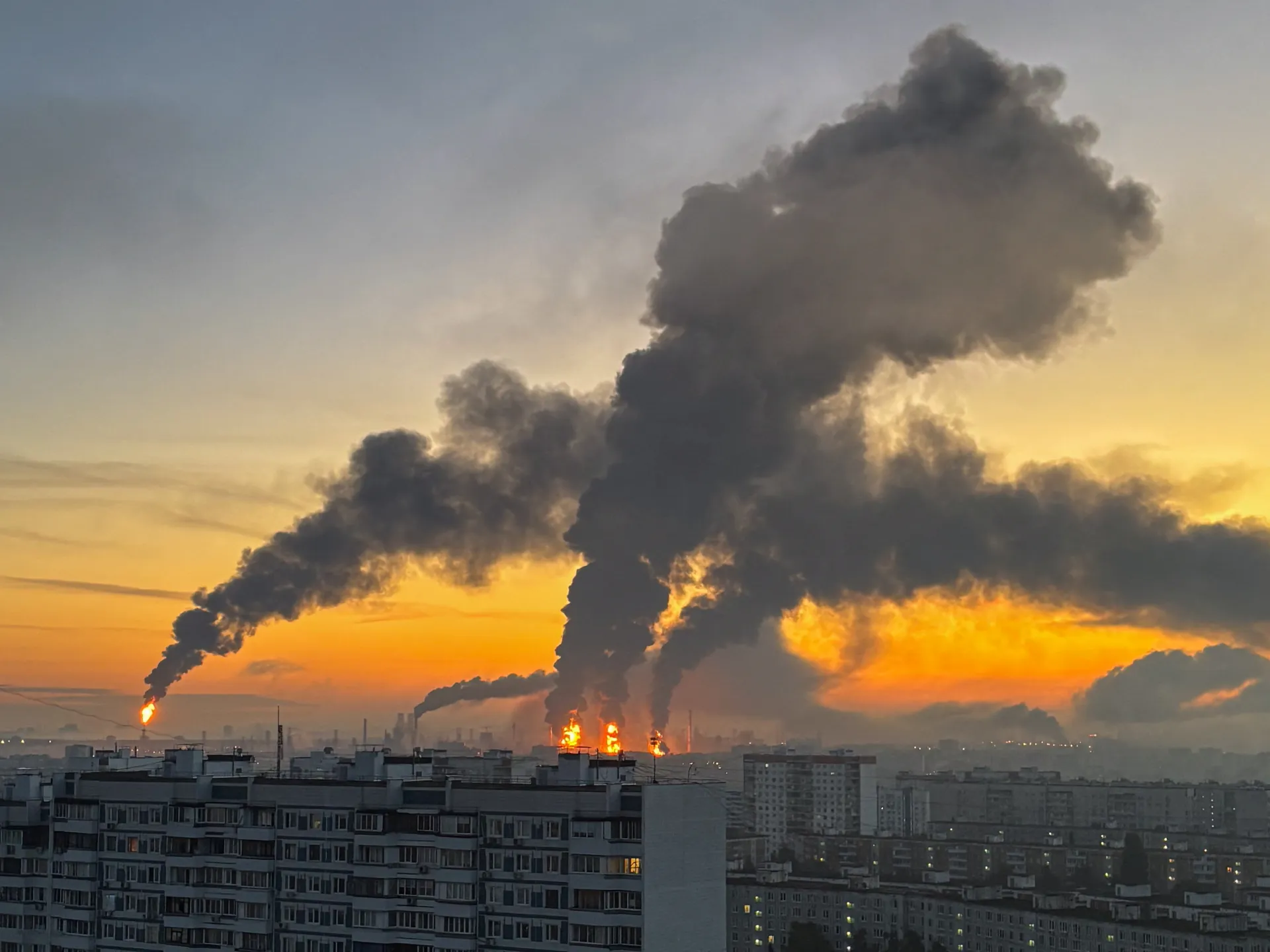
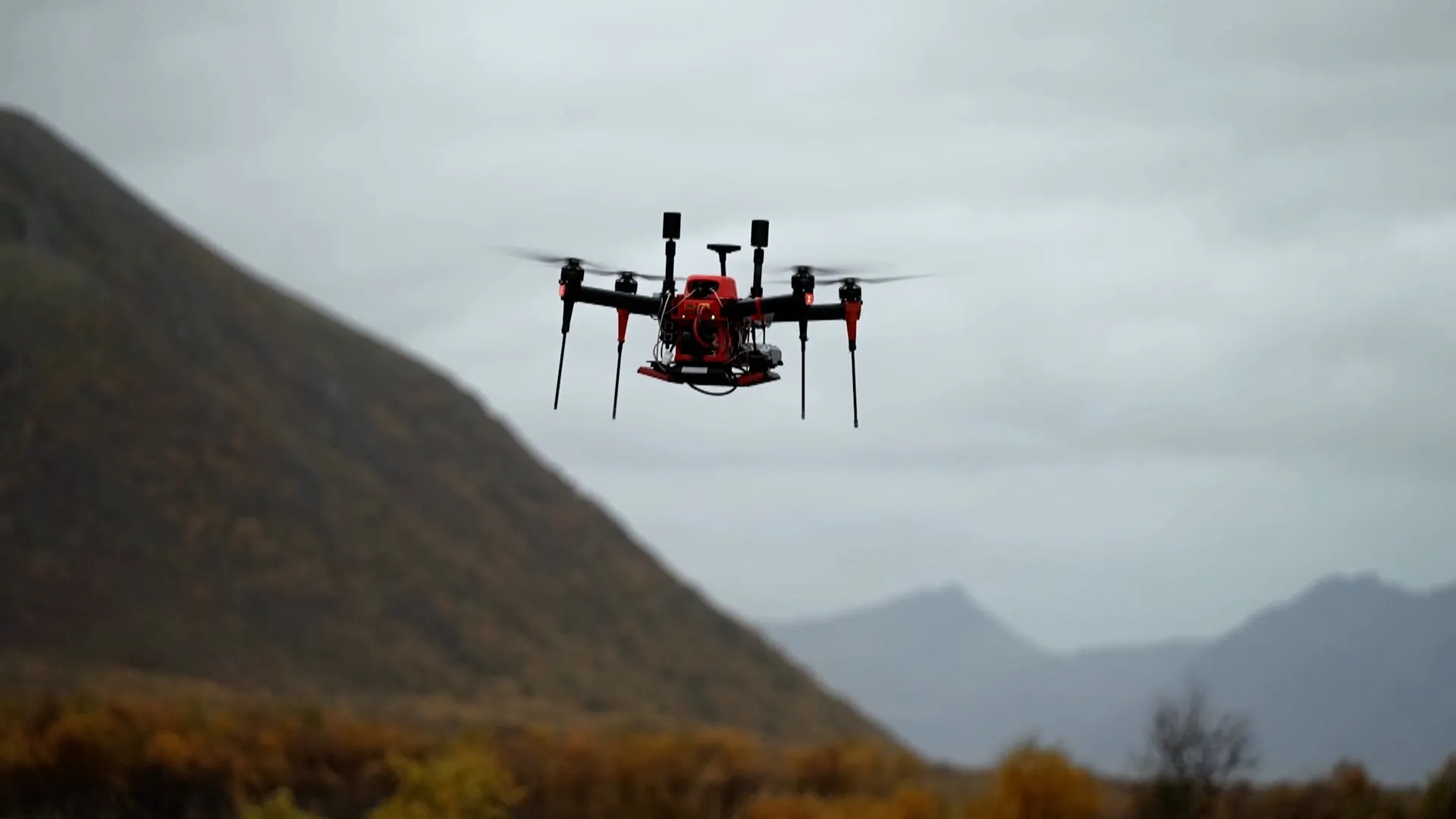
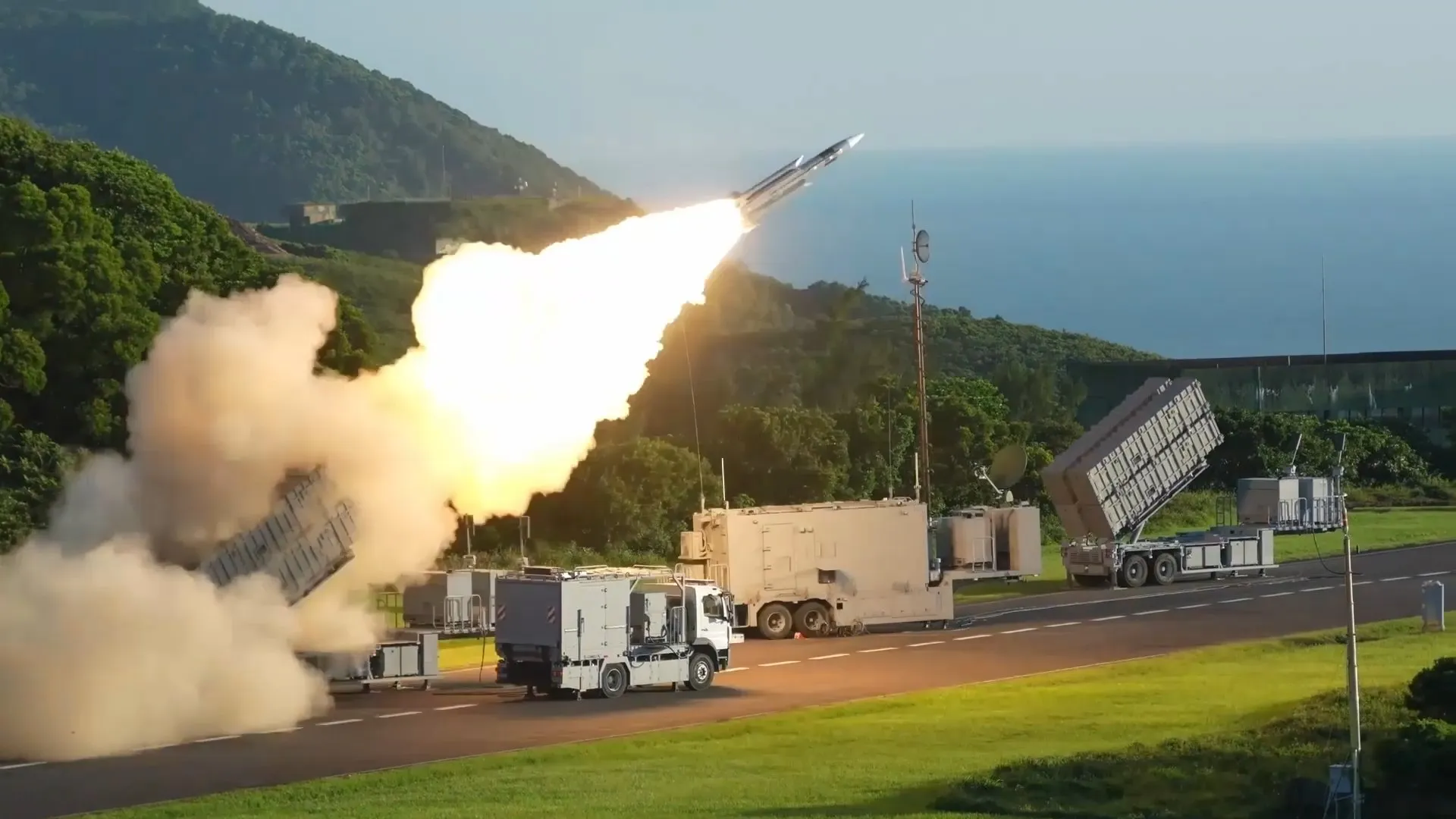
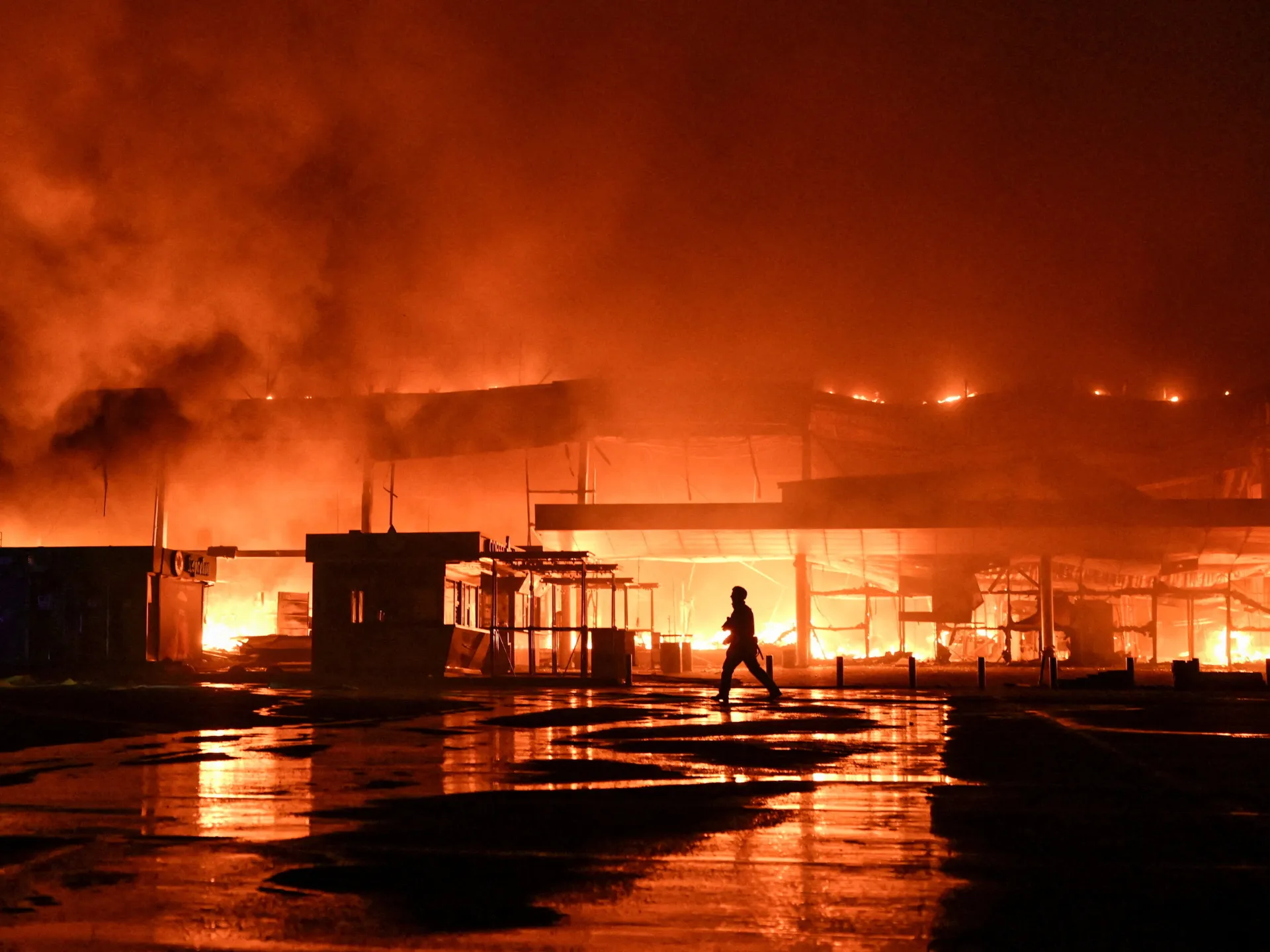
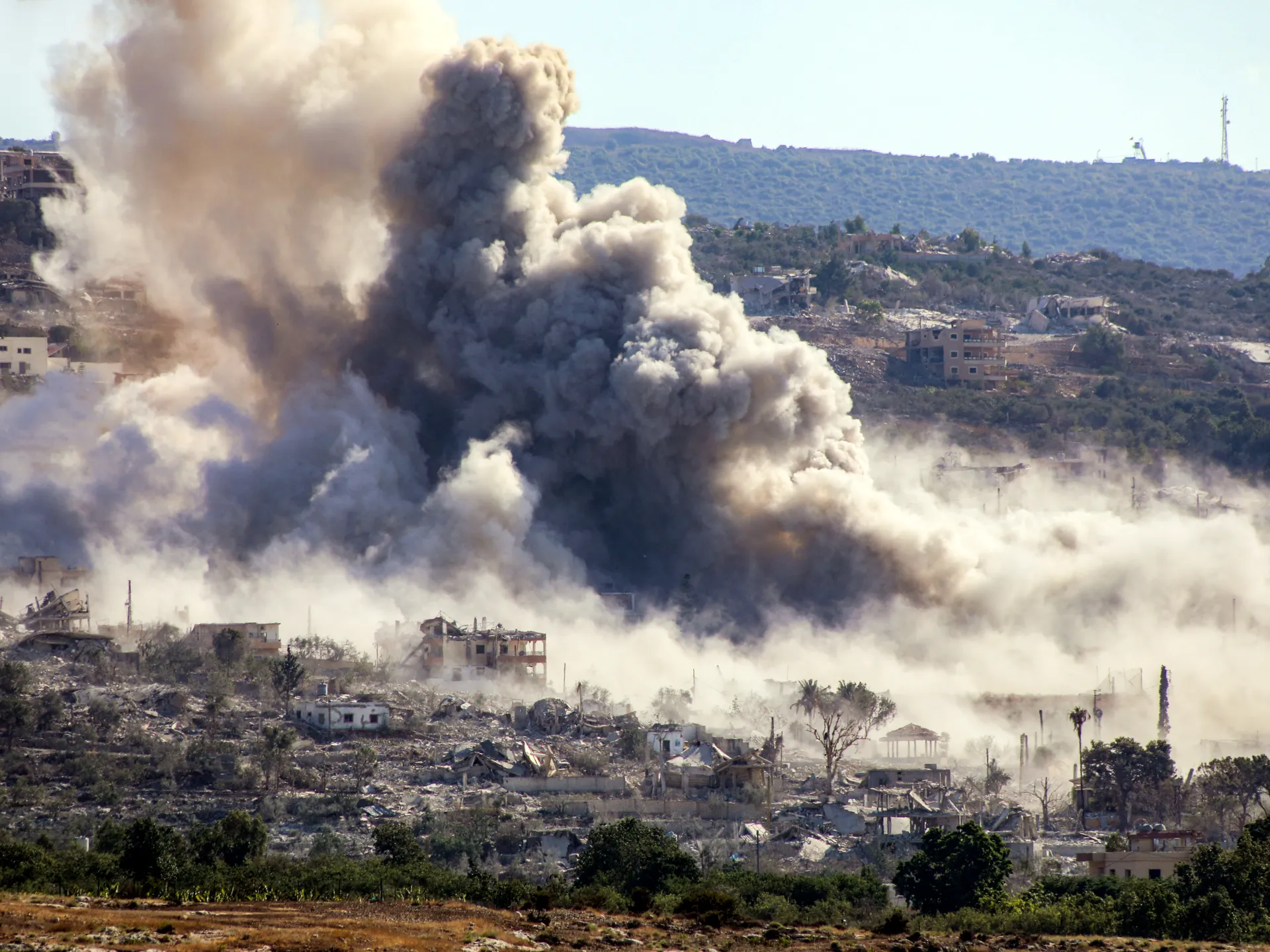
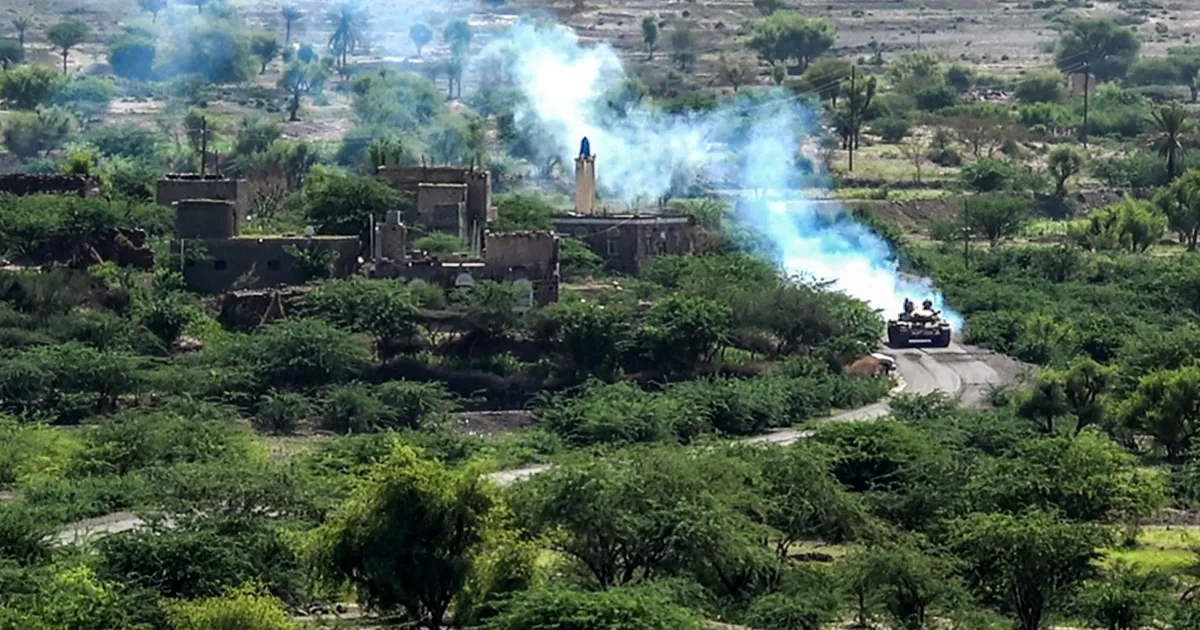
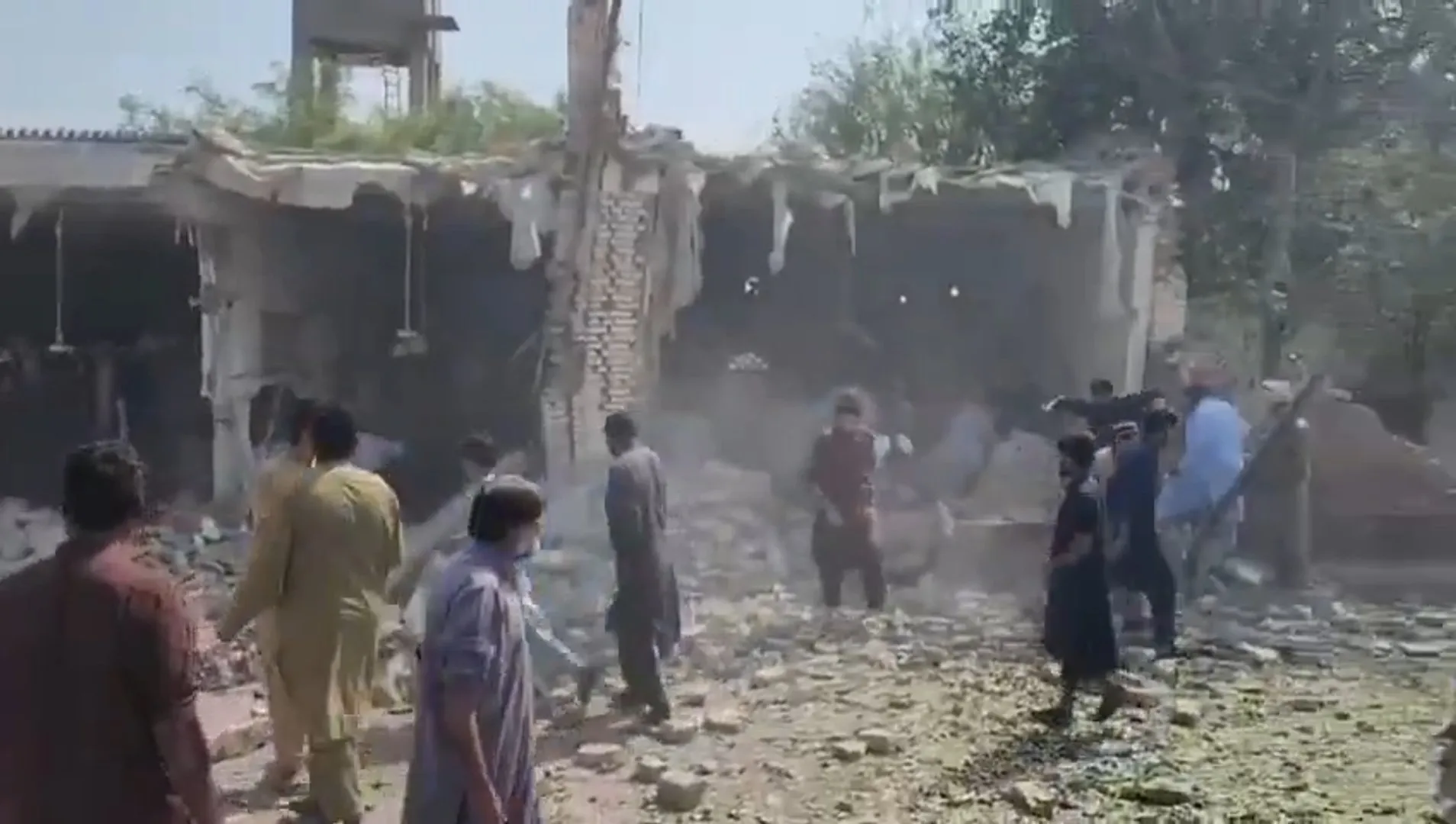
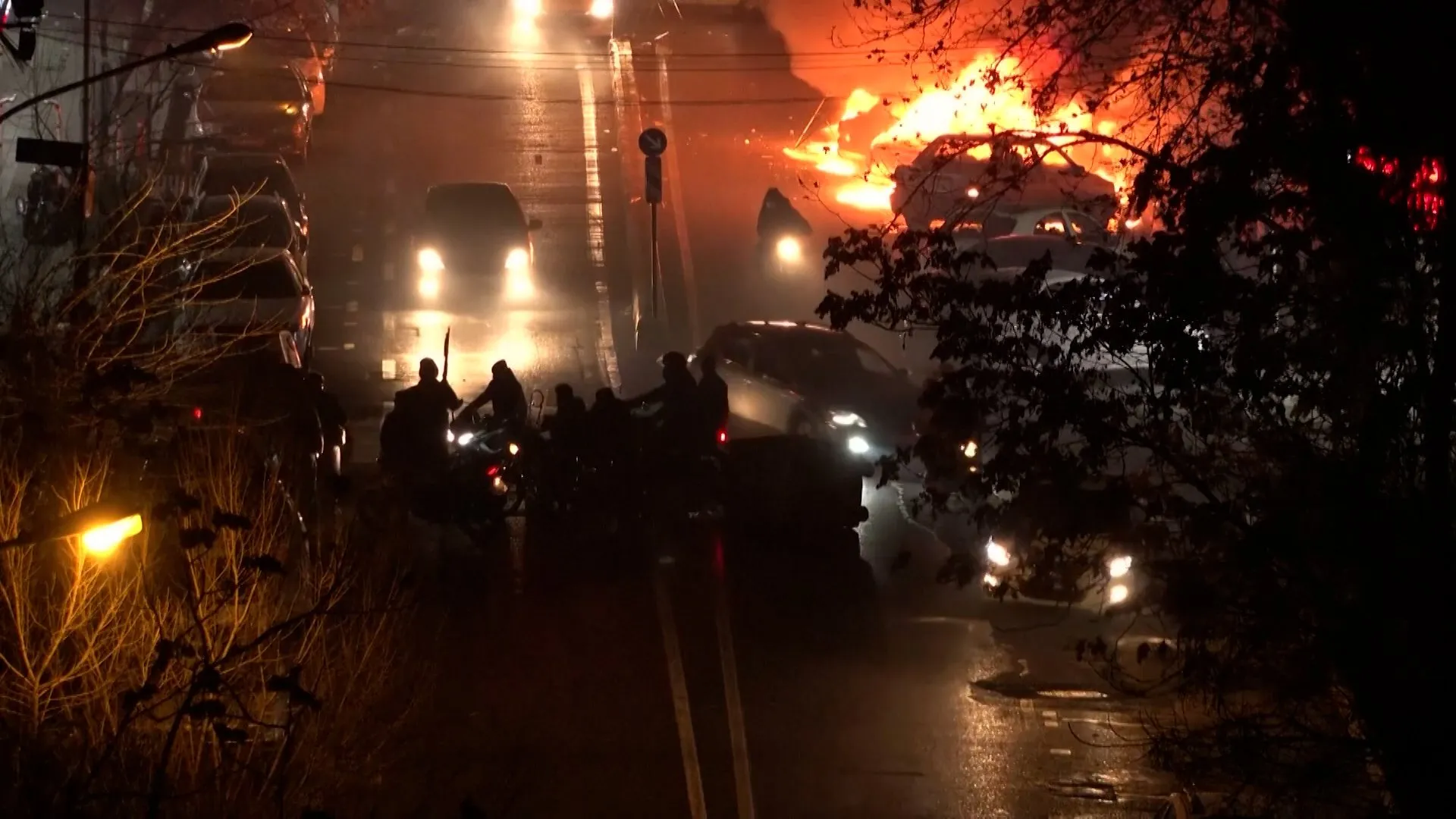
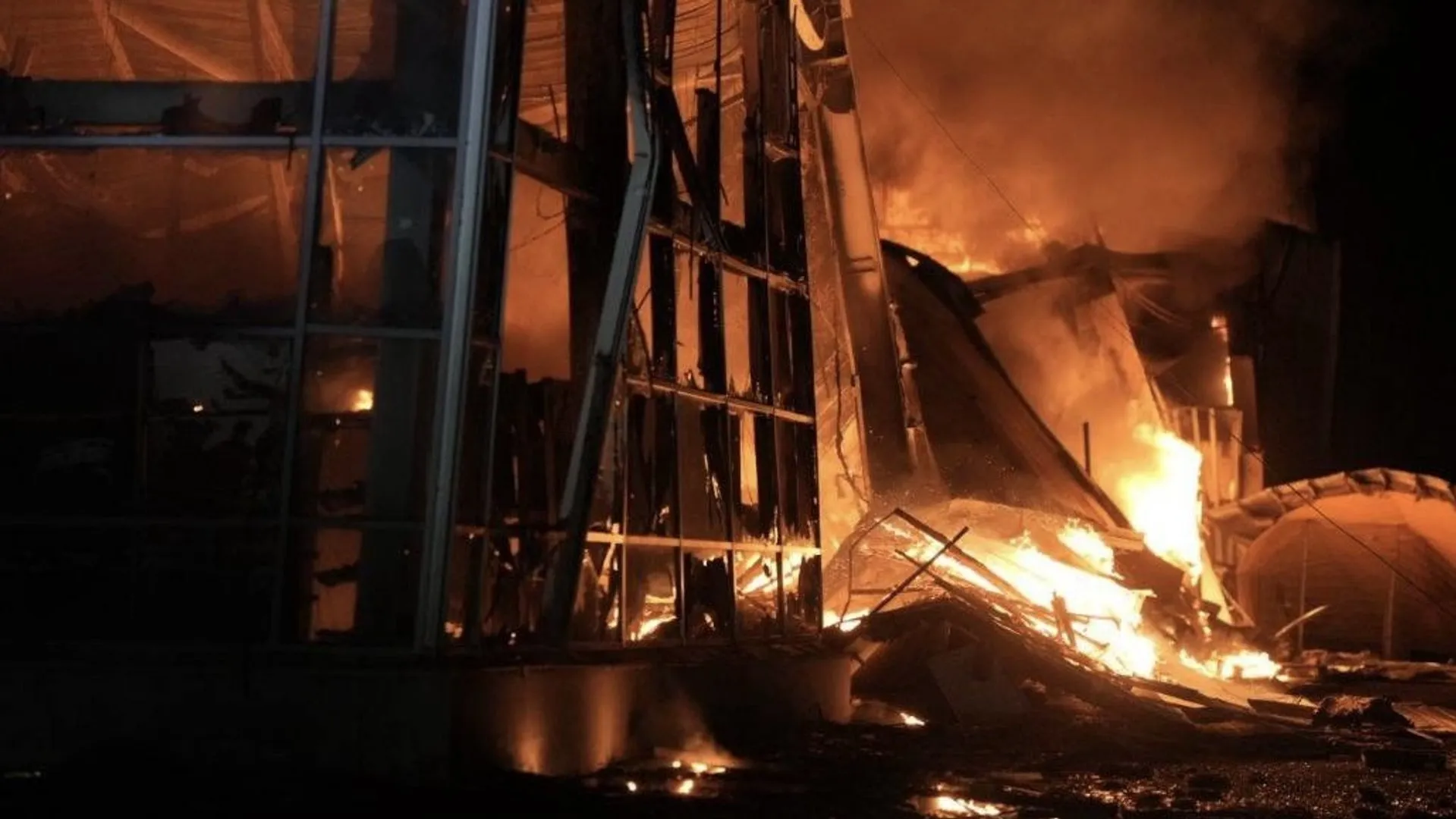
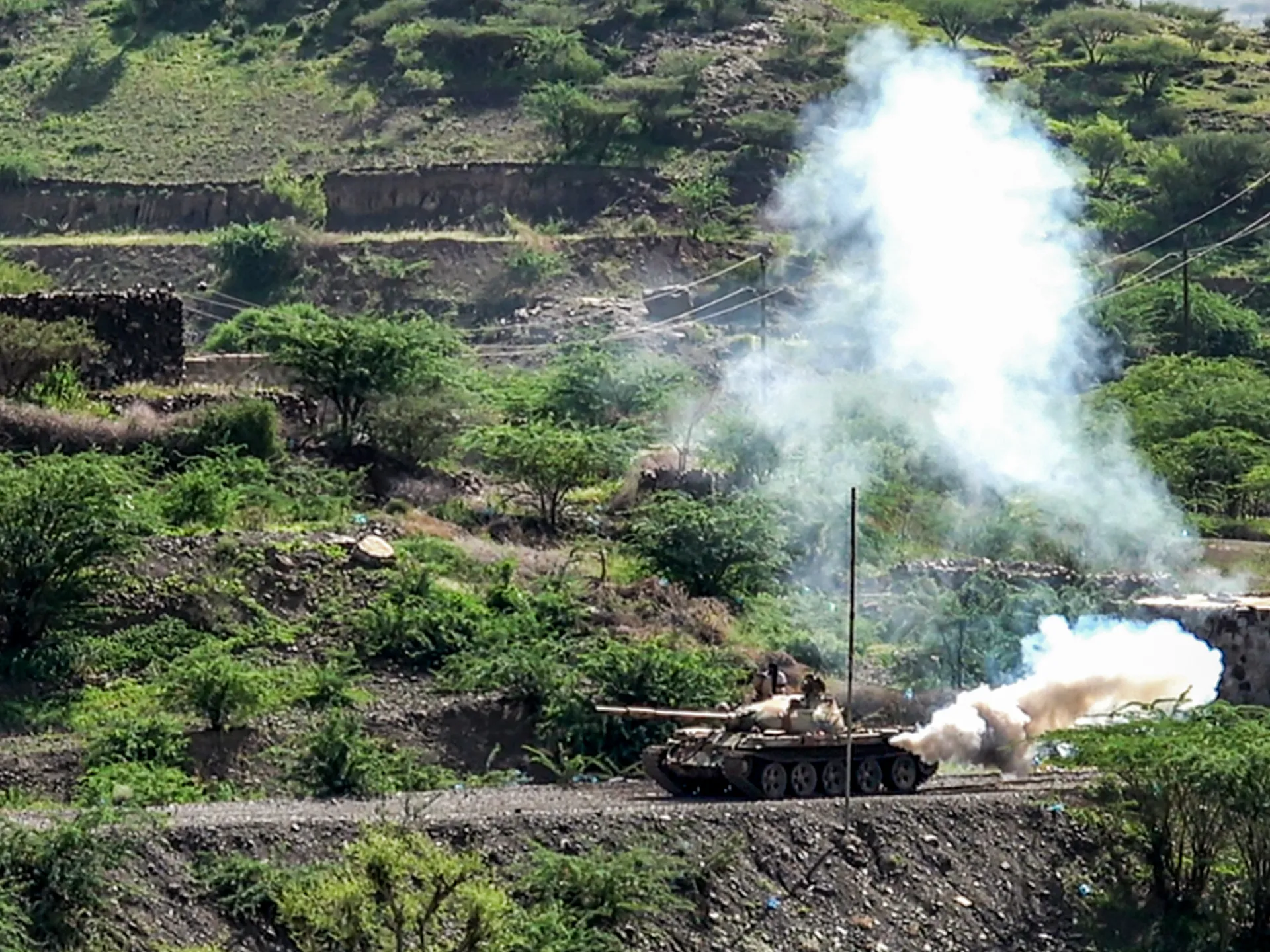
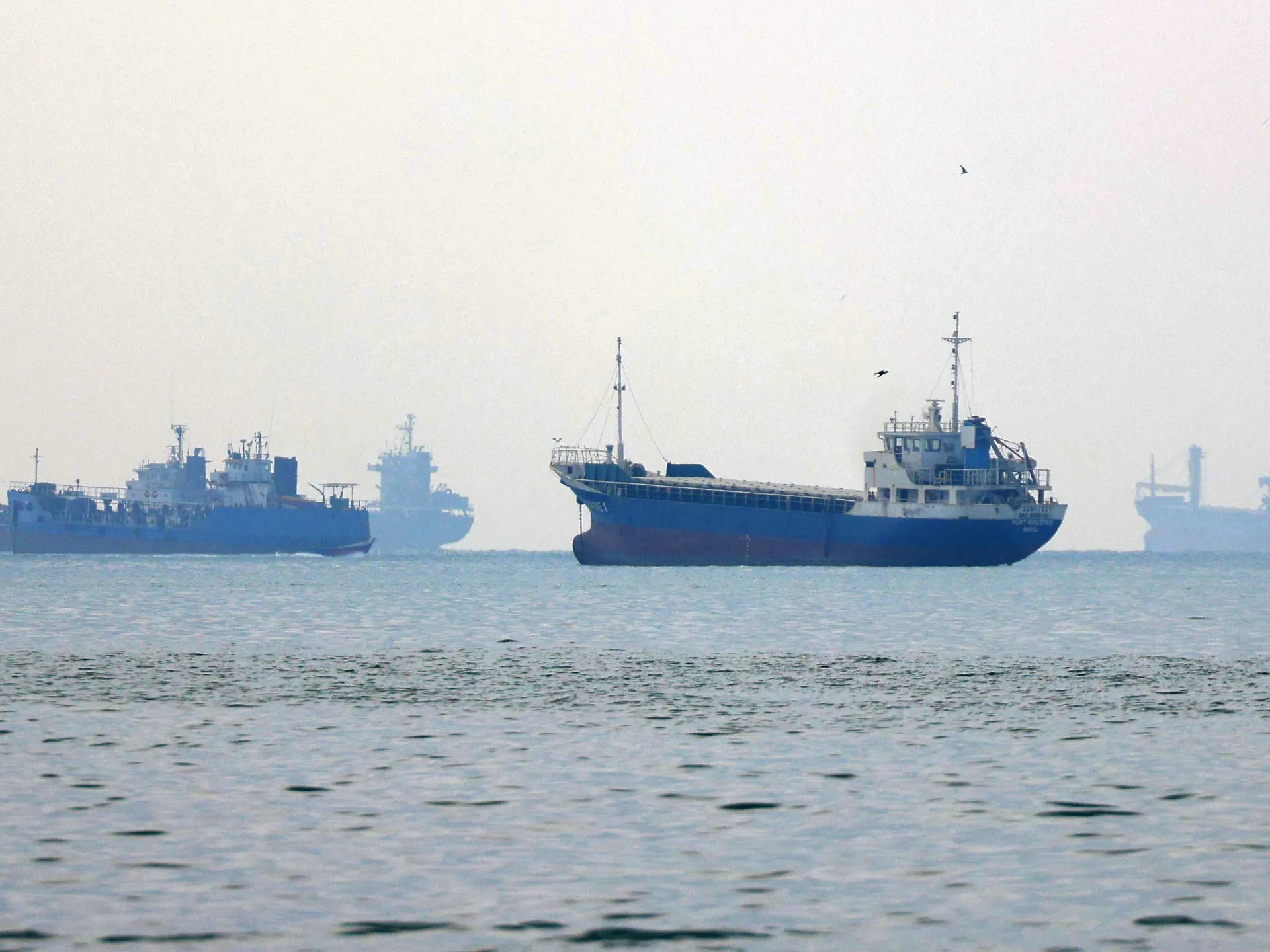
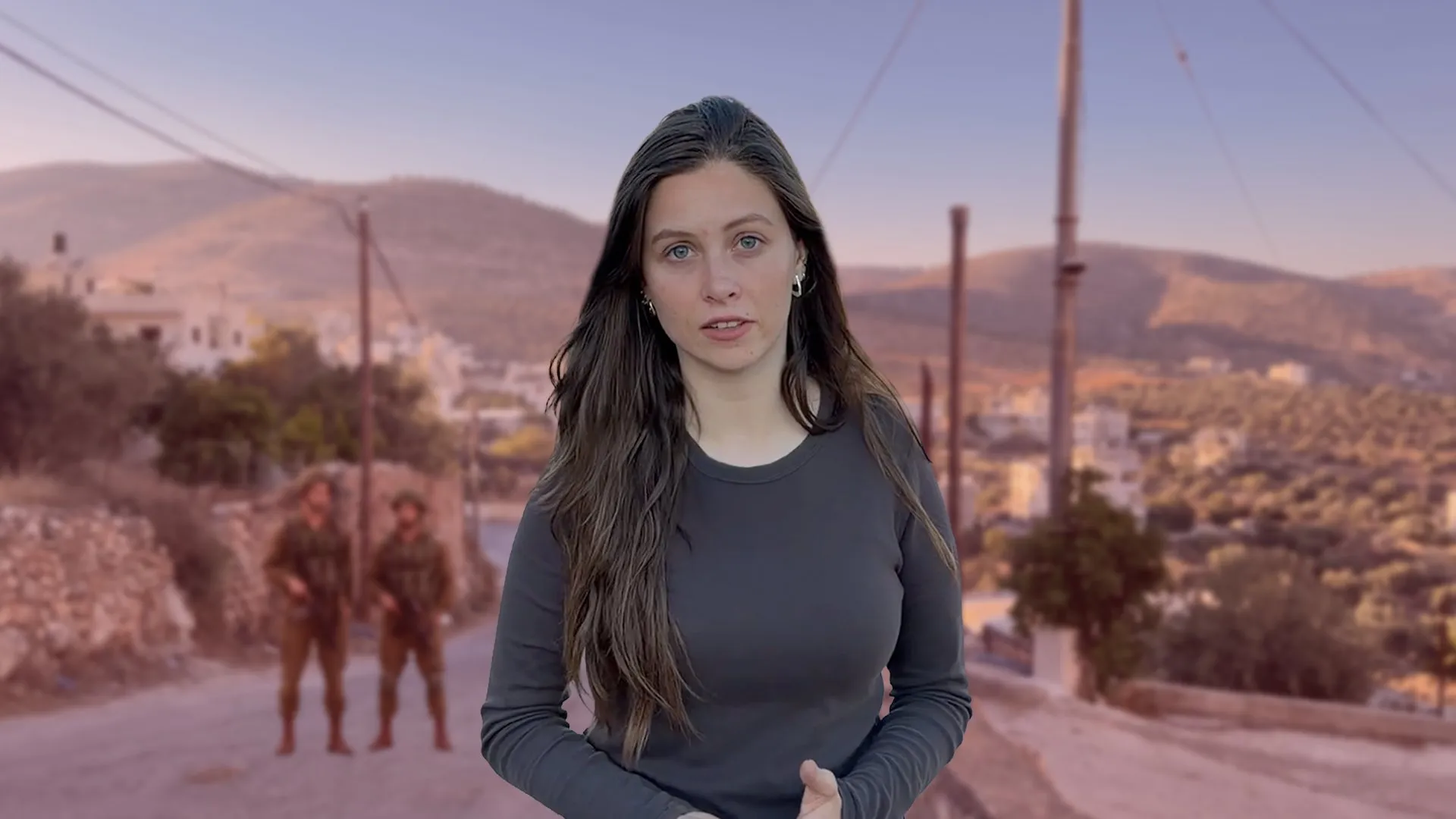
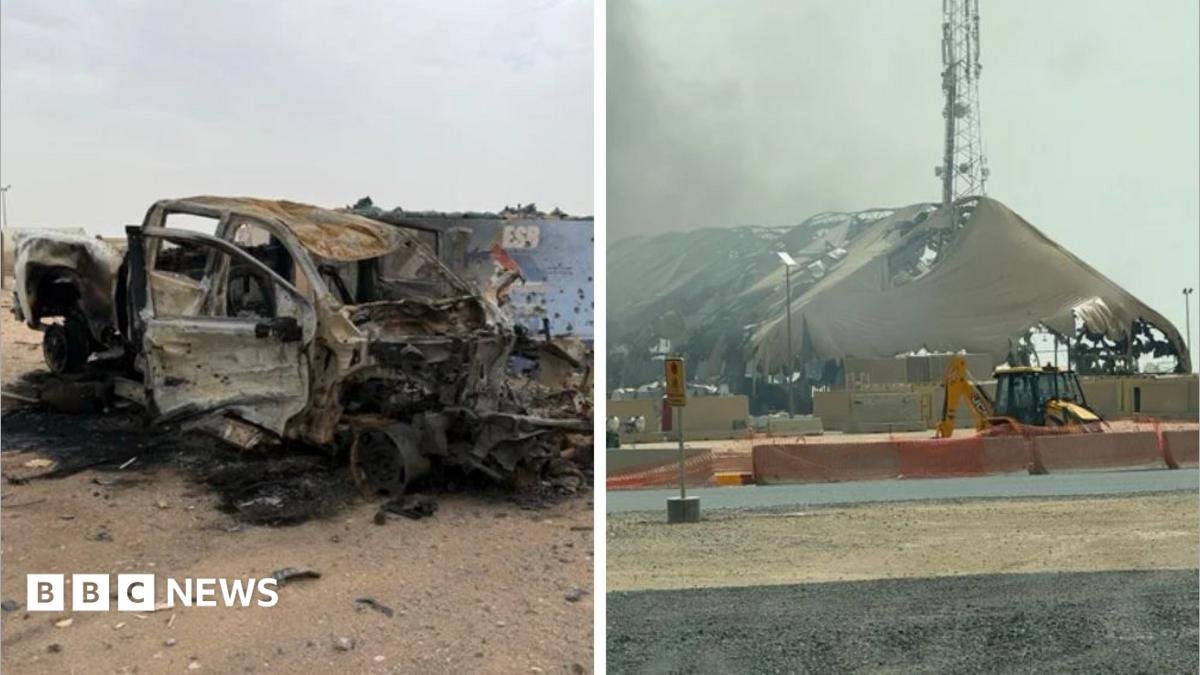
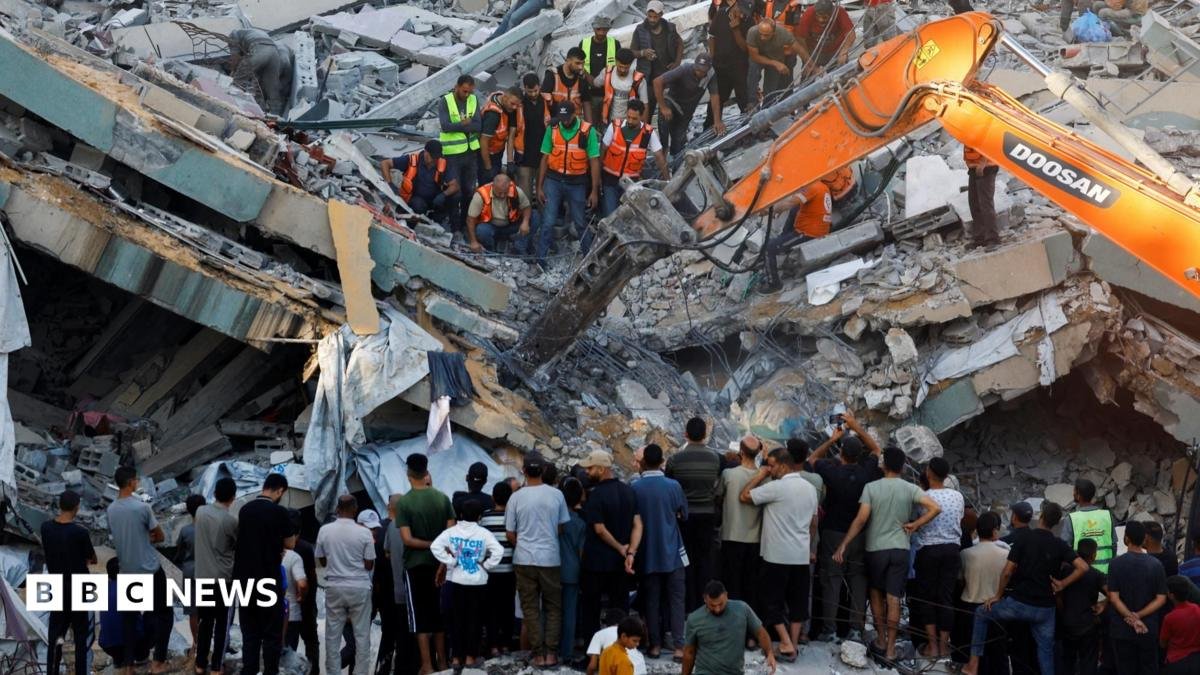
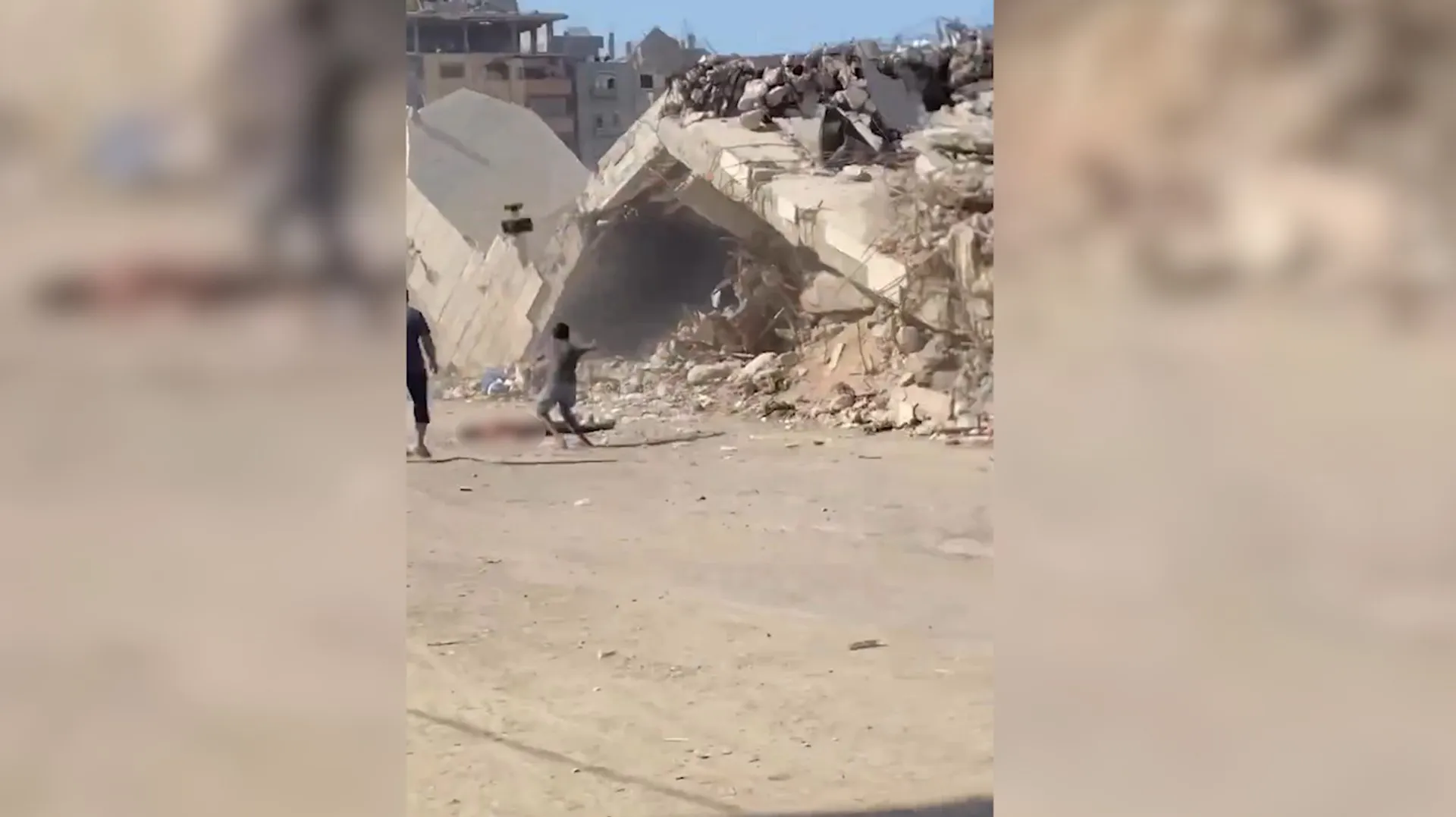
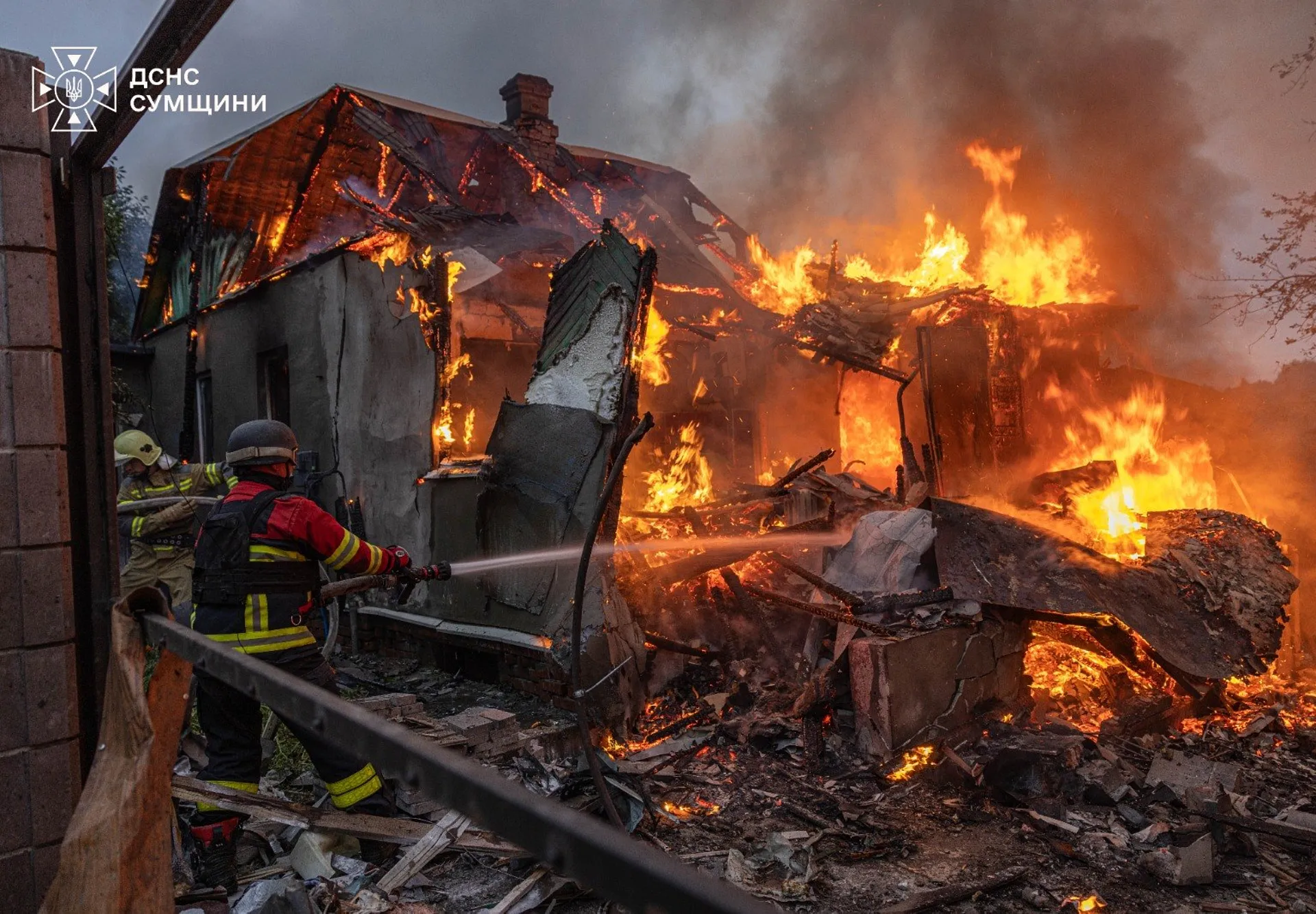
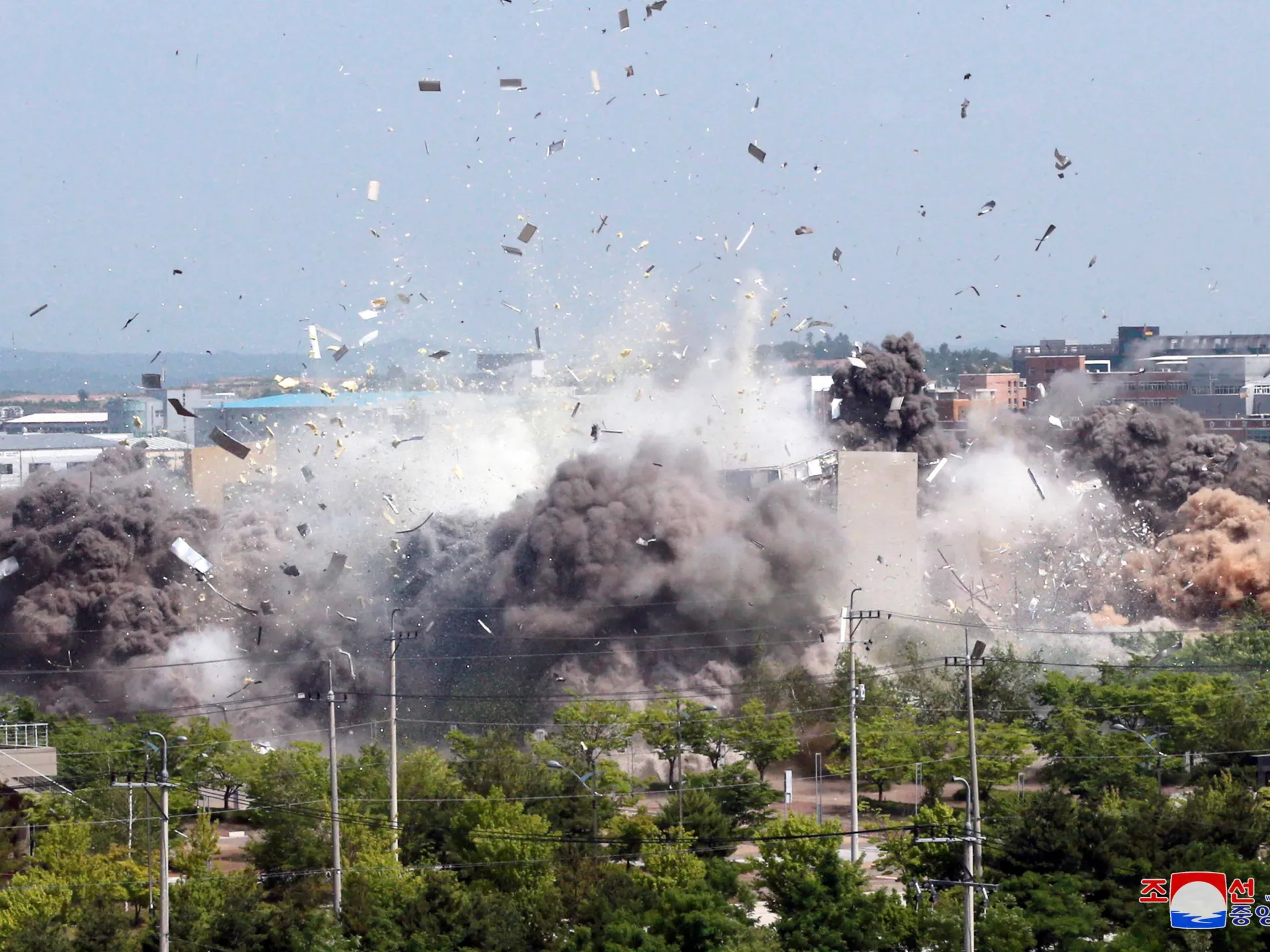
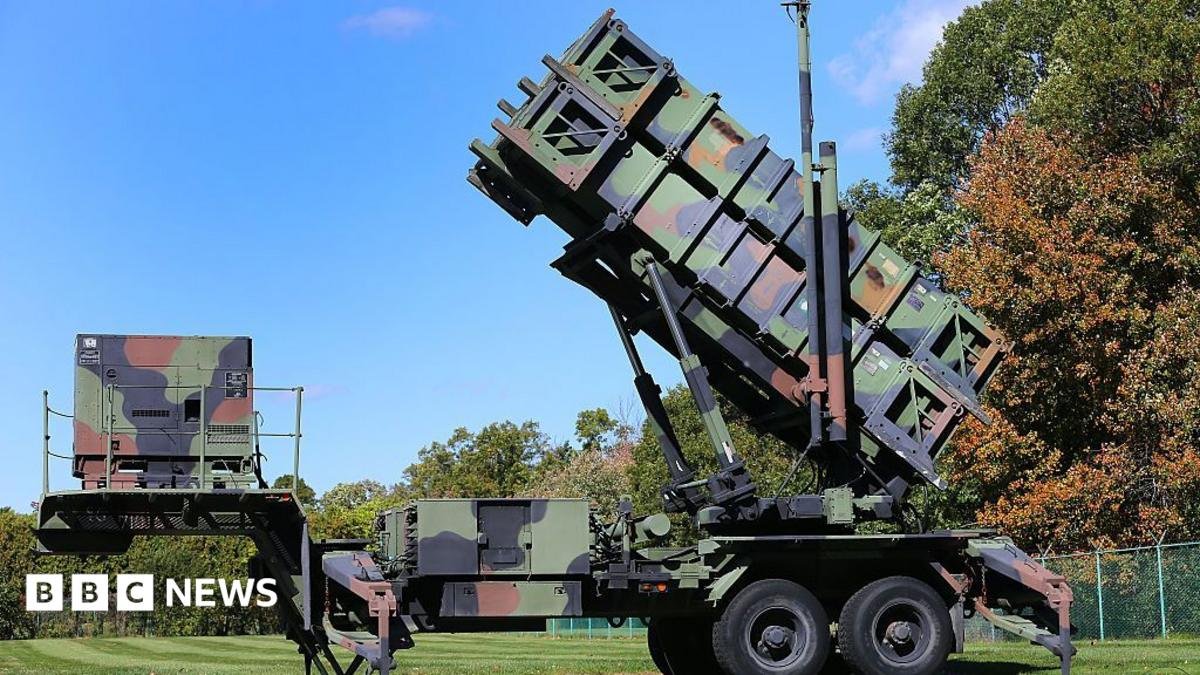
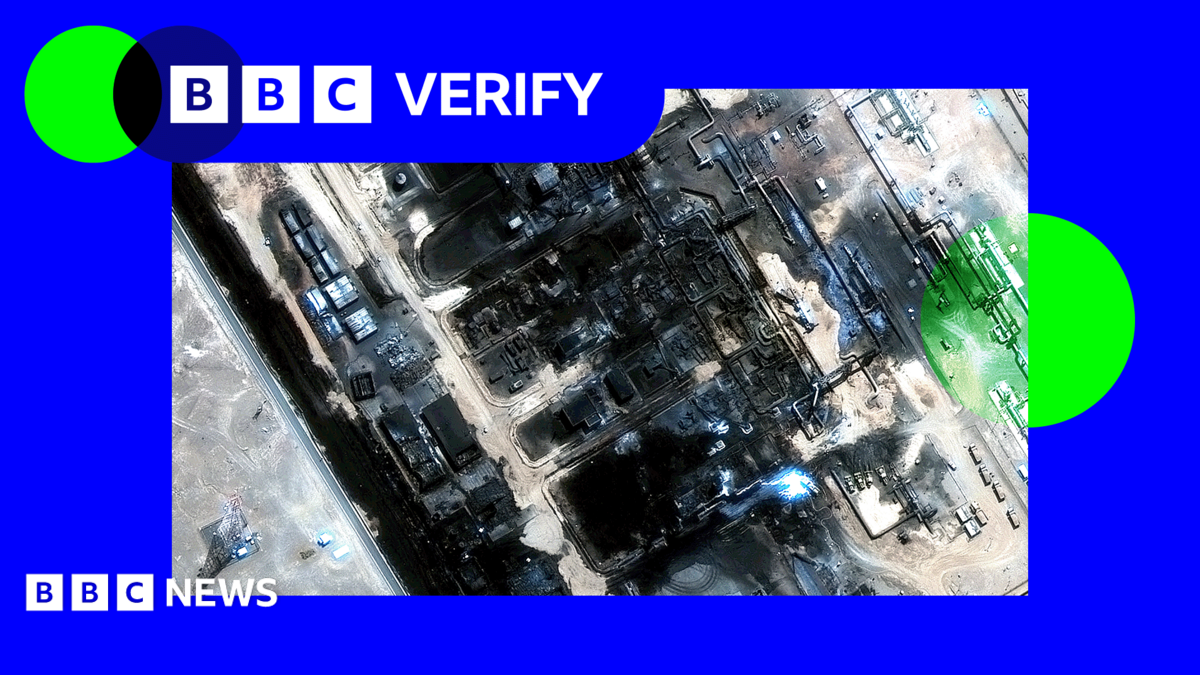
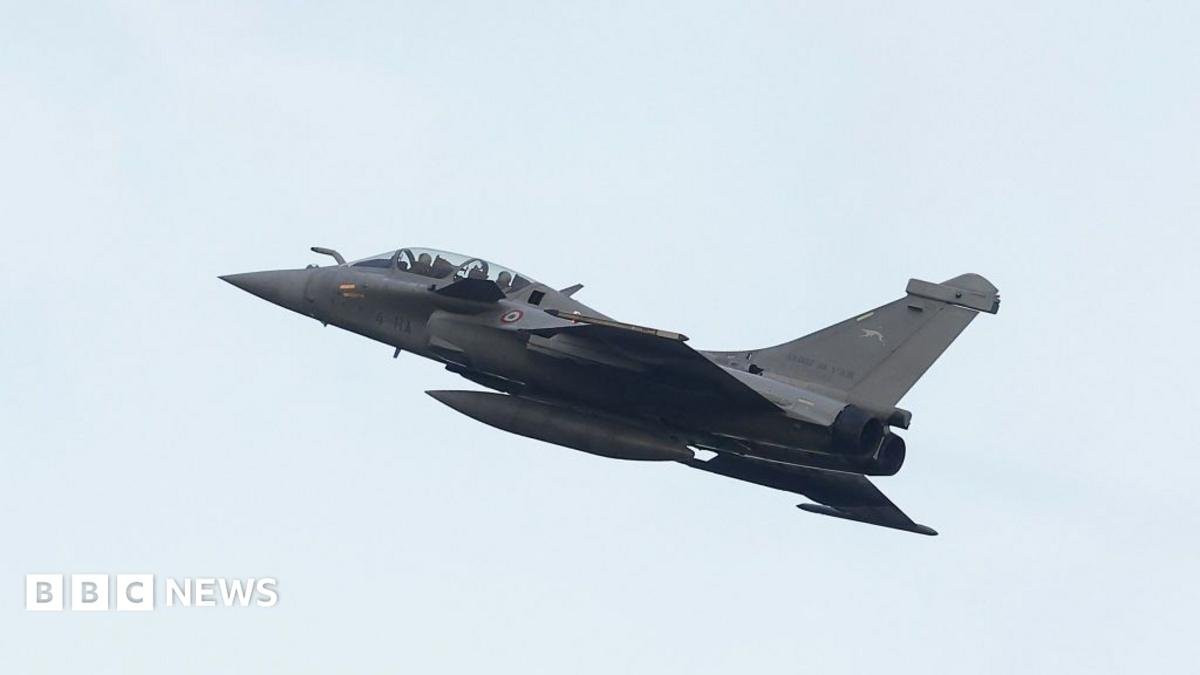
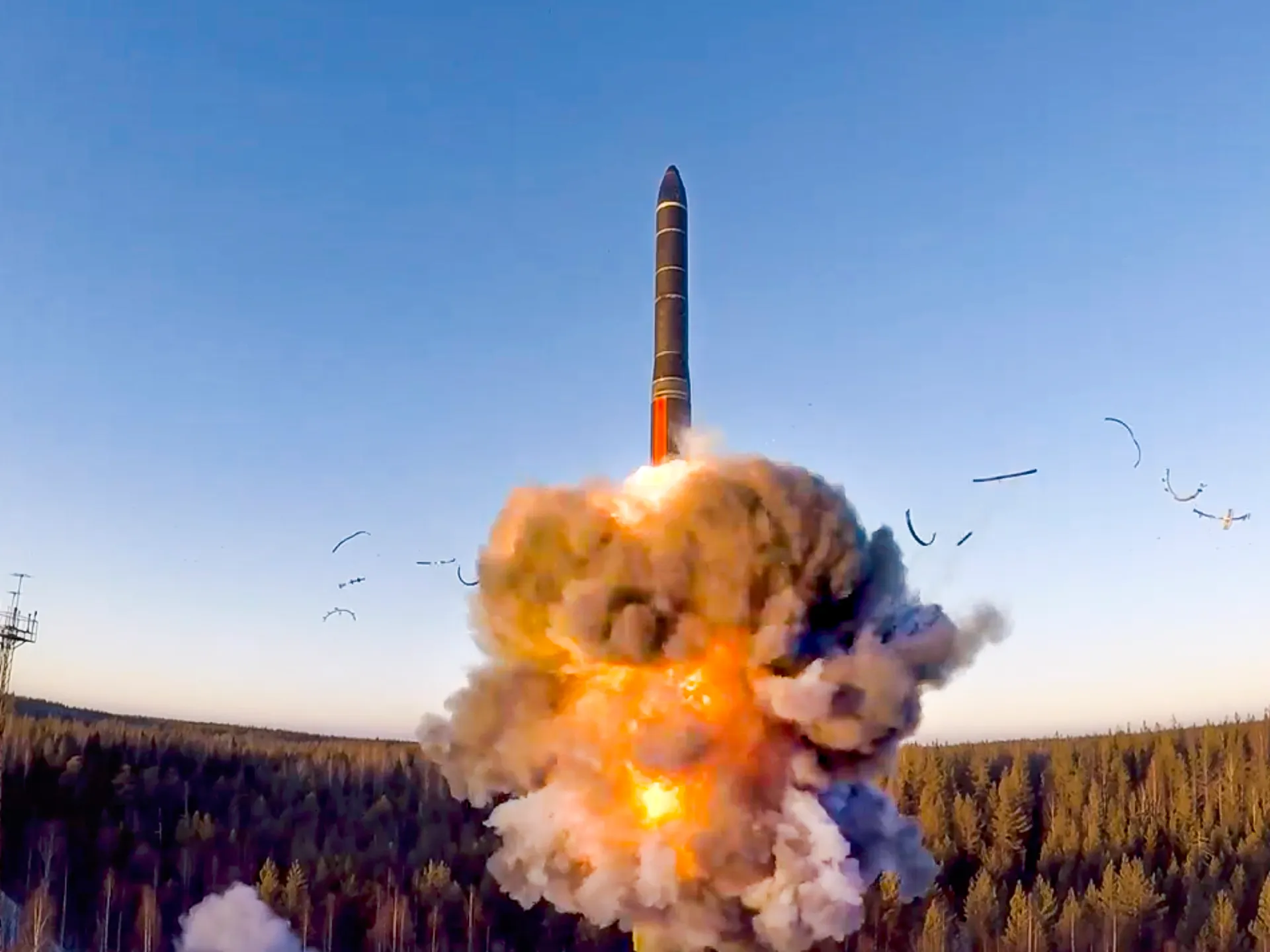
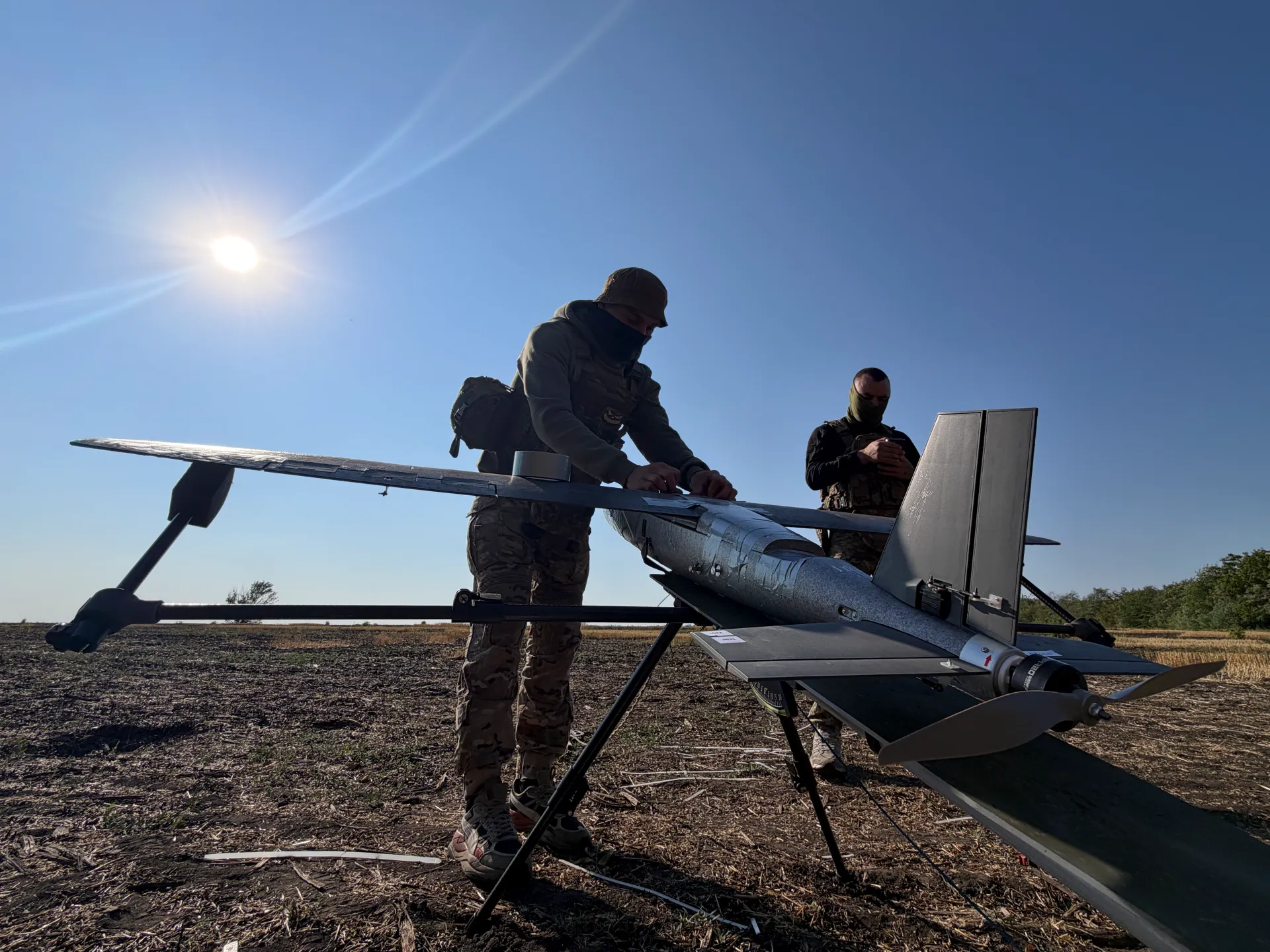
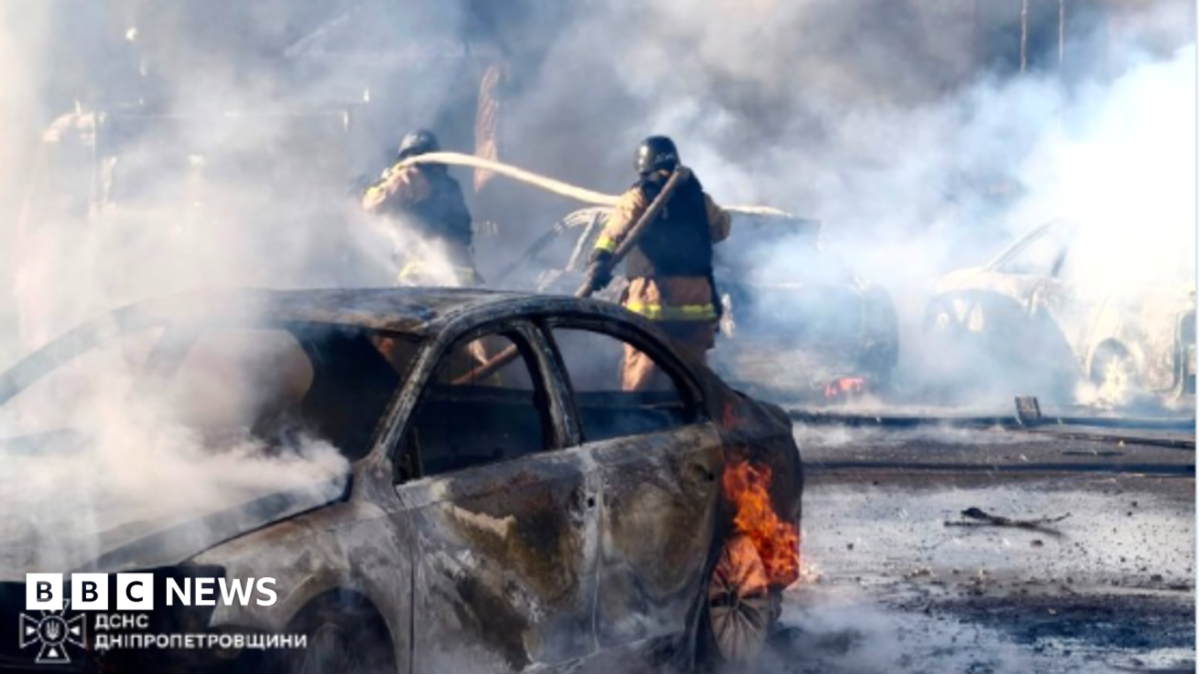
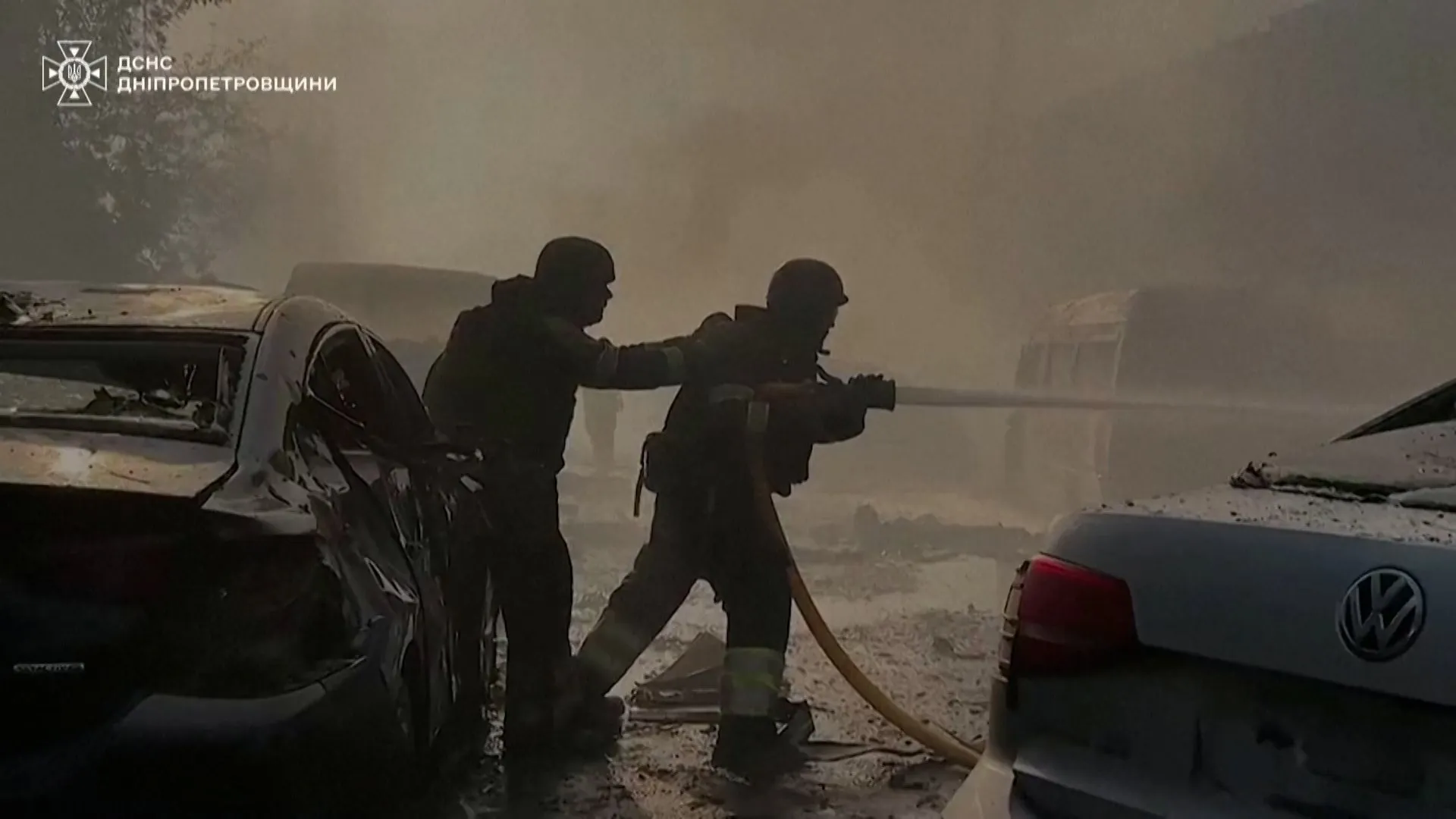
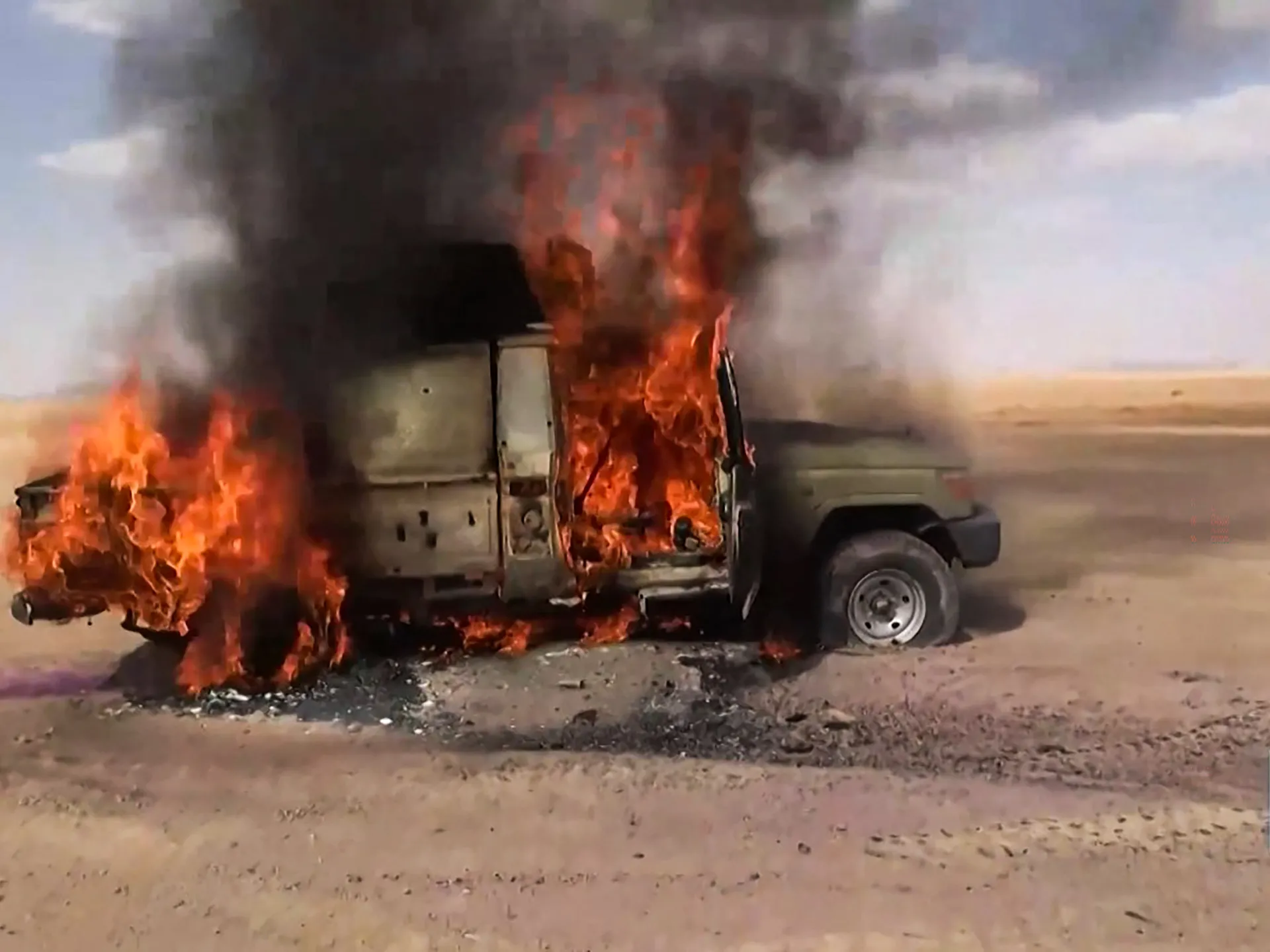
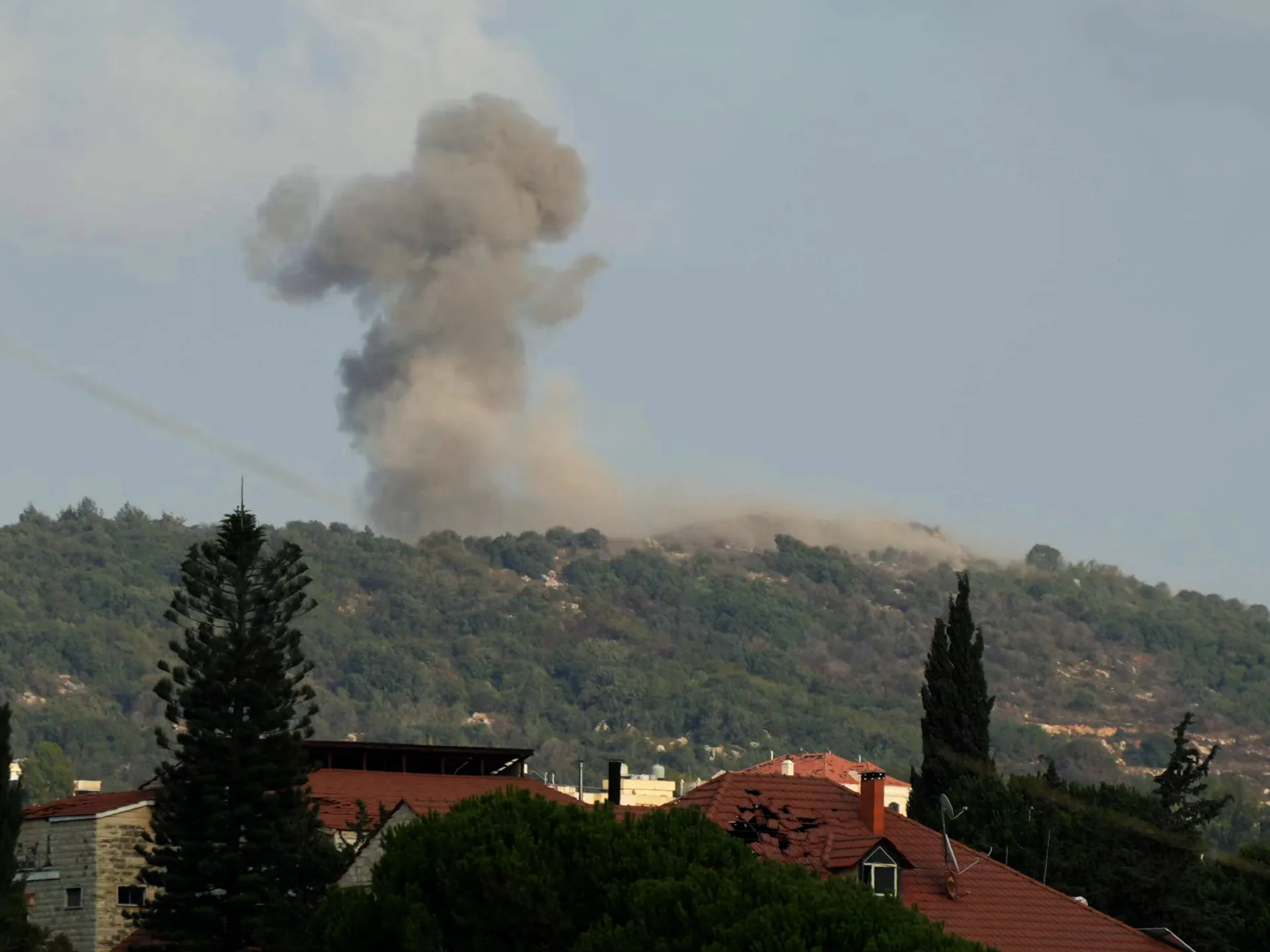
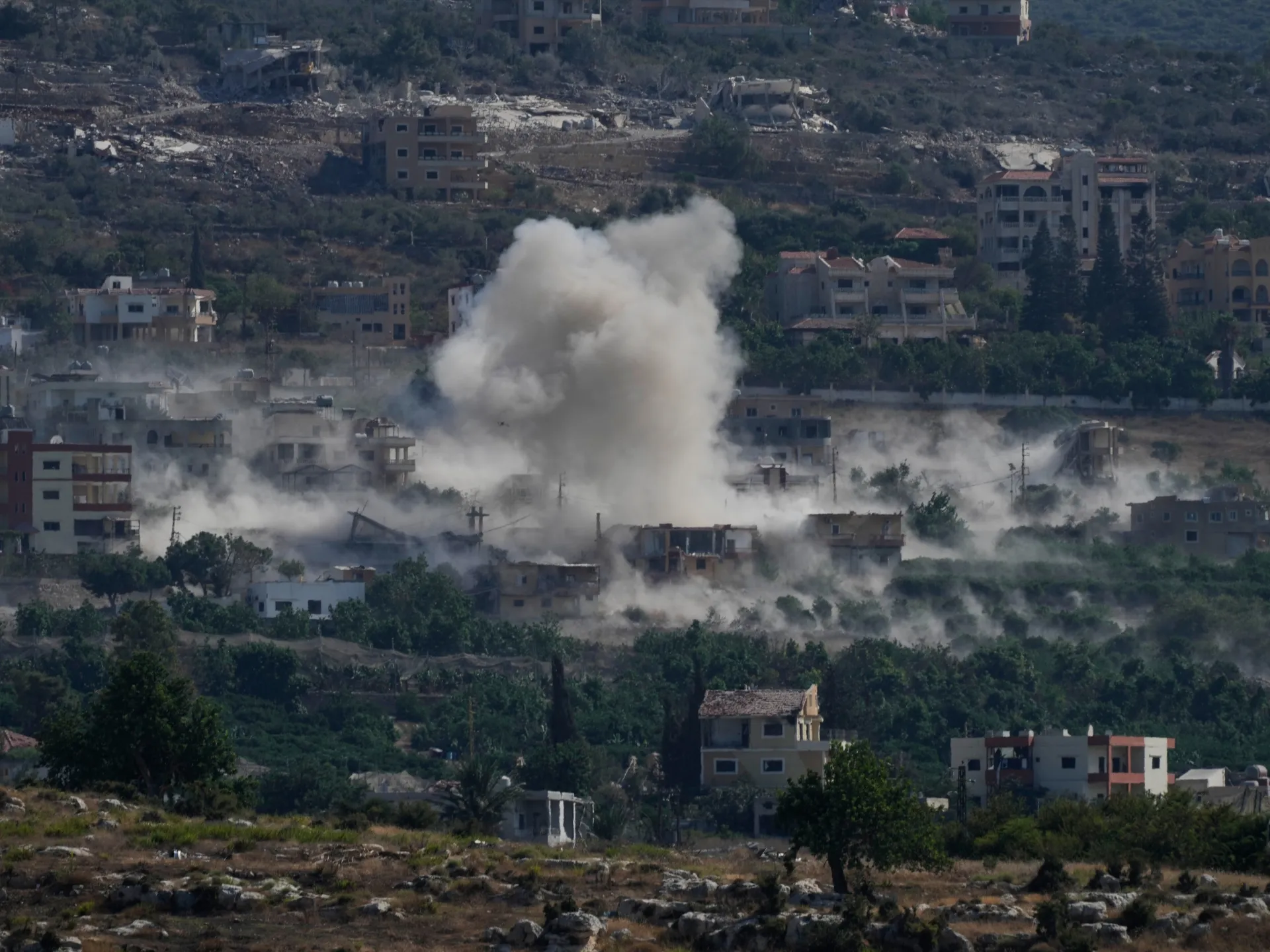
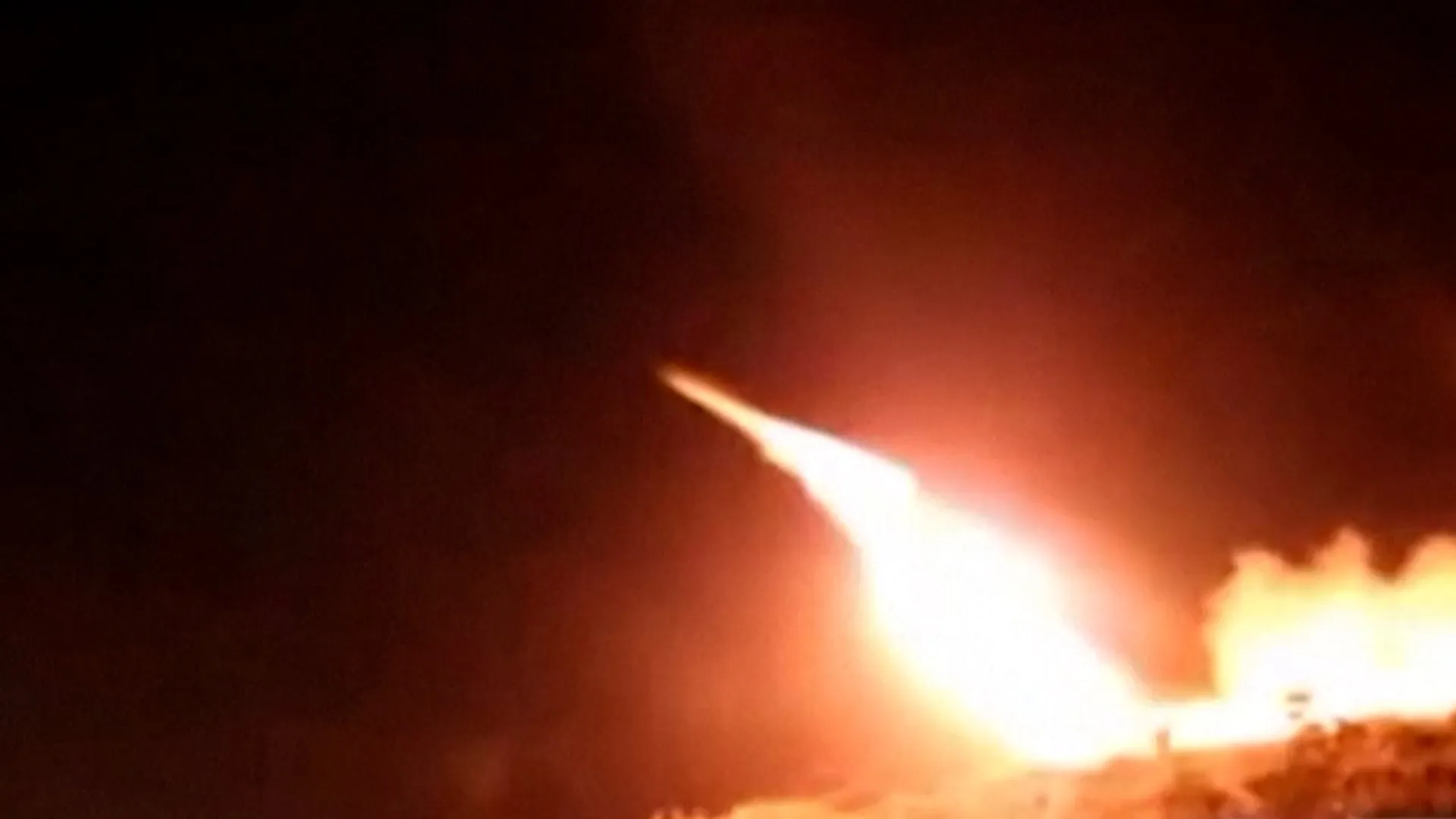
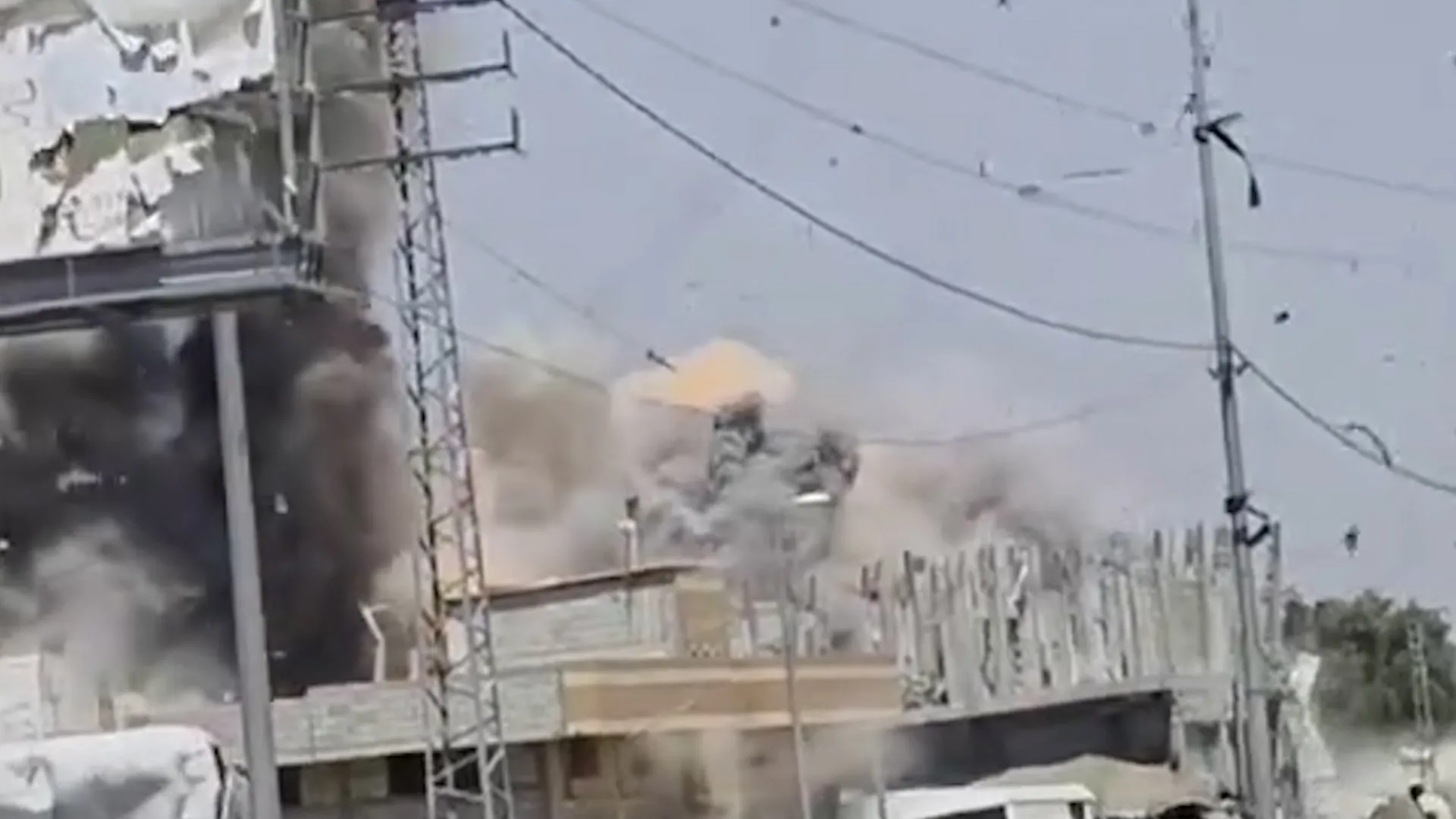
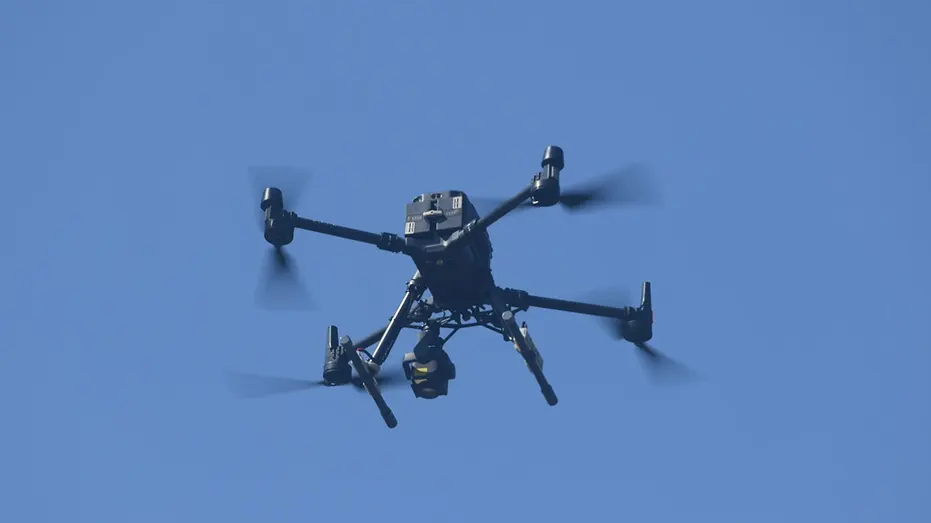
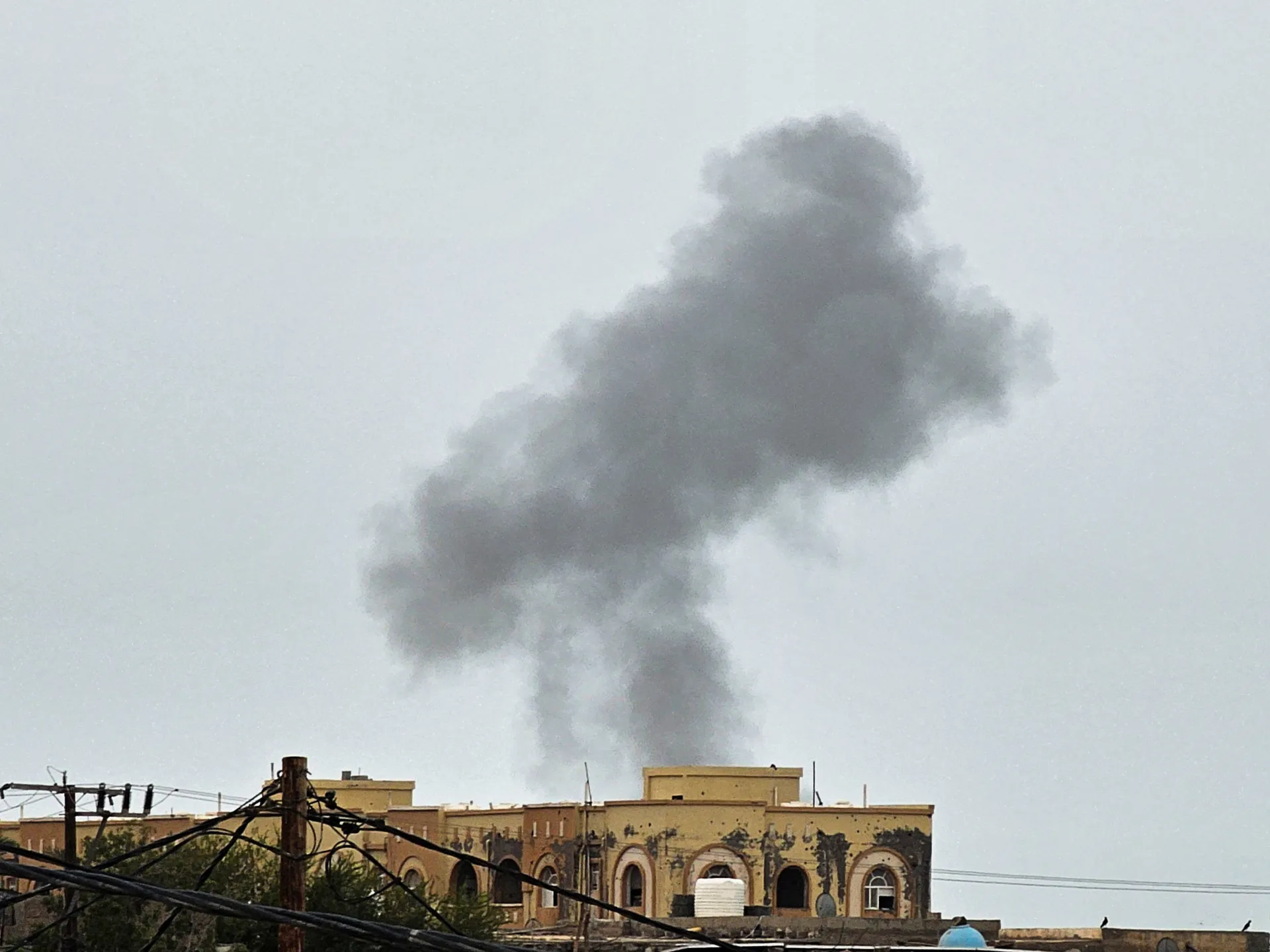
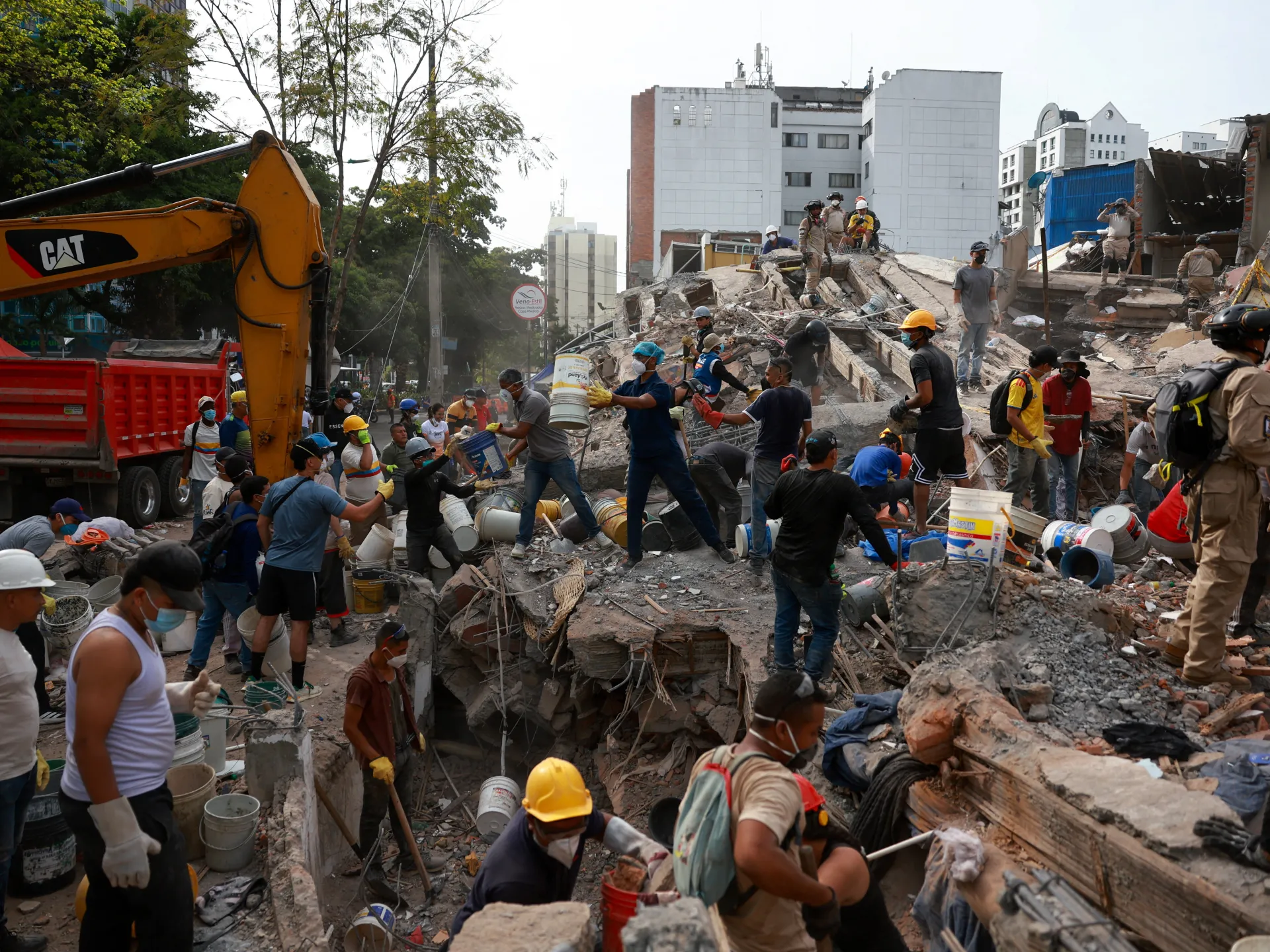
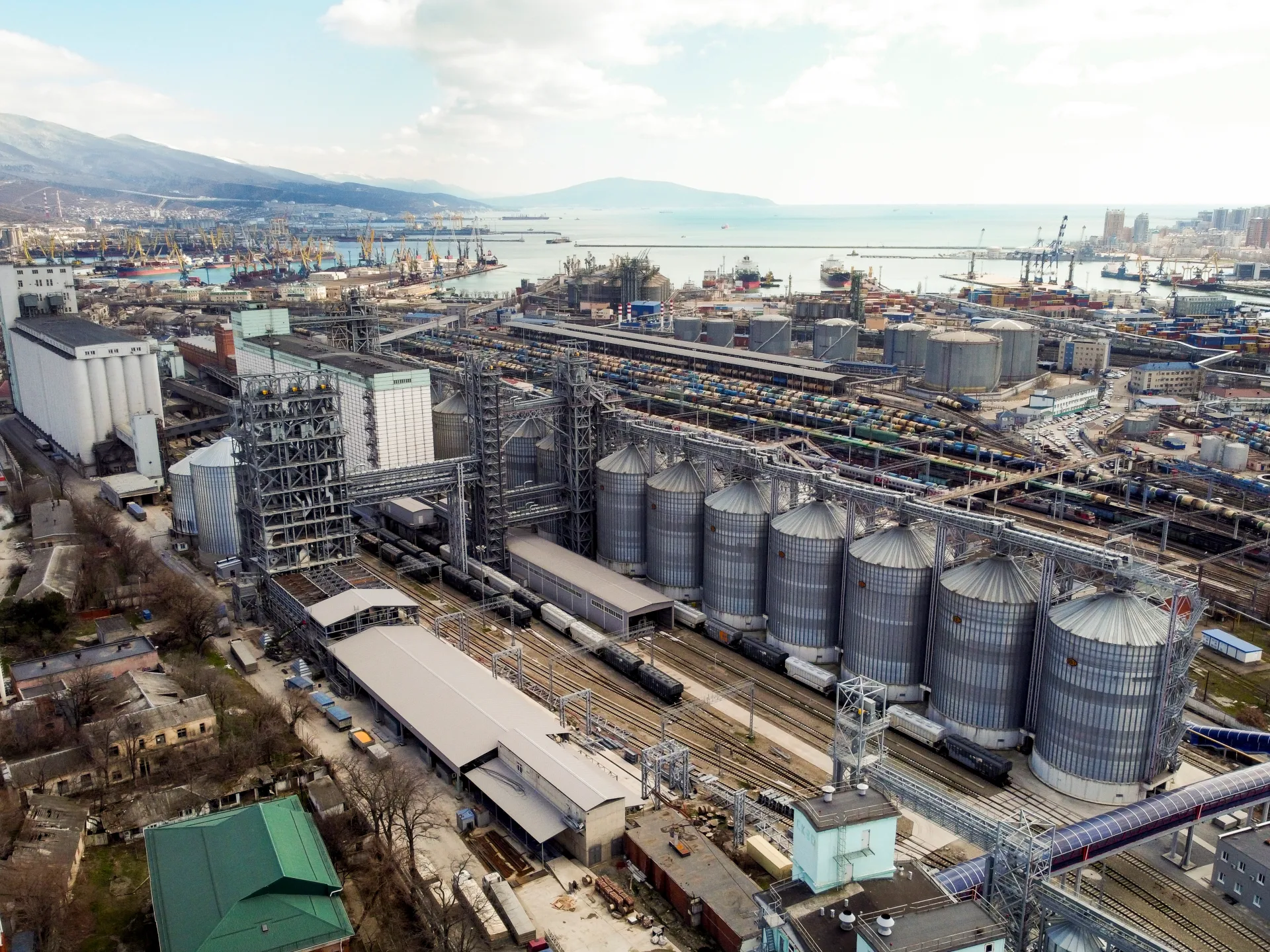
The nature of the warfare has also evolved. Russia is increasingly utilizing jet-powered, high-speed drones that are proving difficult for existing air defense systems to neutralize. Recent strikes have hit diverse civilian targets, including shopping malls in Pavlohrad, Zaporizhzhia, and Sumy, resulting in multiple fatalities and dozens of injuries. Conversely, Ukraine continues to execute long-range strikes into Russian territory, recently targeting oil and gas facilities, while Russian officials reported 28 injuries in a seaborne drone attack on the resort city of Sochi.
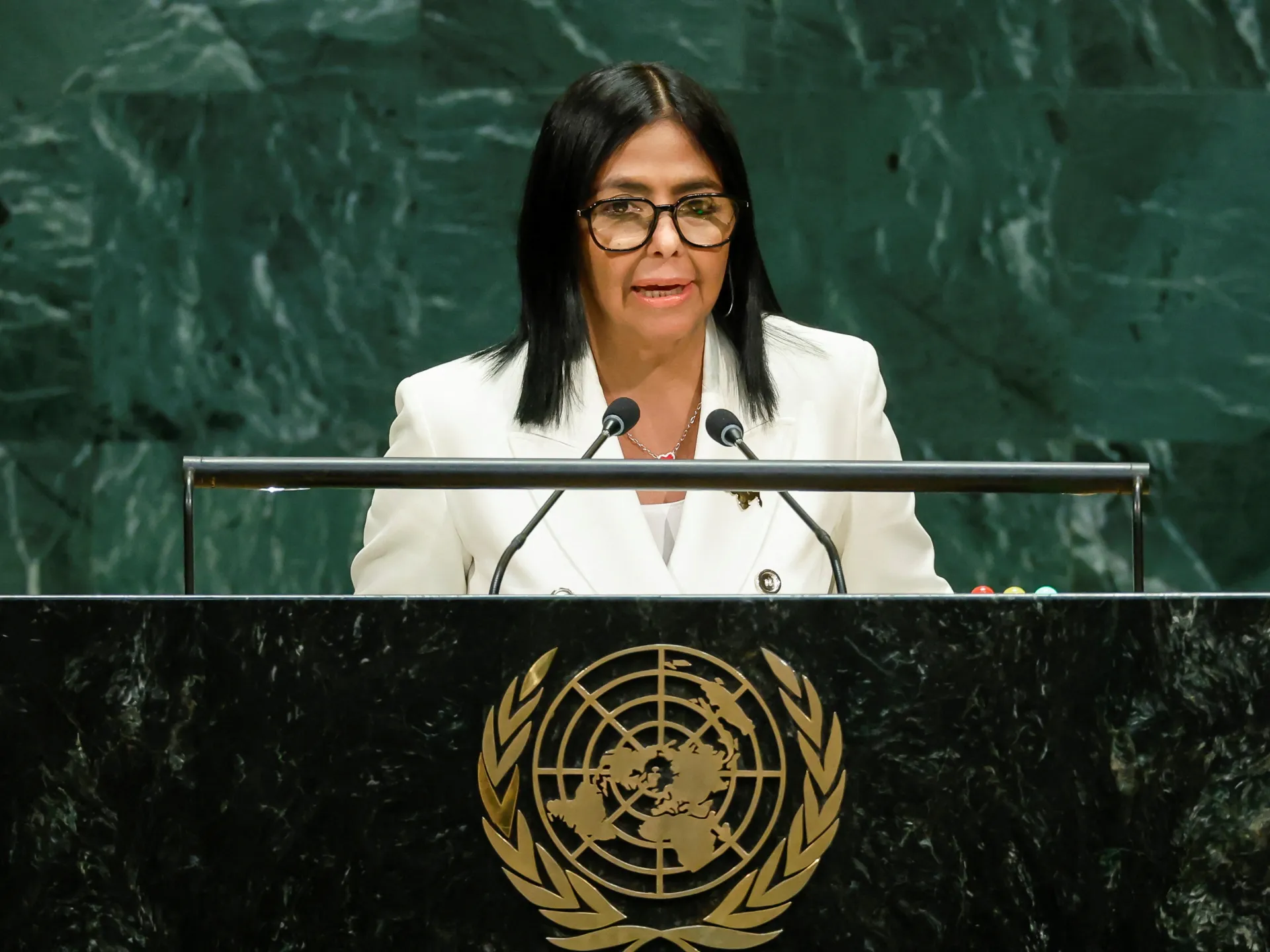
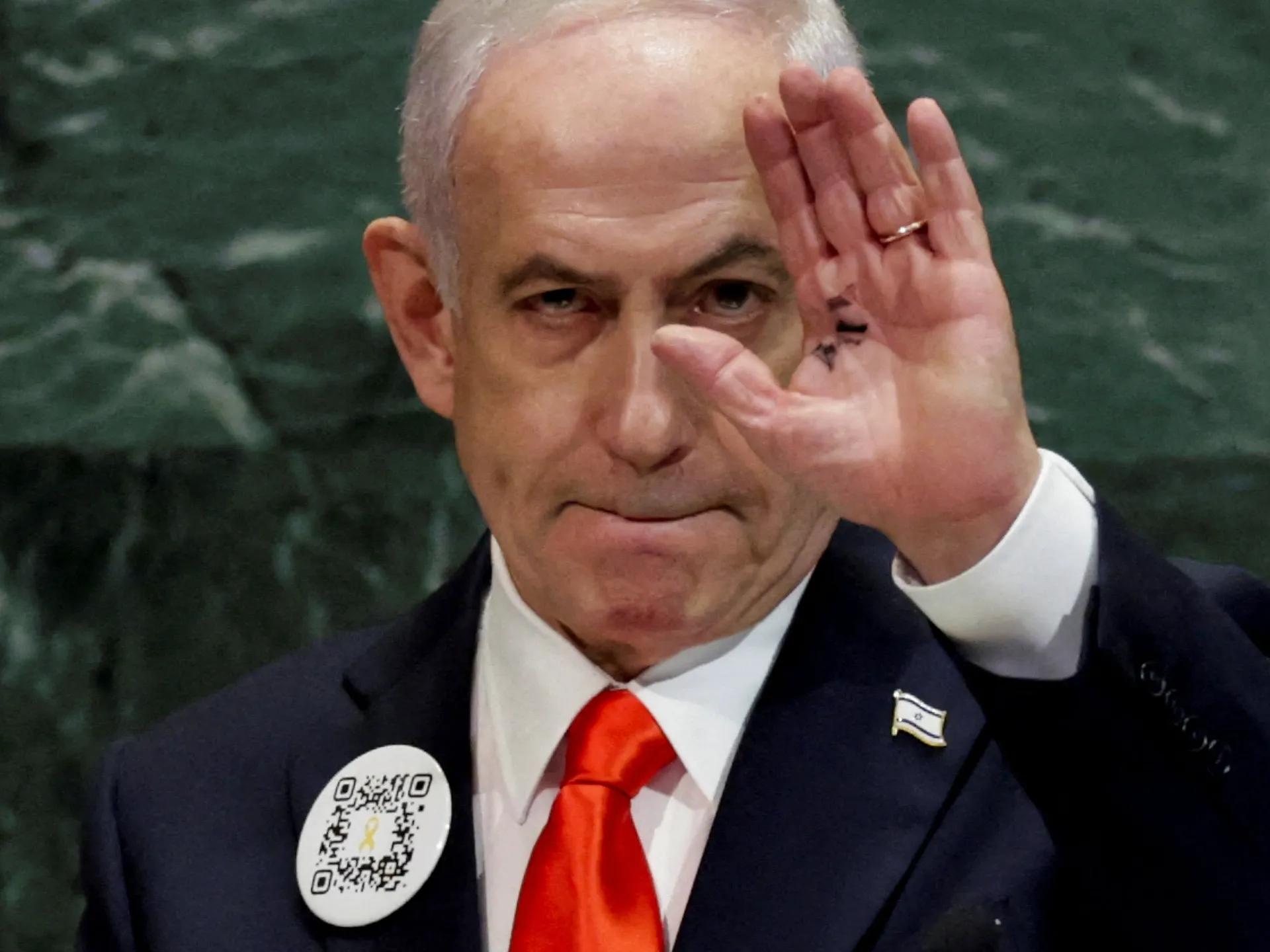
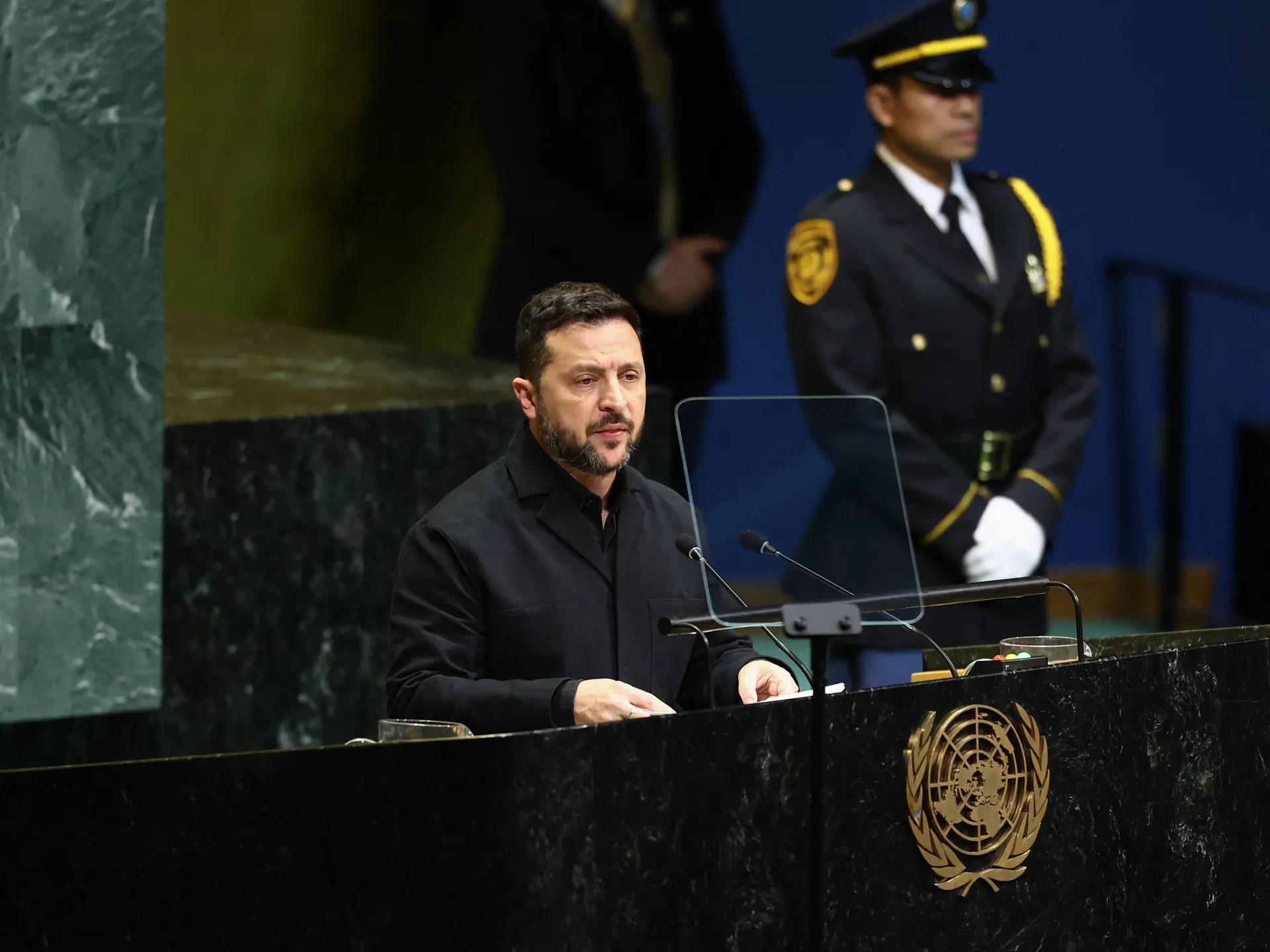
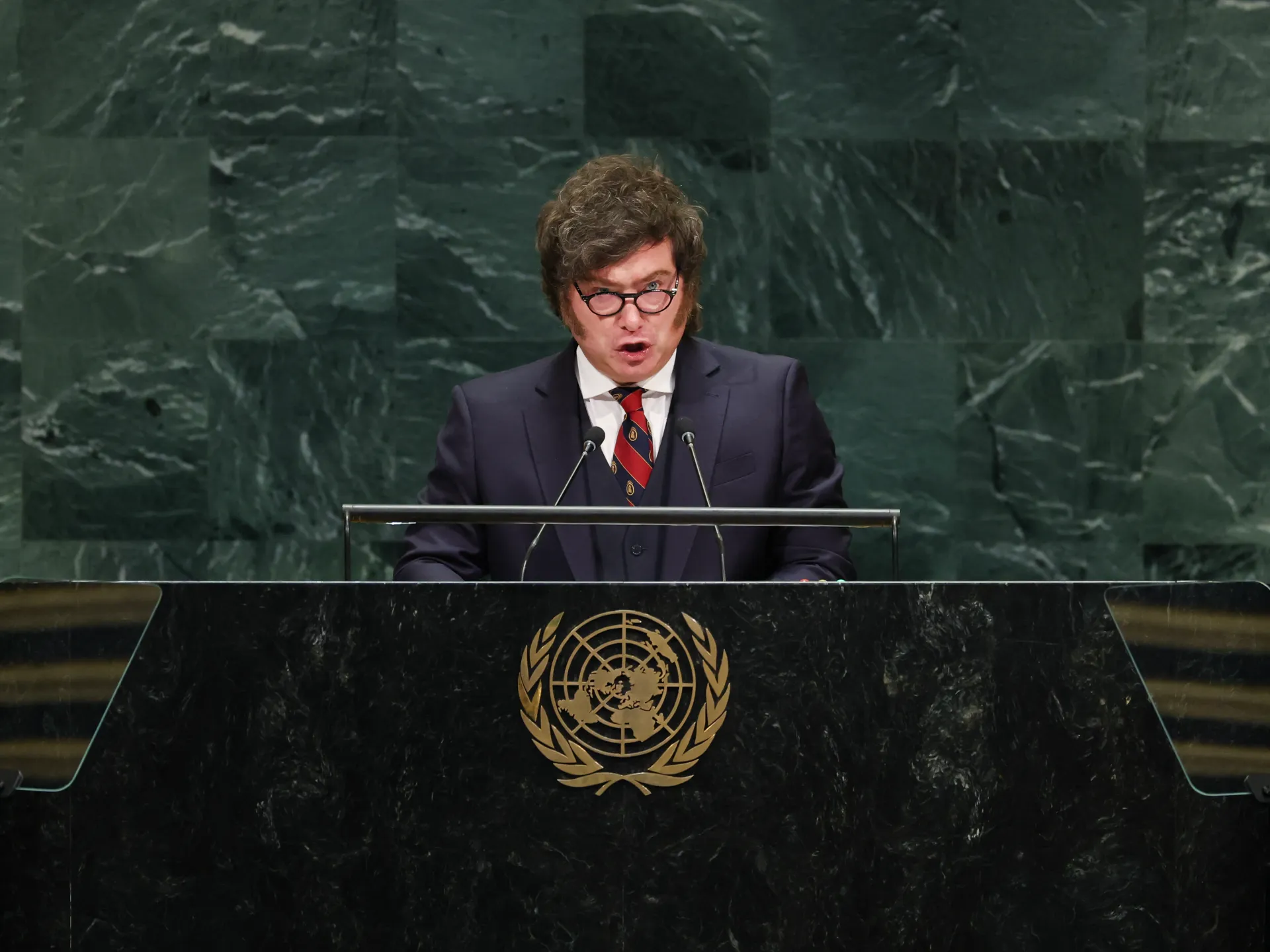
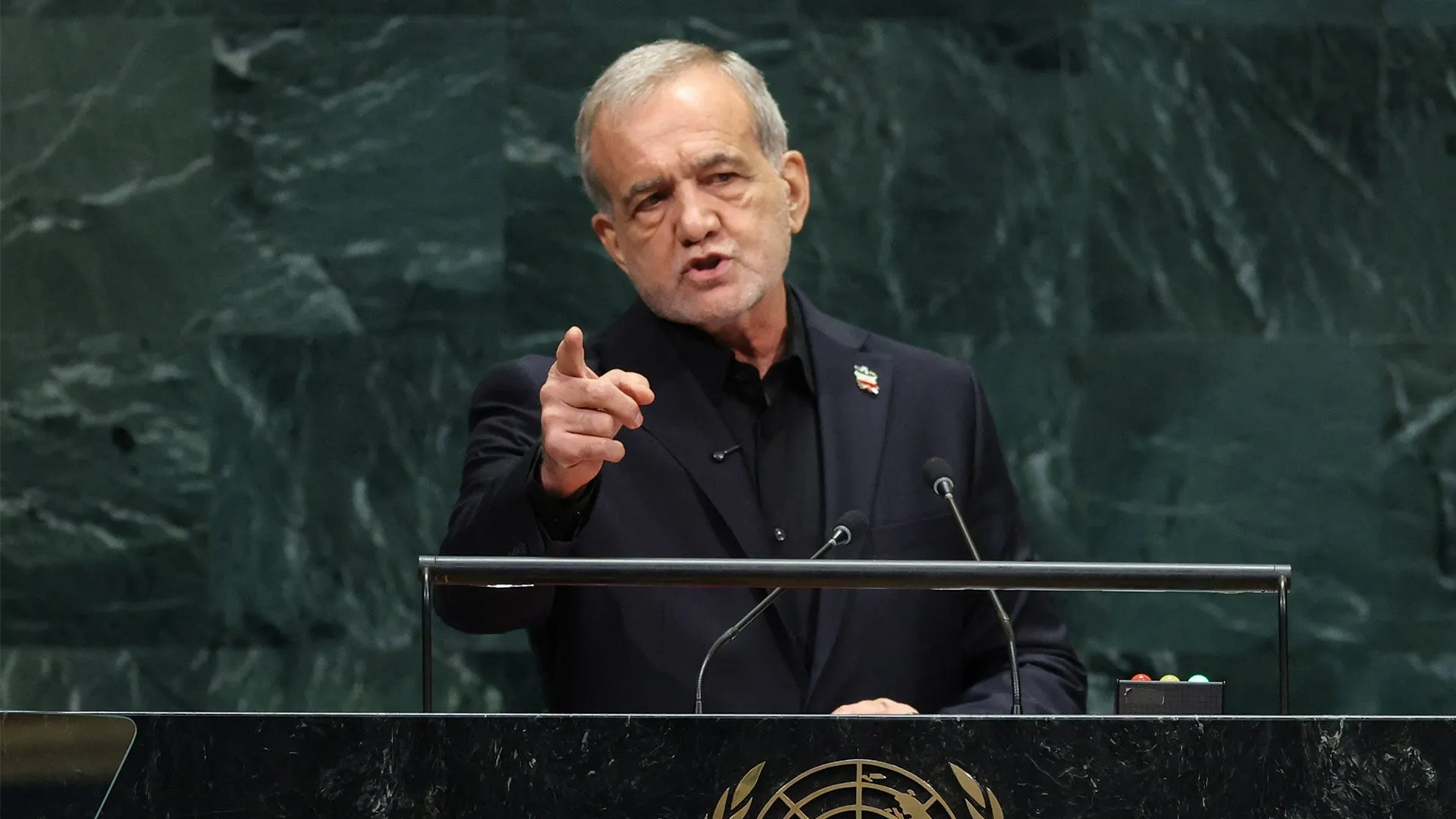
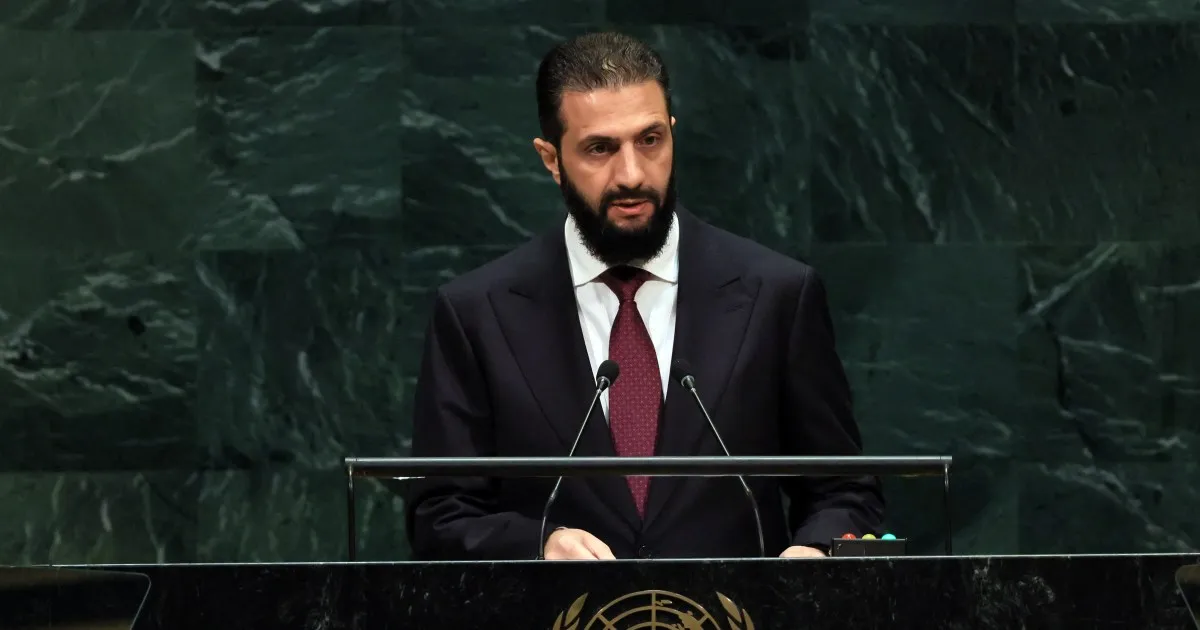
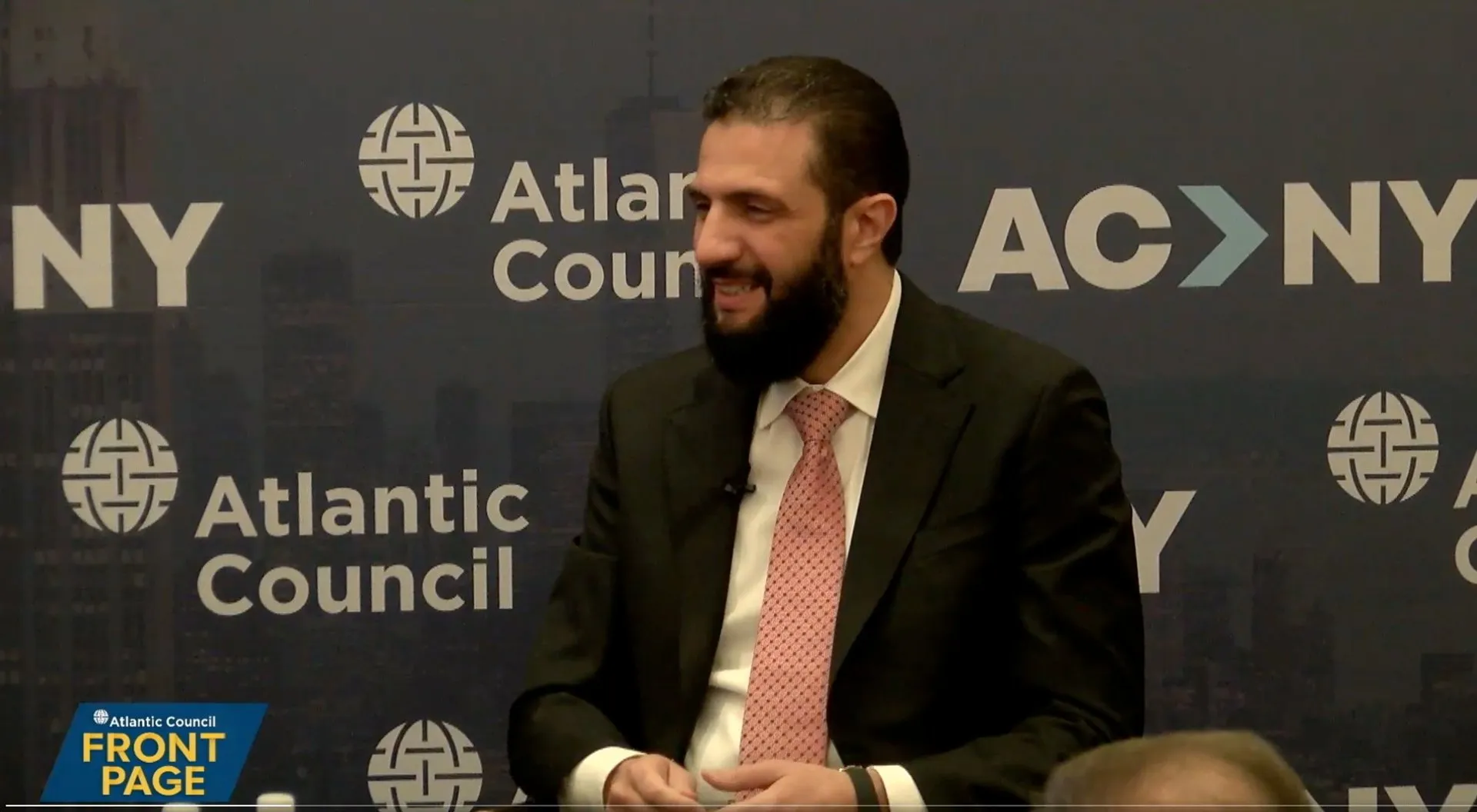
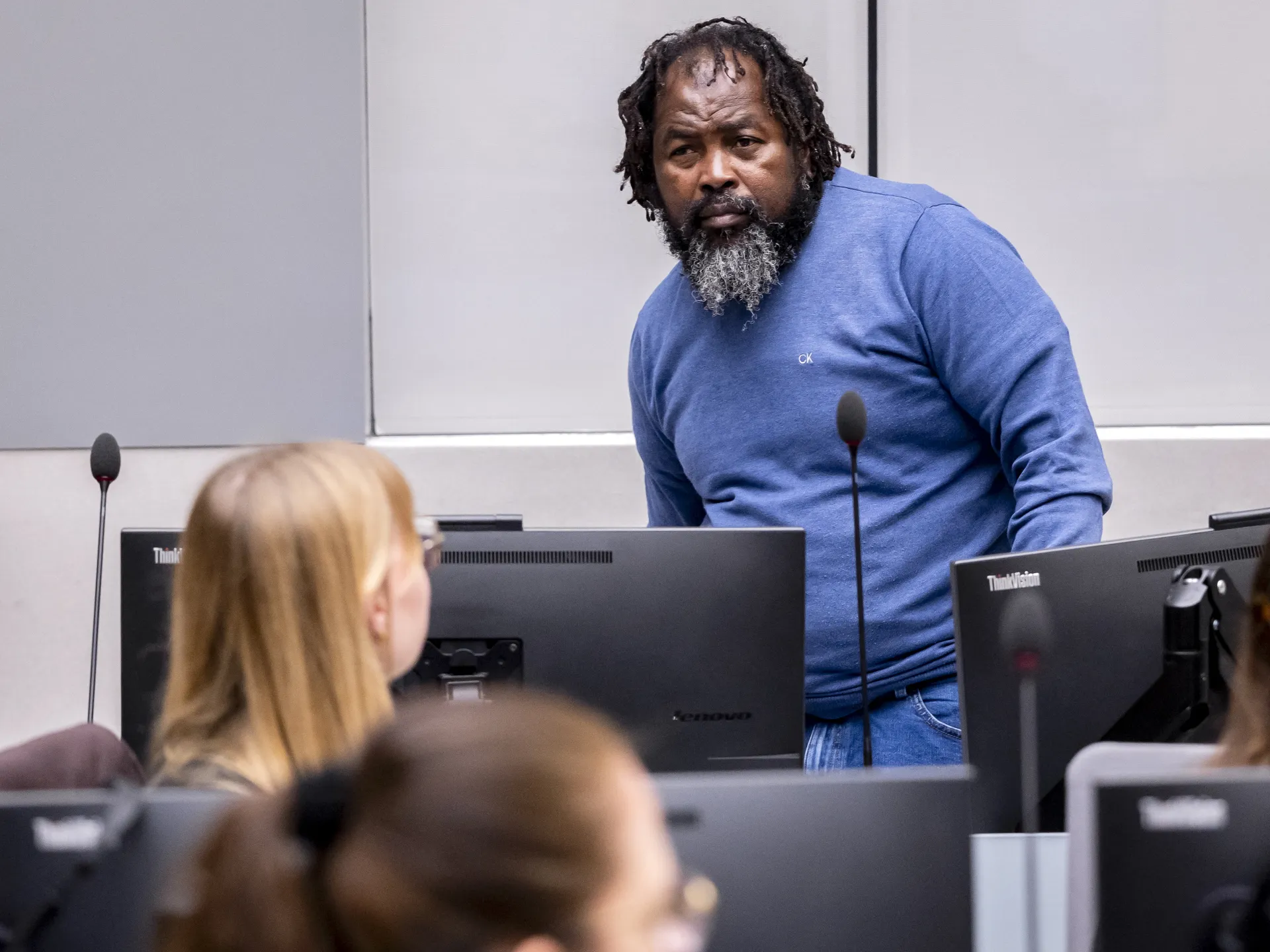
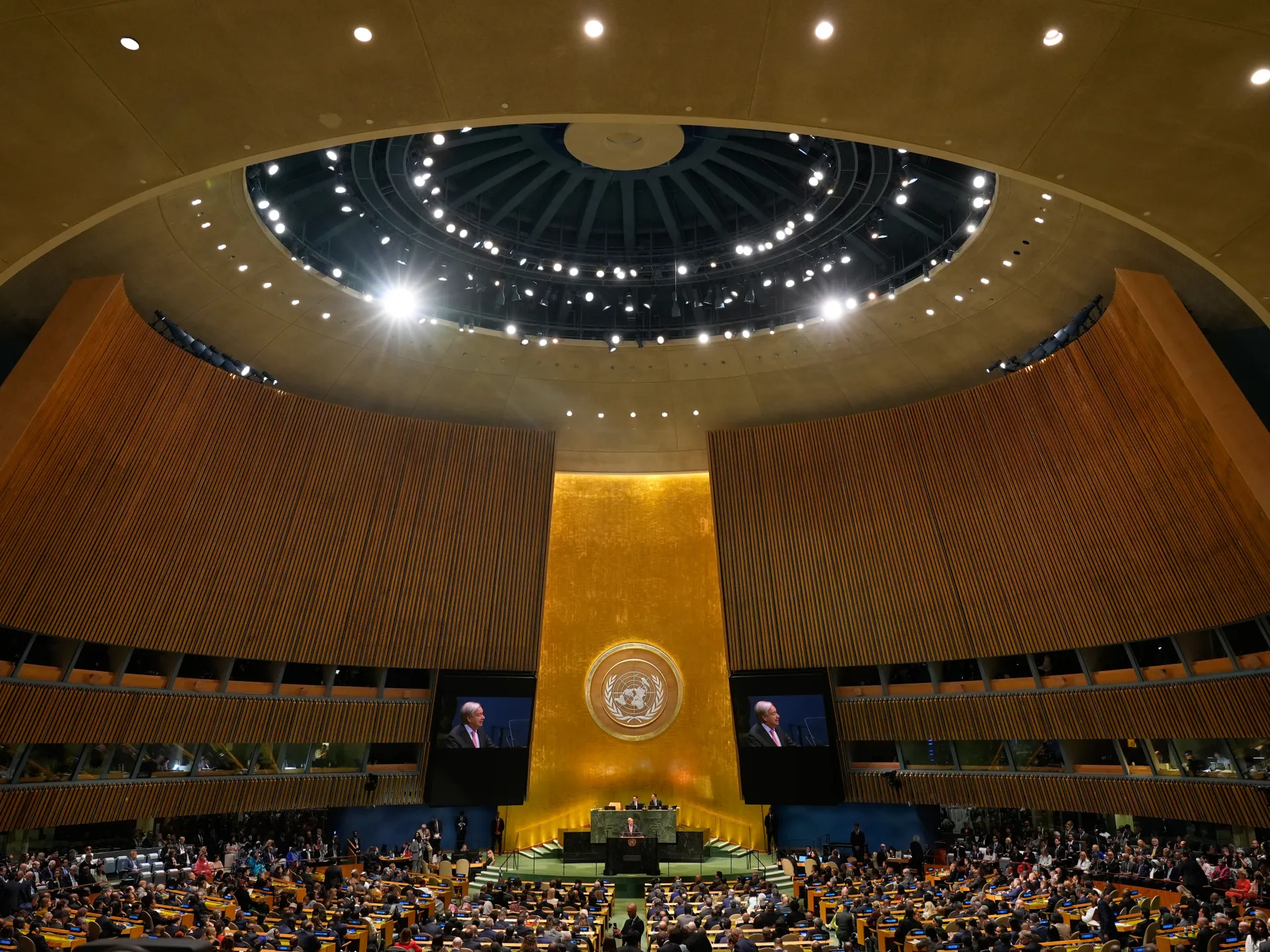
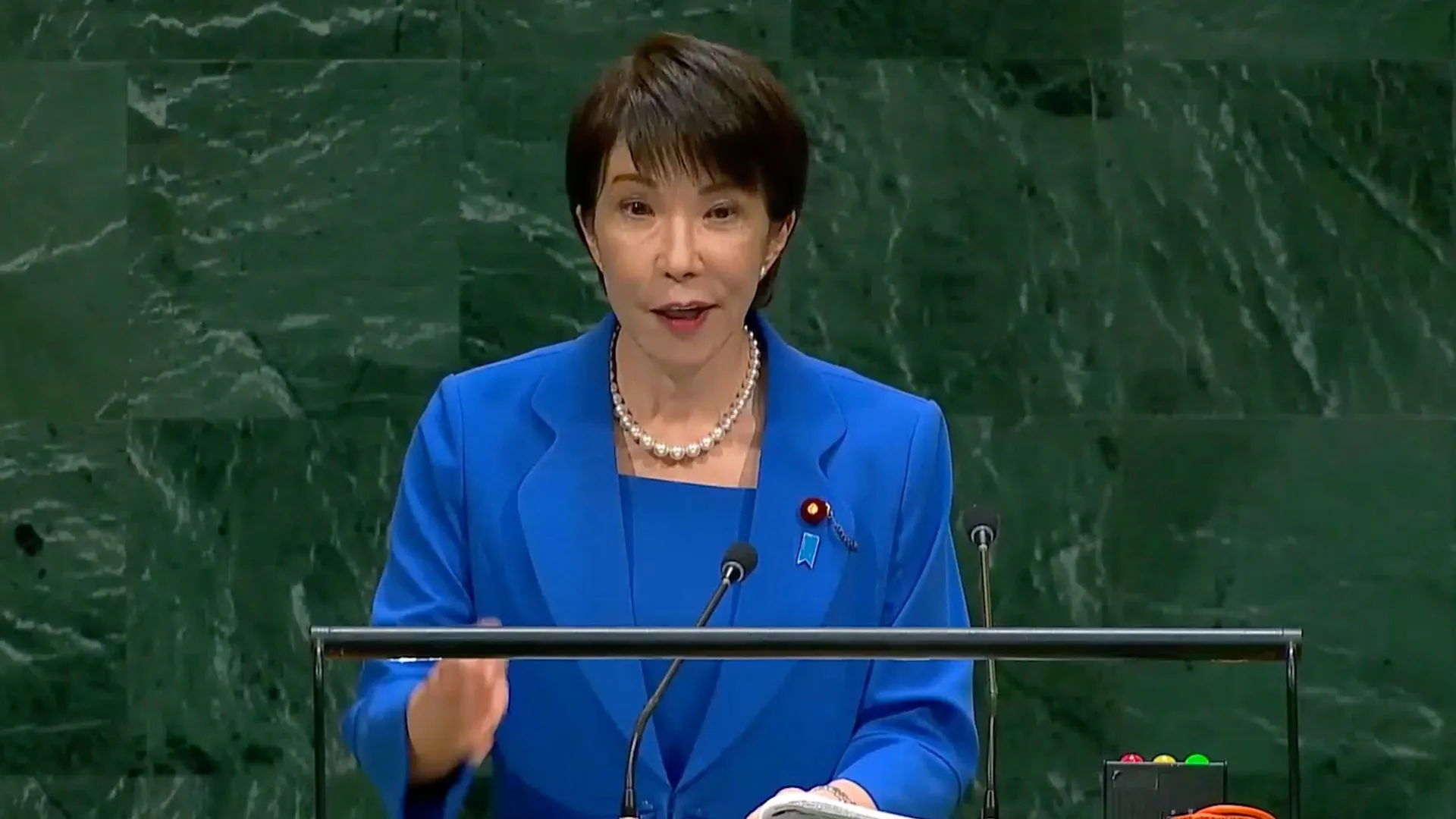
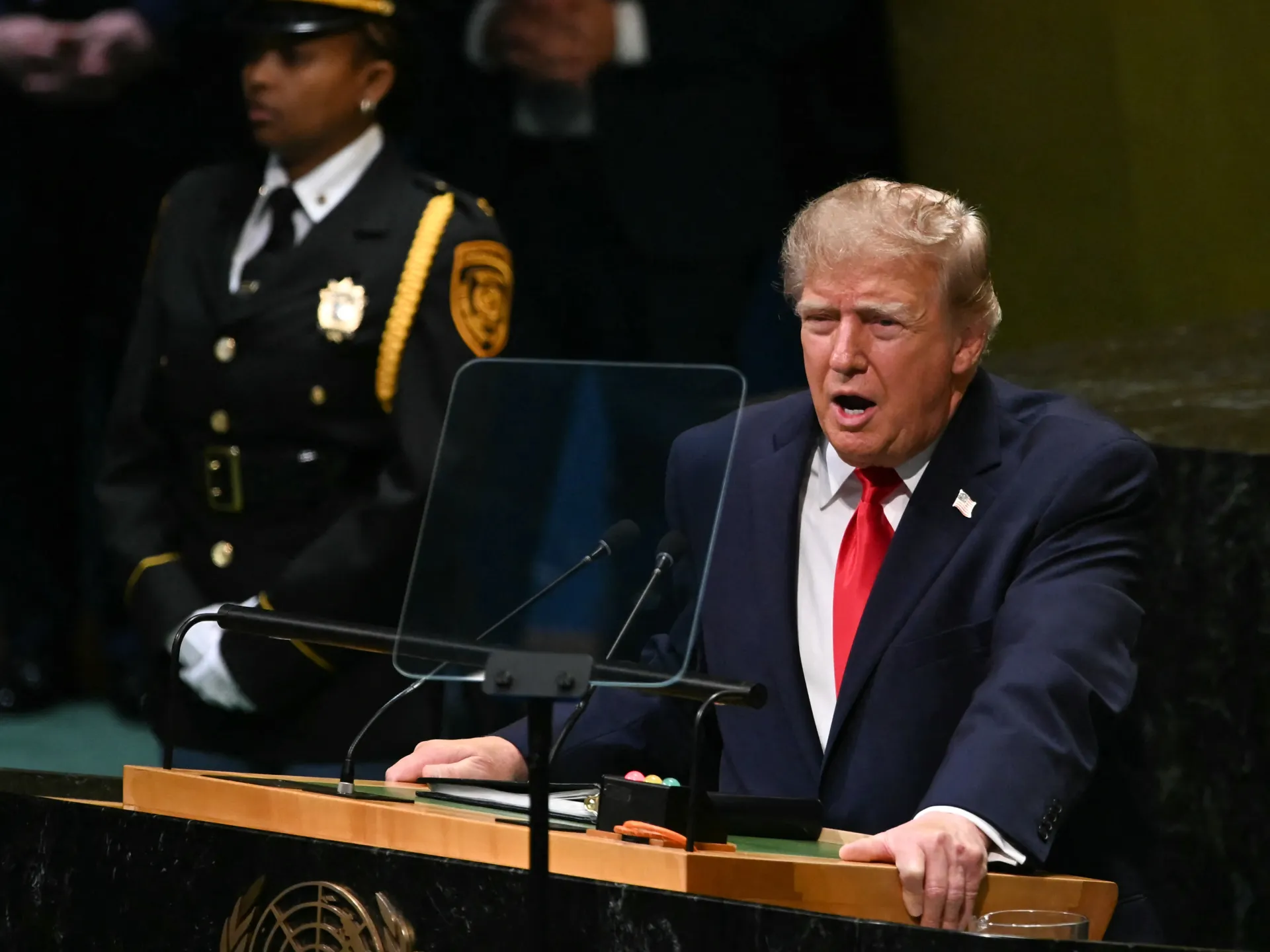
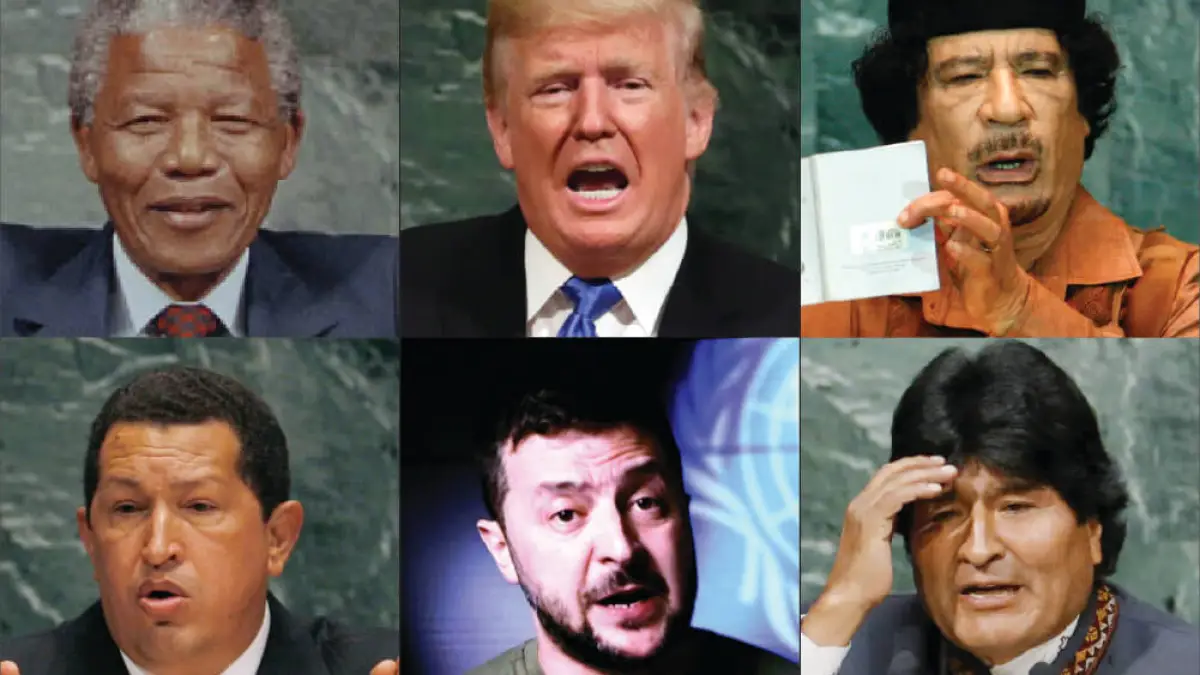
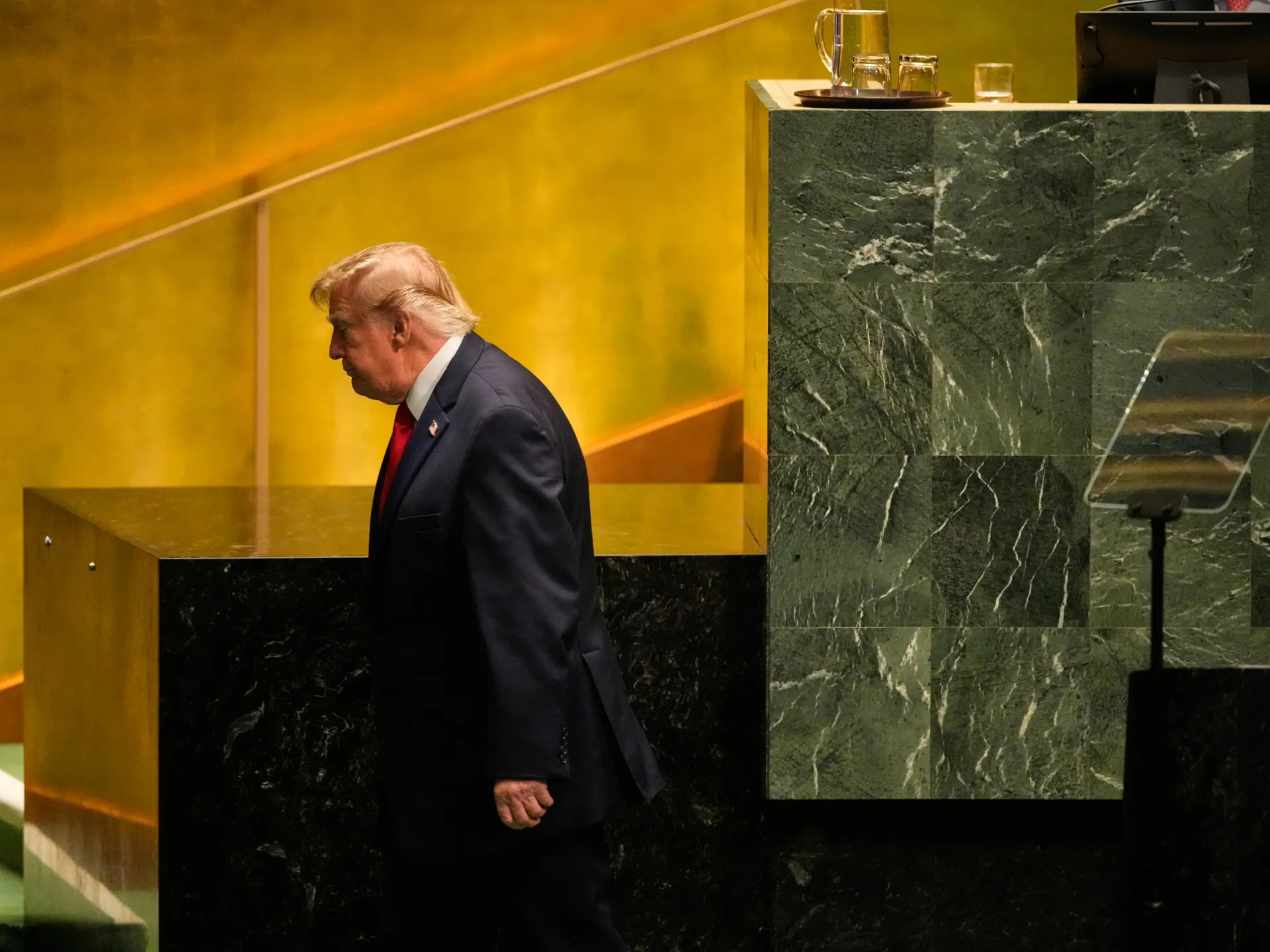
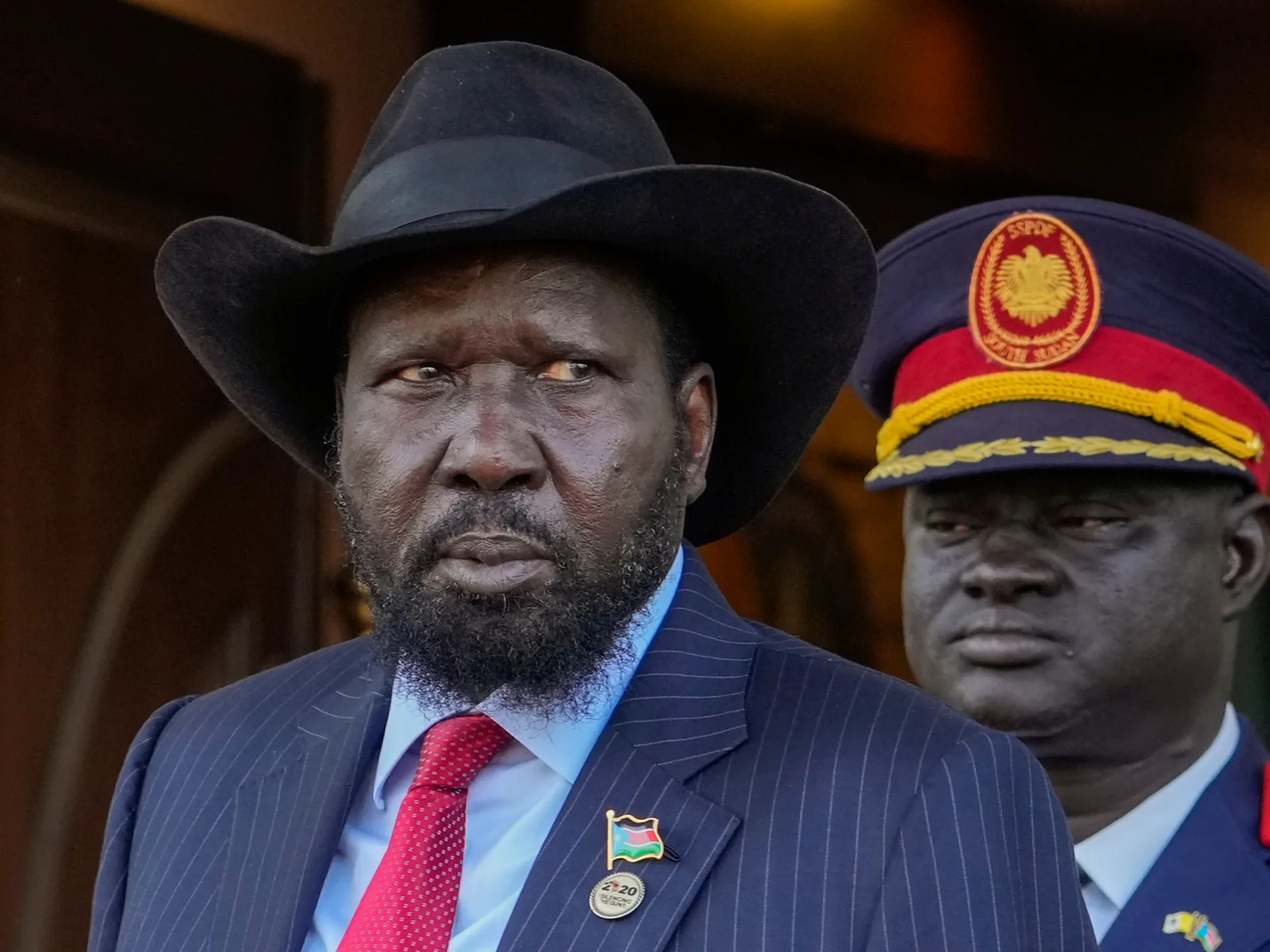
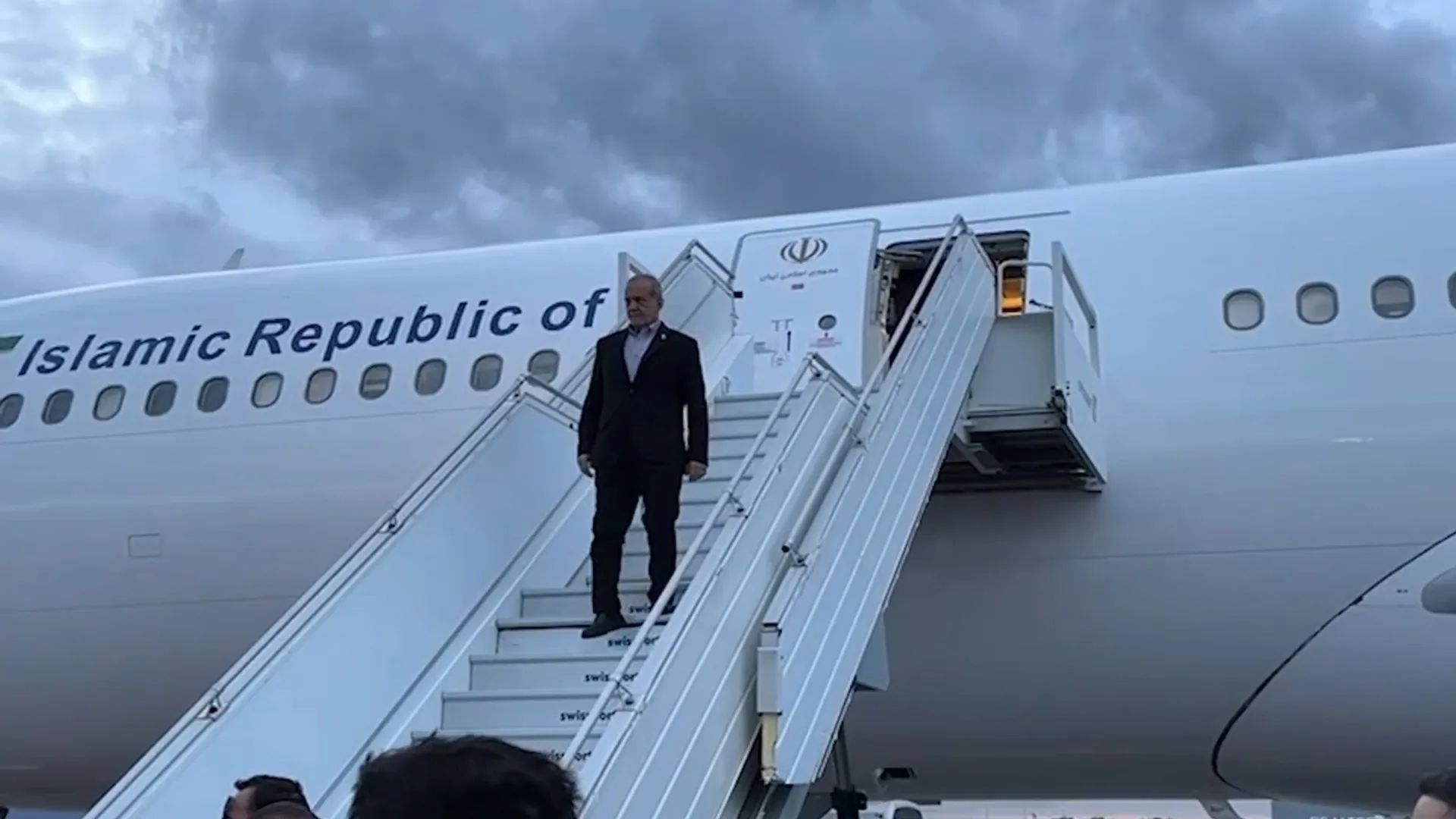
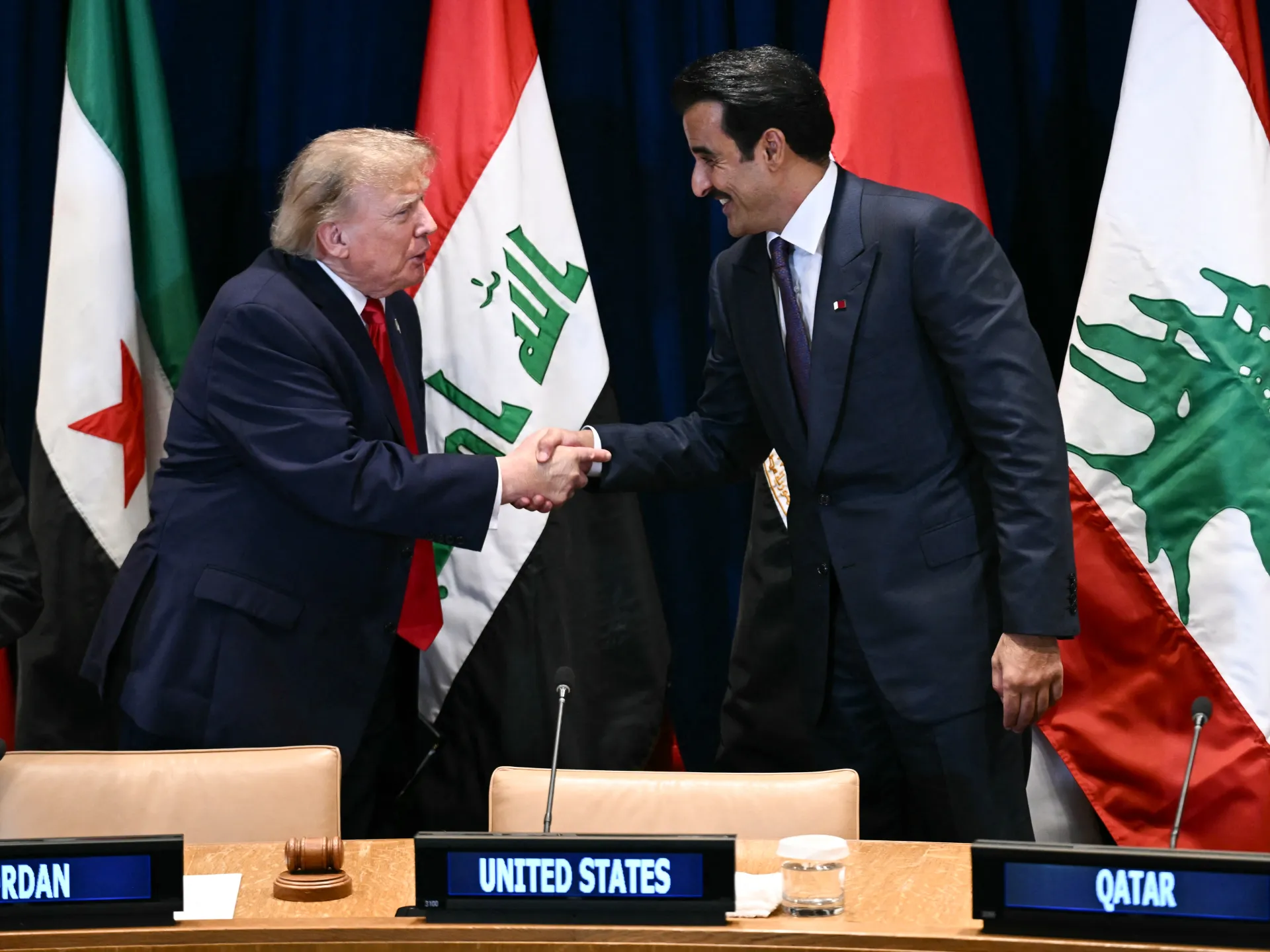
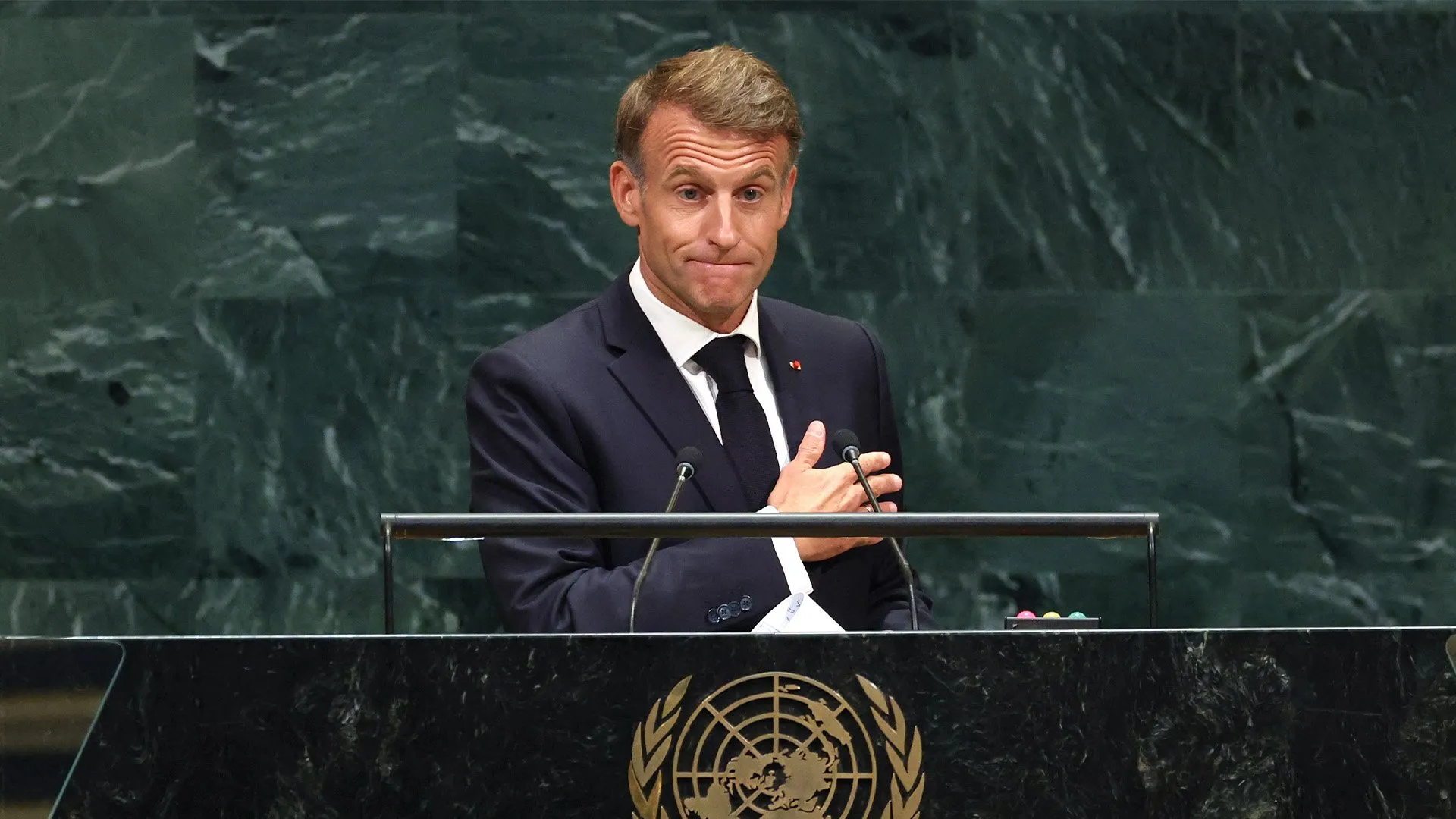
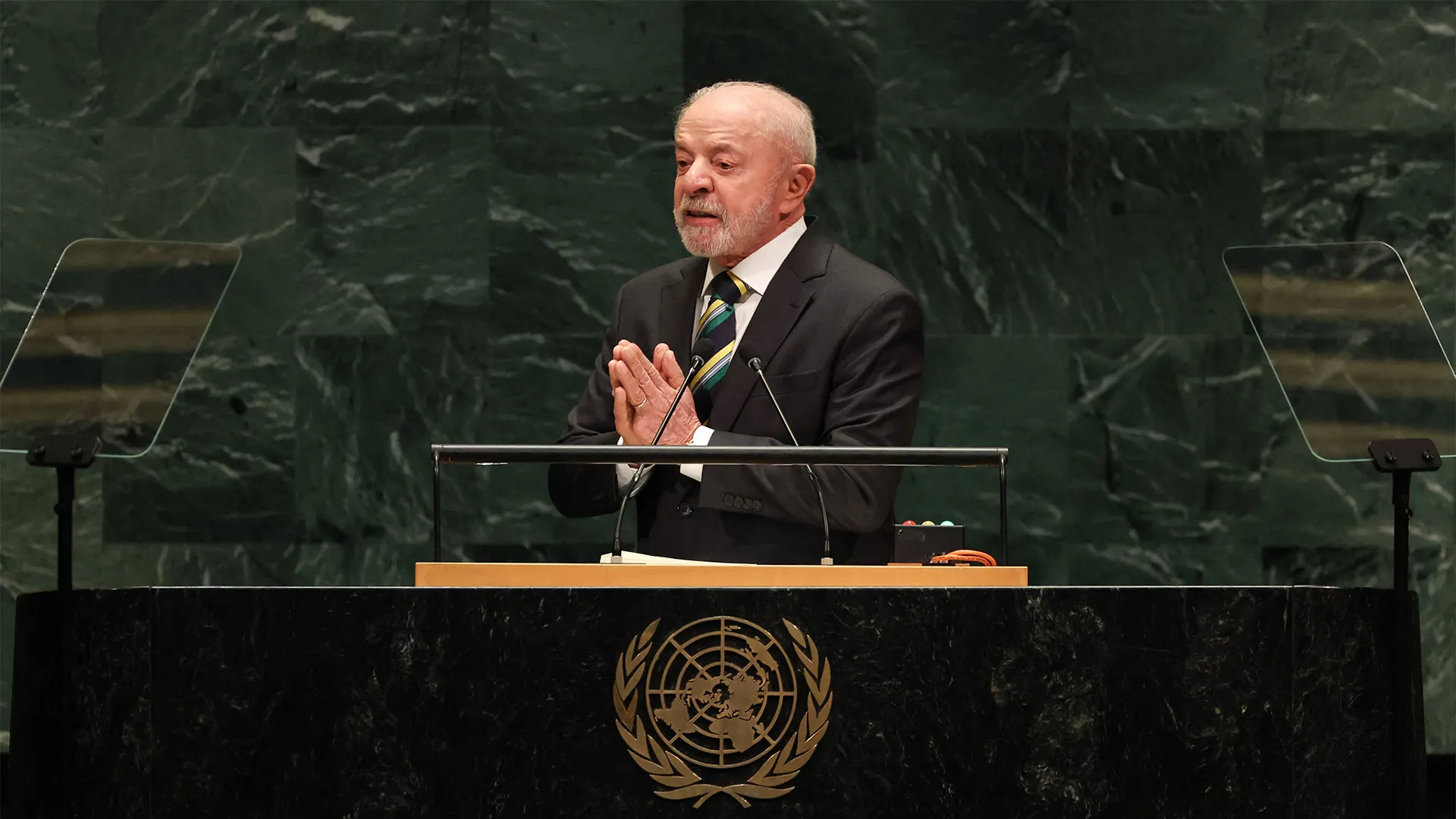
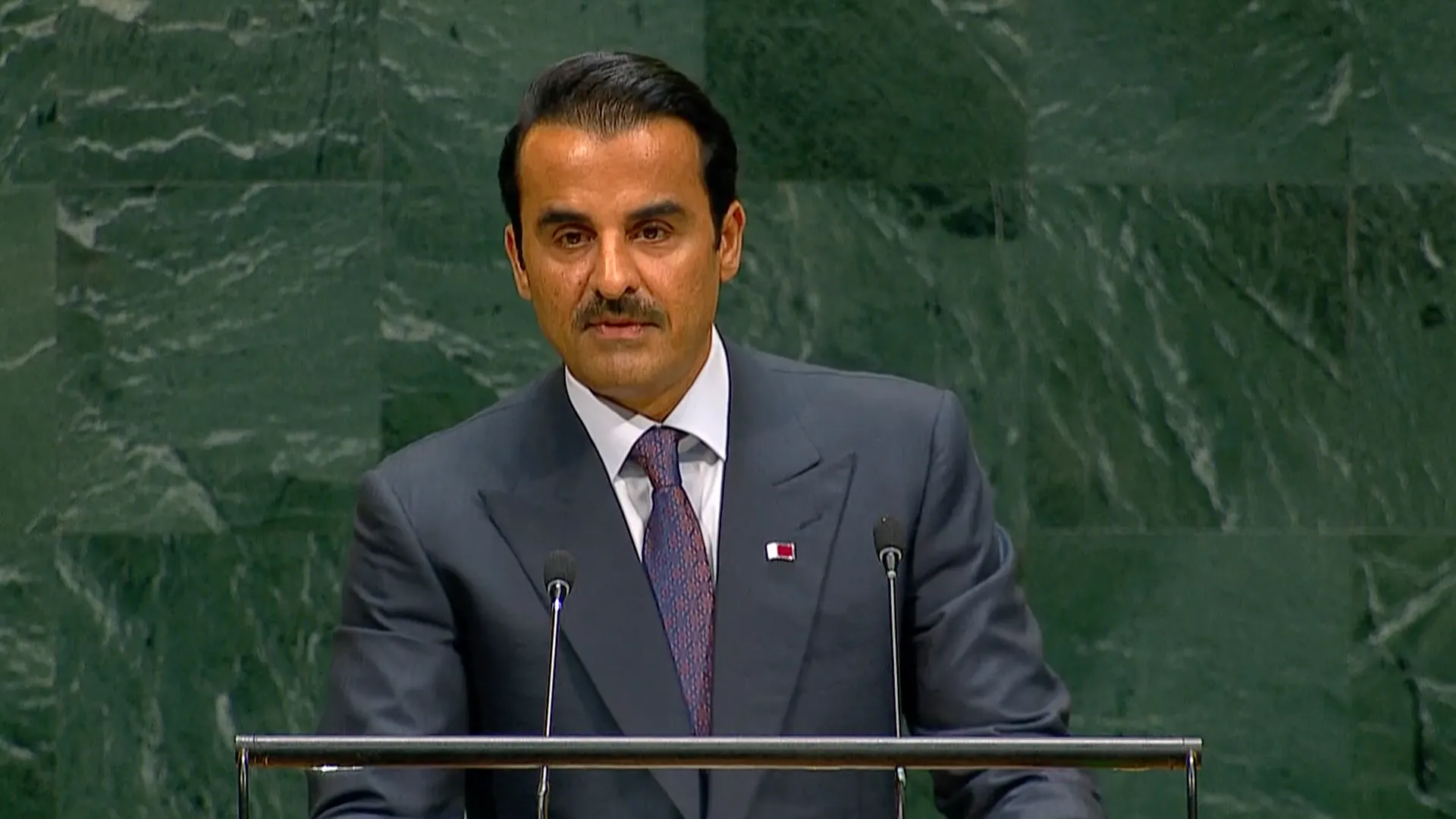
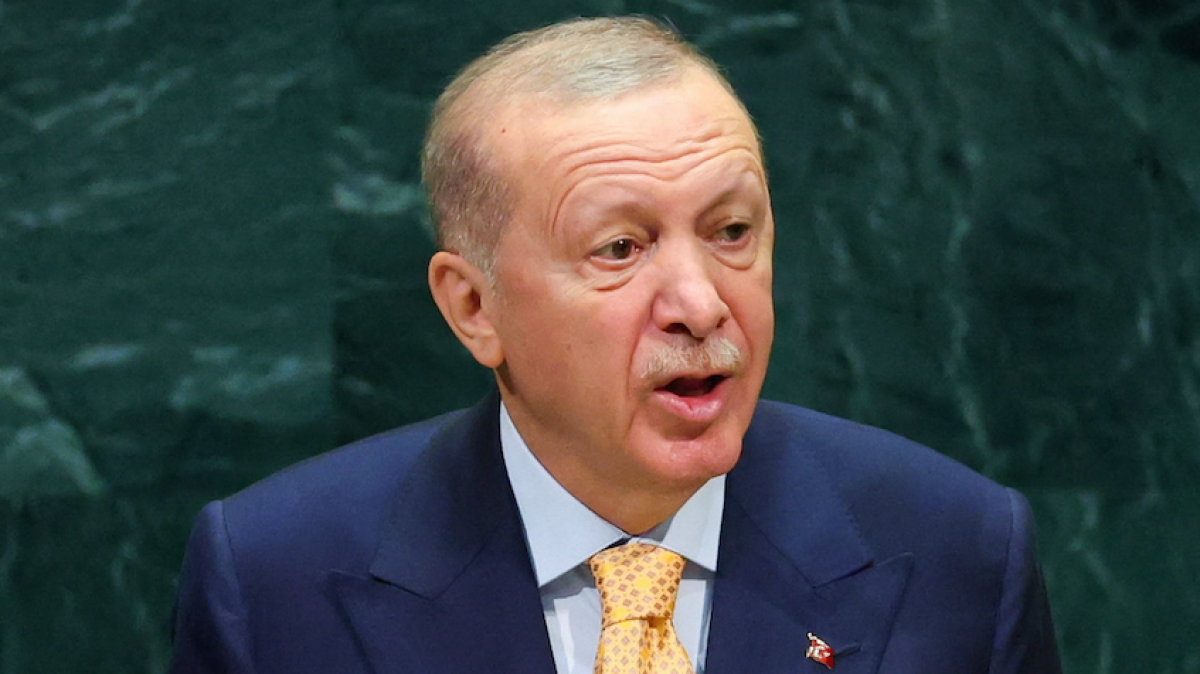
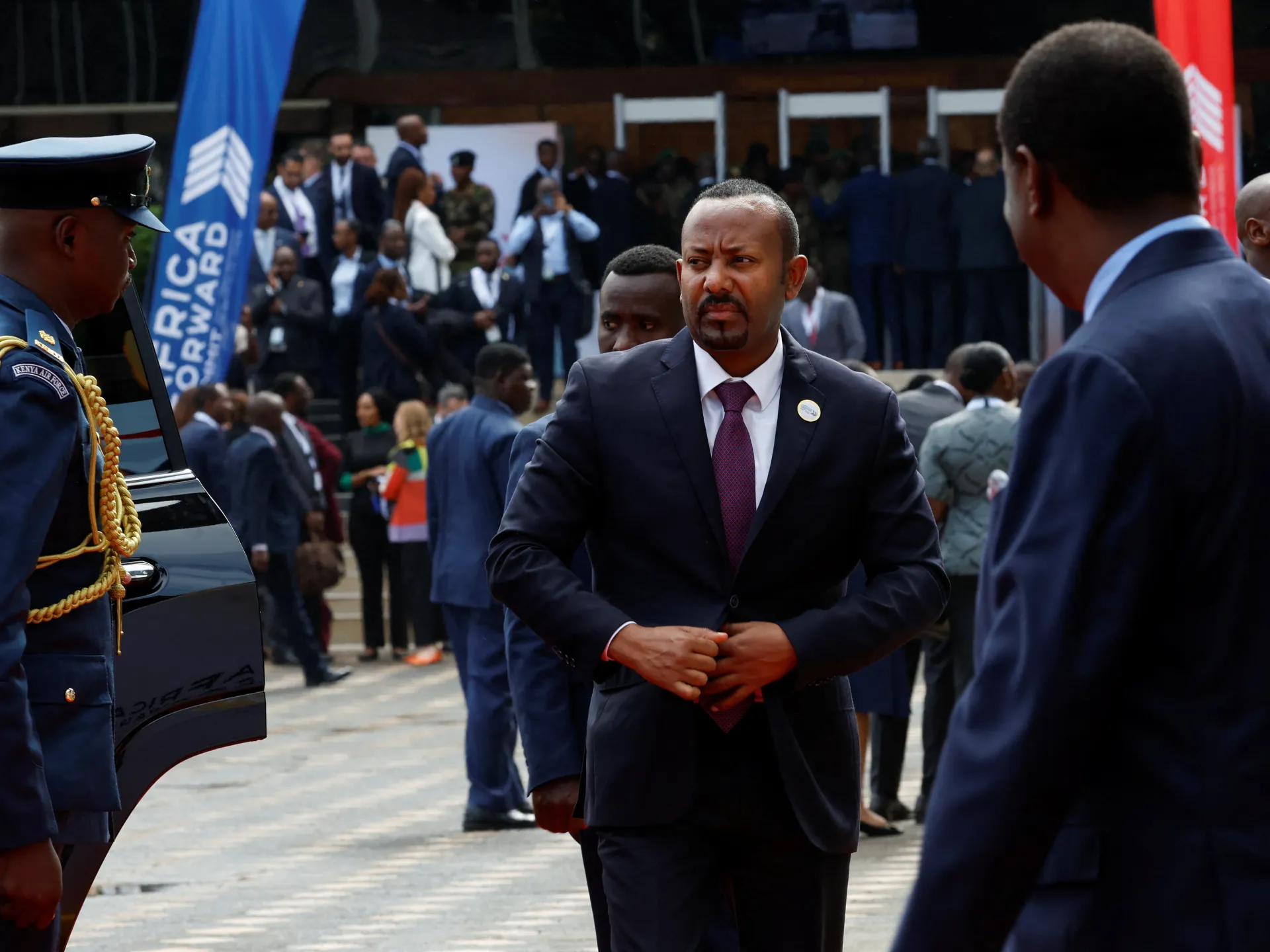
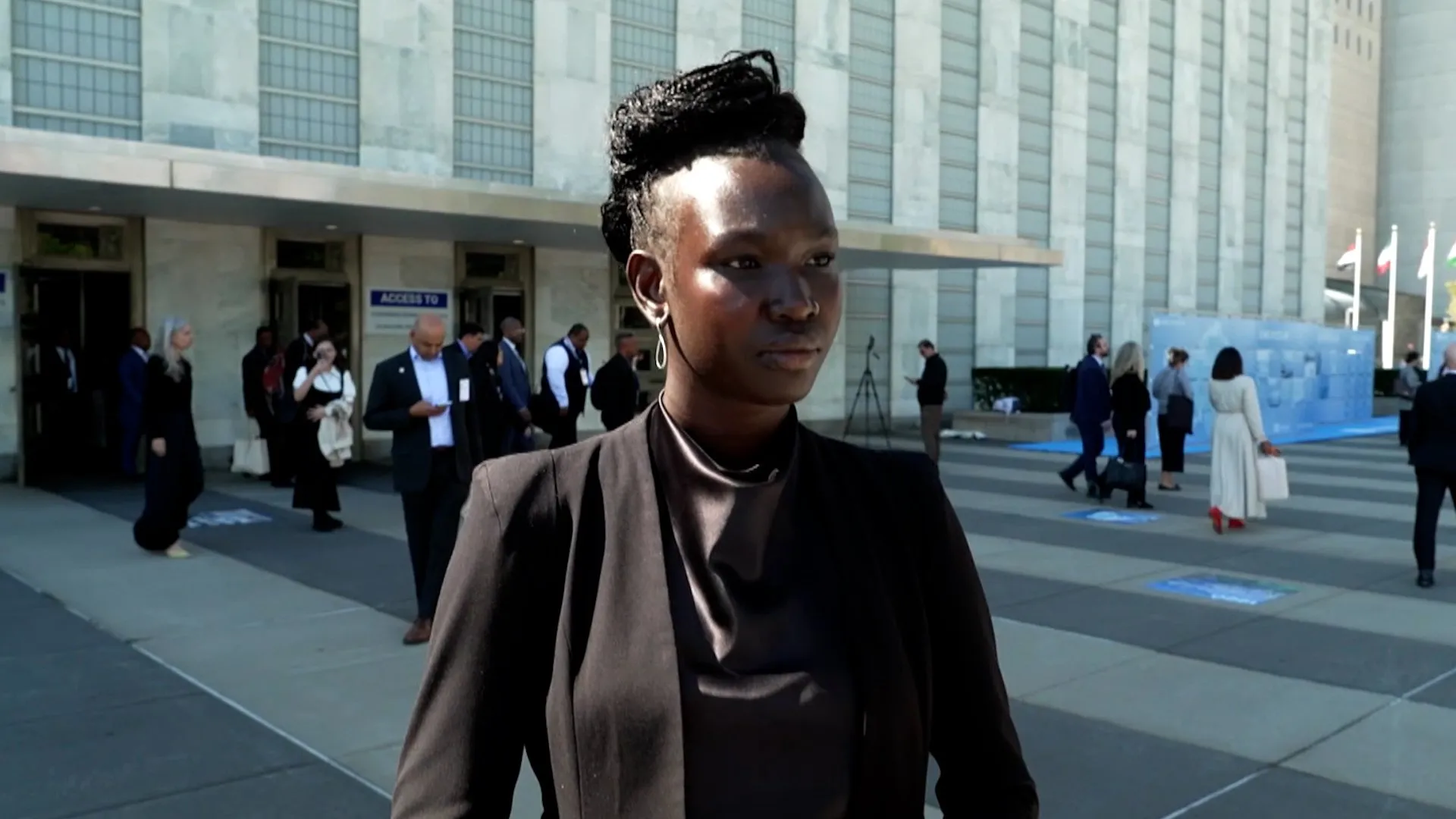
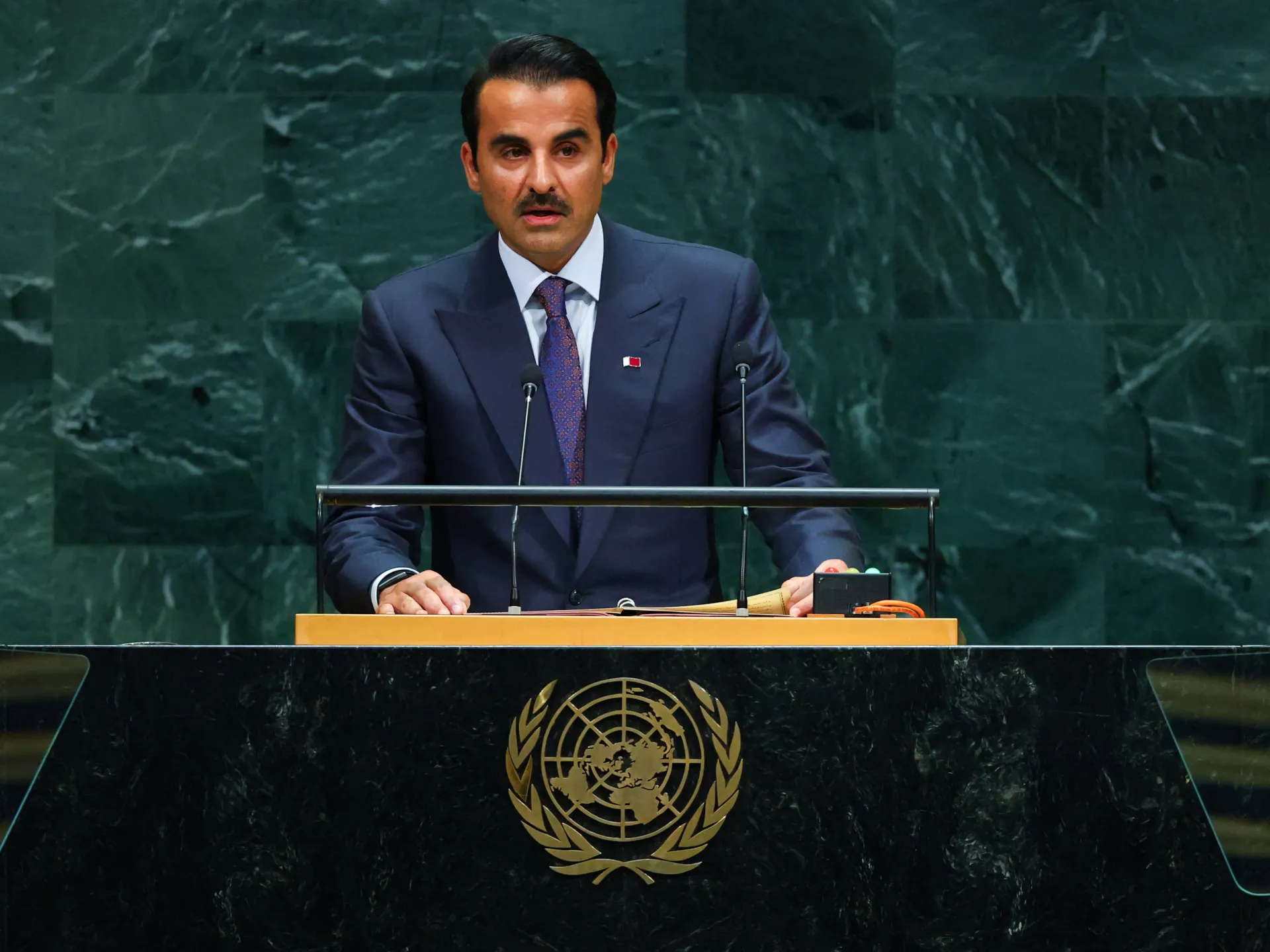
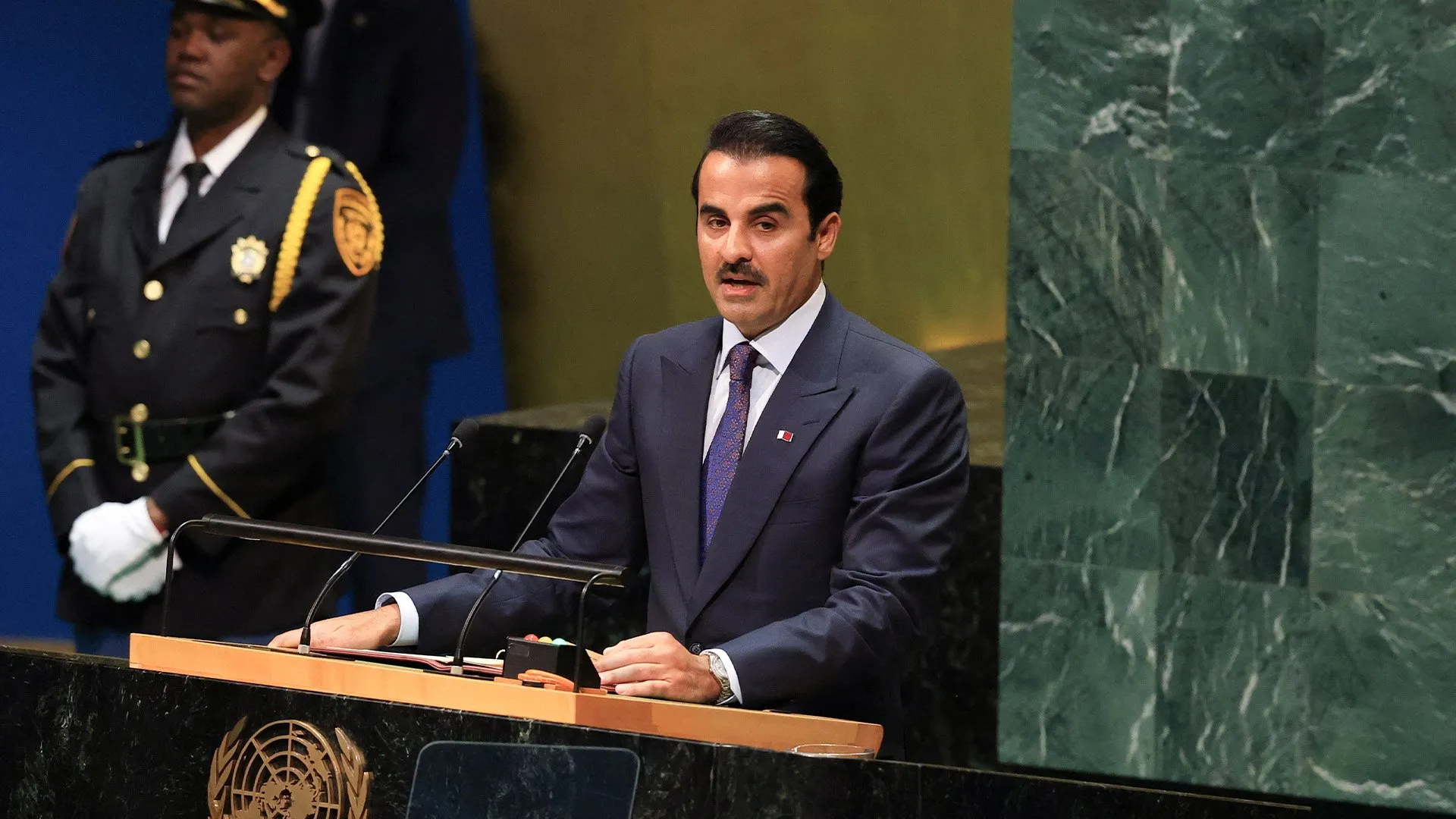
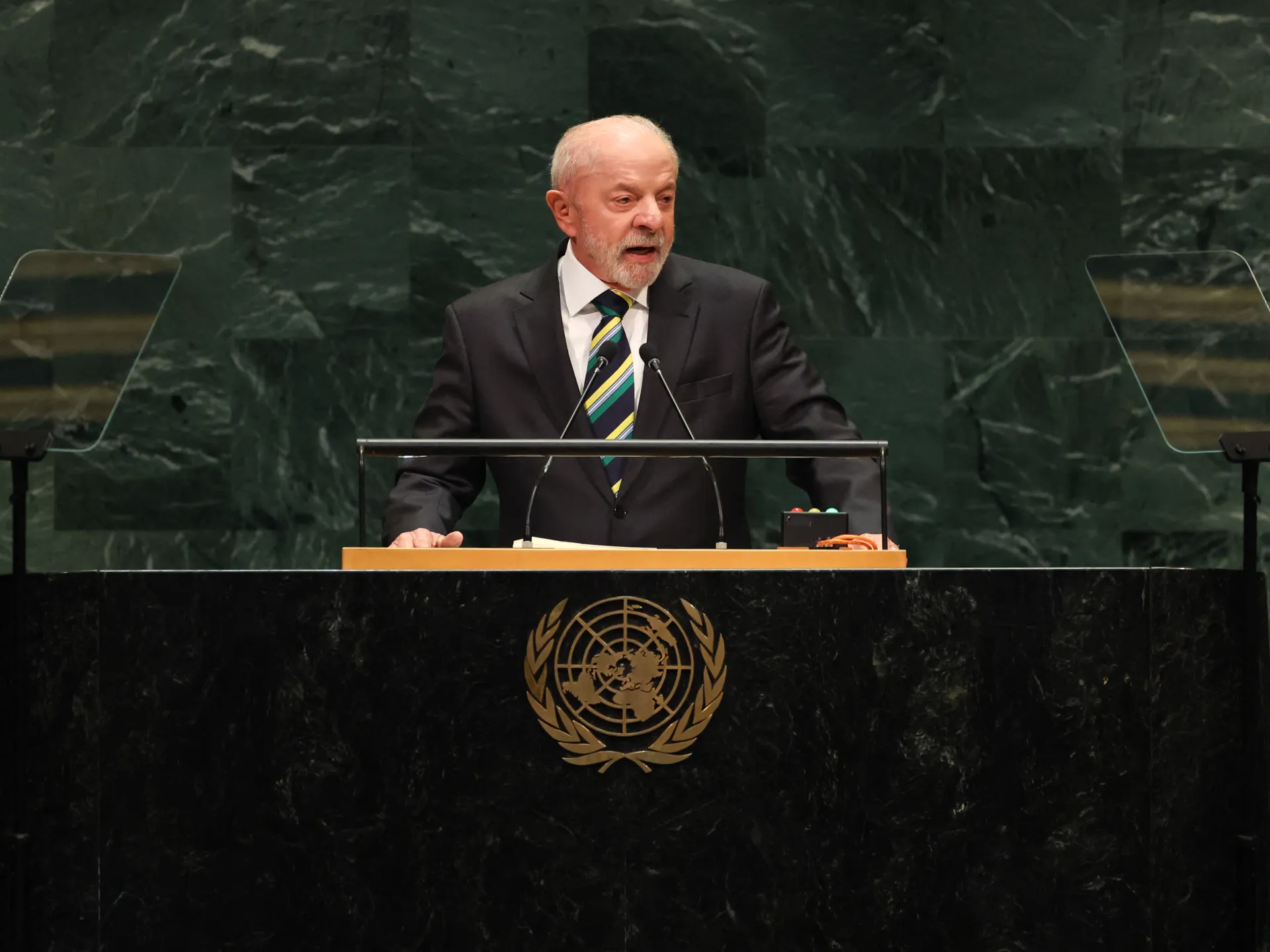
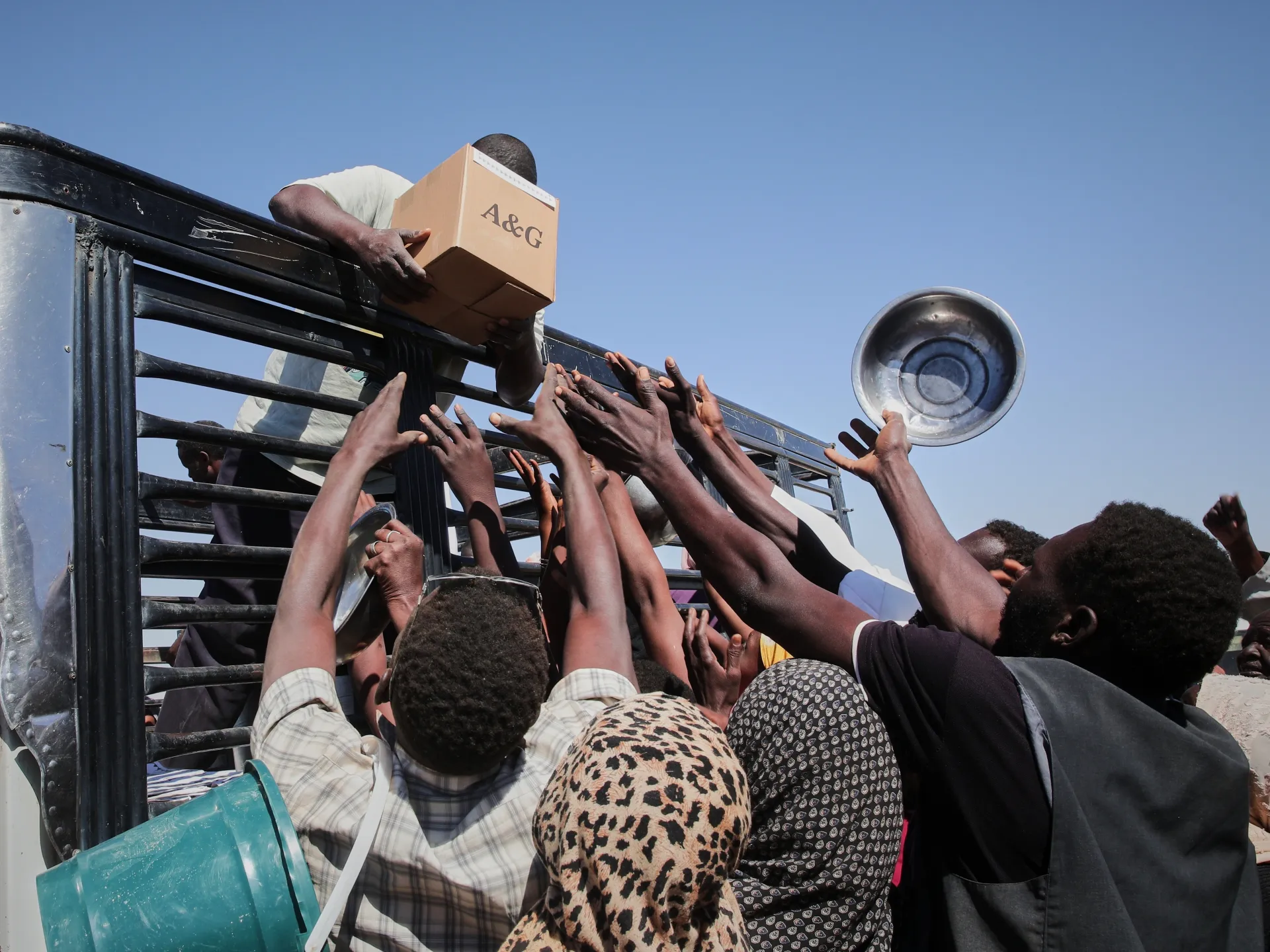
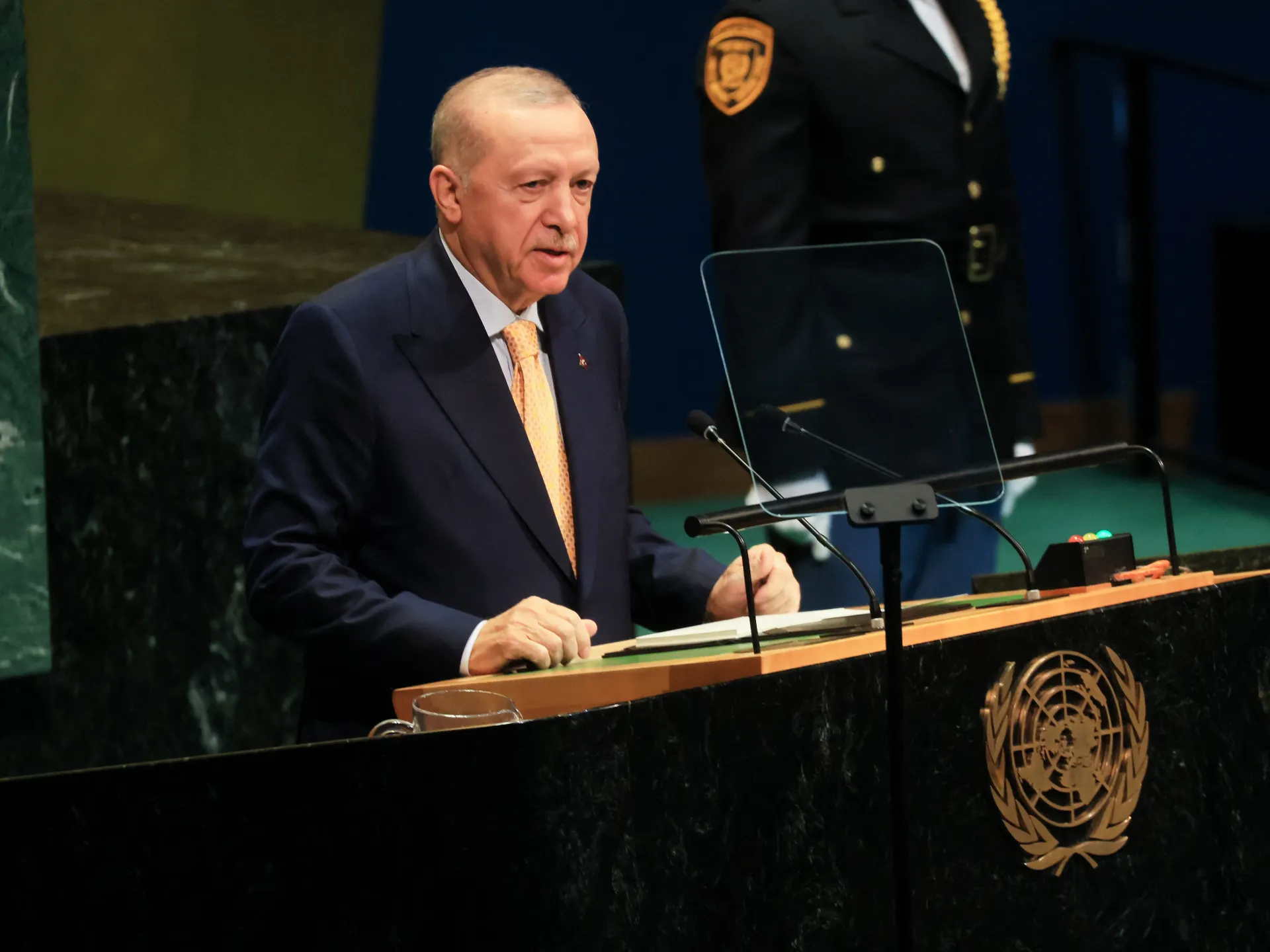
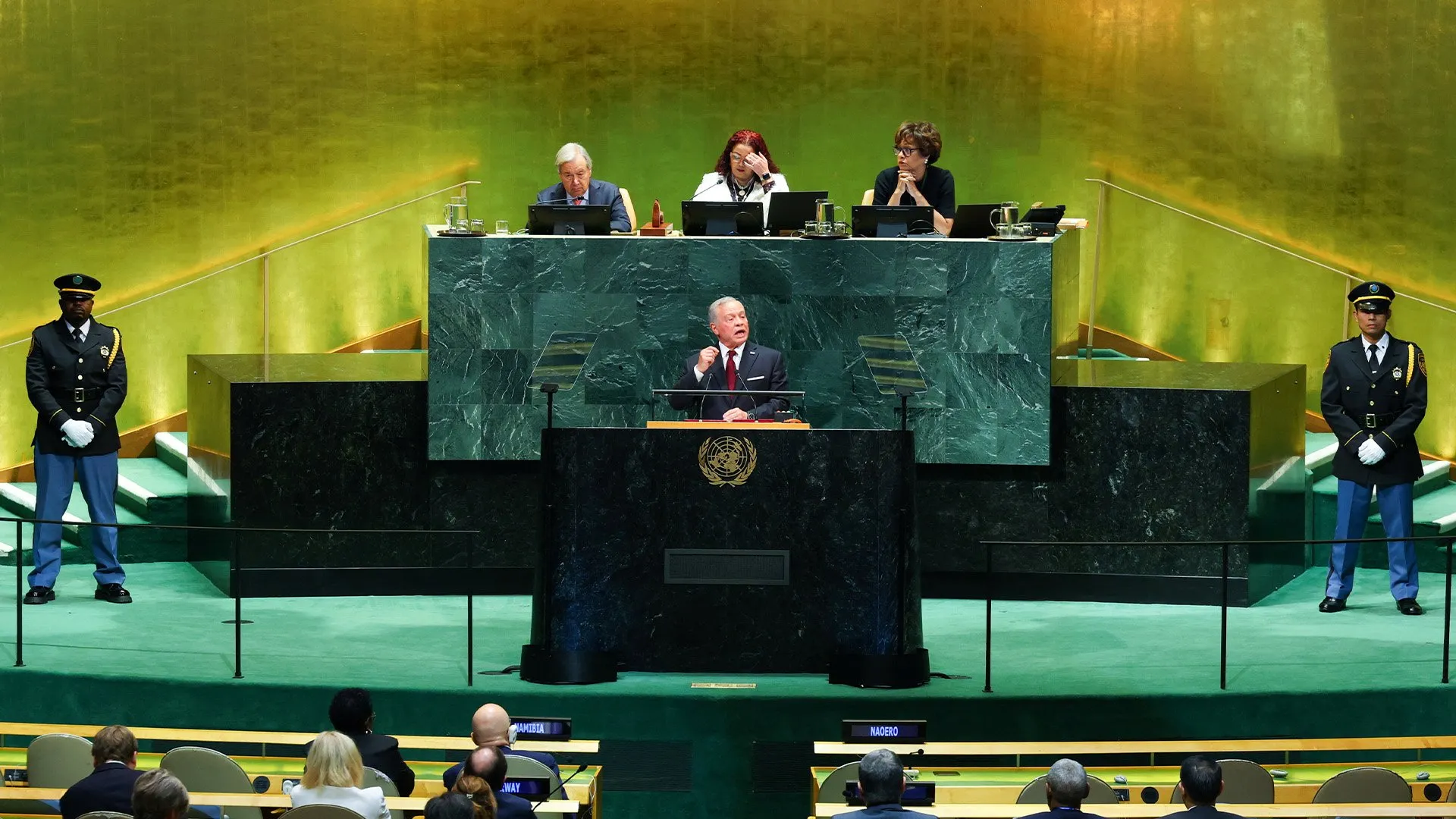
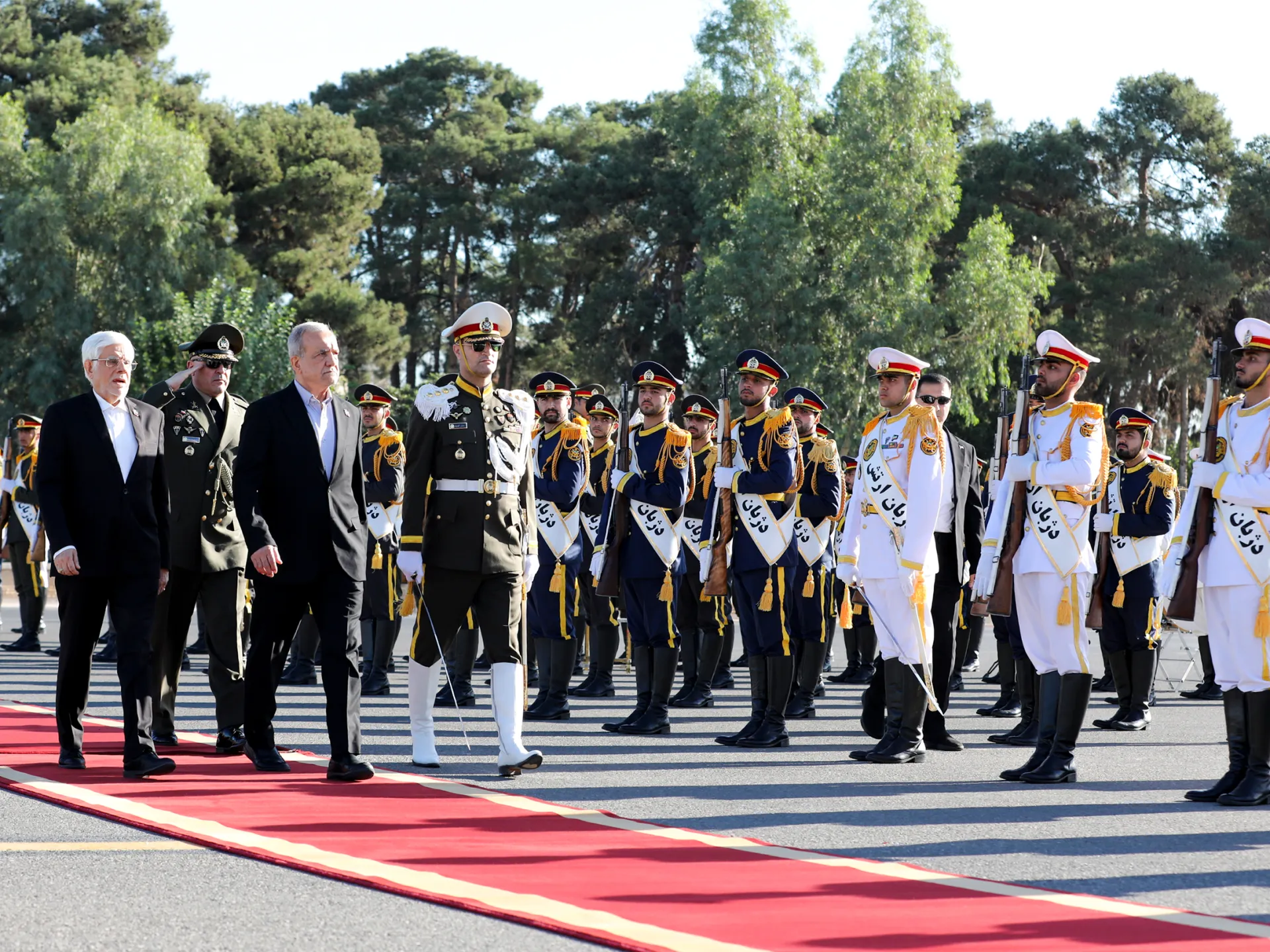
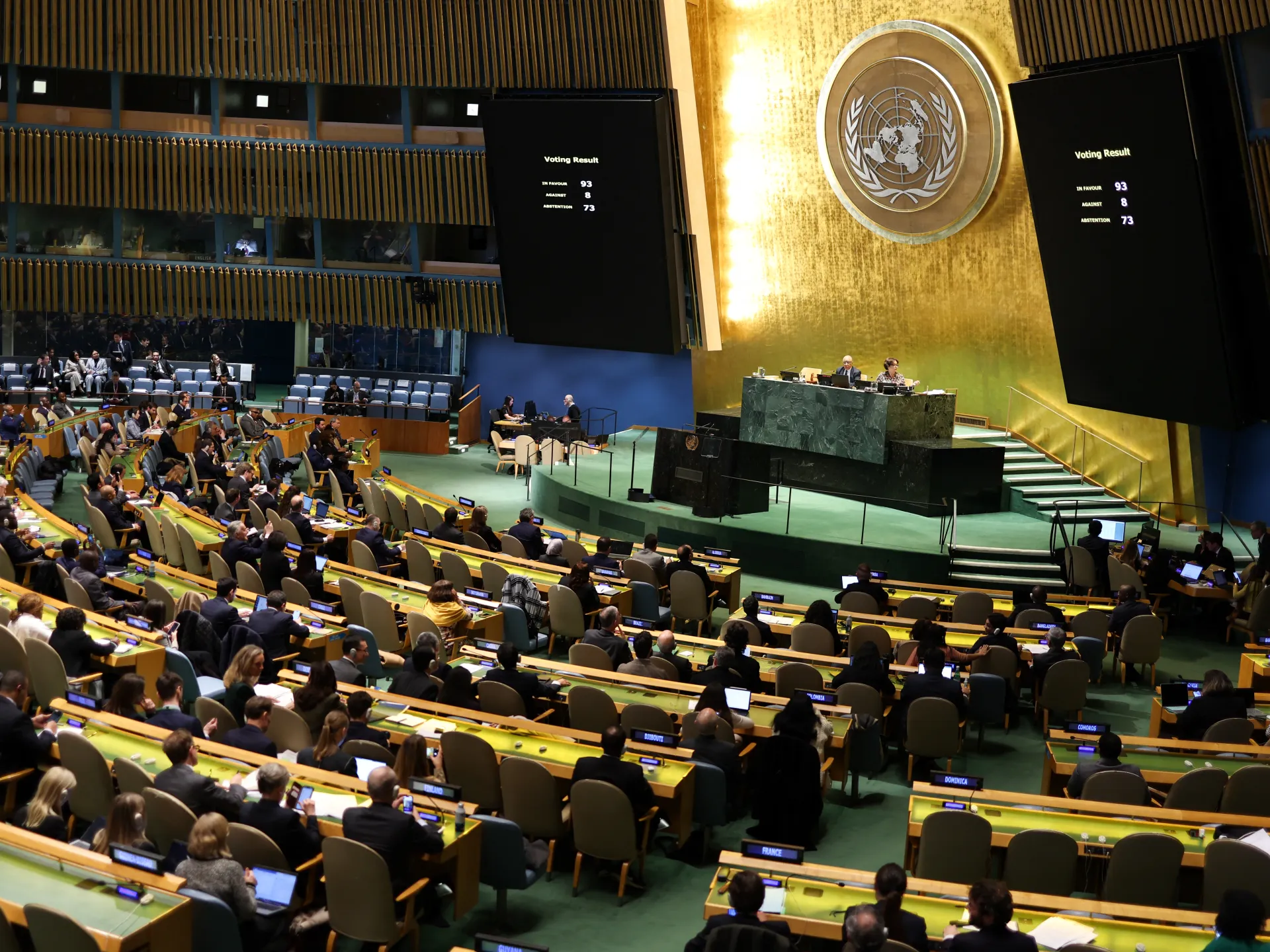
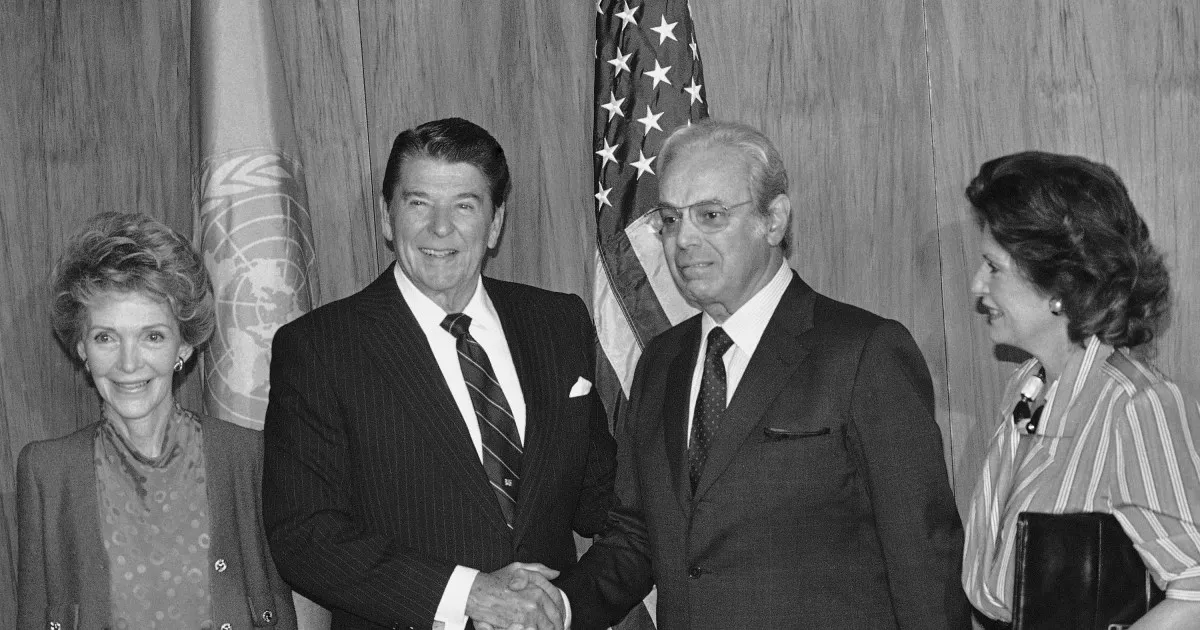
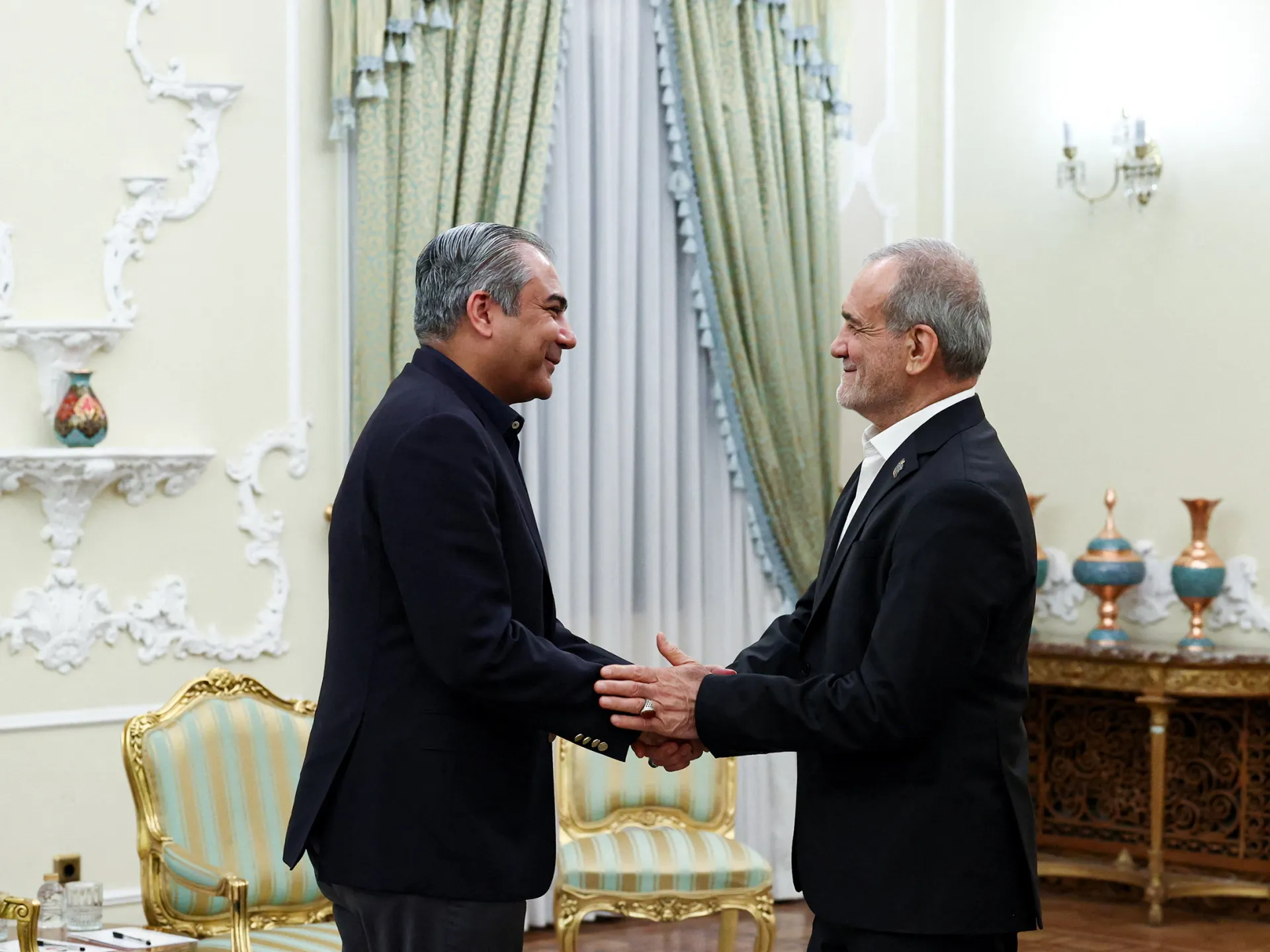
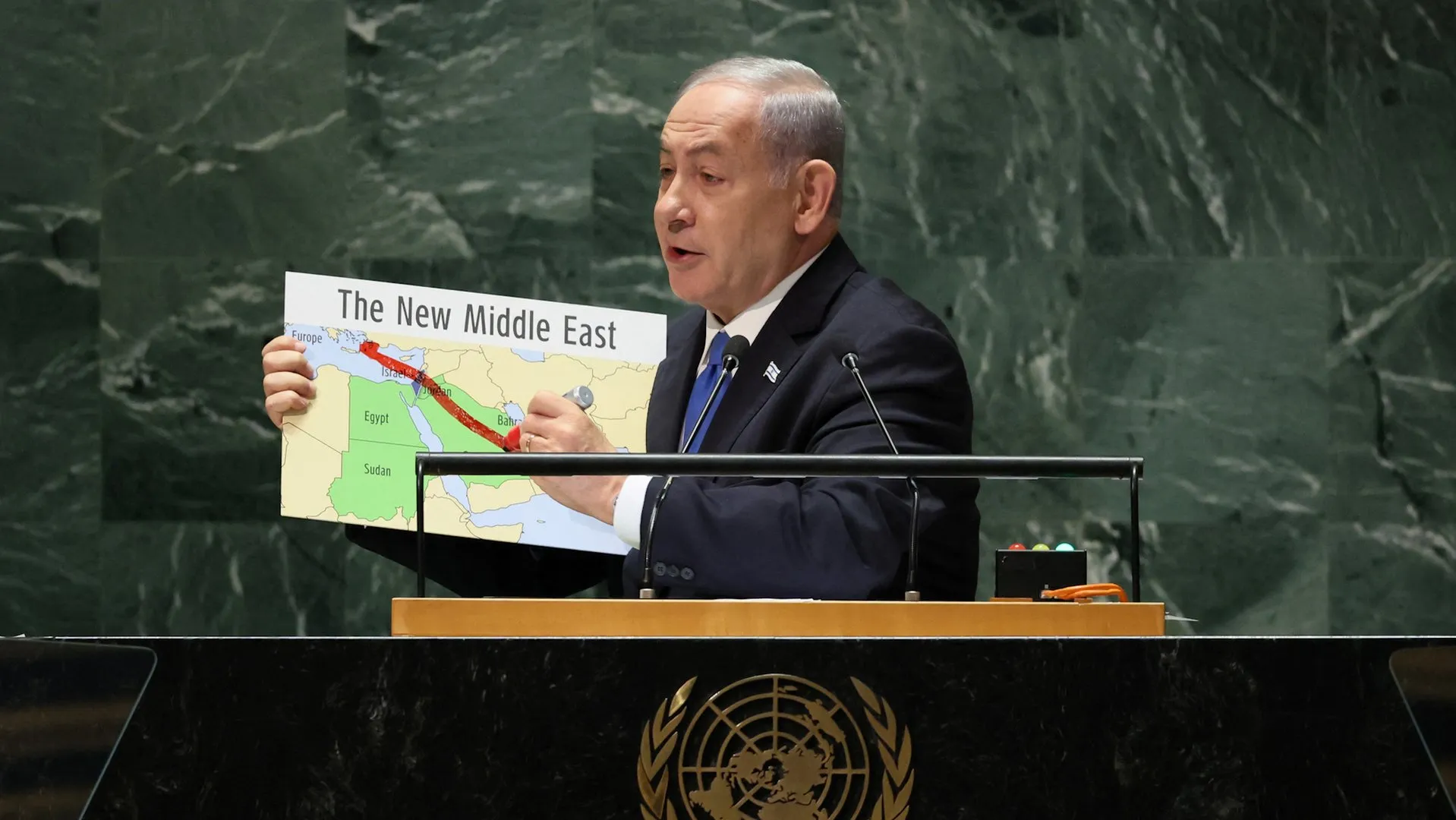
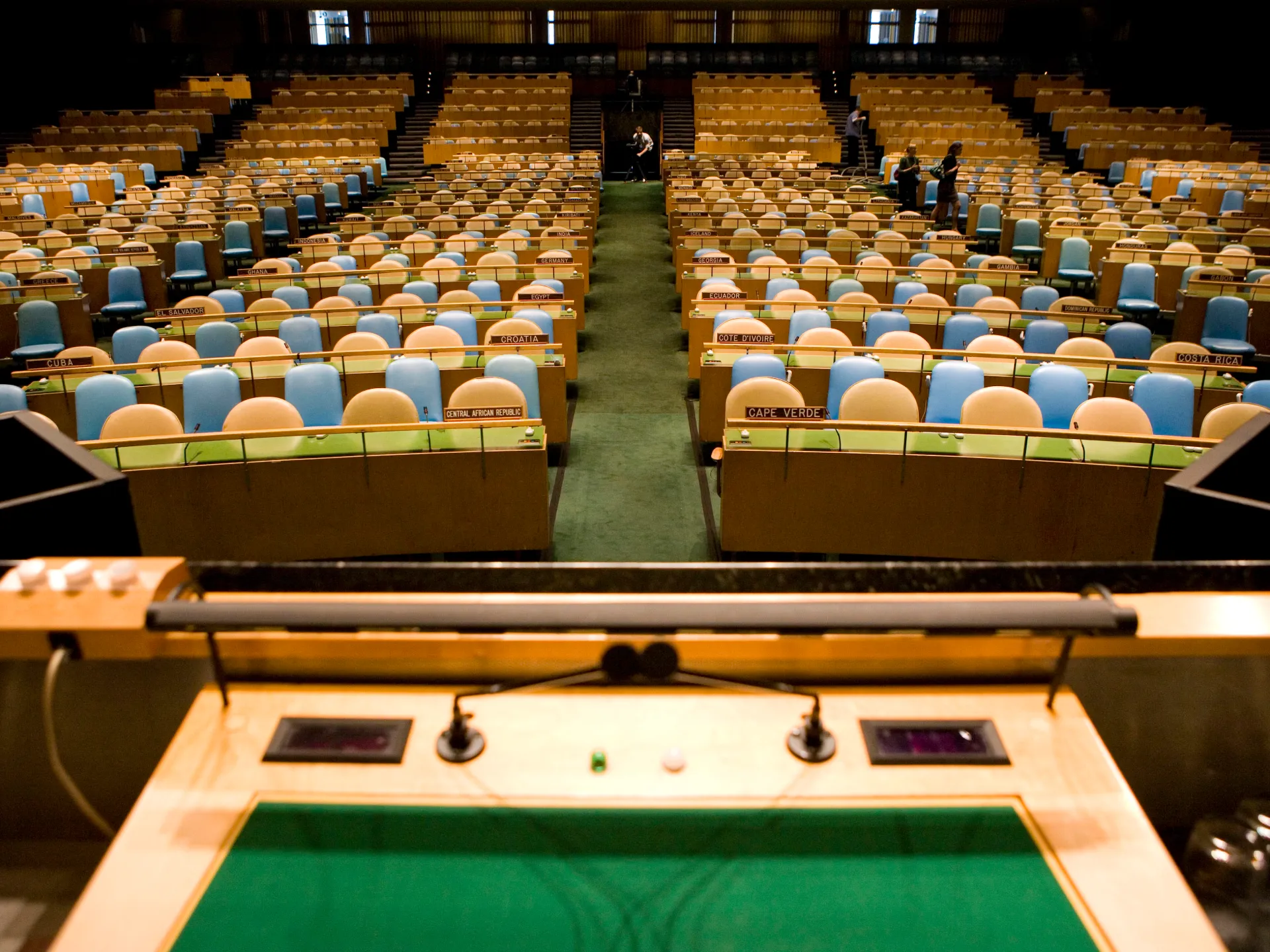
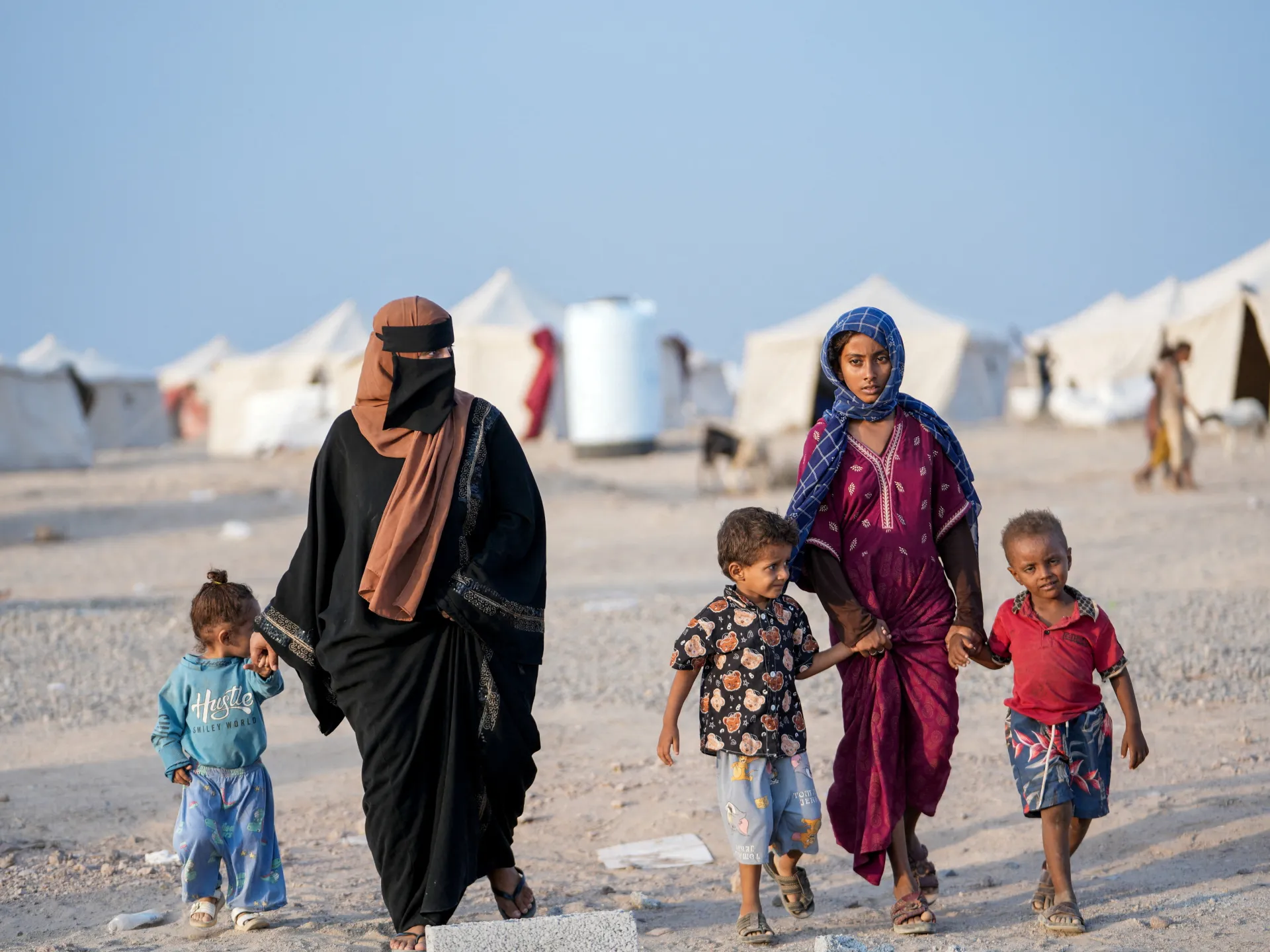
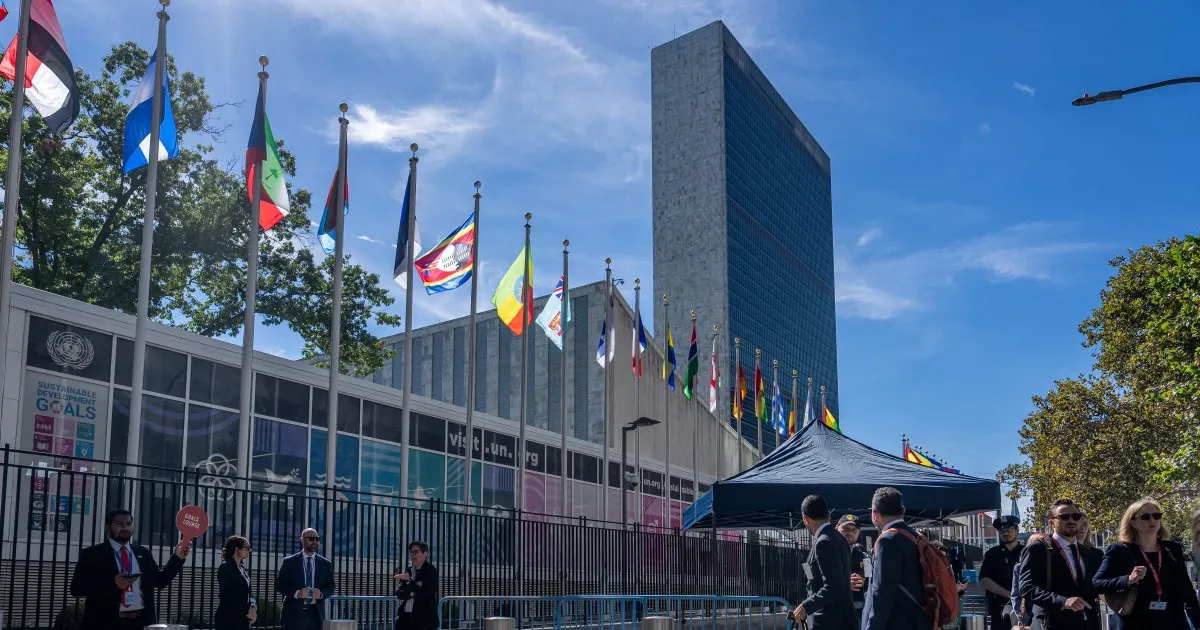
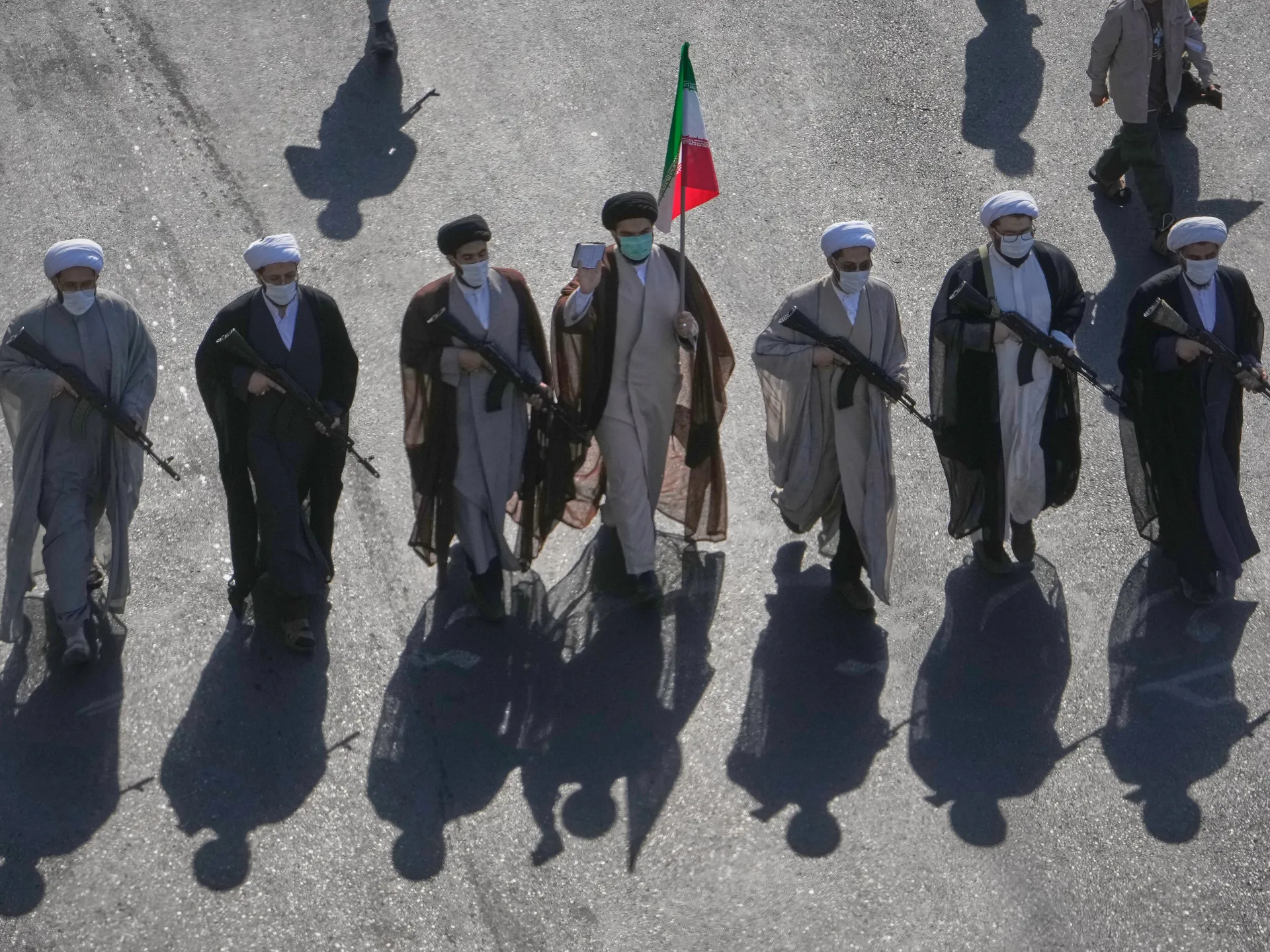
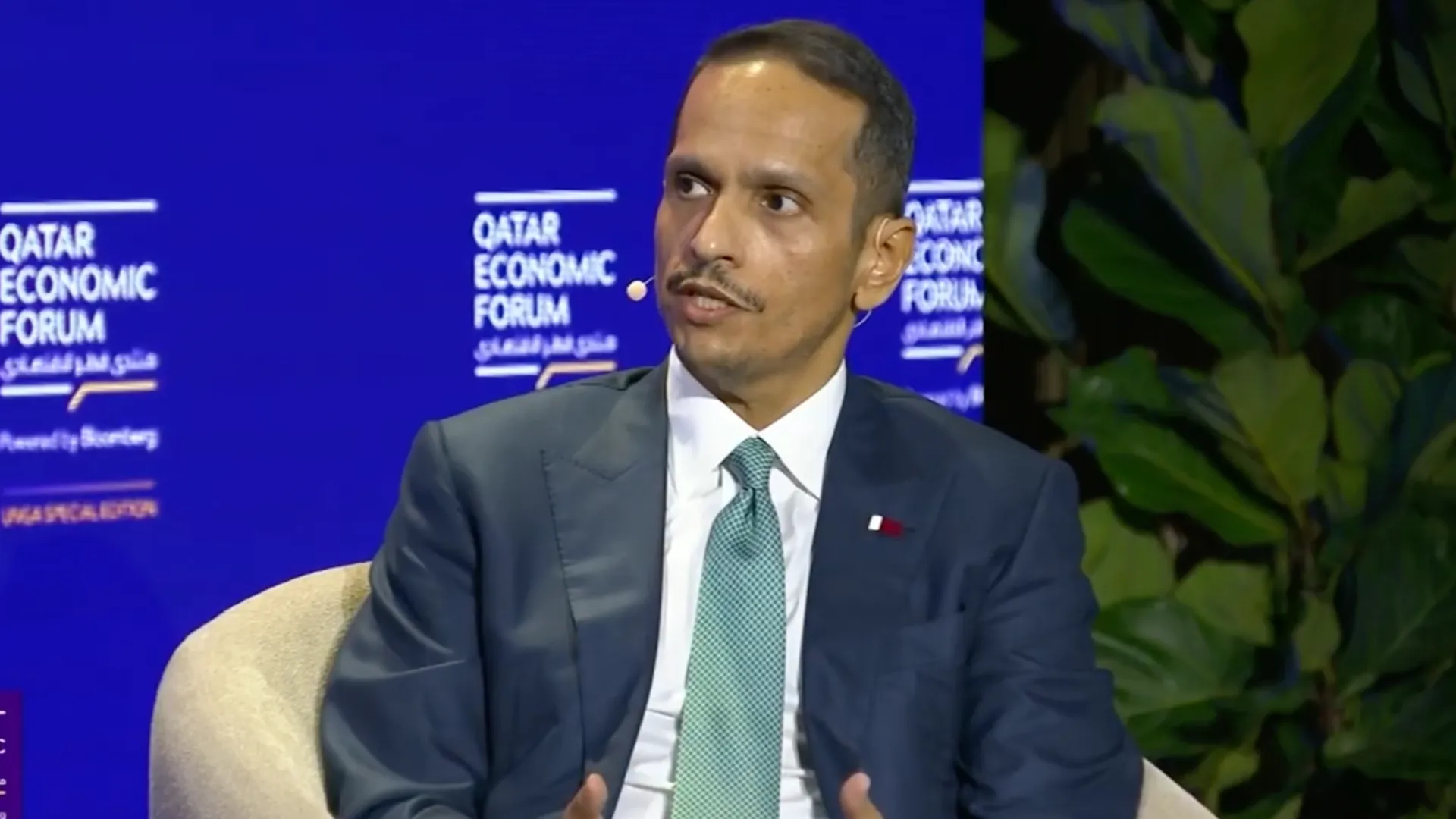
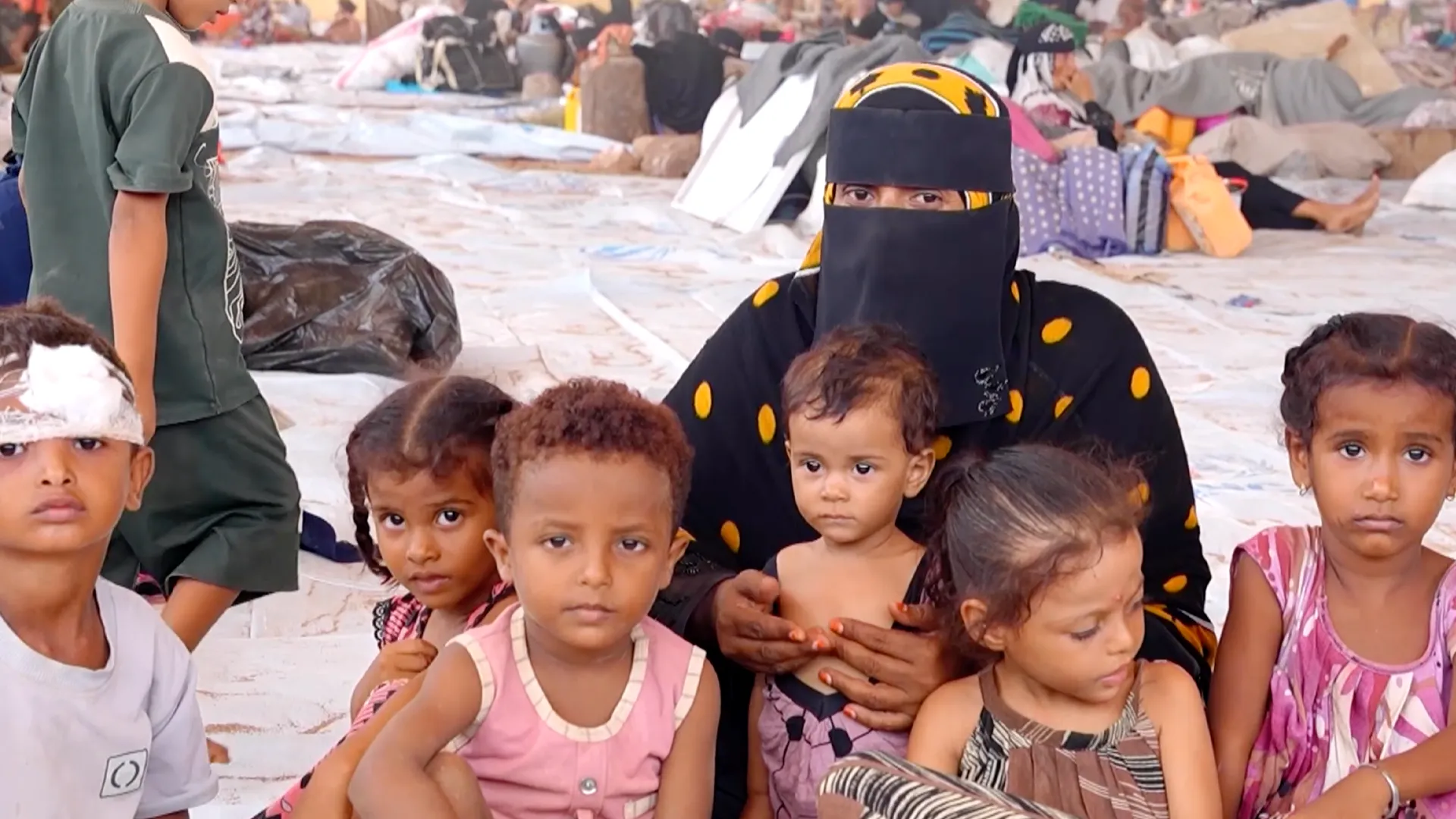
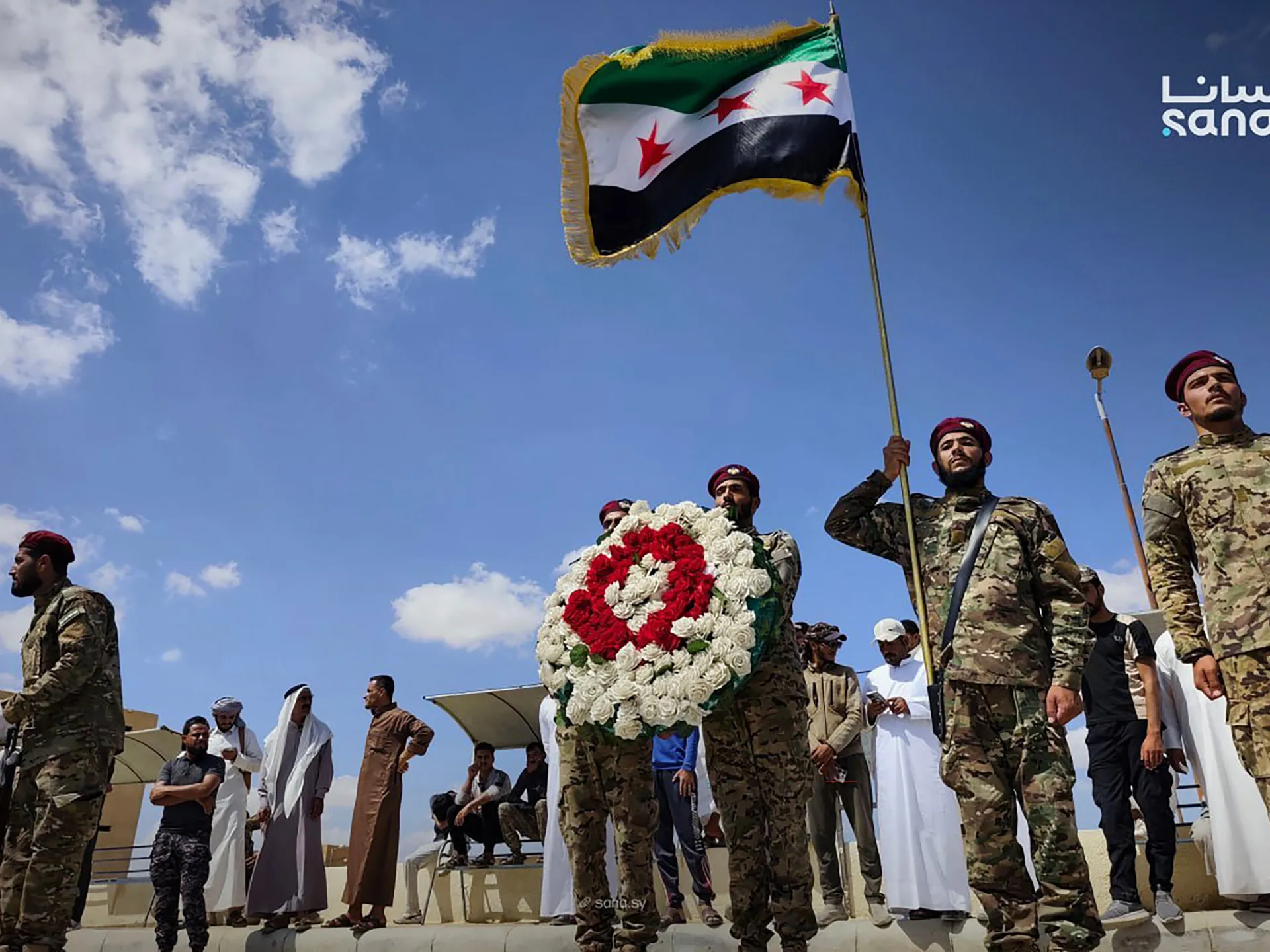
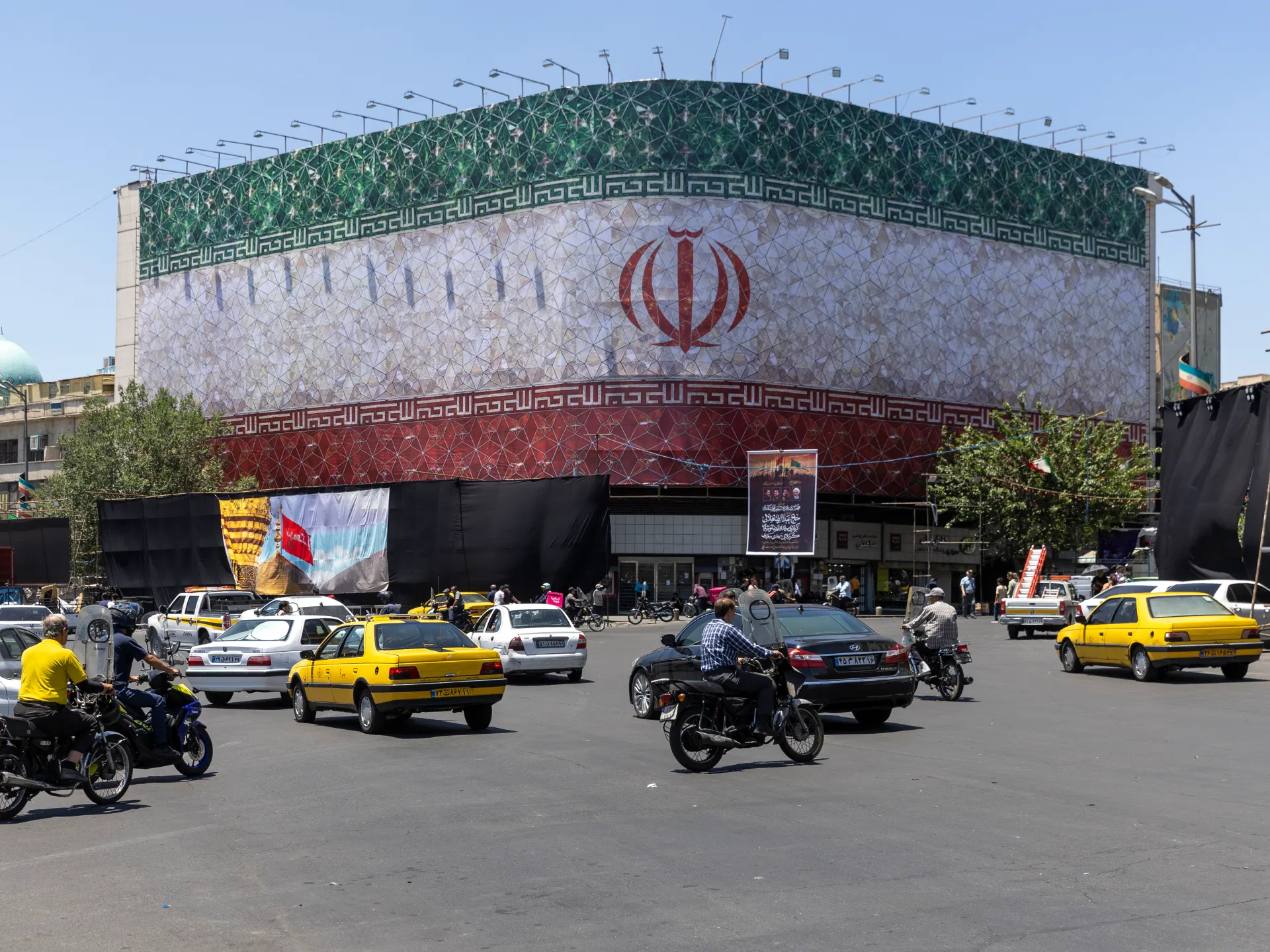
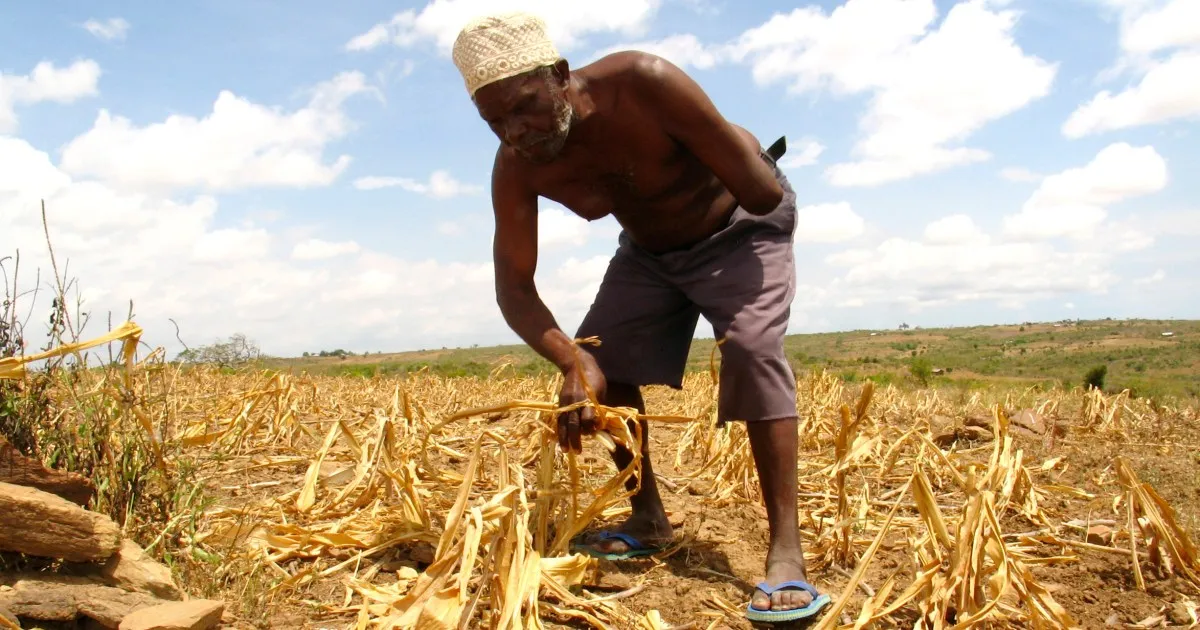
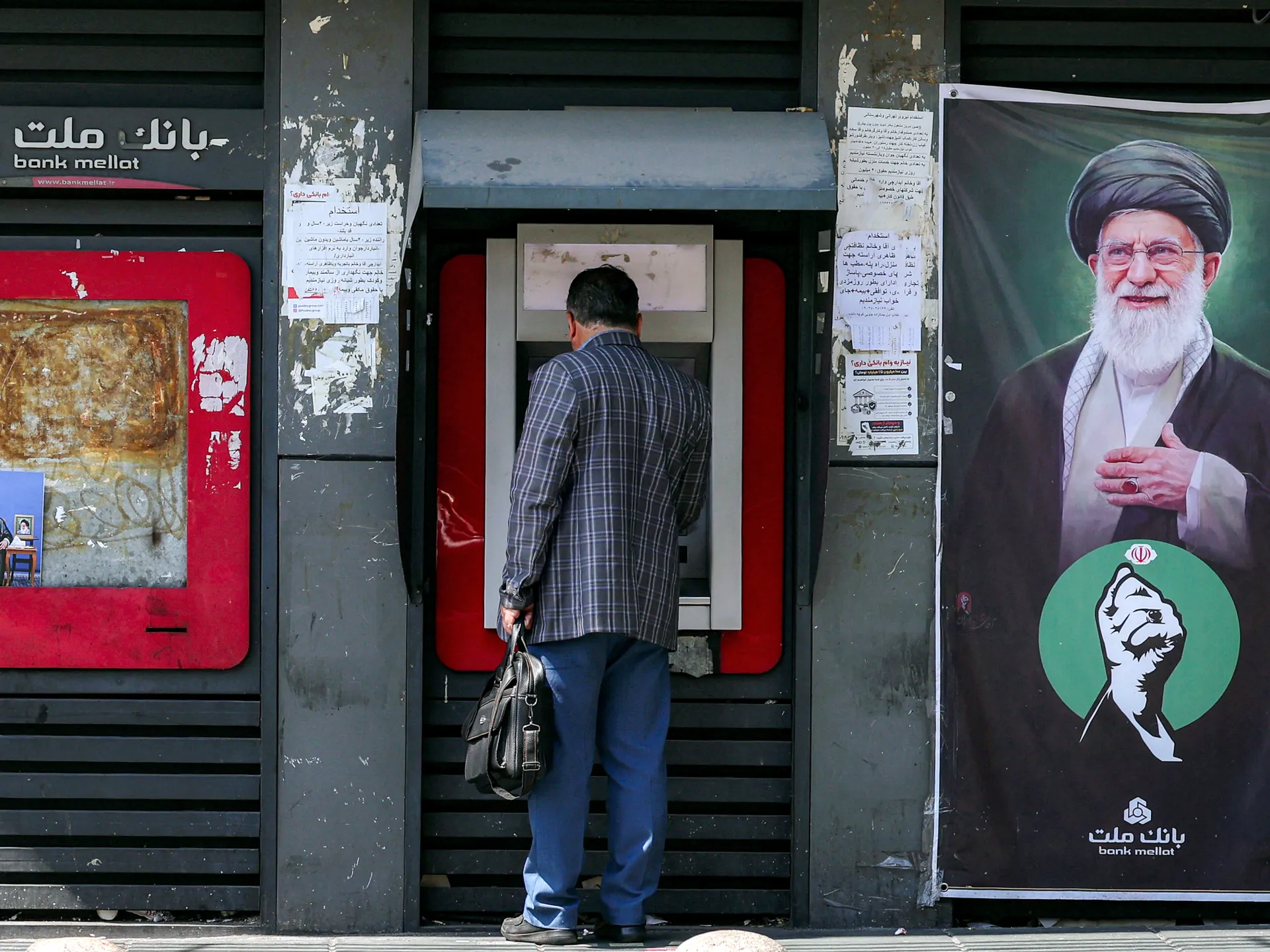
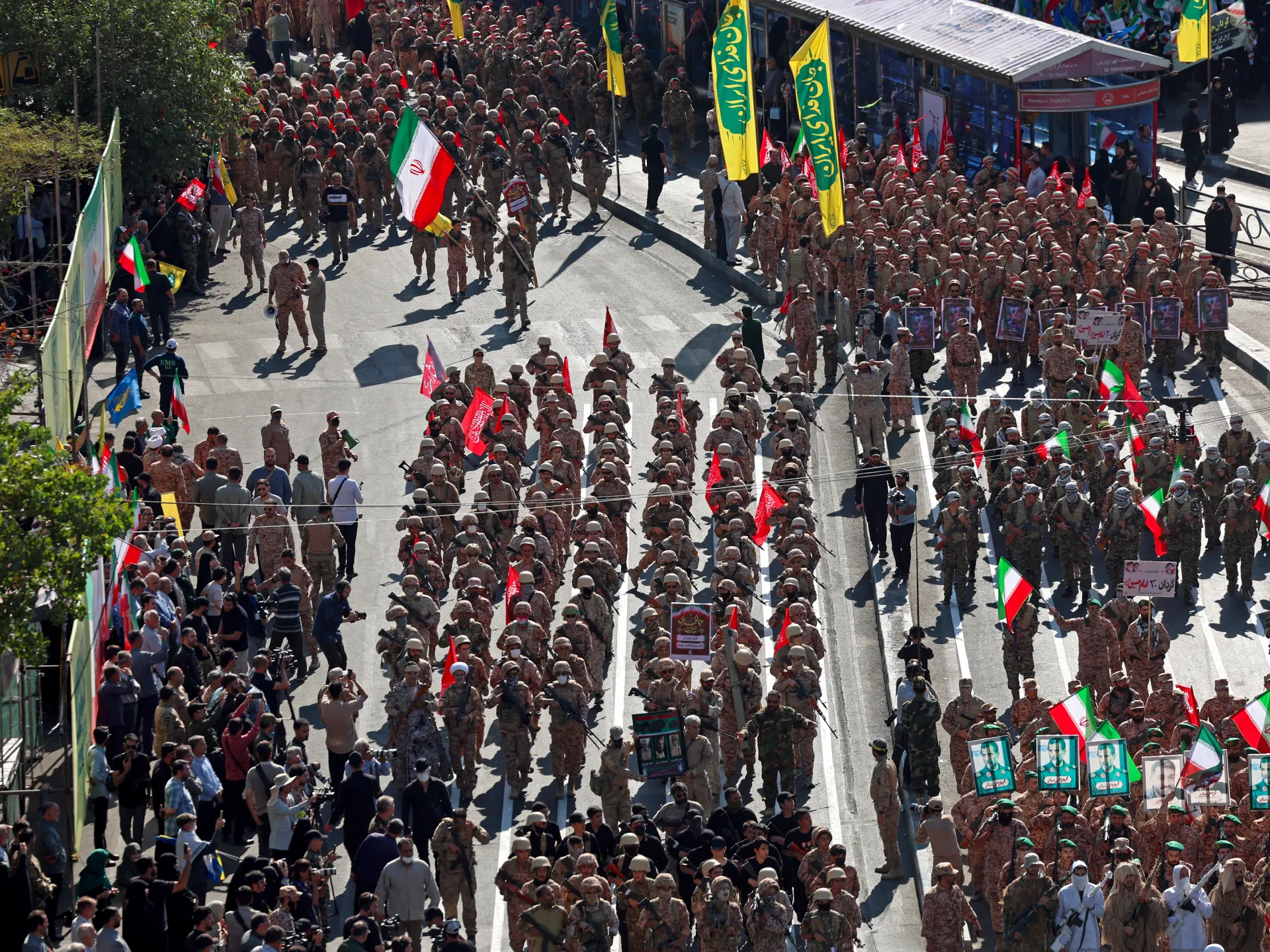
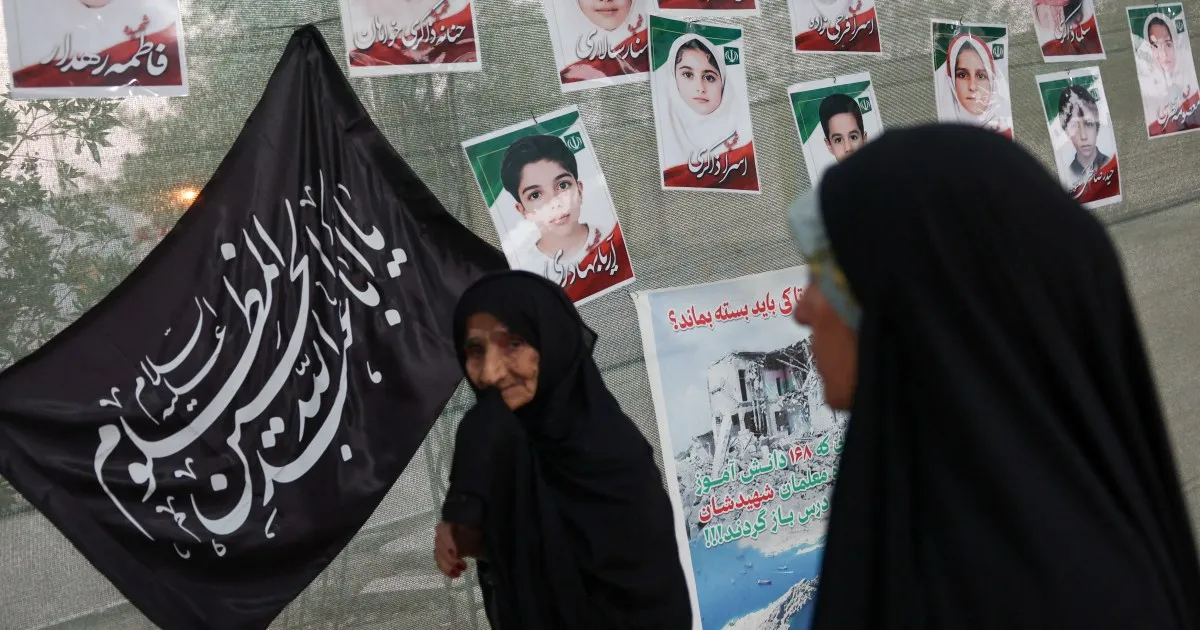
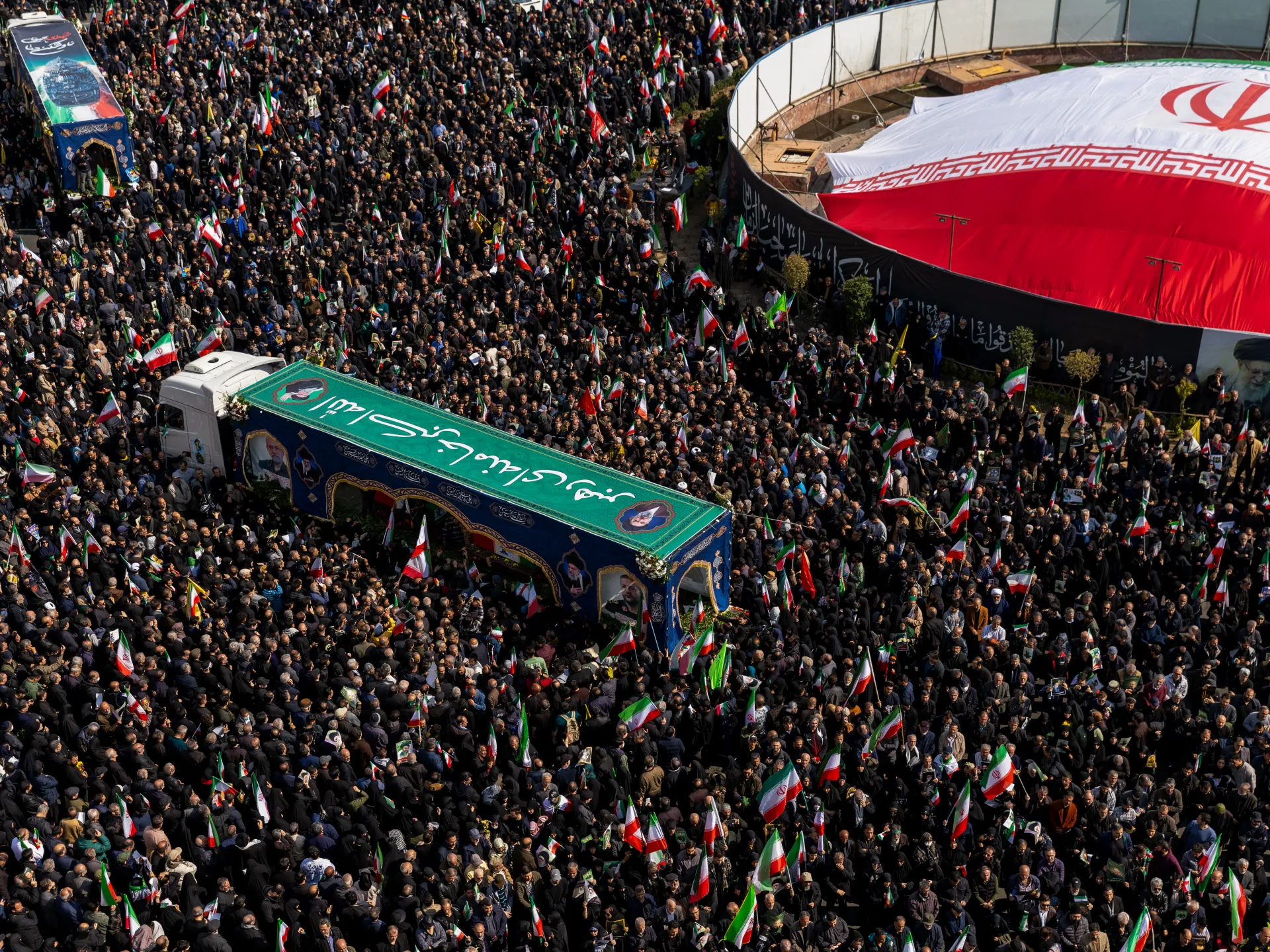
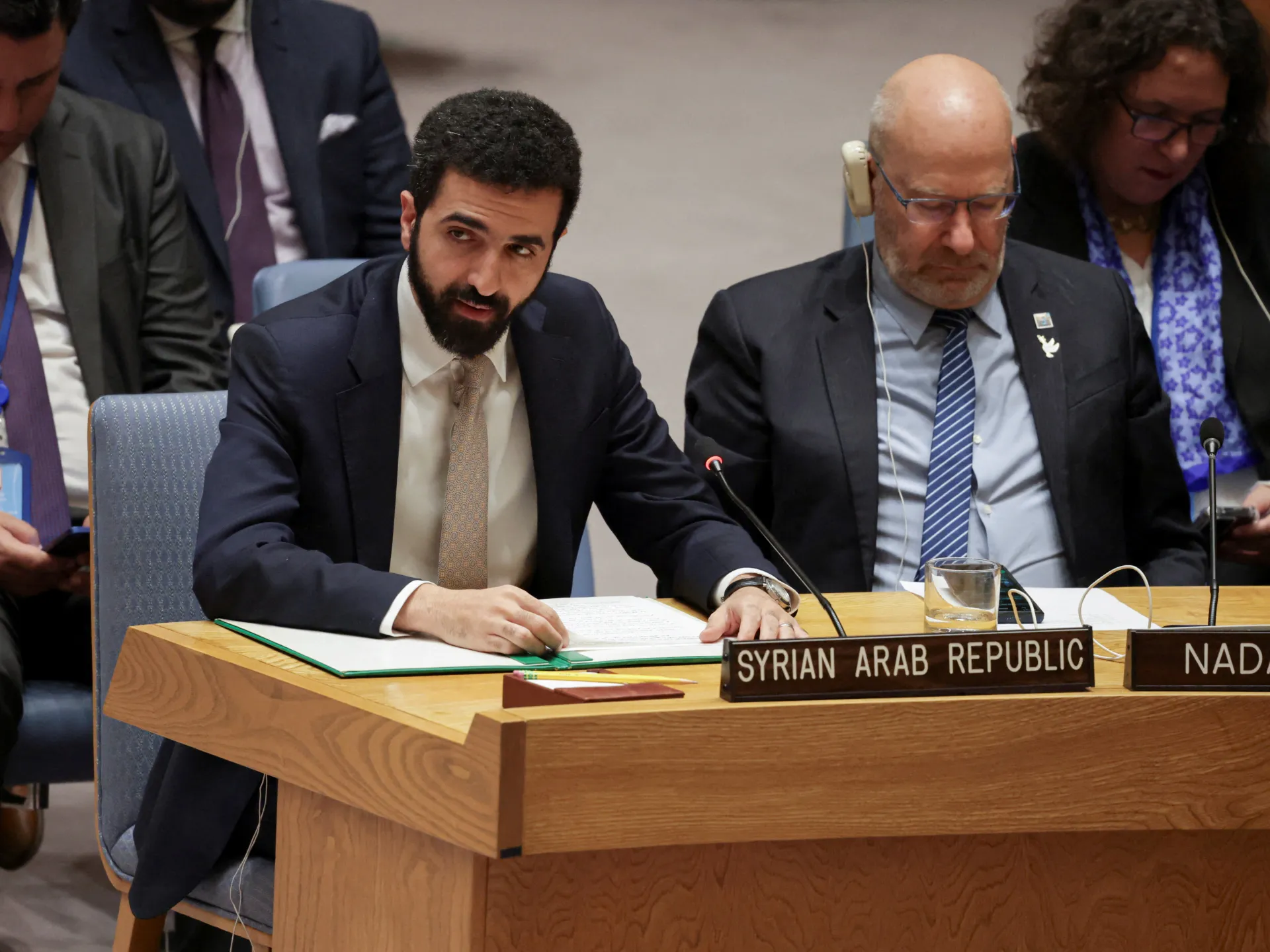
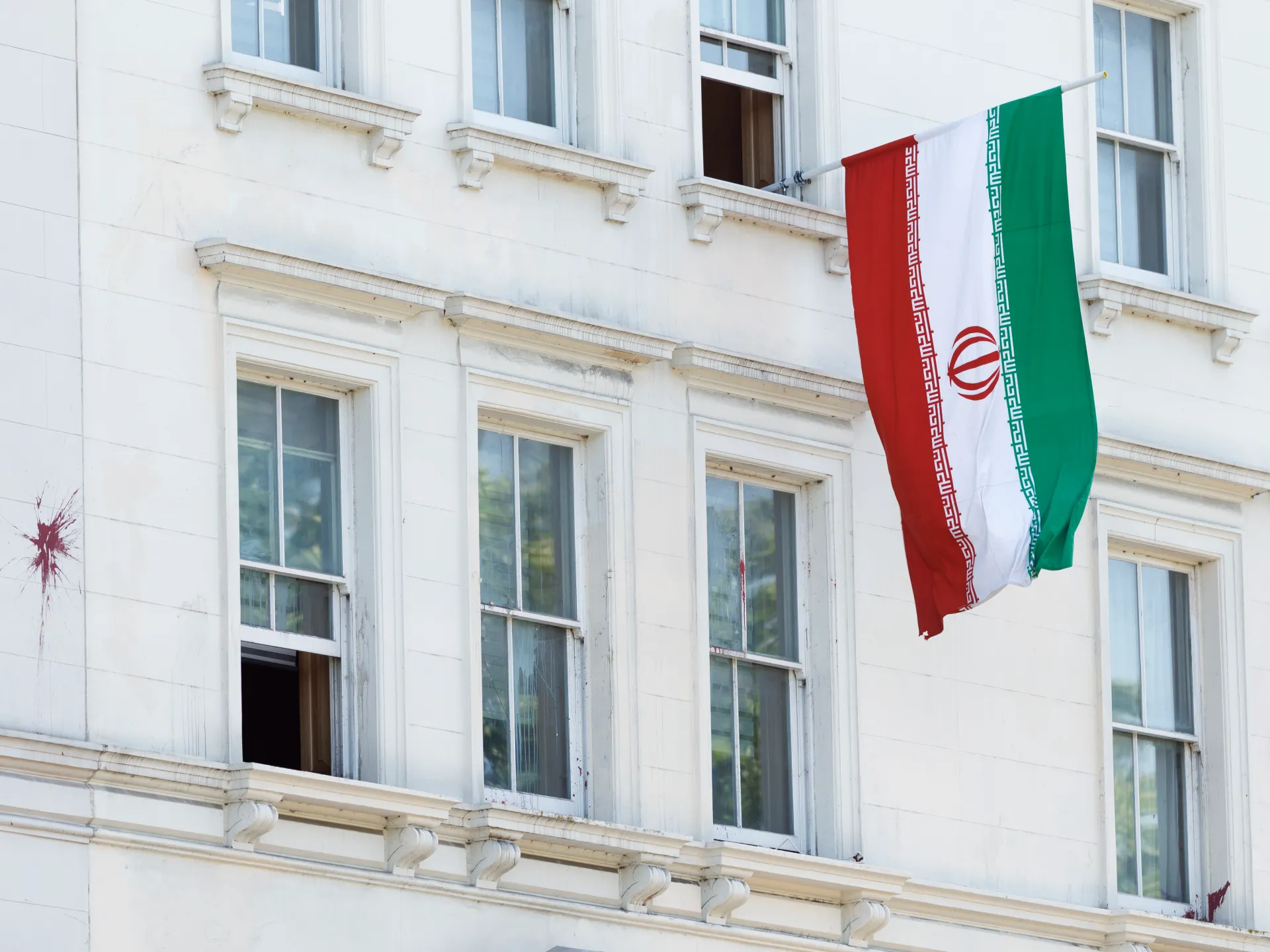
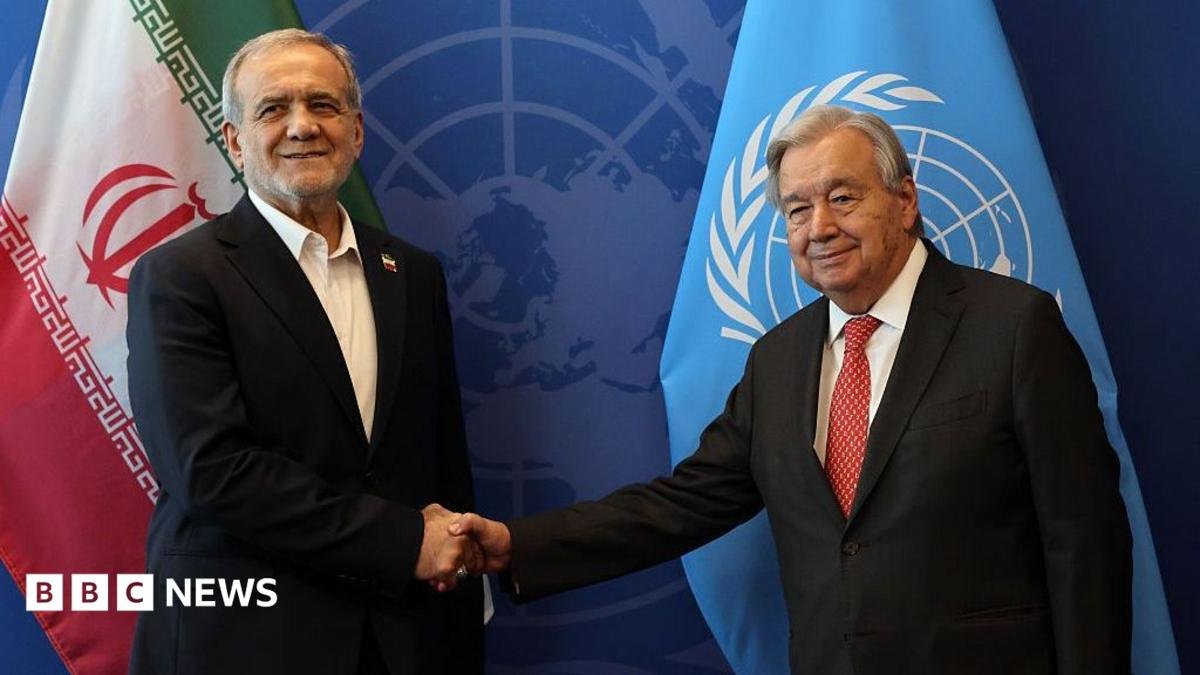
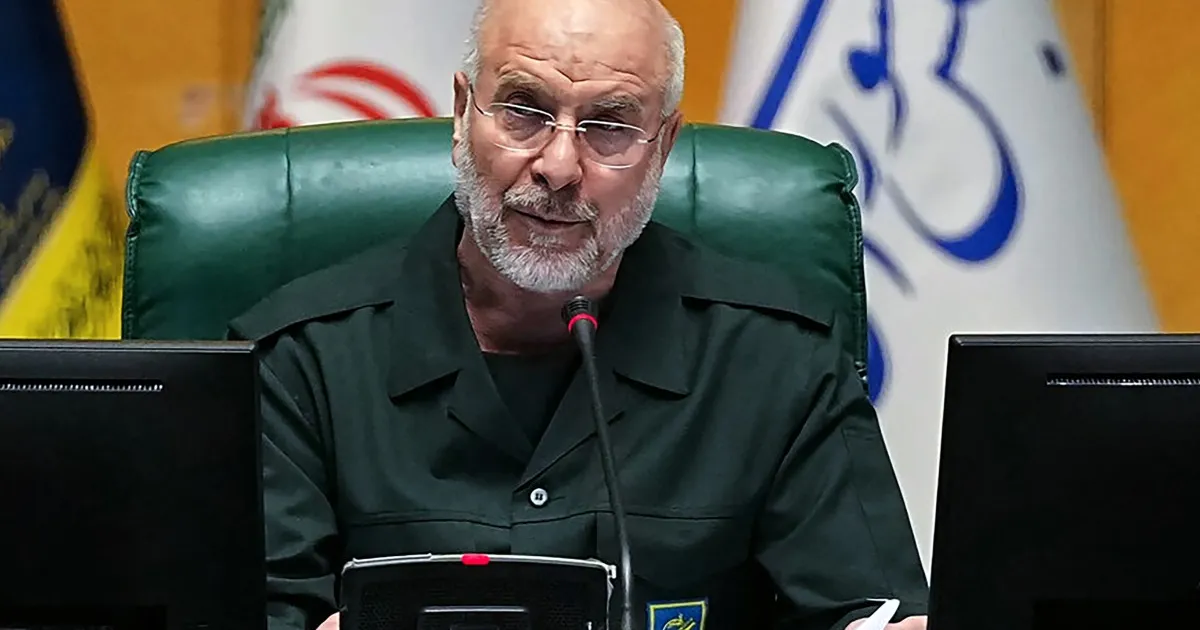
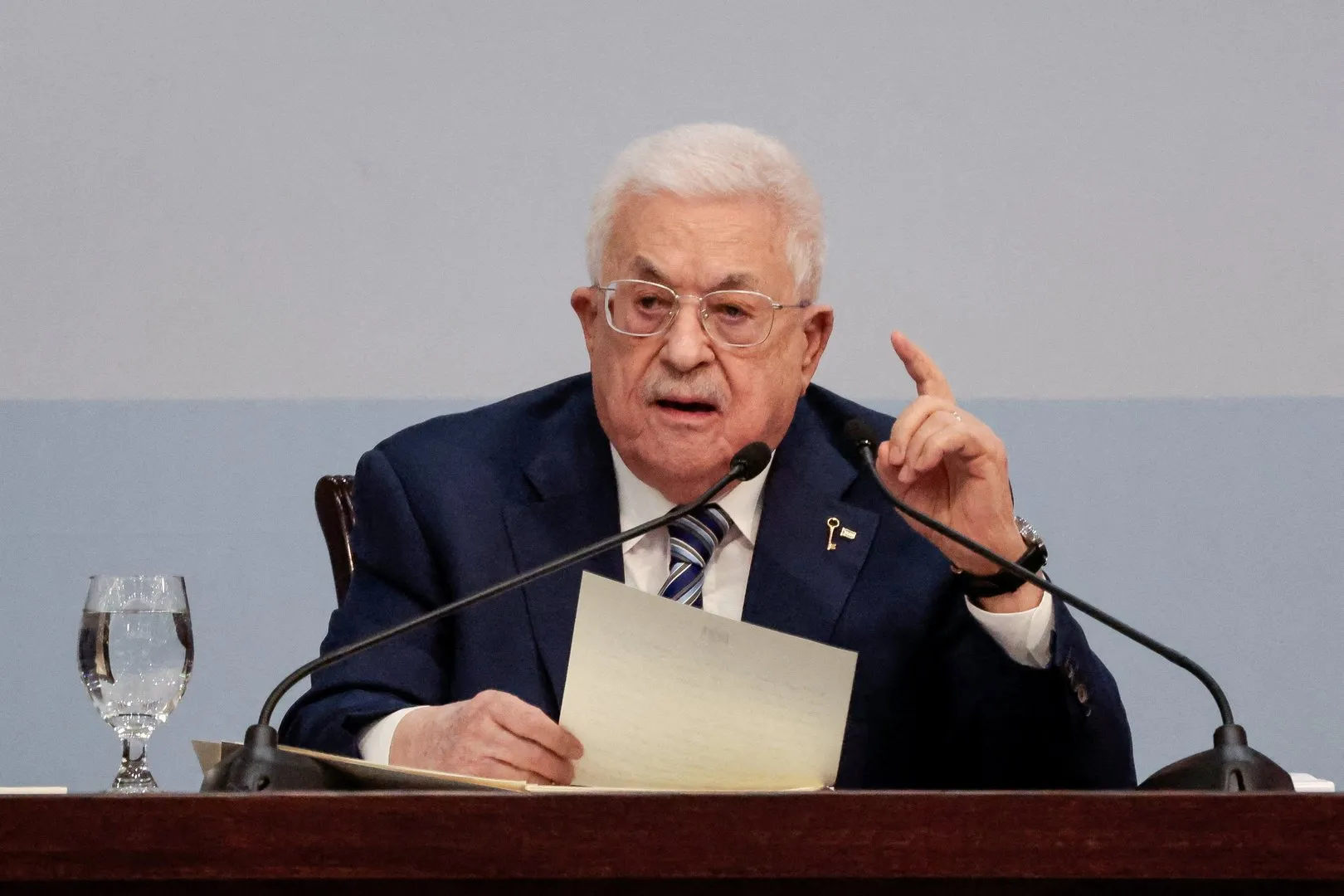
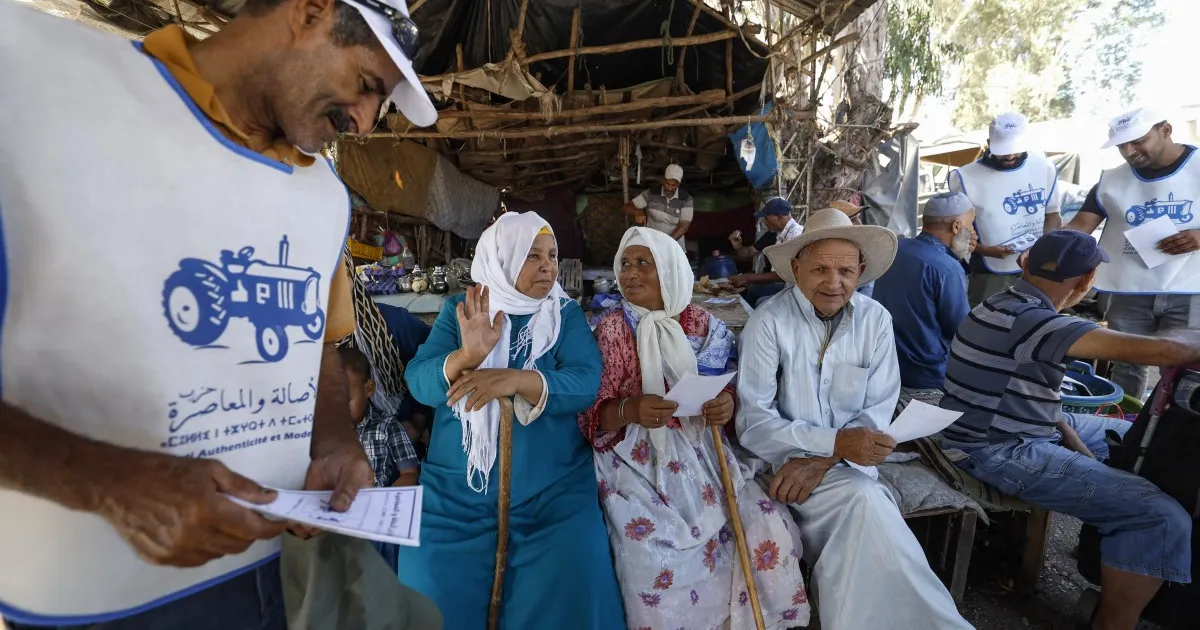
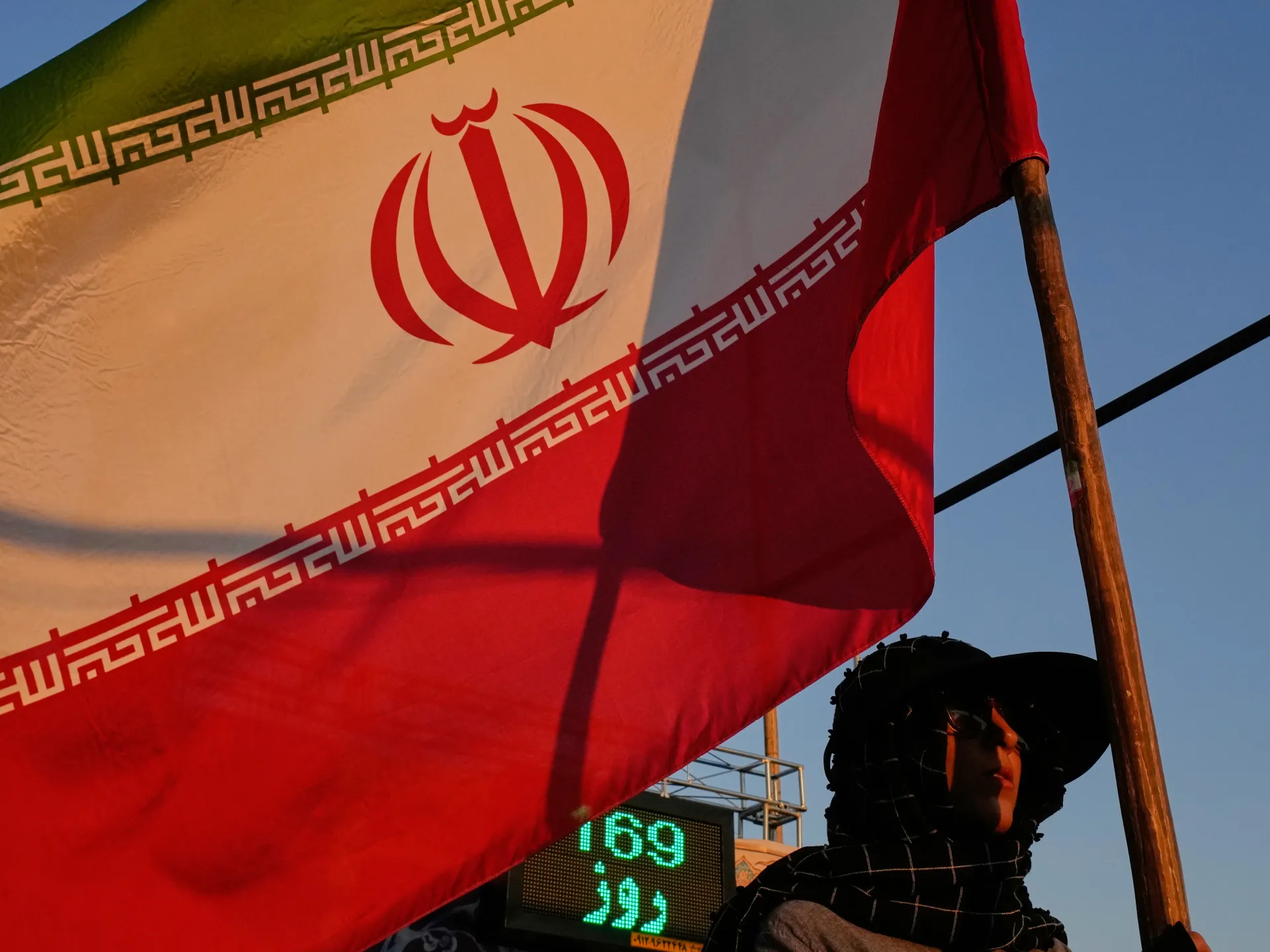
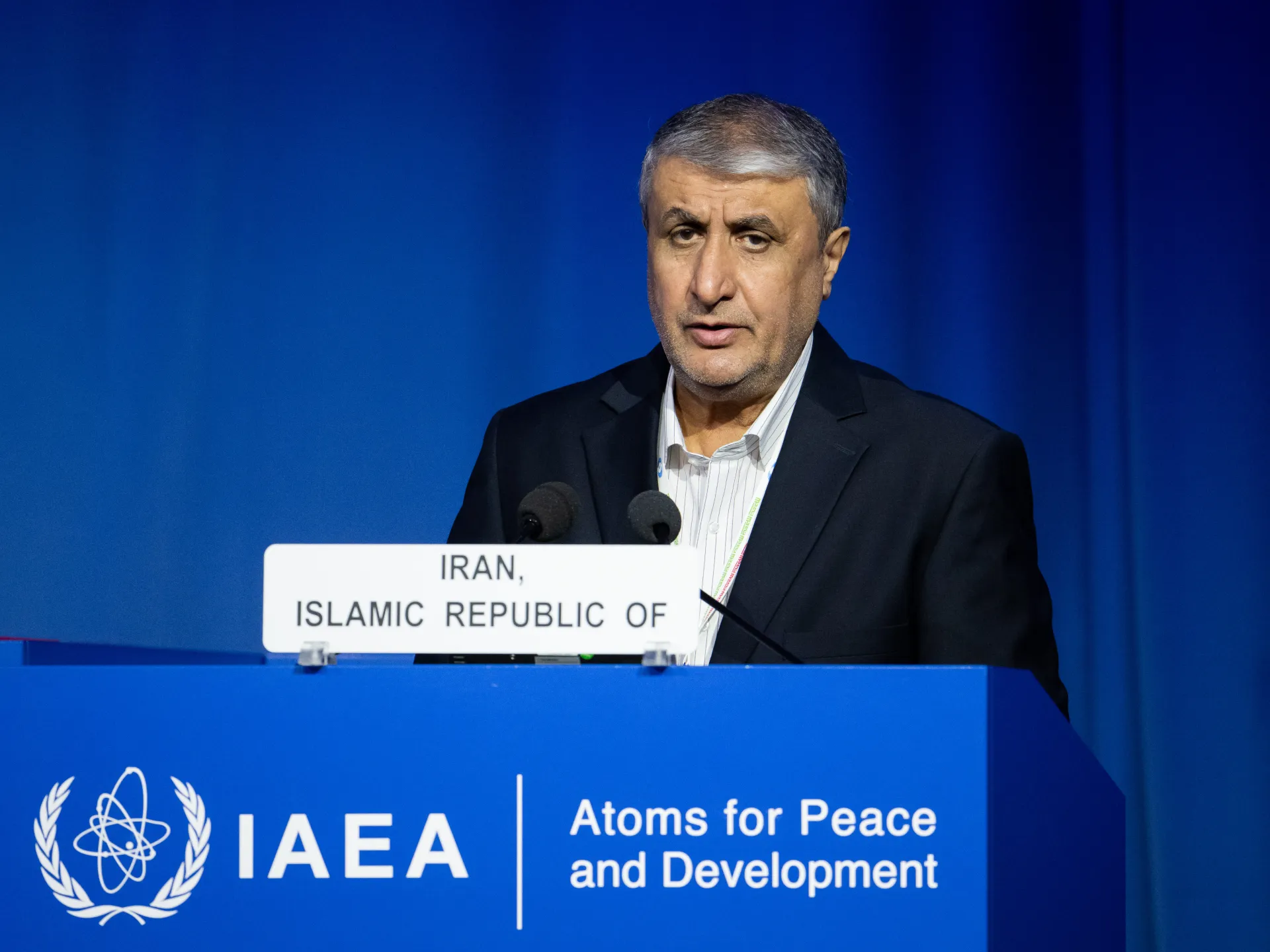
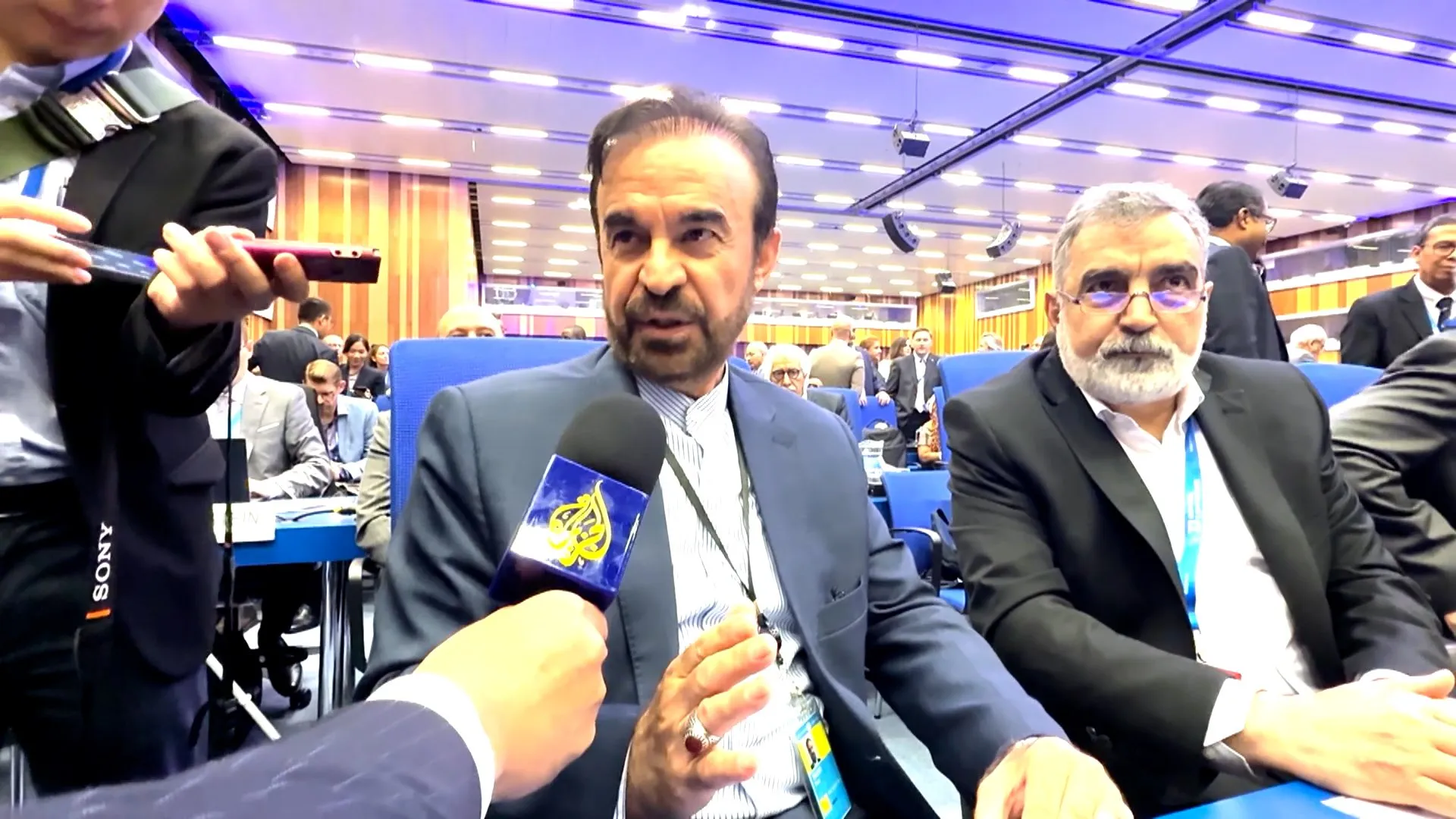

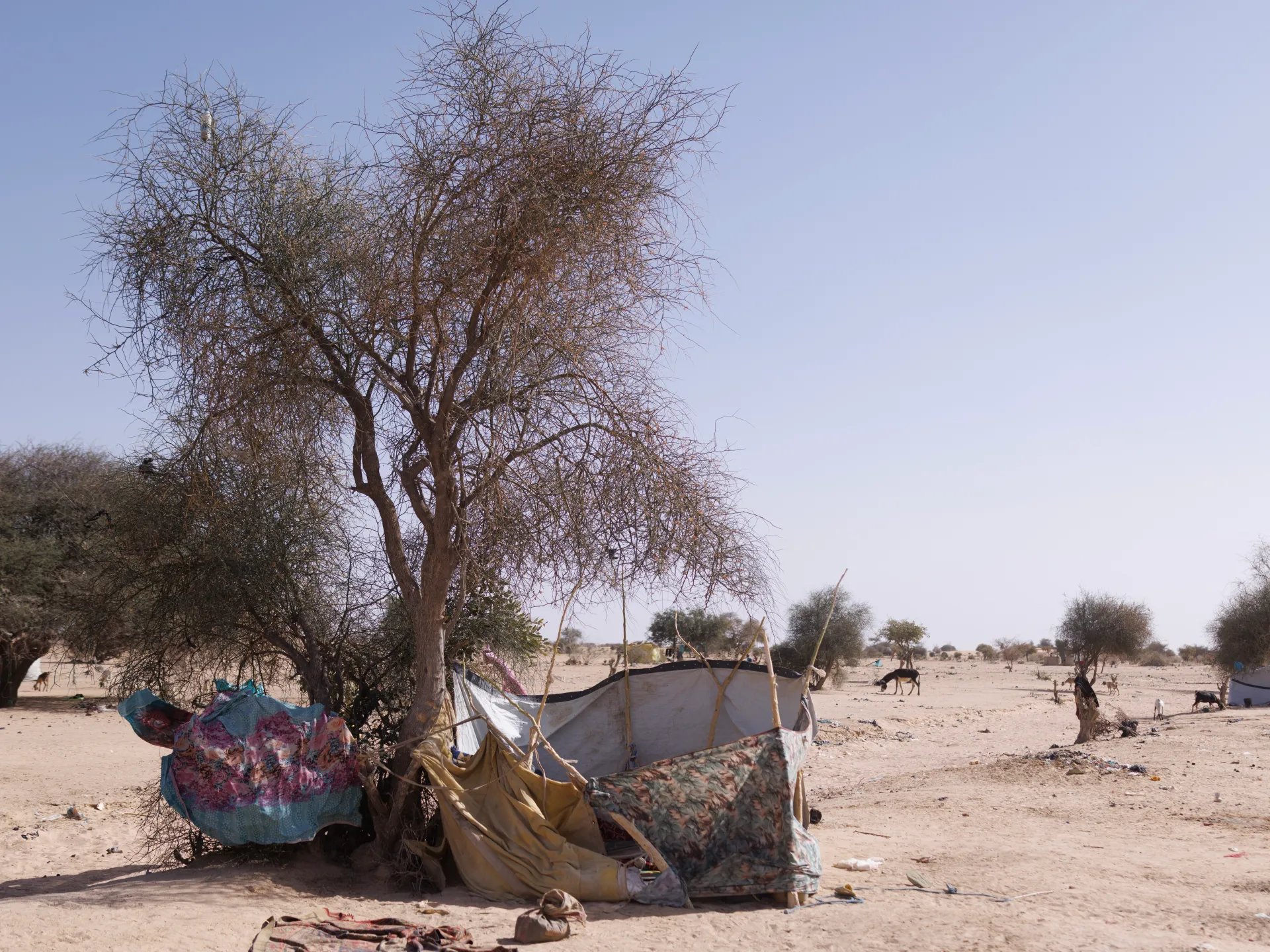
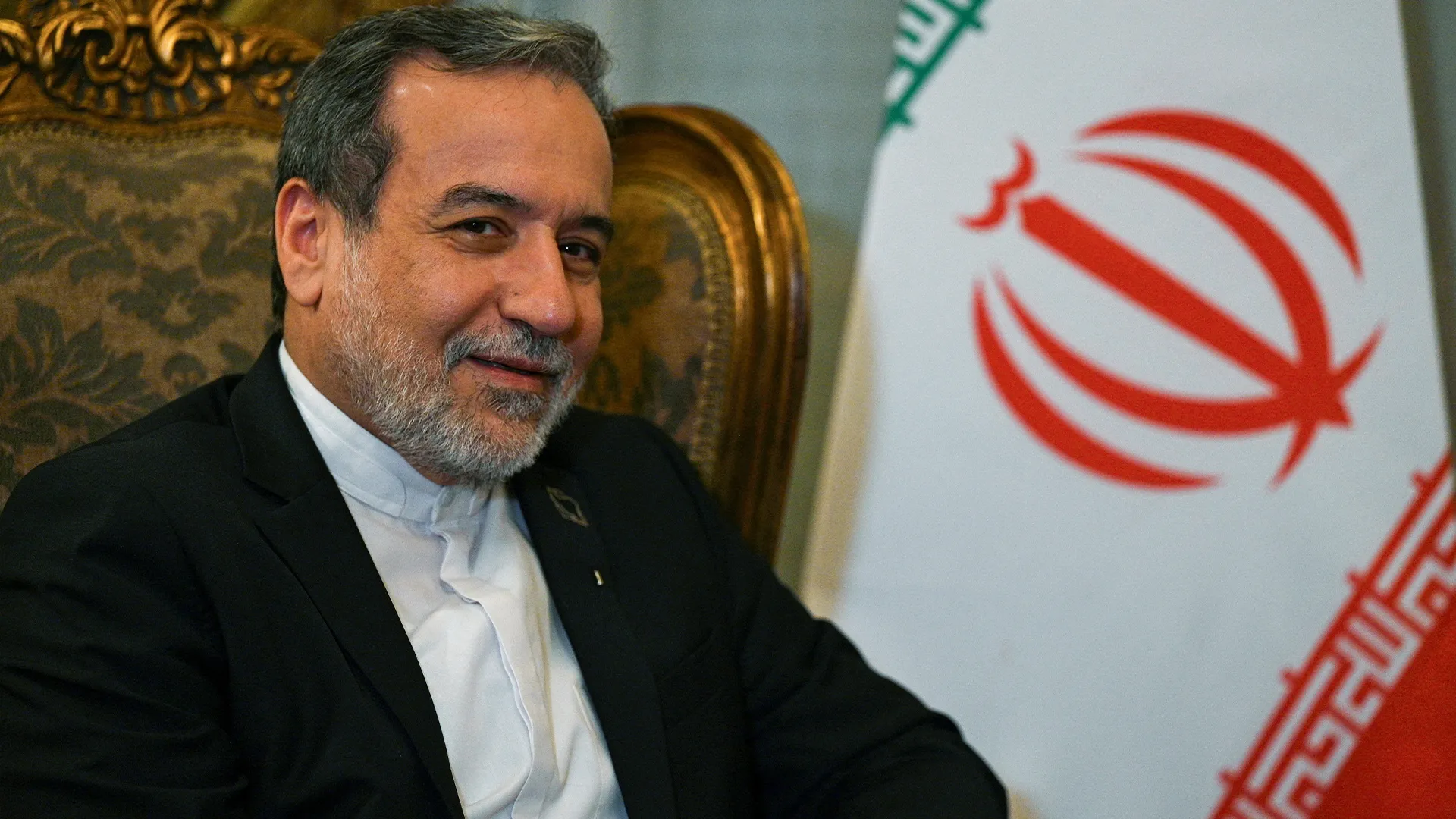
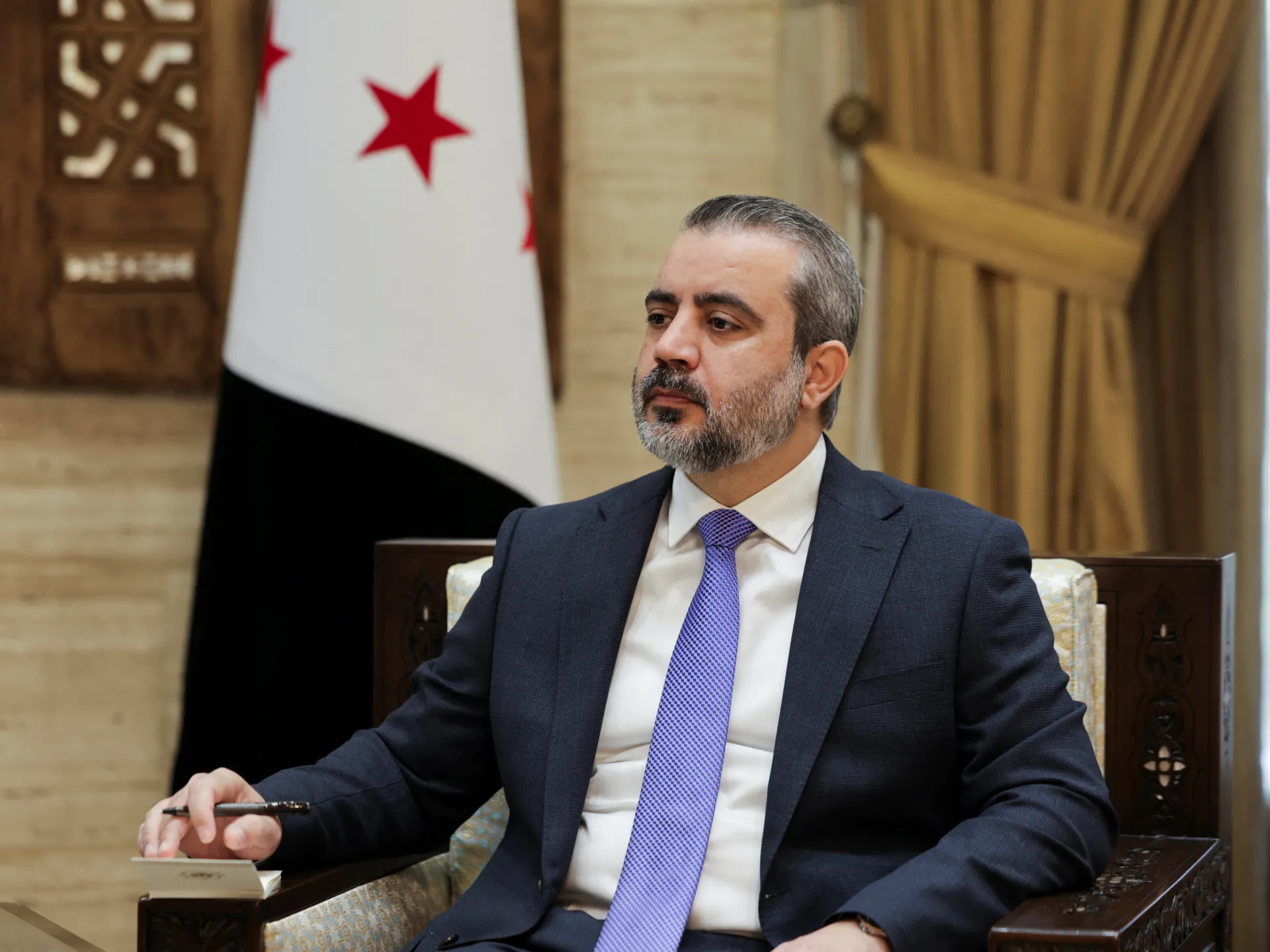
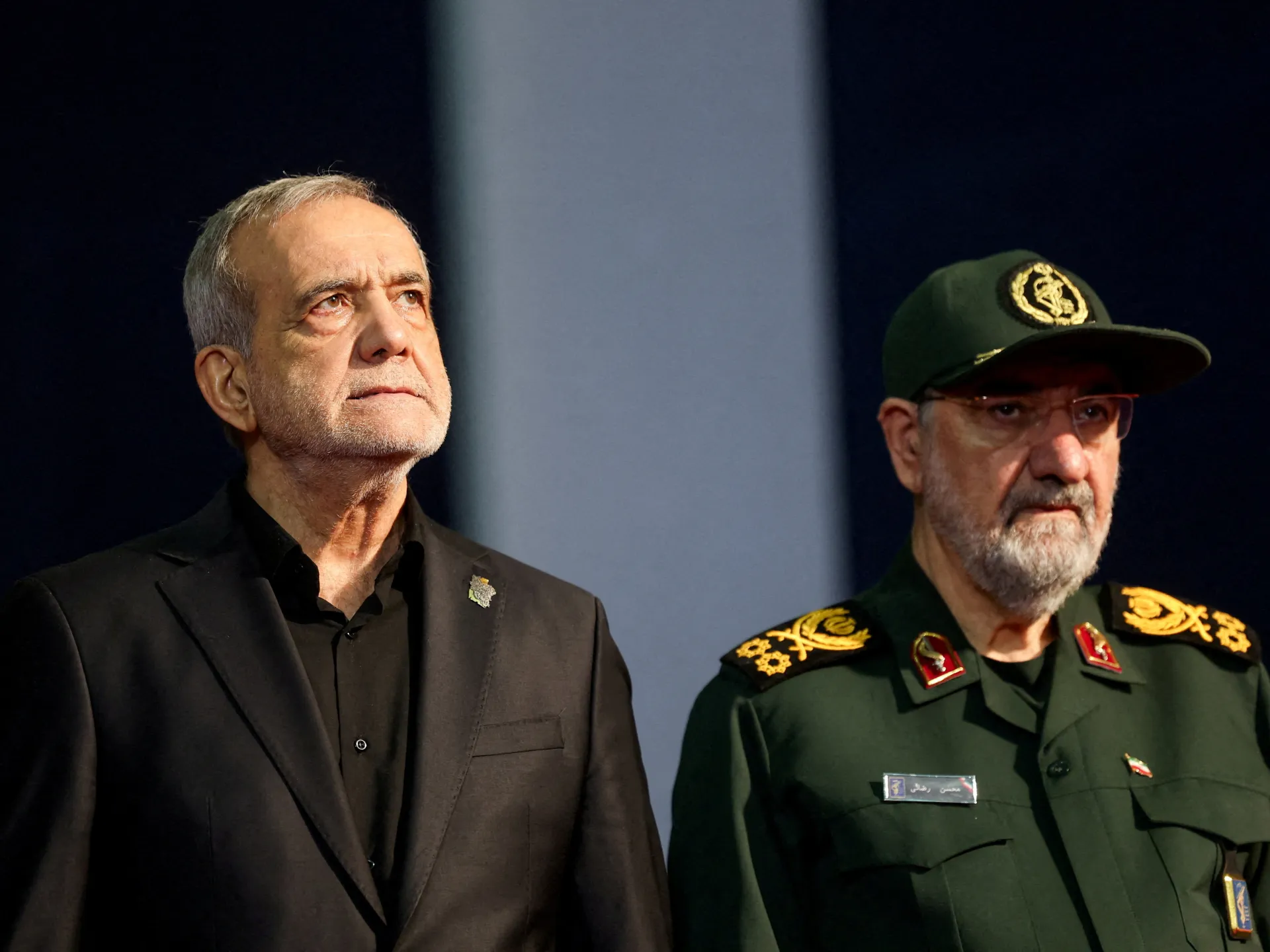
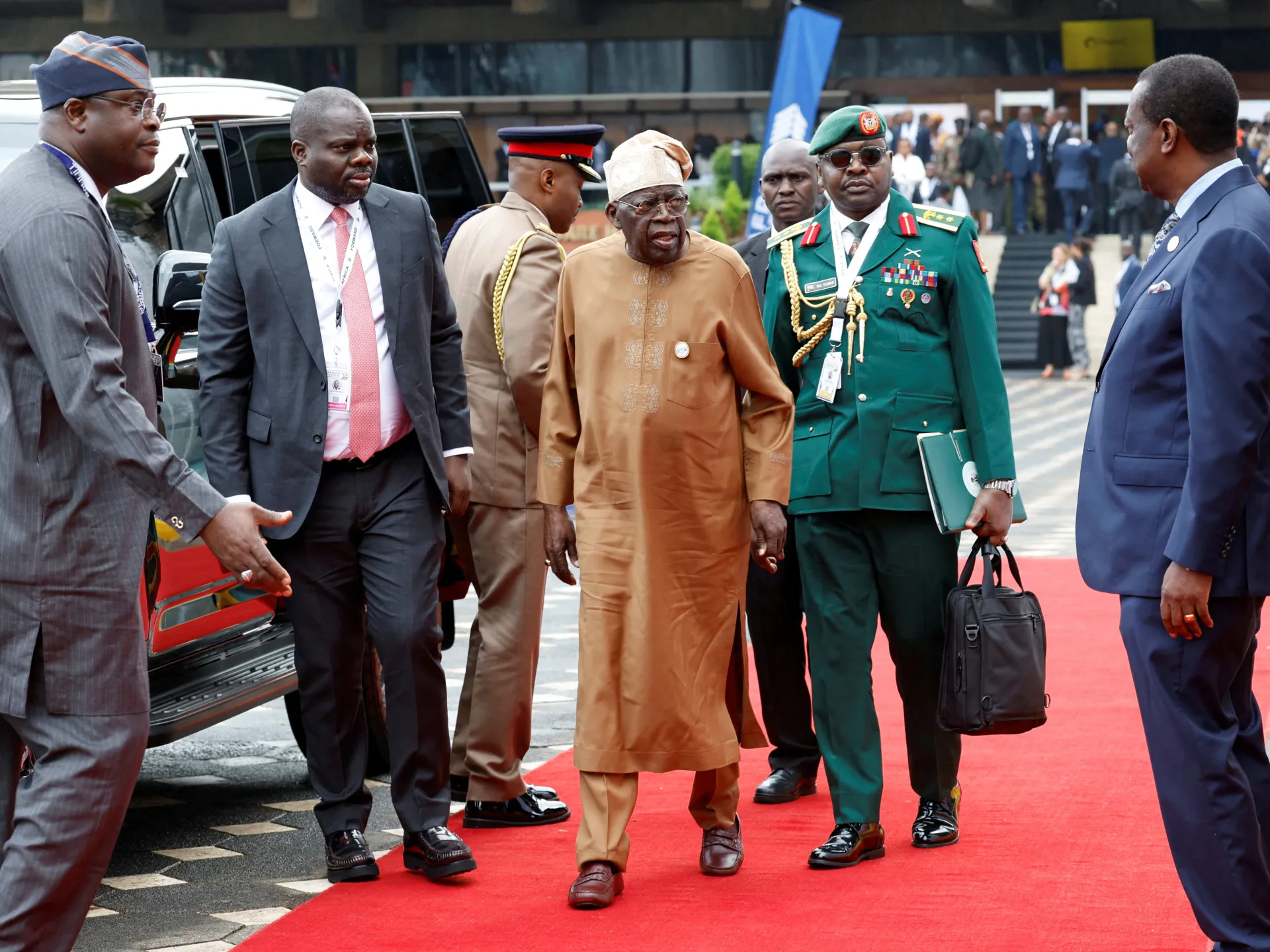
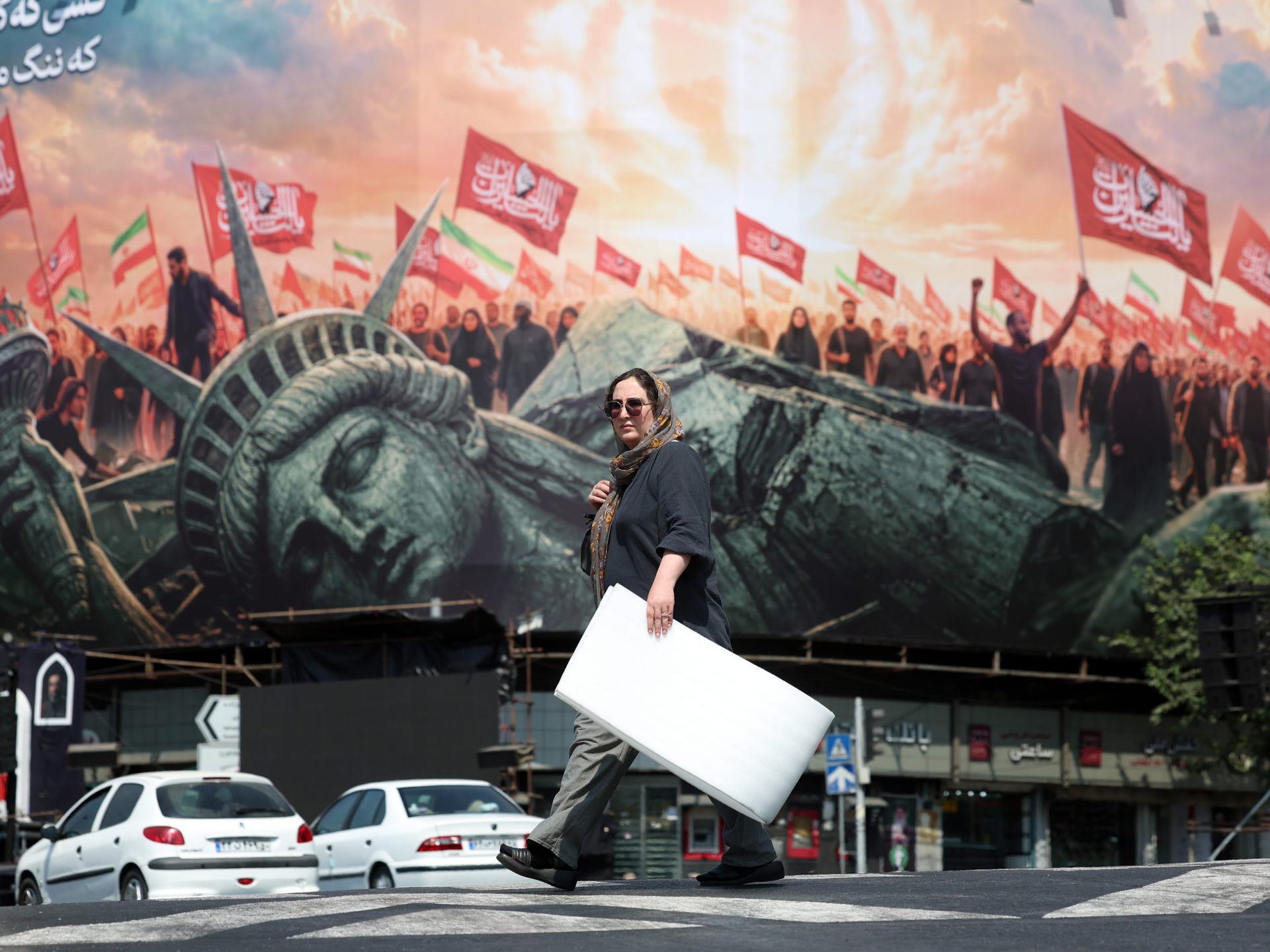
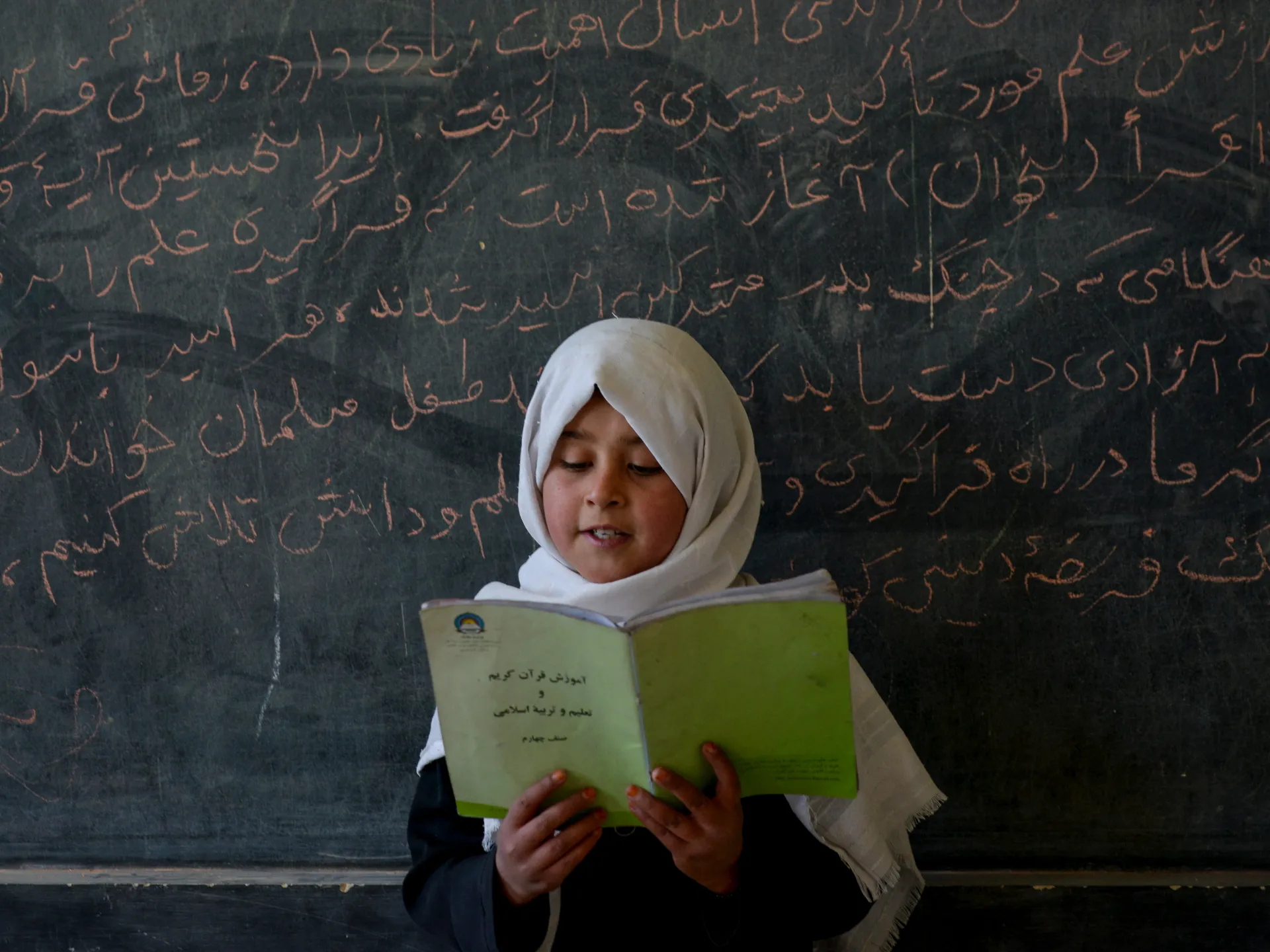
Beyond the battlefield, the divide between developed and struggling nations remains a focal point of international discourse. Leaders from Iran, Syria, and Kenya used the recent United Nations General Assembly to condemn the failures of global development policies. Despite the landmark recognition of development as a fundamental human right four decades ago, these nations argue that persistent war and systemic injustice have rendered that right effectively null for significant portions of the global population.
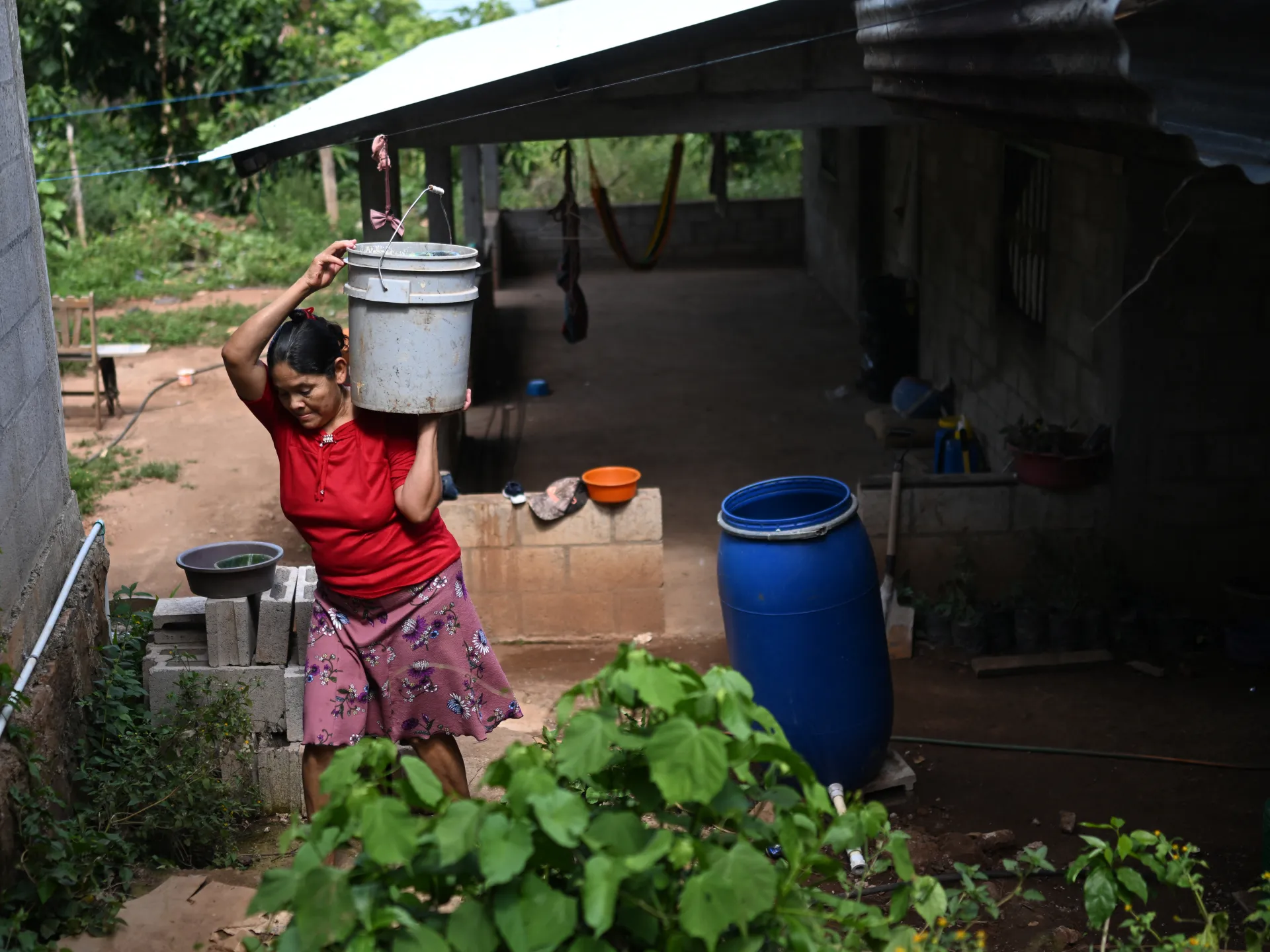
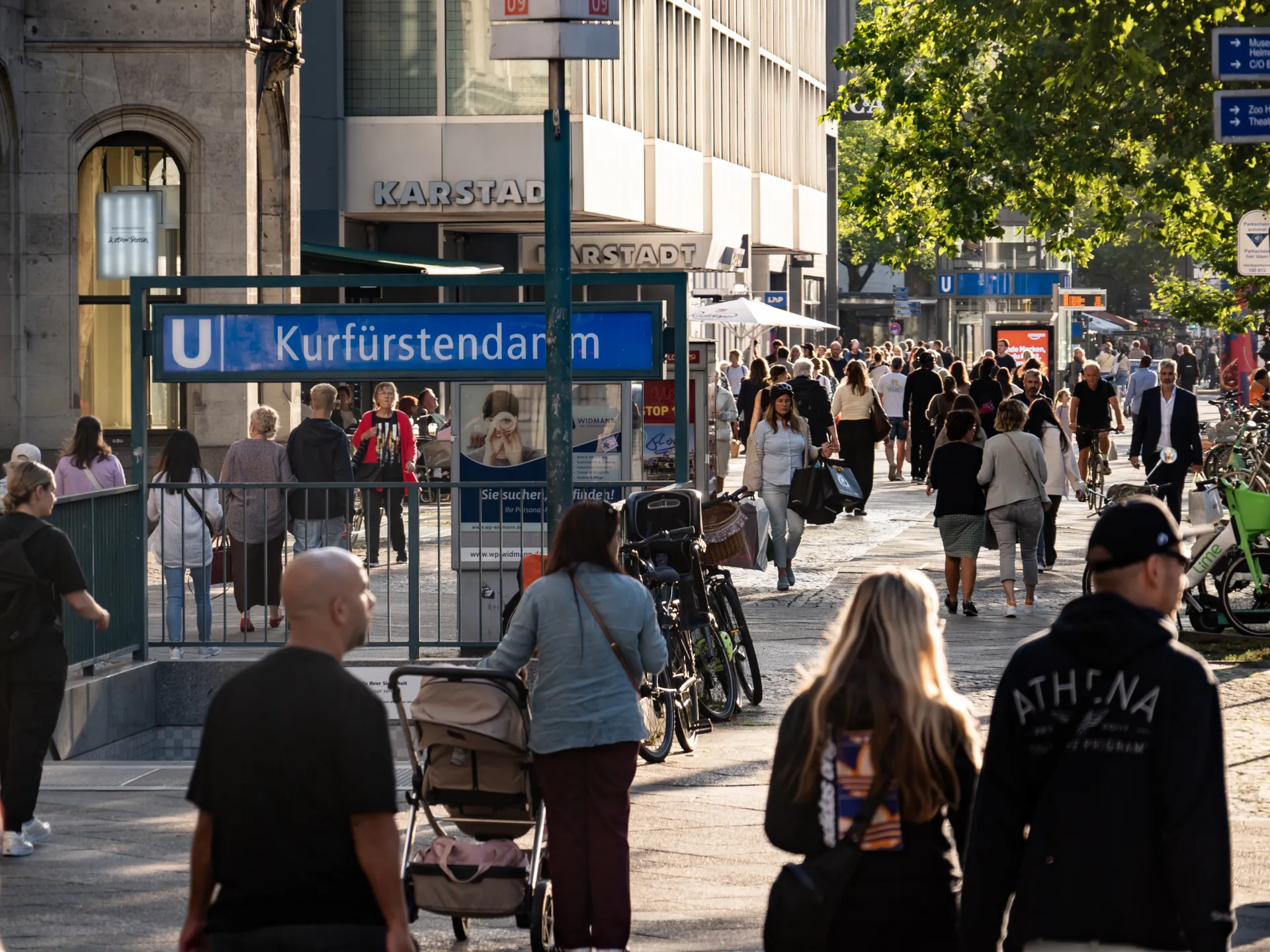
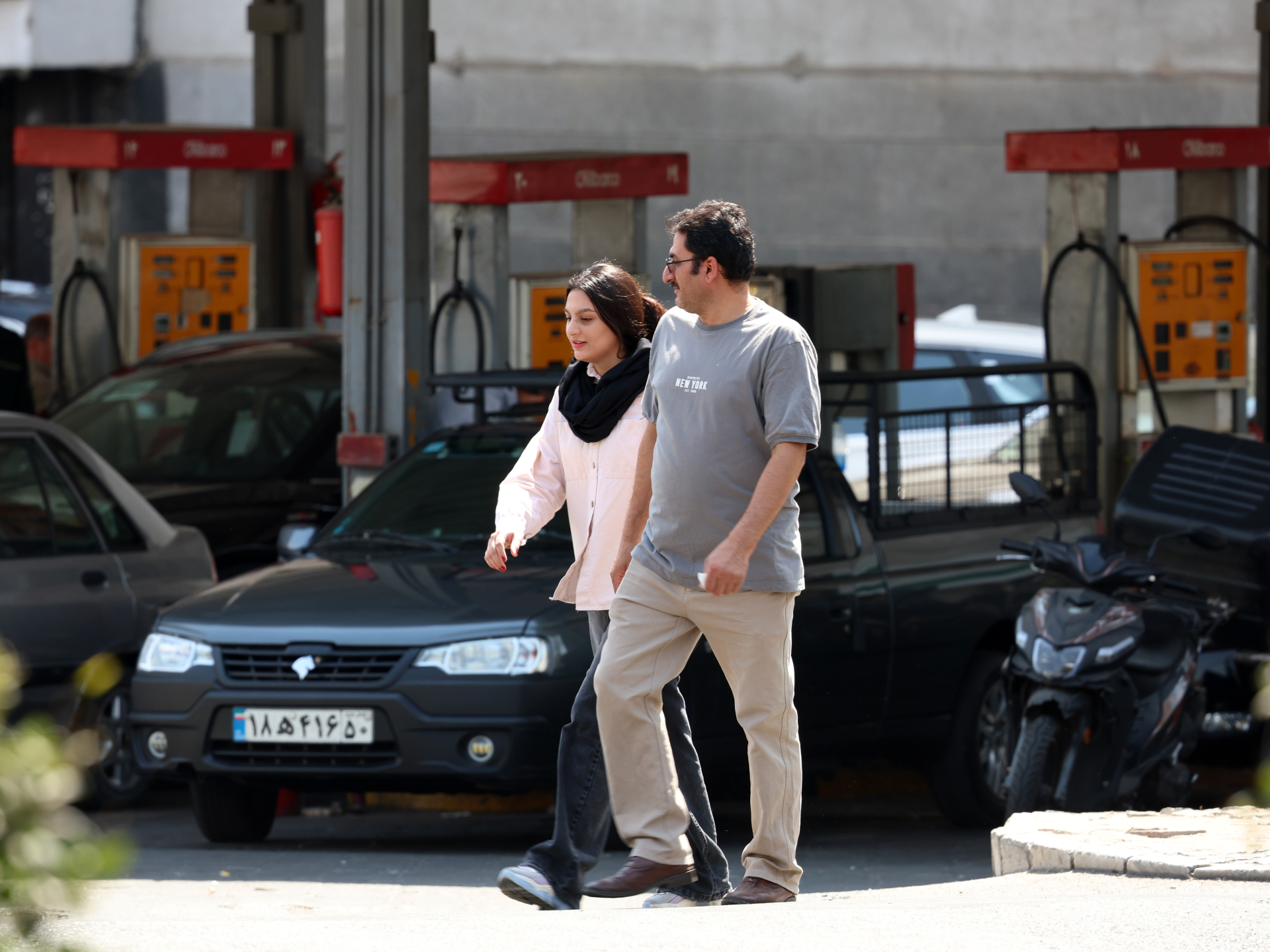
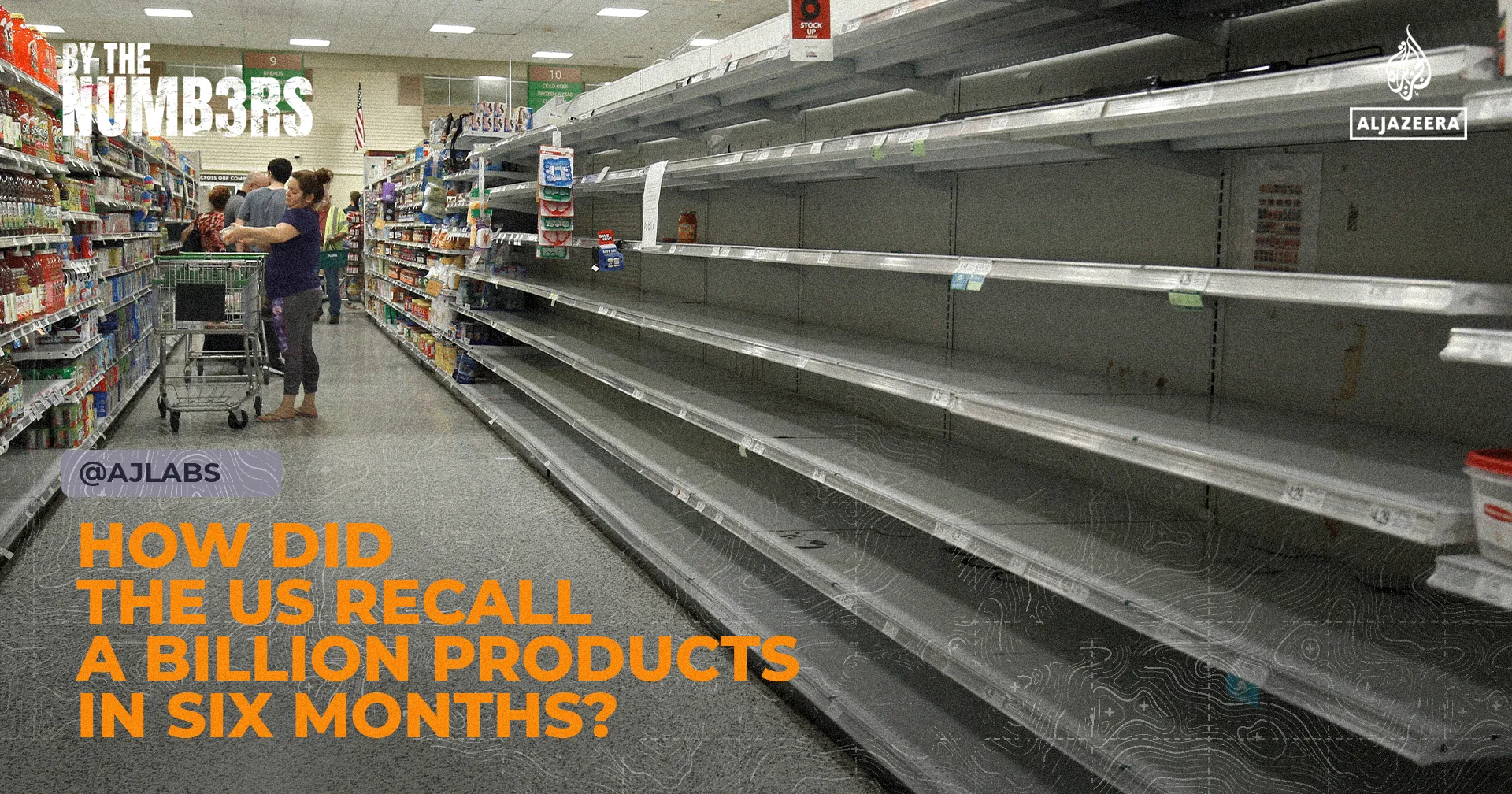
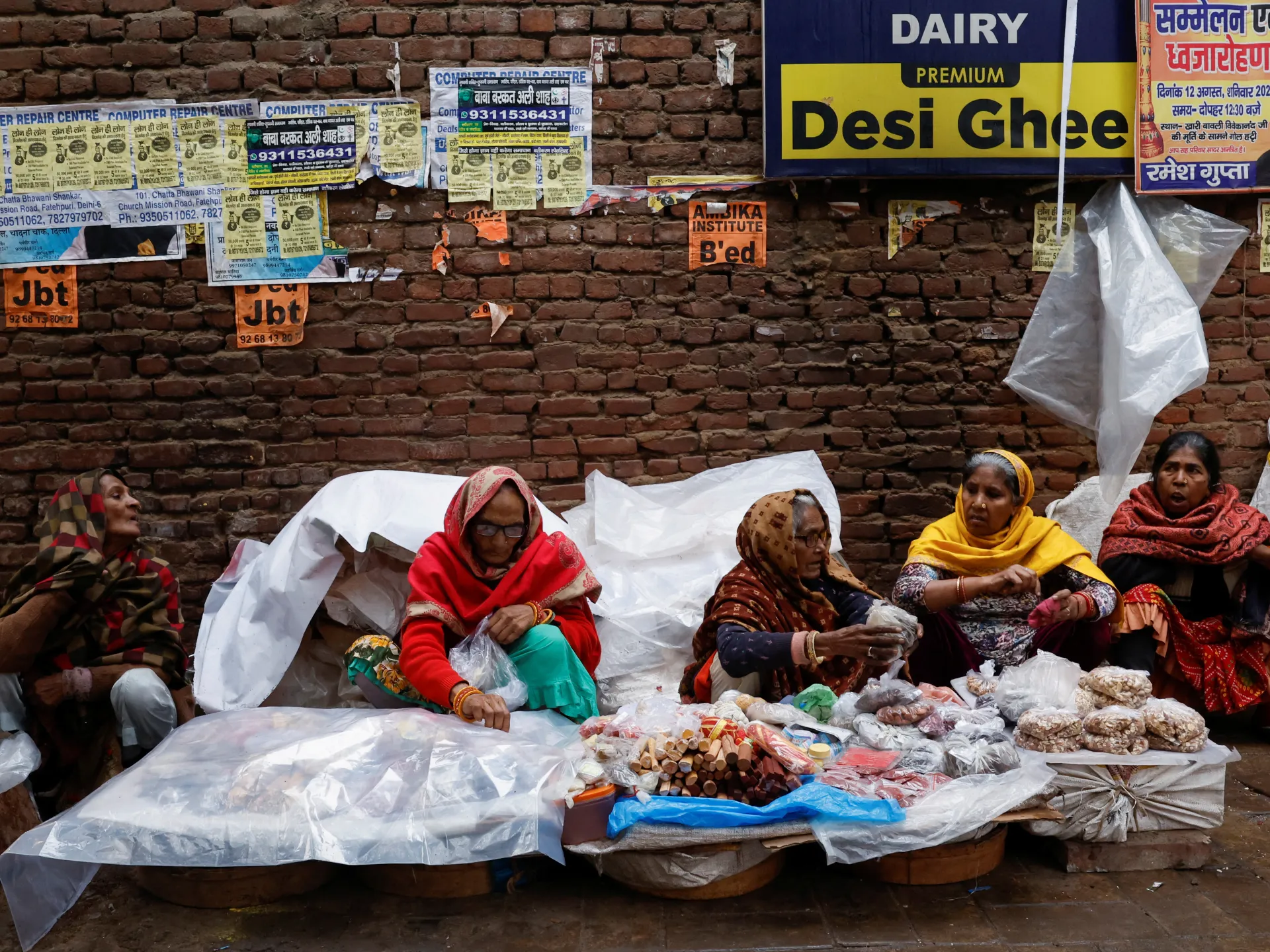
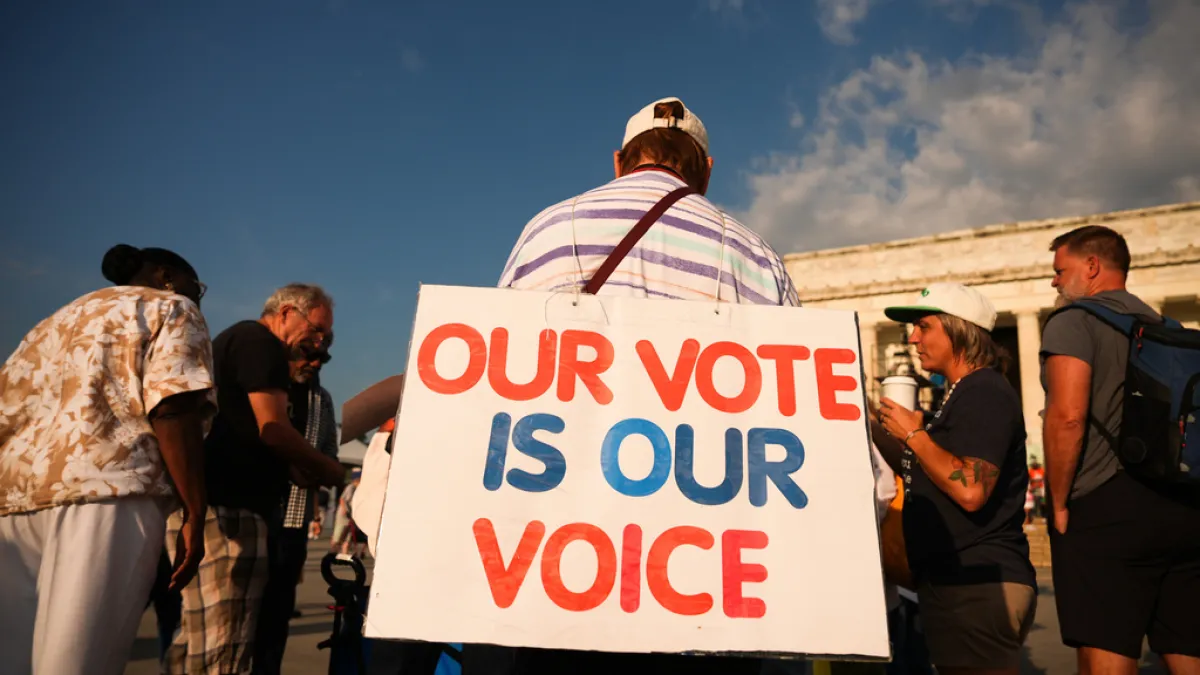
This frustration mirrors economic anxieties currently visible in the United States, where a growing disparity in spending habits reflects a broader struggle. While wealthier demographics continue to consume at high levels, the lower-income strata are reporting significant economic hardship. The inability of states to insulate their citizens from these fluctuations suggests a failing in the social contract that transcends borders, affecting both emerging economies and established powers.
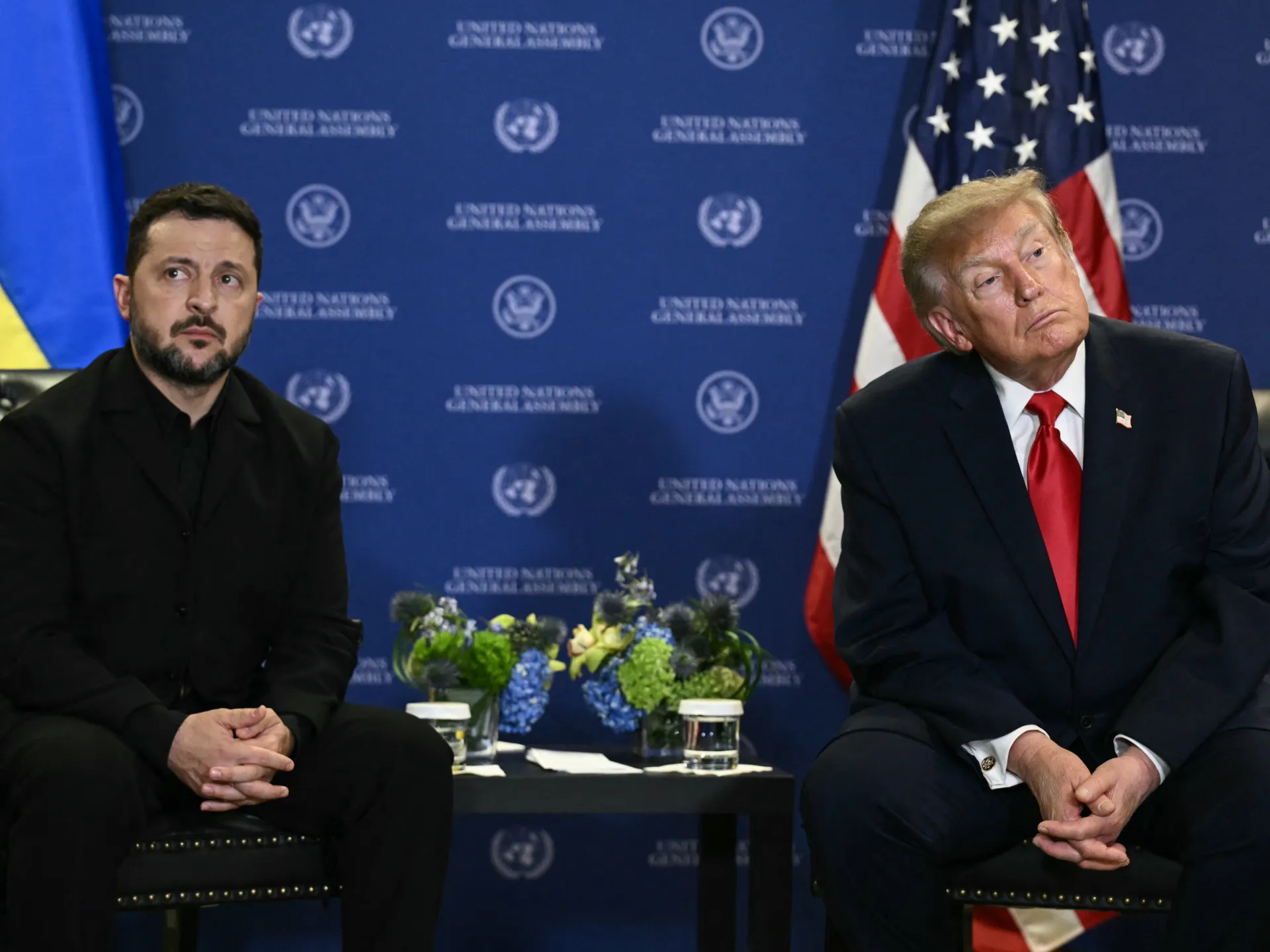
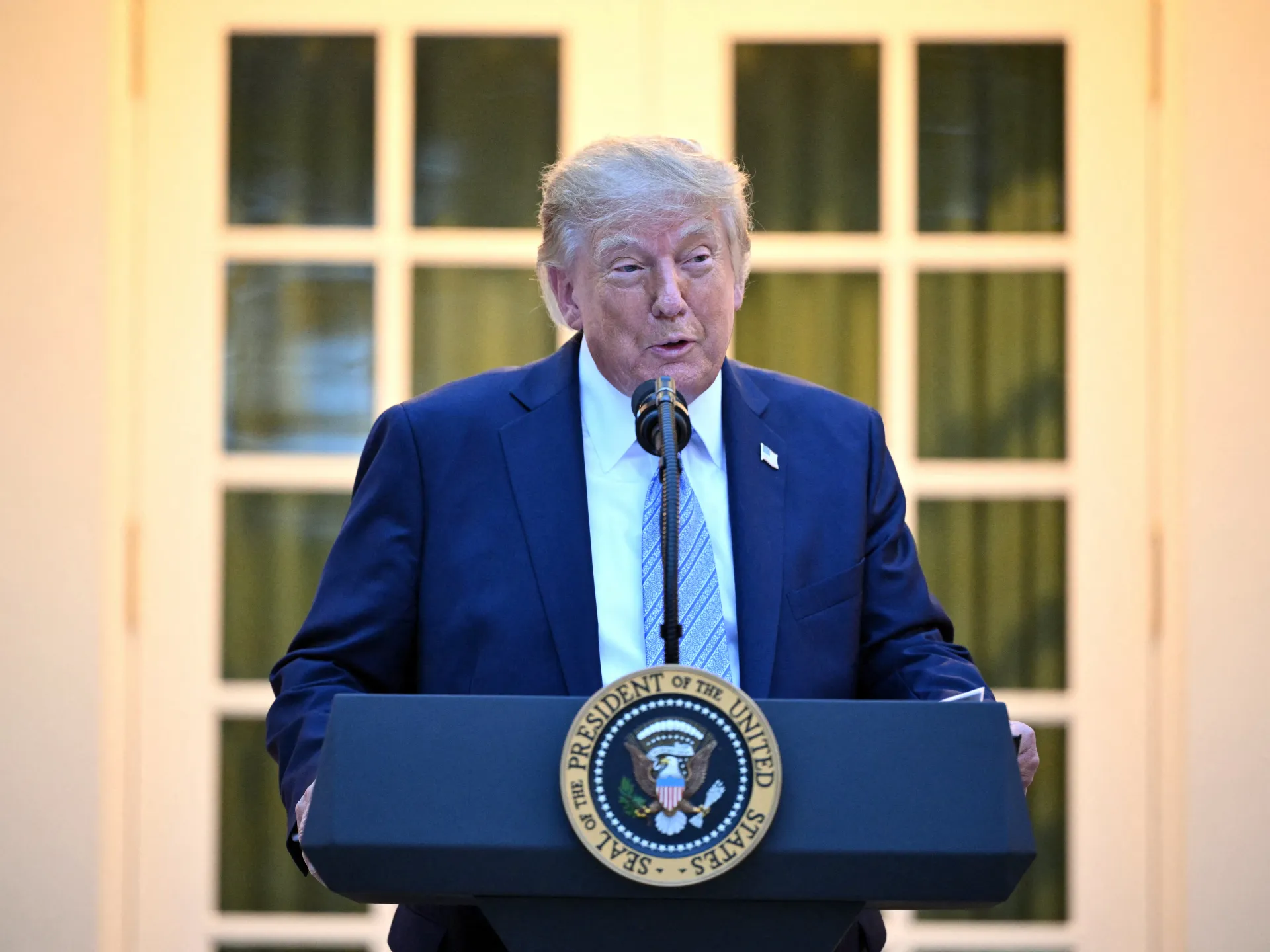
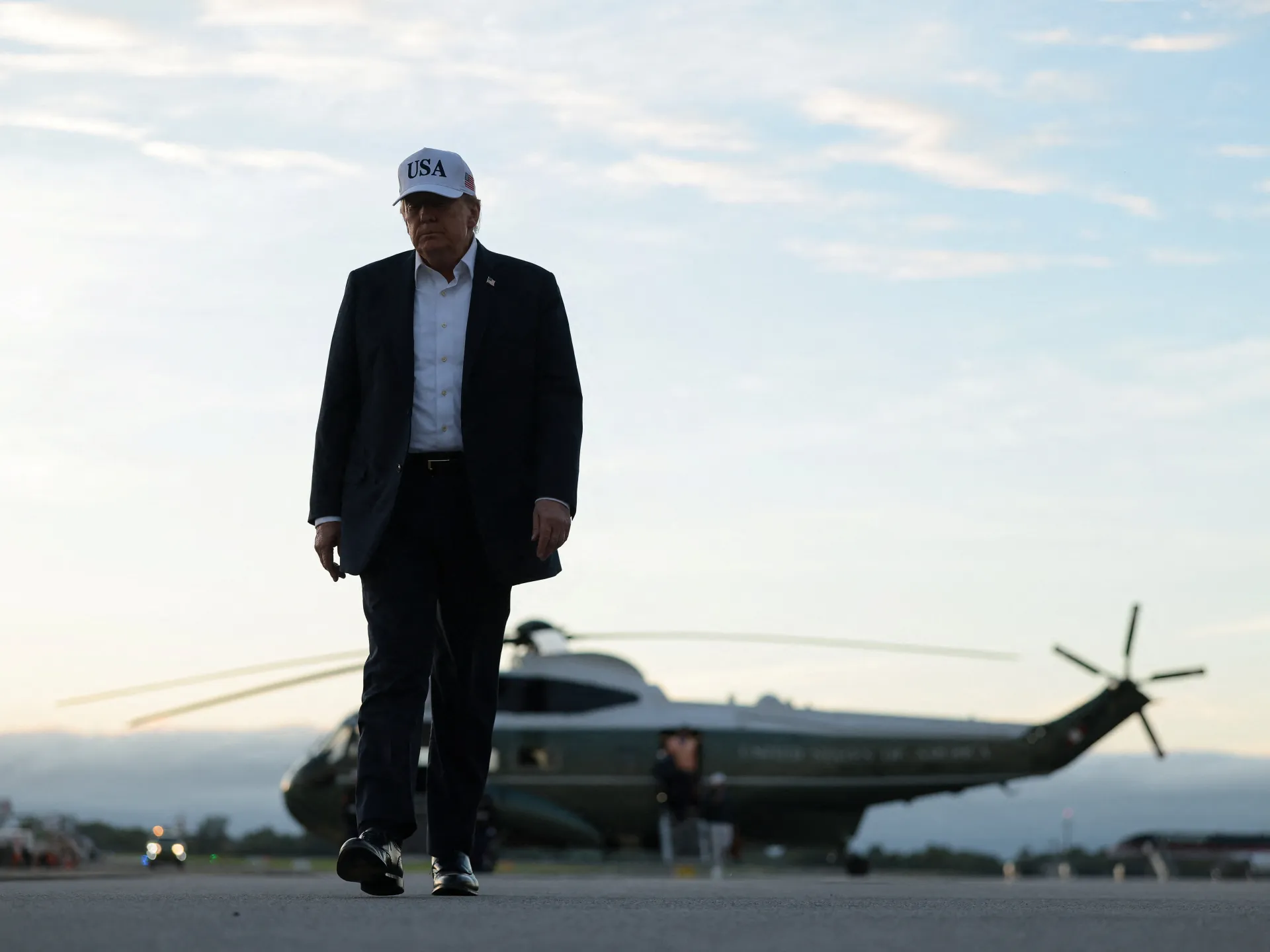
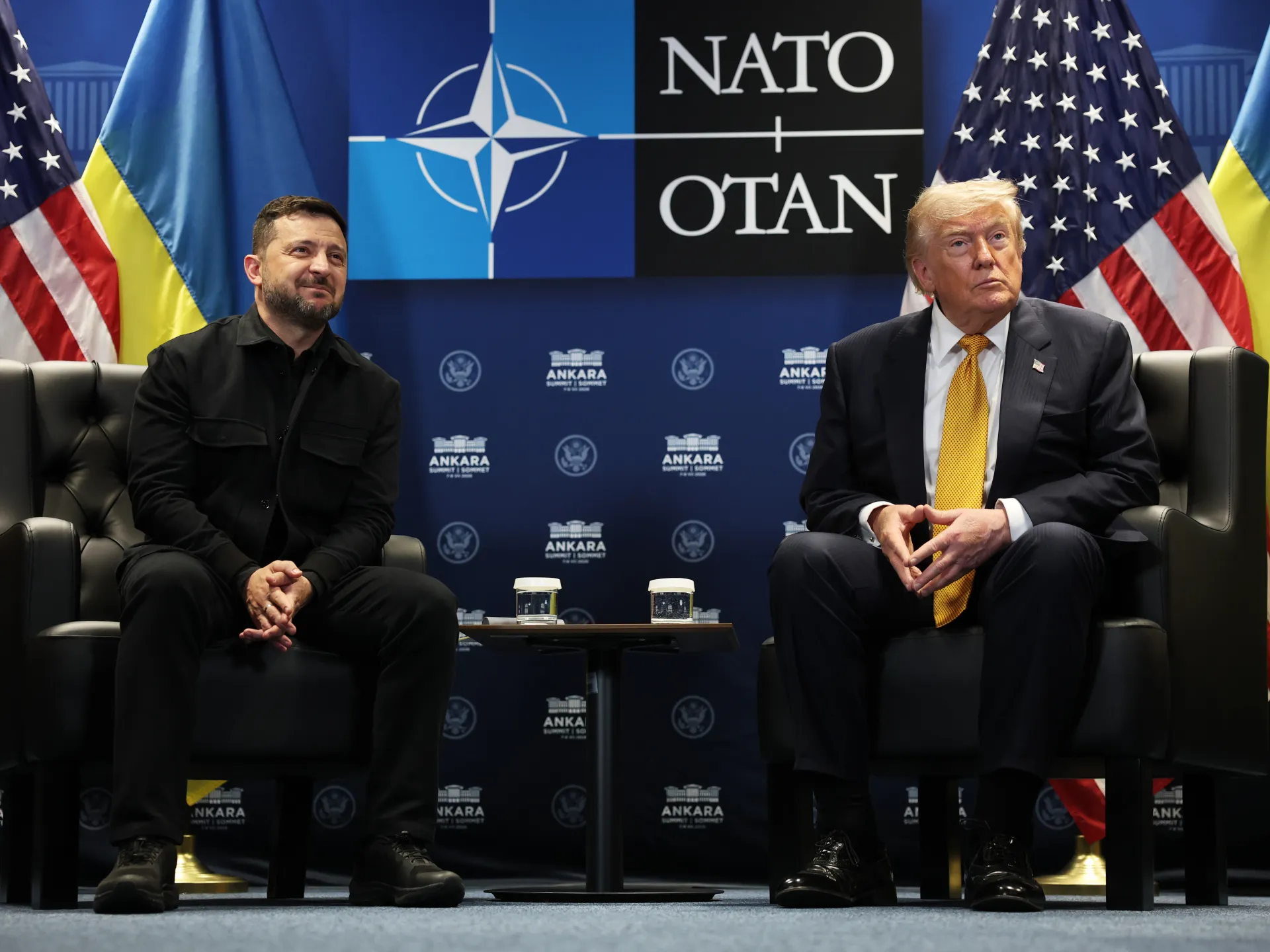
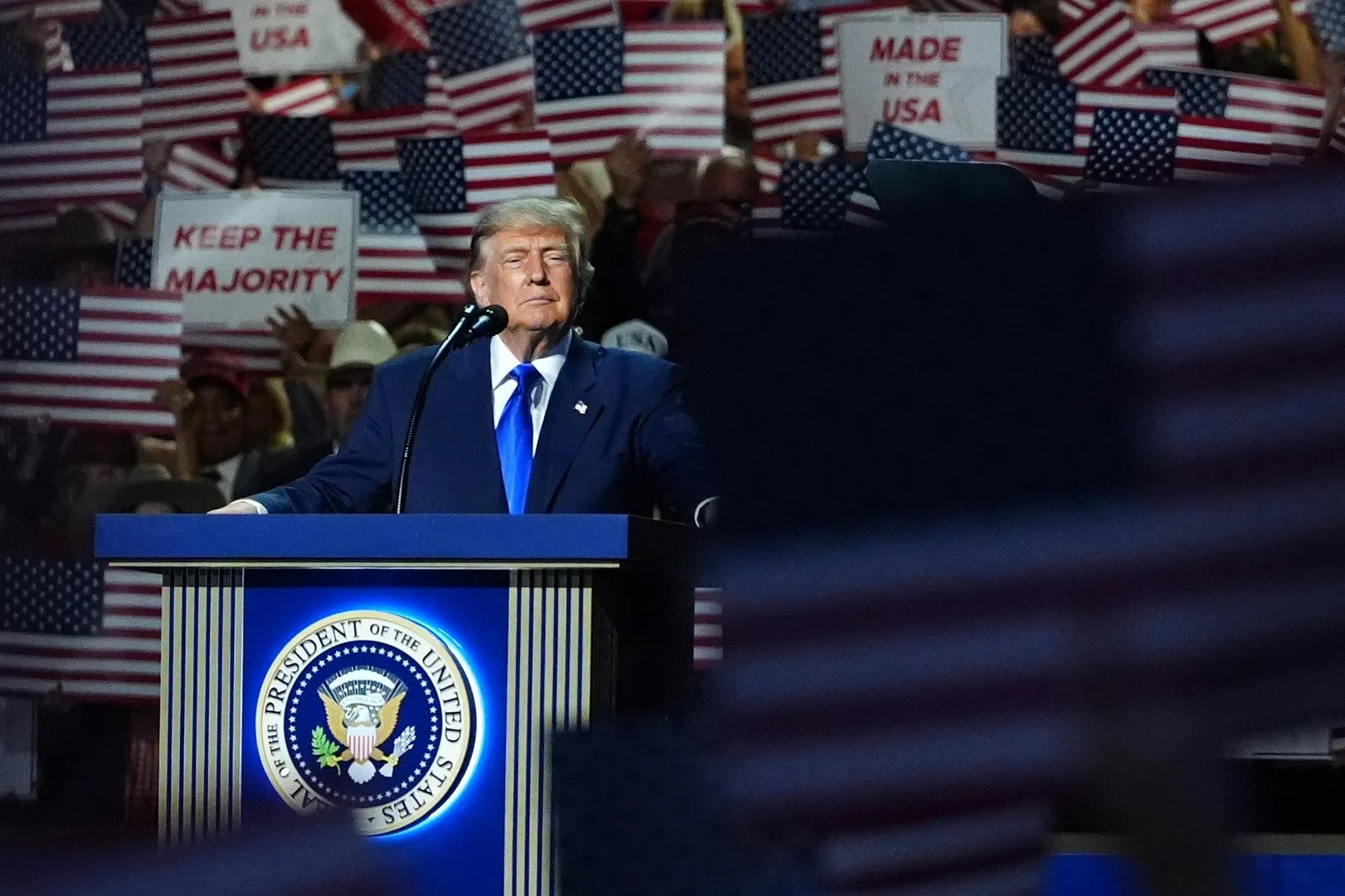
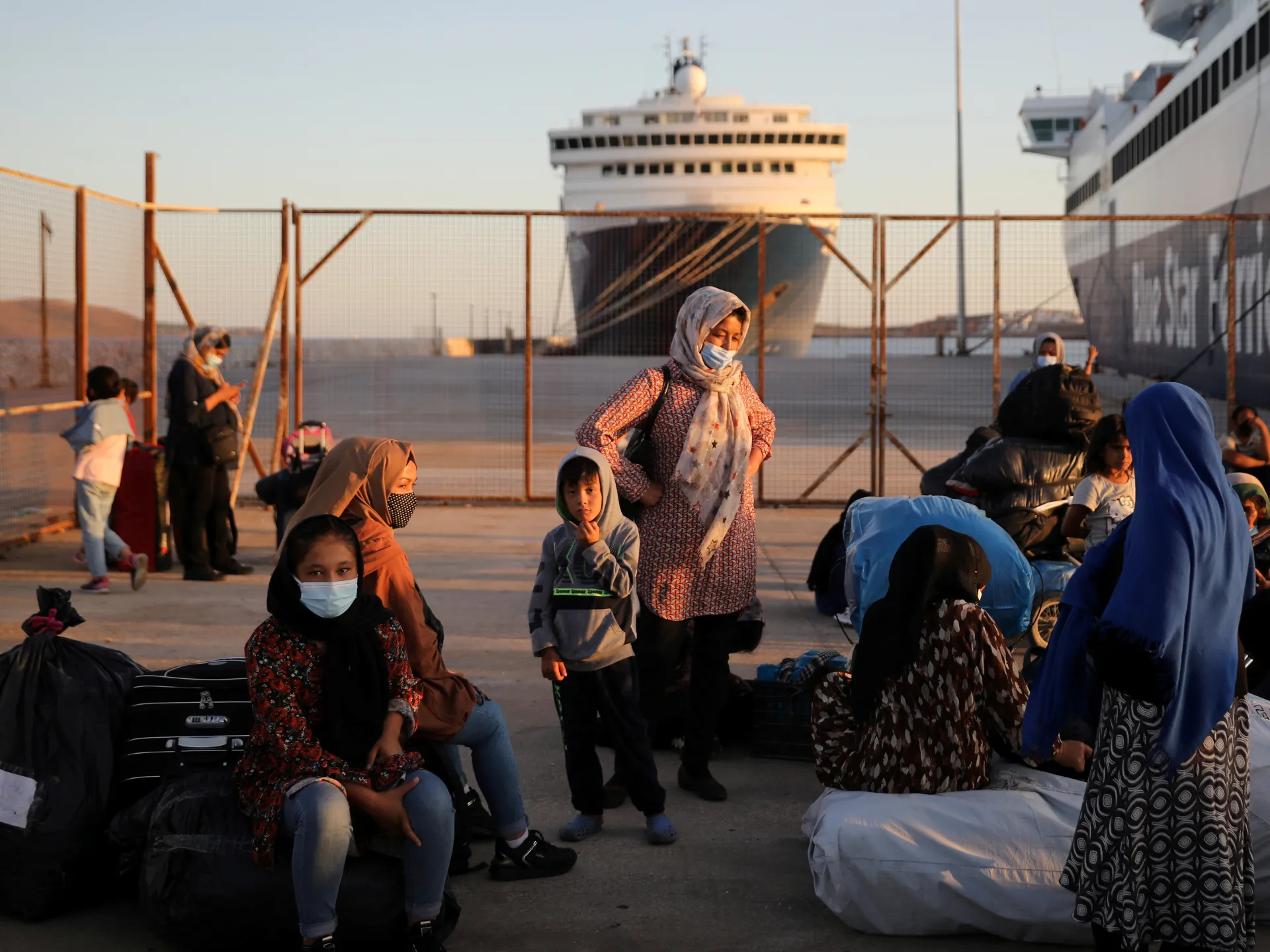
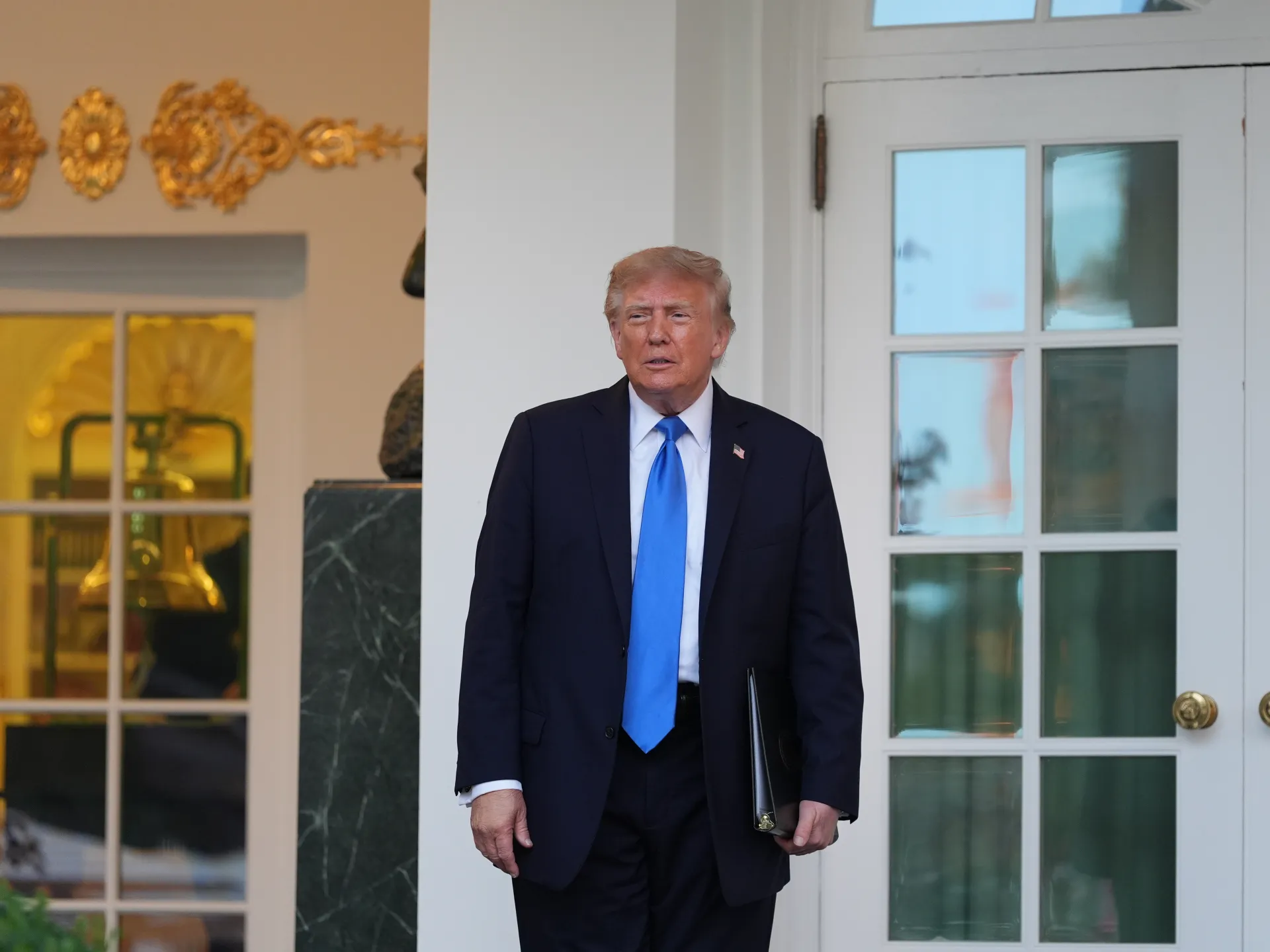
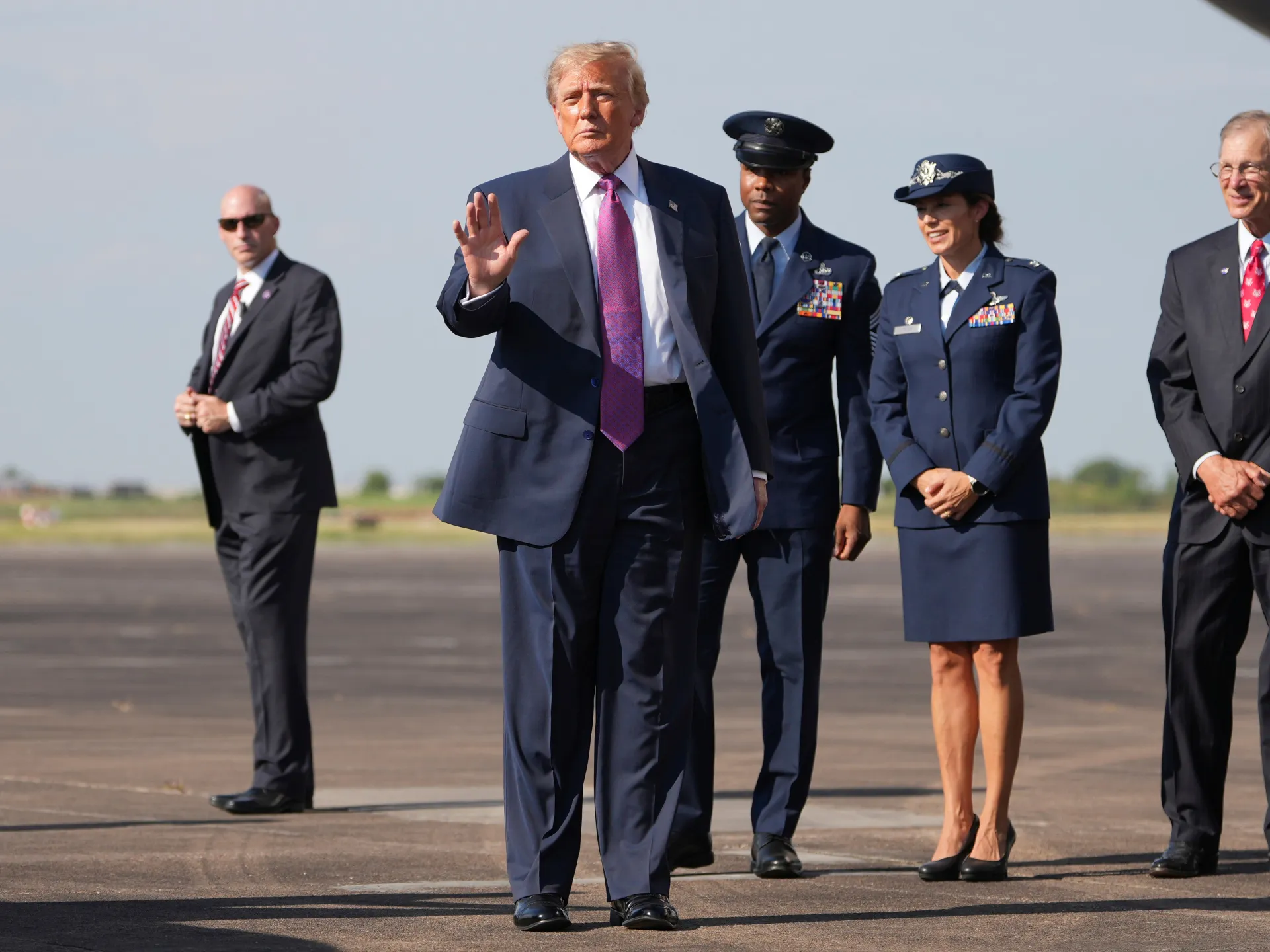
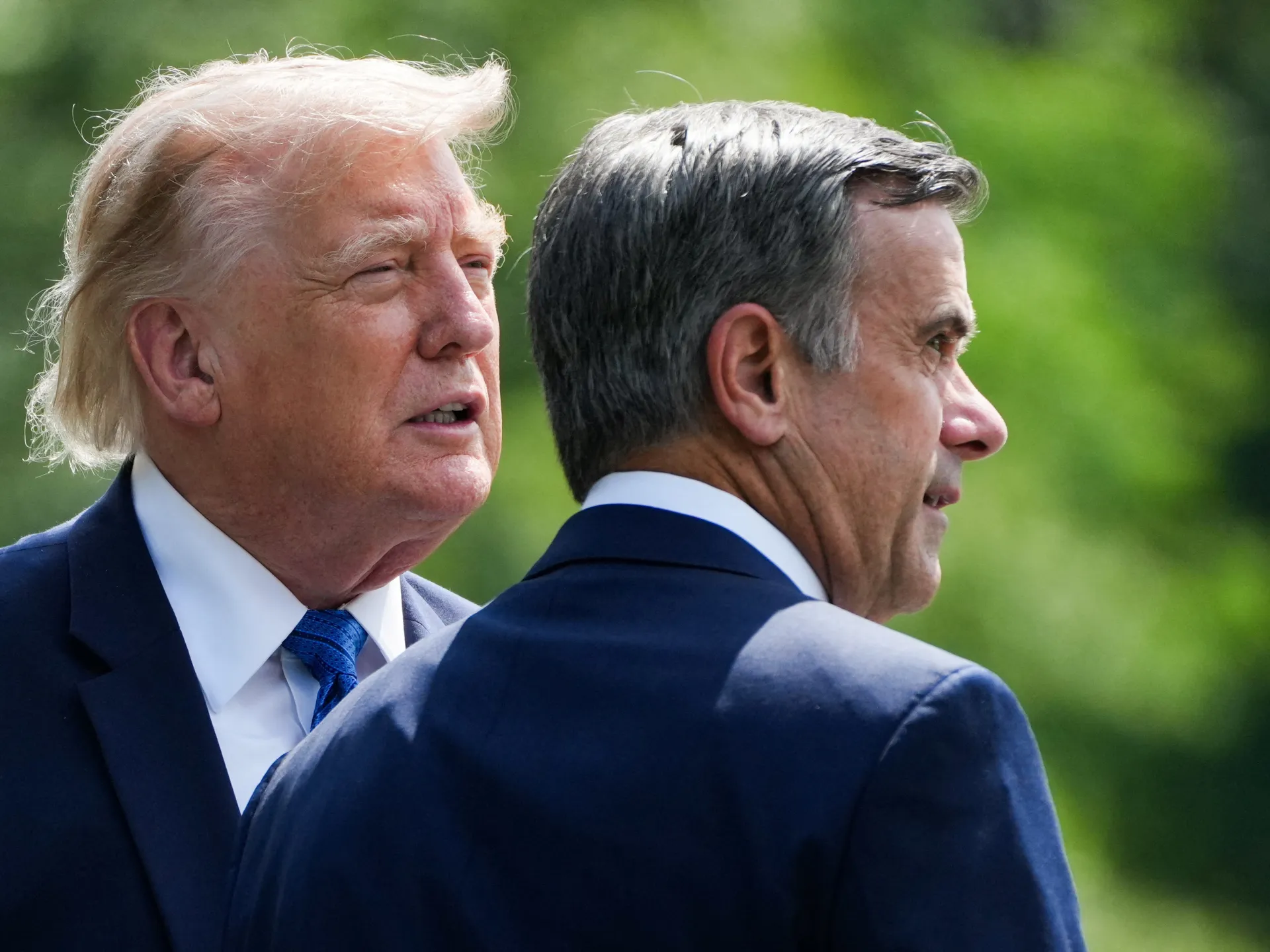
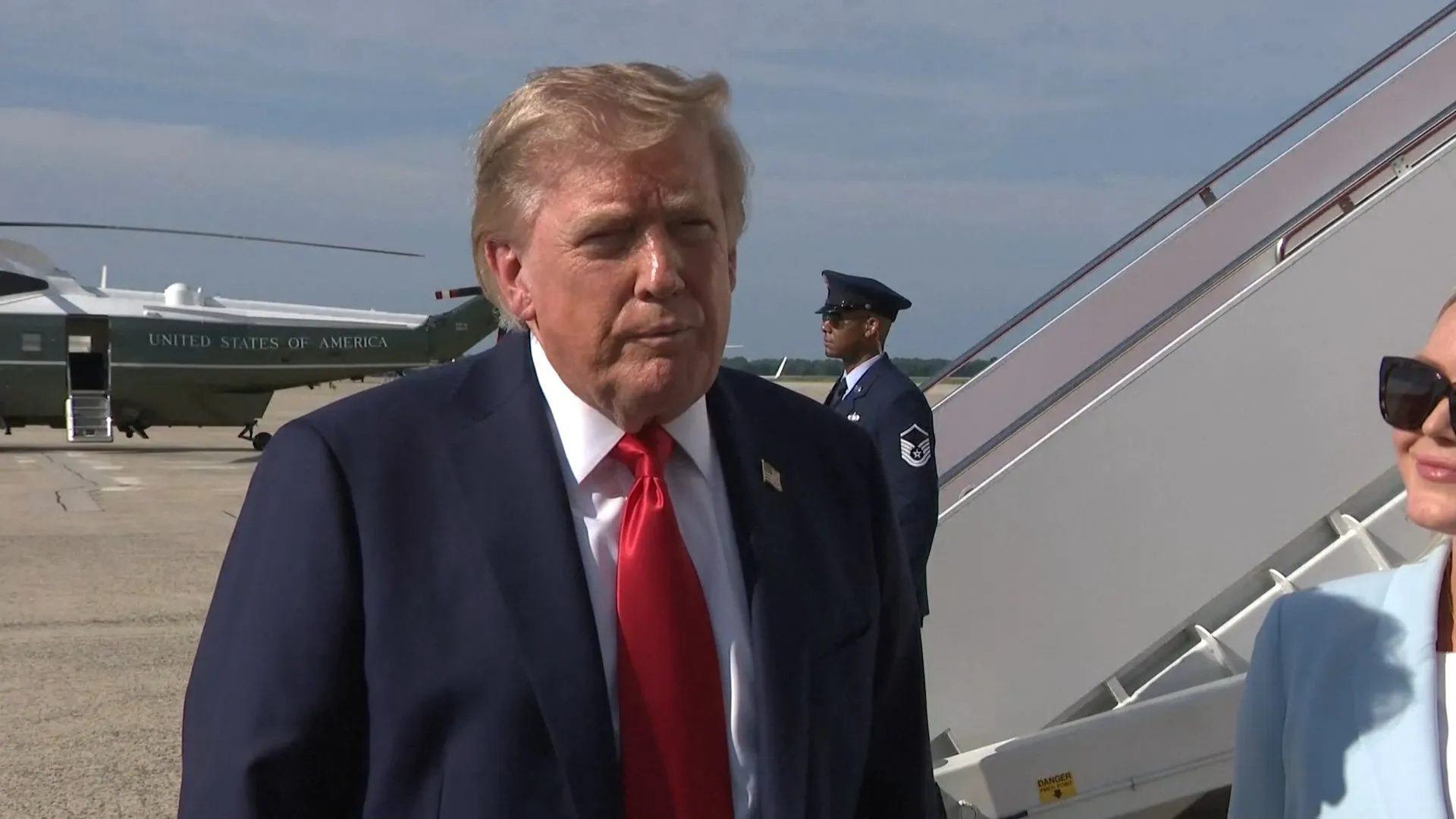
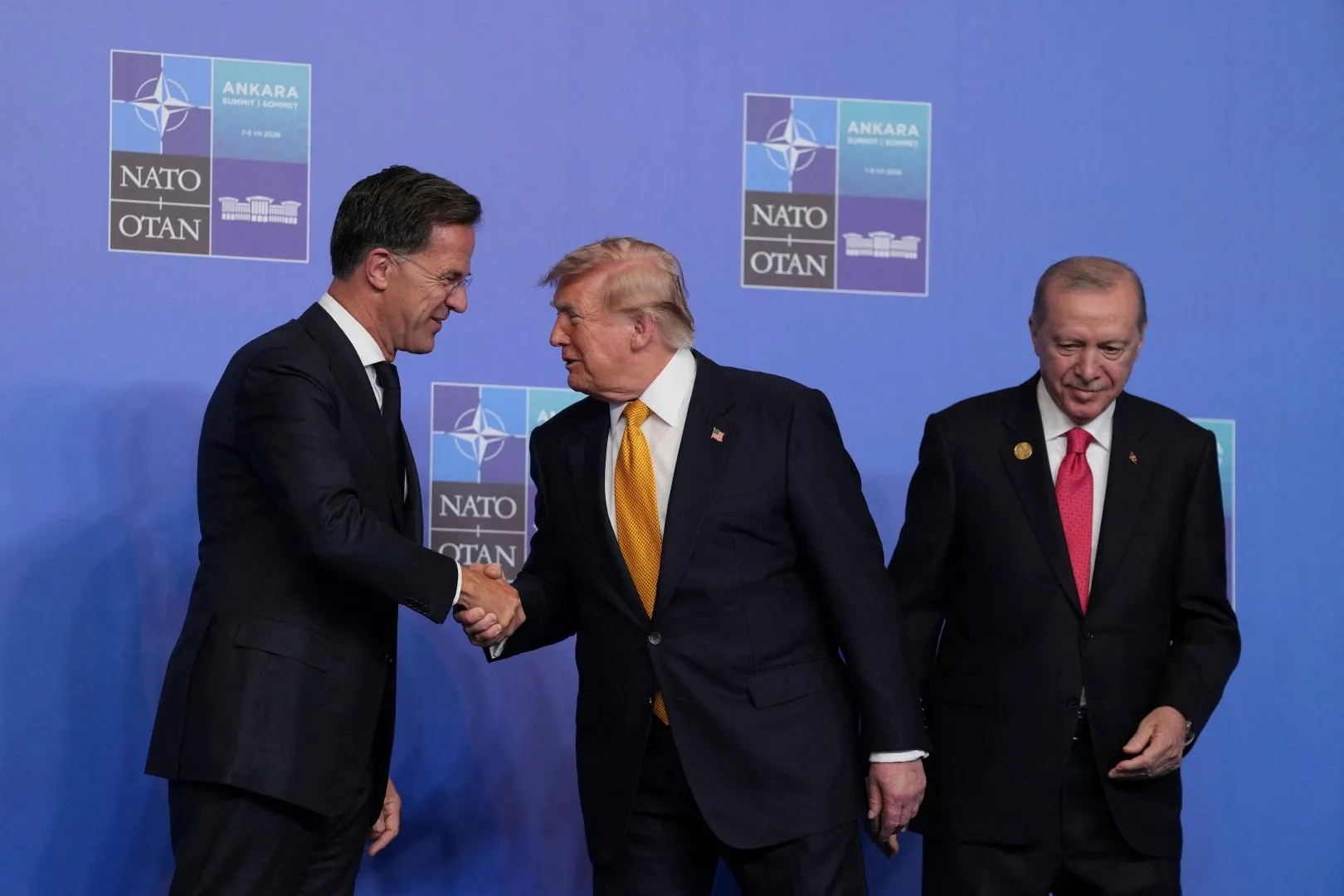
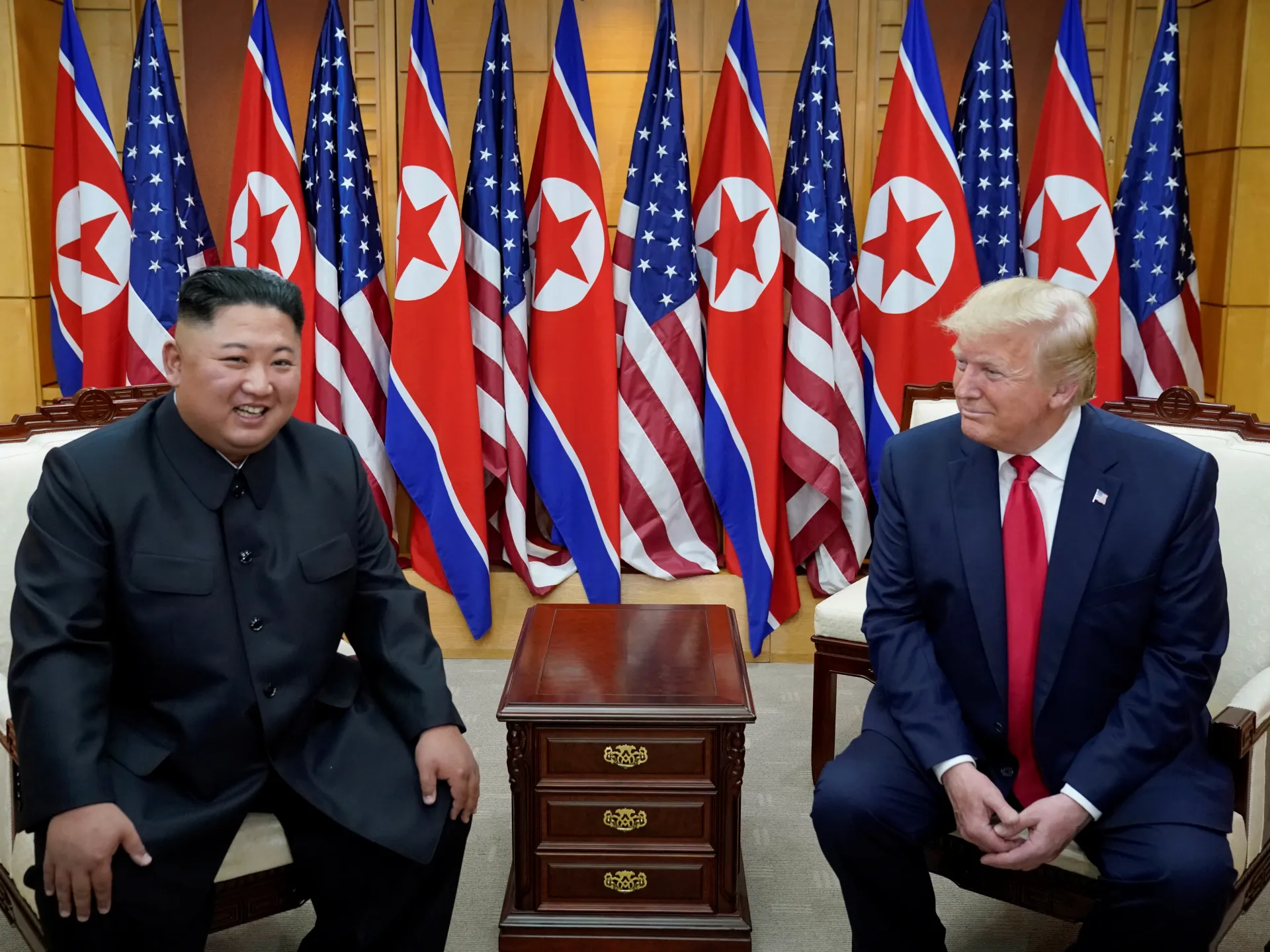
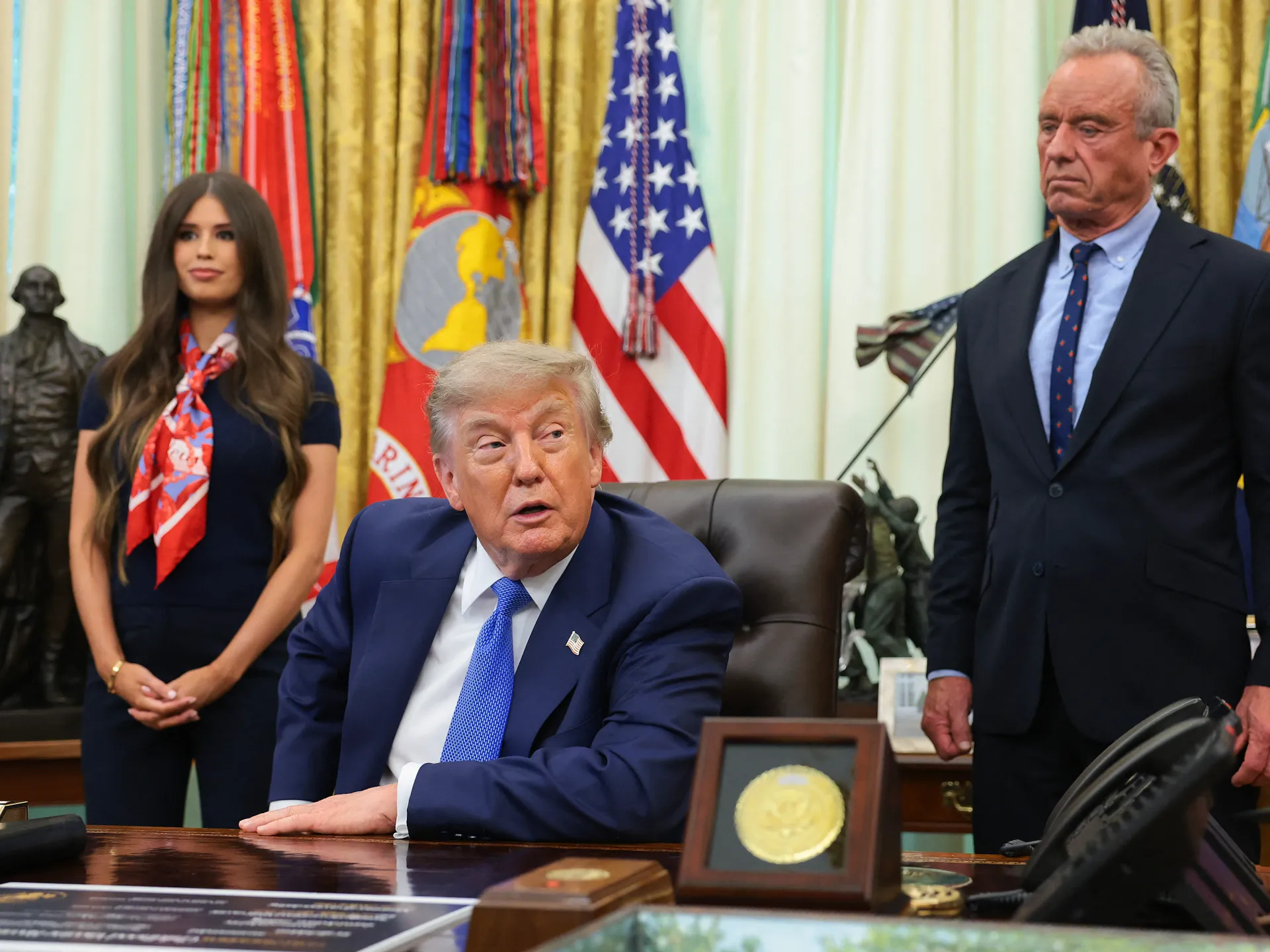
The immediate outlook depends heavily on the success of energy grid restoration efforts in Ukraine. Should these repairs fail to keep pace with the destruction of the winter, the displacement of civilians and the loss of life may escalate drastically. Diplomatically, the recent engagement between US and Russian envoys—a move following the administration's recent diplomatic overtures—has yet to yield a tangible de-escalation, as both sides remain locked in a cycle of retaliatory strikes. The international community will likely remain fractured, with the UN struggling to balance the competing interests of nations focused on their own internal economic survival against those grappling with the existential threats posed