NASA has successfully launched the Nancy Grace Roman Space Telescope while advancing its next-generation PRIMA mission to explore cosmic evolution.
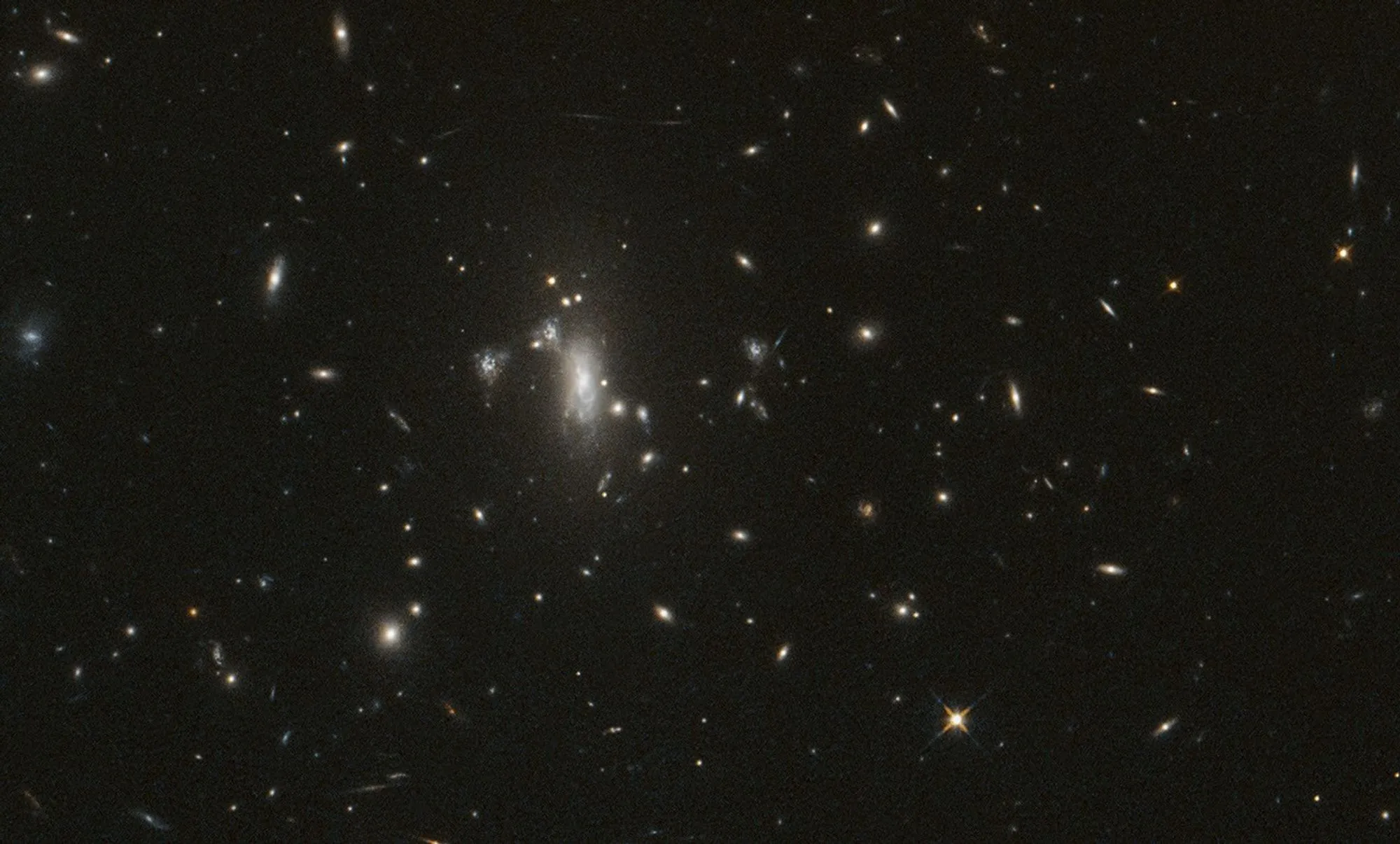
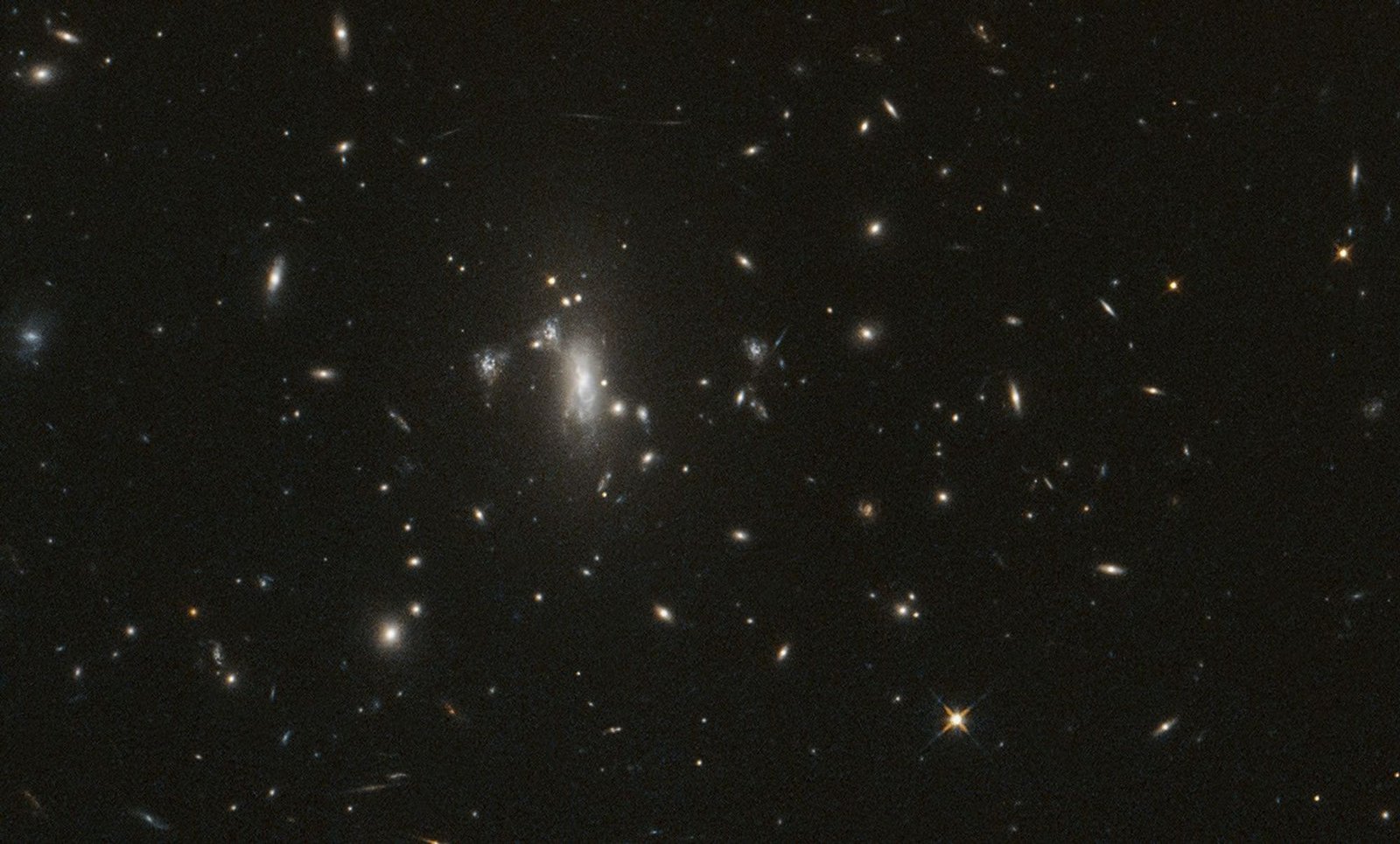
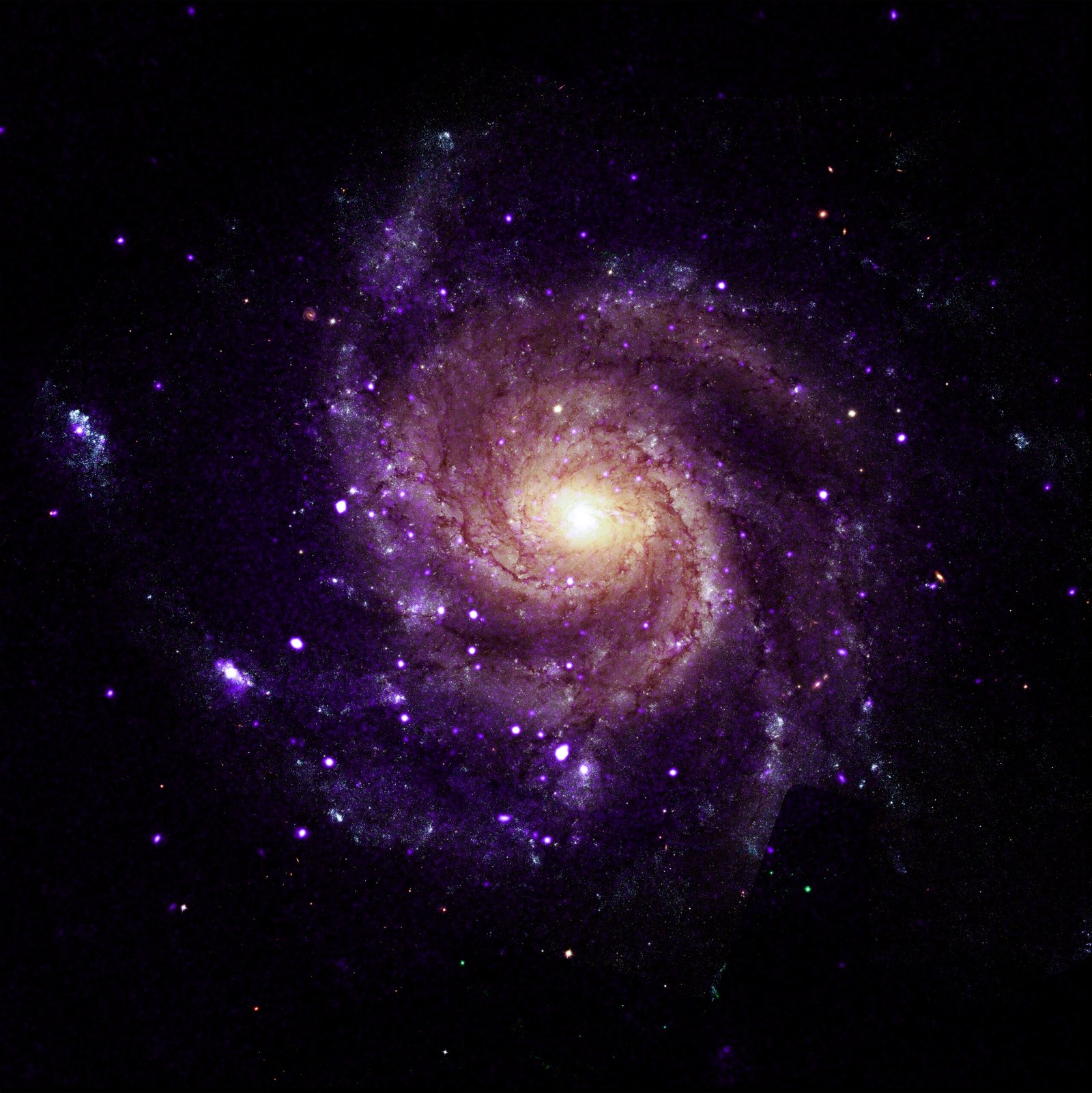
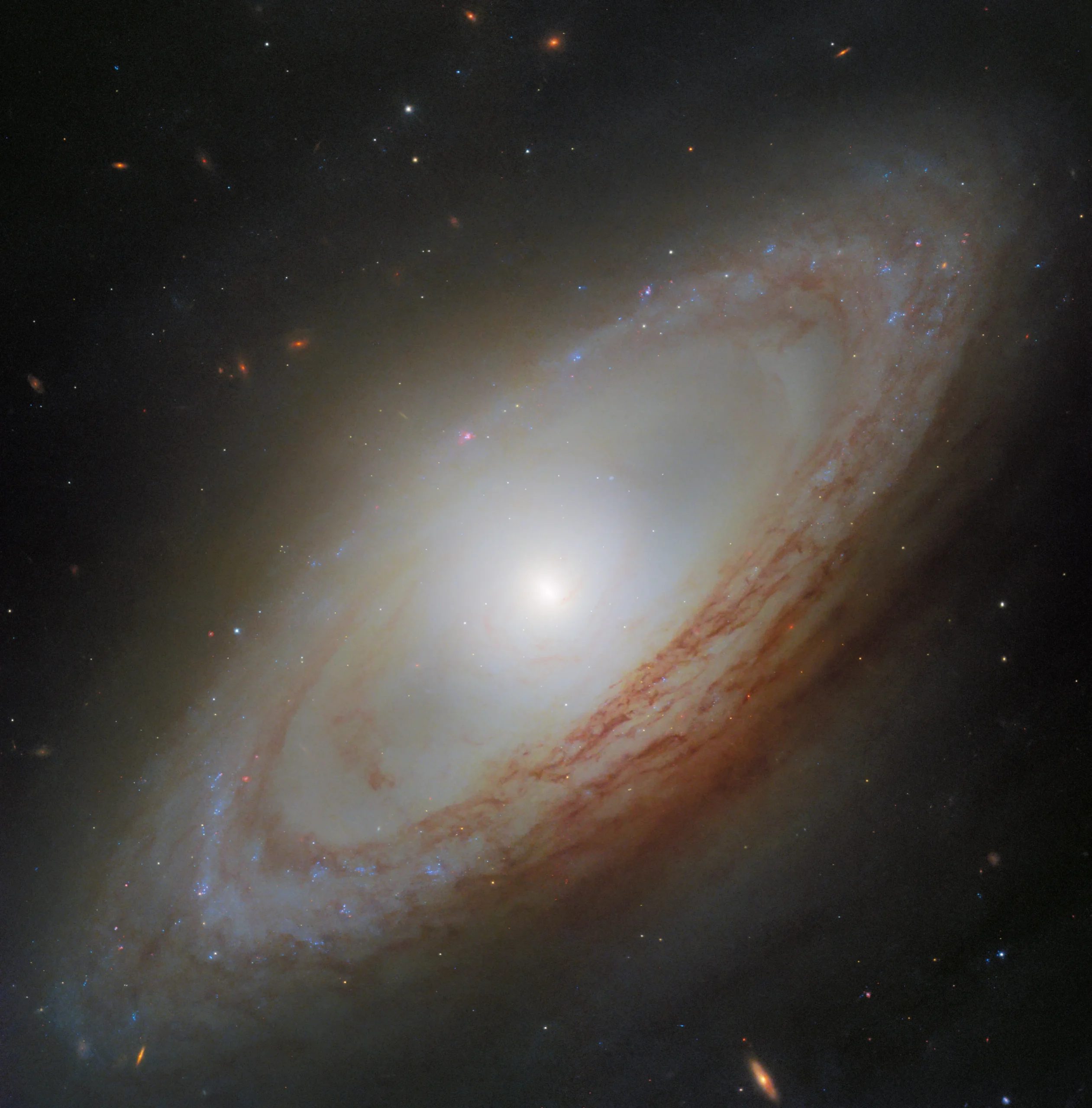
The strategic deployment of the Nancy Grace Roman Space Telescope represents a fundamental shift in how humanity observes the cosmos. ble telescopes, NASA is moving from a philosophy of deep, narrow-field inspection to wide-field galactic mapping. This transition is essential for moving beyond individual astronomical curiosities—such as the recently identified "out-of-sync" spiral galaxy NGC 4698—toward a statistical understanding of the universe's structure, including the distribution of dark energy and the prevalence of exoplanetary systems.
The simultaneous progression of the PRIMA mission into its development phase signals a long-term commitment to a multi-tiered observatory pipeline. es, NASA is positioning its future fleet to address the 2020 Decadal Survey’s mandate to treat space exploration not as a series of isolated events, but as a continuous, tiered survey of cosmic history from the formation of stars to the expansion of the universe.
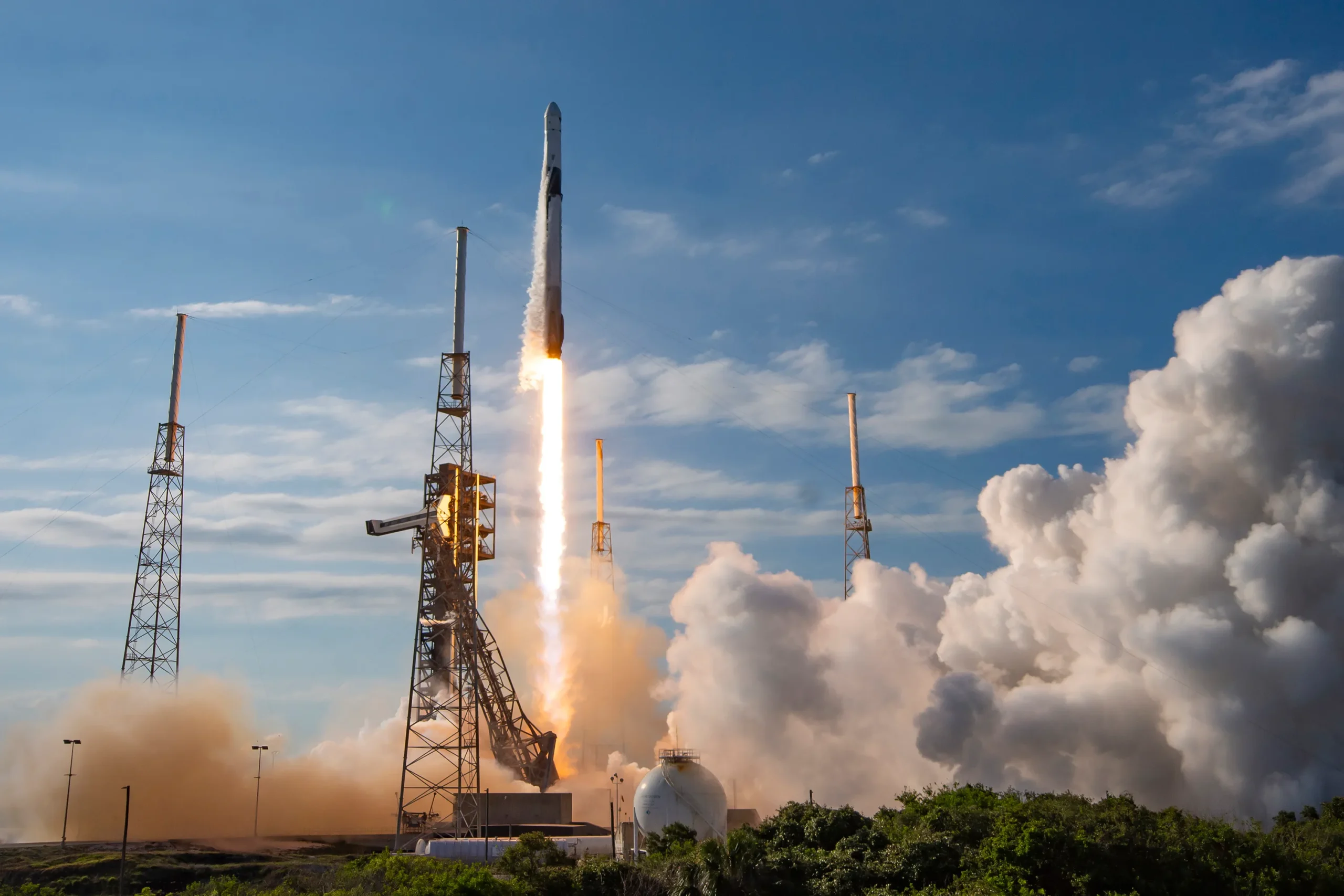
The Nancy Grace Roman Space Telescope successfully reached the initial stage of its operational journey following a launch from Florida's Kennedy Space Center on August 30, 2026. Carried nsit to its destination at Lagrange Point 2, located approximately one million miles from Earth. This location is shared with the James Webb Space Telescope and provides a stable environment shielded from the thermal interference of Earth and the Moon.
The mission, which carries a development cost of $4.3 billion according to reports from Al Jazeera, is projected to last five years, though officials have noted that the design includes refueling capabilities that could potentially extend its operational lifespan cientific objective involves mapping the "dark universe"—specifically the dark matter and dark energy that constitute approximately 95 percent of the cosmos. nsus of exoplanets, with NASA administrators suggesting the potential to identify between 10,000 and 100,000 new worlds beyond our solar system.
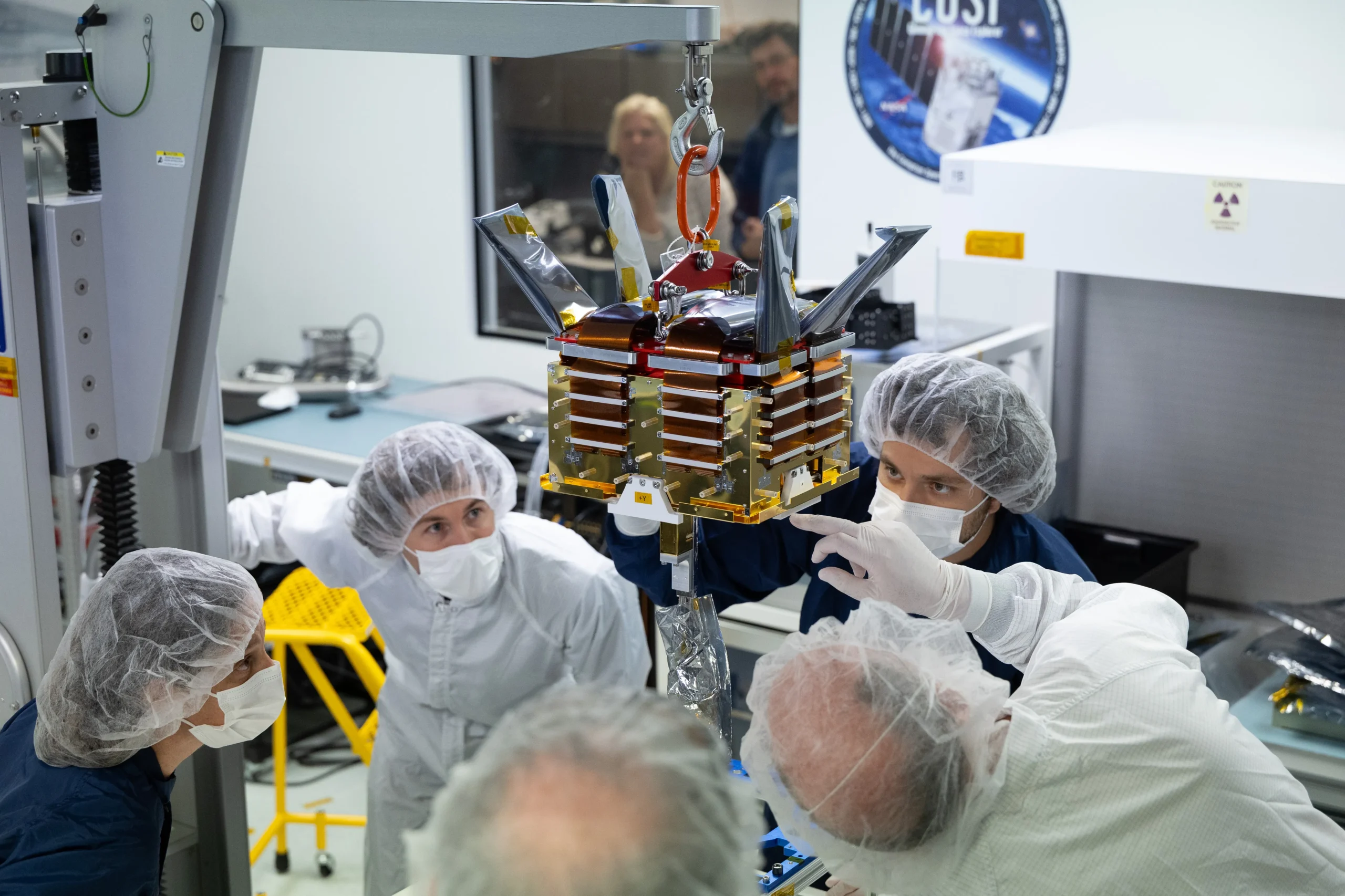
While the Roman telescope begins its survey, NASA has confirmed that the PRobe far-Infrared Mission for Astrophysics (PRIMA) has advanced to Phase B development. This project represents the inaugural mission in the new "Probe Explorers" class, a category established to fill the middle ground between smaller missions and the agency’s massive flagship observatories. With a project cost cap set at $1.2 billion, PRIMA is scheduled for a 2033 launch.
PRIMA is designed to utilize a 5.9-foot telescope to conduct sensitive far-infrared surveys. While the Roman telescope looks outward to map dark energy, PRIMA is tasked with looking into the obscure history of cosmic evolution. Its scientific mandate includes investigating the formation of early stars, the growth of black holes, and the chemical evolution of heavy elements within the universe. clarify the origins of planetary systems and the distribution of water, effectively linking the agency's current infrared capabilities with future radio astronomy efforts.
The immediate focus for the Roman telescope will be the completion of its transit to Lagrange Point 2, followed wide-field survey. For PRIMA, the next major hurdle is the confirmation review, where technical, programmatic, and cost performance metrics will determine if the mission is cleared for Phase C implementation. Given the current trajectory, the agency appears to be maintaining a strict cadence of major mission launches, with the Roman telescope serving as the cornerstone for the mid-2020s and PRIMA anchoring the early 2030s exploration strategy.