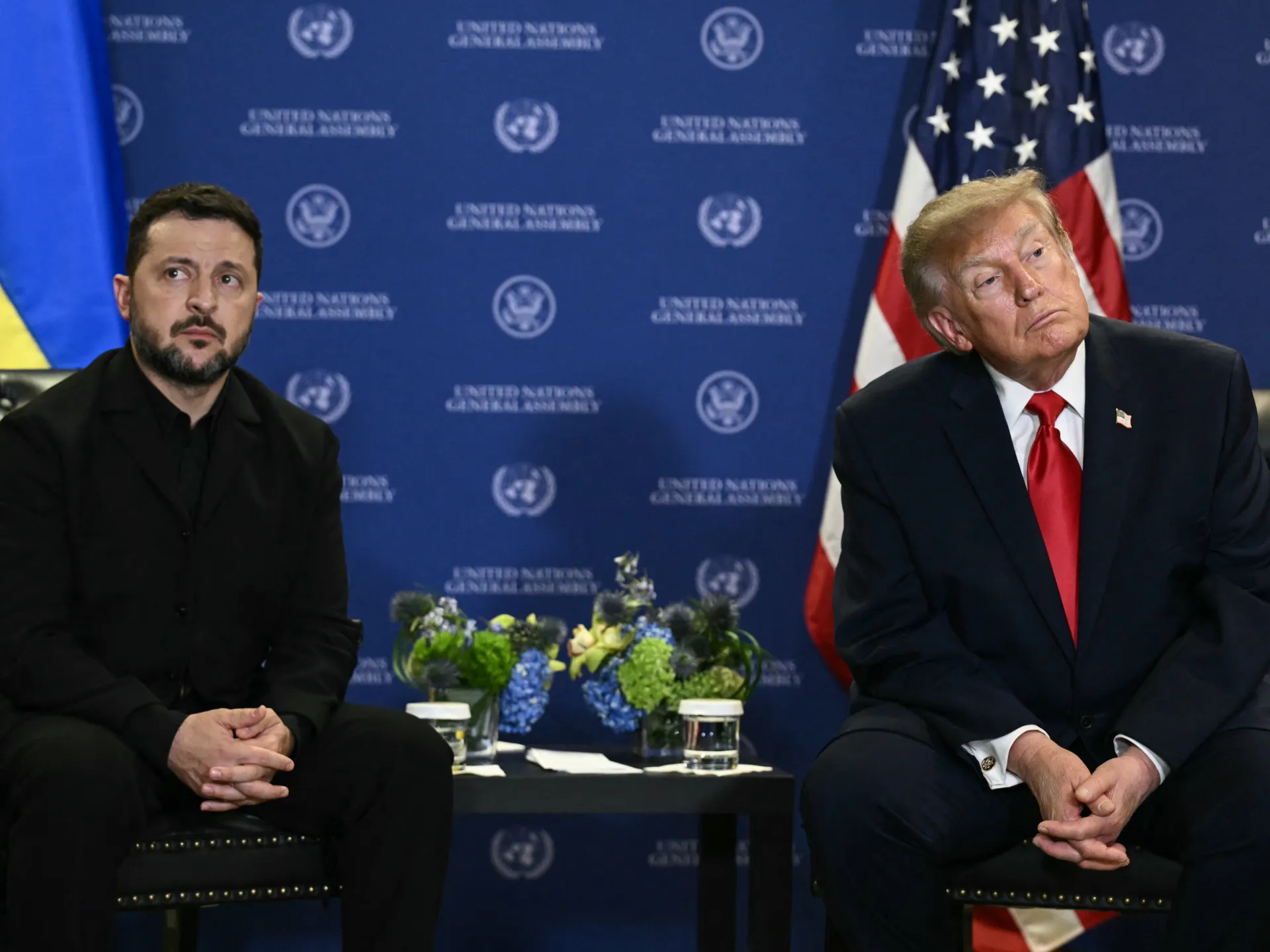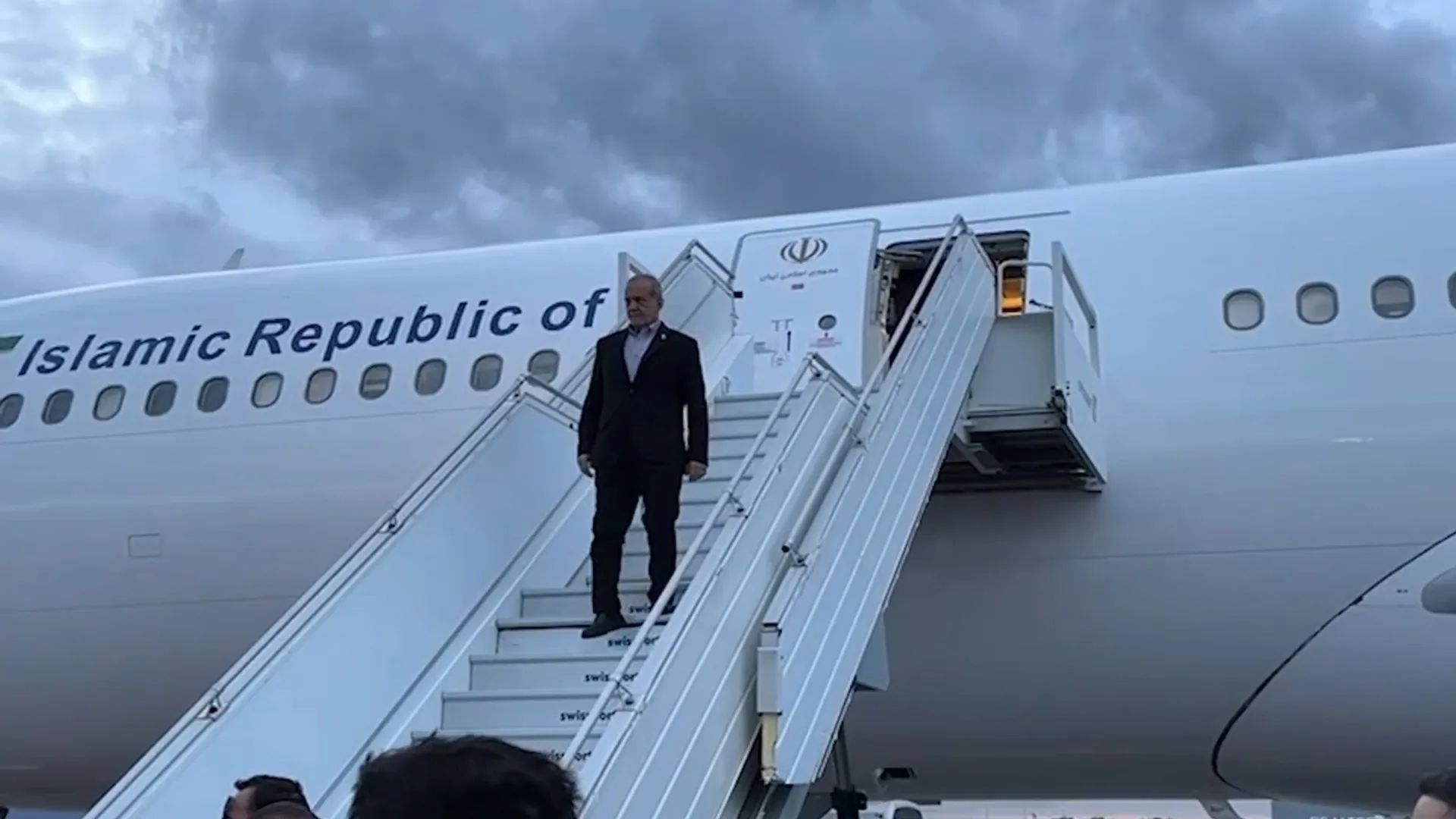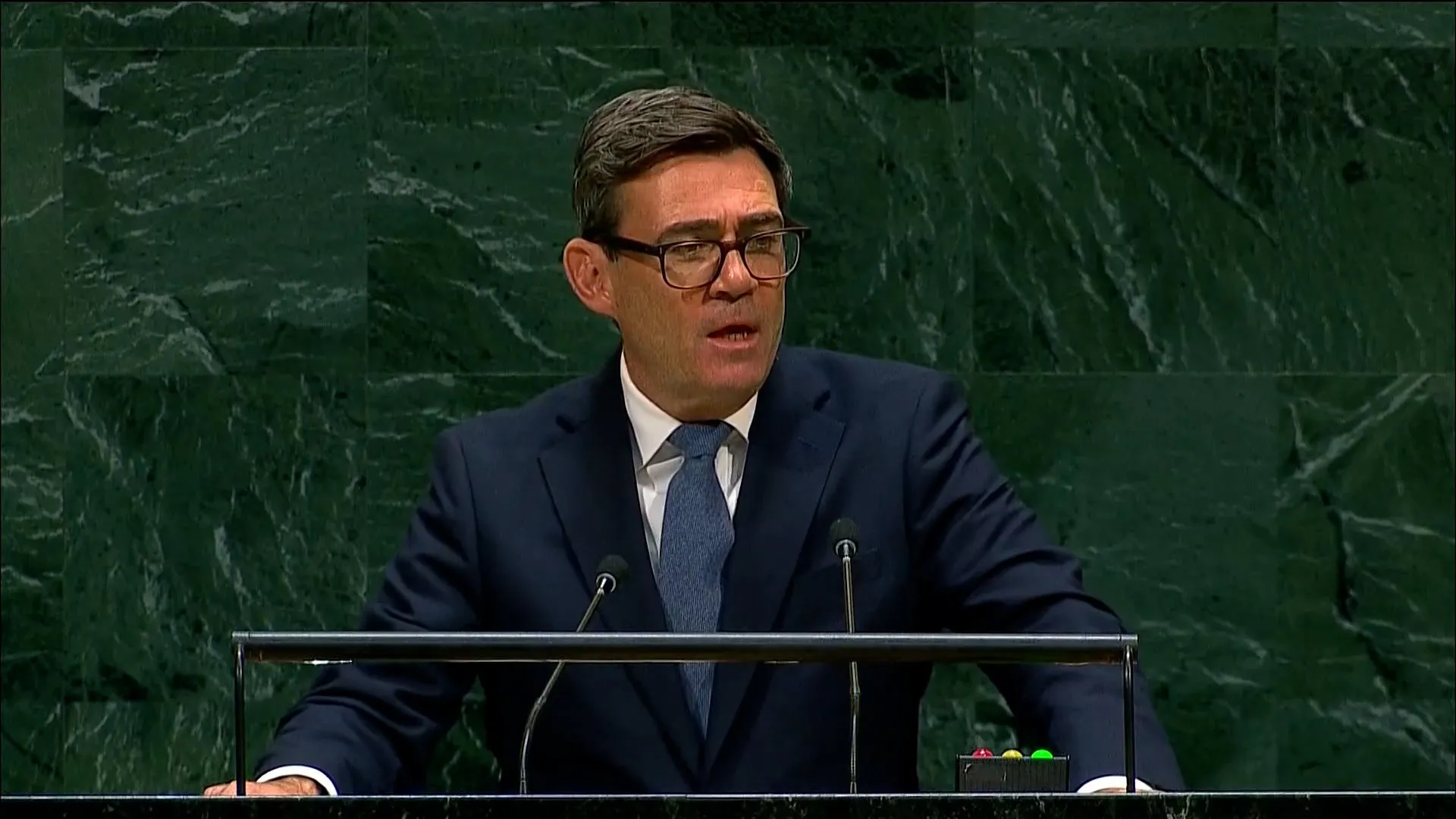
A high-stakes diplomatic standoff at the UN coincides with major astronomical milestones and significant atmospheric observations across the Pacific Northwest.
The convergence of high-stakes international diplomacy and monumental scientific achievement highlights the disparate scales at which global influence operates. While the United Nations grapples with the fallout of a potential visa-denial crisis that threatens the integrity of its host-nation agreements, satellite and telescopic data continue to provide a neutral, persistent record of both our changing climate and the expanding universe. These events, though seemingly unrelated, underscore a fundamental tension in modern governance: the struggle to maintain collaborative international platforms—be they for peace talks or astronomical research—amidst mounting geopolitical friction.
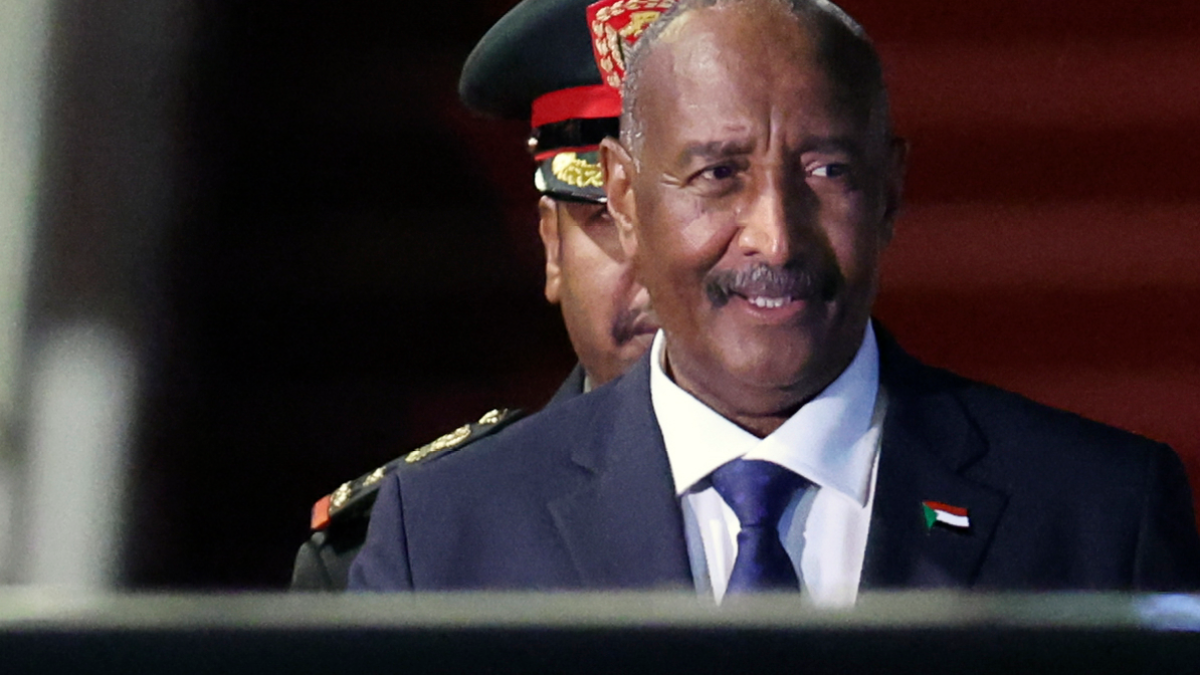
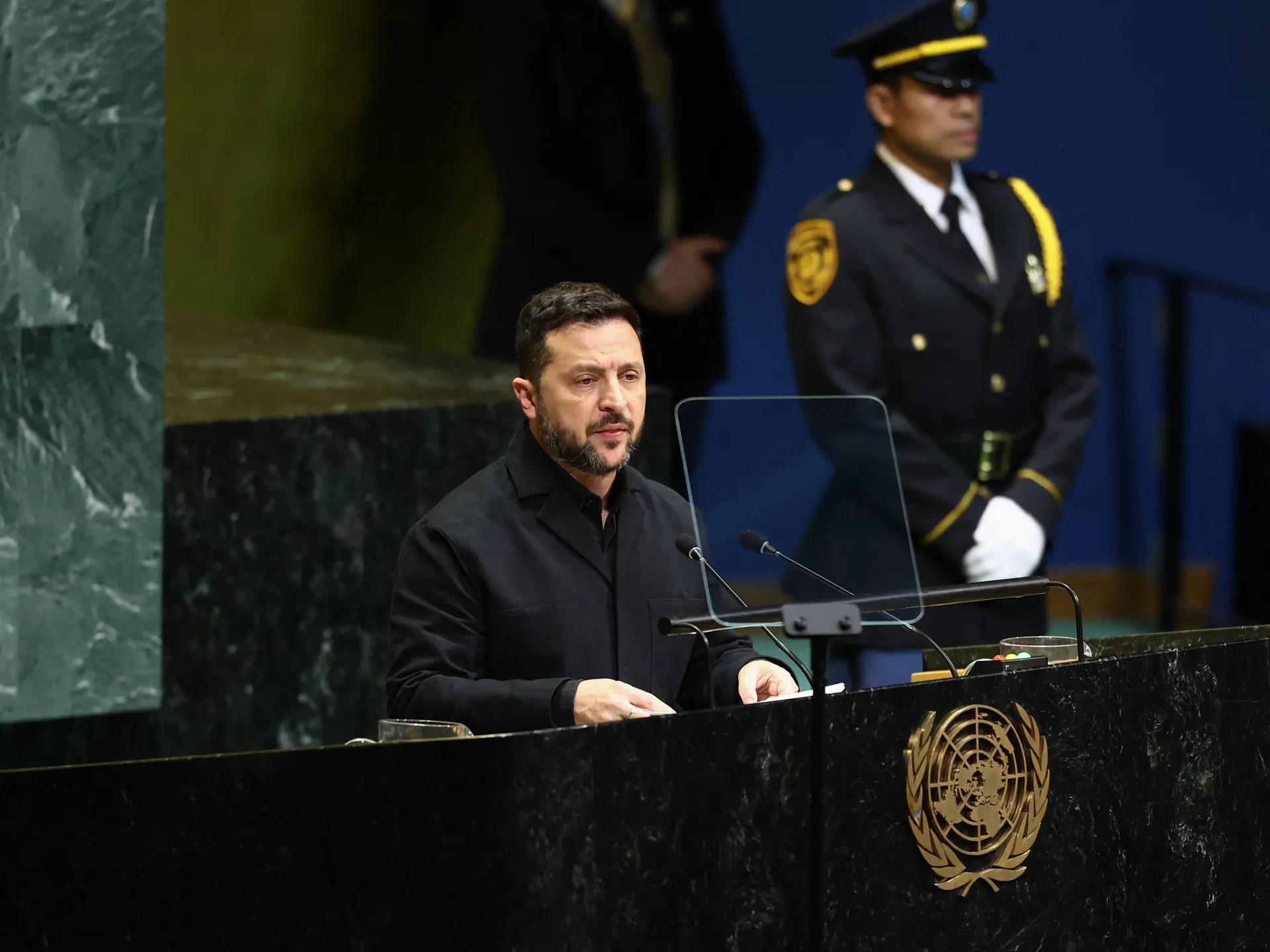
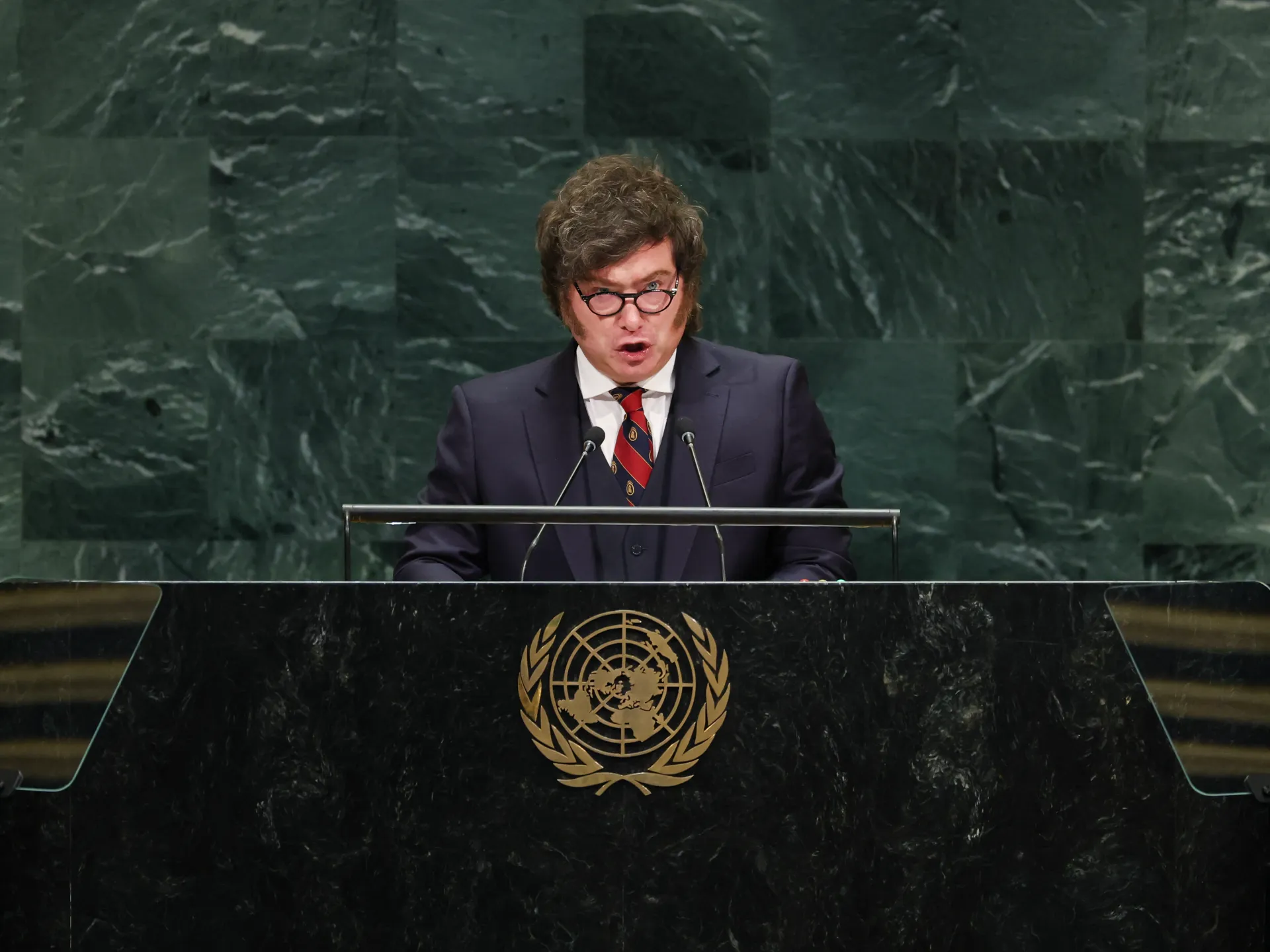
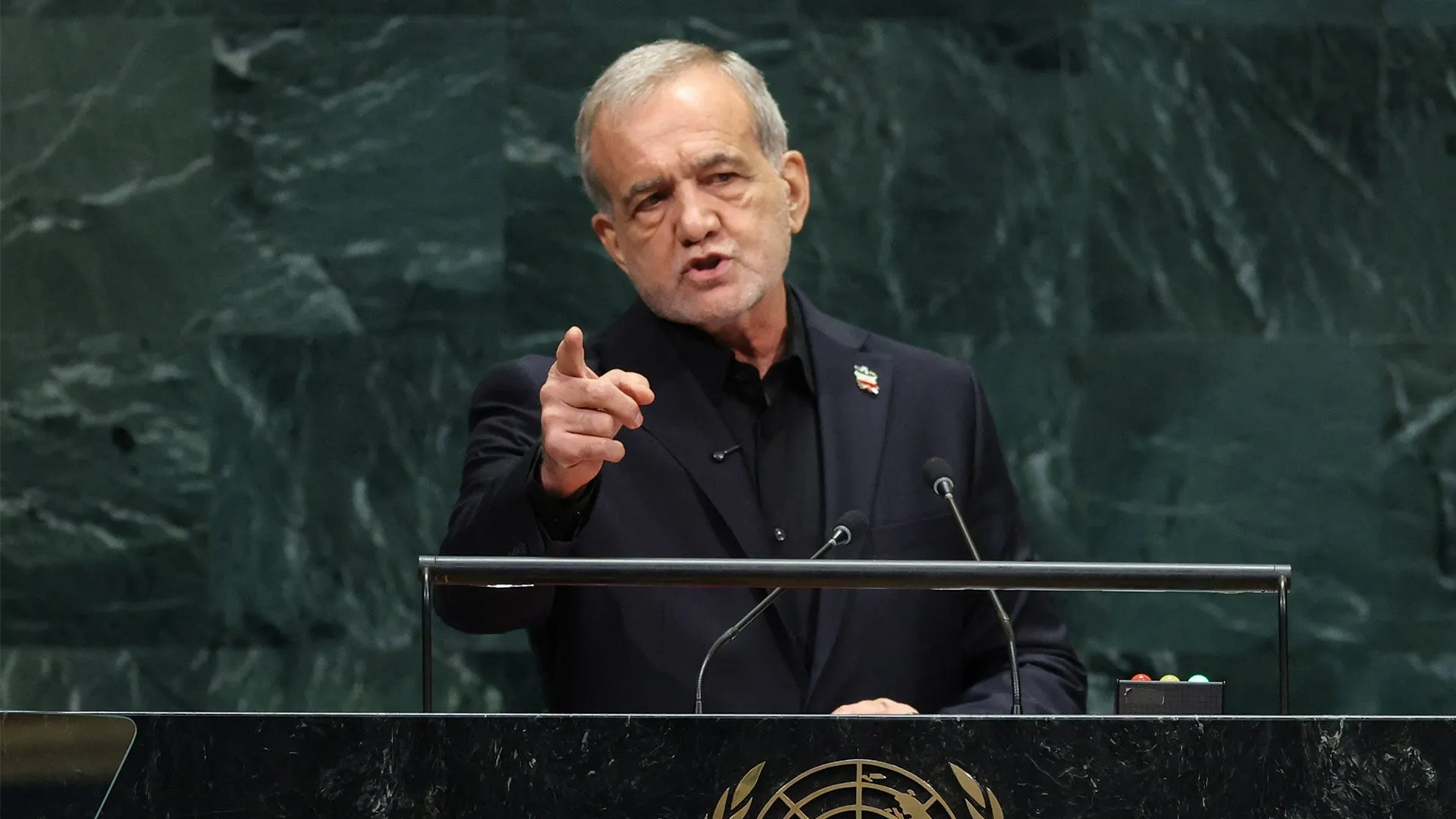
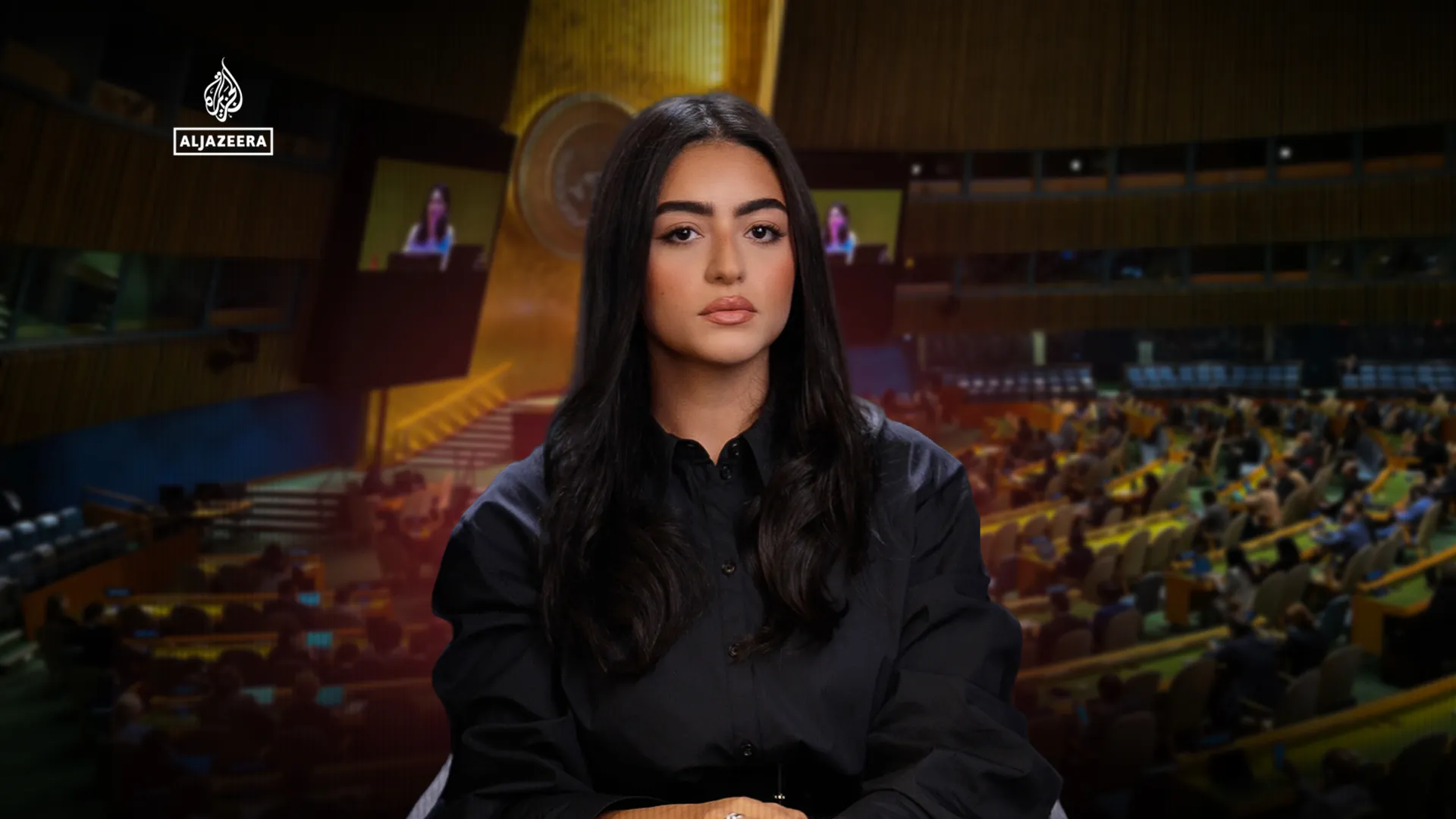
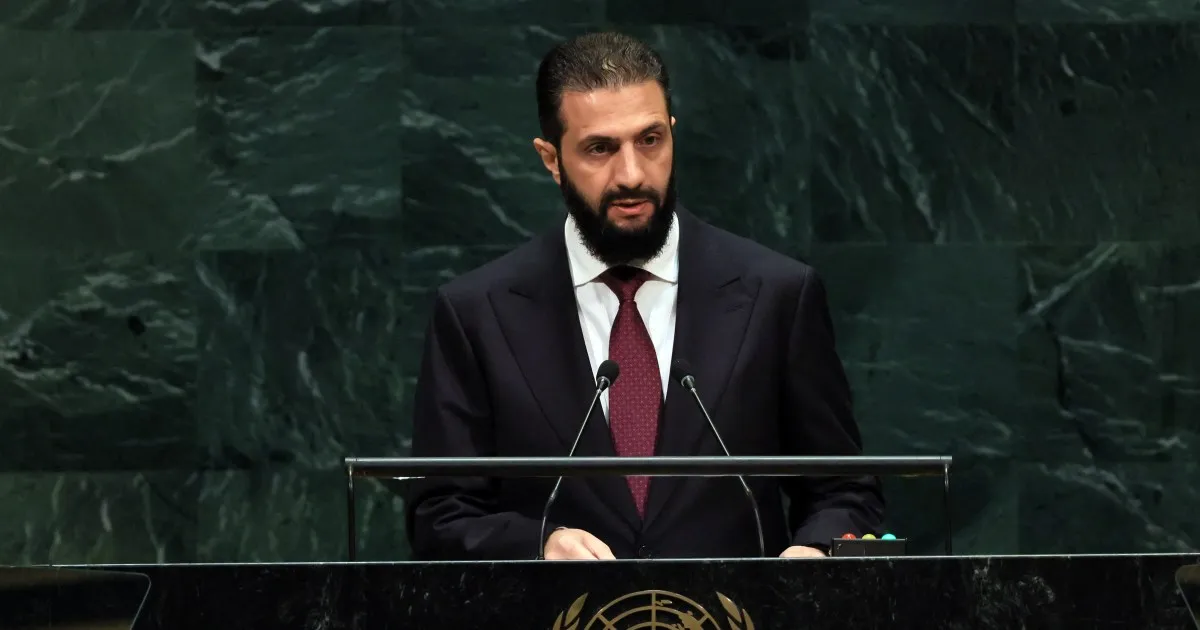
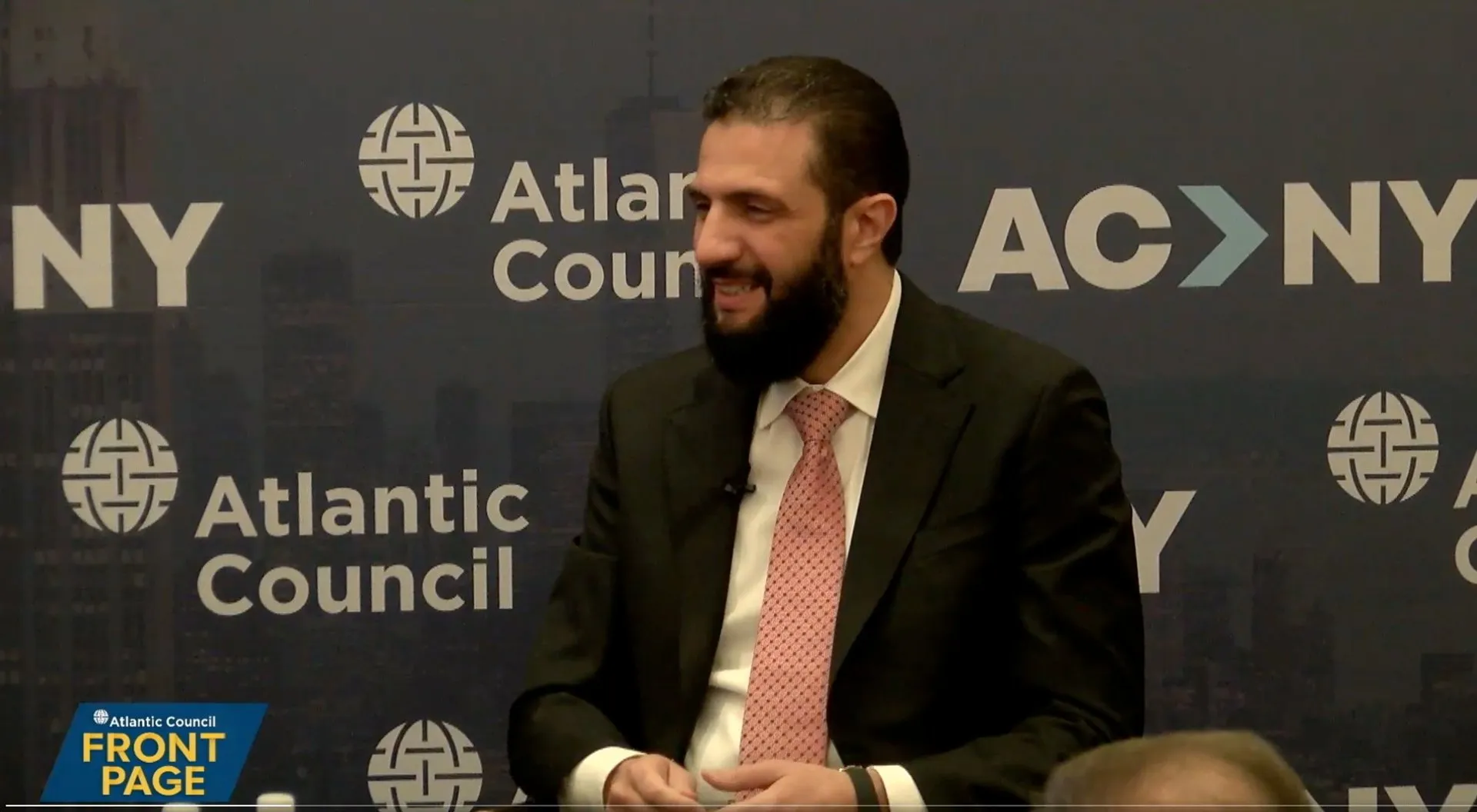
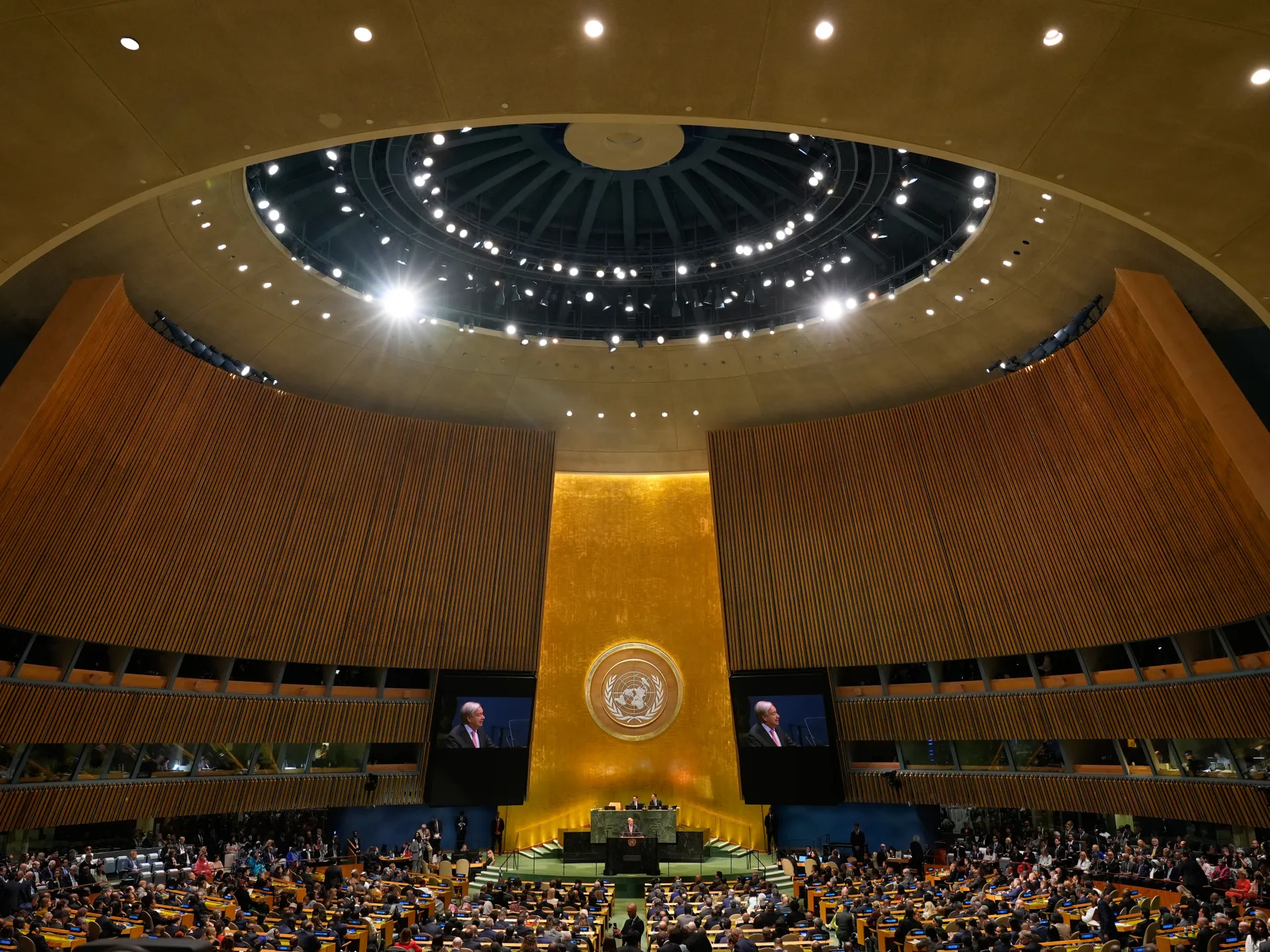
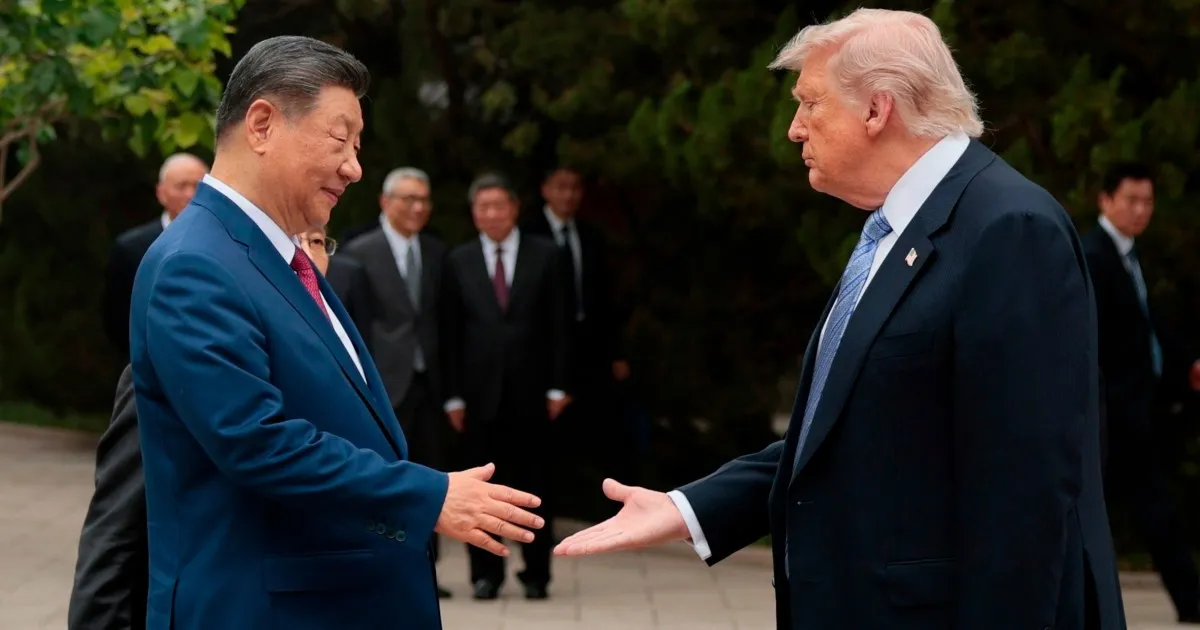
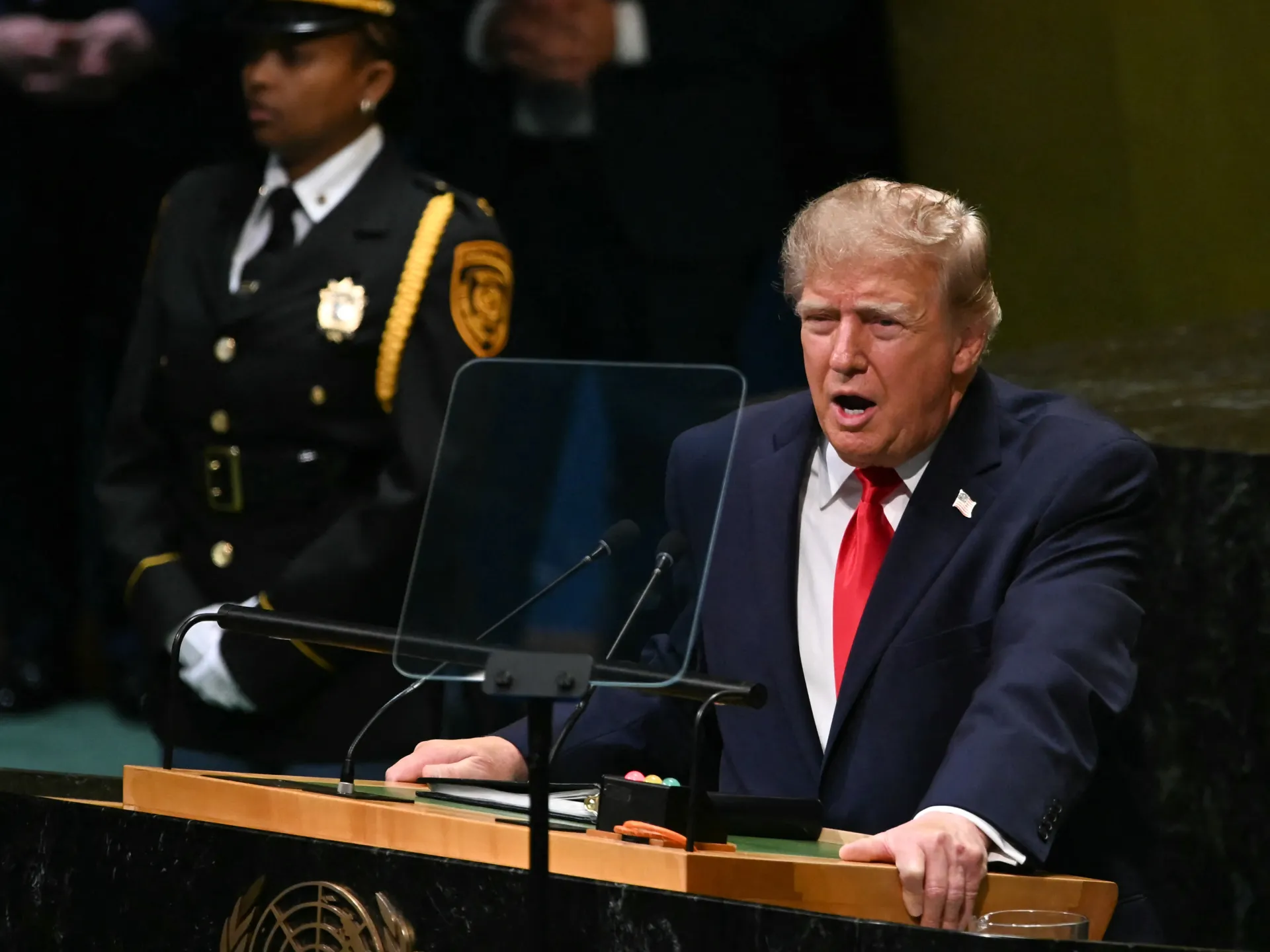
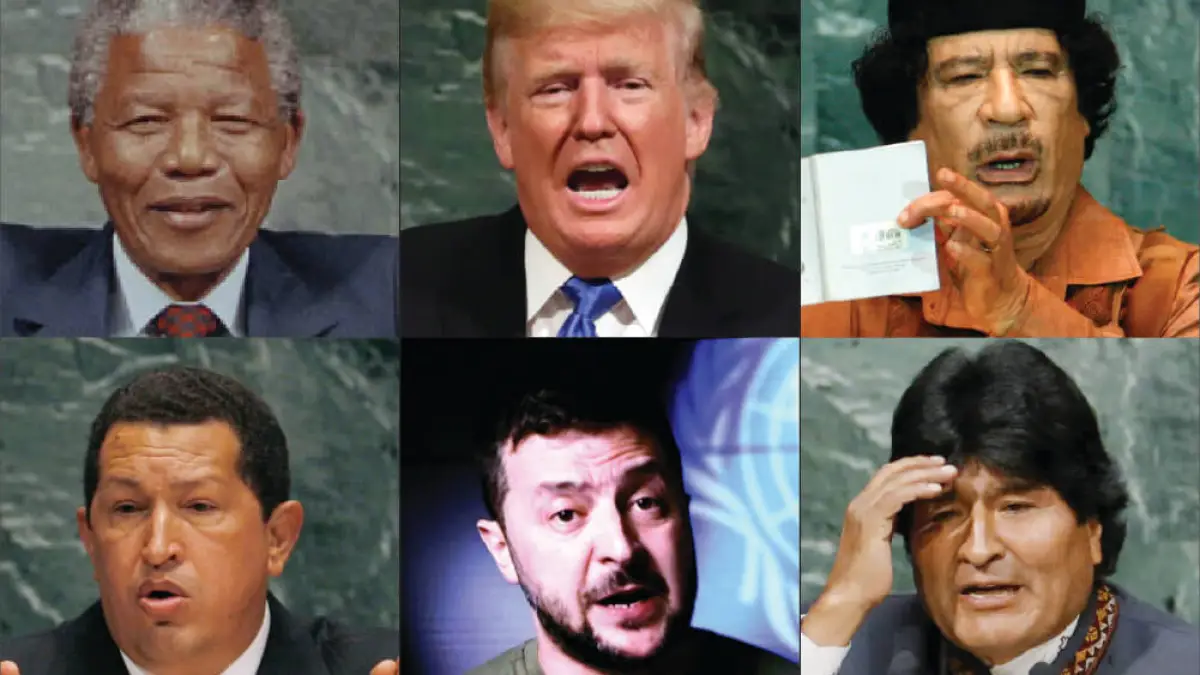
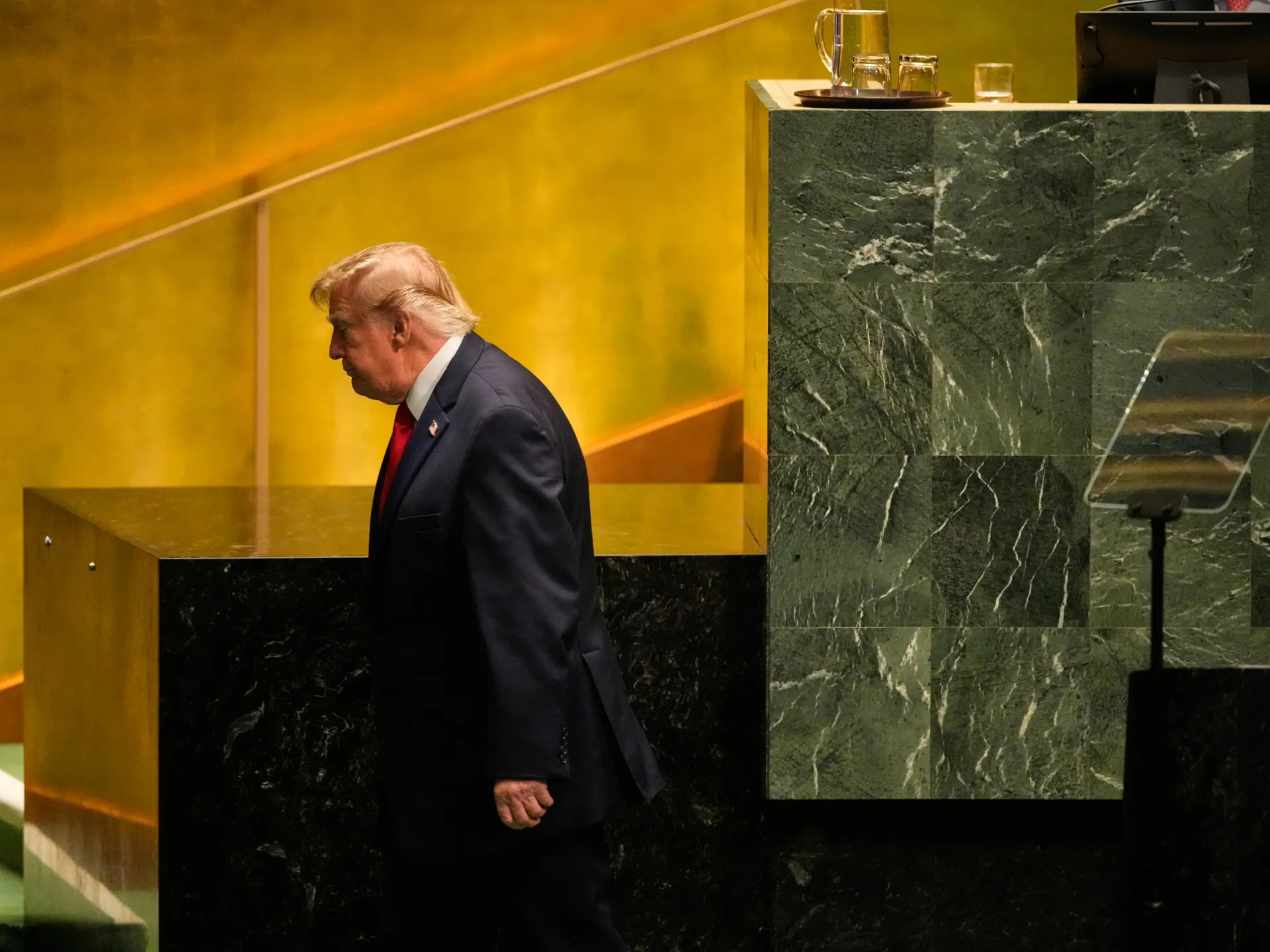
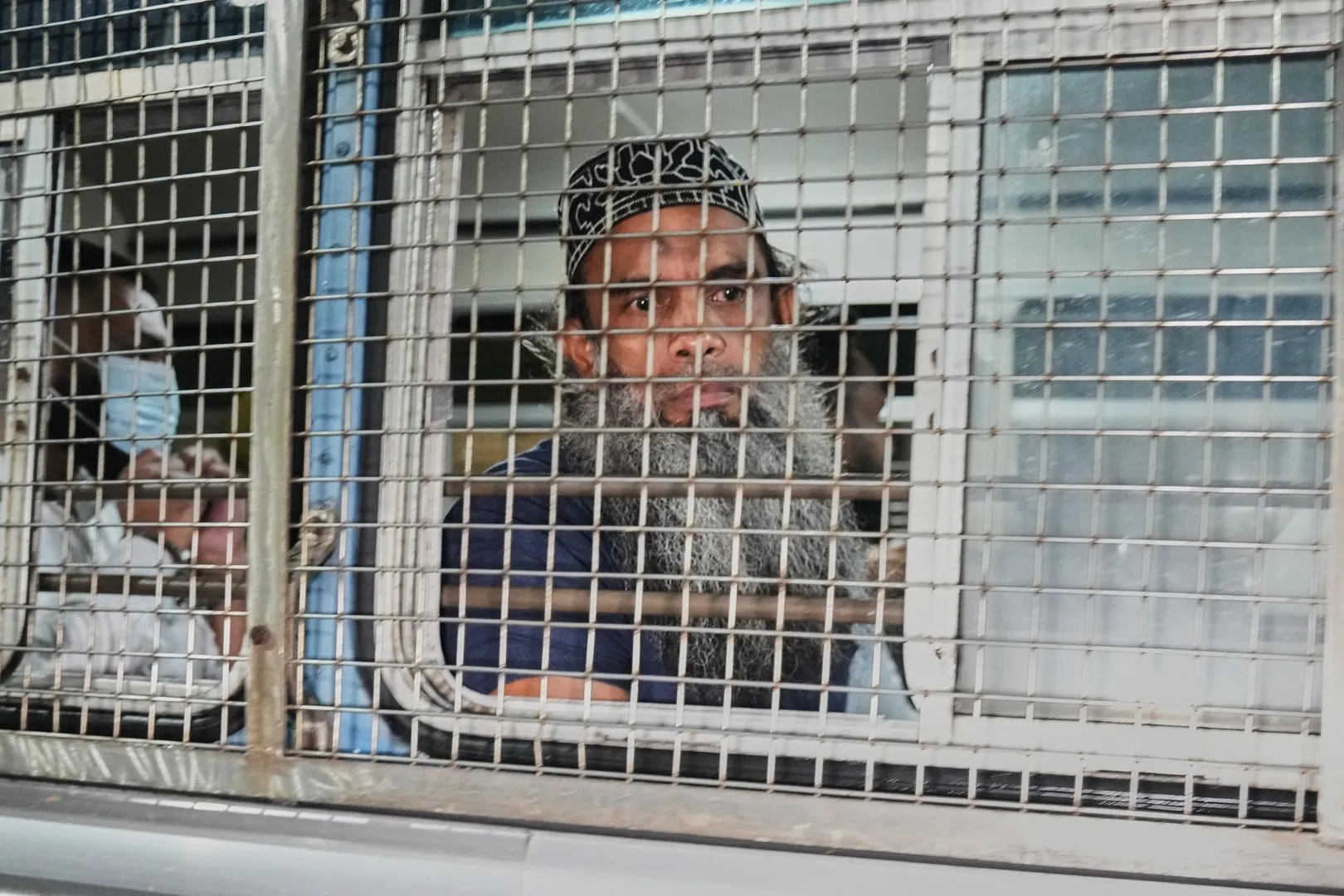
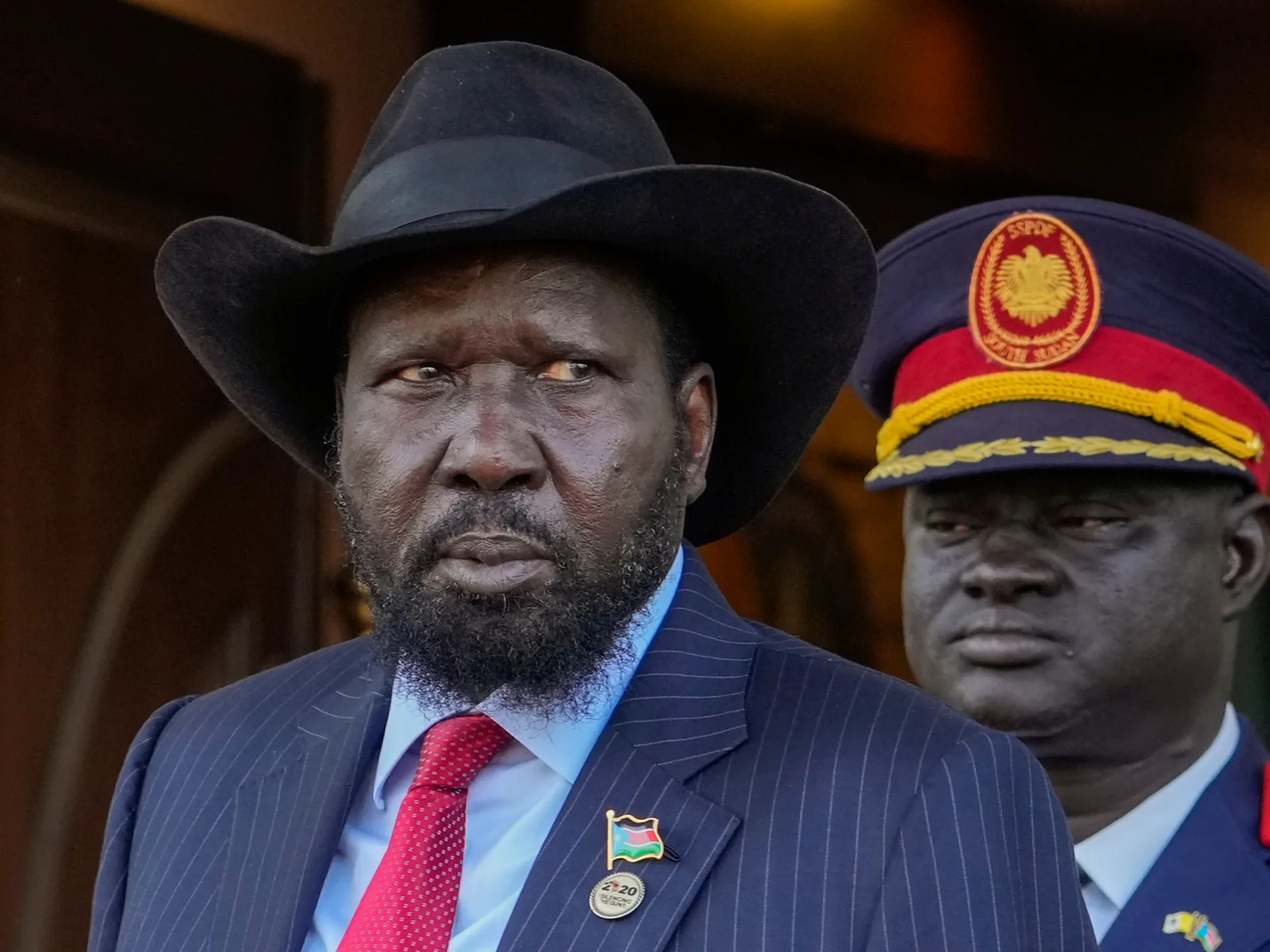
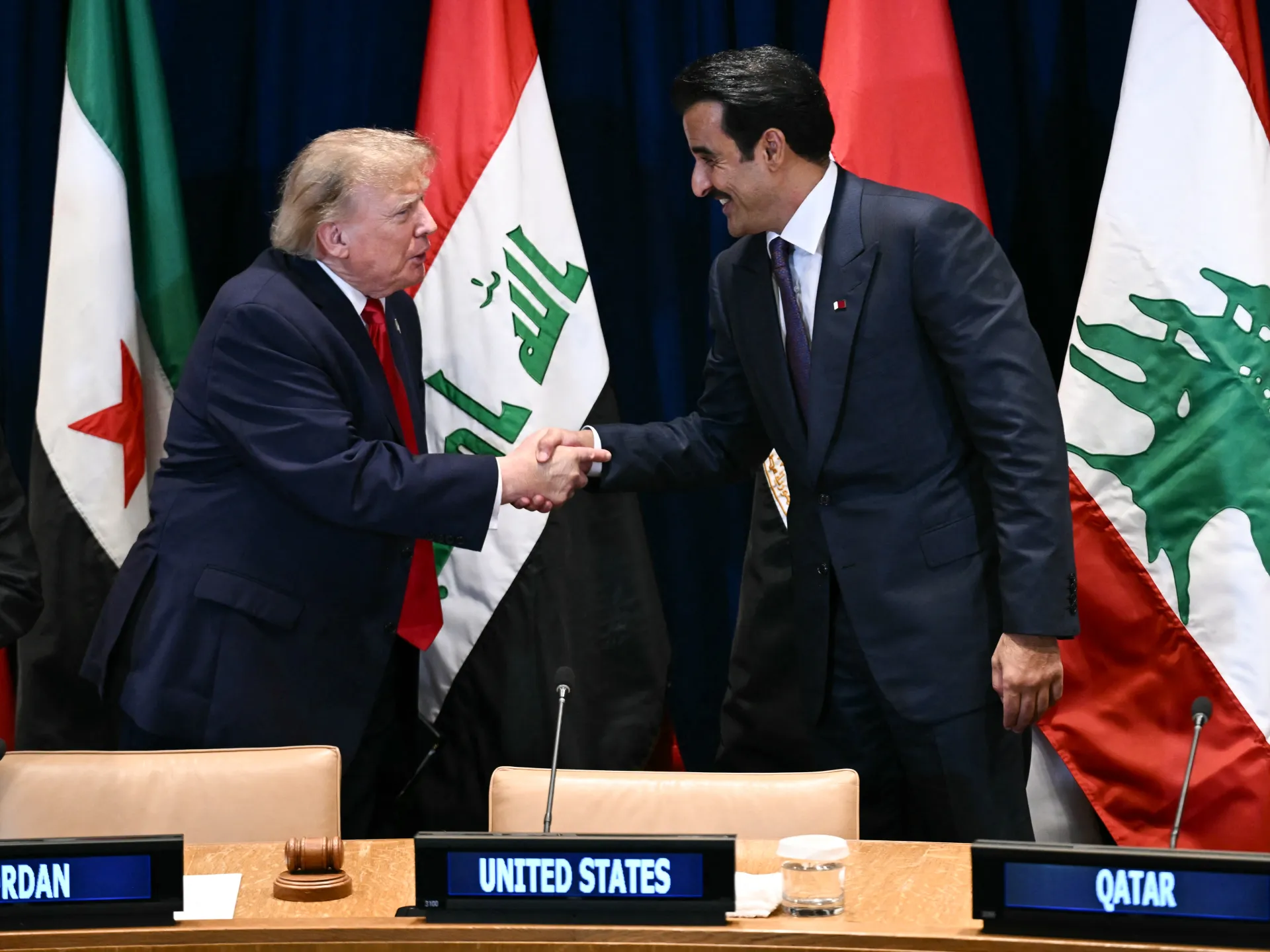
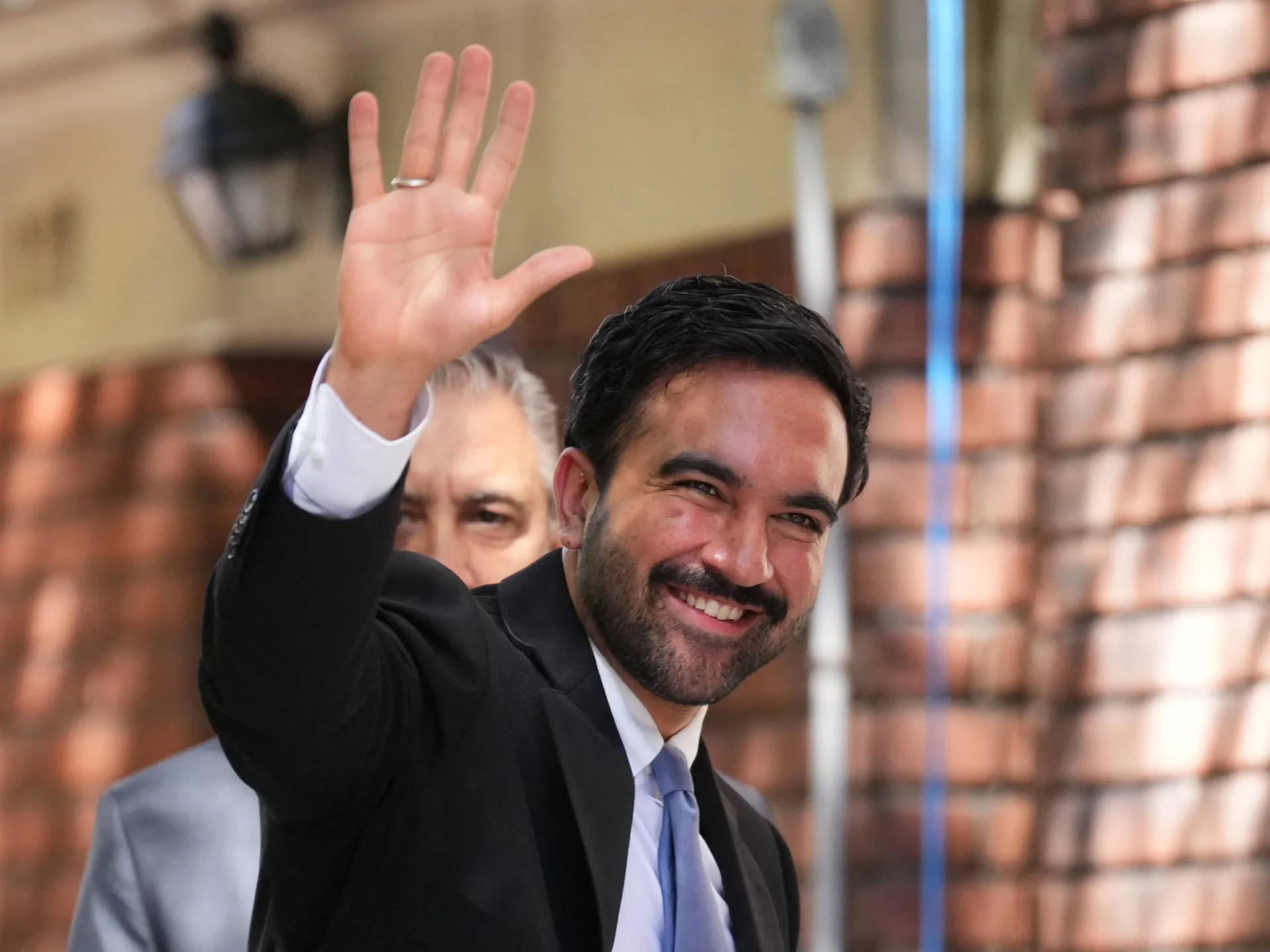
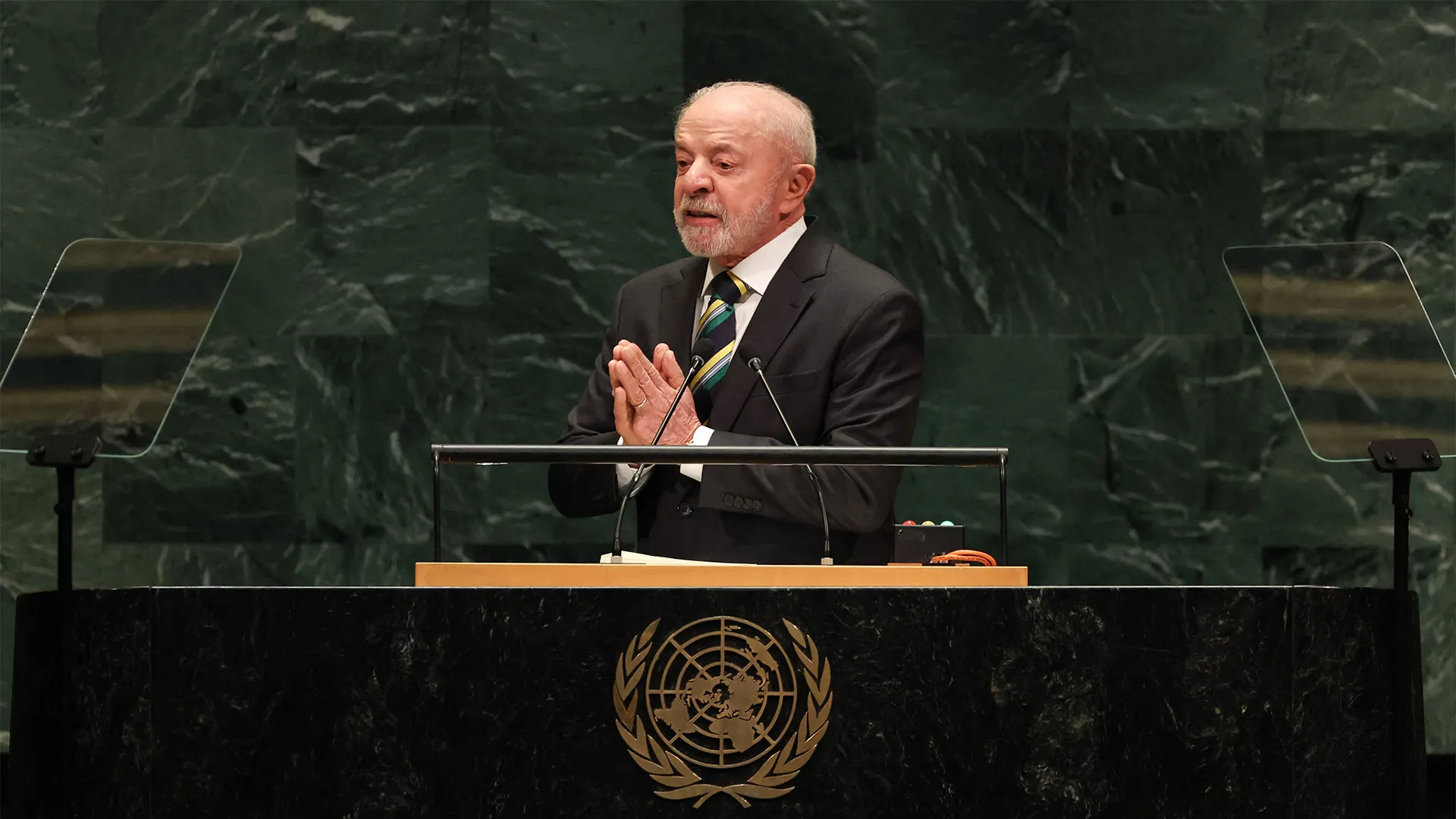
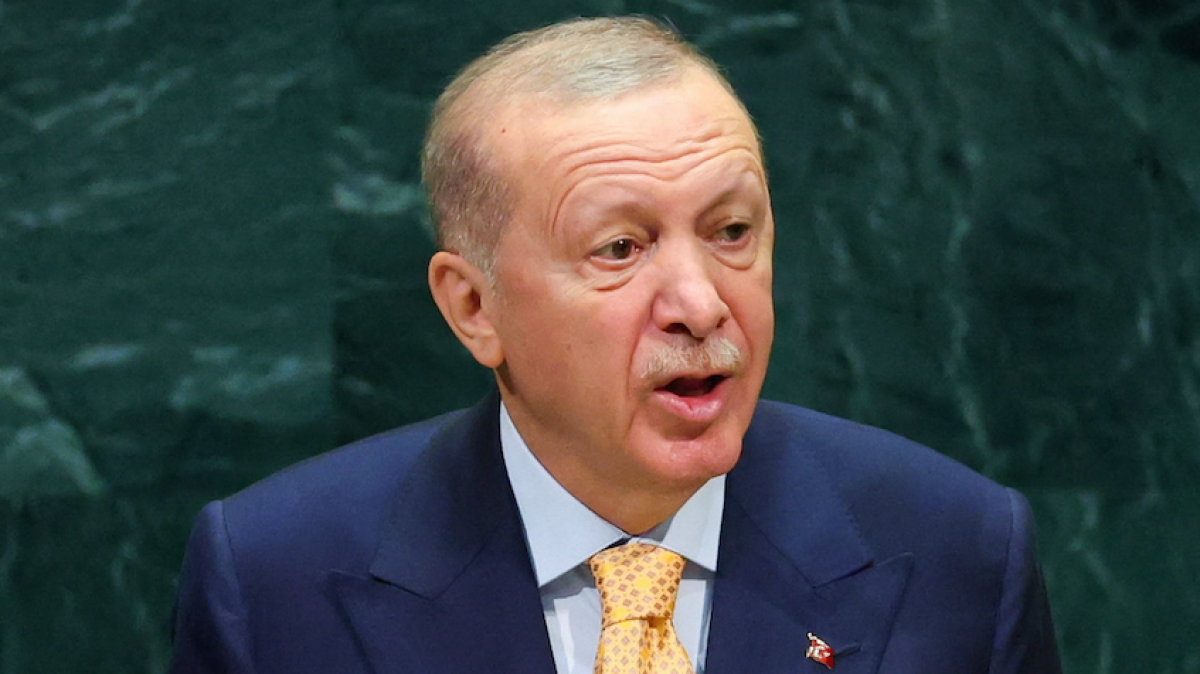
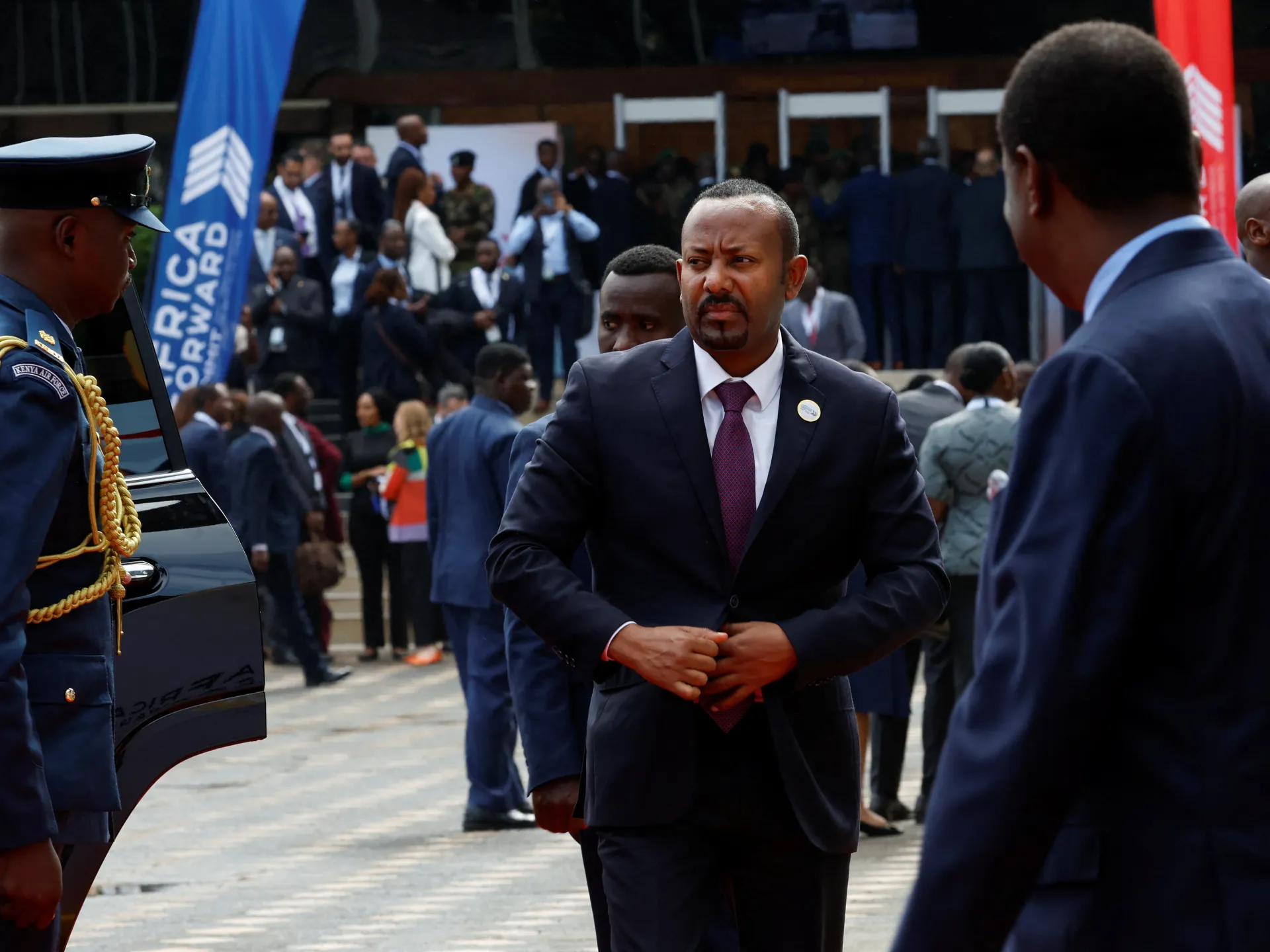
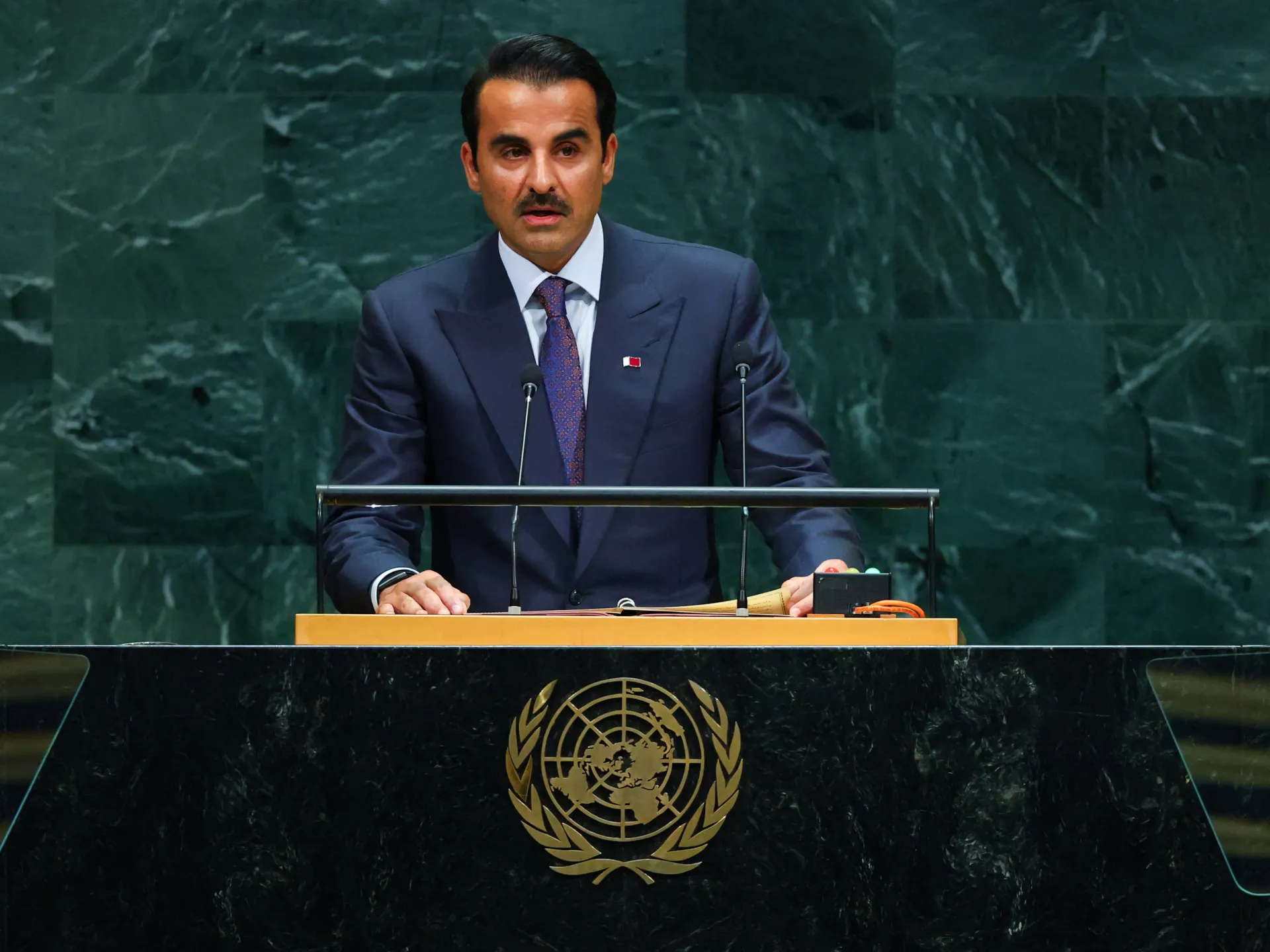
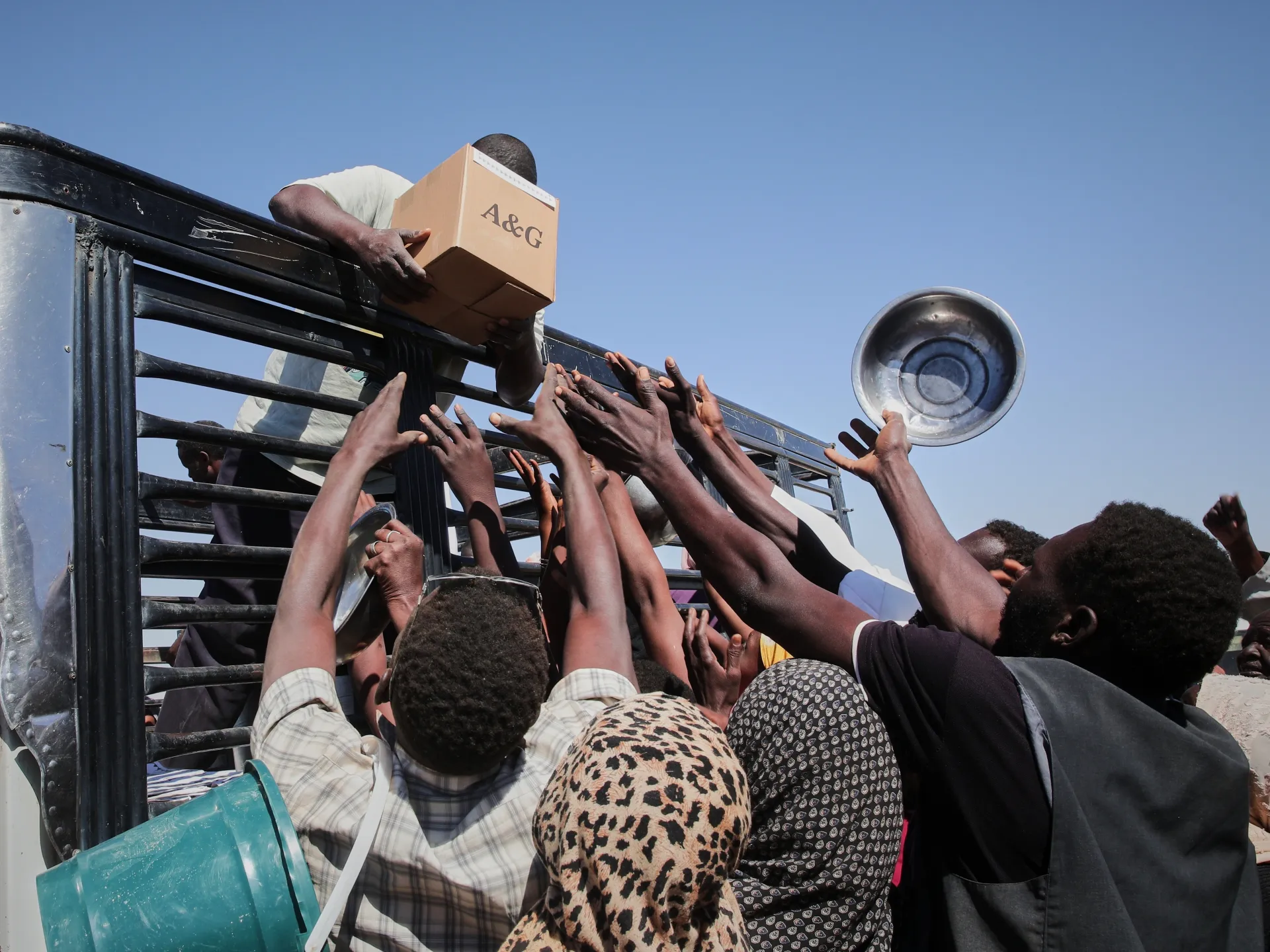
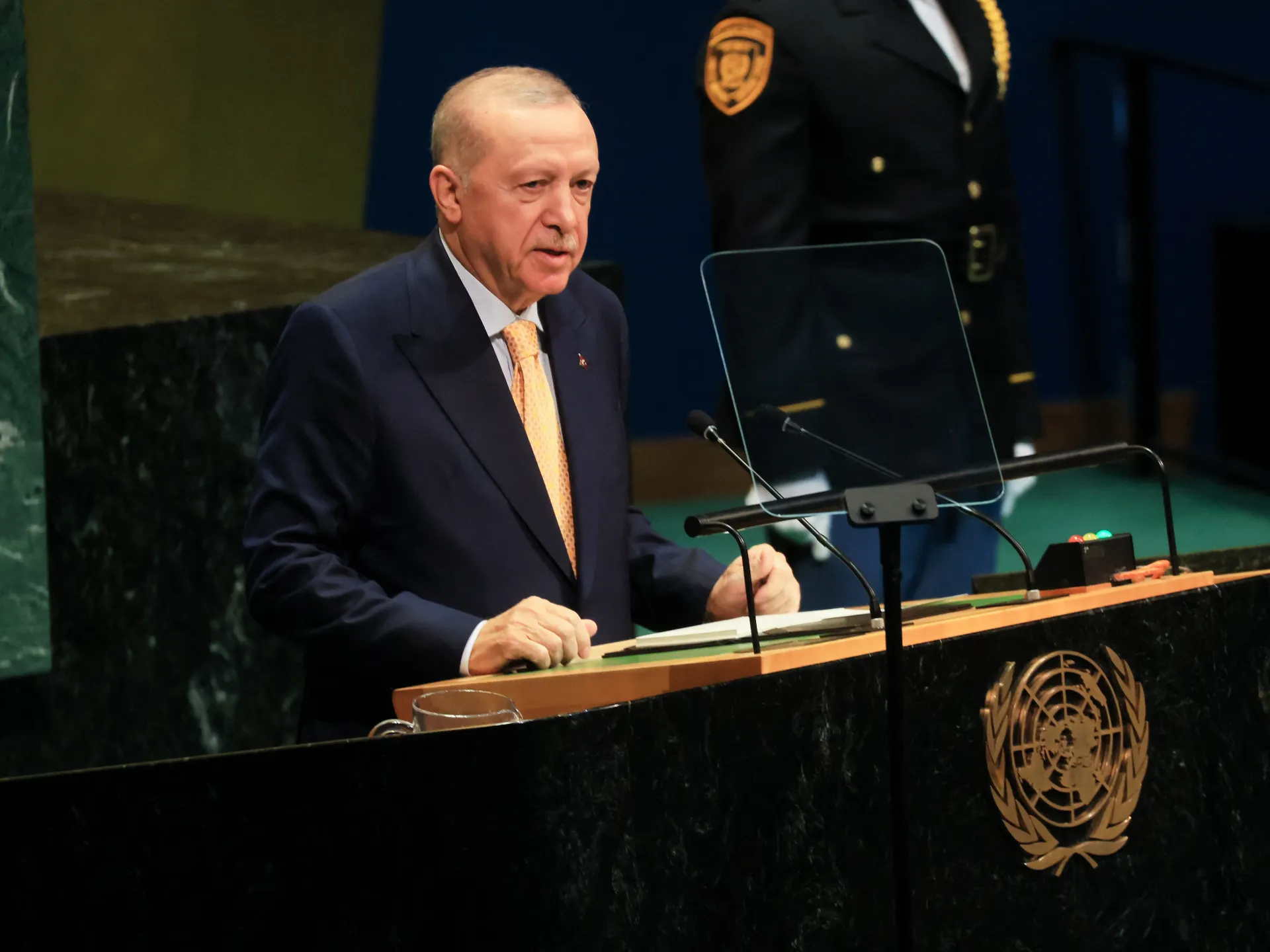
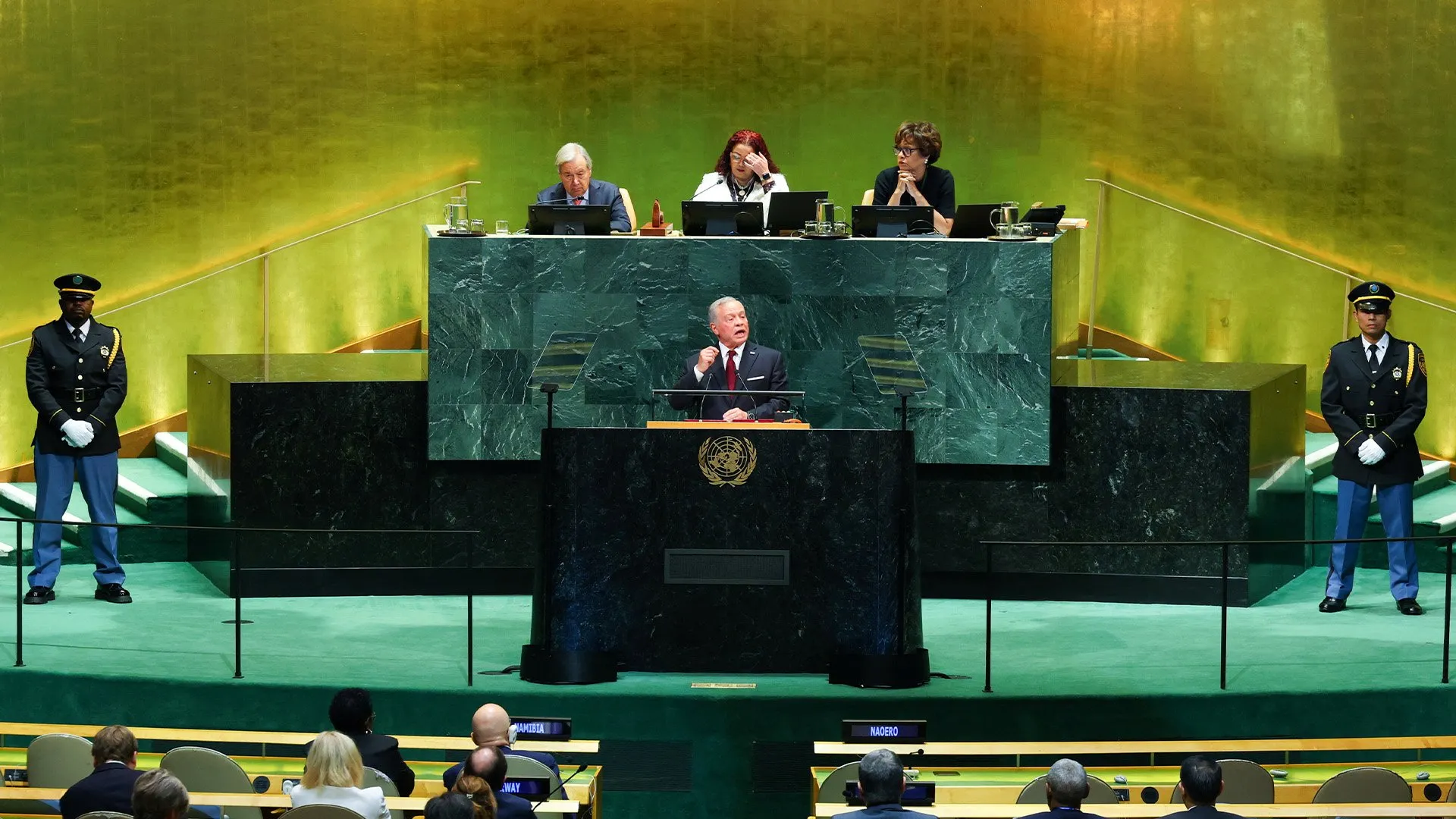
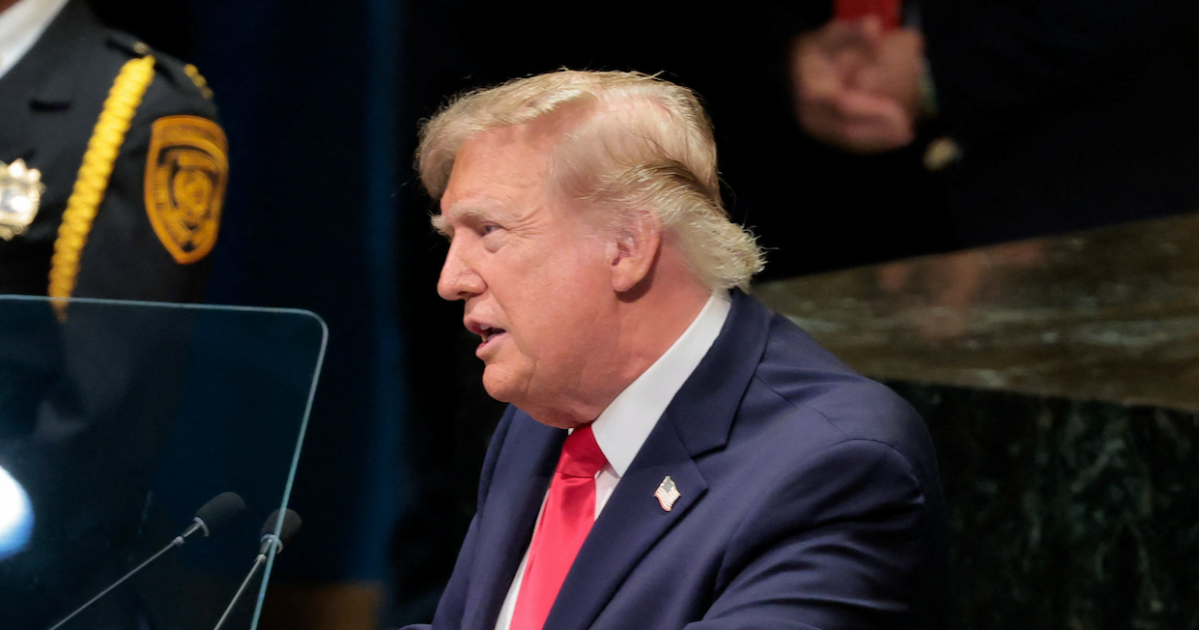
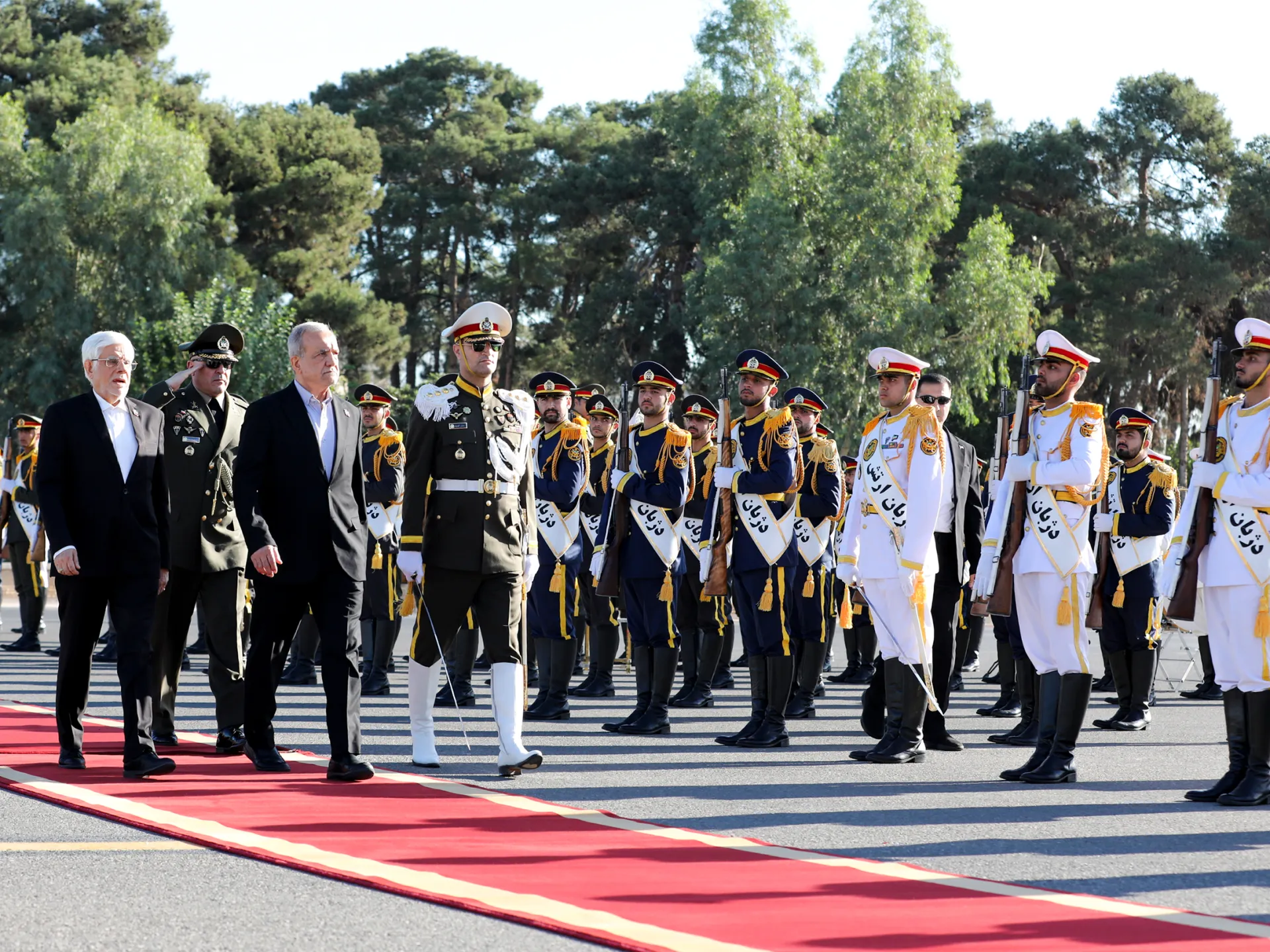
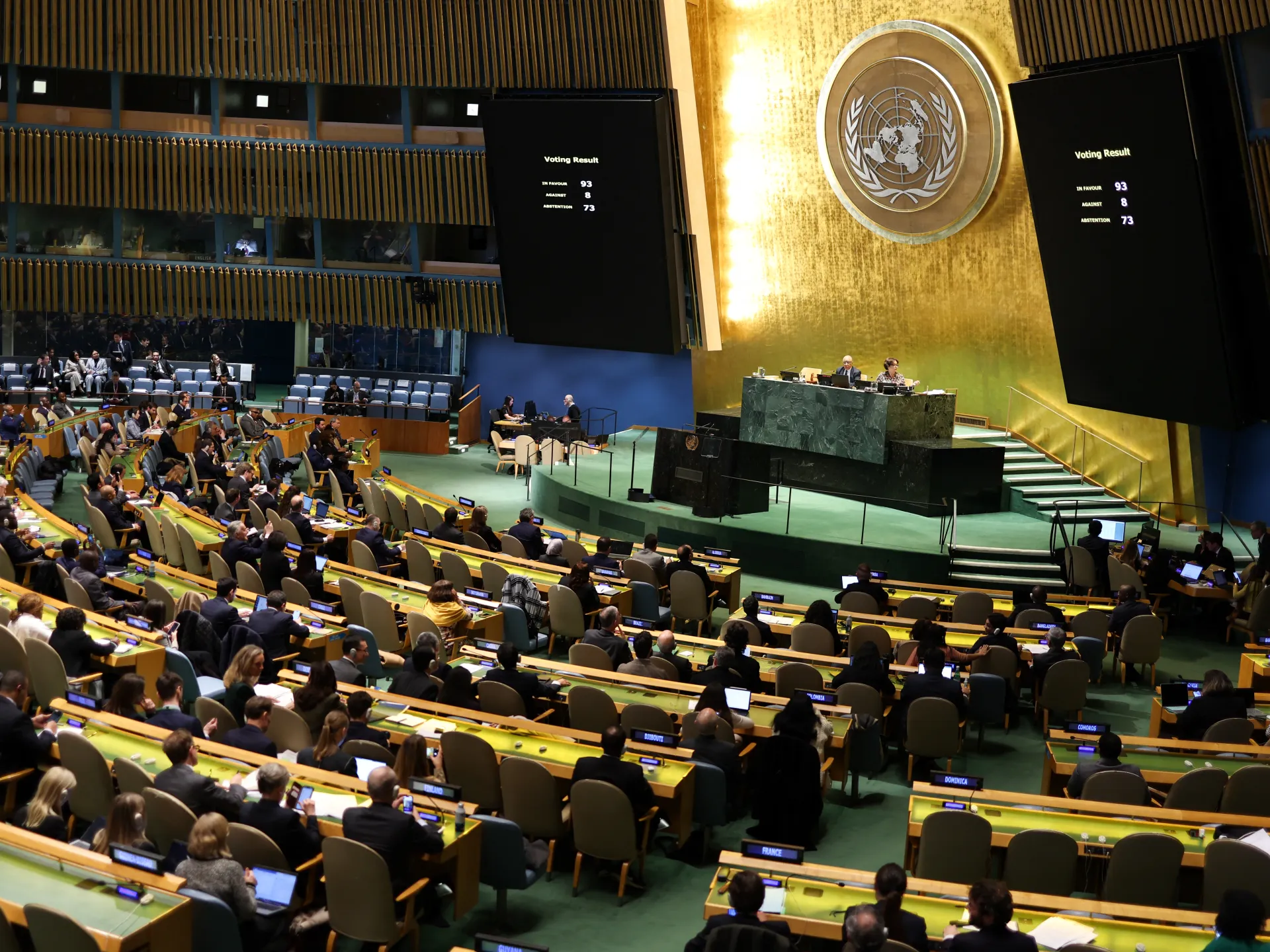
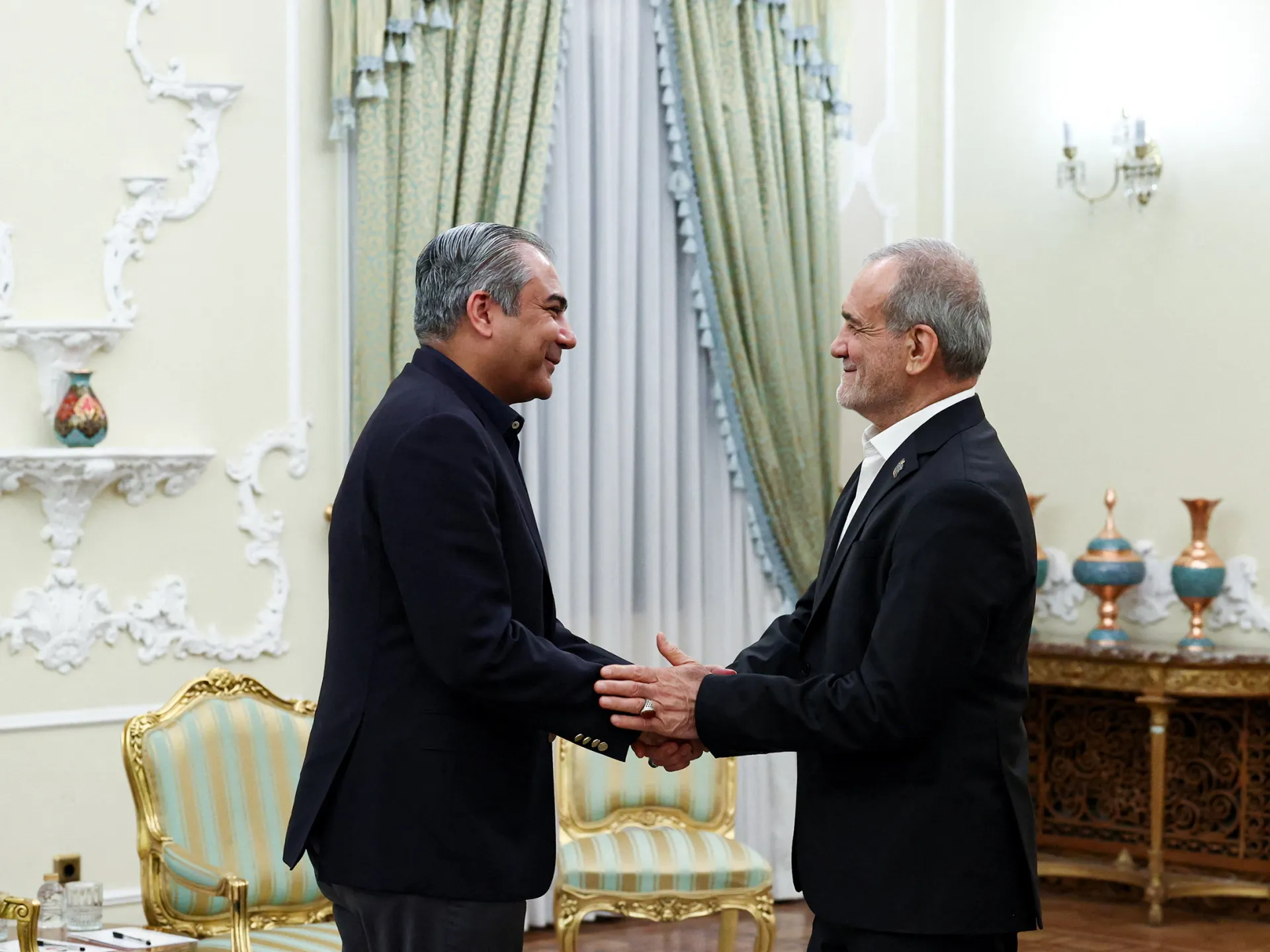
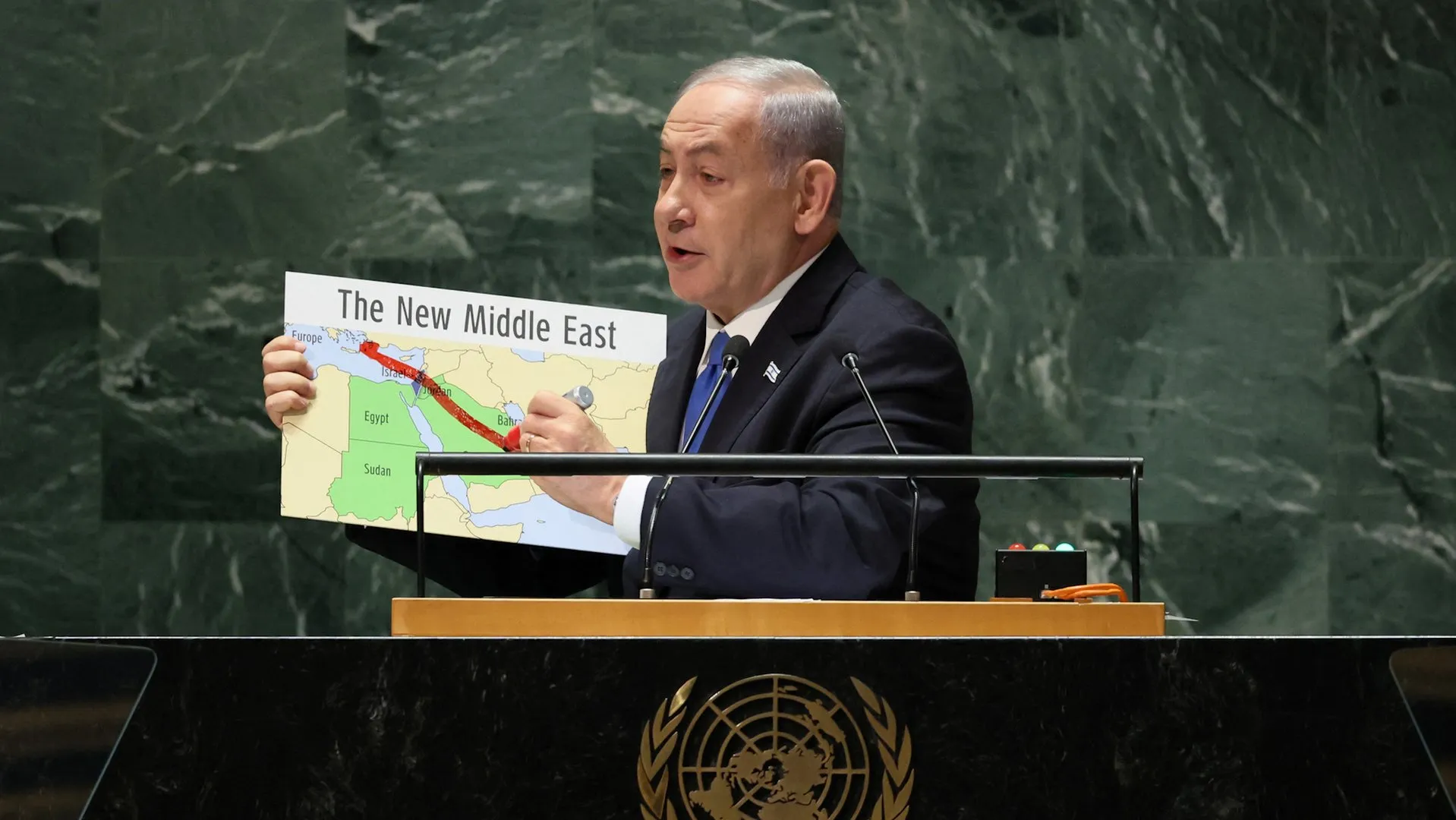
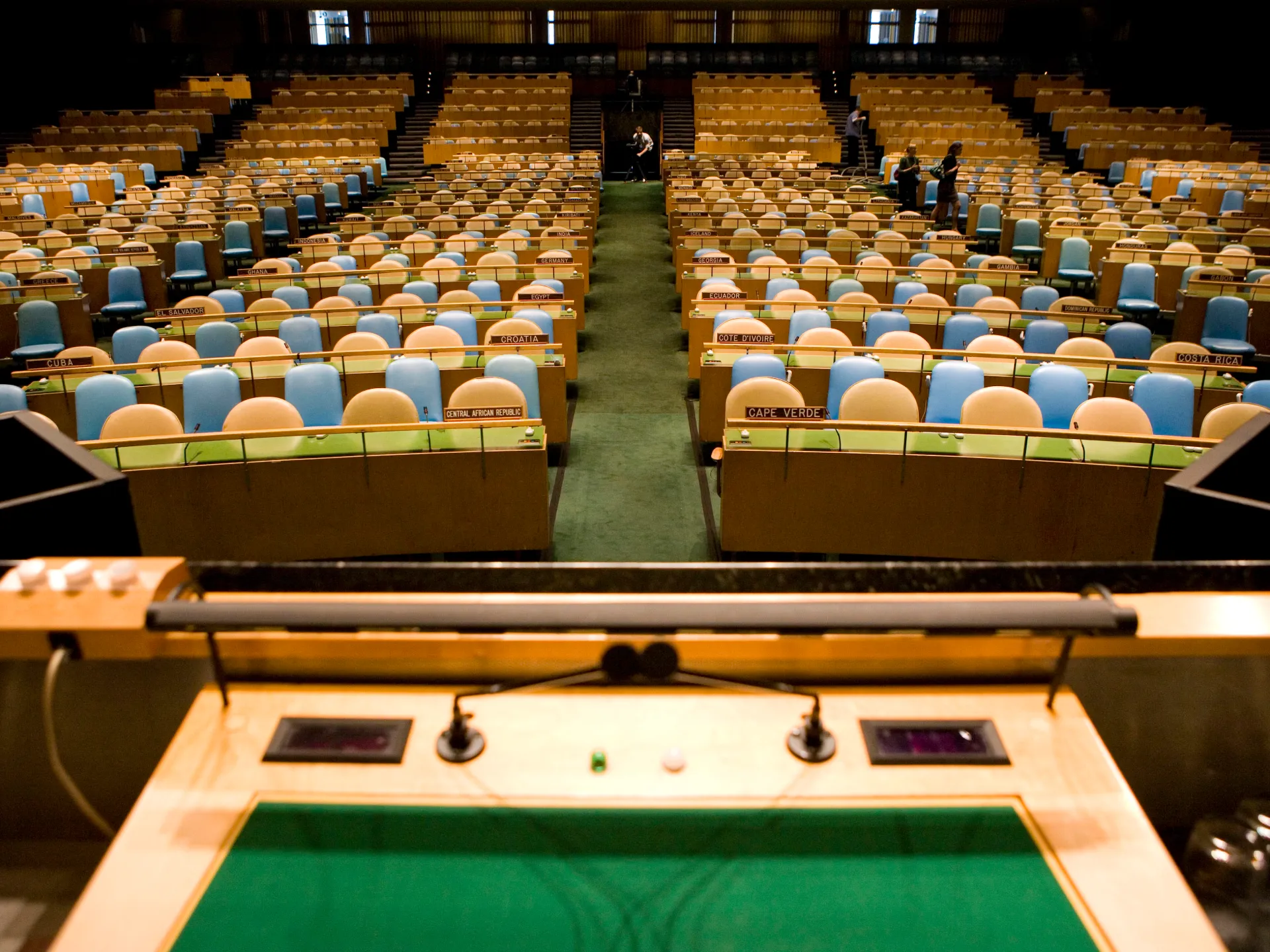
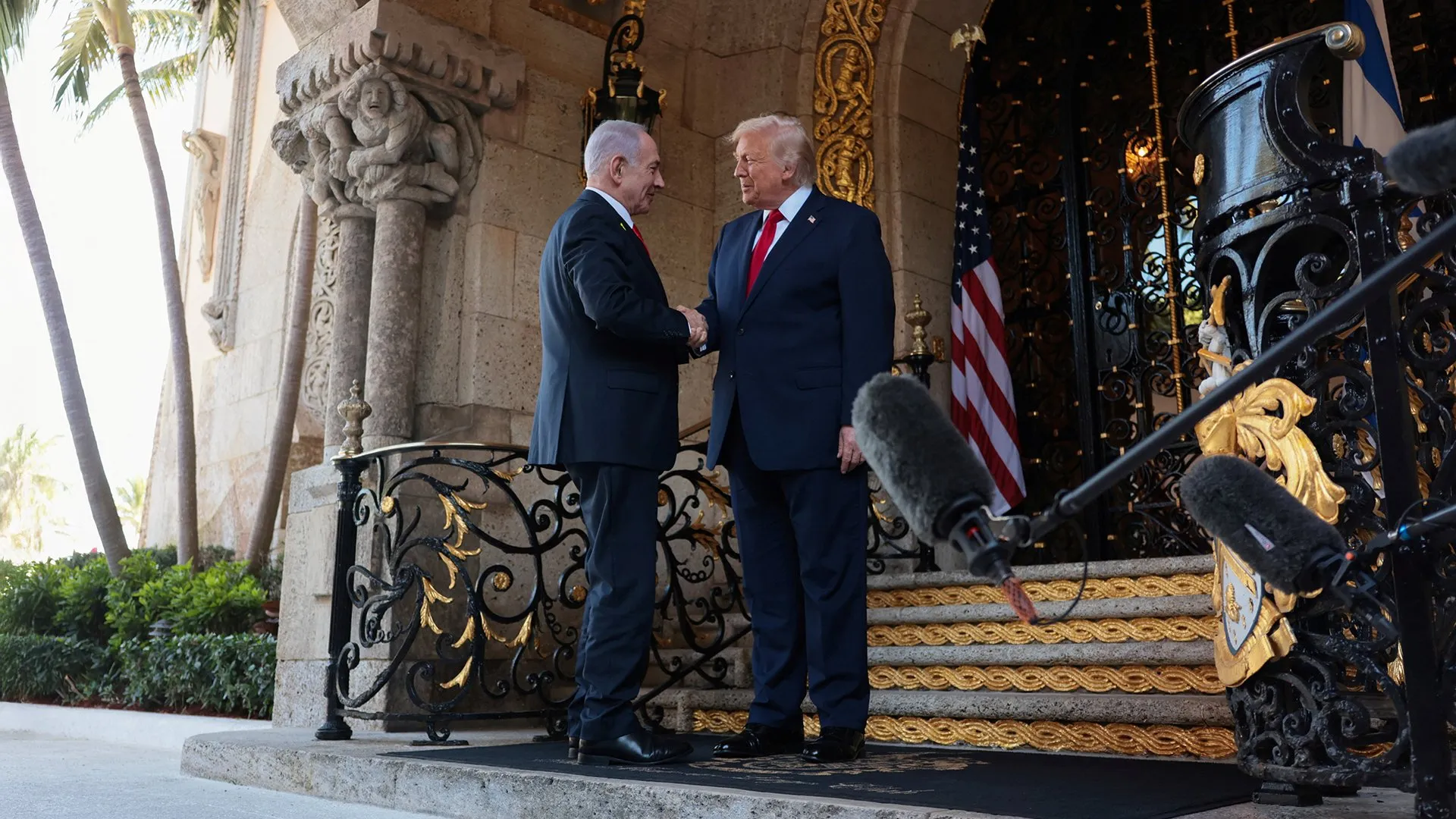
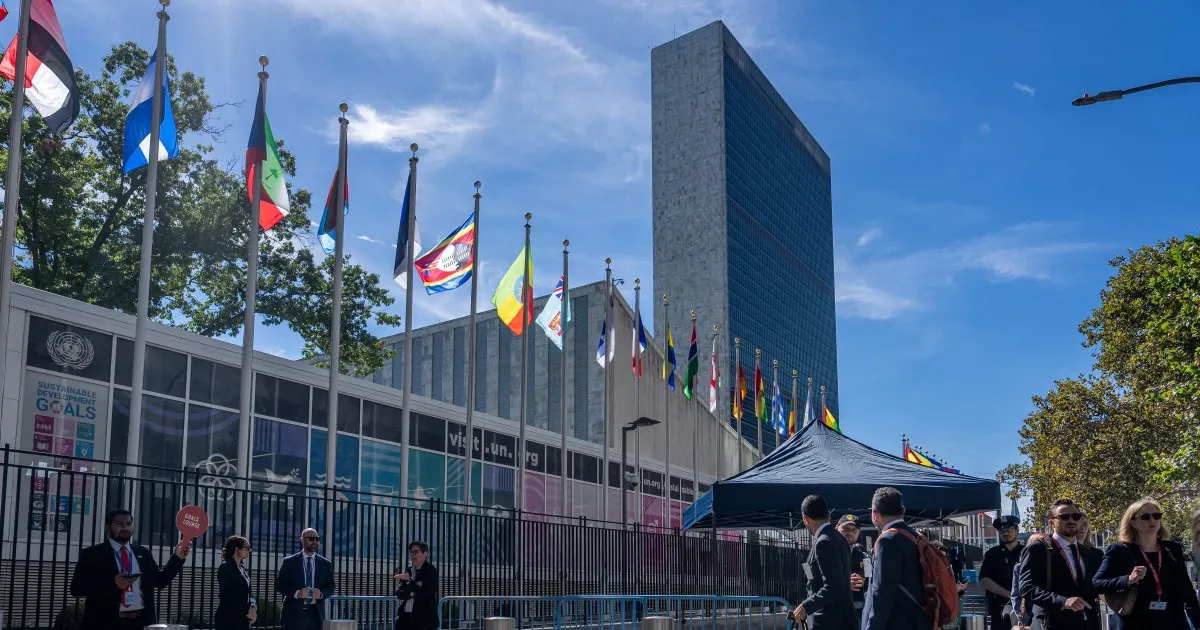
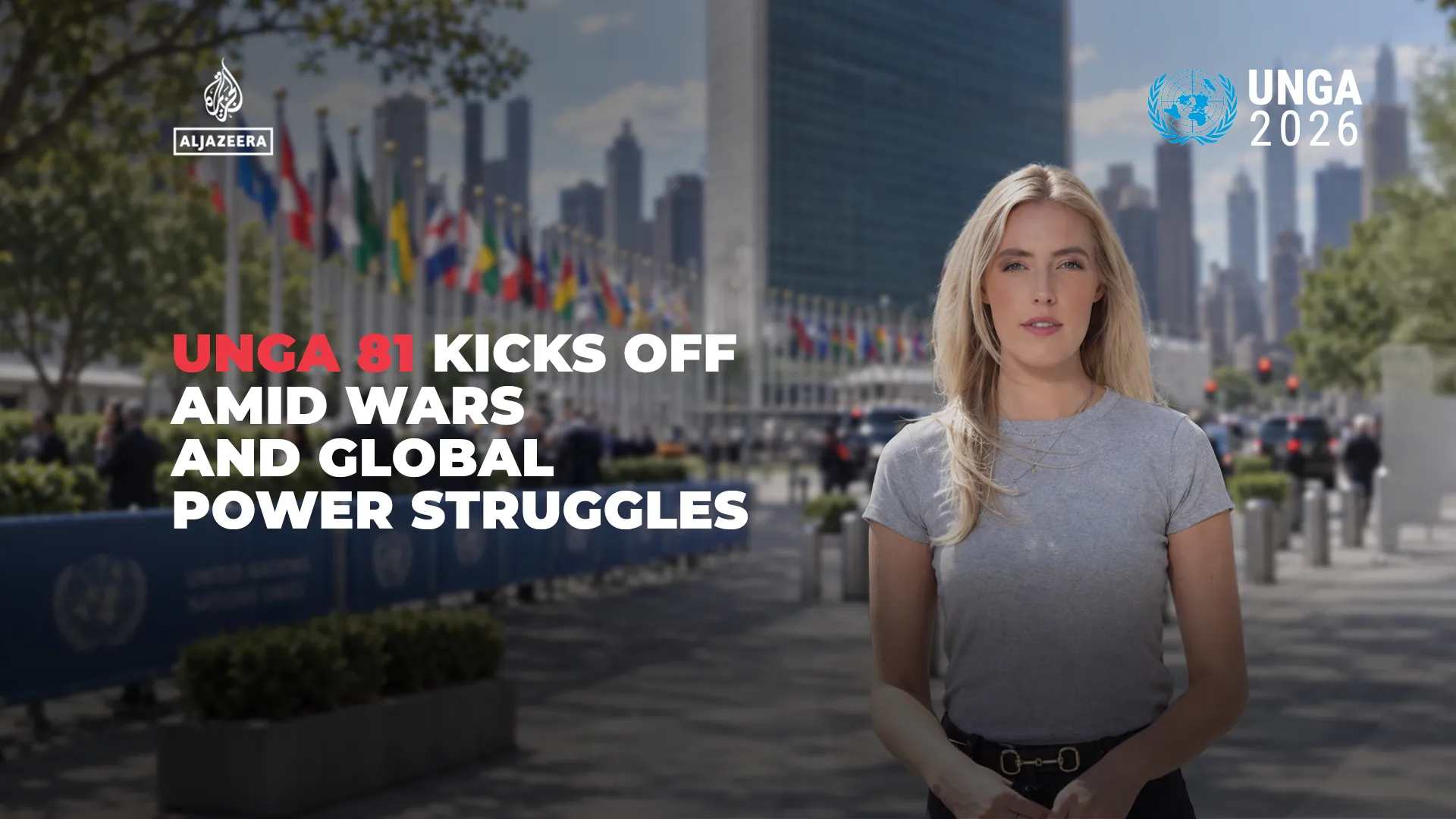
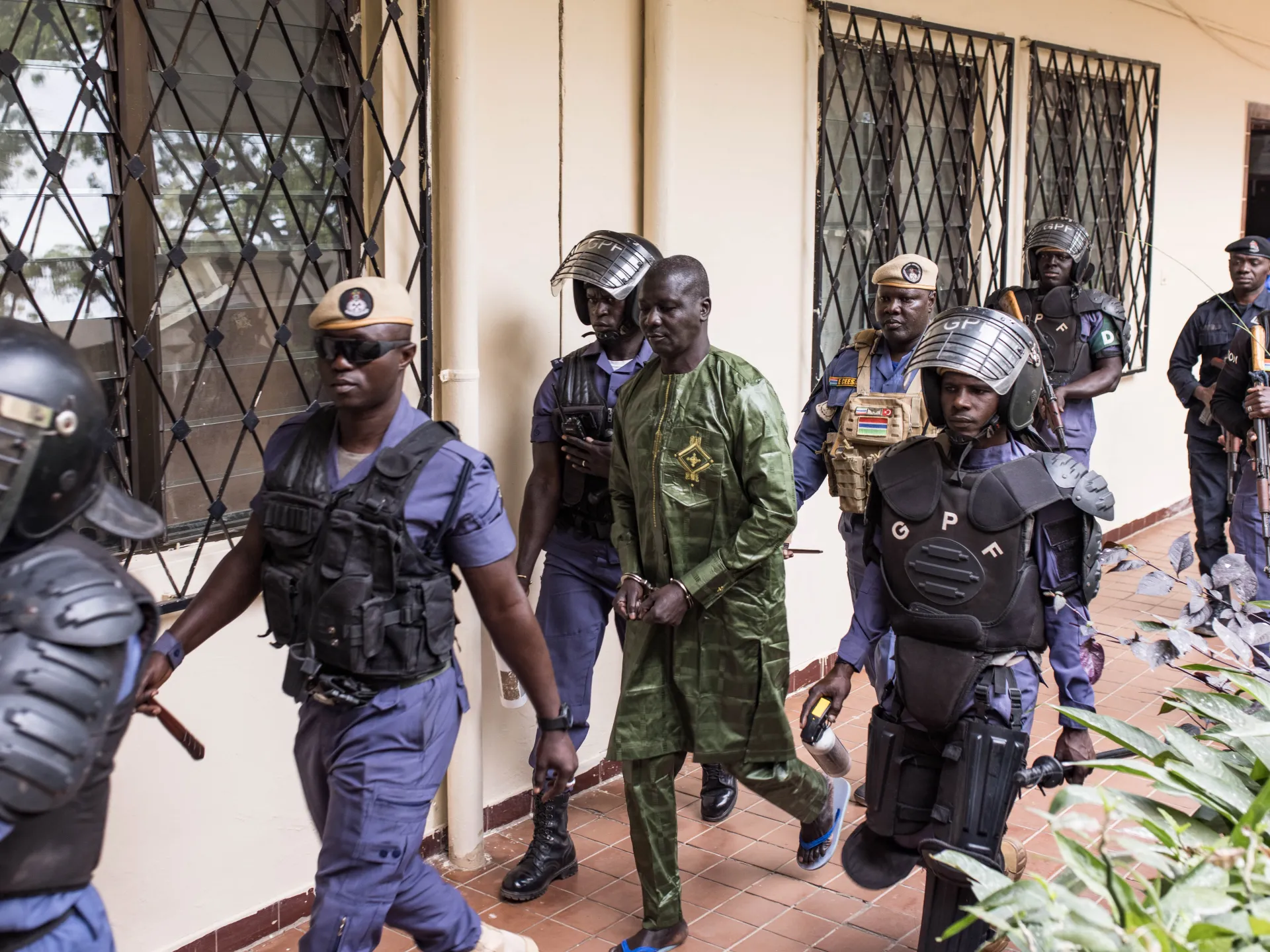
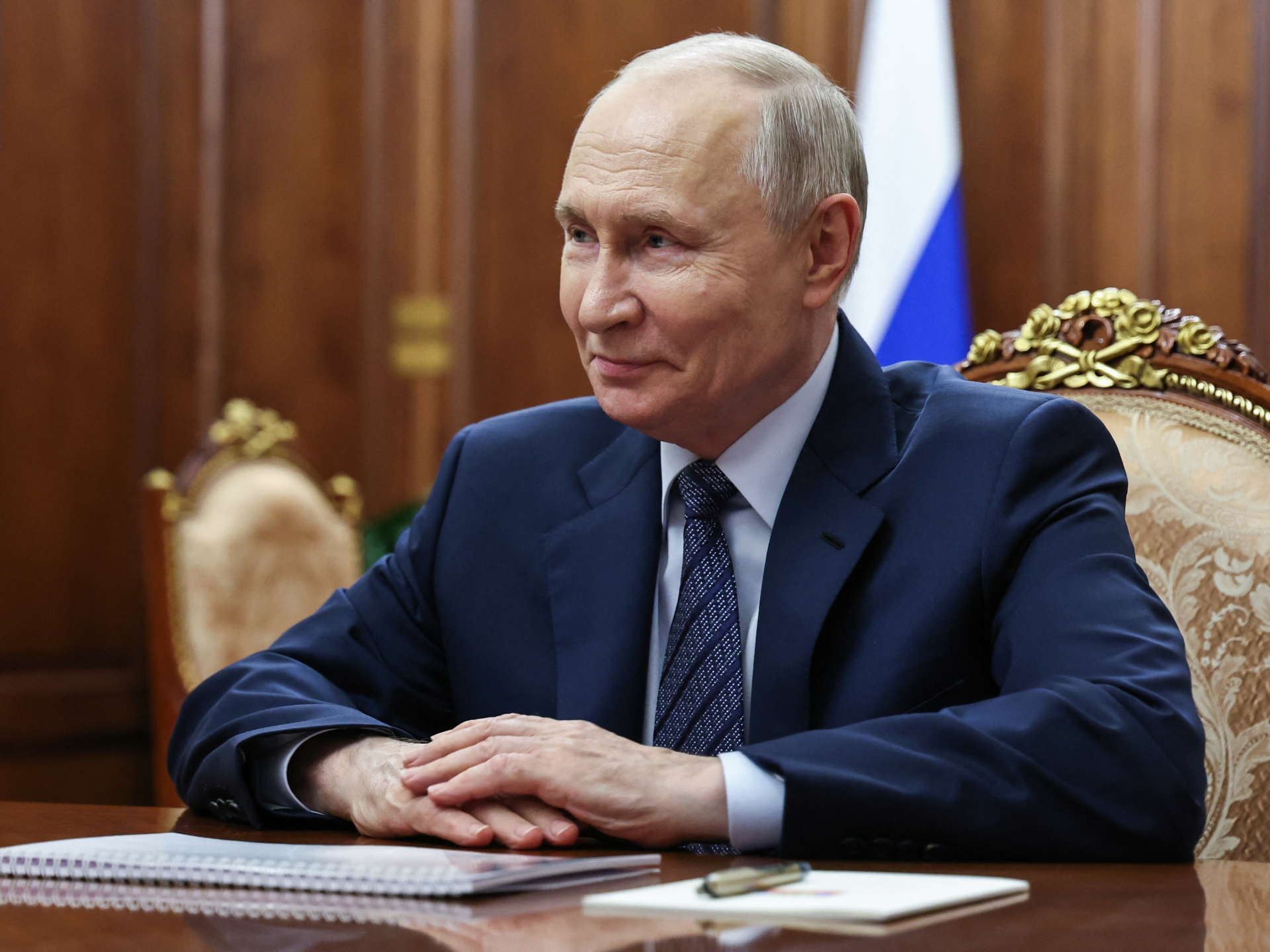
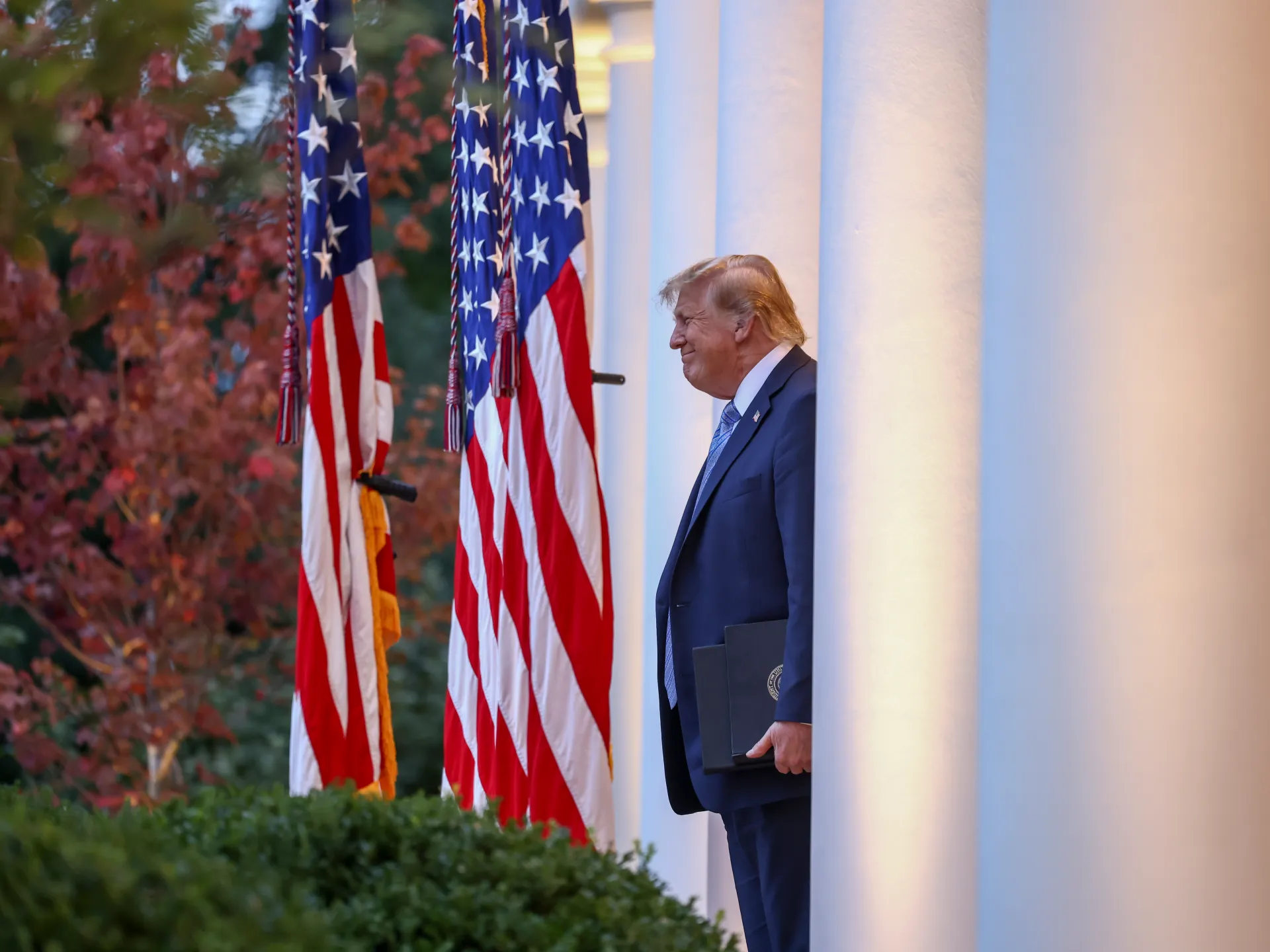
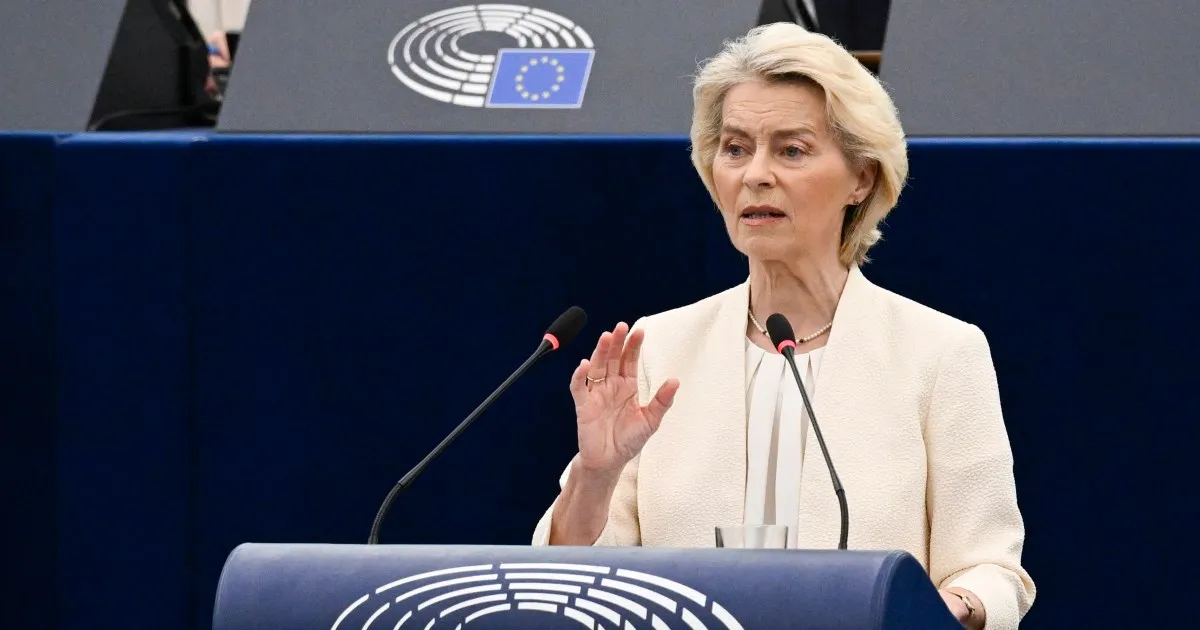
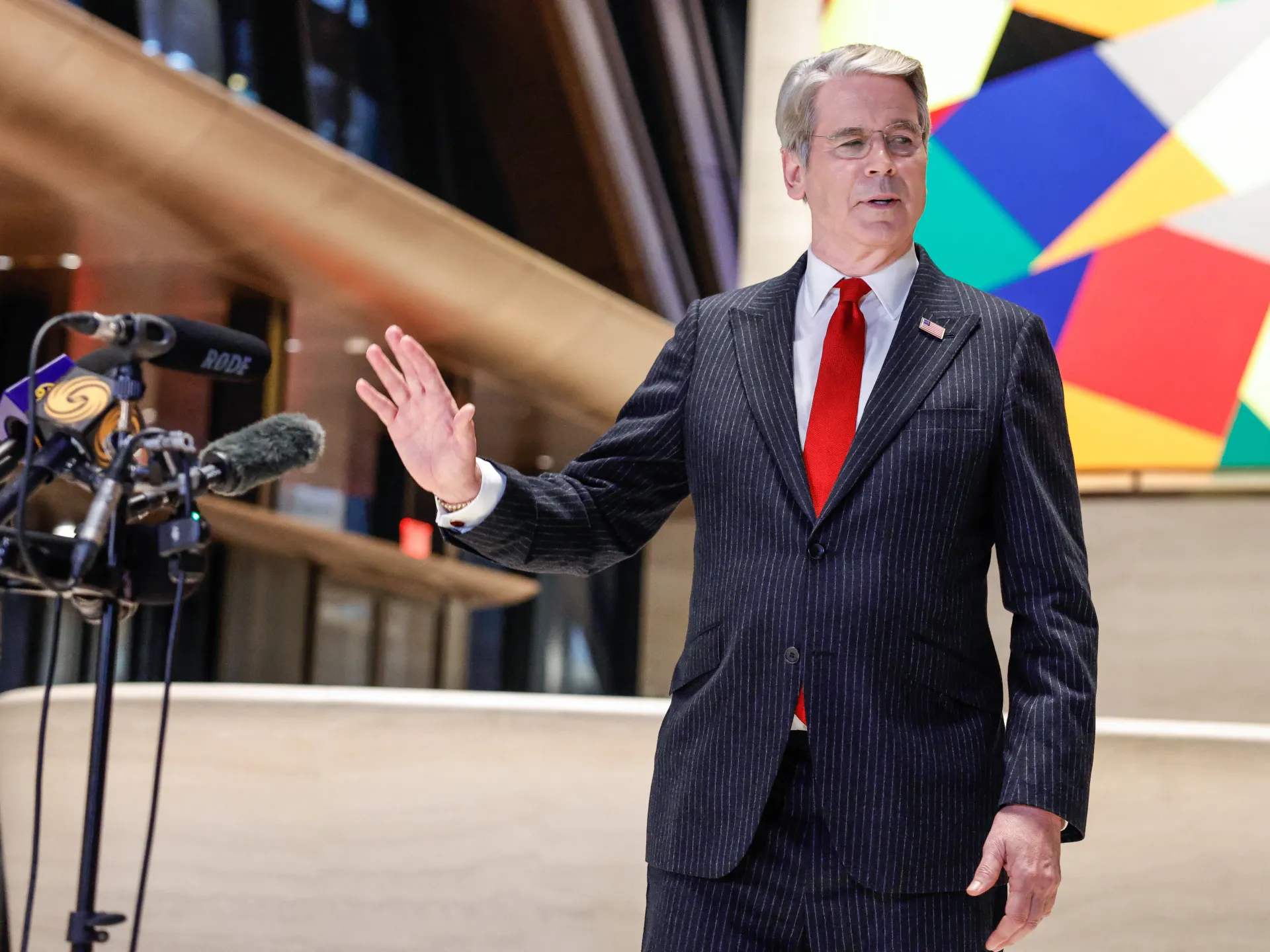
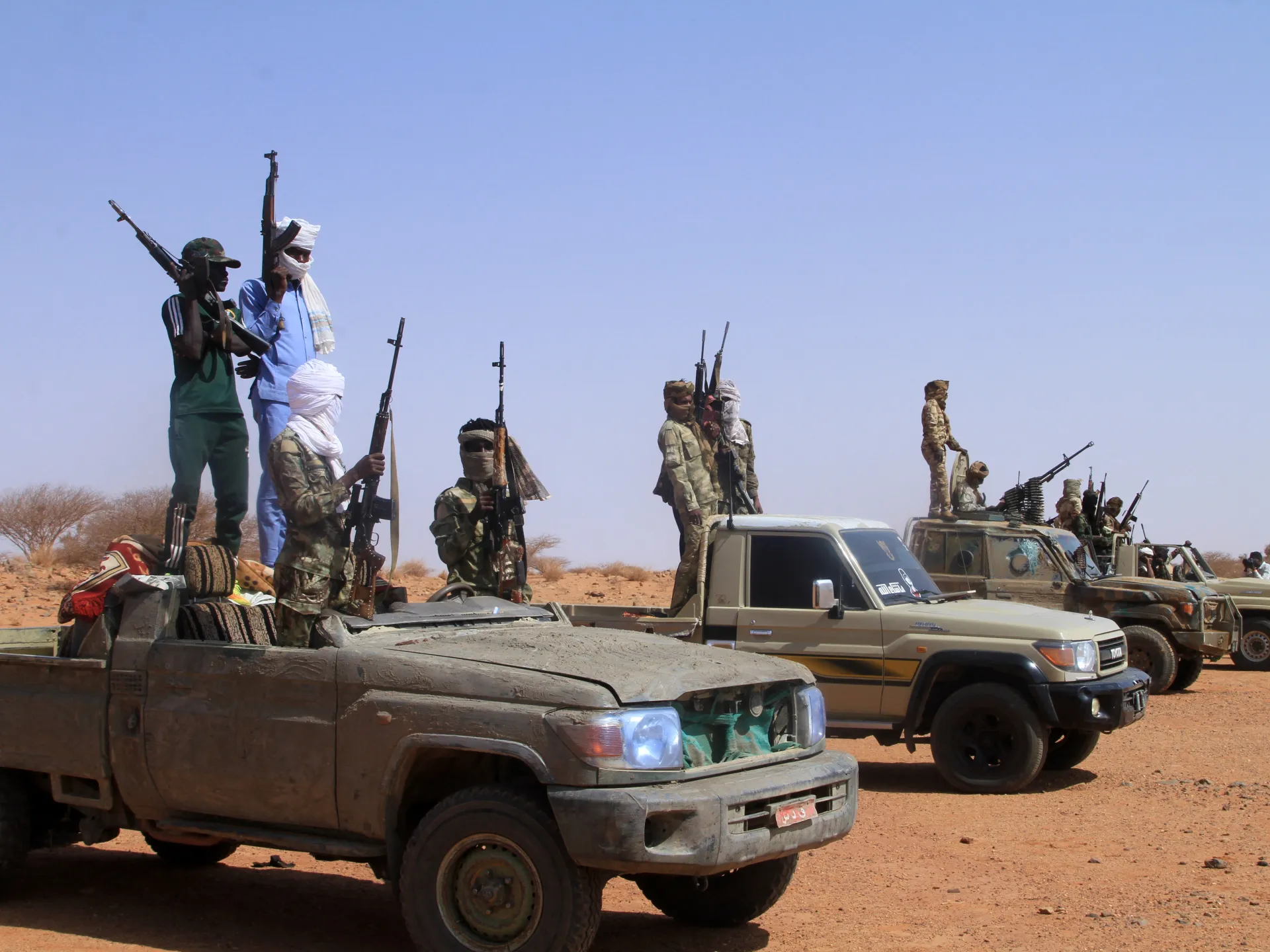
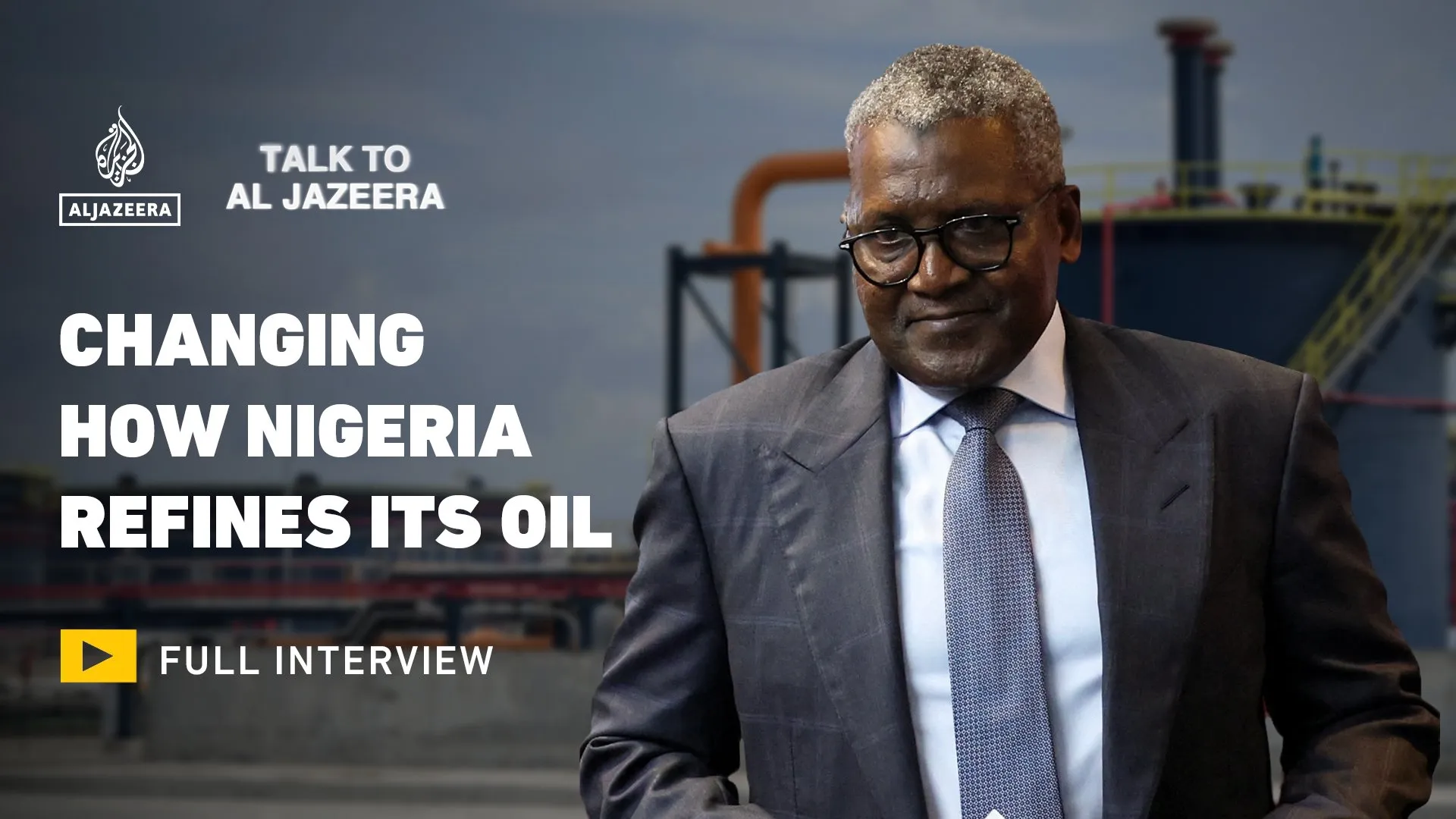
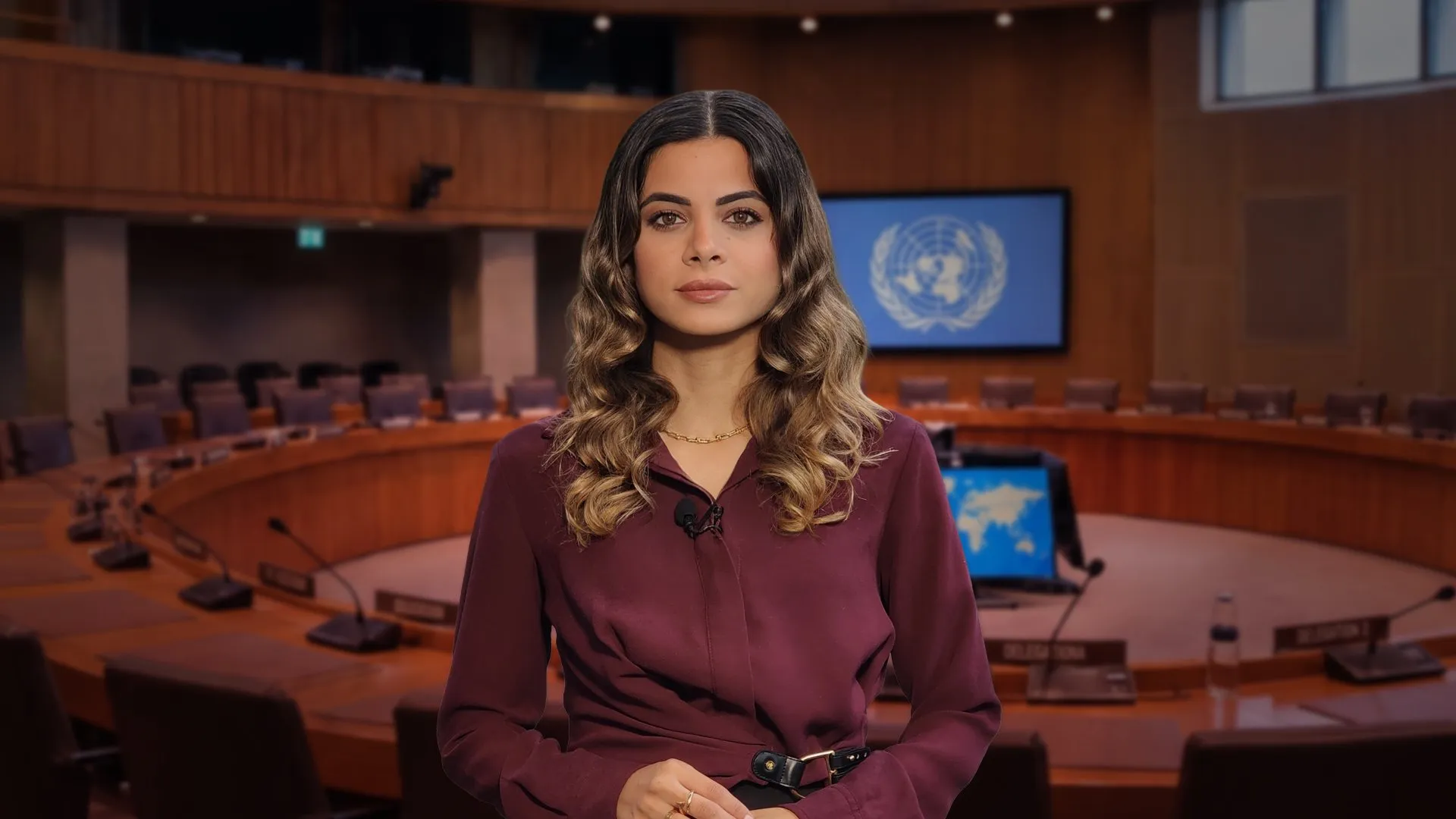
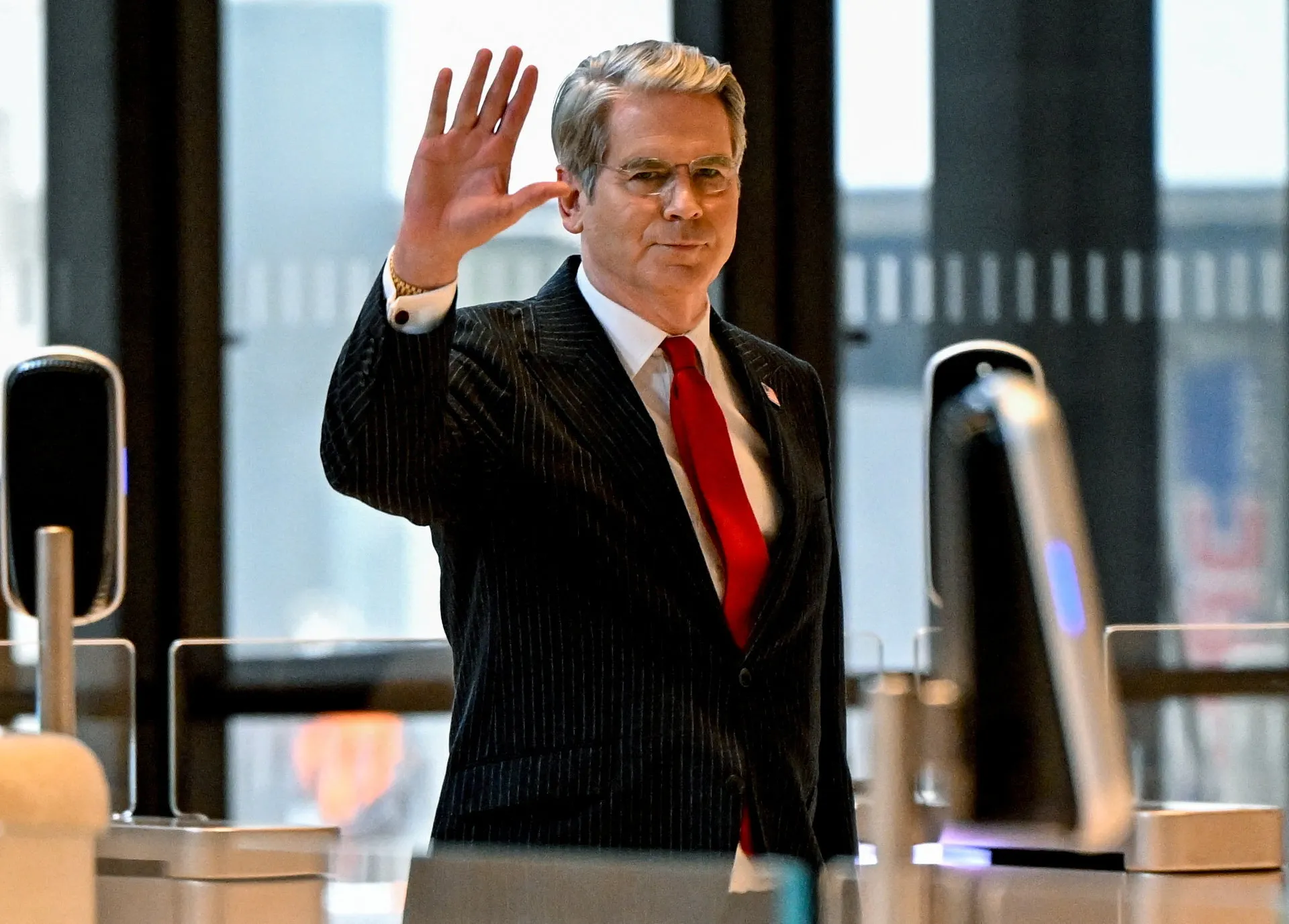
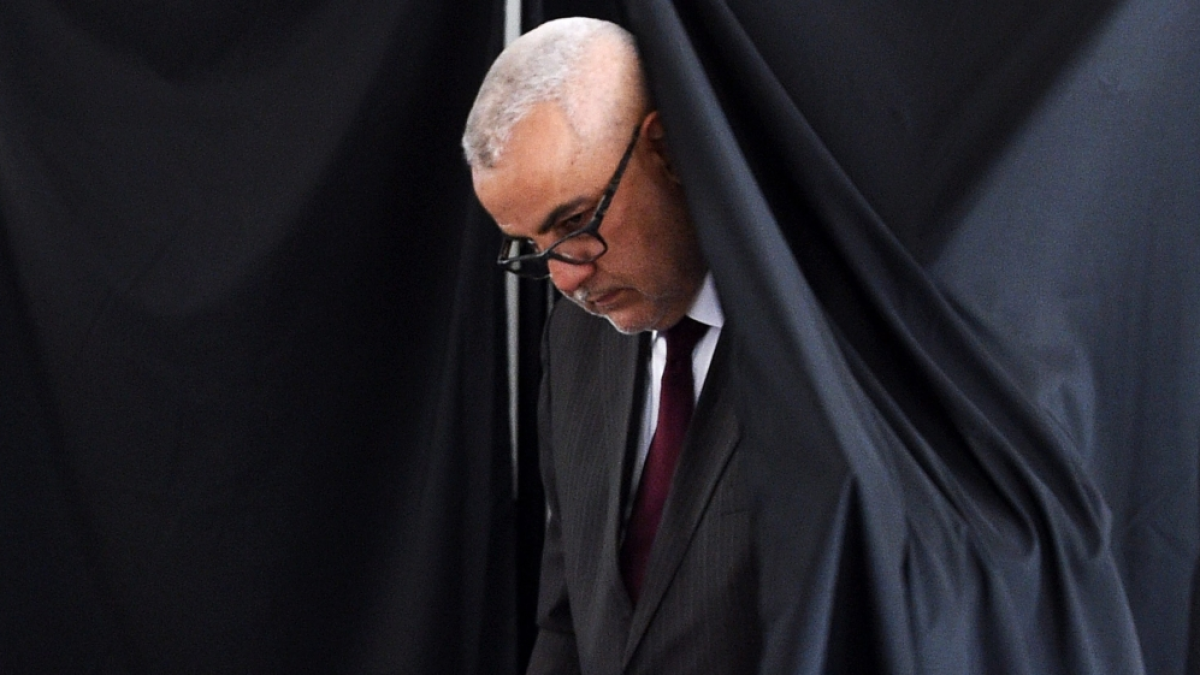
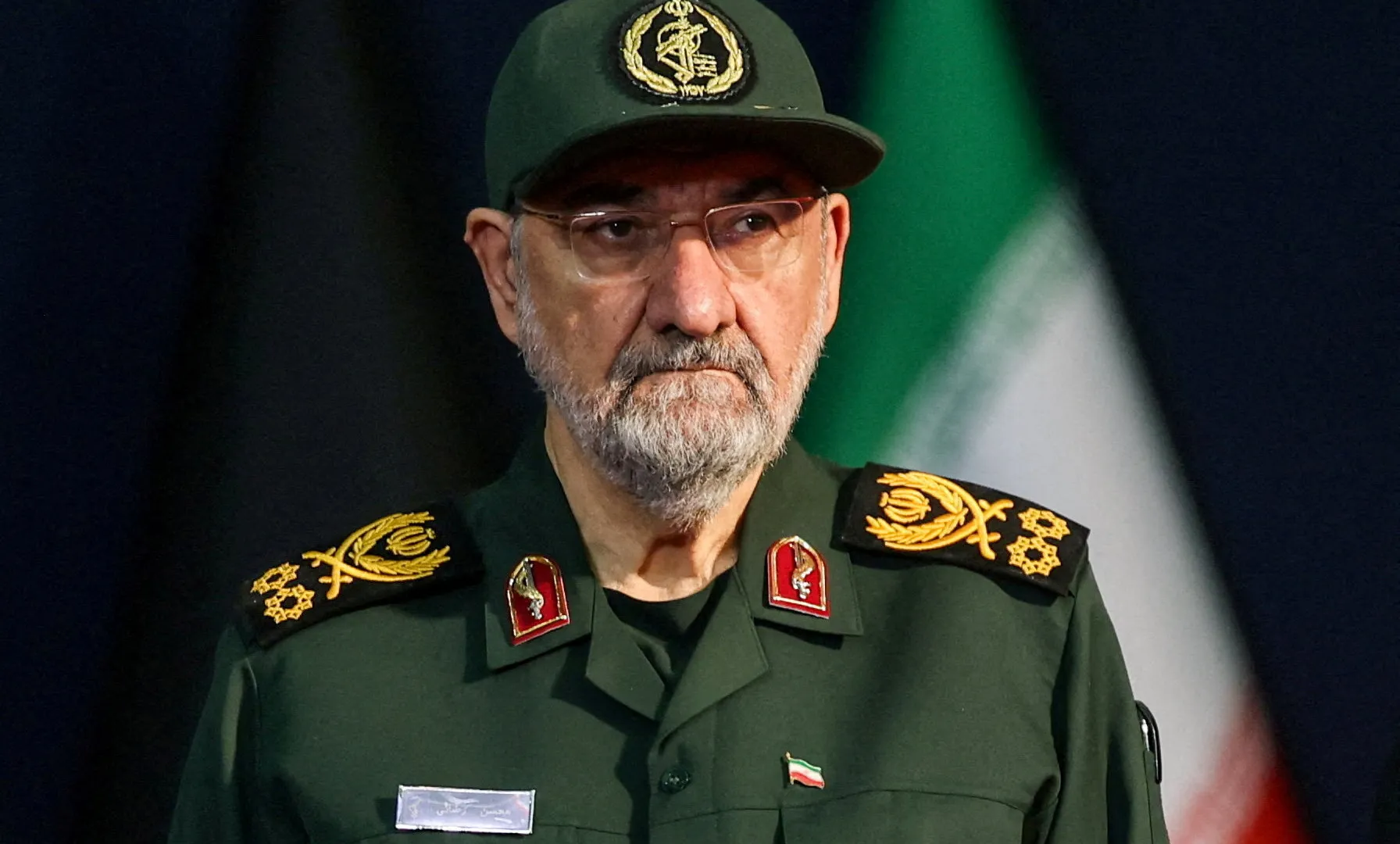
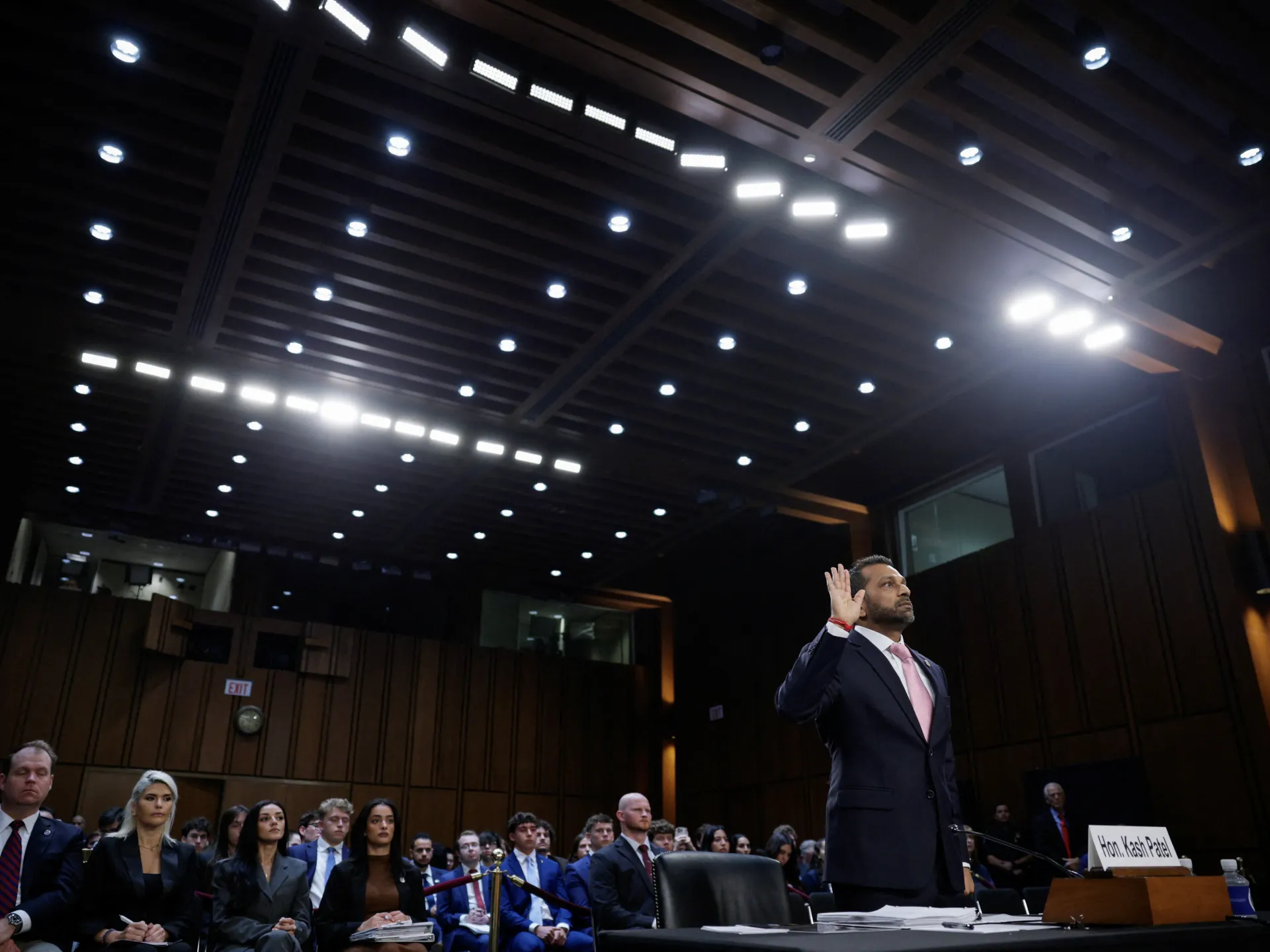
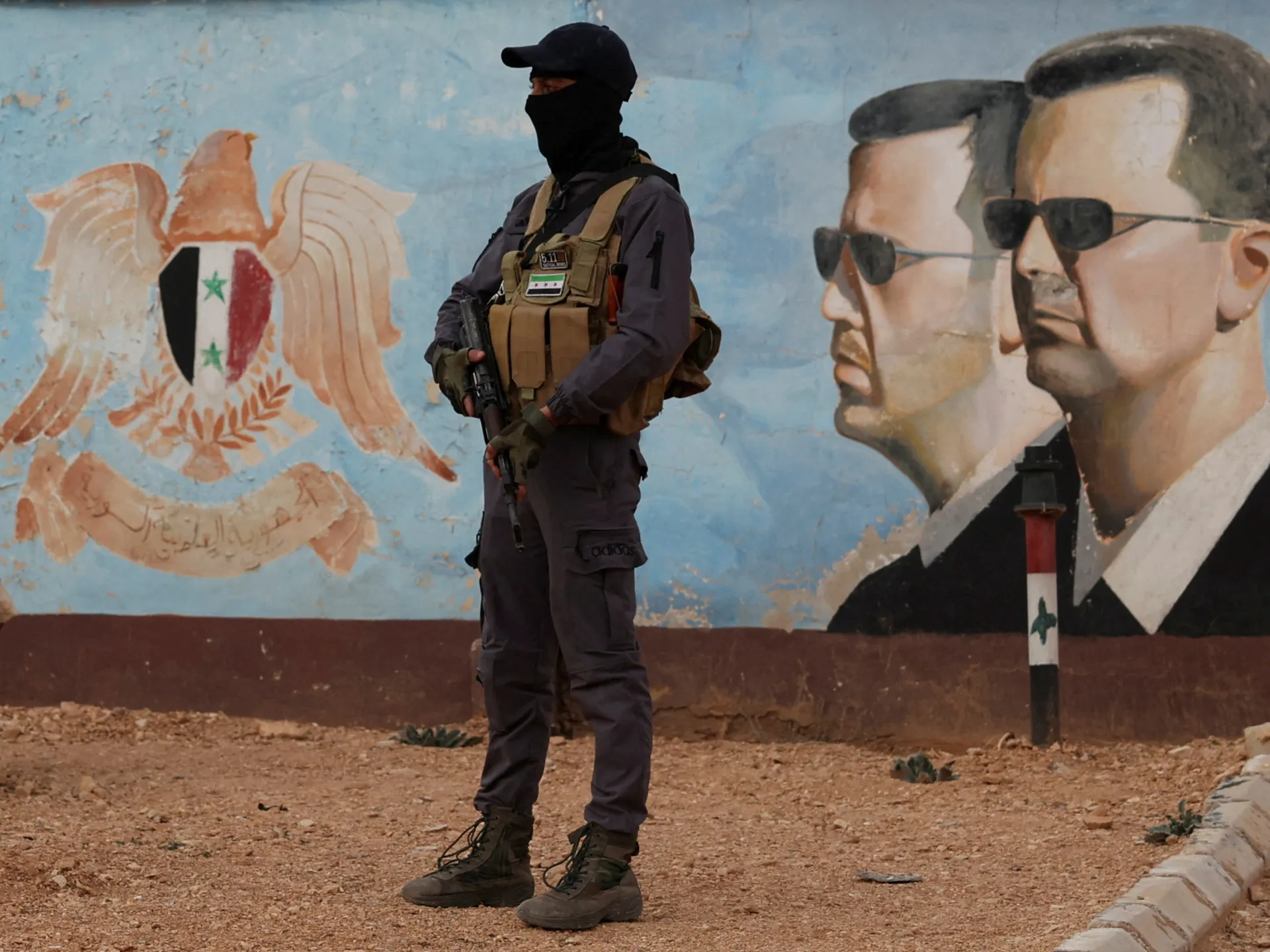
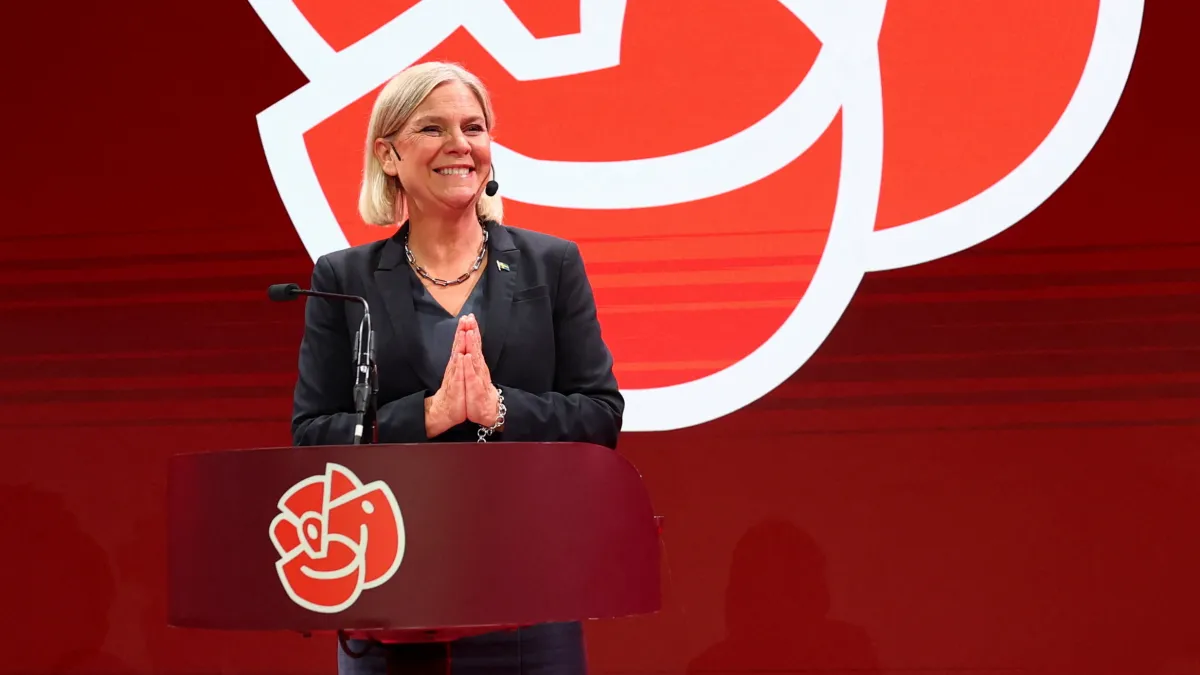
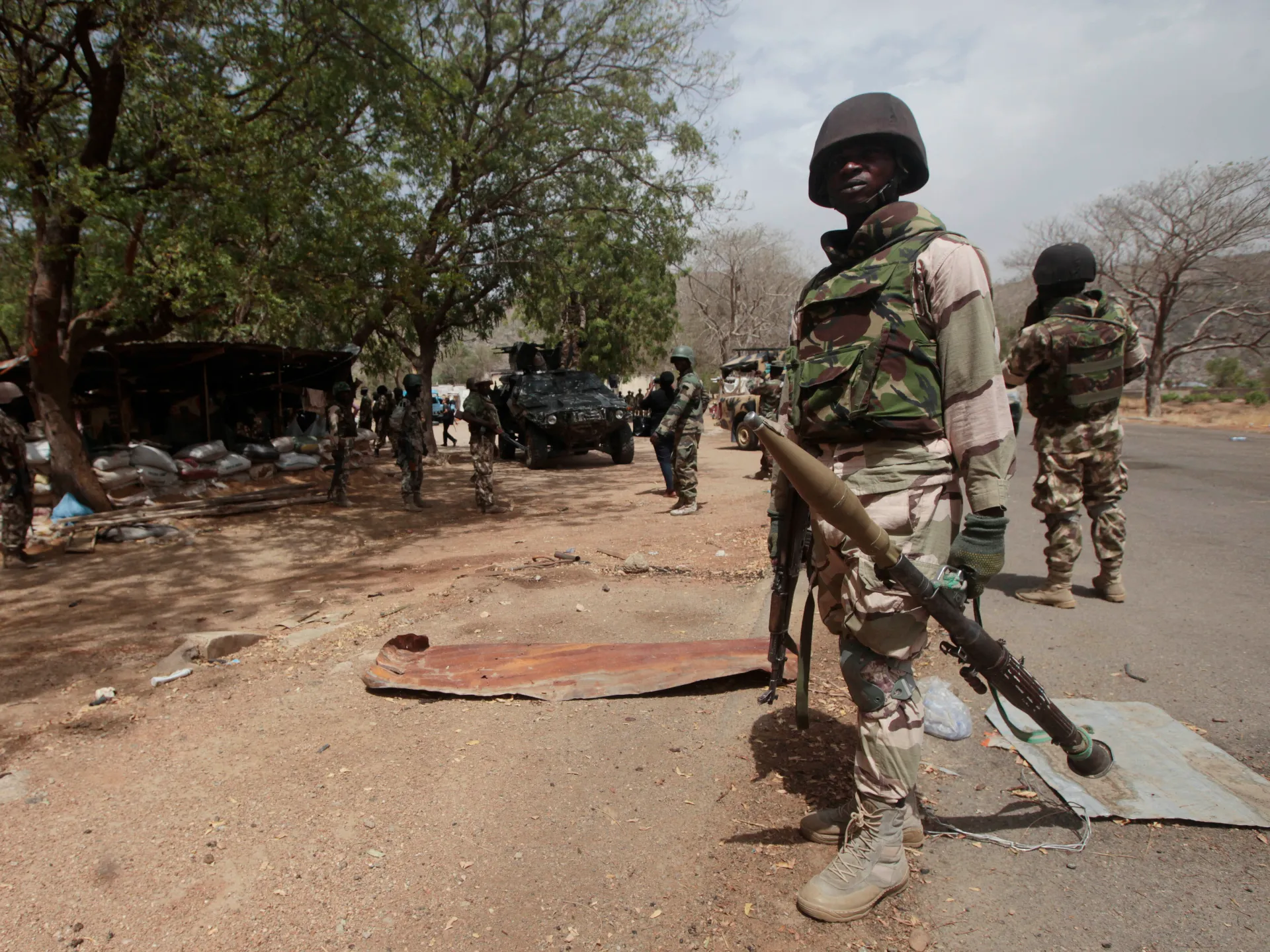
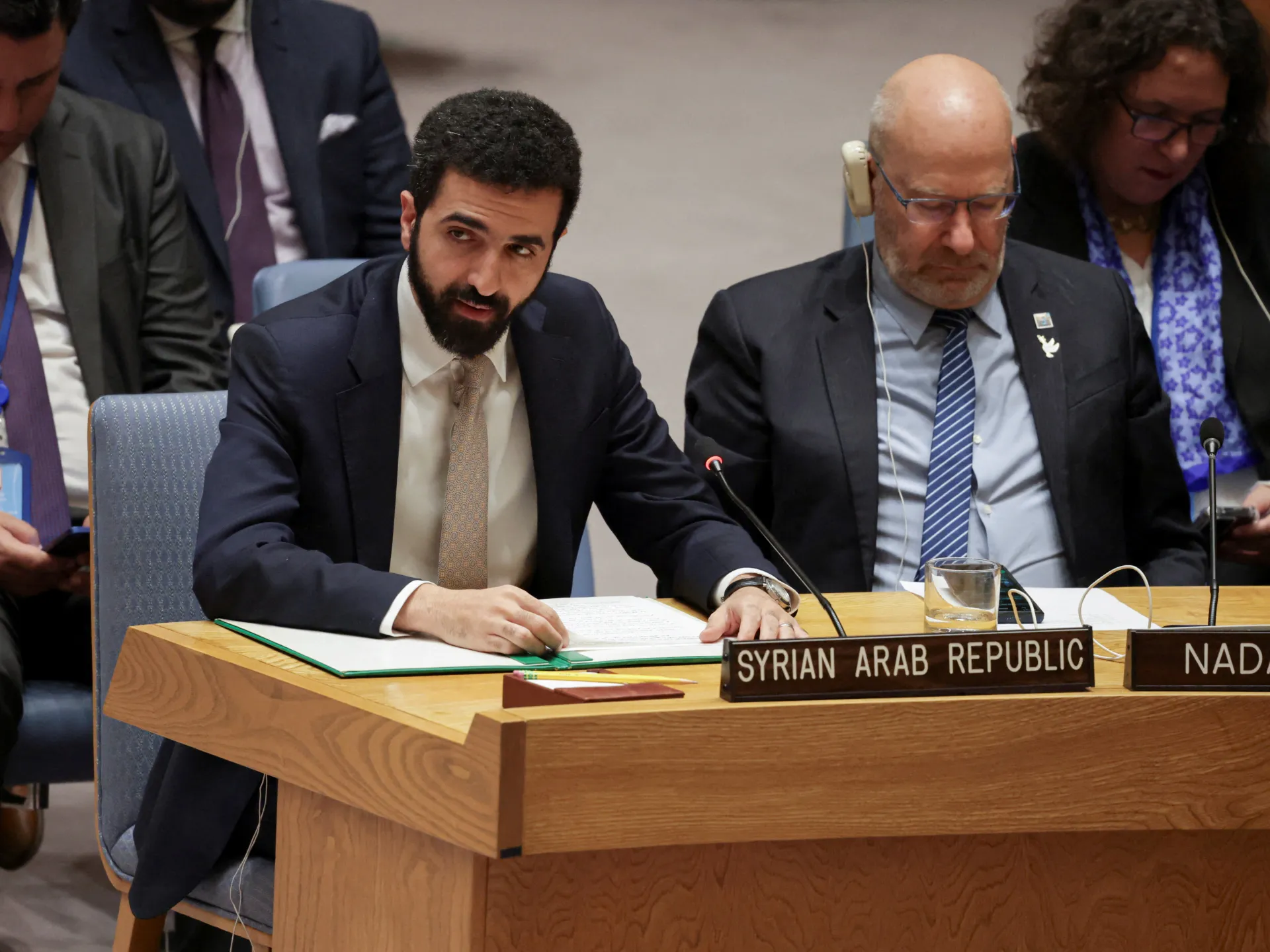
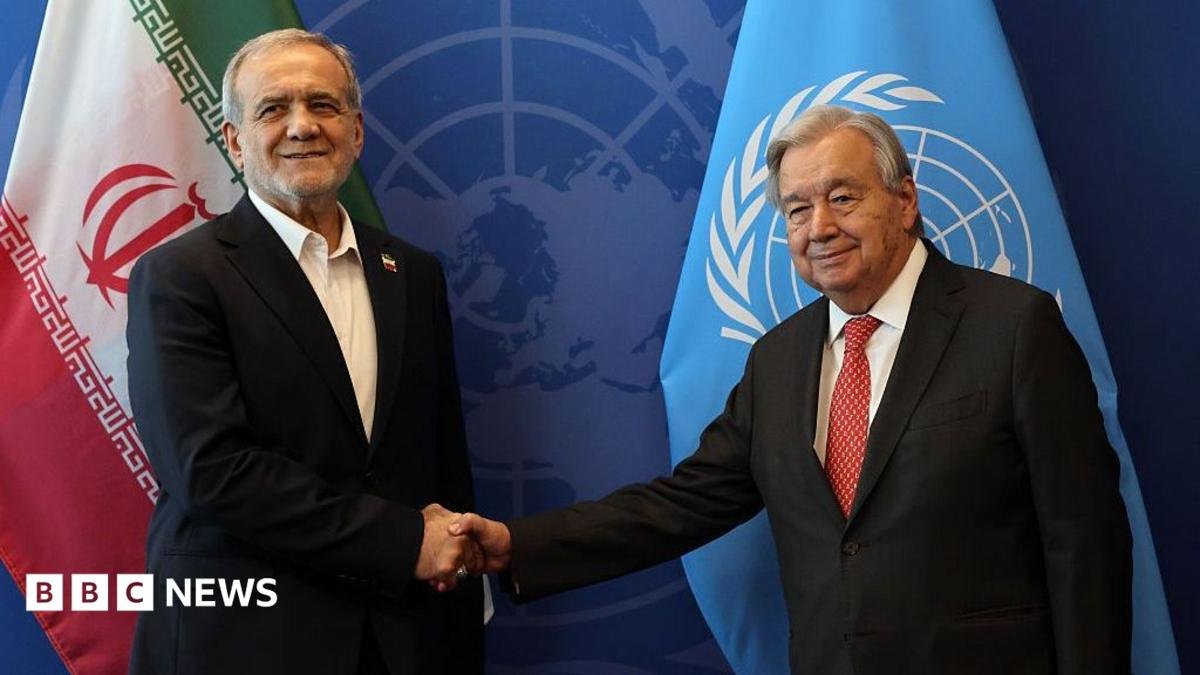
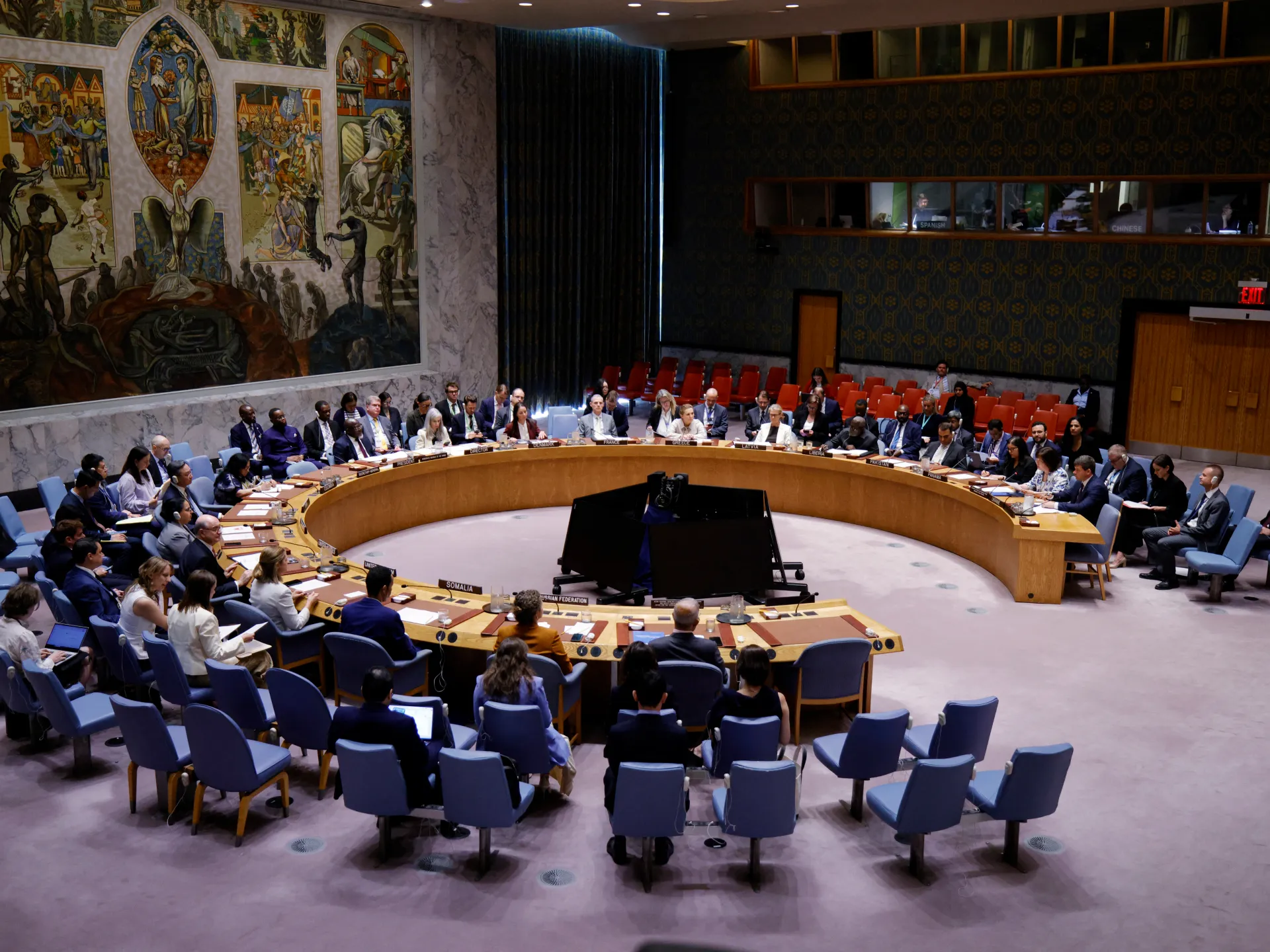
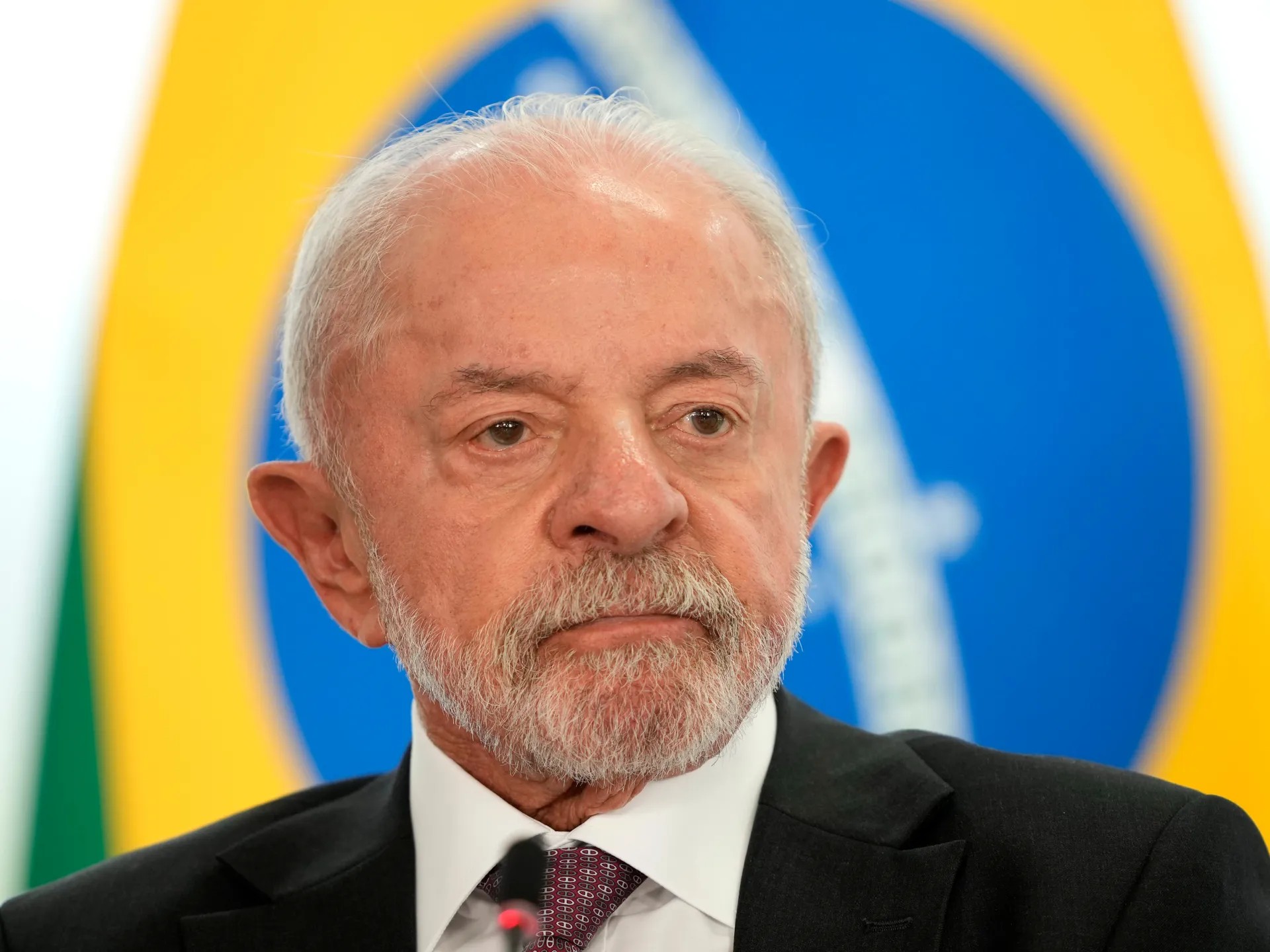
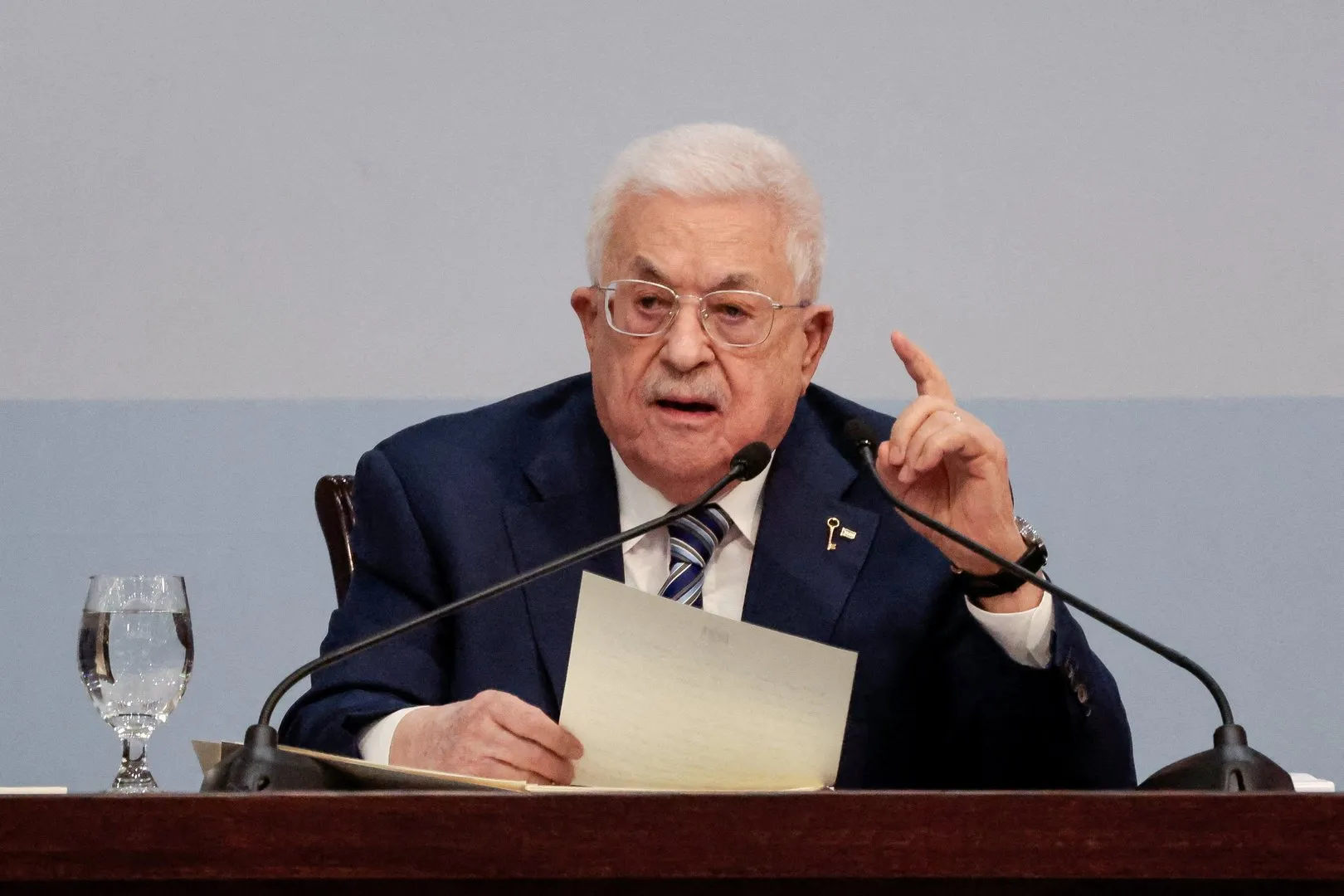
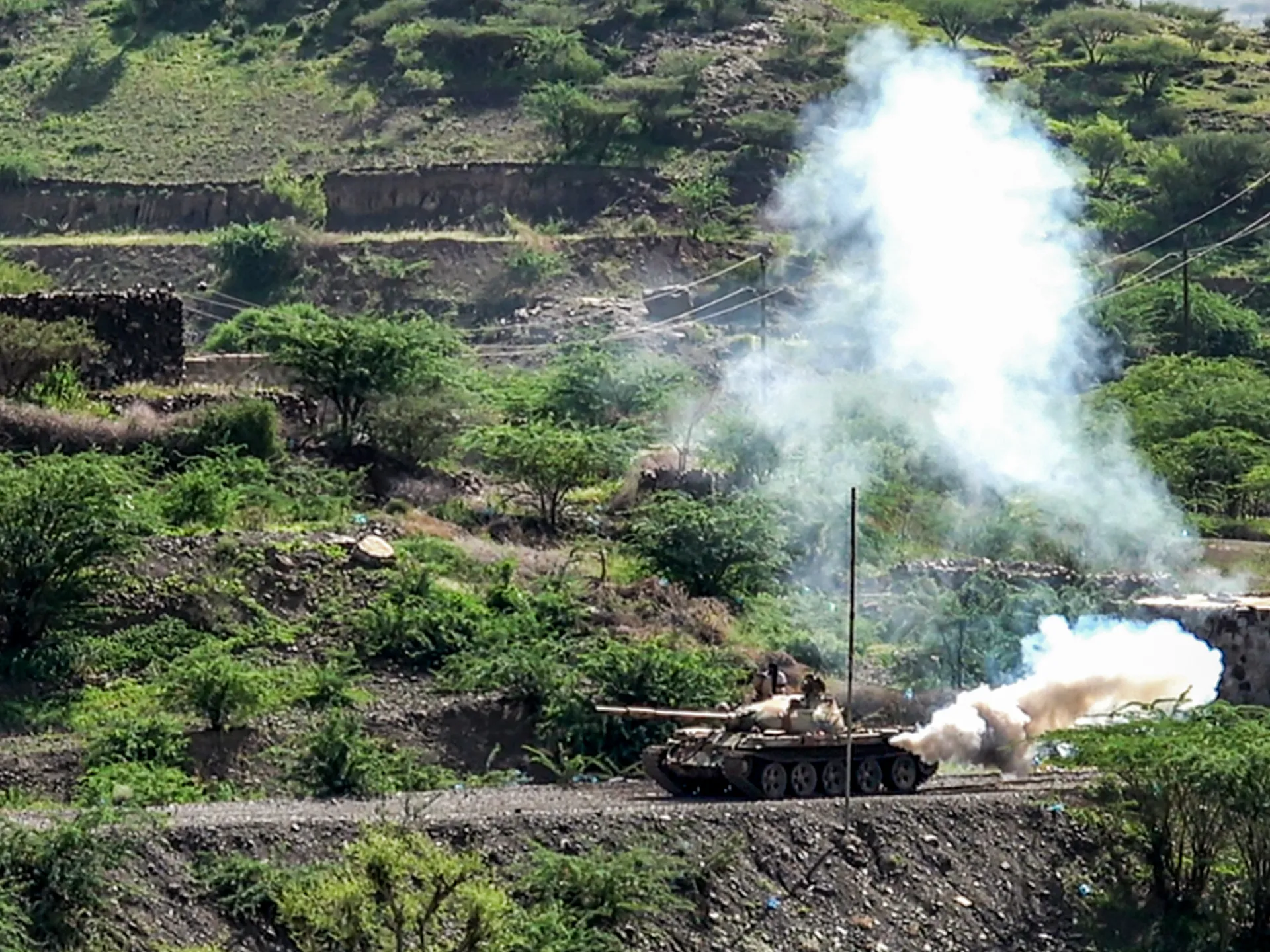
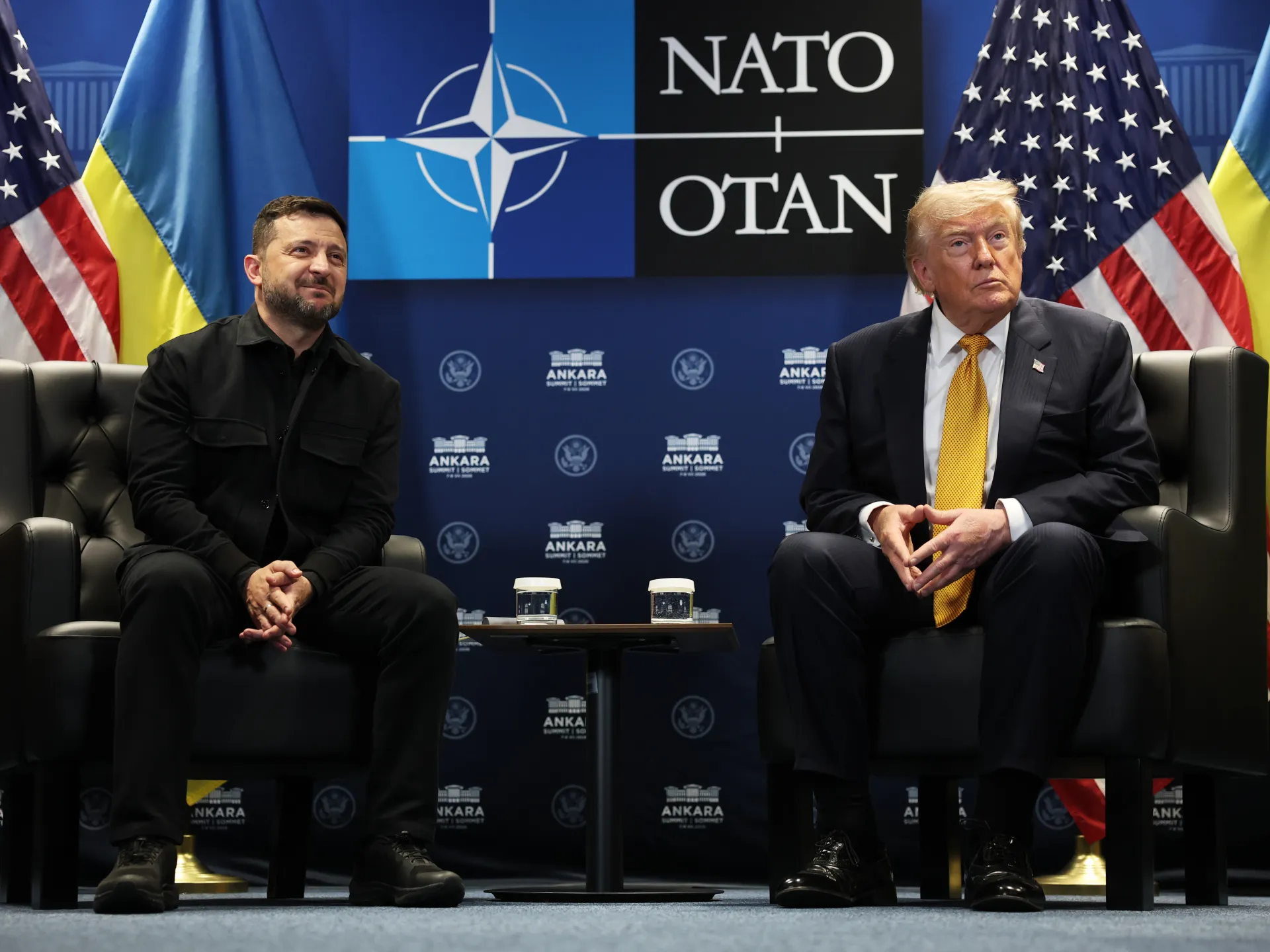
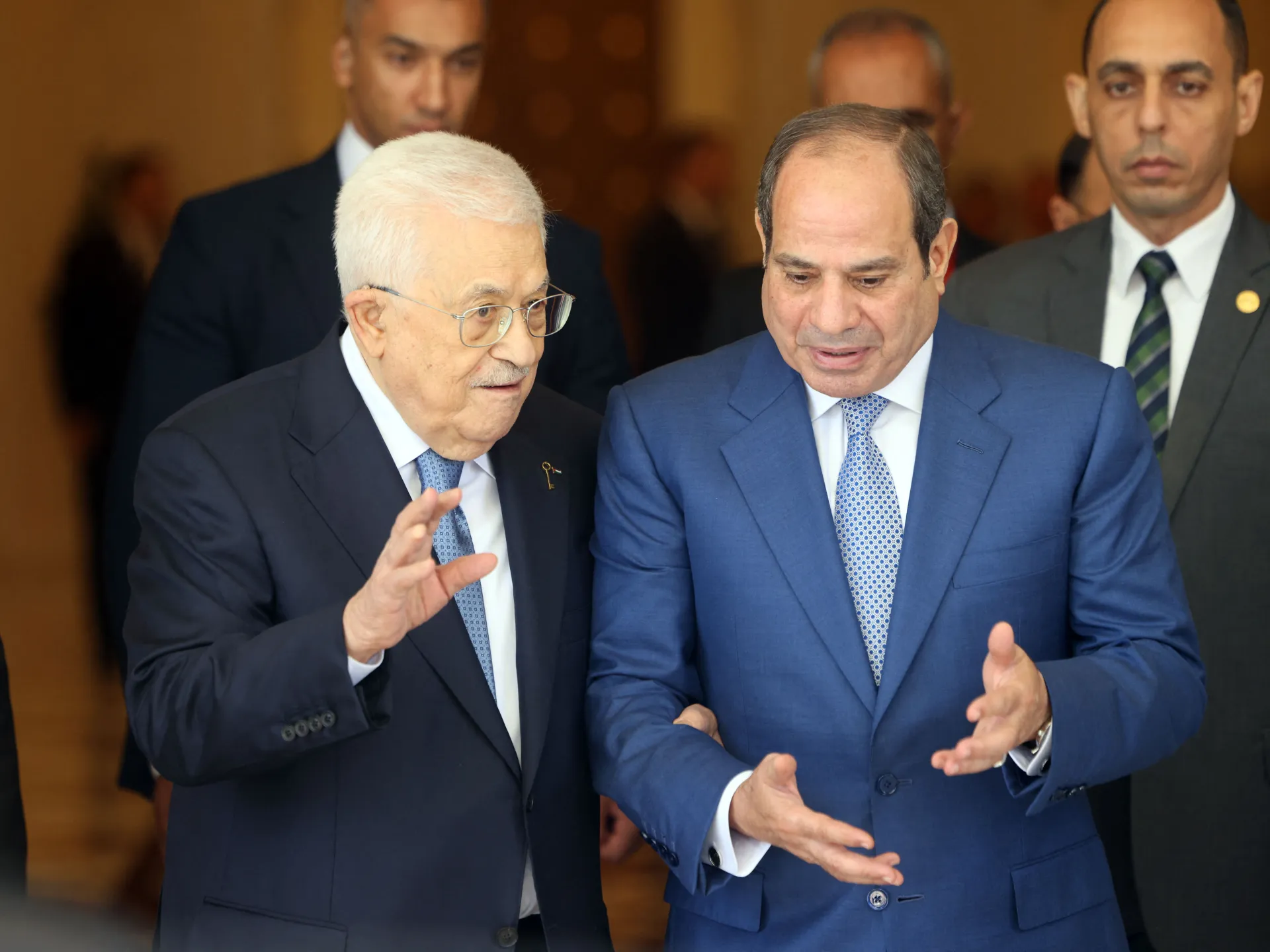
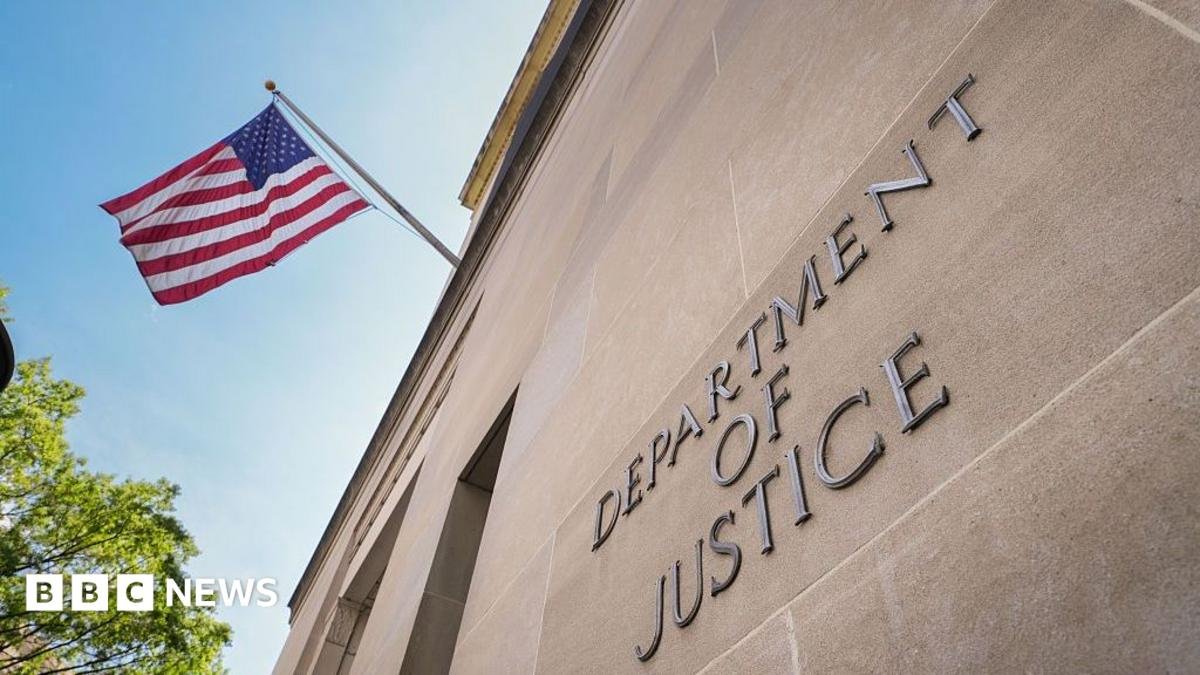
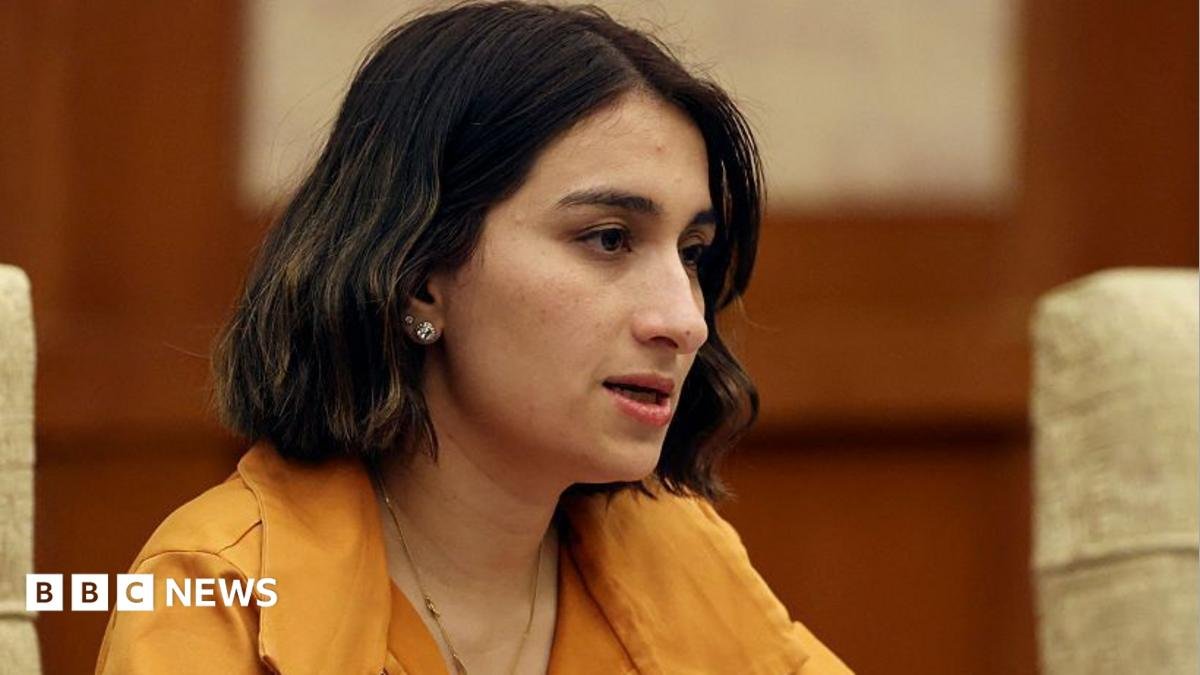
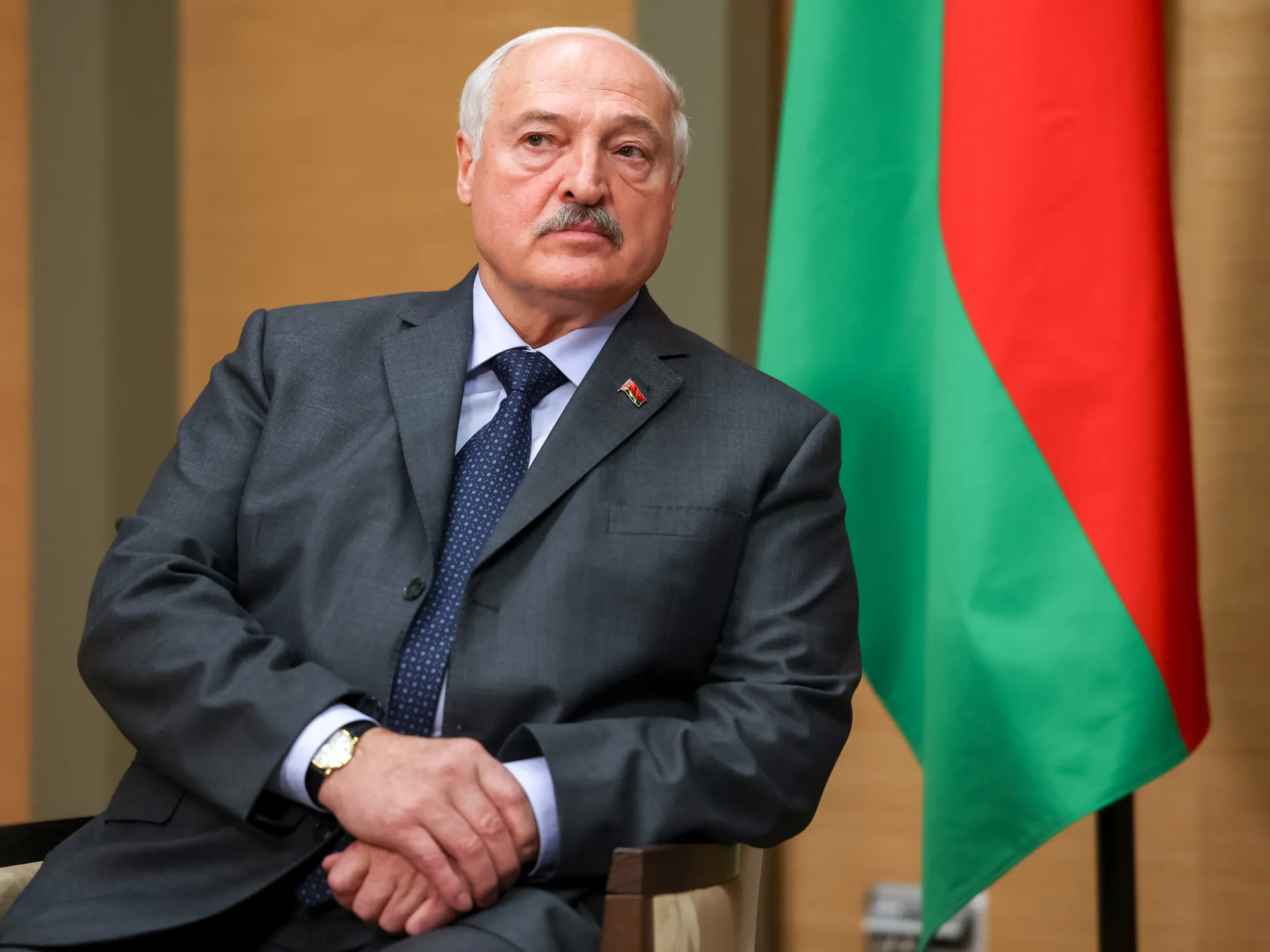
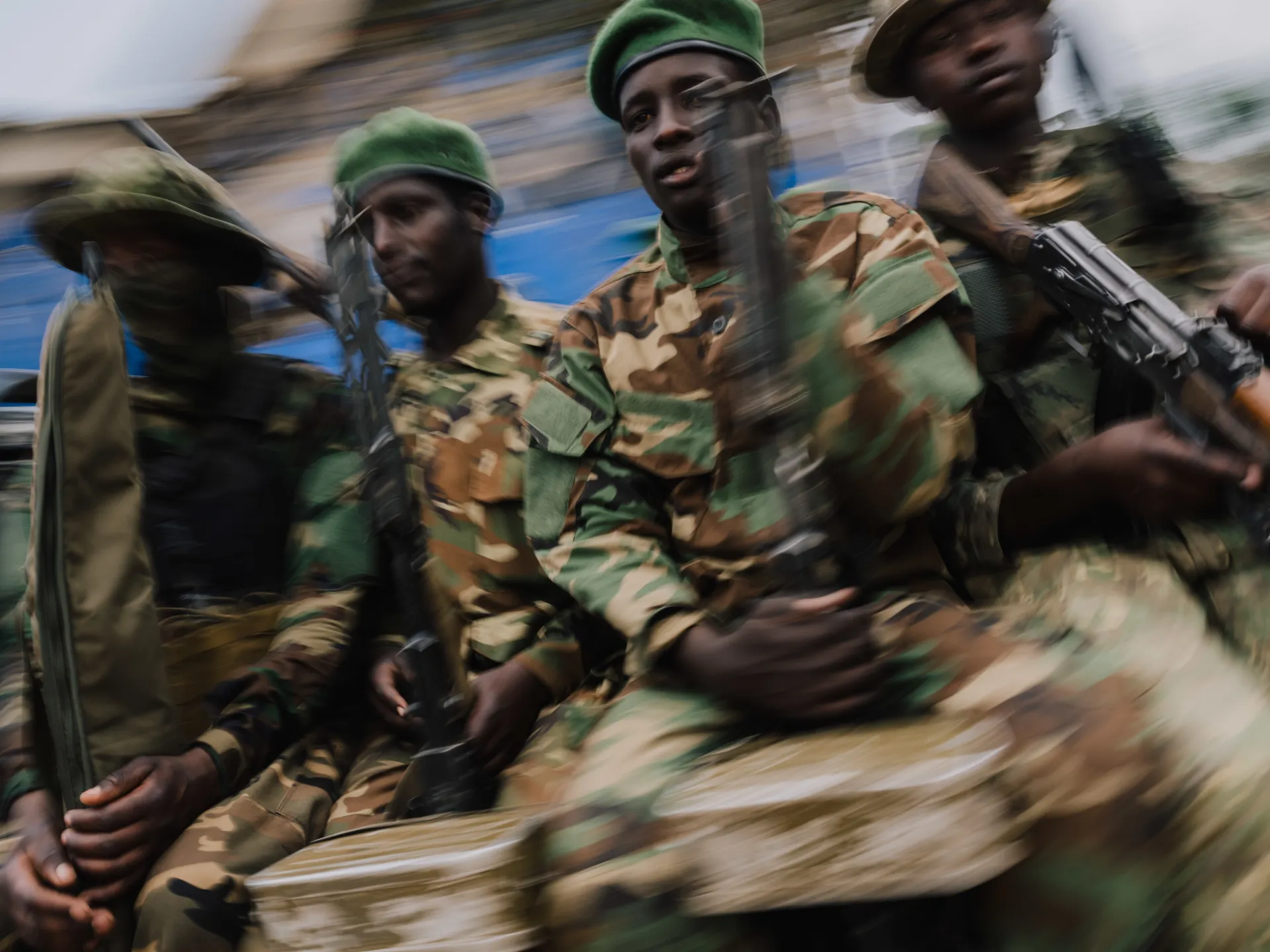
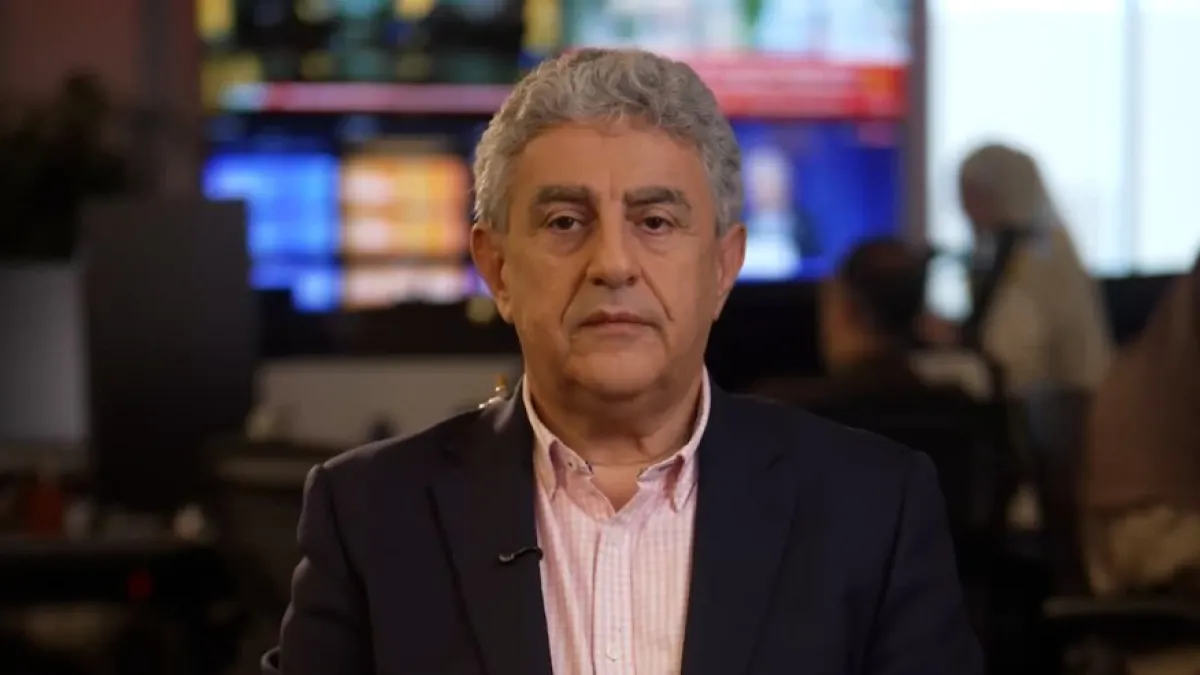
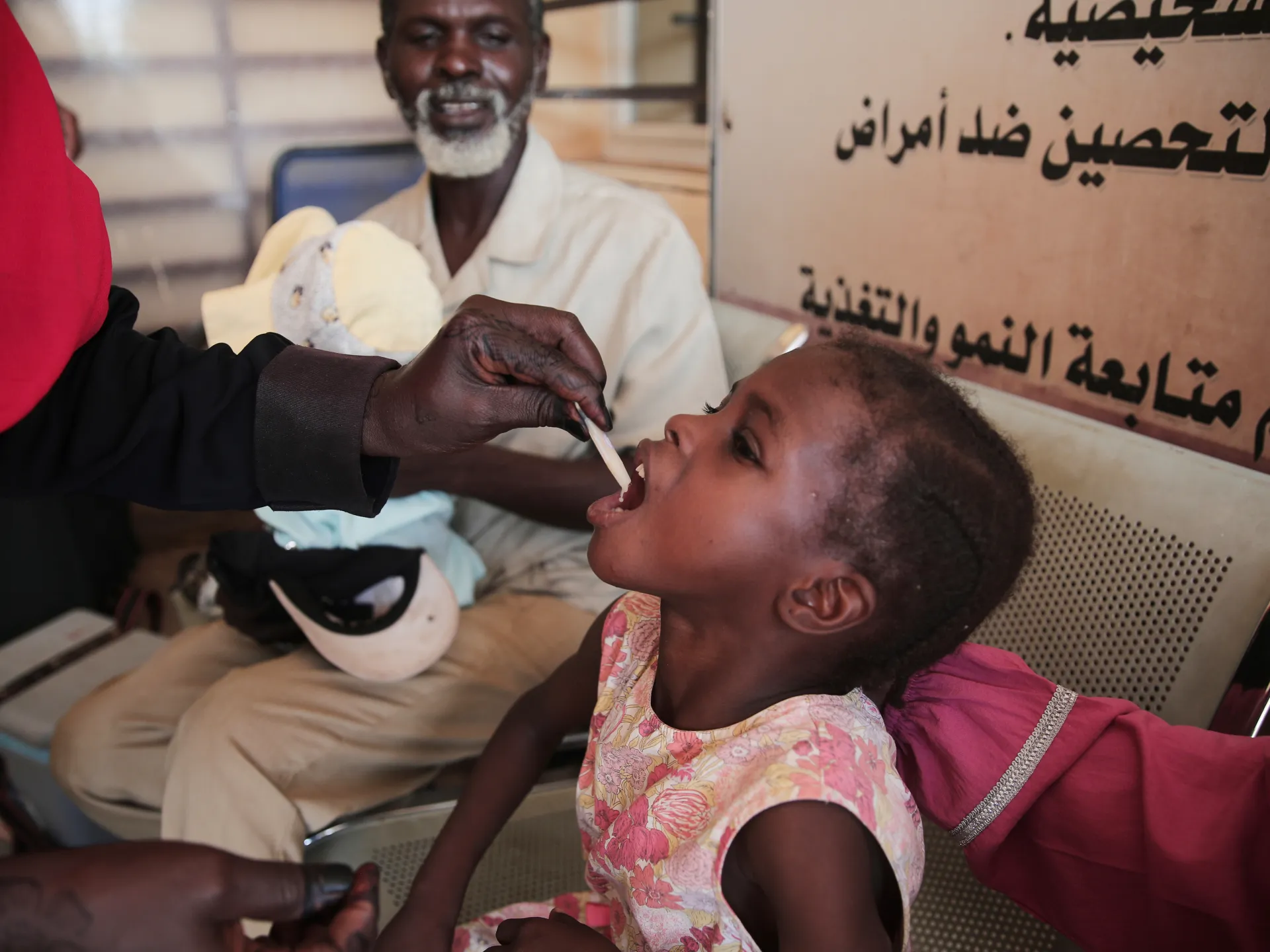
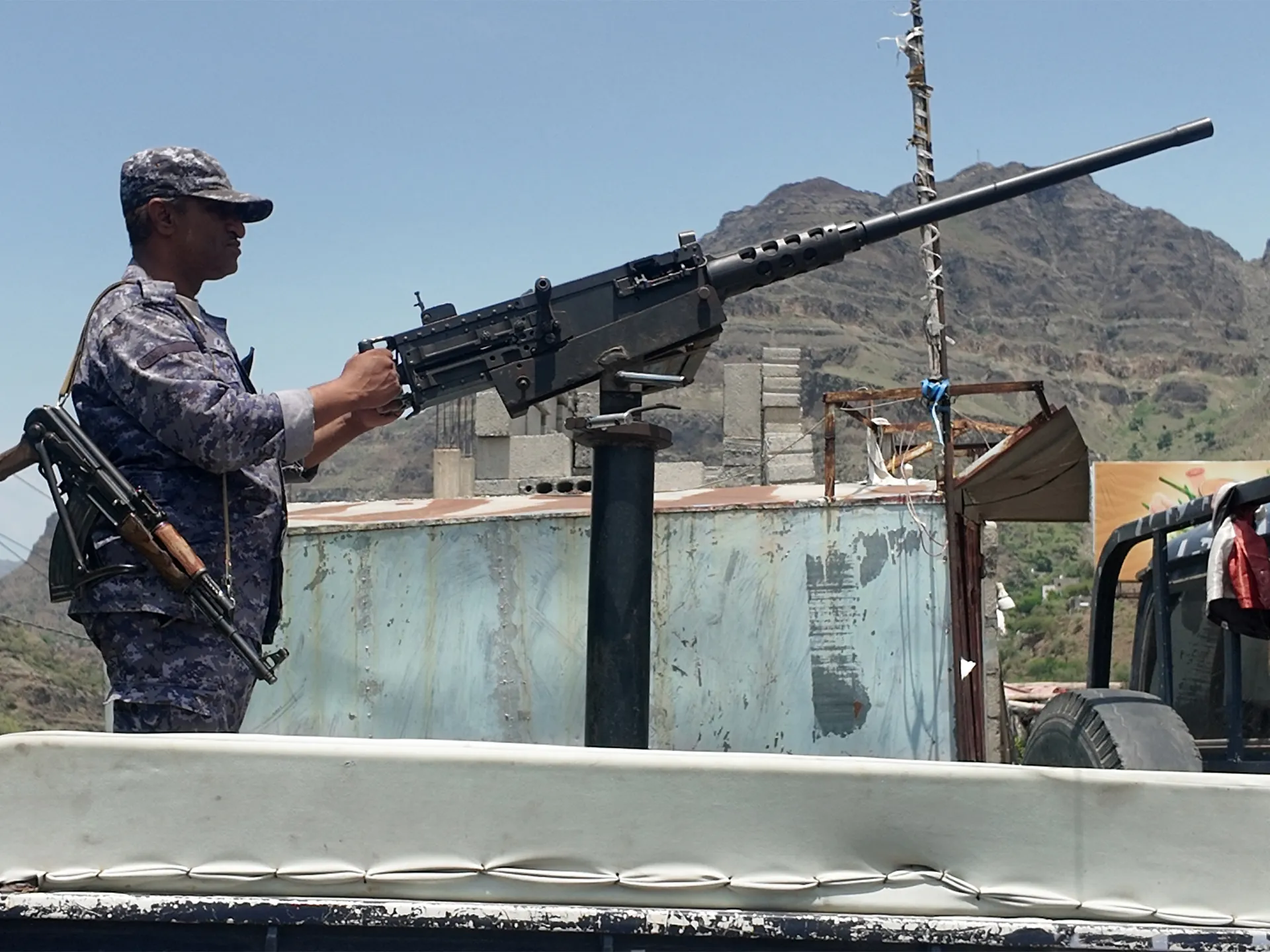
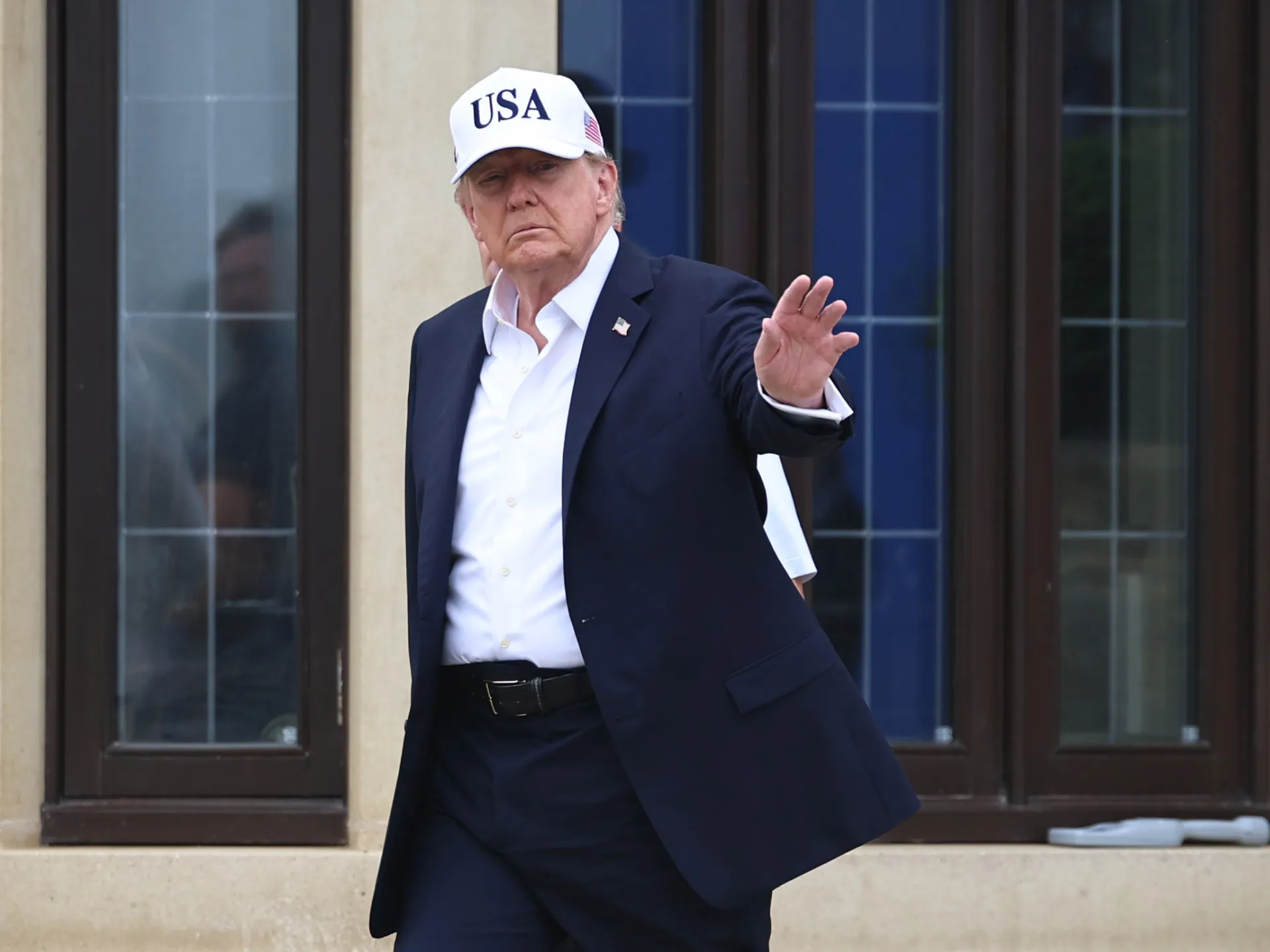
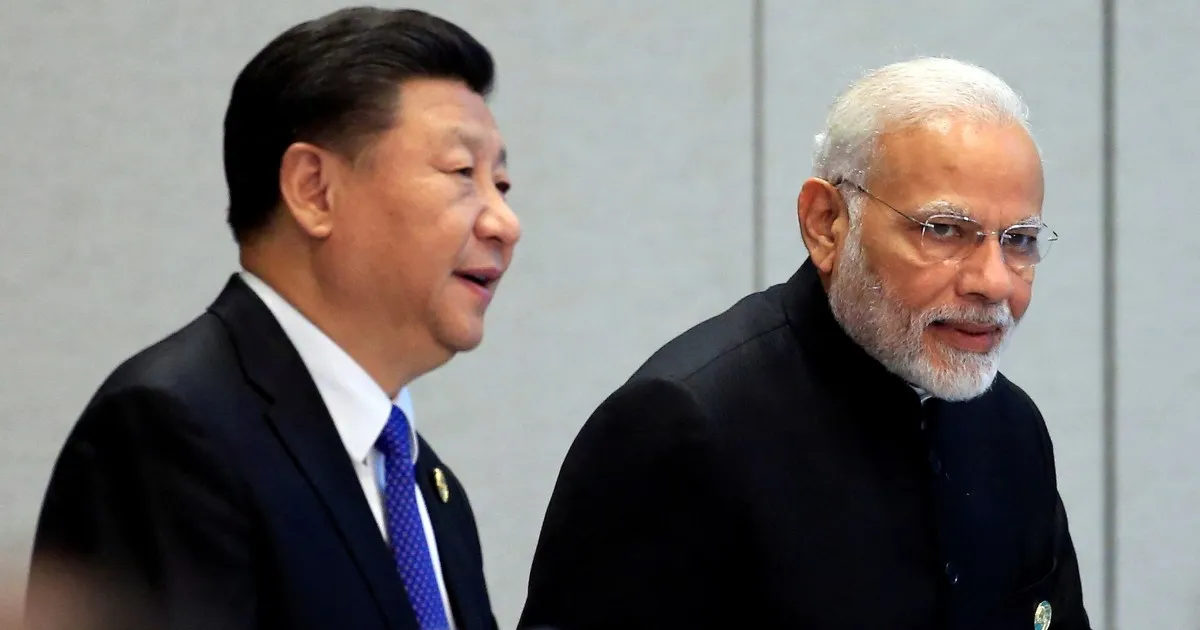
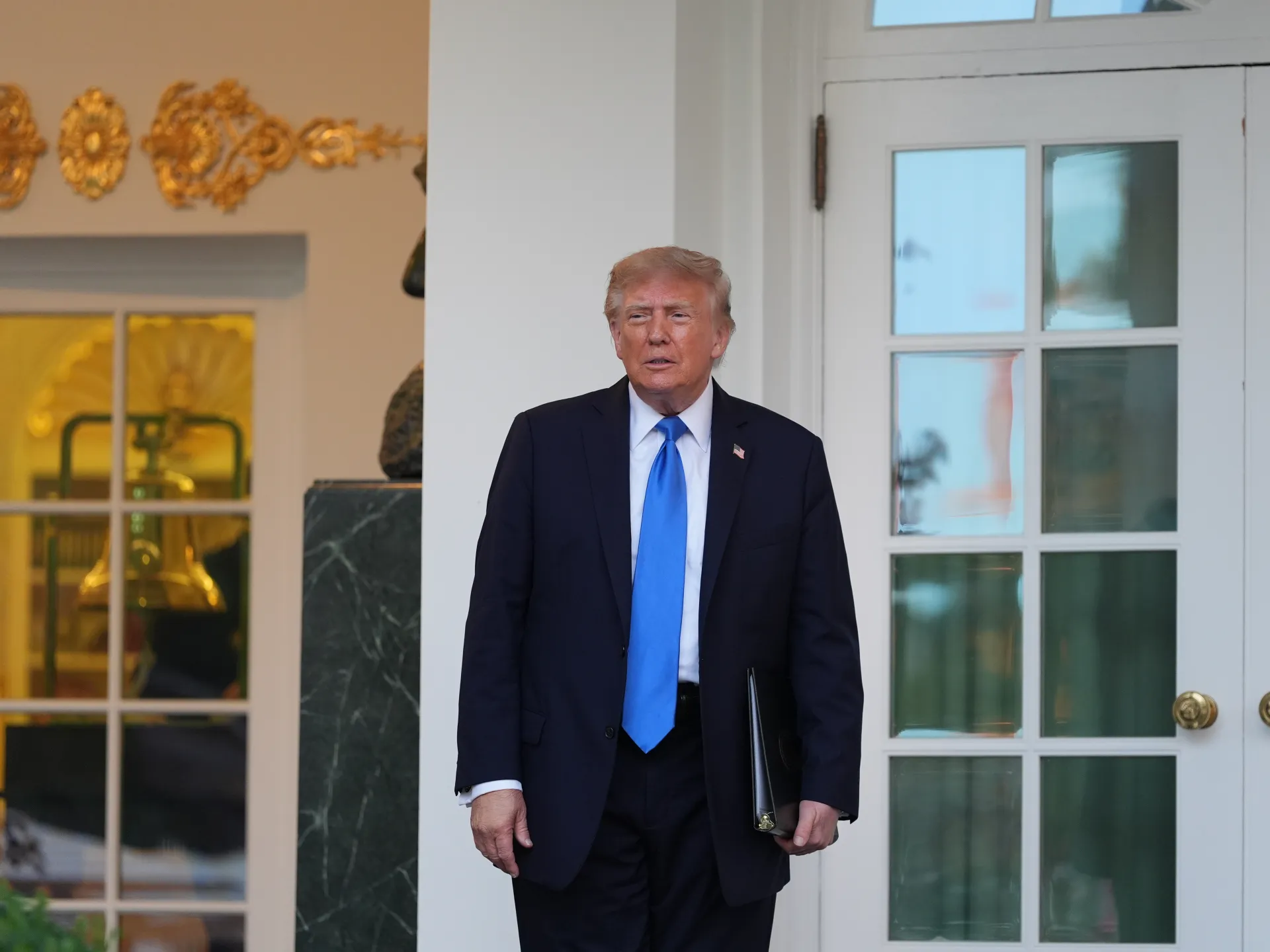
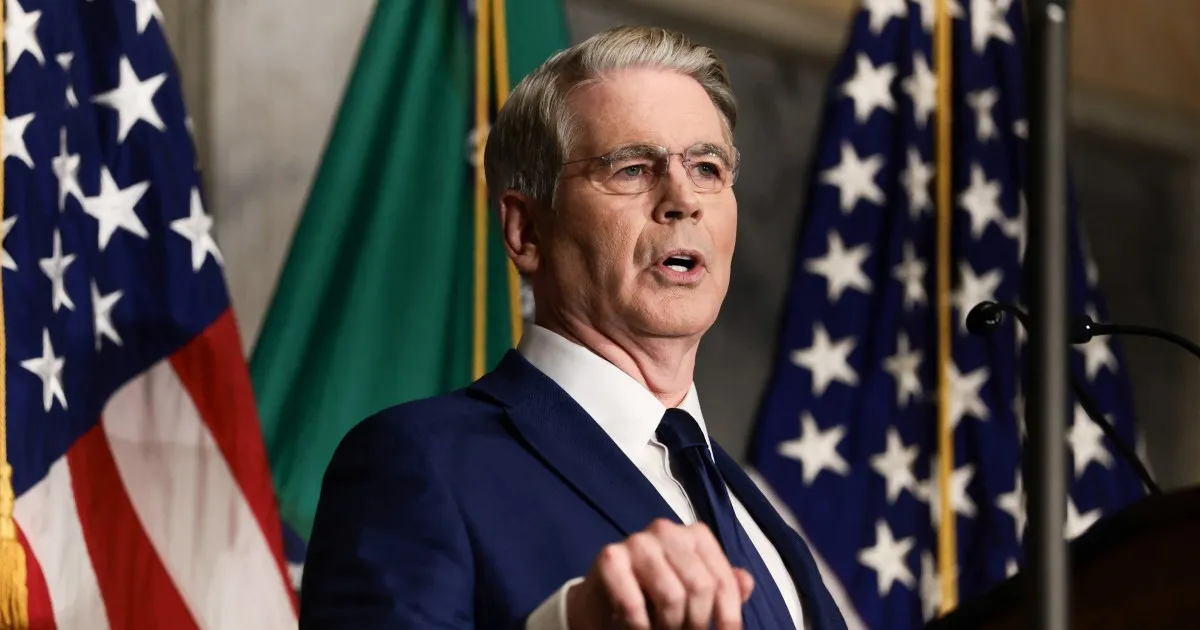
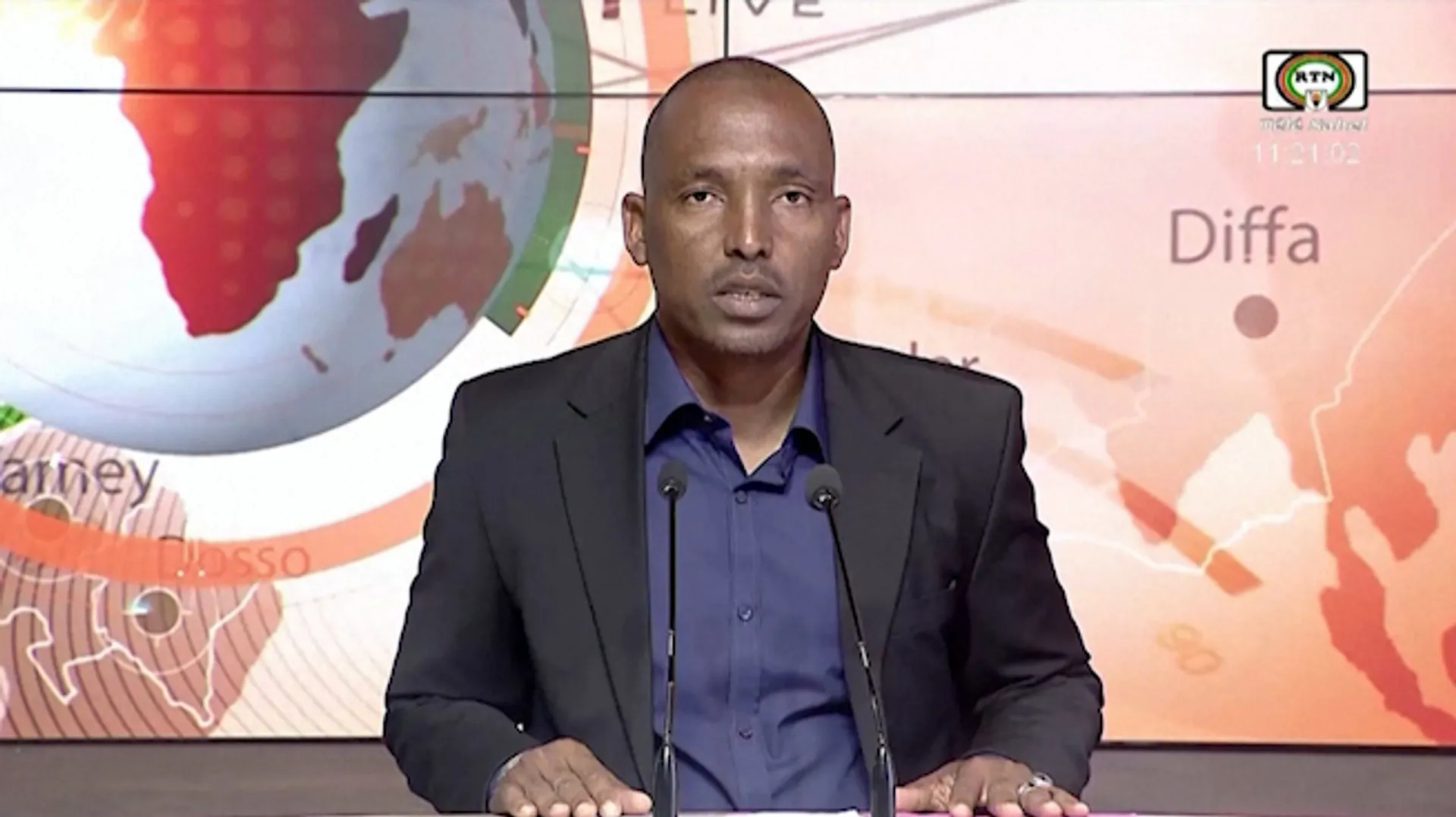
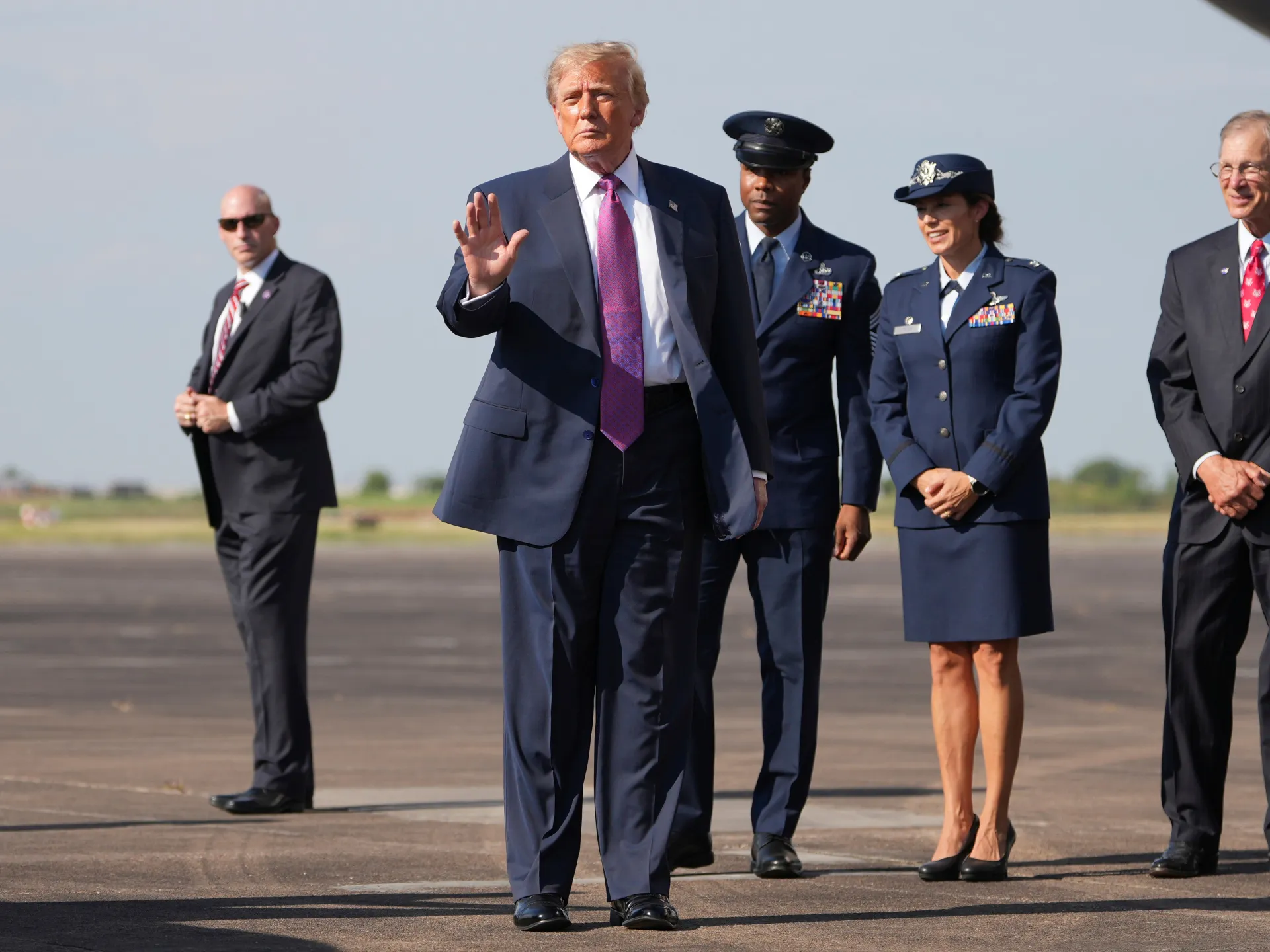
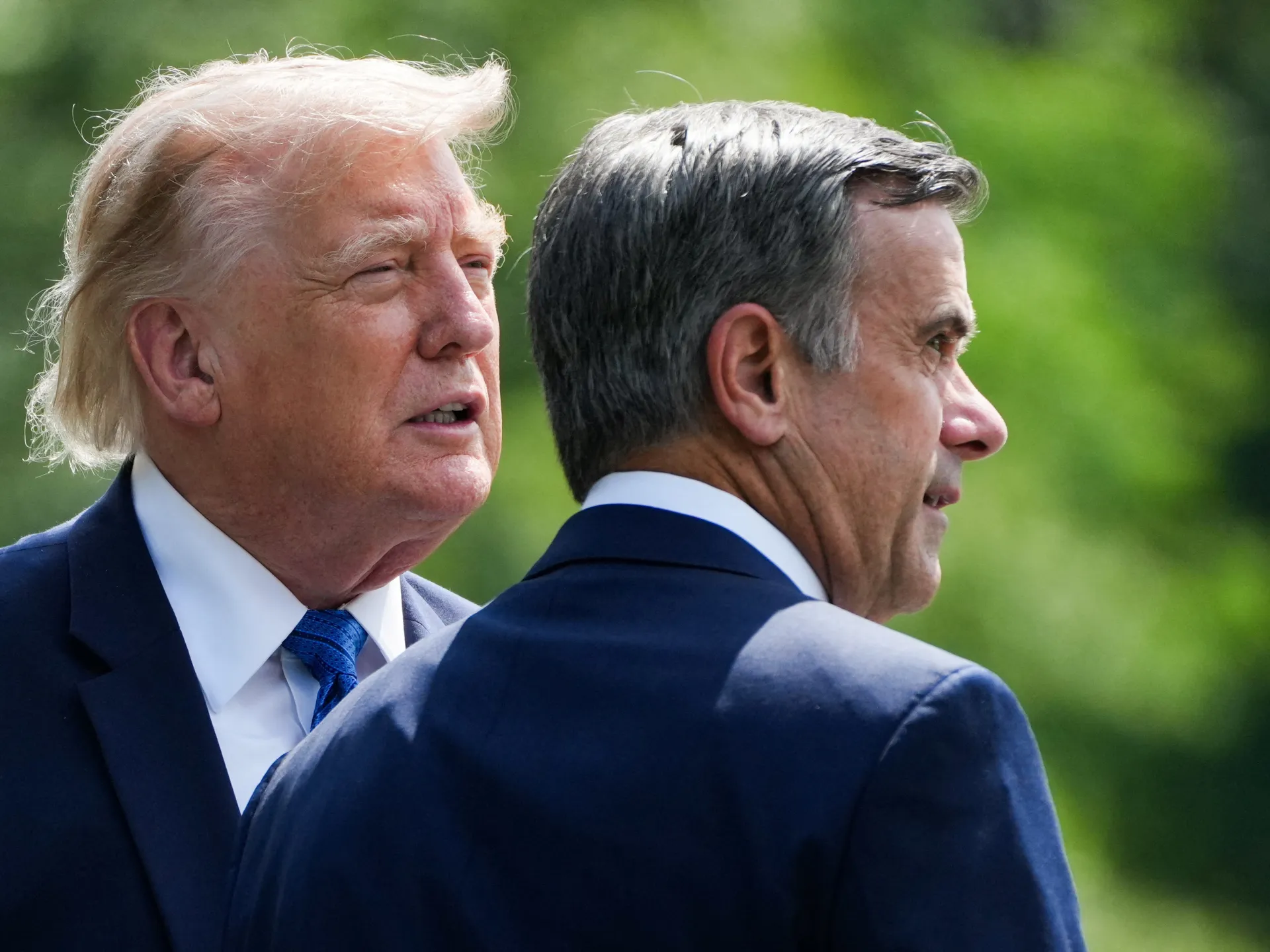
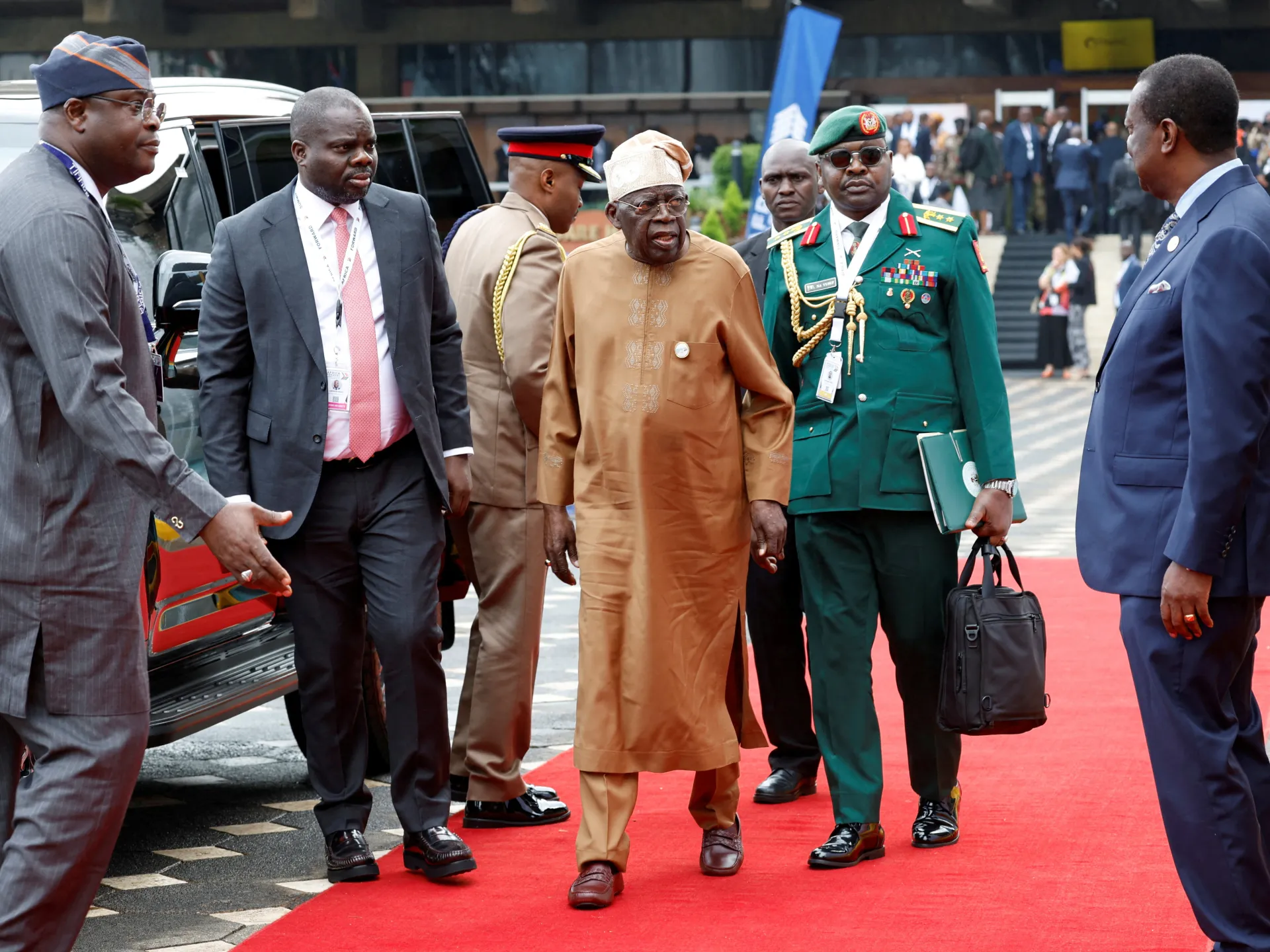
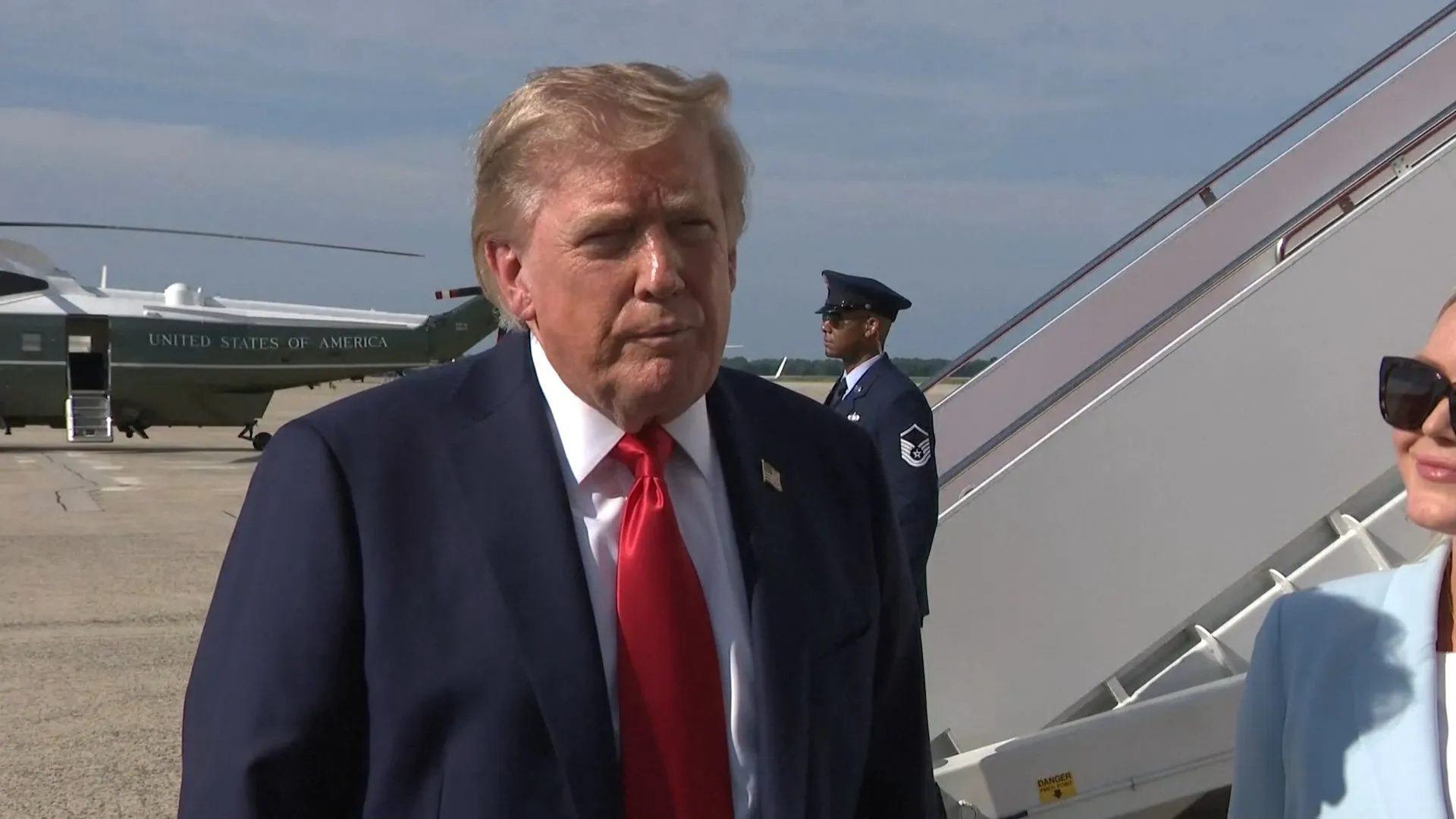
The United States faces intense scrutiny following reports that it has withheld a visa for Sudanese army chief Abdel Fattah al-Burhan, a move observers interpret as a direct attempt to force a resolution to the nation's ongoing three-year civil war. Al-Burhan, who has served as Sudan's de facto leader since a 2019 coup, was slated to address the United Nations General Assembly in New York. Reuters and AFP have both reported that the issuance of his travel documents is contingent upon his acceptance of a 90-day ceasefire proposed
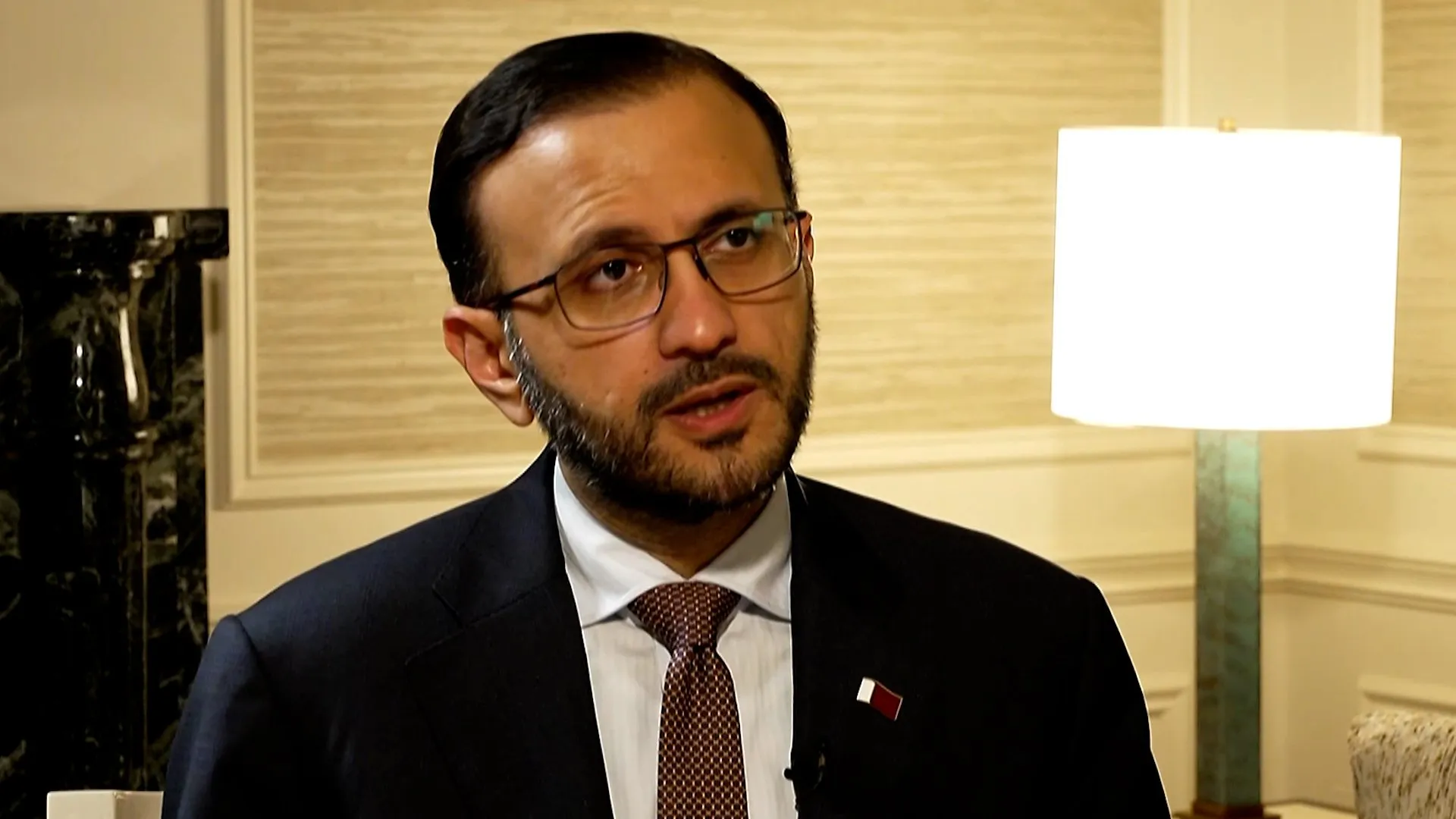
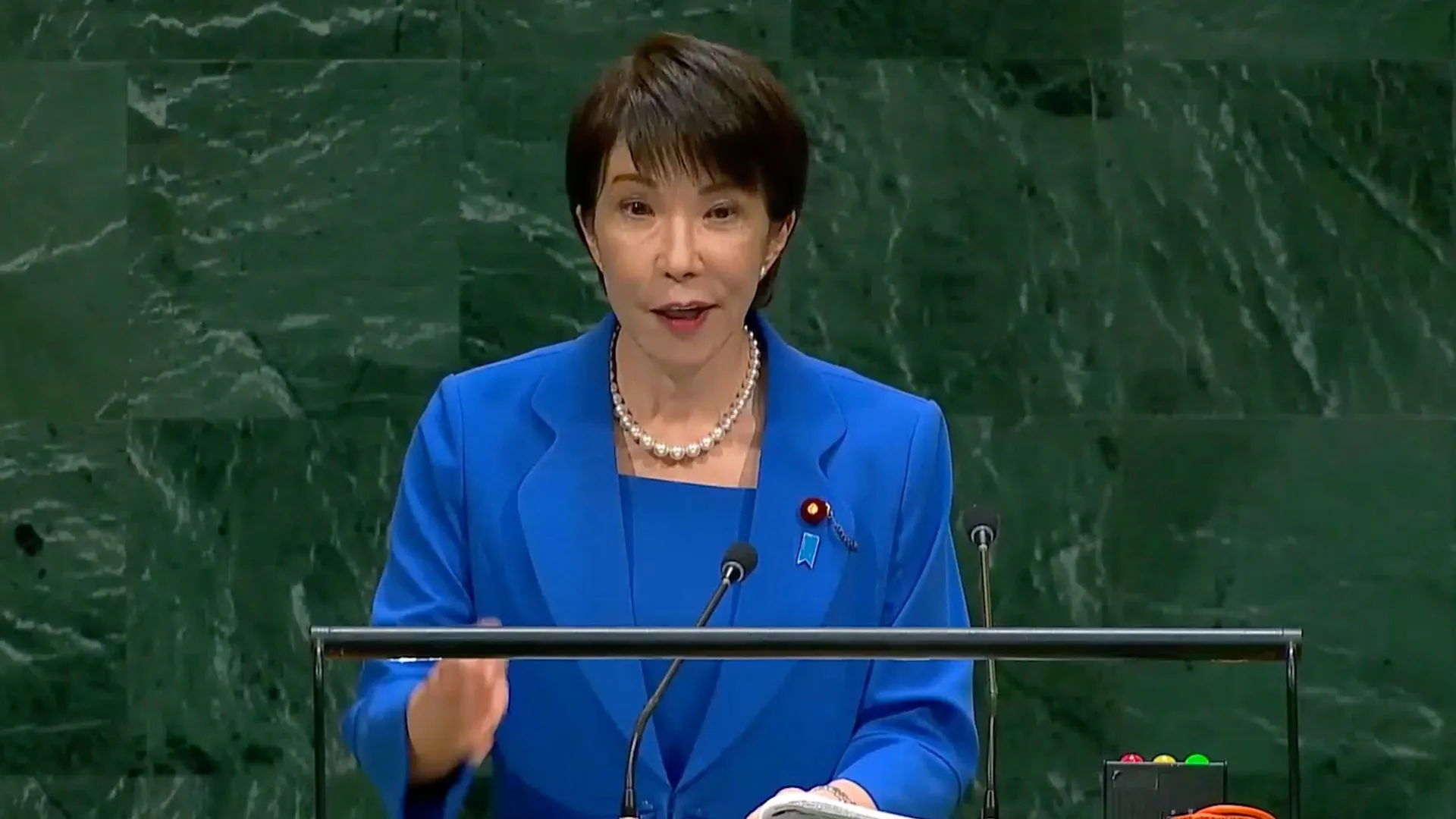
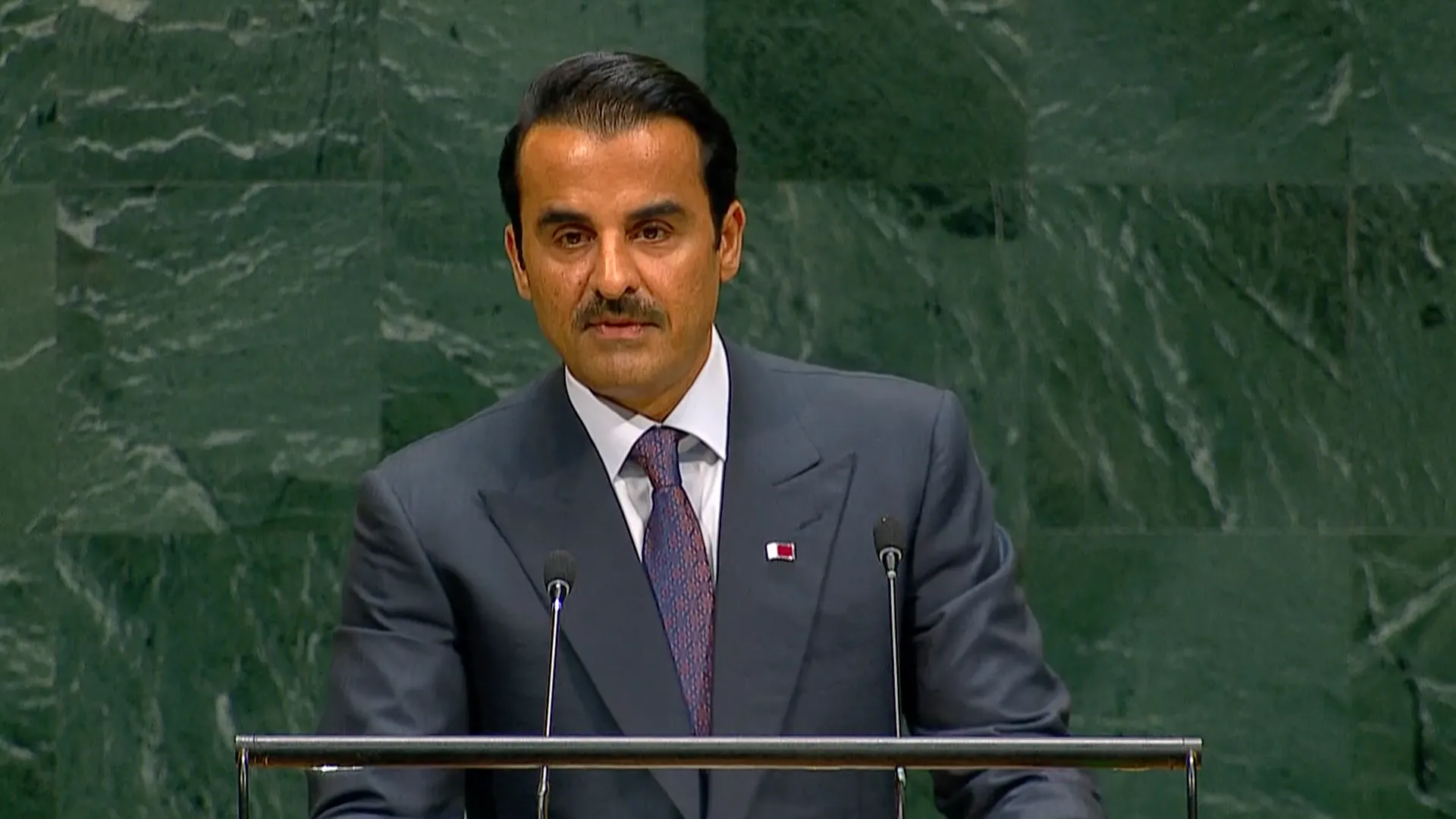
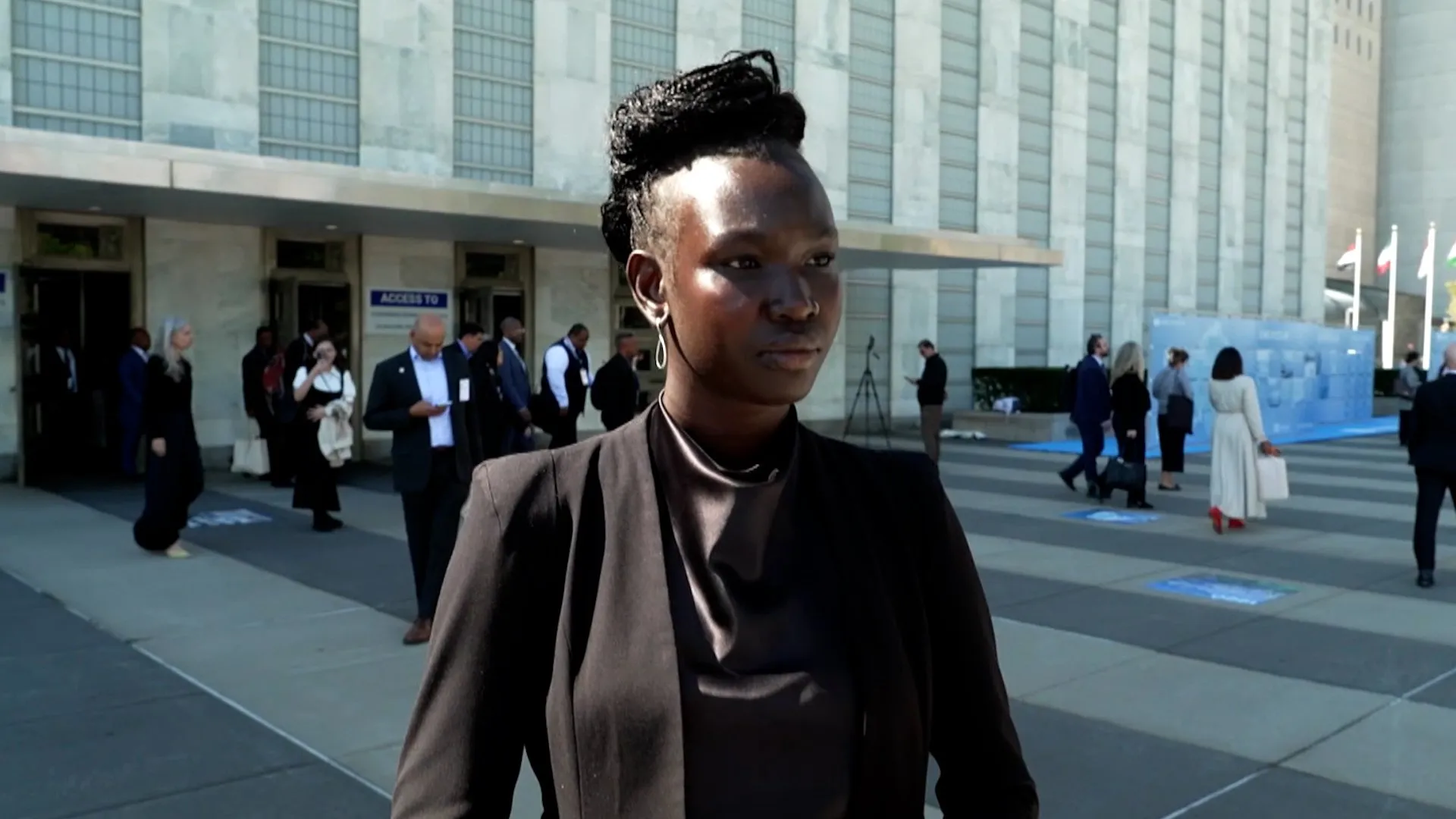
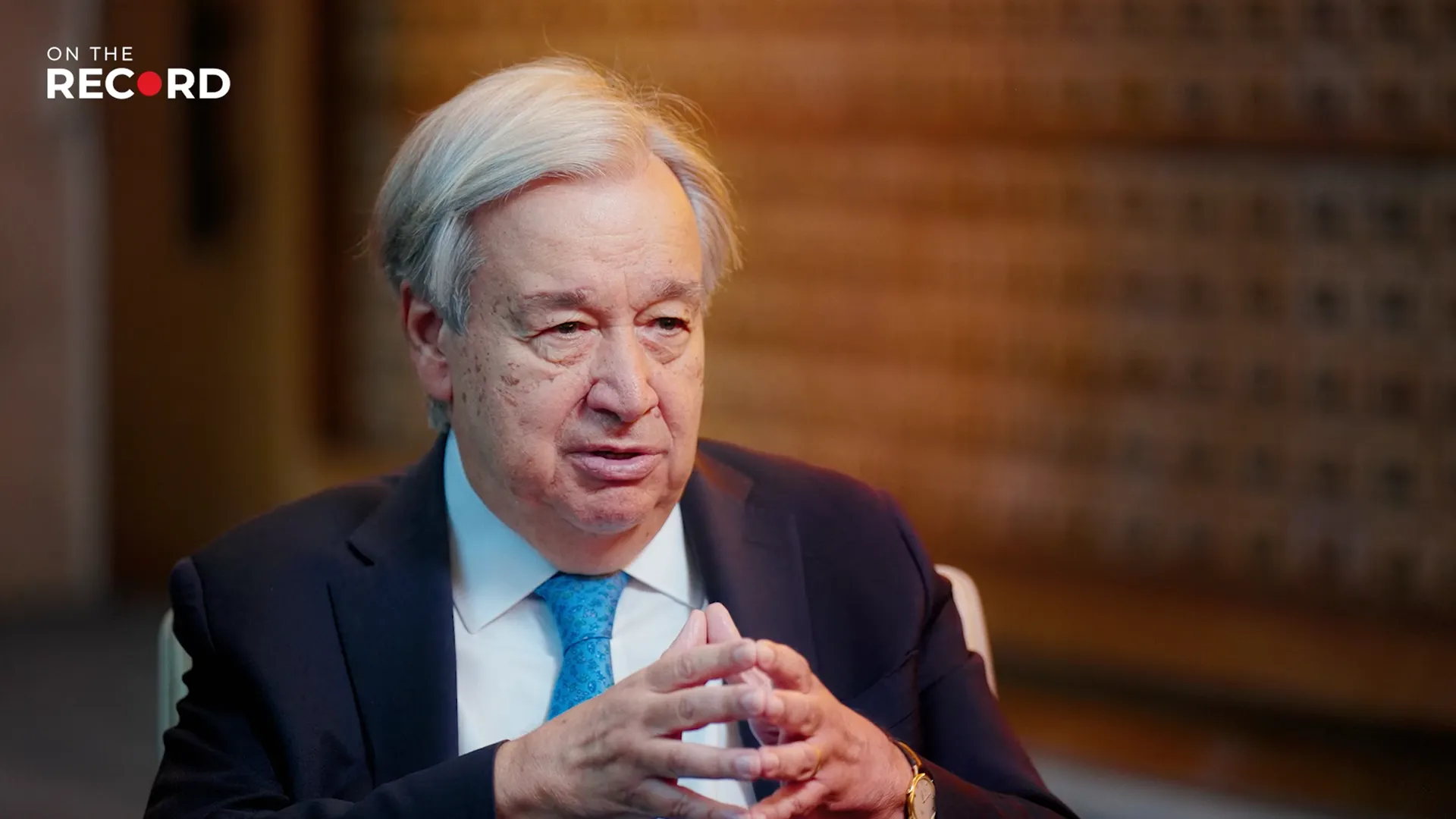
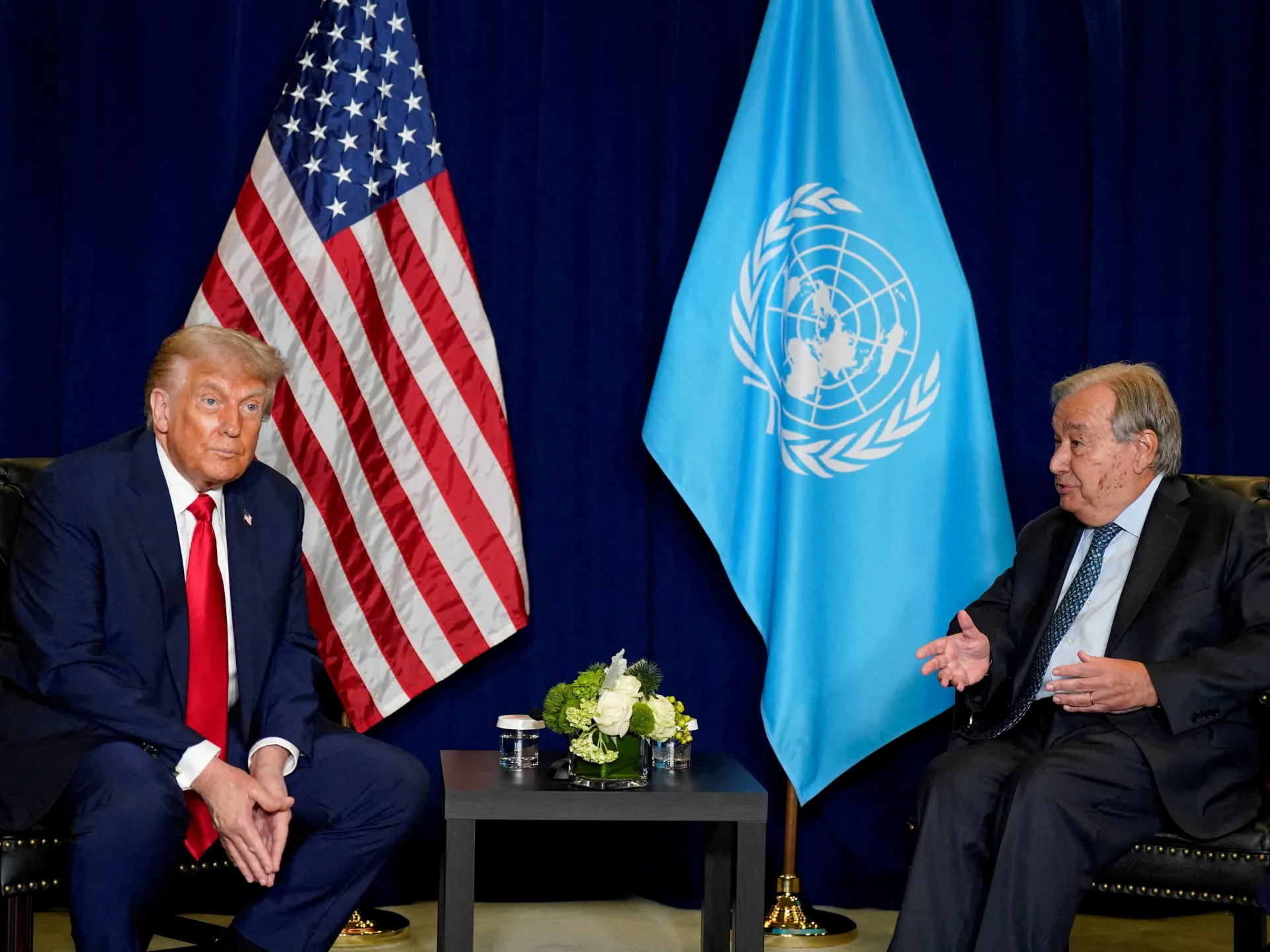
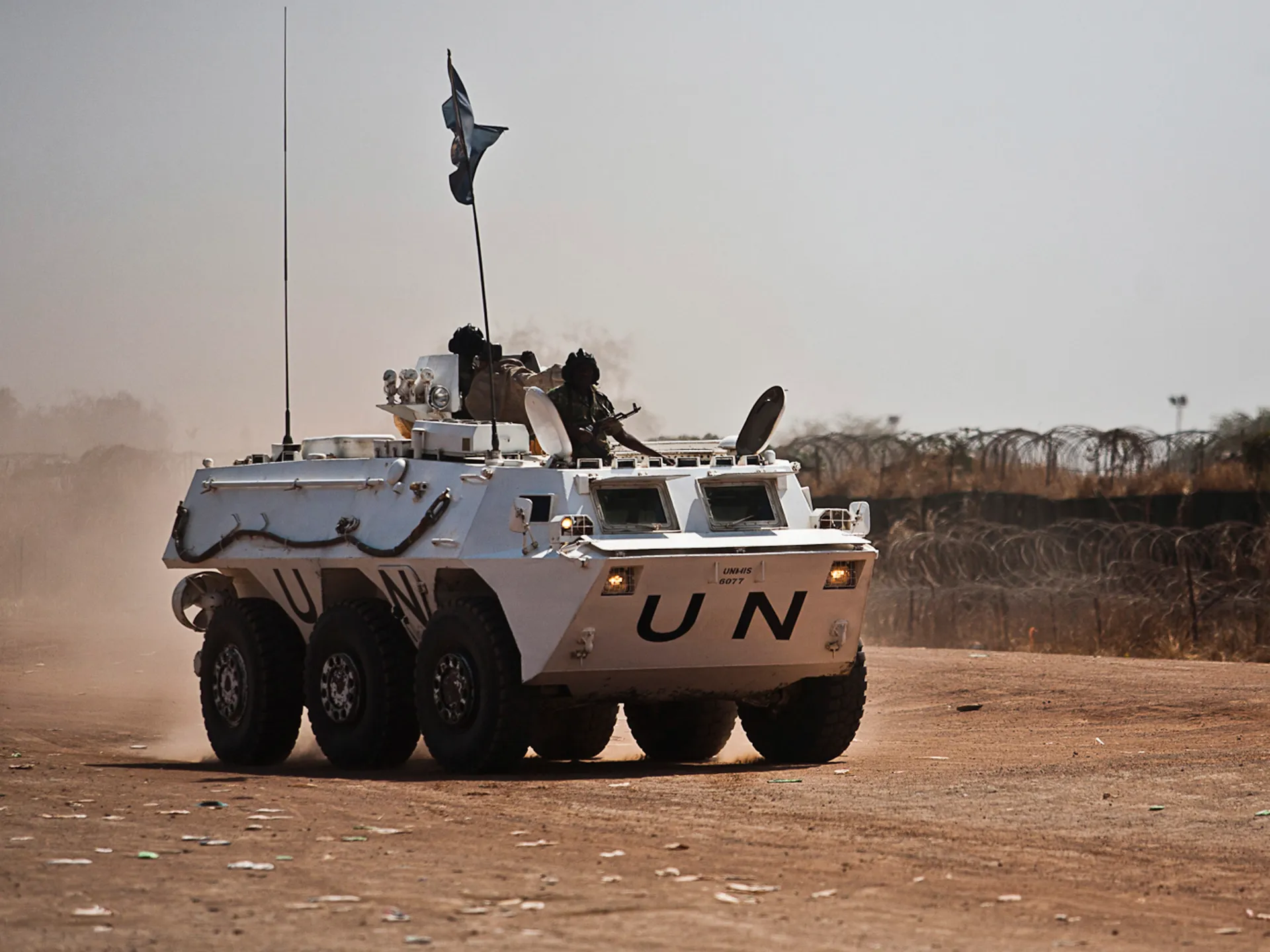
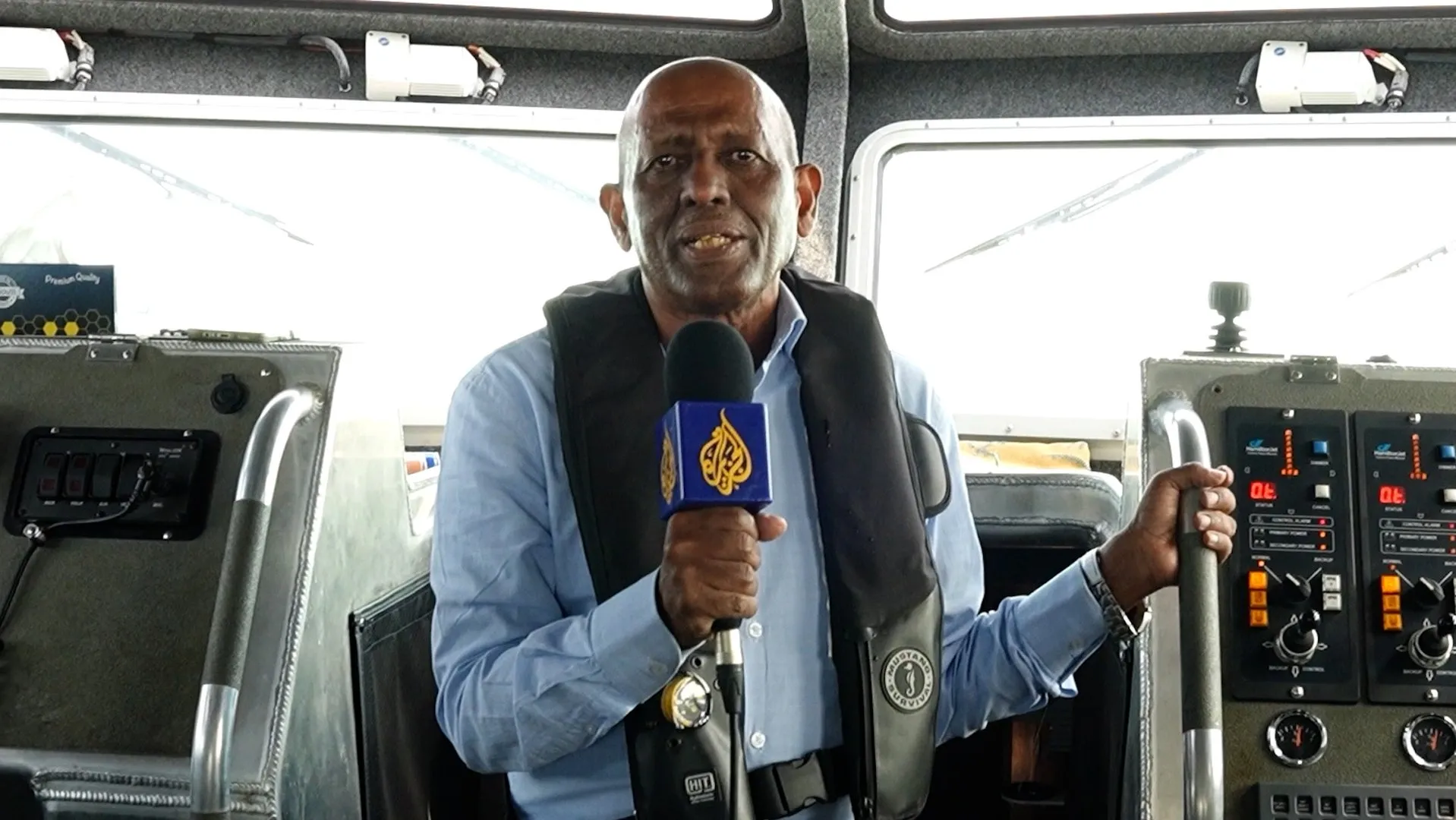
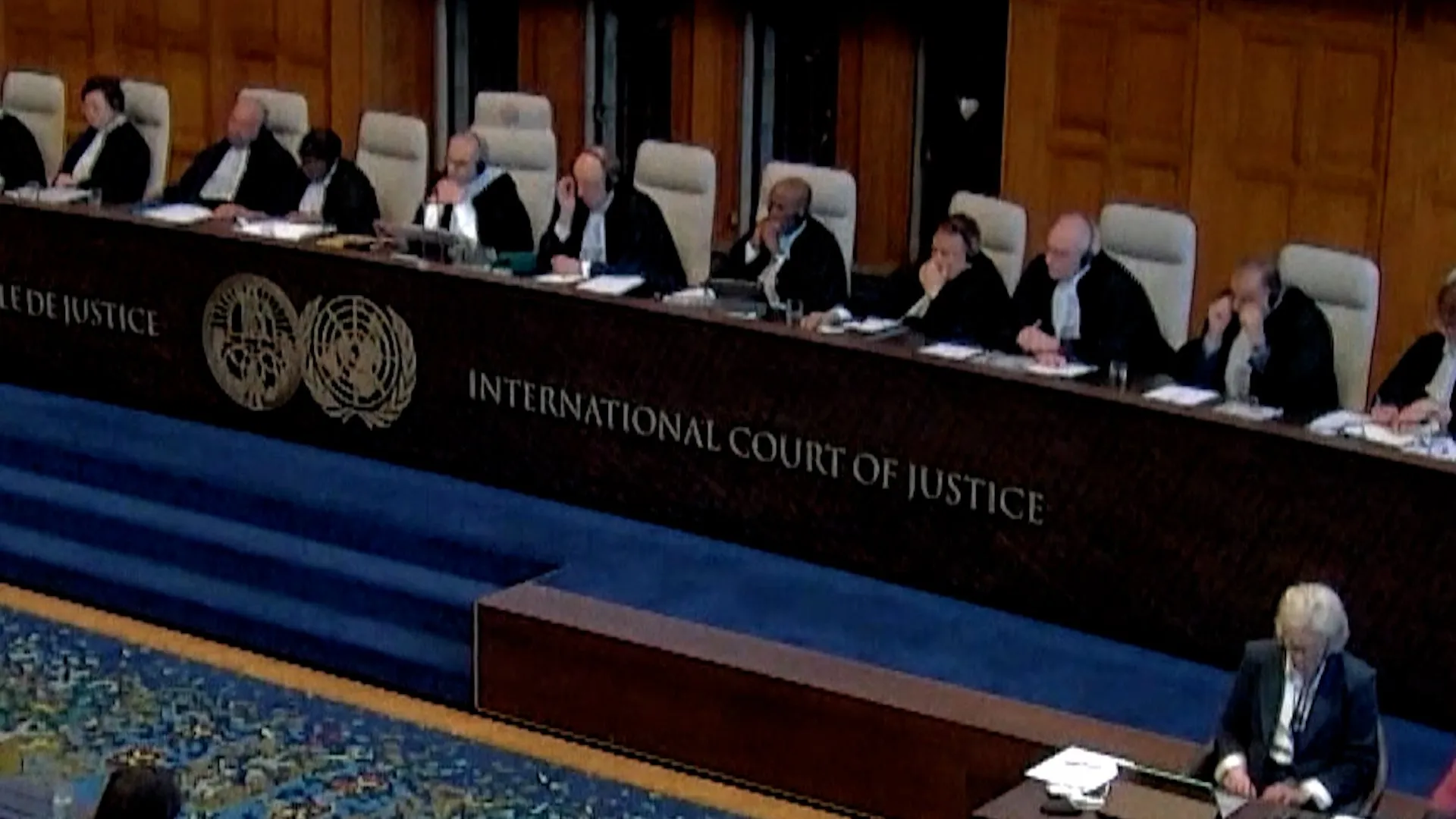
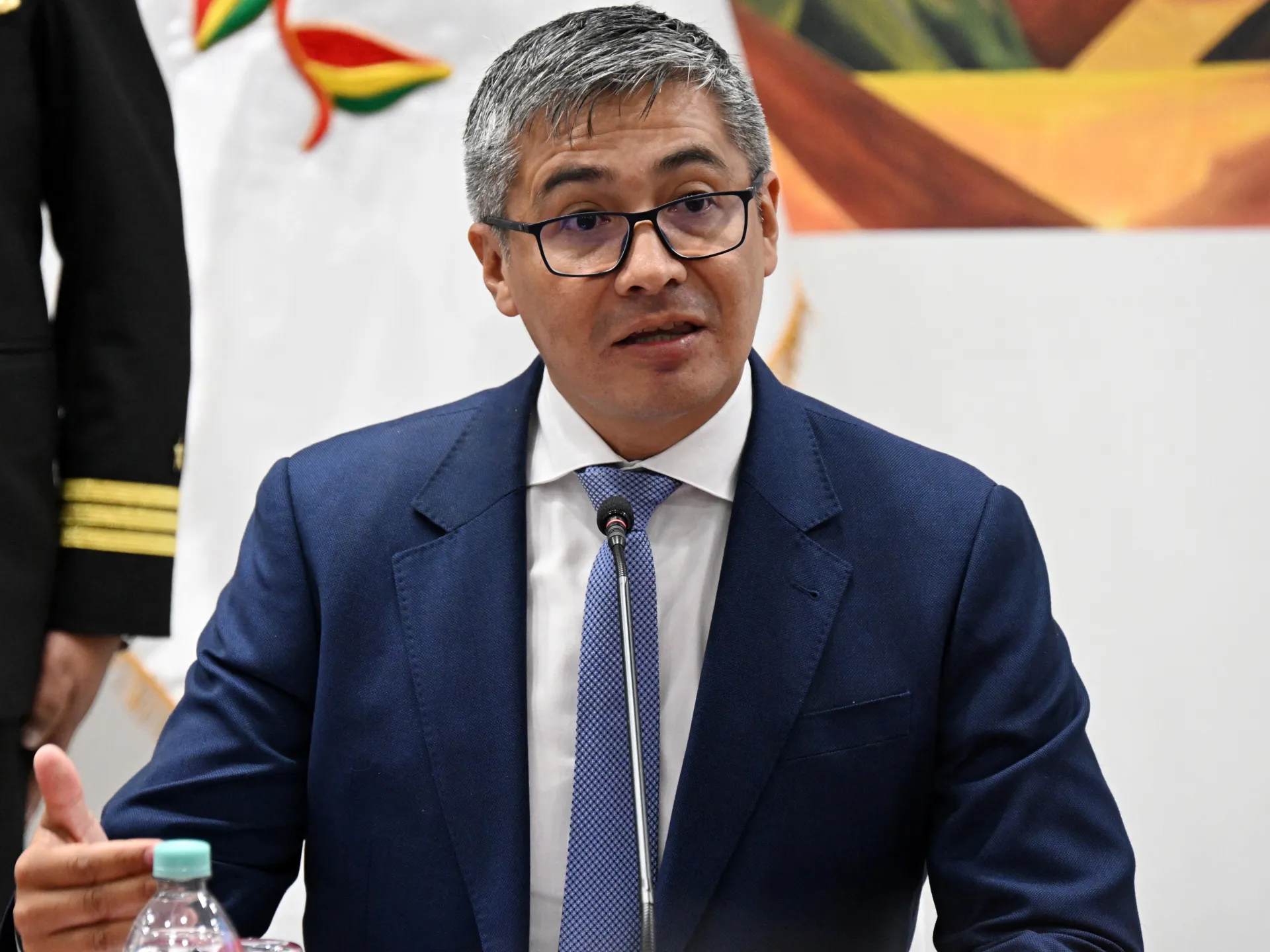
The situation has prompted a formal appeal from Sudan’s UN ambassador, Al-Harith Idriss Al-Harith, who has requested that Secretary-General Antonio Guterres intervene with American authorities. Spokesman Stephane Dujarric confirmed that Guterres is deeply concerned the host country of the UN headquarters. Critics argue that using visa access as a tool of political pressure undermines diplomatic norms, while the U.S. Department of State and the Sudanese government have remained silent on the record regarding these specific negotiations.
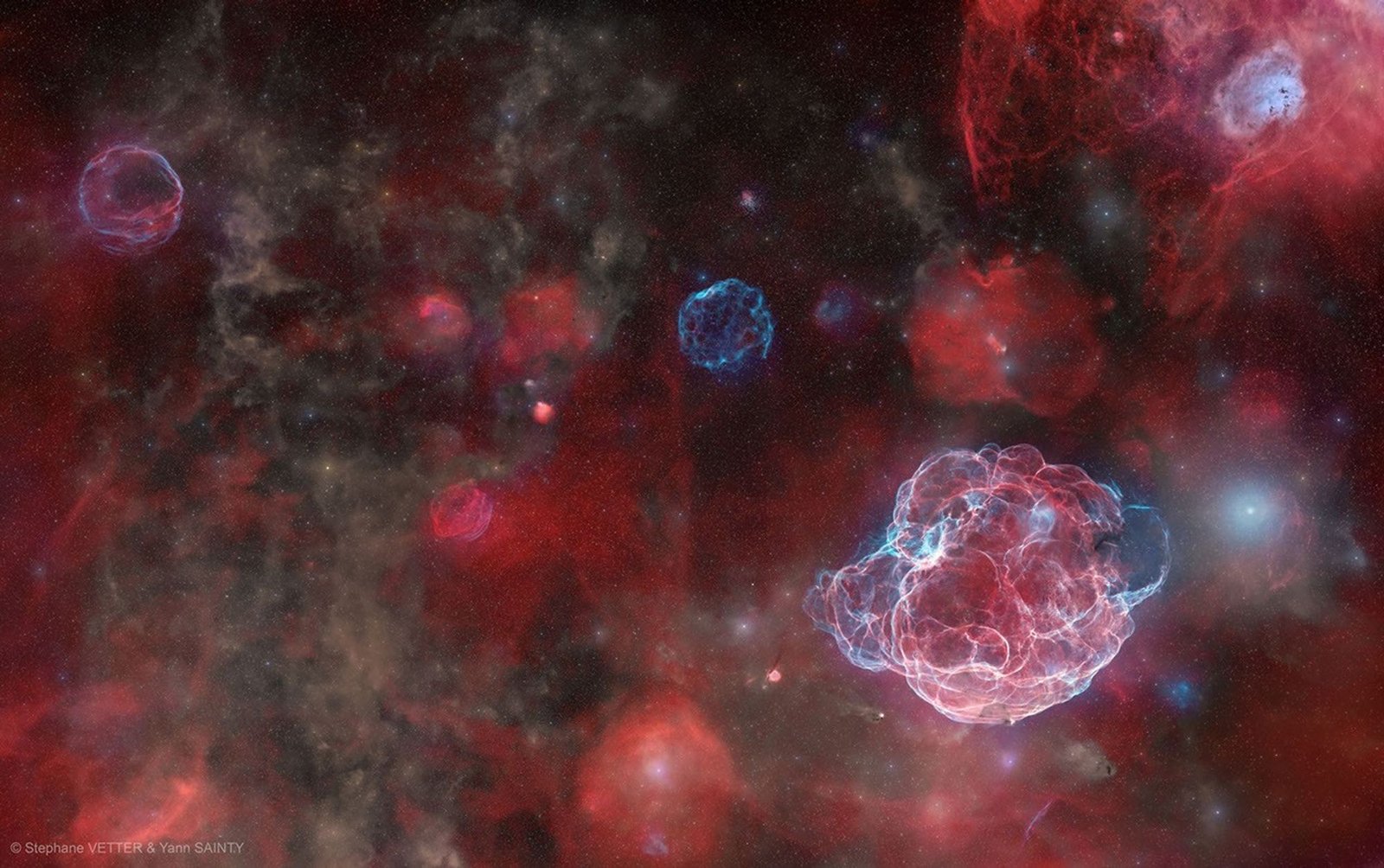
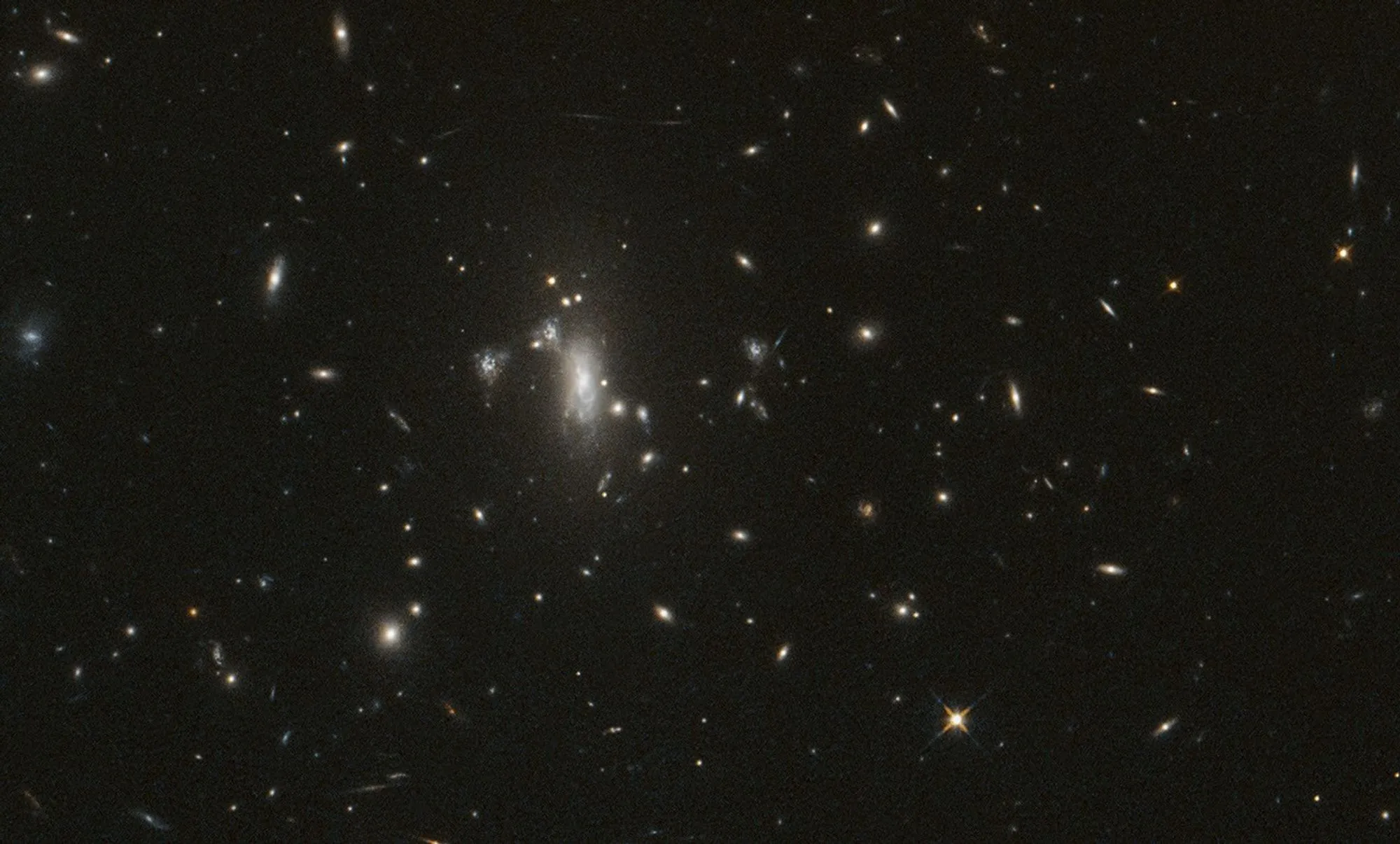
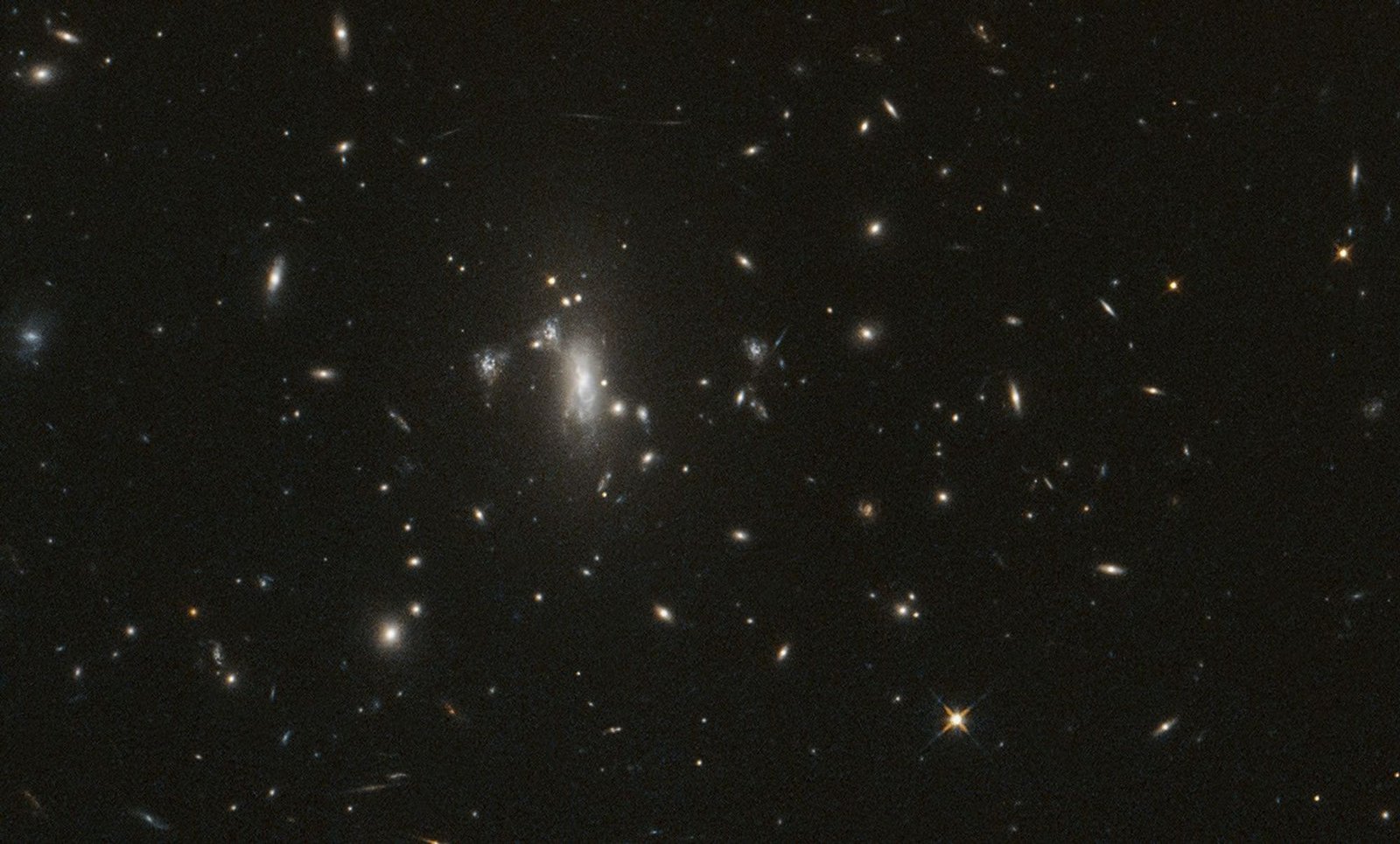
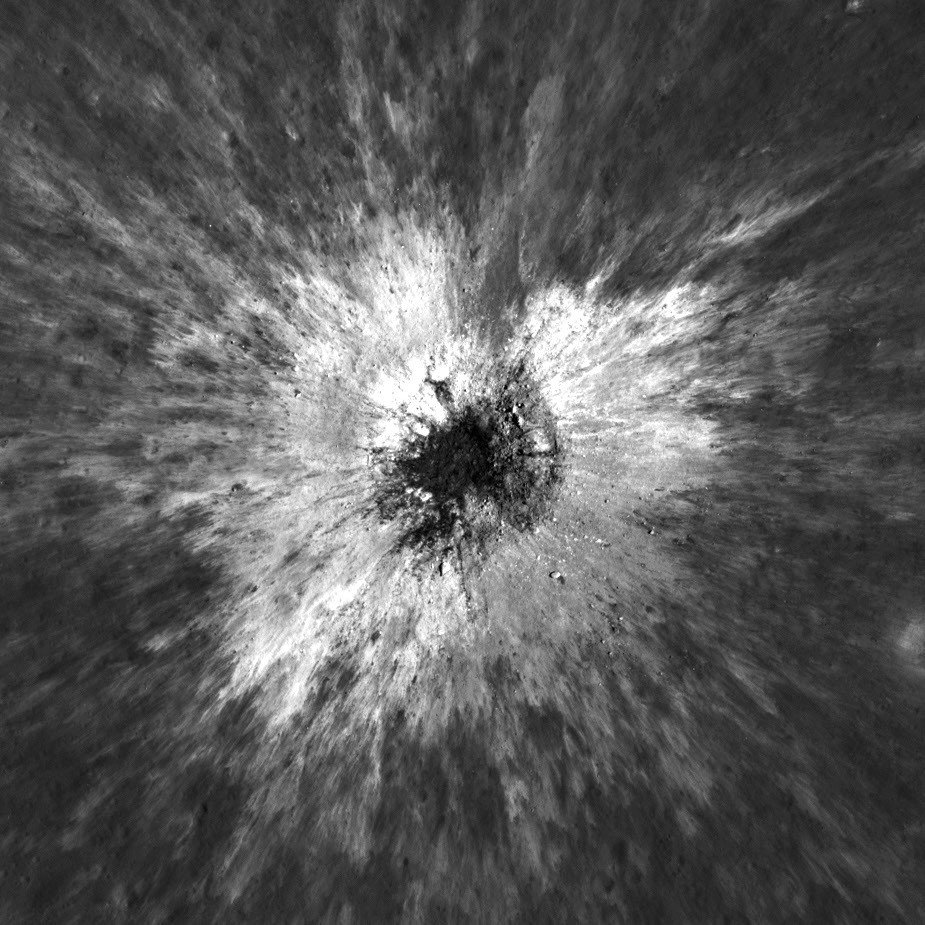
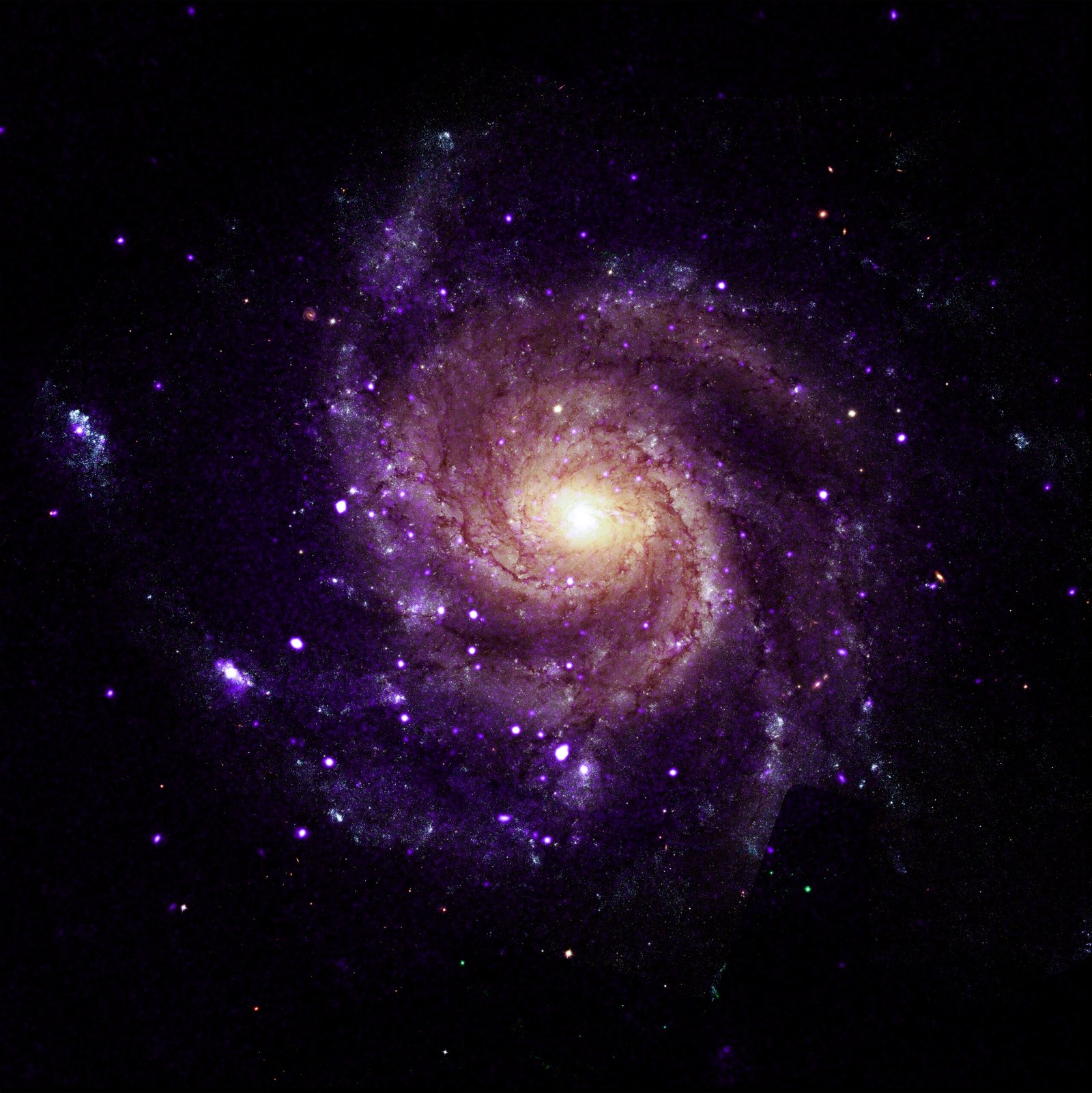
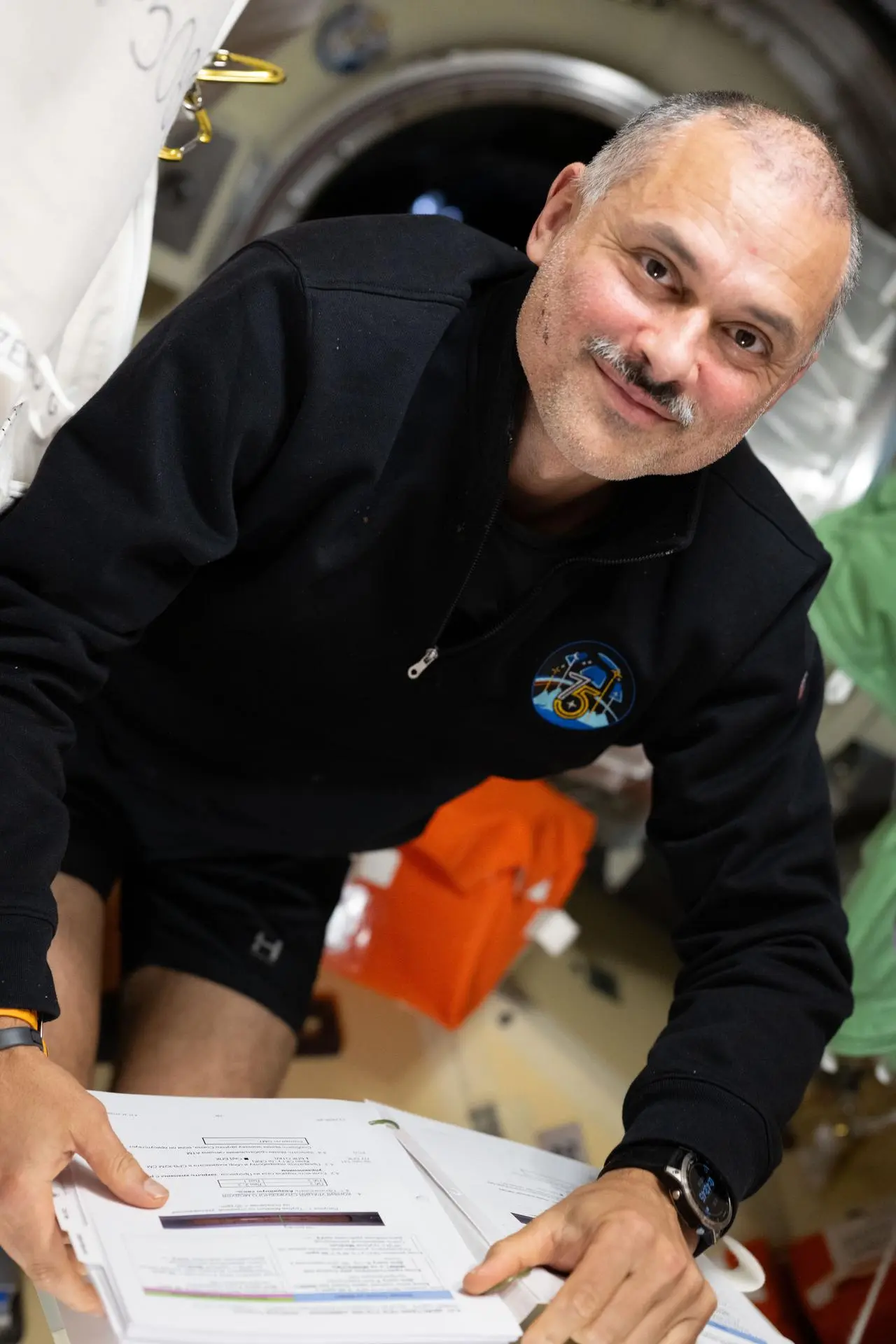
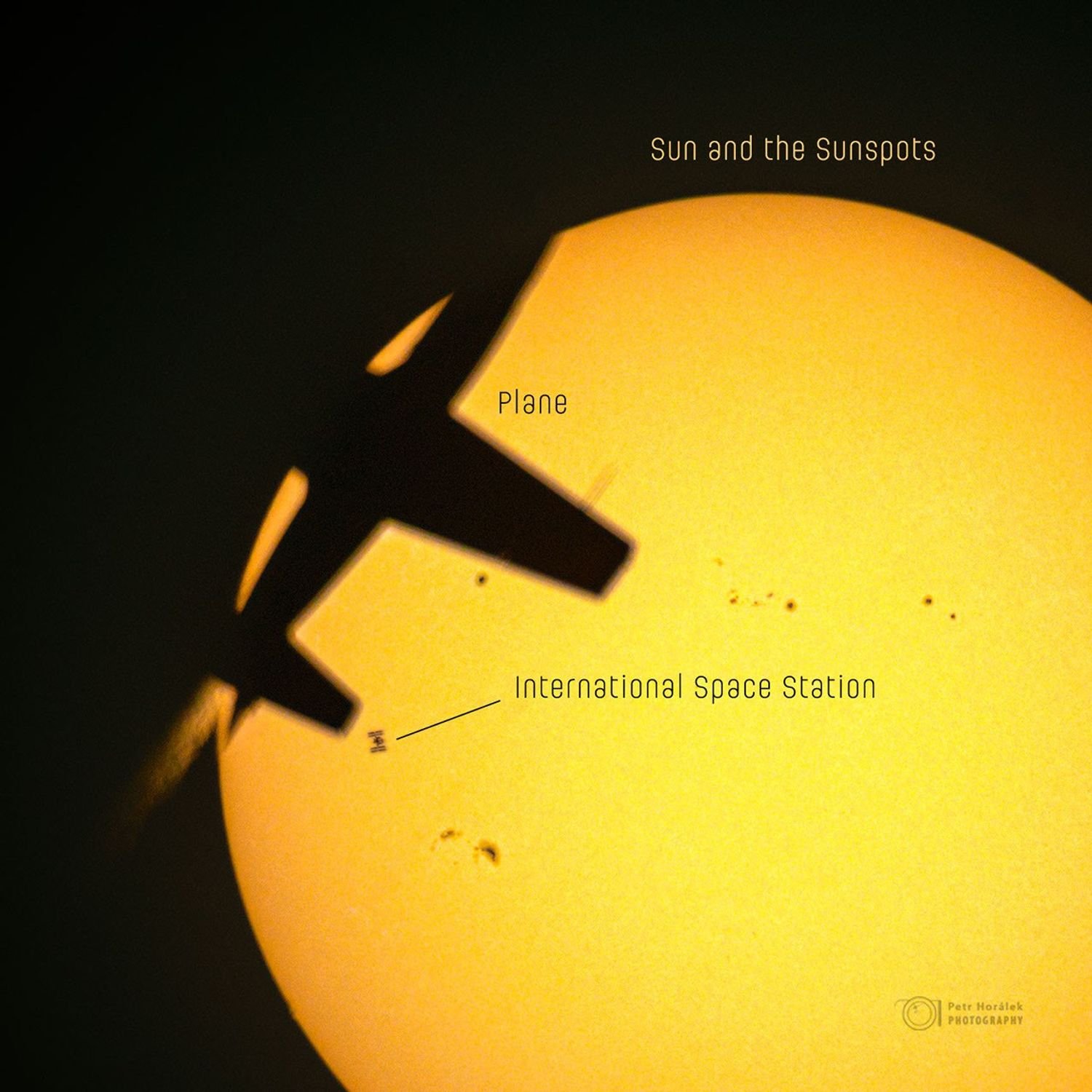
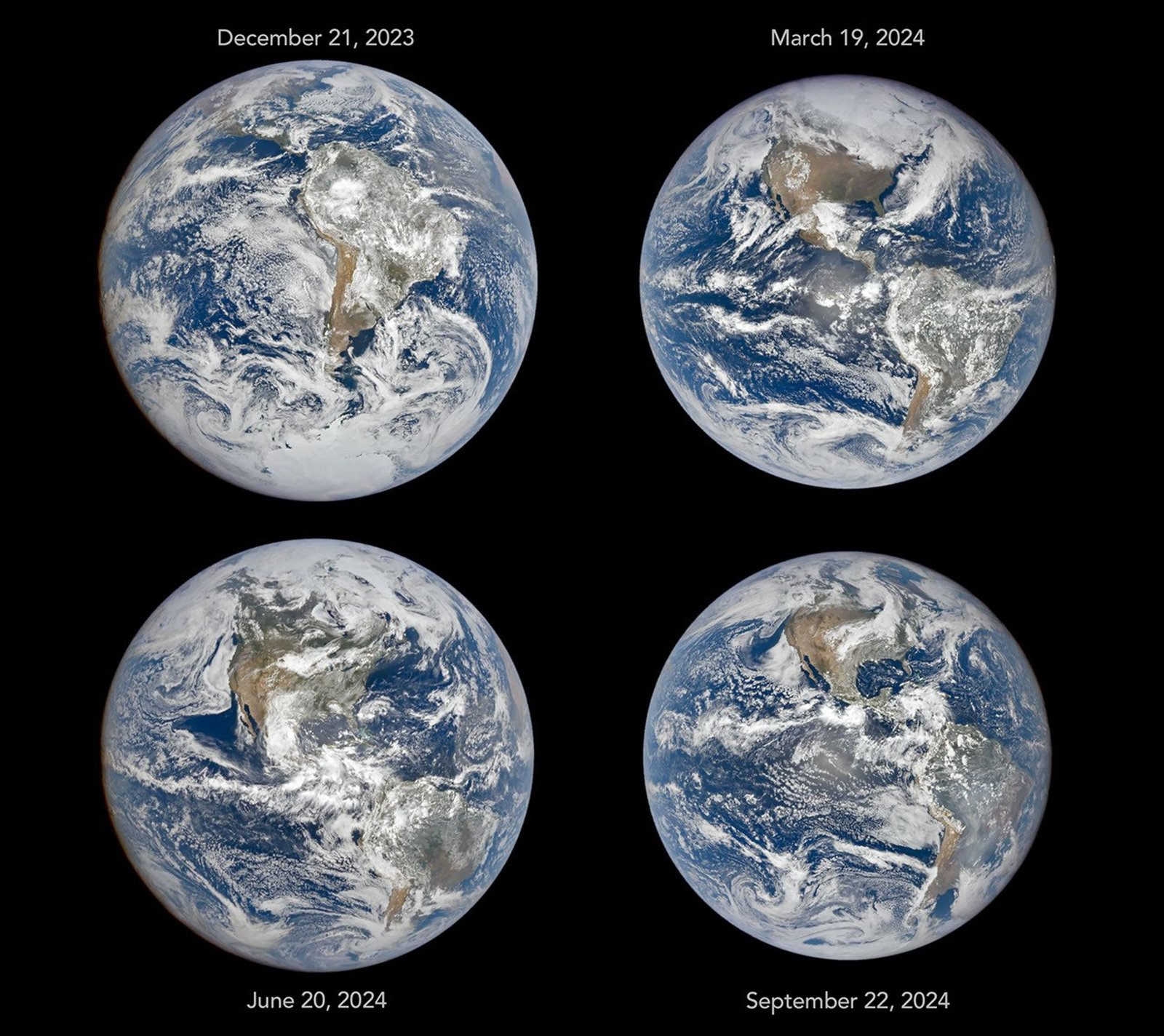
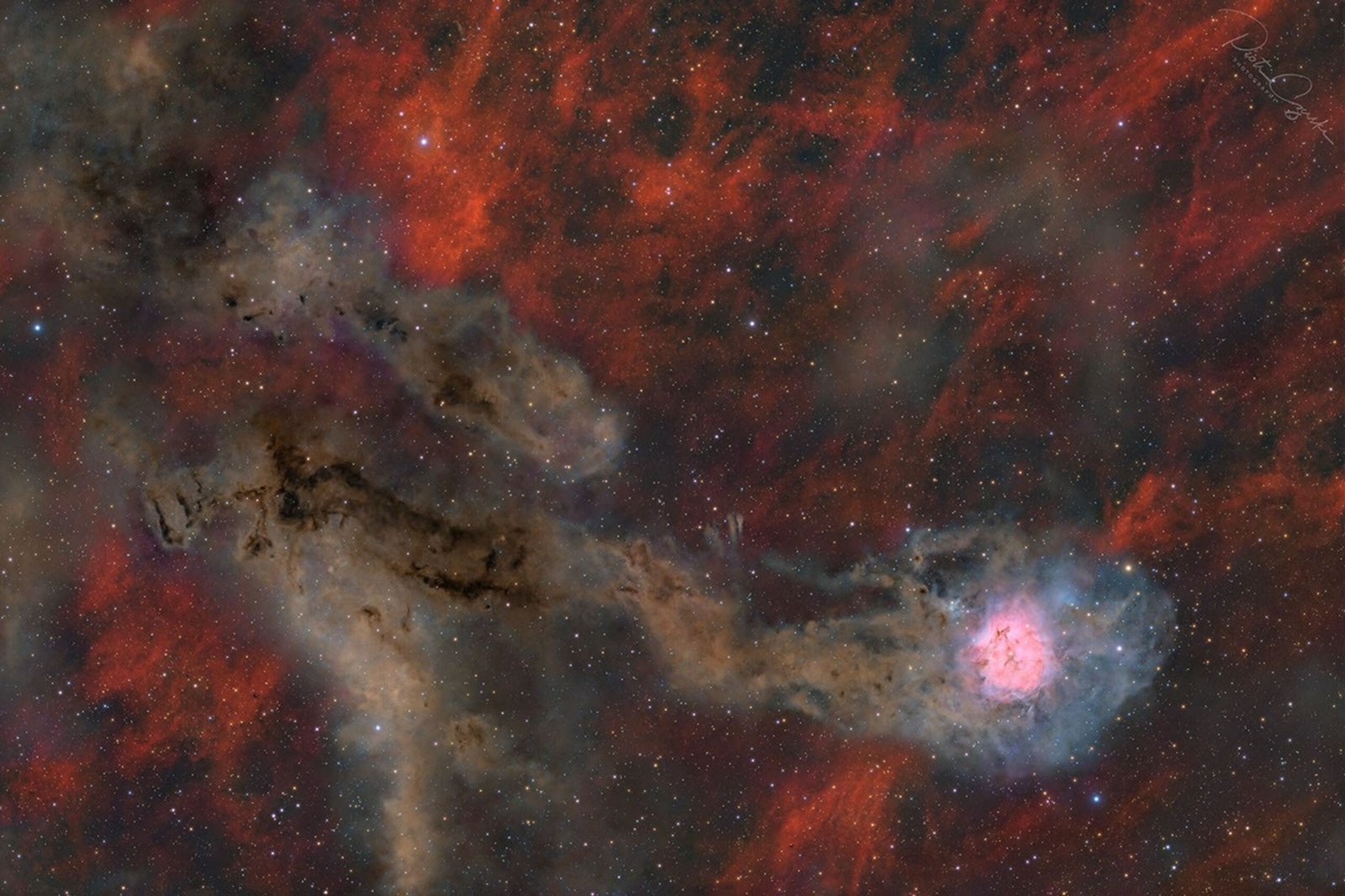
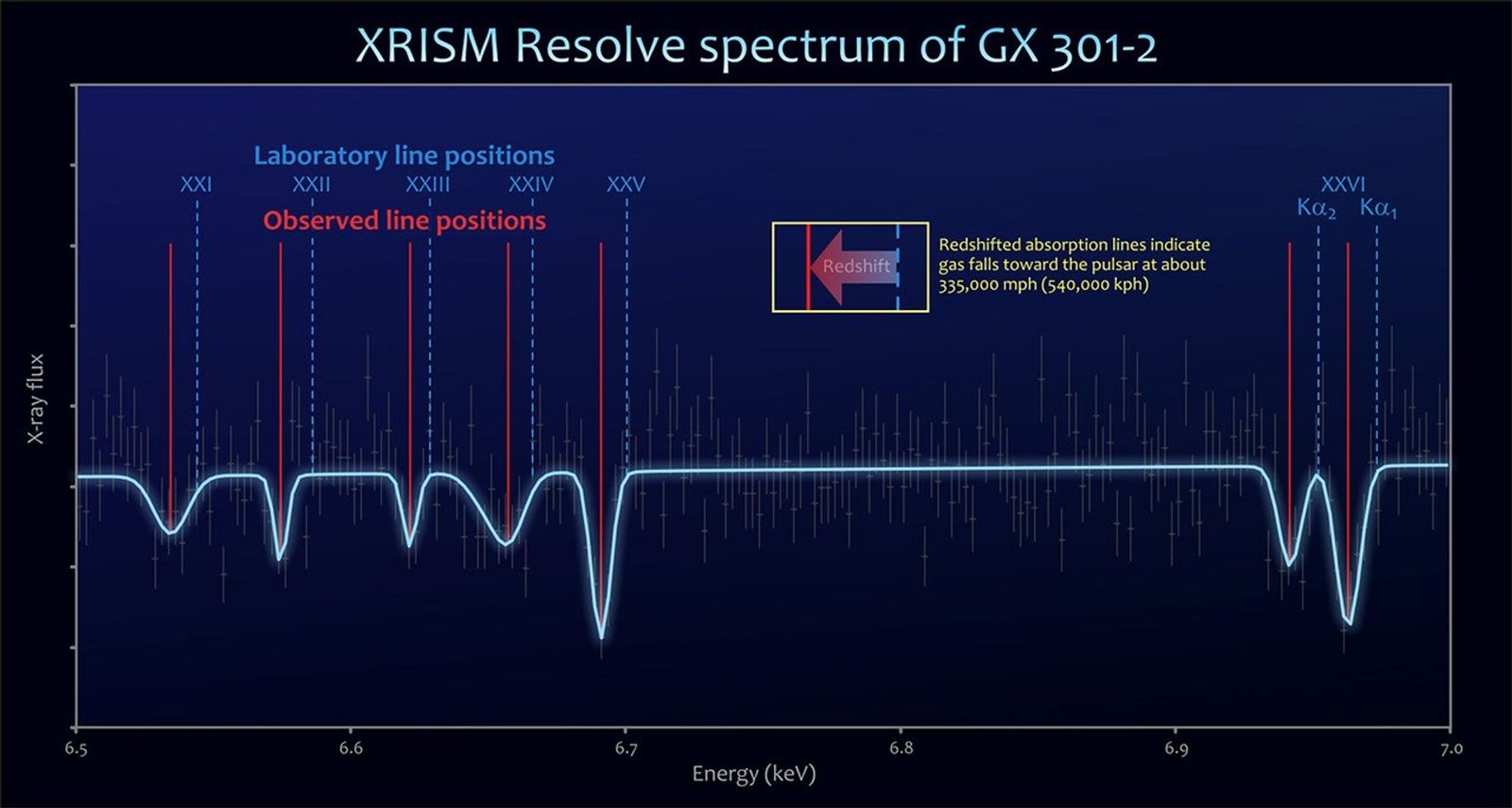
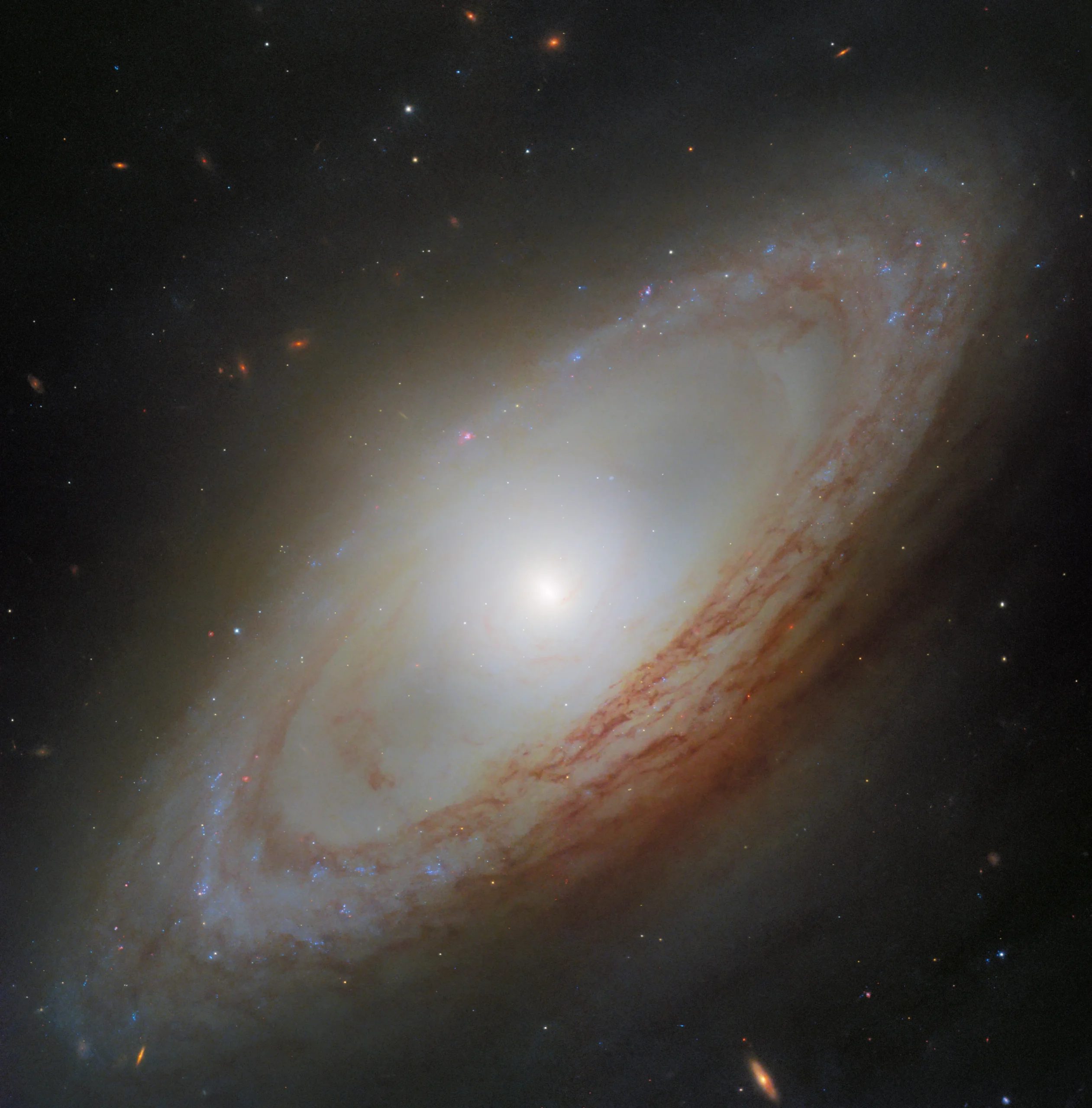
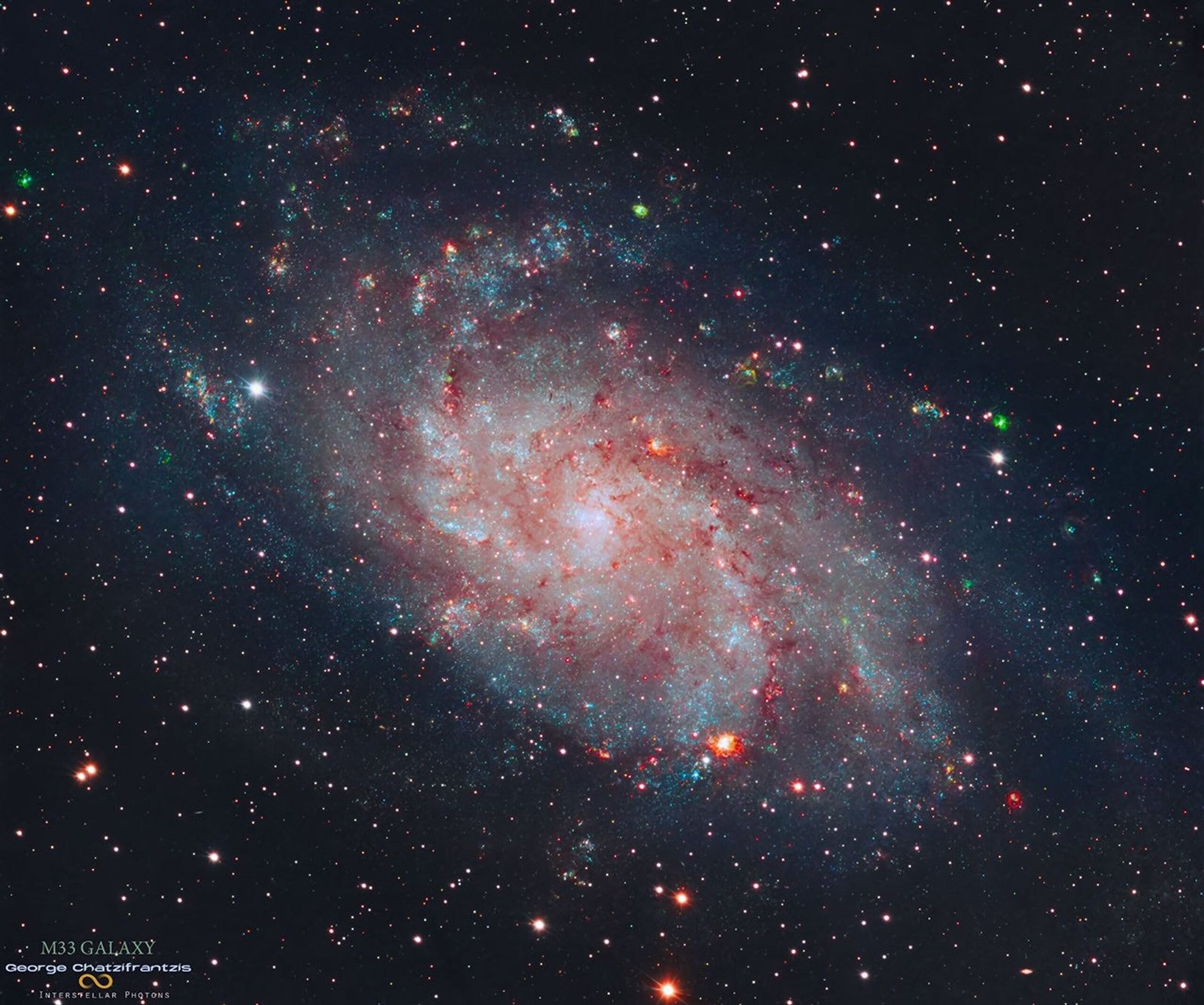
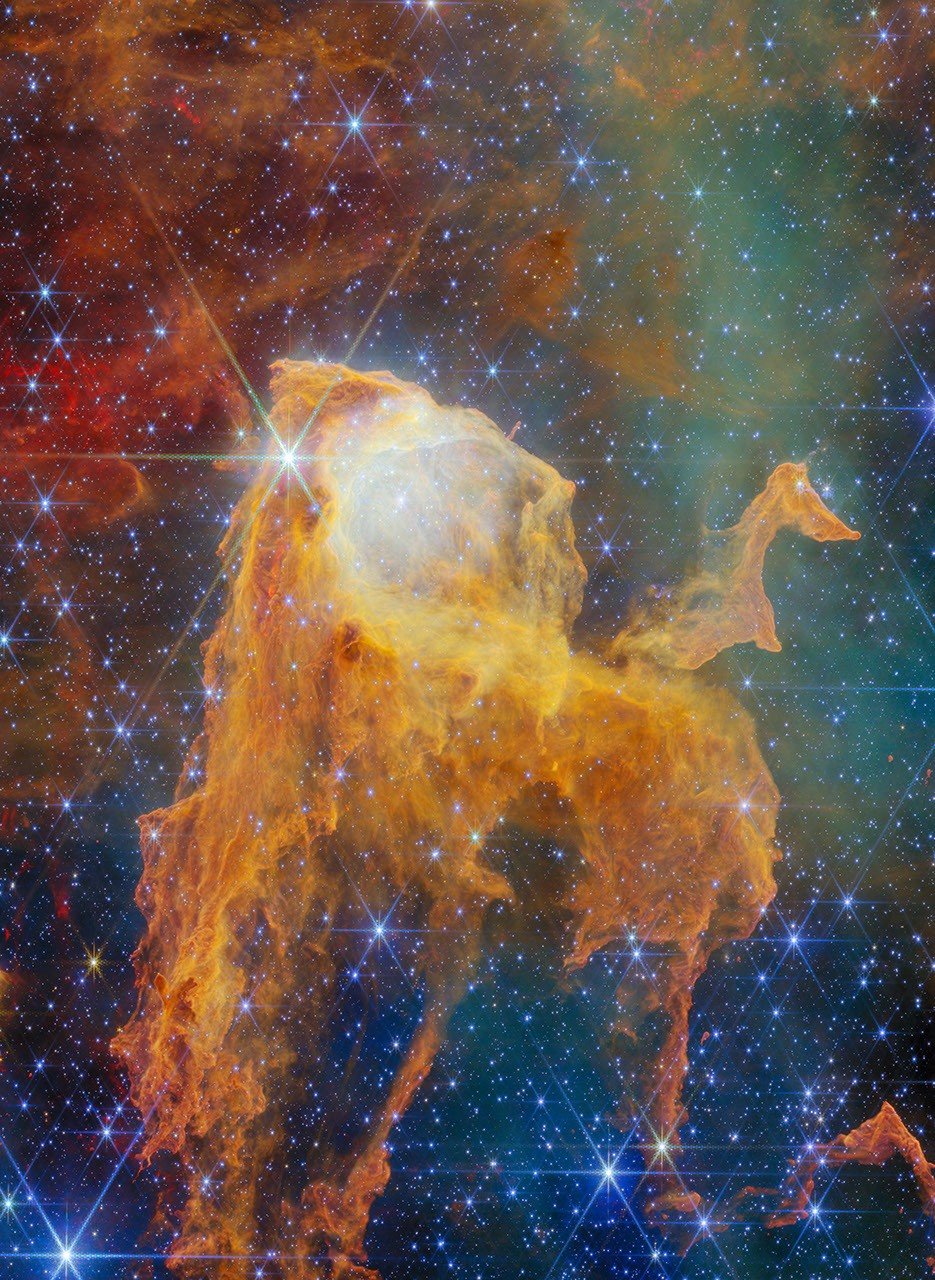
While diplomats navigated the complexities of the Sudanese conflict, NASA marked a significant operational milestone on September 19, 2026, as the Hubble Space Telescope completed its 200,000th orbit around Earth. This achievement comes alongside new data from the observatory, which captured imagery of the galaxy cluster MACS J0417. redicted reappearance of Supernova Athena—a critical data point for calculating the expansion rate of the universe.
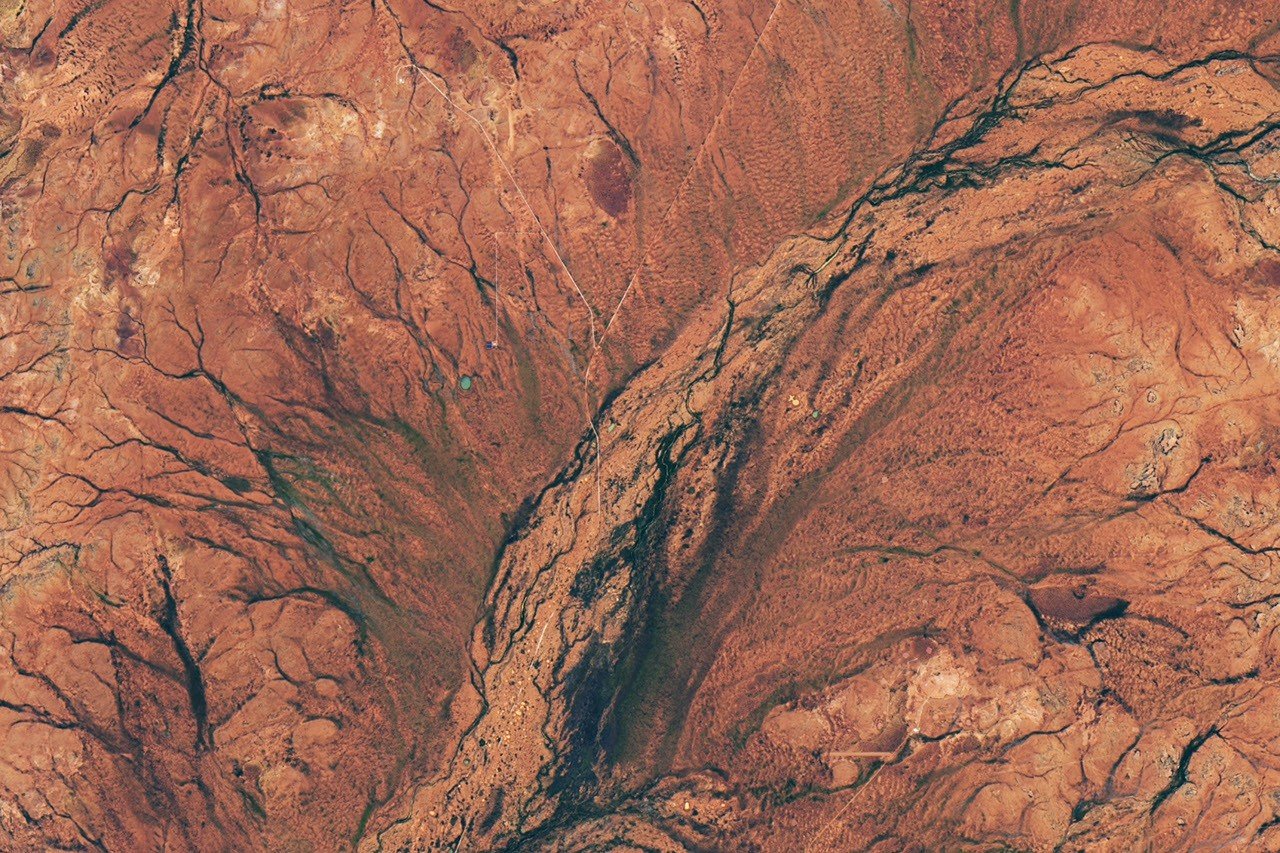
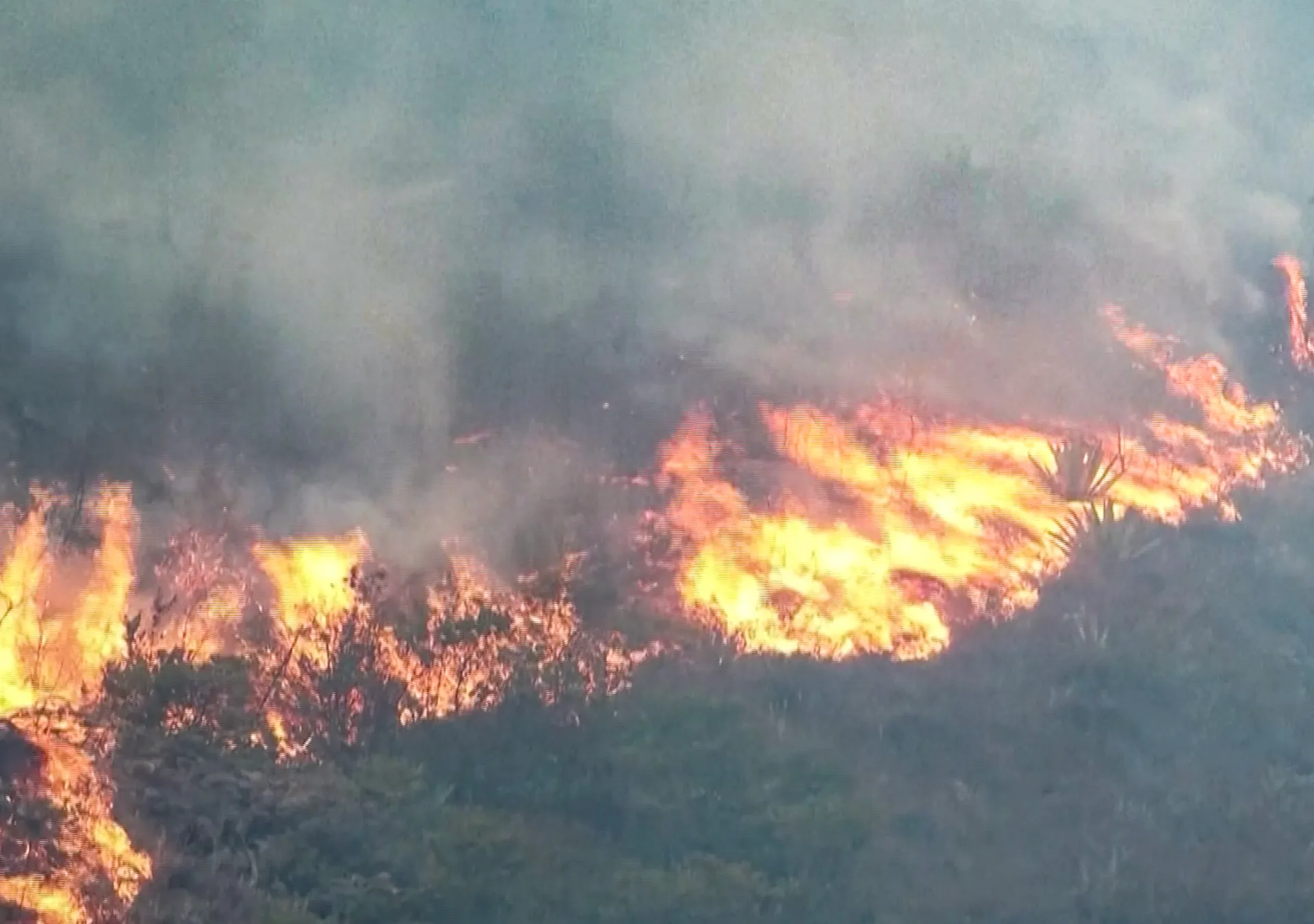
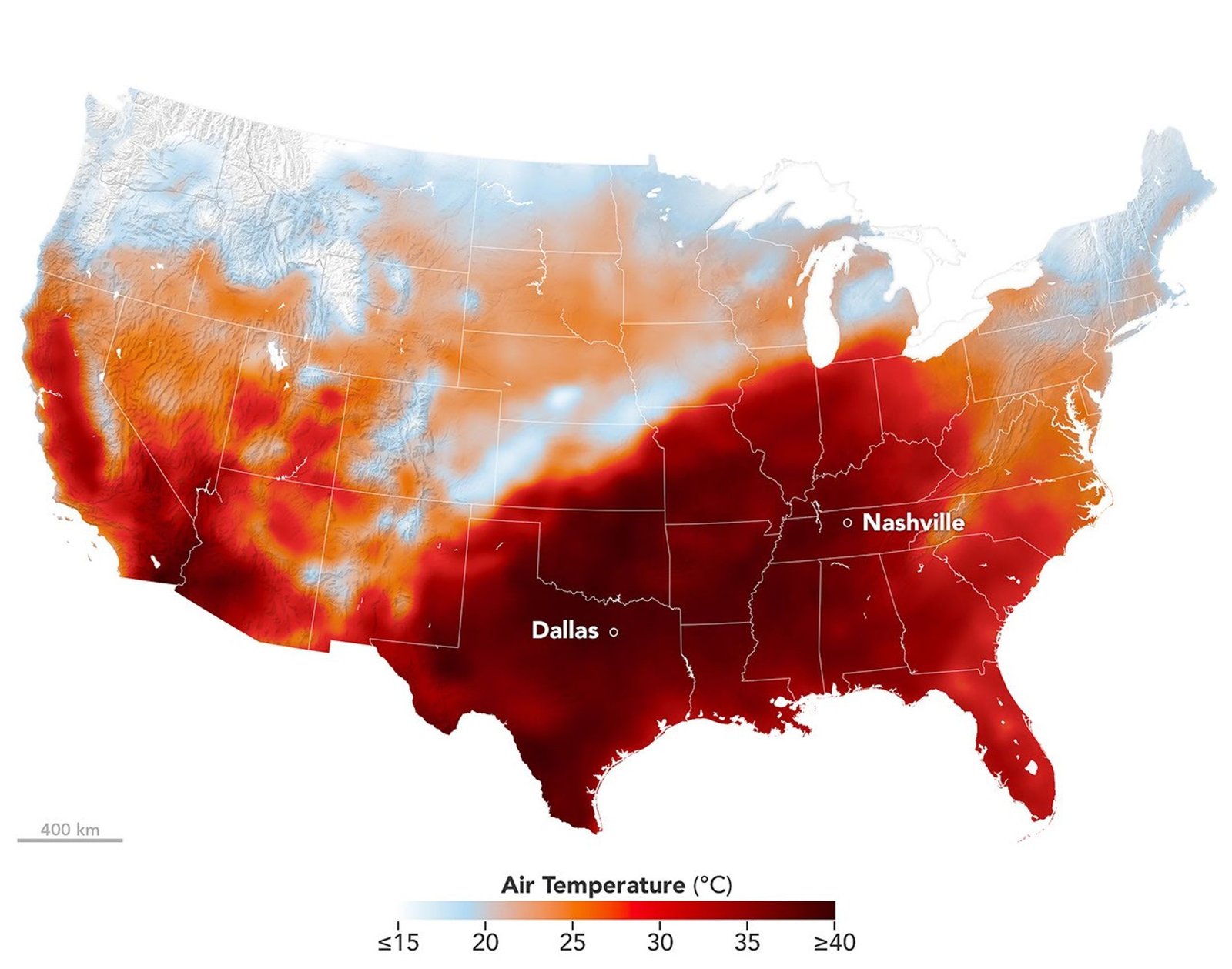
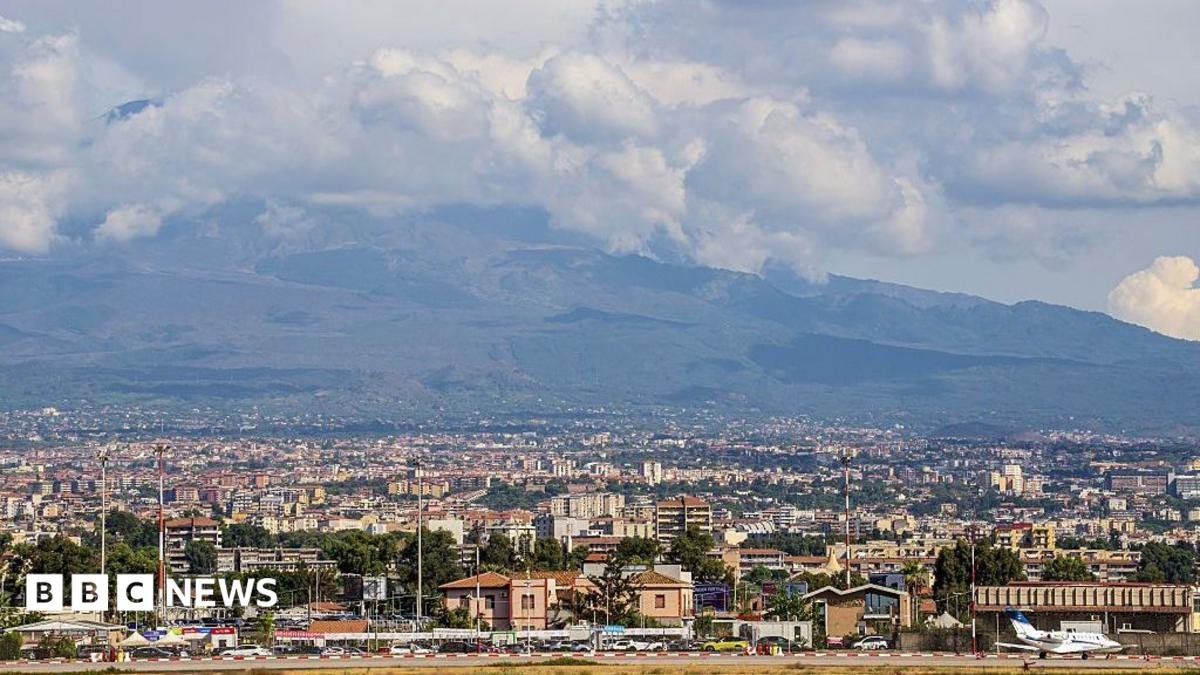
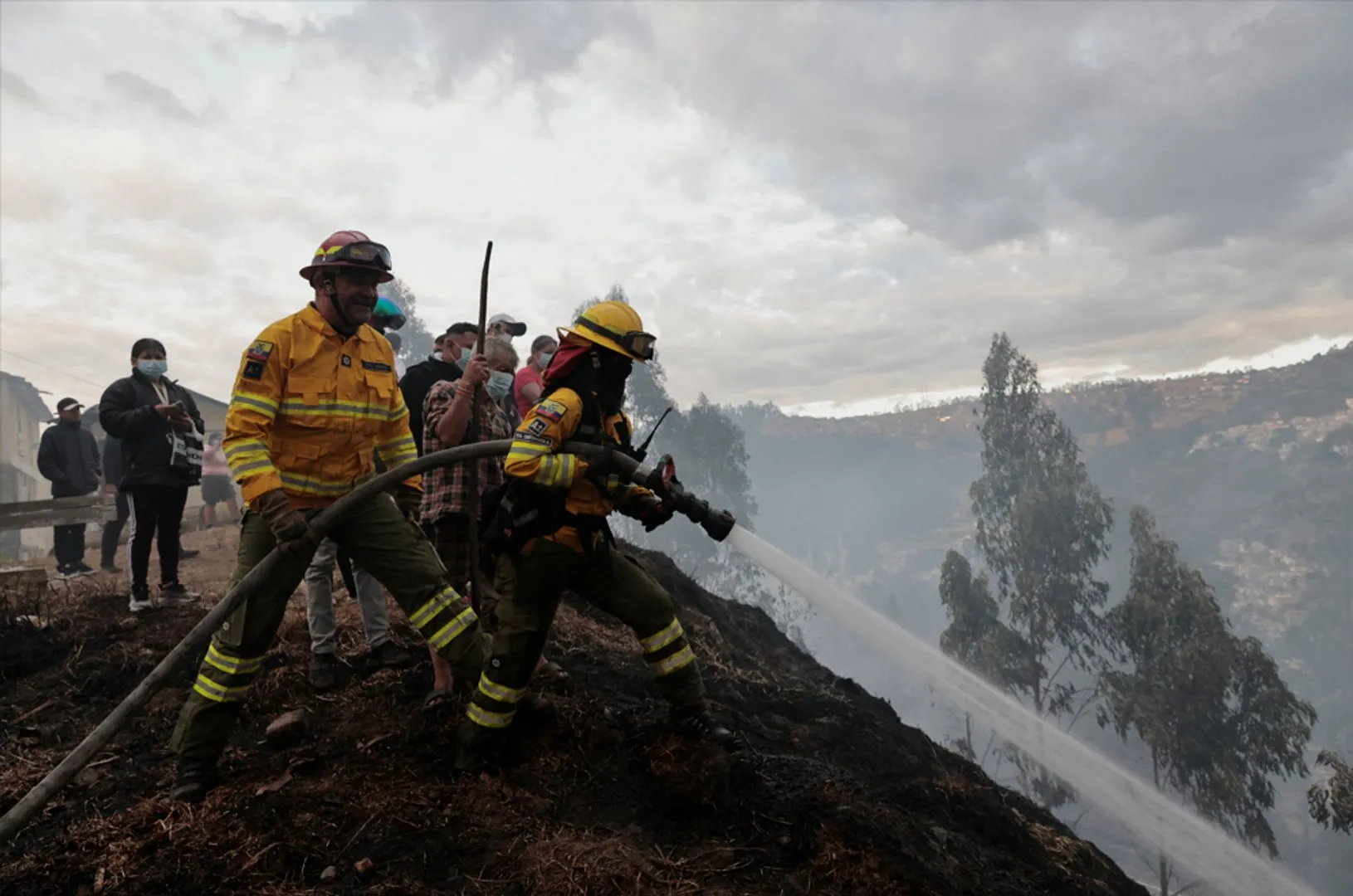
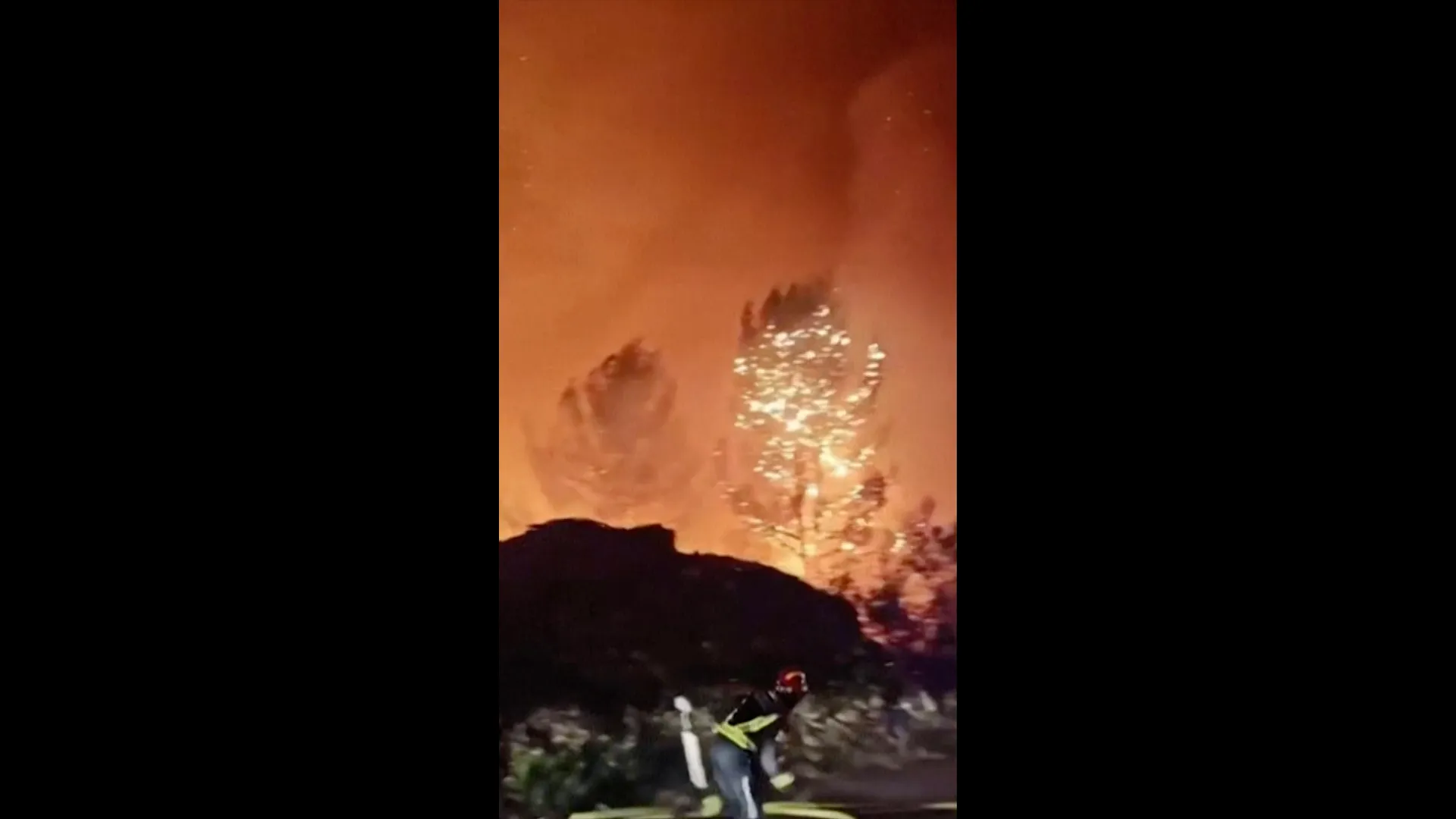
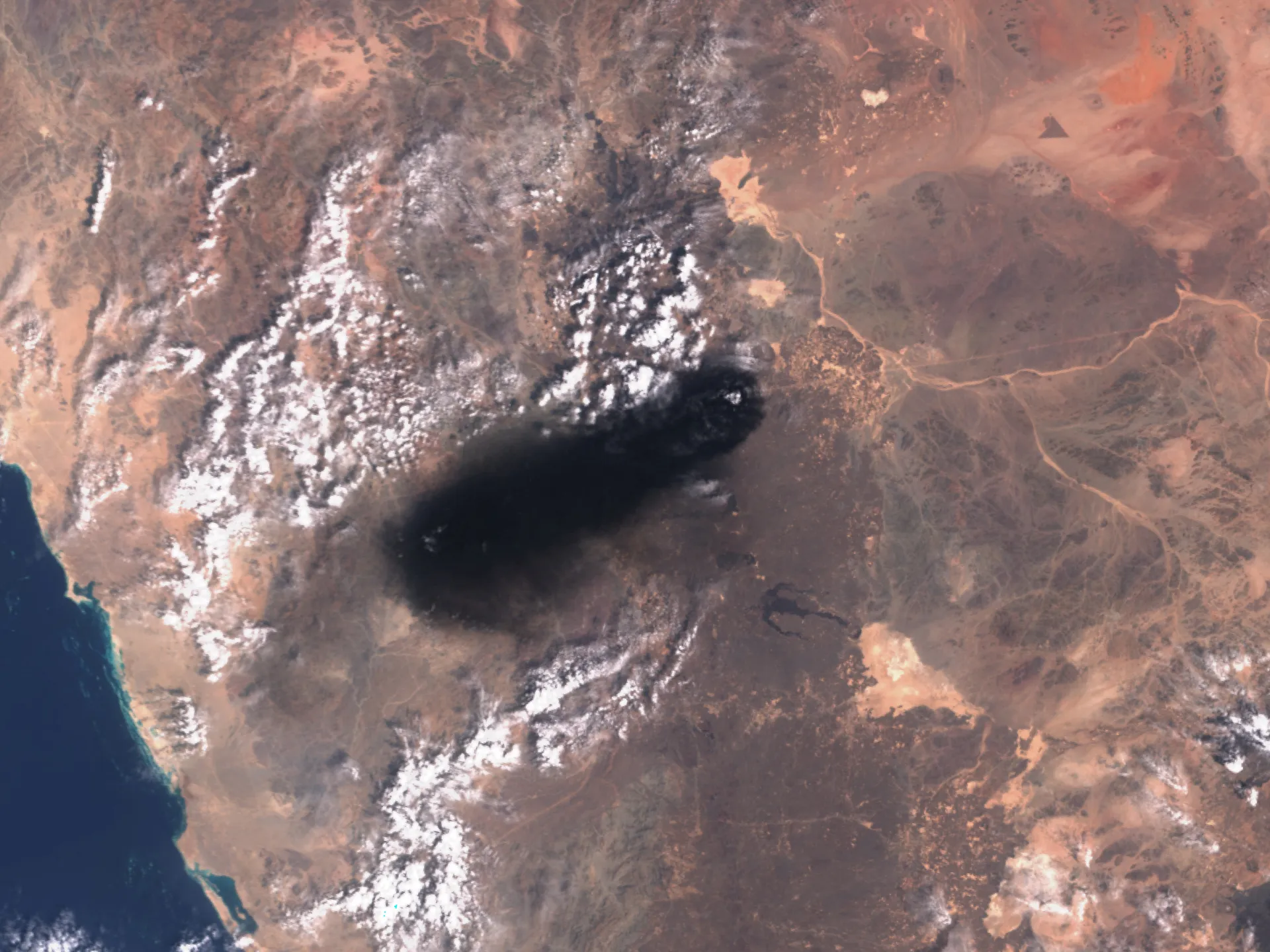
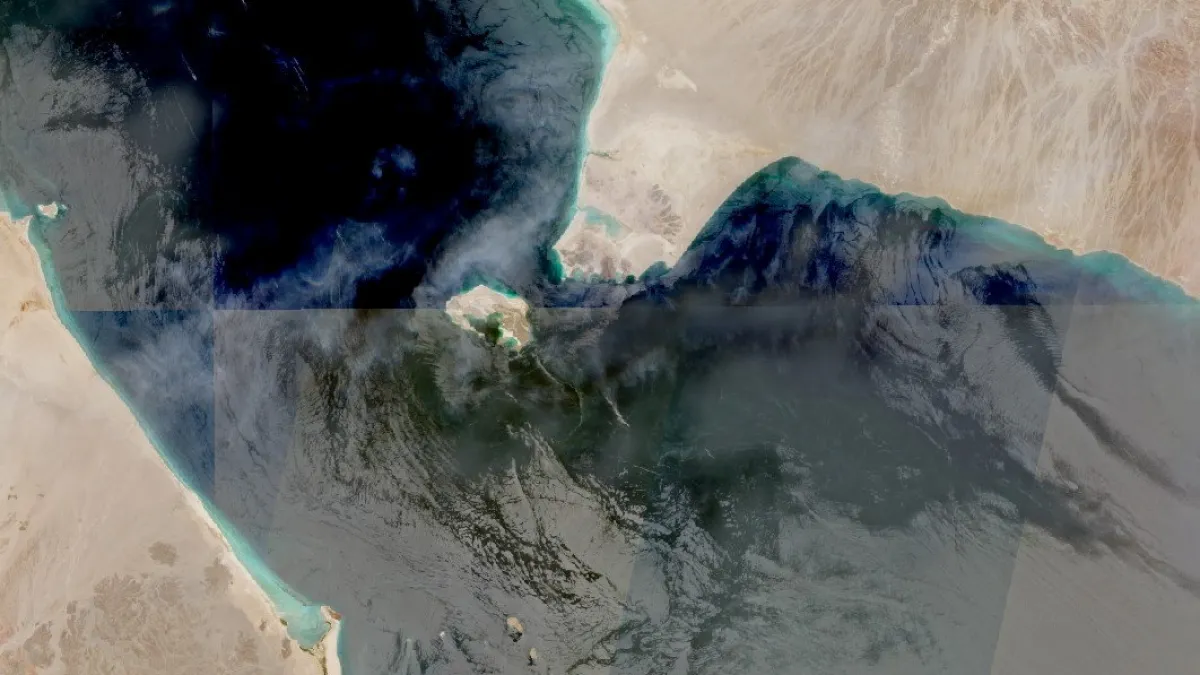
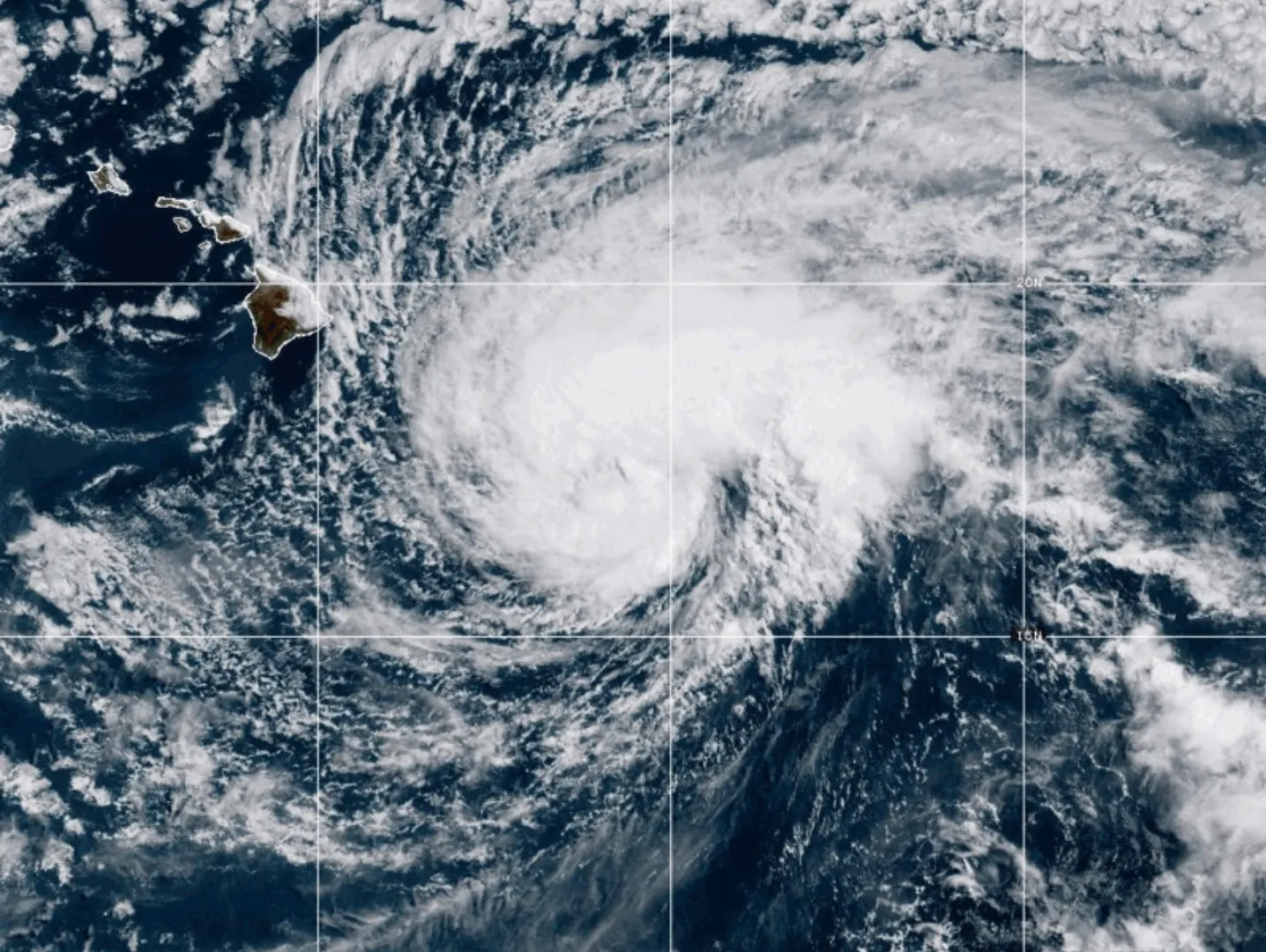
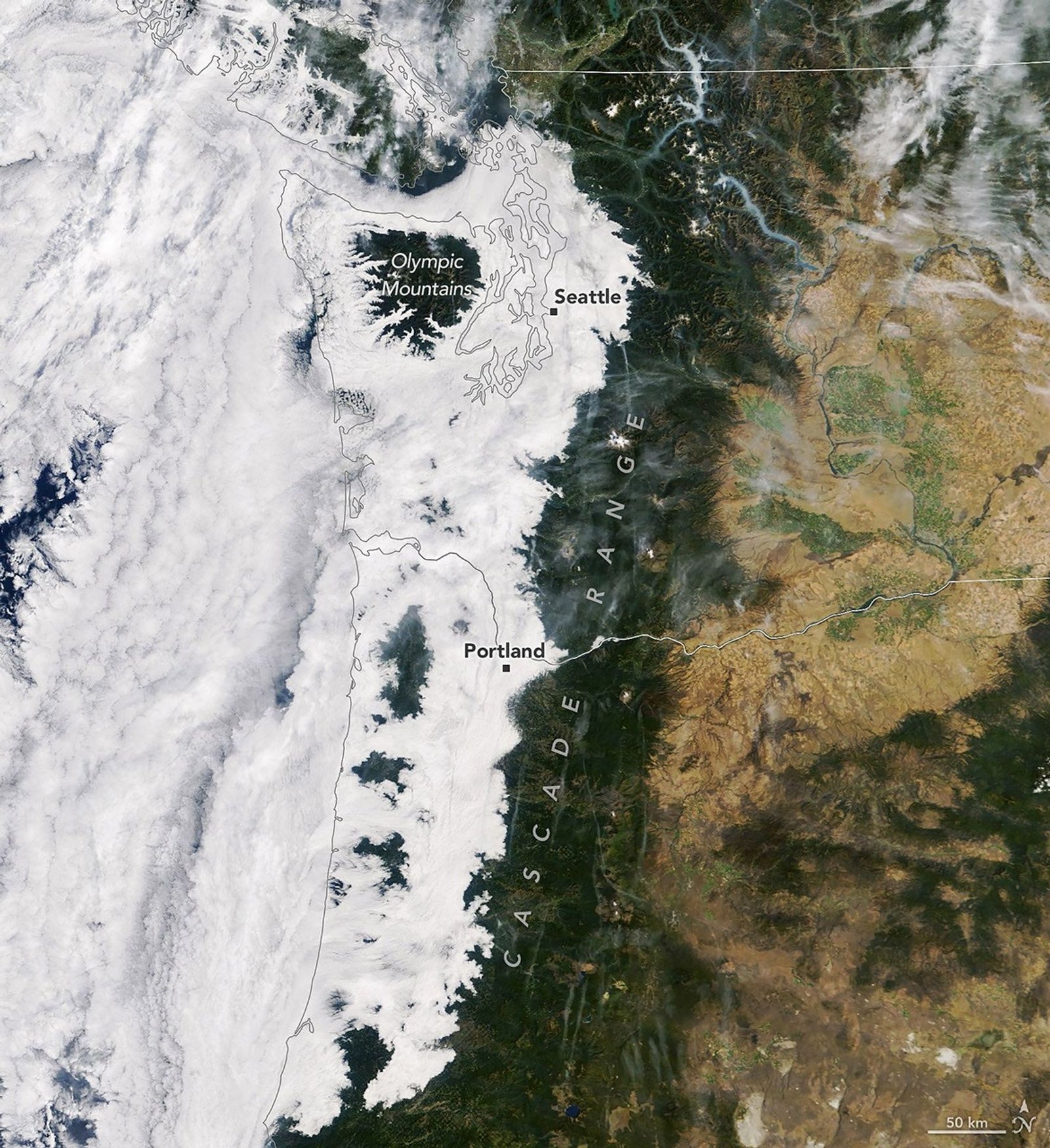
Simultaneously, weather patterns across the Pacific Northwest provided a rare visual spectacle. On that same day, NASA’s Terra satellite recorded an extensive layer of marine stratus clouds and fog blanketing much of western Washington and Oregon. According to the National Weather Service, this phenomenon was driven , creating a "cloudy cloak" that obscured the valleys while leaving the peaks of the Olympic Mountains protruding above the mist like islands. While the region experienced these low-level clouds, satellite data also detected smoke from wildland fires lingering in the North Cascades, highlighting the diverse atmospheric activity occurring across the continent.
The standoff regarding General al-Burhan’s attendance at the General Assembly remains a volatile point of contention. If the U.S. maintains its position, the incident could set a contentious precedent for how host nations manage entry for leaders involved in active conflicts, potentially prompting further legal challenges regarding the UN’s headquarters agreement. Conversely, if a compromise is reached, it will likely be presented as a successful, albeit controversial, application of pressure to facilitate the 90-day ceasefire. Meanwhile, the scientific community expects to continue its monitoring of Supernova Athena, with researchers projecting its reappearance at any time between now and early March 2027.