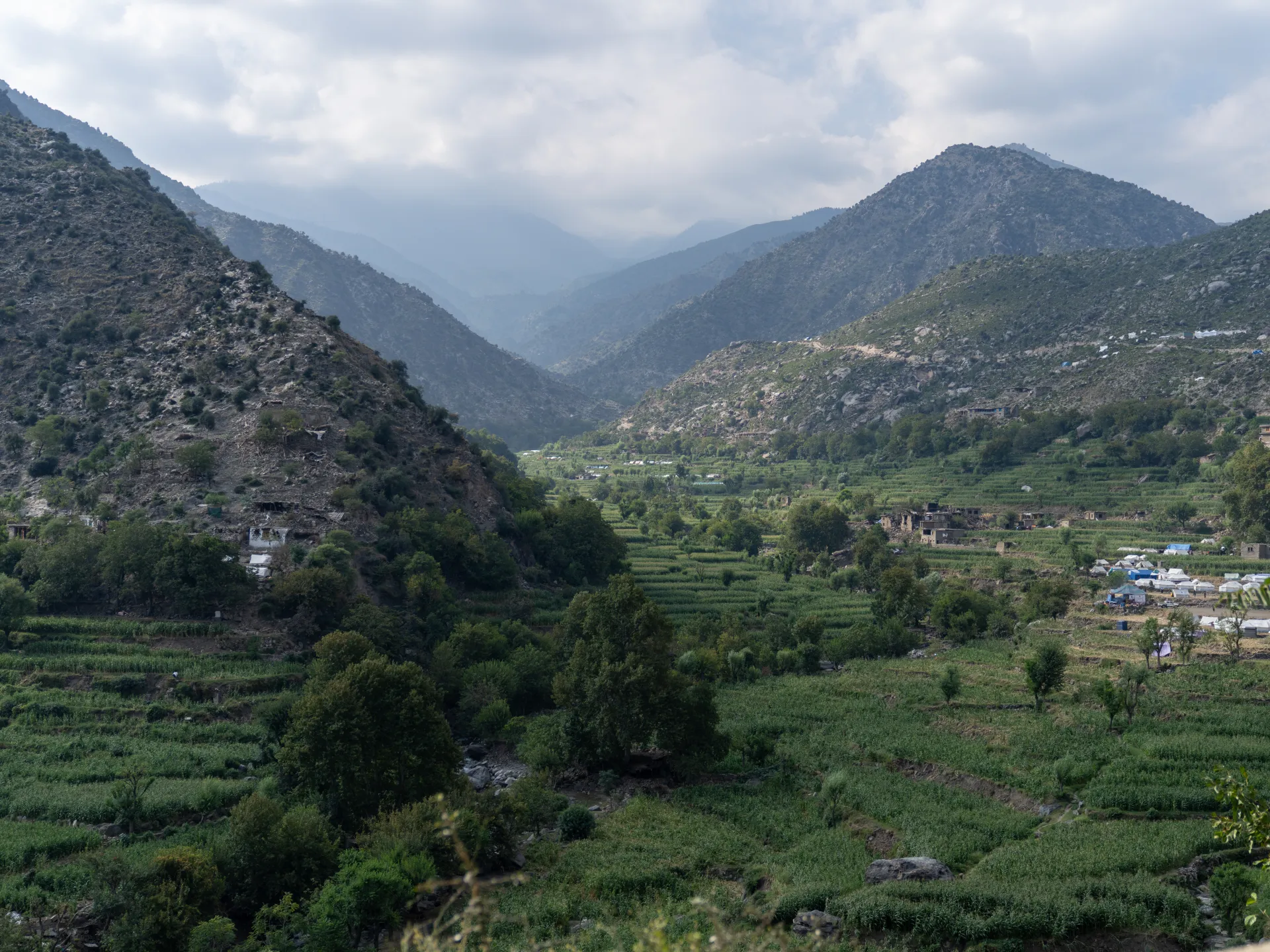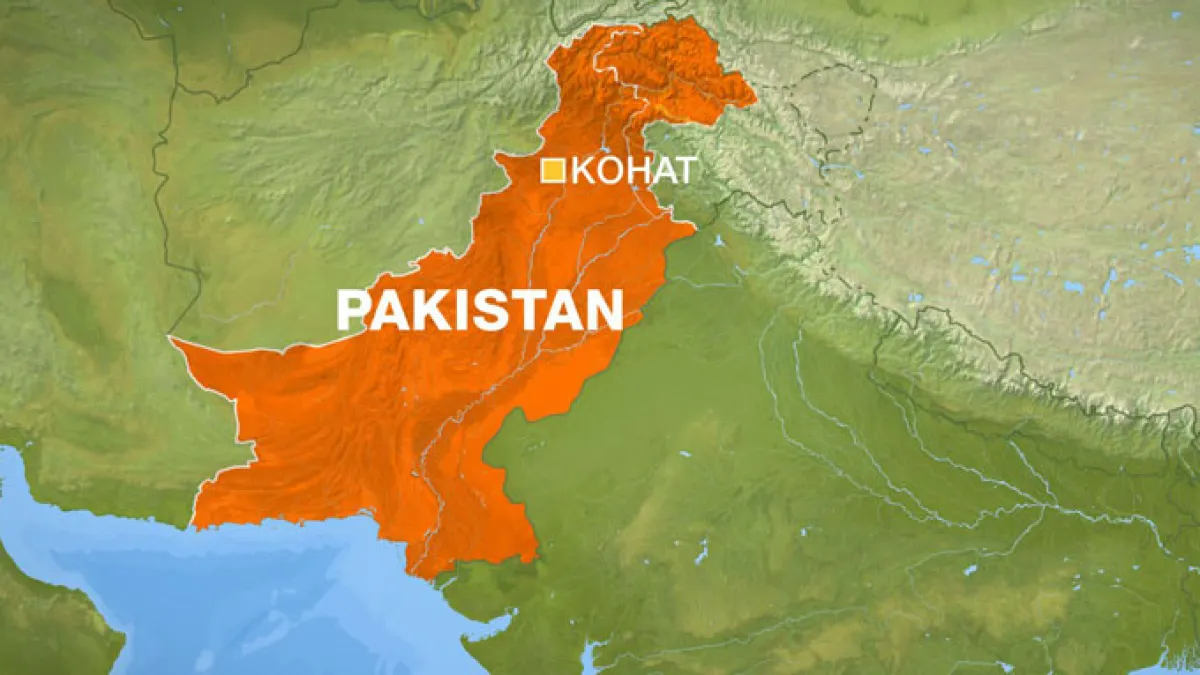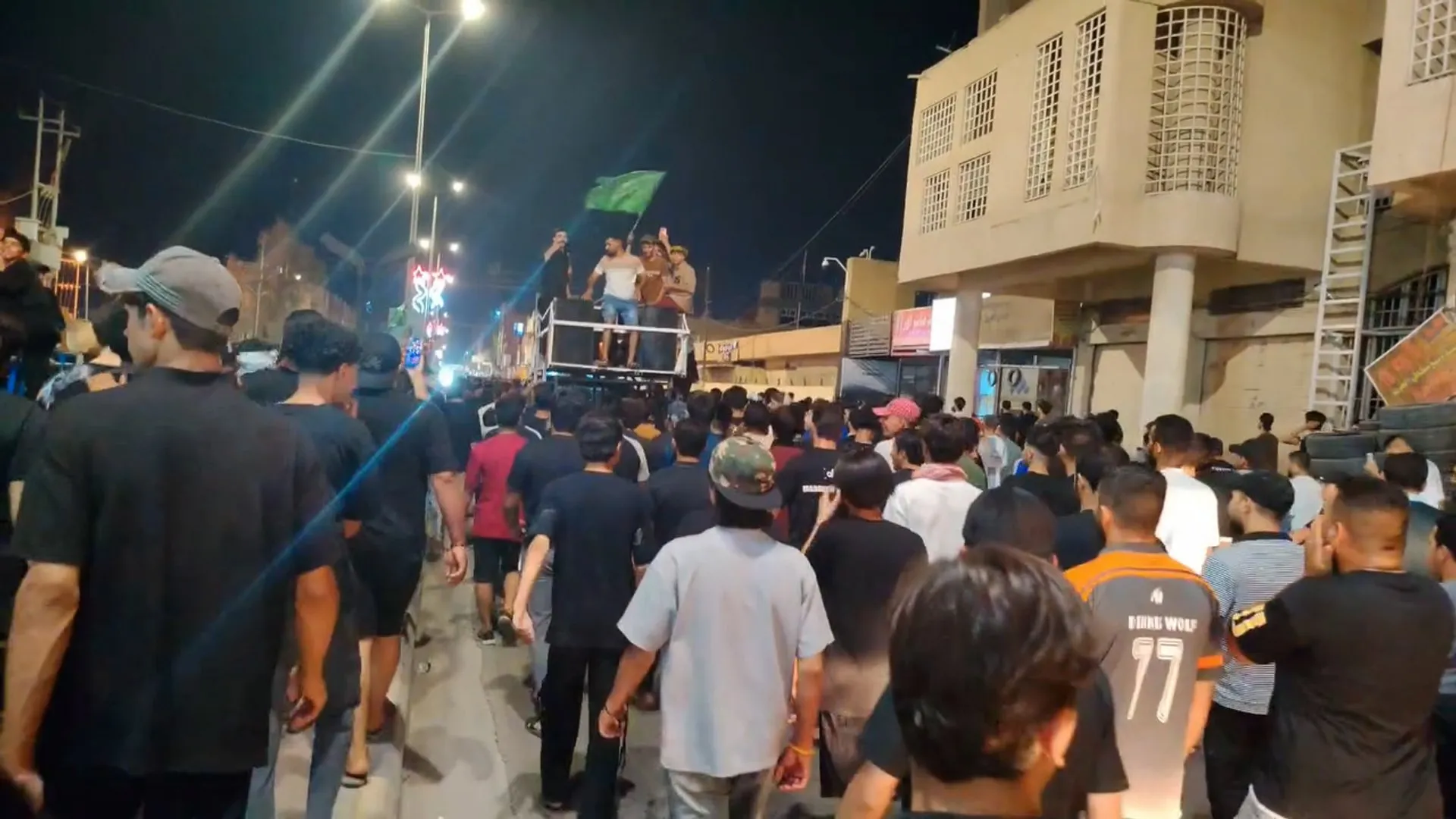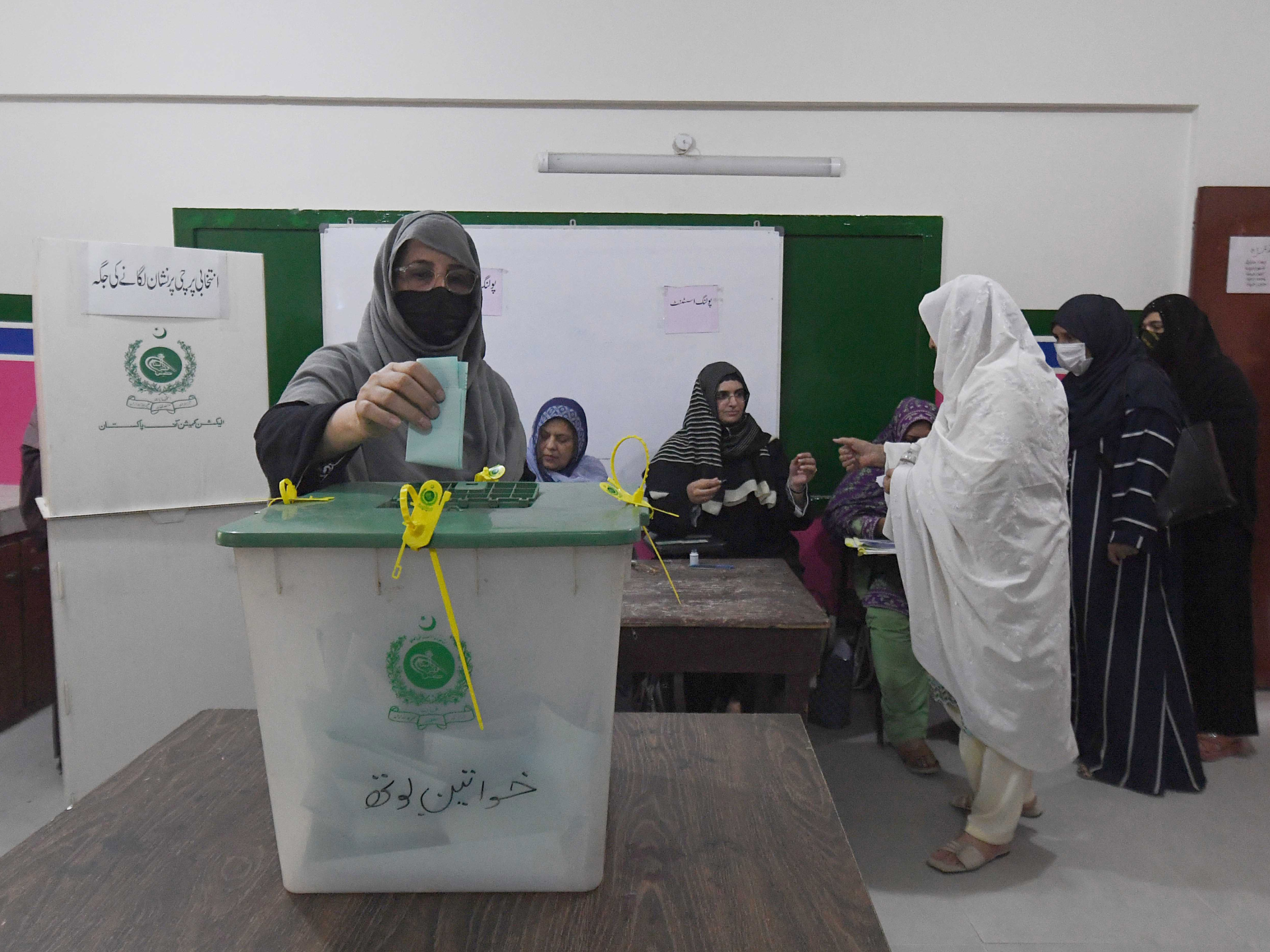
Legislators in Pakistan-administered Kashmir have moved to fill an eight-month presidential vacancy, a move occurring as the region grapples with civil unrest and limited media access.
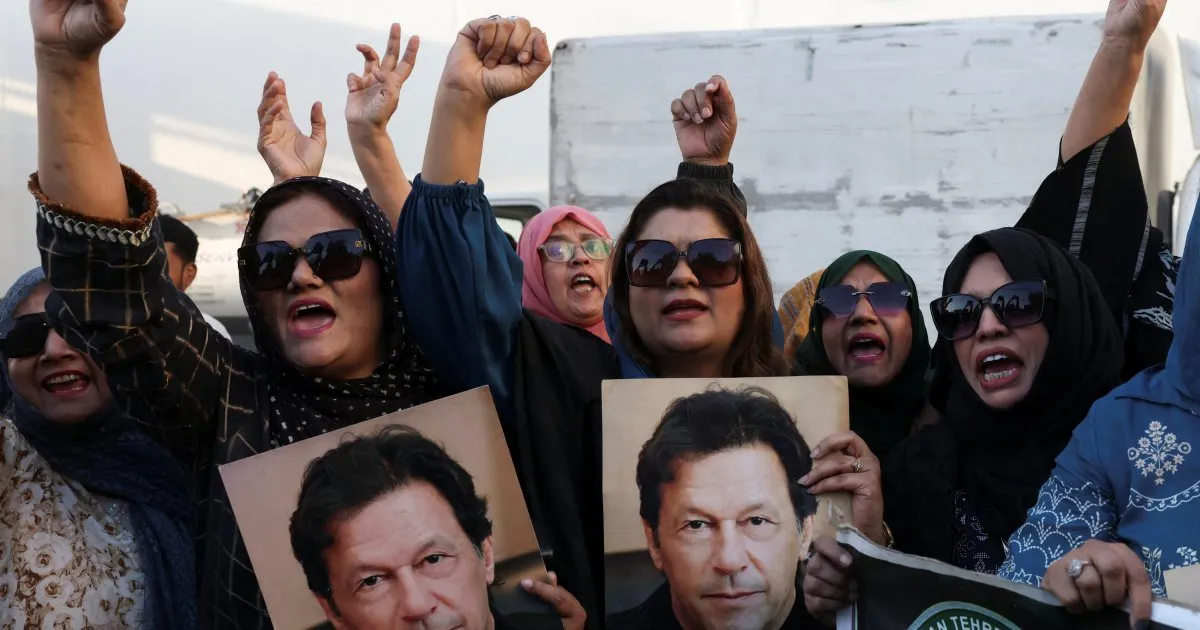
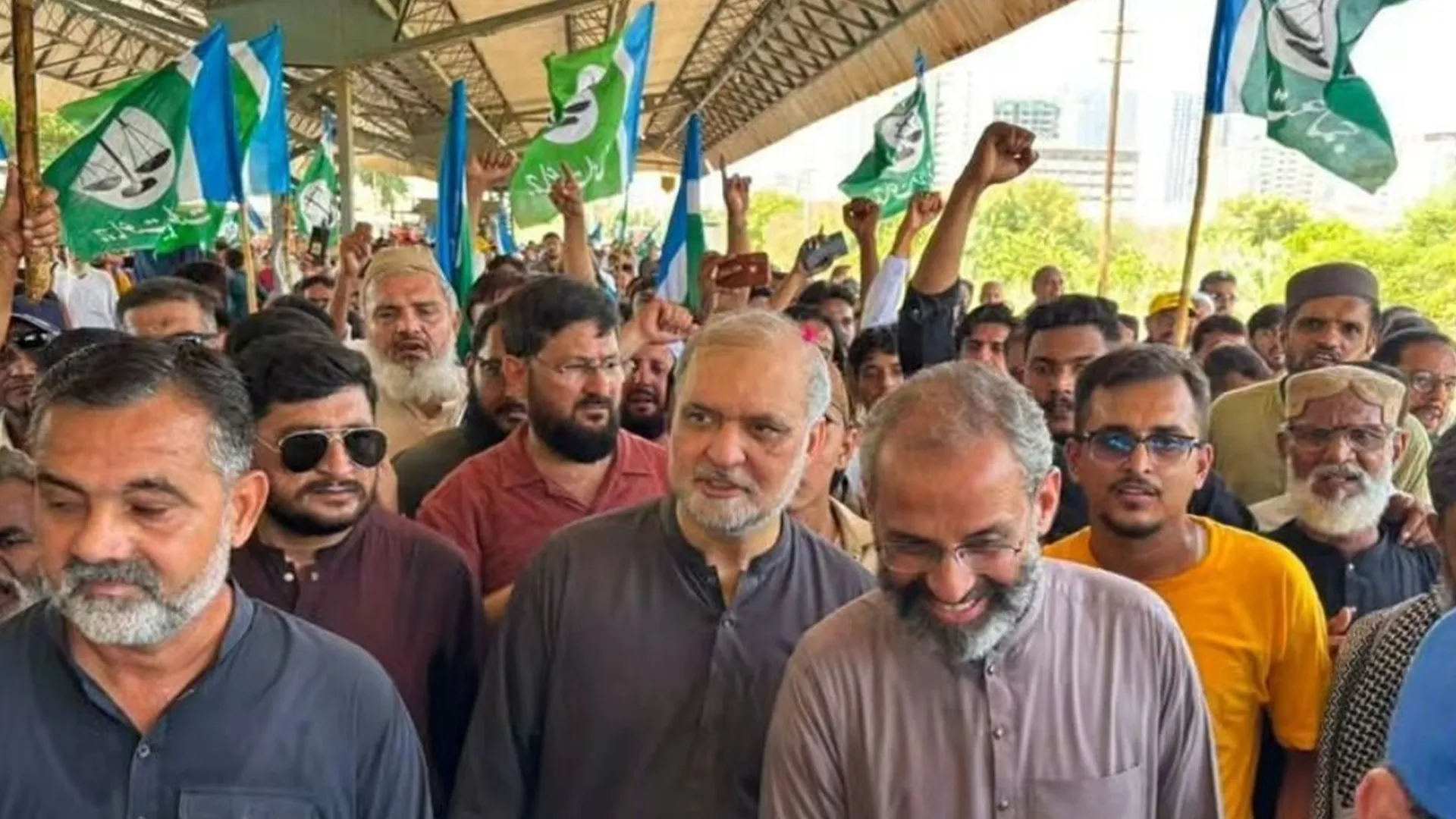
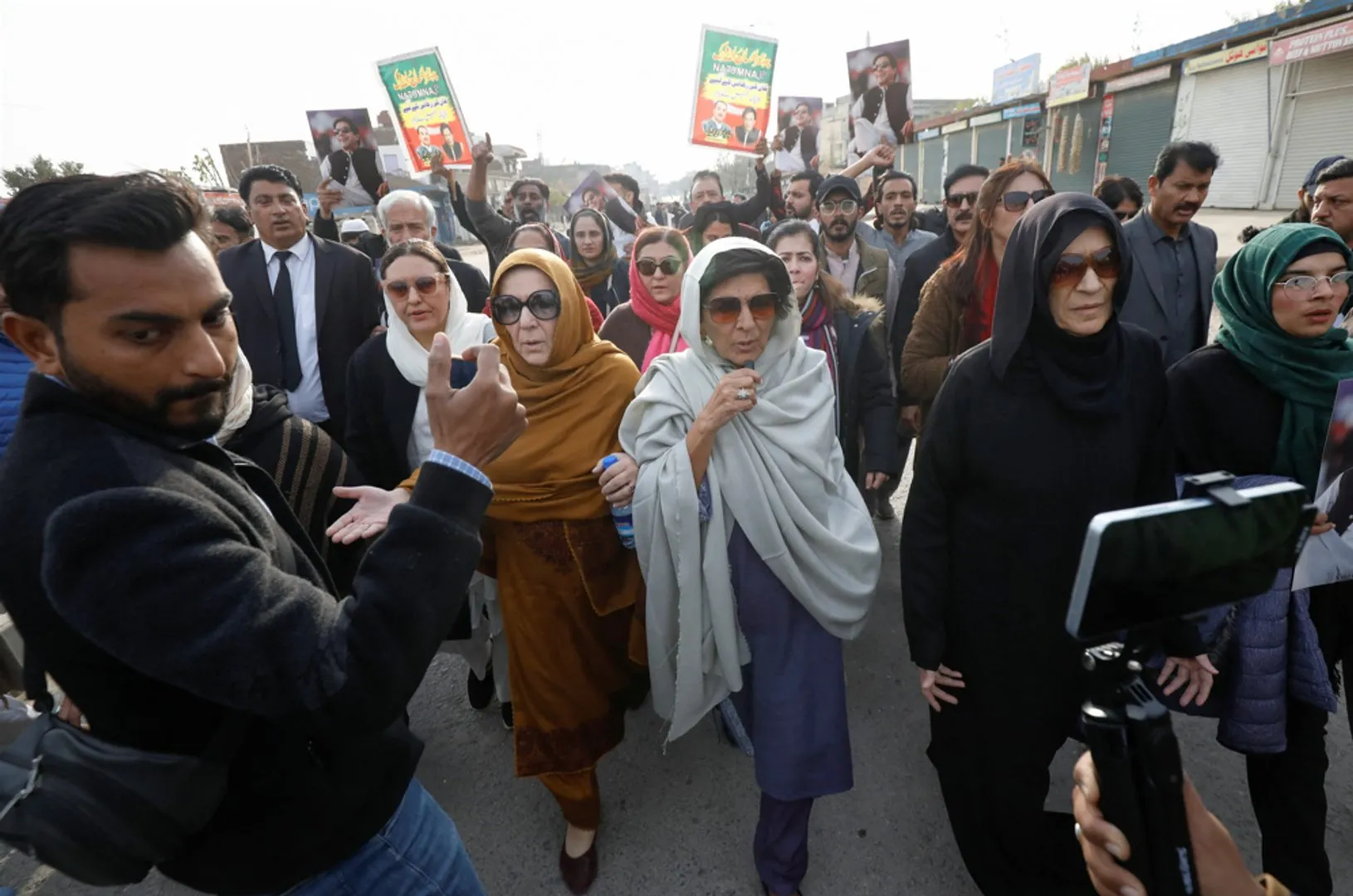
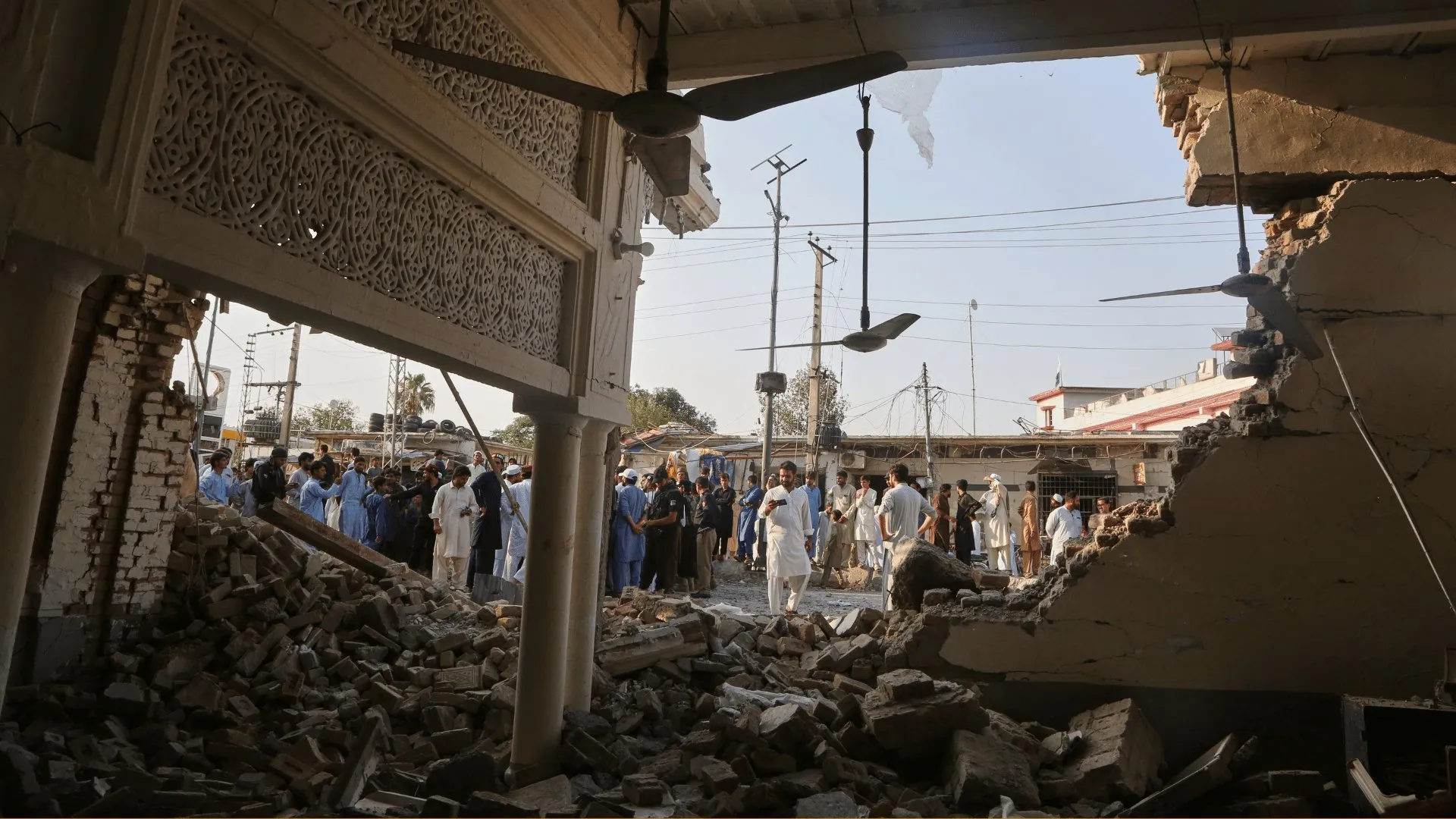
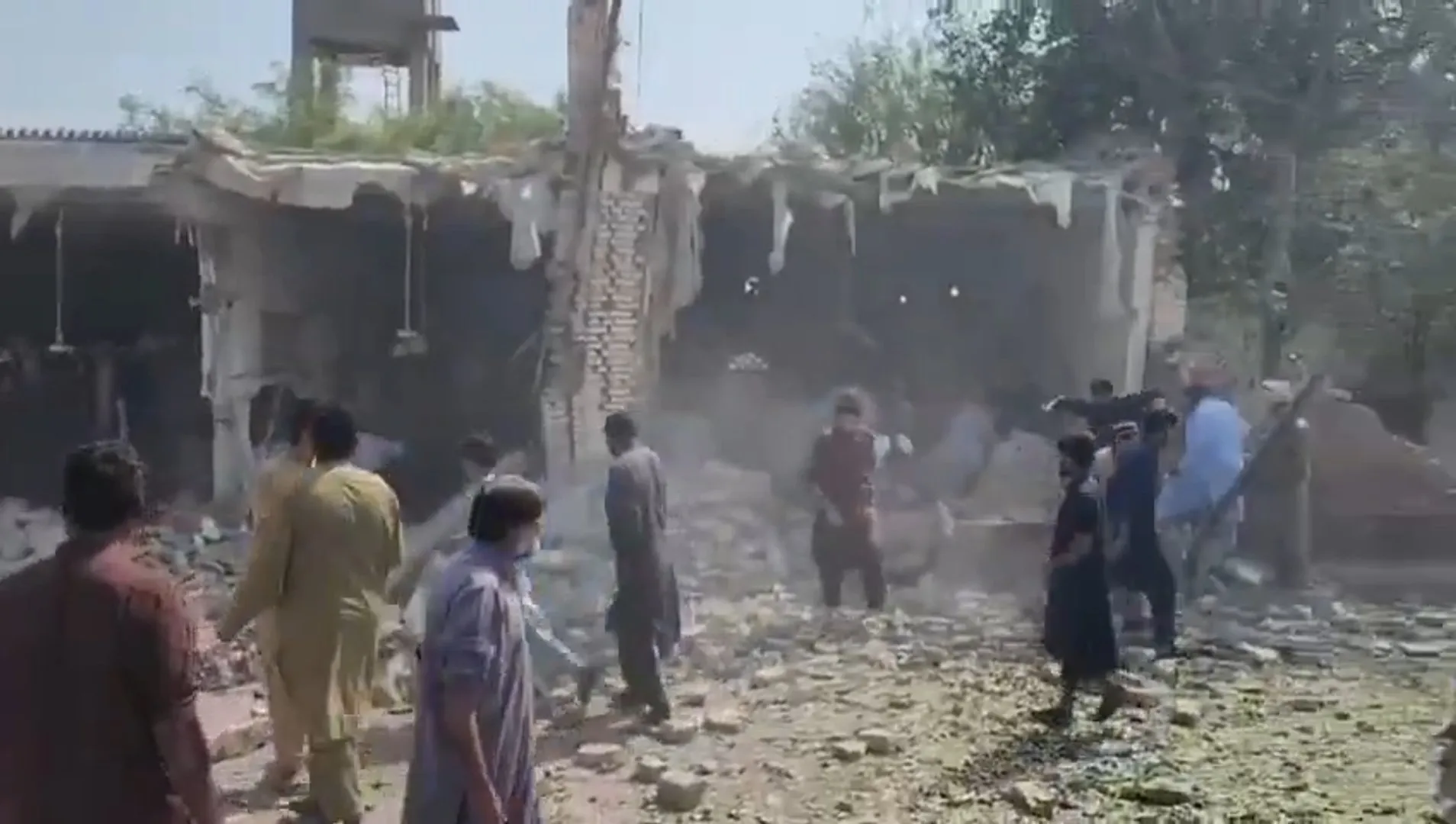
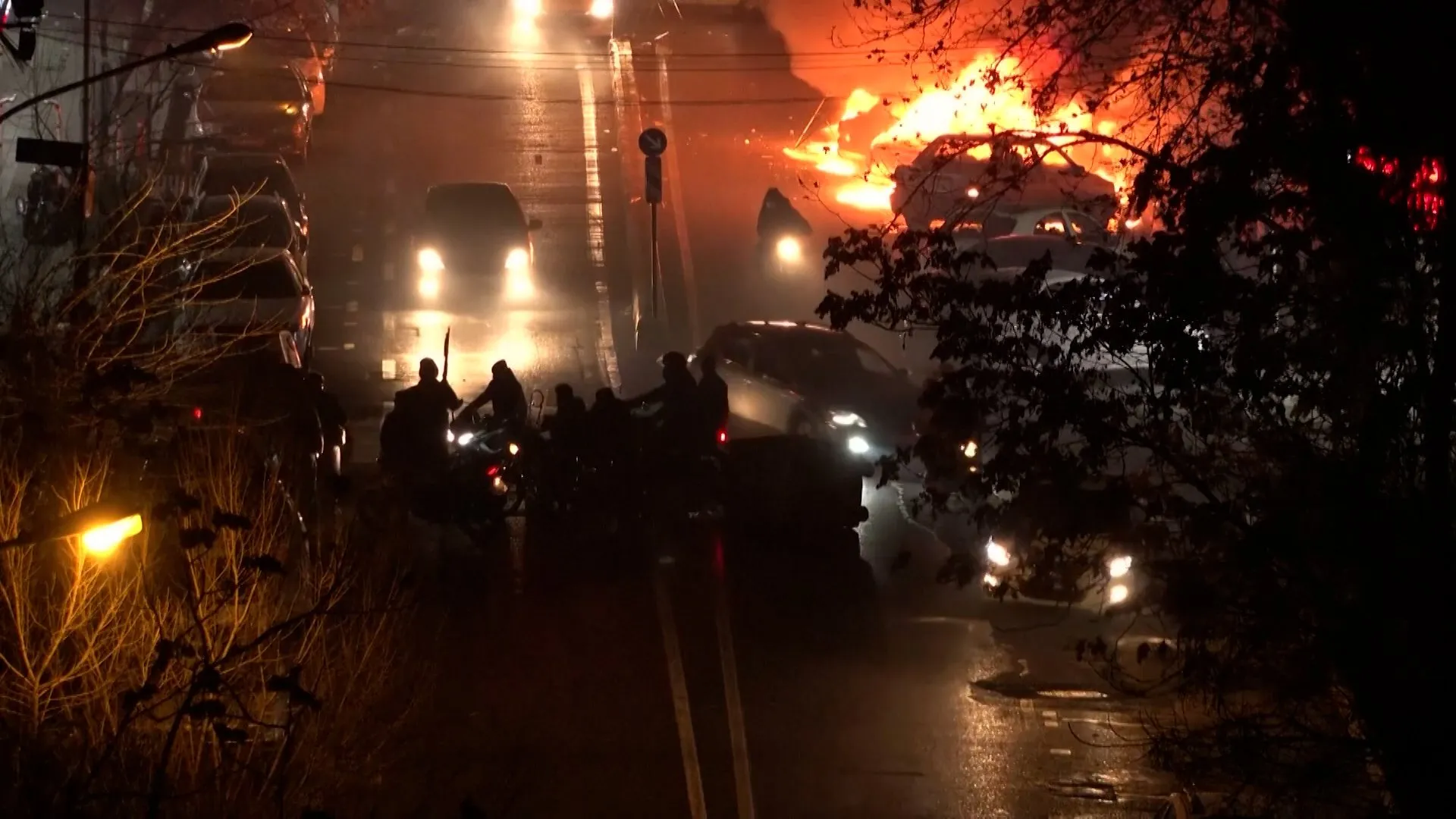
The election of a new president in Pakistan-administered Kashmir represents a critical juncture for a region struggling with both constitutional legitimacy and civil instability. stipulated ritory that has been a flashpoint for recent, often fatal, public protests. The delay, which critics attribute to tactical political maneuvering st, highlights the fragile nature of democratic institutions in this disputed region. With seven seats currently empty due to ongoing unrest in key districts, the incoming administration faces the immediate challenge of governing a populace that has displayed significant, at times violent, opposition to current political arrangements.
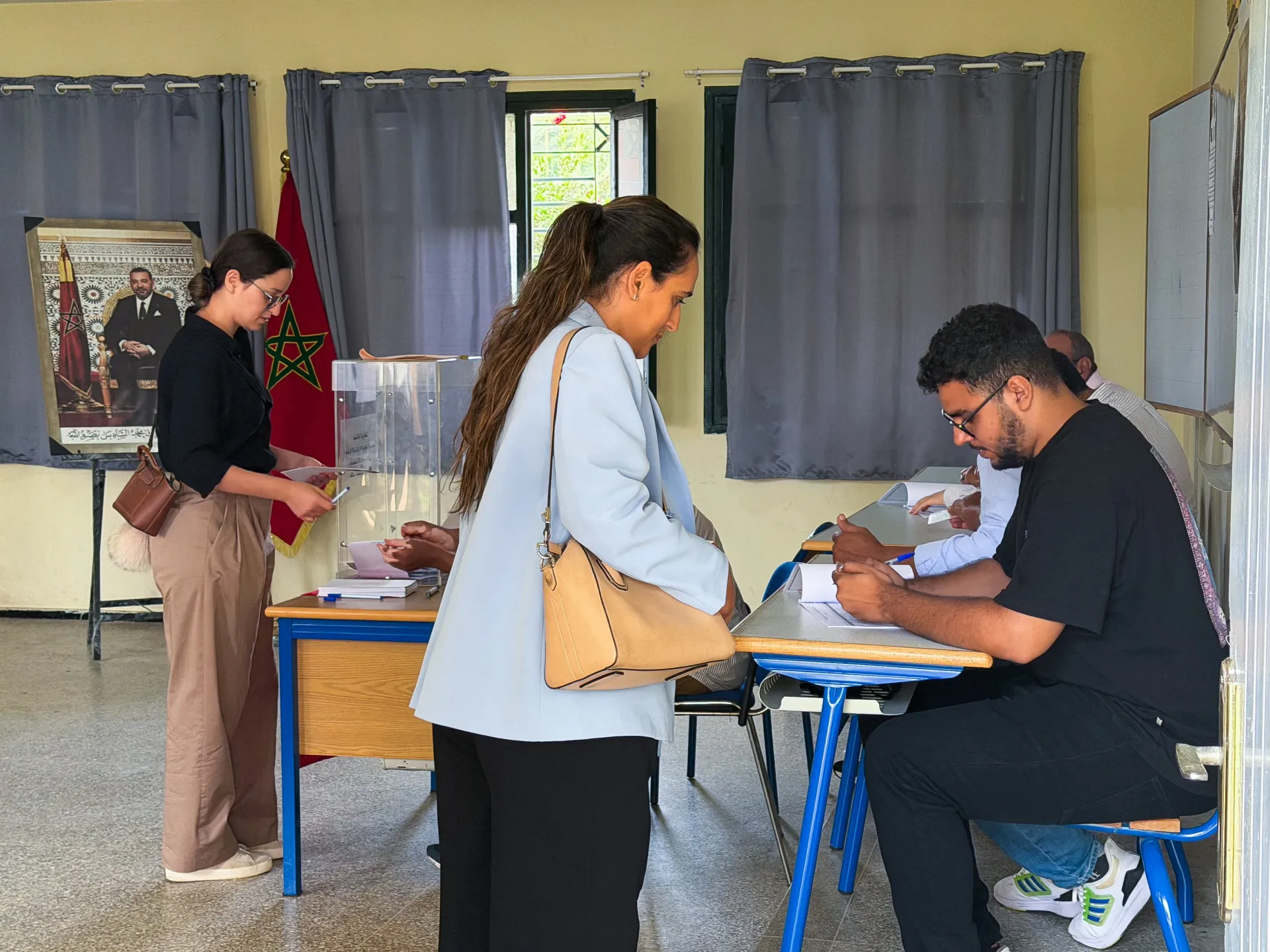
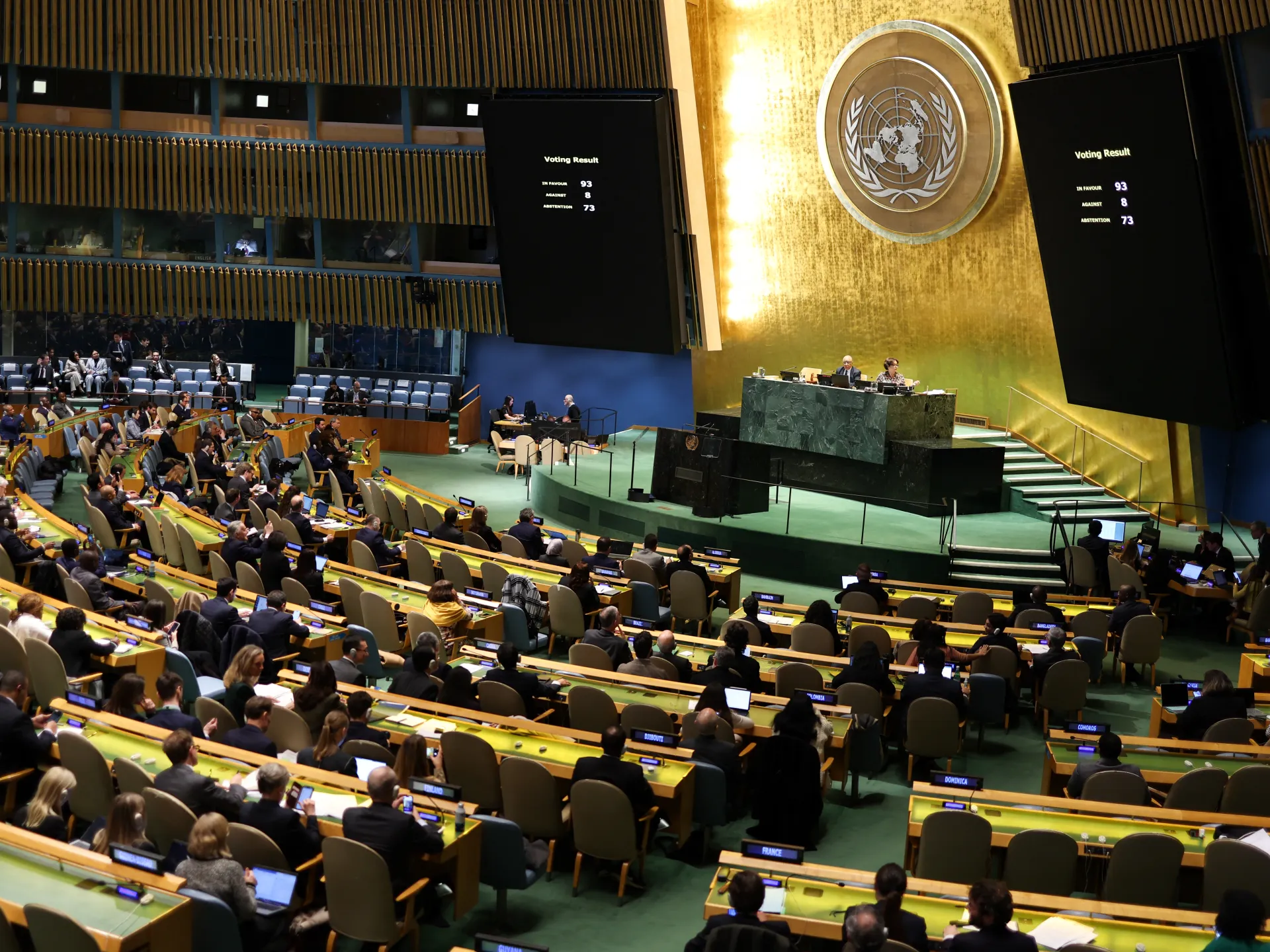
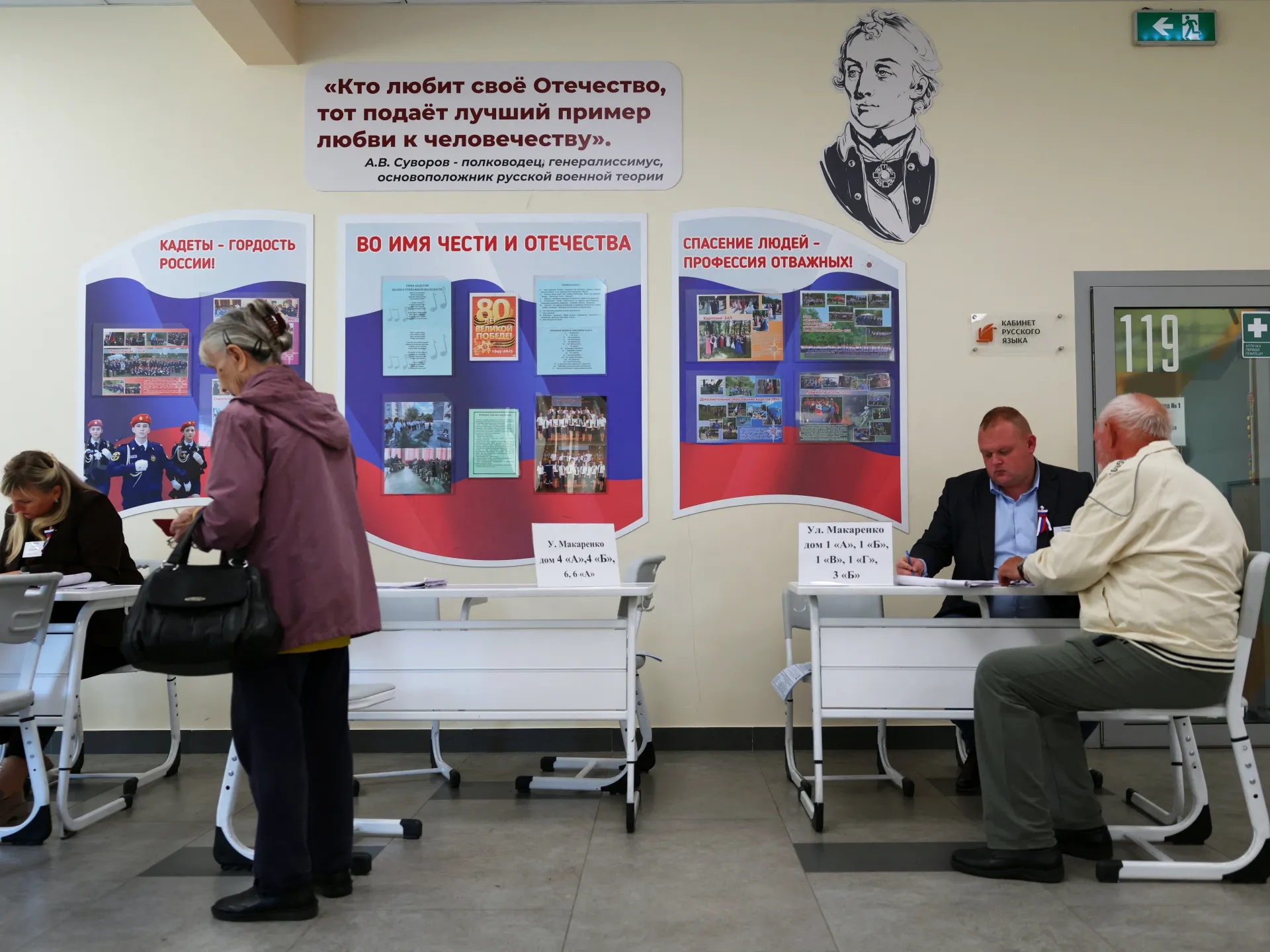
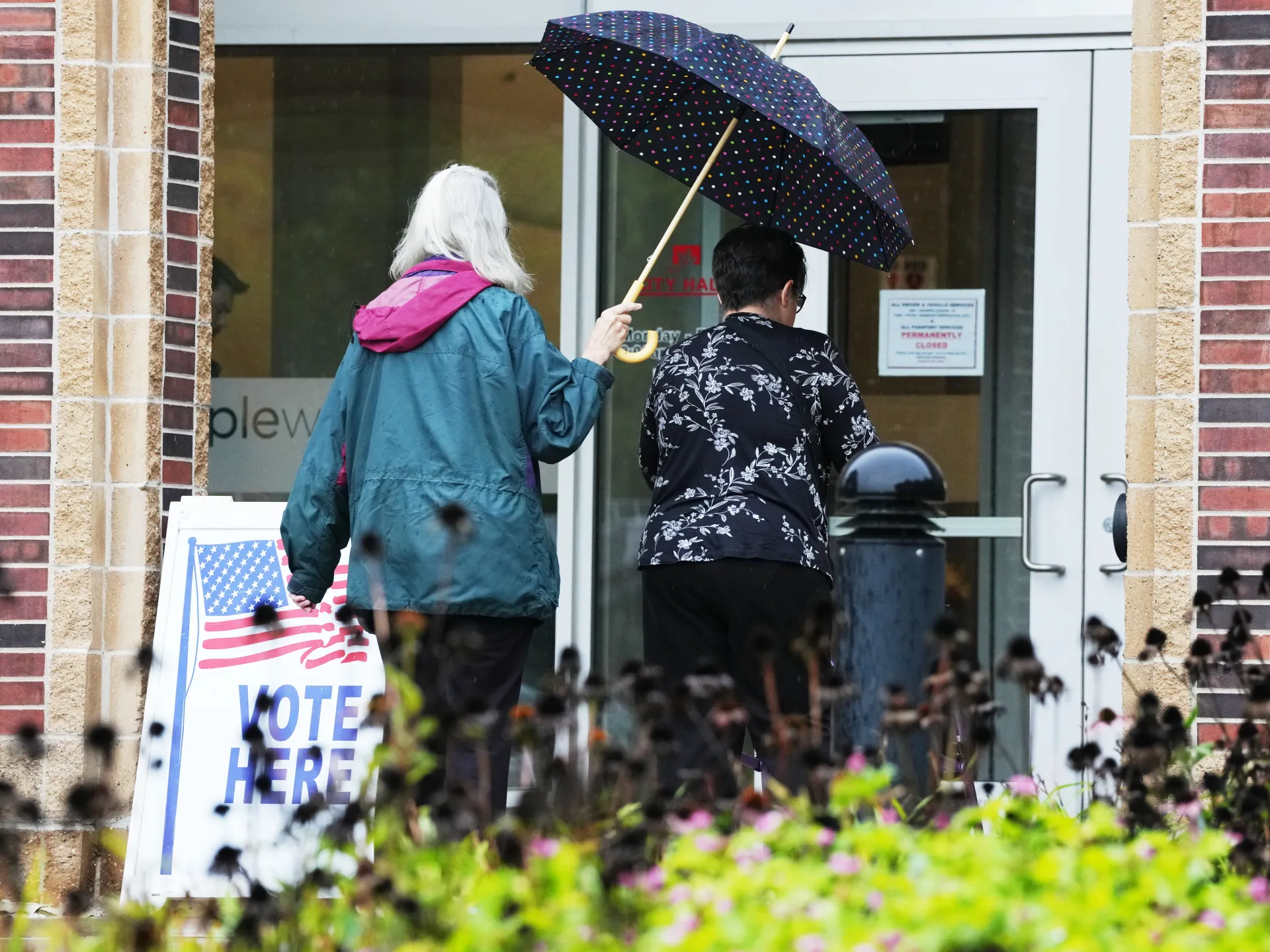
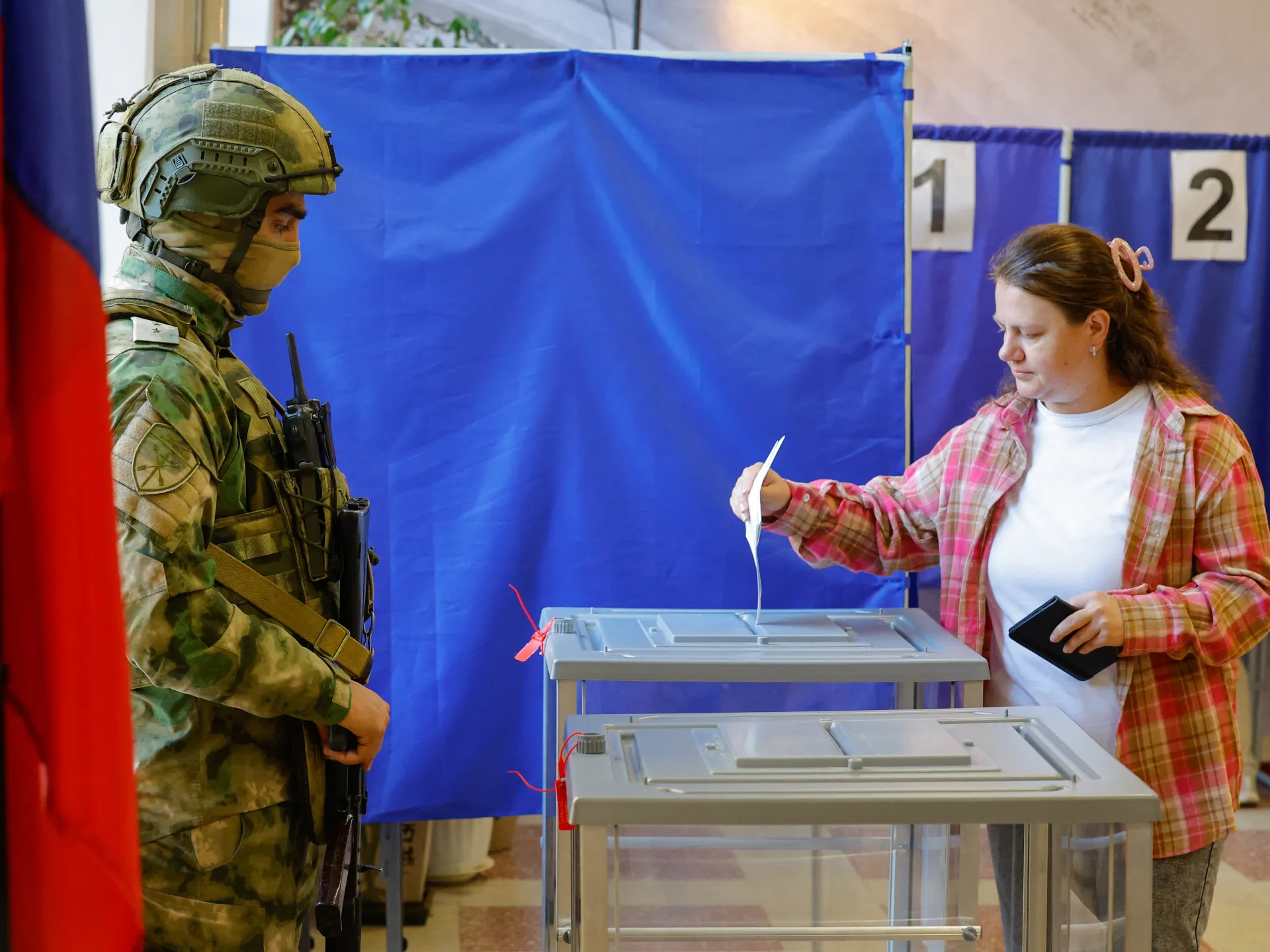
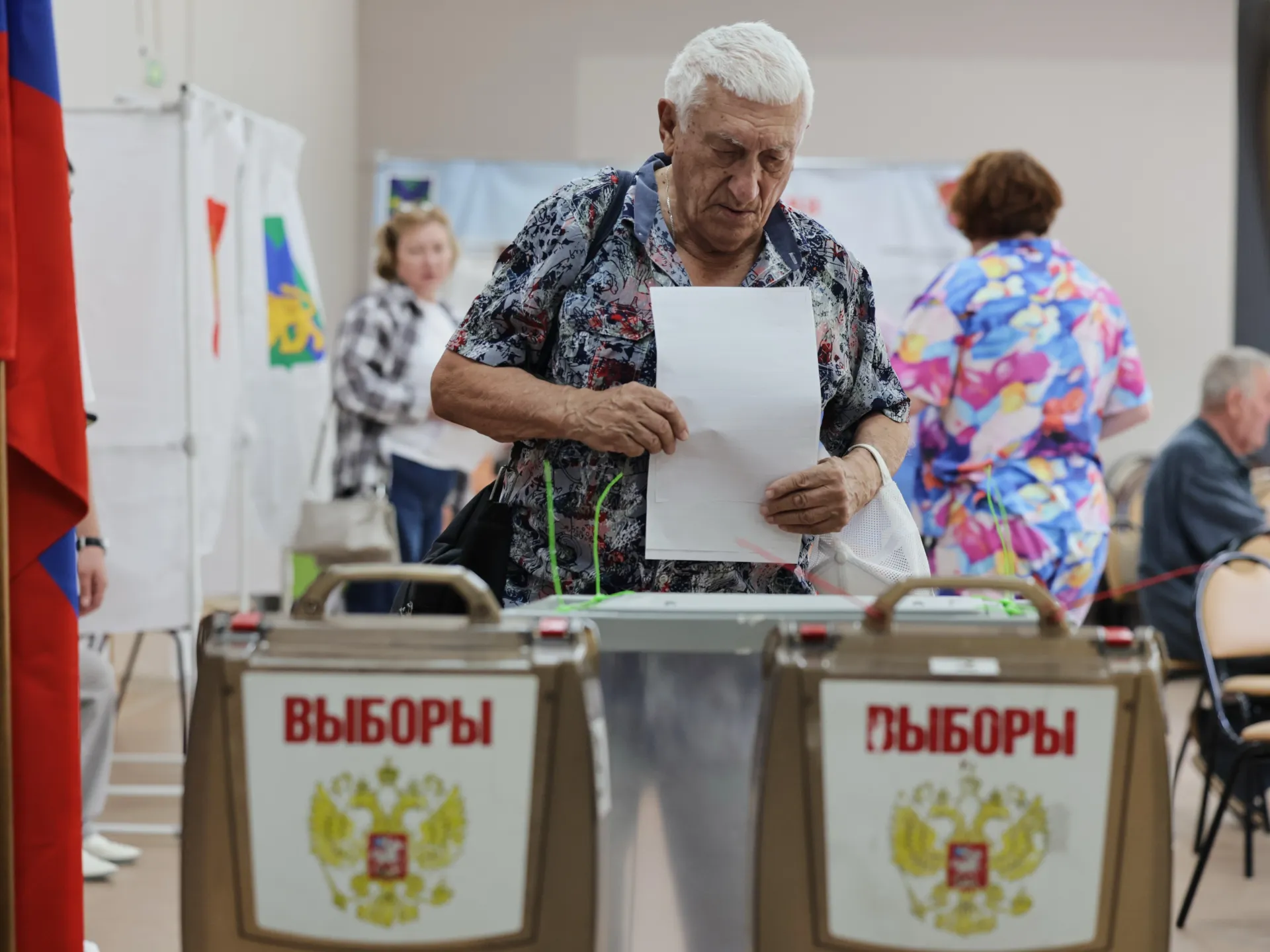
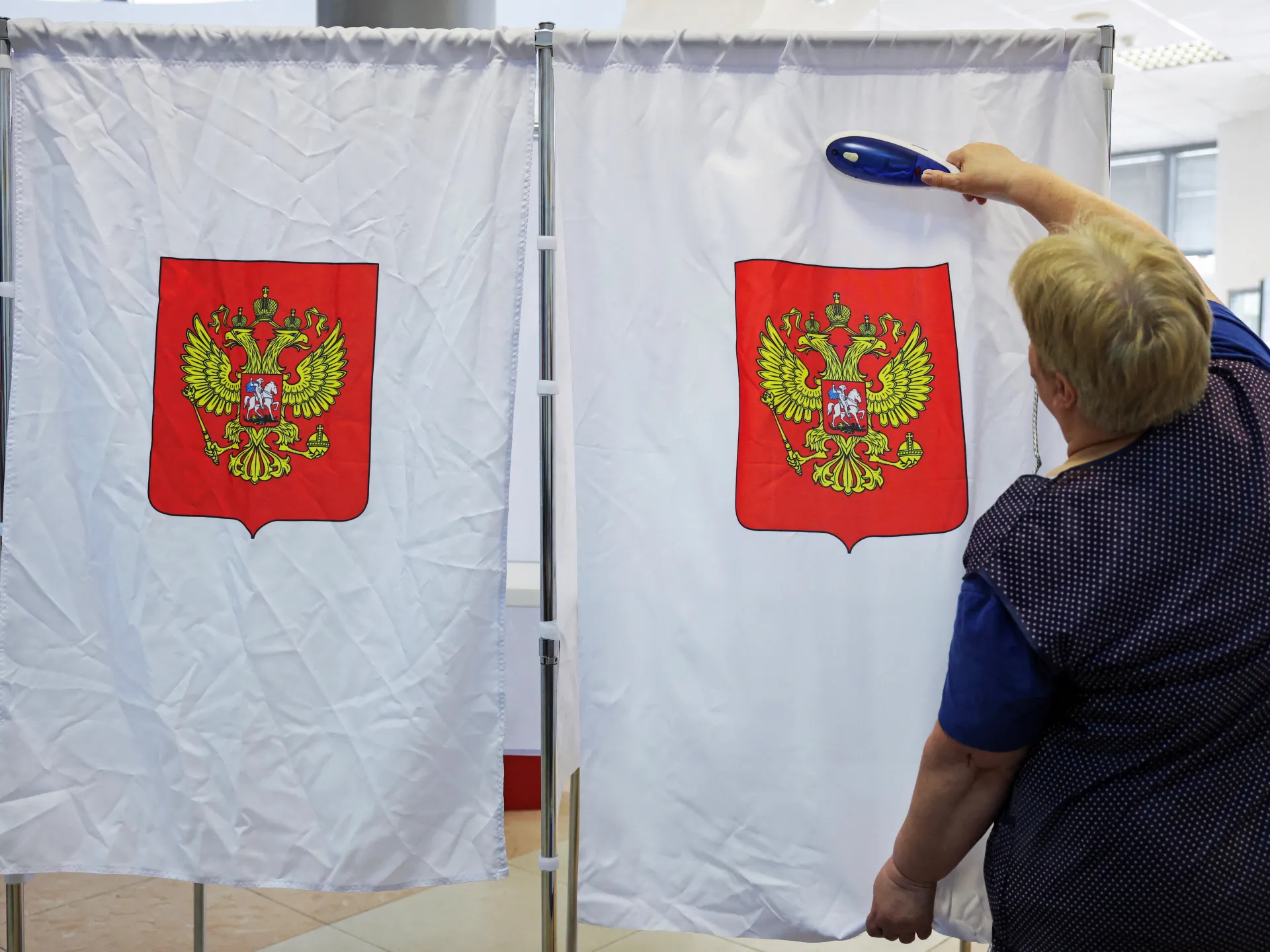
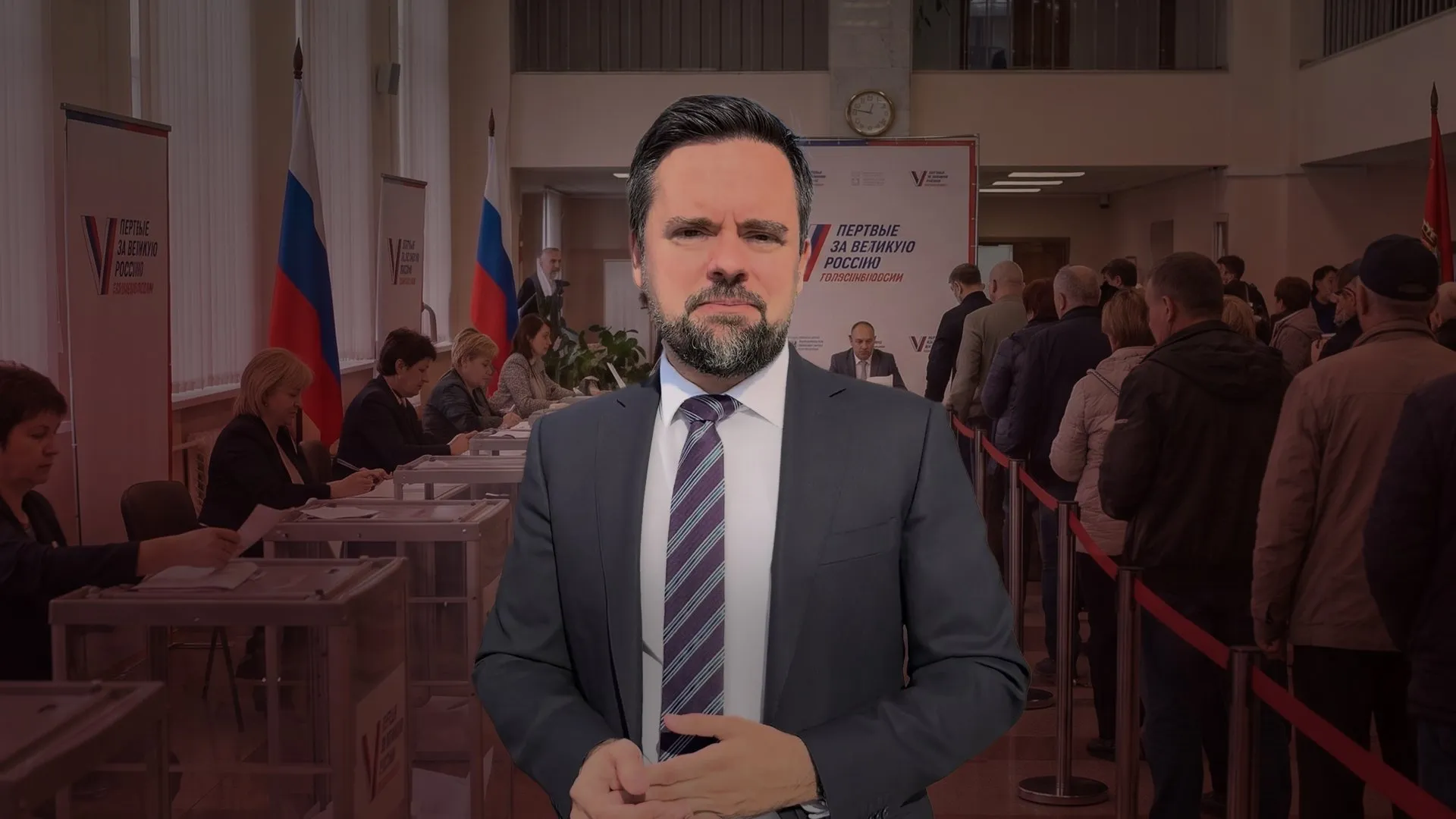
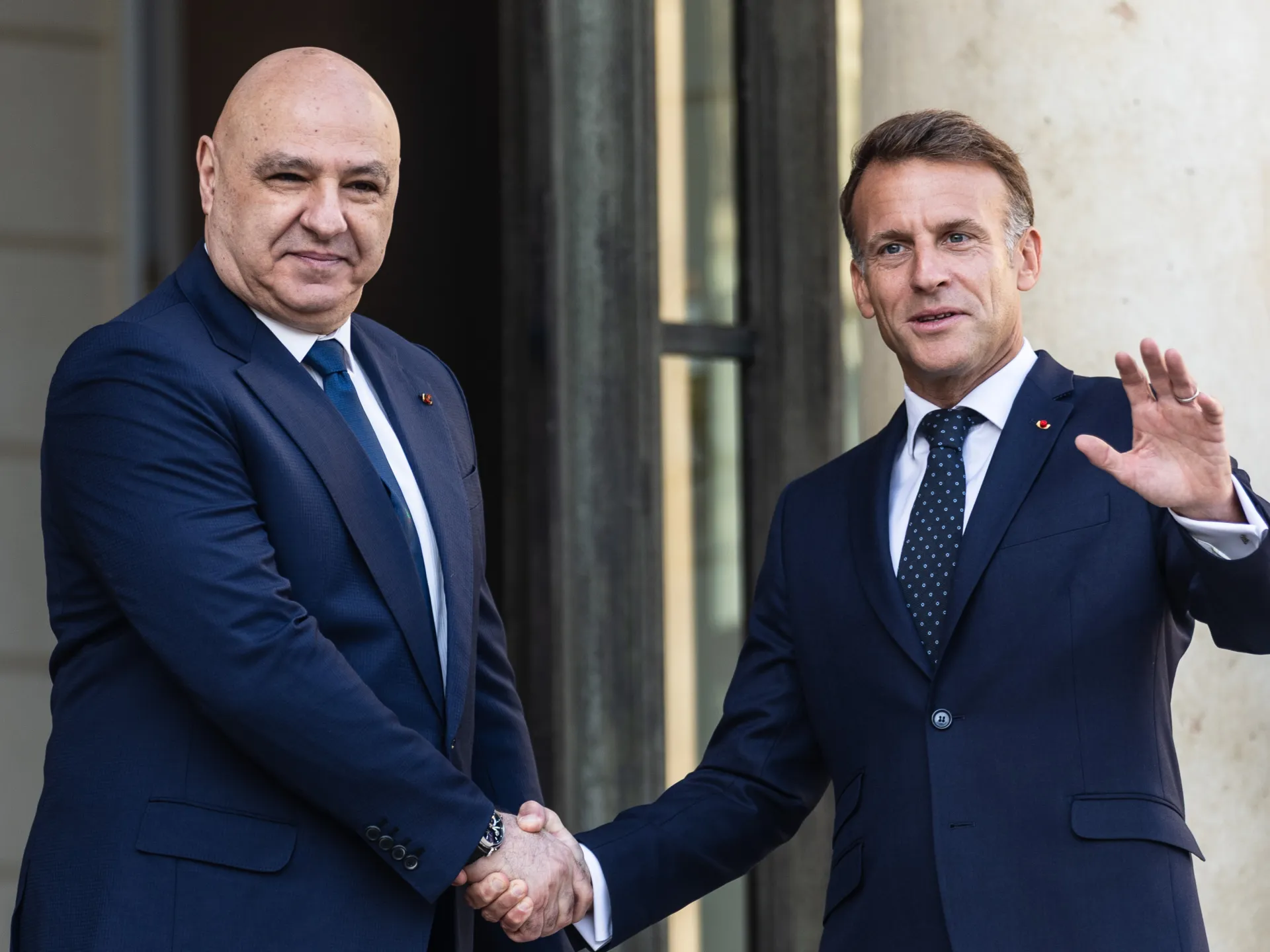
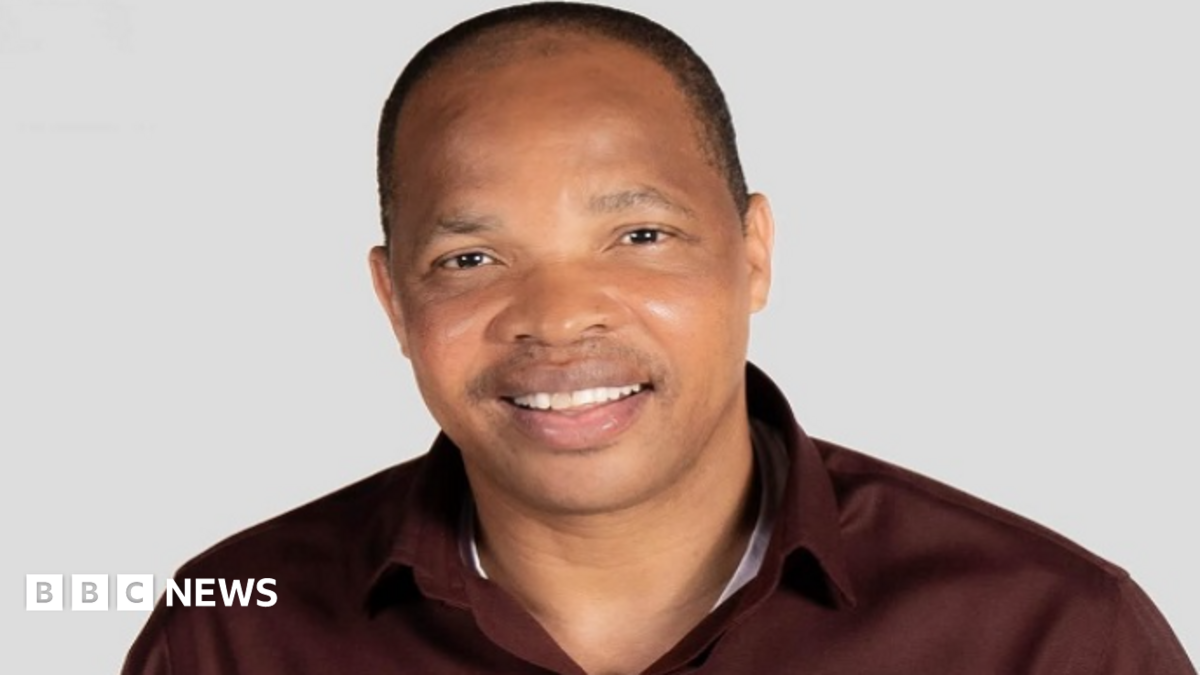
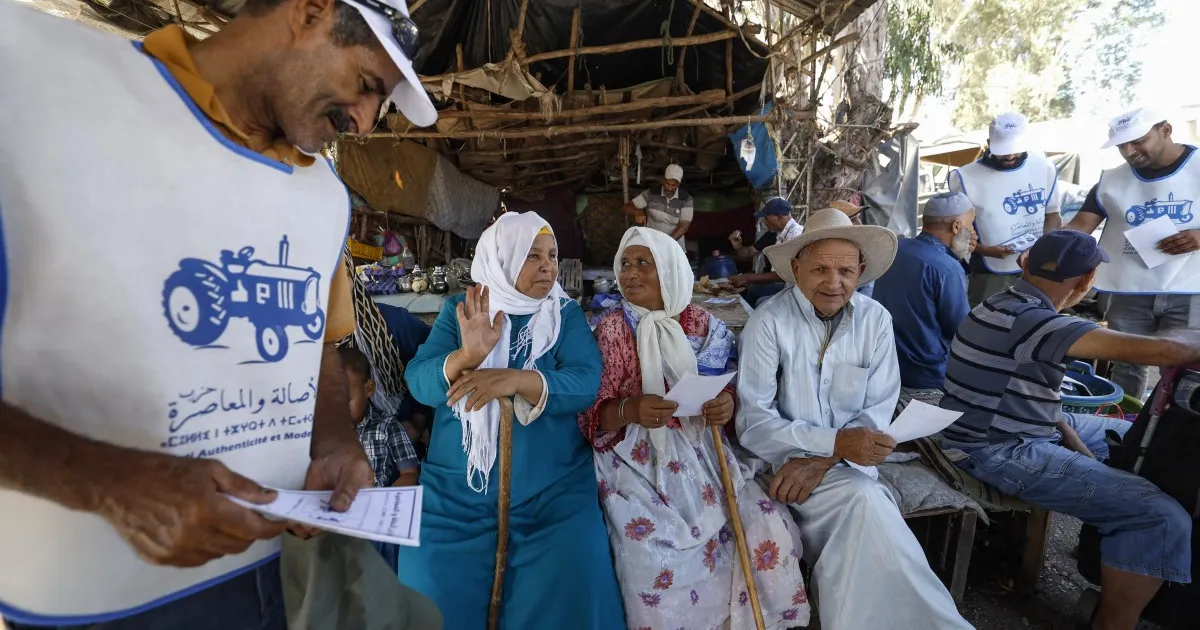
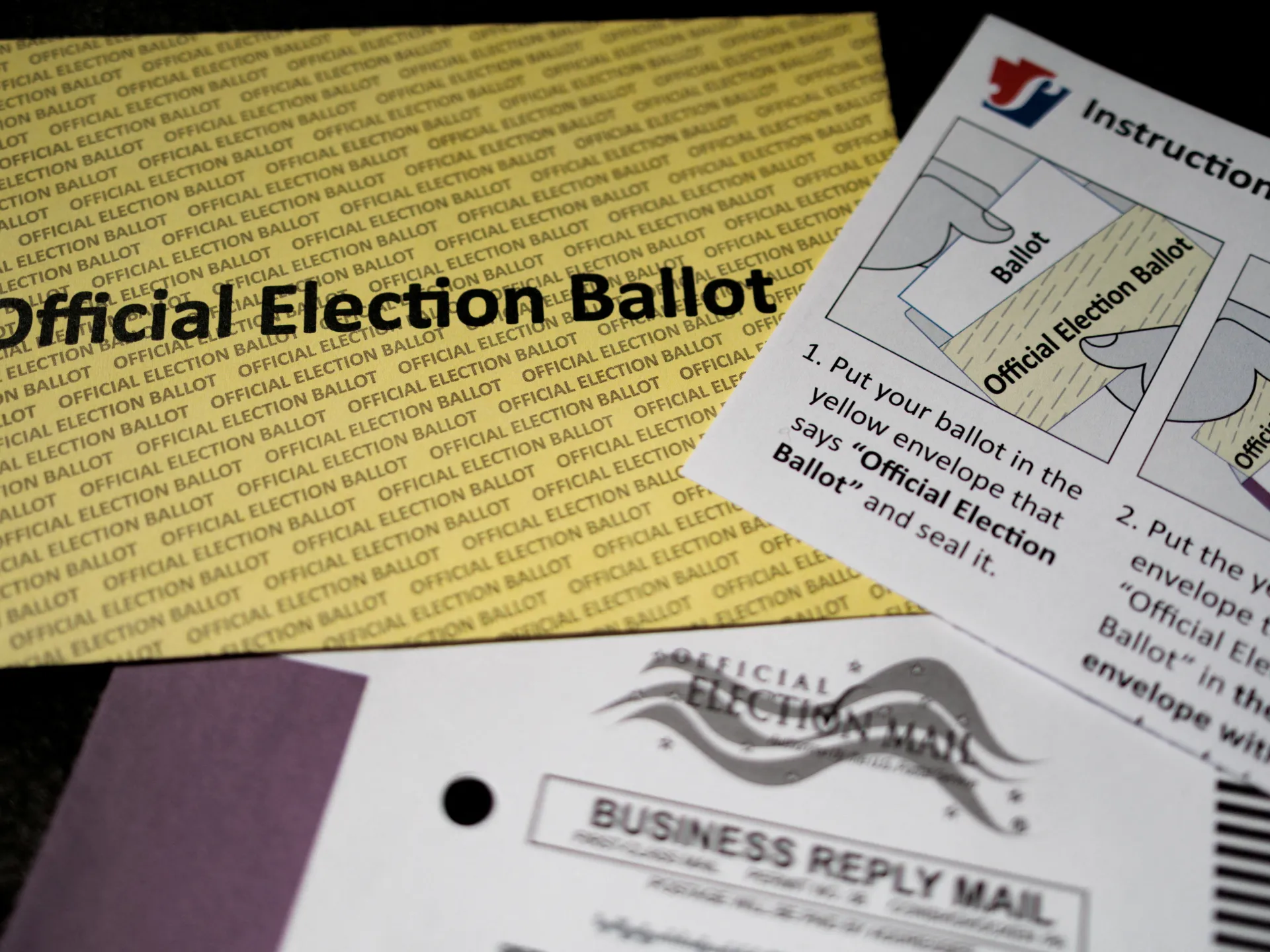
Legislators gathered at the assembly secretariat in Muzaffarabad on Thursday to cast their ballots for the region's top office. The process, which took place amid a backdrop of tightening information controls, serves as a test of the ruling Pakistan Muslim League-Nawaz (PML-N) party's control over the assembly. The PML-N candidate, Najeeb Naqi Khan, is widely expected to secure the presidency. His path to victory is supported legislative body, comfortably clearing the 27-vote threshold required for confirmation.
The opposition, led Latif Akbar. Akbar’s candidacy is notable given his recent role as acting president from January through August, a period during which the office remained technically vacant following the death of former president Sultan Mehmood Chaudhry. The election comes at a time when the region is grappling with broader tensions, with the government facing allegations of suppressing dissent and imposing restrictive measures on media reporting within the territory.
The immediate aftermath of the election will likely center on whether the installation of a new president can act as a stabilizing force or if it will be viewed ds in installing Khan, the administration will face intense pressure to address the underlying grievances that have kept seven legislative seats vacant for months. Analysts suggest that unless the government moves to reconcile with the restive districts, the legitimacy of the assembly itself will remain in question. Furthermore, the international community will be watching to see if the reported curbs on foreign media and information flow are lifted once the political transition is complete, or if the region enters a more prolonged period of restricted transparency as the government attempts to suppress further internal dissent.