NASA is simultaneously advancing commercial airport safety through autonomous sensors and deep-space exploration with the newly launched Nancy Grace Roman telescope.
The convergence of NASA’s recent milestones represents a dual-pronged investment in the future of human infrastructure. al efficiency at commercial airports, the agency is addressing the immediate logistical anxieties of modern travelers while seeking answers to foundational questions about the universe’s origins. The success of the Roman Space Telescope and the testing of autonomous airport systems underscore a shift toward automated precision, whether in the dark expanses of space or on the crowded tarmac of a domestic runway.
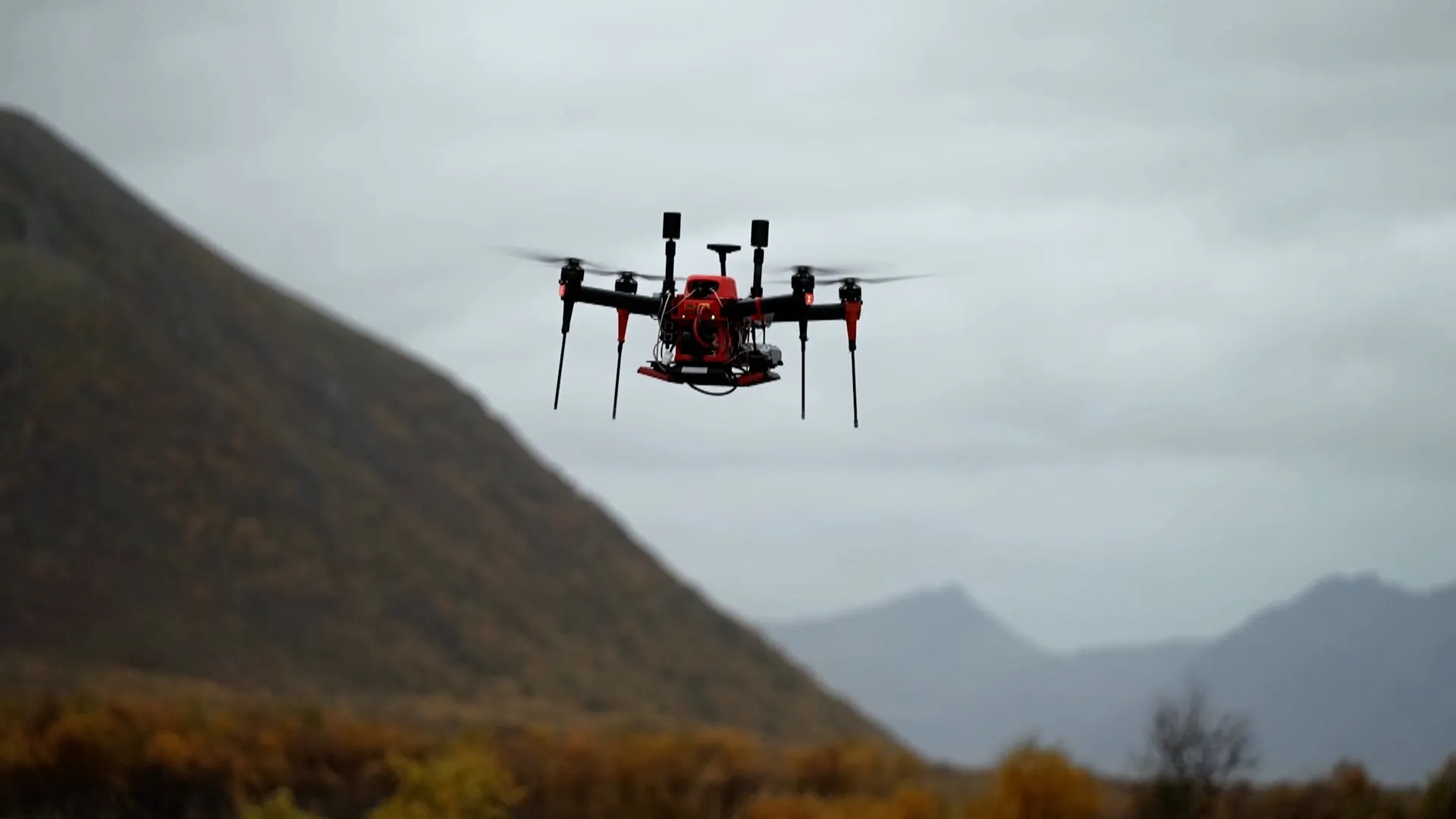
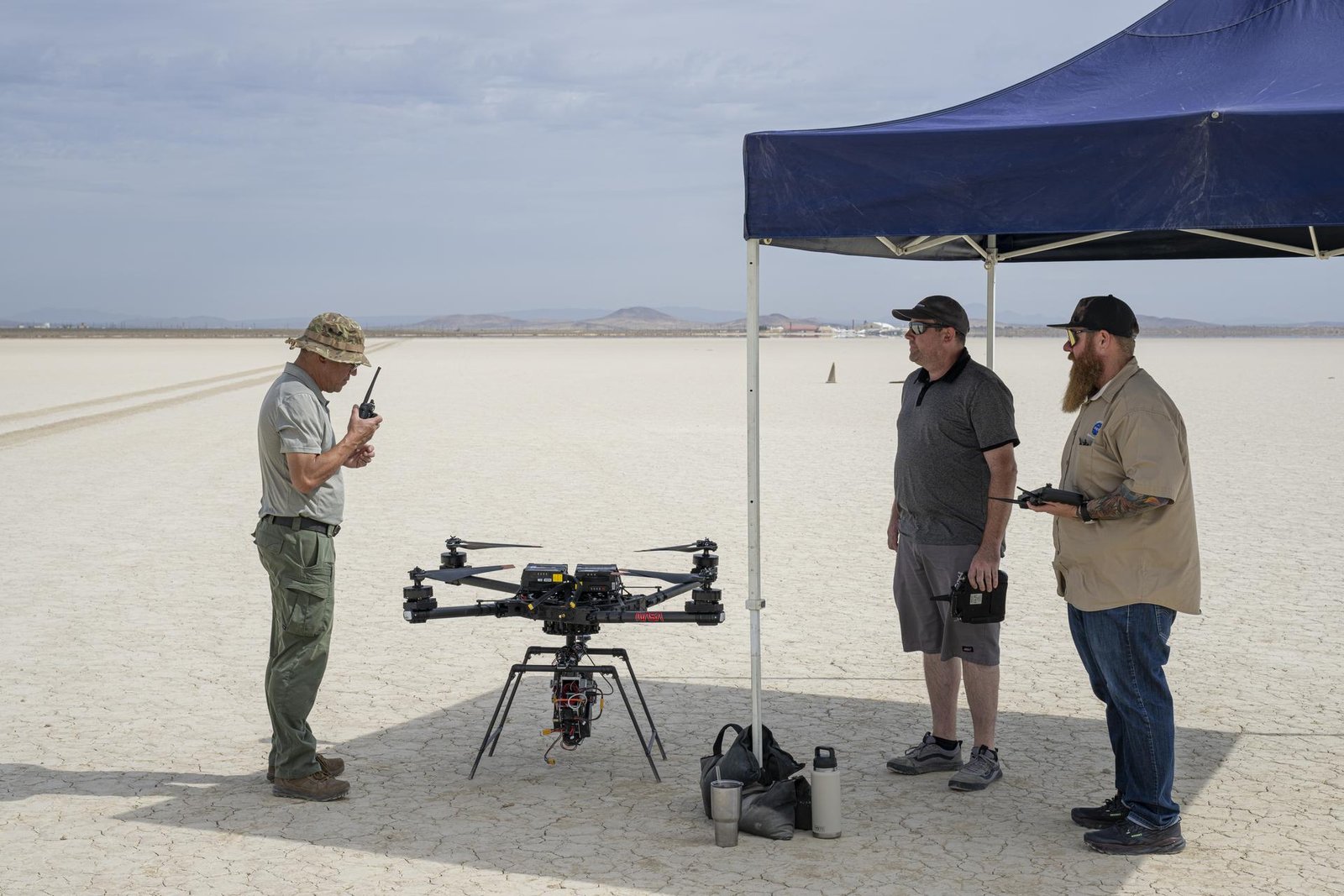
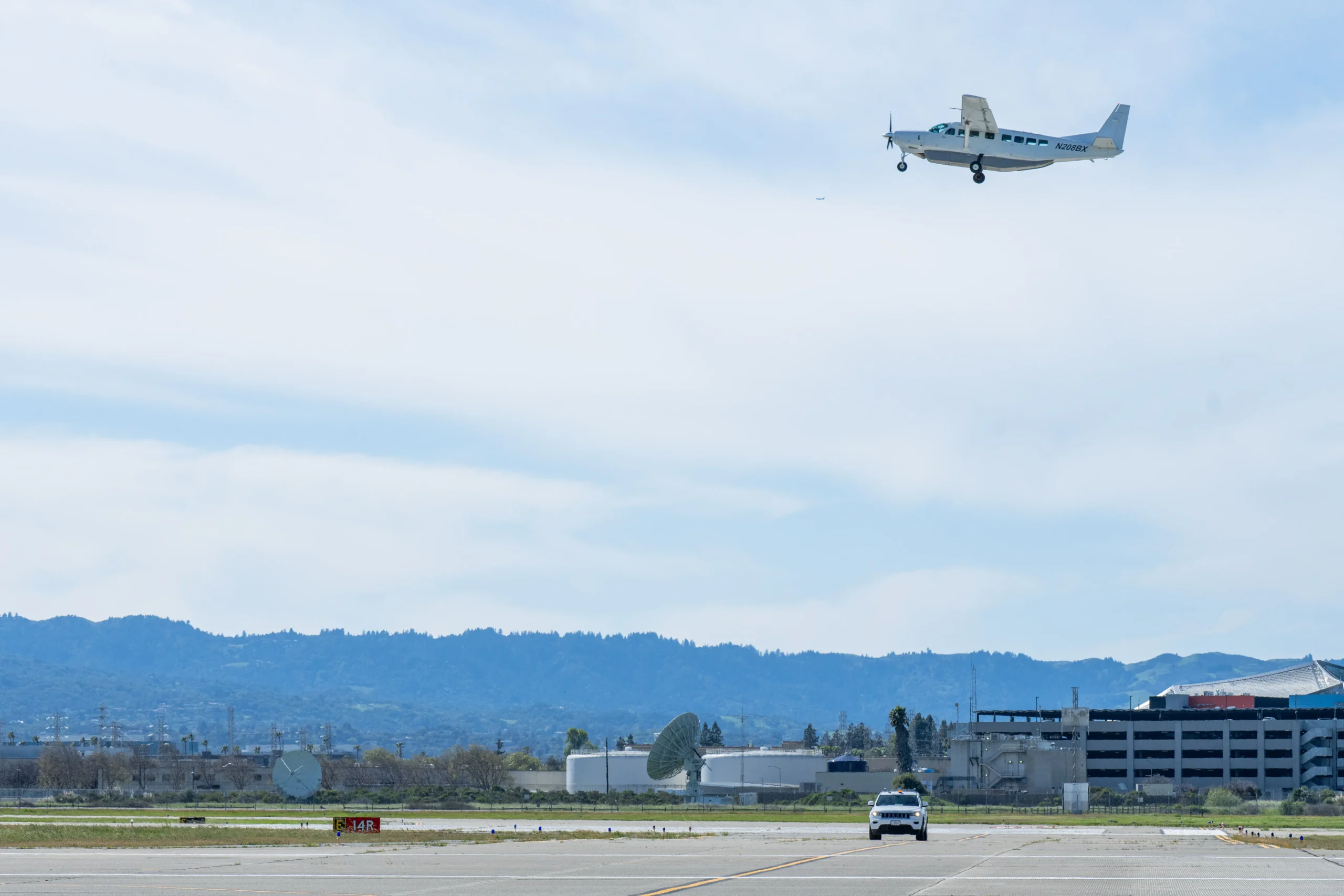
NASA researchers at the Ames Research Center have begun testing new autonomous technologies designed to mitigate the stressors of commercial air travel. Collaborating with Boeing, the team focused on addressing the complexity of busy taxiways, where communication delays and human error often lead to significant ground-side inefficiencies. The new field tests introduced digital taxi guidance, which allows pilots to follow automated routes via cockpit displays or tablets, bypassing the need for constant verbal instructions from air traffic controllers. This shift aims to reduce the high cognitive workload on pilots and controllers while decreasing the likelihood of verbal misunderstandings.
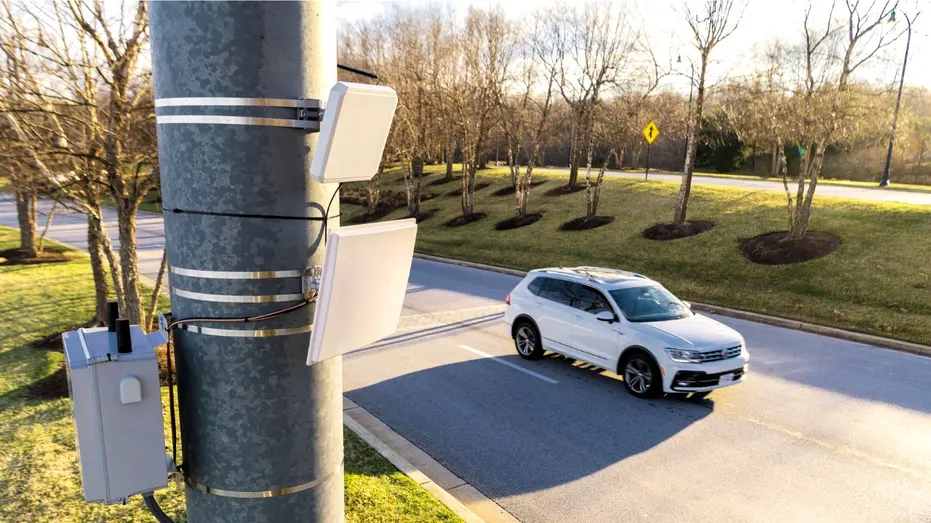
In addition to digital routing, the project has successfully integrated sensor suites designed to identify runway incursions. During recent trials, these sensors detected vehicles positioned on runways, providing crucial real-time situational awareness to flight crews. e—the technology is intended to streamline ground movement and significantly enhance safety protocols during the critical phases of takeoff and landing.
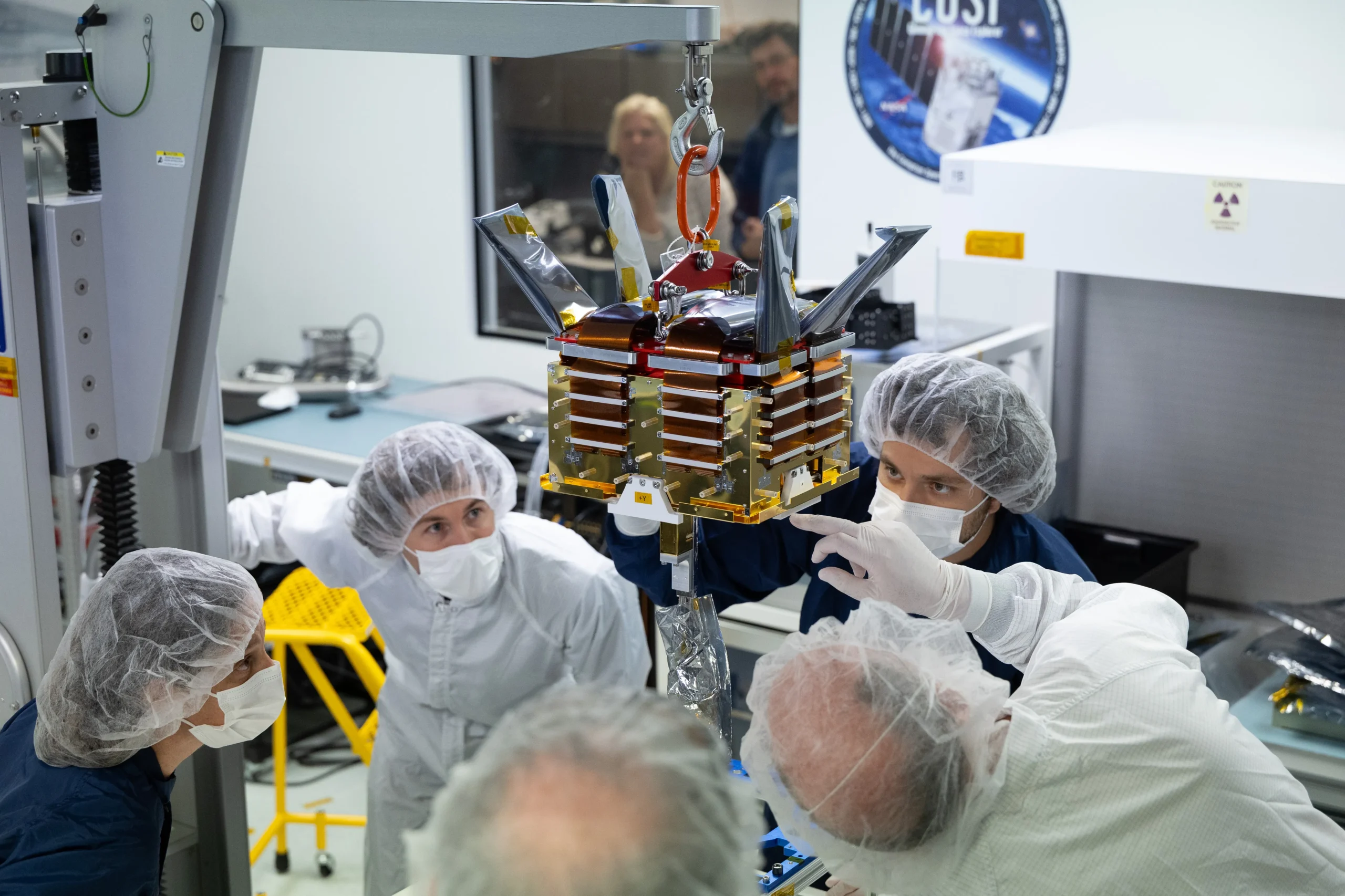
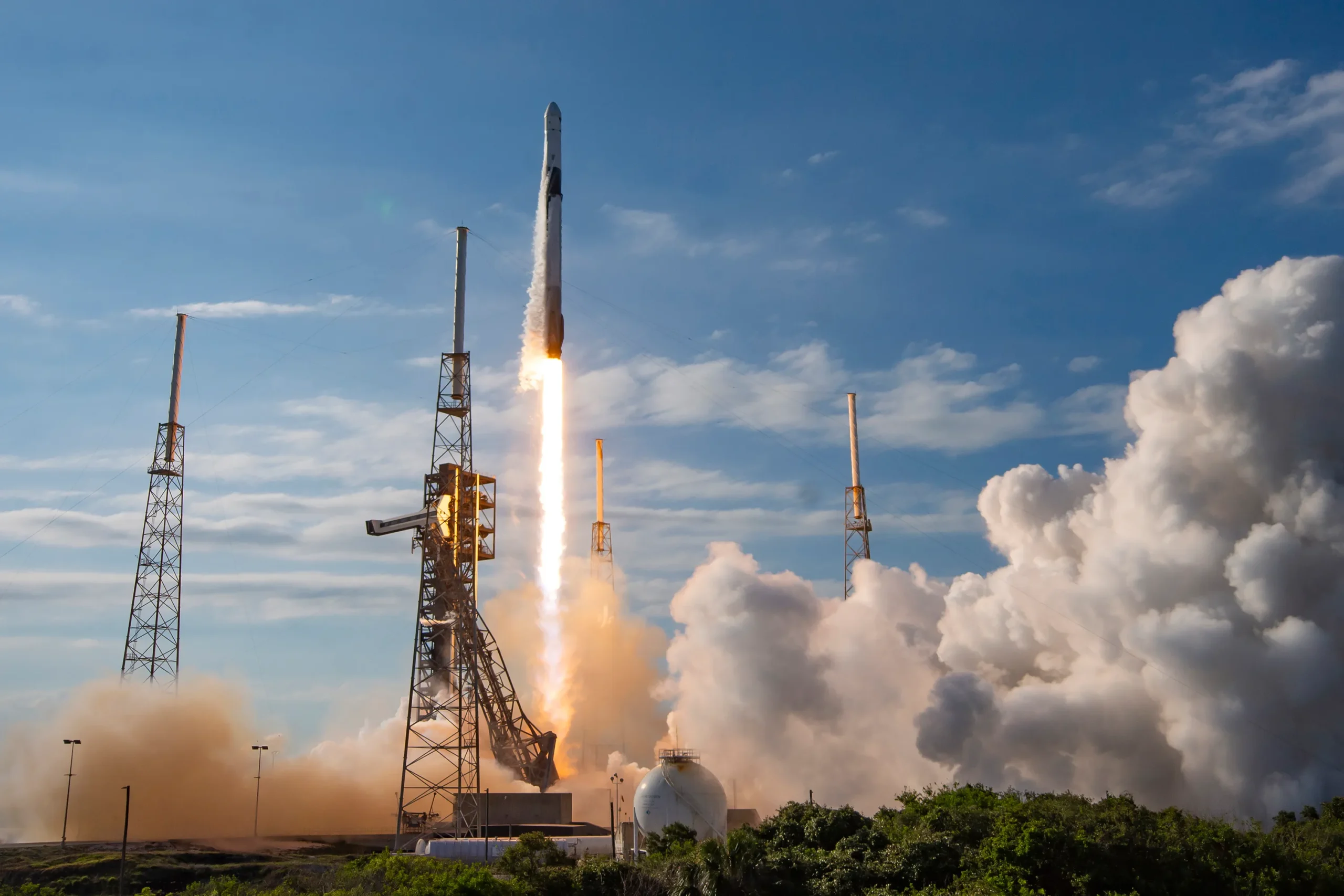
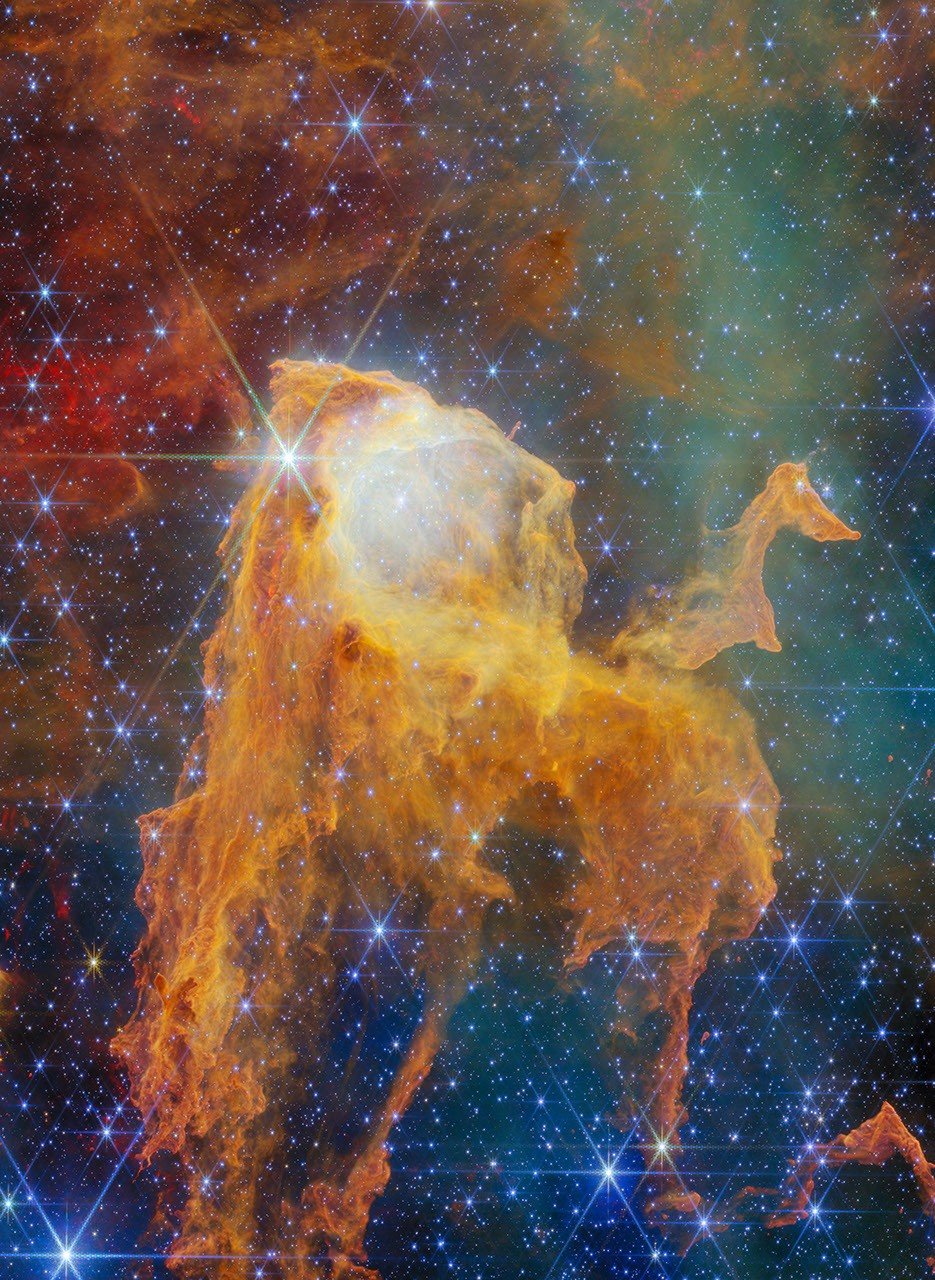
Beyond Earth’s atmosphere, NASA has entered a new era of deep-space discovery with the deployment of the Nancy Grace Roman Space Telescope. Launched from Florida’s Kennedy Space Center, the telescope is currently navigating a 100-day journey to a vantage point one million miles from Earth. This location, shared with the James Webb Space Telescope, provides an unobstructed environment for the instrument’s infrared cameras to operate without interference from the heat and light emitted cessful, noting that the SpaceX Falcon Heavy rocket placed the telescope exactly on its intended trajectory.
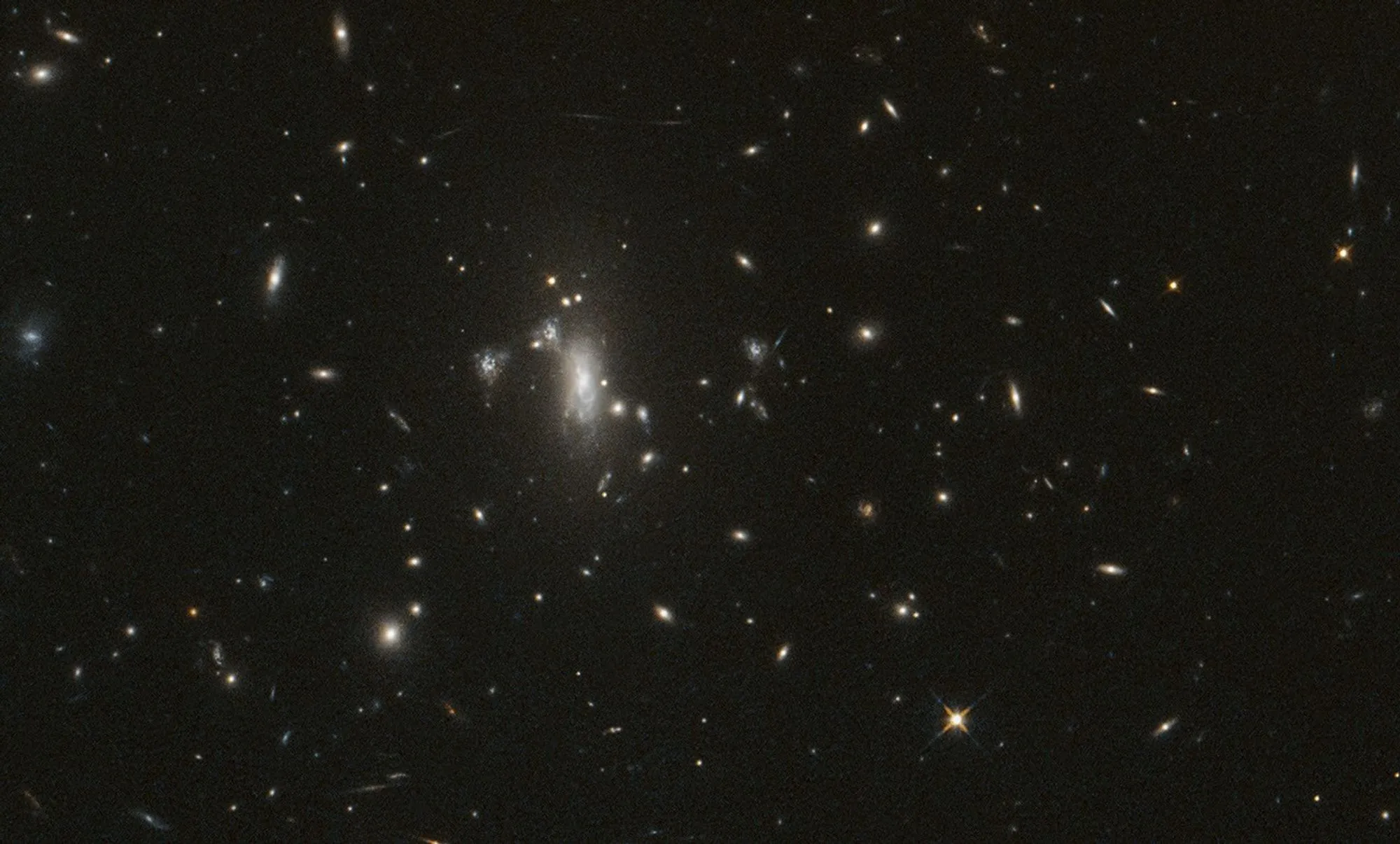
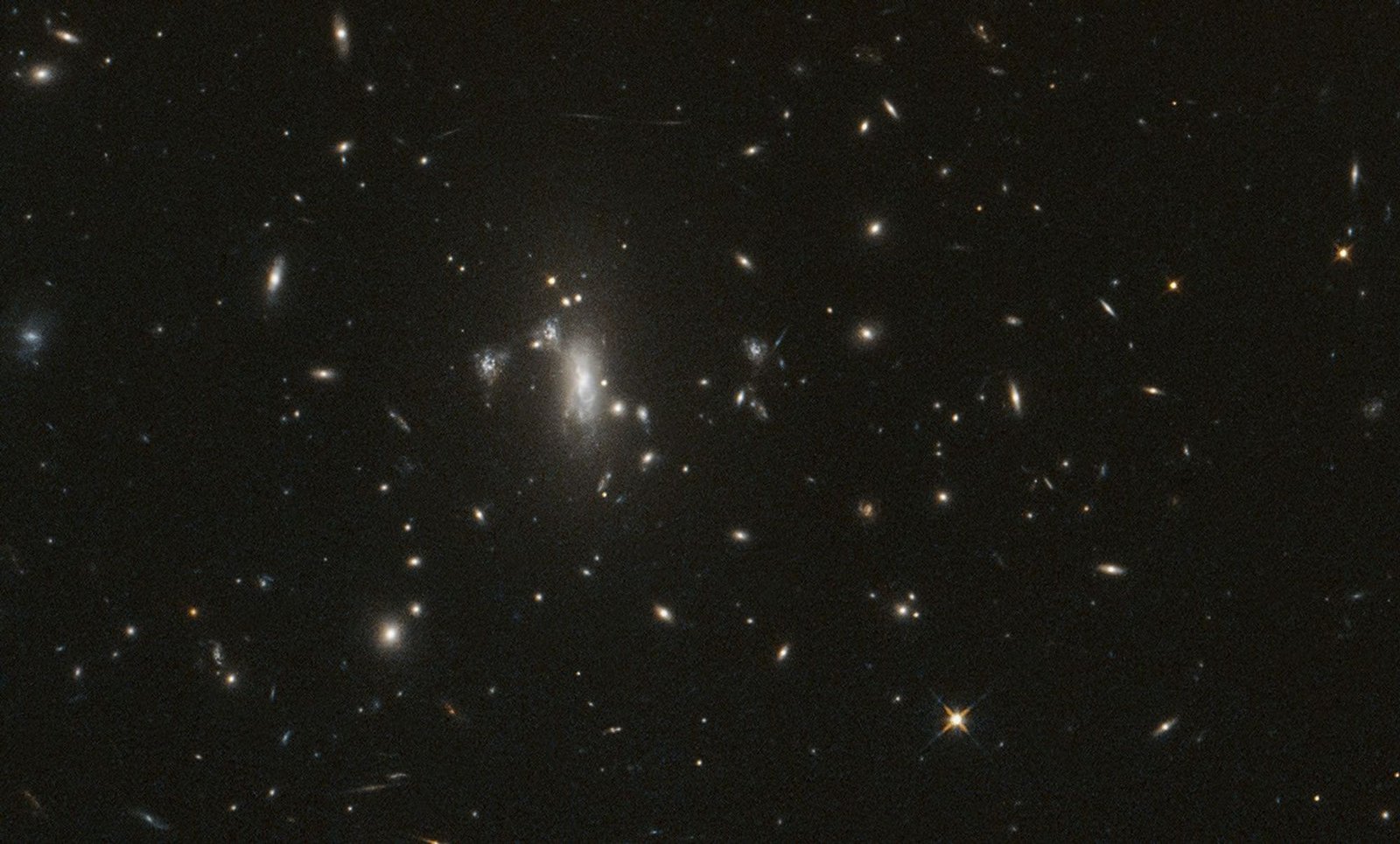
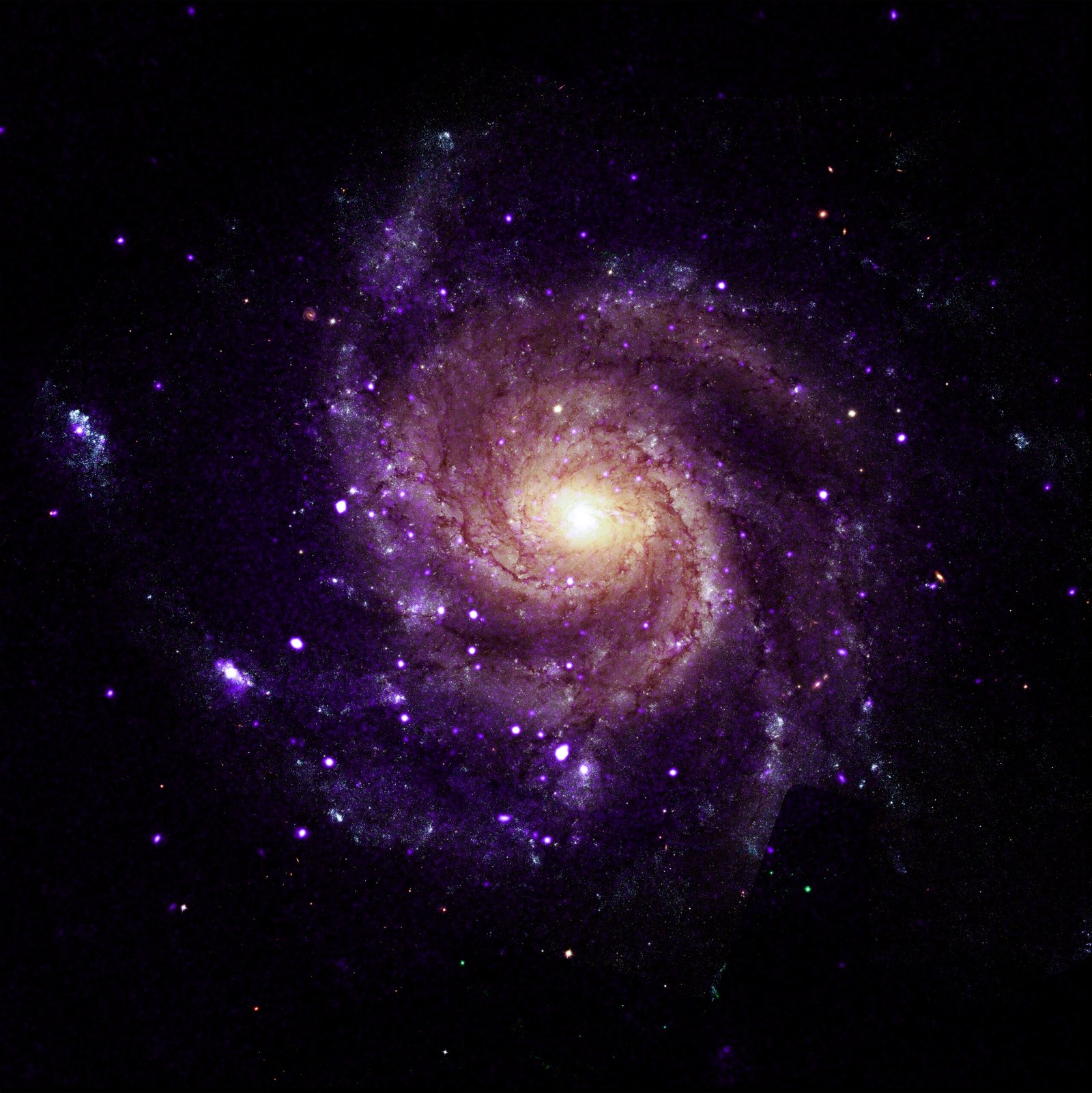
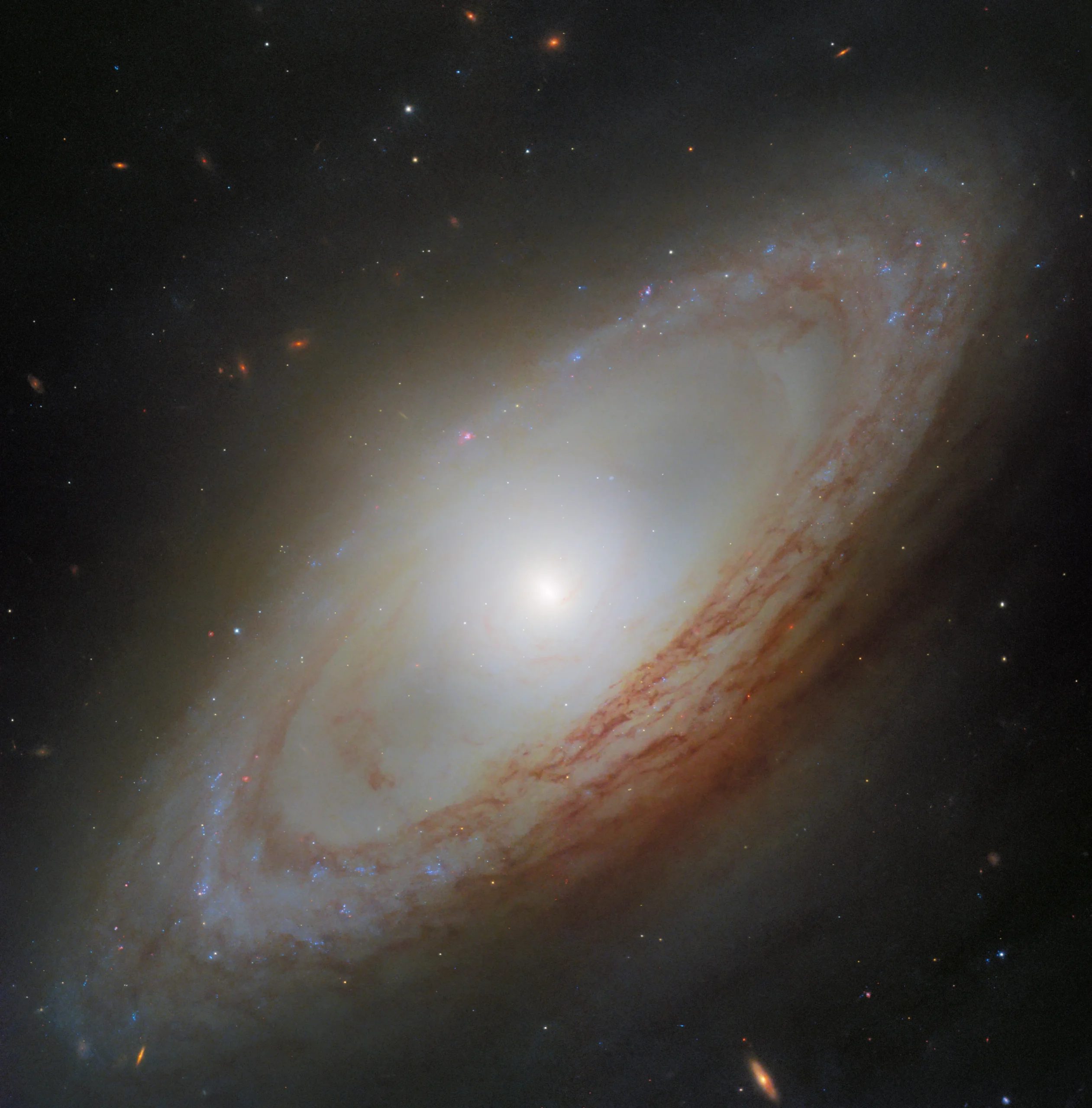
The Roman telescope offers a field of vision 100 times larger than its predecessors, Hubble and James Webb. This capability is expected to revolutionize our understanding of dark energy and black holes, while also identifying potentially tens of thousands of exoplanets. As the Roman telescope prepares for its mission, the Hubble Space Telescope continues to provide unique insights into local galactic structures. Recent Hubble data highlighted the spiral galaxy NGC 4698, which exhibits a rare, perpendicular orientation of its central bulge and inner disk, suggesting a history of external gas accumulation or a minor galactic merger.
The immediate outlook for NASA involves long-term integration and data analysis. For the Roman Space Telescope, the mission will enter its operational phase once it reaches its destination one million miles from Earth, where scientists will begin the massive undertaking of mapping exoplanets and studying the influence of dark energy. Meanwhile, the airport safety technology tested at the Ames Research Center will move into simulated air traffic control environments. This next phase of evaluation is critical to determining how these autonomous systems can be scaled to manage the complex, high-traffic demands of major commercial hubs, ultimately aiming to transition these research-grade technologies into standard aviation practices.