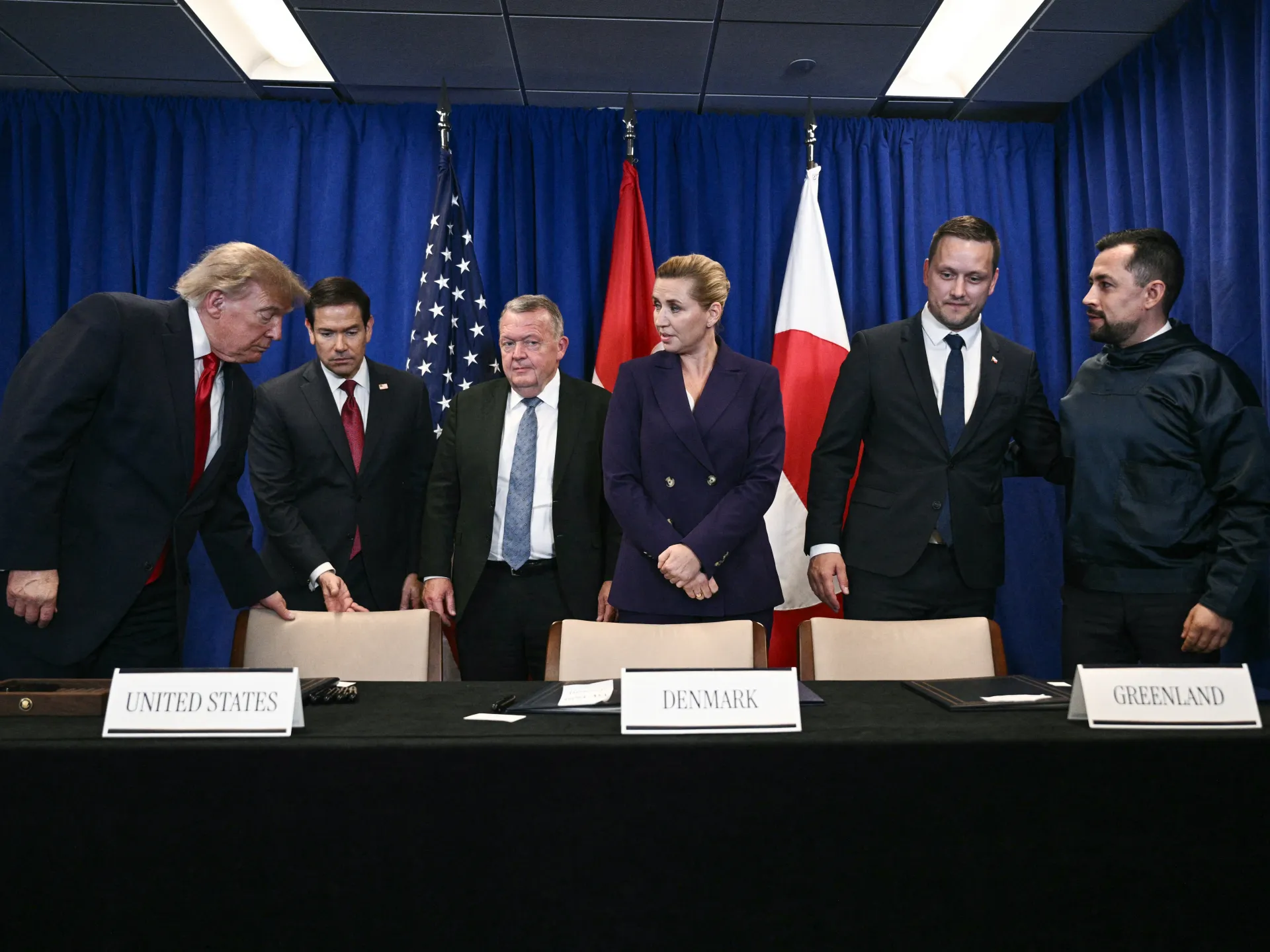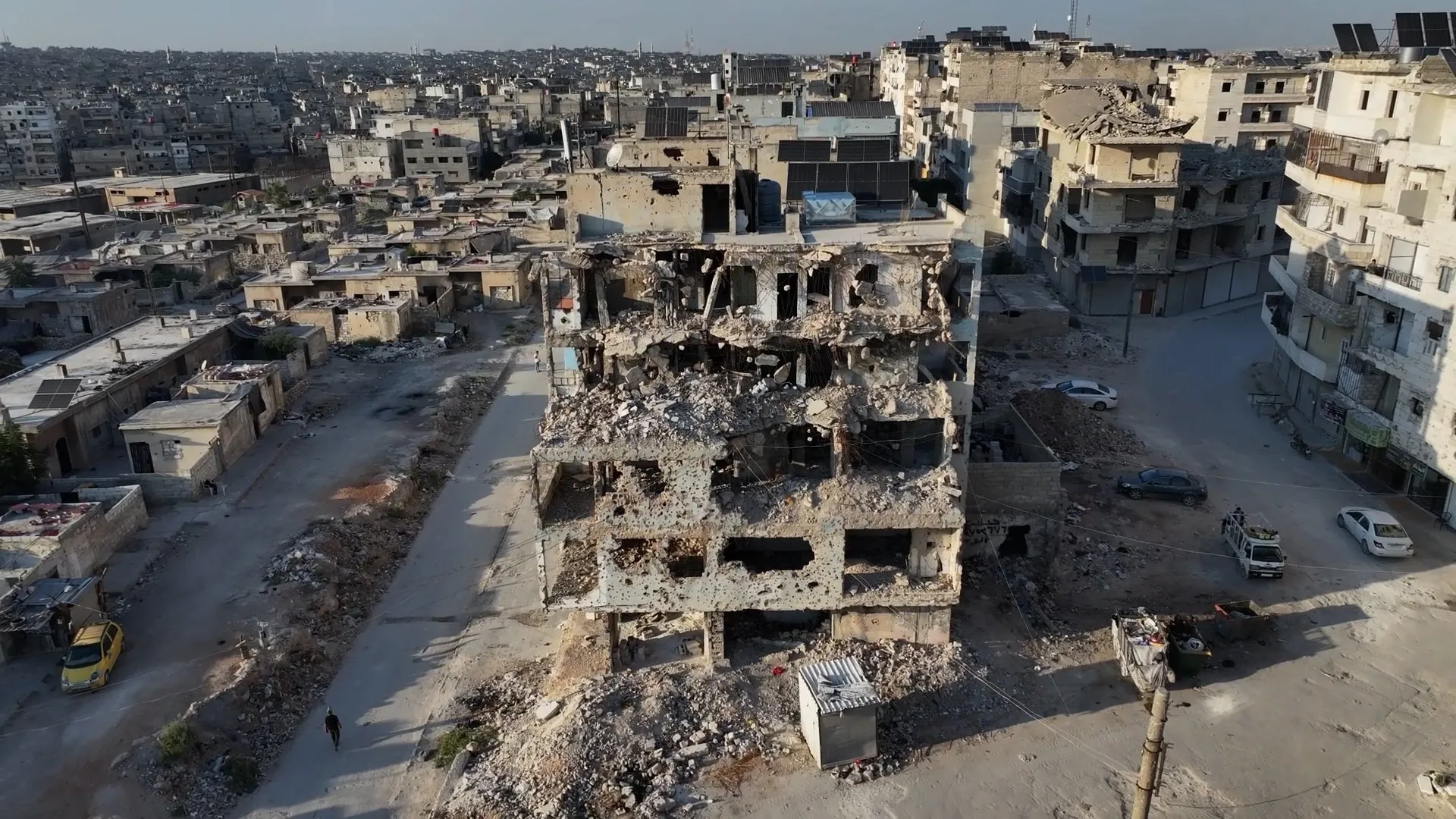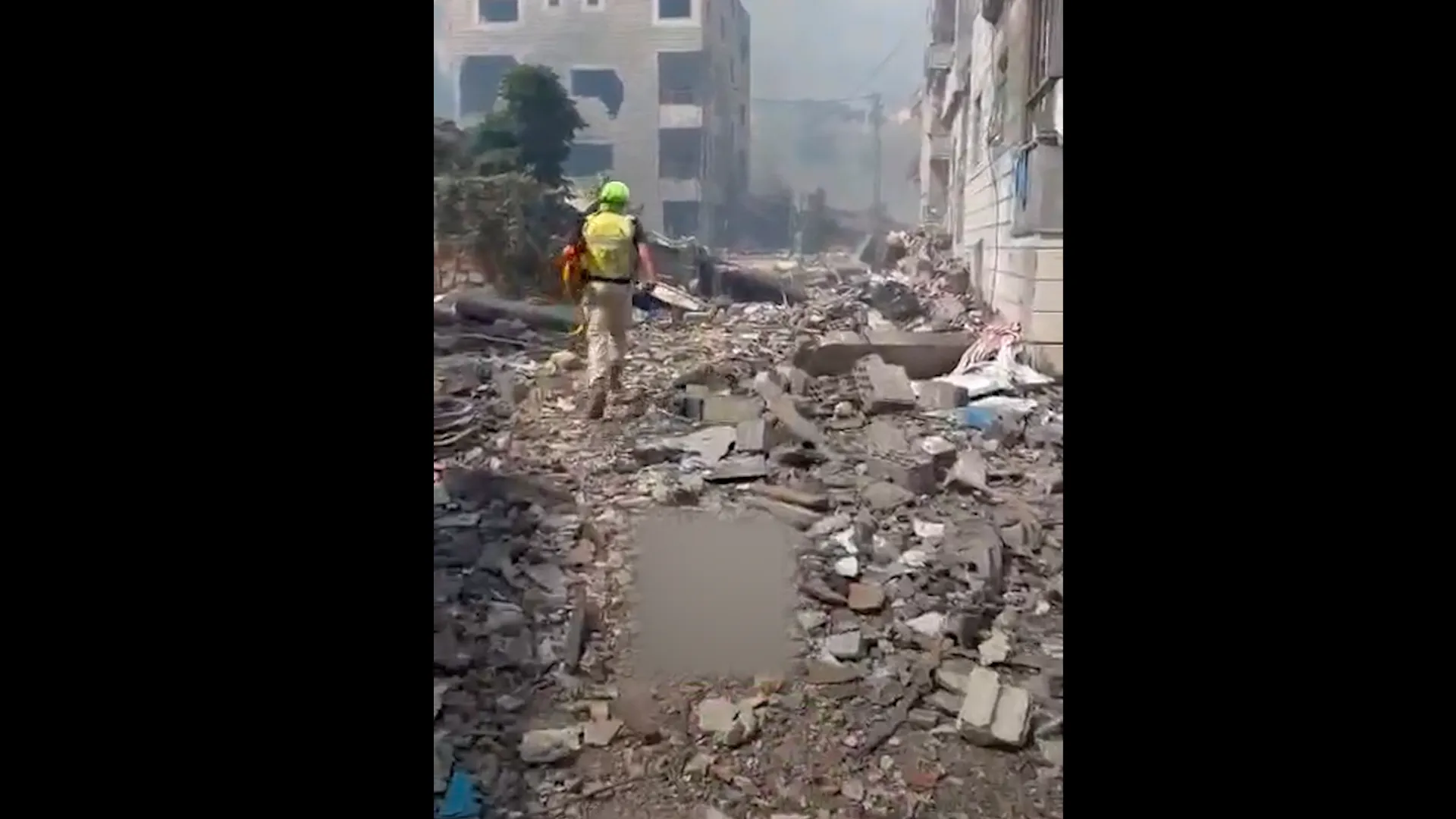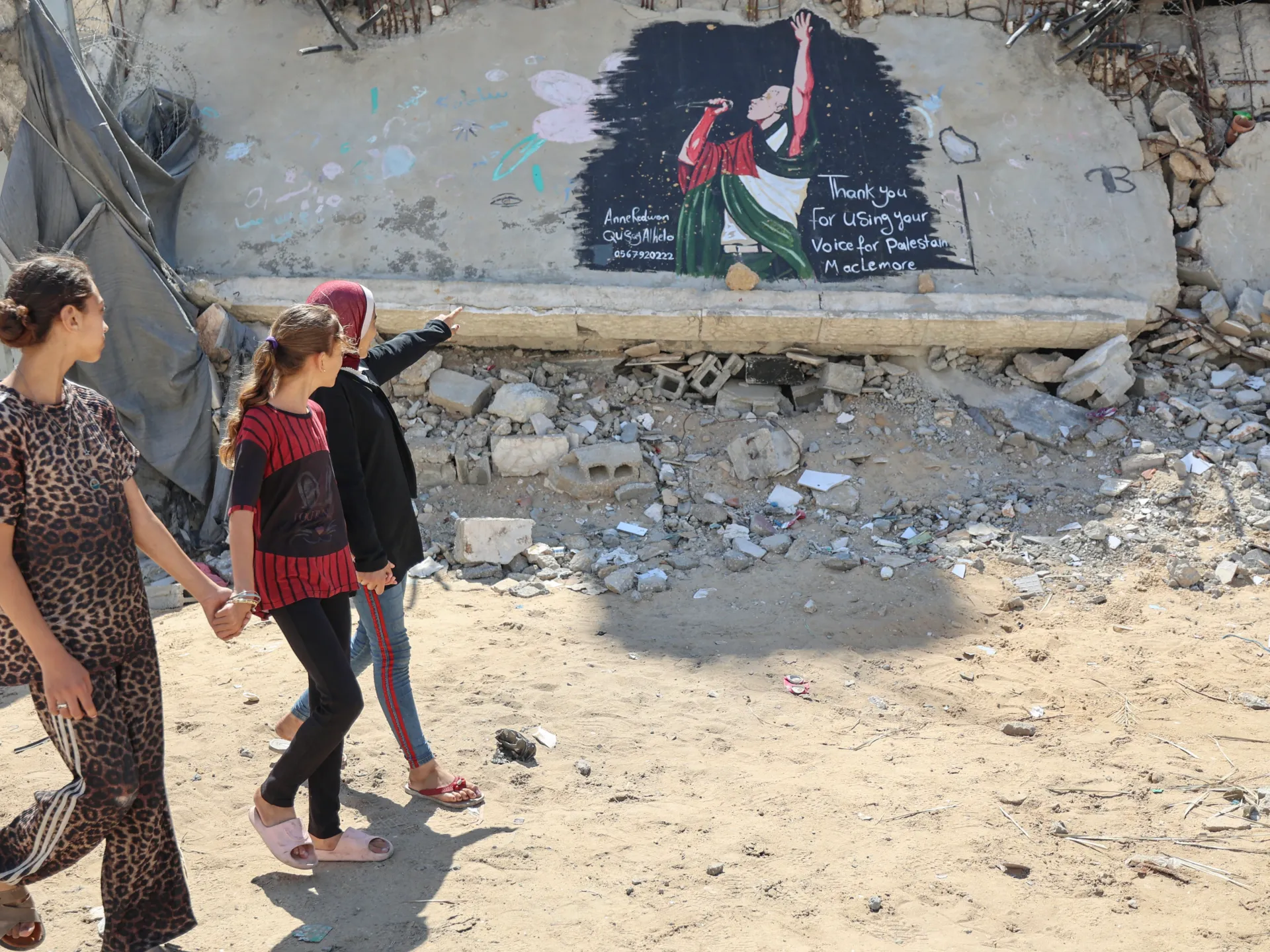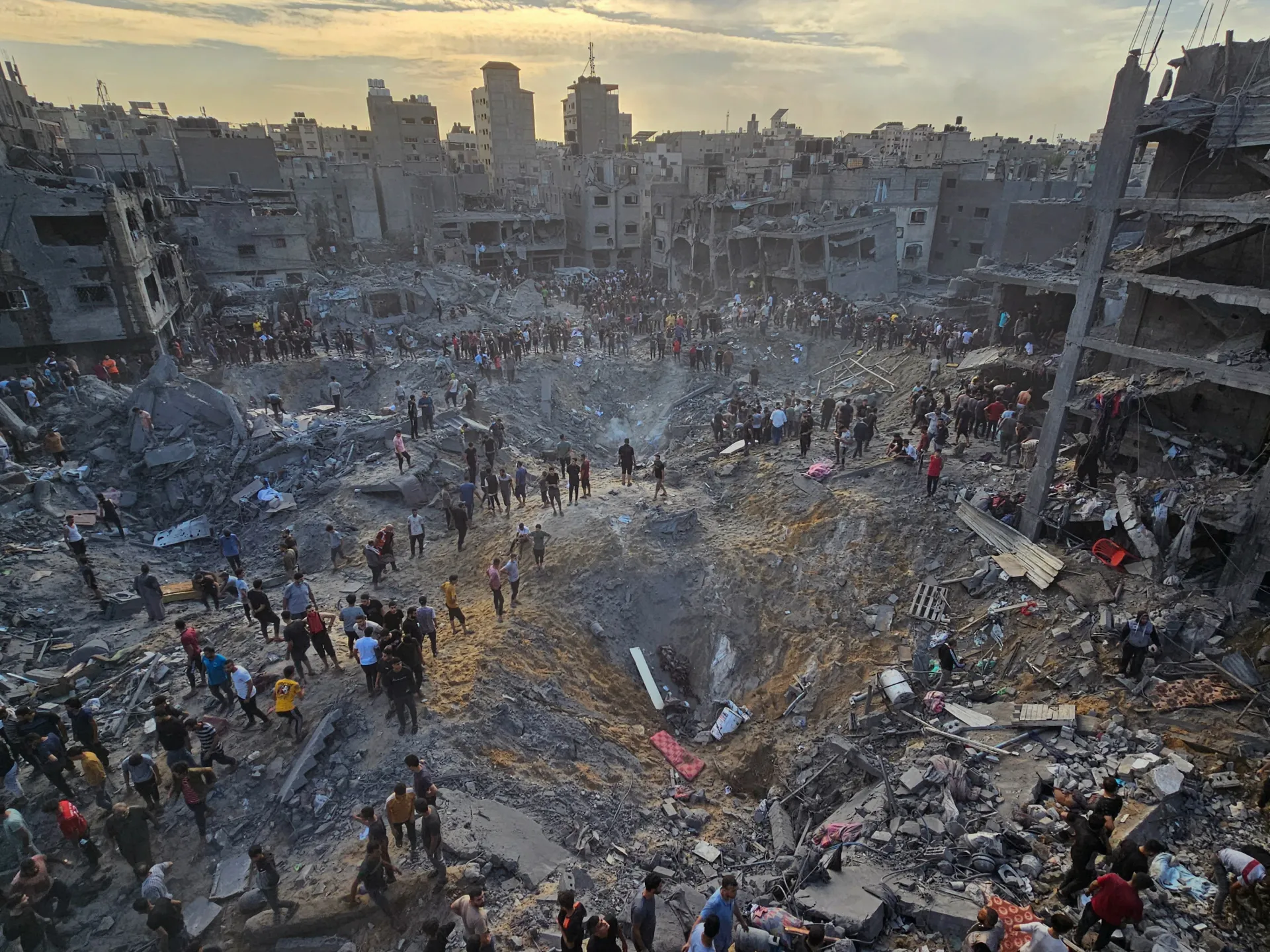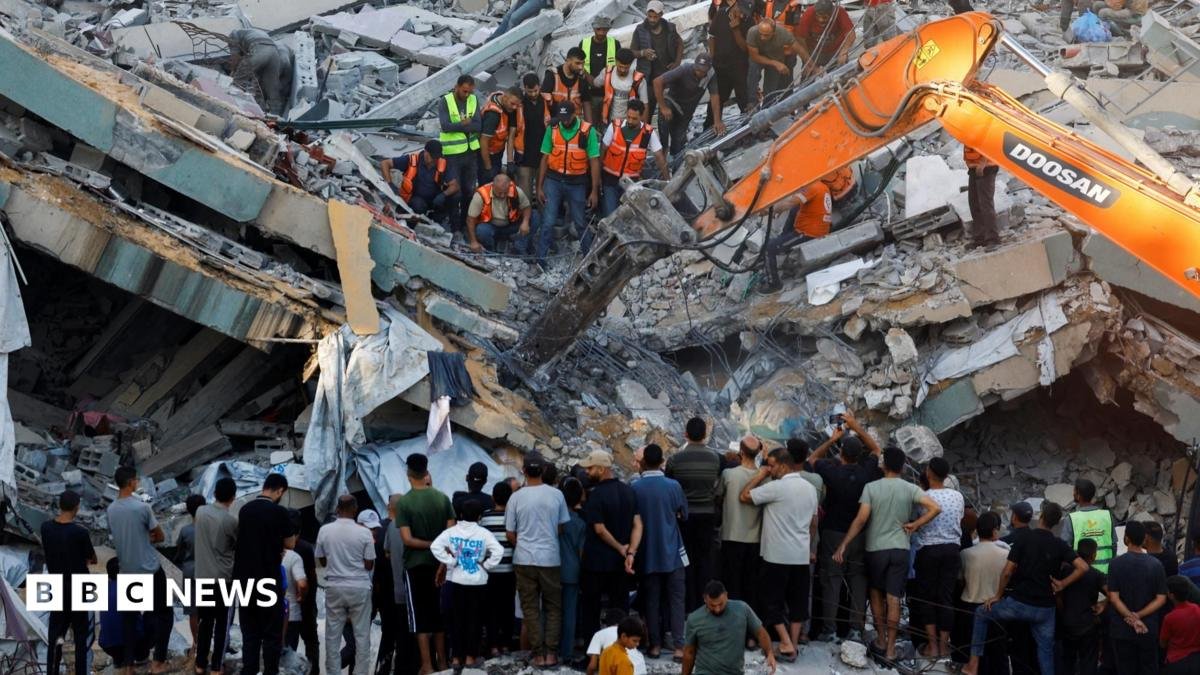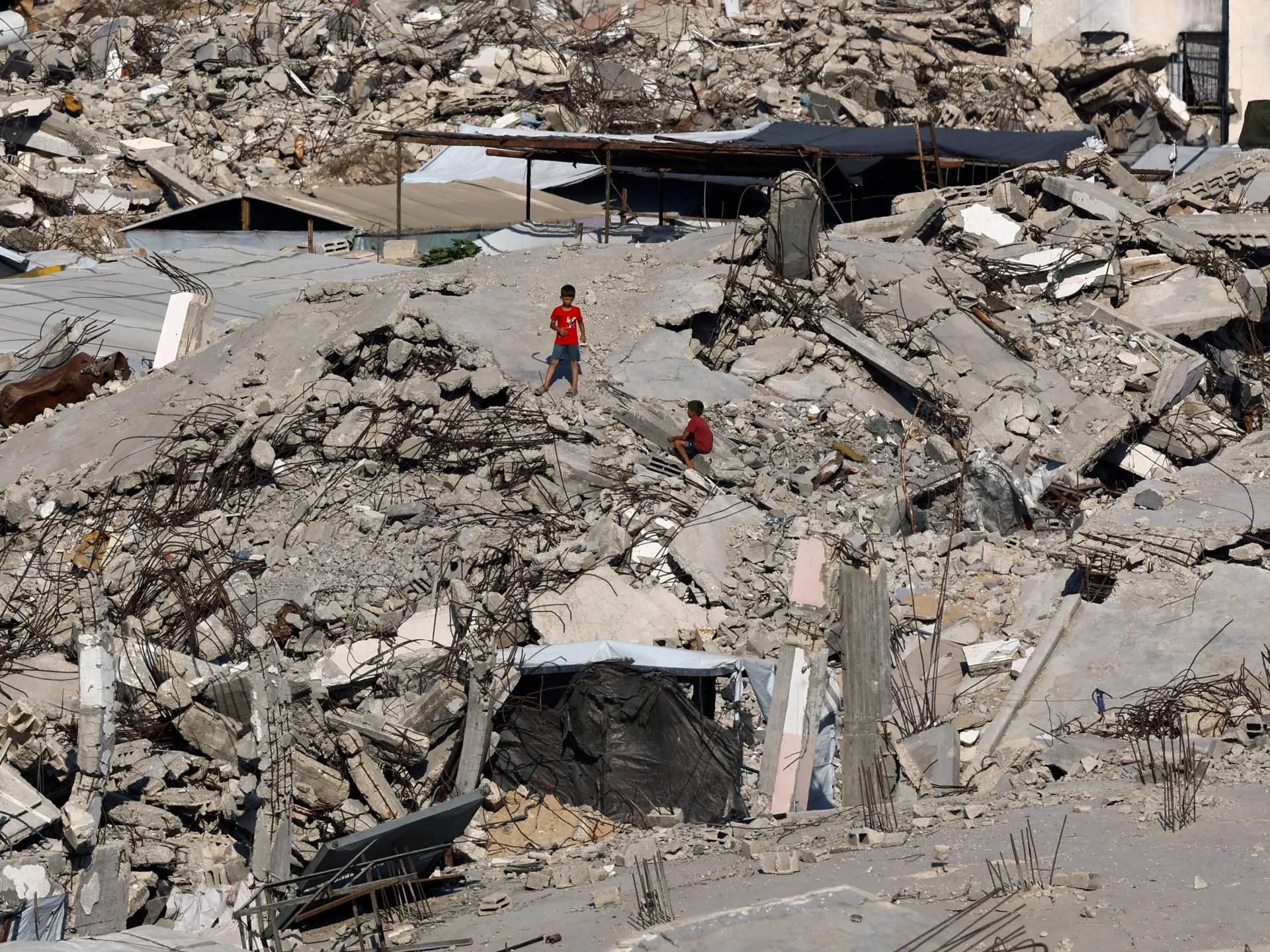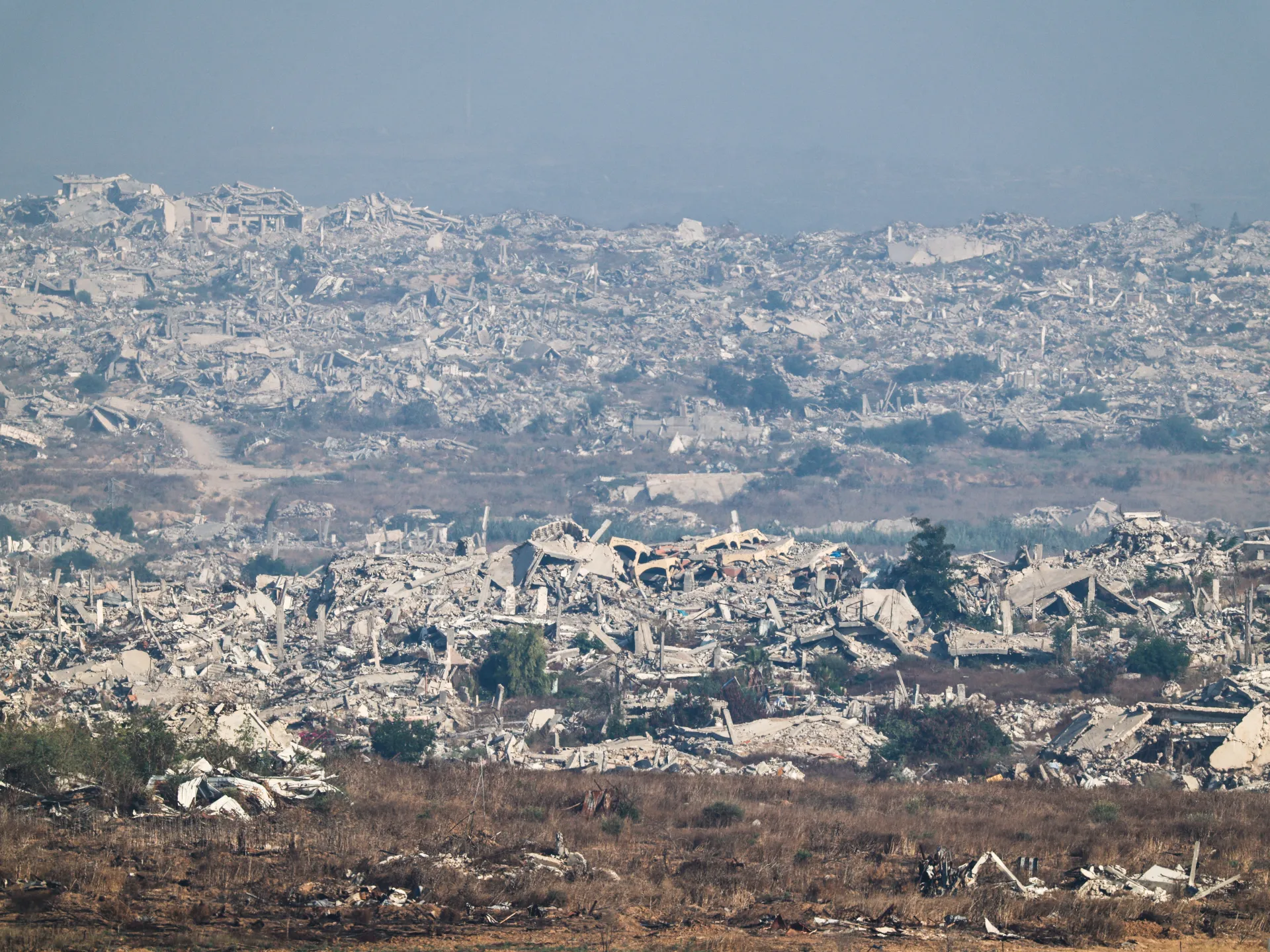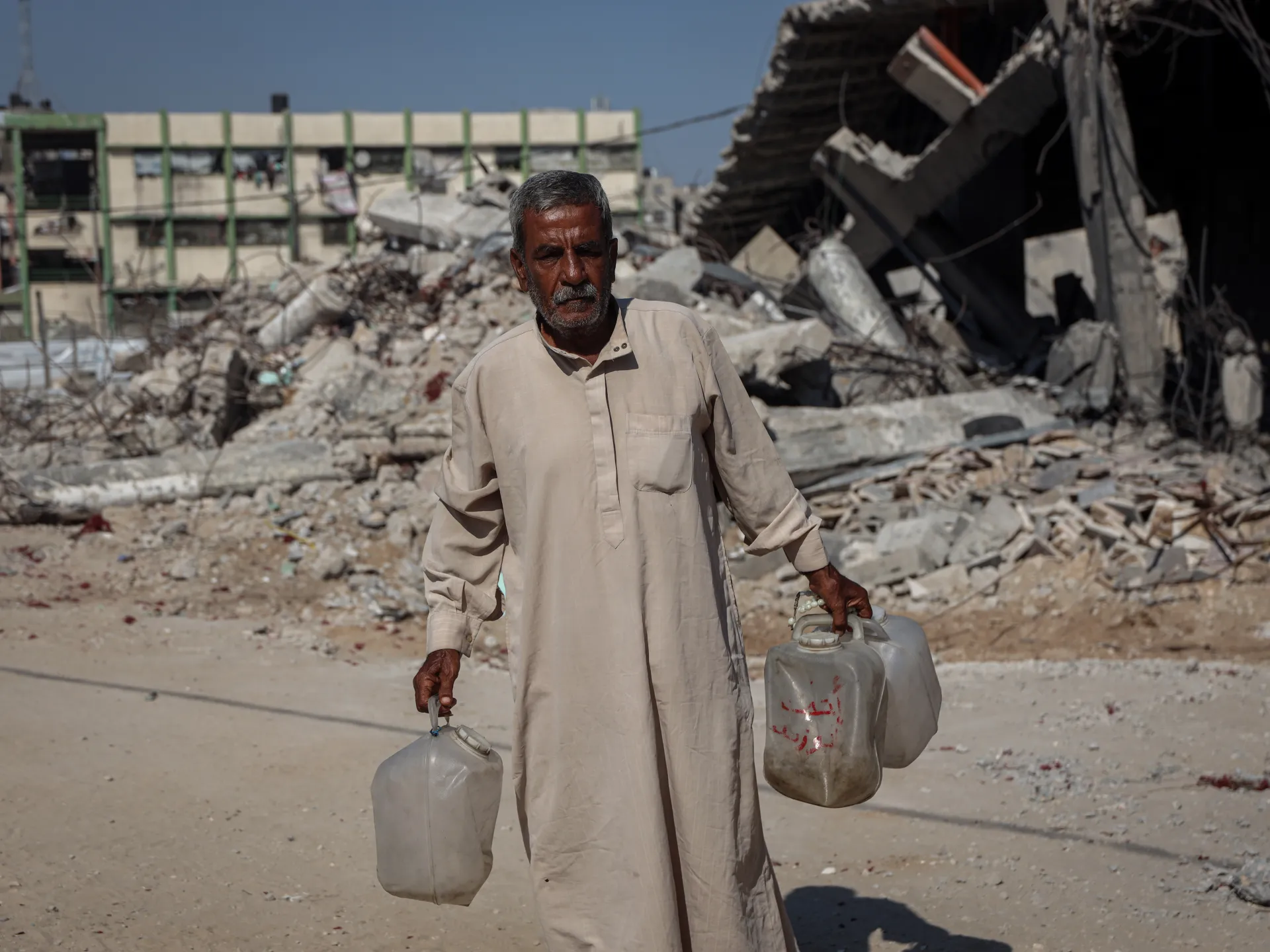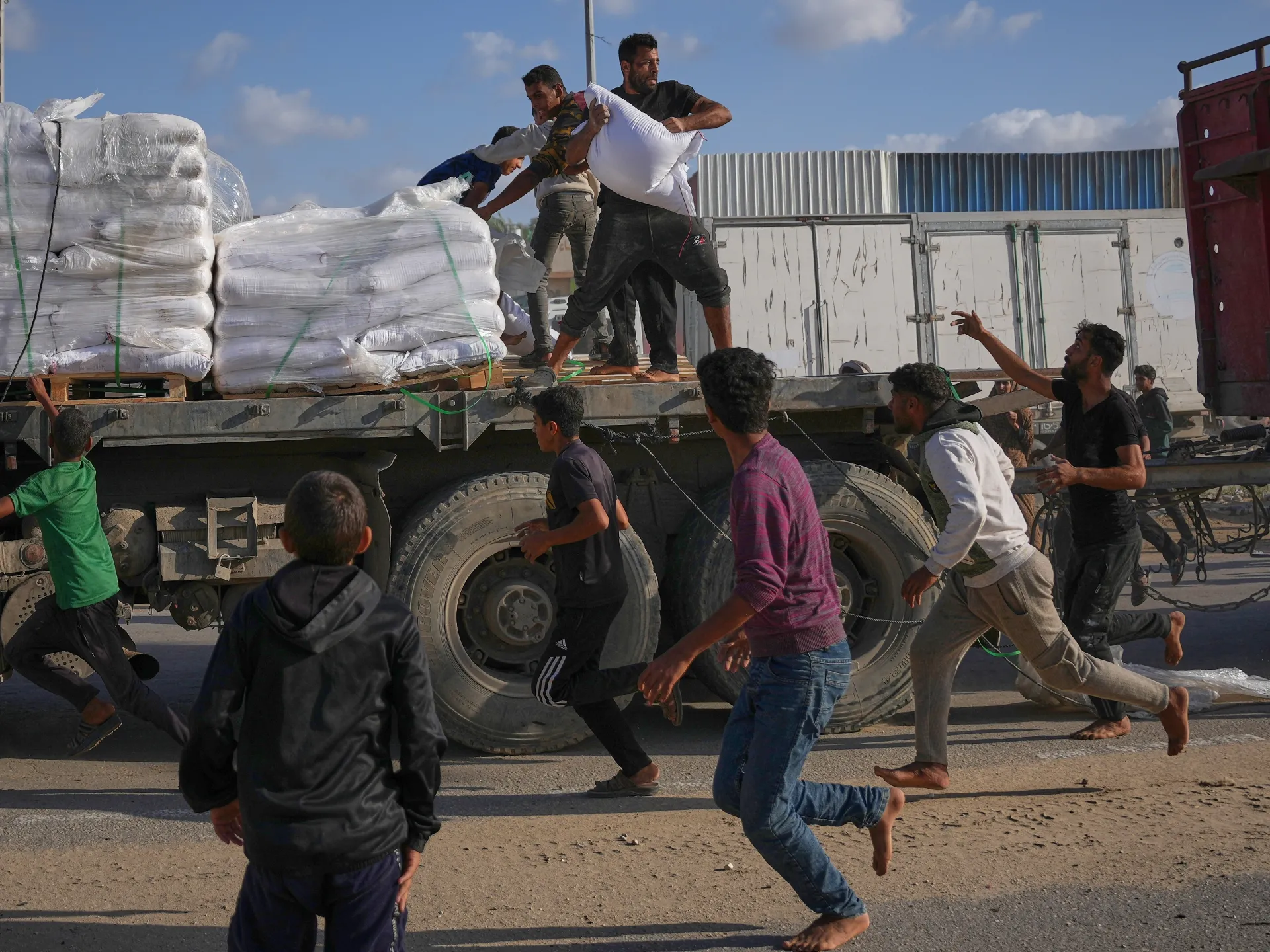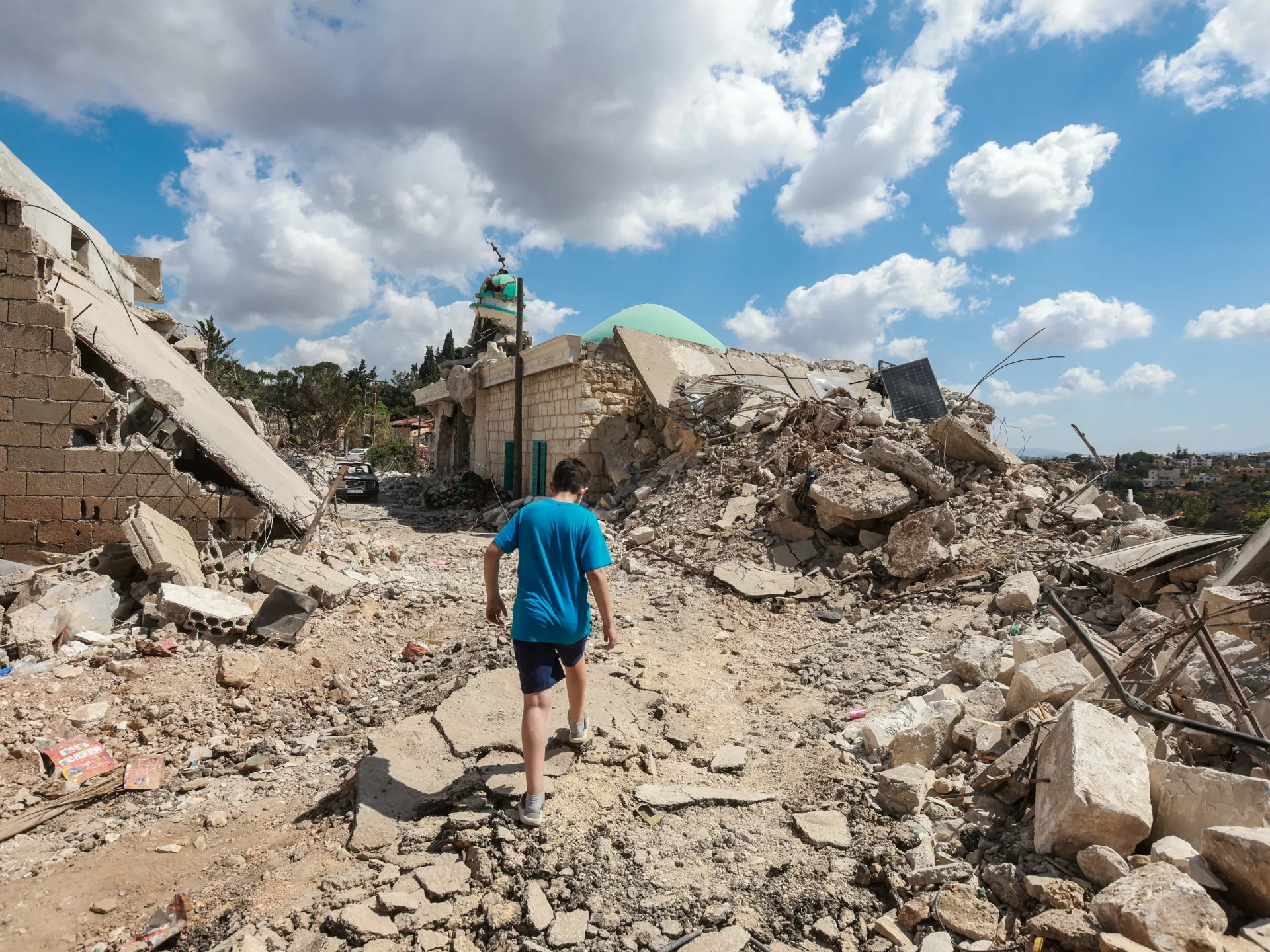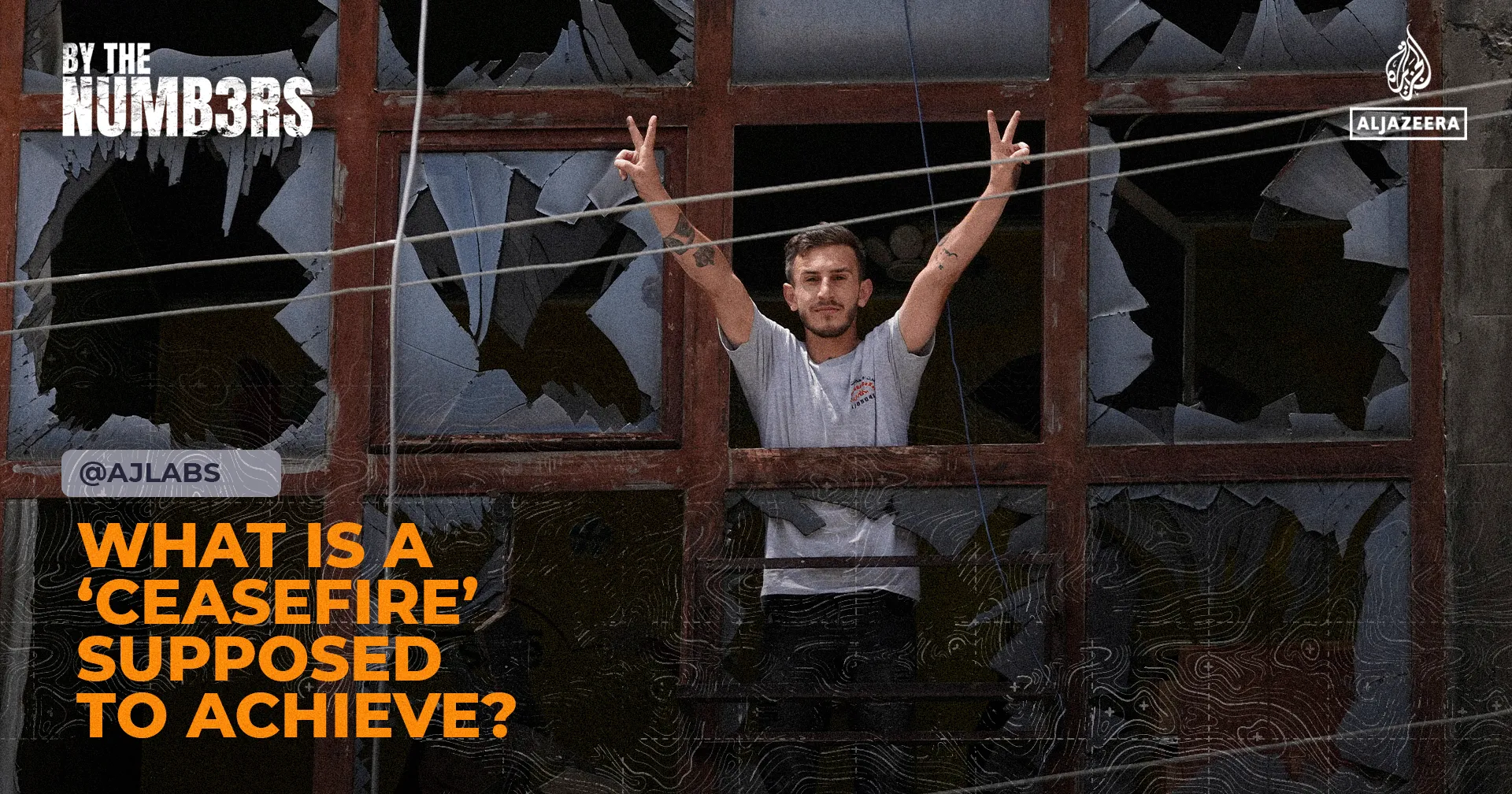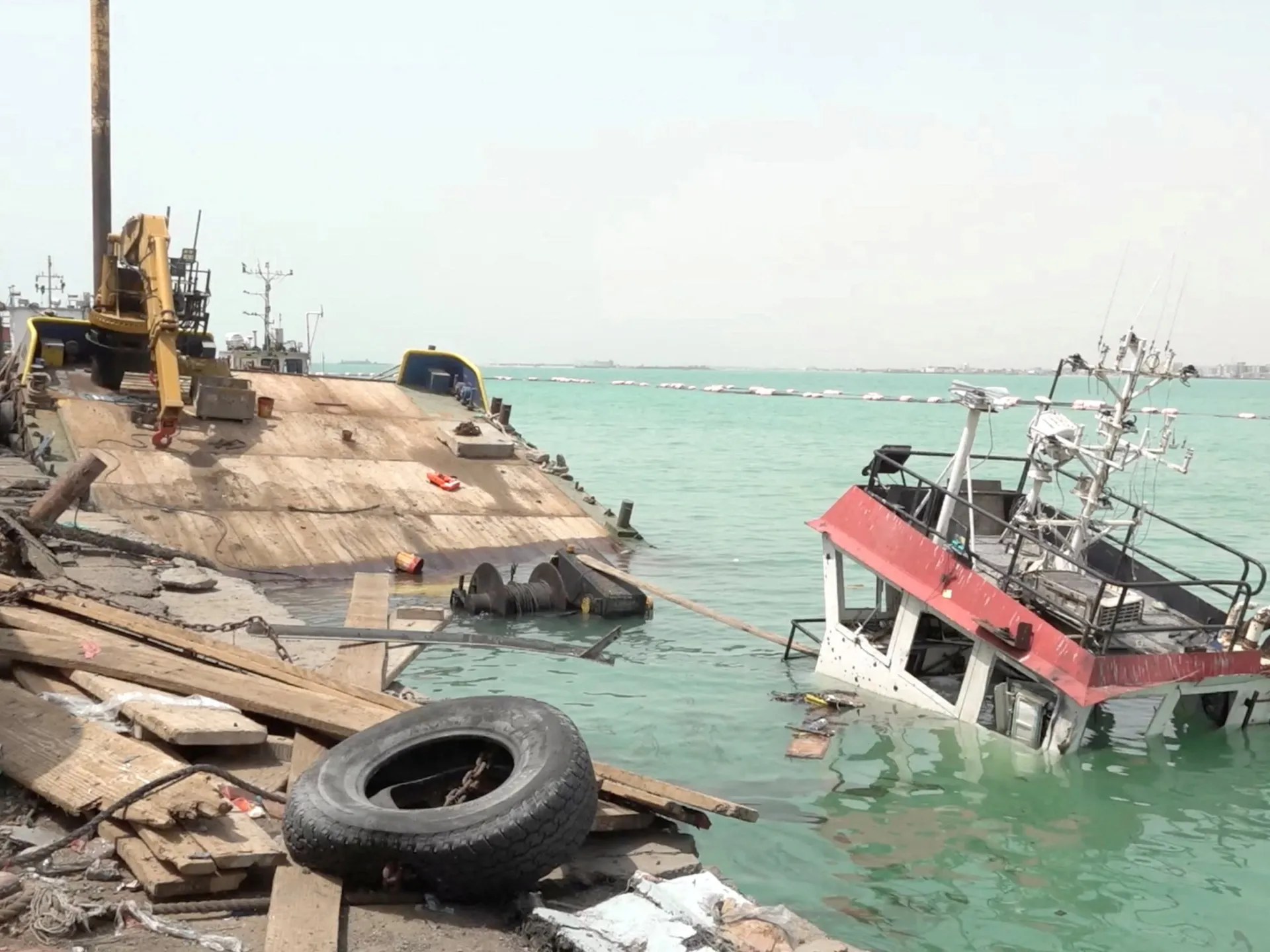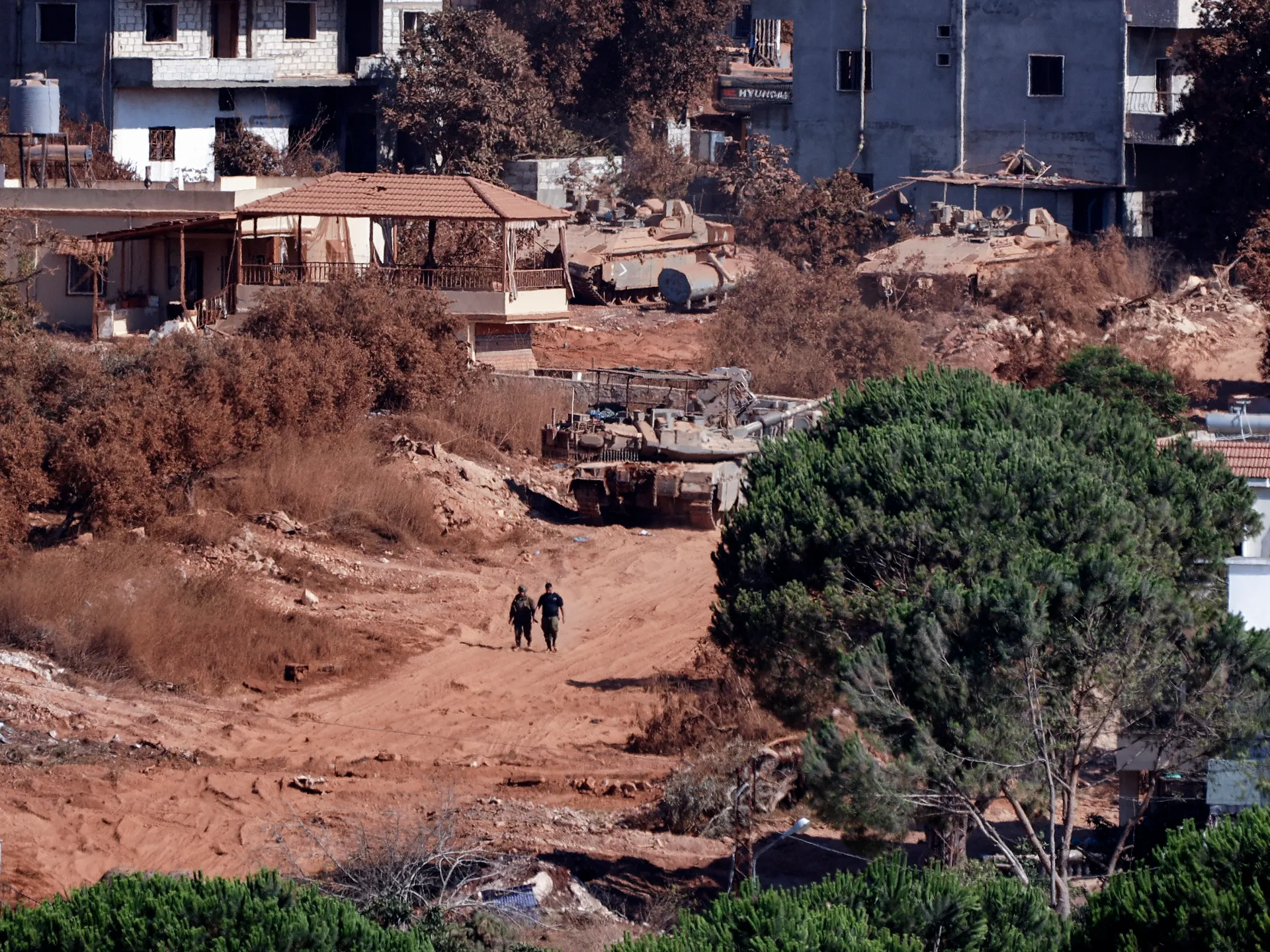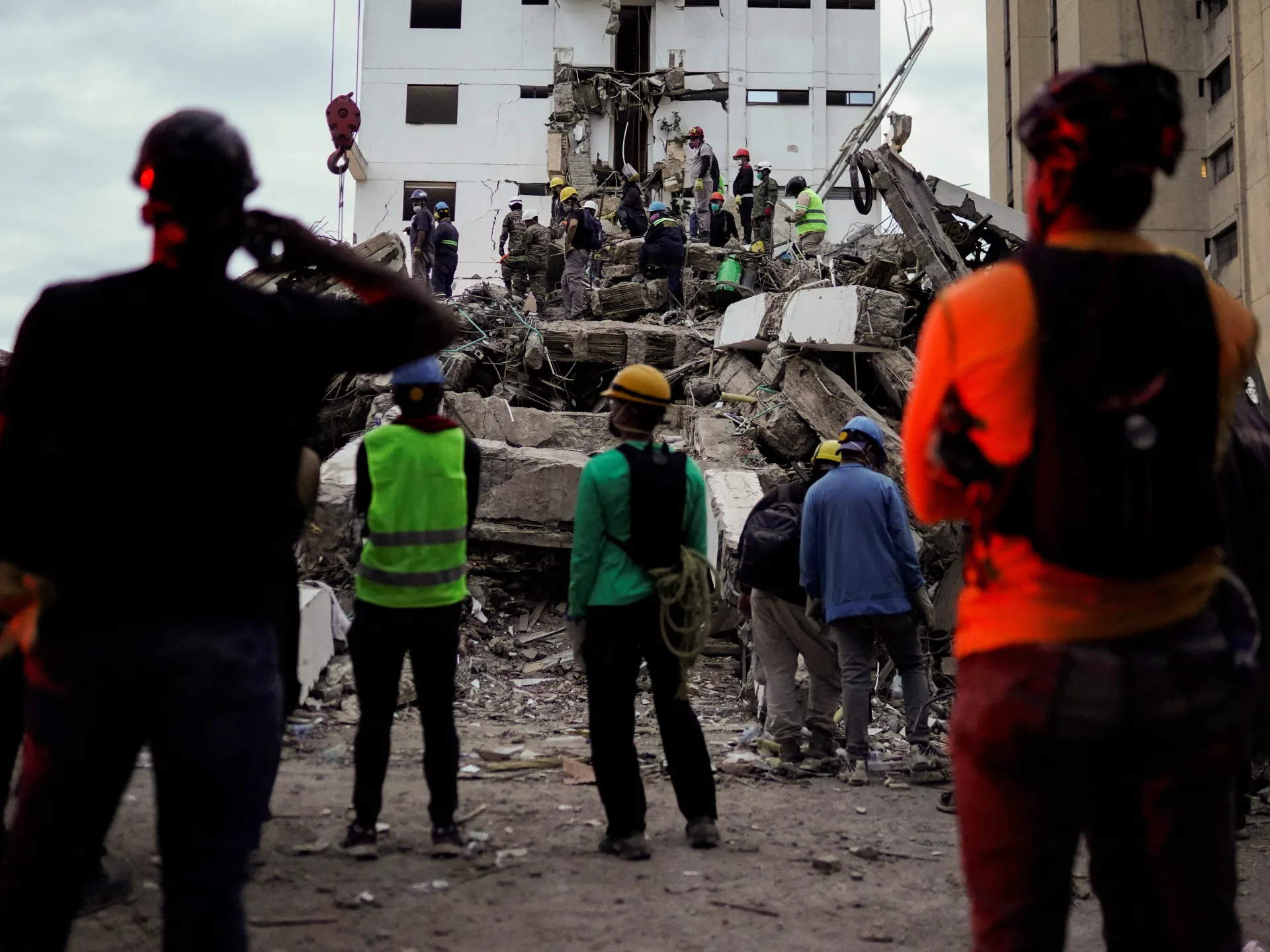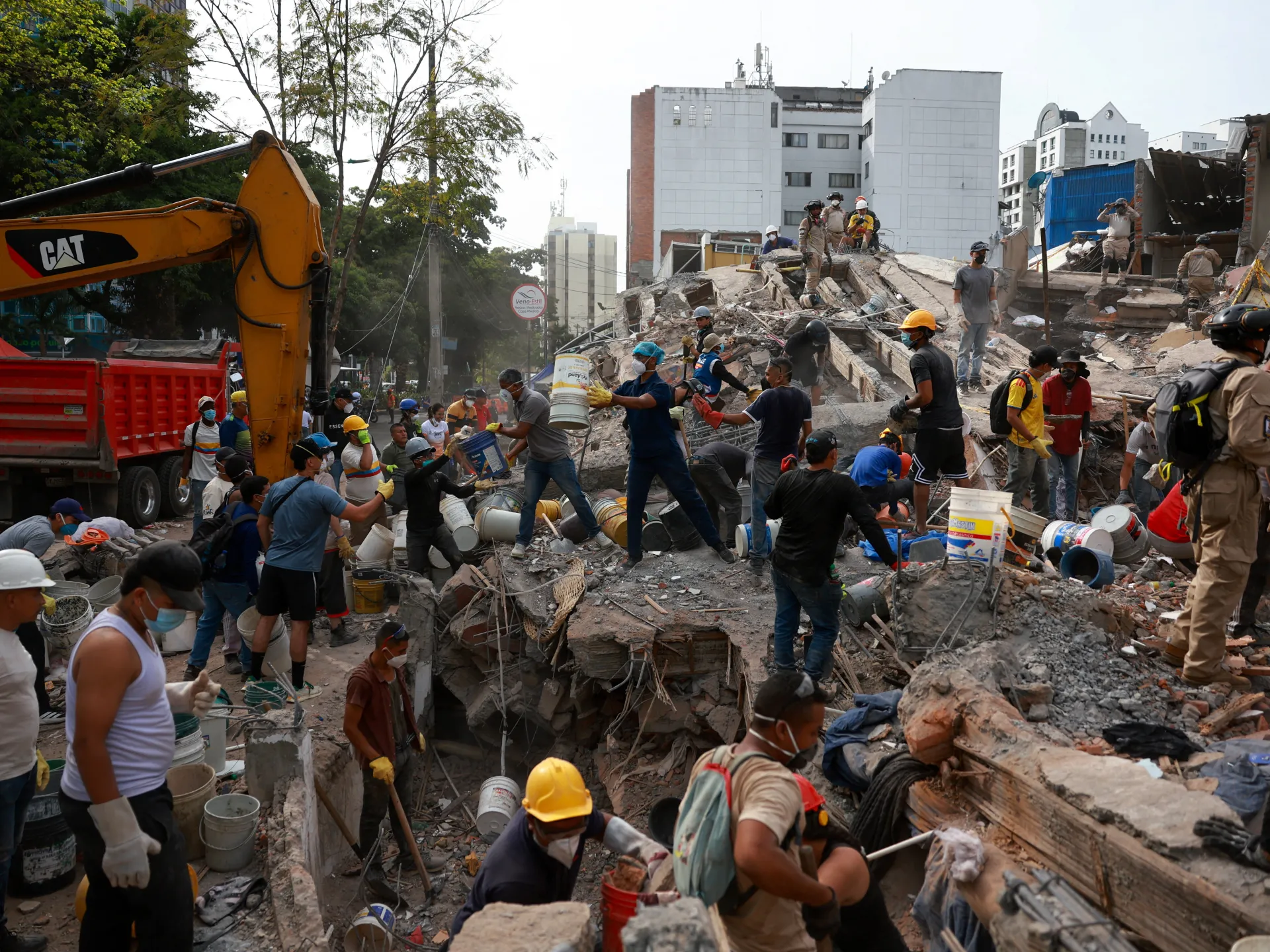
A multi-billion dollar reconstruction plan for Gaza has been introduced, but ongoing Israeli military strikes continue to complicate development efforts.
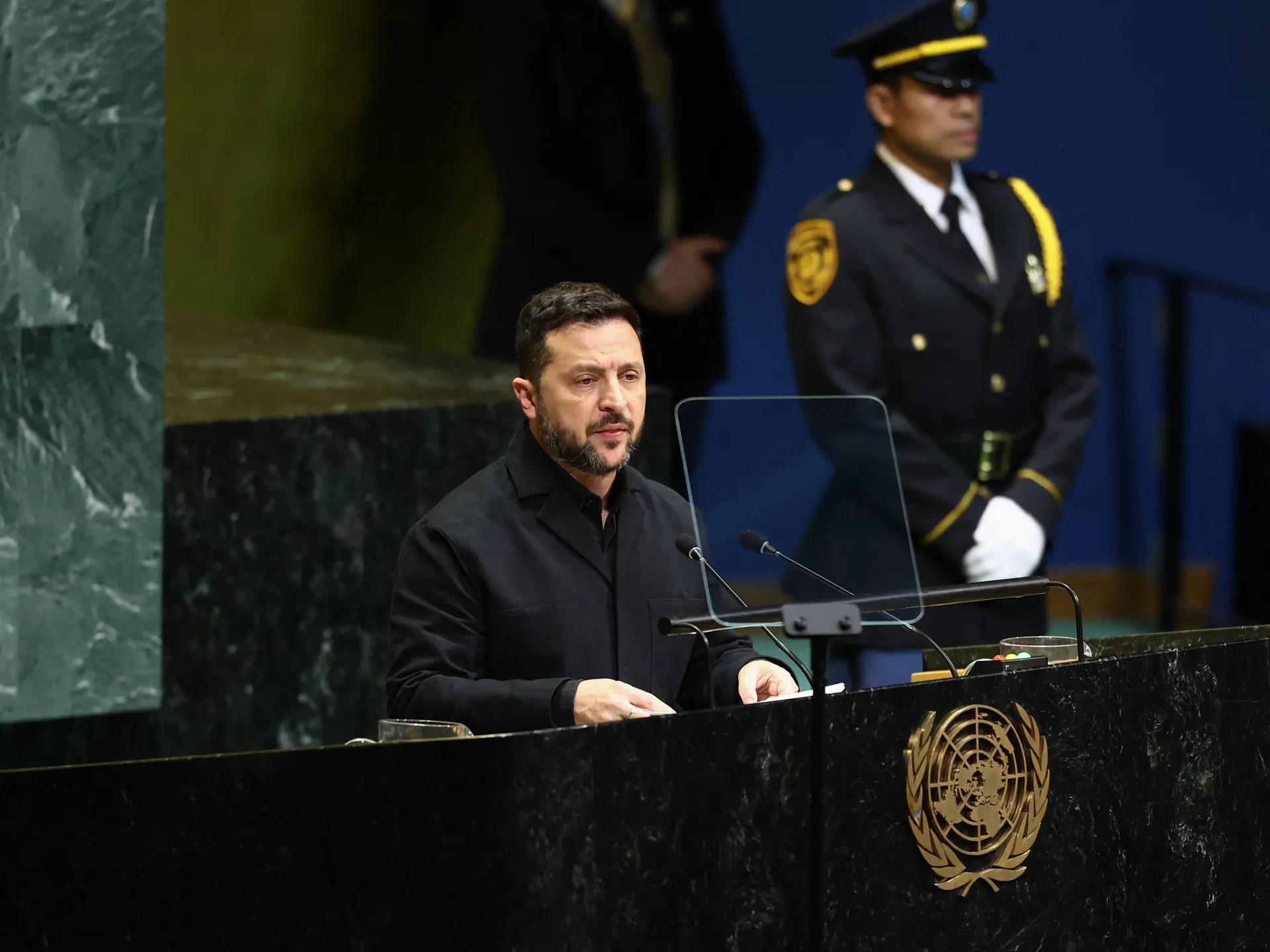
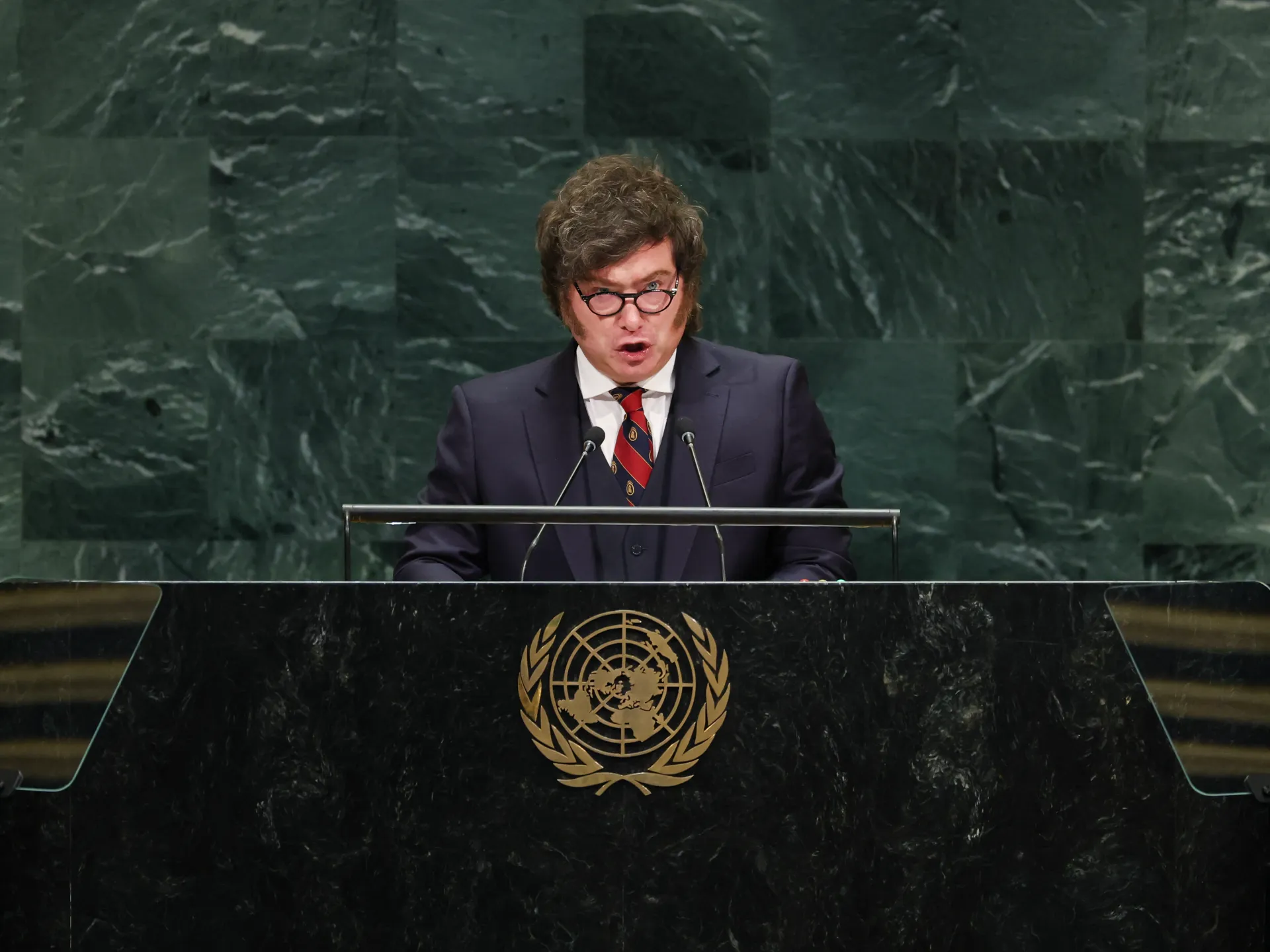
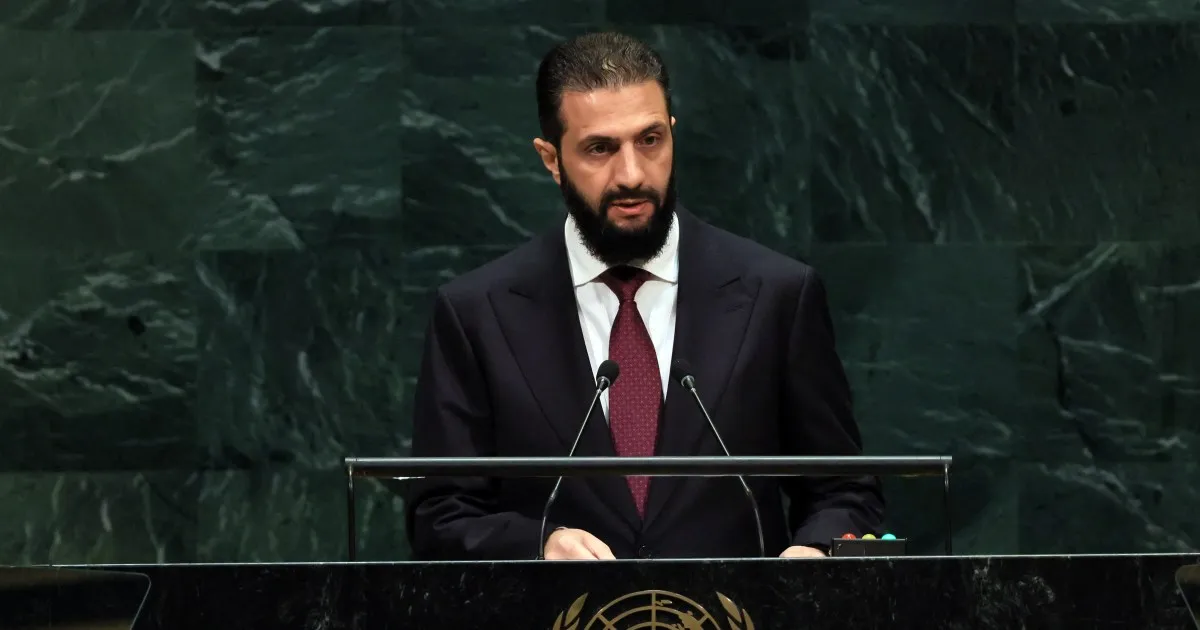
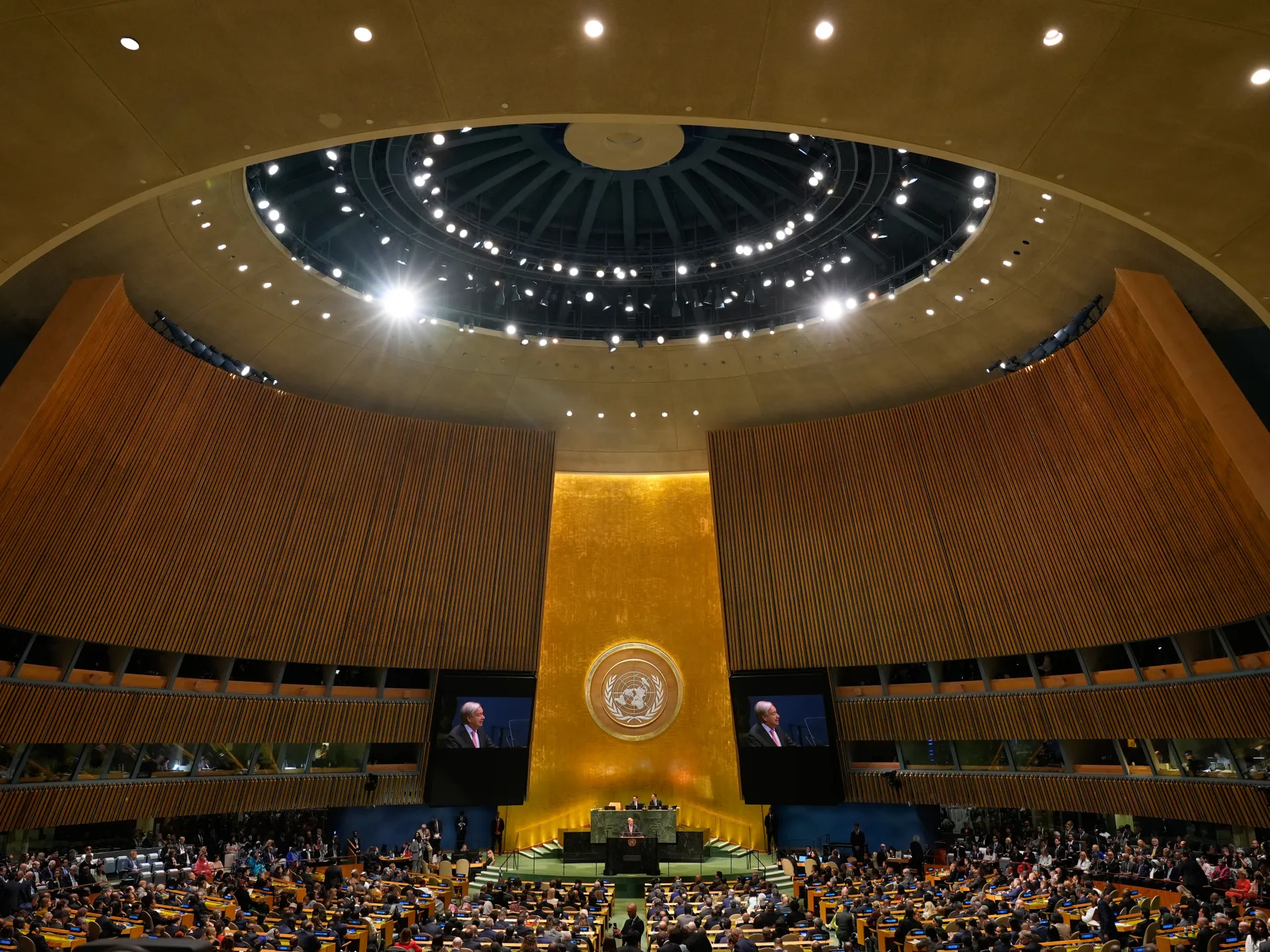
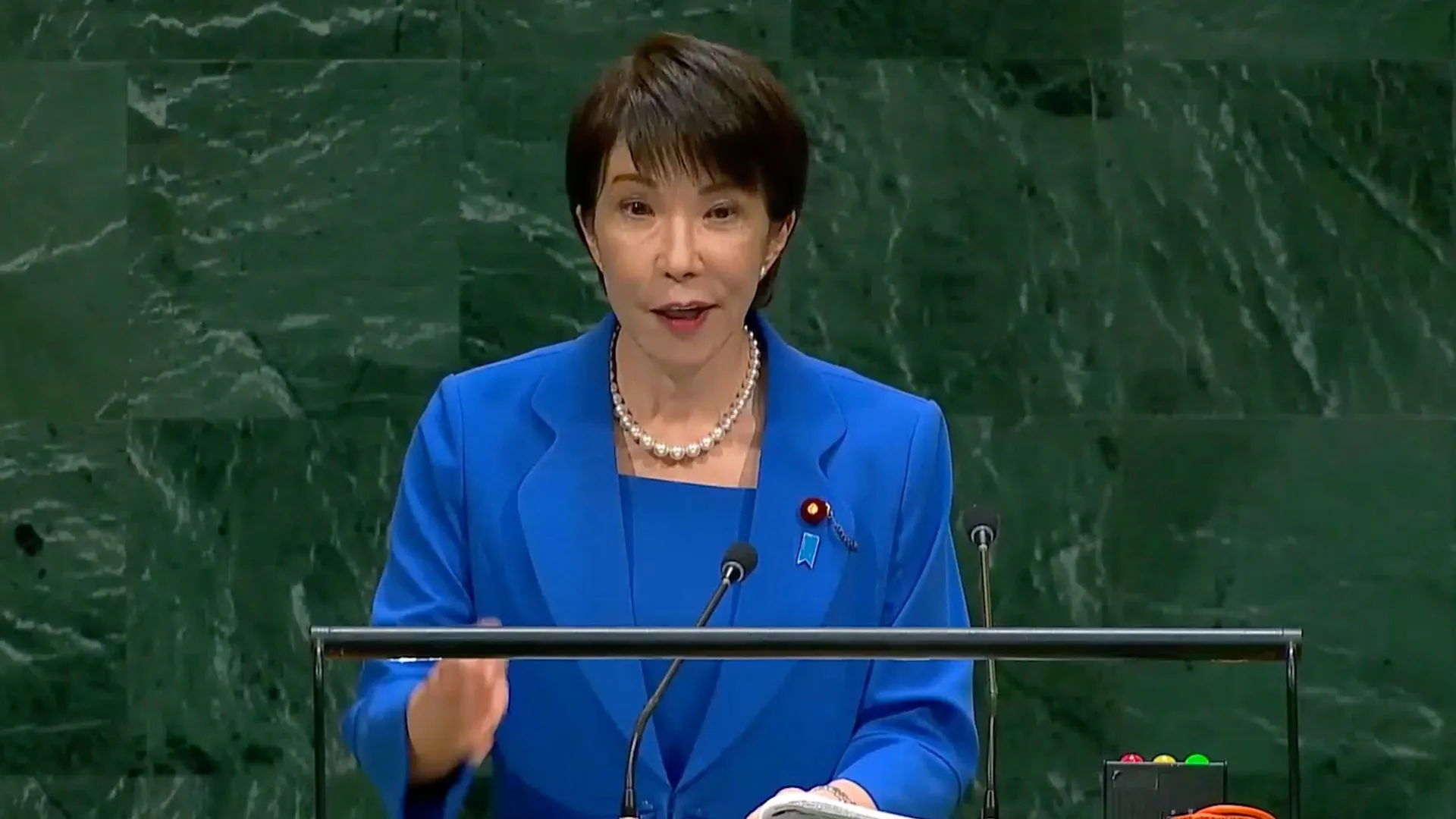
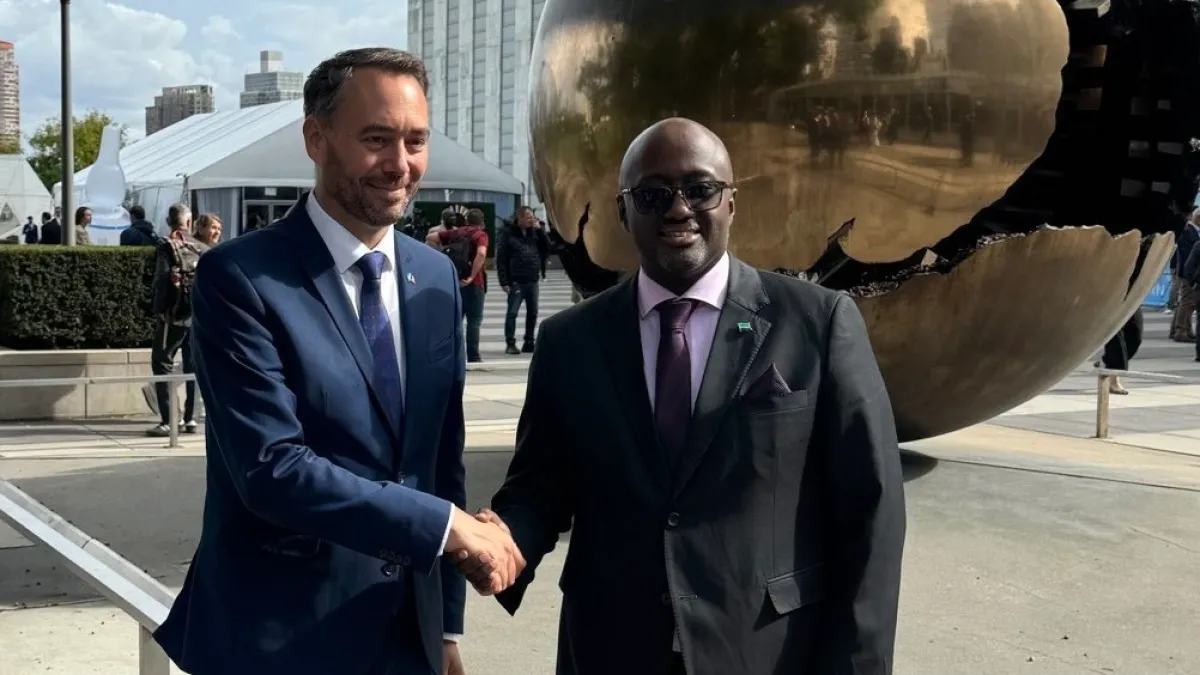
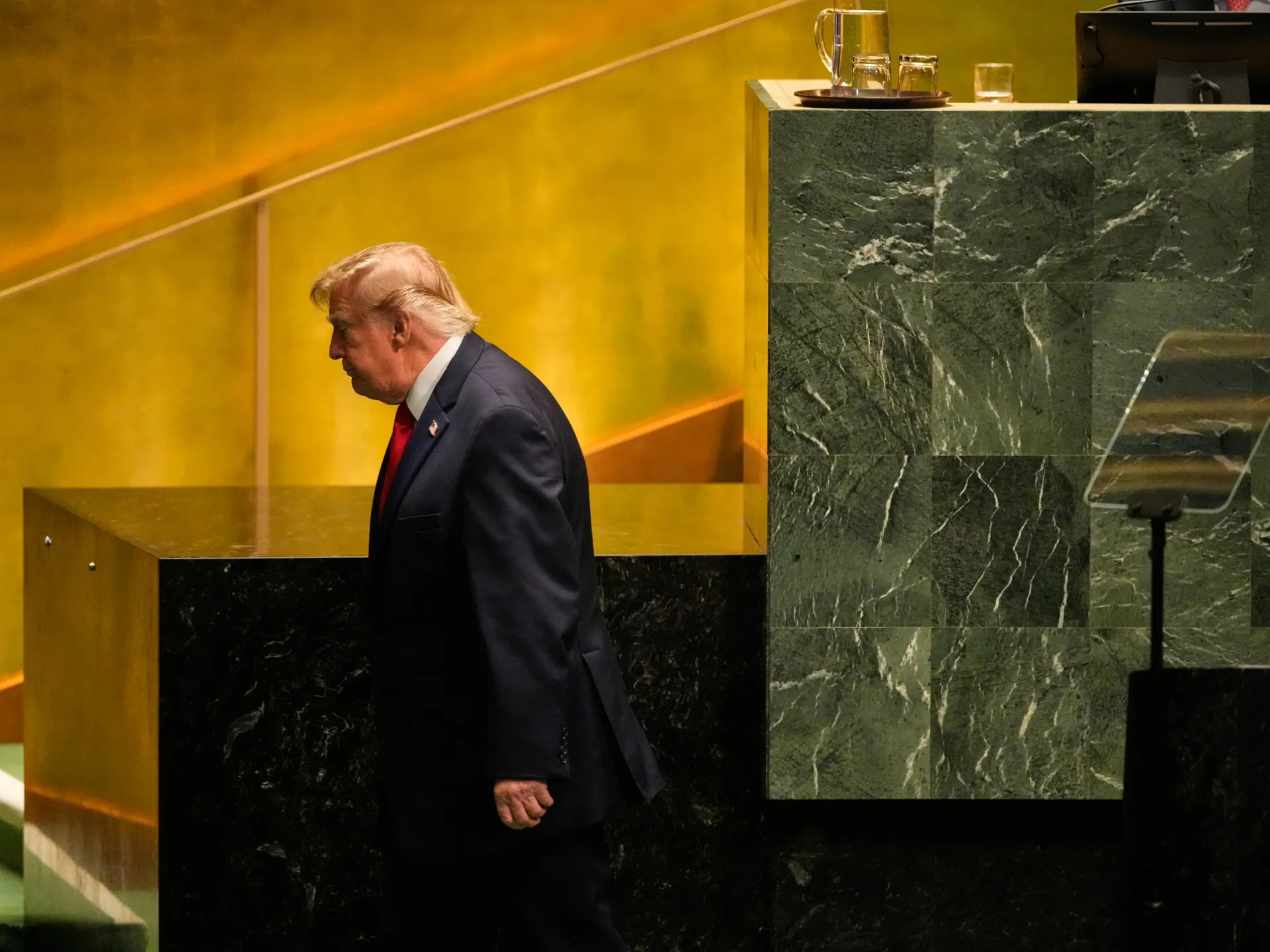
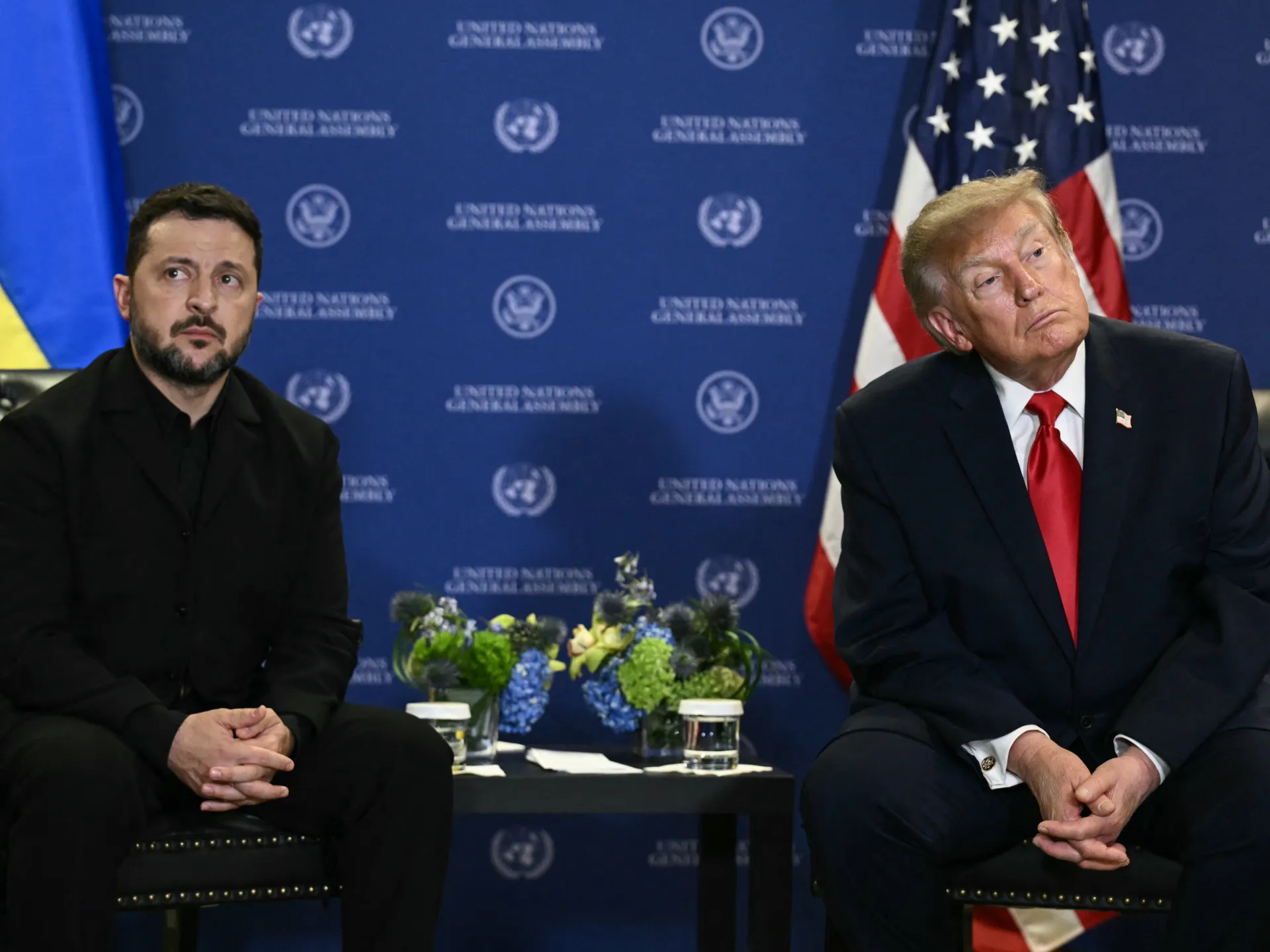
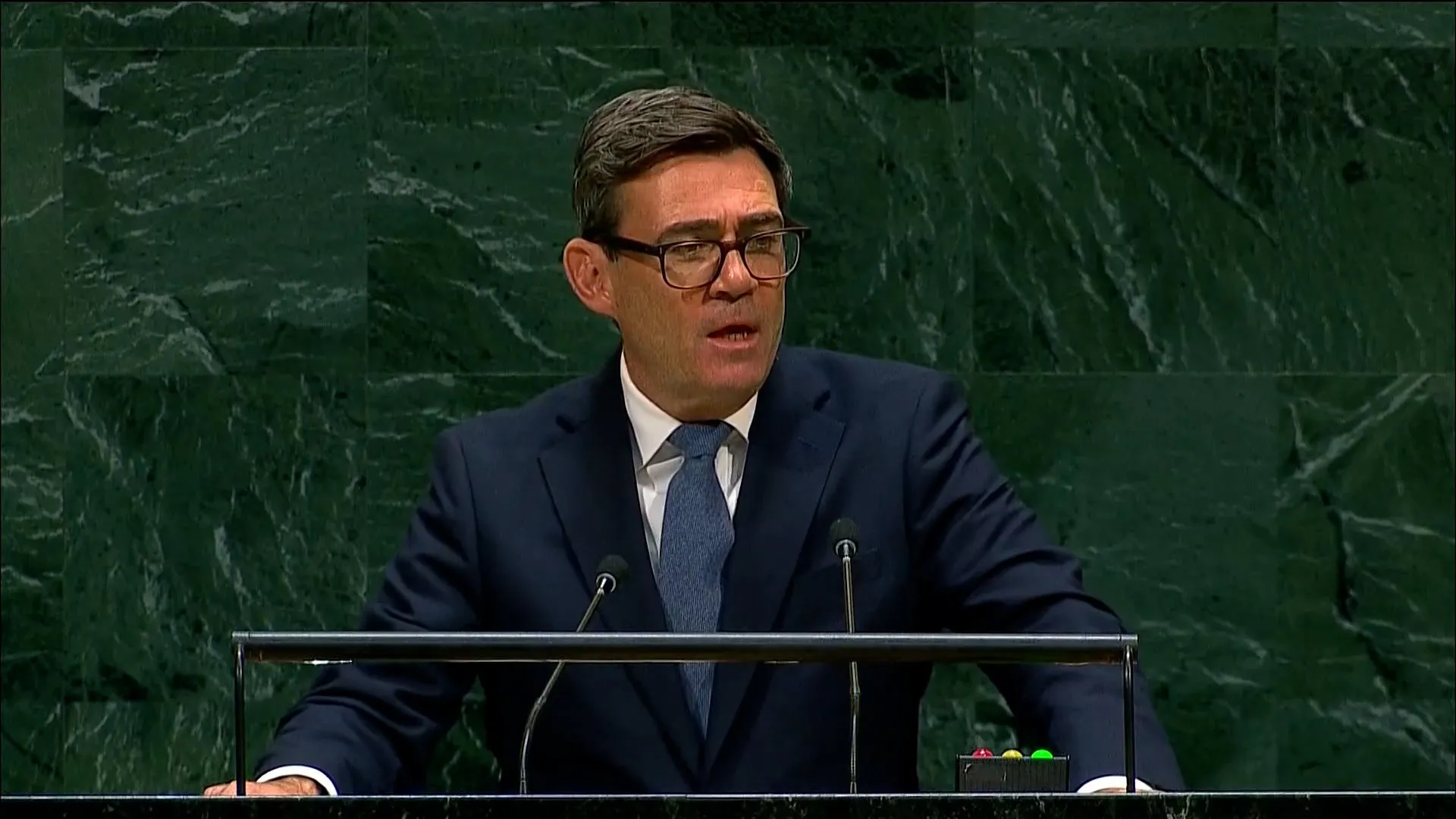
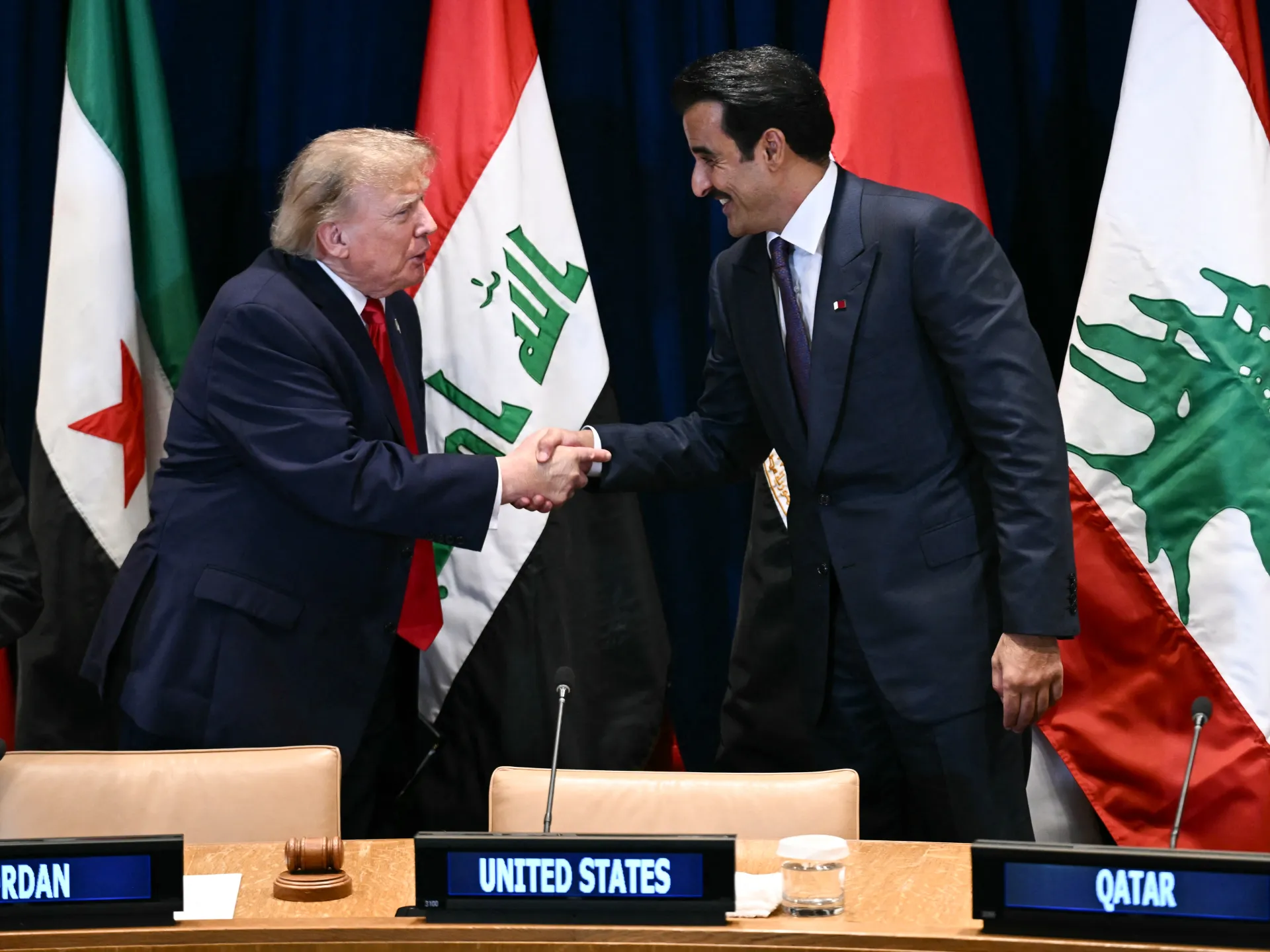
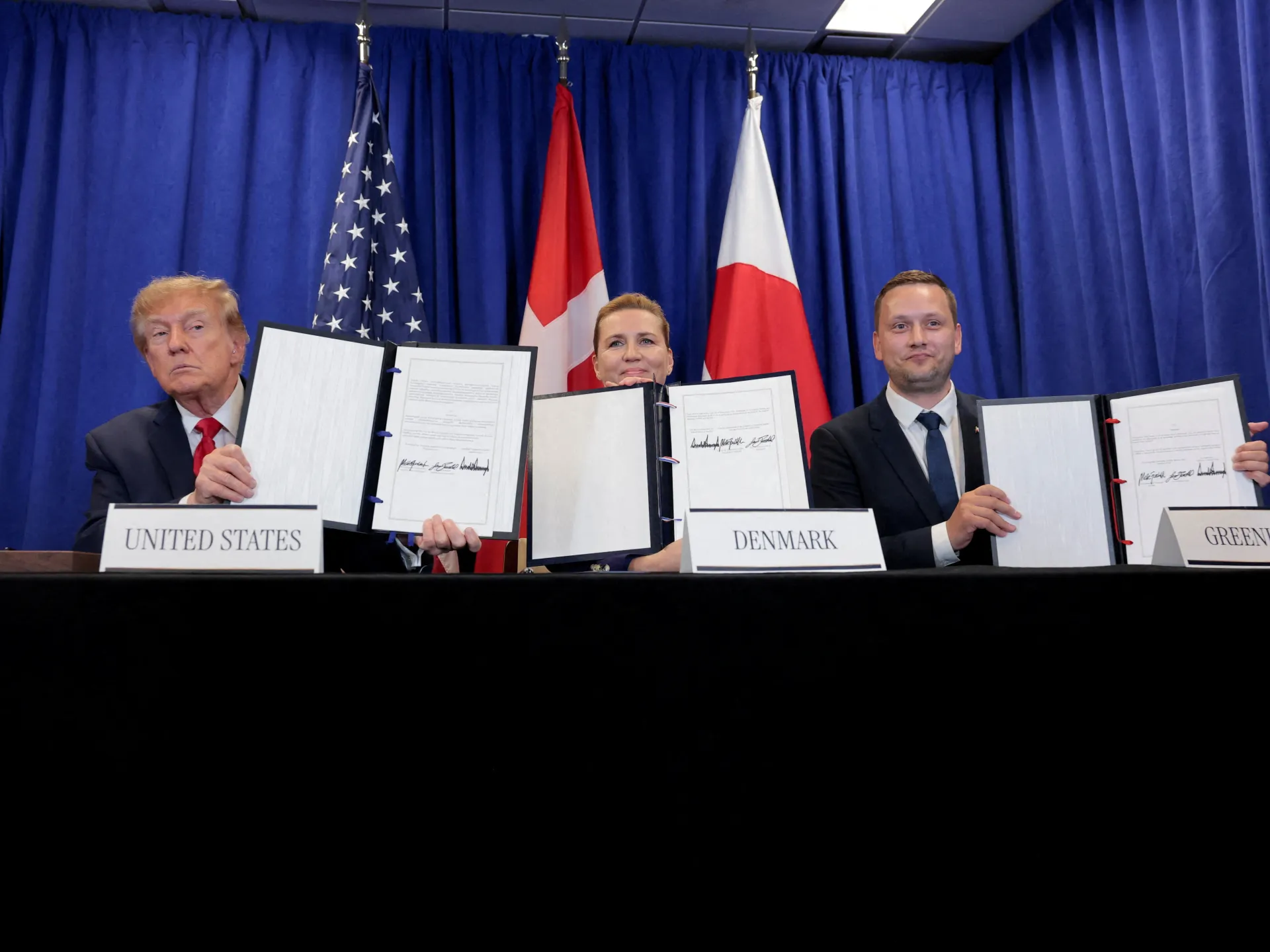
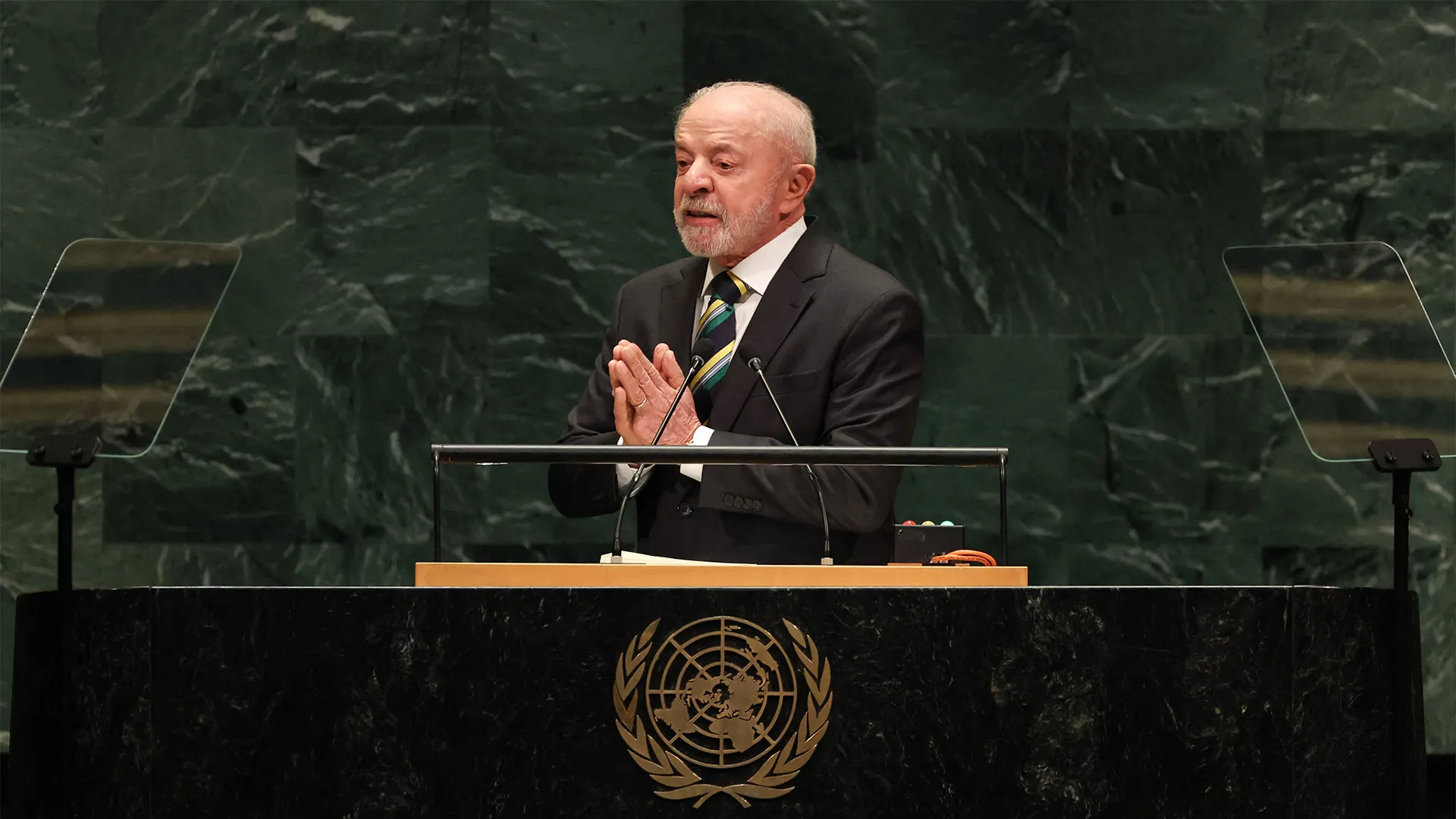
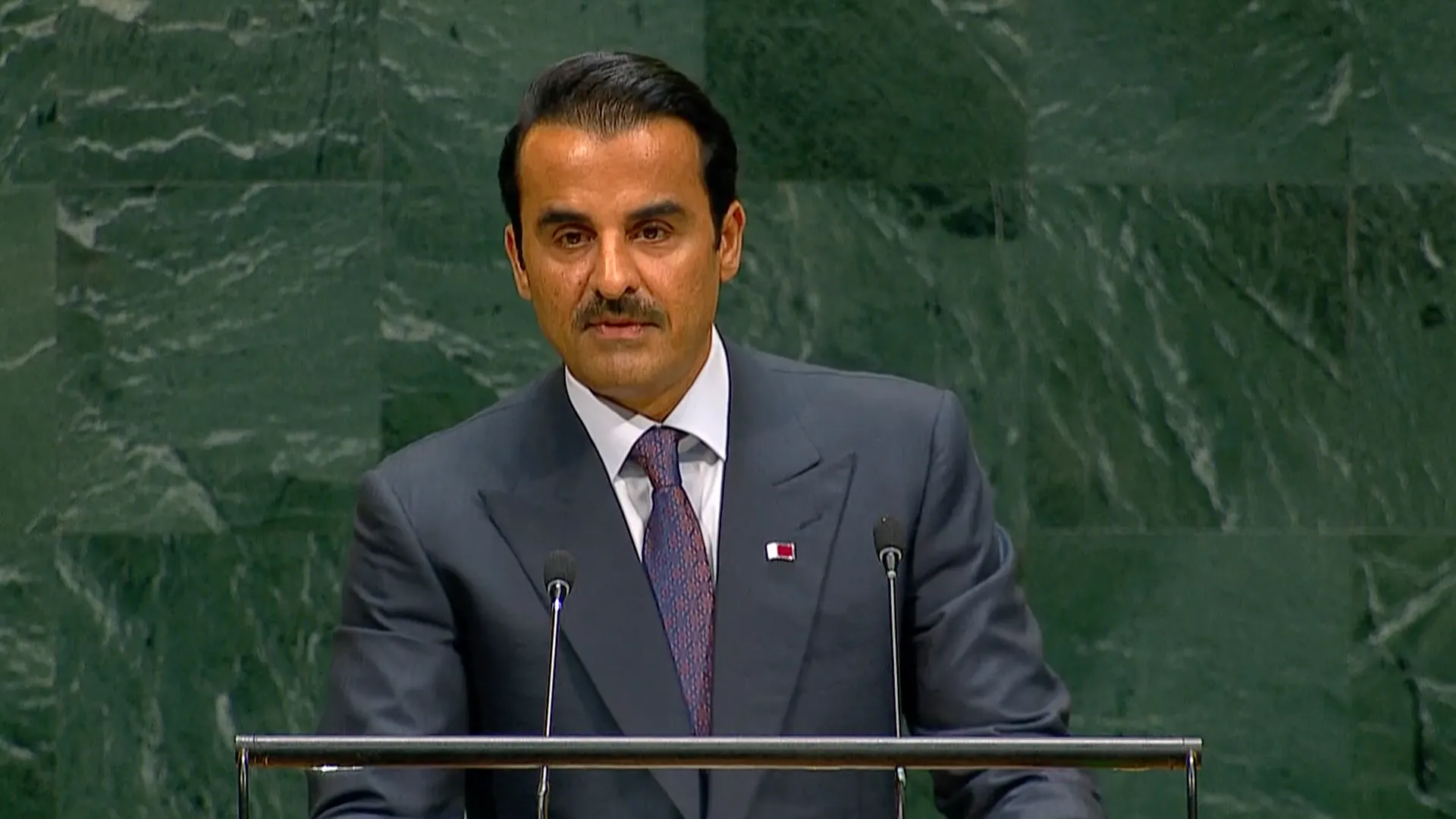
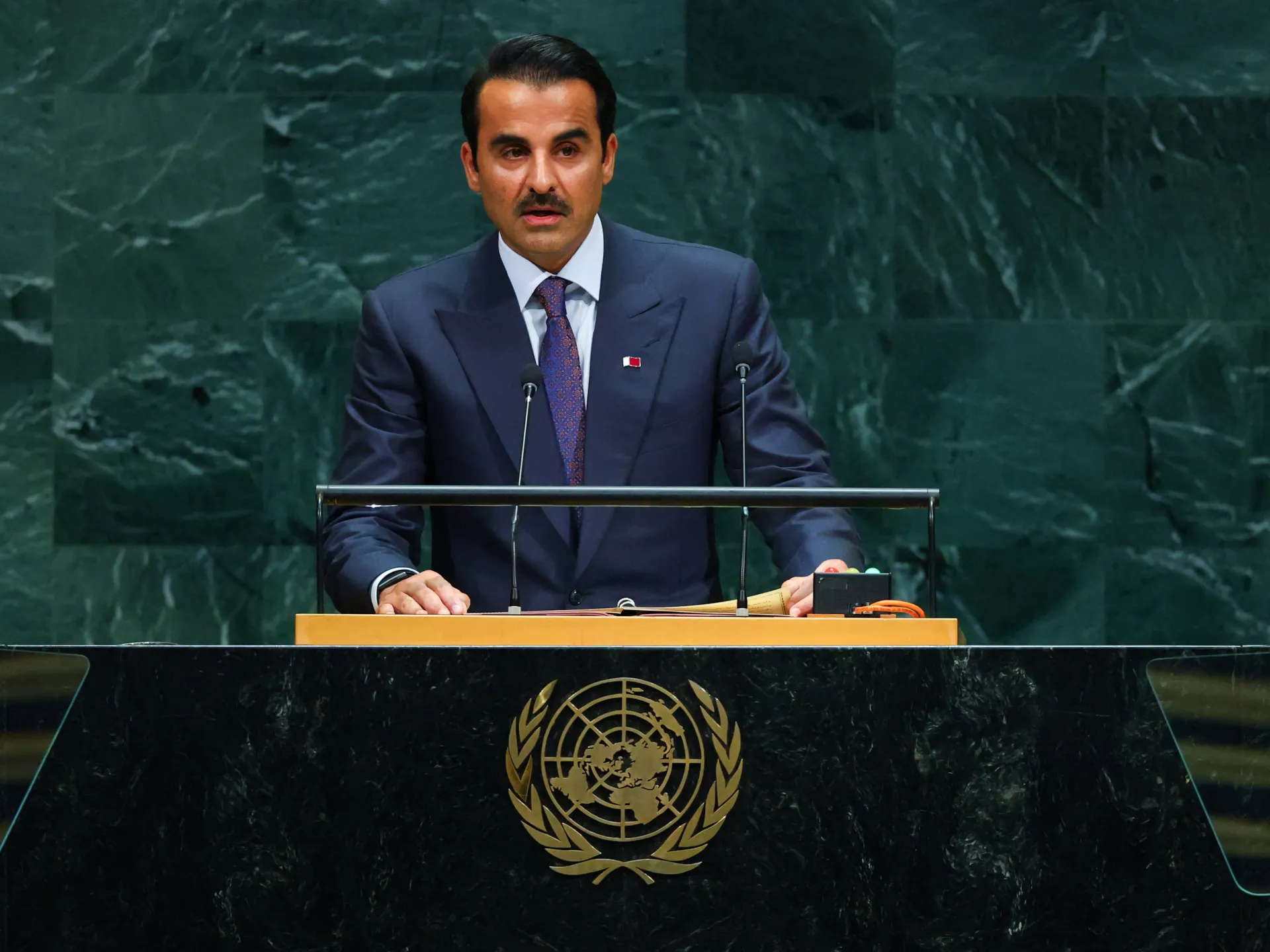
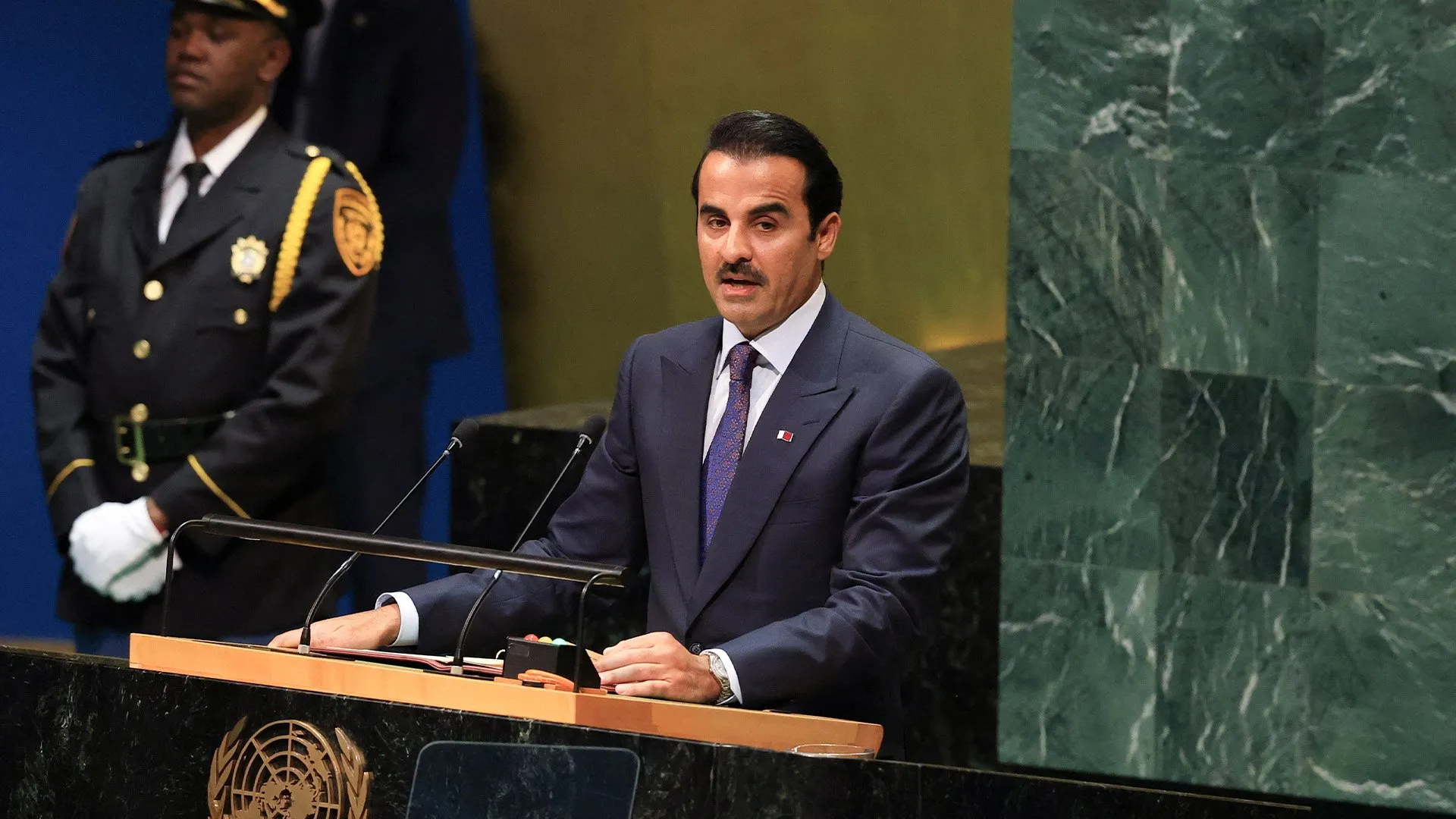
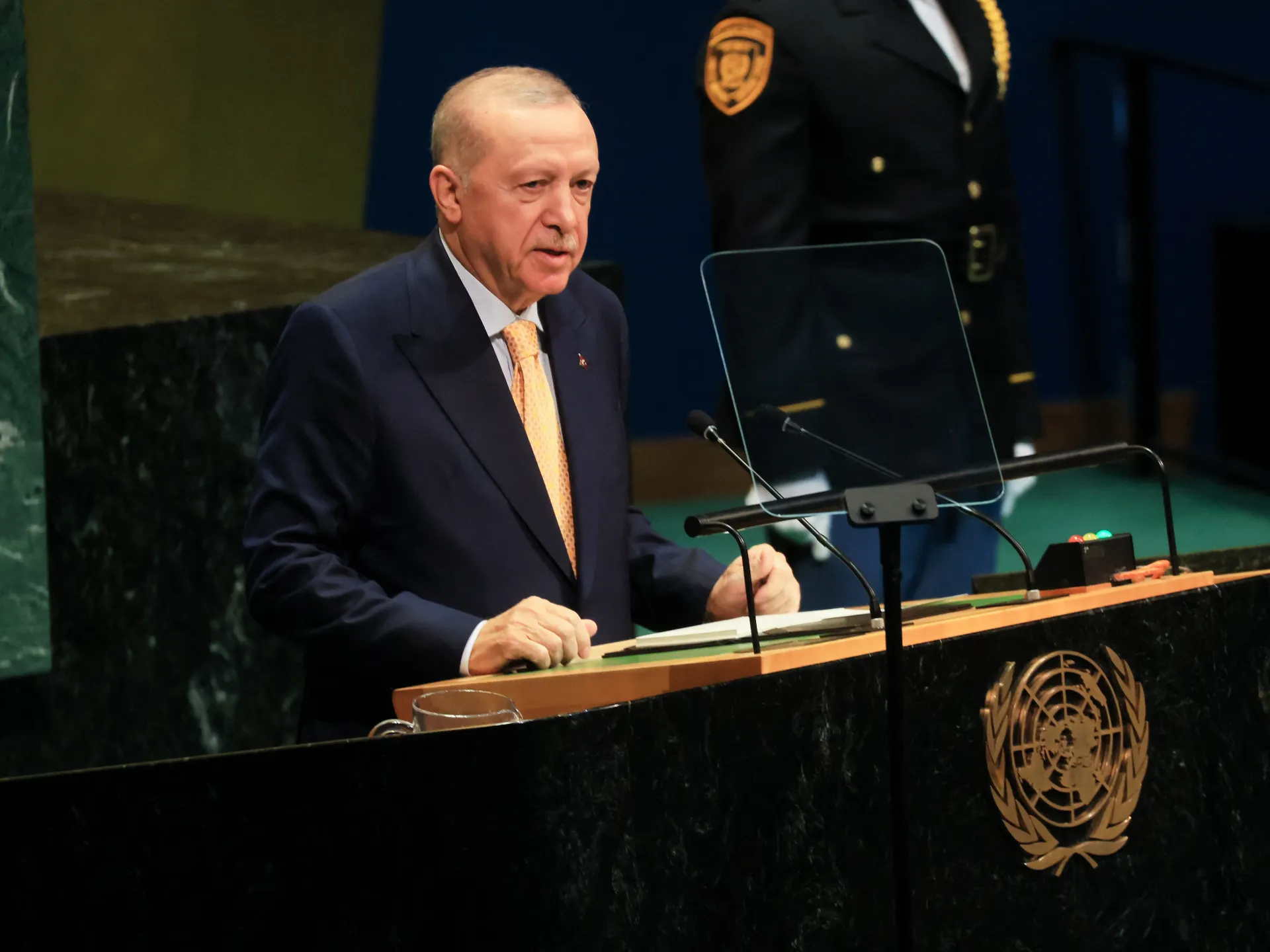
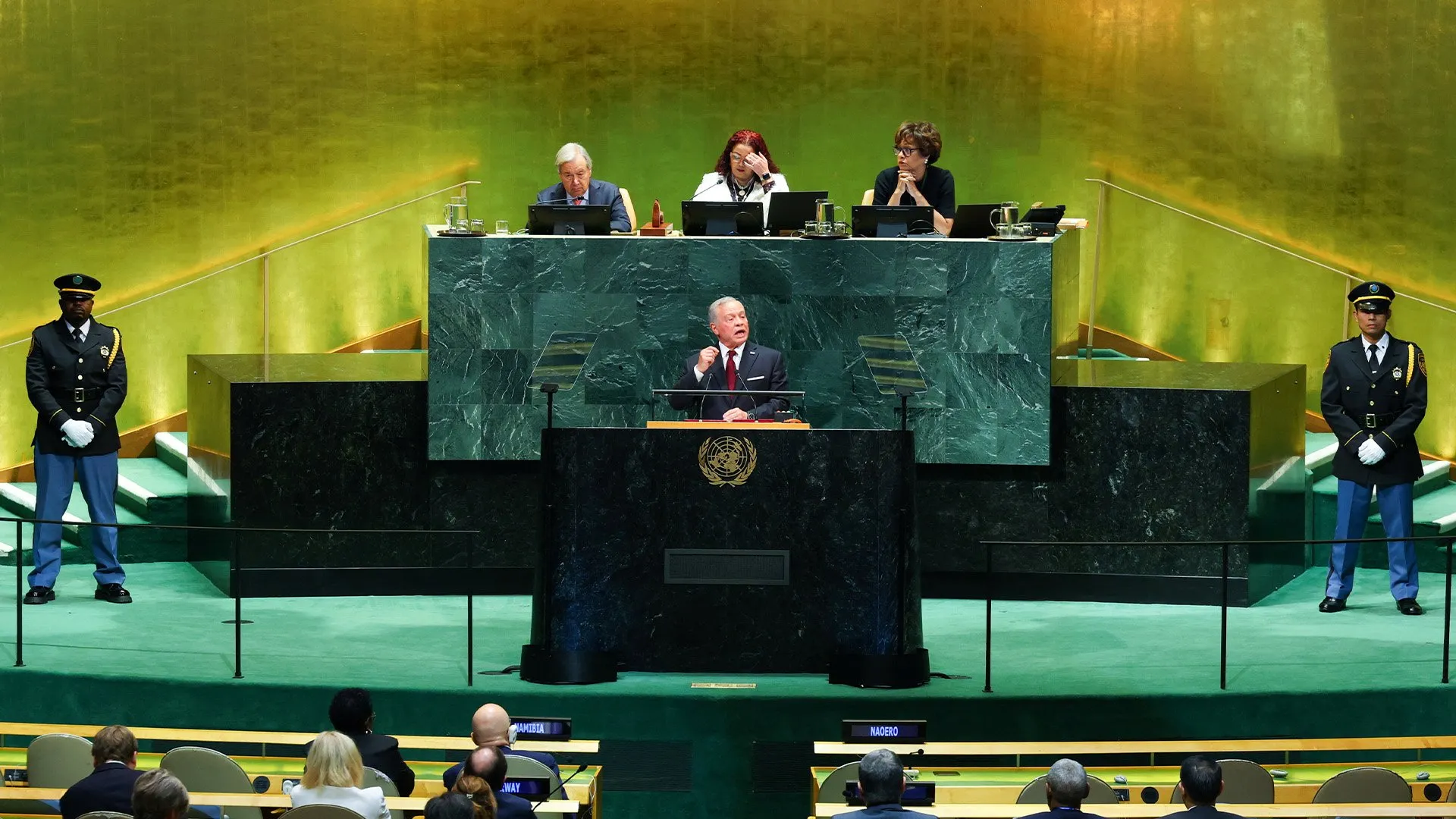
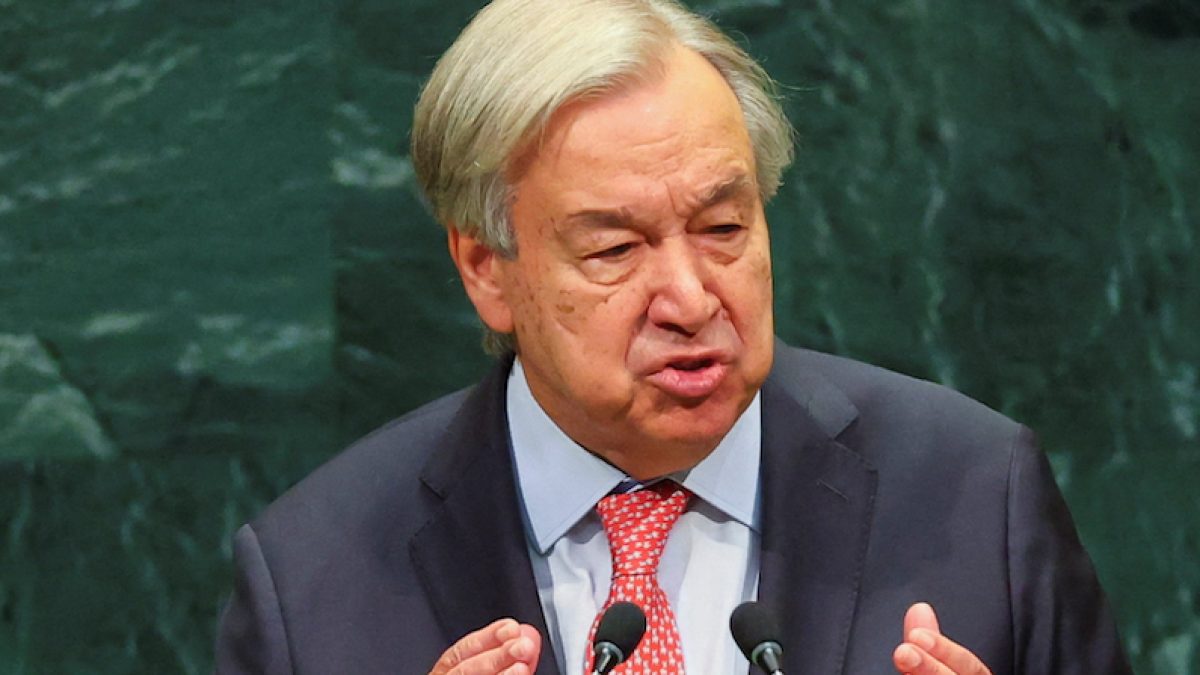
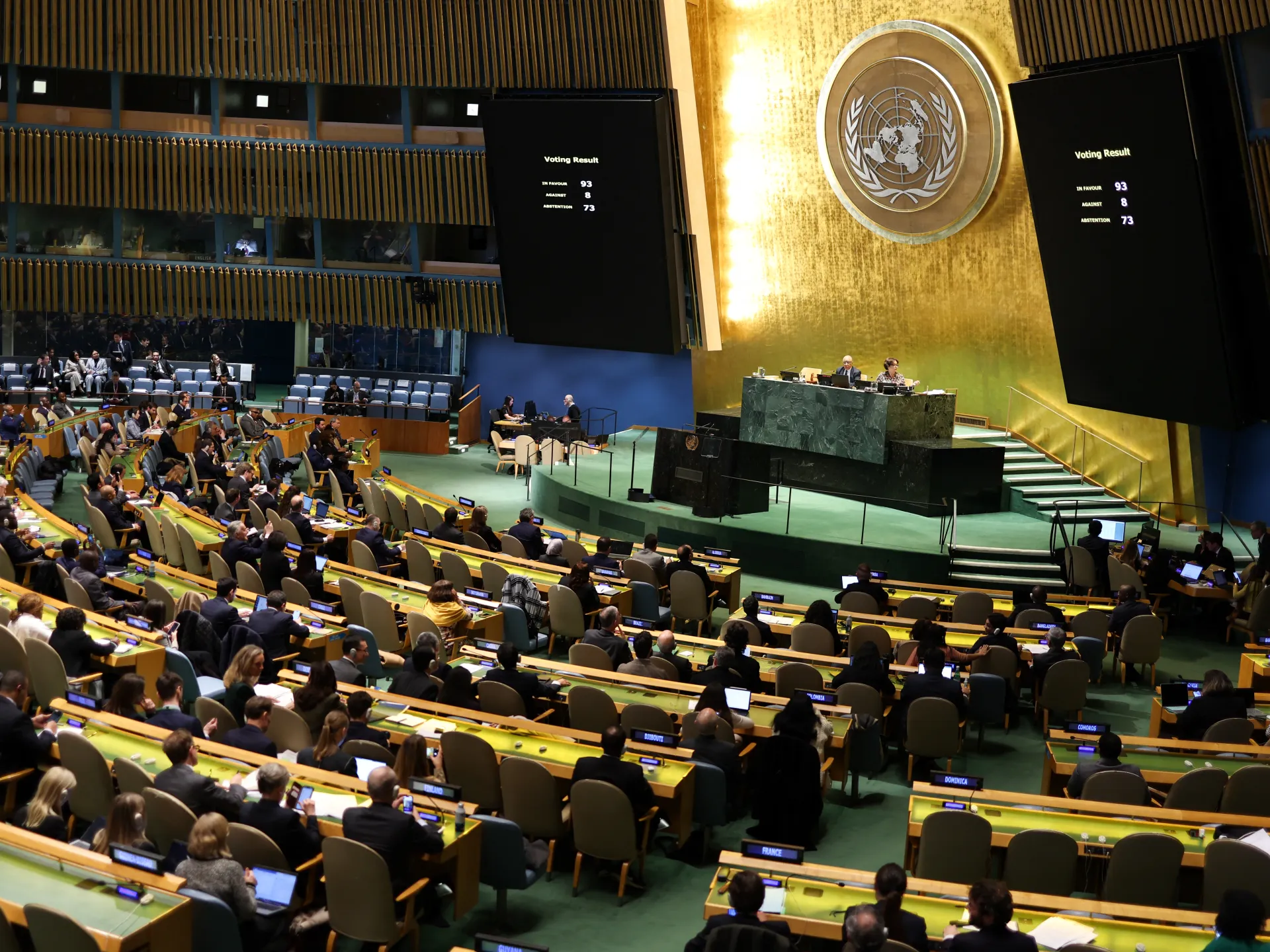
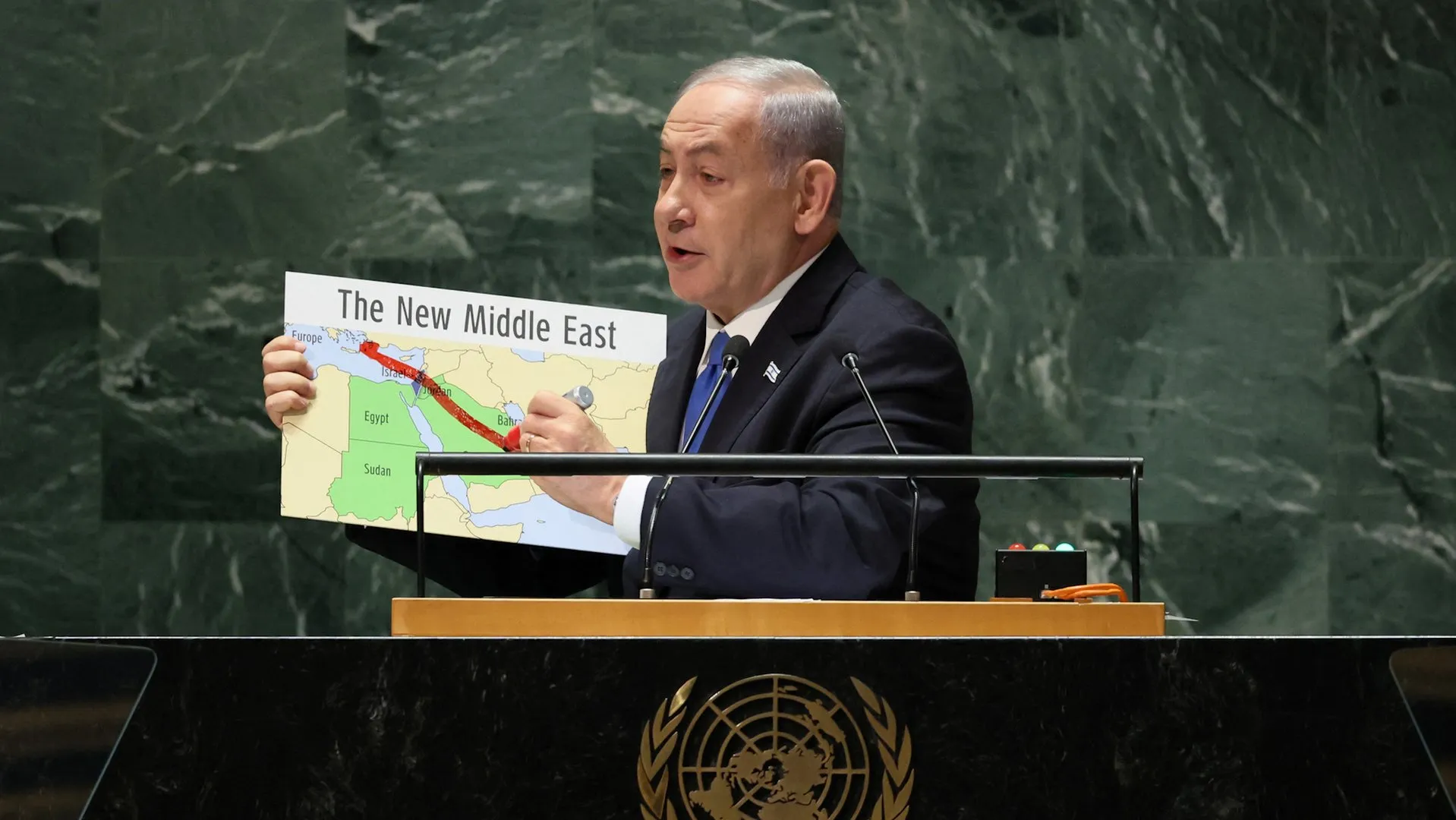
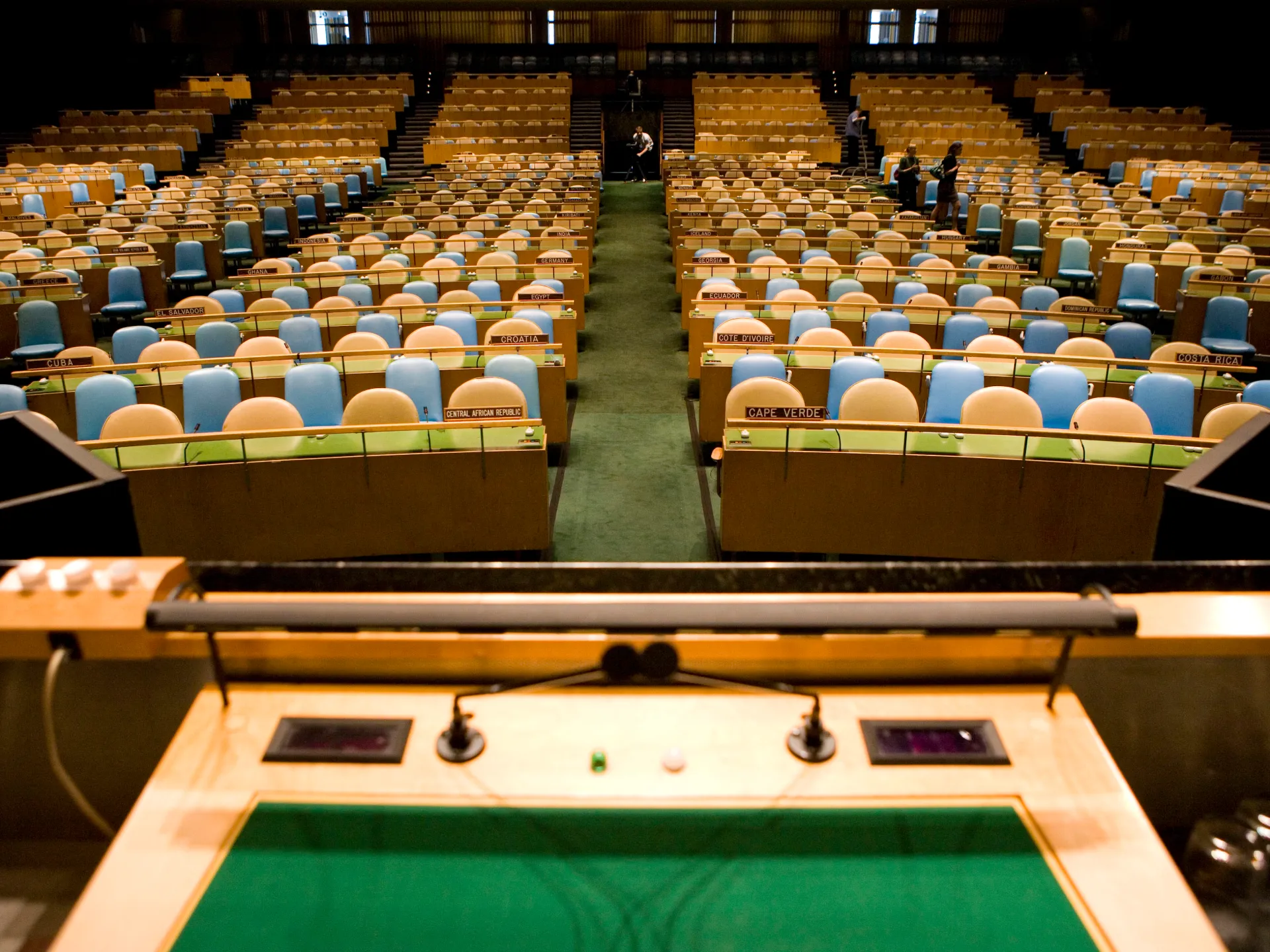
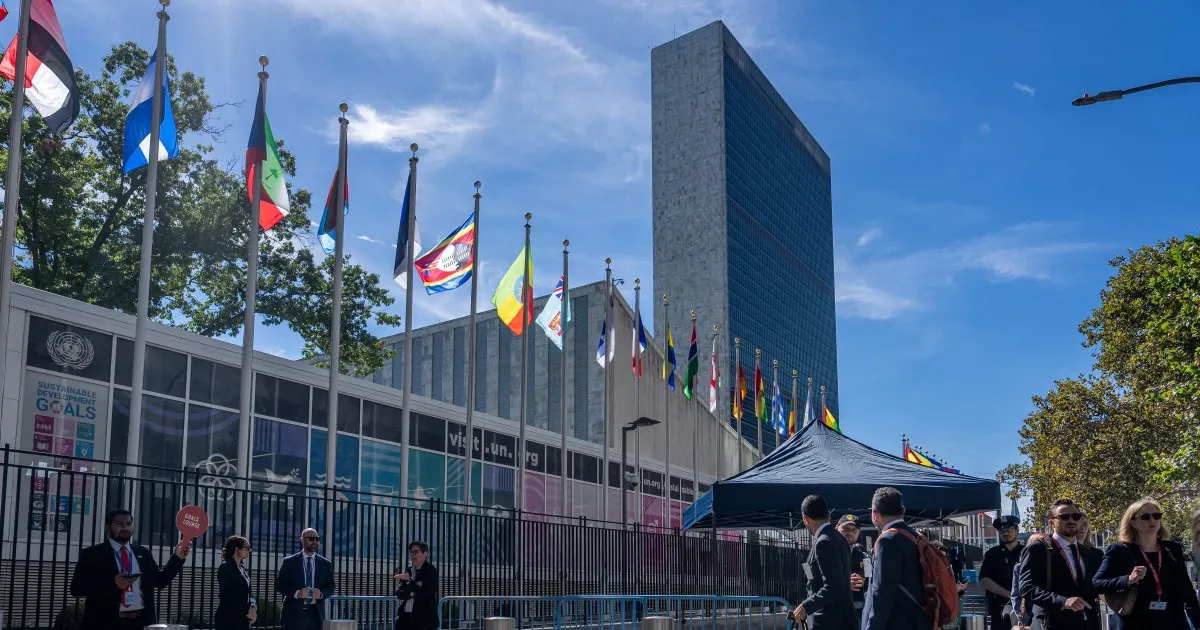
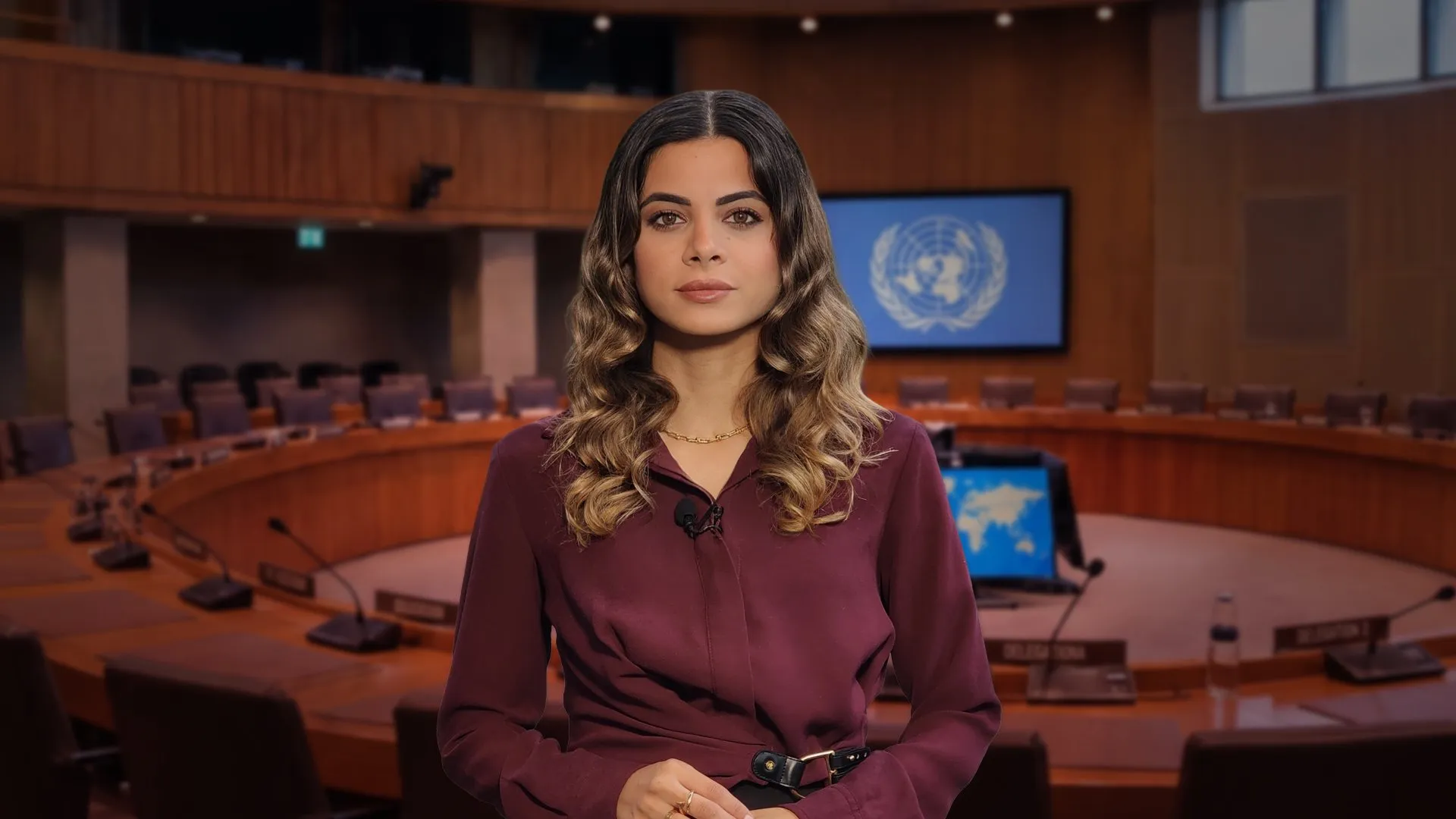
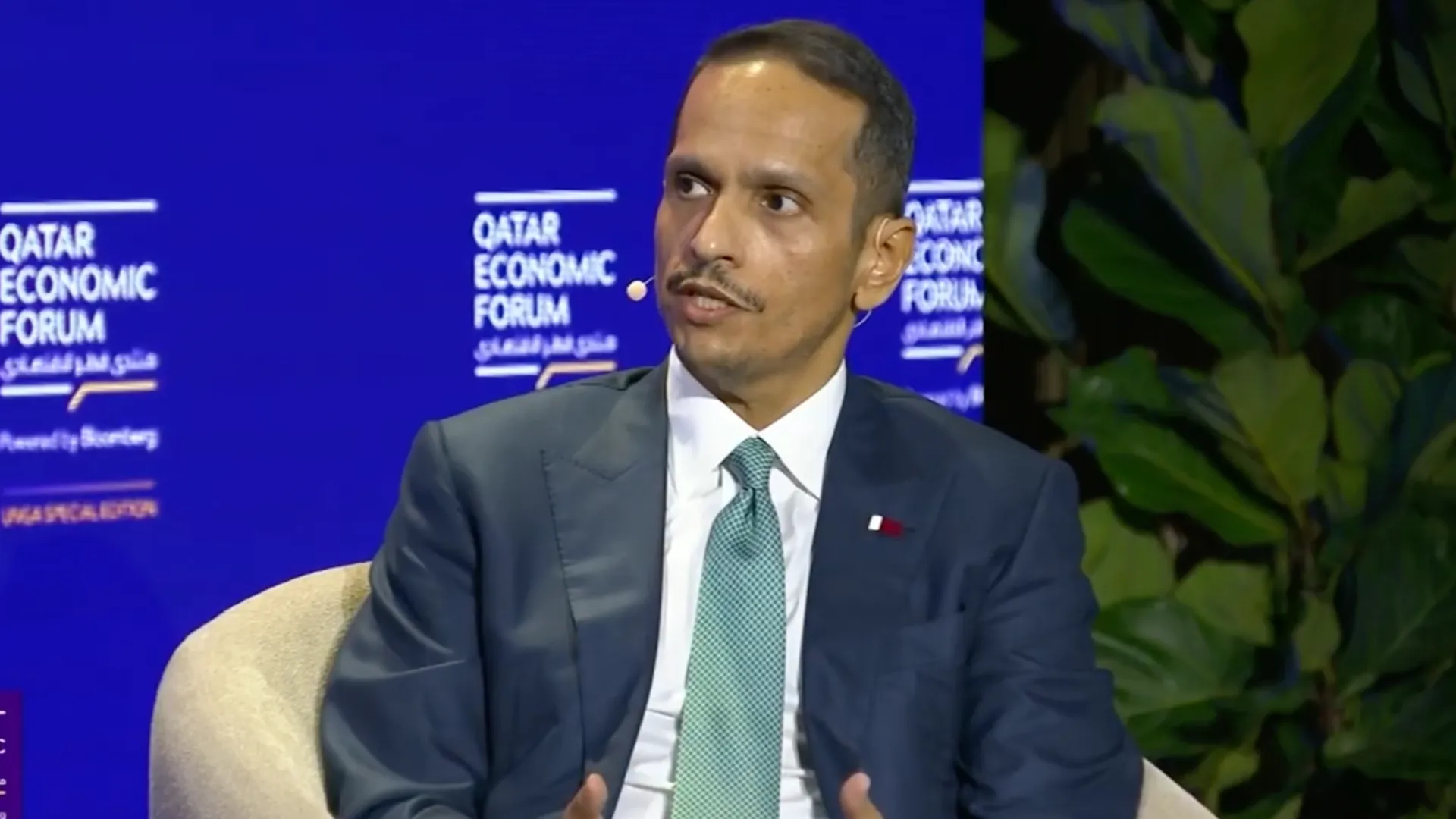
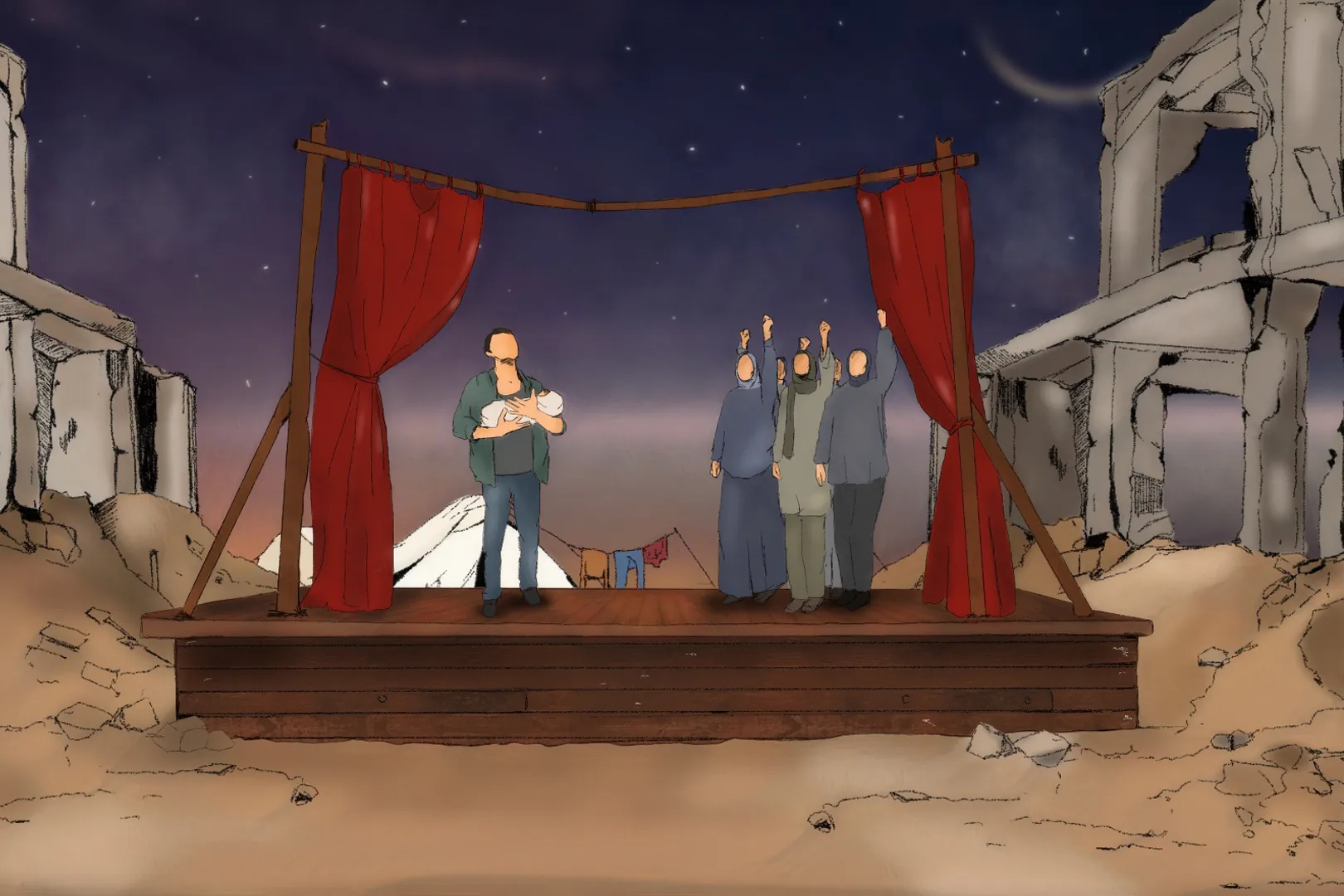
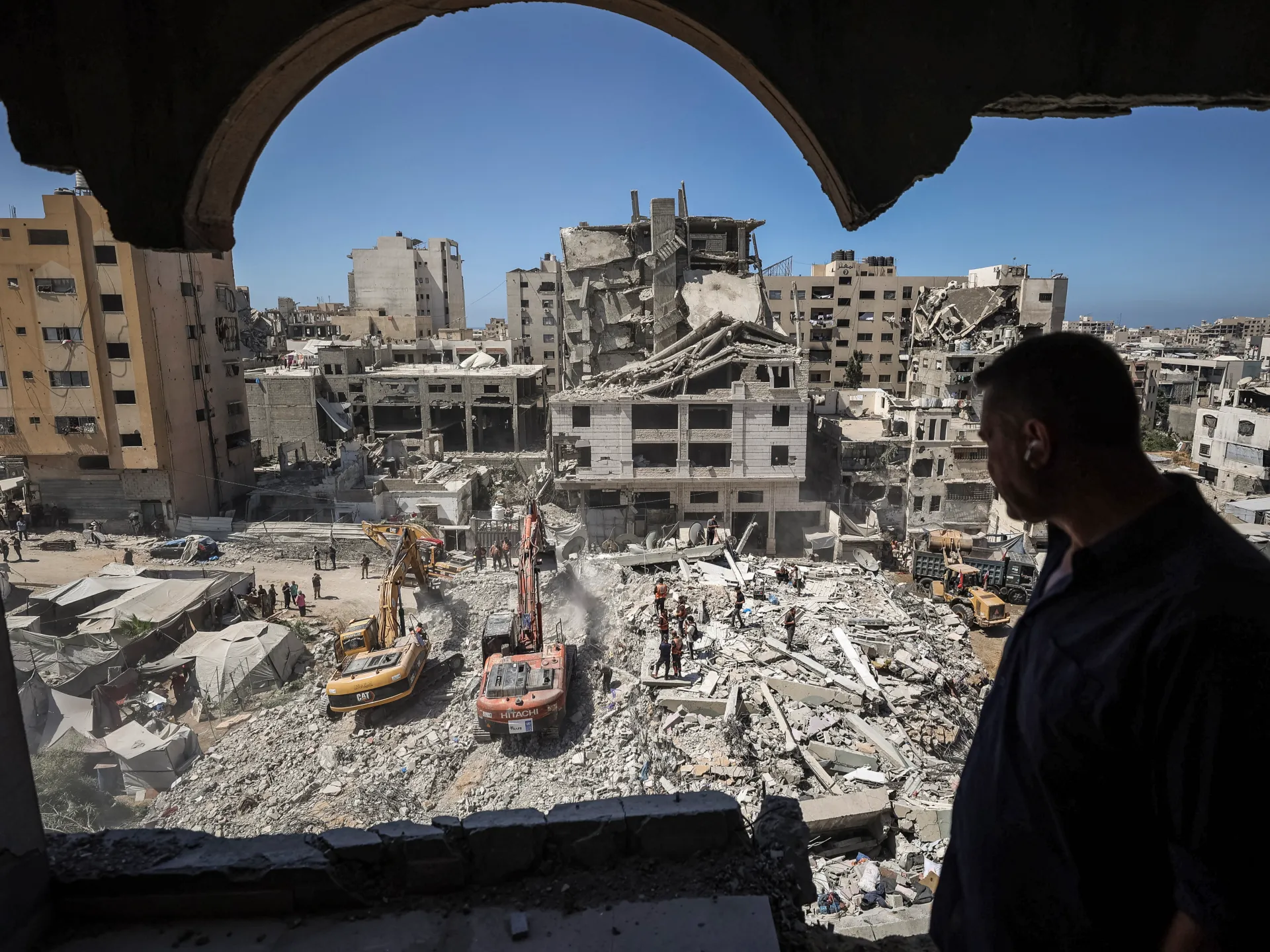
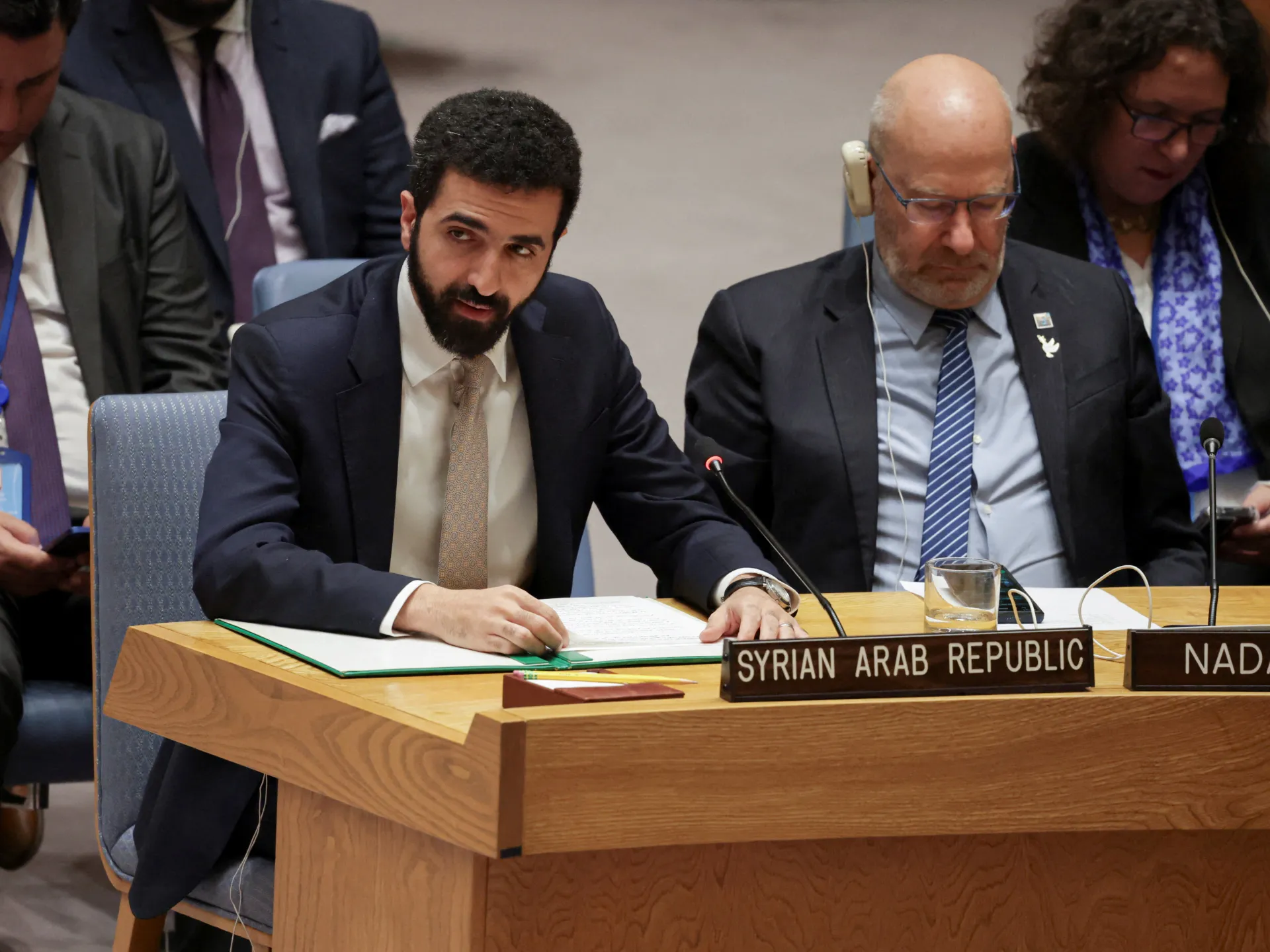
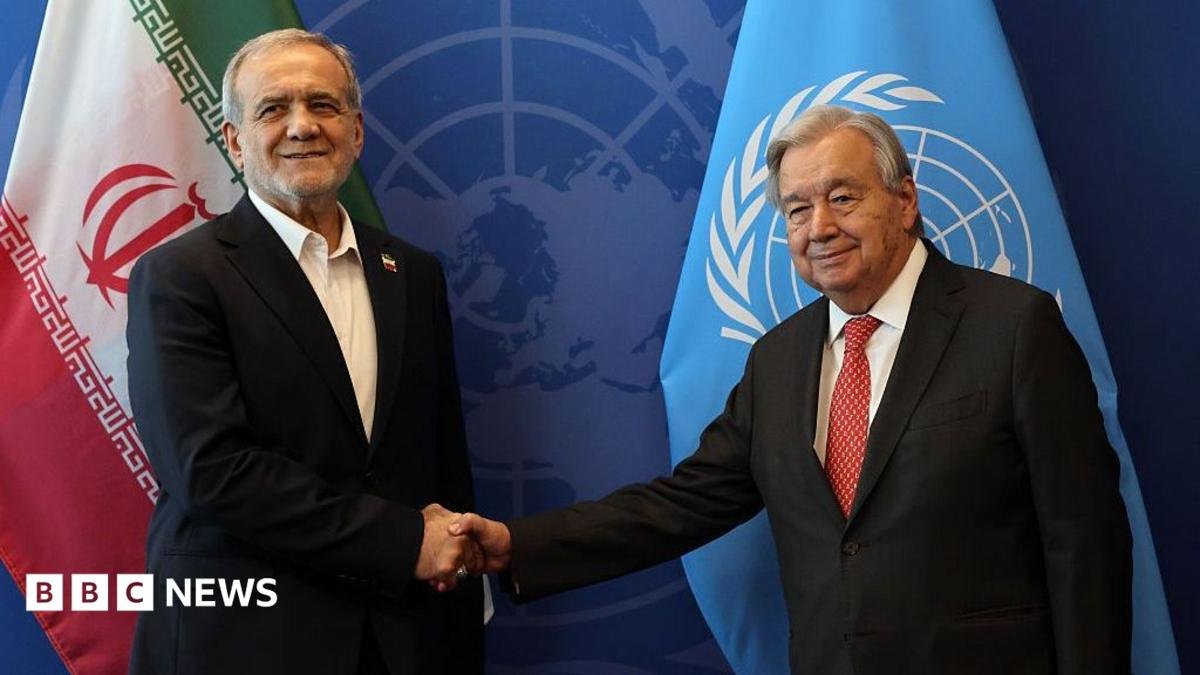
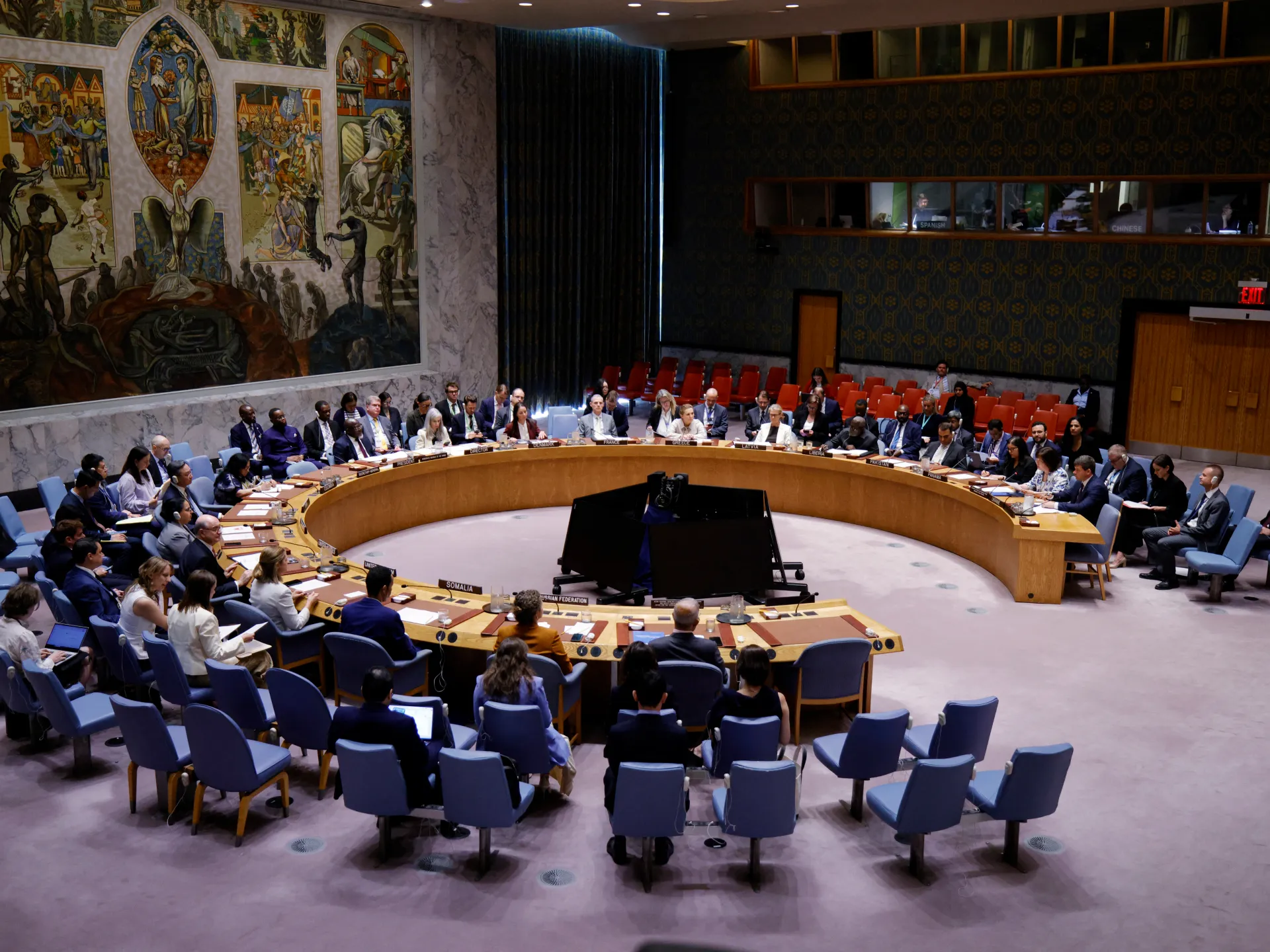
A newly unveiled $2.4 billion recovery blueprint for the Gaza Strip, presented tent violence that threatens to undermine the initiative's core objectives. The proposal, introduced during the United Nations General Assembly in New York, outlines 66 distinct projects intended to jumpstart the revitalization of the enclave’s decimated infrastructure.
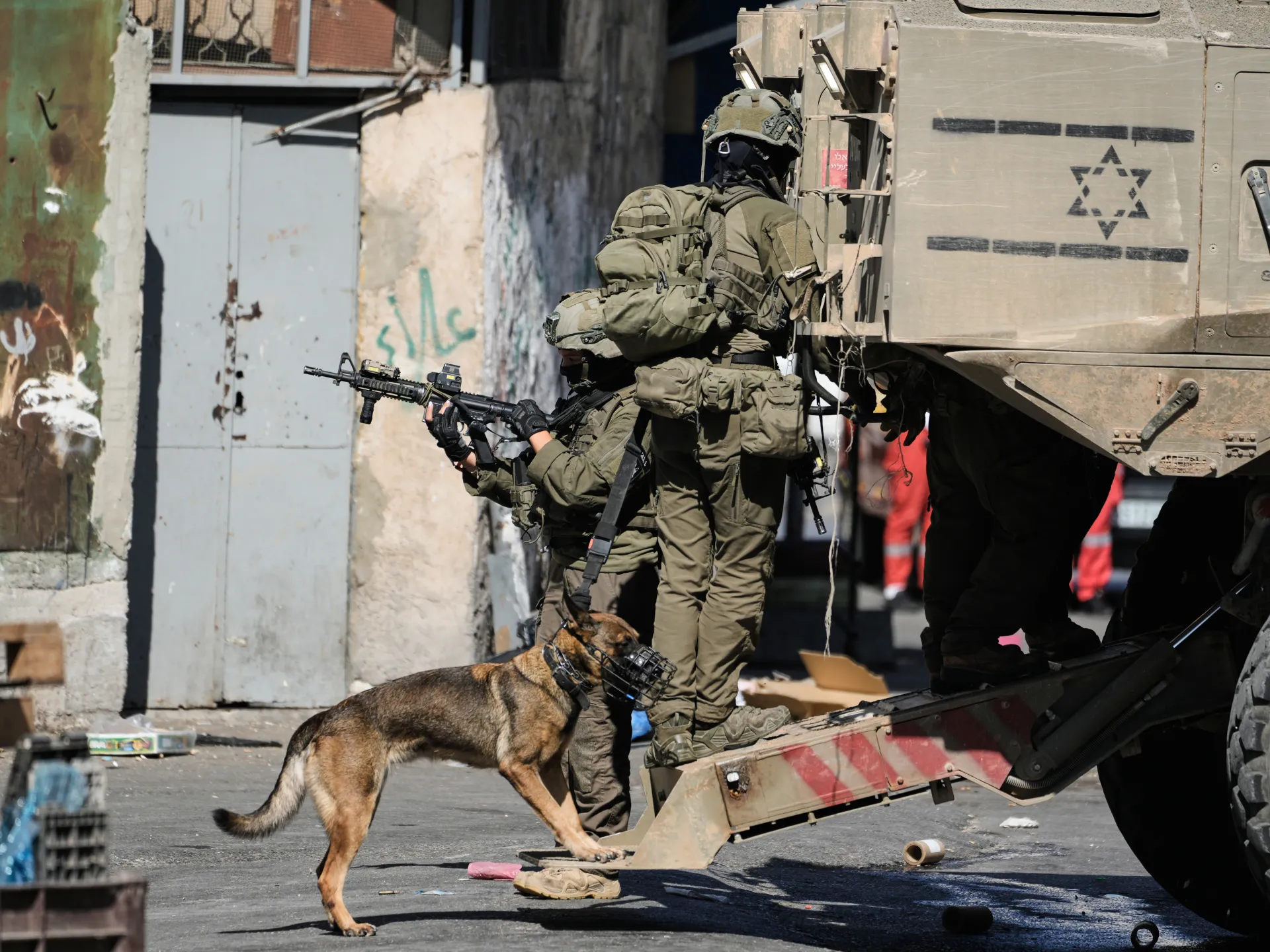
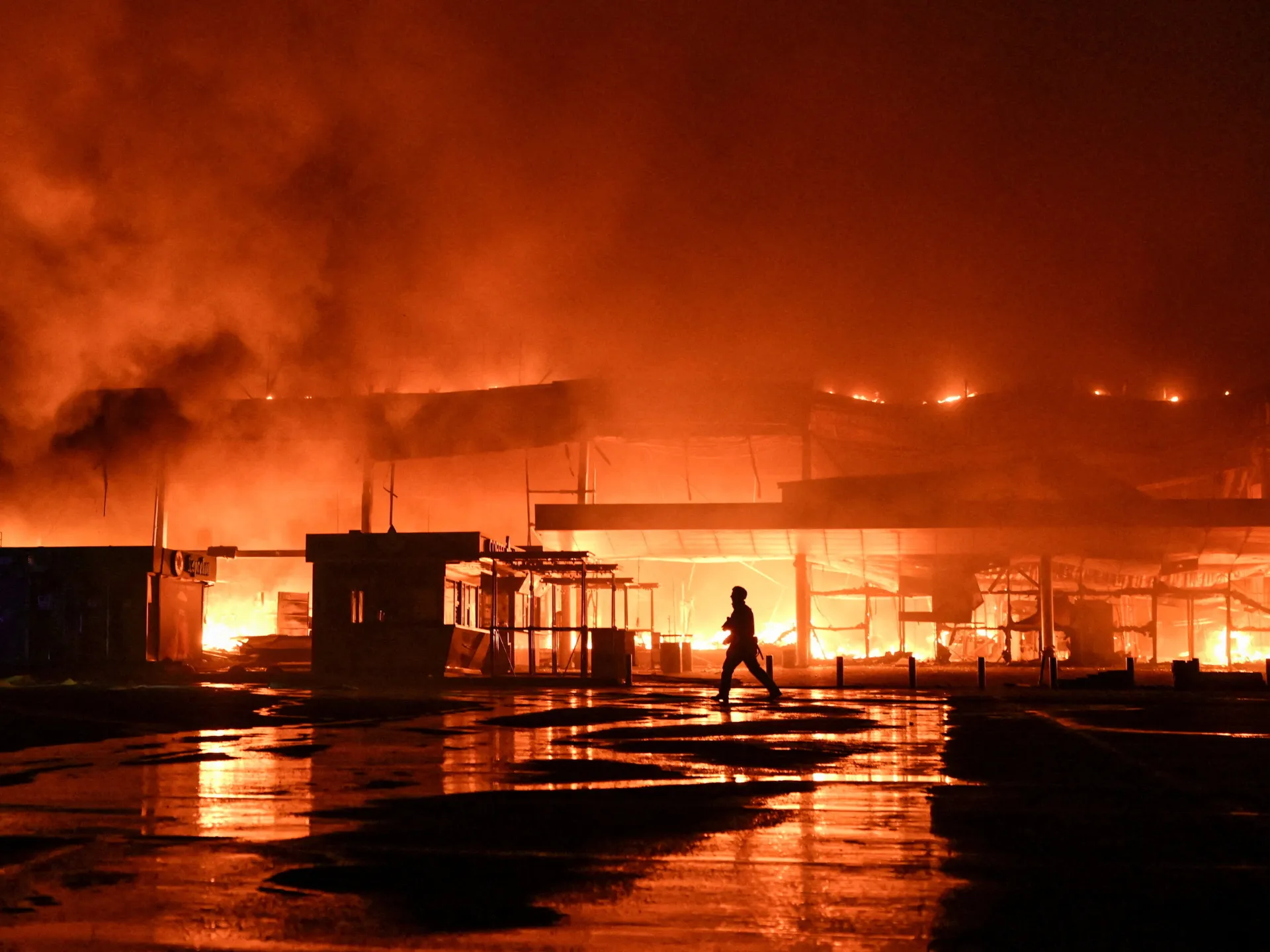
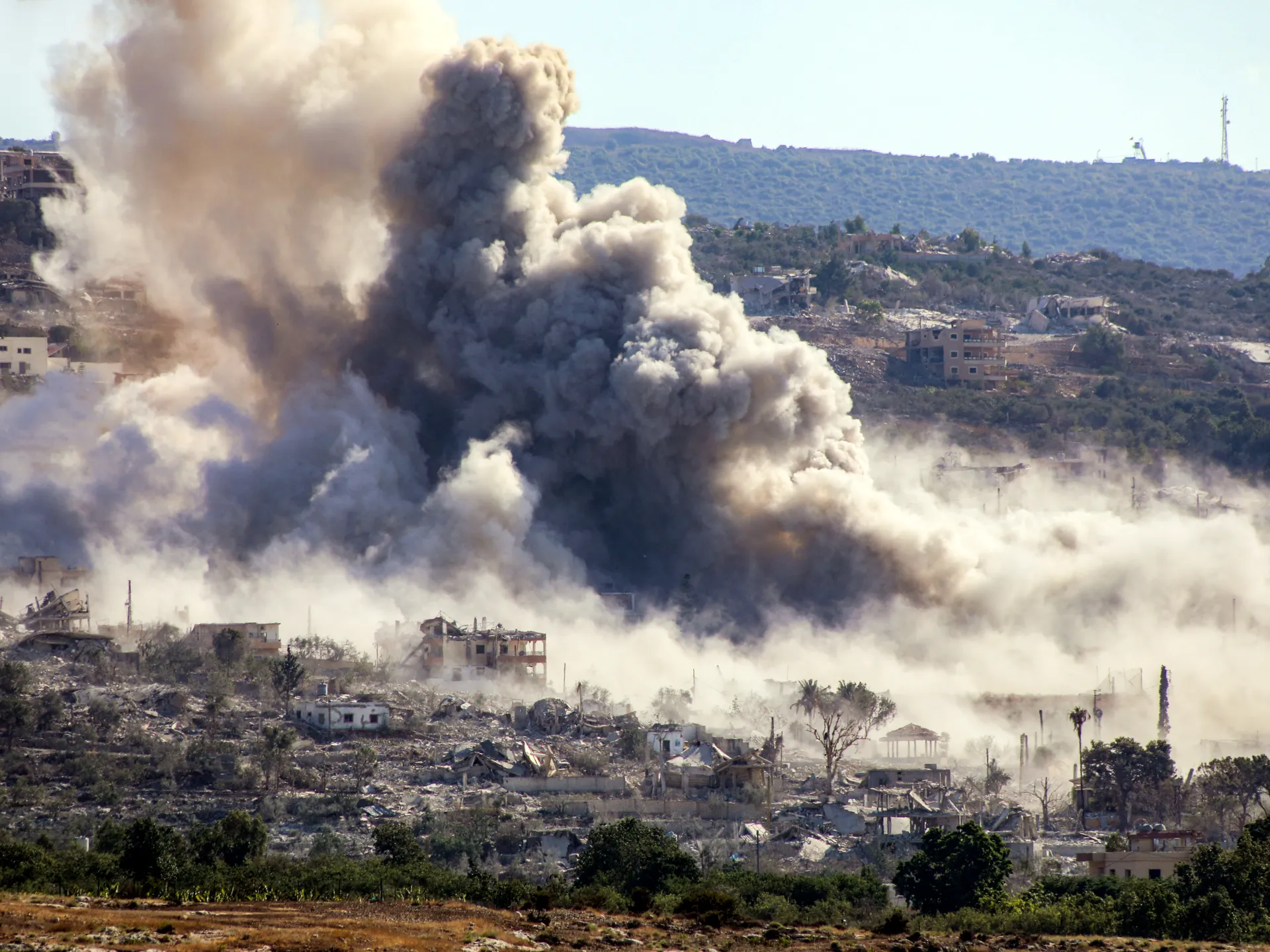
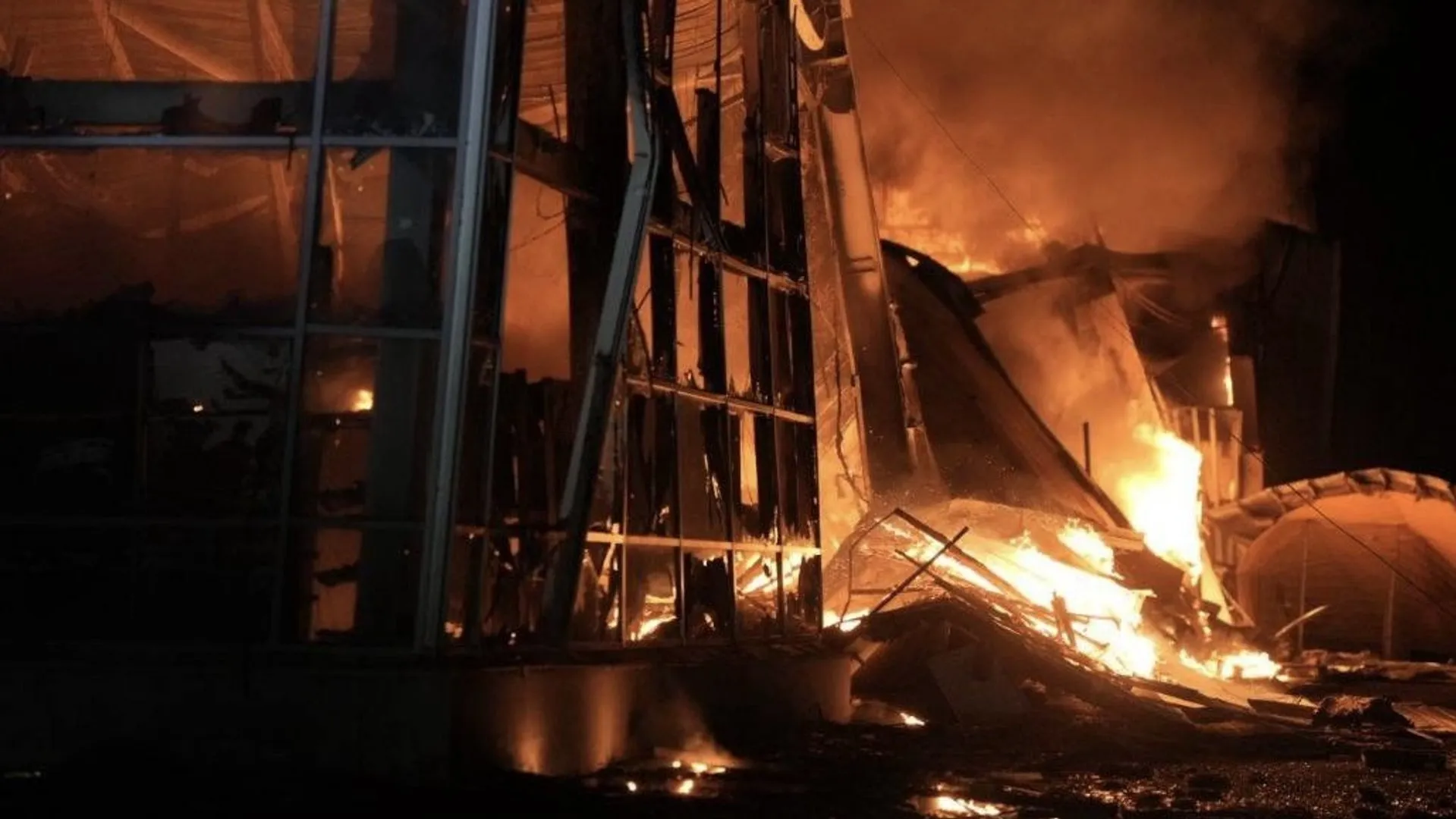
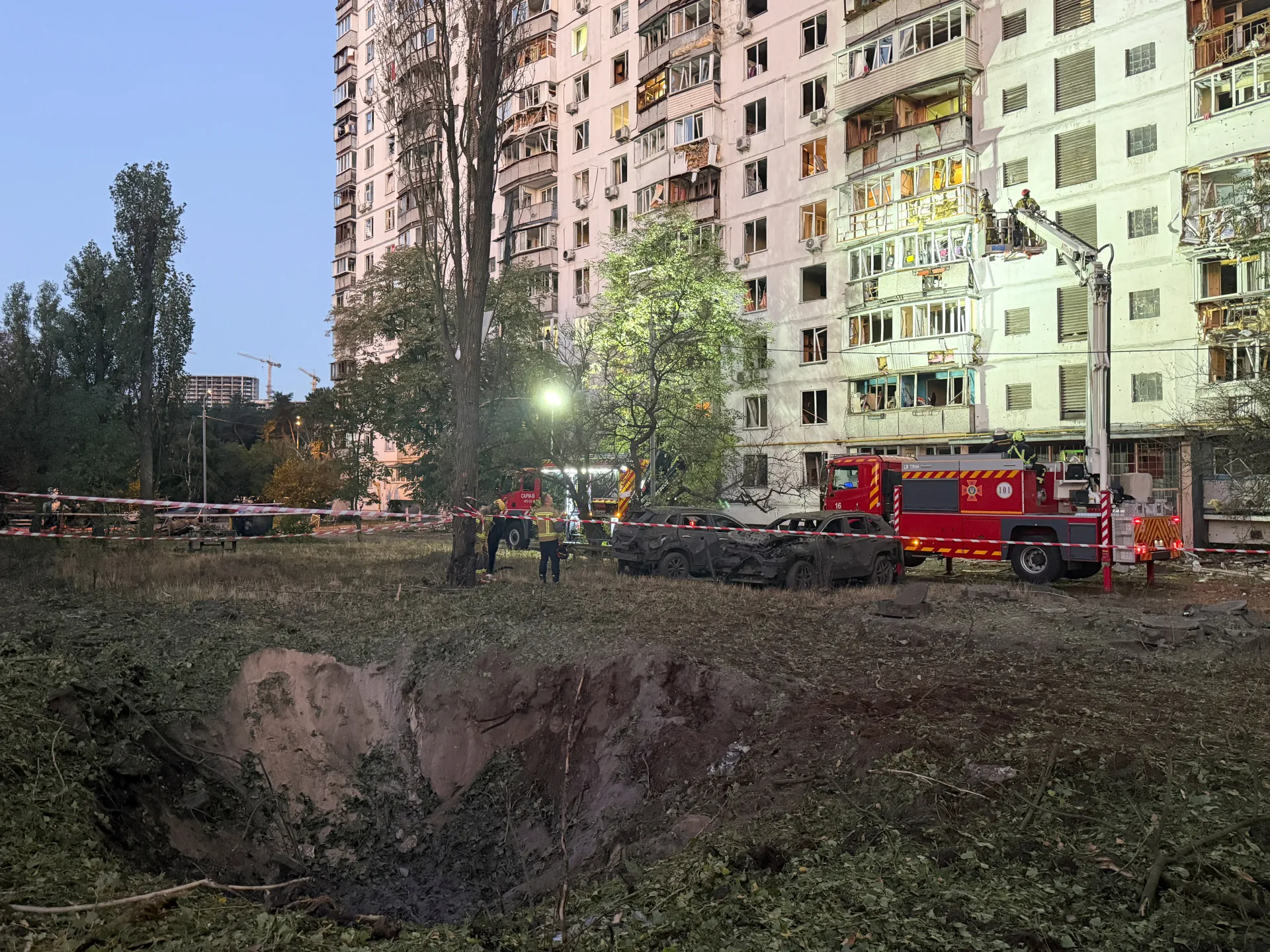
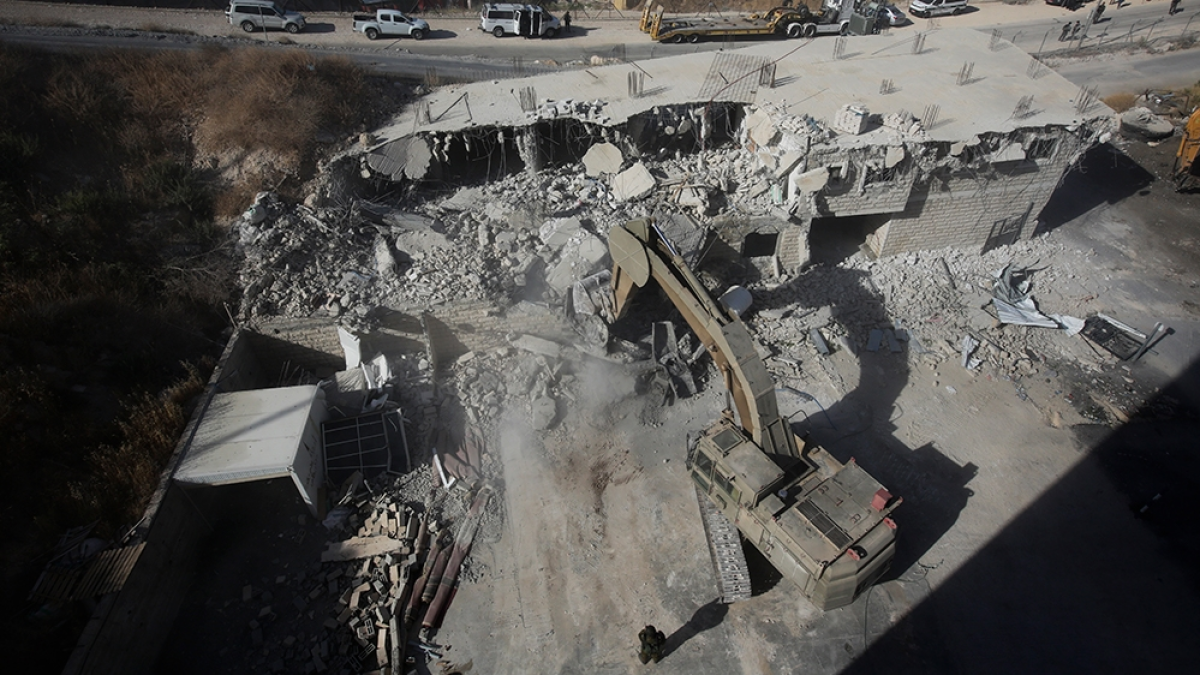
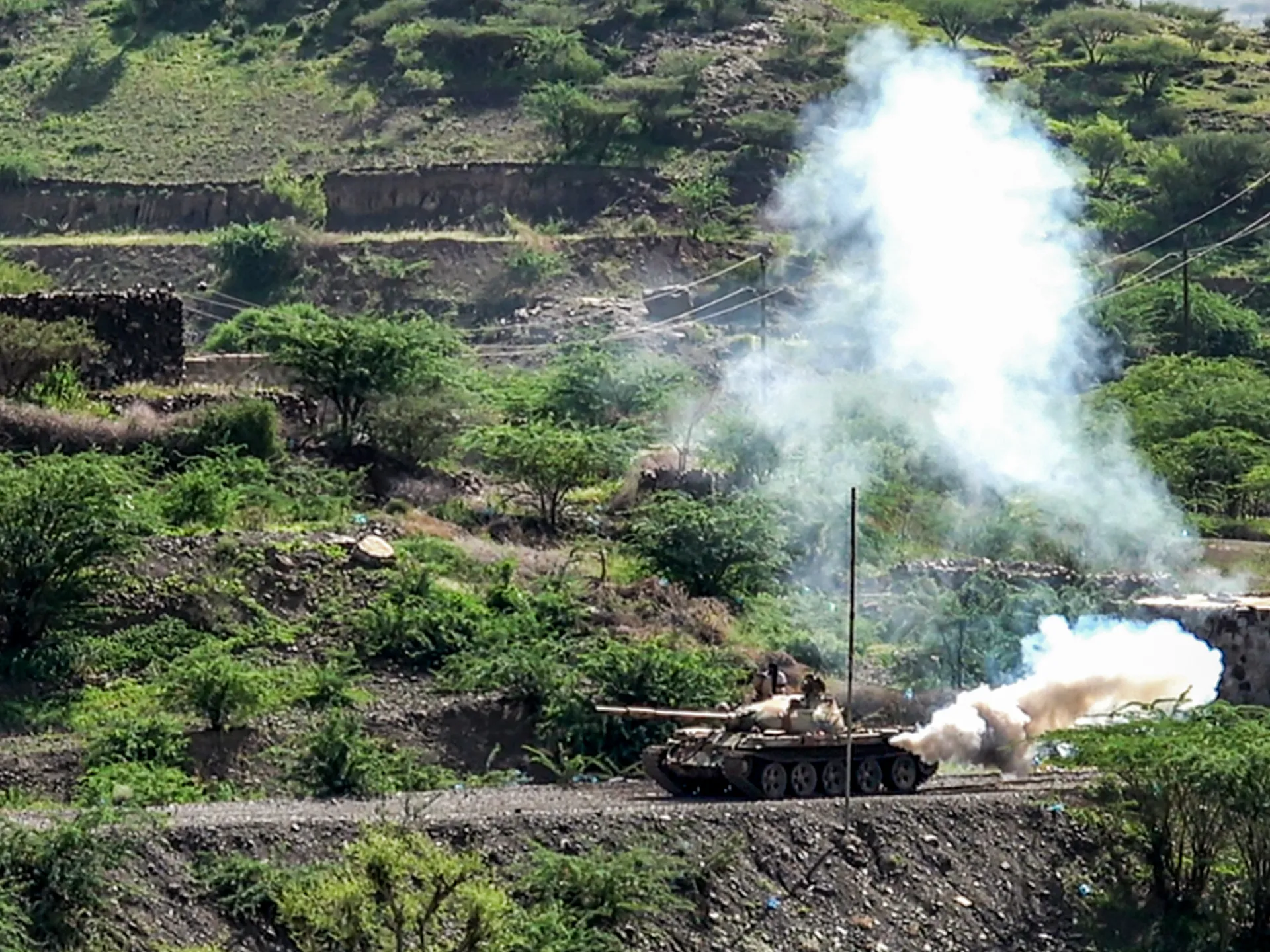
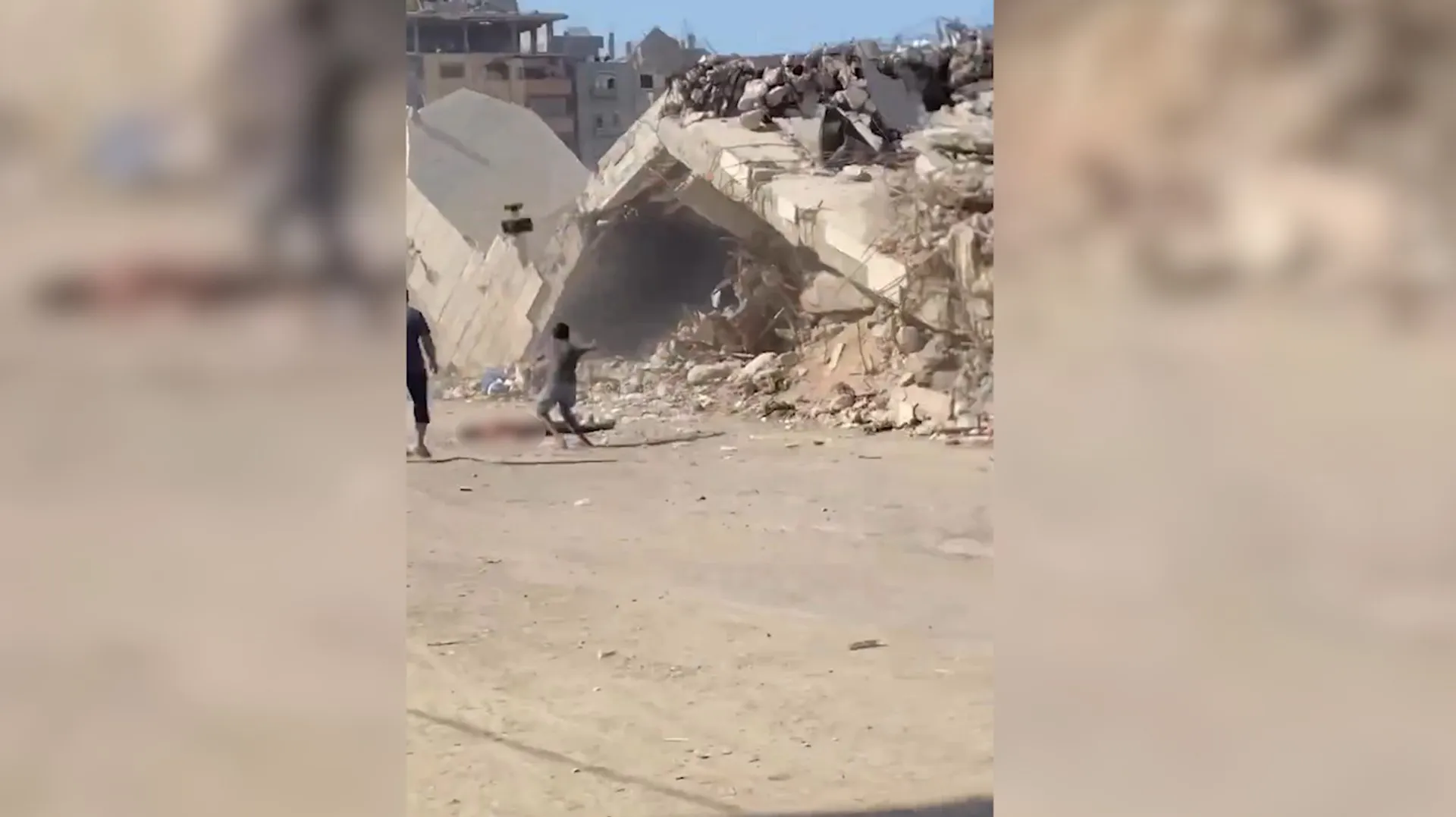
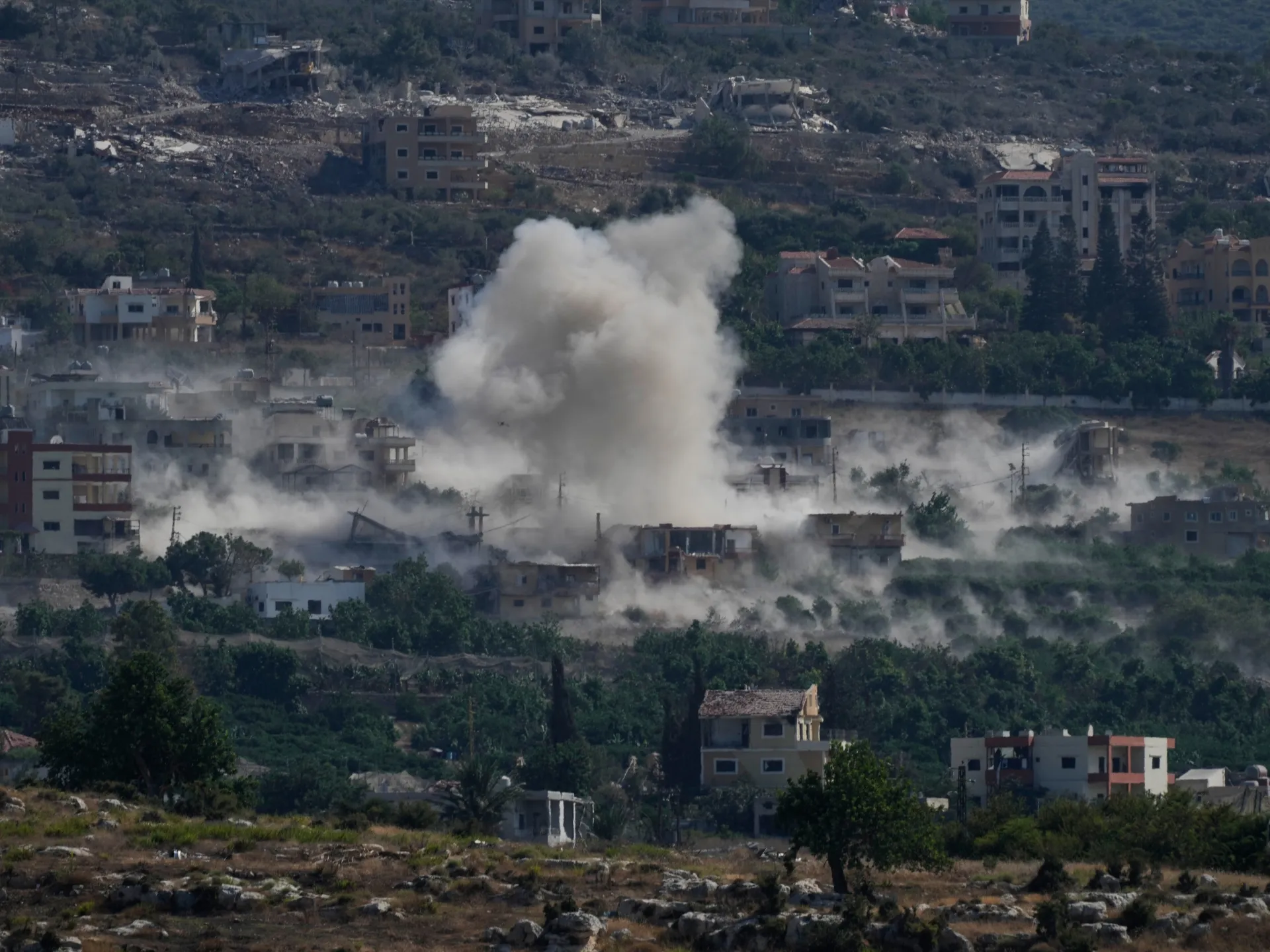
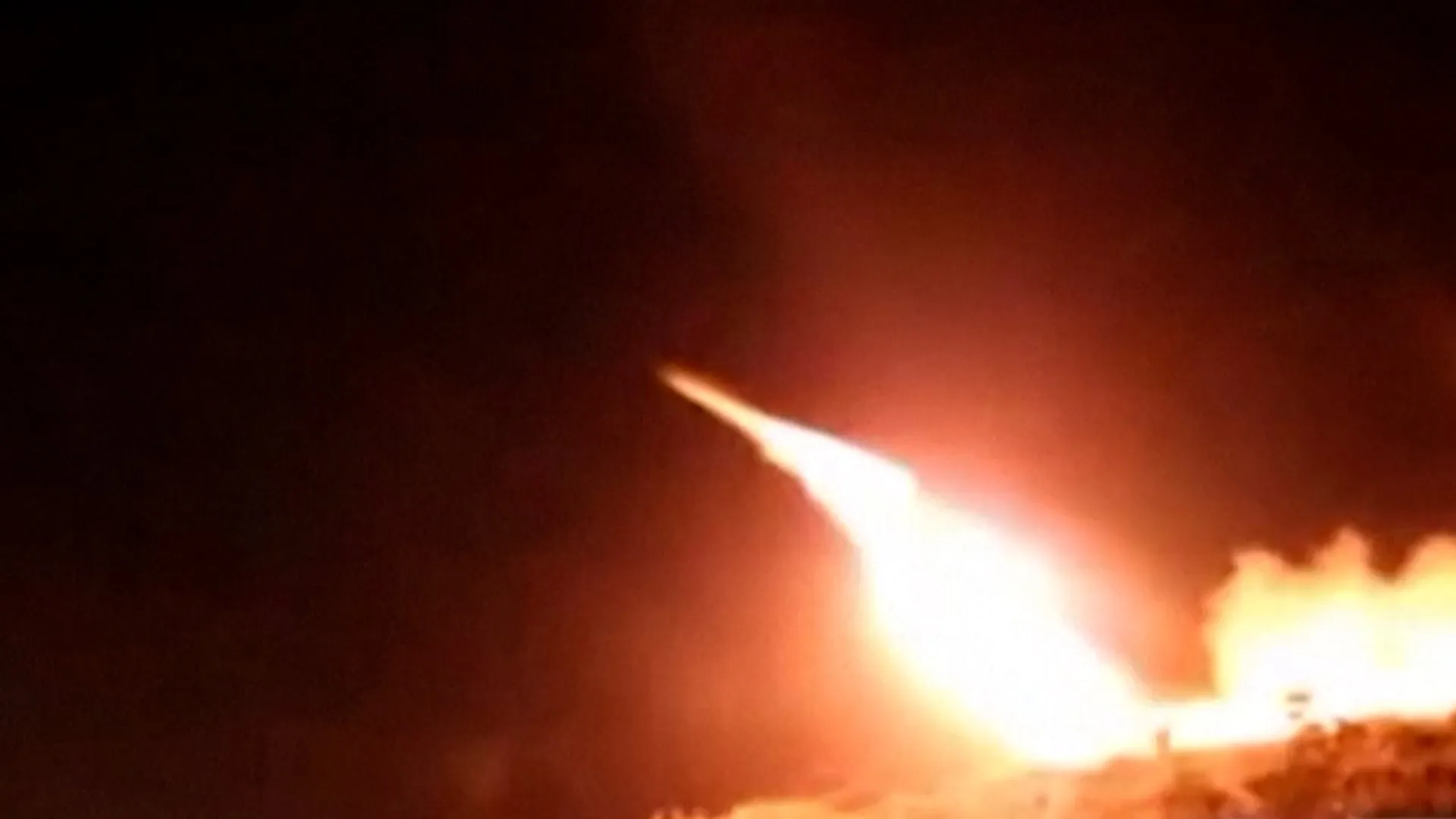
While the Board of Peace positions this initial investment as the precursor to a decade-long, $71.4 billion reconstruction effort, the optimism surrounding the plan is starkly contrasted s have continued unabated, resulting in at least seven civilian fatalities in recent incidents, effectively stalling the preliminary conditions necessary for large-scale development to take root.
The establishment of the Board of Peace signifies a deliberate attempt to shift from emergency humanitarian relief to institutionalized governance and development. However, the disconnect between international diplomatic efforts in New York and the escalating security crisis in Gaza suggests a fundamental fragility in the current peace process. ions, the Board of Peace has essentially created a 'conditional recovery' model. This approach places the burden of peace entirely on the success of disarmament protocols, yet the persistence of targeted aerial strikes demonstrates that the security environment remains volatile enough to render any long-term construction planning speculative at best. The international community is effectively betting on a fragile political agreement while the operational reality on the ground remains defined
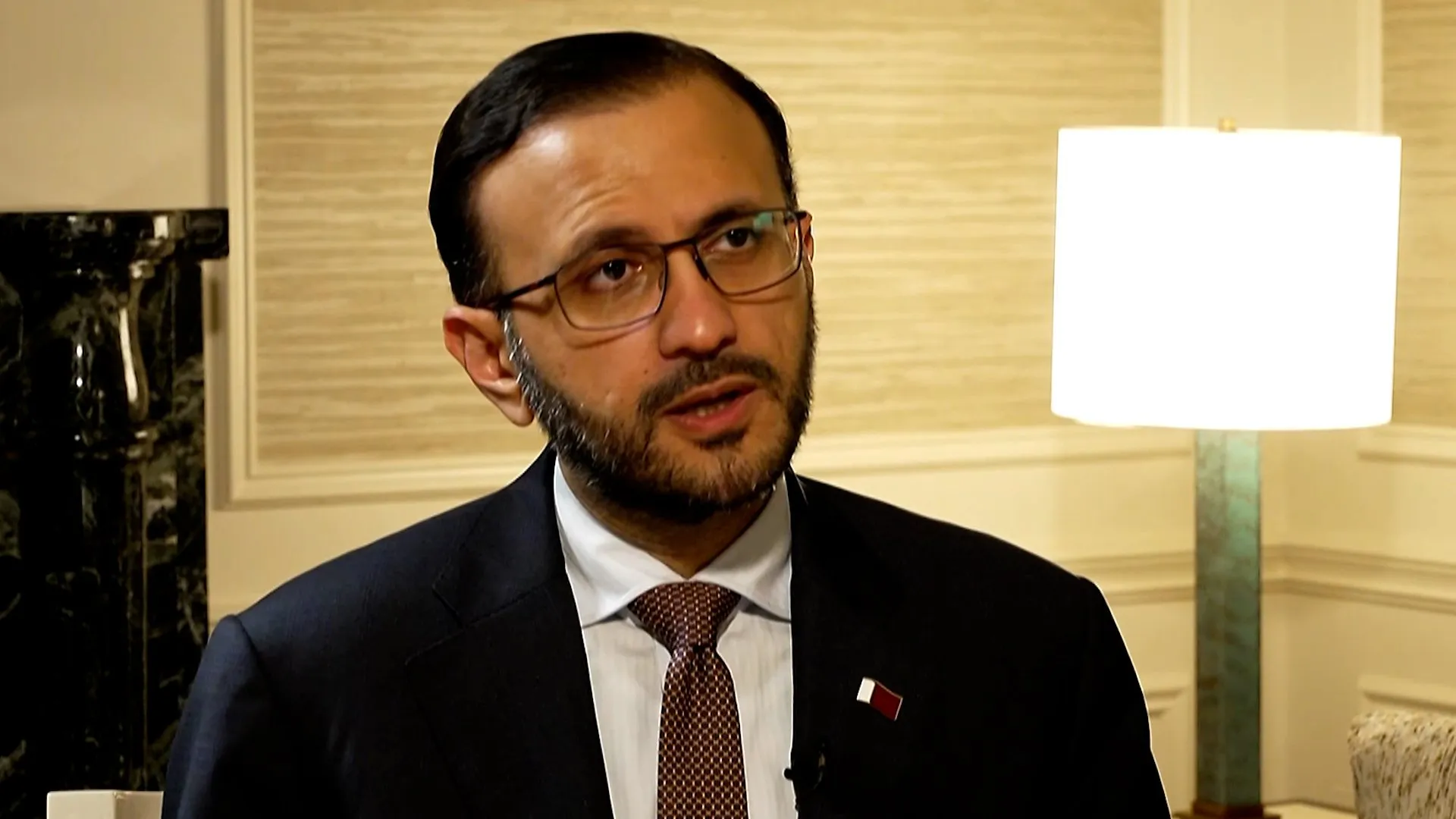
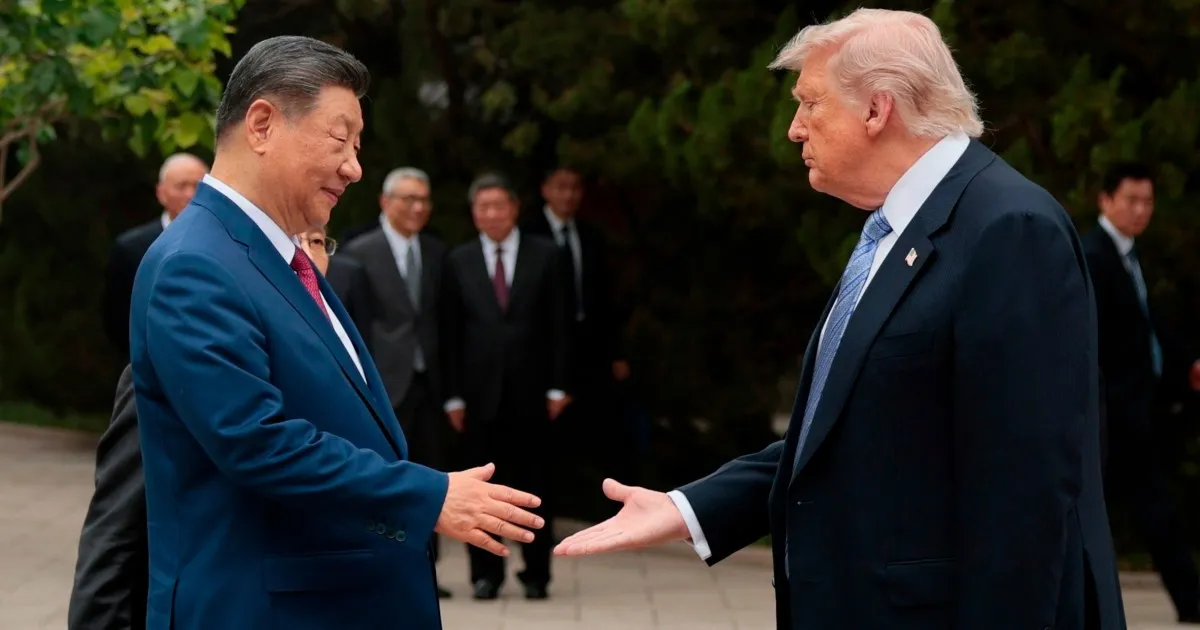
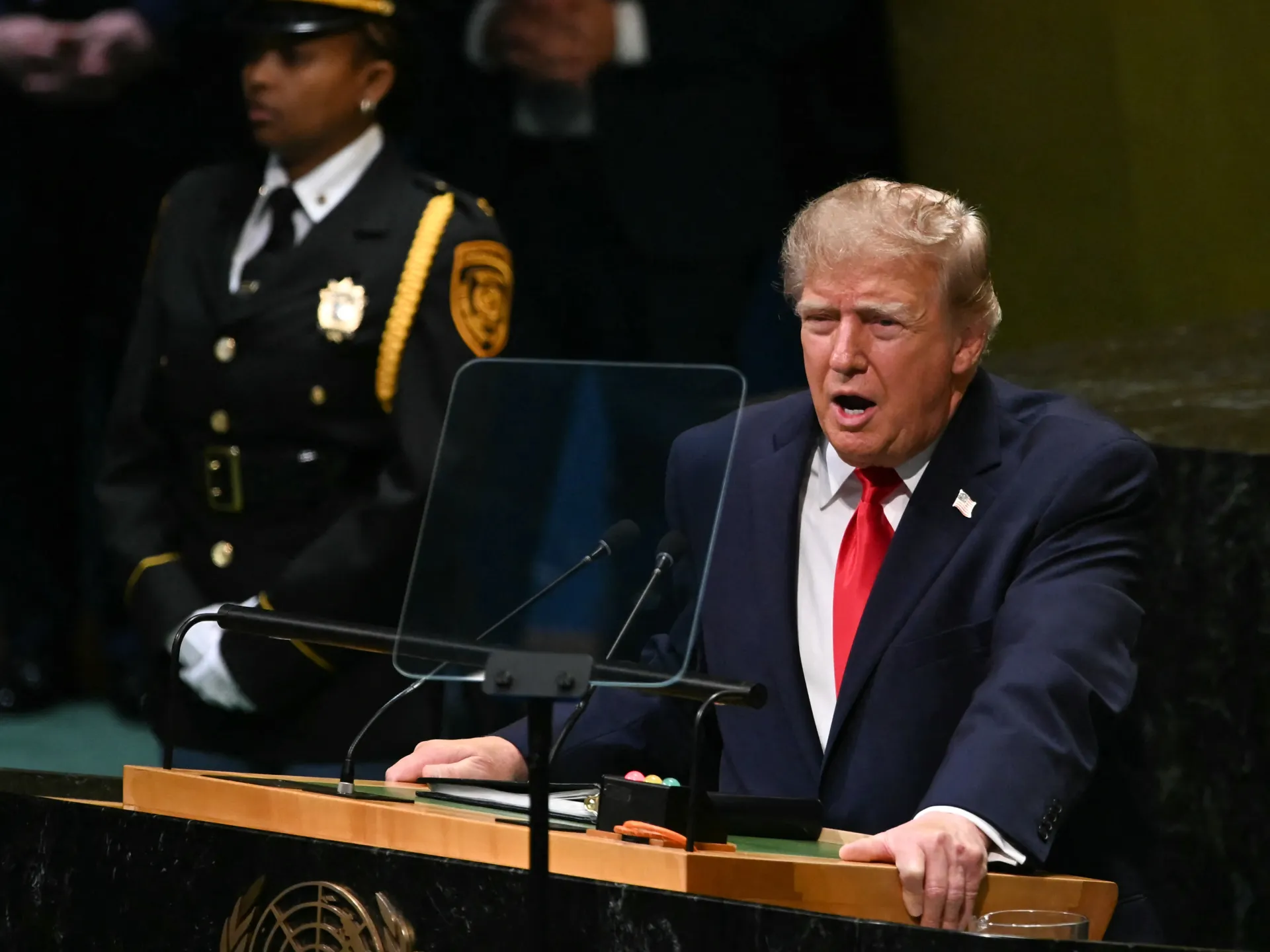
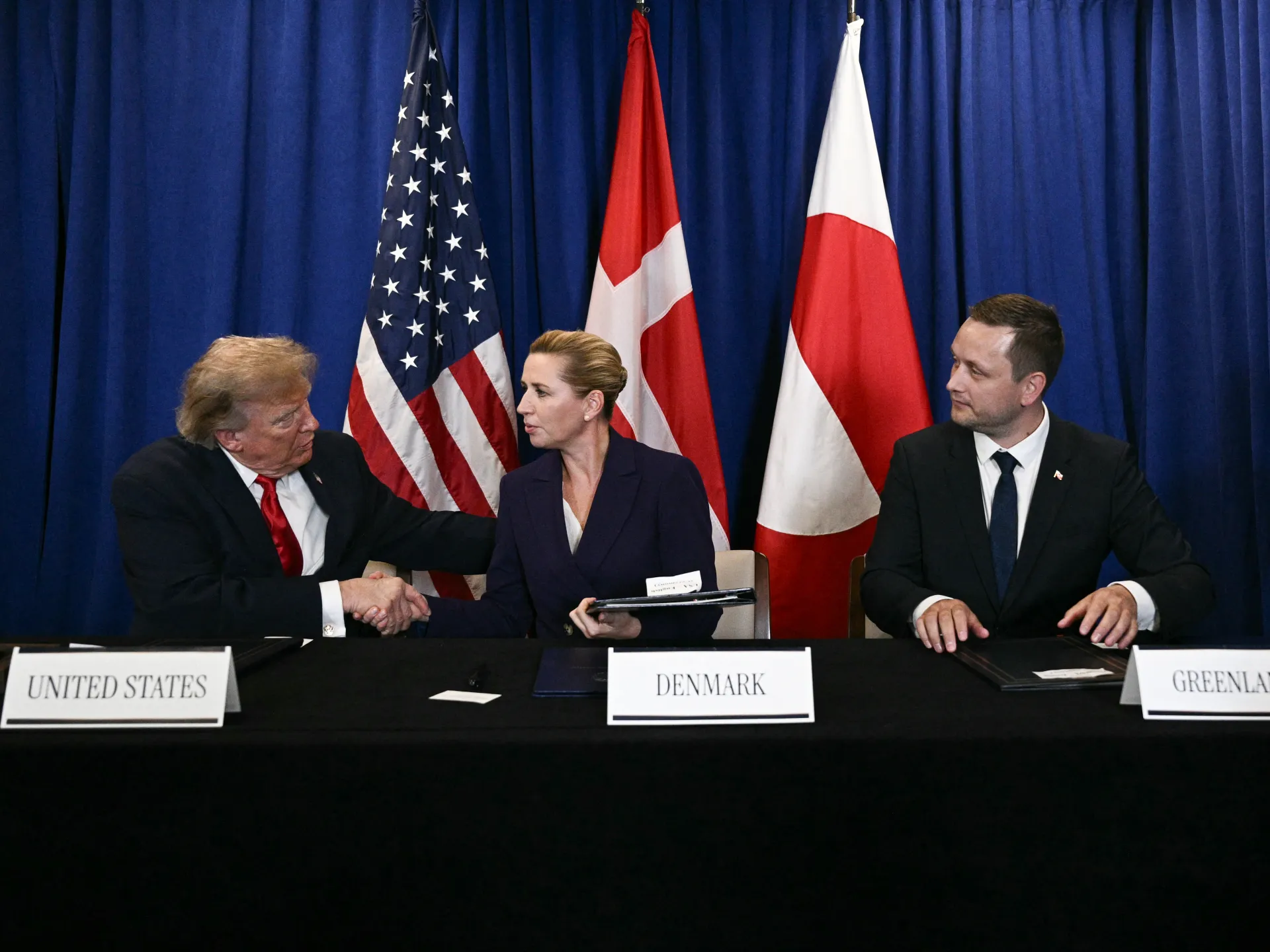
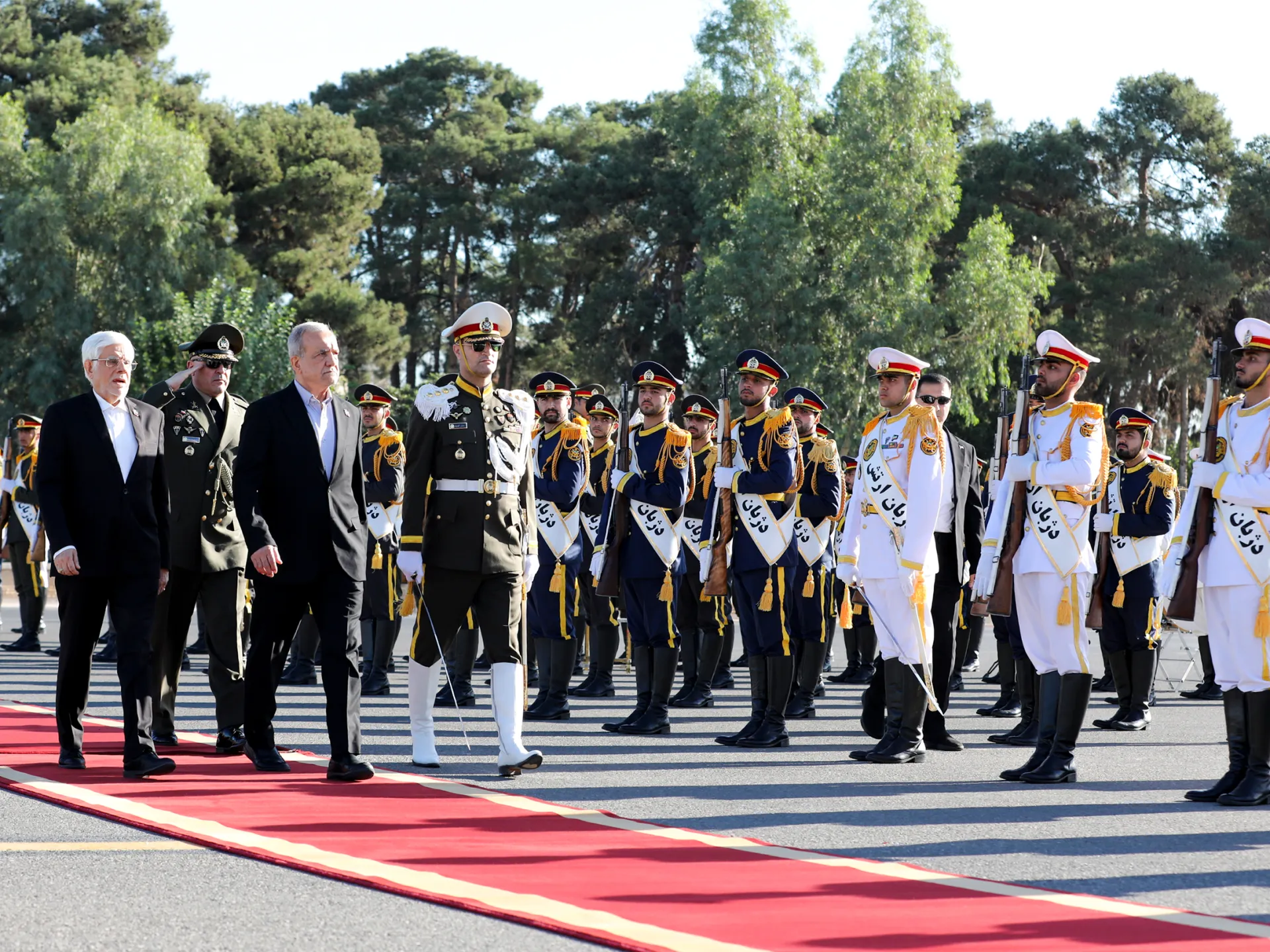
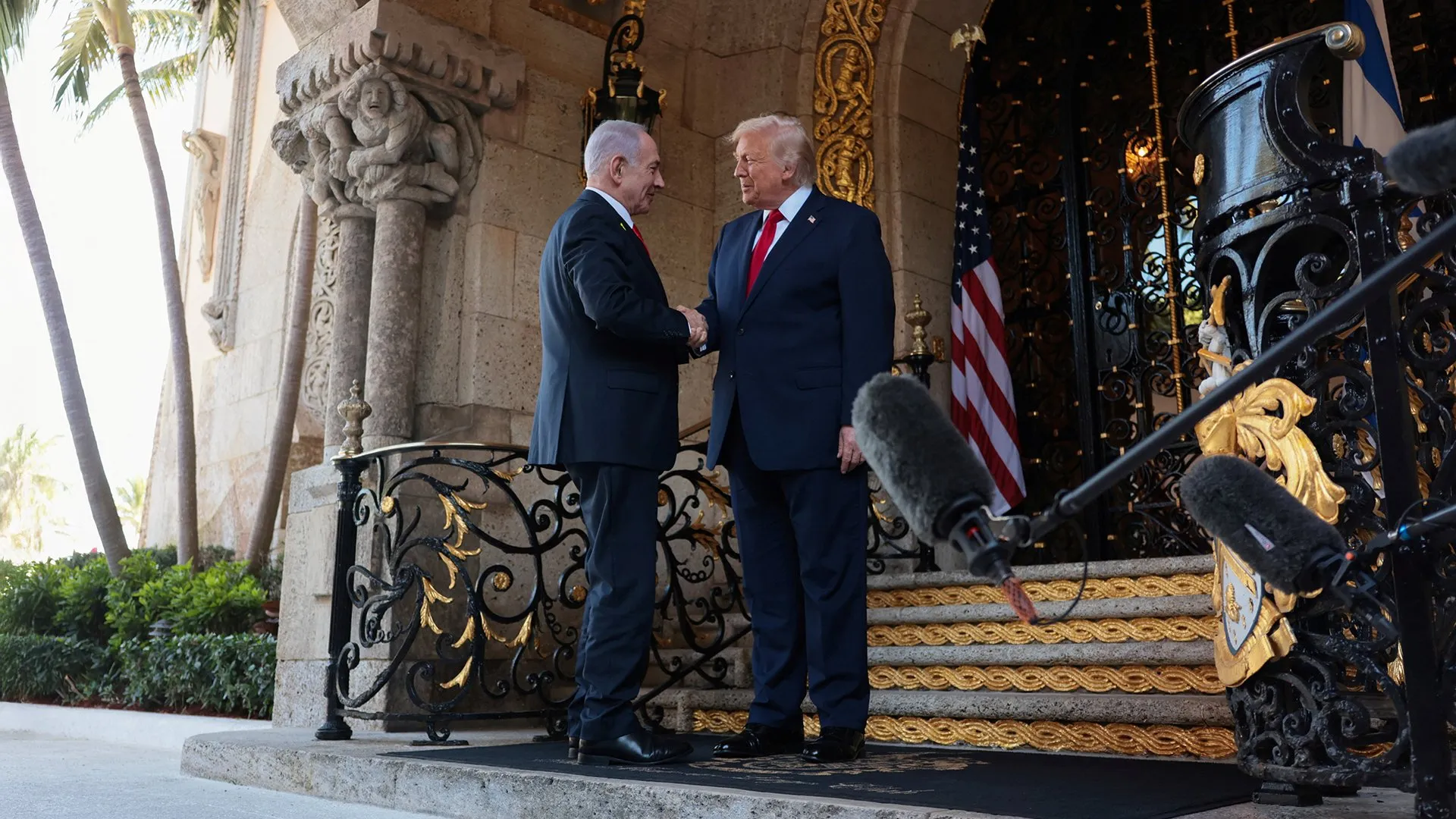
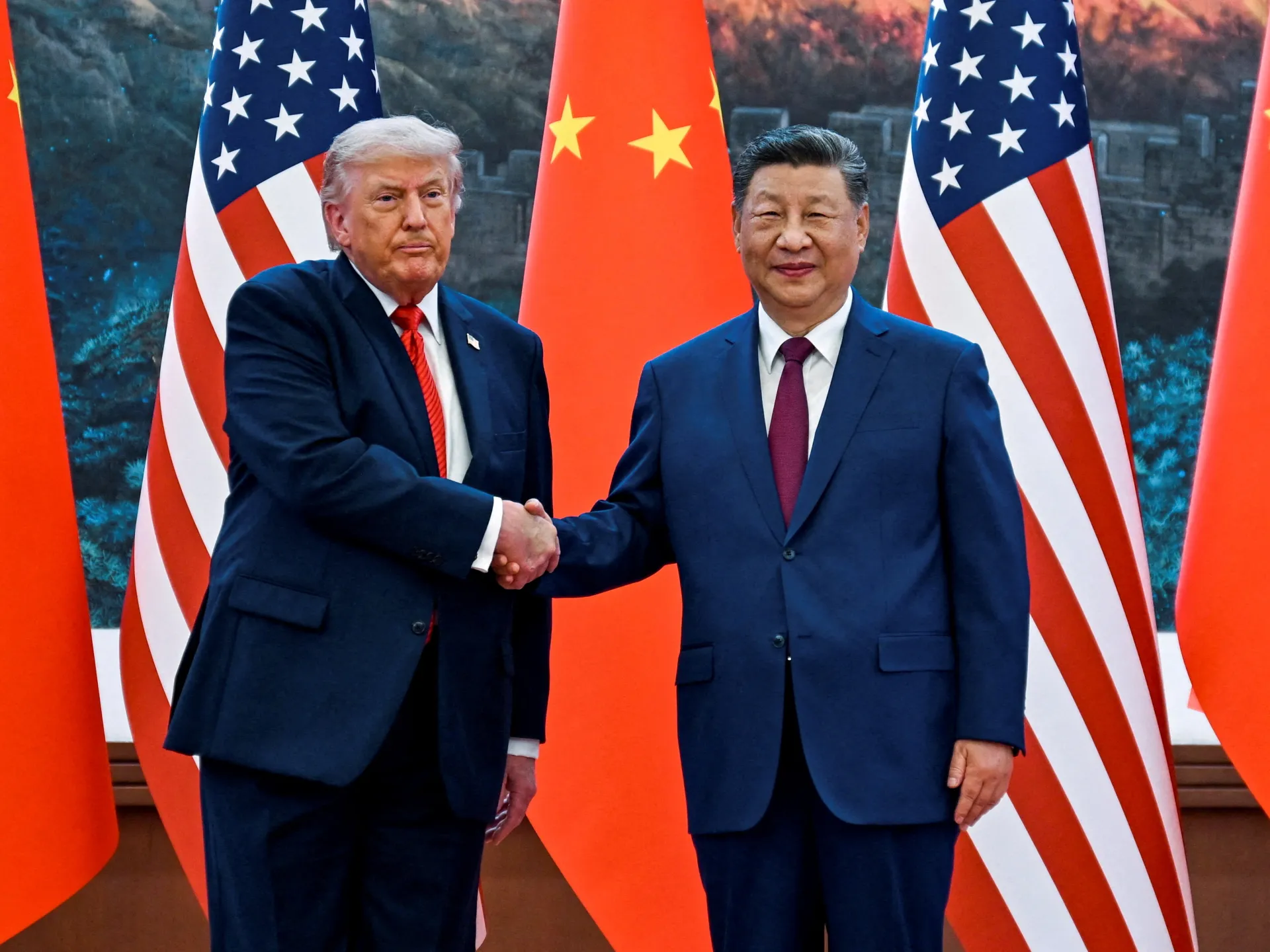
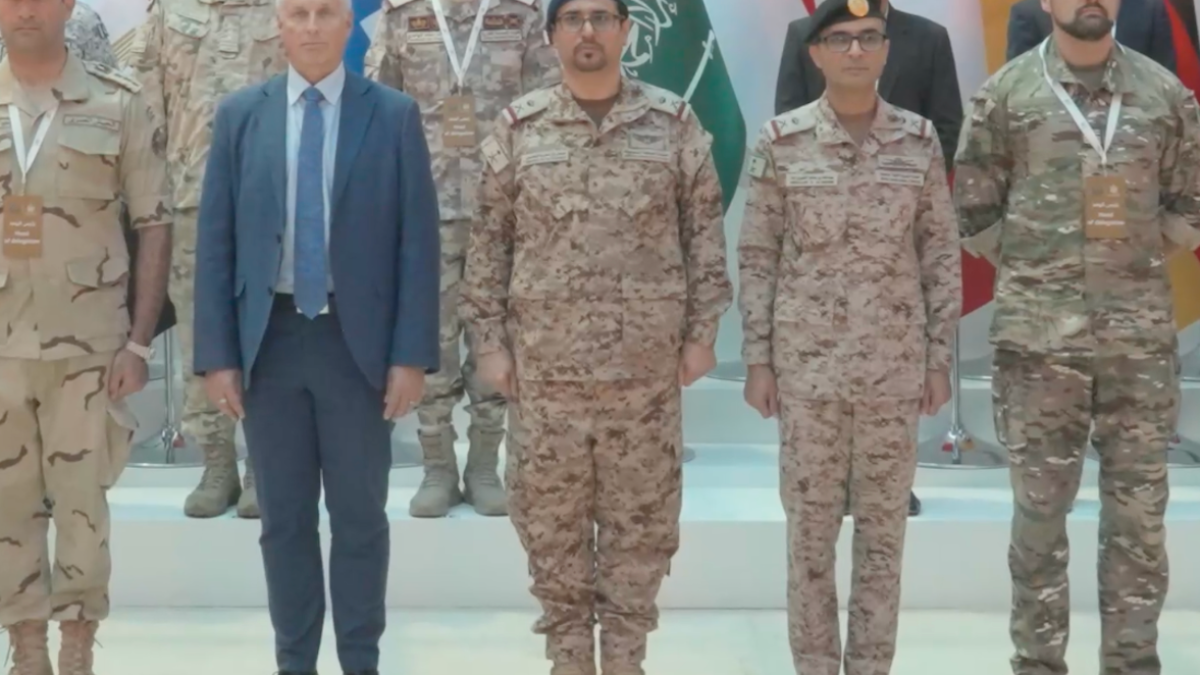
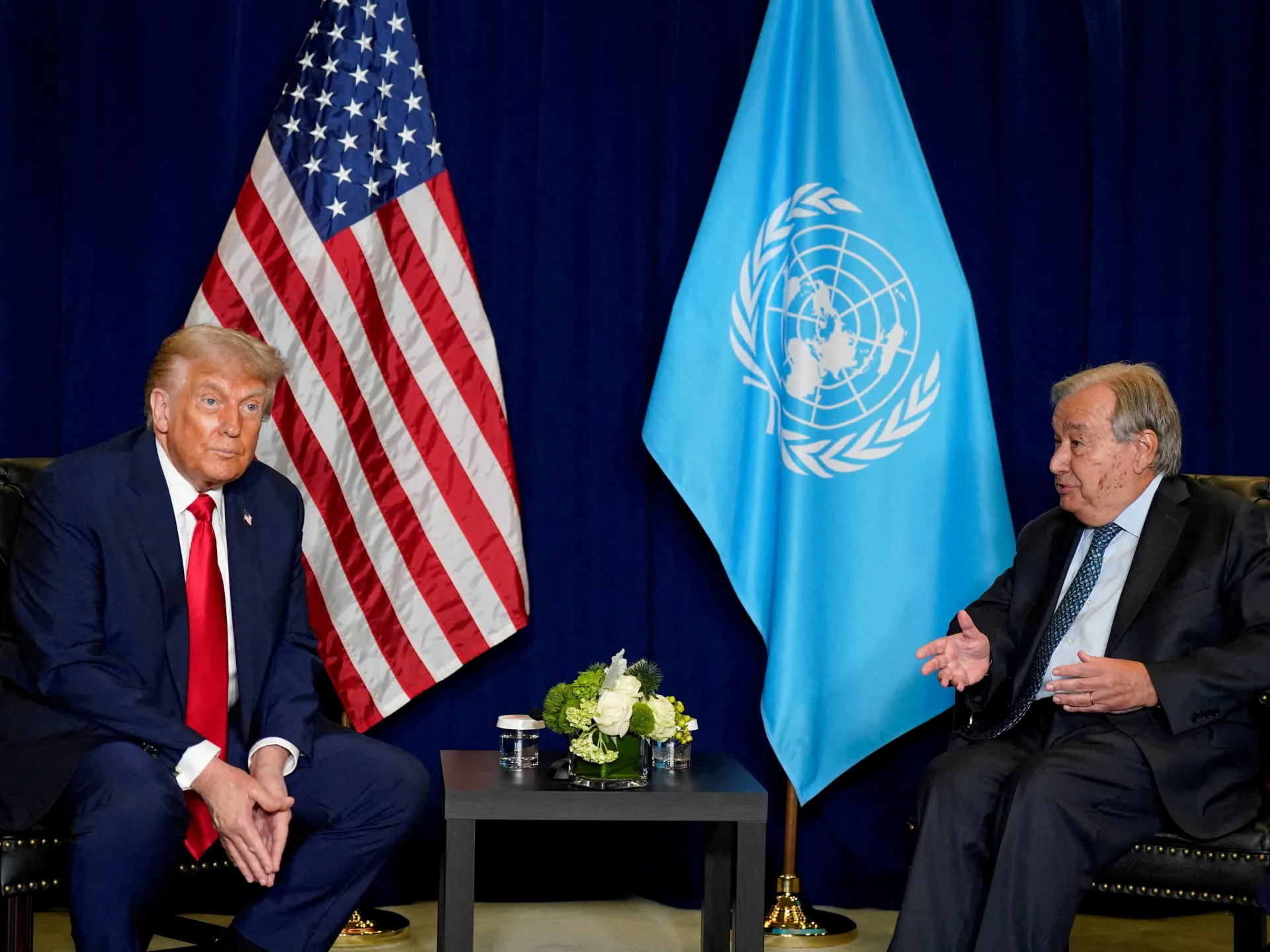
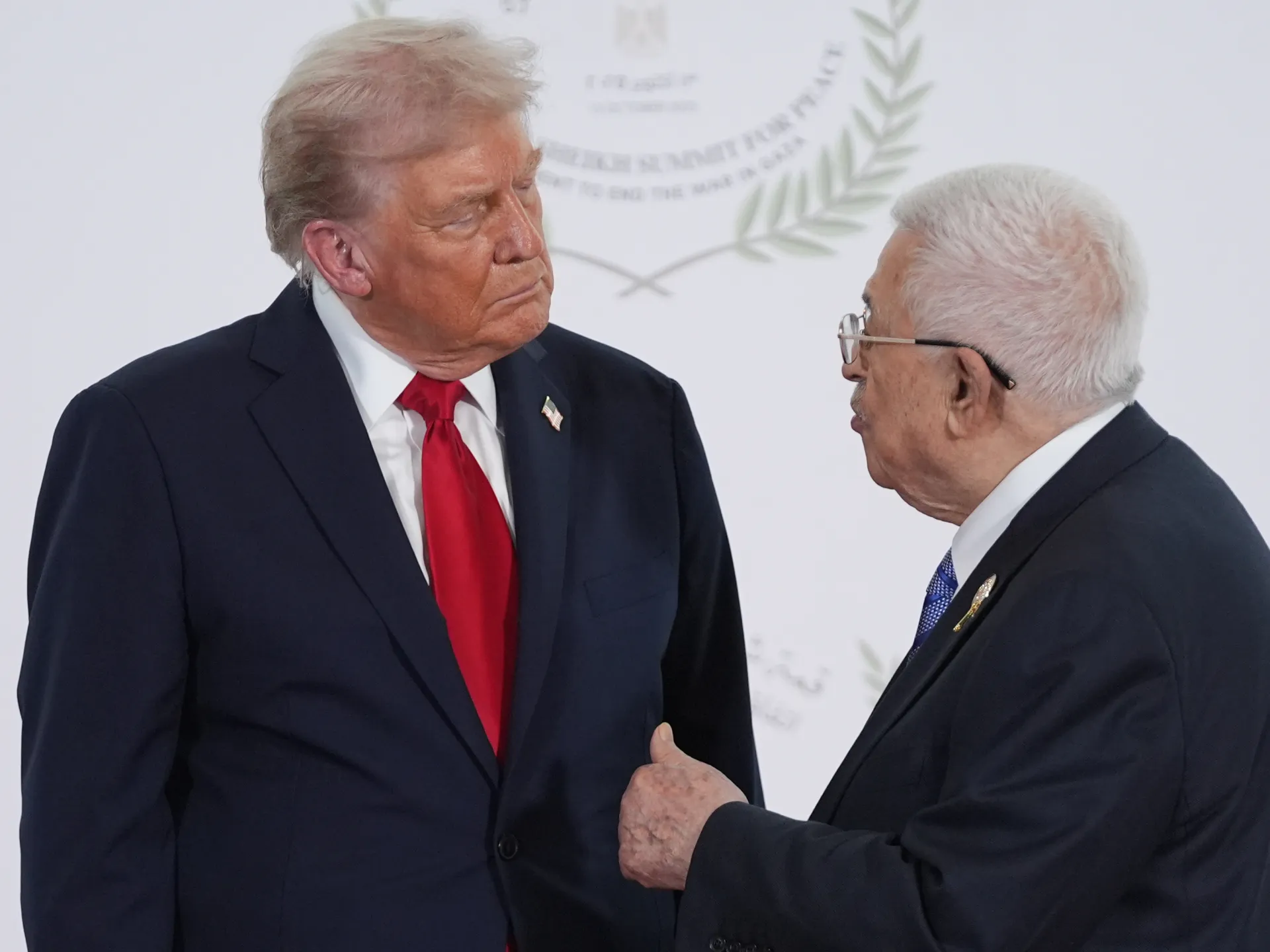
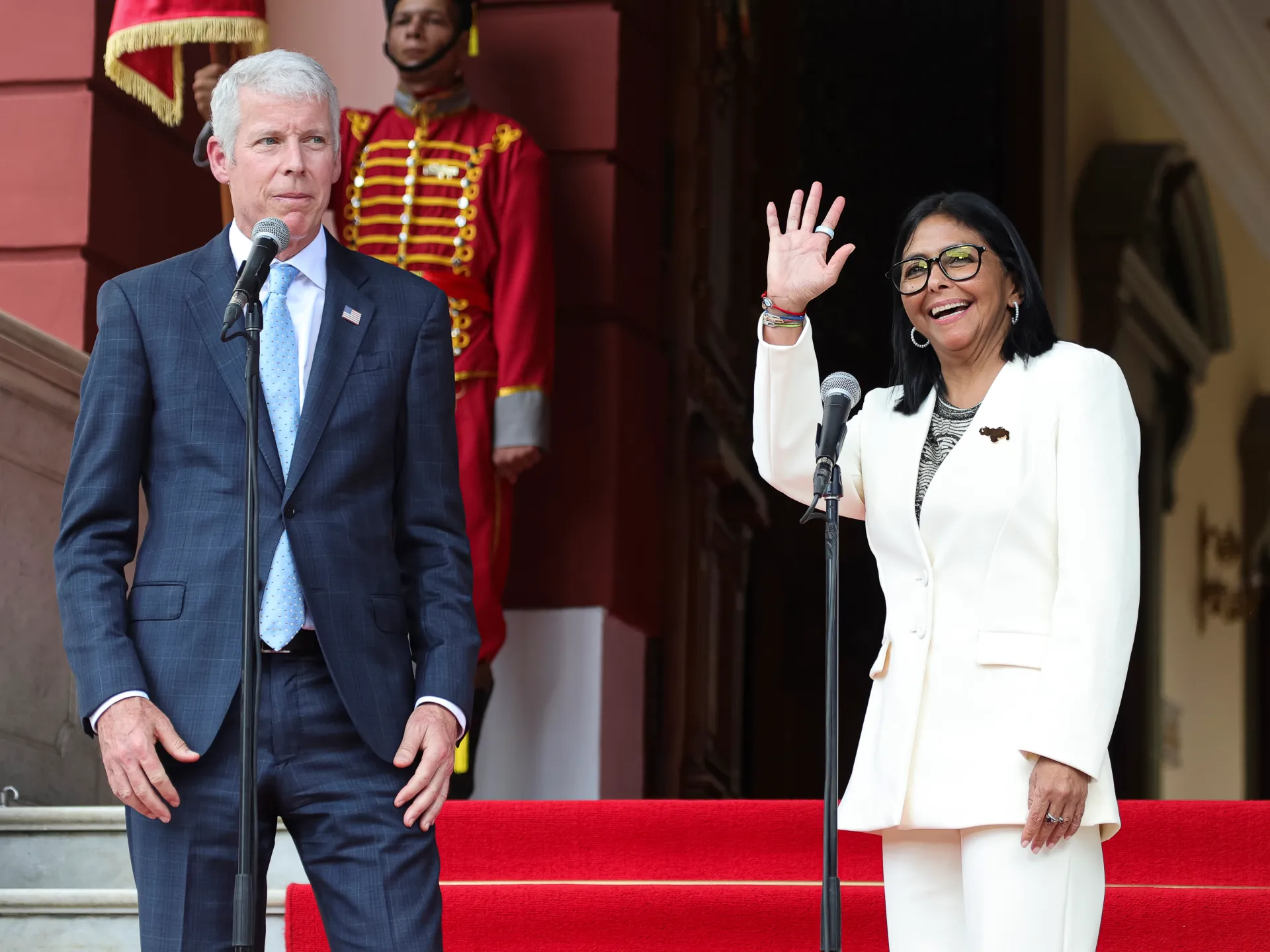
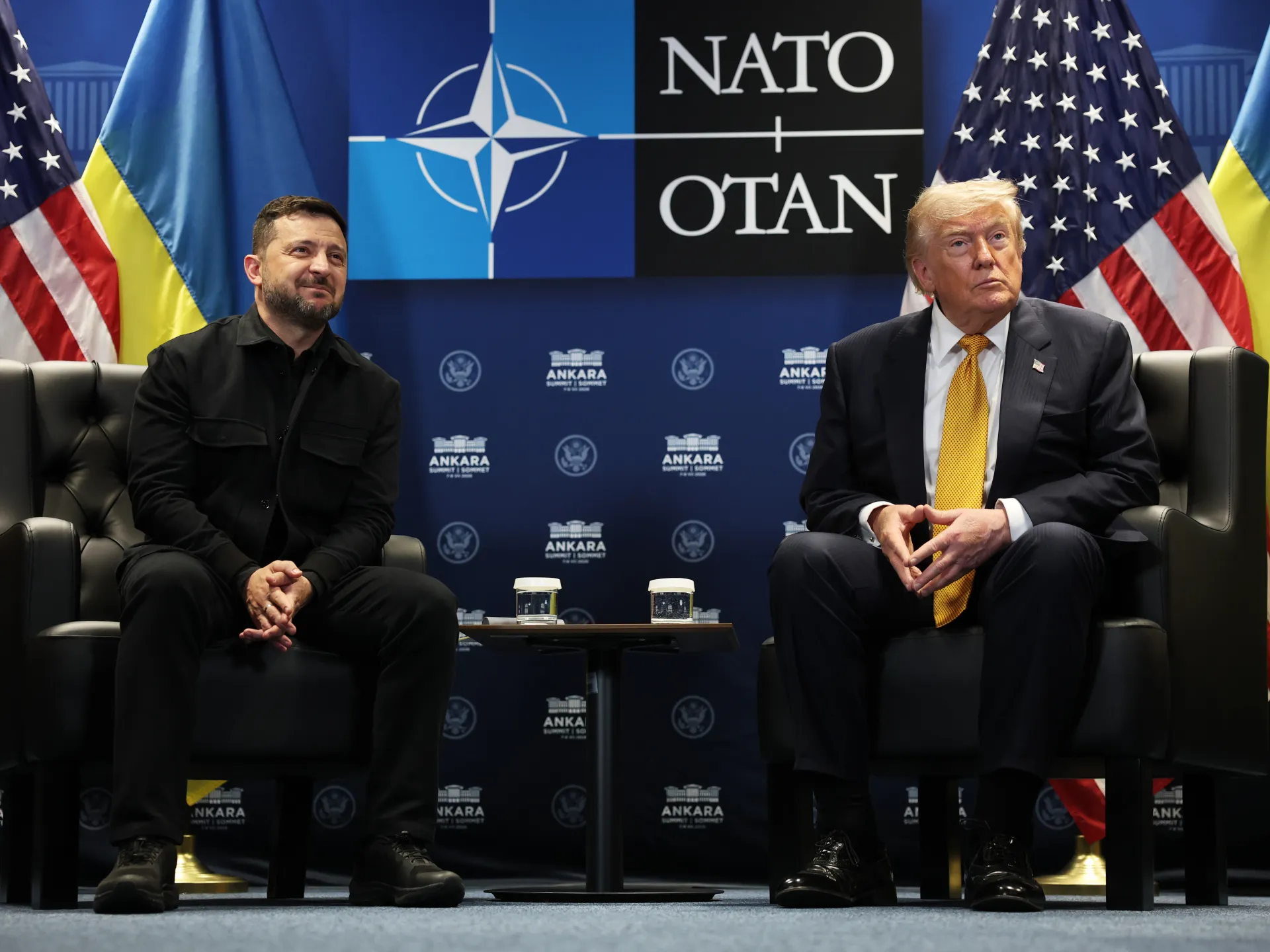
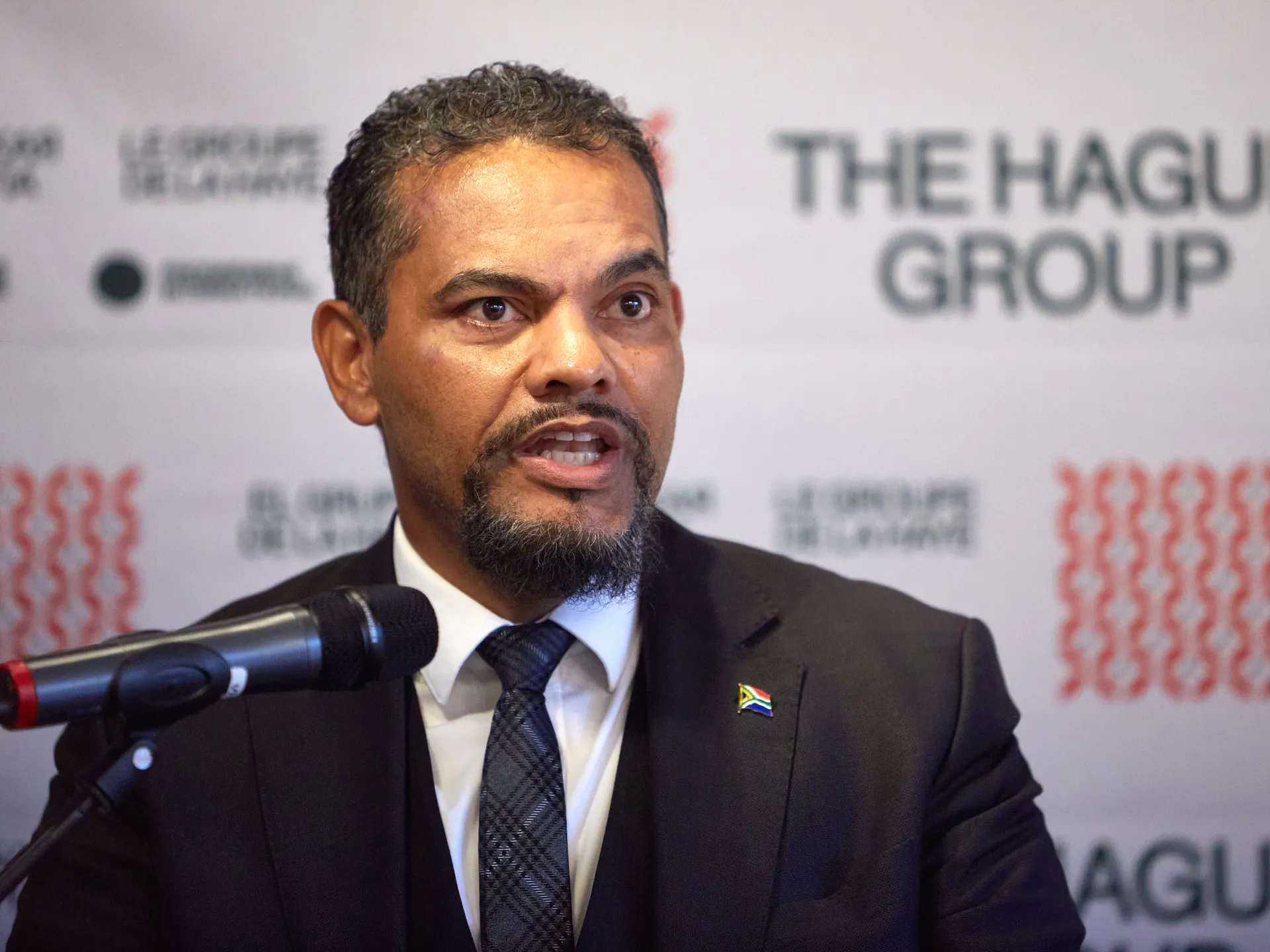
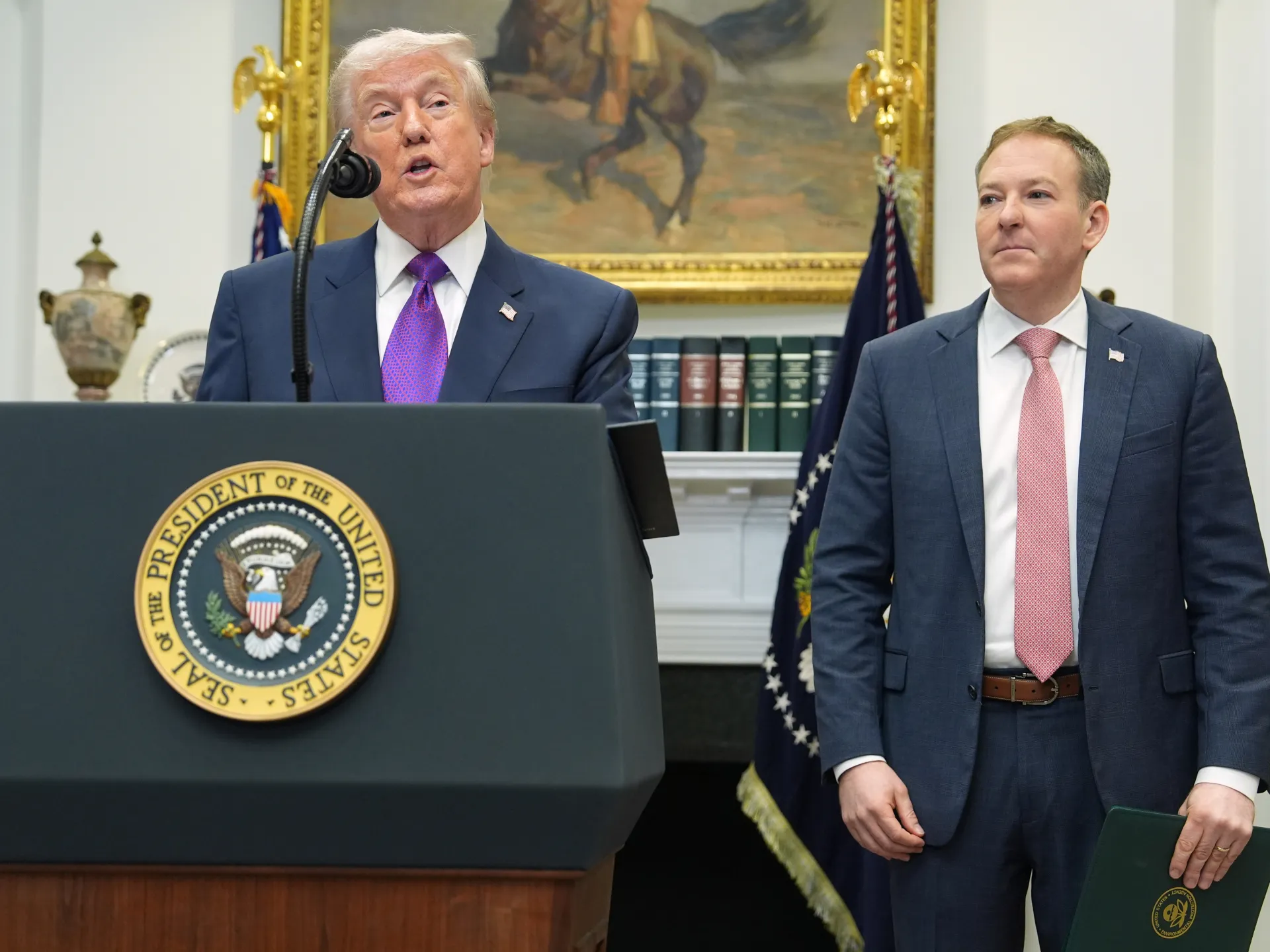
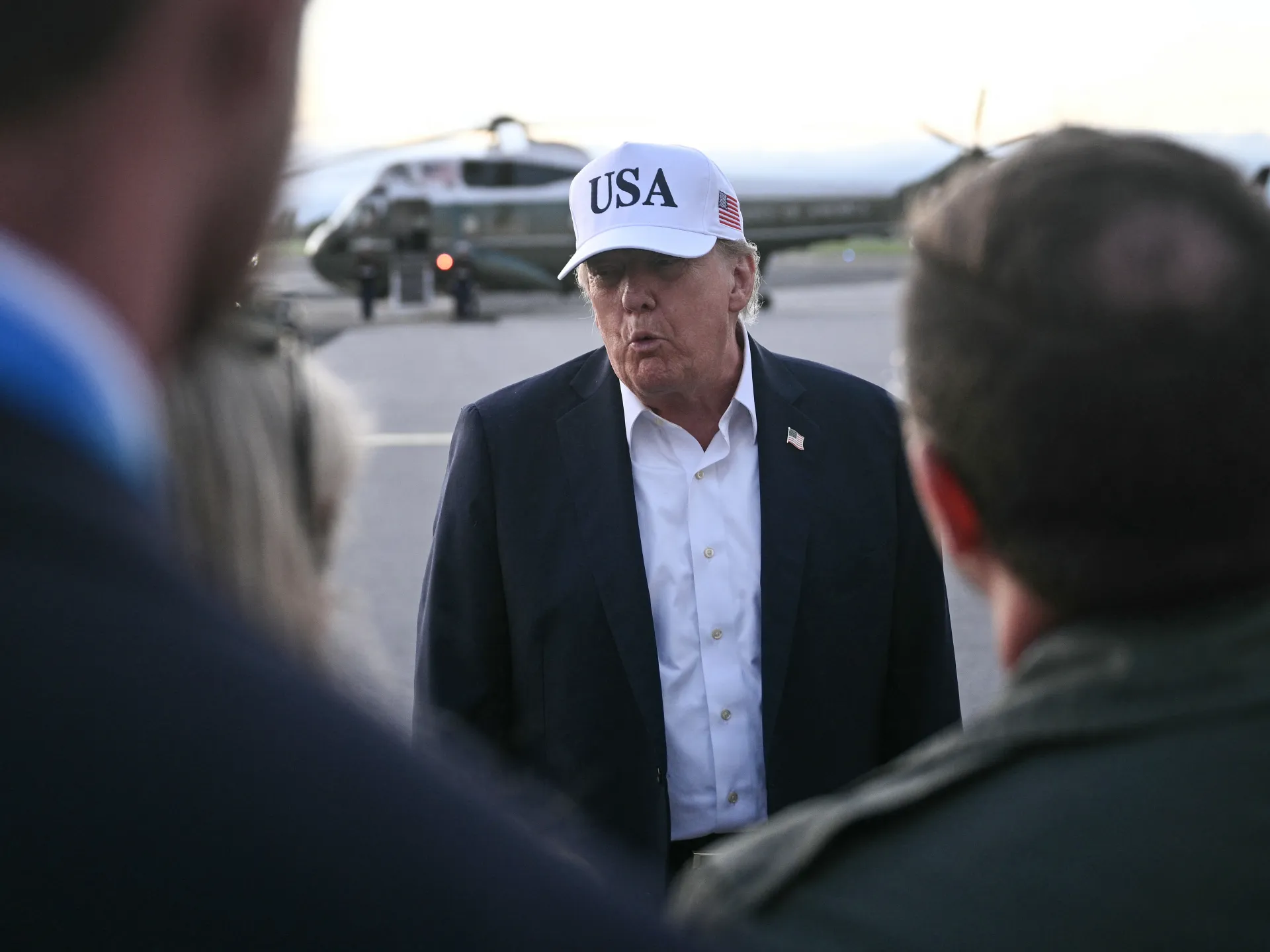
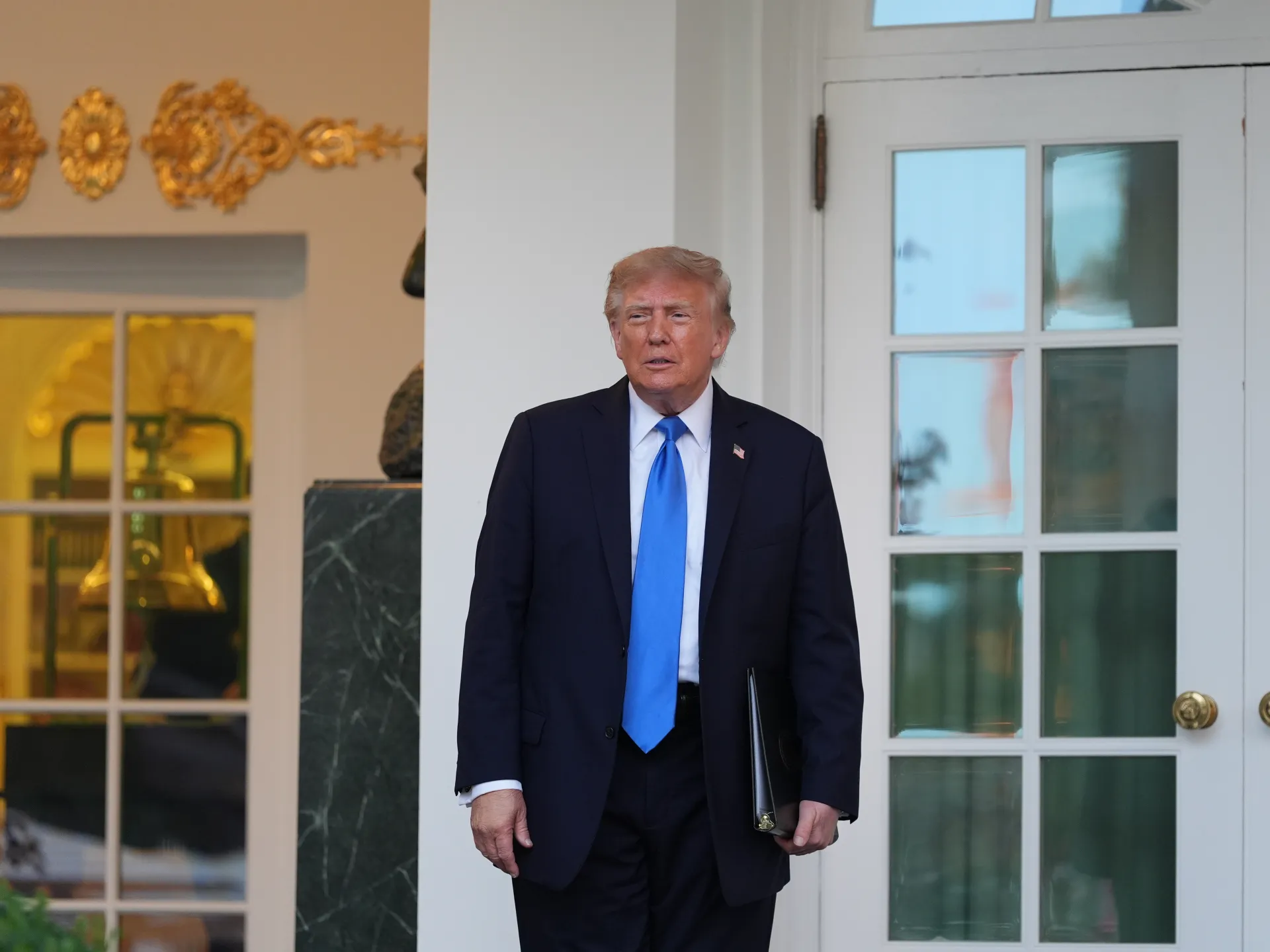
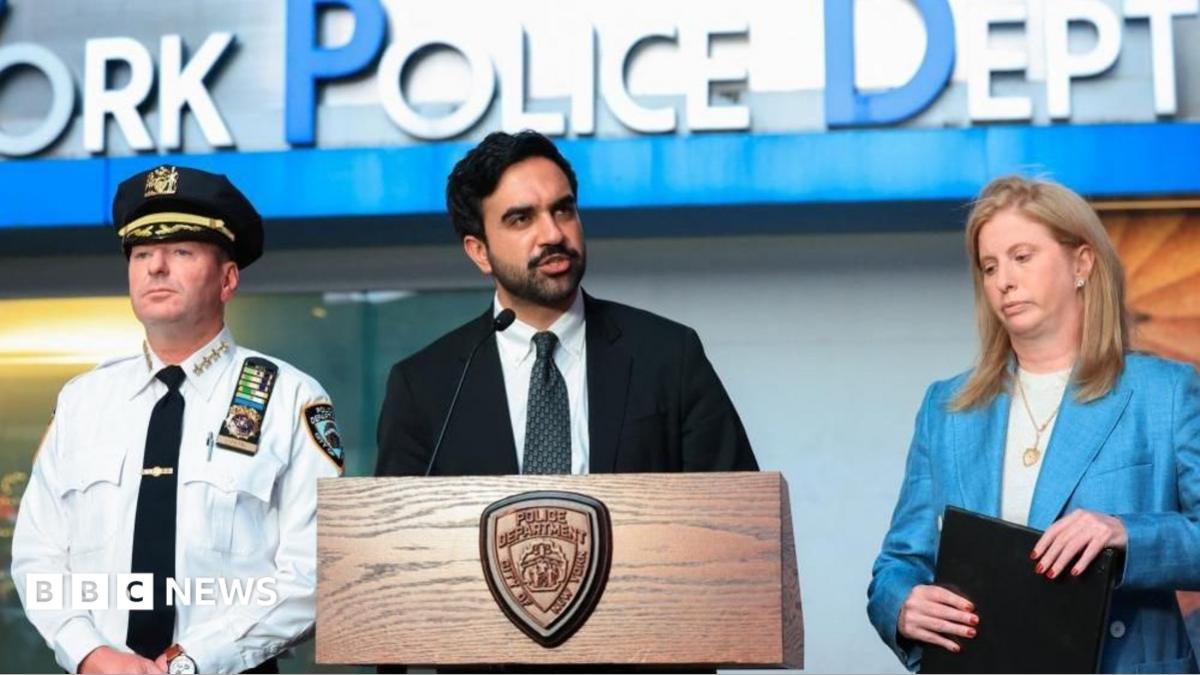
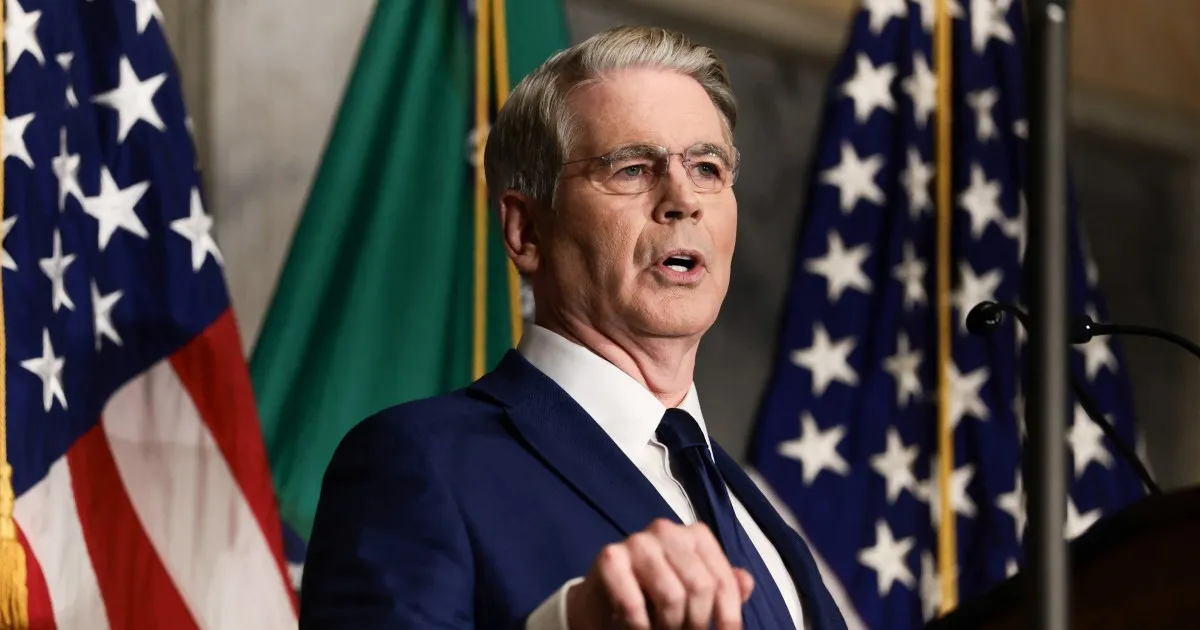
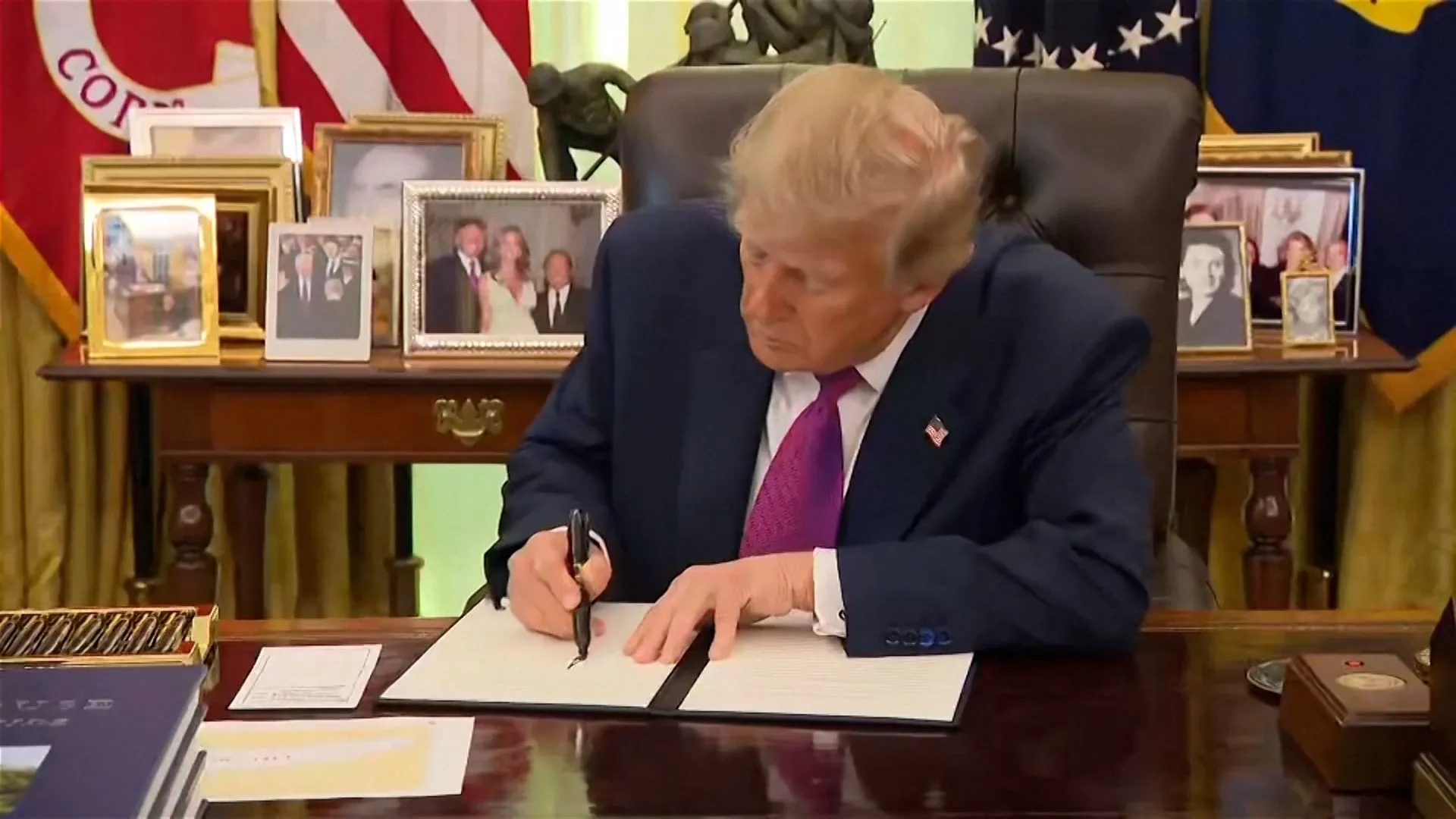
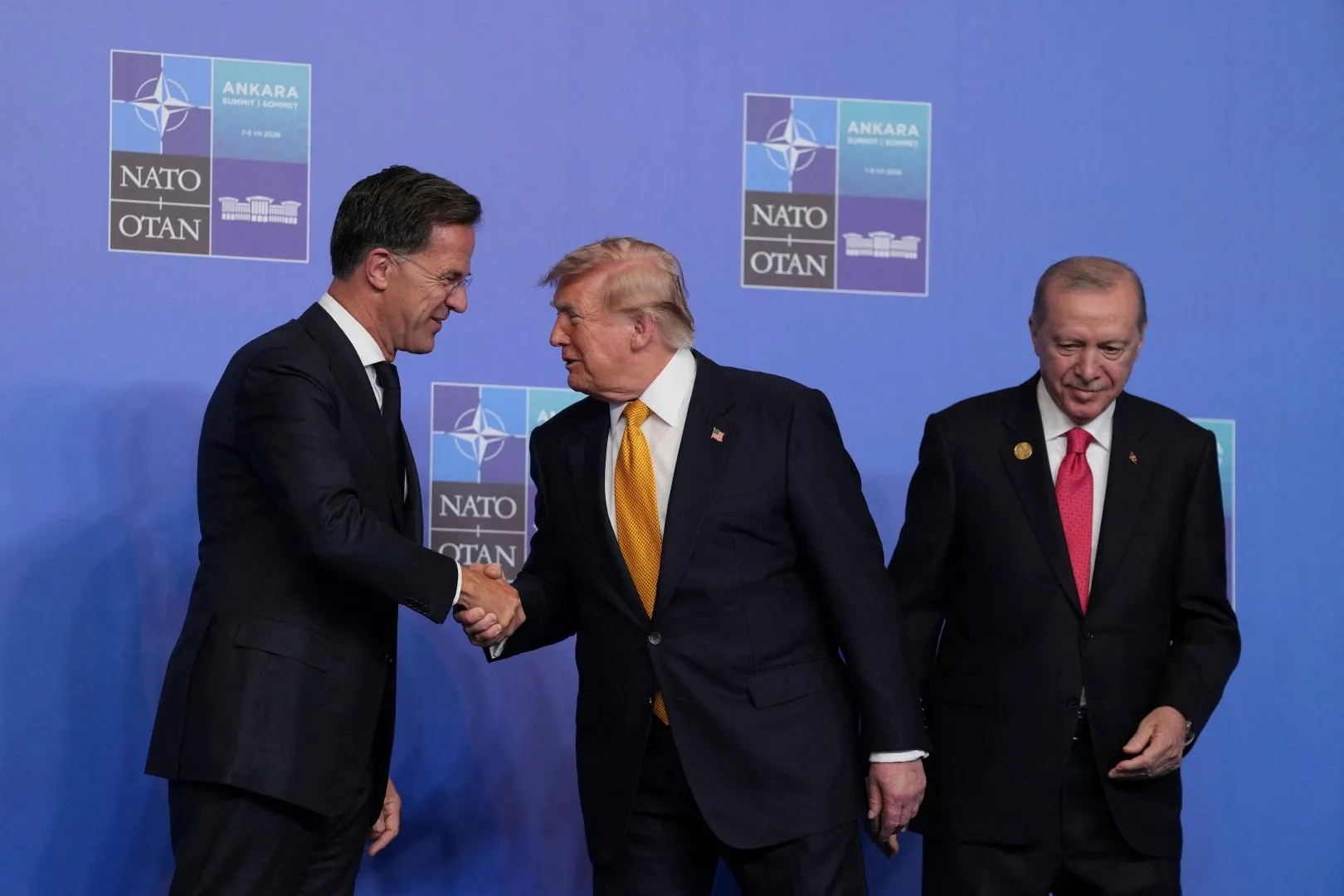
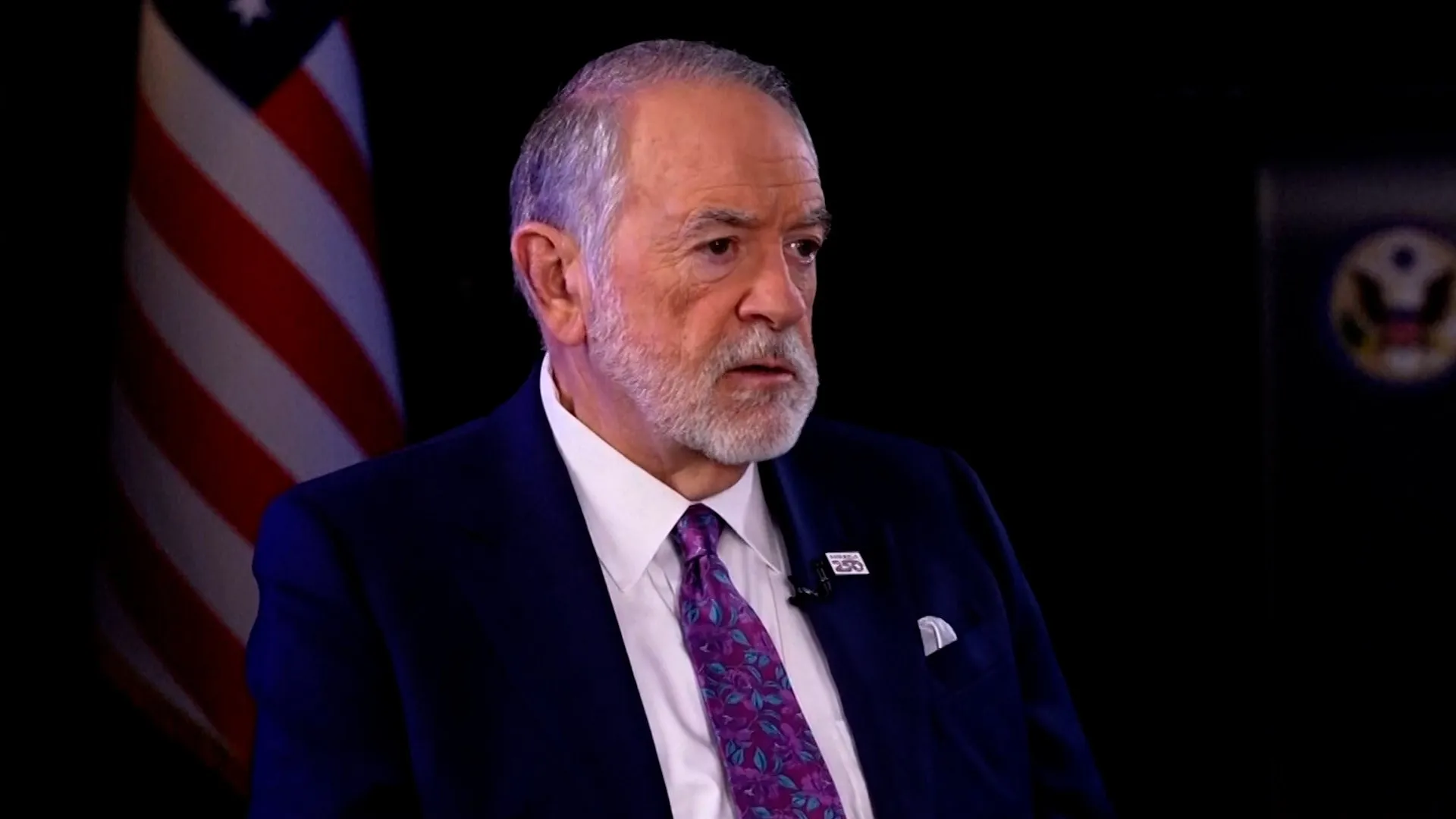
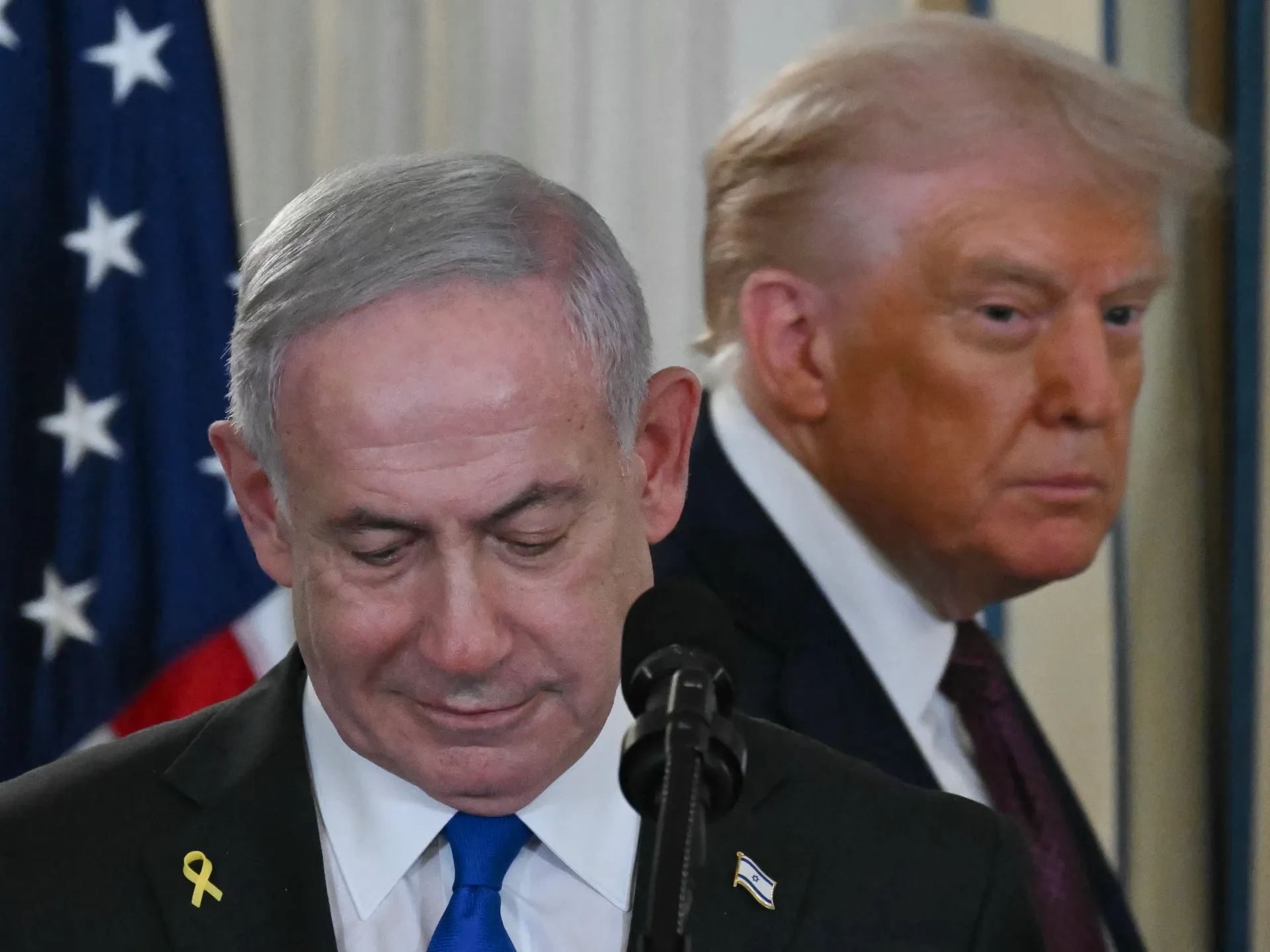
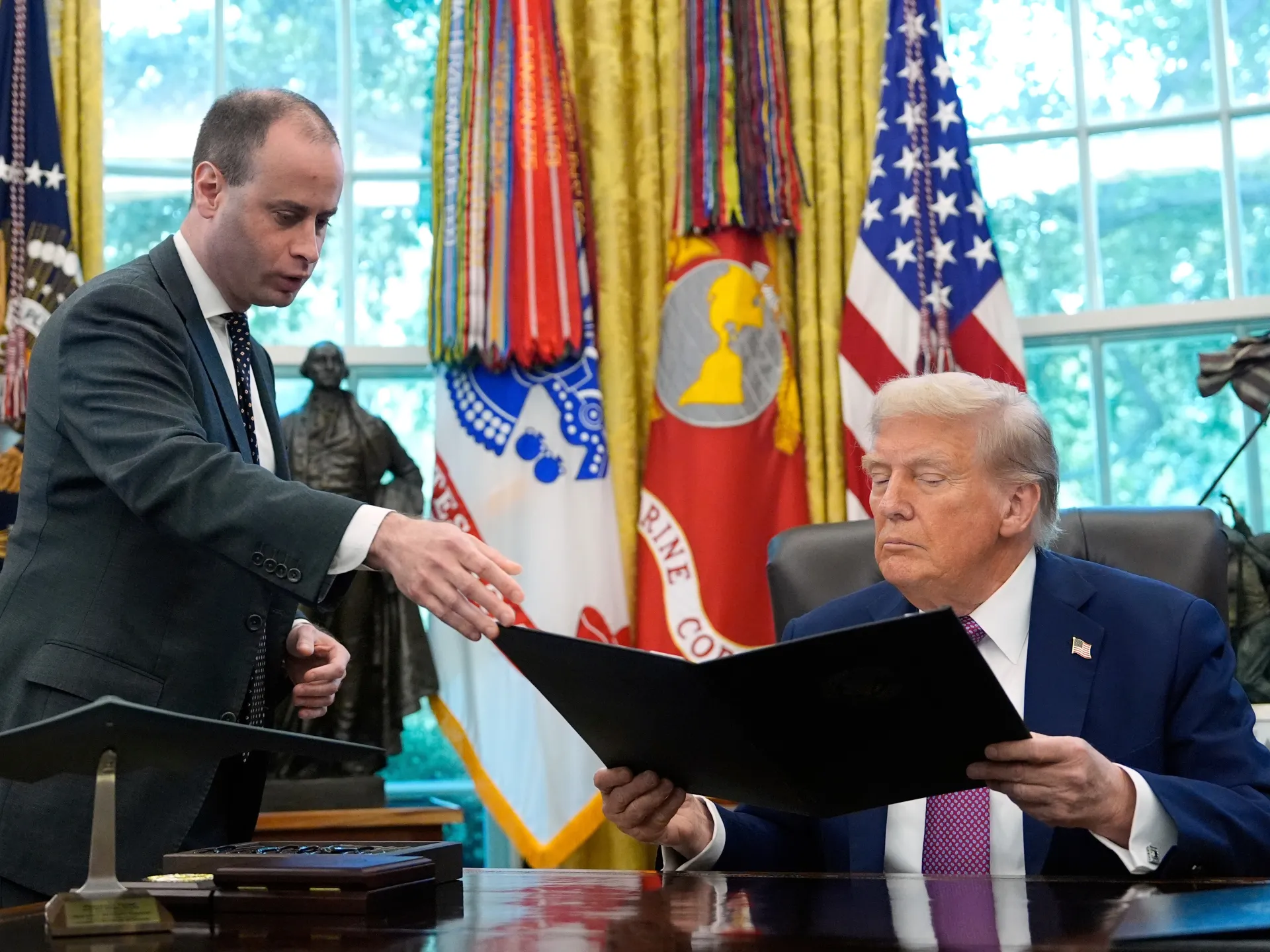
The 66-project roadmap presented aid, with high representative Nikolay Mladenov emphasizing that the viability of the entire mission hinges upon the commitment to disarmament. This requirement follows a July agreement in which Palestinian factions, including Hamas, pledged to dismantle their military capabilities—a move that President Donald Trump has lauded as a historic pivot point for regional stability.
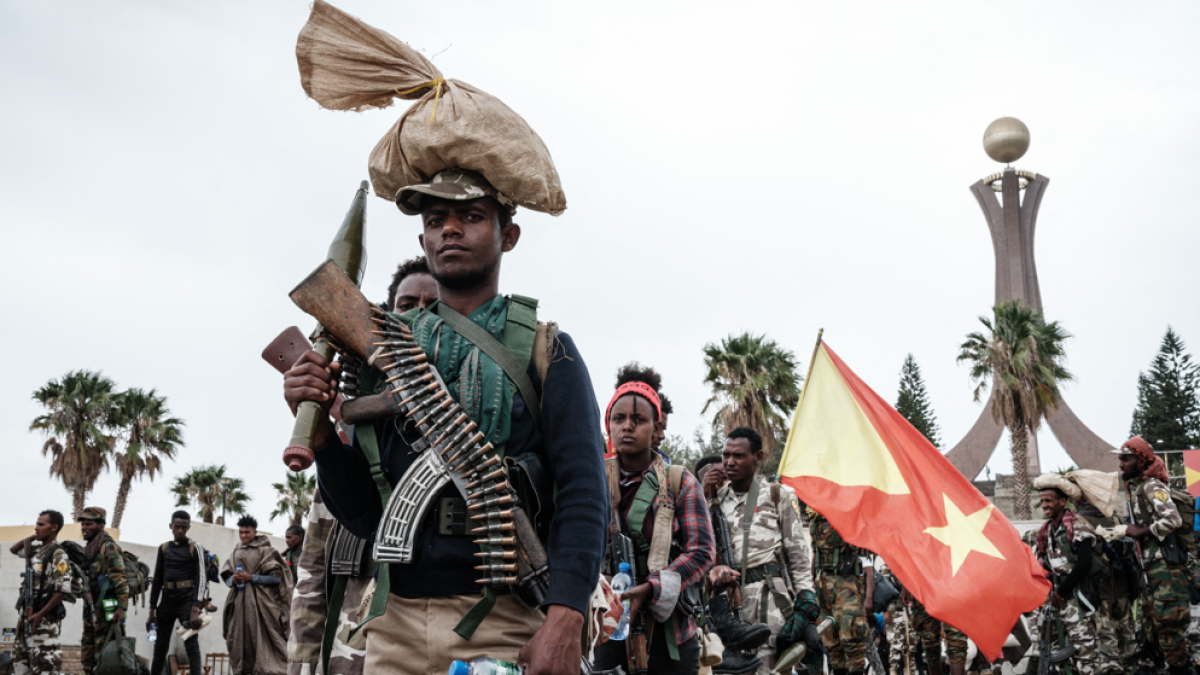
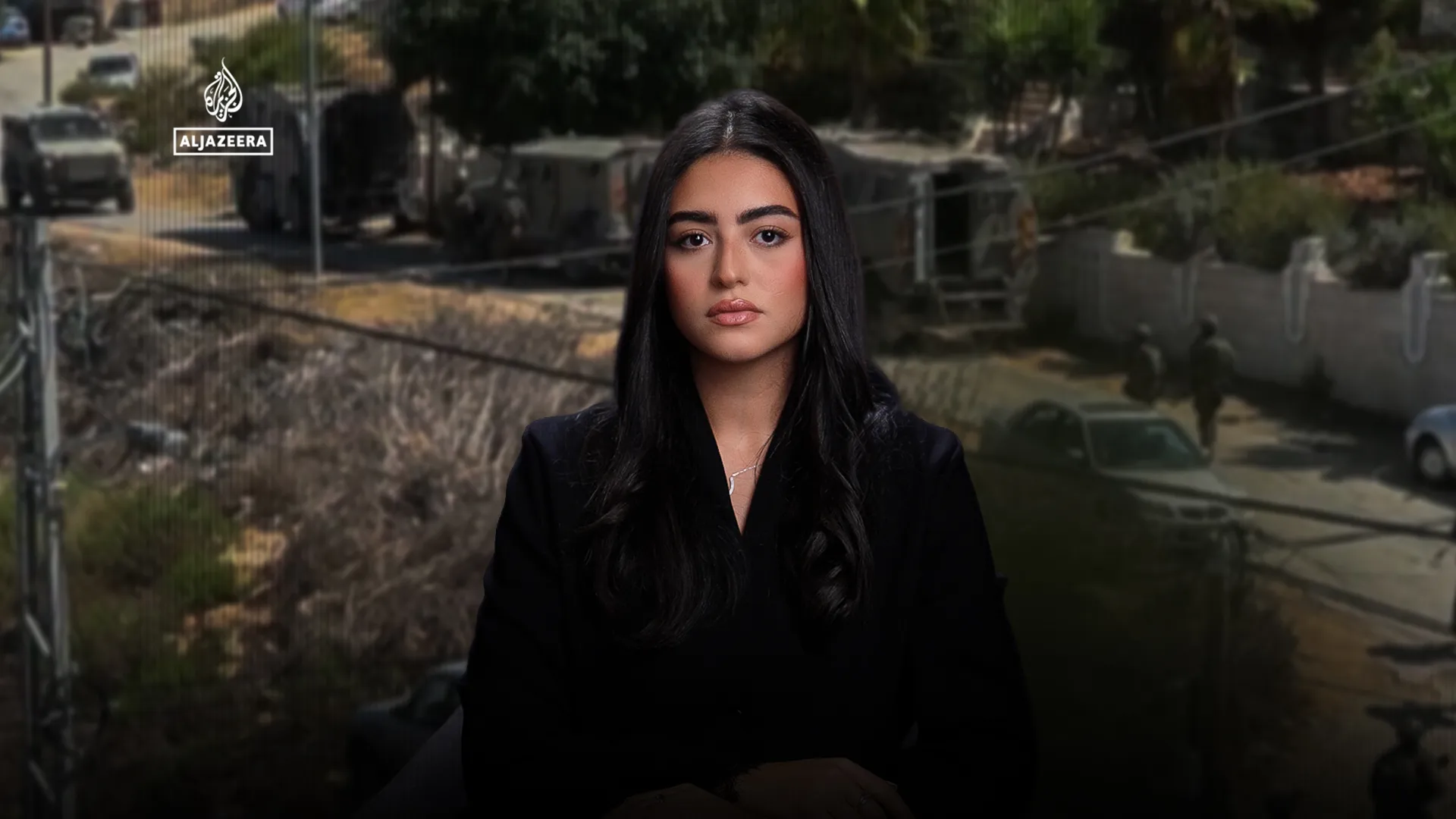
Despite this diplomatic momentum, correspondents on the ground report that actual progress remains negligible. The insistence corresponding withdrawal of Israeli forces, nor has it secured a cessation of hostilities. Without a tangible pause in military activity, experts attending the UN session have expressed deep skepticism regarding the feasibility of launching major engineering or social projects in an active conflict zone.
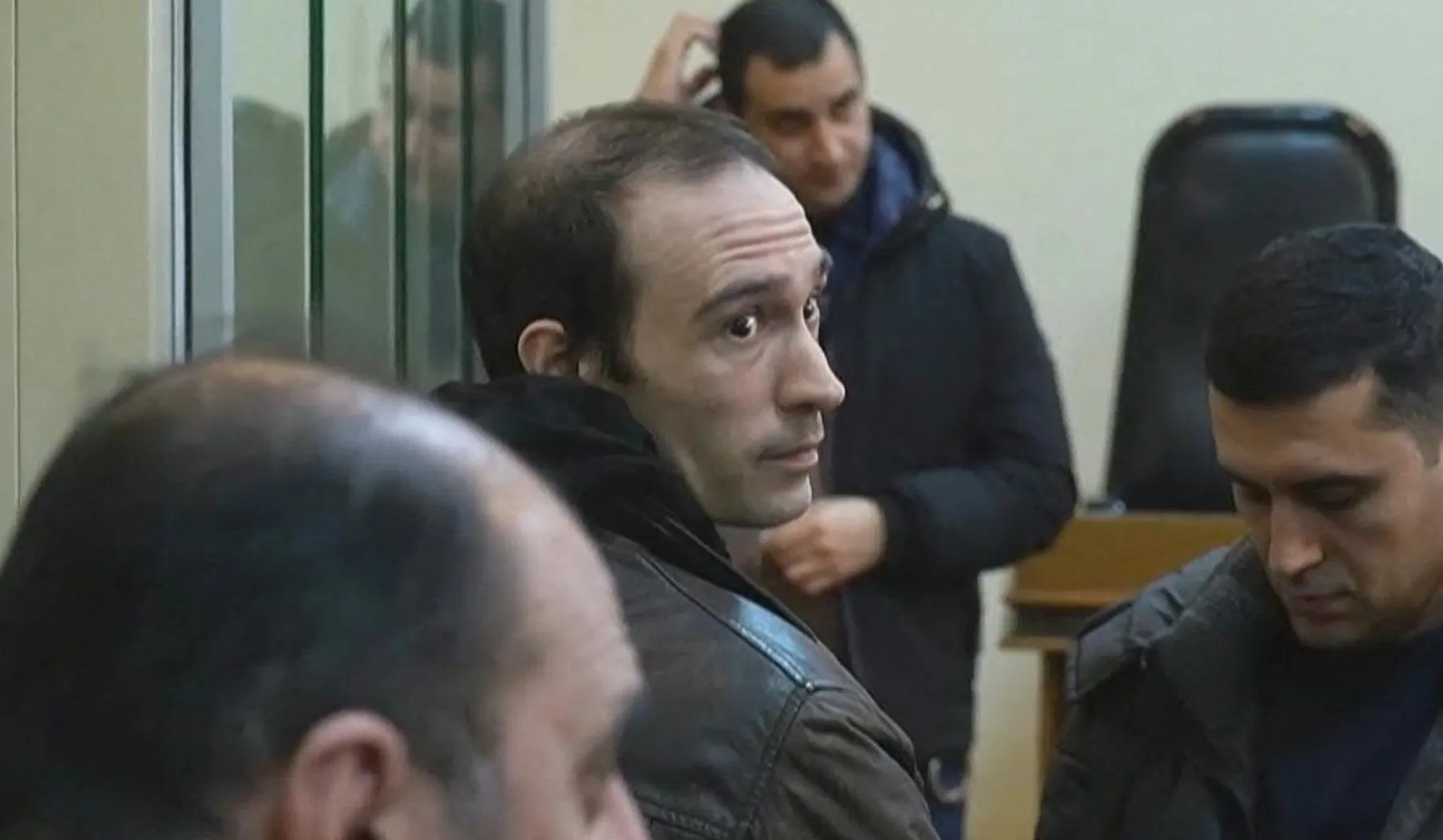
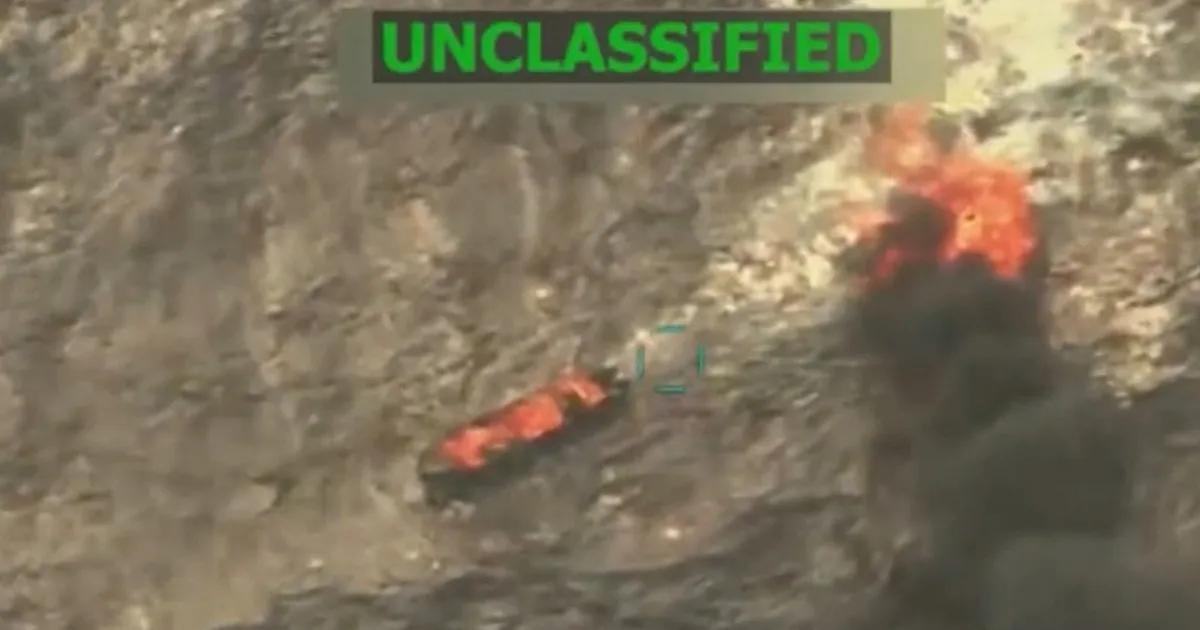
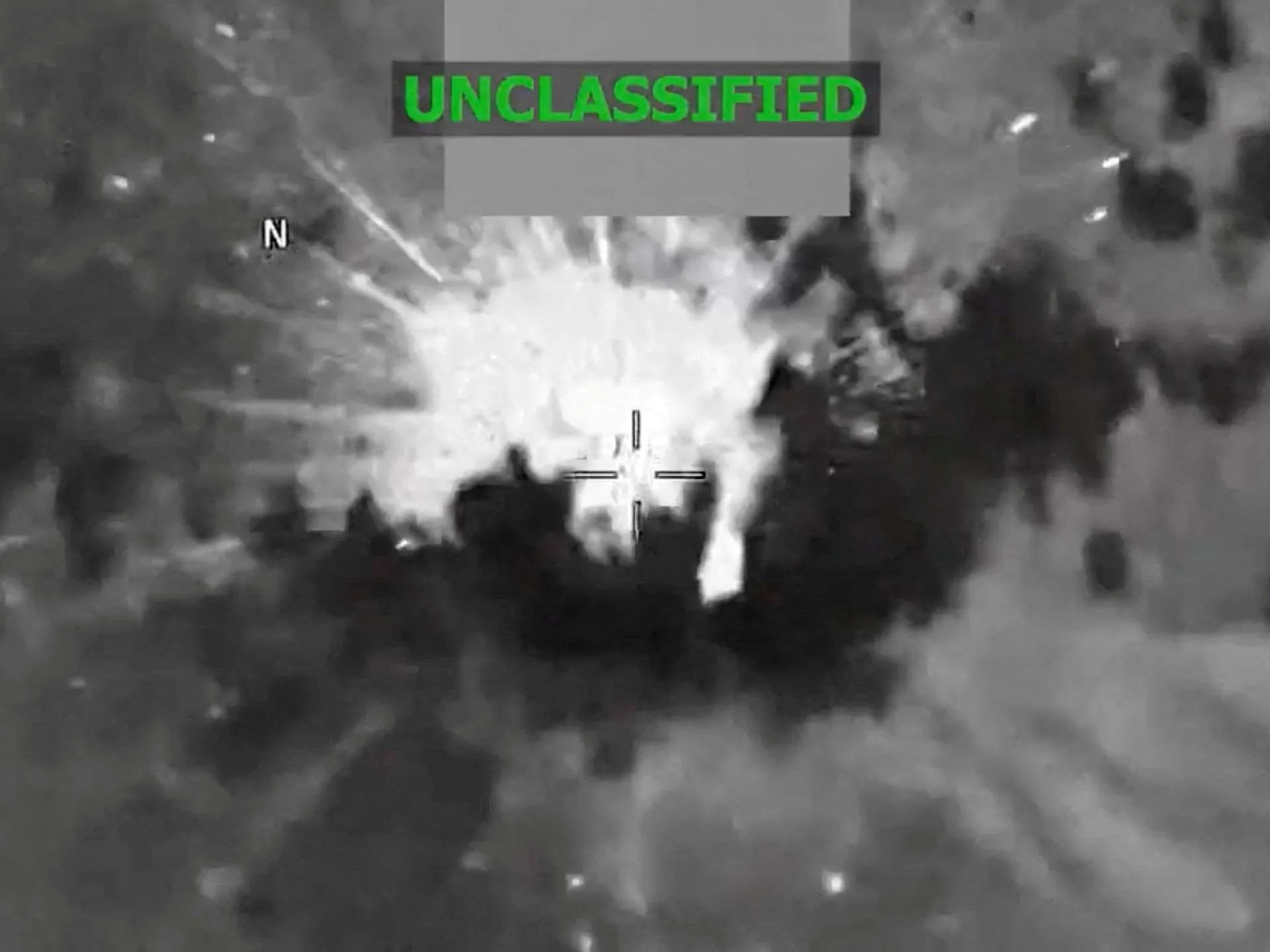
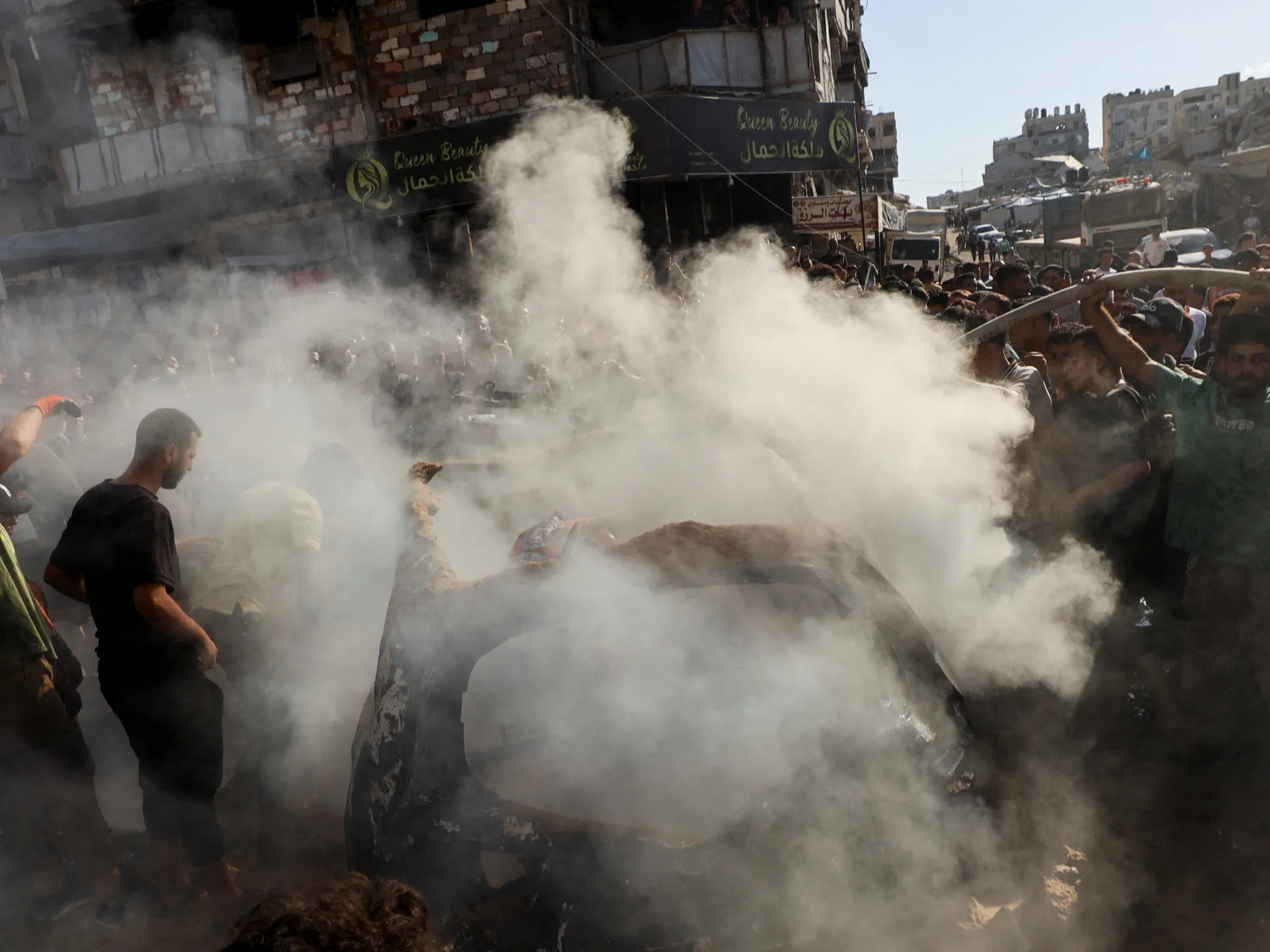
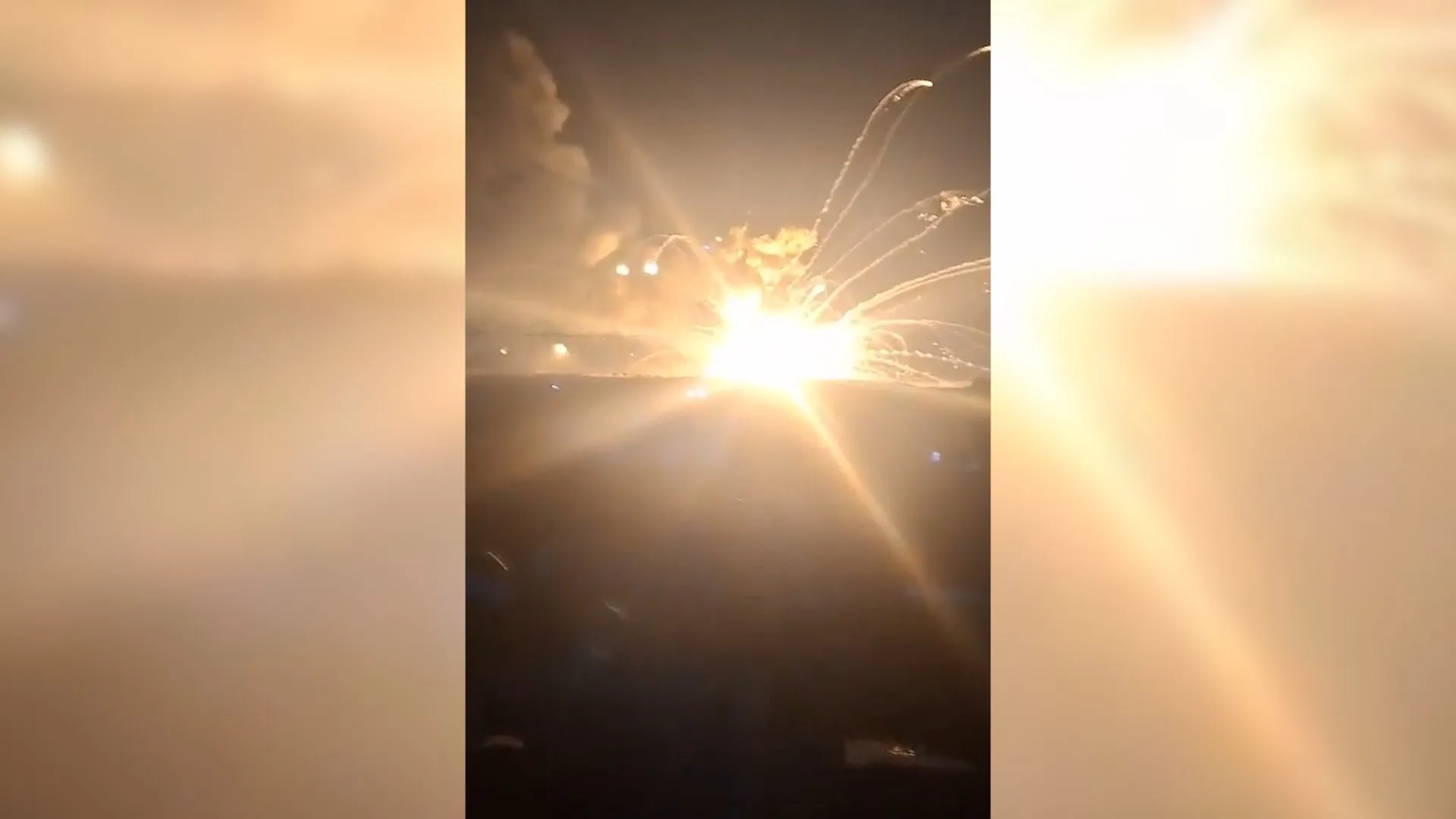
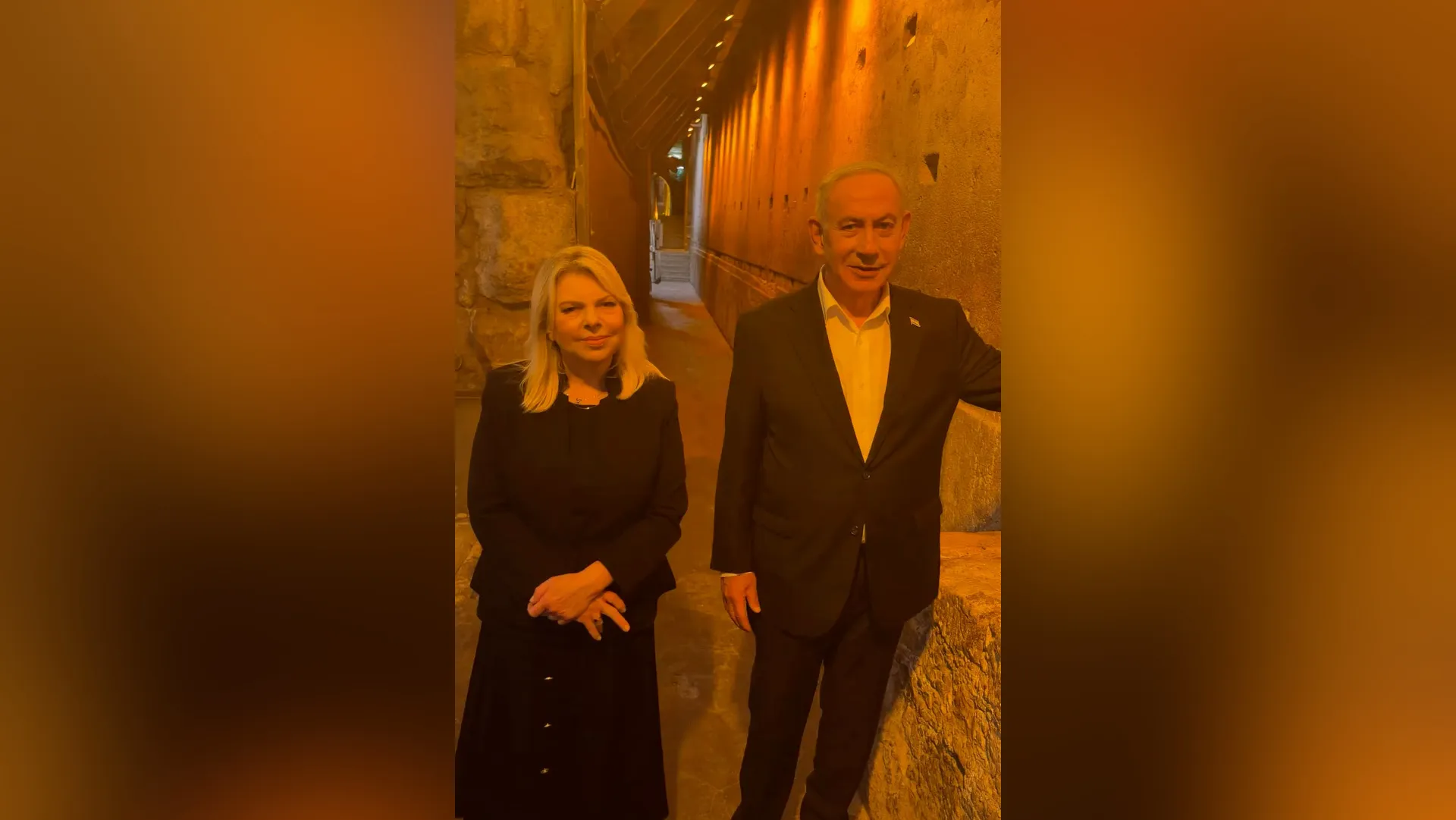
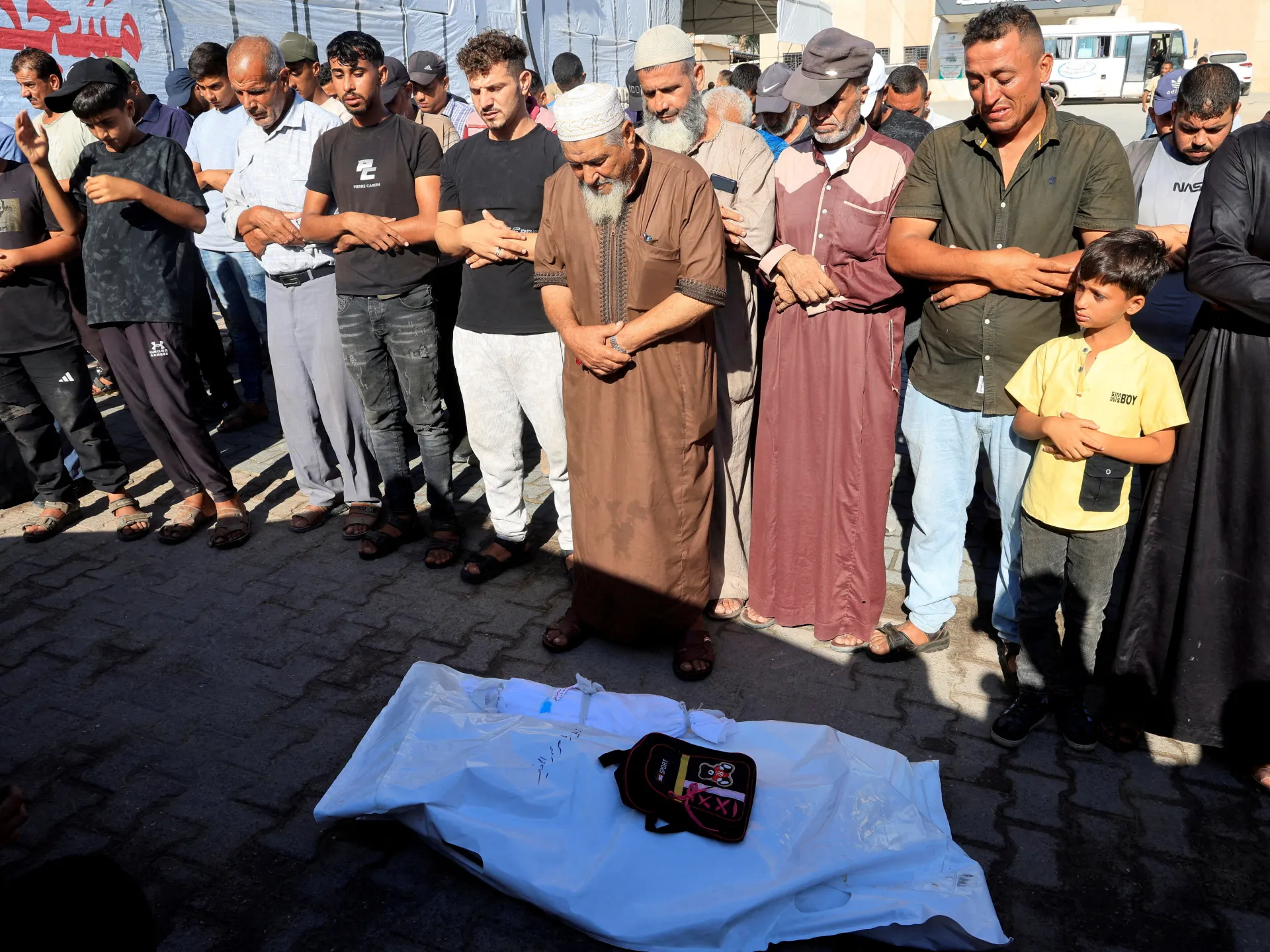
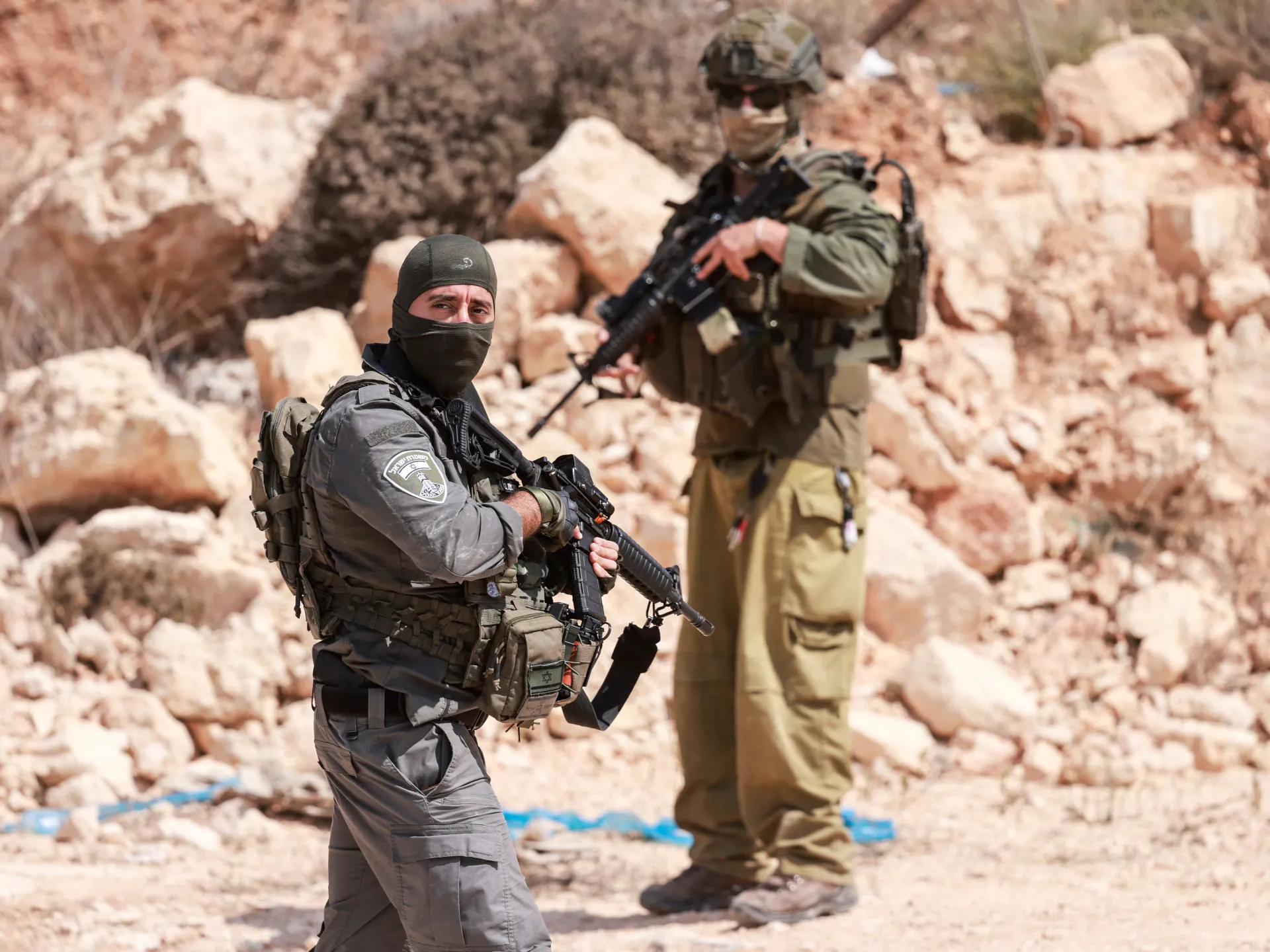
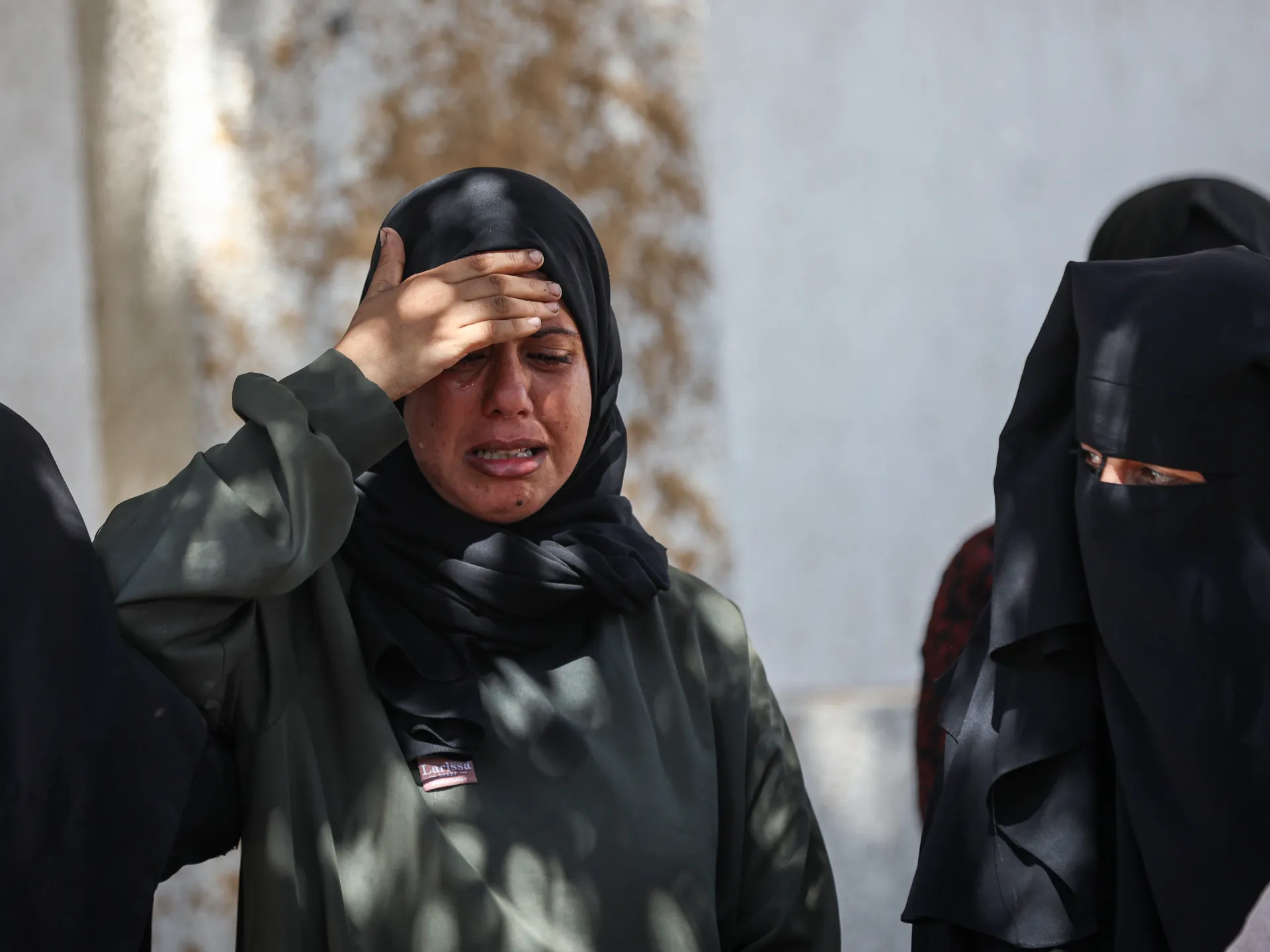
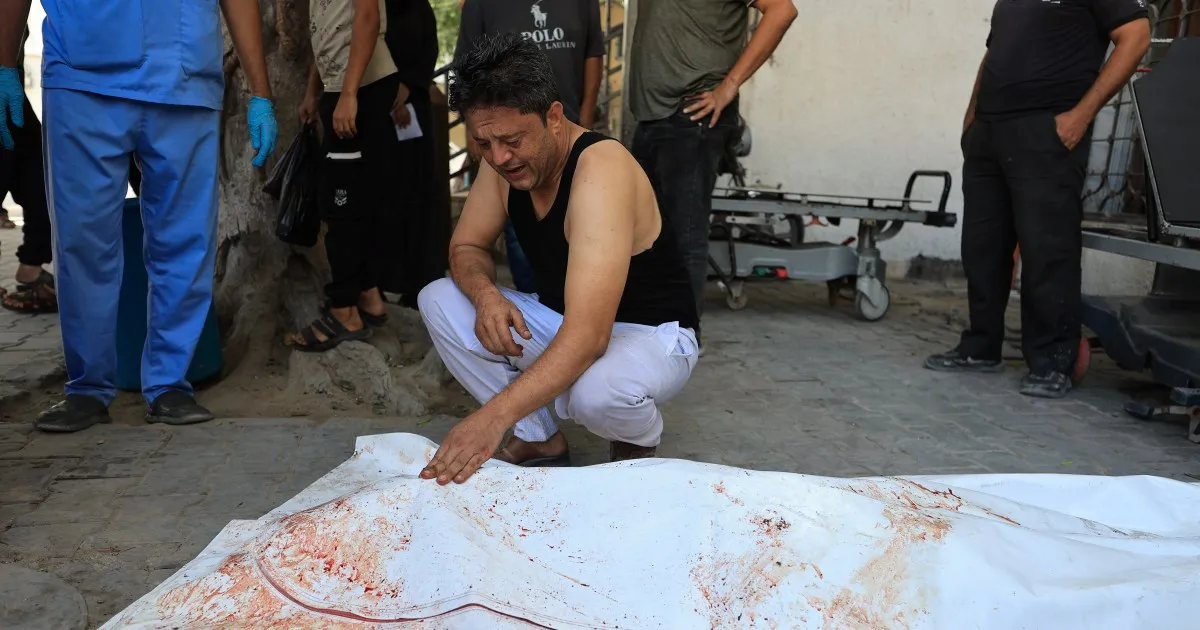
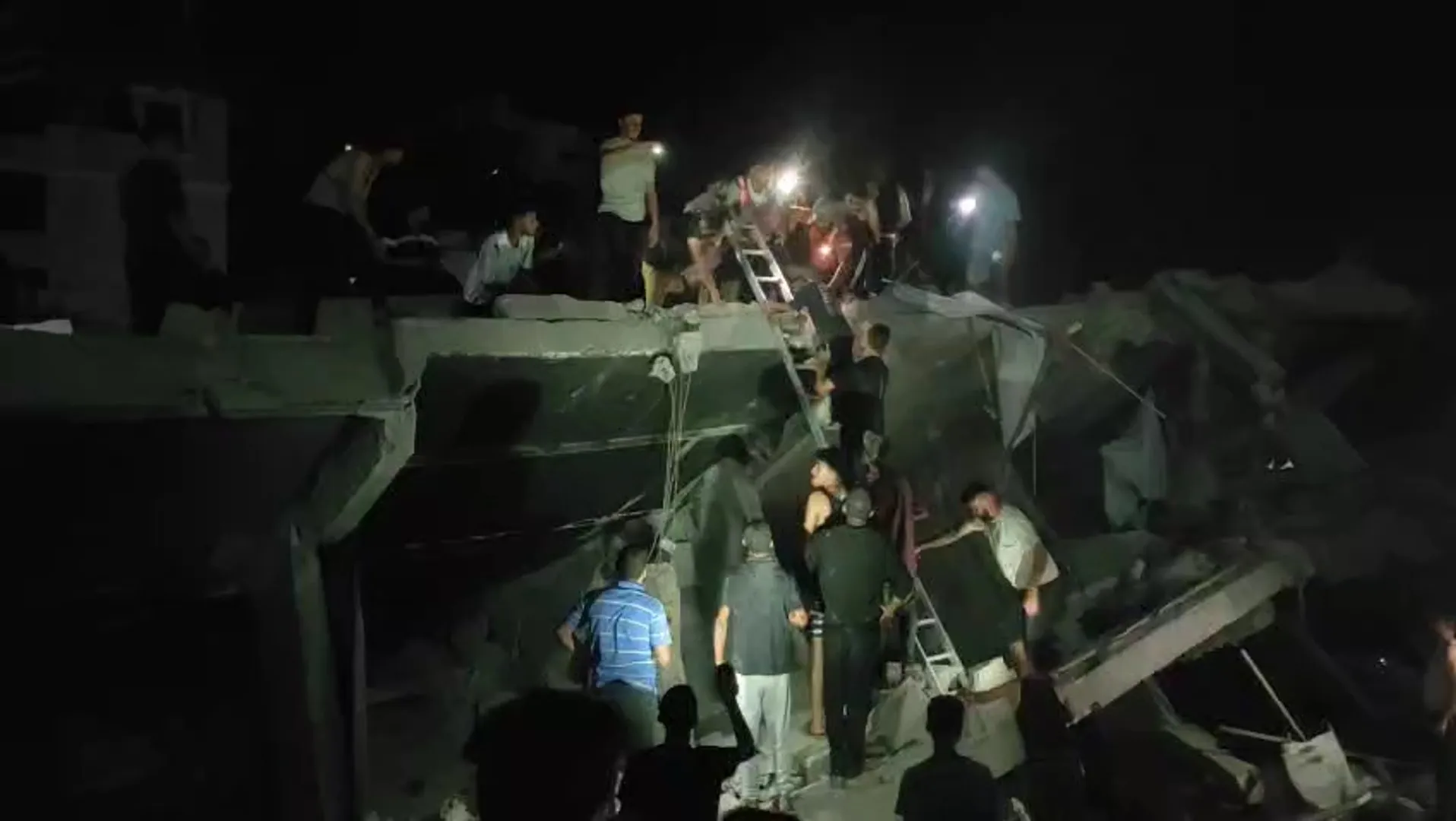
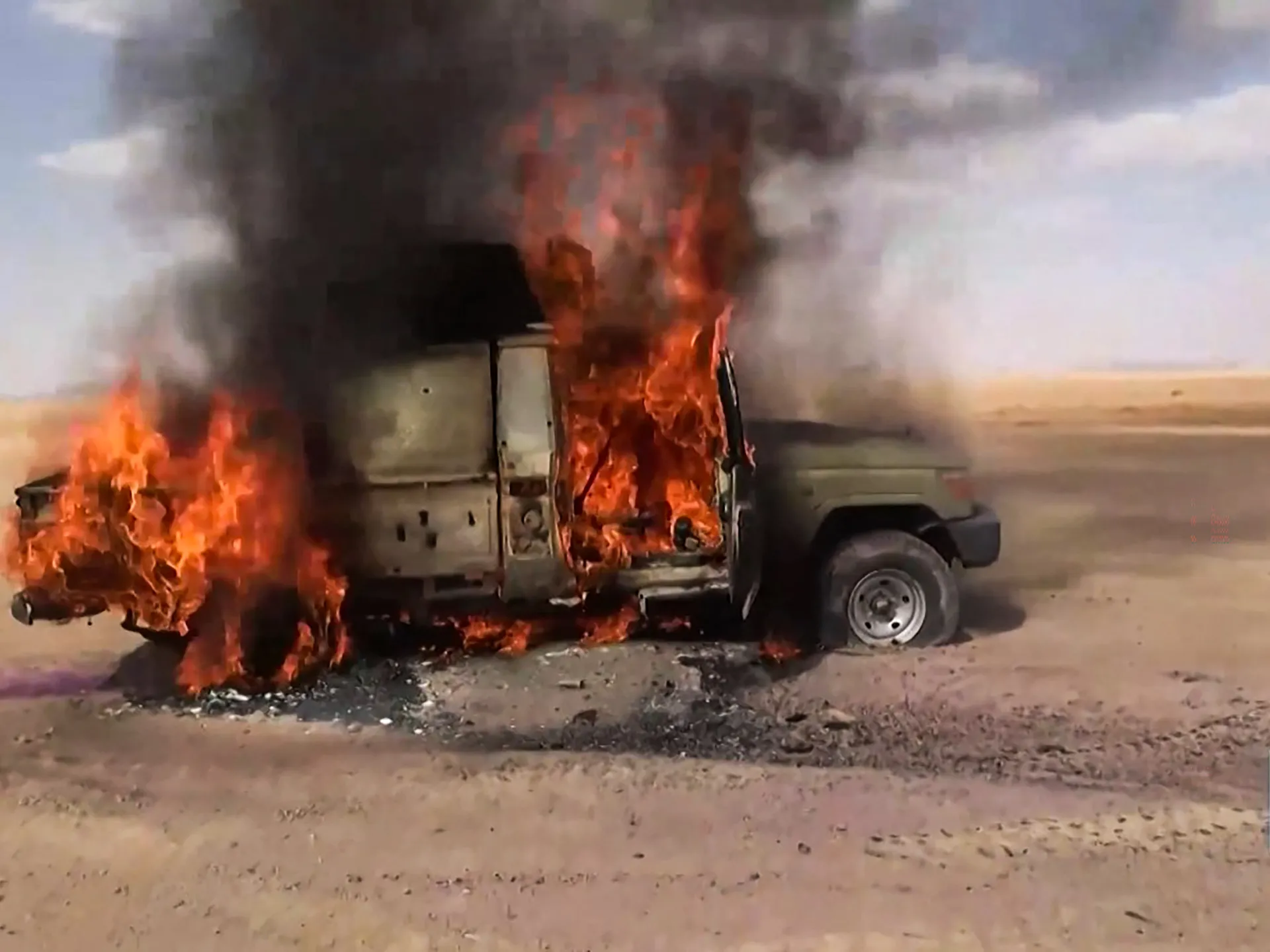
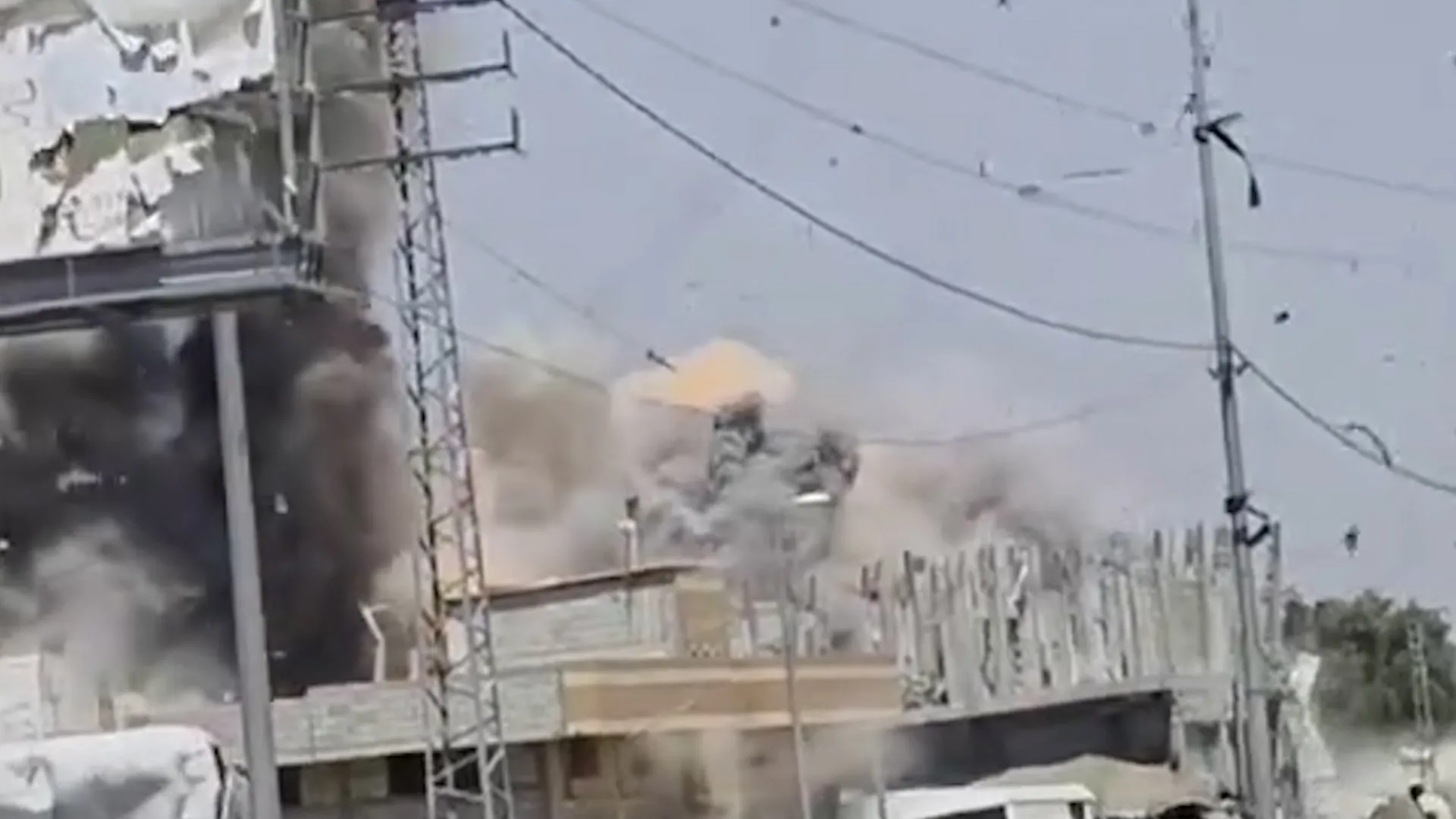
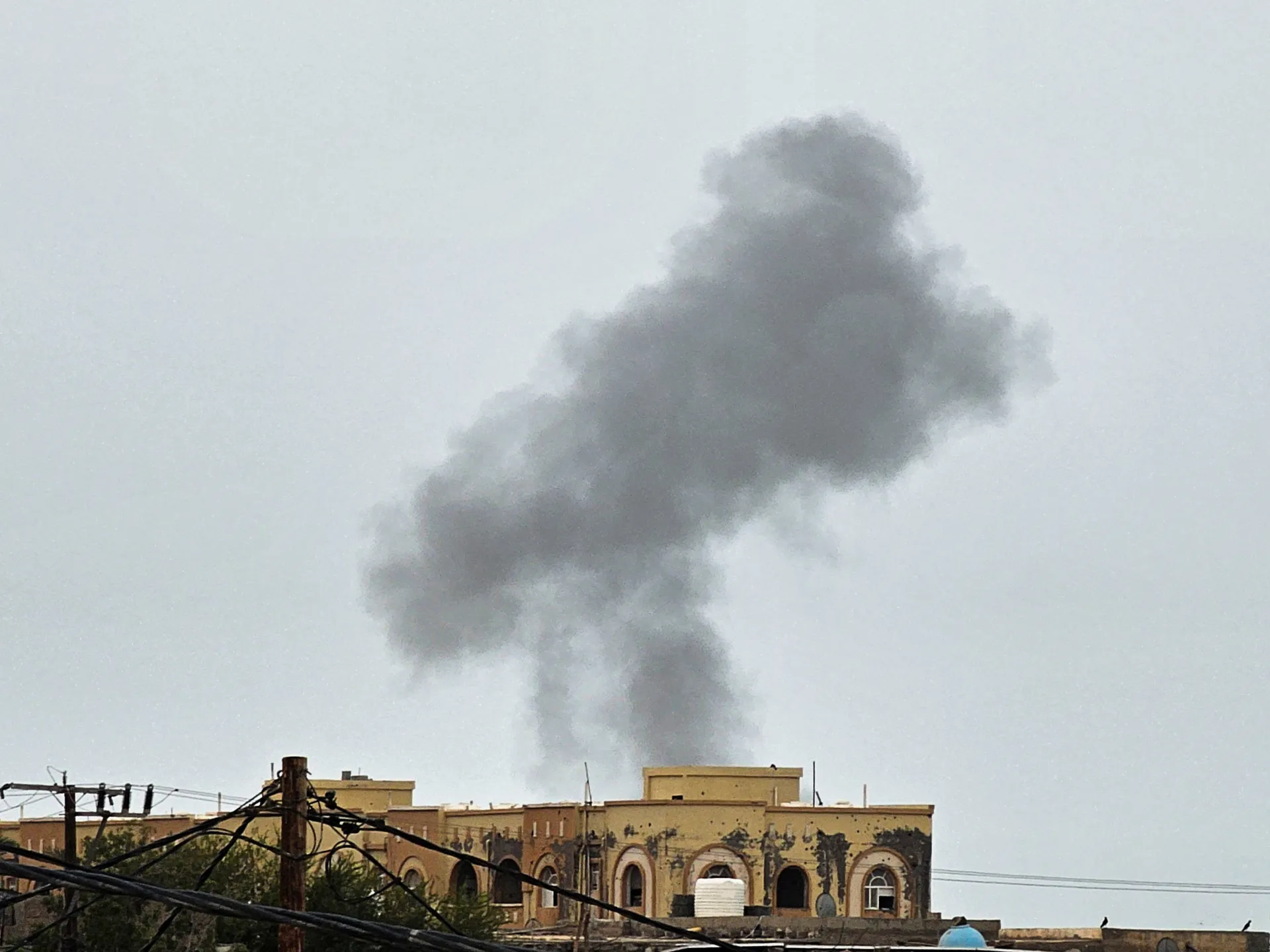
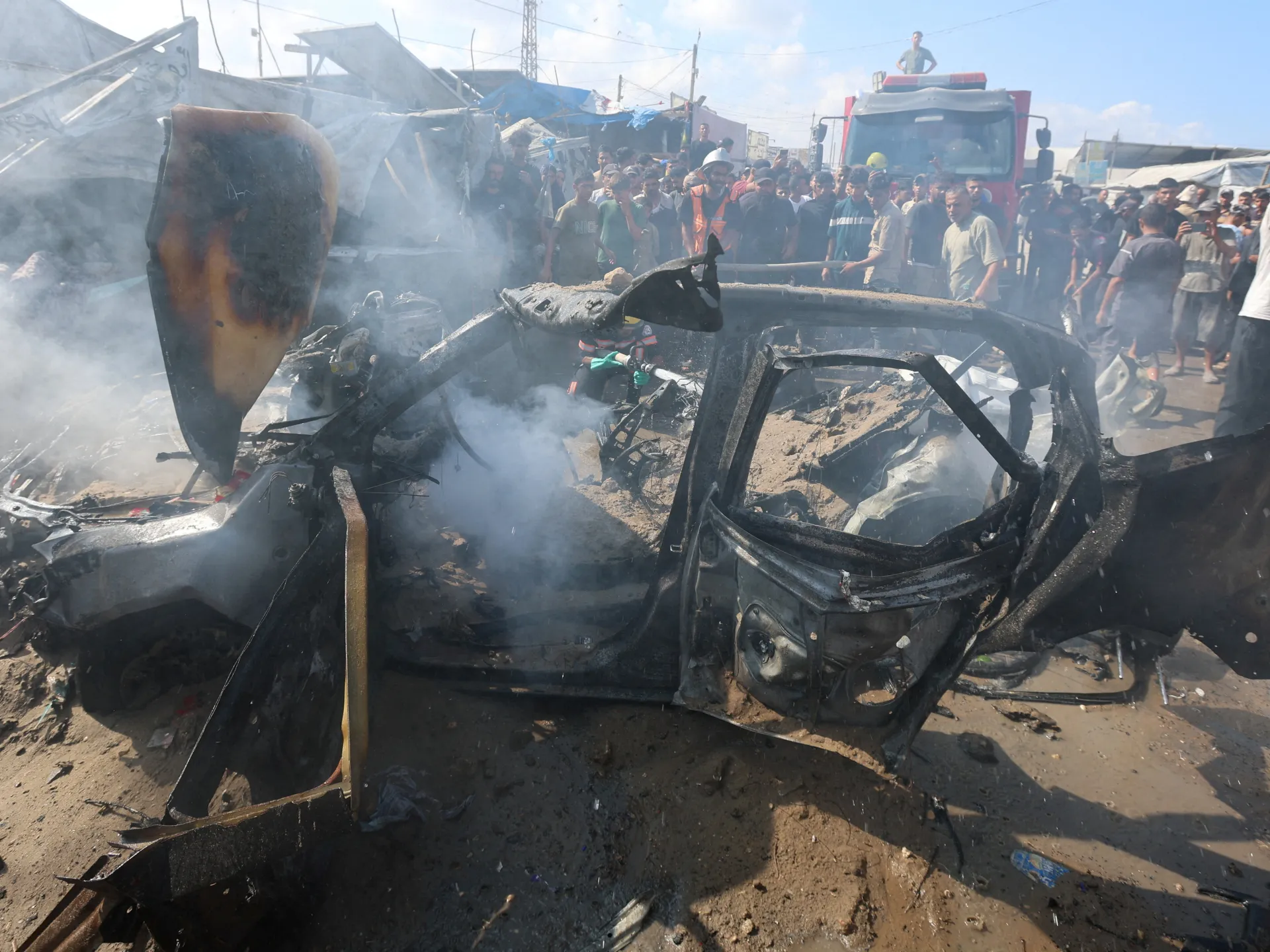
The human cost of the continuing conflict was underscored the southern enclave, an Israeli drone strike targeting a vehicle in the al-Mawasi area near Khan Younis resulted in two deaths, identified Netanyahu’s office characterized the strike as a targeted action against a high-ranking Hamas financial operative.
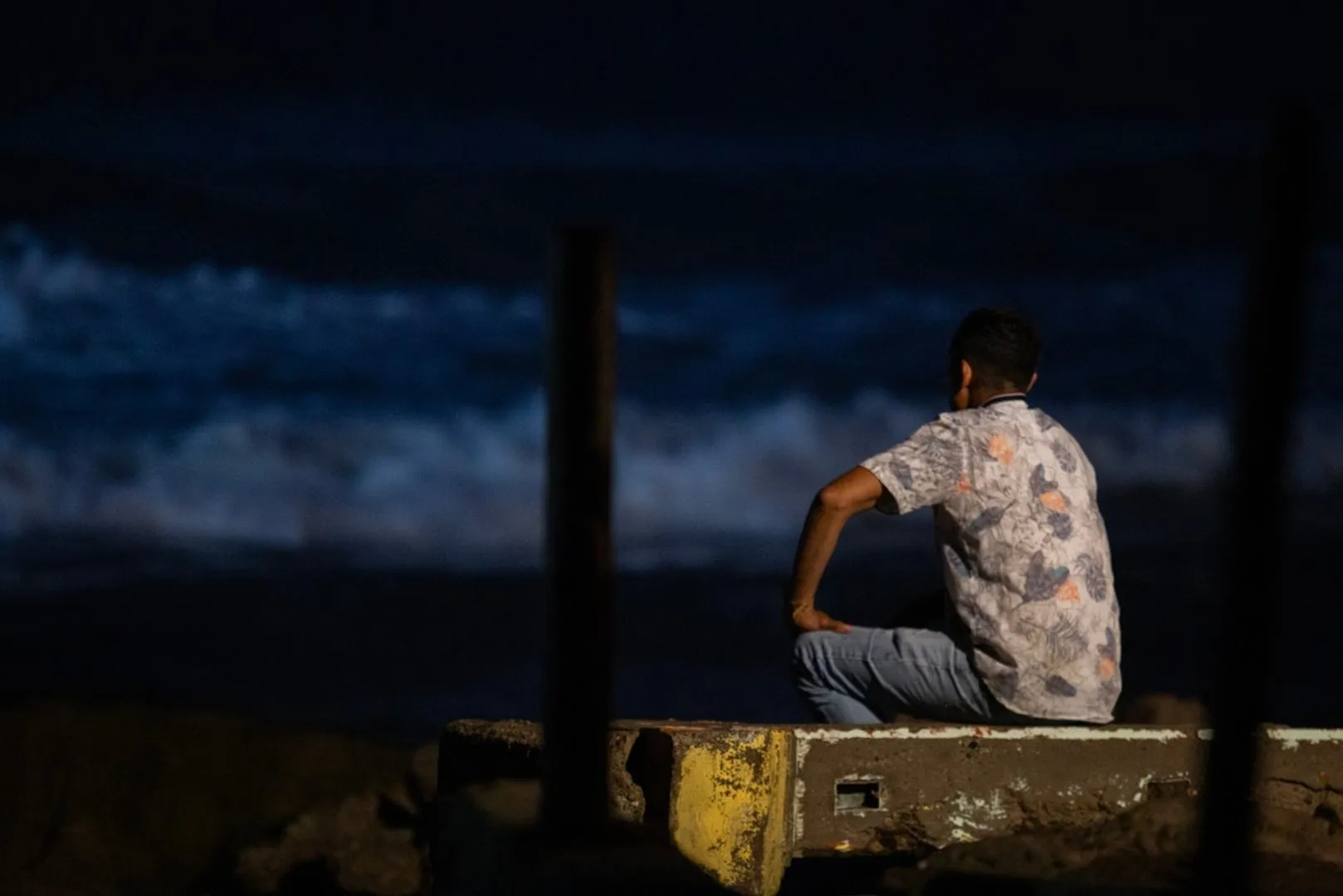
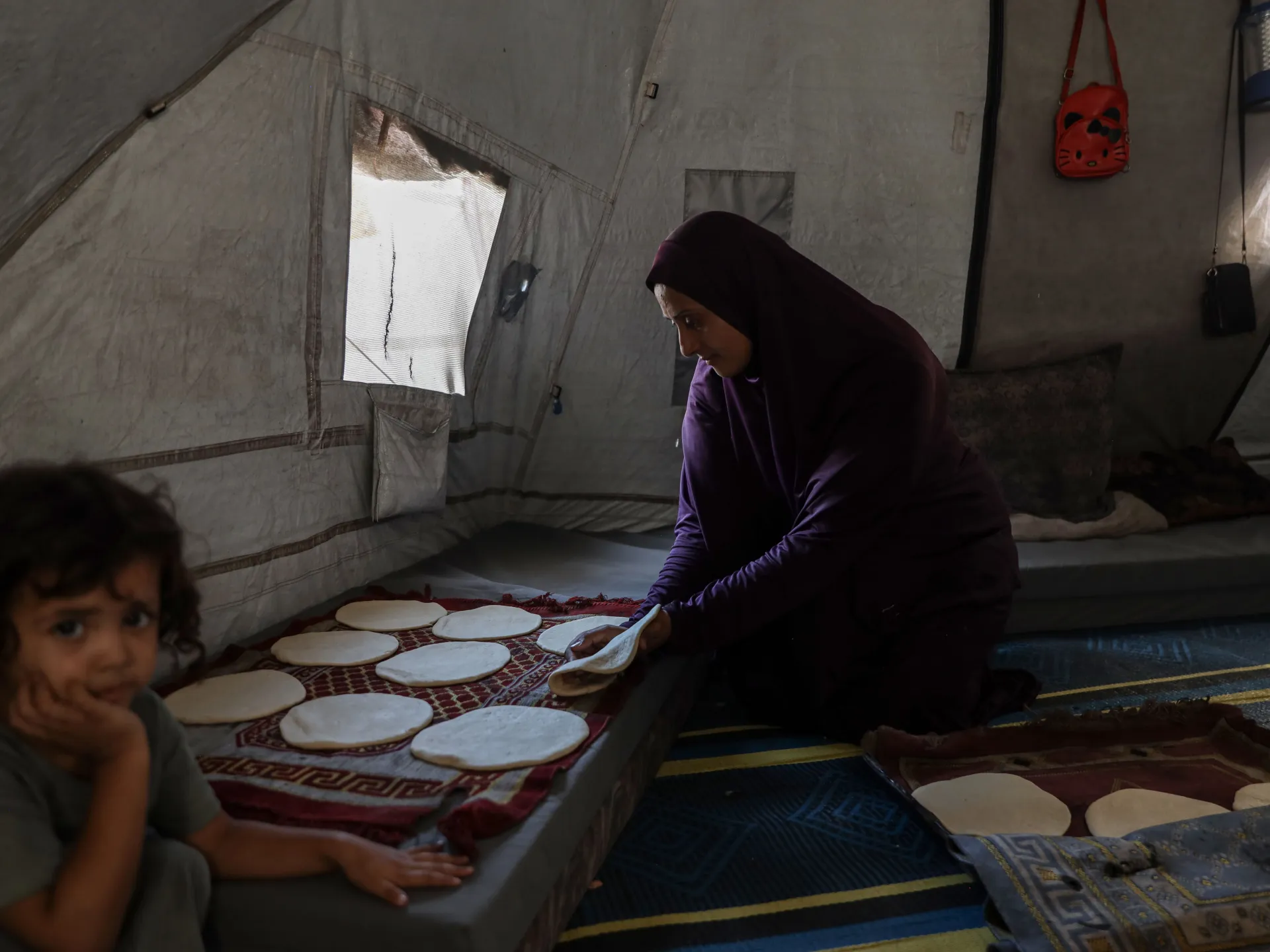
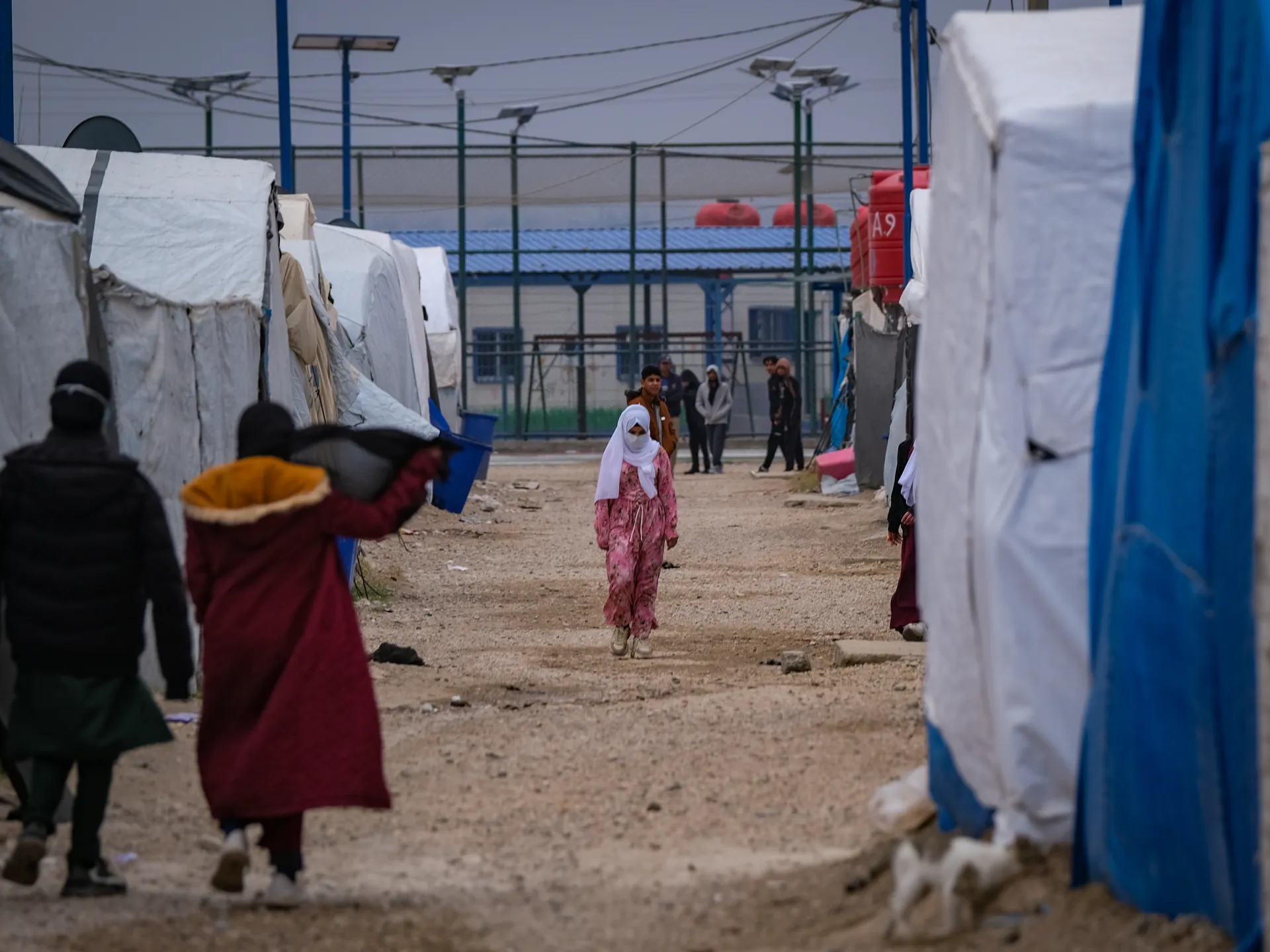
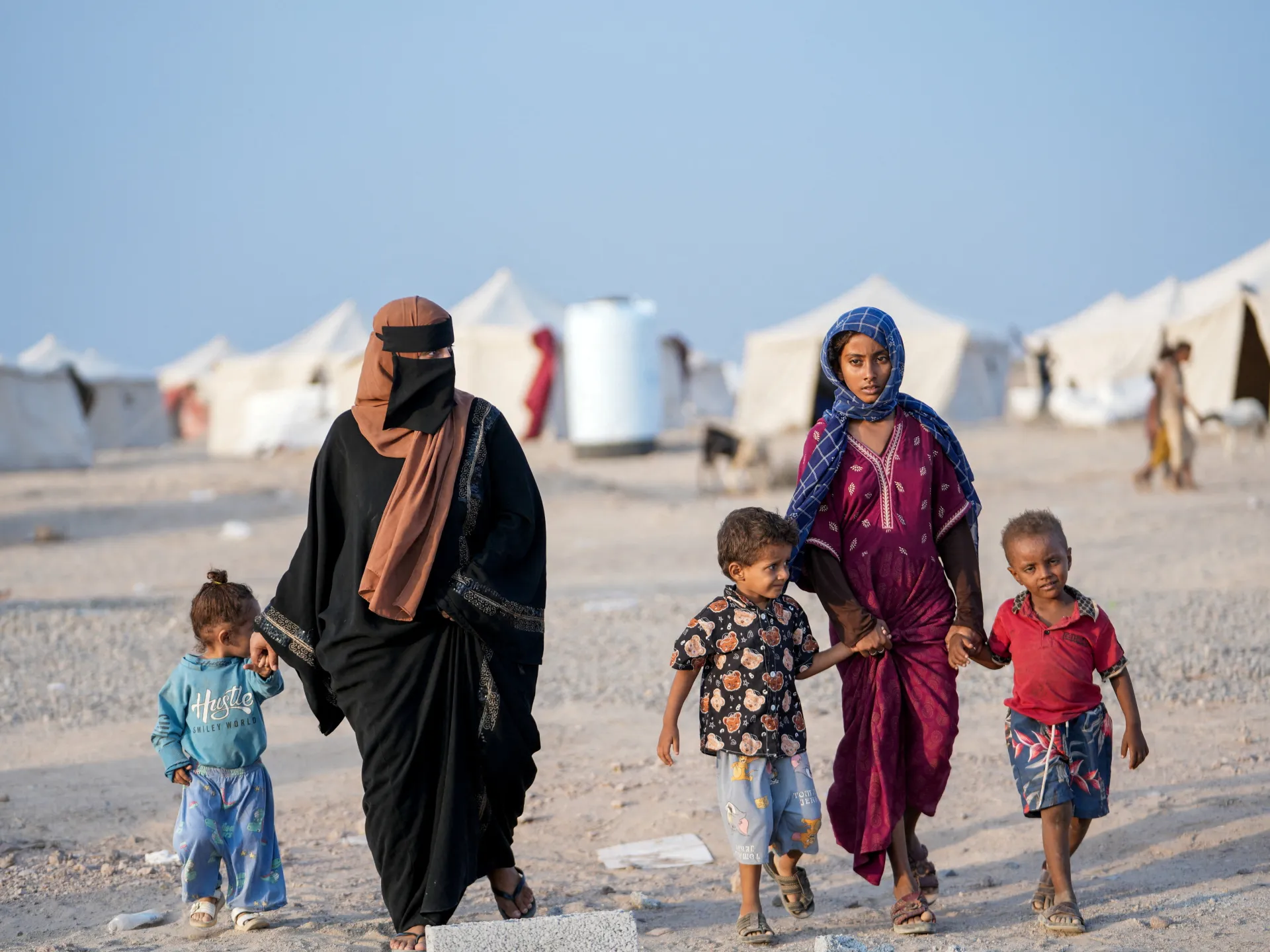
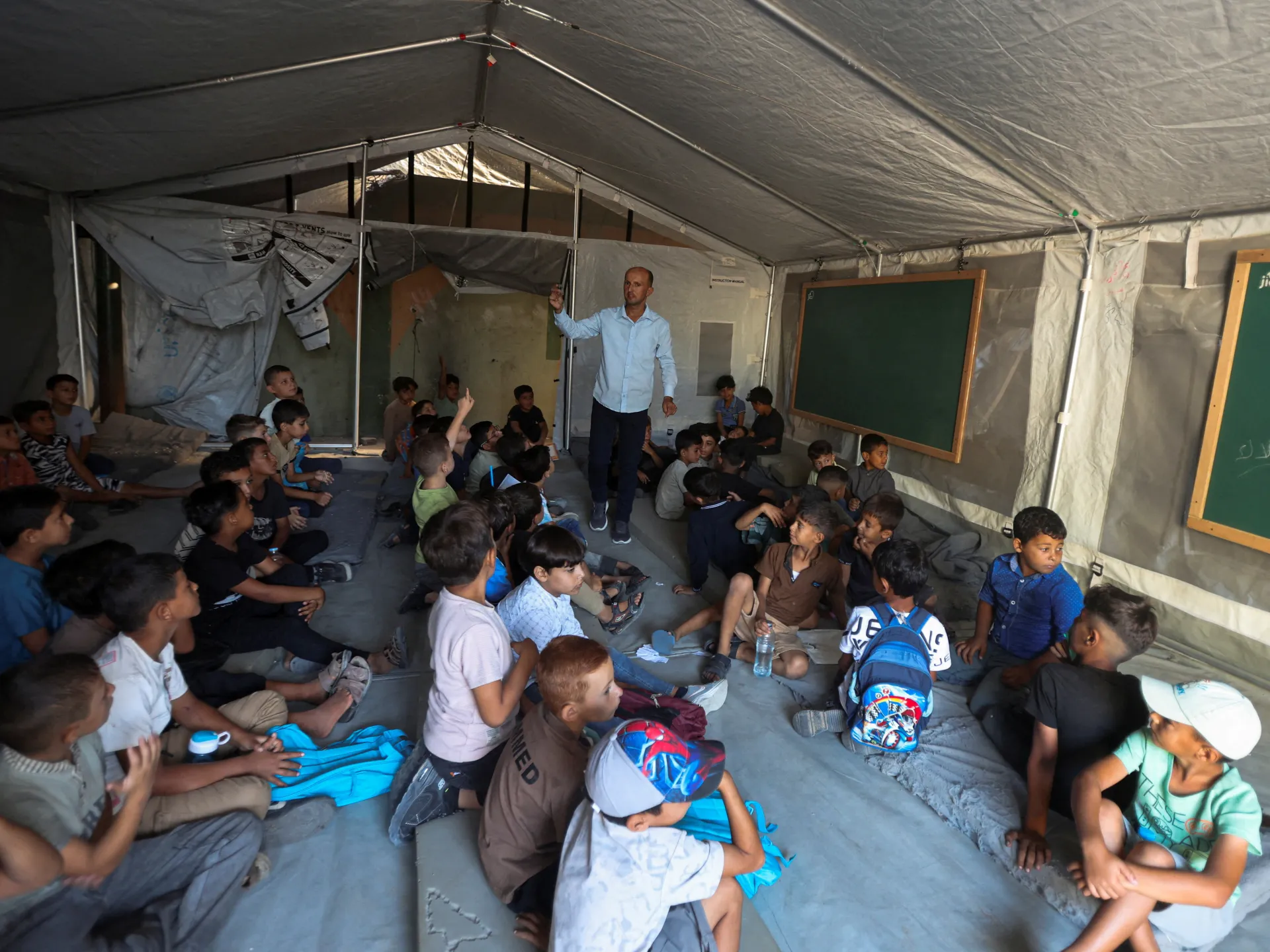
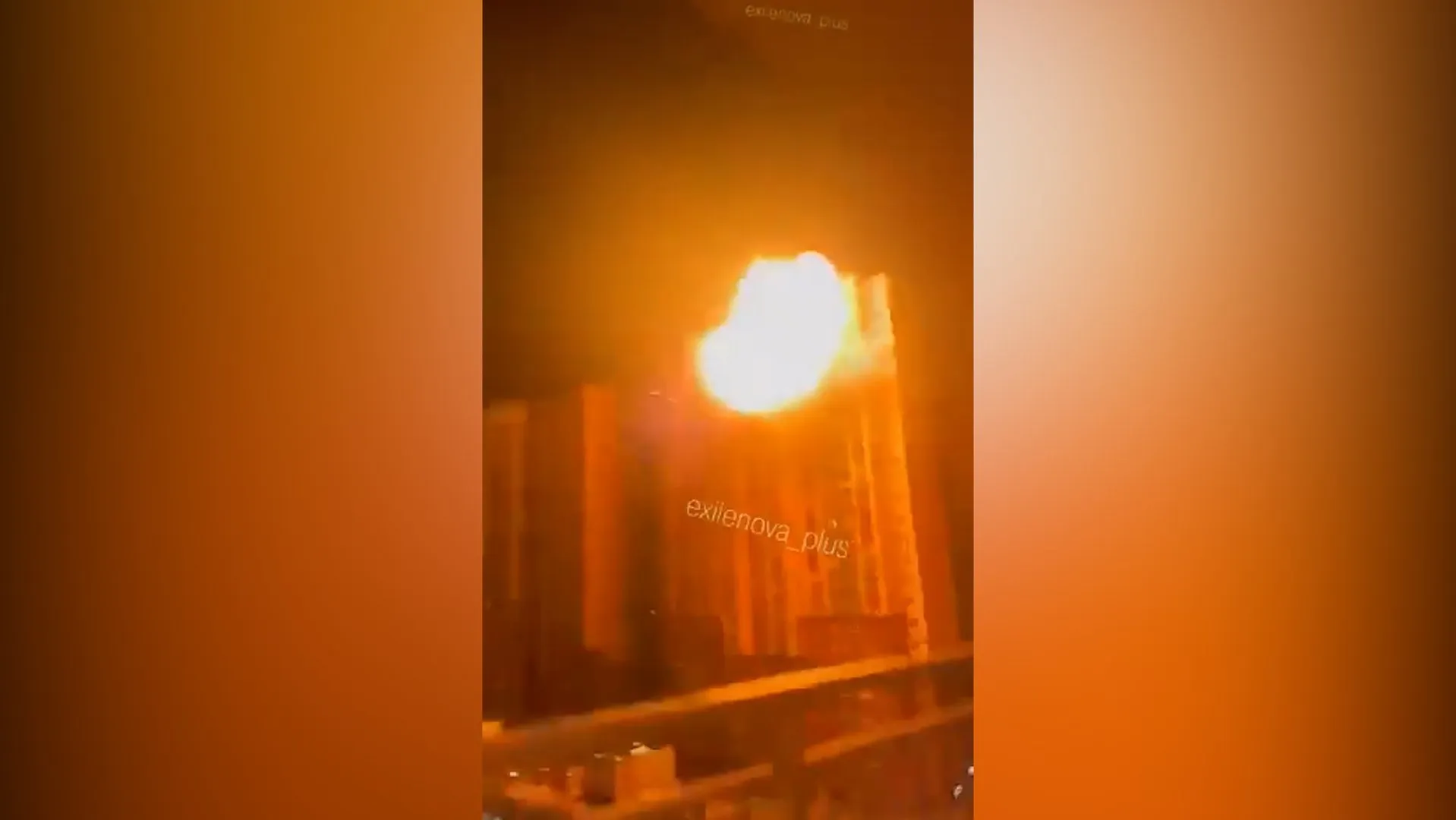
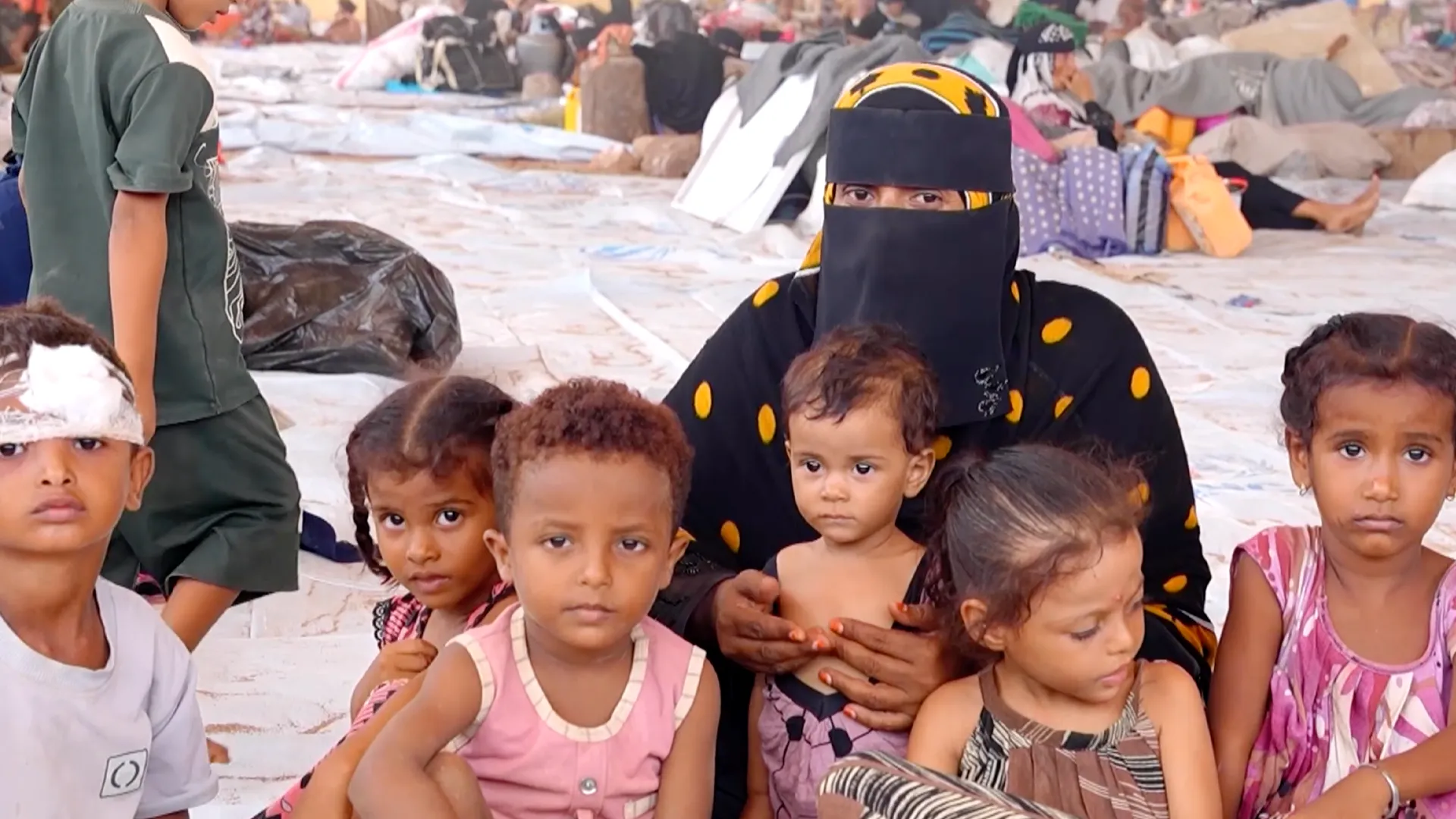
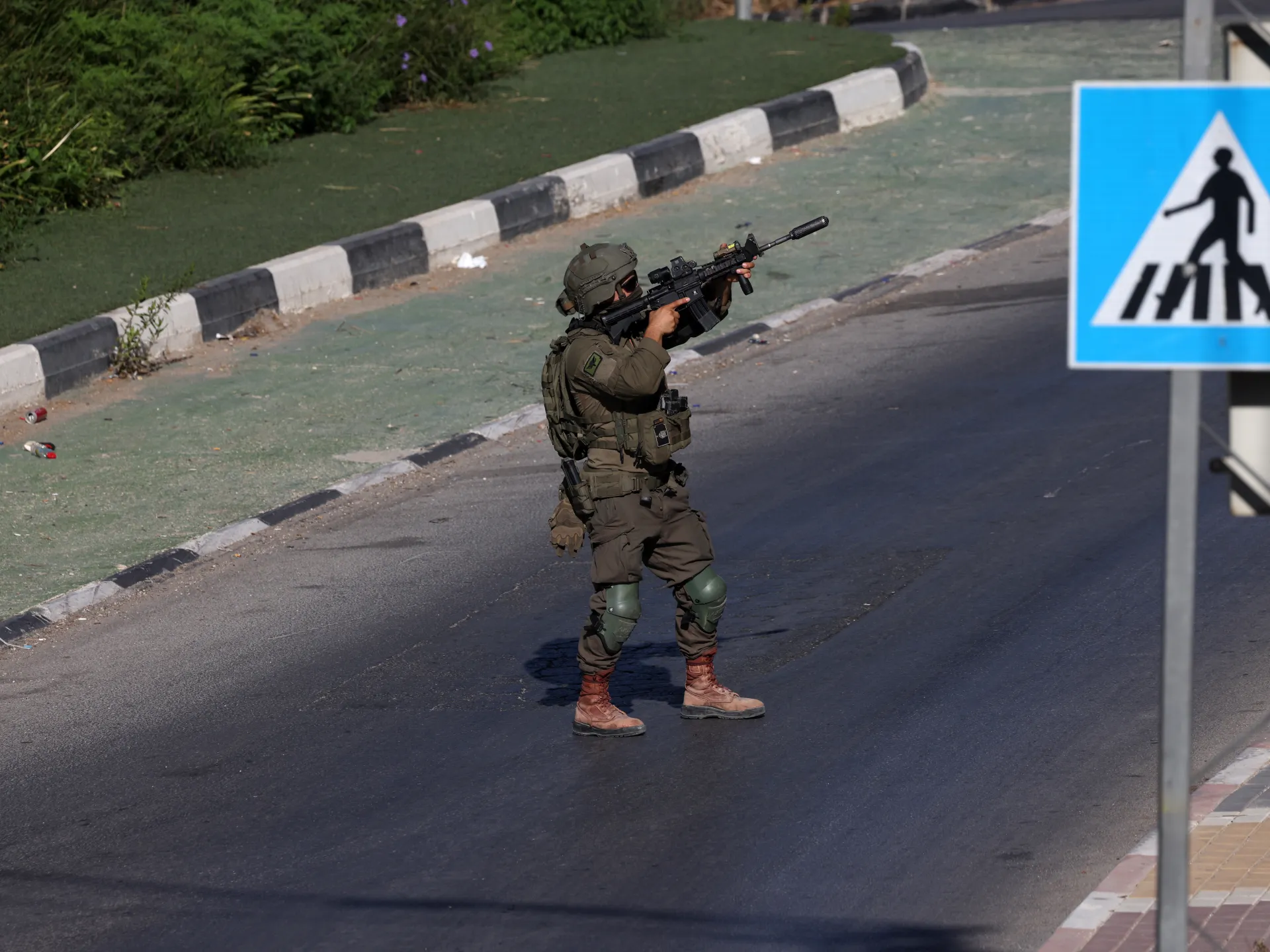
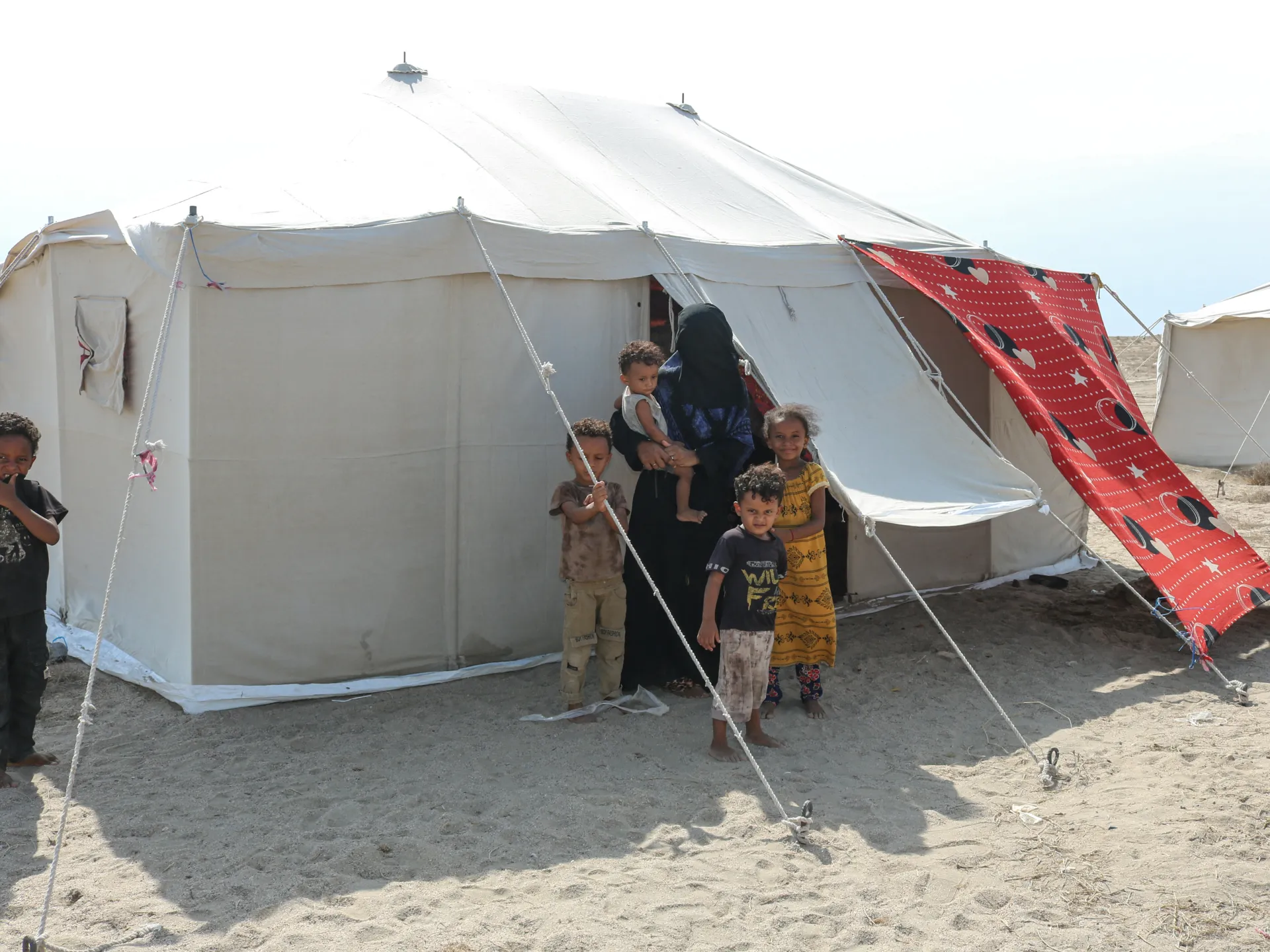
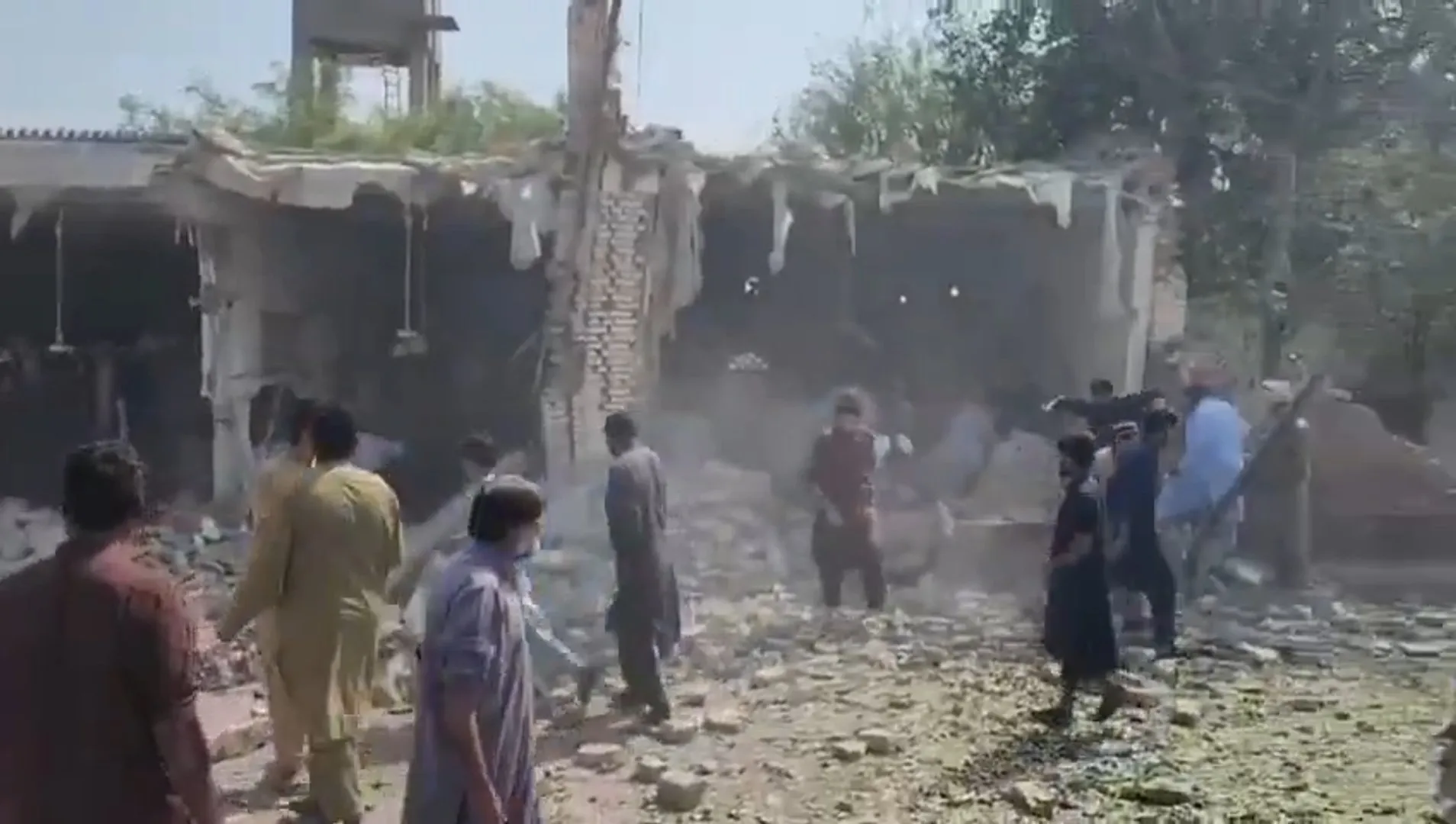
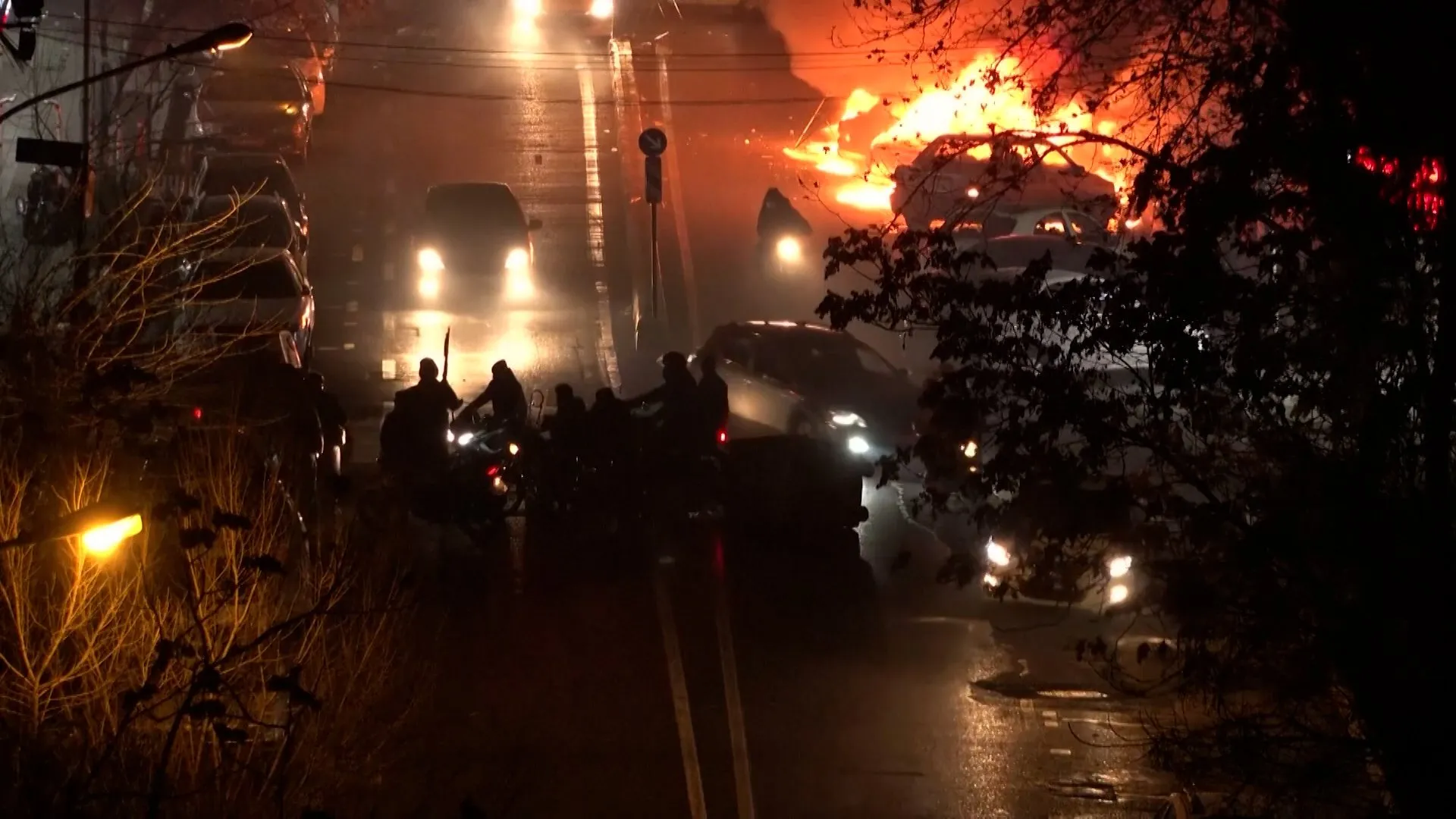
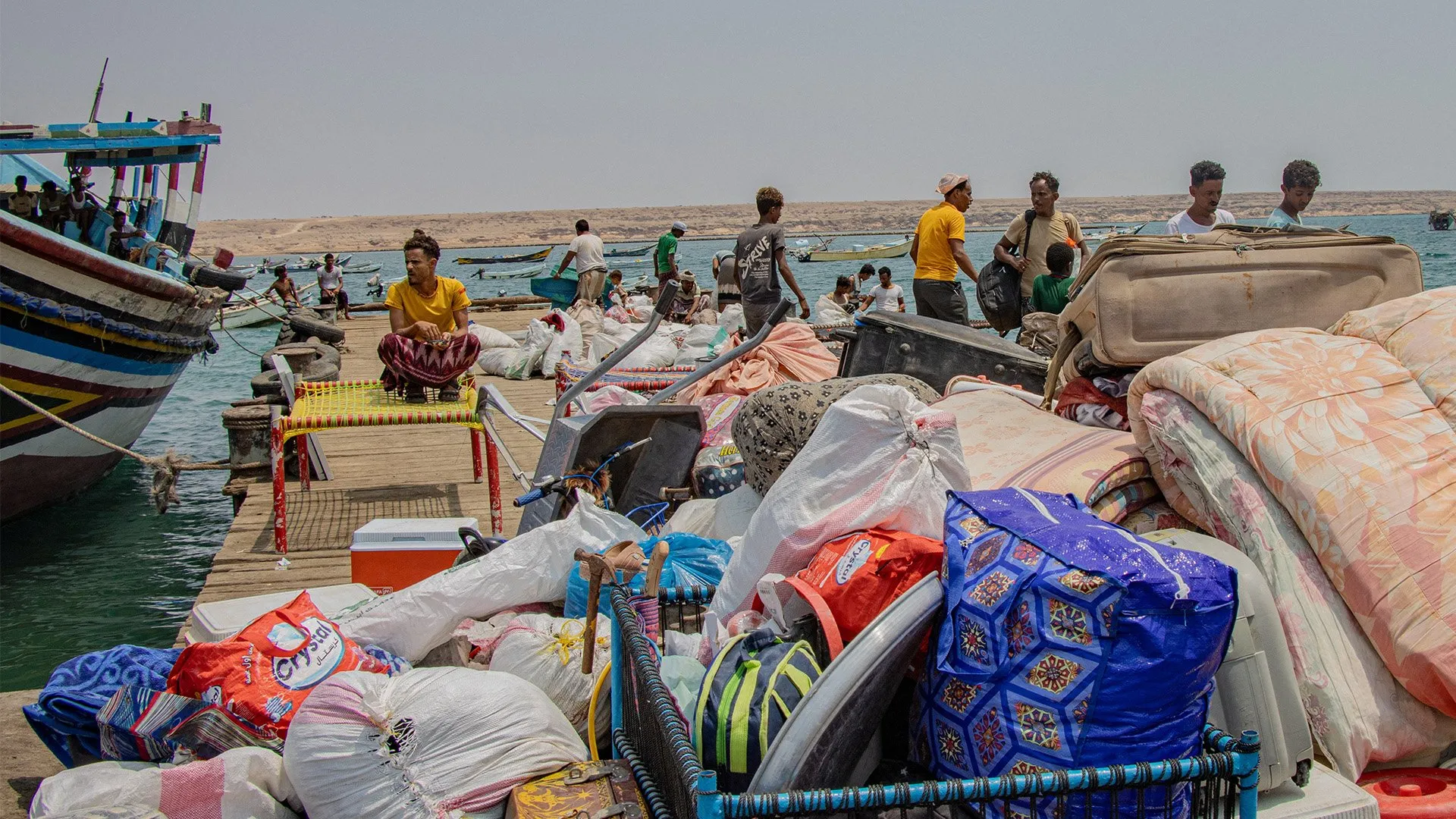
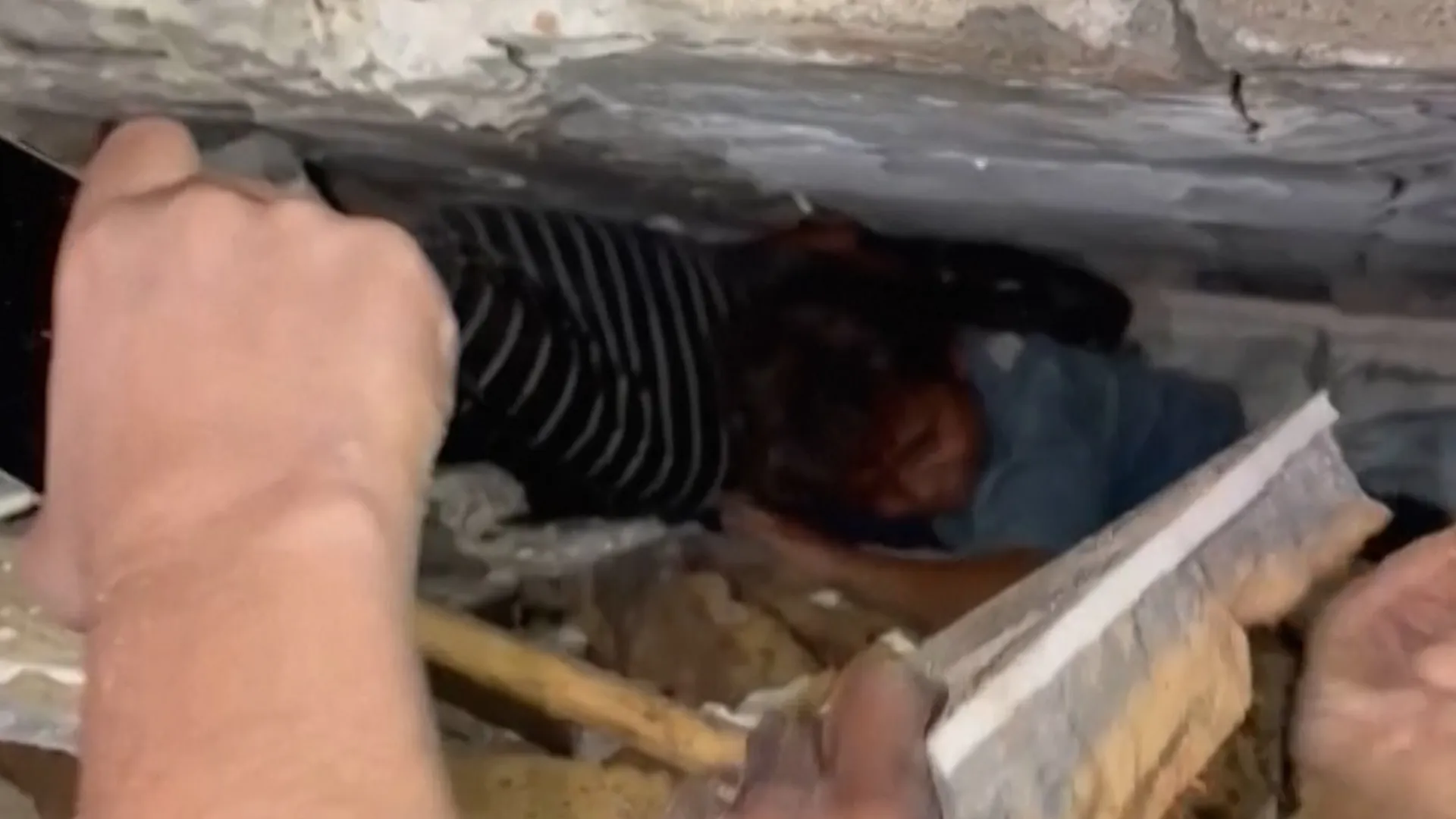
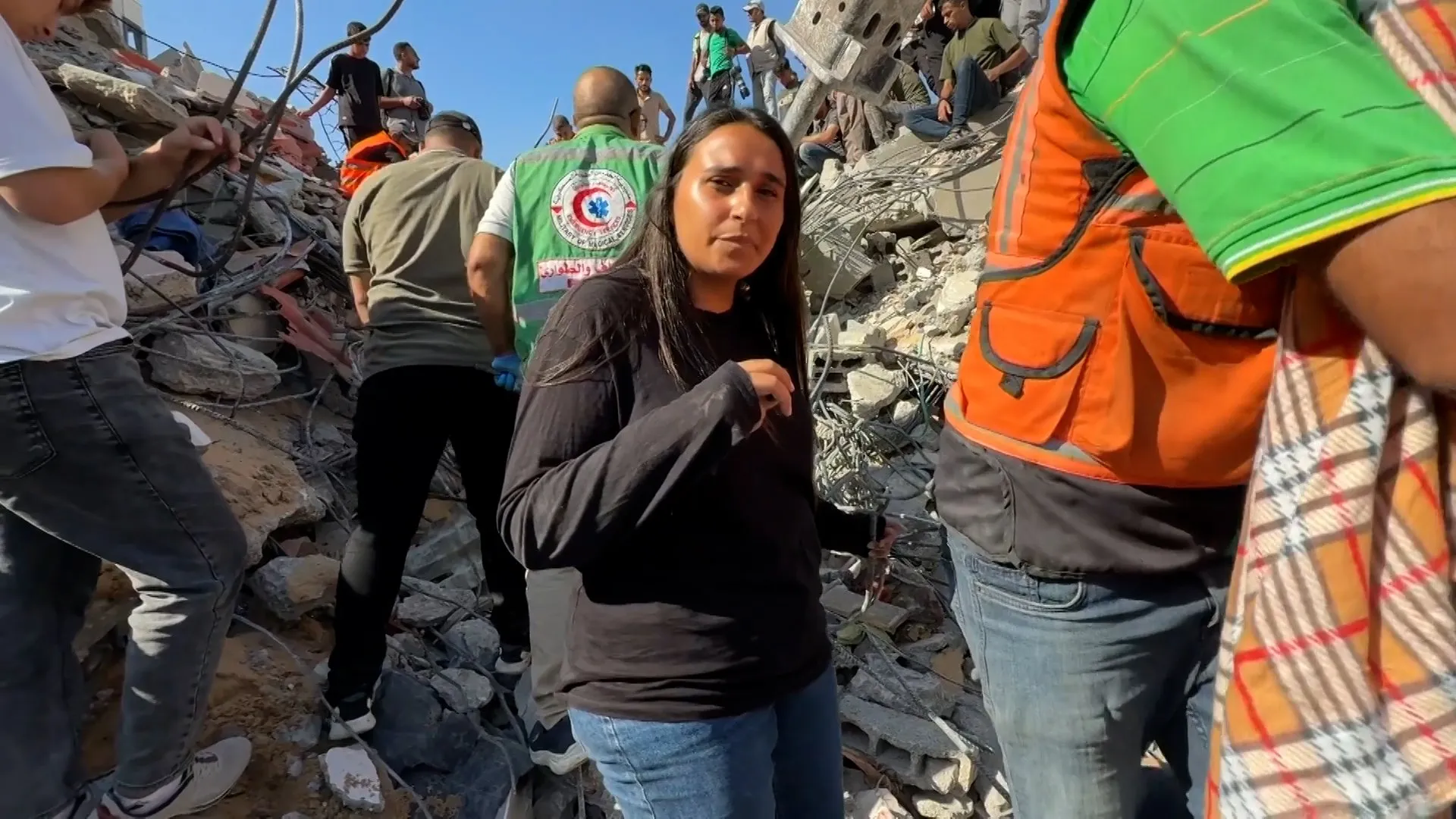
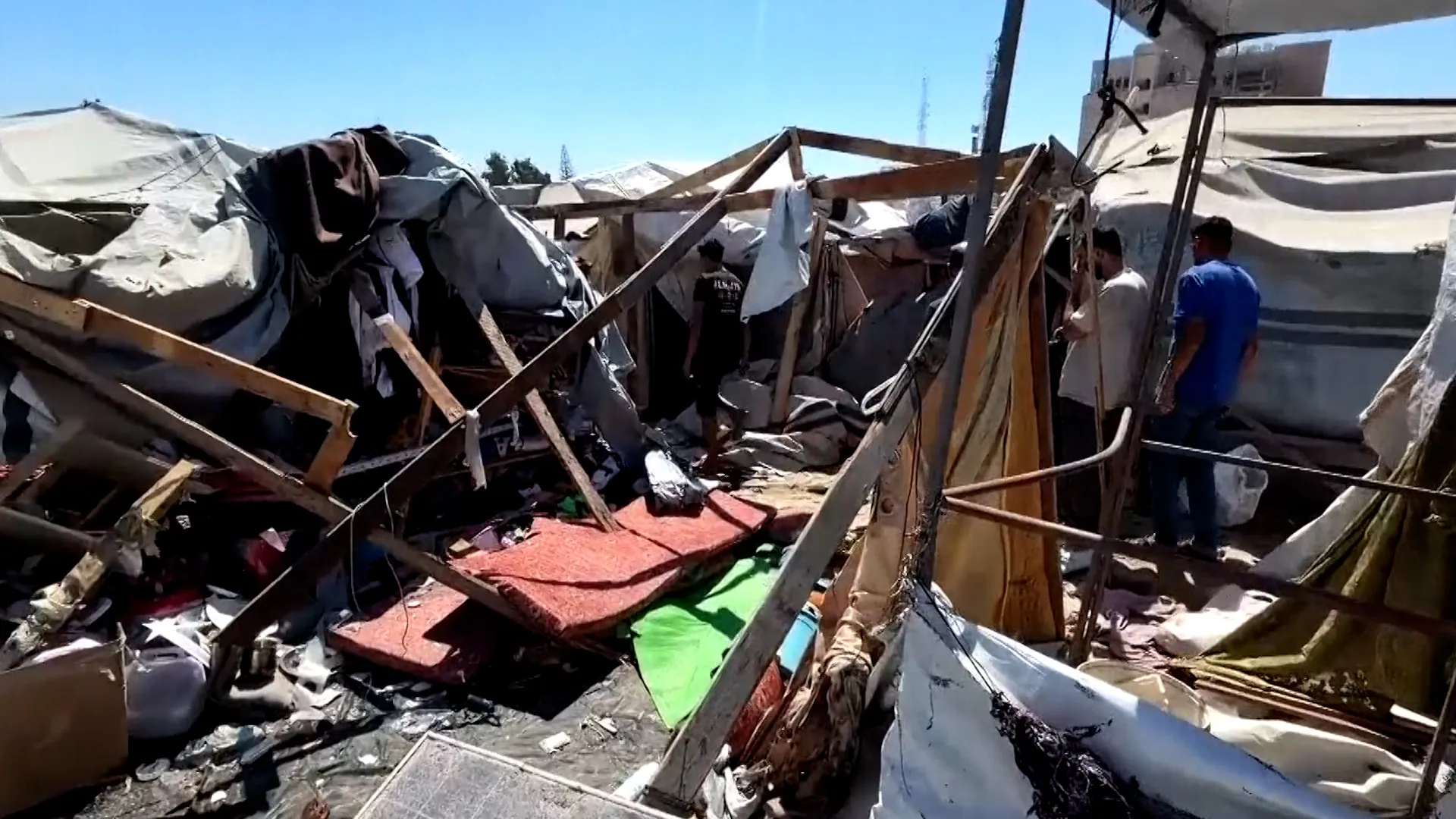
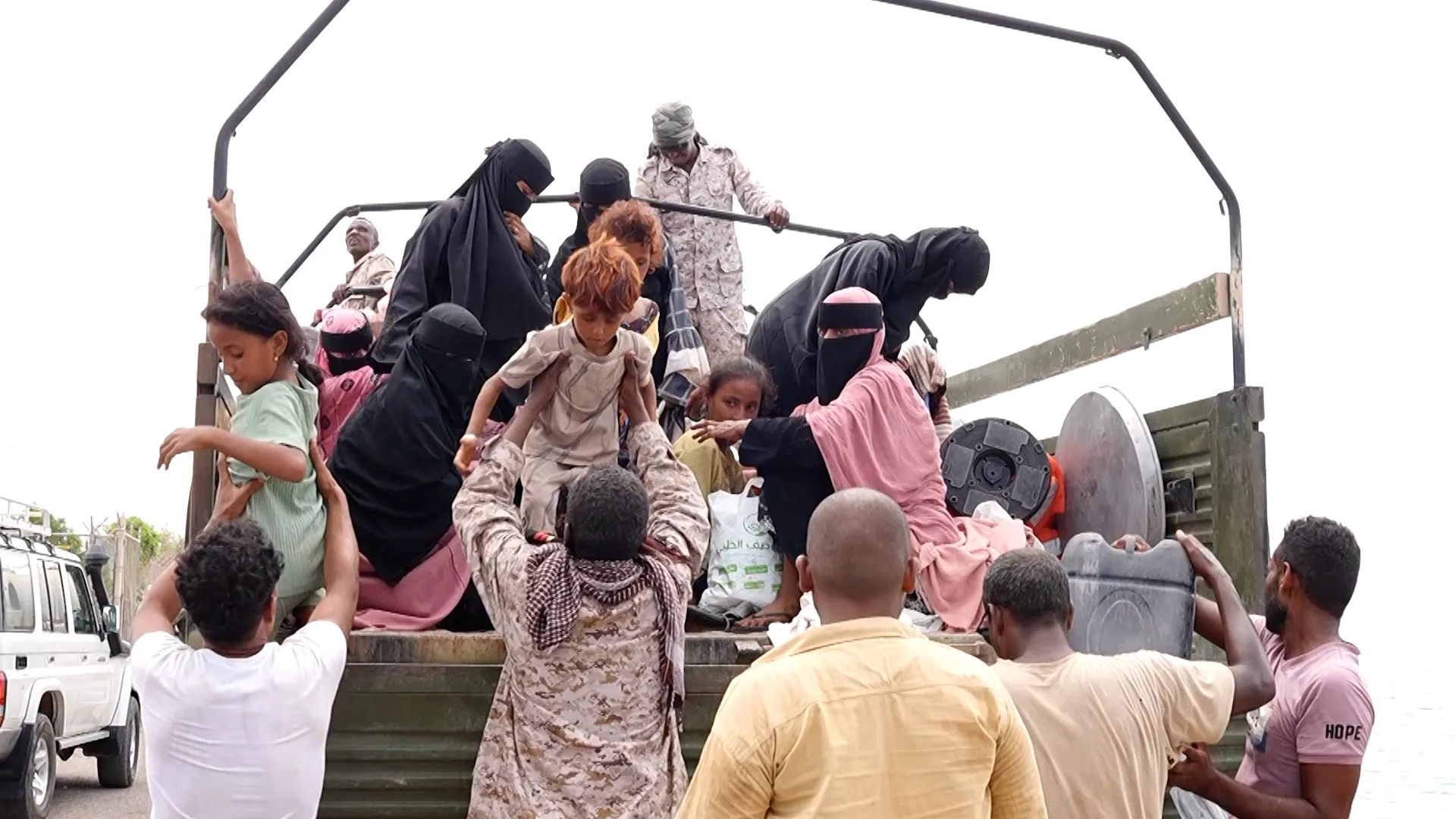
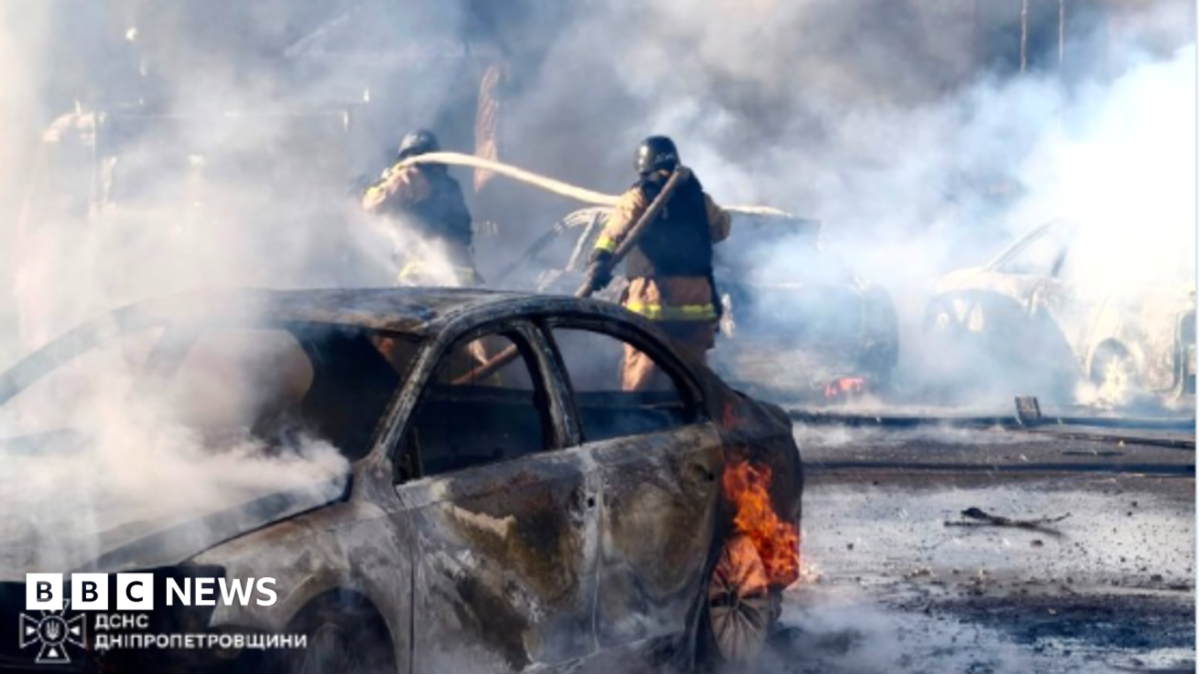
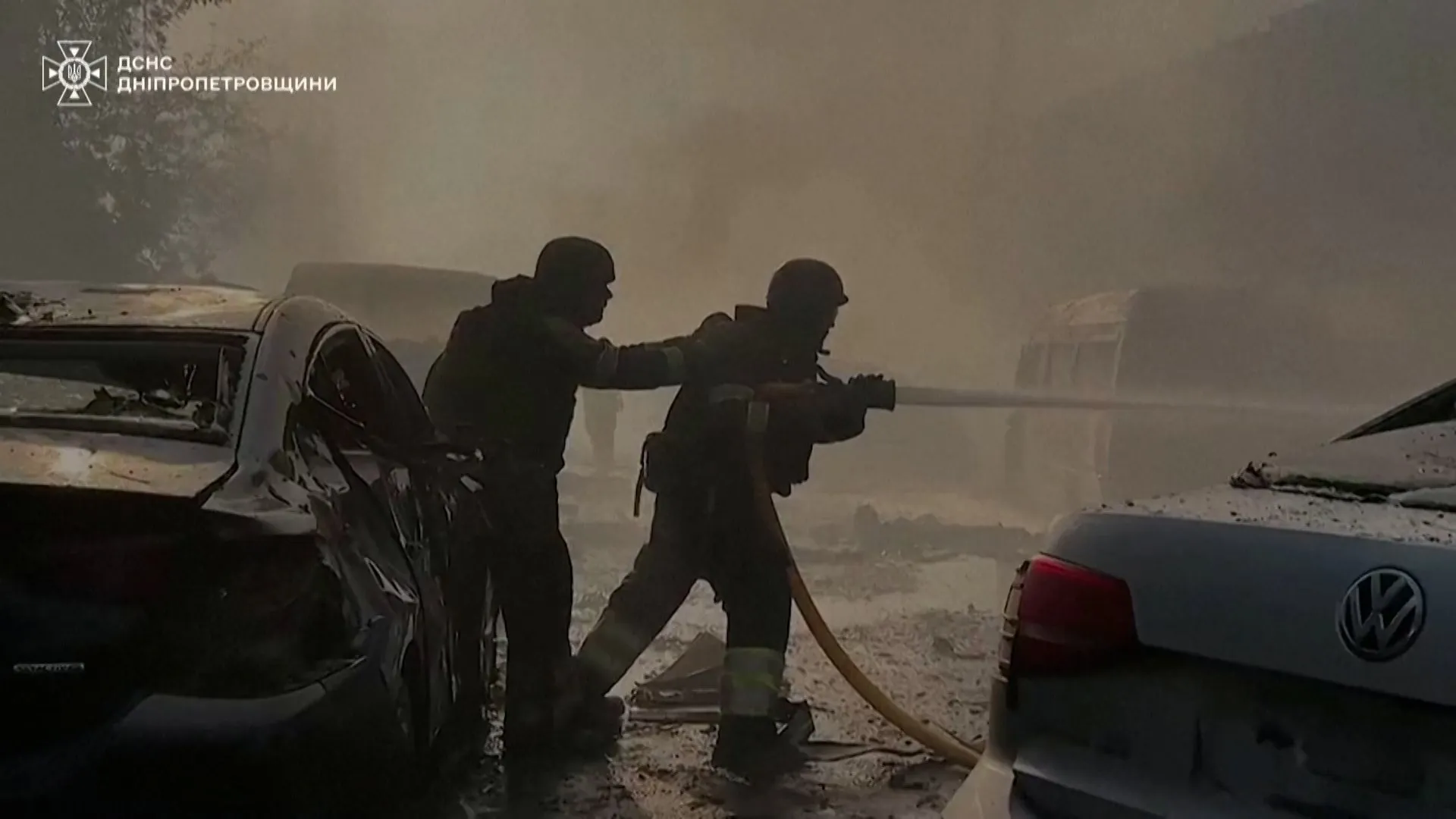
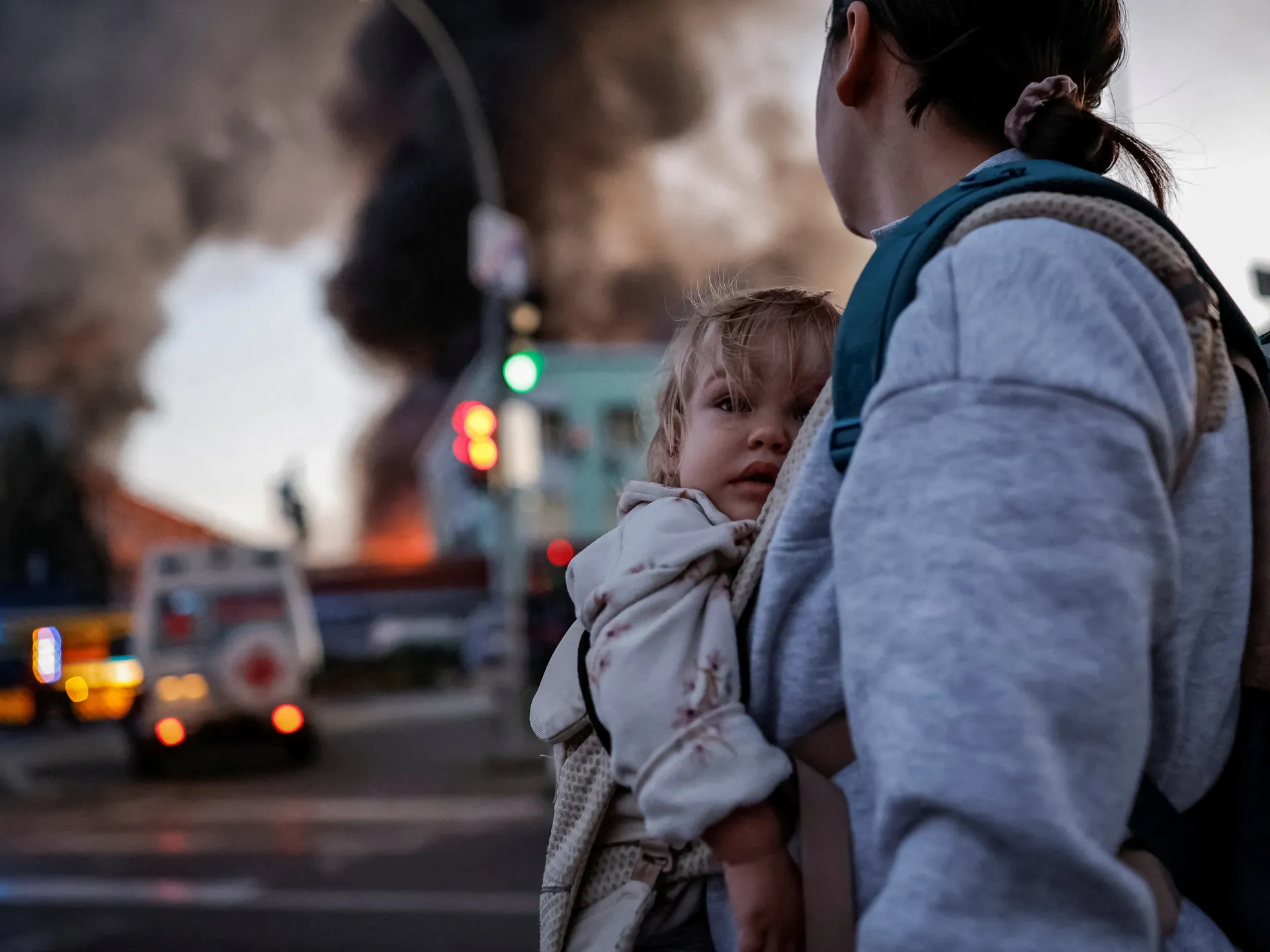
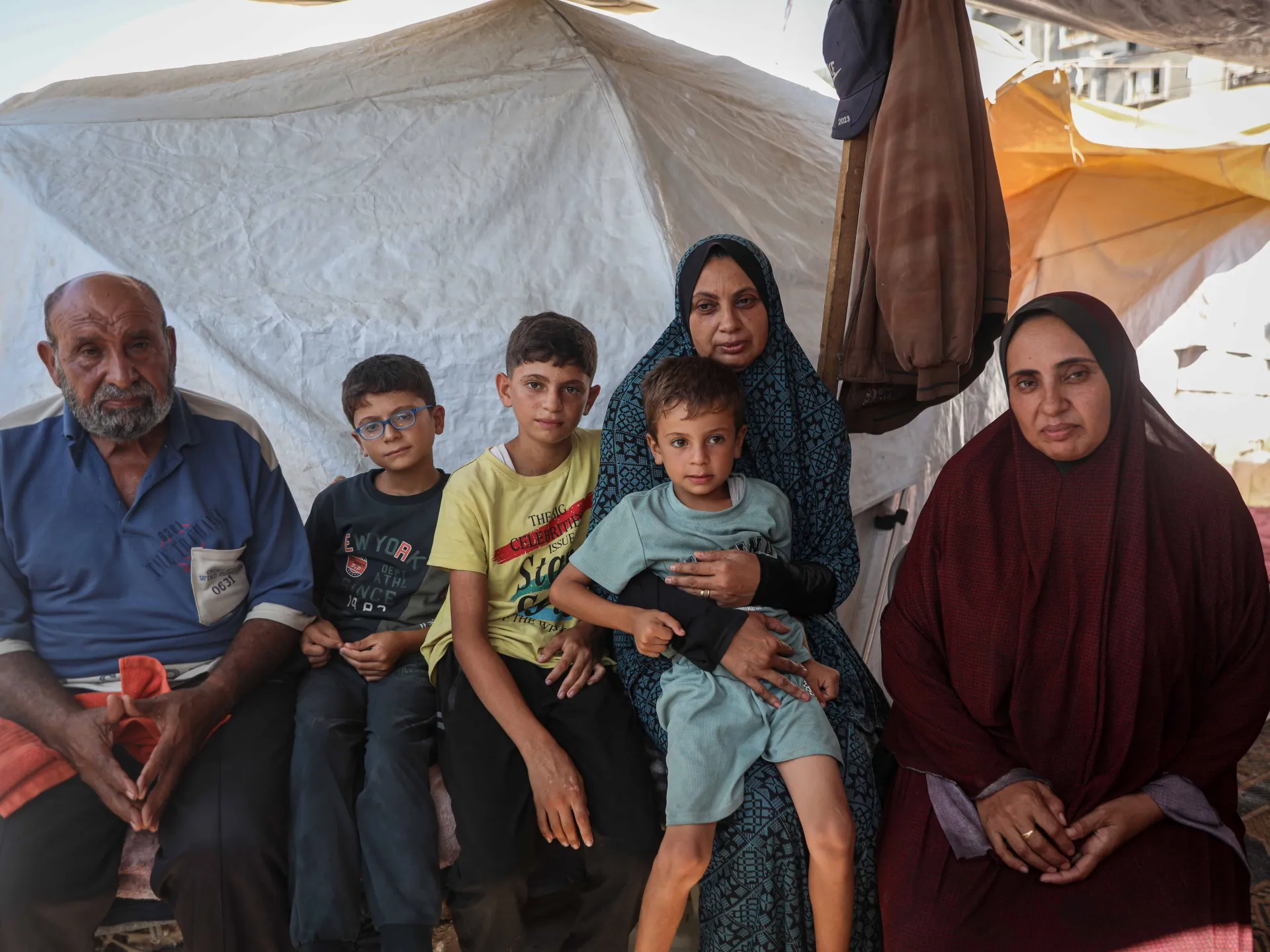
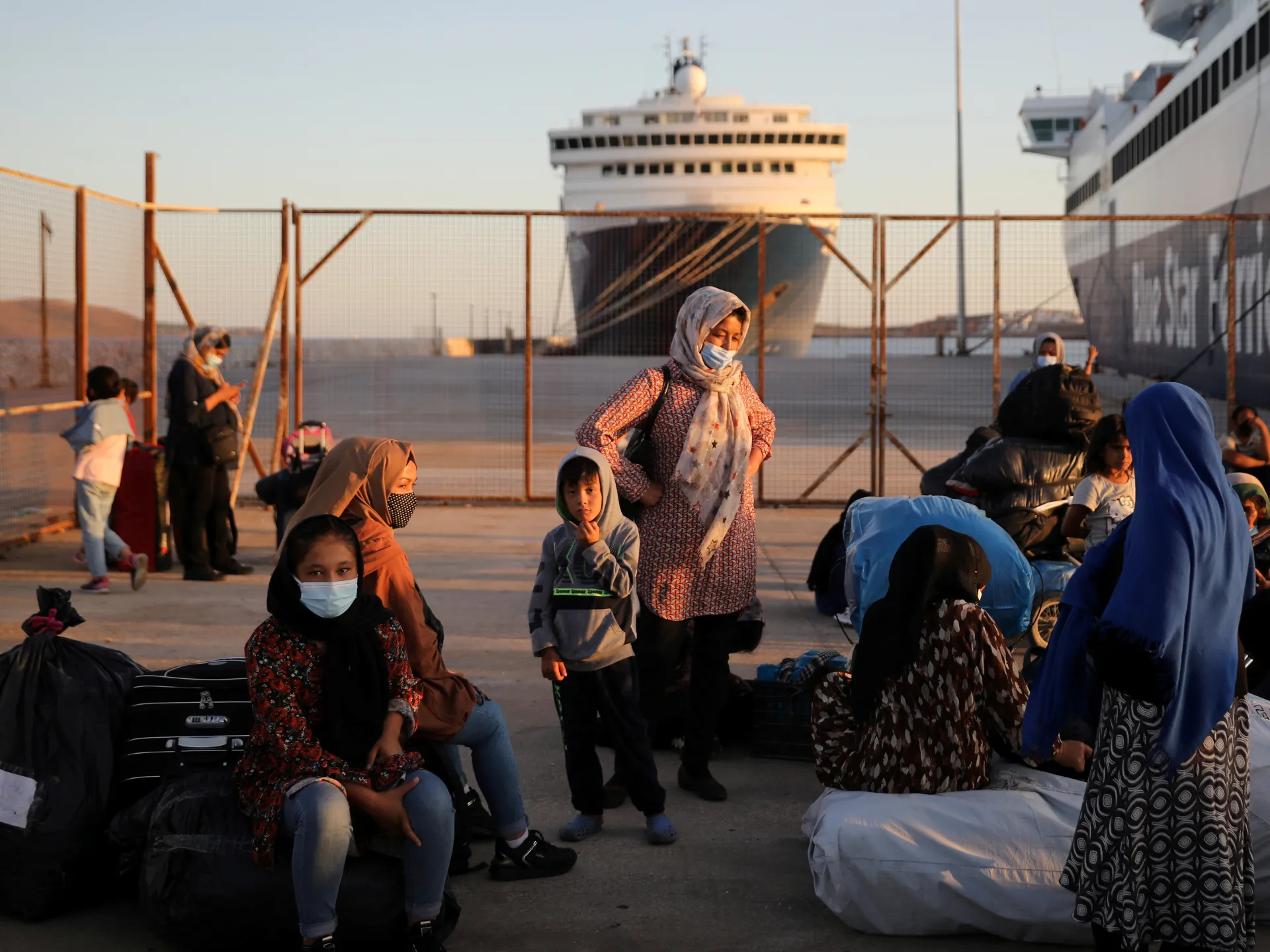
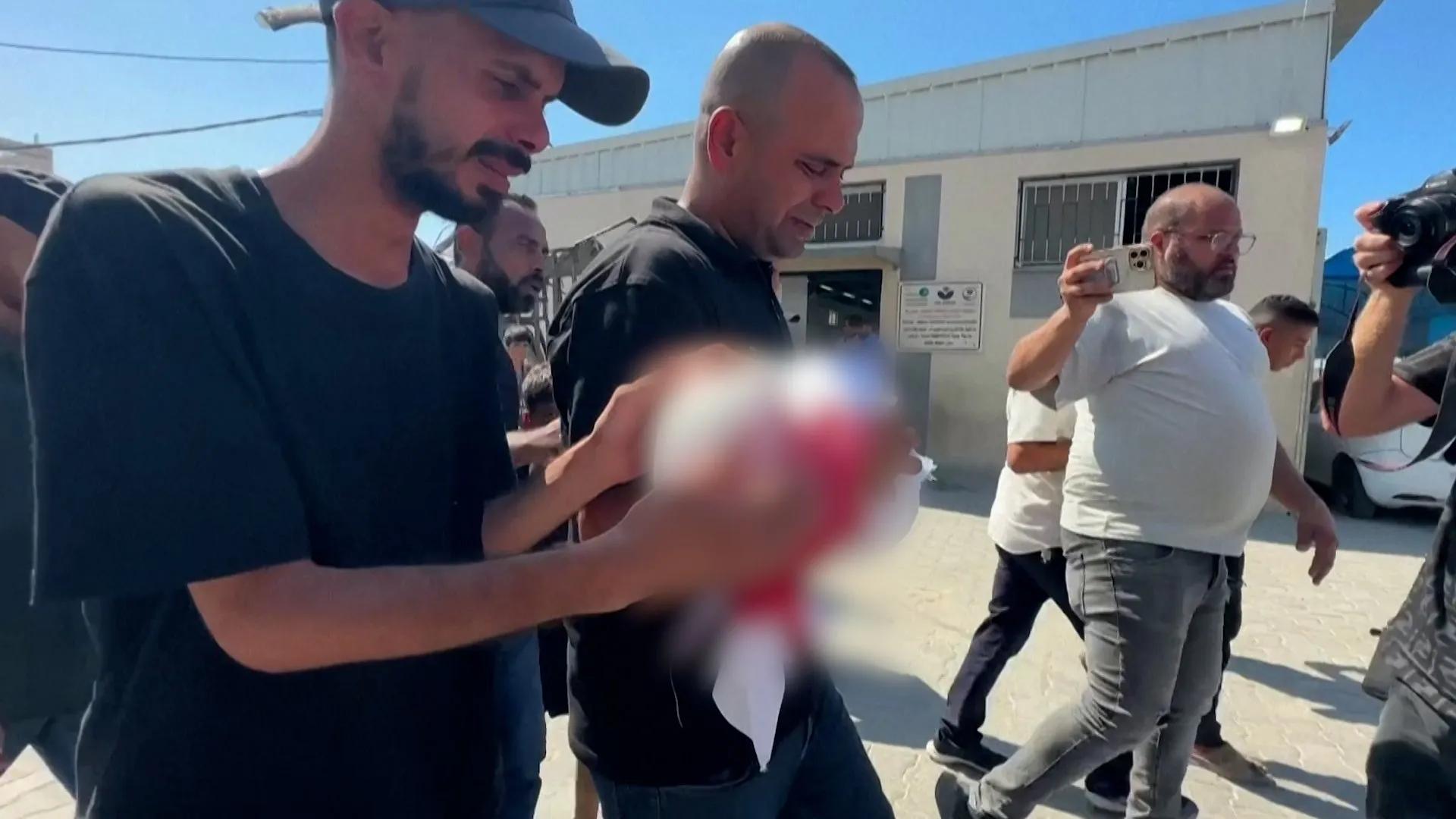
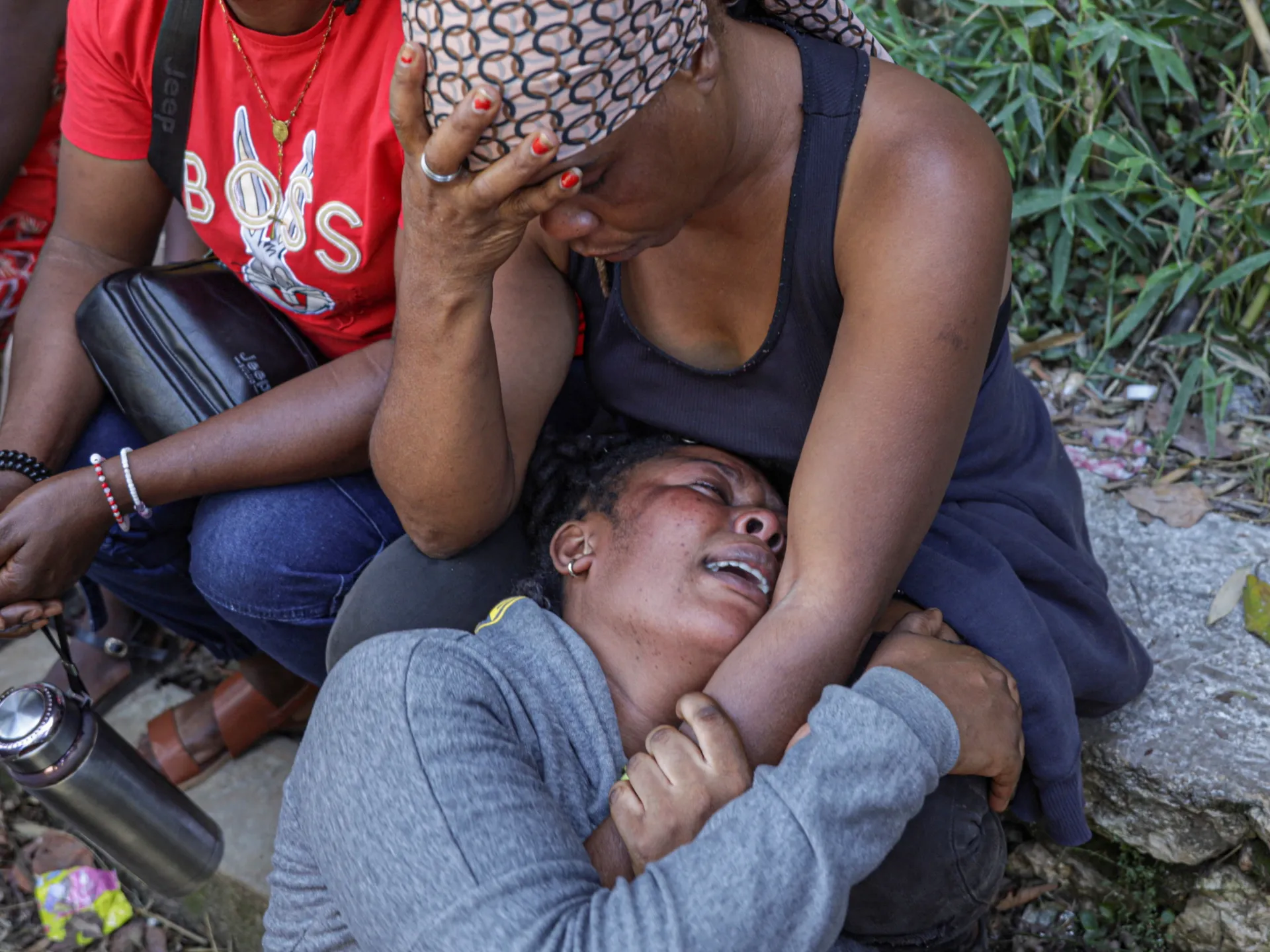
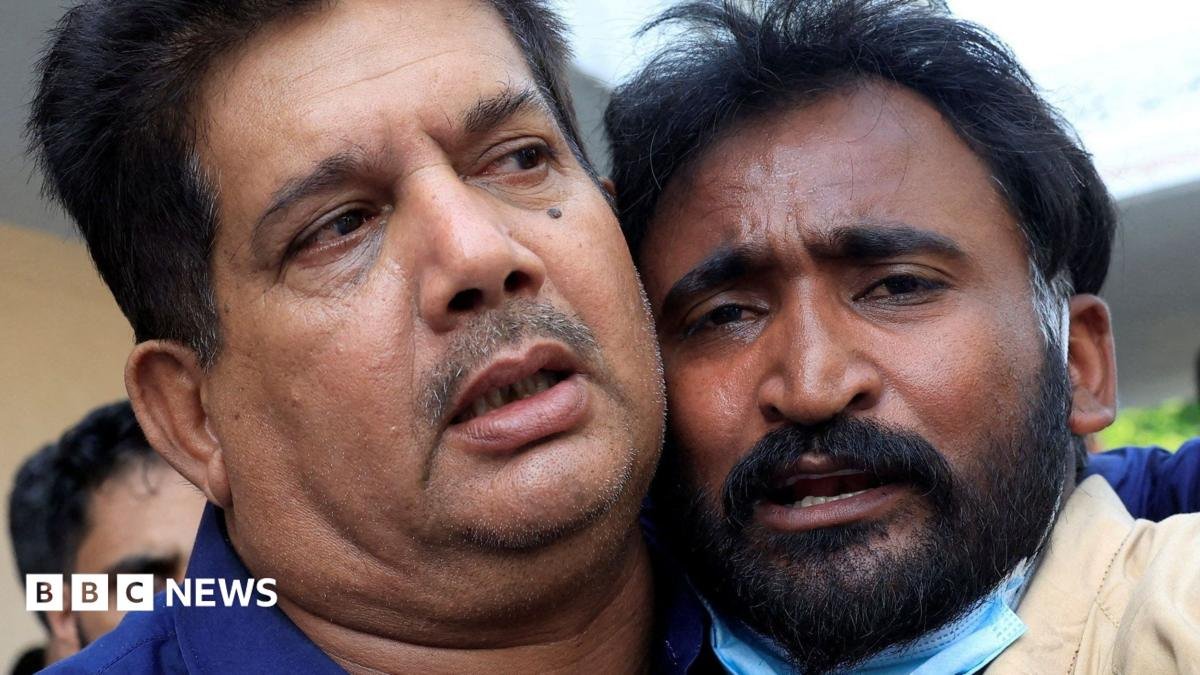
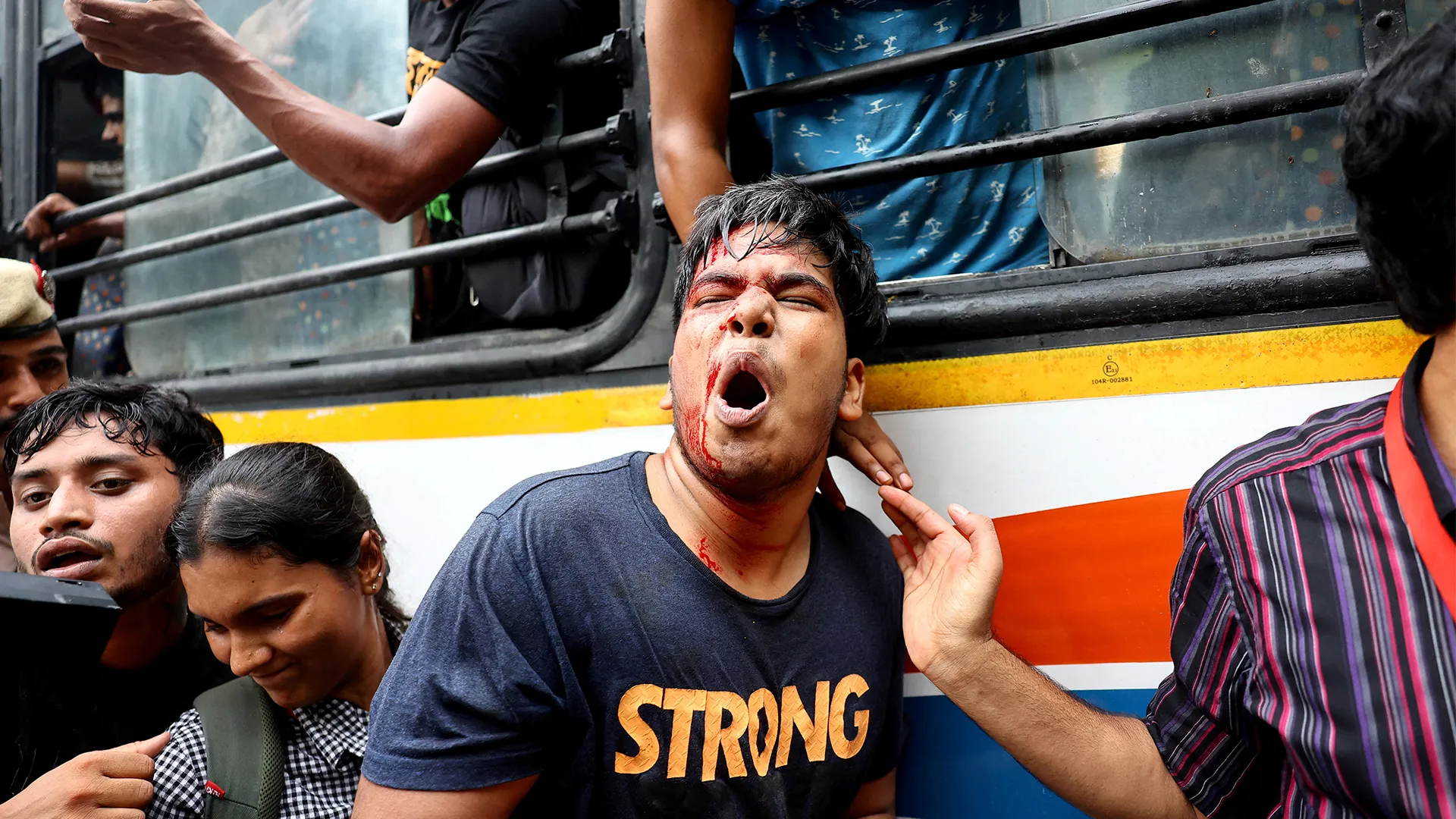
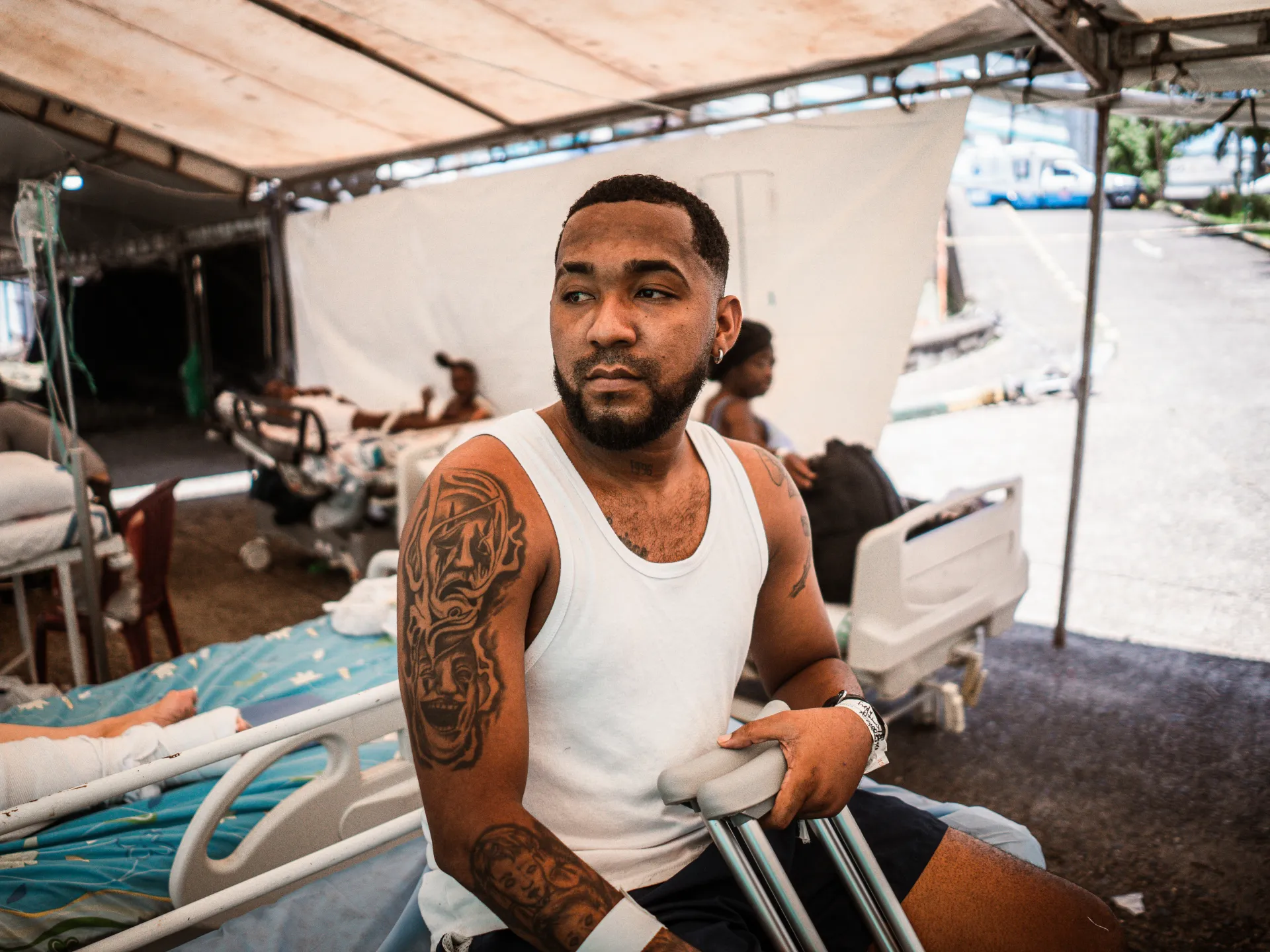
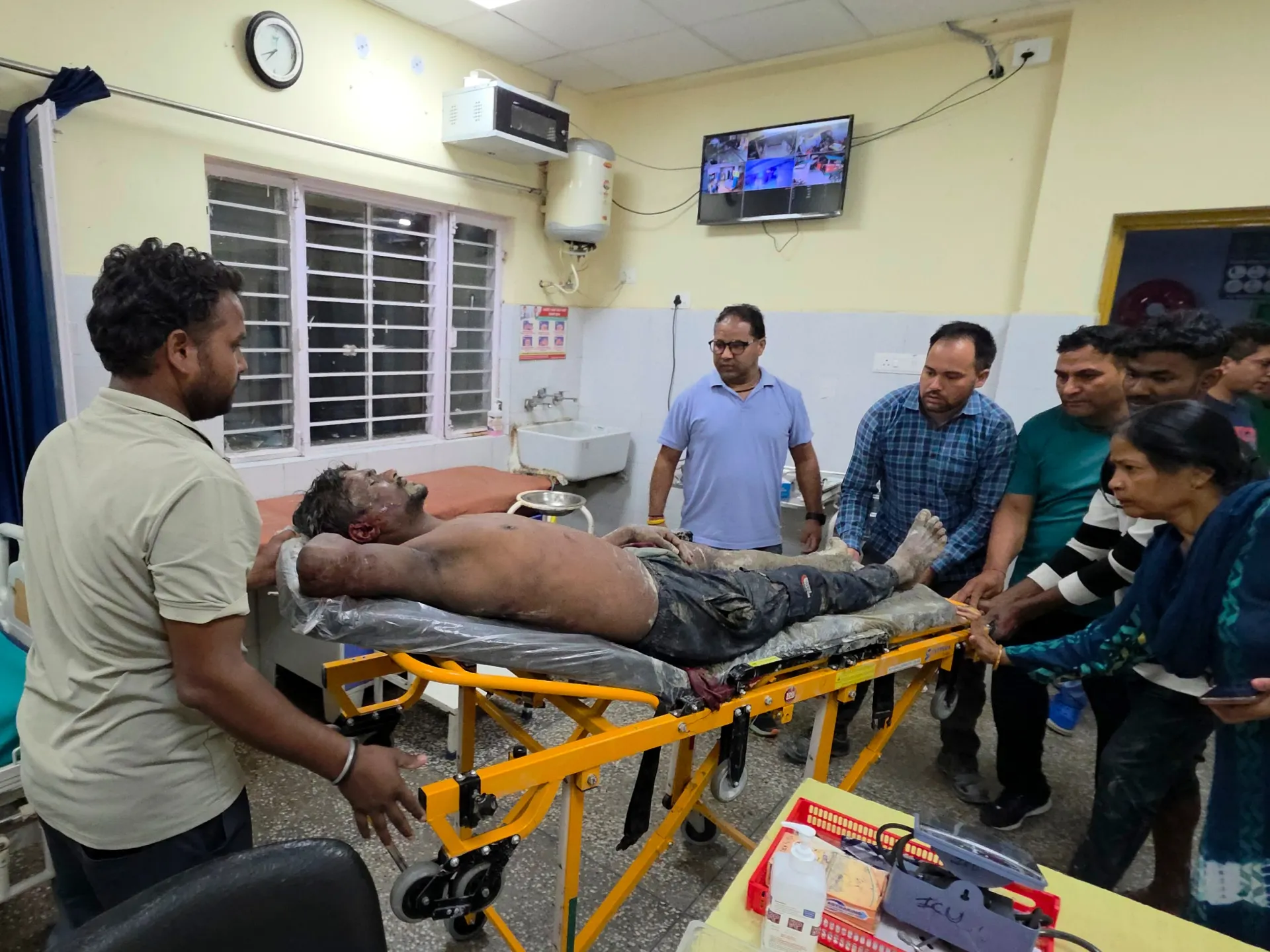
Further casualties were reported across the strip, with at least two individuals killed in a vehicle strike in Deir el-Balah and an additional fatality in Gaza City. The violence has increasingly encroached upon displacement camps where hundreds of thousands of civilians have sought shelter. Beyond the direct combat-related deaths, the toll continues to rise, with reports of individuals succumbing to injuries sustained in previous days, alongside the wounding of vulnerable populations, including an infant and an elderly resident in Khan Younis.
The immediate future of the reconstruction plan will likely be defined of local factions to provide a secure operational environment. If the current trajectory of Israeli military operations and factional skirmishes continues, the Board of Peace will likely face pressure to either suspend the funding or renegotiate the security requirements for contractors and aid workers. Without a verified reduction in violence, the proposed 66 projects remain theoretical, as the logistical challenges of rebuilding in a zone of active engagement are currently insurmountable. The next few weeks will test whether the July disarmament agreement can manifest into the physical security required for international organizations to transition from planning to construction.