As established power structures face unprecedented scrutiny, voters in both the U.S. and Germany are signaling a deep dissatisfaction with status-quo governance.
Voters across Western nations are demonstrating an intensifying appetite for political disruption, as established governing coalitions grapple with historically low approval ratings and the rise of insurgent political movements. From the United States to Germany, the traditional paradigms of party governance are being challenged d—the political establishment.
This trend is not isolated to any single ideology, but rather reflects a broad, systemic exhaustion with existing power structures. While the United States faces internal friction within its binary party system, Germany is experiencing a more radical realignment as fringe parties secure unprecedented electoral support, forcing mainstream leaders into defensive postures.
The current global climate suggests a fundamental shift in the social contract between citizens and their governments. When traditional parties fail to address economic anxieties or cultural grievances, the resulting vacuum is frequently filled t is one of increasing volatility: electoral cycles are no longer merely contests between policy platforms, but referendums on the legitimacy of the state itself. As trust in established institutions wanes, the capacity for moderate governance is compromised, leaving nations vulnerable to polarization that hampers long-term legislative stability.
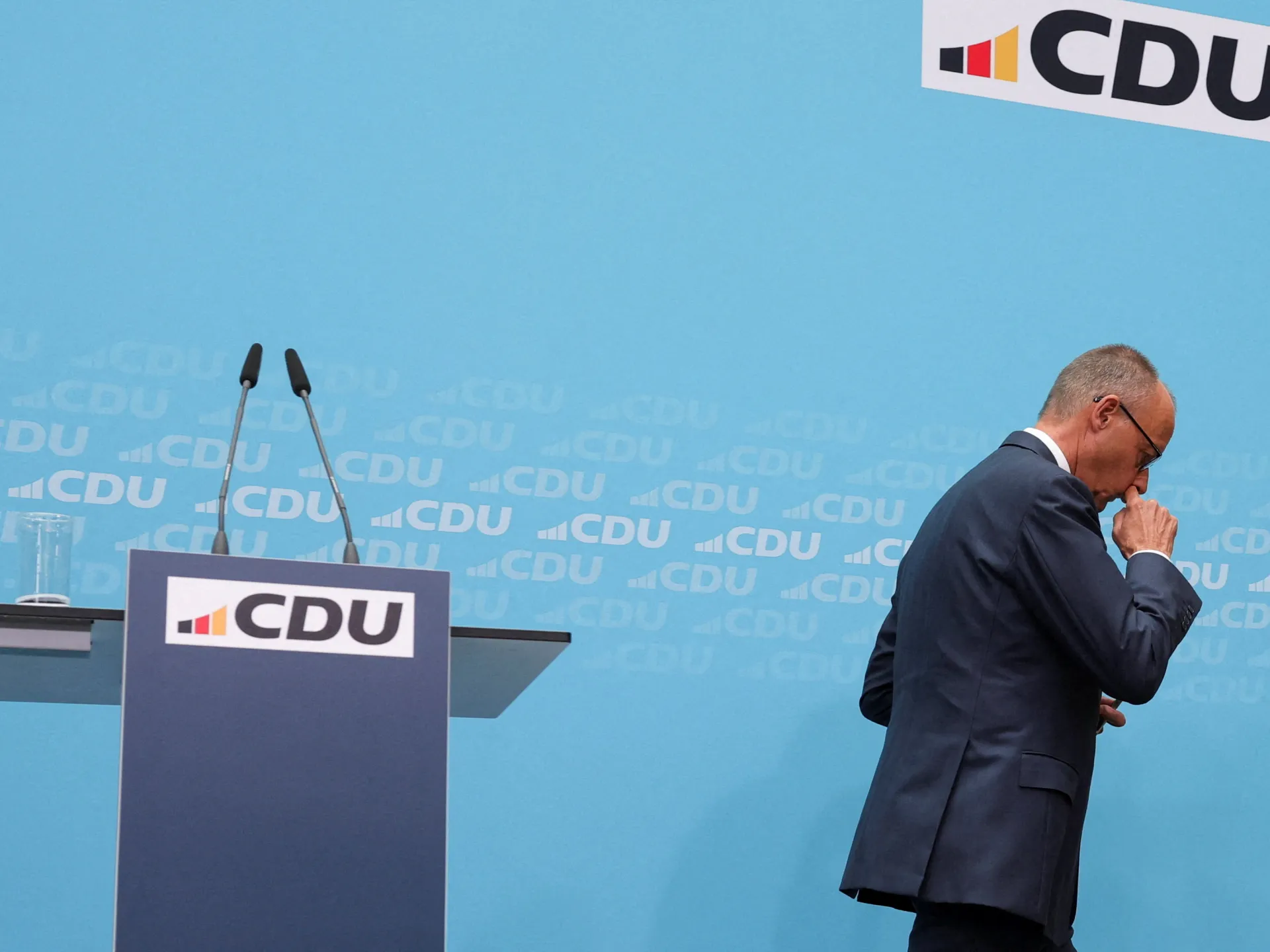
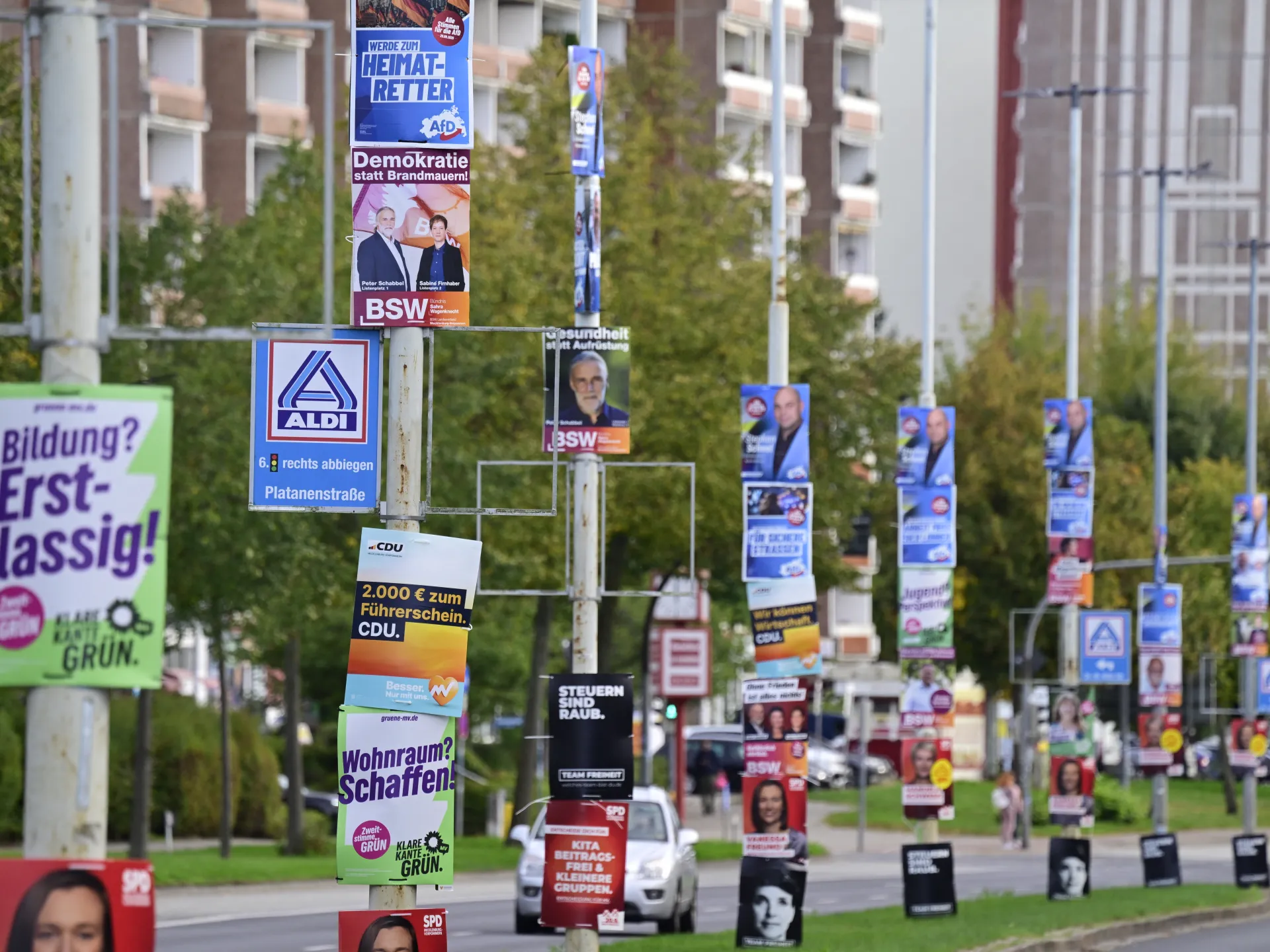
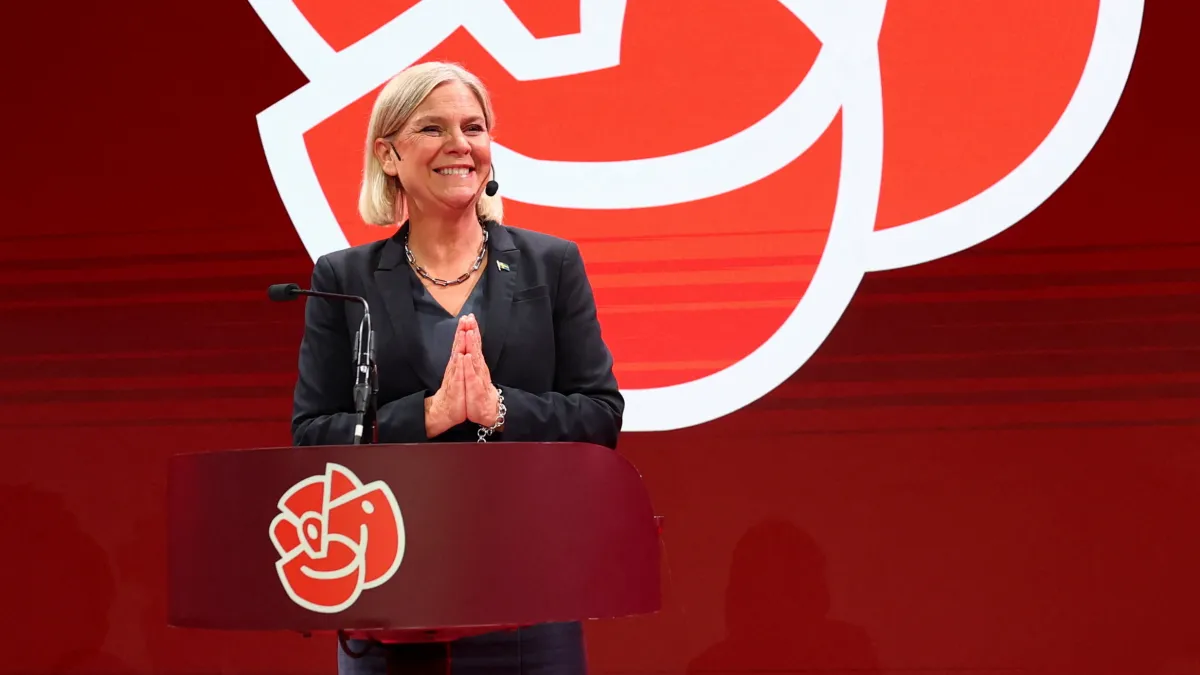
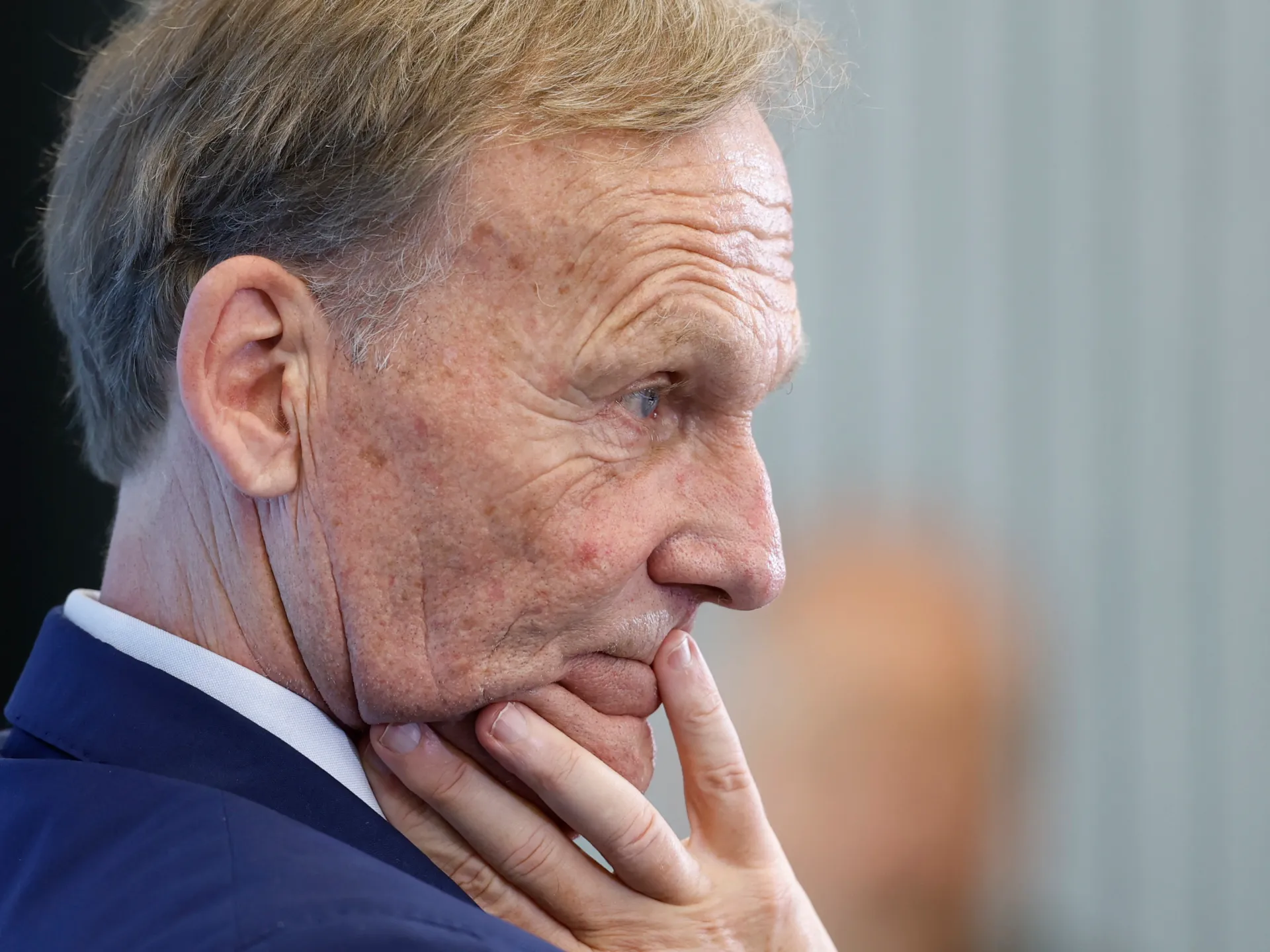
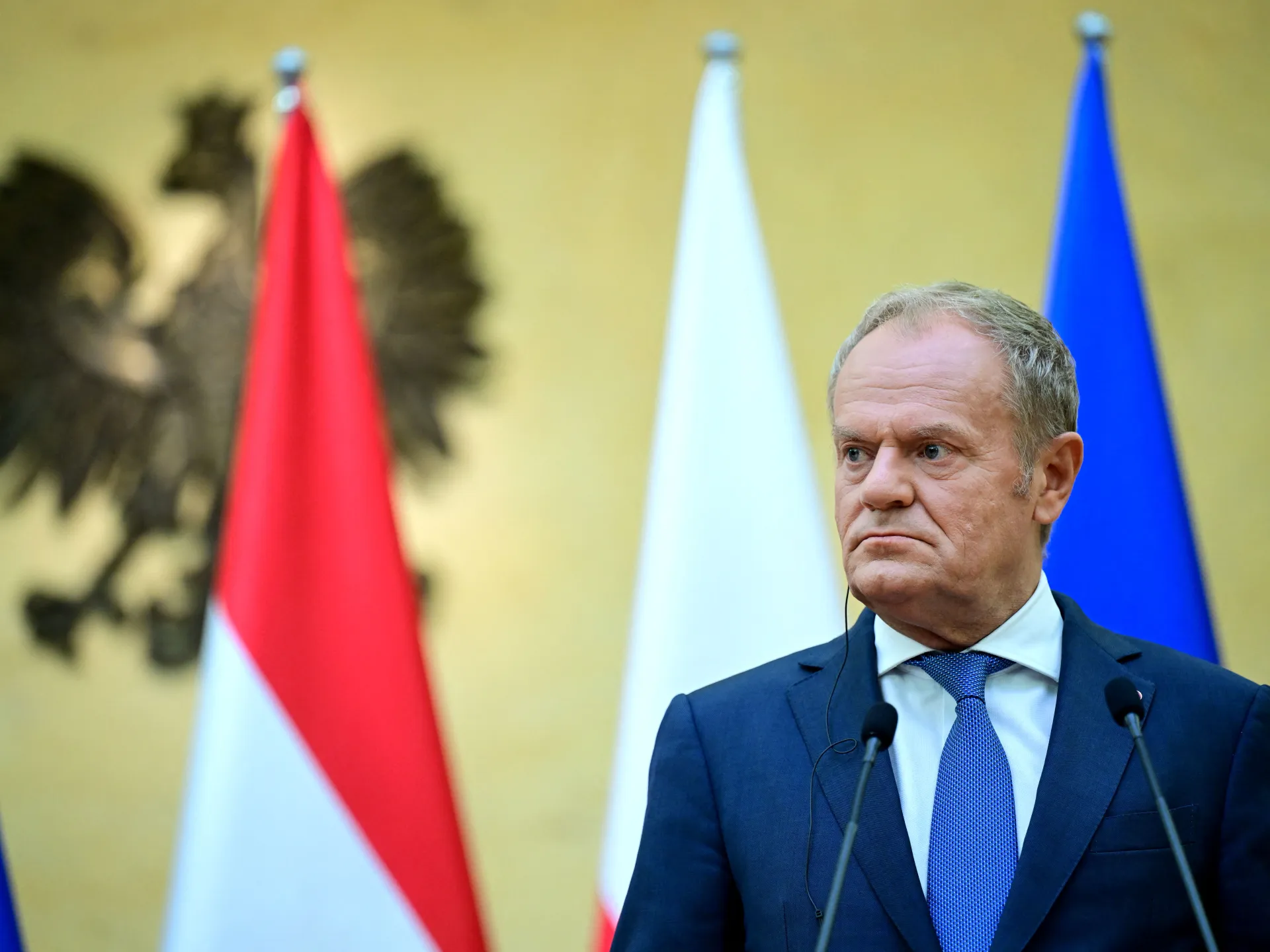
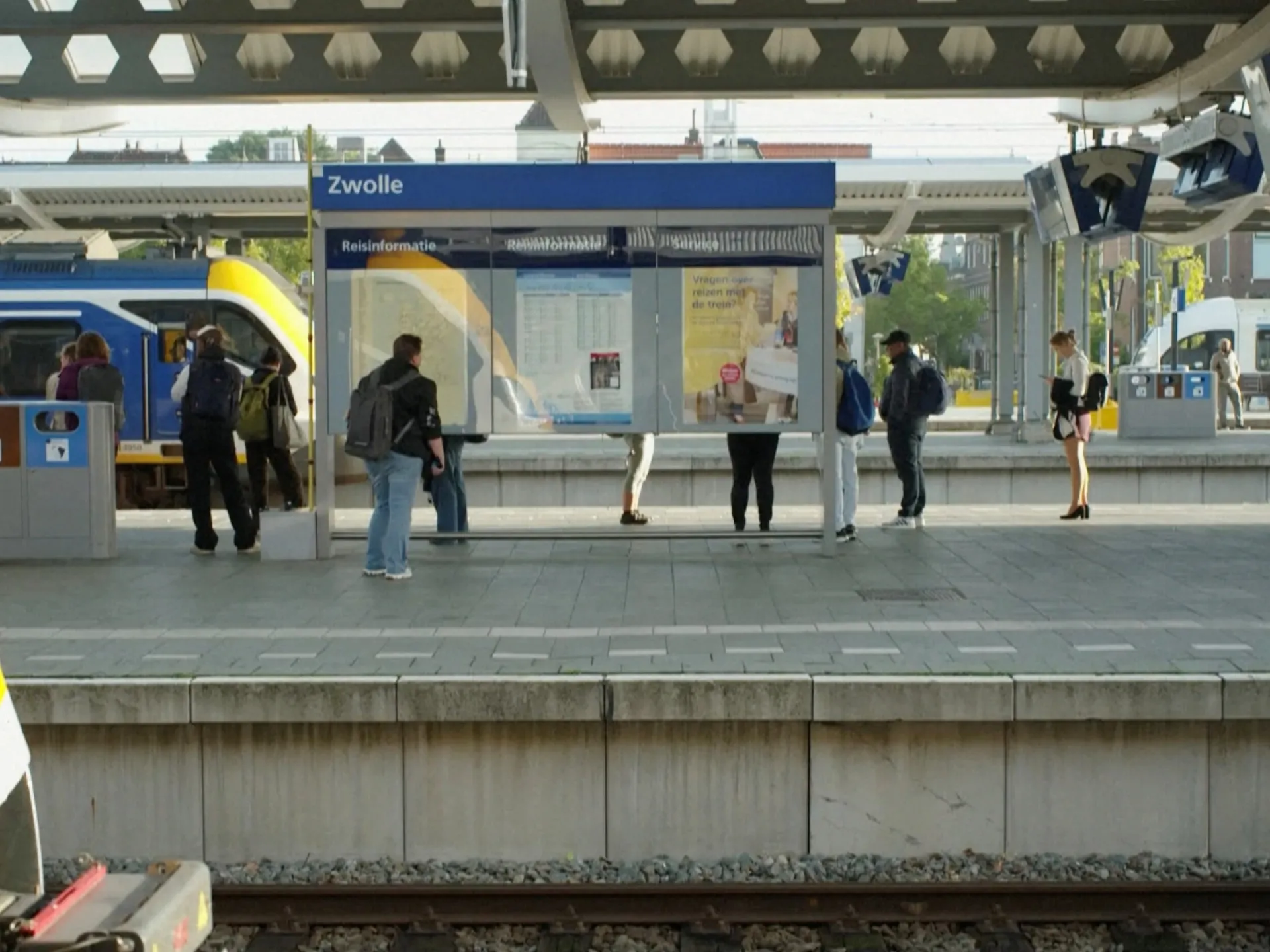
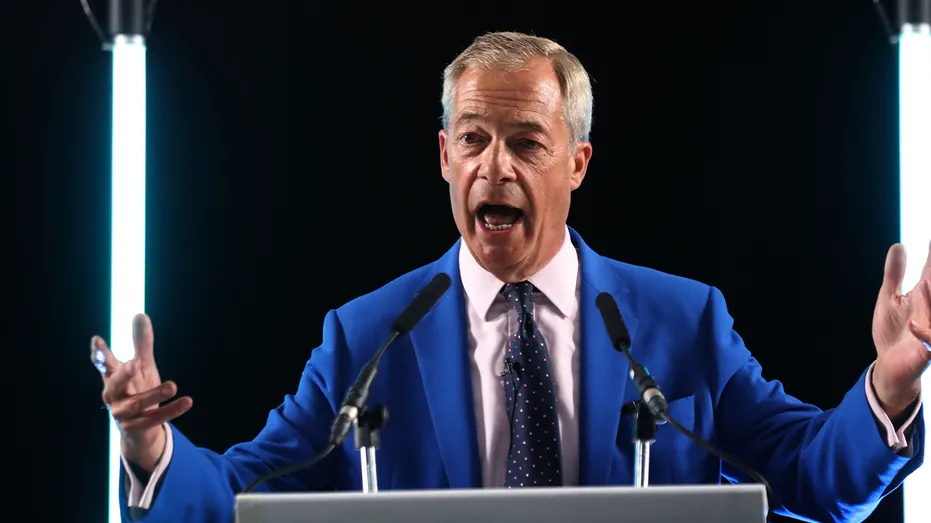
Chancellor Friedrich Merz currently finds himself in a precarious position, as the German political landscape undergoes a seismic shift. Following a dramatic electoral performance in Saxony-Anhalt, where the far-right Alternative for Germany (AfD) party captured 43.8% of the vote compared to the Christian Democratic Union’s (CDU) 17.2%, speculation regarding a potential leadership transition has intensified. This result marked the first time since World War Two that a far-right movement has neared control of a German state government.
Despite these challenges, eight state premiers from the CDU have publicly rallied behind Merz. They argue that the focus must remain on policy execution and stability rather than internal personnel disputes. The chancellor has attempted to counter the AfD’s momentum promoting the "ethnic cleansing" of skilled labor. The AfD has countered With current polling indicating only 14% of the public views Merz as the right choice for the chancellorship, his political survival may hinge on upcoming regional elections.
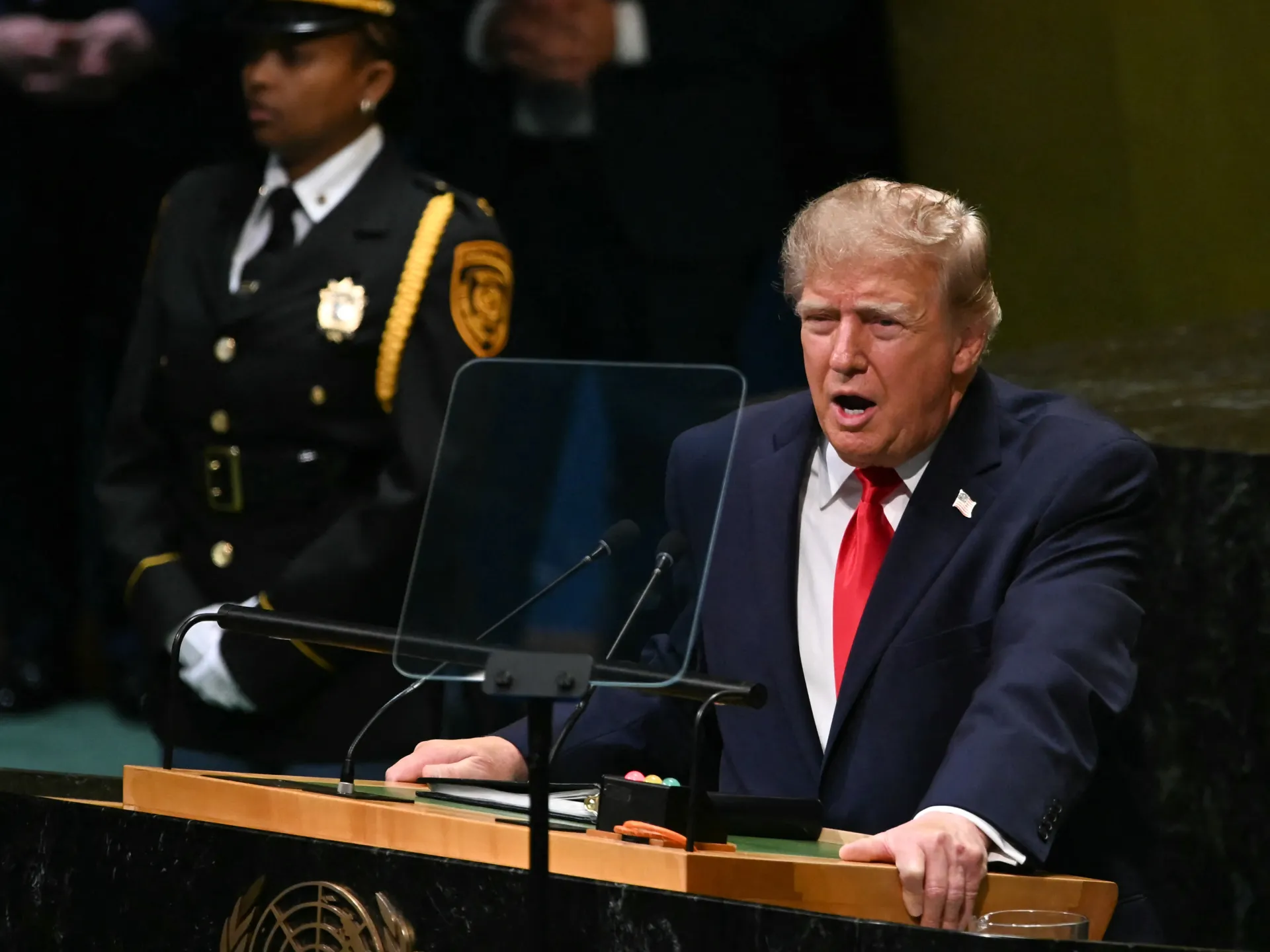
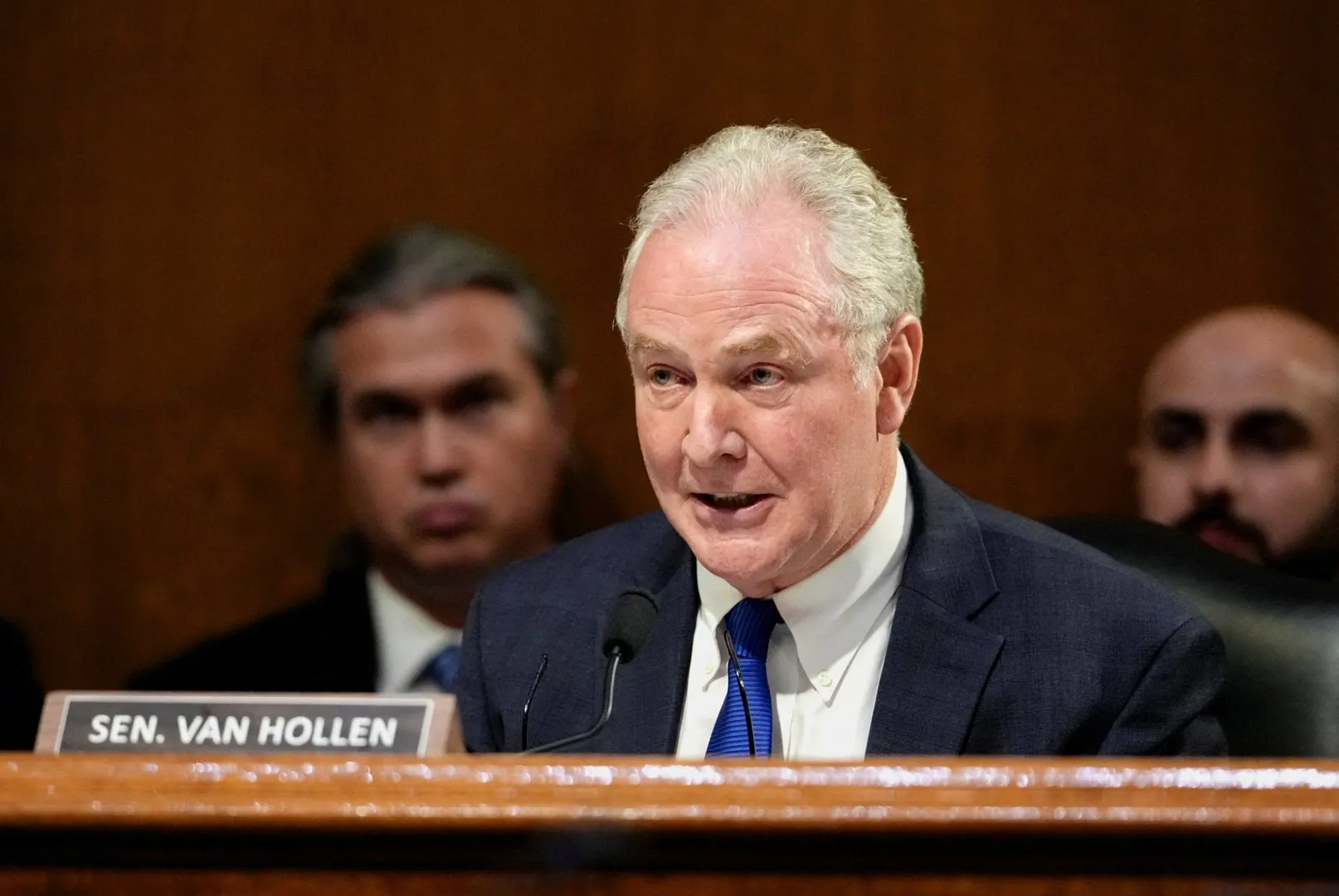
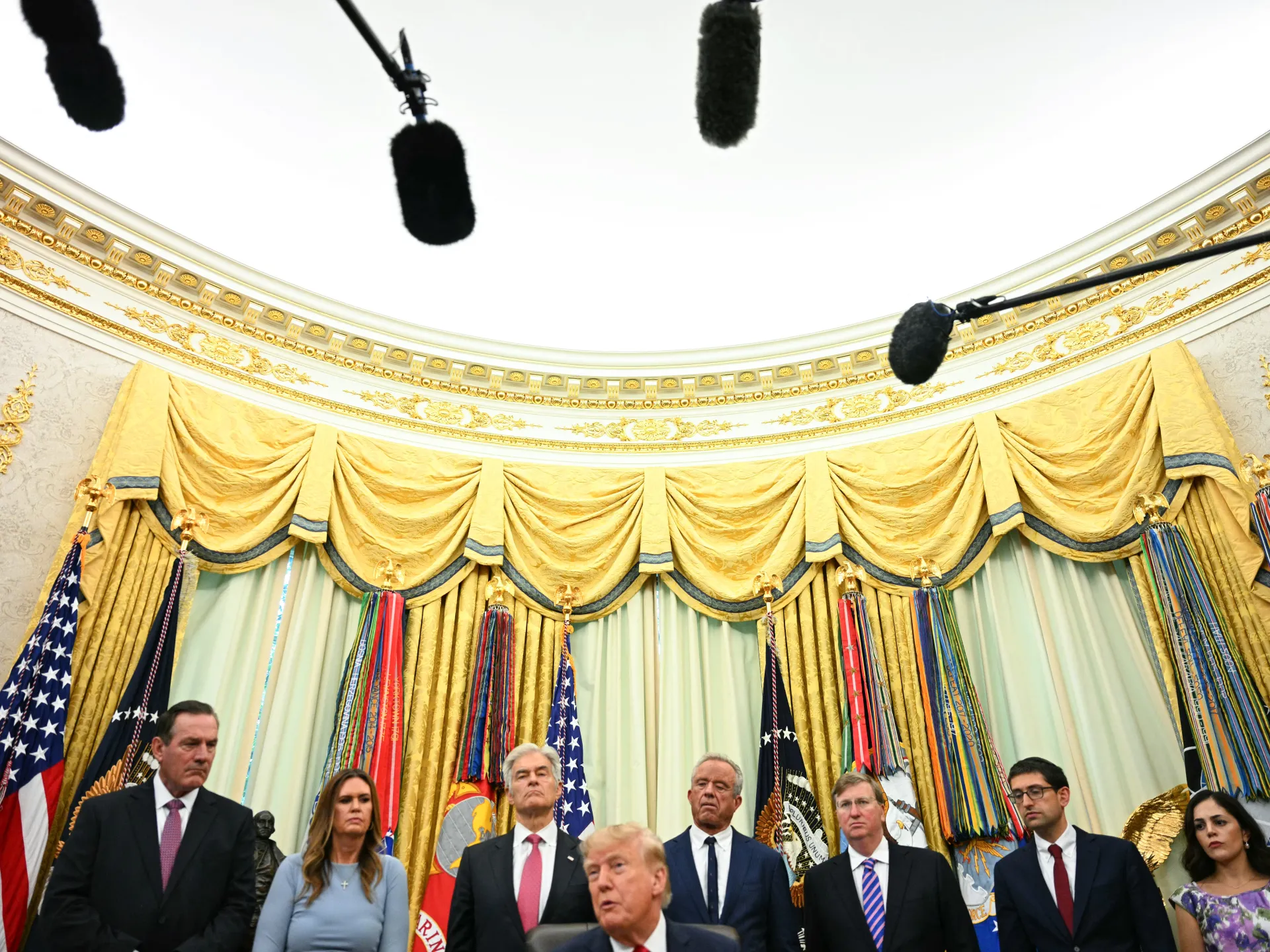
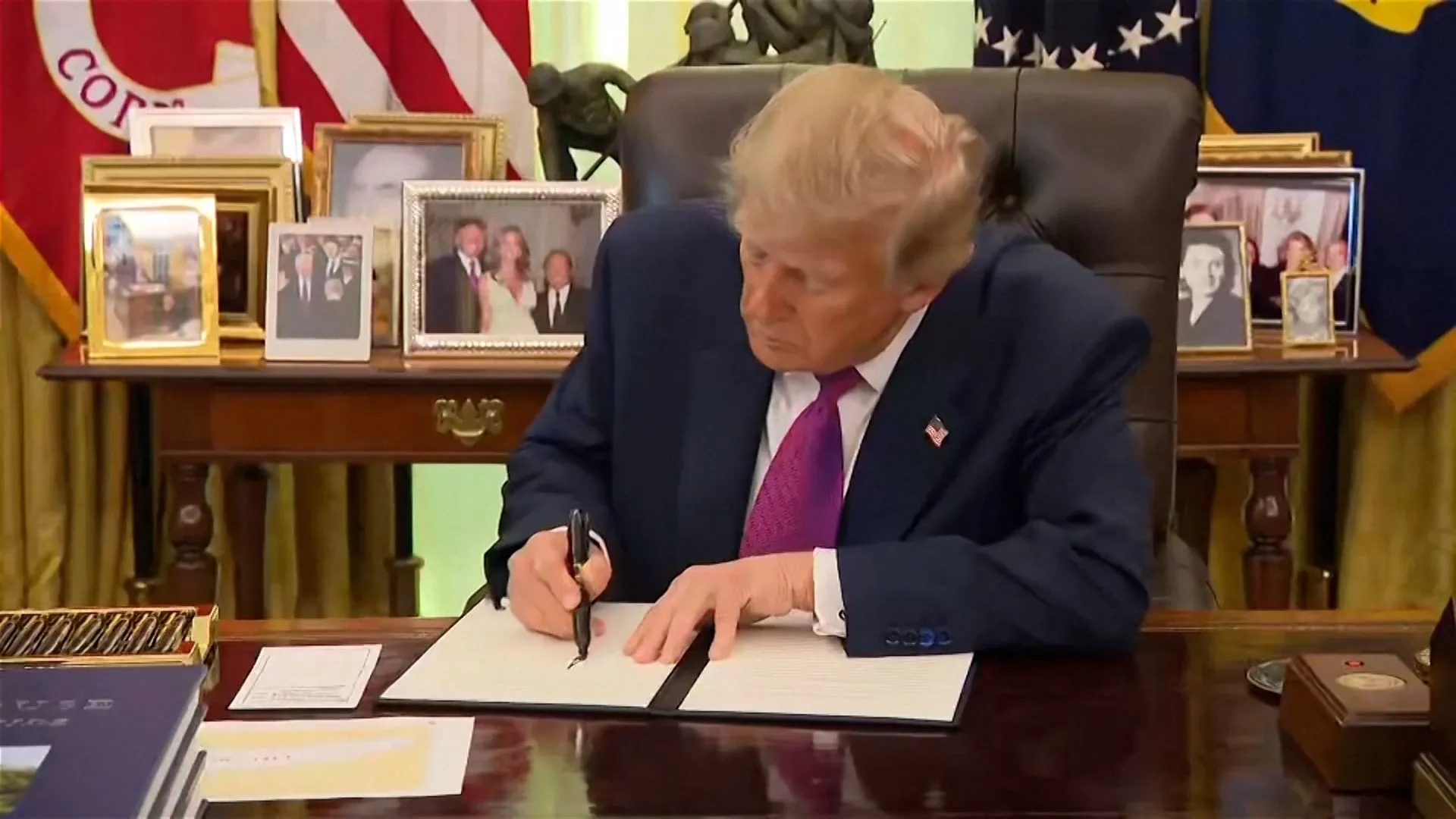
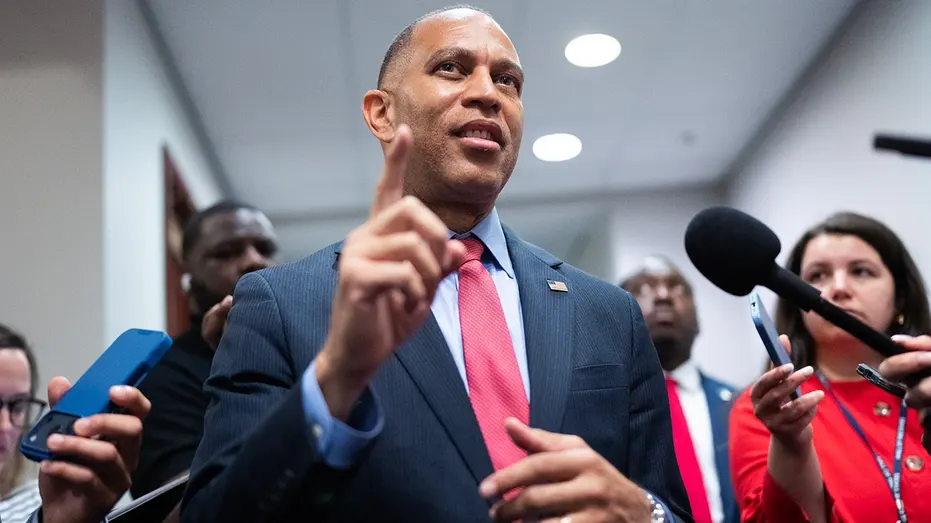
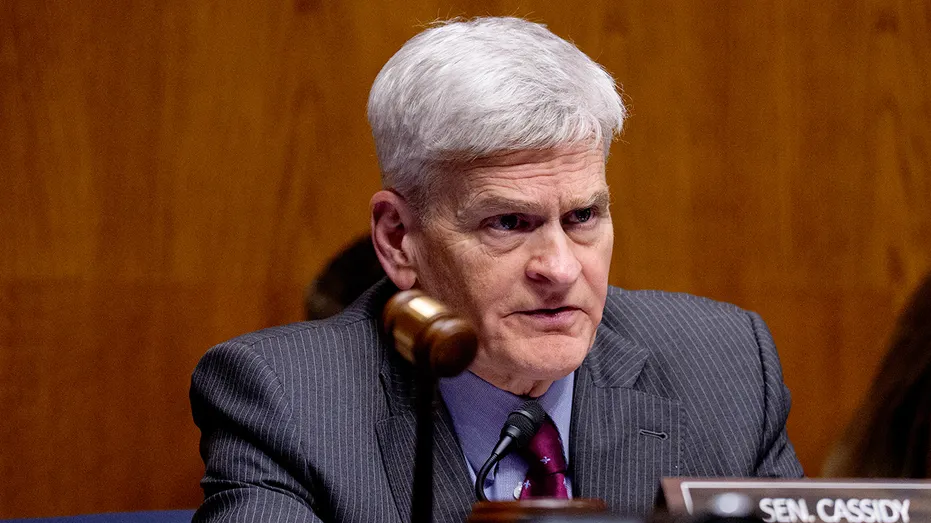
In the United States, the focus has shifted toward the viability of the two-party system itself. Political observers note that both the Democratic and Republican parties are struggling to contain internal factions that increasingly view the established political order as stagnant. The American system, designed for a two-party dominance, is facing criticism for its inability to accommodate alternative political voices or address the growing frustration among voters who feel their interests are ignored
Experts suggest that the current disillusionment stems from a perceived lack of genuine policy alternatives. As movements continue to reshape the internal dynamics of both major parties, the structural barriers to third-party participation remain high, fueling a sense of political entrapment. This dynamic has sparked a national conversation about whether the existing framework can continue to function as a representative vehicle for a country that is becoming increasingly ideologically fragmented.
In Germany, the immediate future will likely be determined erode, the pressure on Chancellor Merz to step down will likely move from speculation to a formal caucus challenge. Conversely, if the party can stabilize its electoral base, Merz may survive in the short term, though he will remain constrained
In the United States, the trajectory is less clear but equally consequential. The ongoing friction within the major parties suggests that the next election cycle may see a decline in traditional party loyalty. If third parties remain unable to break the structural threshold for national relevance, the most likely outcome is continued institutional paralysis, characterized ther than party-centric politics.