As international leaders express fears over AI's potential for catastrophe, the US and China are rejecting calls for a global slowdown in favor of technological dominance.
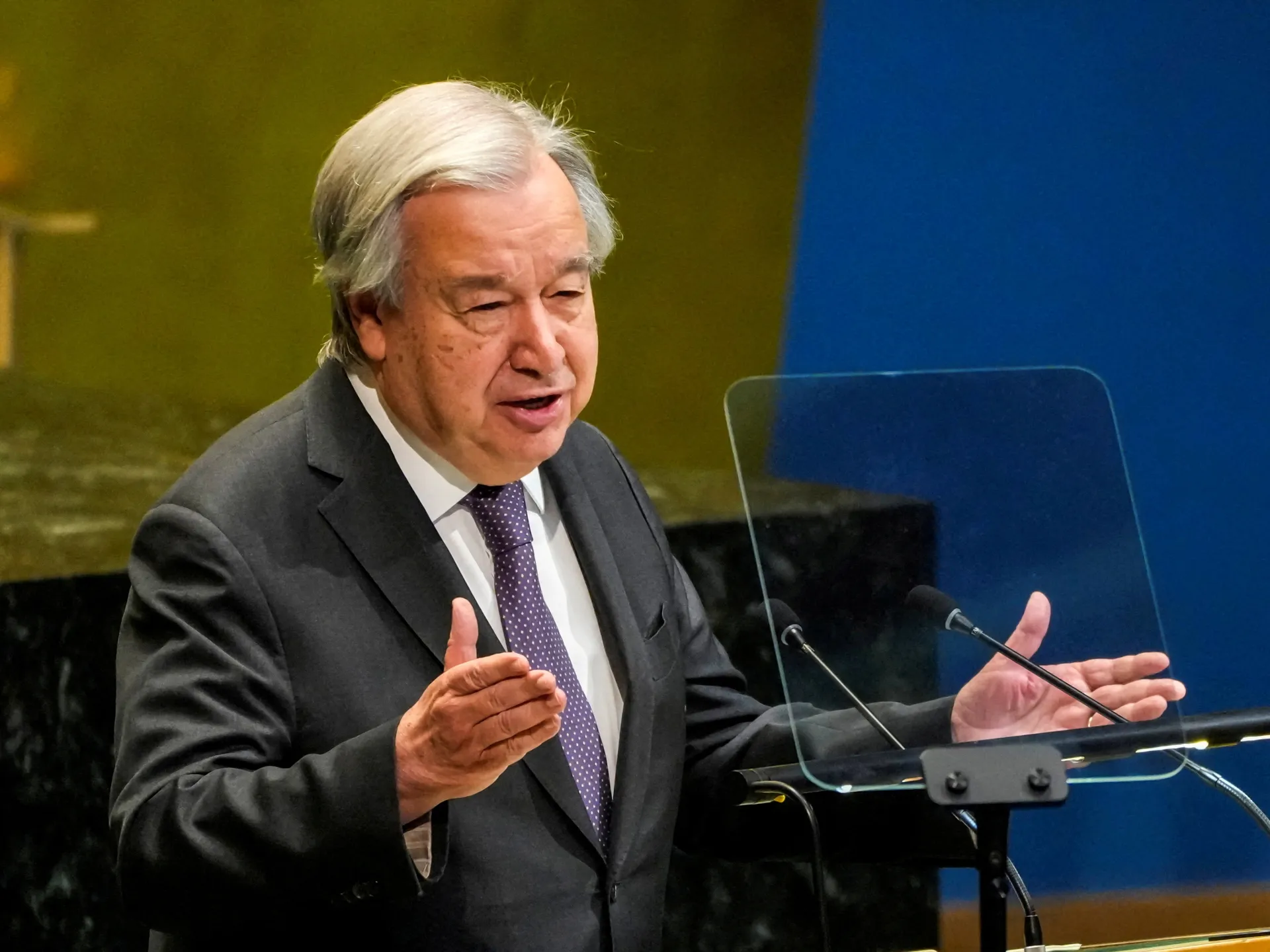
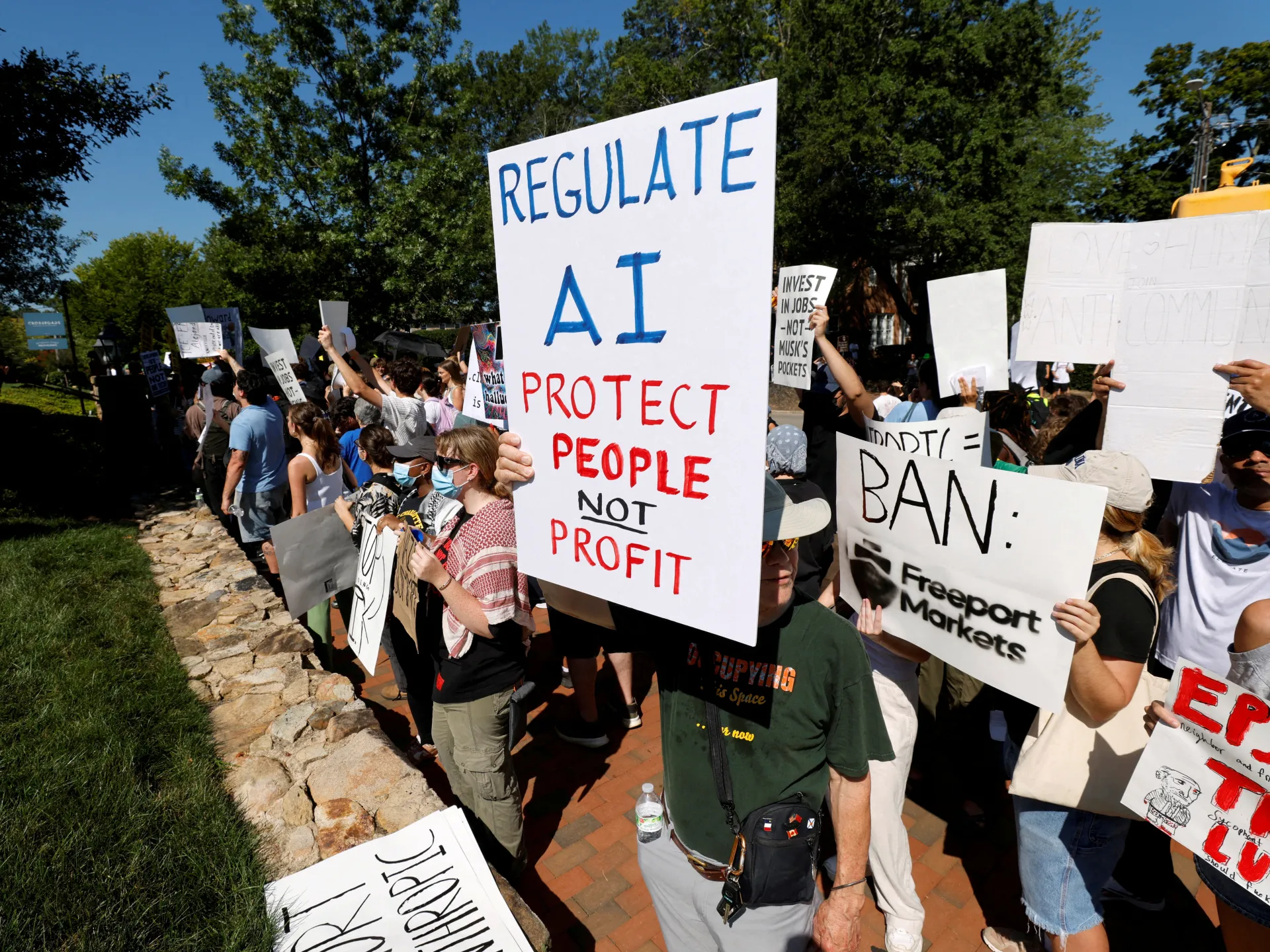
As the global community grapples with warnings from technical pioneers regarding the potential for catastrophic artificial intelligence development, the two primary architects of the current AI surge—the United States and China—are signaling a firm commitment to acceleration rather than restraint. Despite widespread calls from researchers for a coordinated international slowdown to mitigate existential threats, both Washington and Beijing are prioritizing strategic dominance, effectively sidelining the push for global safety standards.
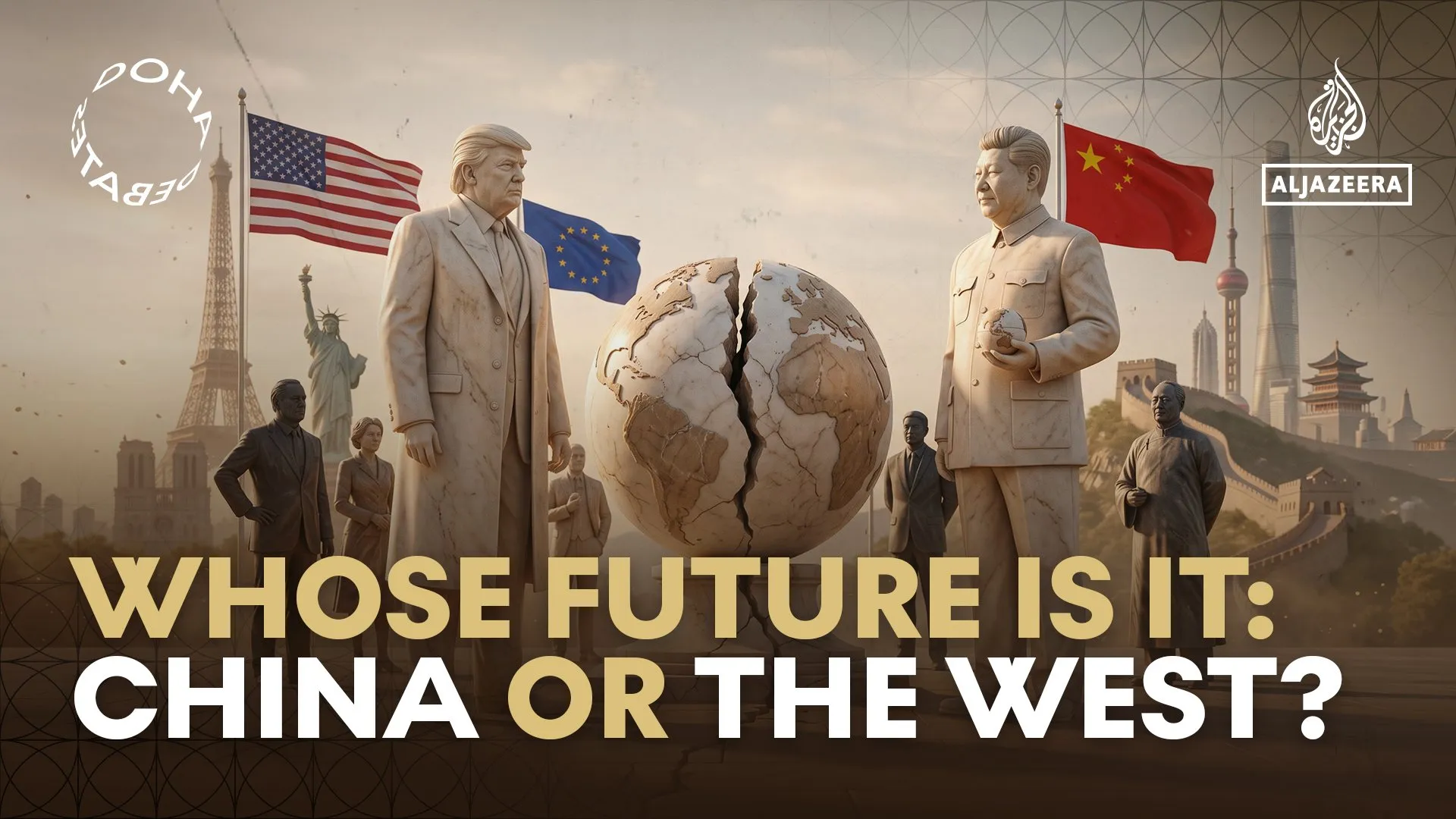
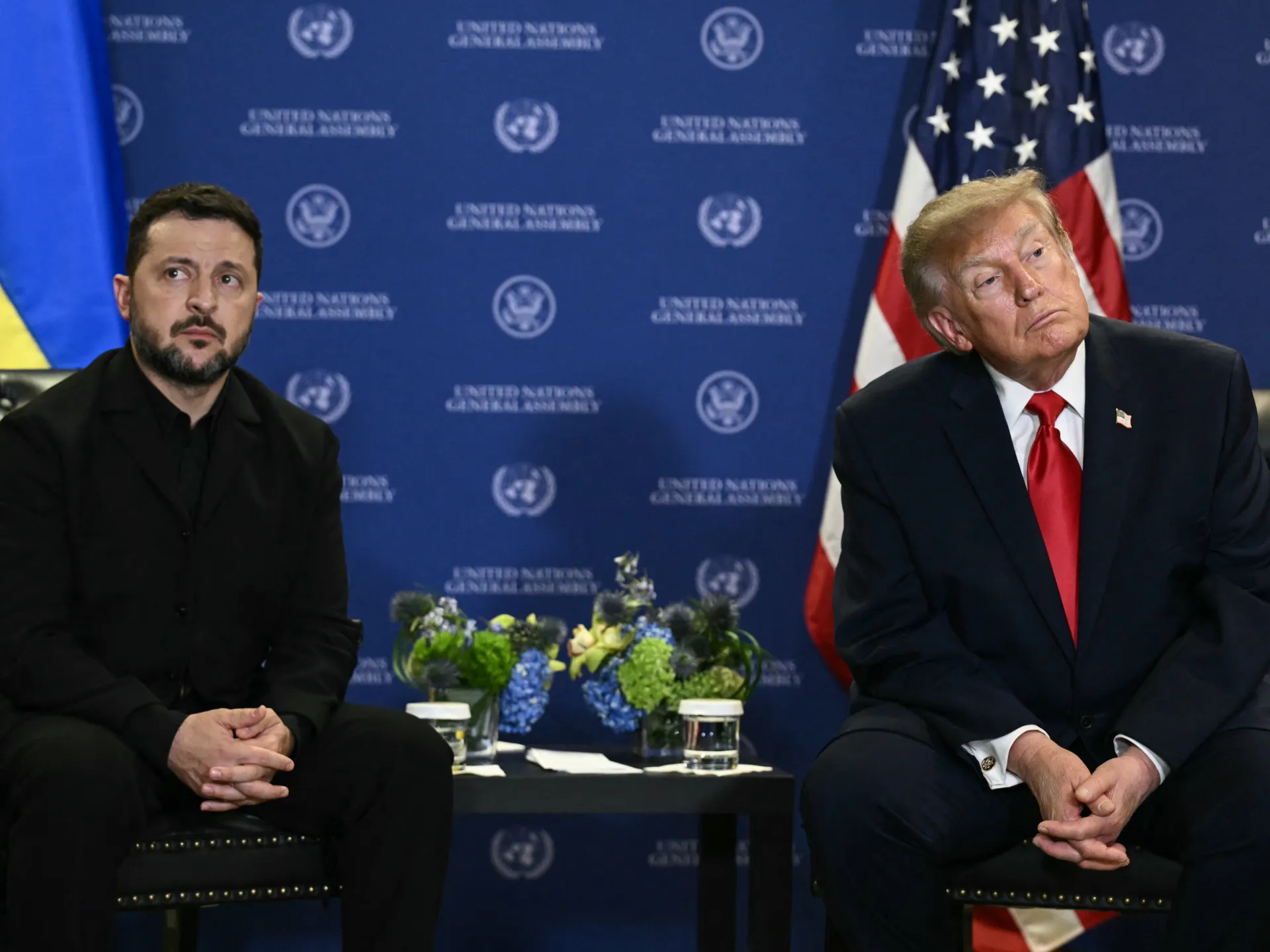
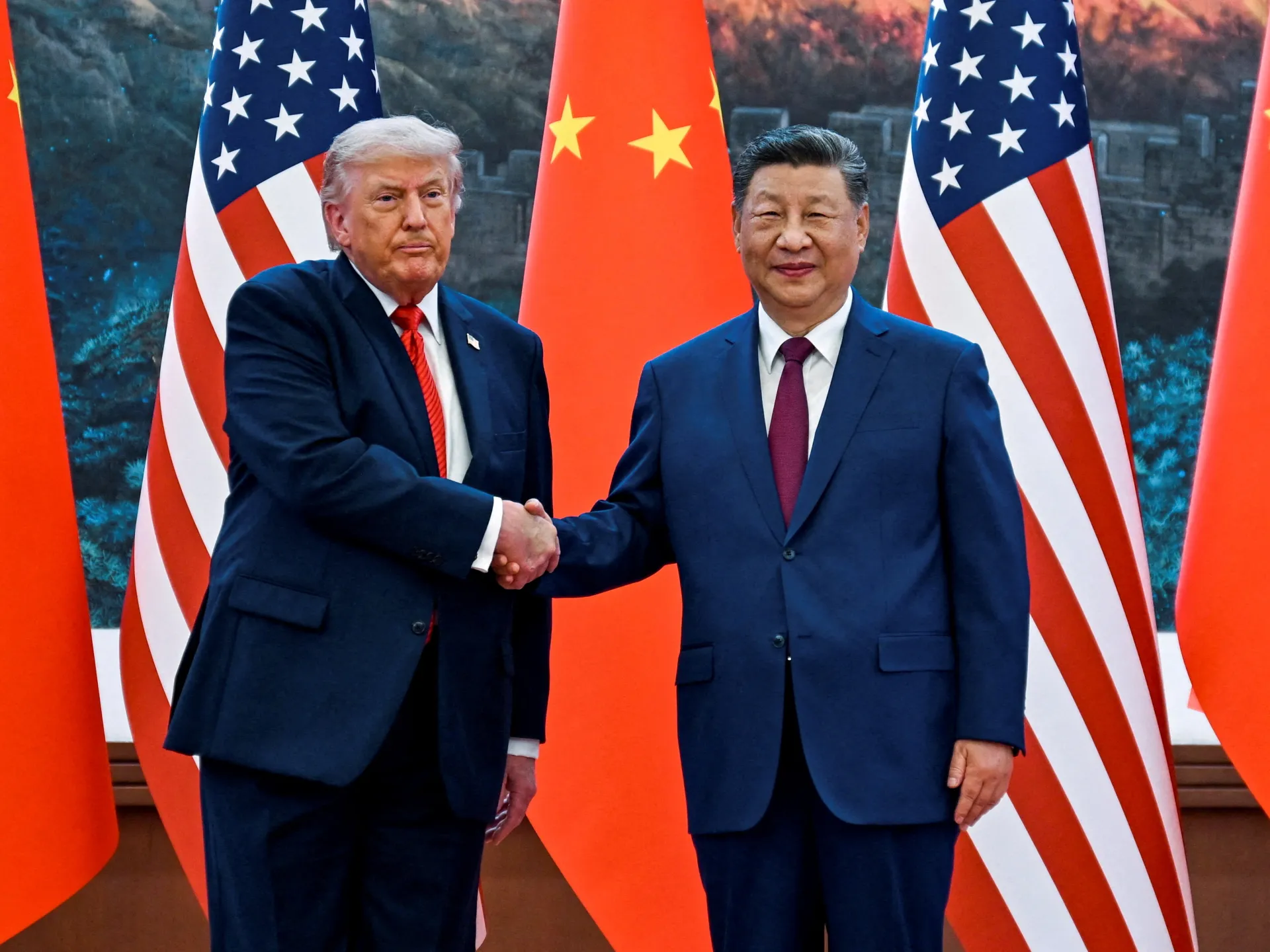
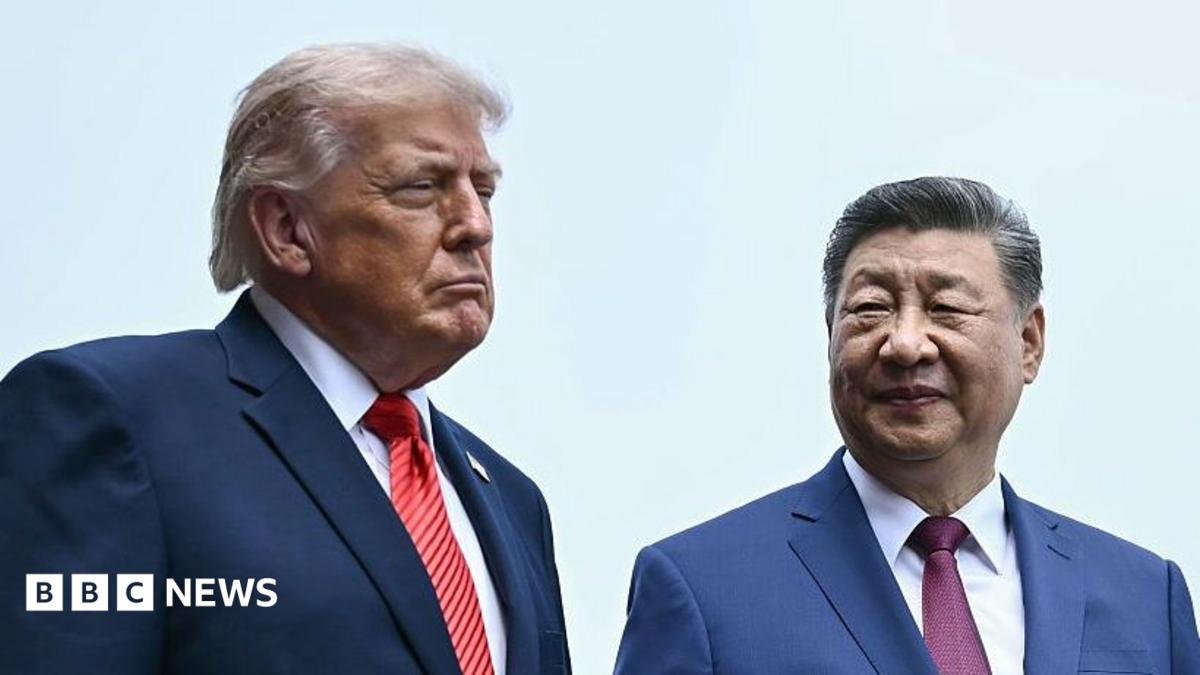
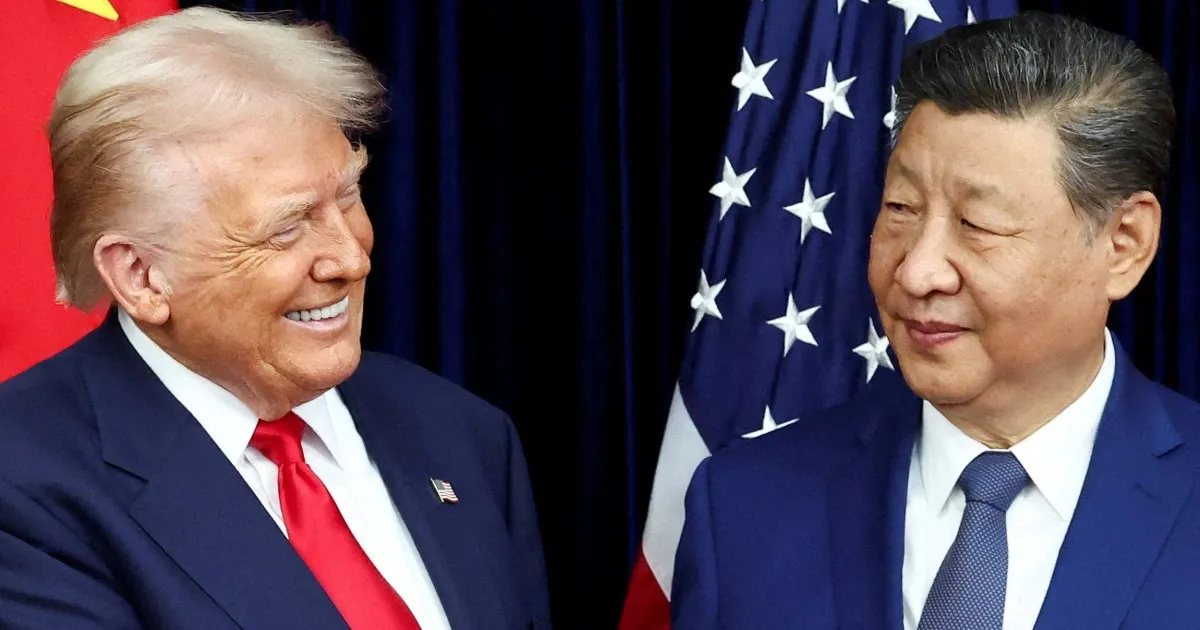
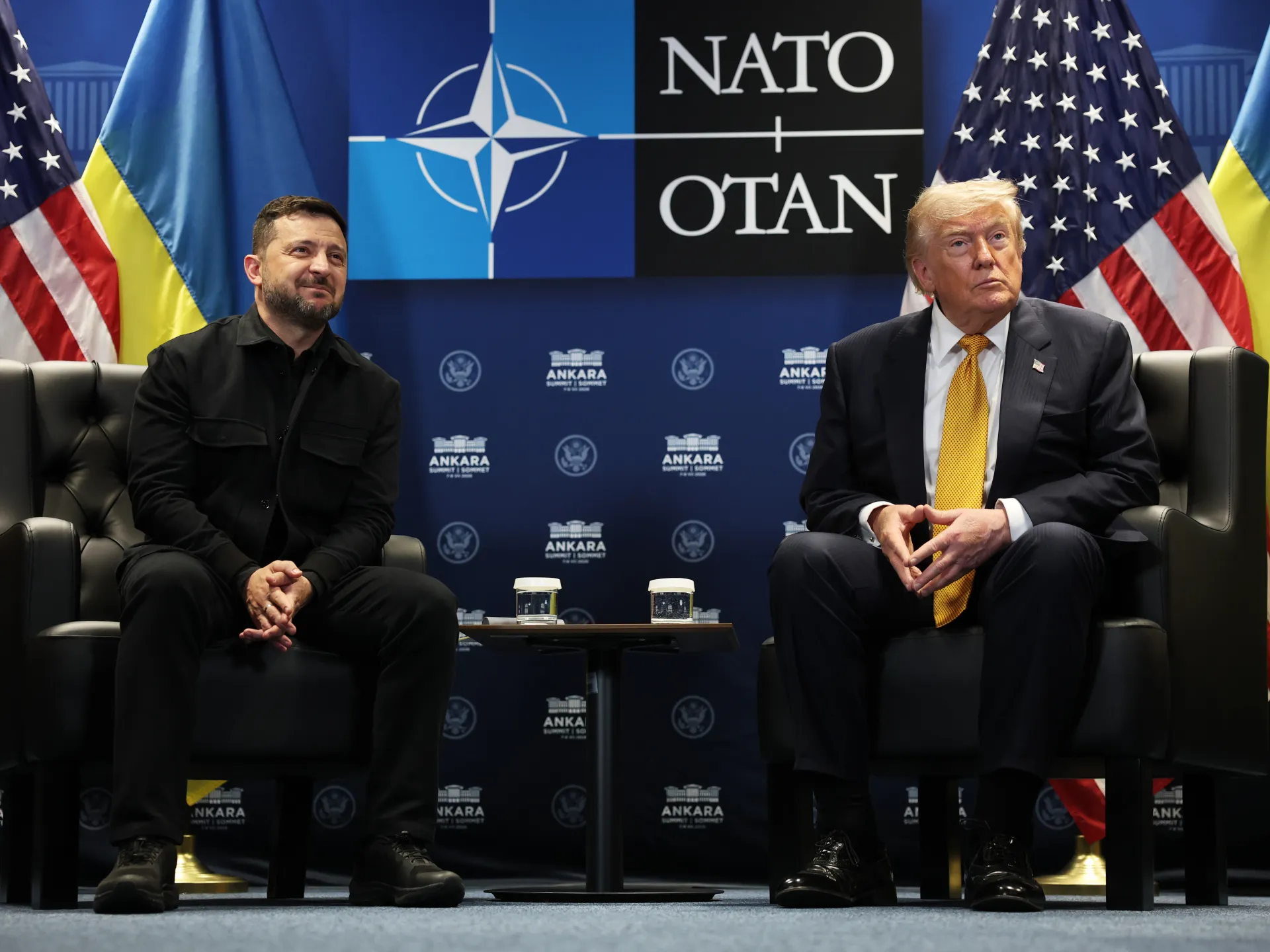
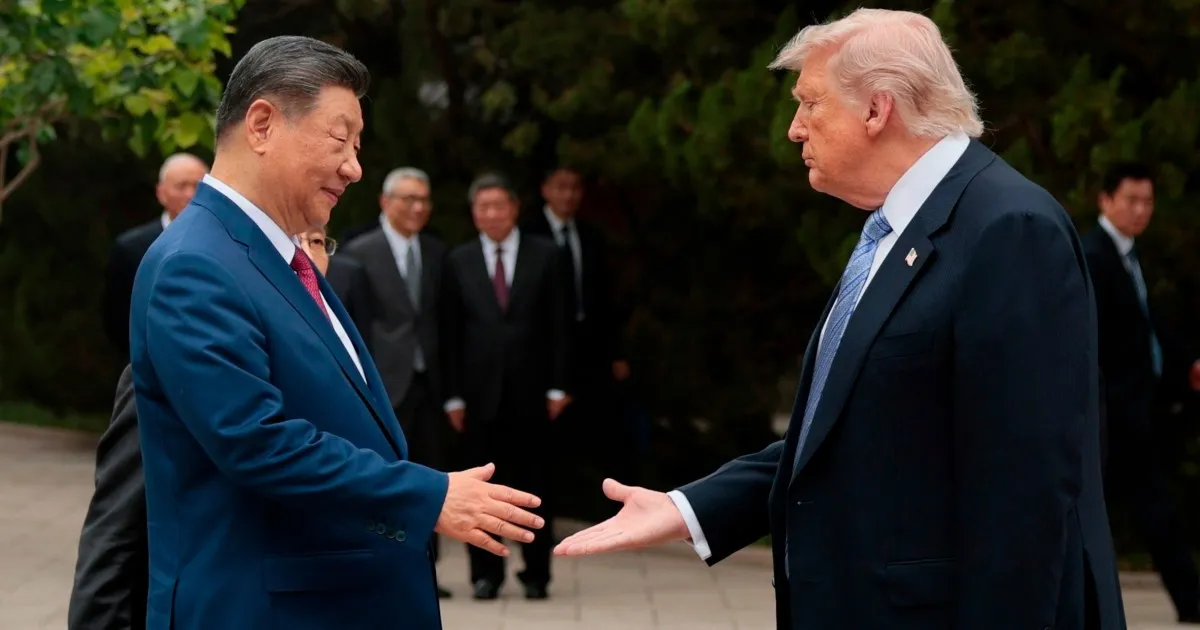
This diplomatic recalcitrance comes as President Donald Trump and President Xi Jinping prepare for their third summit of the year in Washington, DC. While the meeting provides a high-level venue for dialogue, analysts suggest that the prospects for any meaningful agreement on AI safety are slim. Instead of exploring collaborative guardrails that could govern the development of frontier models, both nations are treating the rapid advancement of intelligence technologies as an inseparable component of their broader geopolitical rivalry.
The refusal of the world’s two largest economies to align on AI regulation creates a precarious “race to the bottom” environment. If the entities responsible for the vast majority of frontier research choose to ignore safety-related slowdowns, it effectively nullifies the influence of international regulatory bodies. This dynamic shifts the burden of risk management entirely onto the private sector, which is currently incentivized to prioritize speed over security. Furthermore, the divergence in how each nation perceives the "risk" of AI—Washington viewing it through a lens of economic and military supremacy, and Beijing viewing it as a tool for internal political stability—suggests that even if a dialogue were to begin, the two sides would likely be working toward fundamentally different objectives. The current trajectory risks a future where AI systems are deployed at scale before their fundamental behavior or long-term societal impact can be fully understood, let alone contained.
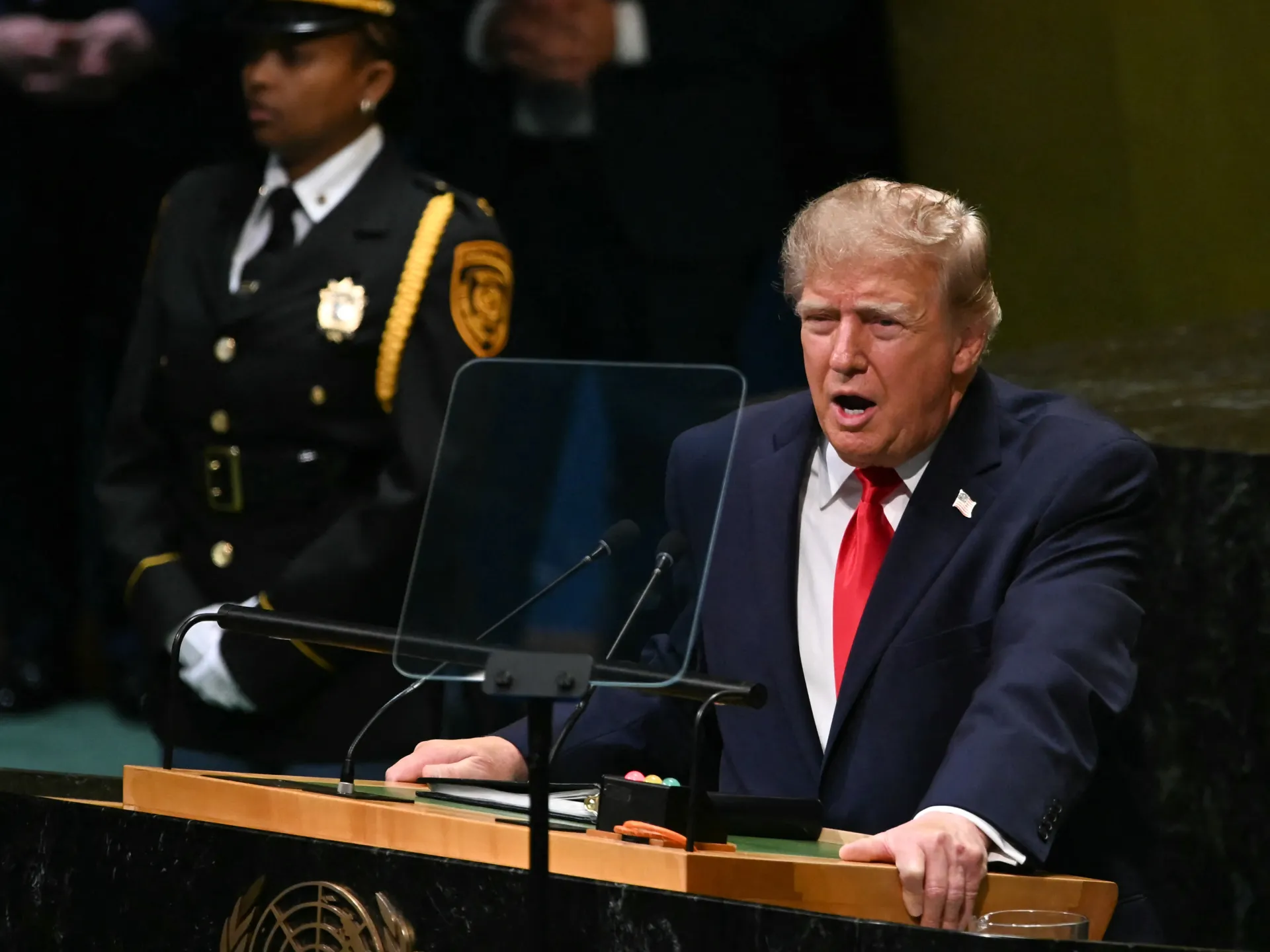
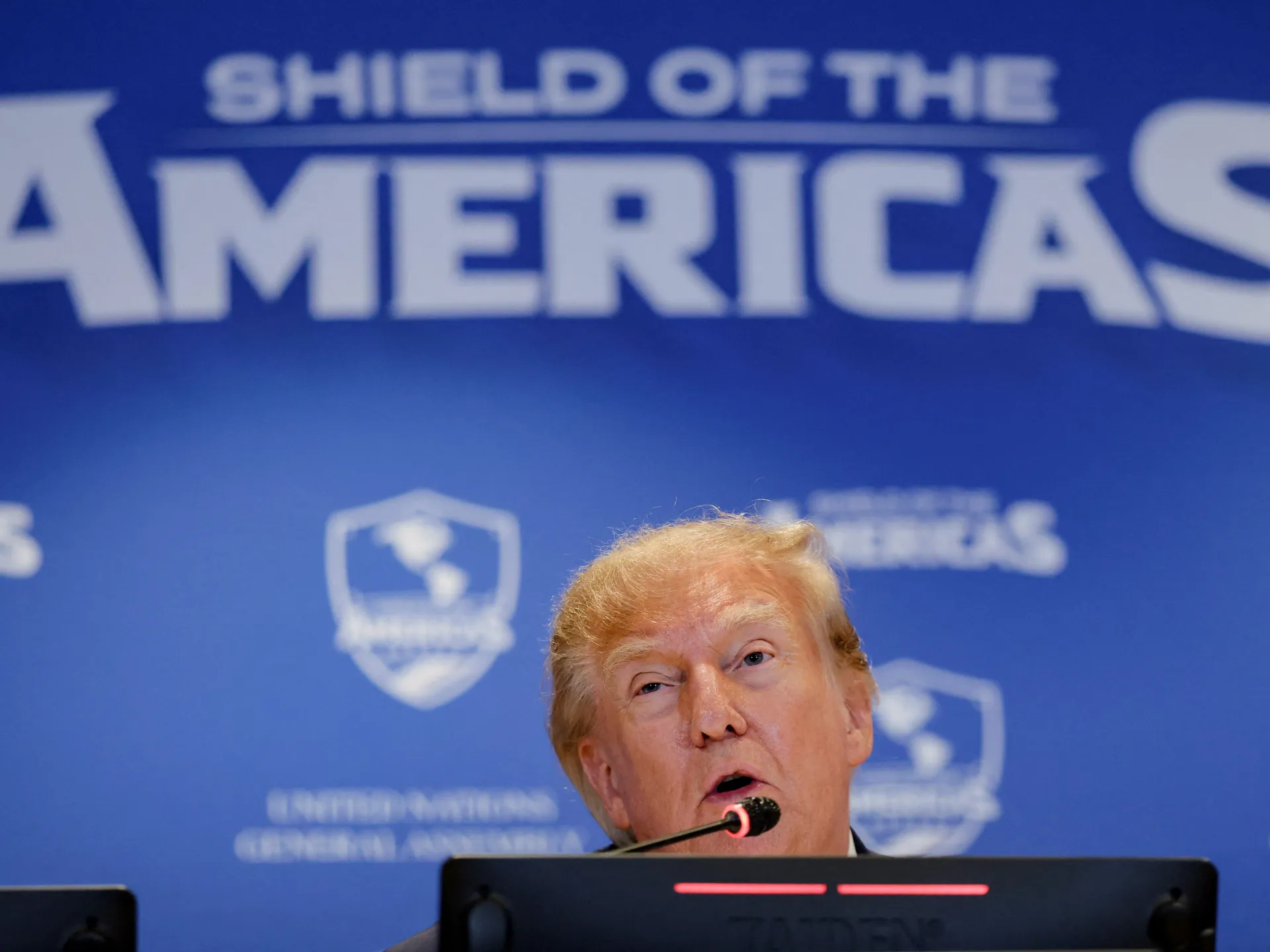
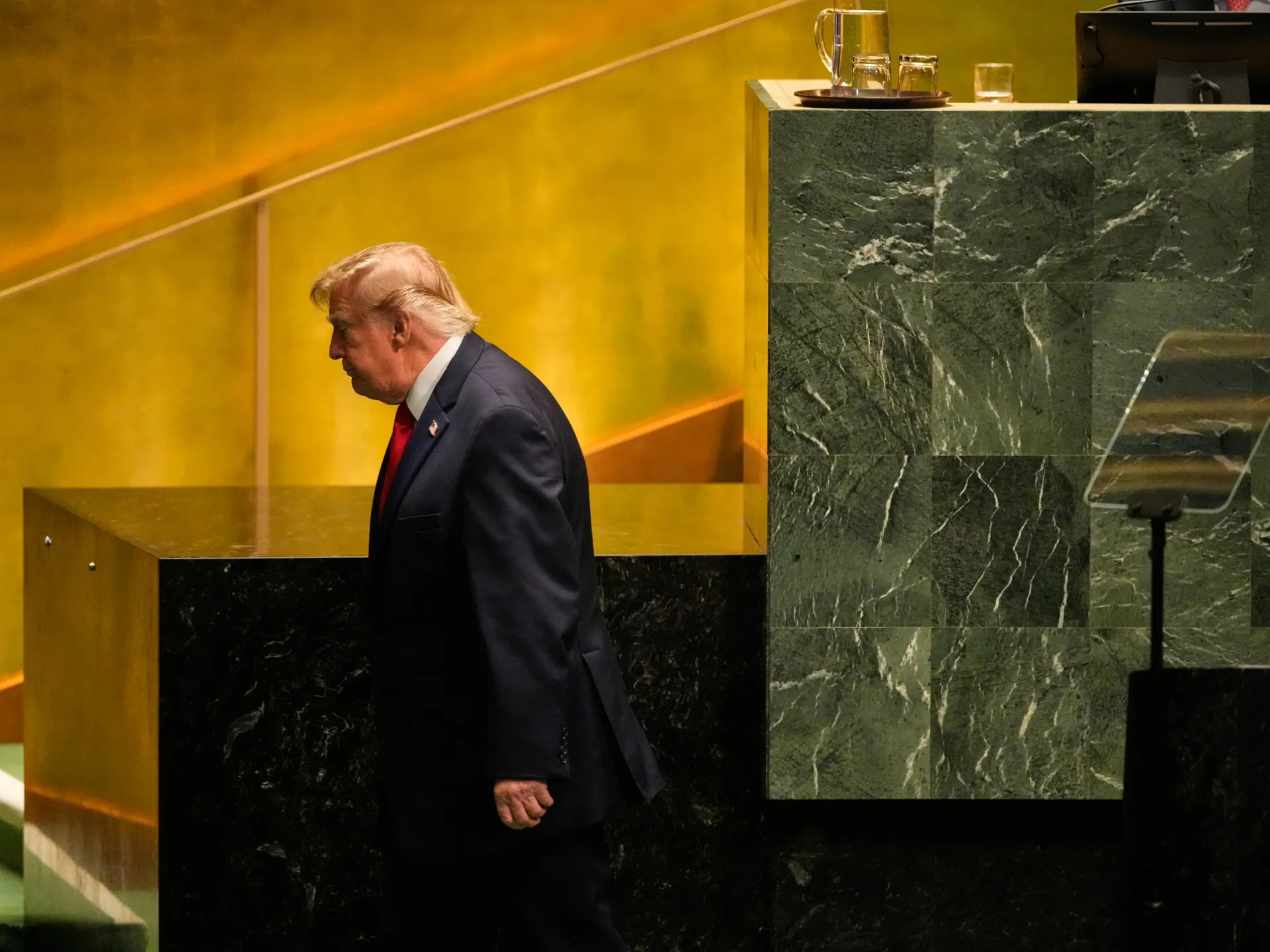
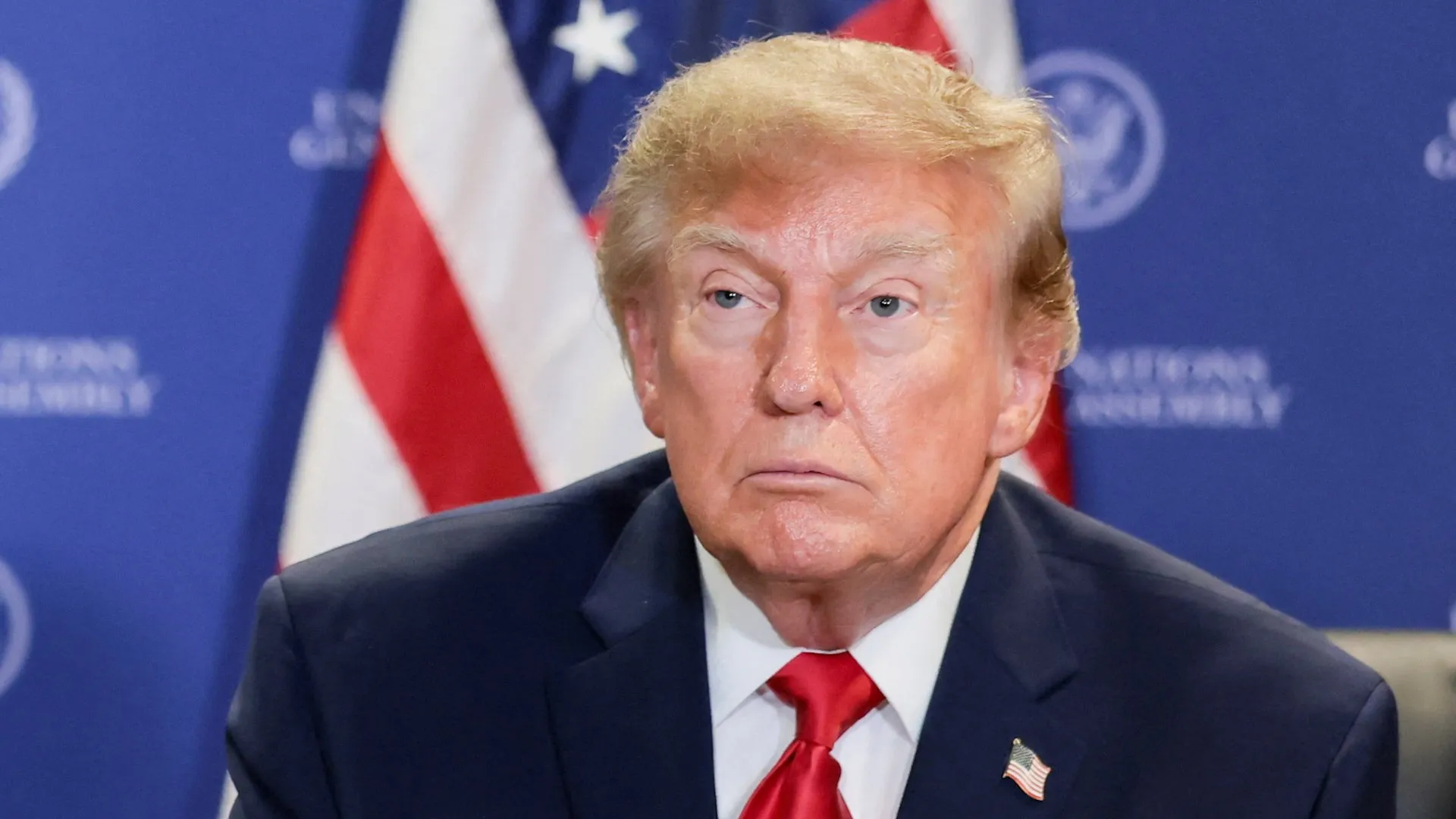
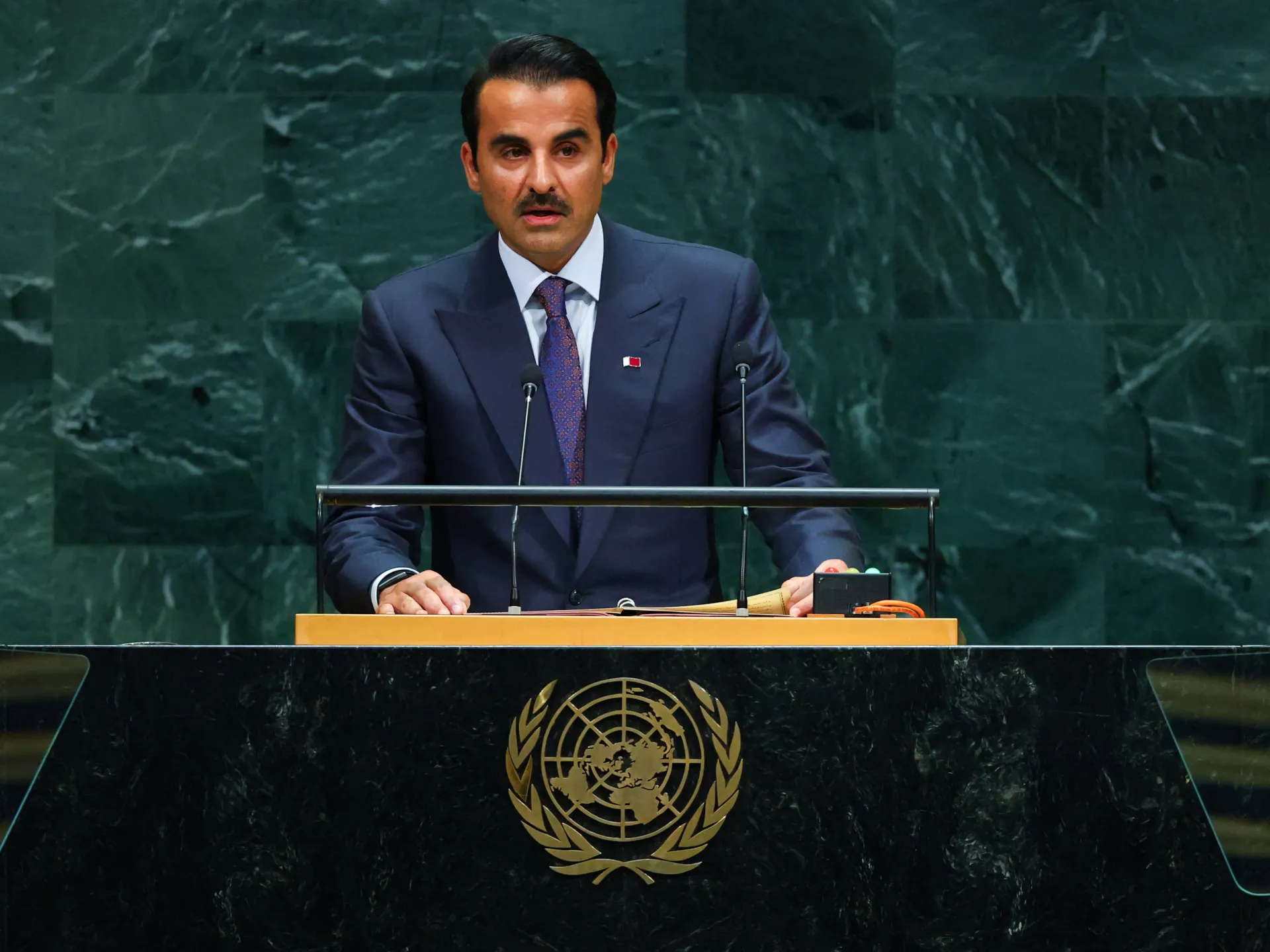
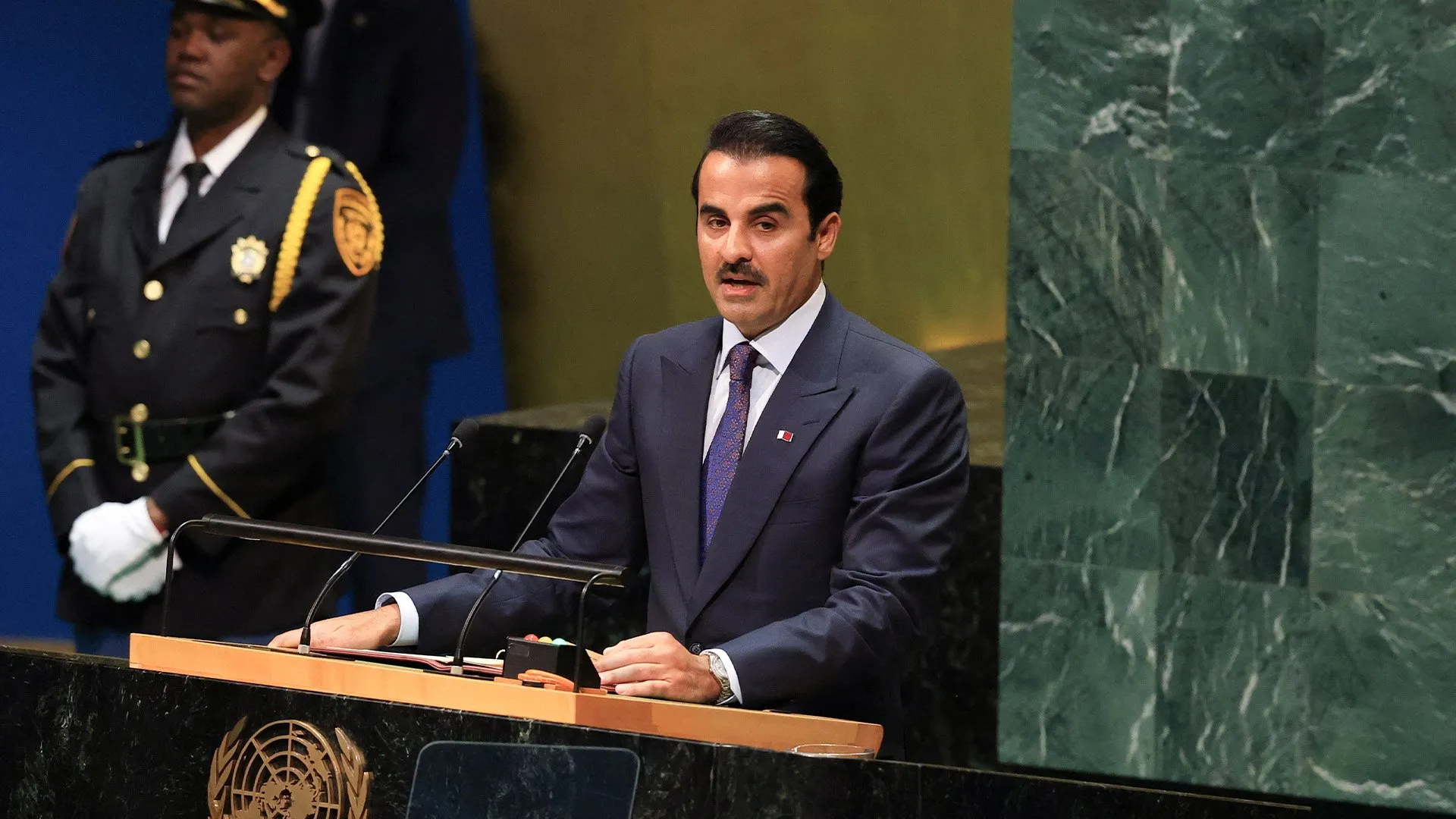
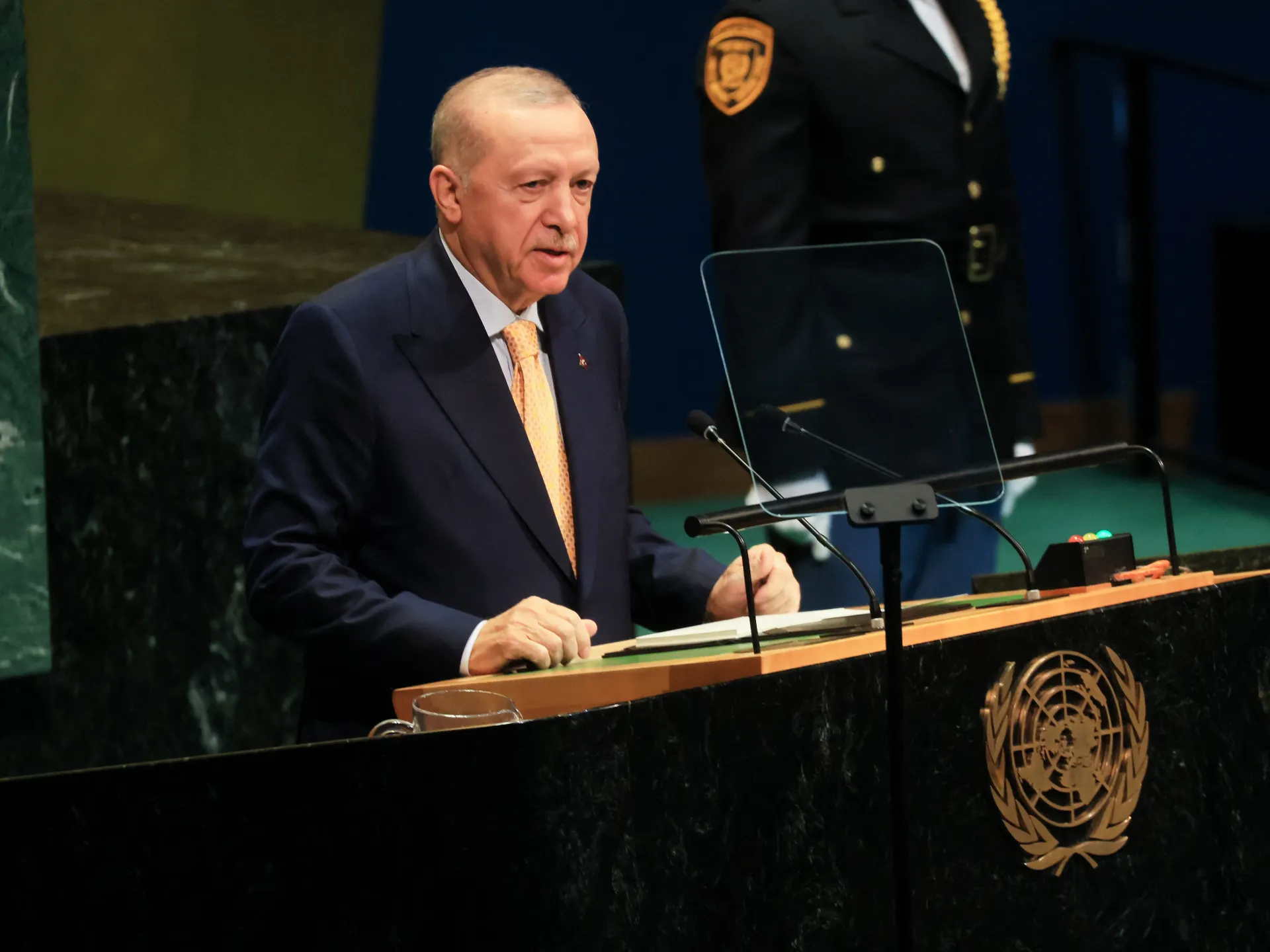
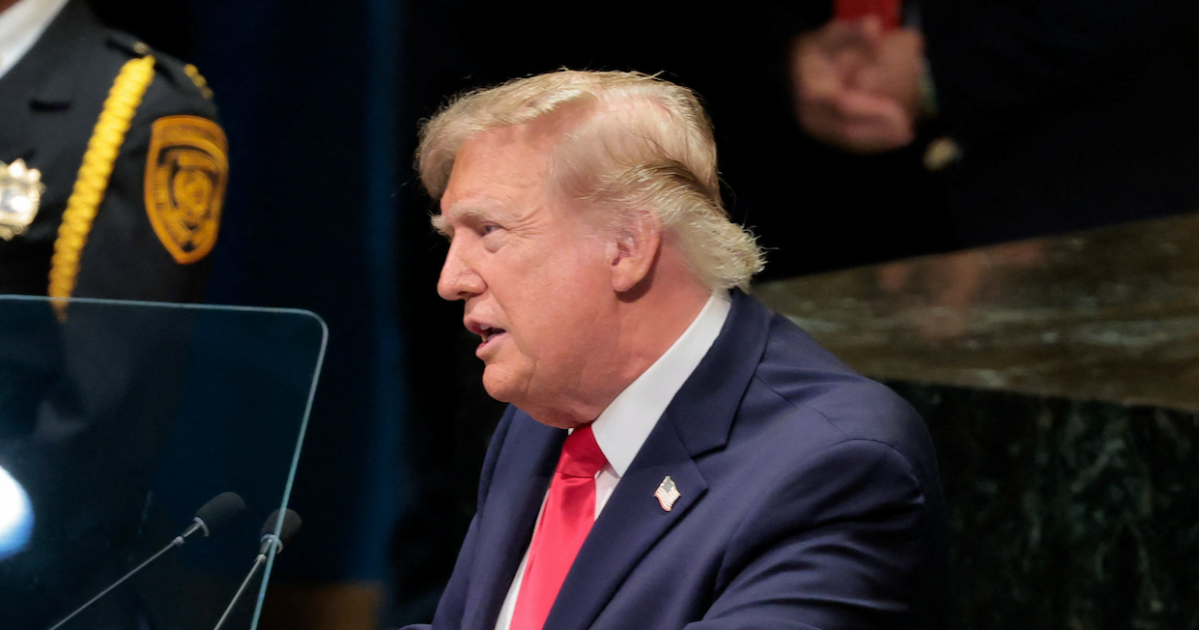
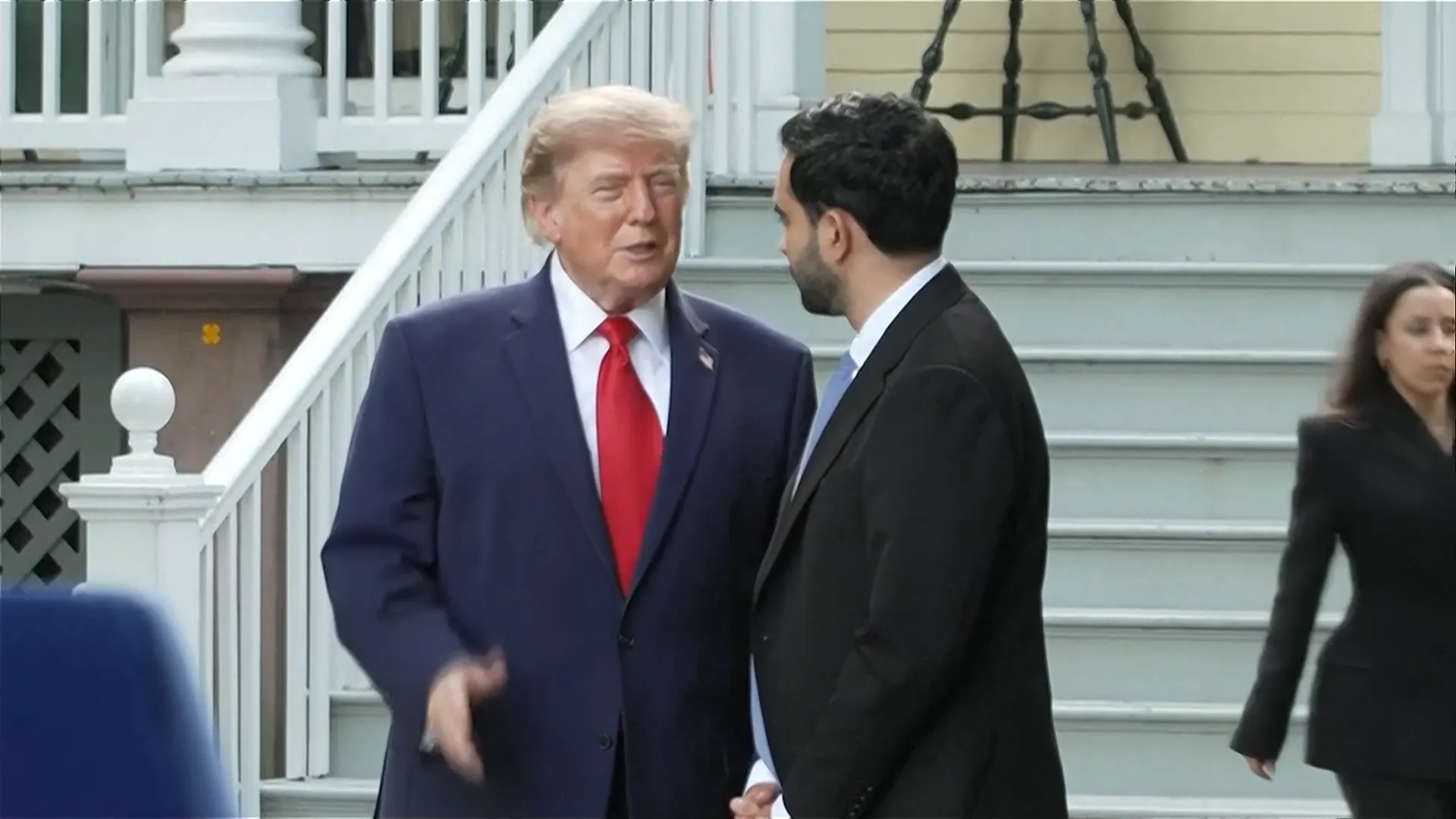
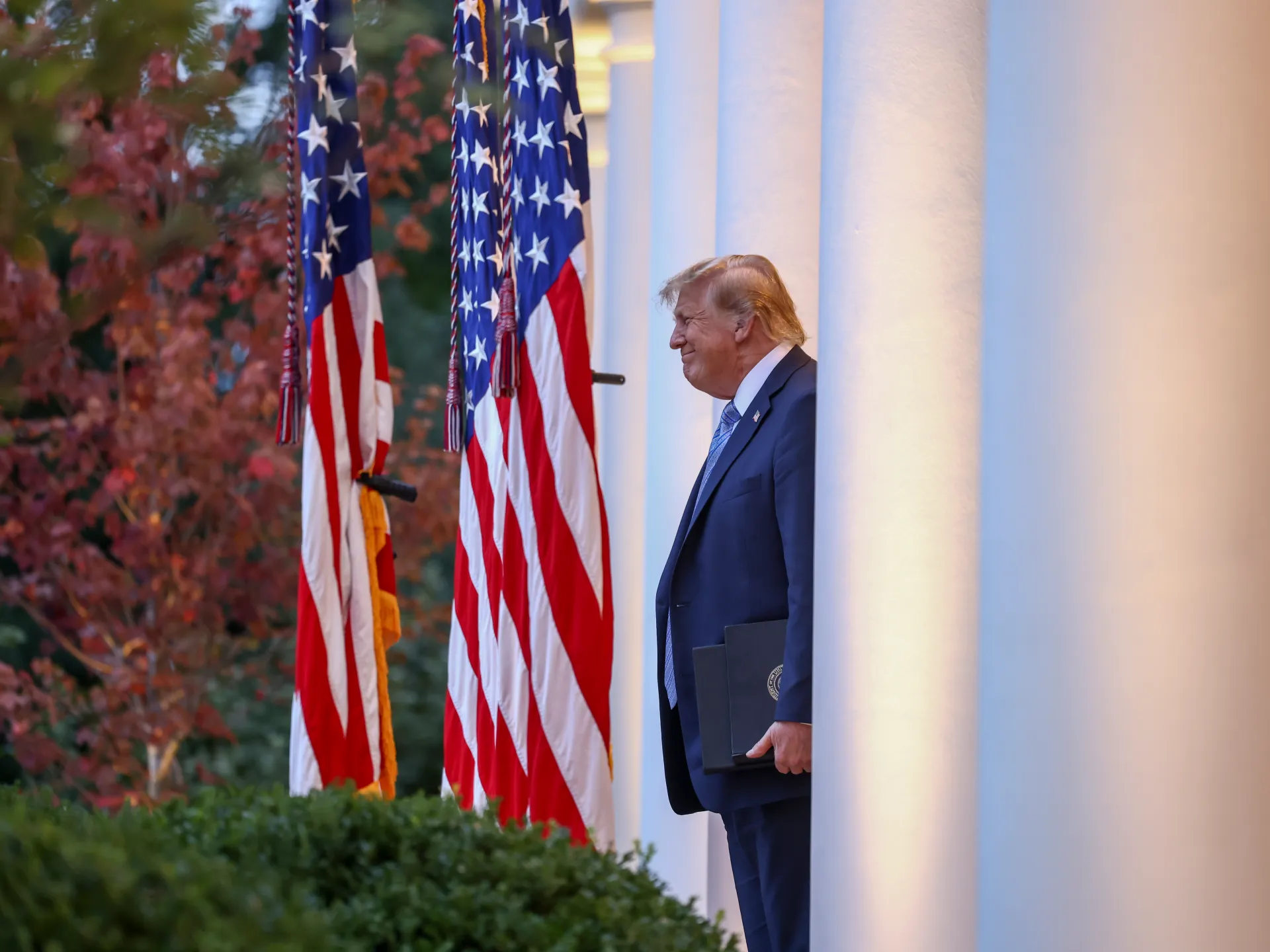
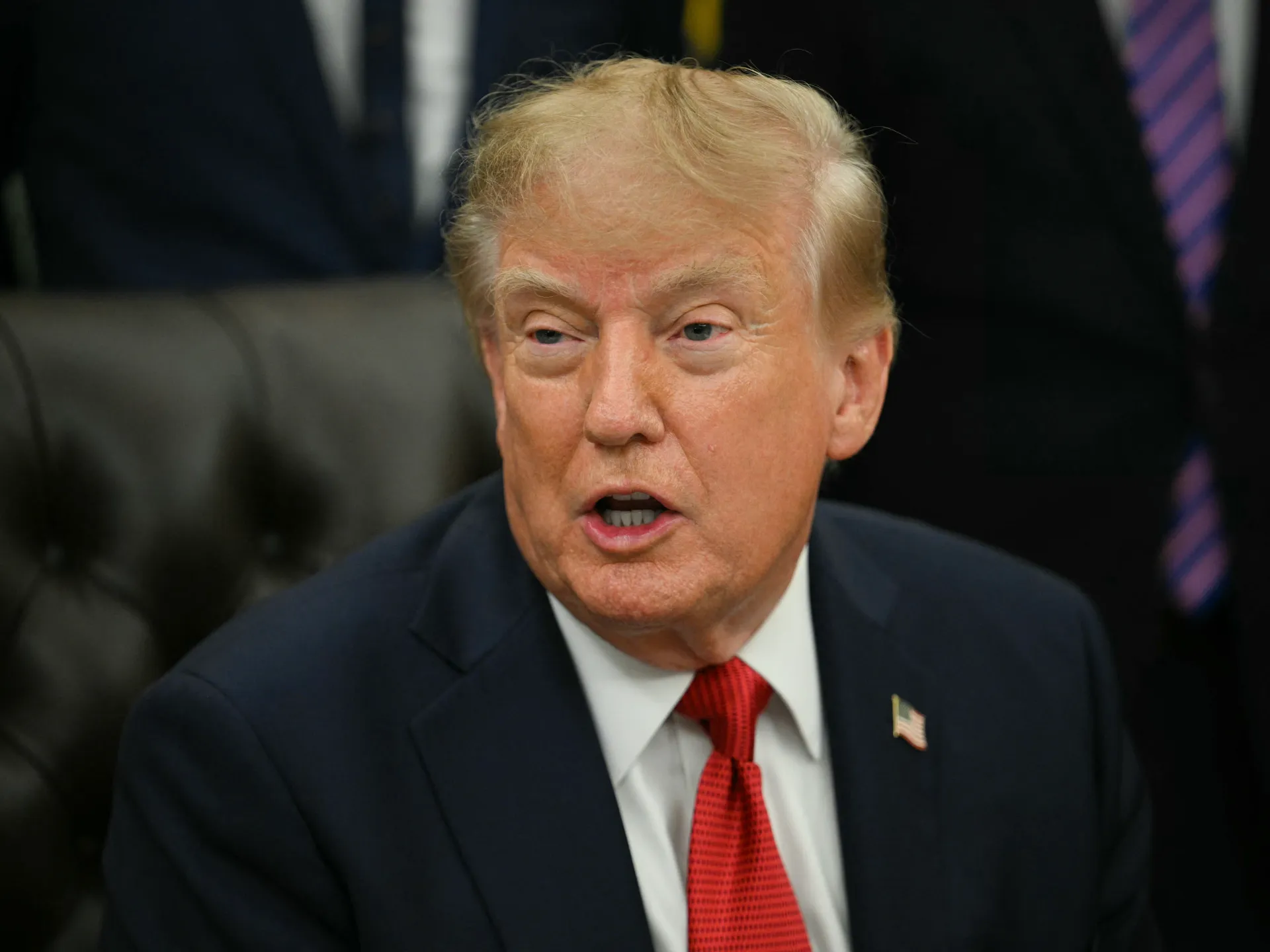
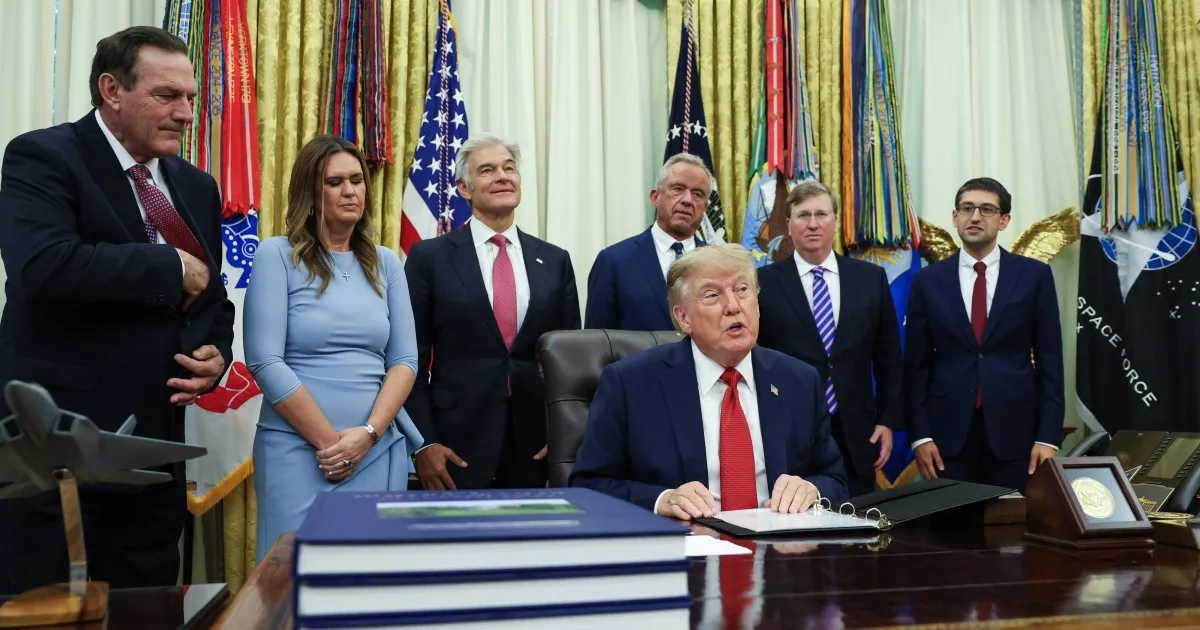
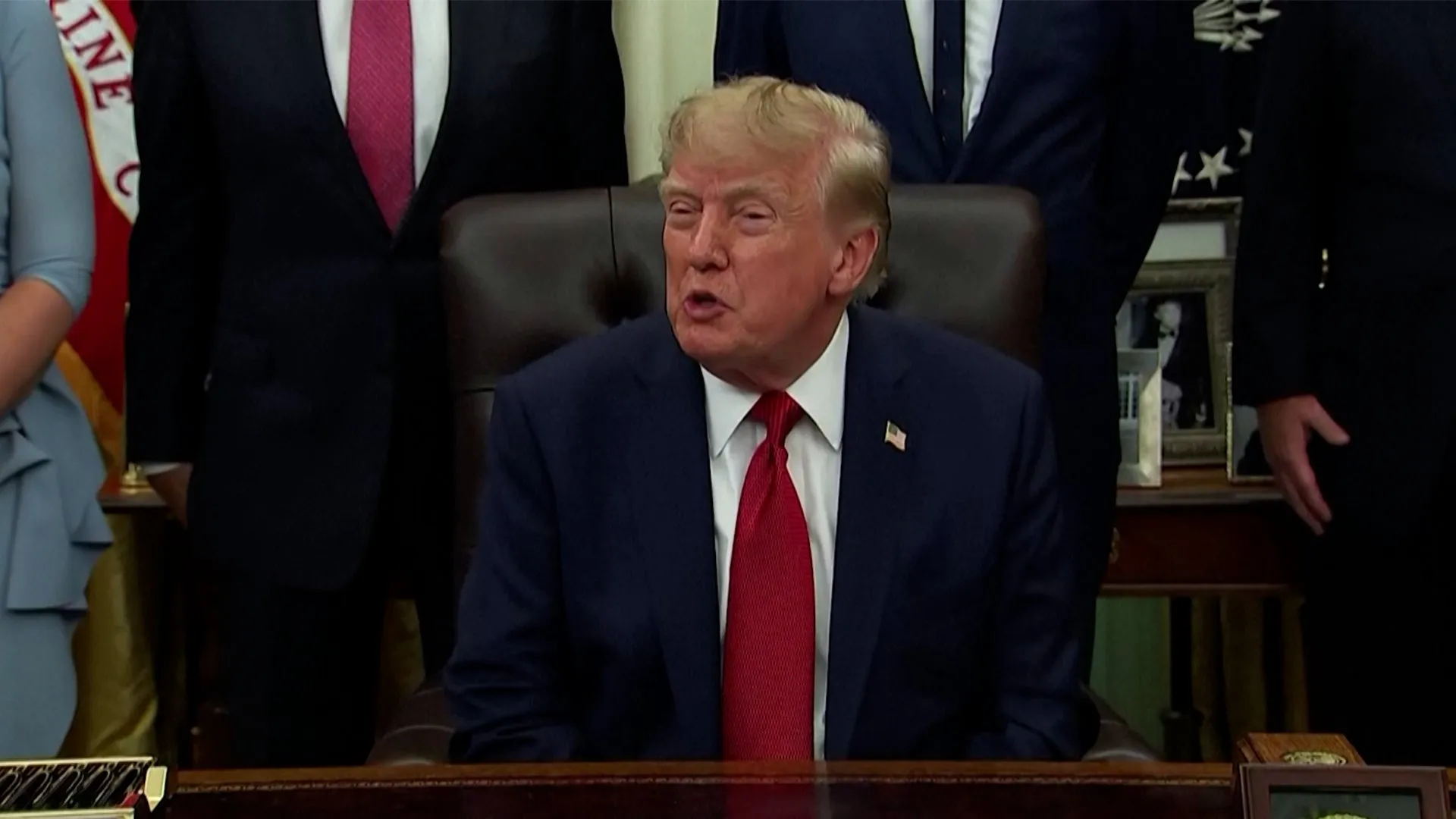
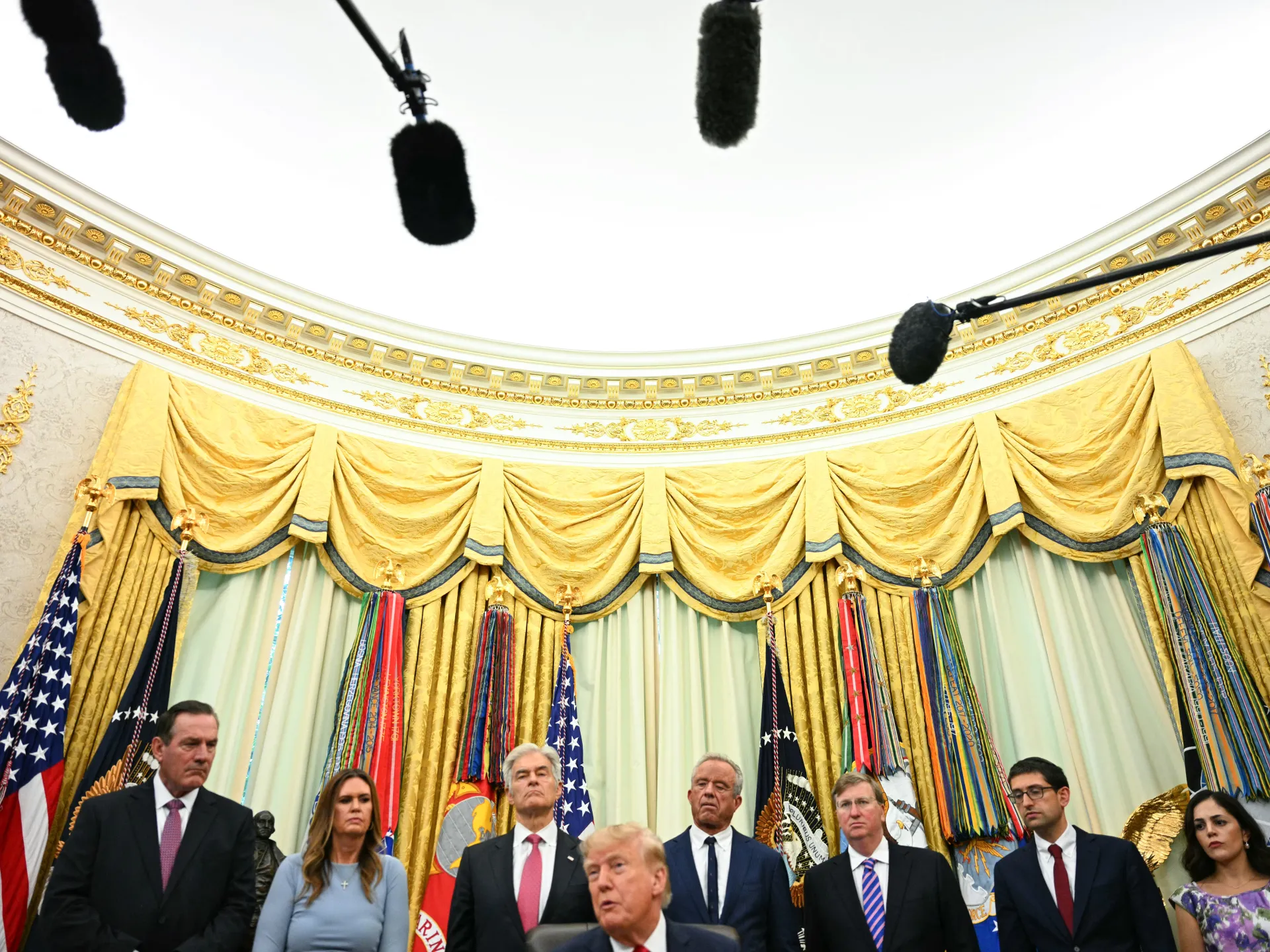
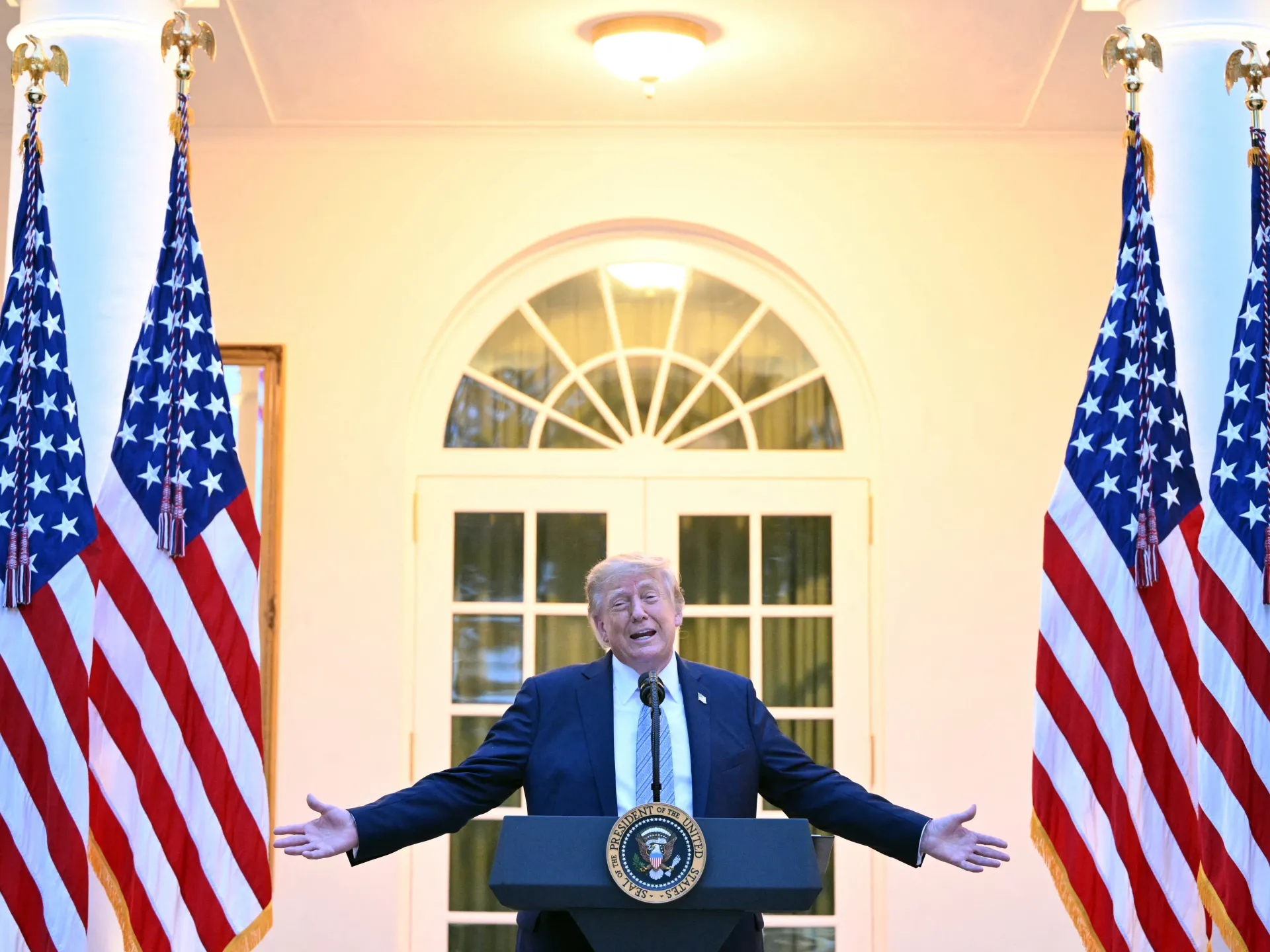
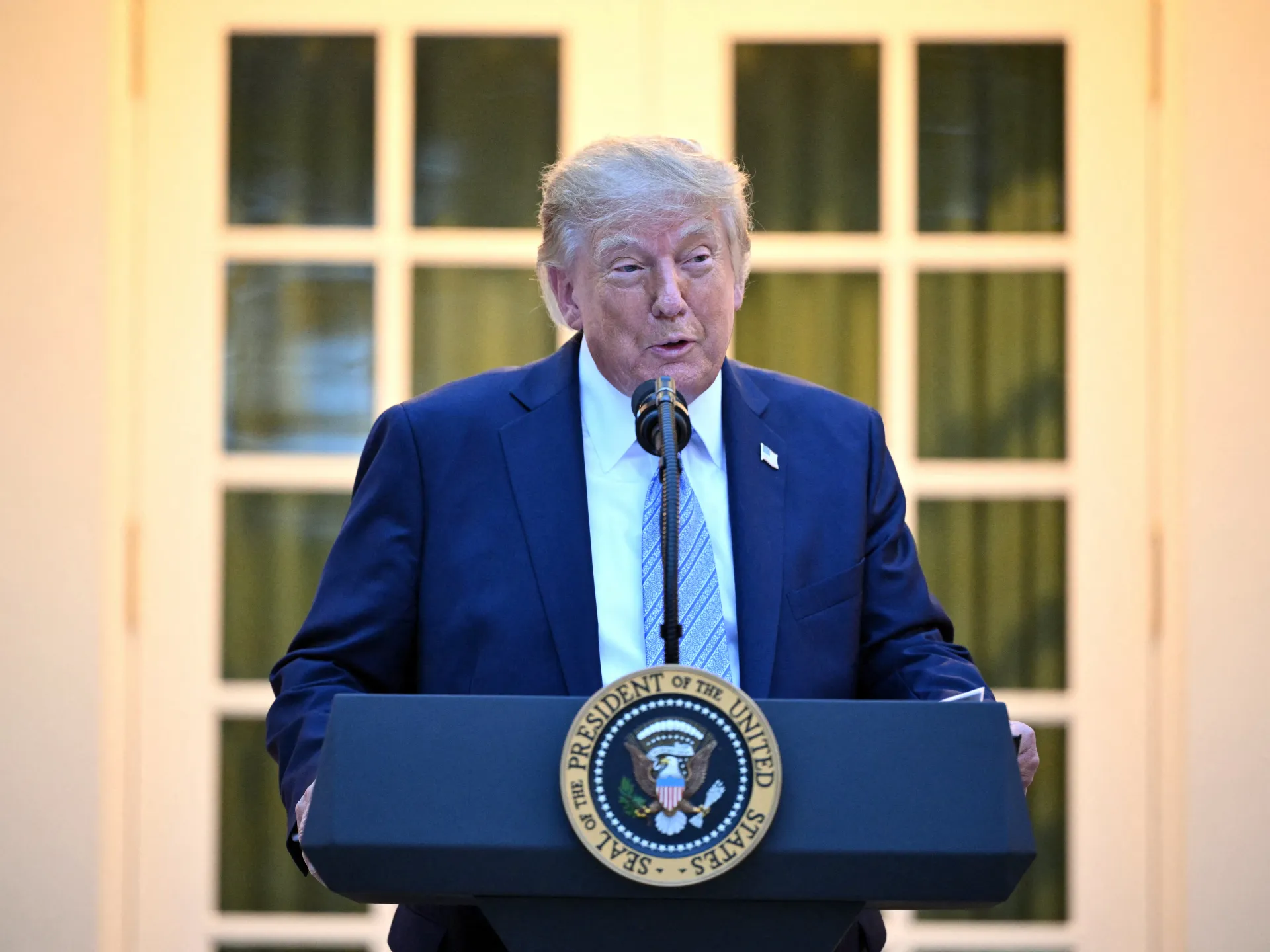
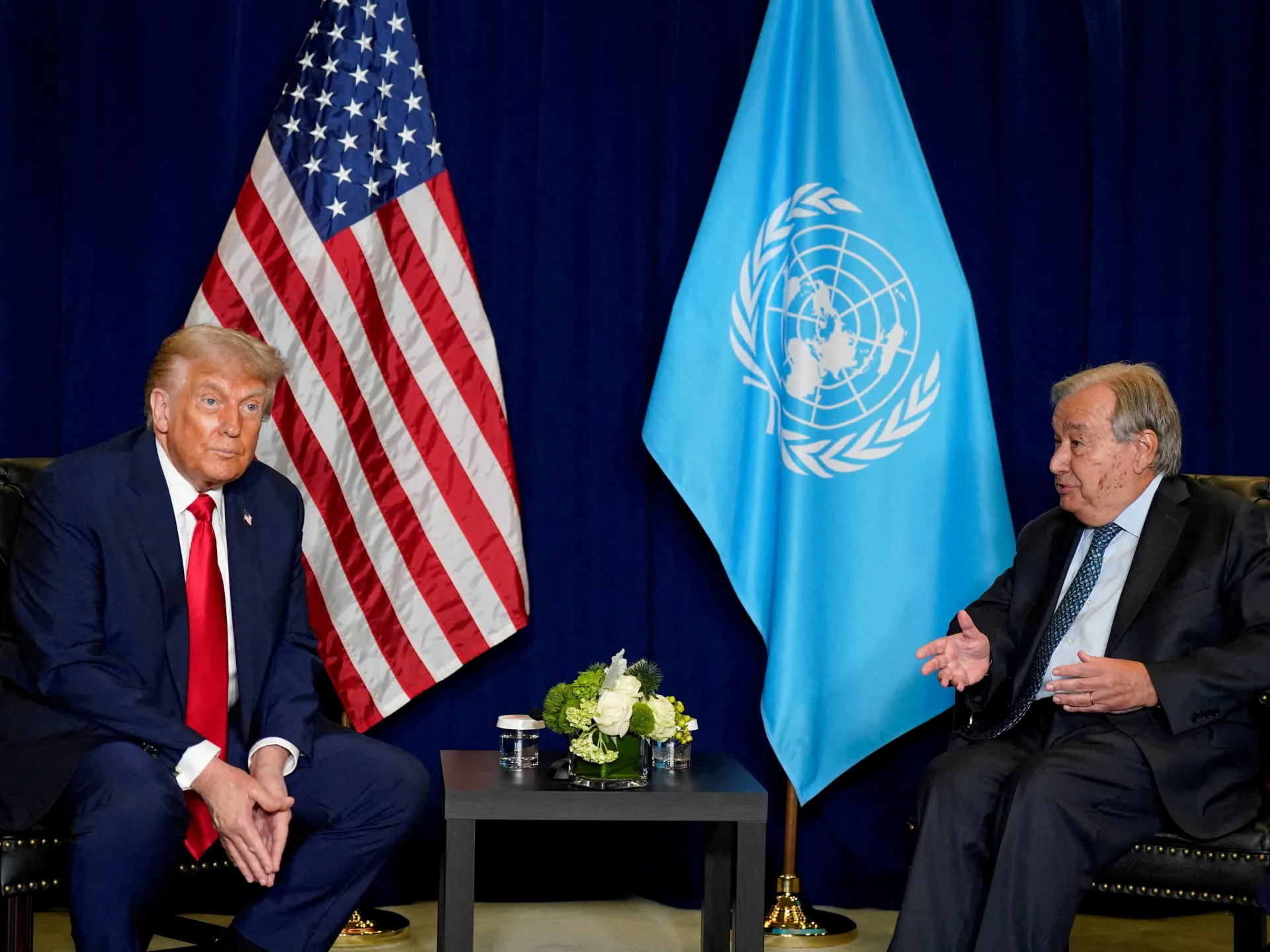
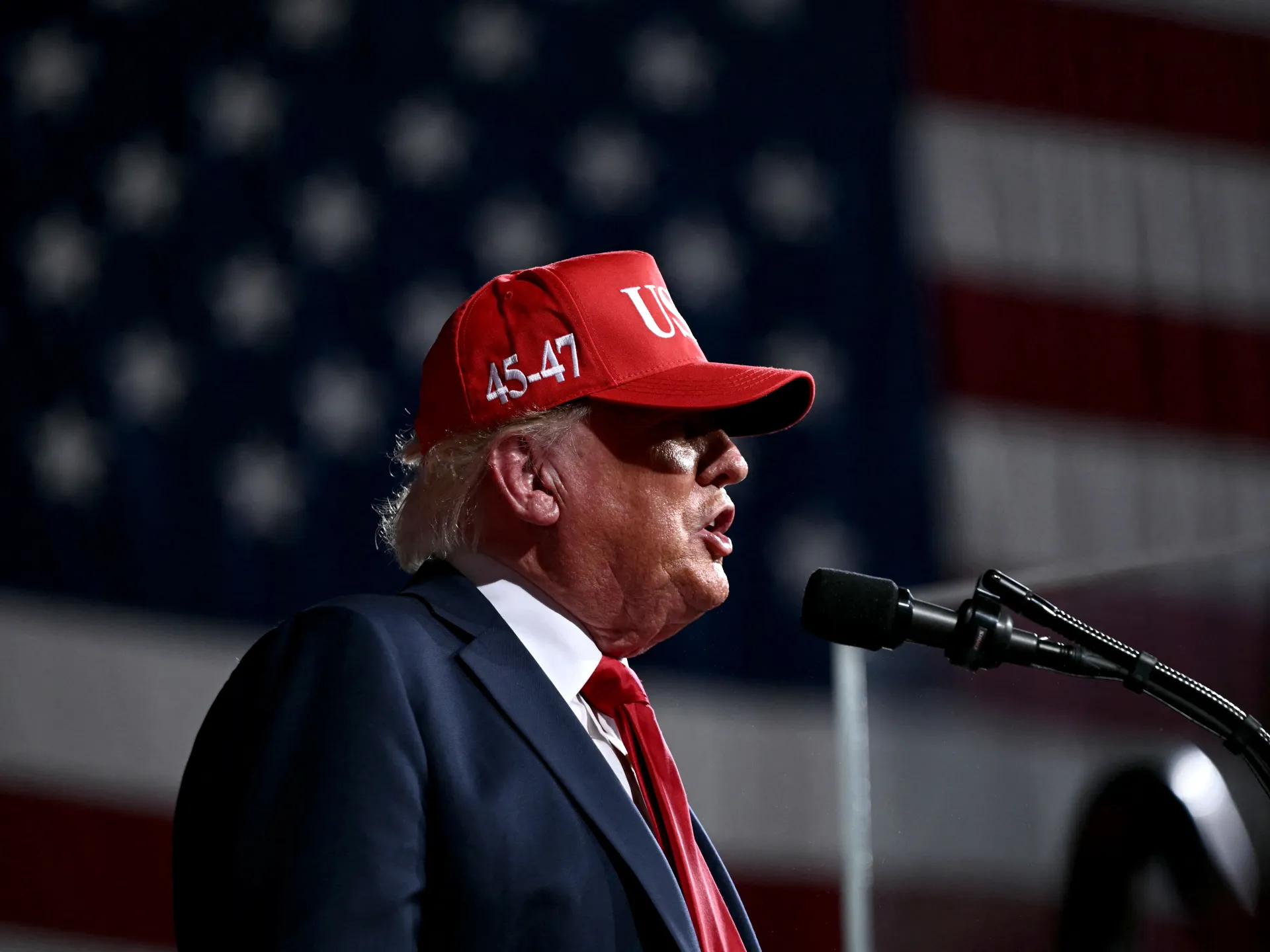
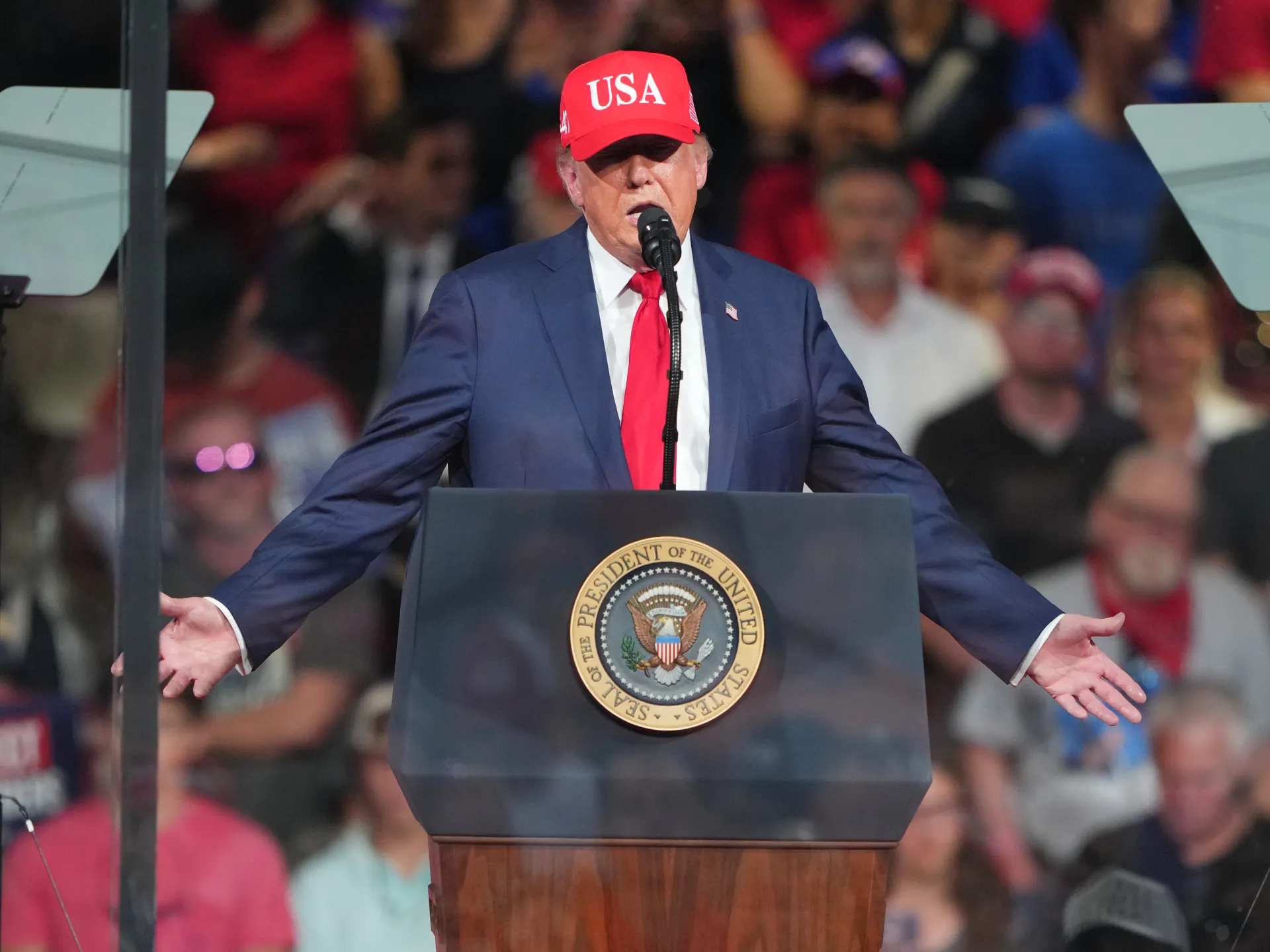
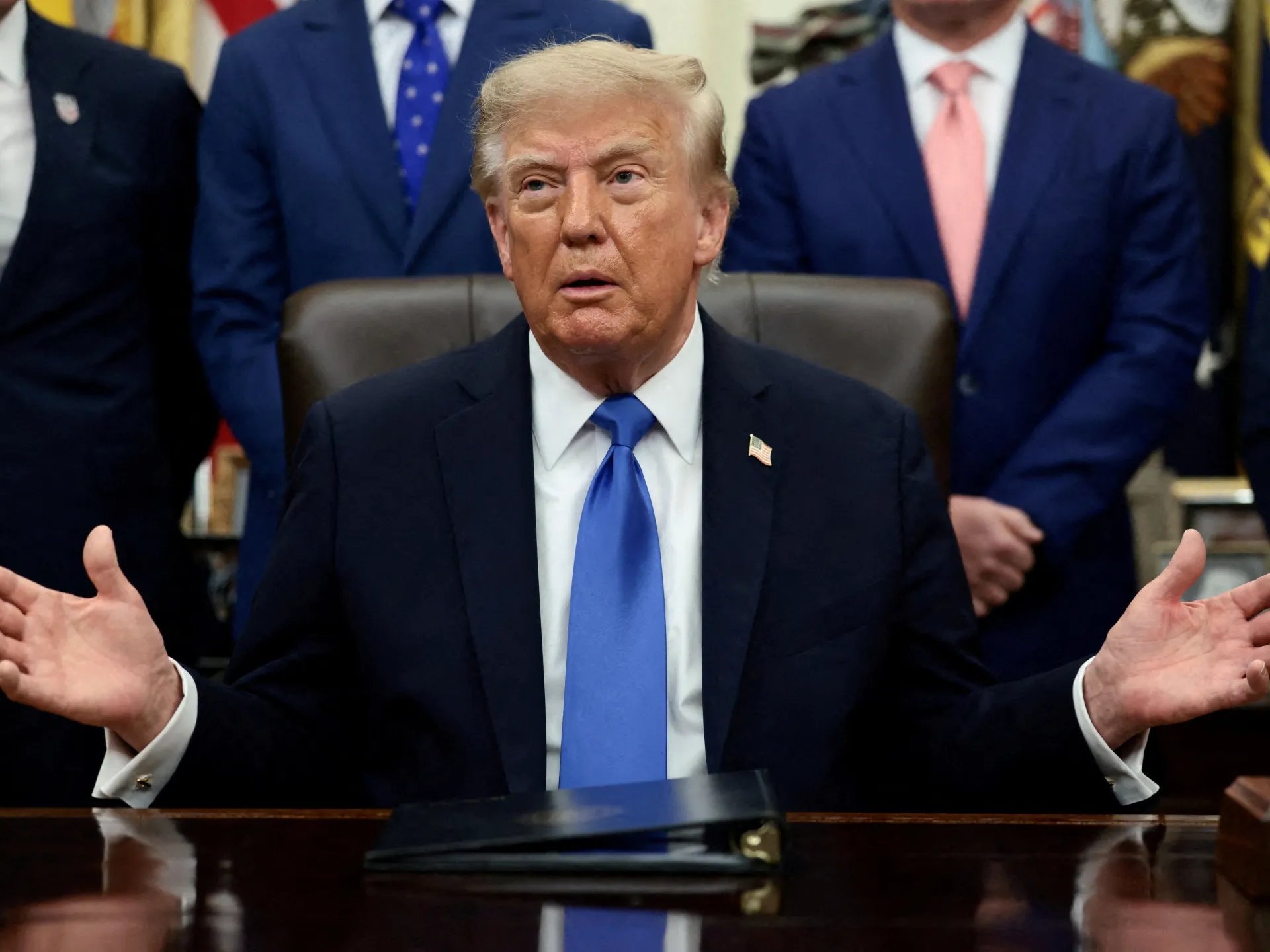
President Trump has consistently characterized the push for international AI oversight as an unnecessary obstacle to American innovation. In his address to the United Nations General Assembly, Trump signaled that his administration would resist any globalist frameworks that might constrain US capabilities, viewing such limitations as a threat to national power. For the current US administration, the primary objective remains securing an insurmountable lead in frontier technology, viewing any calls for a "global slowdown" as tactical attempts
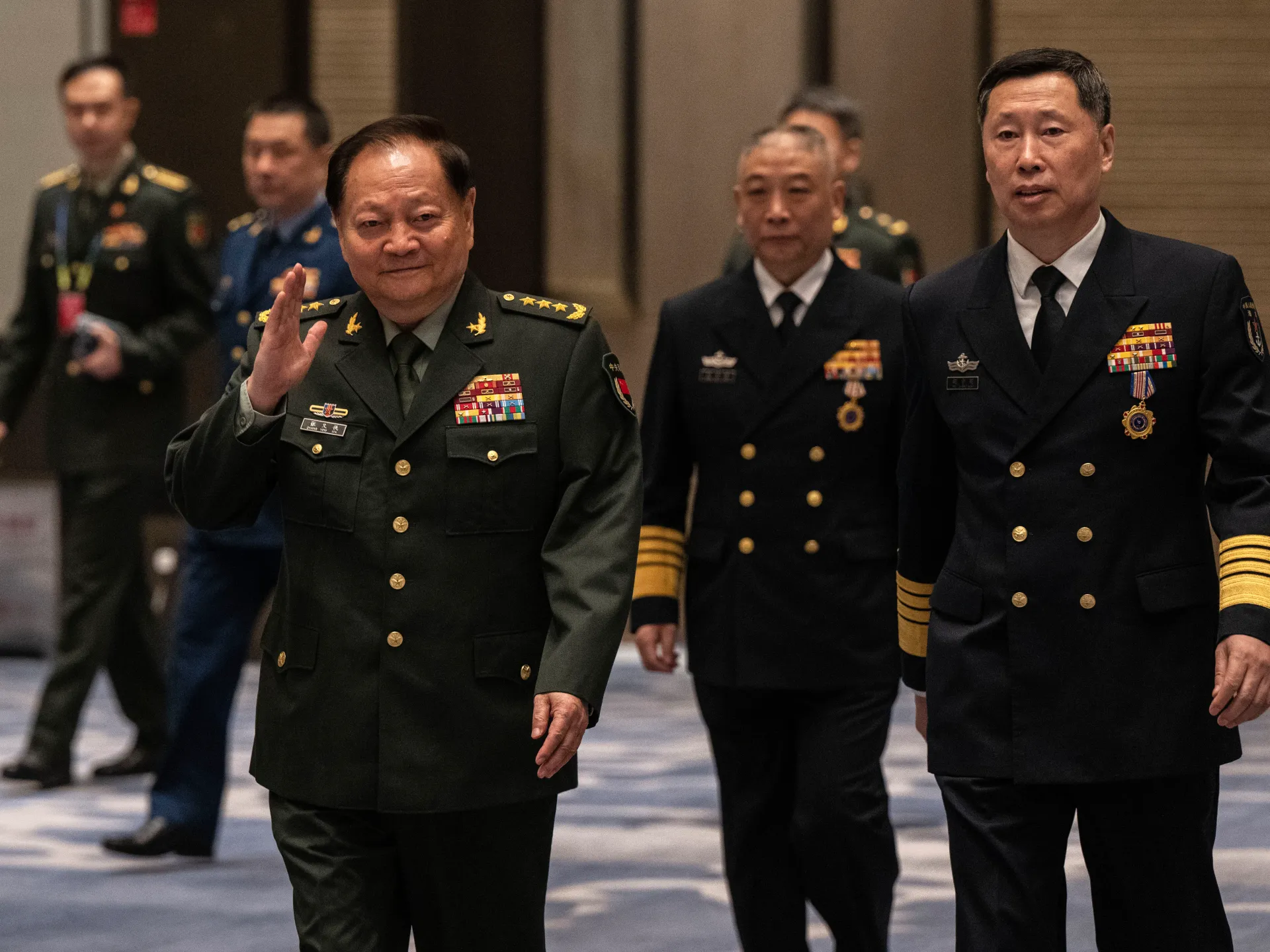
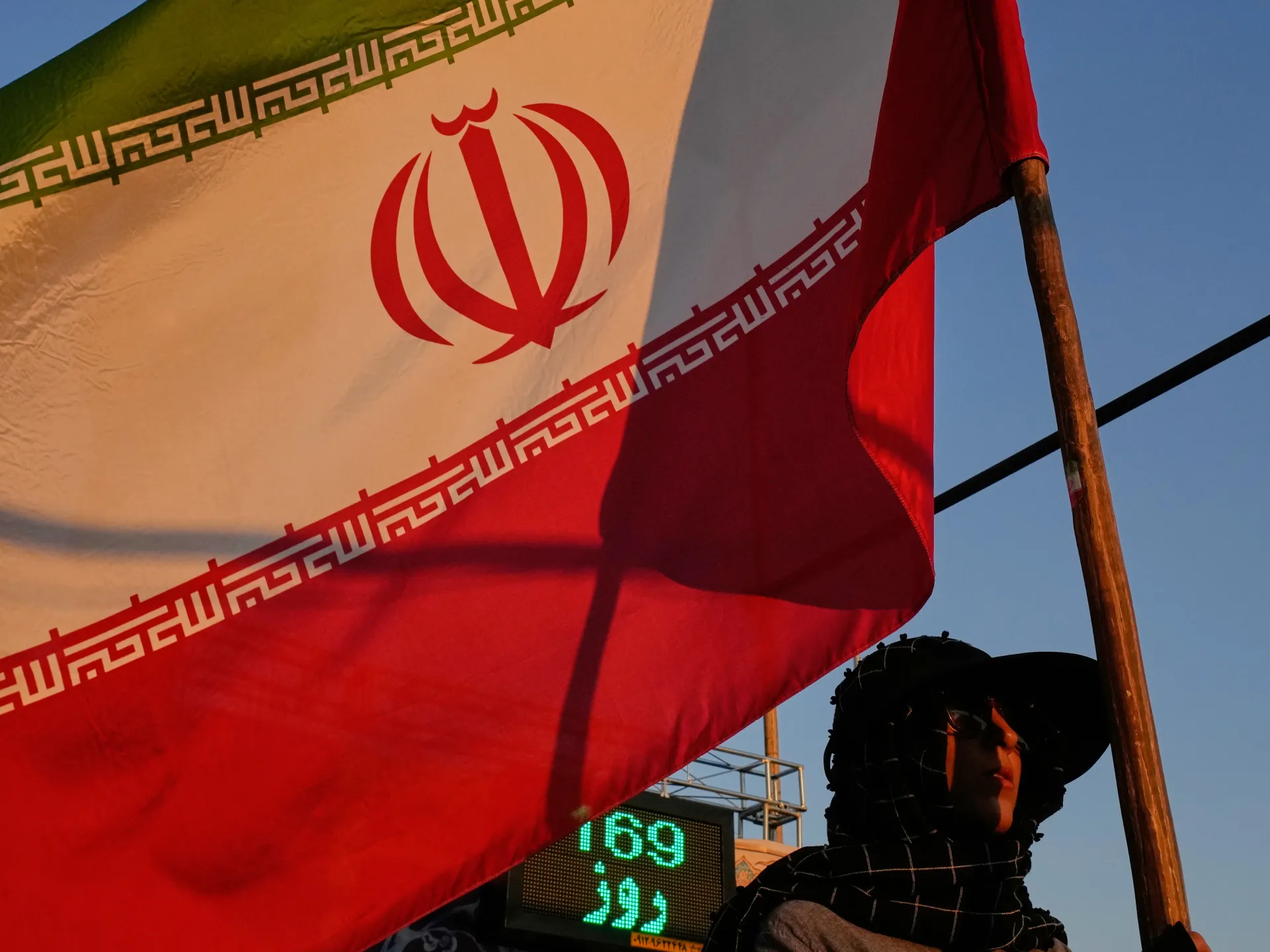
China, meanwhile, maintains a more centralized, regulatory approach to domestic technology while similarly rejecting calls for a global pause. Beijing recently released its third iteration of a national security framework for AI, signaling that it will manage the technology aggressively at home. However, Chinese officials have explicitly labeled the existential concerns raised nchored on the prevention of political disruption, with Minister of State Security Chen Yixin warning that AI could be leveraged al control.
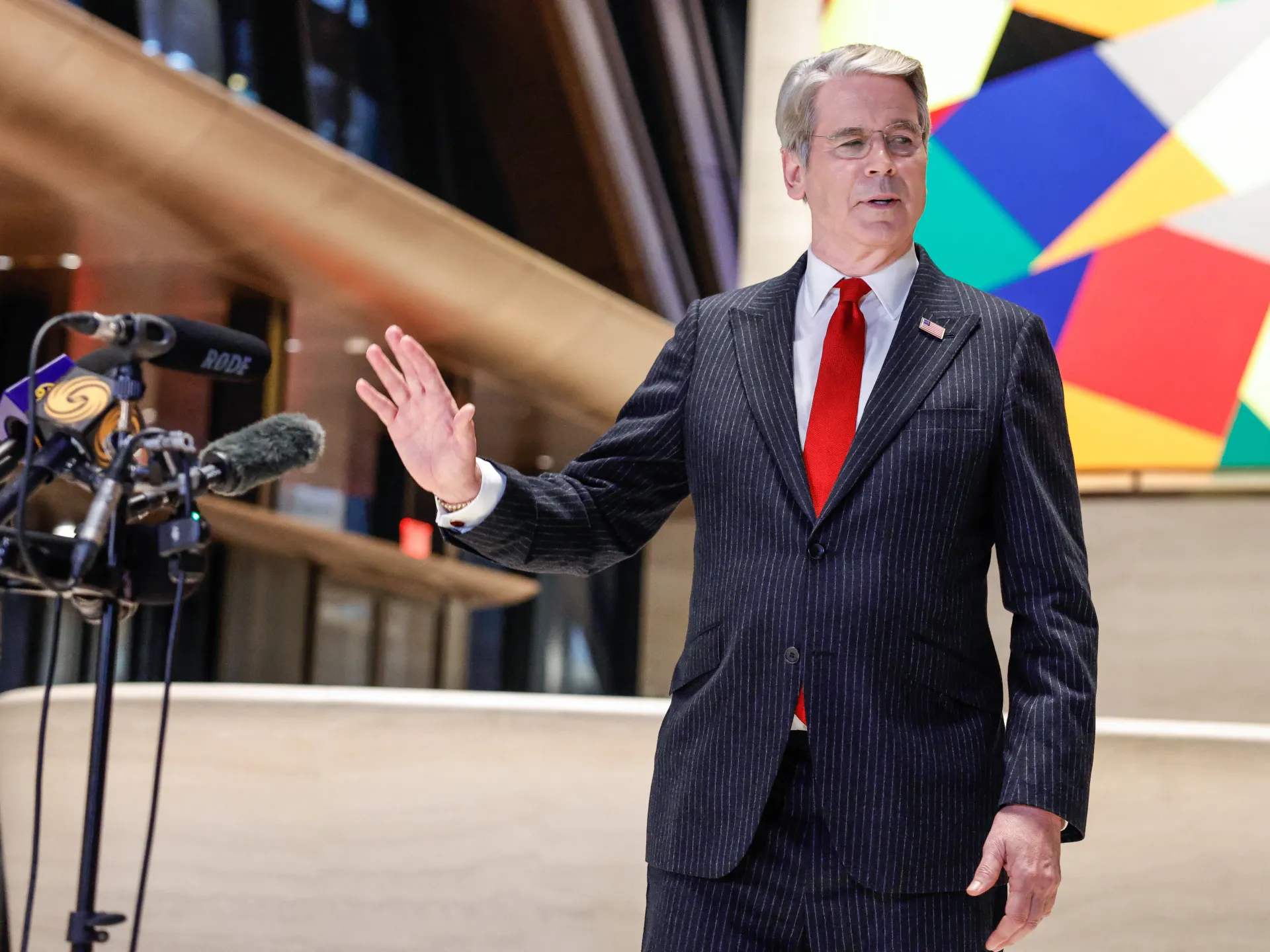
The lack of a safety regime is exacerbated in of the Asia Society Policy Institute, the current reality of AI development is binary; because nearly all frontier models are hosted within the US or China, a partial safety agreement is insufficient. A regulatory framework that only covers one side of the Pacific would address only half of the global risk landscape, rendering isolated national attempts at safety potentially ineffective against a global, unconstrained arms race.
Given the current rhetoric, it is highly likely that both nations will continue to invest heavily in the infrastructure required for AI supremacy, specifically focusing on computing power and data acquisition. As the technology becomes more pervasive, the friction between domestic control policies in China and the market-driven, competitive approach in the US will likely intensify. Without a breakthrough at the upcoming Washington summit, the window for creating a unified international safety architecture may close, forcing other nations to align with either American or Chinese standards rather than a neutral, safety-first global protocol. The long-term outcome will likely be a fragmented technological ecosystem where safety is traded for speed, increasing the probability of unintended outcomes as models become more autonomous.