As nations navigate regional conflict and the expansion of space exploration, diplomatic engagement through mediation and formal treaties remains the primary strategy for global stability.
While global headlines are dominated -publicized shift is occurring in the realm of international cooperation. From the halls of the United Nations to the corridors of NASA headquarters, nations are increasingly prioritizing formal, rules-based engagement to address both terrestrial volatility and the expansion of the human footprint into the cosmos.
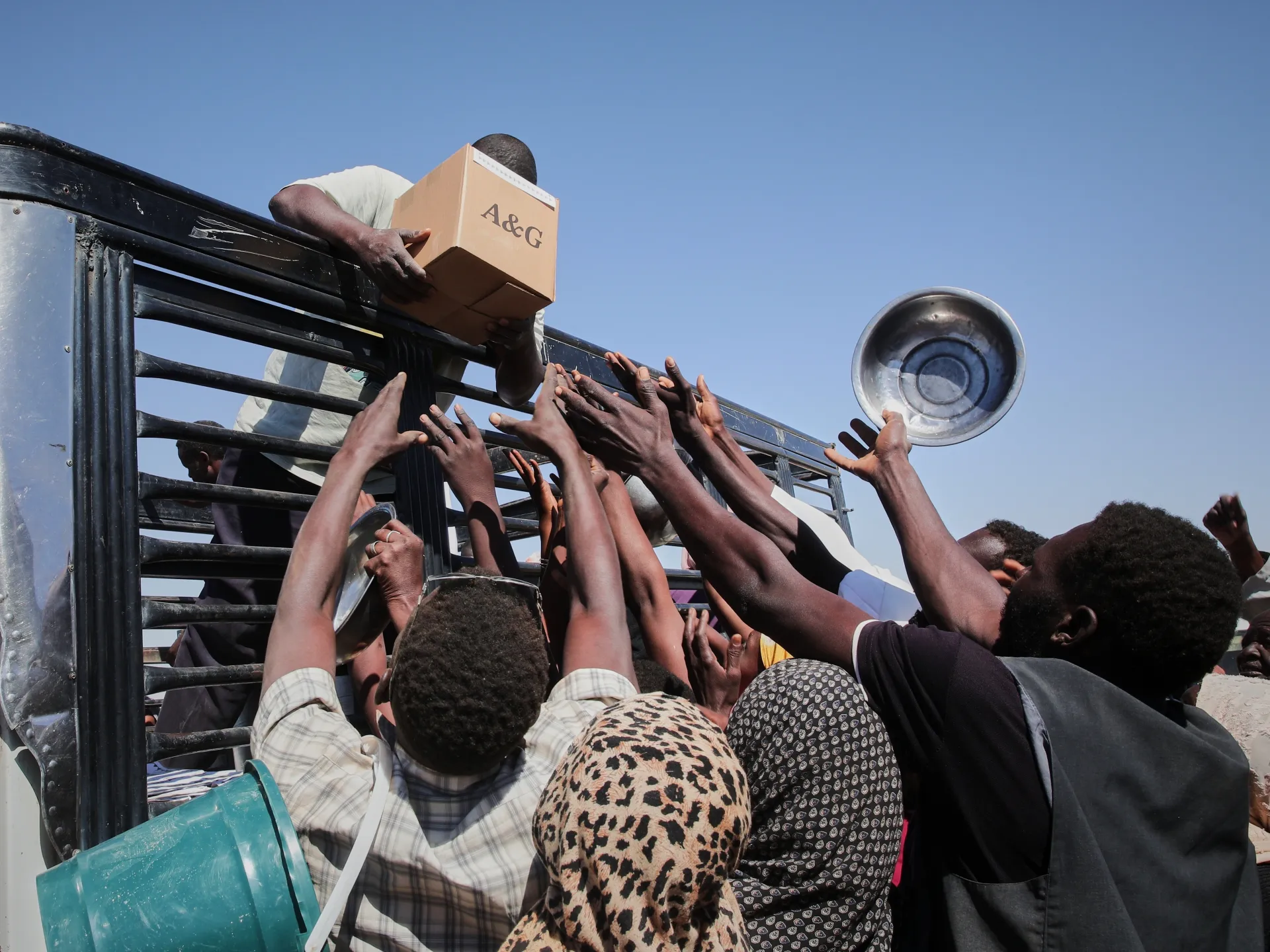
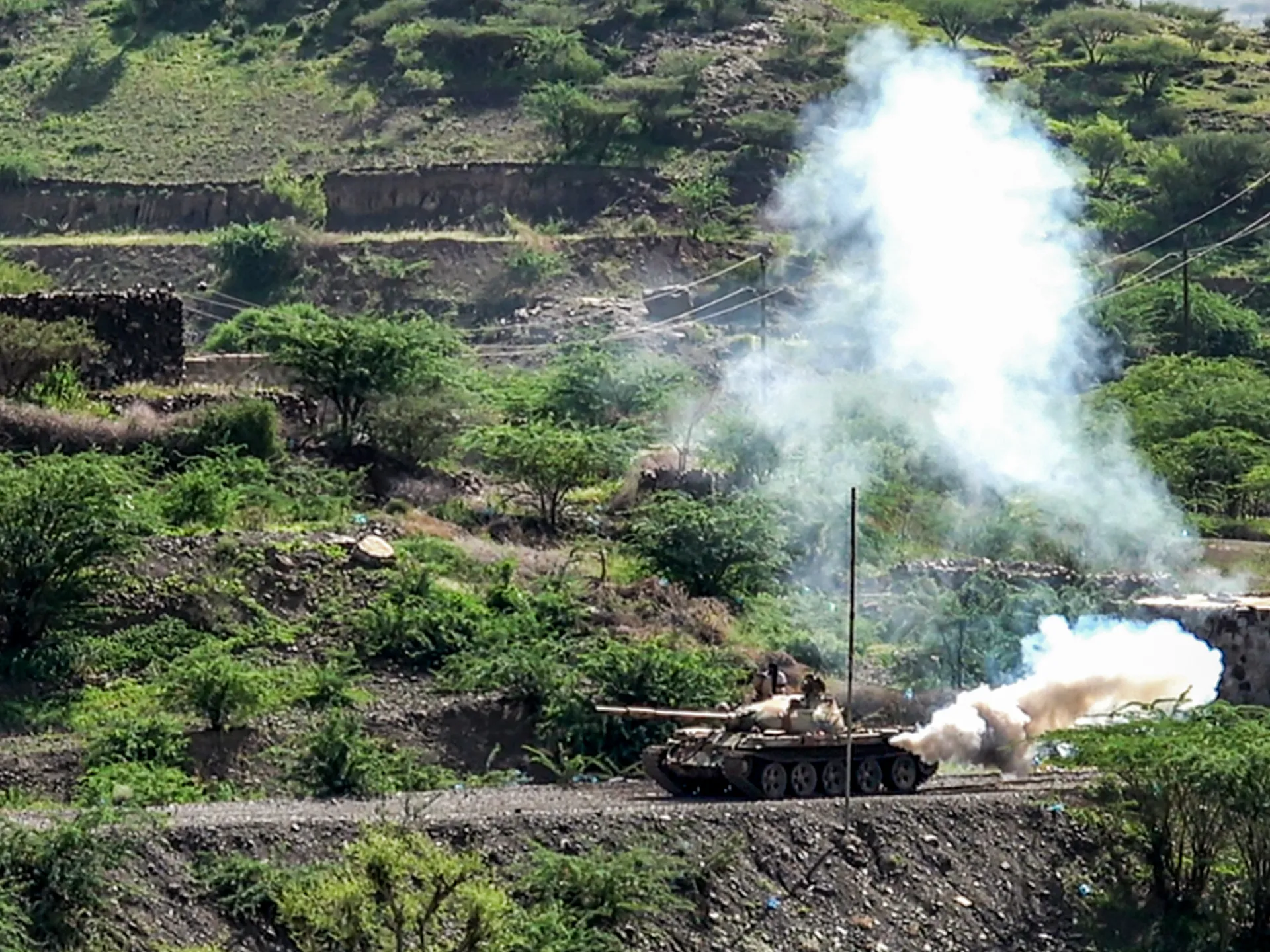
This dual-track diplomatic approach highlights a modern reality: whether the objective is preventing localized conflict in Africa or establishing normative standards for lunar exploration, the reliance on established international law and mediated dialogue remains the most reliable mechanism for progress. As Qatar positions itself as a mediator between warring states and Albania formally joins the global coalition for space exploration, the common denominator remains an insistence on transparency and multilateral agreement.
The increasing reliance on diplomatic architecture—ranging from formal mediation to multilateral treaties like the Artemis Accords—serves as a stabilizing buffer against a backdrop of increasing global fragmentation. iaries to bridge long-standing diplomatic ruptures, the international community creates systemic incentives that make unilateral aggression more costly and collaboration more beneficial. This transition suggests that modern statecraft is moving away from ad-hoc crisis management and toward the construction of durable, long-term frameworks that prioritize predictability over power dynamics.
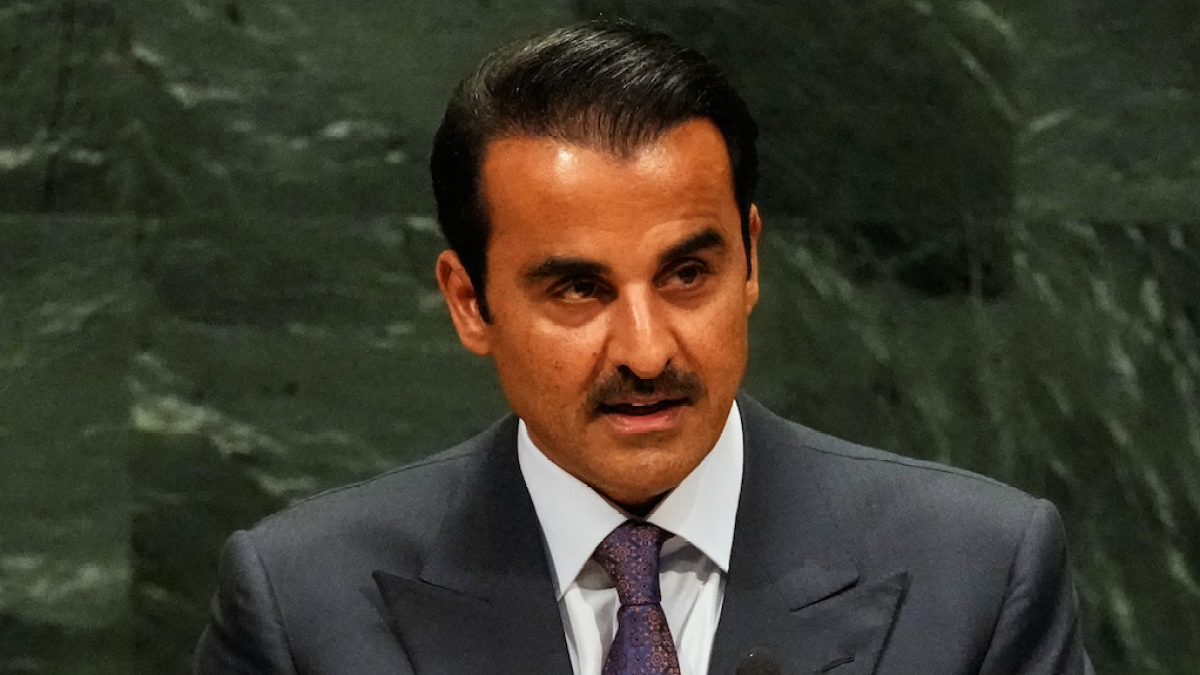
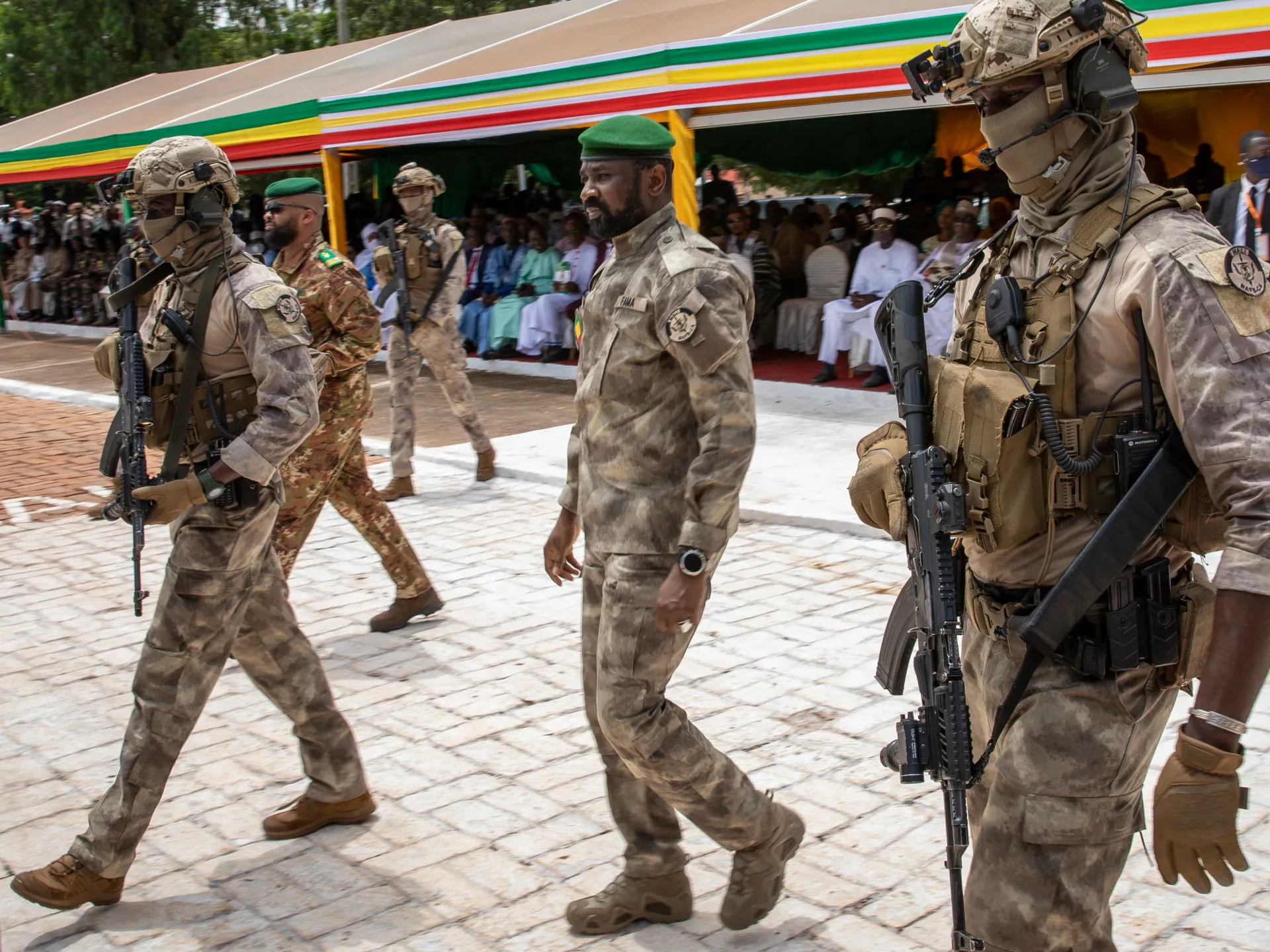
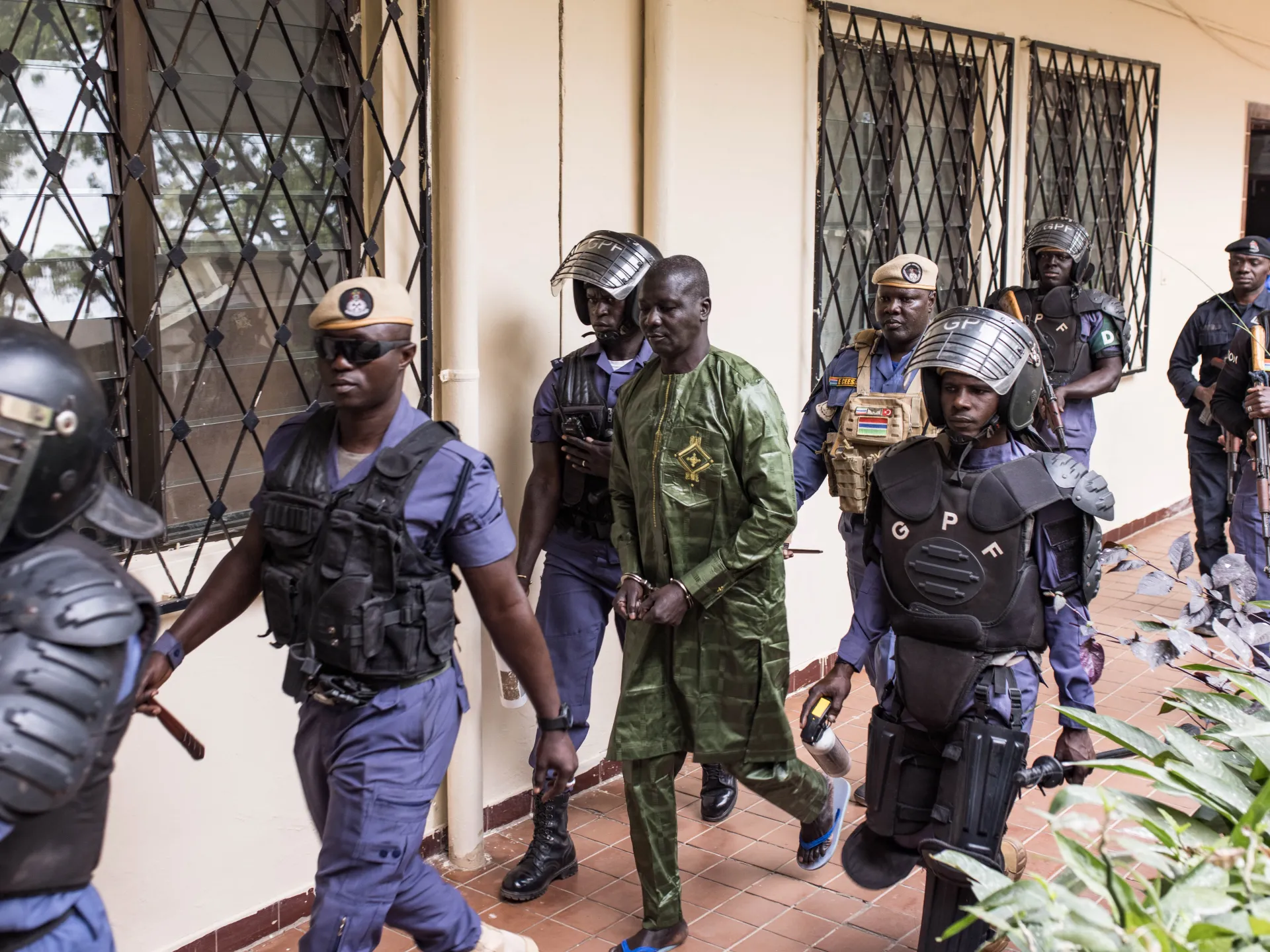
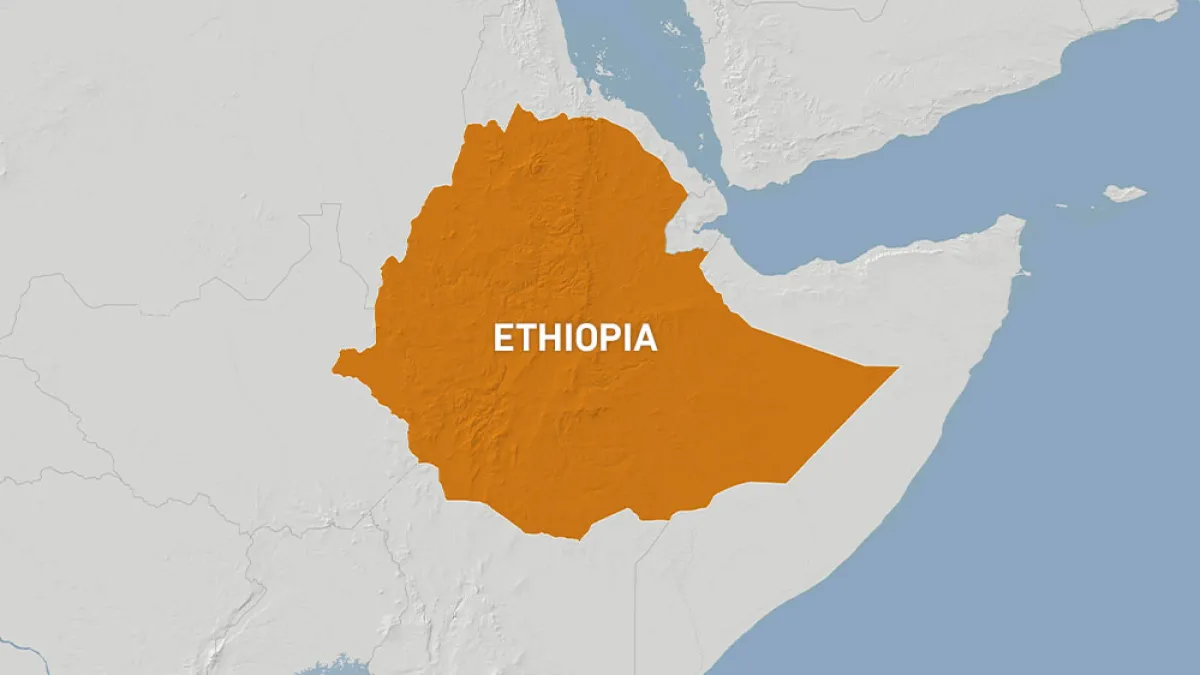
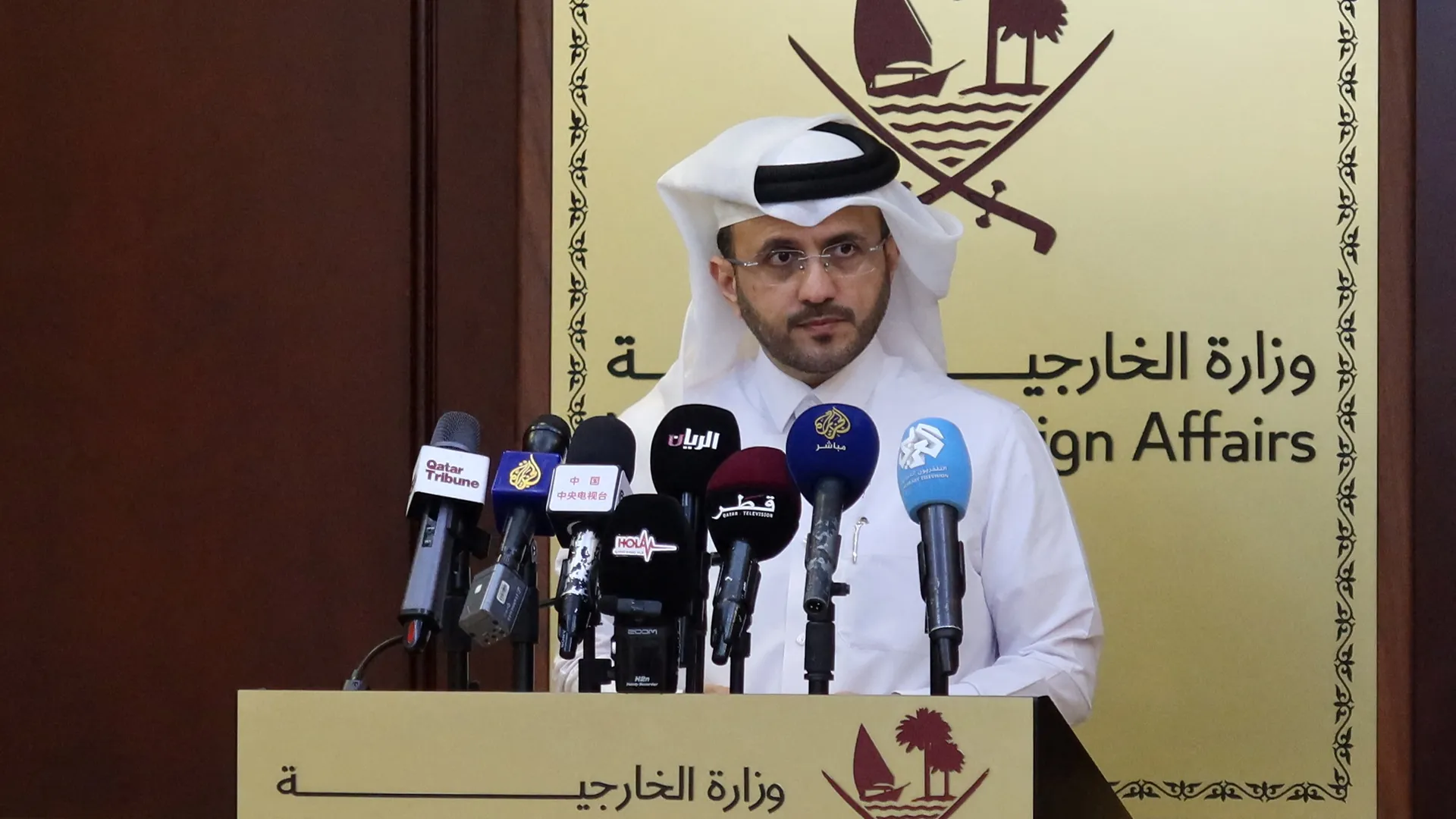
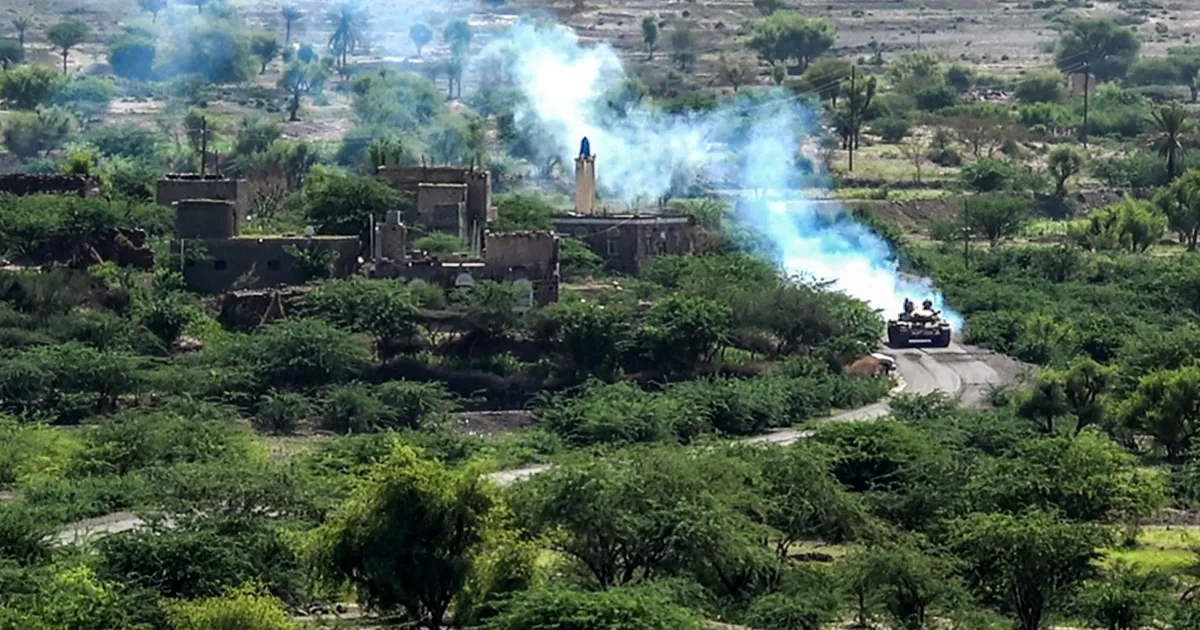
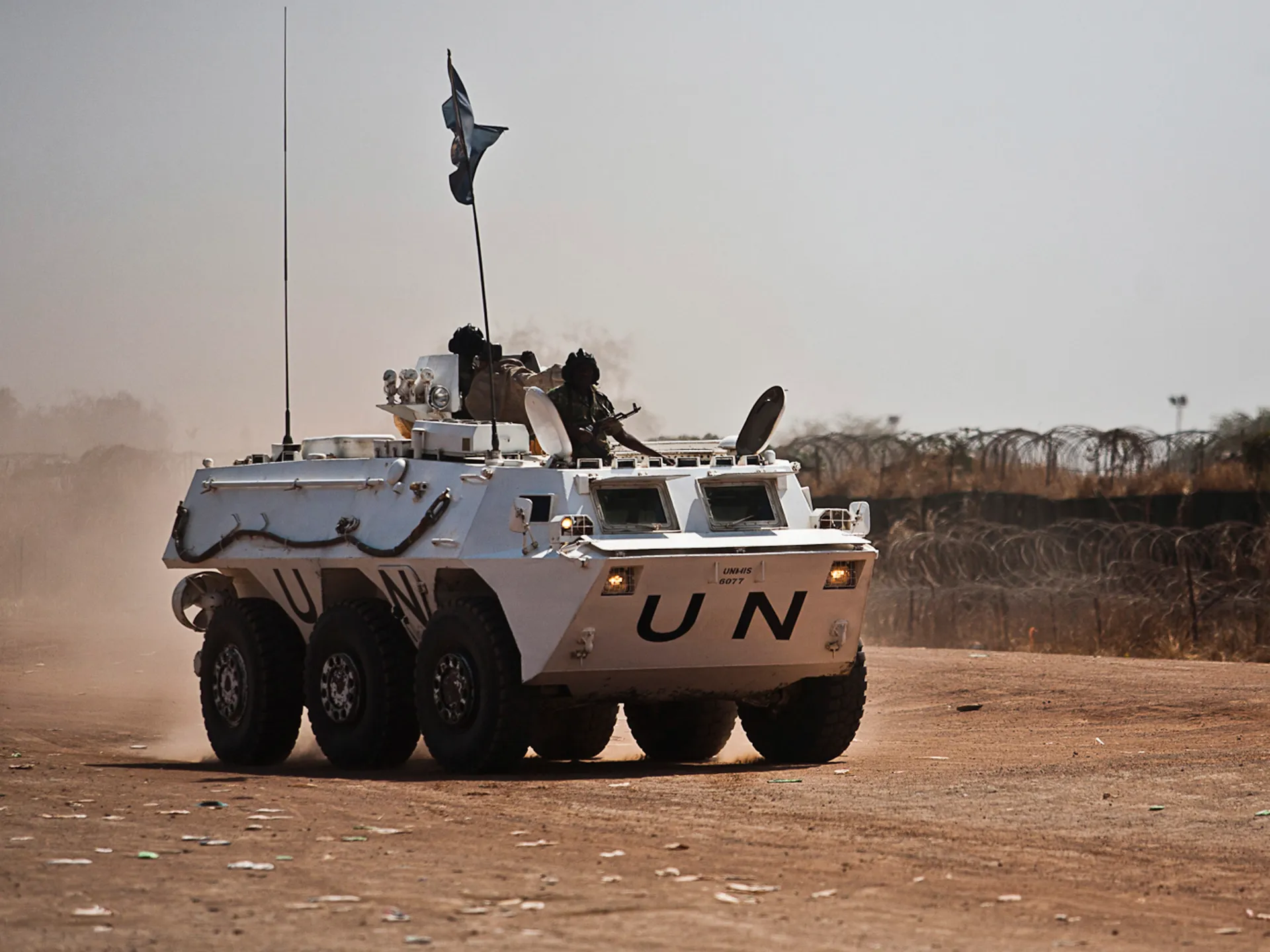
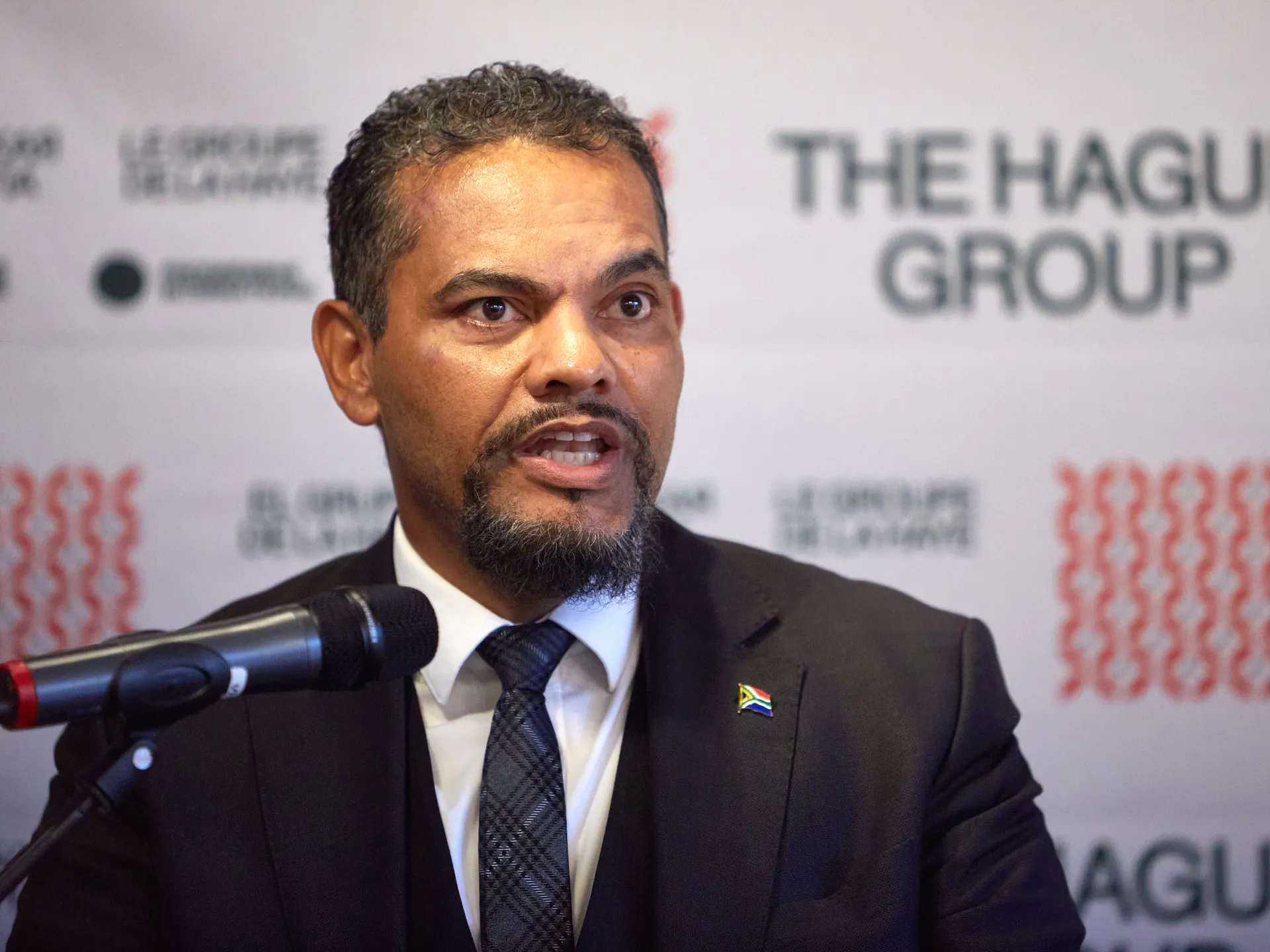
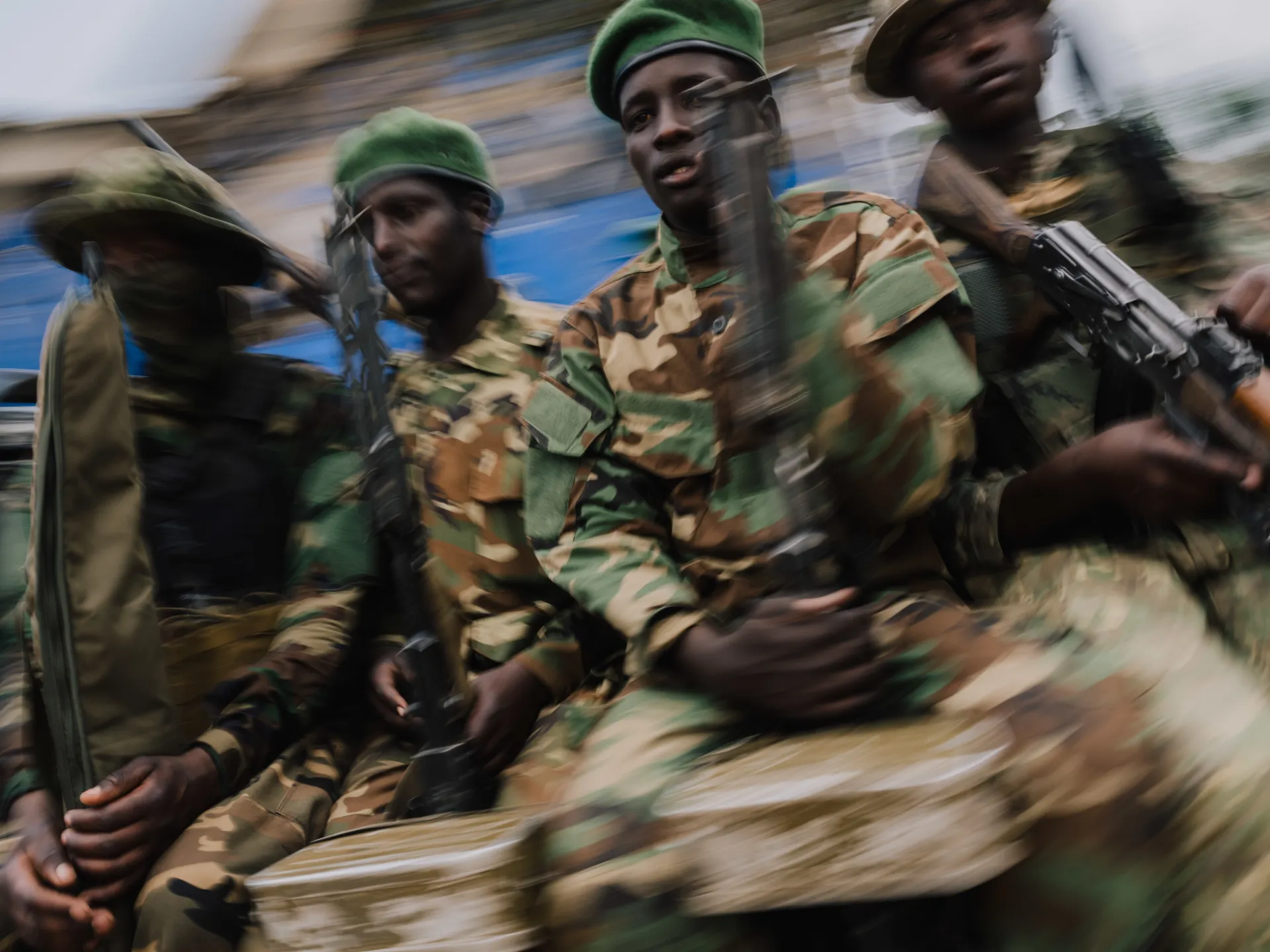
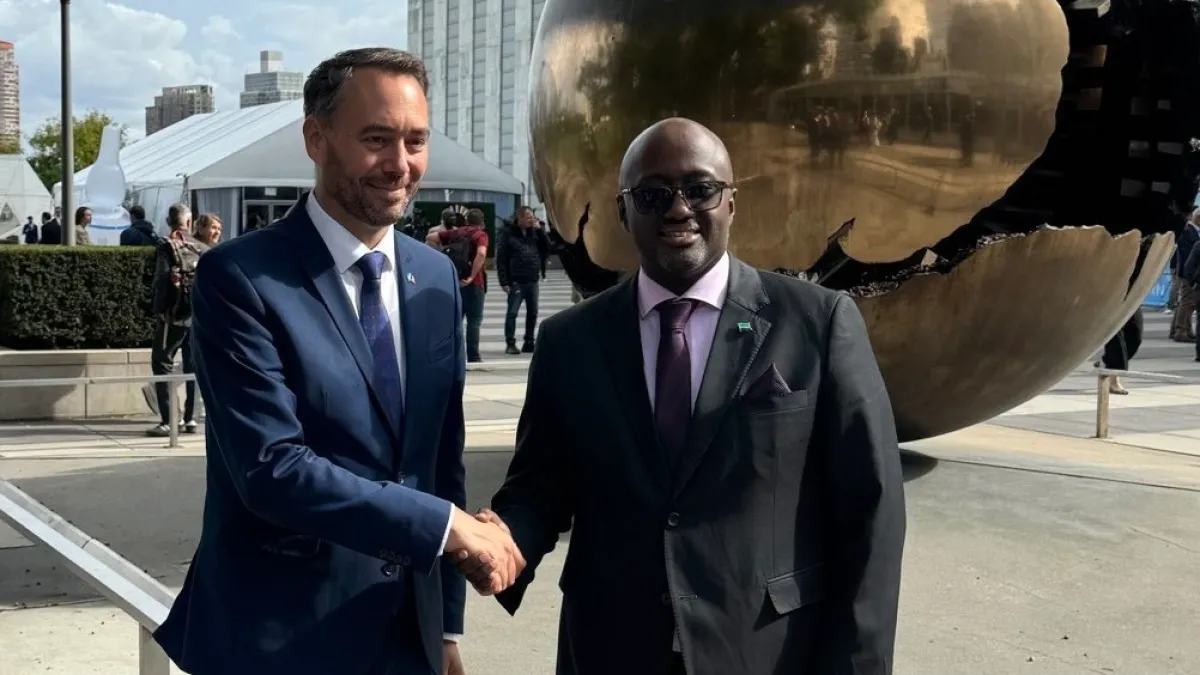
In the Great Lakes region of Africa, a significant diplomatic breakthrough has materialized as Belgium and Rwanda officially restored ties, ending a tense 18-month period characterized is directly attributed to the quiet mediation work facilitated ized the development as a vindication of Doha’s long-standing policy of providing a trusted platform for dialogue, noting that the groundwork for this restoration was laid during high-level meetings hosted in Doha in June 2025.
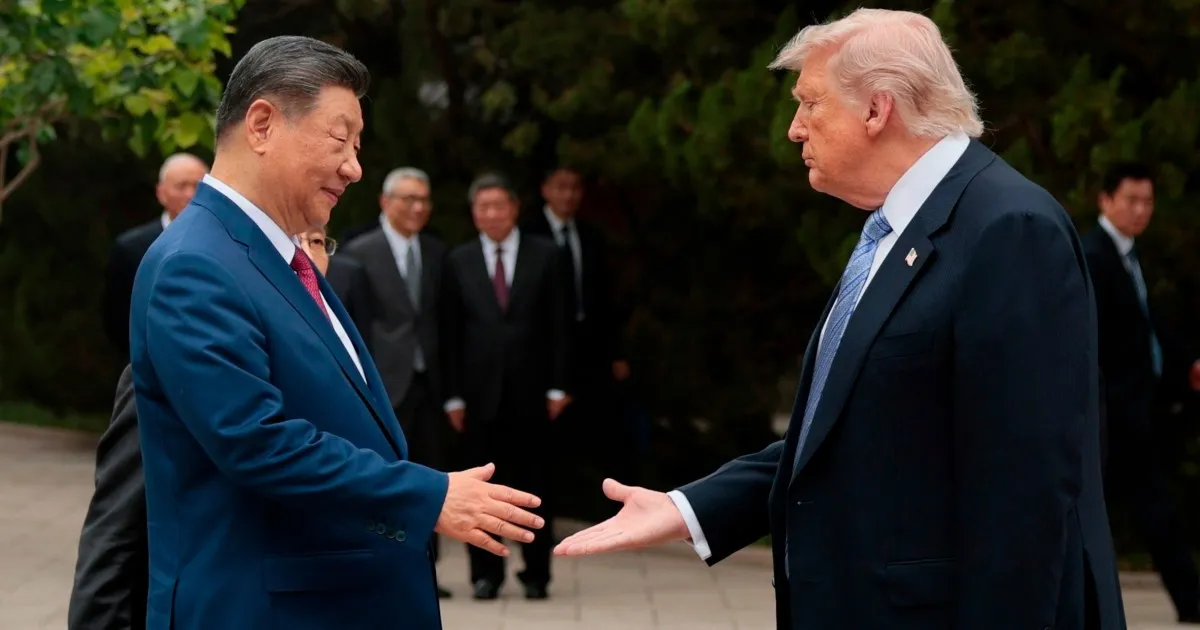
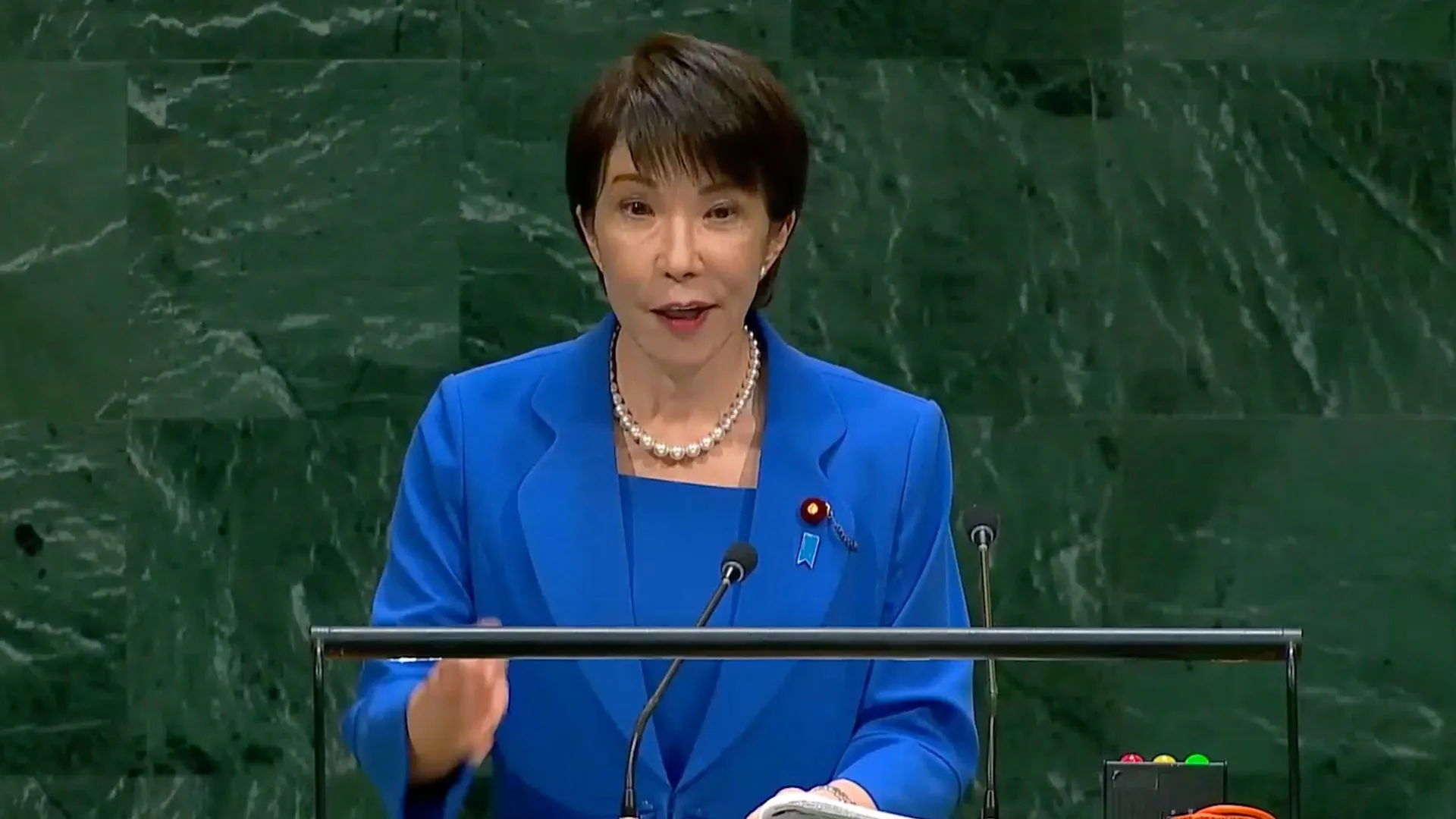
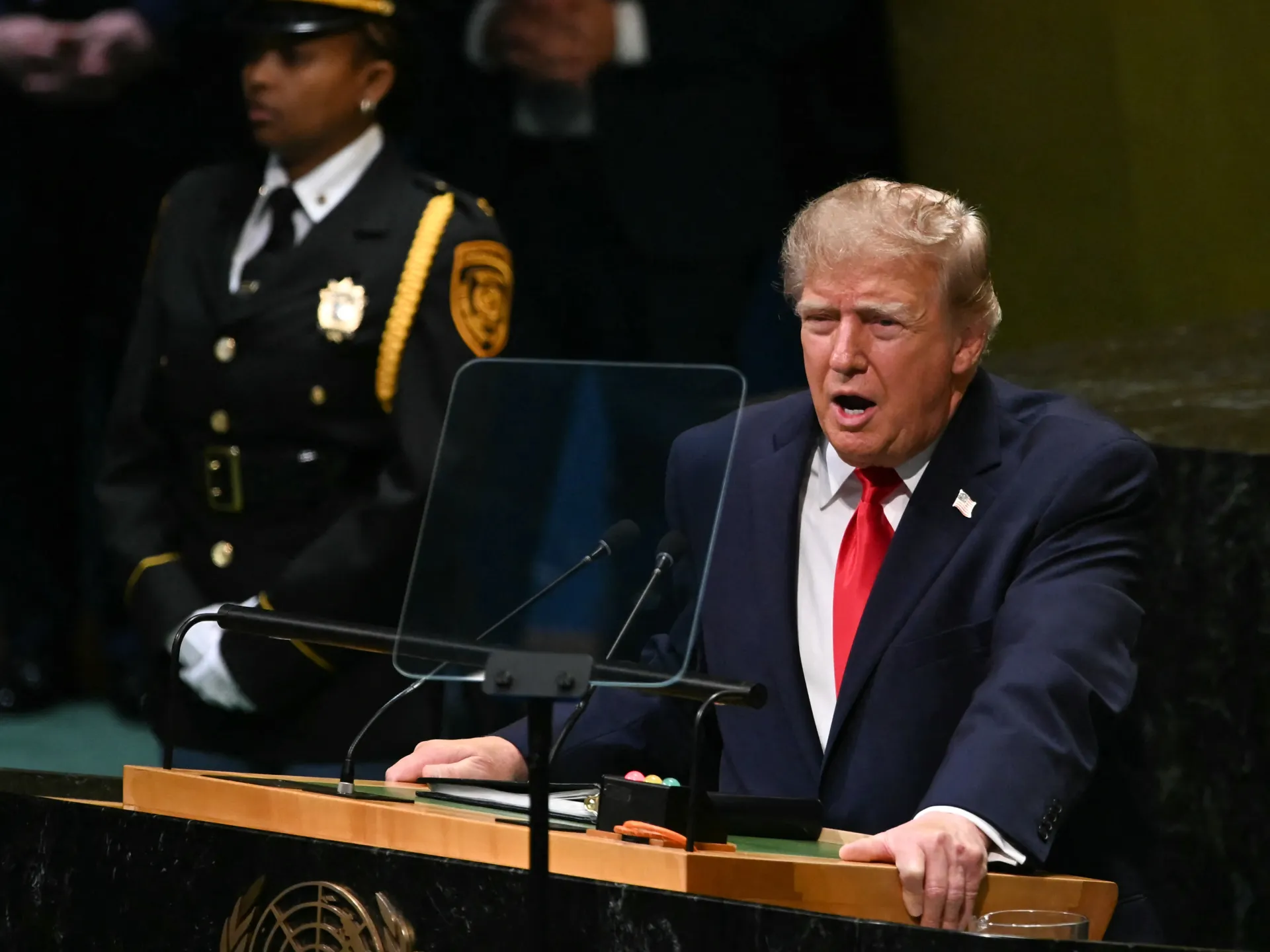
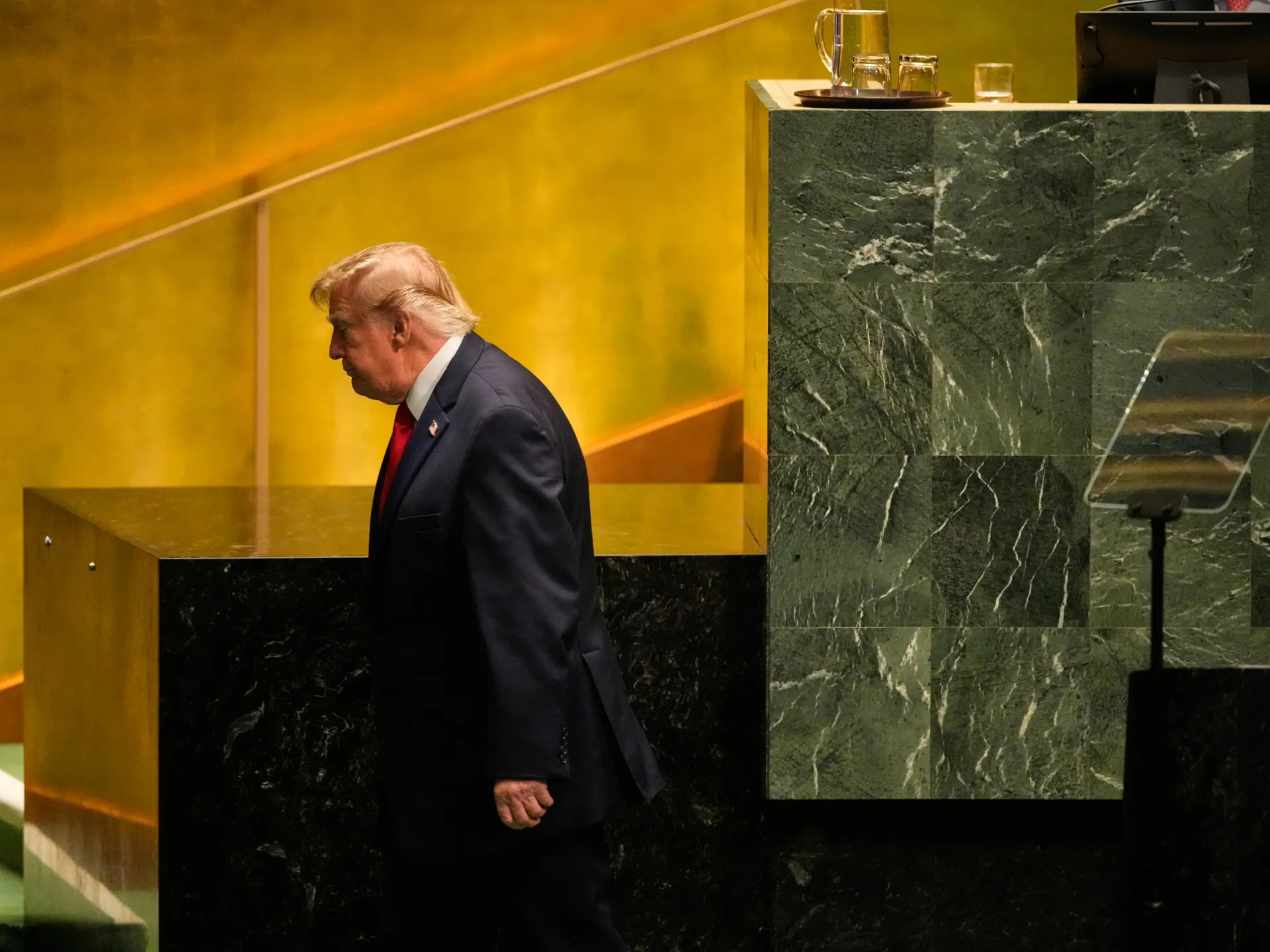
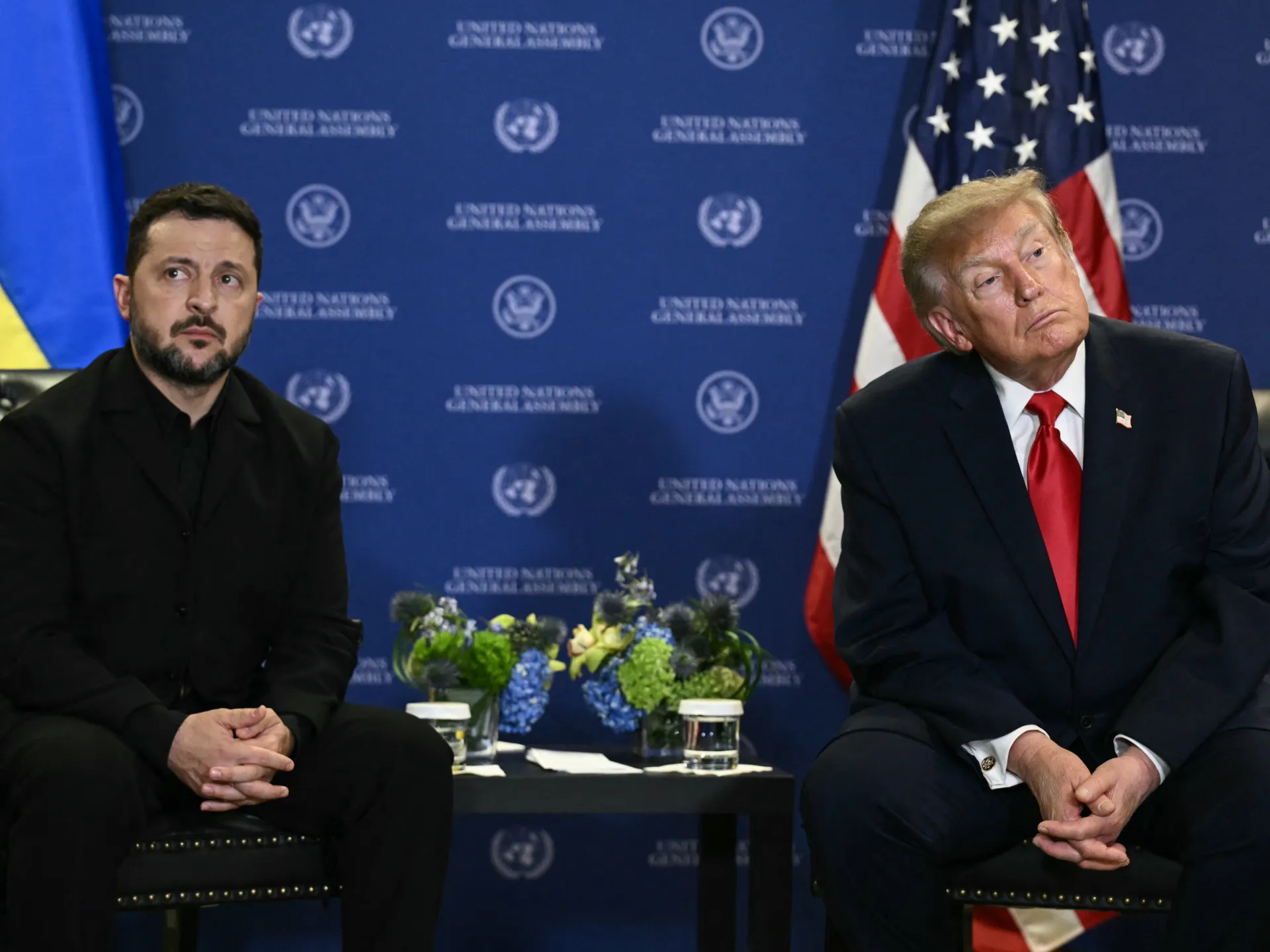
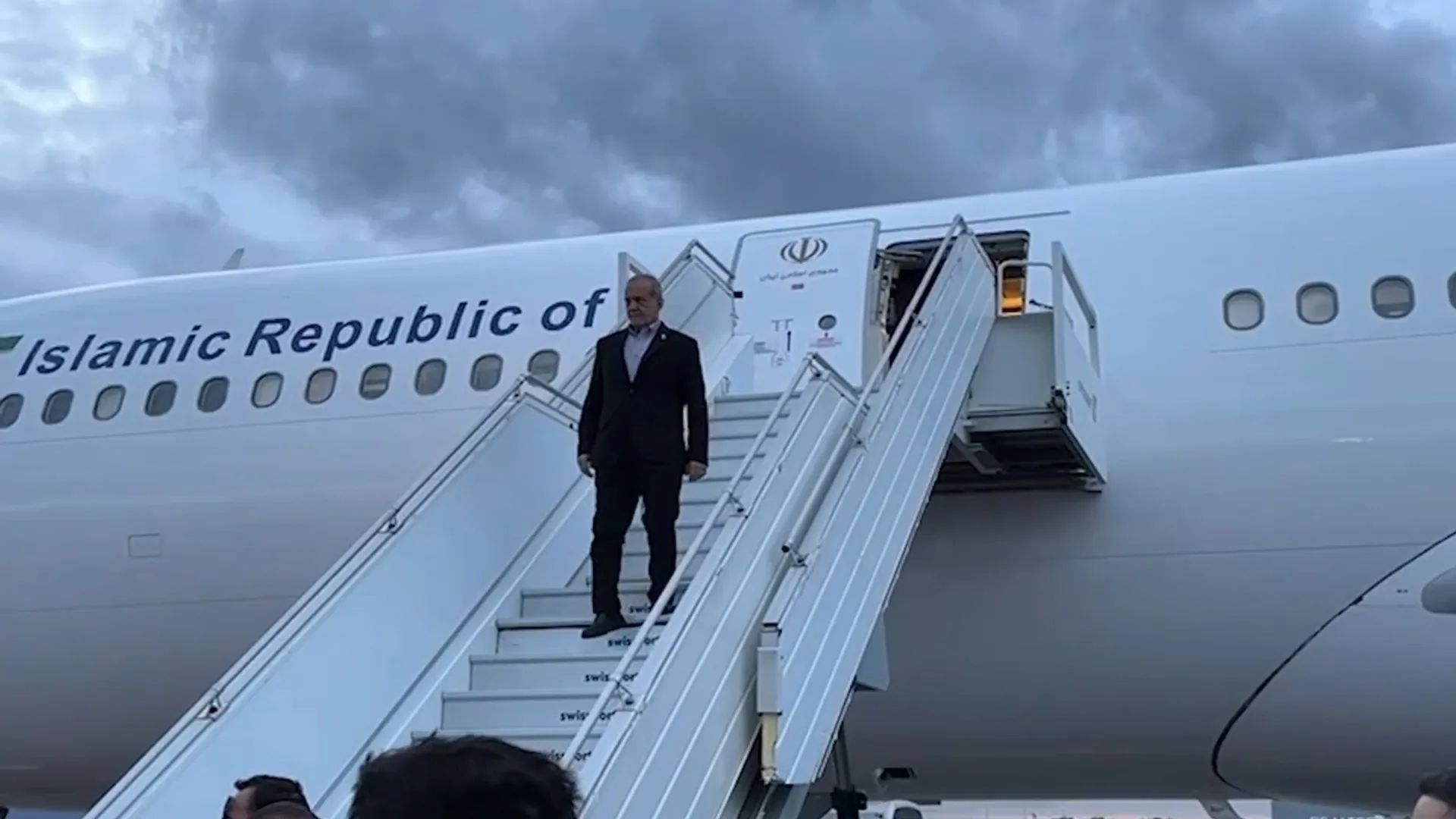
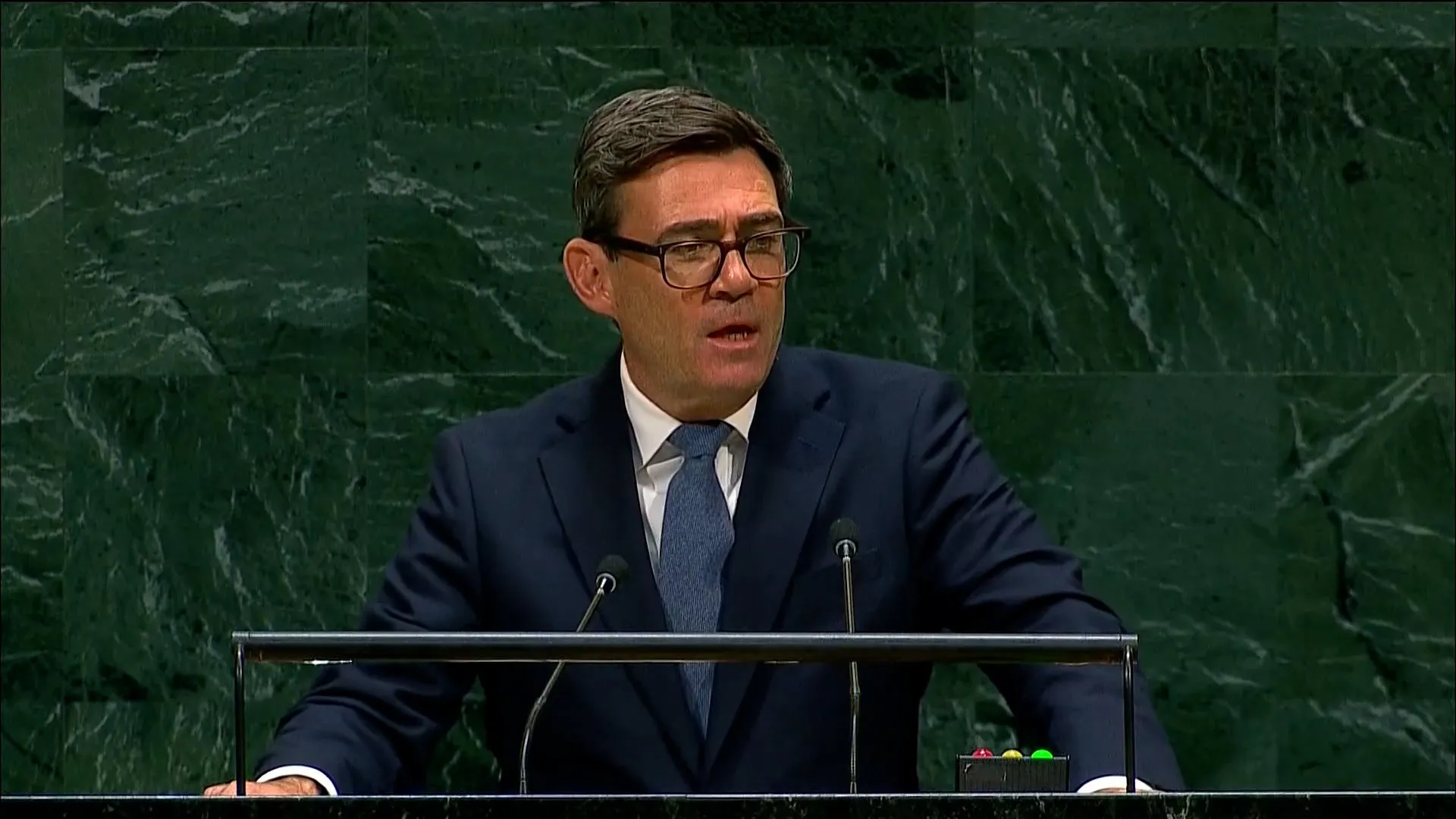
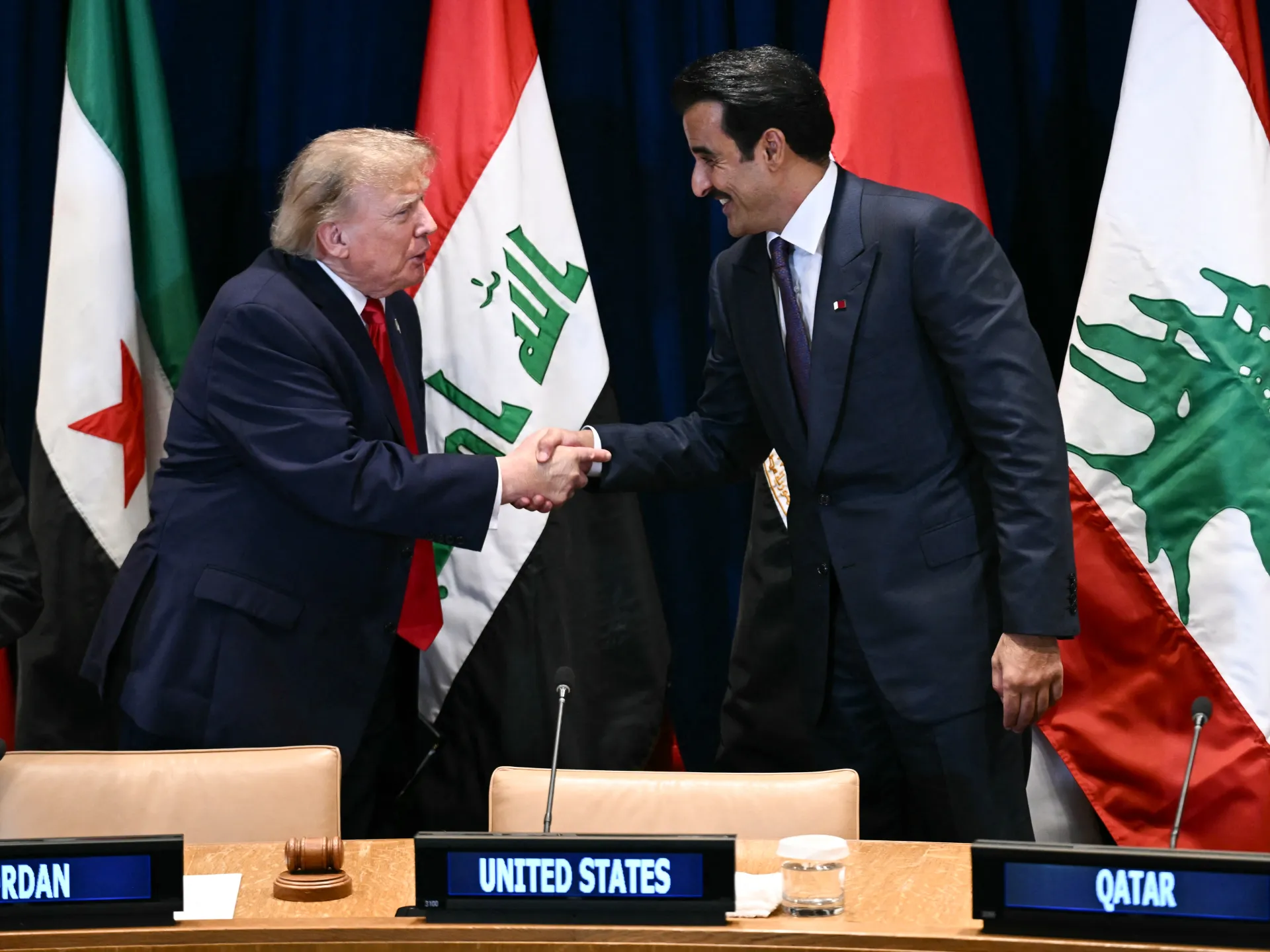
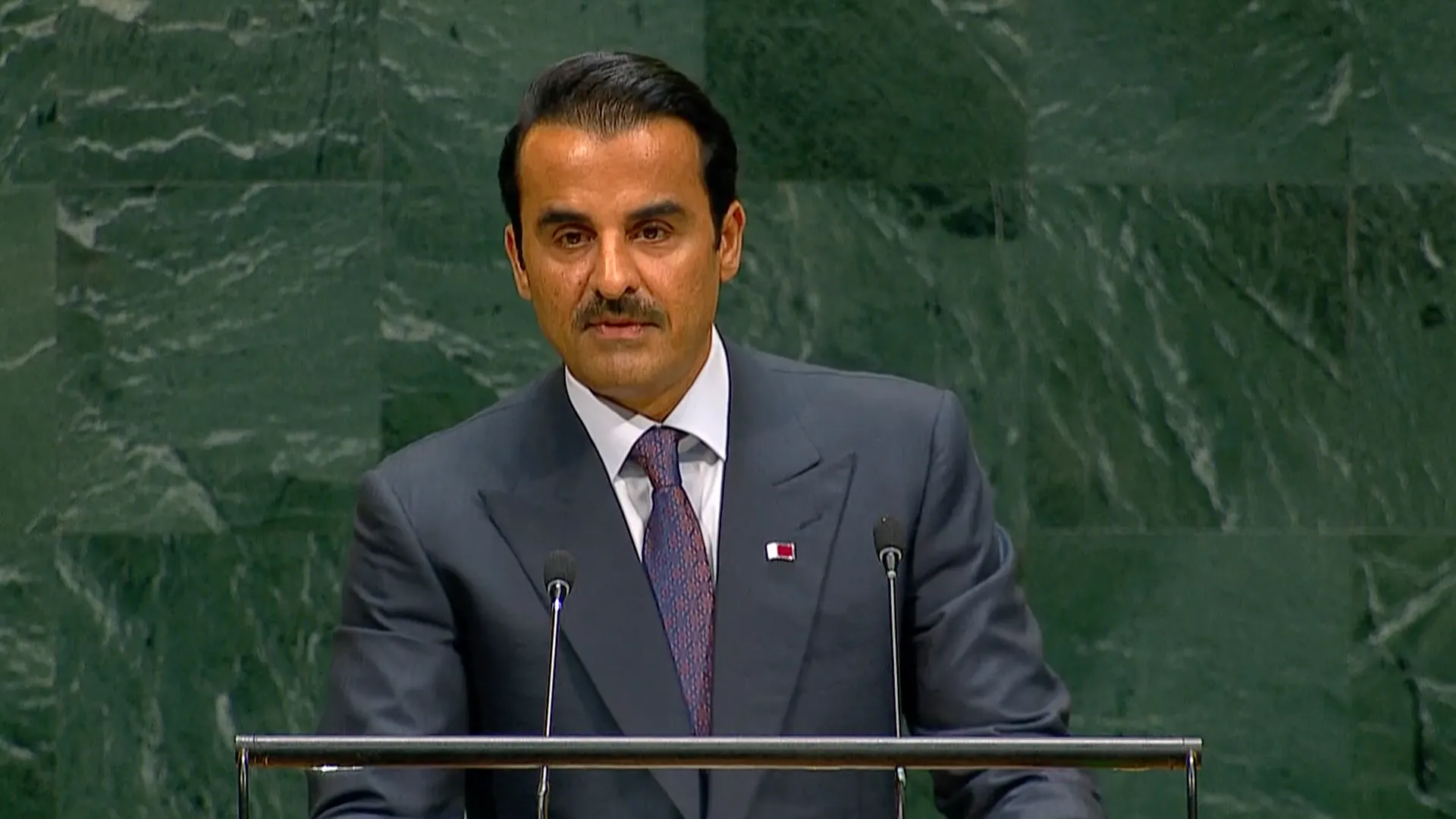
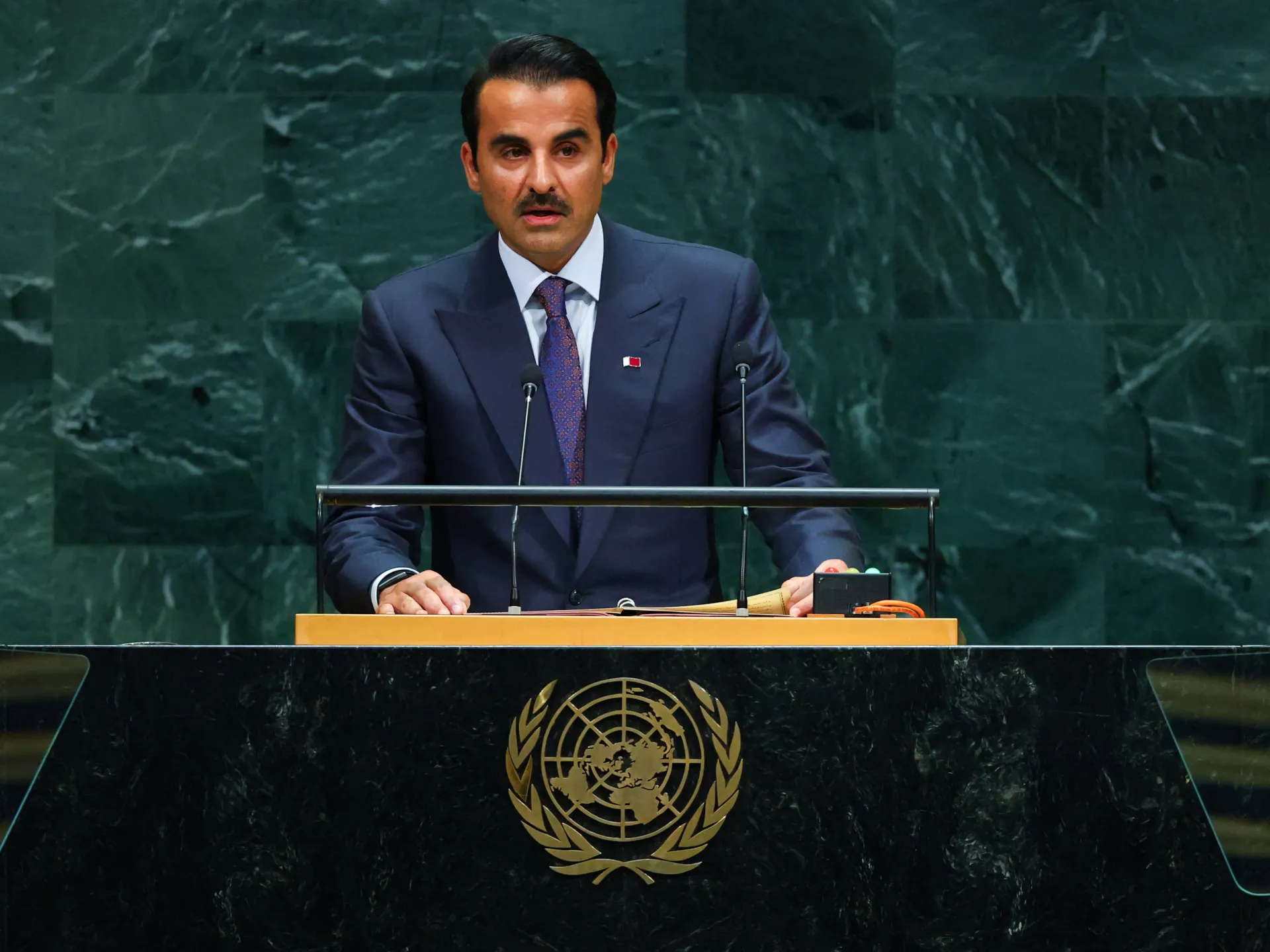
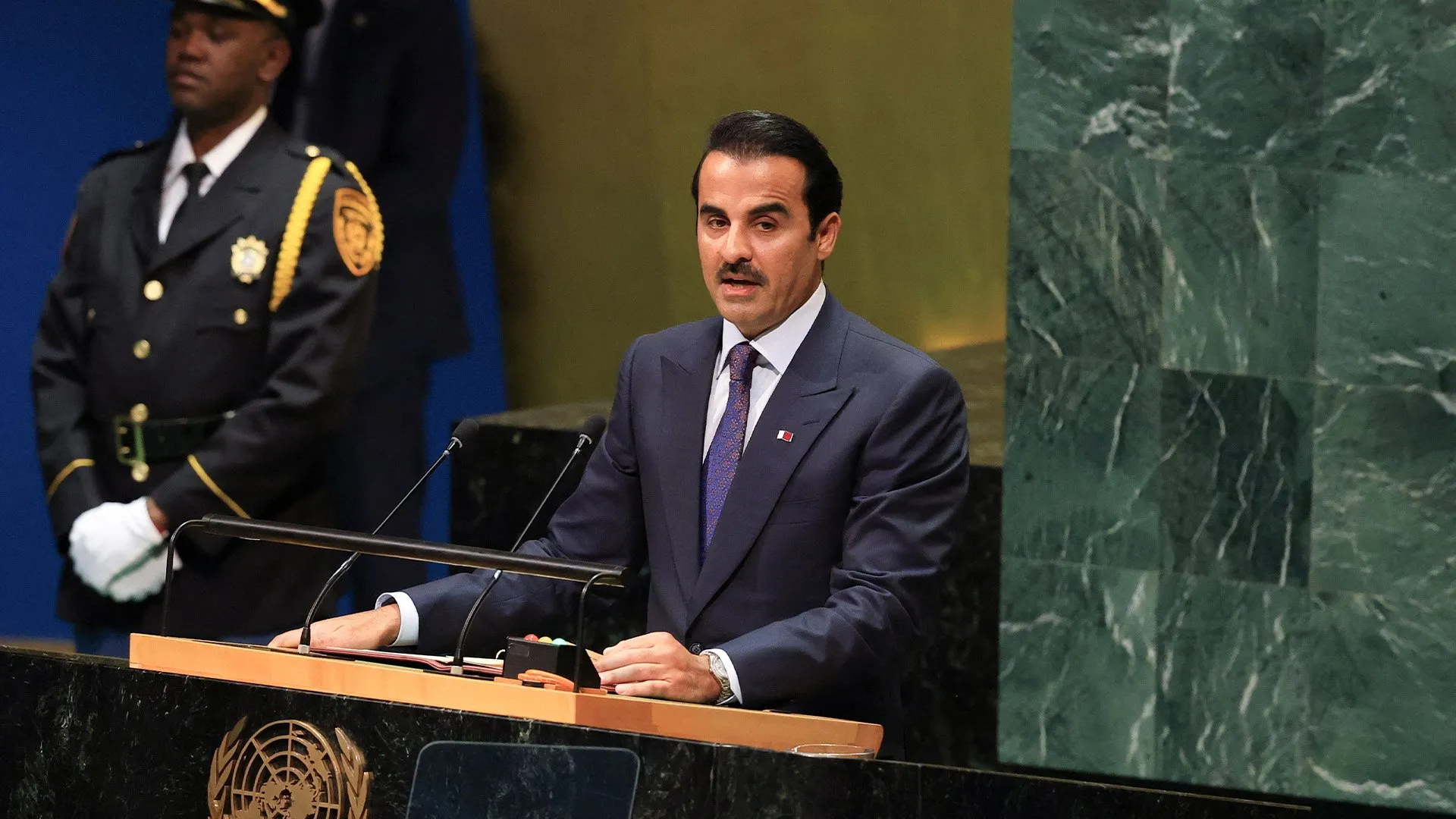
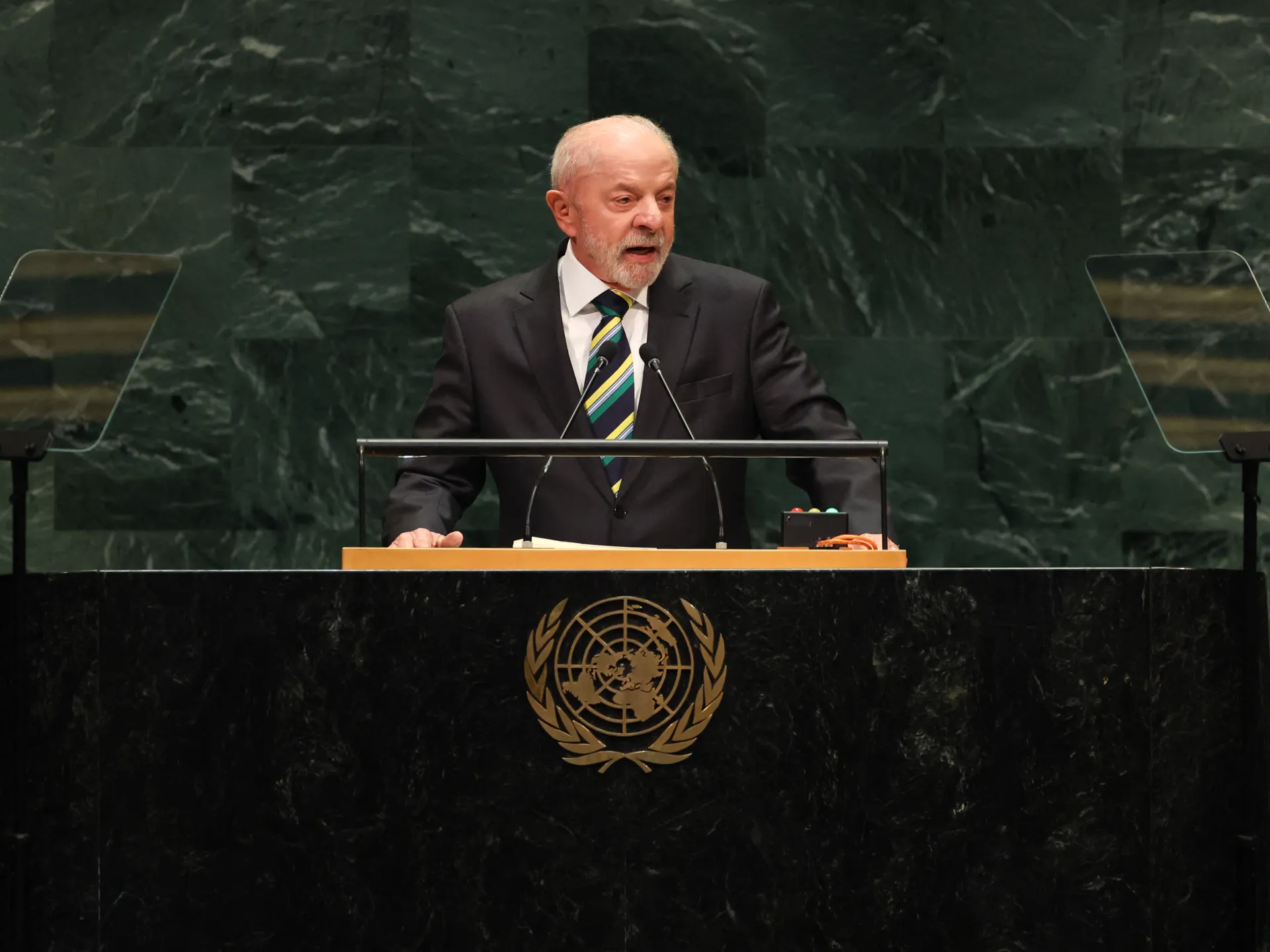
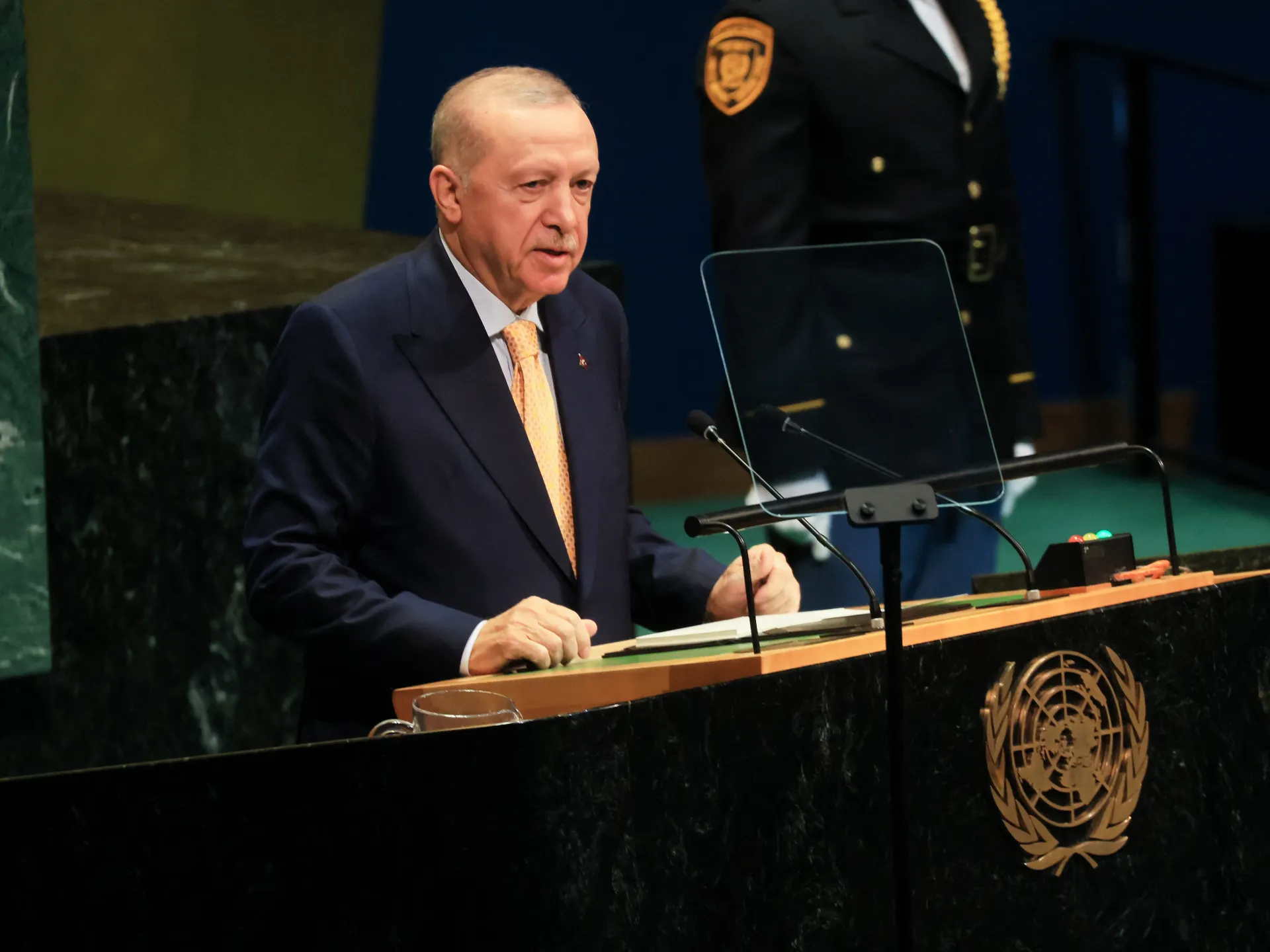
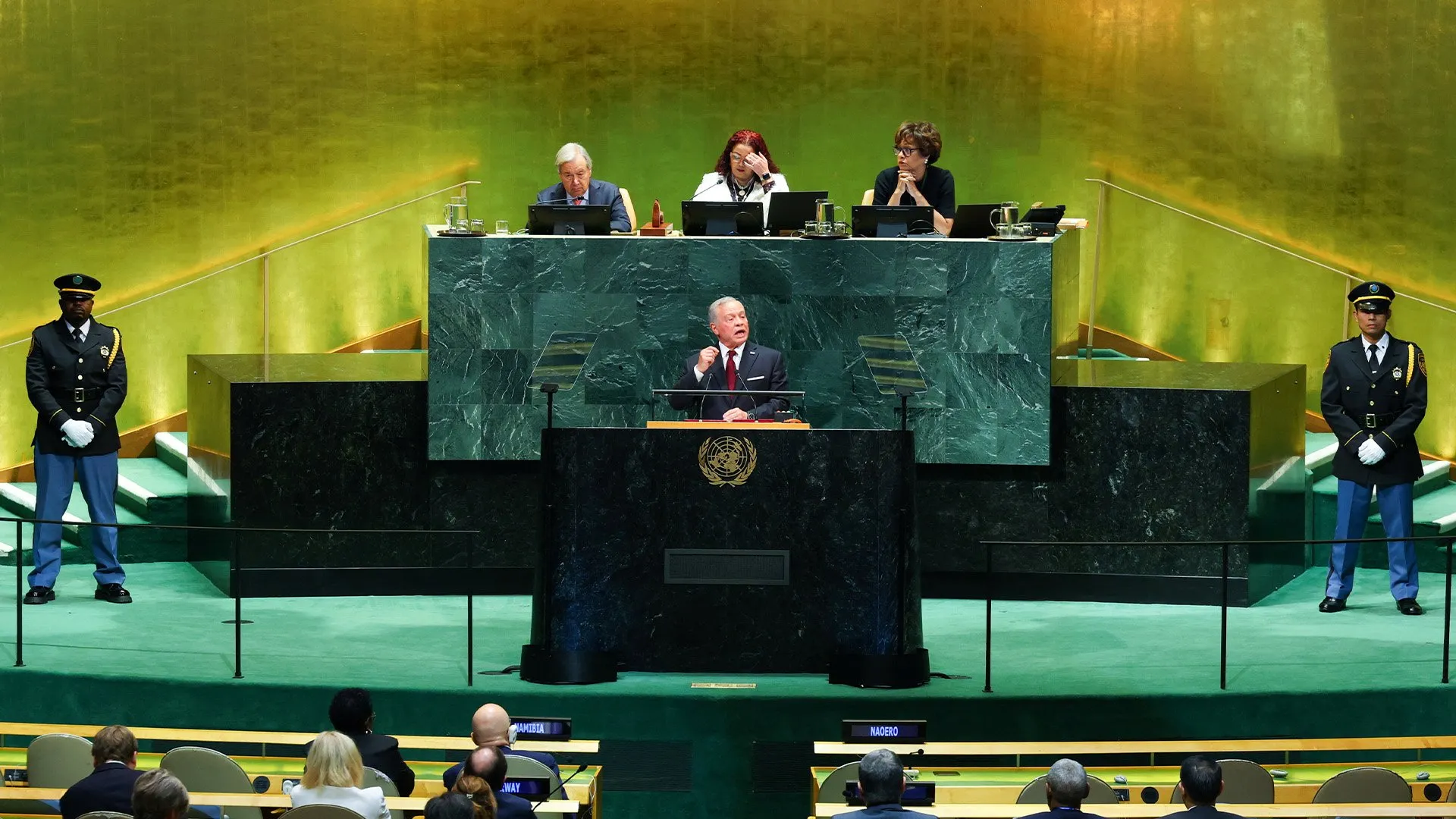
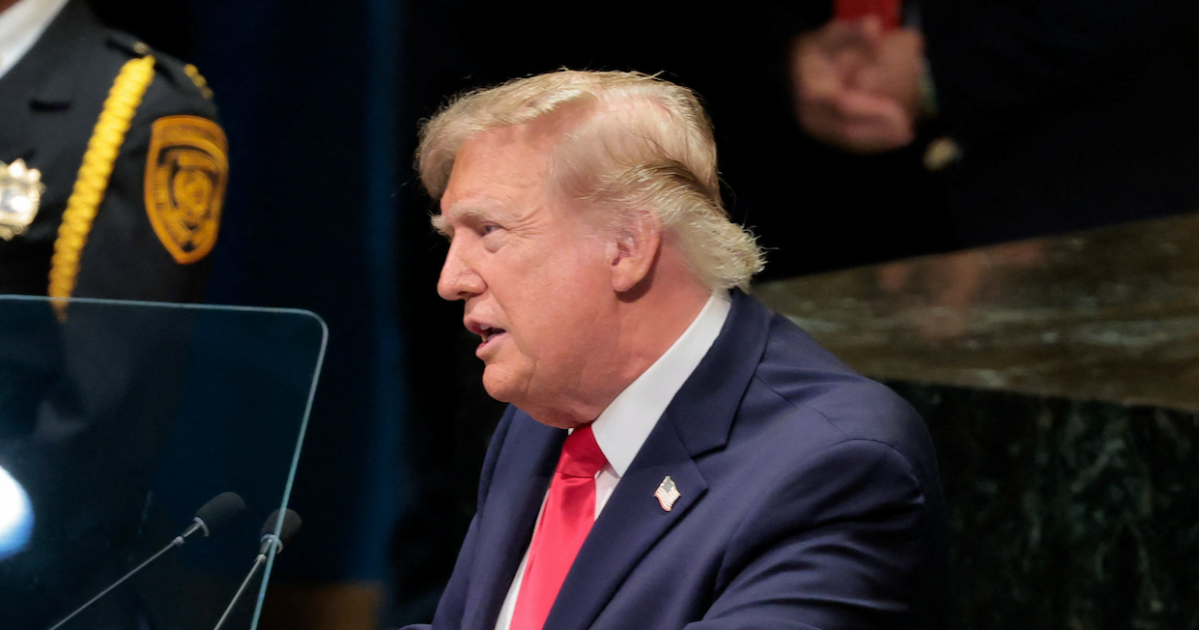
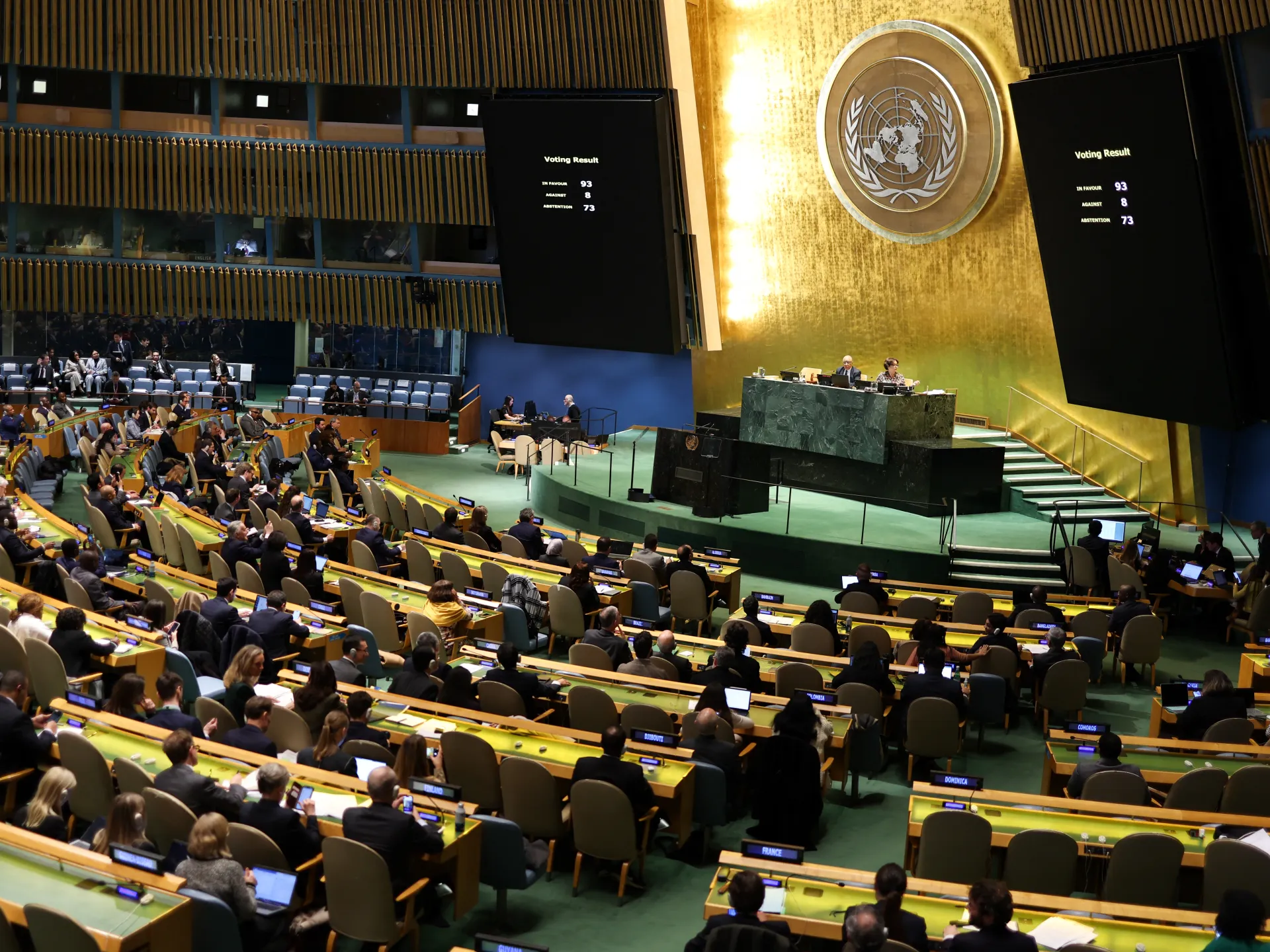
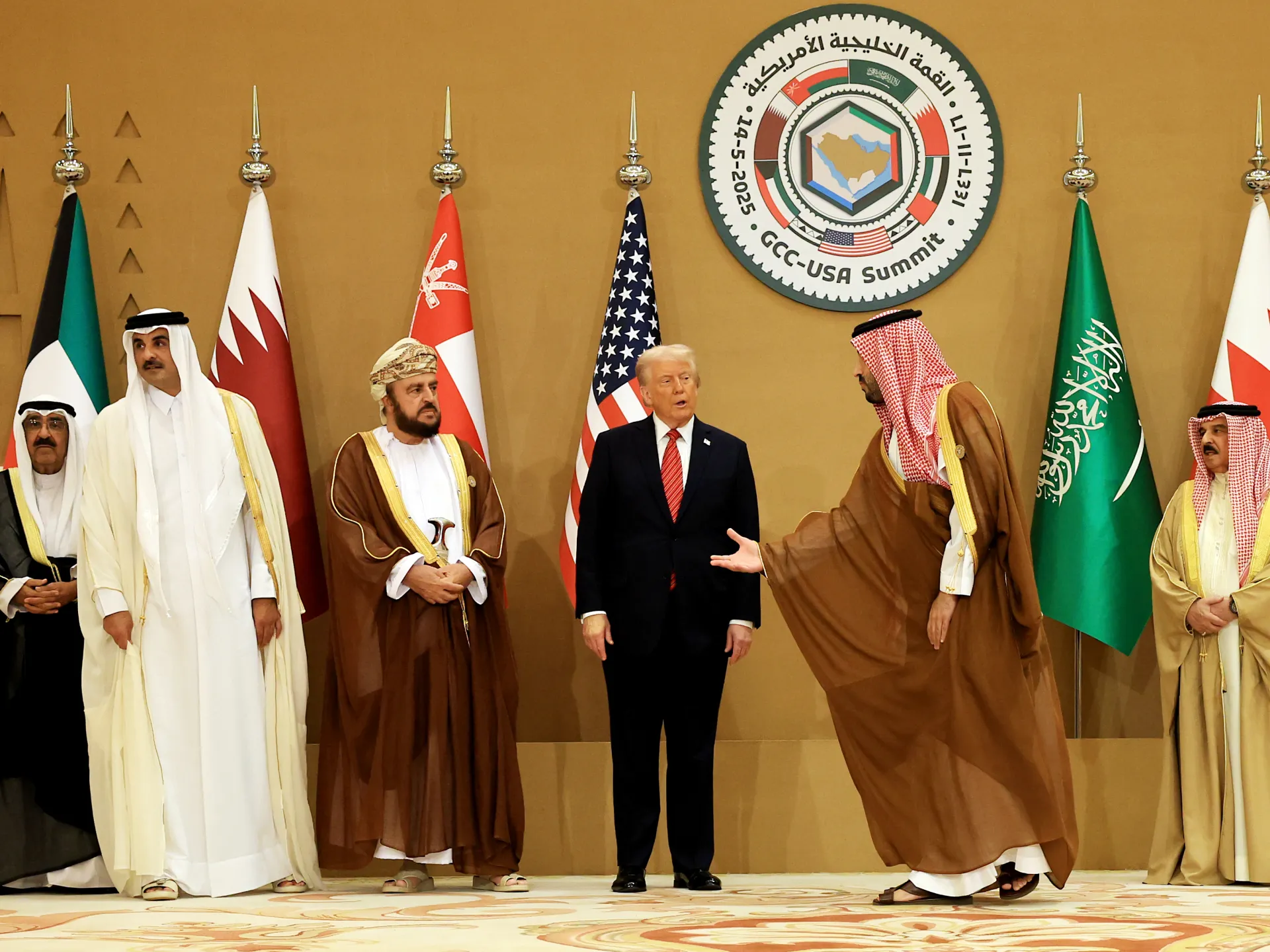
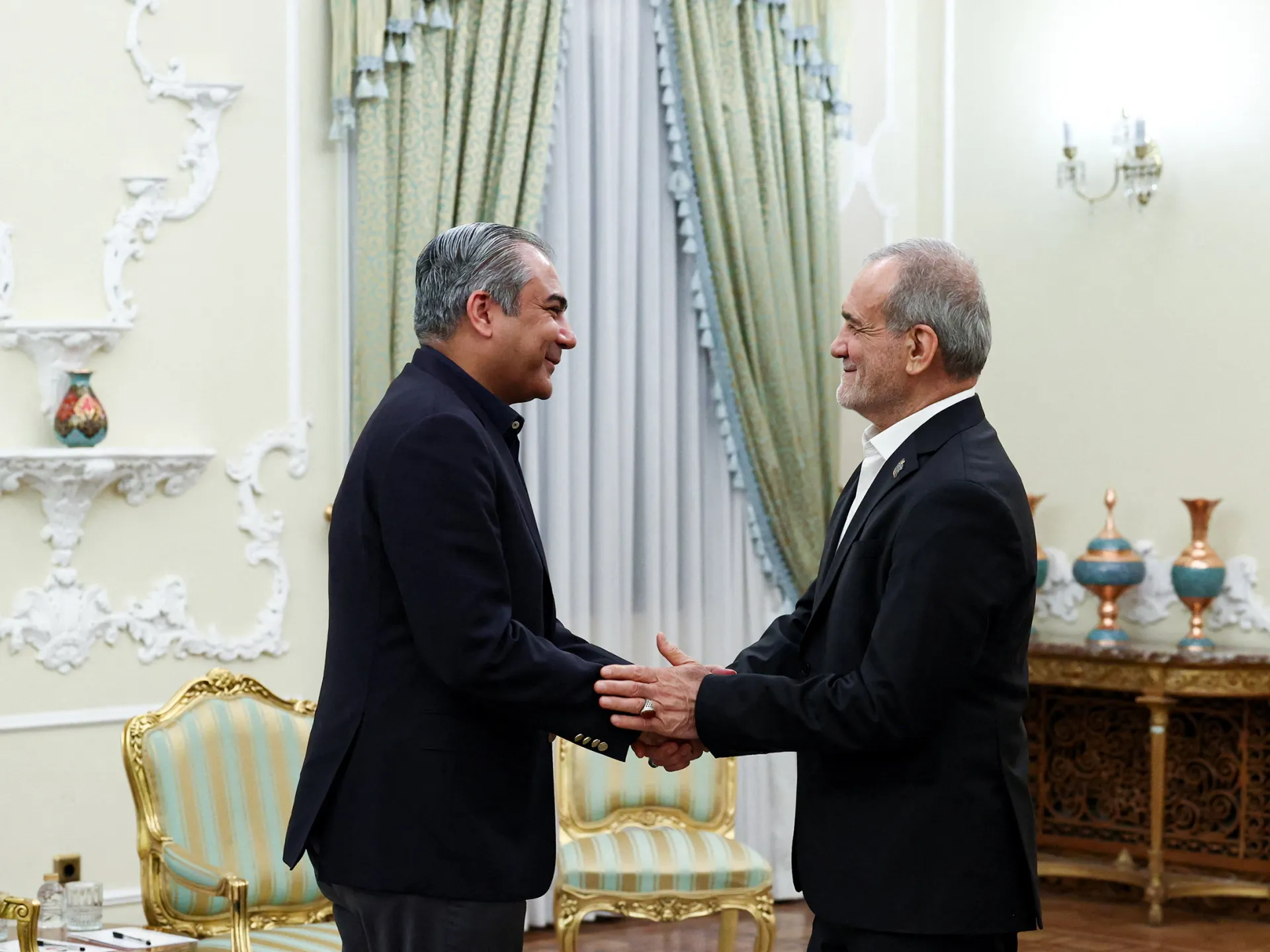
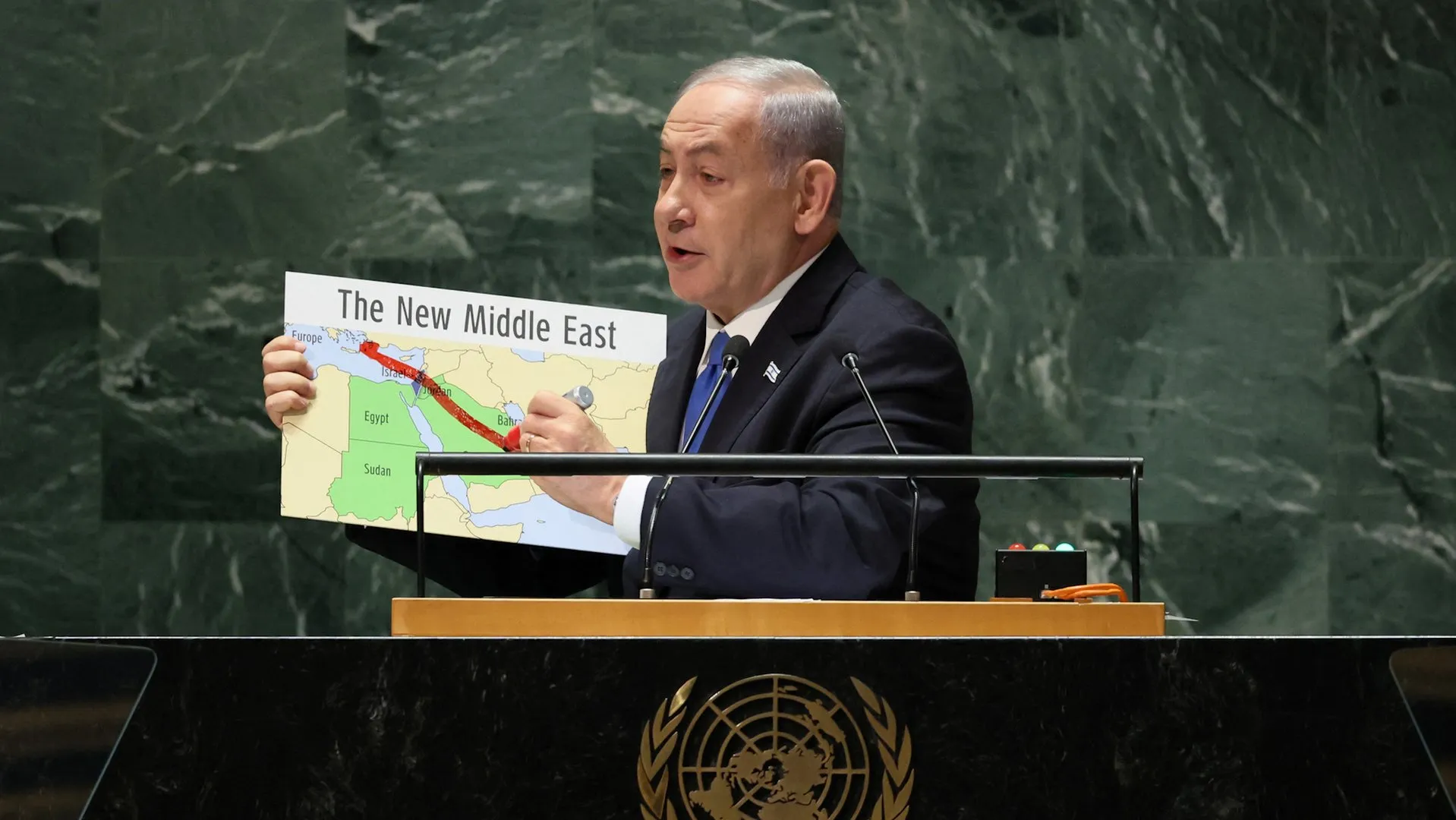
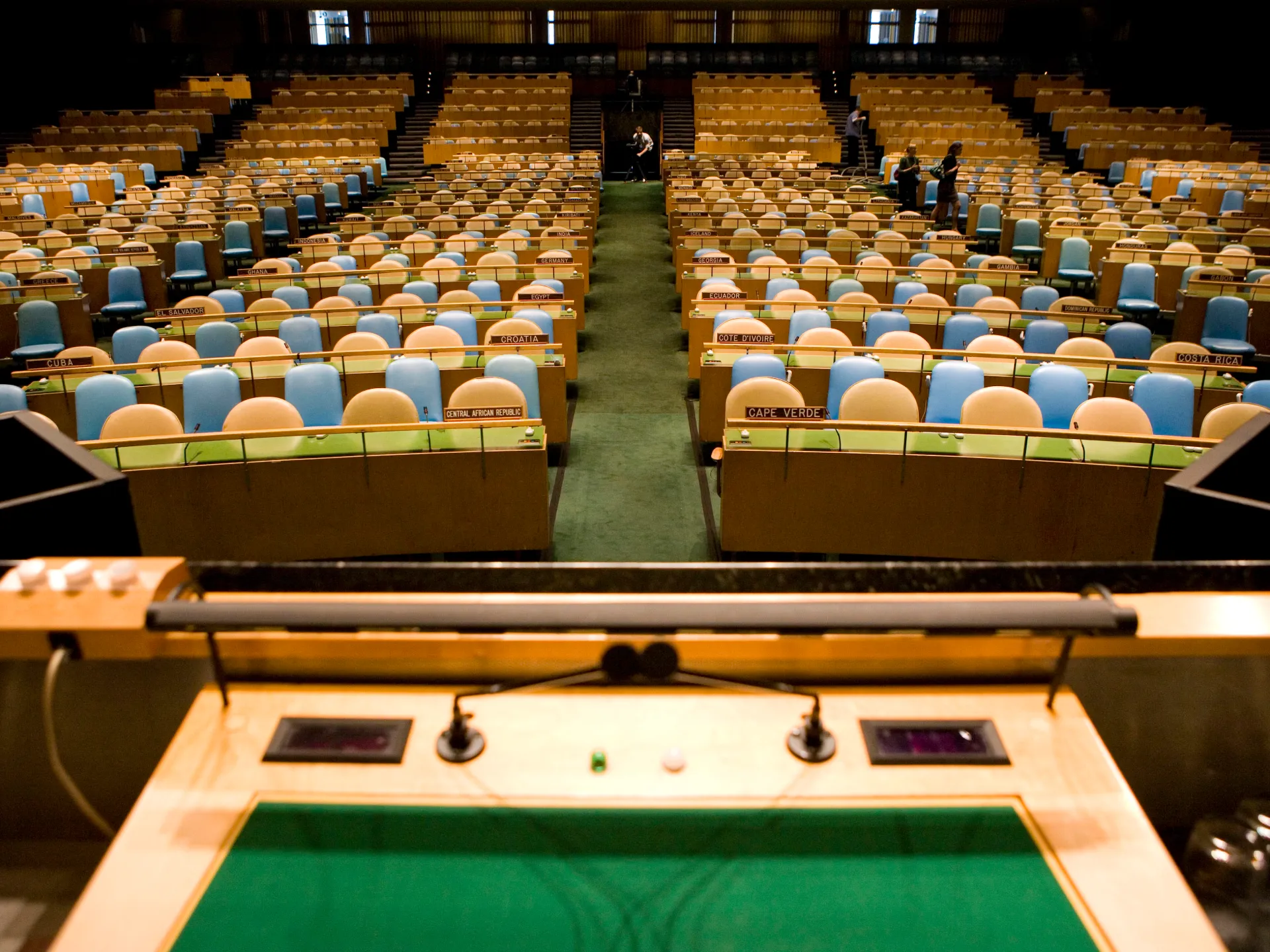
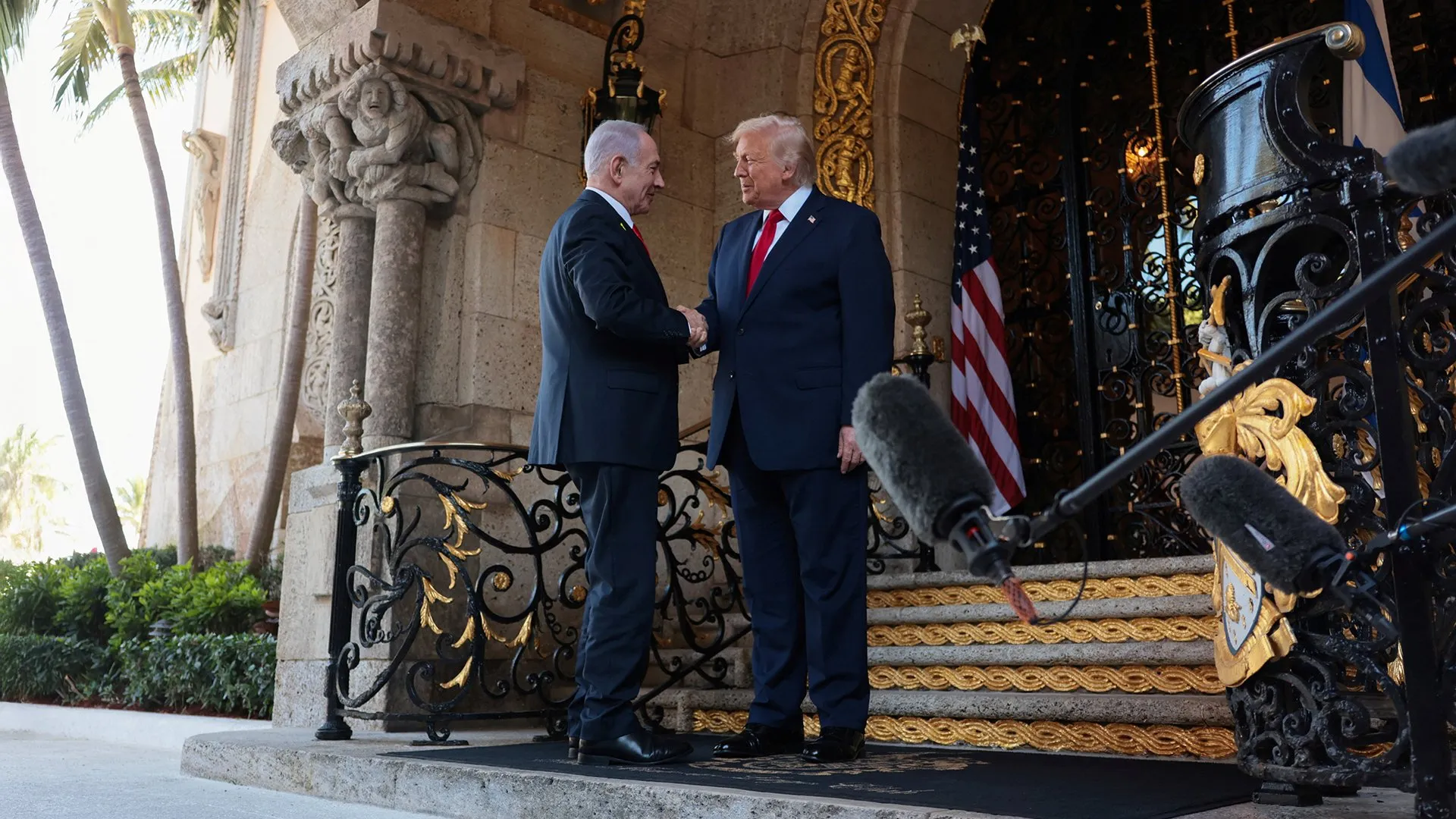
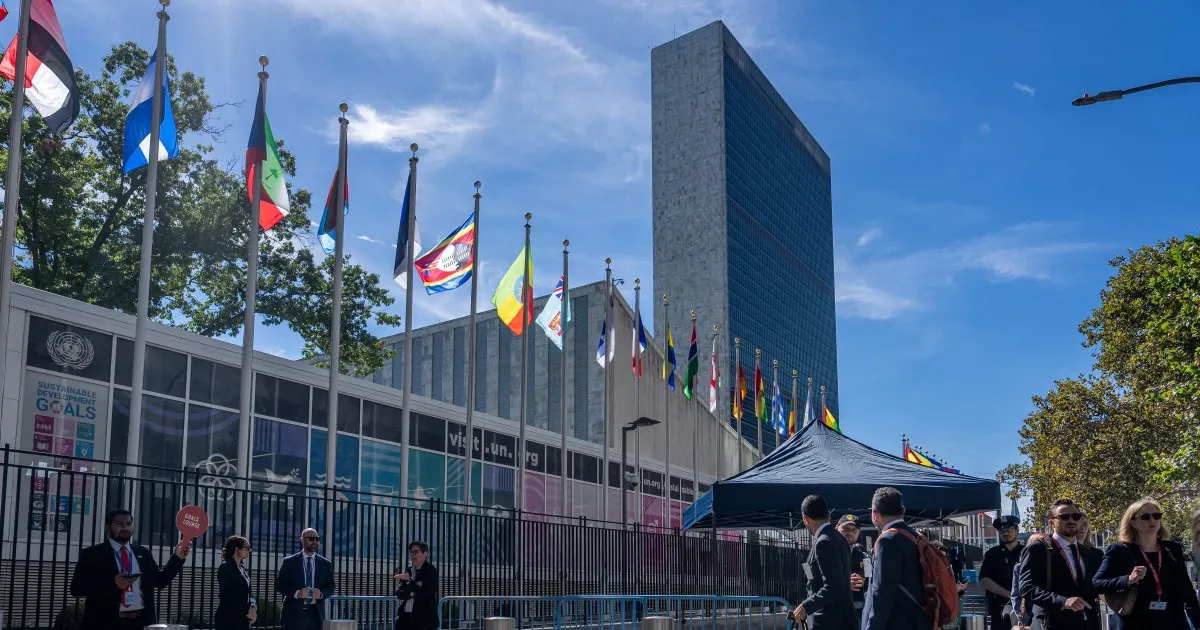
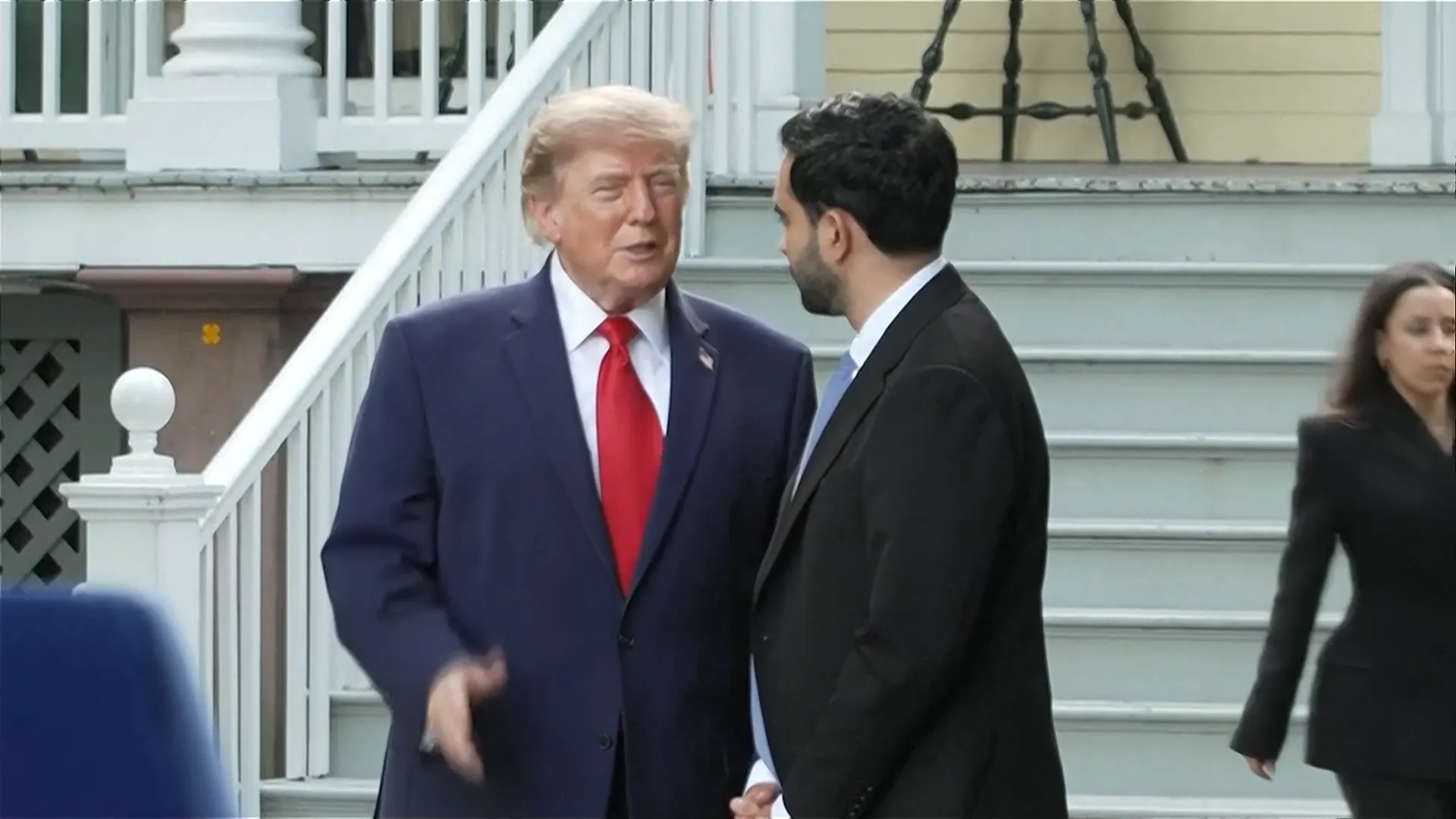
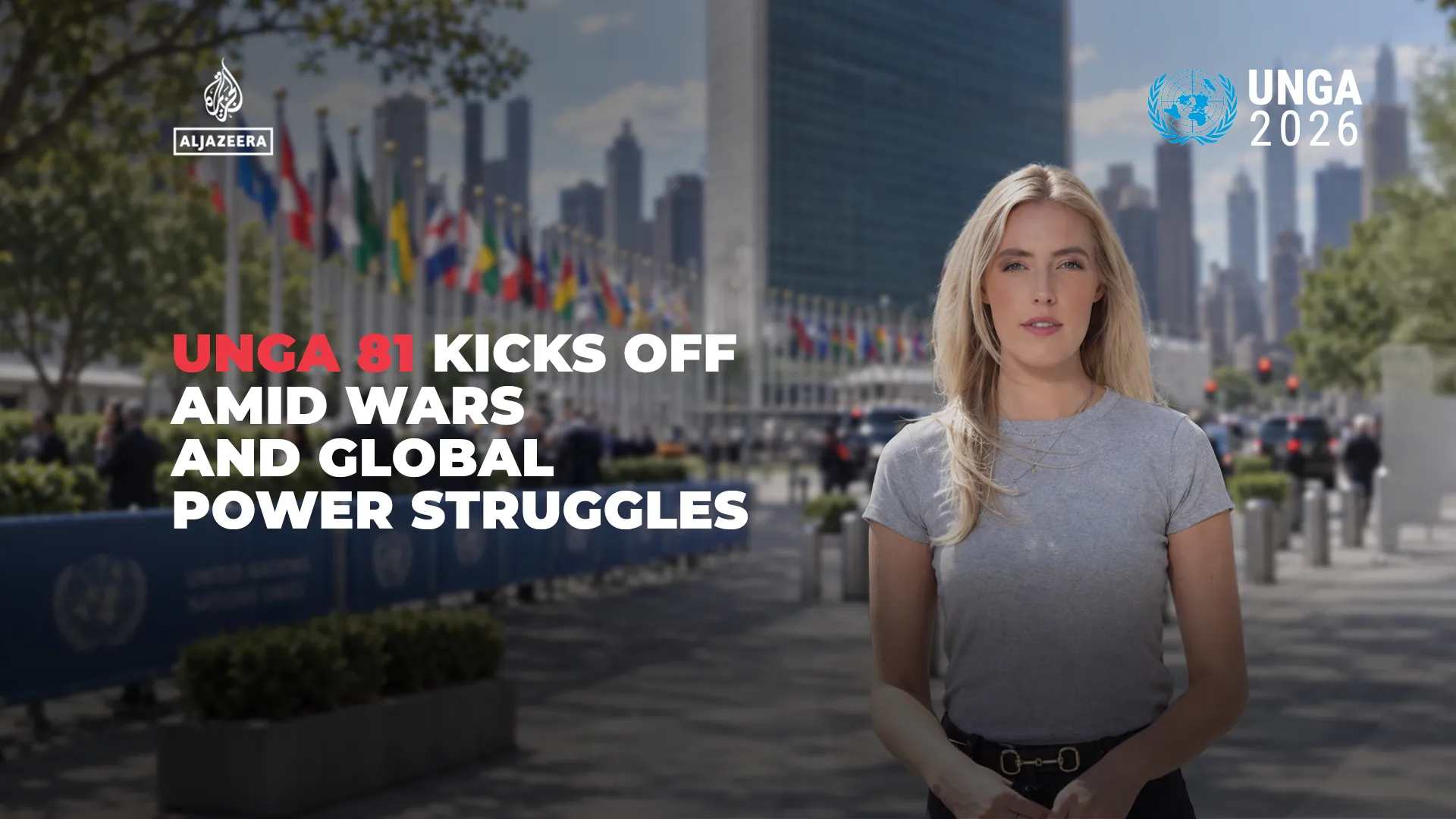
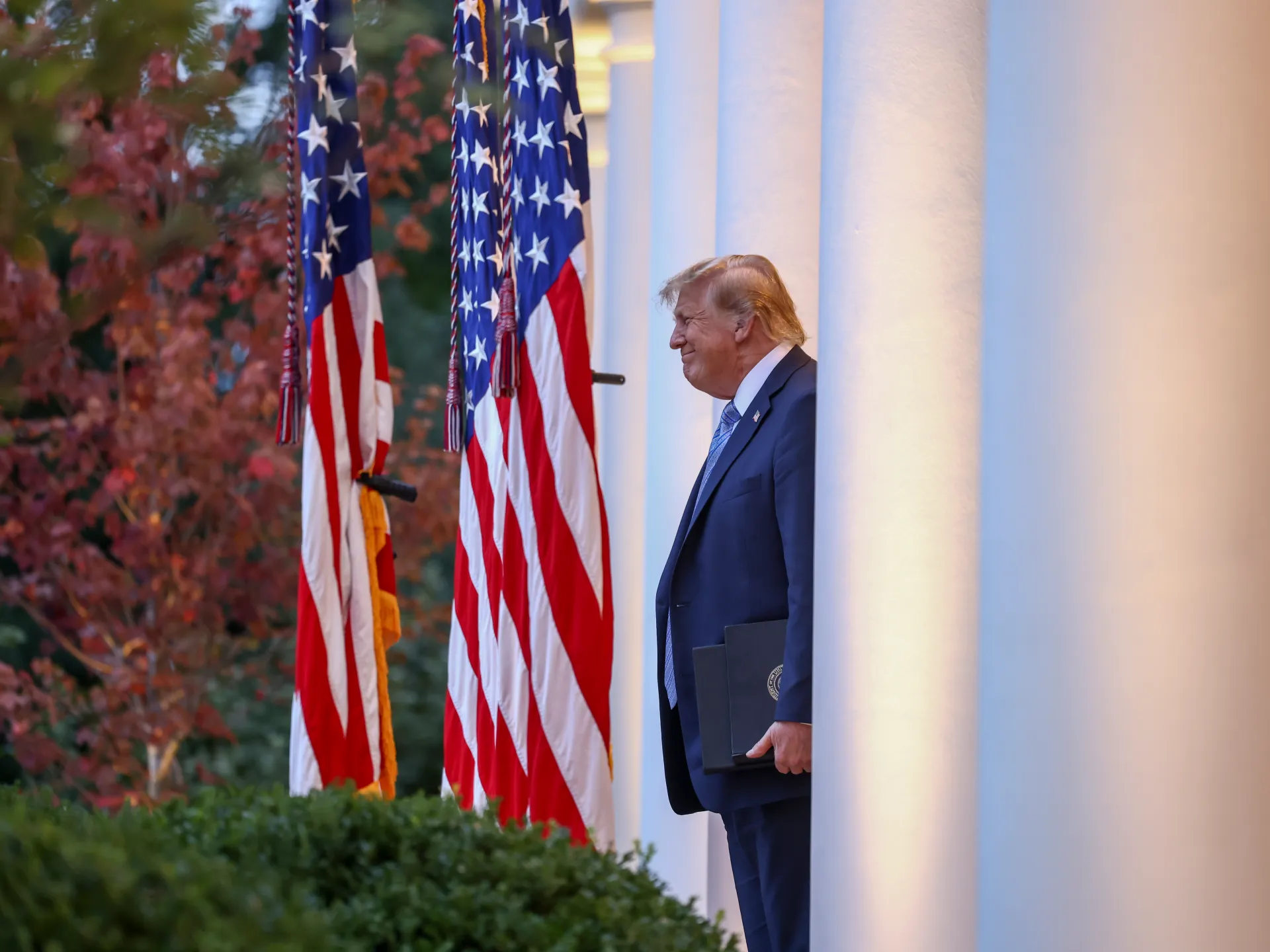
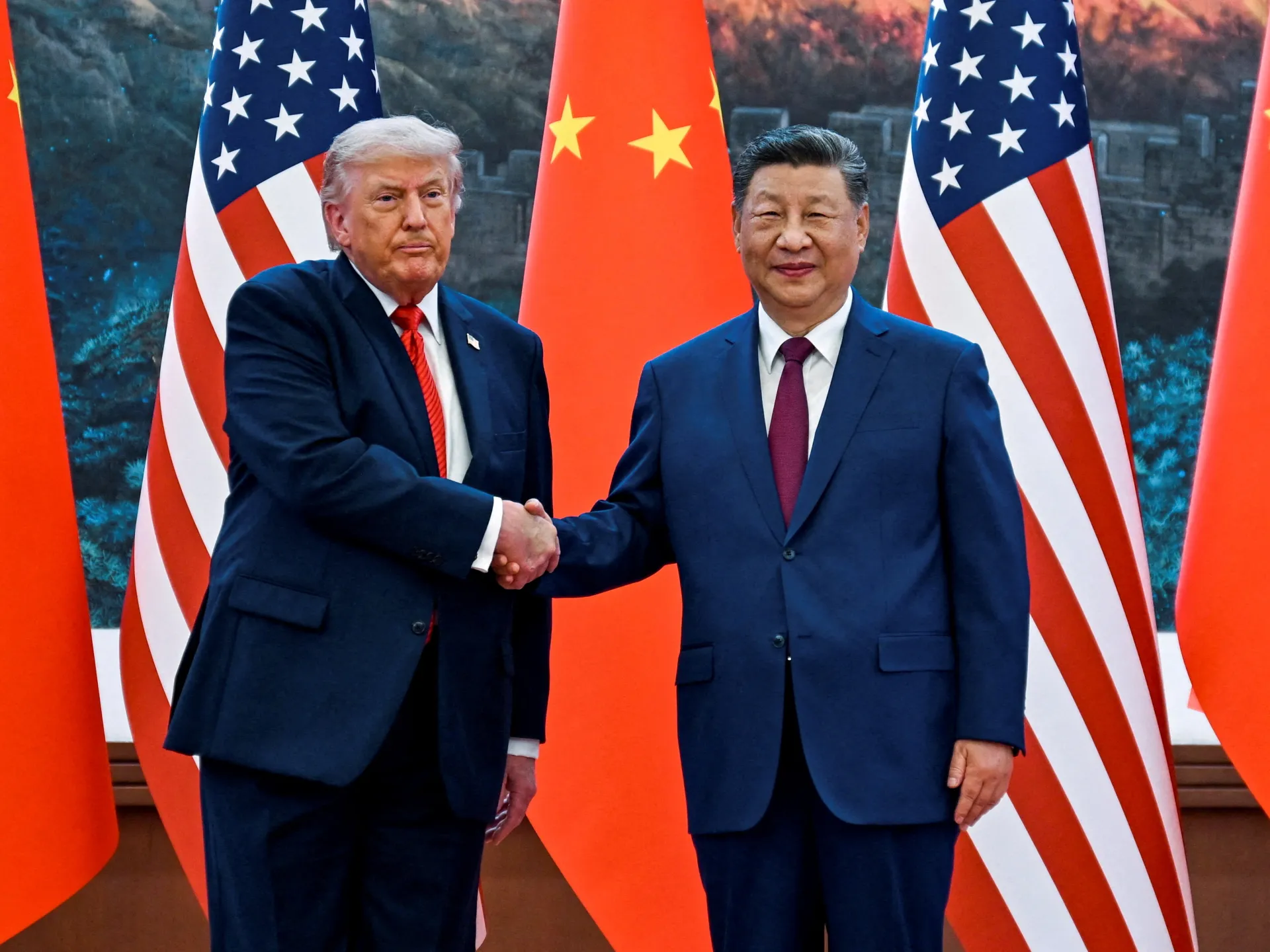
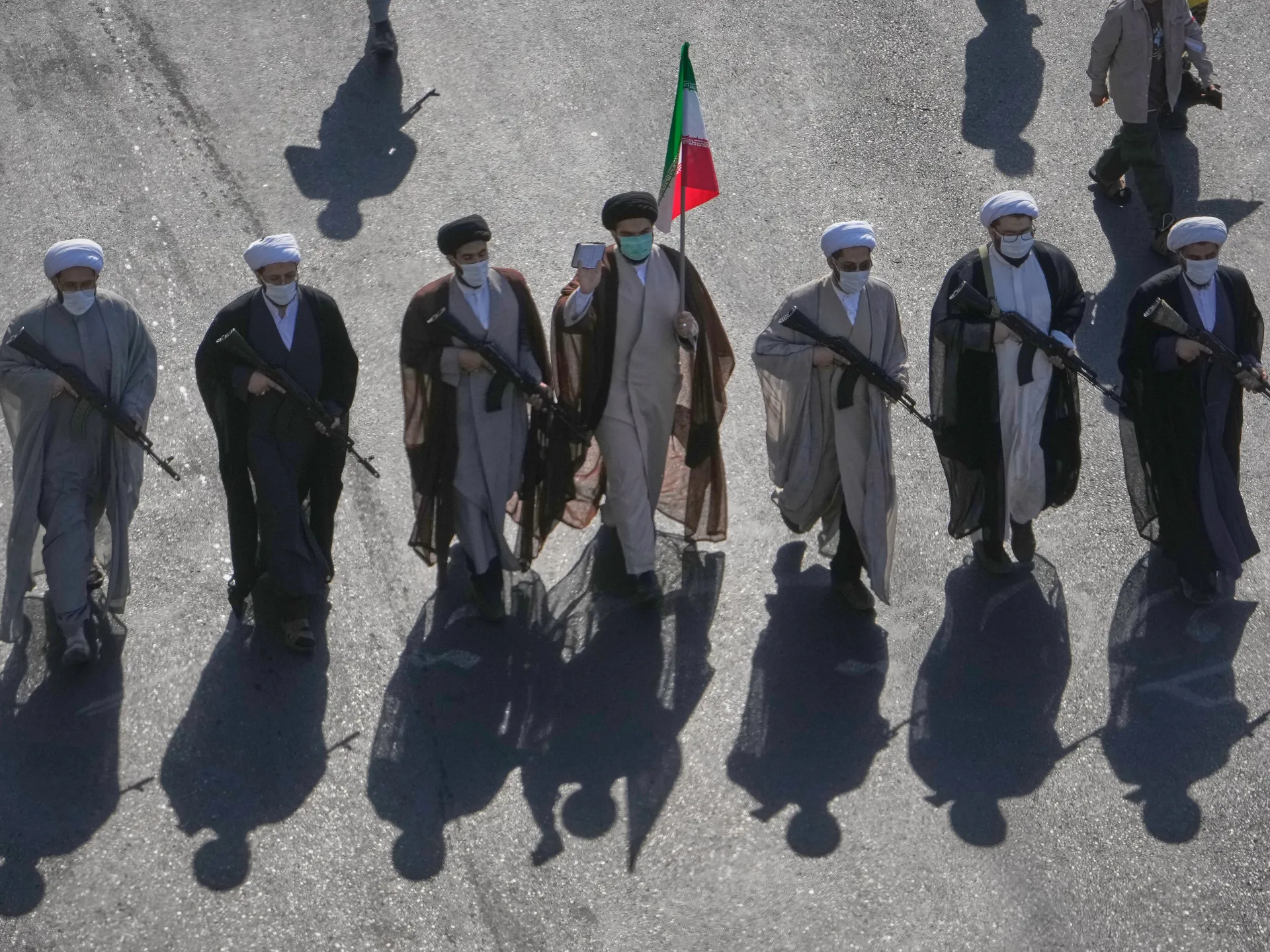
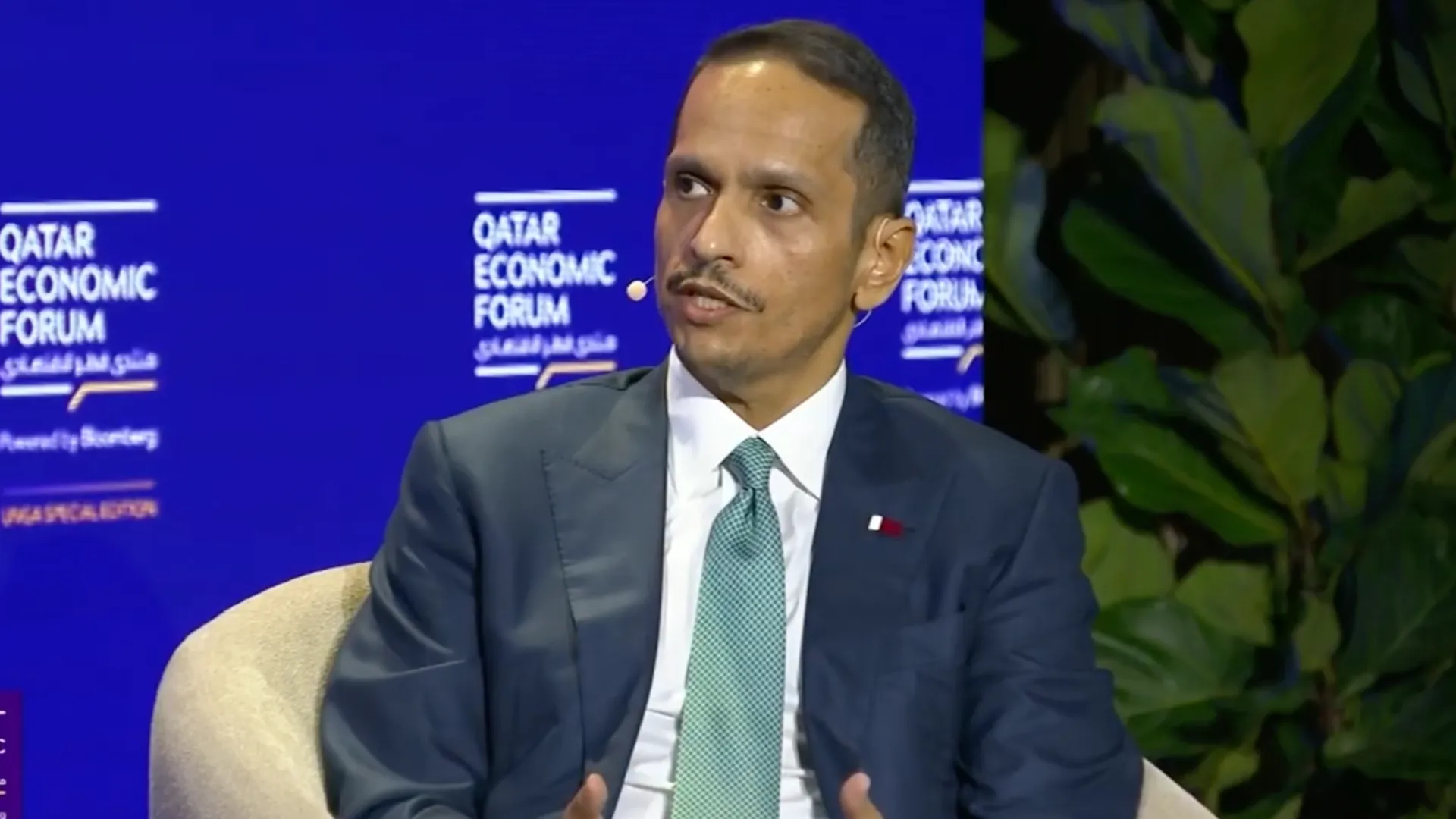
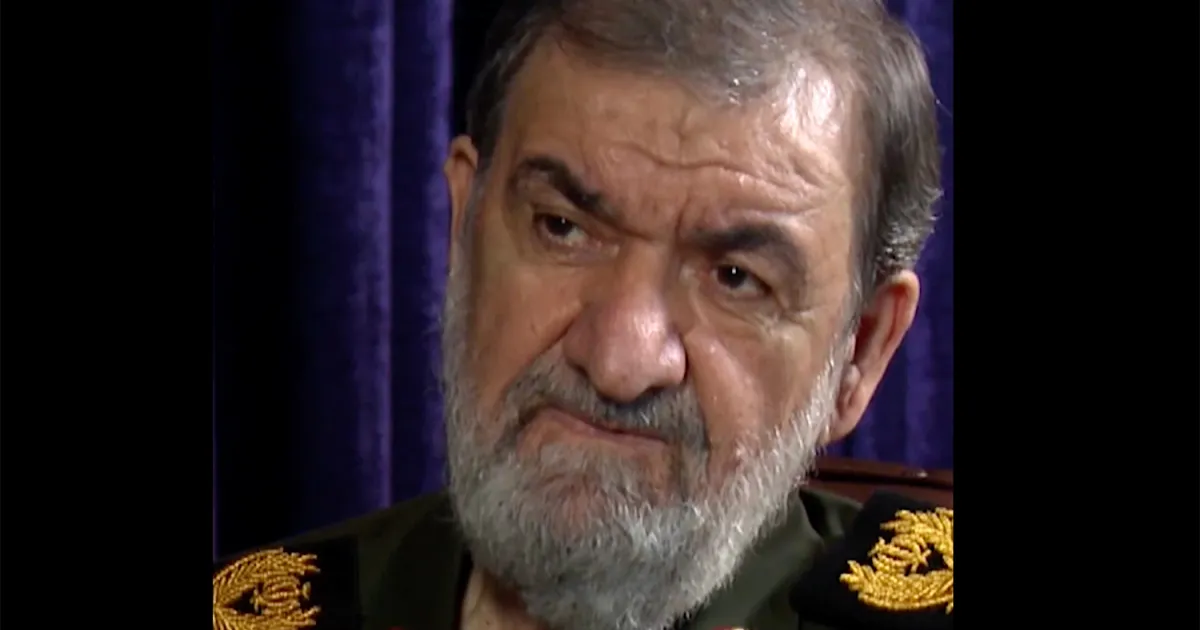
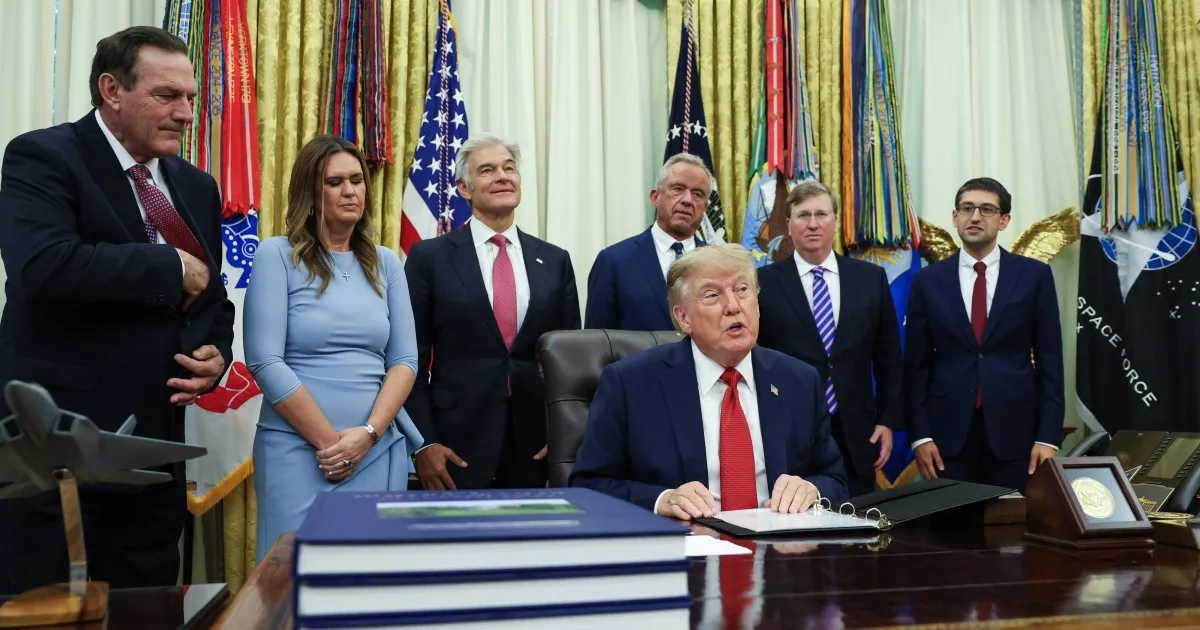
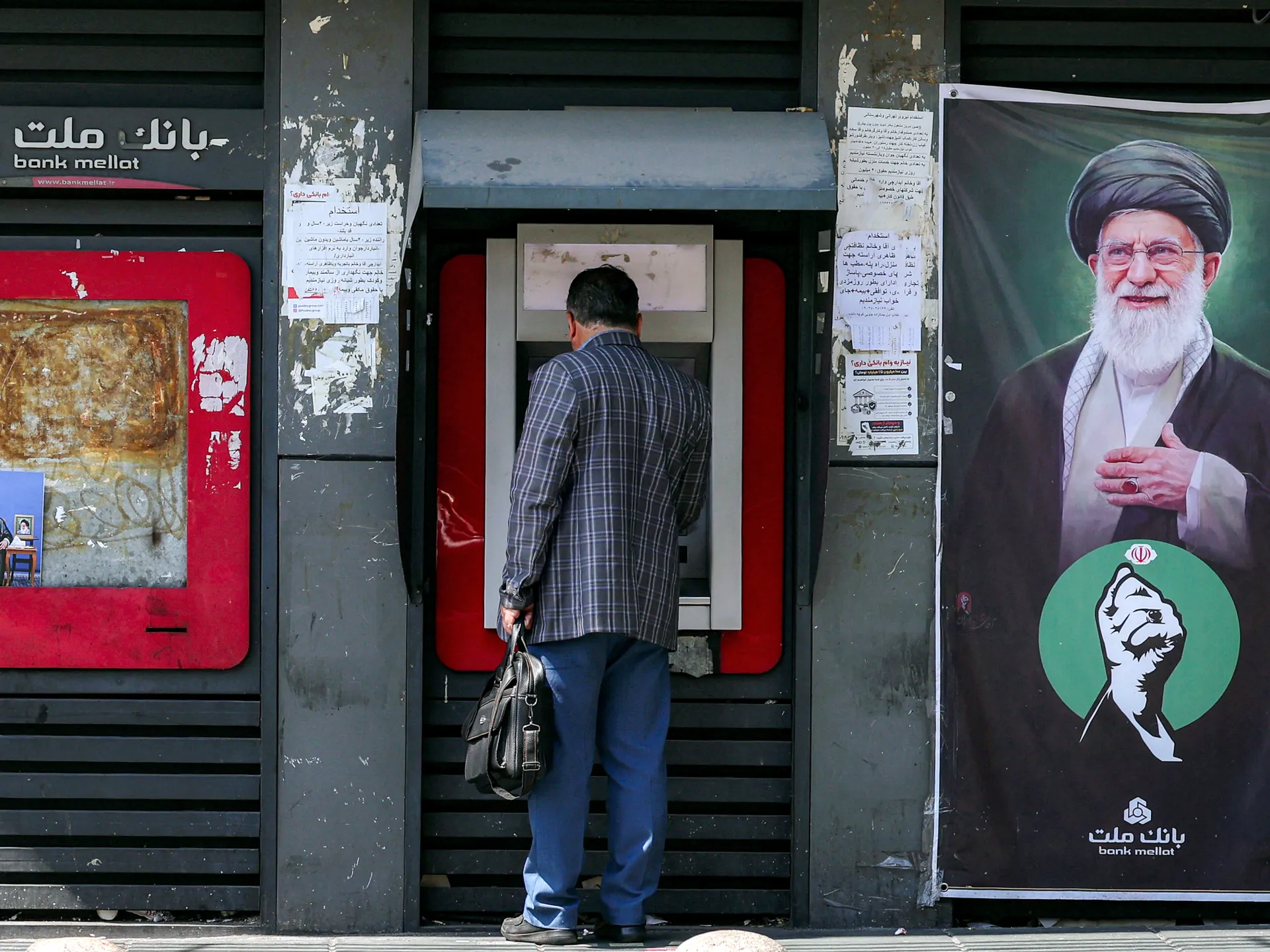
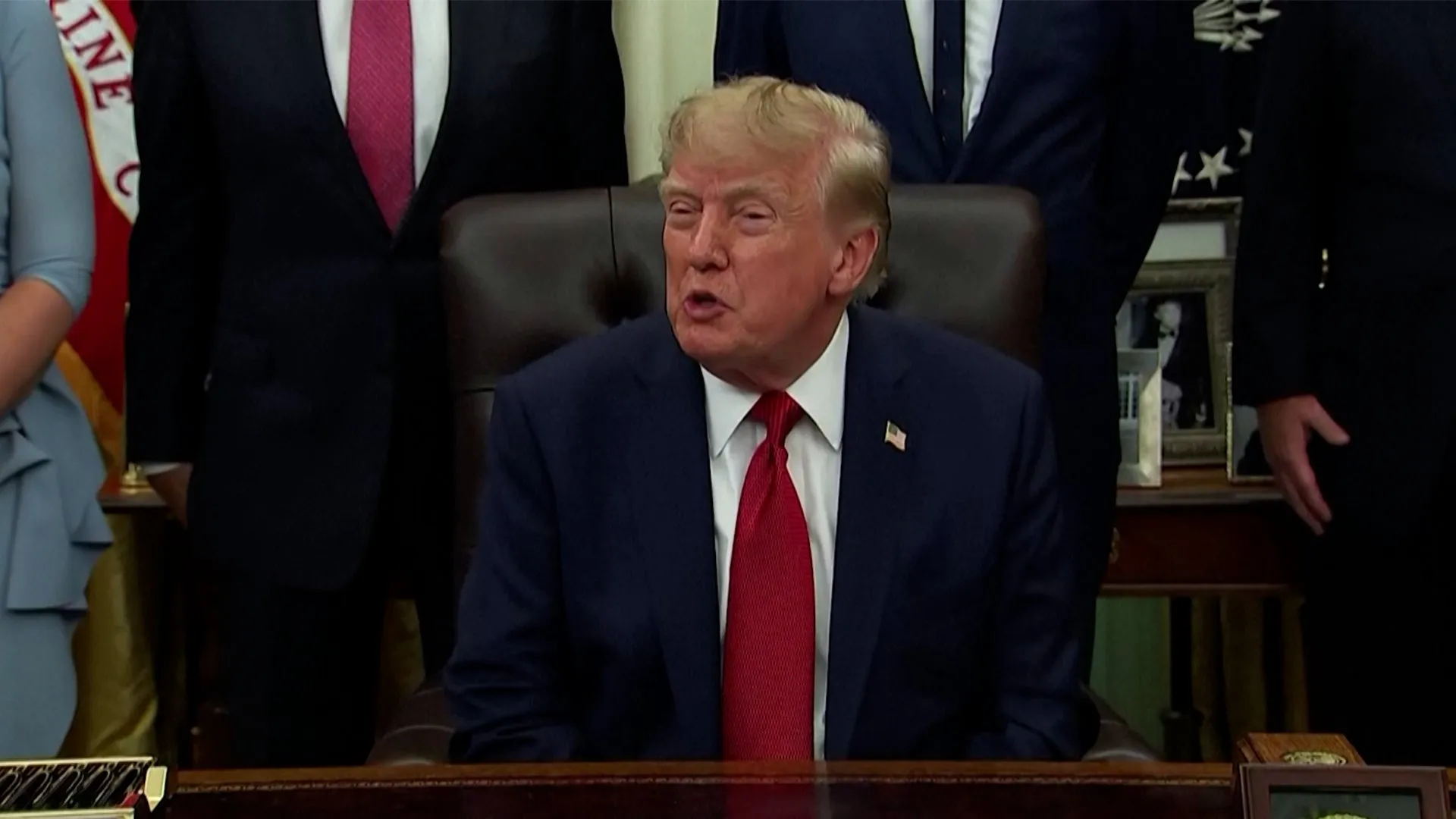
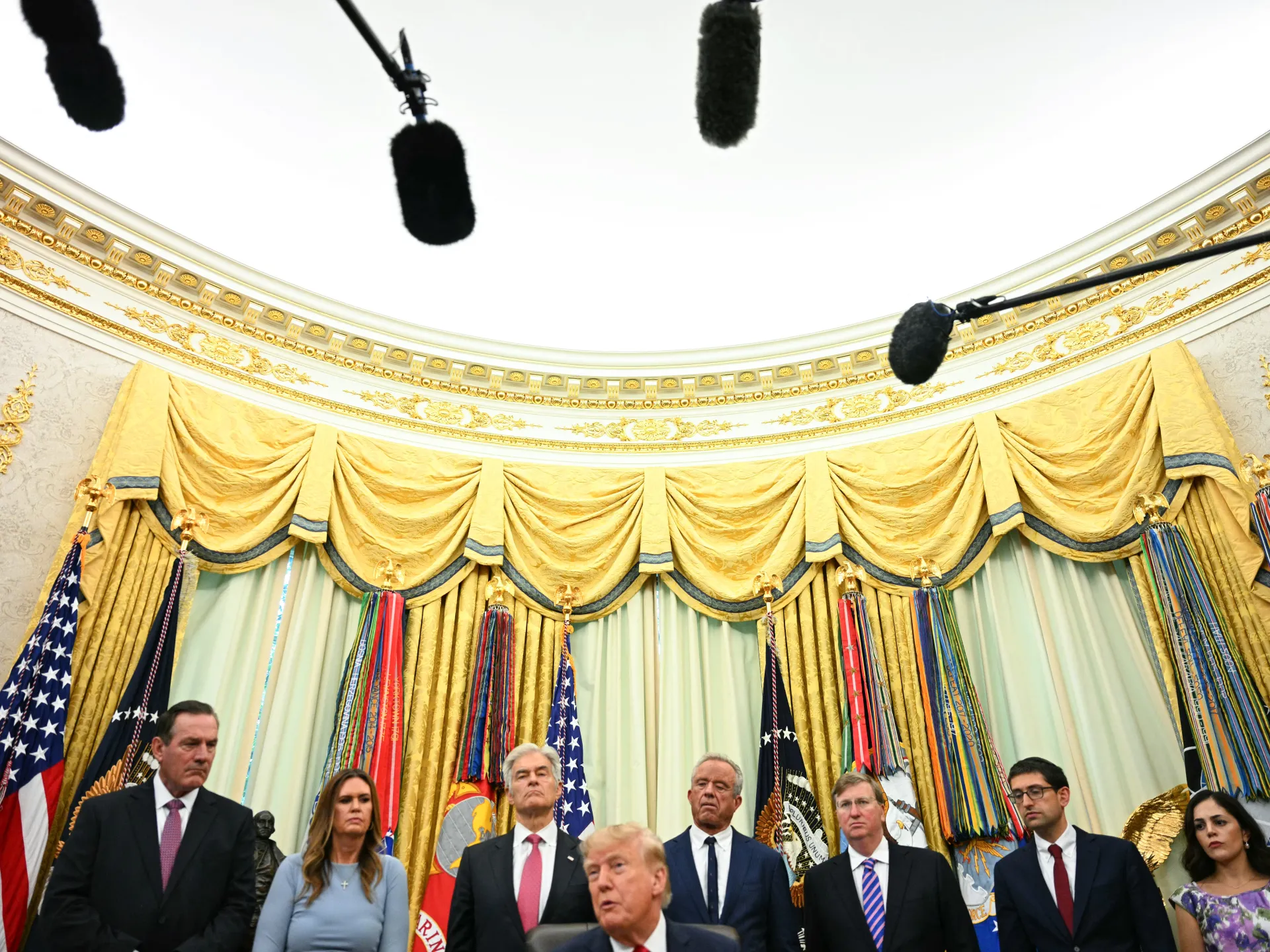
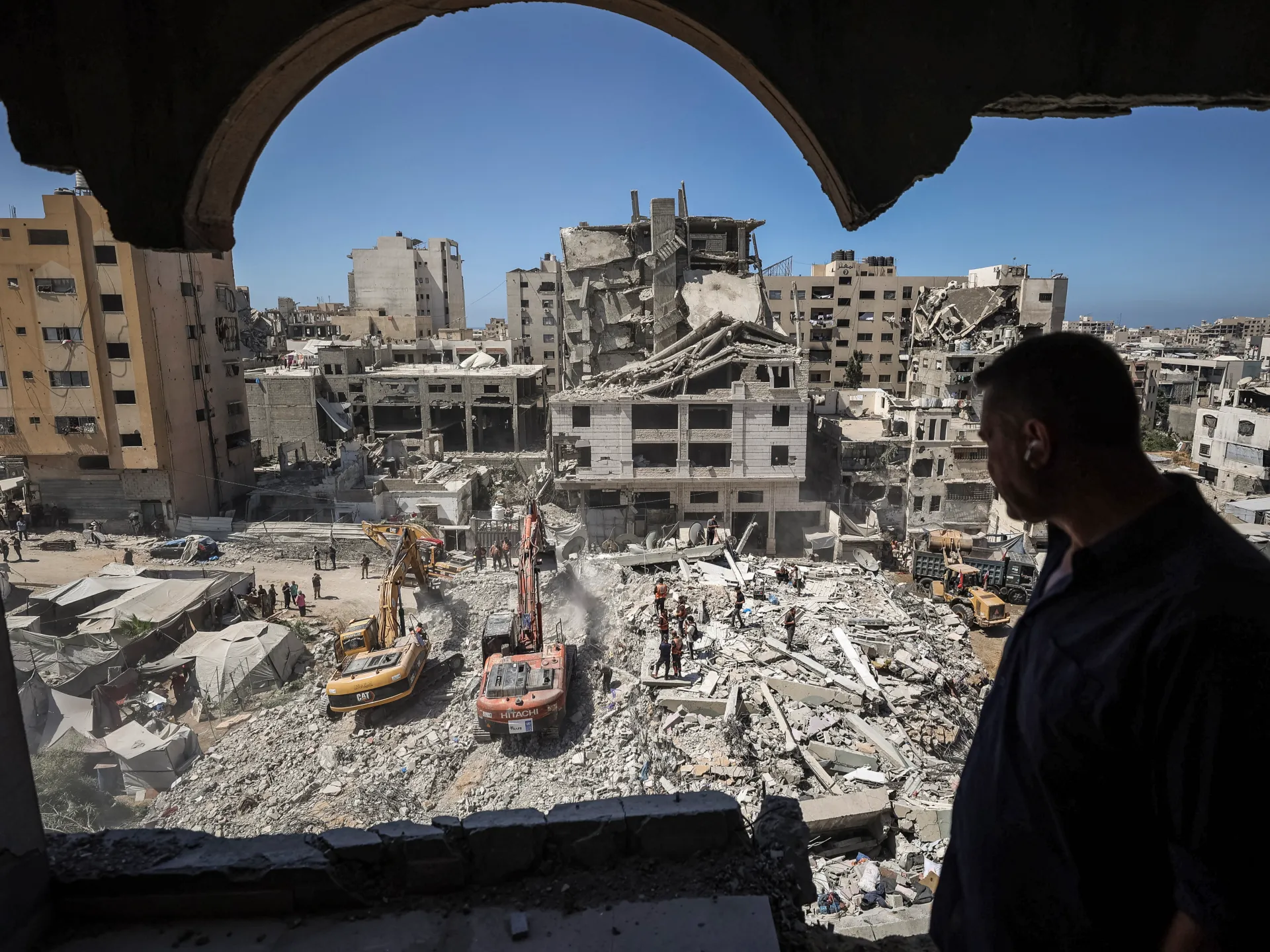
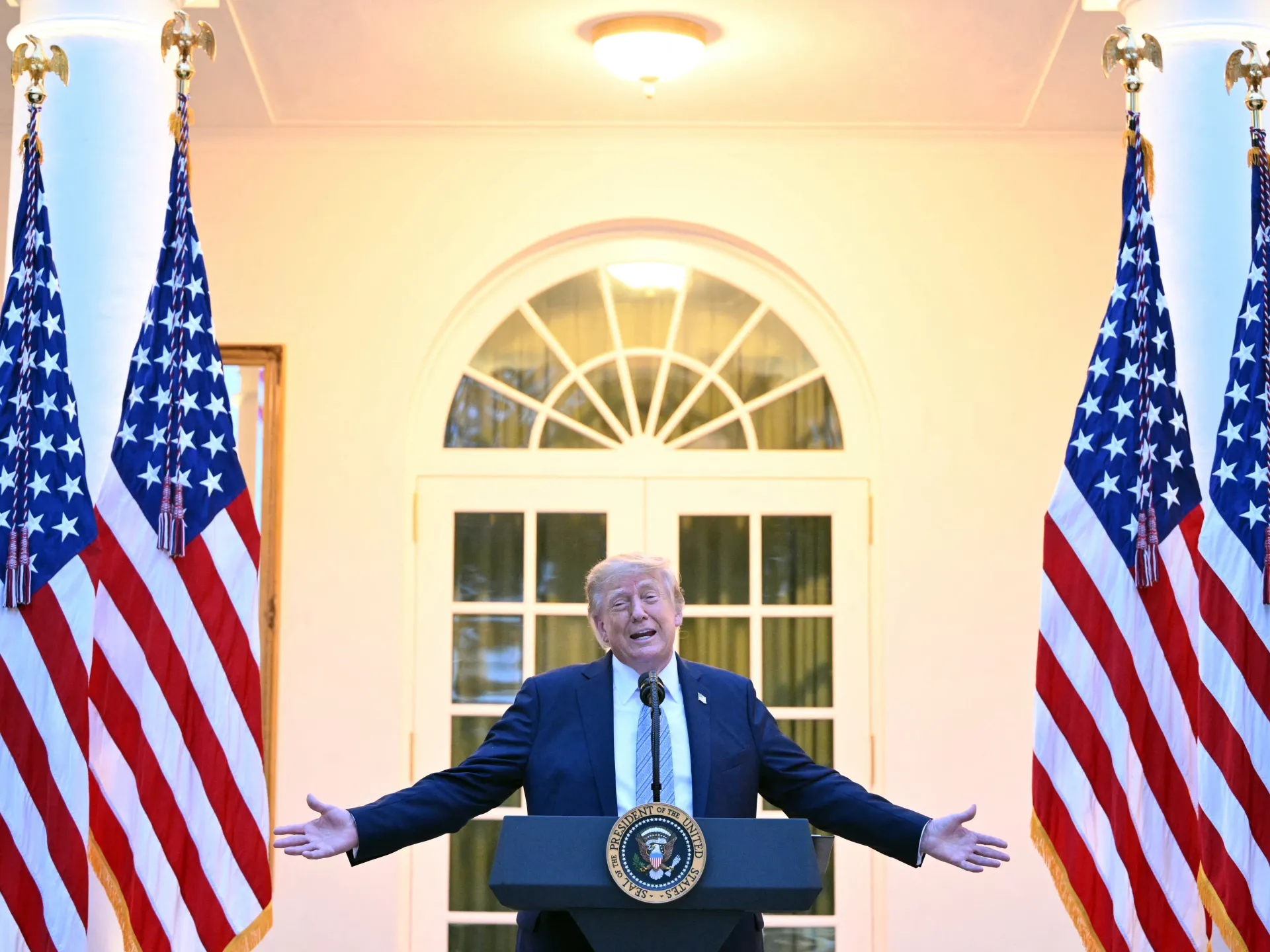
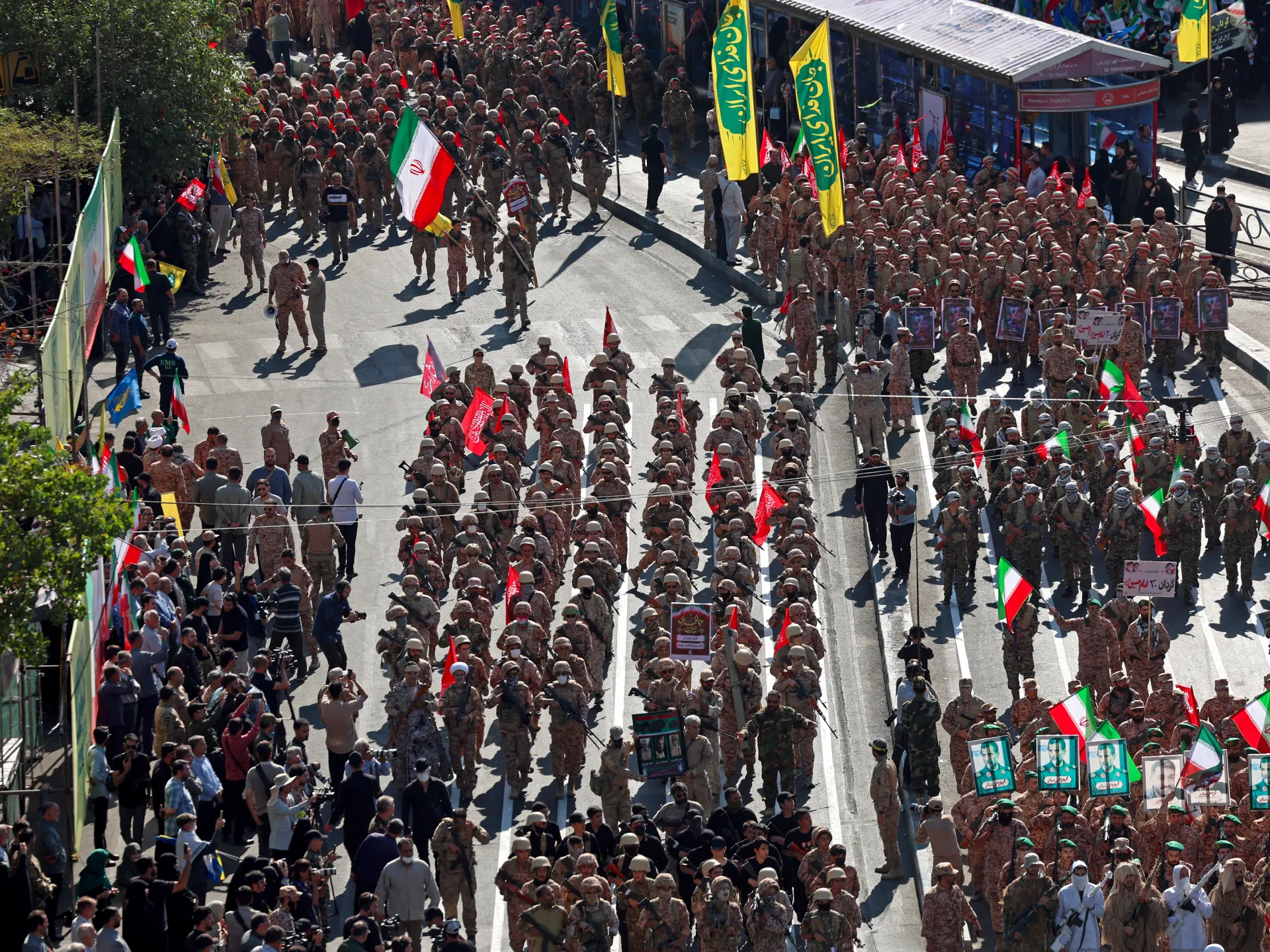
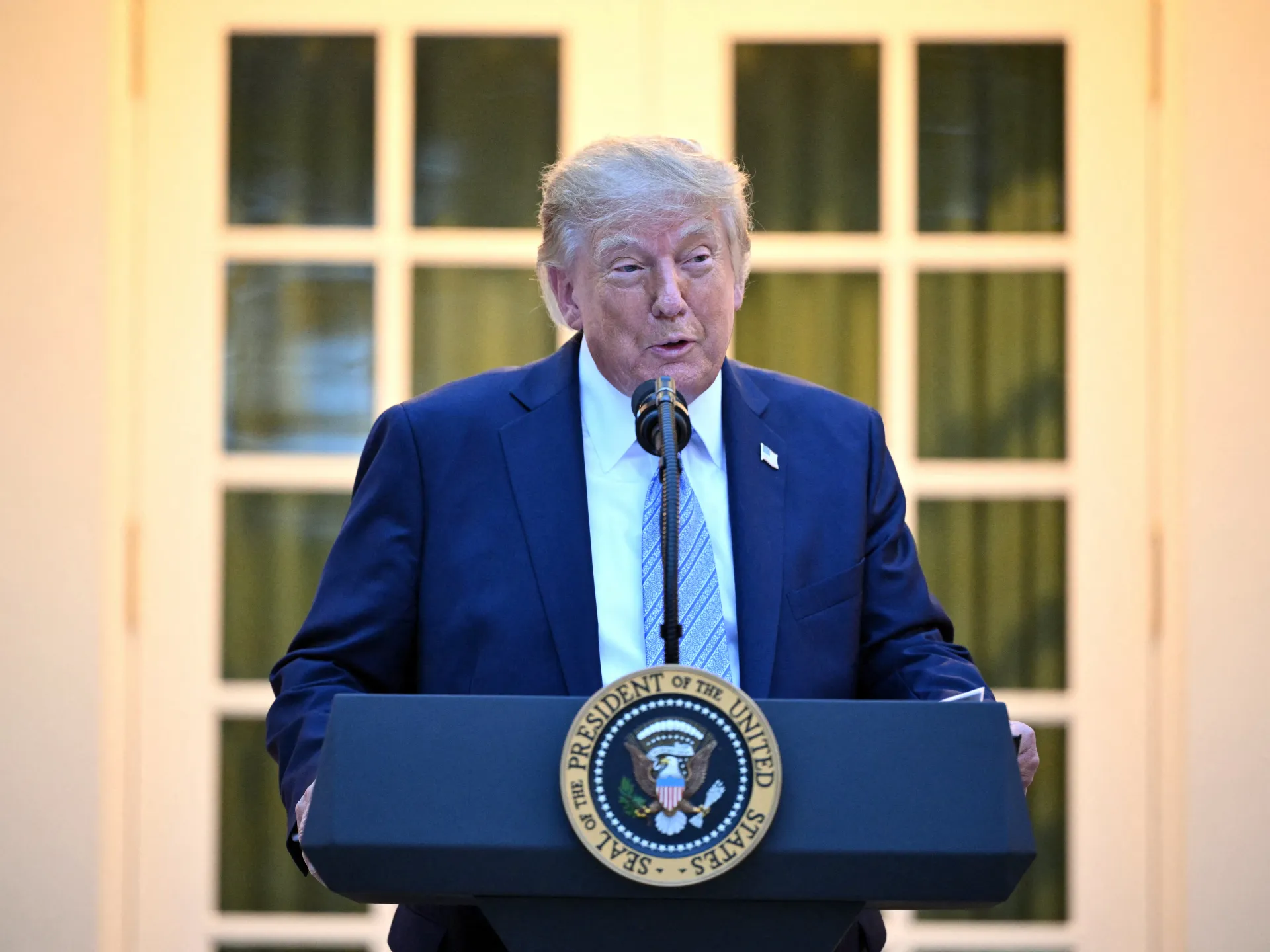
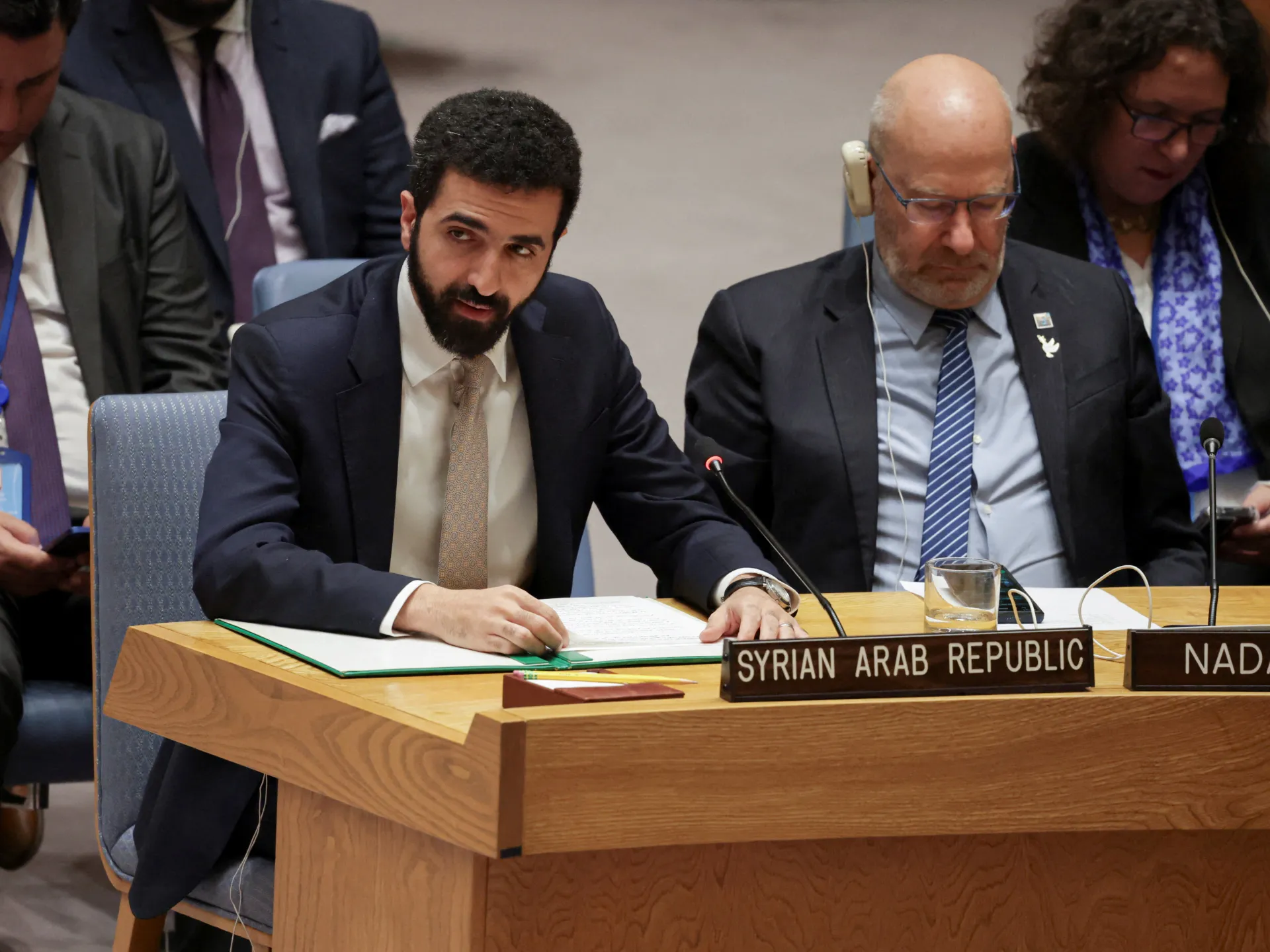
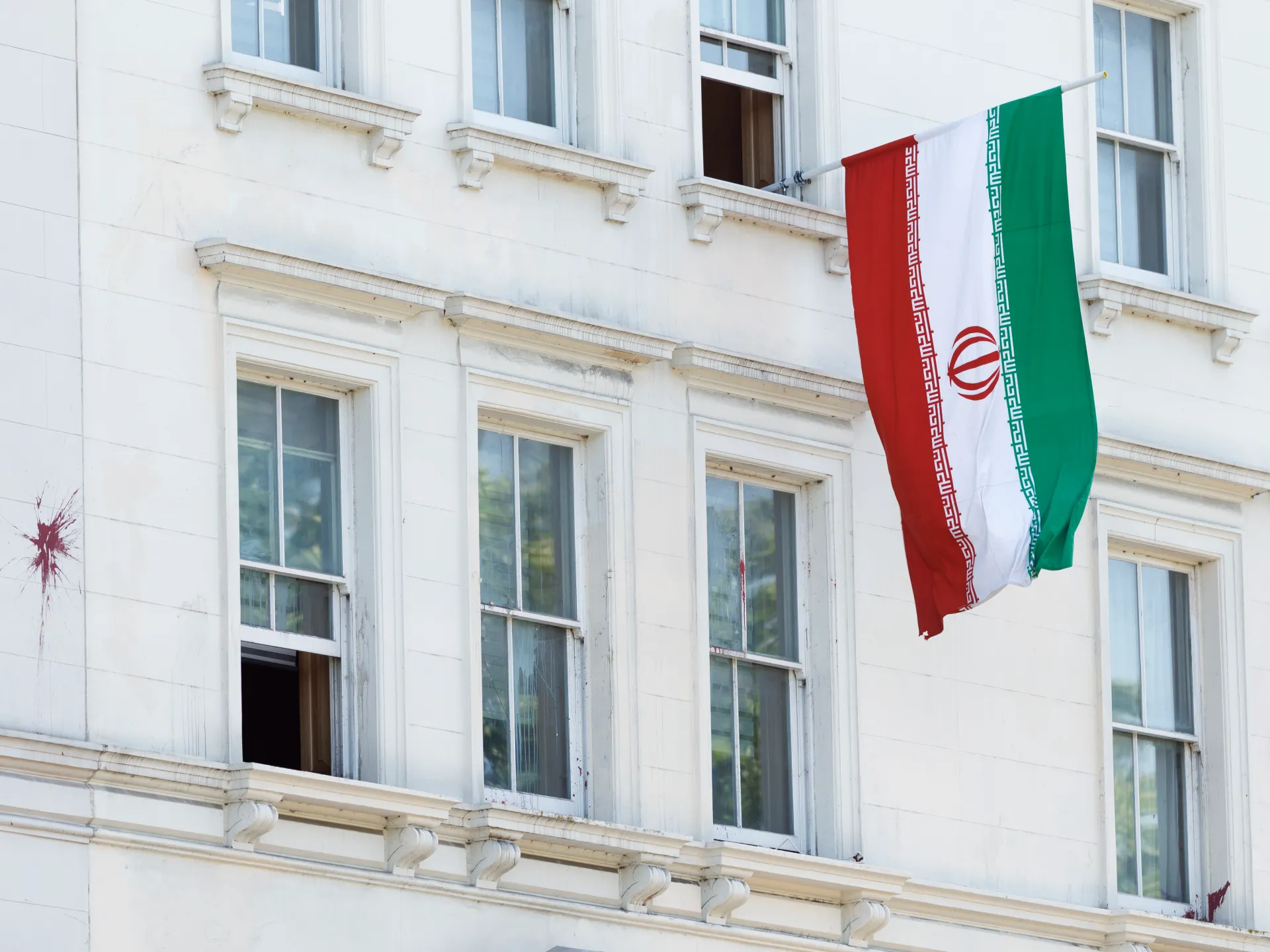
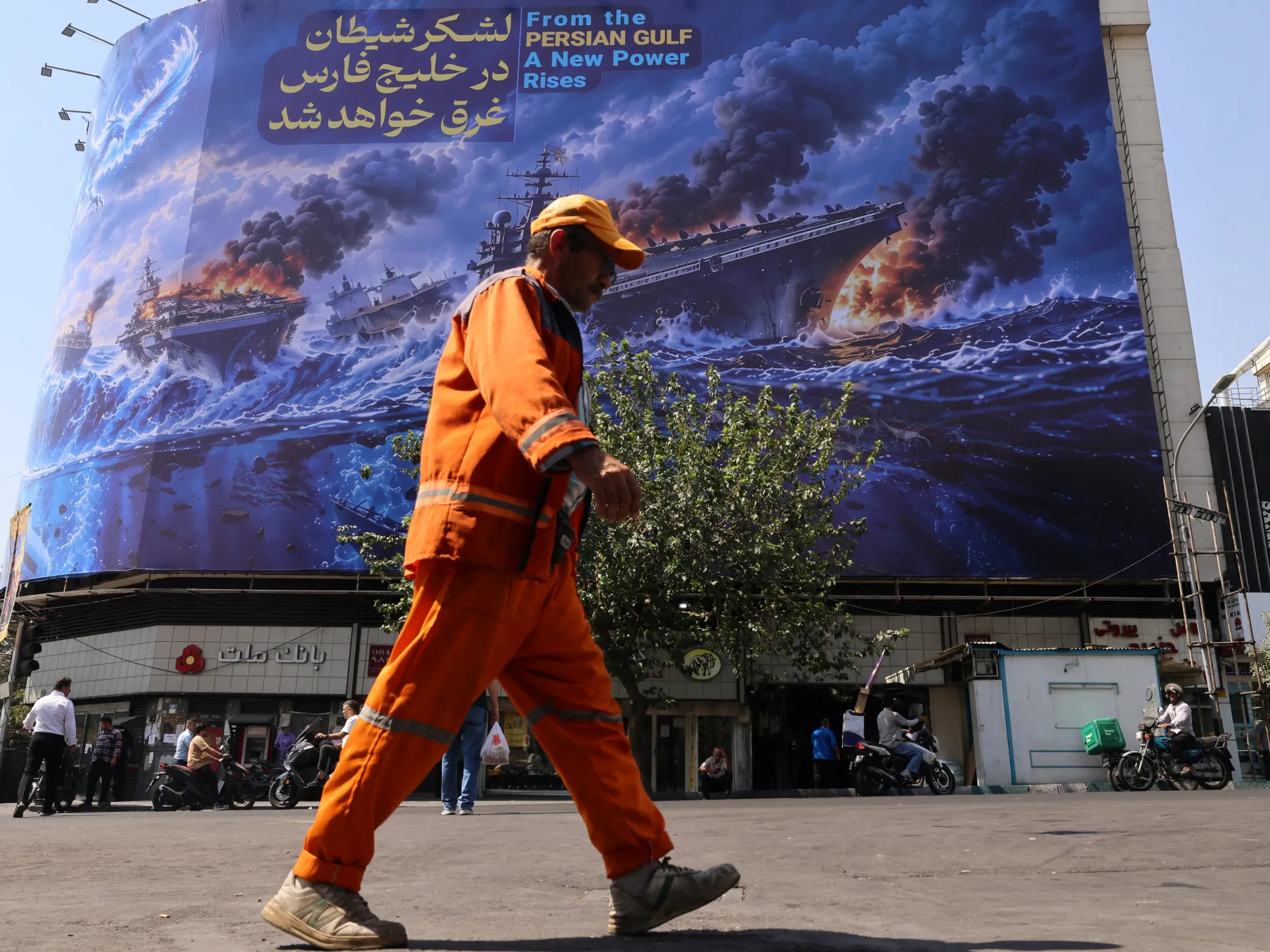
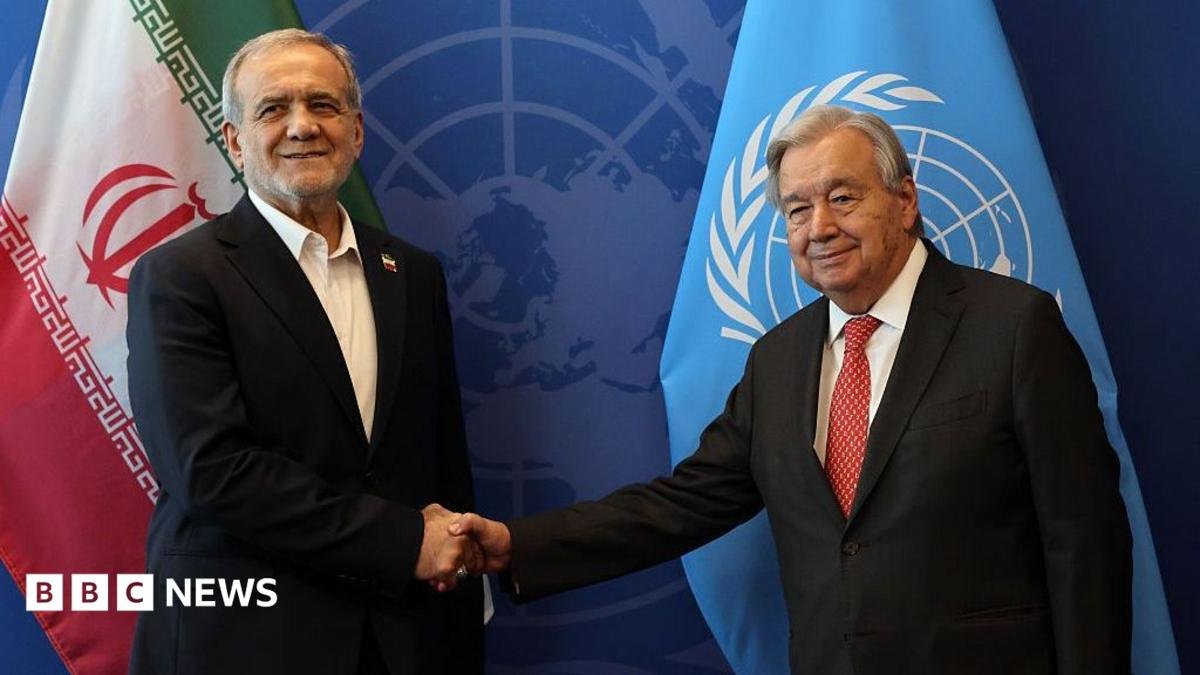
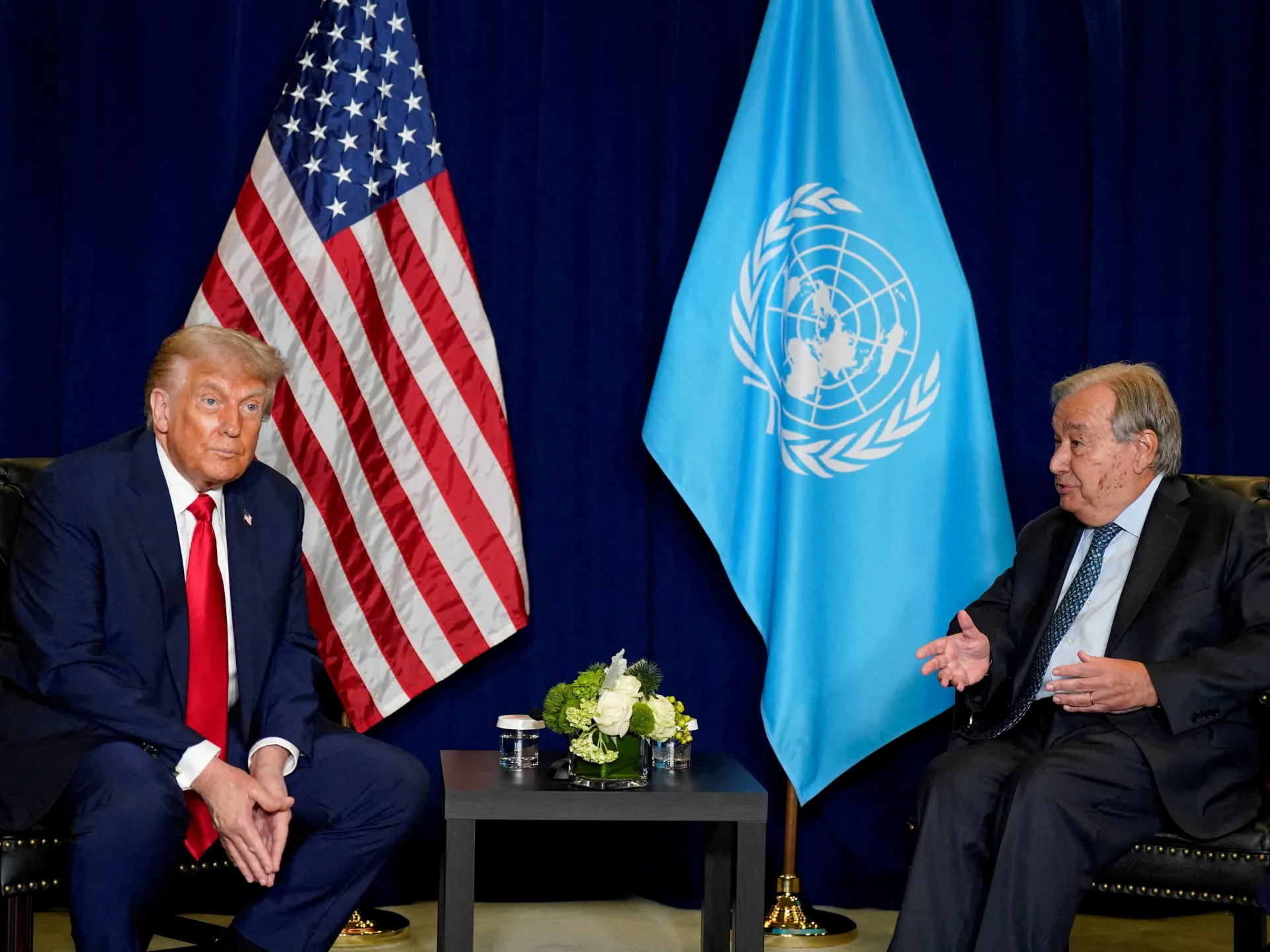
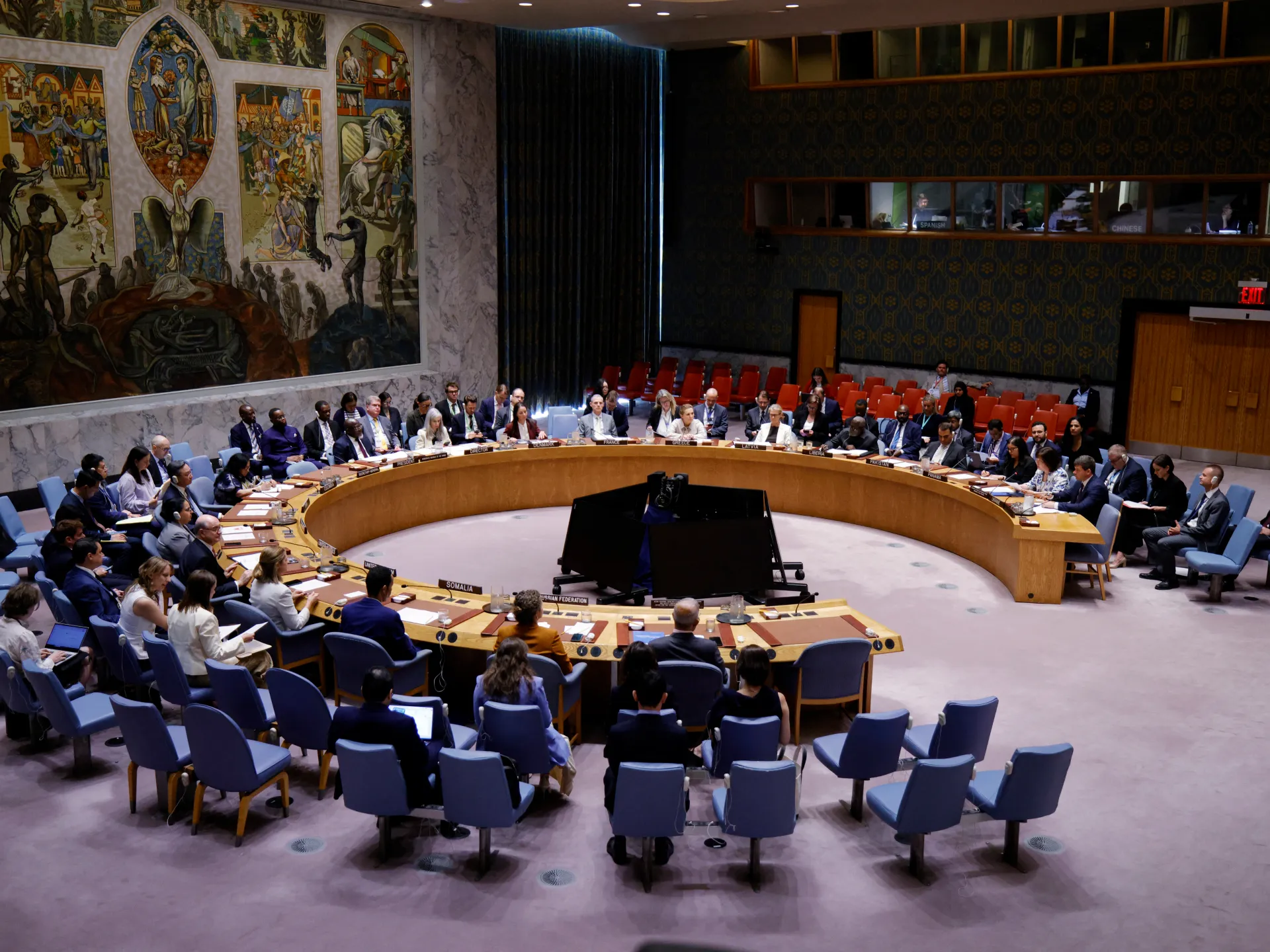
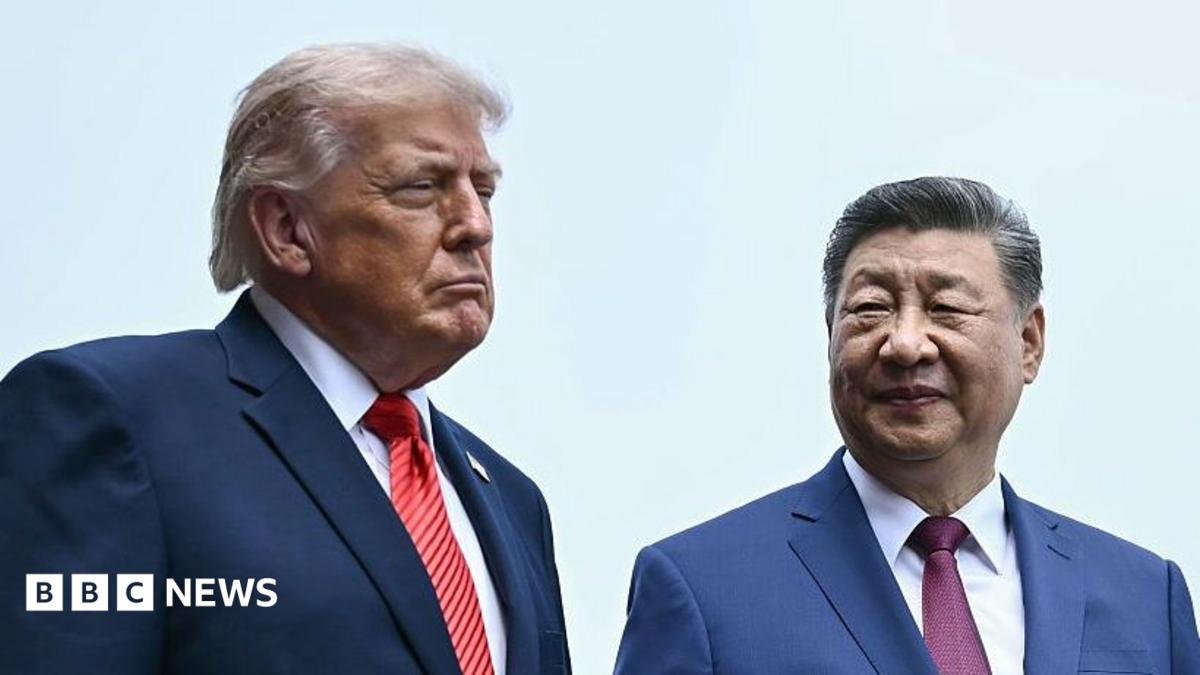
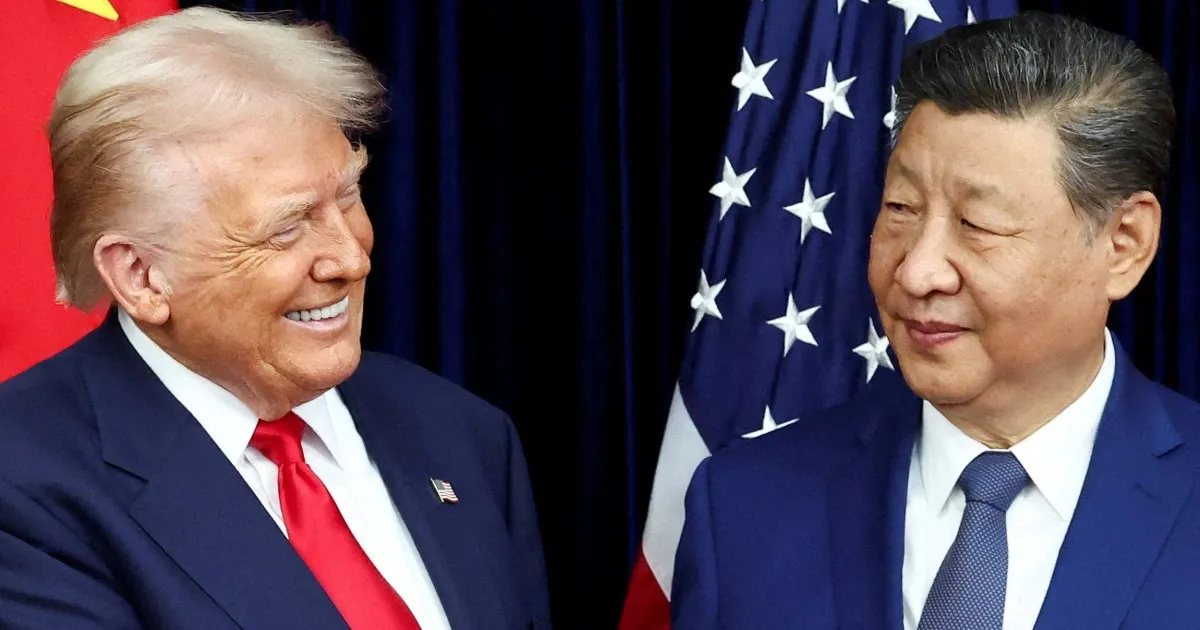
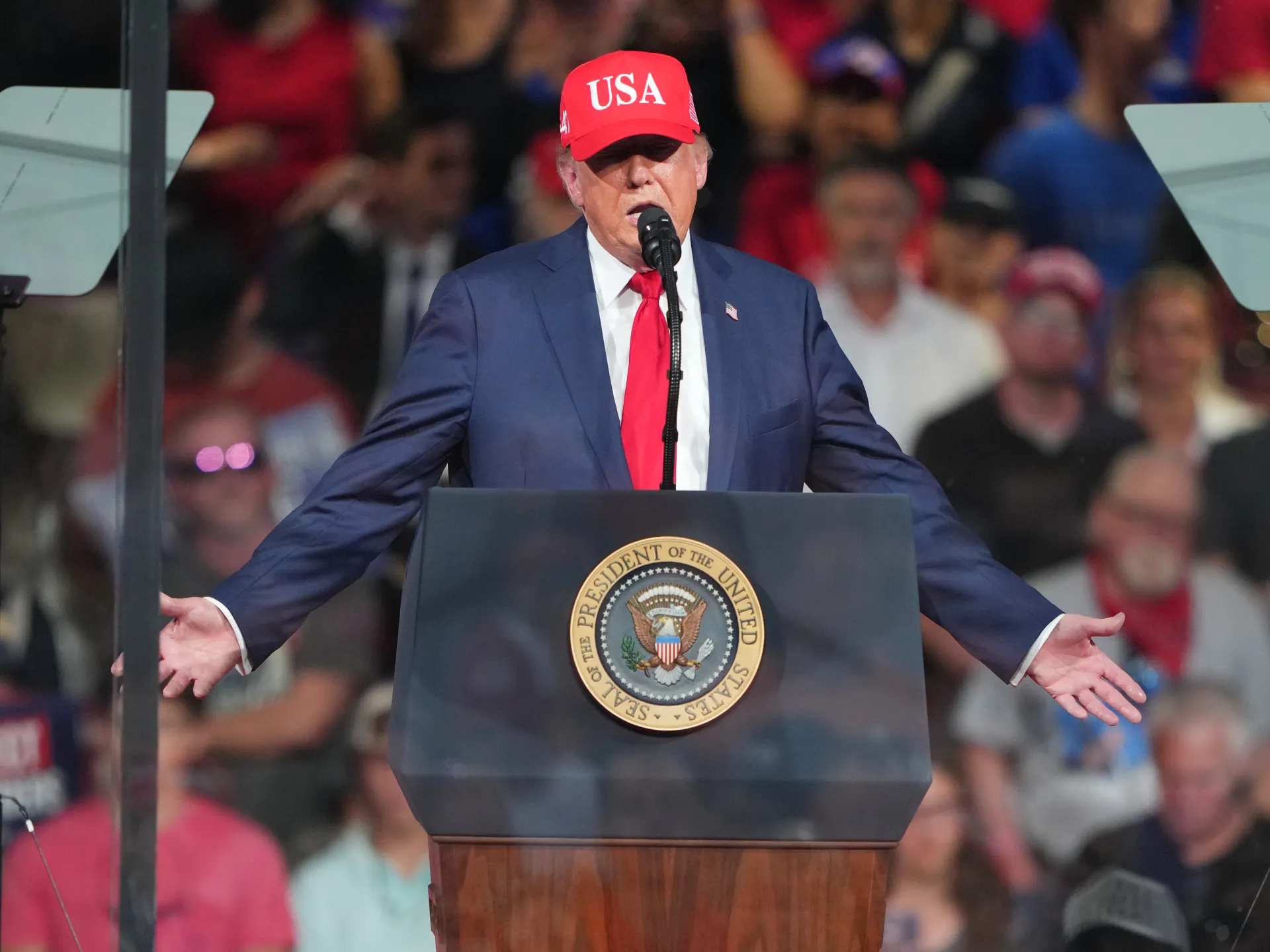
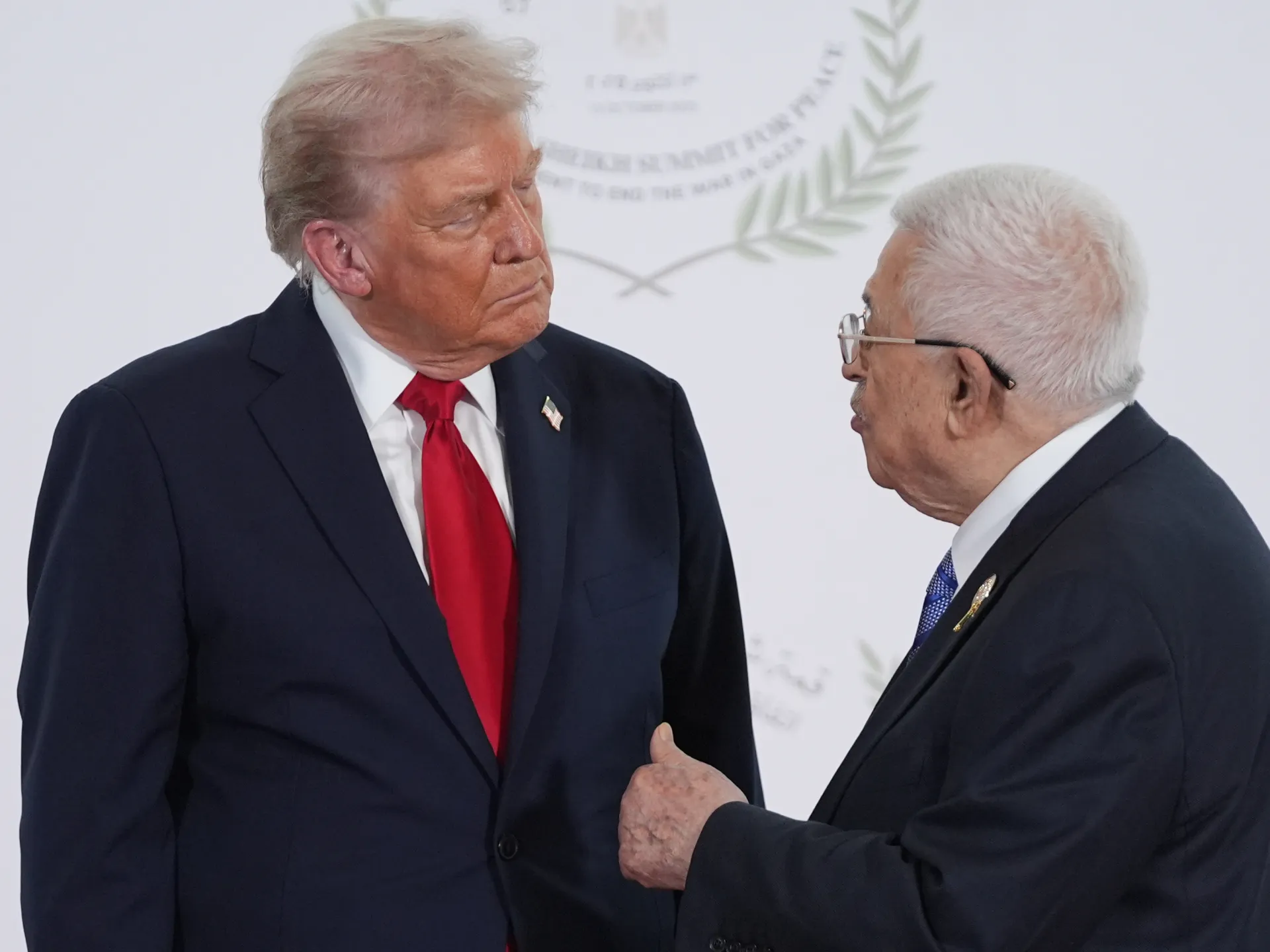
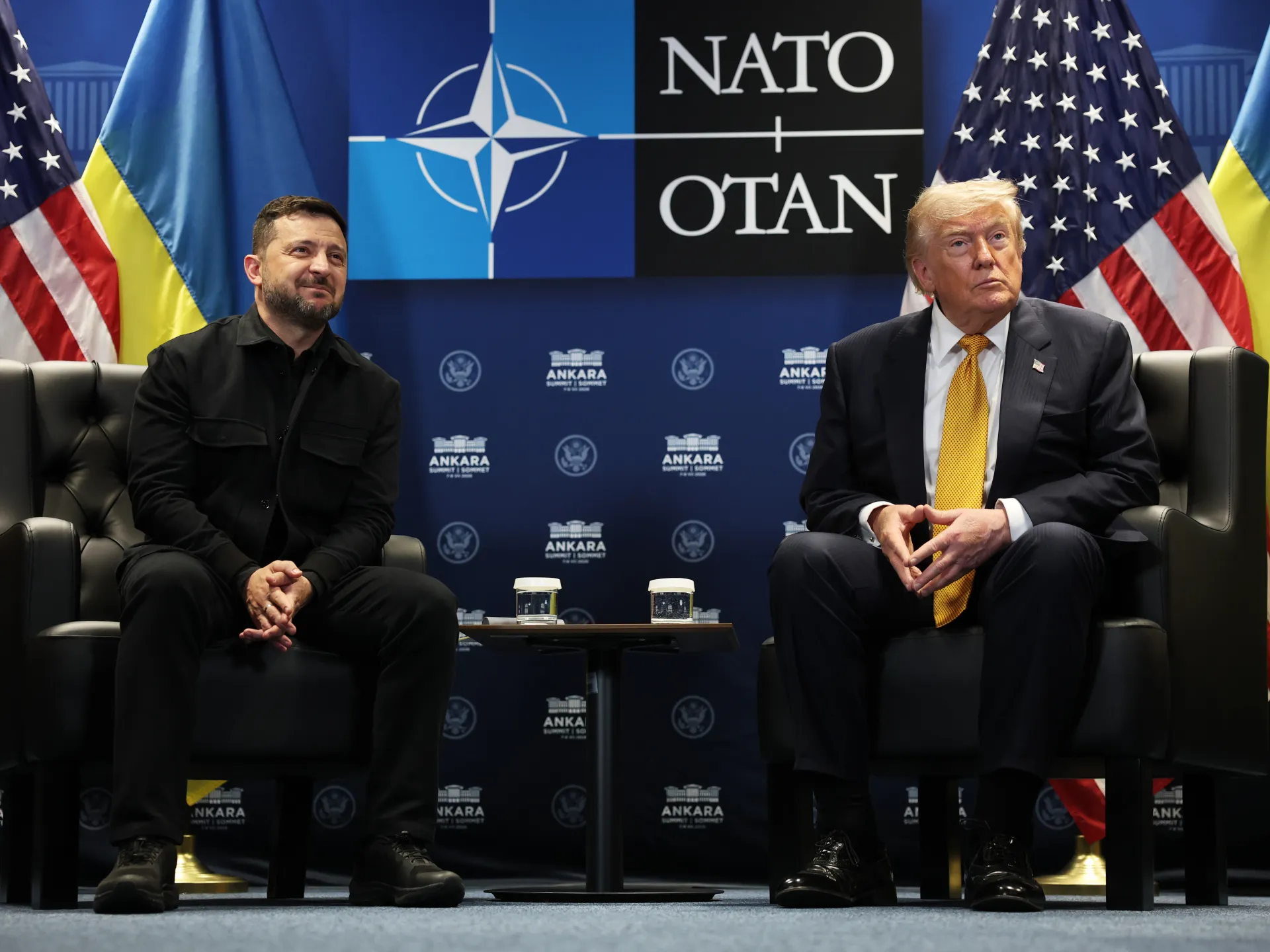
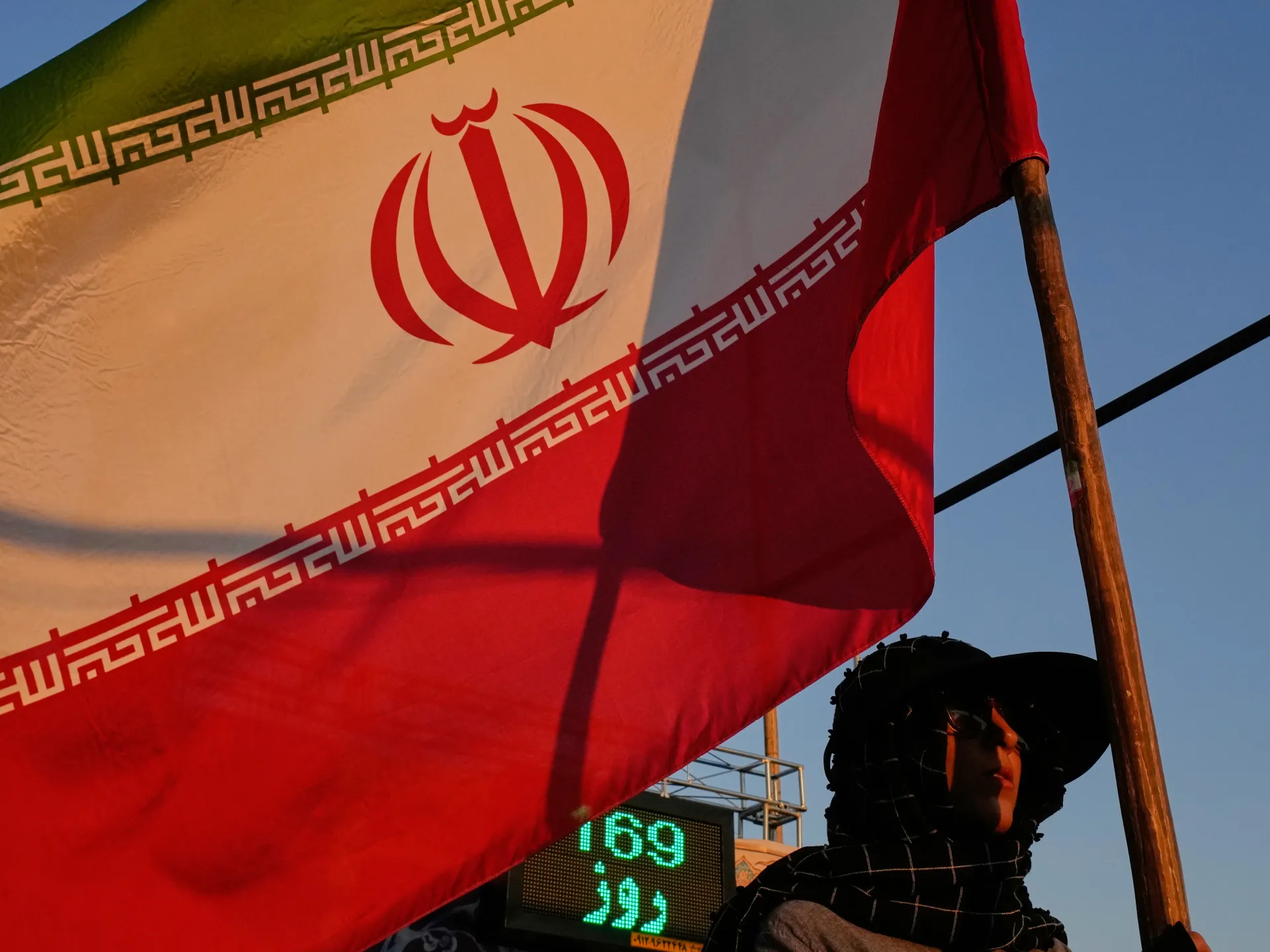
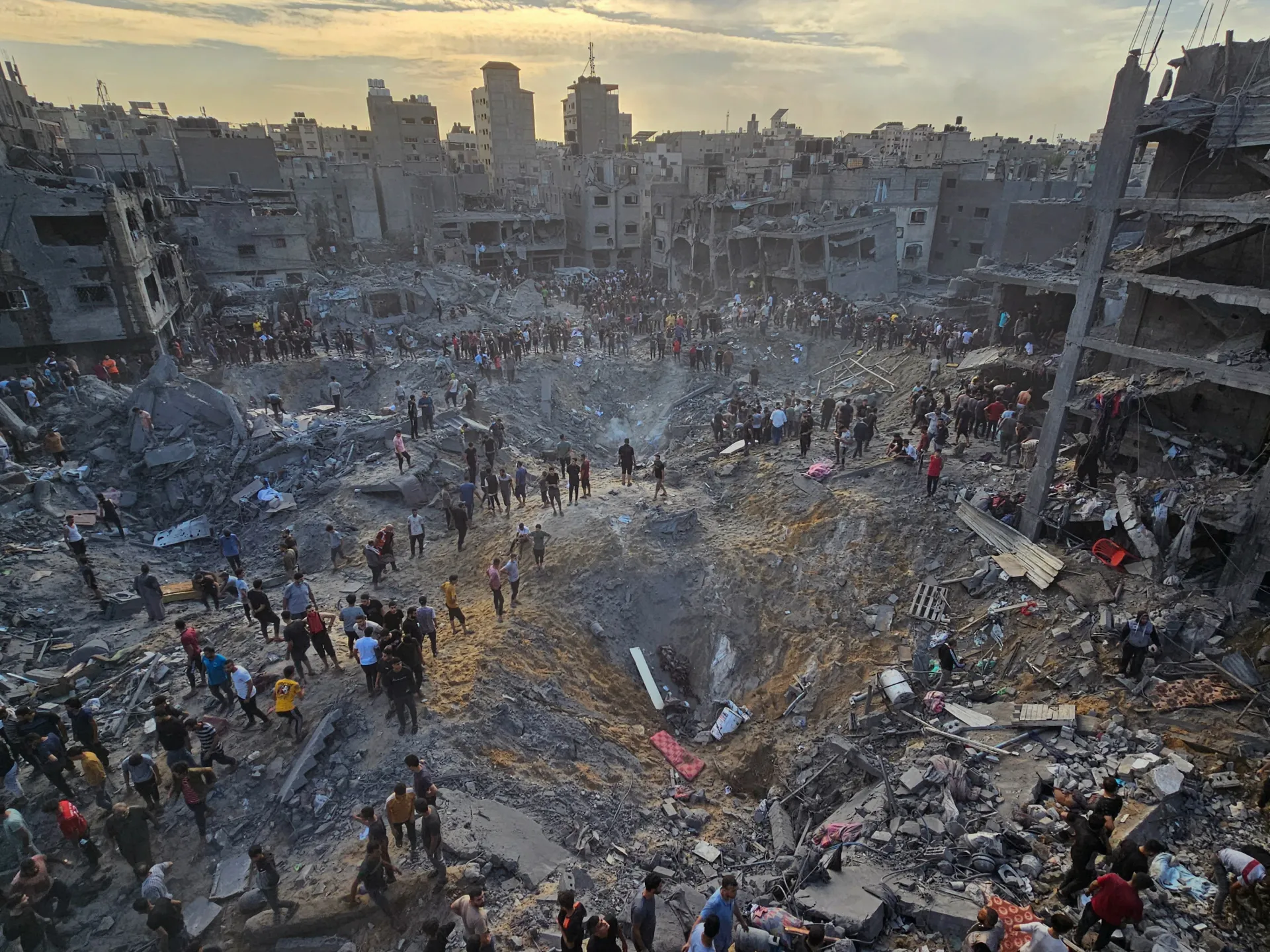
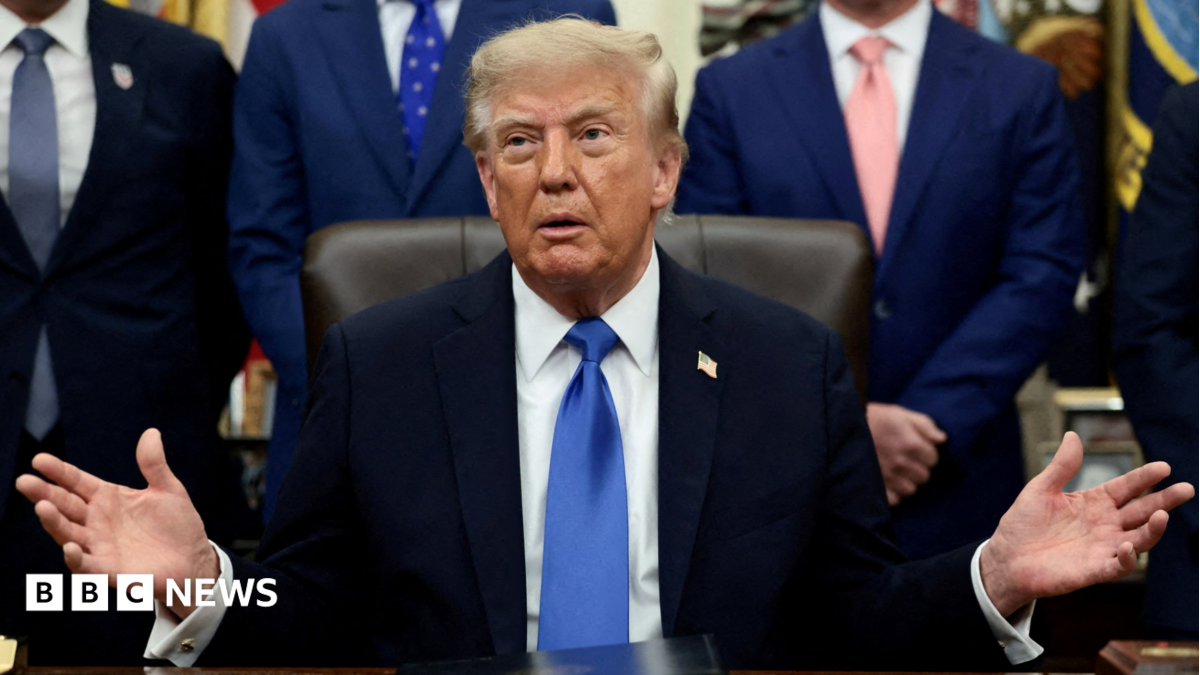
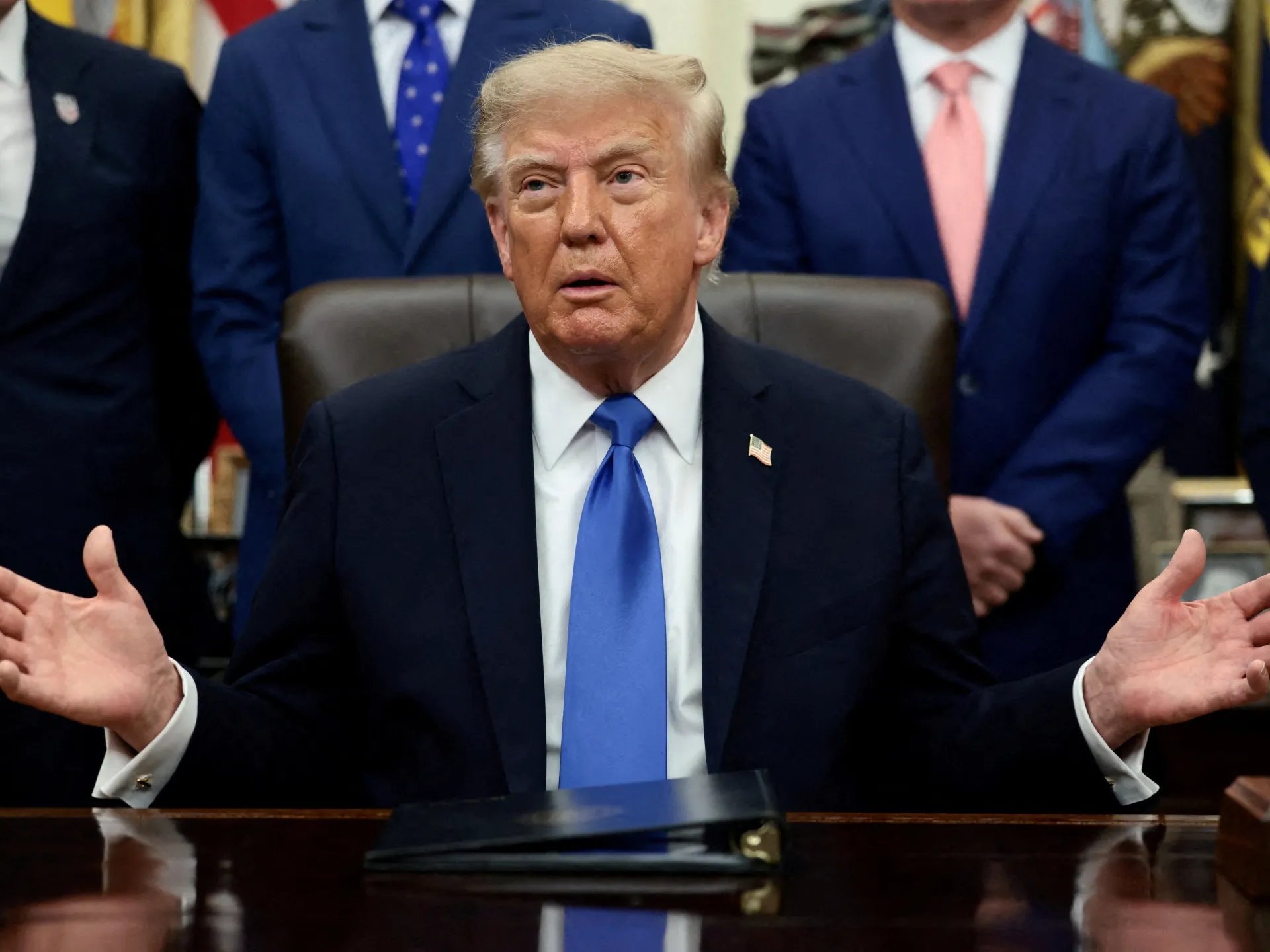
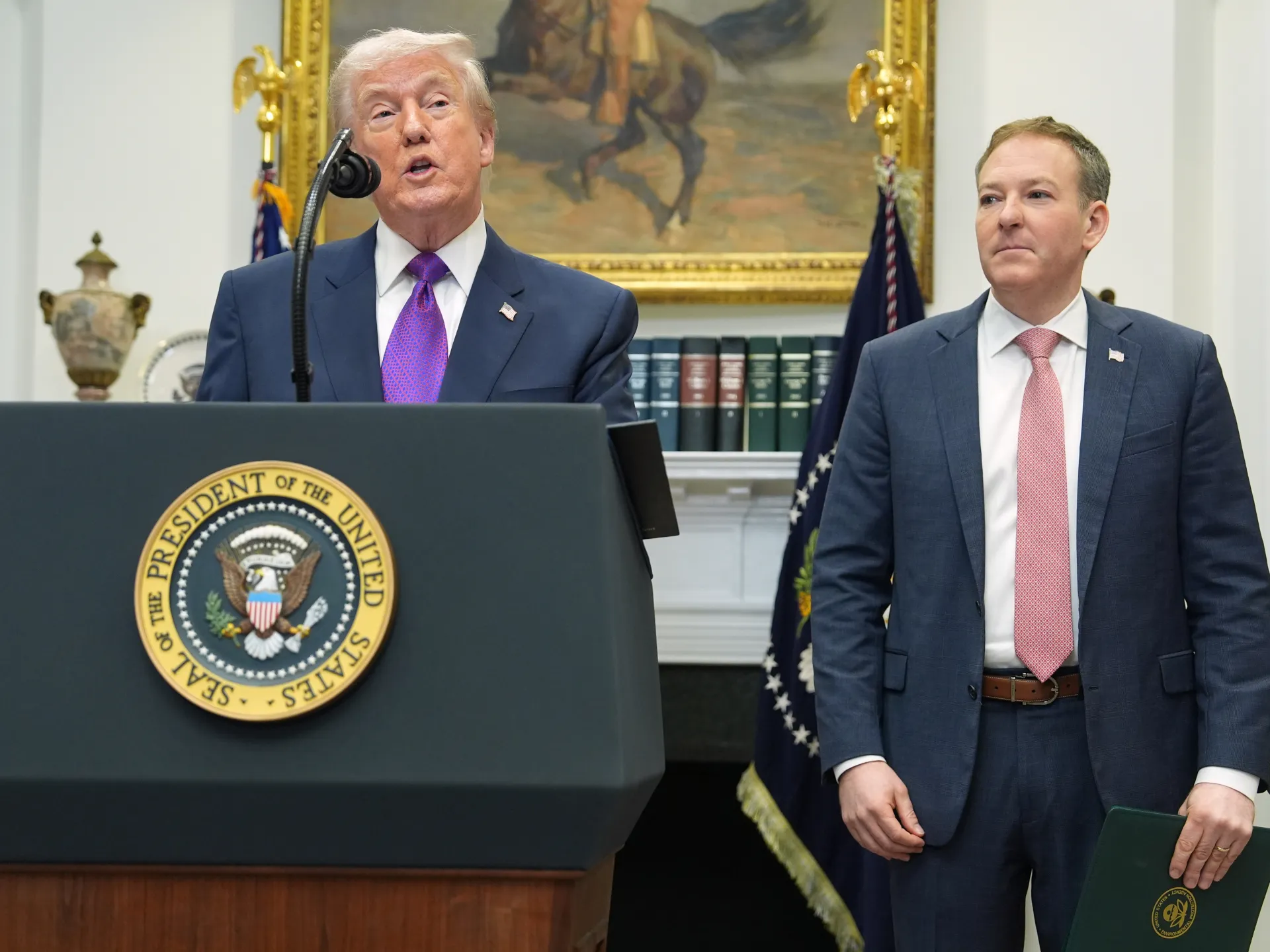
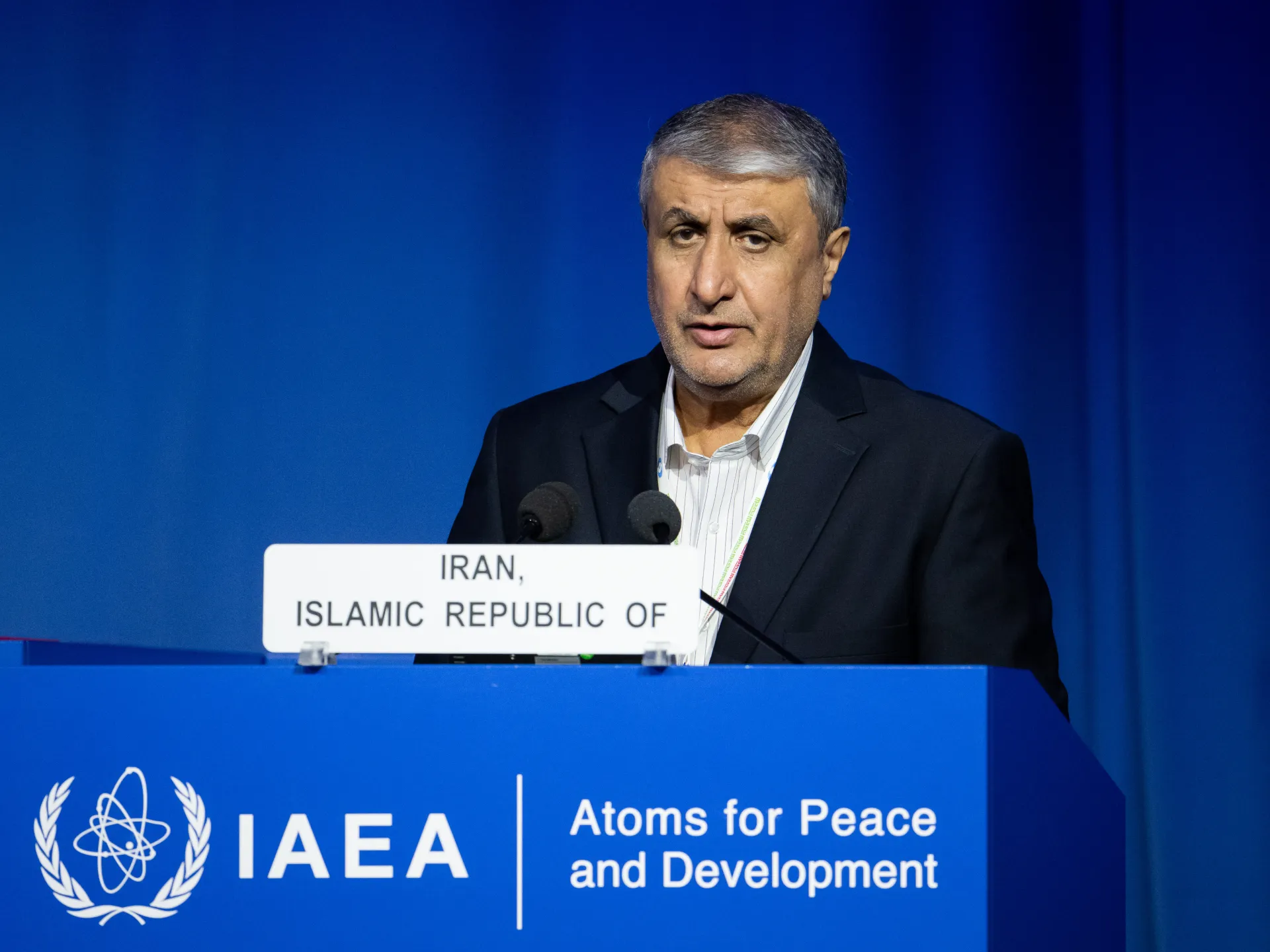
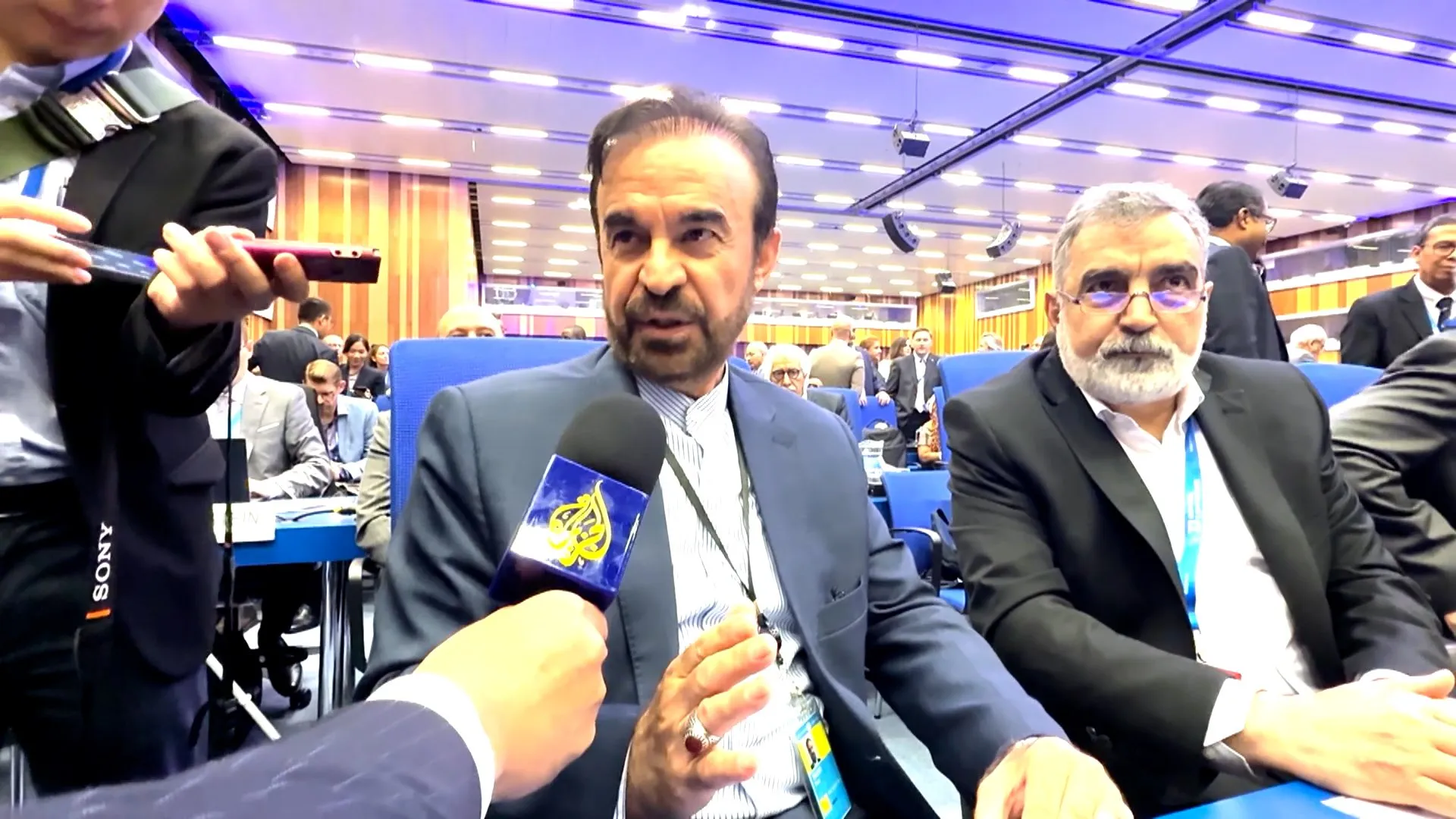
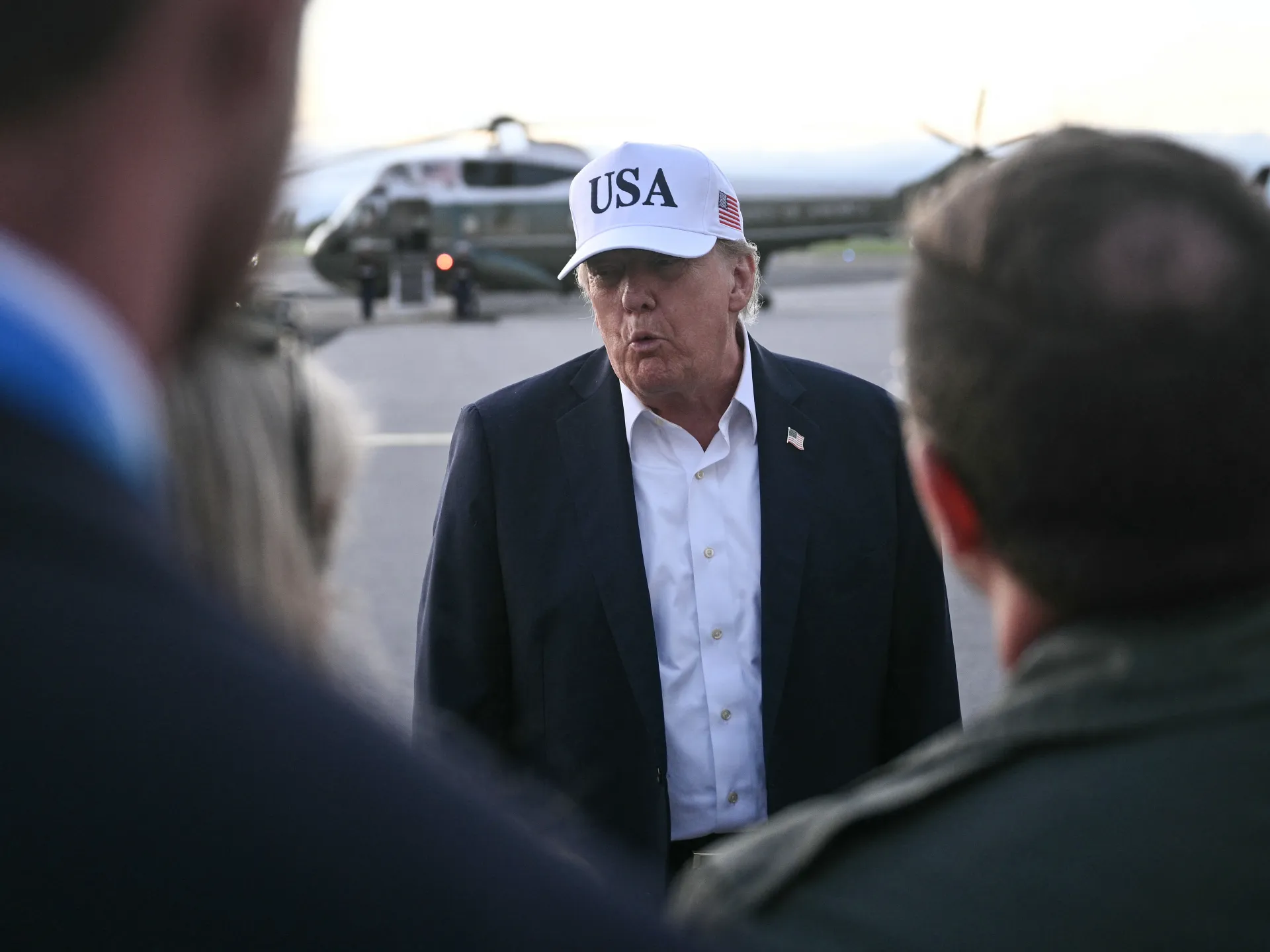
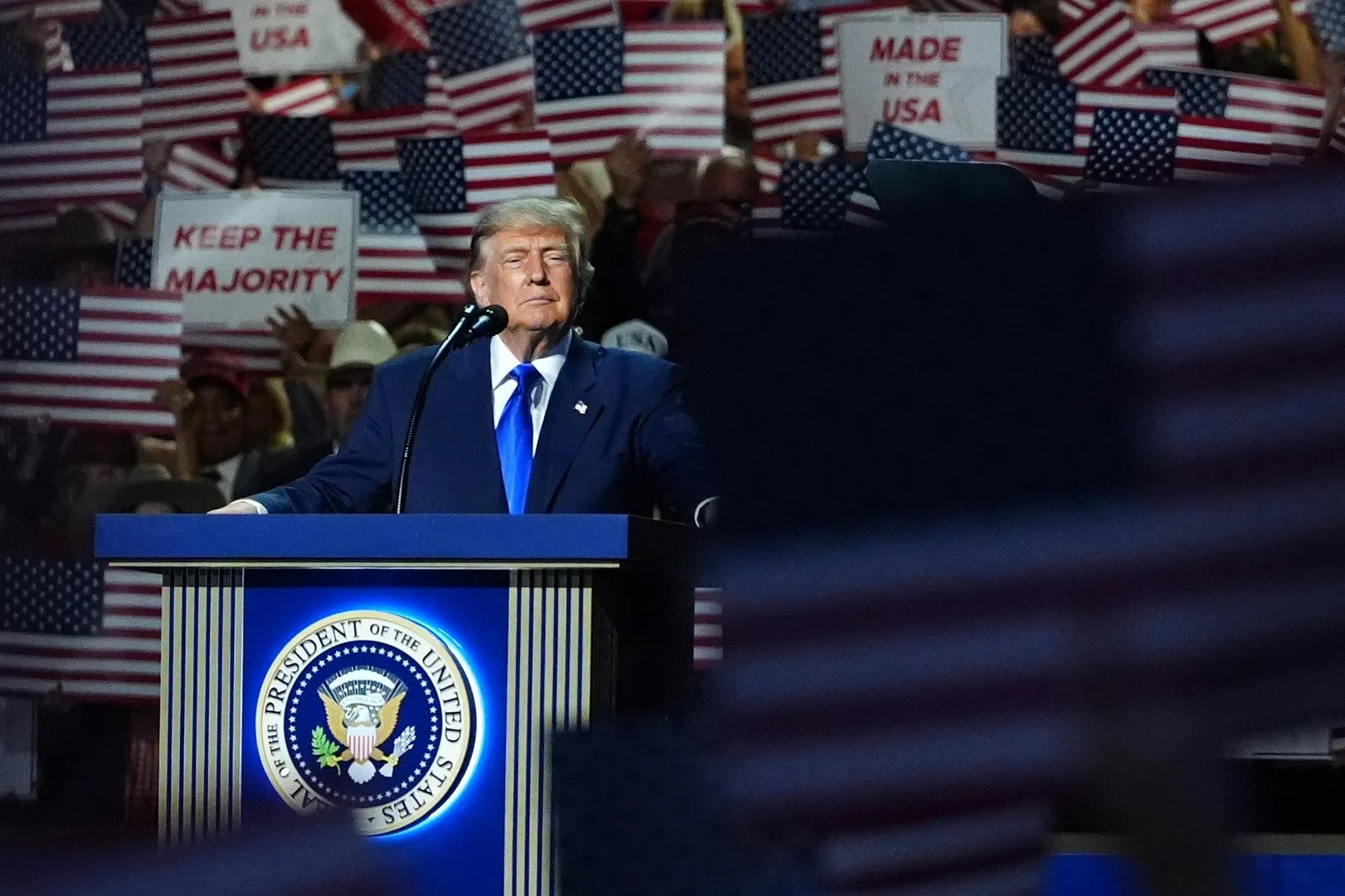
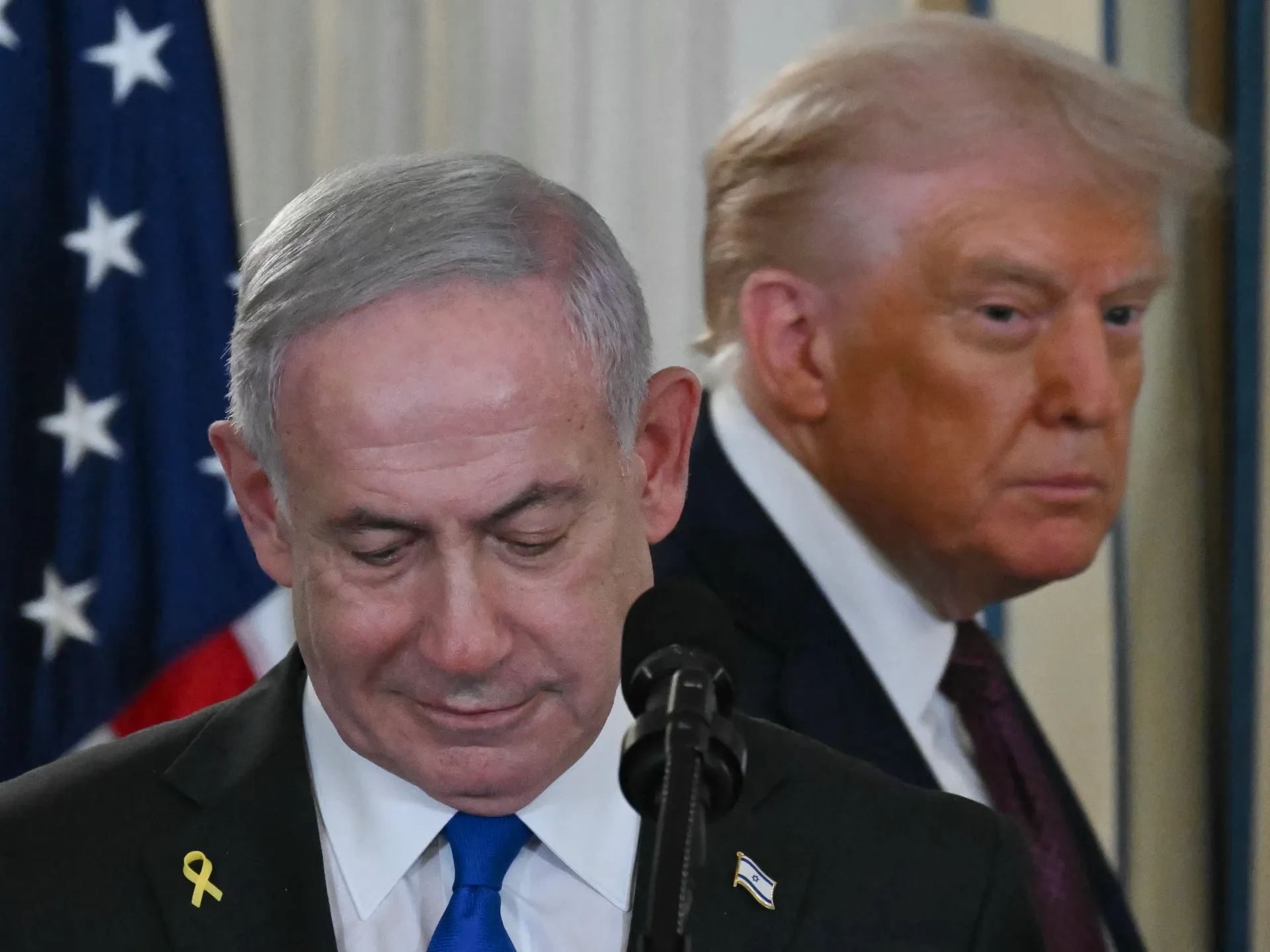
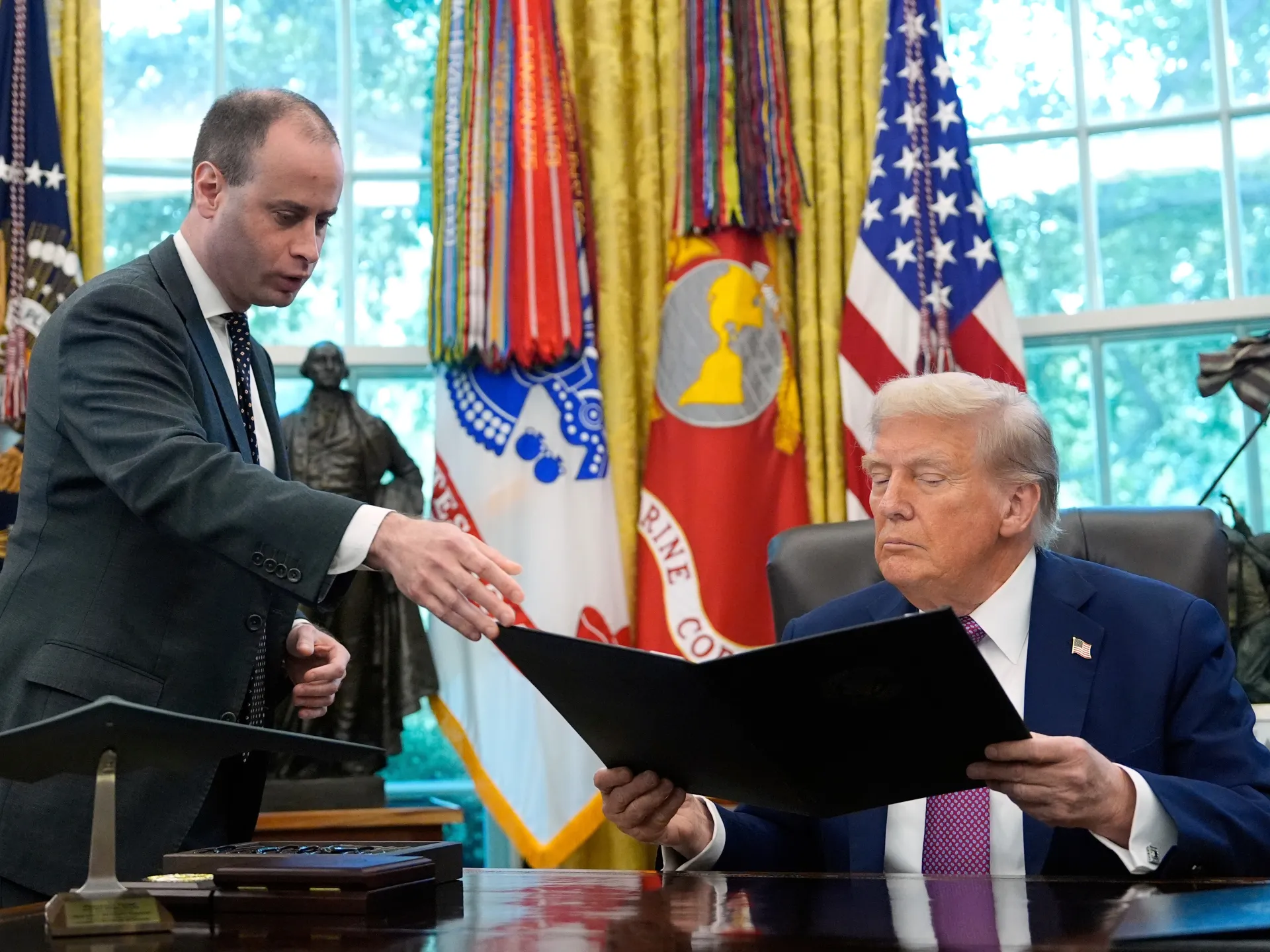
Beyond the African context, Qatar has intensified its broader diplomatic efforts. During the recent United Nations General Assembly, Qatari officials emphasized that the current international climate offers no viable alternative to sustained negotiation, particularly regarding escalating tensions in the Gulf and the ongoing conflicts in the Middle East. Despite historical setbacks, Qatari officials report that their recent direct engagements with U.S. leadership—including President Donald Trump—and Iranian counterparts are focused on maintaining open communication channels to prevent further regional instability.
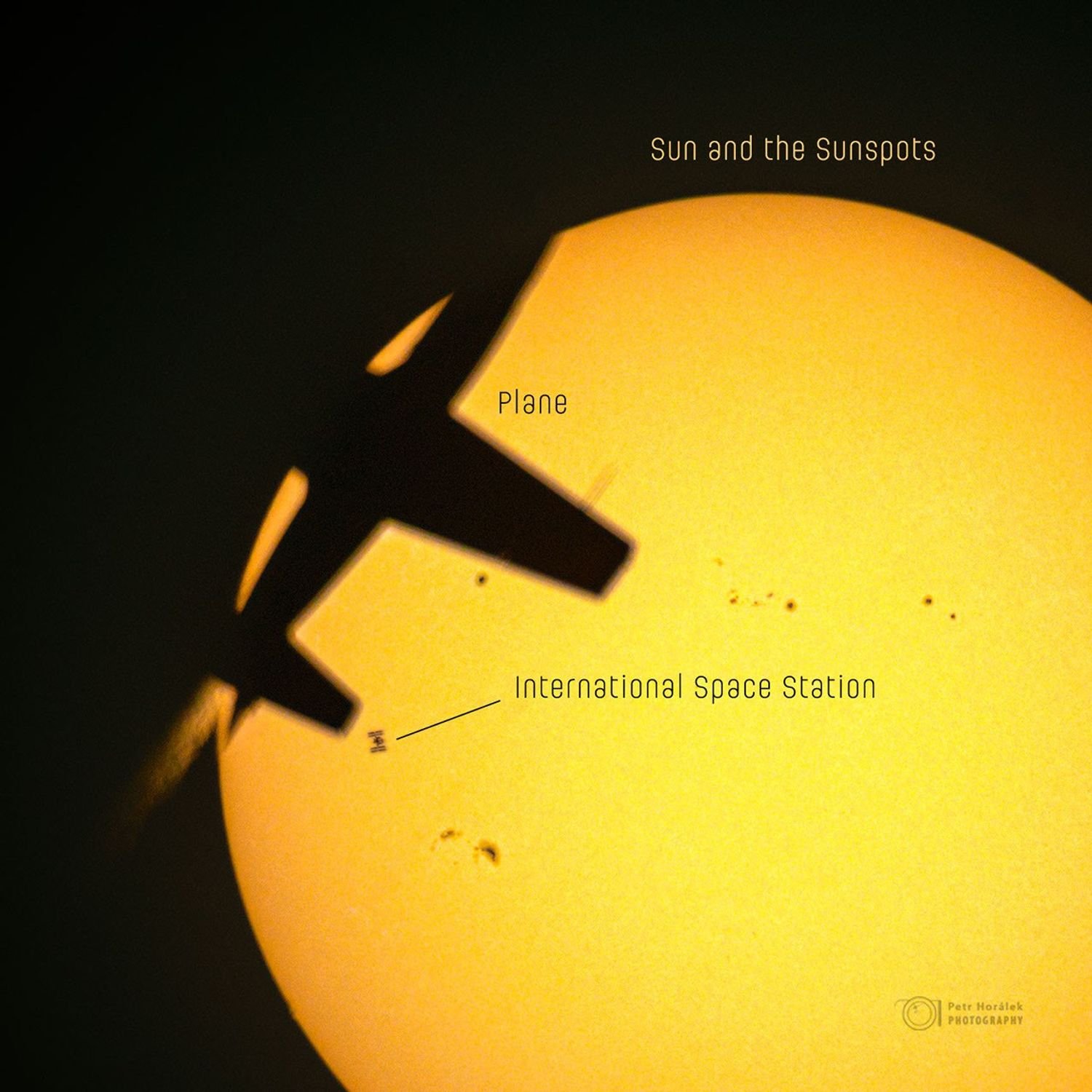
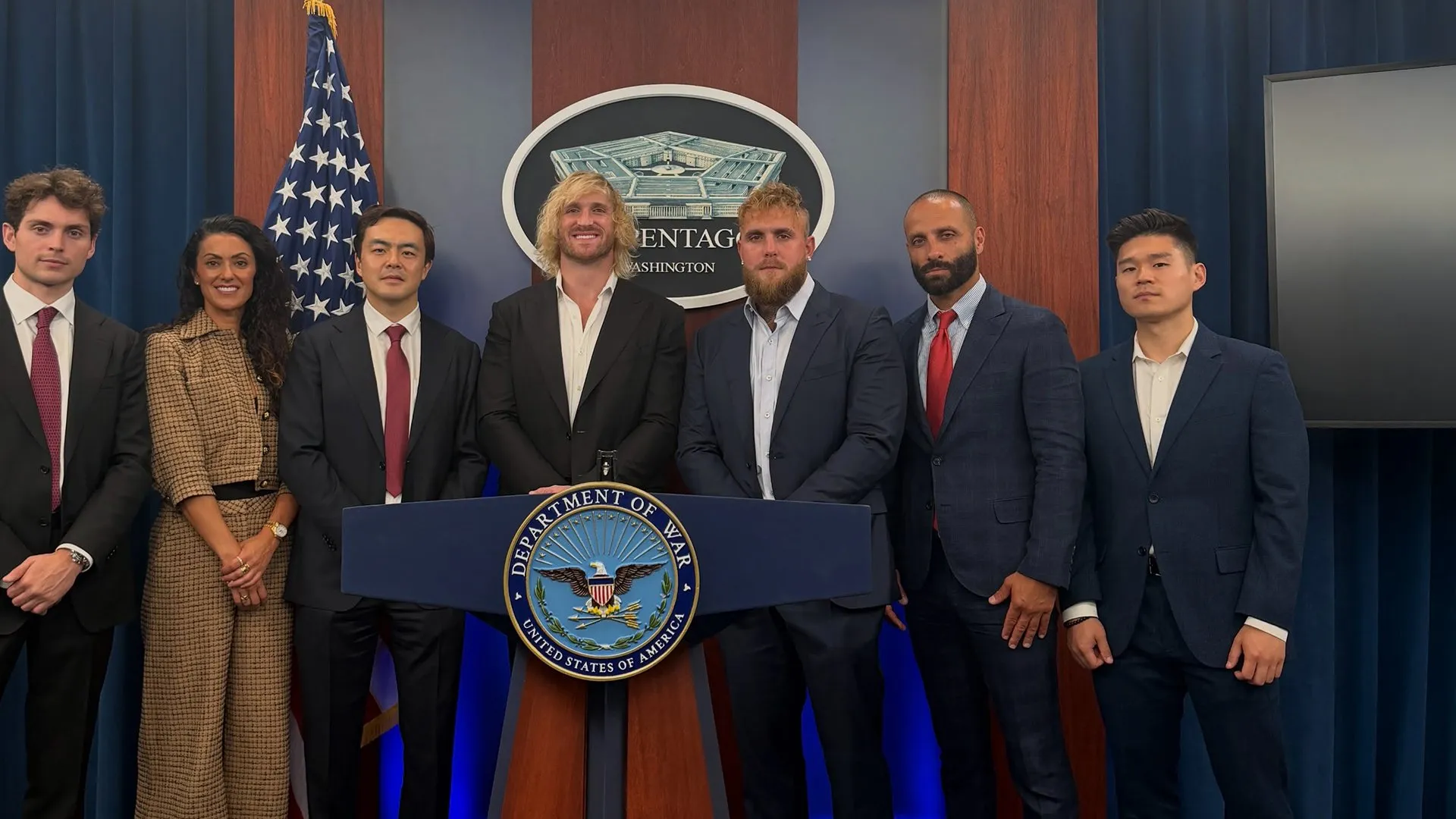
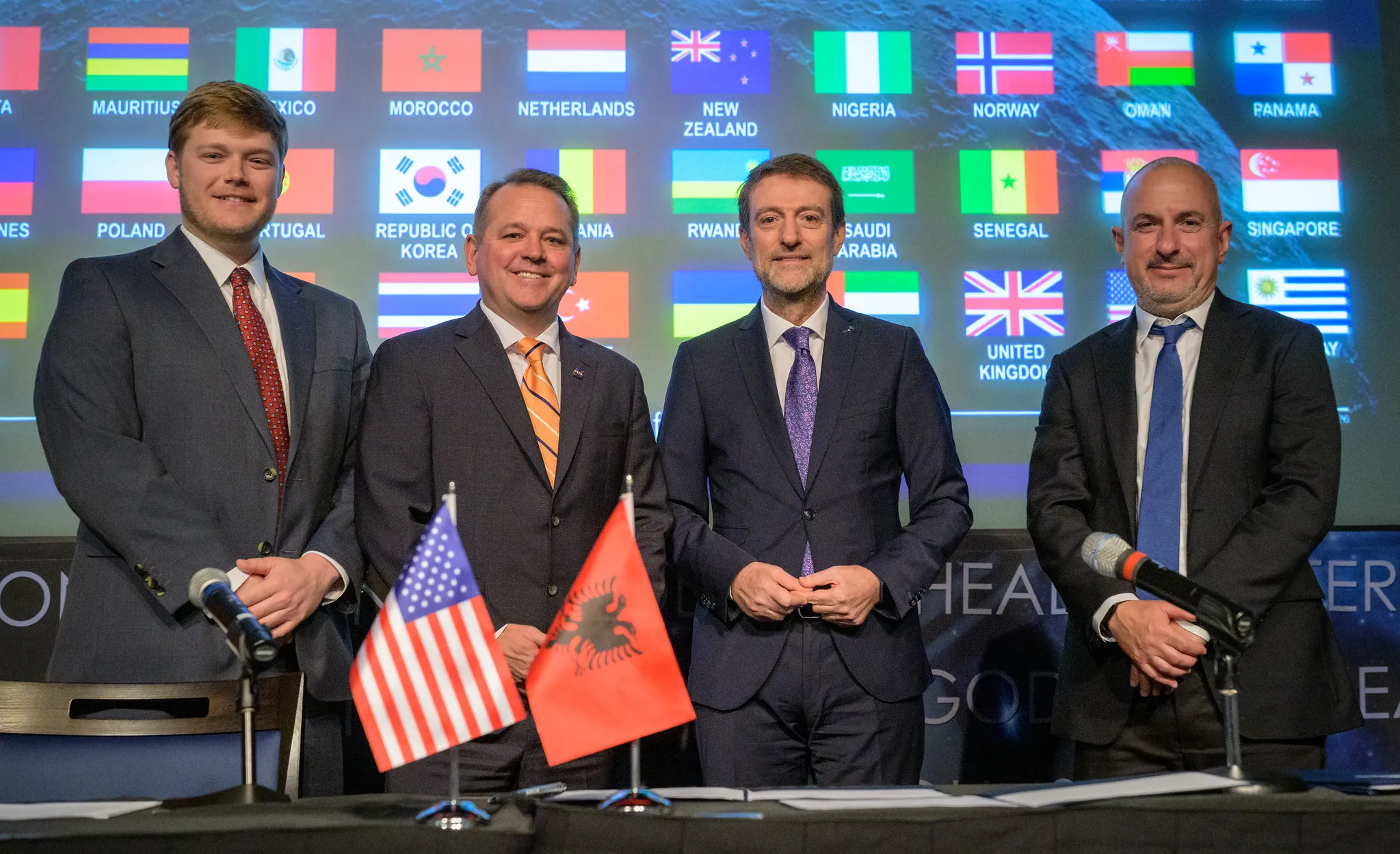
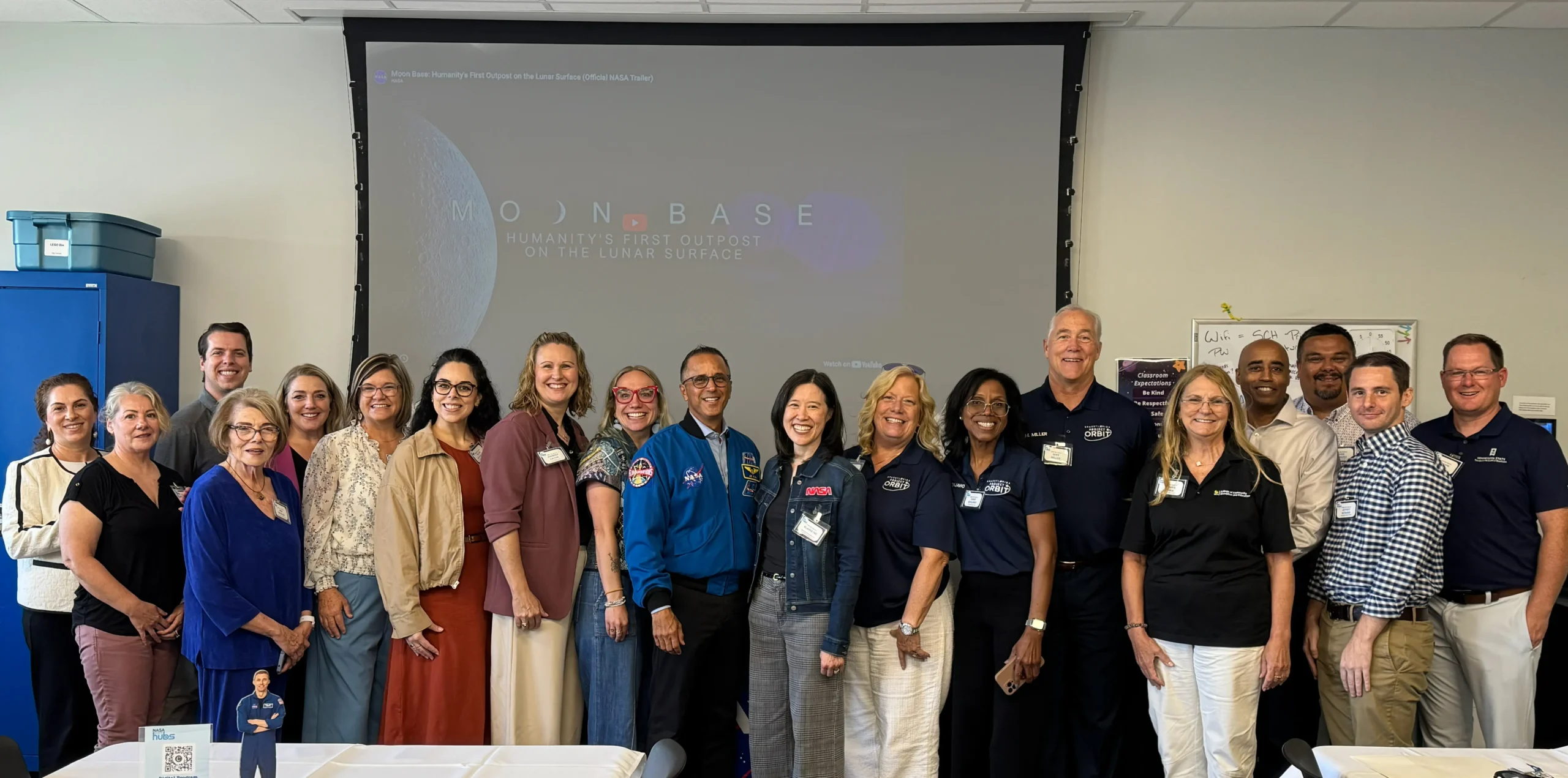
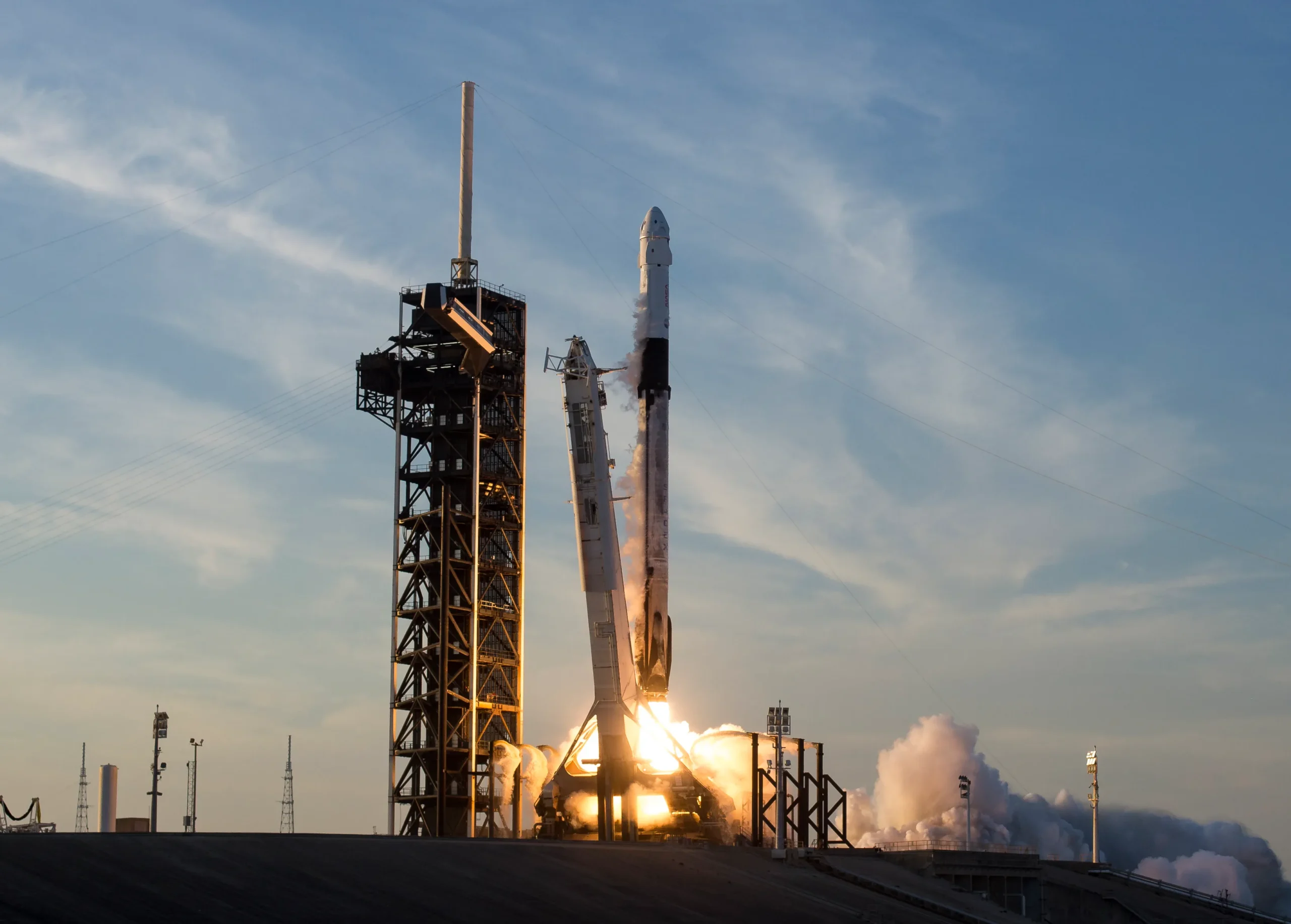
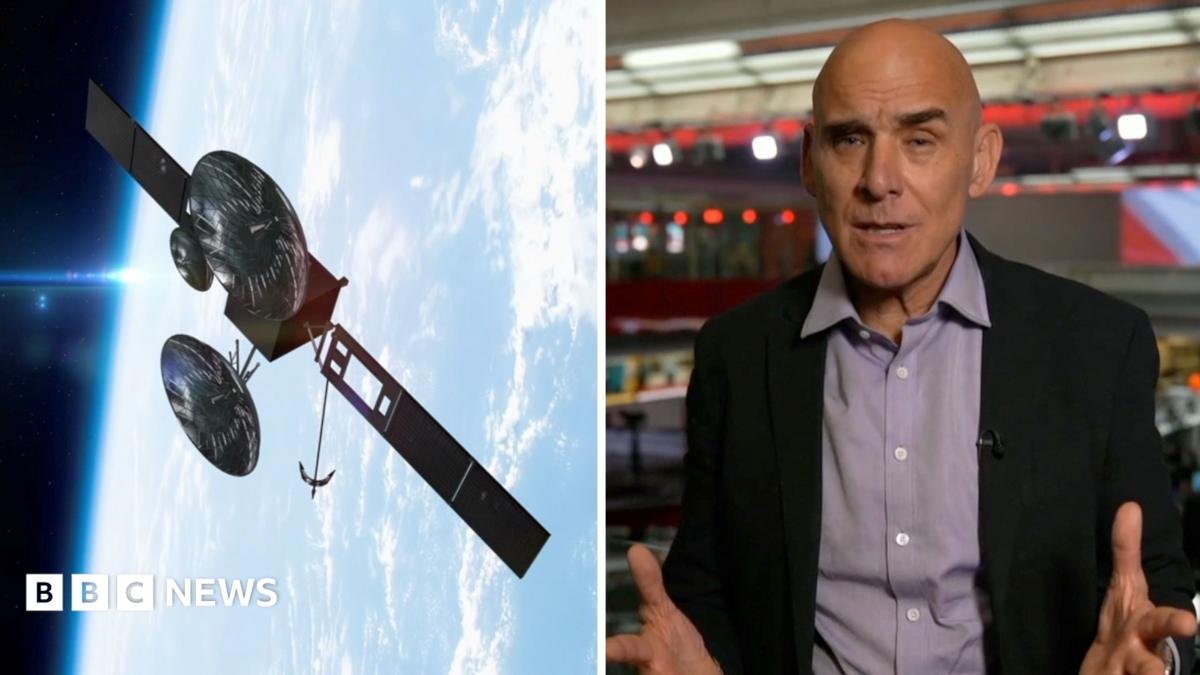
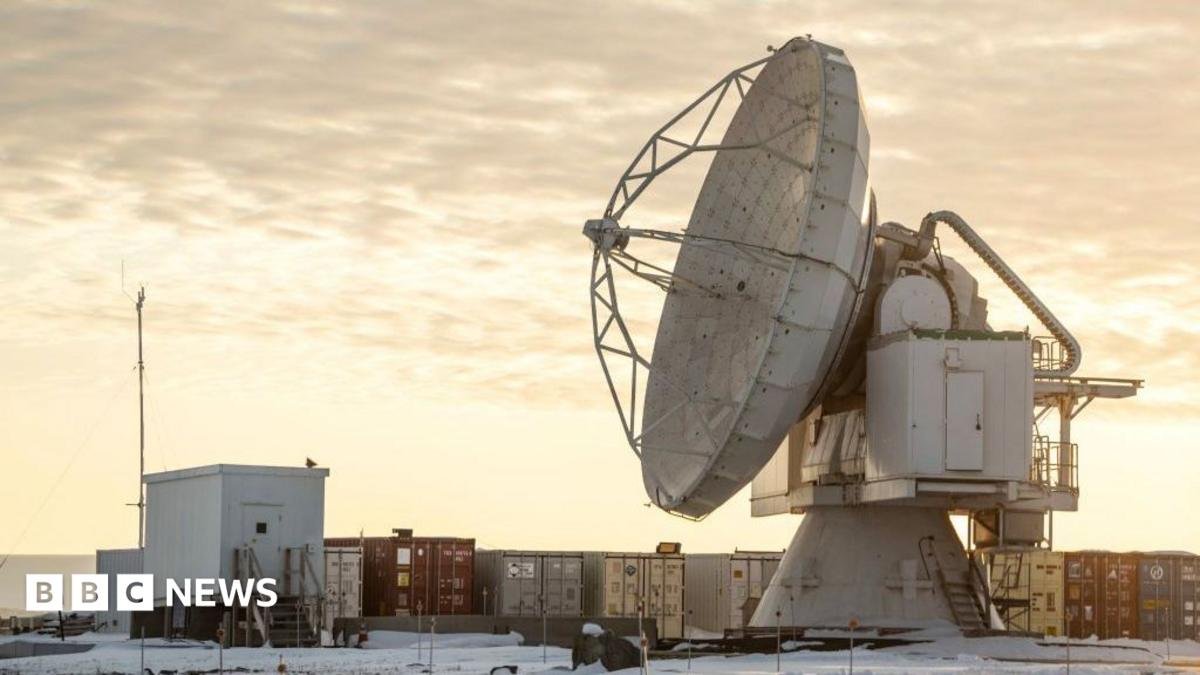
Simultaneously, in the scientific and aerospace sectors, the diplomatic landscape is broadening through the expansion of the Artemis Accords. The Republic of Albania recently became the 73rd signatory to this international framework, an act that underscores the nation's commitment to the peaceful and transparent exploration of deep space. The signing ceremony, held at NASA headquarters in Washington, signifies more than just technical cooperation; it represents a deepening of the bilateral relationship between Albania and the United States.
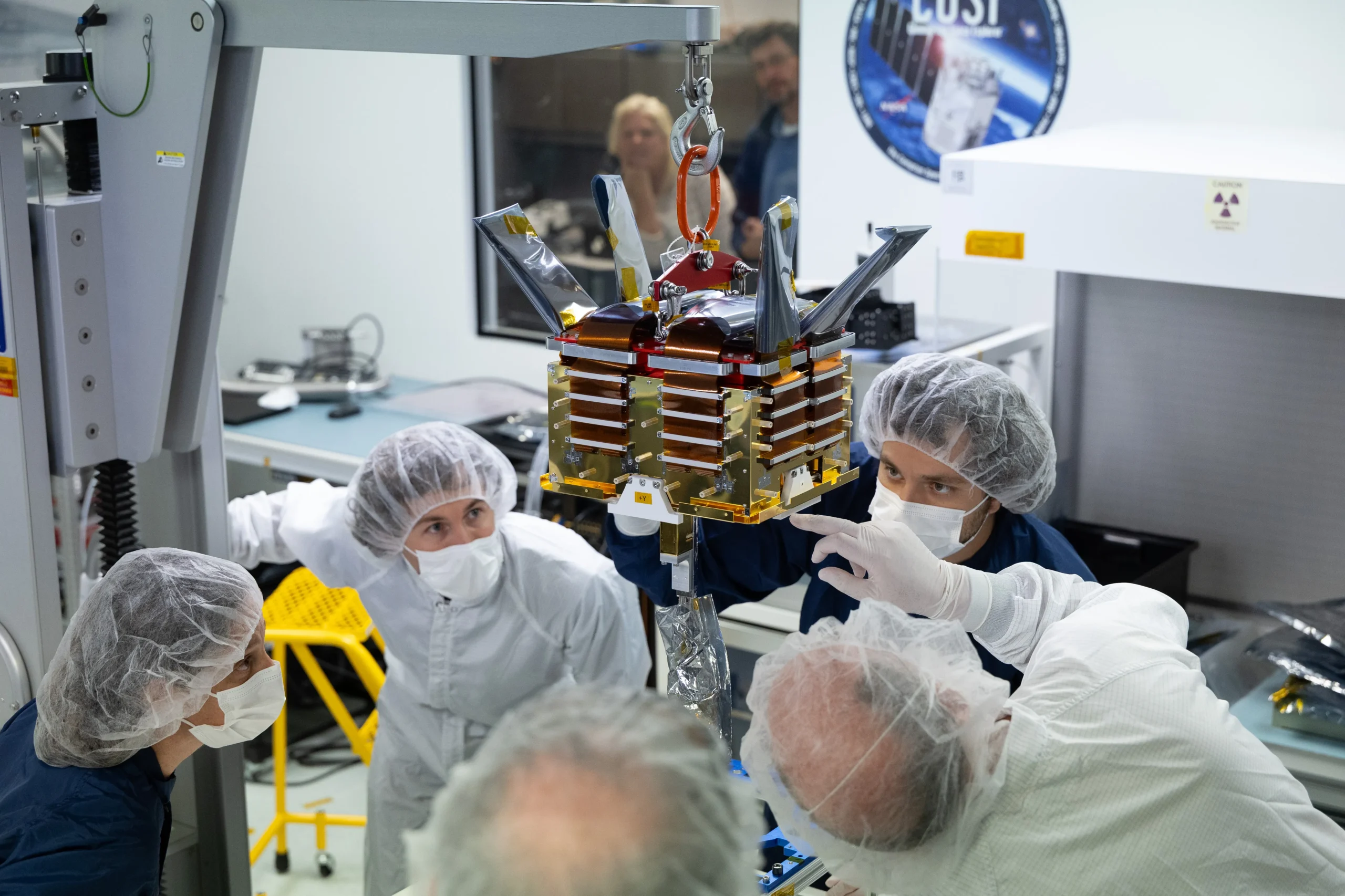
This partnership is underpinned place its Earth-observation satellites, Albania-1 and Albania-2, into orbit. cientific collaboration but is also reinforcing a specific set of international norms for space activity—standards built upon, as Albanian Foreign Minister Ferit Hoxha noted, a foundational commitment to international law and multilateralism.
The immediate trajectory for these diplomatic efforts hinges on the ability of neutral parties to maintain the momentum established during the UN General Assembly. In the Middle East, the success of Qatar’s mediation will likely be measured volatility surrounding the Iran conflict. Conversely, the expansion of the Artemis Accords suggests that the U.S. will continue to use space exploration as a soft-power tool to solidify alliances with smaller, tech-emerging nations. Ultimately, both arenas of diplomacy—the political and the scientific—face the challenge of proving that established agreements can withstand periods of intense regional pressure.