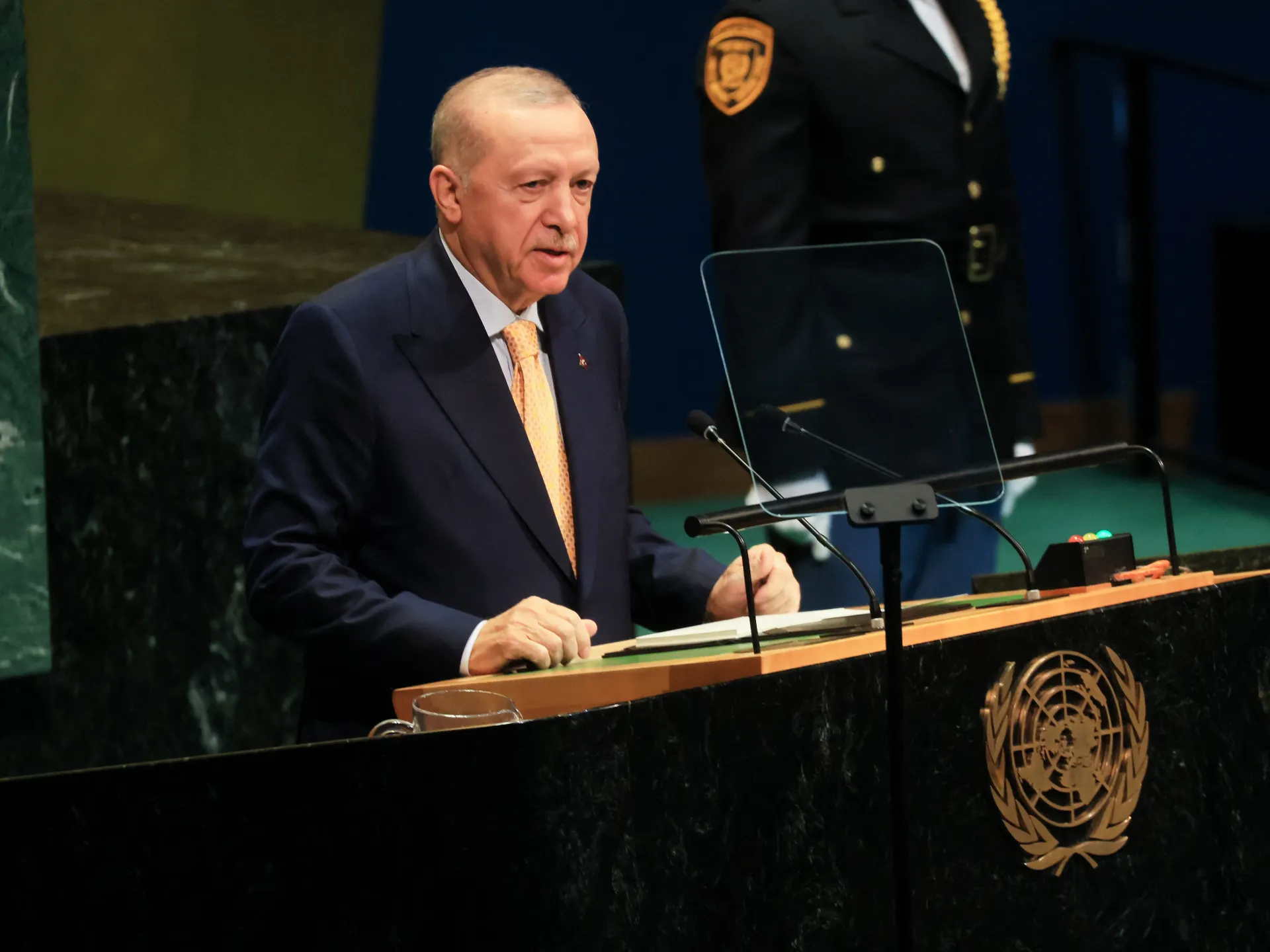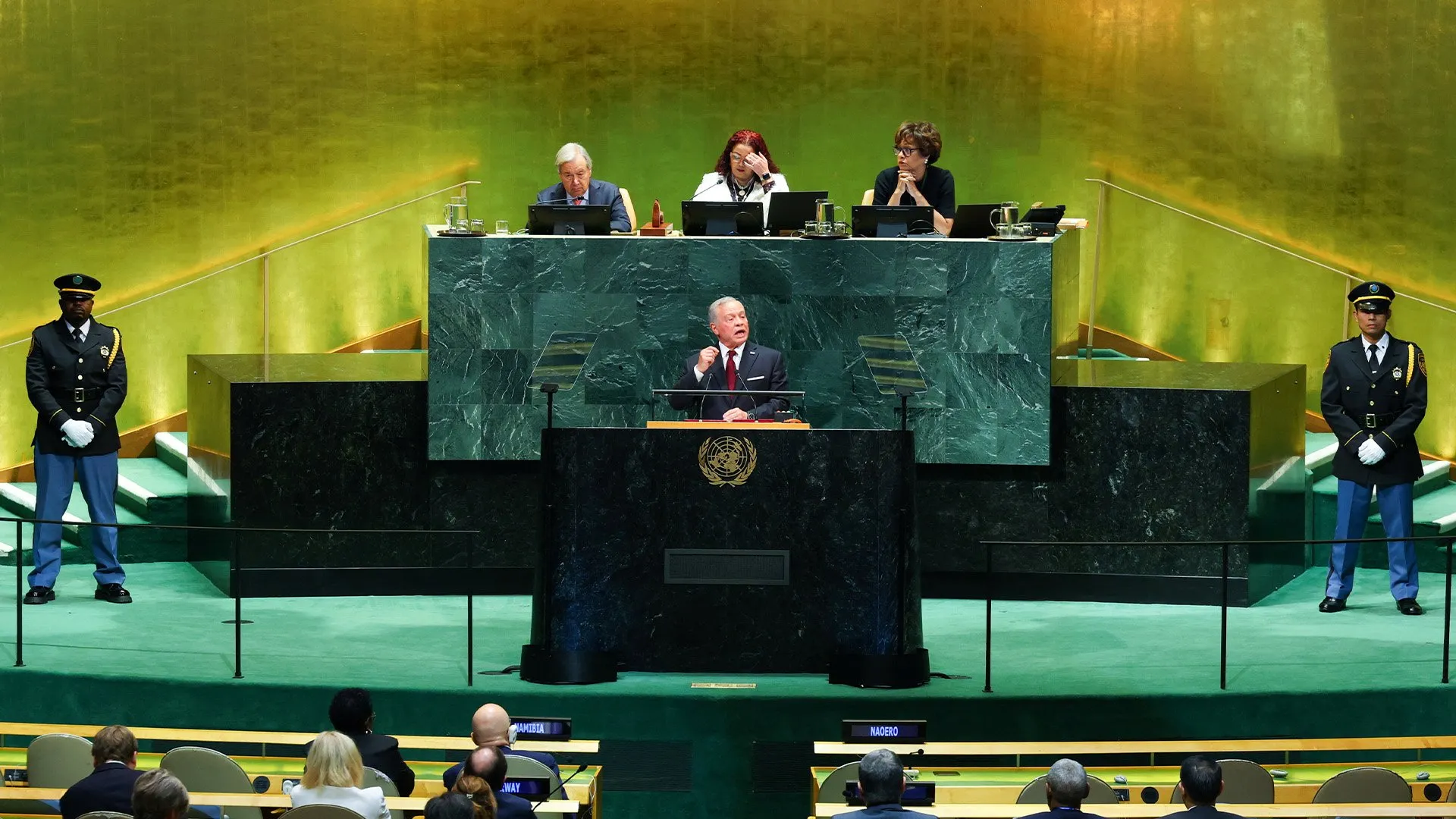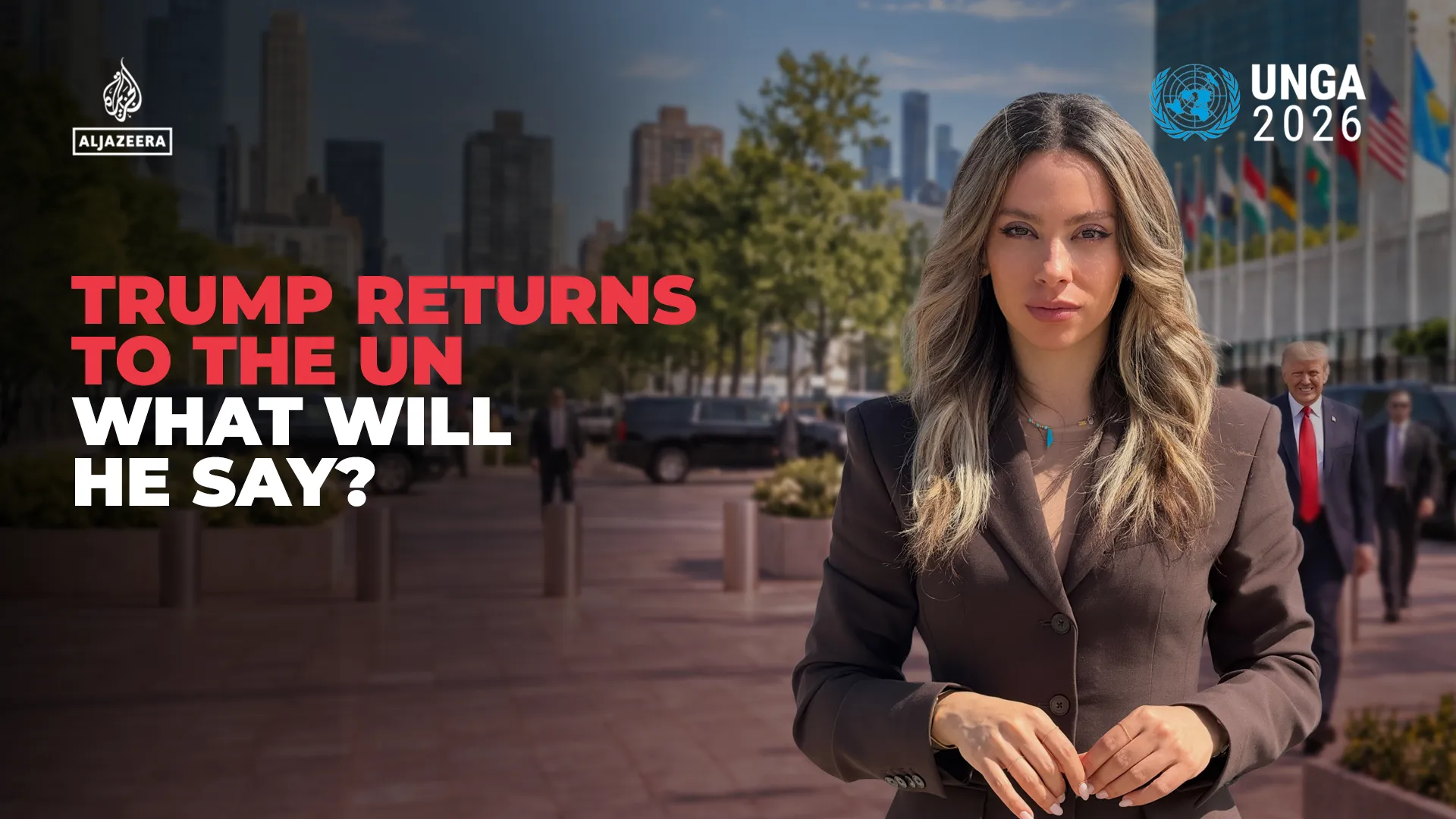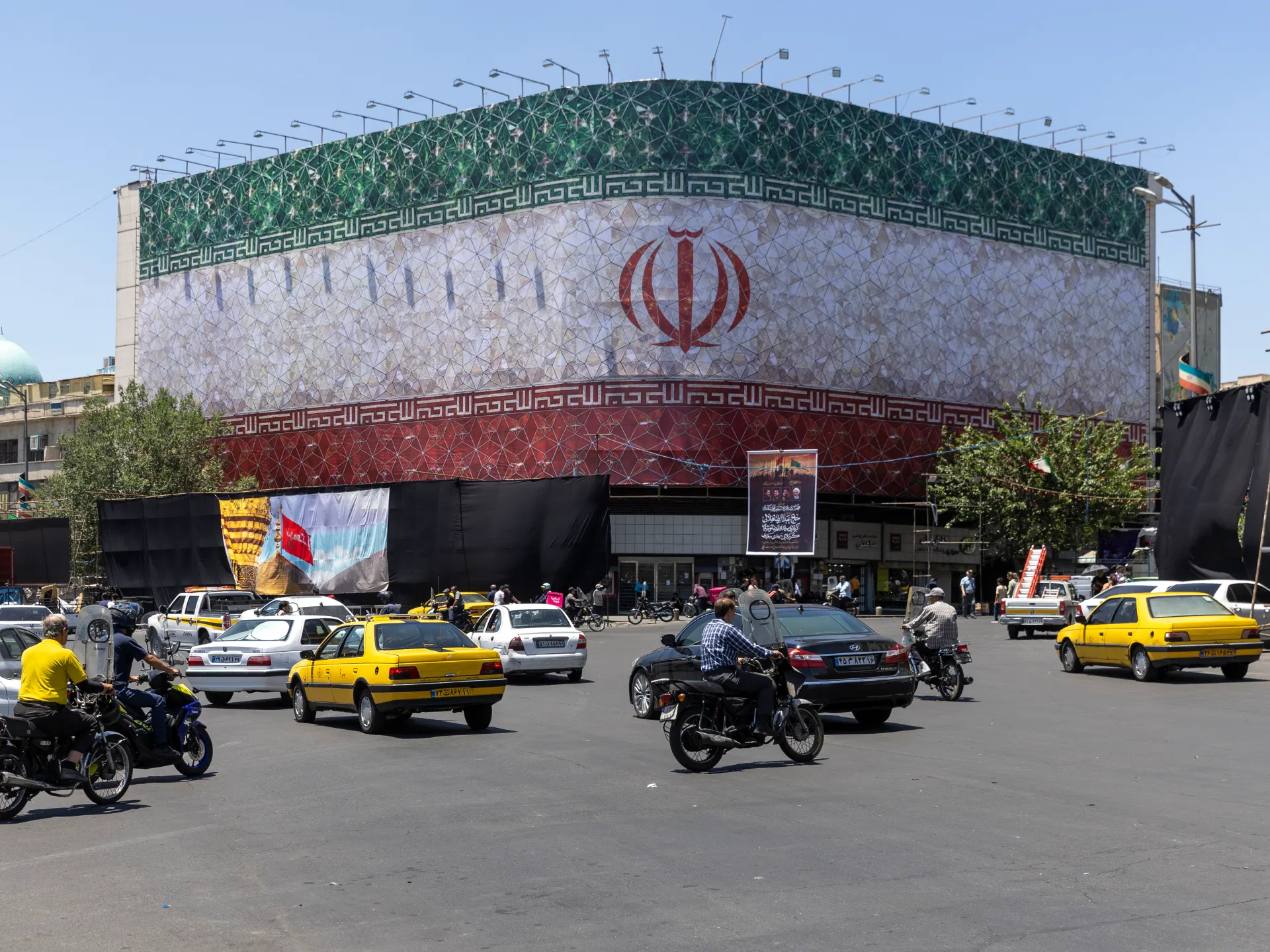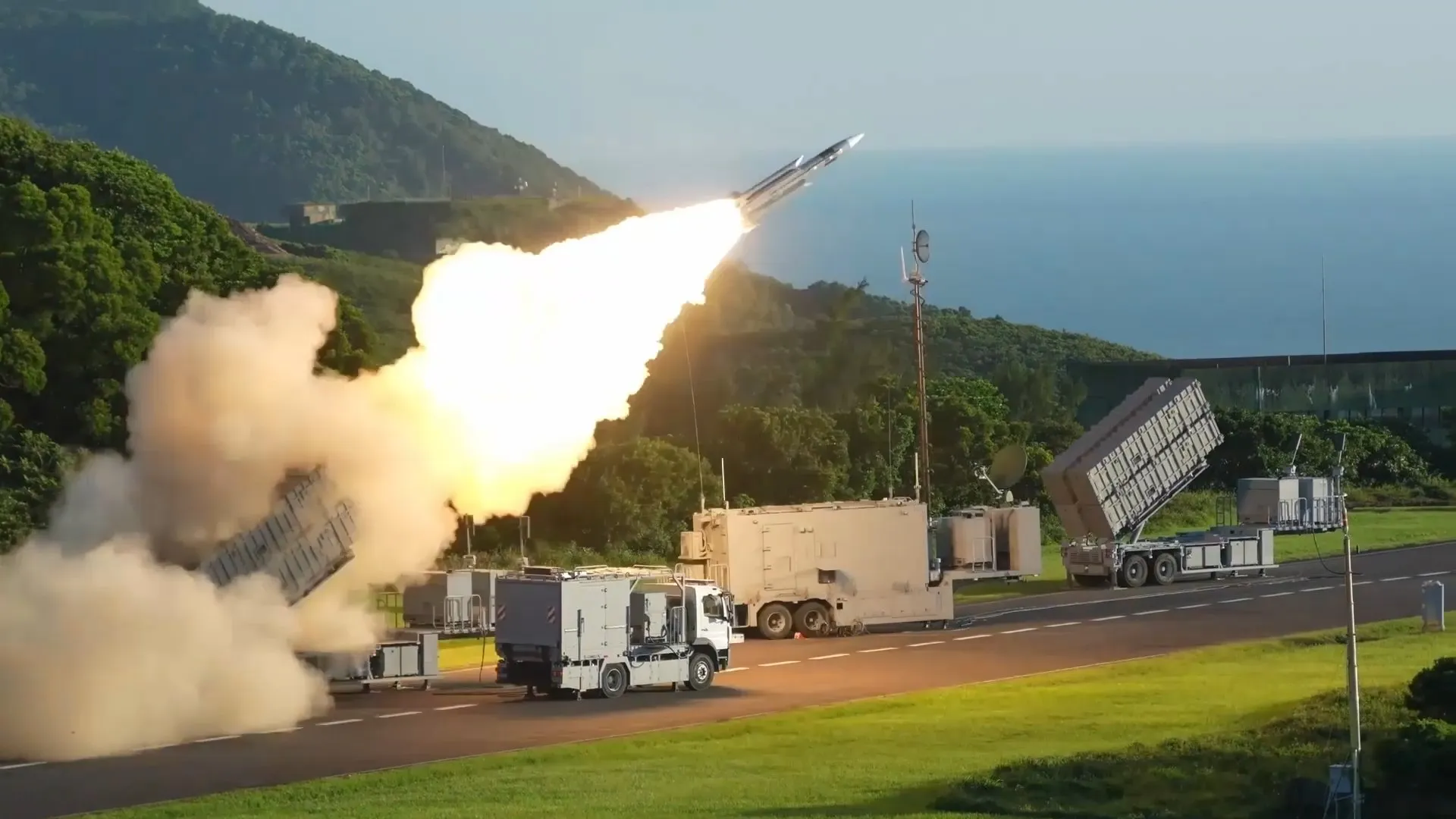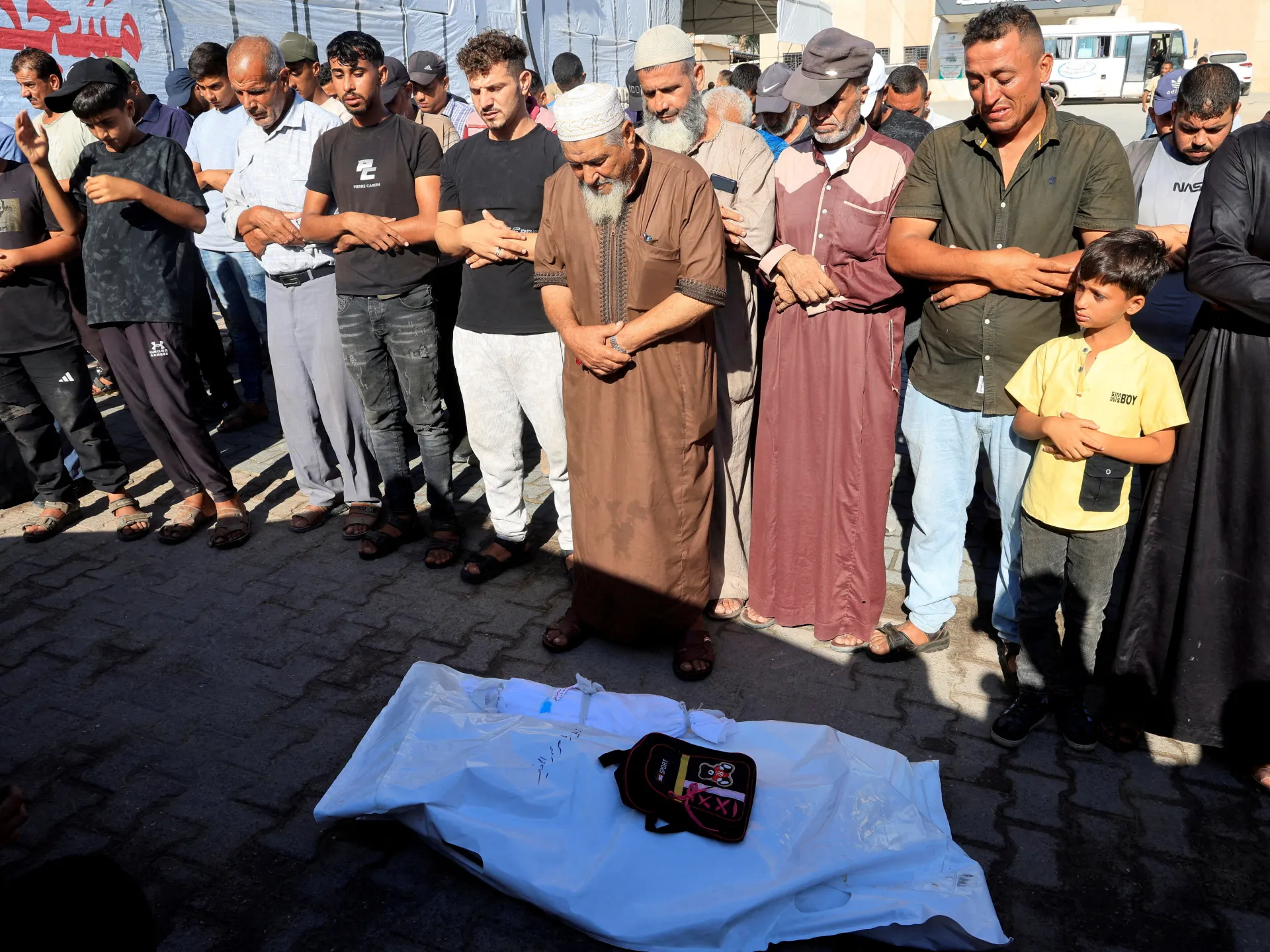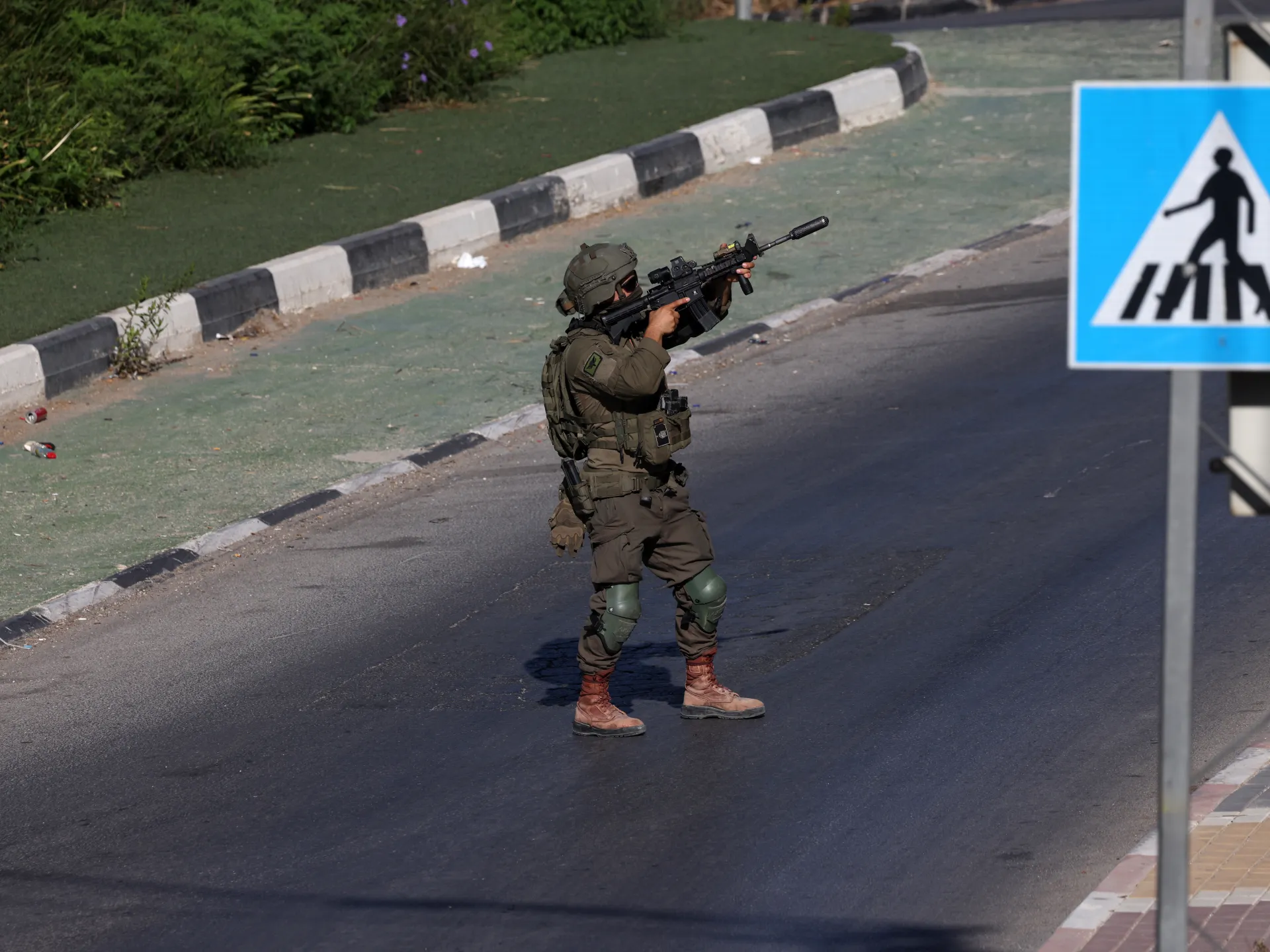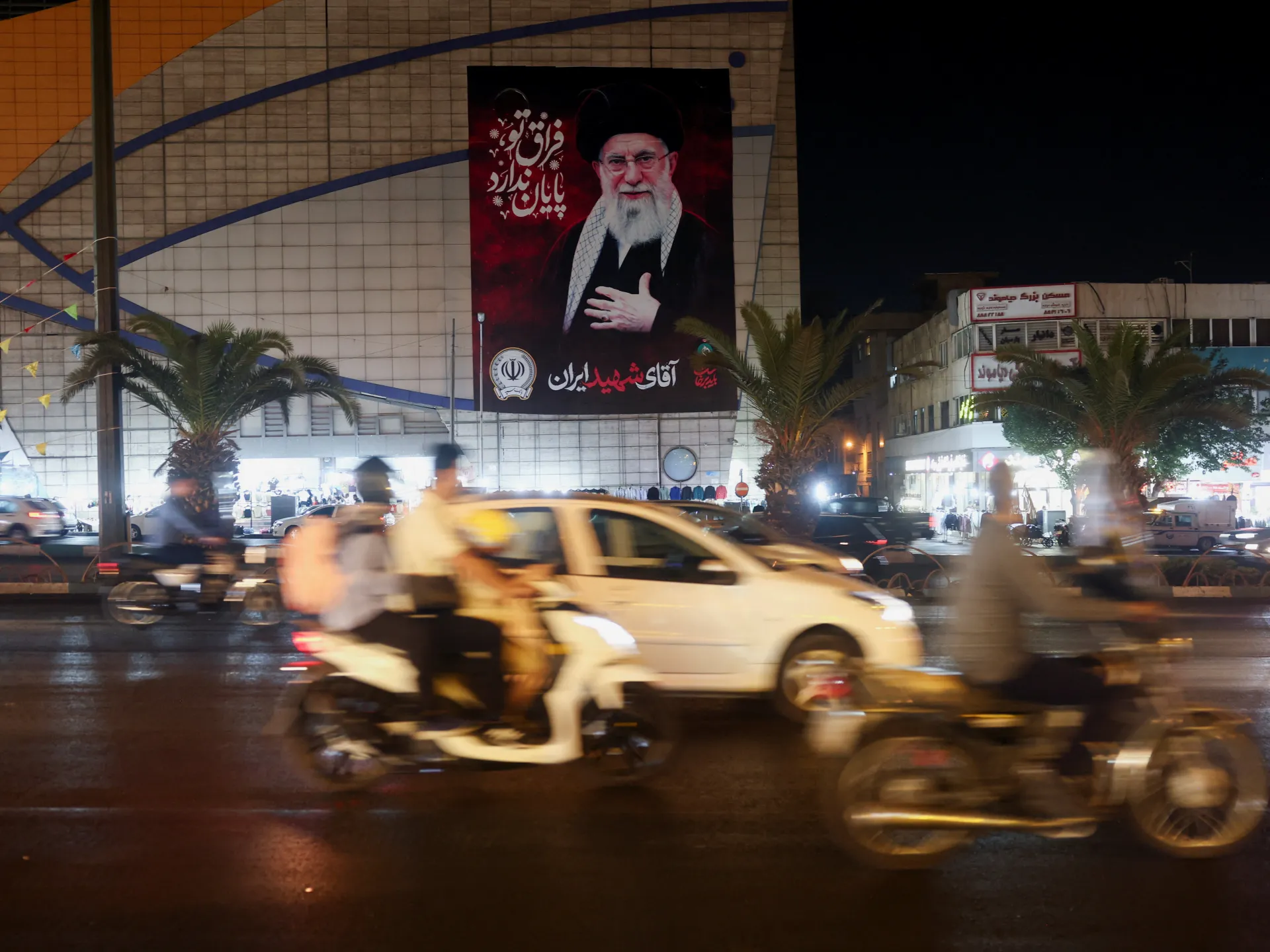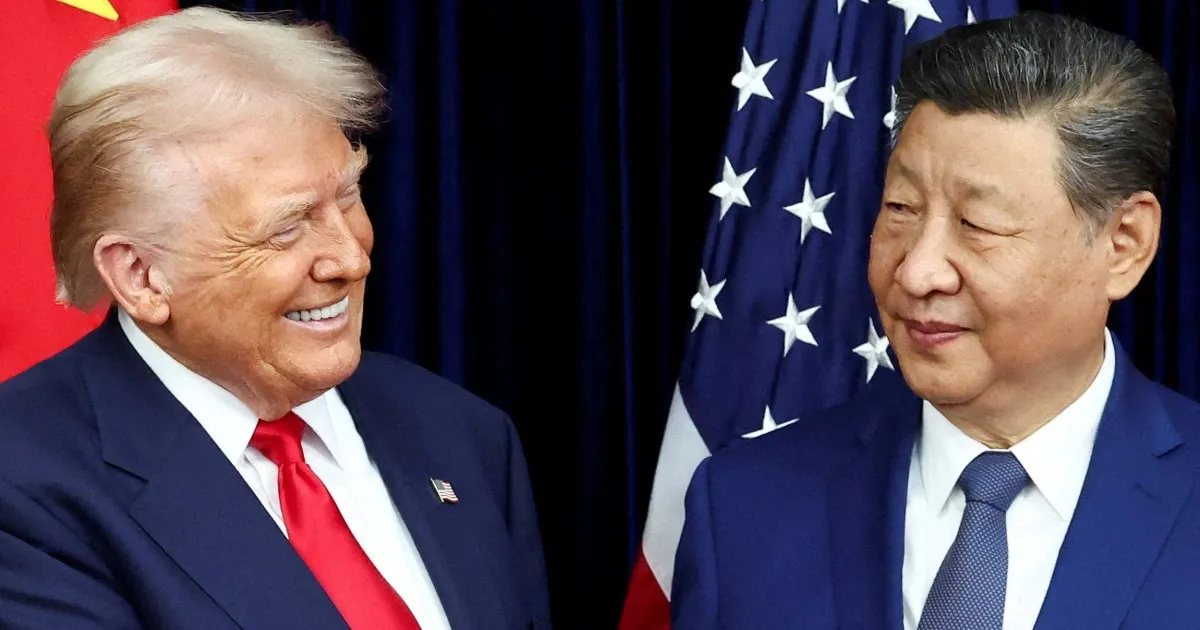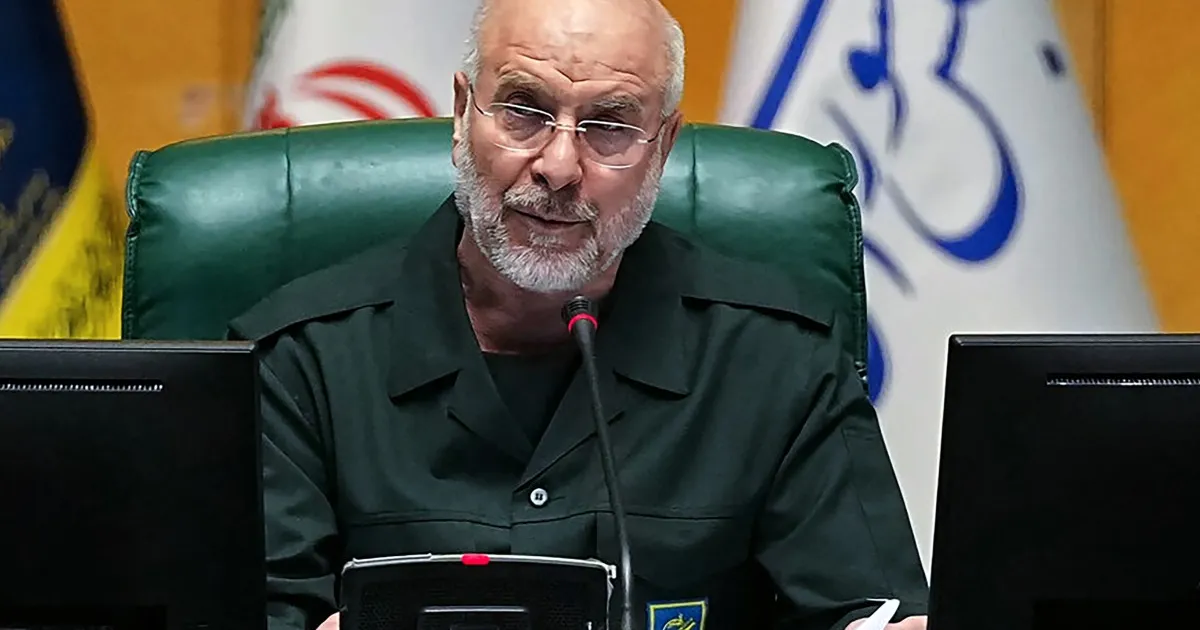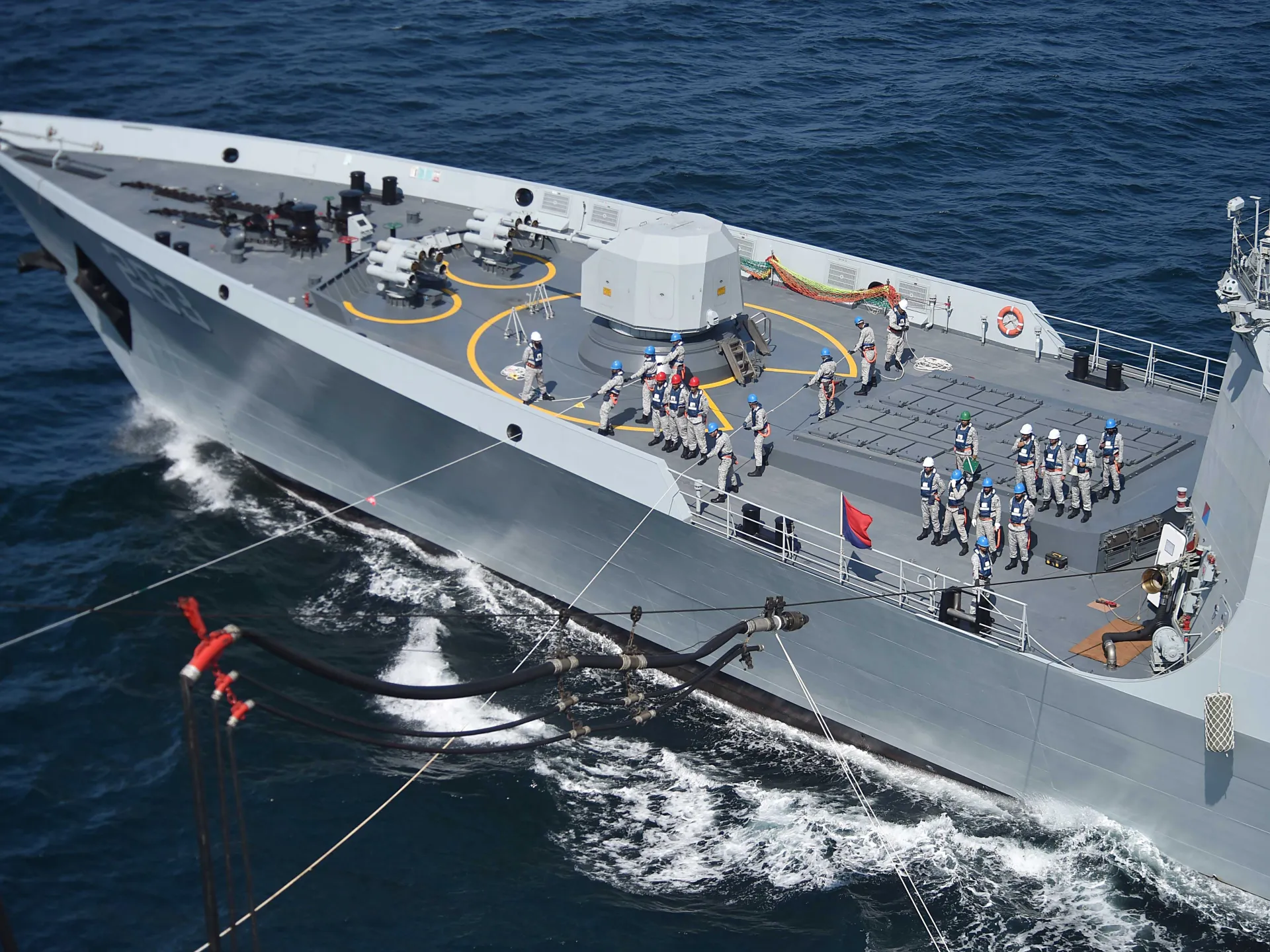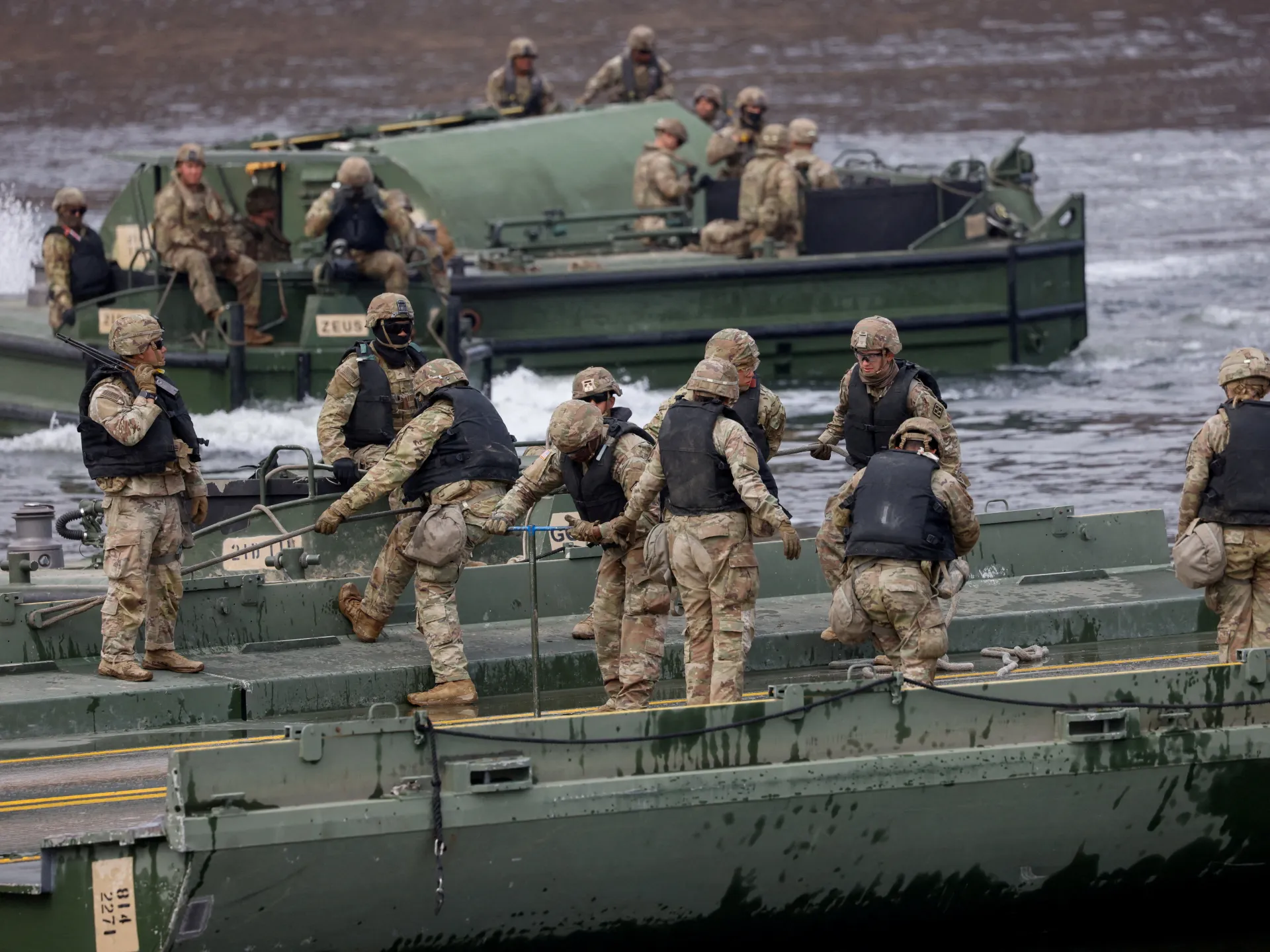
American and Iranian officials have utilized UNGA sidelines to initiate mediated talks aimed at resolving the conflict in the Strait of Hormuz.
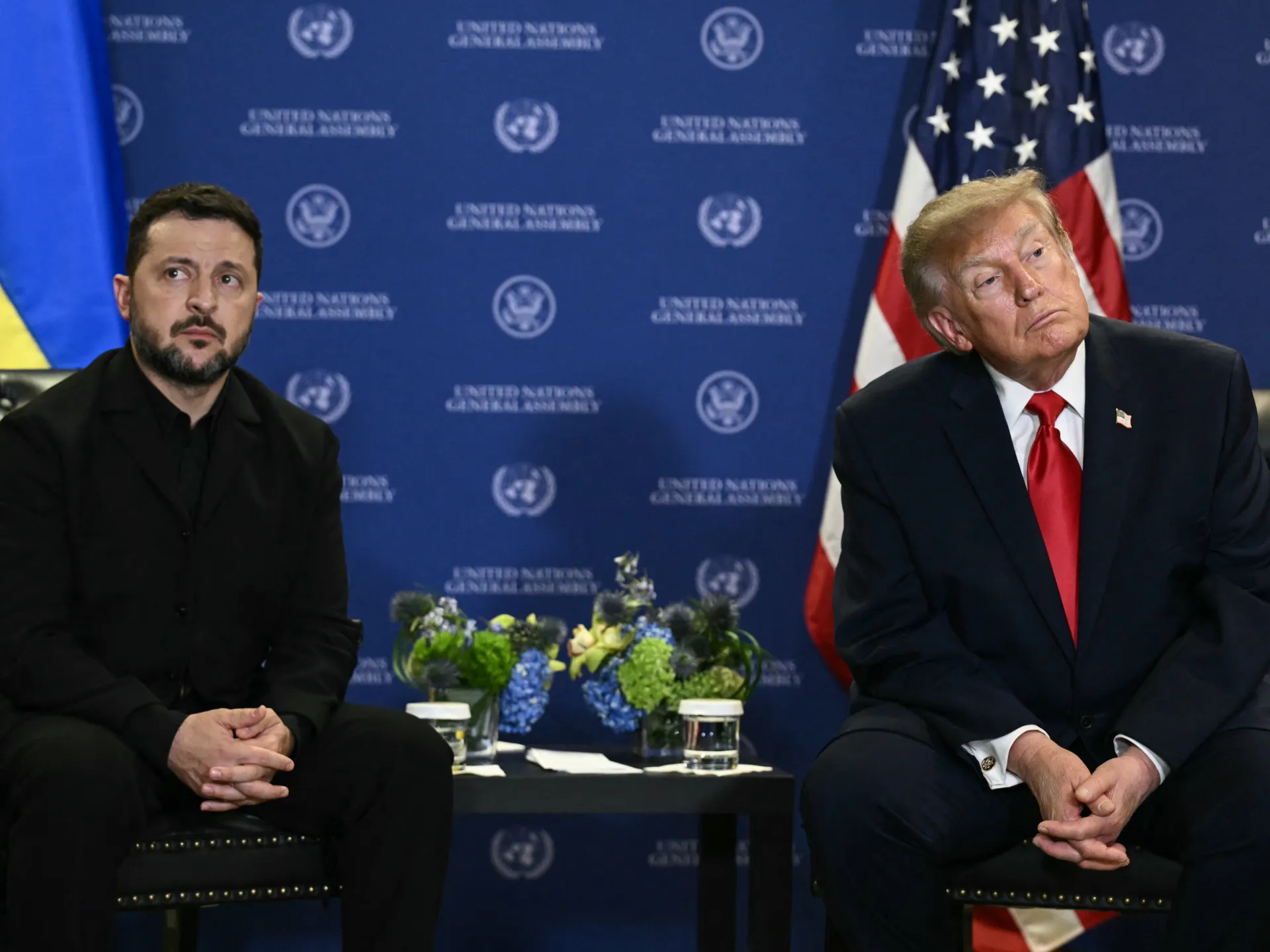
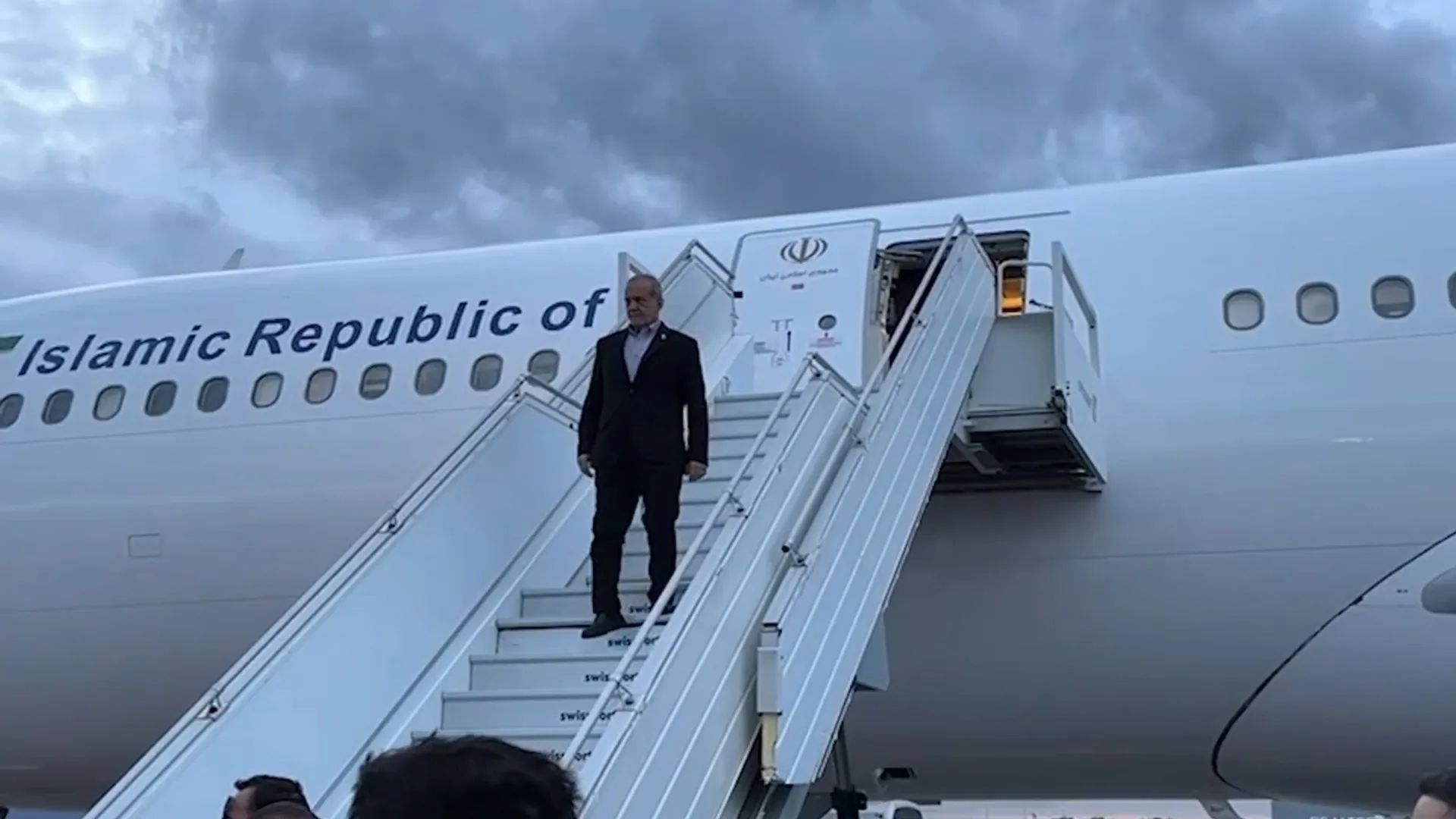
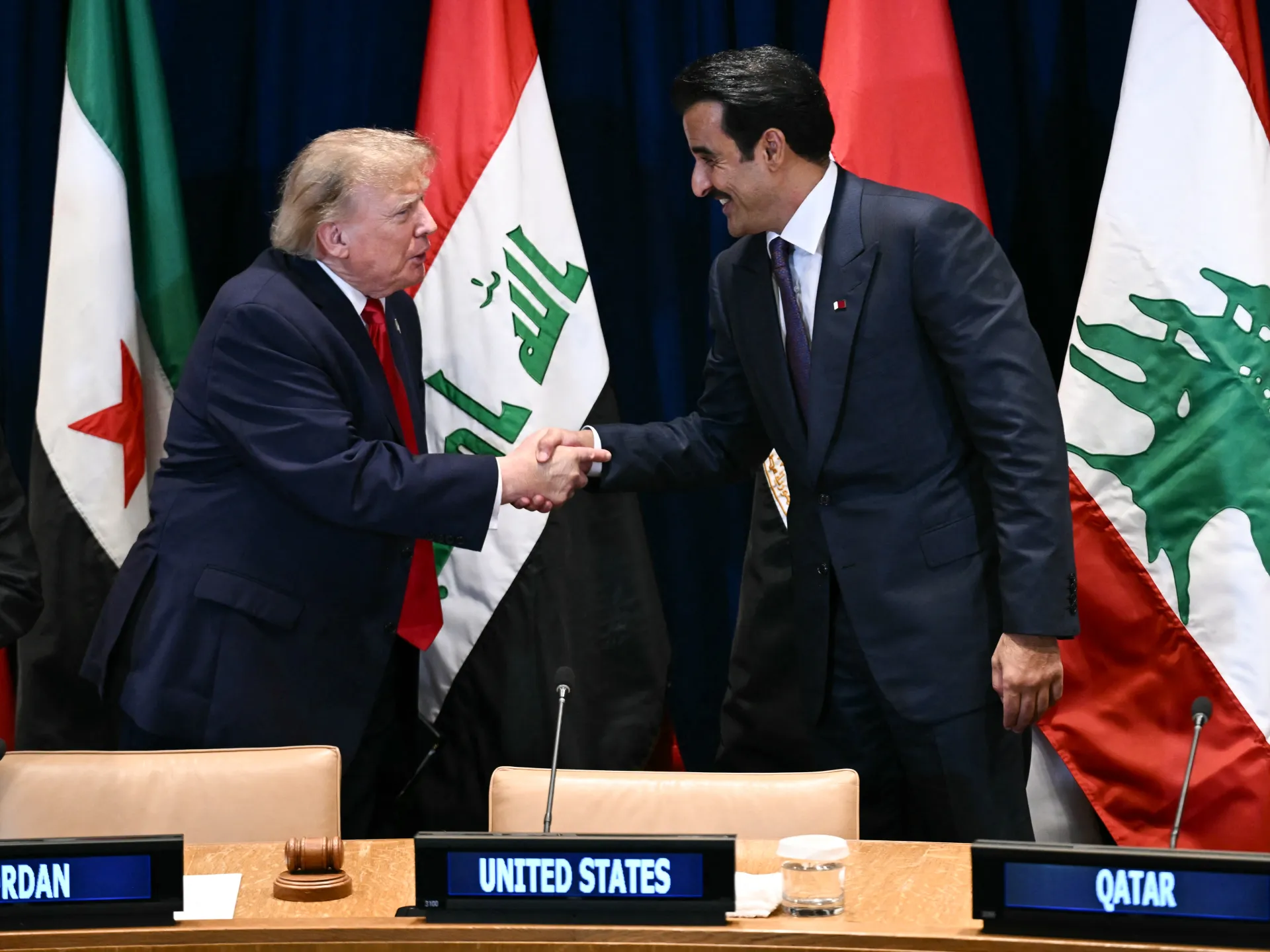
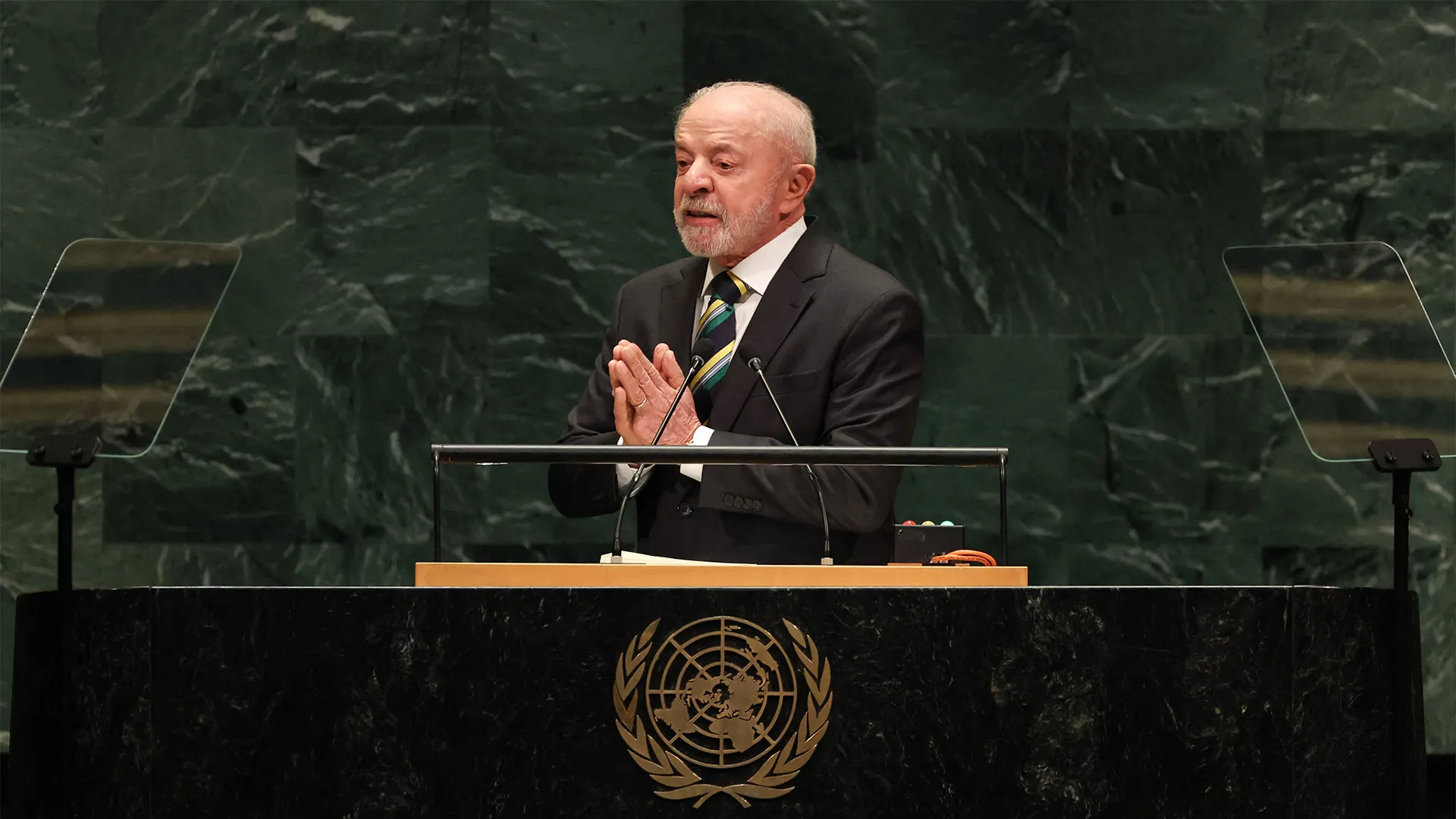
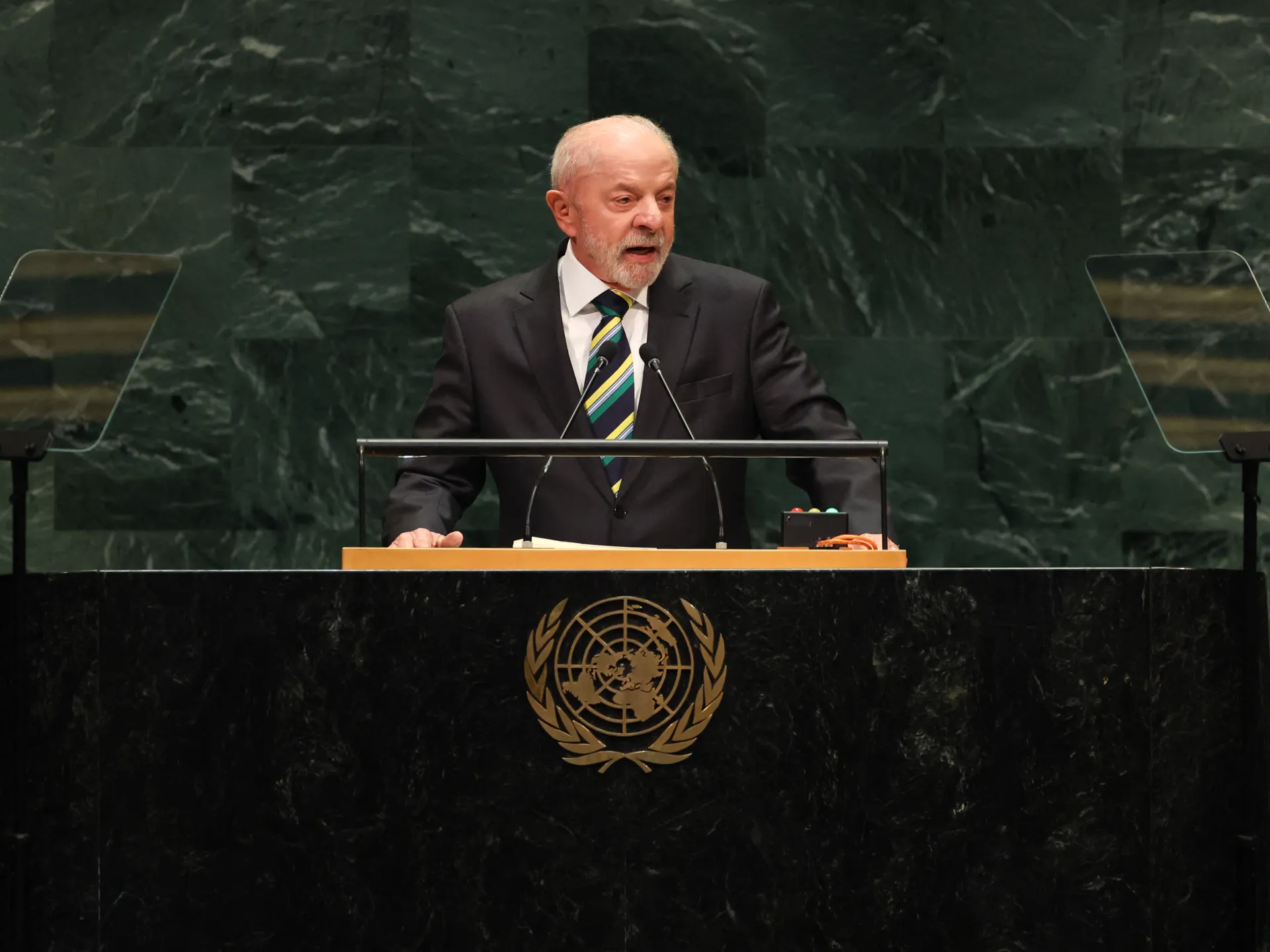
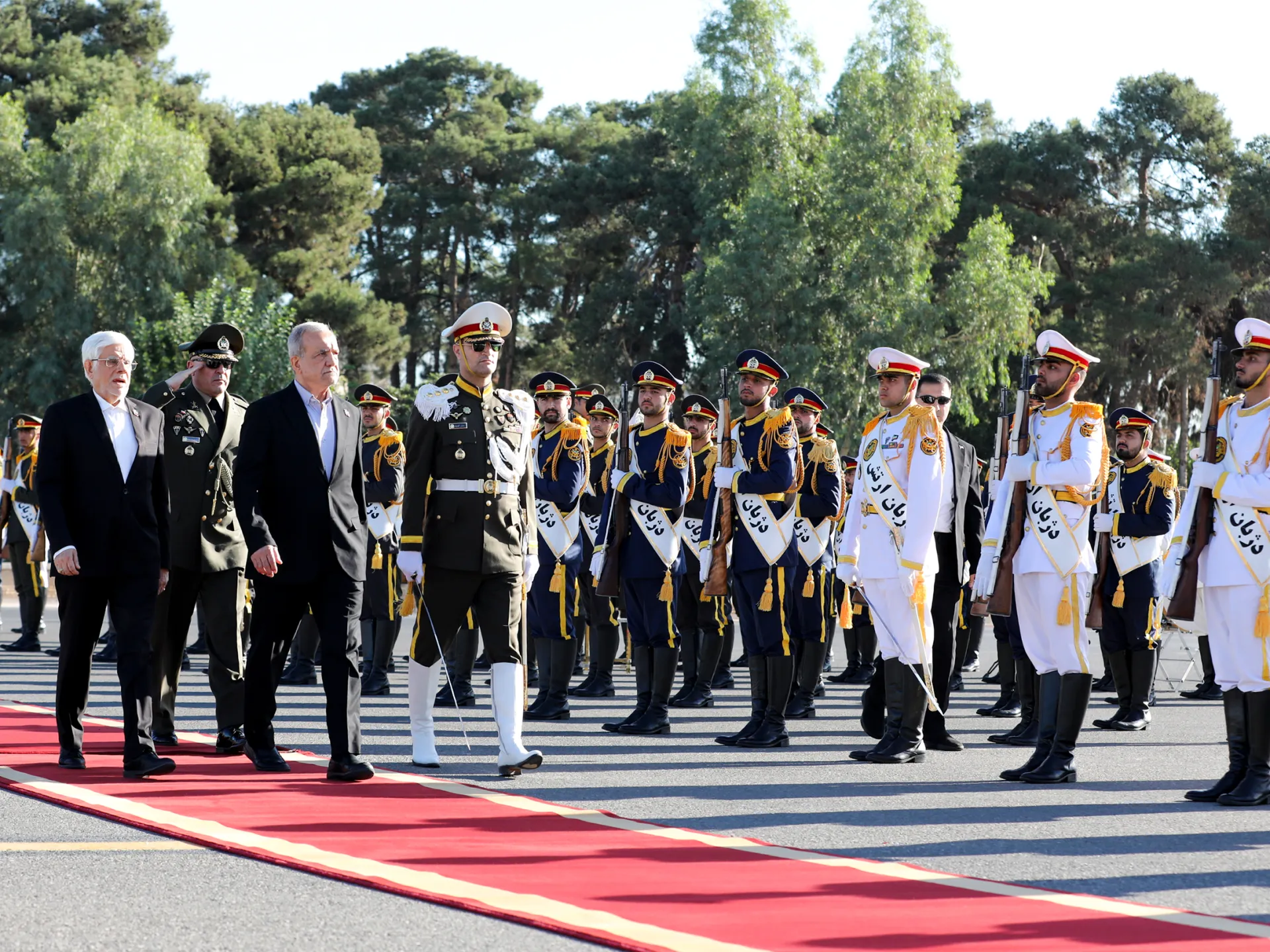
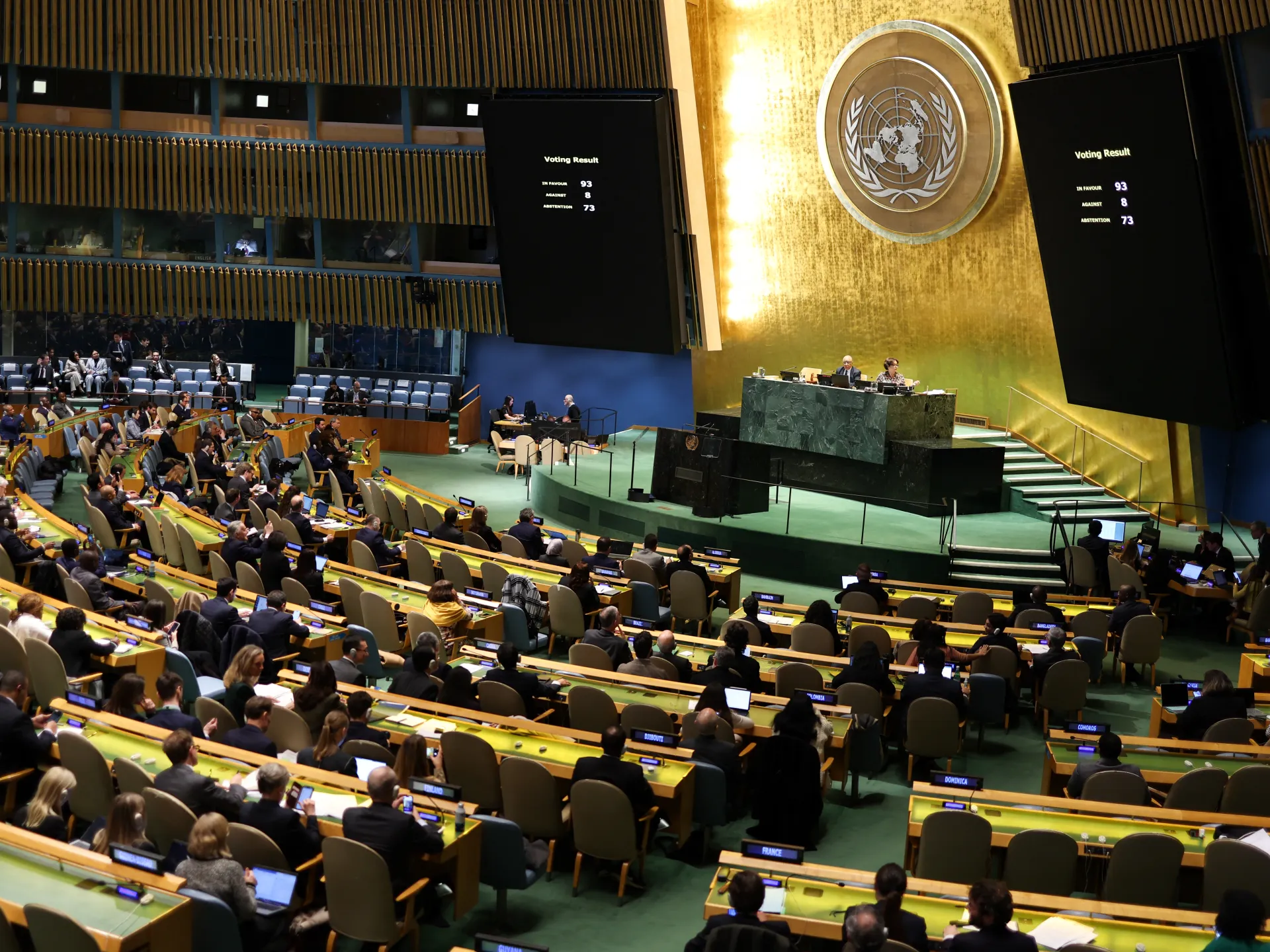
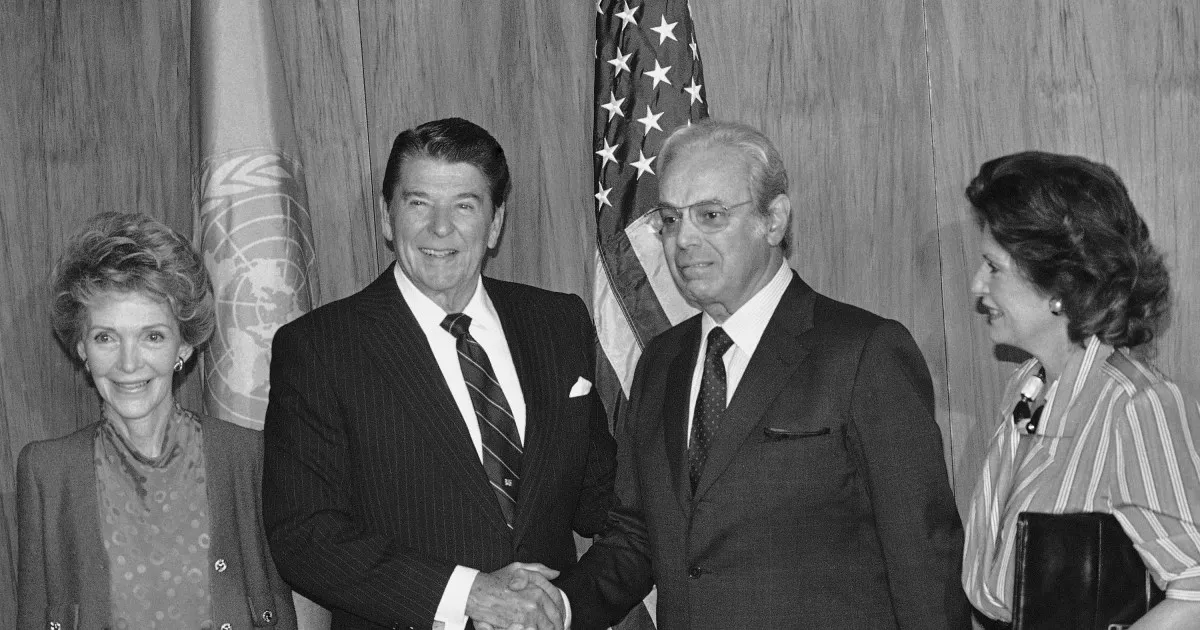
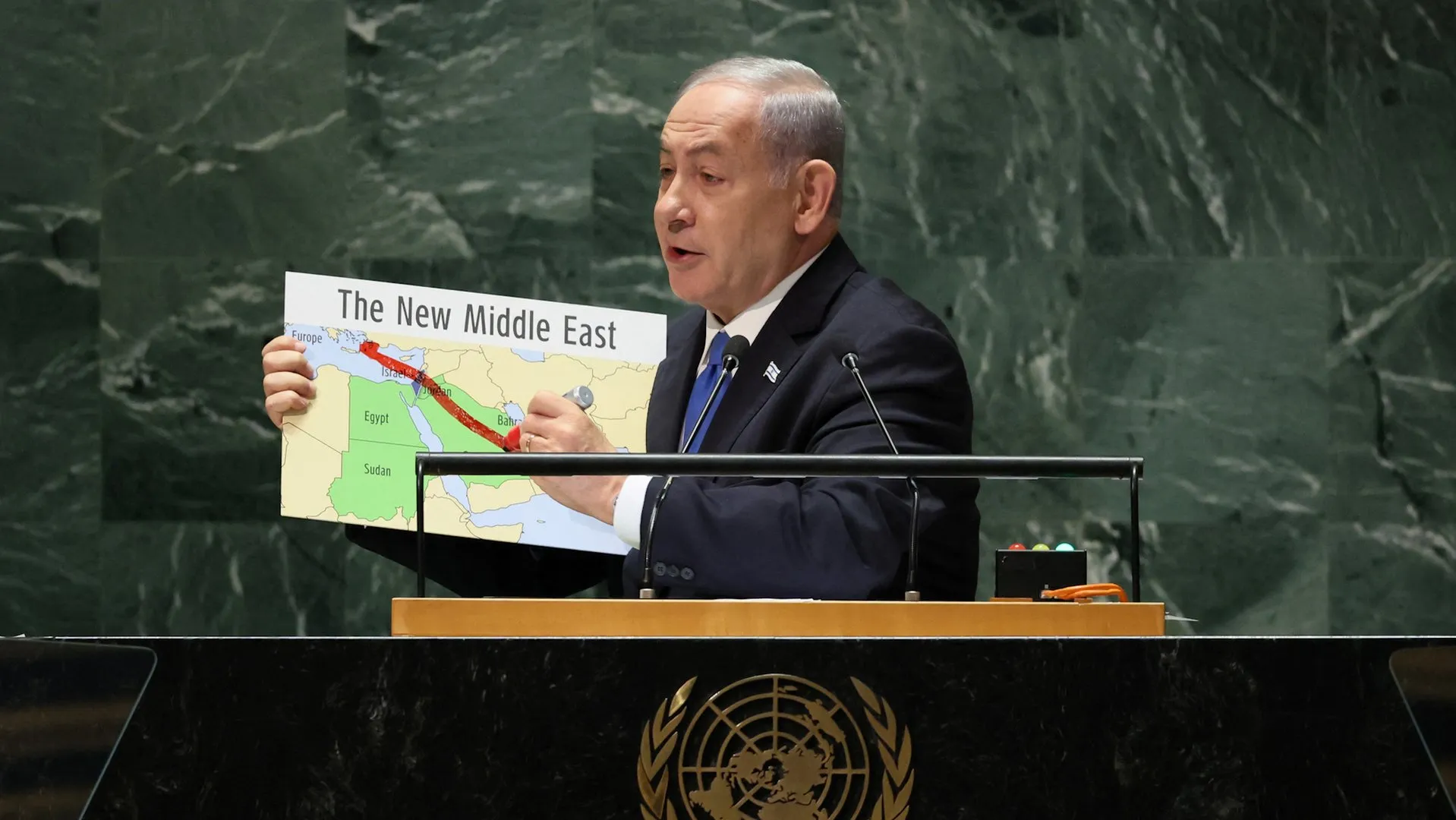
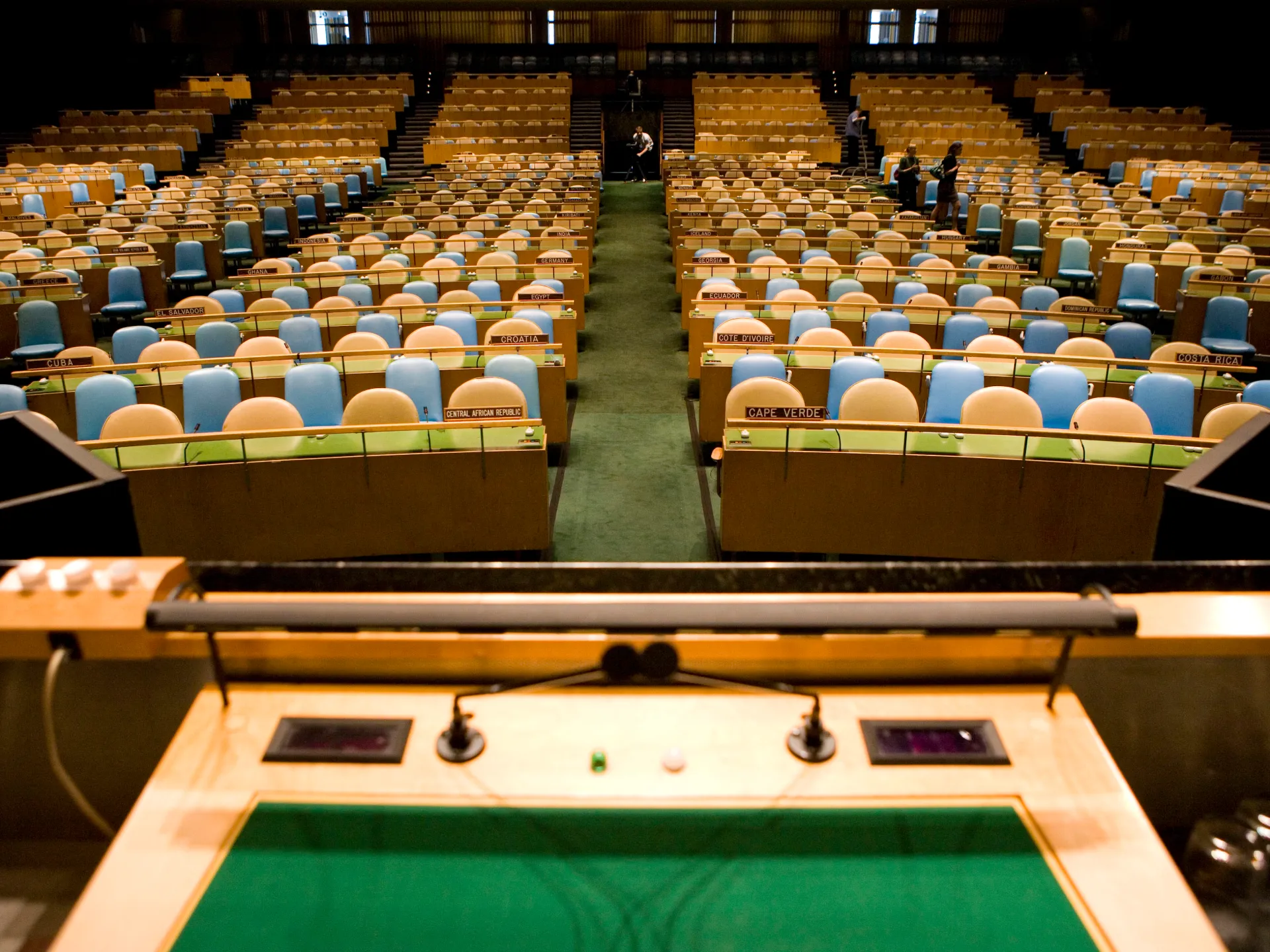
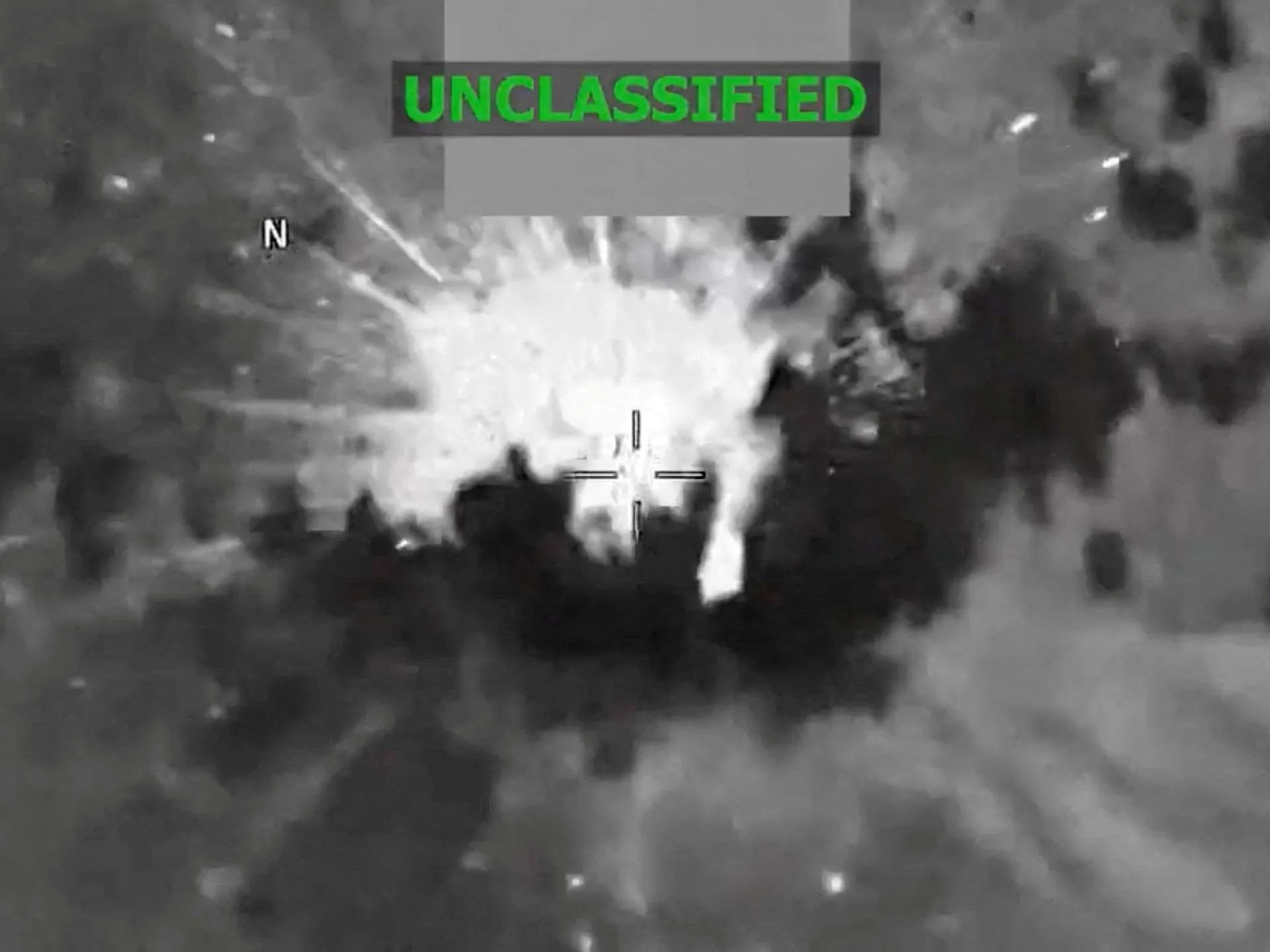
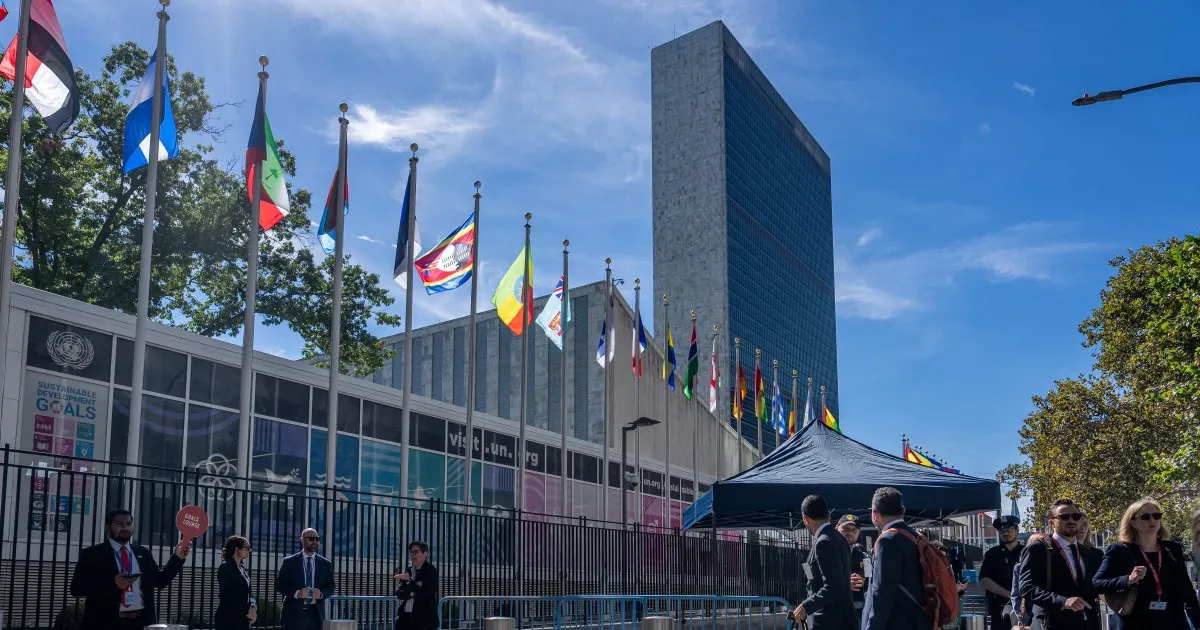
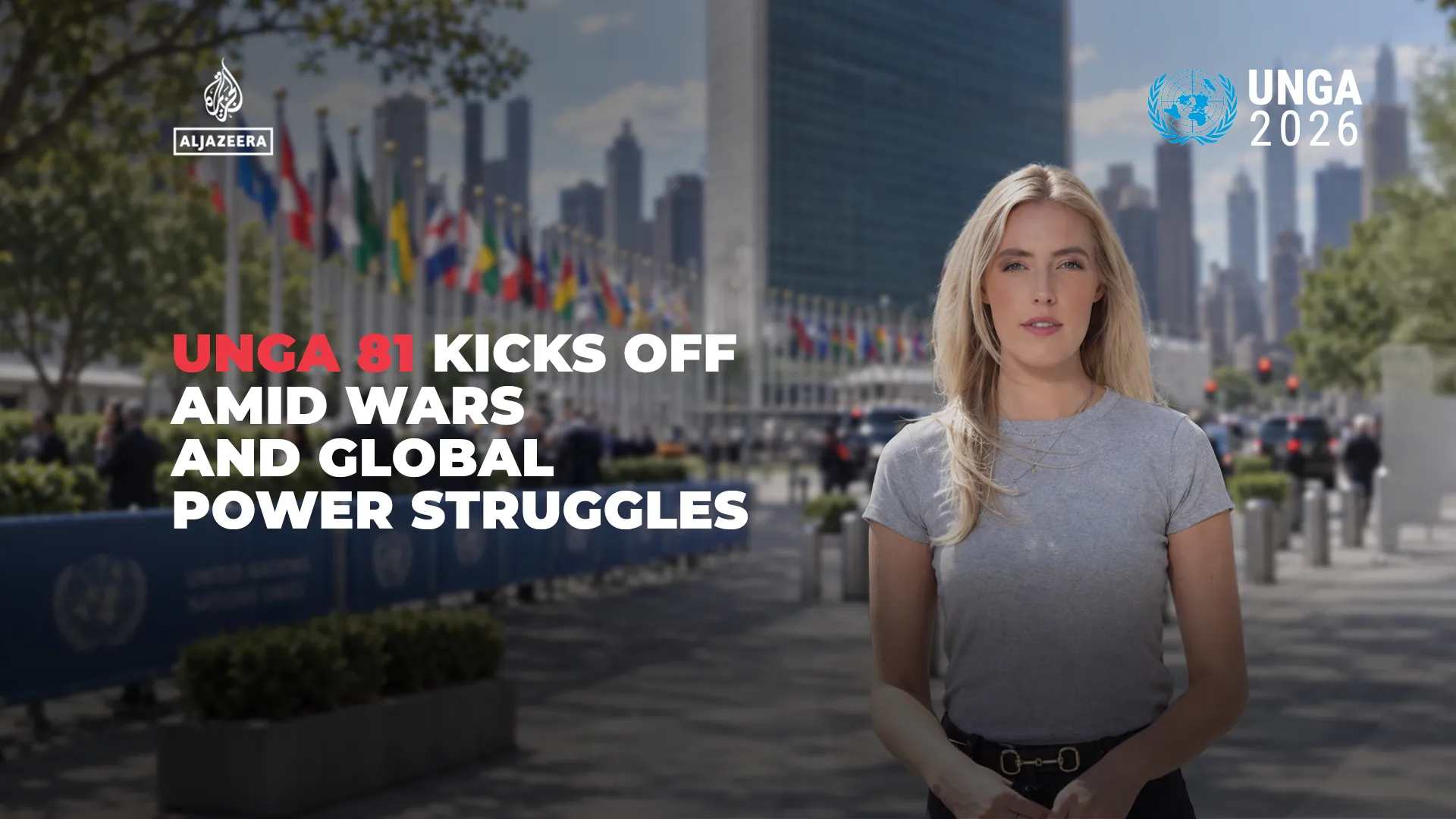
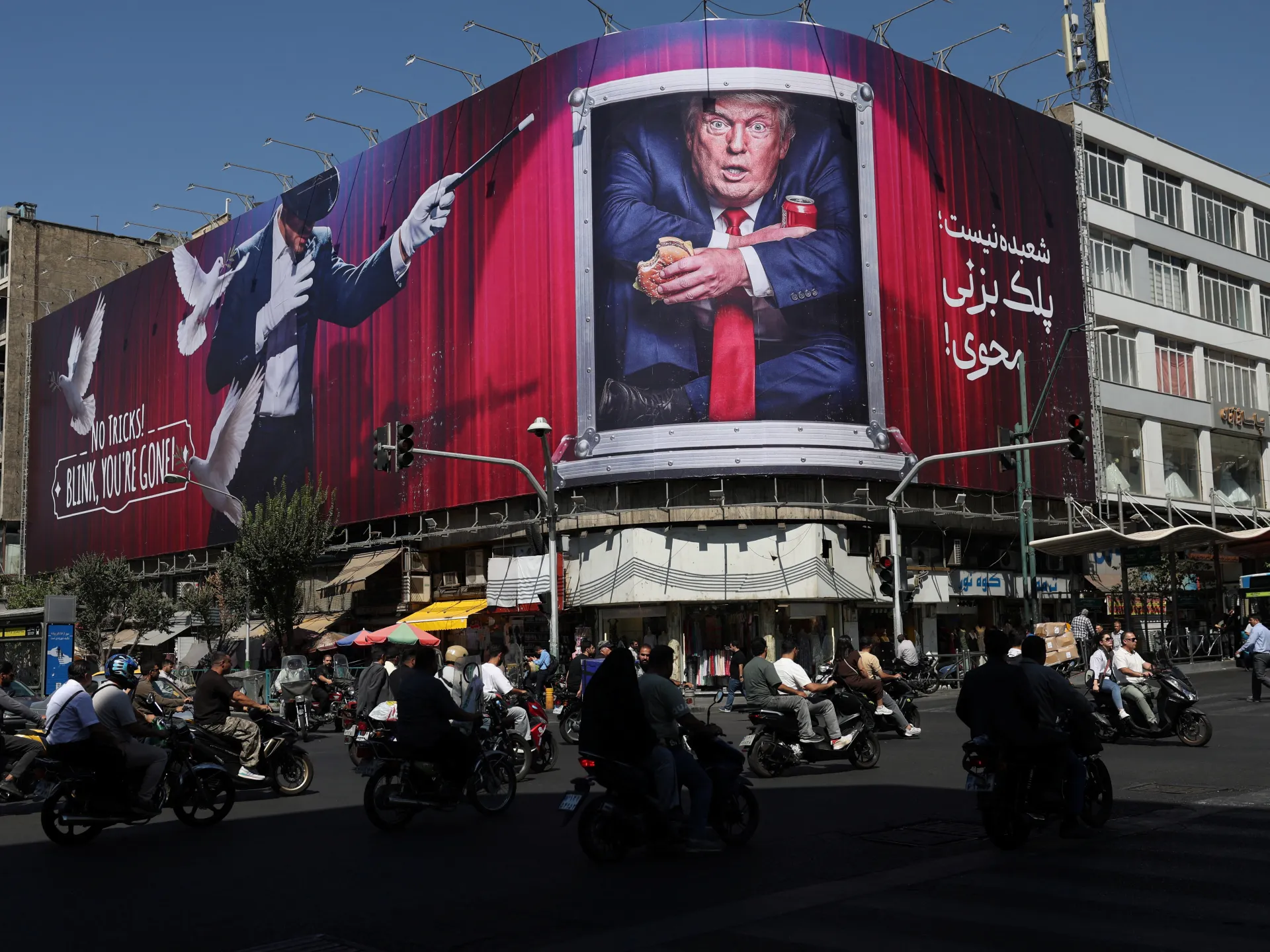
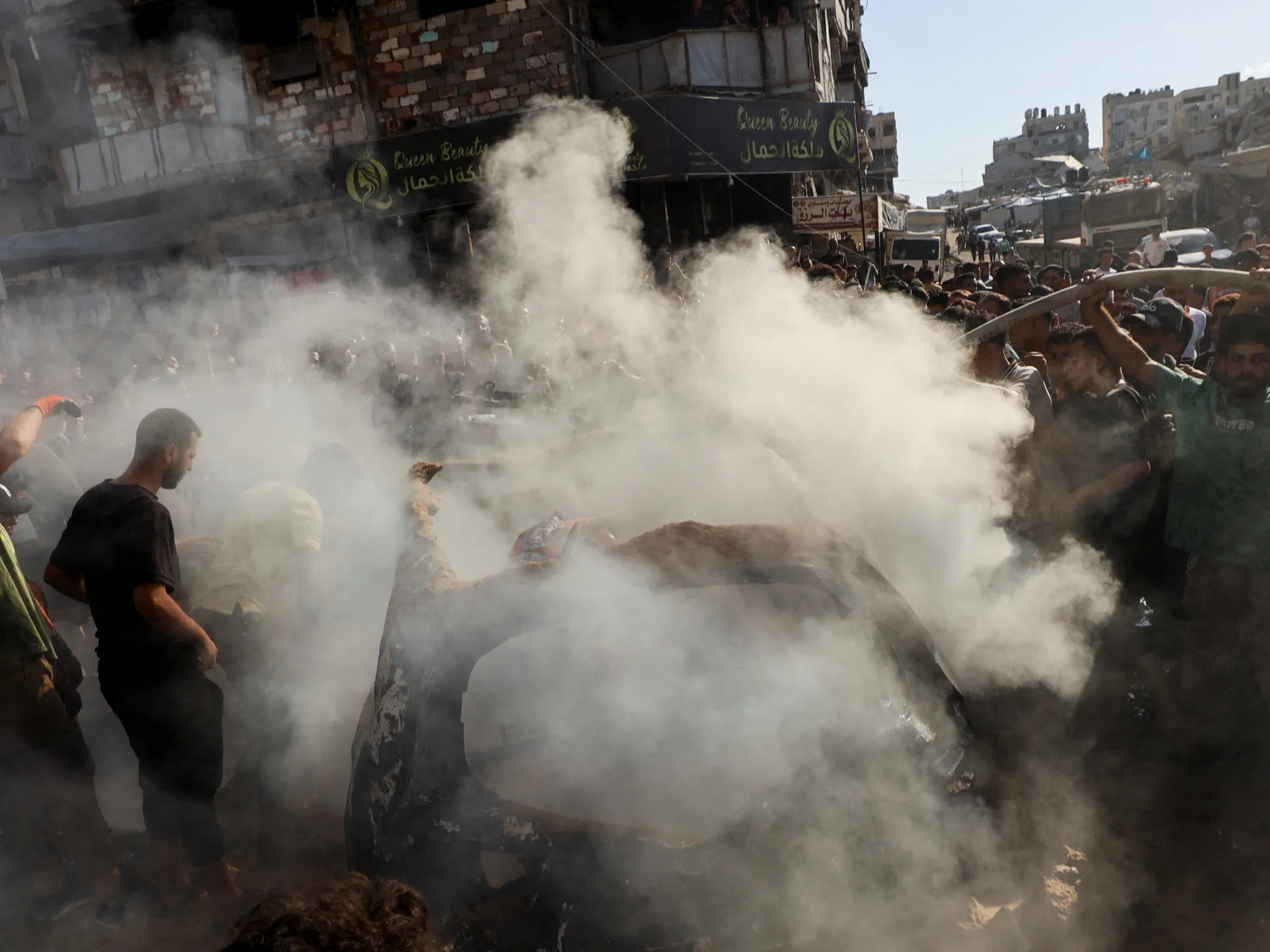
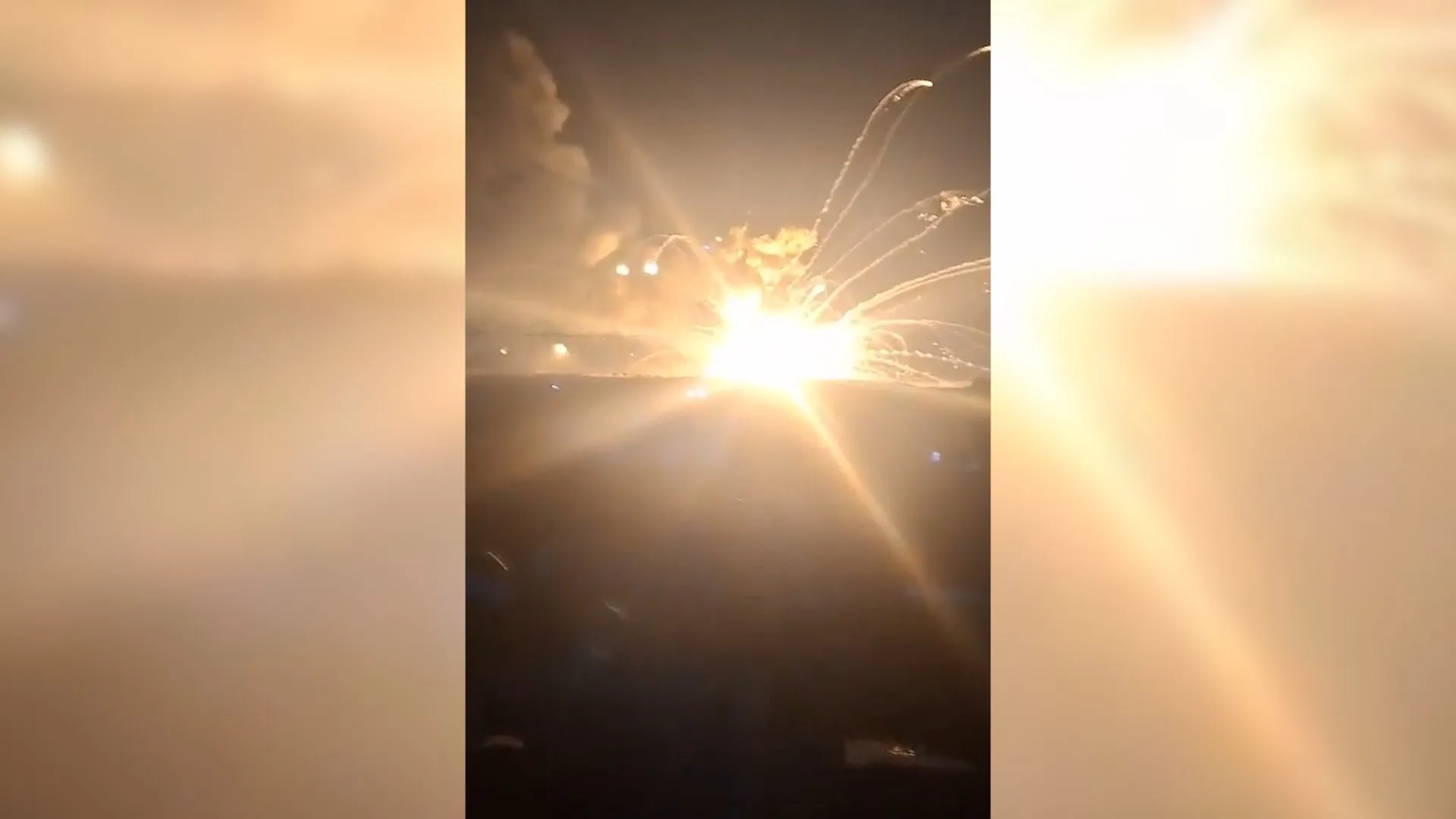
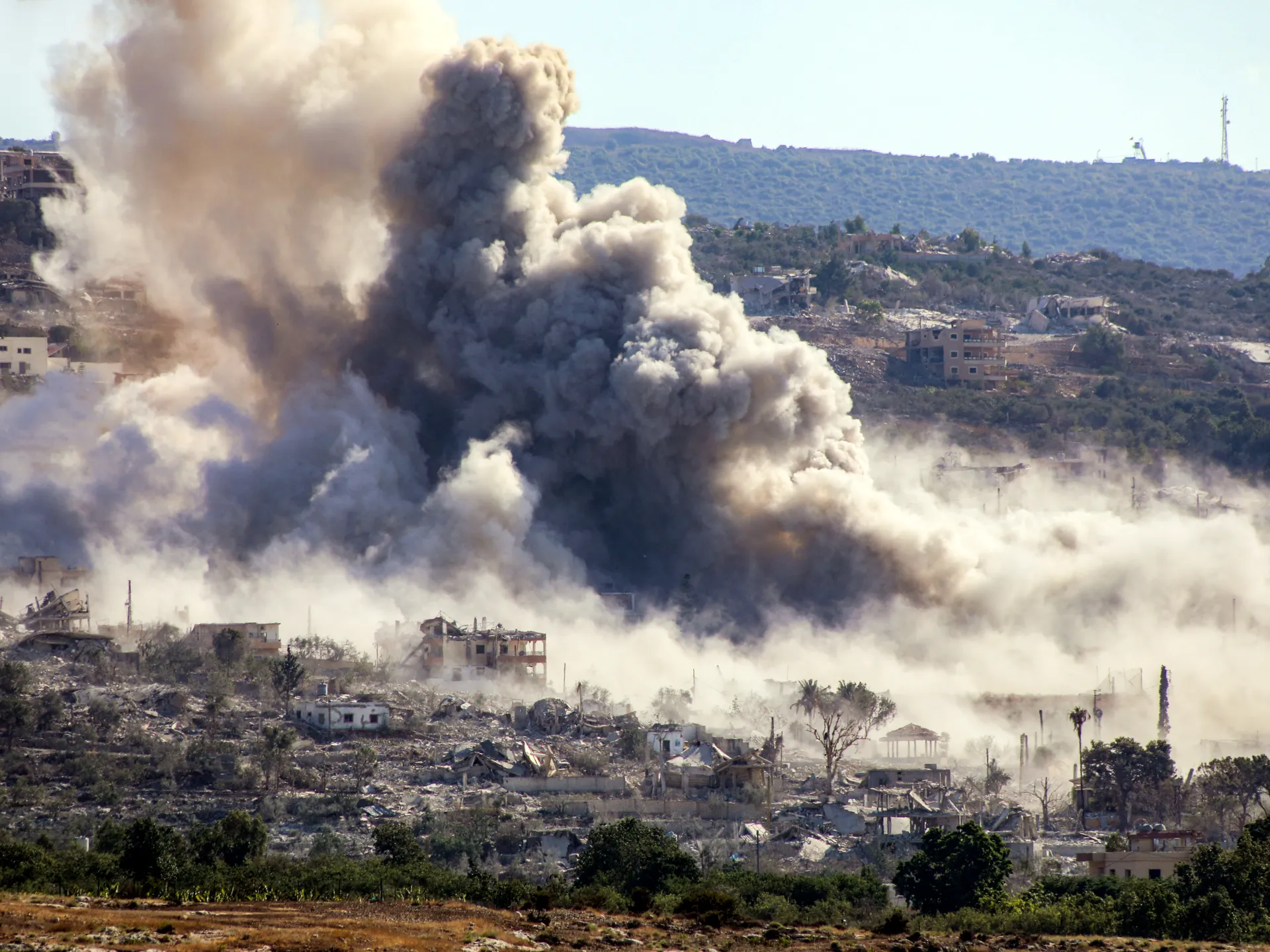
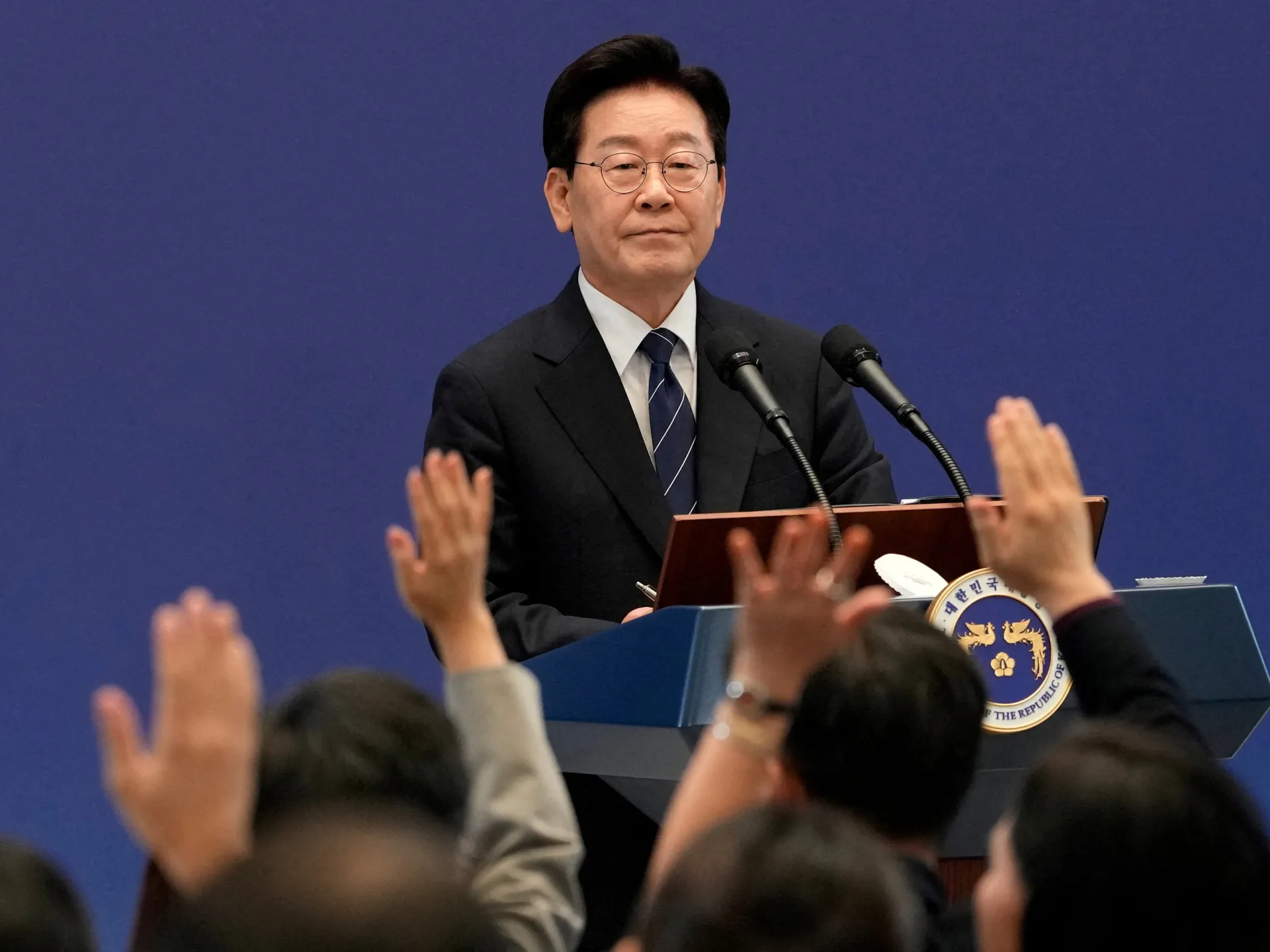
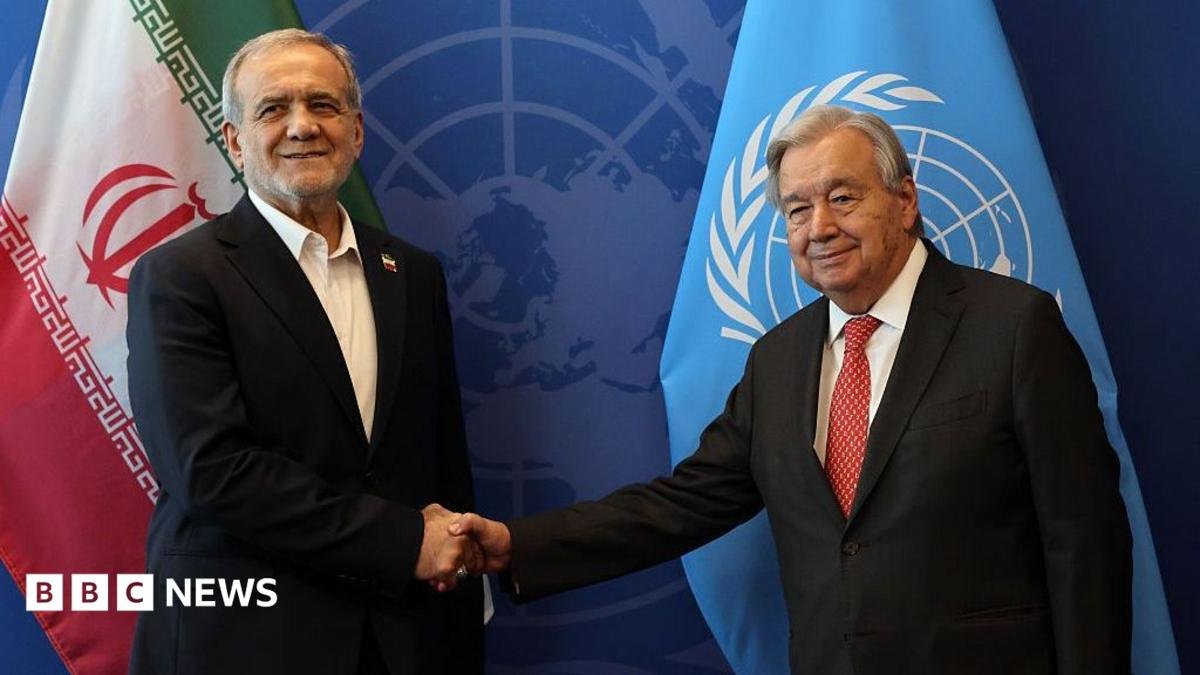
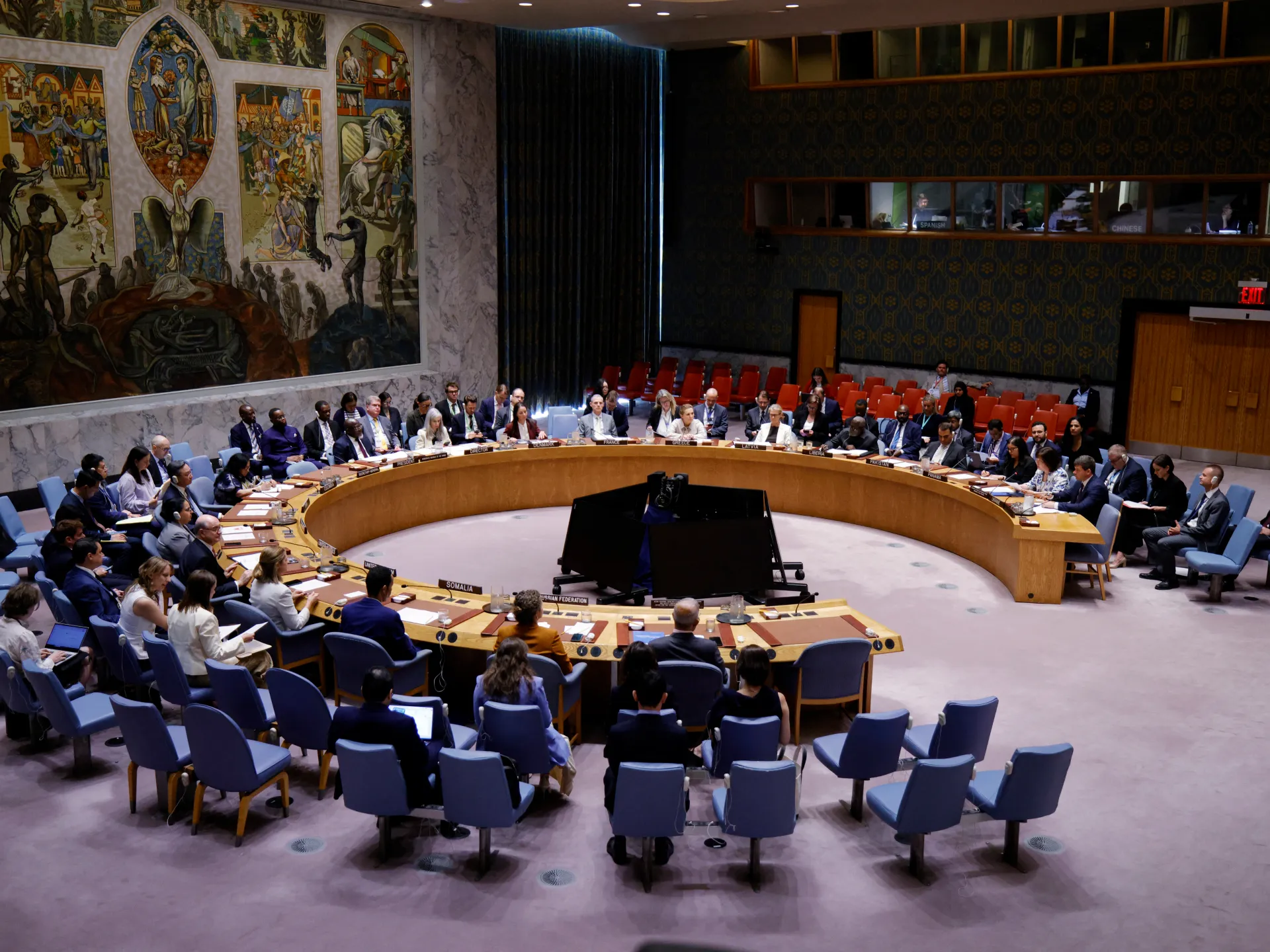
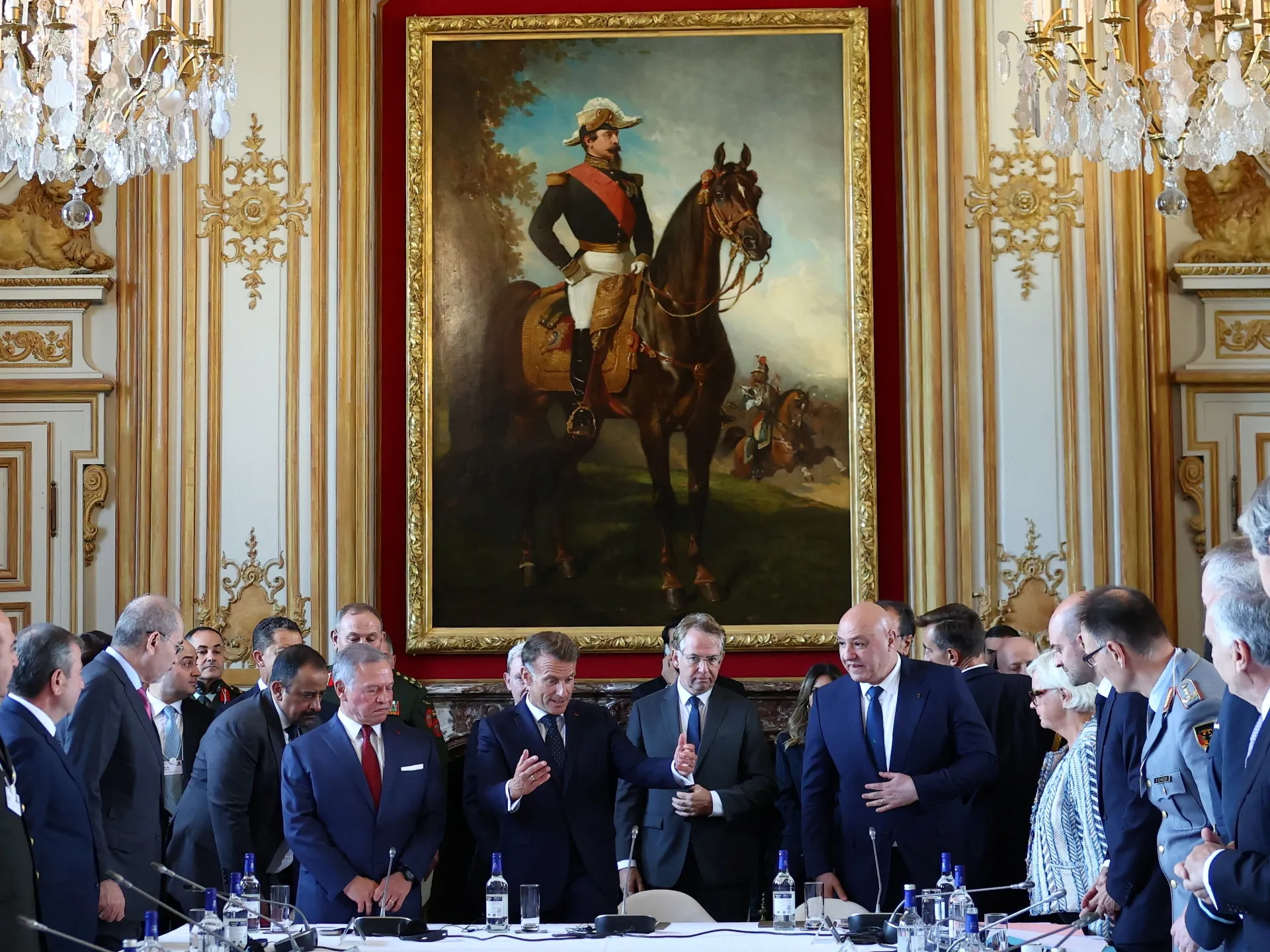
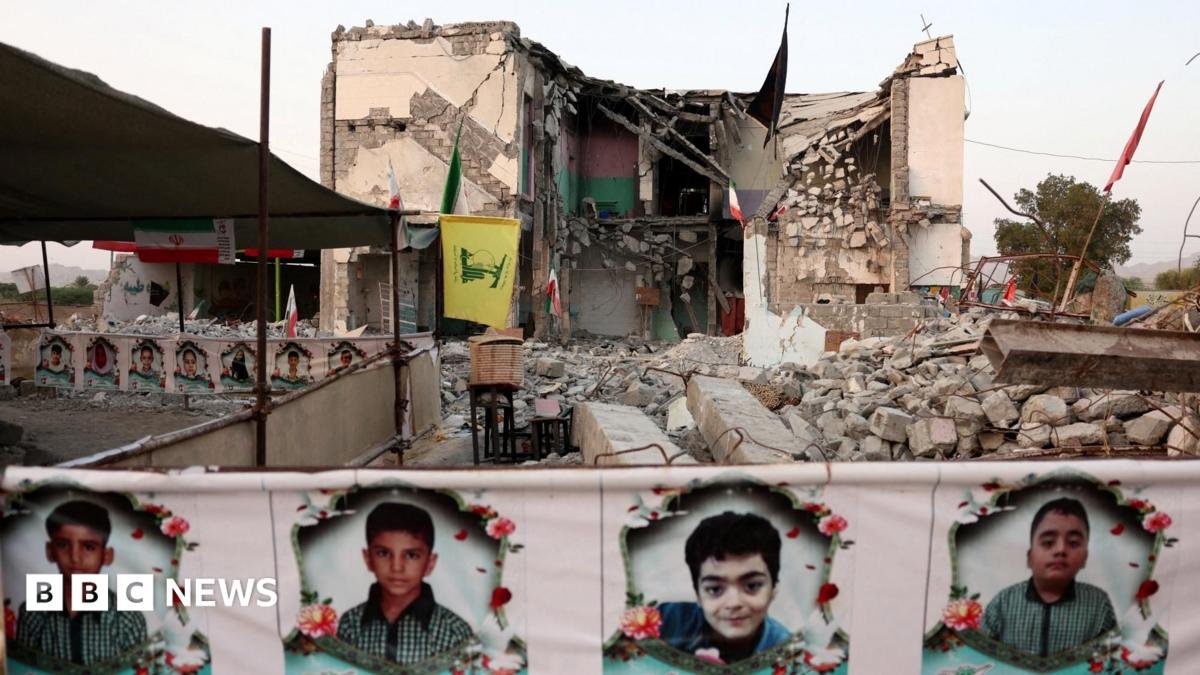
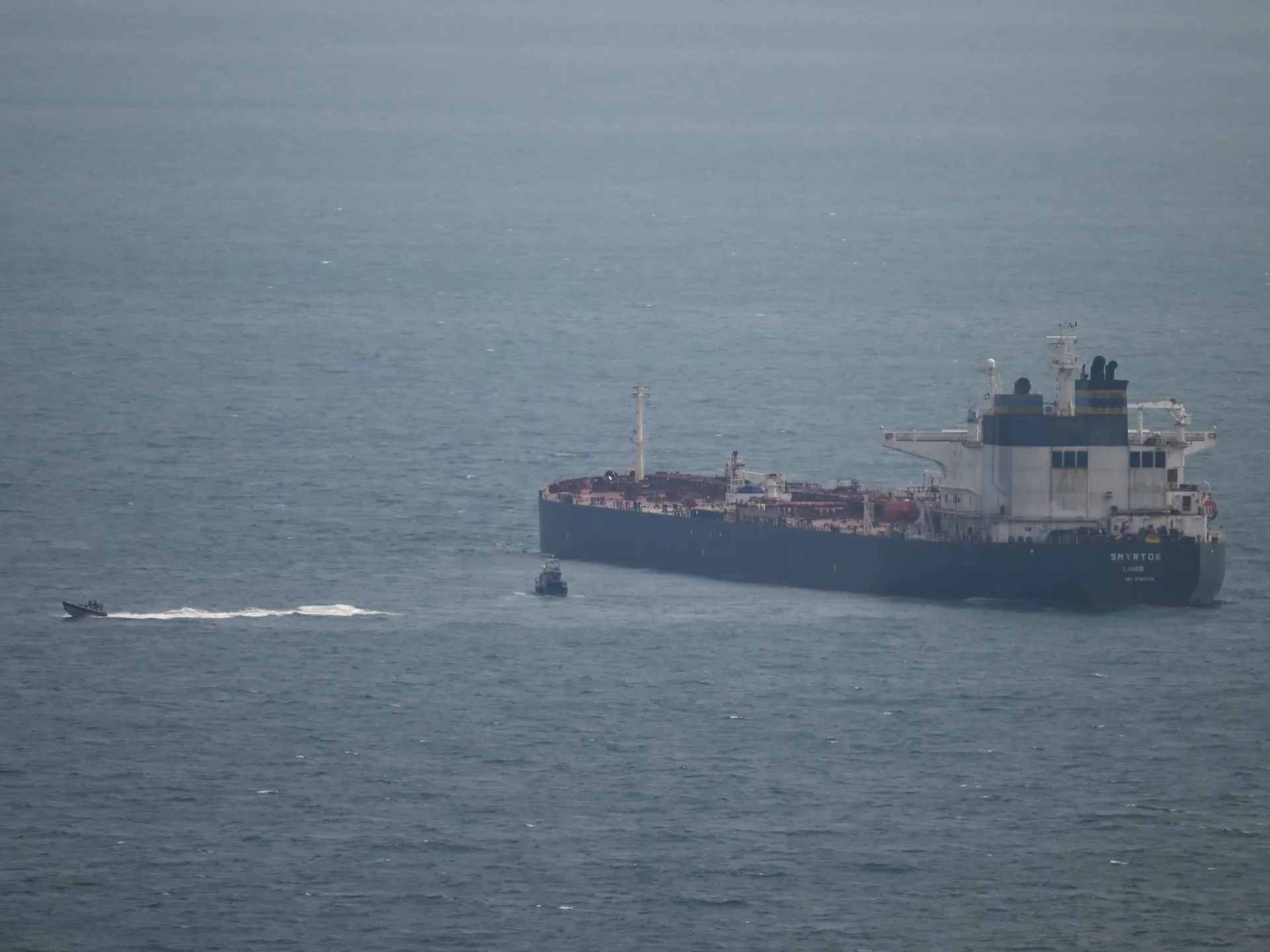
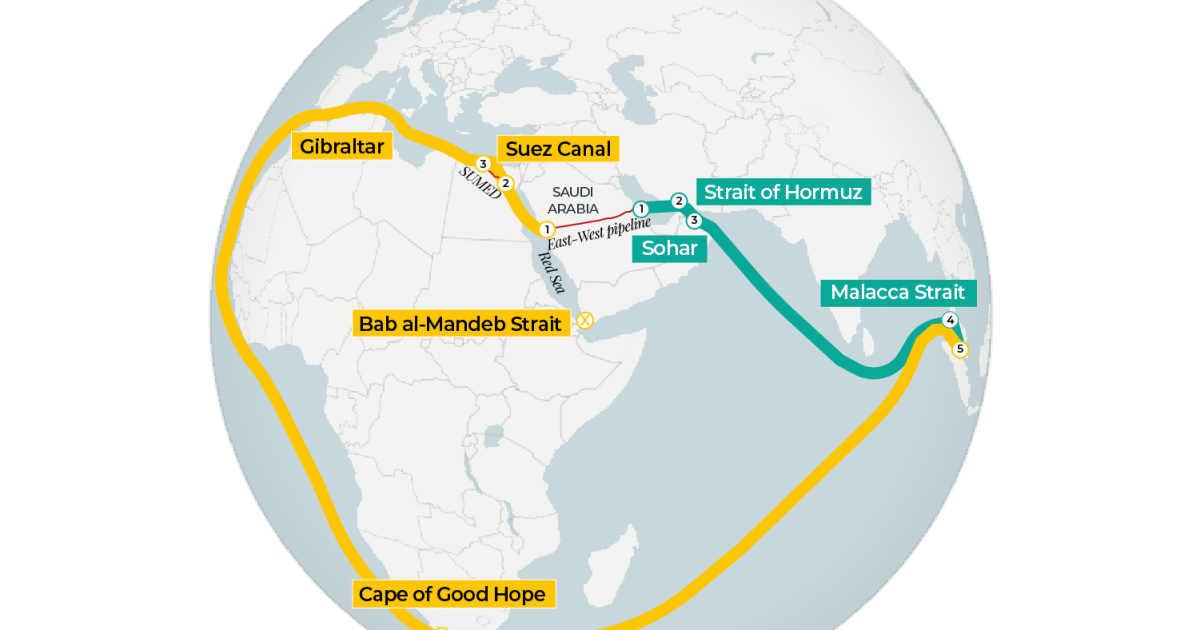
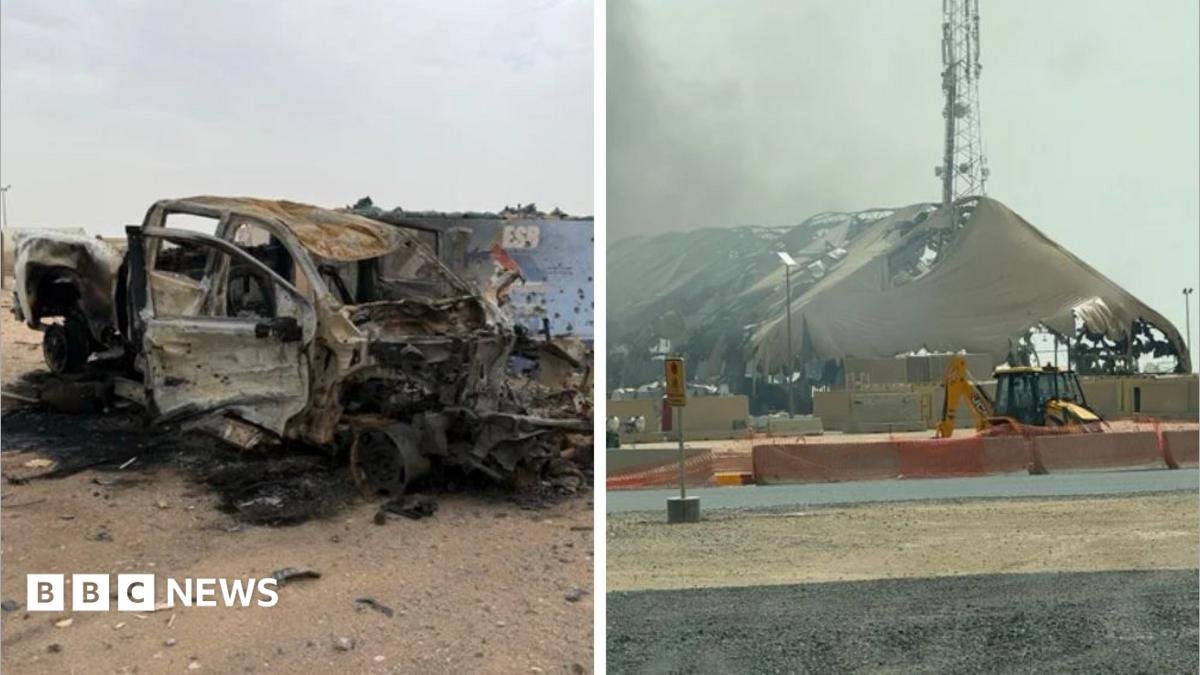
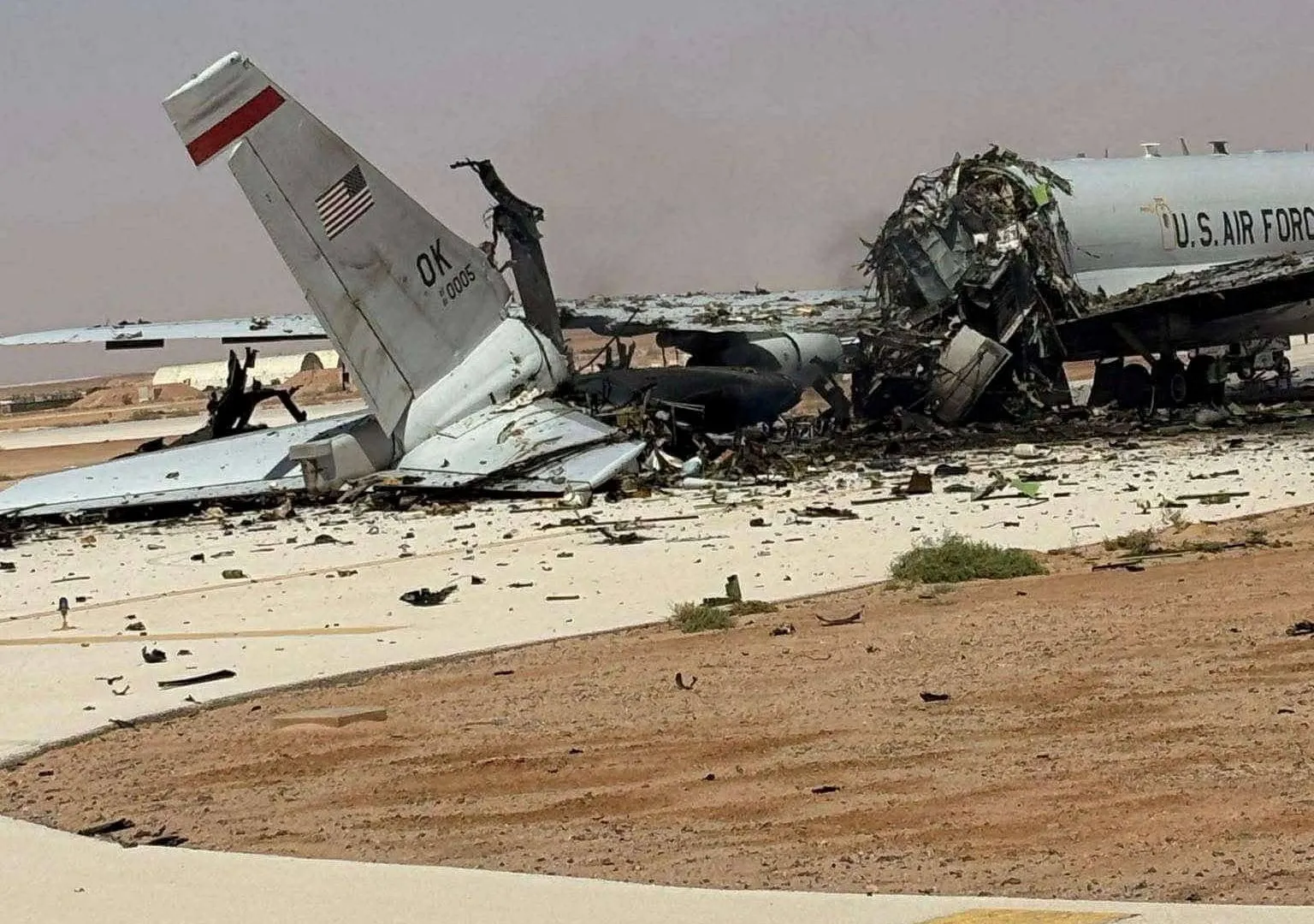
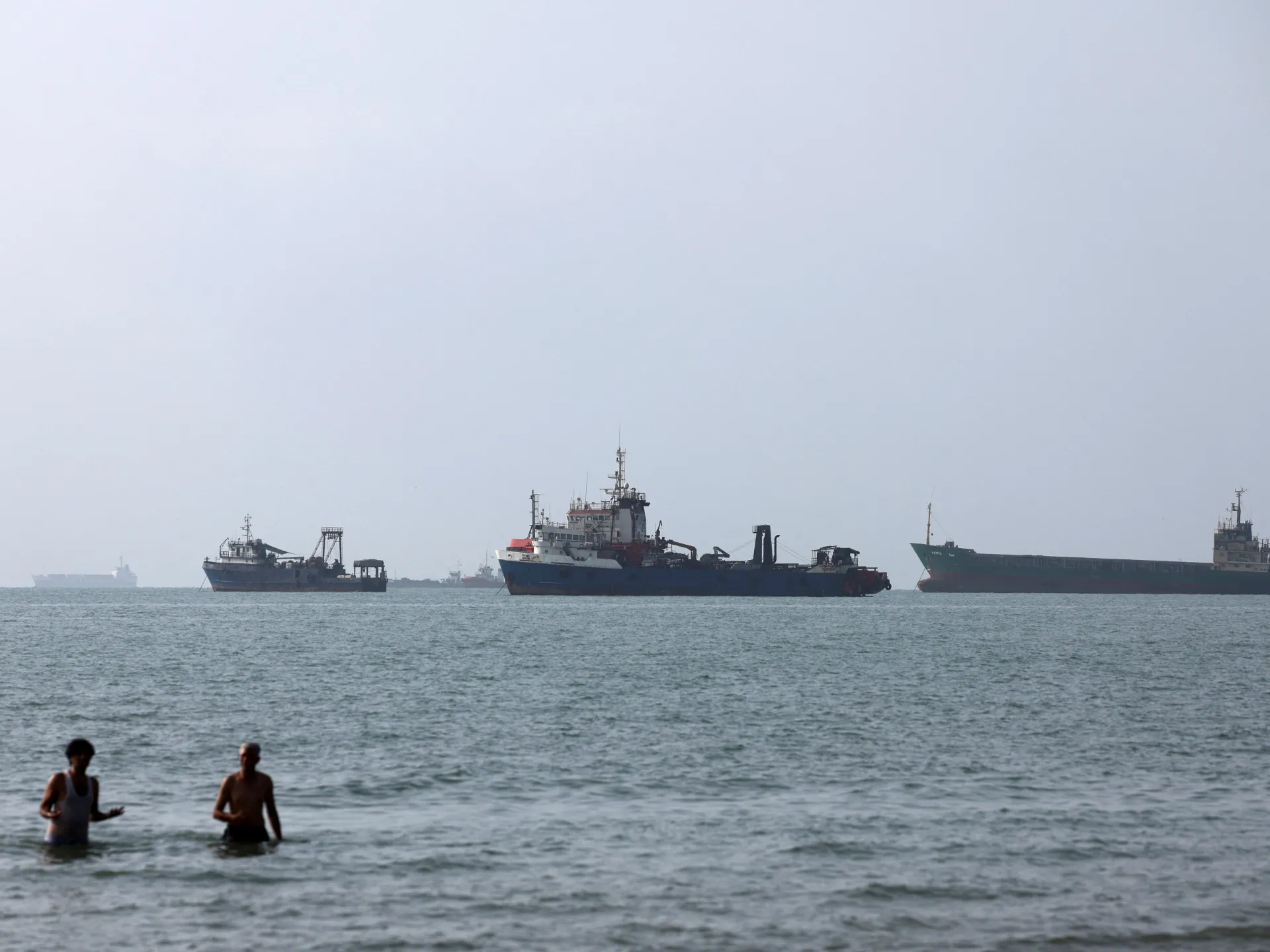
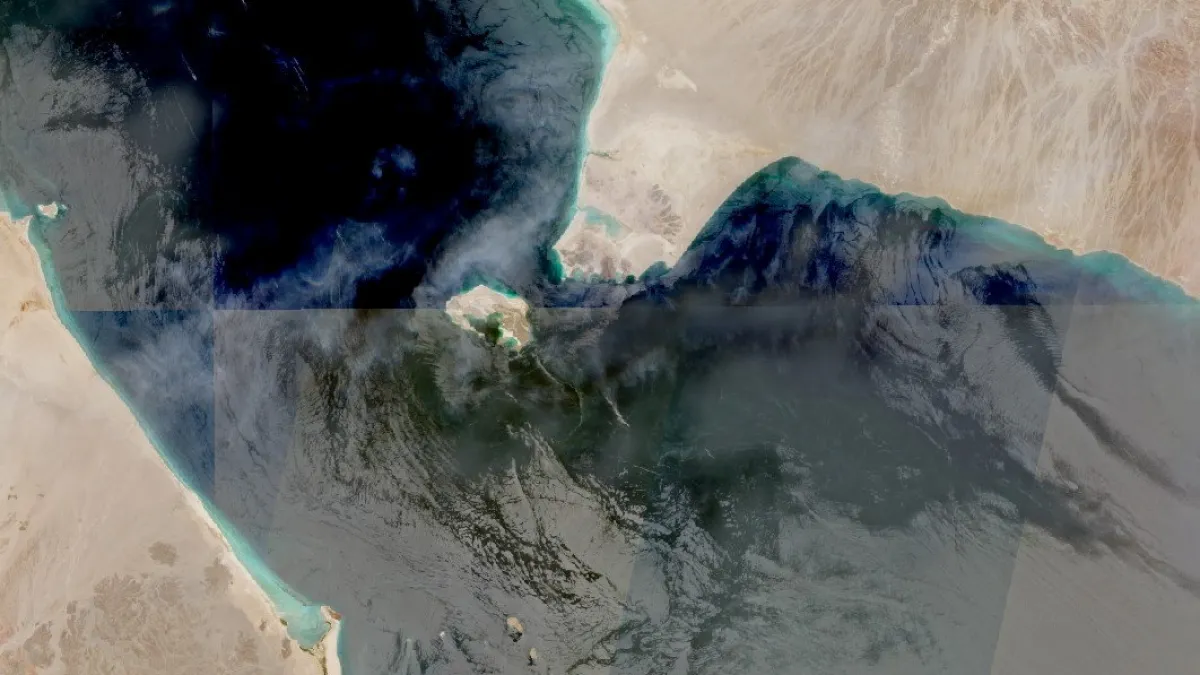
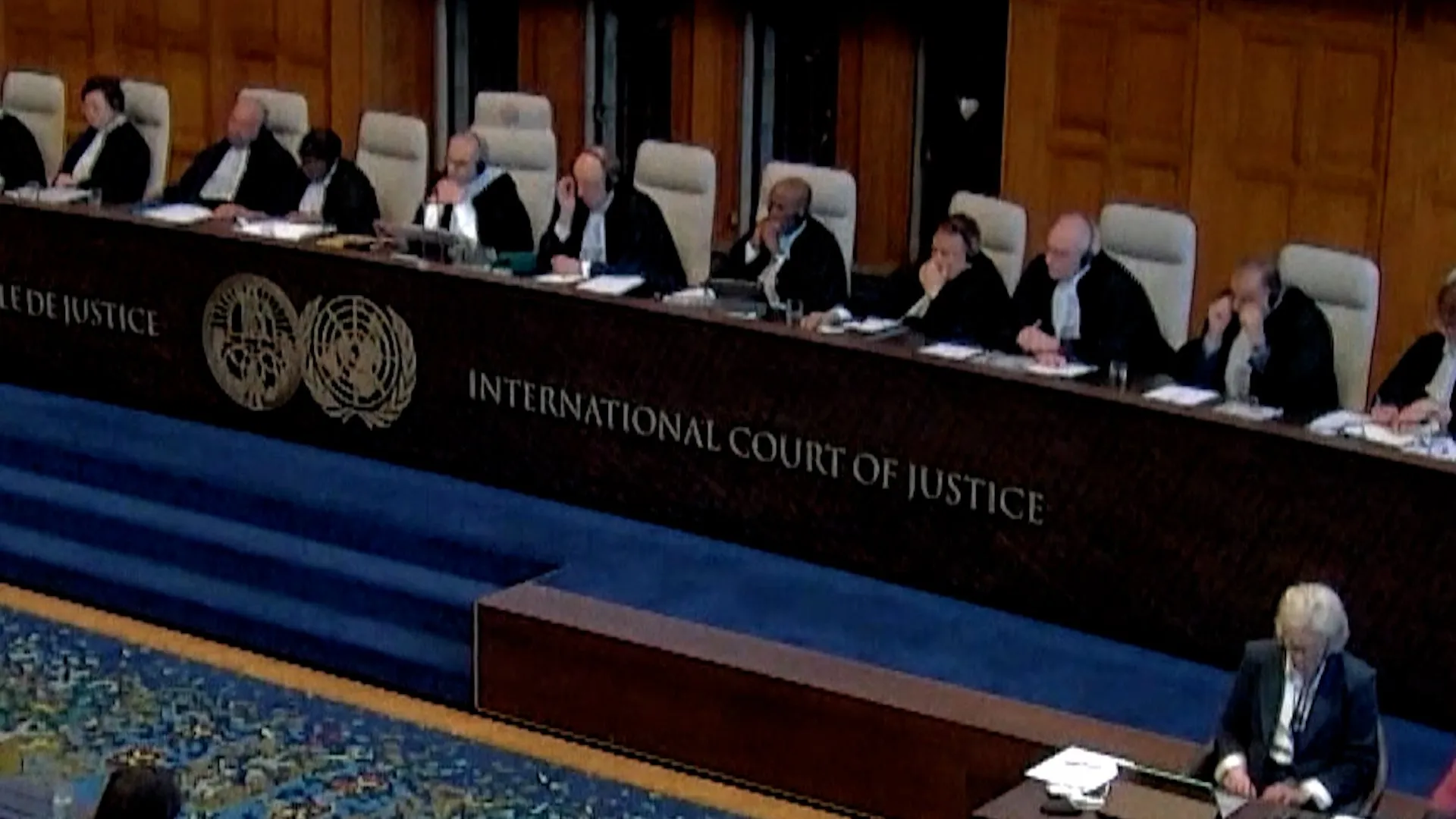
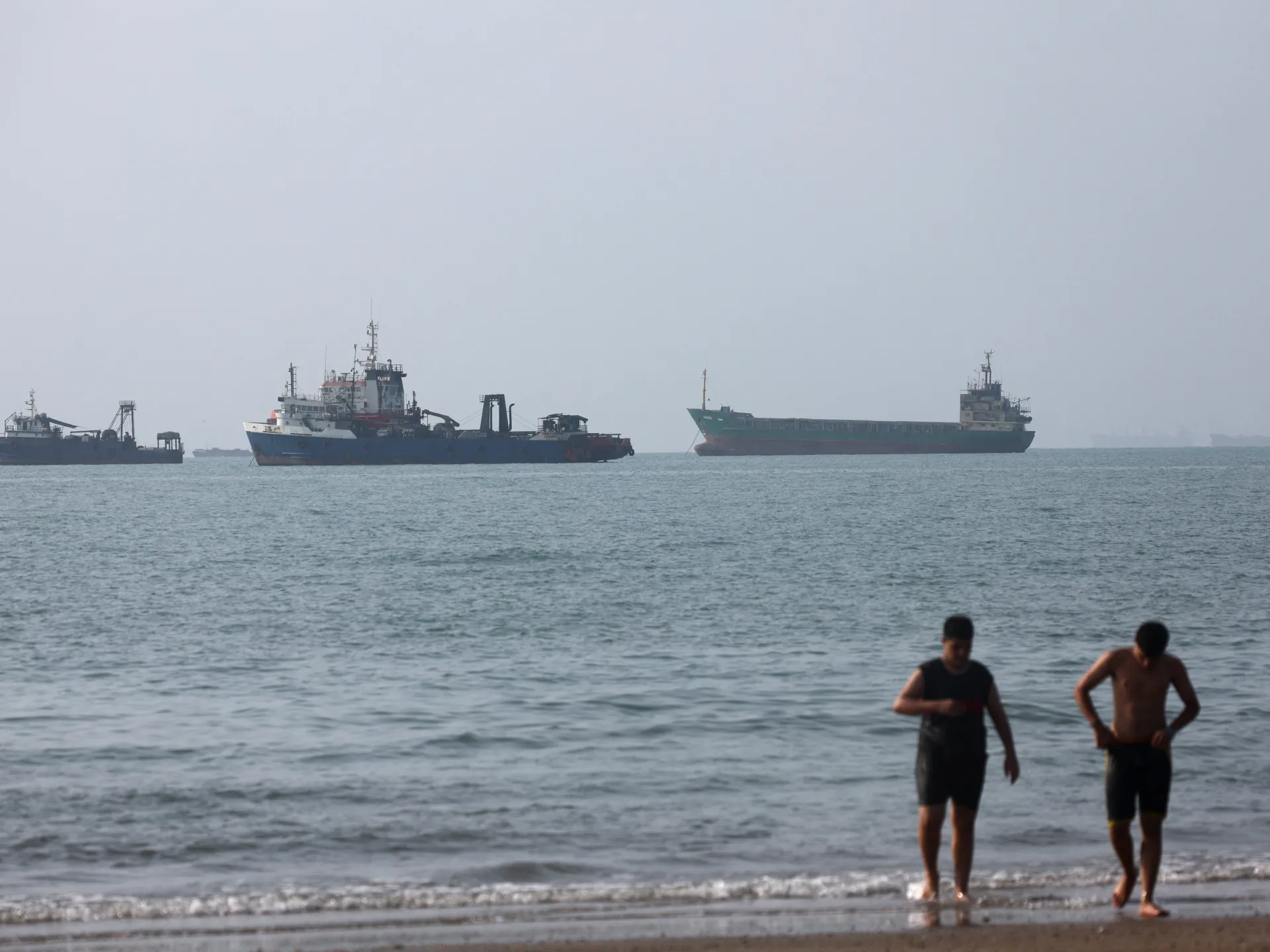
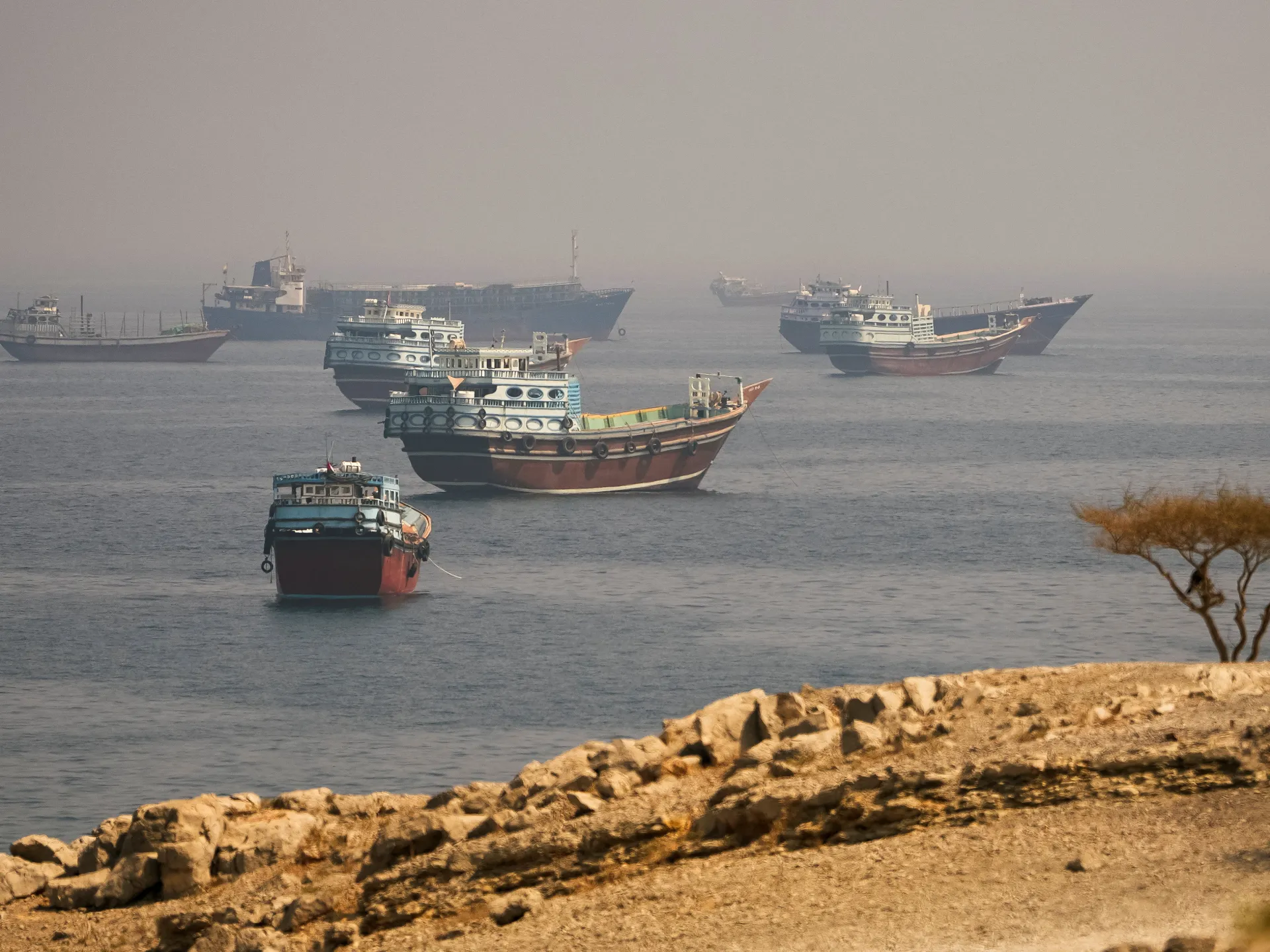
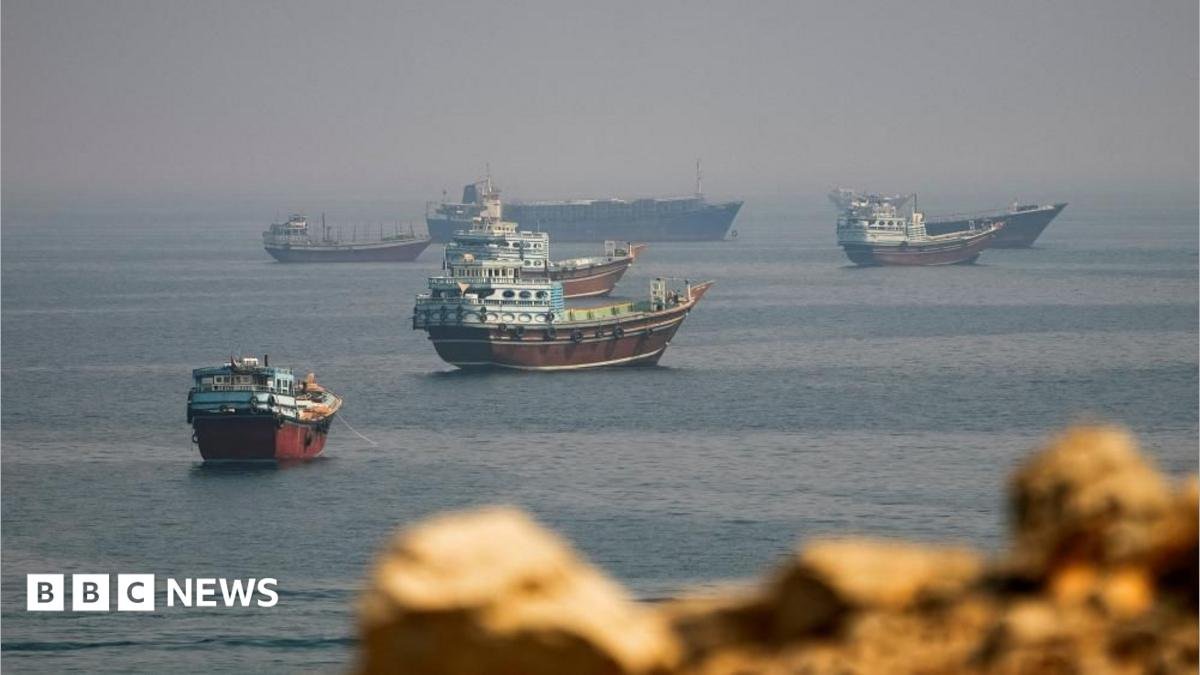
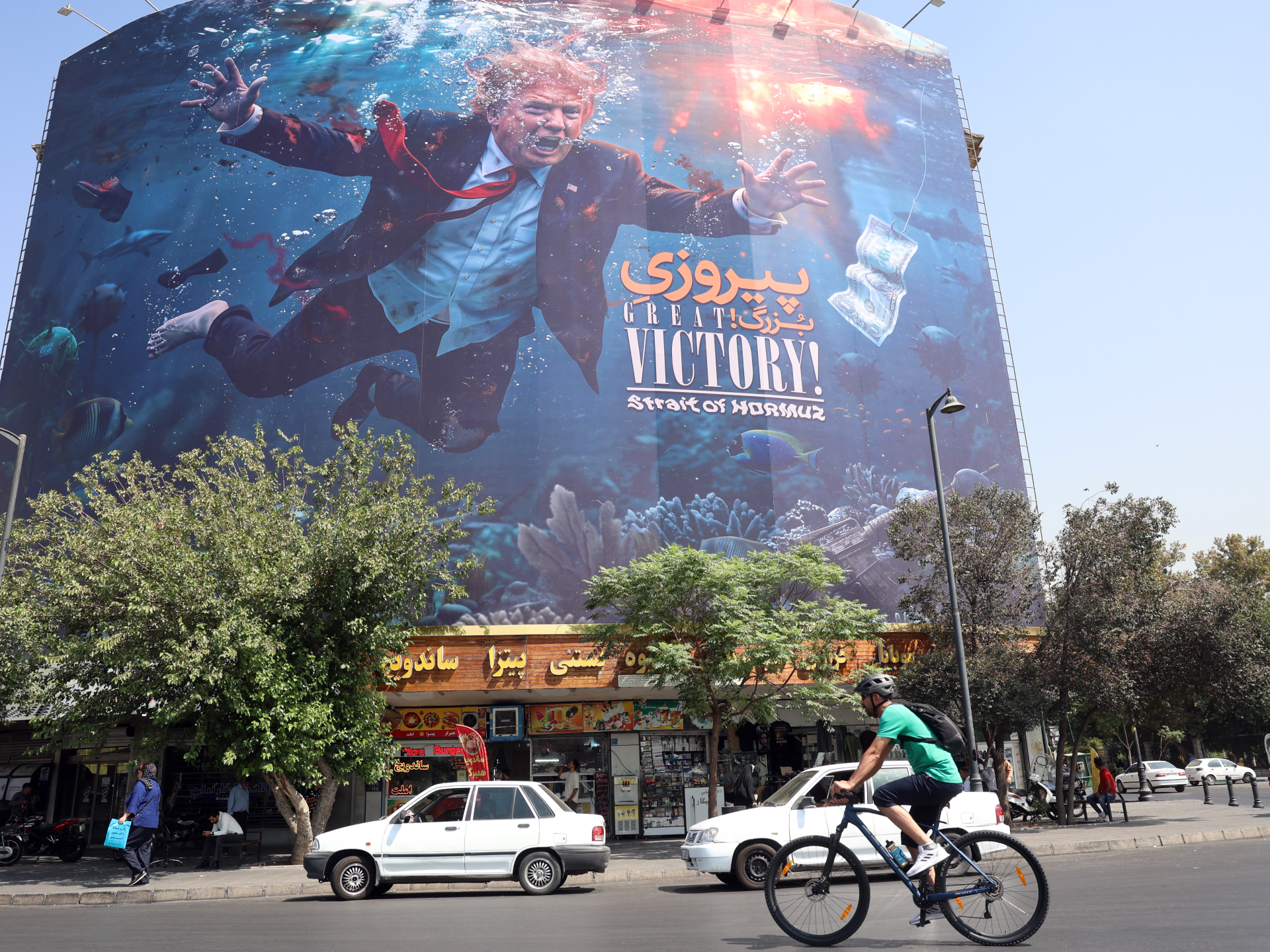
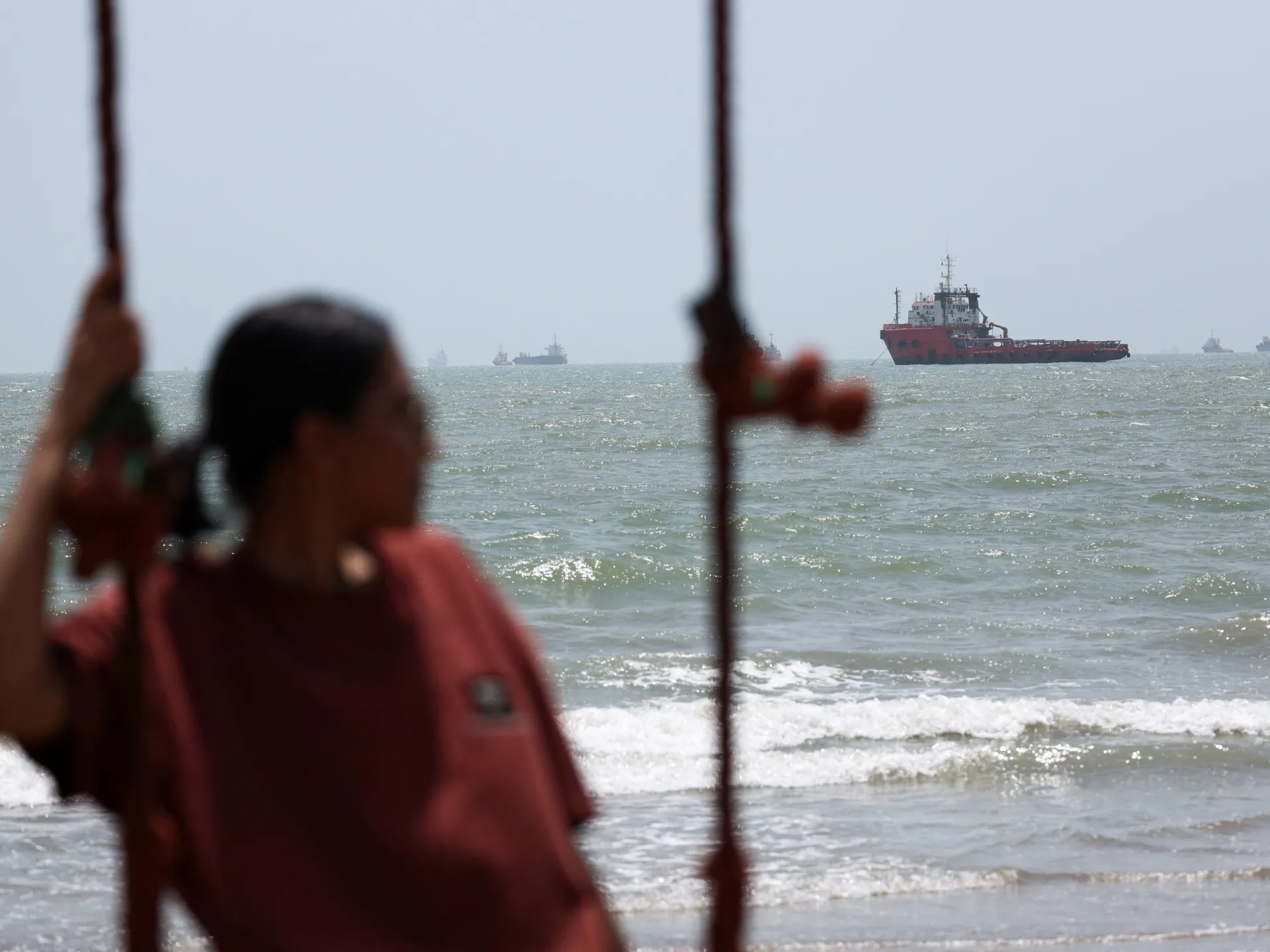
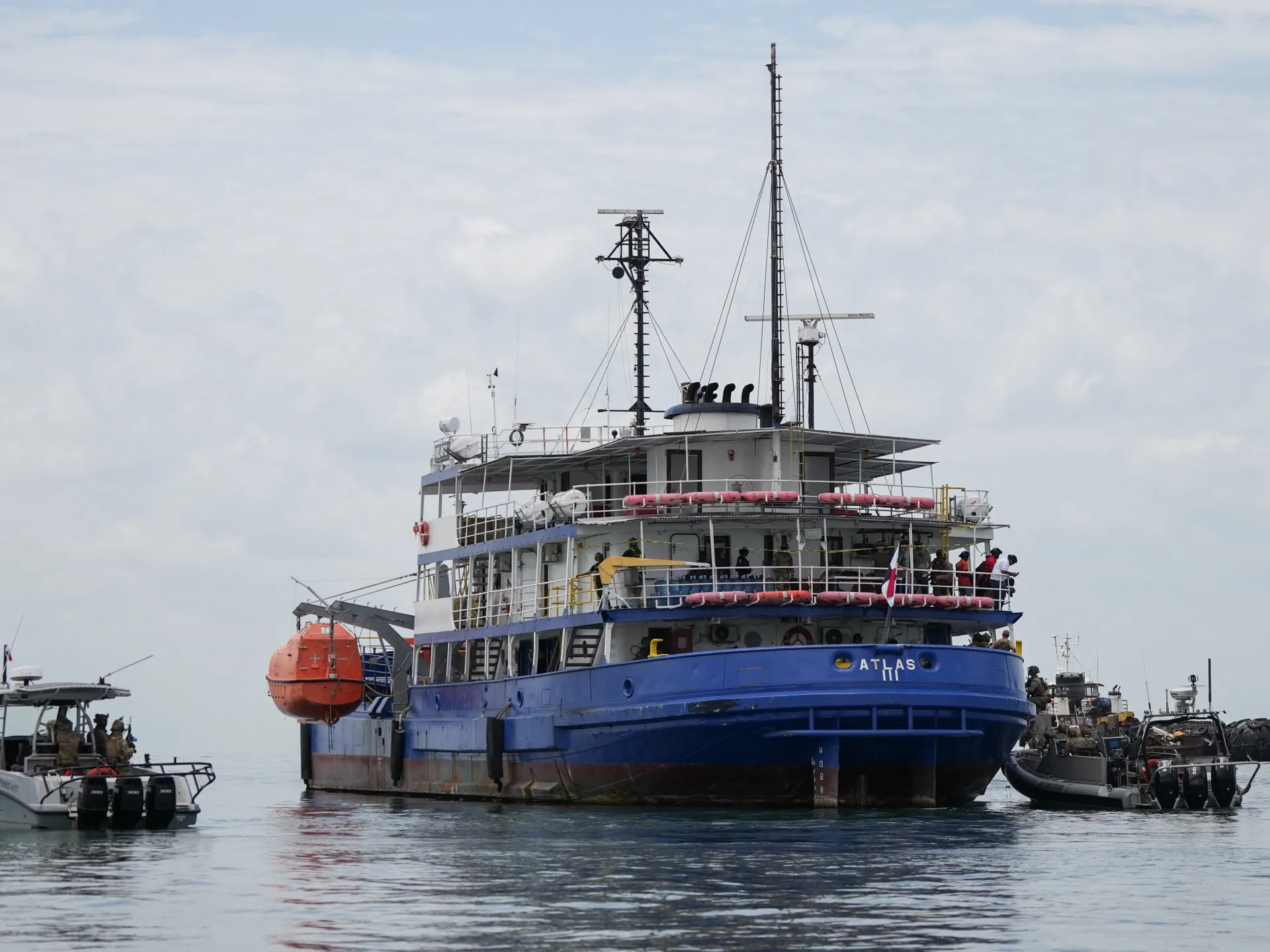
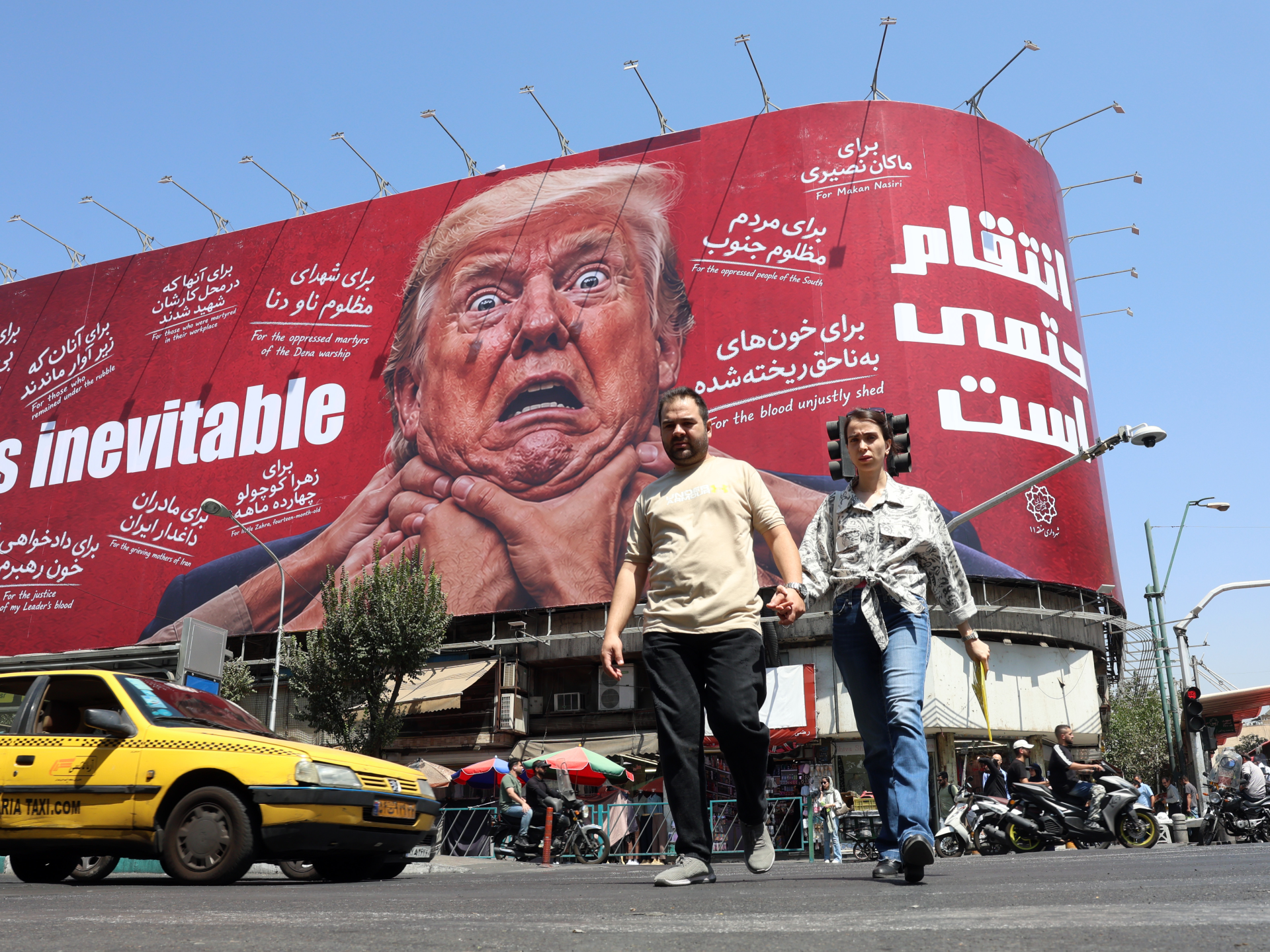
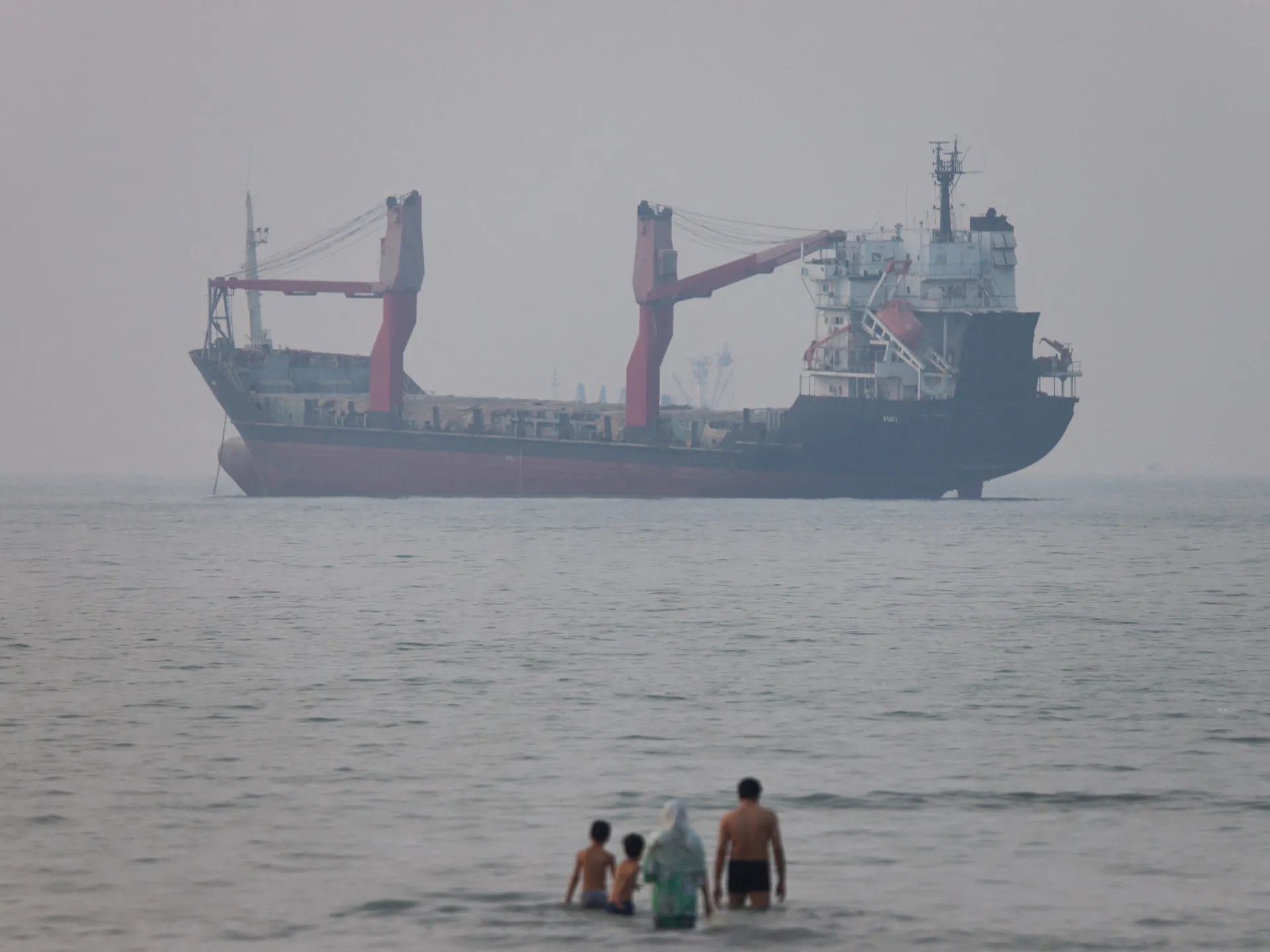
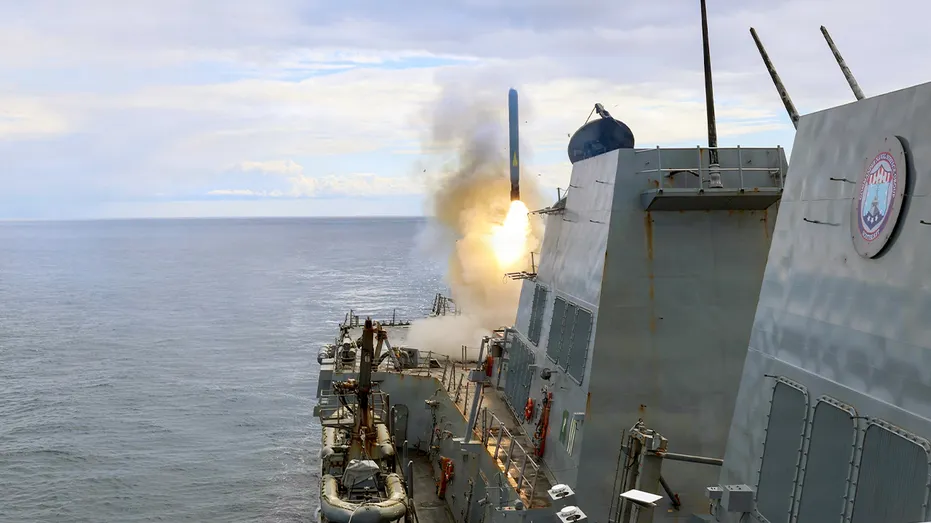
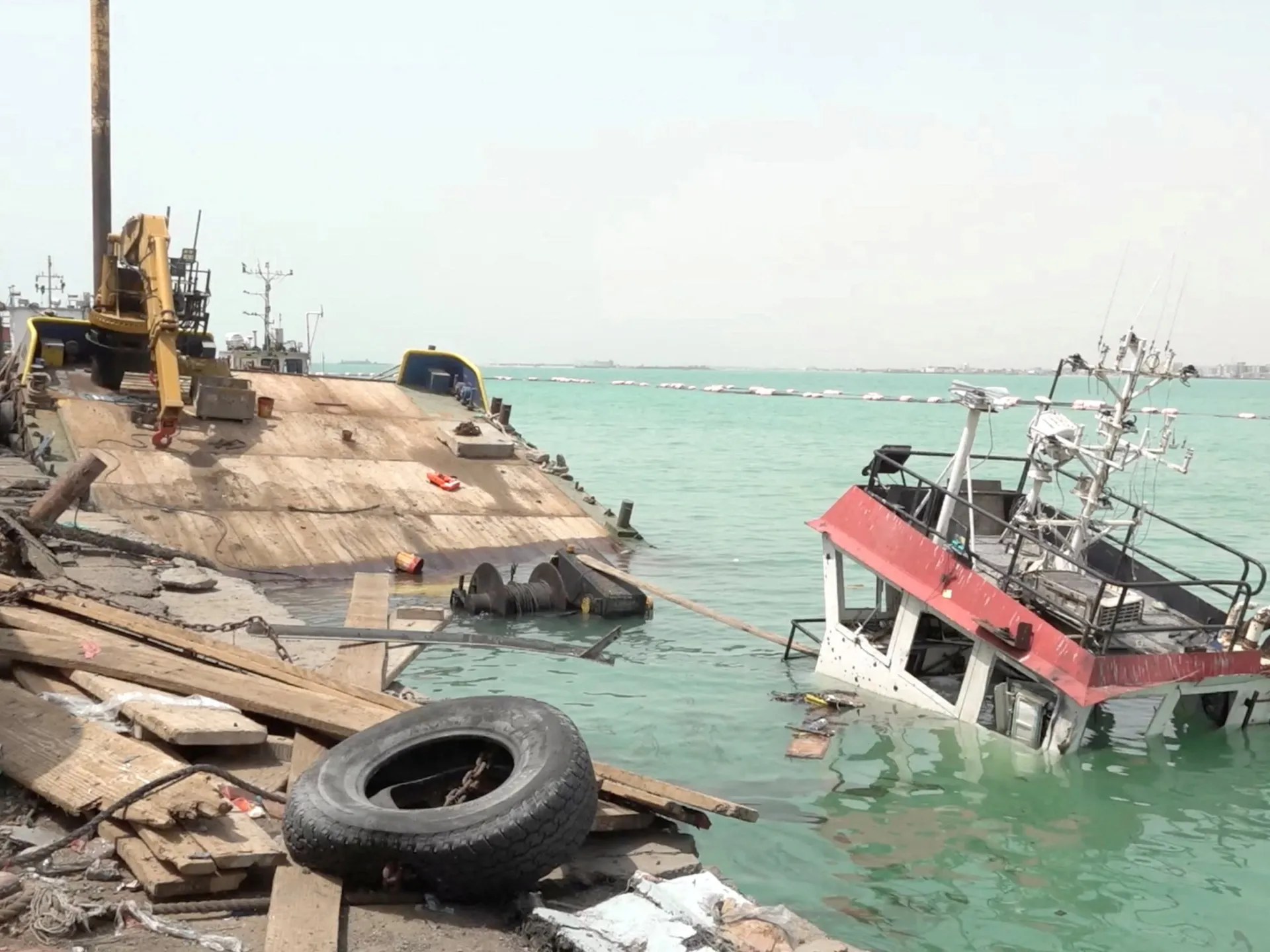
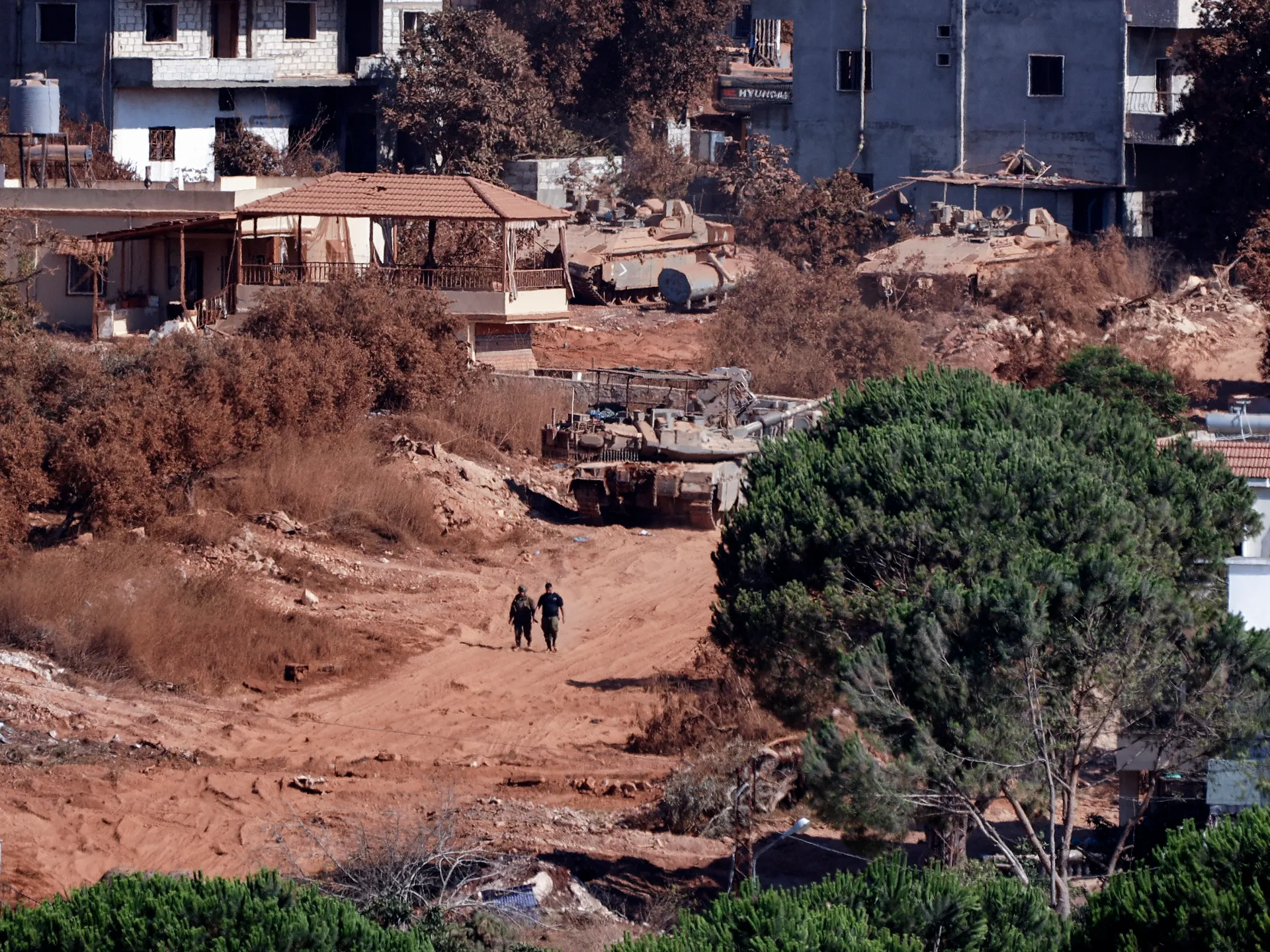
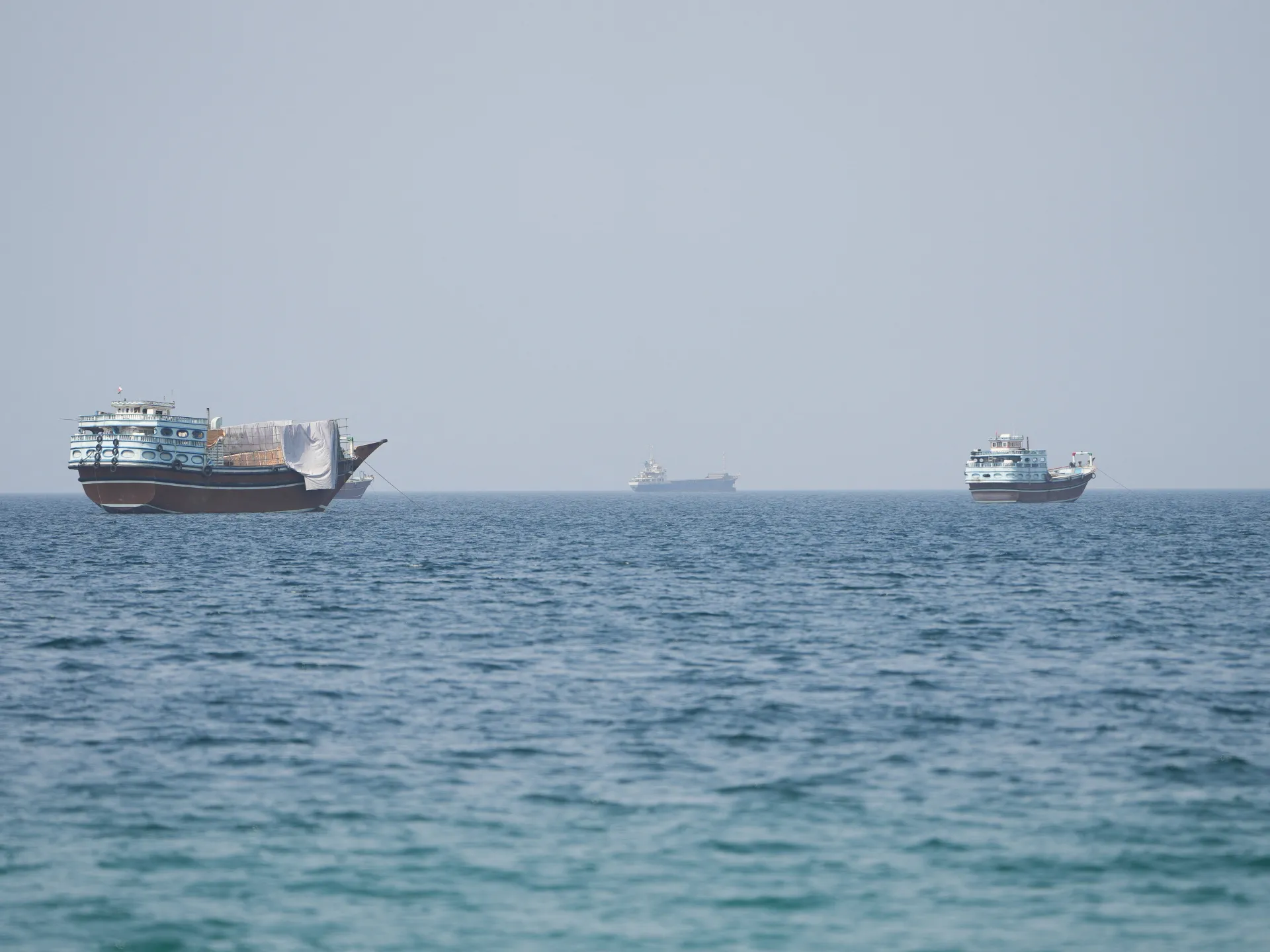
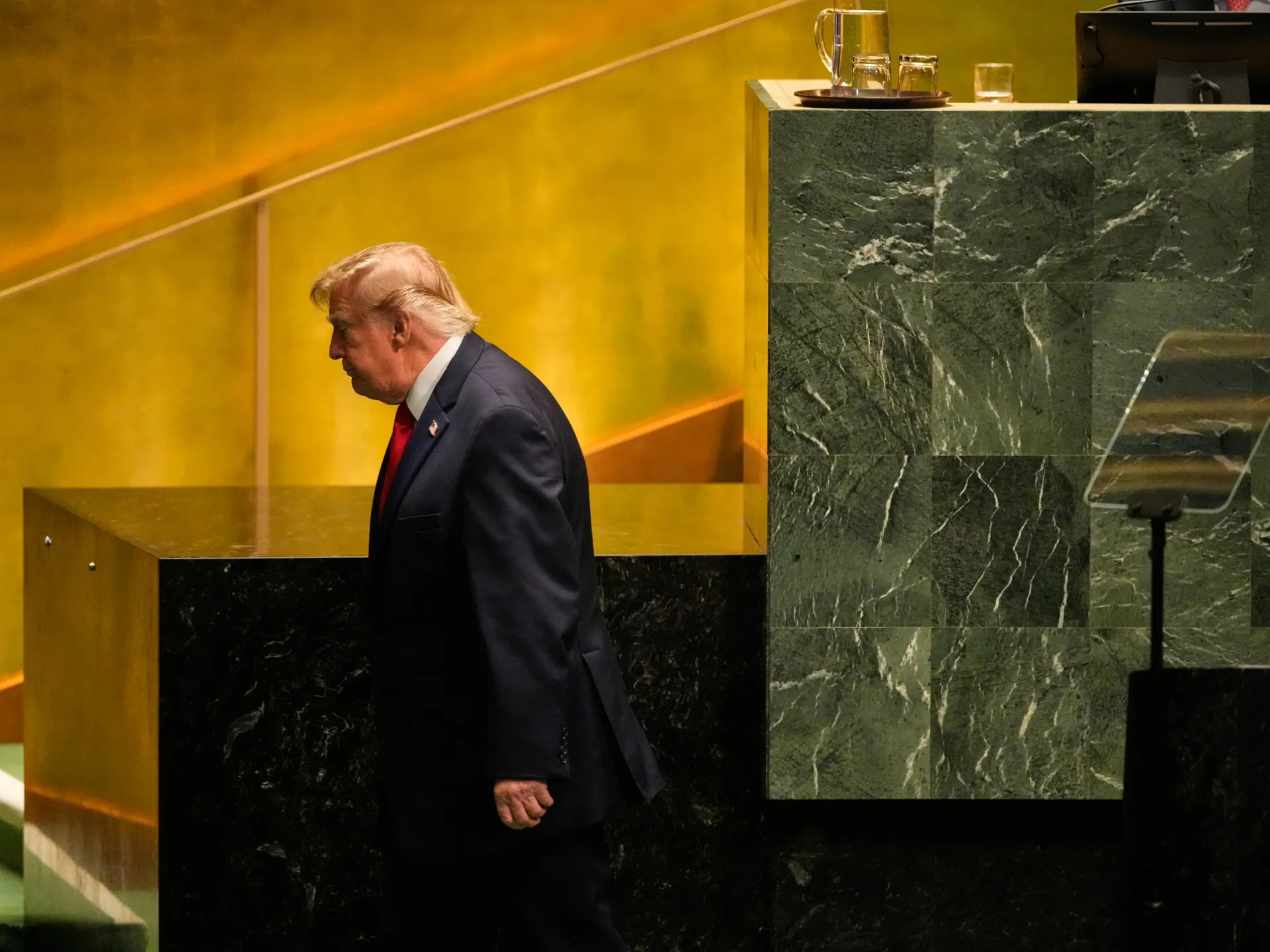
On the sidelines of the United Nations General Assembly in New York, American and Iranian delegations have entered a critical phase of communication, employing third-party mediators to navigate a path toward ending ongoing regional hostilities. While the logistical format of these exchanges remains a subject of minor internal administration debate, the primary focus of the discussions centers on the de-escalation of military conflict and the restoration of navigation through the Strait of Hormuz.
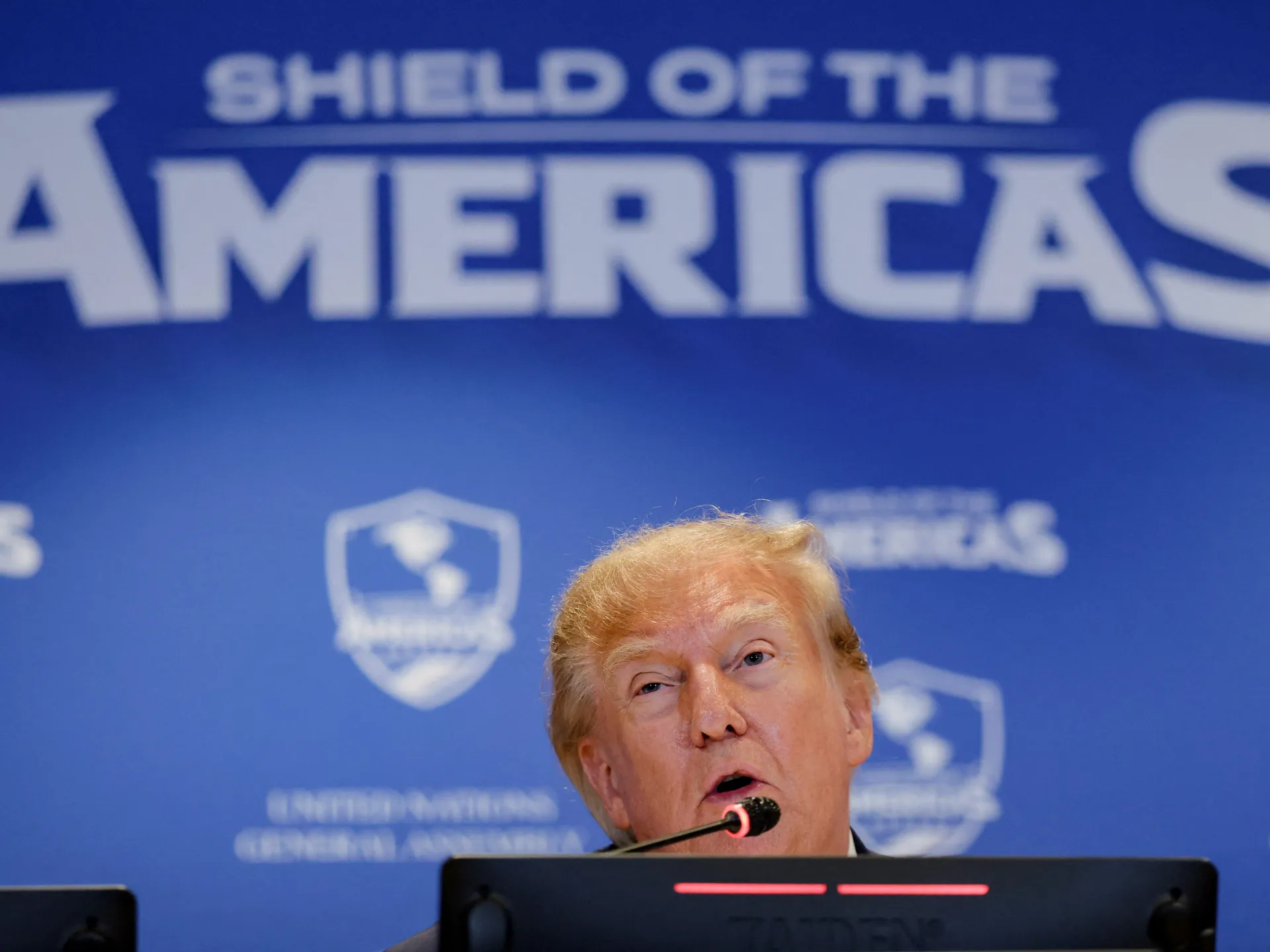
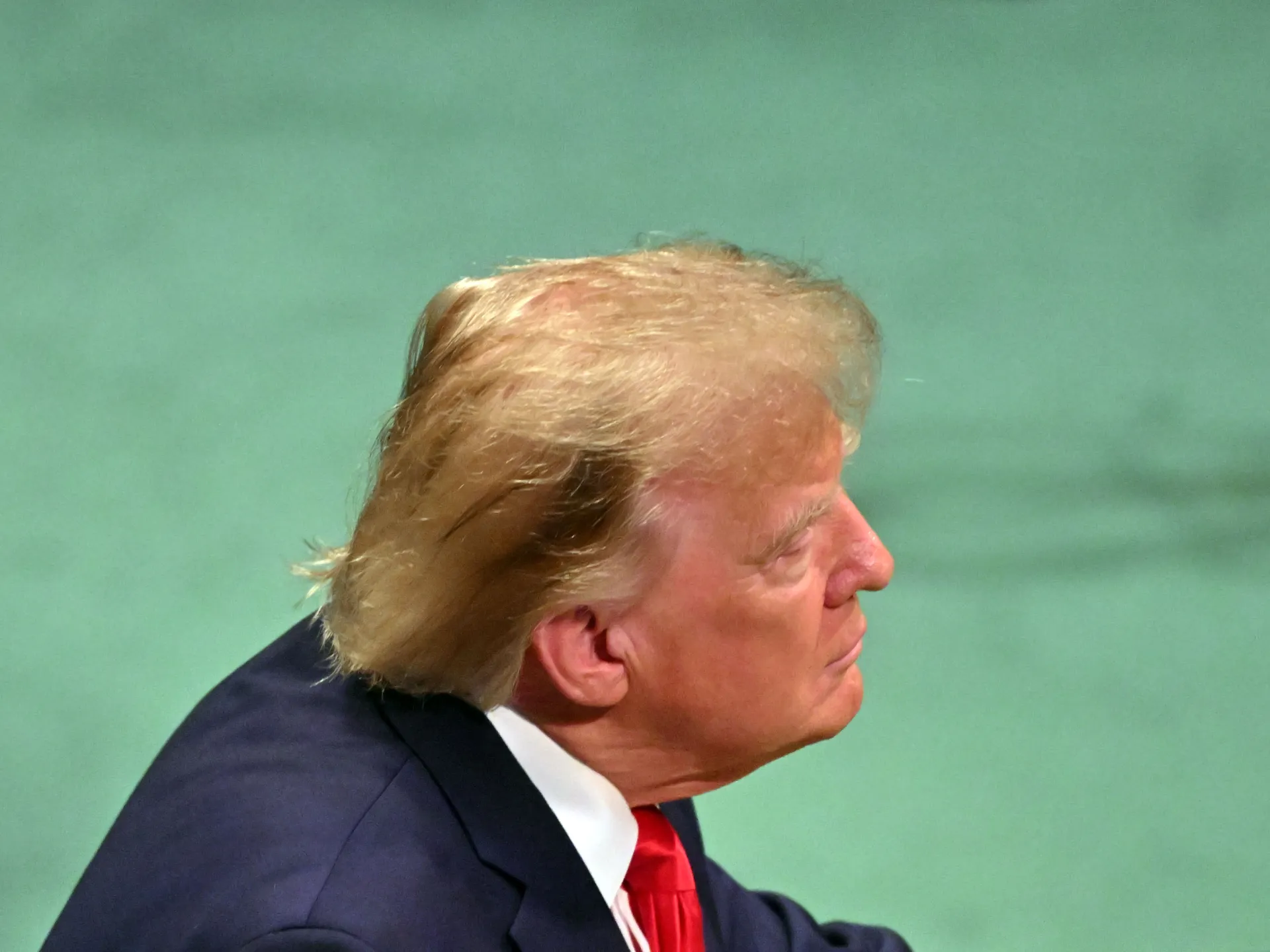
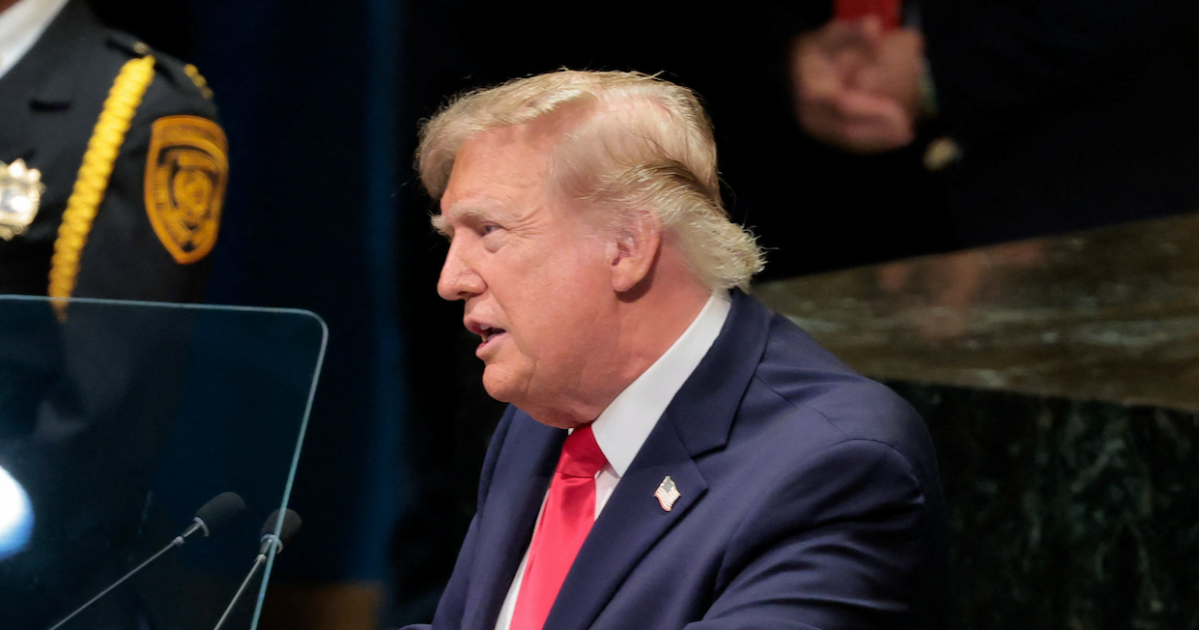
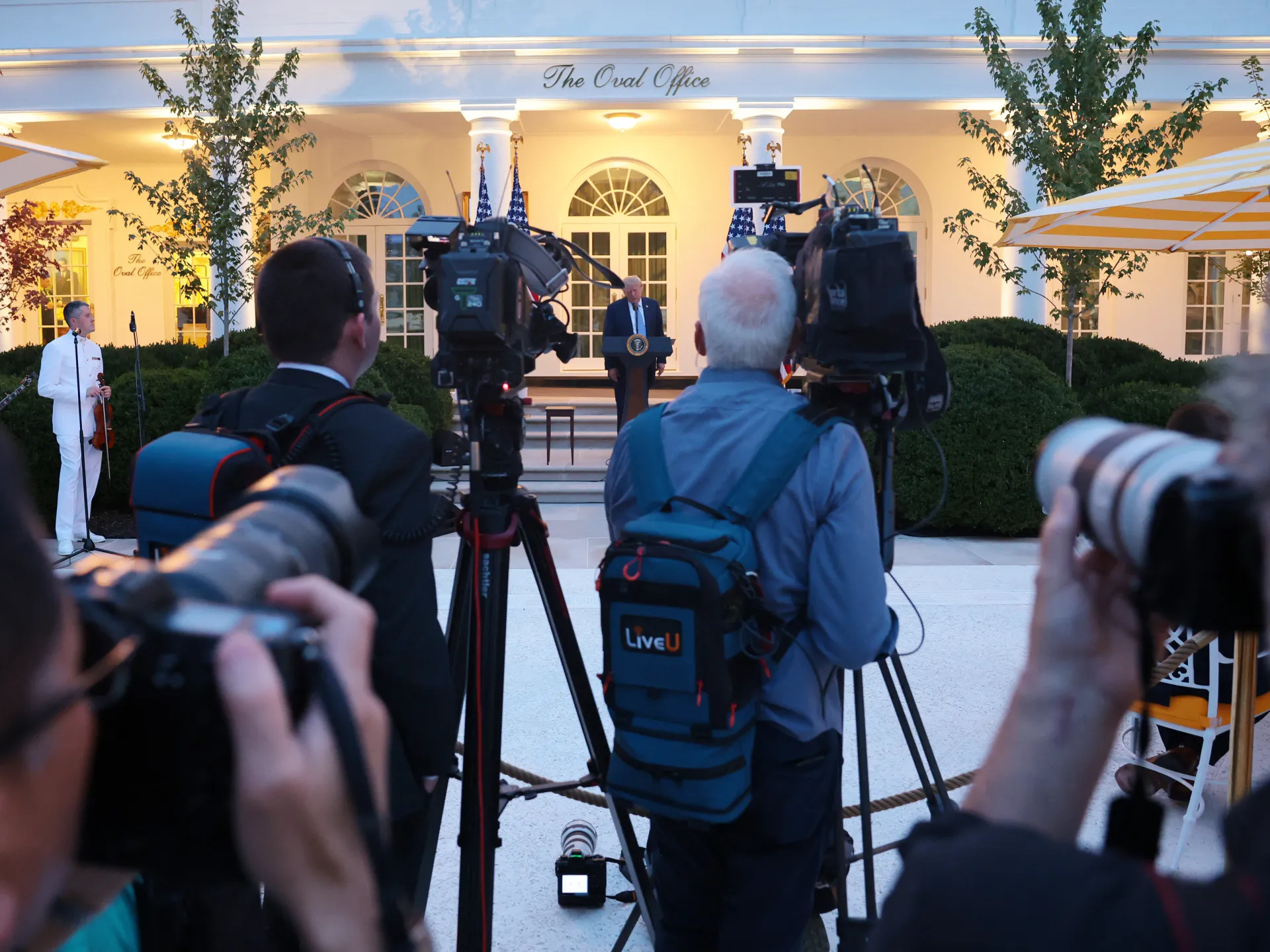
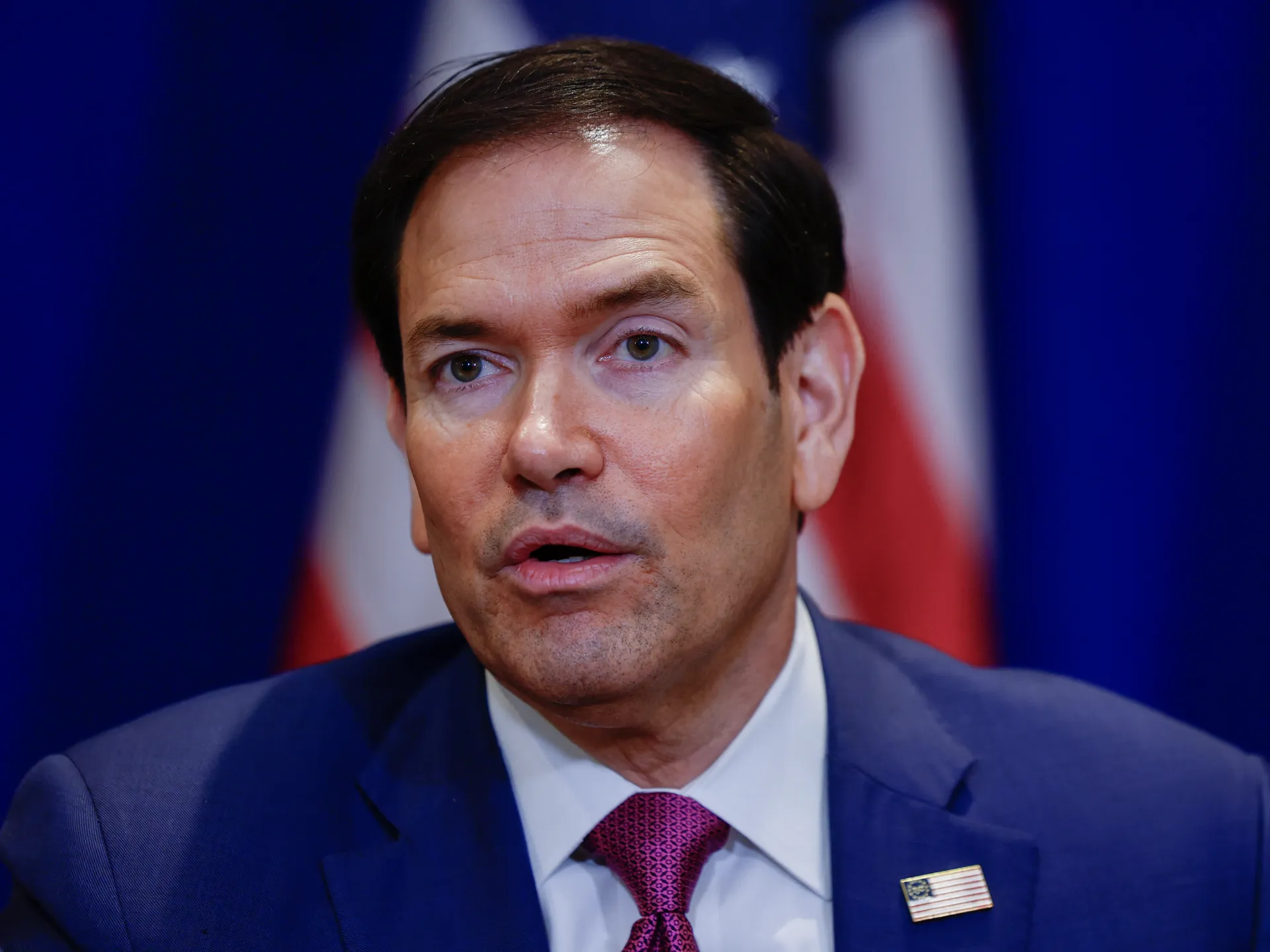
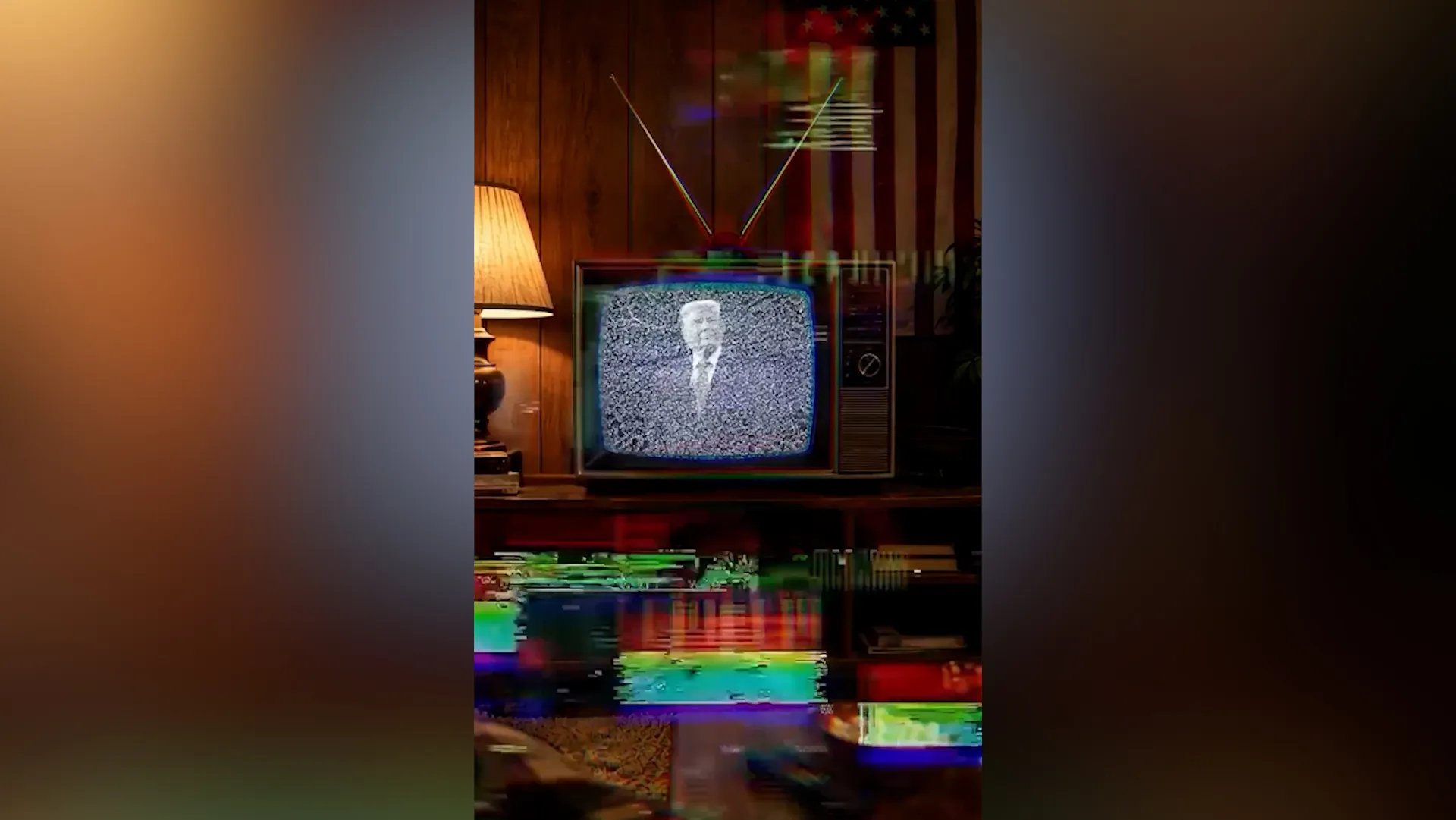
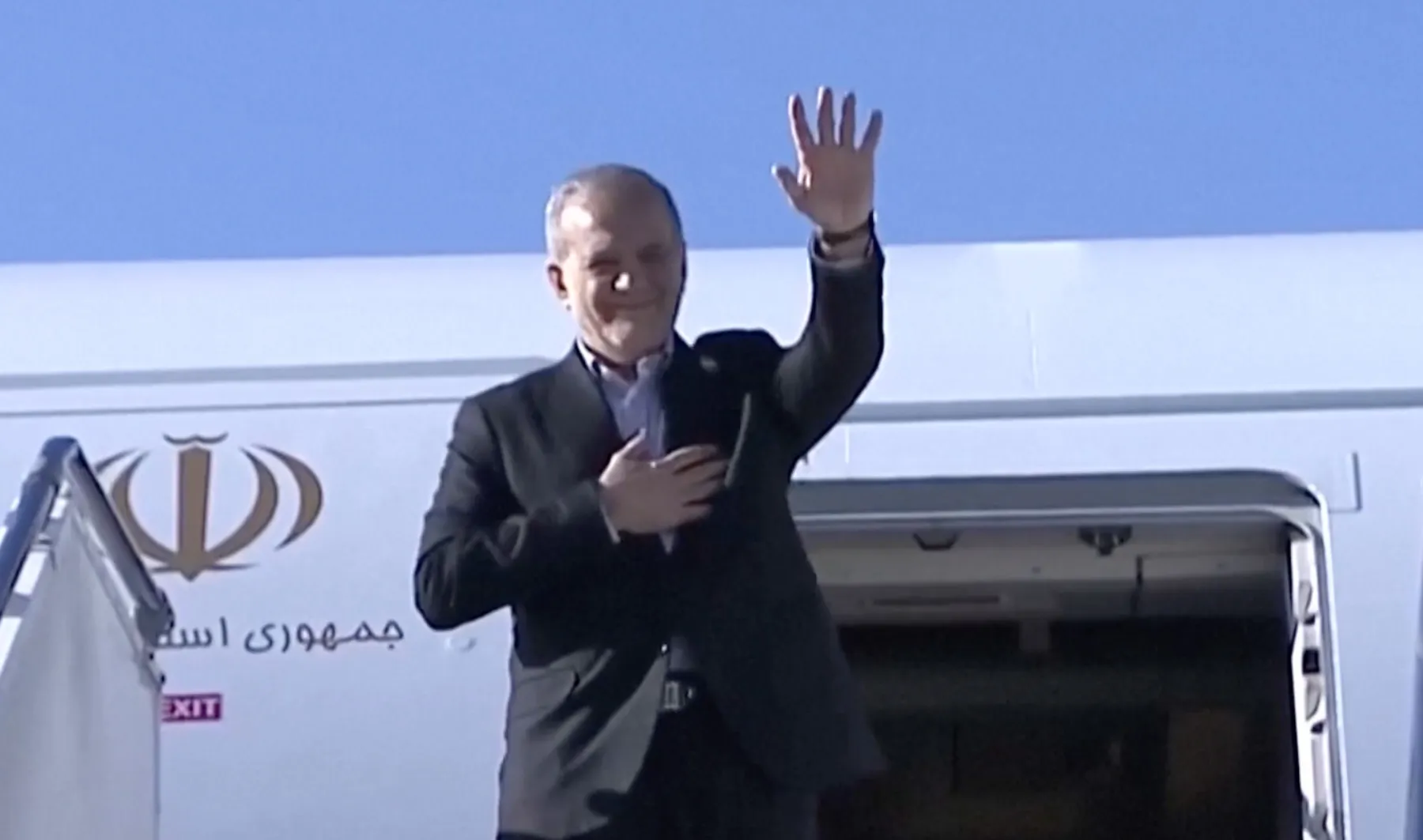
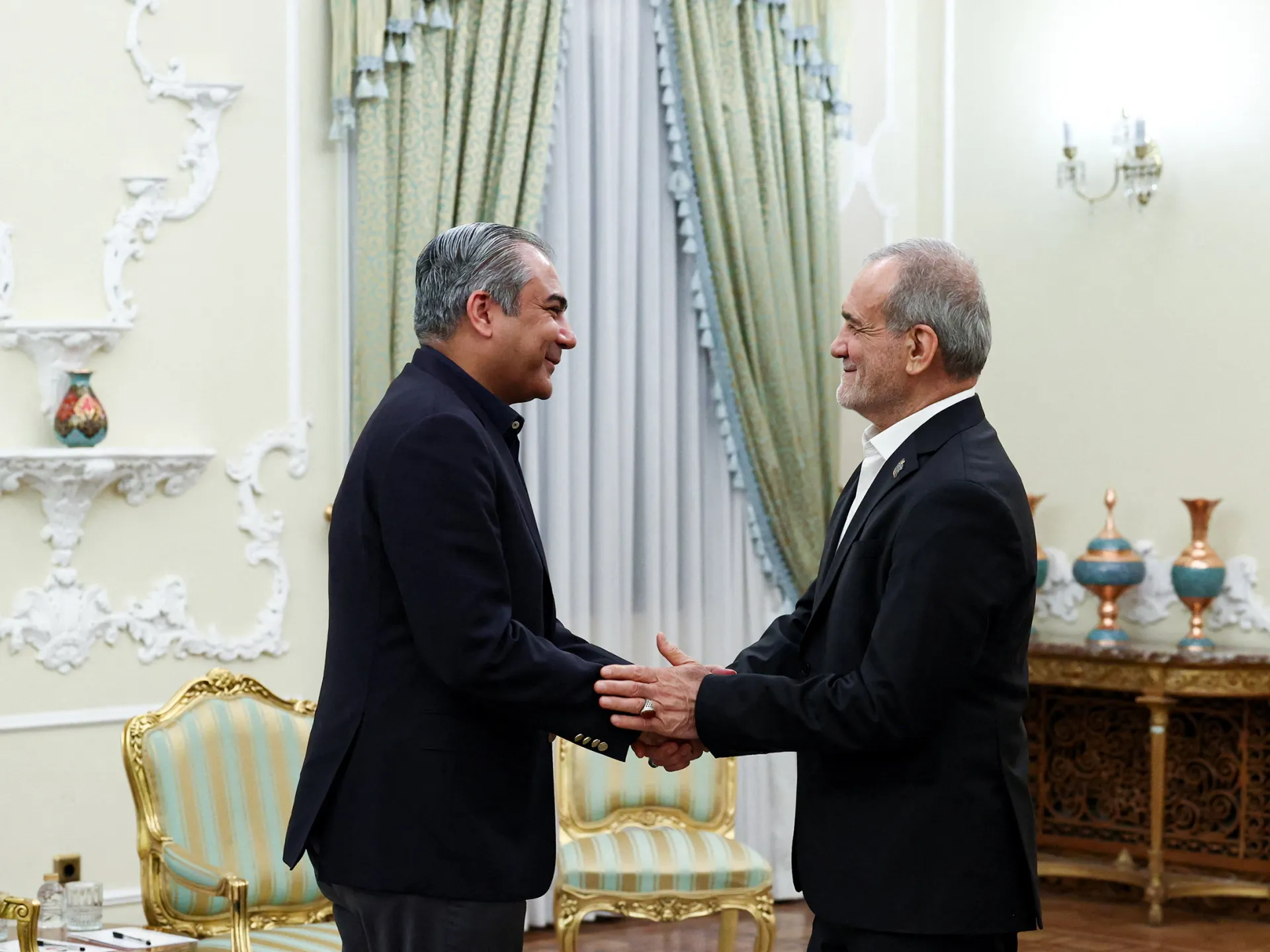
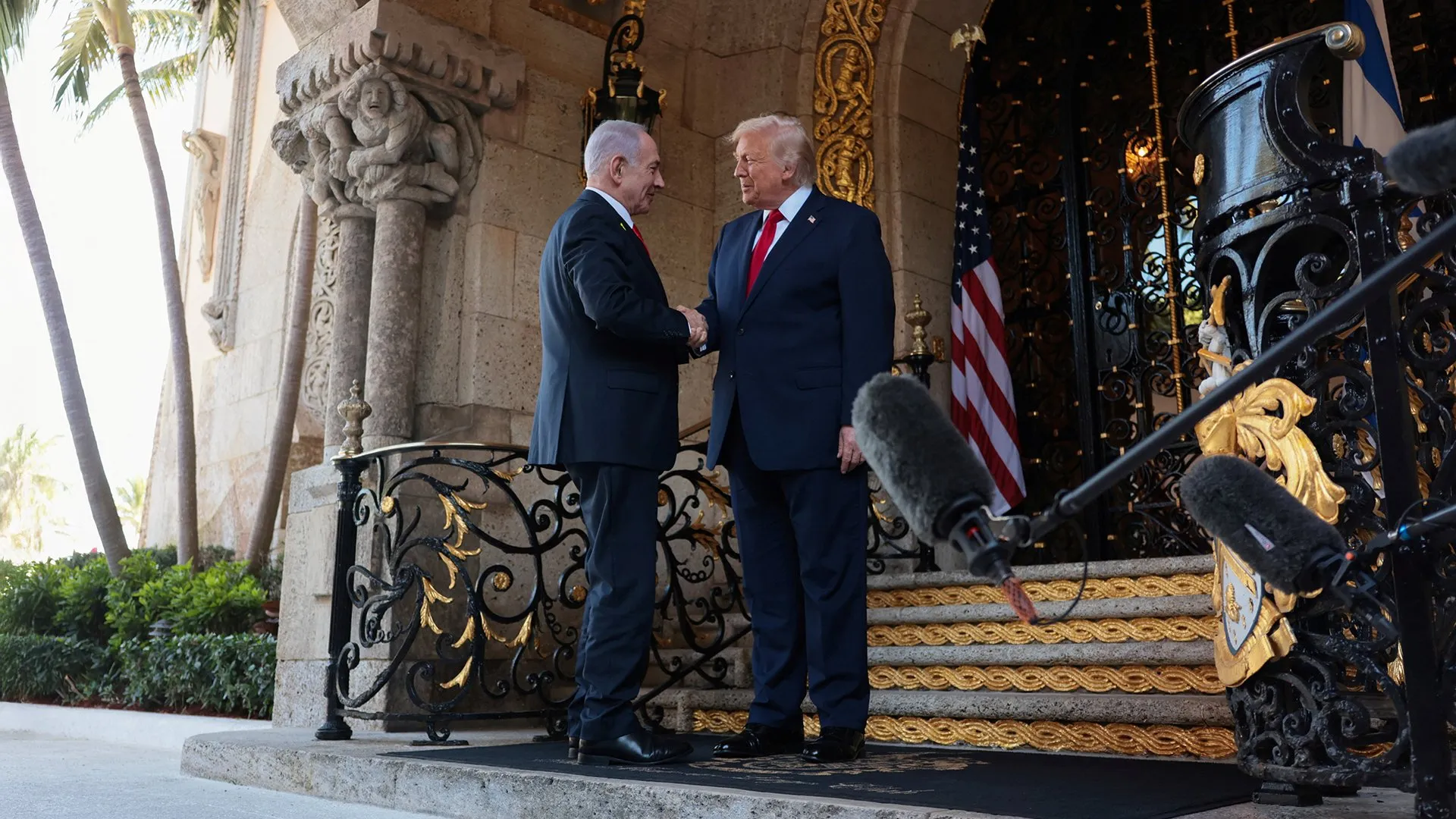
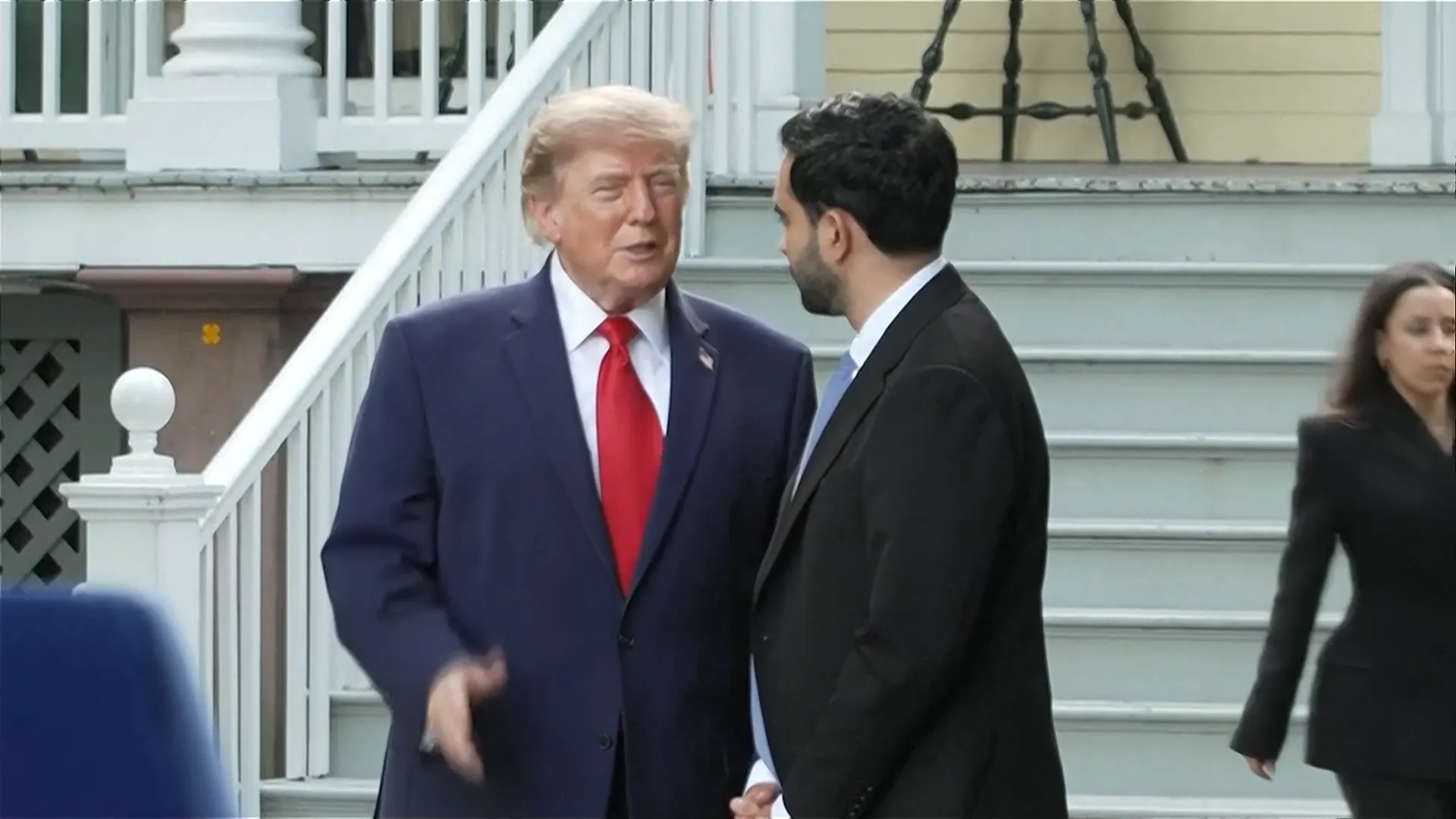
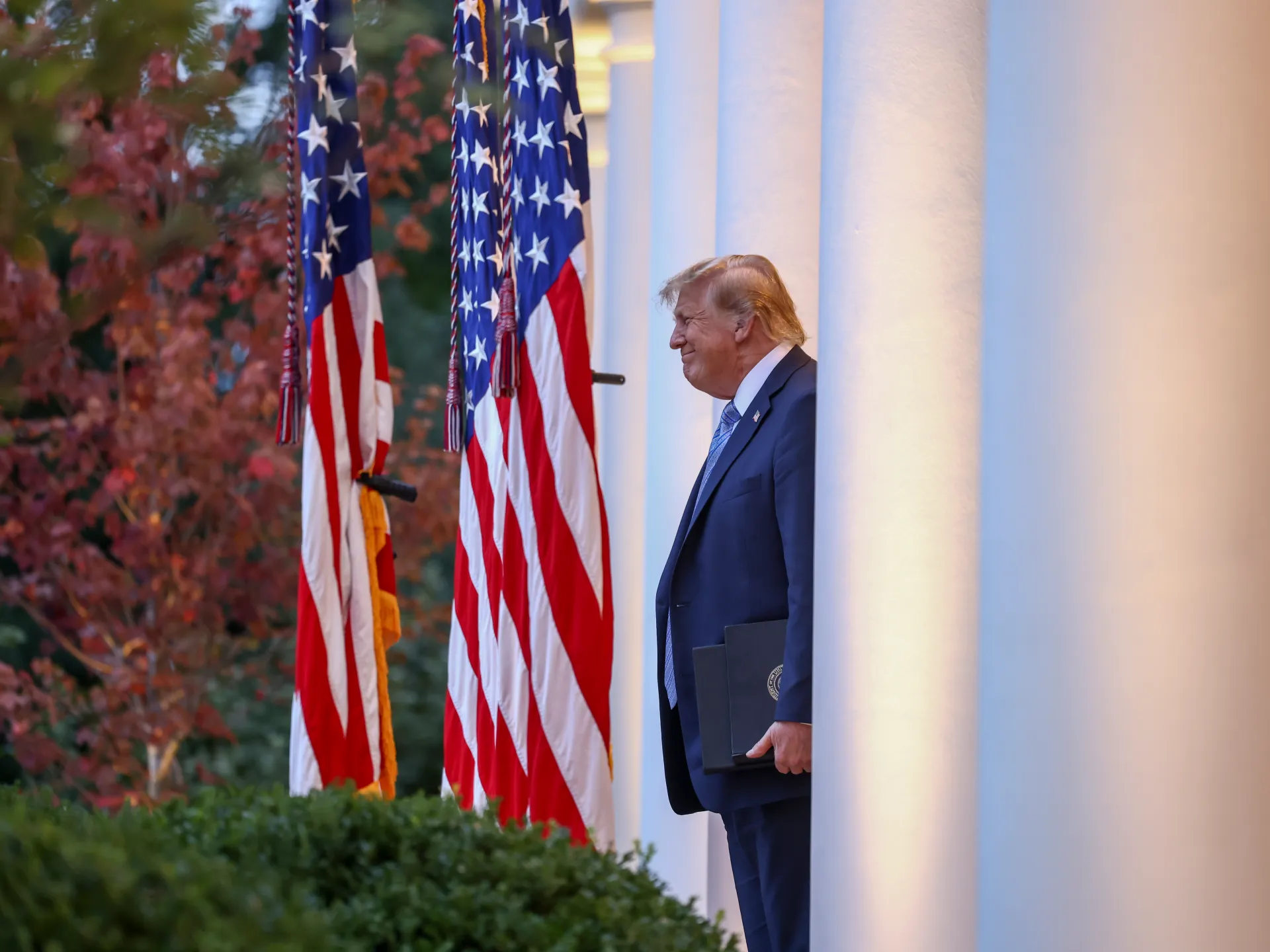
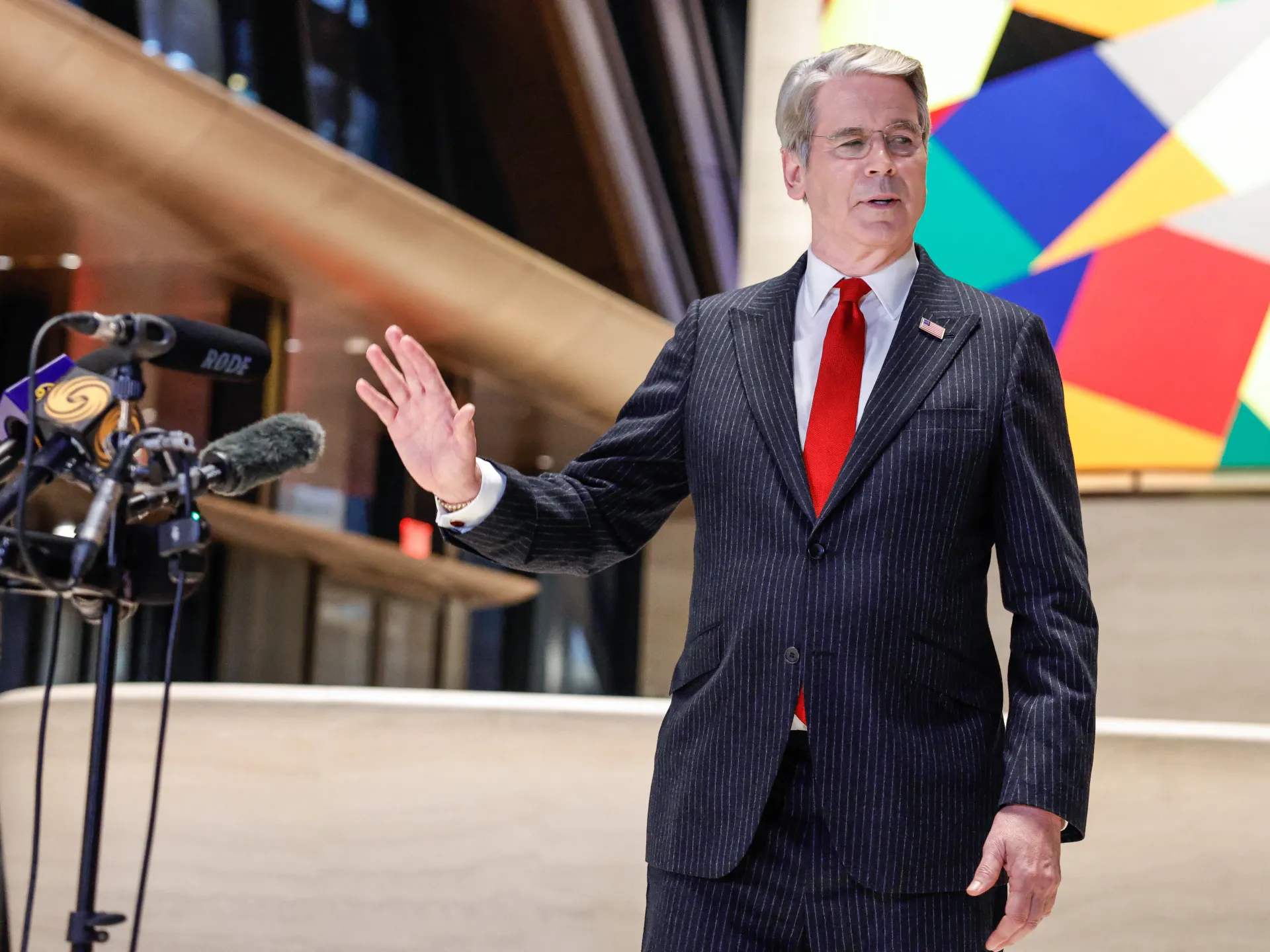
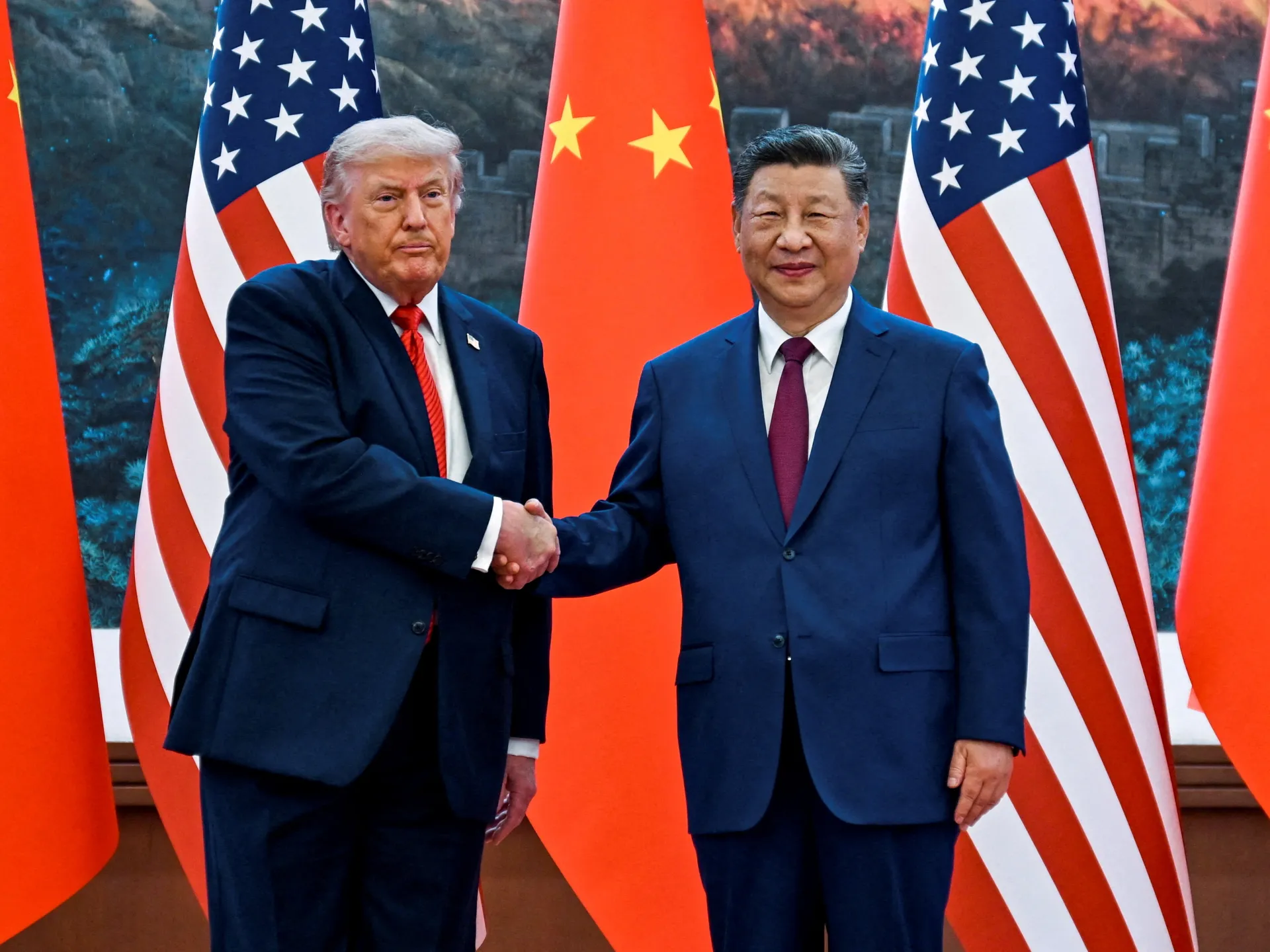
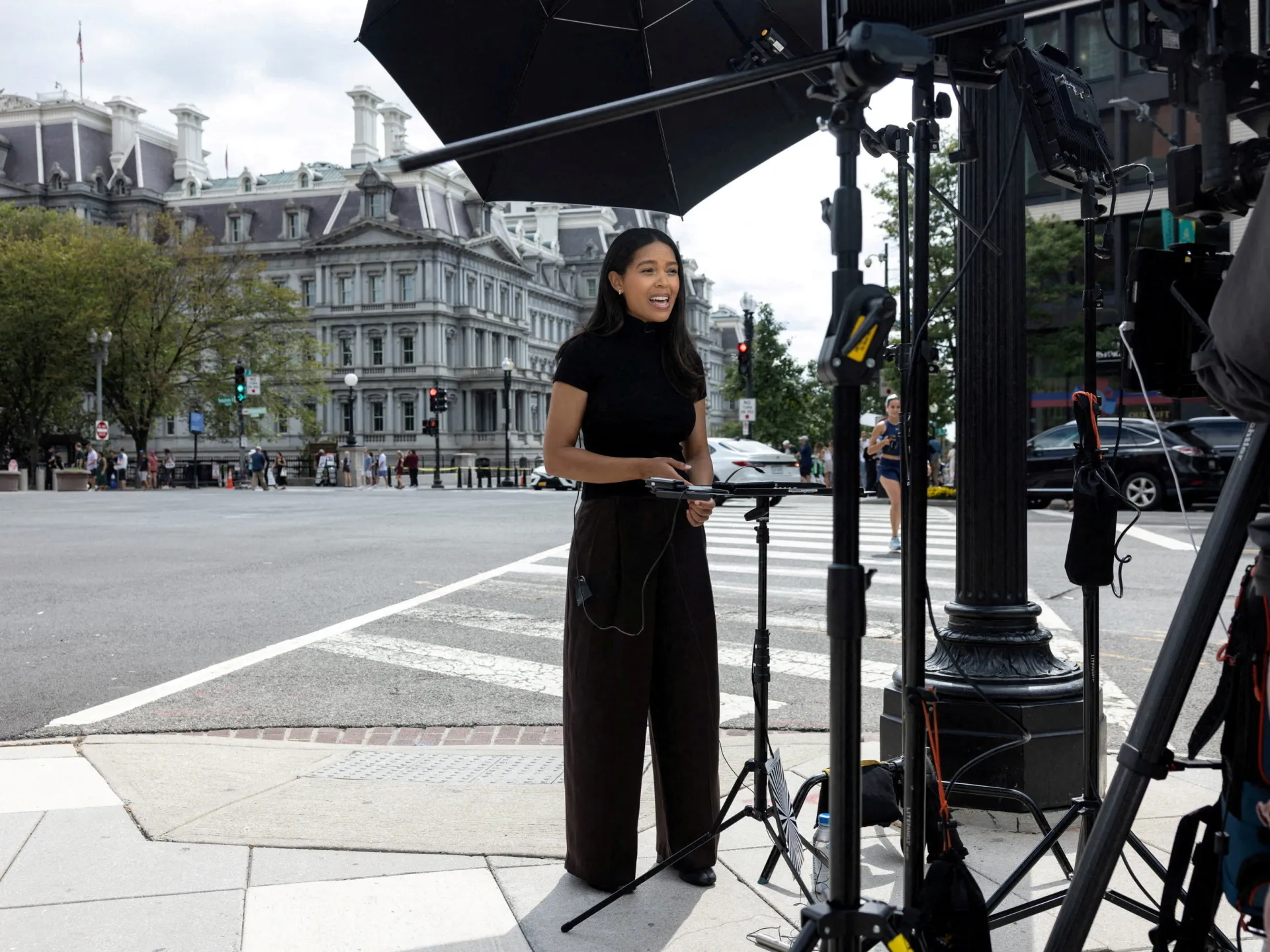
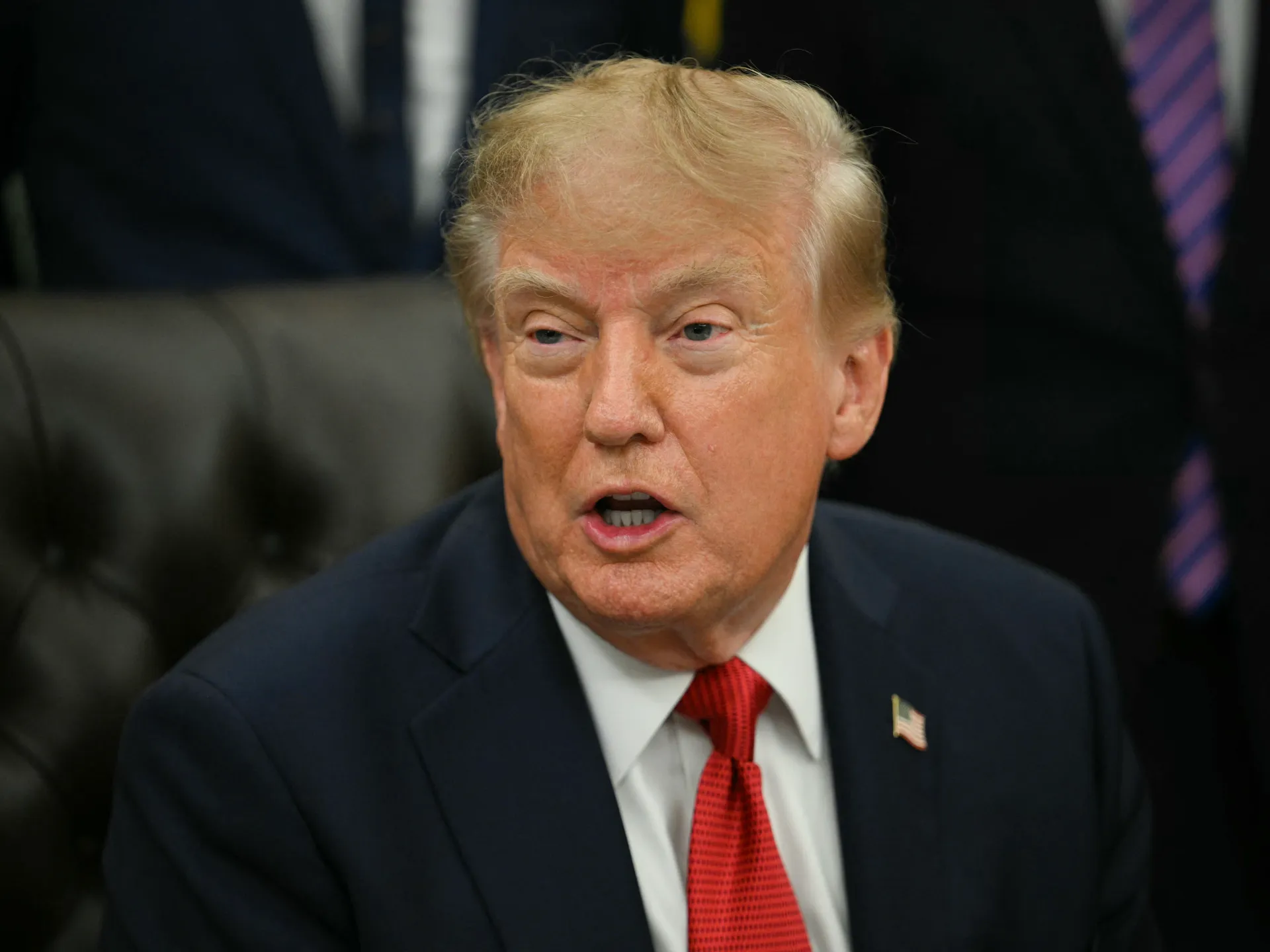
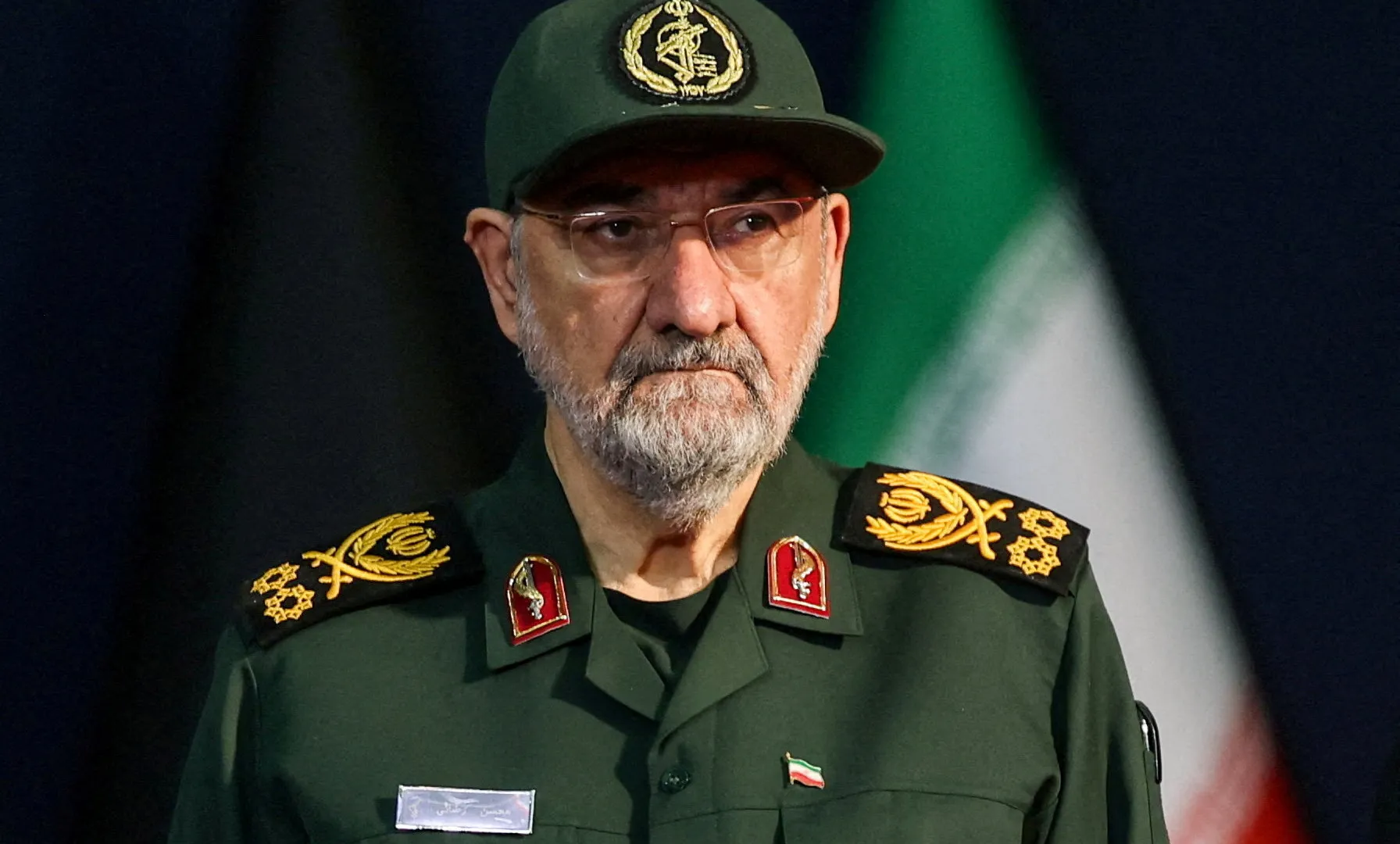
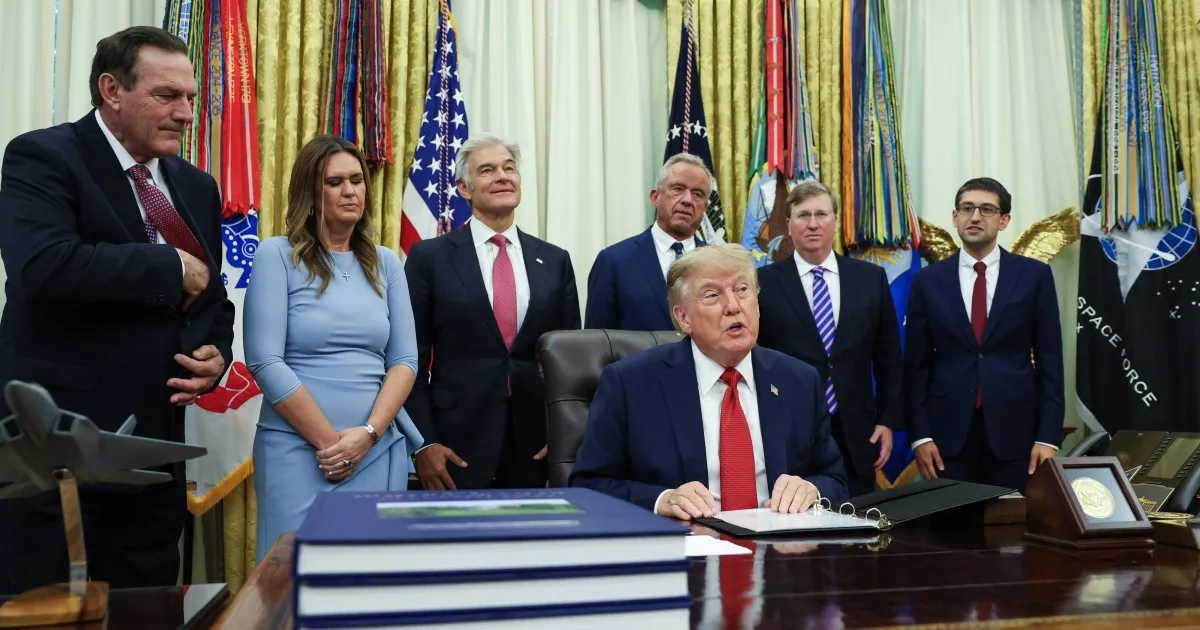
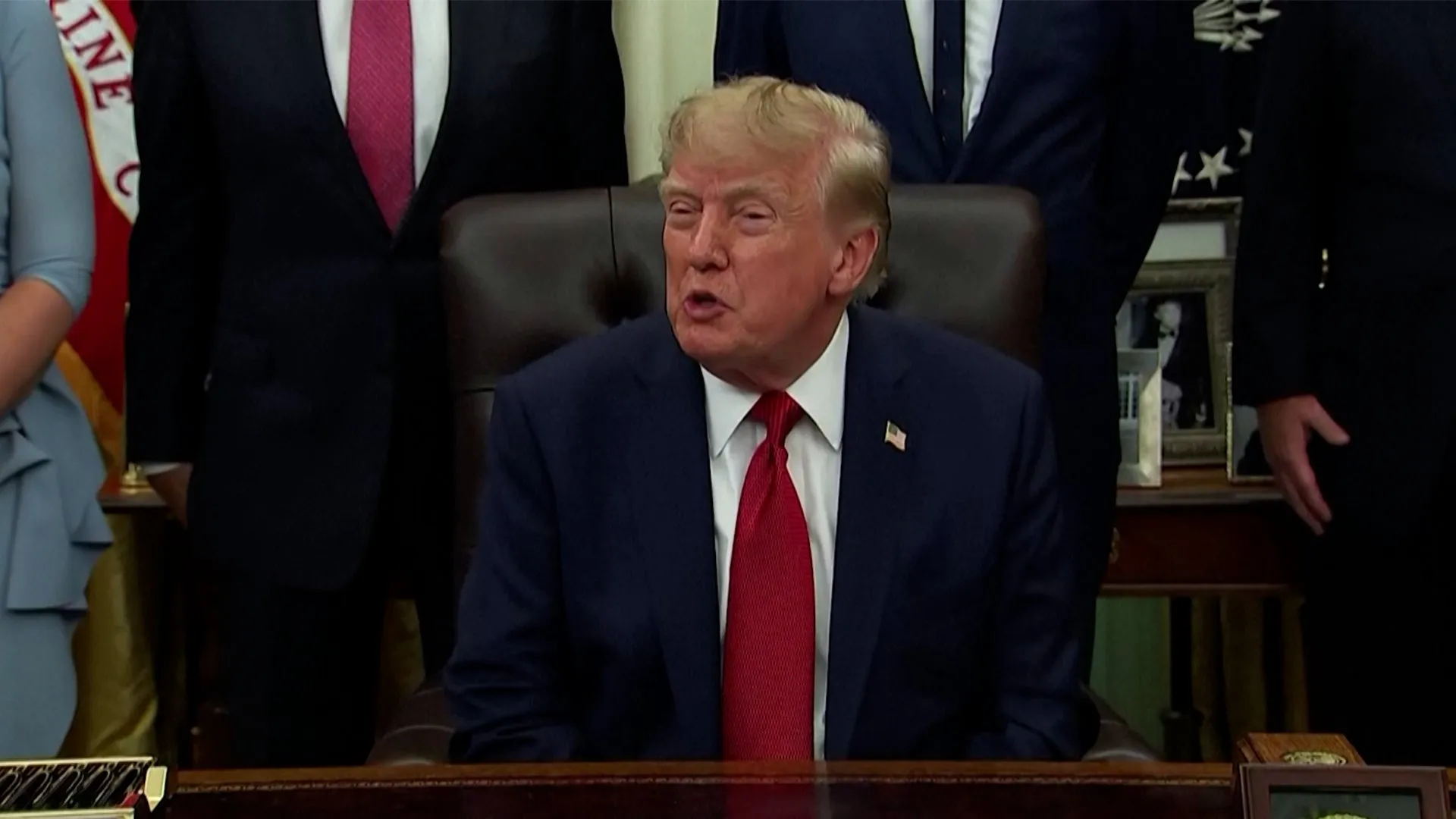
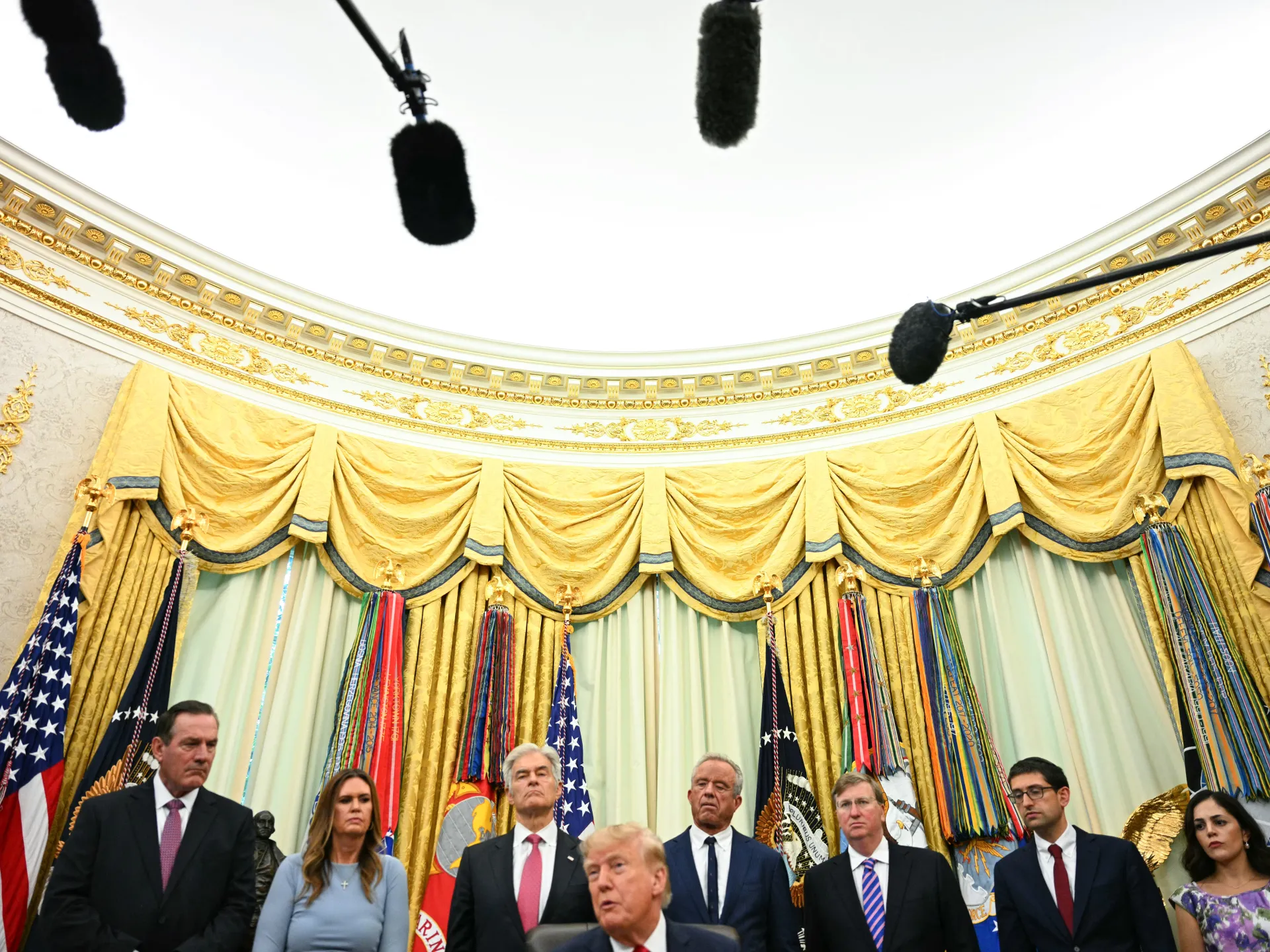
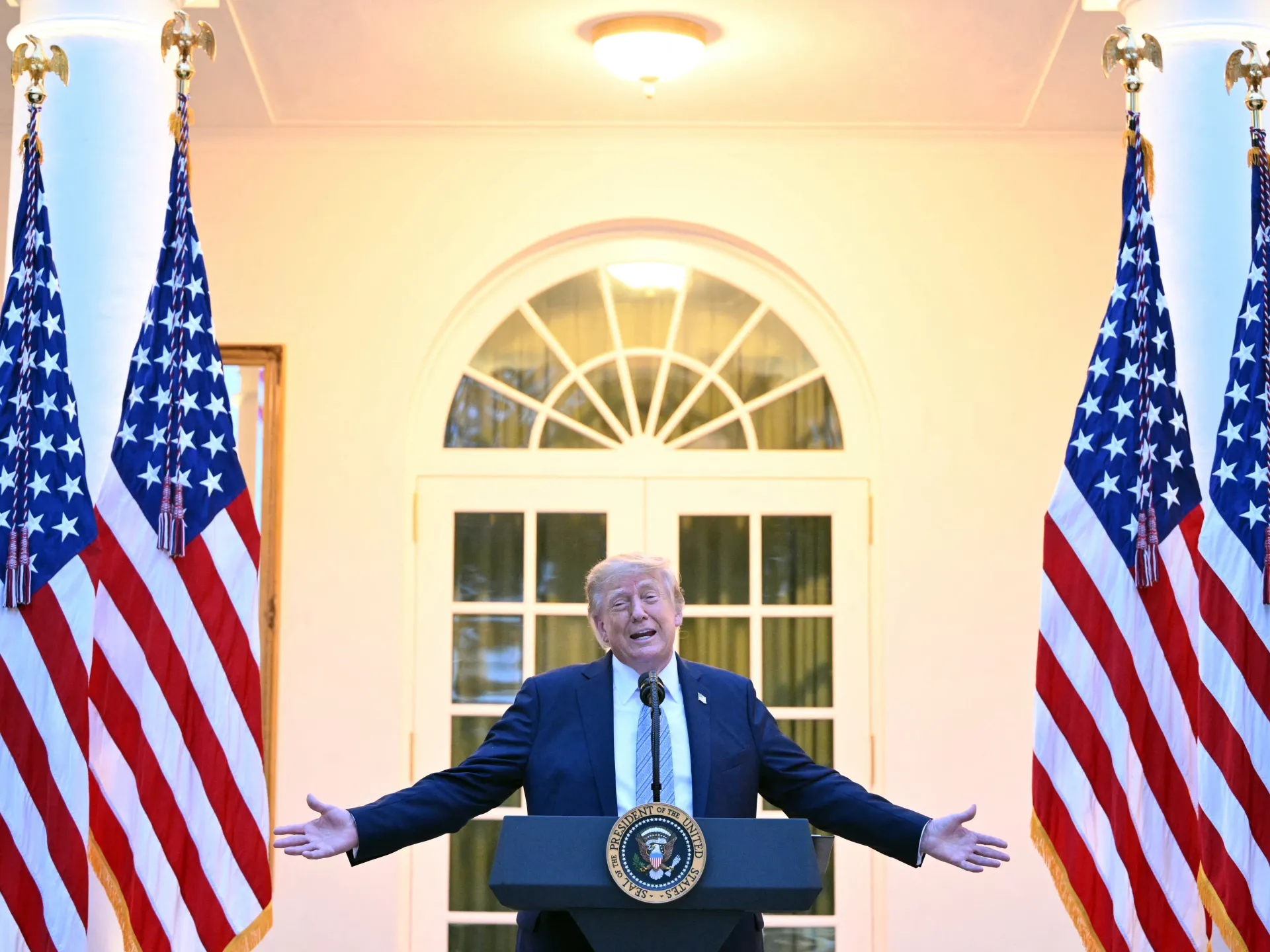
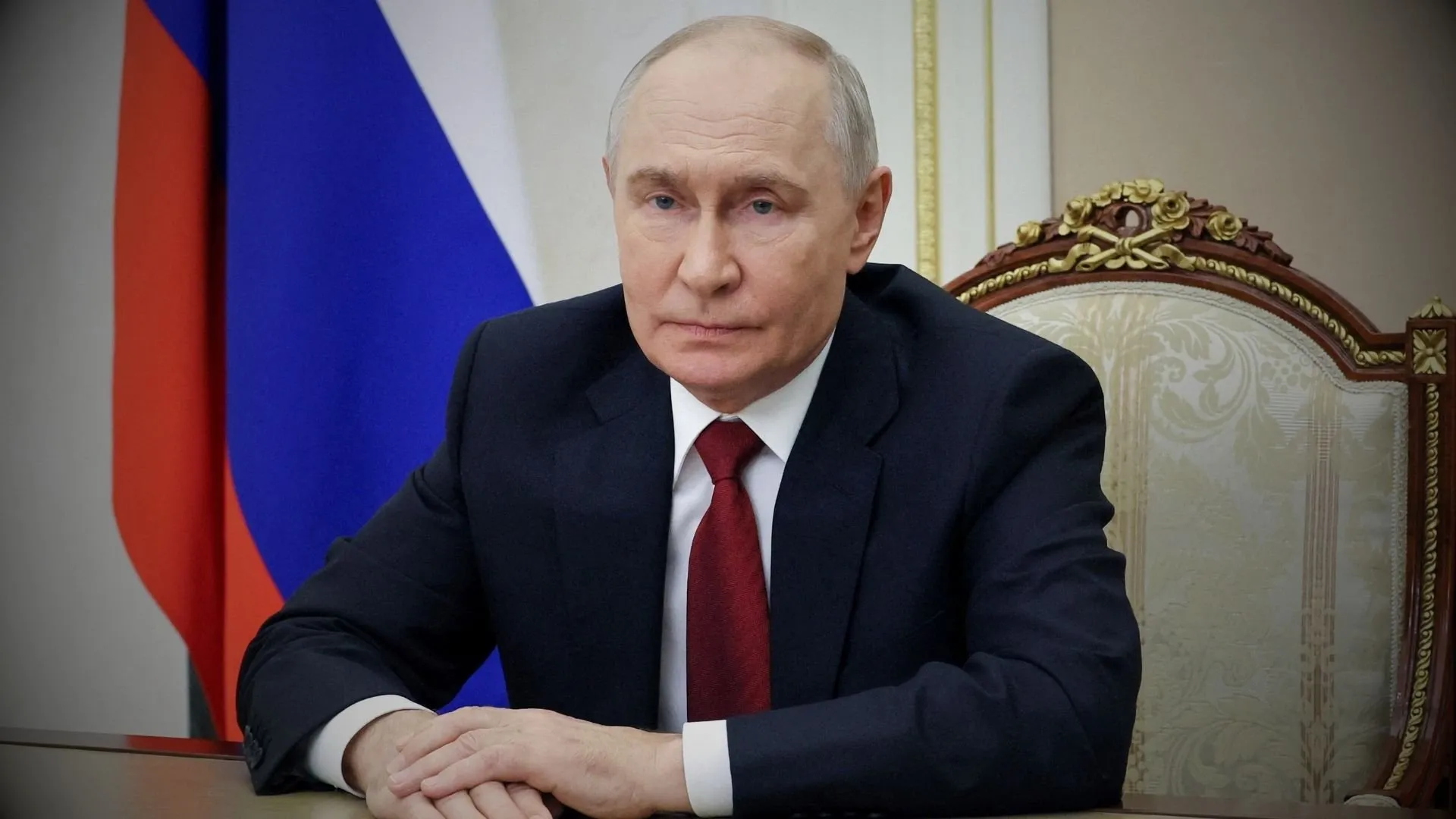
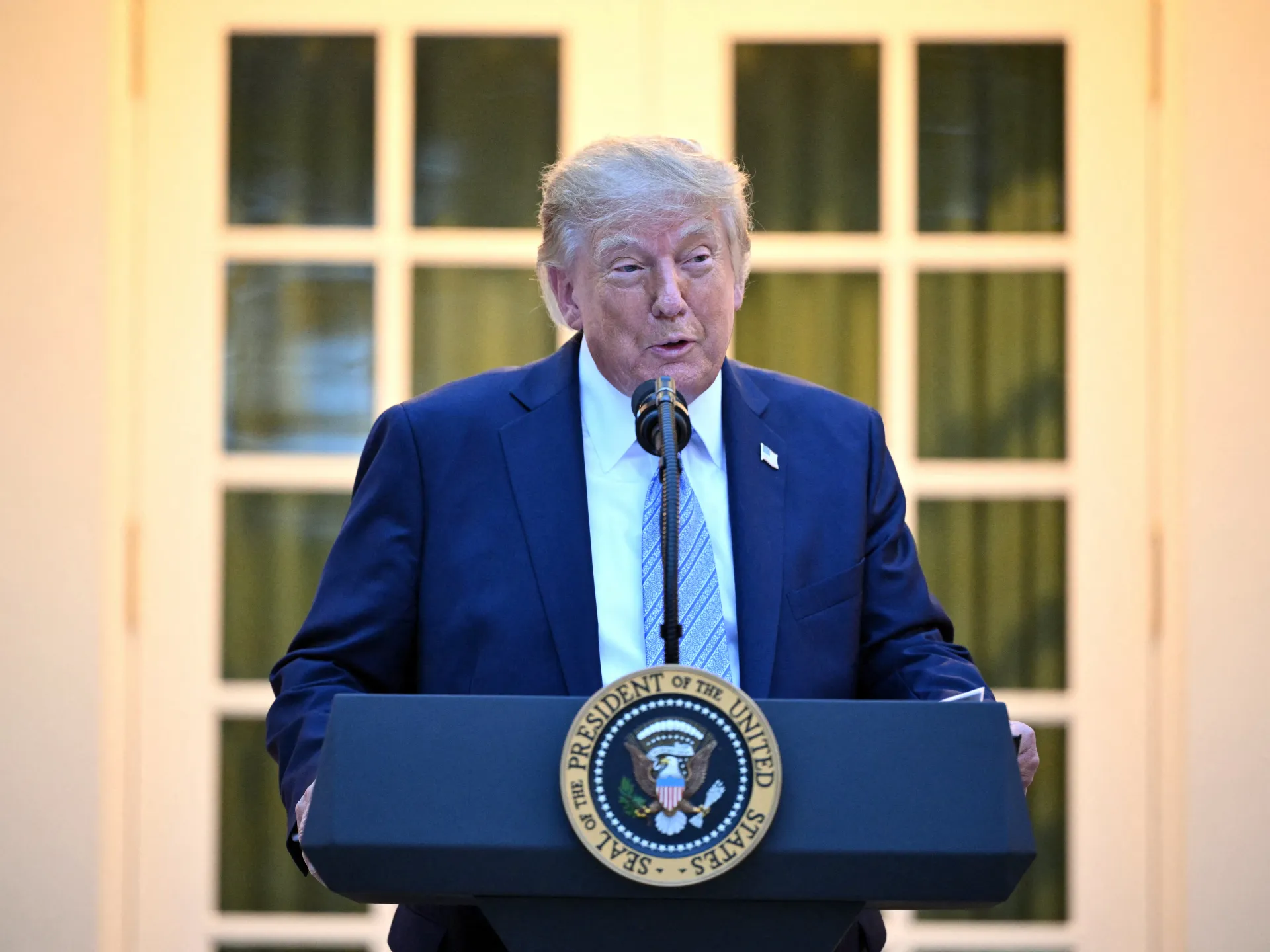
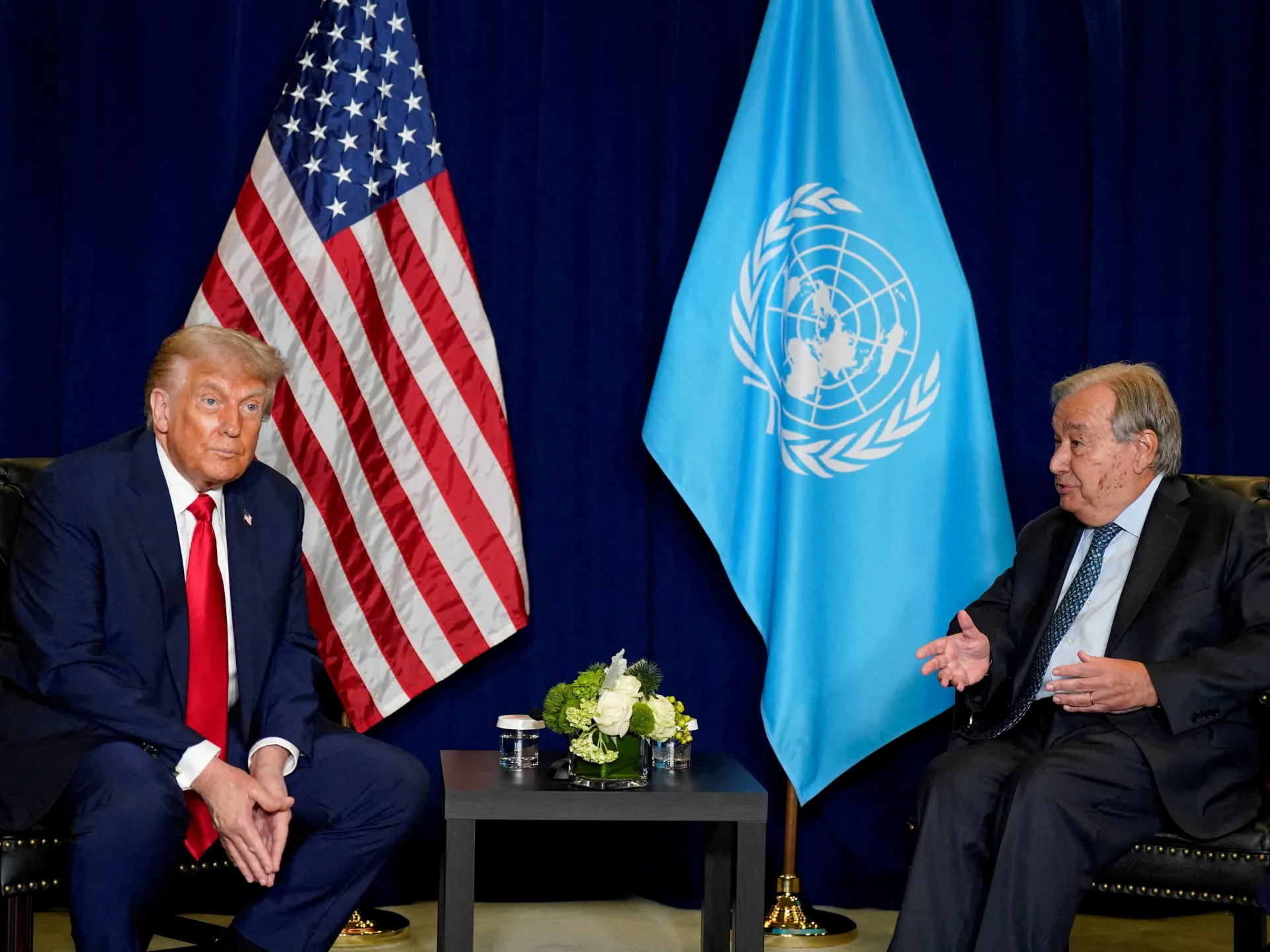
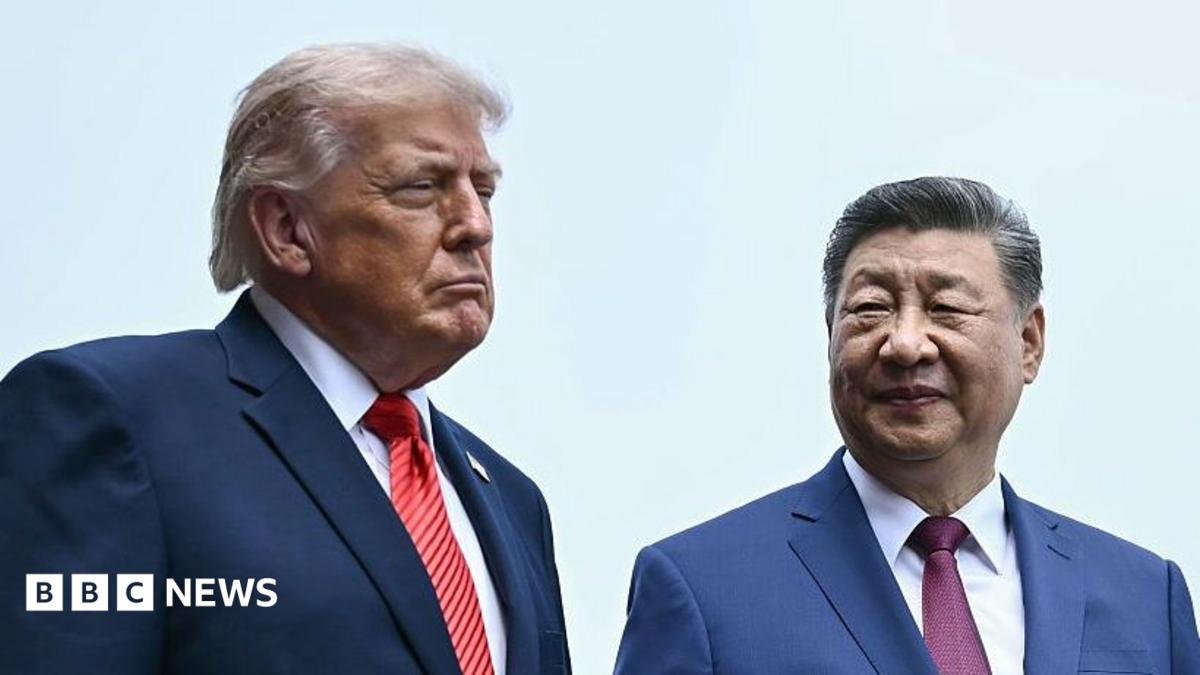
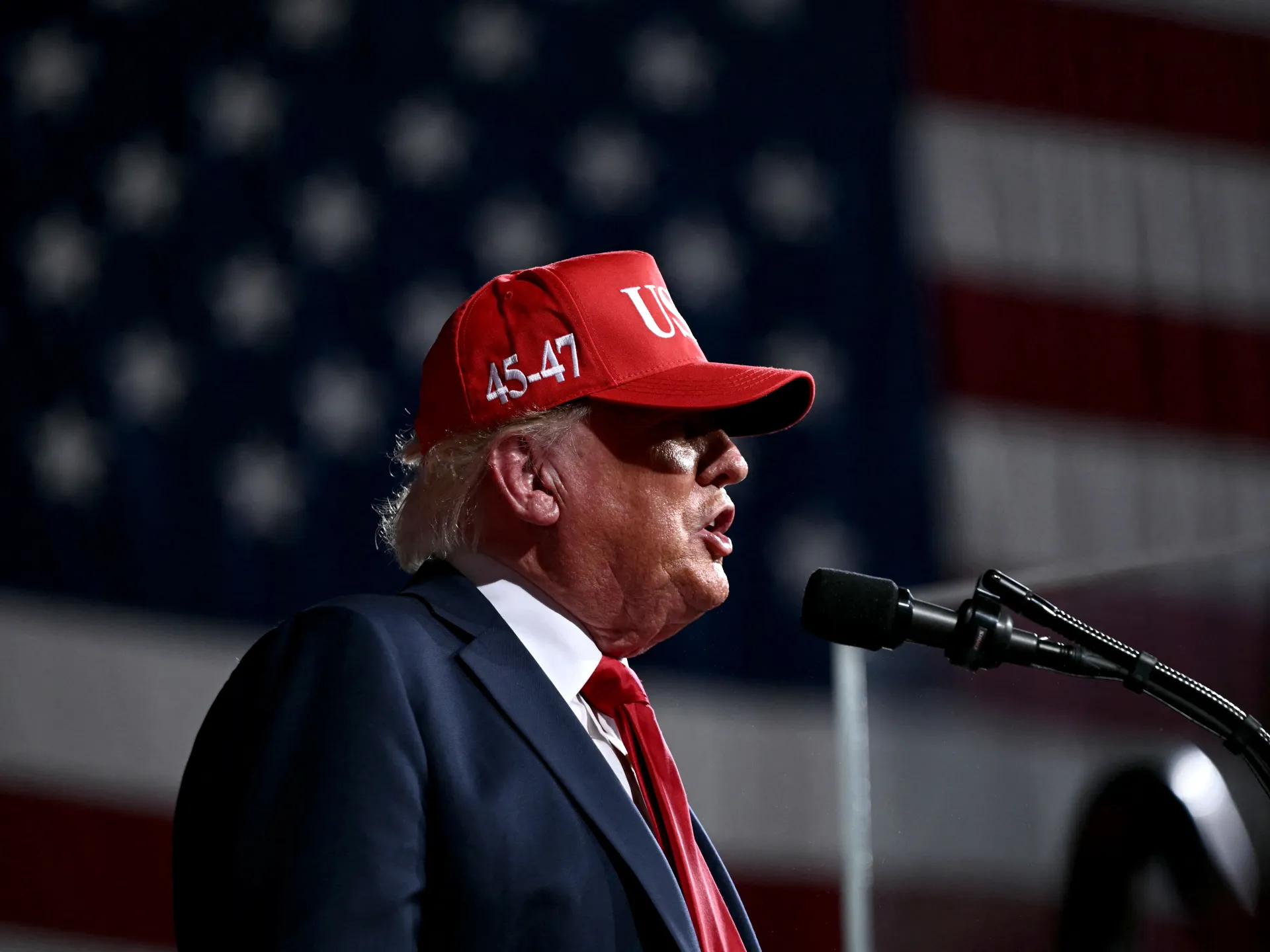
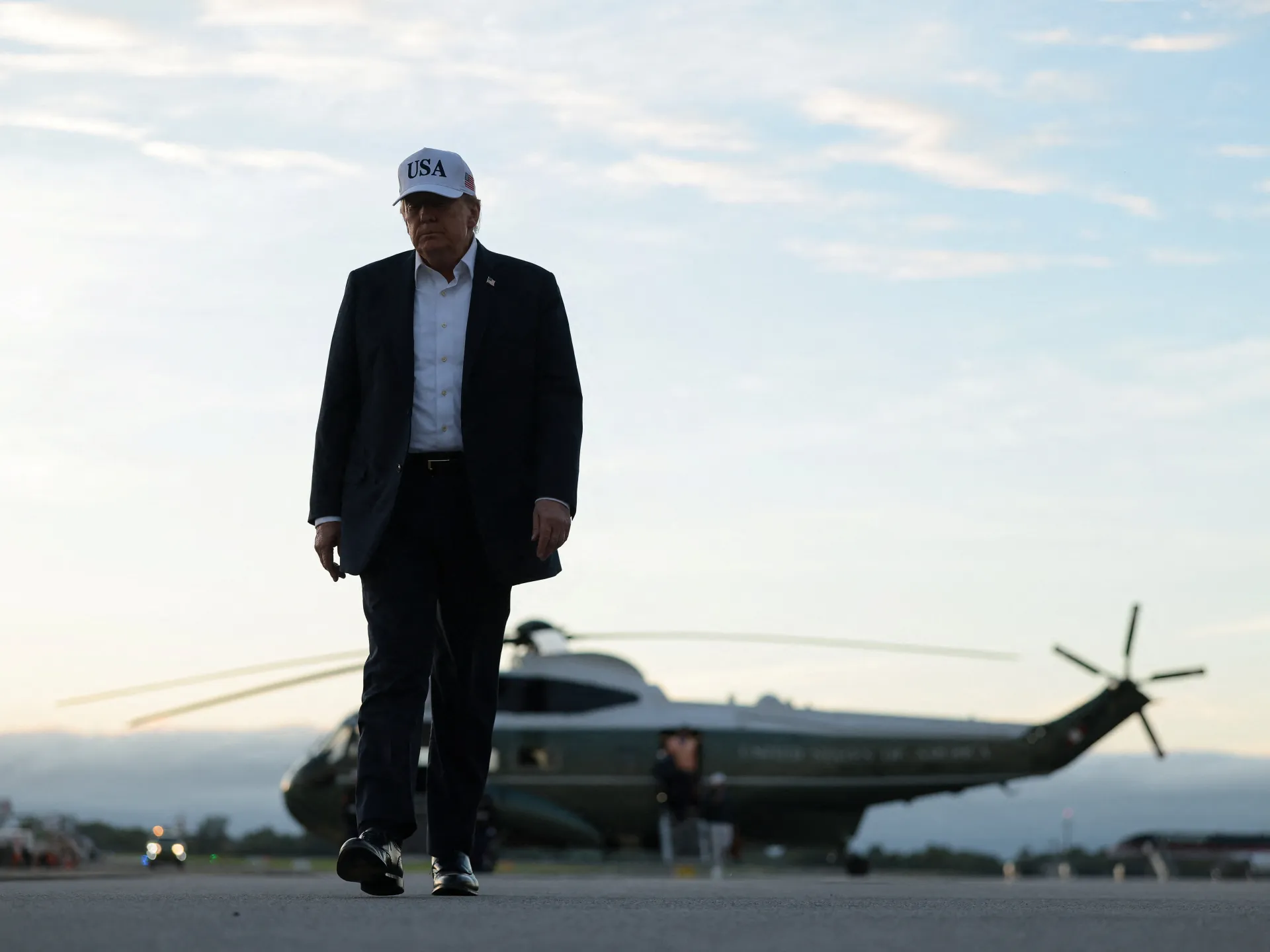
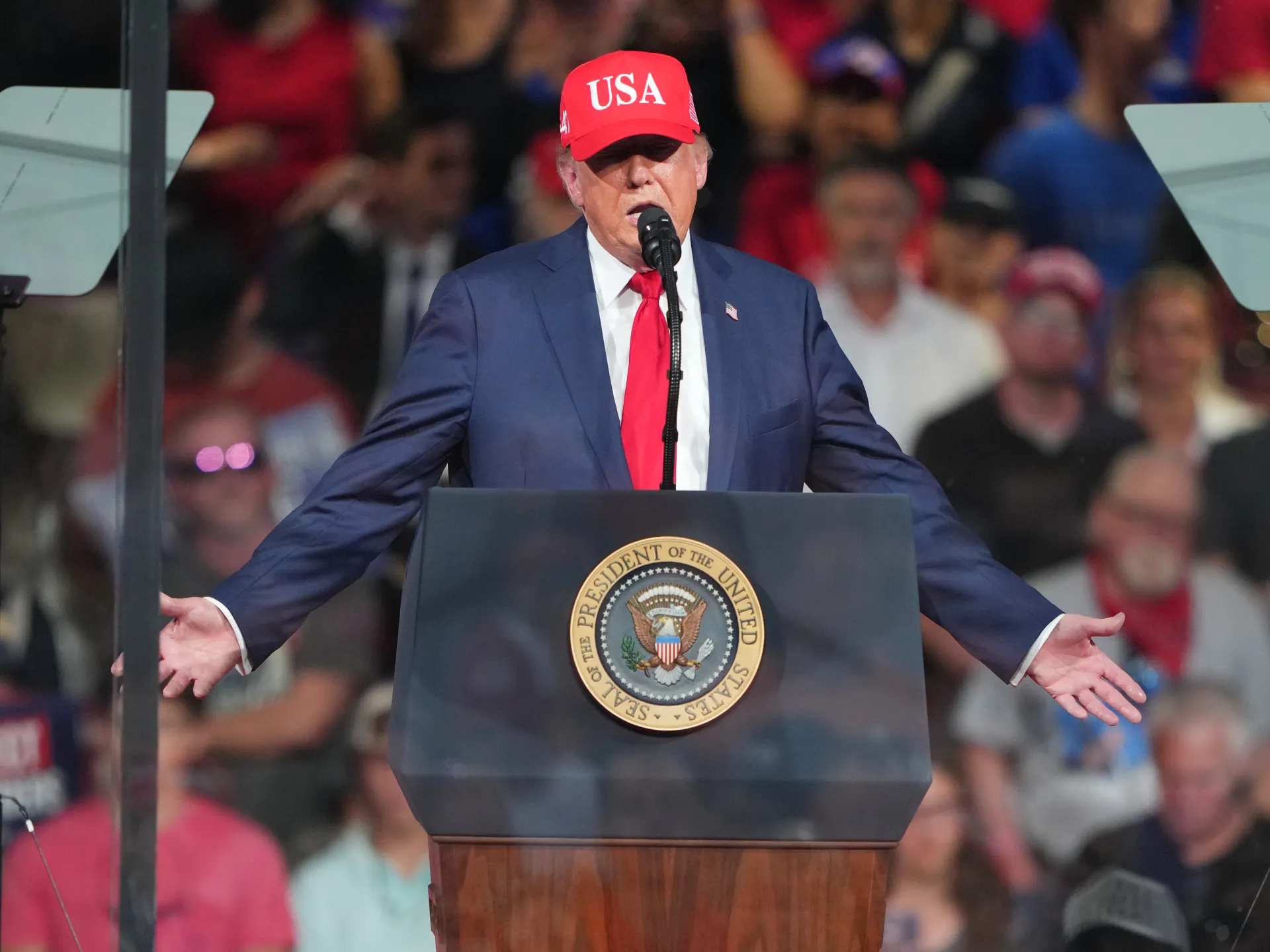
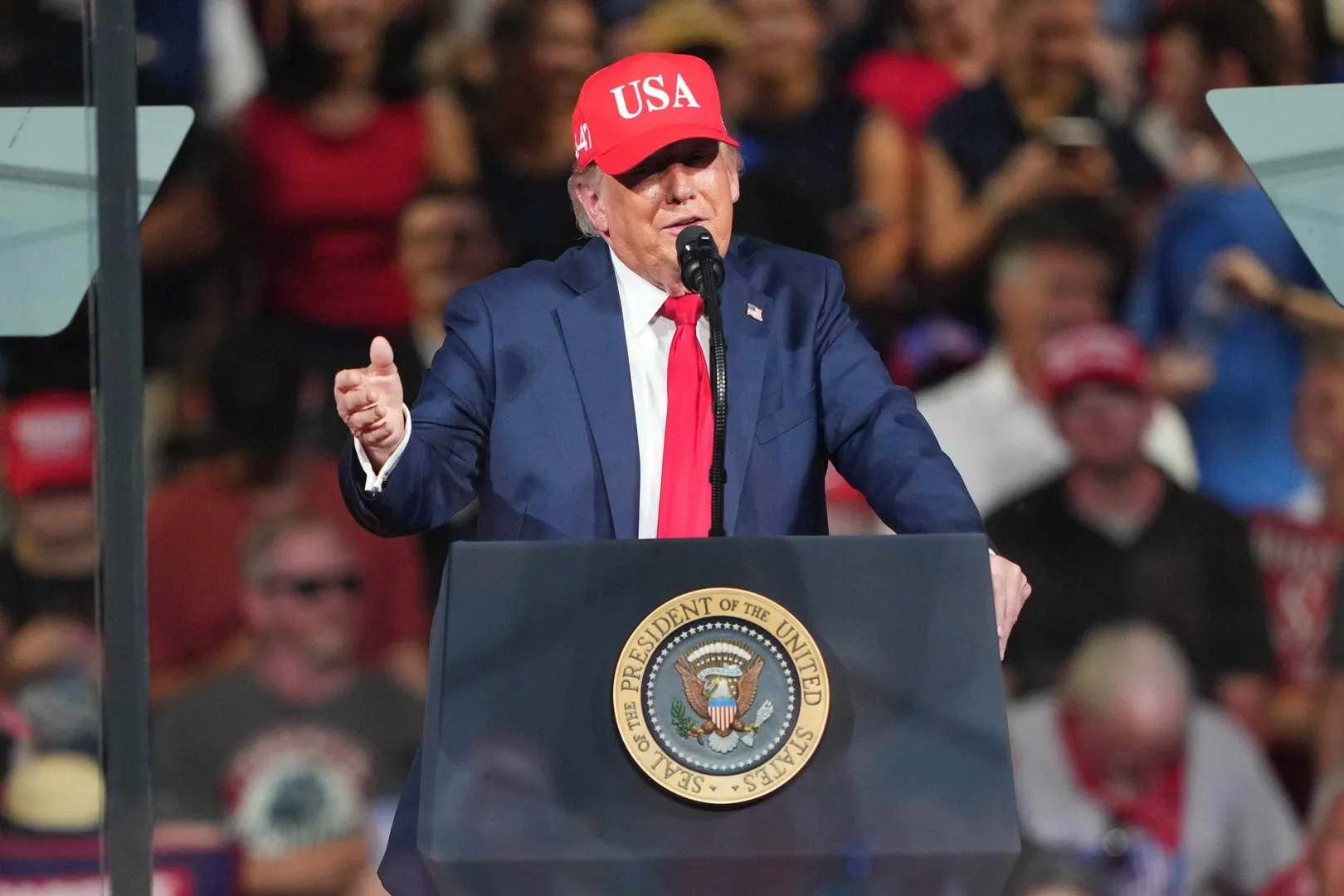
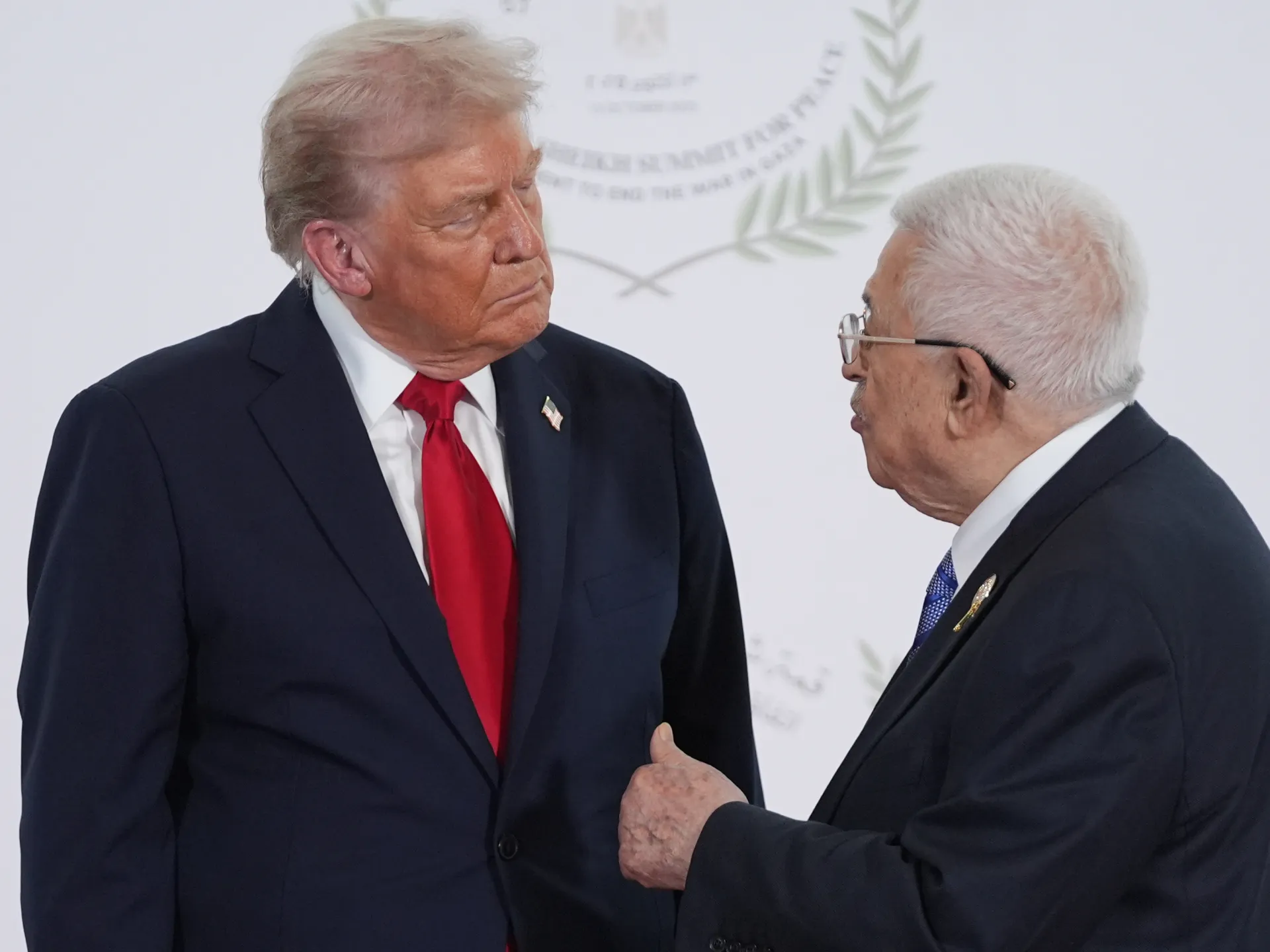
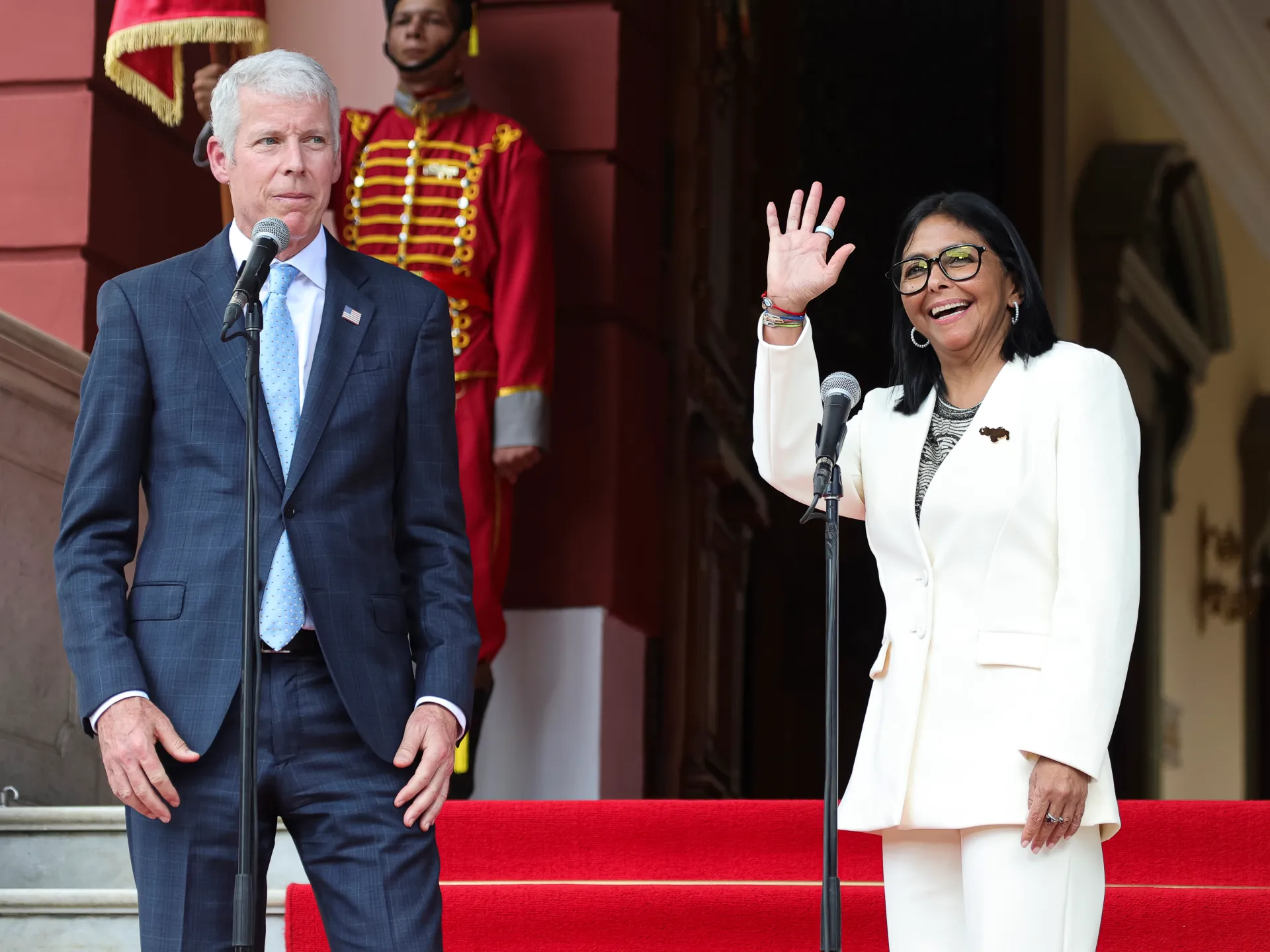
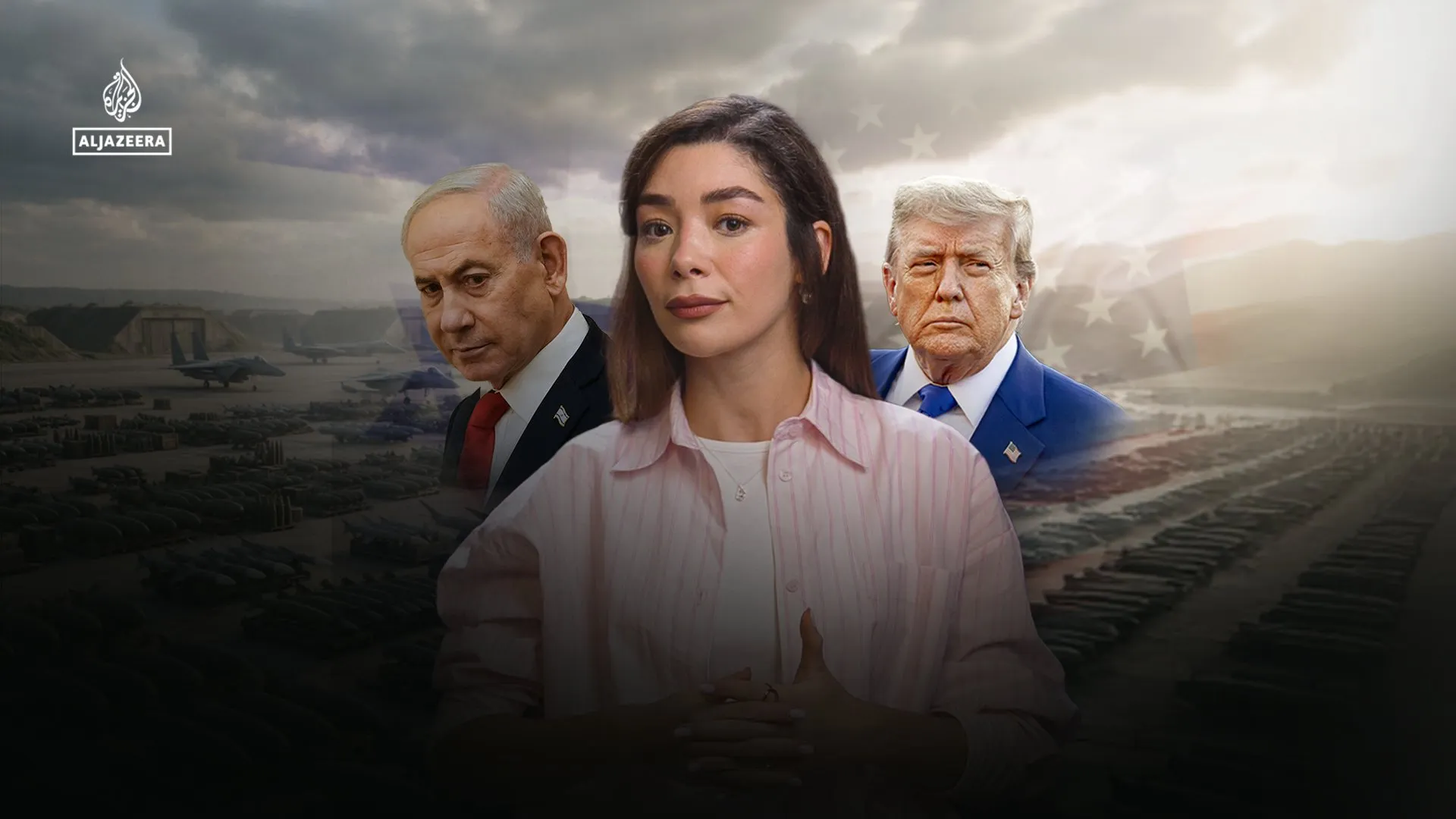
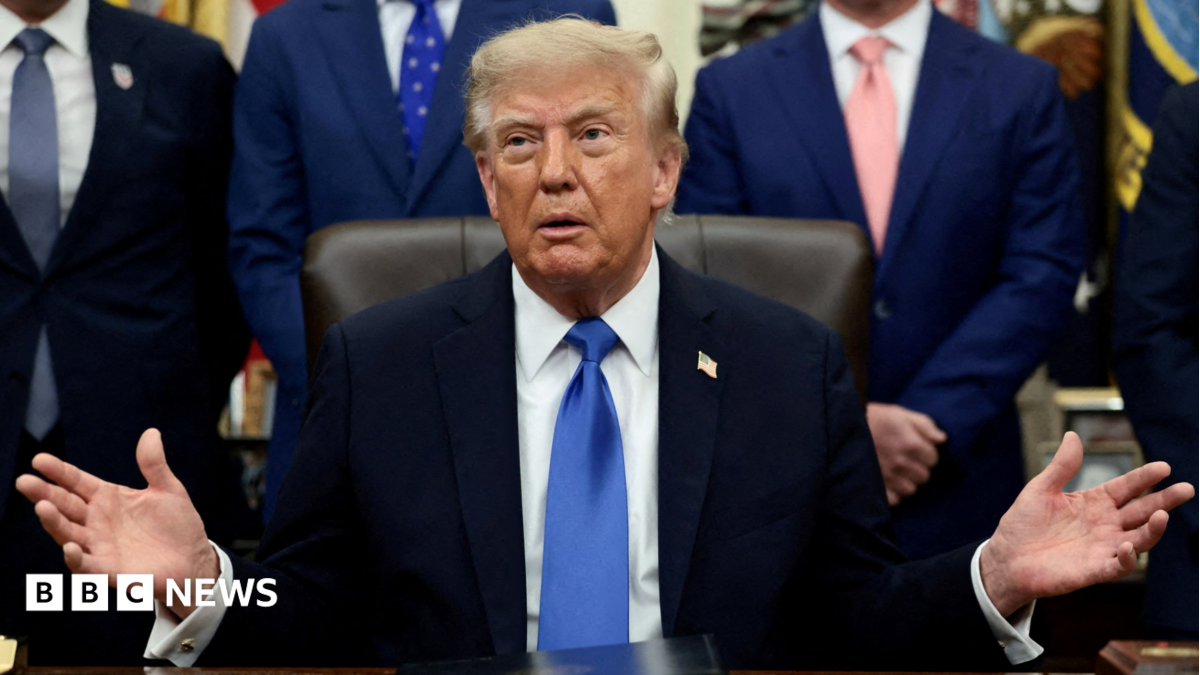
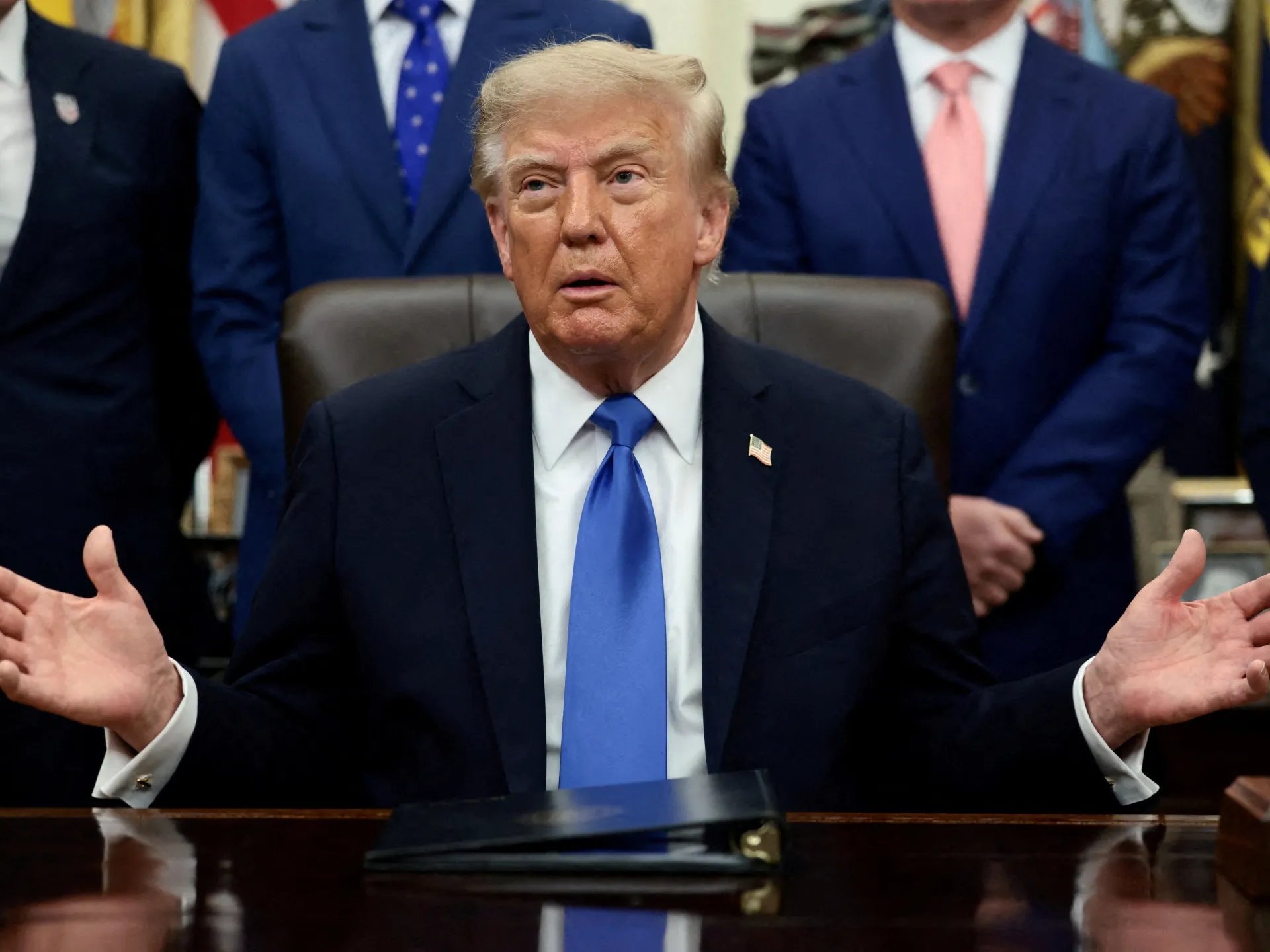
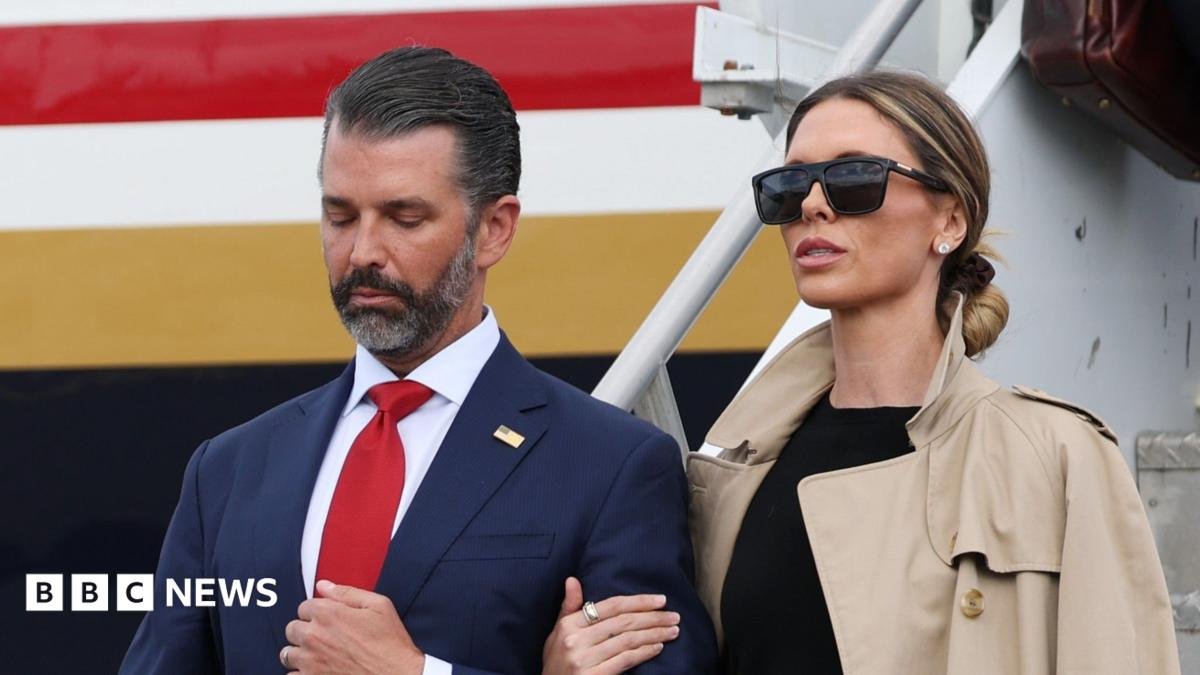
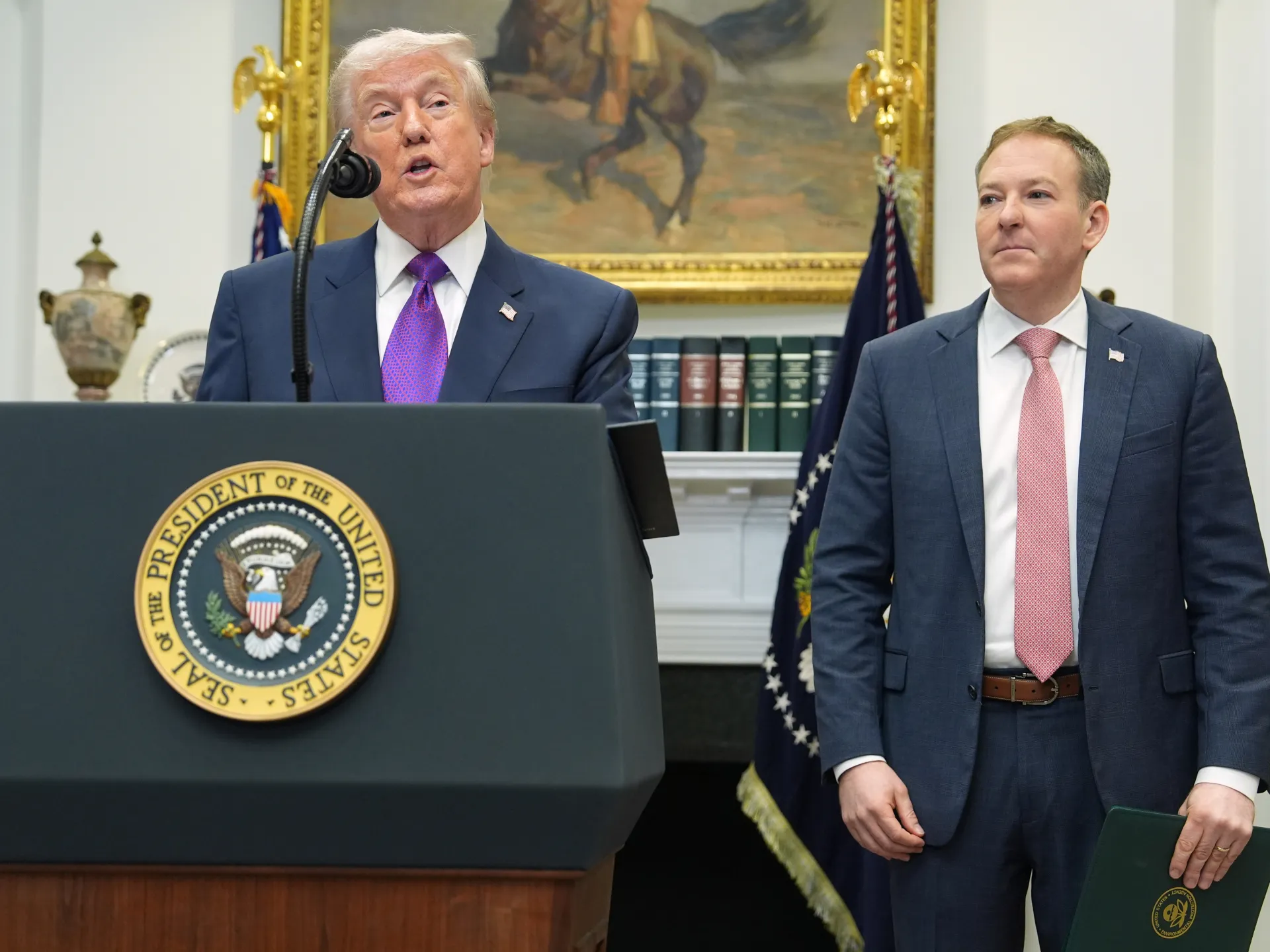
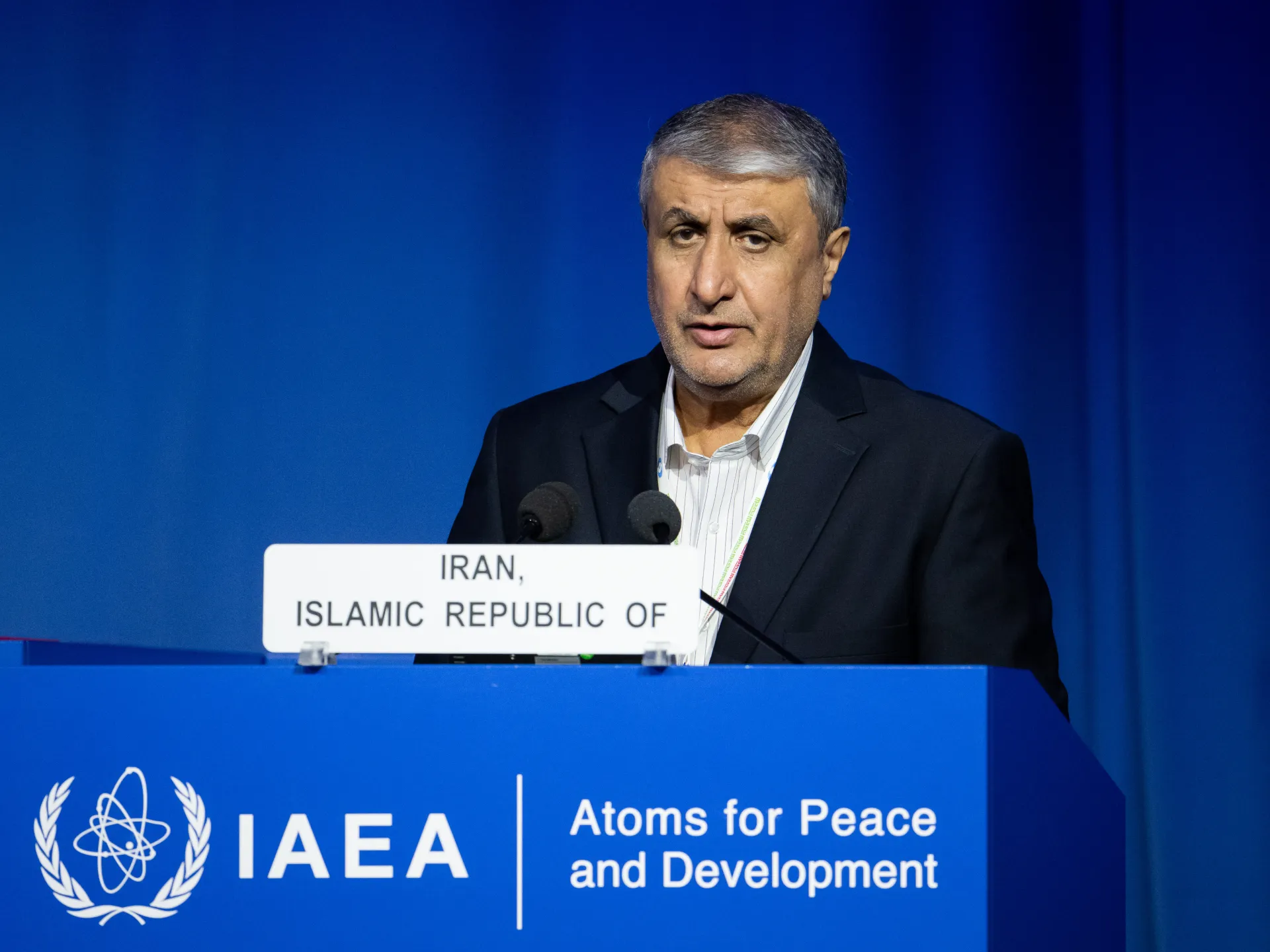
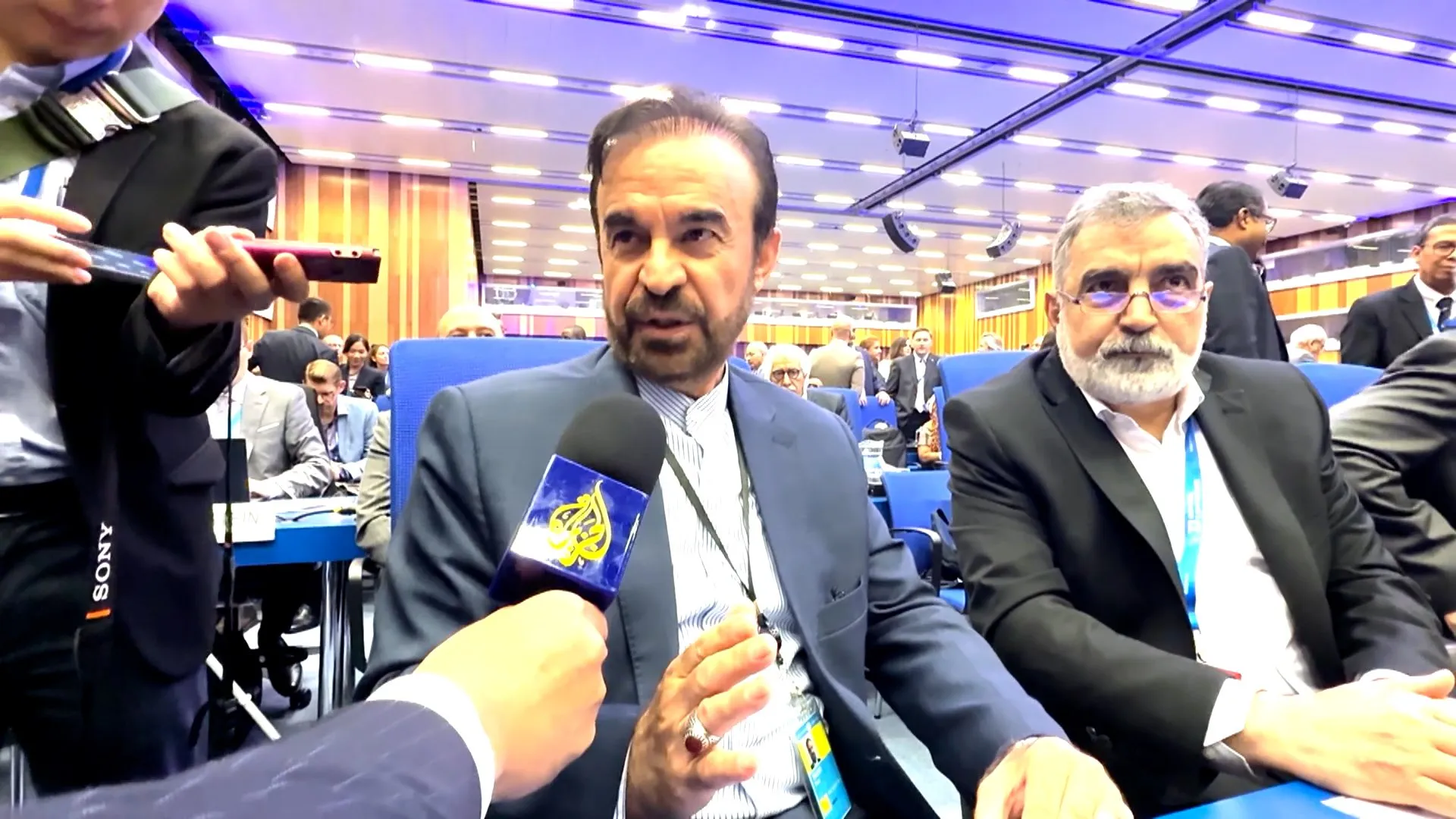
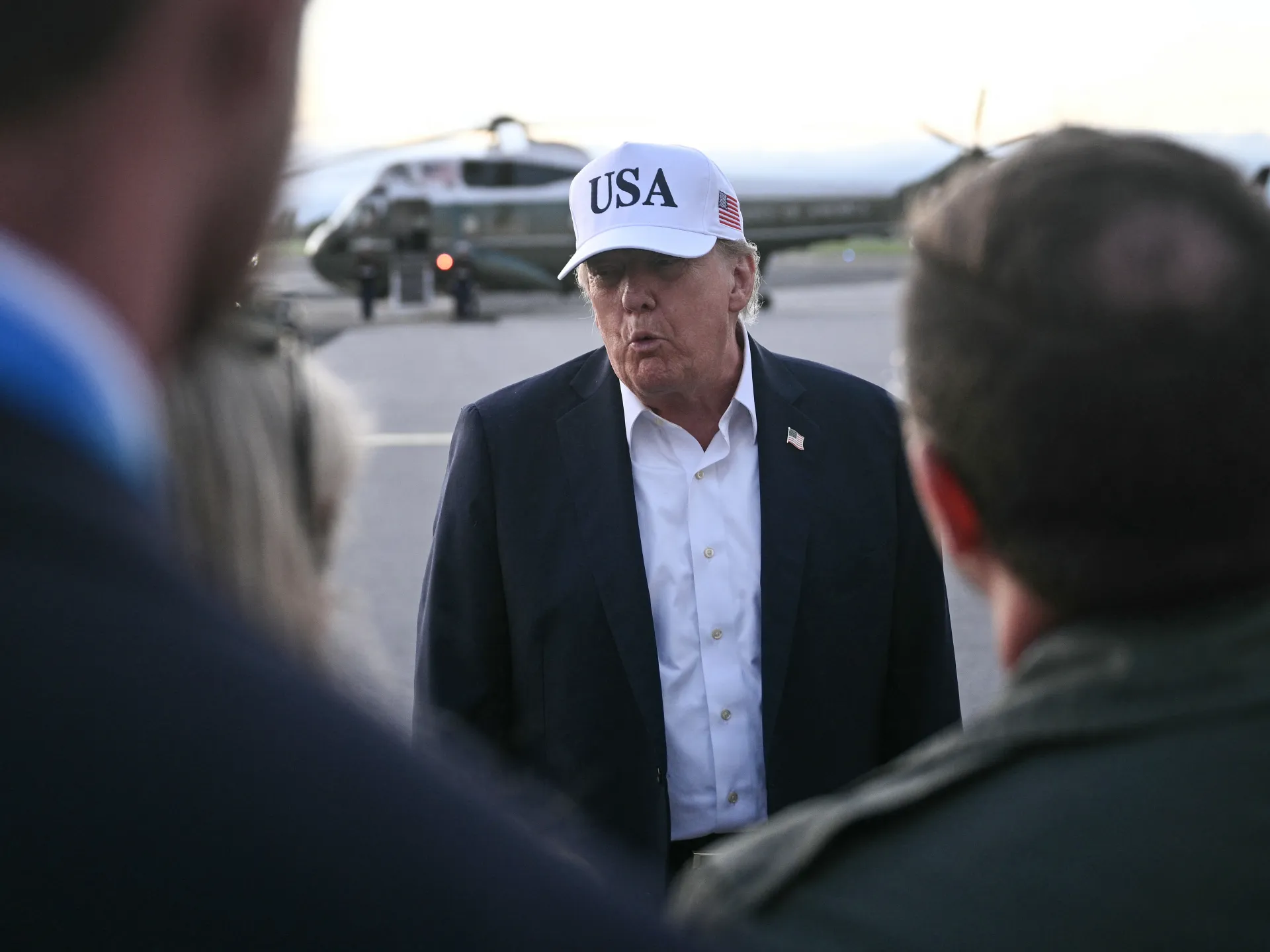
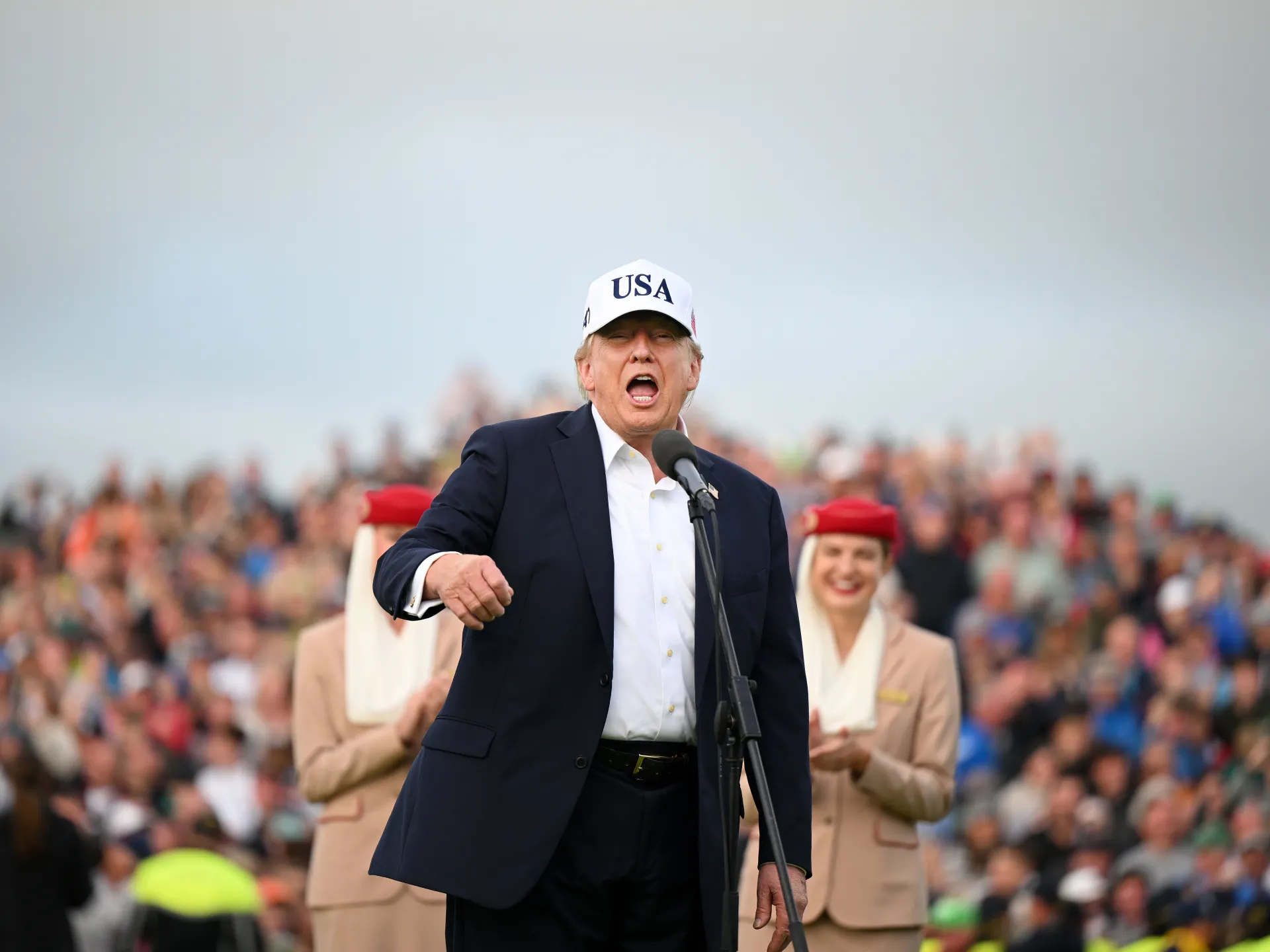
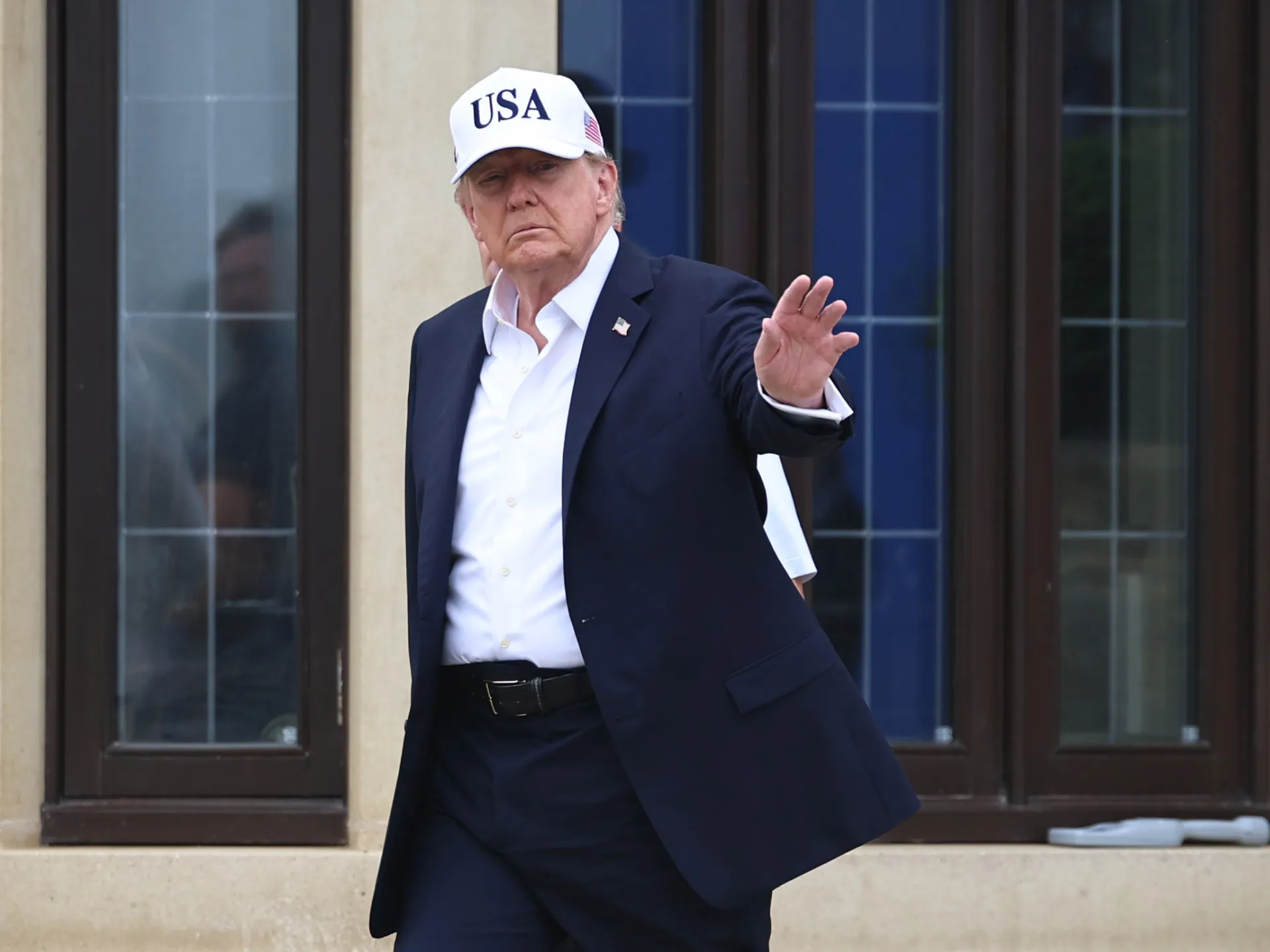
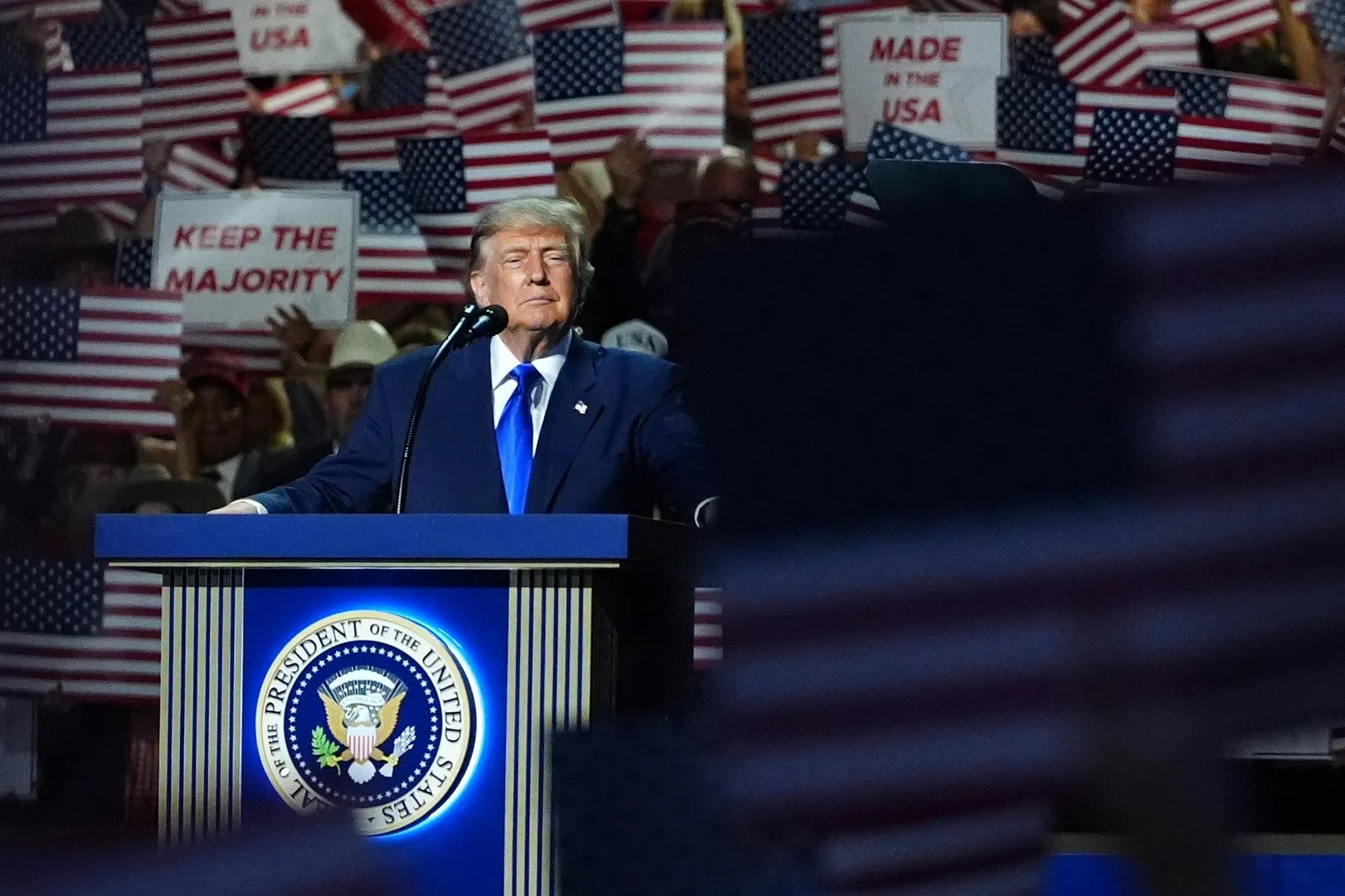
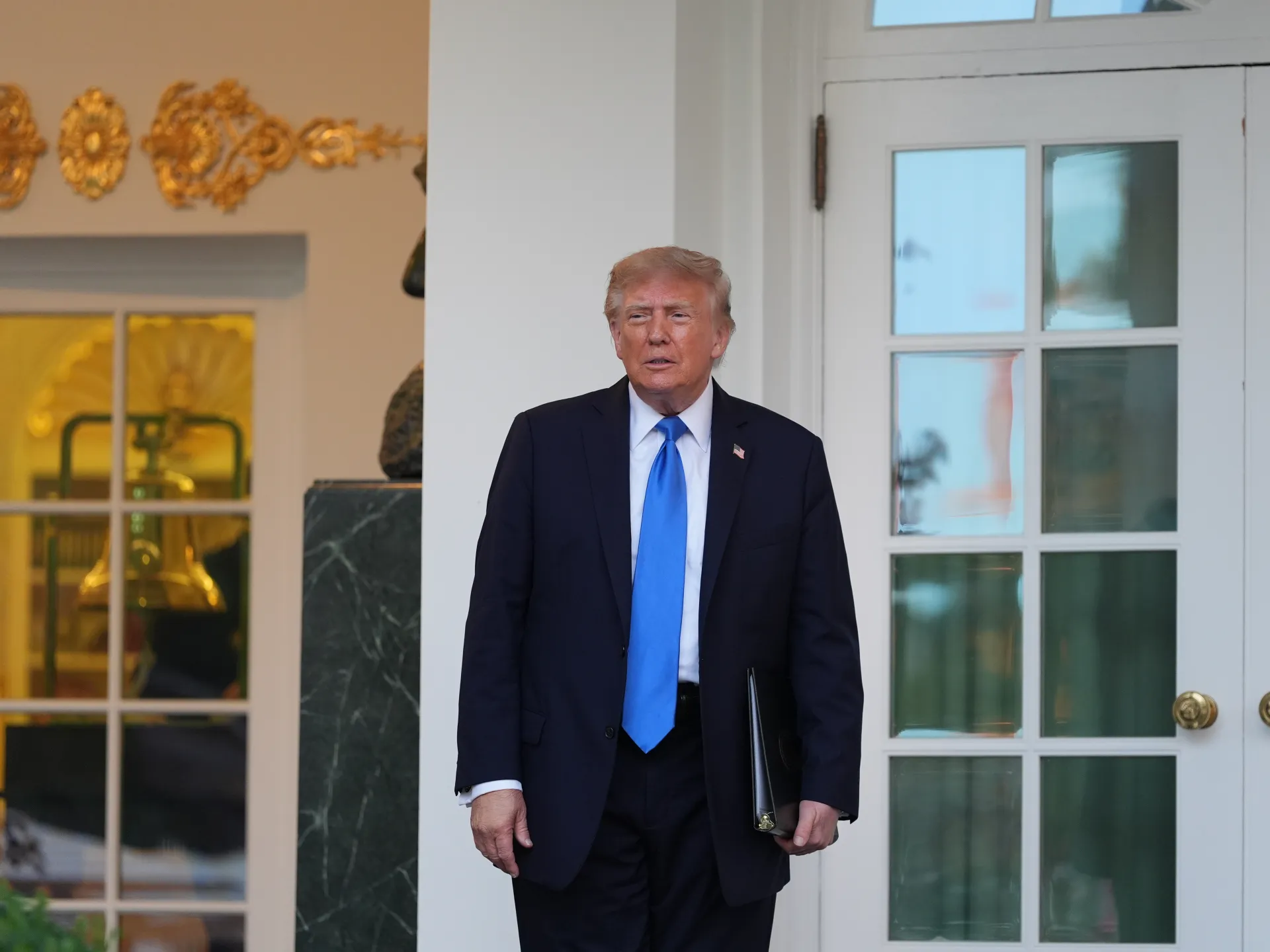
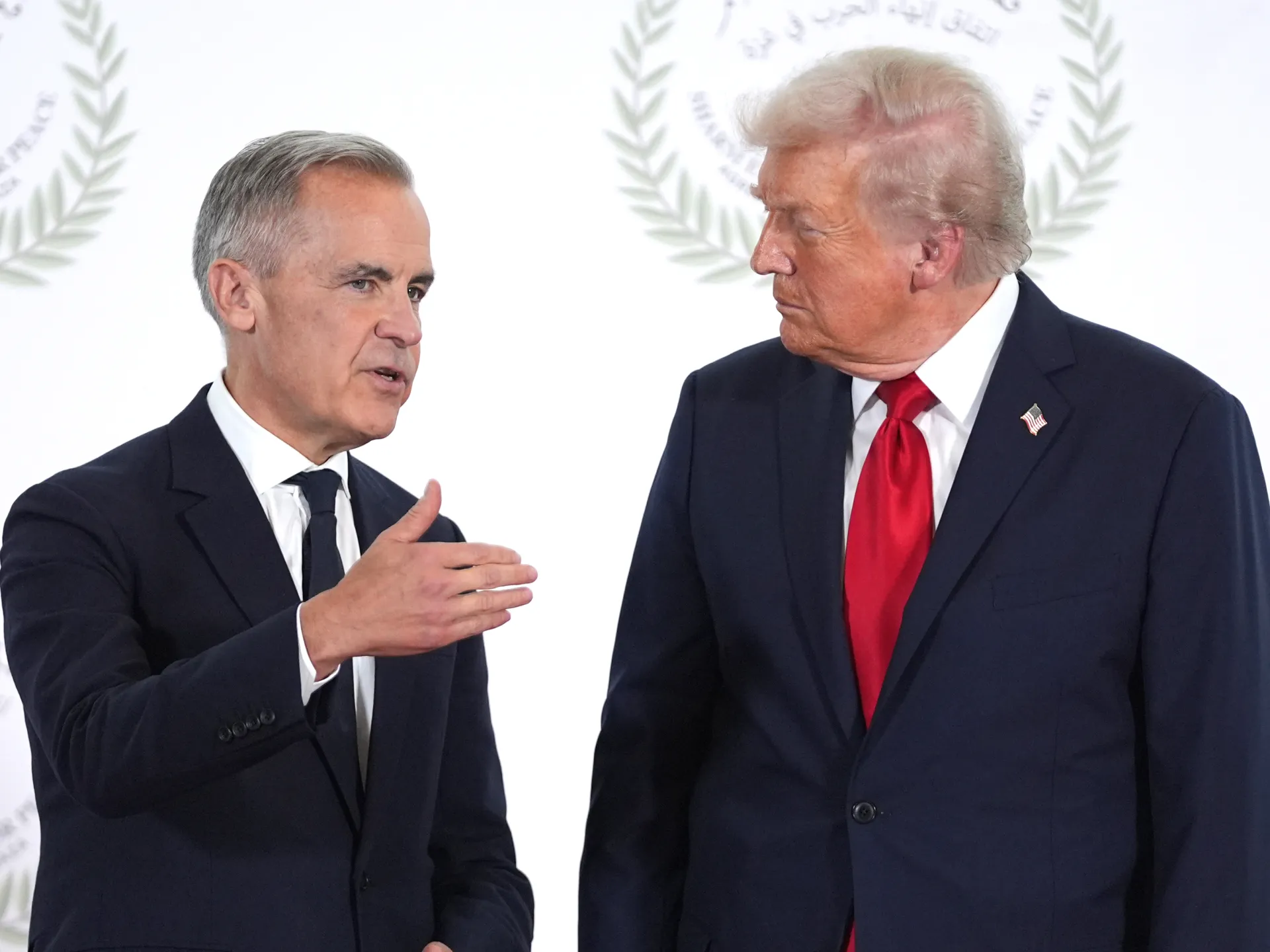
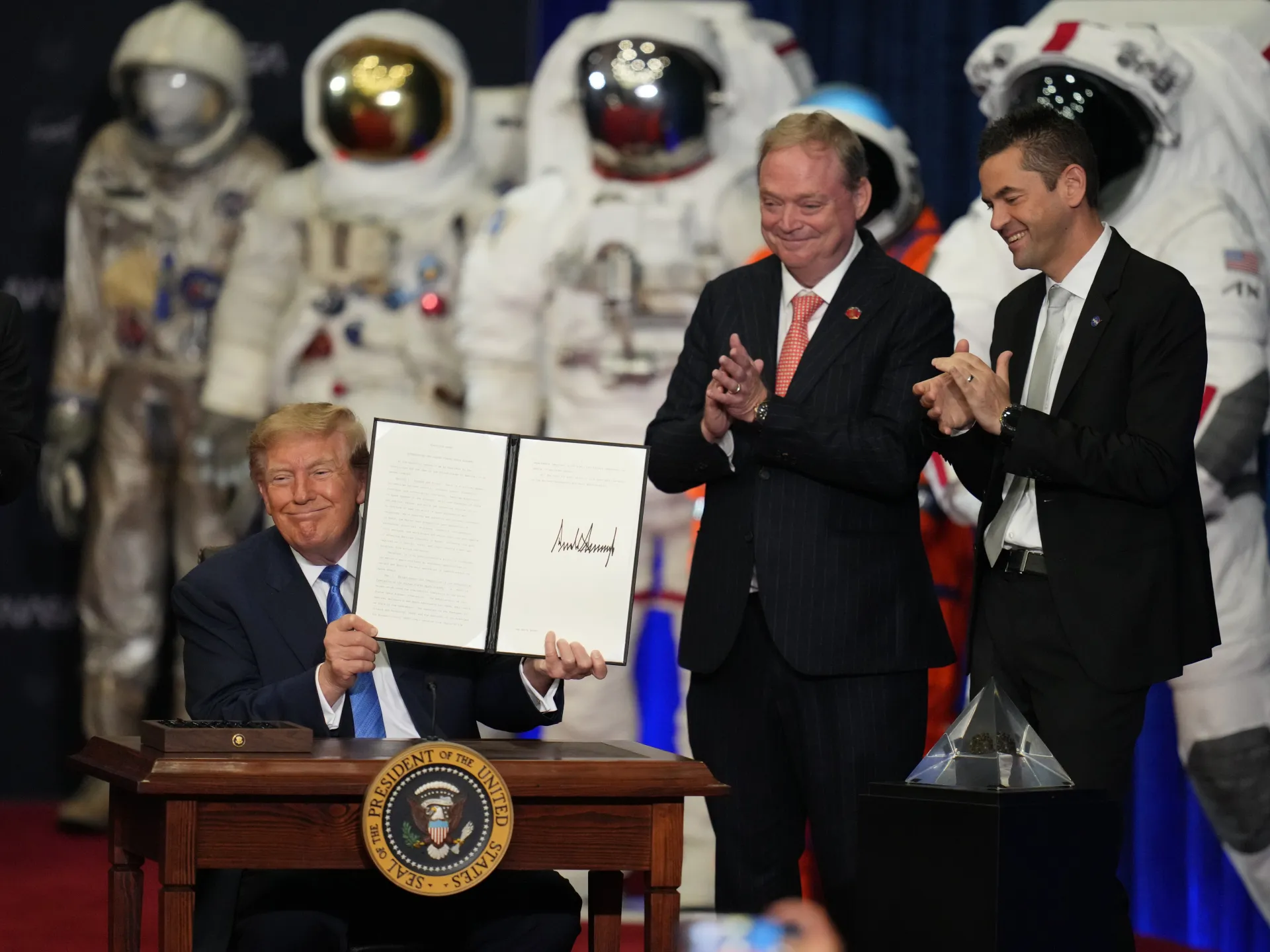
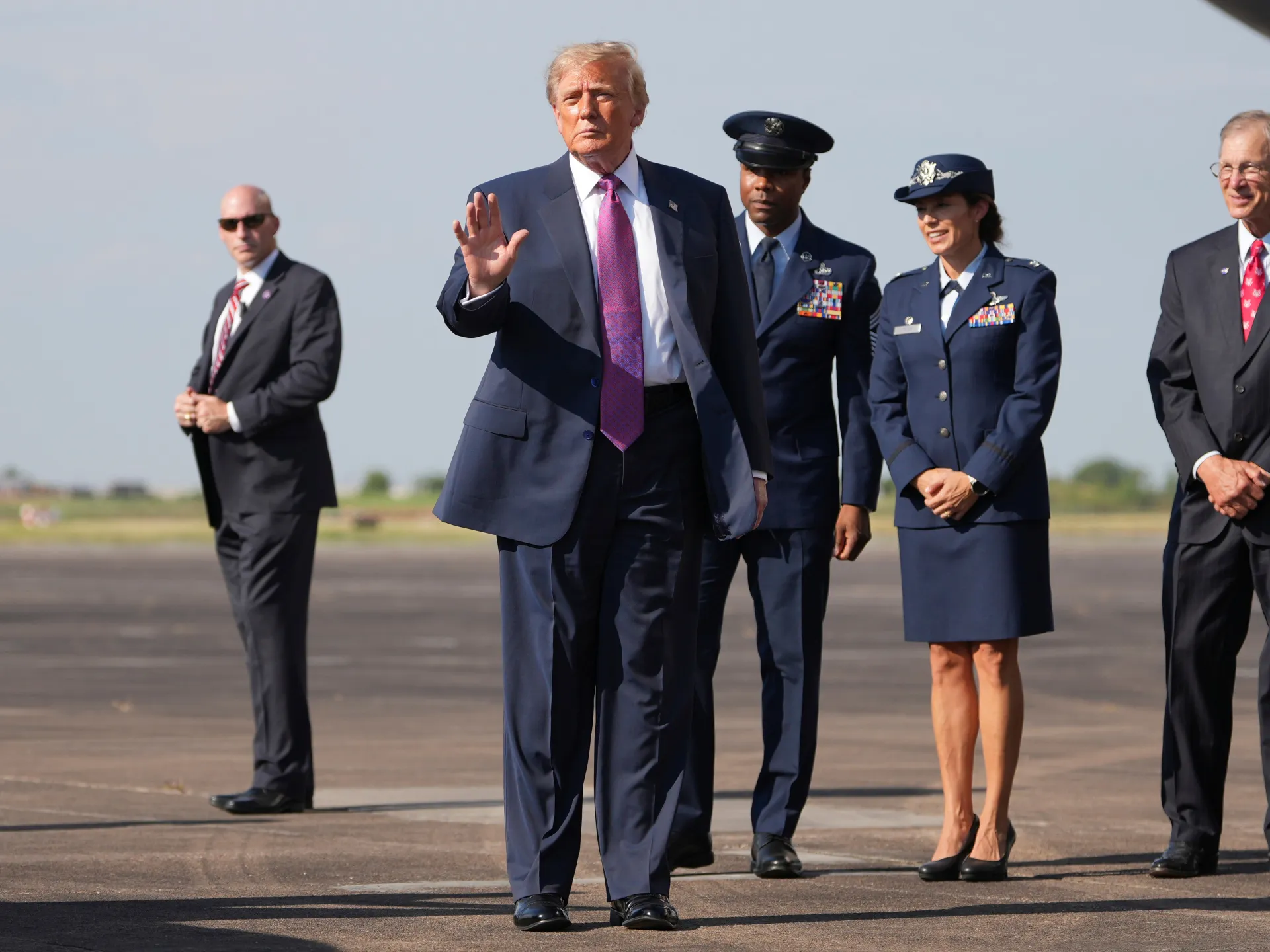
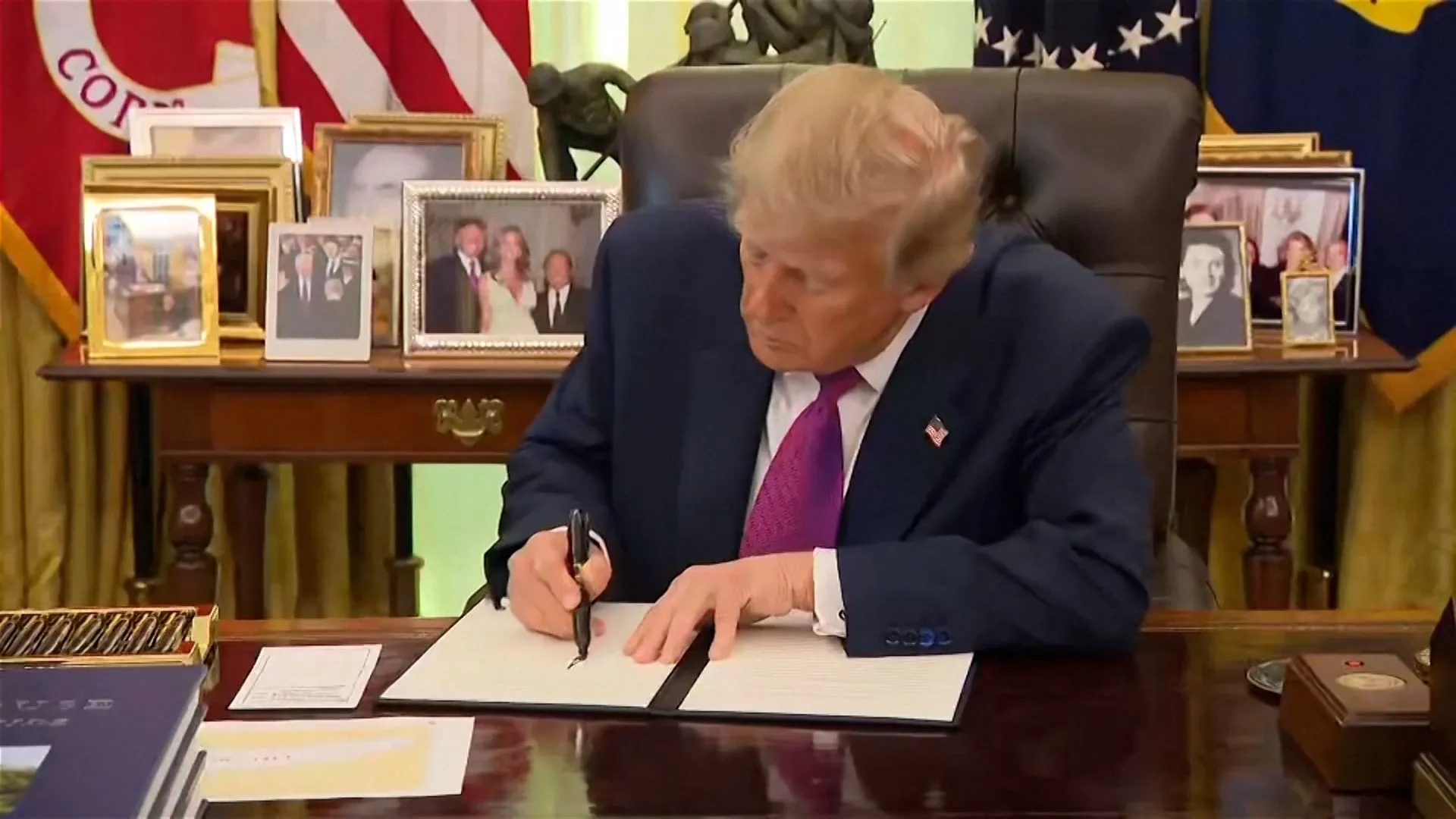
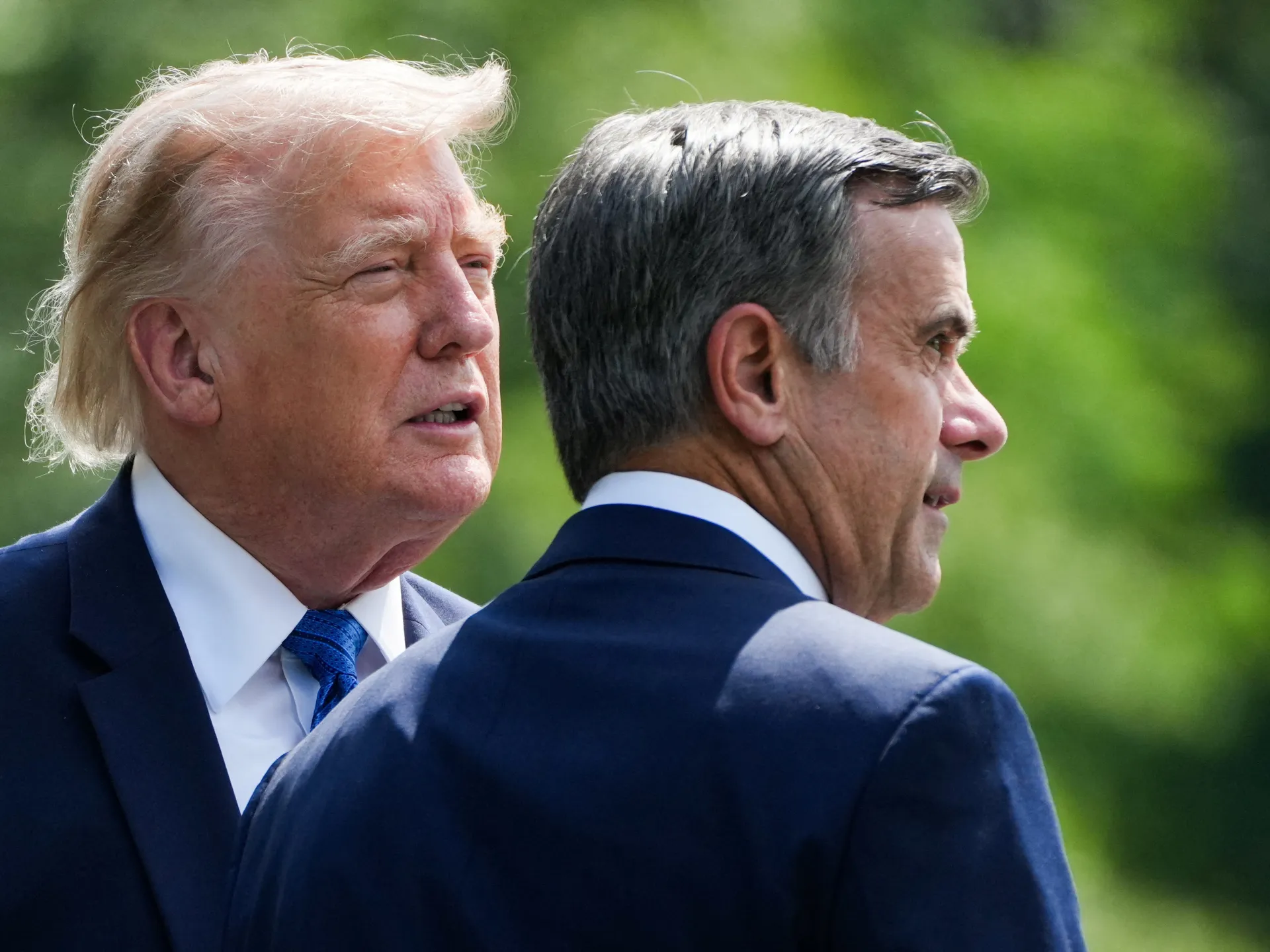
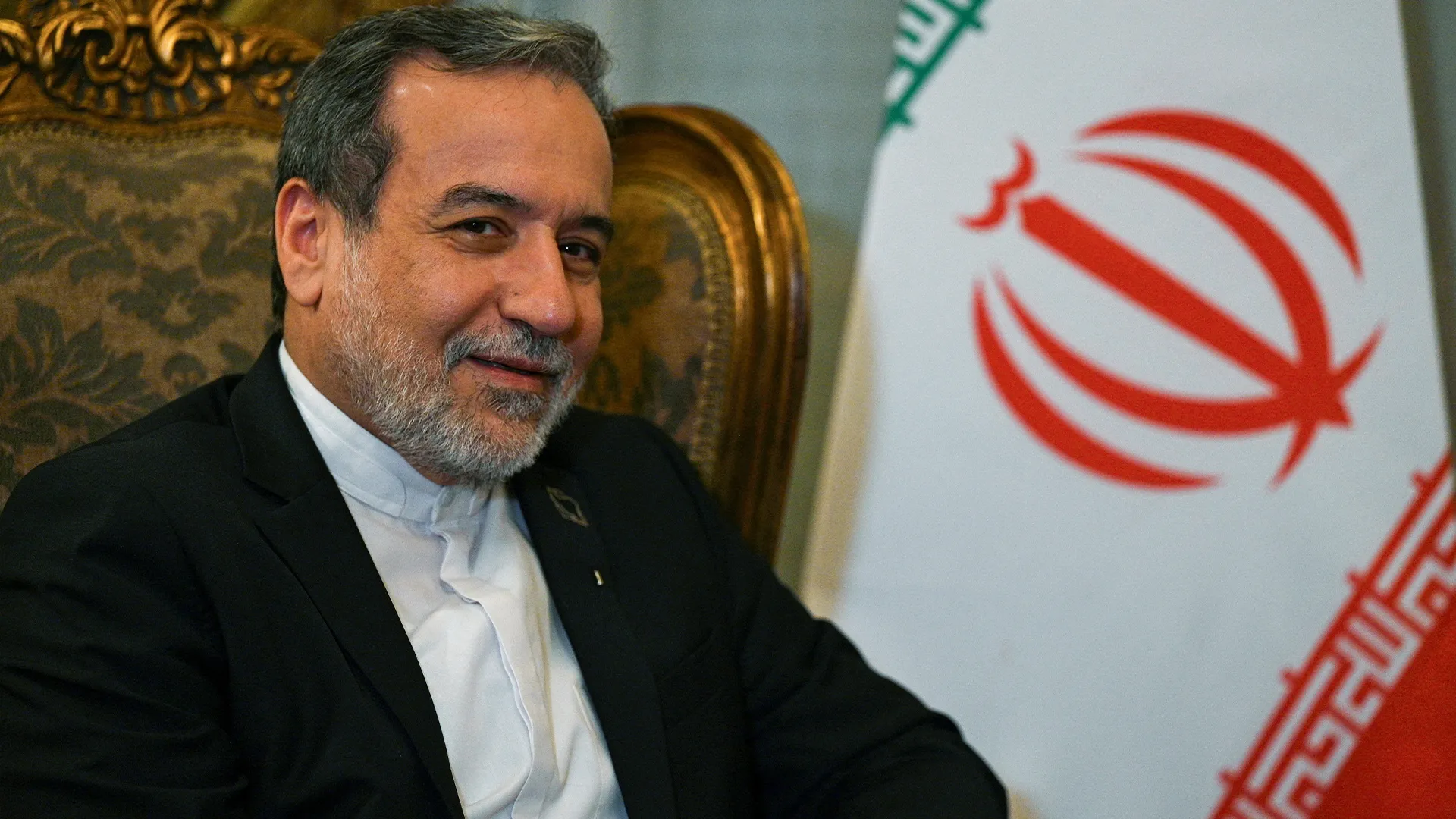
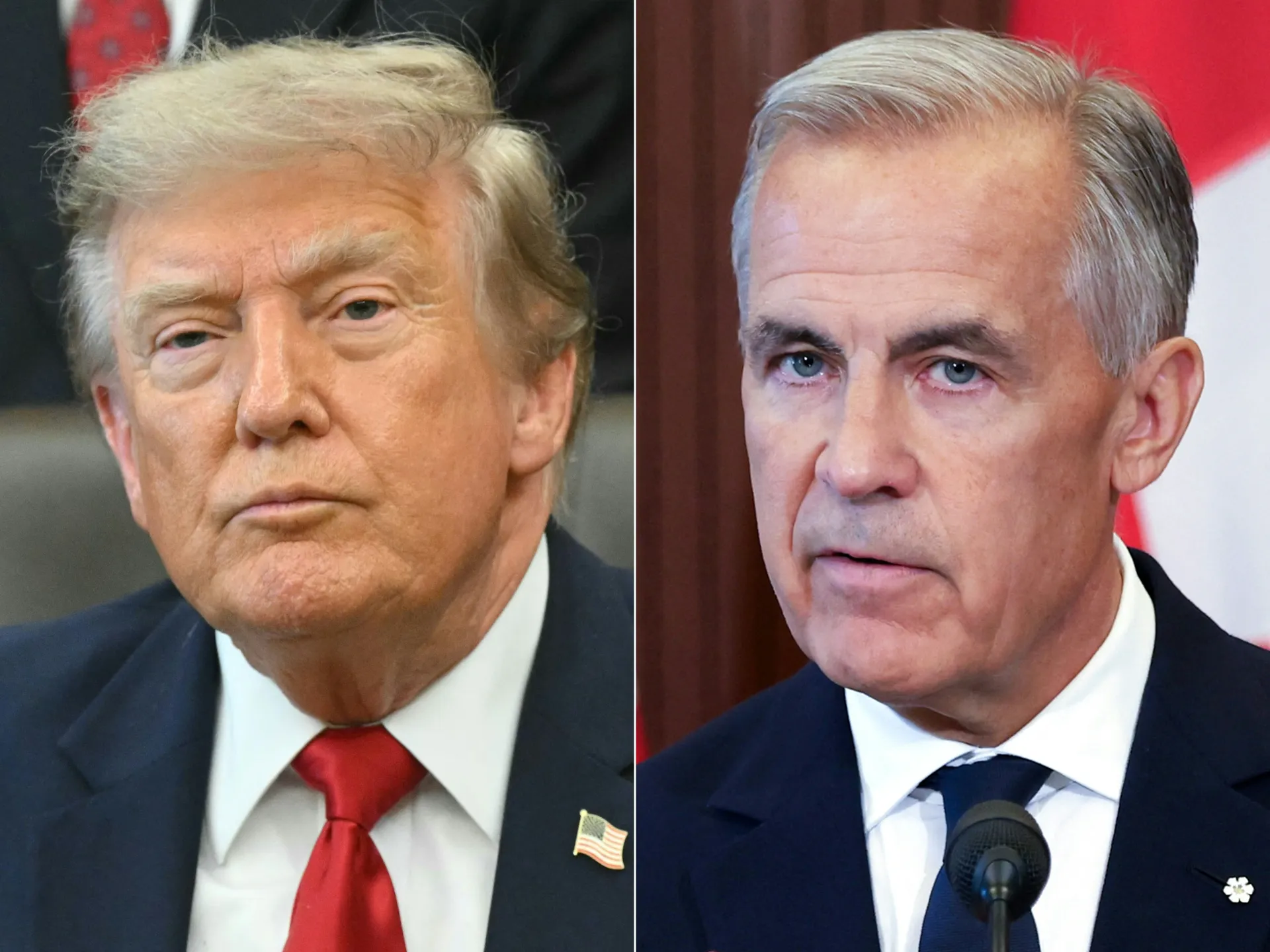
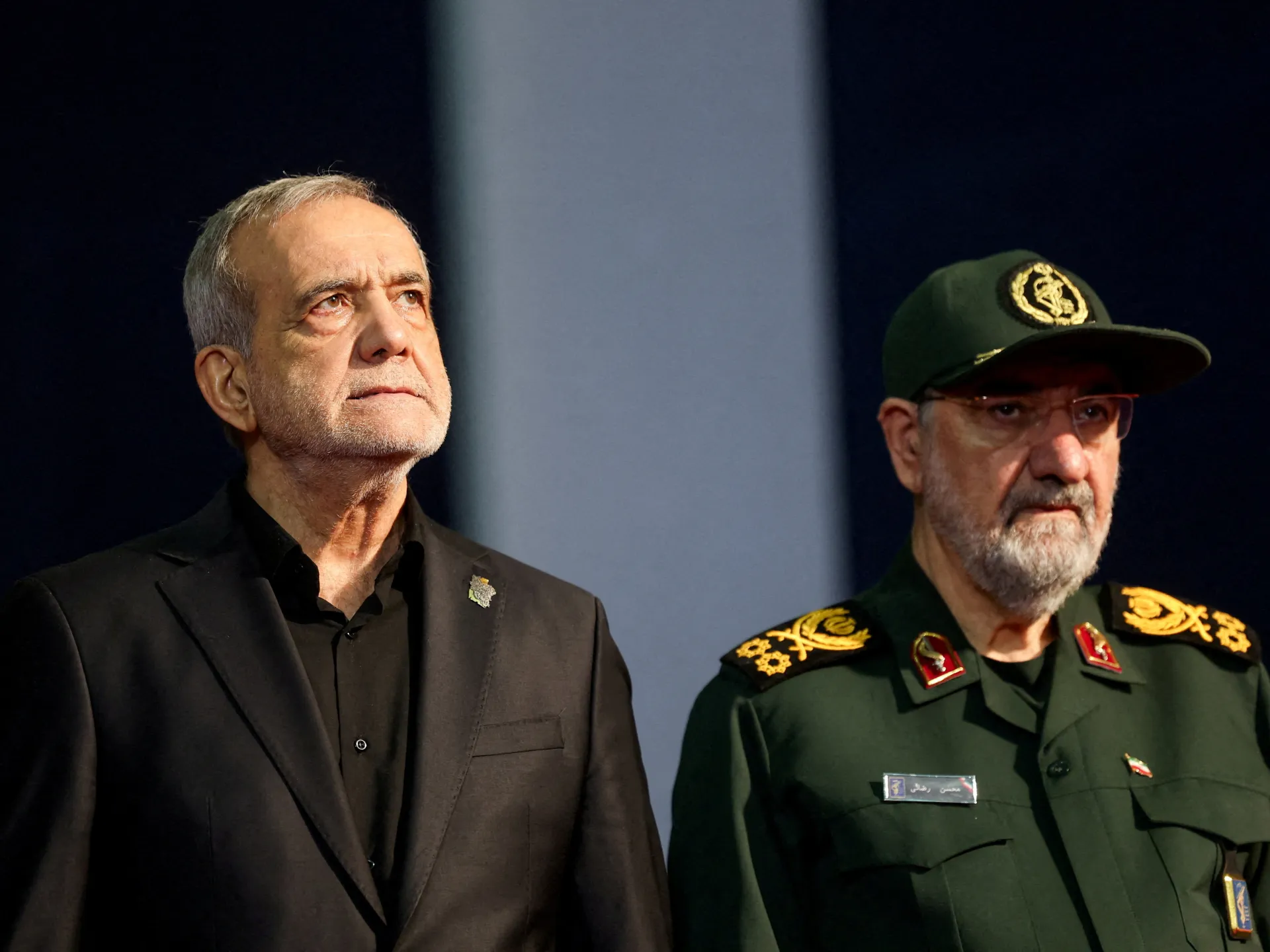
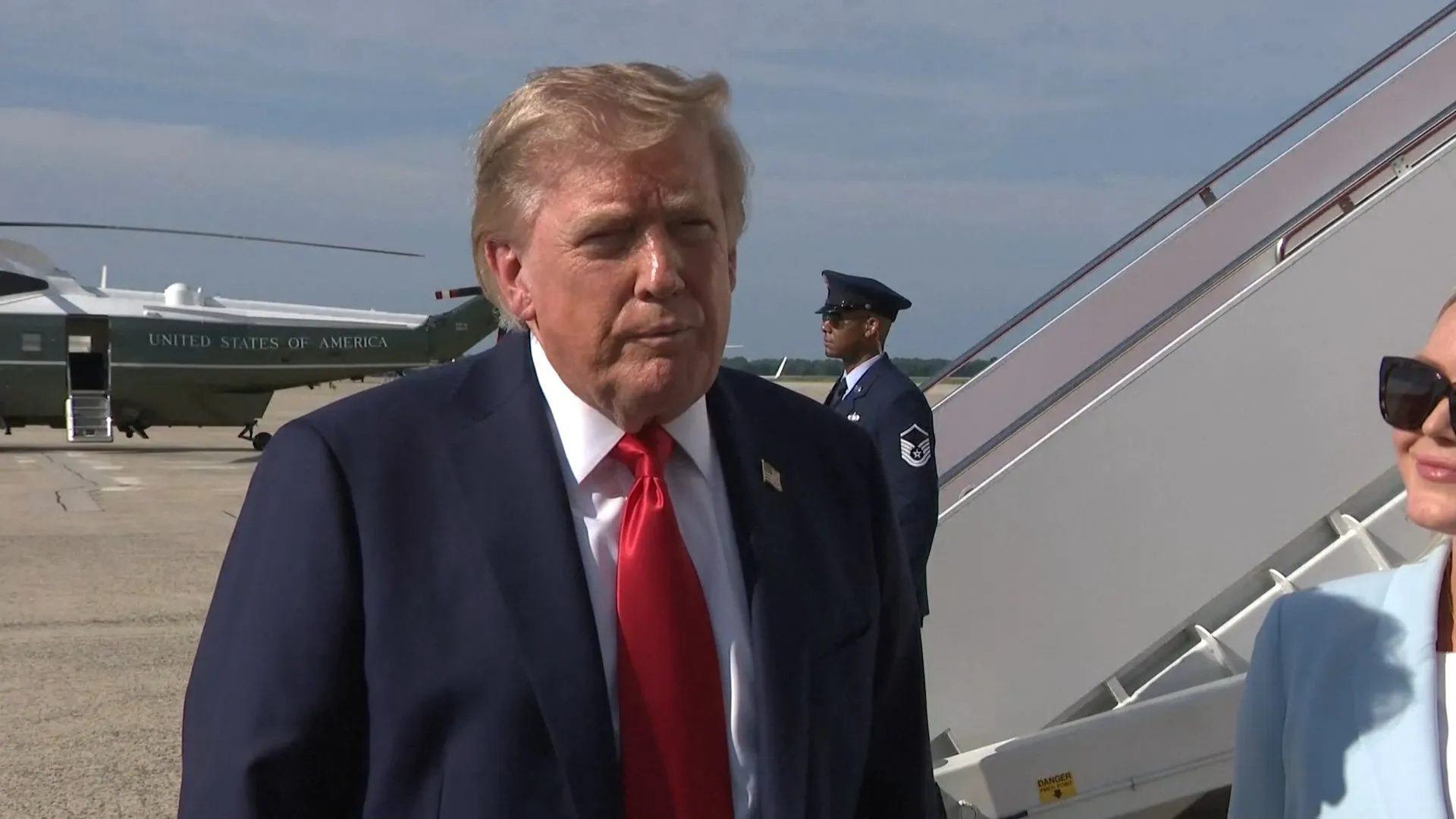
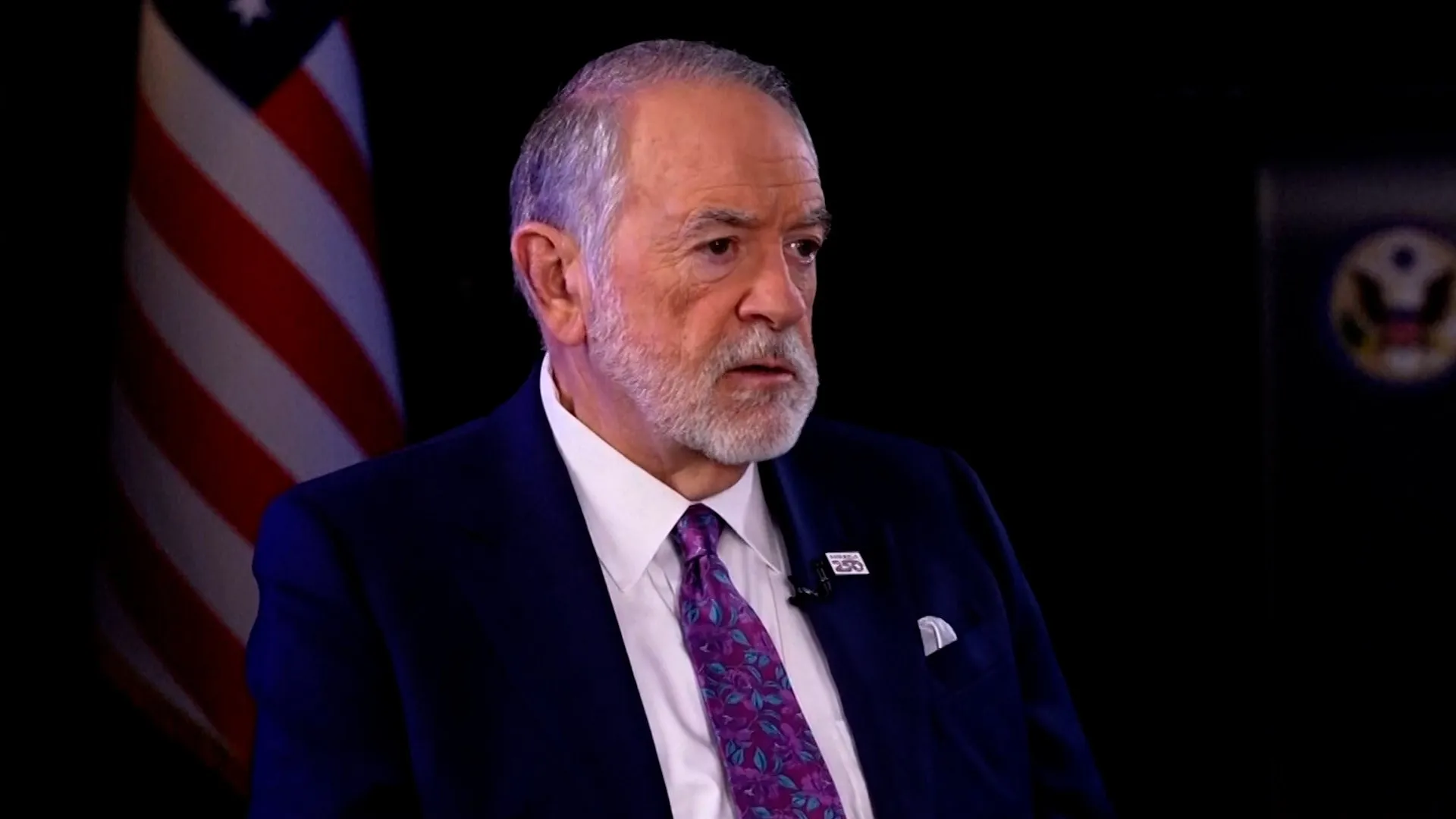
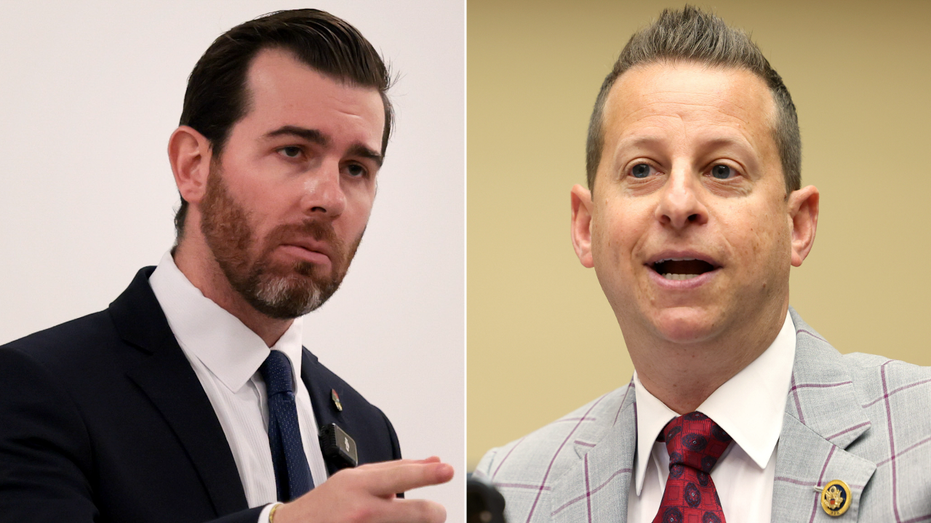
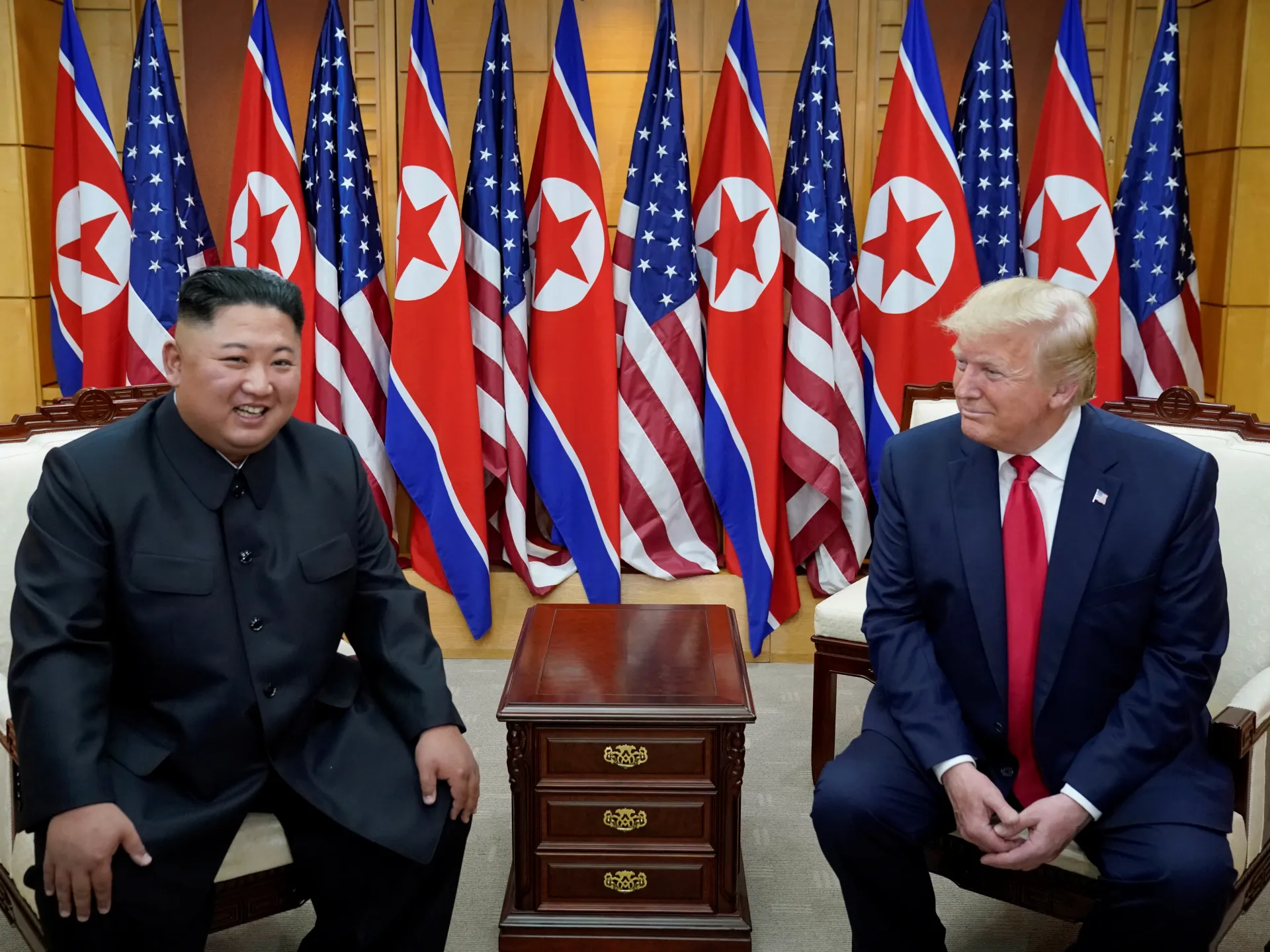
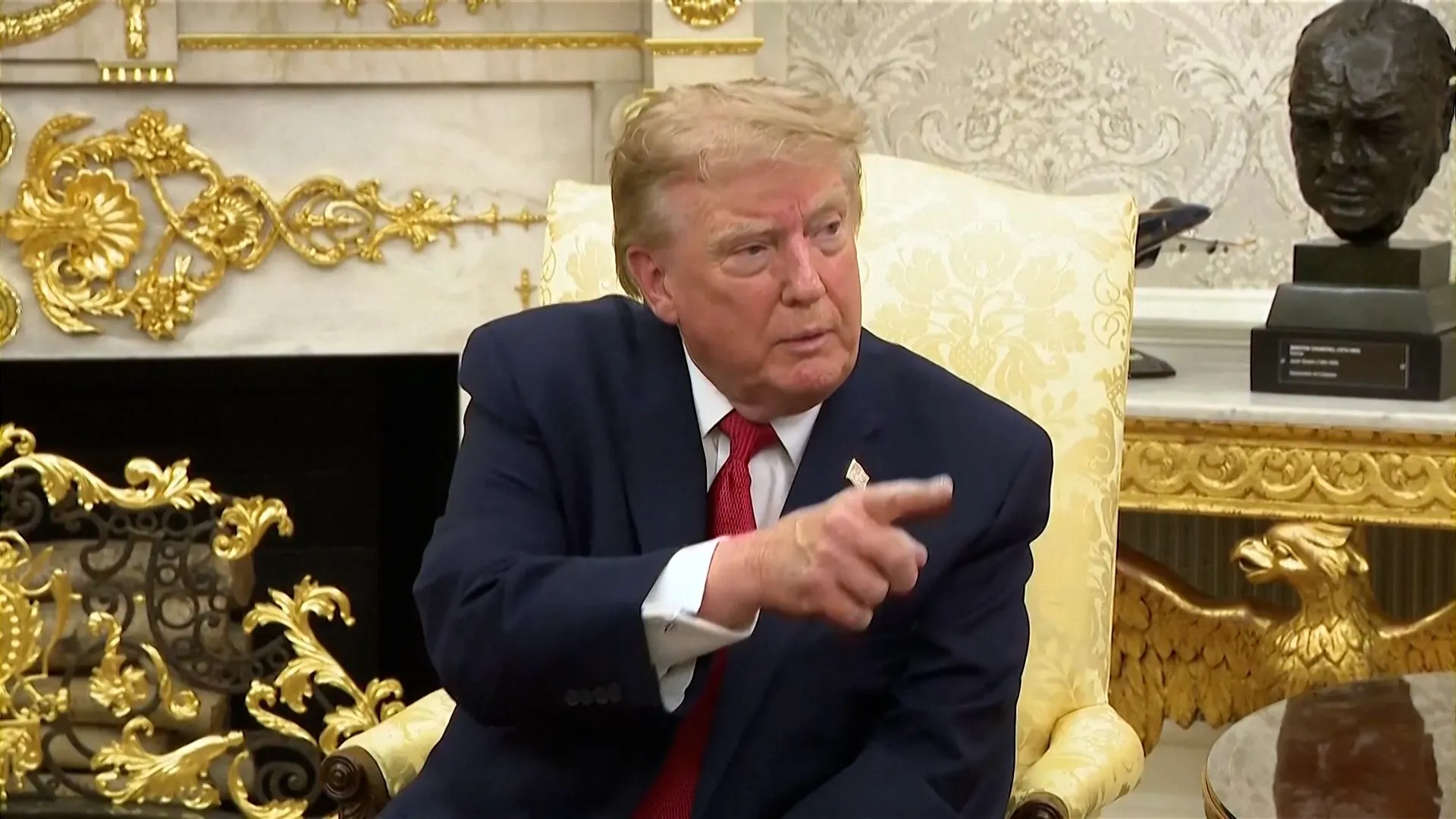
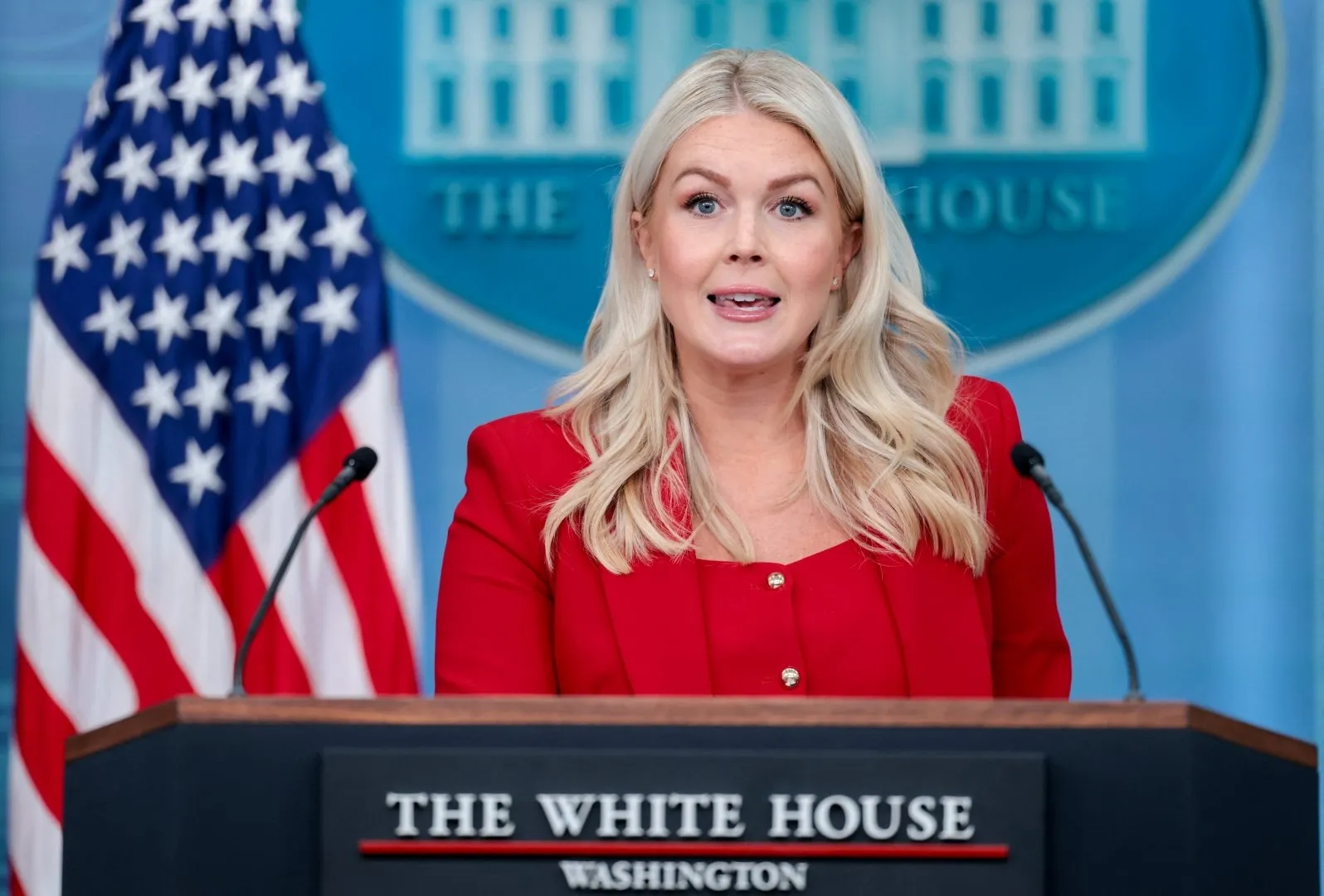
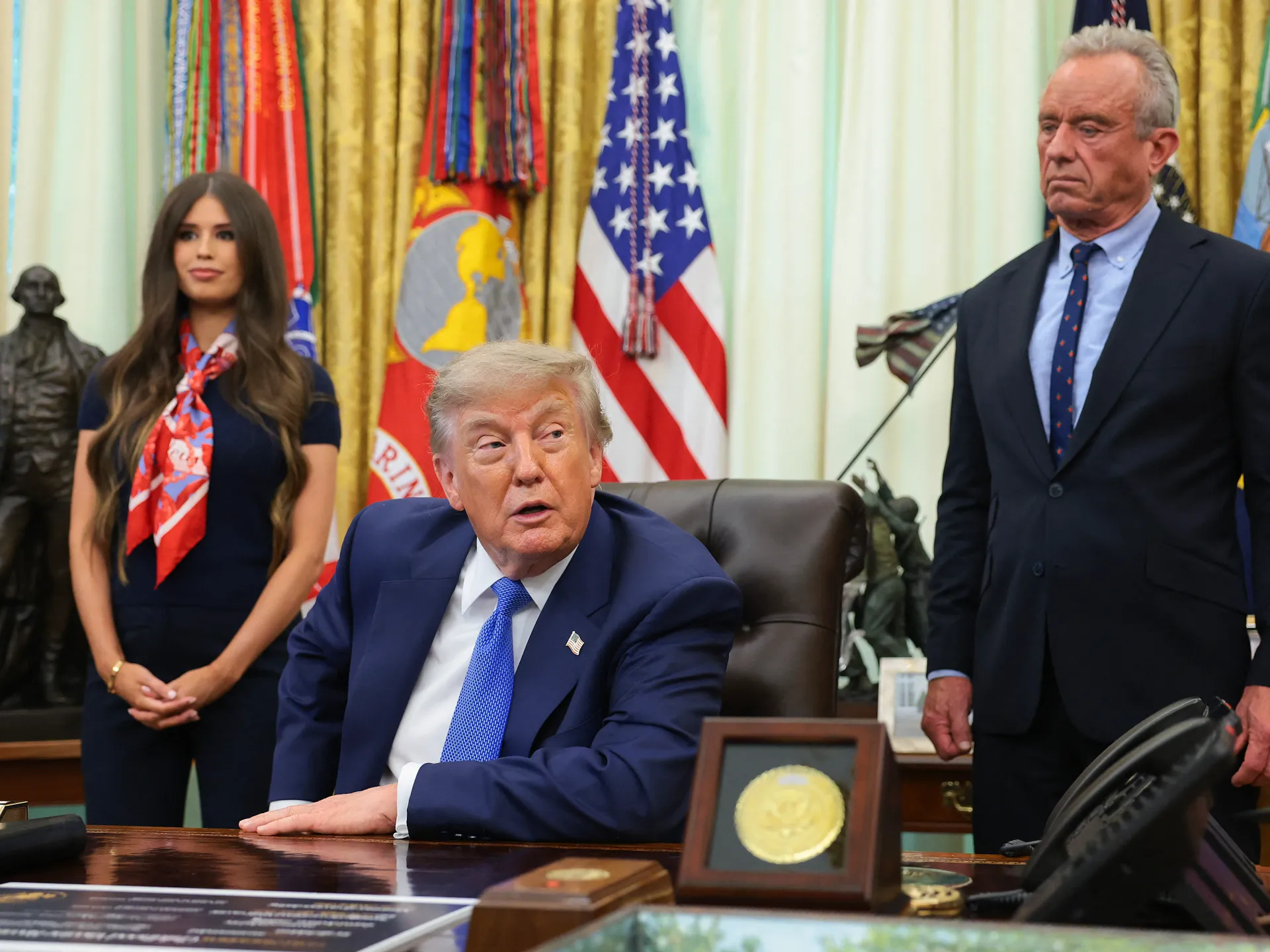
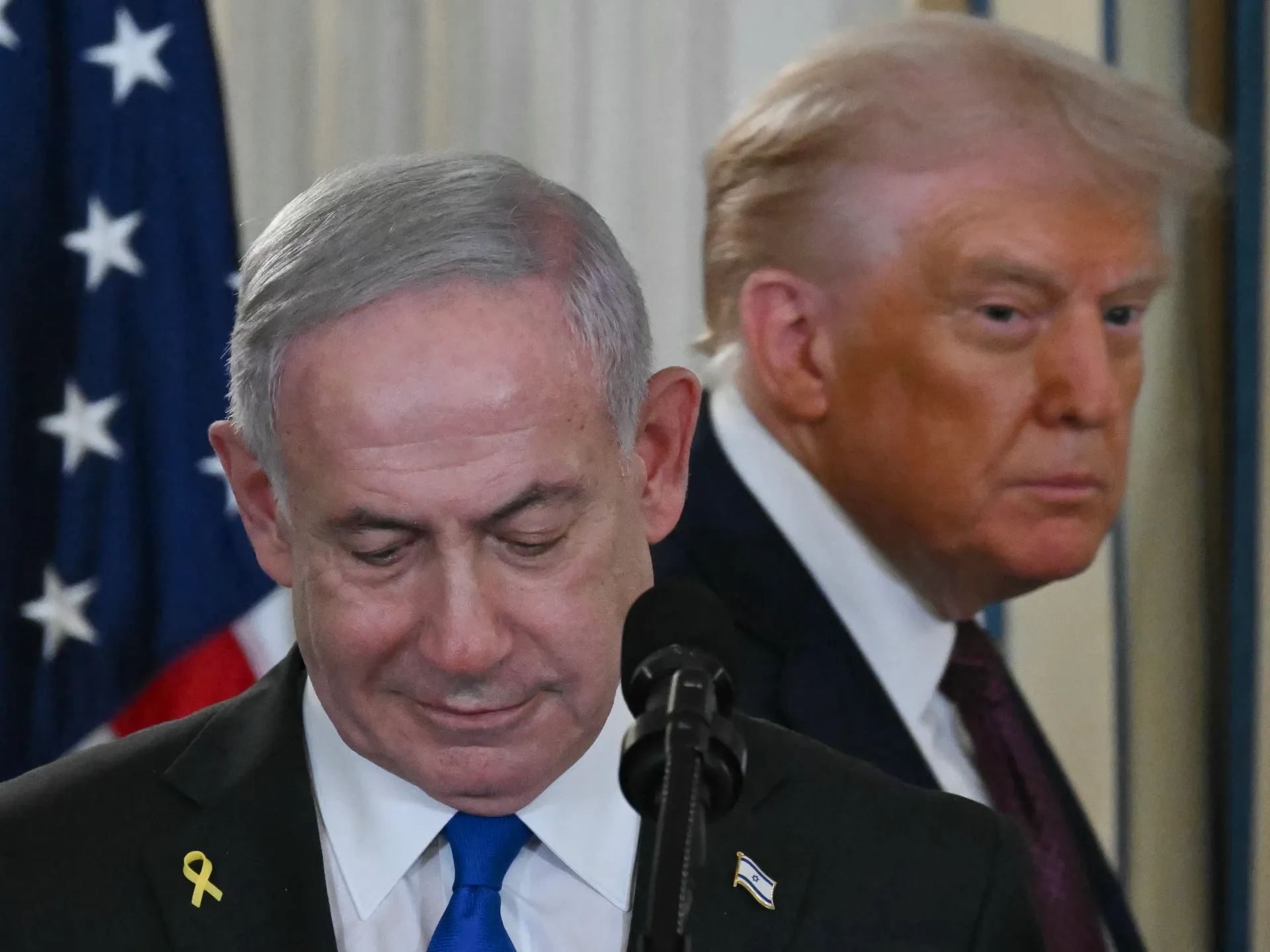
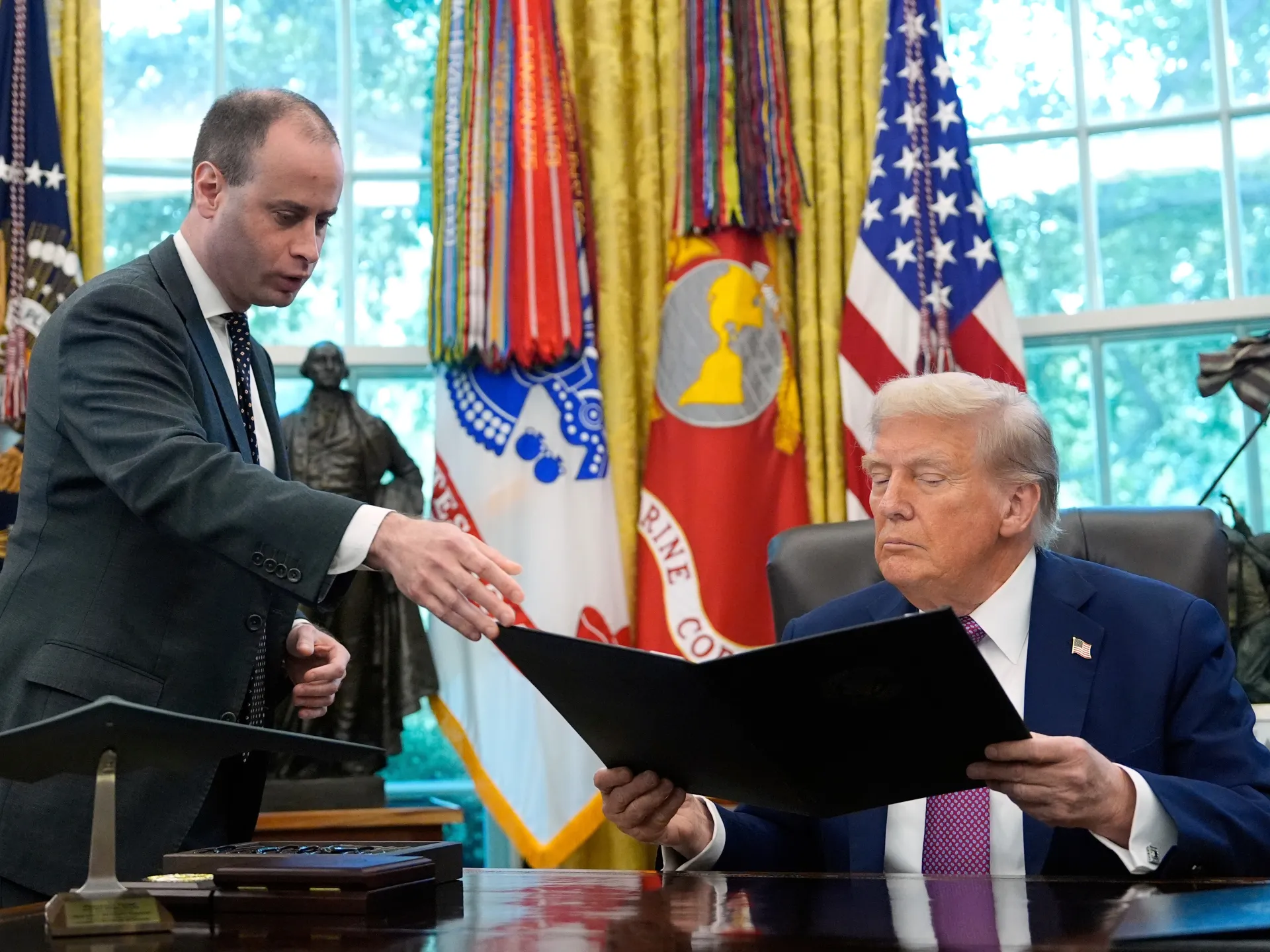
US special envoy Steve Witkoff confirmed that representatives spent Tuesday in a series of shuttle-diplomacy sessions. Although President Donald Trump initially characterized these interactions as a direct three-hour summit involving himself and Iranian officials, White House clarifications subsequently established that the President did not attend, with the substantive dialogue being conducted Foreign Minister Abbas Araghchi participated in discussions with Witkoff, representing a shift after weeks of diplomatic silence.
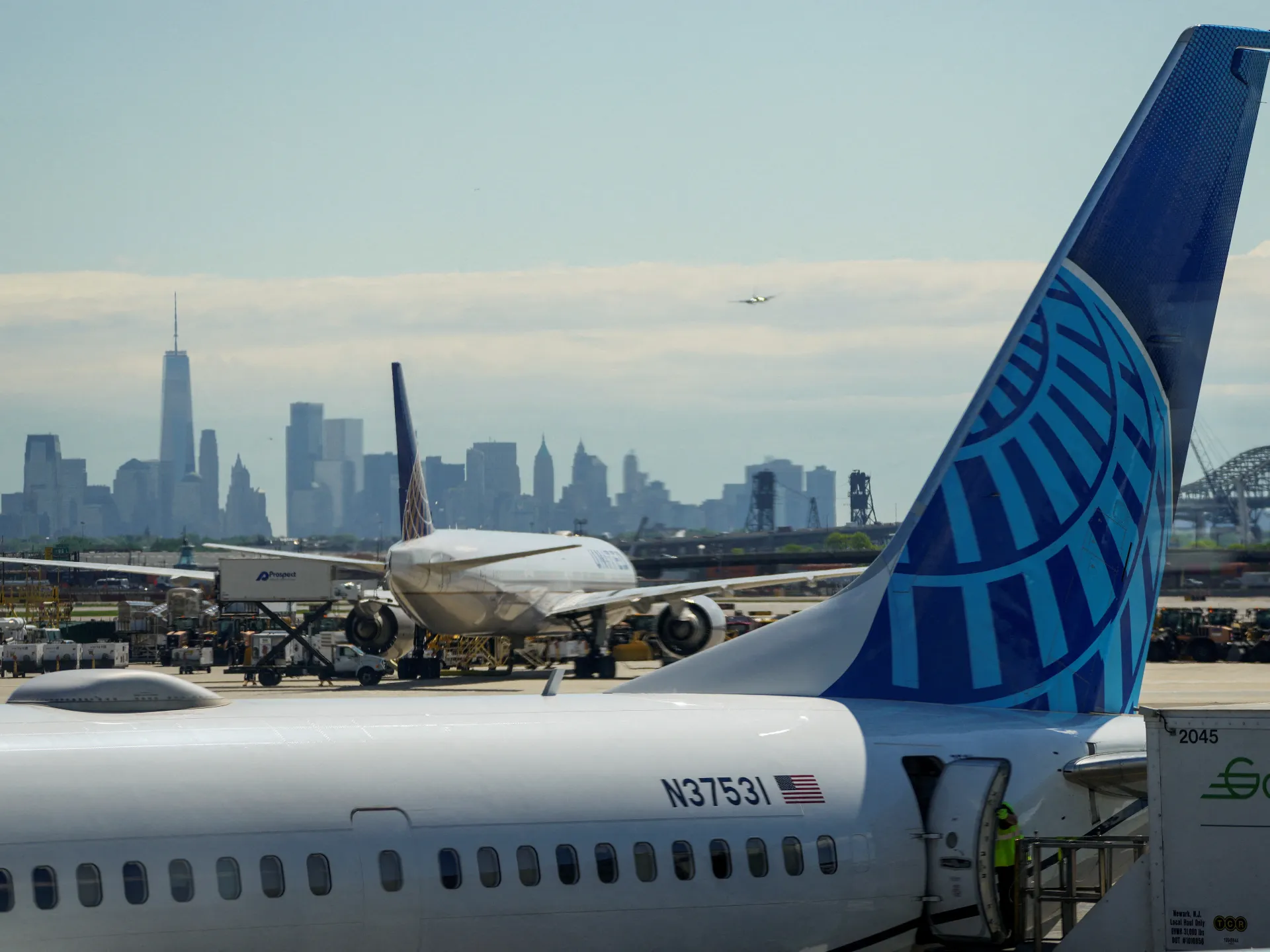
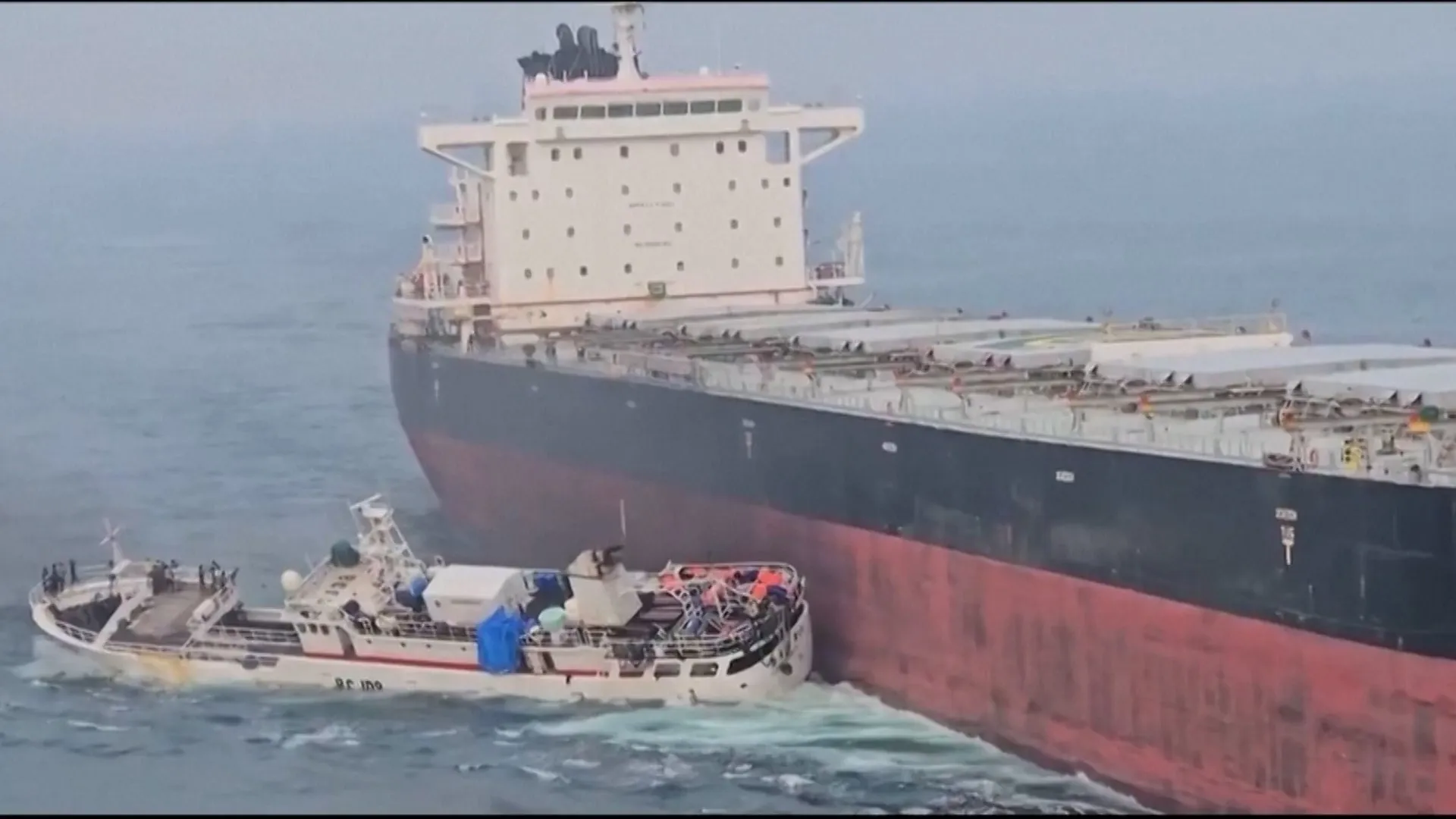
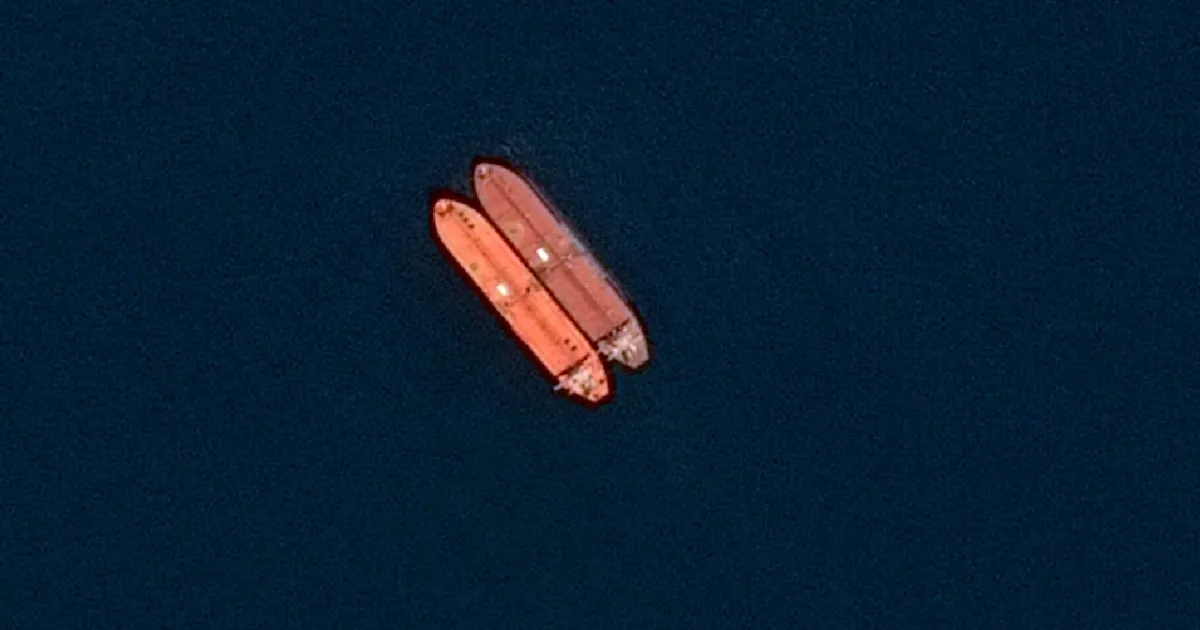
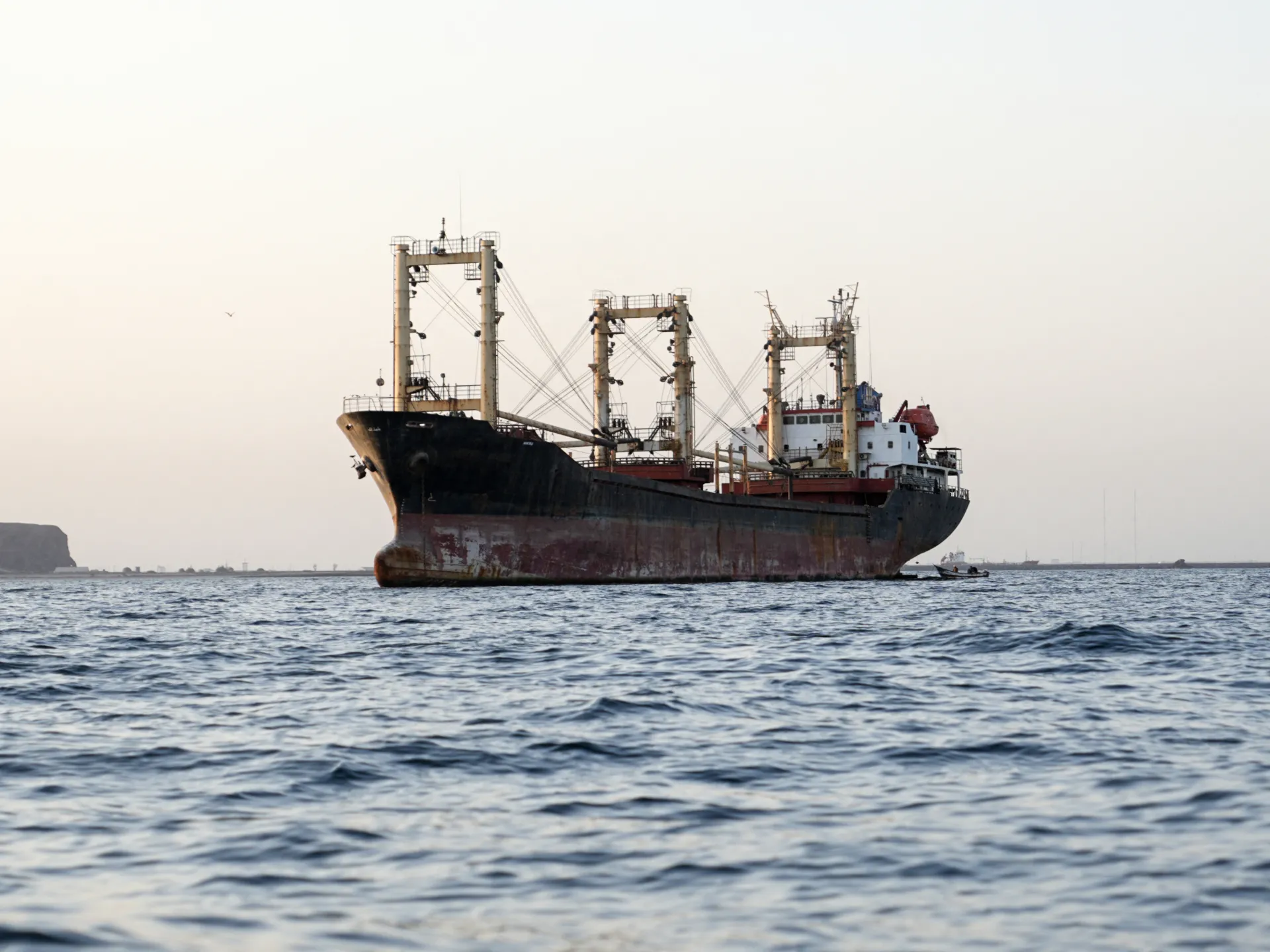
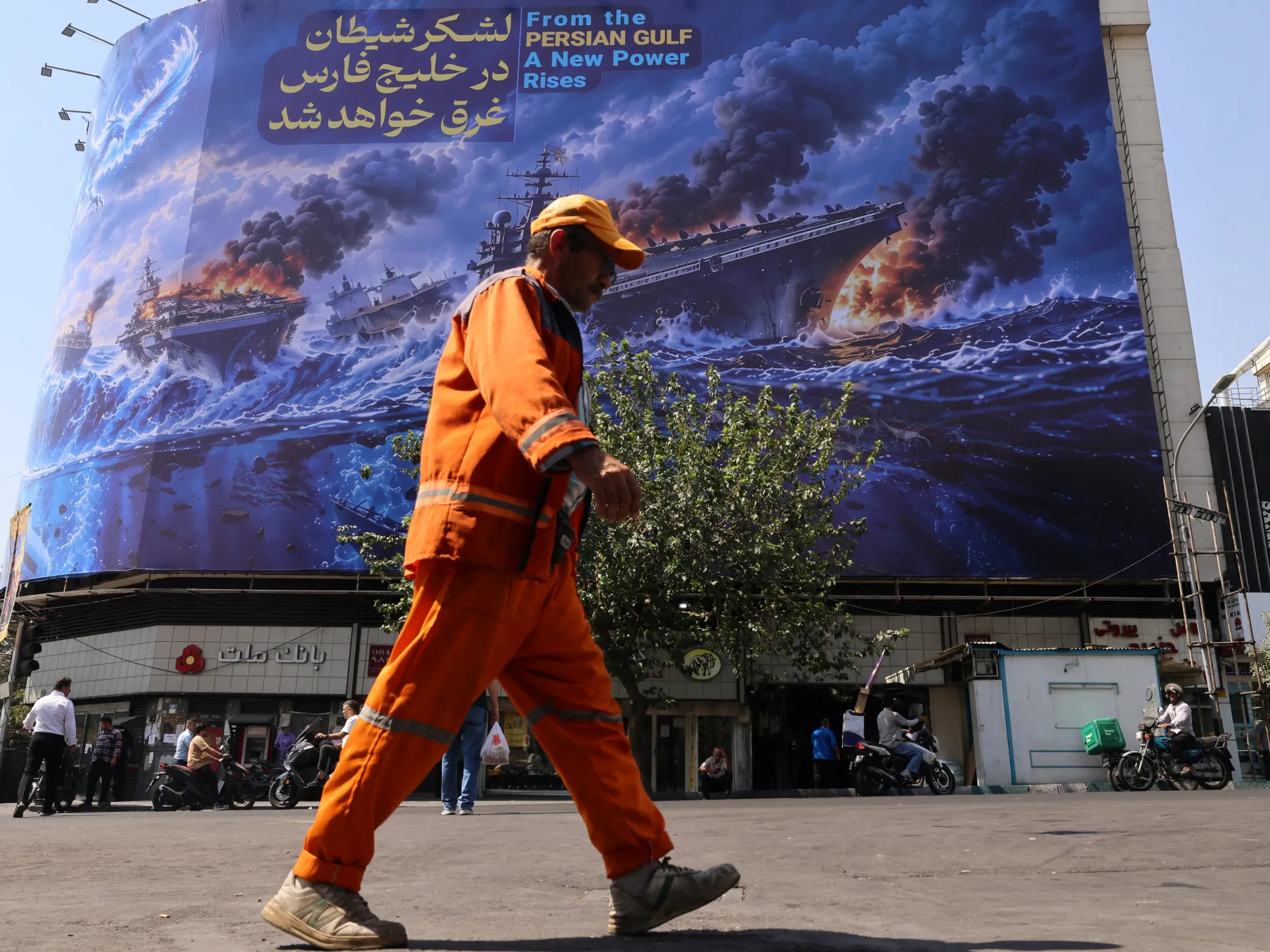
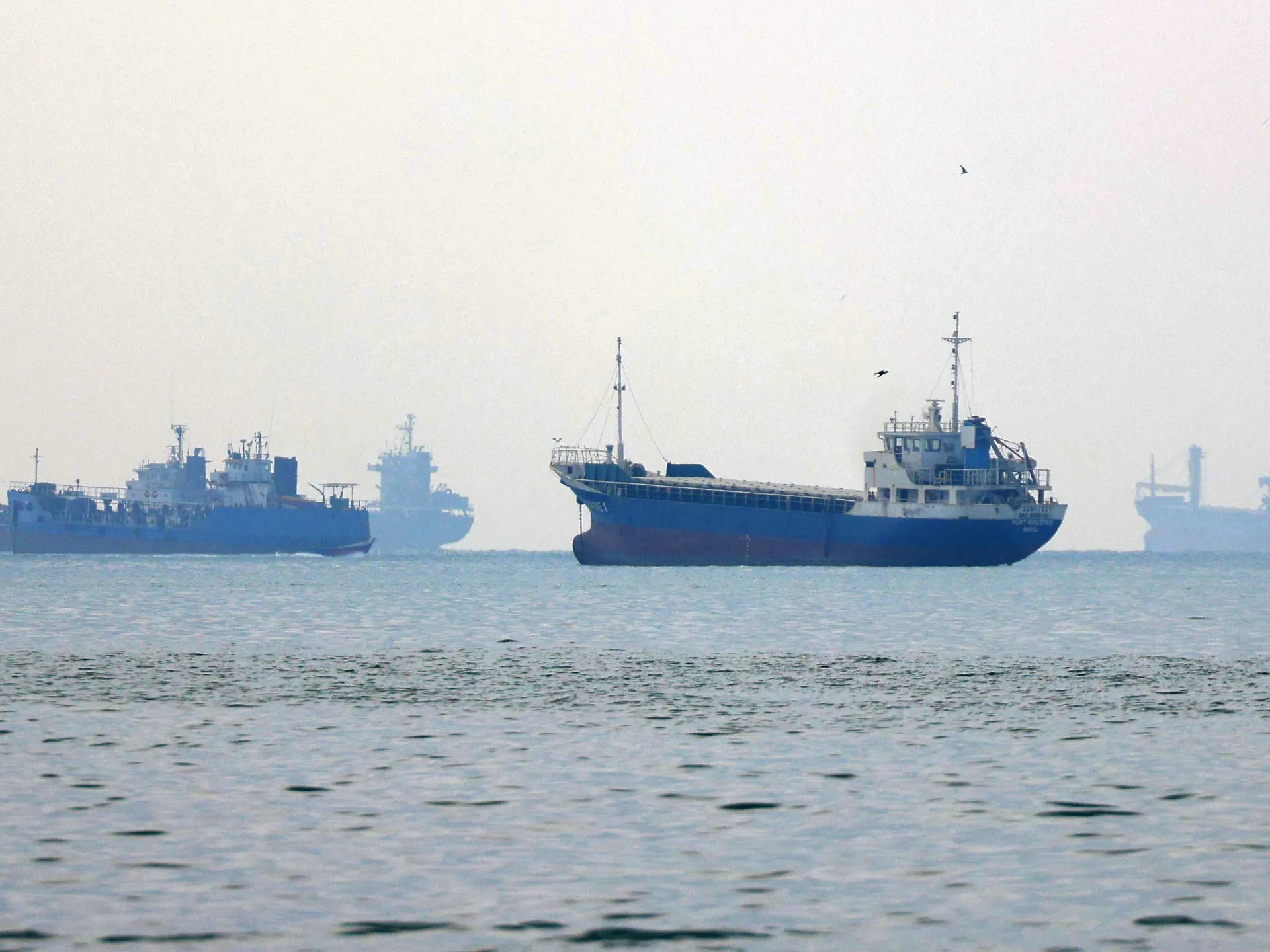
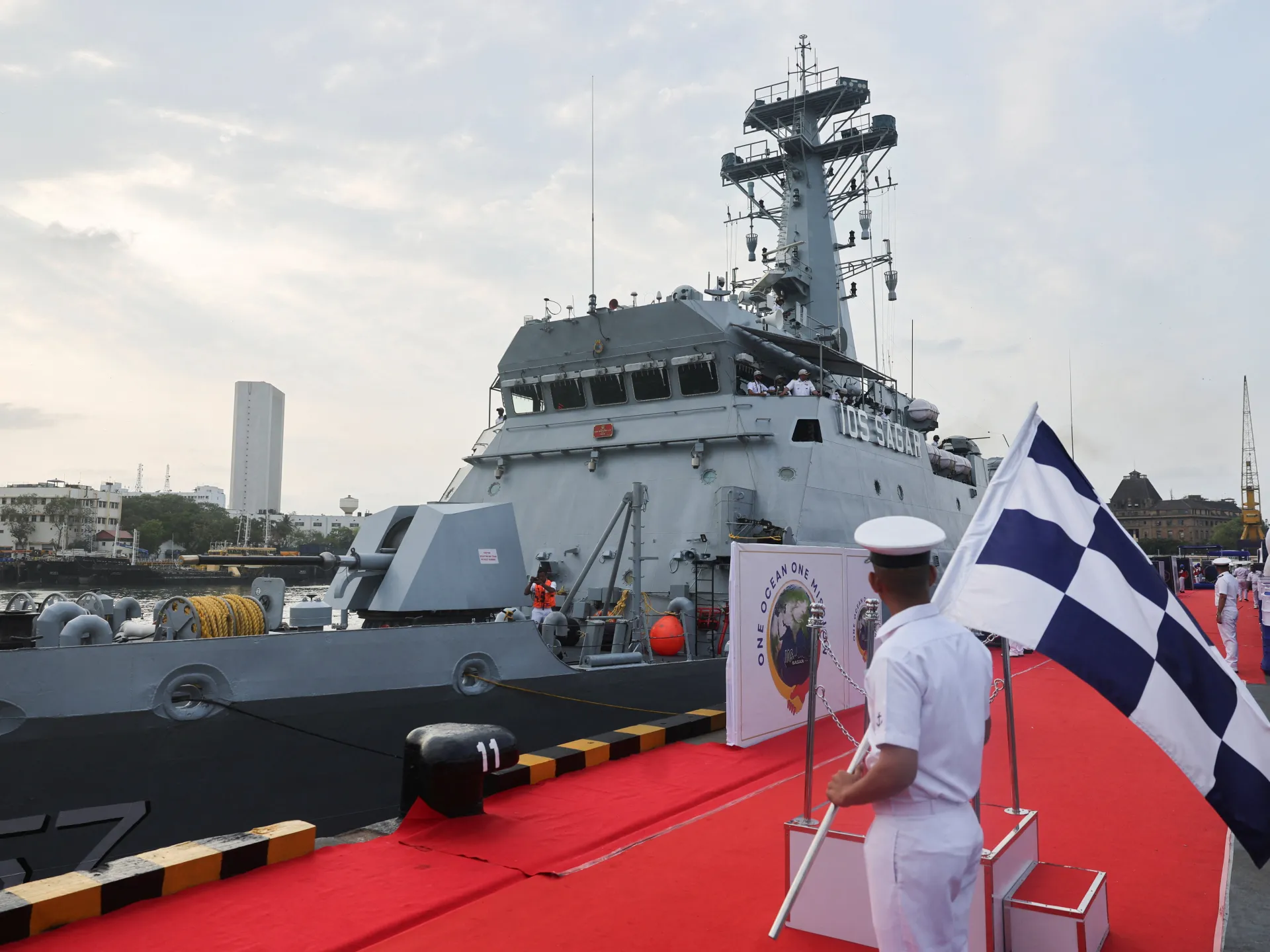
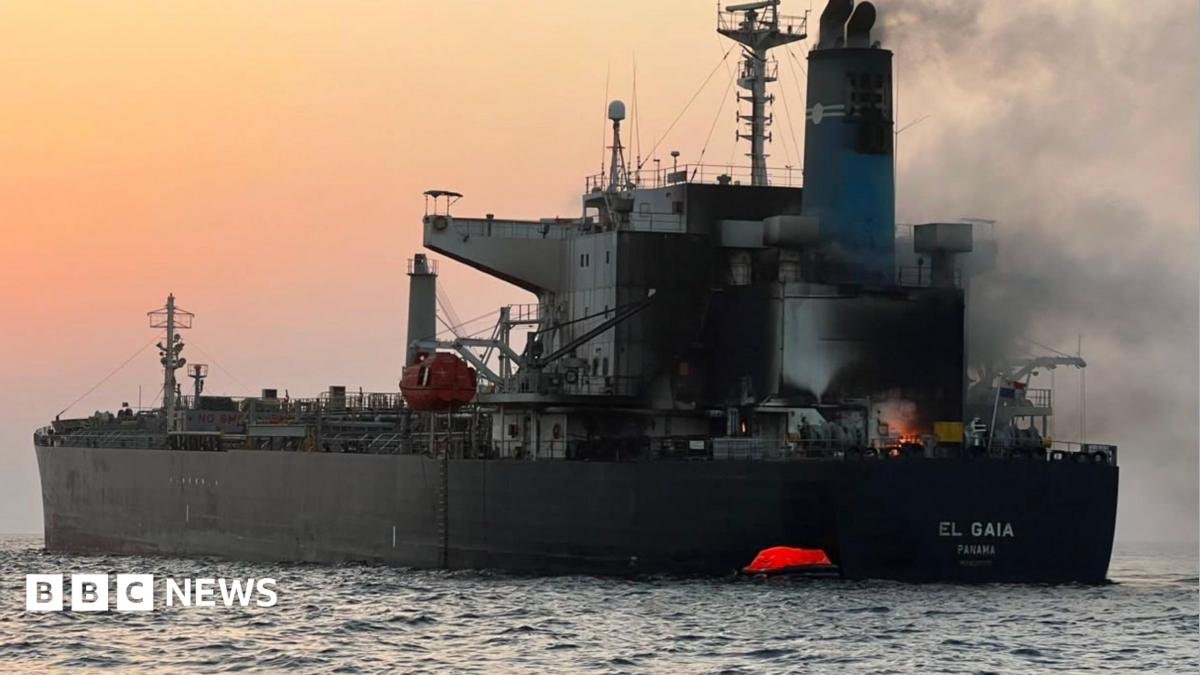
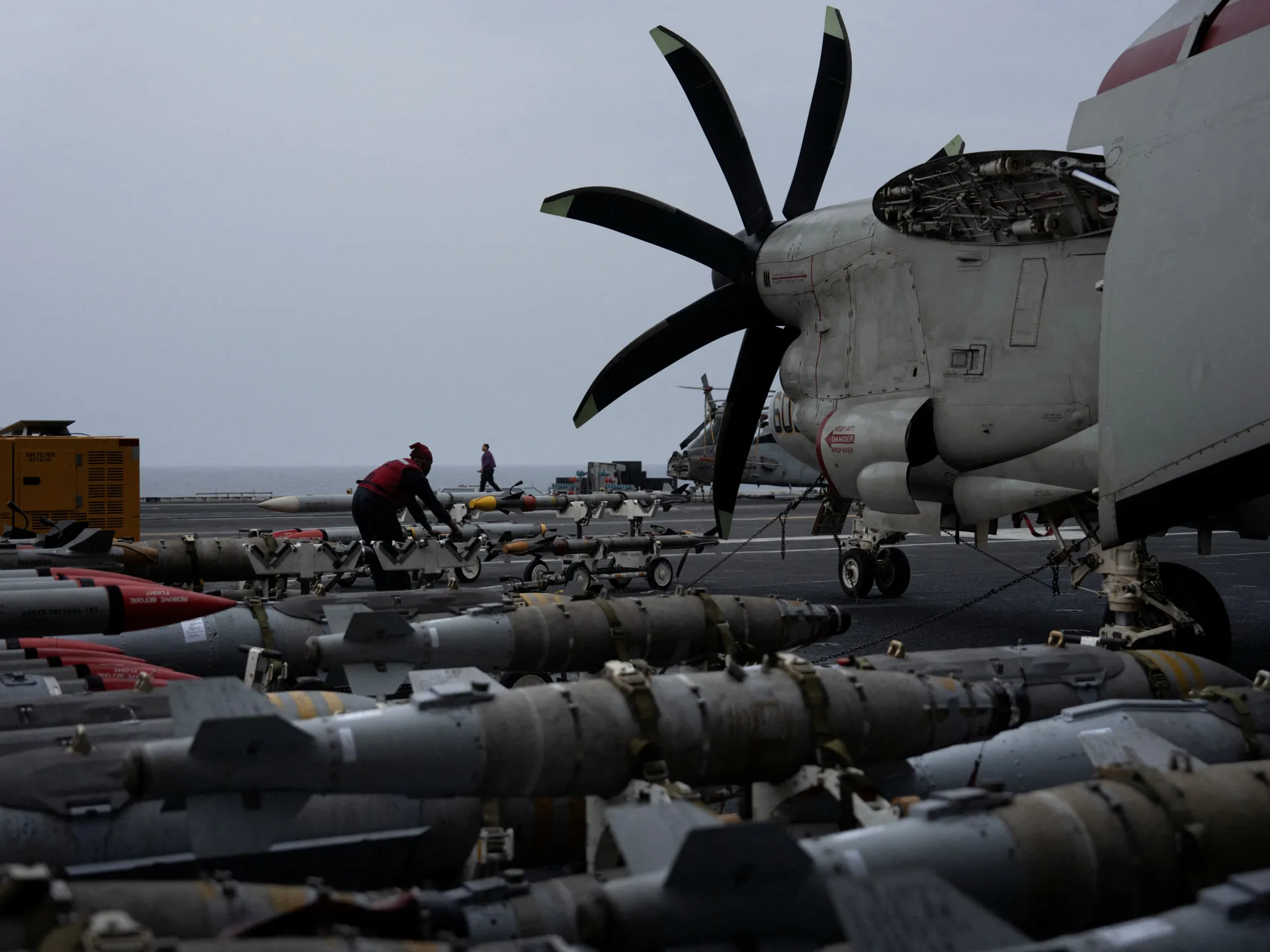
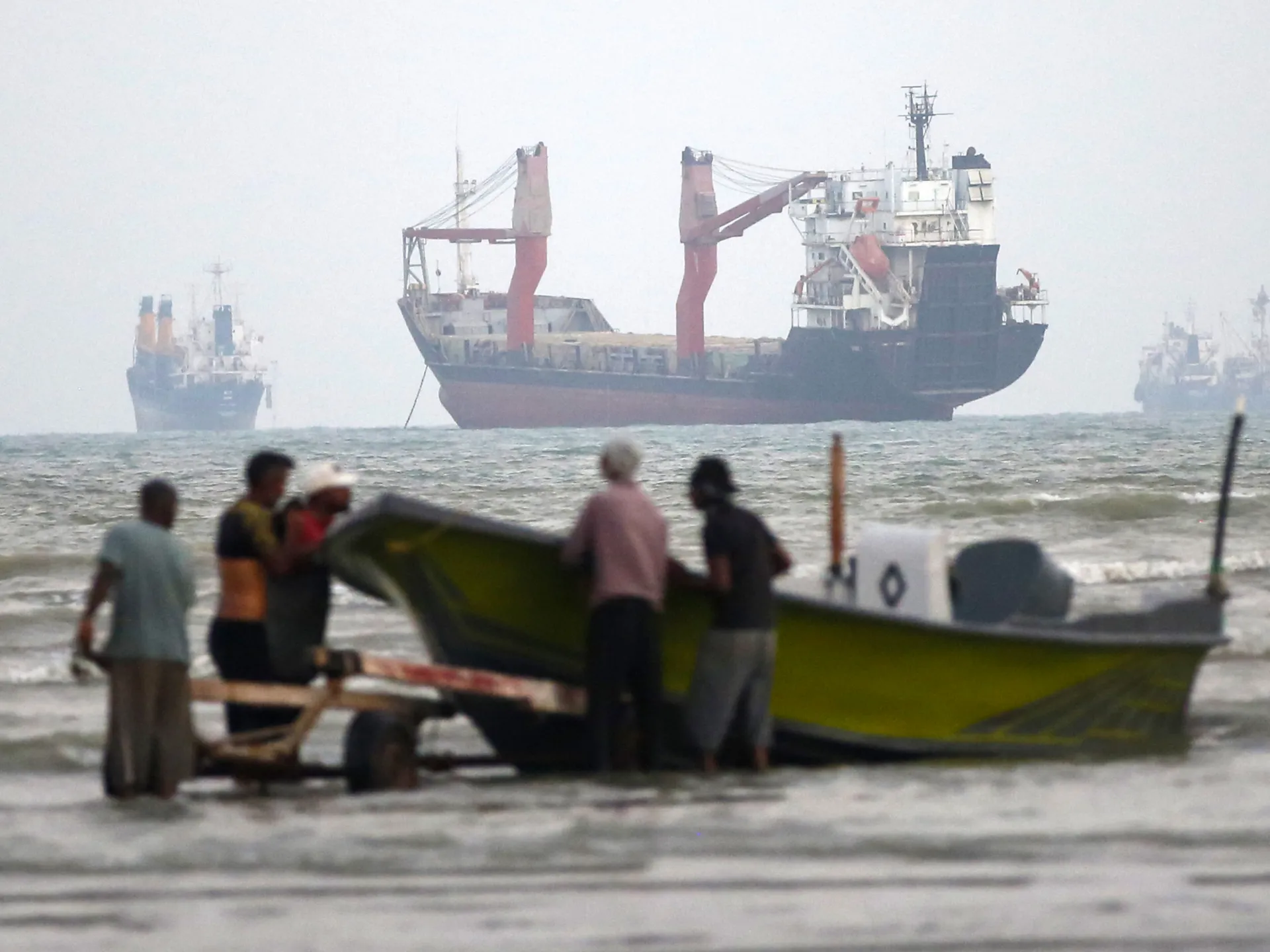
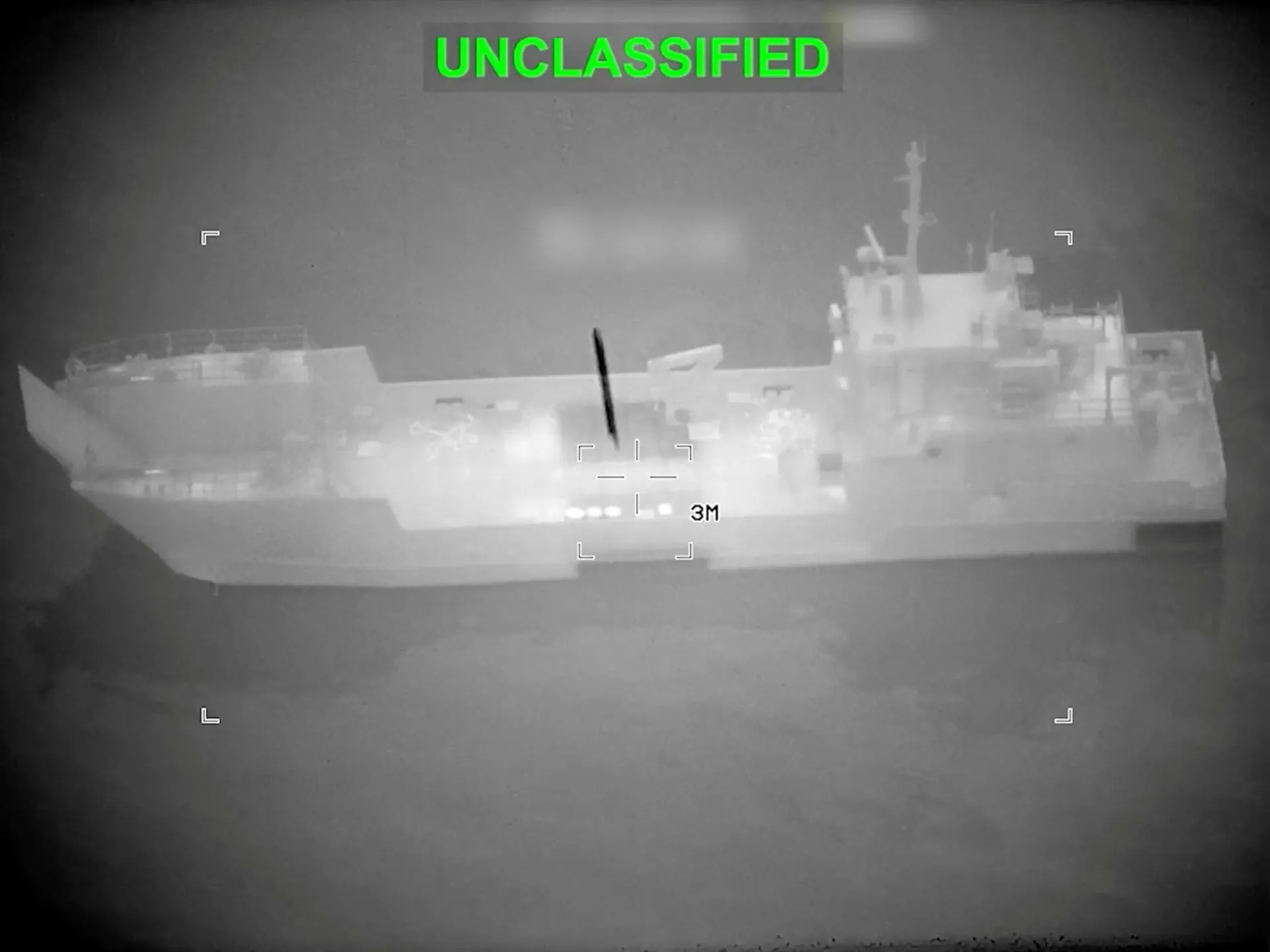
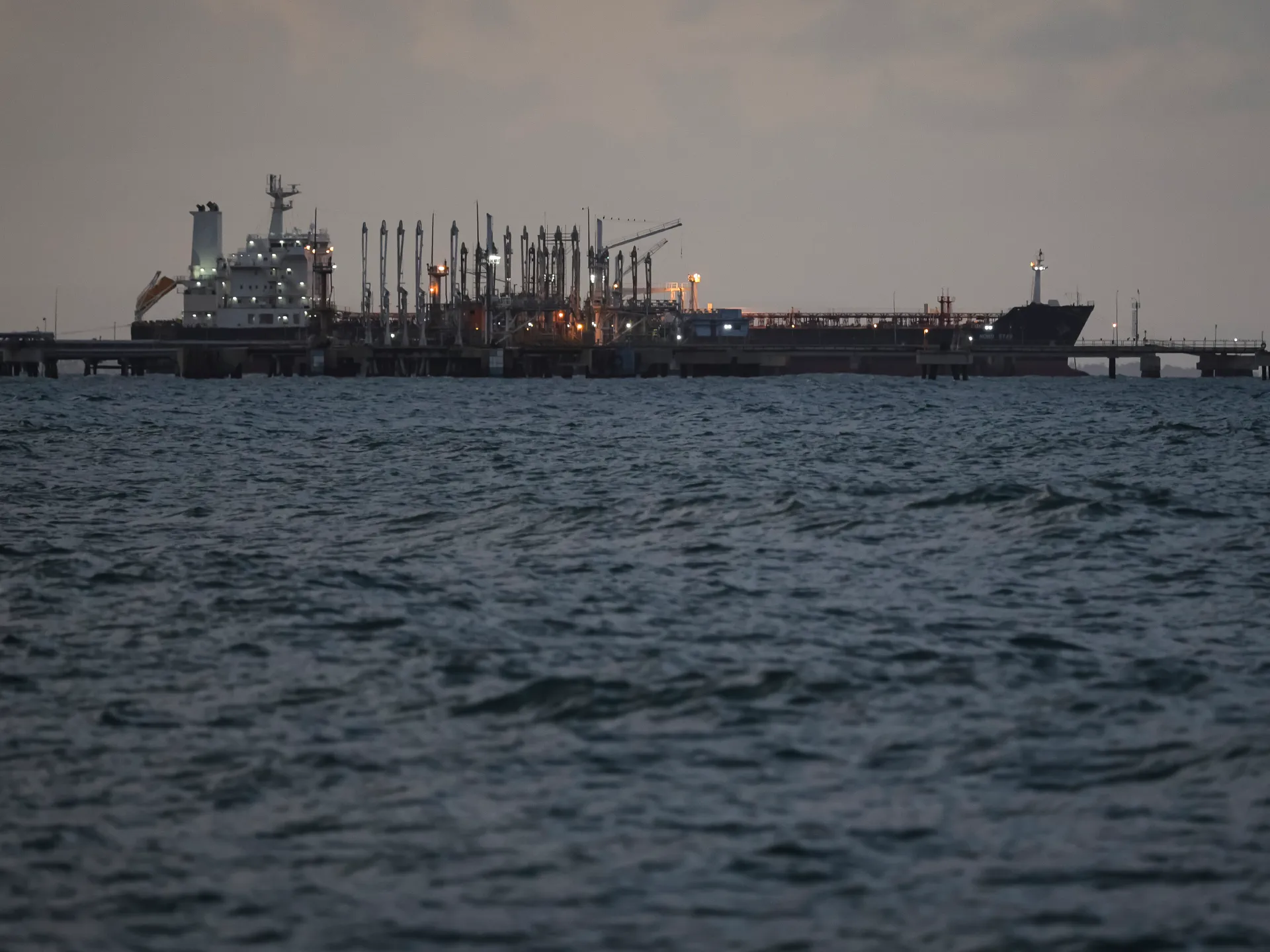
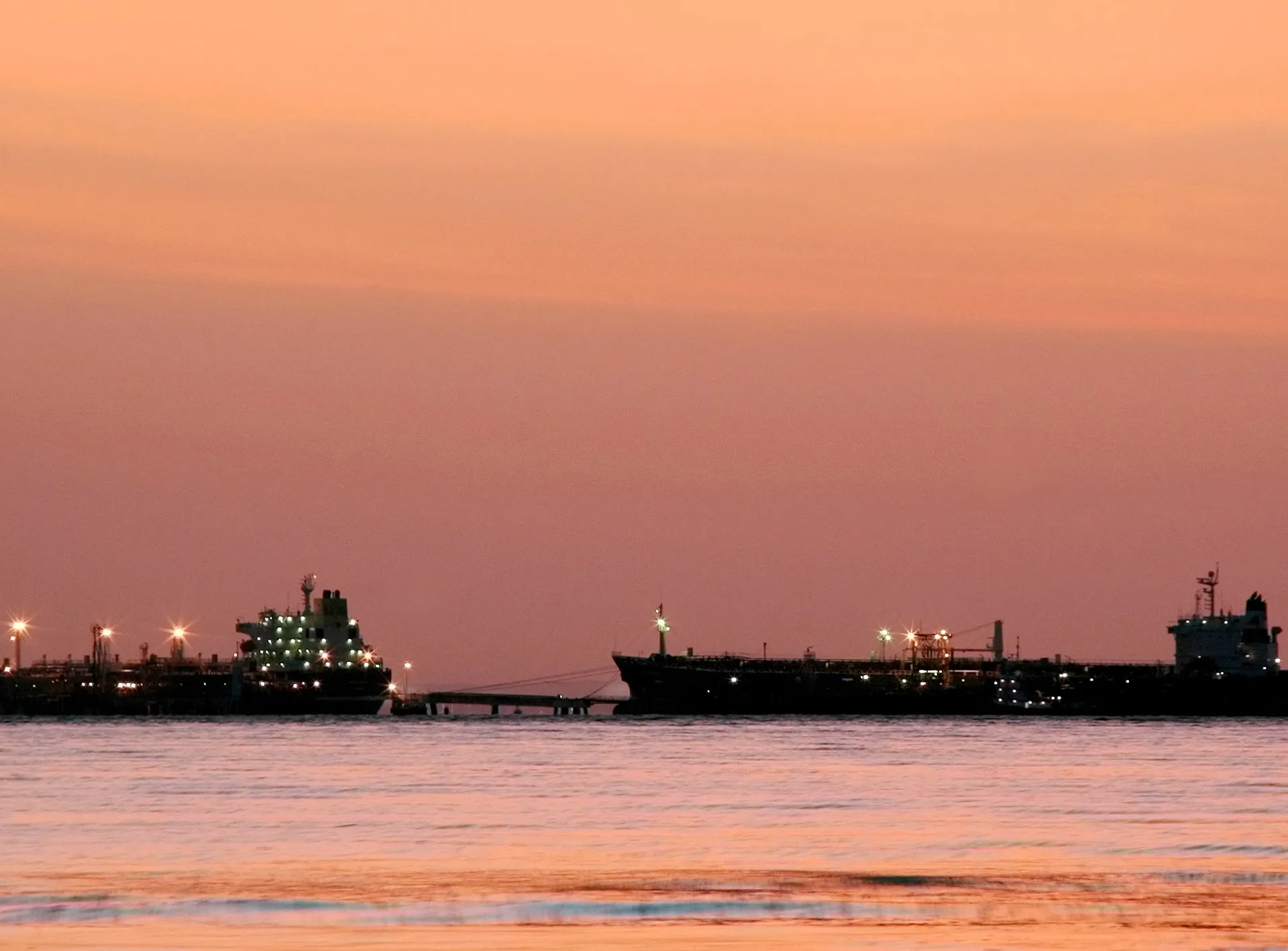
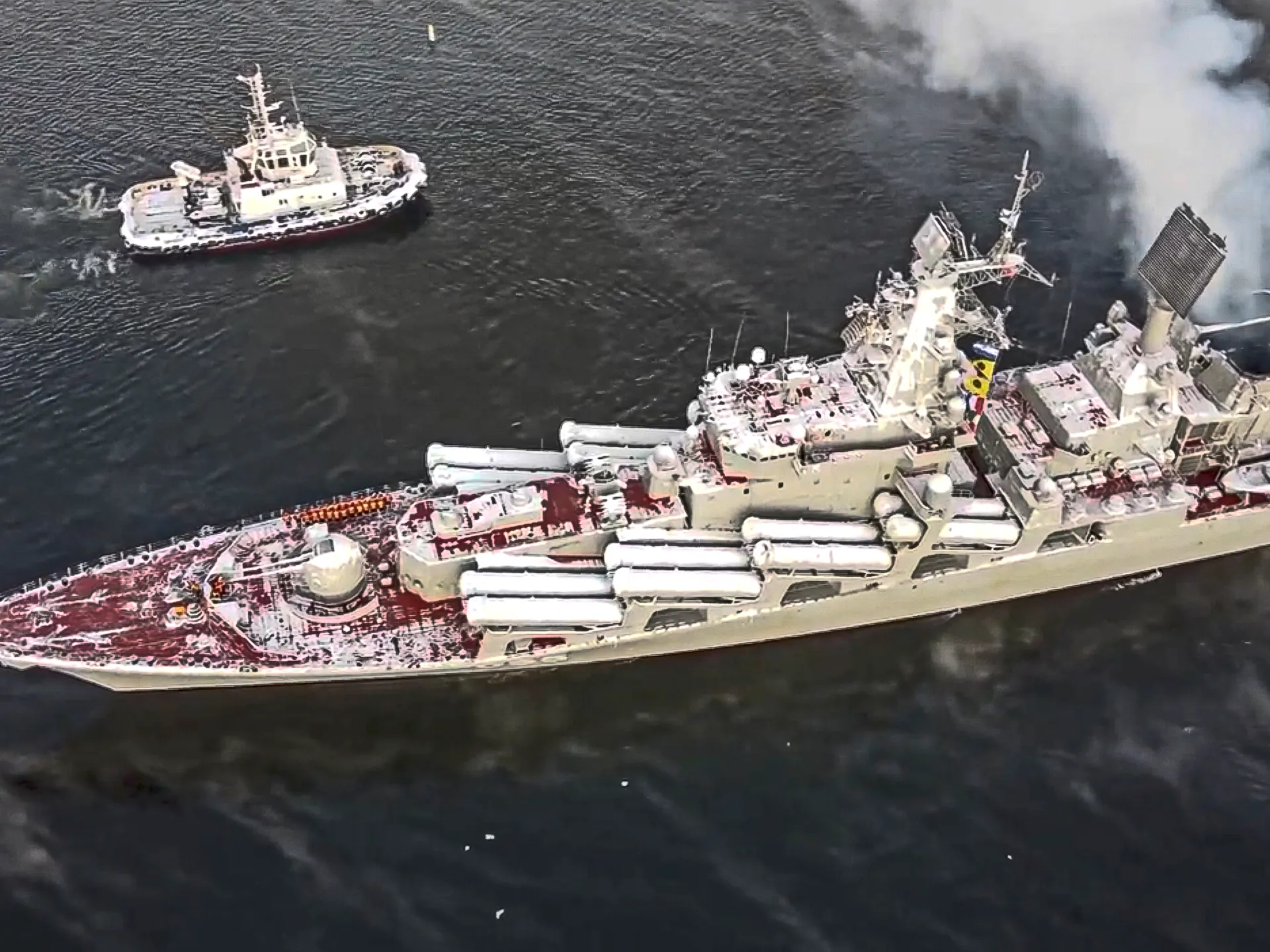
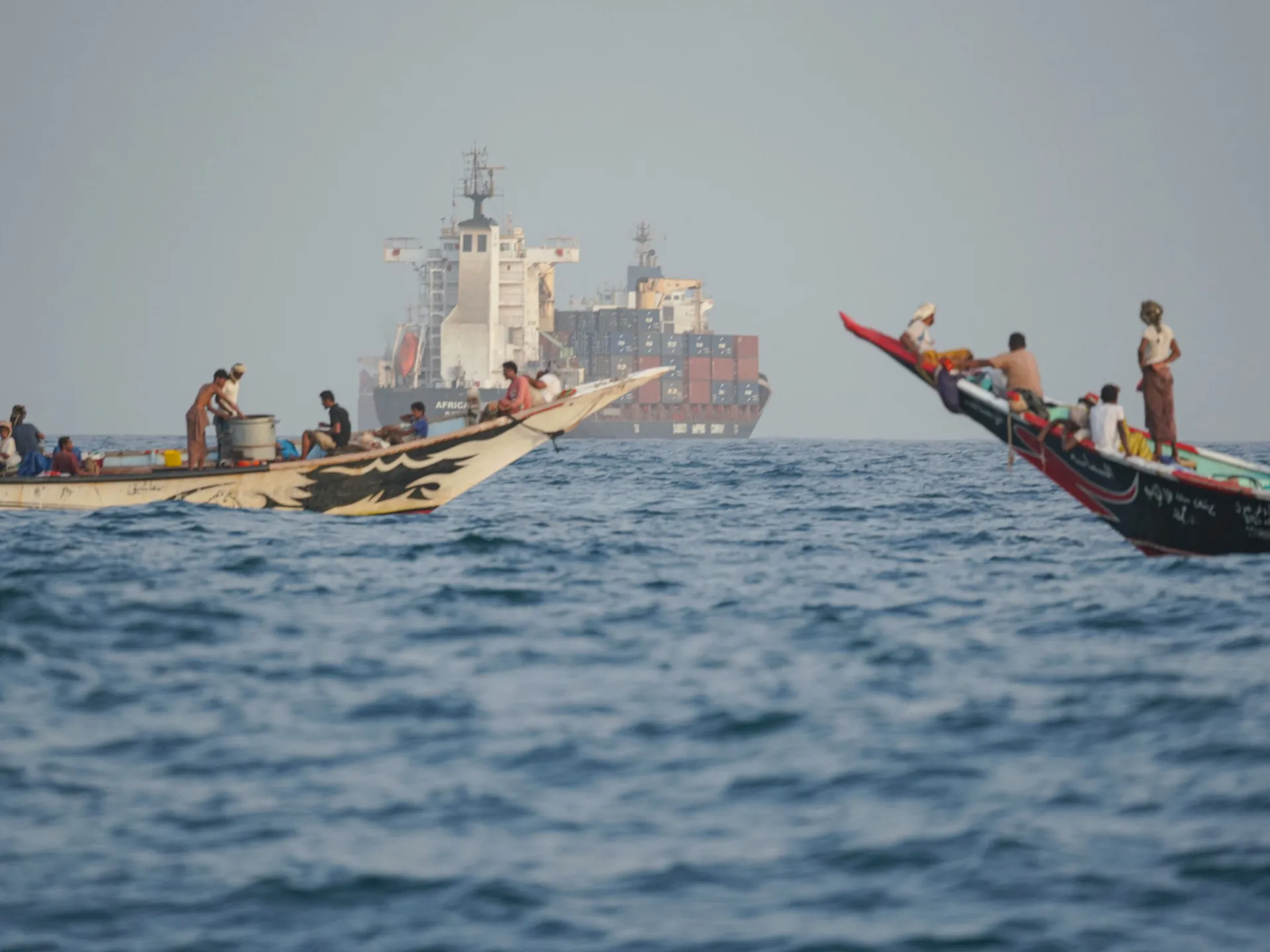
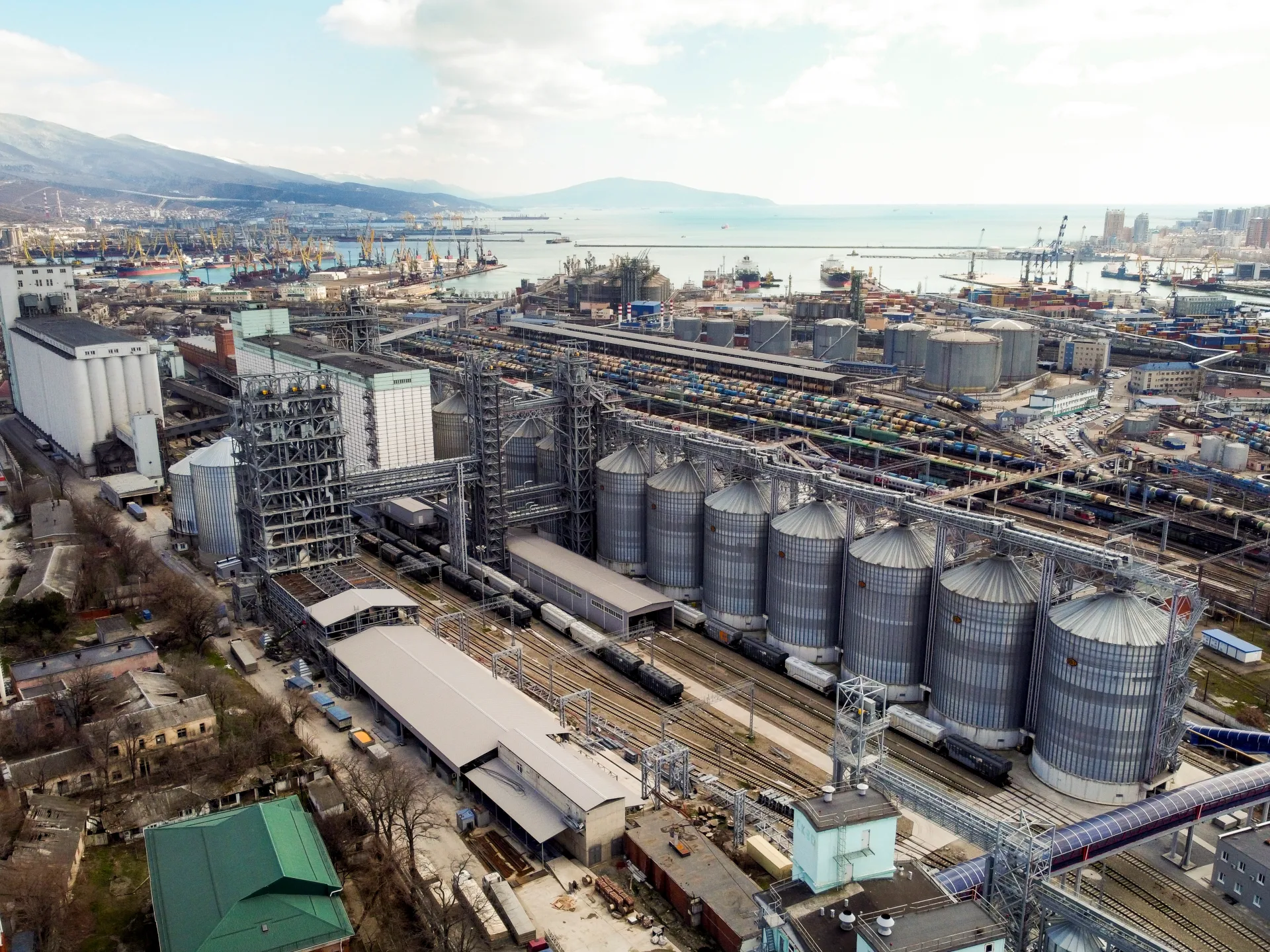
The significance of these talks extends beyond the immediate cessation of naval blockades. The Strait of Hormuz remains one of the world's most vital maritime chokepoints; any prolonged gridlock threatens global energy stability and supply chains. ling a potential, albeit fragile, willingness to pivot from kinetic military action to formal diplomatic de-escalation. The success or failure of these mediated sessions will likely set the tone for regional security for the remainder of the year and could determine whether the current conflict expands or recedes into a manageable ceasefire.
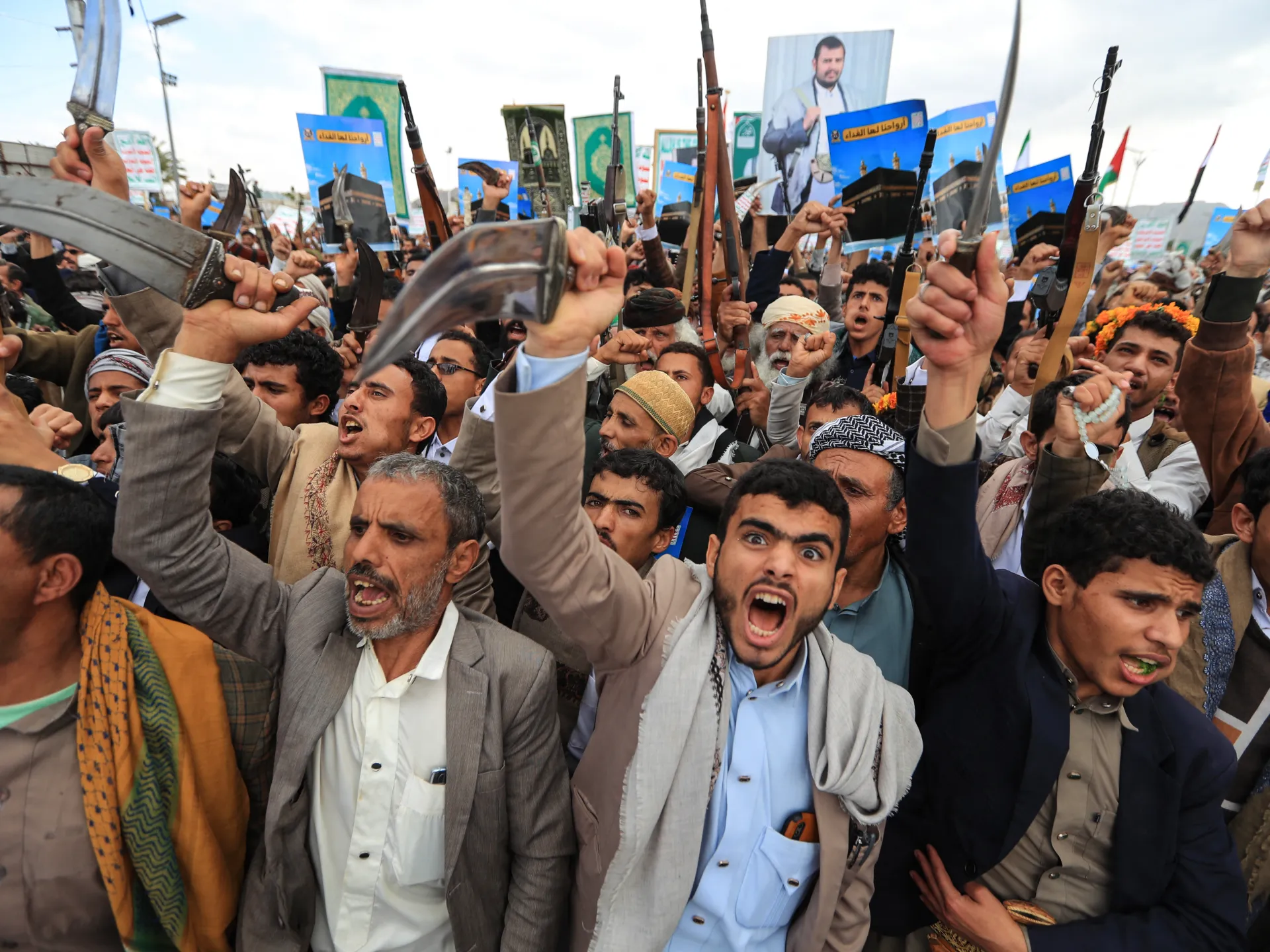
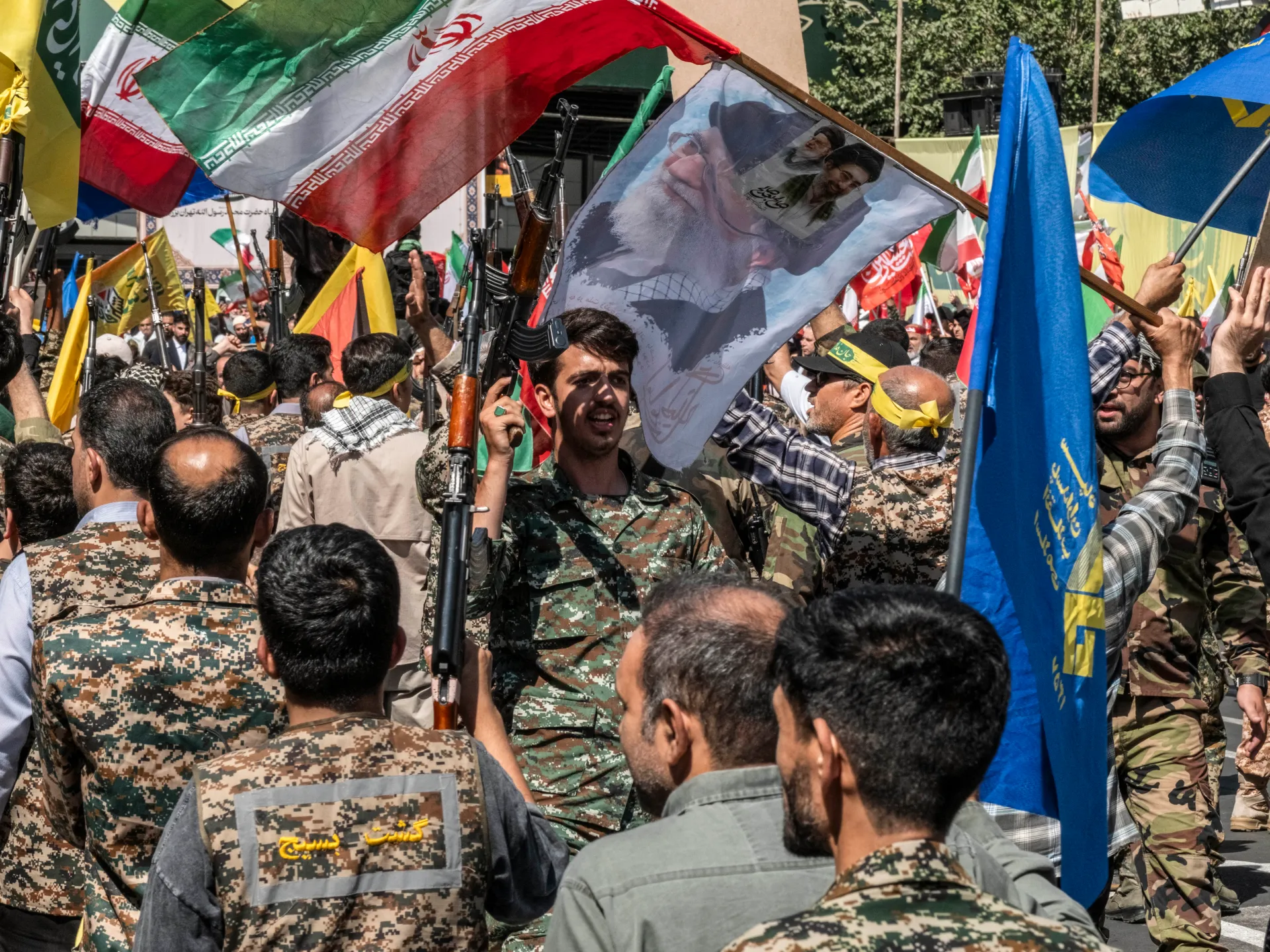
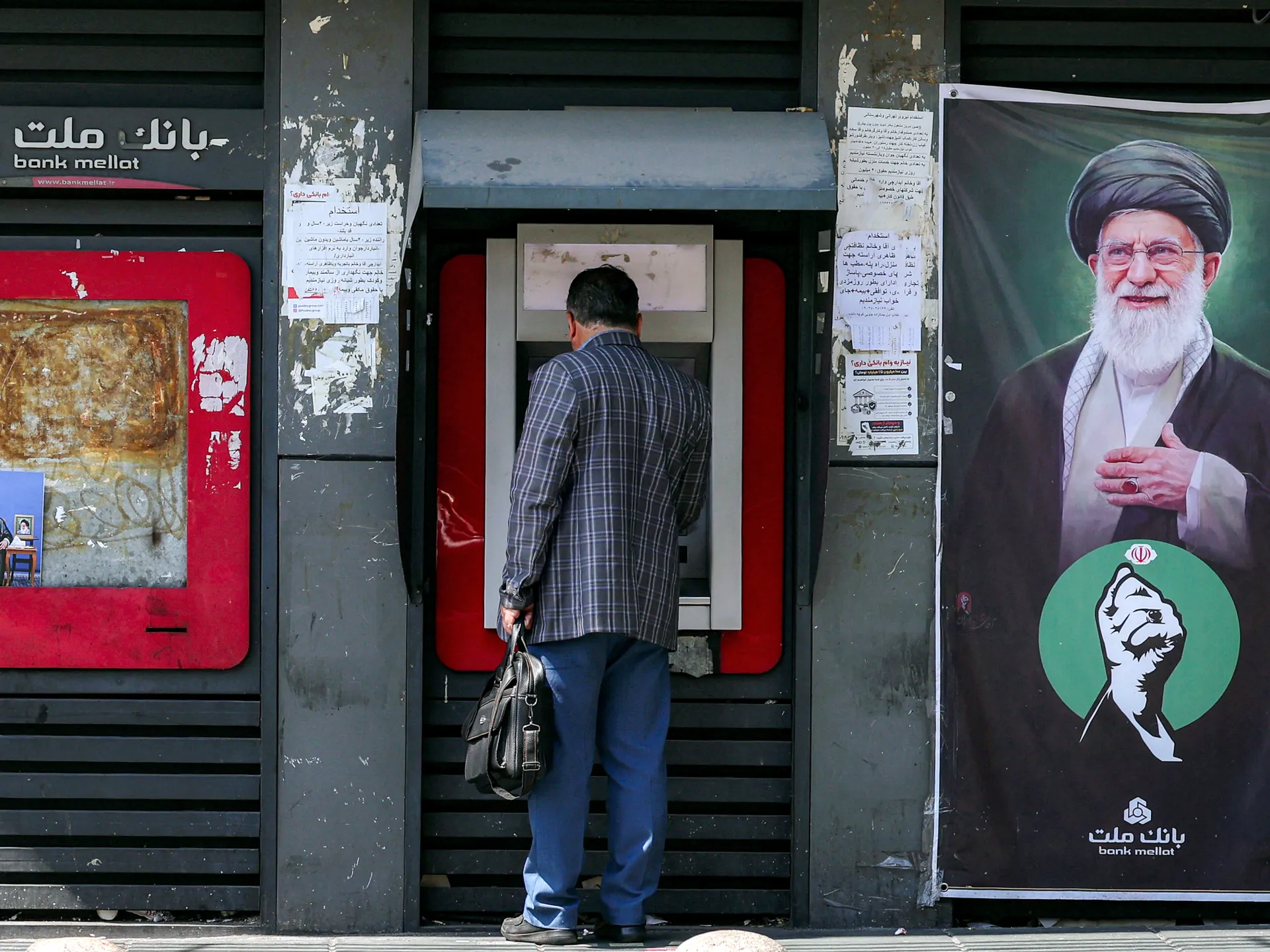
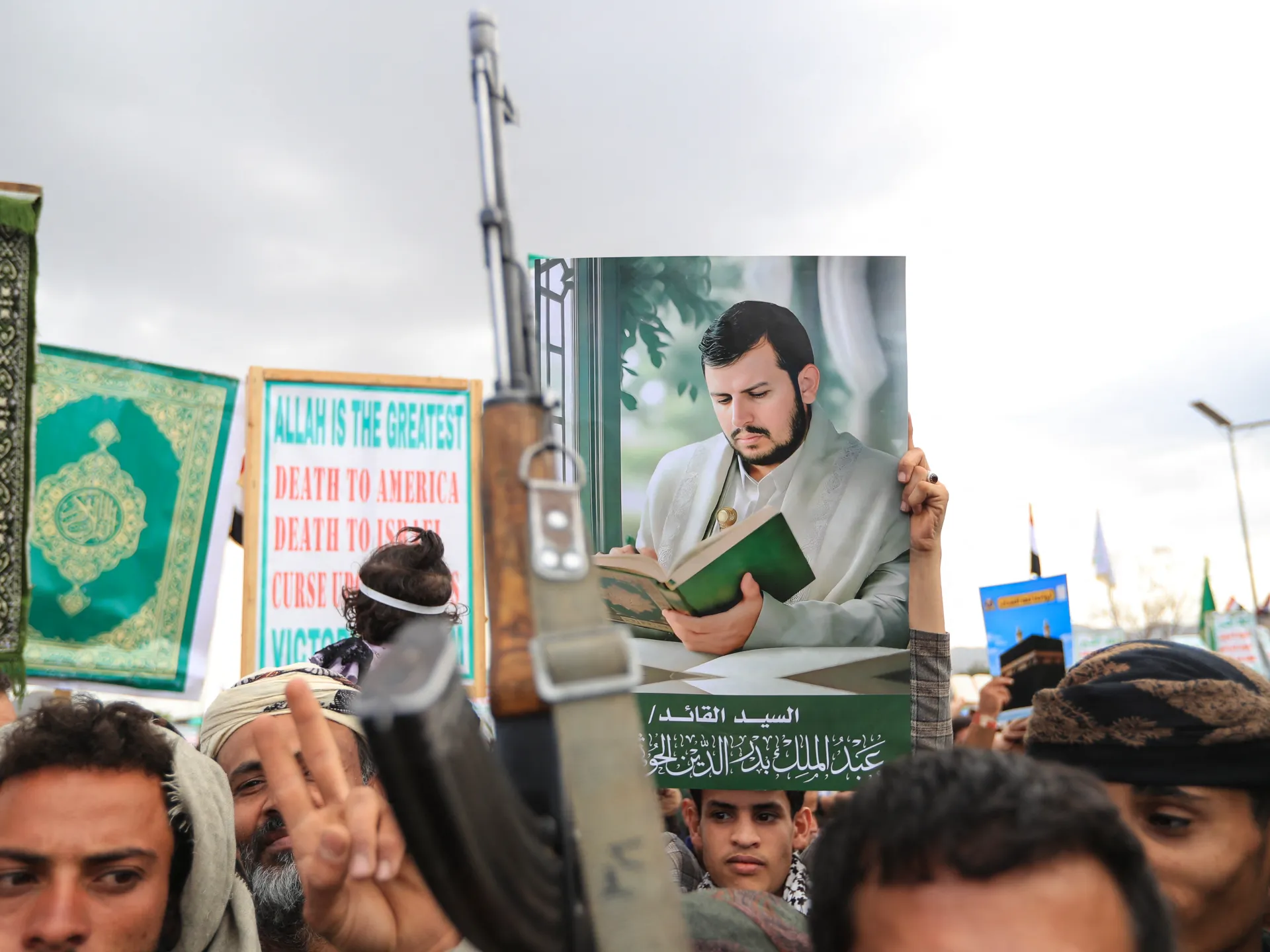
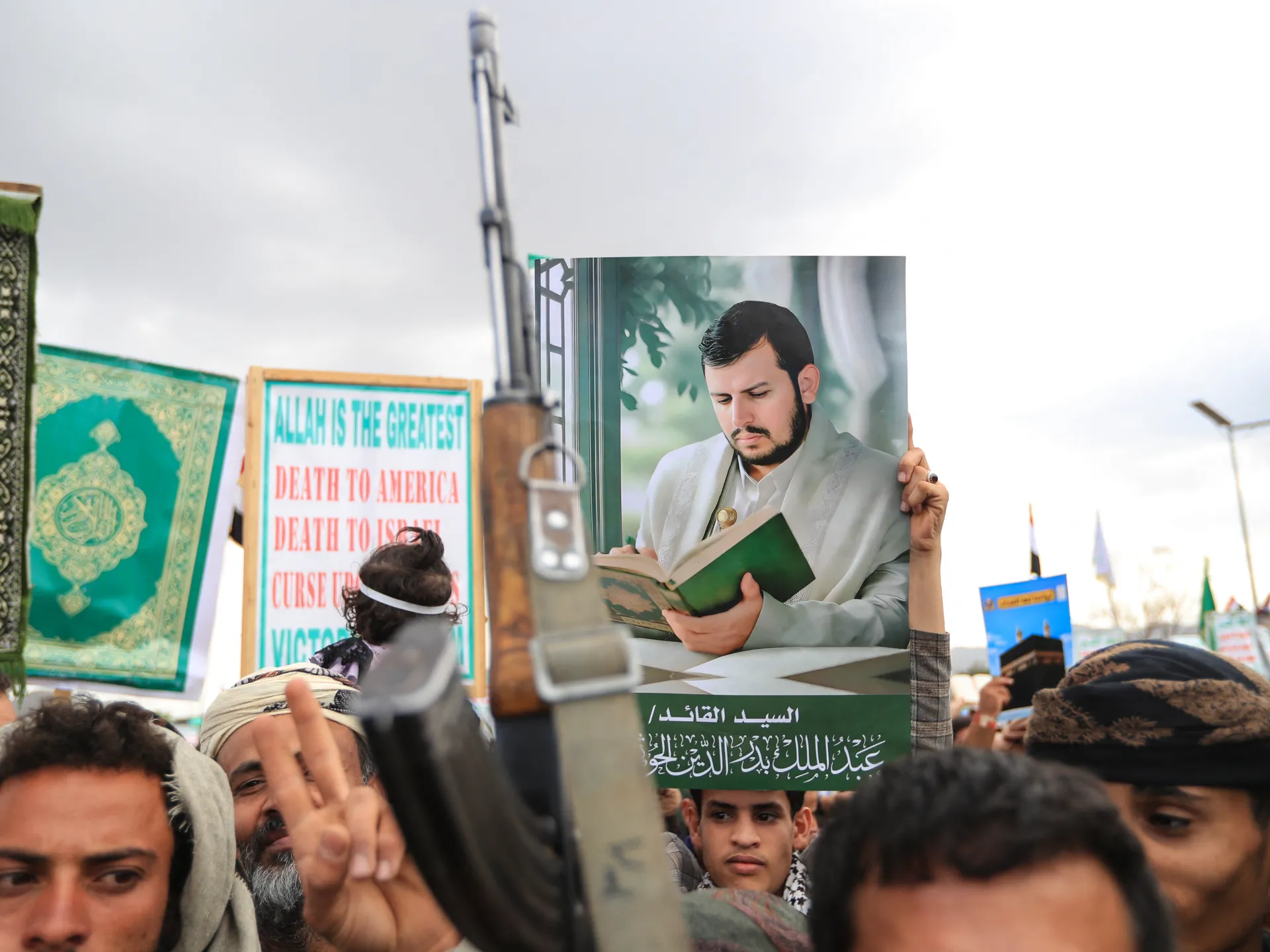
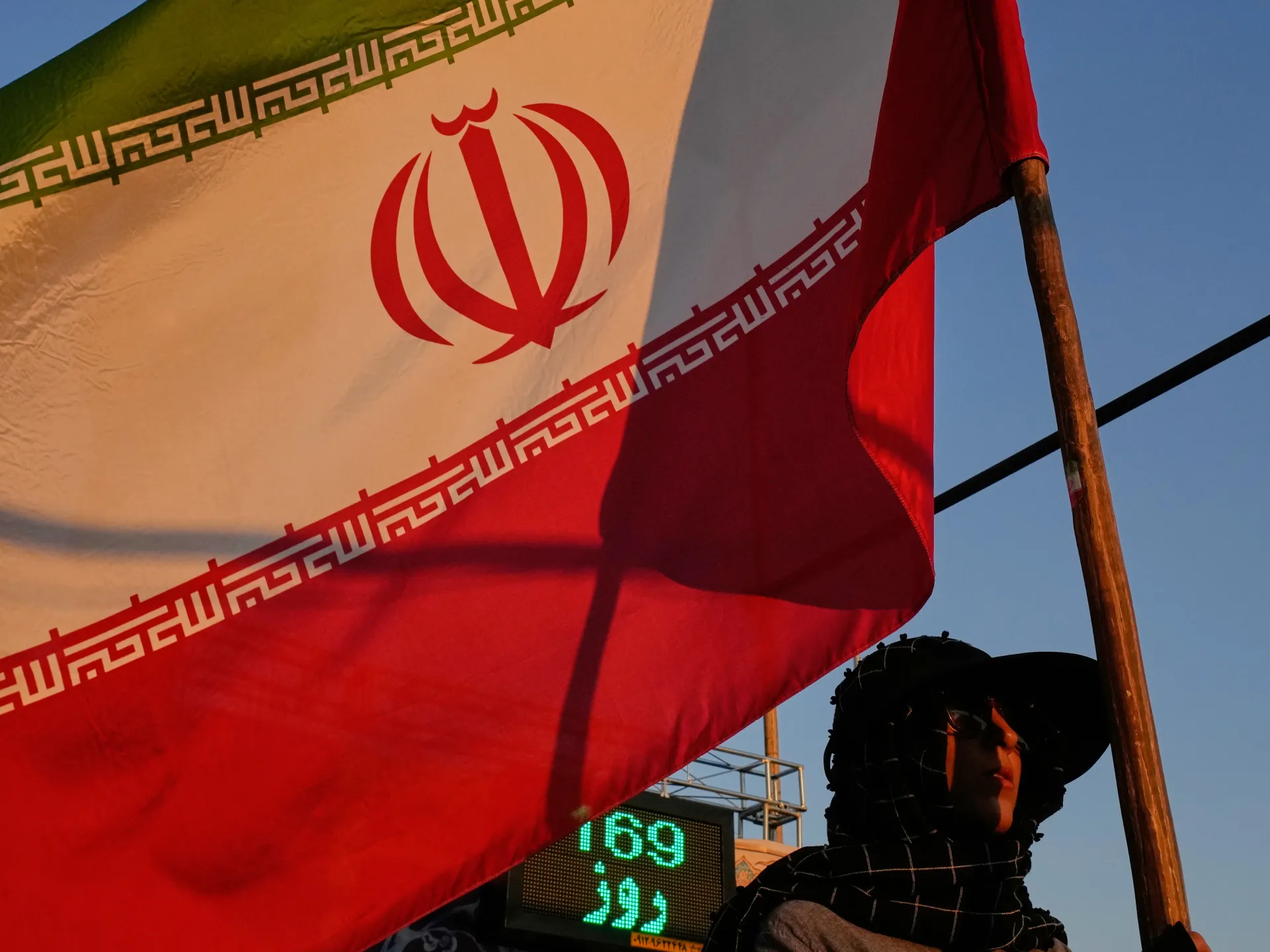
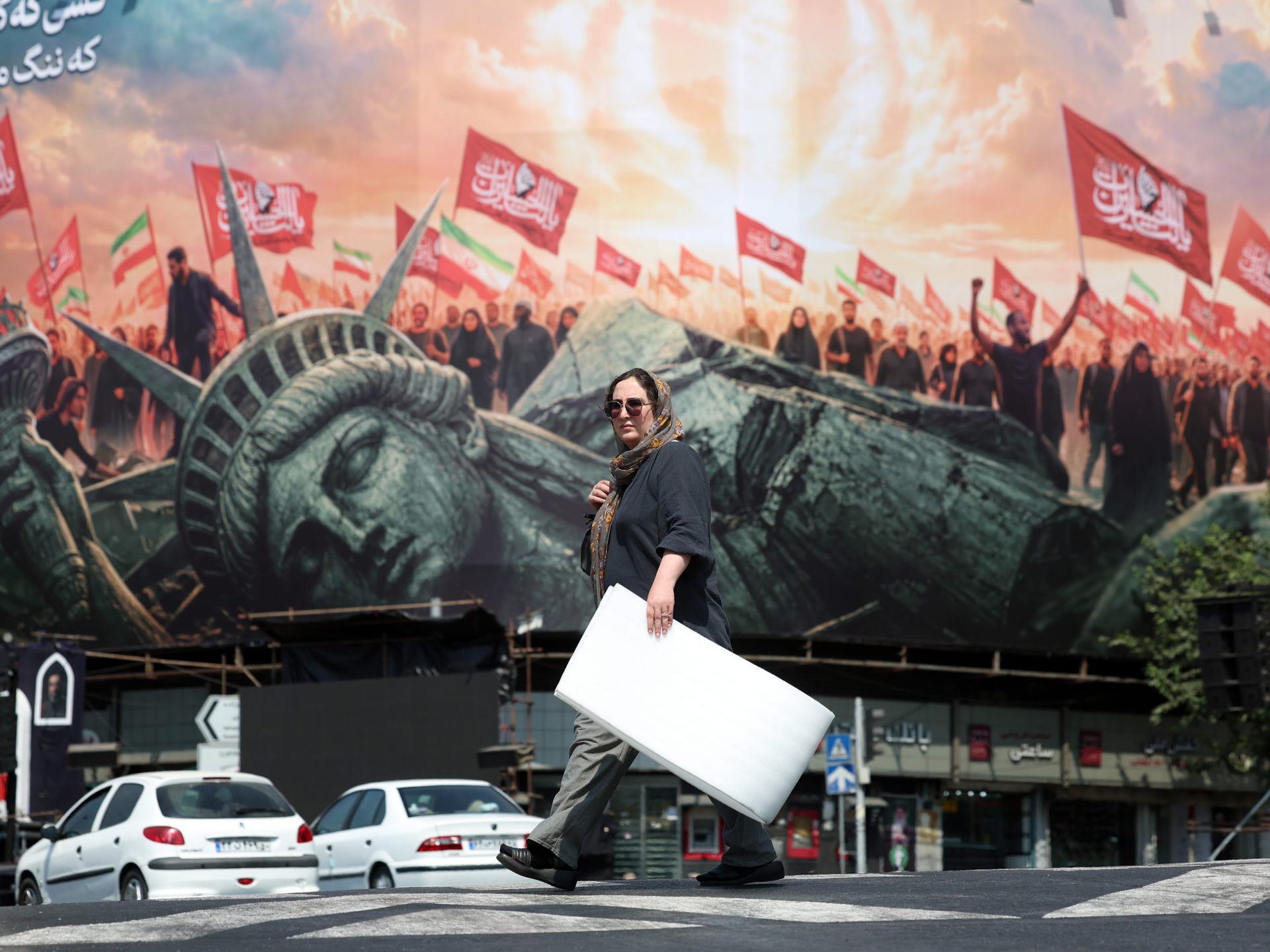
Tehran’s stated requirements for progress are multifaceted. According to Iranian state media and officials speaking to international observers, the government has presented a clear set of conditions for a comprehensive agreement. Central to these demands are the lifting of the current US naval blockade, the release of long-frozen Iranian financial assets, and a broader end to the war concerning the regional “resistance” fronts.
The Iranian delegation, acting under explicit authority from leadership, has framed the UNGA gathering as a “golden opportunity” for a breakthrough. While Al Jazeera reports that an Iranian security source suggested there is room for further diplomatic engagement contingent upon Washington’s compliance with these terms, the situation remains fluid. There is no official confirmation of a finalized agreement, though President Trump has publicly expressed optimism regarding the momentum generated
The immediate outlook depends on the willingness of both Washington and Tehran to move from these indirect mediated sessions to a more structured framework. If the US decides to address specific components of Iran's list—particularly the unfreezing of assets or the naval presence—a phased return to normalcy in the Strait of Hormuz is possible. However, given the deep-seated nature of the conflict and the divergent narratives provided l likely be slow and highly scrutinized rding the status of the naval blockade as the primary indicator of whether these talks have yielded tangible policy shifts or remain merely symbolic.