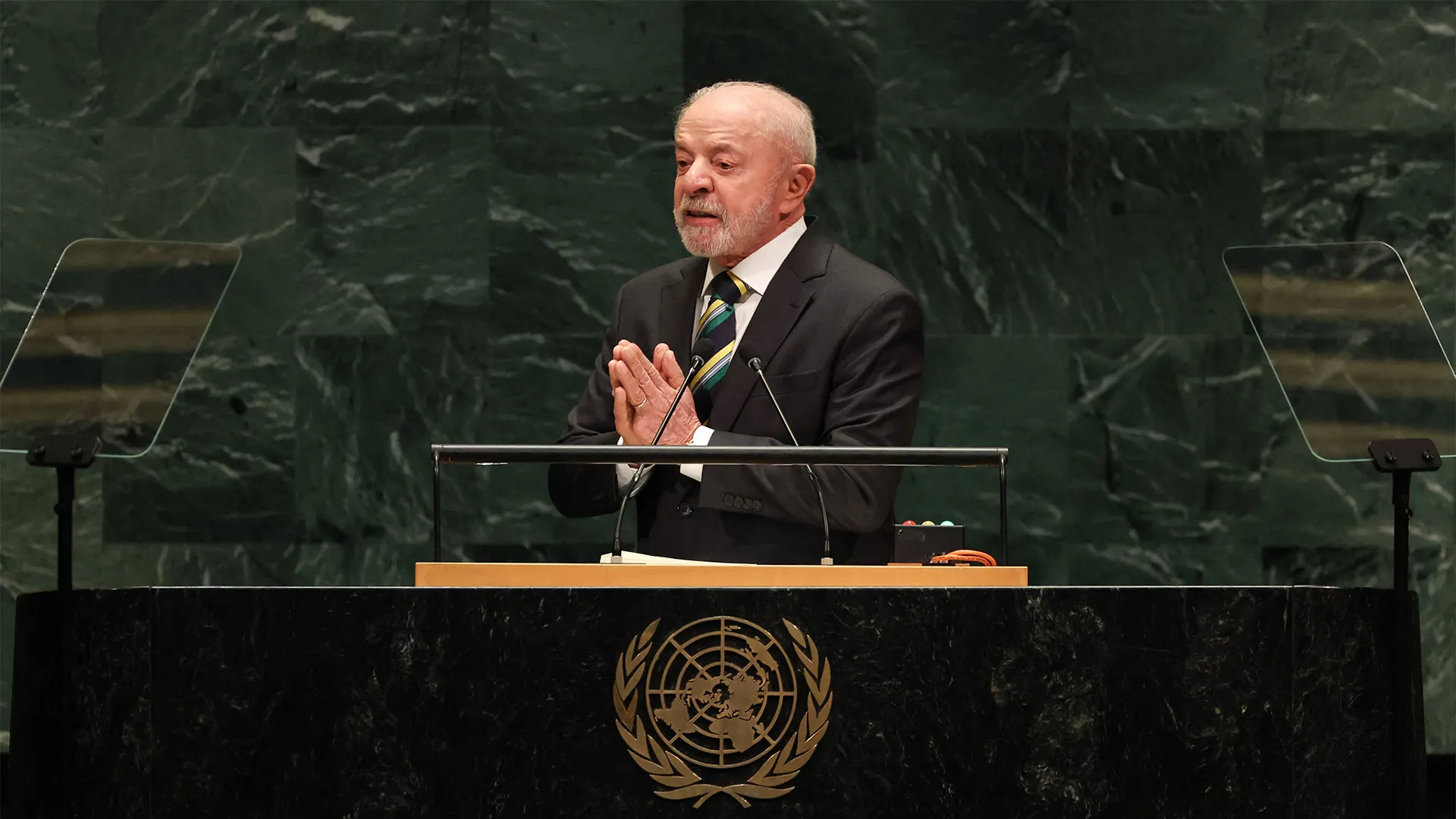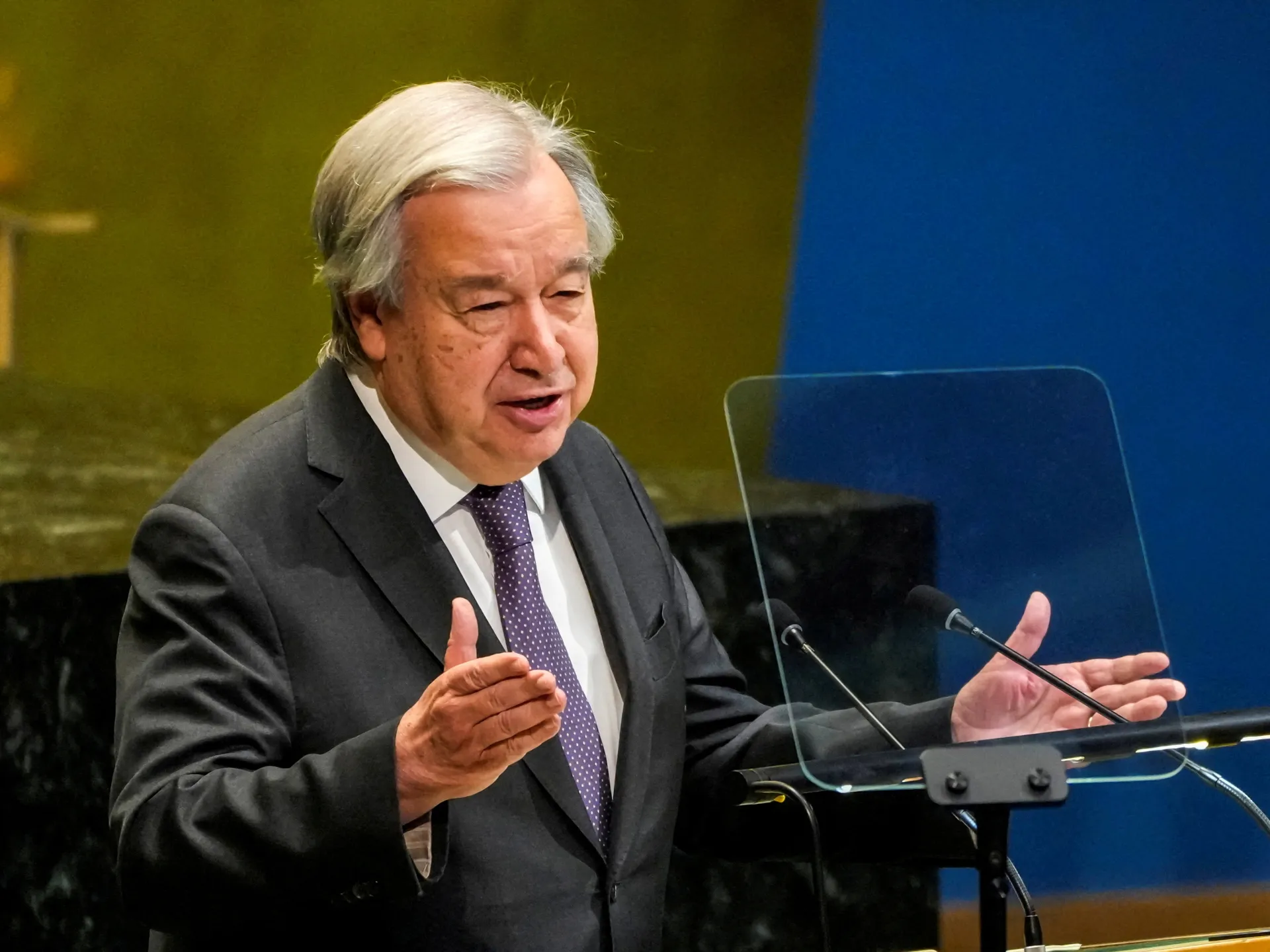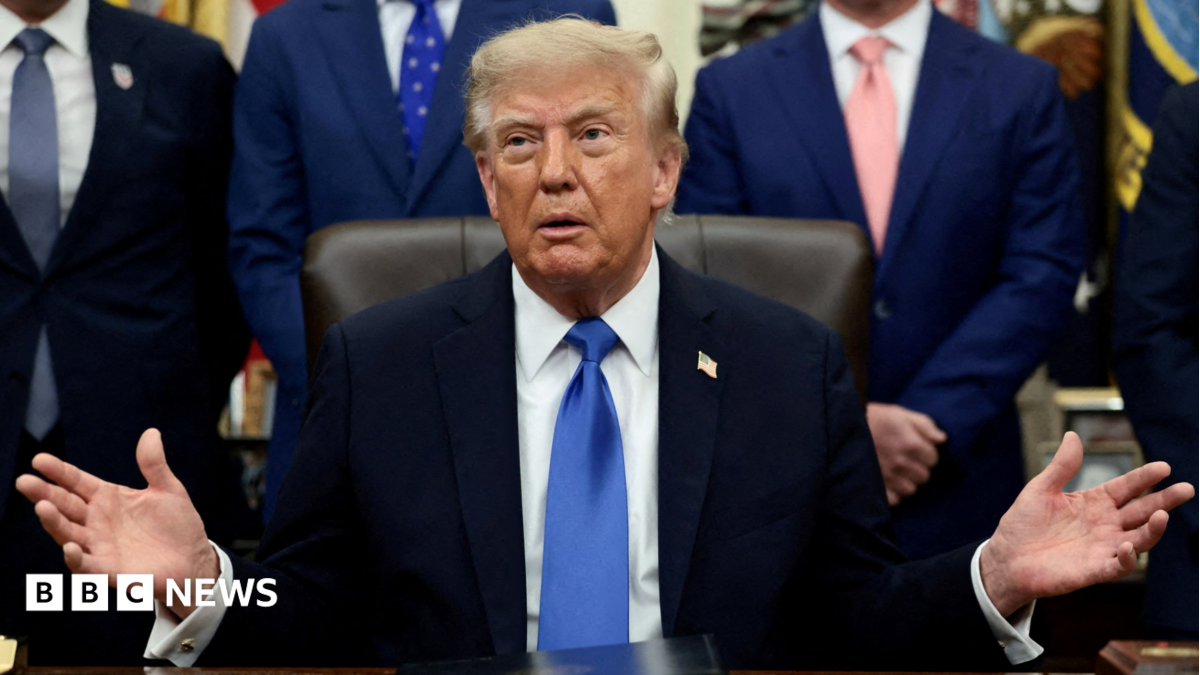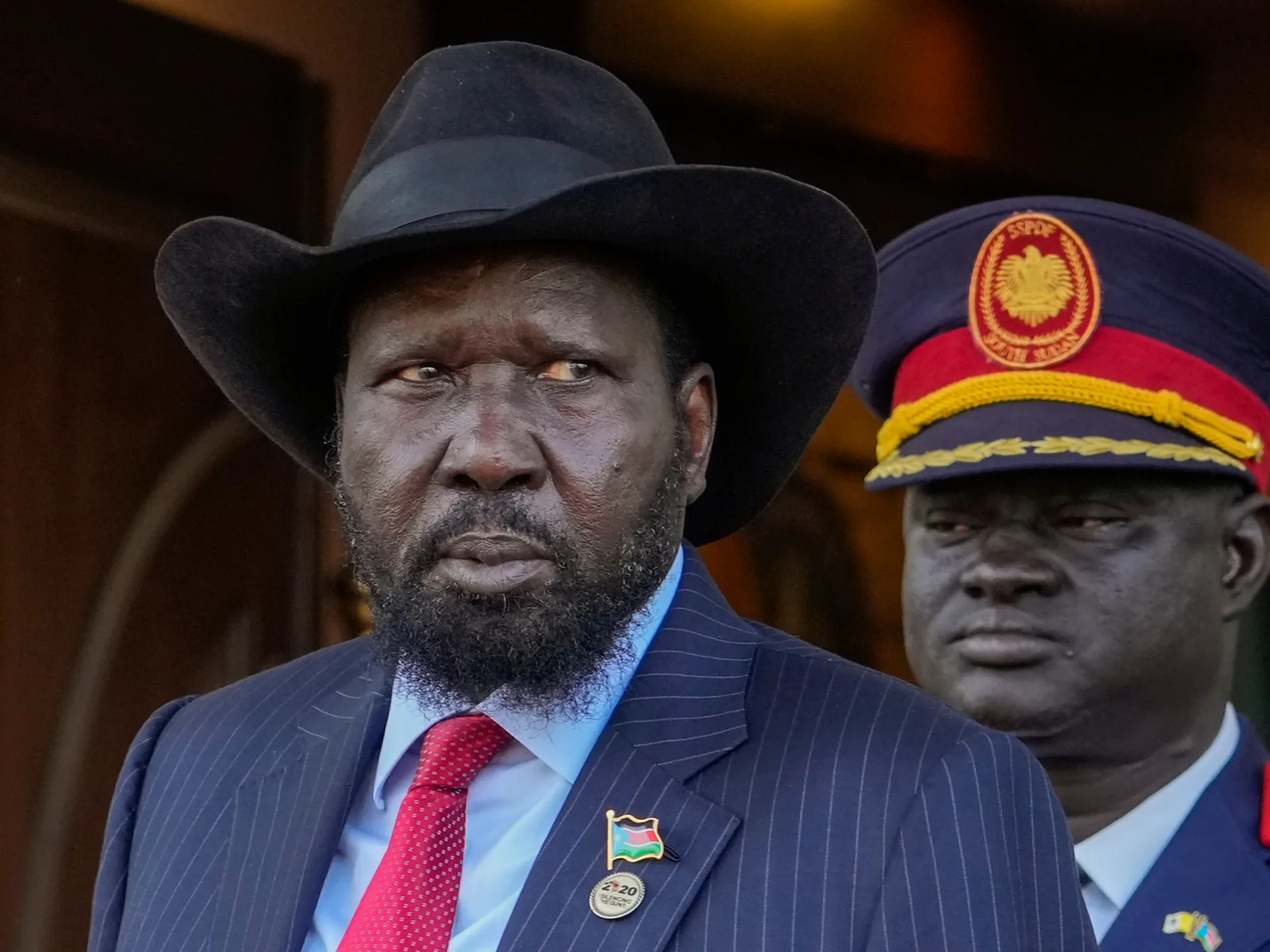
President Salva Kiir has dissolved South Sudan’s unity government and removed vice presidents, centralizing power ahead of the nation's first-ever elections.
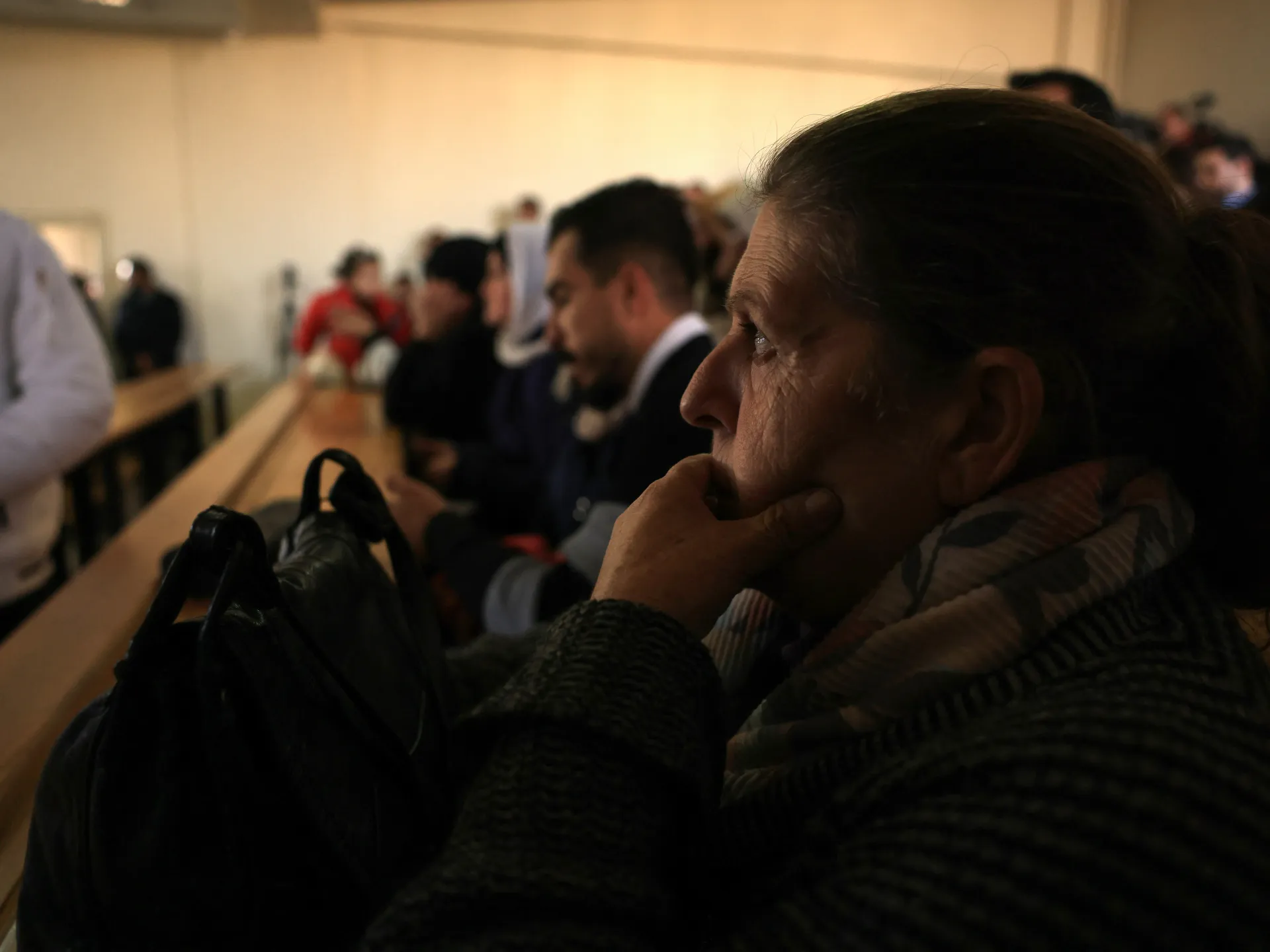
The dissolution of South Sudan's government marks a pivotal, if precarious, inflection point for the world’s youngest nation. manent constitution and a national census—the administration of President Salva Kiir has prioritized the procedural act of holding a vote over the structural stabilization required e model that was designed to prevent a return to the catastrophic civil conflict that left 400,000 dead, according to United Nations figures. The move toward a centralized, caretaker-led election environment raises fundamental questions about the balance of power during transitional periods and whether the removal of opposition-linked vice presidents will foster legitimacy or exacerbate internal political fragility.
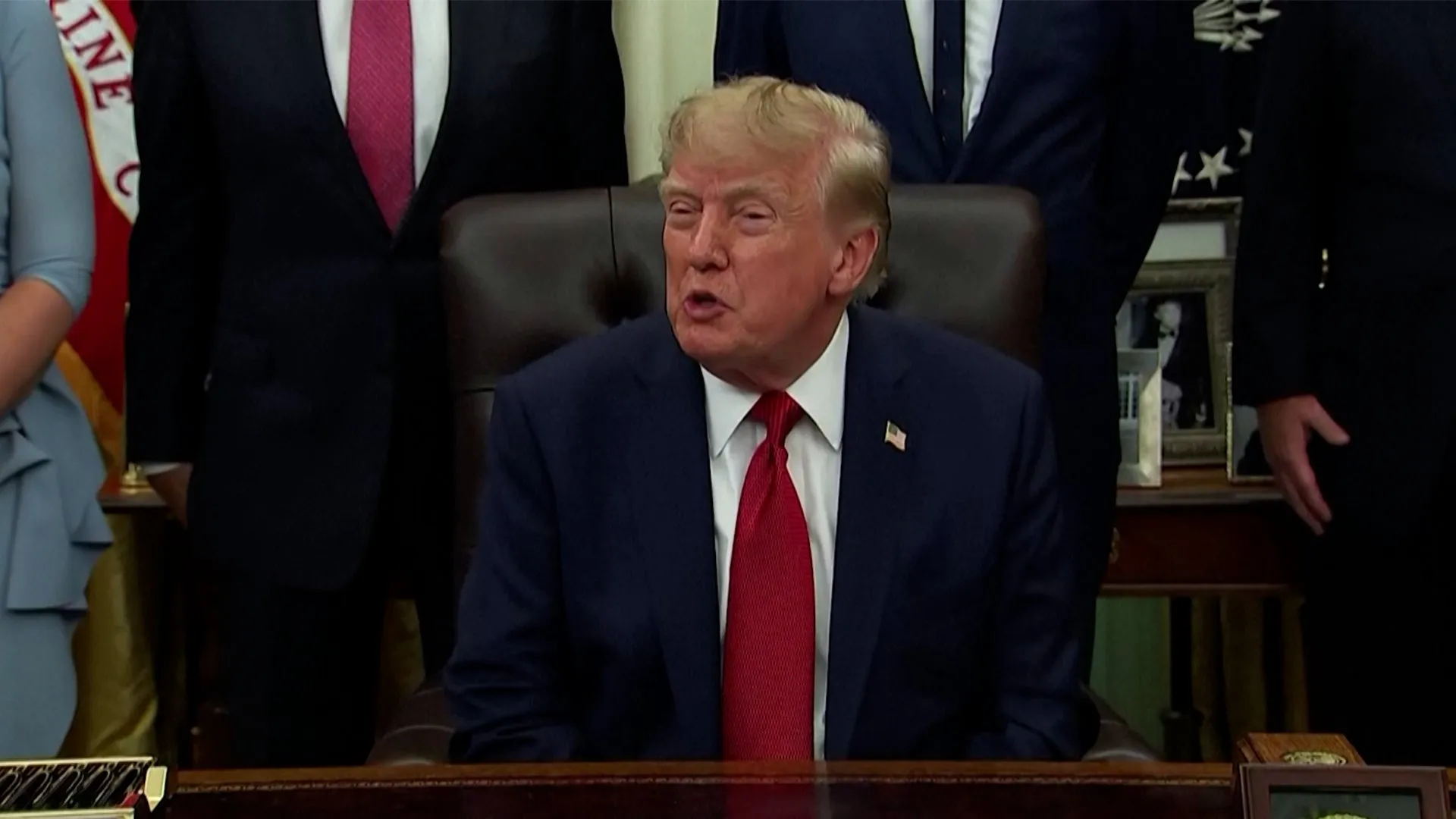
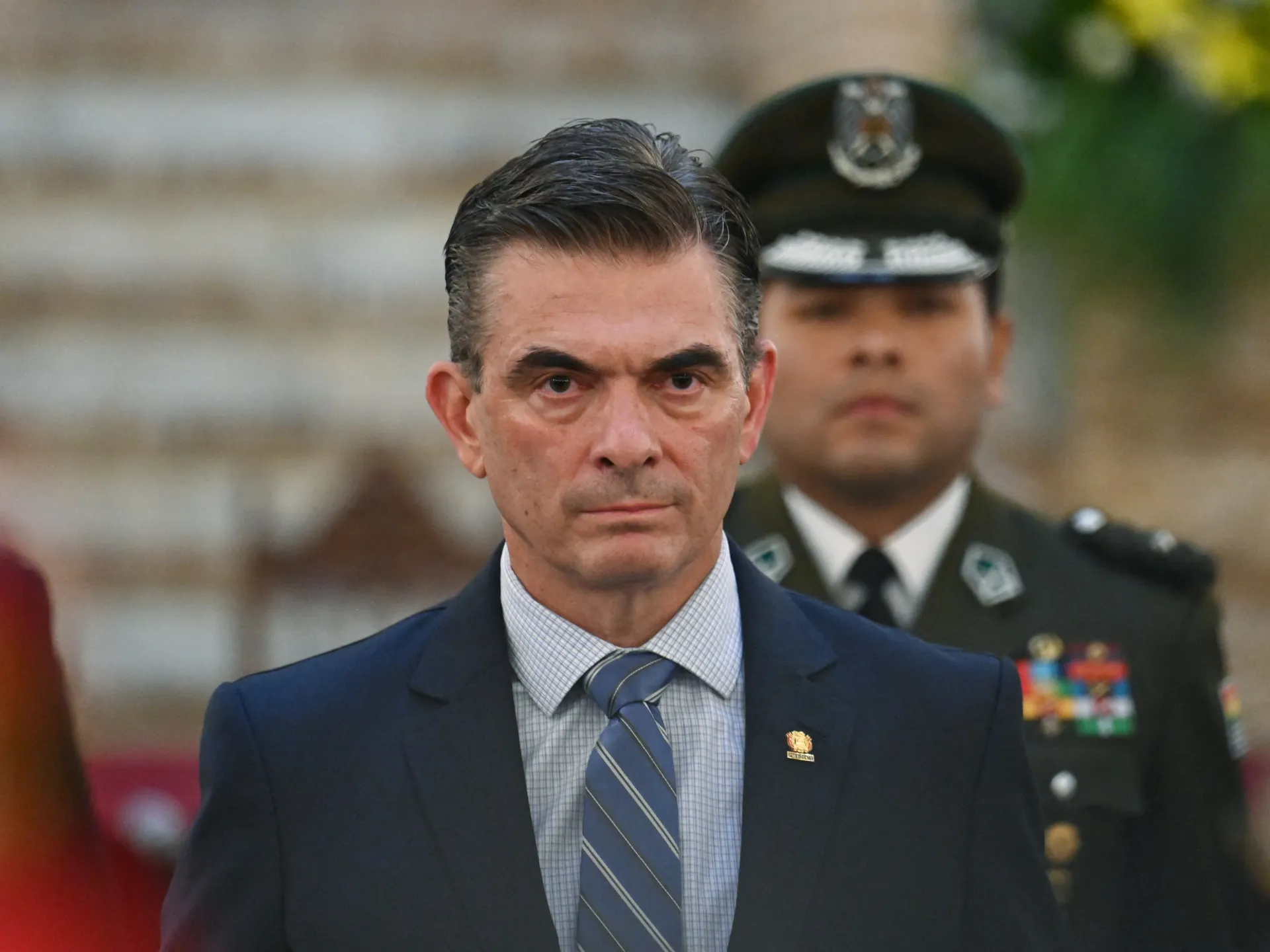
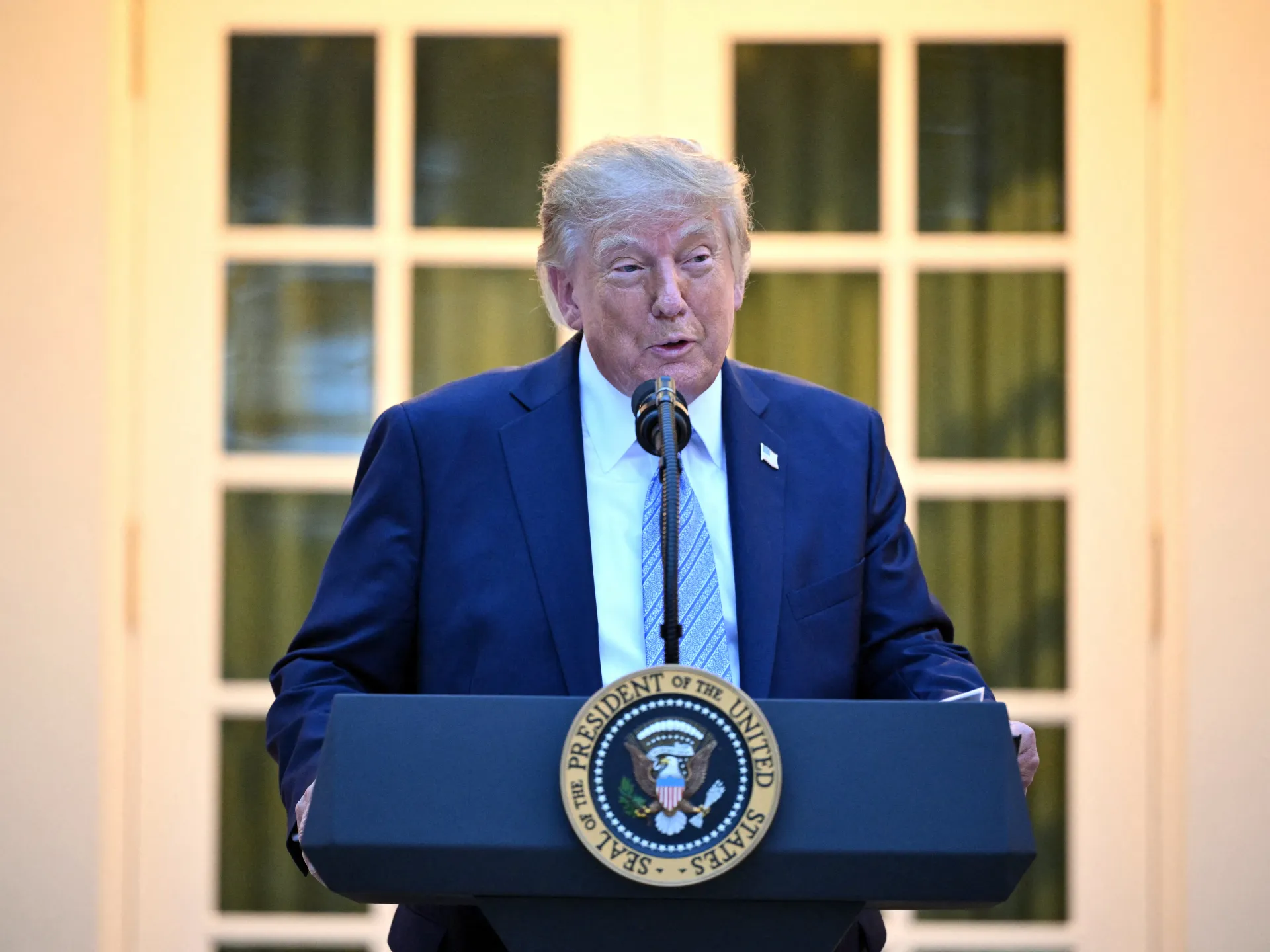
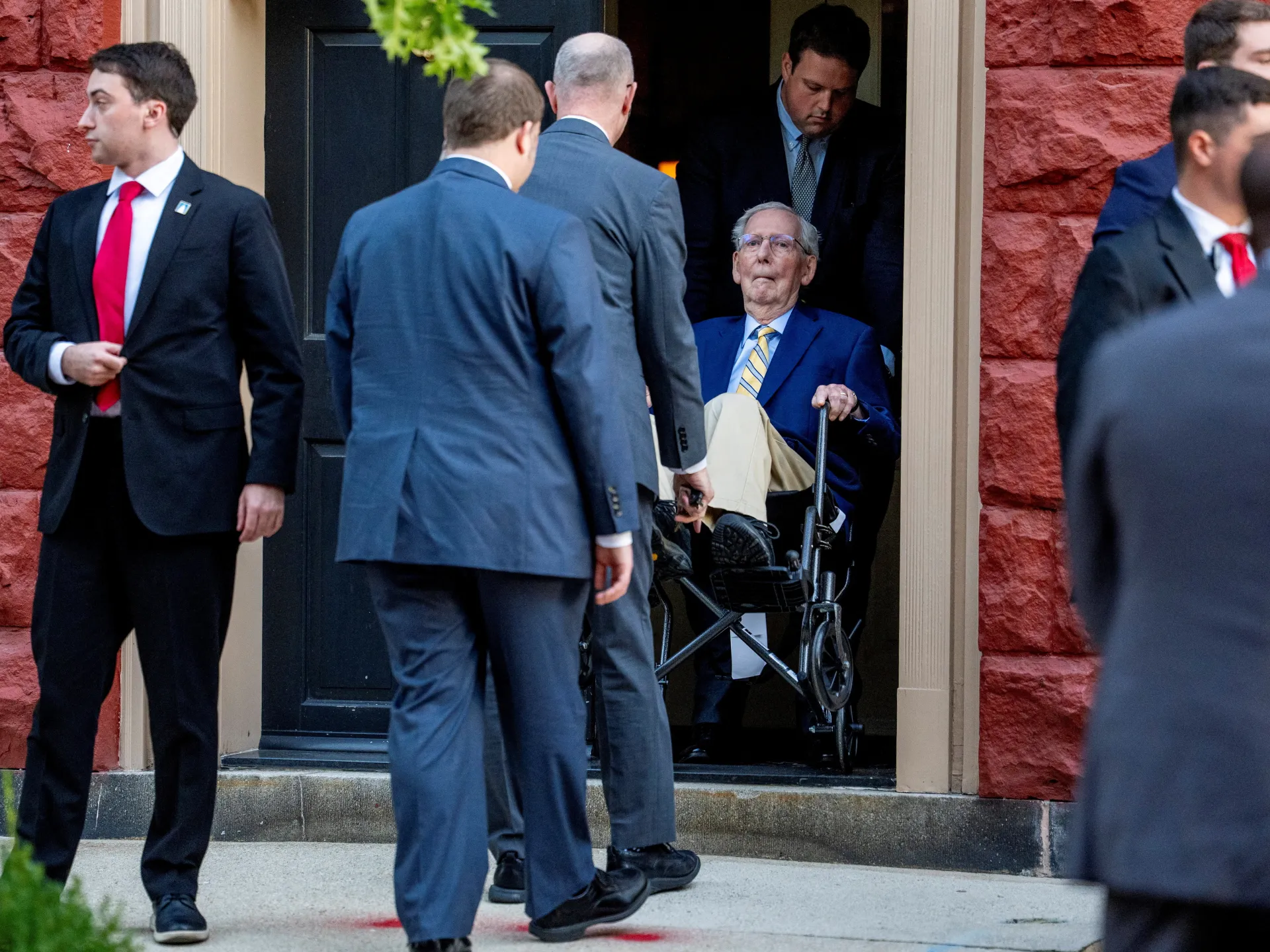
President Salva Kiir formalised his control this week nding the power-sharing arrangement established under the 2018 peace deal. The executive order mandates that all vice presidents be removed from their positions, leaving the president as the primary authority figure until the scheduled December 22 elections. This development follows a rapid succession of legal adjustments, including amendments to the National Elections Act that were approved esident to retain his seat through the election period, circumventing prior requirements that necessitated a census and a completed constitution before national polling could occur.
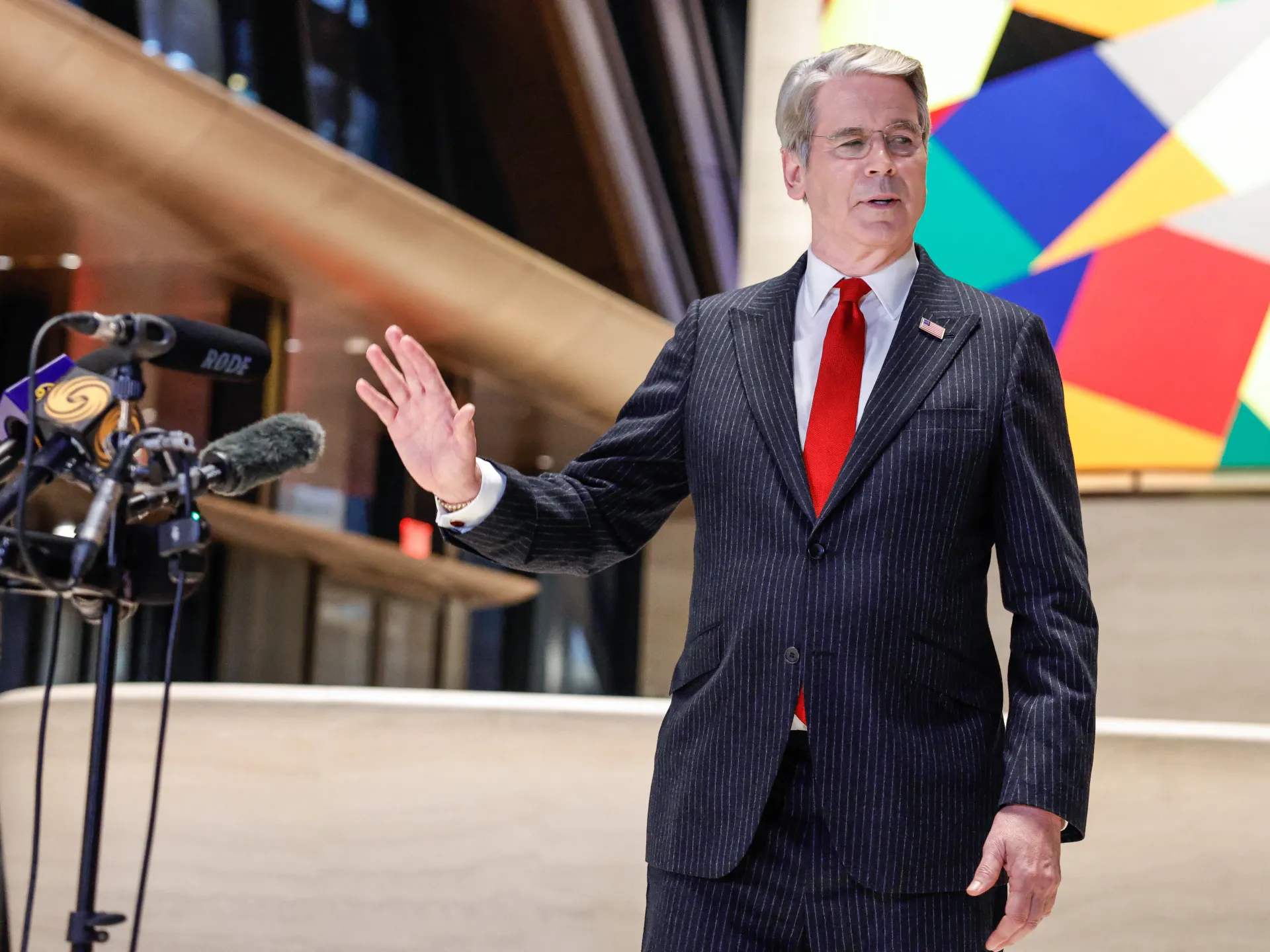
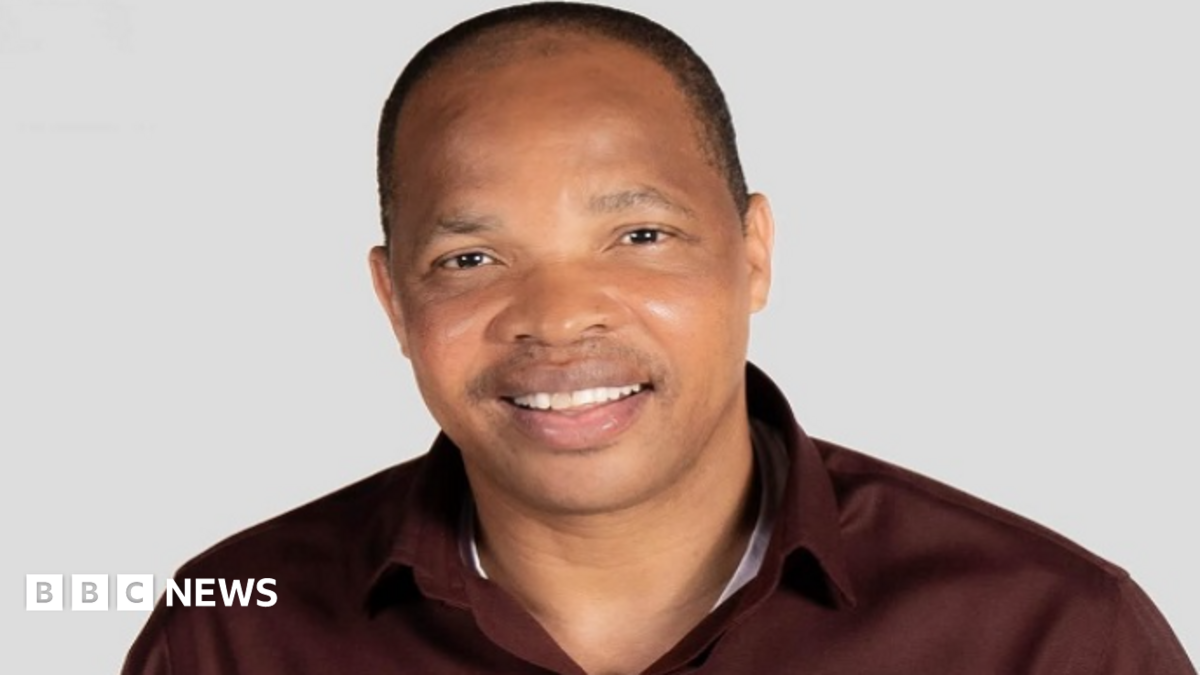
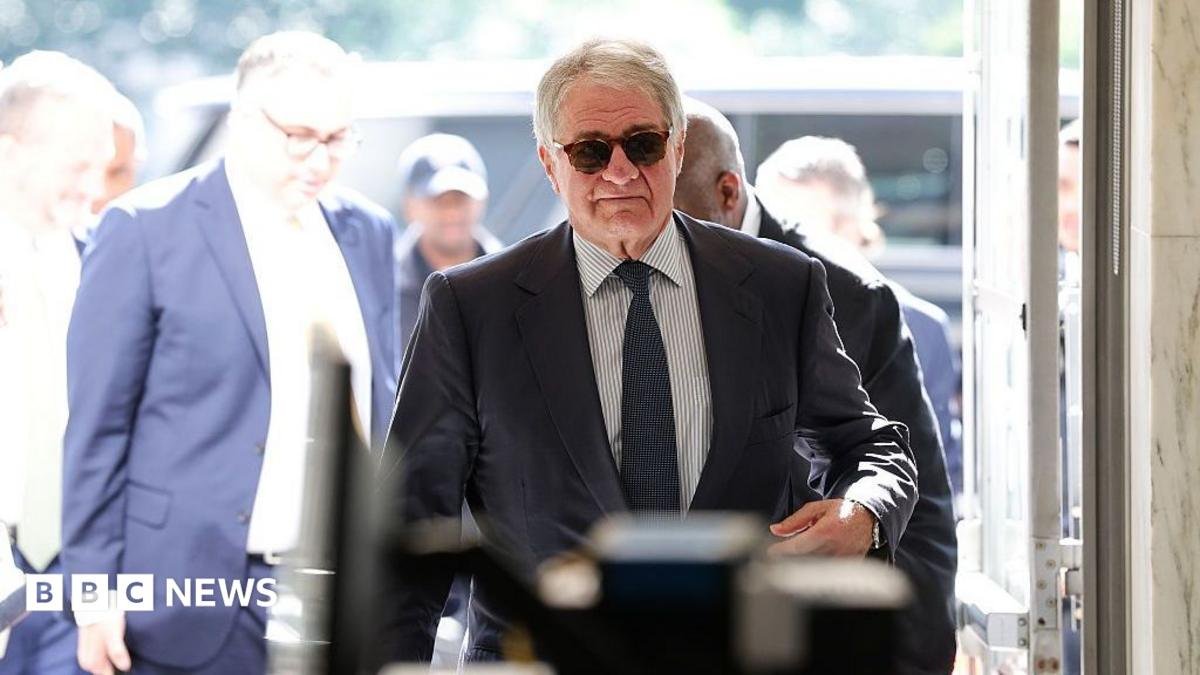
The transition toward the December vote has also seen significant turnover in the administrative apparatus overseeing the process. Last week, President Kiir replaced the head of the national elections commission, installing Gabriel Bol Deng Majok in the role. While Amnesty International has characterized the move toward an election as a decisive step for the country, domestic opposition figures and independent analysts have expressed skepticism. Critics, including former constitution drafting committee member Michael Wani, have argued that the removal of parliamentary and executive checks leaves the president with unchecked control. Furthermore, analysts such as Machot Amuom have noted that the ambiguity within the updated legal framework could theoretically provide the administration with the latitude to delay elections indefinitely.
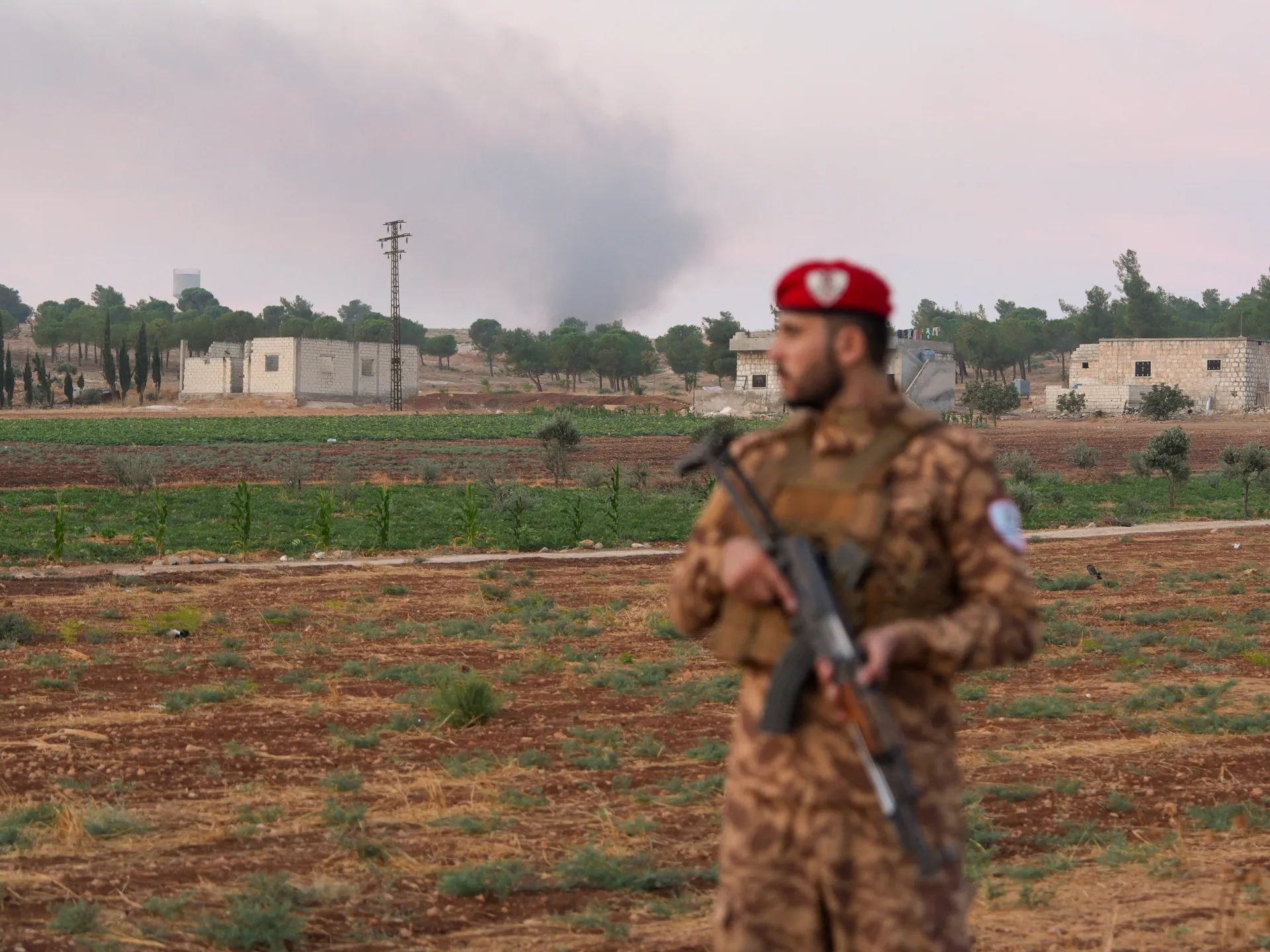
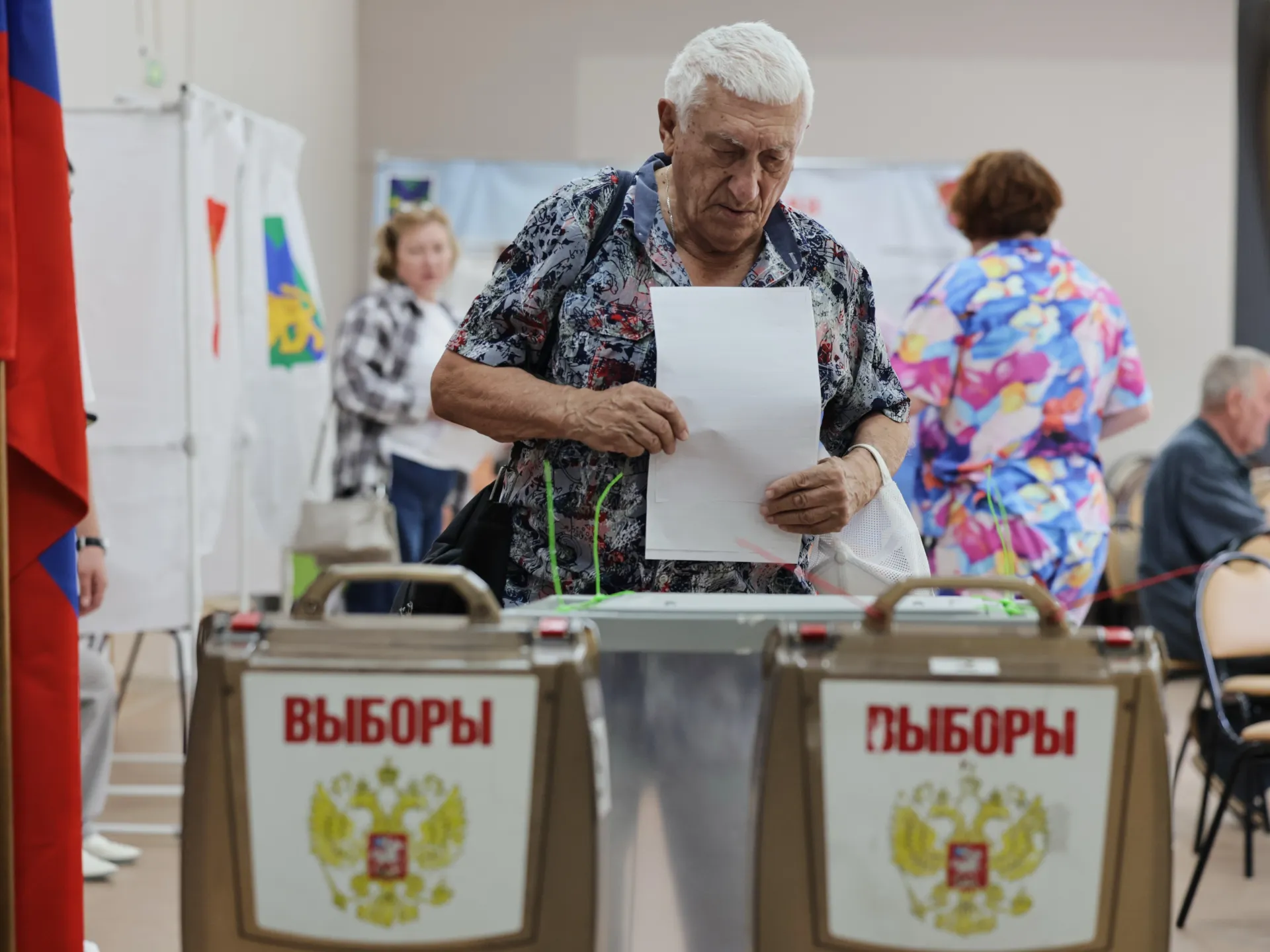
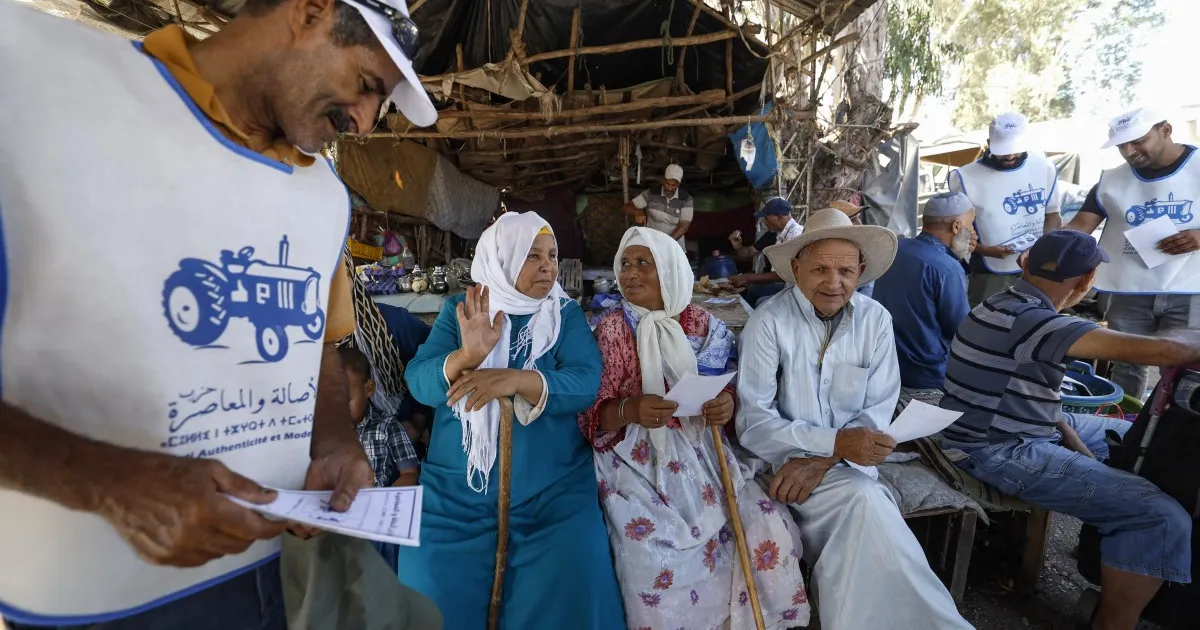
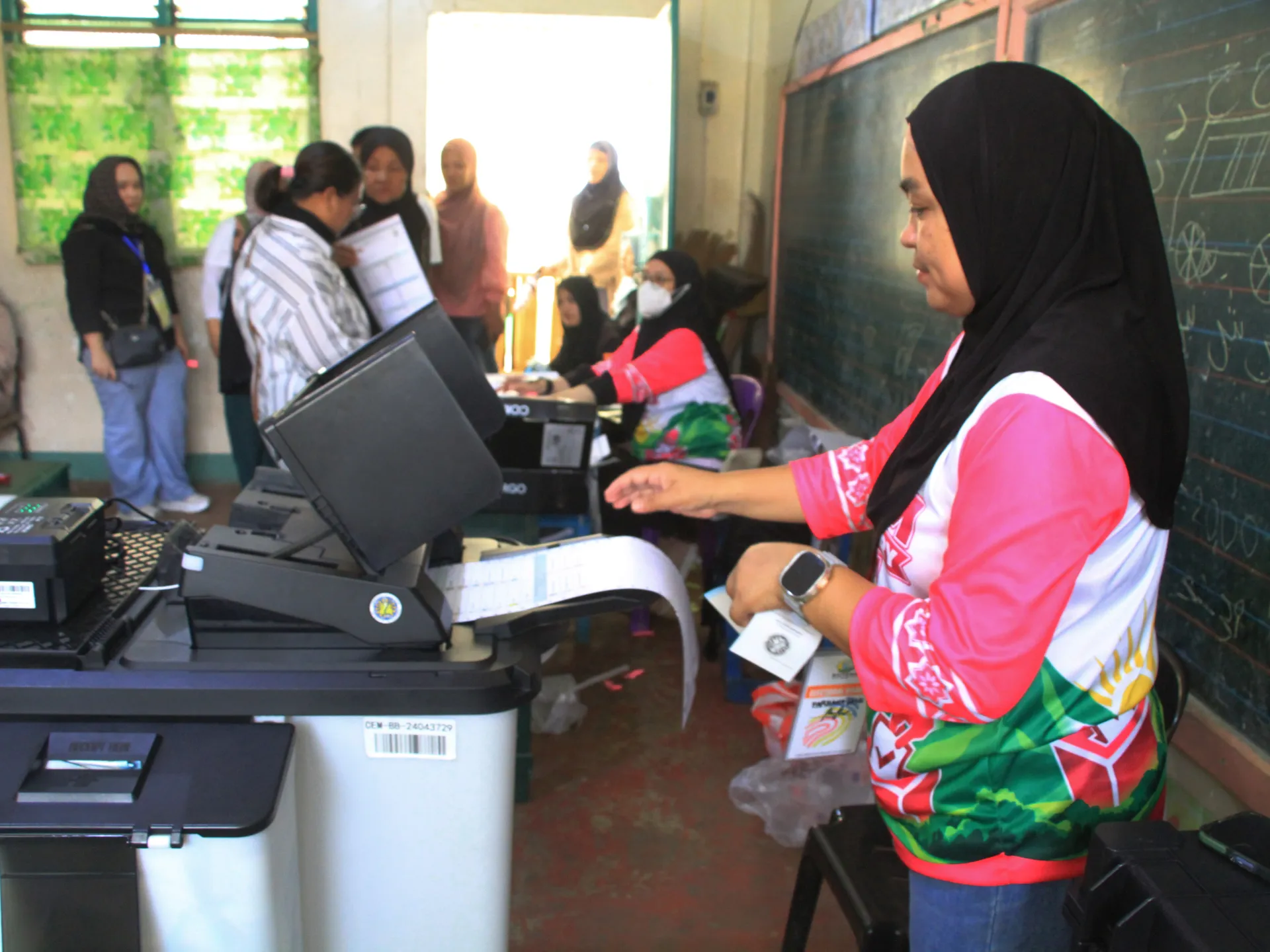
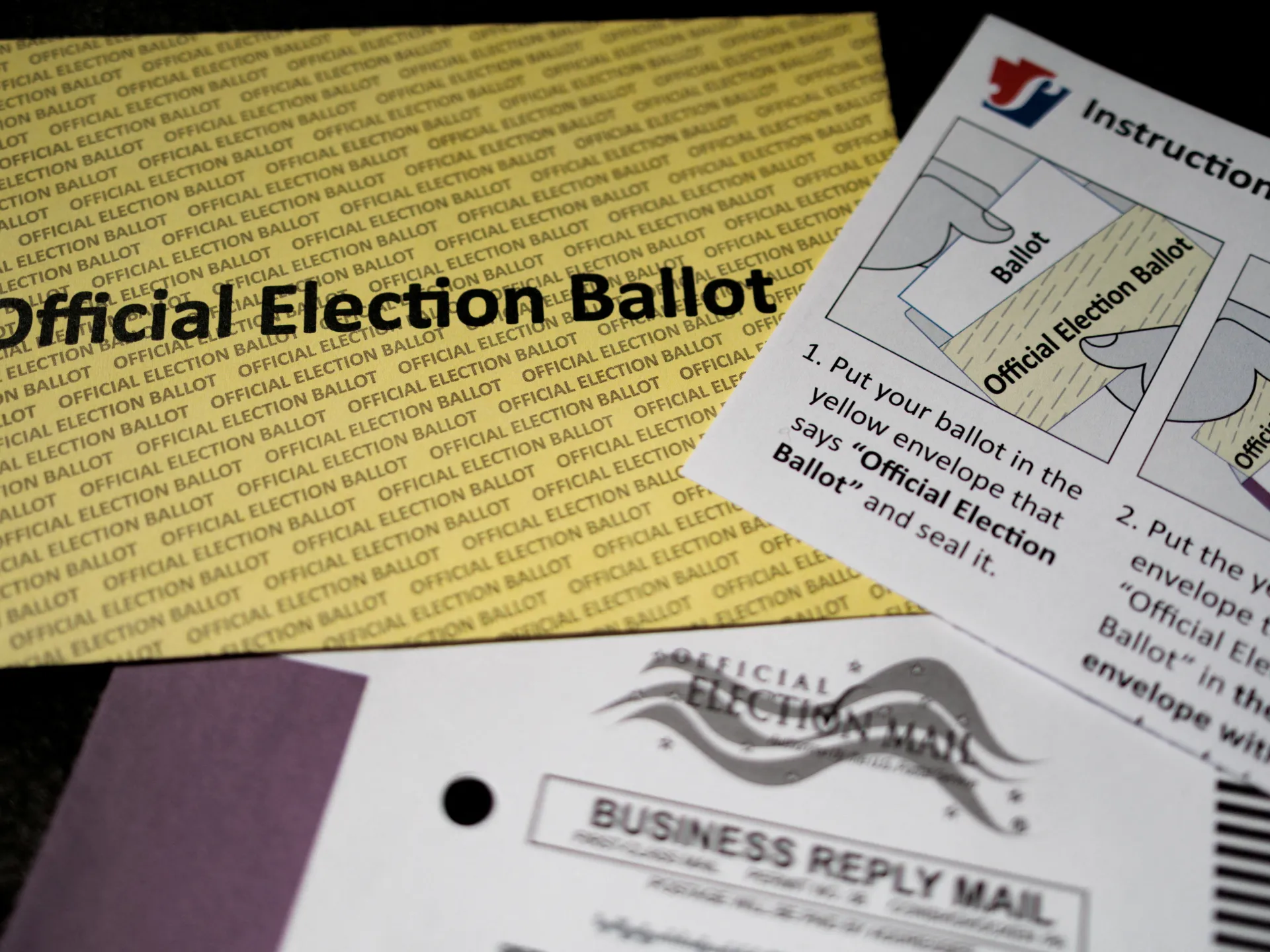
With the legislative and executive bodies now dissolved, the immediate focus shifts to the logistical execution of the December 22 election. The absence of a permanent constitution and a verified census suggests that the electoral process will rely on an interim legal framework, which may invite further challenges from opposition alliances that have already signaled their disapproval. The stability of this transition will depend heavily on the ability of the security and judicial institutions—which remain in place under the current decree—to maintain order and public confidence. International observers are expected to monitor whether the caretaker administration can successfully facilitate a competitive electoral environment, or if the current centralization of power will lead to increased political isolation for the government in the months preceding the vote.