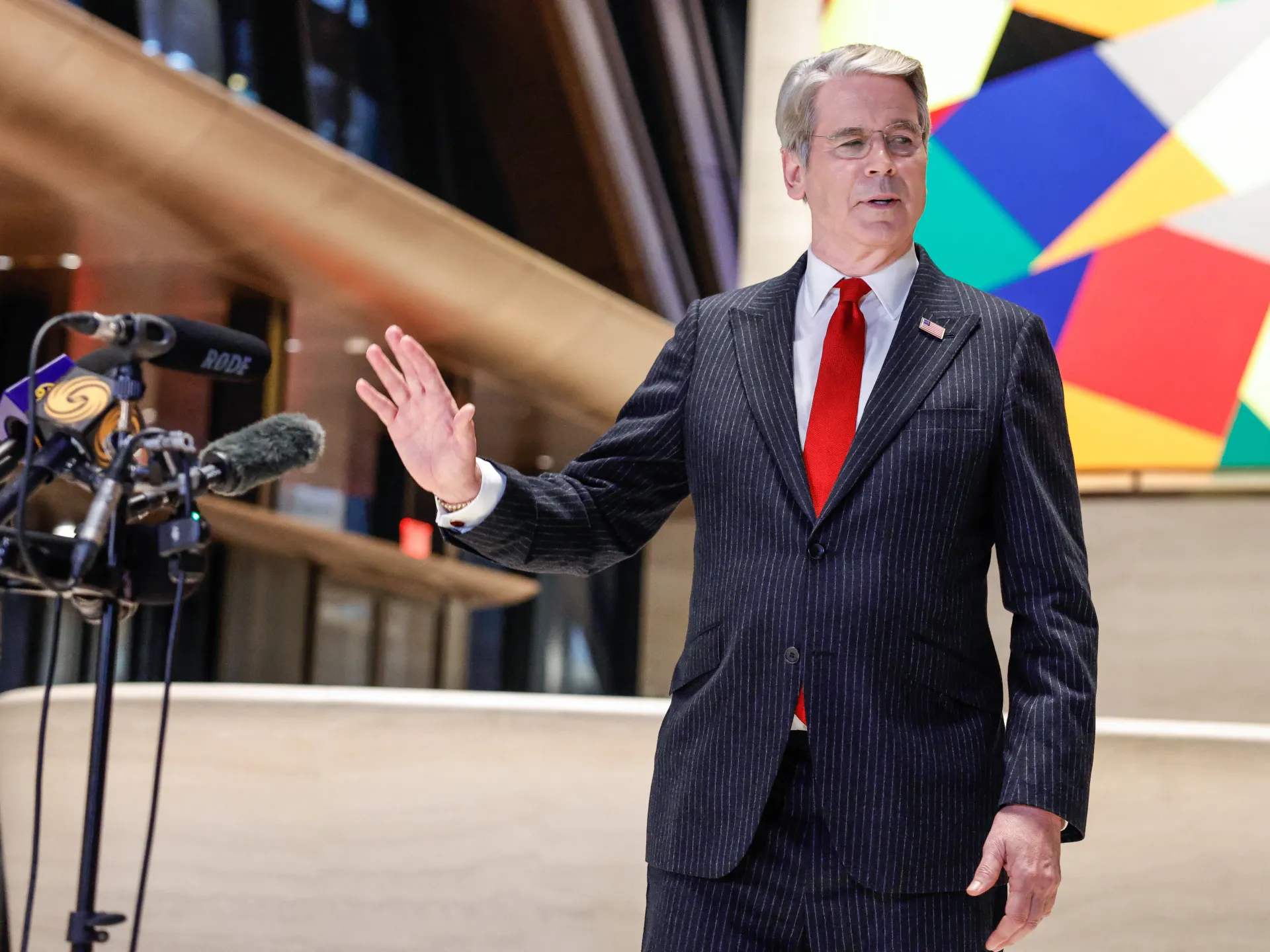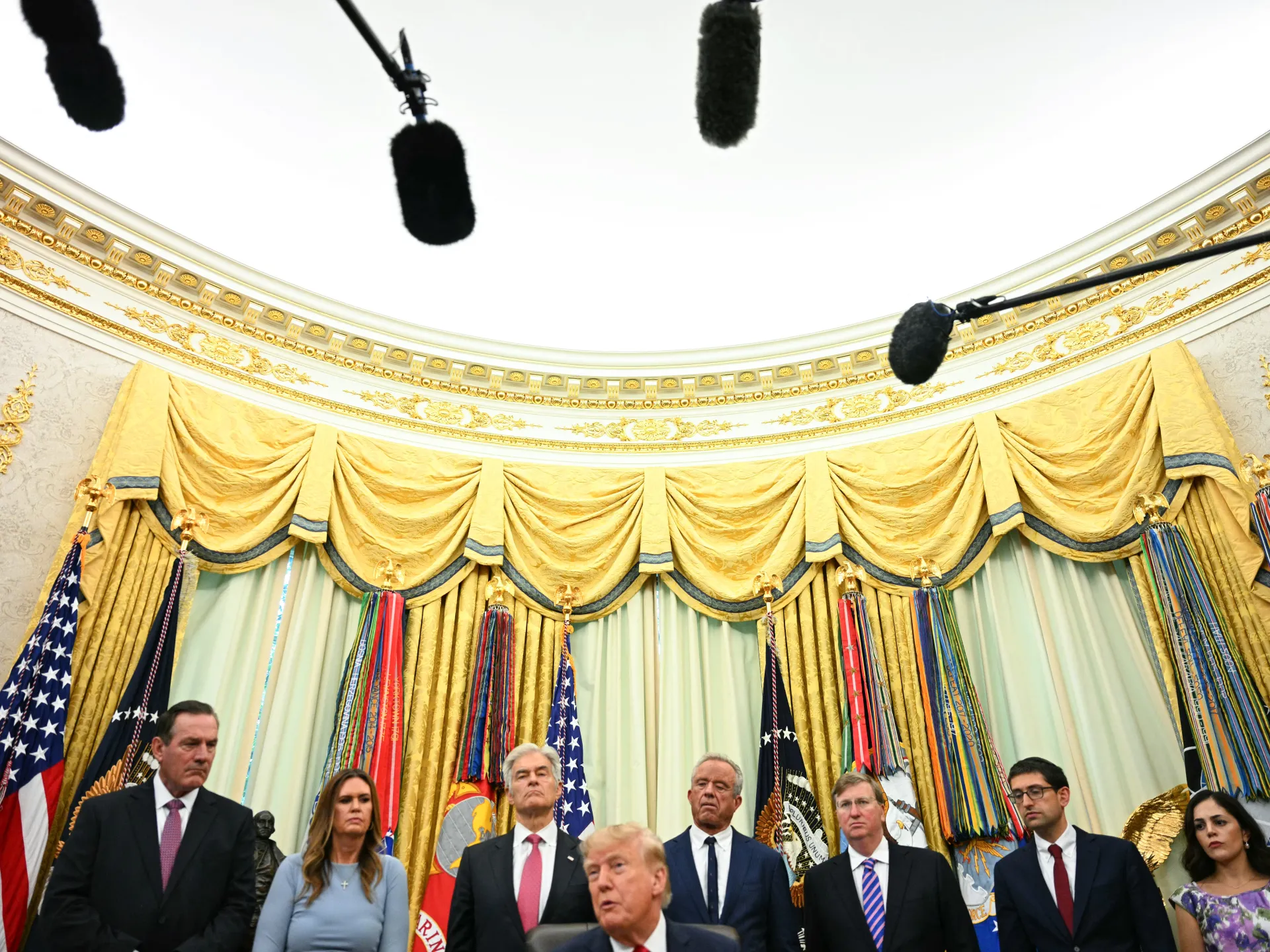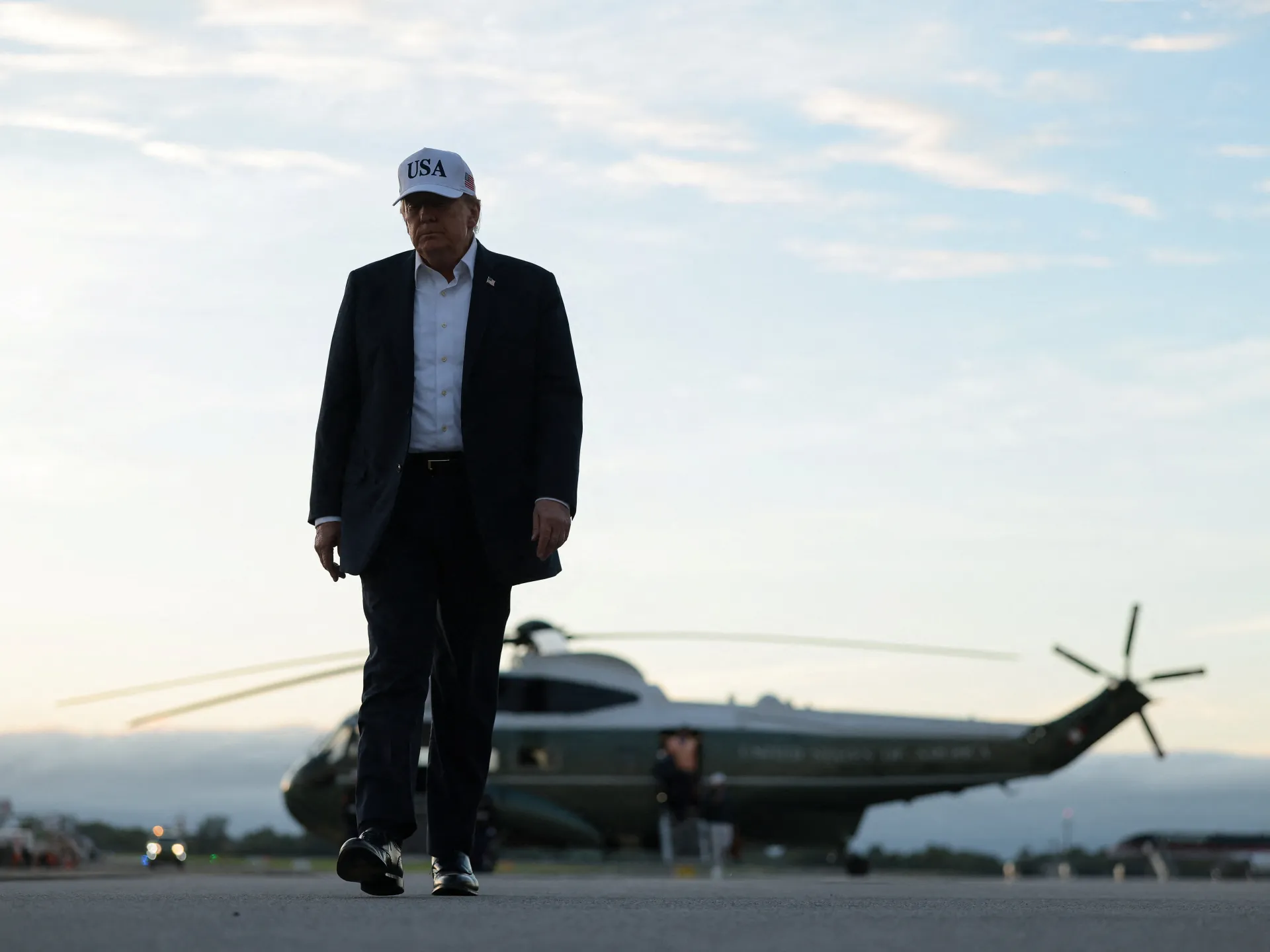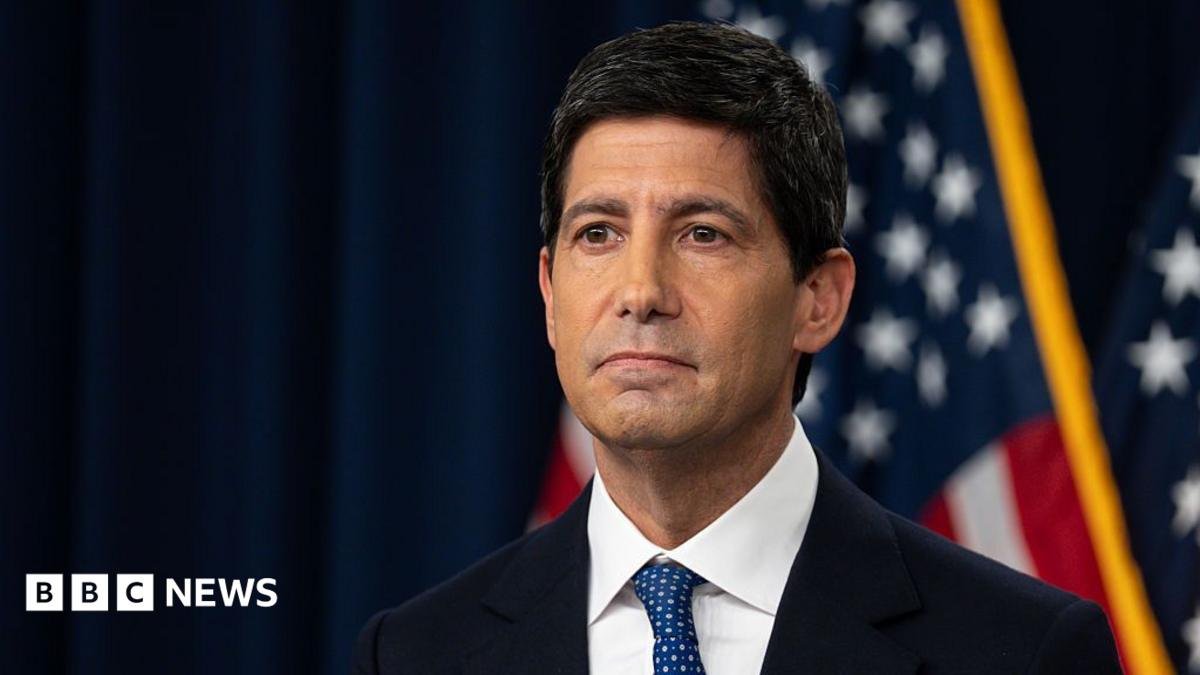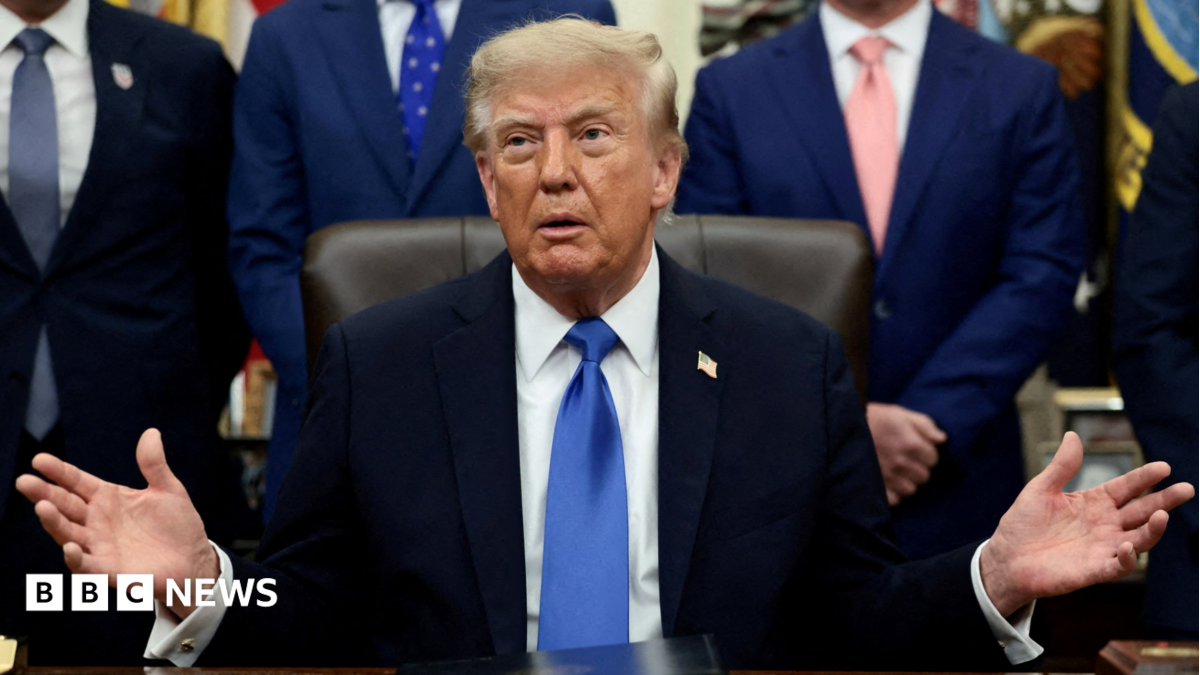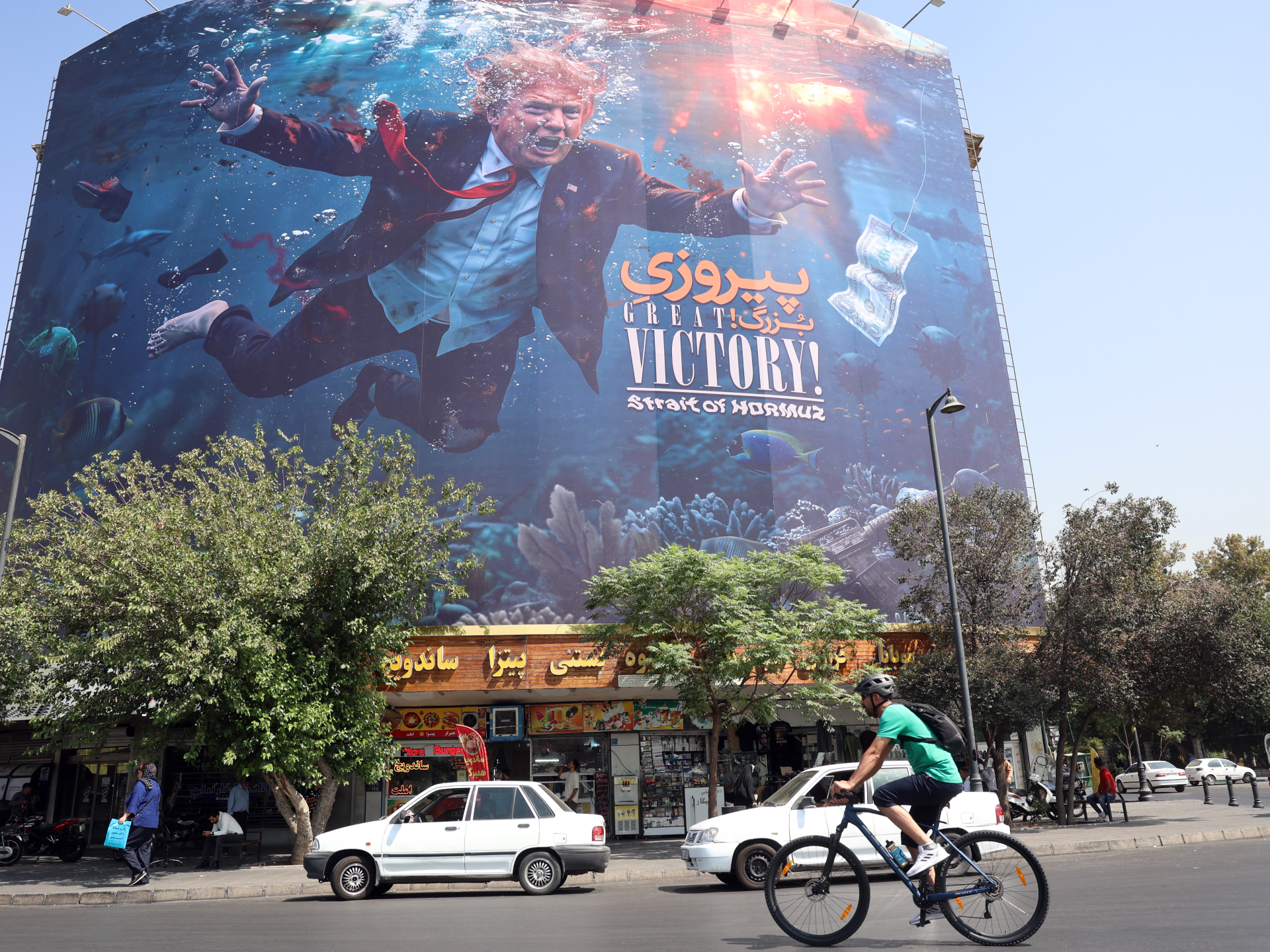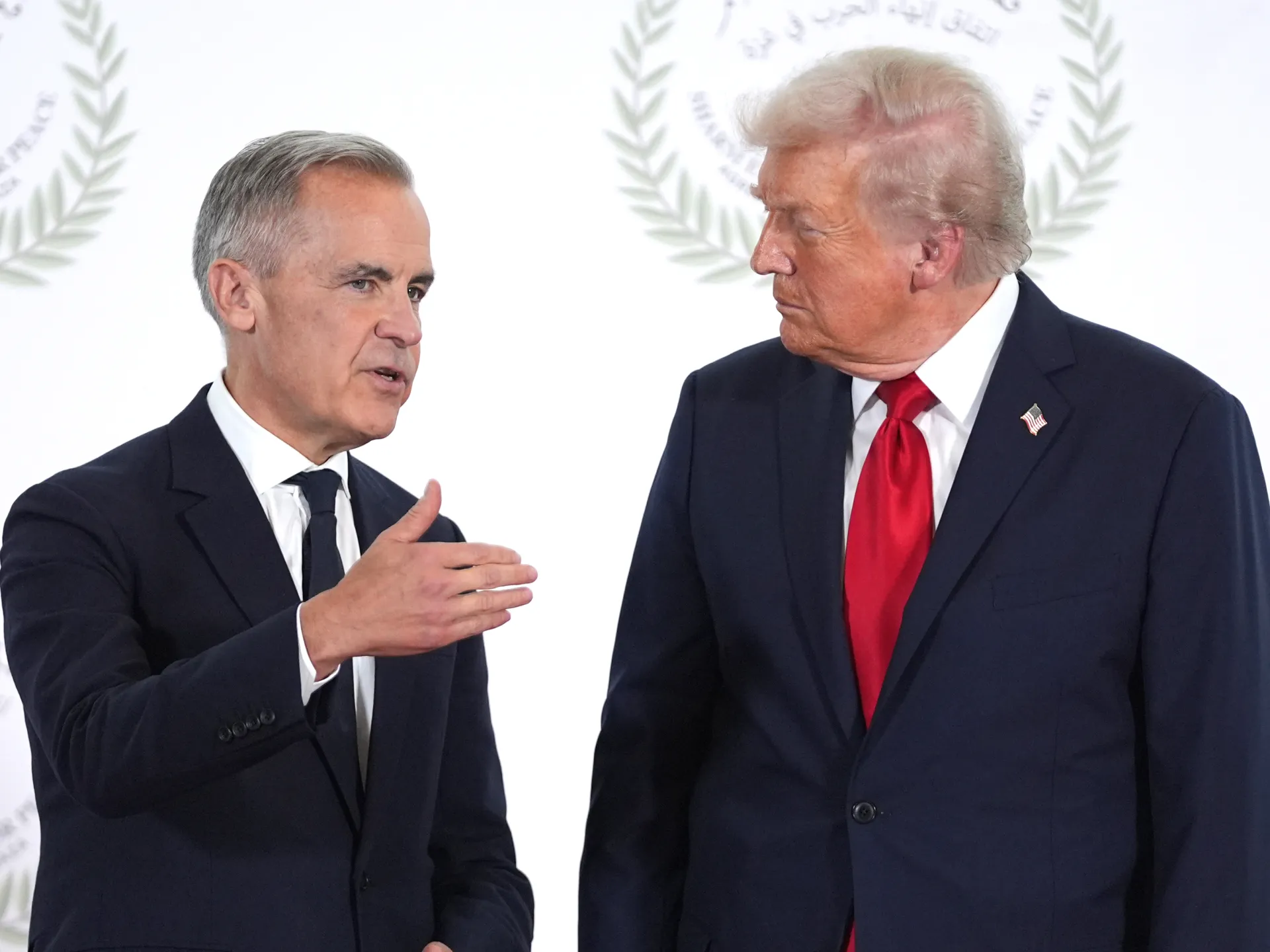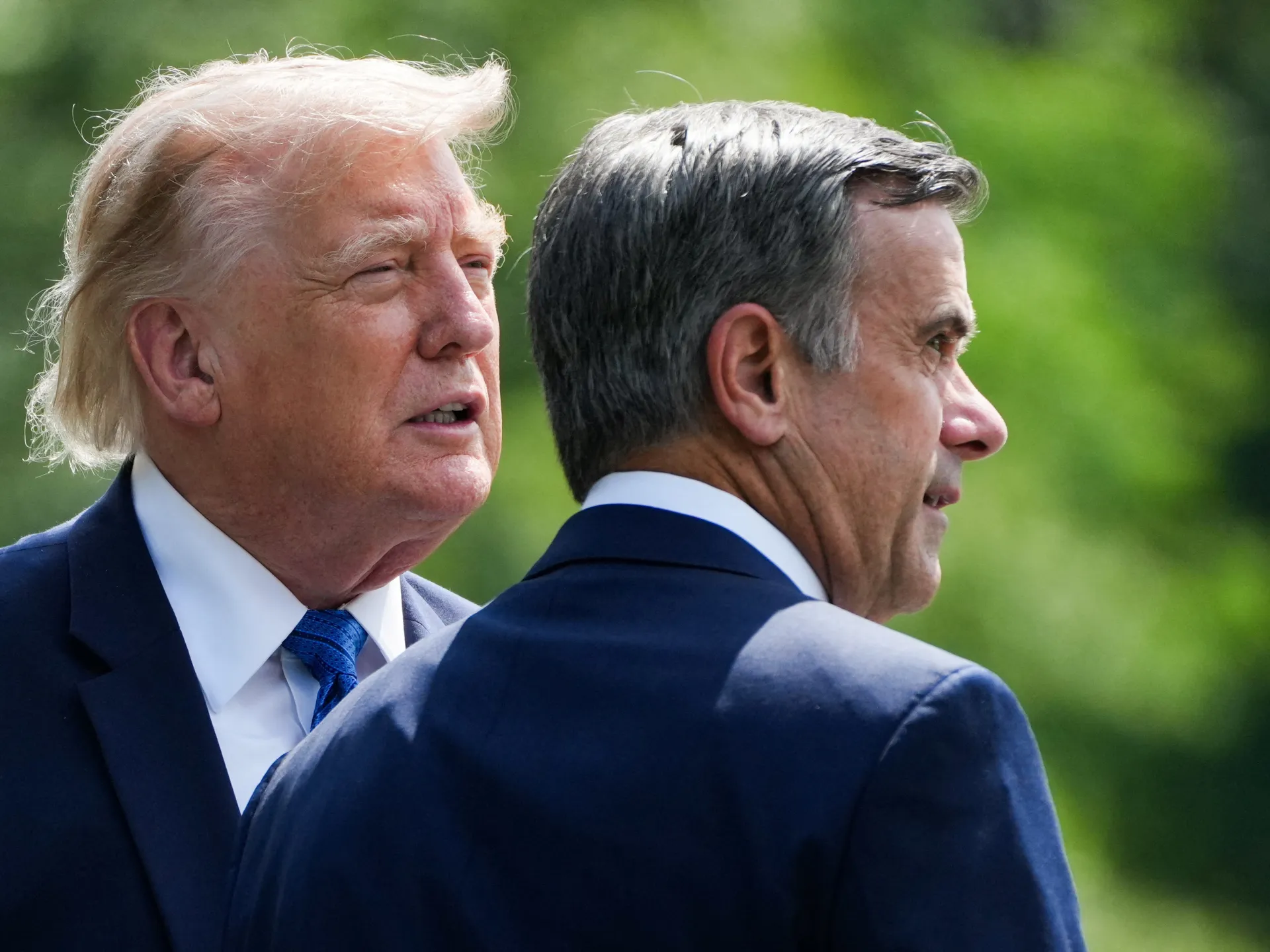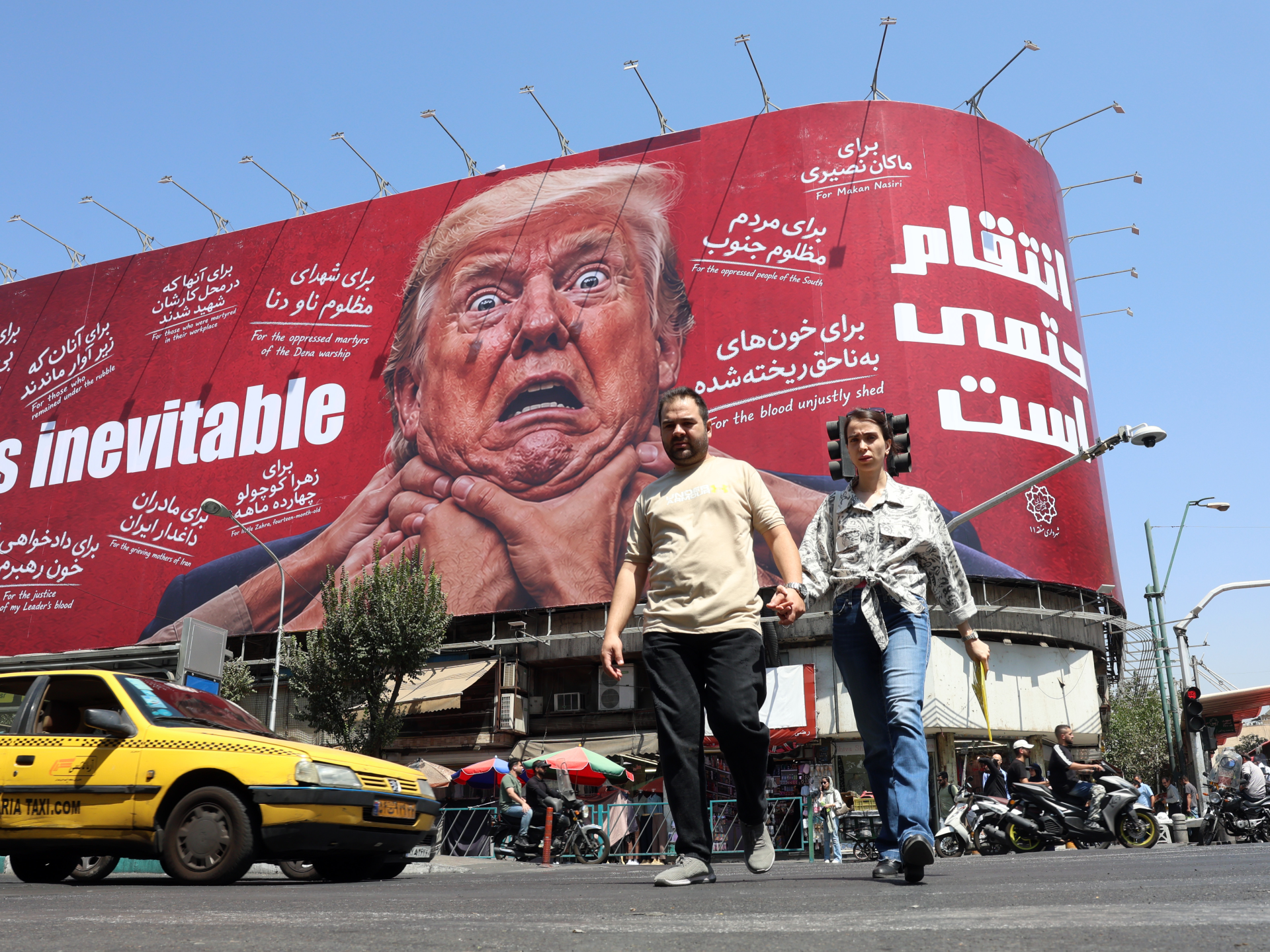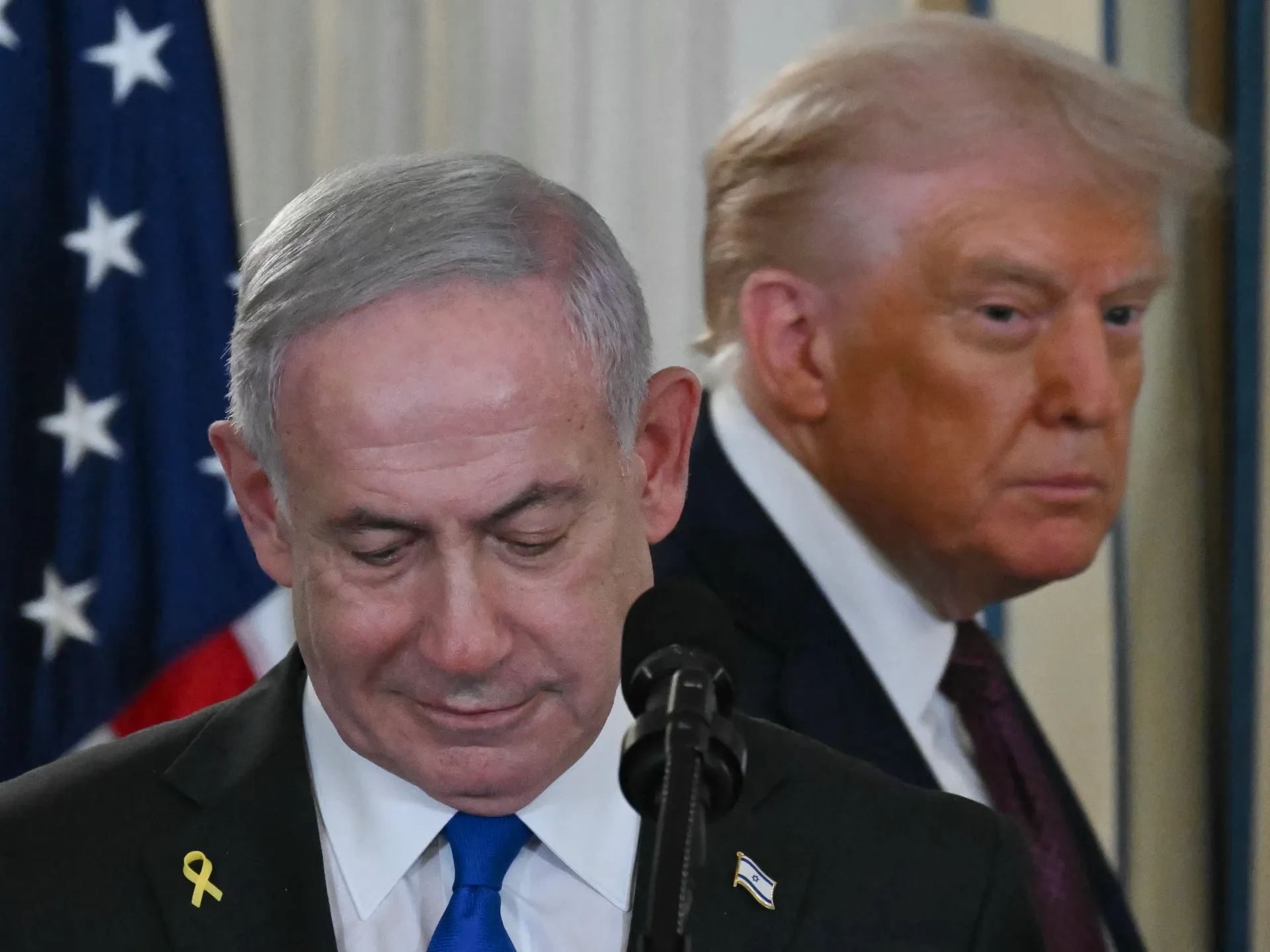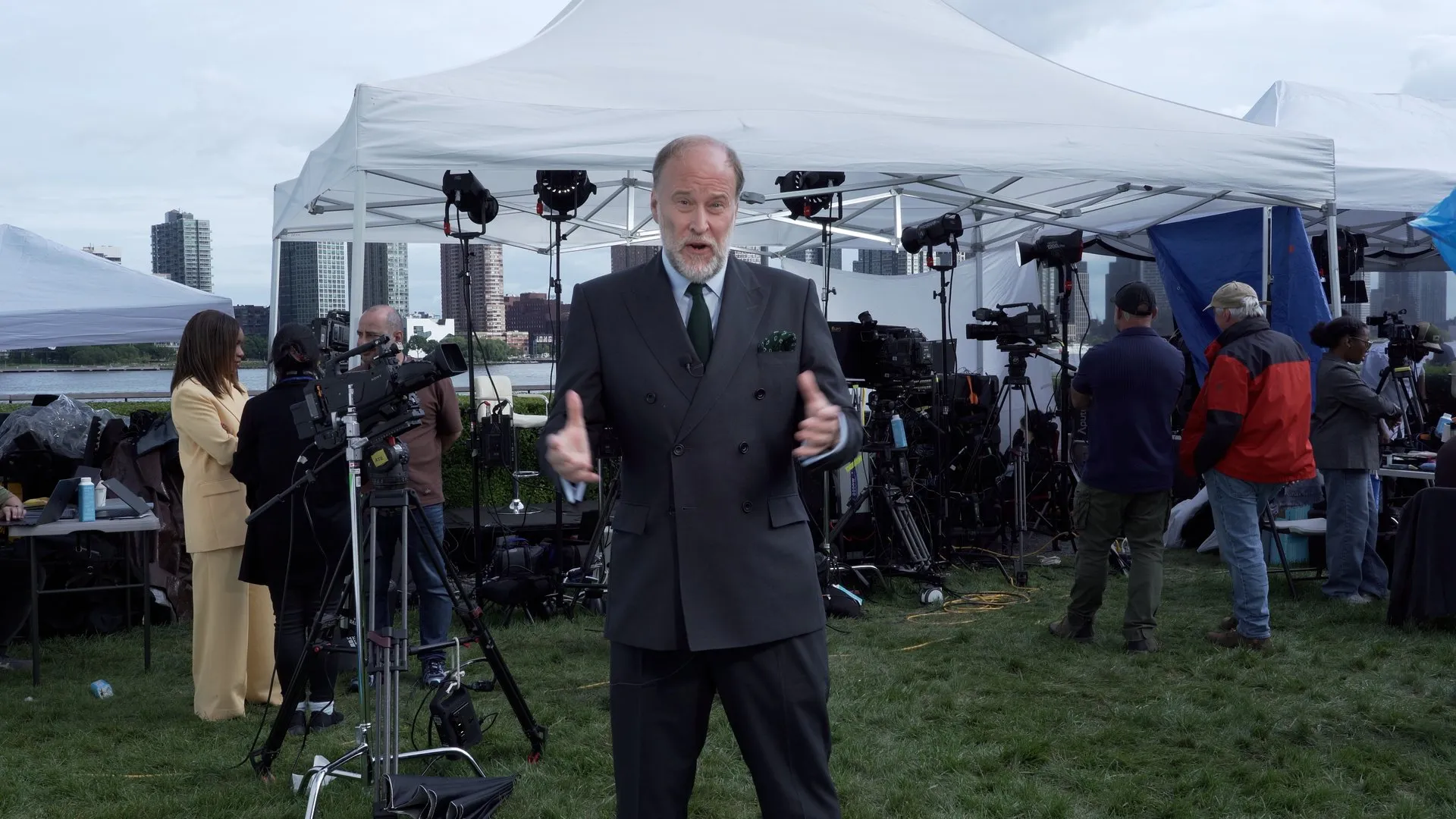
Despite President Trump's public threats of annihilation, US and Iranian officials held three hours of direct talks on the sidelines of the UN General Assembly.
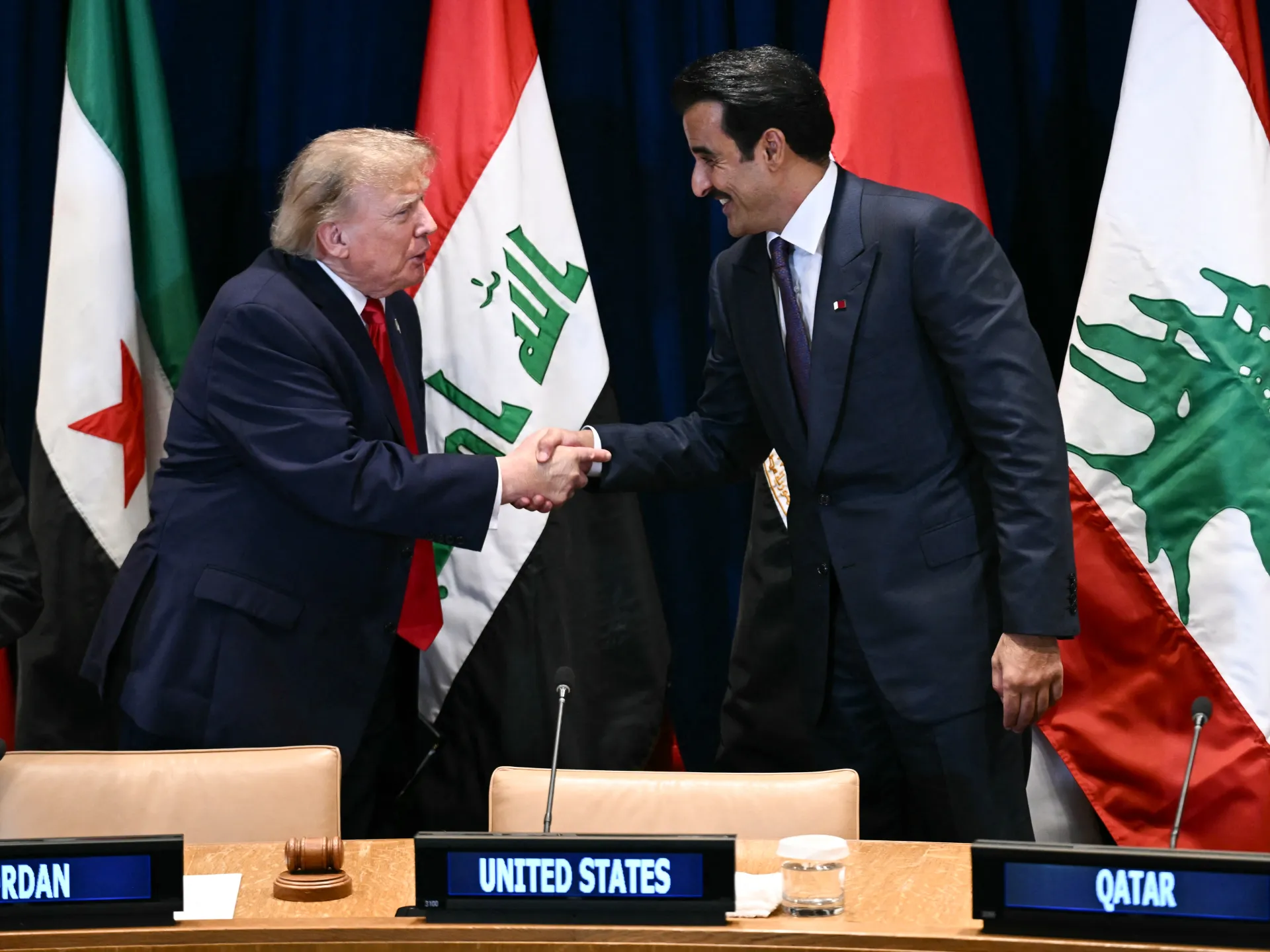
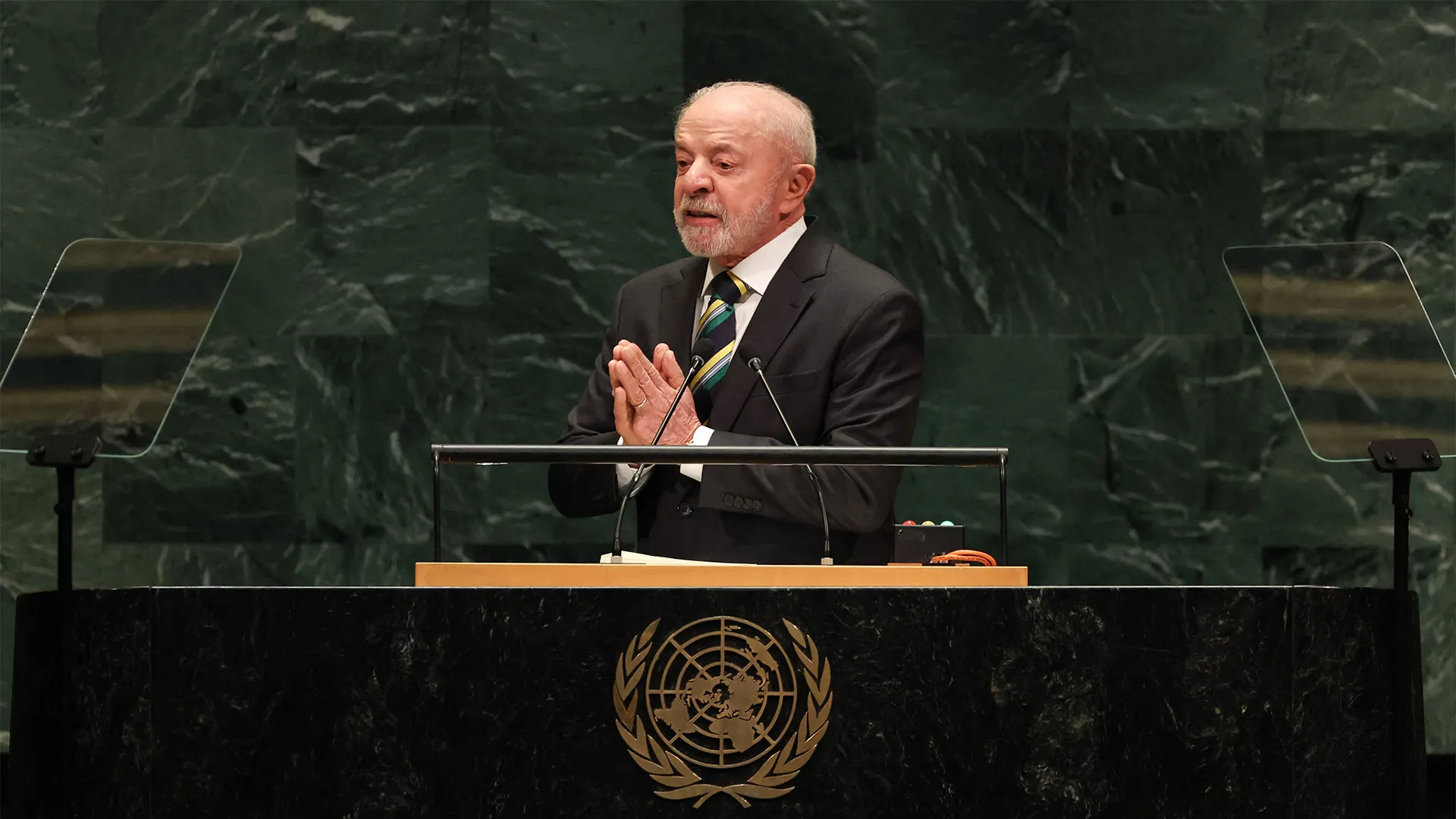
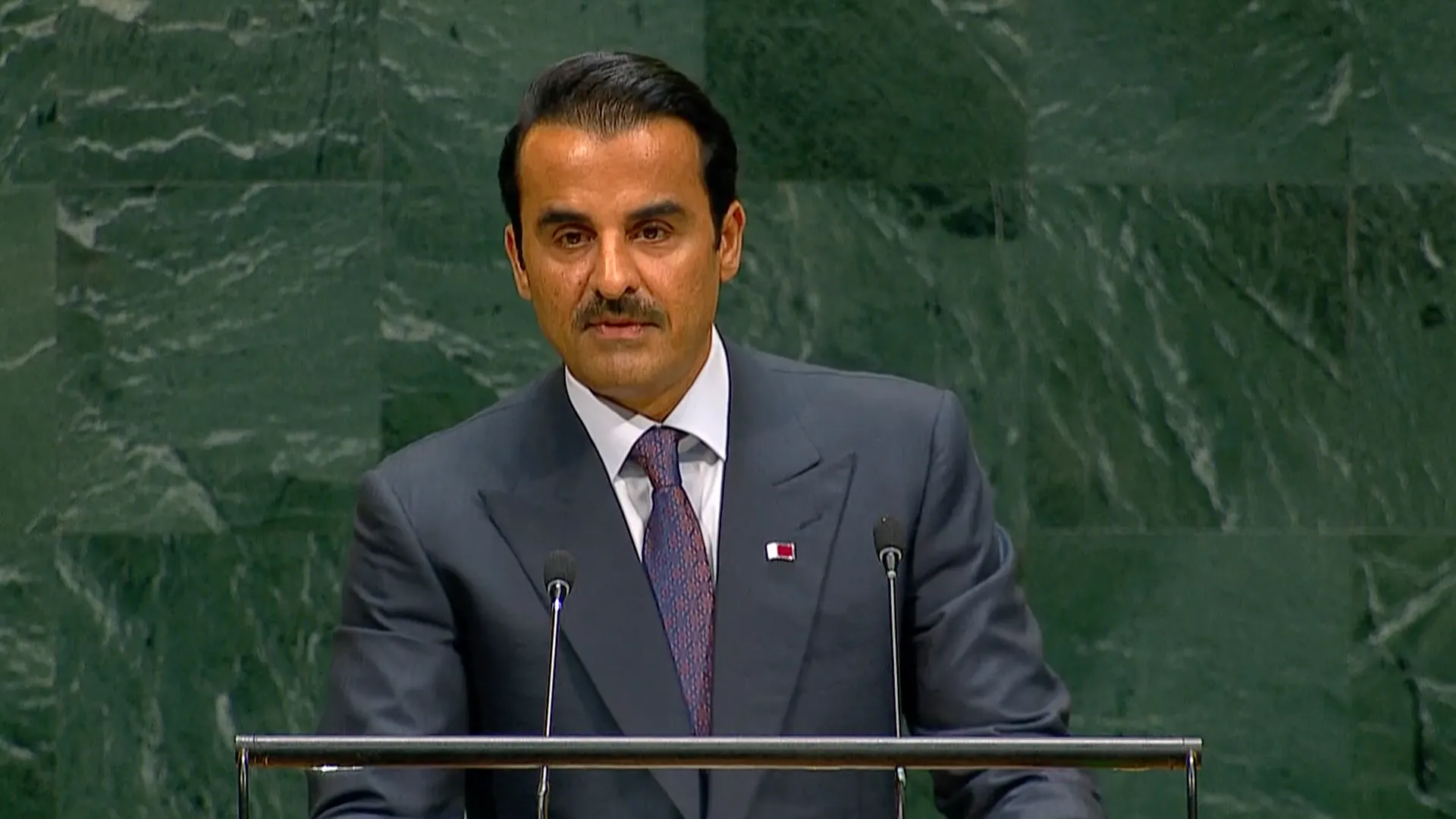
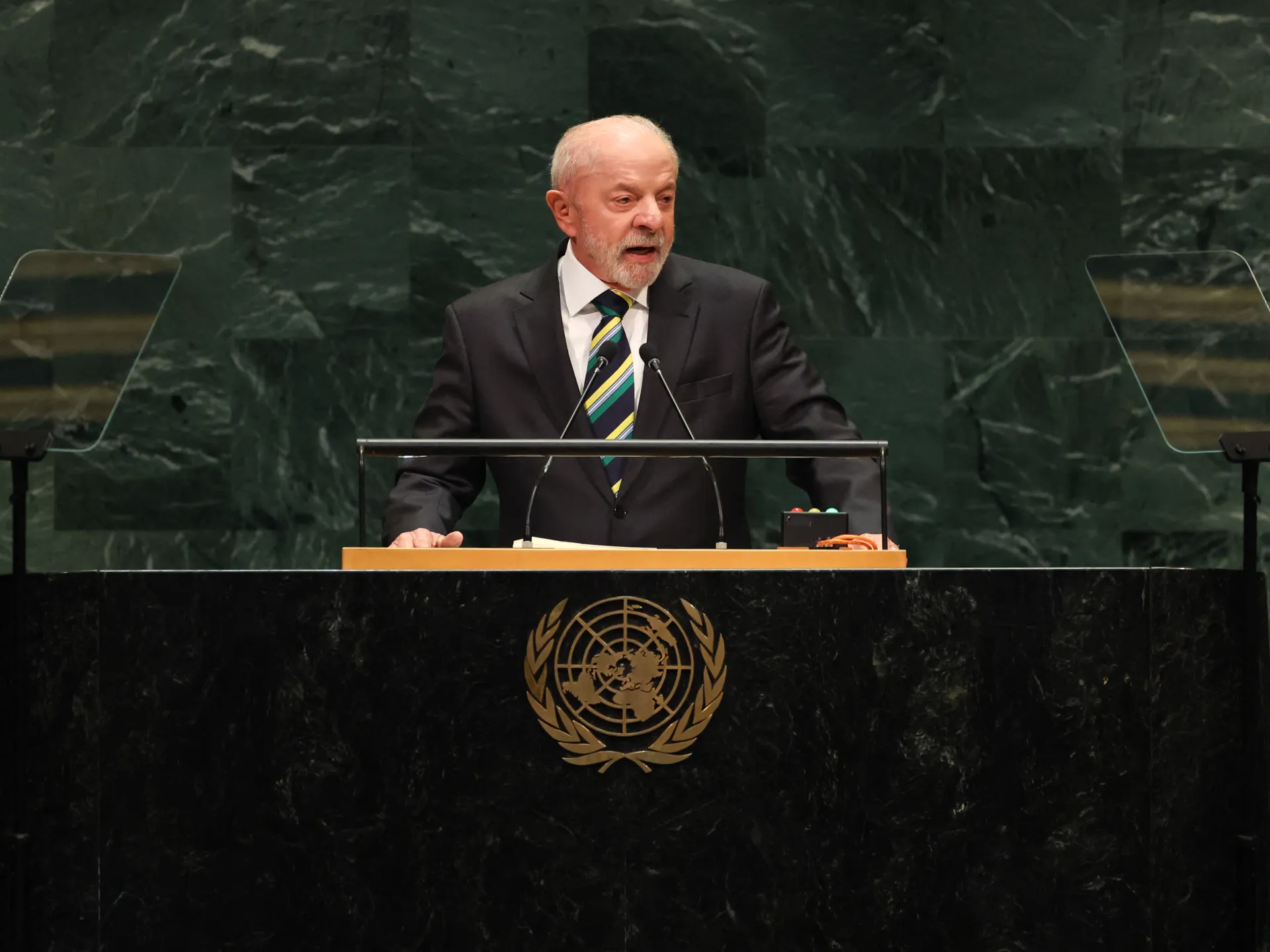
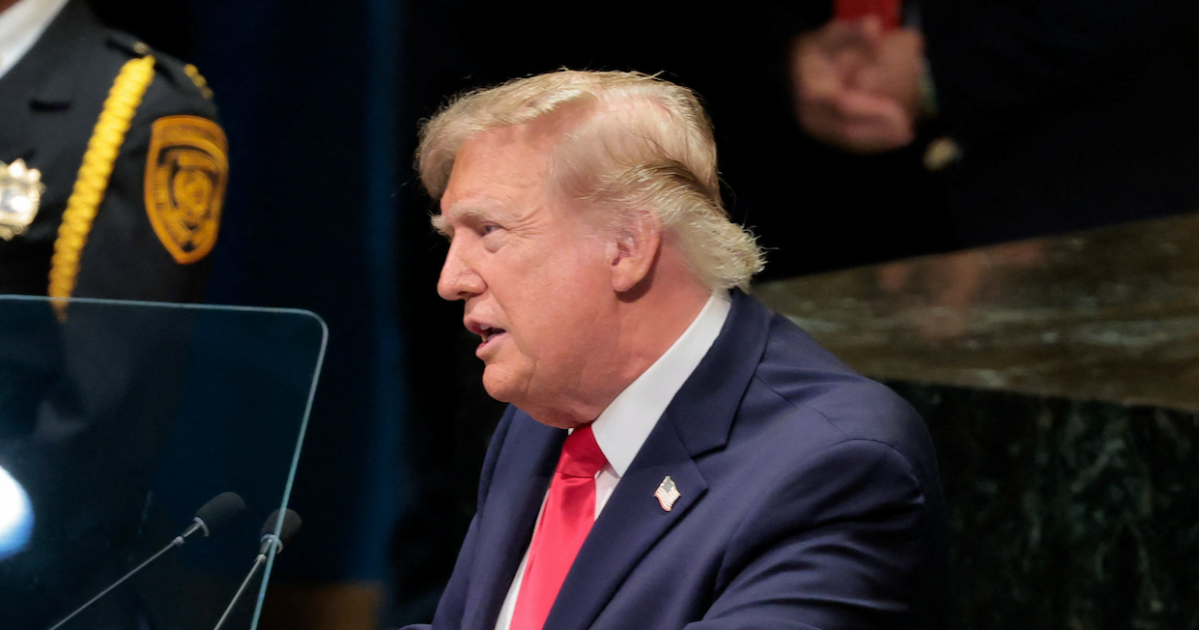
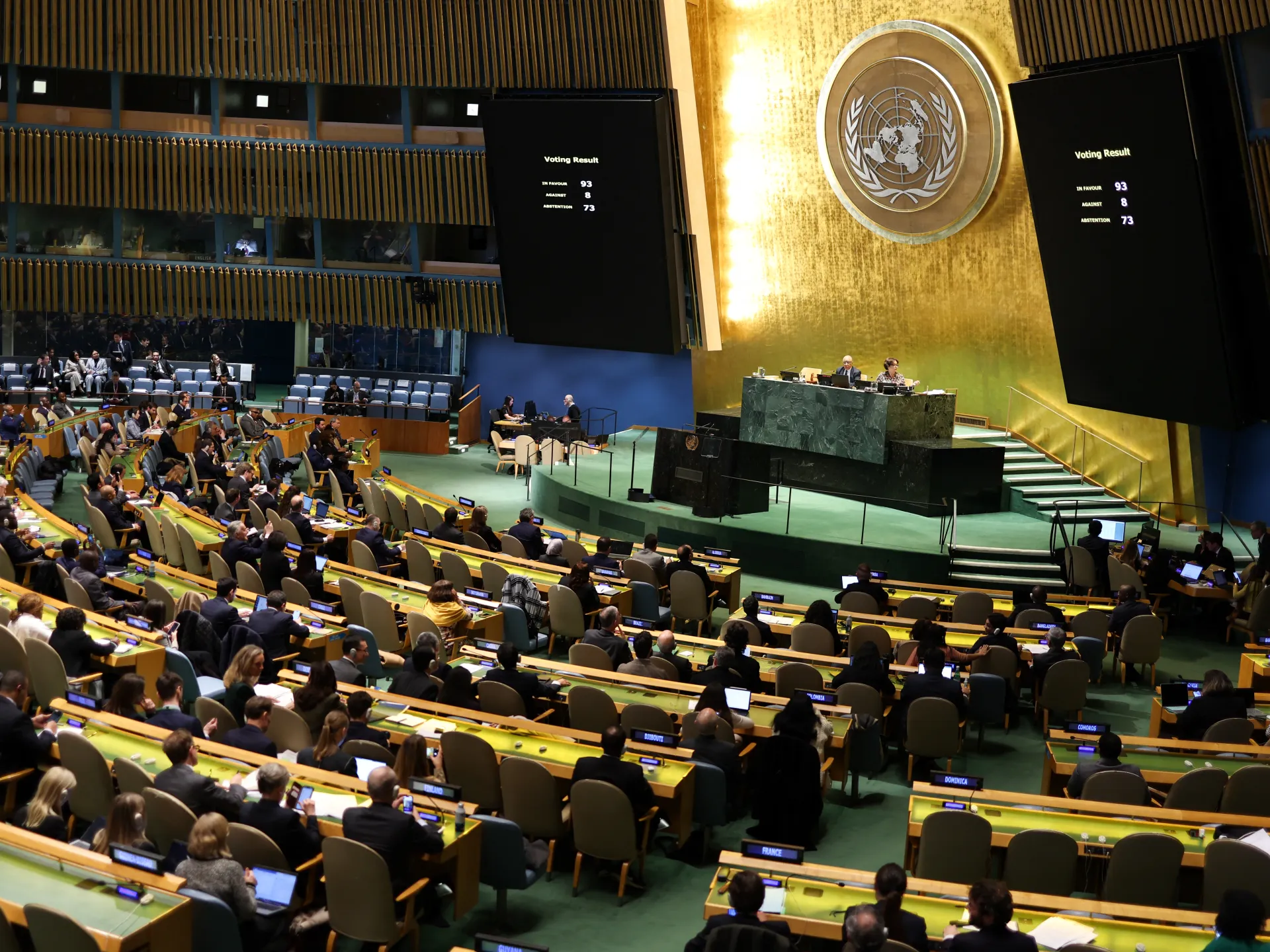
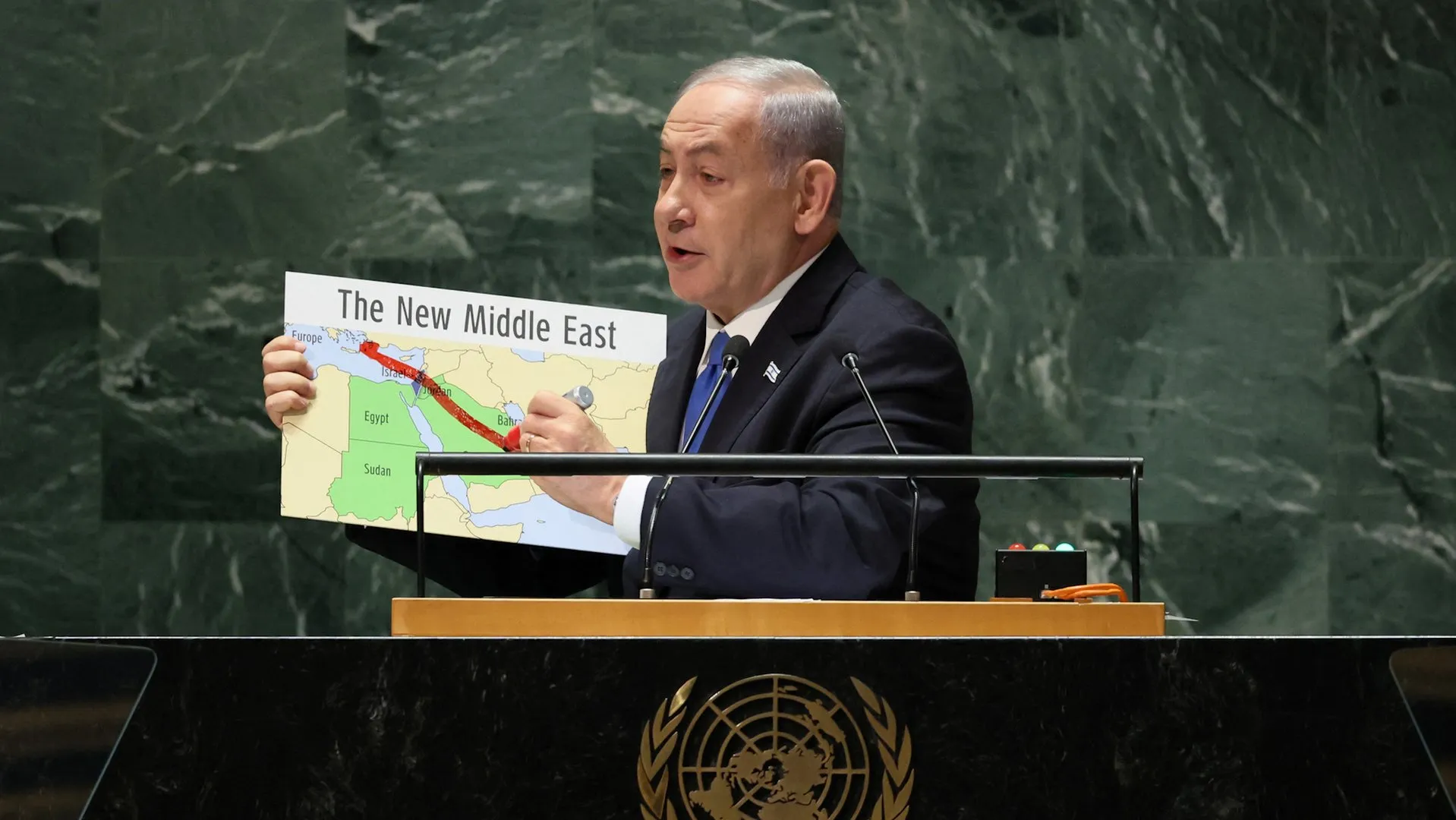
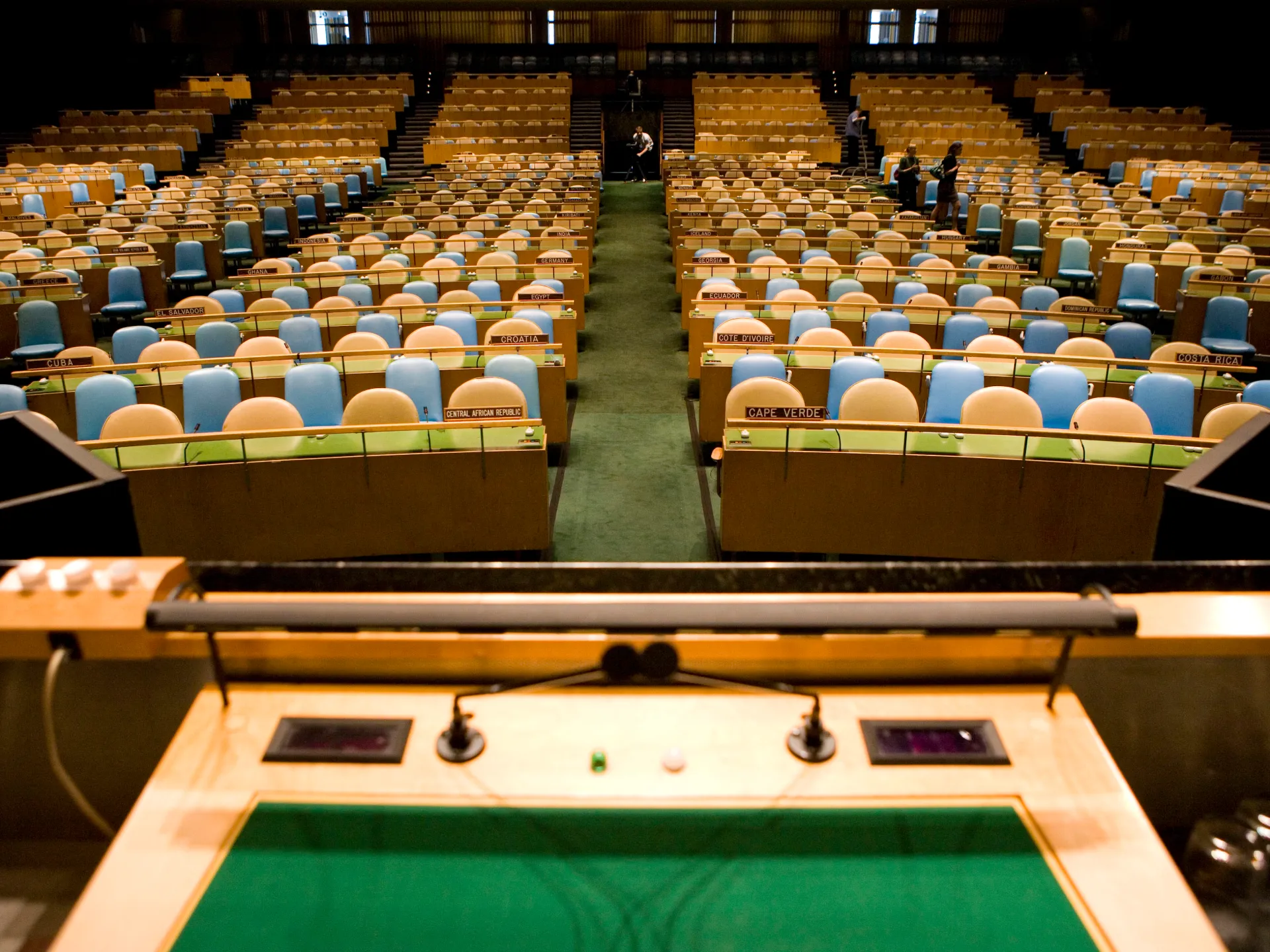
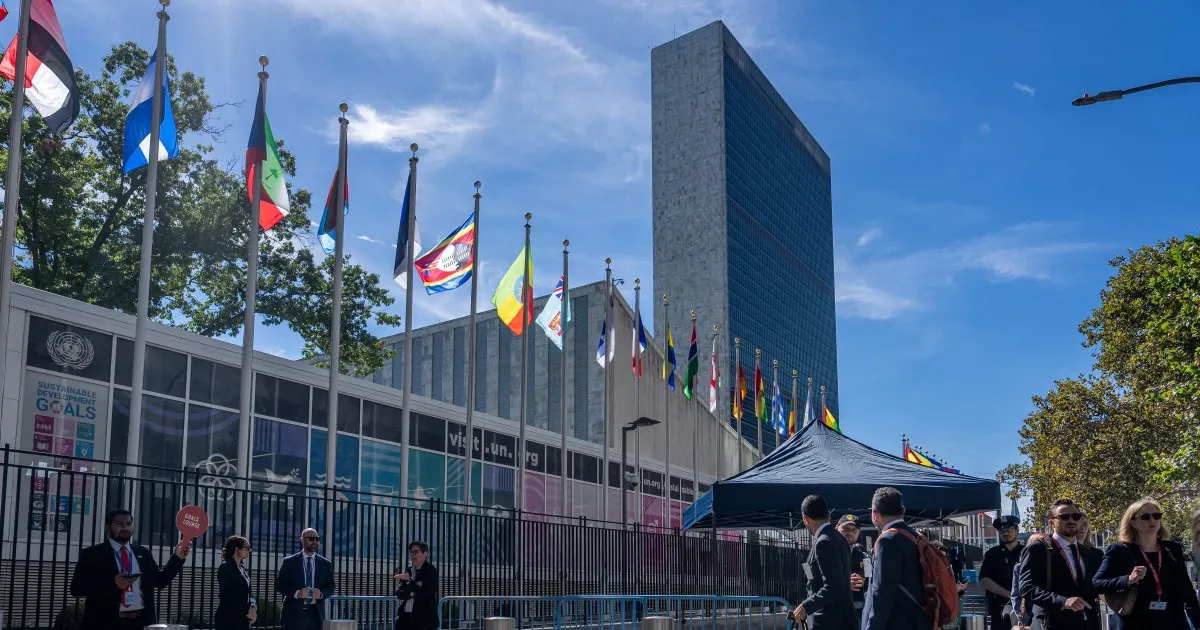
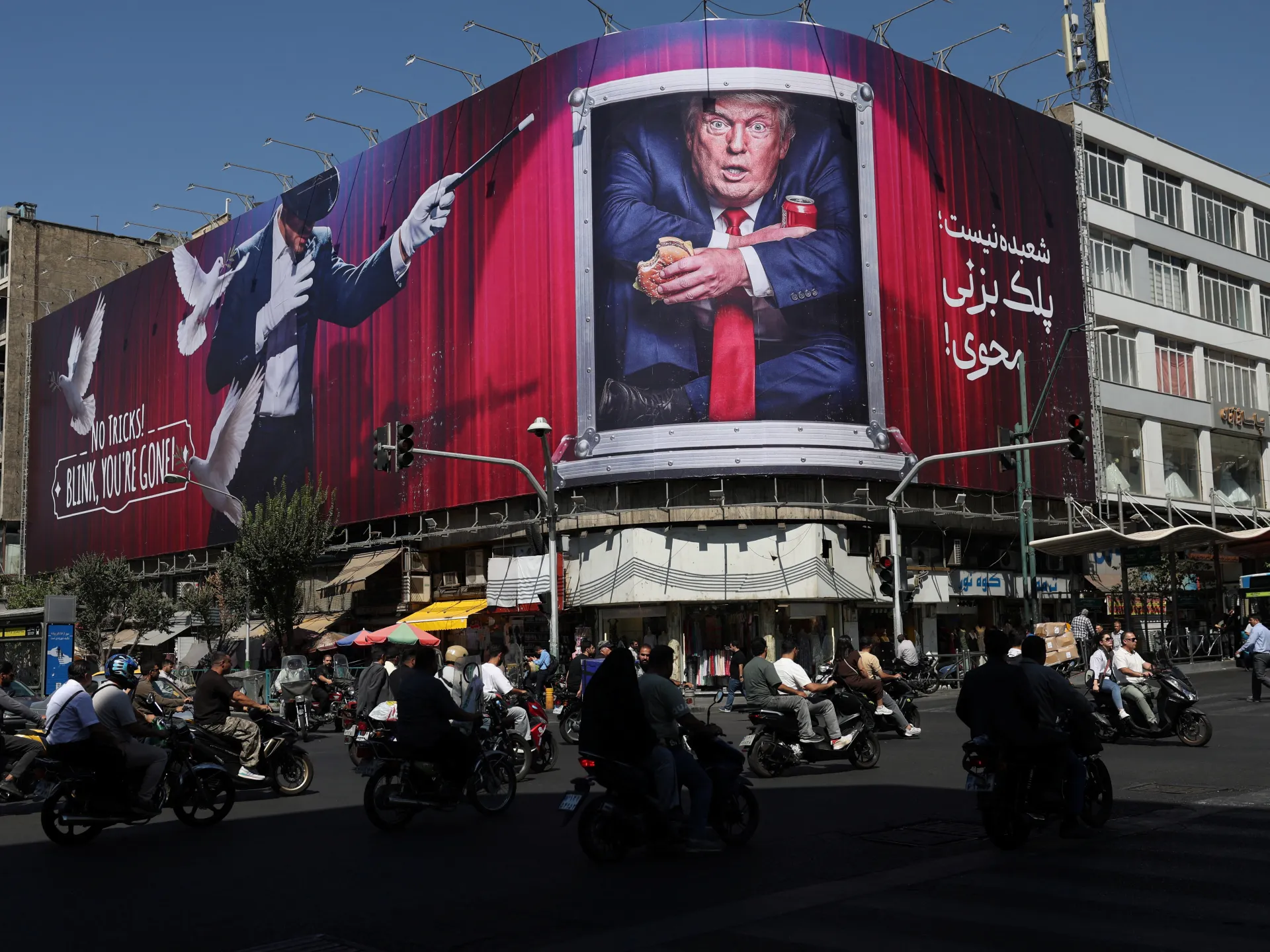
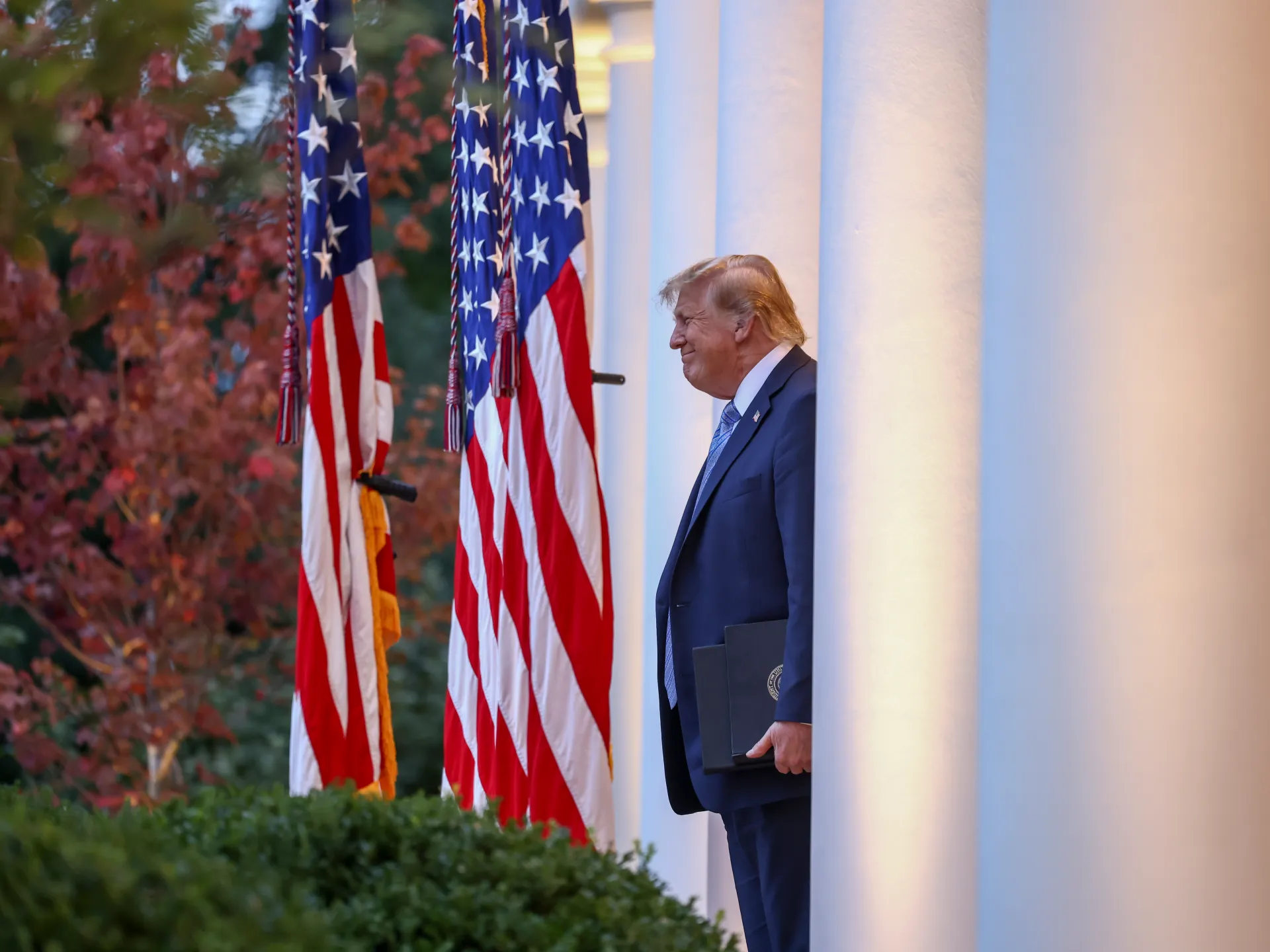
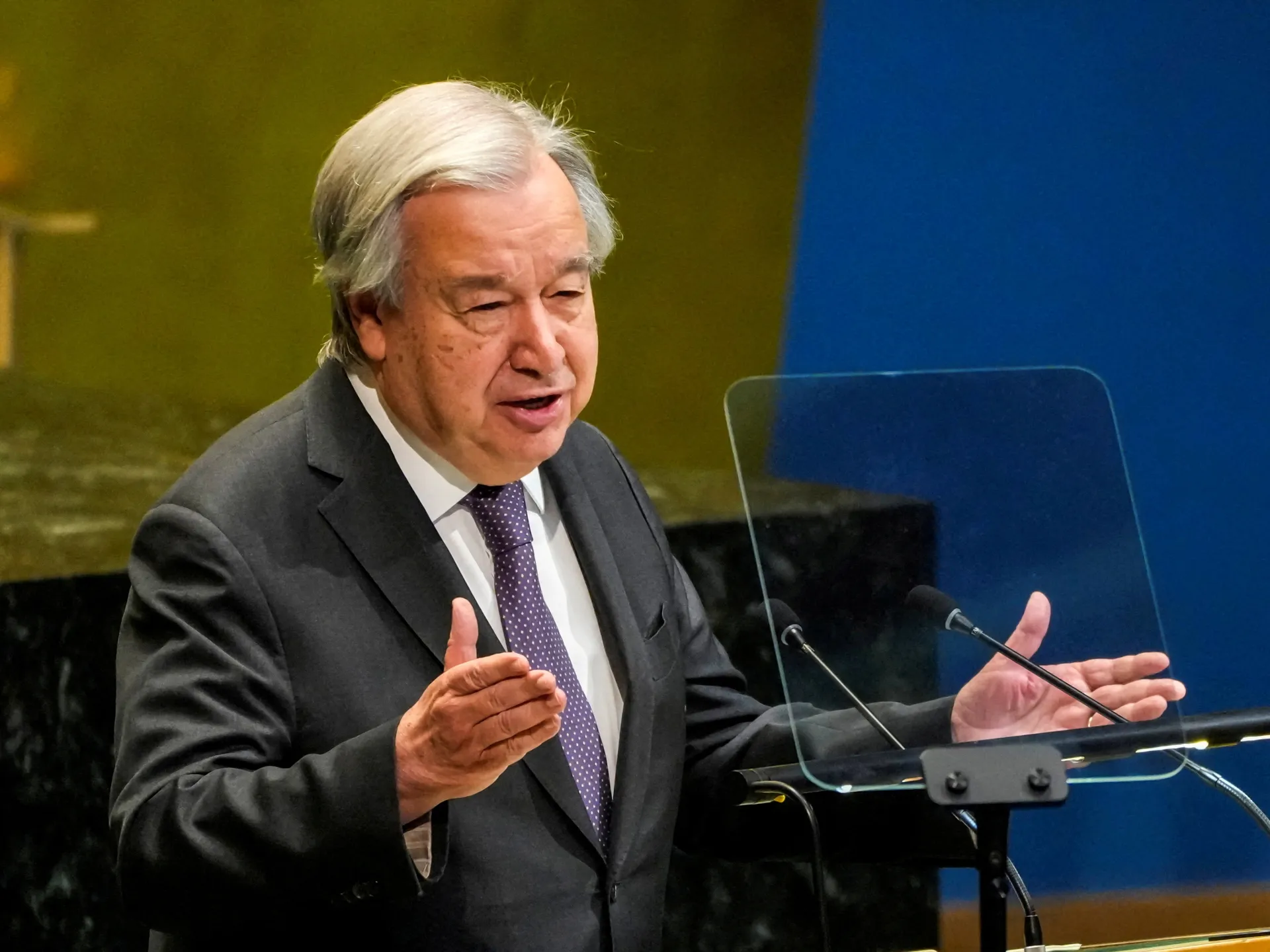
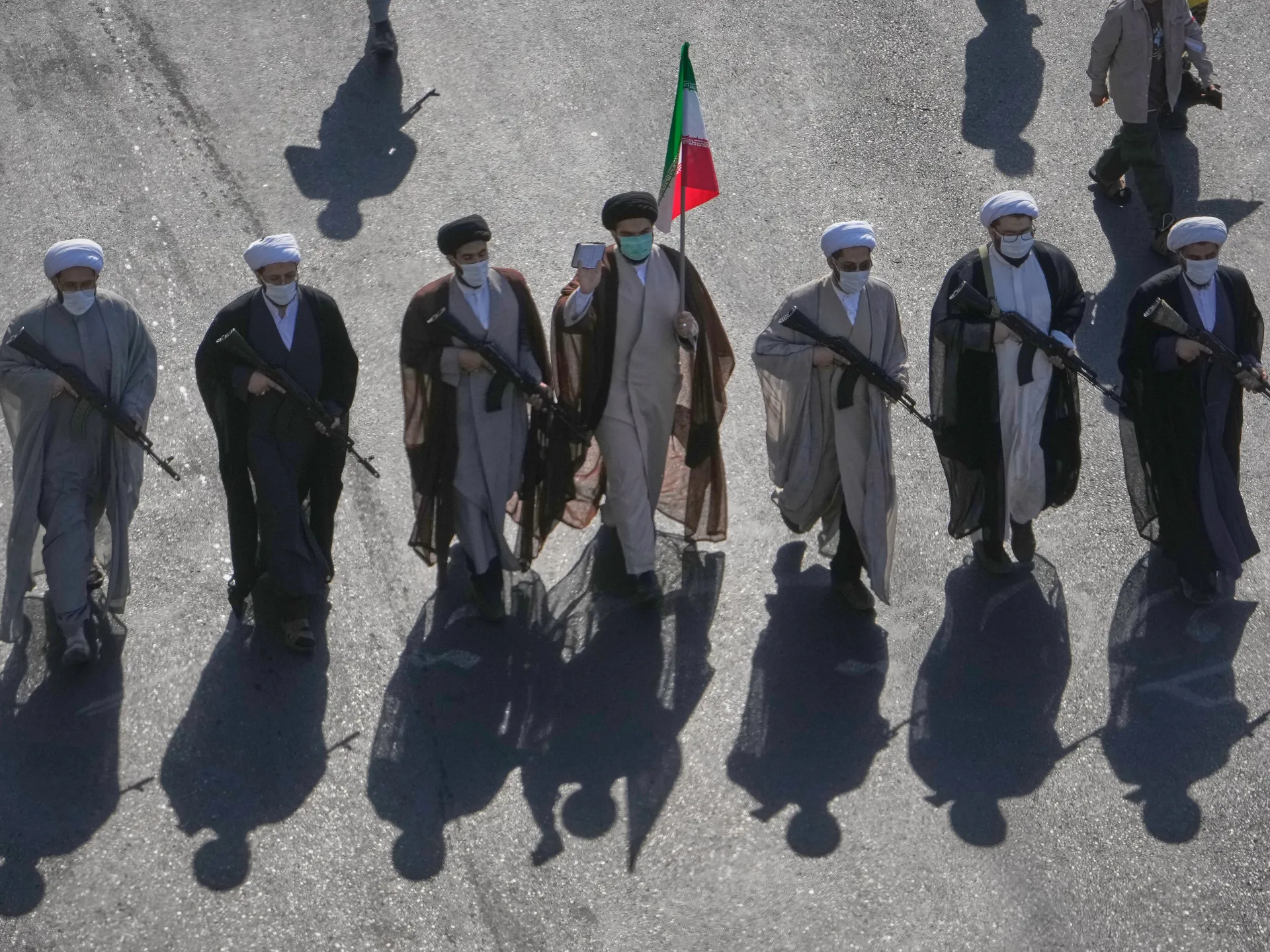
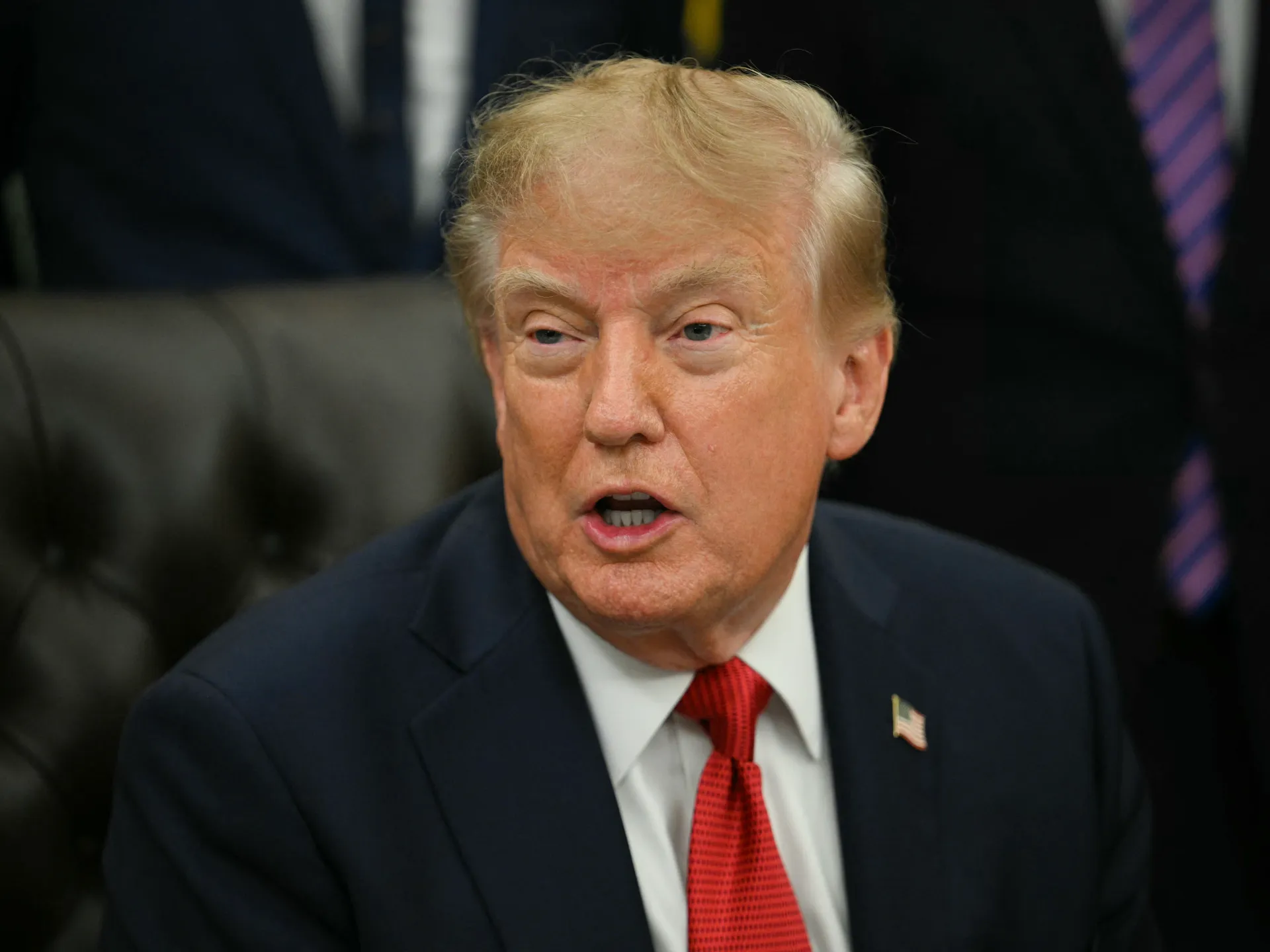
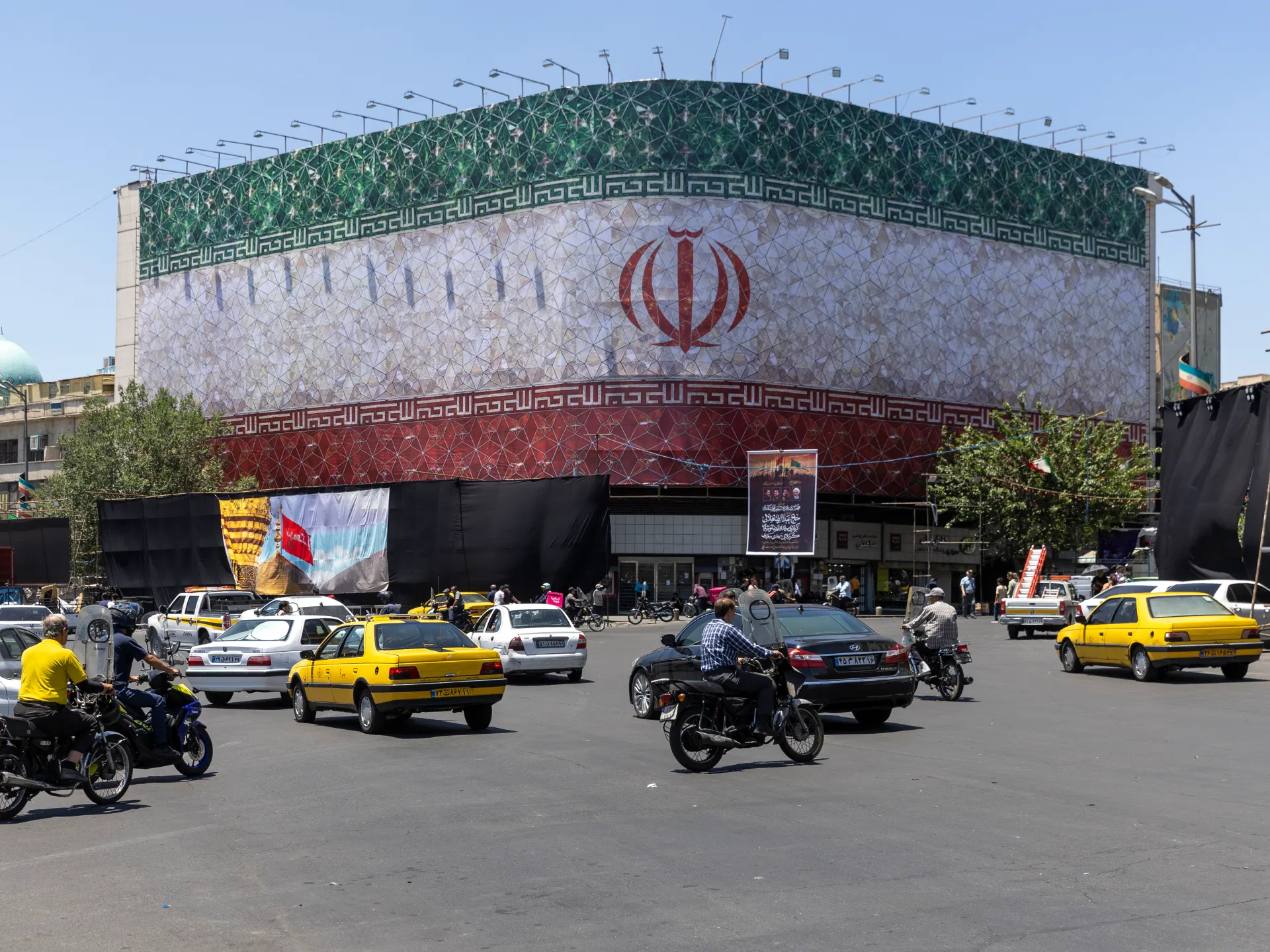
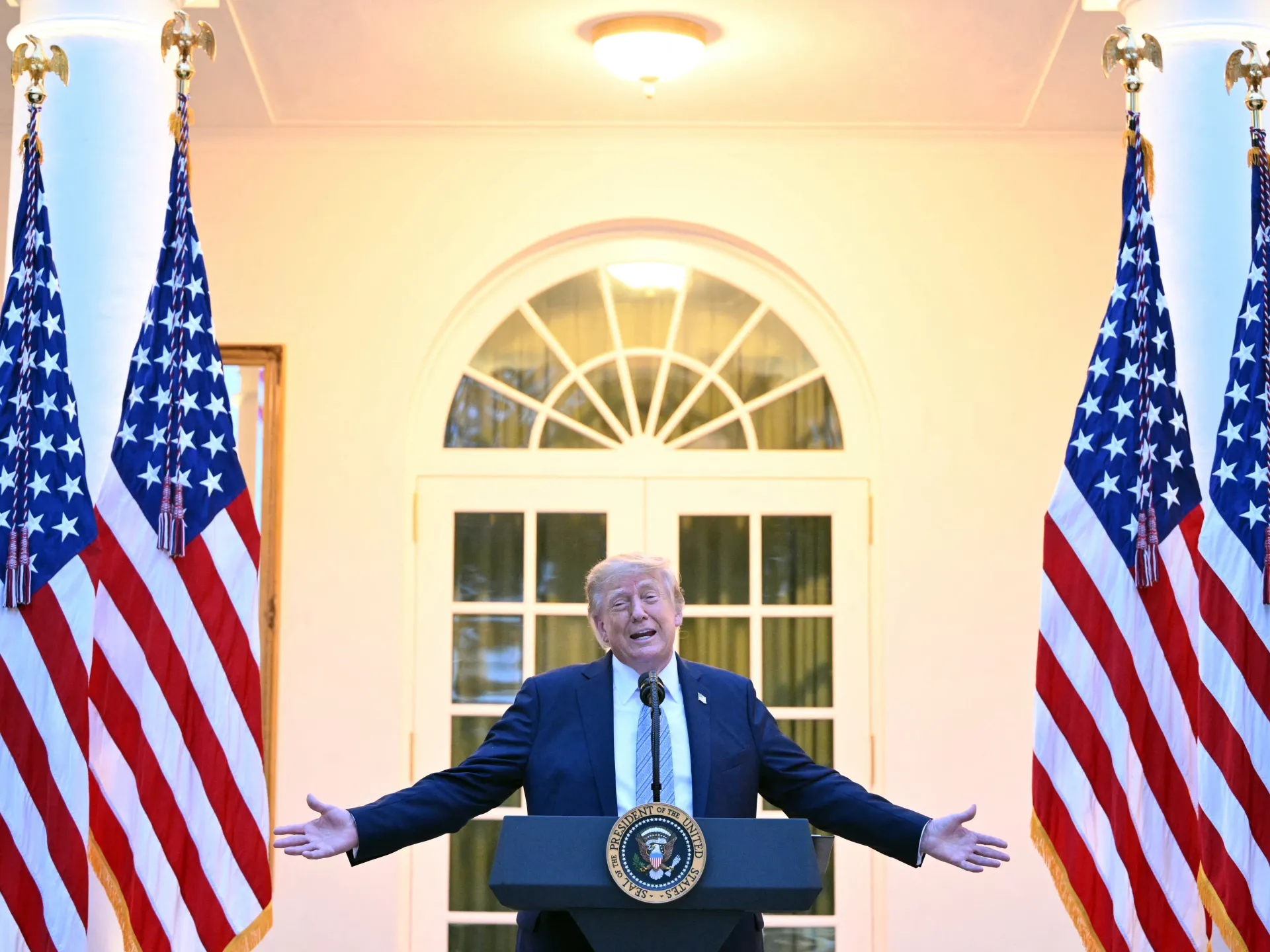
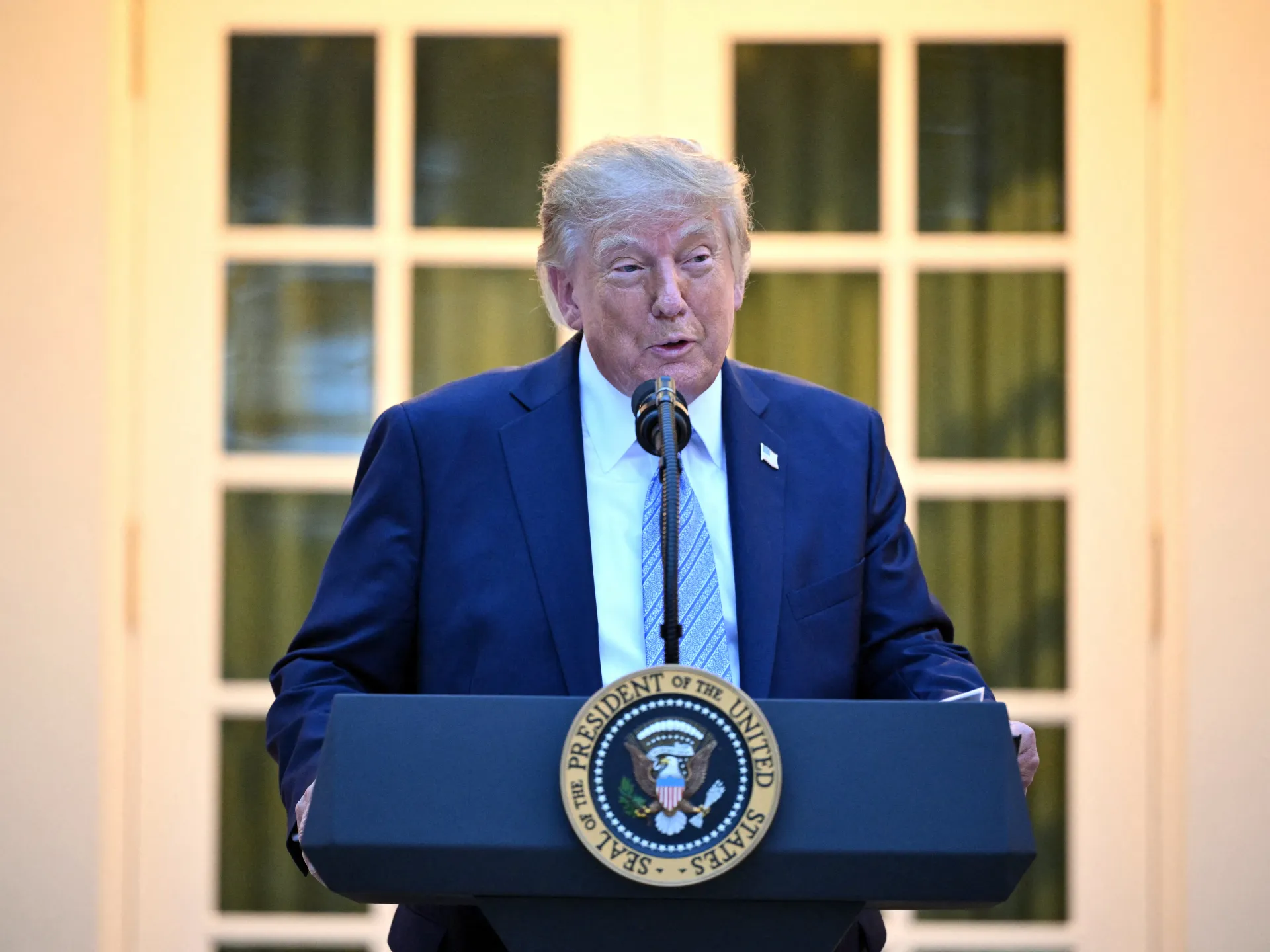
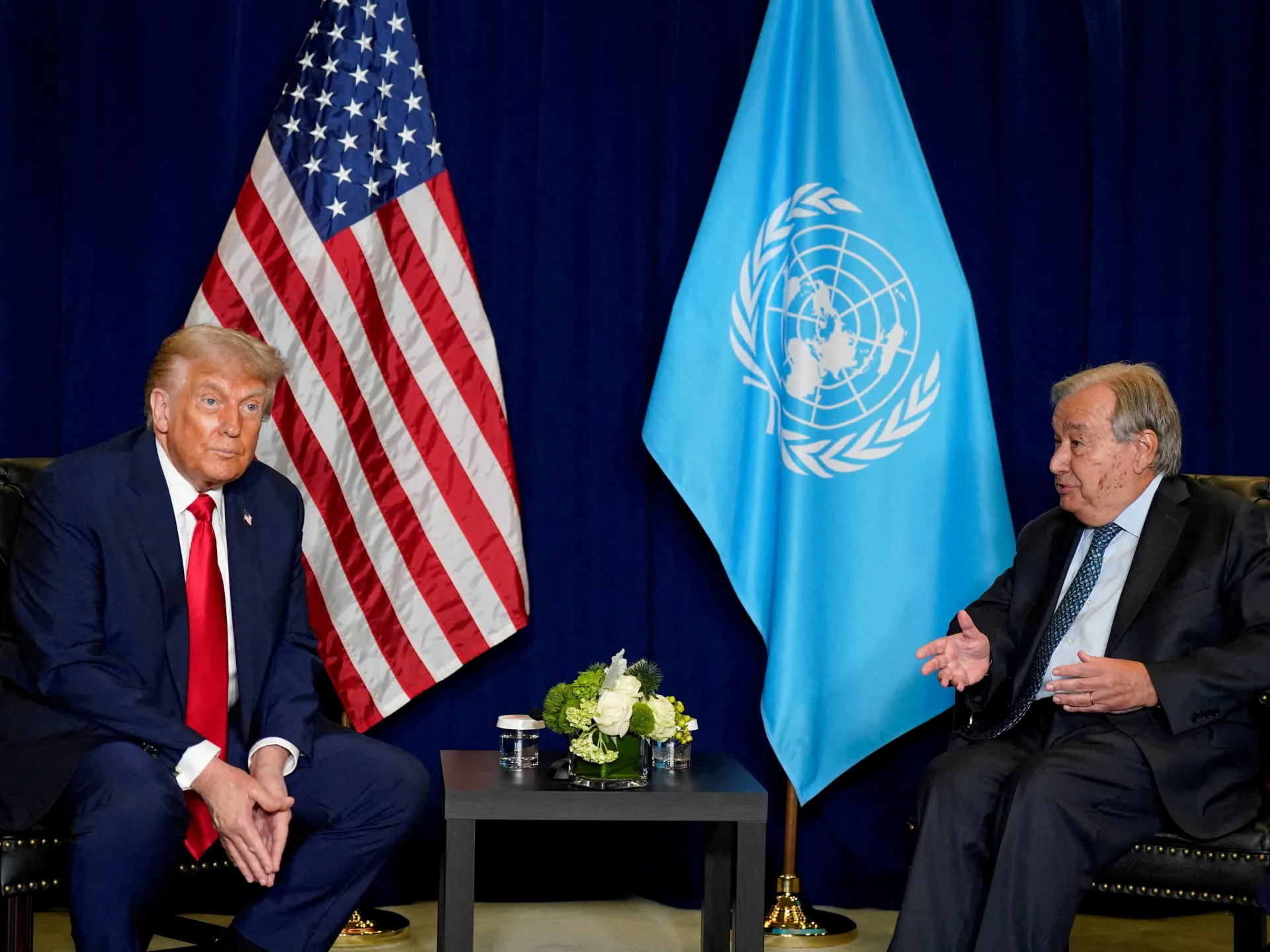
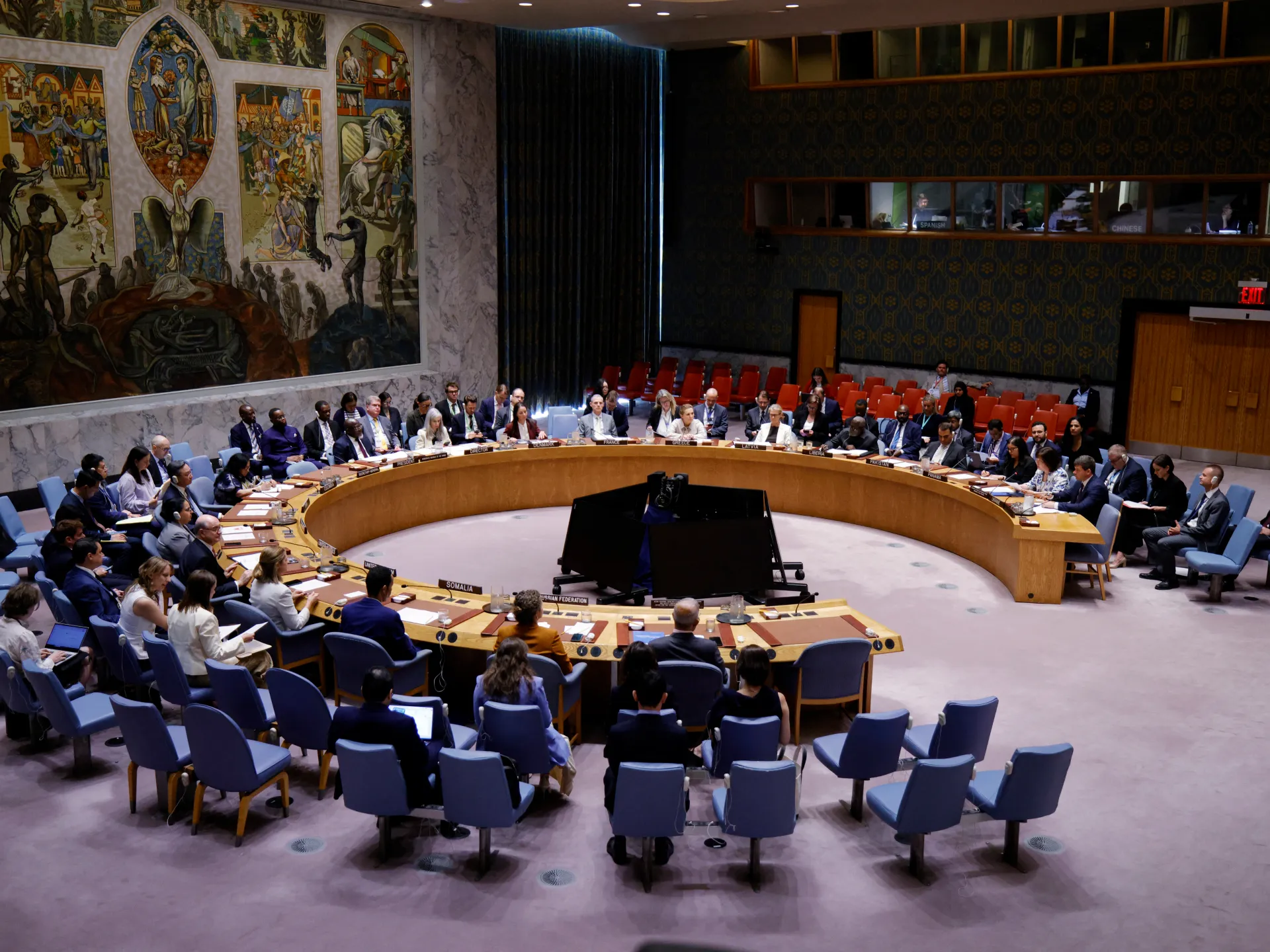
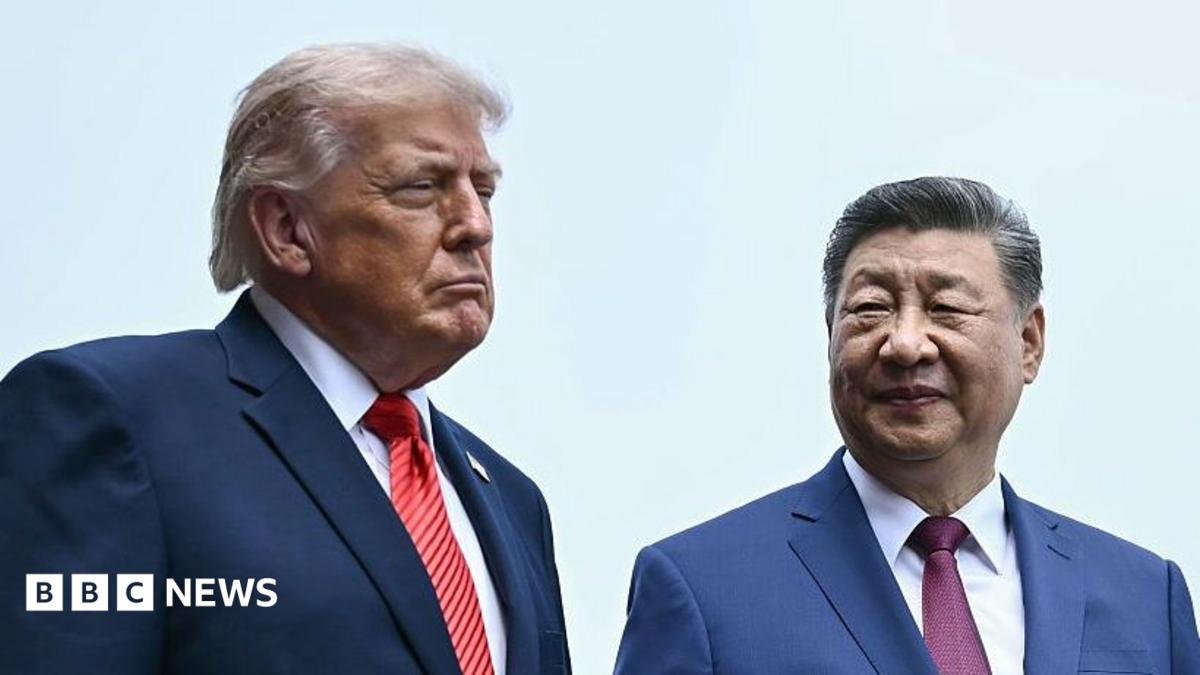
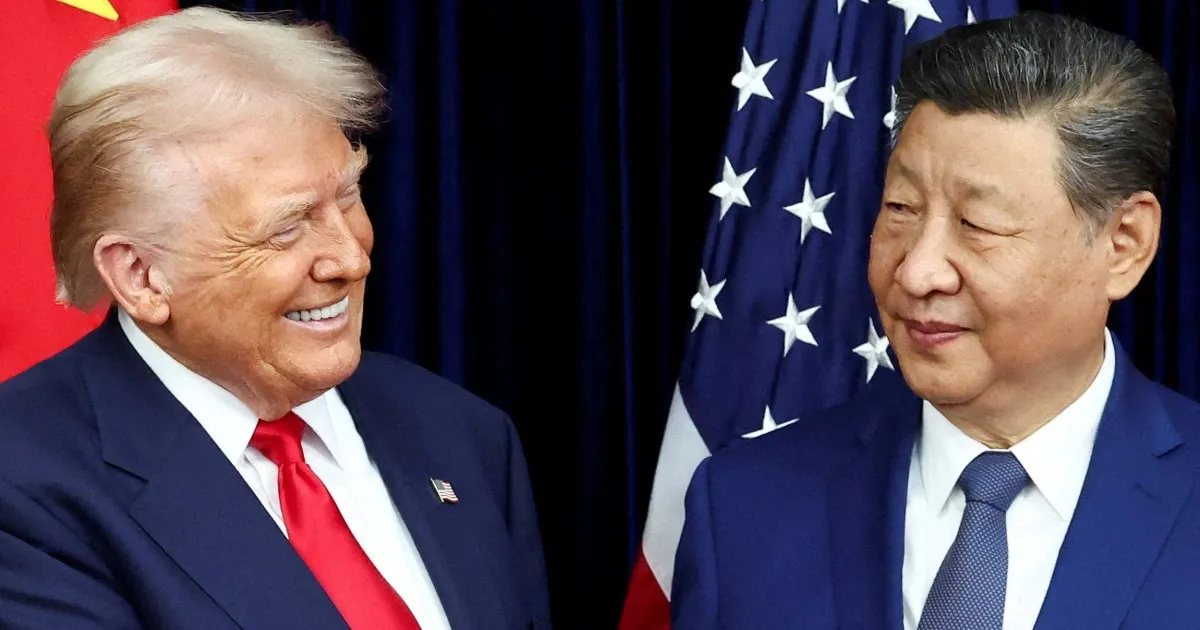
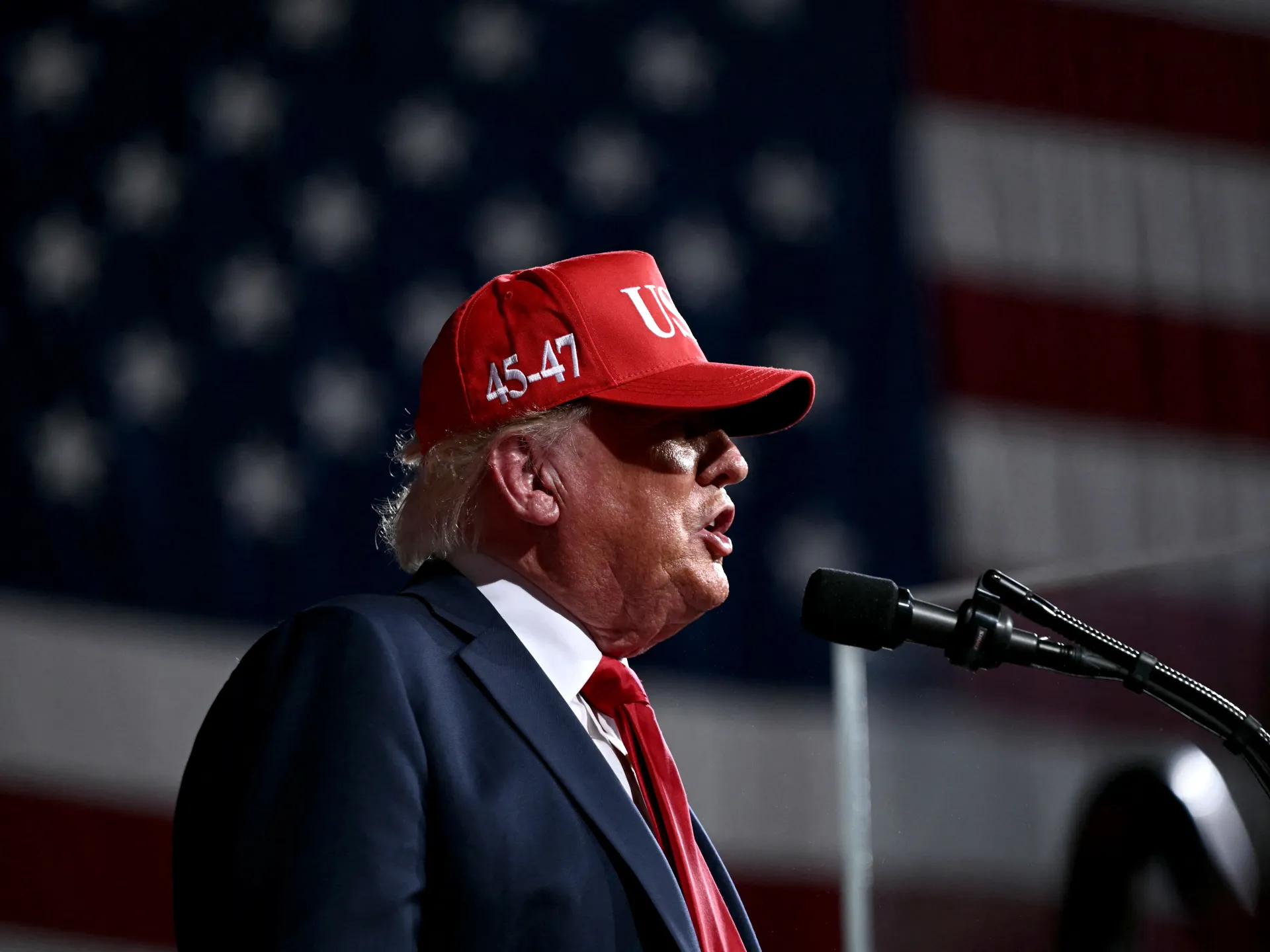
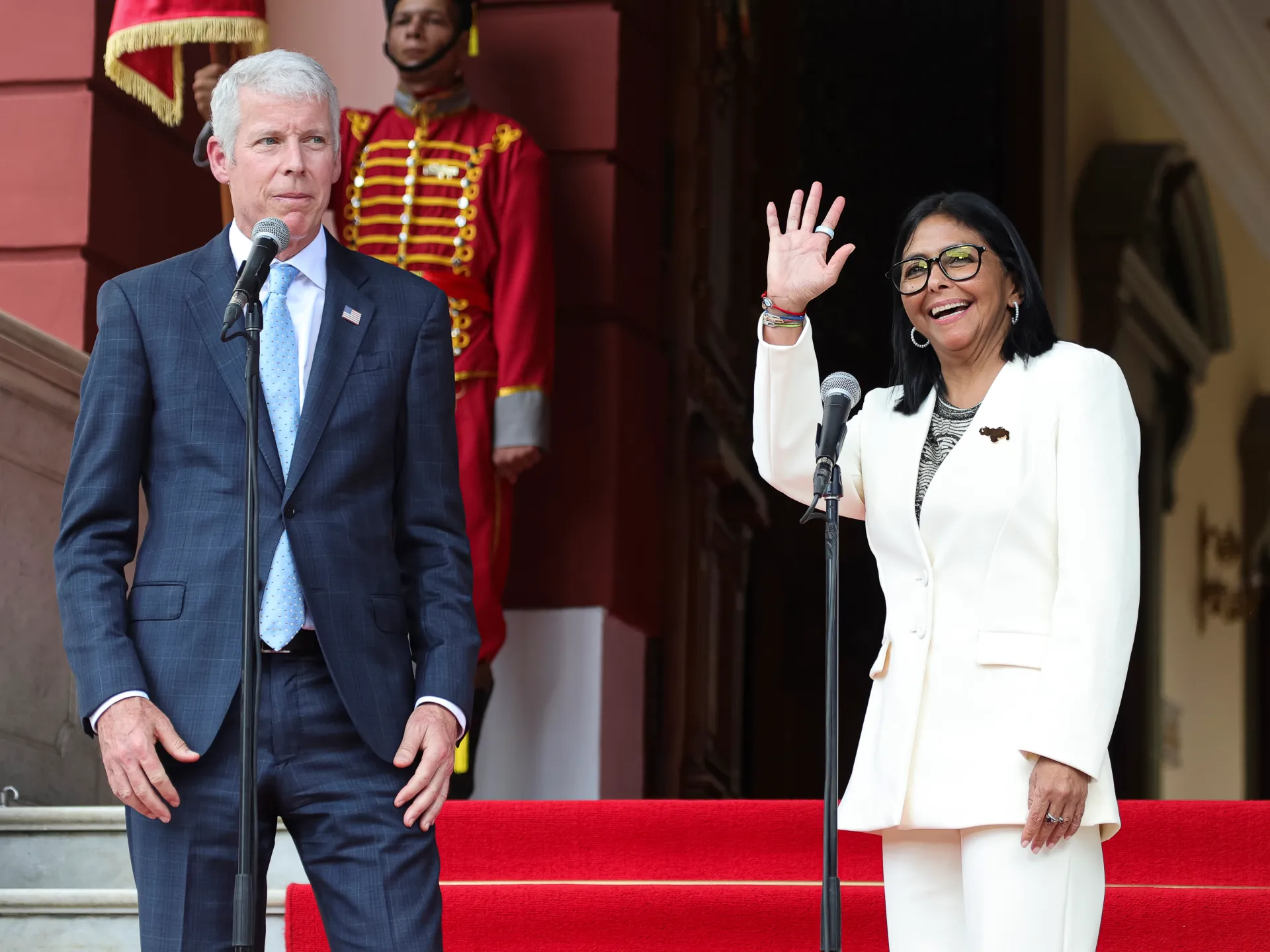
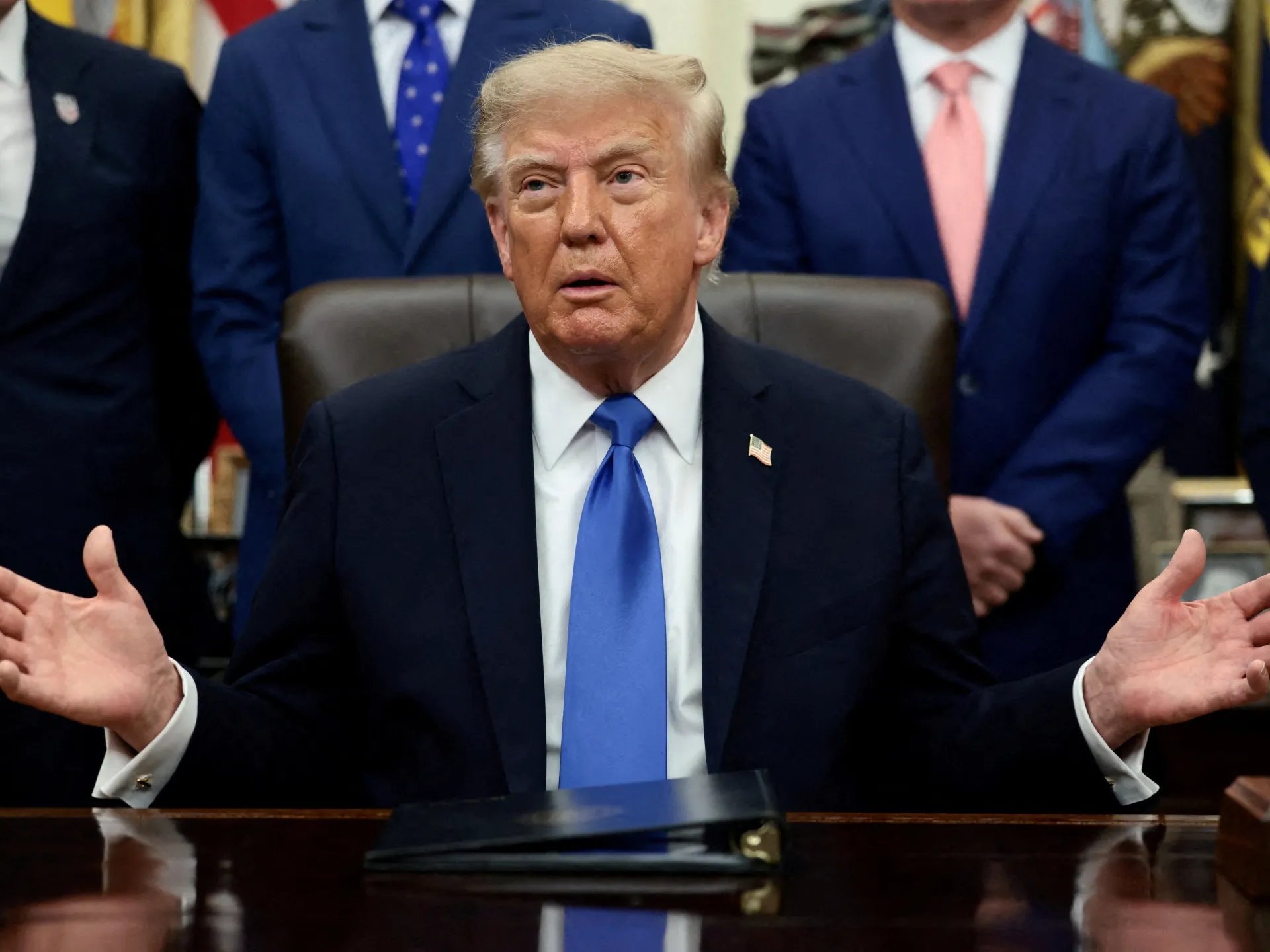
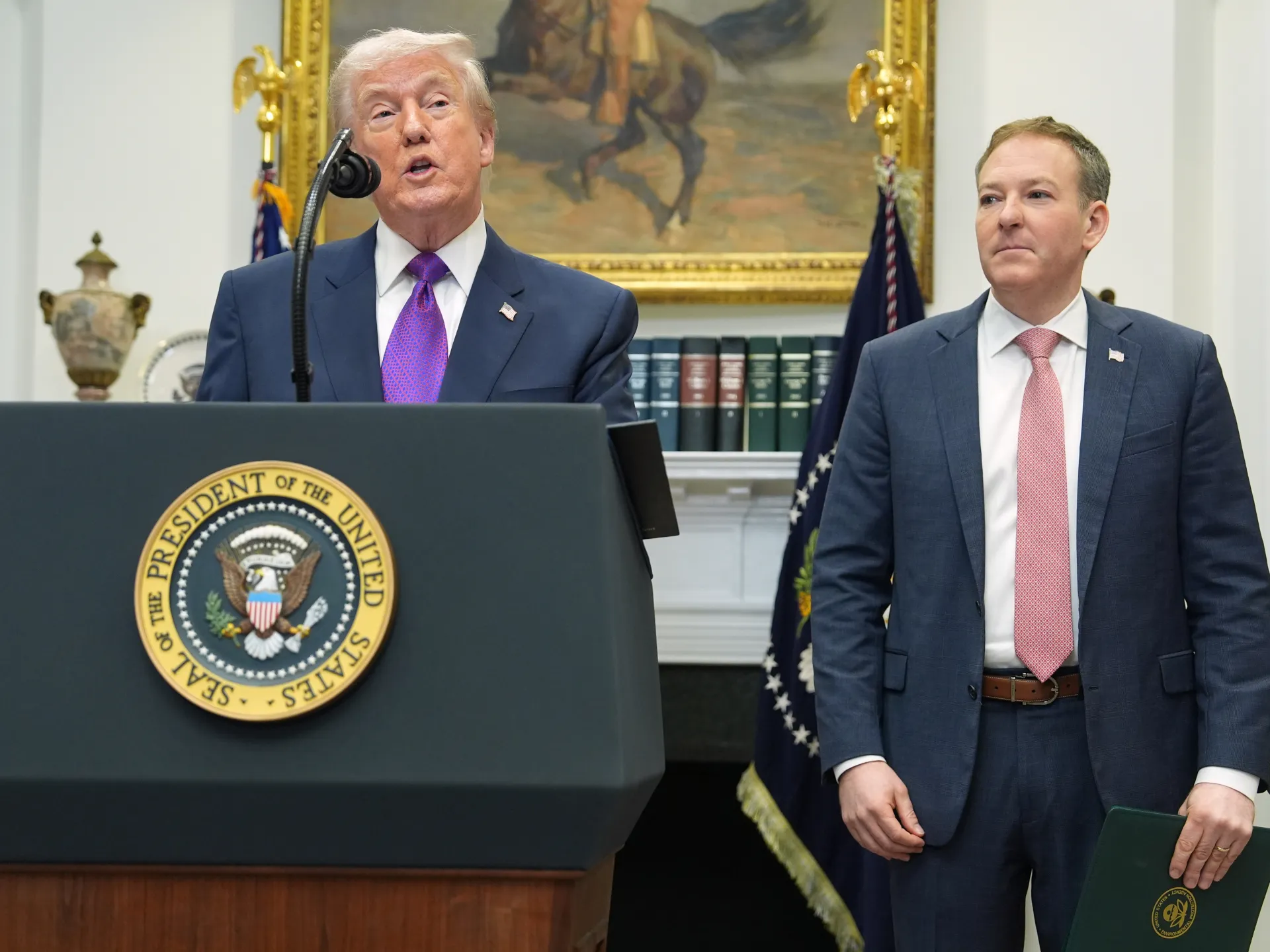
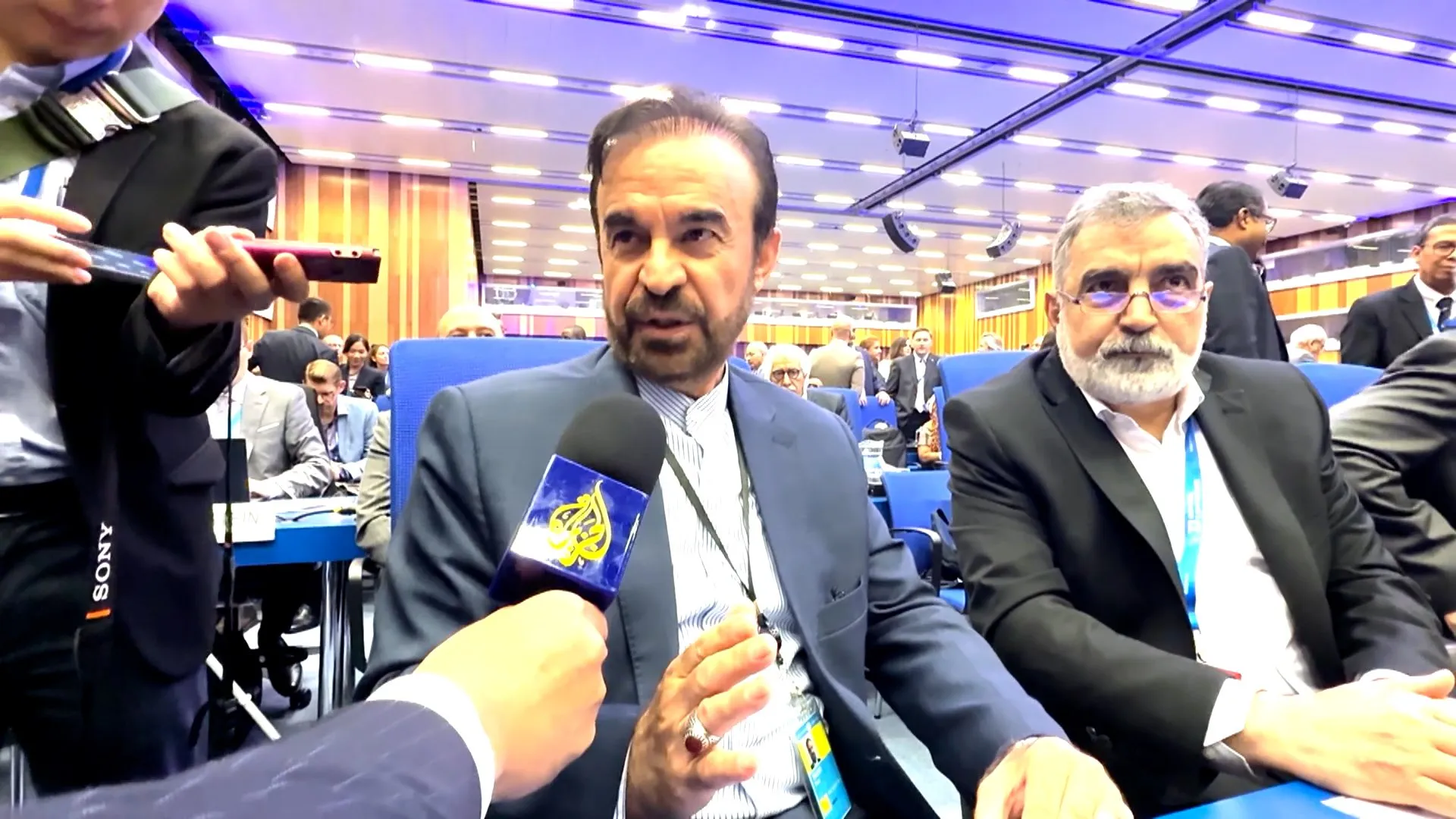
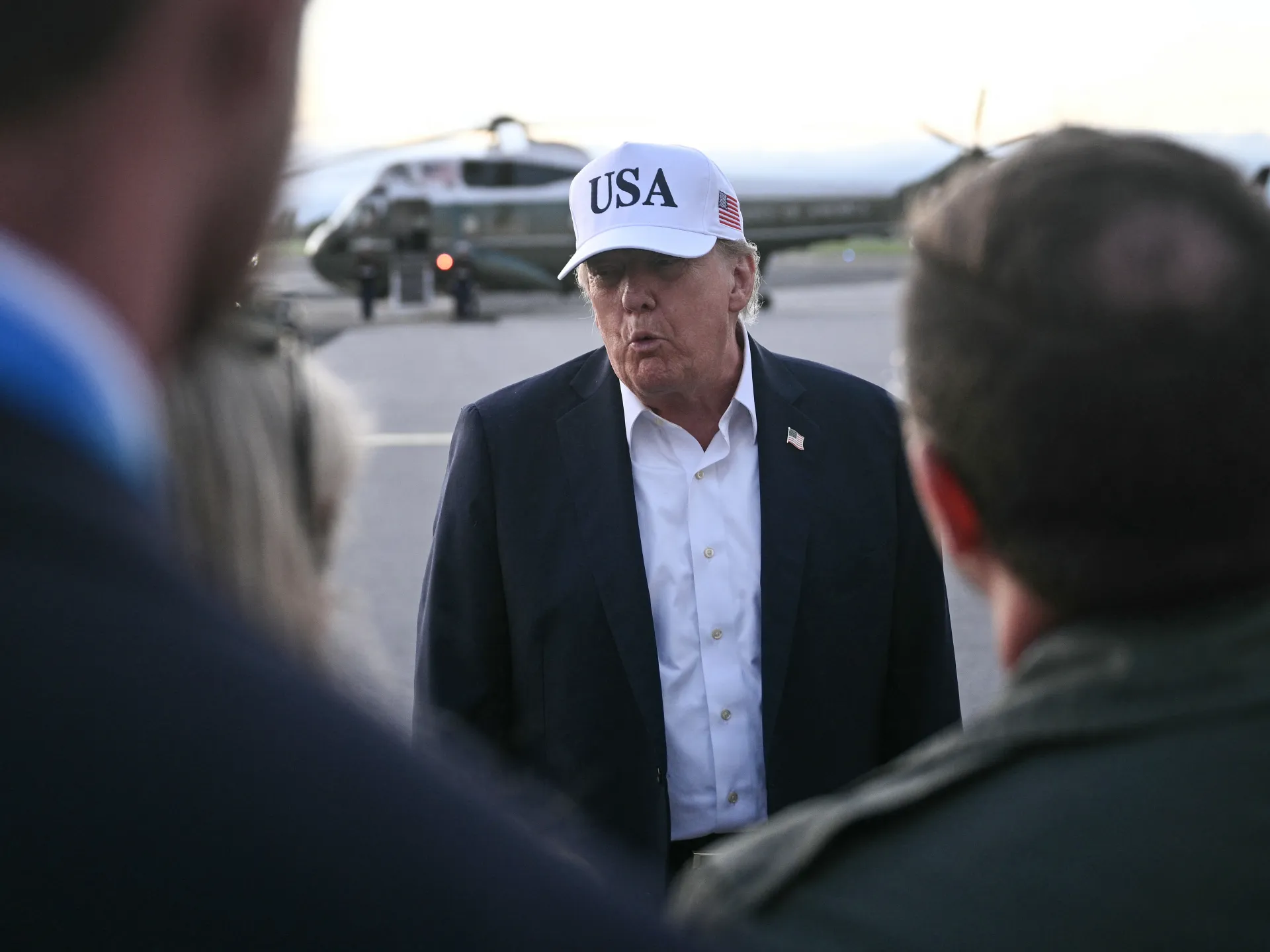
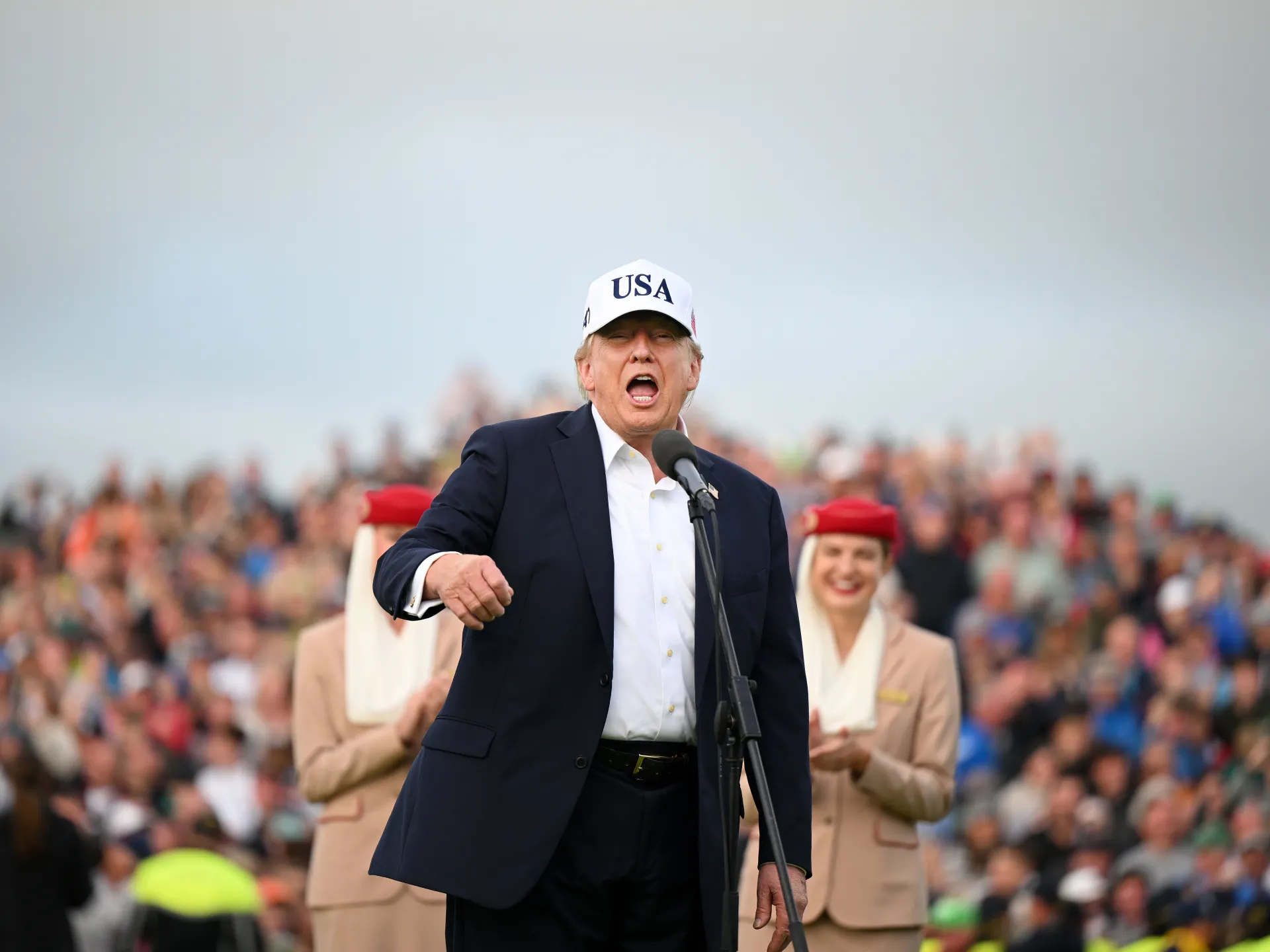
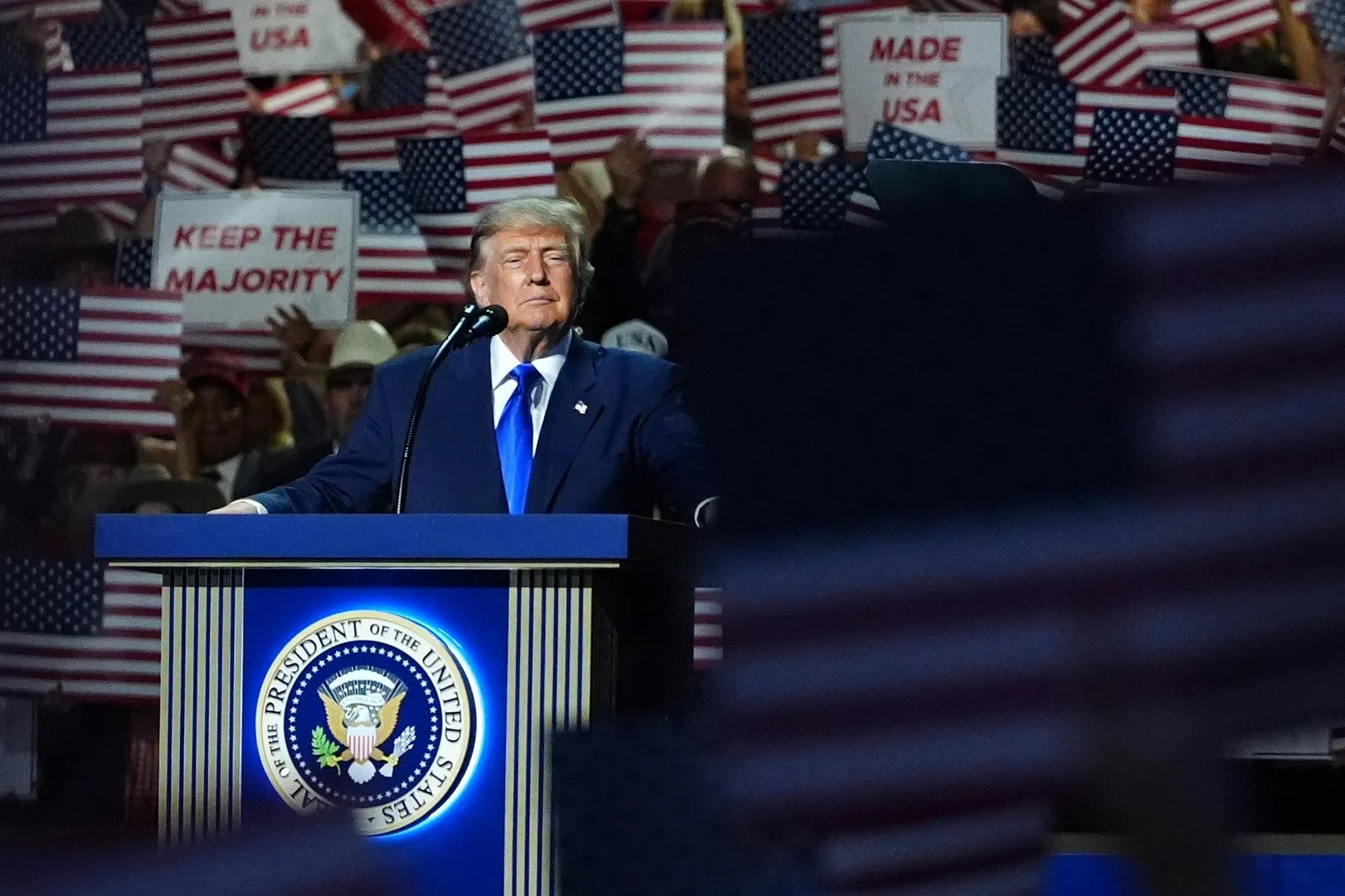
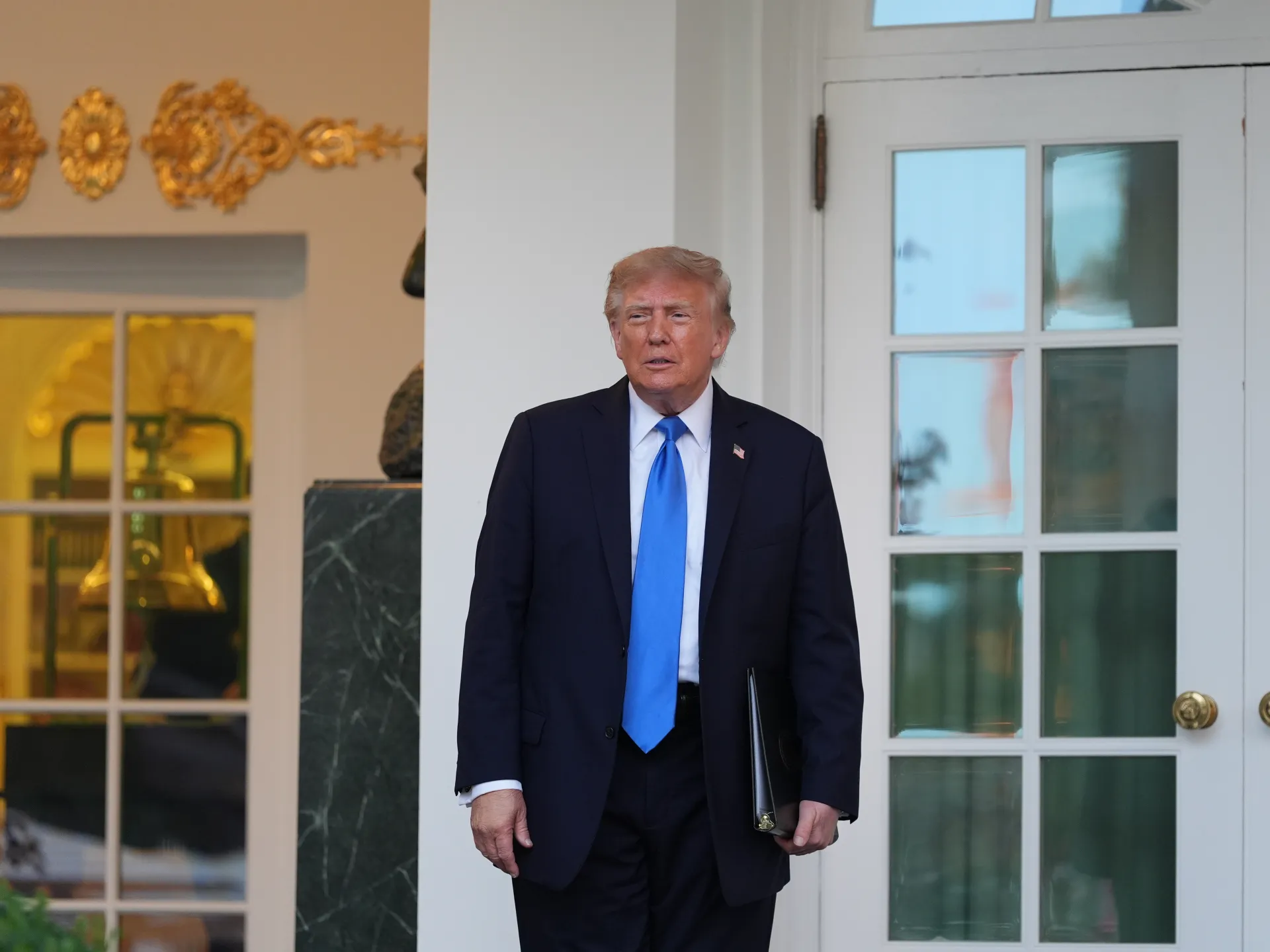
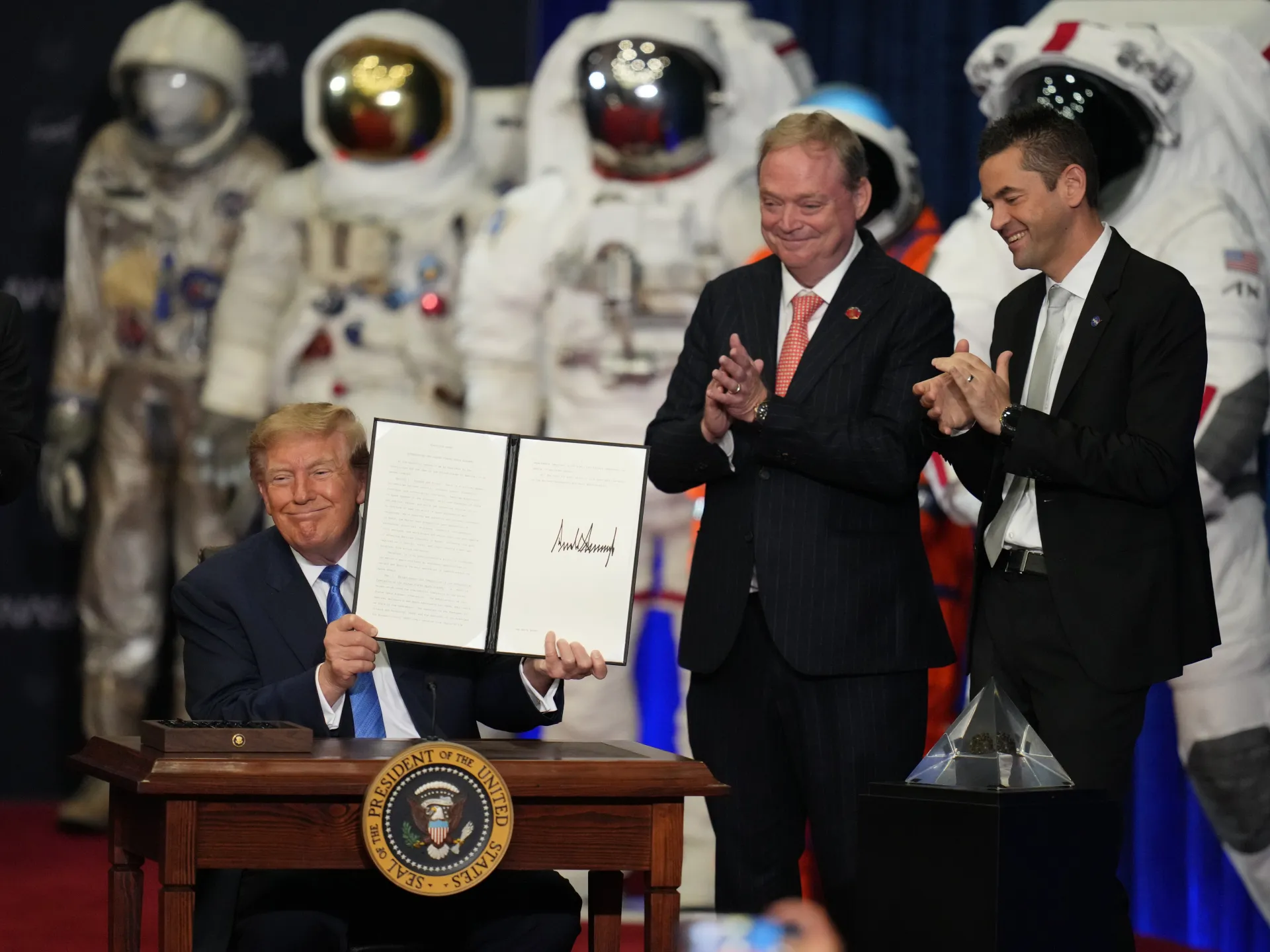
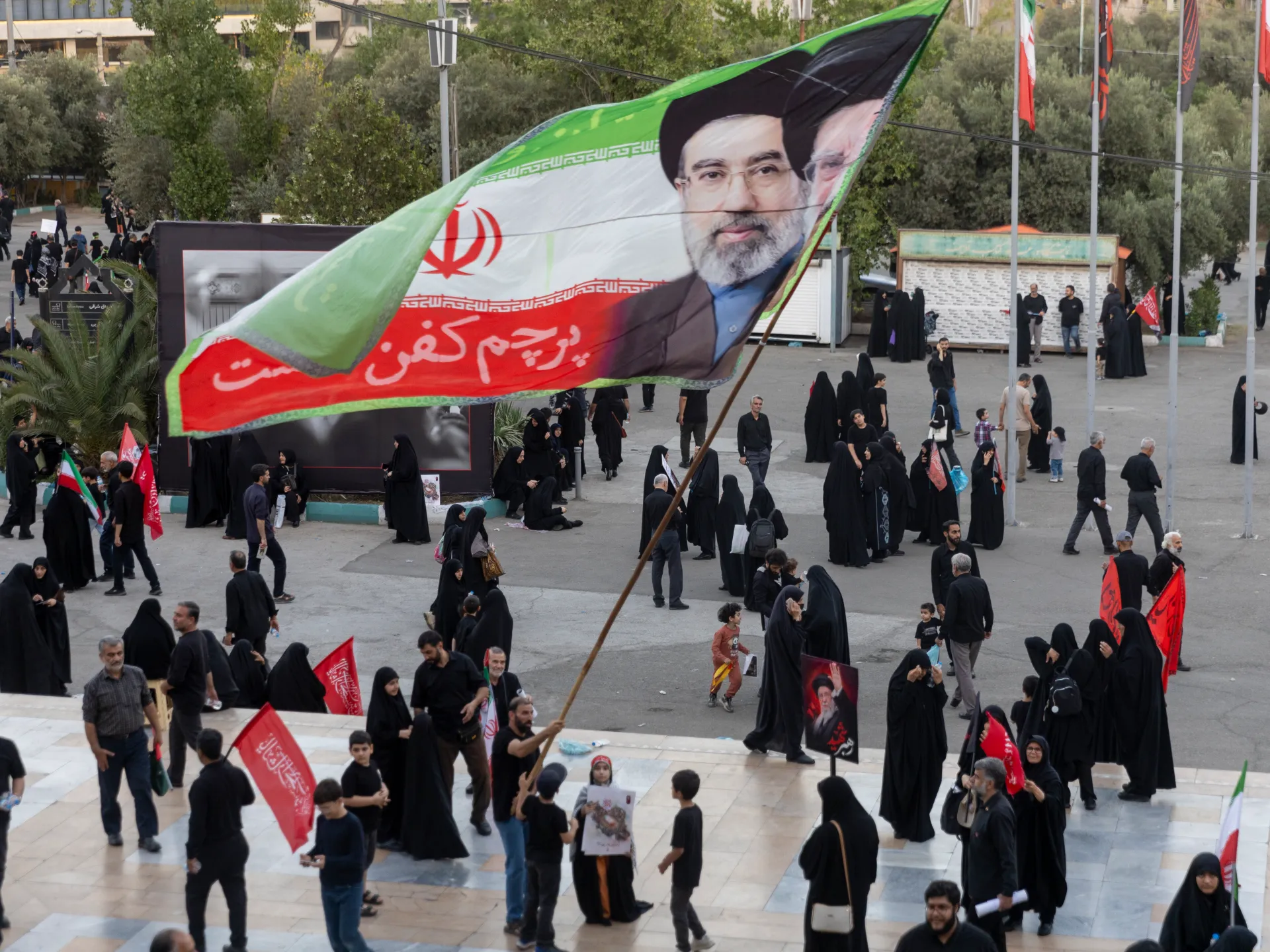
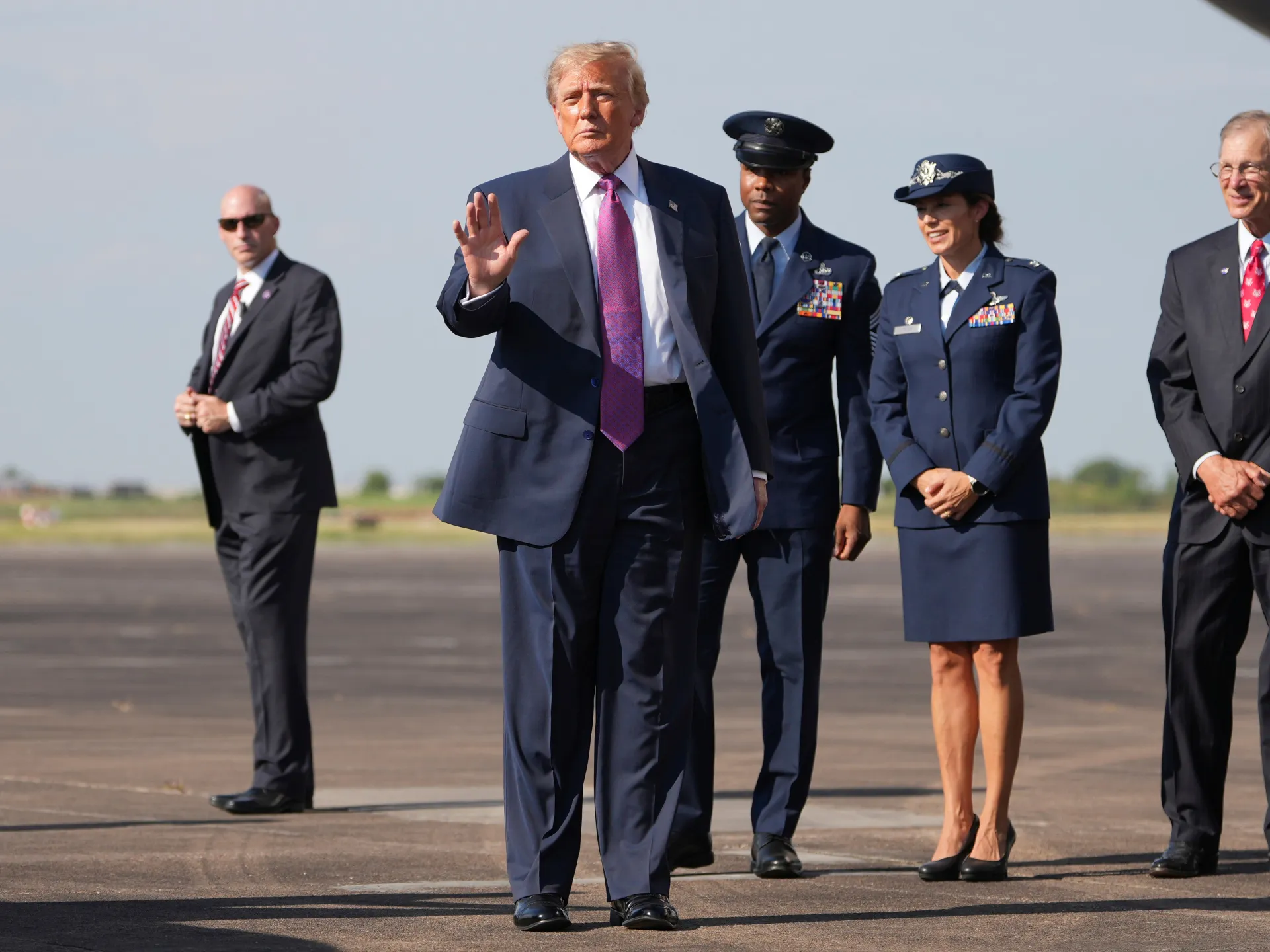
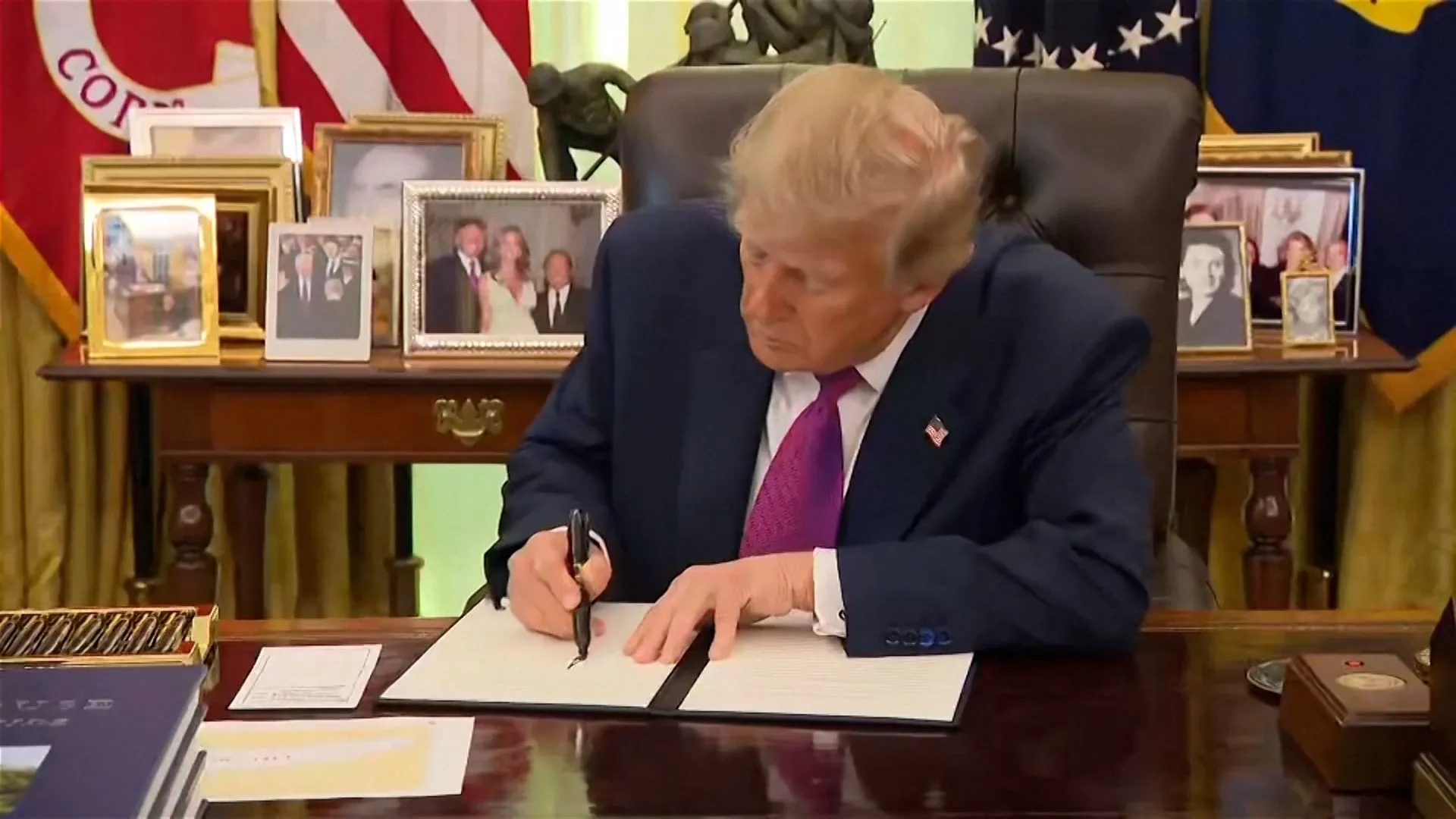
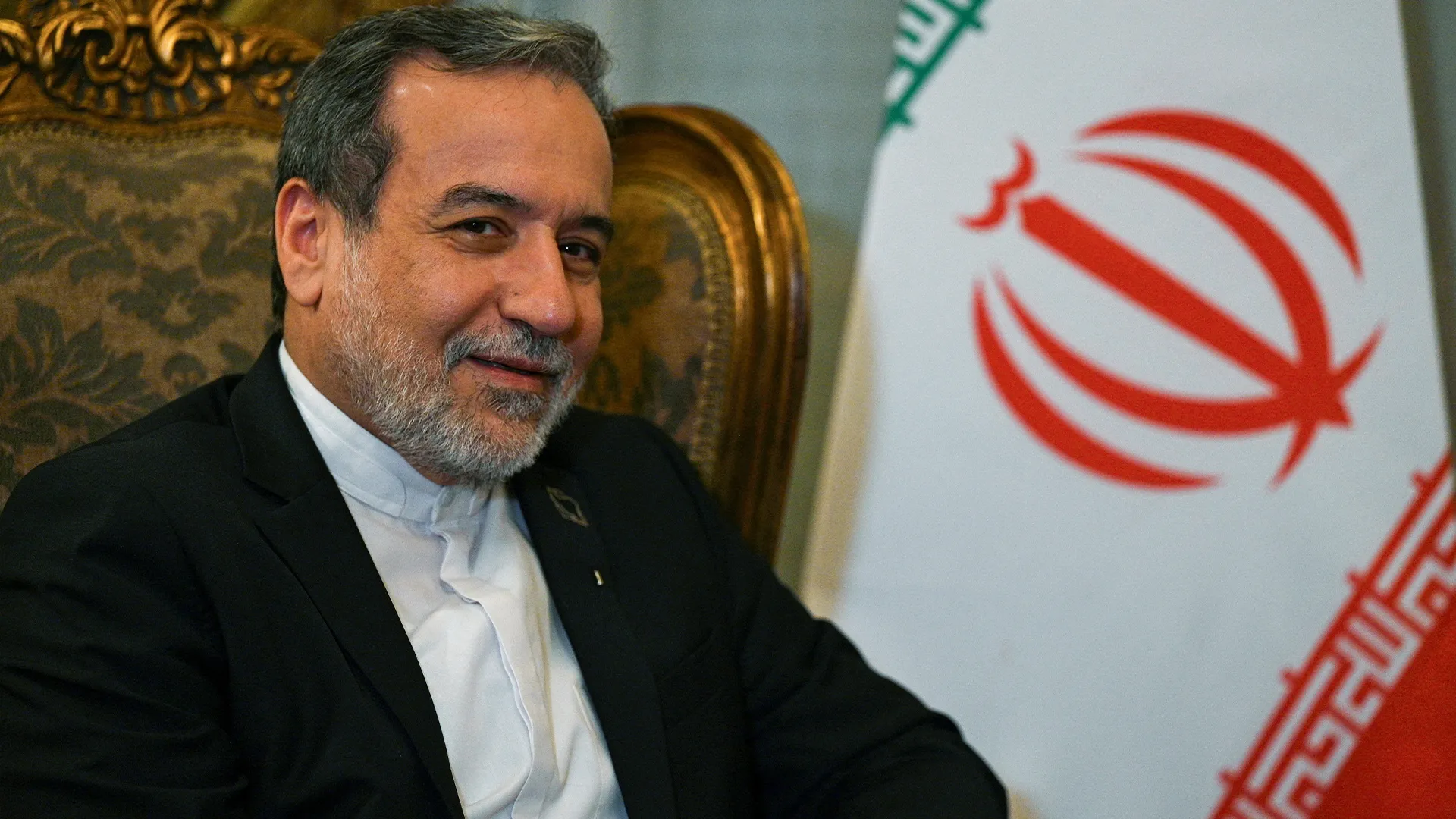
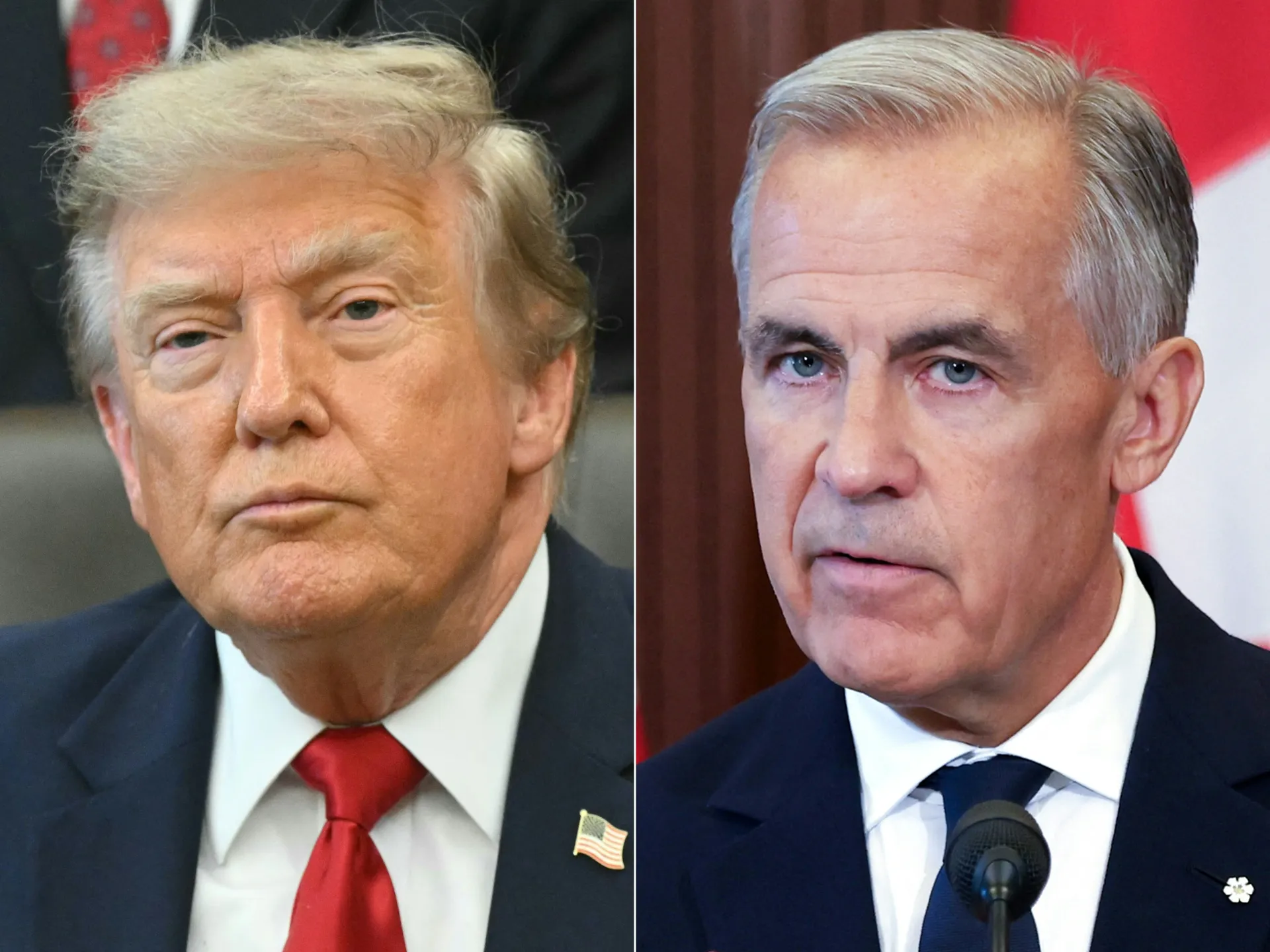
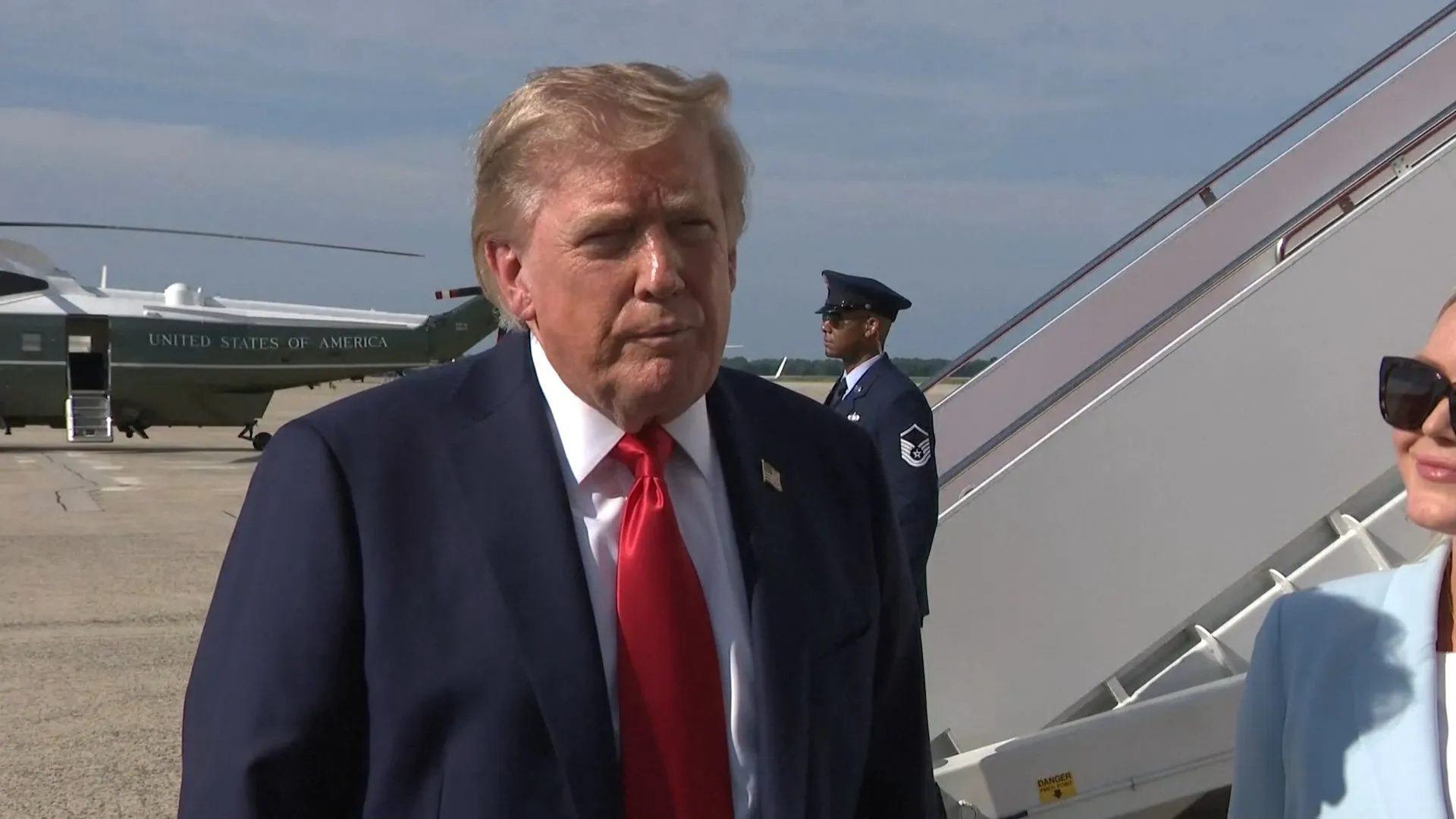
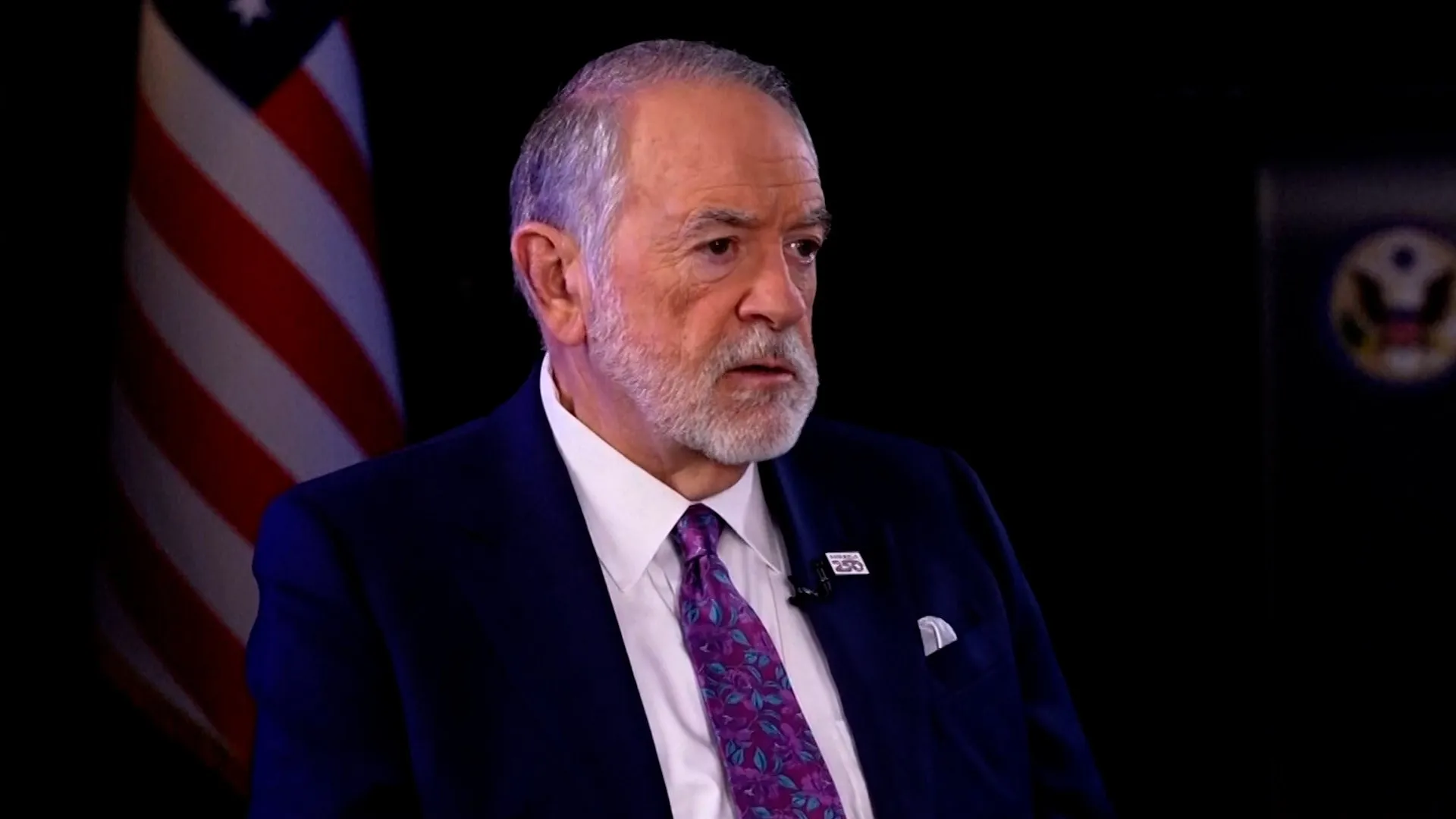
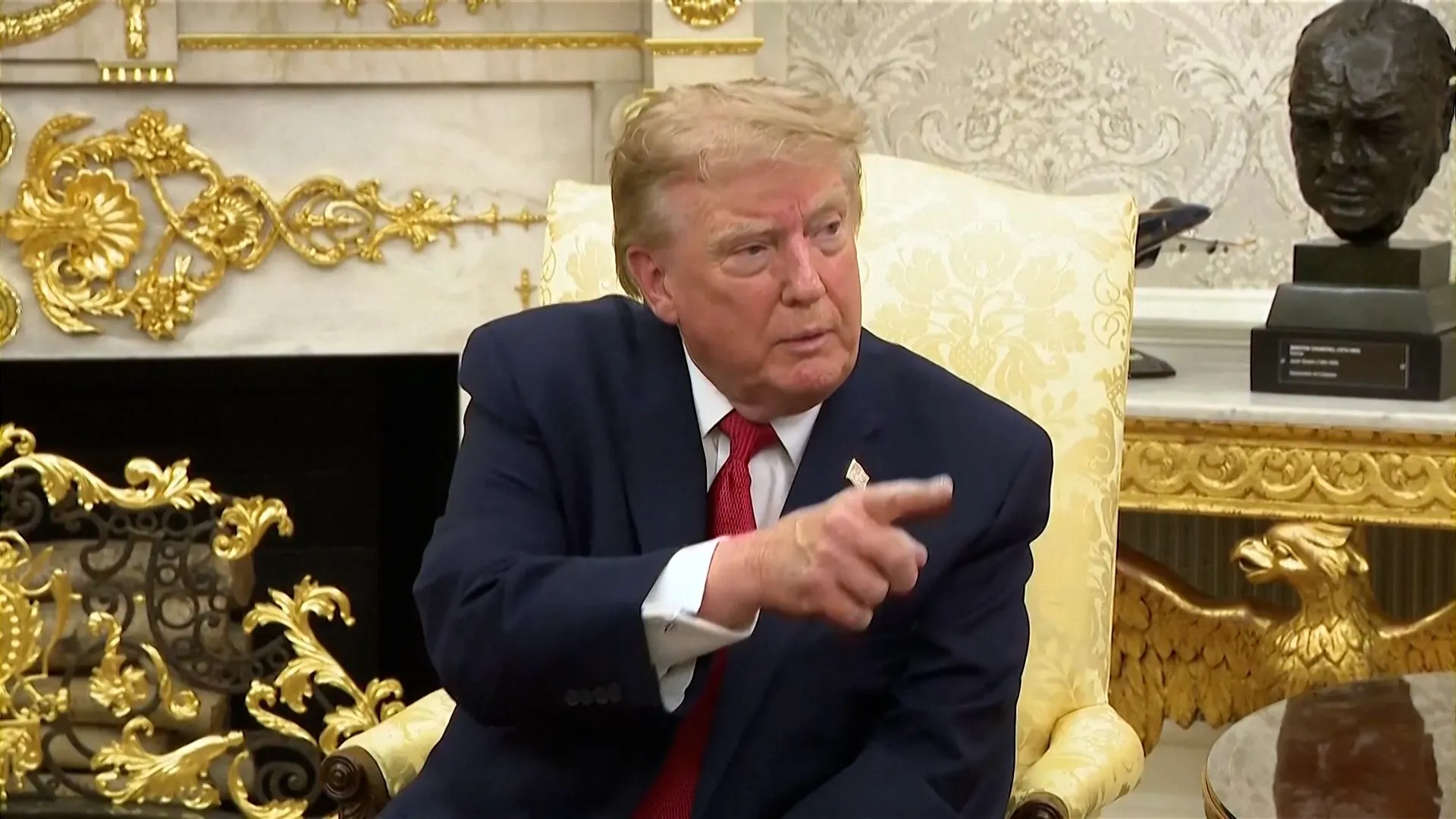
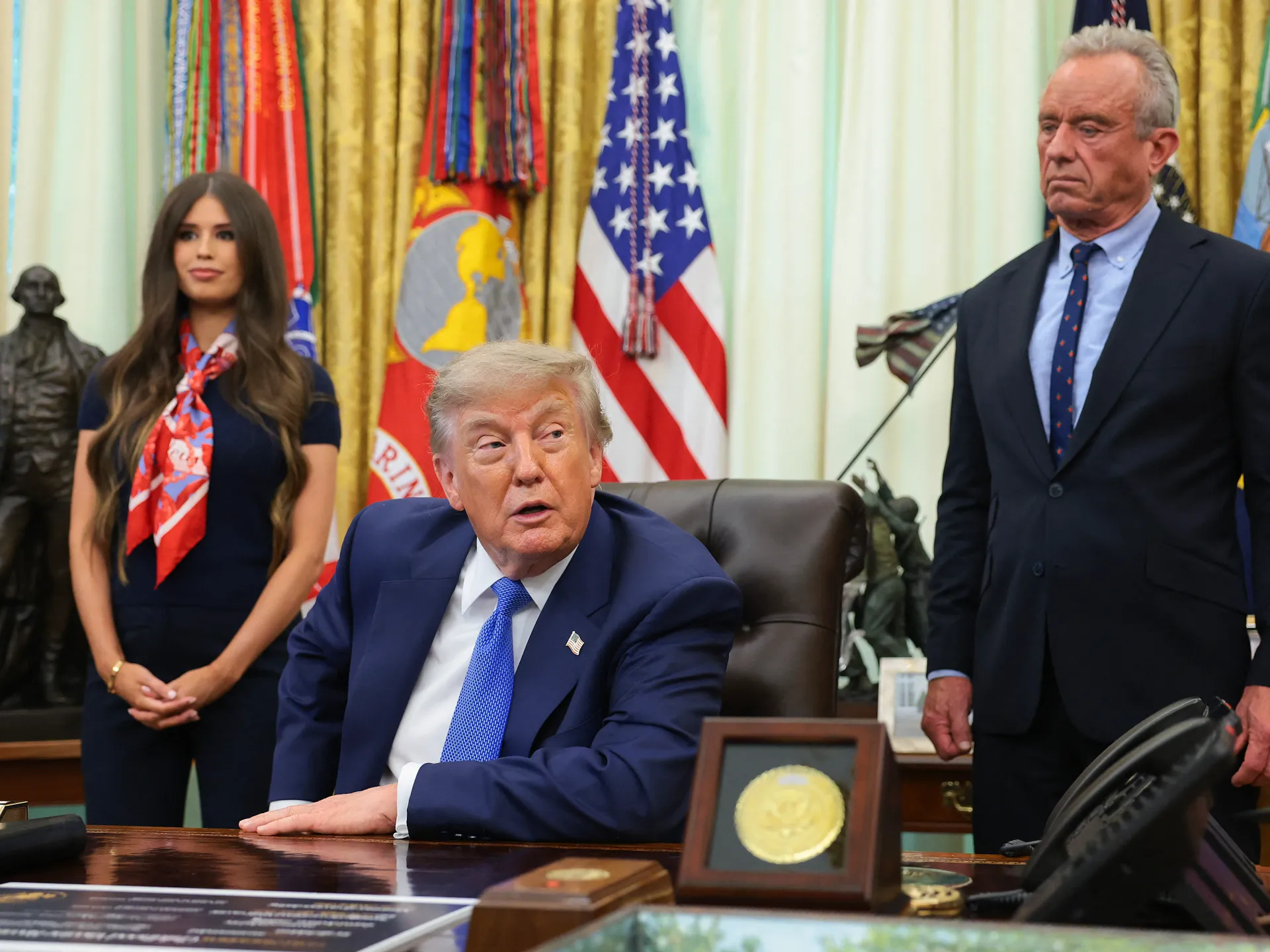
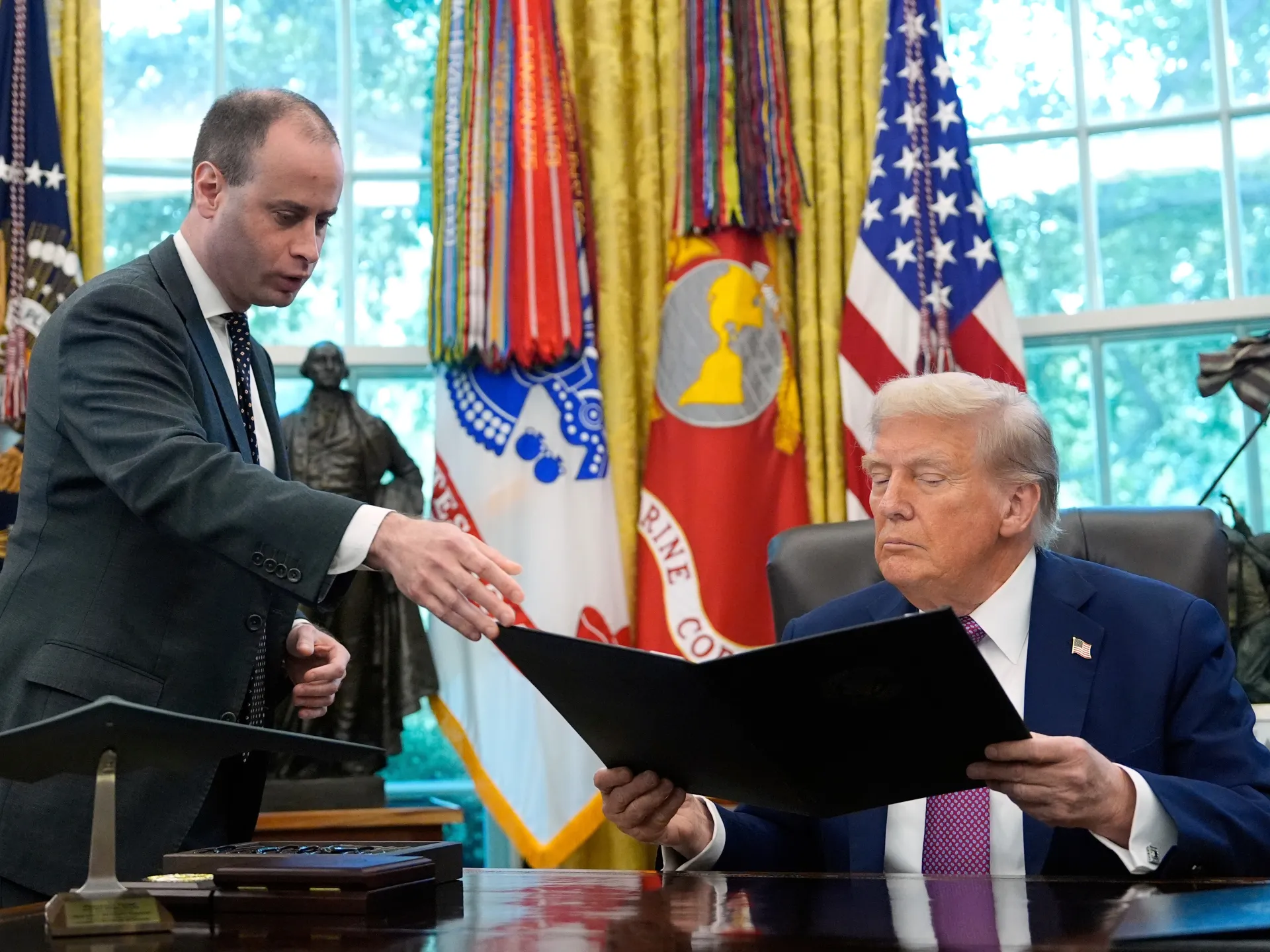
The 81st United Nations General Assembly commenced this week under a cloud of intense geopolitical volatility, as the United States and Iran pursued high-level, closed-door negotiations despite public threats of “annihilation” from President Donald Trump. While the rhetoric echoing through the assembly hall suggested an impending escalation in tensions, the quiet reality on the sidelines involved a three-hour engagement between officials from both nations, signaling a complex divergence between public posturing and back-channel diplomacy.
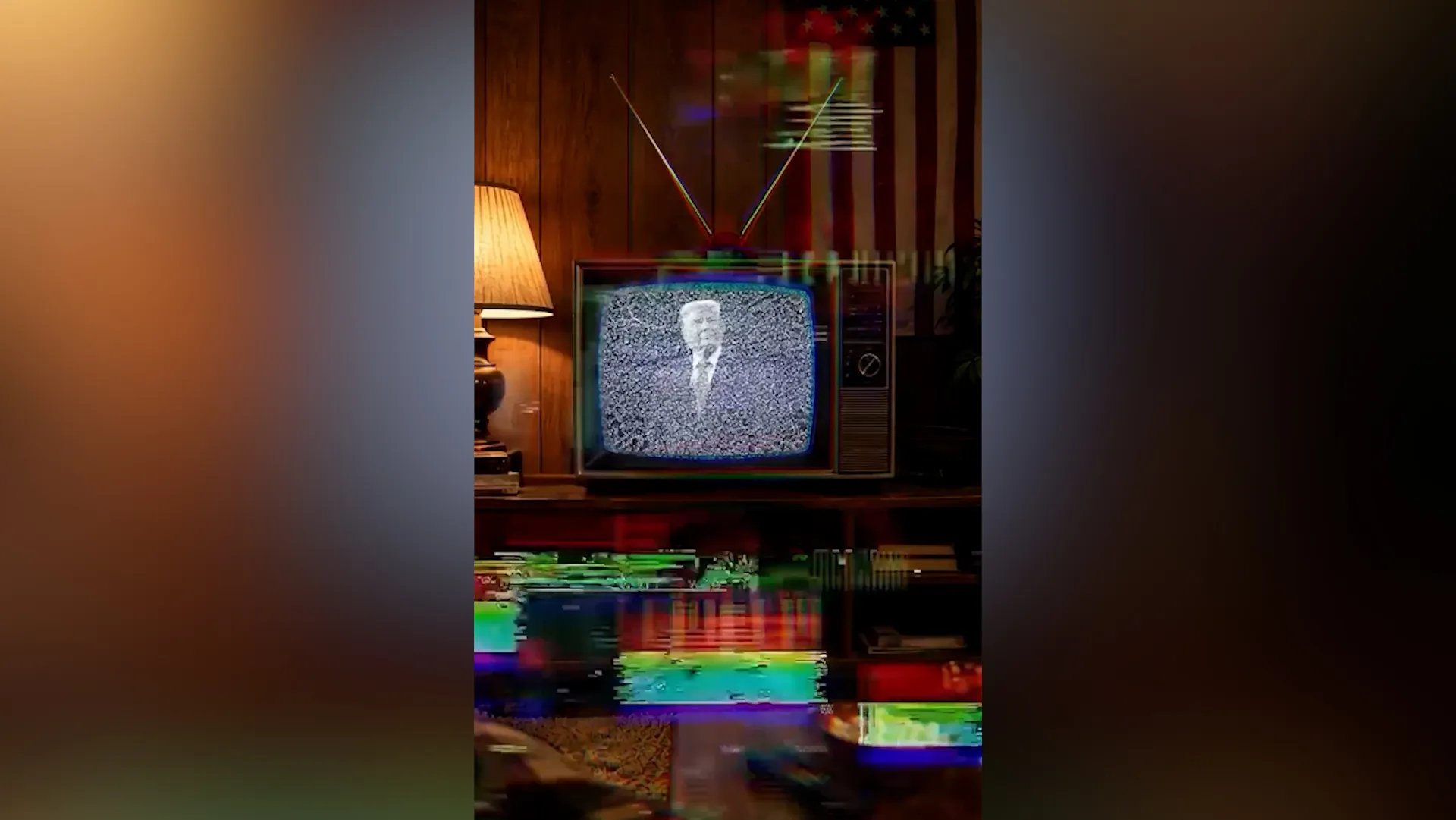
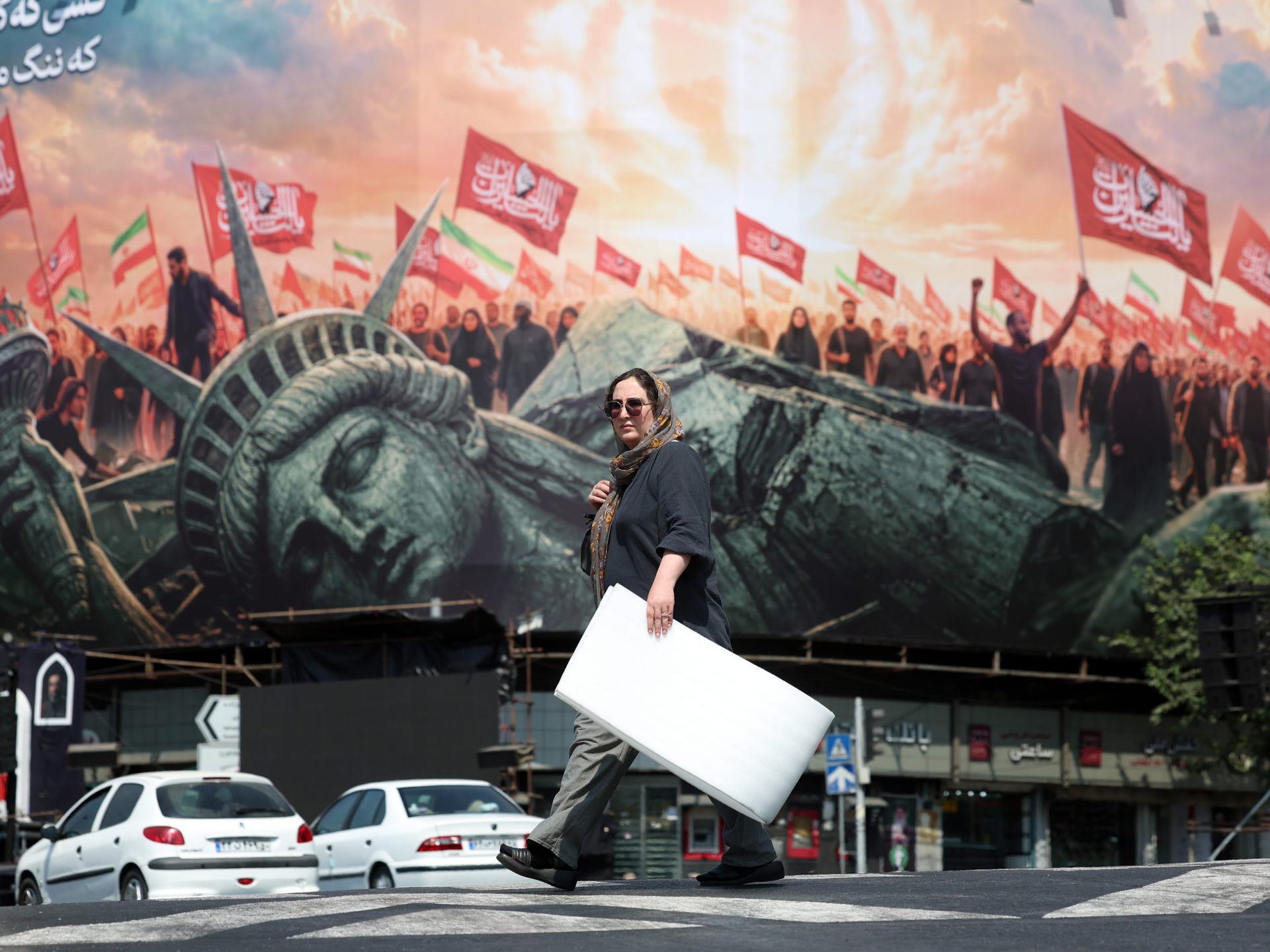
This diplomatic friction occurs against a backdrop of broad international instability, with the Trump administration simultaneously advocating for a policy of complete economic isolation against Tehran. While the White House publicly dismisses external warnings as alarmist, the strategic necessity for direct communication remains, highlighting a precarious balancing act between domestic political performance and the pragmatic management of international crises.
The dichotomy between the White House's bellicose public proclamations and the operational reality of diplomatic engagement represents a significant shift in contemporary statecraft. ve staff-level dialogues, the administration is effectively testing the limits of “maximum pressure” diplomacy. This strategy forces global observers to parse which elements of the administration's messaging are intended for international consumption, and which are directed at a domestic audience wary of foreign entanglements. The precedent of such dual-track diplomacy complicates the efforts of allied nations who are increasingly caught between the mandates of isolation and the necessity of regional de-escalation.
The persistence of these talks serves as a stark contrast to the aggressive tone set during the opening sessions. While reports indicate that the sessions were strained—with some accounts suggesting Iranian delegates walked out at various intervals due to the intensity of the anti-Tehran rhetoric—the fact that the meetings lasted for three hours suggests a substantive, if fraught, exchange. The disparity in reporting remains notable: while some outlets focus on the walkouts as a sign of complete breakdown, others emphasize the continuation of the talks as proof that both sides remain tethered to the negotiation table, even as the threat of catastrophic economic or military action looms.
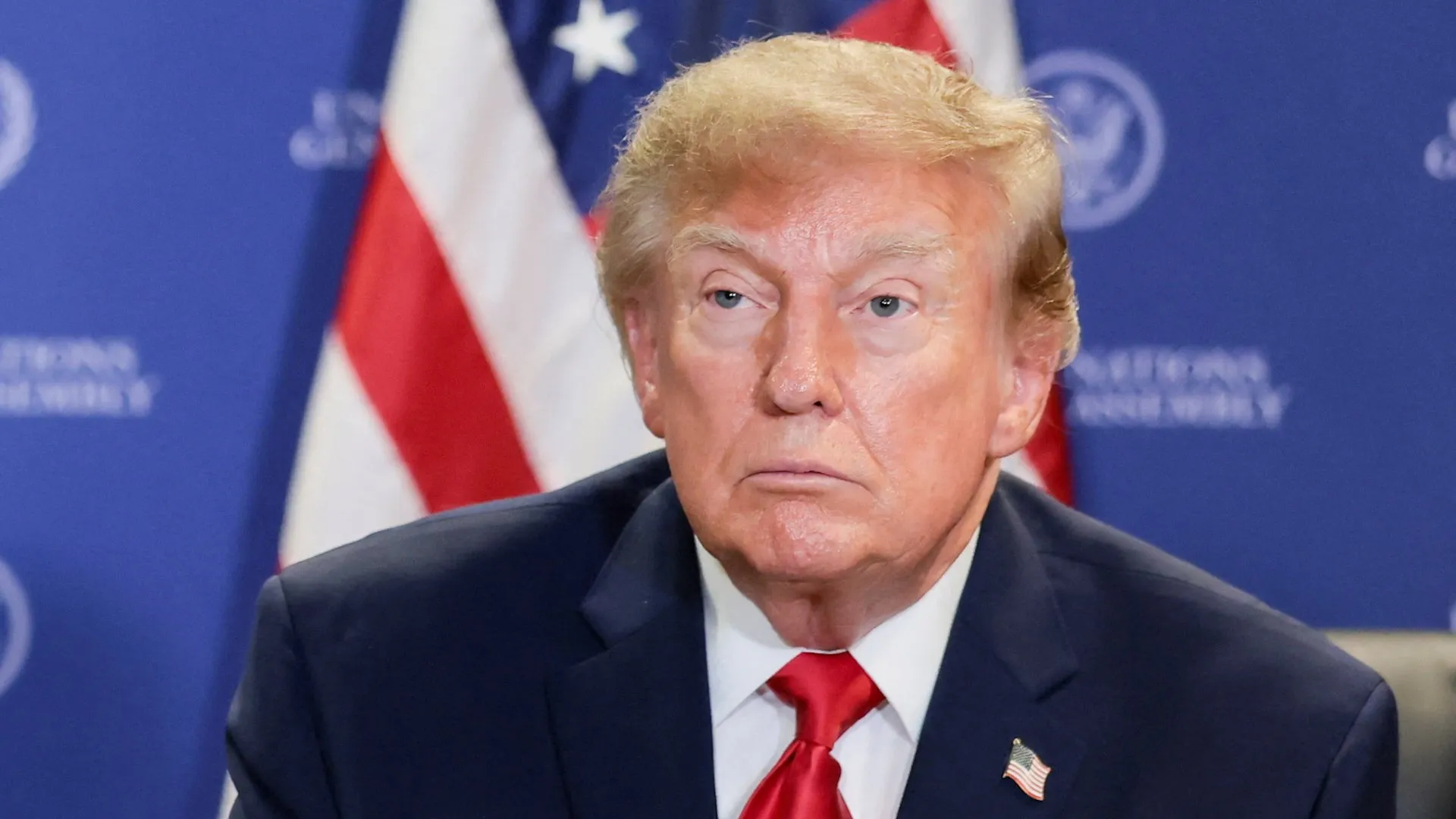
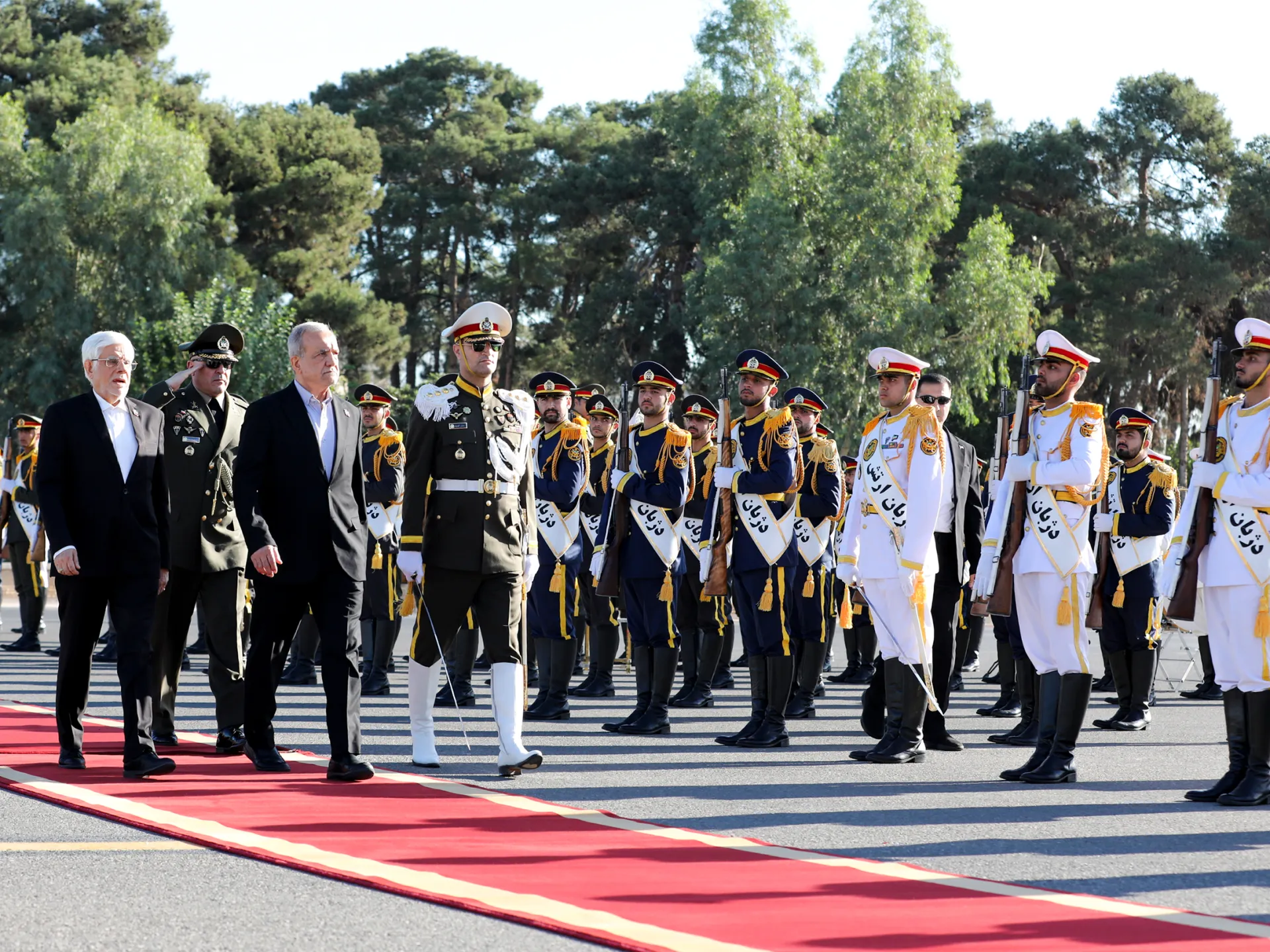
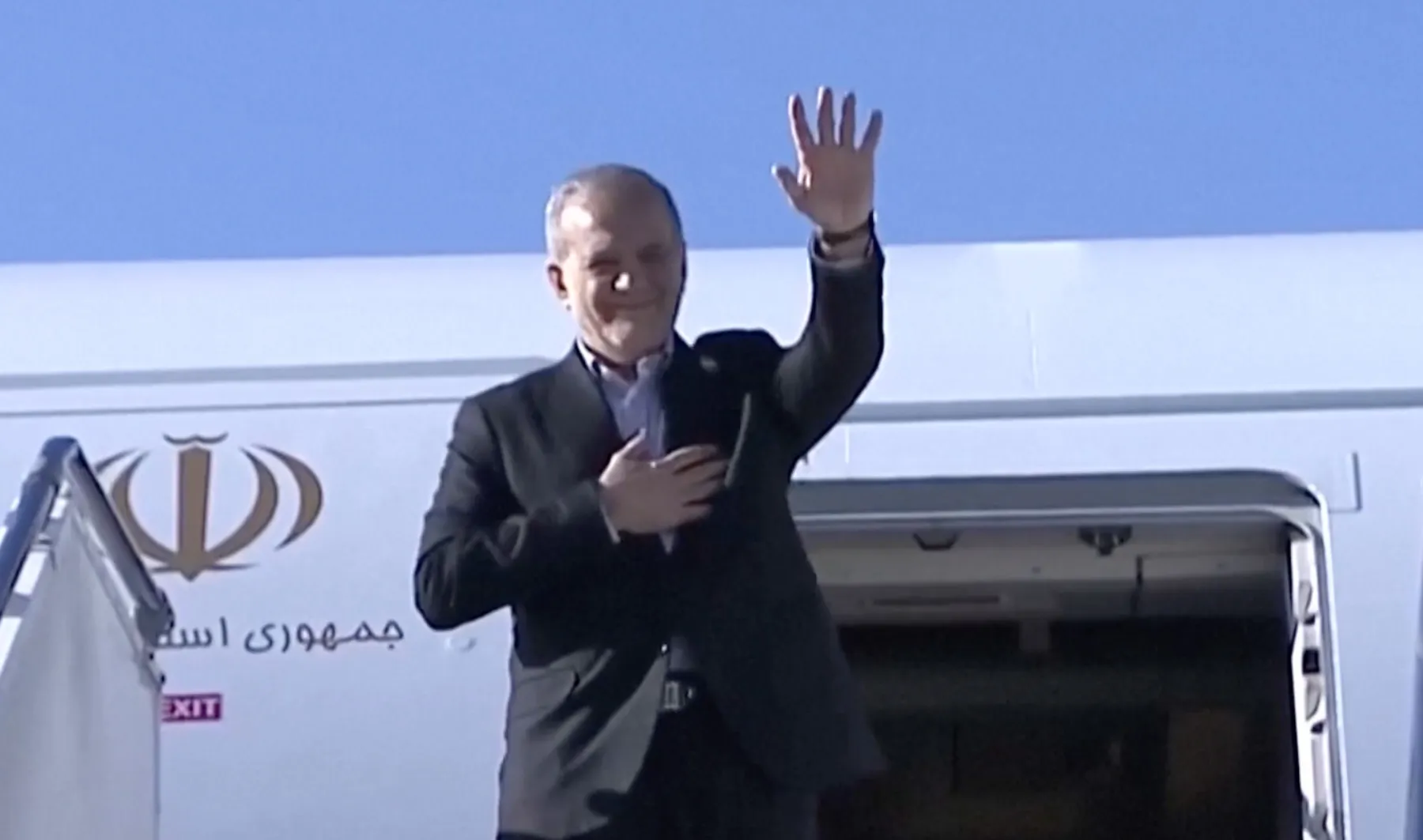
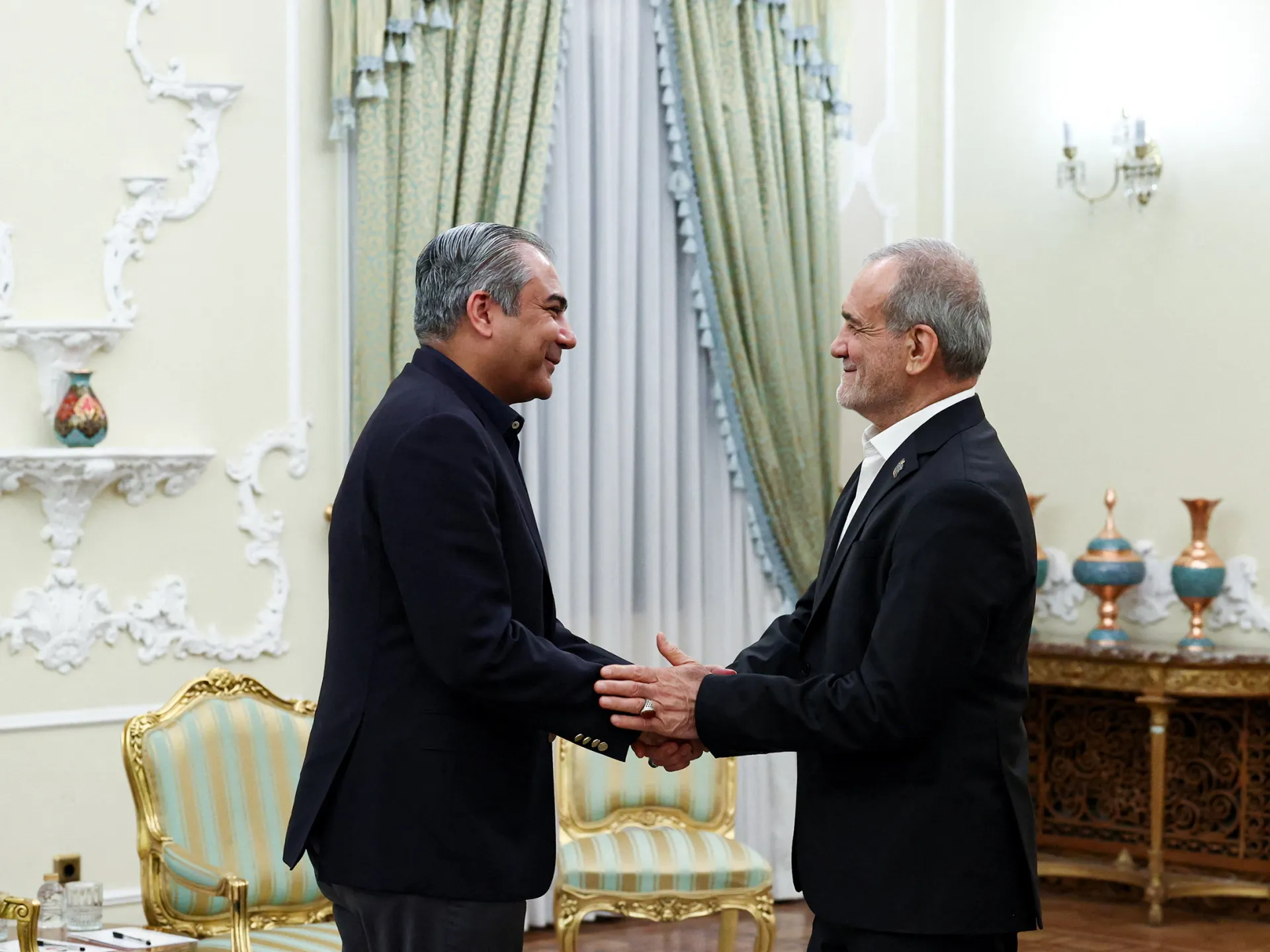
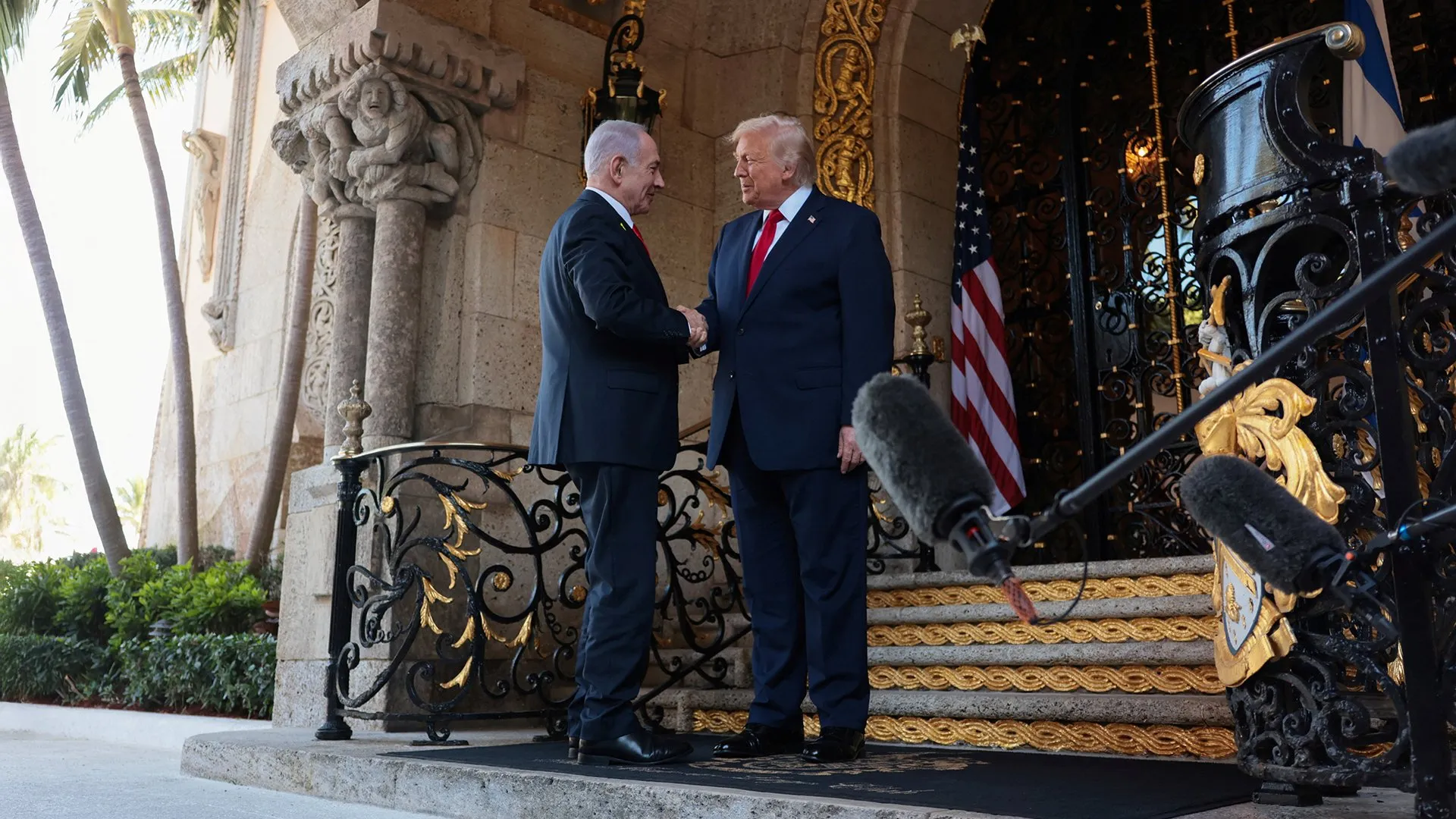
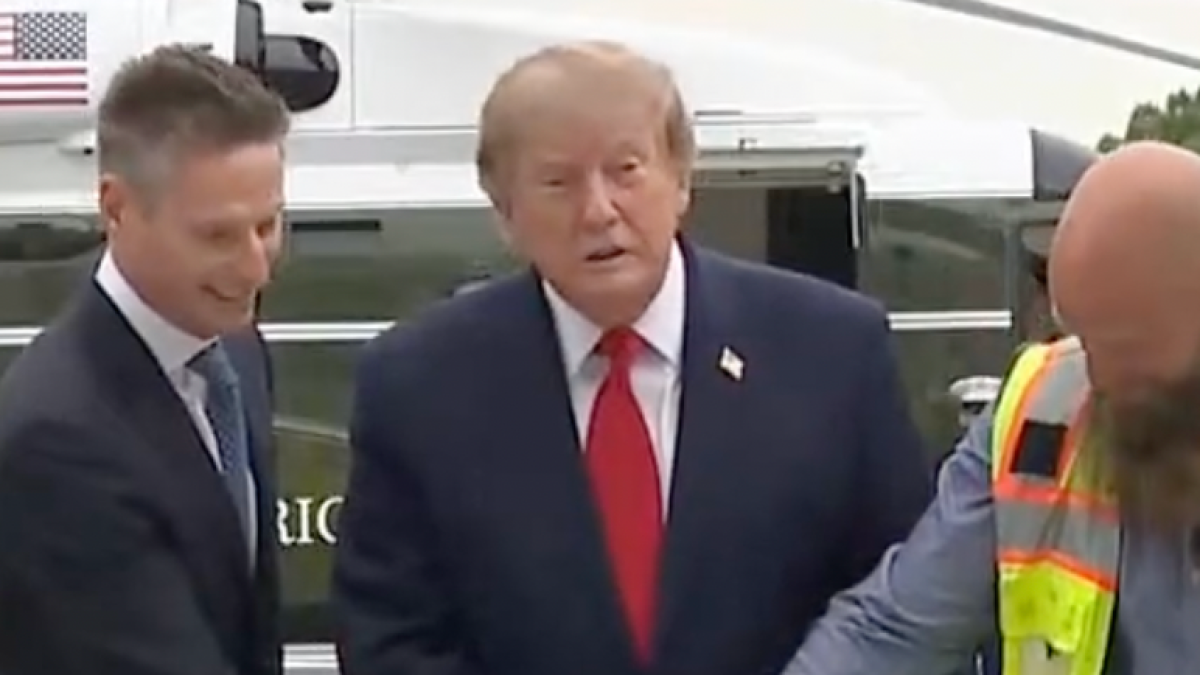
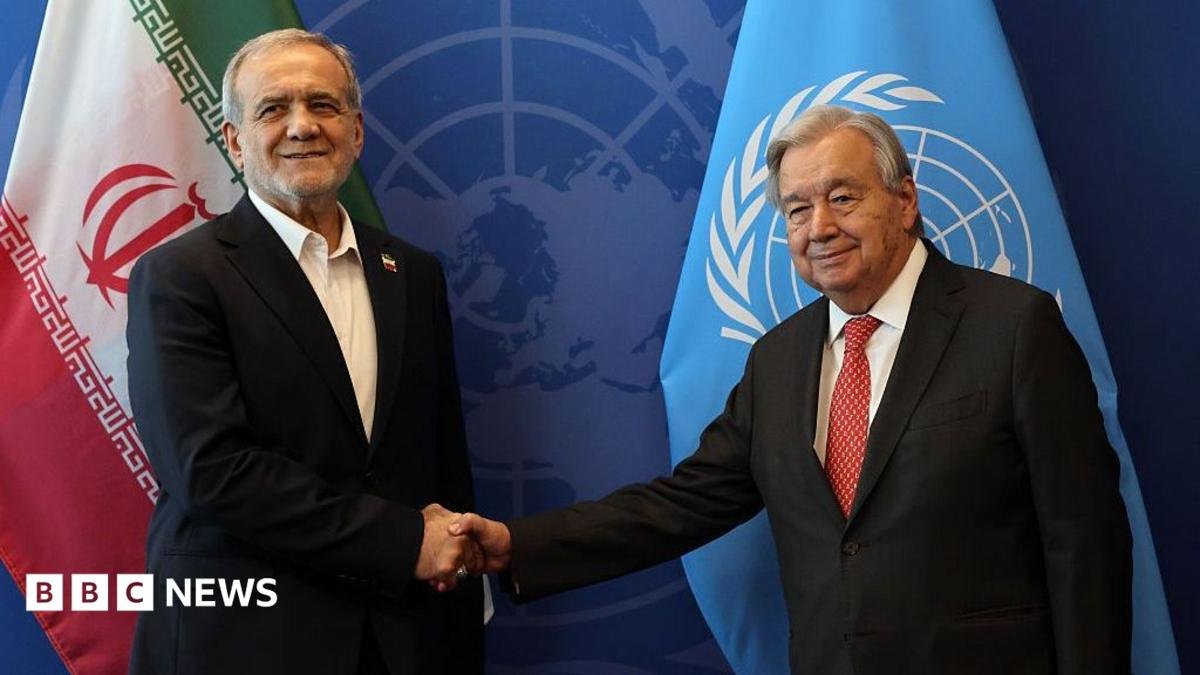
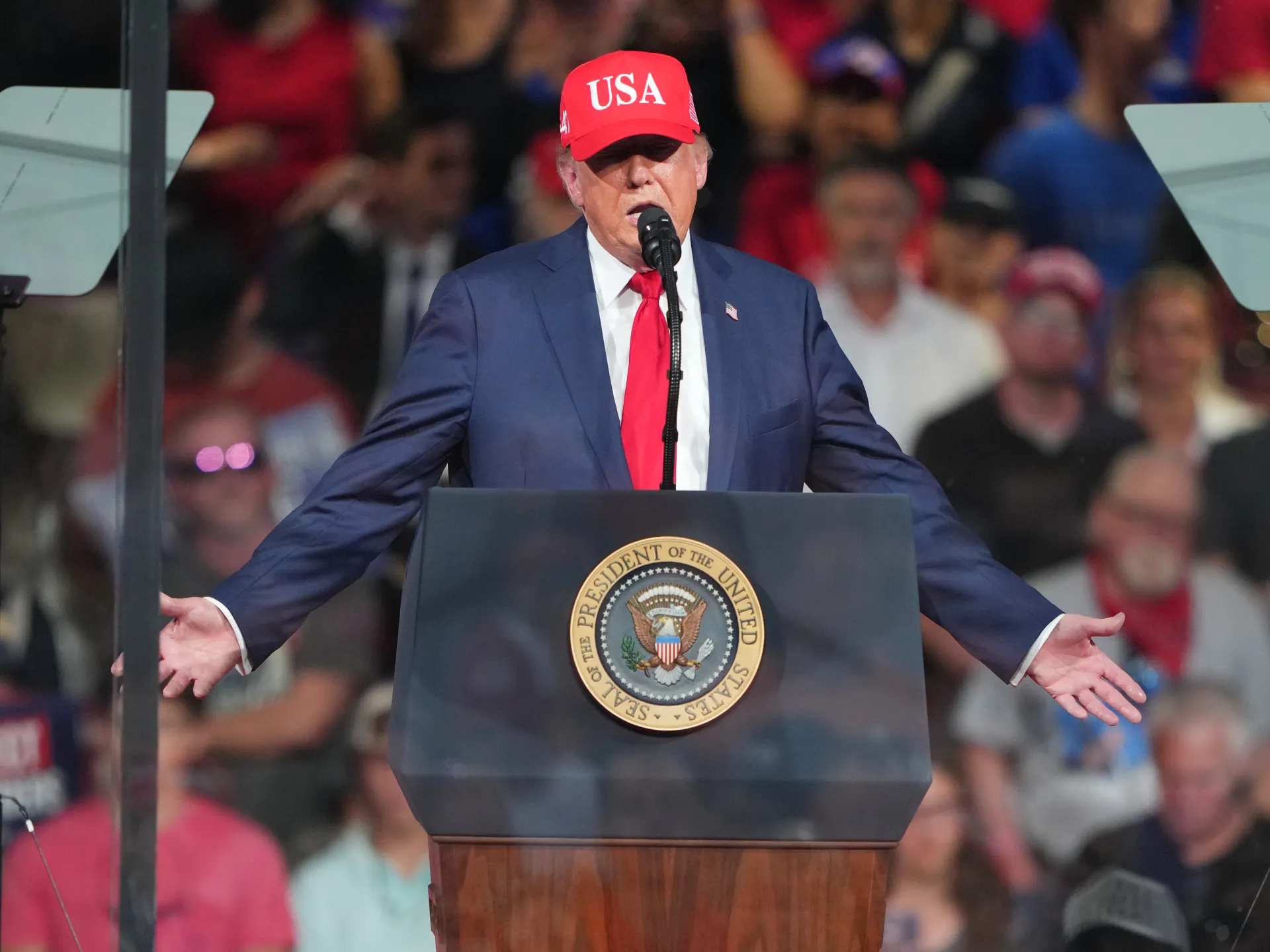
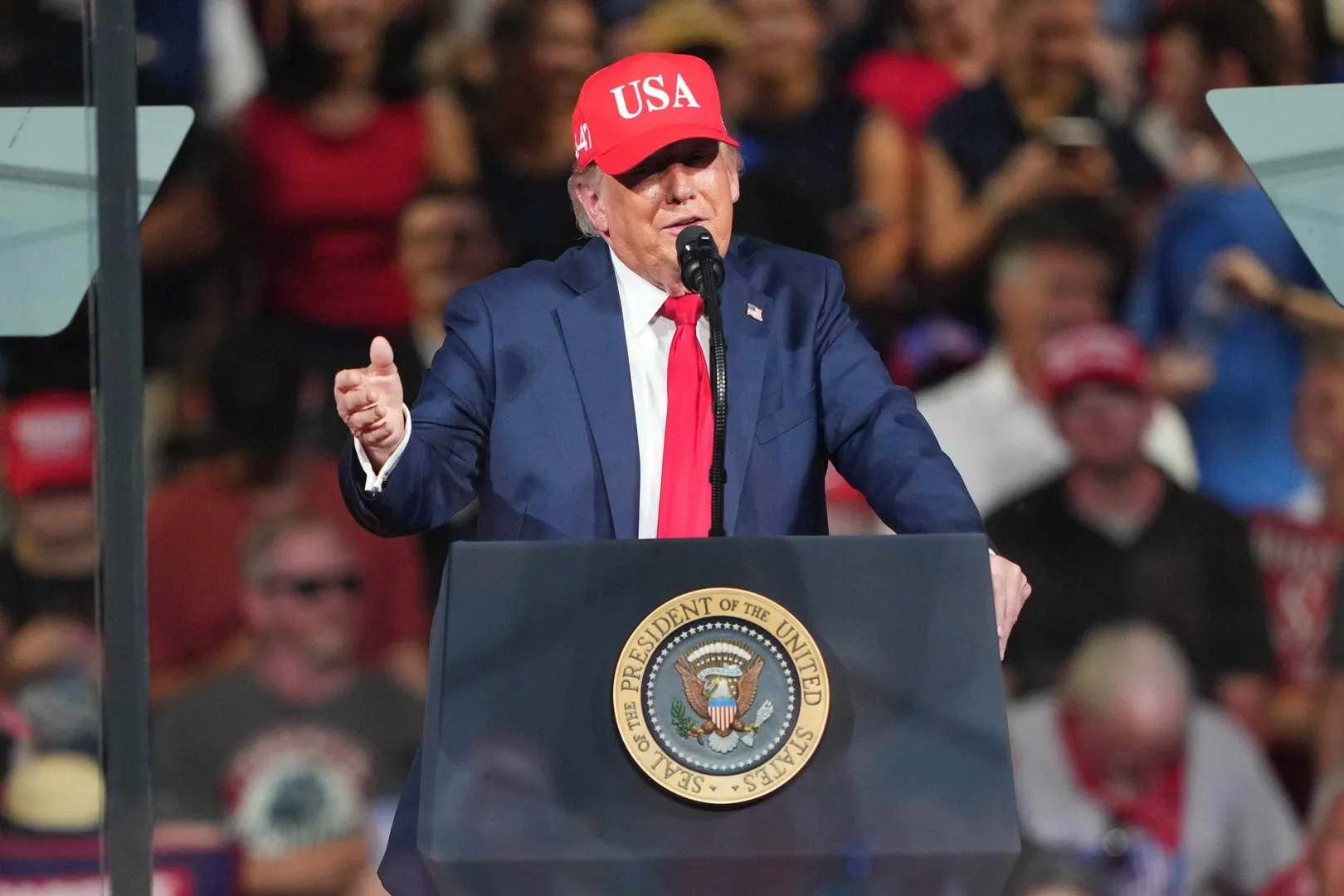
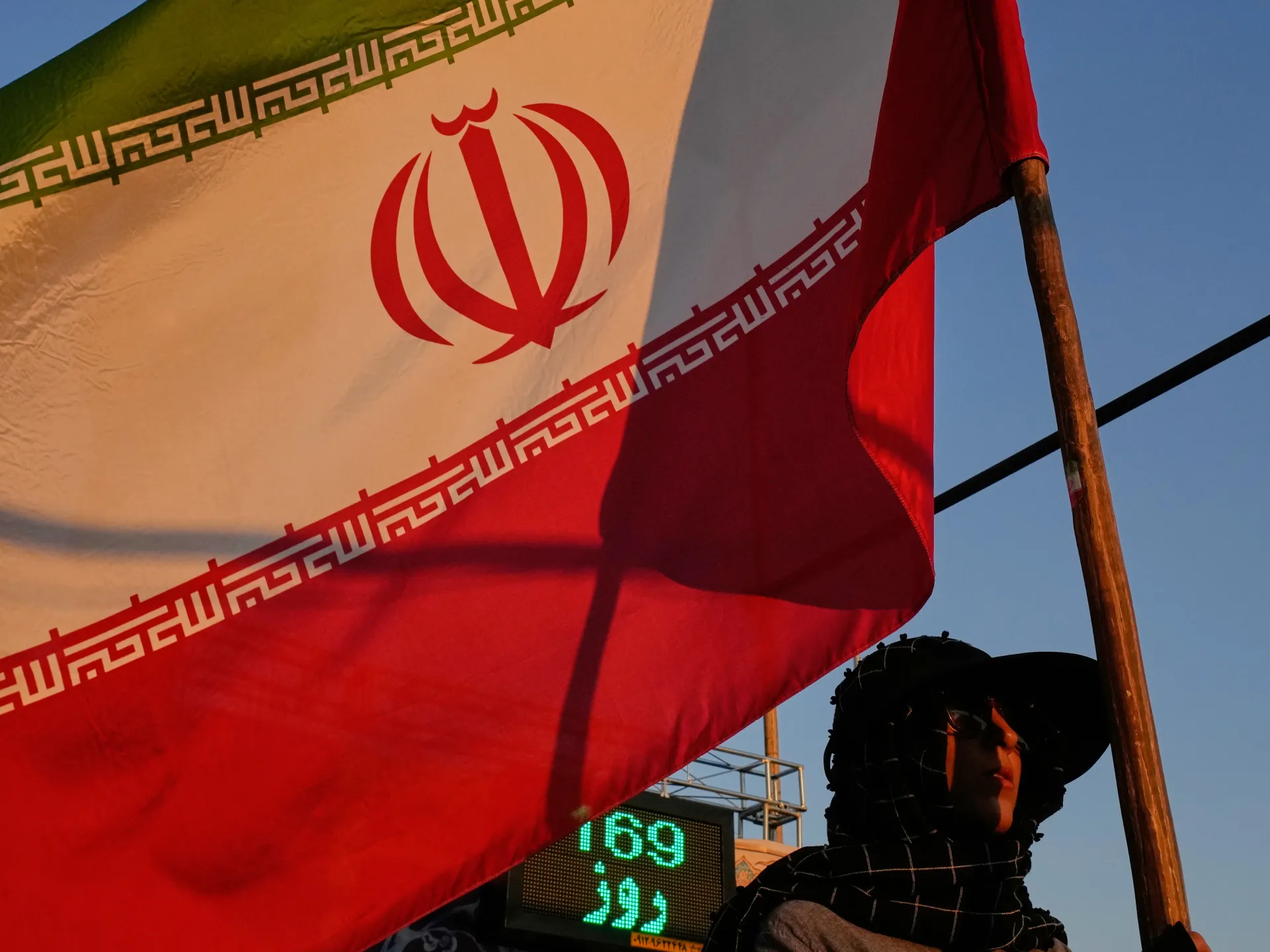
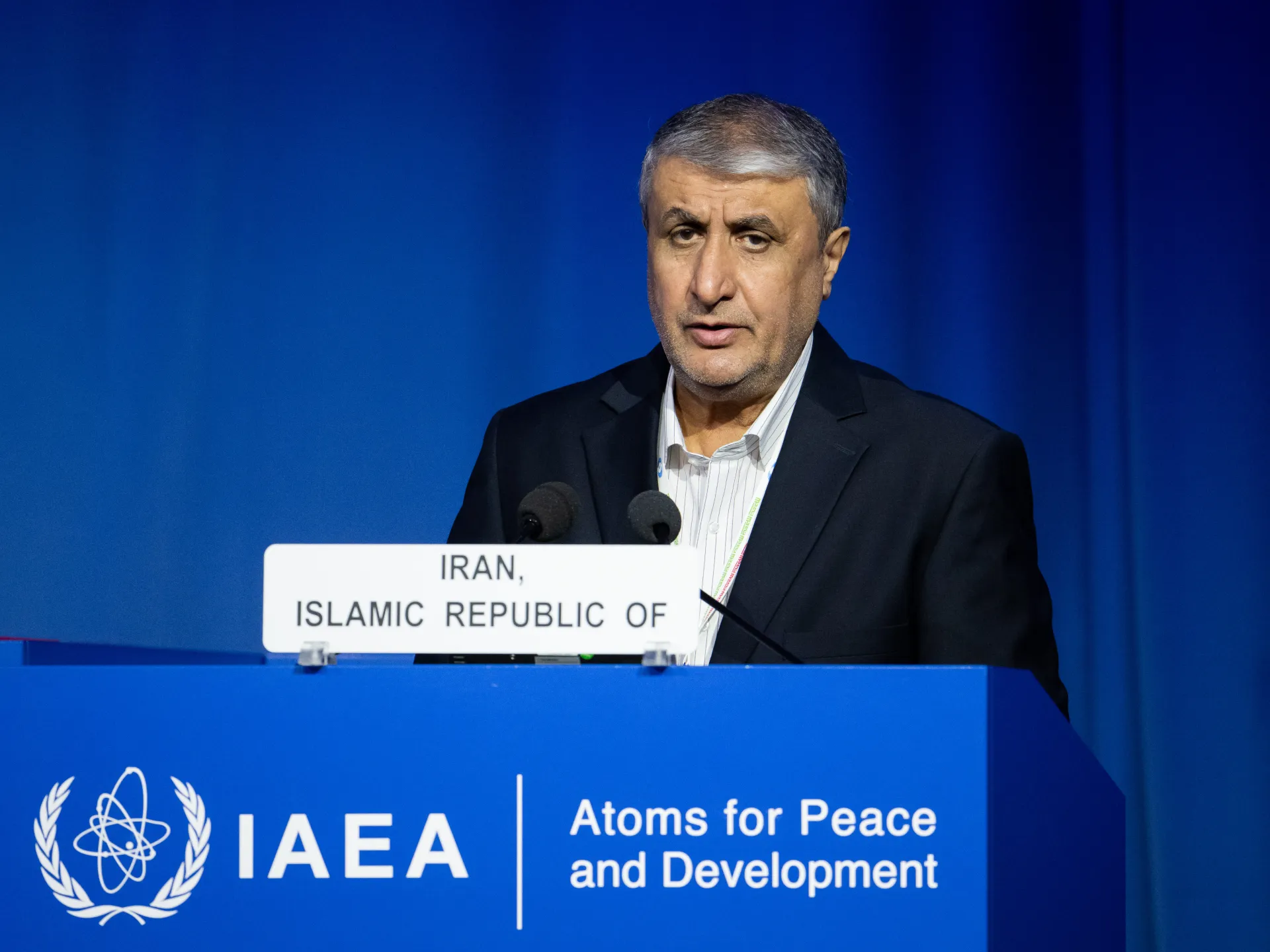
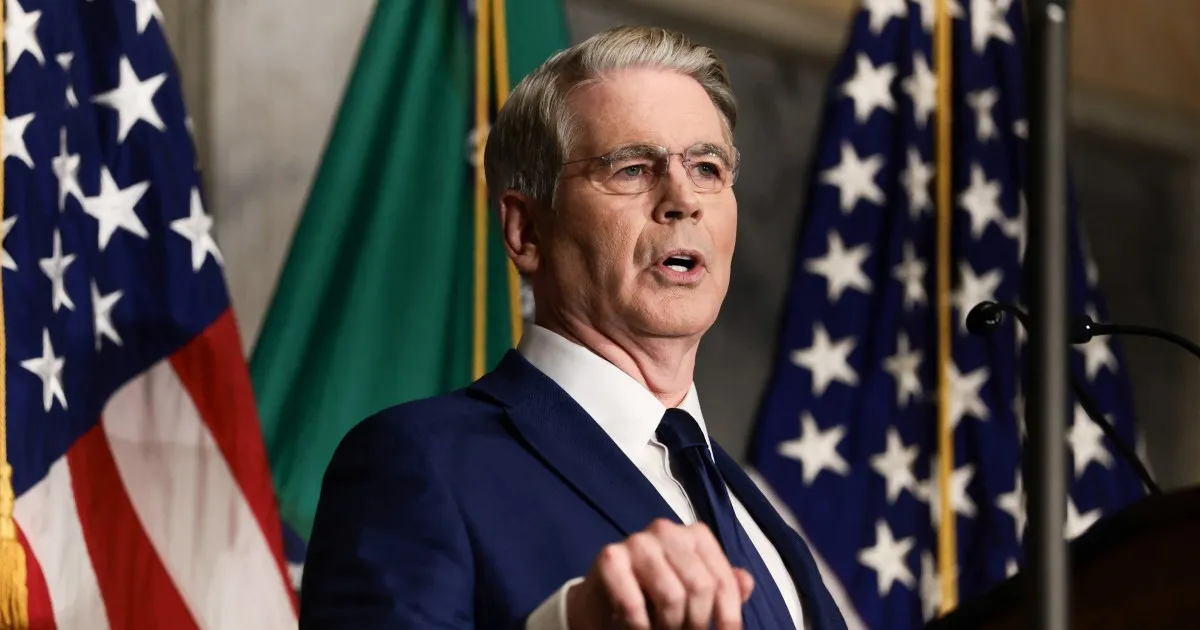
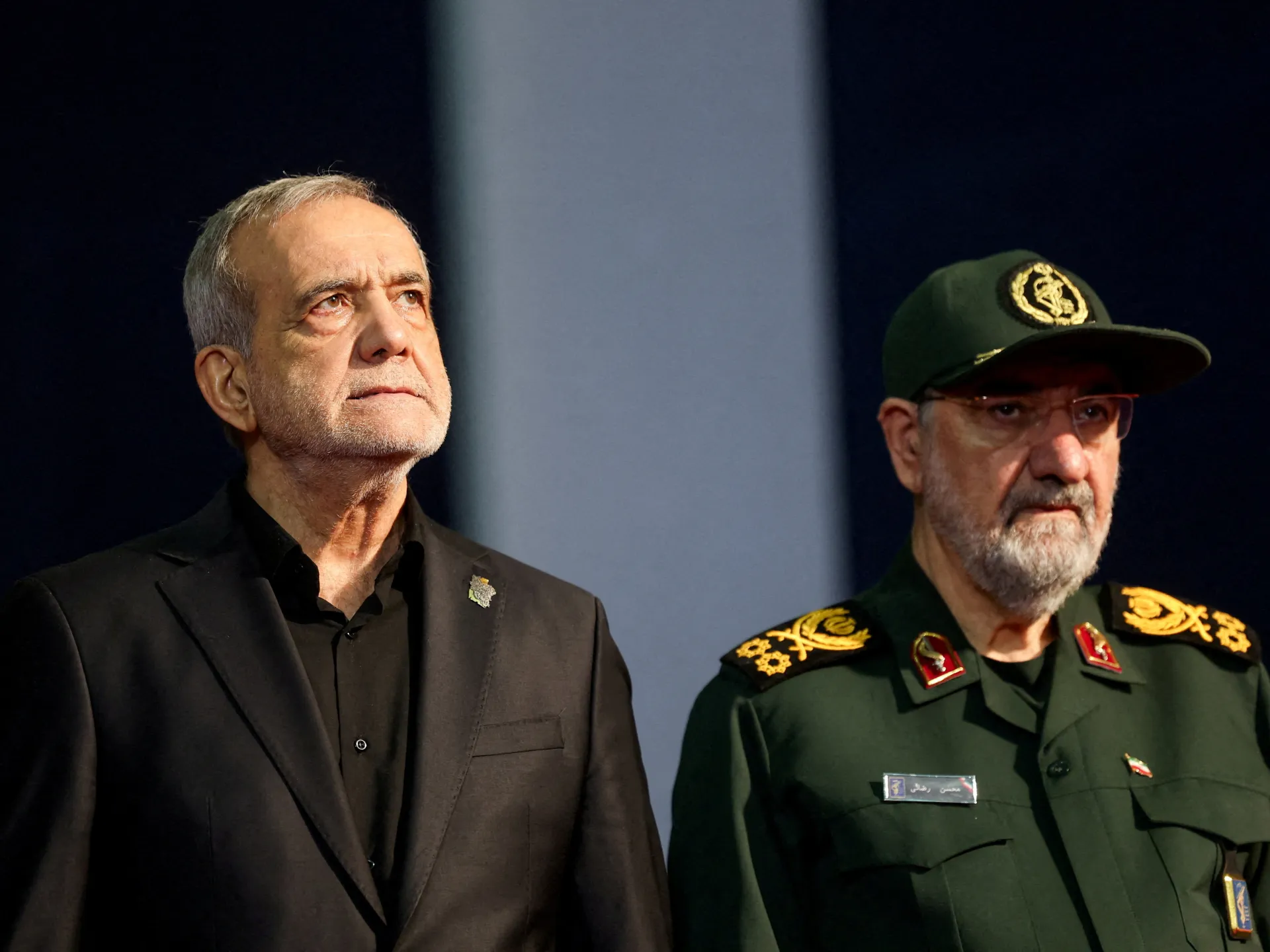
President Trump has framed his stance on Iran as a non-negotiable imperative, calling on international allies to enforce a total economic blockade. This hardline stance, however, has not deterred Iranian President Pezeshkian from attending the summit. The presence of the Iranian leadership in New York, combined with the documented engagement with US counterparts, suggests that while the diplomatic environment is currently toxic, both parties recognize the high cost of a total collapse in communication.
Moving forward, the primary challenge for the international community will be determining whether the current diplomatic framework can survive the administration’s stated policy of “complete economic isolation.” If the US proceeds with further sanctions or enforcement actions, the viability of these back-channel meetings will likely diminish. Analysts should watch for whether the administration’s rhetoric transitions into concrete policy changes regarding secondary sanctions, which would serve as a litmus test for whether the back-channel talks are intended to achieve a new agreement or merely to prevent immediate, unintended military escalation. The outcome of these discussions will likely dictate the tenor of regional security in the Middle East for the remainder of the year.