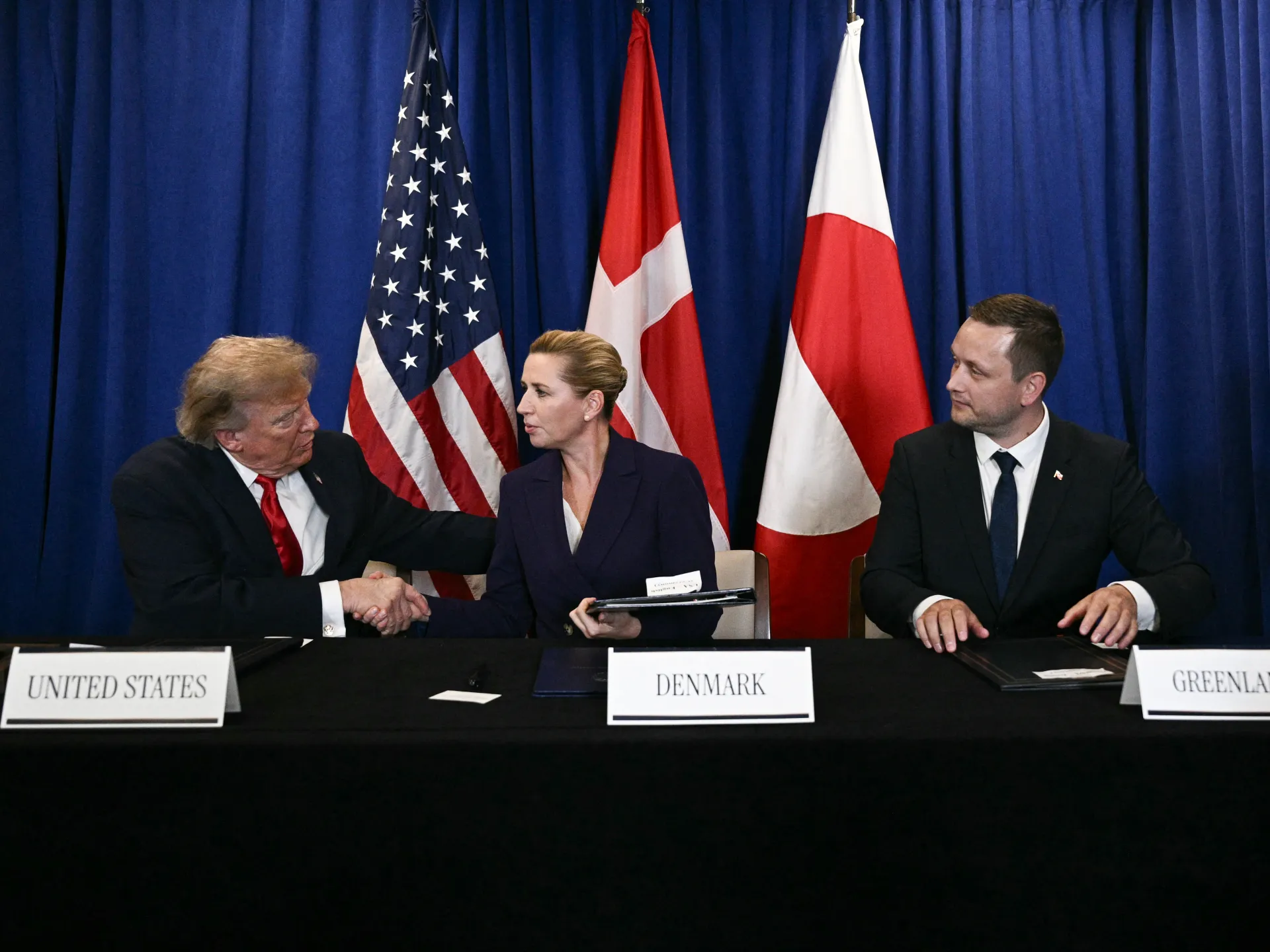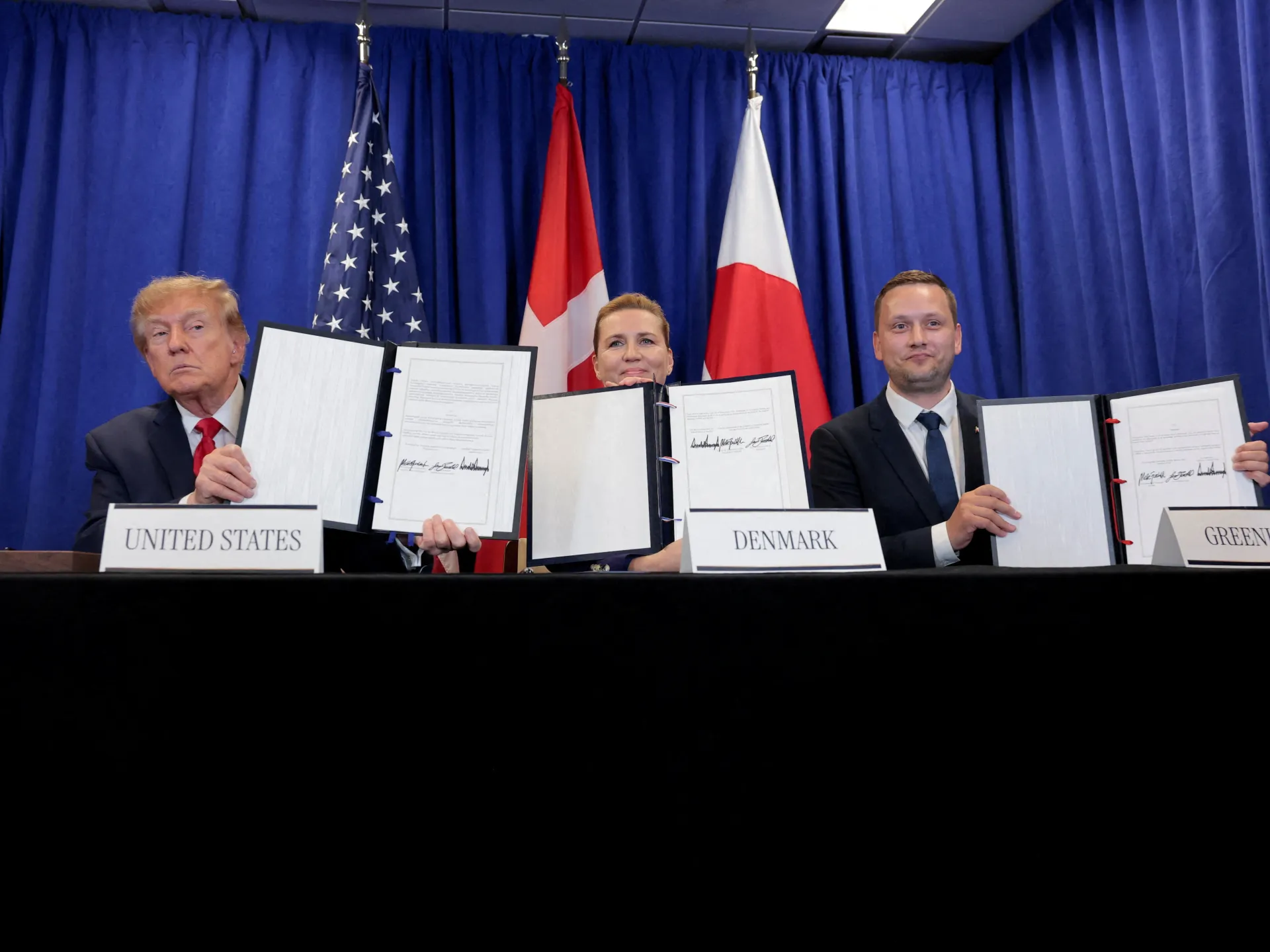
A new trilateral security pact between the U.S., Denmark, and Greenland marks a strategic expansion of American military operations in the Arctic.
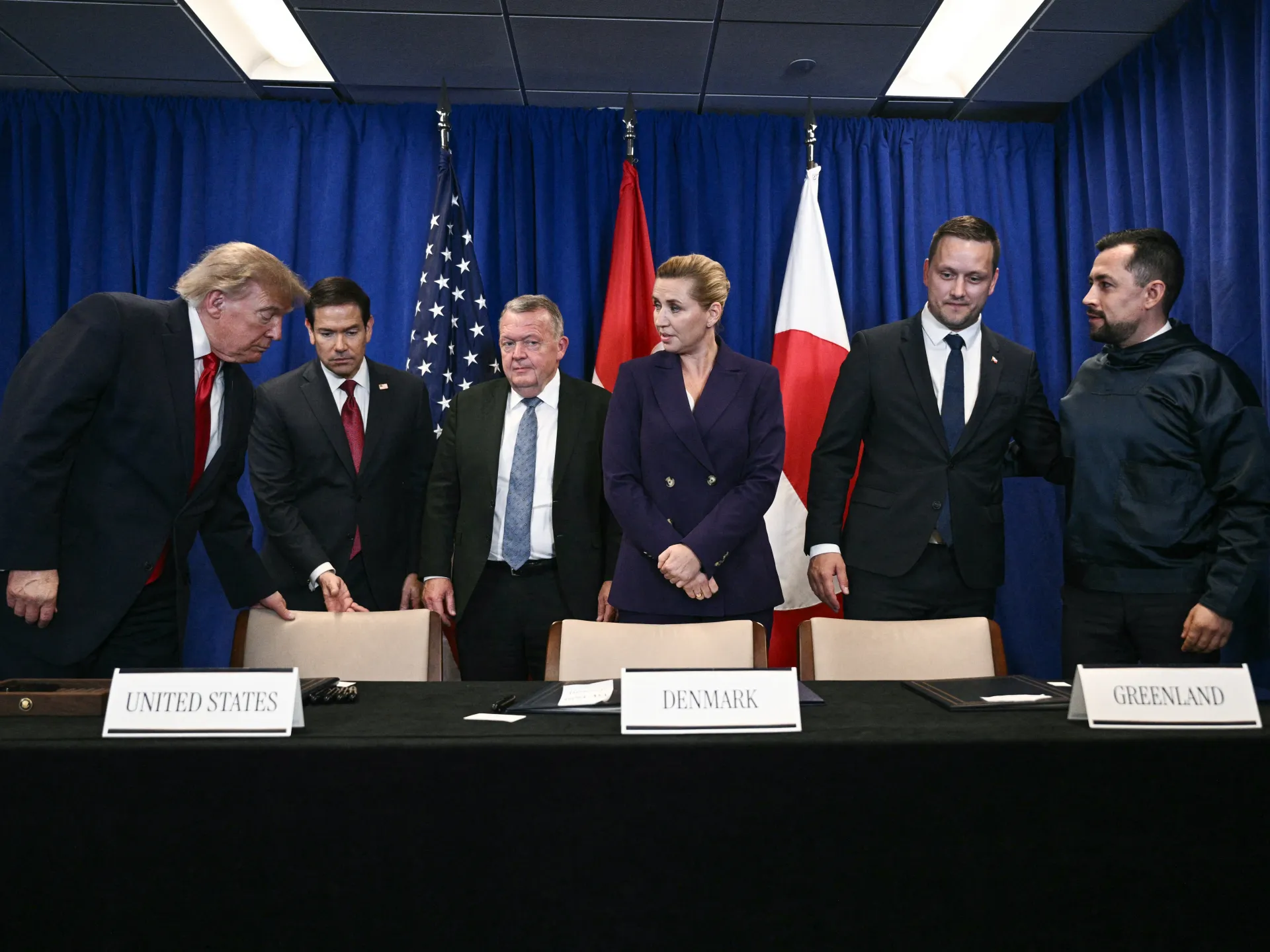
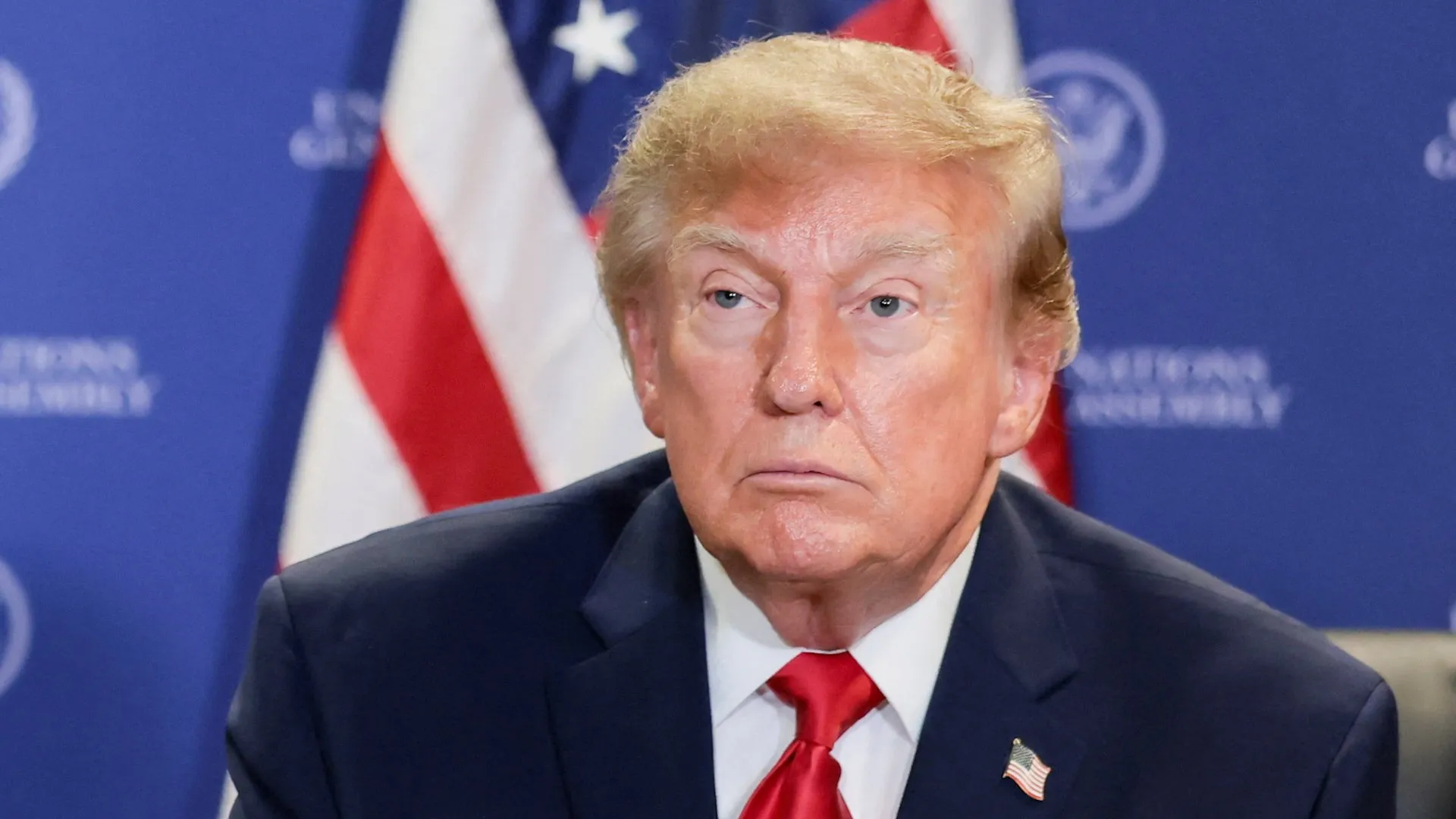
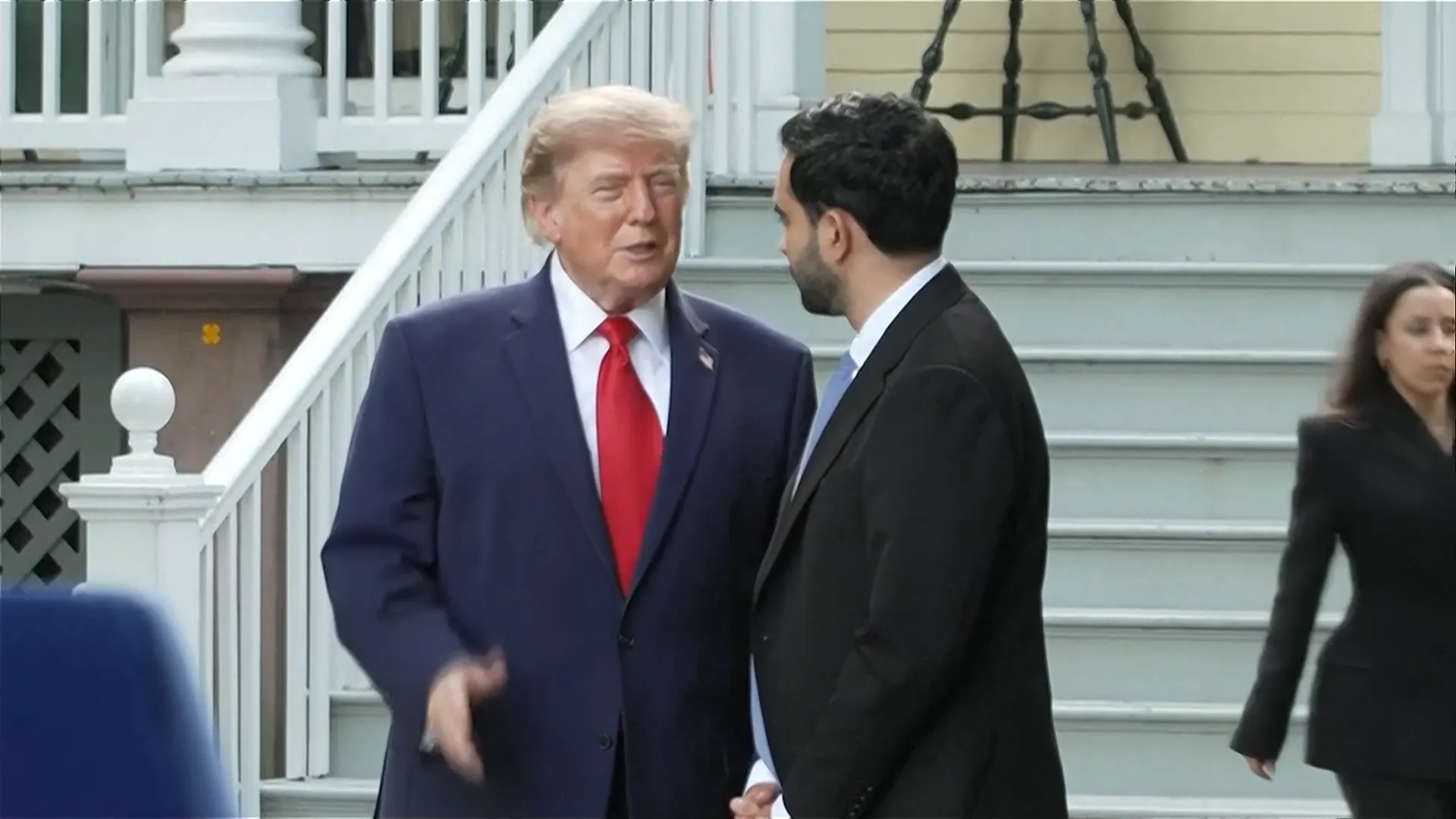
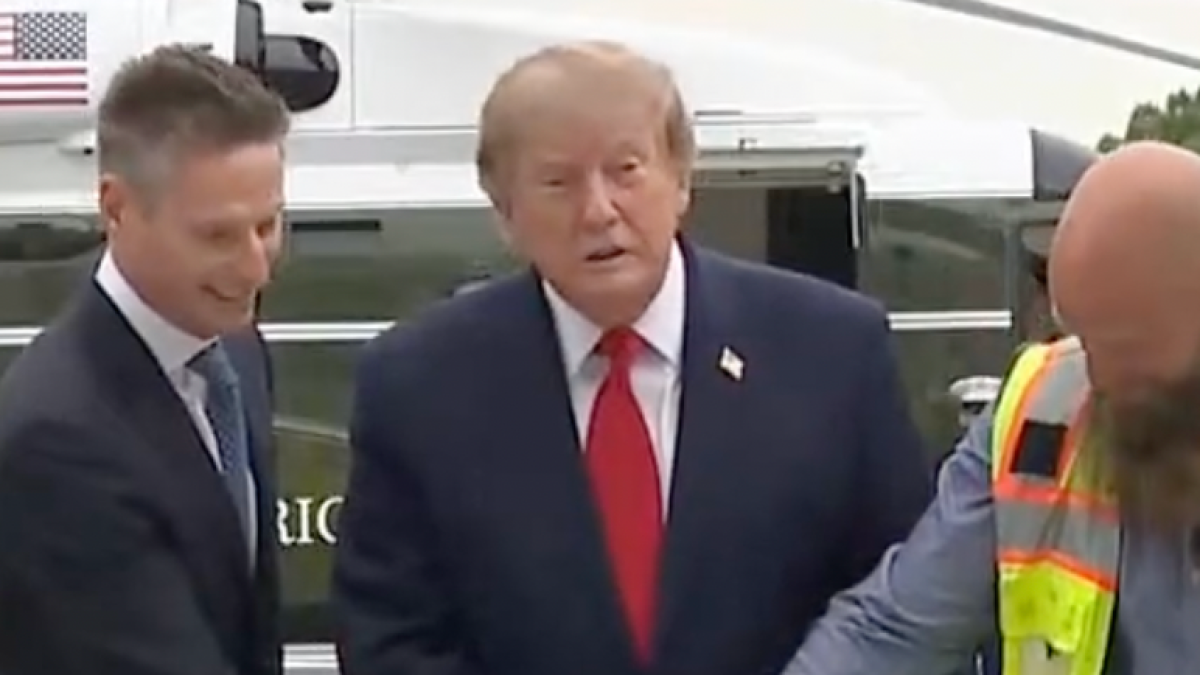
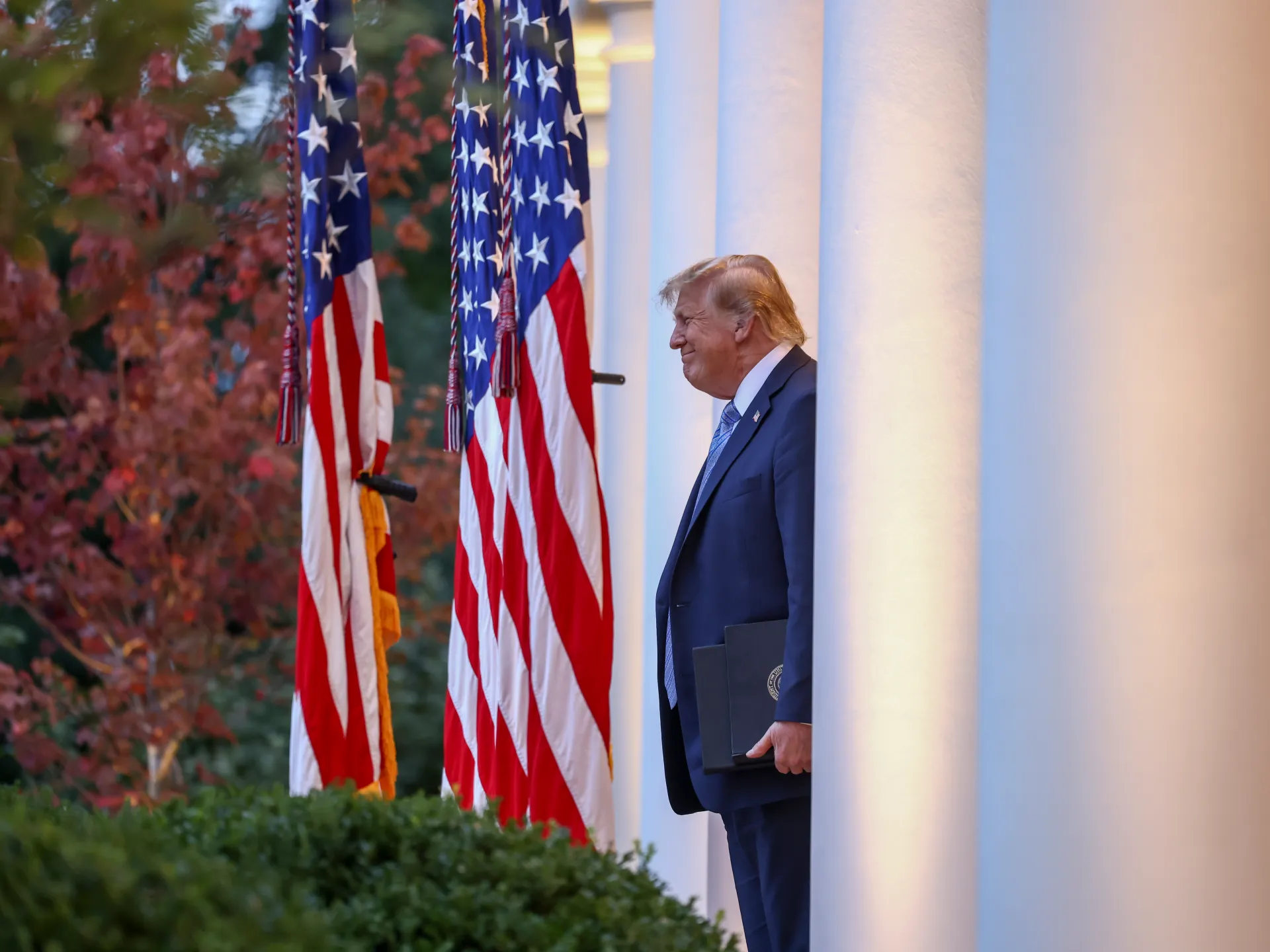
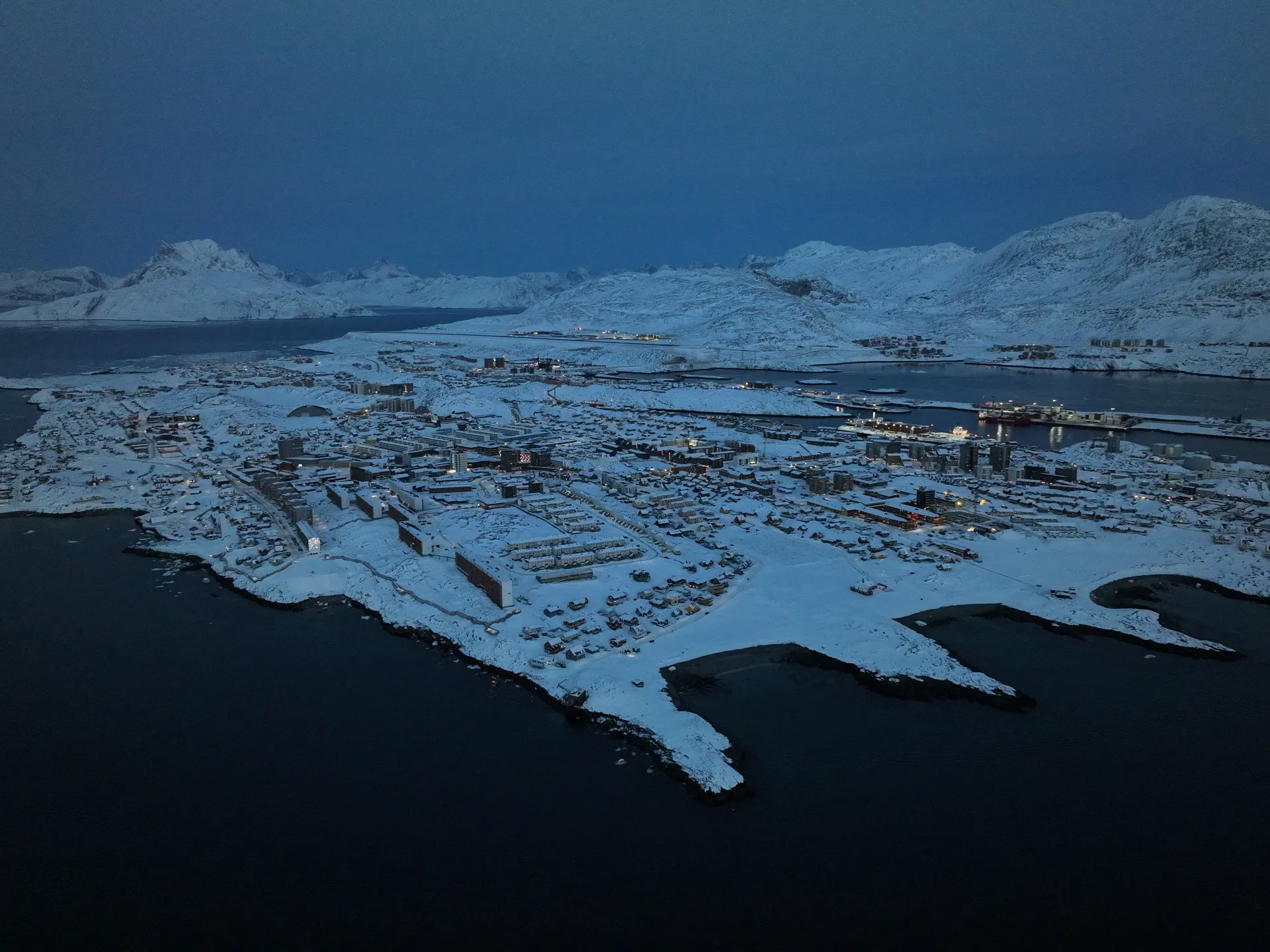
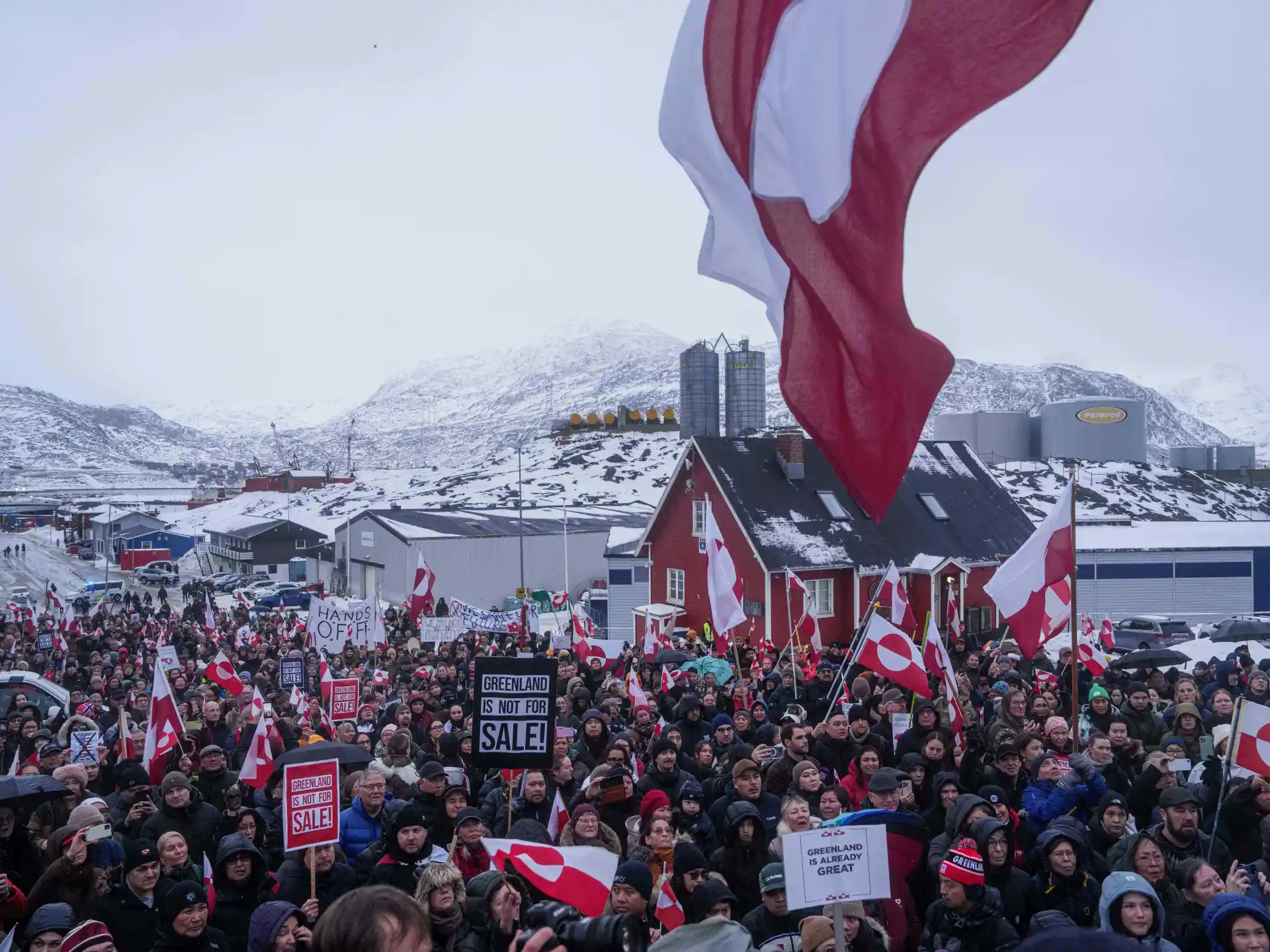
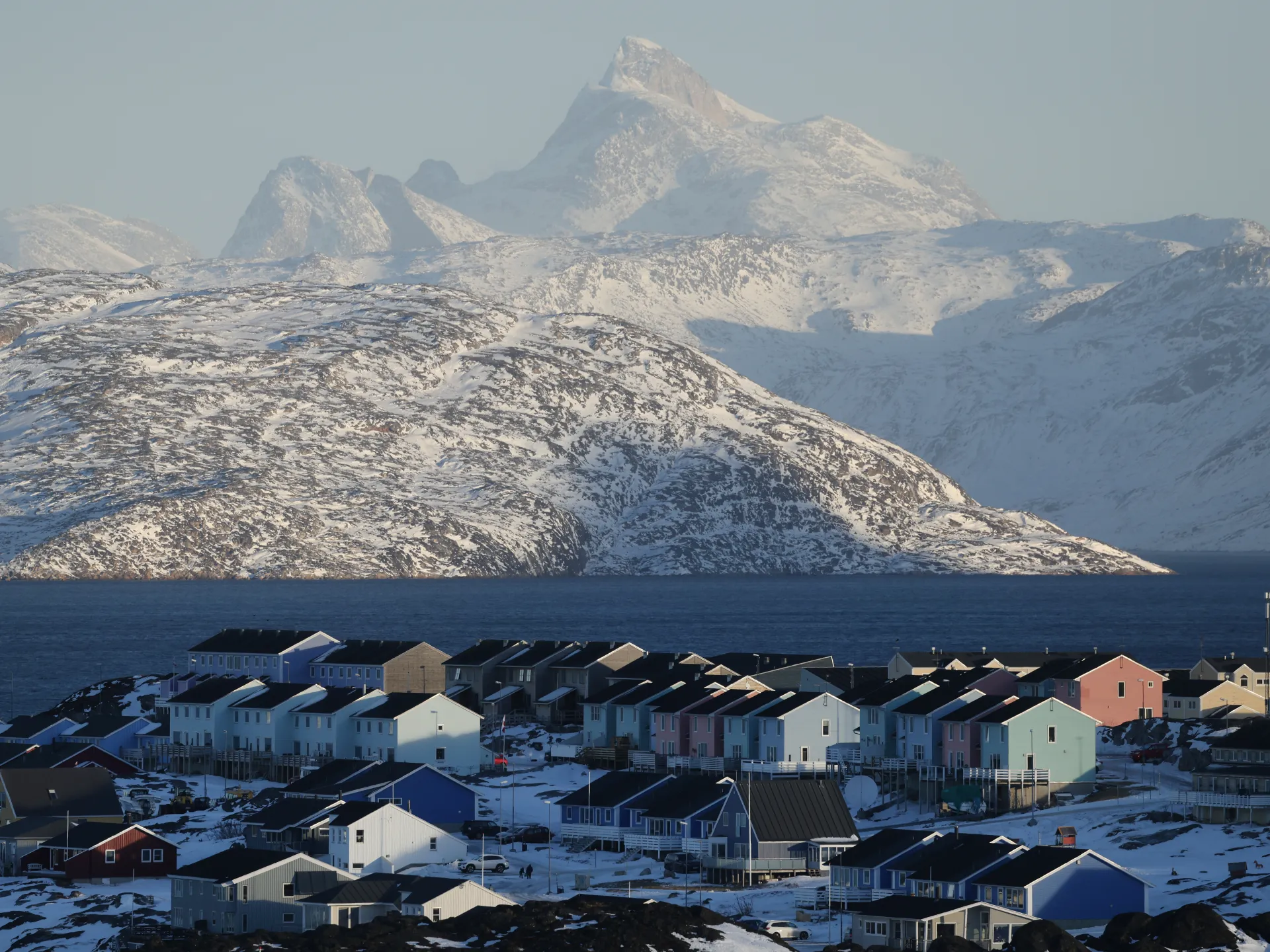
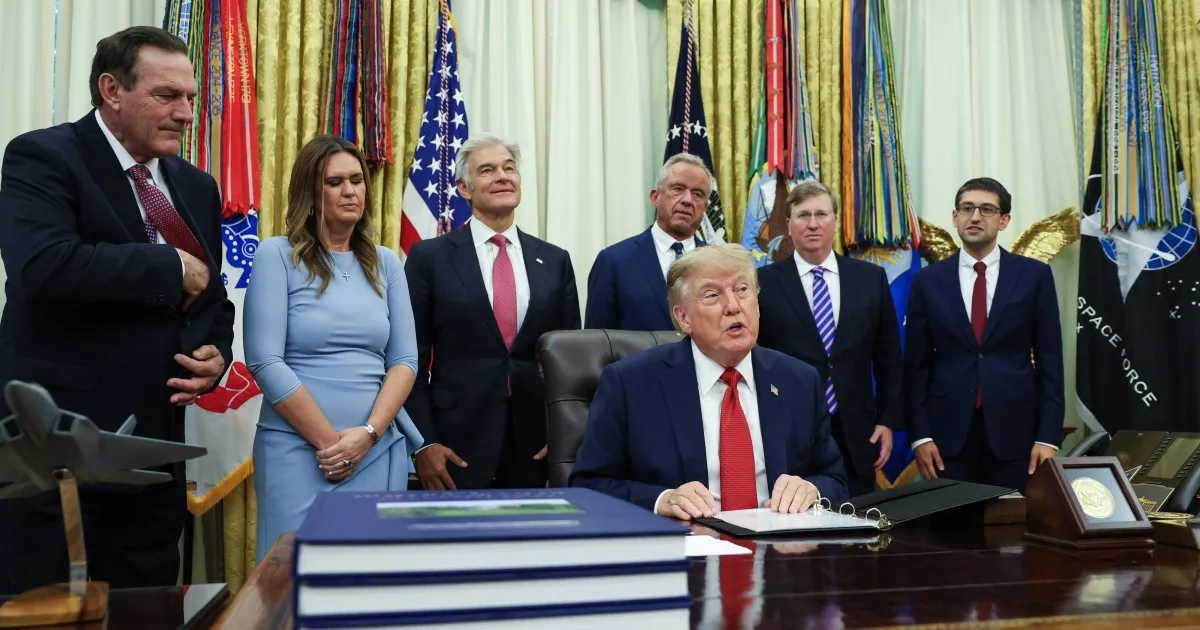
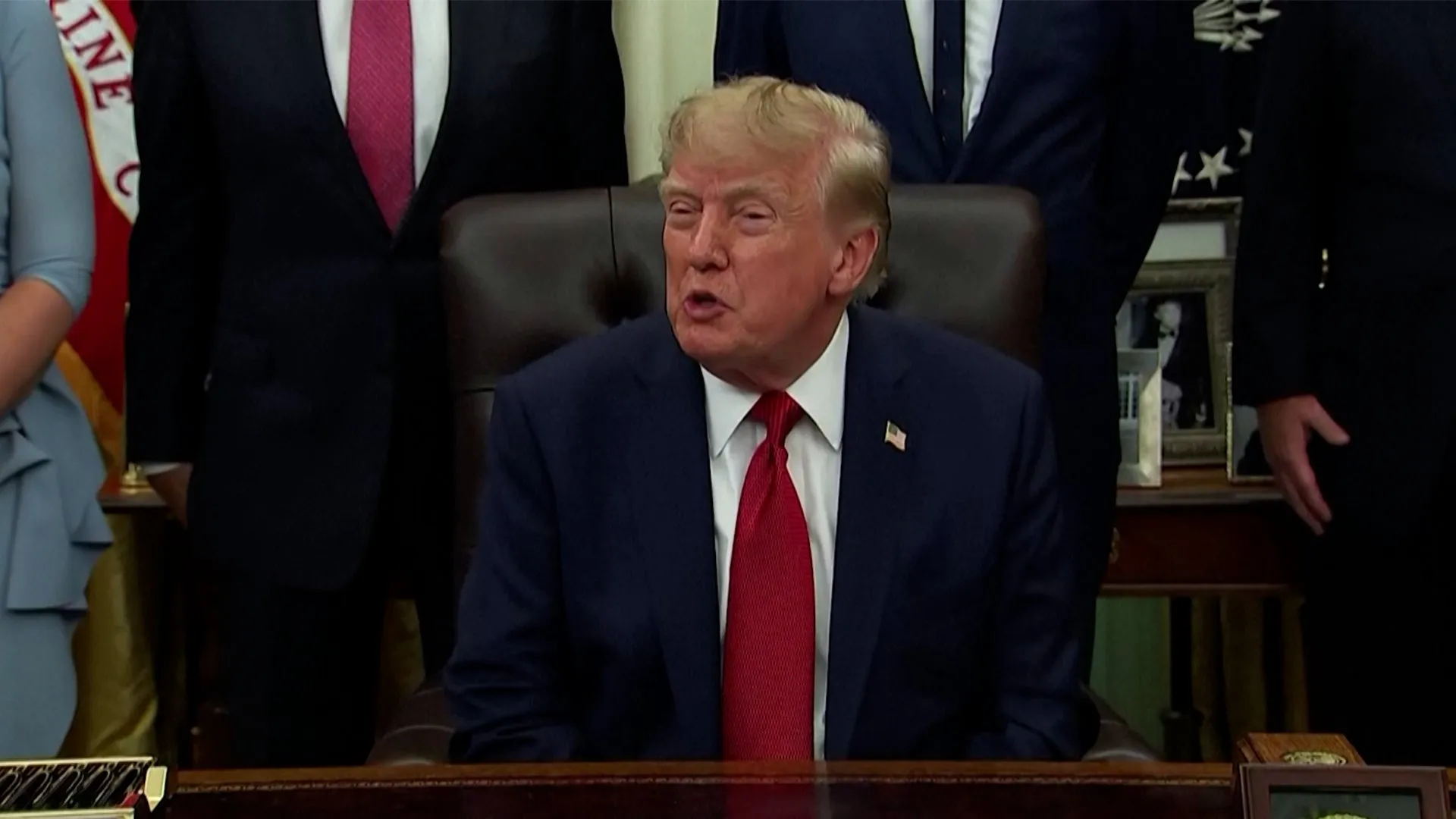
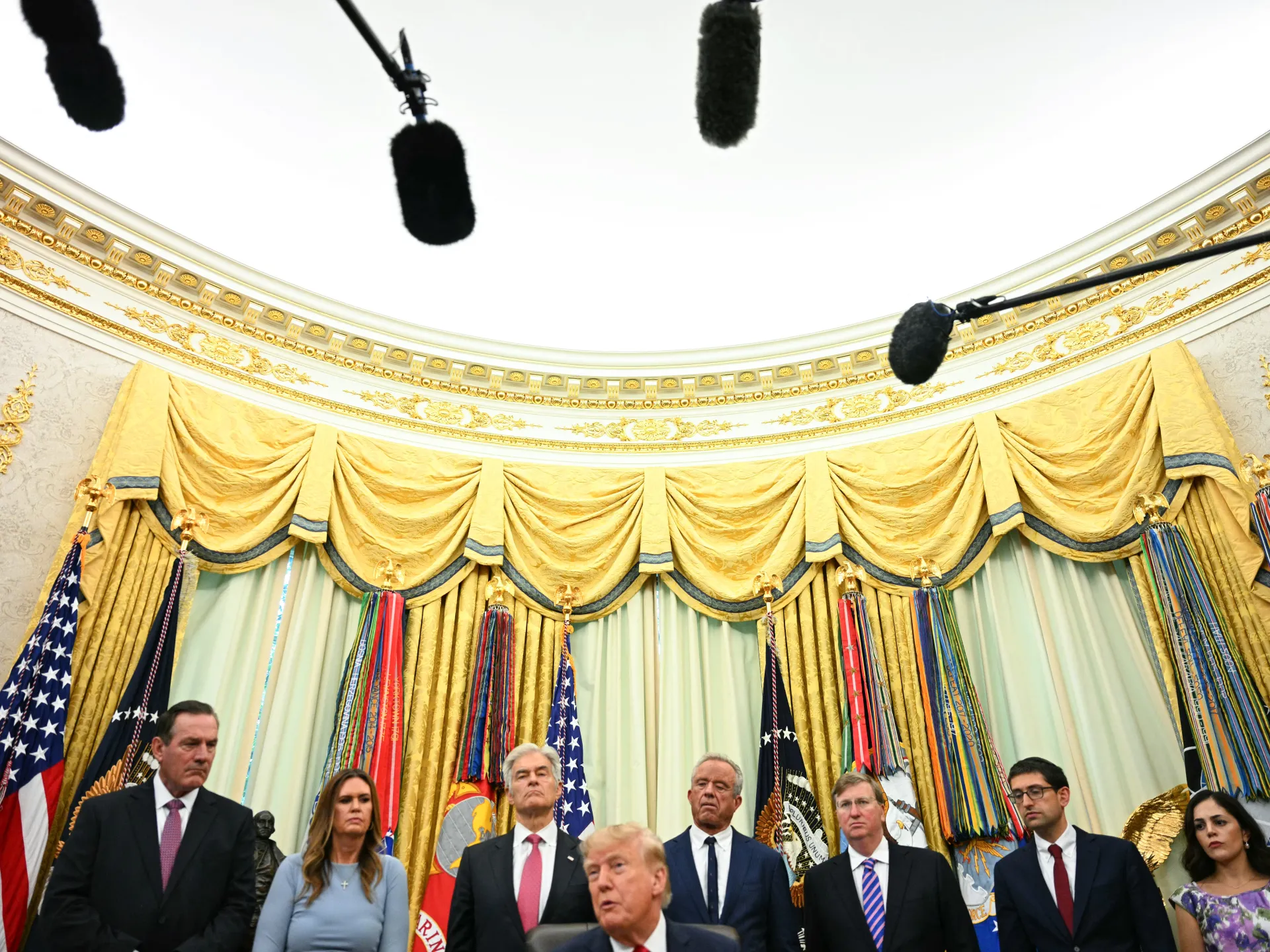
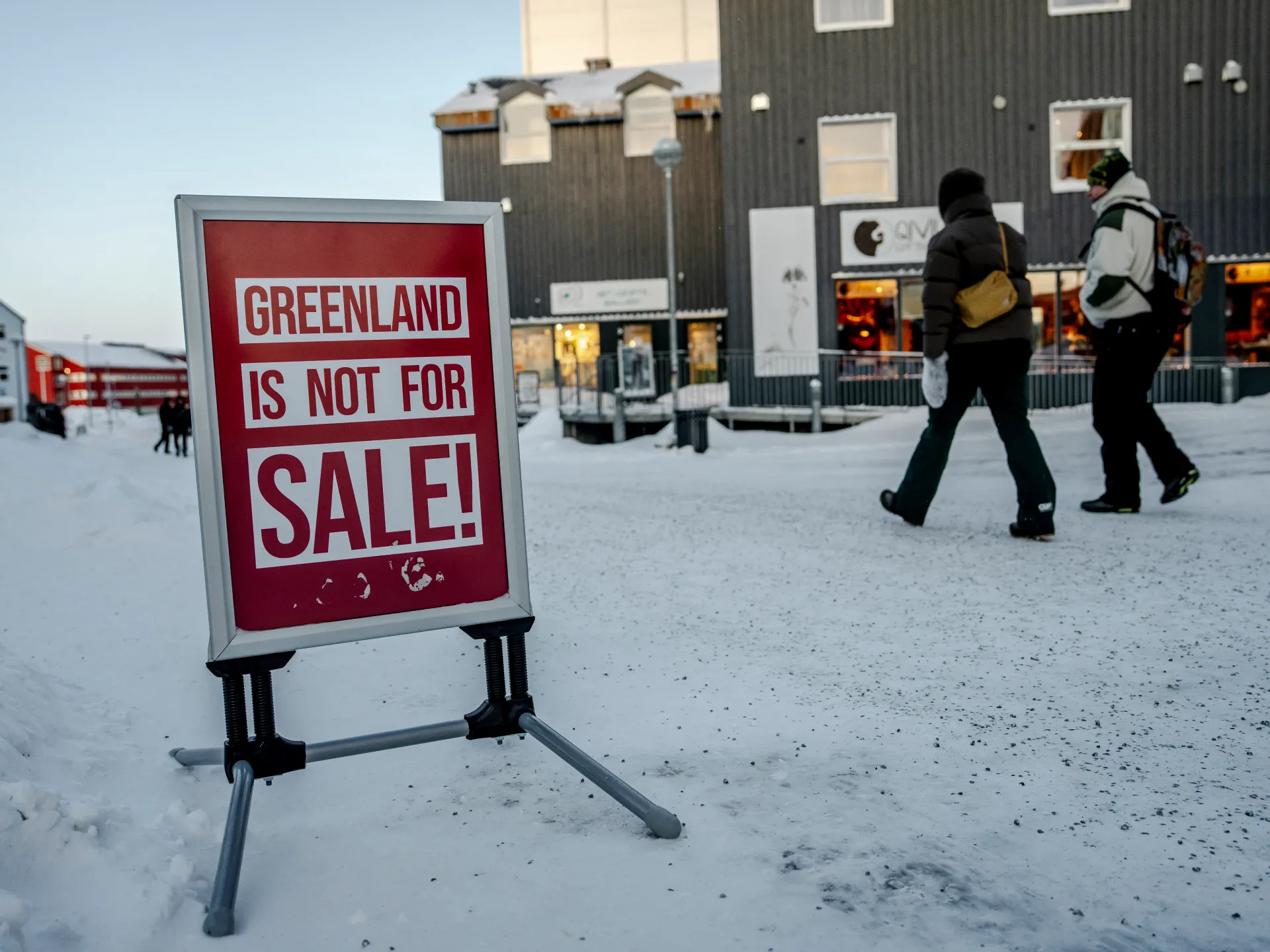
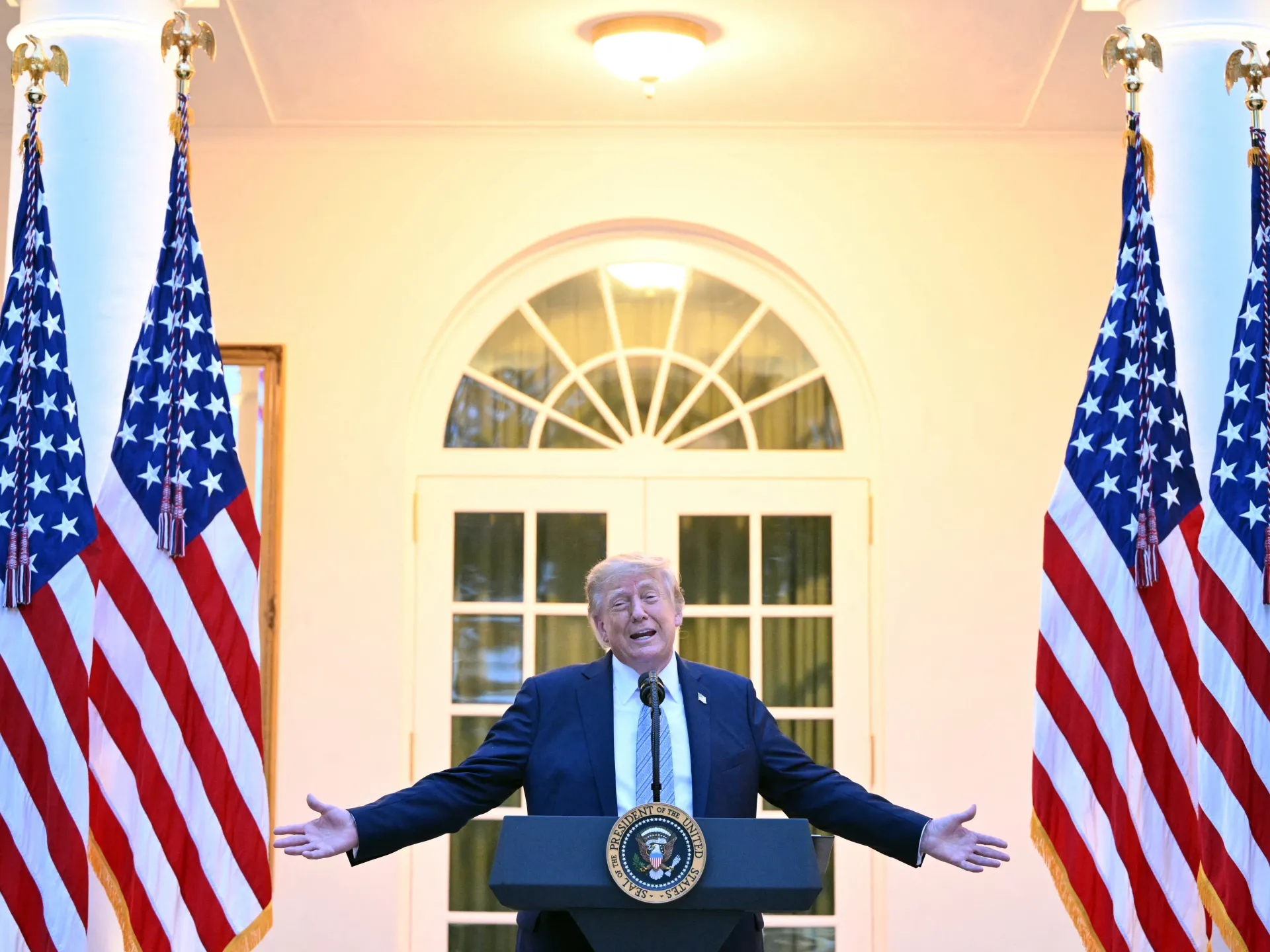
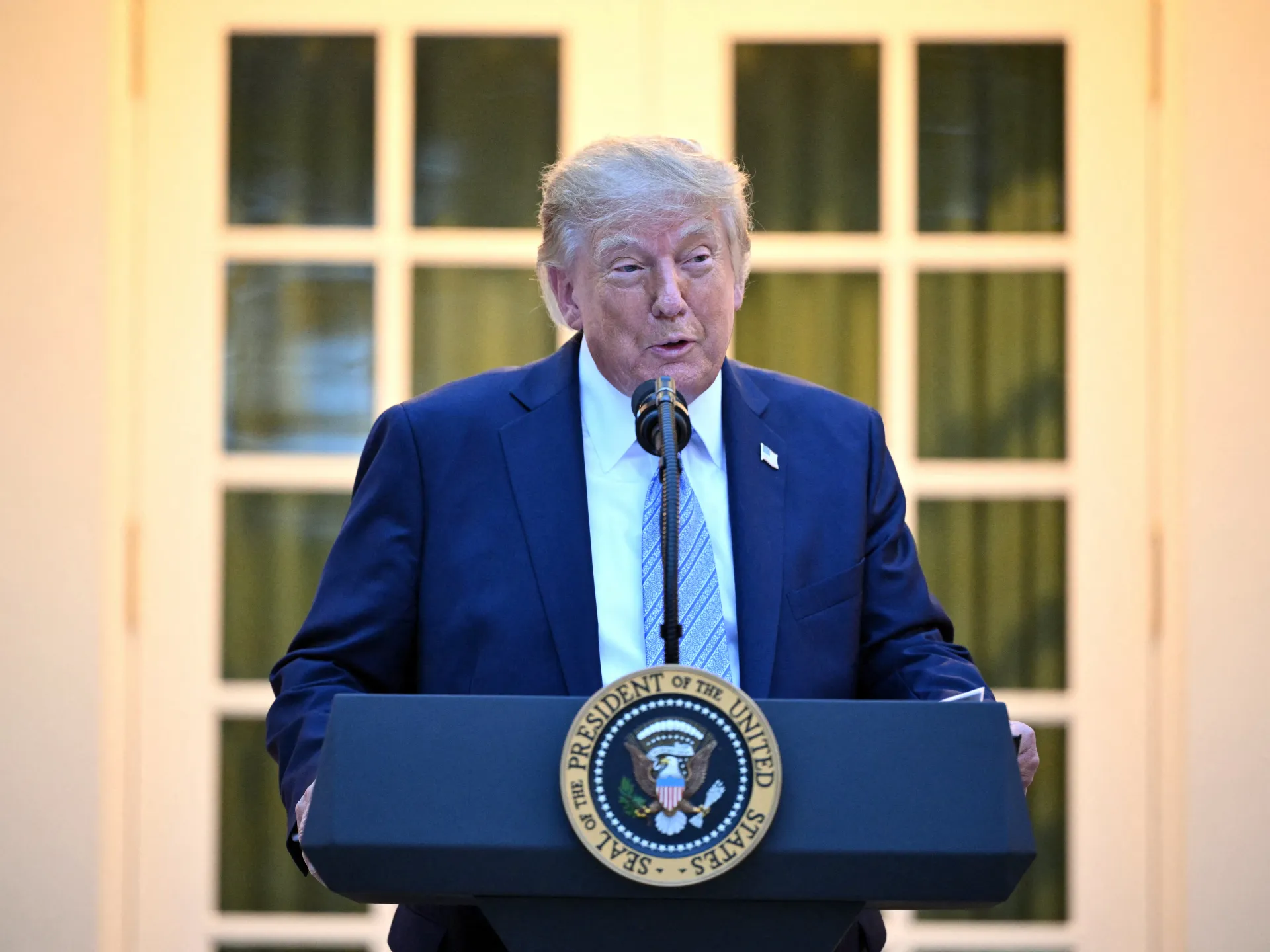
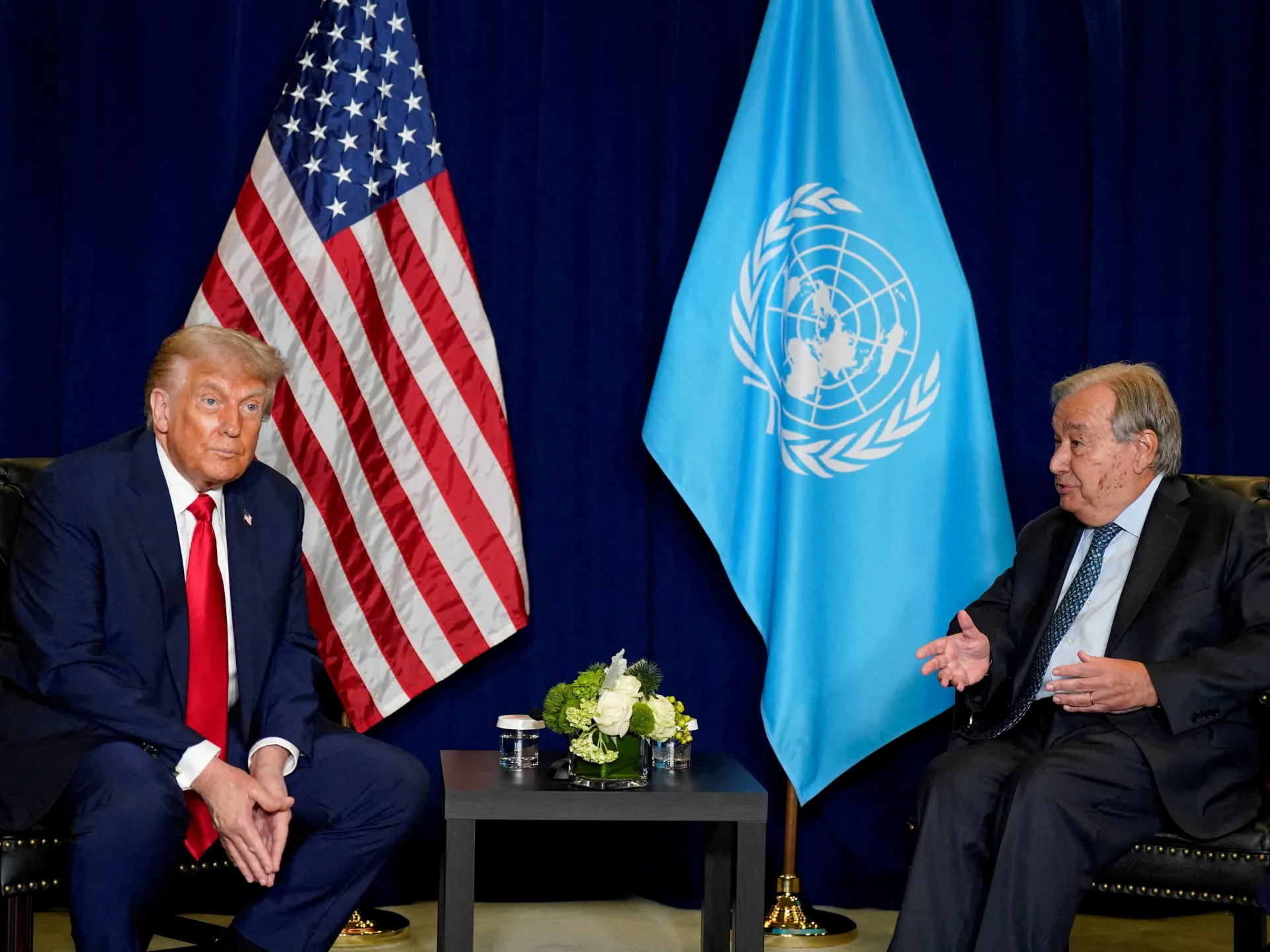
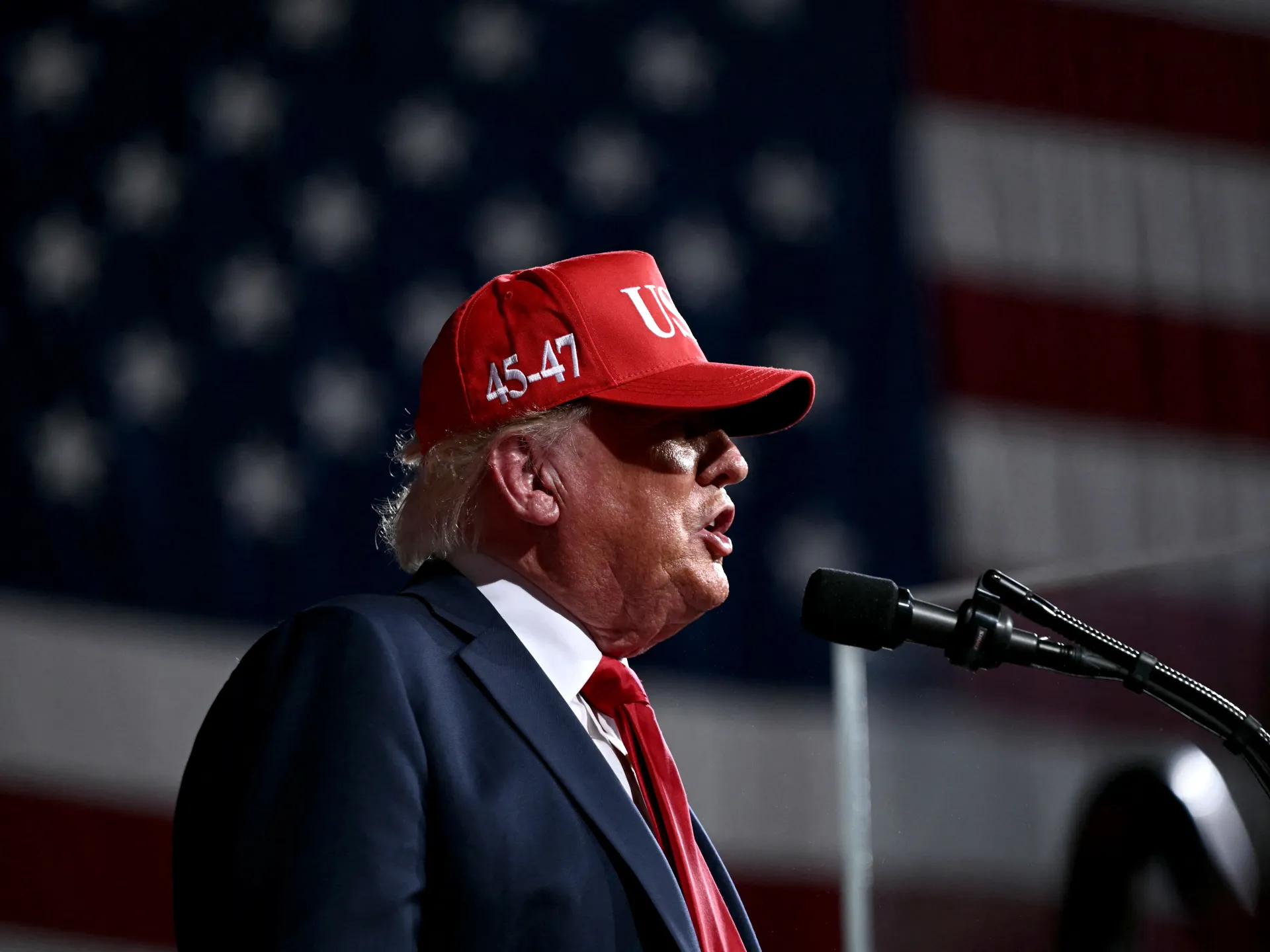
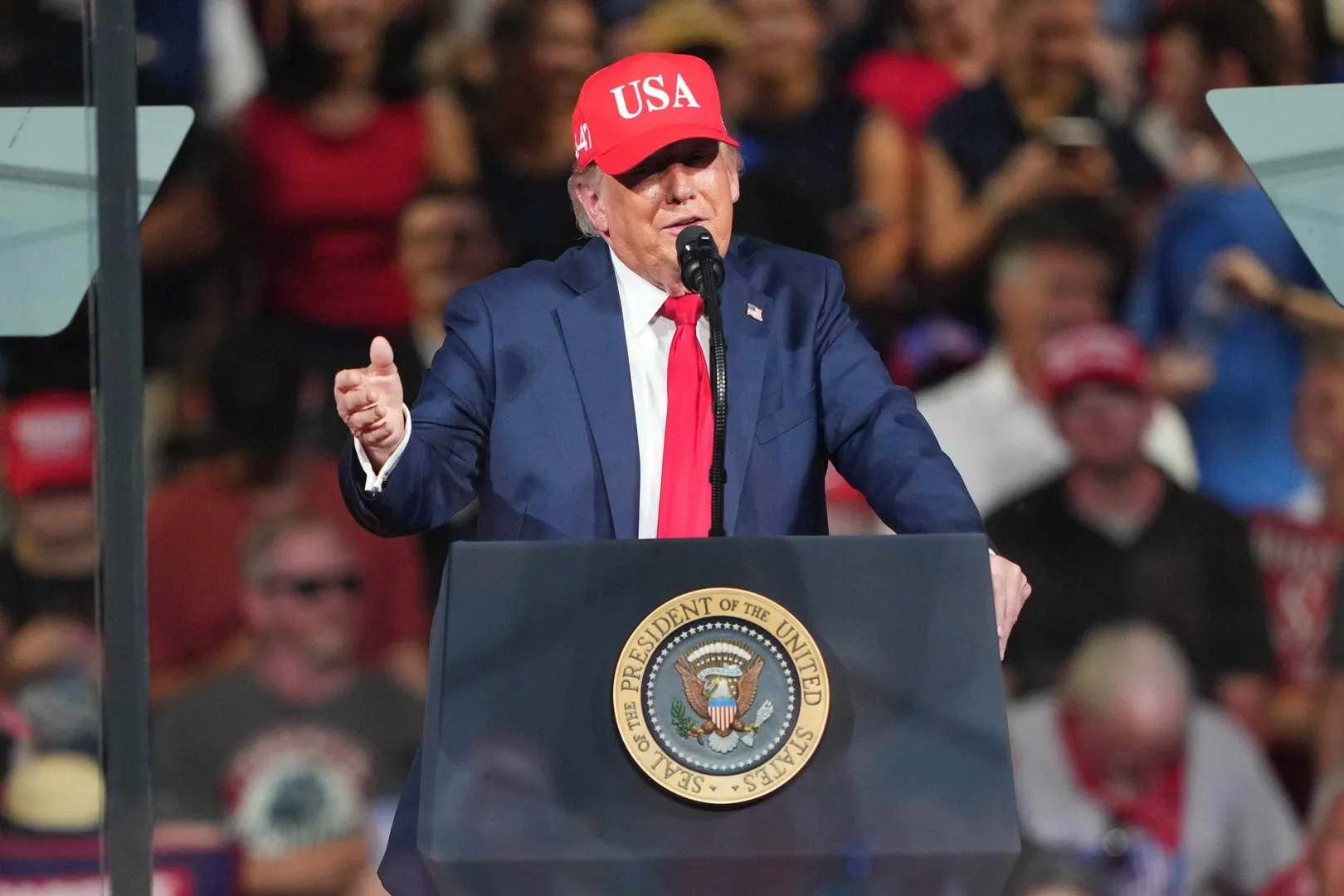
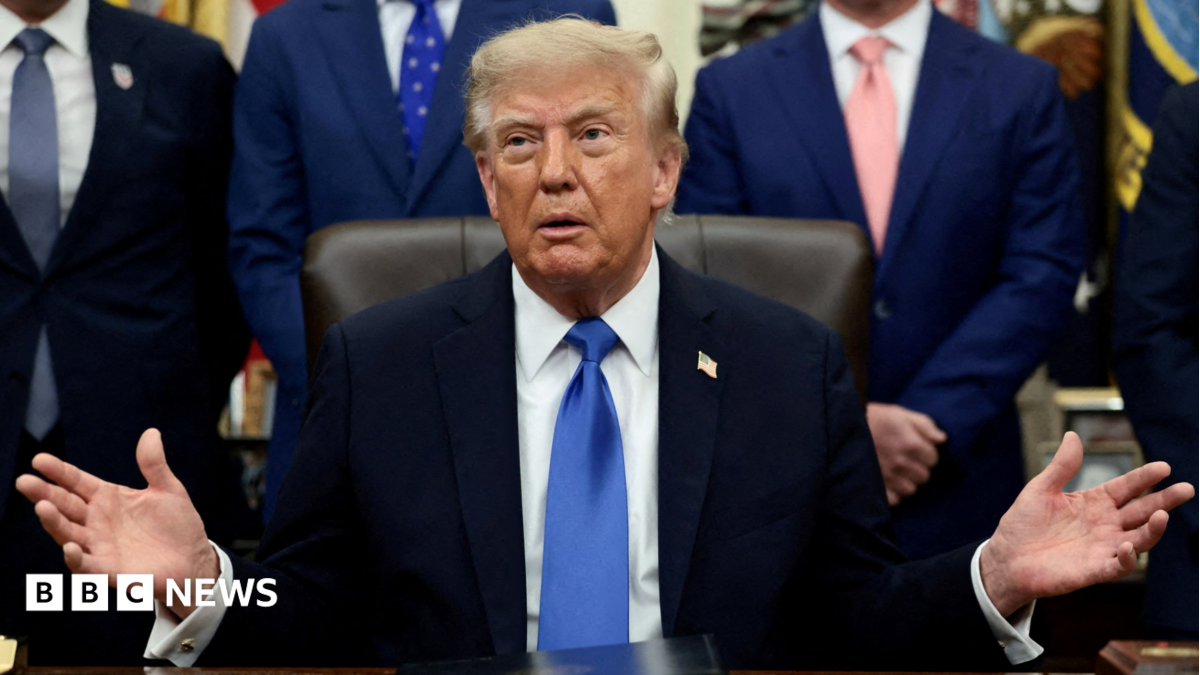
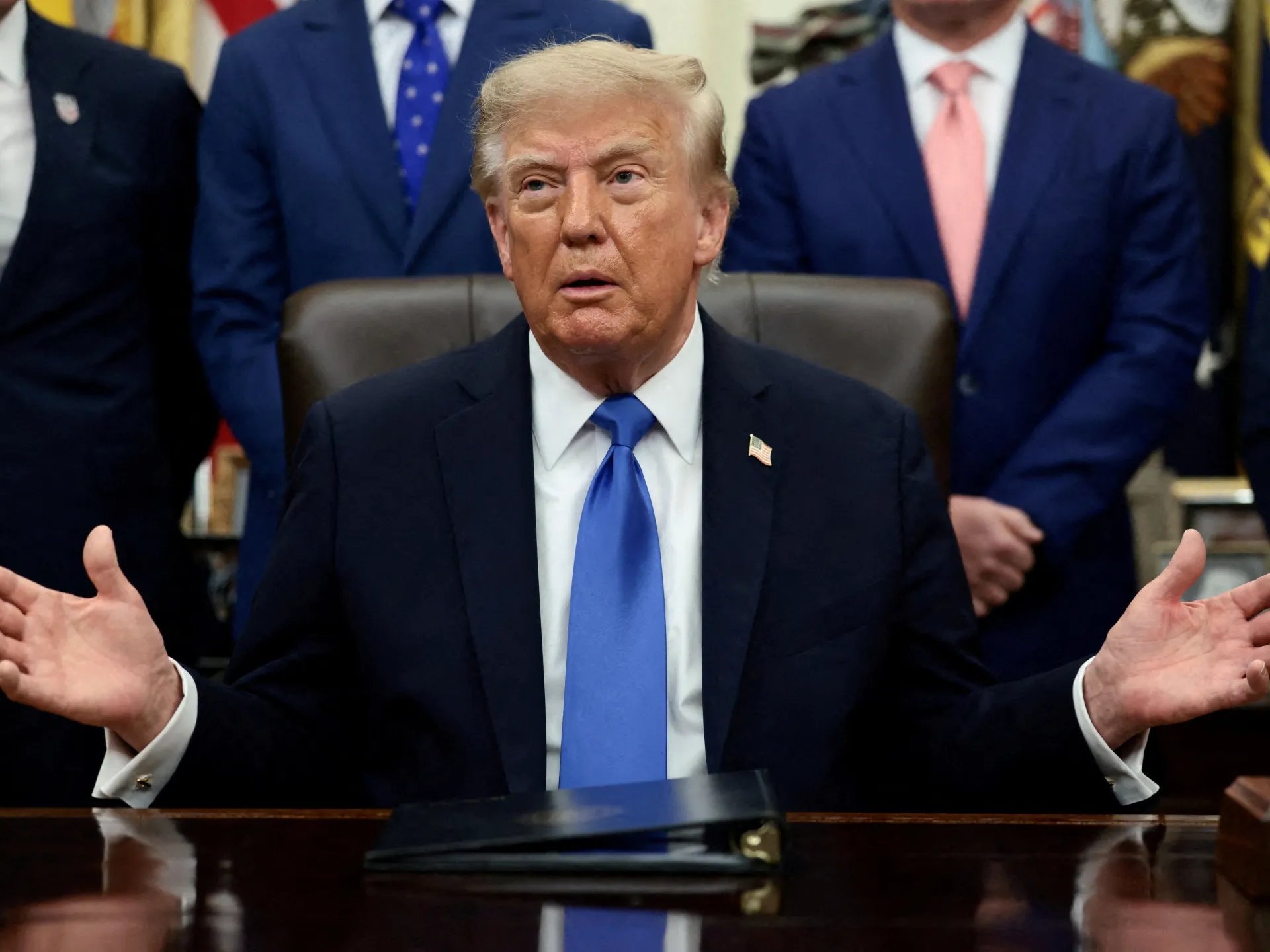
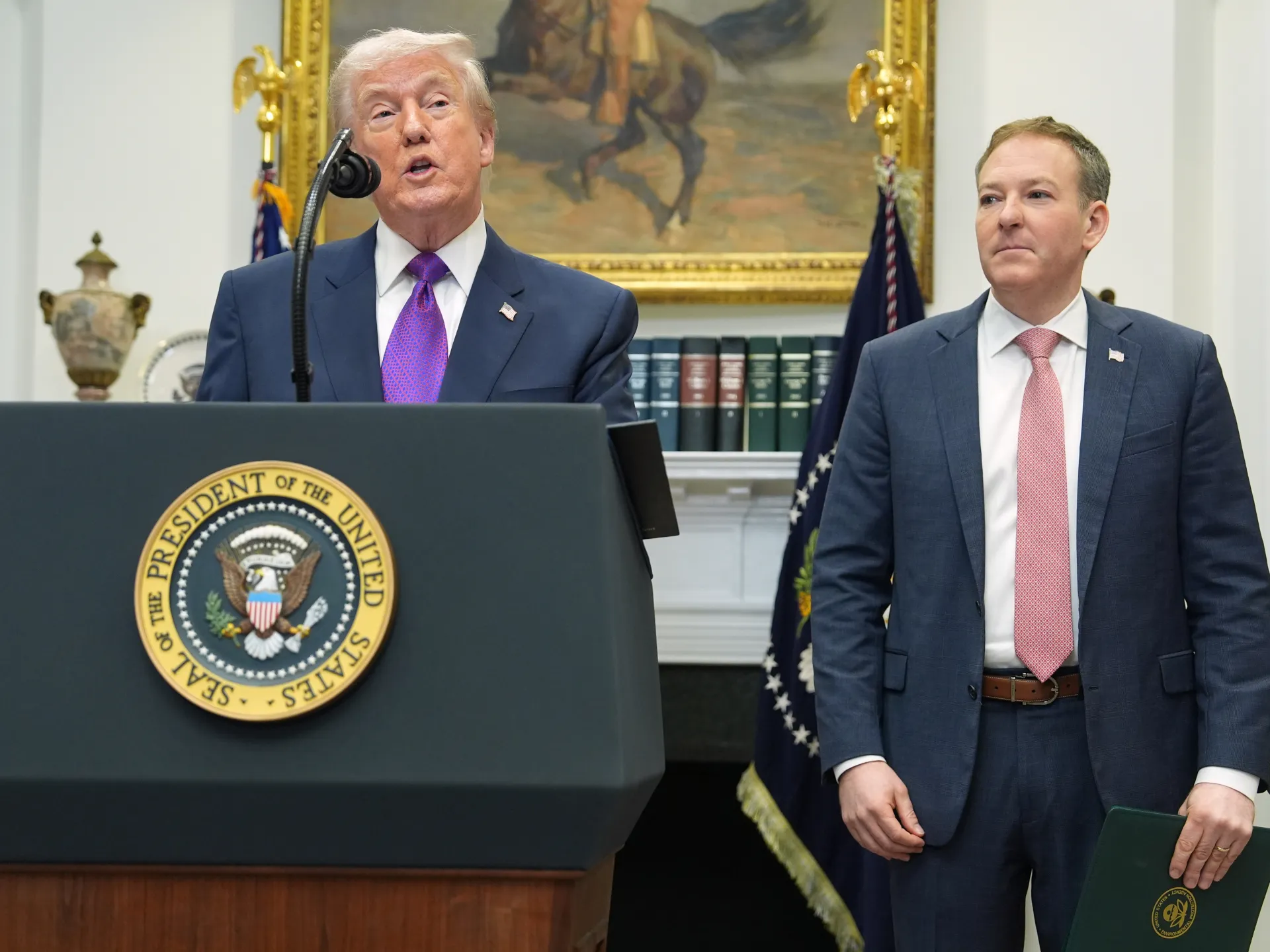
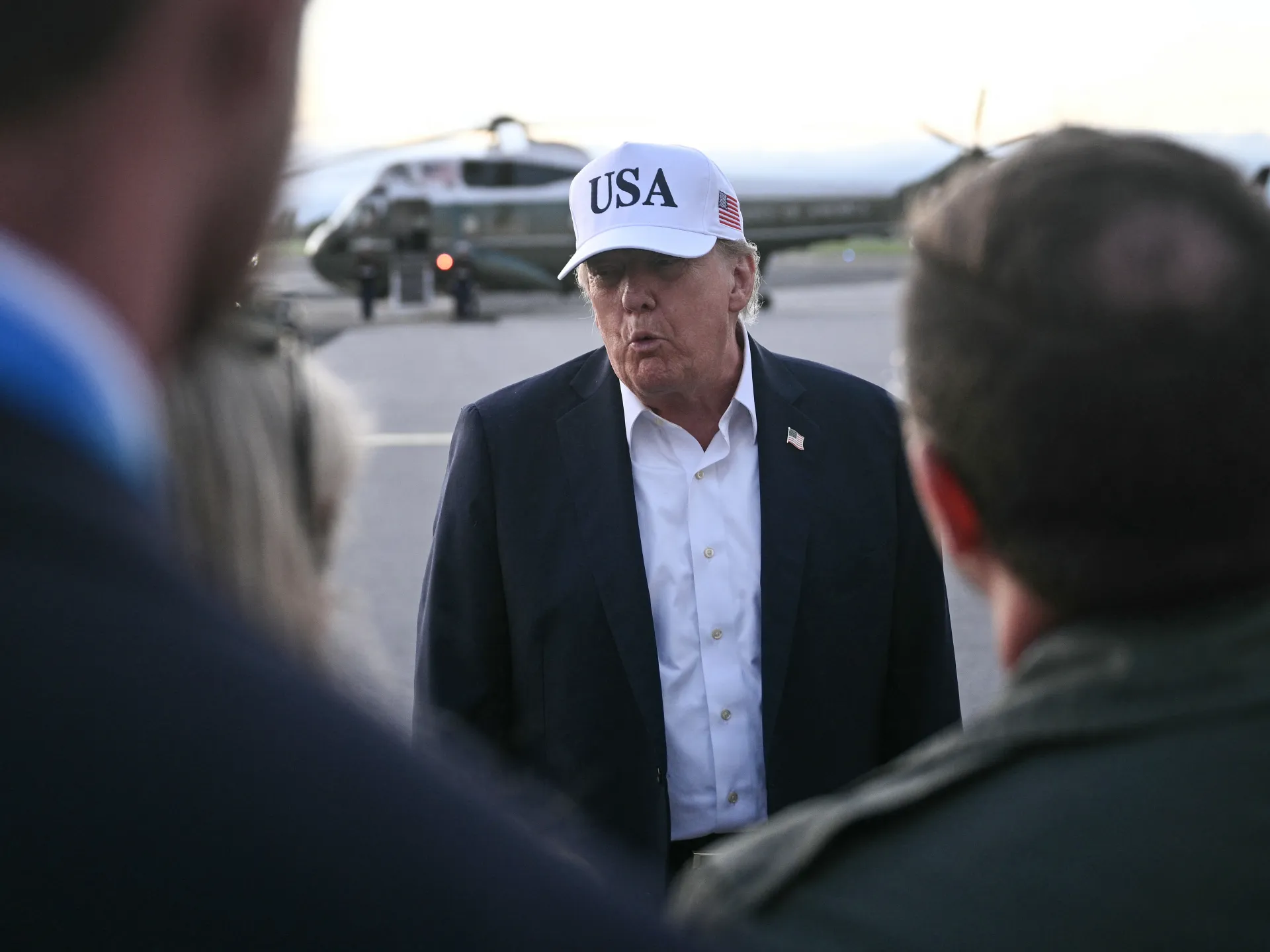
President Donald Trump has finalized a security agreement with the governments of Denmark and Greenland, a move that formalizes an expanded American military footprint in the Arctic region. The deal, characterized Greenland’s status under Danish sovereignty while addressing long-standing strategic interests that had previously fueled speculation regarding the island's potential annexation.
This tripartite arrangement arrives after months of heightened diplomatic maneuvering. While the agreement marks a significant shift in defense posture, some observers noted it does not represent a total overhaul of the existing geopolitical framework governing the territory. igated the delicate balance of maintaining international alliances while asserting influence in the increasingly contested Arctic landscape.
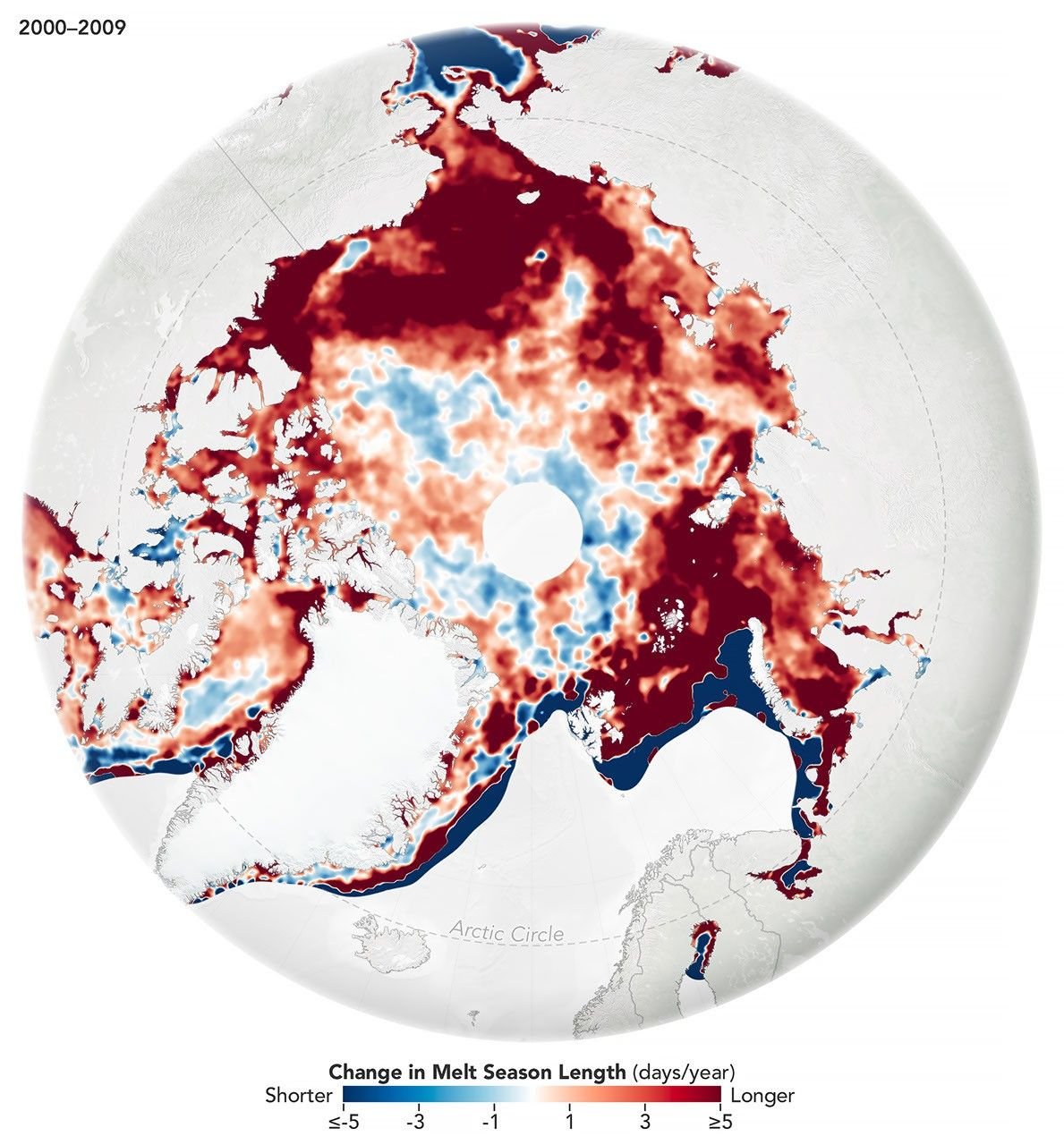
The Arctic has transitioned from a remote periphery to a critical theater of global competition. ot limited to traditional military hubs but extends to the geographic realities of northern climate shifts and evolving trade routes. For Greenland, the agreement highlights the precarious position of a territory caught between its historical European ties and the urgent security requirements of the modern era. The precedent set here suggests that the U.S. is prioritizing localized, bilateral-adjacent agreements to counter regional adversaries, effectively using security infrastructure as the primary vehicle for projecting power in the high north.
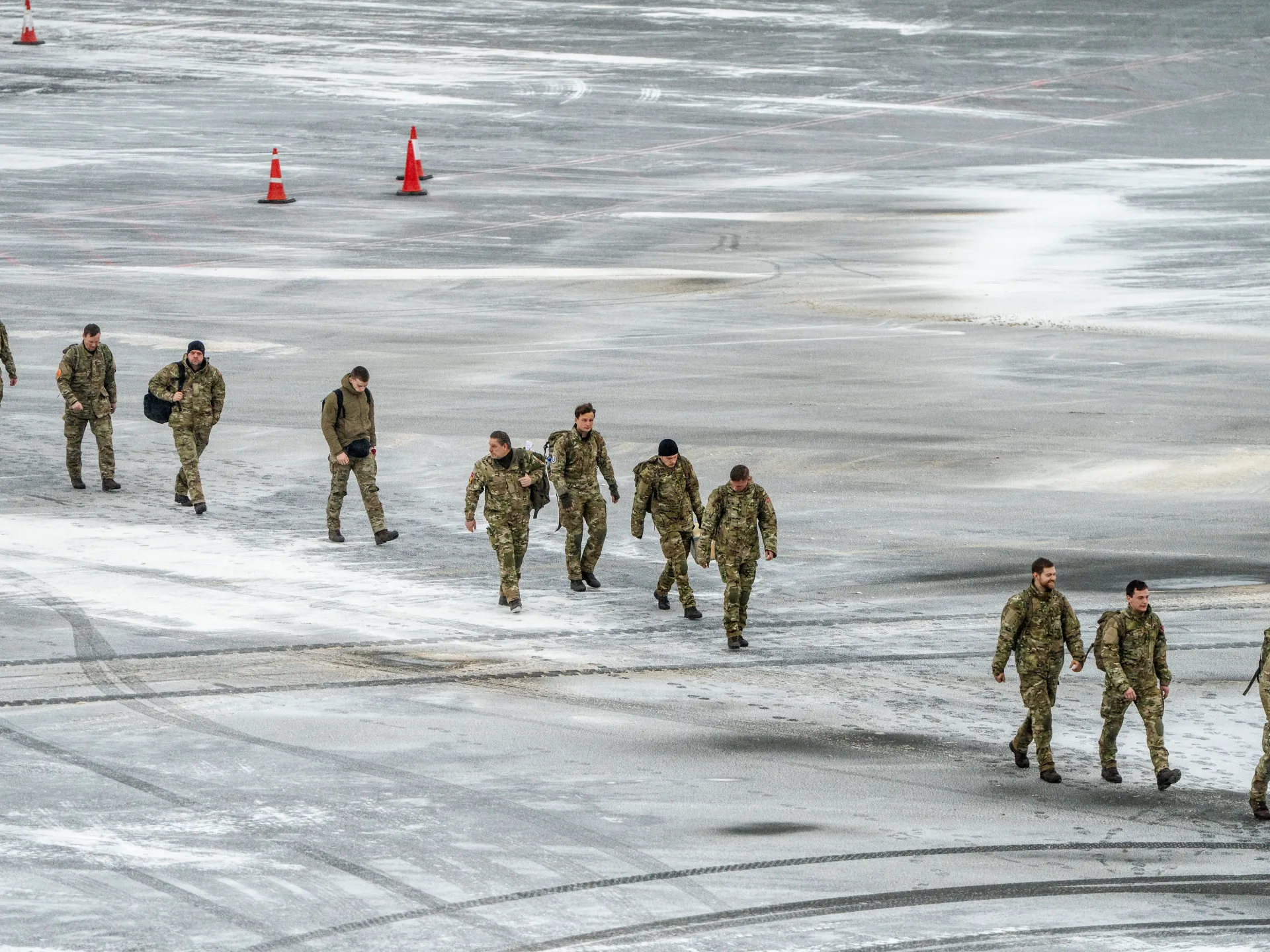
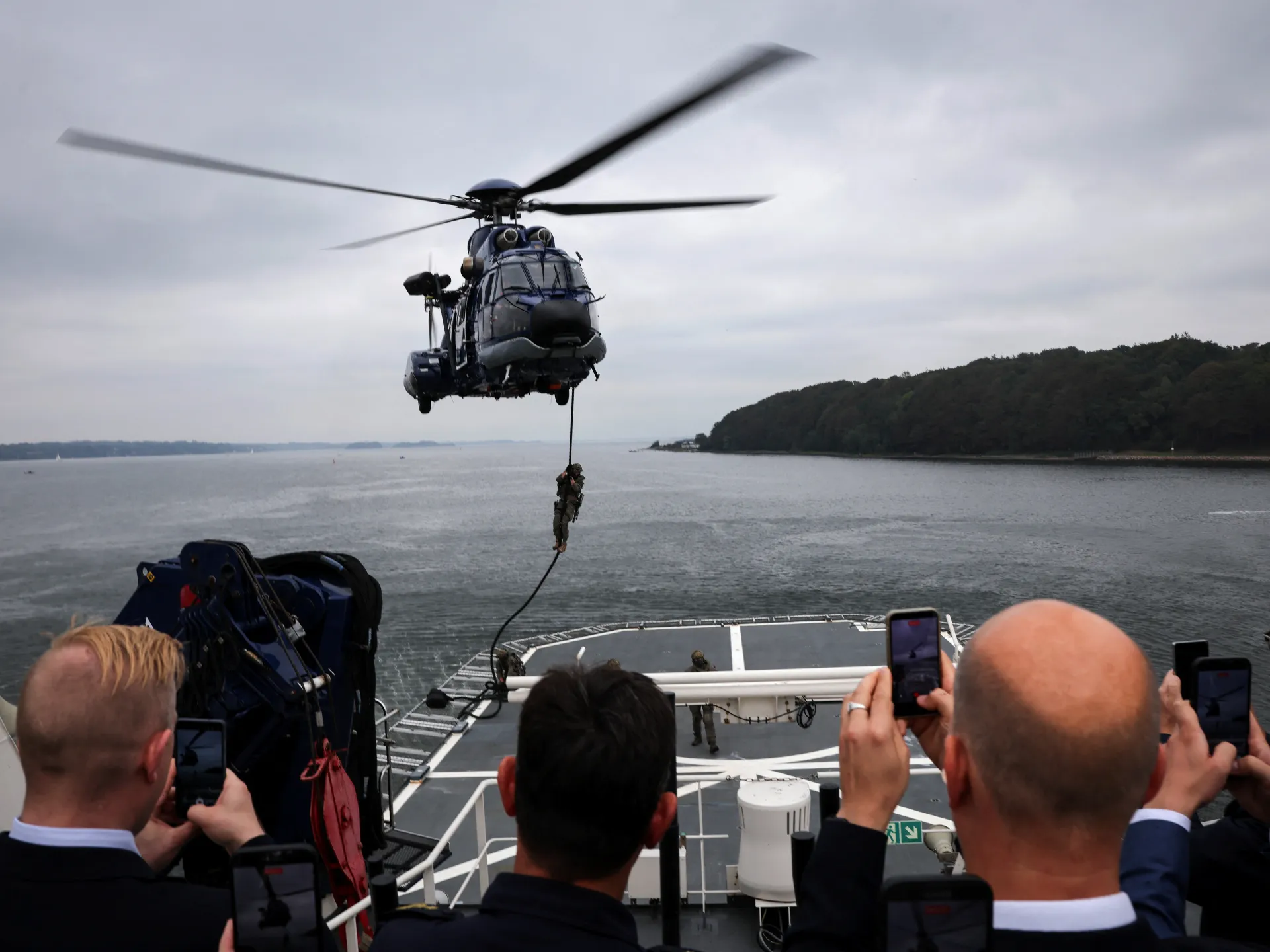
The finalized agreement grants the United States broader operational latitude within Greenland, facilitating a military presence that experts suggest will act as a stabilizer in the region. Unlike previous, more provocative rhetoric surrounding the potential purchase of the island, this formal pact seeks to integrate American strategic goals into the existing Danish-Greenlandic administrative structure.
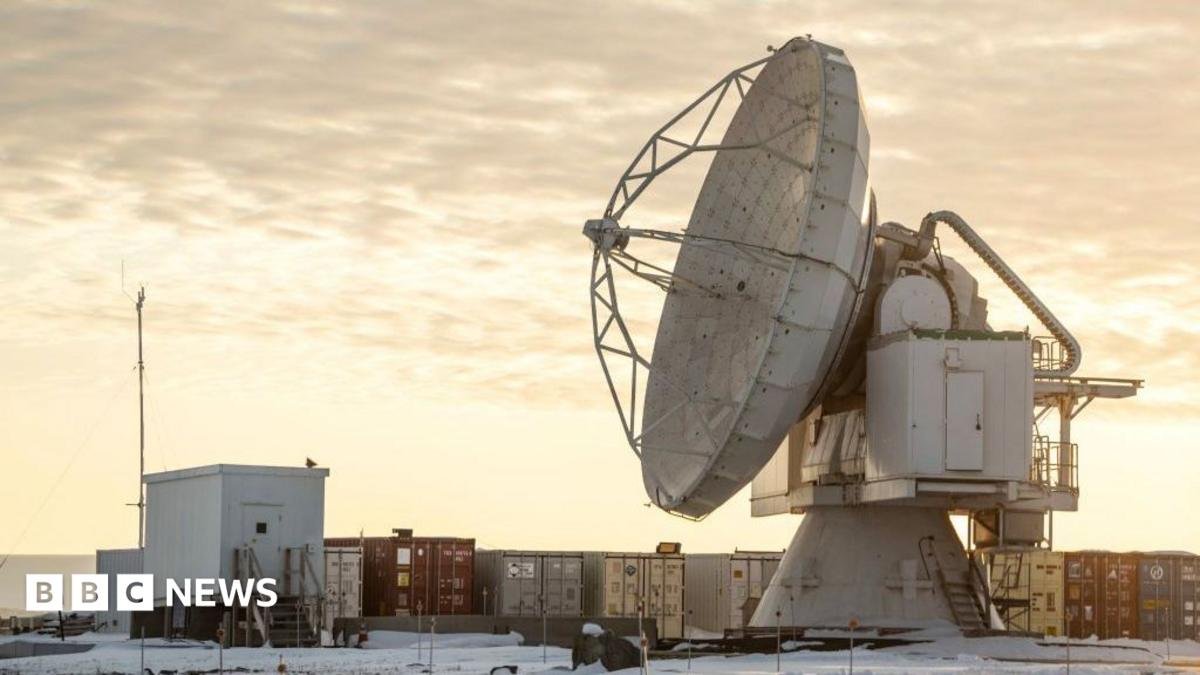
Sources within the administration have characterized the deal as a necessary evolution of Arctic policy. While the White House has lauded the cooperation of both Copenhagen and Nuuk, some geopolitical analysts emphasize that the pact is less about immediate military escalation and more about long-term logistical positioning. itor and respond to maritime and atmospheric threats remains unencumbered, even as regional dynamics continue to shift.
The immediate aftermath of the signing will likely focus on the logistical implementation of the security enhancements. Observers should monitor whether the expanded American presence leads to a tangible increase in surveillance infrastructure or personnel rotations in the coming fiscal year. Furthermore, the success of this agreement may hinge on the reaction of other Arctic Council members, who have historically prioritized the Arctic as a region of low tension. If the U.S. interprets this agreement as a green light for more aggressive regional posturing, it may trigger a diplomatic ripple effect, forcing Denmark and Greenland to balance their commitments to their new security partner against their desire to maintain Arctic stability.