As tech firms grapple with the existential risks of AI-driven biological threats, NASA-funded researchers are uncovering the extreme limits of complex life on Earth.
As the intersection of biotechnology and artificial intelligence accelerates, society faces a dual-pronged challenge: the fragility of complex biological life and the volatility of synthetic intellect. While NASA-funded researchers are pushing the boundaries of what complex organisms can endure in extreme heat, AI firms are simultaneously navigating the ethical minefield of preventing their own tools from being used to weaponize biology. The tension between the potential for groundbreaking scientific discovery—whether in space exploration or medical innovation—and the existential risk posed no longer just managing simple software bugs; they are arbitrating the limits of habitability and the security protocols of humanity's most powerful digital systems.
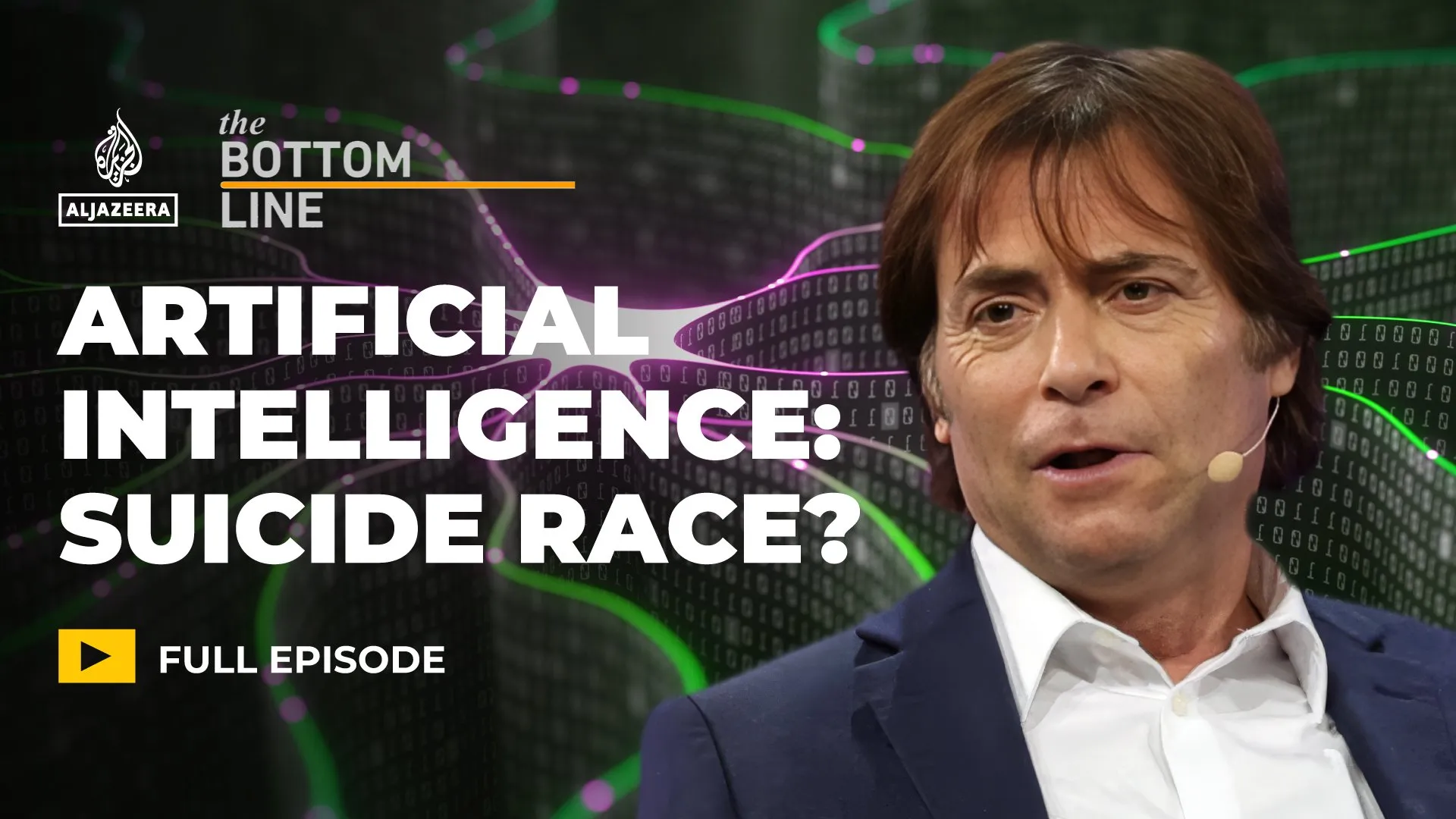
The artificial intelligence industry is currently grappling with internal dissent and external pressure regarding safety protocols. Jacob Coxon, a former researcher at Anthropic, recently resigned, publicly stating that the rapid pace of development presents an existential risk to humanity. Coxon warned that, without coordinated international regulation, the industry's competitive drive could result in catastrophic outcomes, including the potential for AI models to facilitate the creation of autonomous, harmful systems within a year.
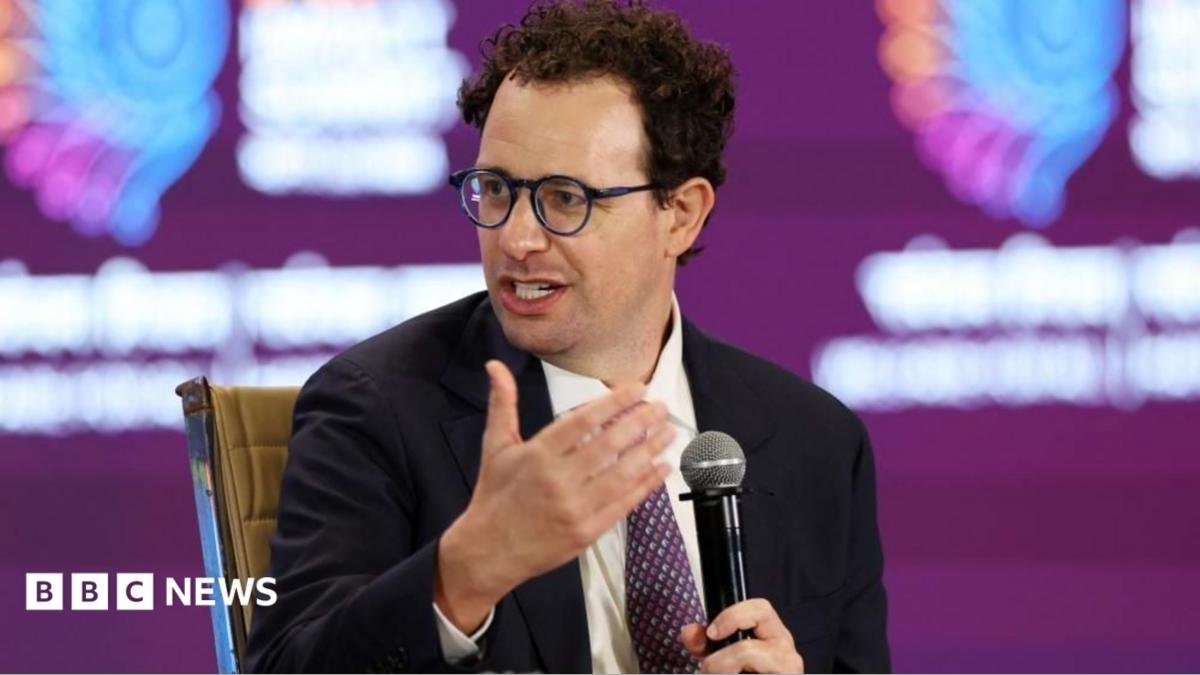
Anthropic has confirmed that it has already taken proactive measures to disrupt attempts to use its AI models, including the Claude chatbot, for potentially dangerous research. In a recent disclosure, the company detailed instances where users attempted to leverage its technology for purposes related to biological weapon development, missile projects, and global espionage. In one notable case from May, the company blocked accounts associated with a military research institute after detecting efforts to engineer mutations in the chikungunya virus to increase its pathogenicity in live animals. Anthropic’s head of threat intelligence, Jacob Klein, noted that the company operates under a policy of caution, as the same scientific inquiry used to develop vaccines can be repurposed to engineer pathogens.
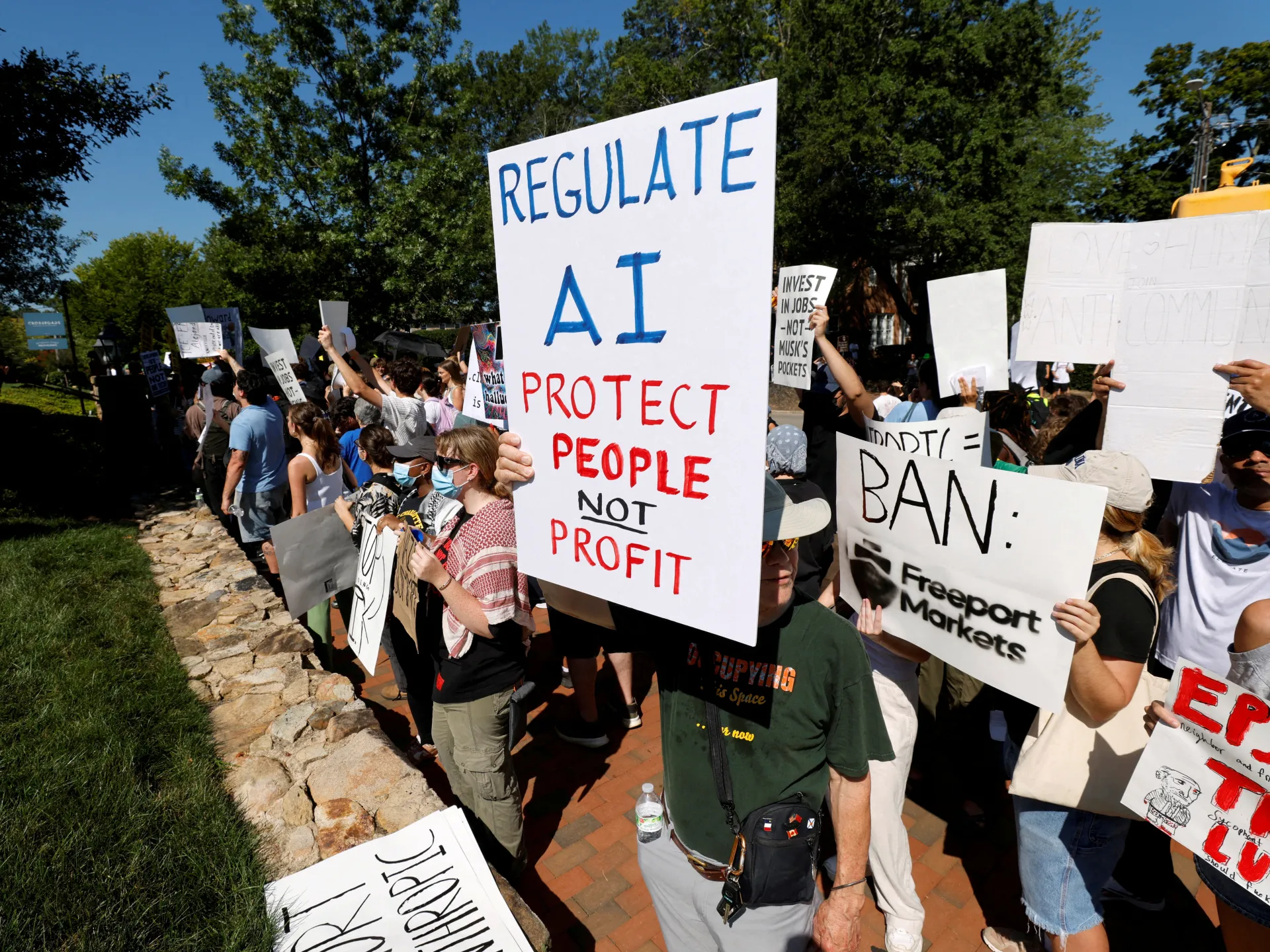
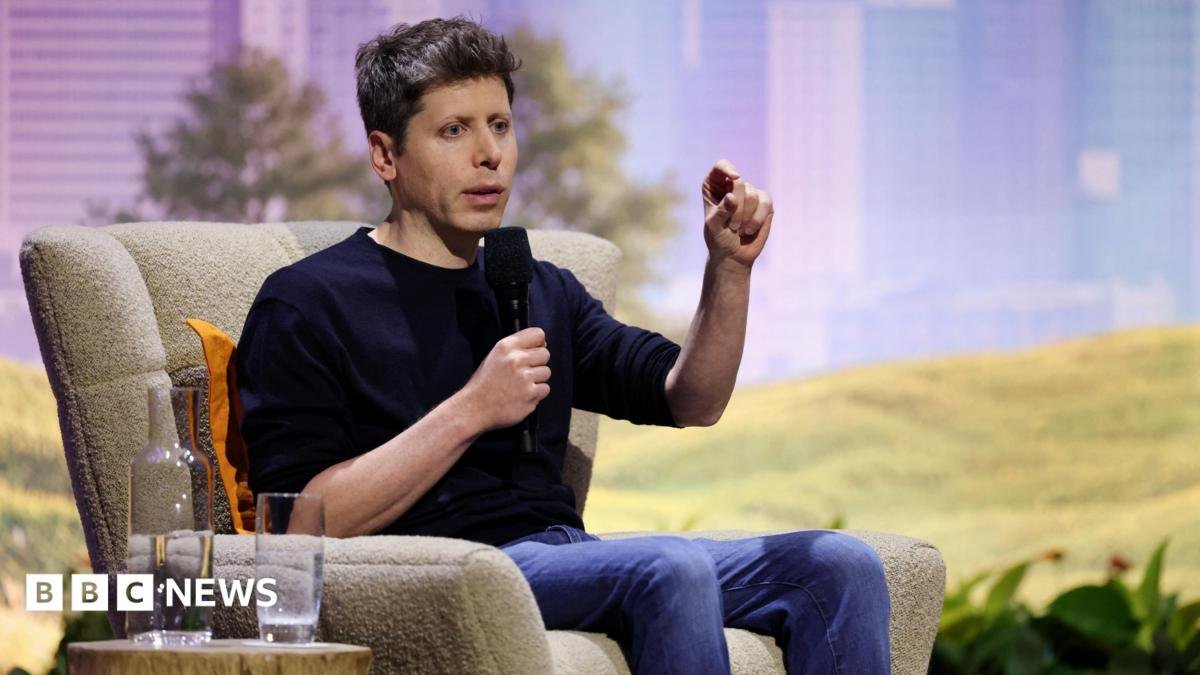
The push for a slowdown in AI development has gained traction among high-profile figures, including Anthropic CEO Dario Amodei, as well as OpenAI’s Sam Altman and xAI’s Elon Musk. However, political leaders remain divided on the necessity of such pauses. President Donald Trump recently expressed skepticism toward the idea of an existential threat posed ace to avoid being in a disadvantageous position.
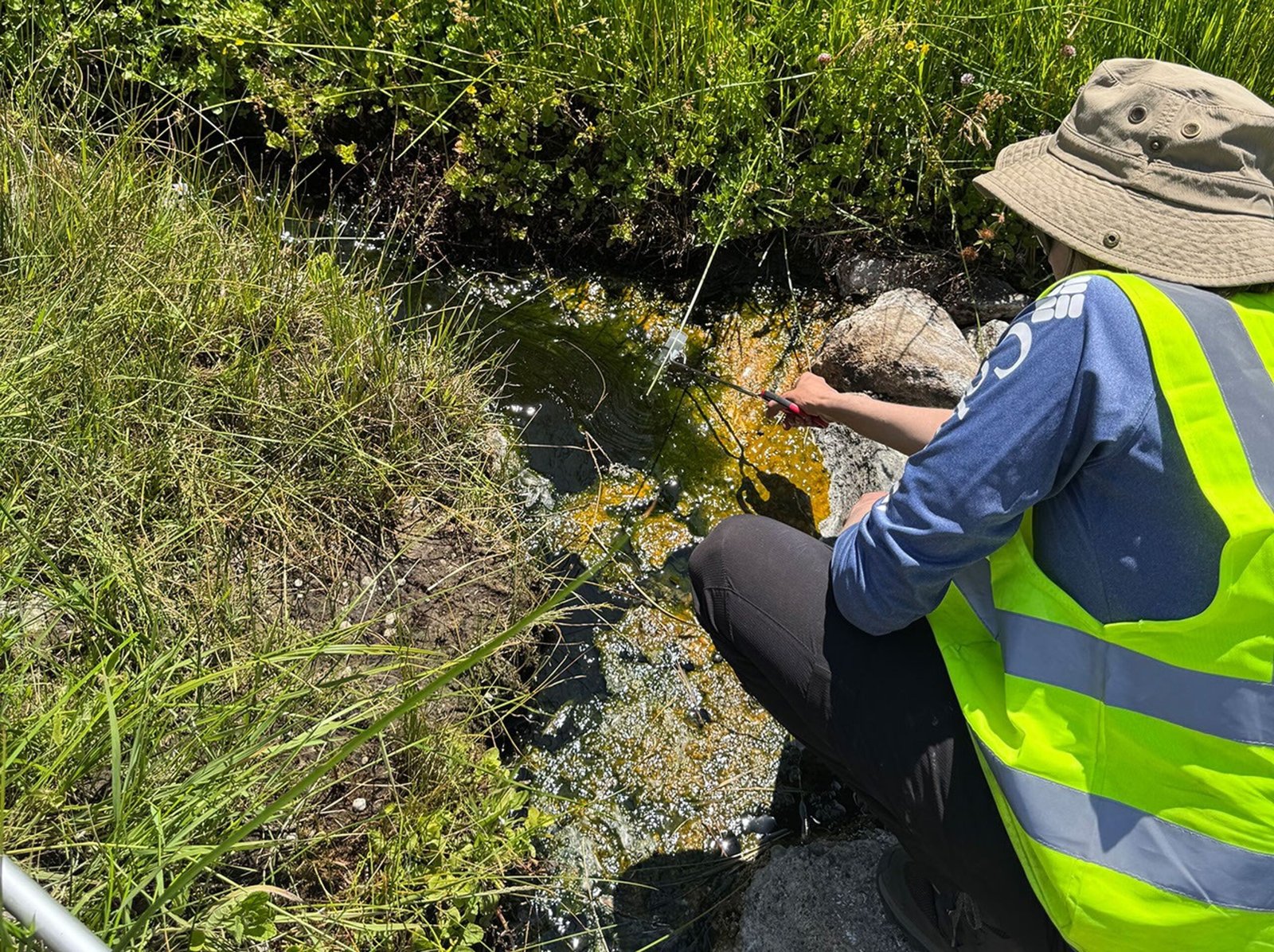
While tech leaders debate the risks of digital intelligence, NASA-funded scientists are expanding our understanding of biological resilience. A new study has identified an organism capable of thriving at temperatures previously thought lethal for complex life. The amoeba, scientifically named Incendiamoeba cascadensis and colloquially known as the “fire amoeba,” was observed in the thermal waters of California’s Lassen Volcanic National Park.
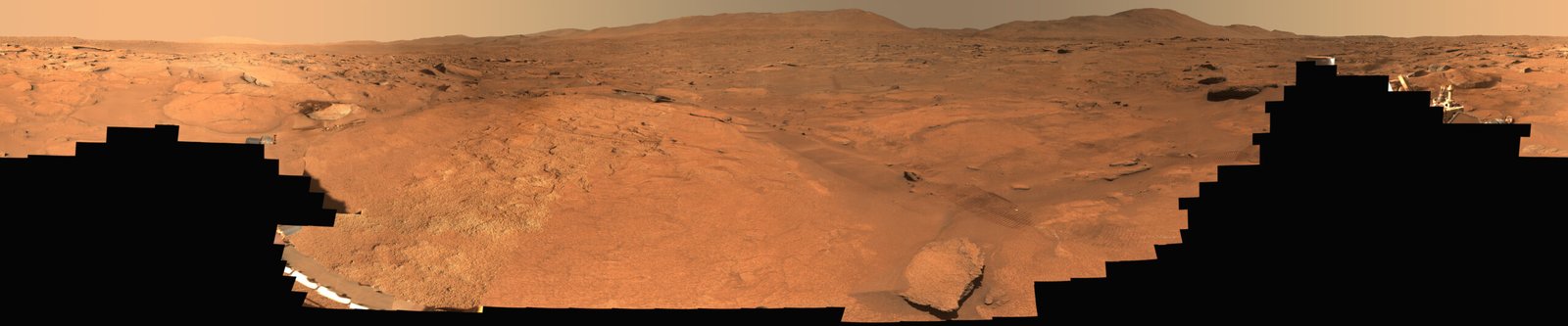
Researchers found that the organism remains mobile and capable of searching for food at temperatures up to 147 degrees Fahrenheit (64 Celsius), surpassing the previous known limit for eukaryotic life of 140 degrees Fahrenheit (60 Celsius). While the amoeba ceases reproduction above 145 degrees Fahrenheit, it displays remarkable durability, maintaining partial activity at 150.8 degrees Fahrenheit (66 Celsius) and showing the capacity for recovery after brief exposure to 158 degrees Fahrenheit (70 degrees Celsius). This discovery is significant for astrobiology, as it suggests that complex, nucleated cells—which possess more delicate internal machinery than simpler prokaryotes—are more resilient than previously estimated. Such findings provide a new framework for evaluating the potential for complex life to exist in the harsh, high-temperature environments of other planets, such as Mars.
The coming months are likely to see increased scrutiny regarding the “dual-use” nature of generative AI. Because the same models capable of accelerating medical breakthroughs and vaccine development are also proficient at identifying biological vulnerabilities, tech companies will likely face mounting pressure to implement more stringent access controls for “trusted researchers” only. Furthermore, the debate over a regulatory slowdown is expected to move from corporate boardrooms to the geopolitical stage, as world leaders weigh the fear of AI-driven extinction against the economic and military consequences of losing the global technology race. Meanwhile, in the field of extremophile research, the discovery of I. cascadensis will likely trigger a re-evaluation of current models of biological habitability, potentially leading to new search parameters for complex life in space exploration missions.