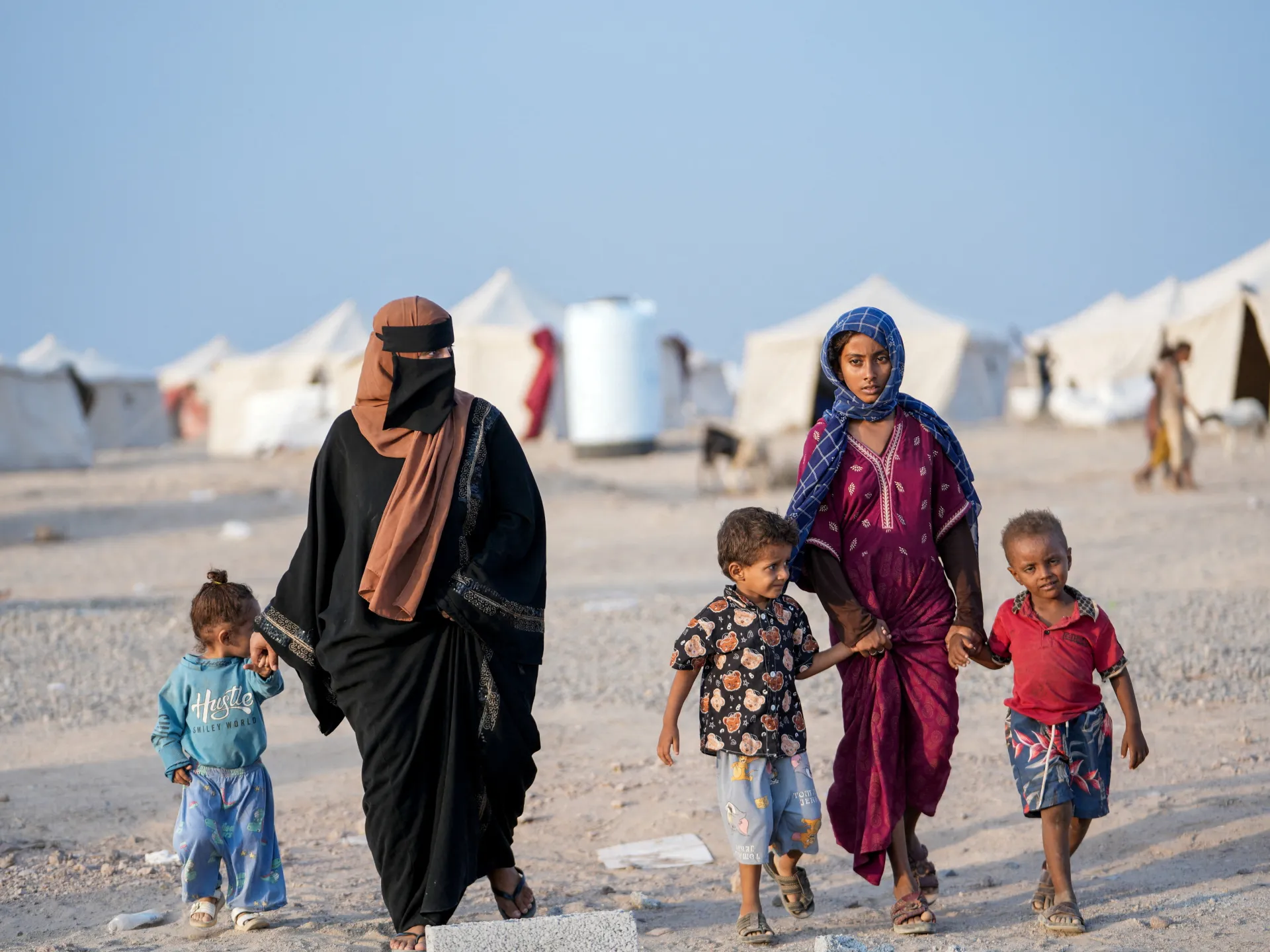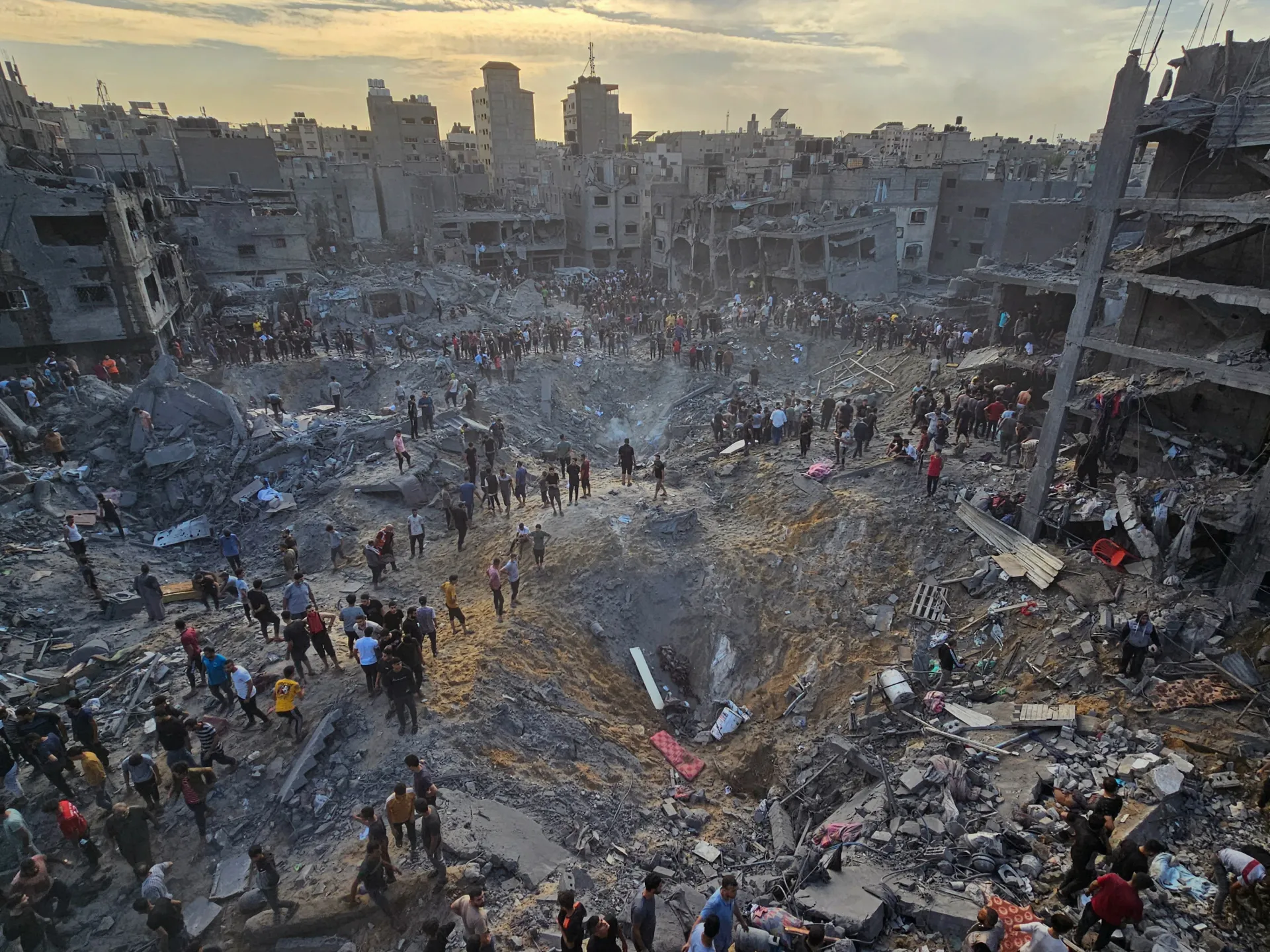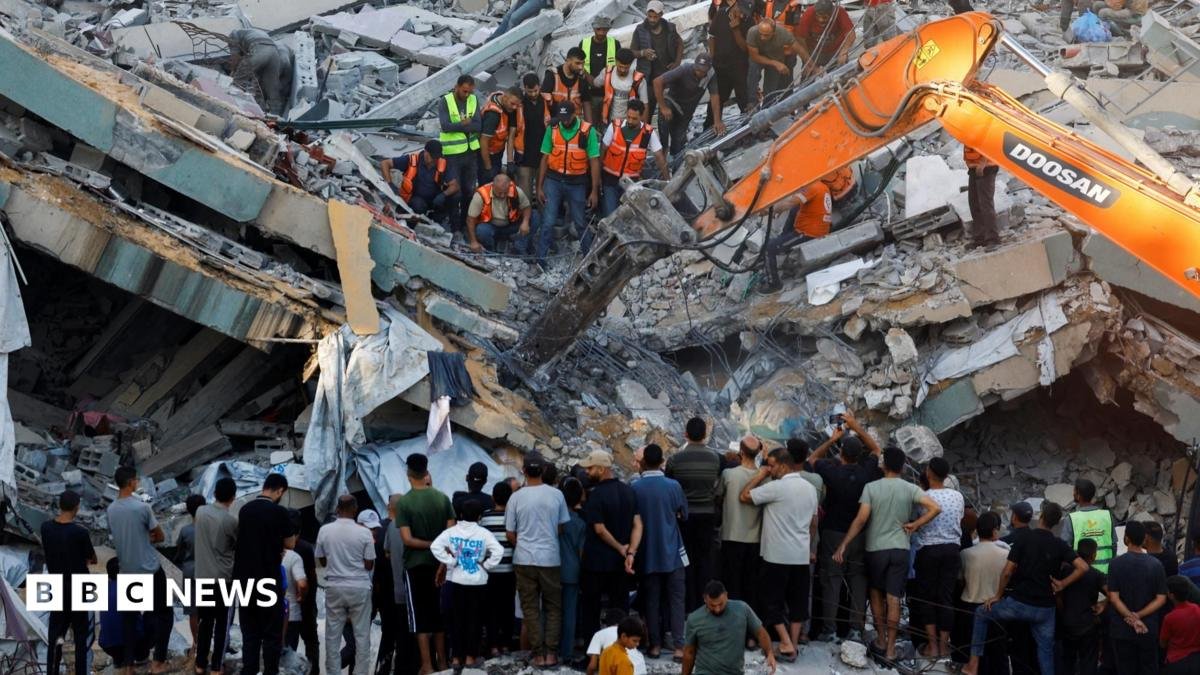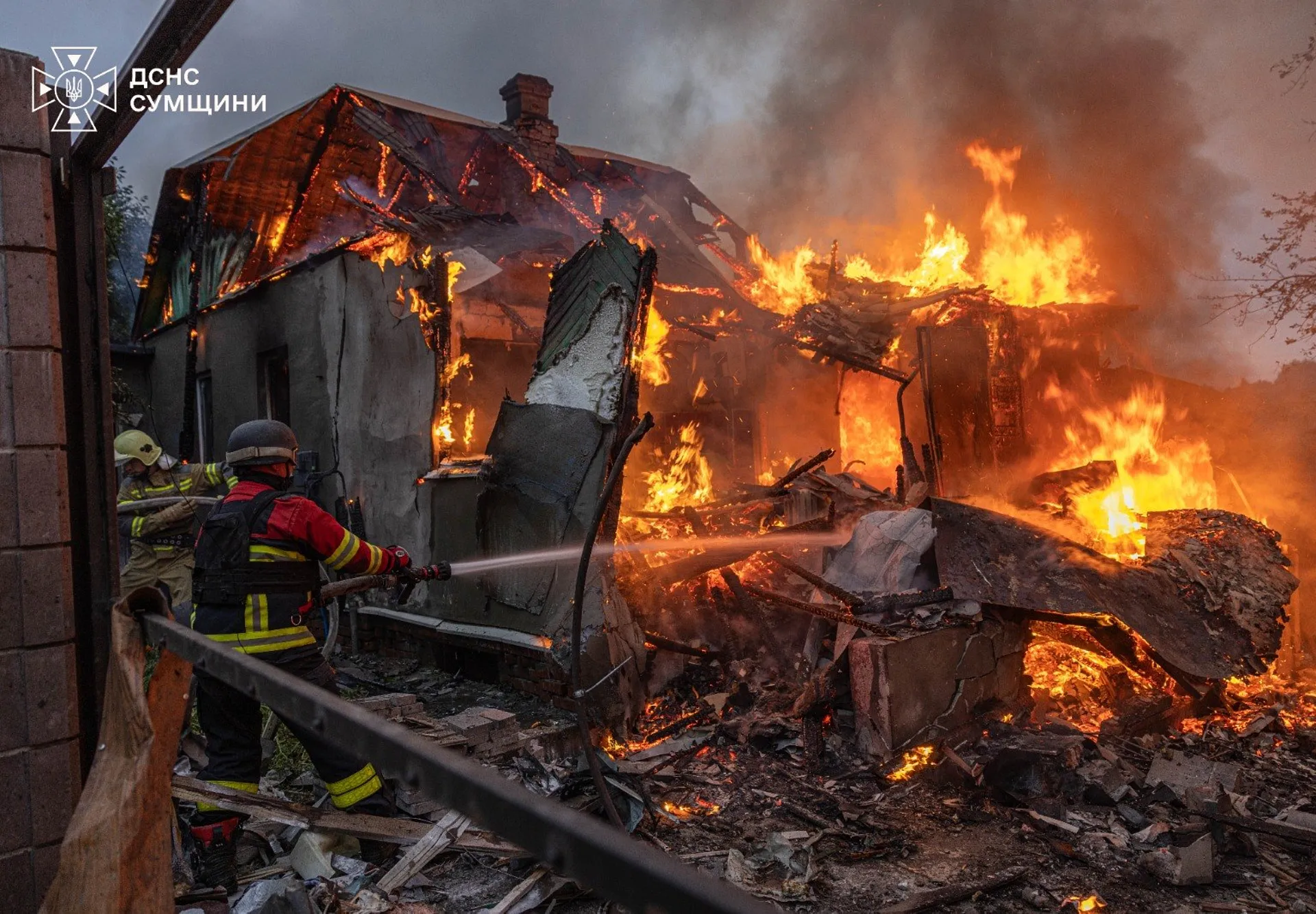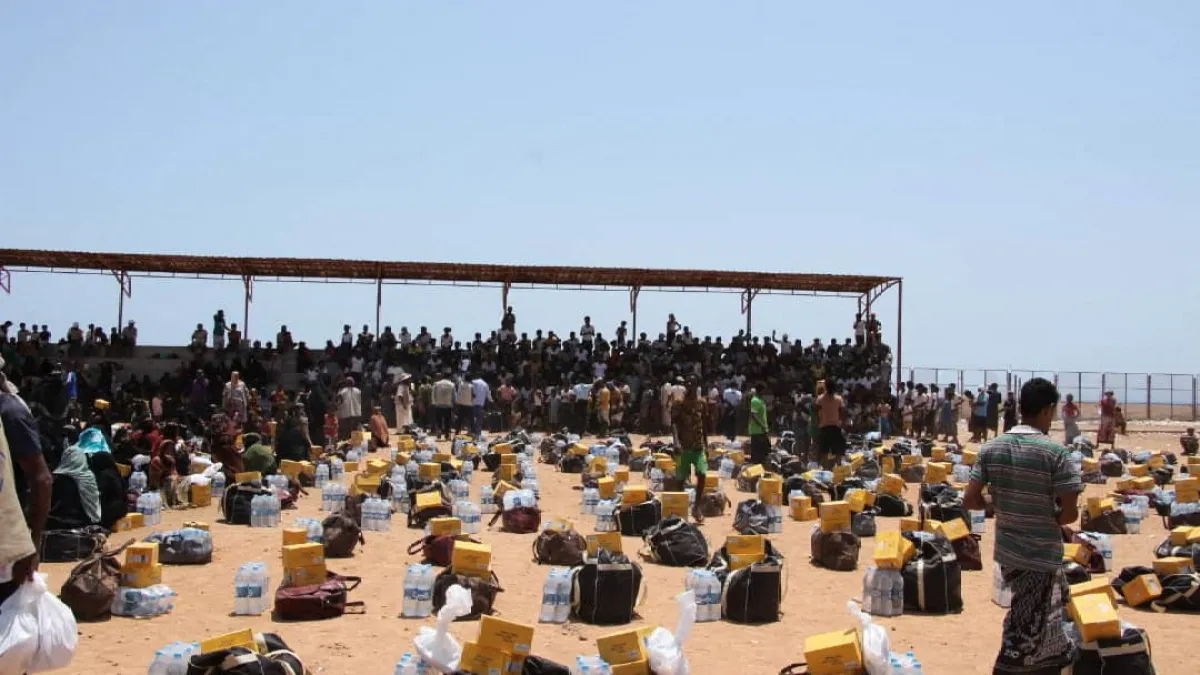
Renewed fighting in Yemen has displaced over 100,000 civilians and forced thousands to flee across the Red Sea, triggering an urgent appeal for international aid.
The sudden intensification of the Yemeni conflict represents a critical inflection point for regional stability, threatening to exacerbate a pre-existing humanitarian catastrophe while simultaneously disrupting vital Red Sea shipping lanes. Beyond the immediate toll on human life, this escalation highlights the fragility of international aid networks that are currently operating with critical funding gaps. As displaced populations surge, the necessity for robust humanitarian corridors becomes paramount, yet the ongoing military focus on the coastline suggests that civilian relief efforts will remain secondary to the strategic maneuvering of warring factions.
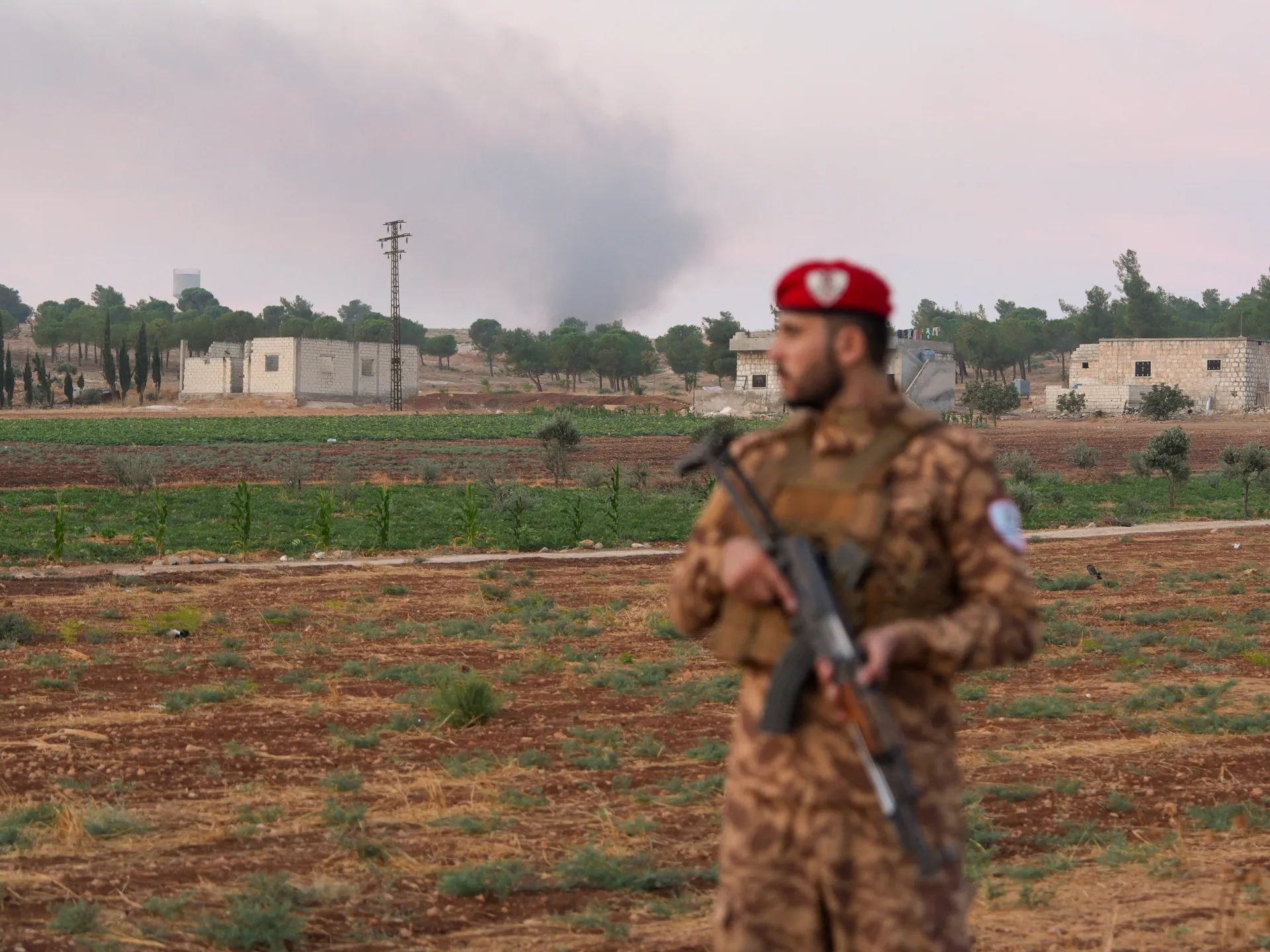
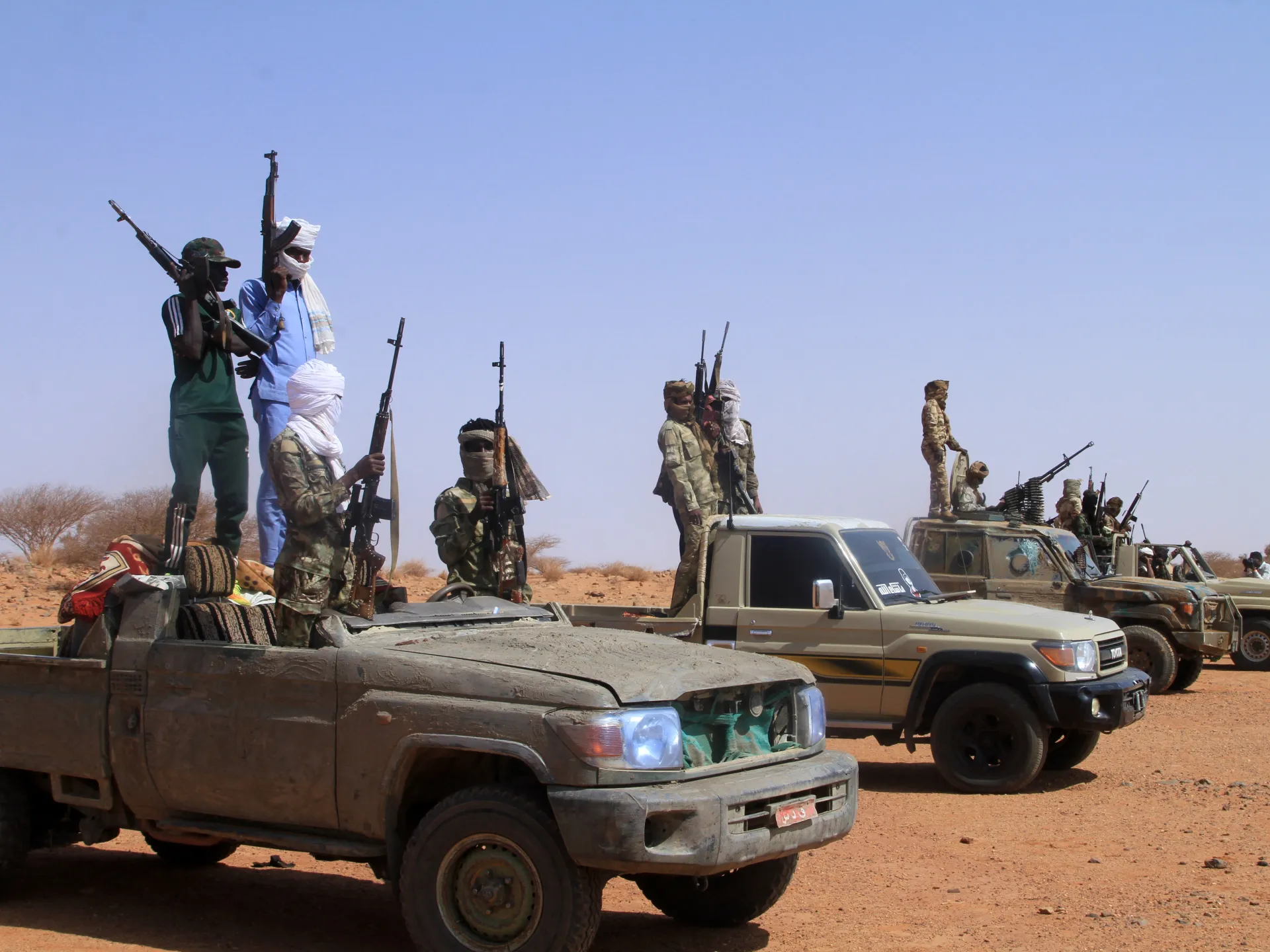
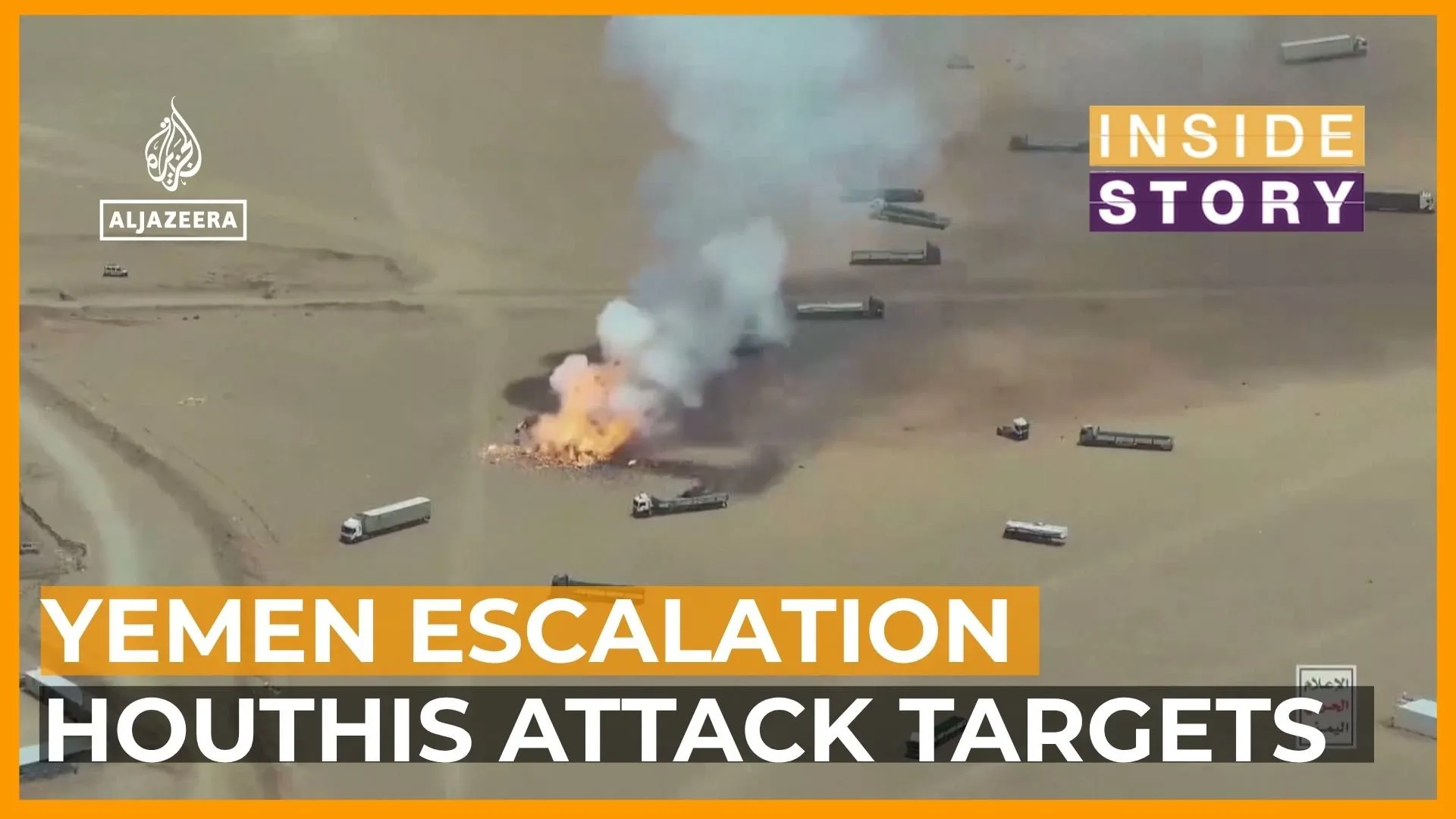
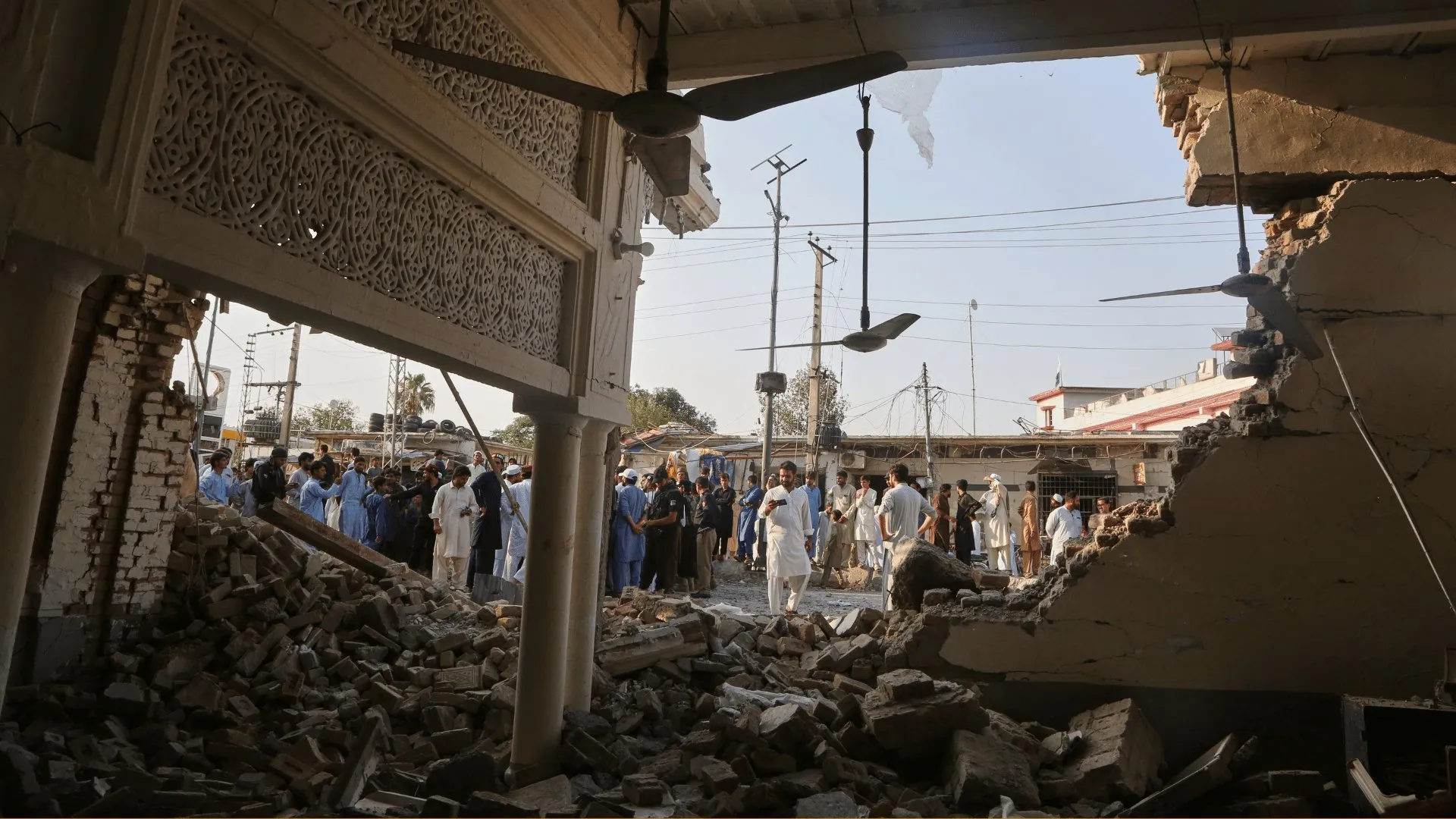
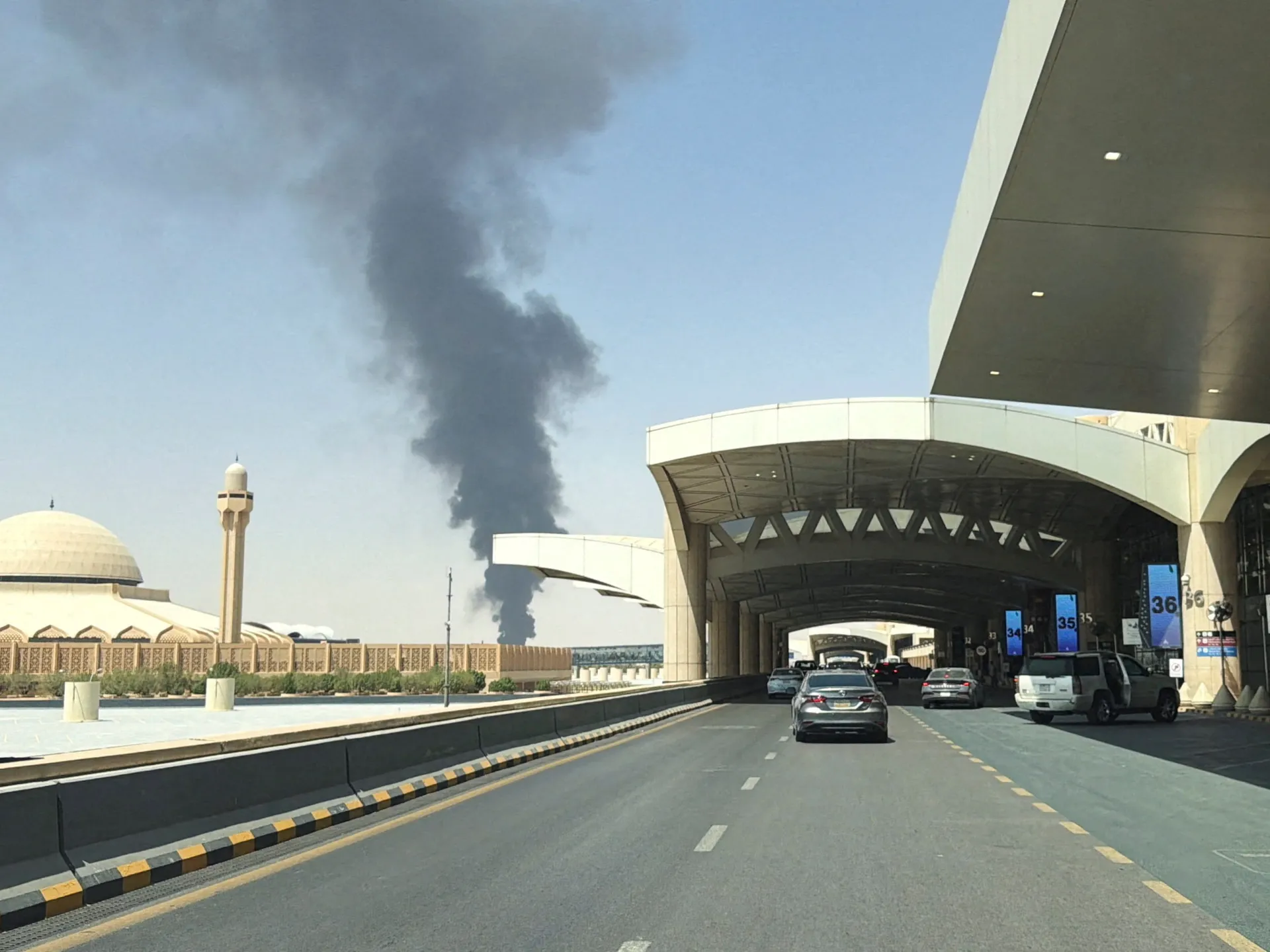
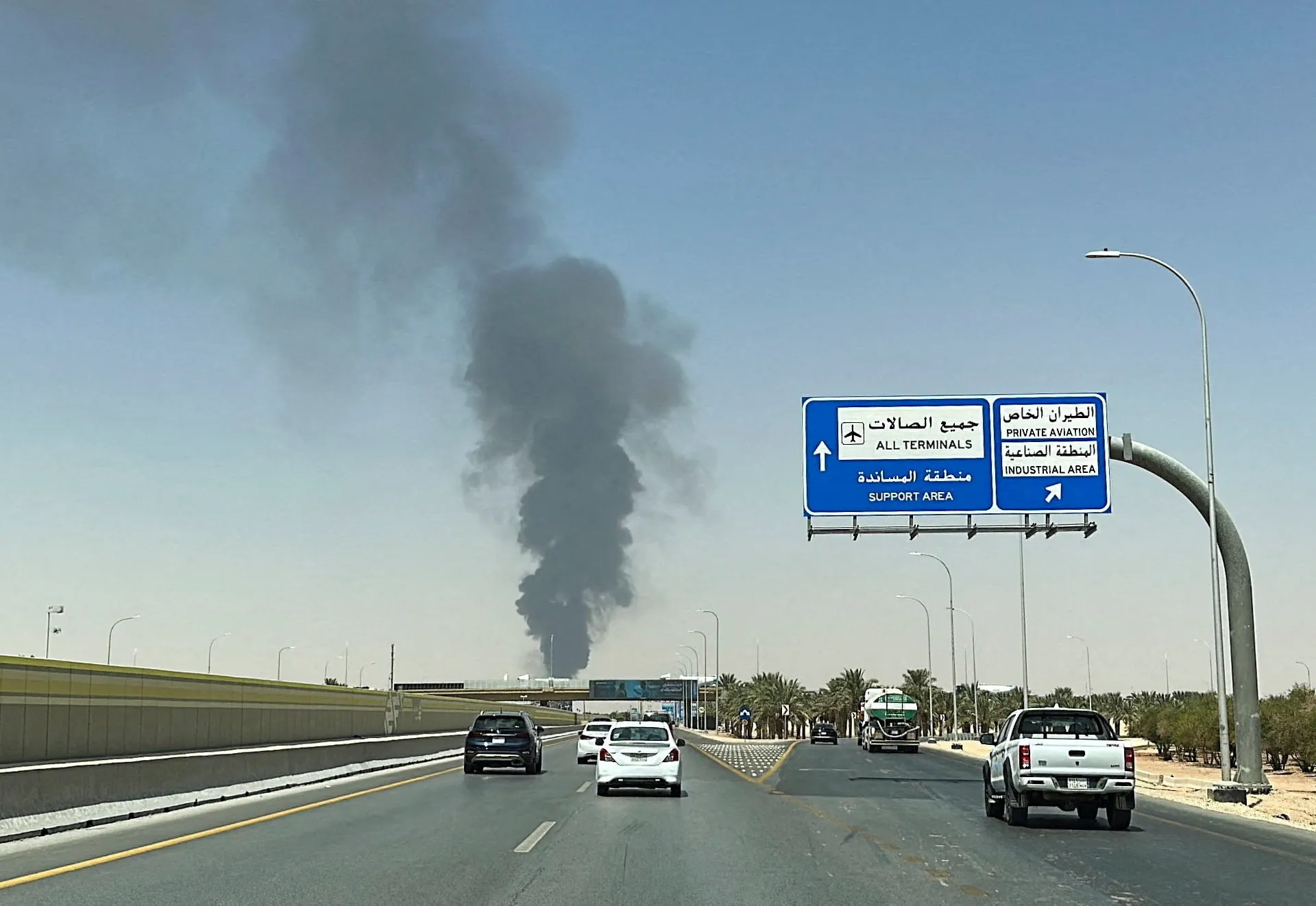
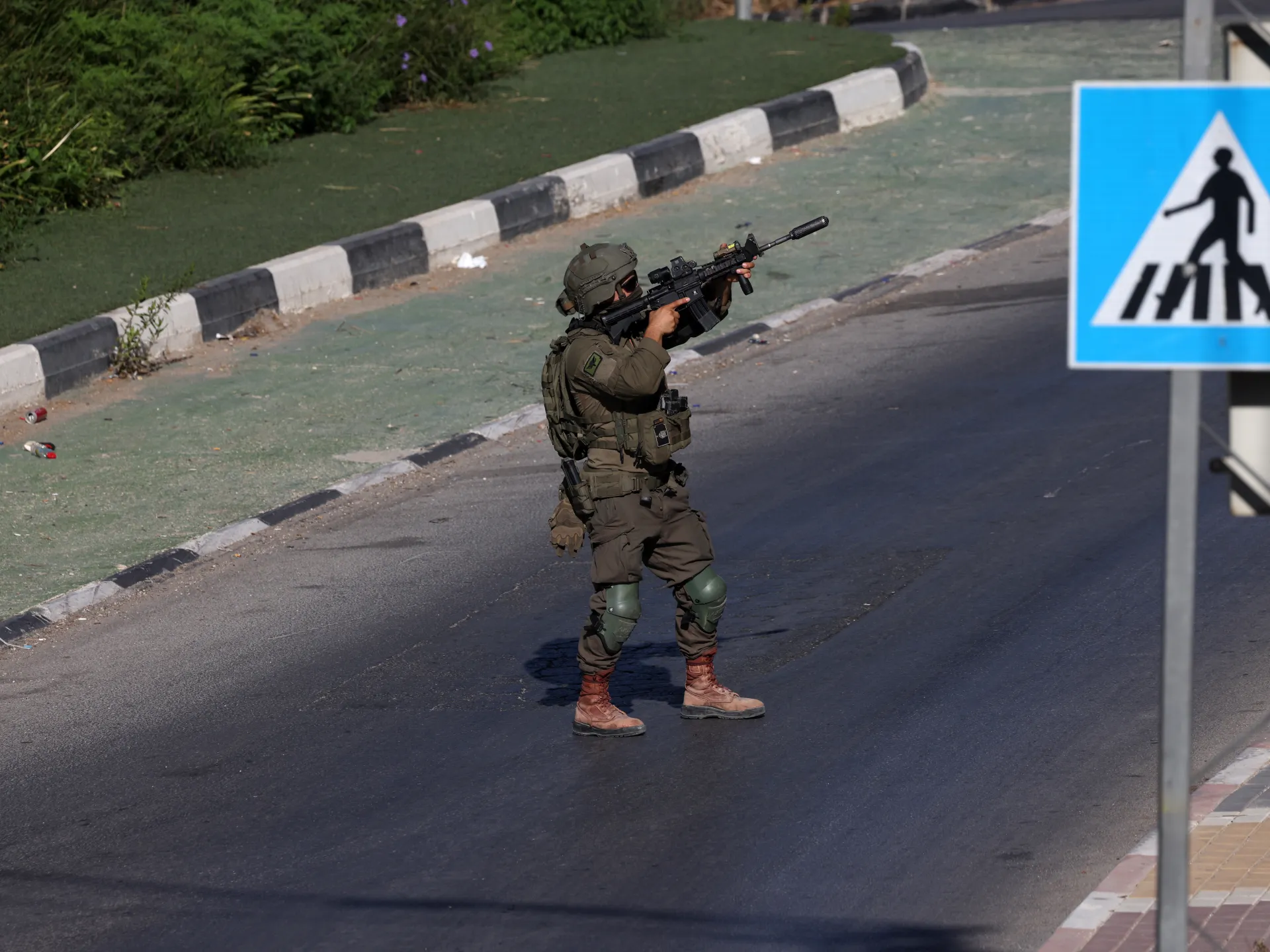
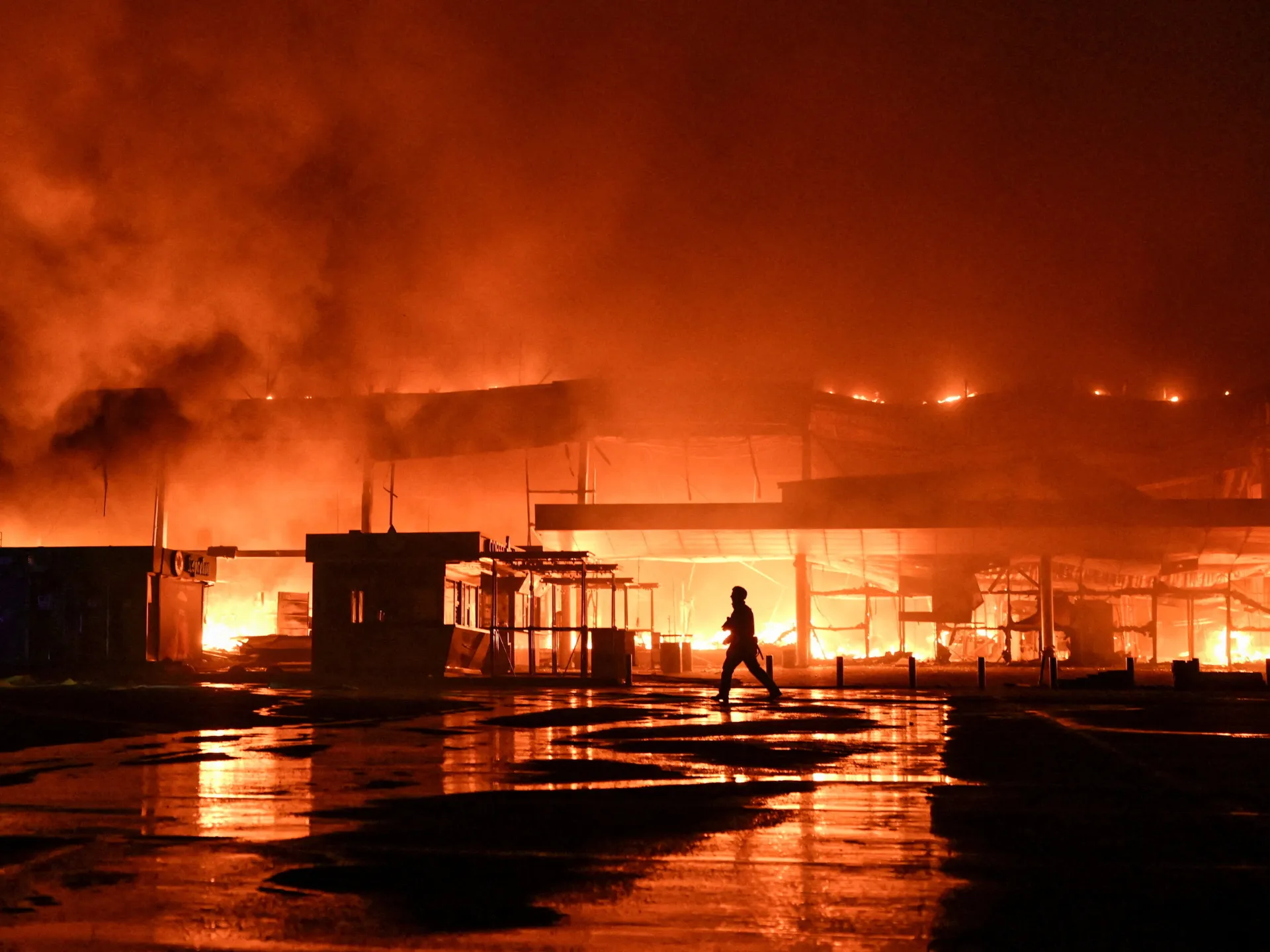
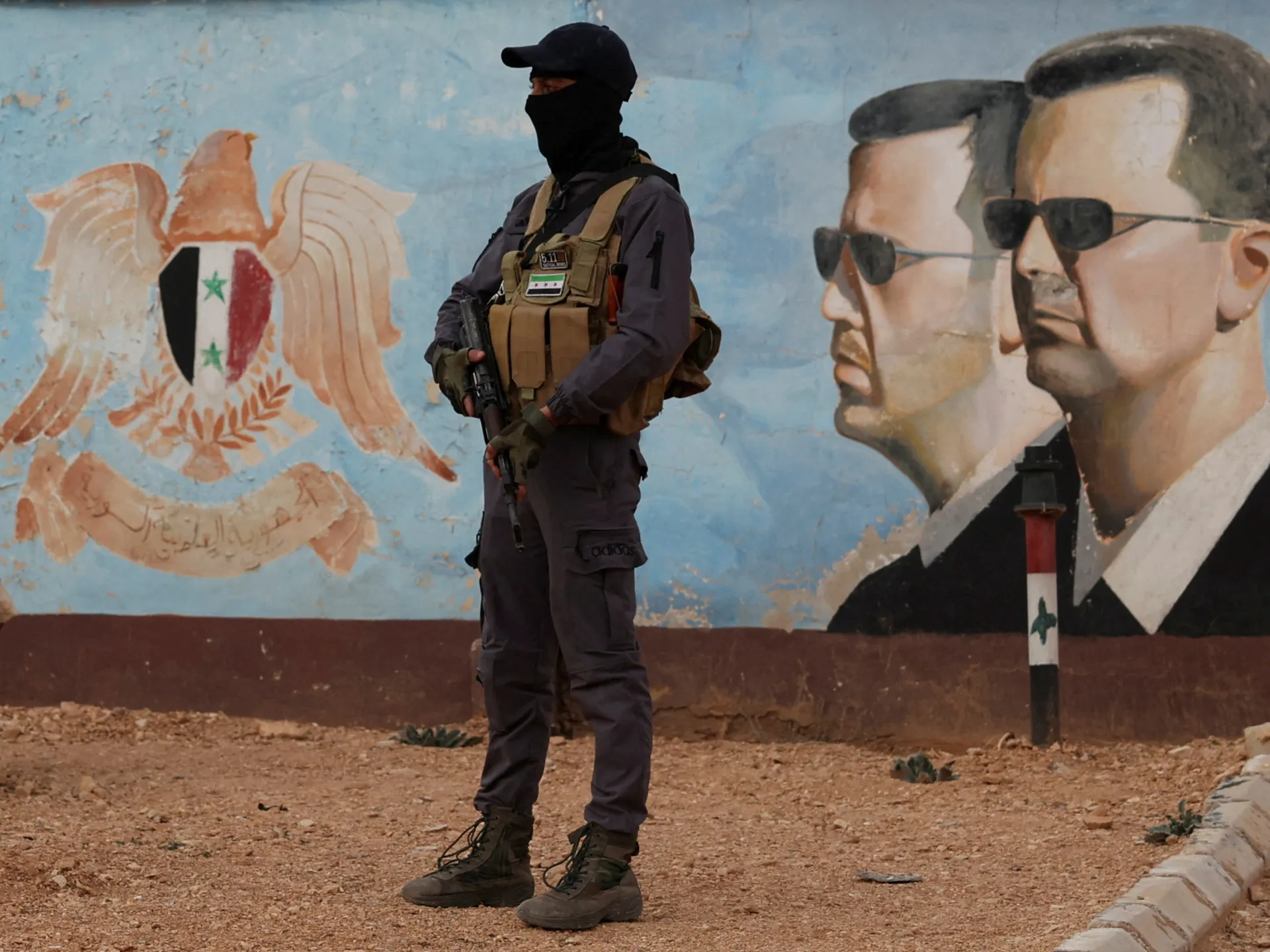
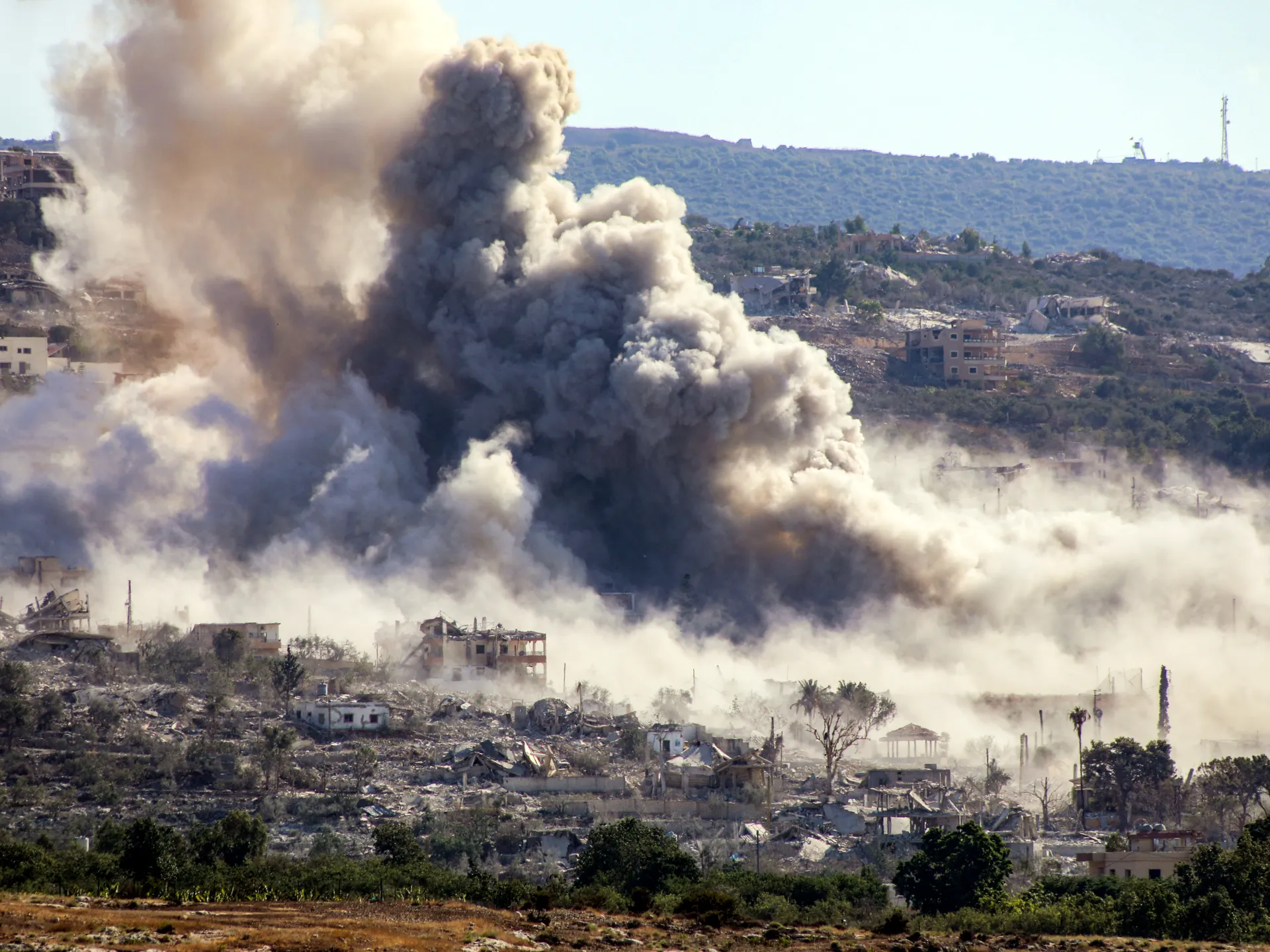
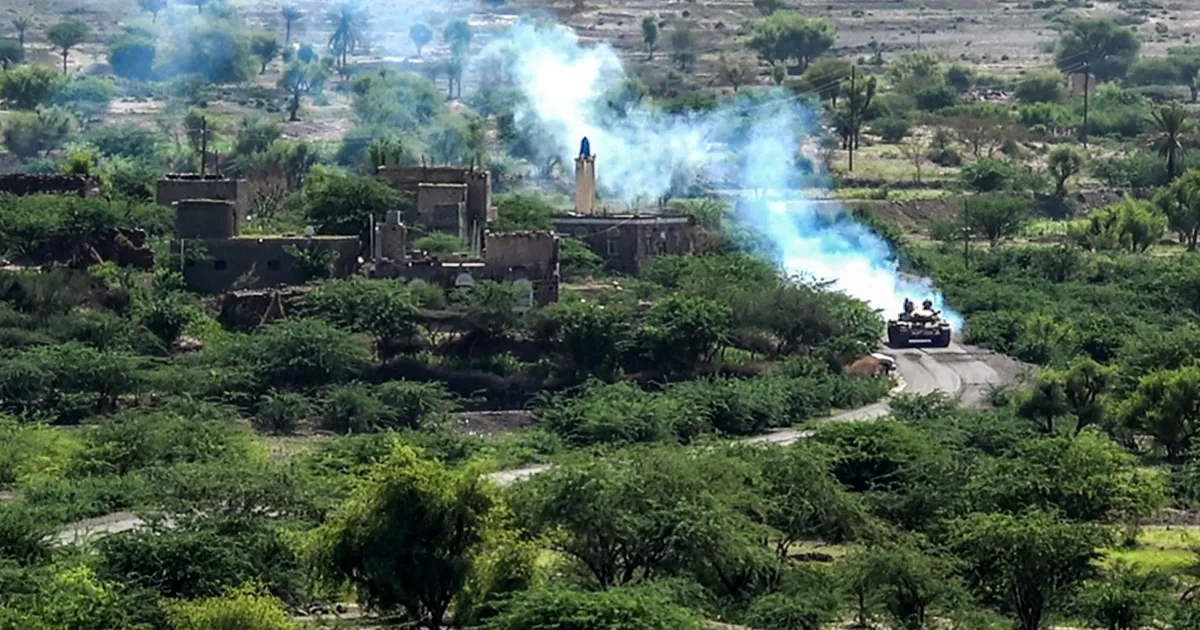
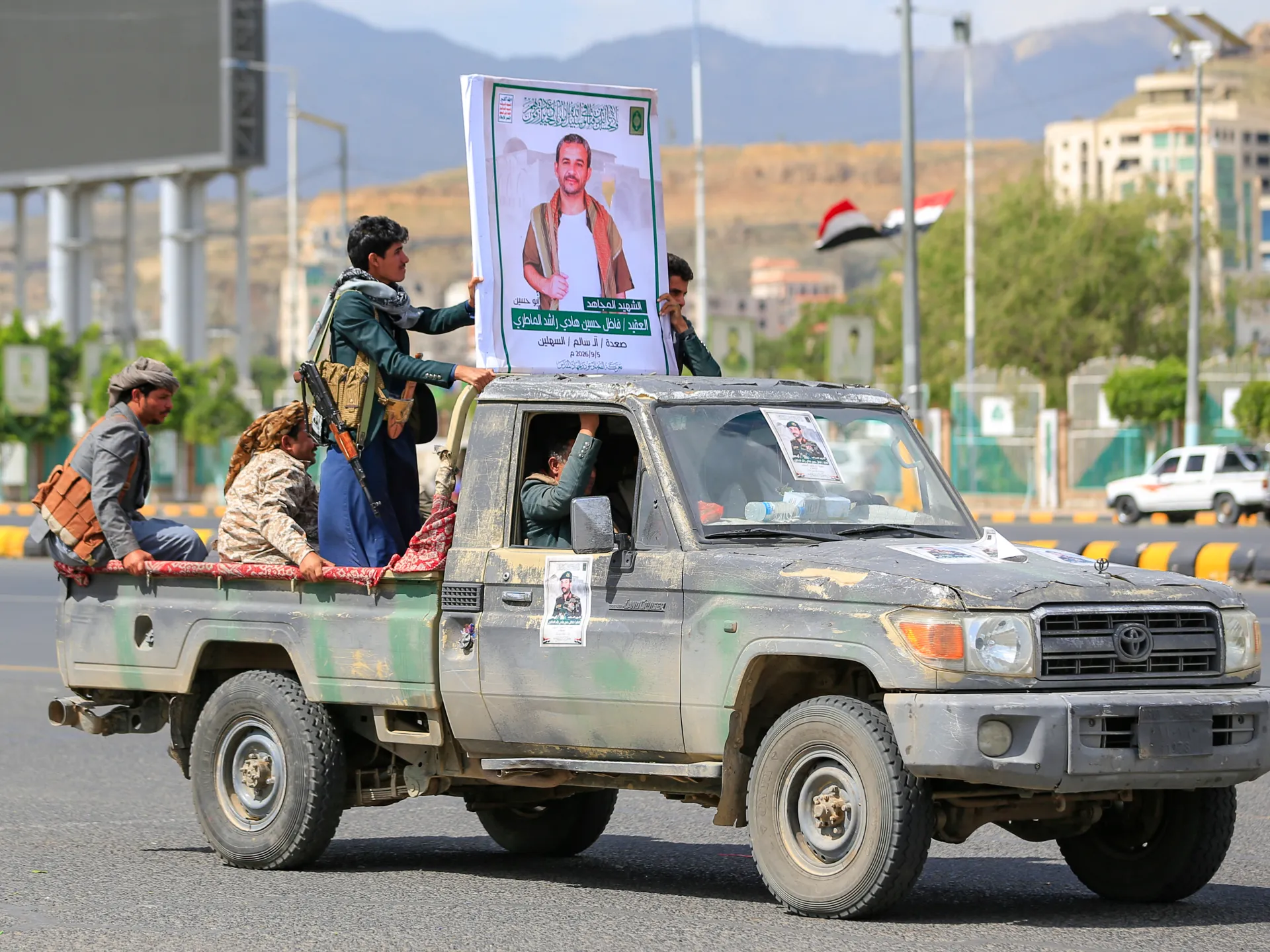
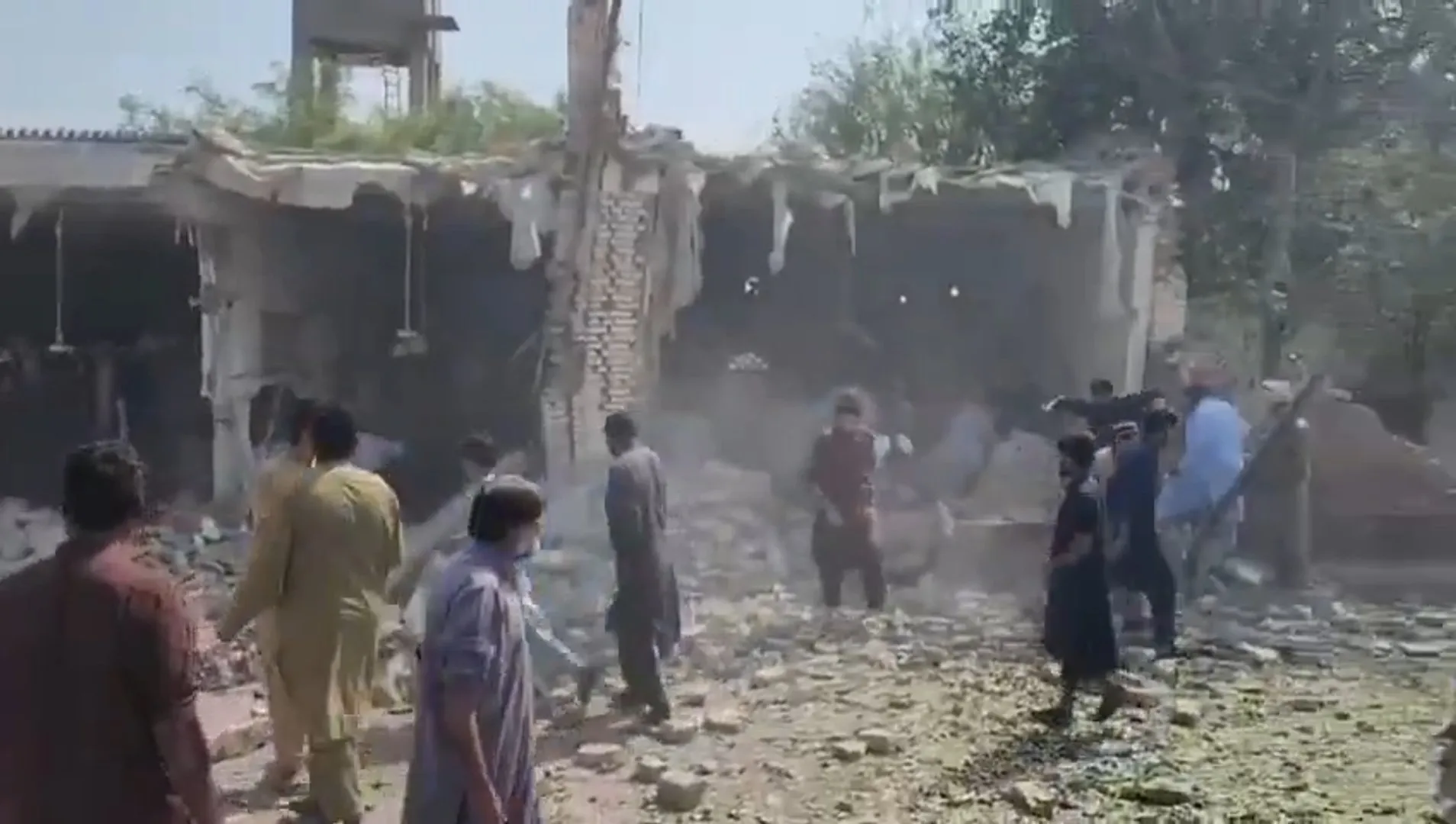
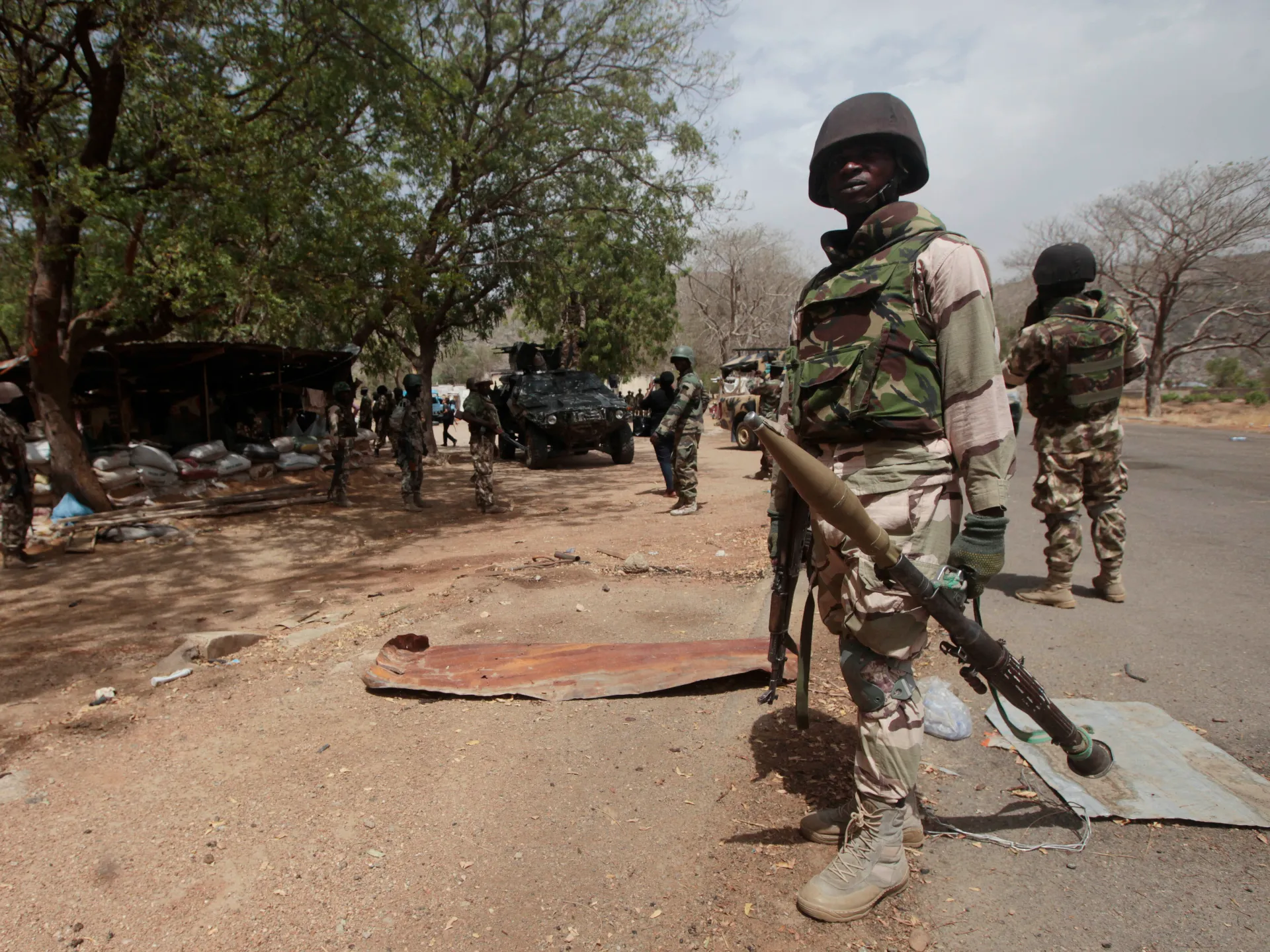
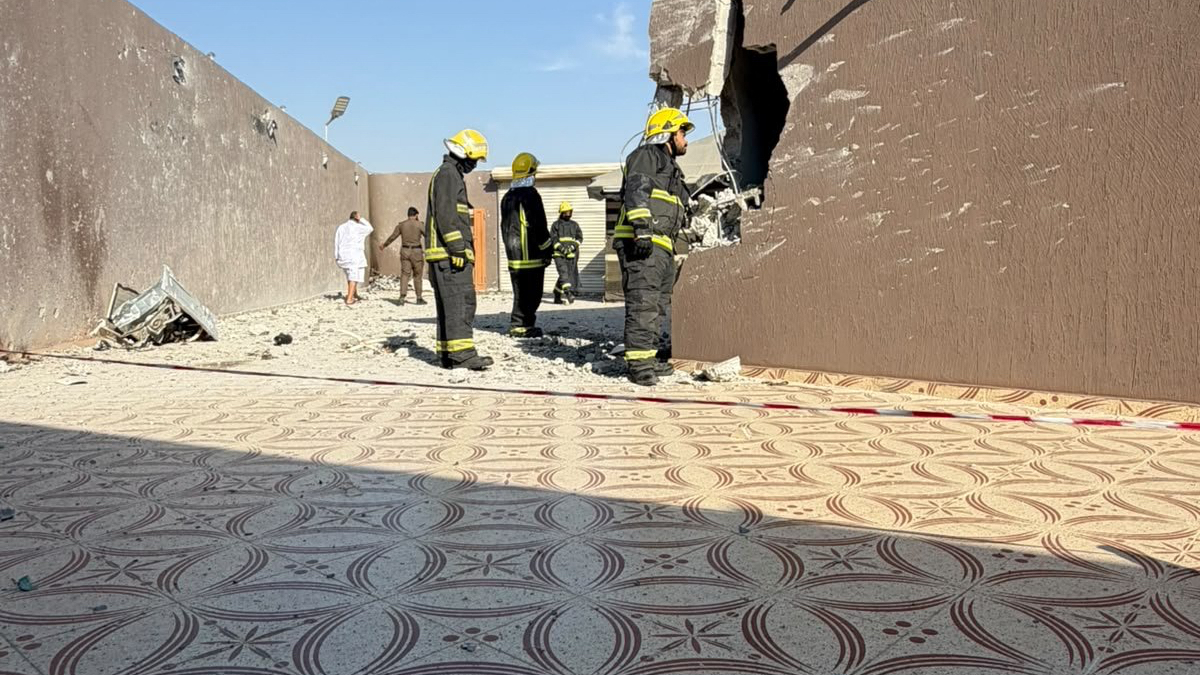
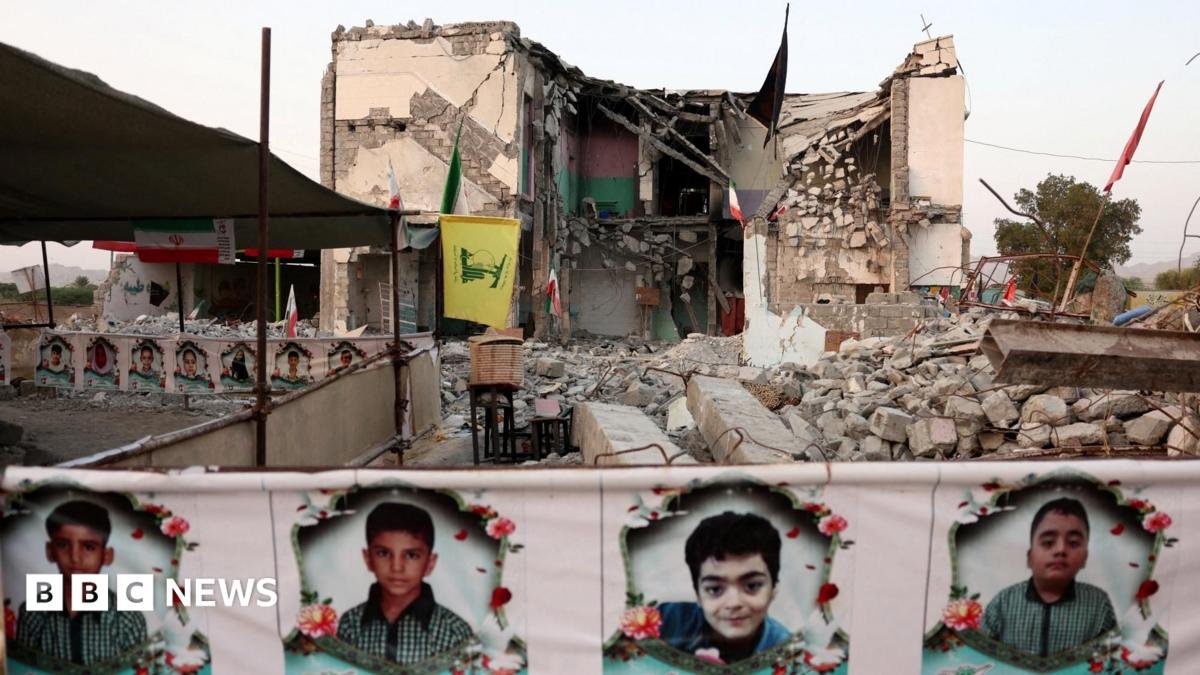
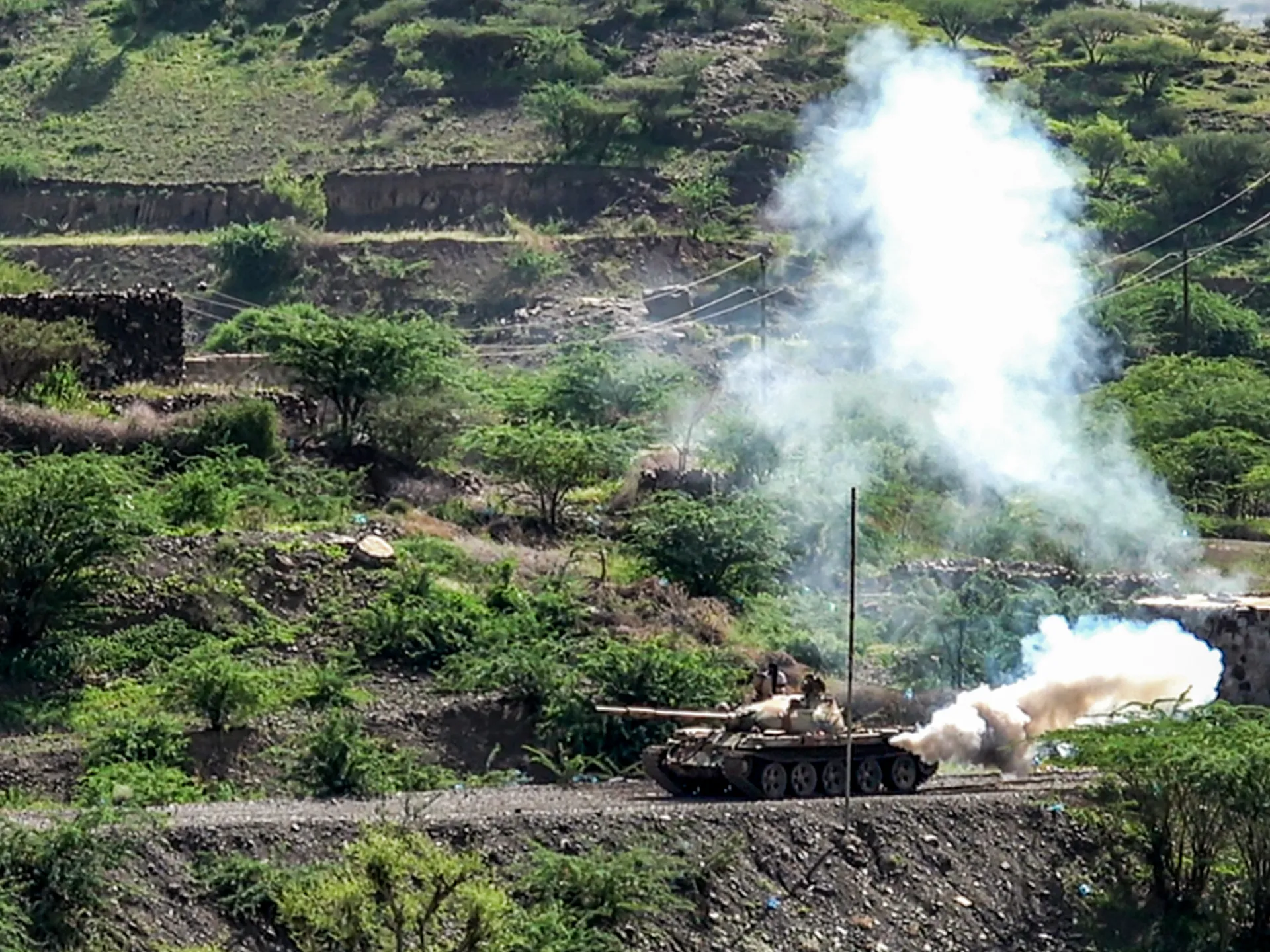
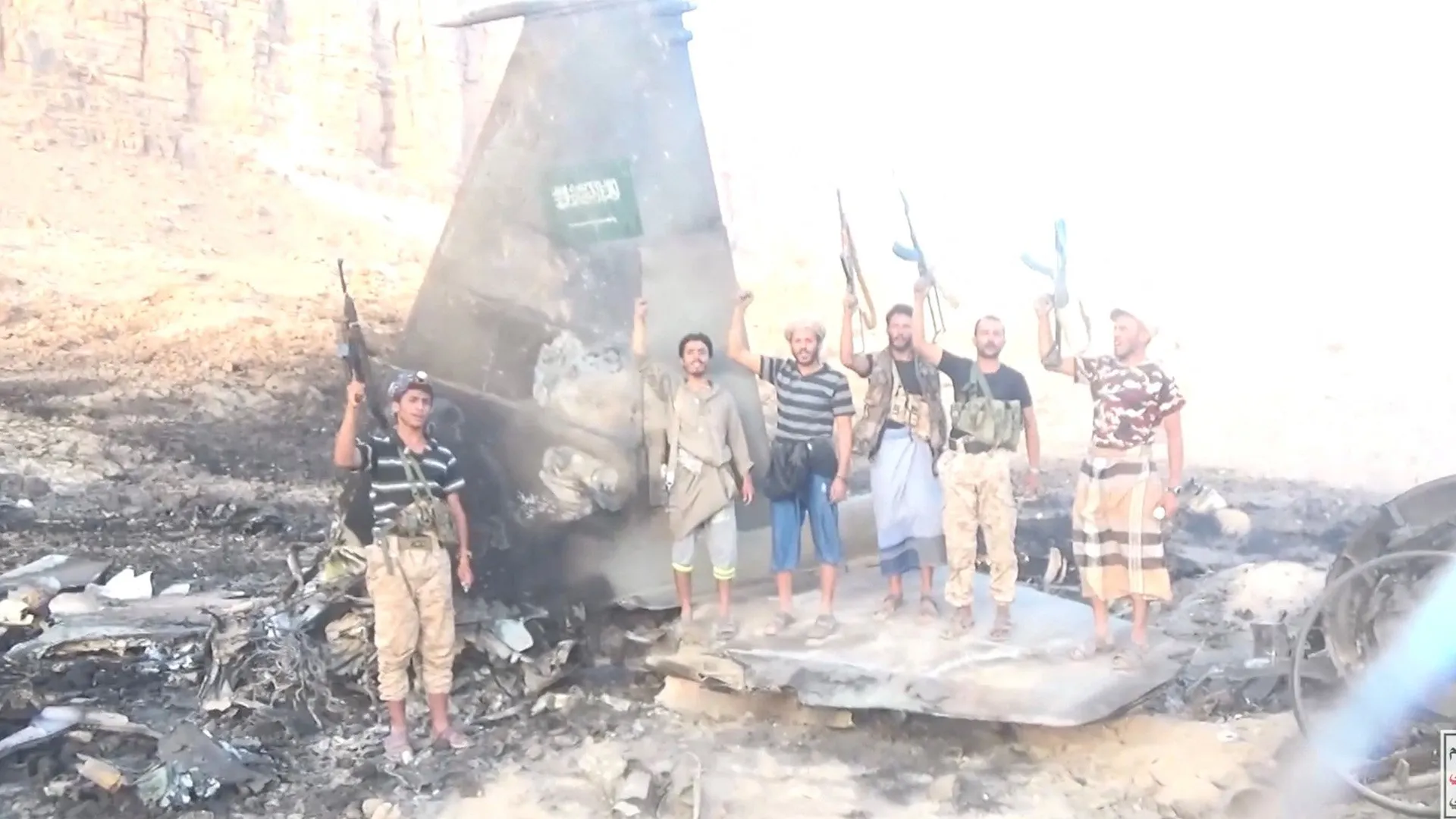
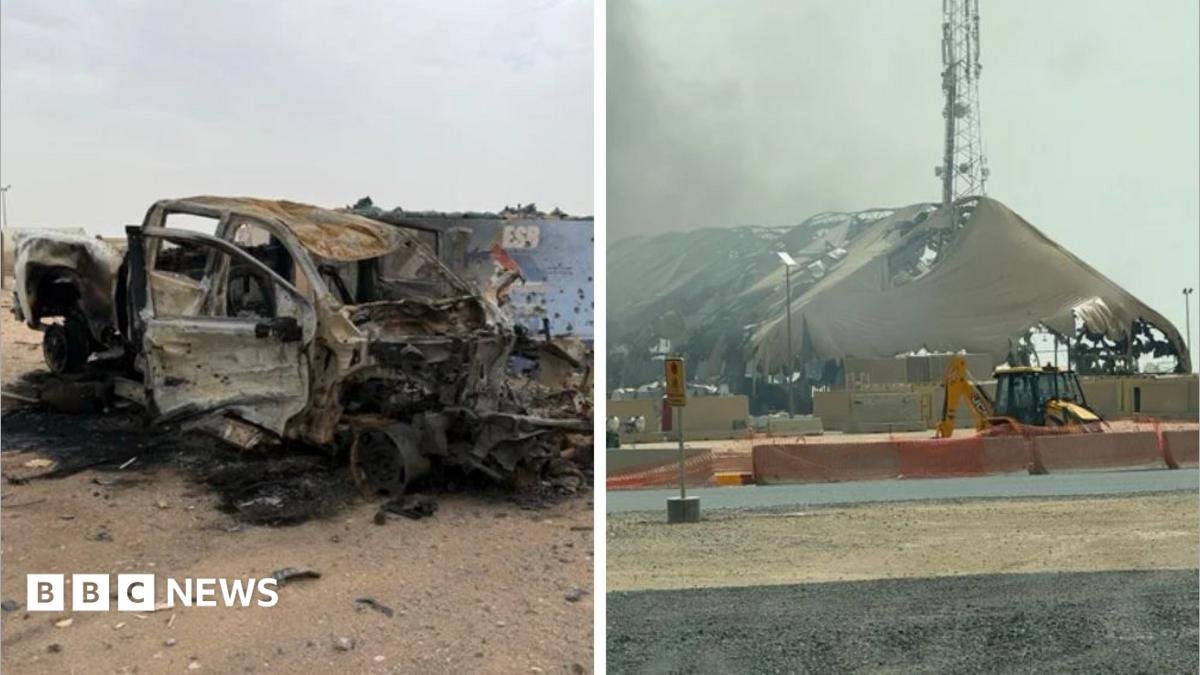
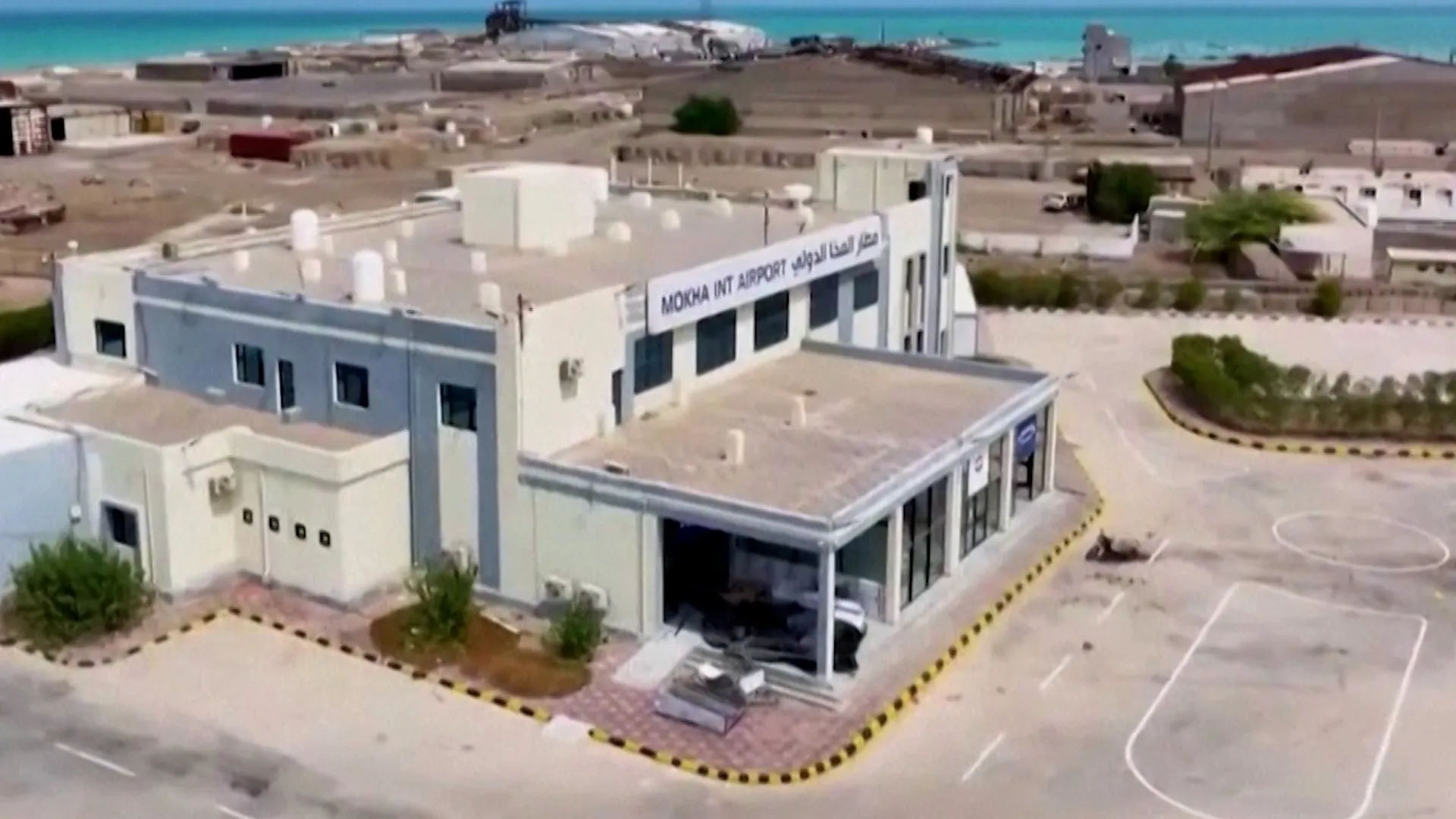
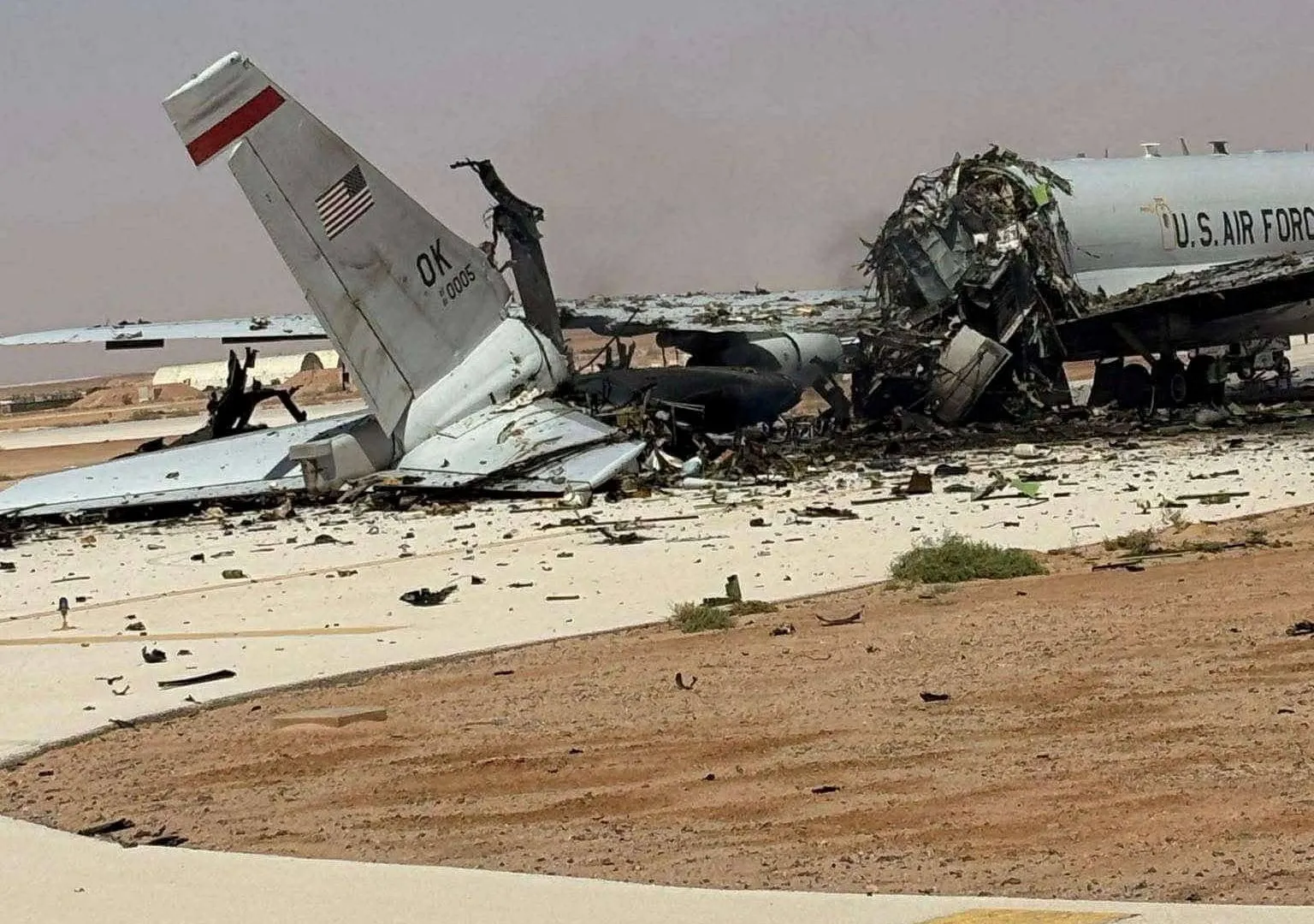
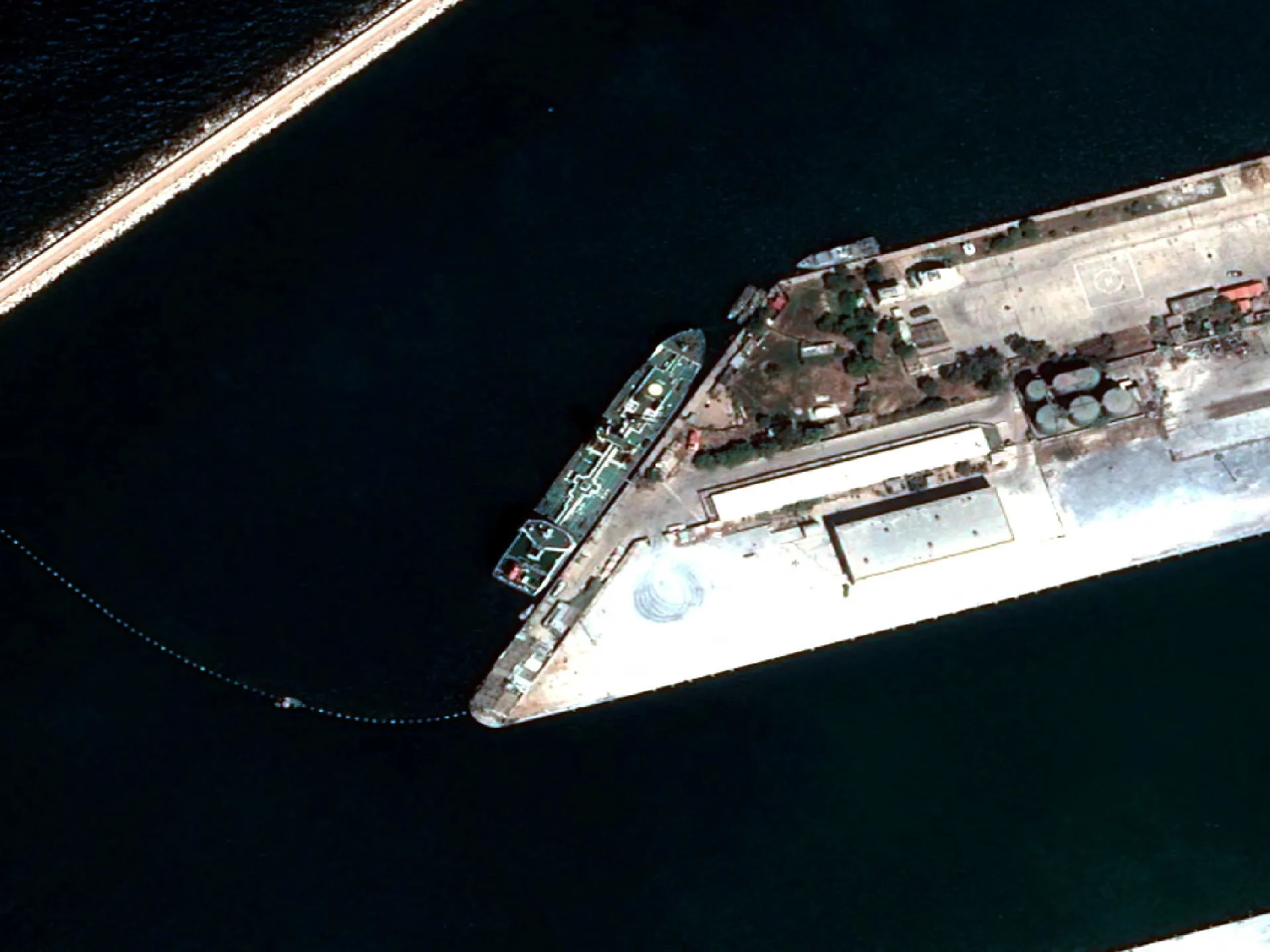
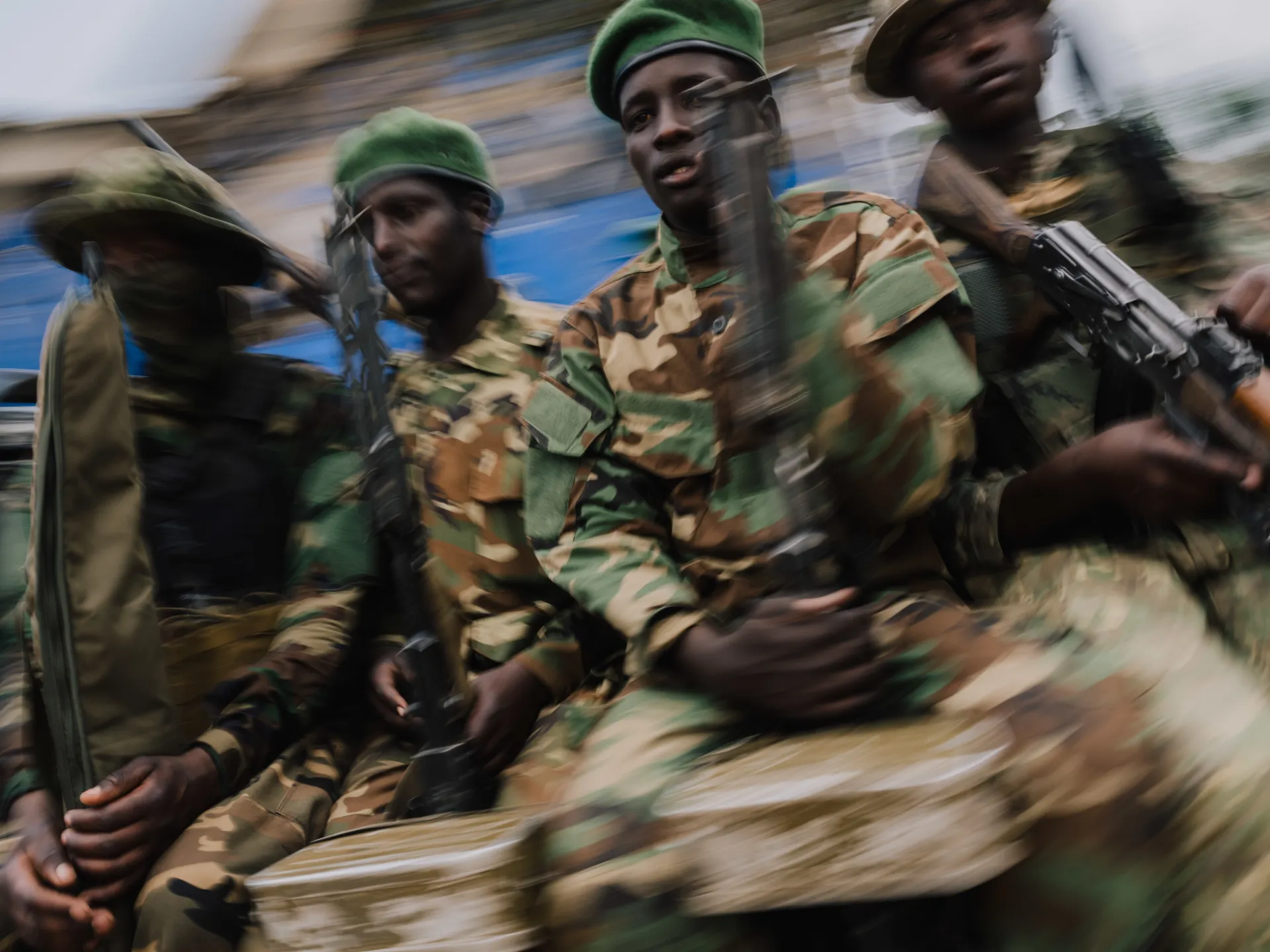
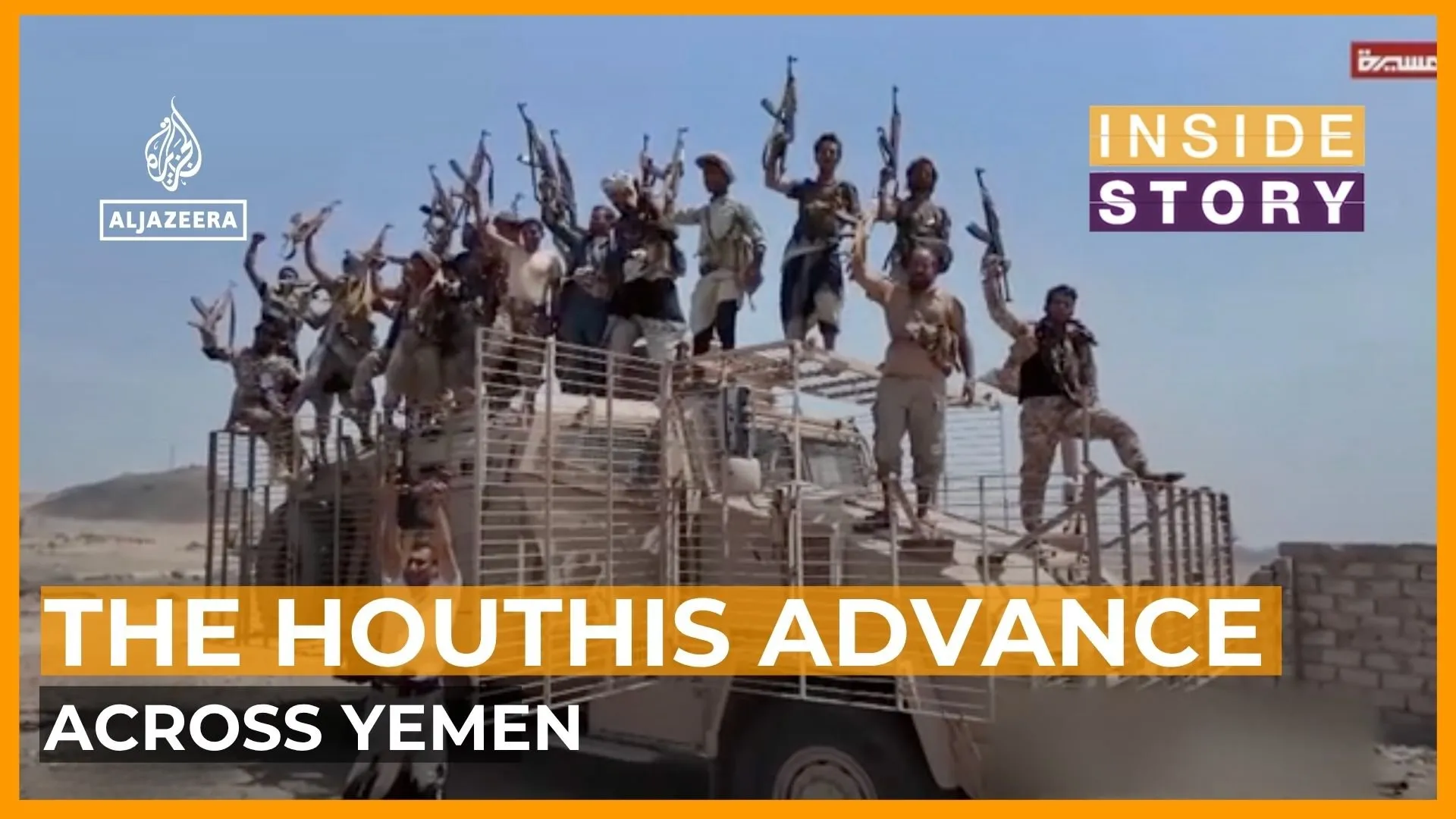
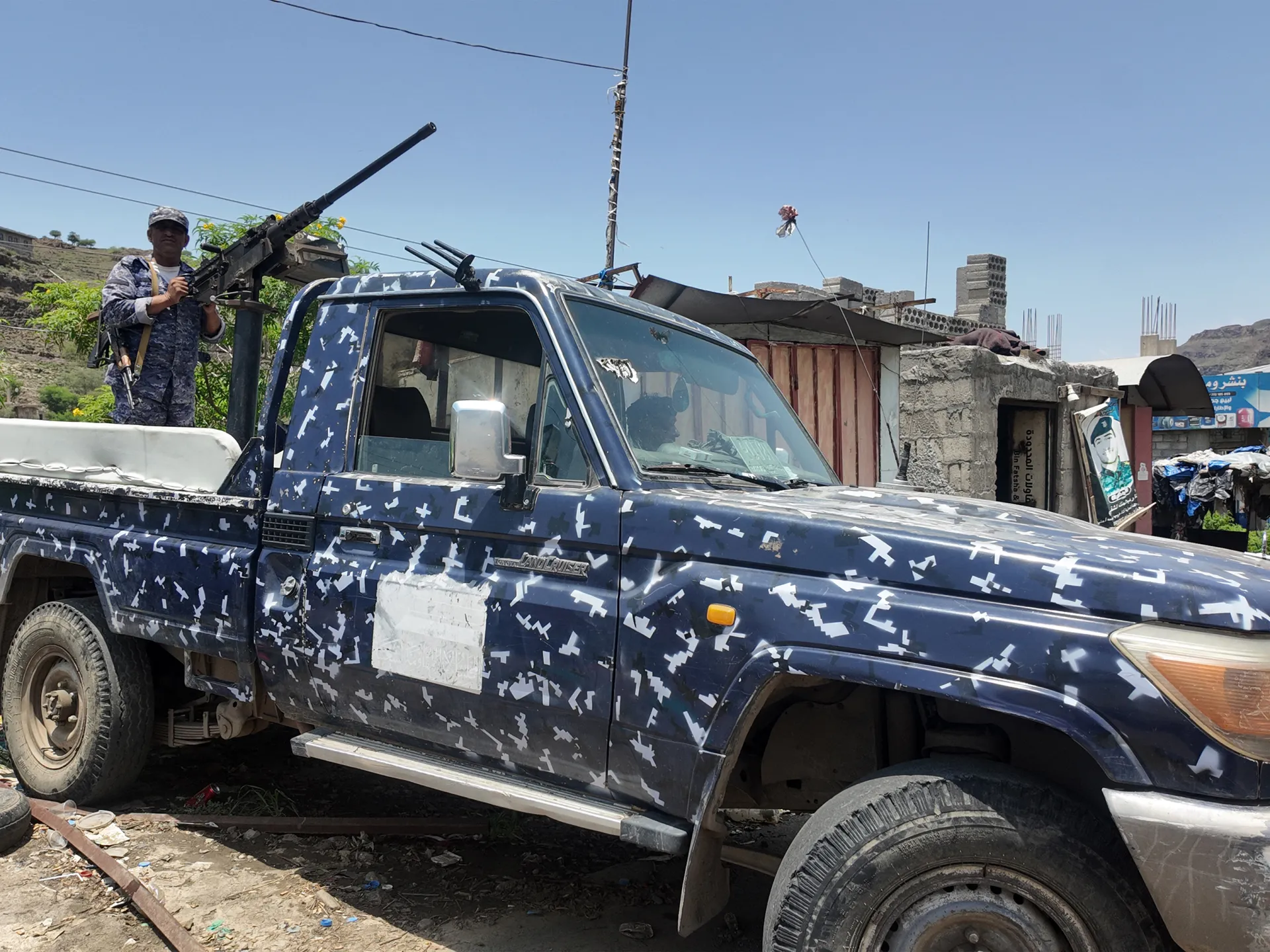
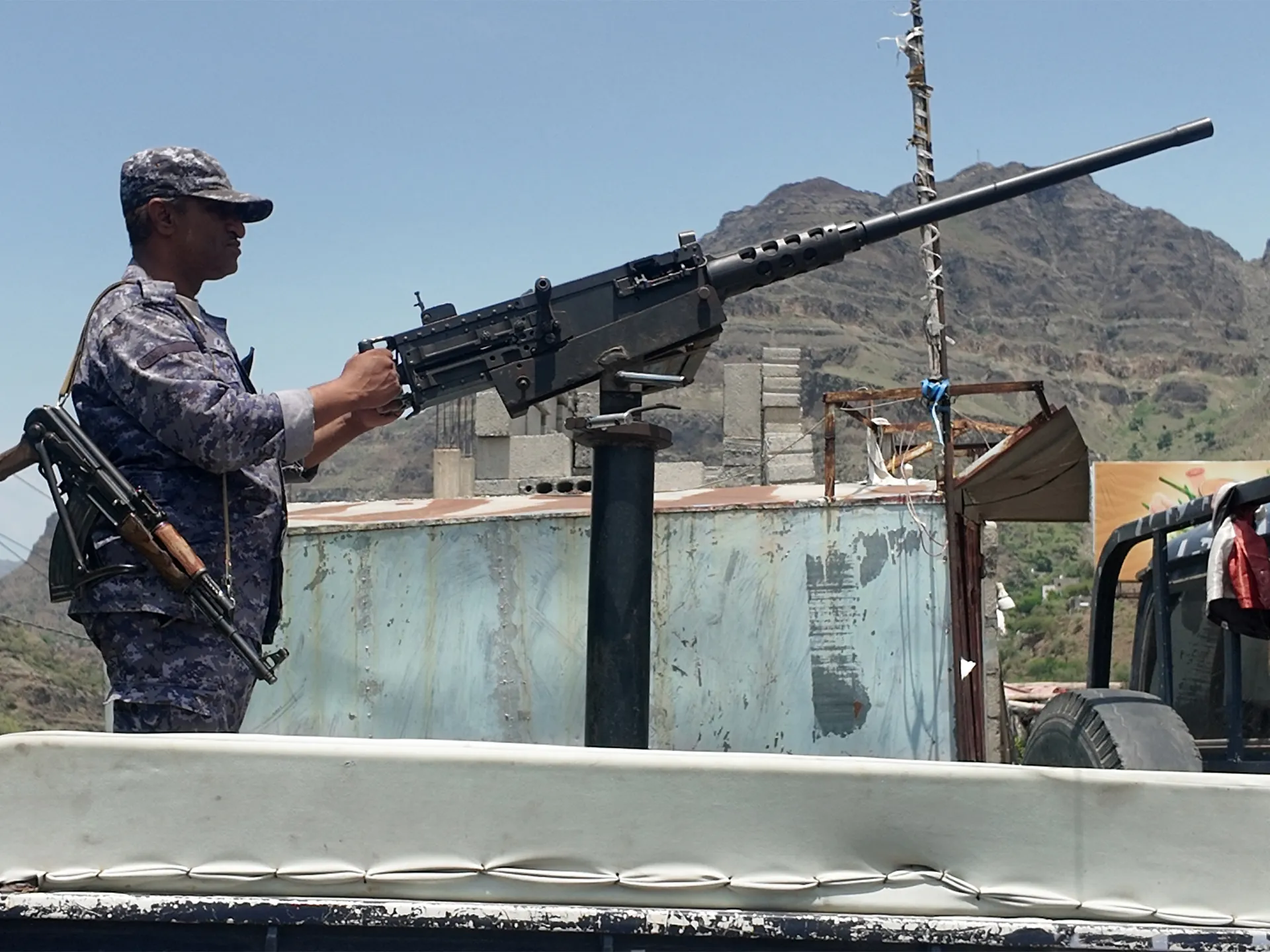
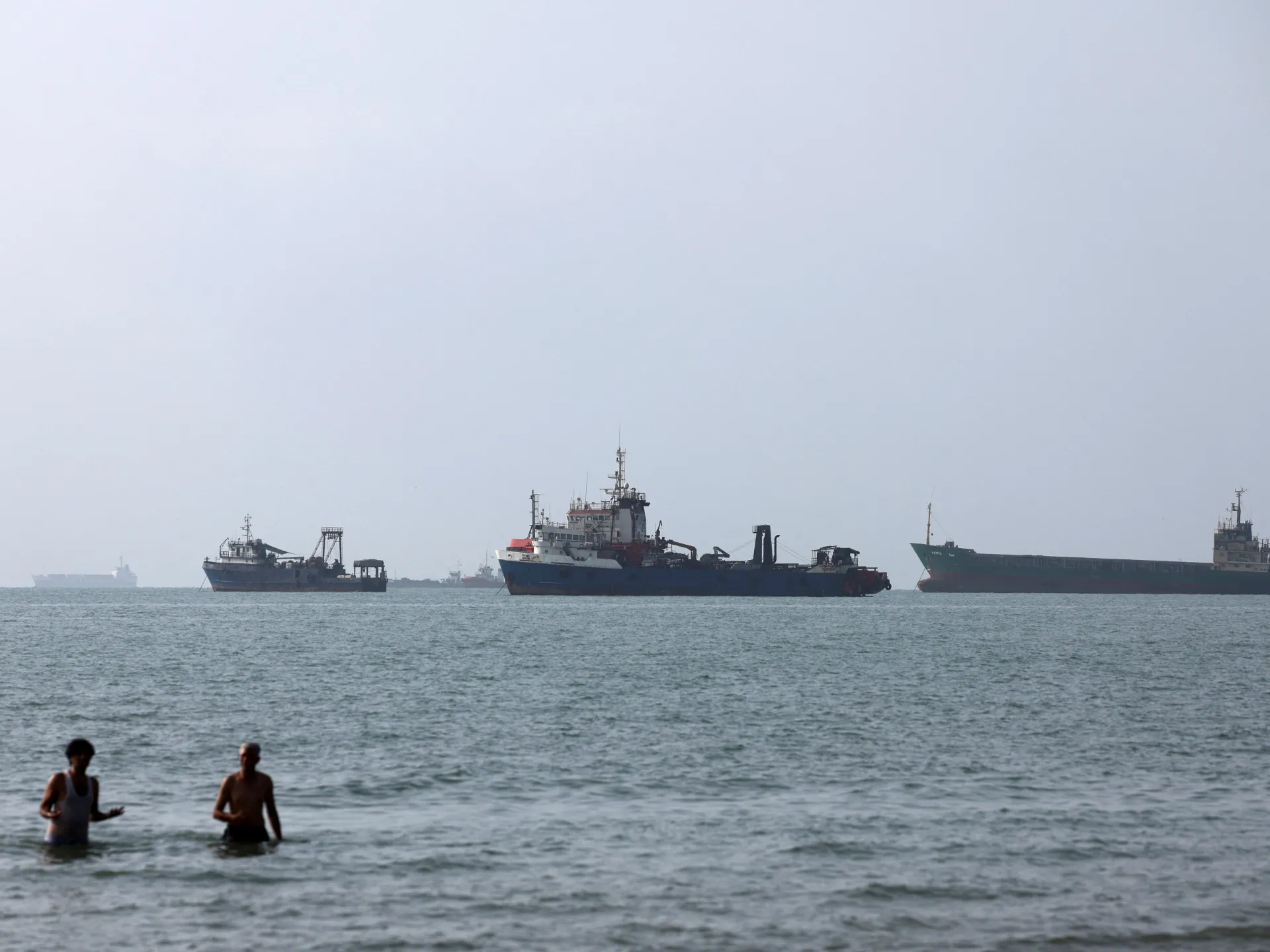
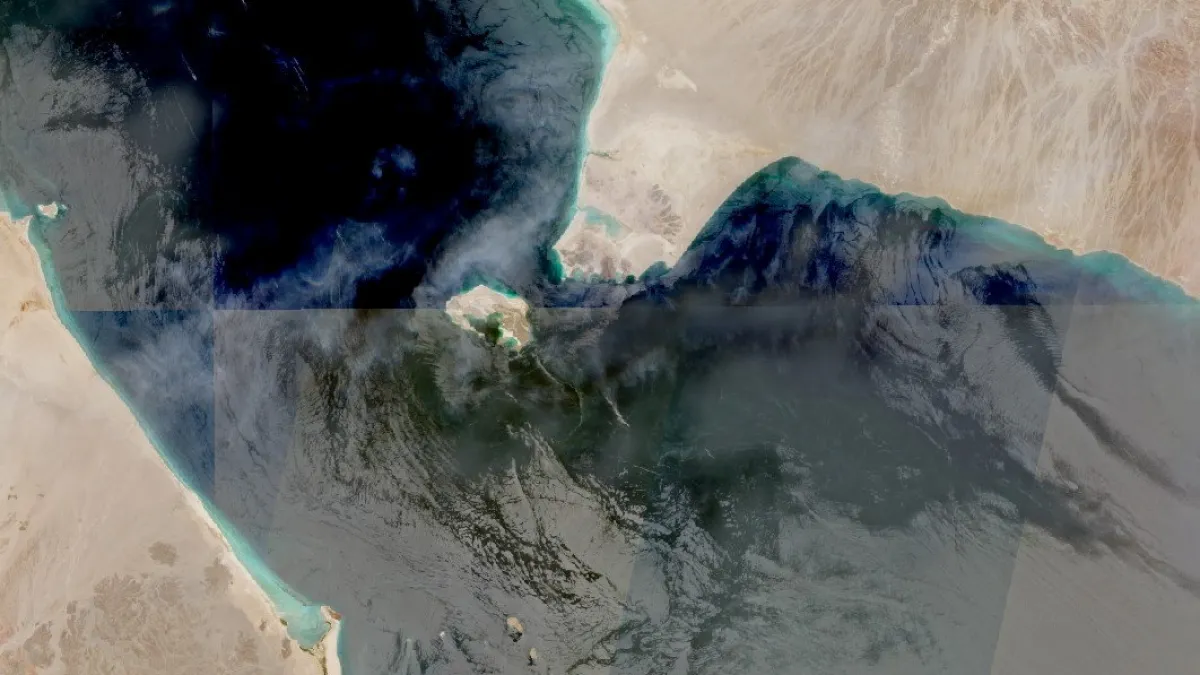
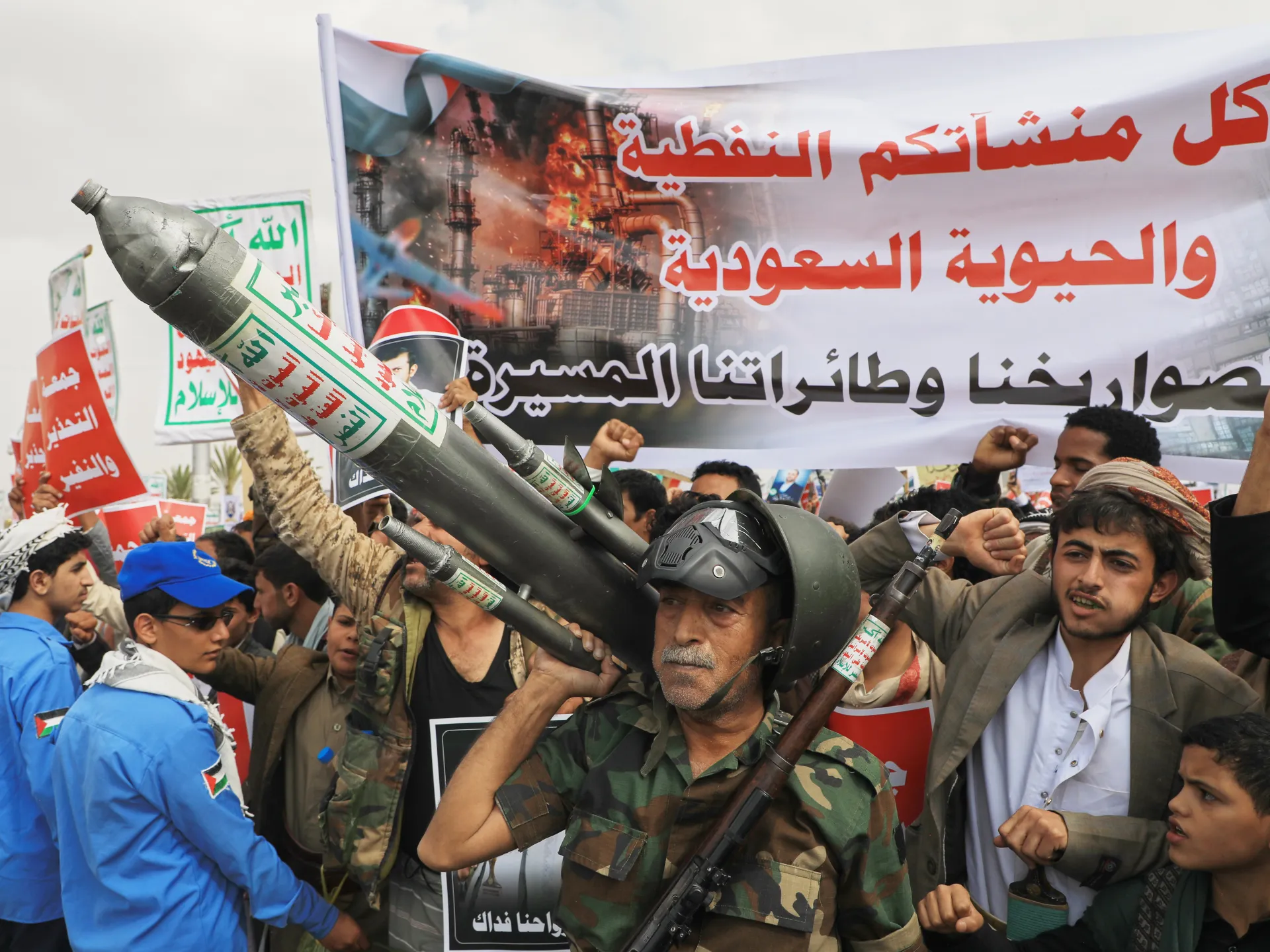
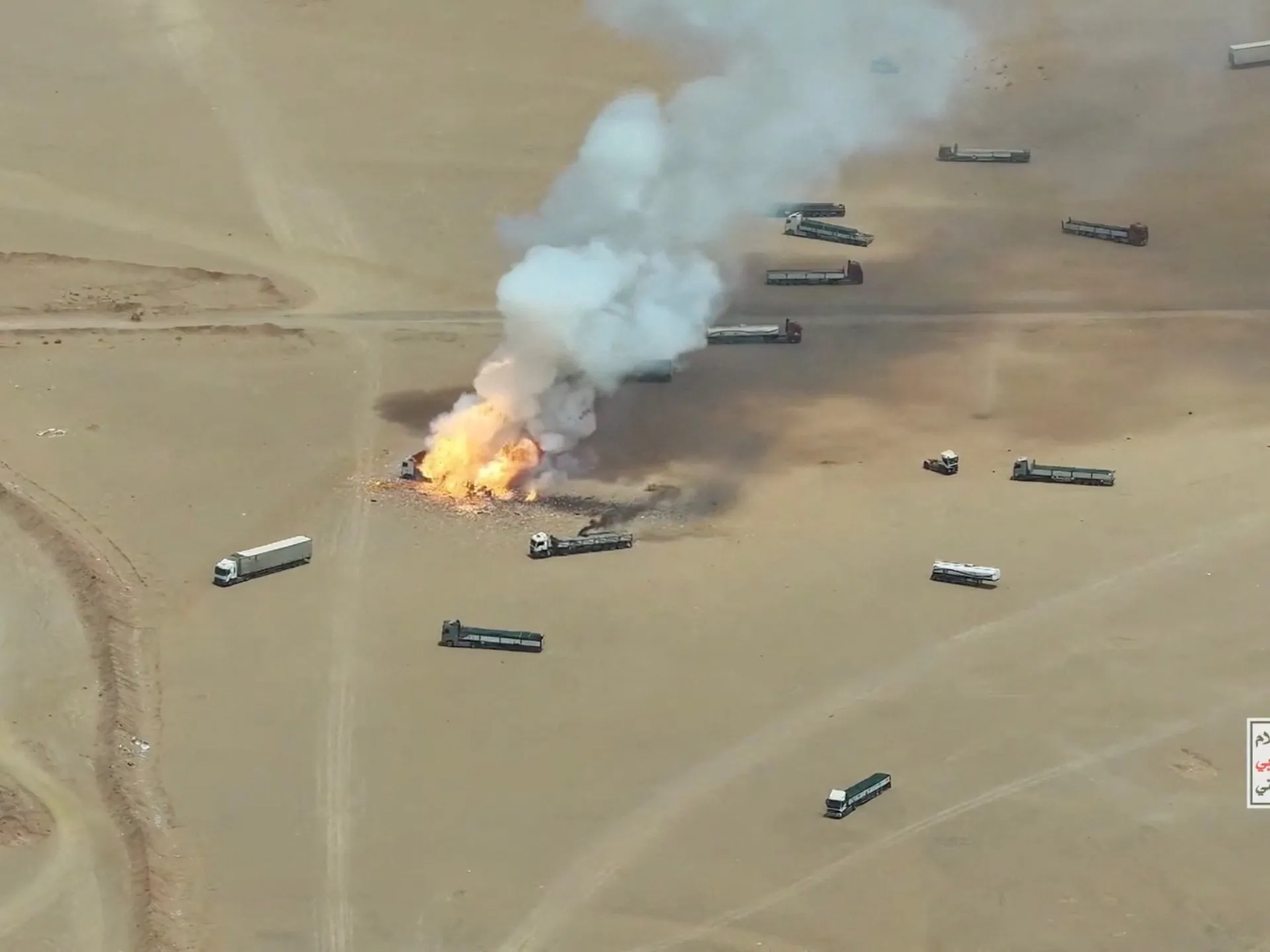
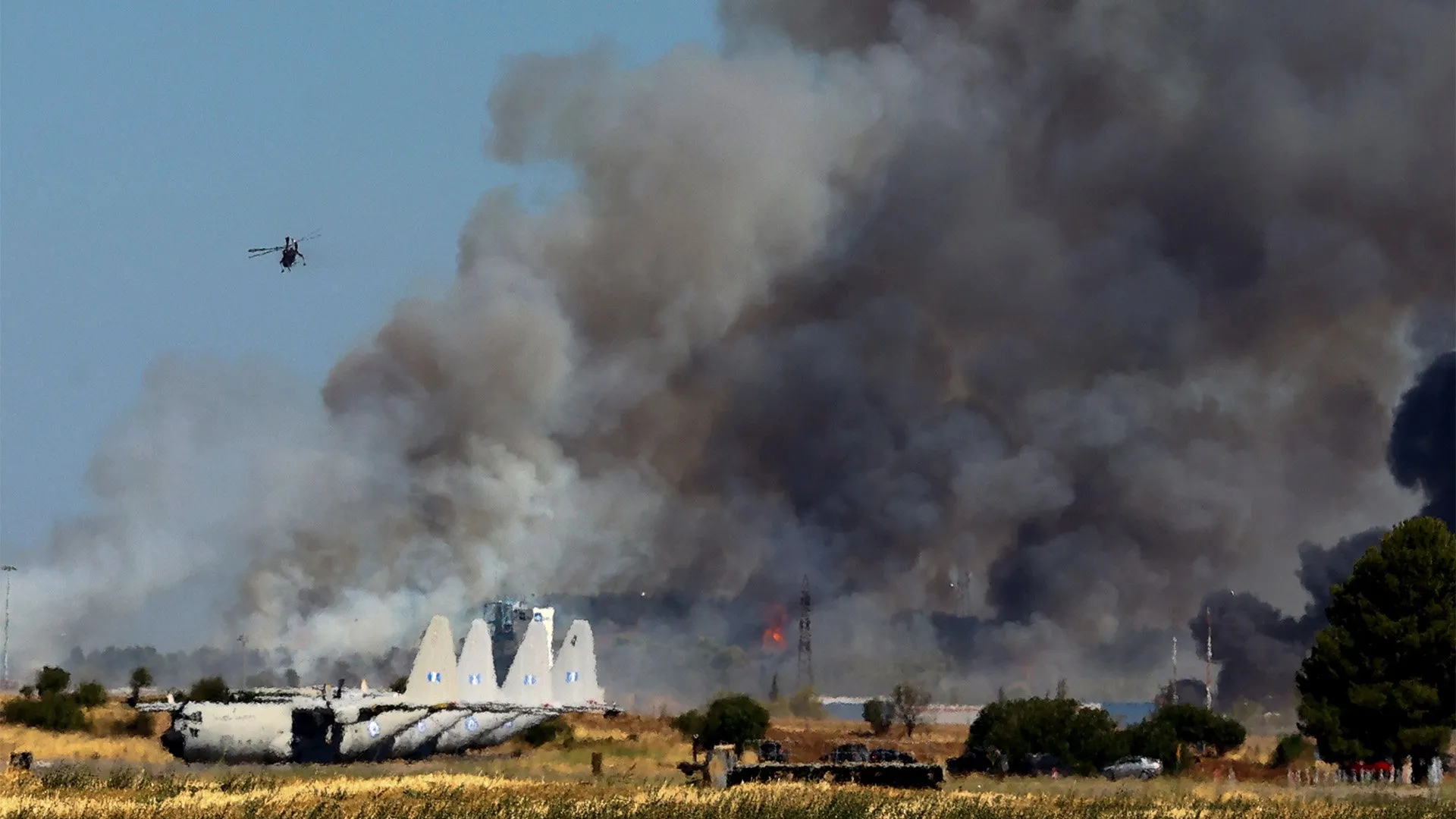
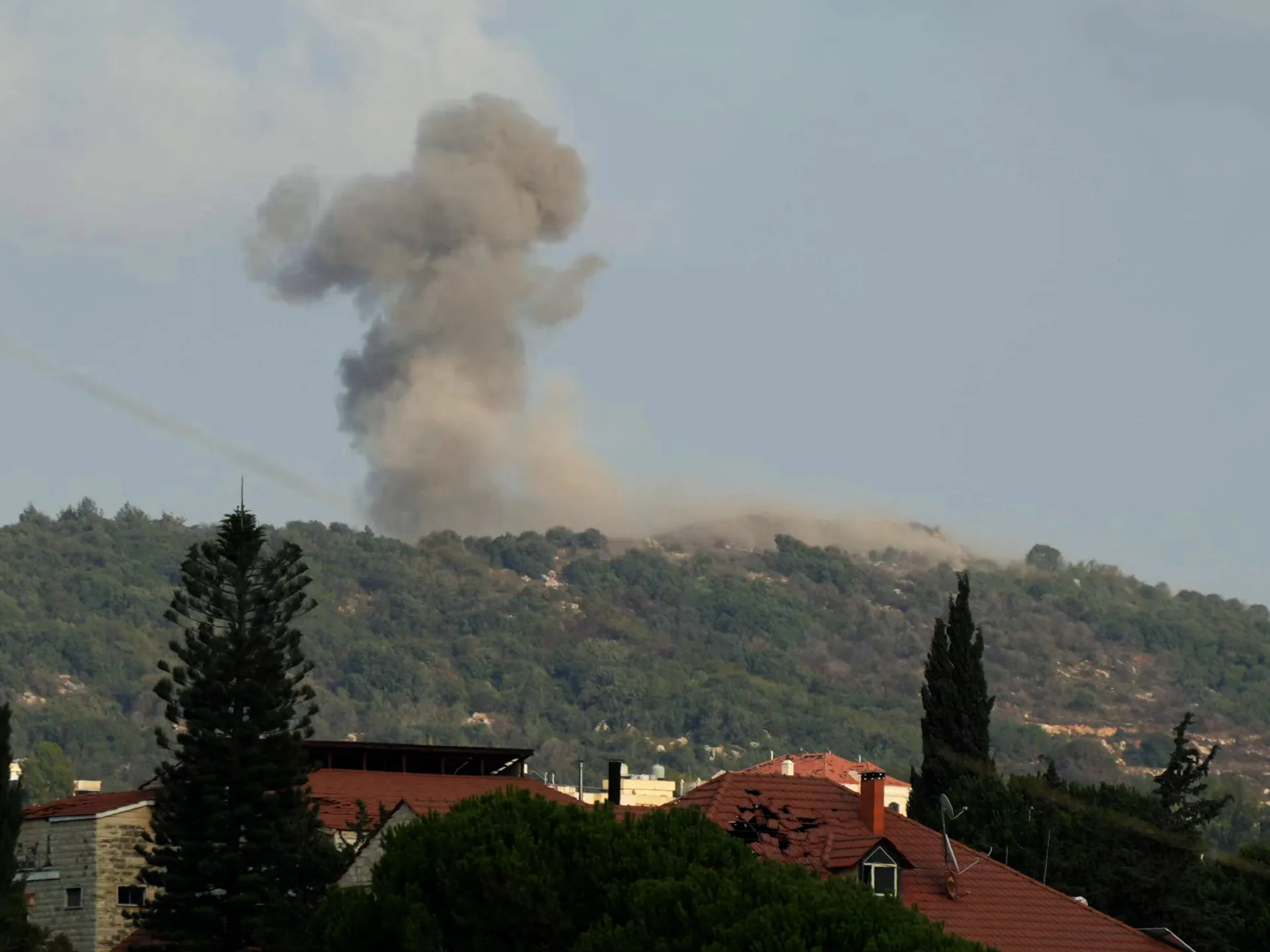
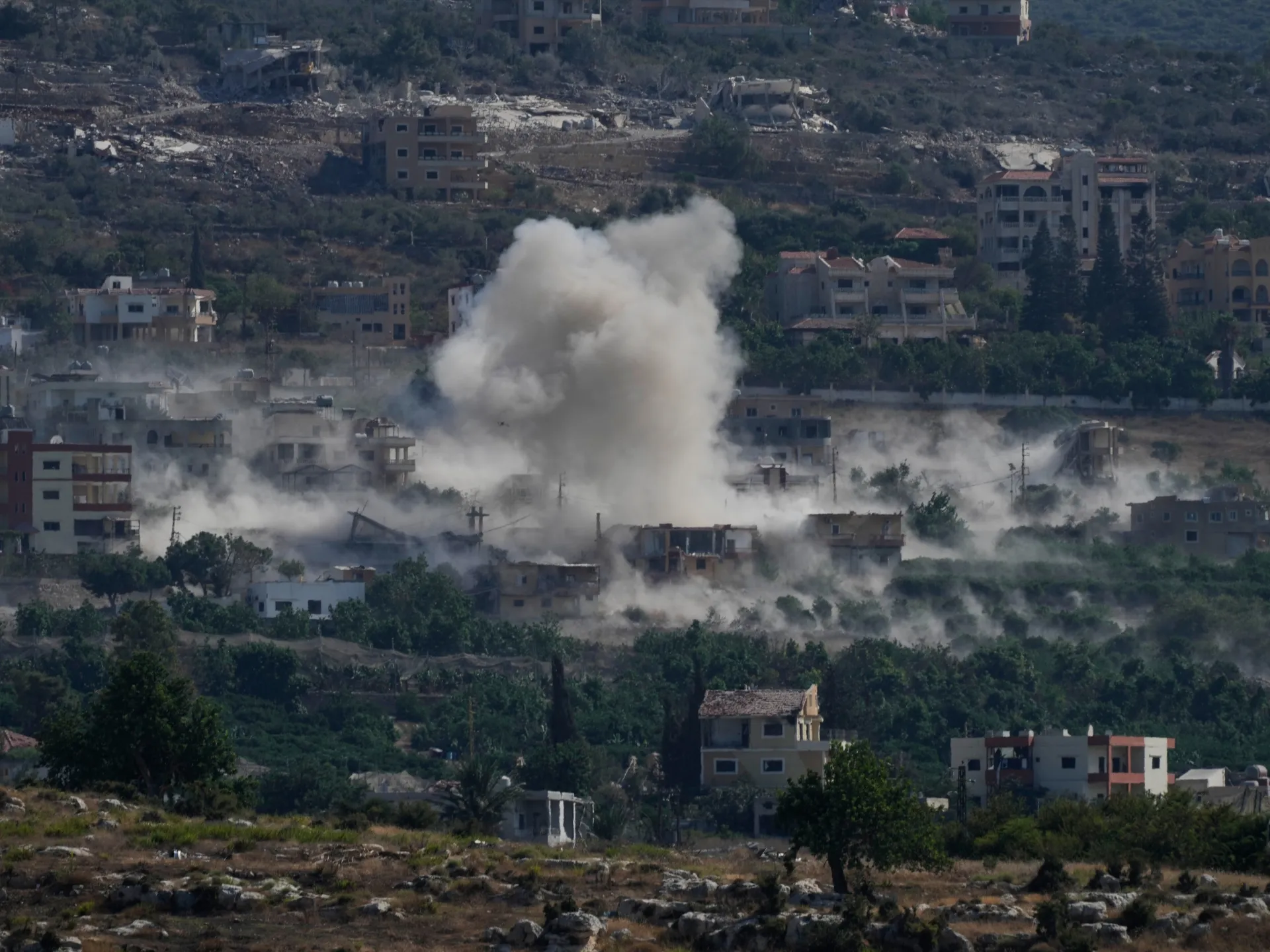
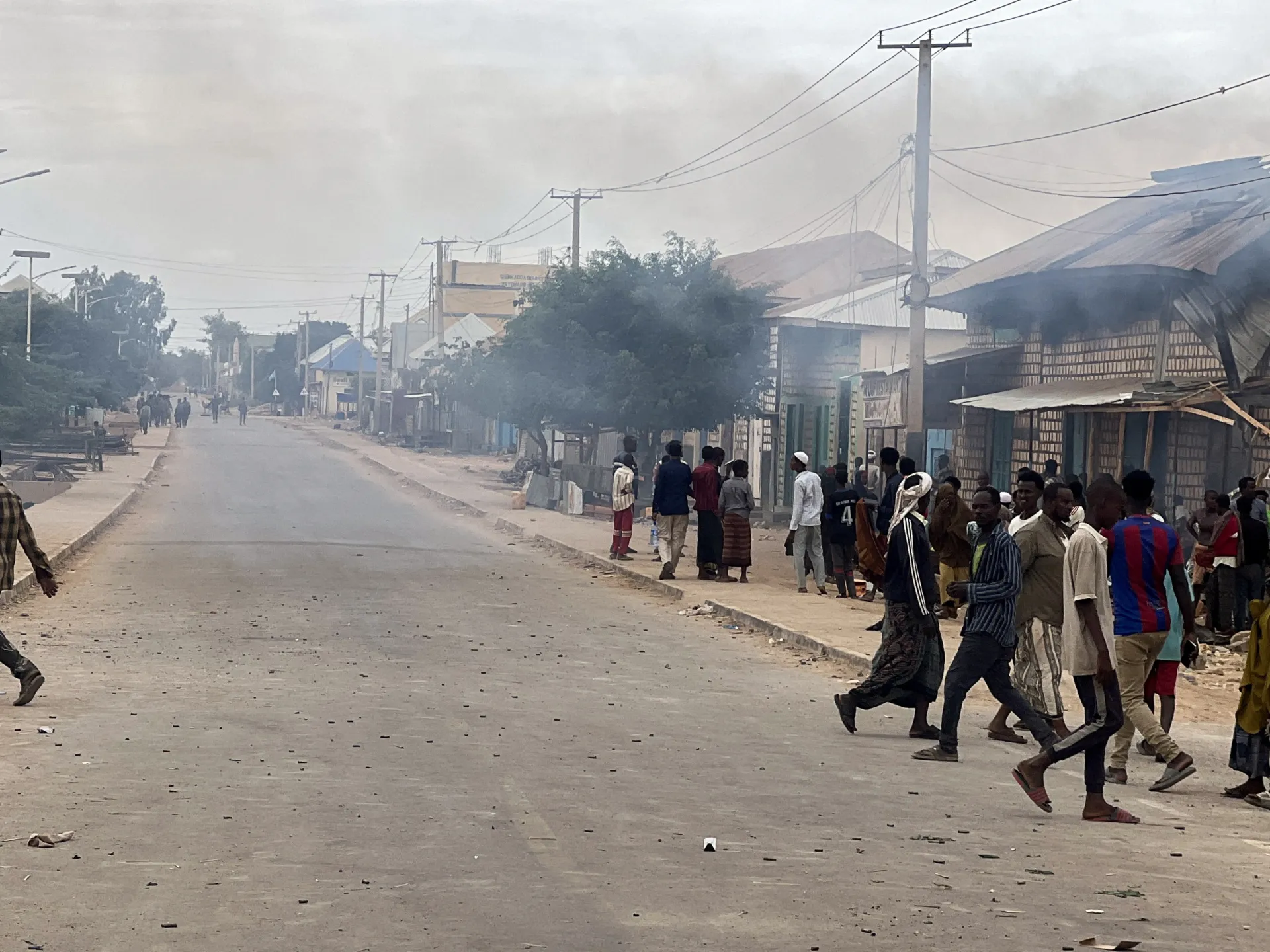
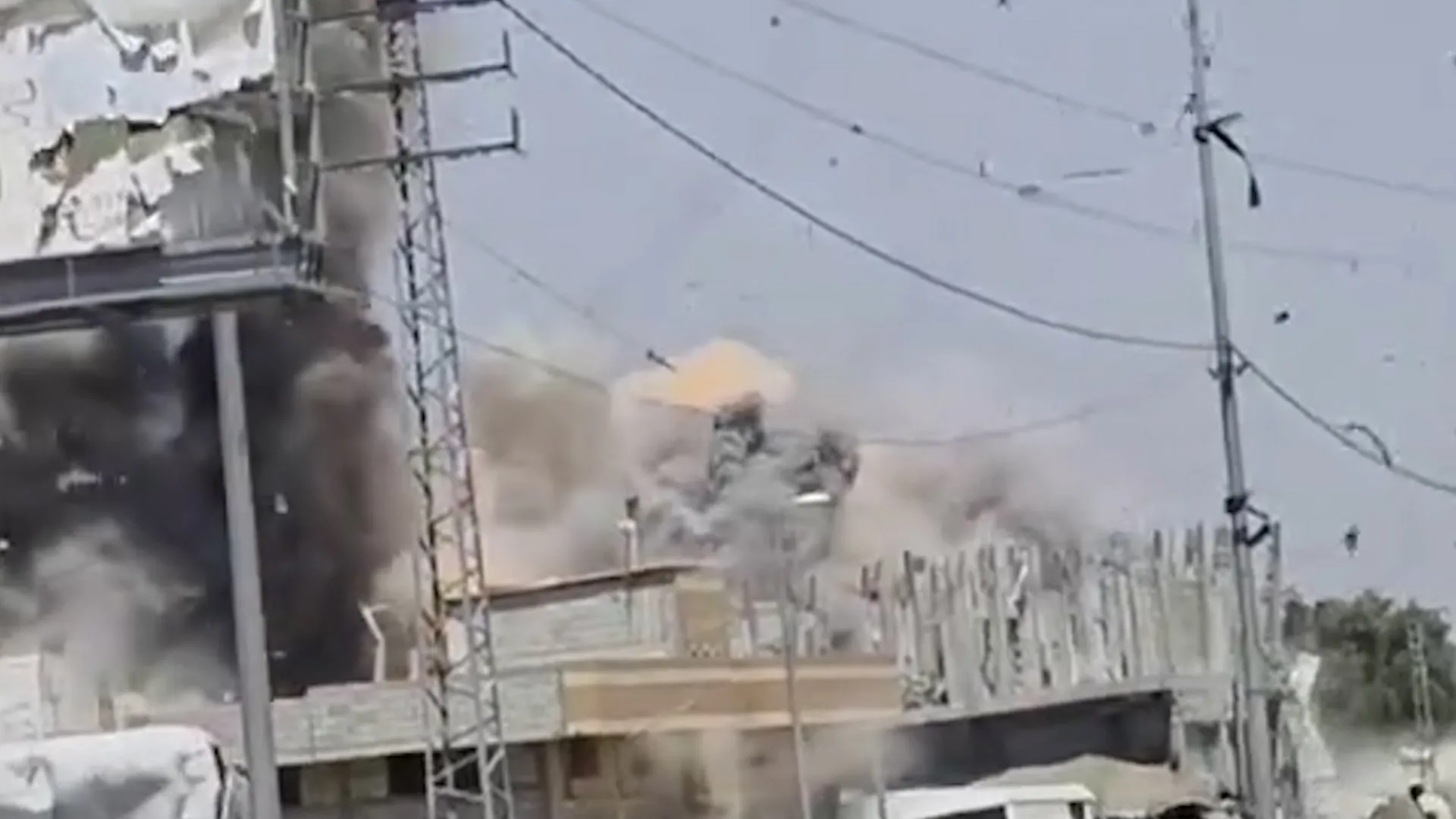
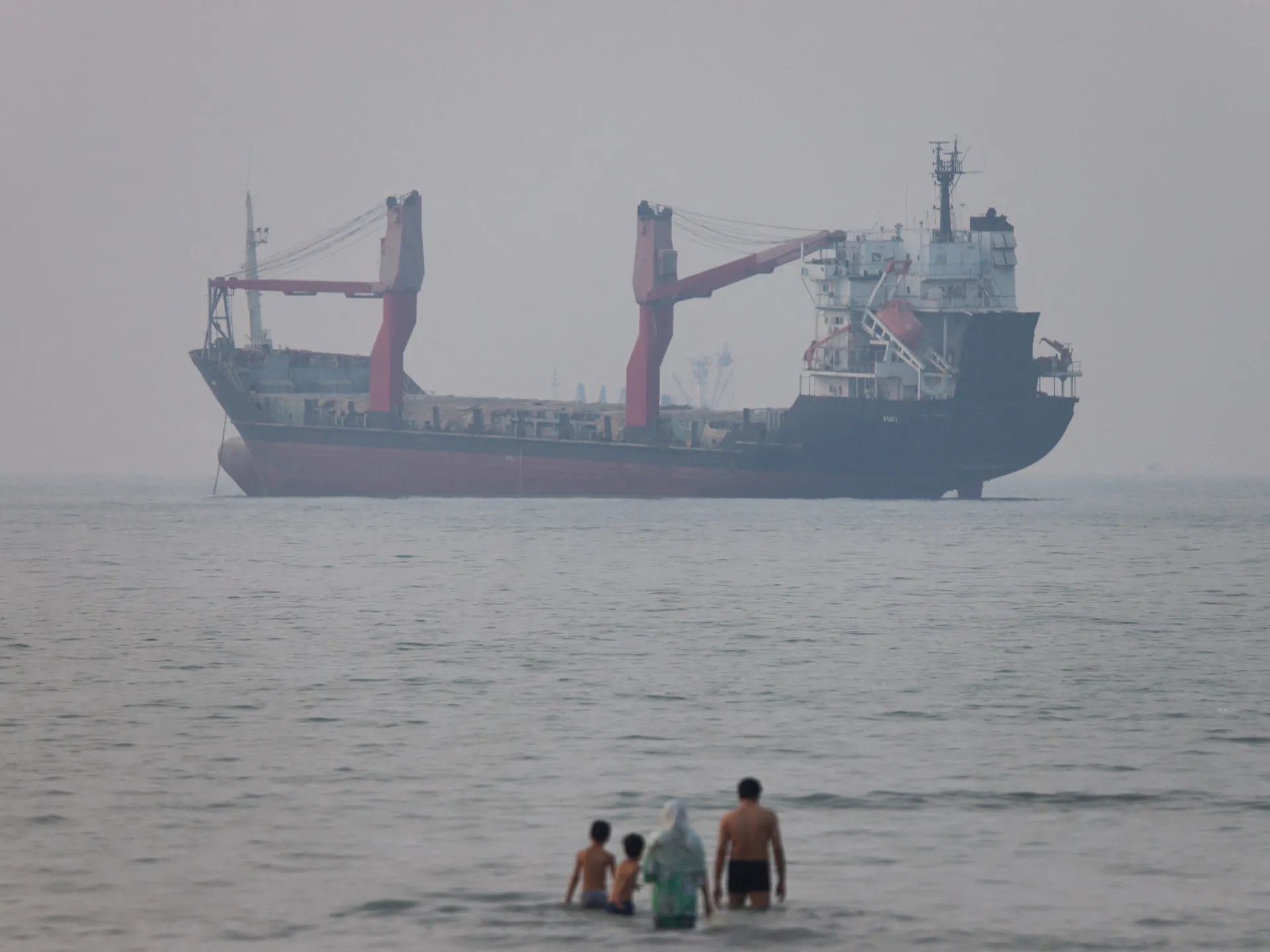
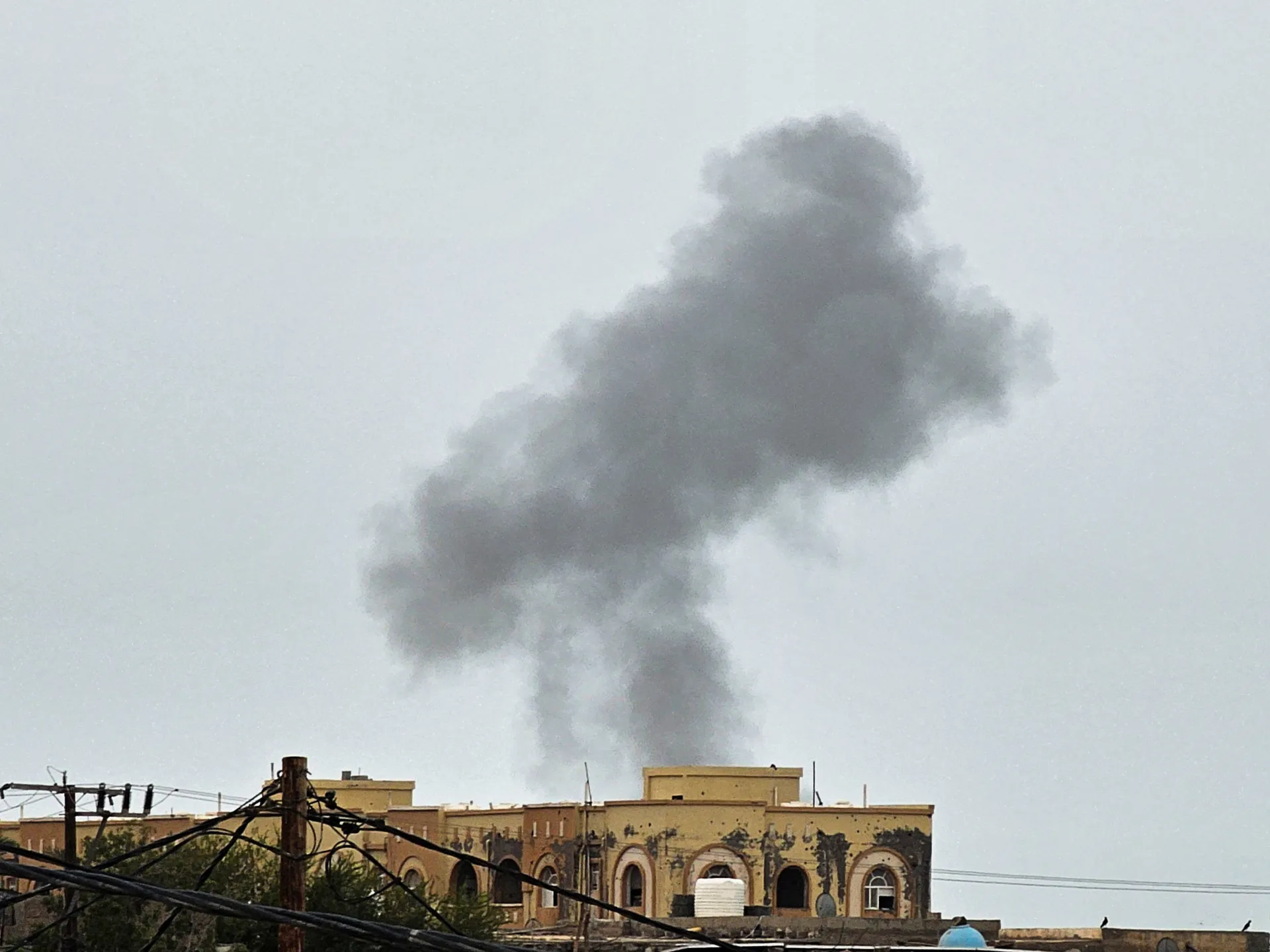
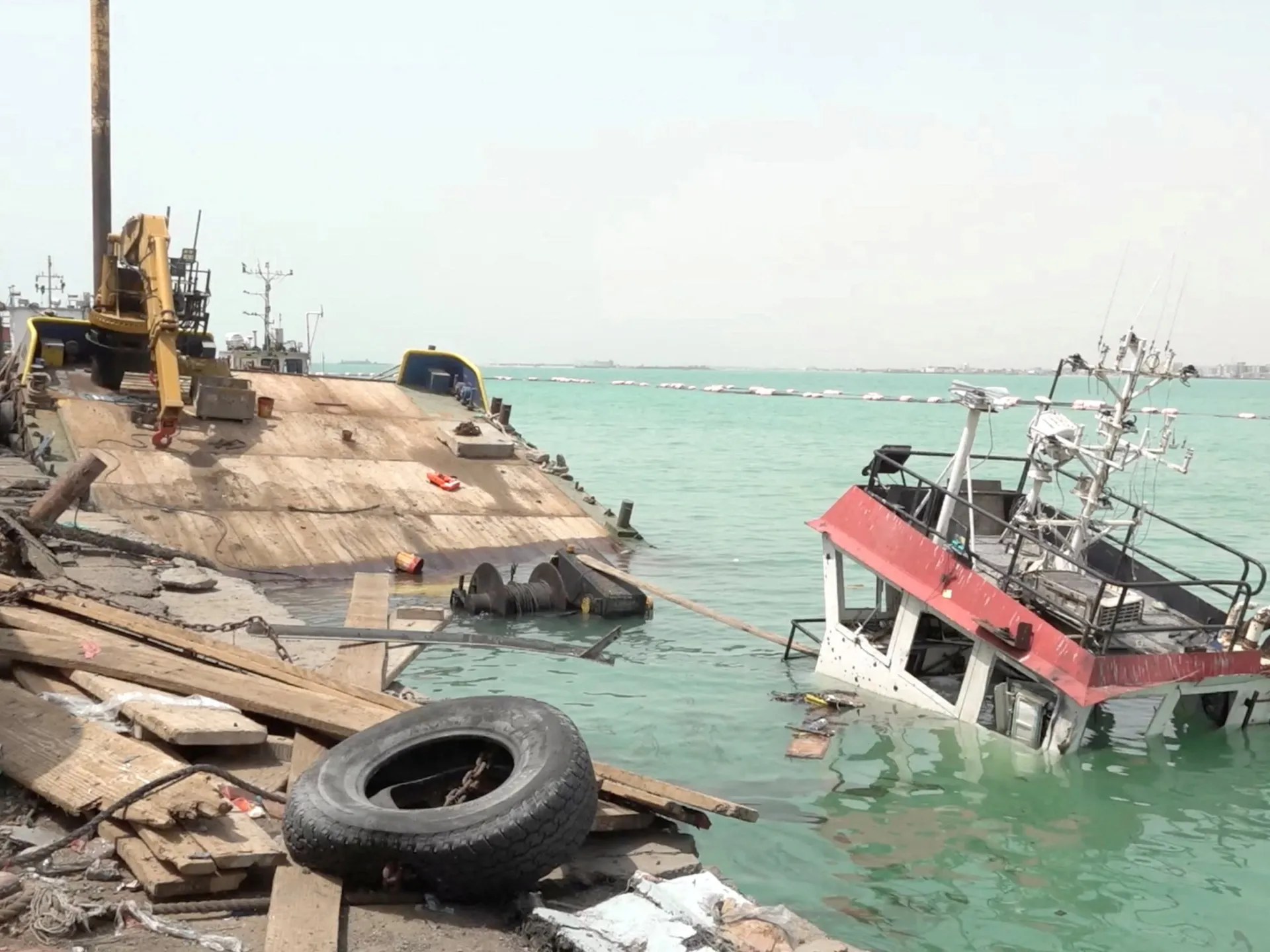
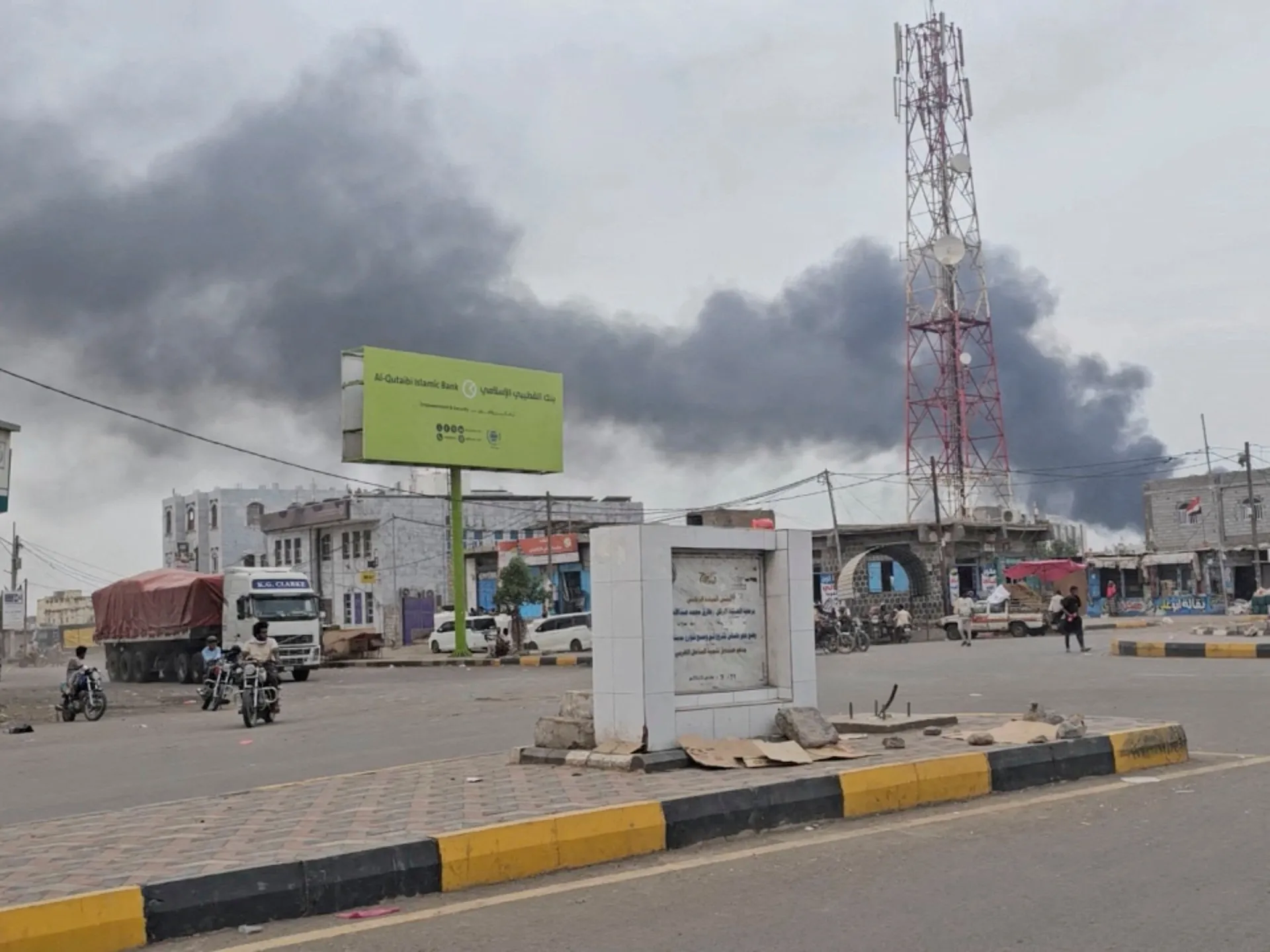
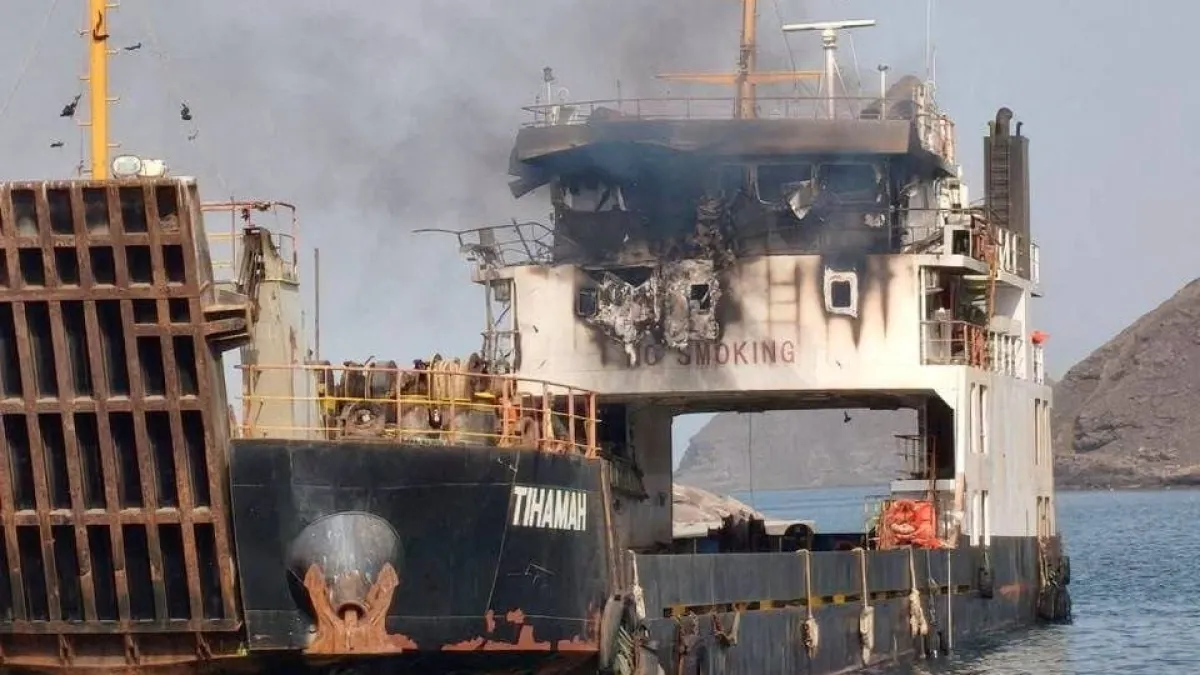
Renewed hostilities in Yemen have prompted a significant shift in the operational landscape. Following a tactical offensive earlier this month, Houthi rebels have consolidated control over substantial portions of the Red Sea coastline. This territorial gain has resulted in a lethal exchange of fire with forces loyal to the Aden-based, internationally backed government. The violence has not been contained to Yemeni borders; recent reports indicate that Houthi forces have targeted Saudi military installations, further broadening the theater of combat.
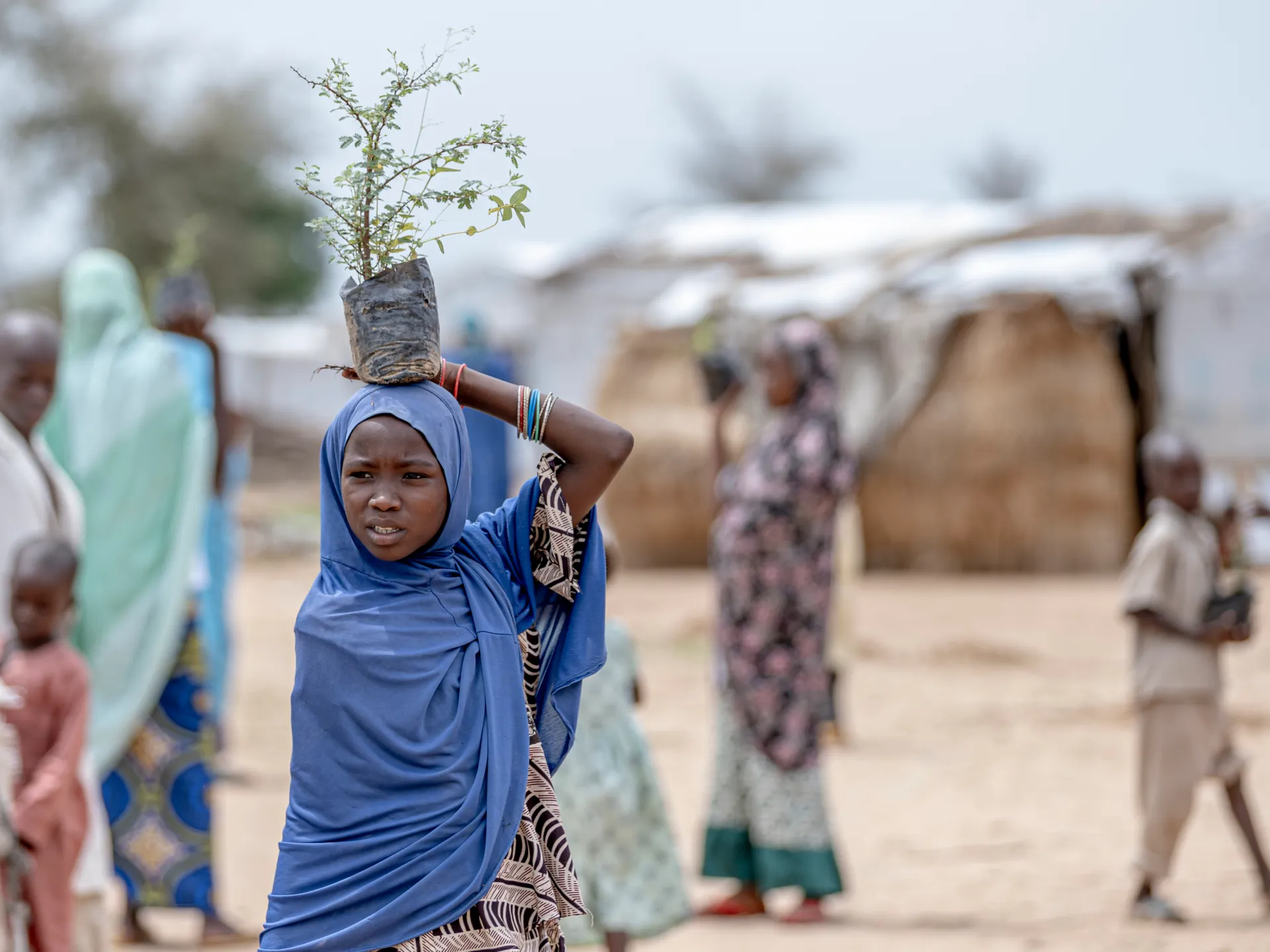
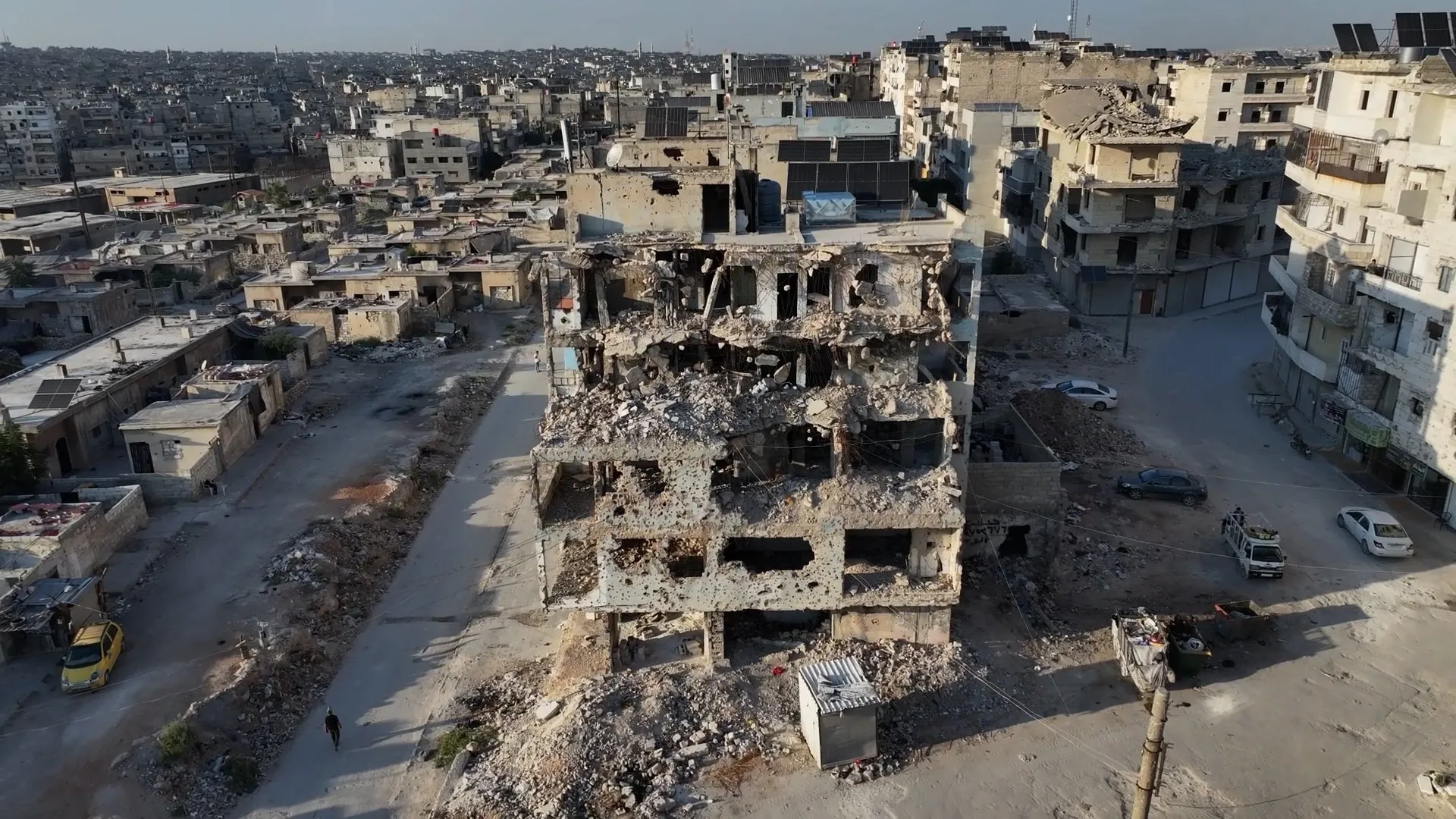
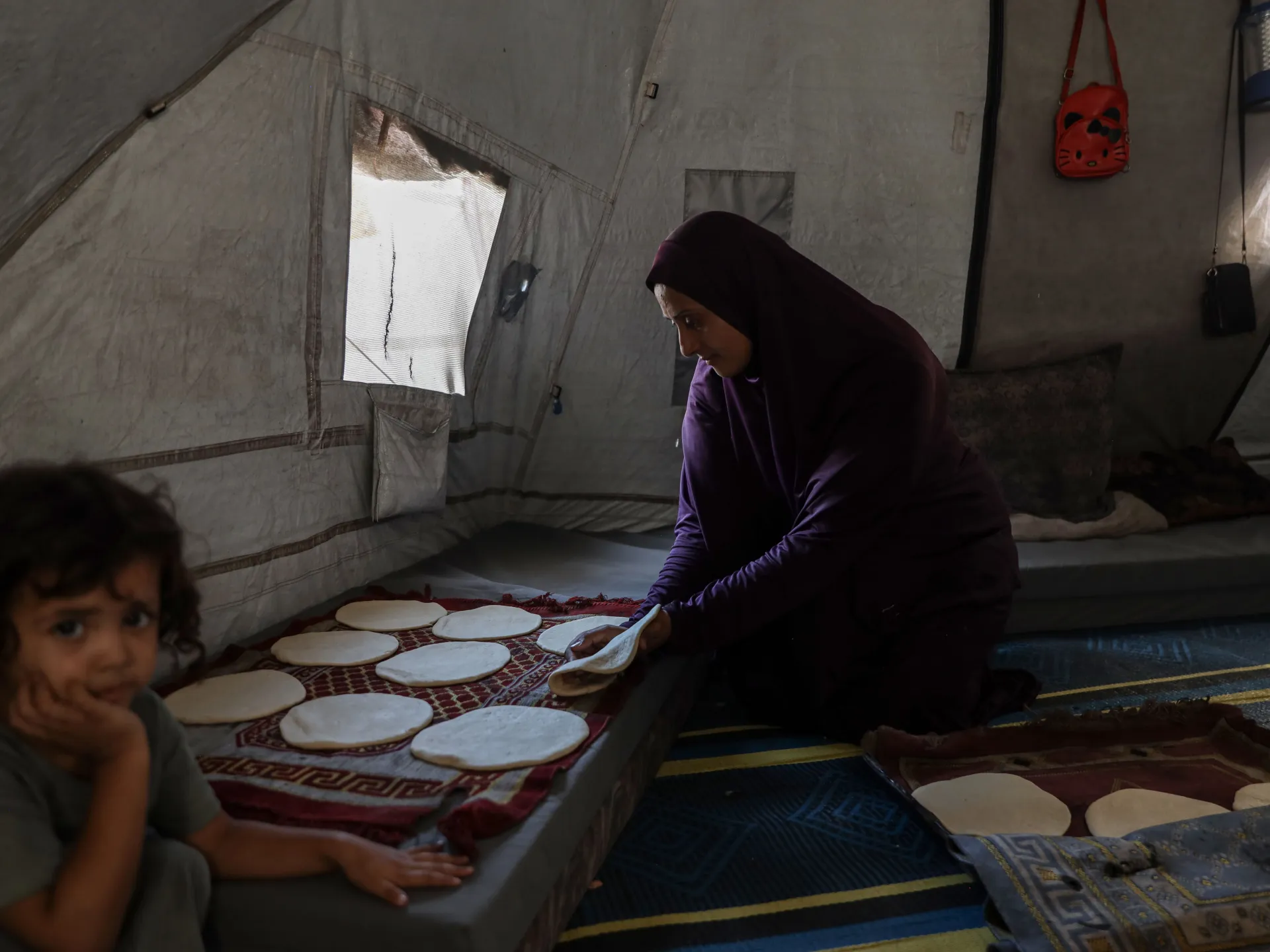
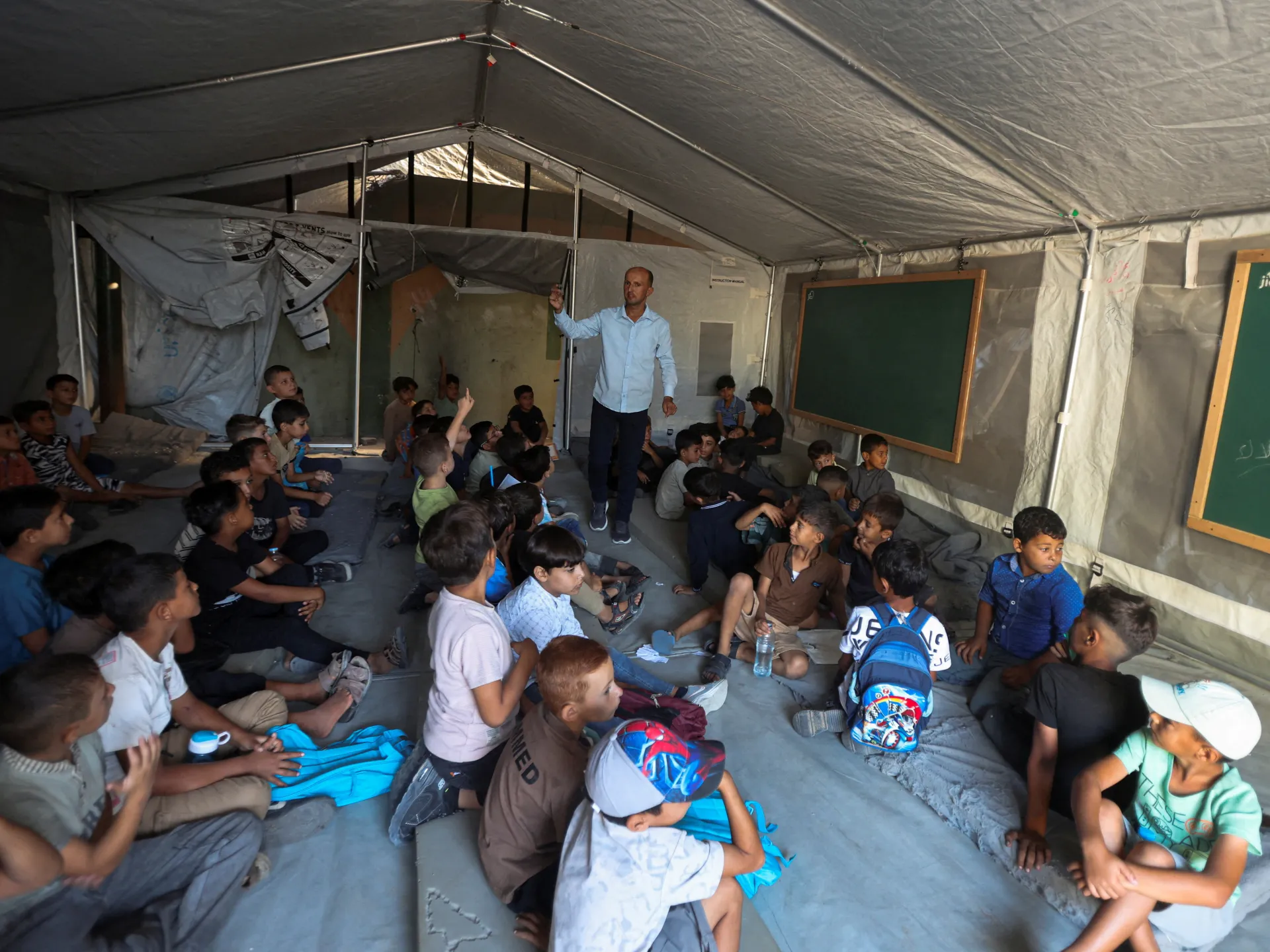
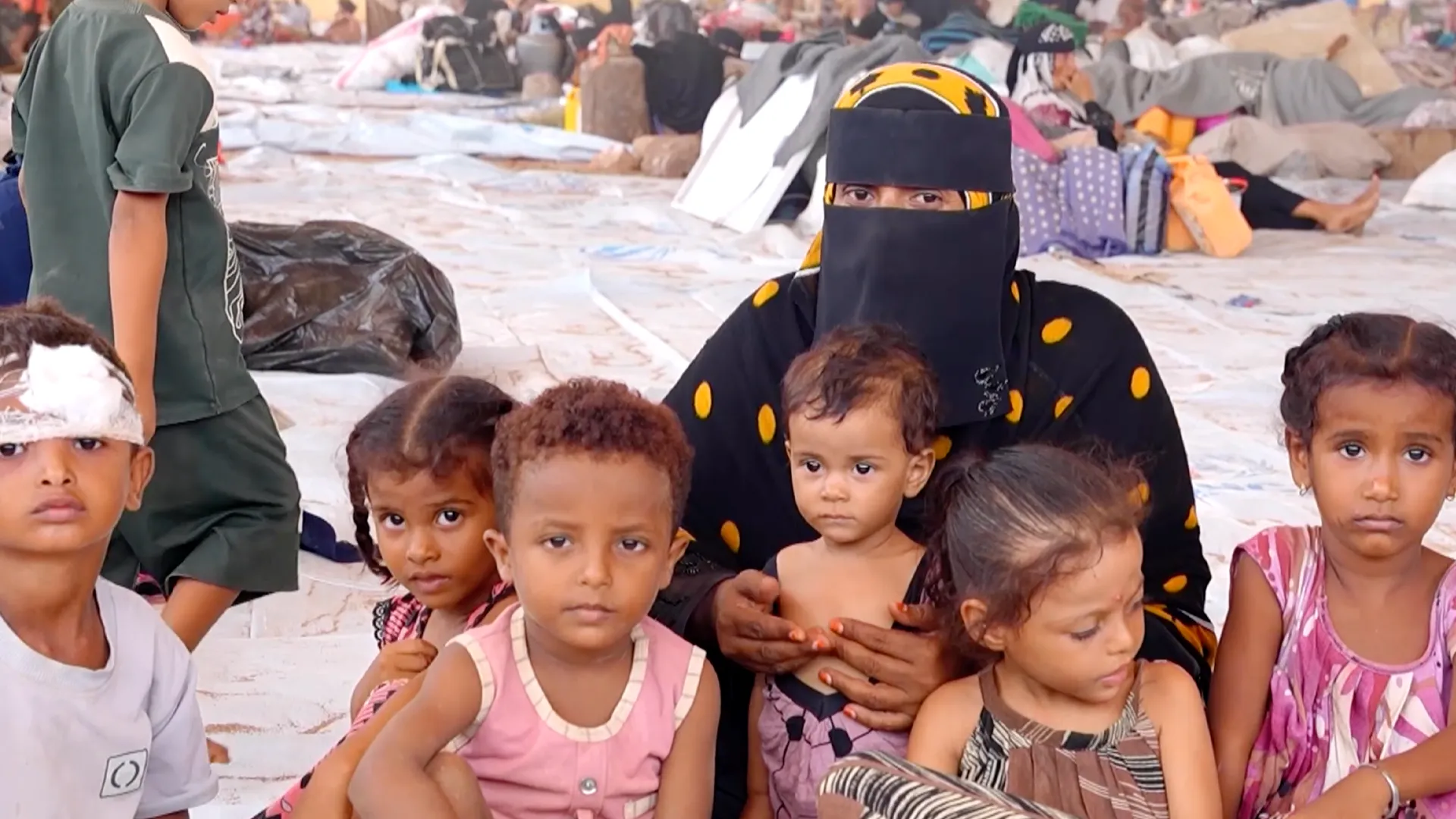
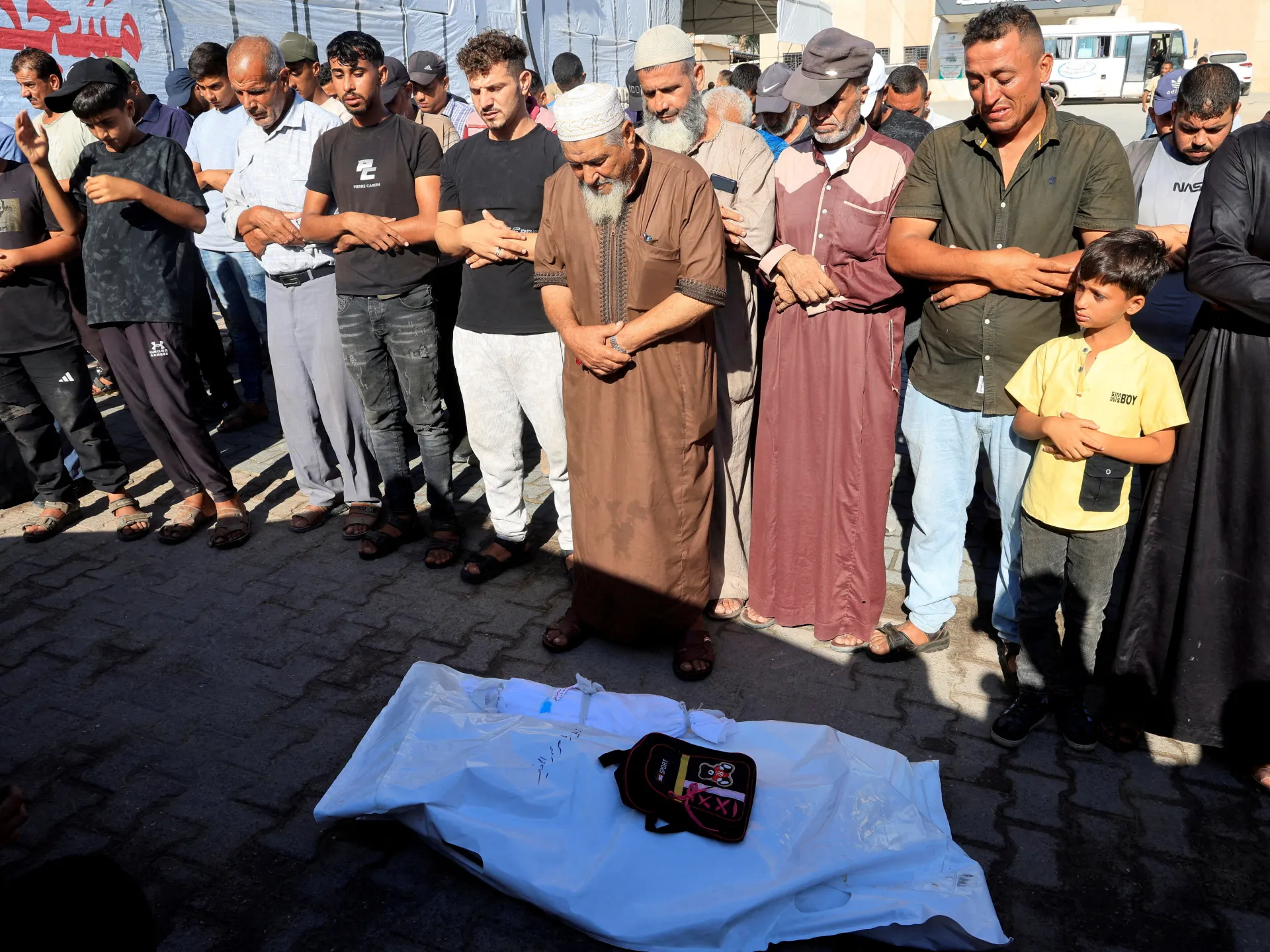
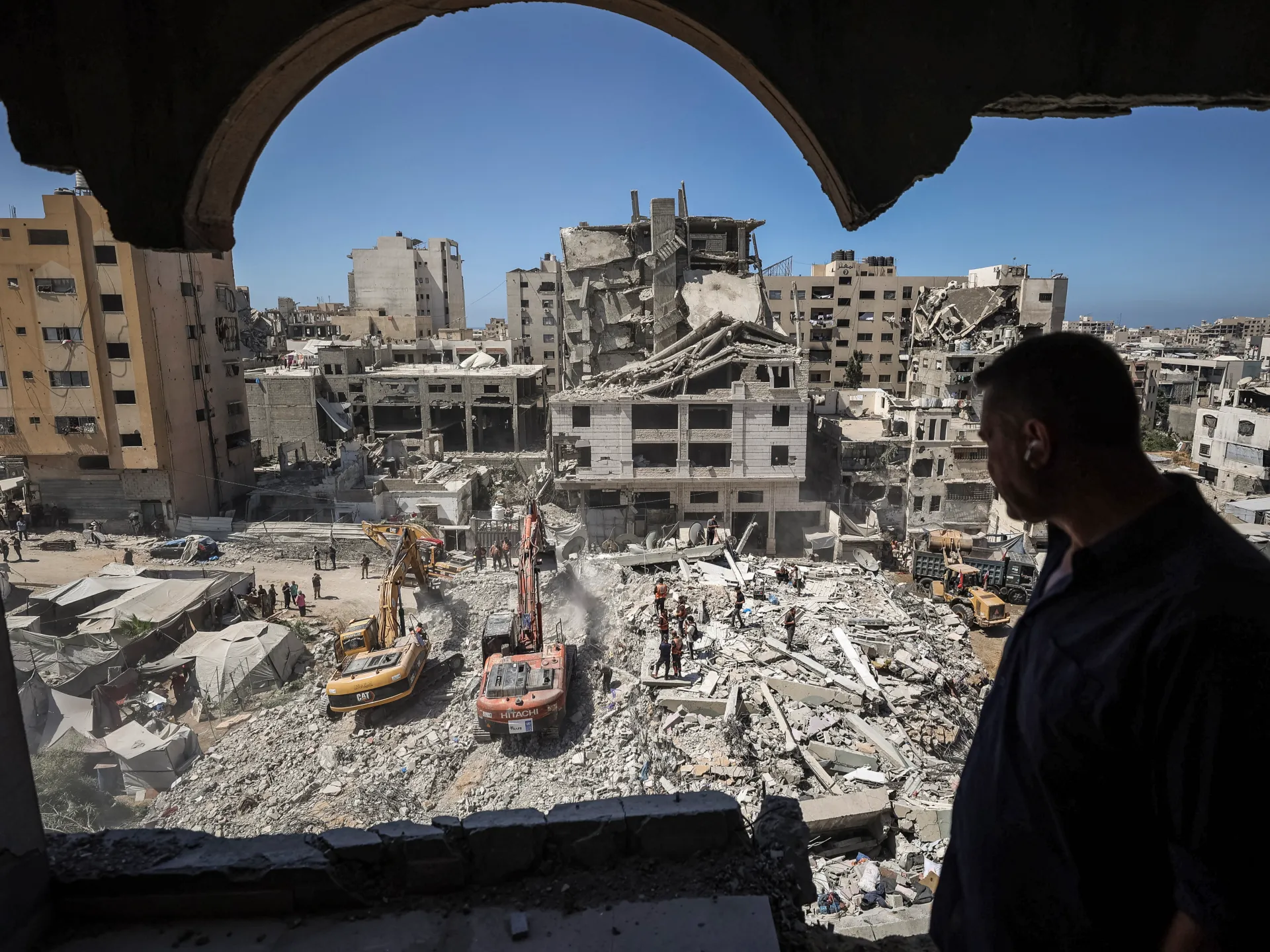
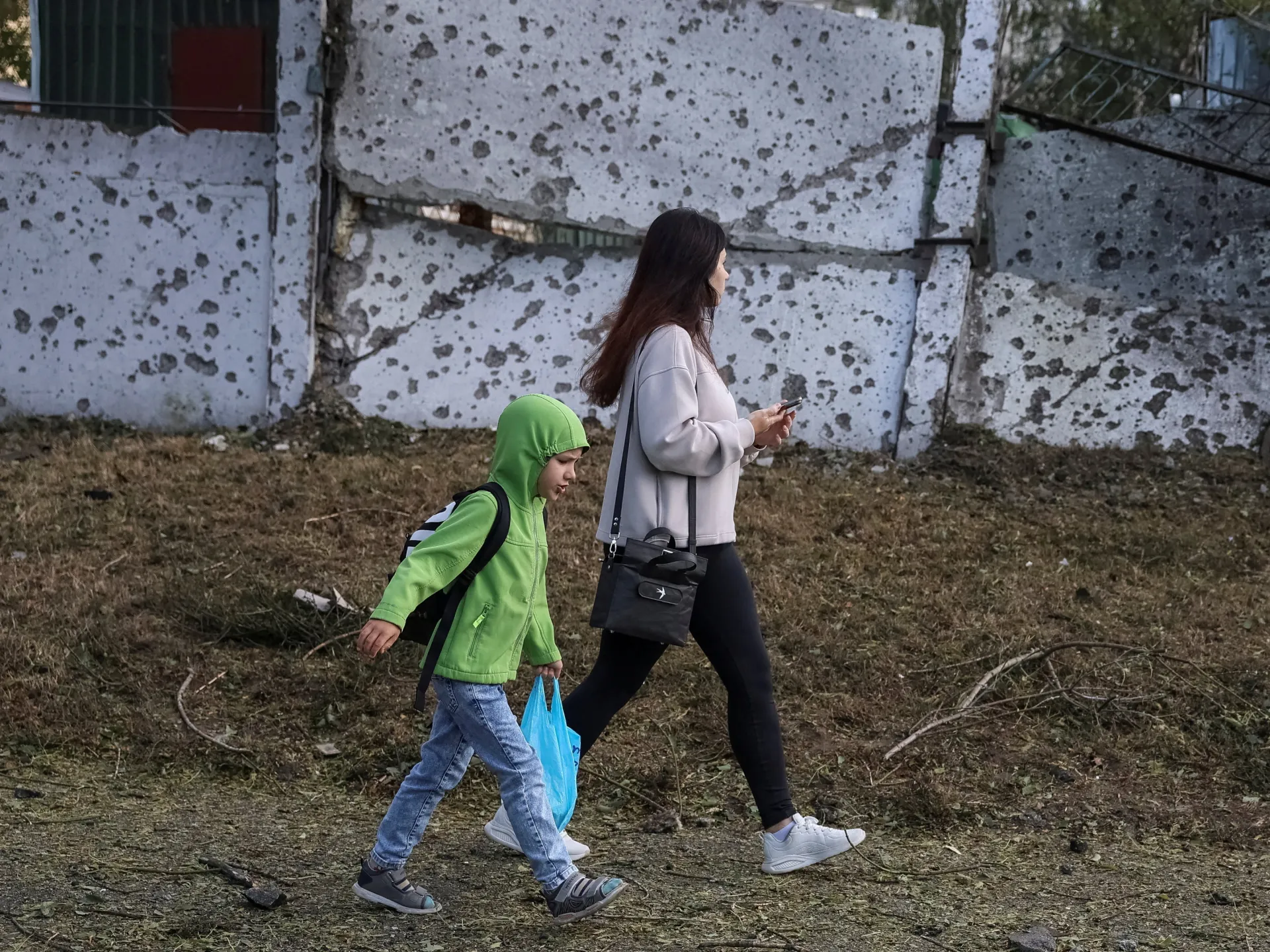
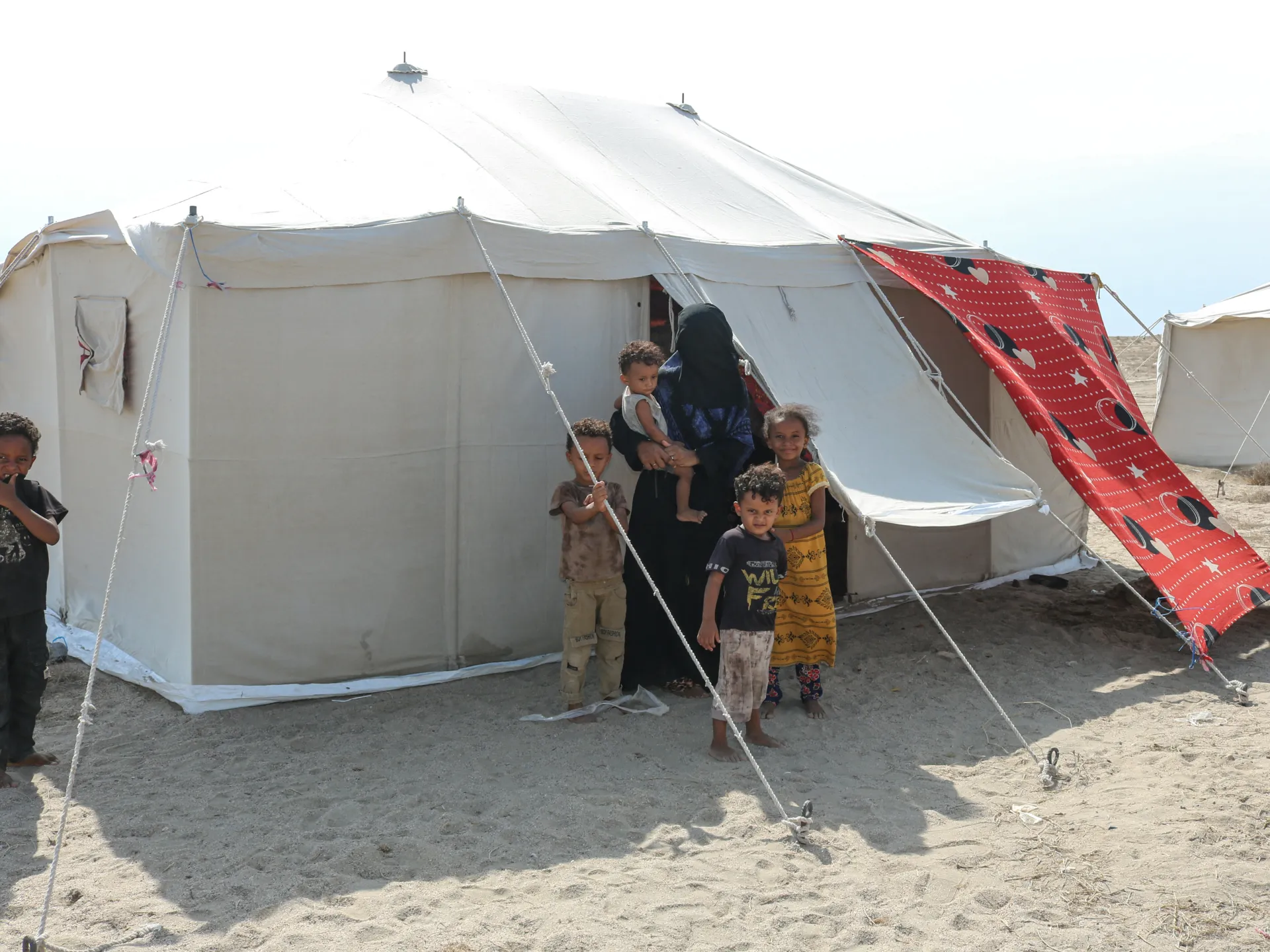
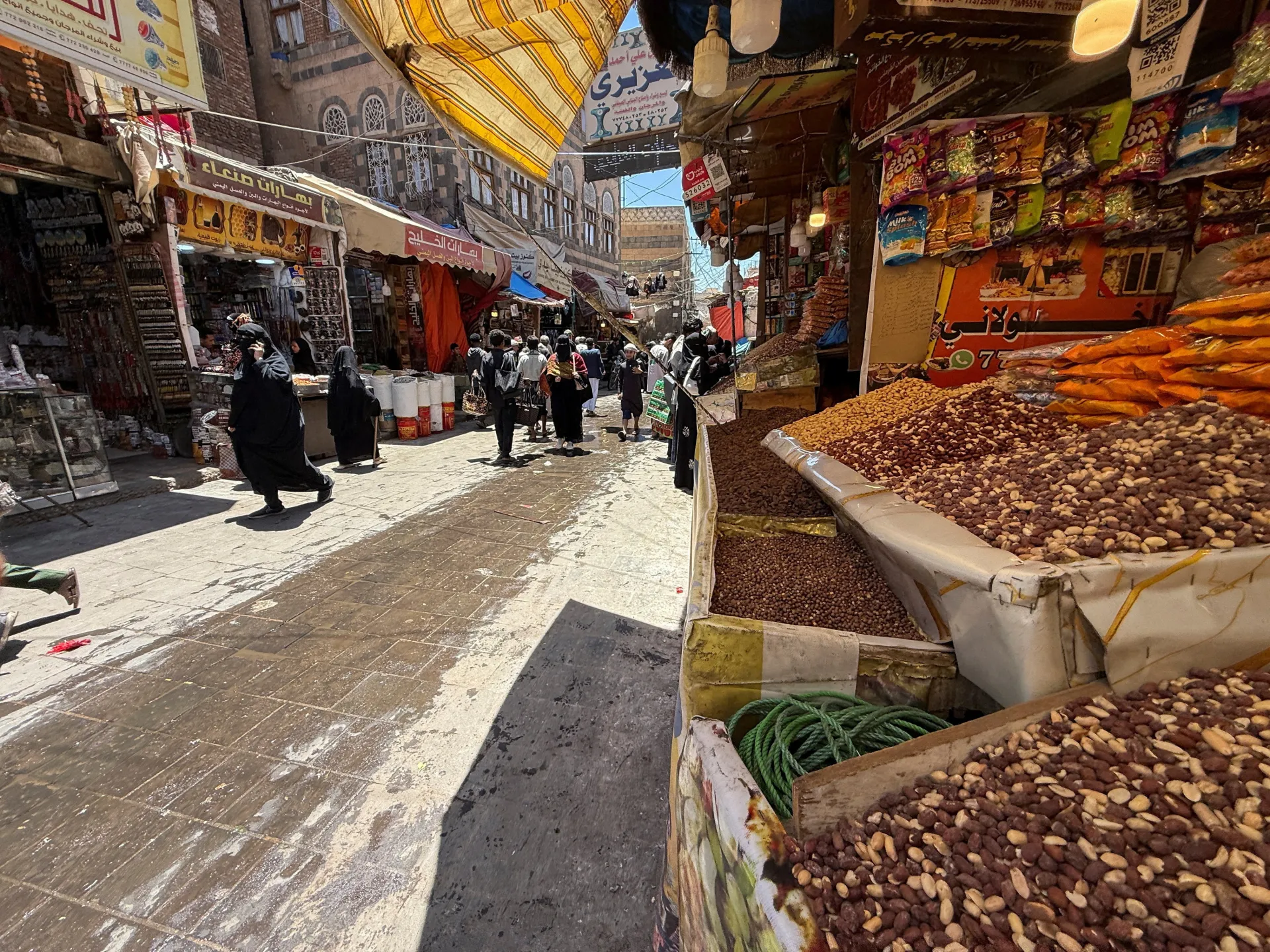
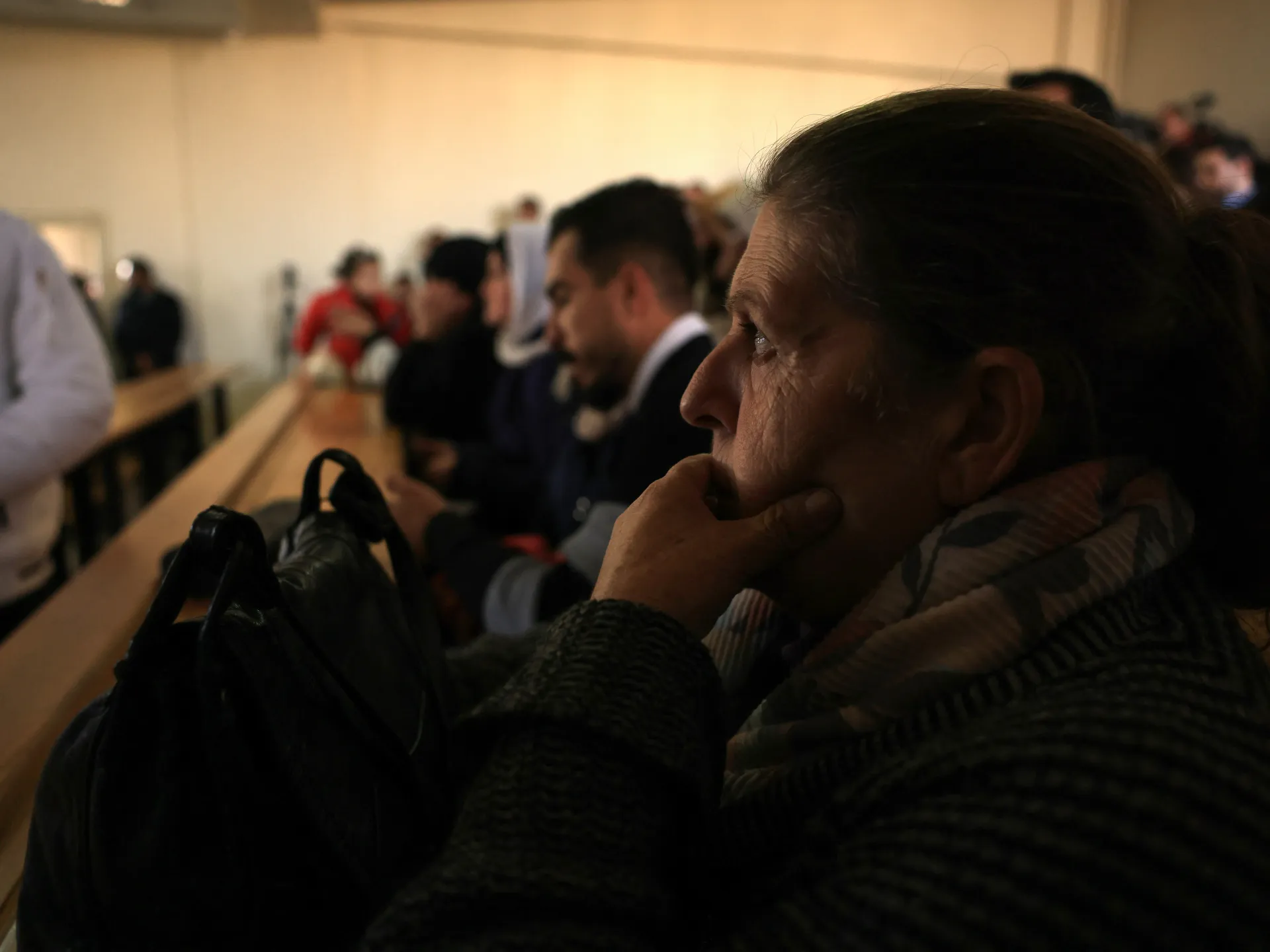
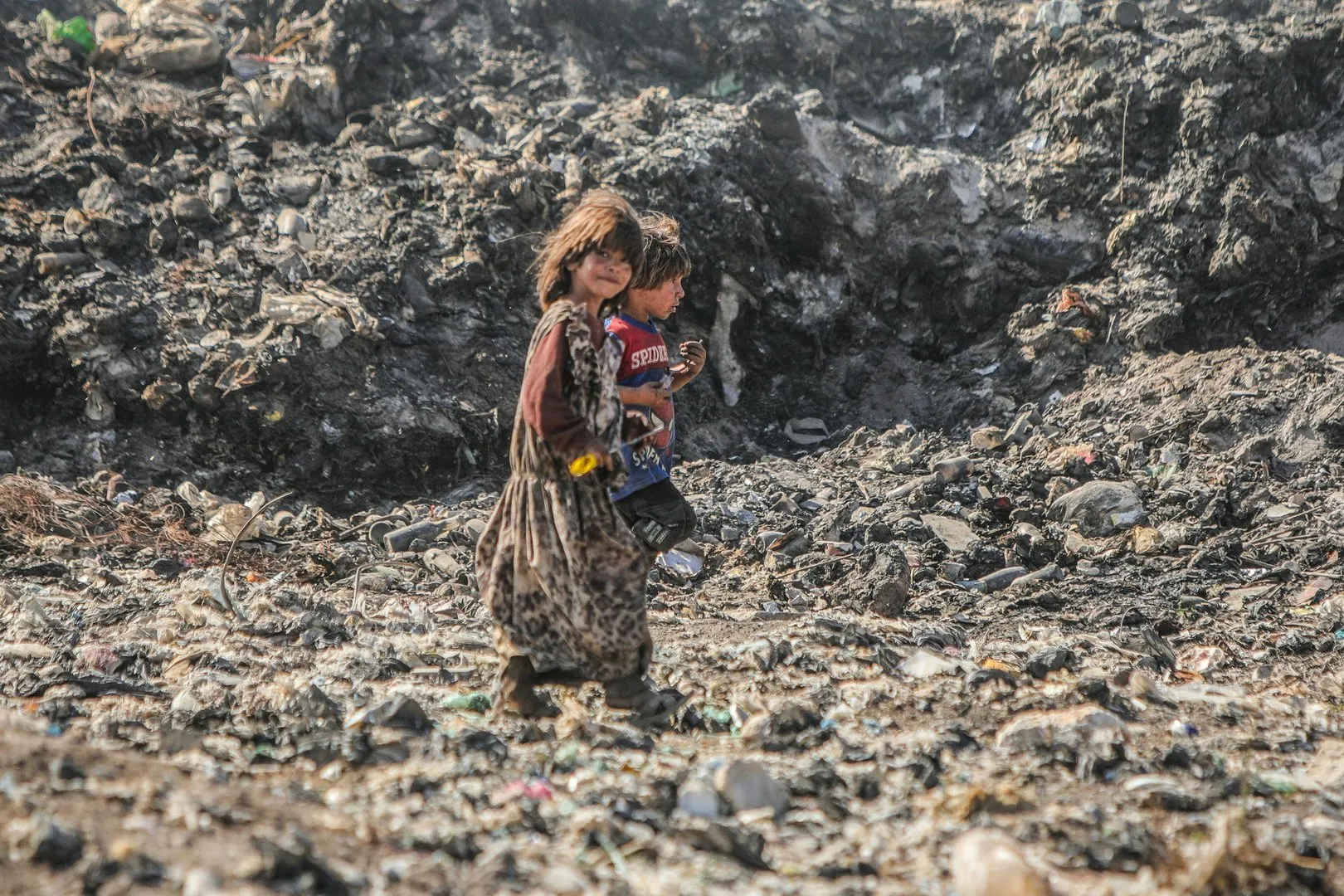
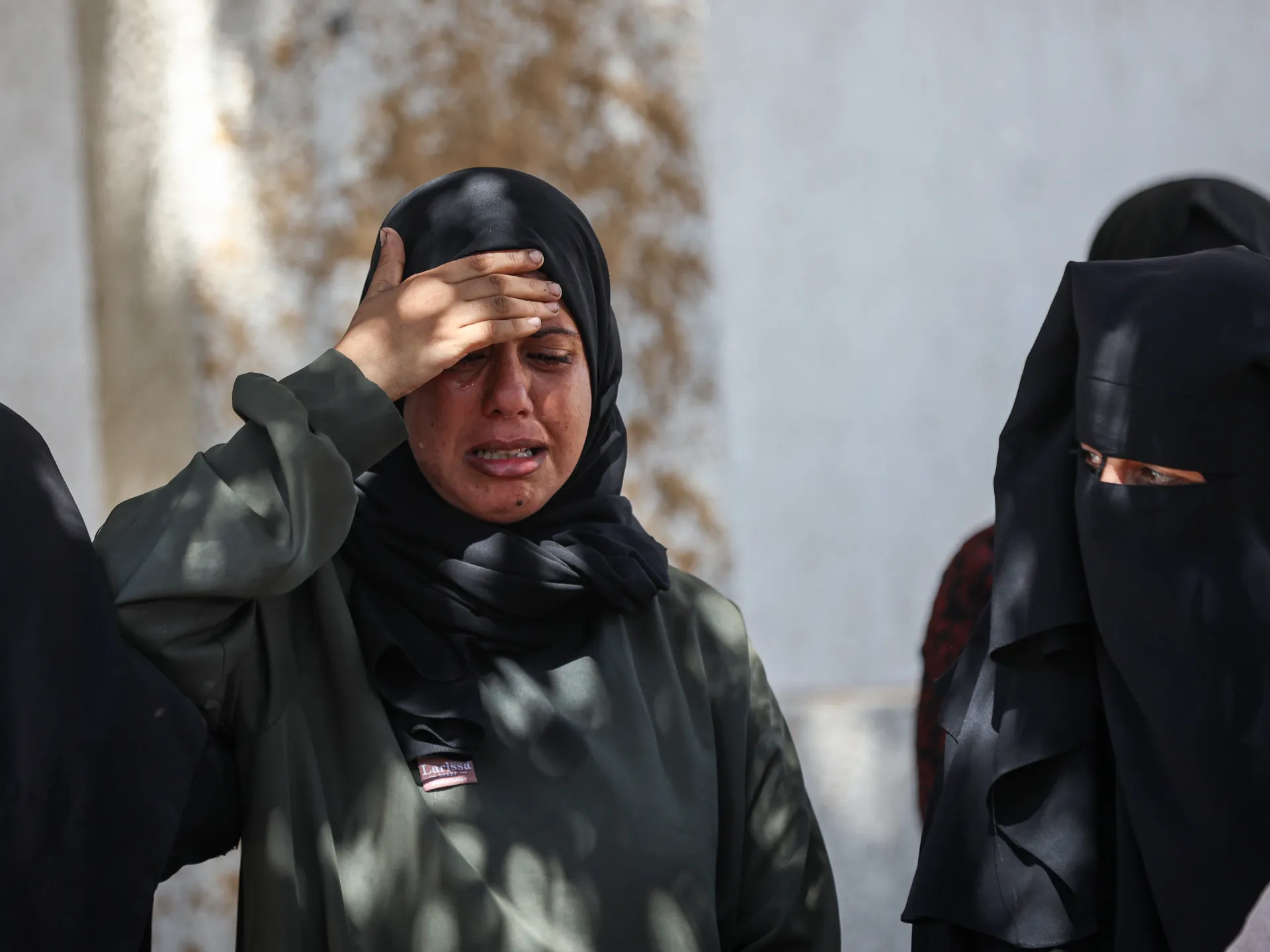
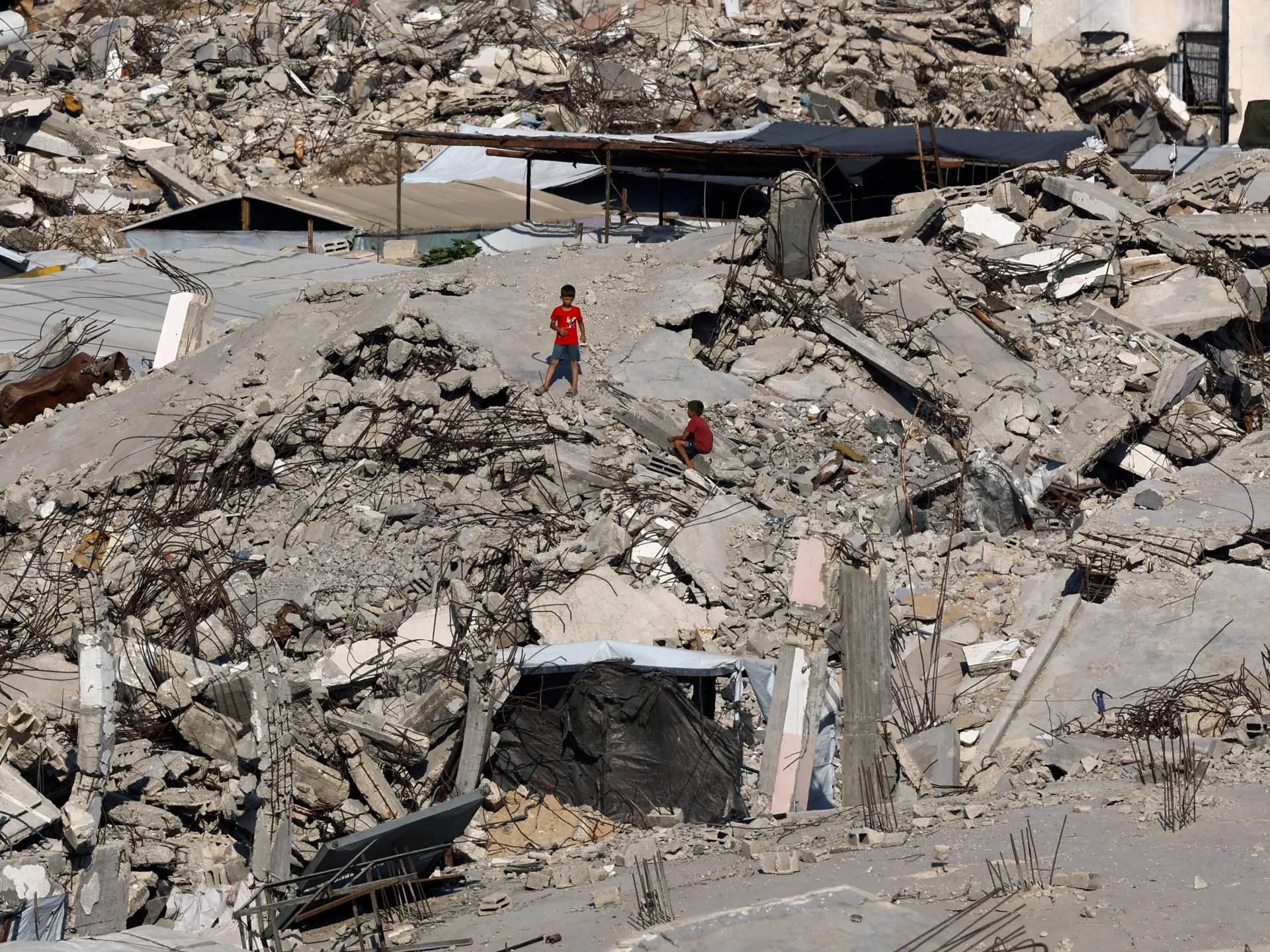
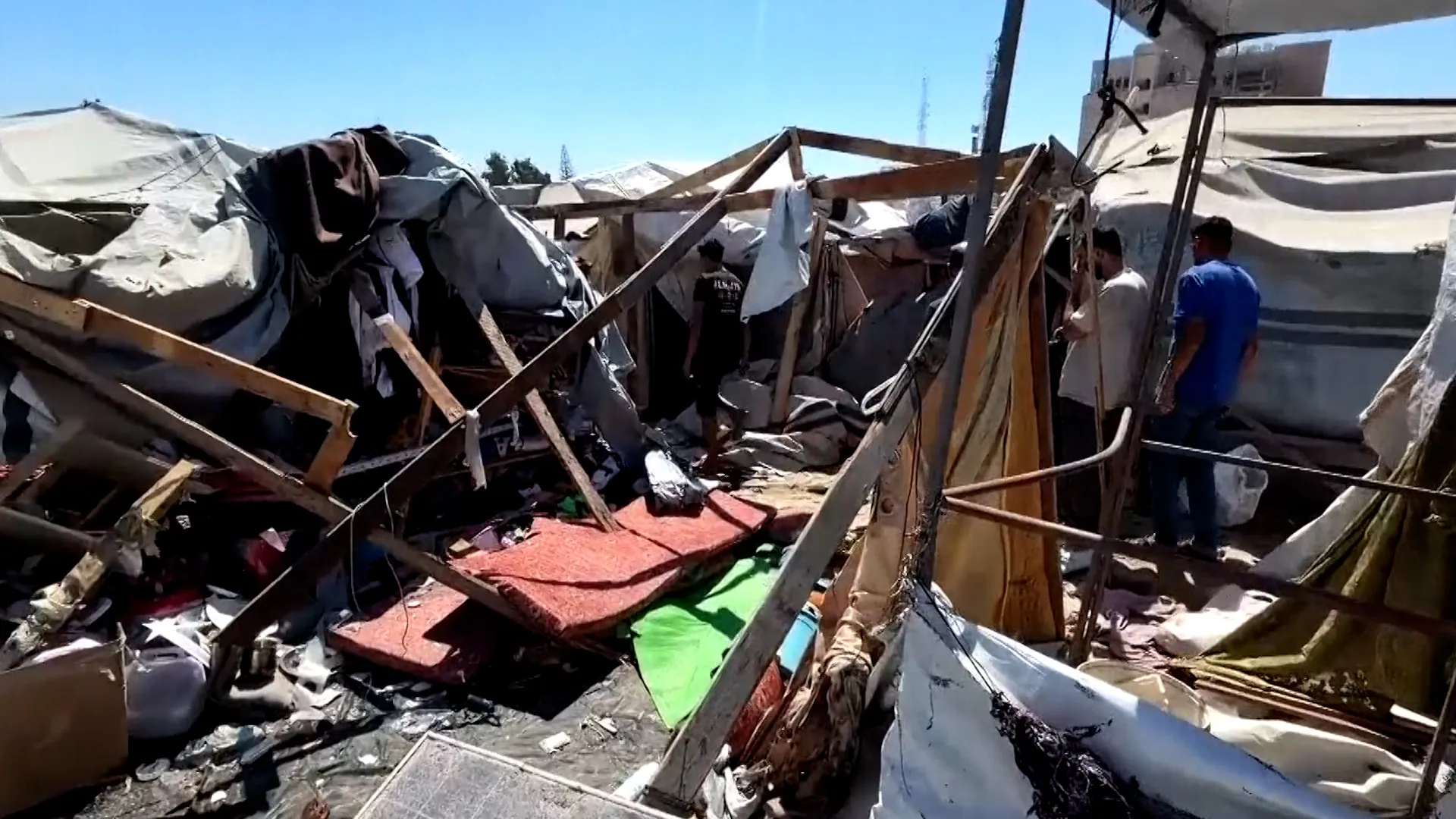
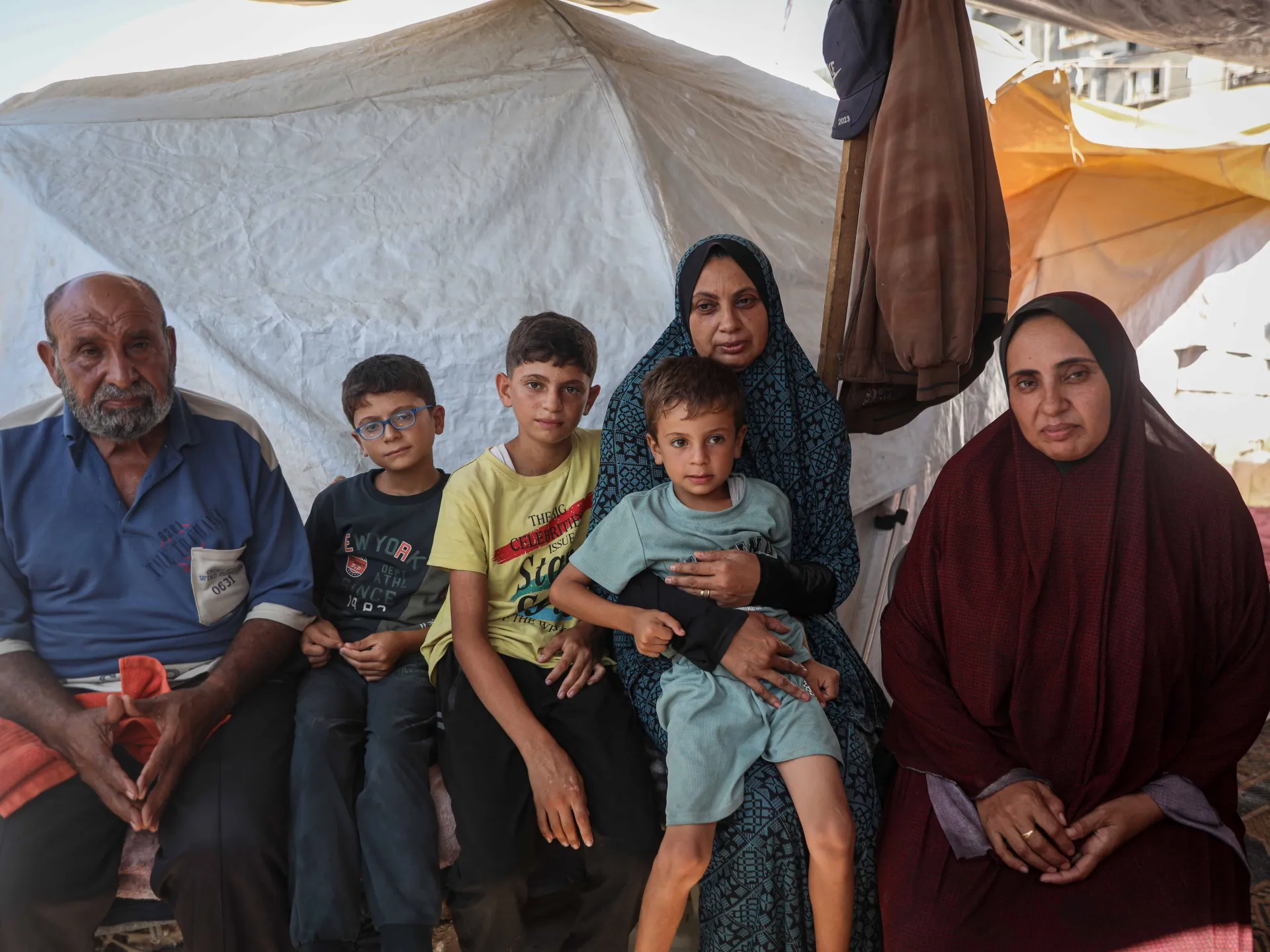
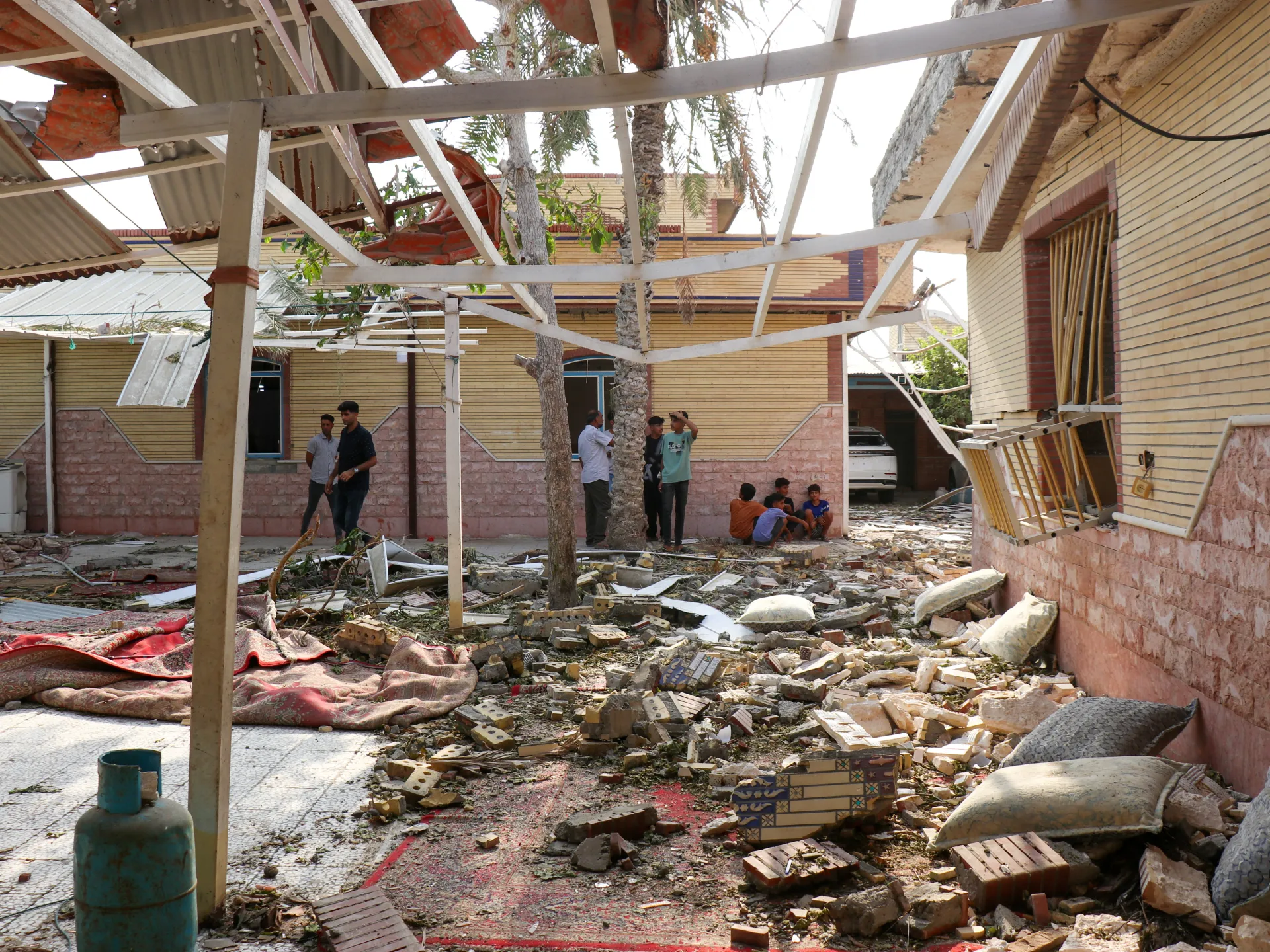
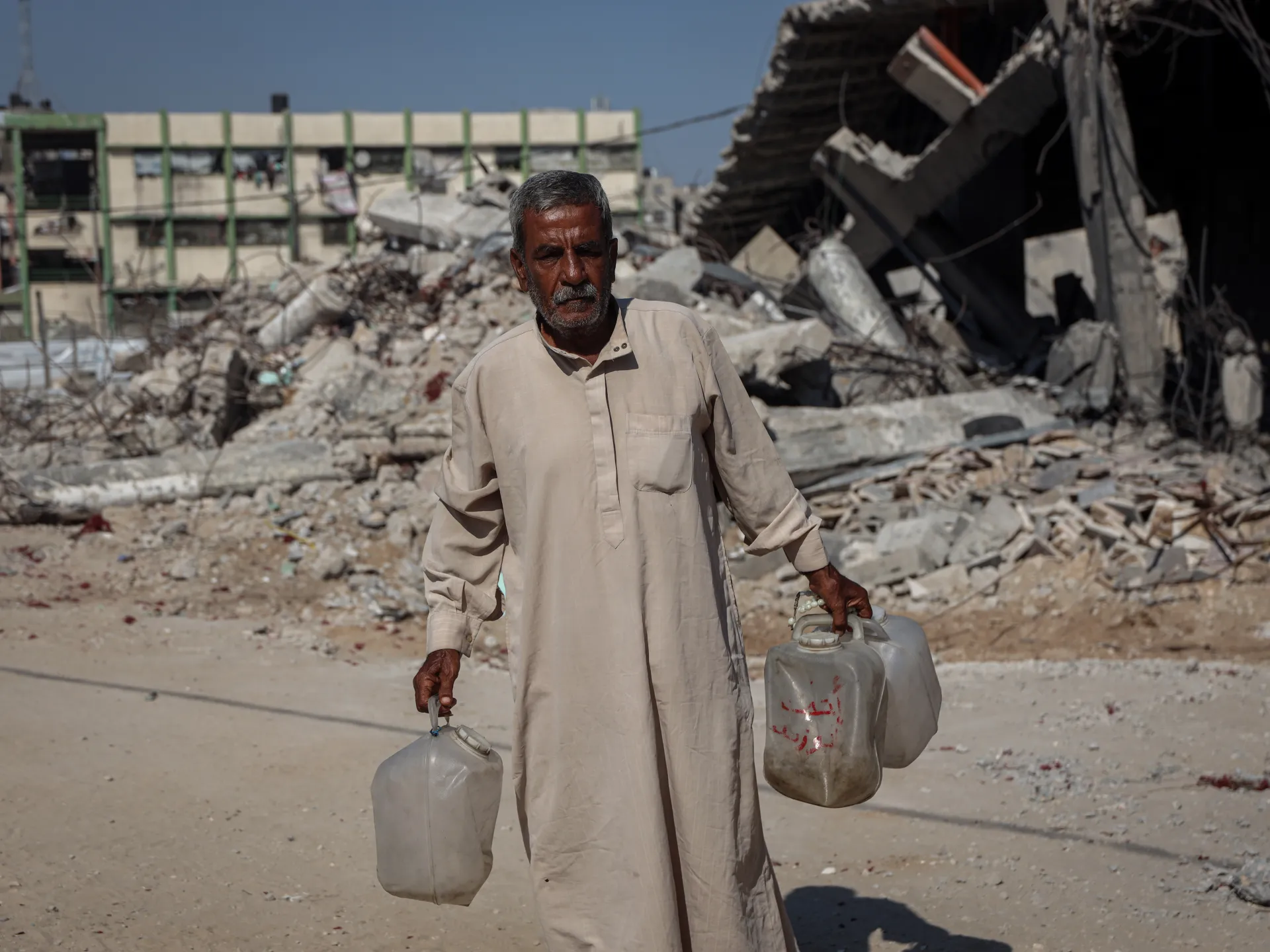
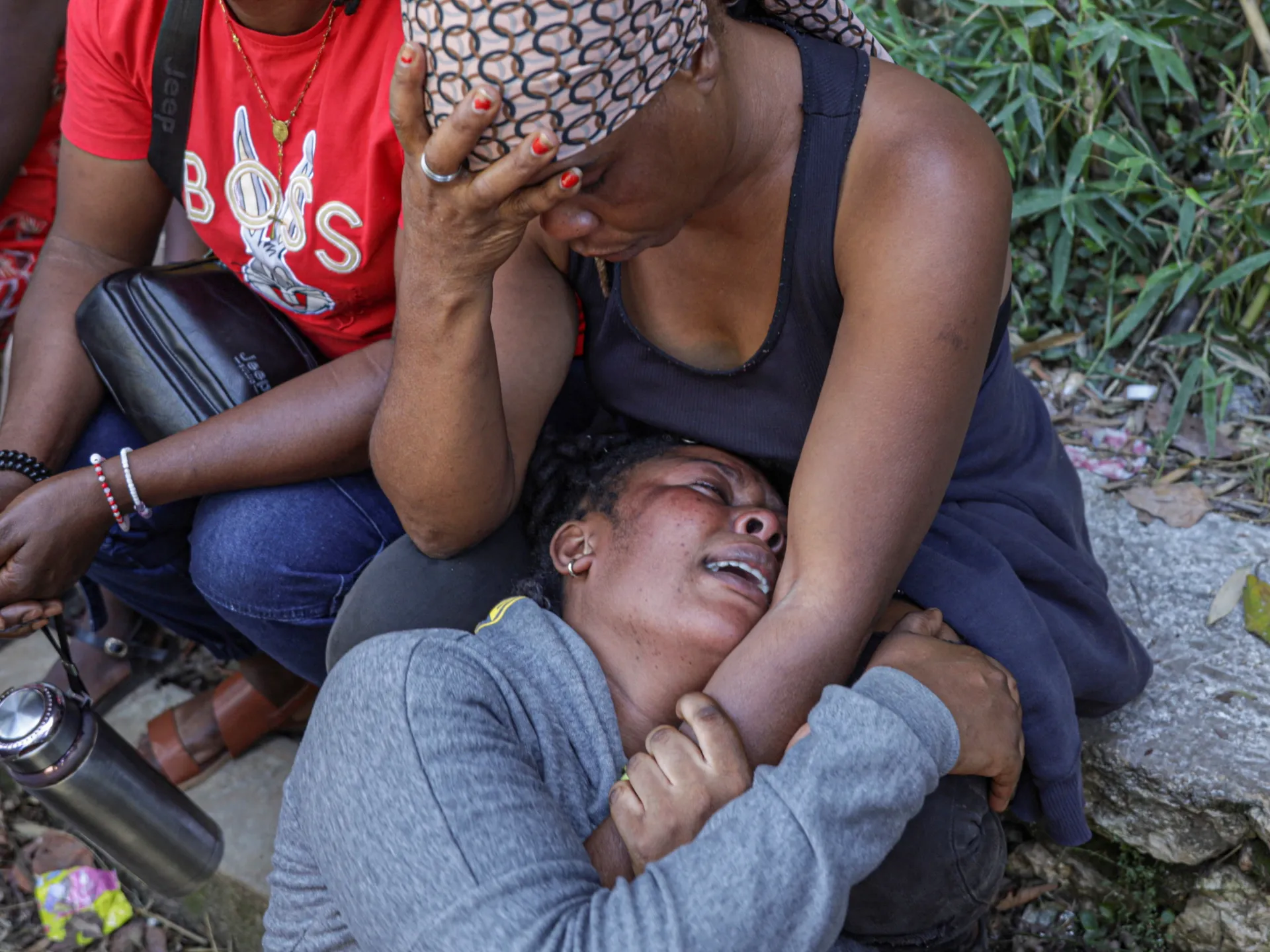
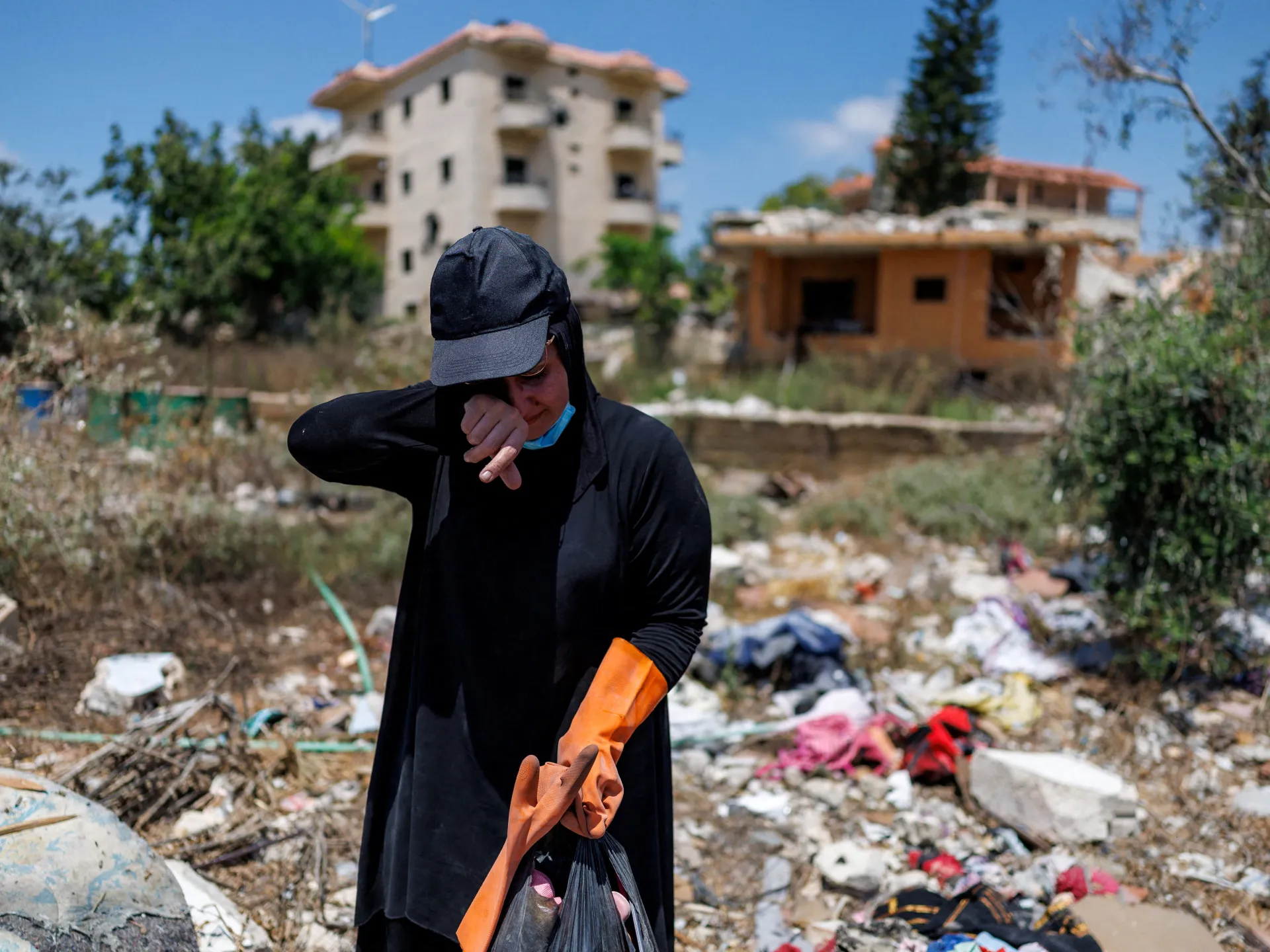
The human cost of this offensive is rapidly mounting. According to the United Nations, internal displacement has reached critical levels. While the UN reports that approximately 112,000 people have been forced to abandon their homes within Yemen, the total number of internally displaced persons (IDPs) could balloon to over 230,000 as the fighting intensifies. This influx places an immense strain on an already fragile infrastructure, where an estimated 22 million citizens—nearly the entire population—currently require humanitarian assistance.
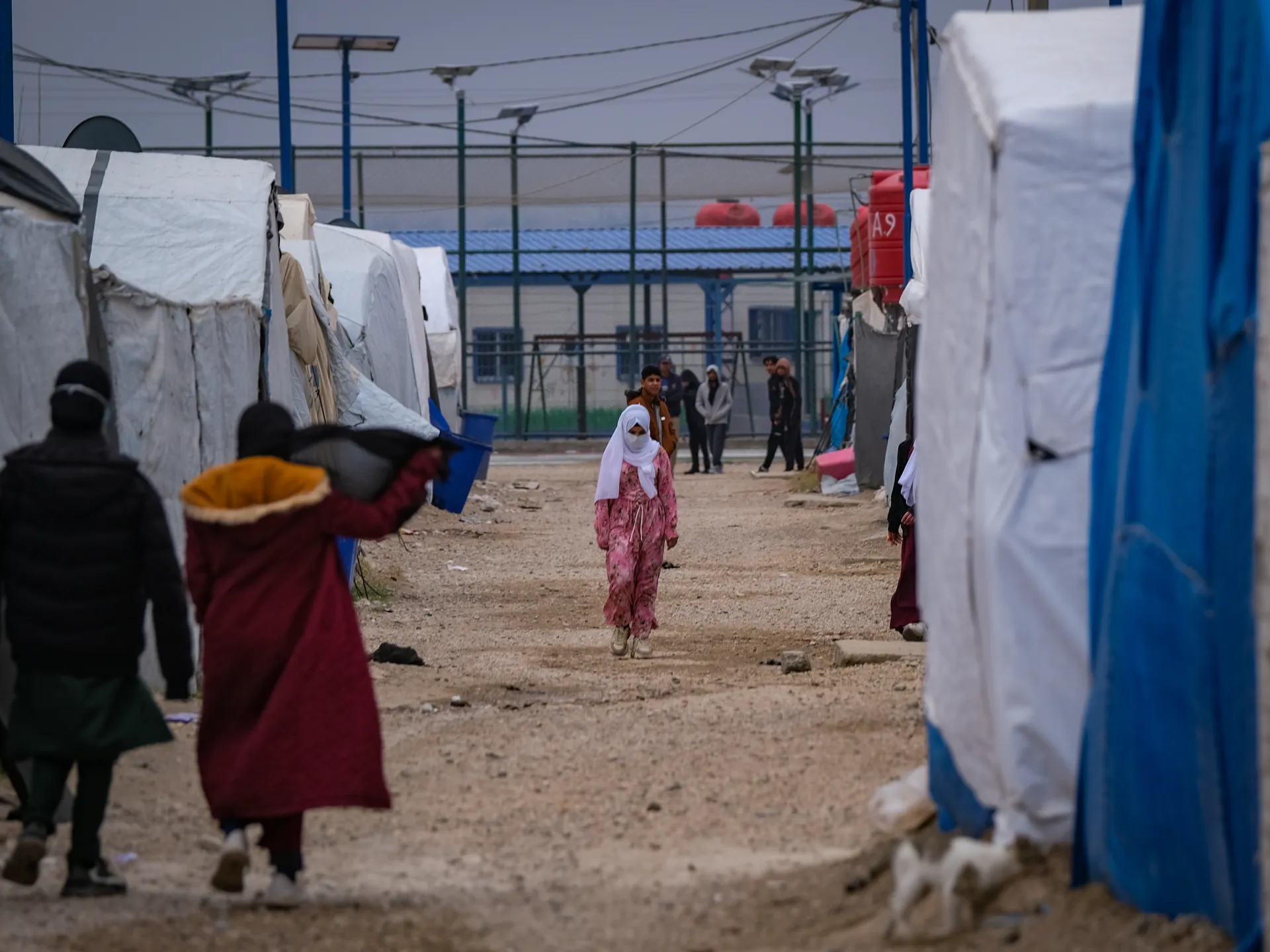
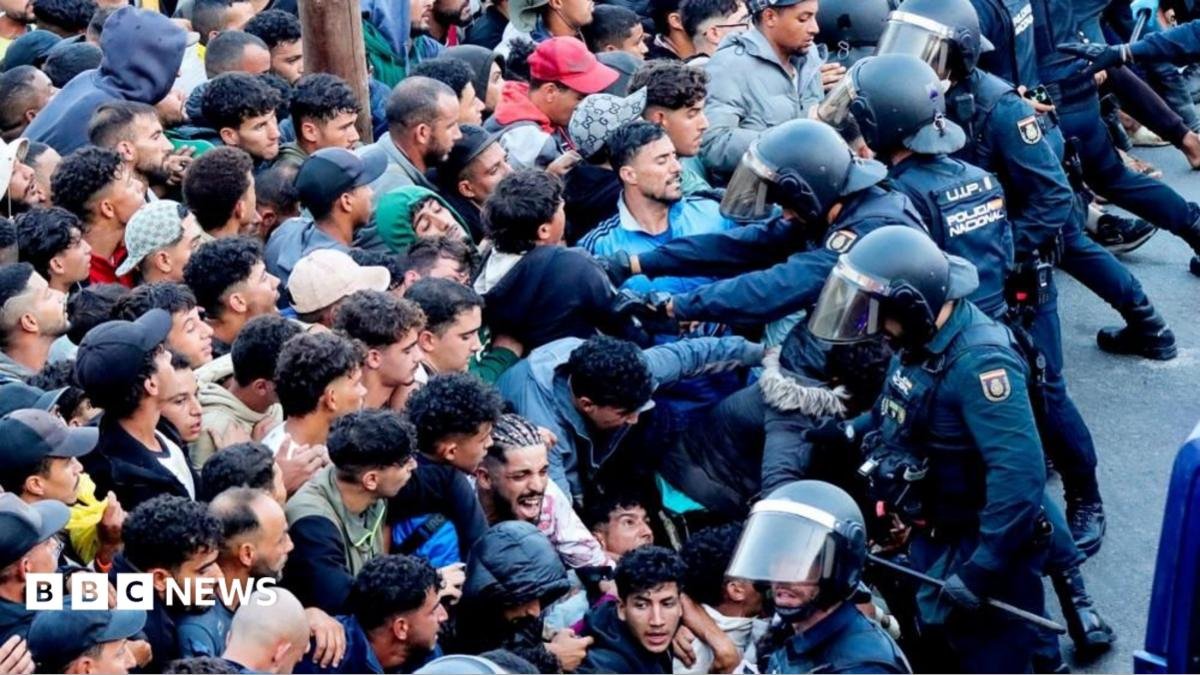
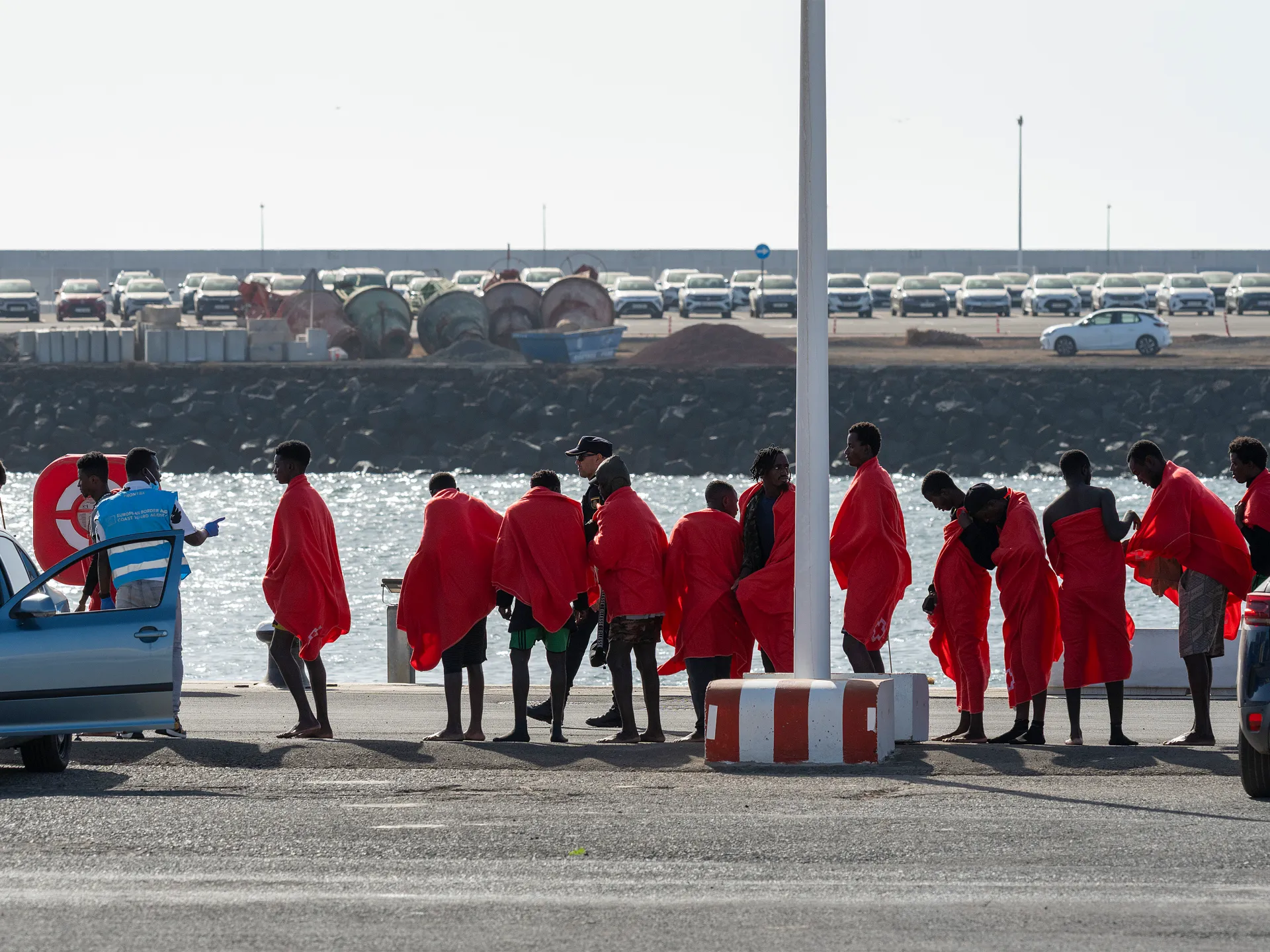
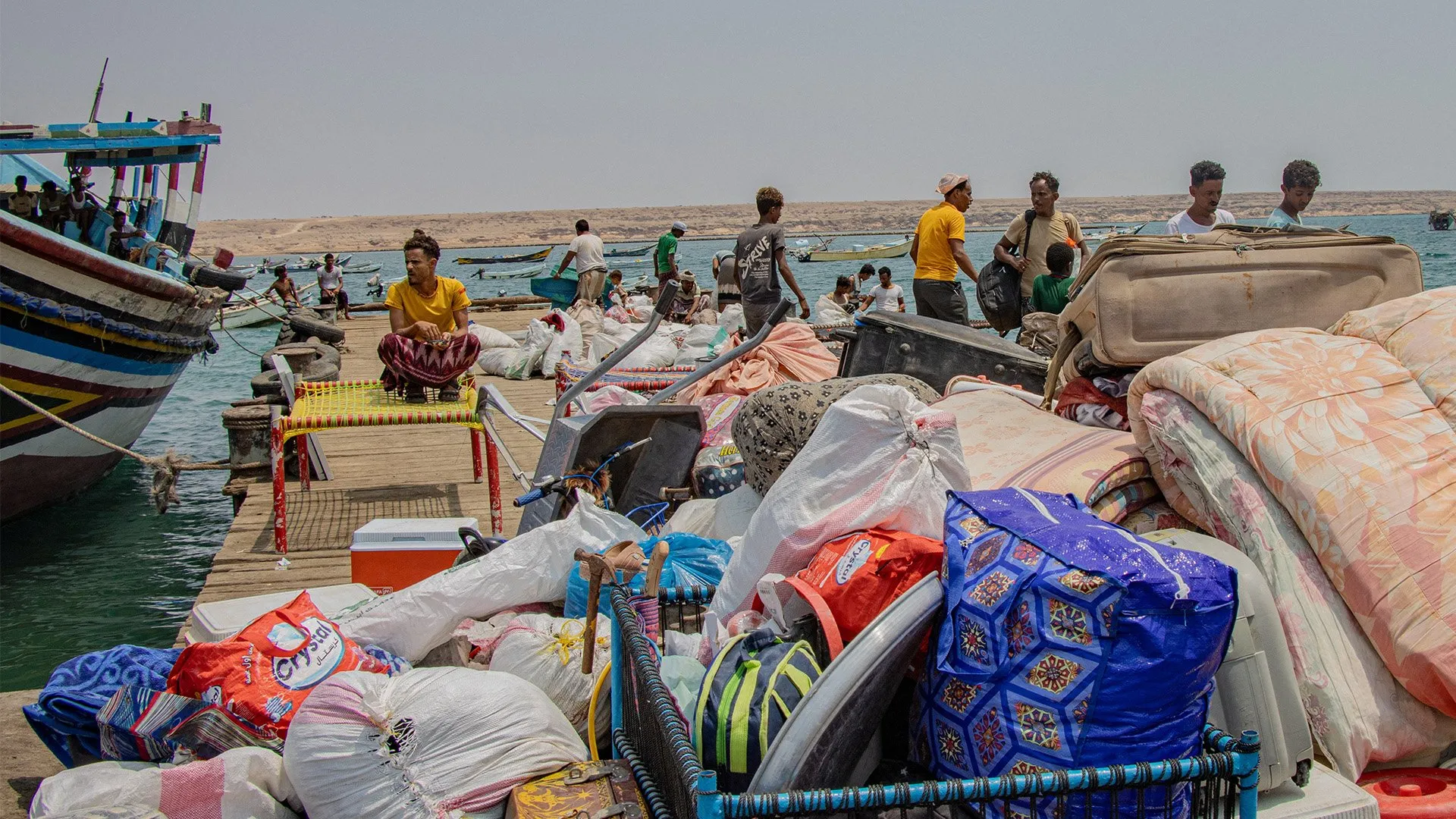
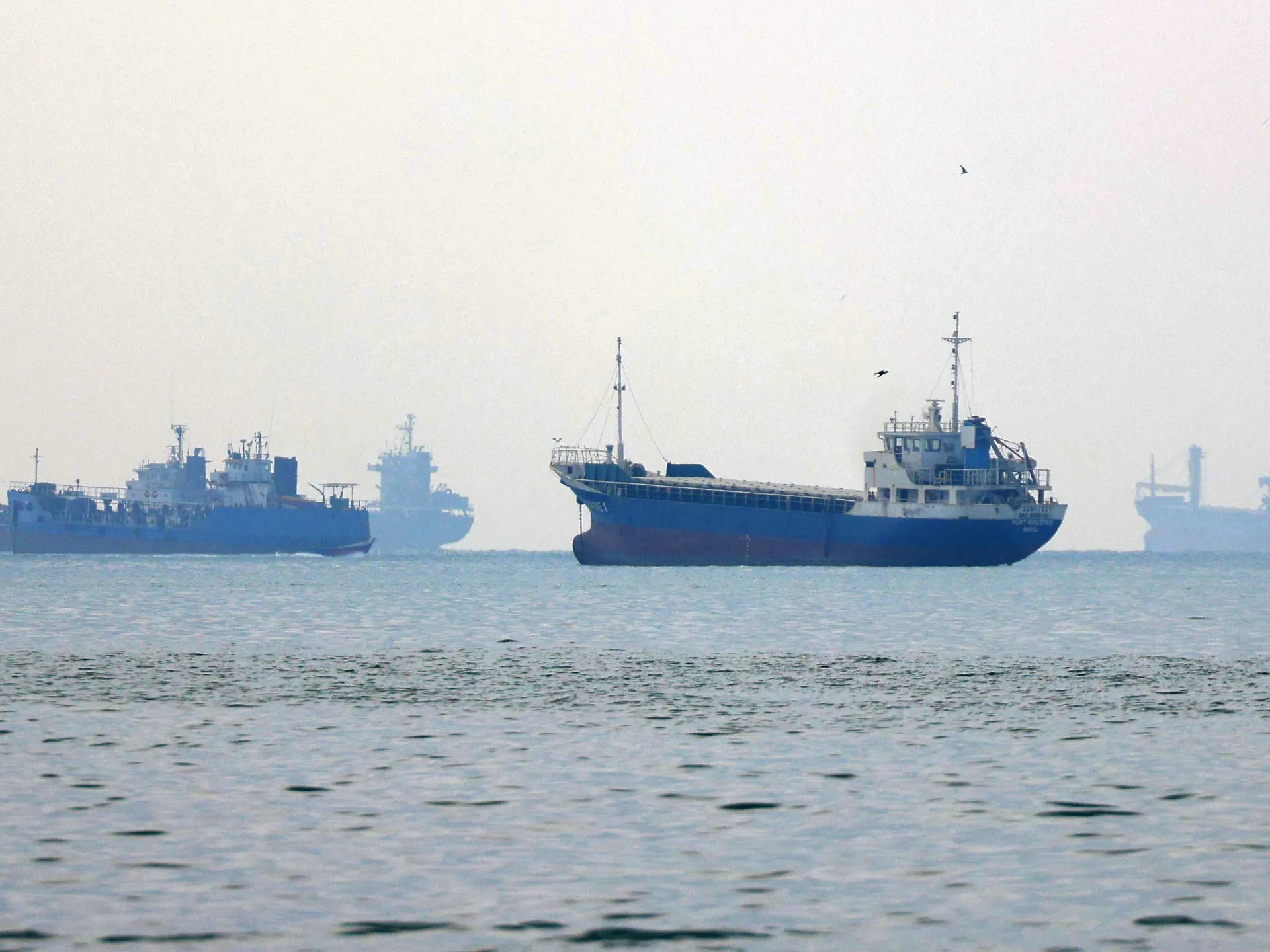
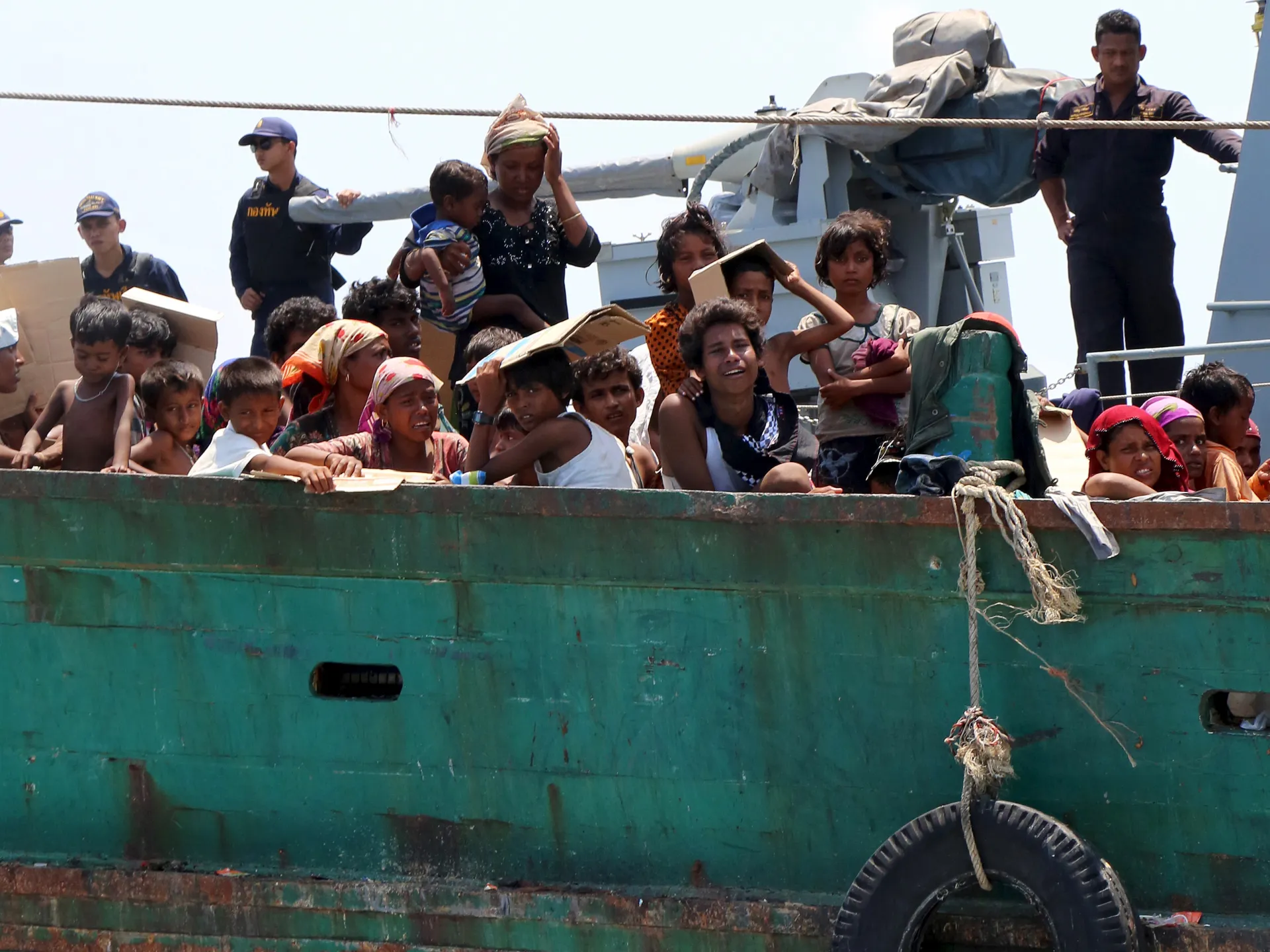
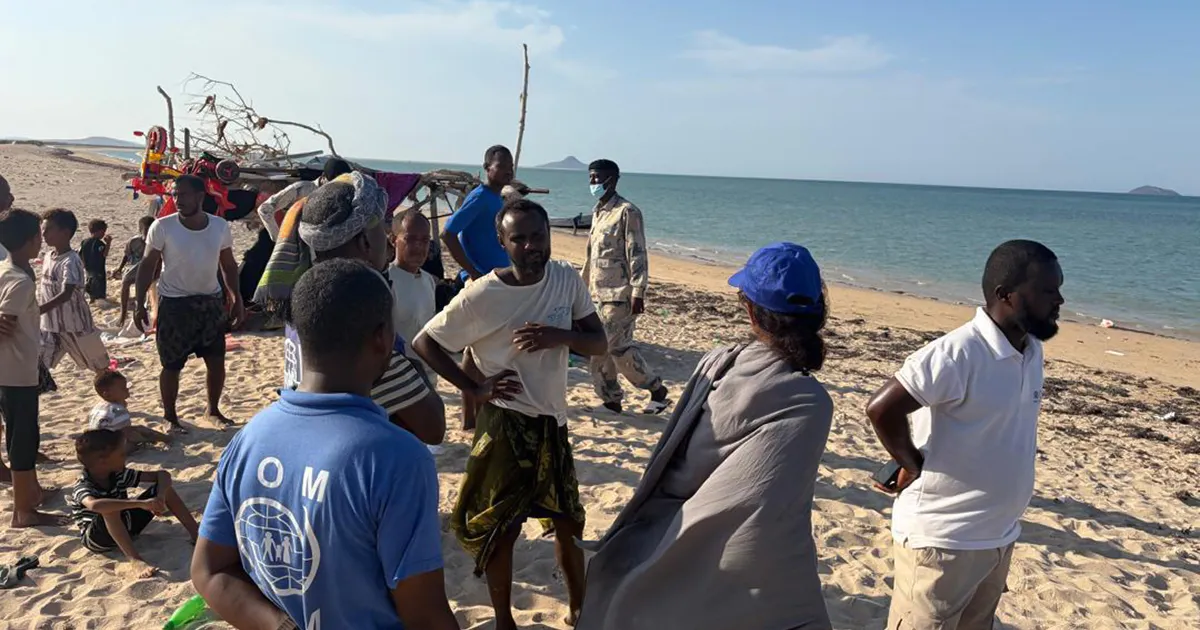
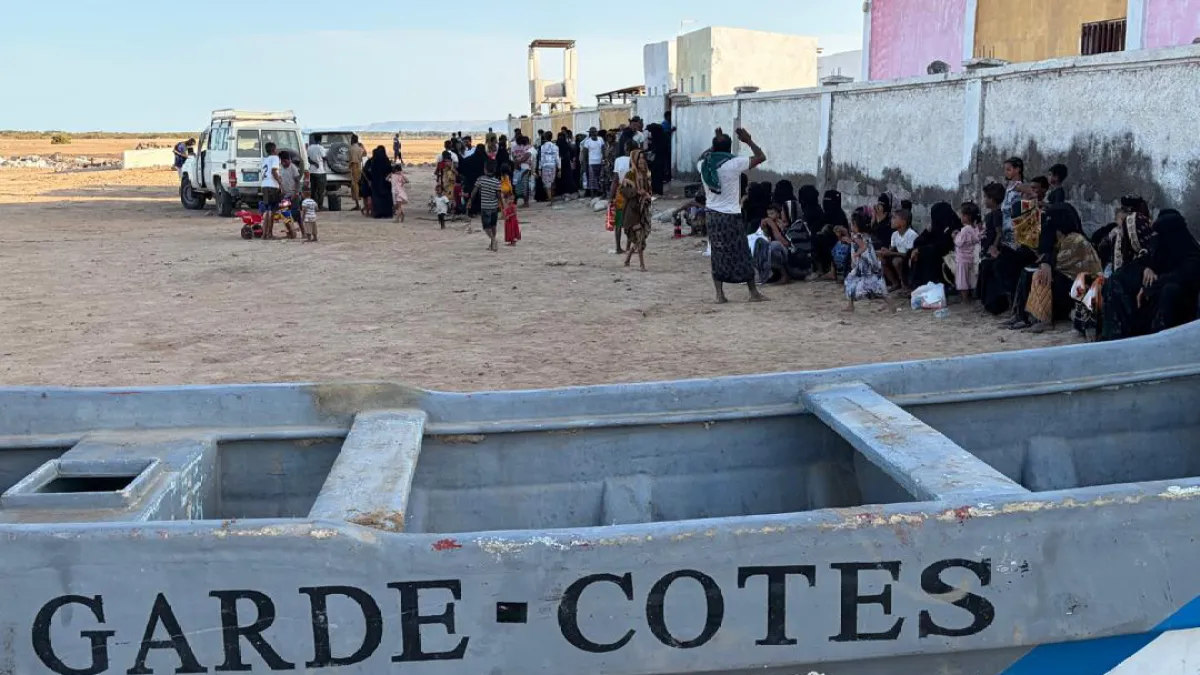
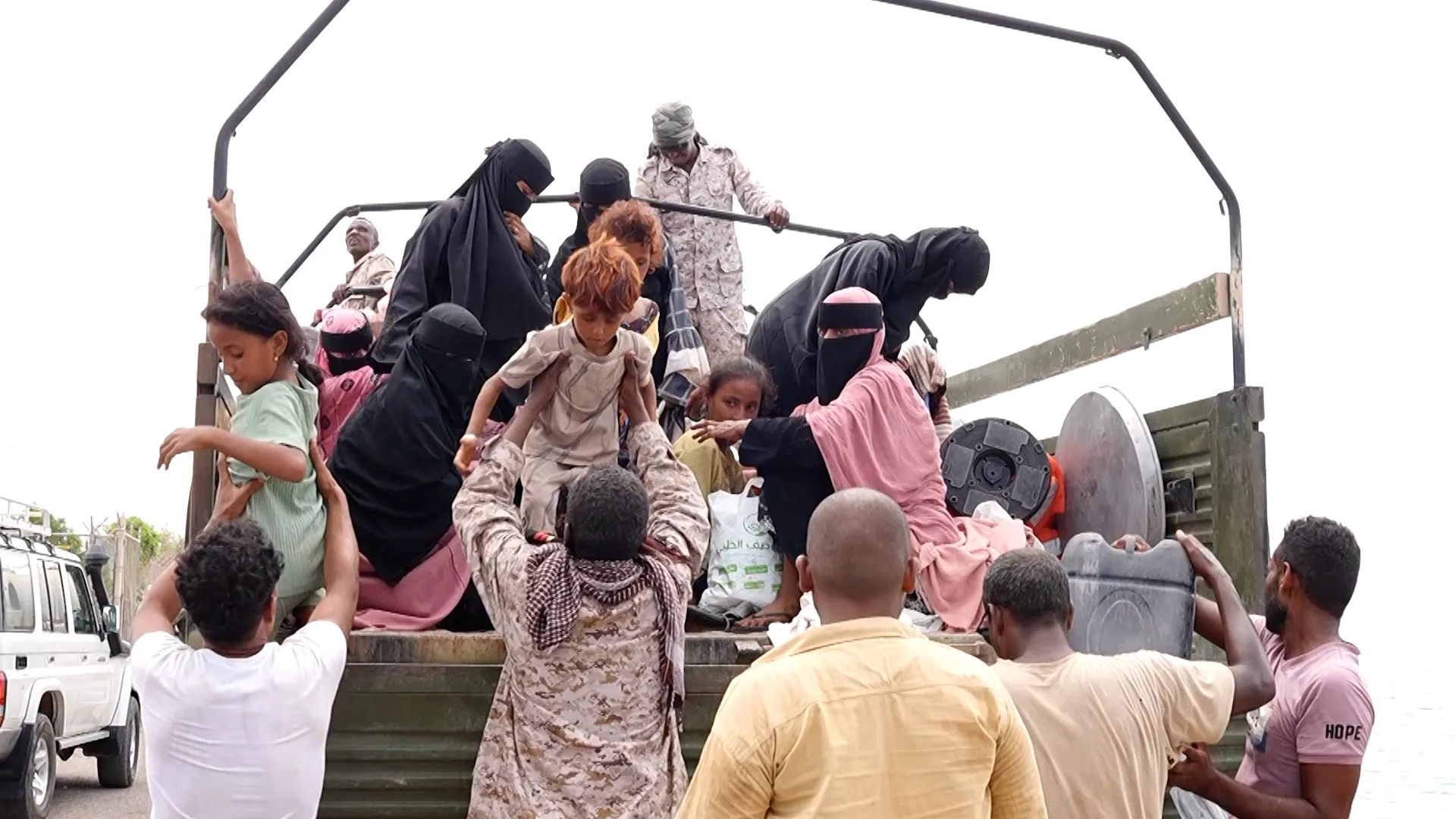
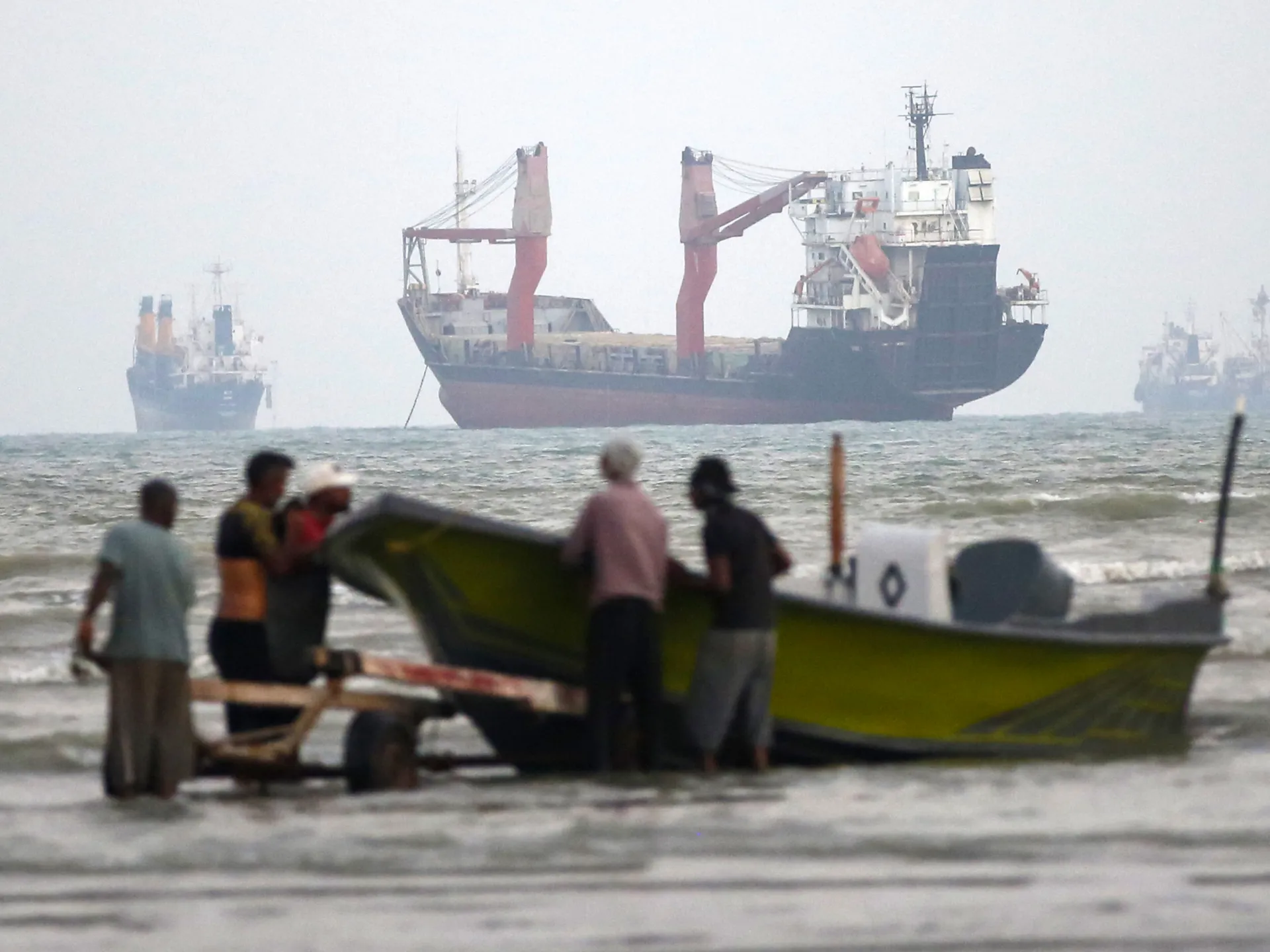
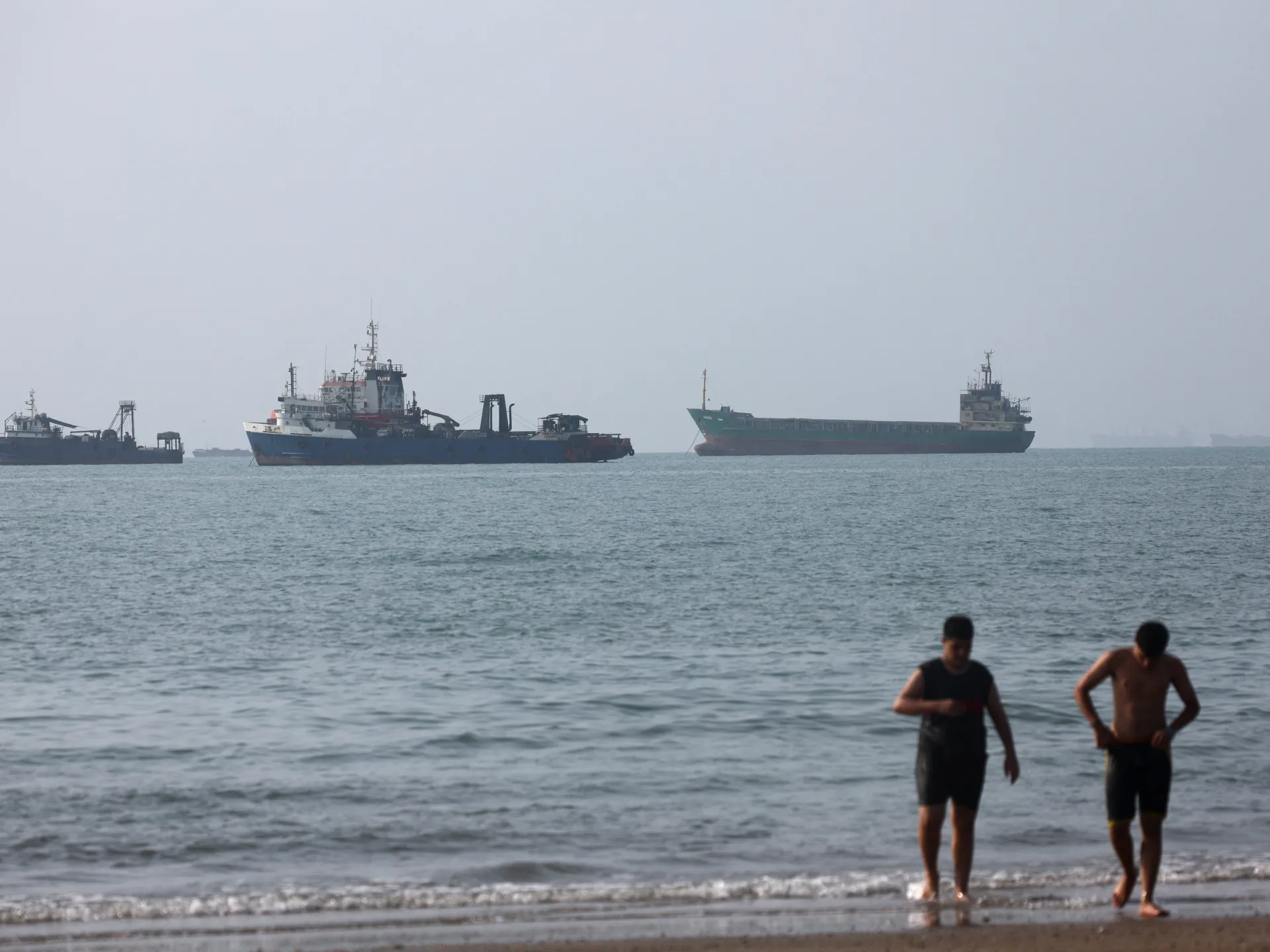
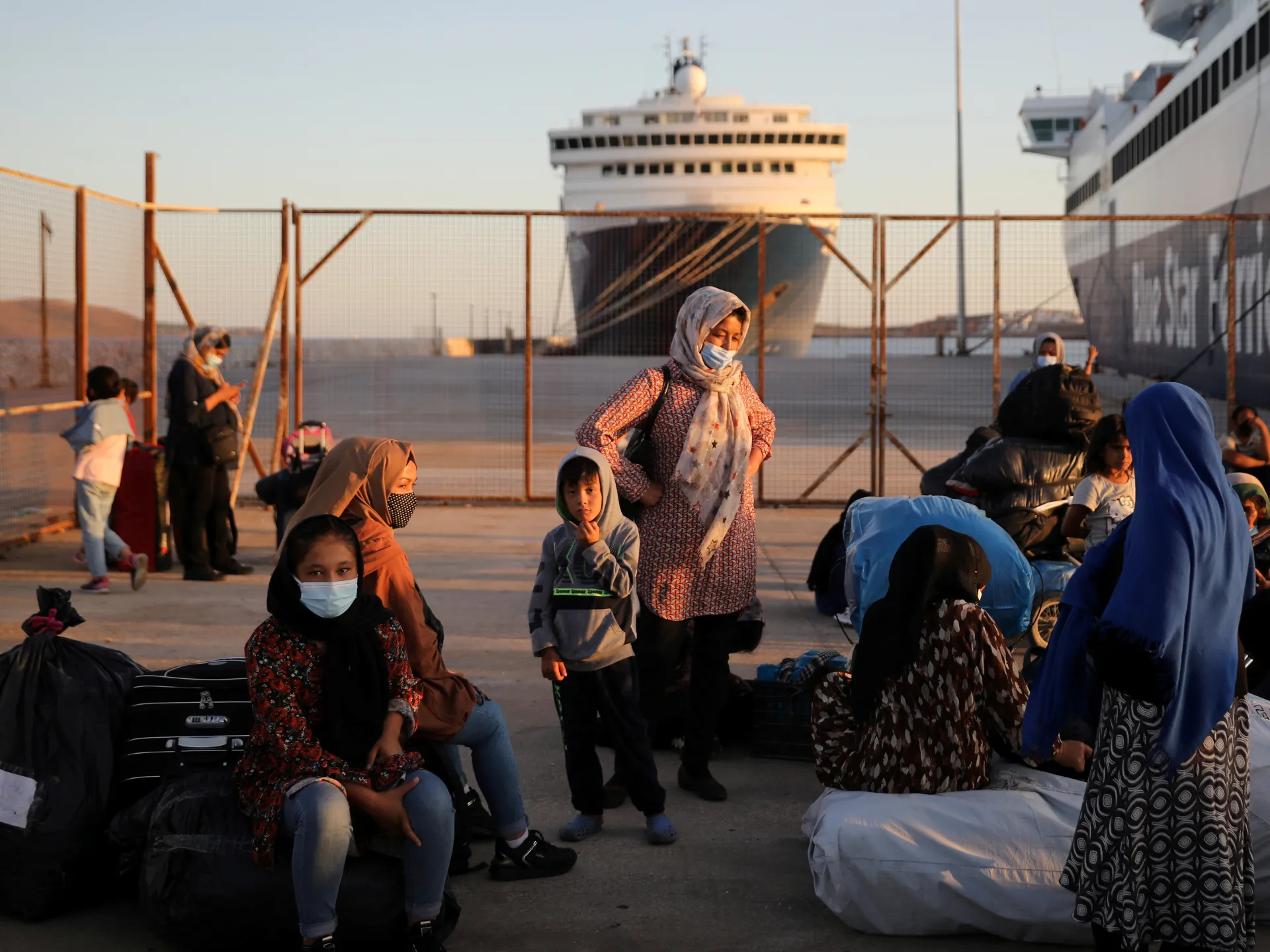
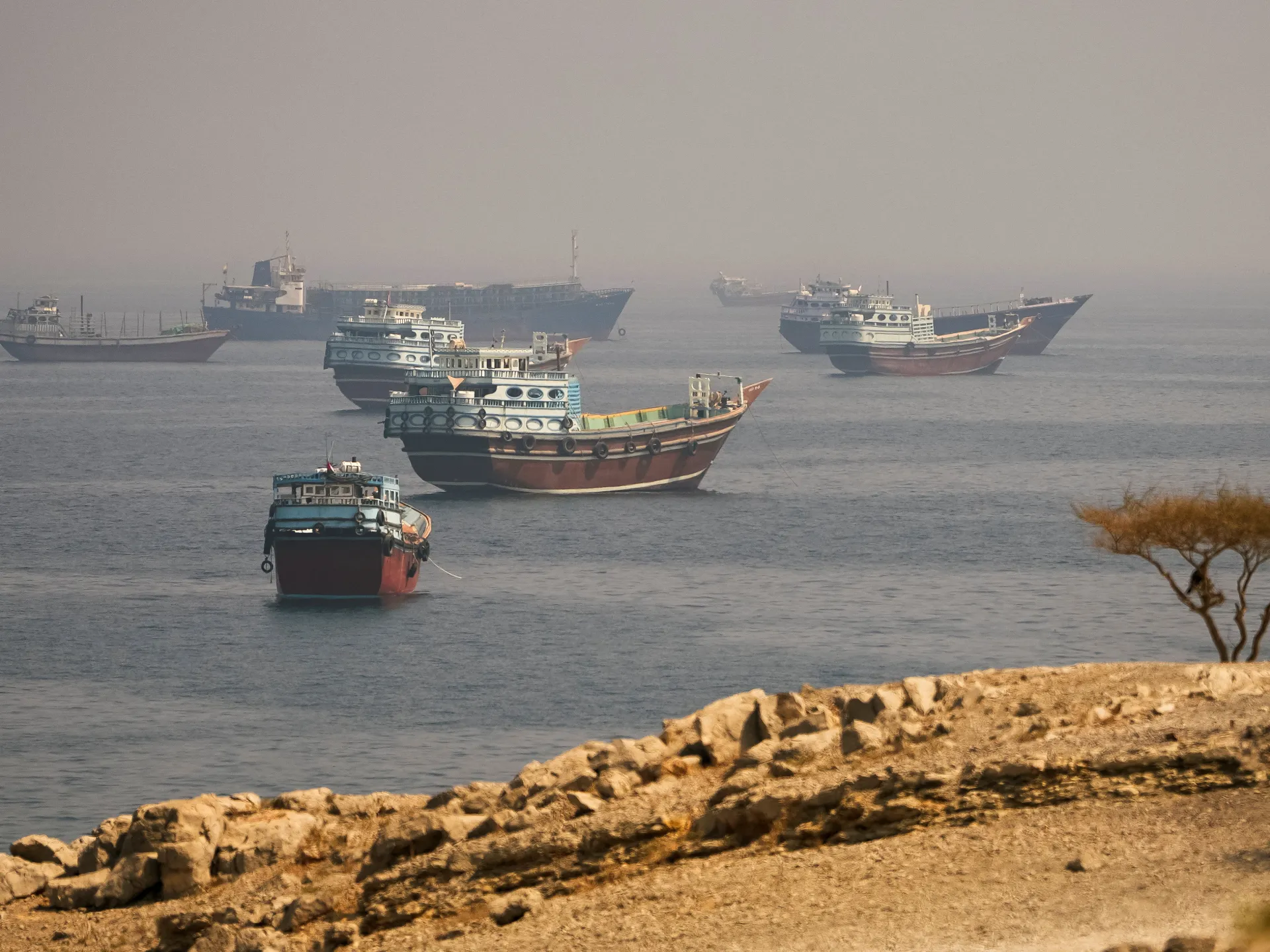
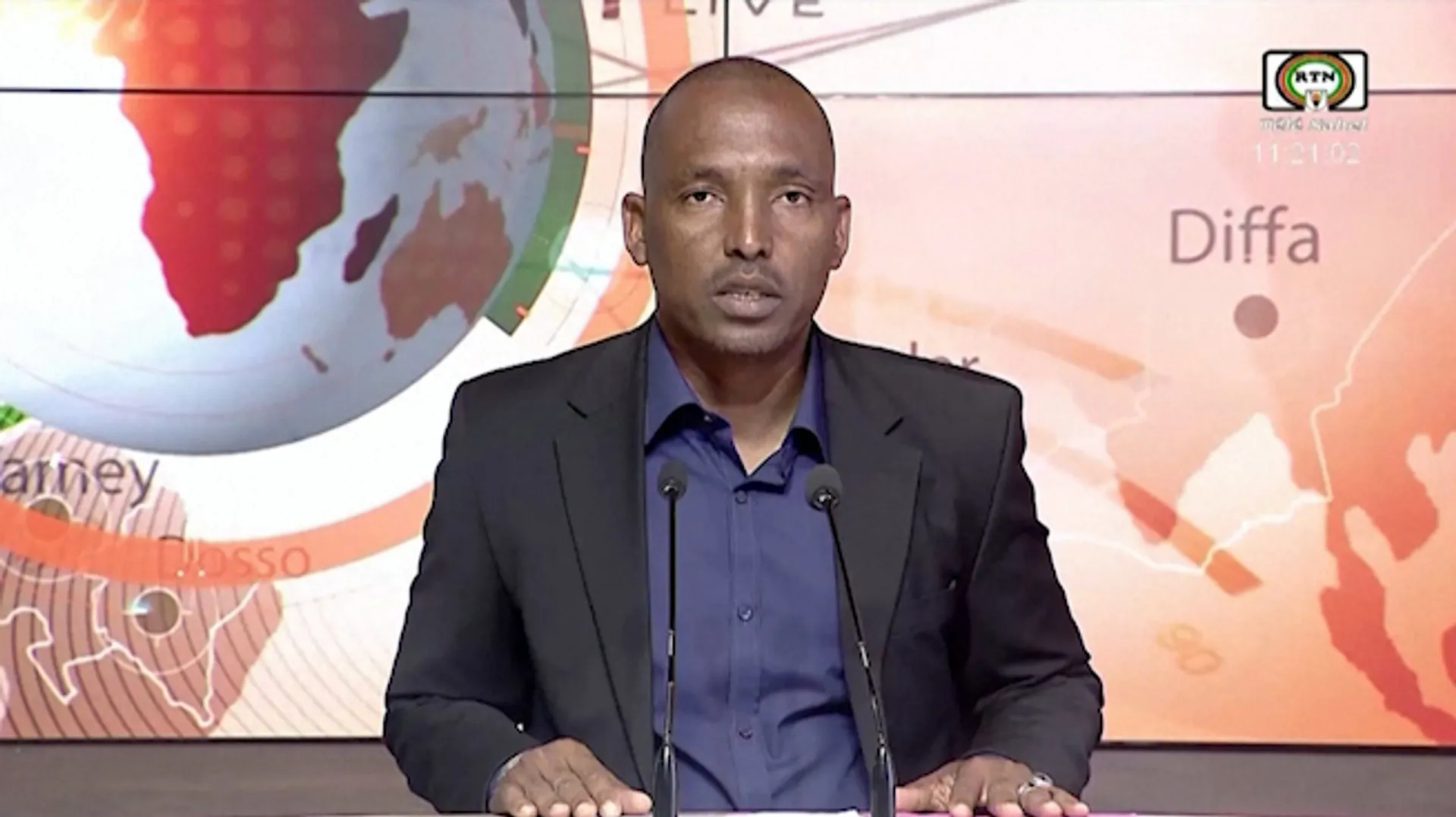
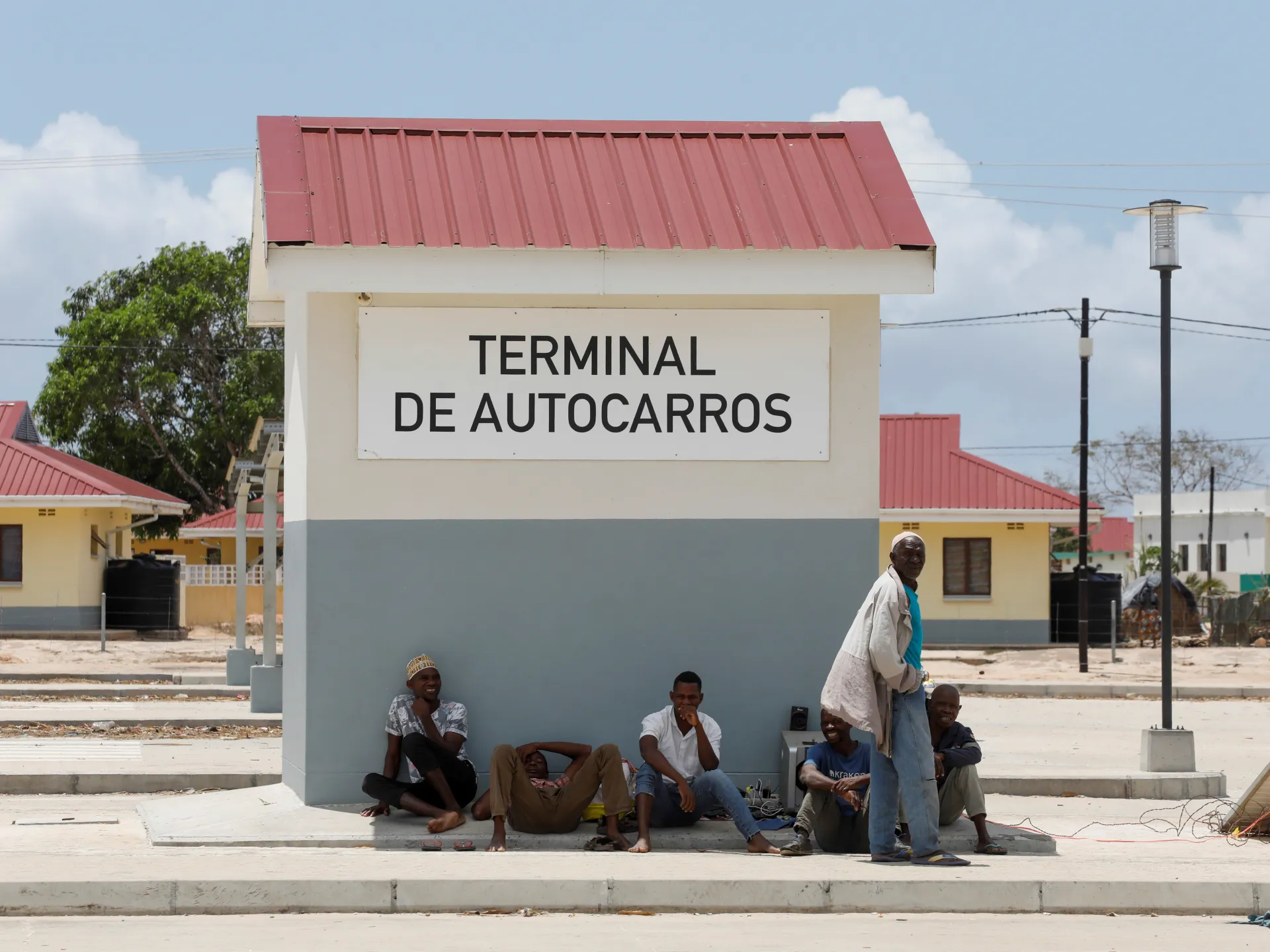
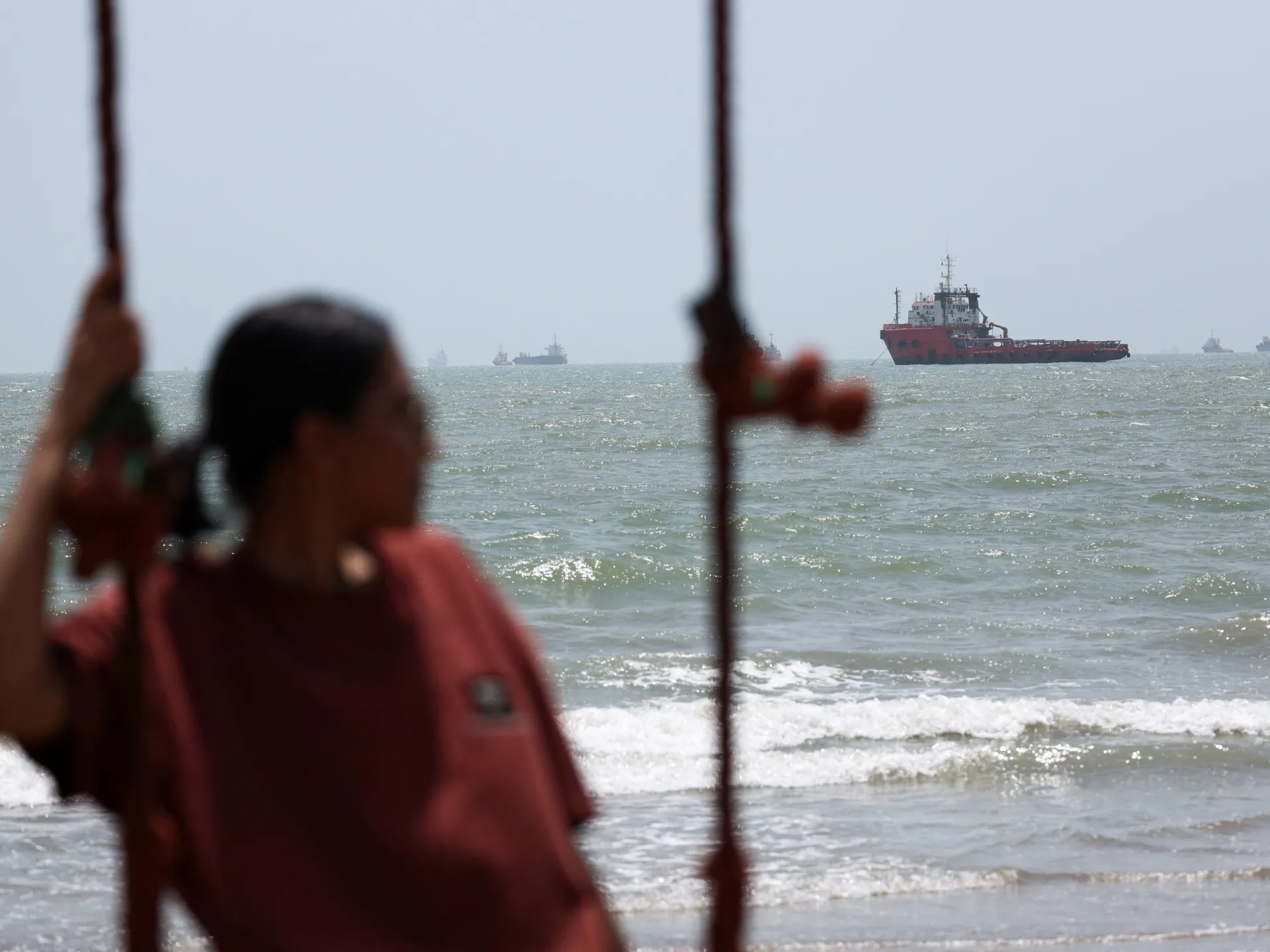
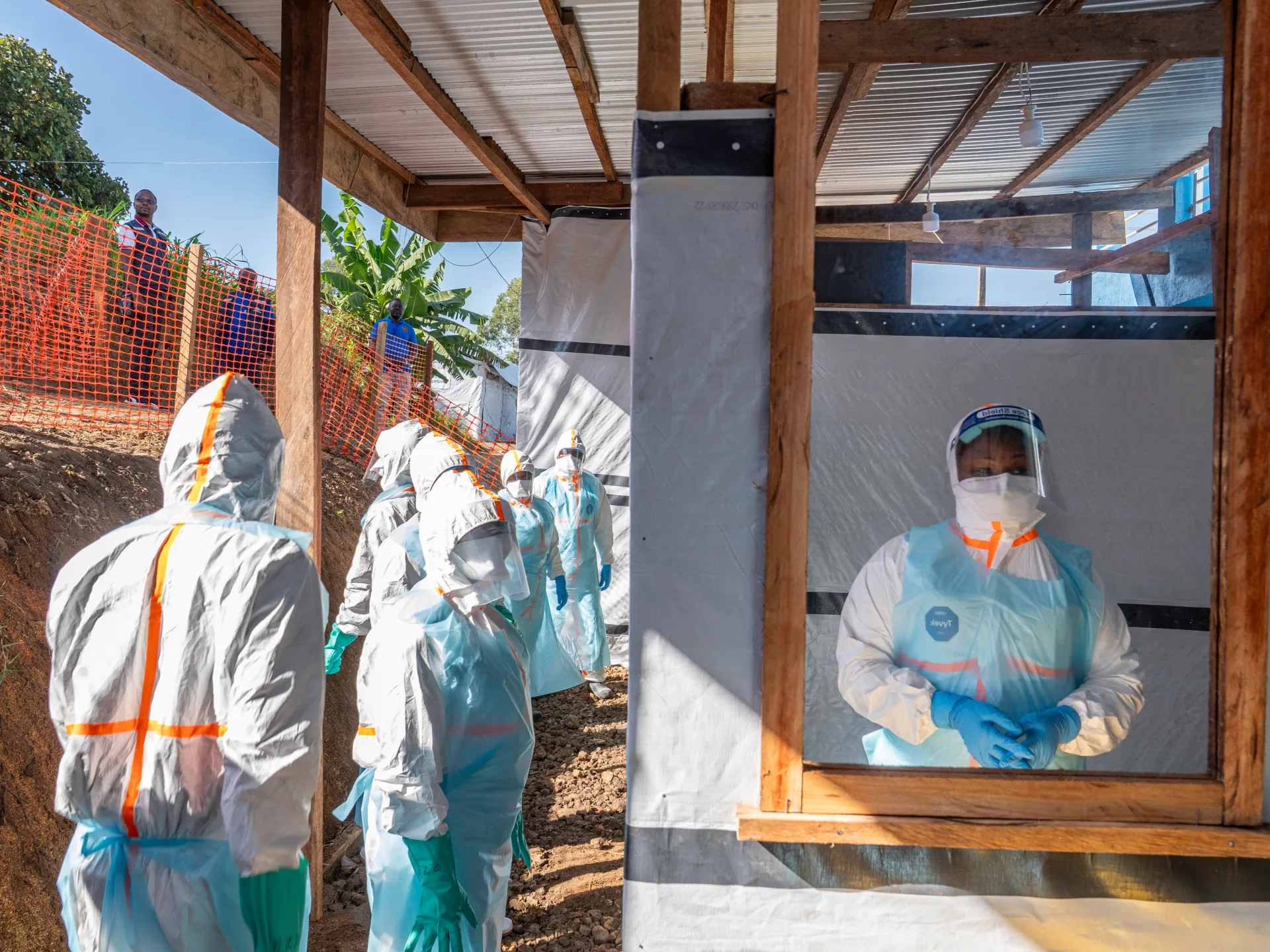
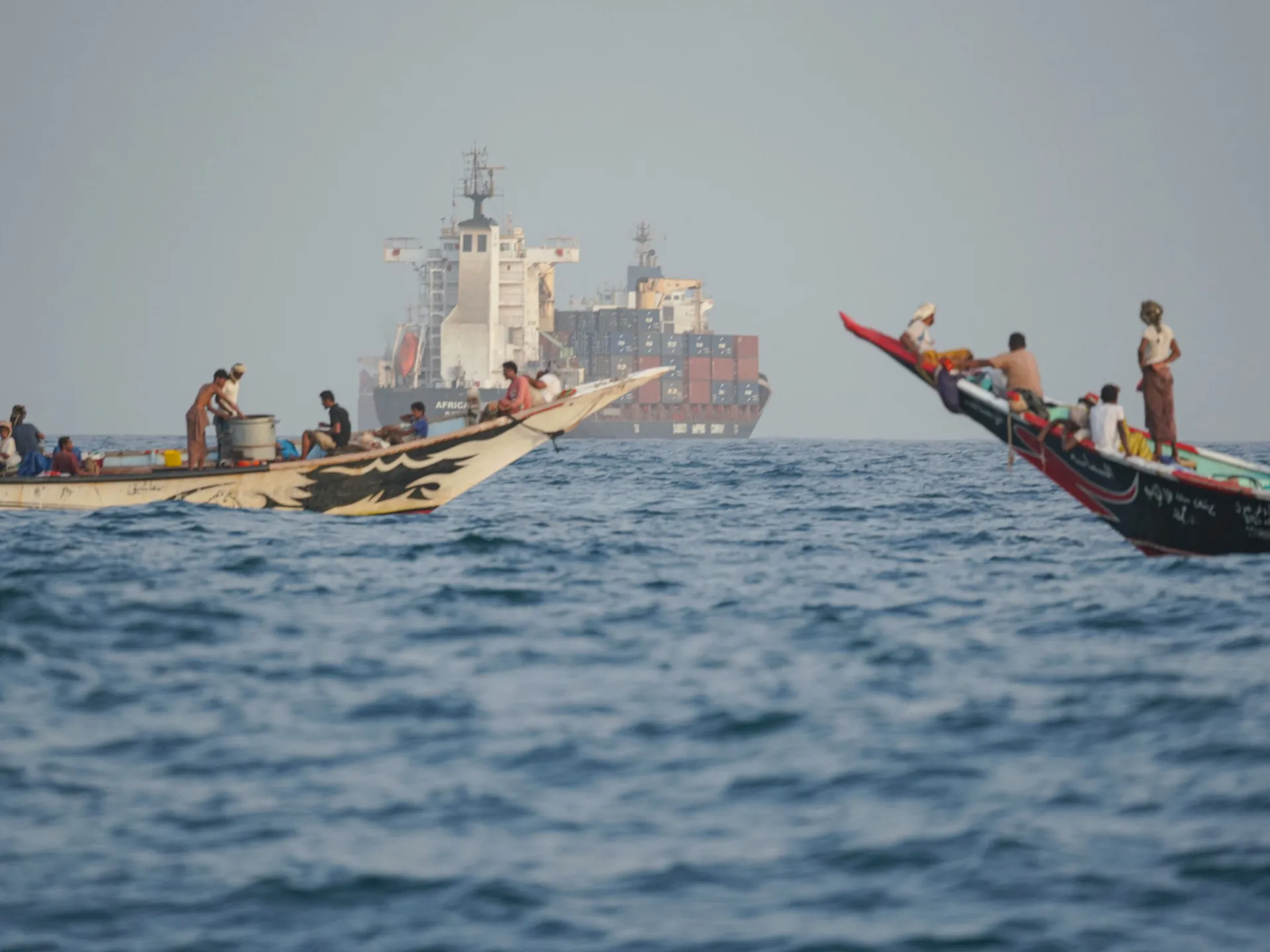
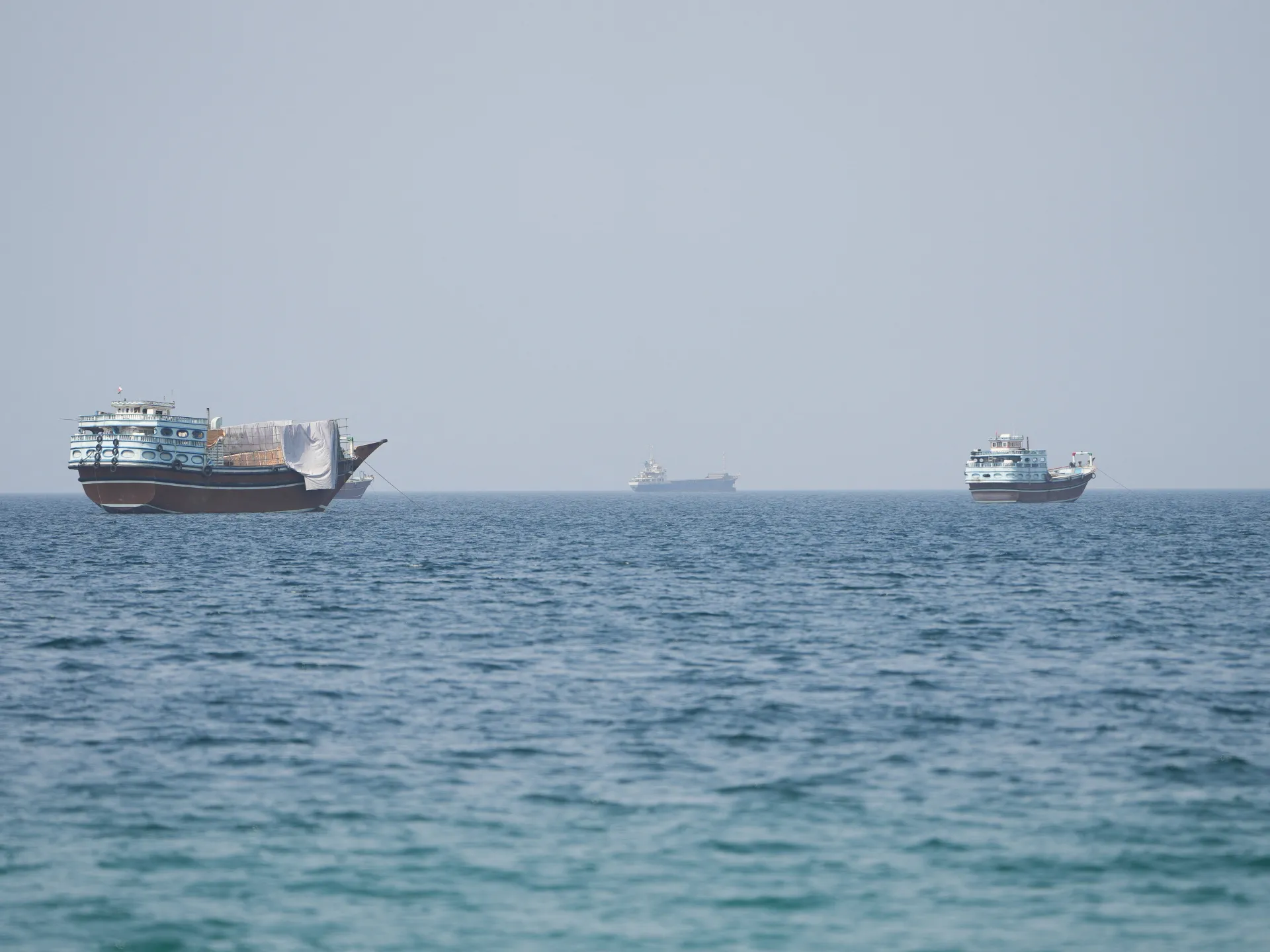
The crisis has spilled across the Red Sea, with thousands of civilians fleeing toward Djibouti. State media in Djibouti confirms that over 3,000 refugees have successfully crossed the dangerous maritime corridor in recent weeks. United Nations officials, including UNHCR spokesperson Babar Baloch, have expressed grave concerns that this figure is only the beginning of a larger wave of migration. The agency is actively preparing for the arrival of at least 10,000 individuals as sea conditions are expected to improve following the mid-October shift in weather patterns.
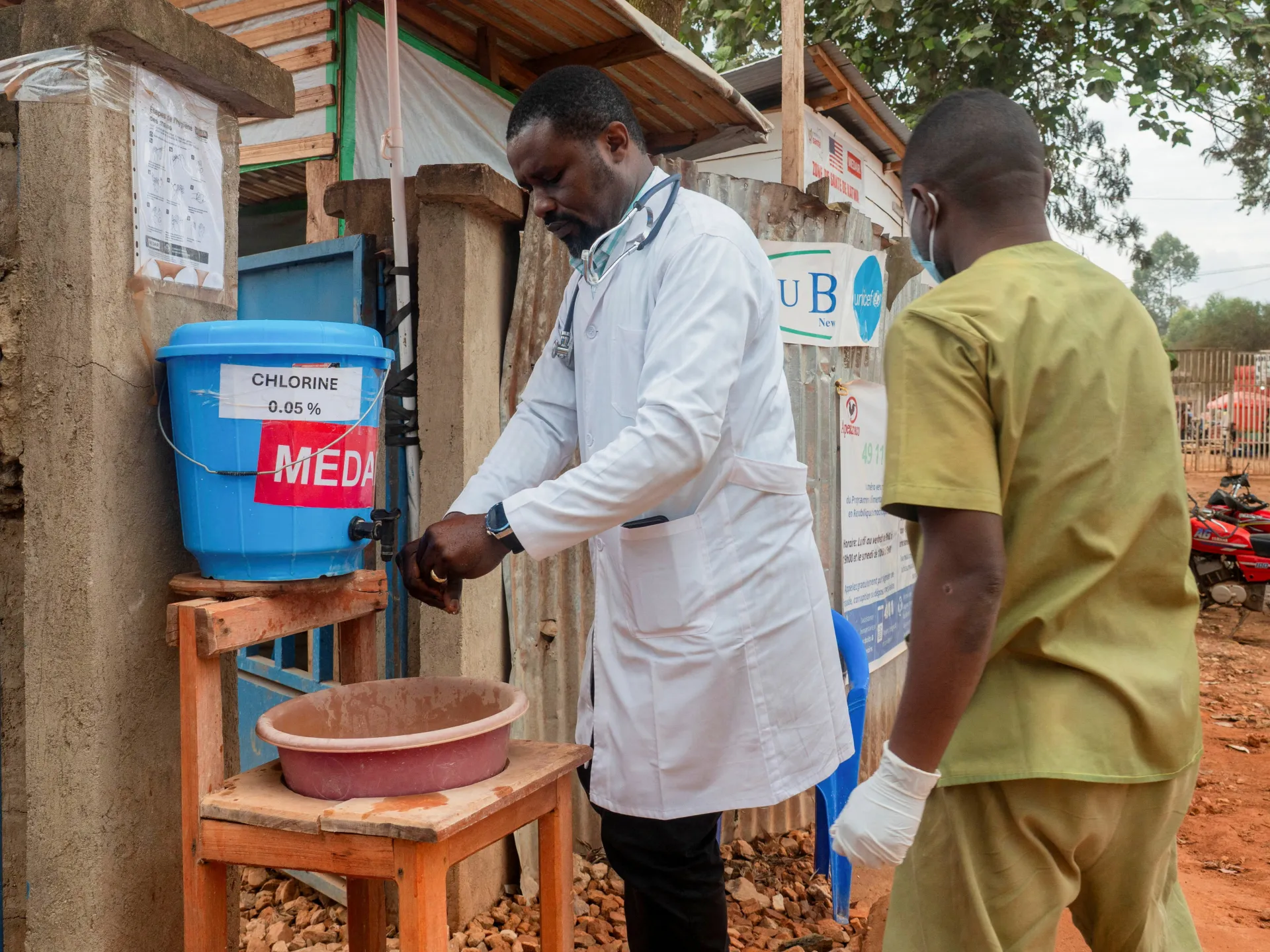
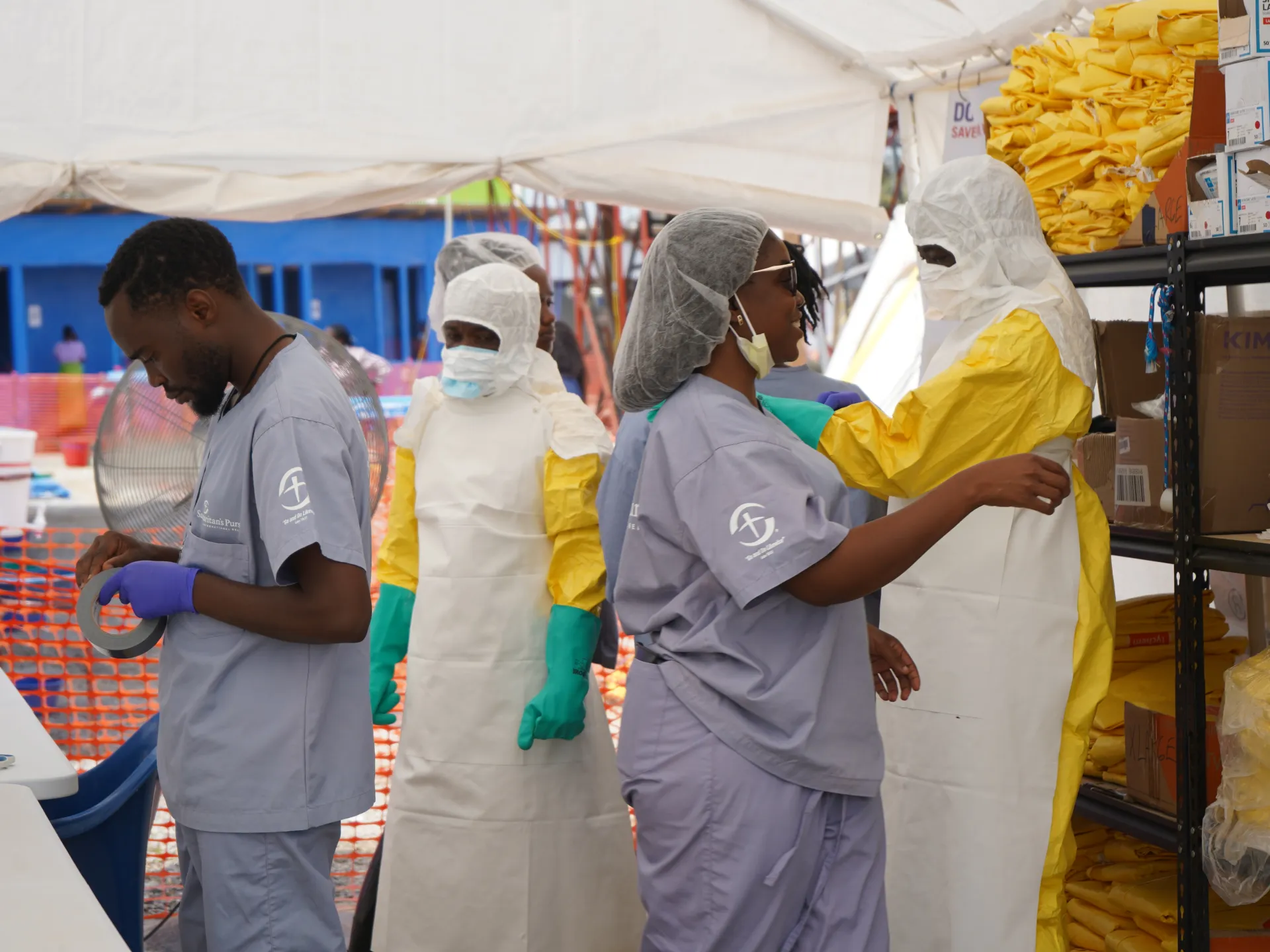
Despite the severity of the situation, the international response remains hampered 8 percent funded, while its regional efforts in Djibouti face an even steeper deficit at 15 percent. An urgent appeal for $25 million in Yemen and $13.5 million for Djibouti remains largely unanswered, leaving aid organizations struggling to provide essential services, registration, and protection for the growing number of arrivals.
The trajectory of the conflict suggests that the humanitarian crisis will likely worsen before any diplomatic resolution can be reached. Given that the UNHCR is planning for a ten-fold increase in arrivals to Djibouti, the regional impact on neighboring countries will be tested ations. If the current funding shortfall persists, international aid agencies will be forced to prioritize life-saving interventions over long-term resettlement support, potentially leading to a permanent state of instability for thousands of Yemeni refugees.