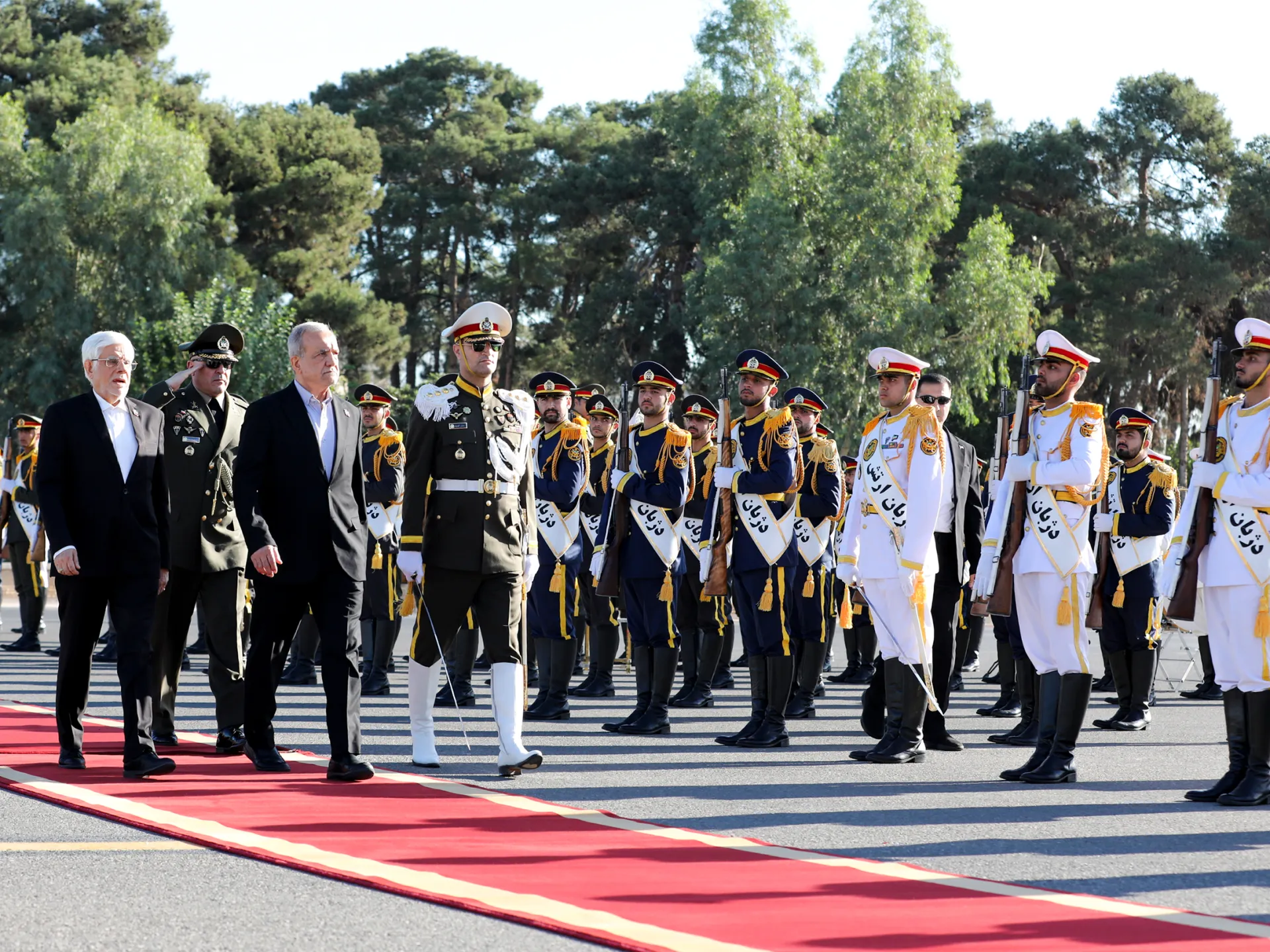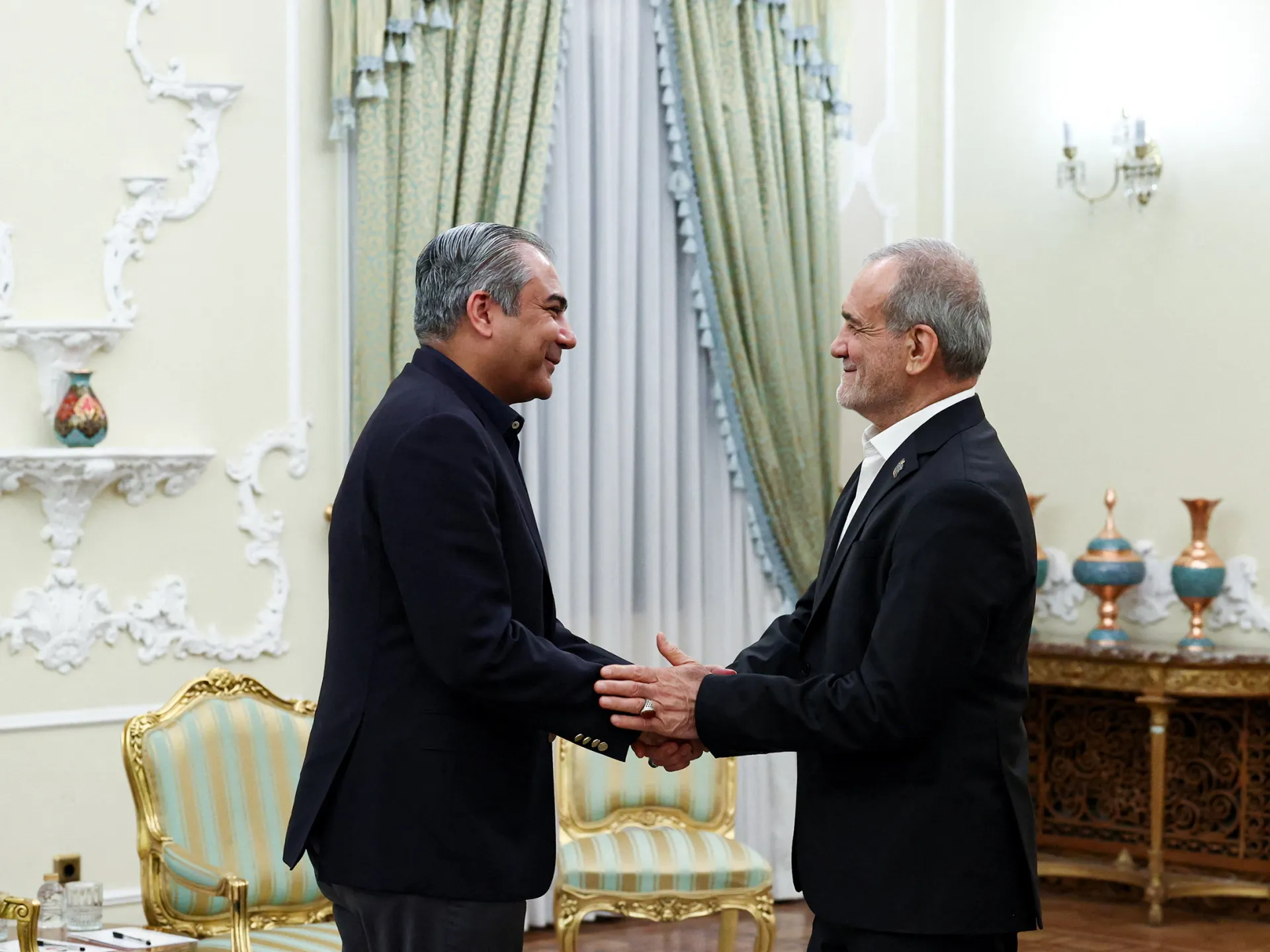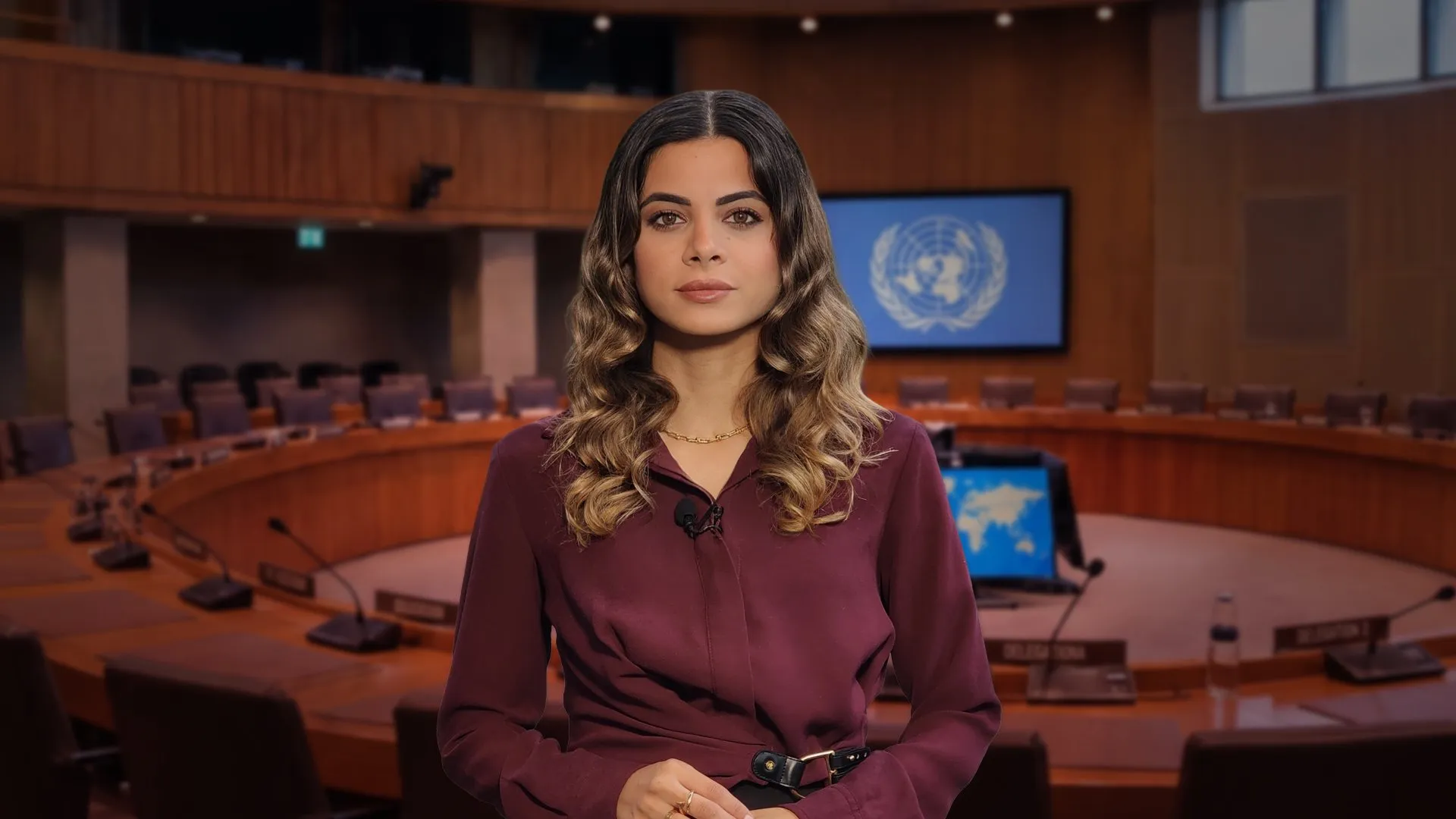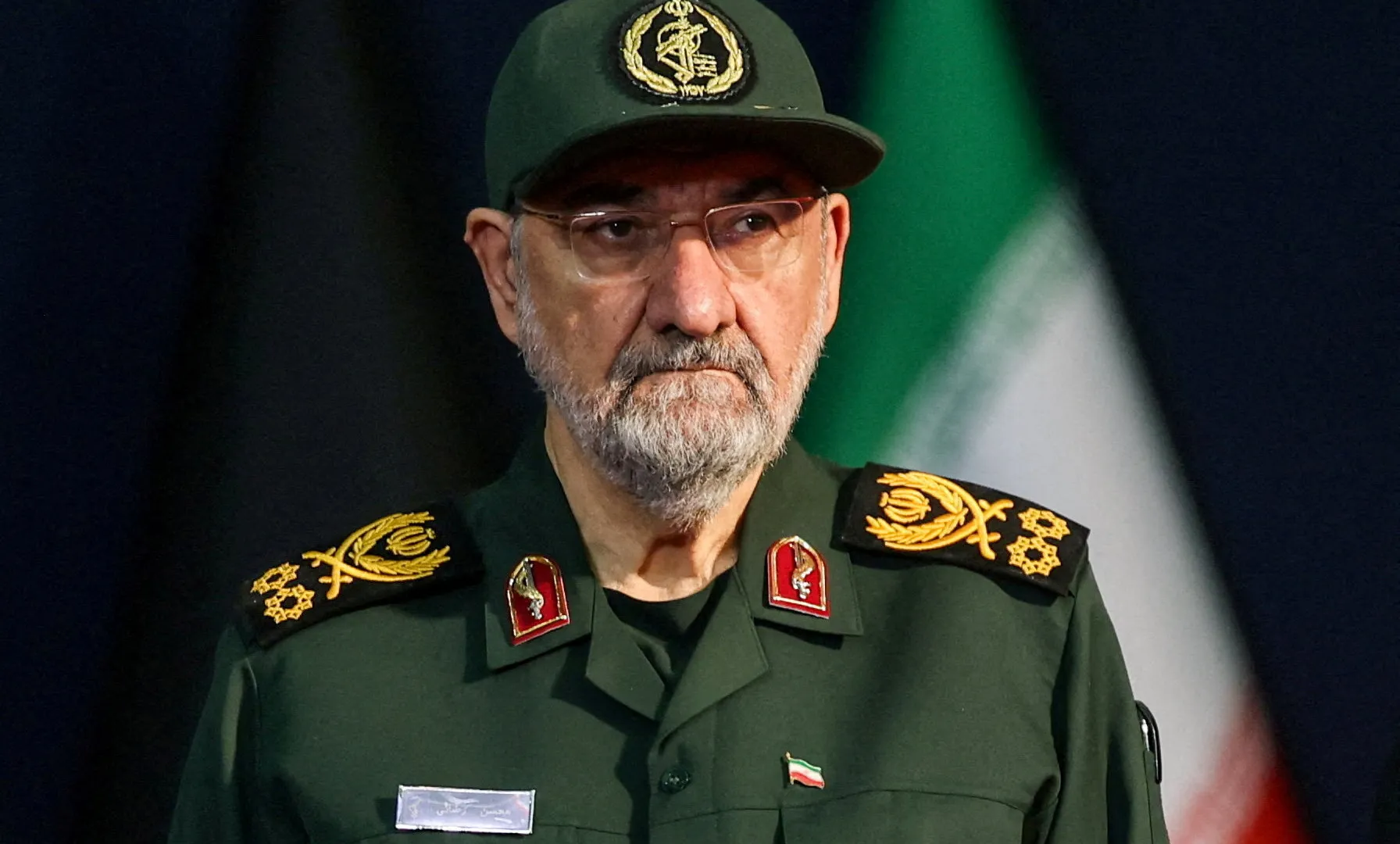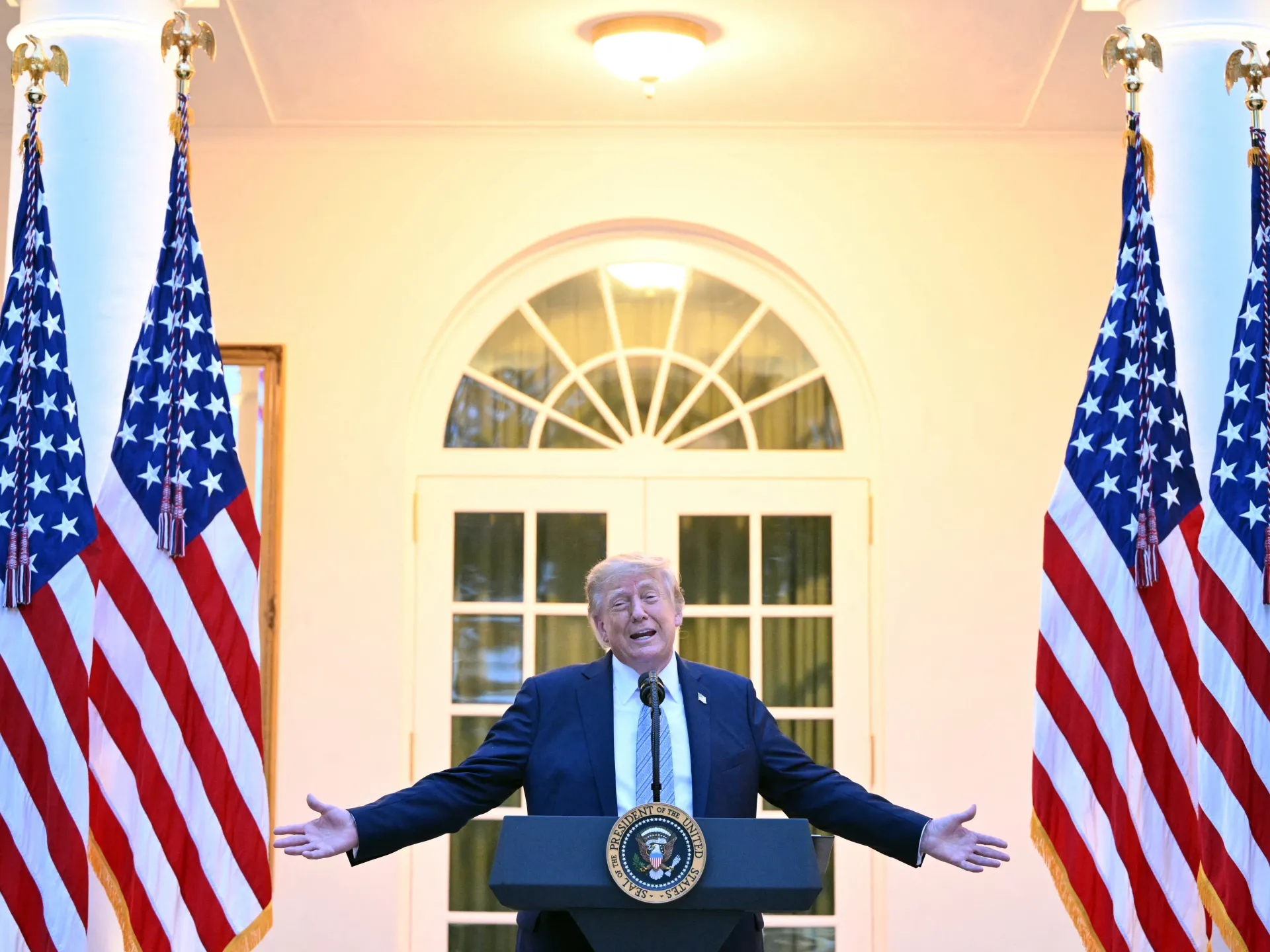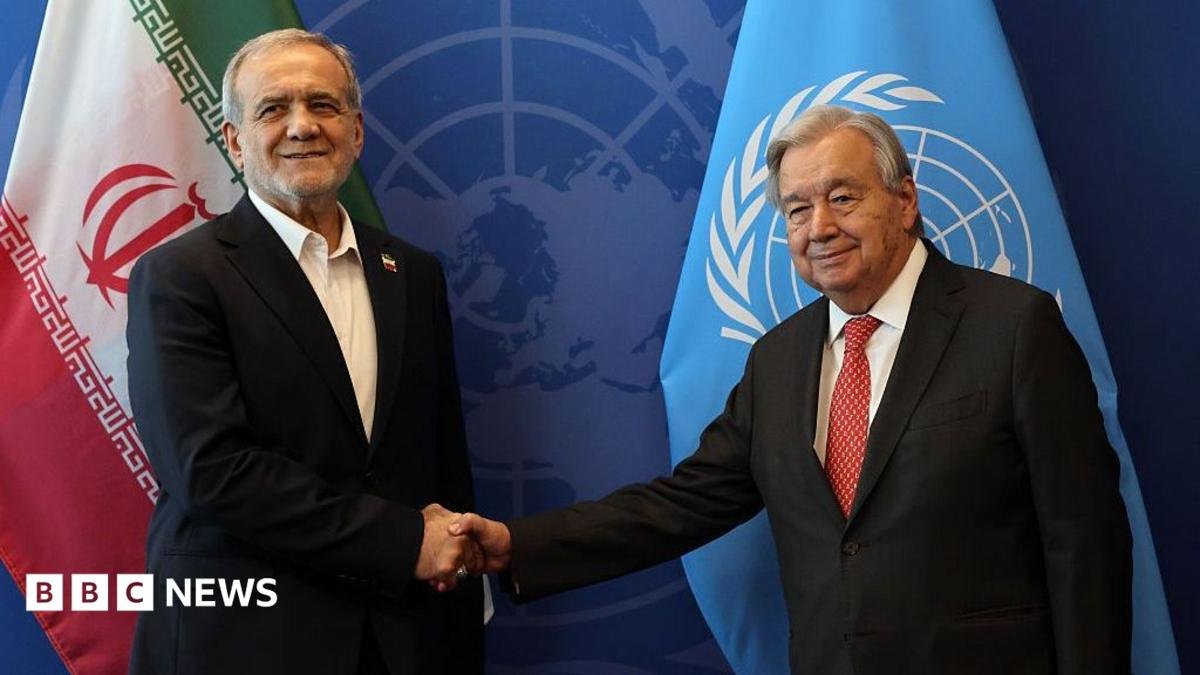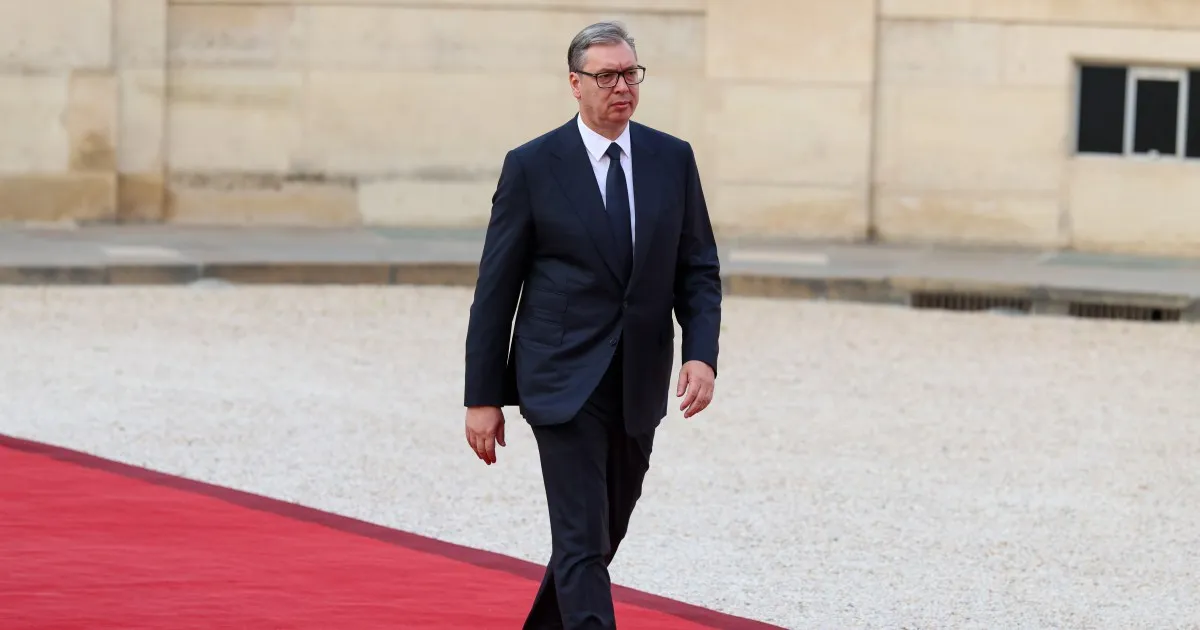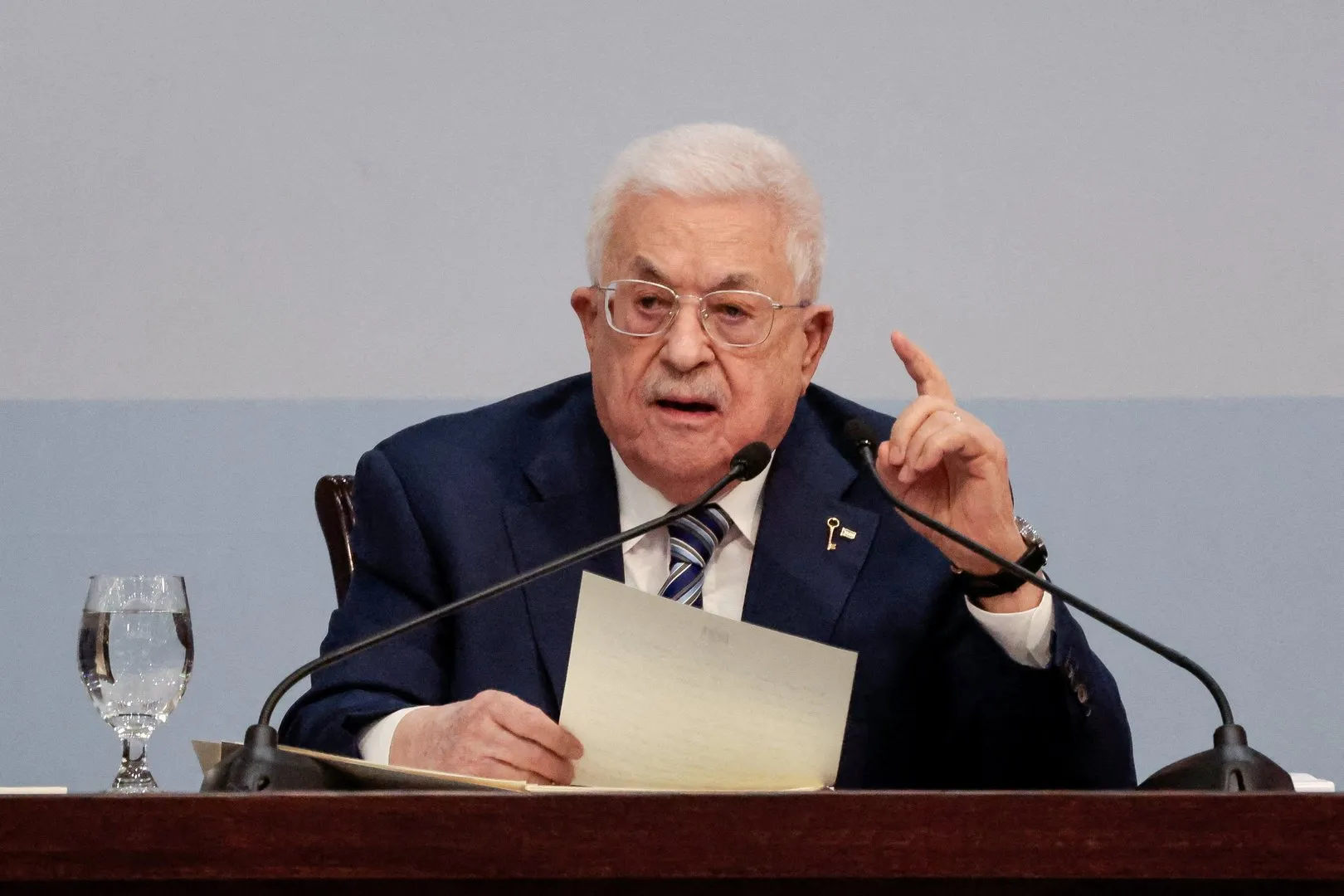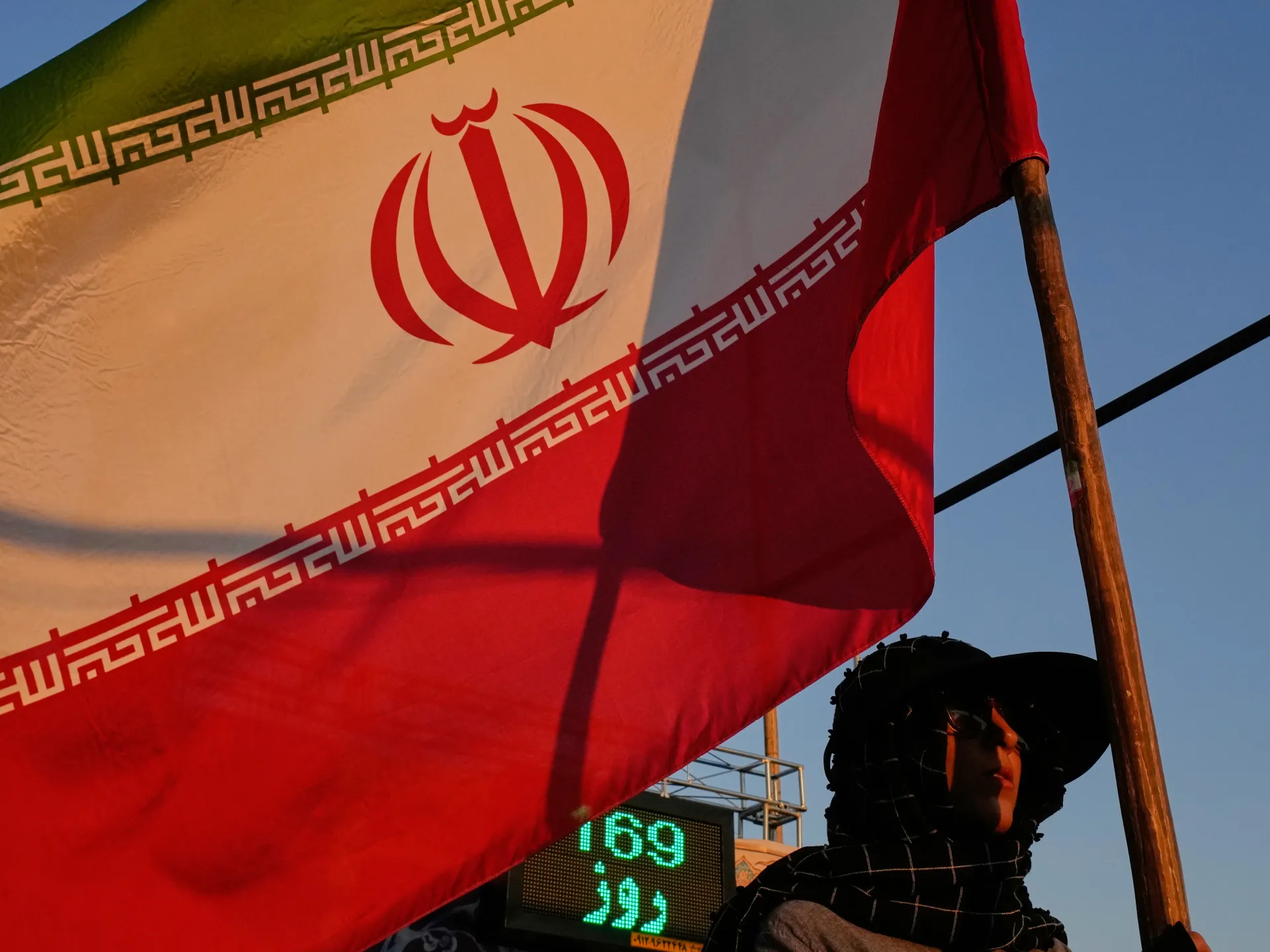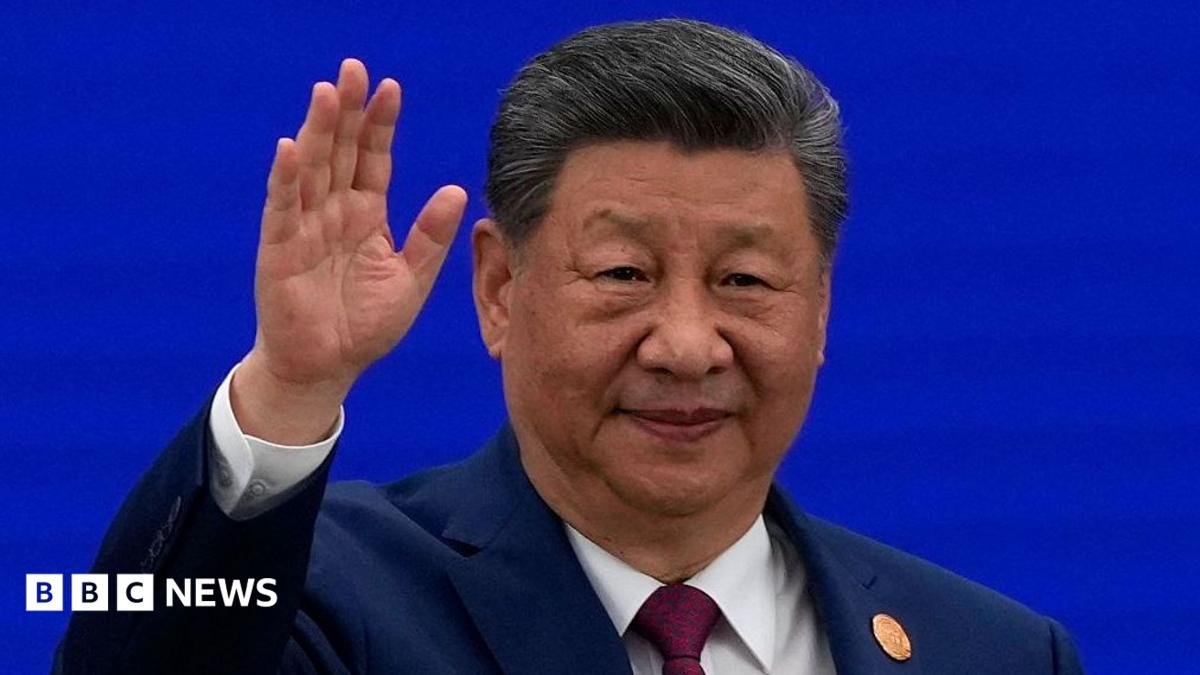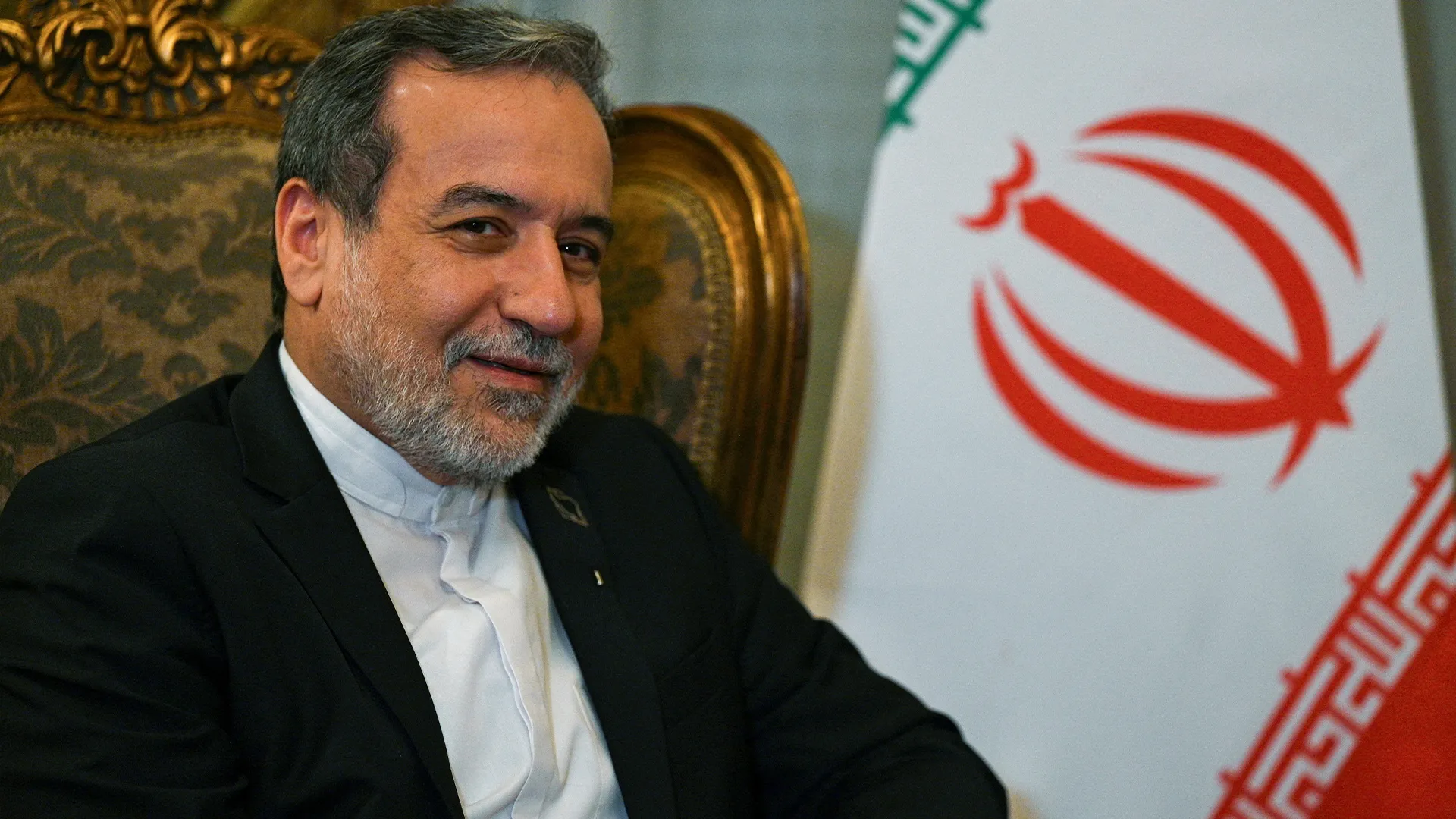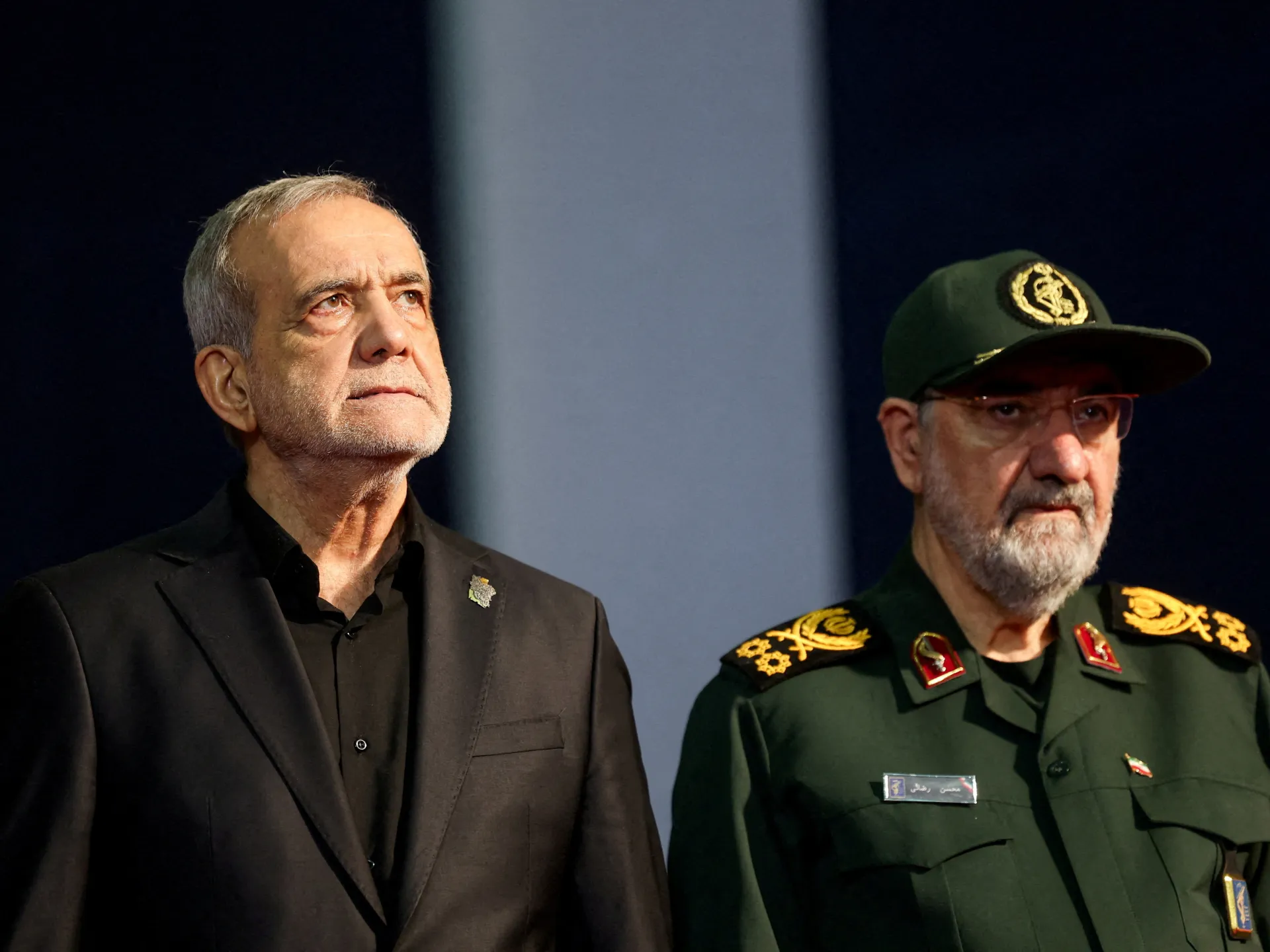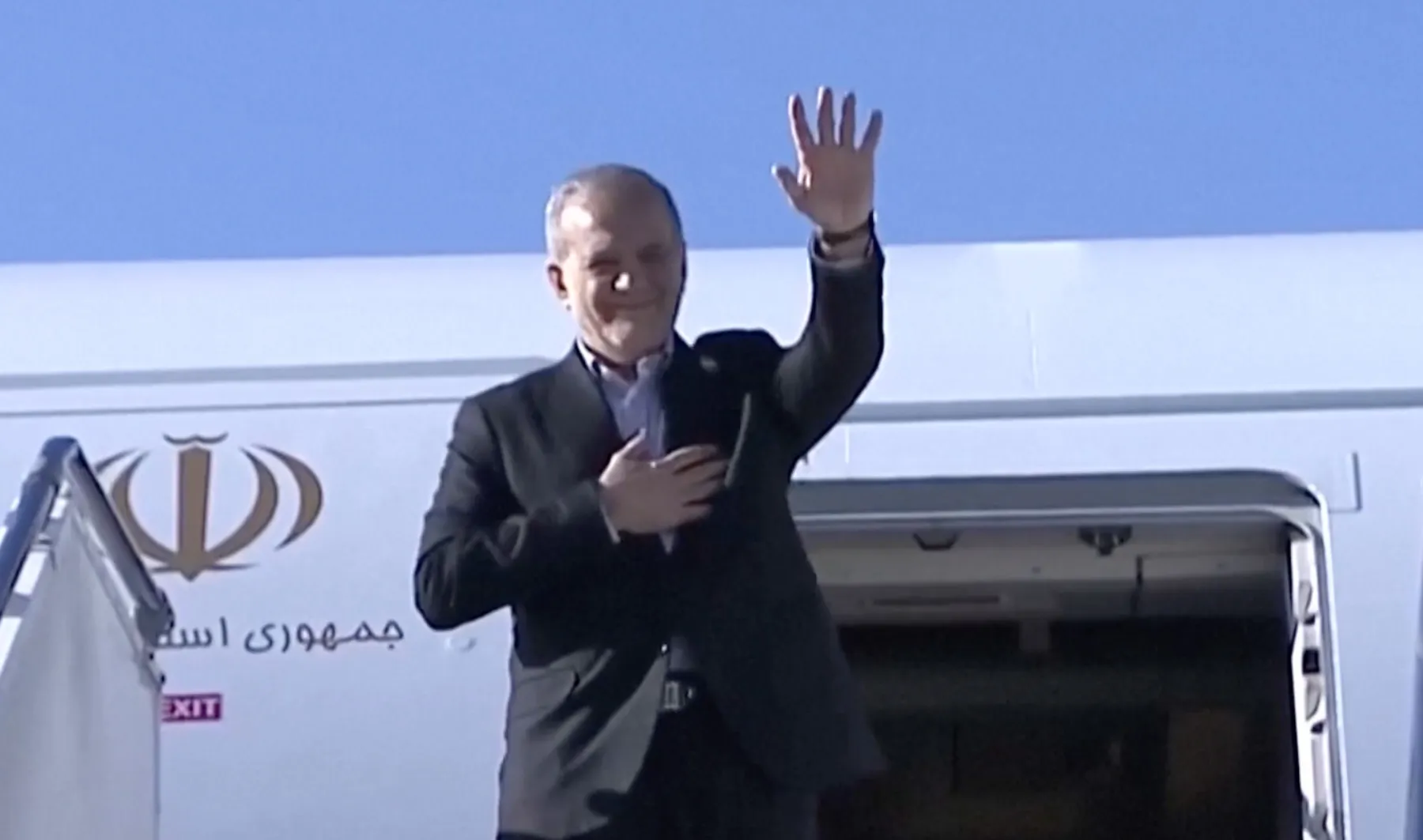
Iranian President Masoud Pezeshkian arrives at the 81st UN General Assembly with a dual strategy: seeking international trust while condemning US policy.
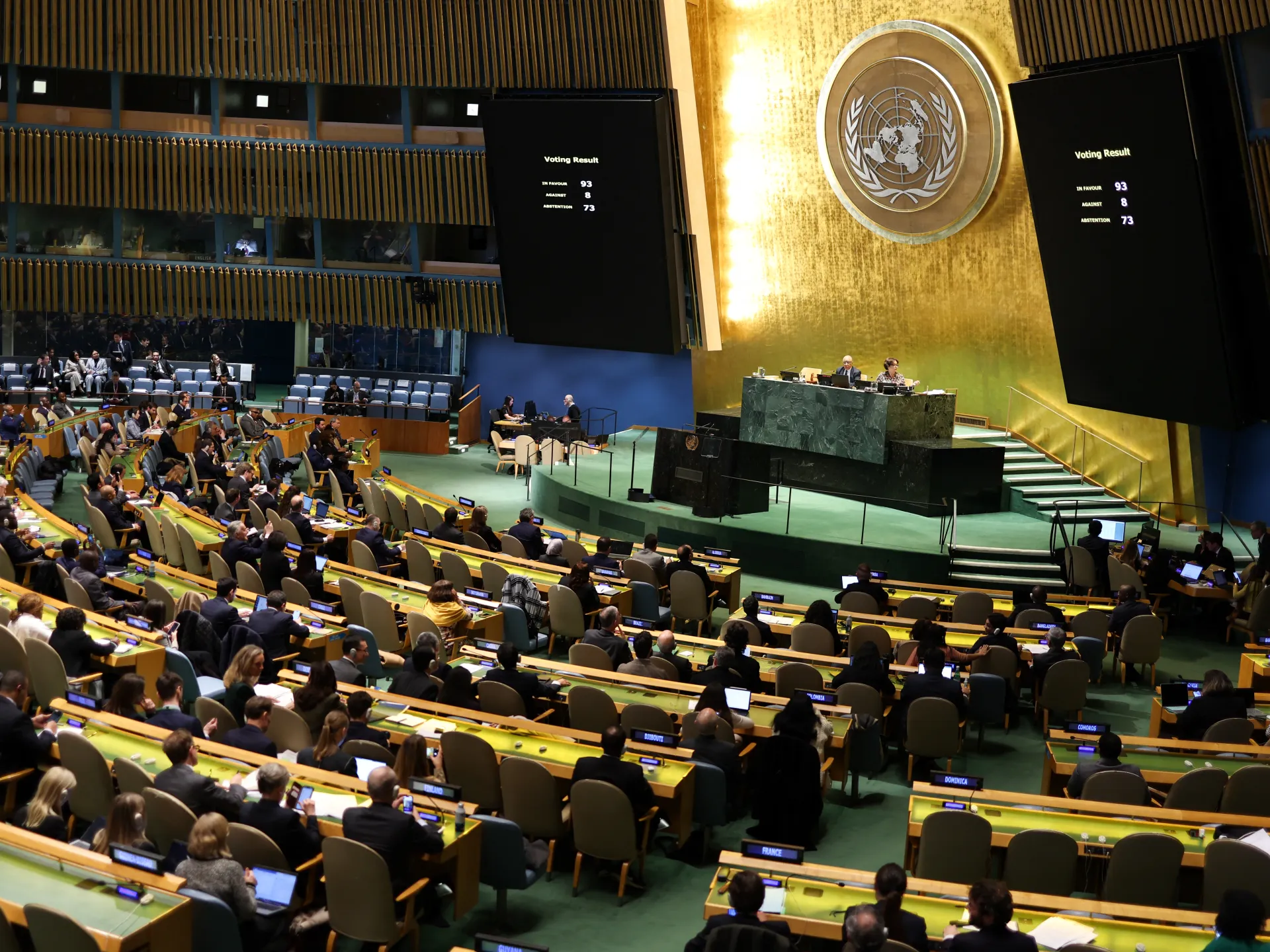
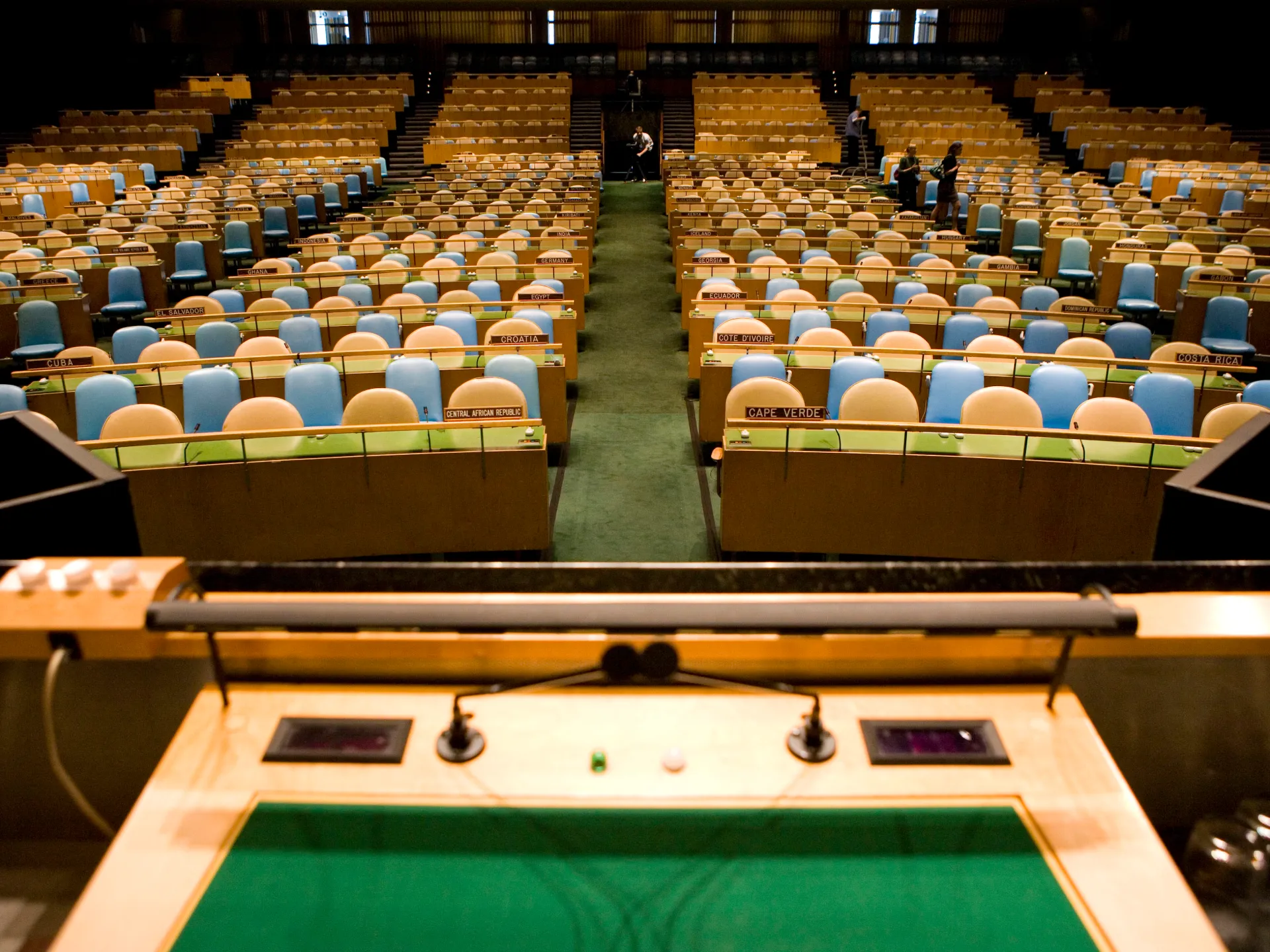
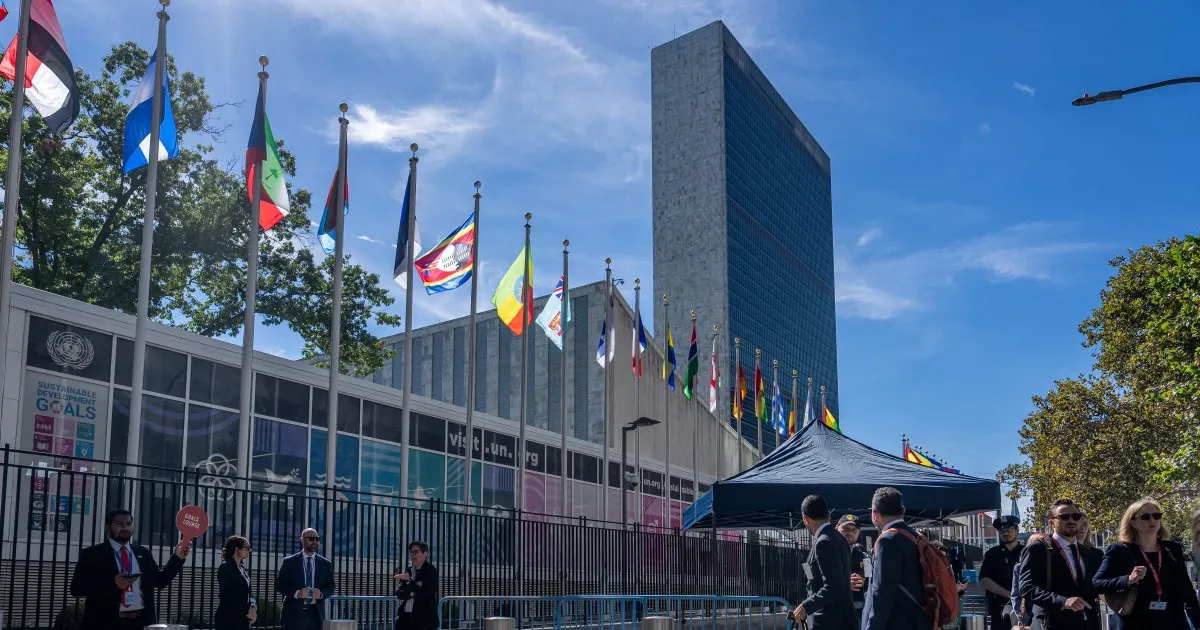
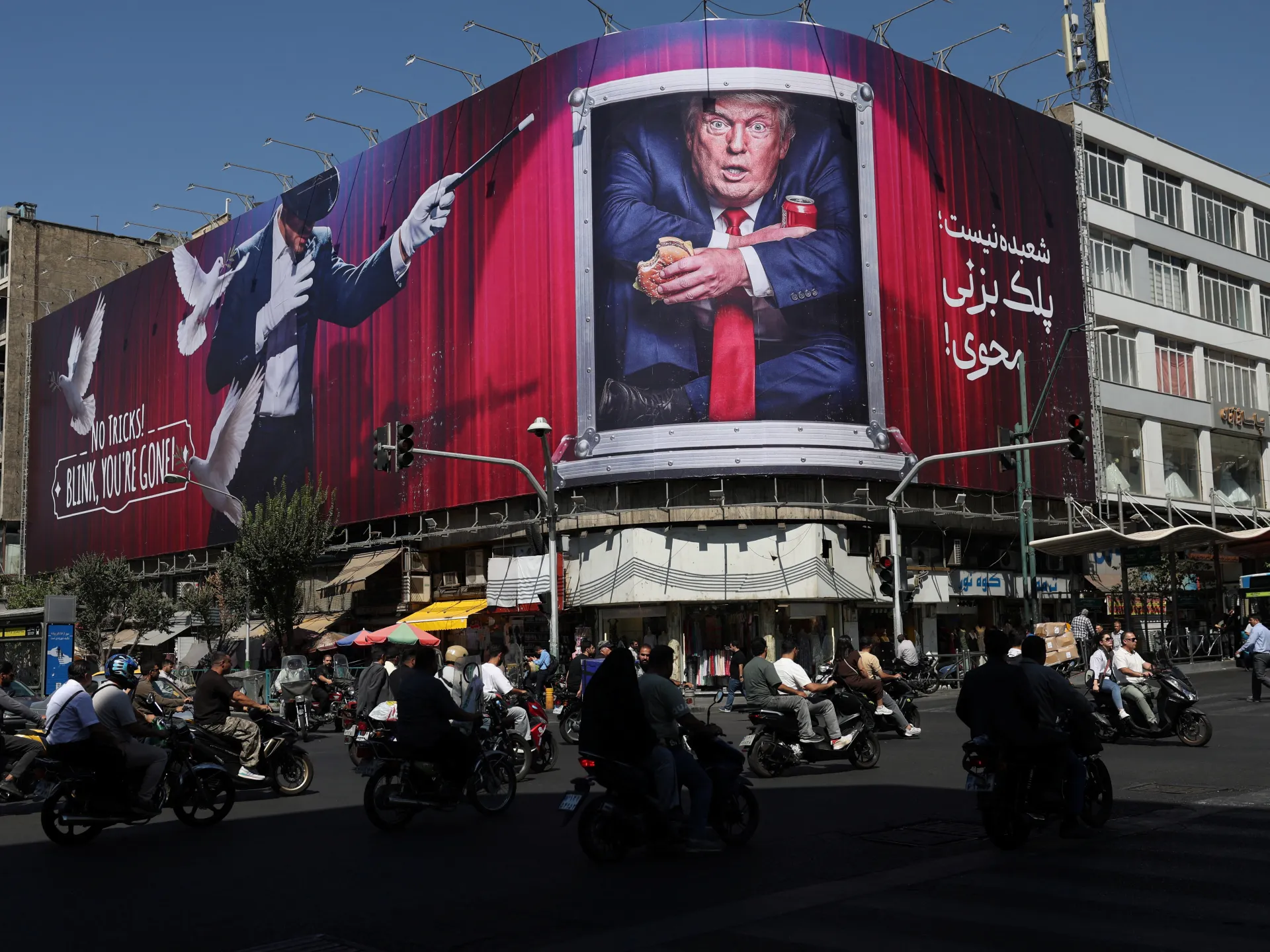
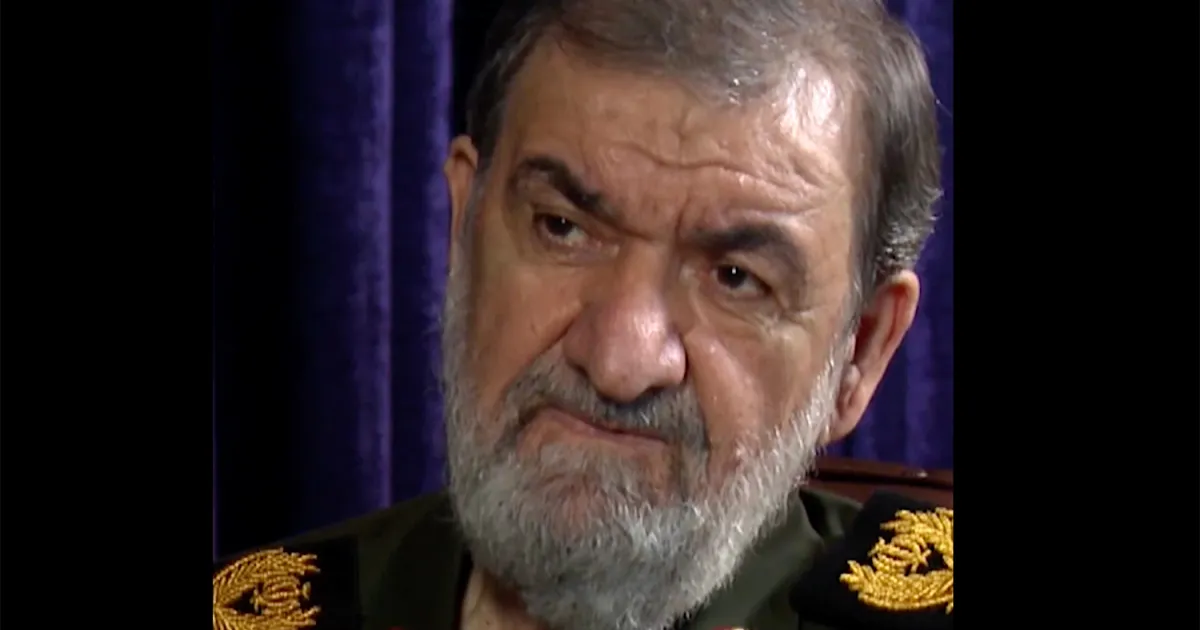
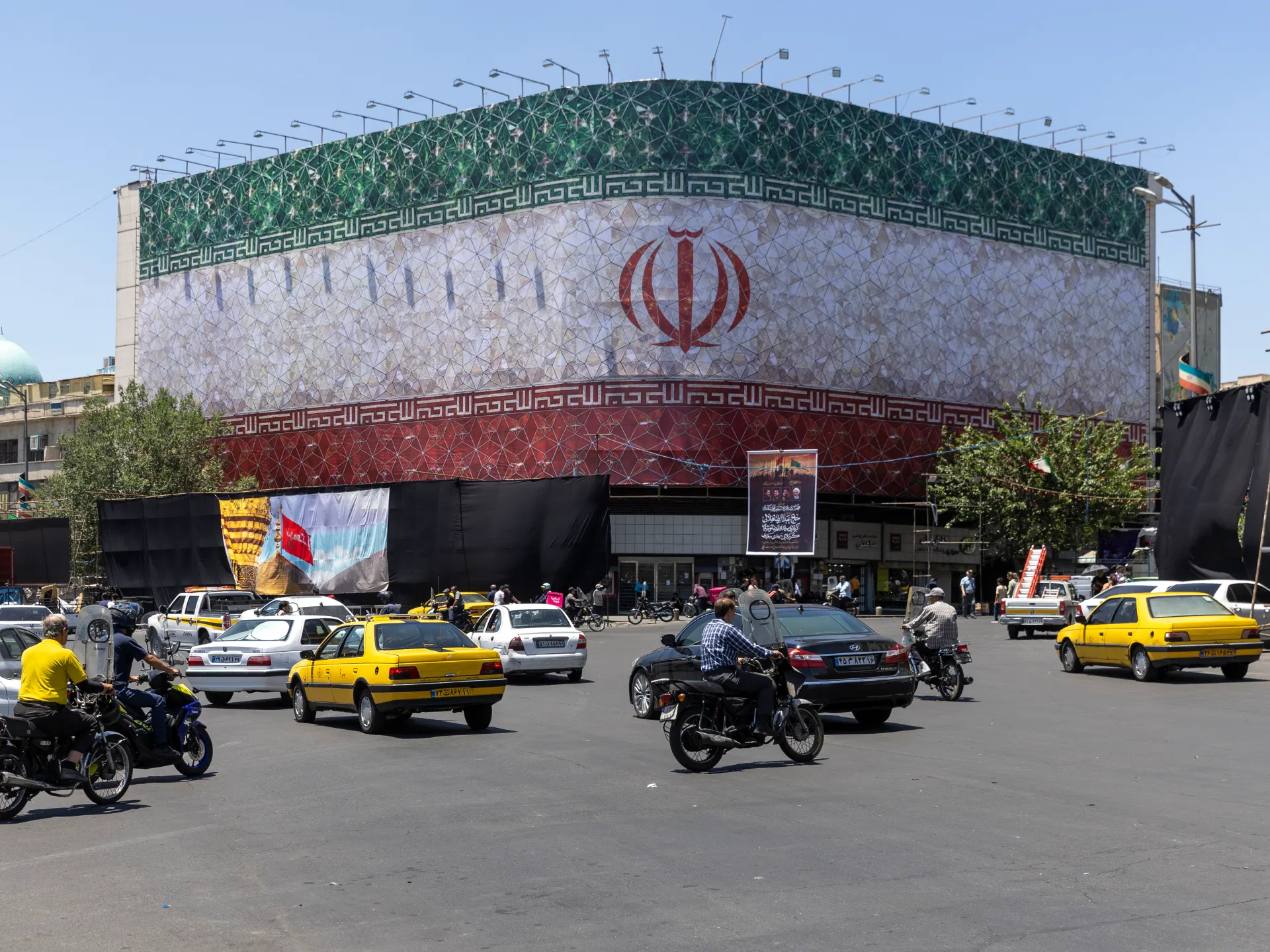
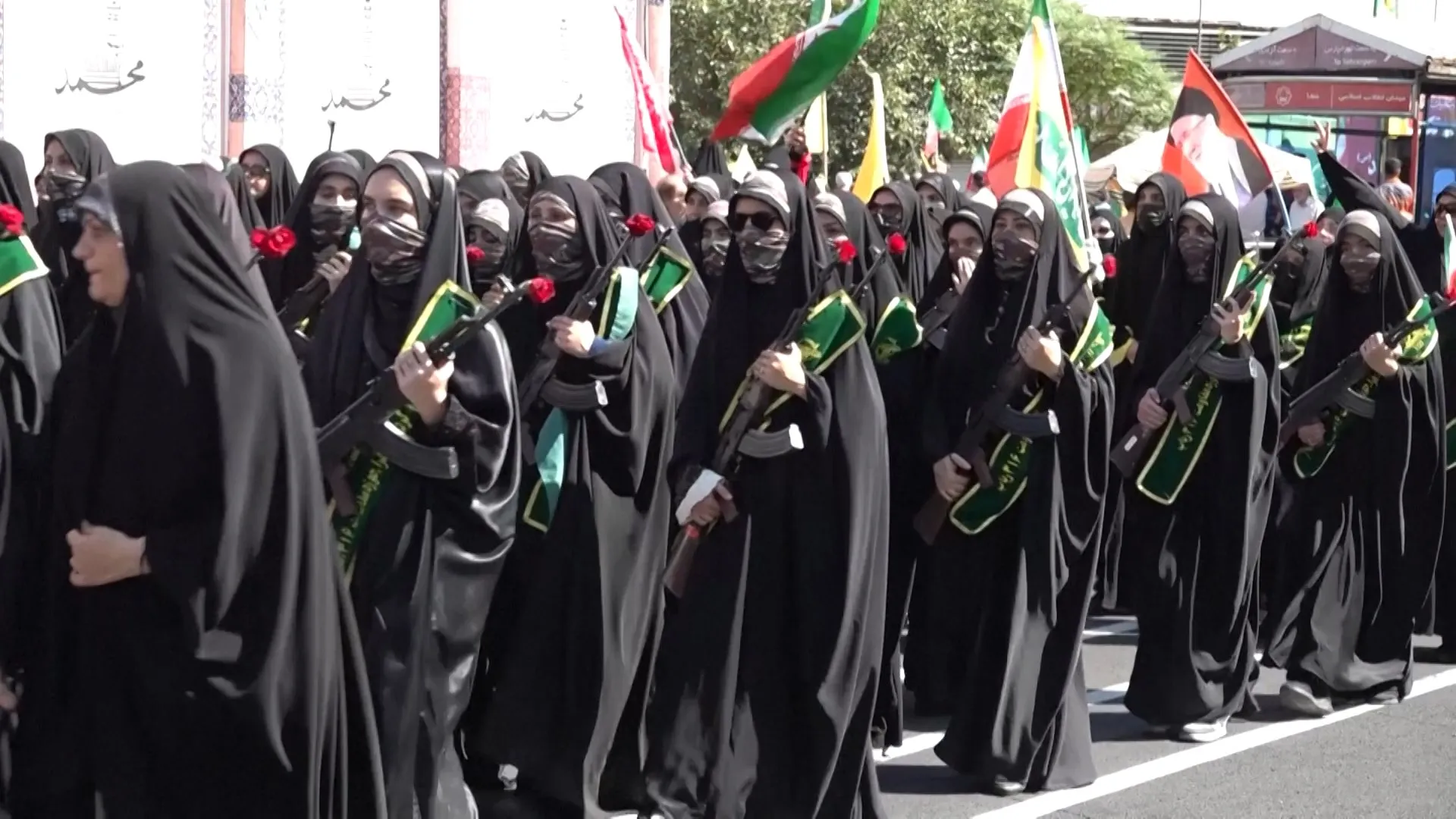
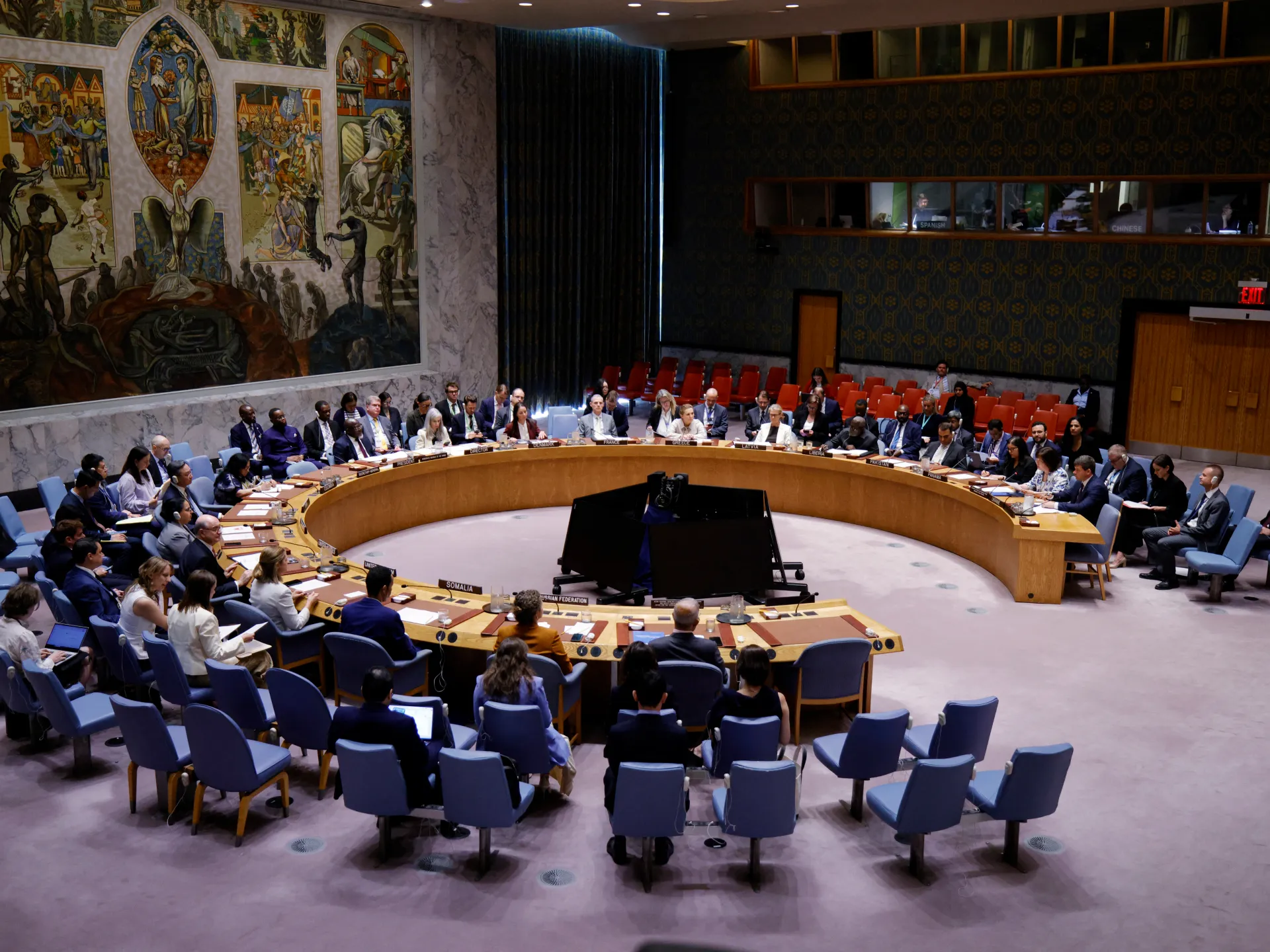
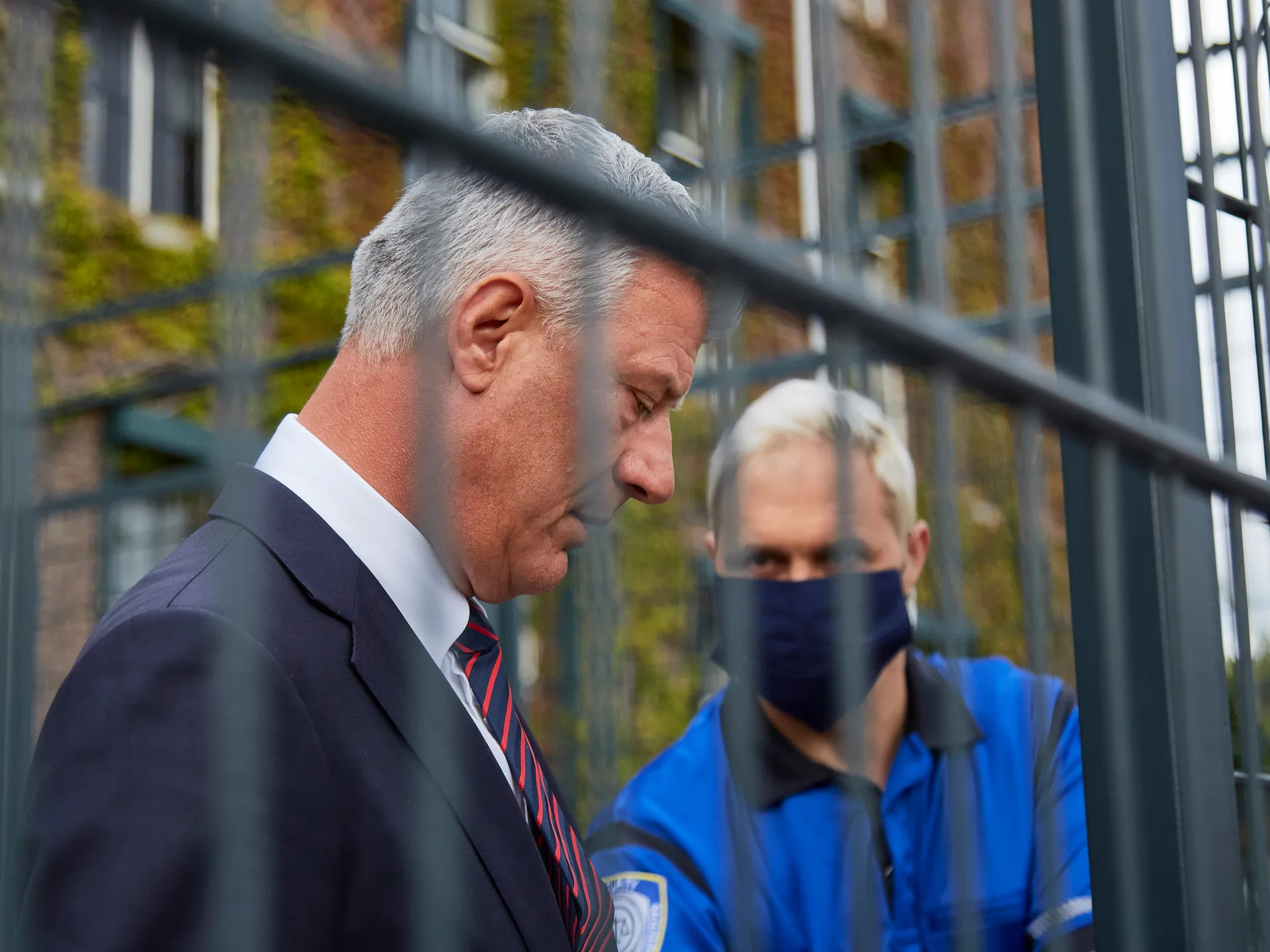
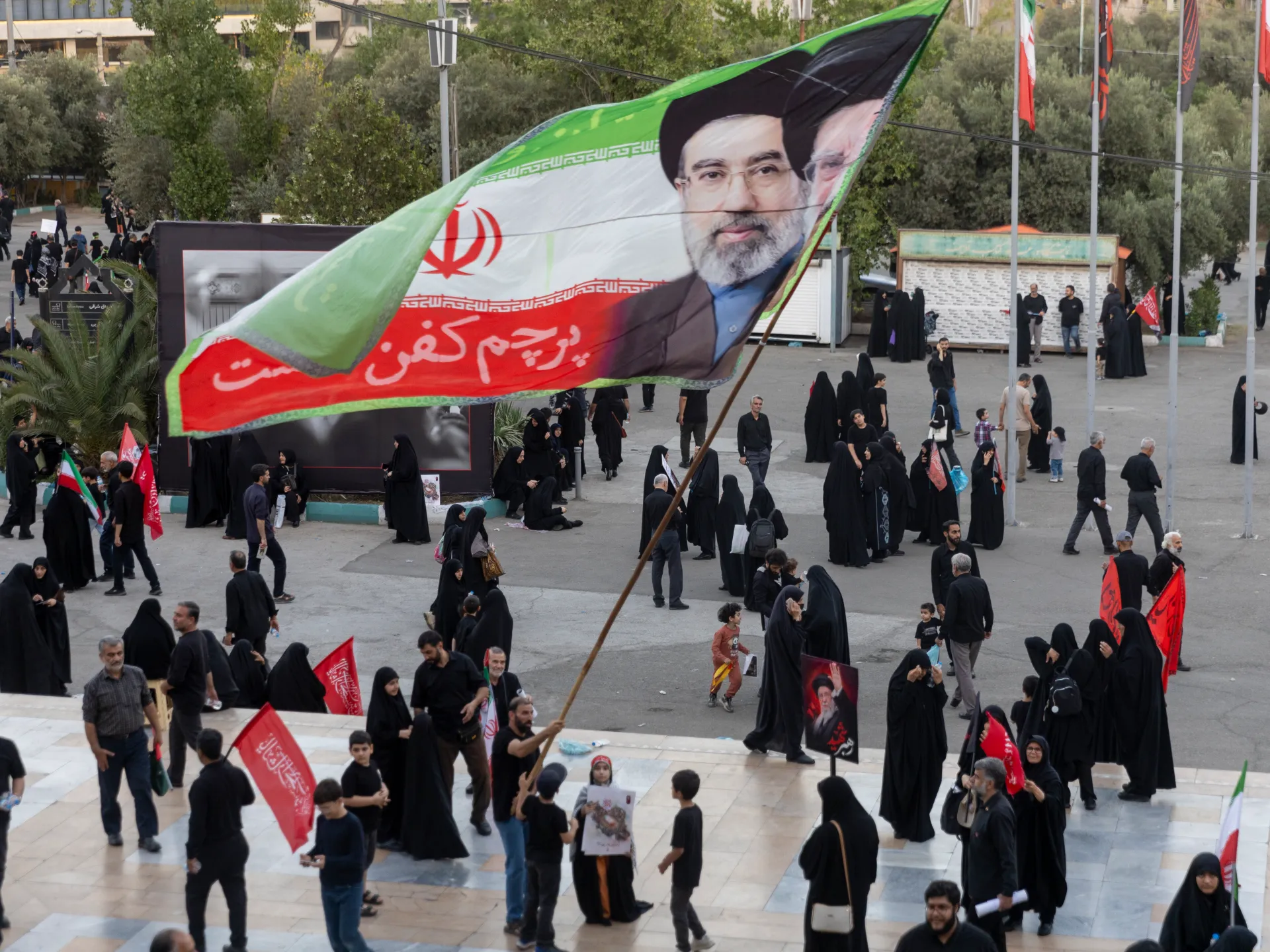
As the 81st session of the United Nations General Assembly convenes in New York, Iranian President Masoud Pezeshkian has arrived with a dual-track strategy aimed at balancing international outreach with a staunch critique of American foreign policy. Signaling a confrontational approach to the diplomatic stage, Pezeshkian publicly declared his intent to prioritize the narrative of United States “oppression” during his high-level engagements.
This diplomatic mission arrives at a volatile time for global security, as the Iranian administration seeks to project an image of constructive engagement while simultaneously emphasizing the grievances Tehran holds against Washington. The rhetoric suggests that despite potential overtures toward broader international cooperation, the core tension between the Islamic Republic and the United States remains the central focus of Iranian foreign policy rhetoric on the global stage.
The significance of Pezeshkian’s posture lies in the inherent contradiction between his stated goal to “restore trust in the world” and his commitment to framing US policy as inherently oppressive. air these specific grievances, Tehran is effectively testing the limits of its diplomatic isolation. The stakes go beyond mere rhetoric; they involve the perception of Iran’s legitimacy among neutral UN member states. If Pezeshkian succeeds in weaving these narratives together, he may solidify a base of support among nations wary of US hegemony. Conversely, a failure to reconcile the hostile language with the desire for global trust could see Iran further marginalized, potentially signaling to Western allies that the new leadership in Tehran is not shifting from the hardline stances of its predecessors.
Pezeshkian’s arrival in New York marks a critical juncture for his administration, which is attempting to navigate a complex array of economic sanctions and geopolitical pressures. ly hall, the president is signaling to his domestic constituency that his participation in international forums does not imply a softening of ideological stances.
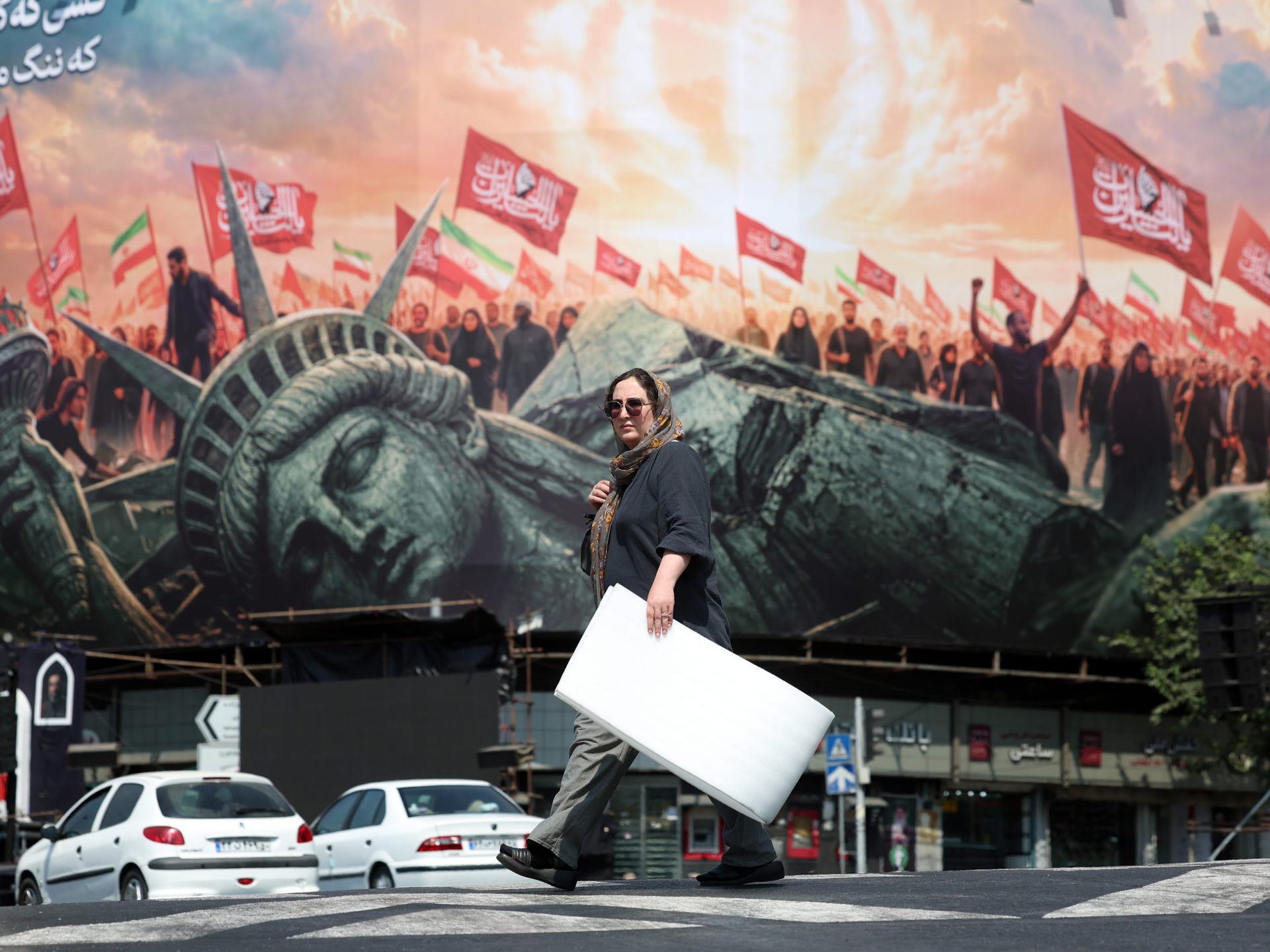
Observers of Middle Eastern diplomacy noted that the president’s messaging indicates a desire to influence global opinion external pressure rather than a contributor to regional instability, Tehran hopes to garner sympathy from the Global South. This rhetorical maneuver is designed to neutralize potential criticism of Iran’s own actions ional order.
Looking ahead, the Iranian delegation will likely focus on leveraging the UNGA side meetings to build coalitions that are resistant to US influence. The analysis suggests that while Pezeshkian may engage in the formalities of diplomacy, the core of his administration’s strategy will involve aggressive public relations efforts to paint the US as a disruptive force in international affairs. Whether this strategy will lead to tangible results, such as the easing of economic pressures or the reopening of diplomatic backchannels, remains unclear. Most analysts expect a standoff where rhetoric remains high-pitched, while actual policy negotiations remain firmly stalled behind the scenes. The success of this trip will be measured not ative throughout the duration of the assembly sessions.