This report examines the latest NASA space contracts, the return of a historic Aztec manuscript to Mexico, and the escalating humanitarian reliance on communal food production in Gaza.
As the international community navigates a complex tapestry of geopolitical and social challenges, the intersection of technological advancement, cultural diplomacy, and basic human survival highlights the starkly different realities defining the modern era. While space agencies secure the next generation of orbital infrastructure, fragile populations in conflict zones are forced to rely on pre-industrial survival methods. Meanwhile, a renewed focus on historical restitution serves as a reminder that nations are increasingly prioritizing the reclamation of national identity alongside their pursuit of future-leaning economic and scientific objectives.
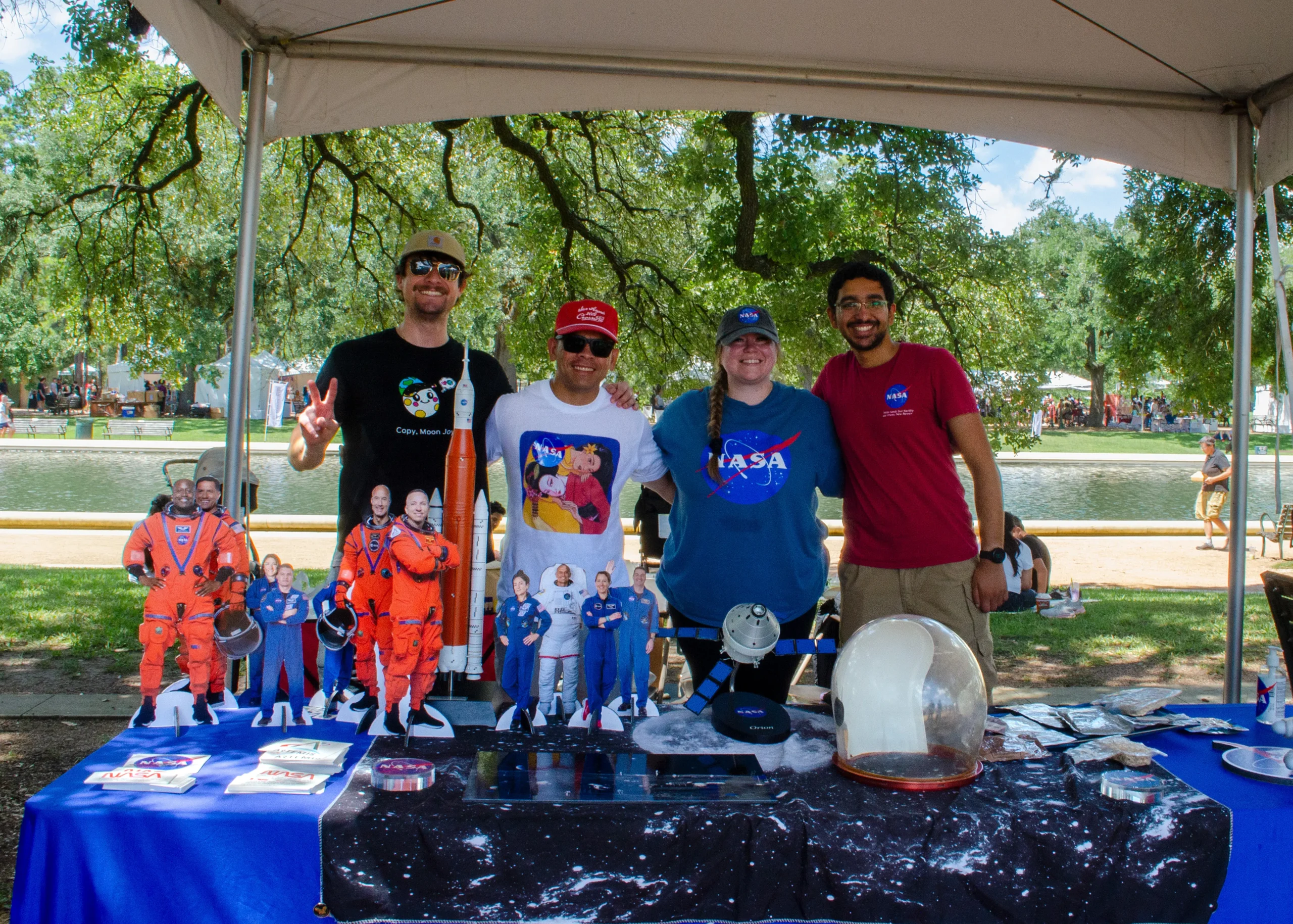
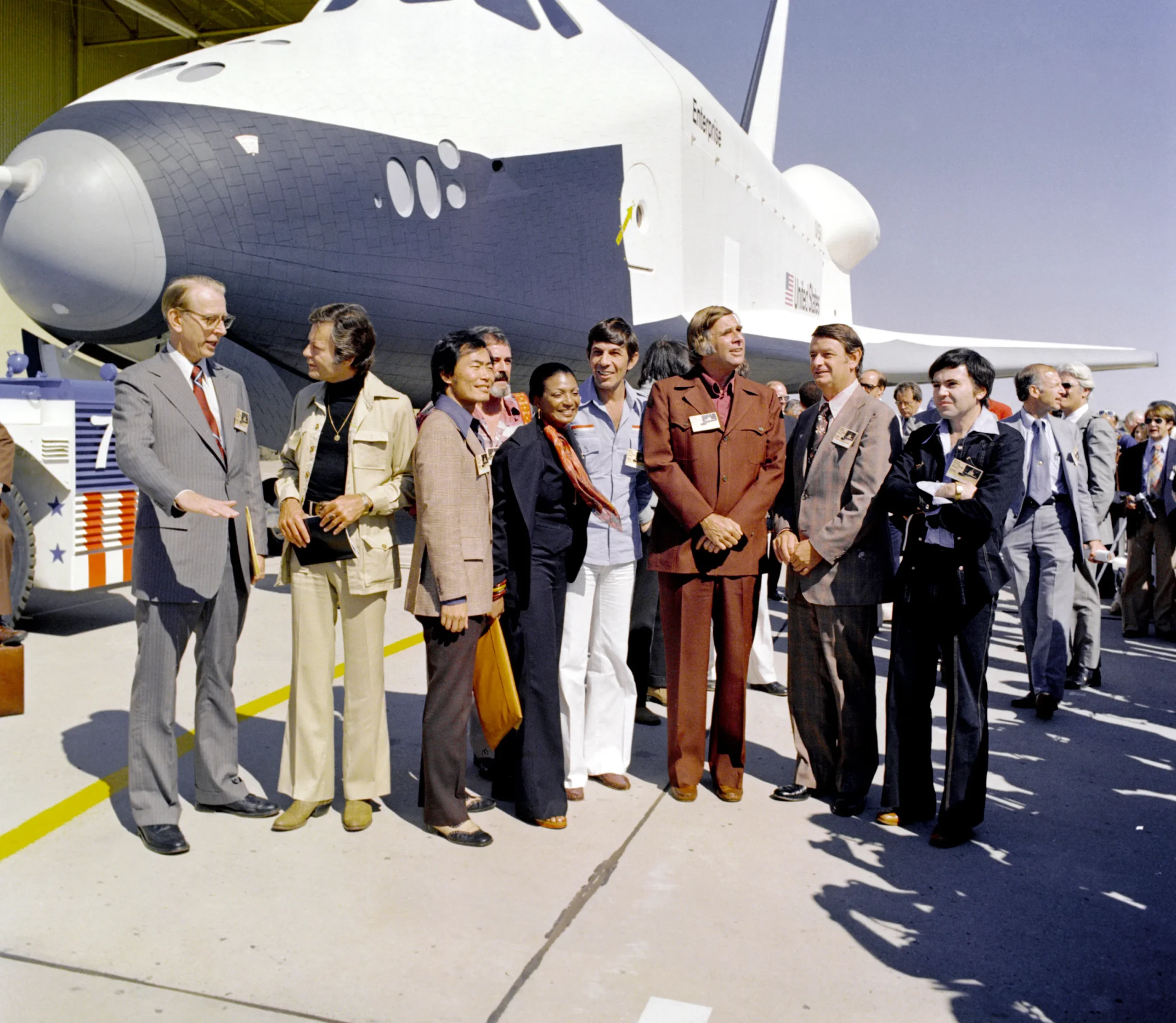
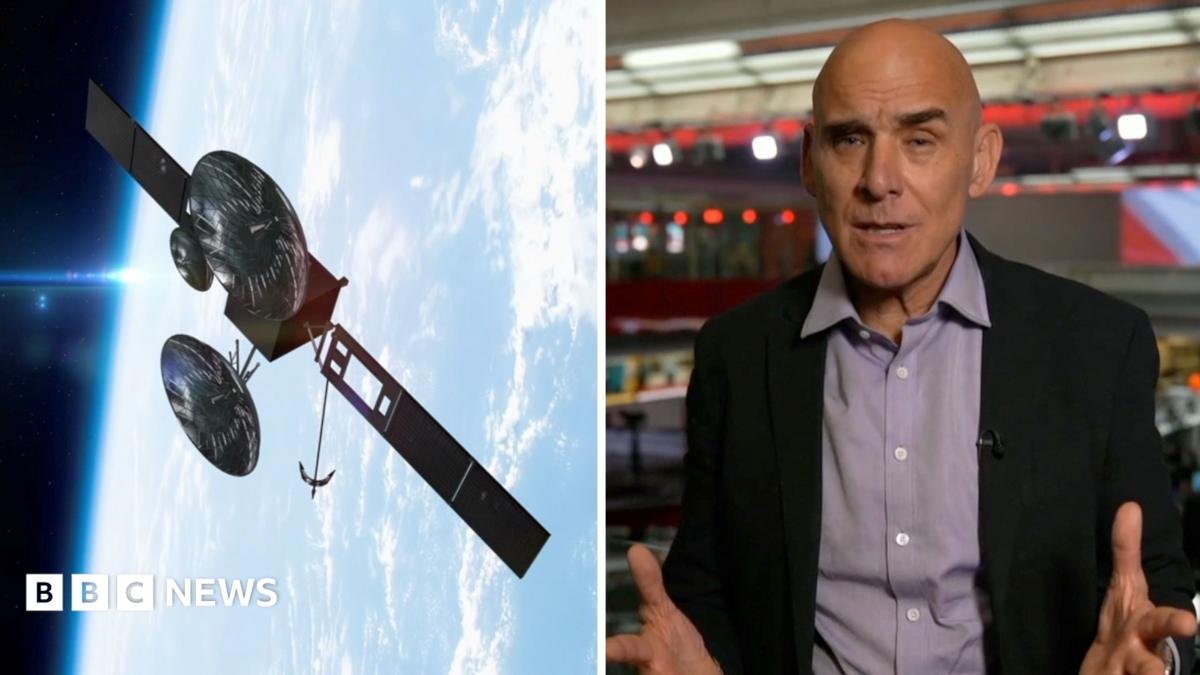
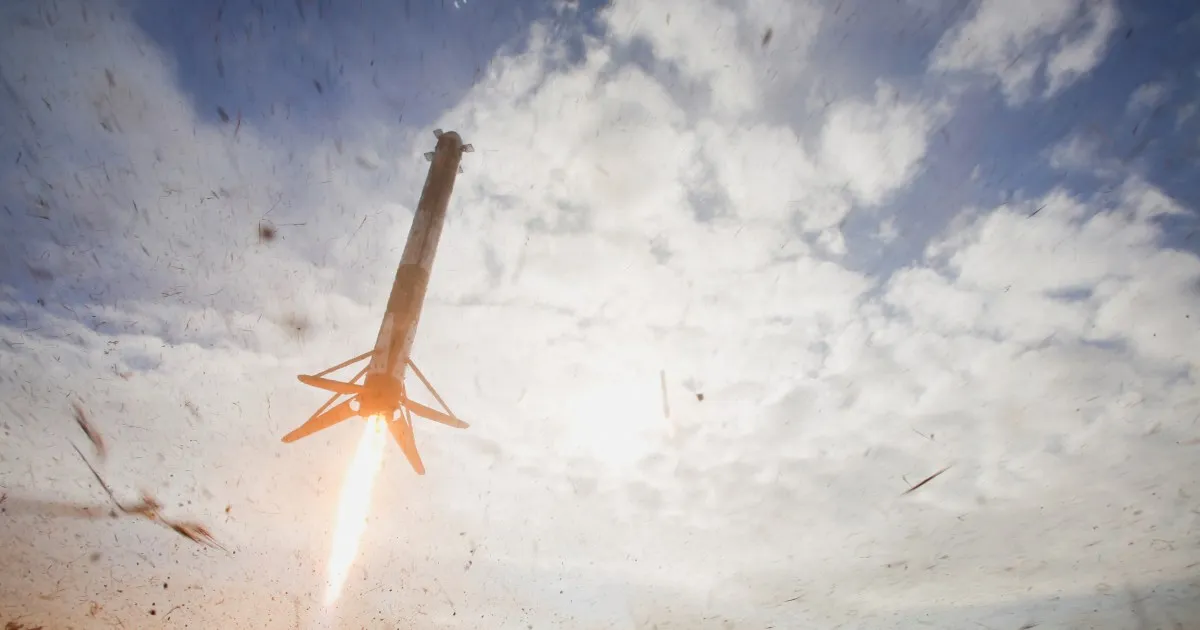
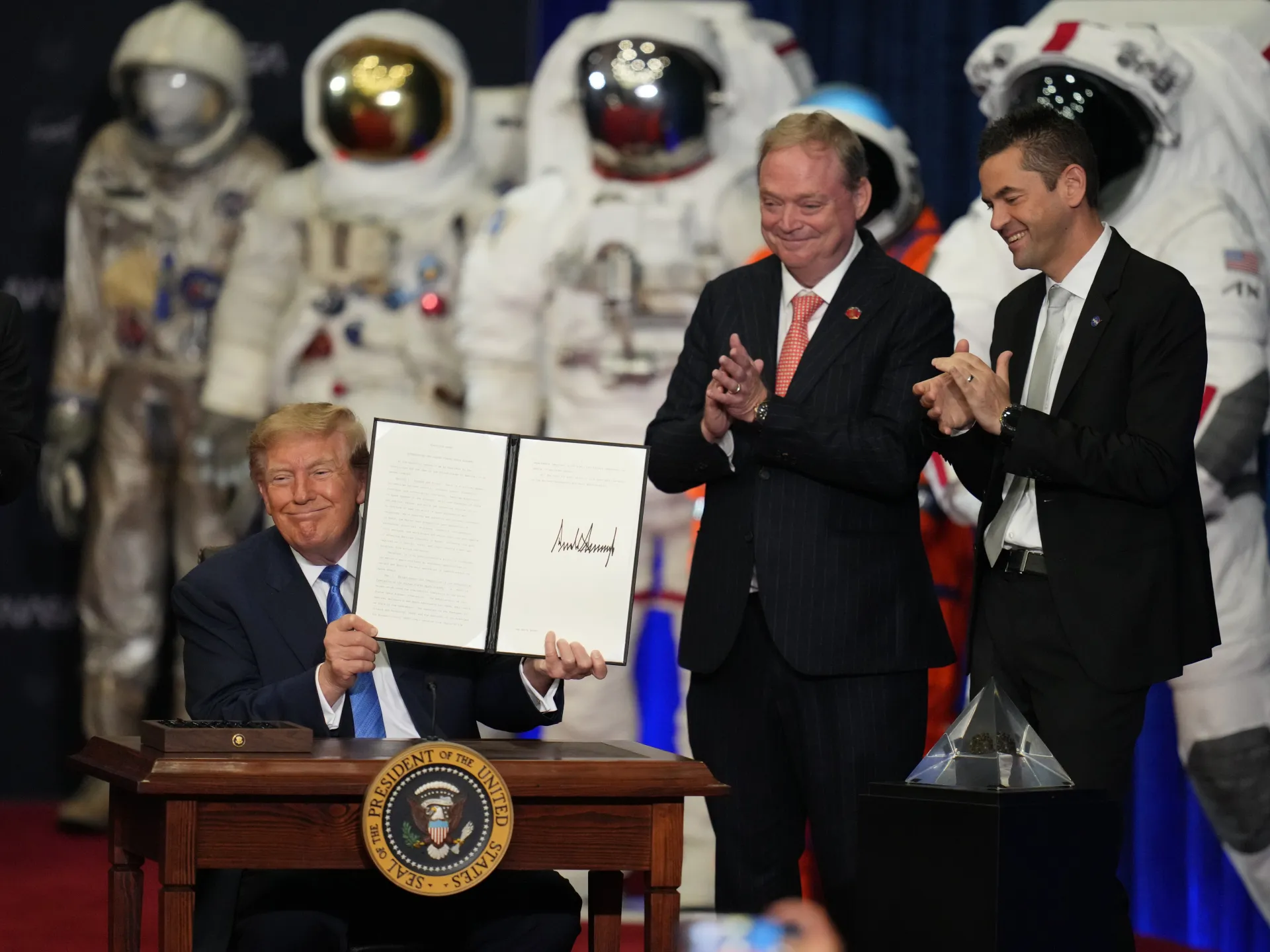
NASA has solidified its commitment to long-term orbital presence crewed missions to the International Space Station (ISS). This latest agreement, part of the Commercial Crew Transportation Capability (CCtCap) contract, covers missions designated as Crew-15, Crew-16, and Crew-17. These flights are scheduled for readiness between 2027 and 2028, extending the agency’s performance period through 2030.
The deal brings the total number of SpaceX missions under this program to 17, with the total contract value reaching approximately $5.92 billion. Beyond mere transportation, the contract ensures the continued availability of lifeboat capabilities and cargo logistics for astronauts stationed in low-Earth orbit. This development underscores NASA’s reliance on private-sector partners to maintain continuous human occupancy of the ISS, a strategy the agency has pursued since the inception of its public-private partnership model in 2014.
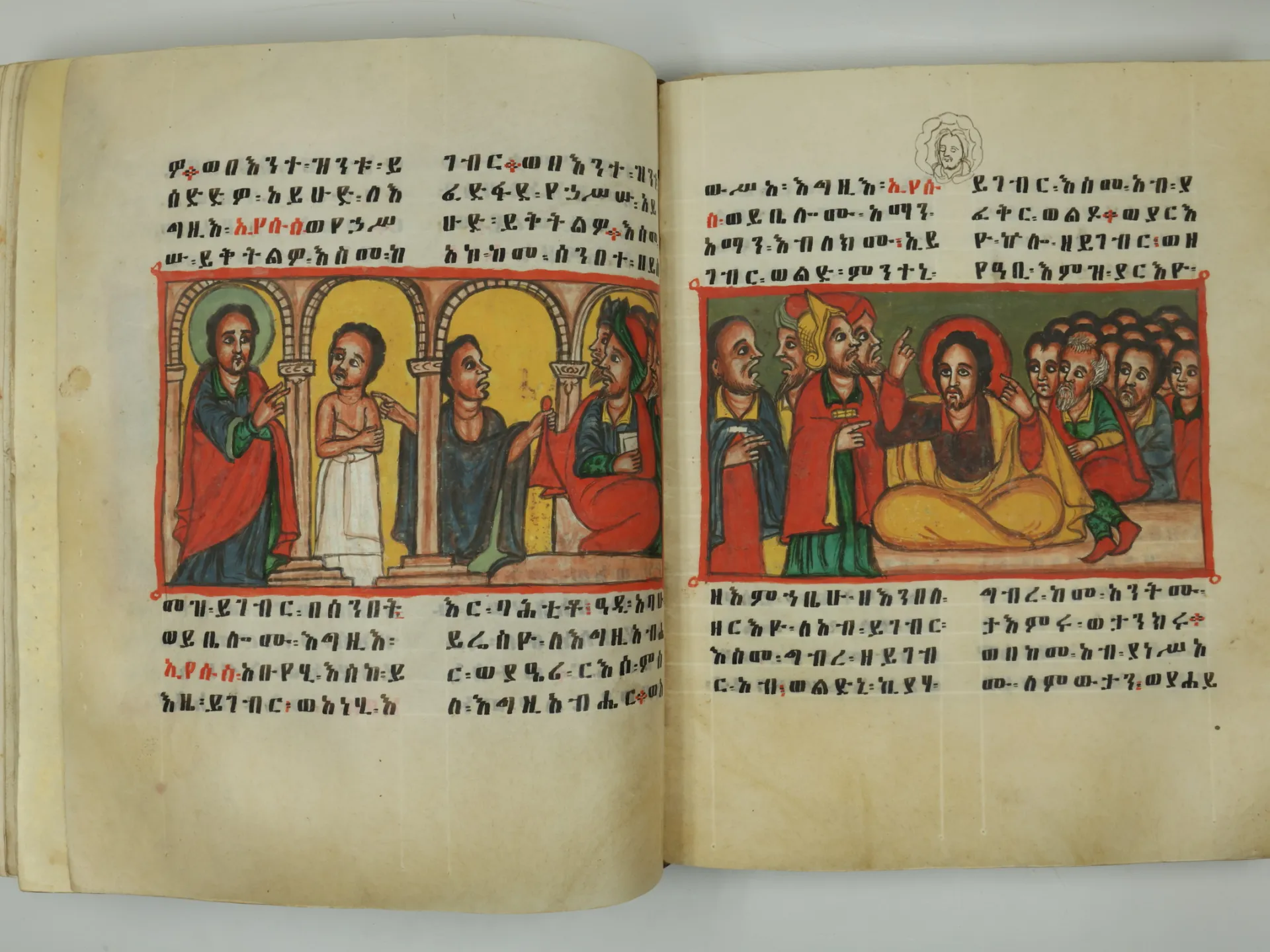
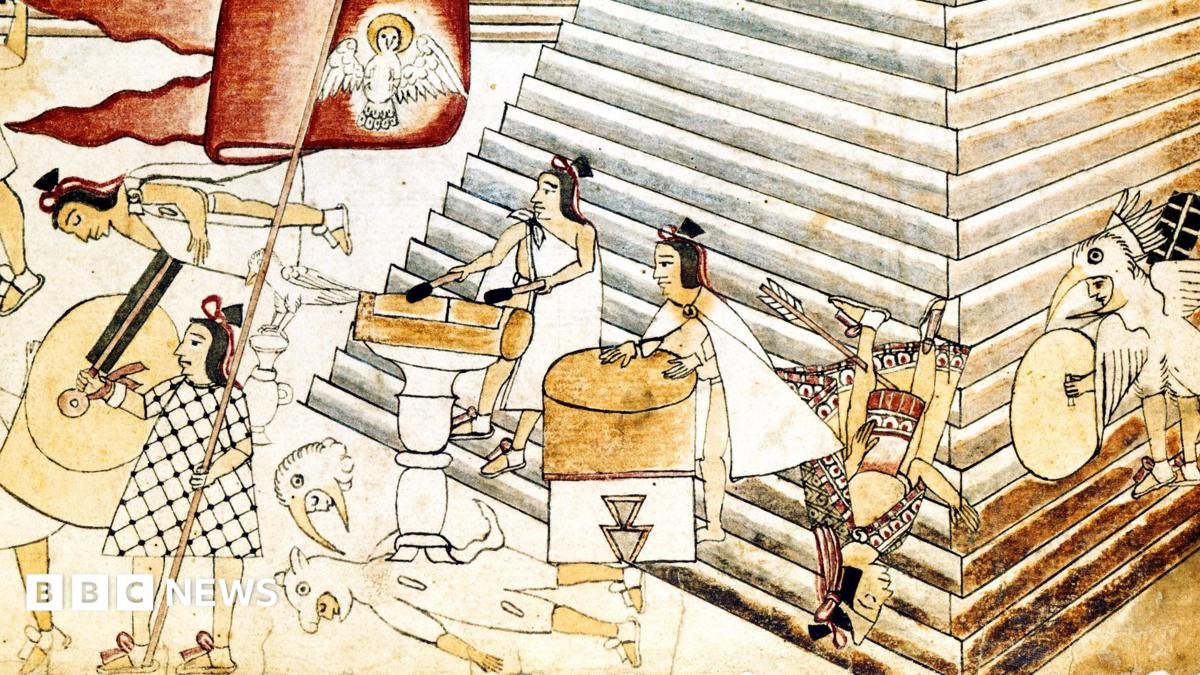
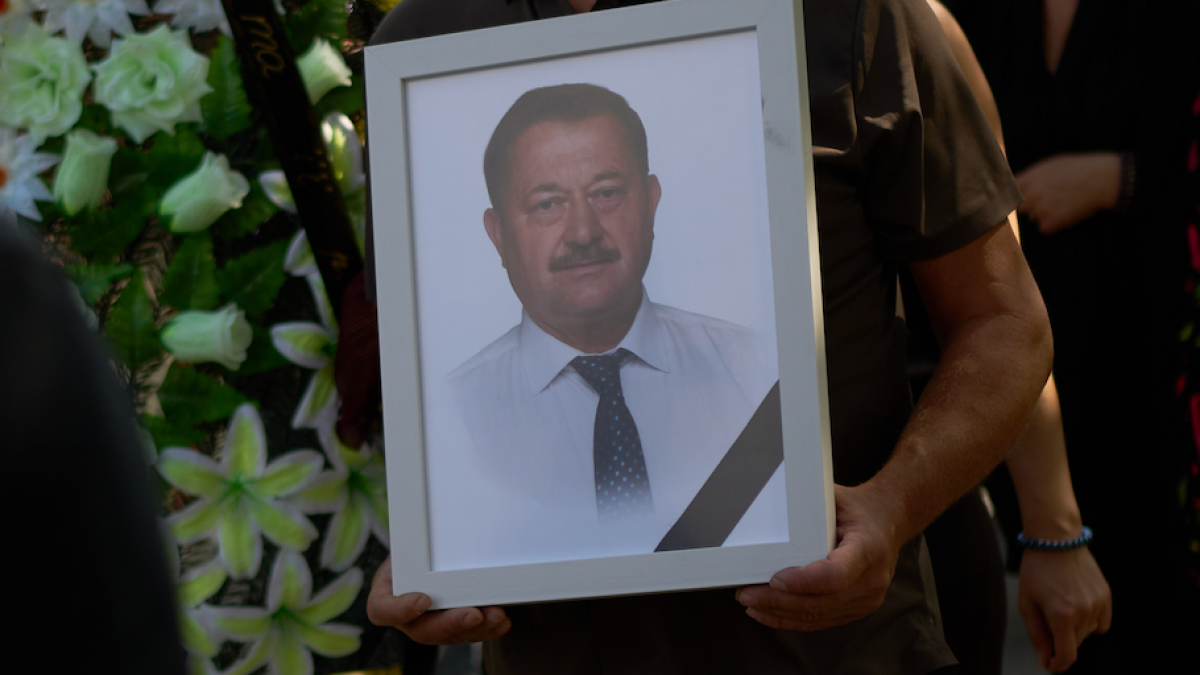
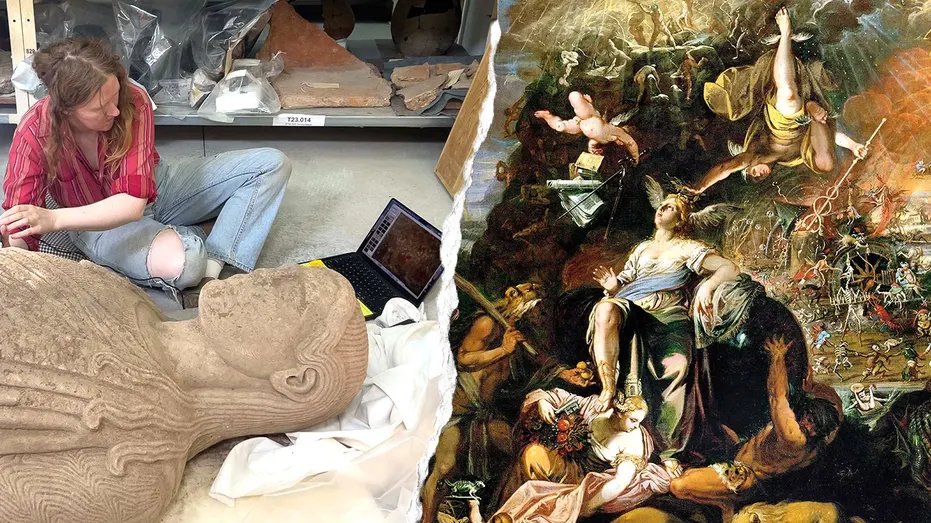
In a separate development highlighting the significance of national heritage, the Codex Azcatitlán has returned to Mexico for public exhibition after an absence of 186 years. The 16th-century manuscript, which chronicles the fall of the Aztec civilization following the arrival of Spanish conquistadors, was held f Anthropology marks a significant milestone in Mexico's ongoing efforts to repatriate historical artifacts, following the successful recovery of over 2,000 such items in the previous year alone.
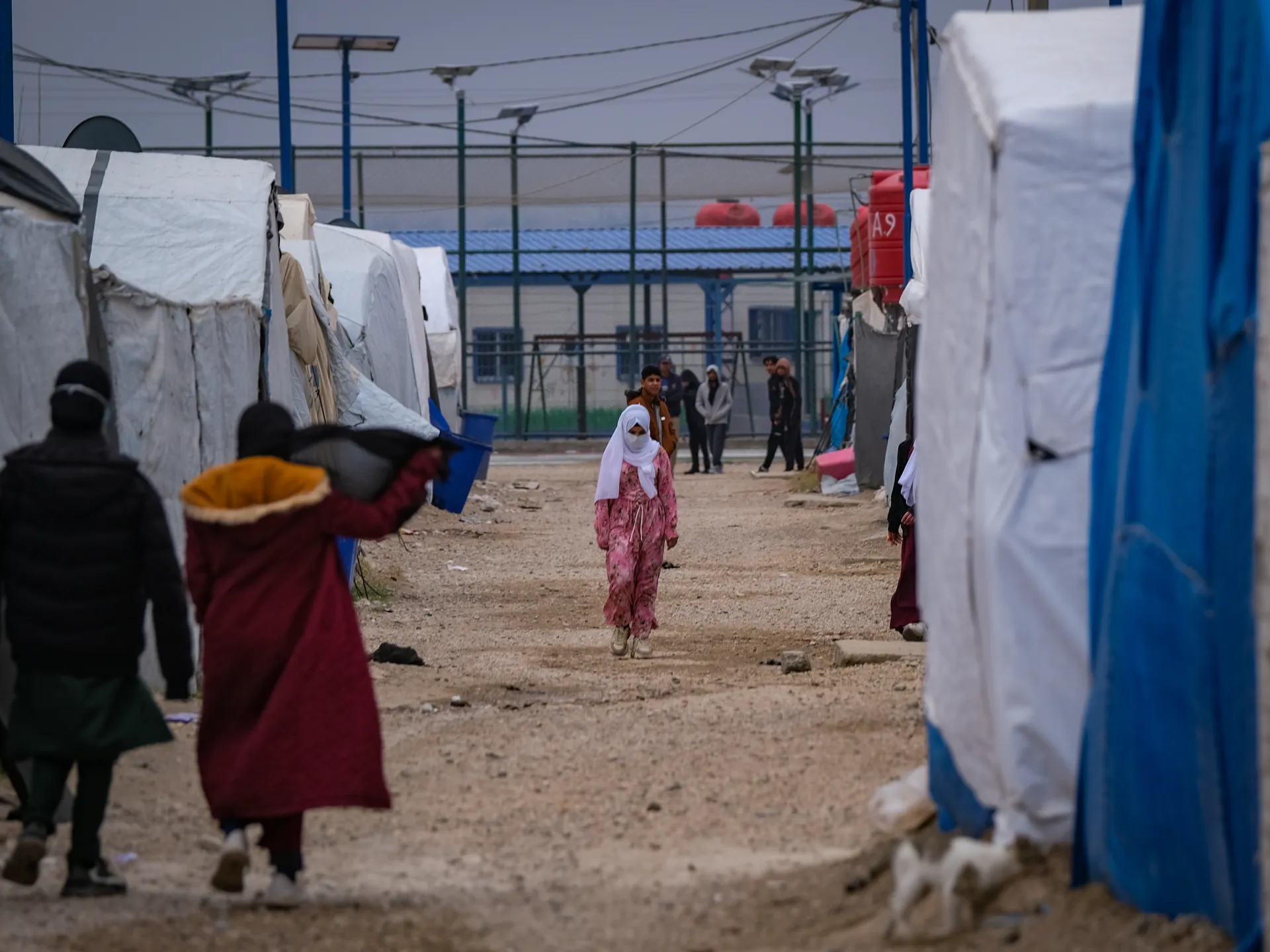
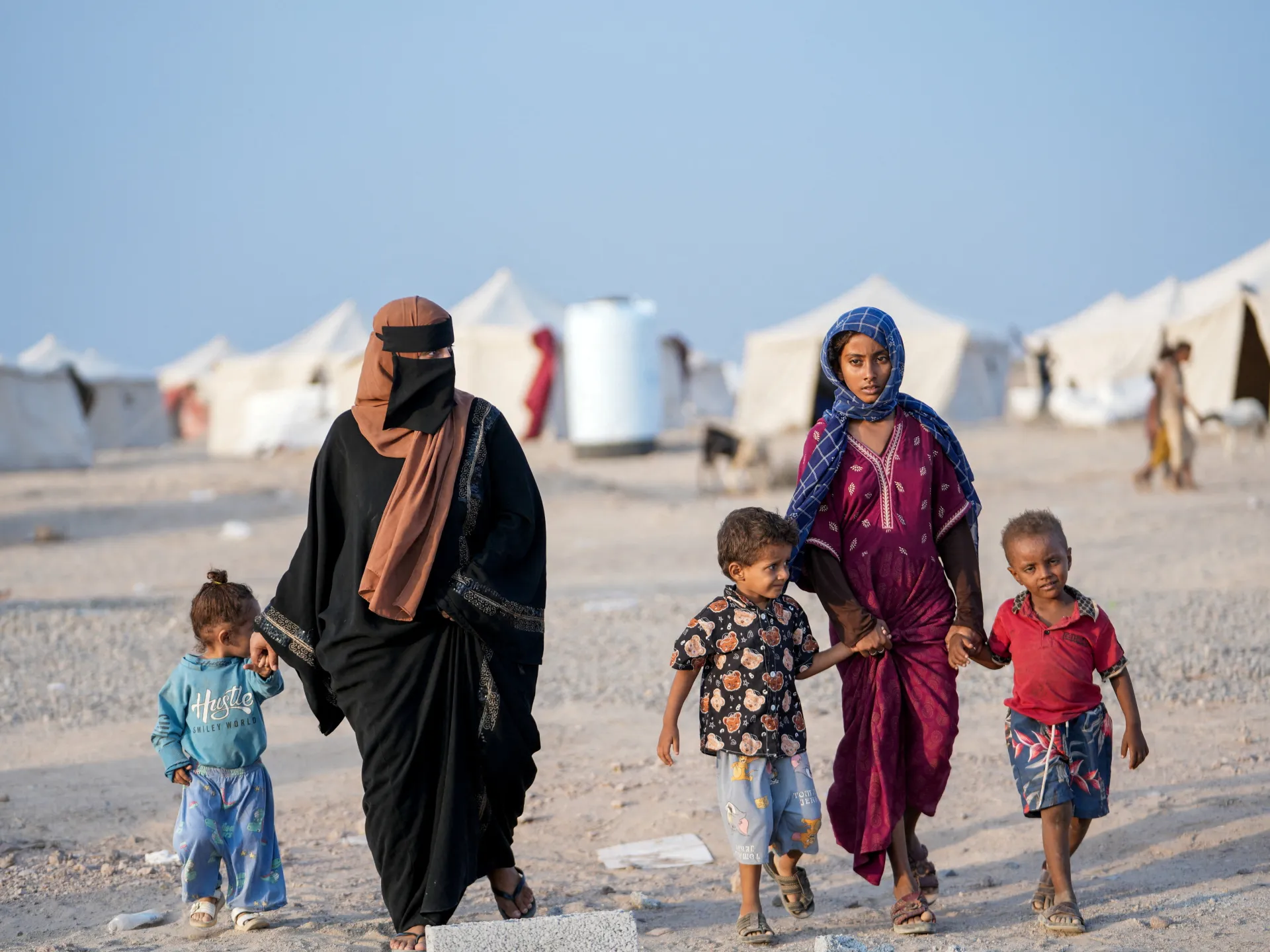
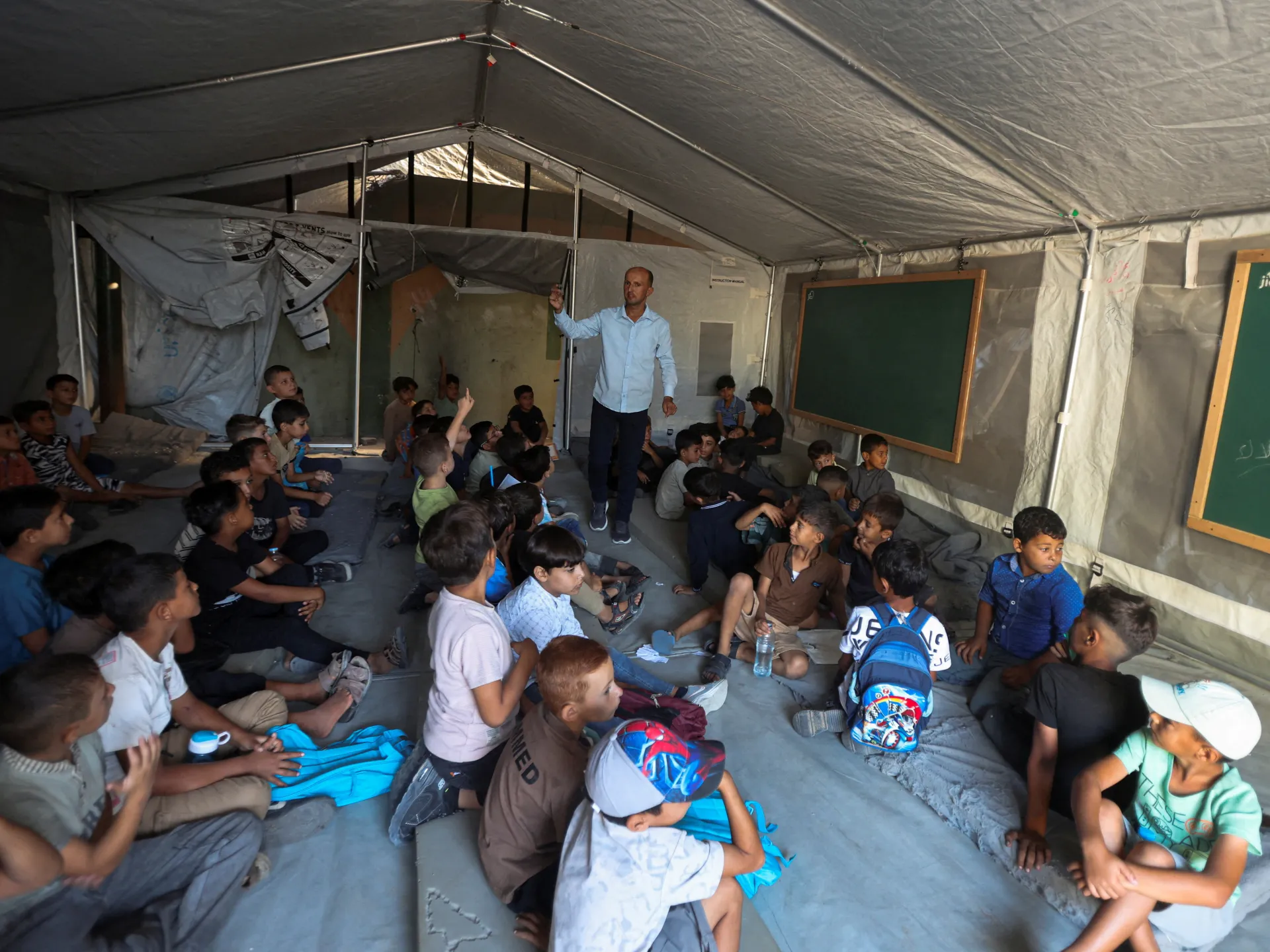
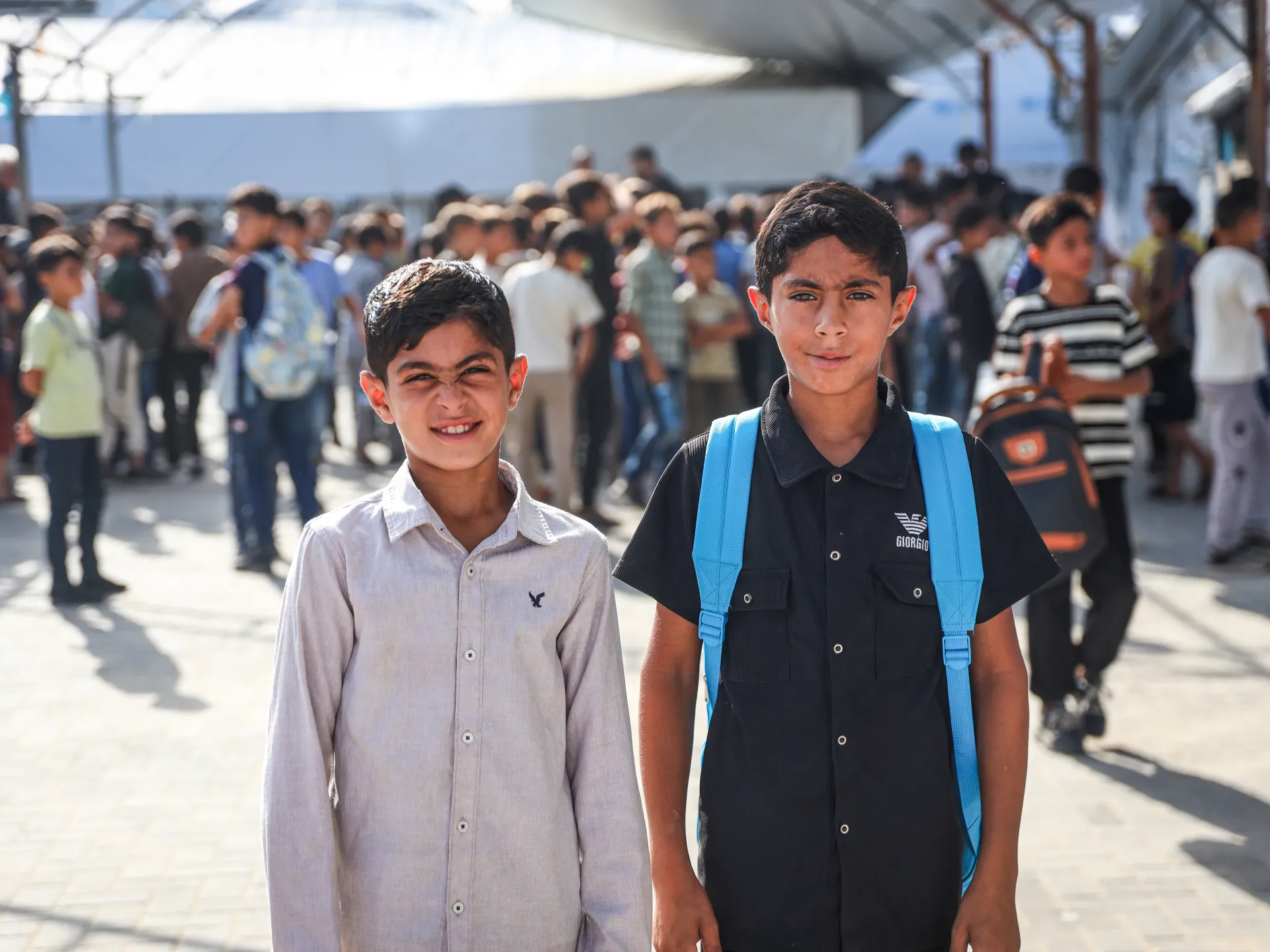
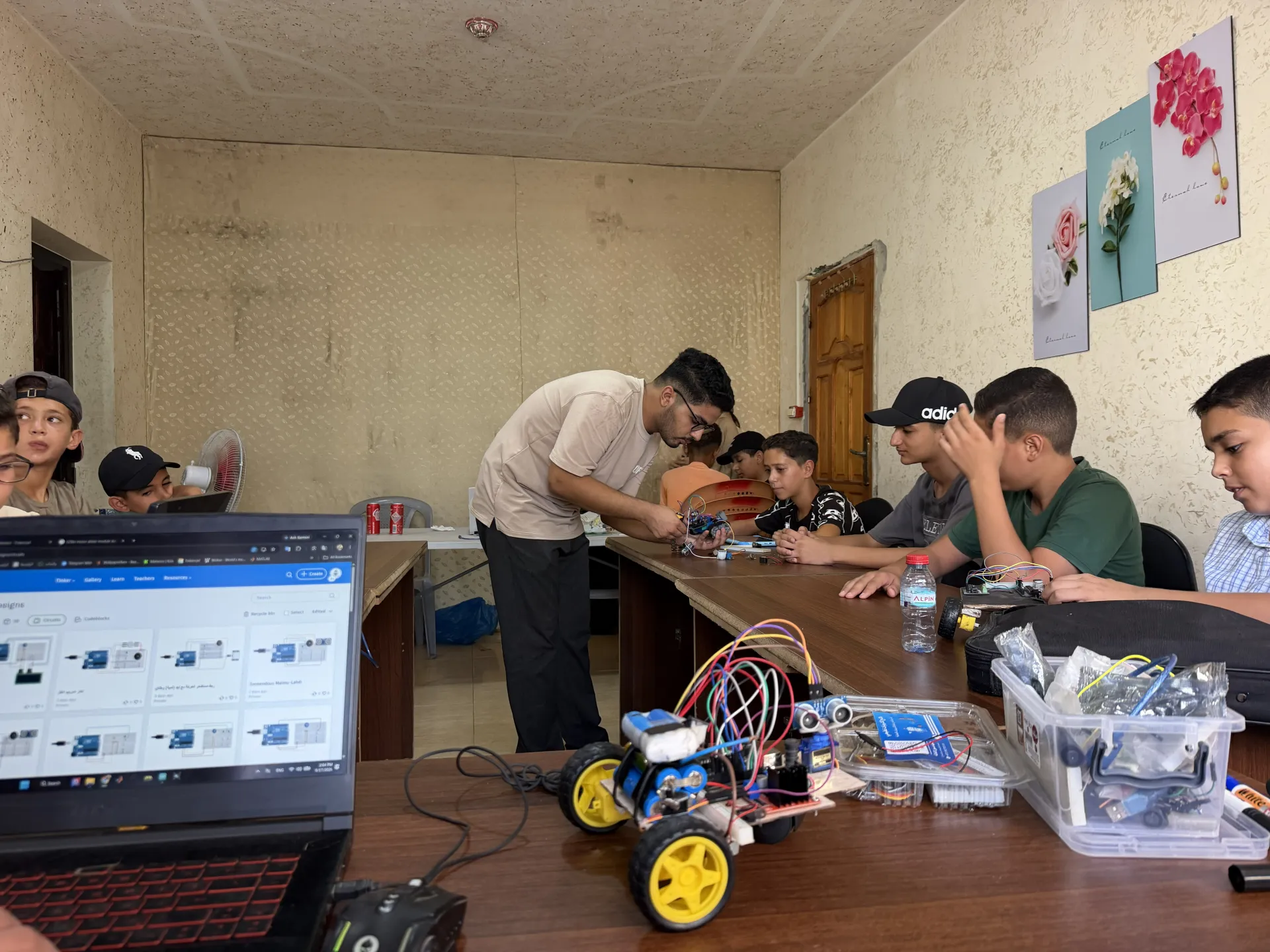
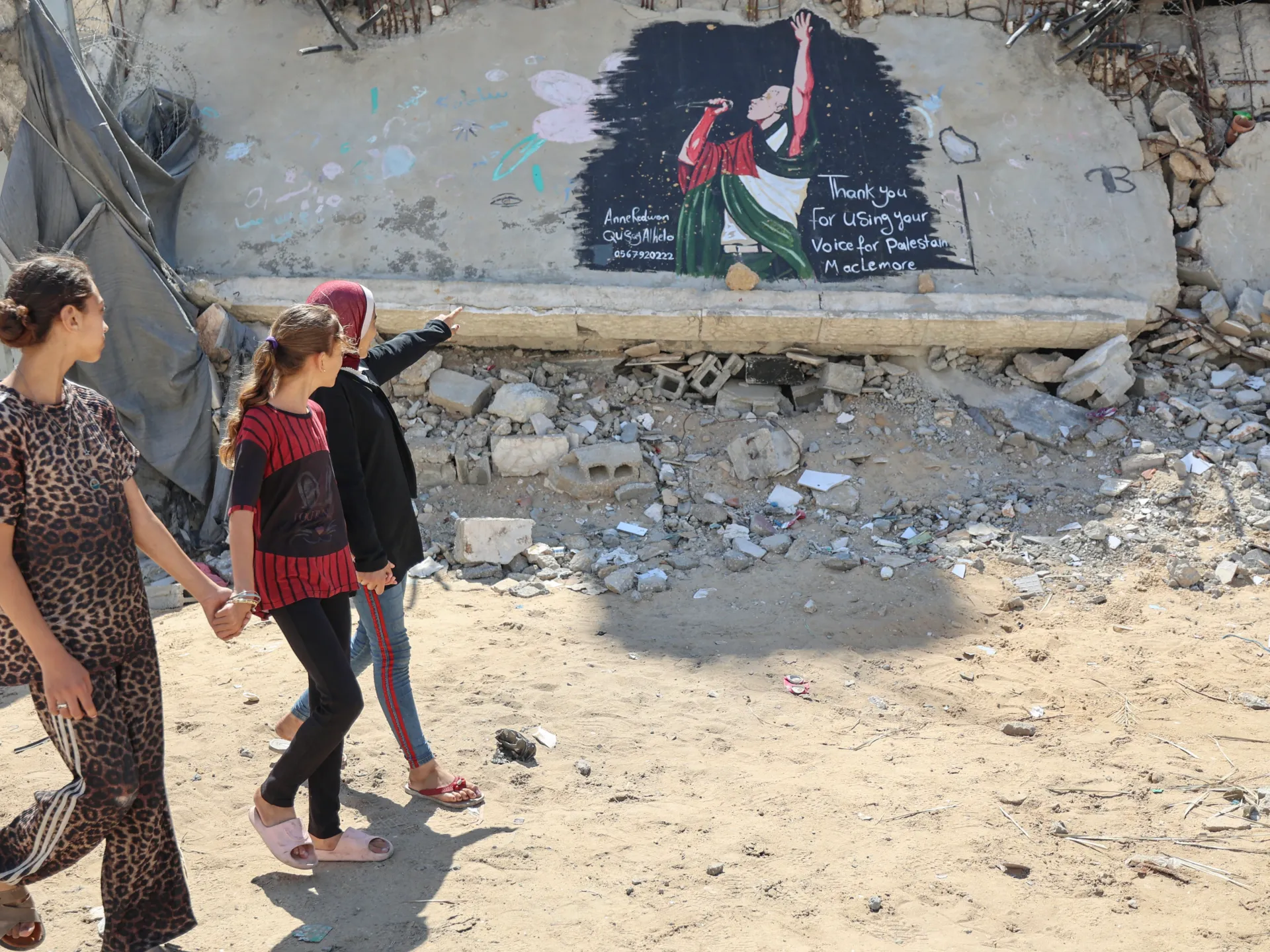
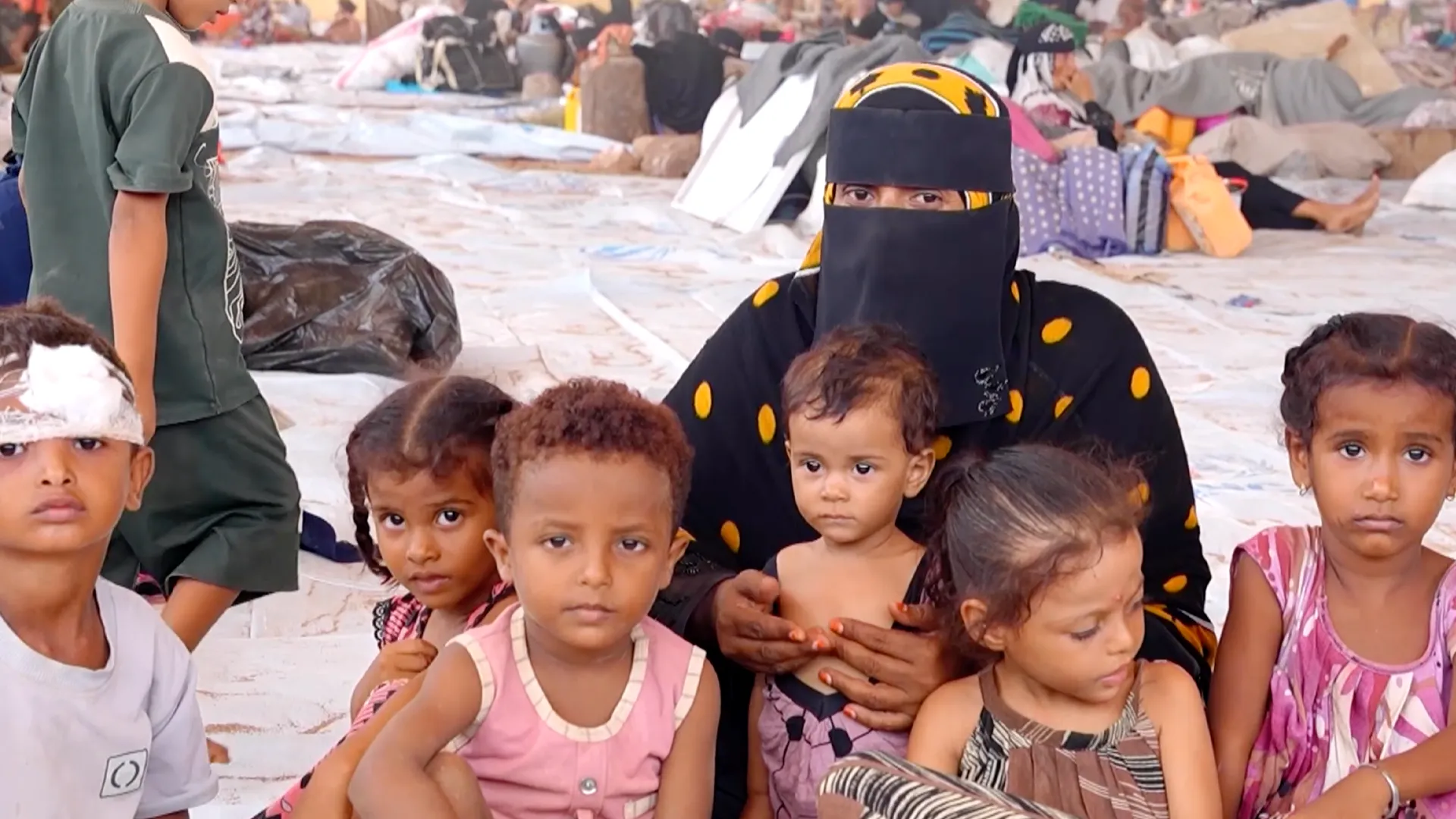
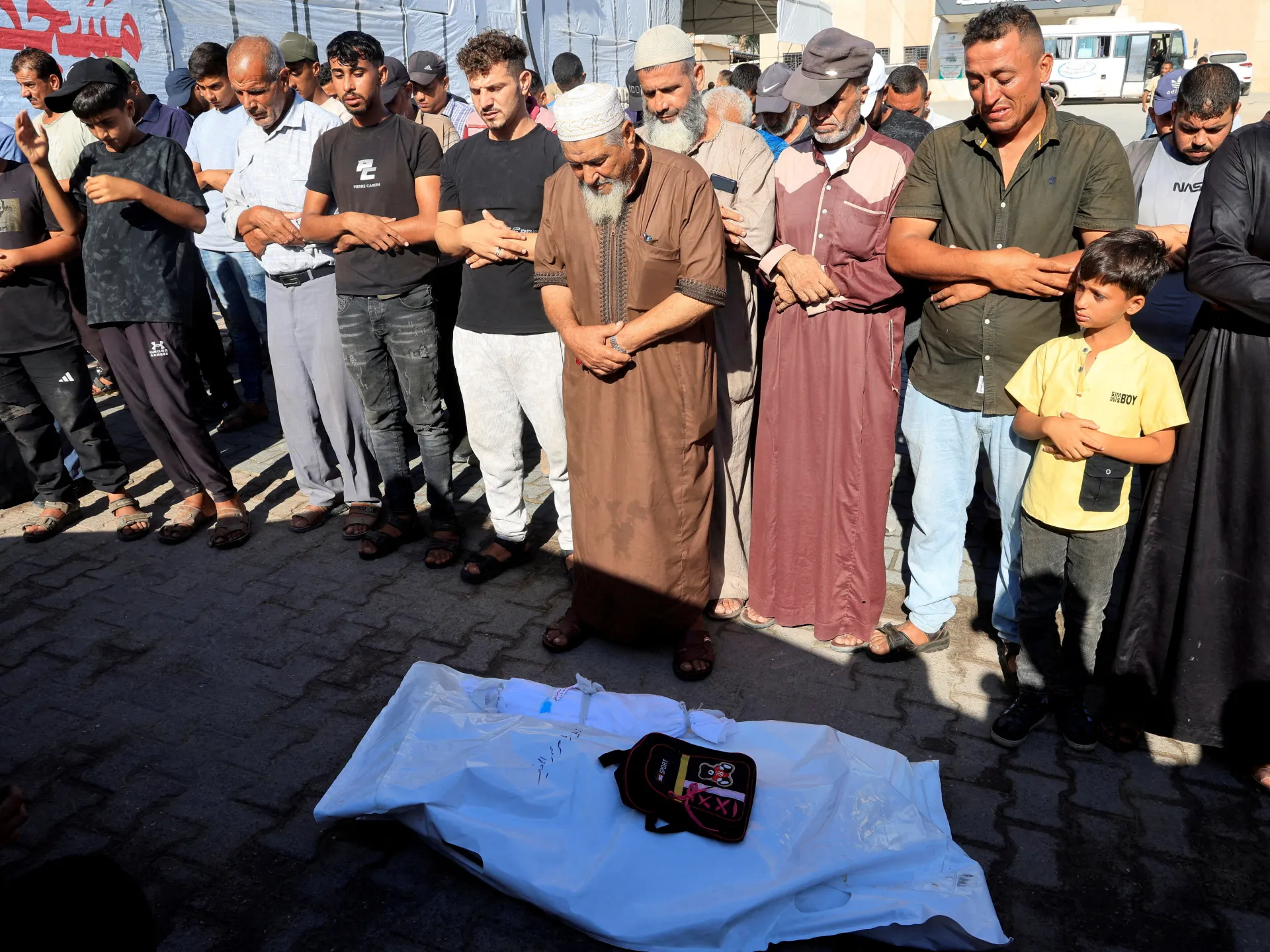
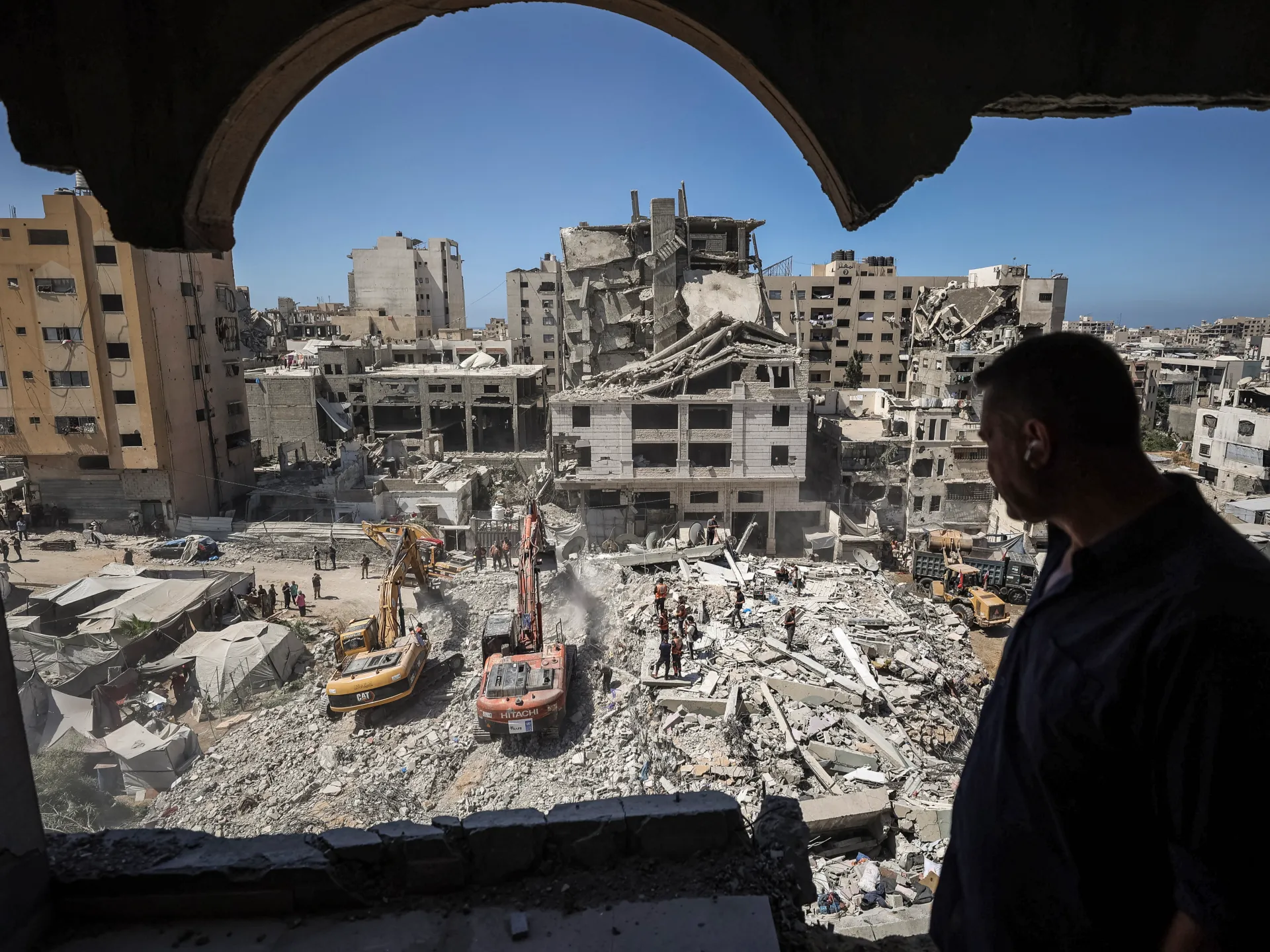
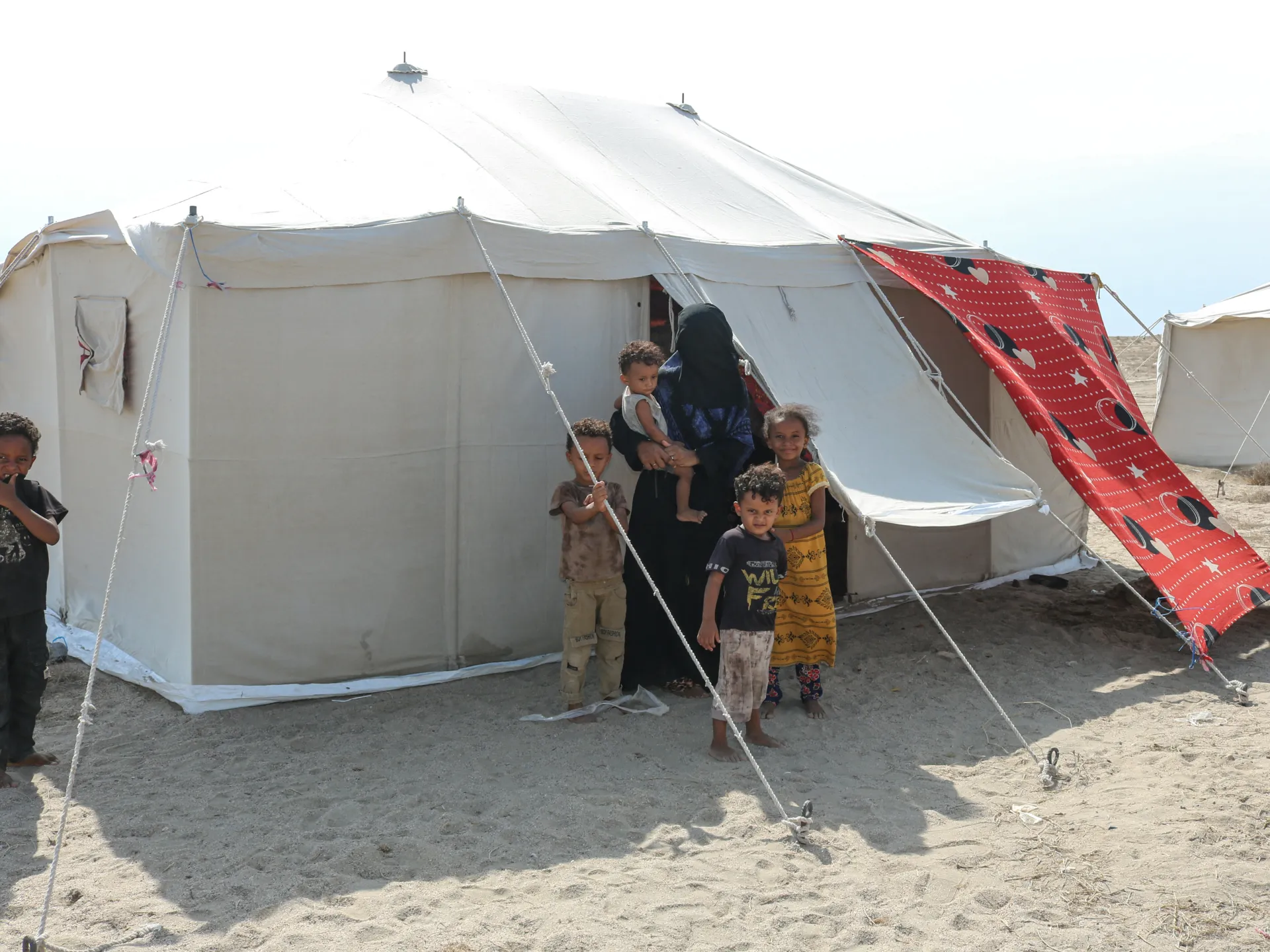
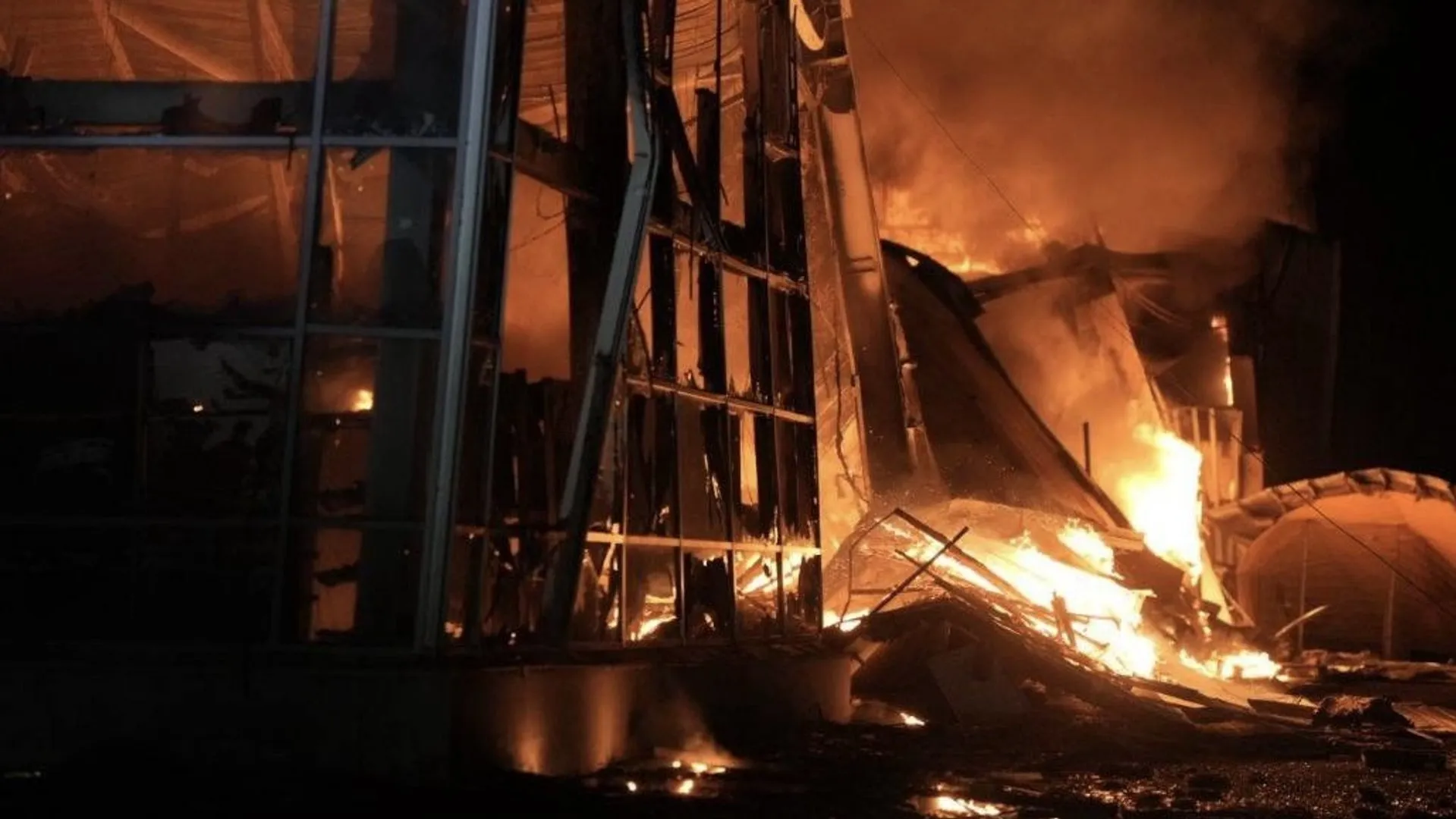
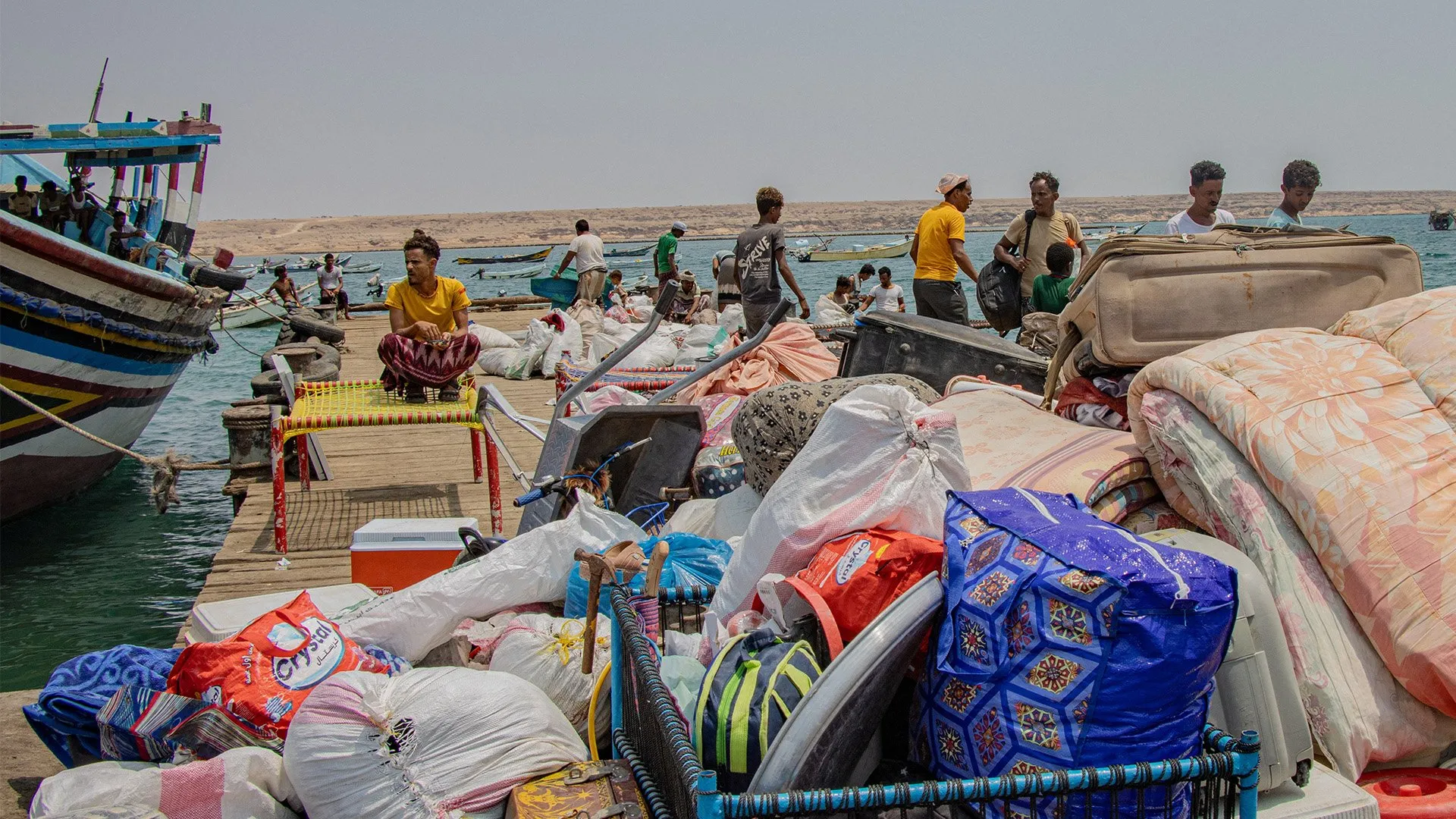
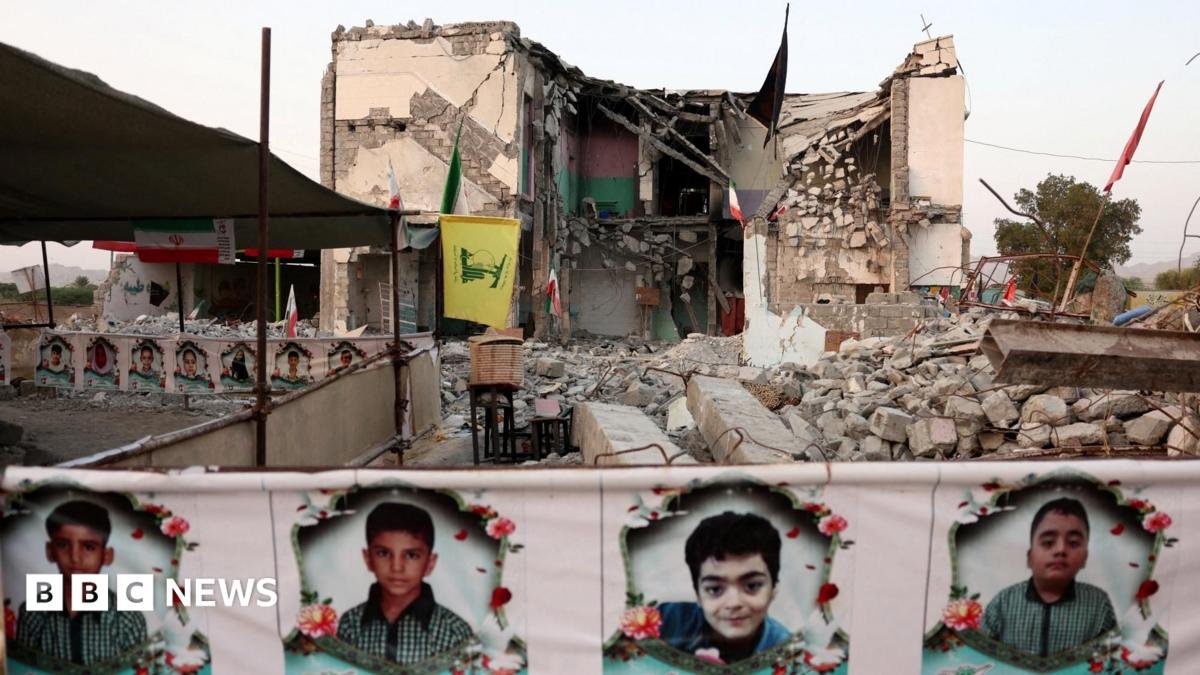
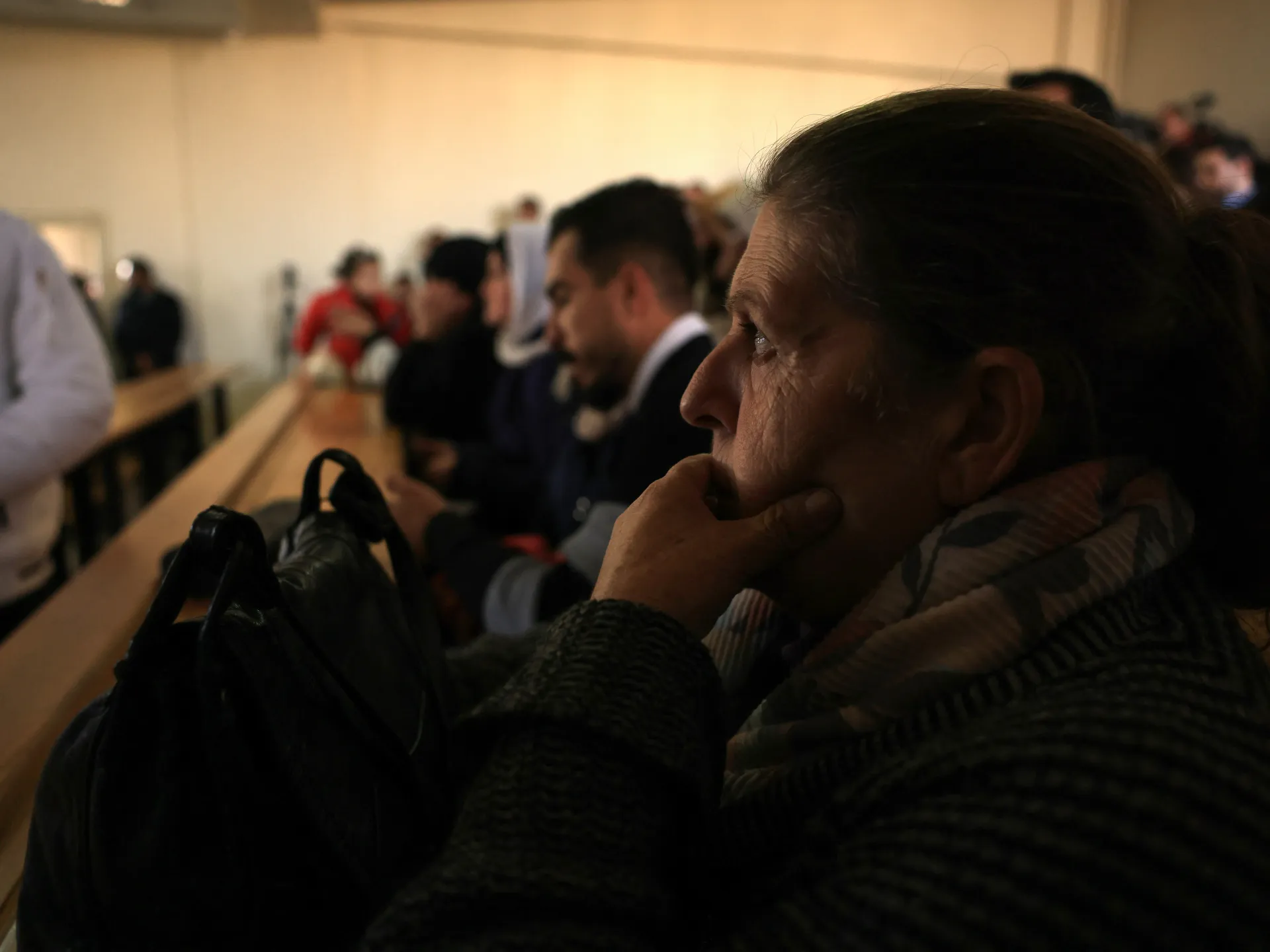
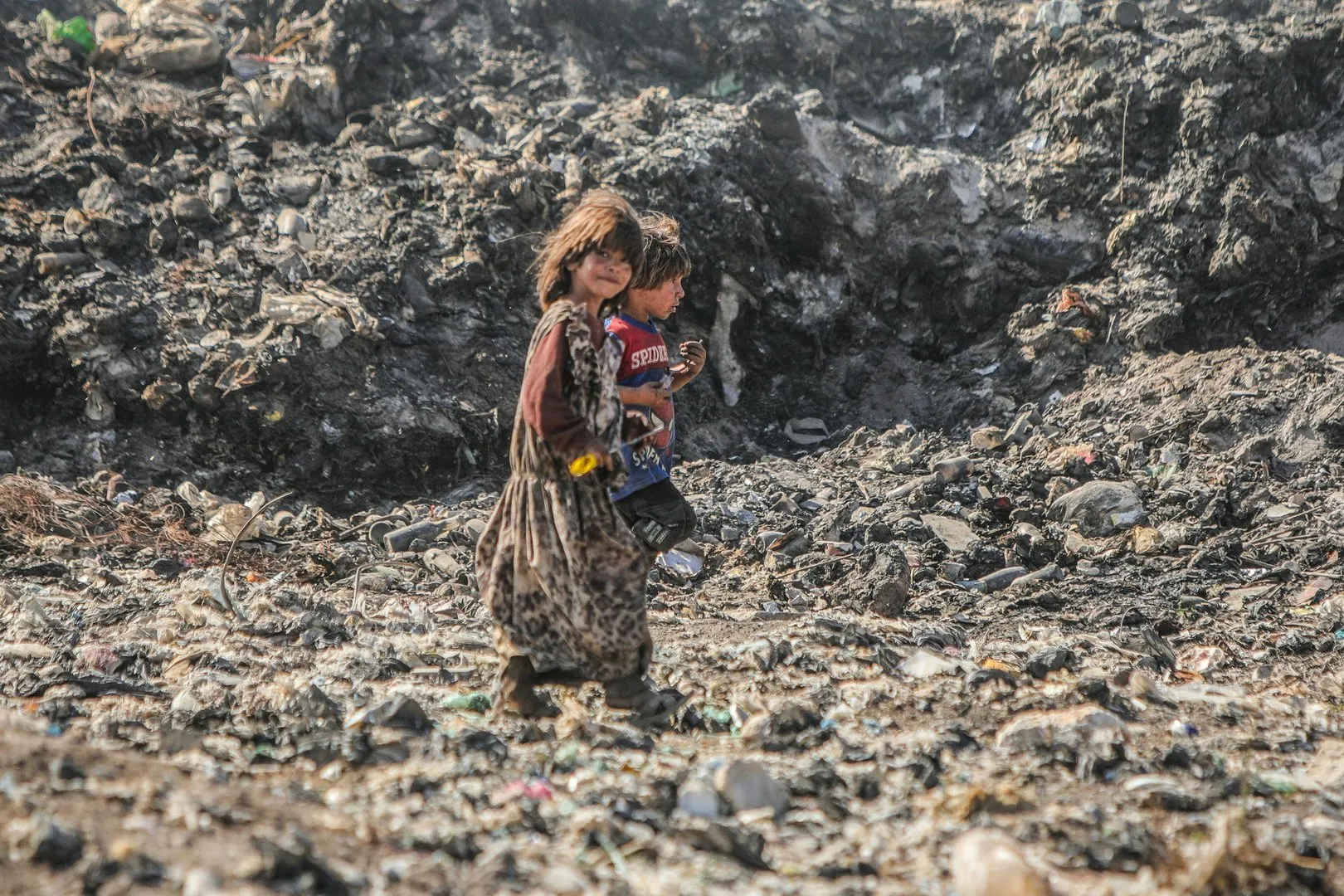
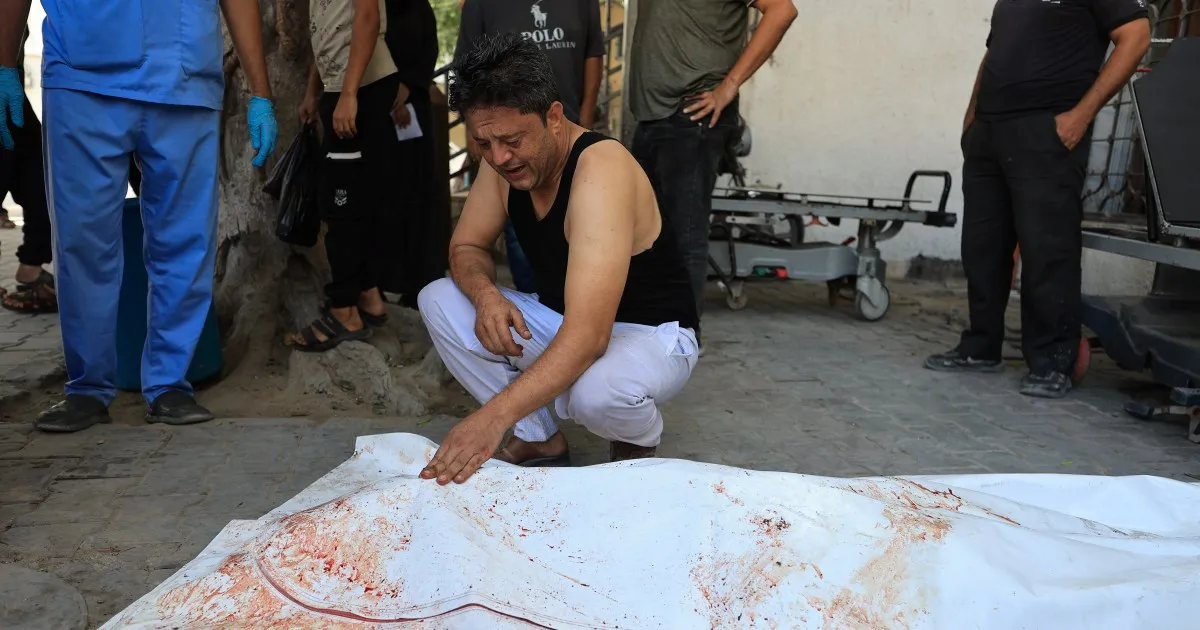
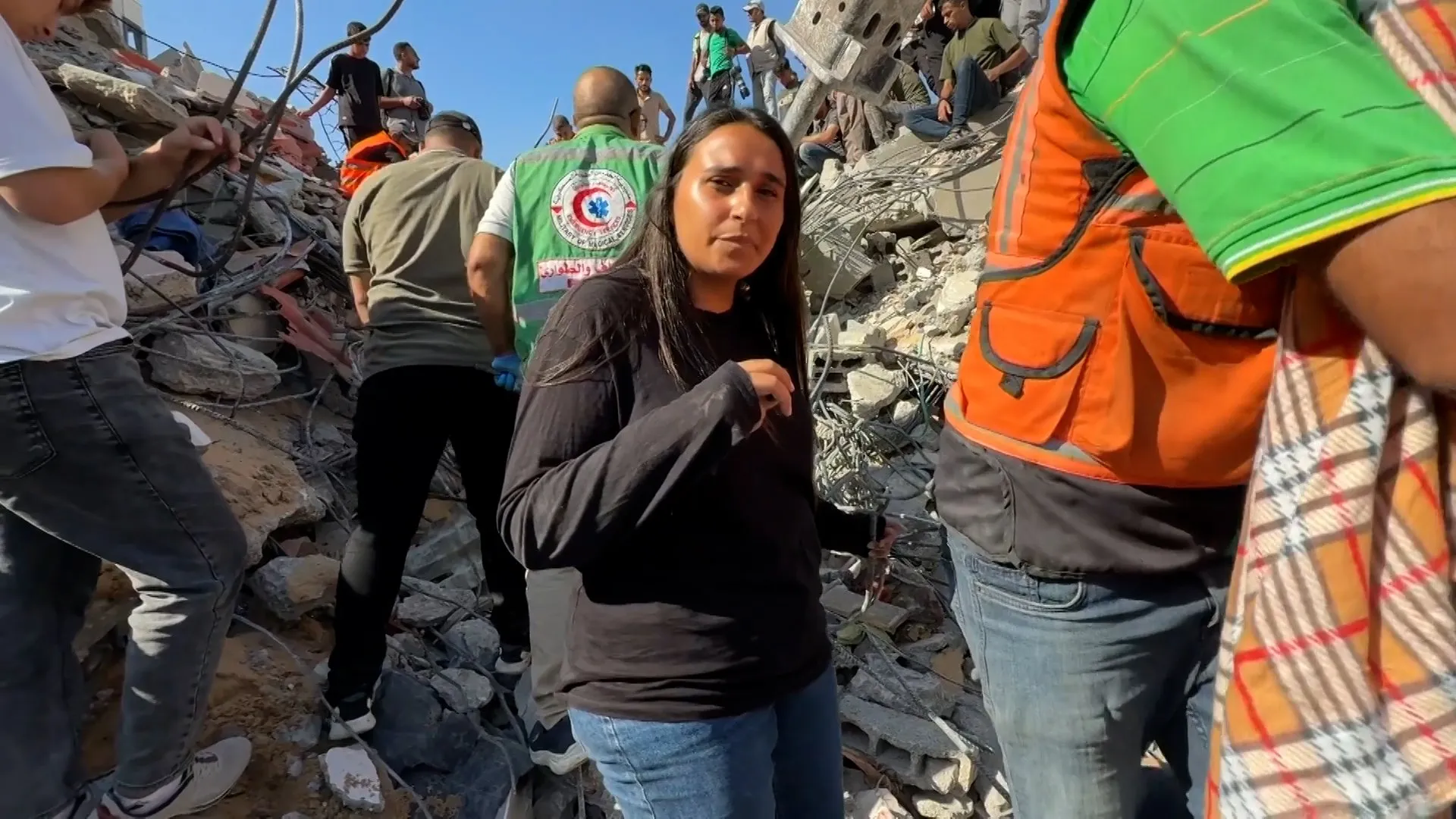
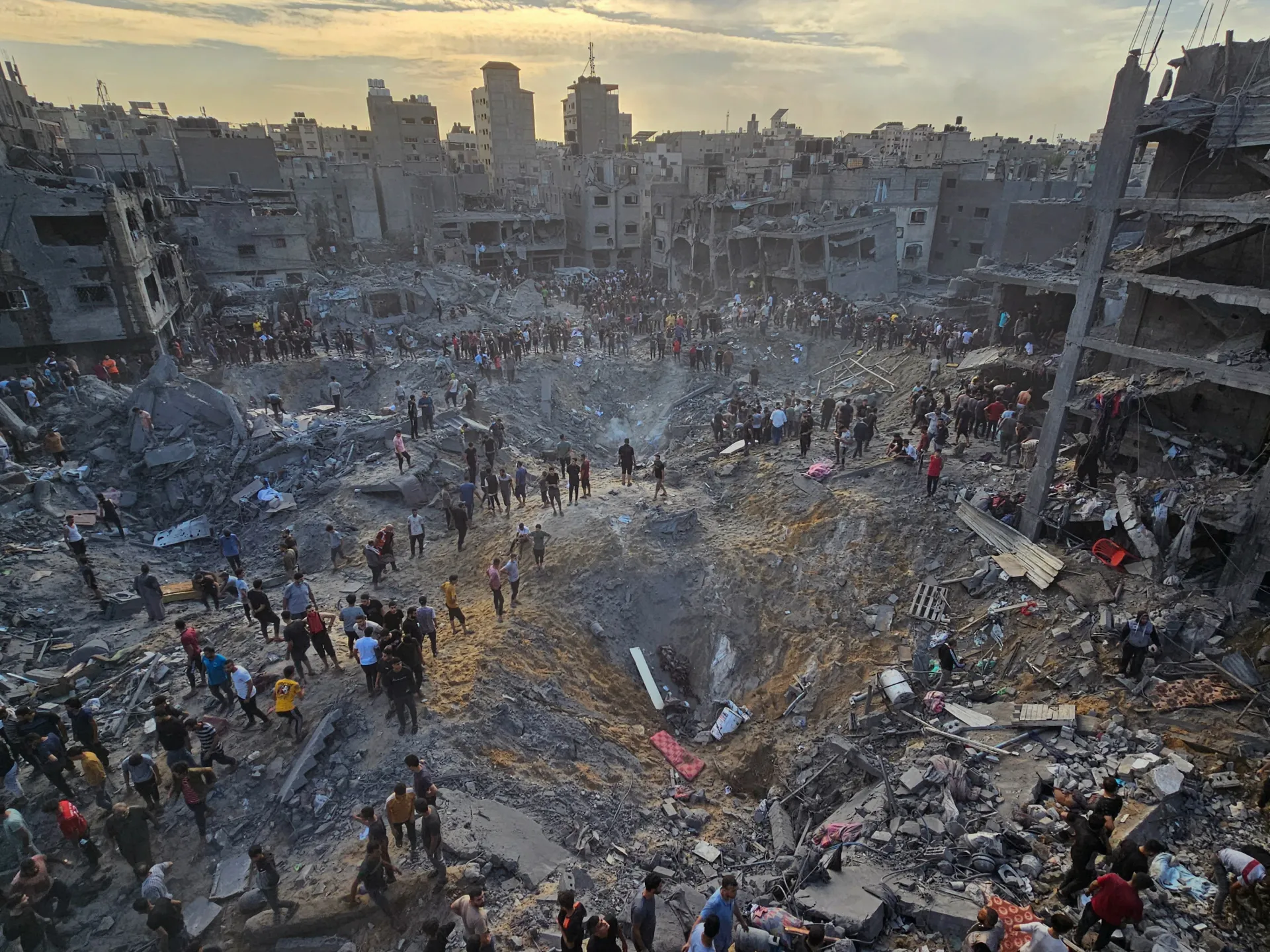
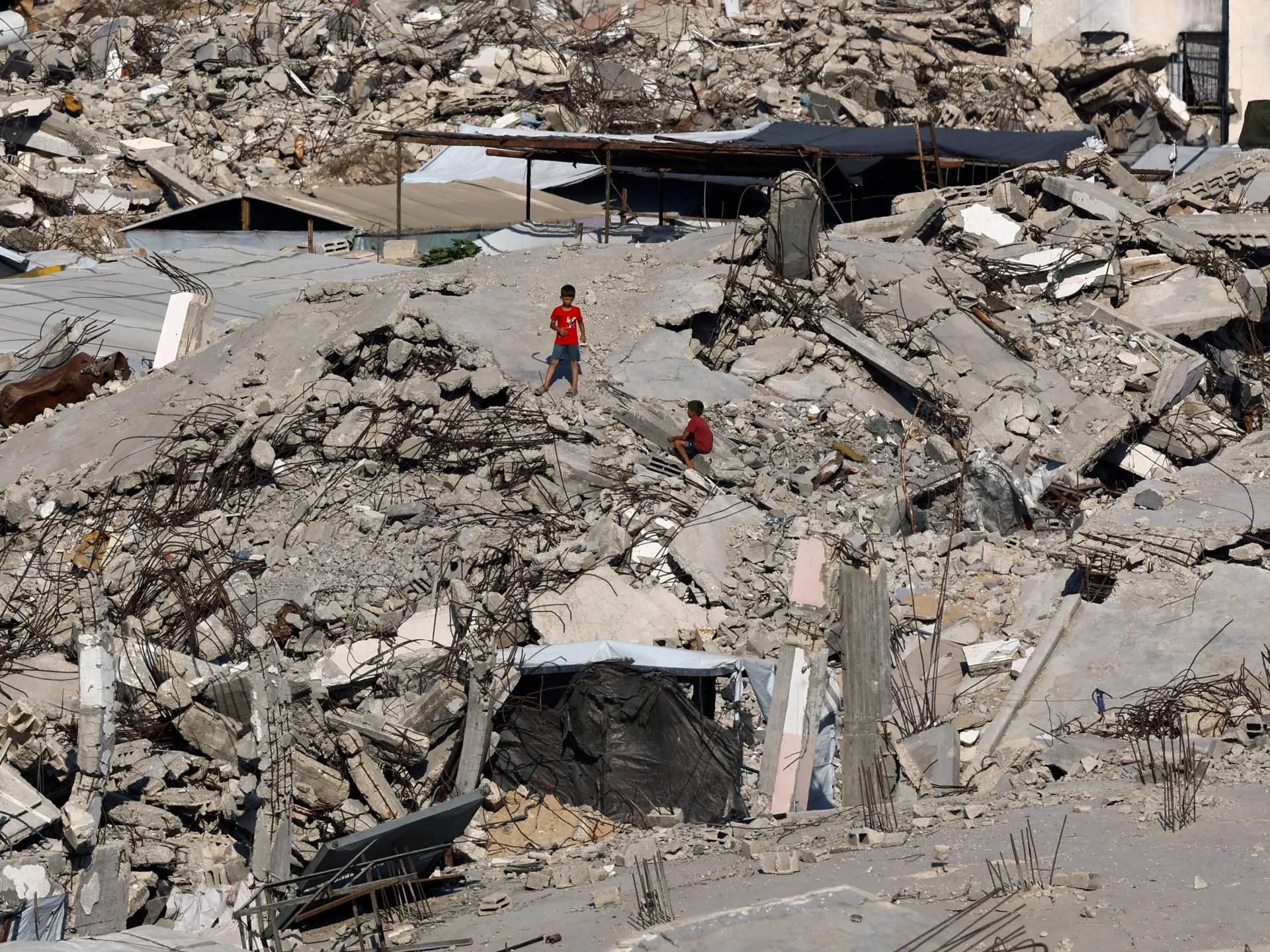
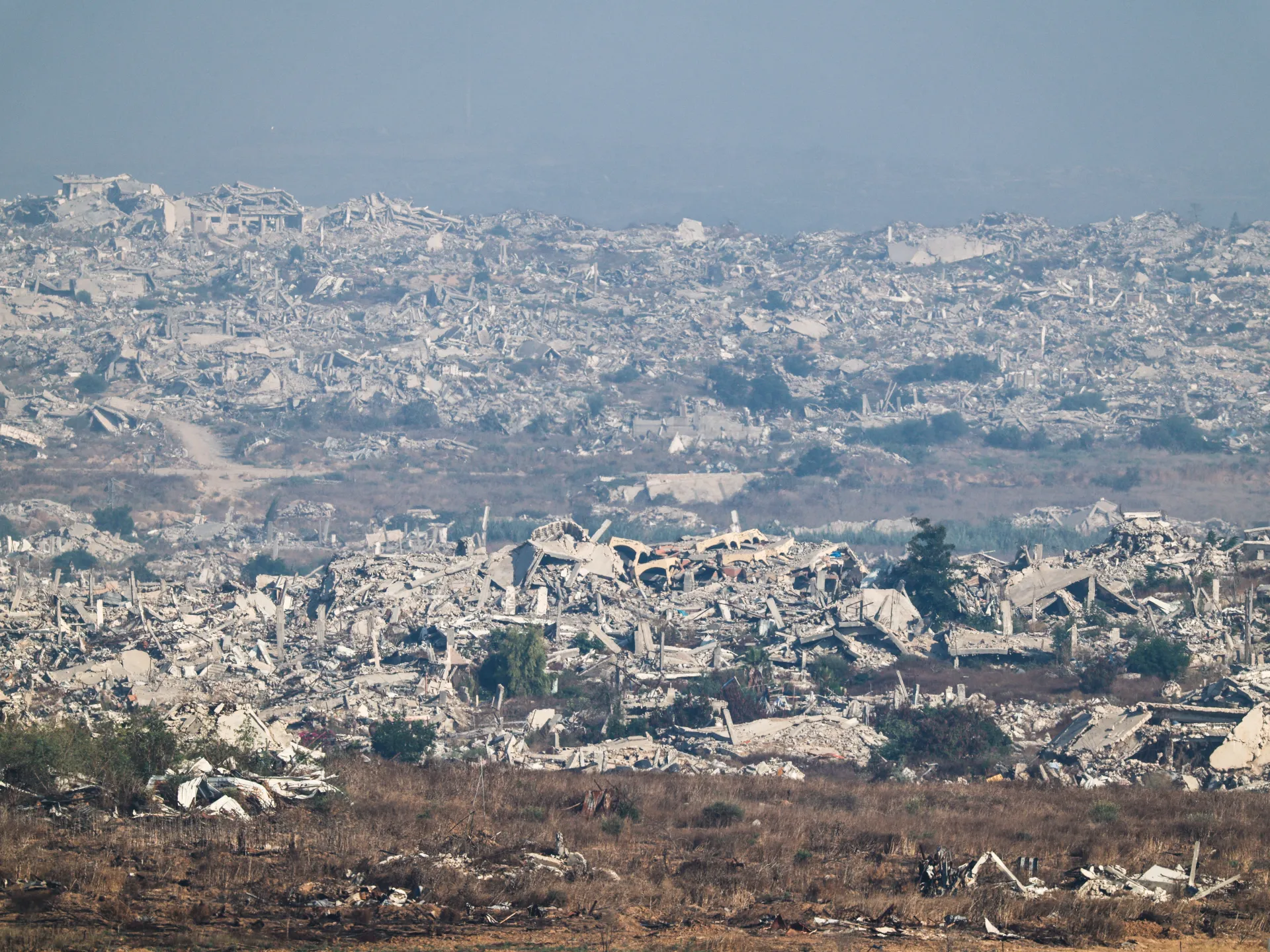
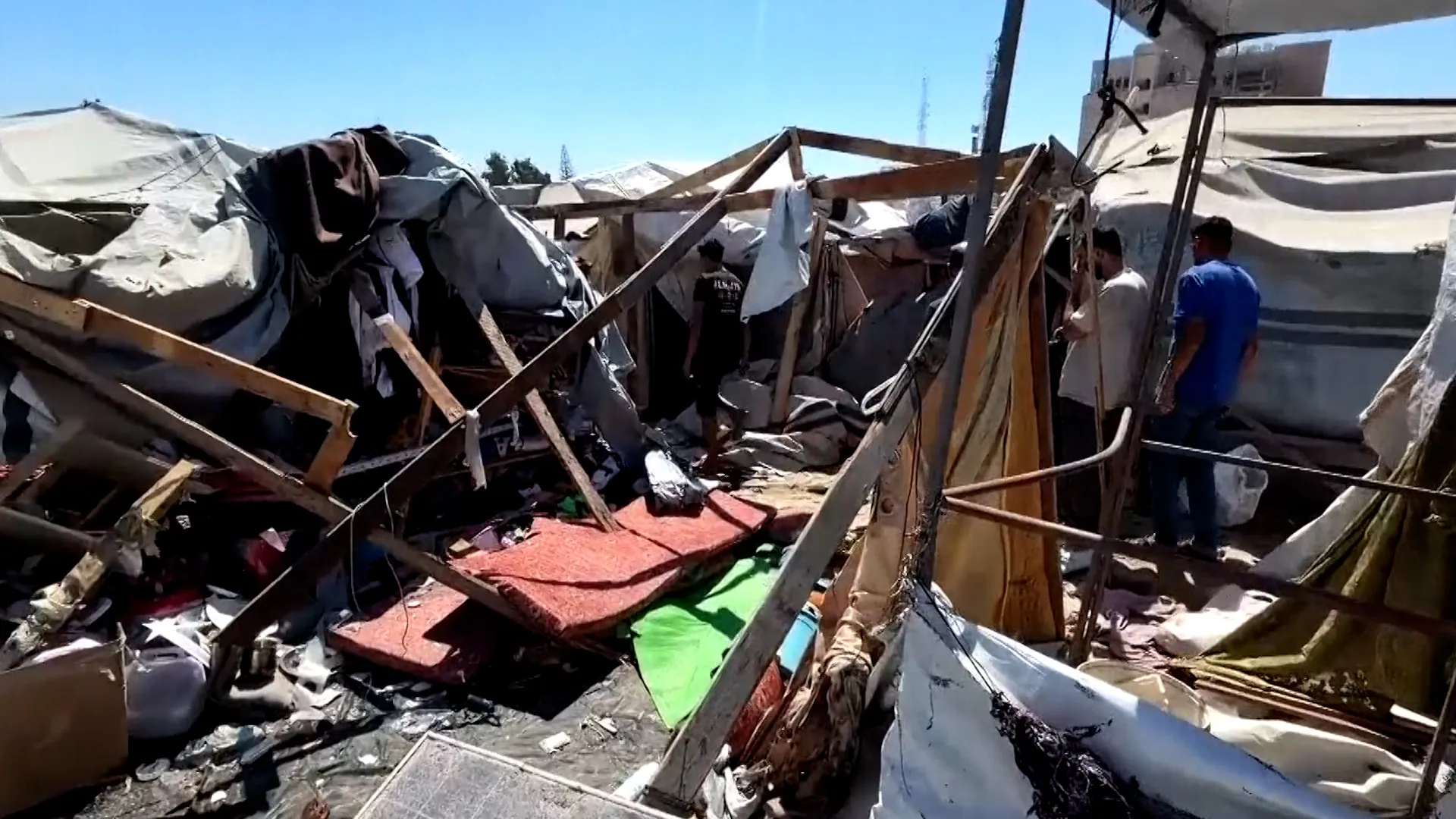
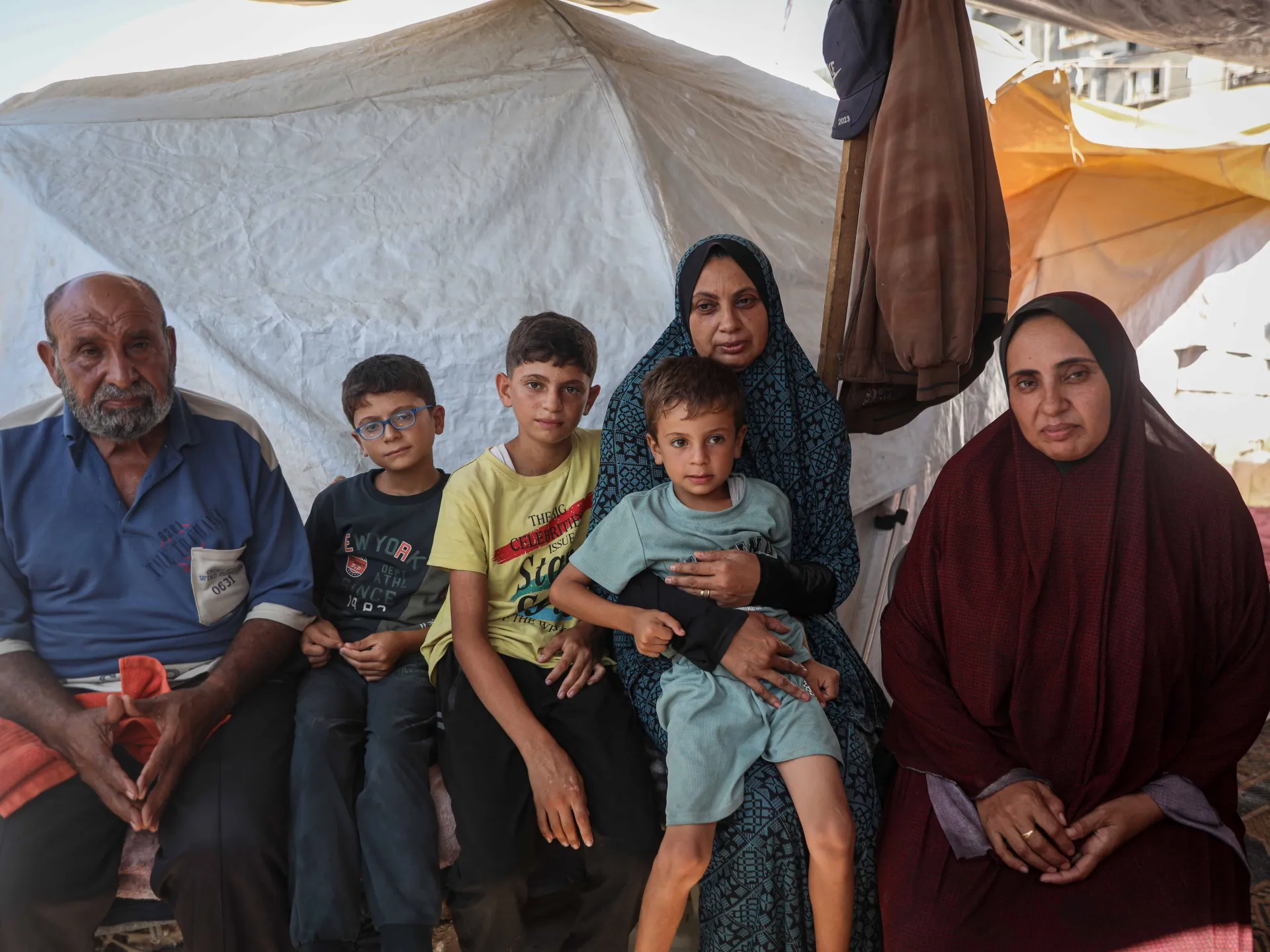
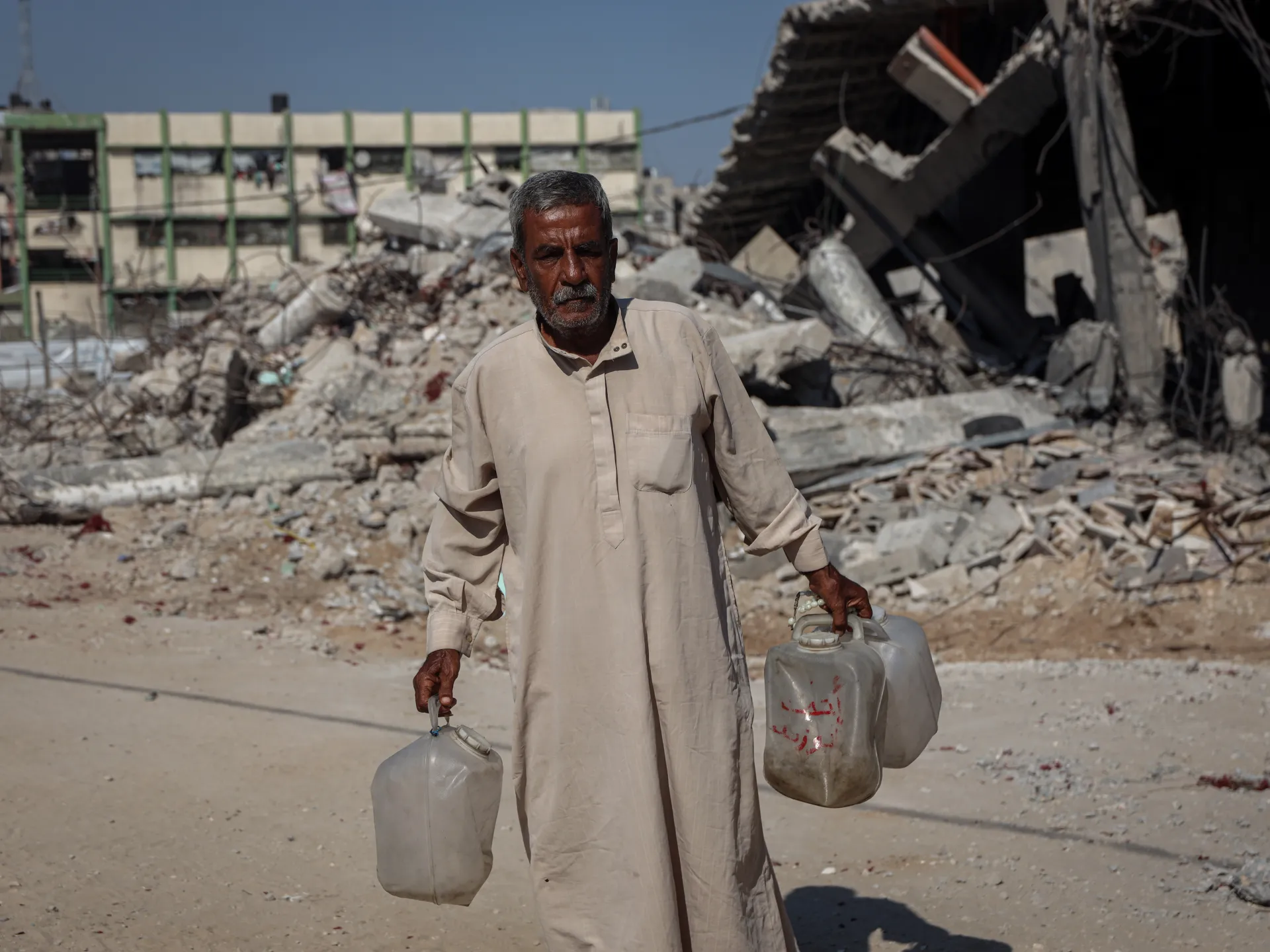
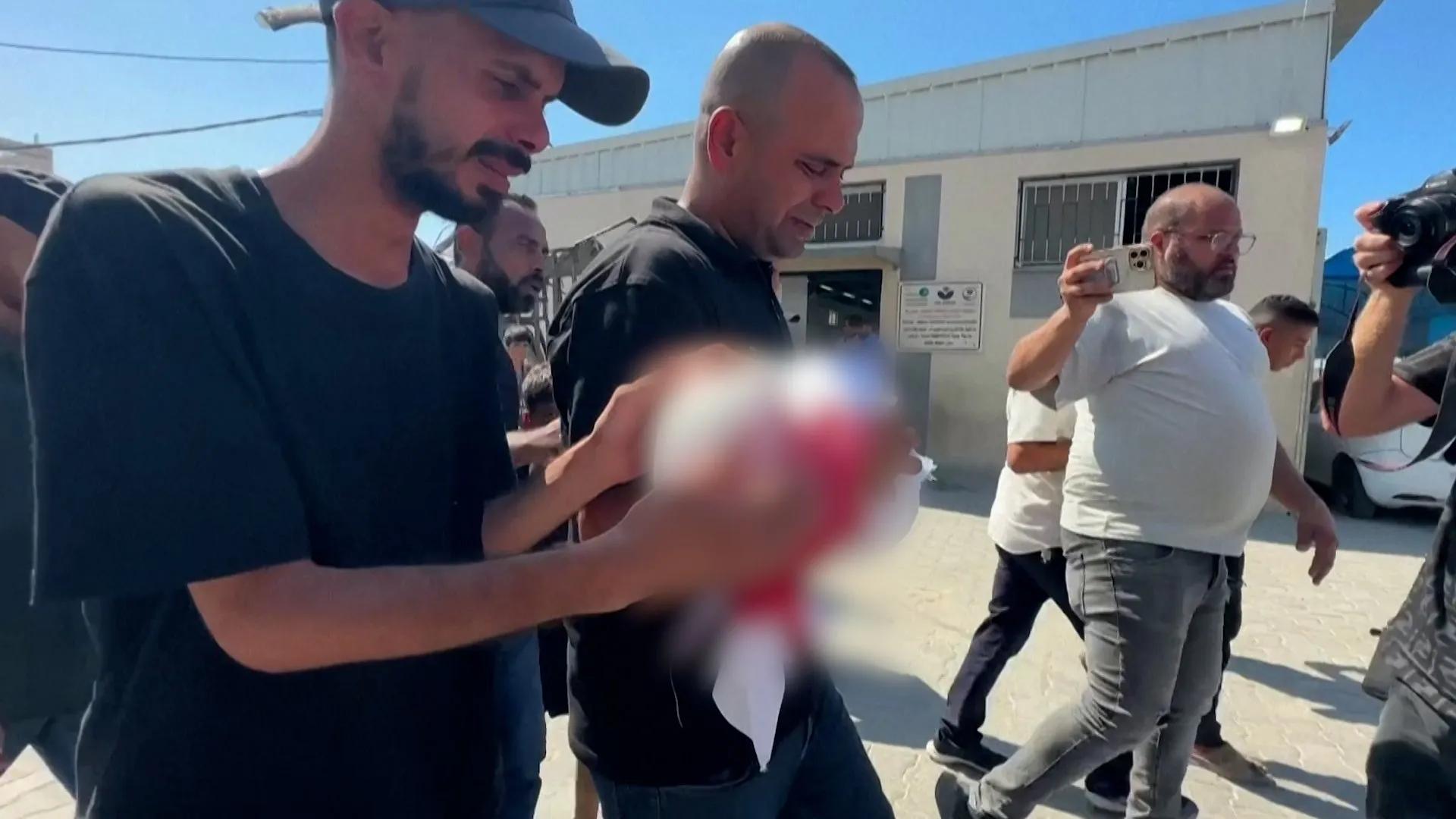
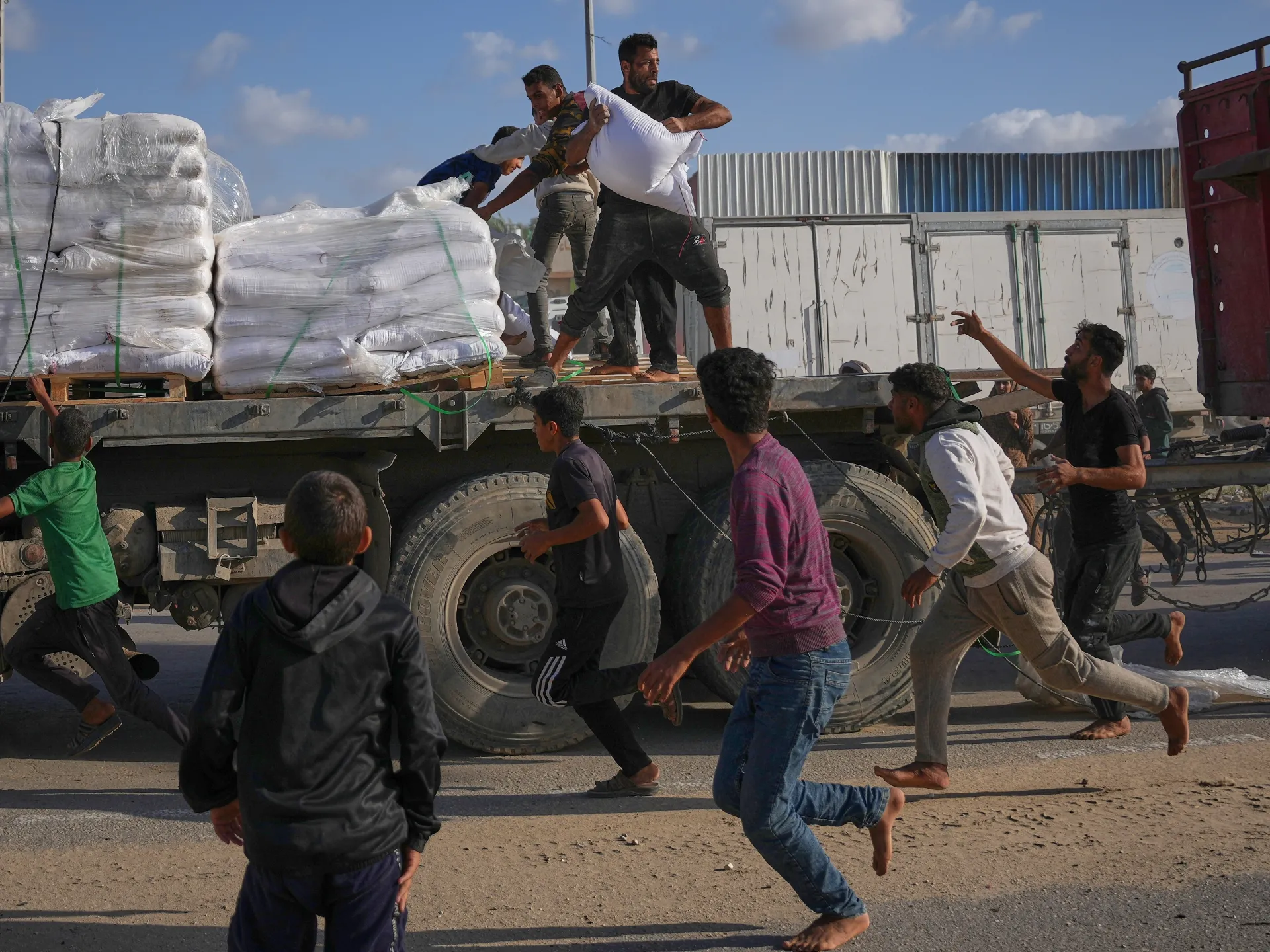
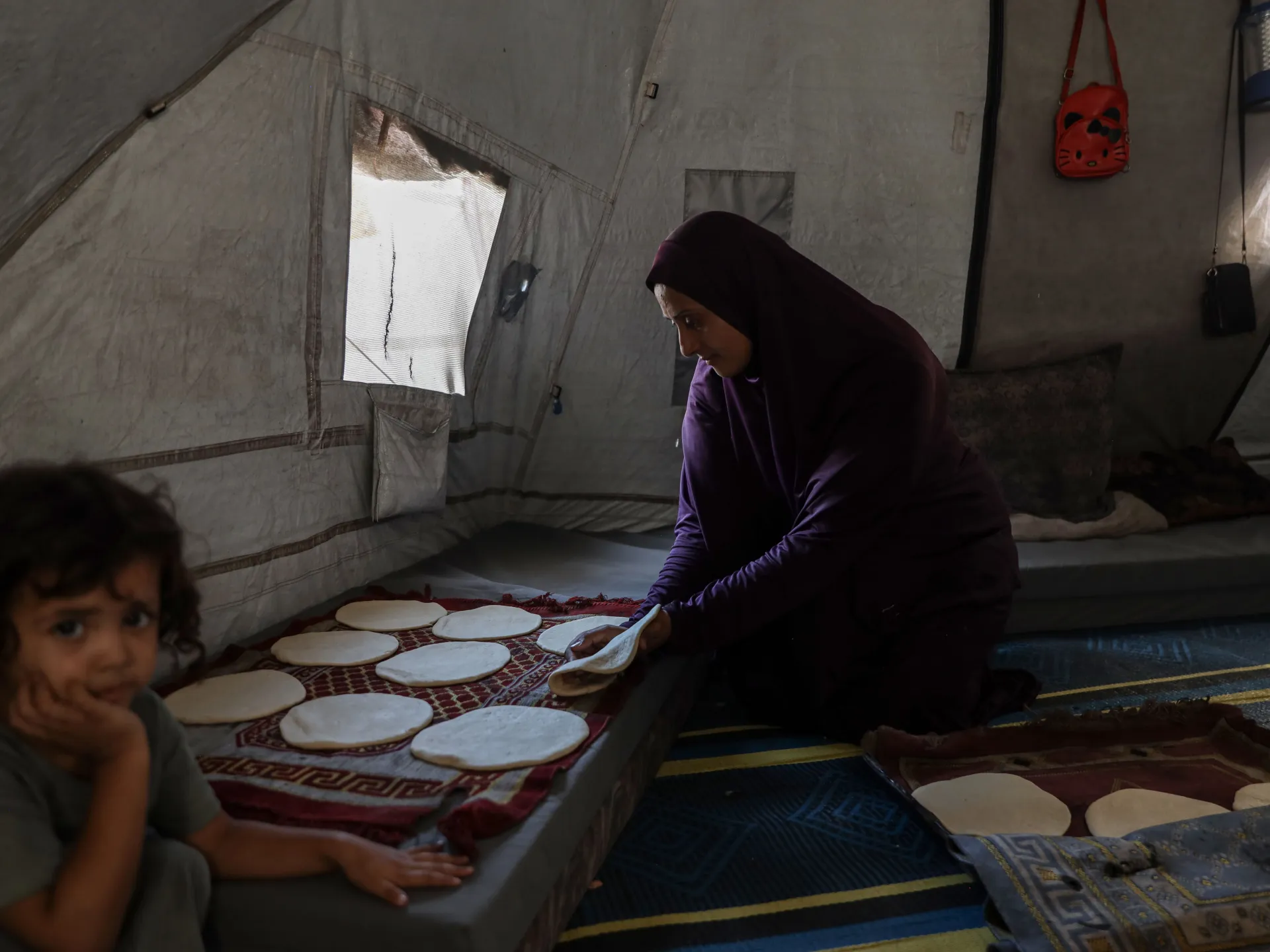
Conversely, the daily reality for families in Gaza remains dominated ing at the Cairo School in Gaza City, have become increasingly reliant on communal ovens to process bread, a practice necessitated primary caloric intake for their families. The humanitarian strain is further exacerbated cted via a lottery system to earn daily wages, reflecting the extreme economic limitations currently facing the population.
The logistical roadmap for NASA suggests a stable, albeit expensive, trajectory for space station operations, provided that SpaceX continues to meet performance benchmarks for the upcoming crewed missions. Given the firm fixed-price nature of the contract, the agency has built in a buffer for mission readiness, though it retains the flexibility to pursue future modifications if demand or technological requirements shift before 2030.
In the cultural sector, the temporary nature of the Codex Azcatitlán loan to Mexico—balanced mains a political priority, international museum cooperation will continue to rely on reciprocal lending agreements. Meanwhile, the humanitarian situation in Gaza remains largely tied to the broader conflict dynamics. As long as fuel costs remain prohibitive and displacement persists, the reliance on collective resources such as communal bakeries is likely to remain an essential, if insufficient, coping mechanism for the civilian population.