A UN report labels U.S. maritime strikes as potential crimes against humanity, while leaked photos reveal extensive damage to U.S. bases in the Middle East.
The convergence of legal scrutiny regarding international military operations and physical degradation of domestic power-projection capabilities represents a critical juncture for U.S. foreign policy. While the executive branch maintains that its actions constitute necessary self-defense against non-state actors, the chasm between official narratives and mounting evidence—both in terms of human rights allegations and the vulnerability of regional infrastructure—threatens to erode international standing. The situation forces a re-evaluation of whether current strategic doctrines are producing stability or inadvertently fostering a state of protracted, asymmetrical conflict that the existing legal framework is ill-equipped to manage.
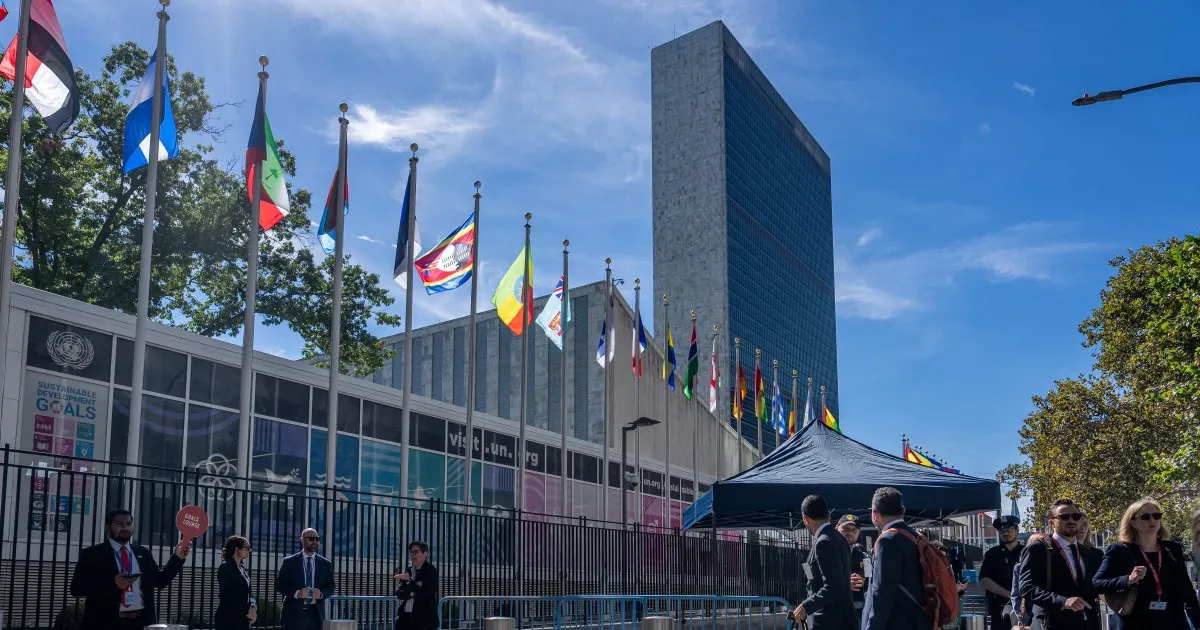
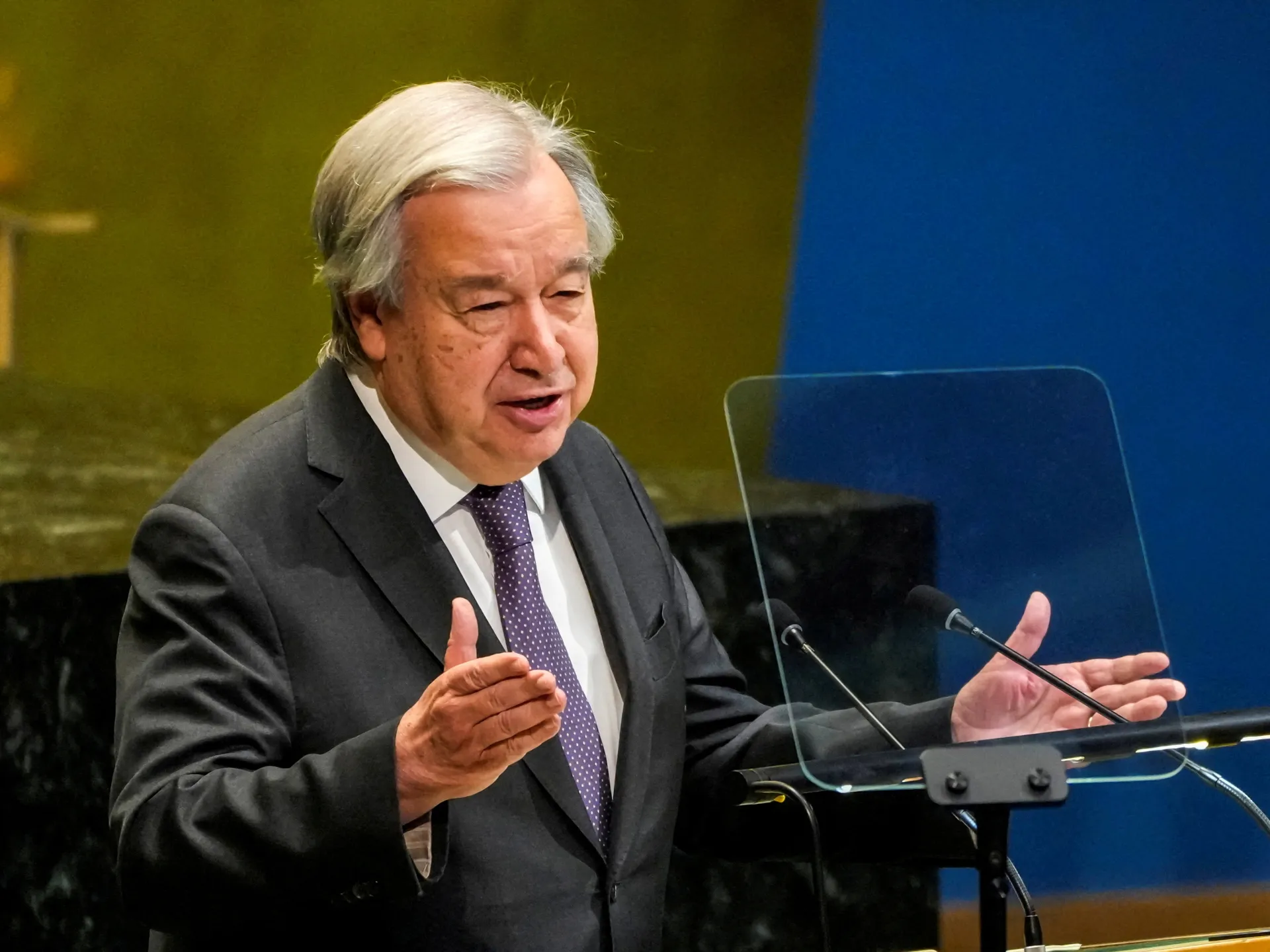
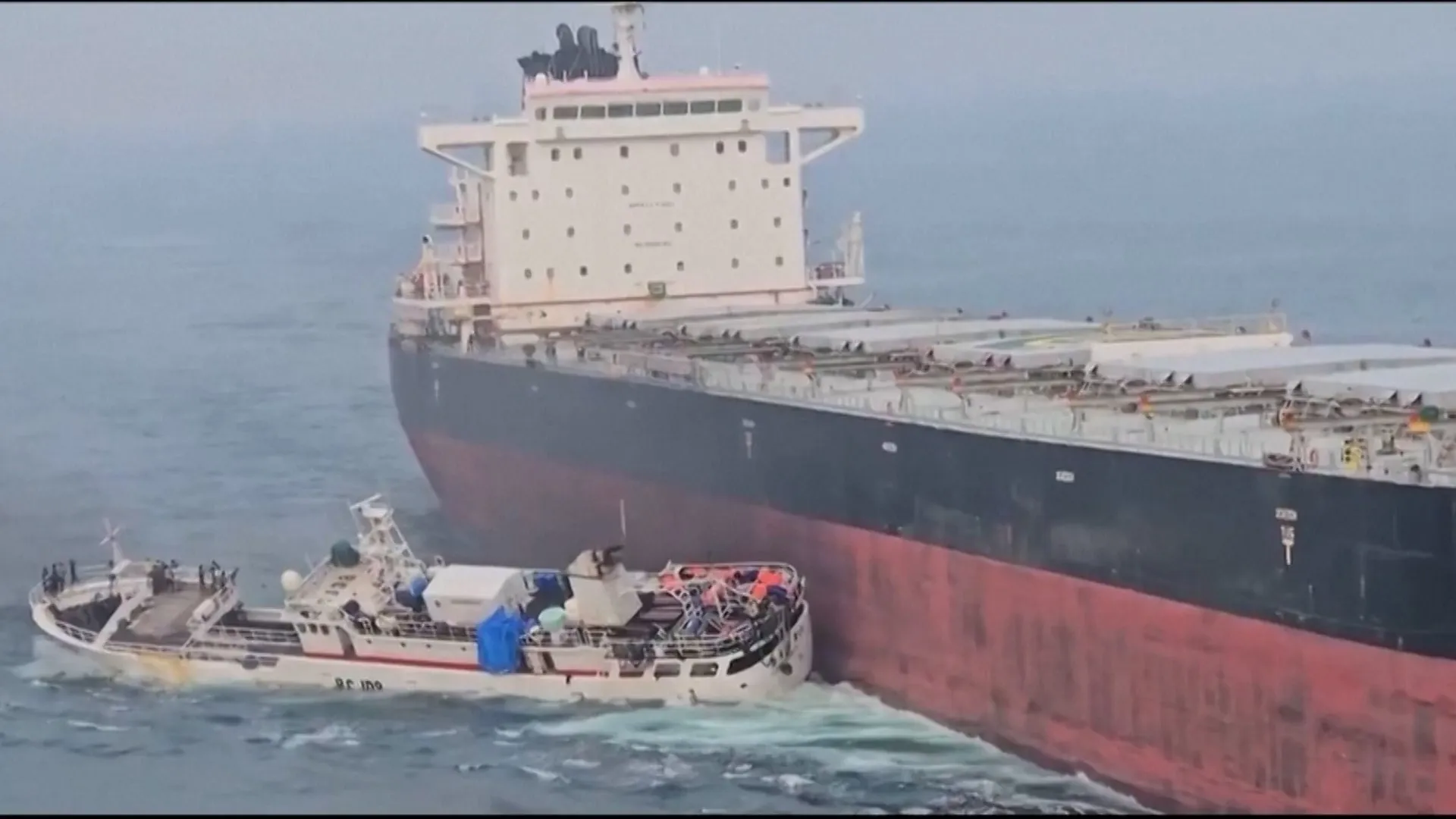
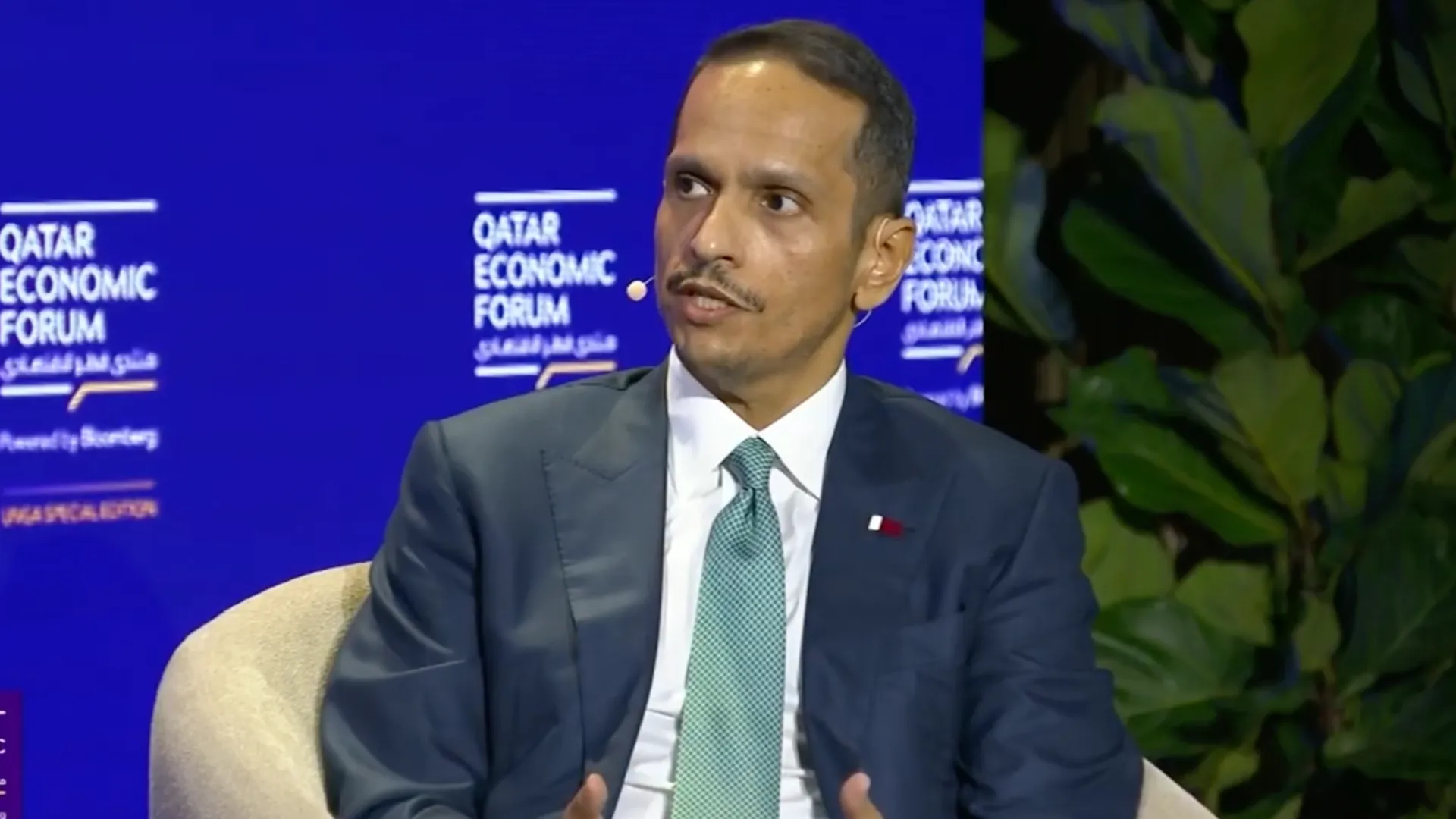
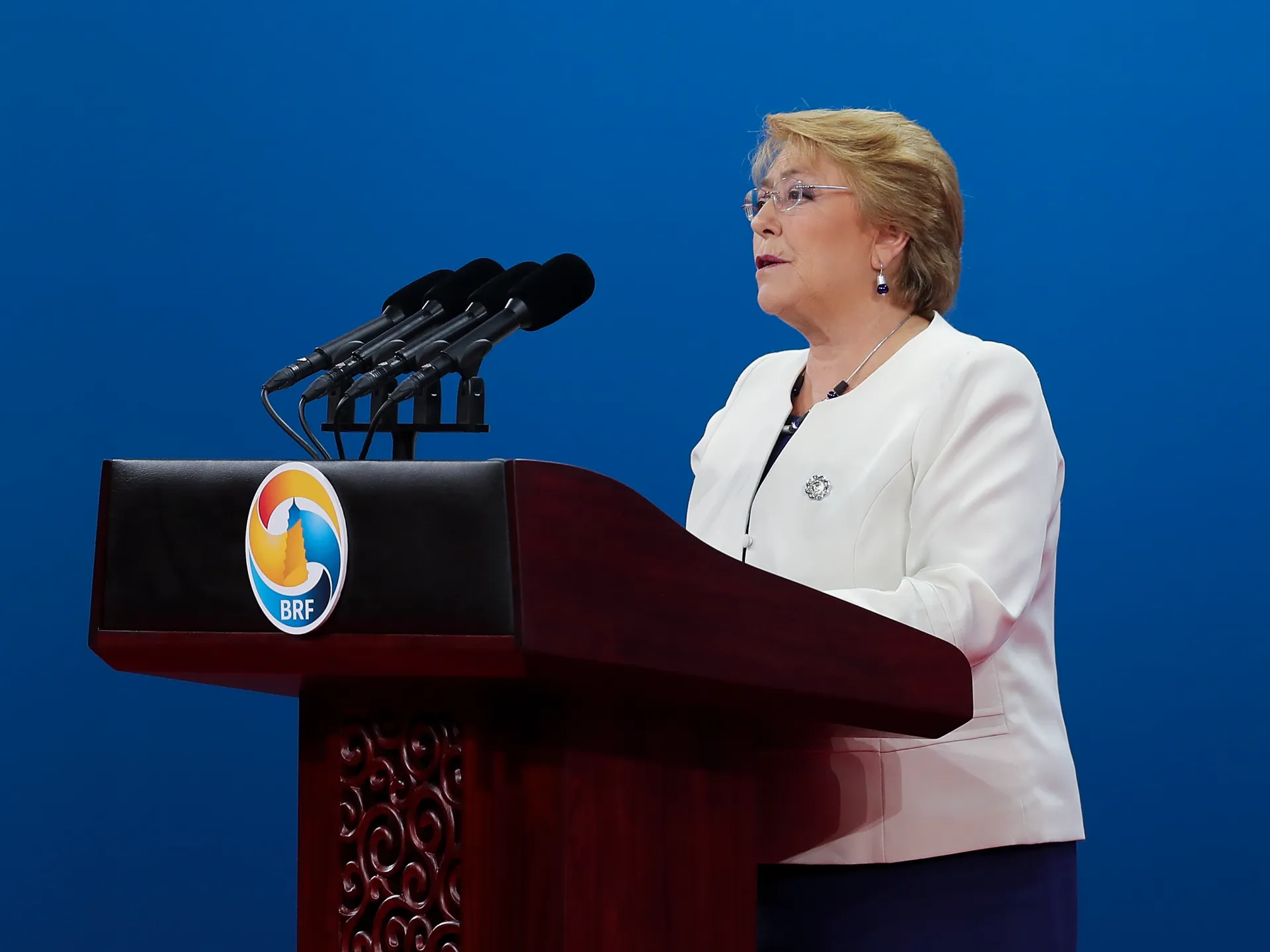
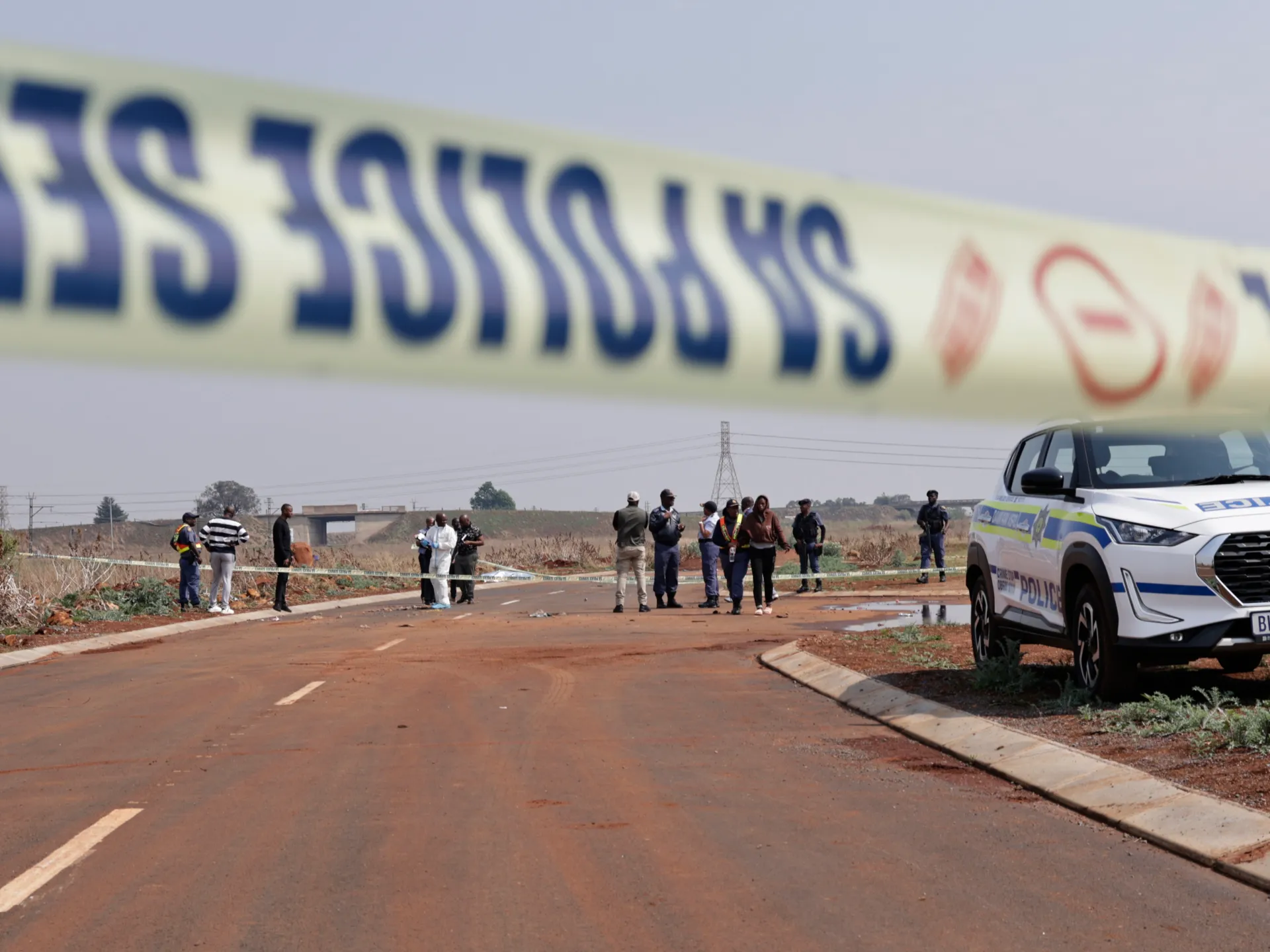
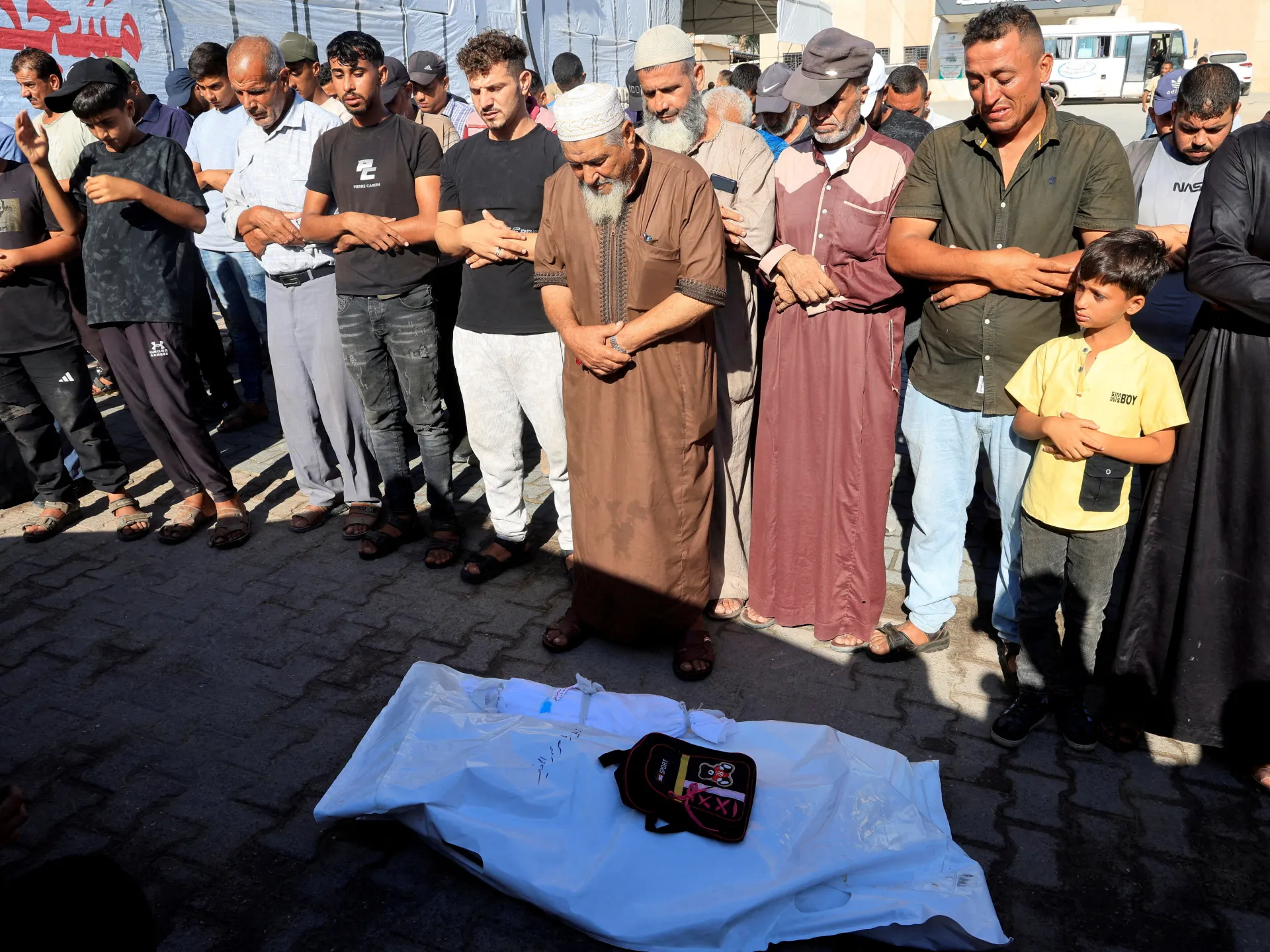
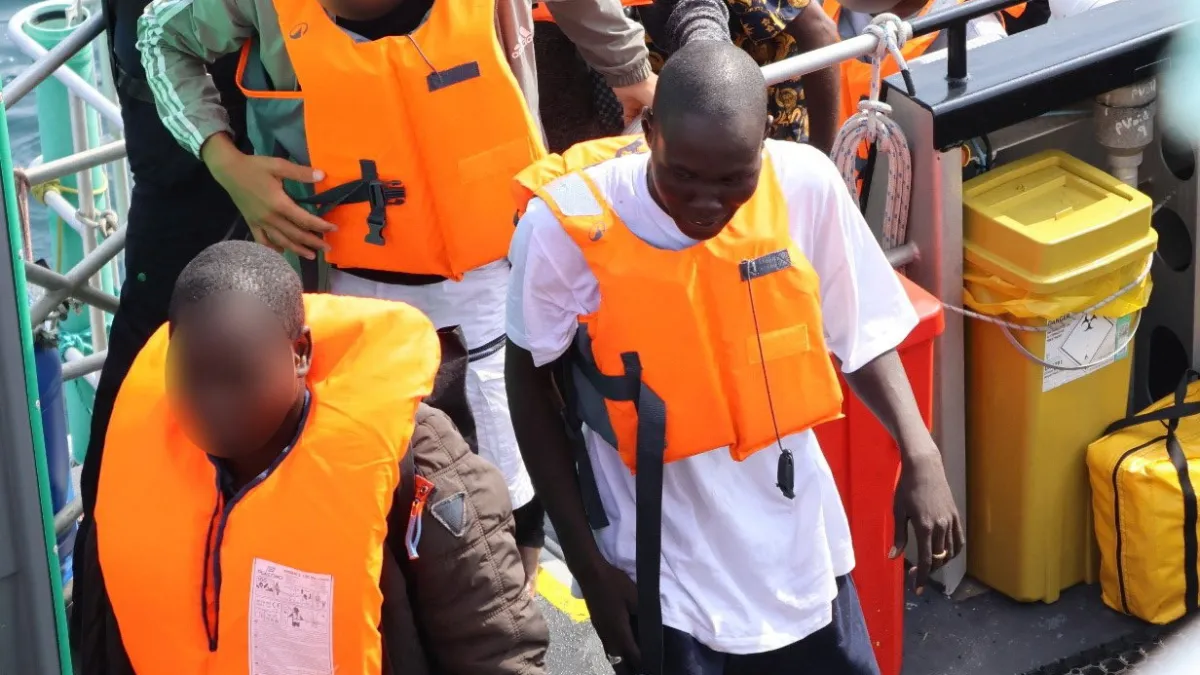
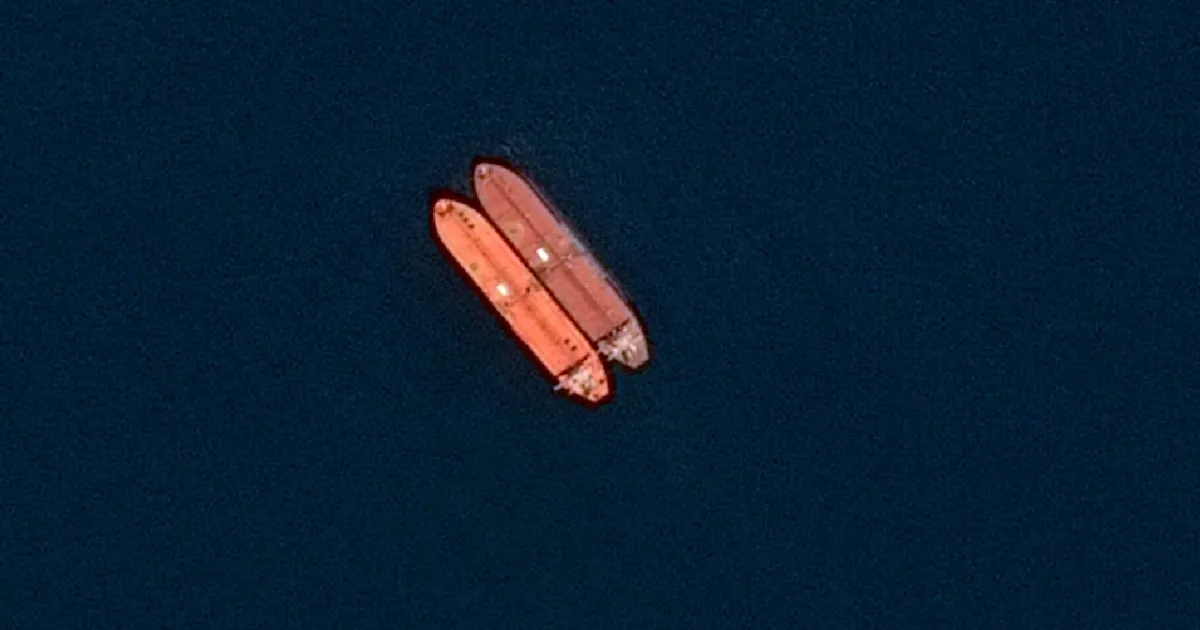
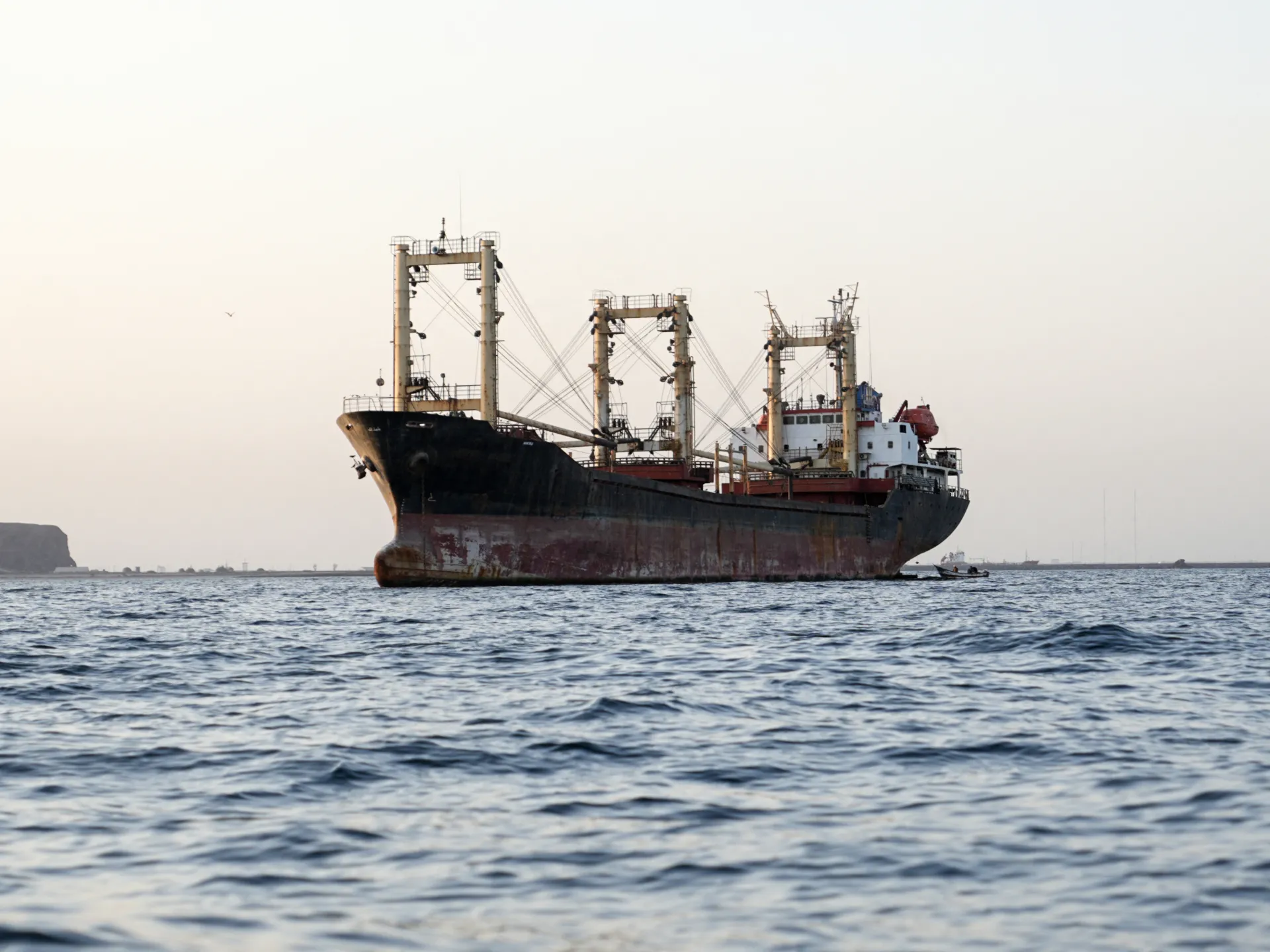
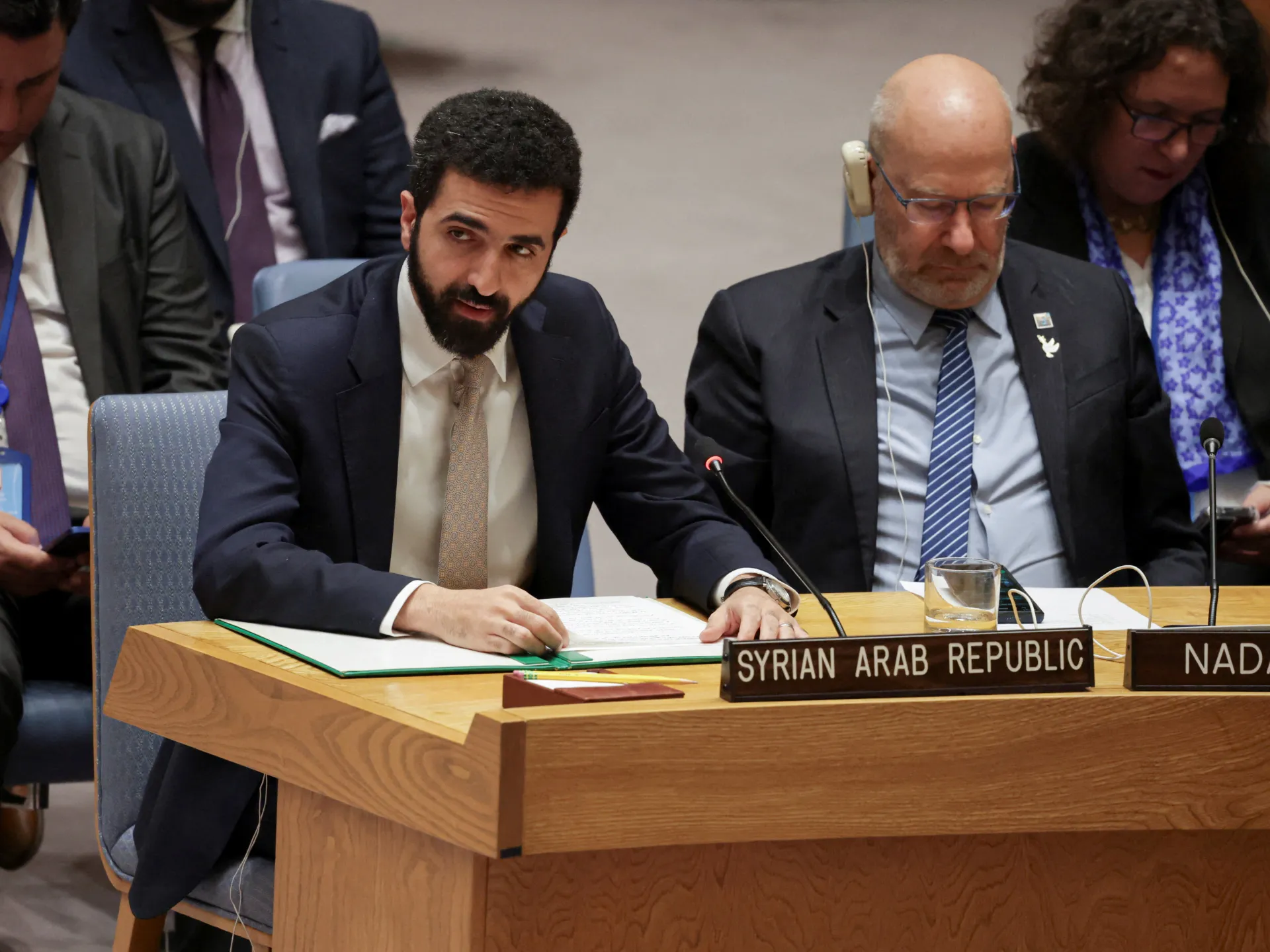
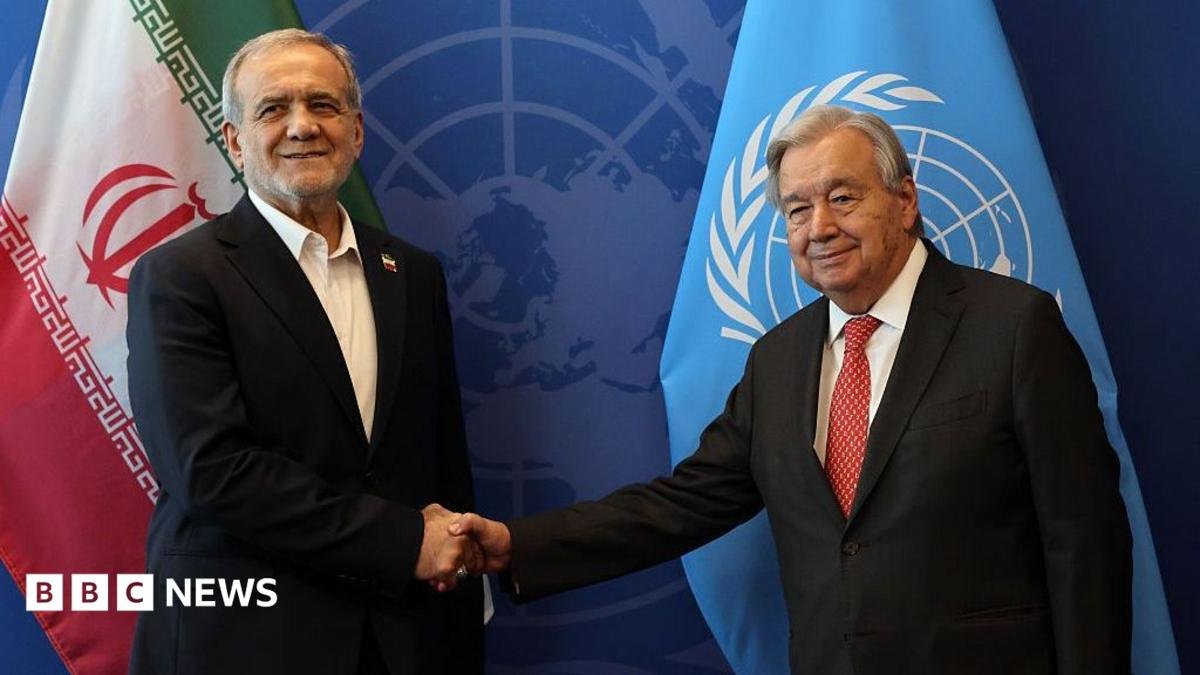
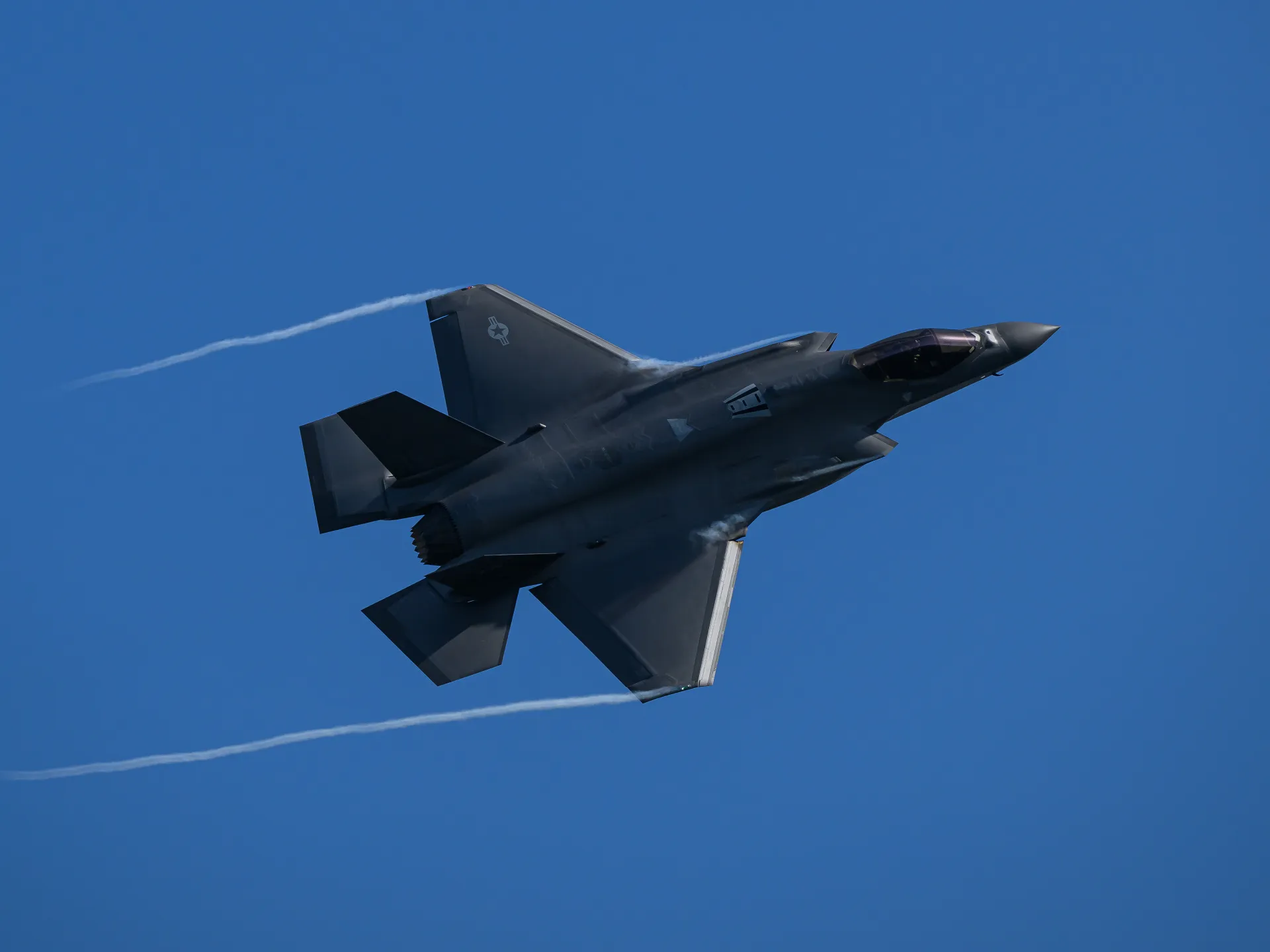
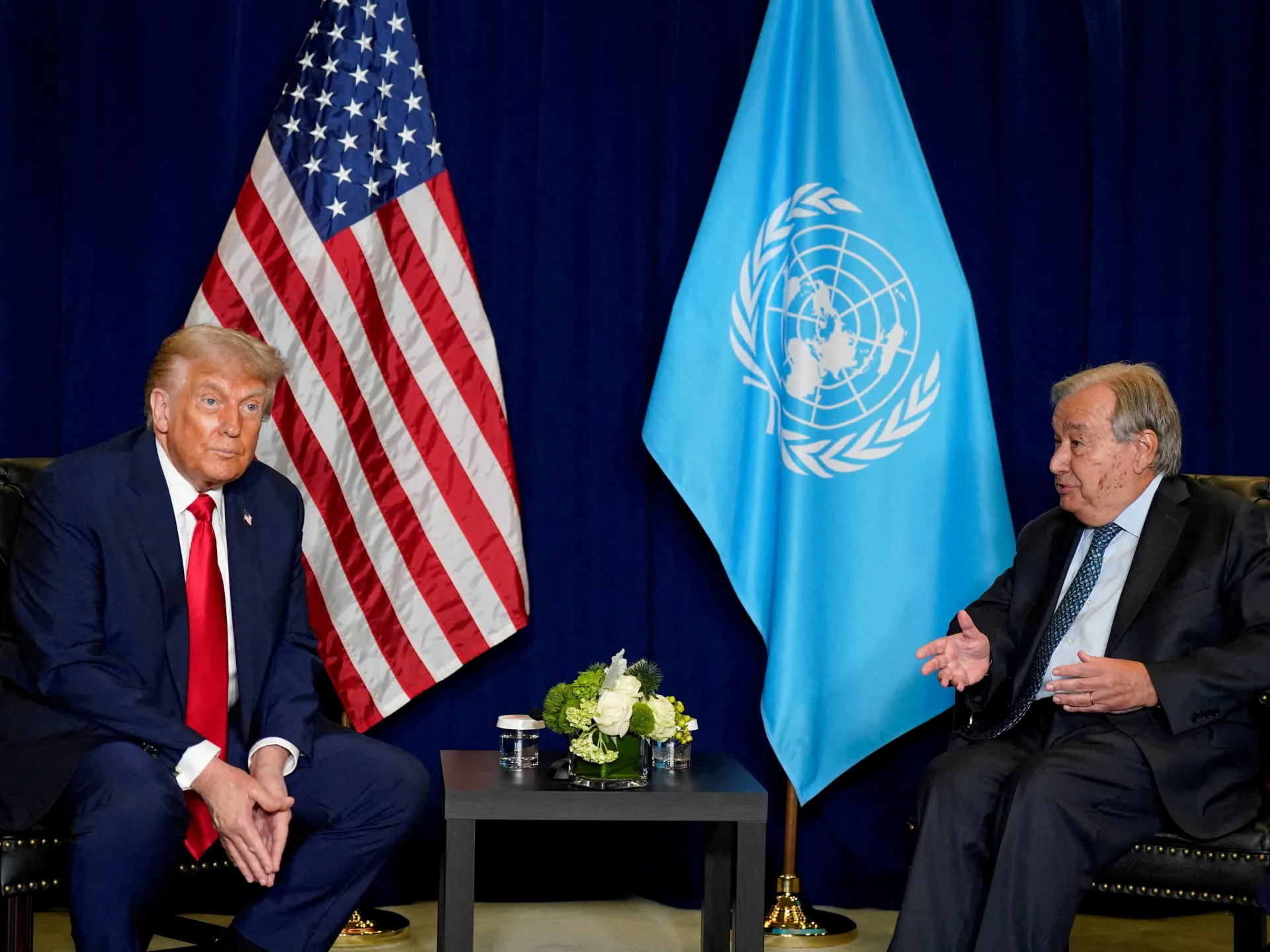
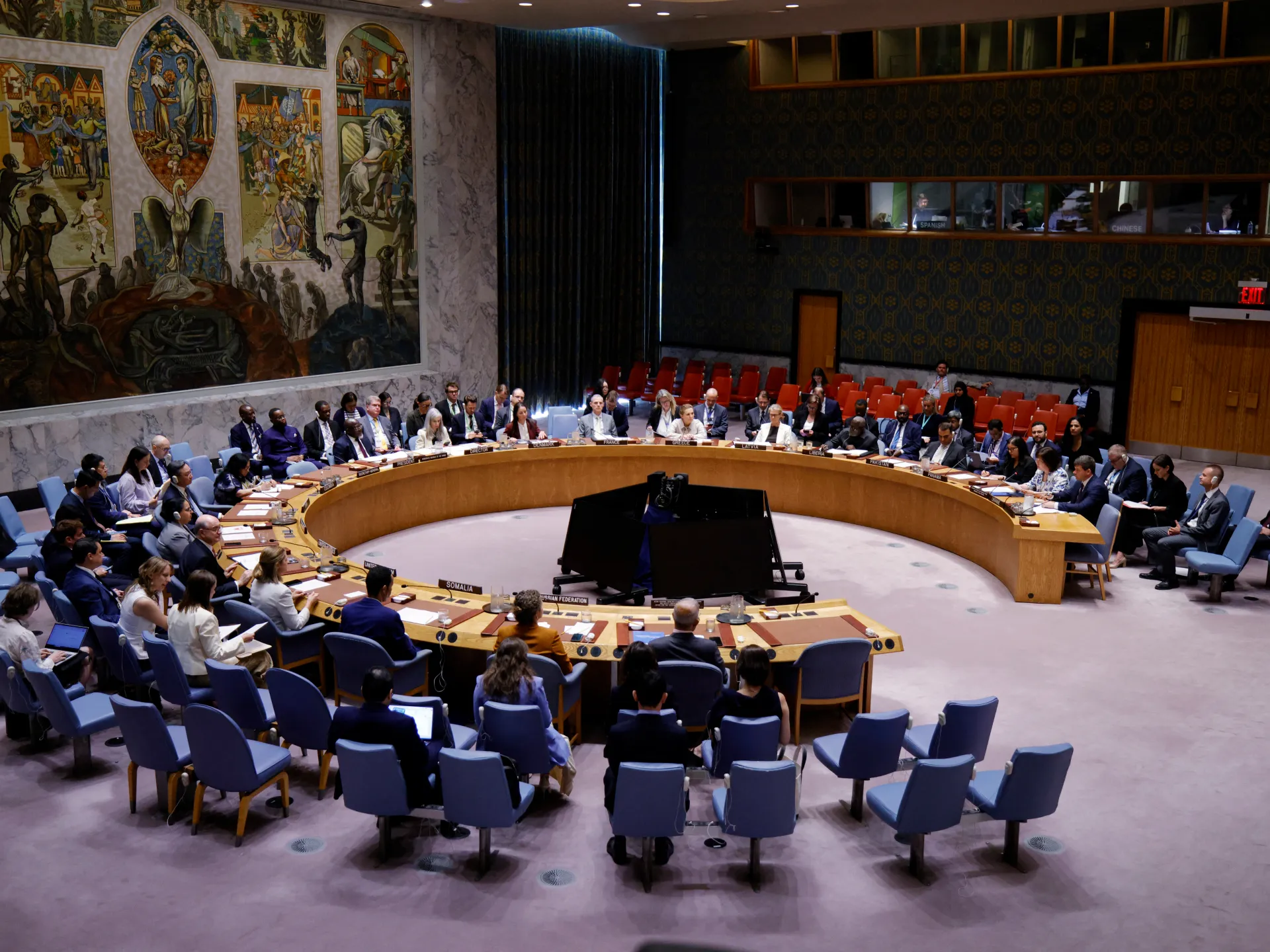
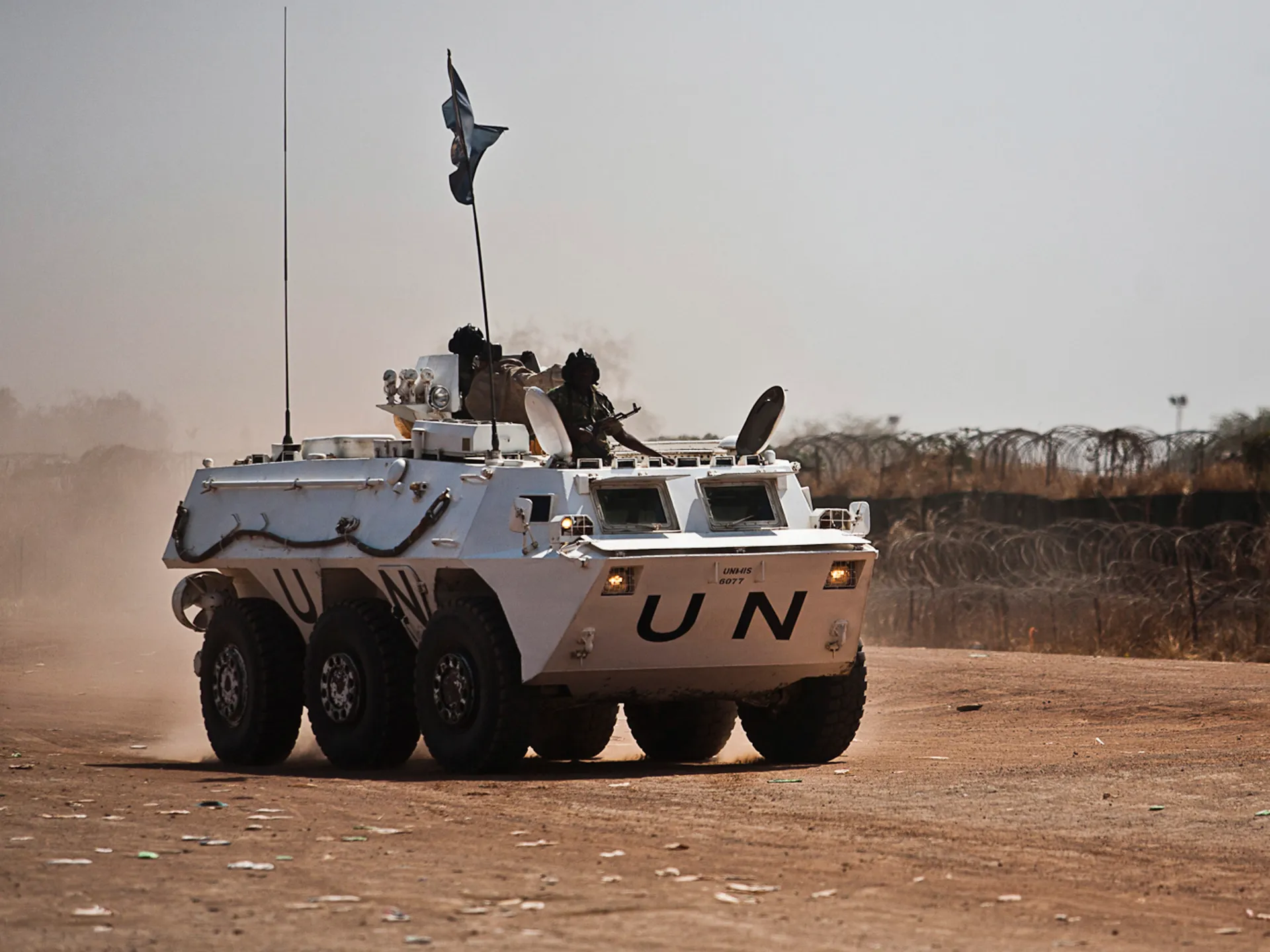
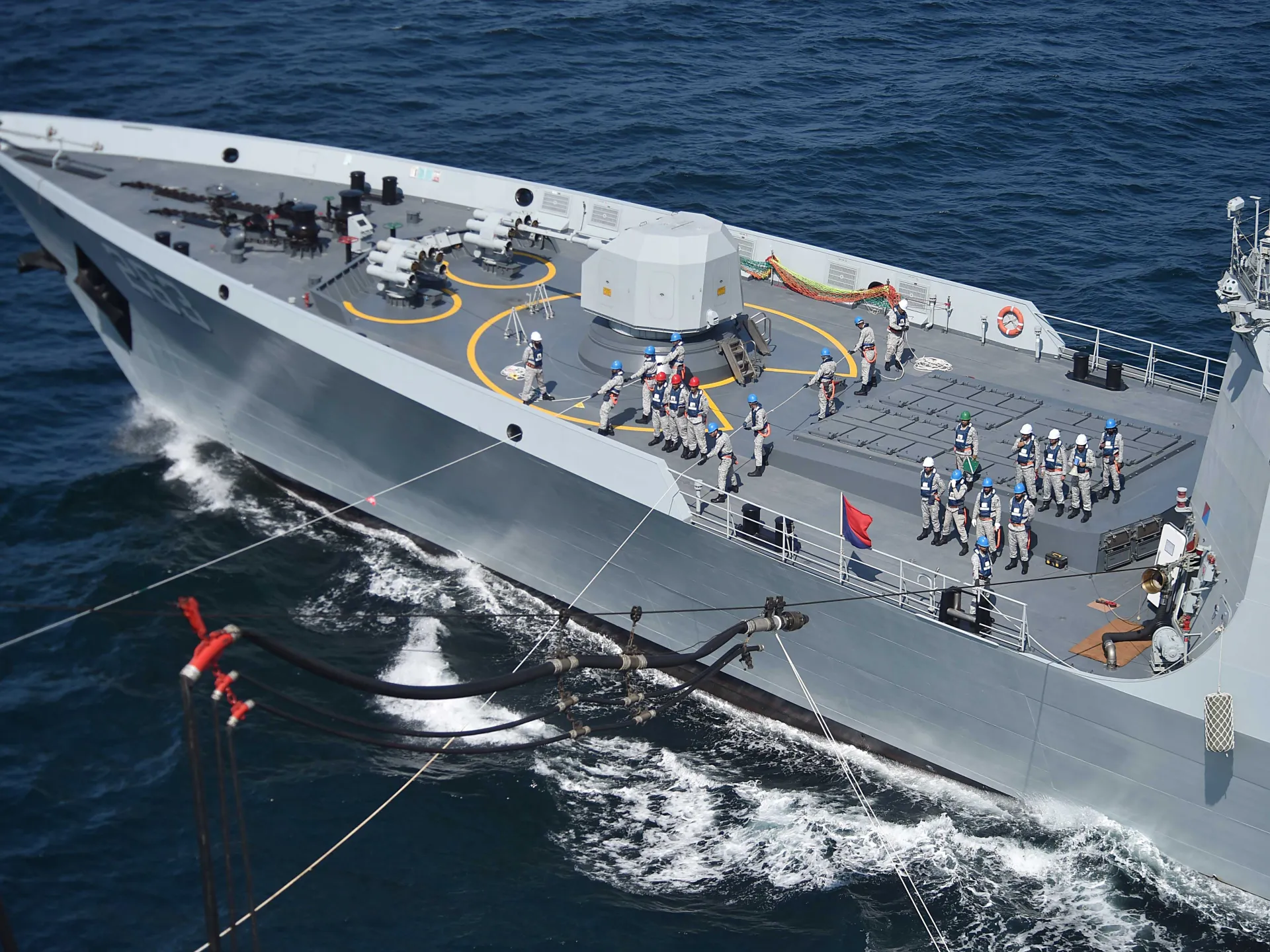
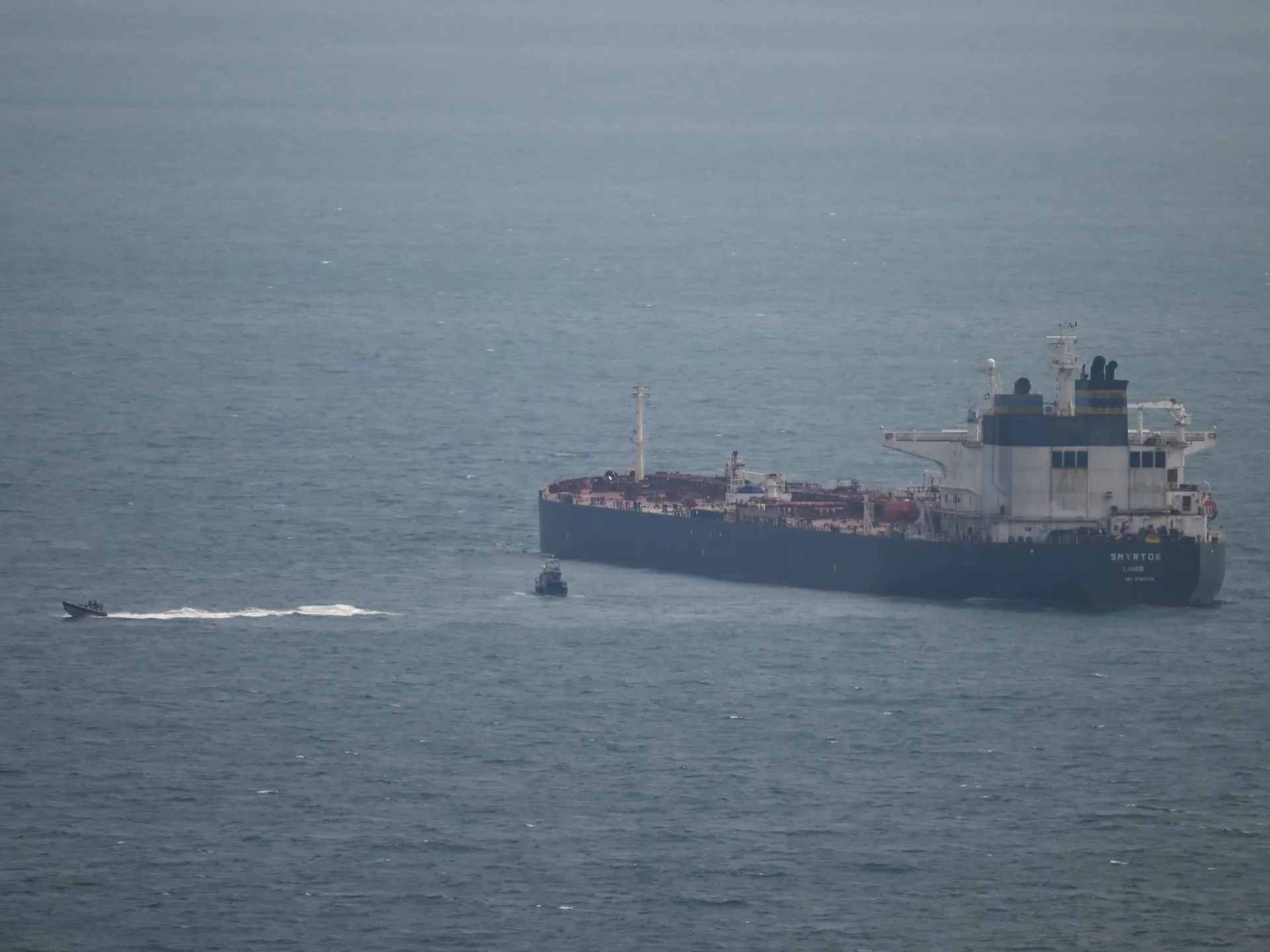
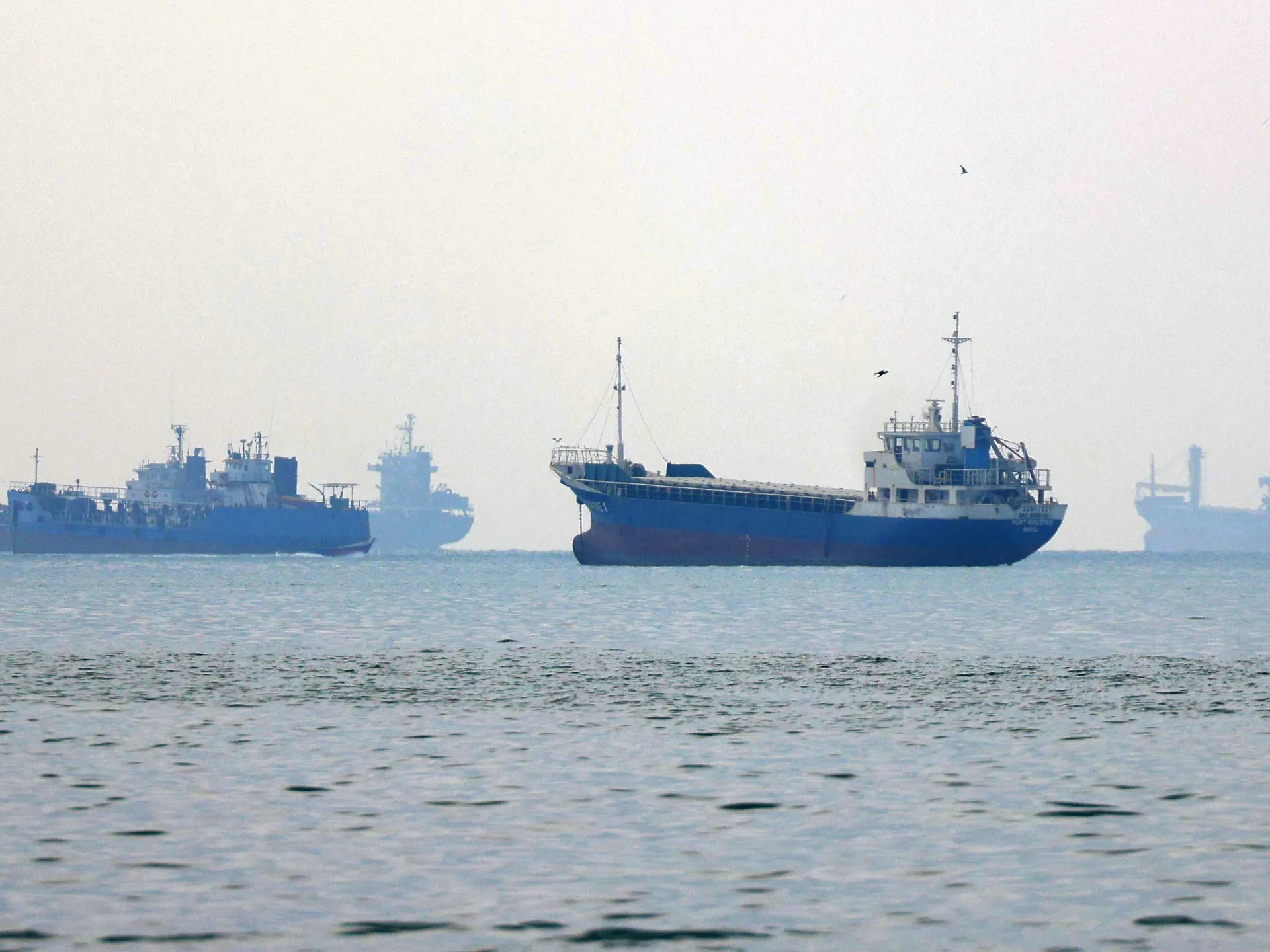
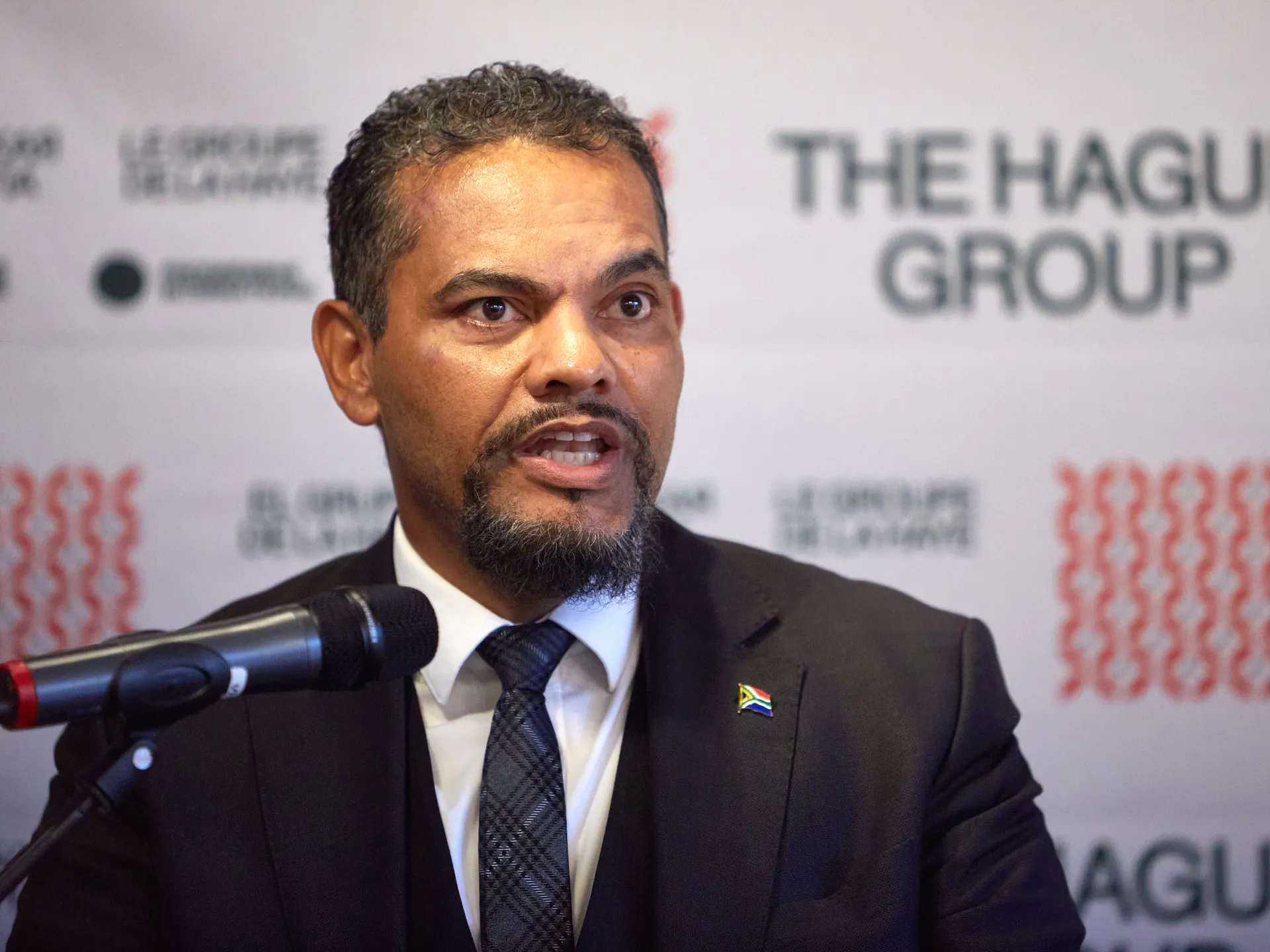
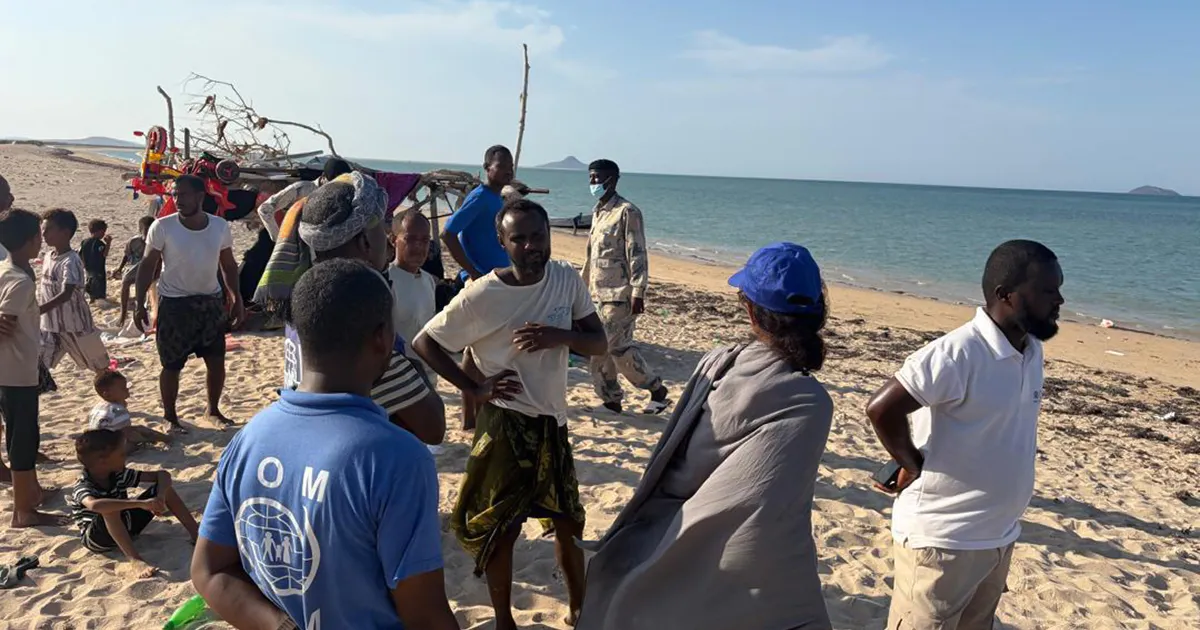
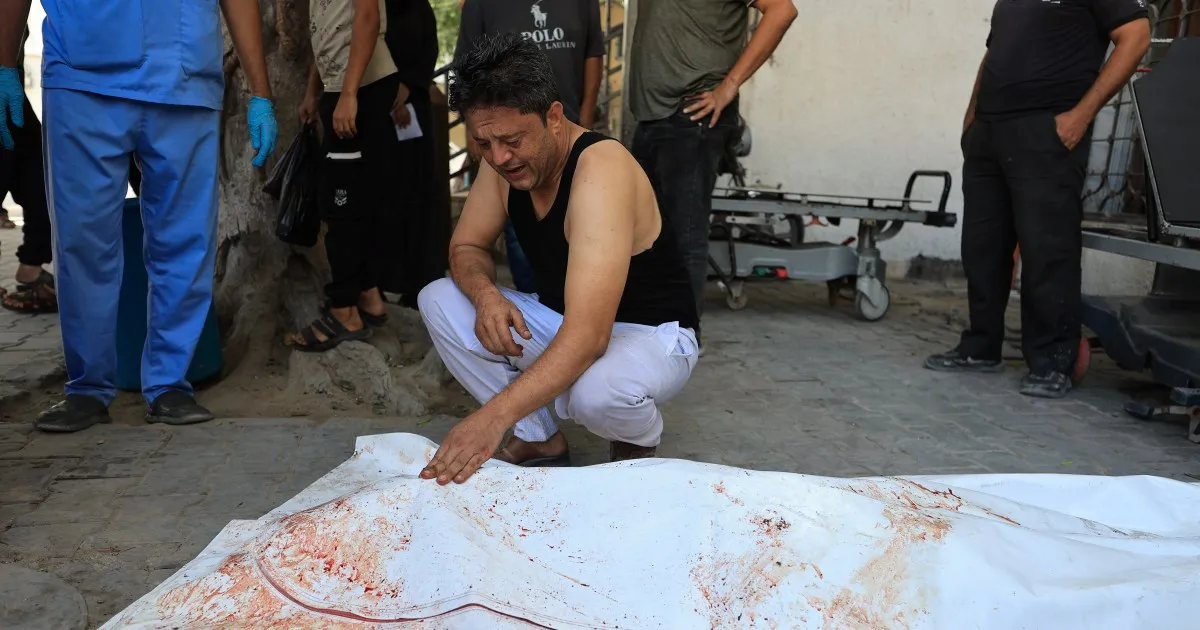
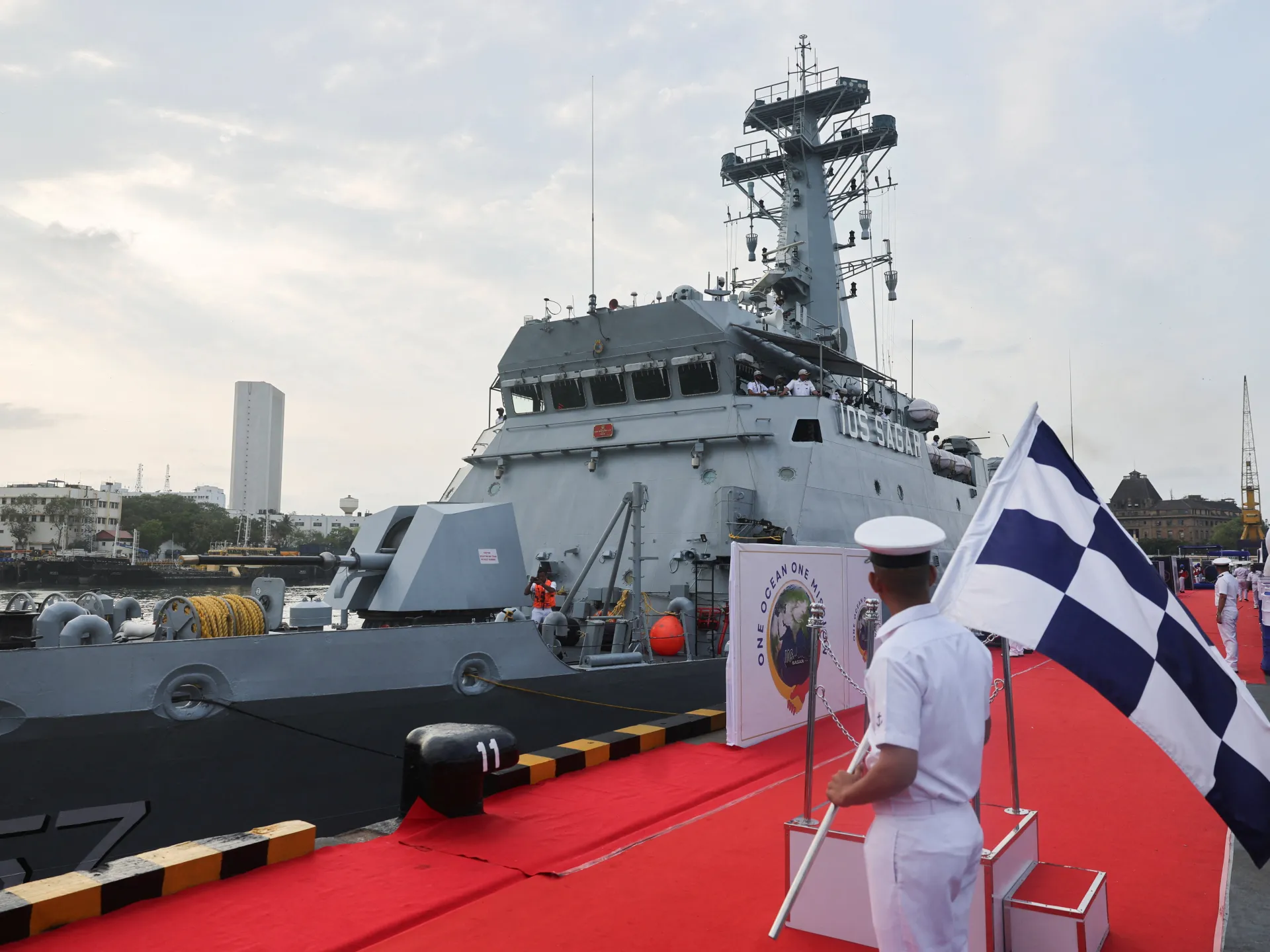
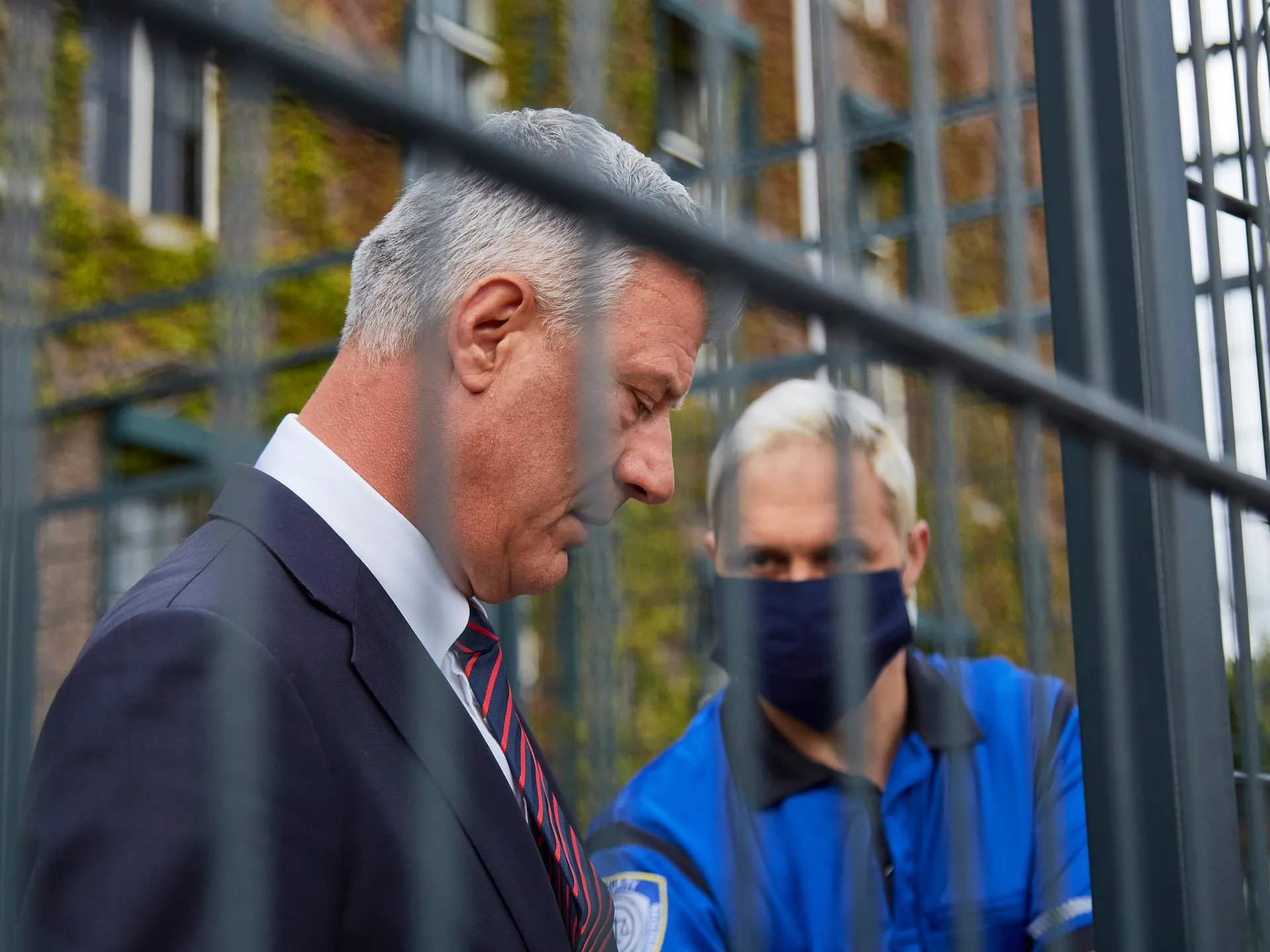
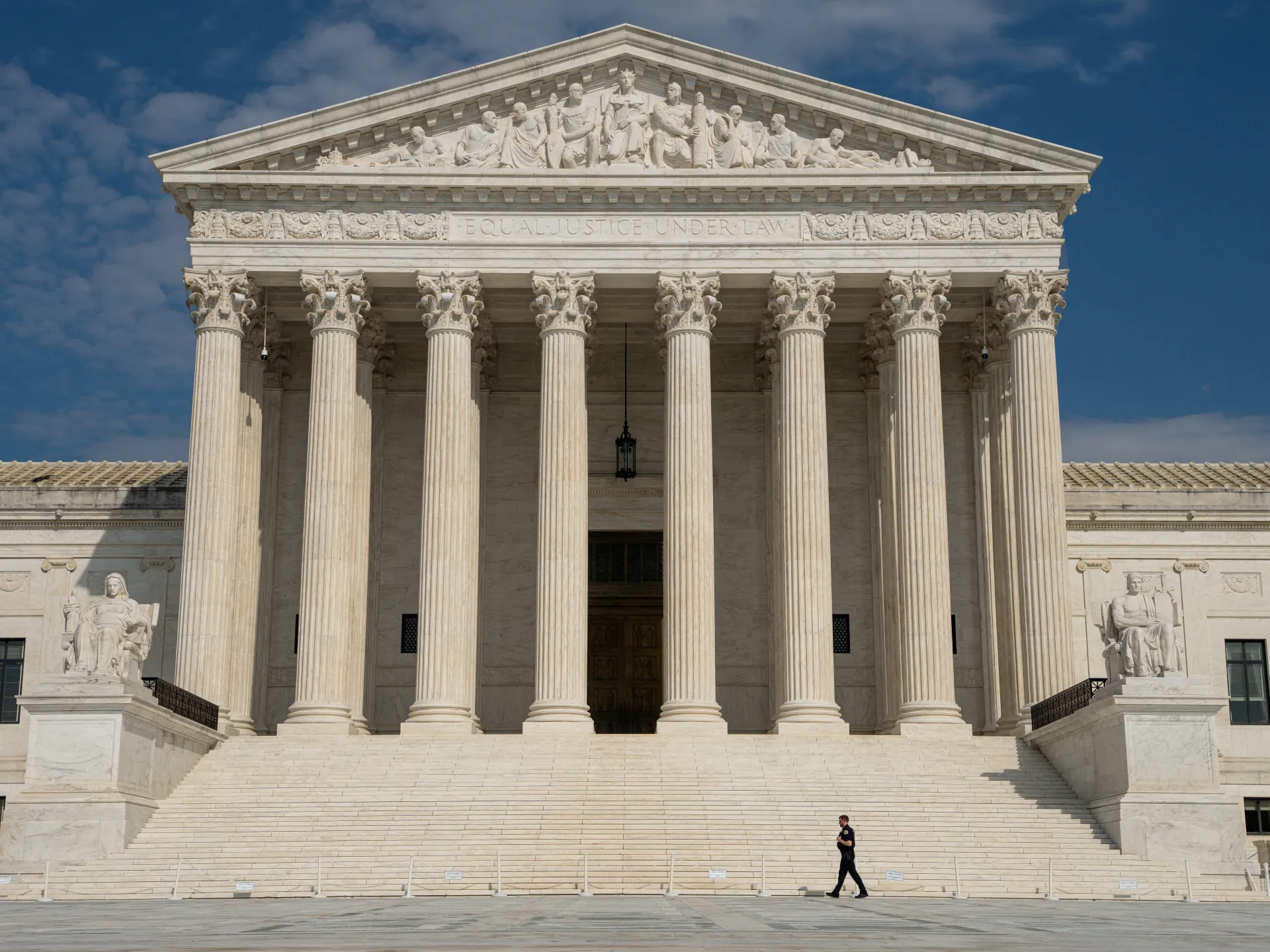
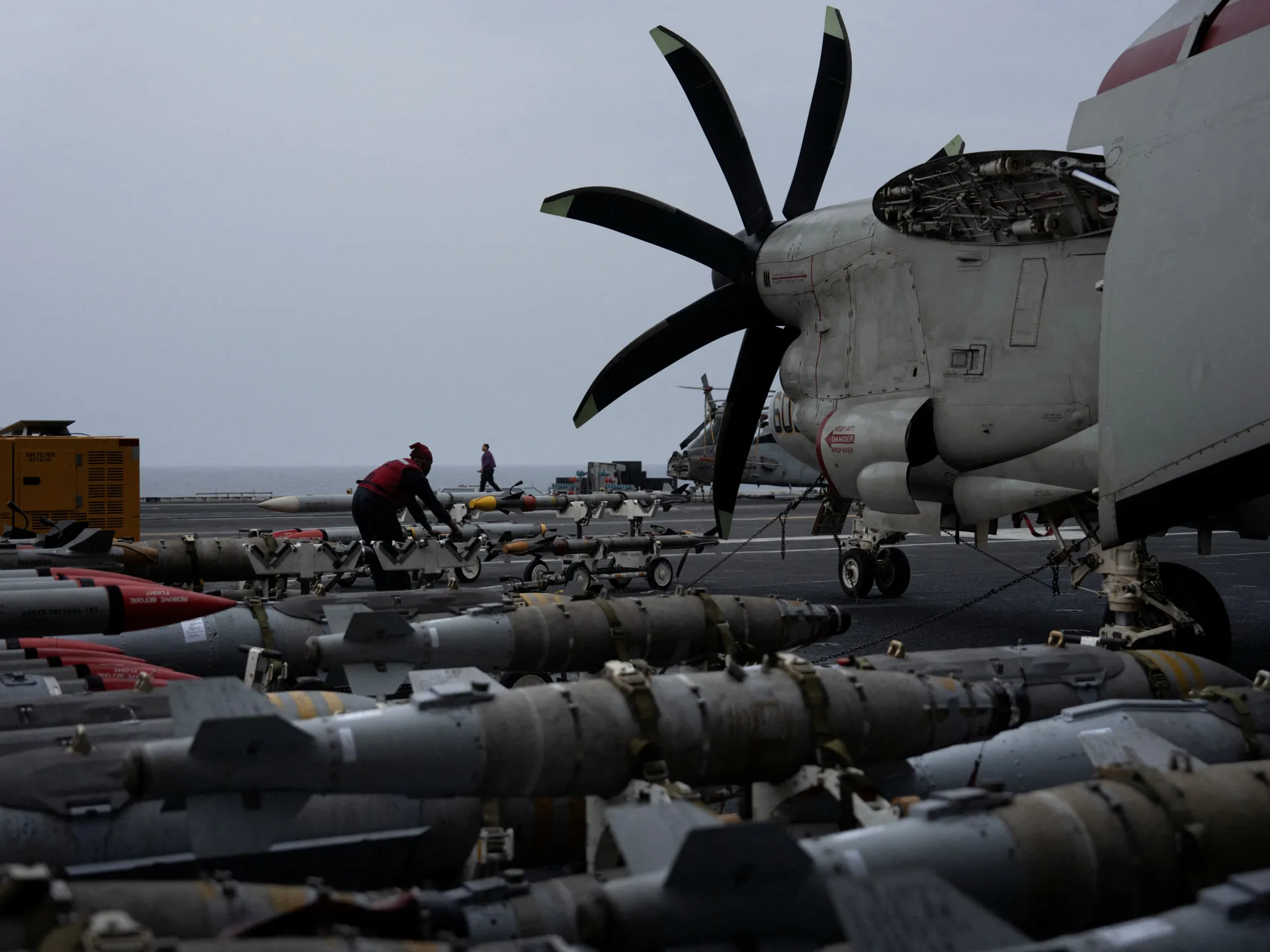
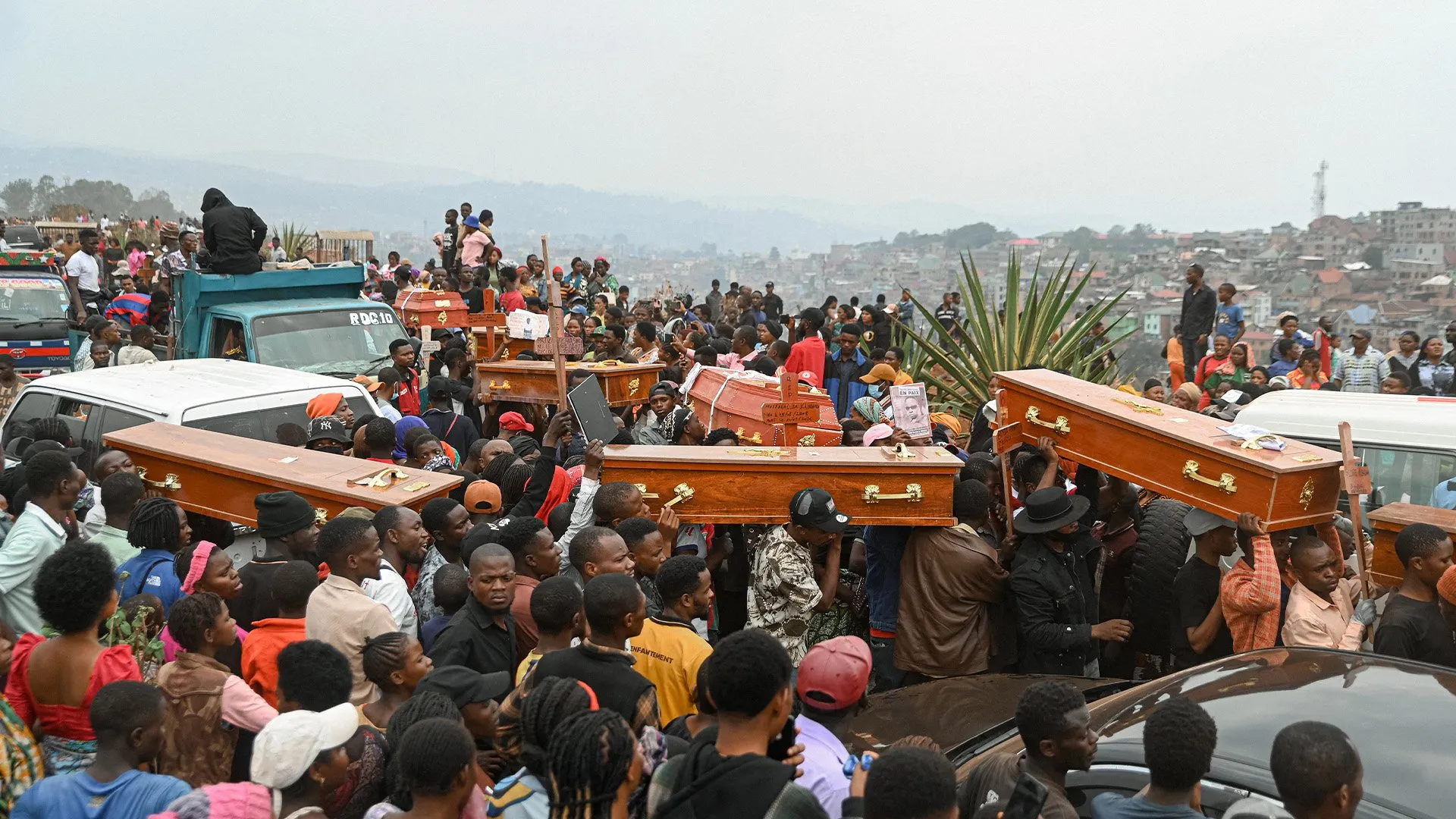
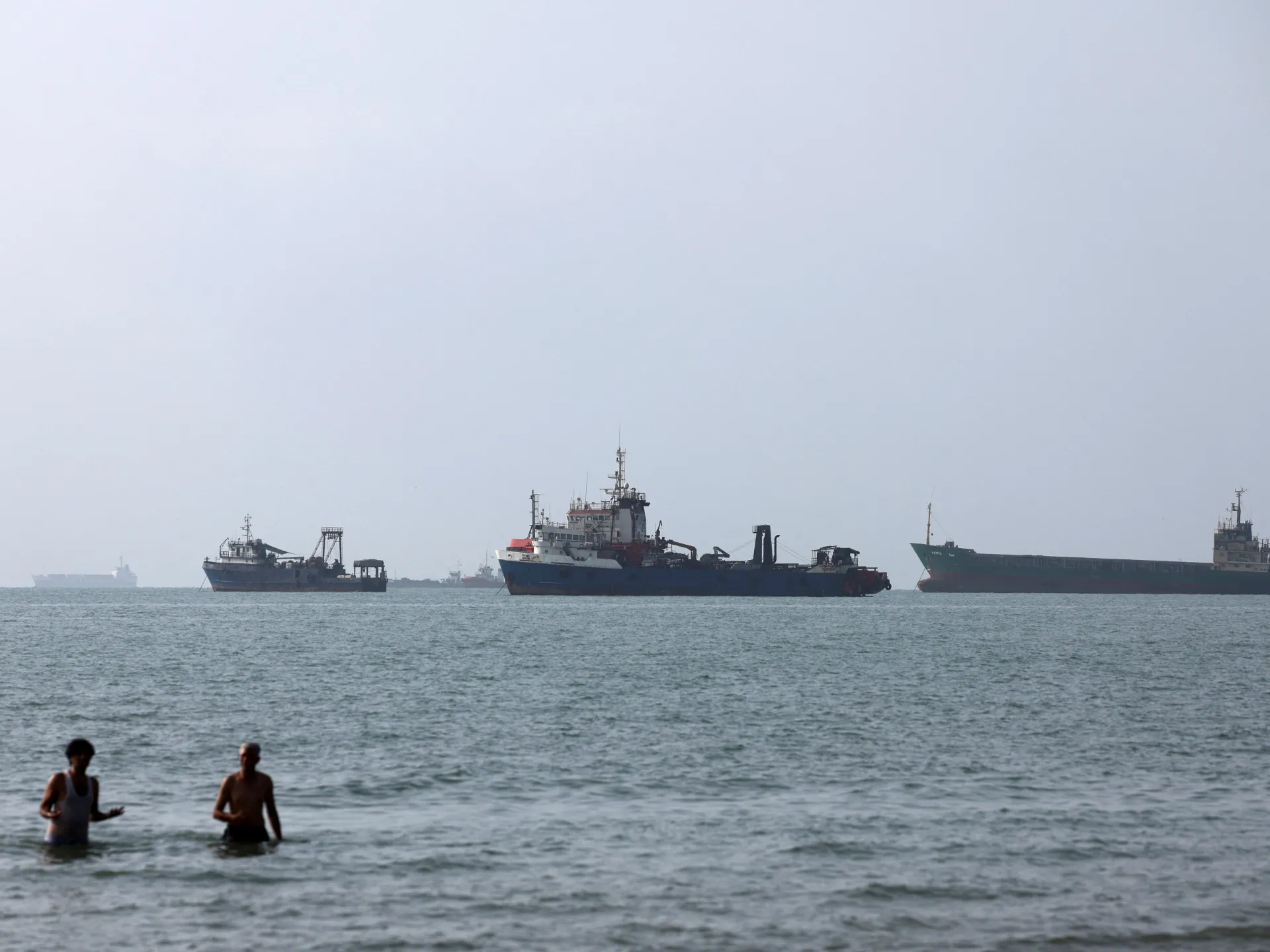
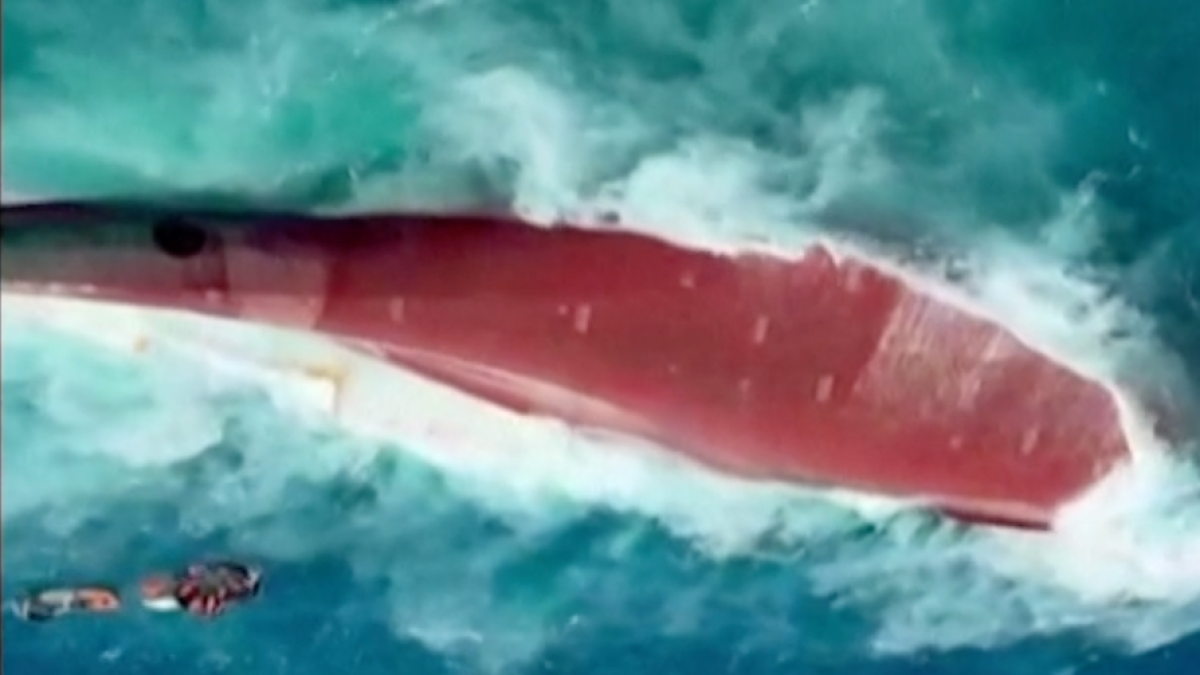
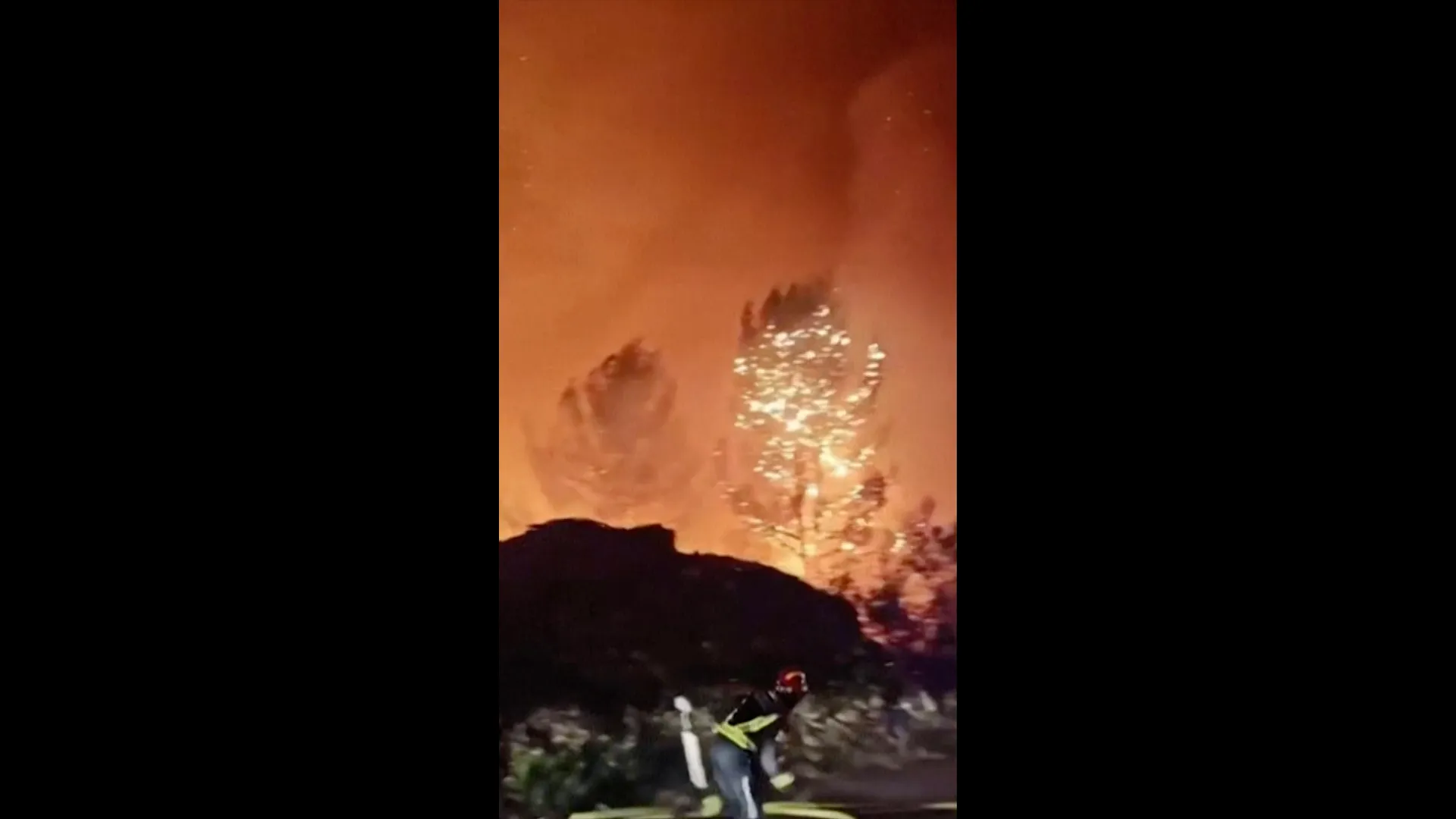
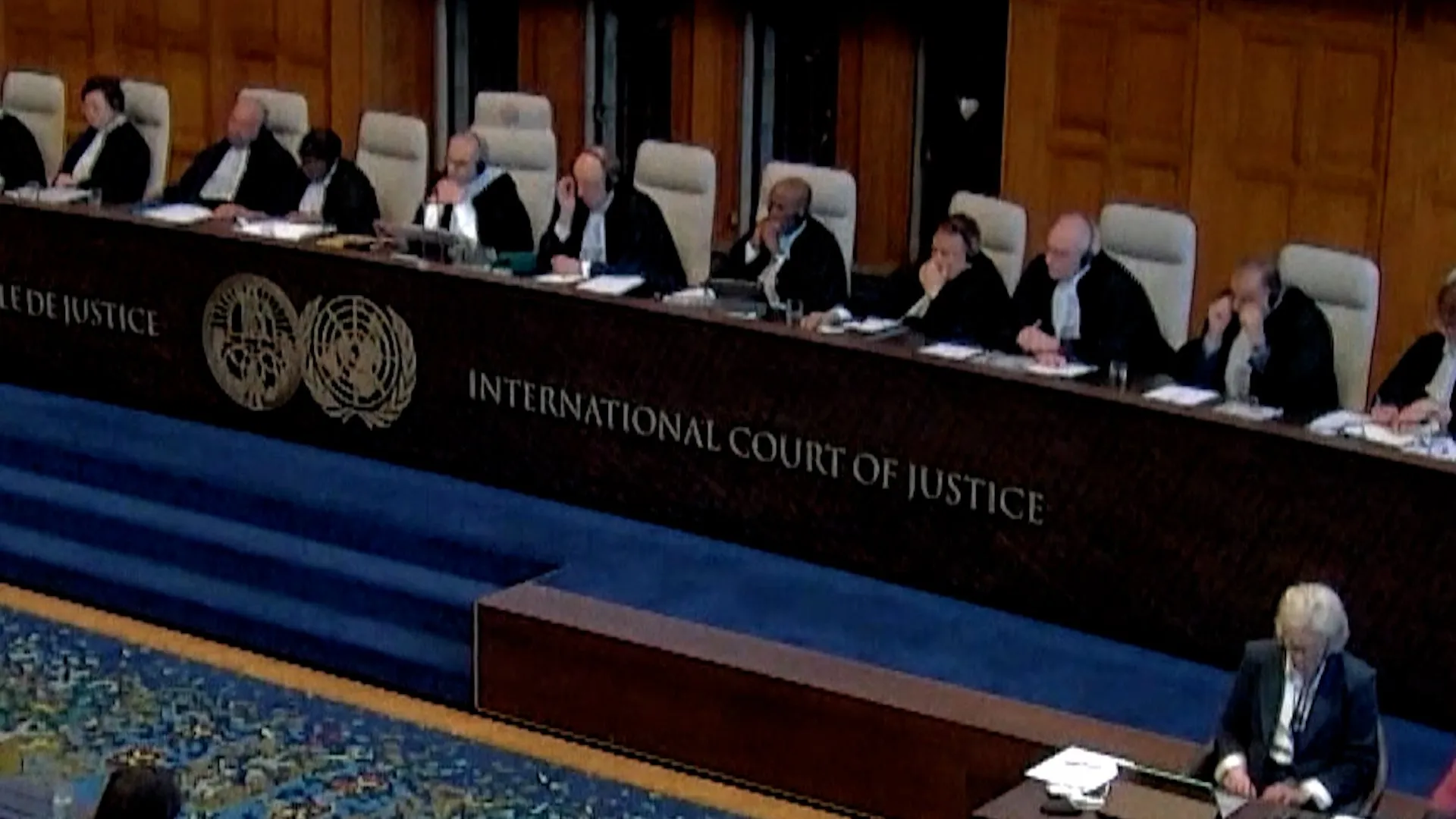
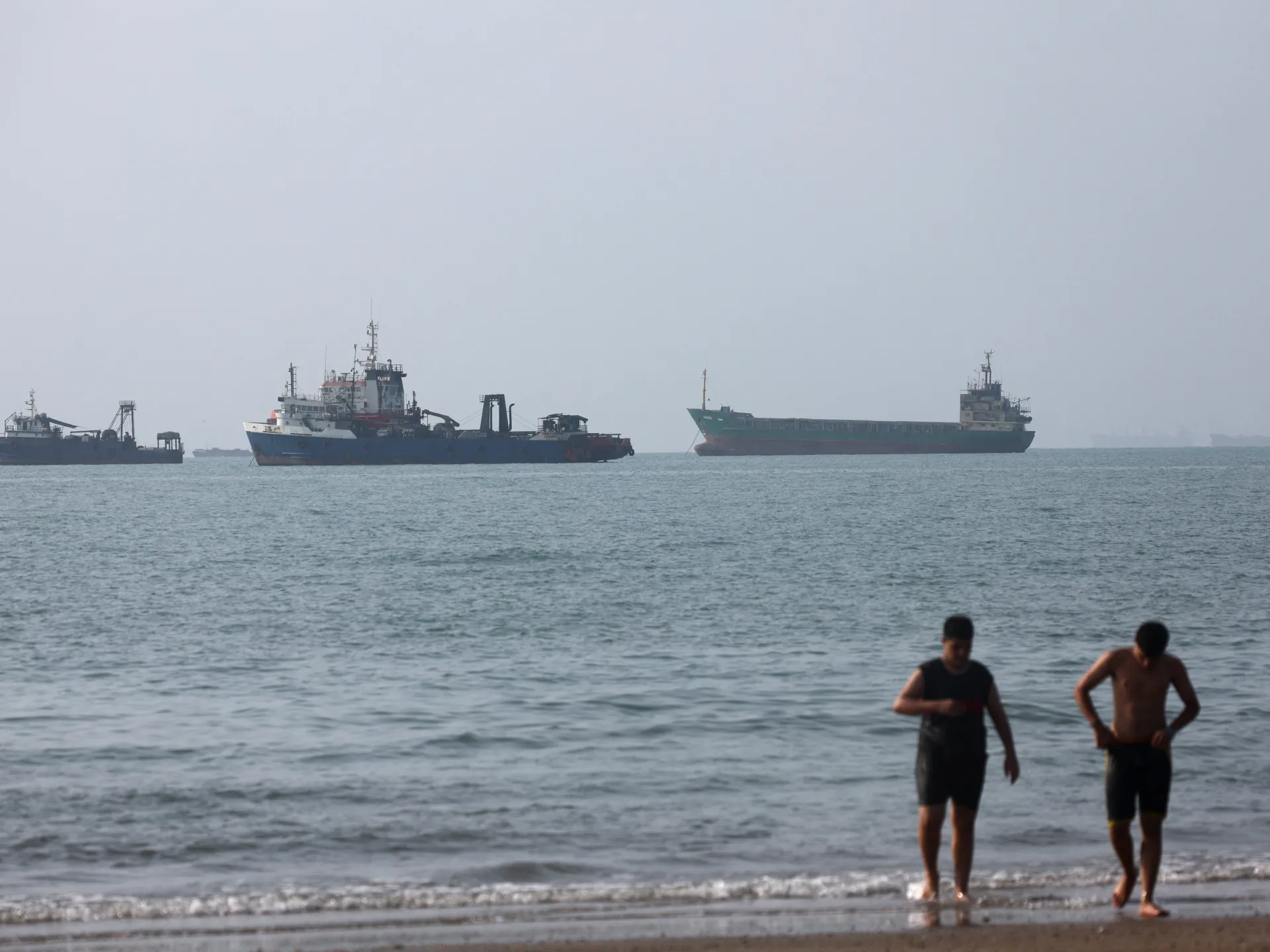
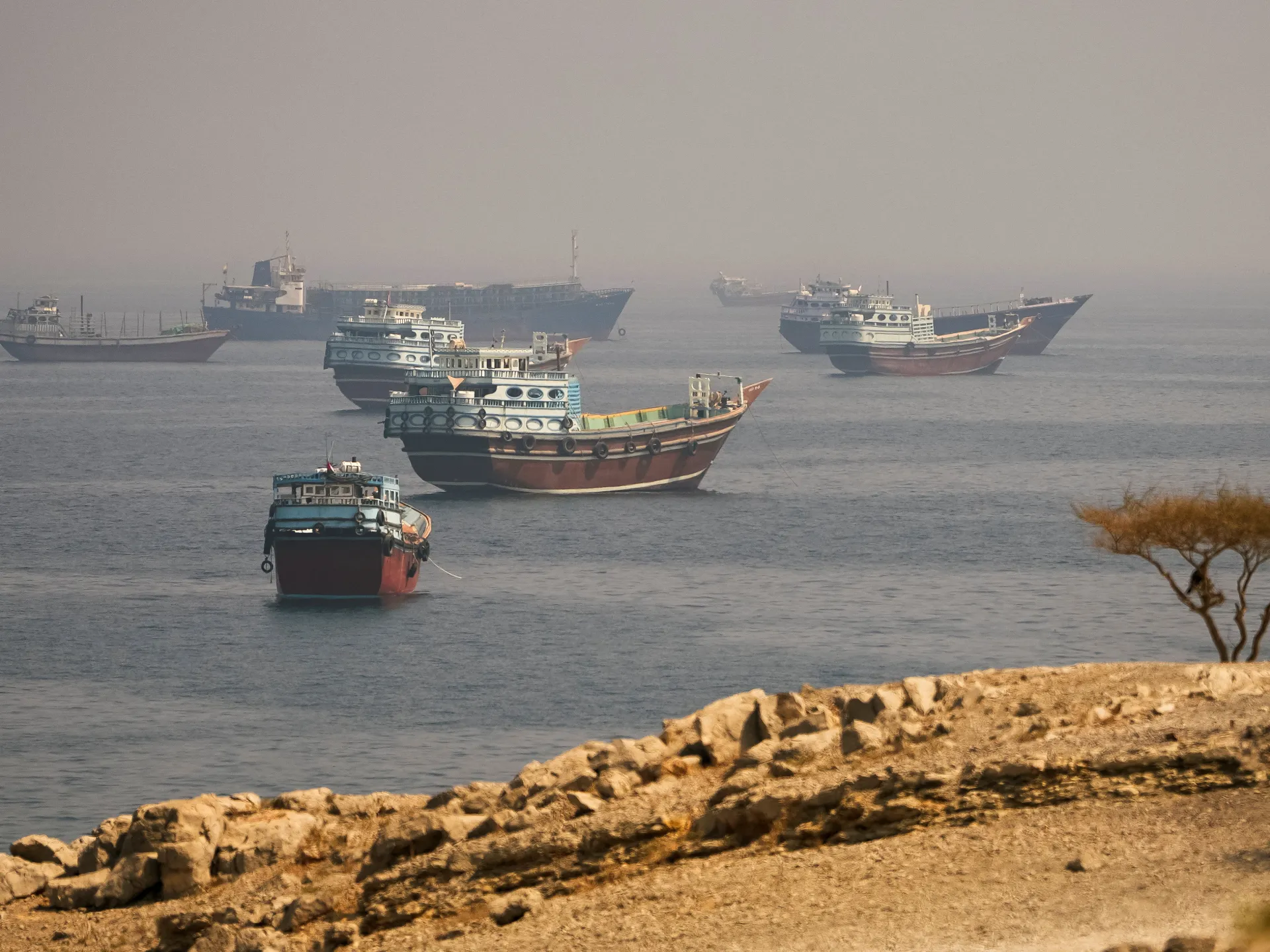
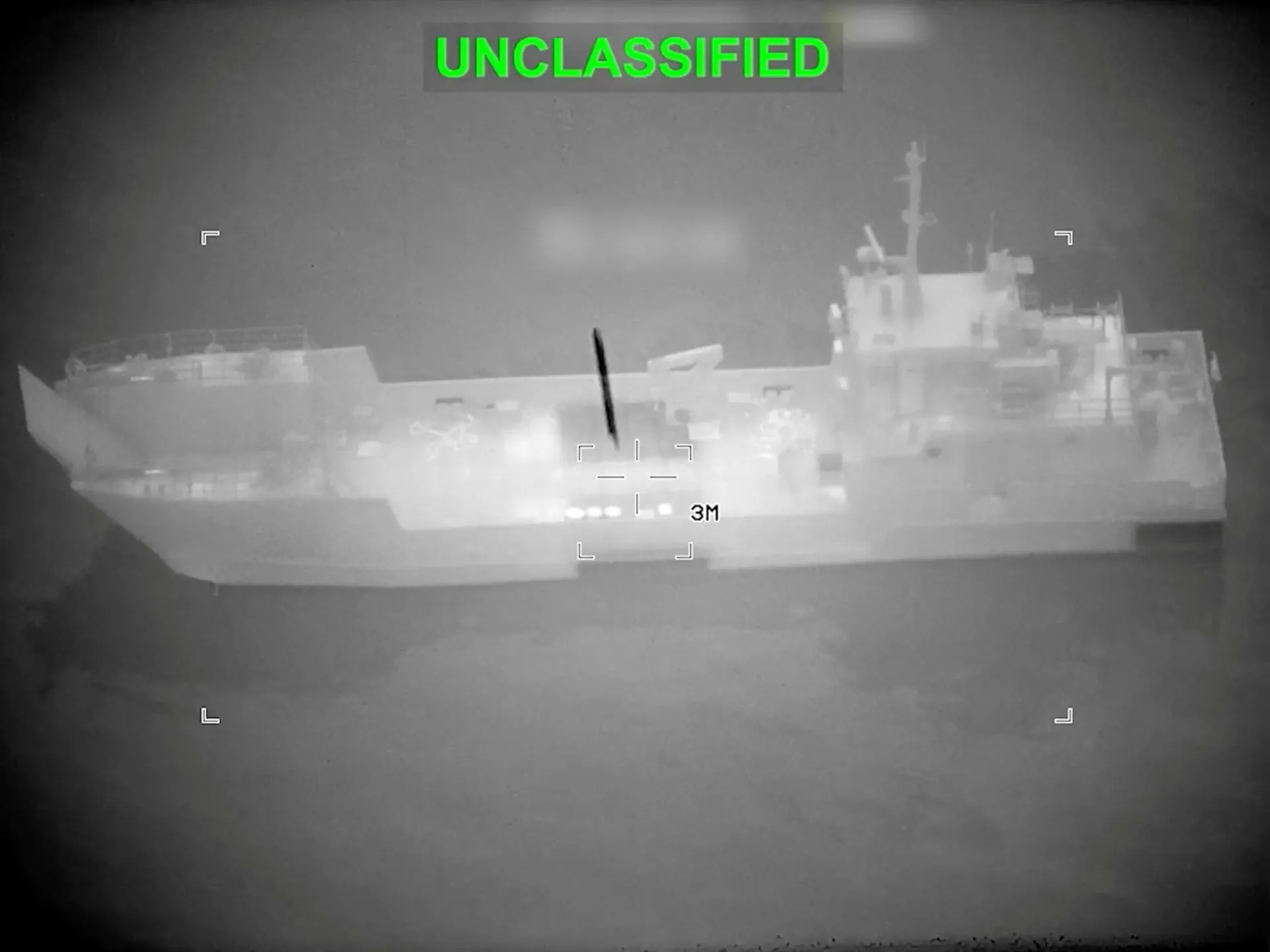
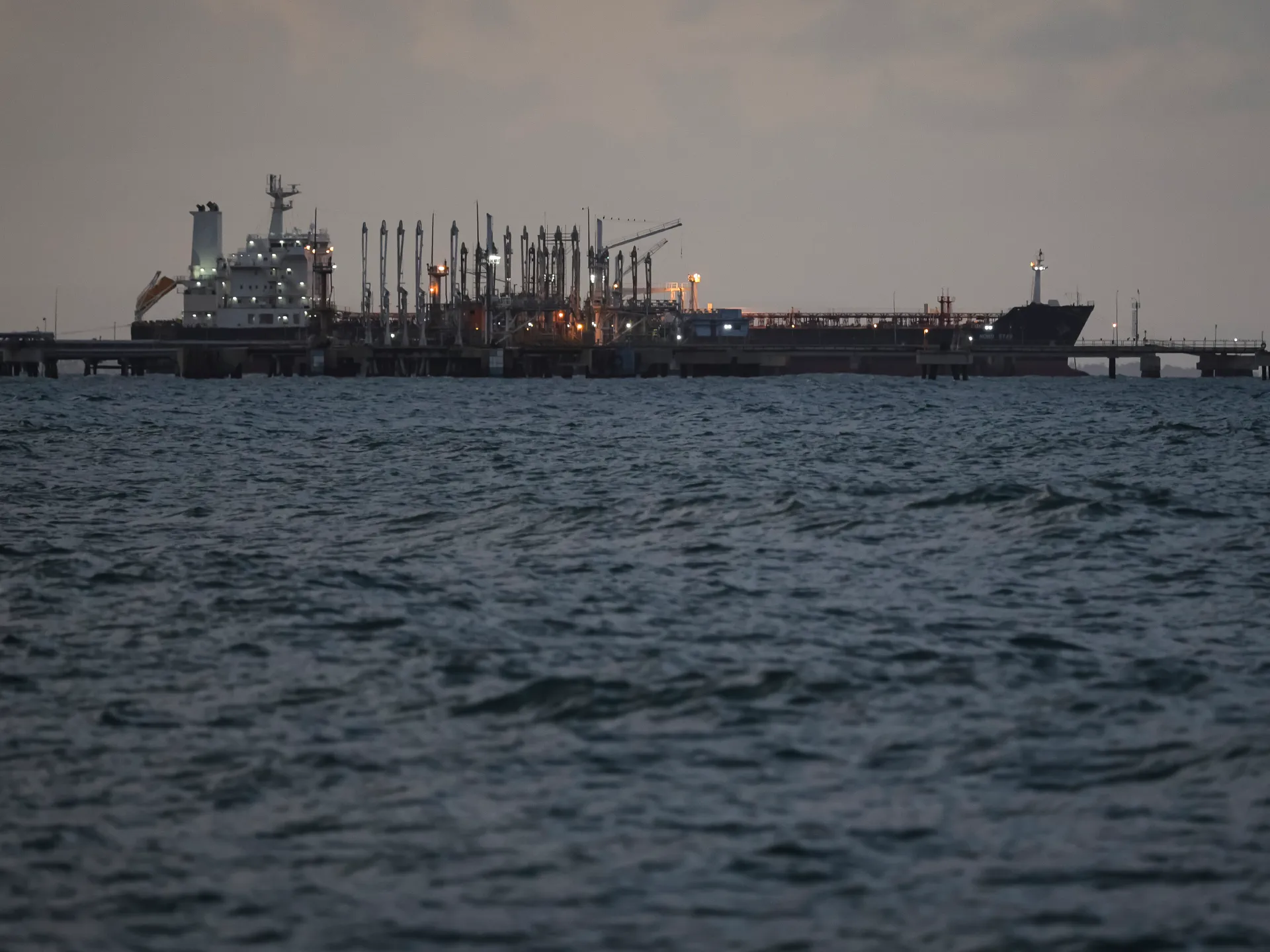
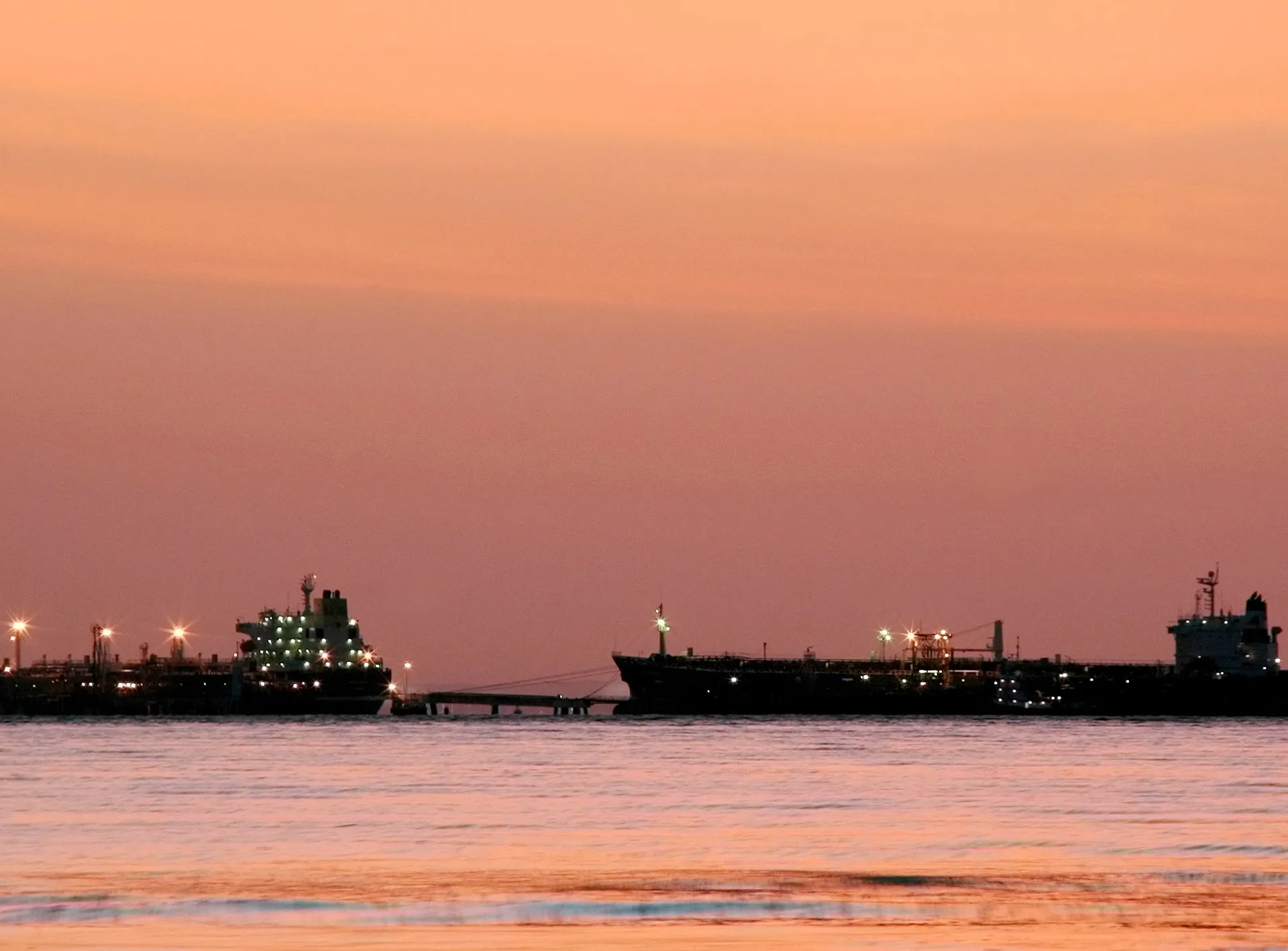
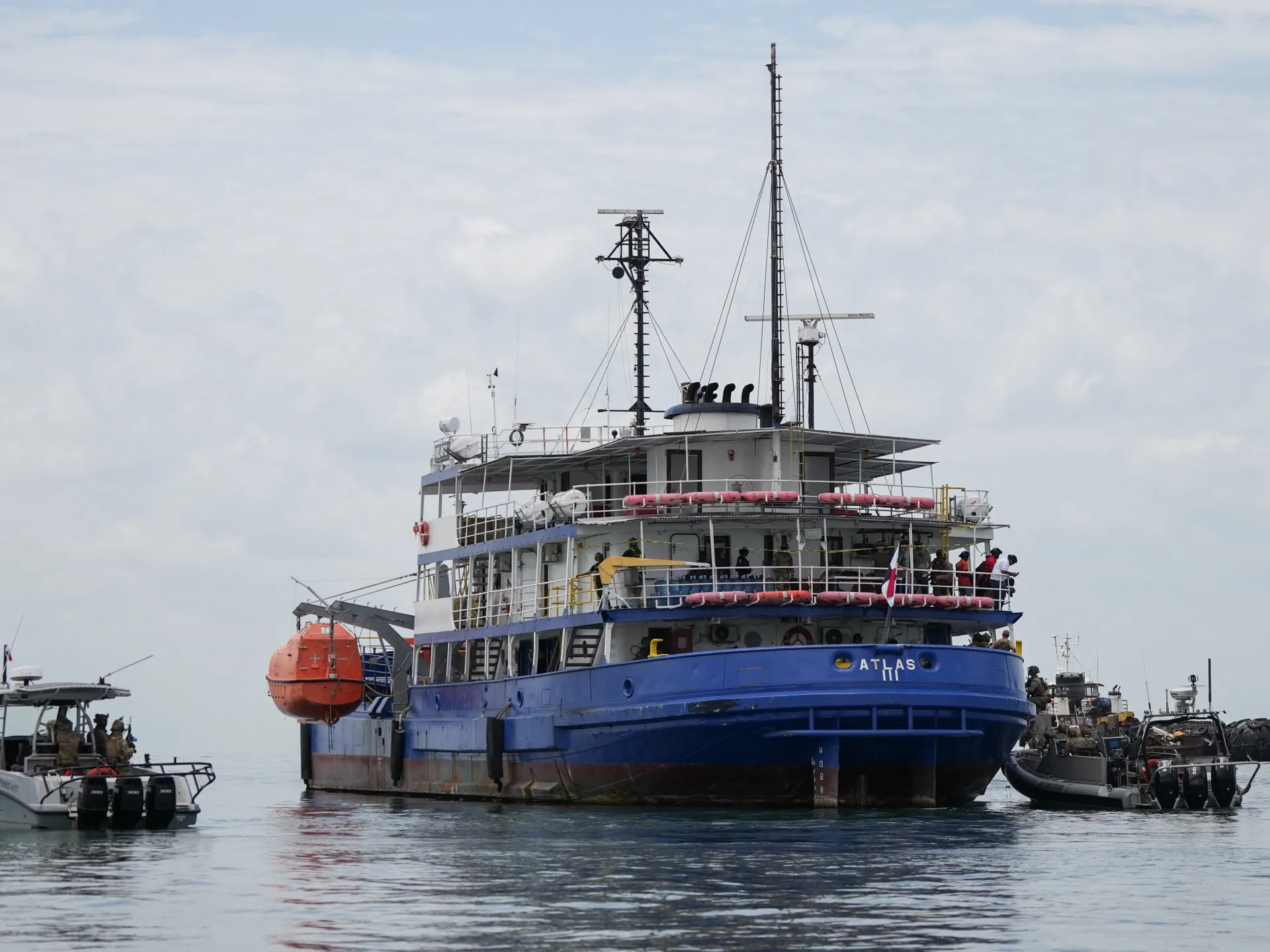
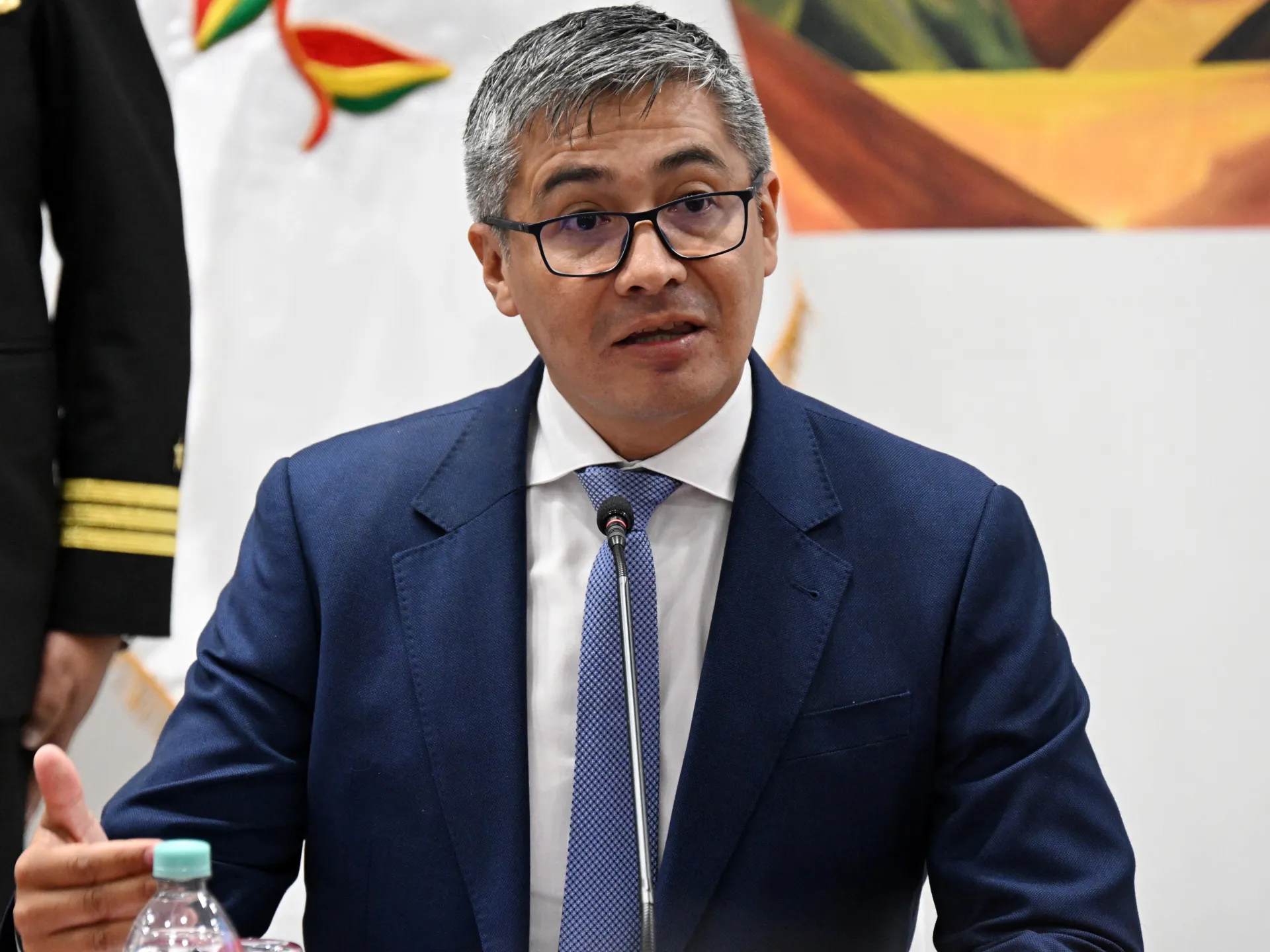
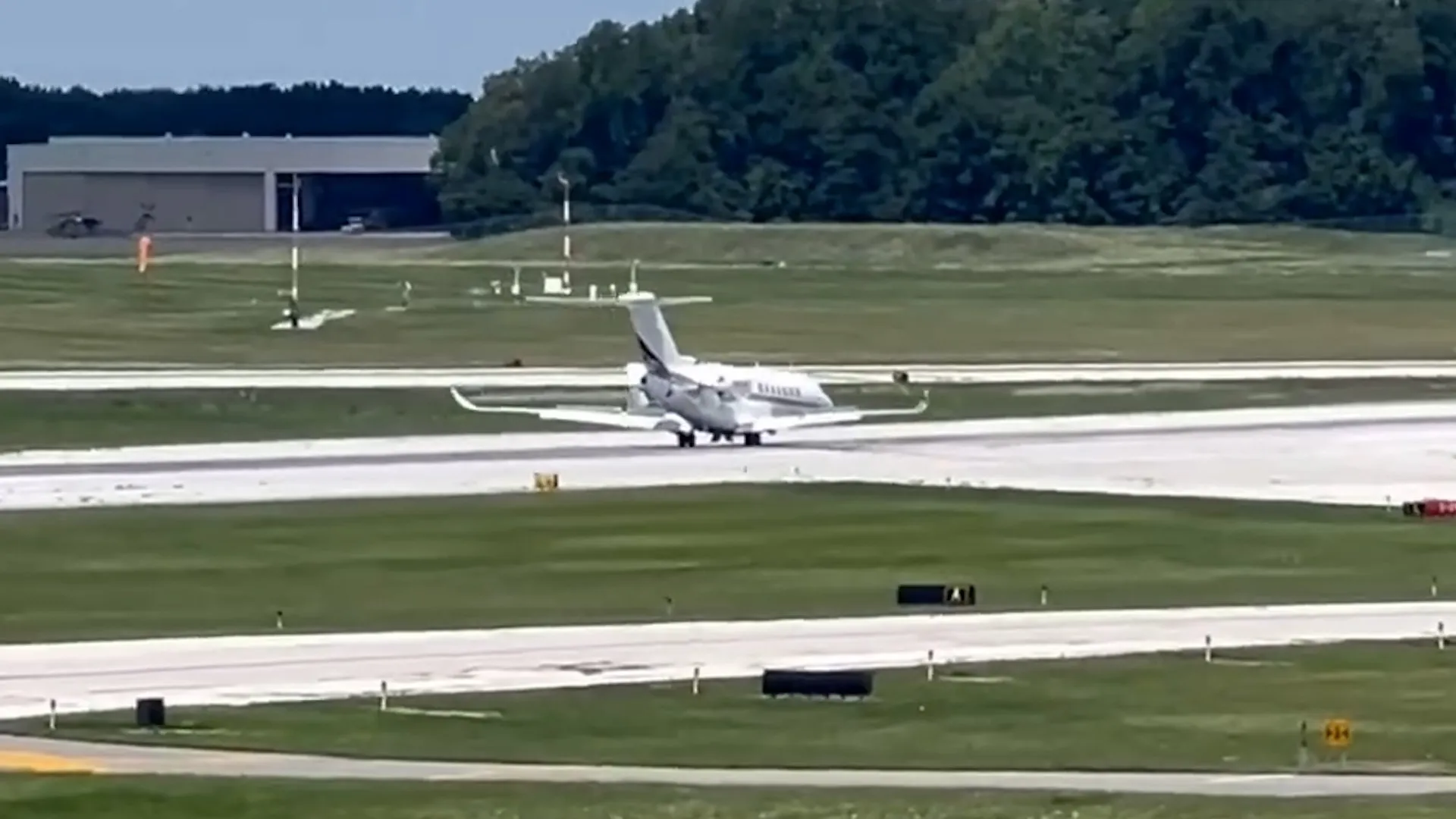
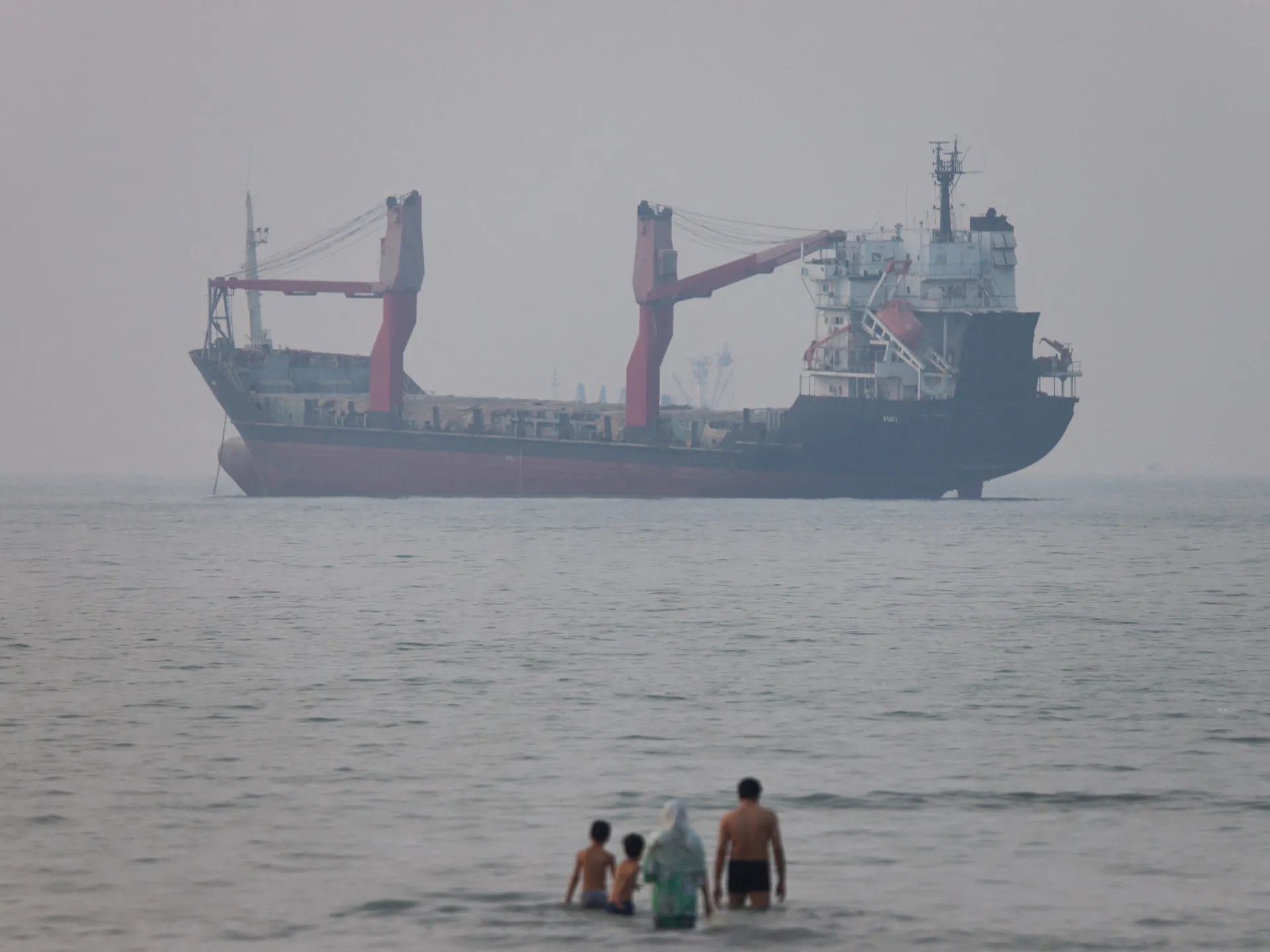
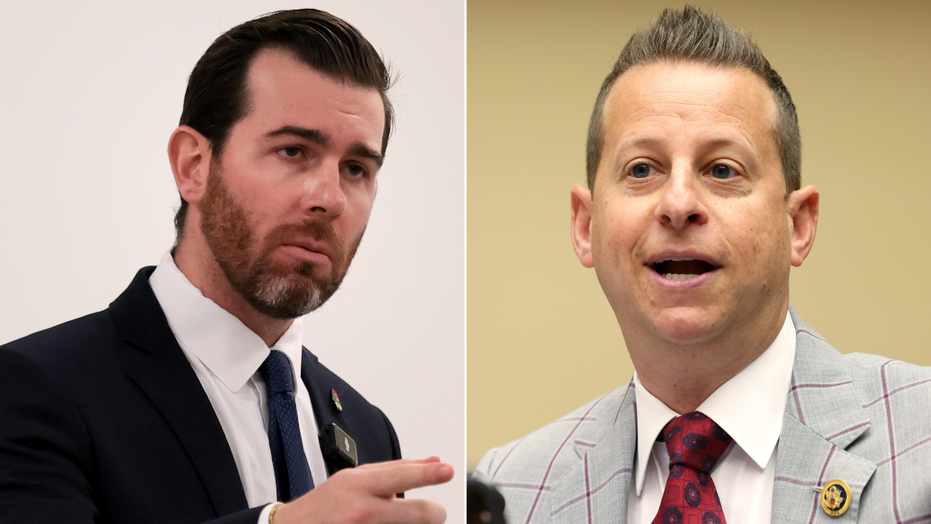
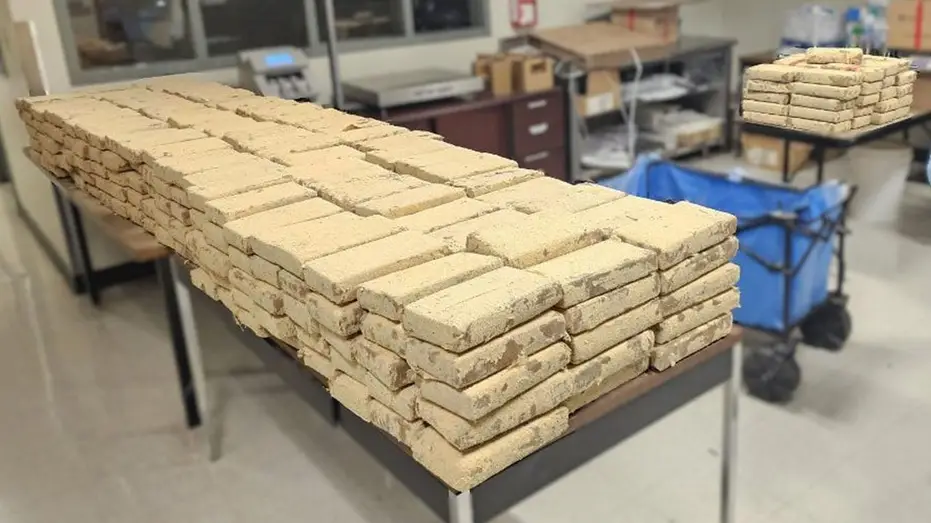
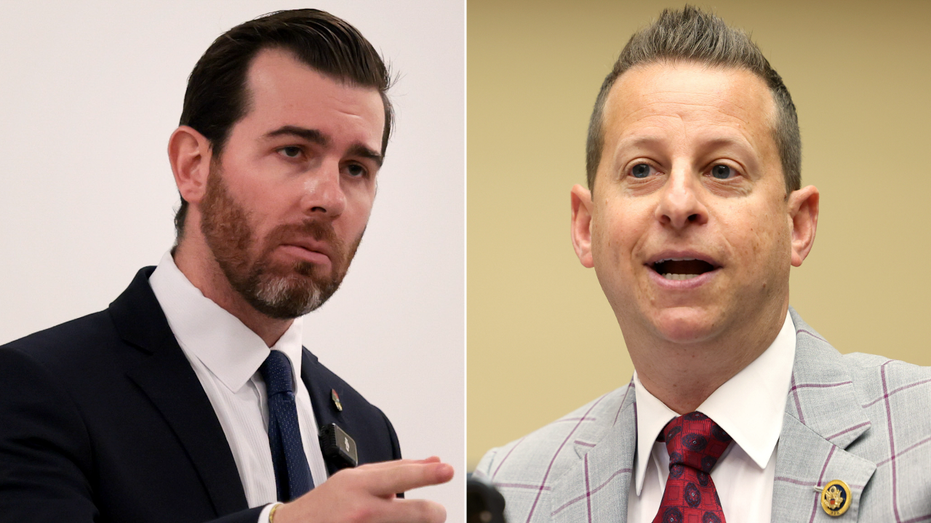
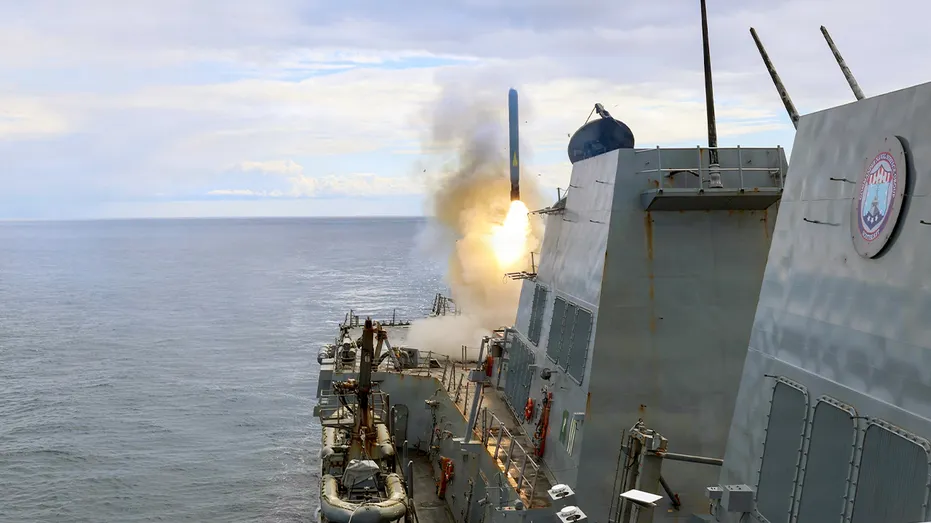
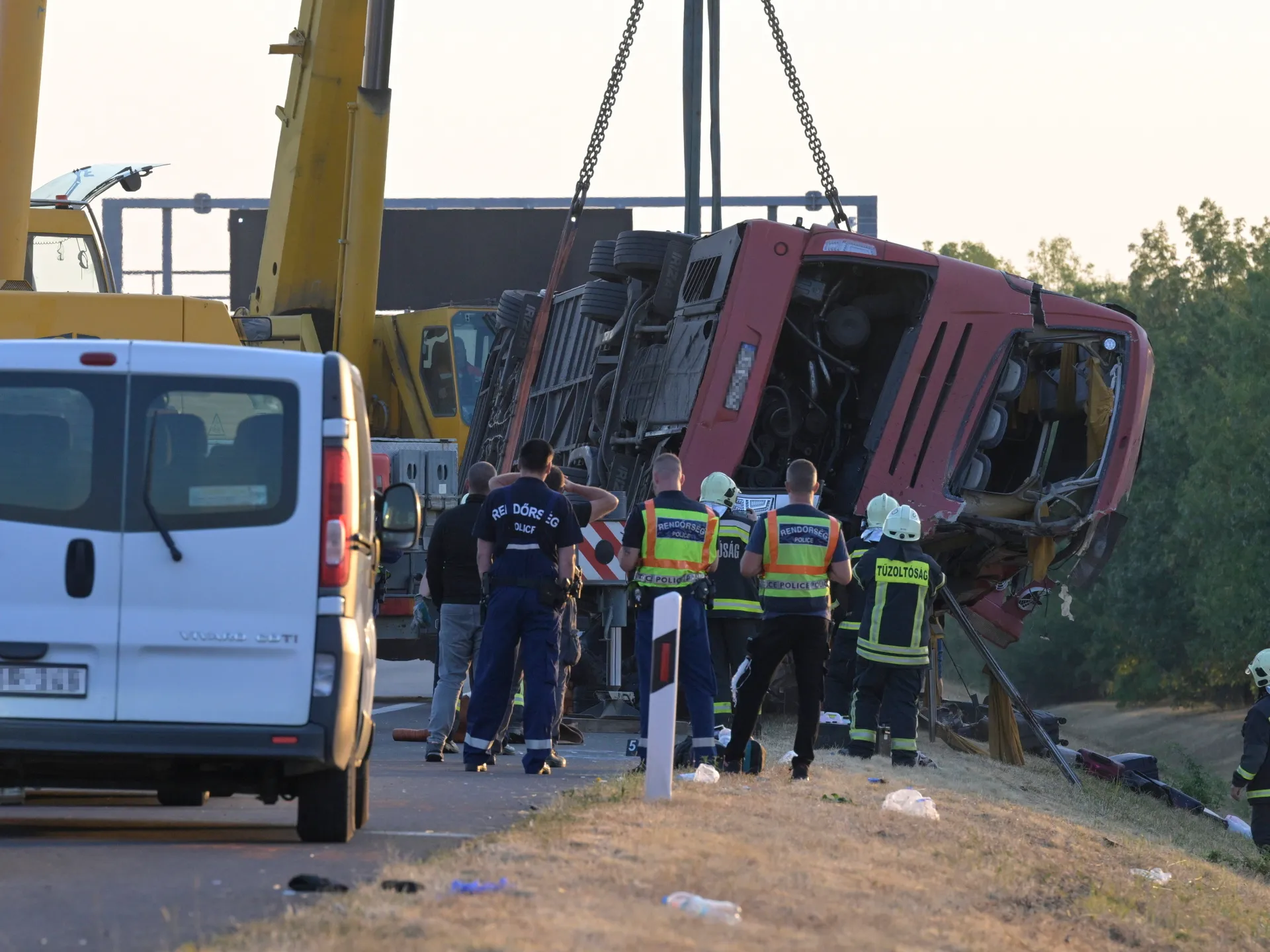
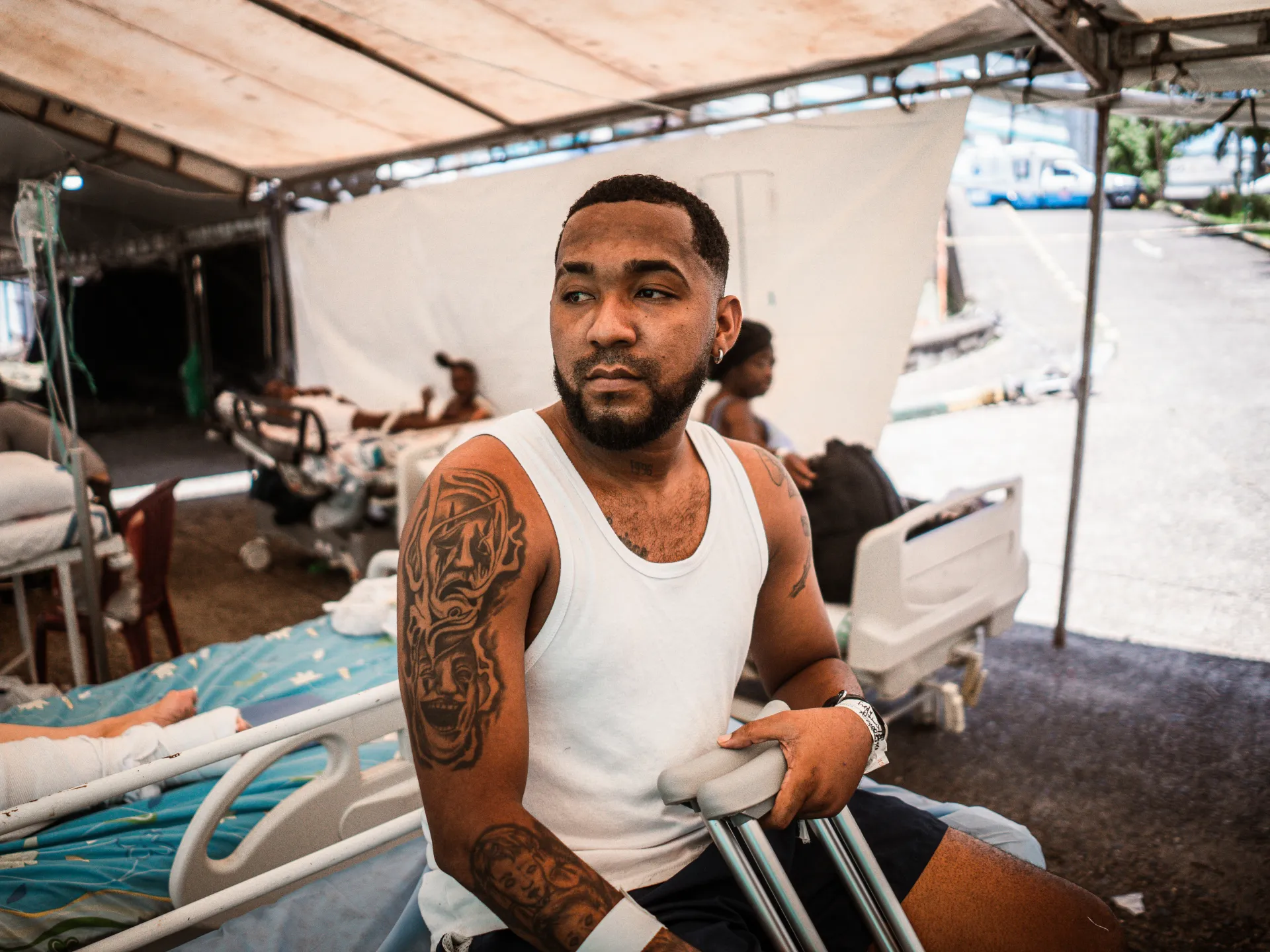
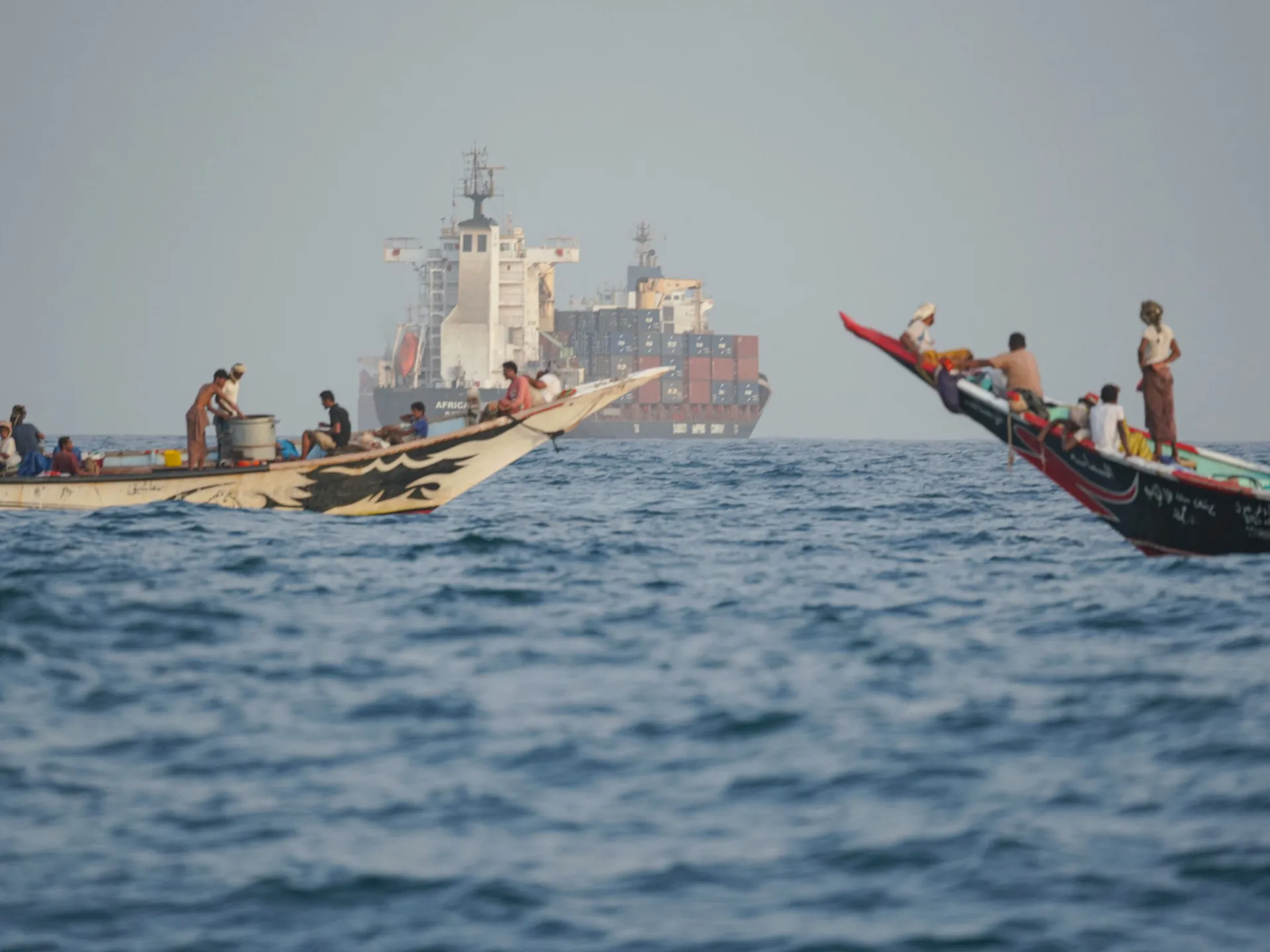
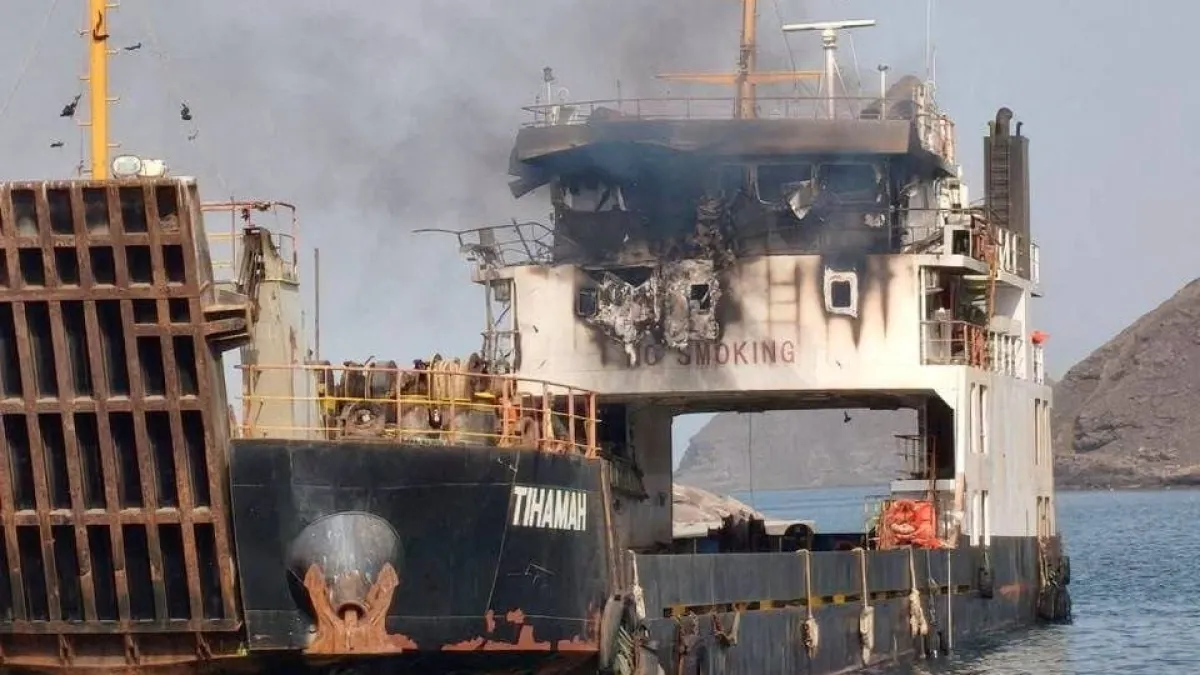
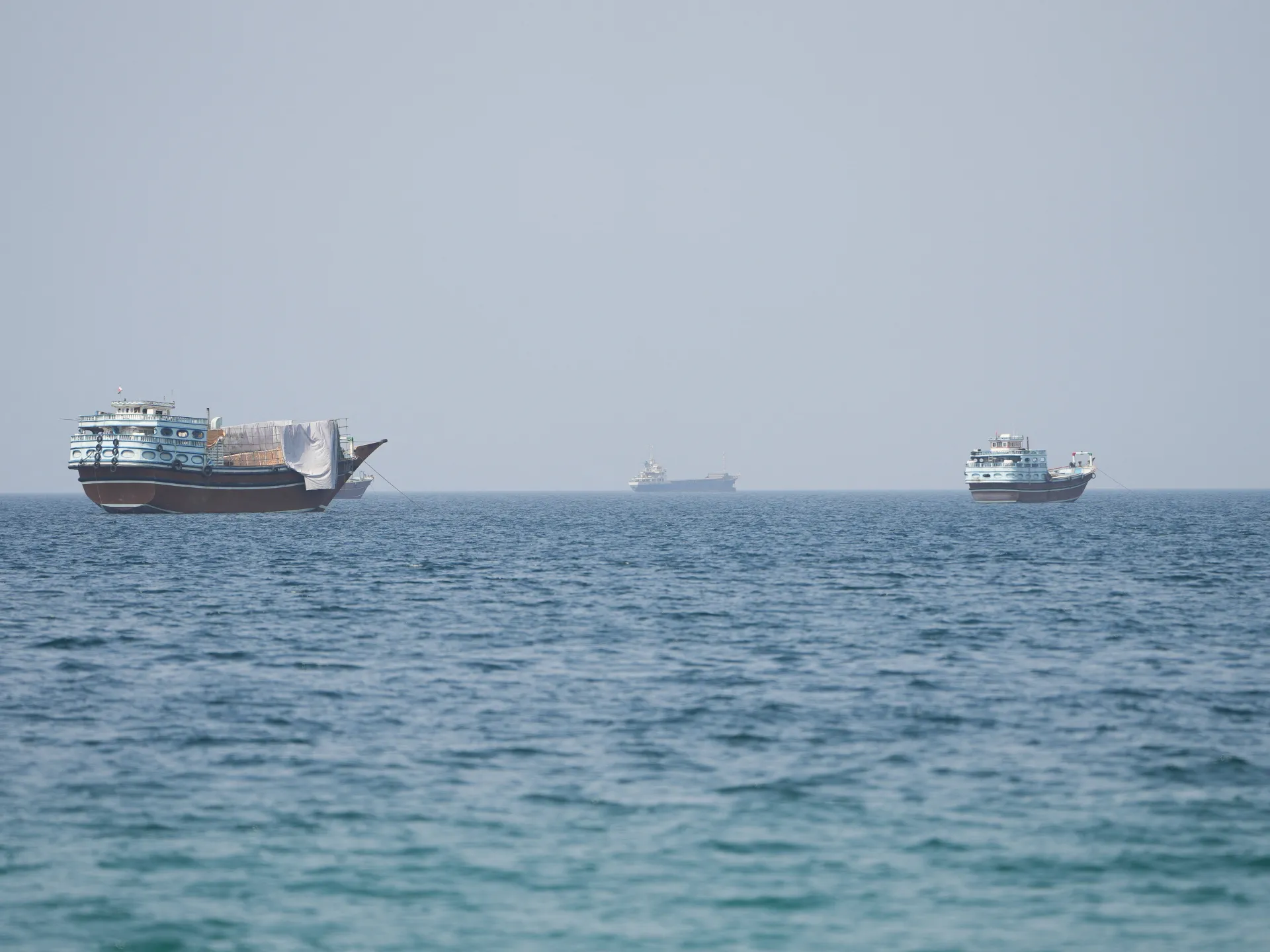
A United Nations human rights expert has issued a scathing assessment of U.S. naval operations targeting vessels suspected of drug trafficking in the Caribbean and Pacific. Ben Saul, the UN’s special rapporteur on human rights and counterterrorism, concluded that these military engagements likely violate international law. According to the report, the U.S. military conducted strikes on 68 vessels between September 2025 and August 2026, resulting in at least 223 fatalities. Saul’s analysis rejects the administration’s justification that these actions constitute self-defense against “narco-terrorists,” noting that drug trafficking does not meet the legal threshold of an “armed attack.”
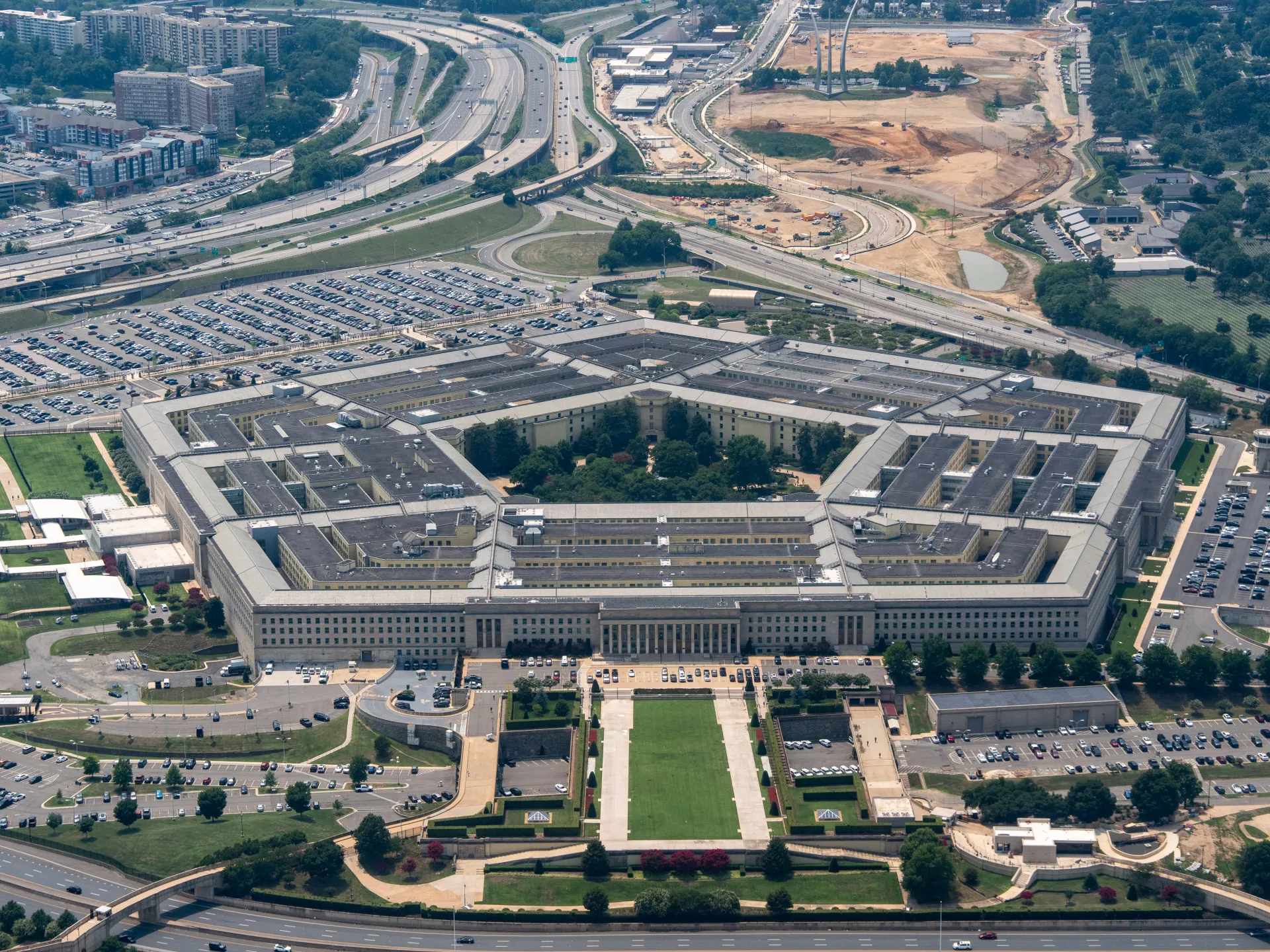
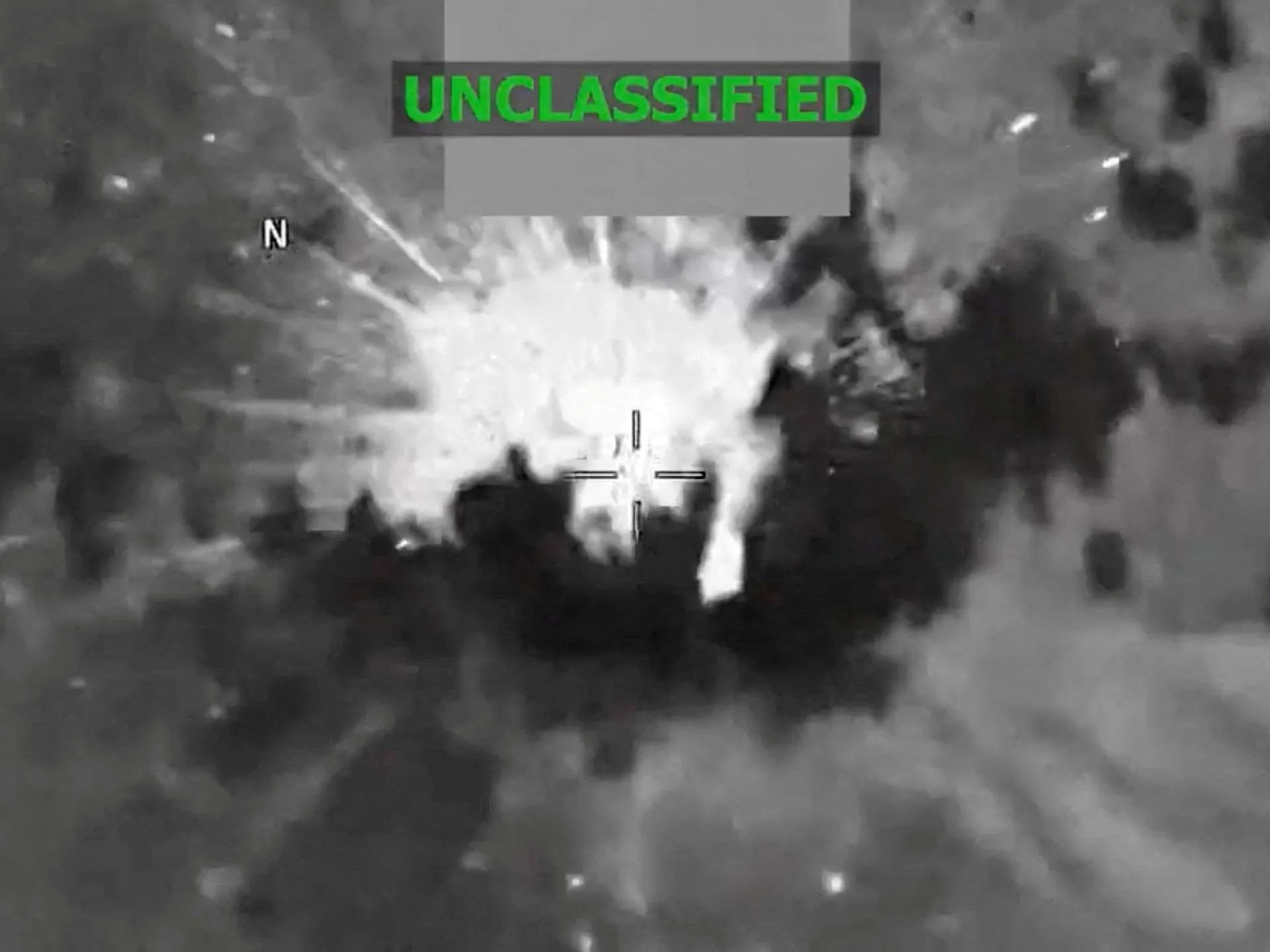
The report suggests that the systemic nature of these killings could meet the legal definition of crimes against humanity. It emphasizes that the U.S. ignored feasible, less-lethal alternatives, such as maritime interception, which would satisfy the requirements of the International Covenant on Civil and Political Rights. The UN has called for a formal investigation, the prosecution of responsible military and political leadership, and reparations for the families of the deceased. The Pentagon has largely maintained its silence on specific casualties, providing only limited video evidence of the strikes without clarifying the intelligence or evidentiary basis for lethal engagement.
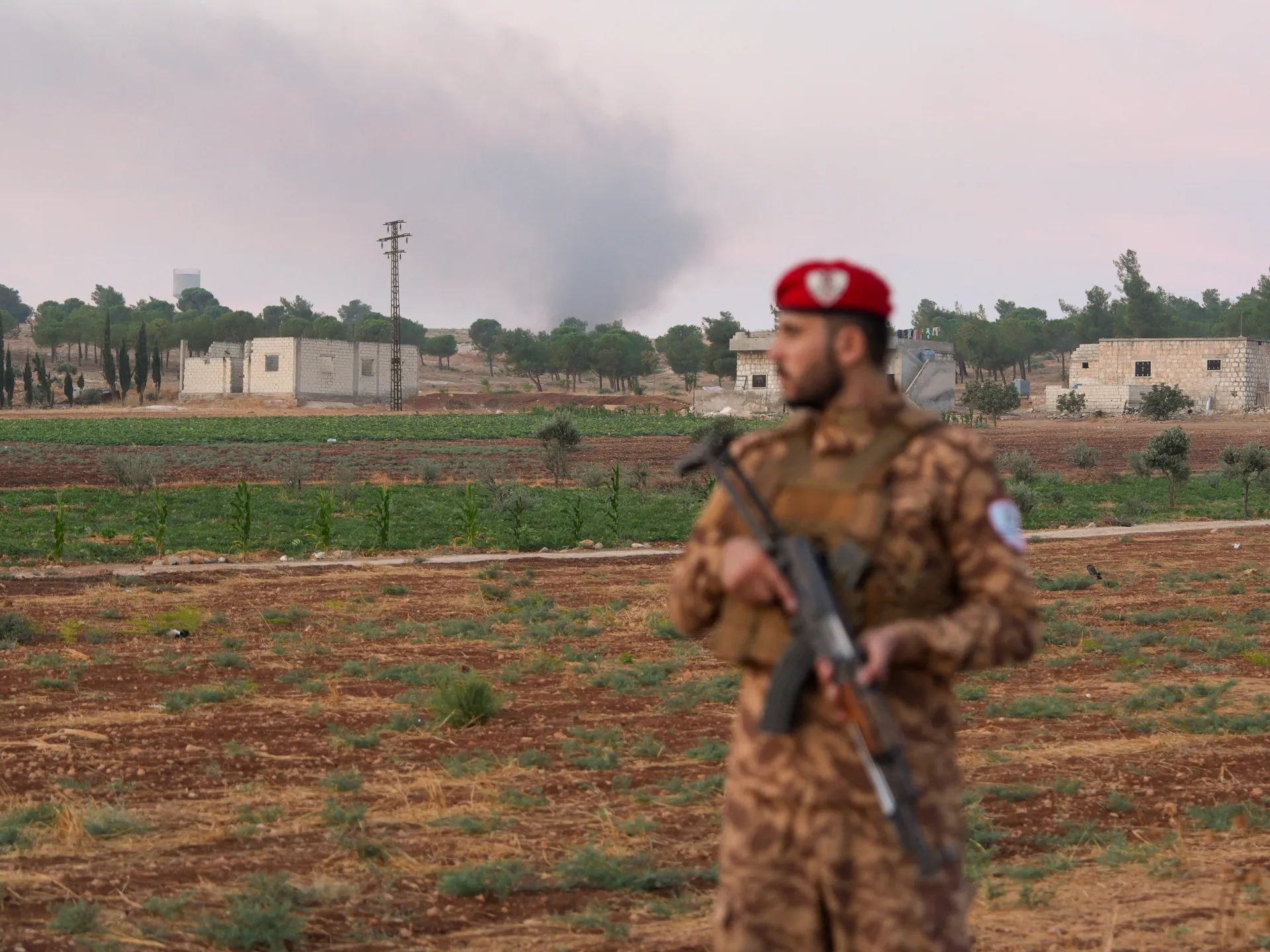
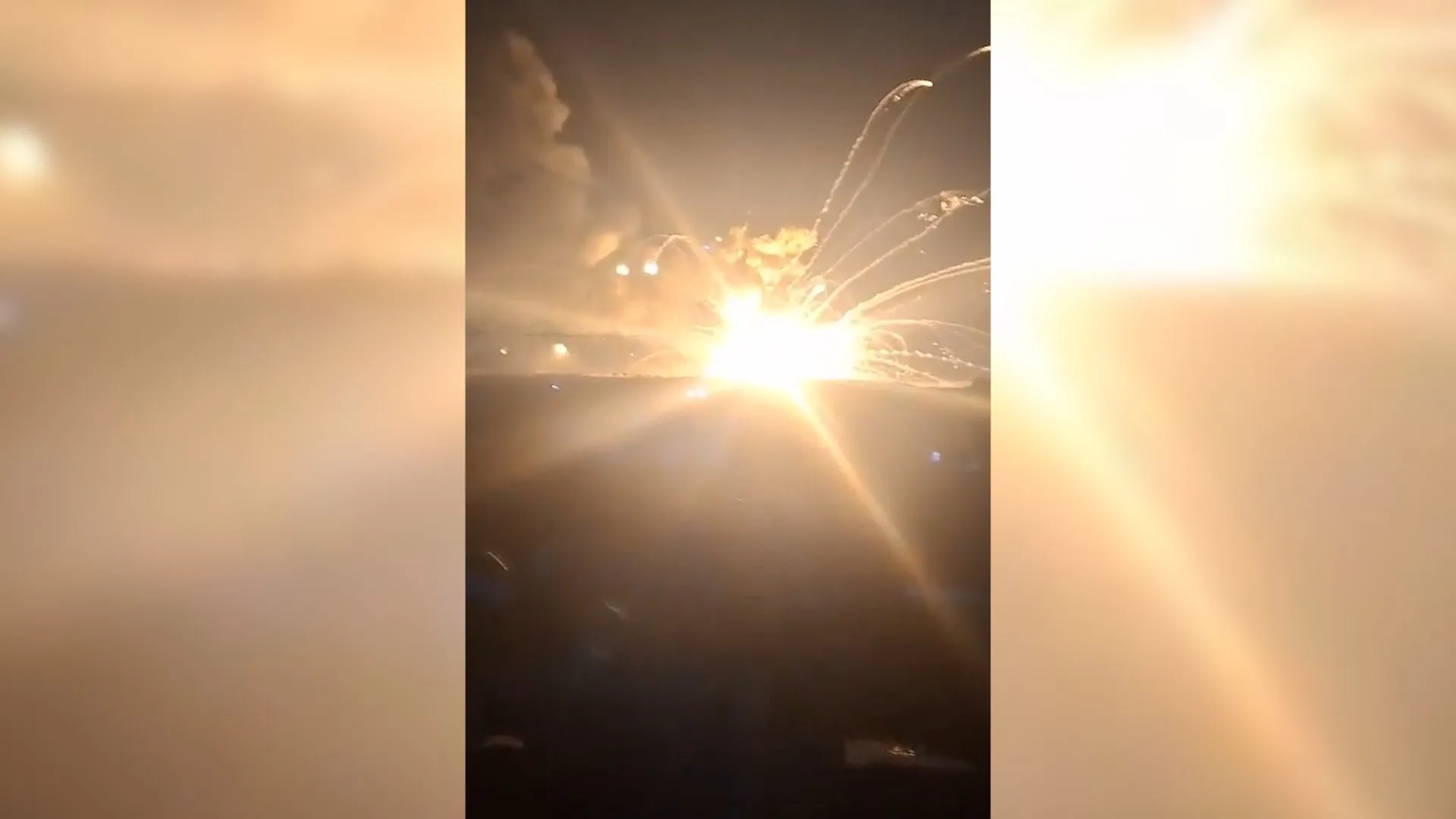
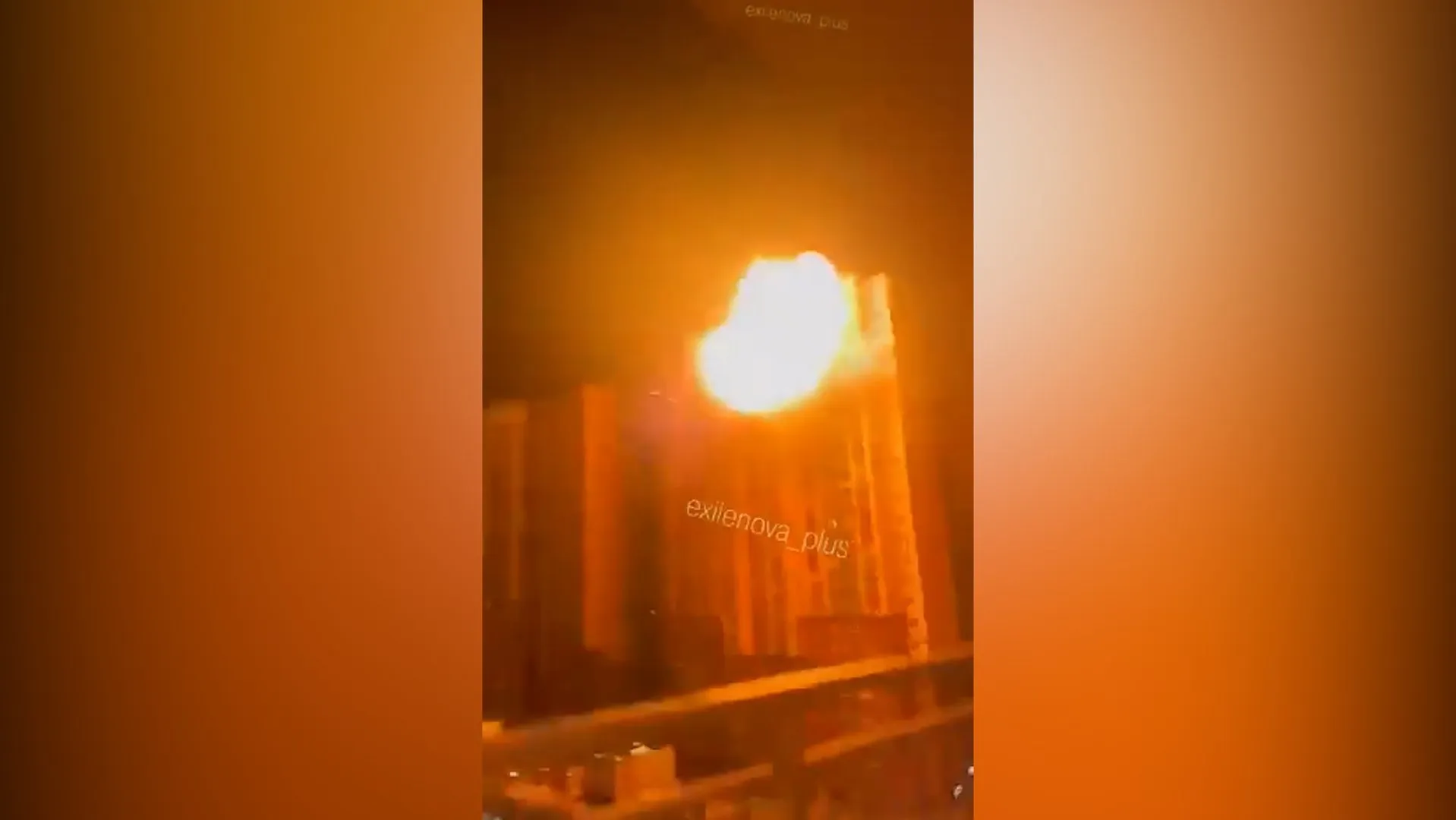
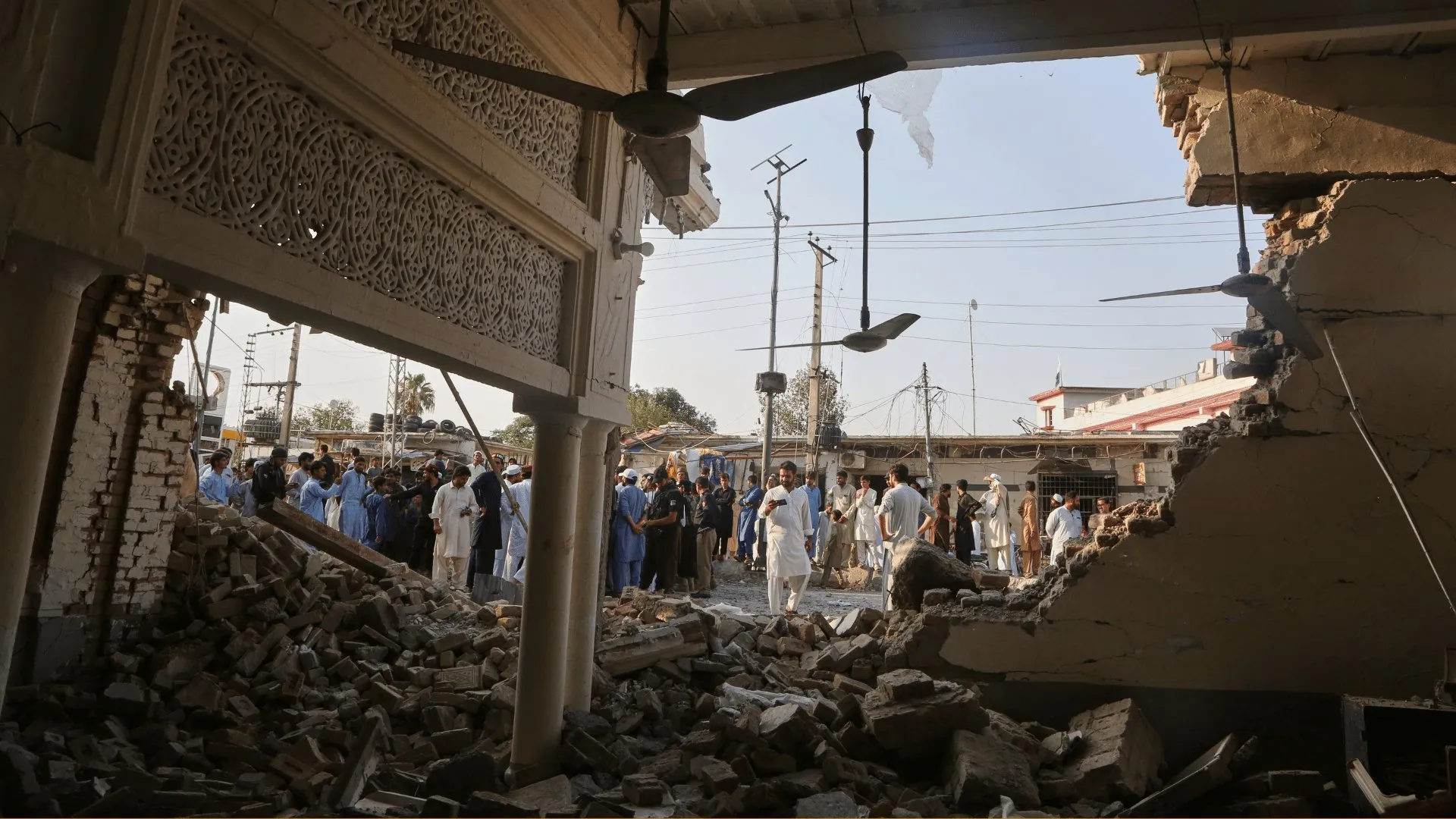
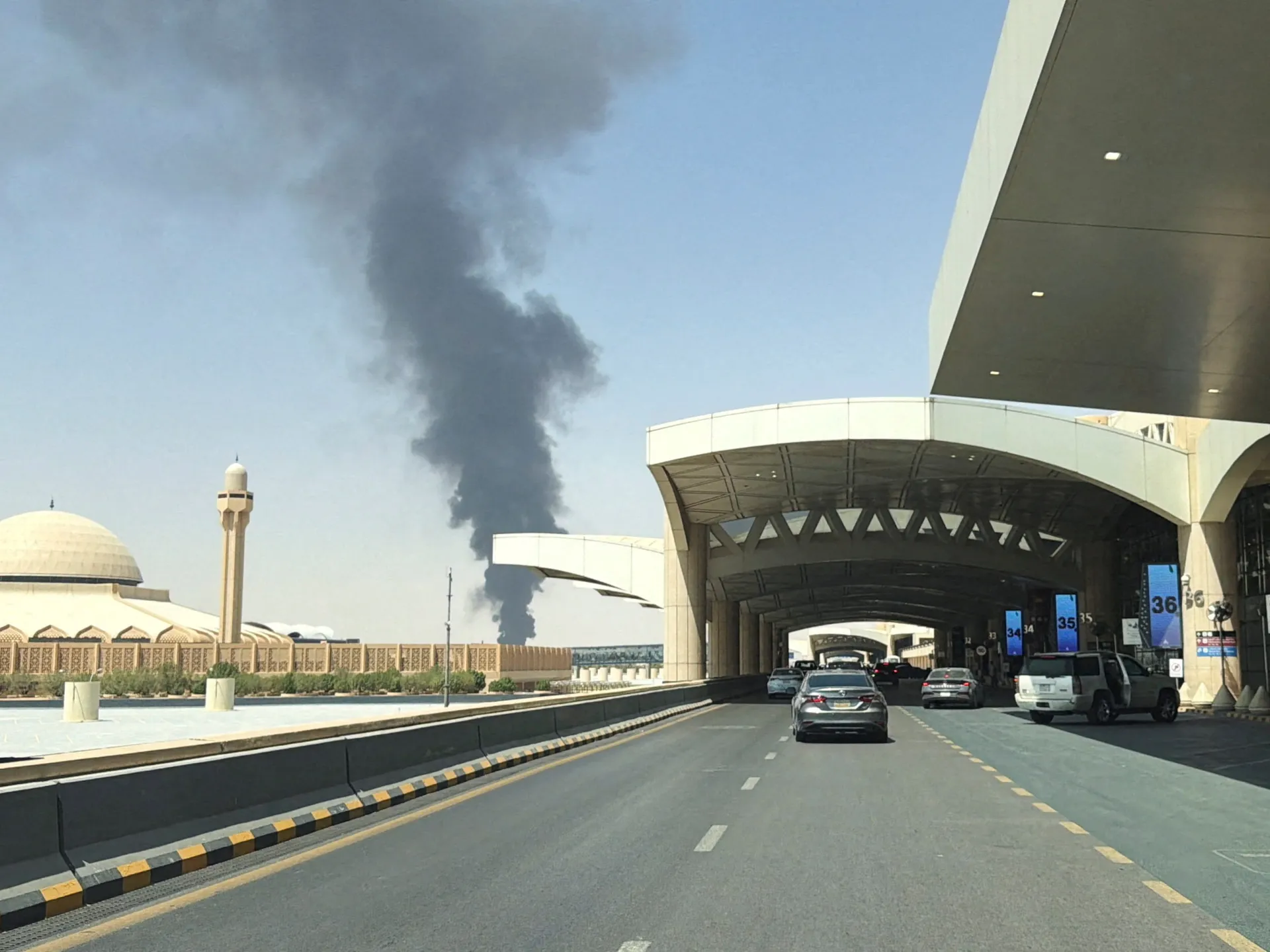
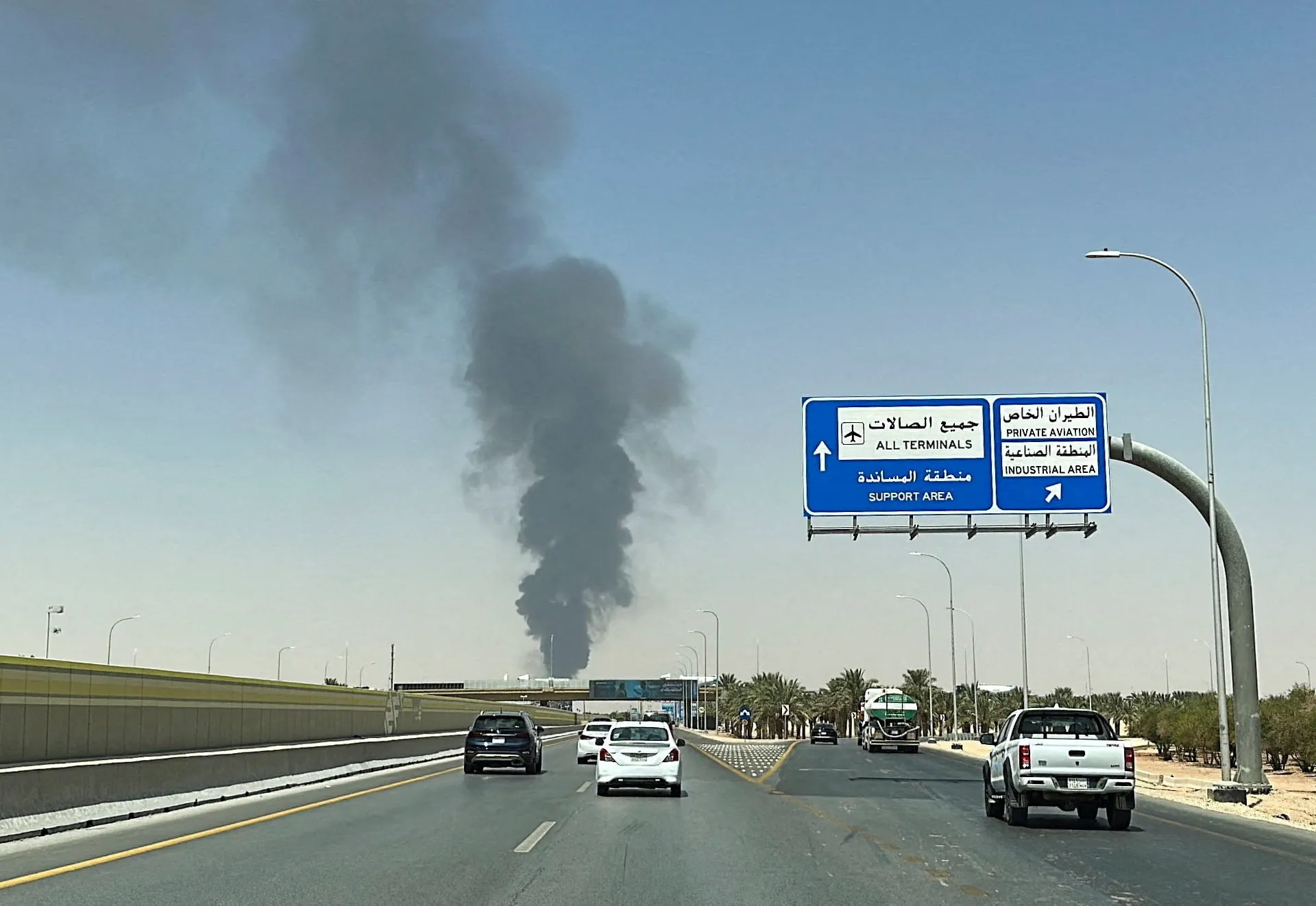
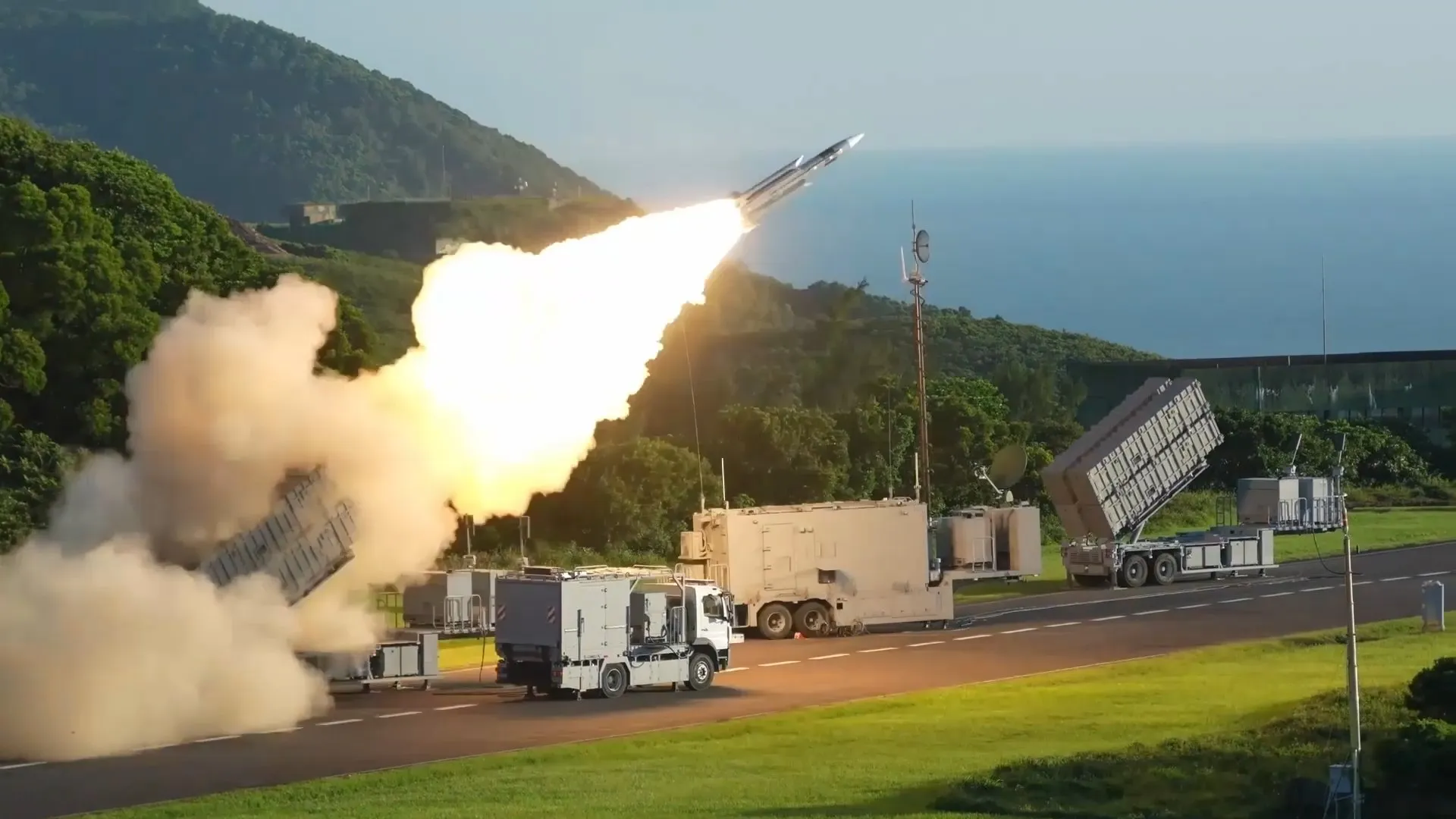
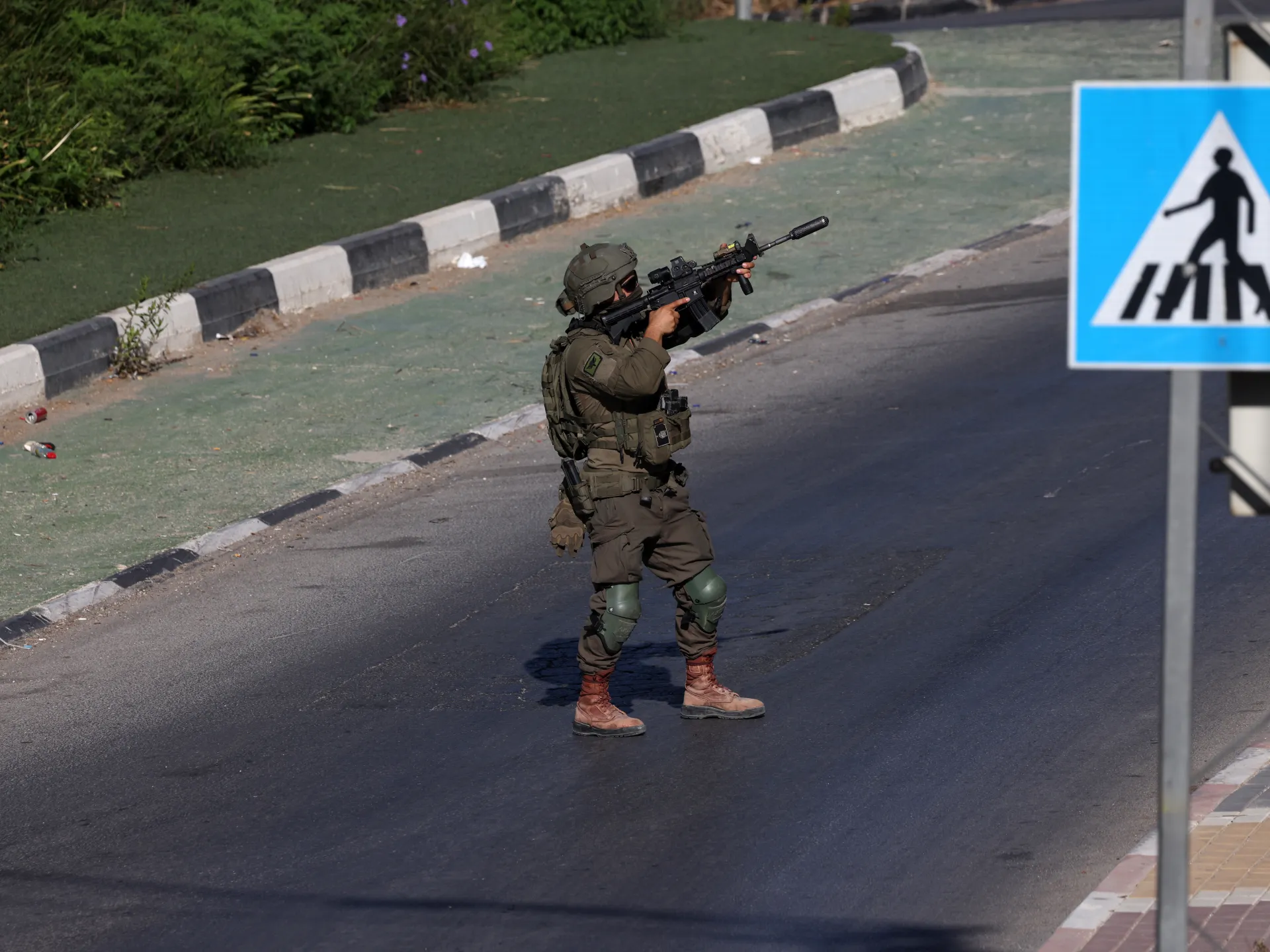
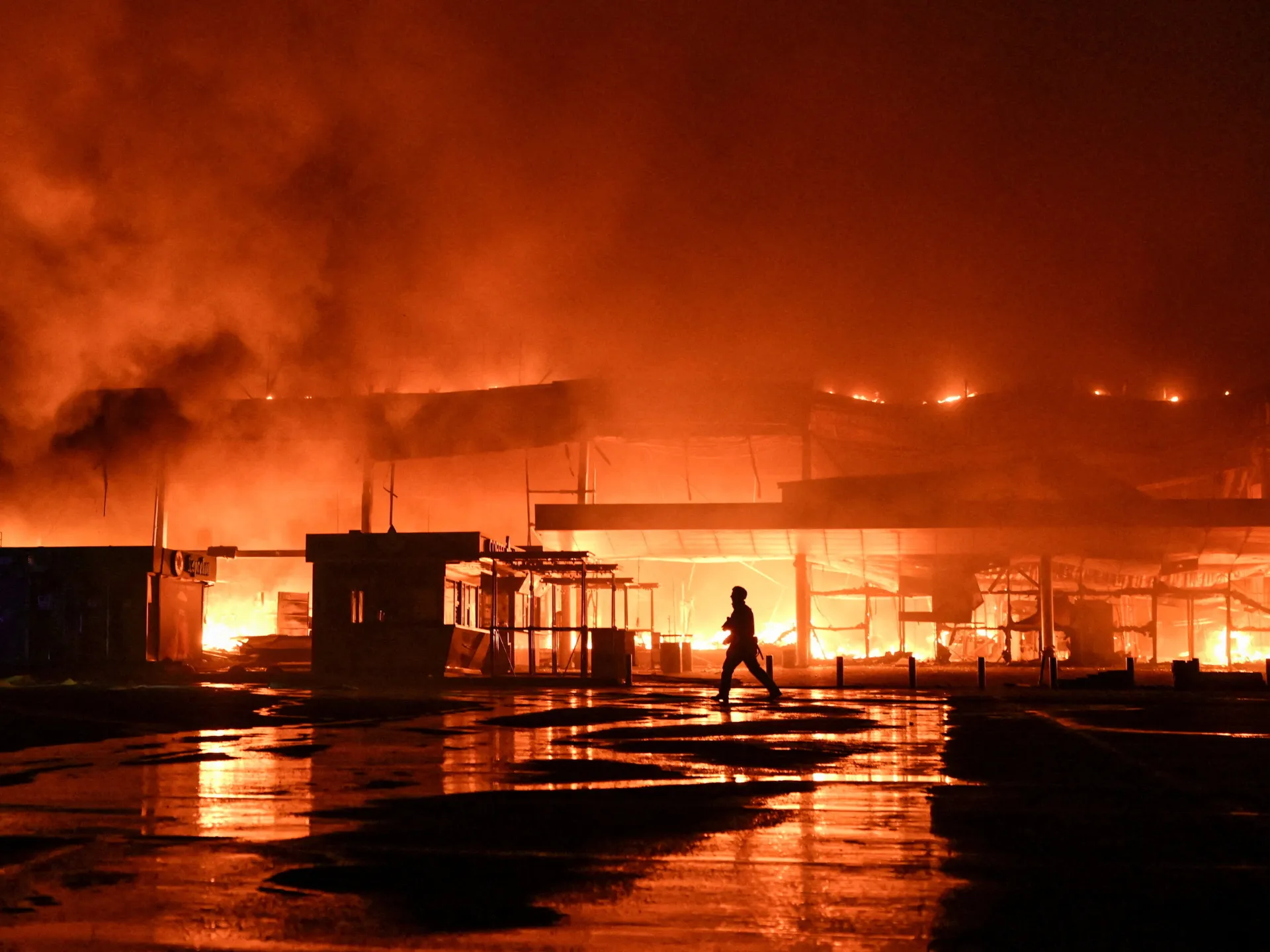
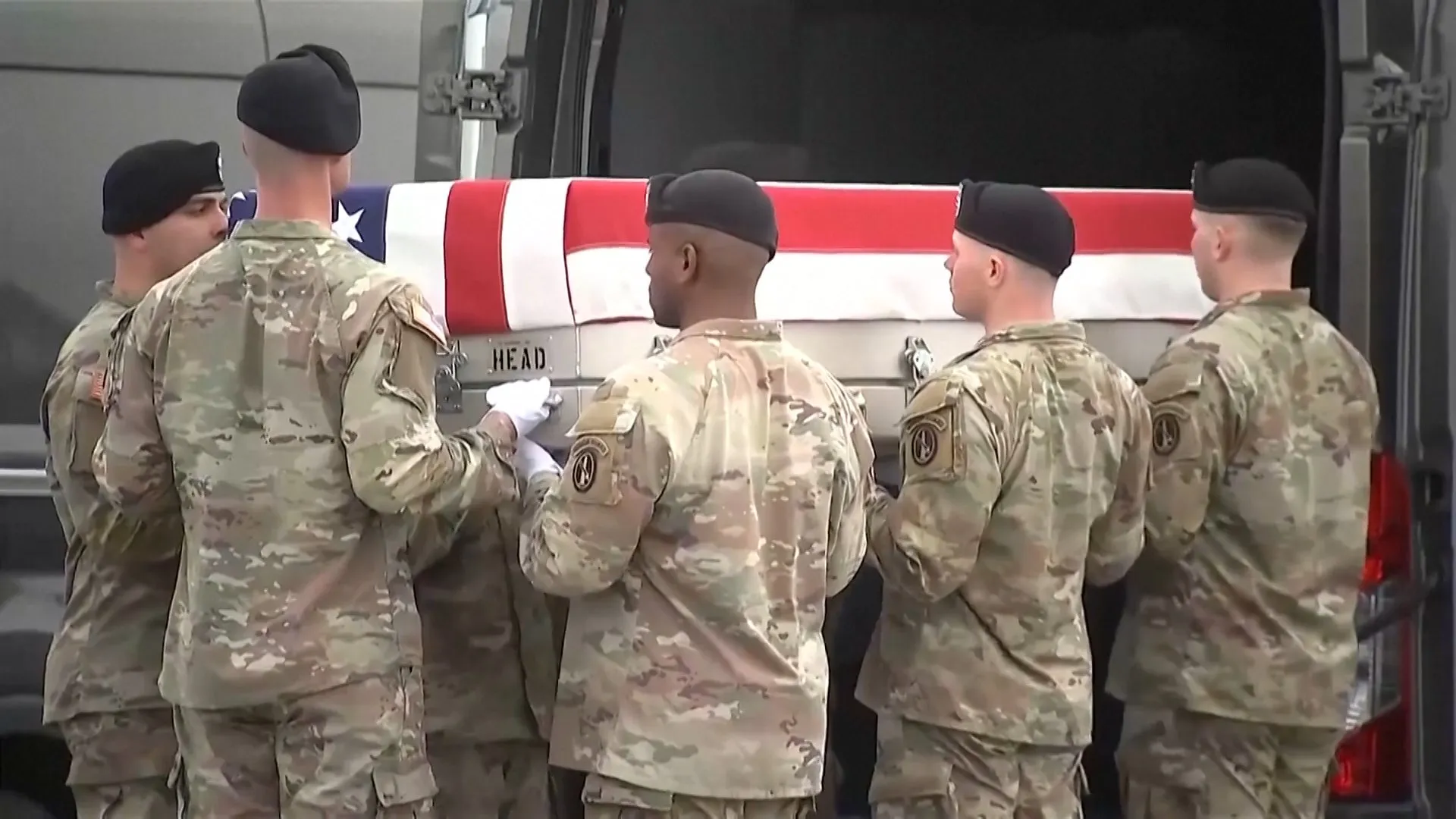
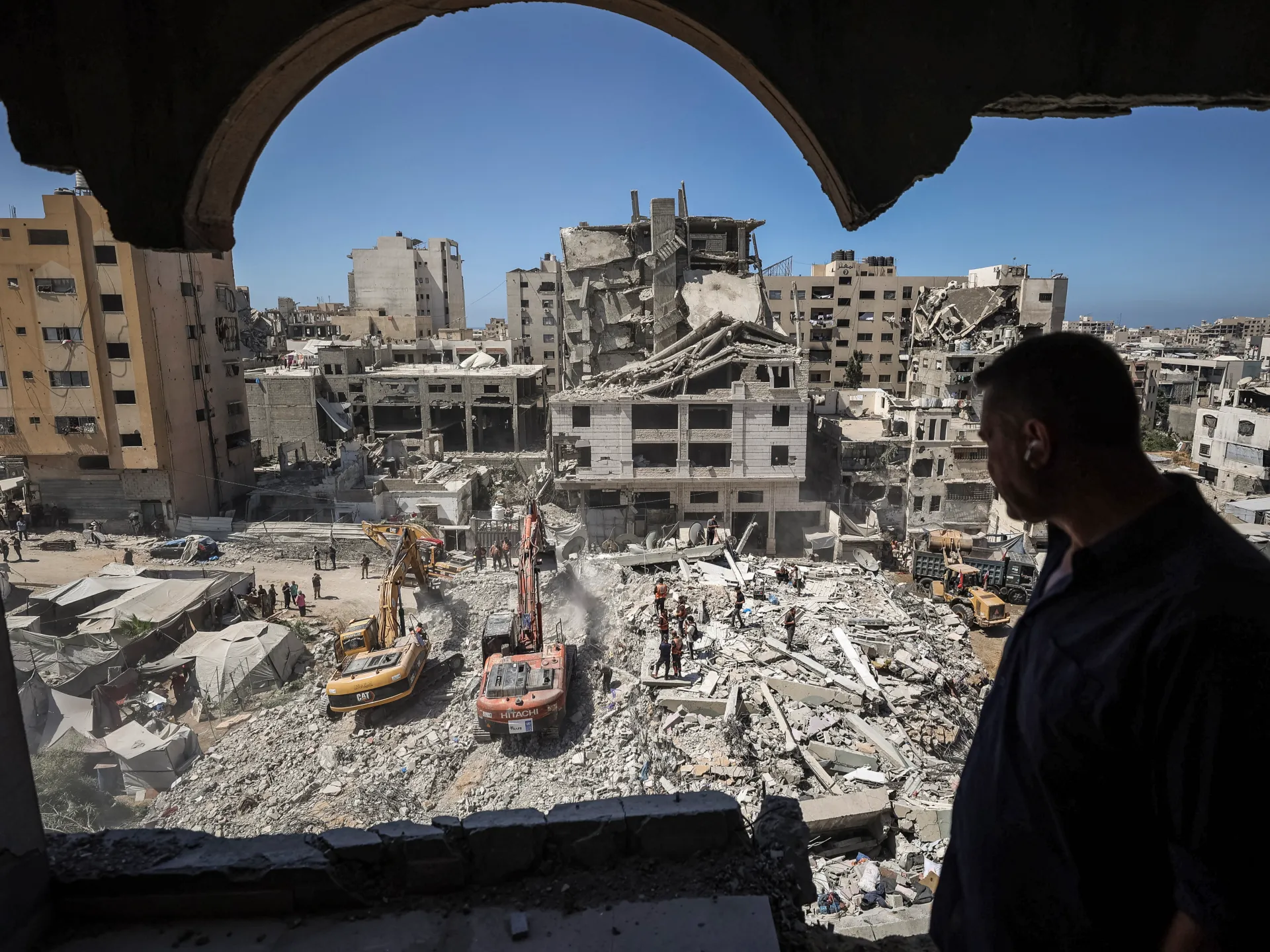
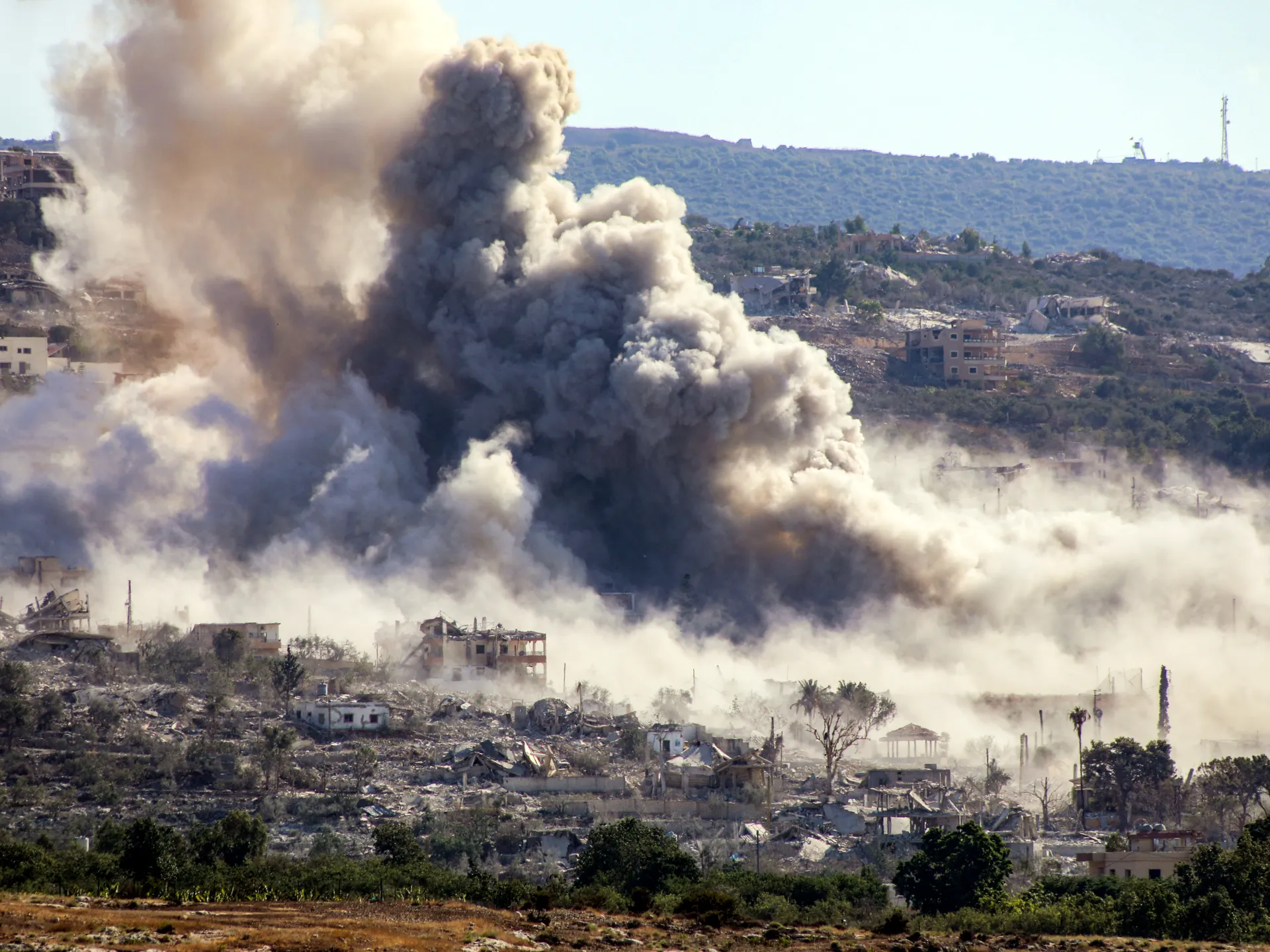
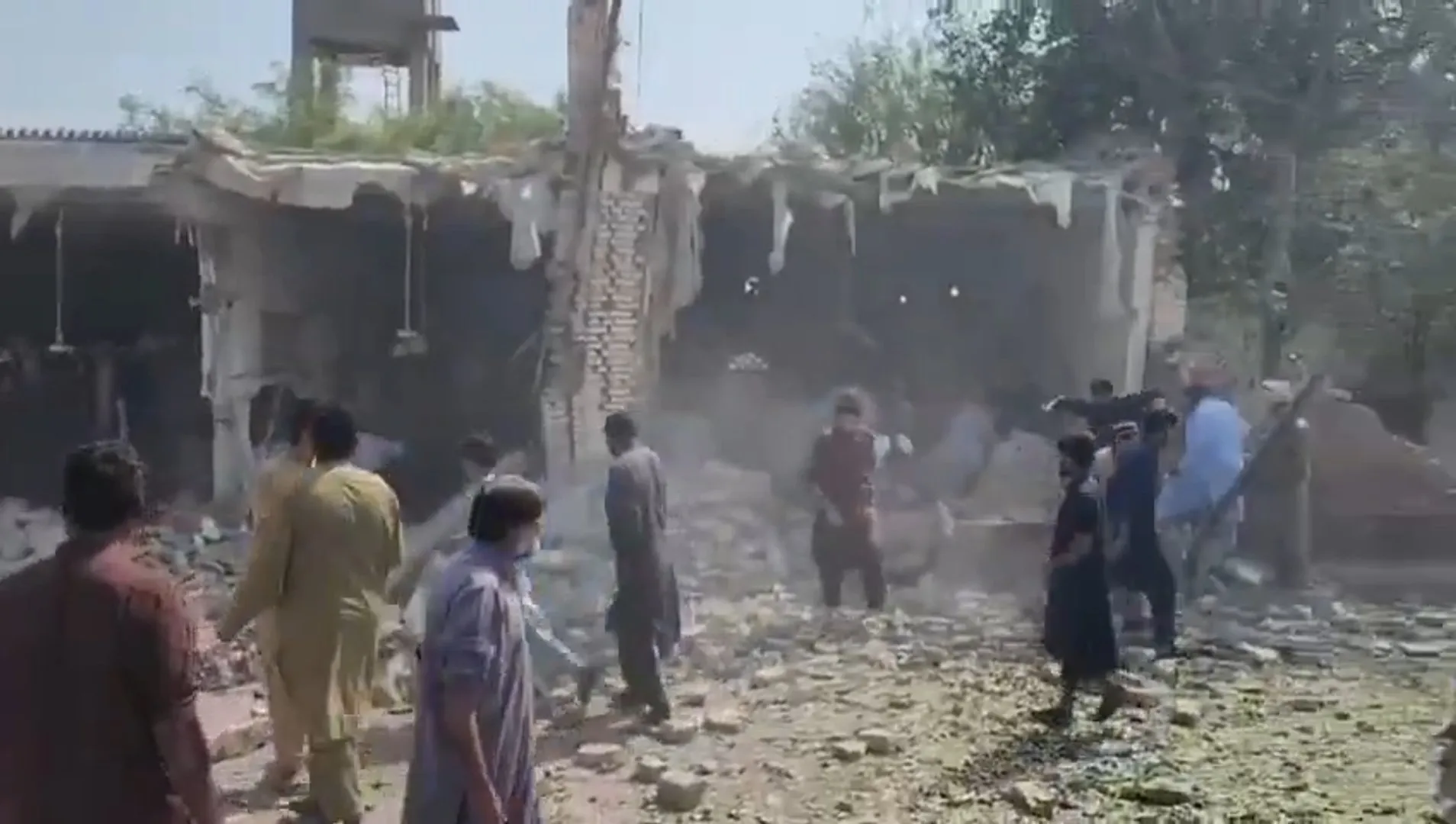
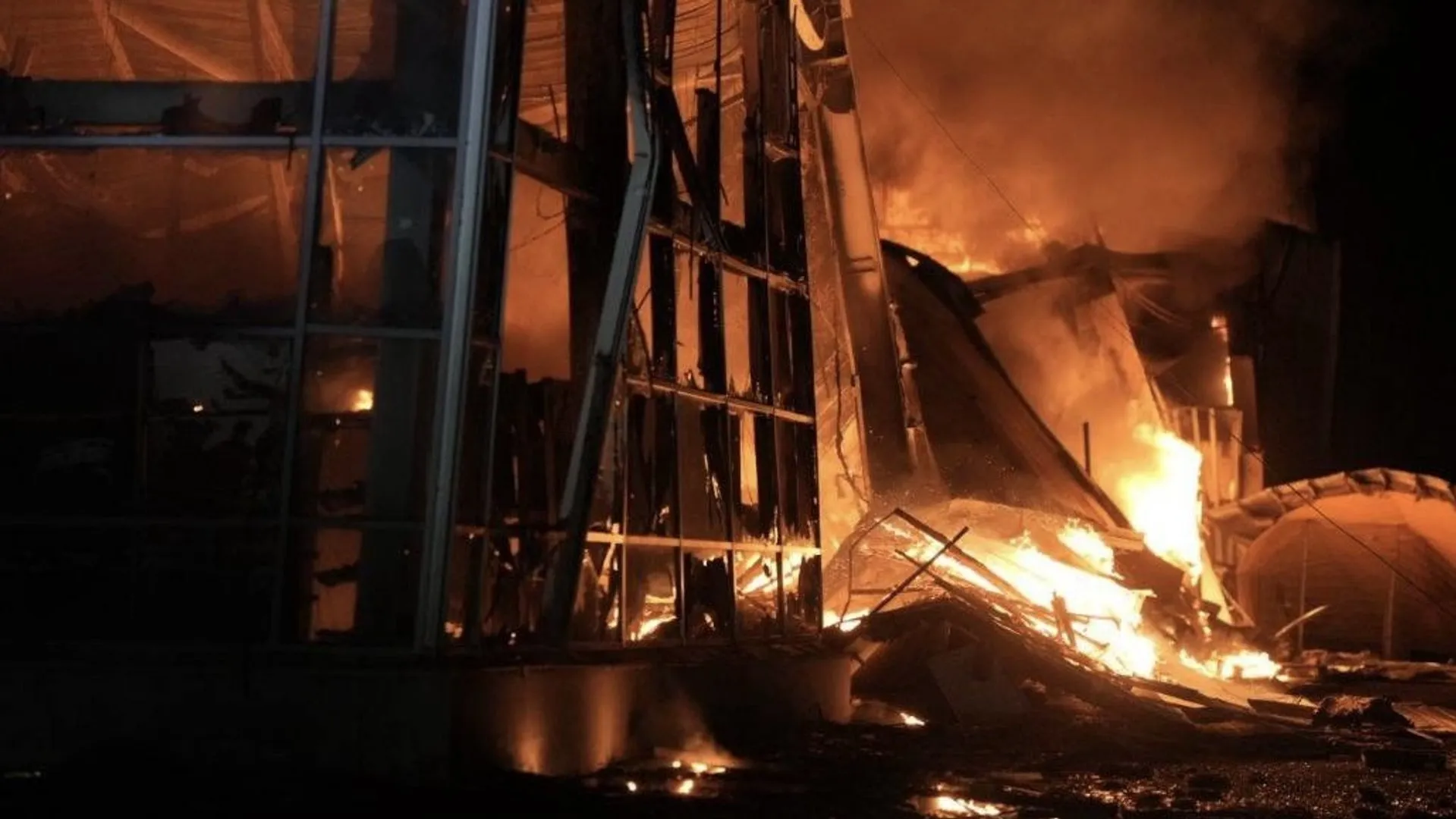
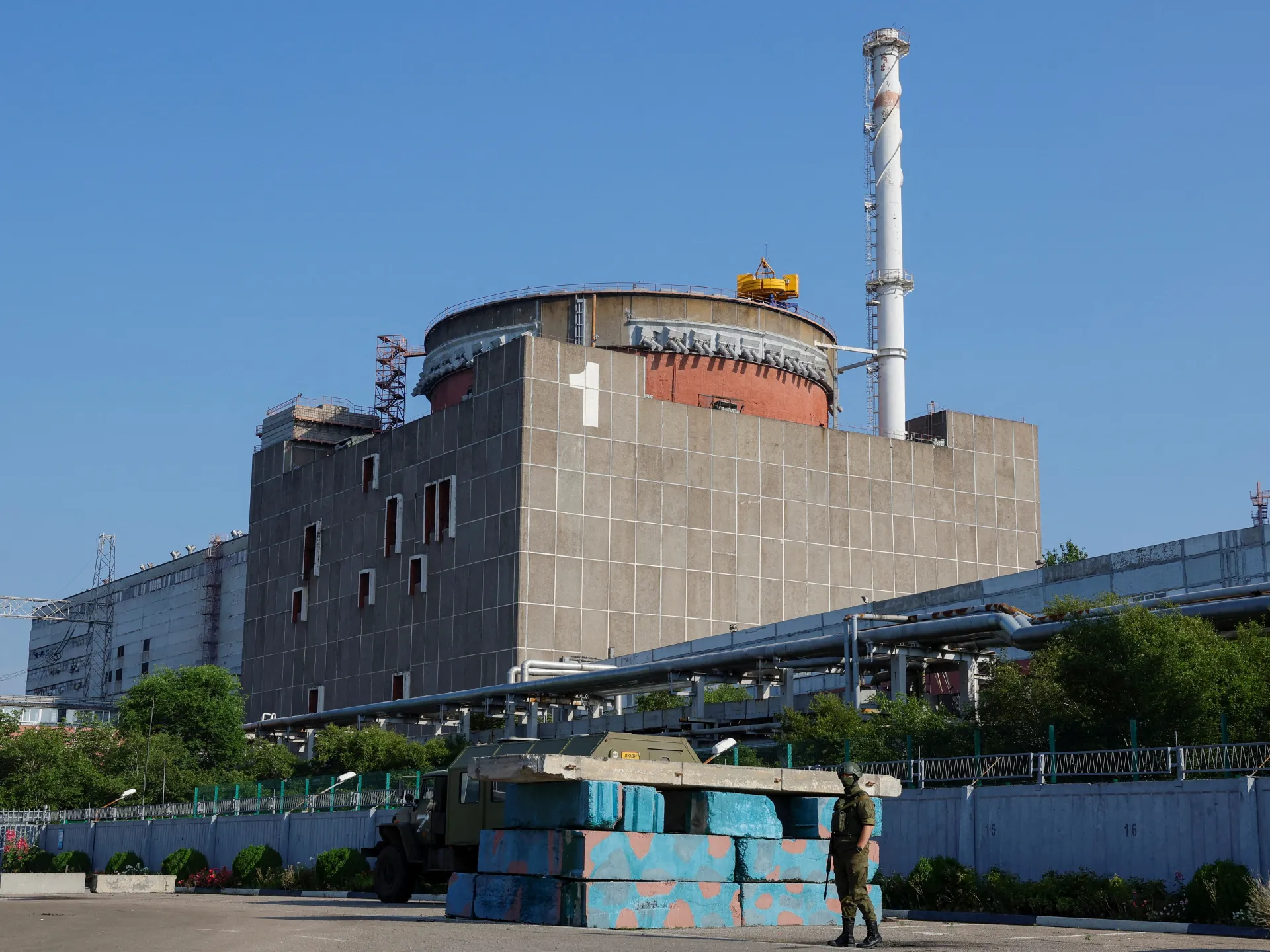
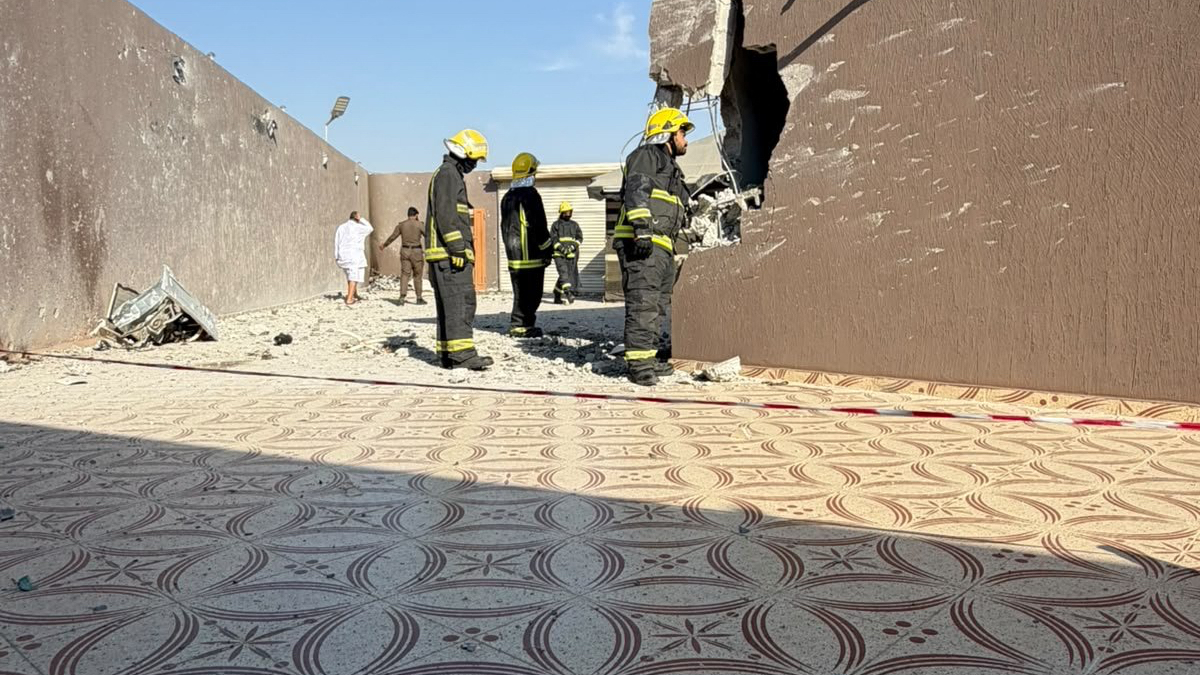
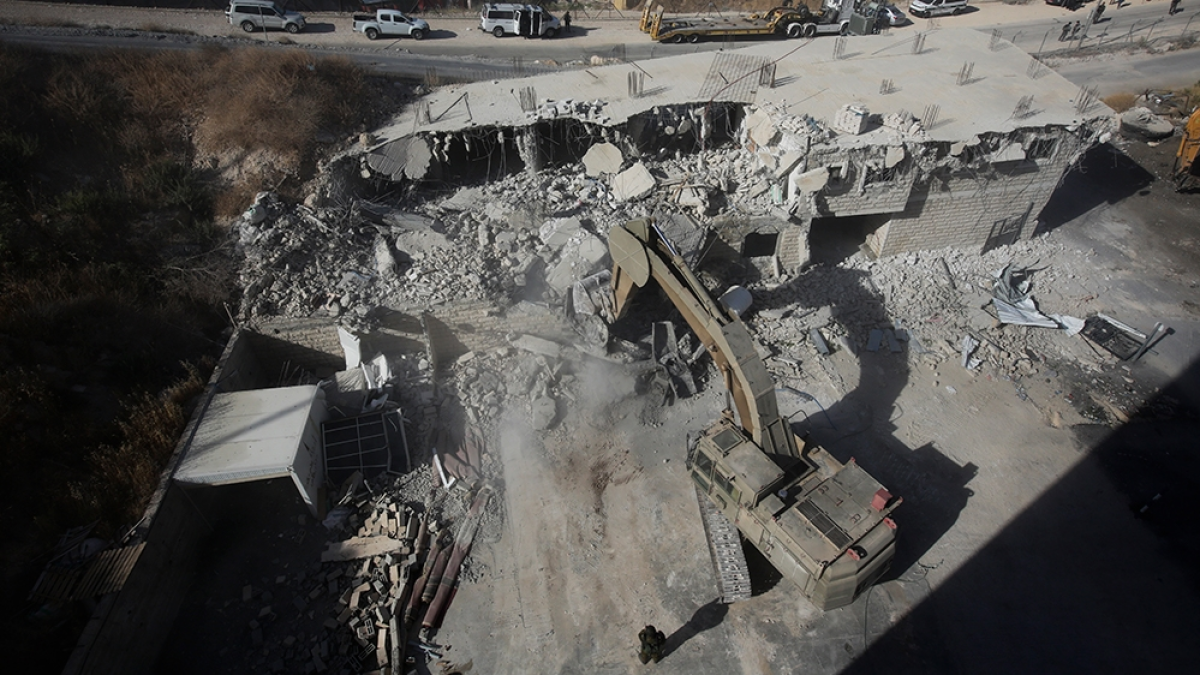
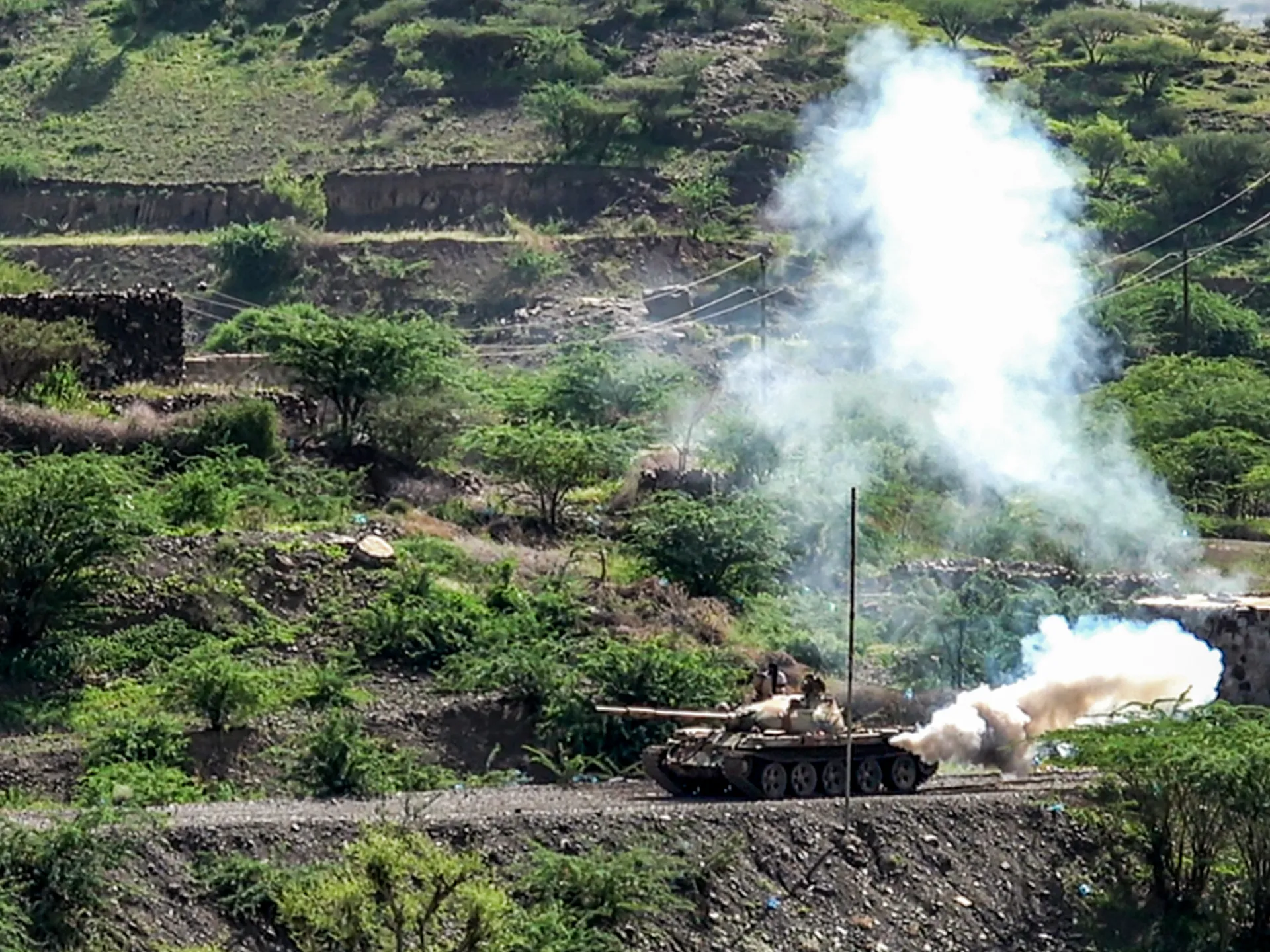
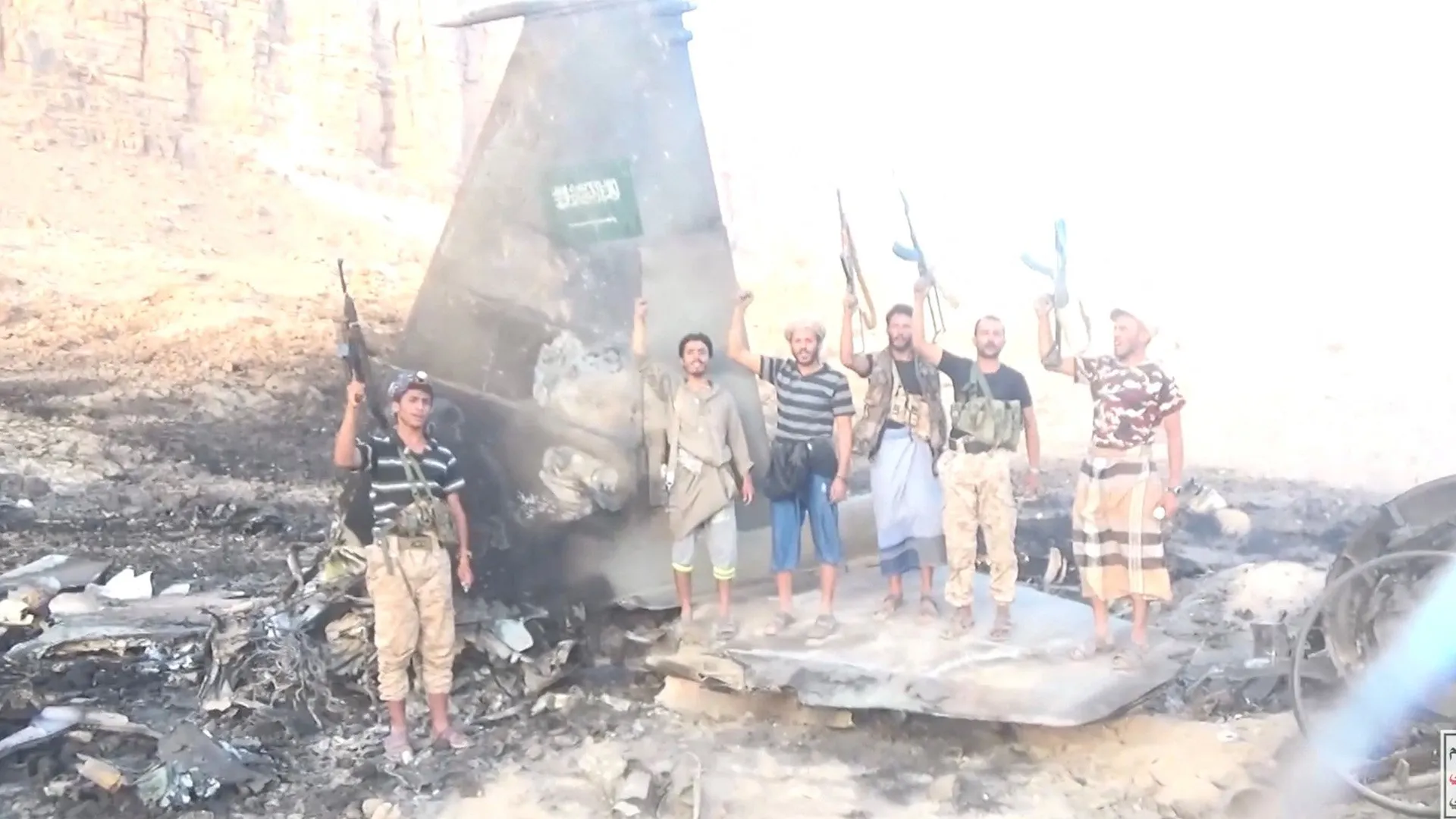
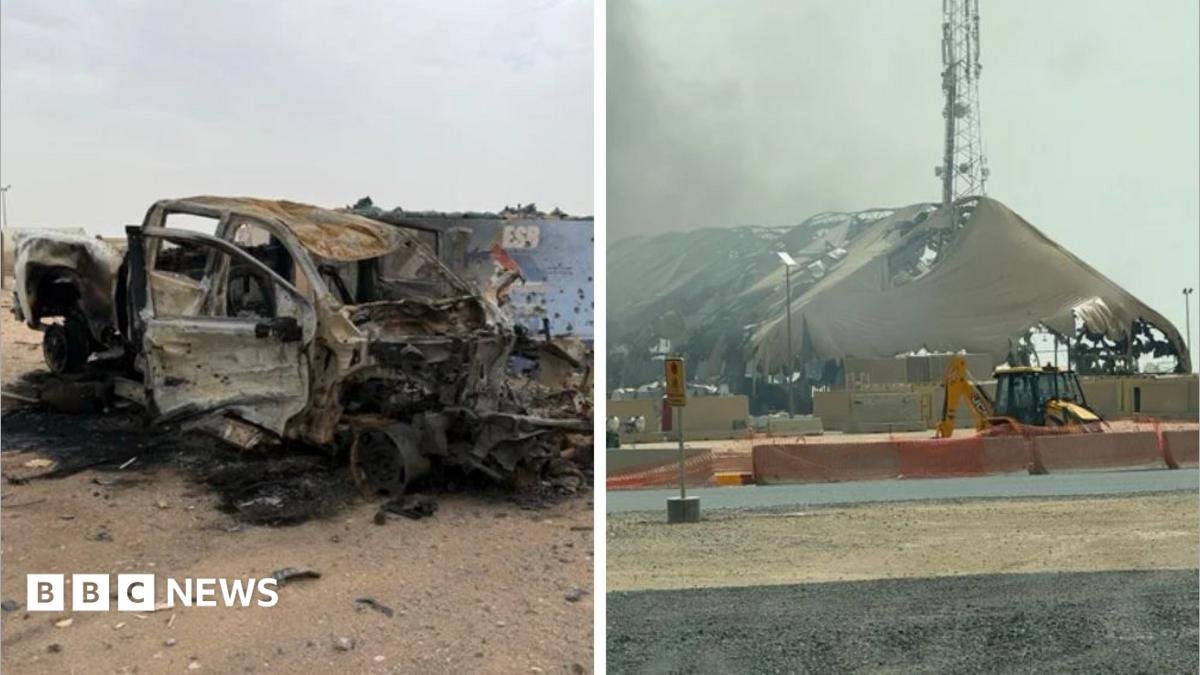
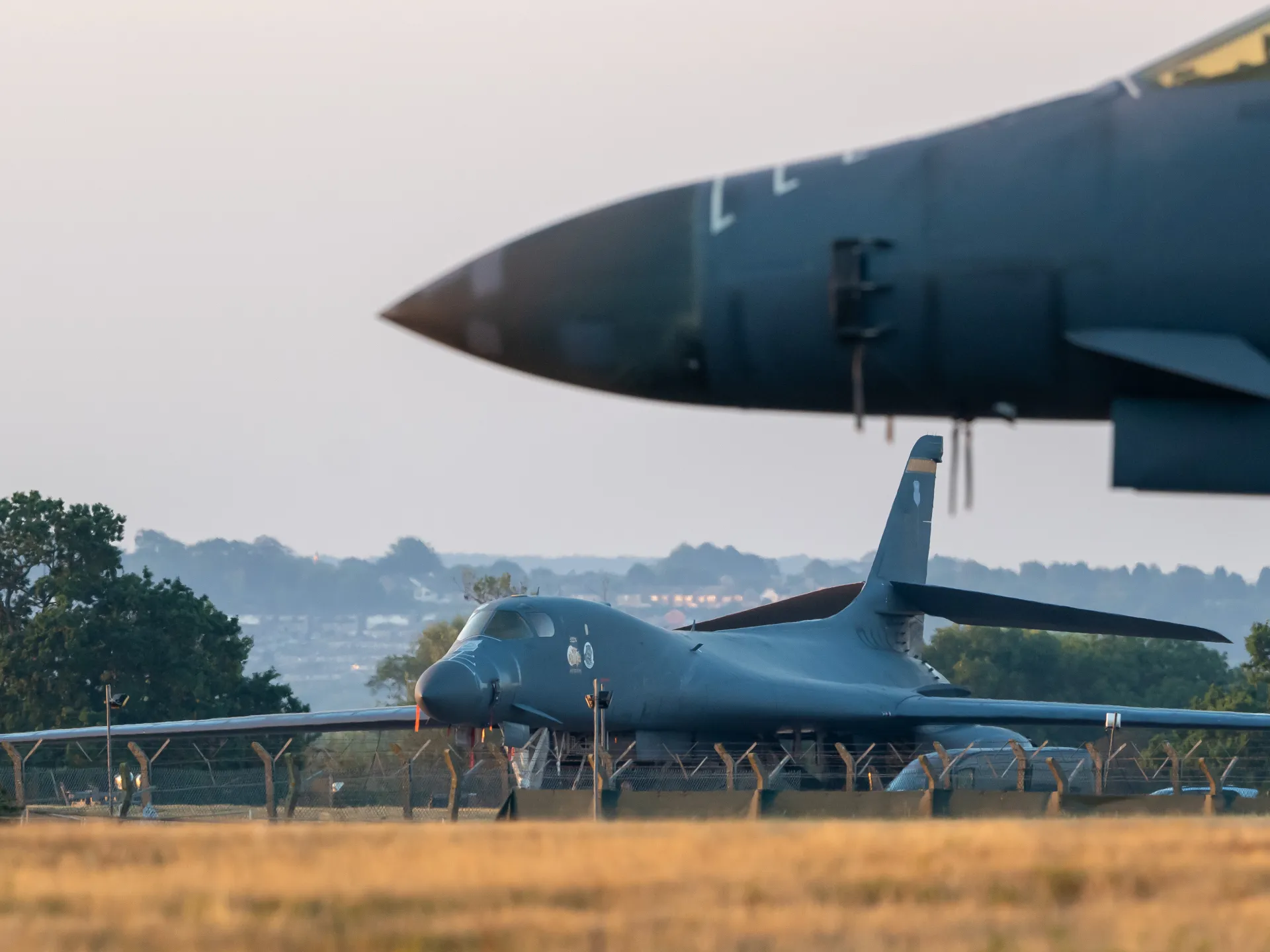
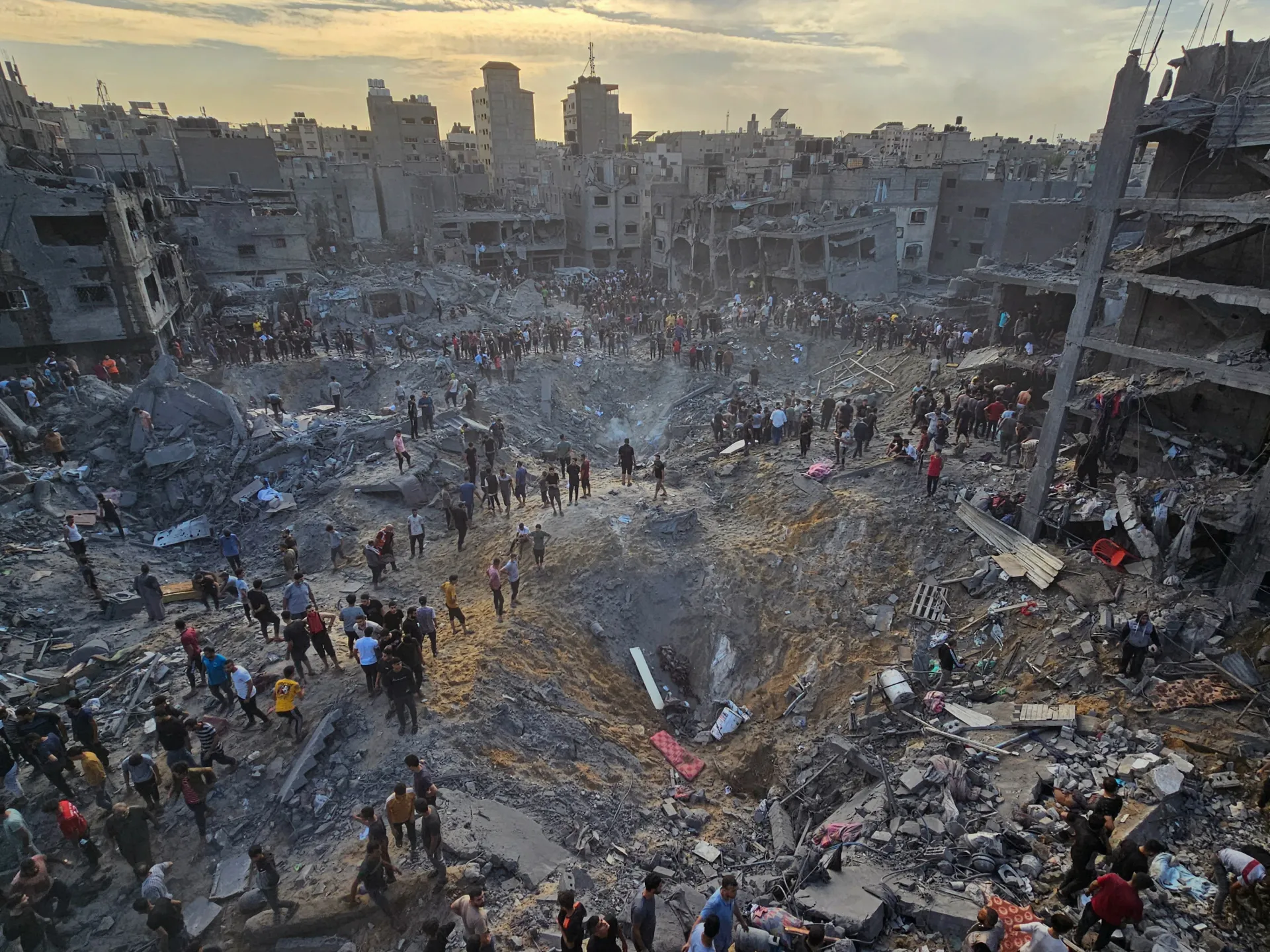
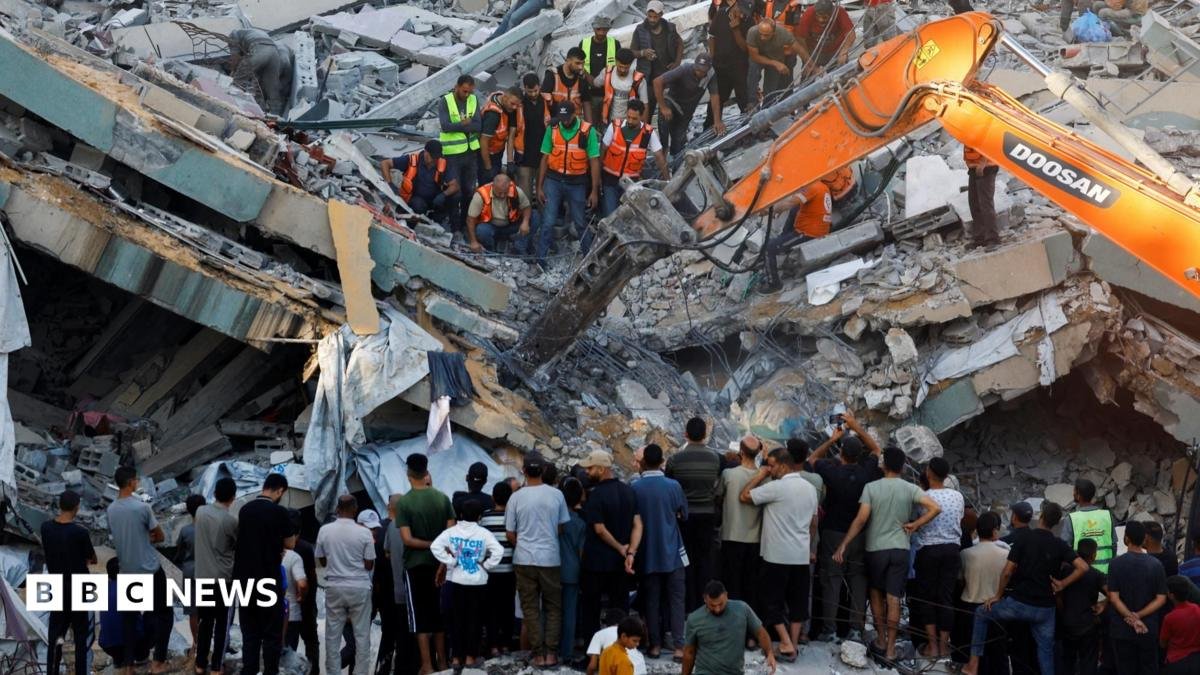
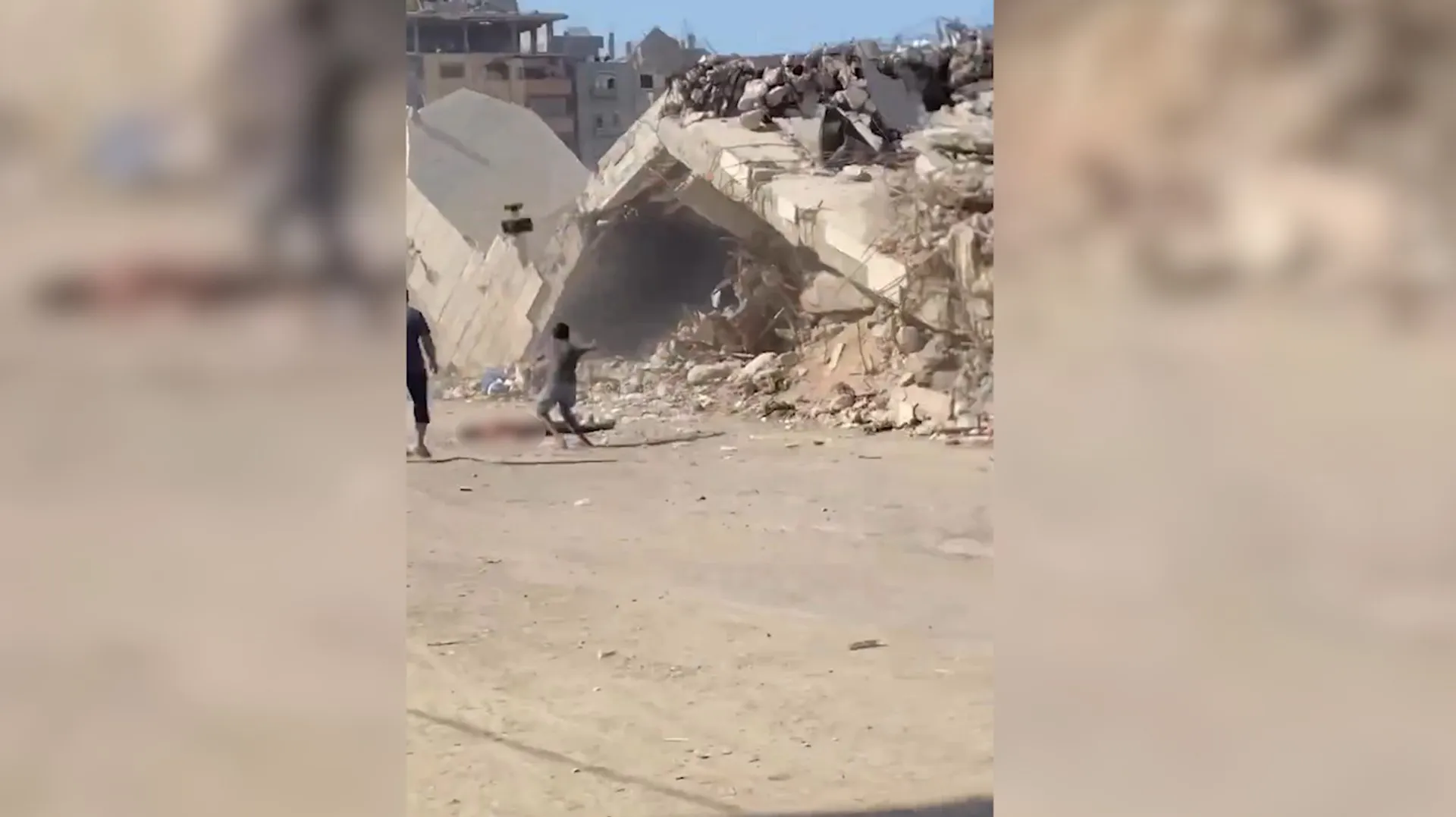
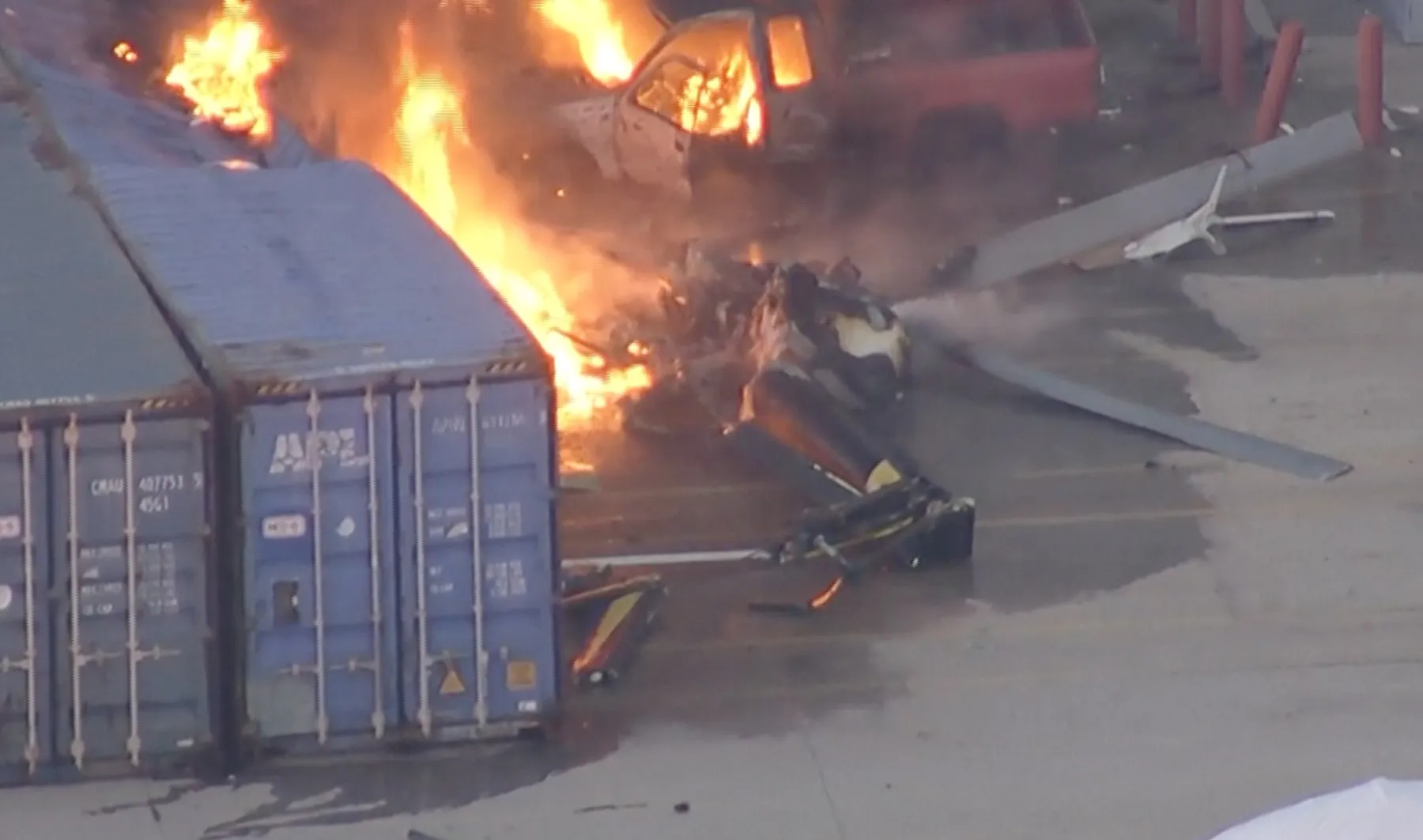
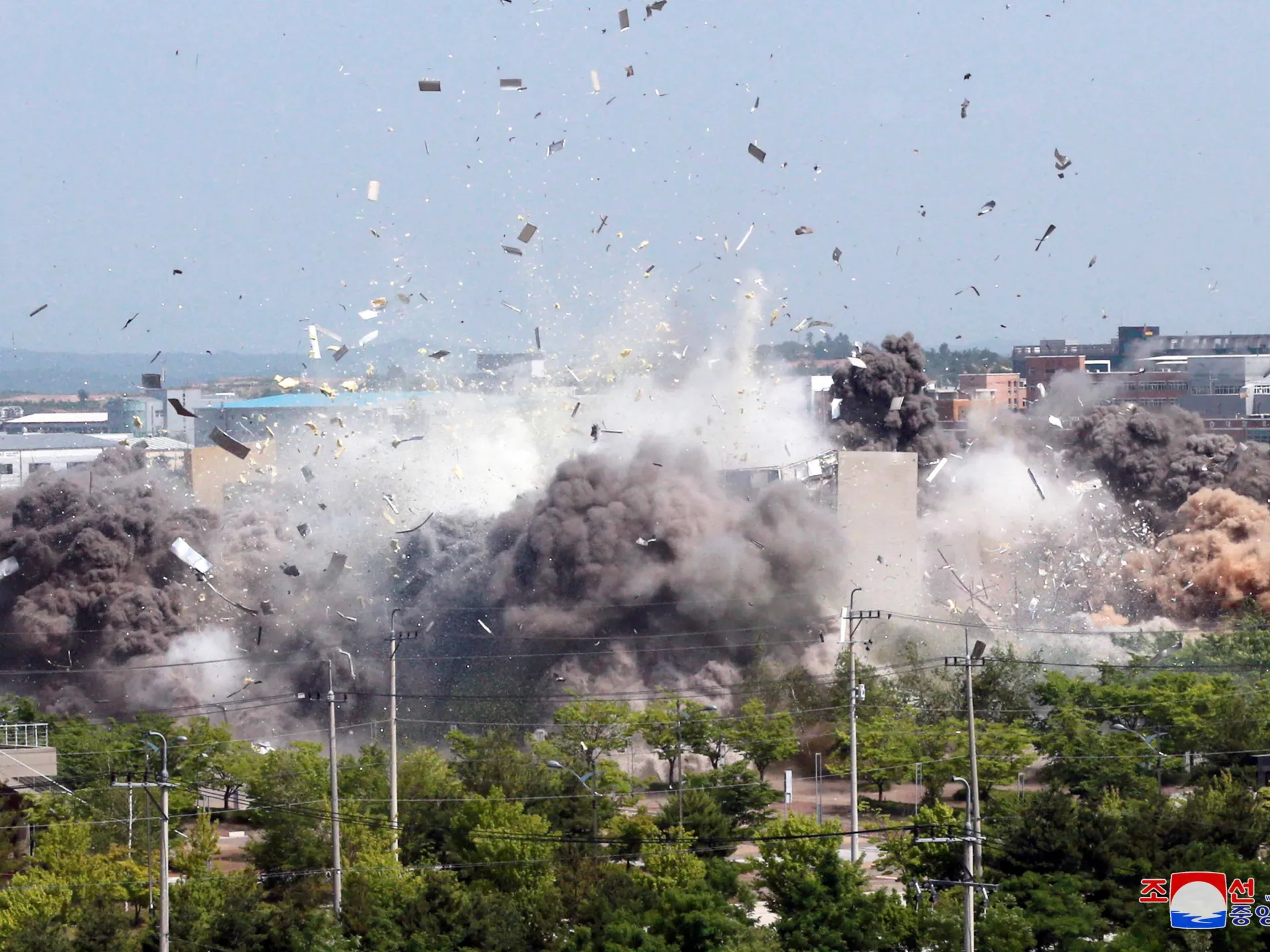
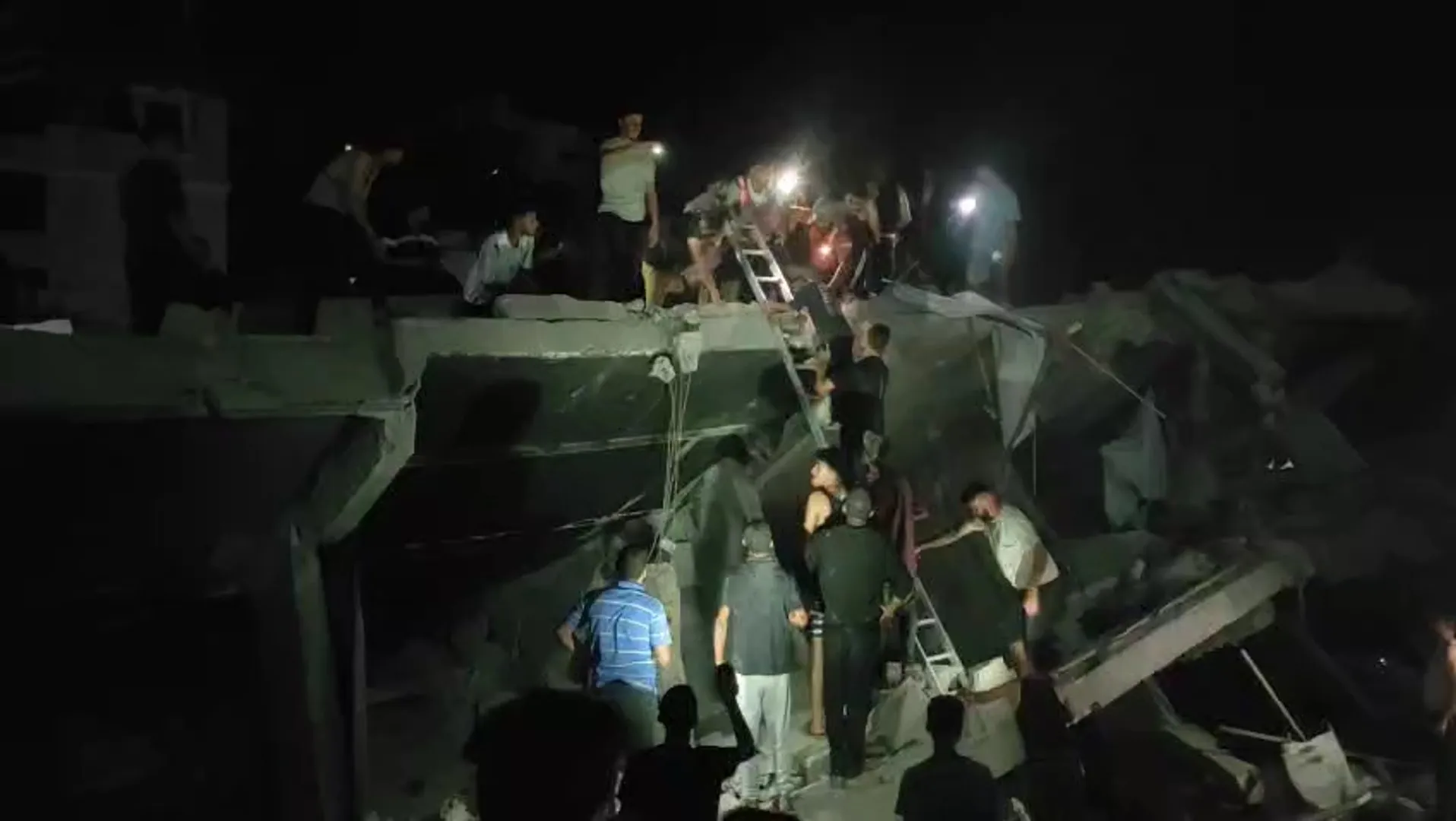
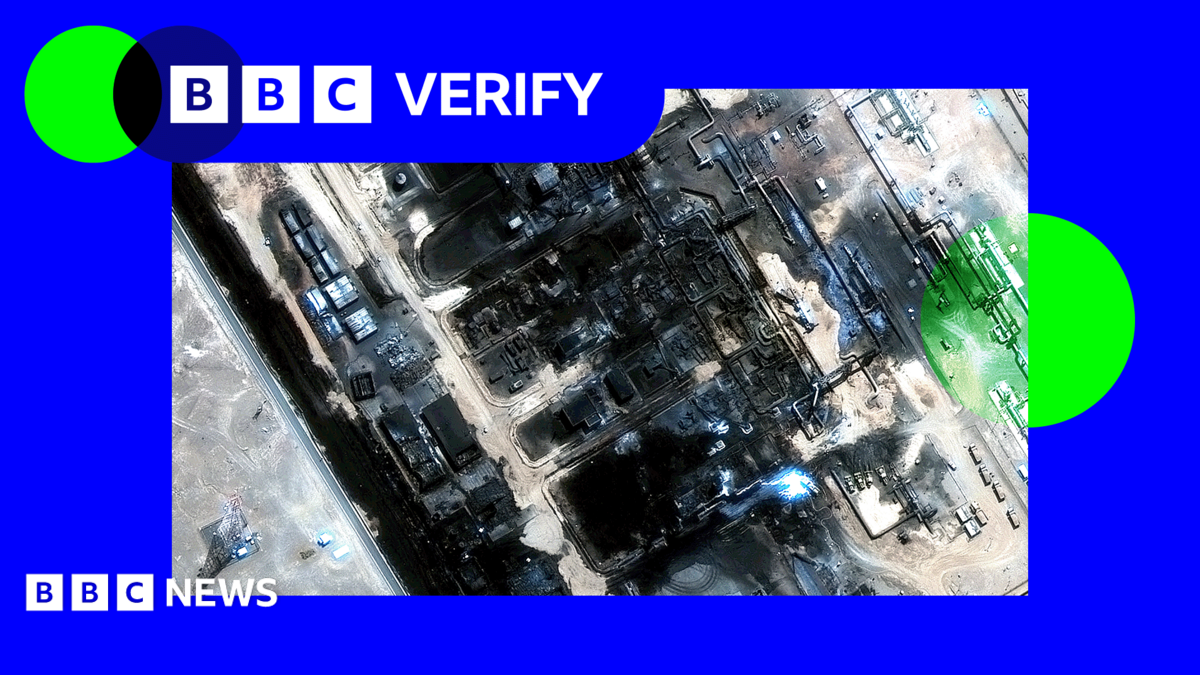
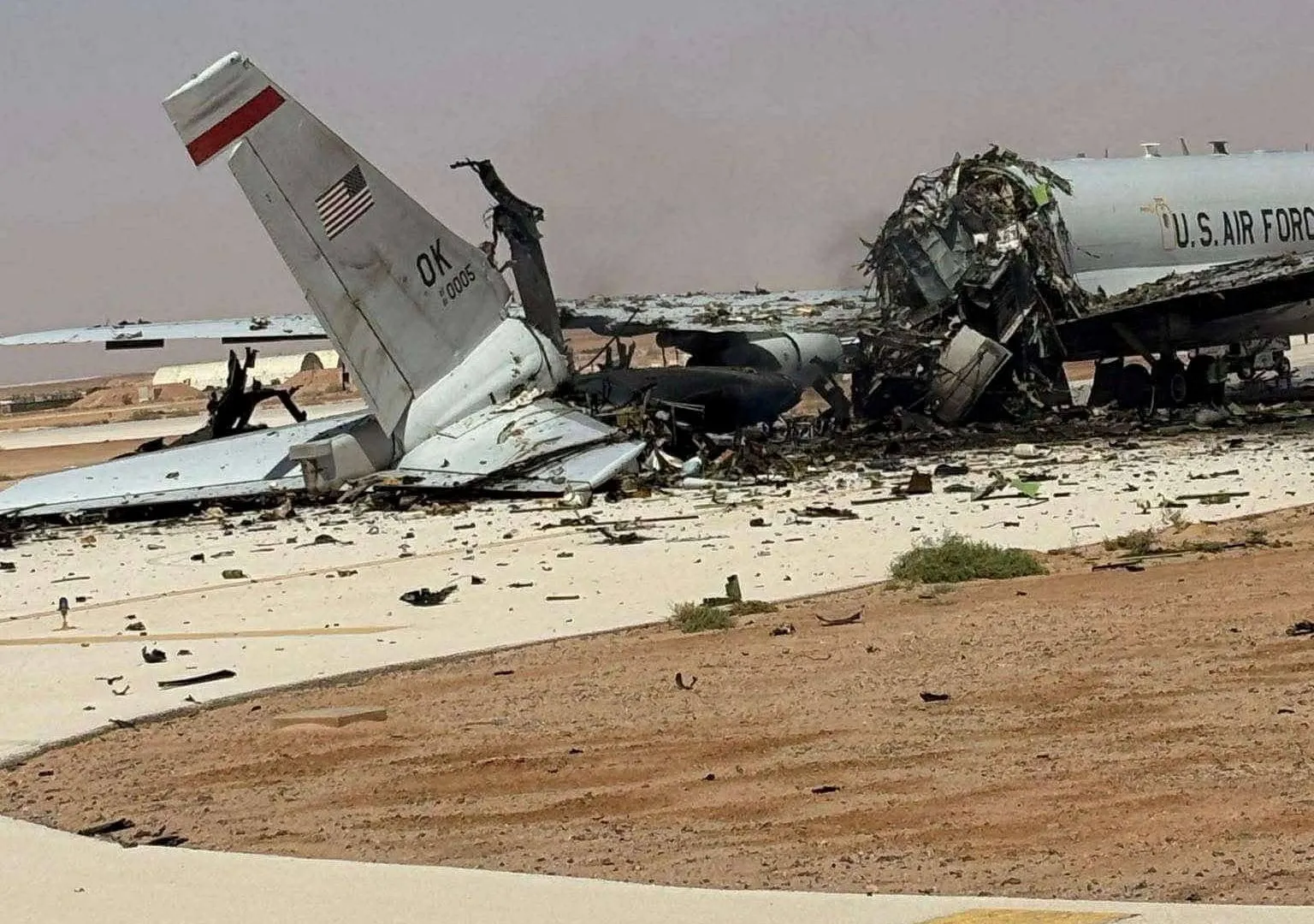
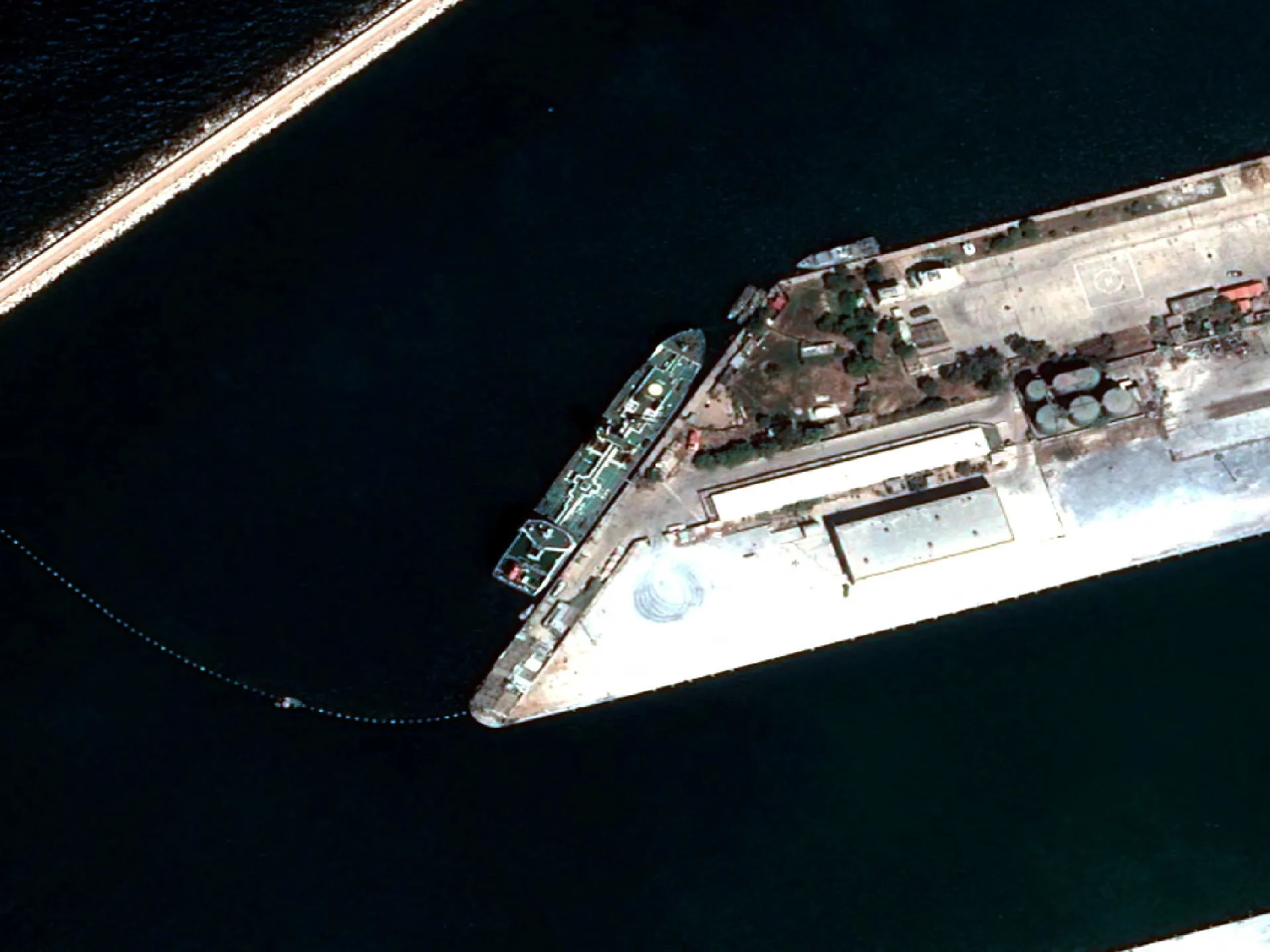
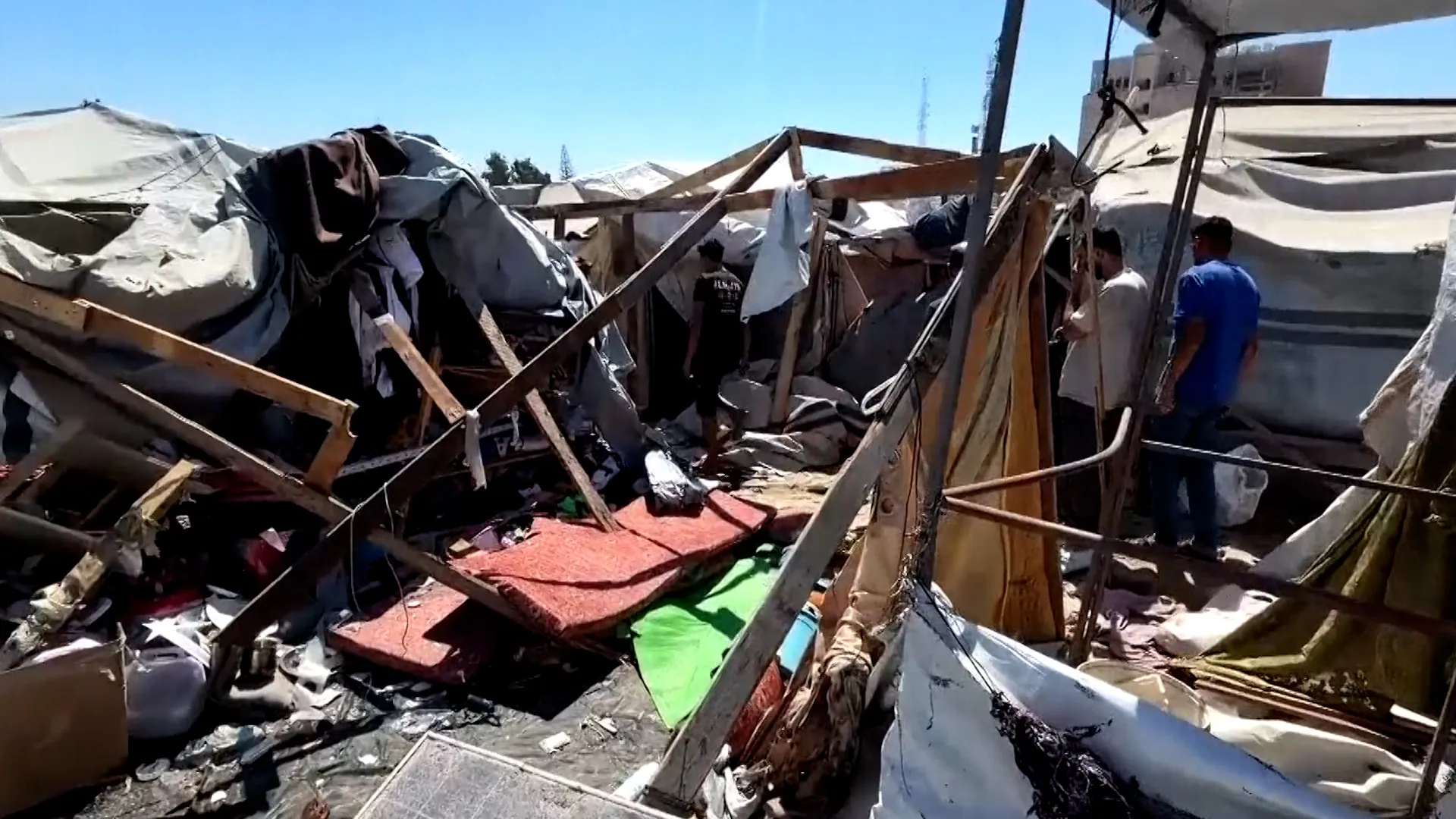
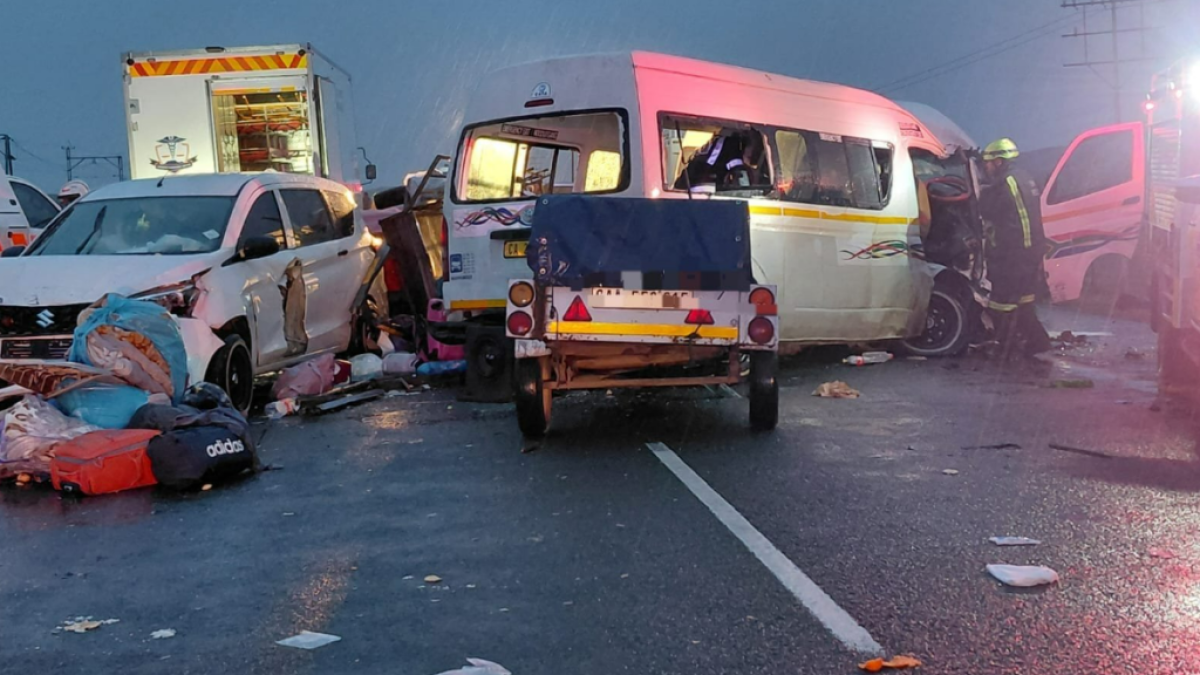
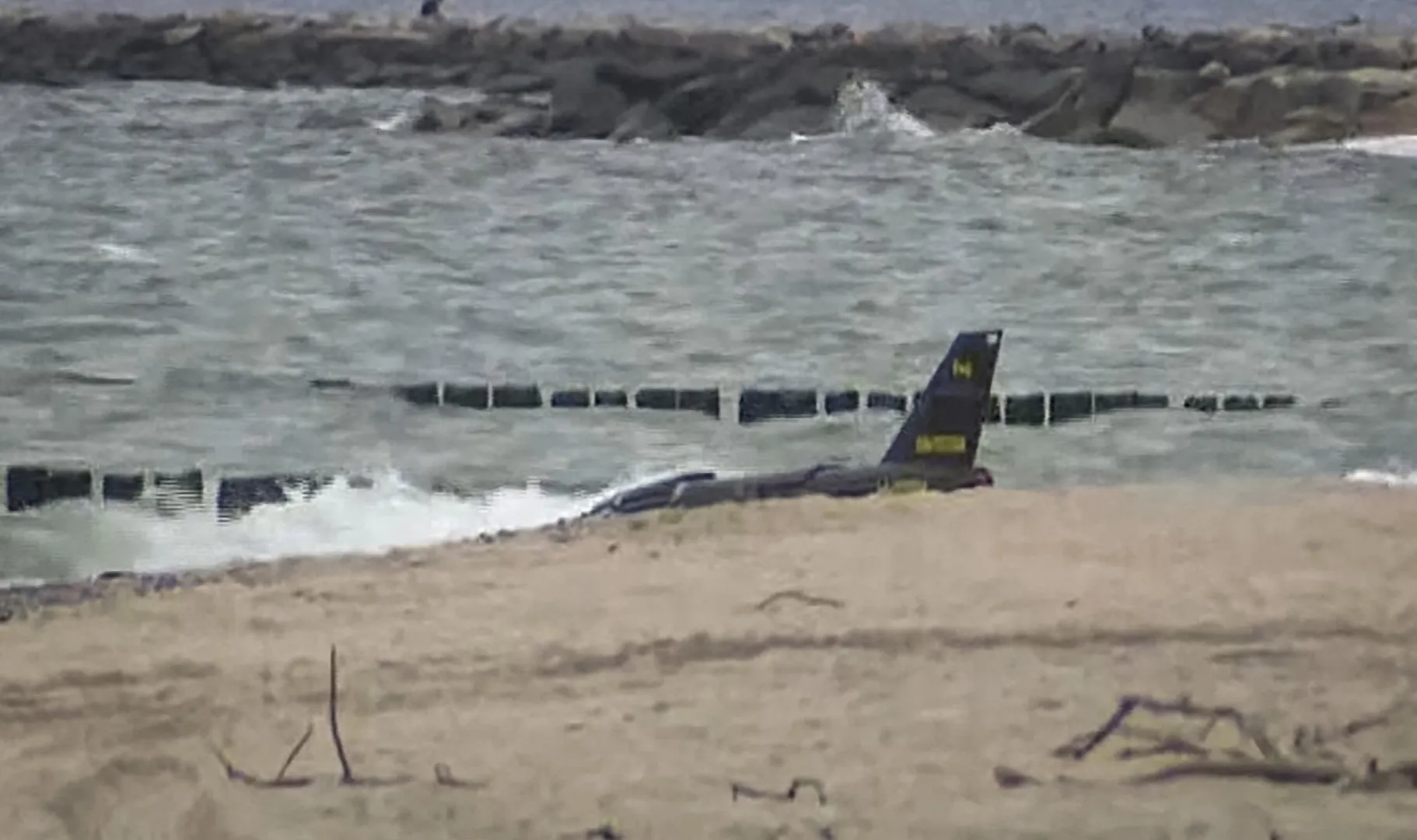
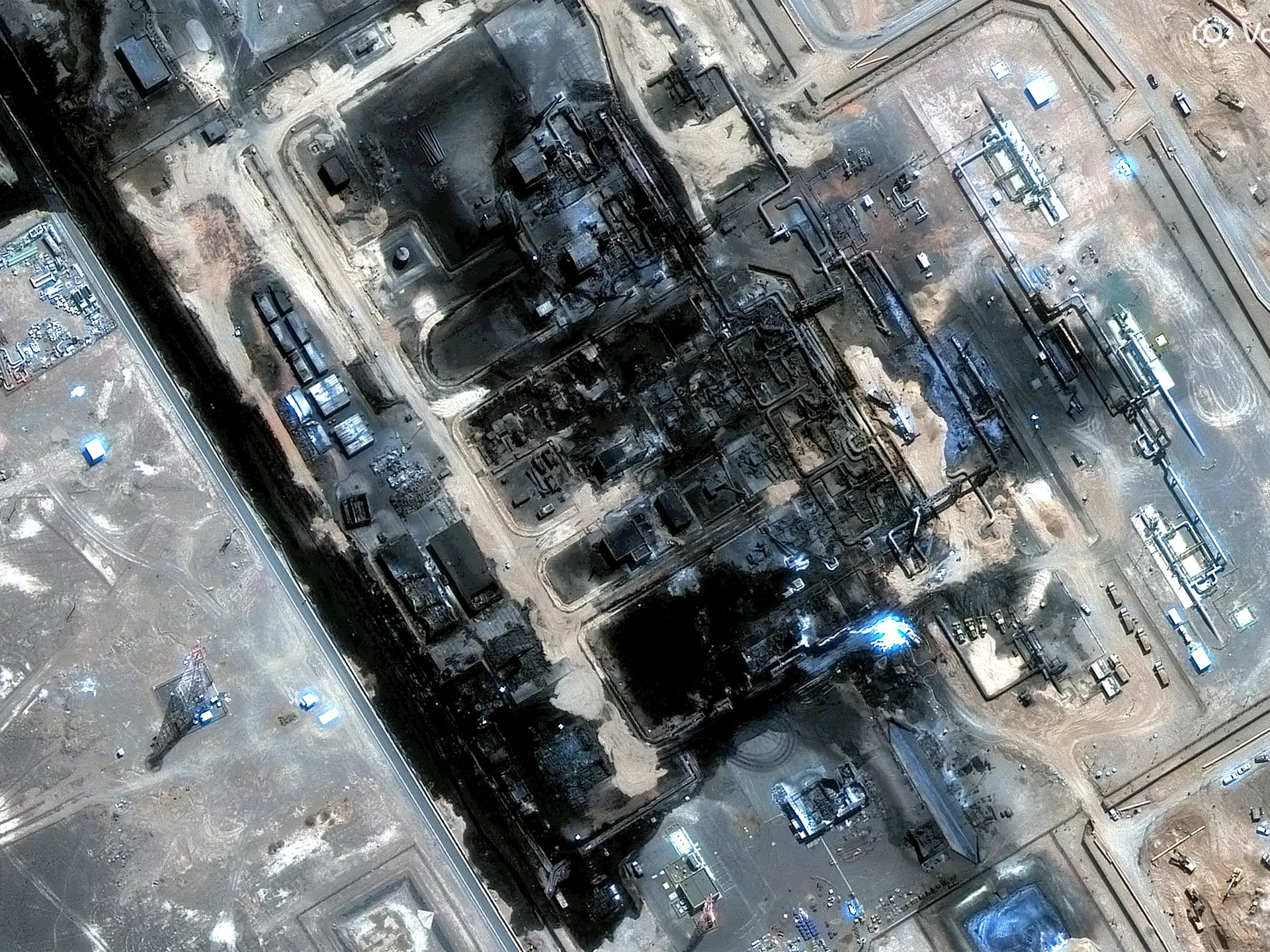
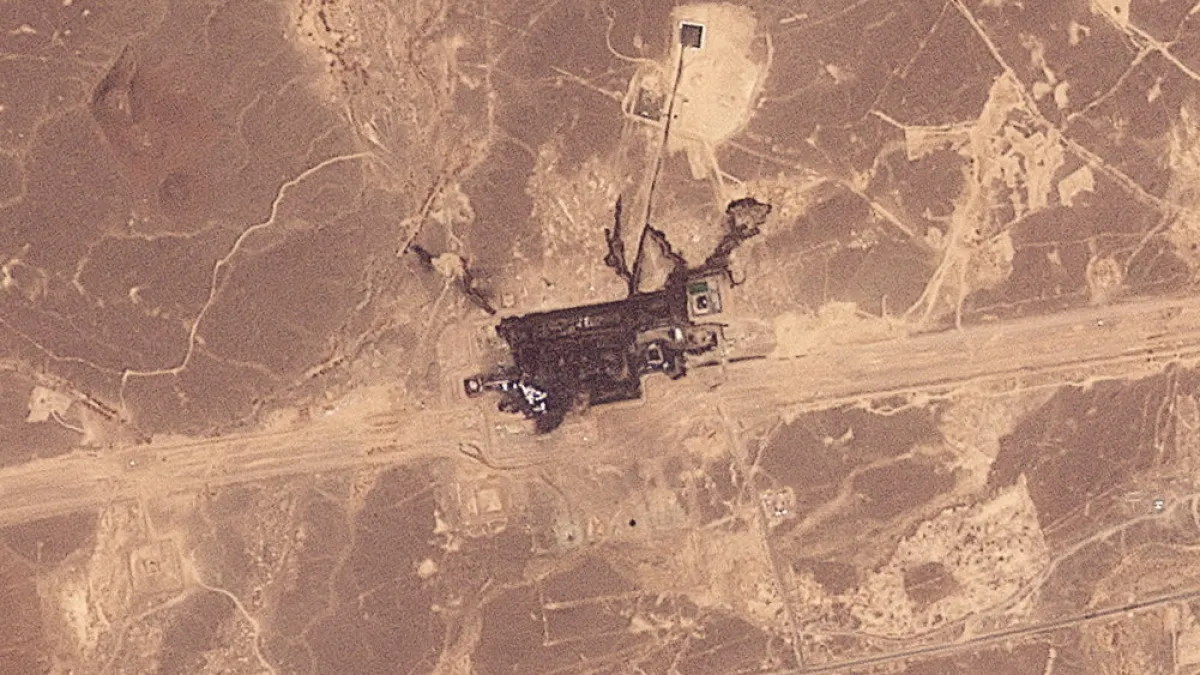
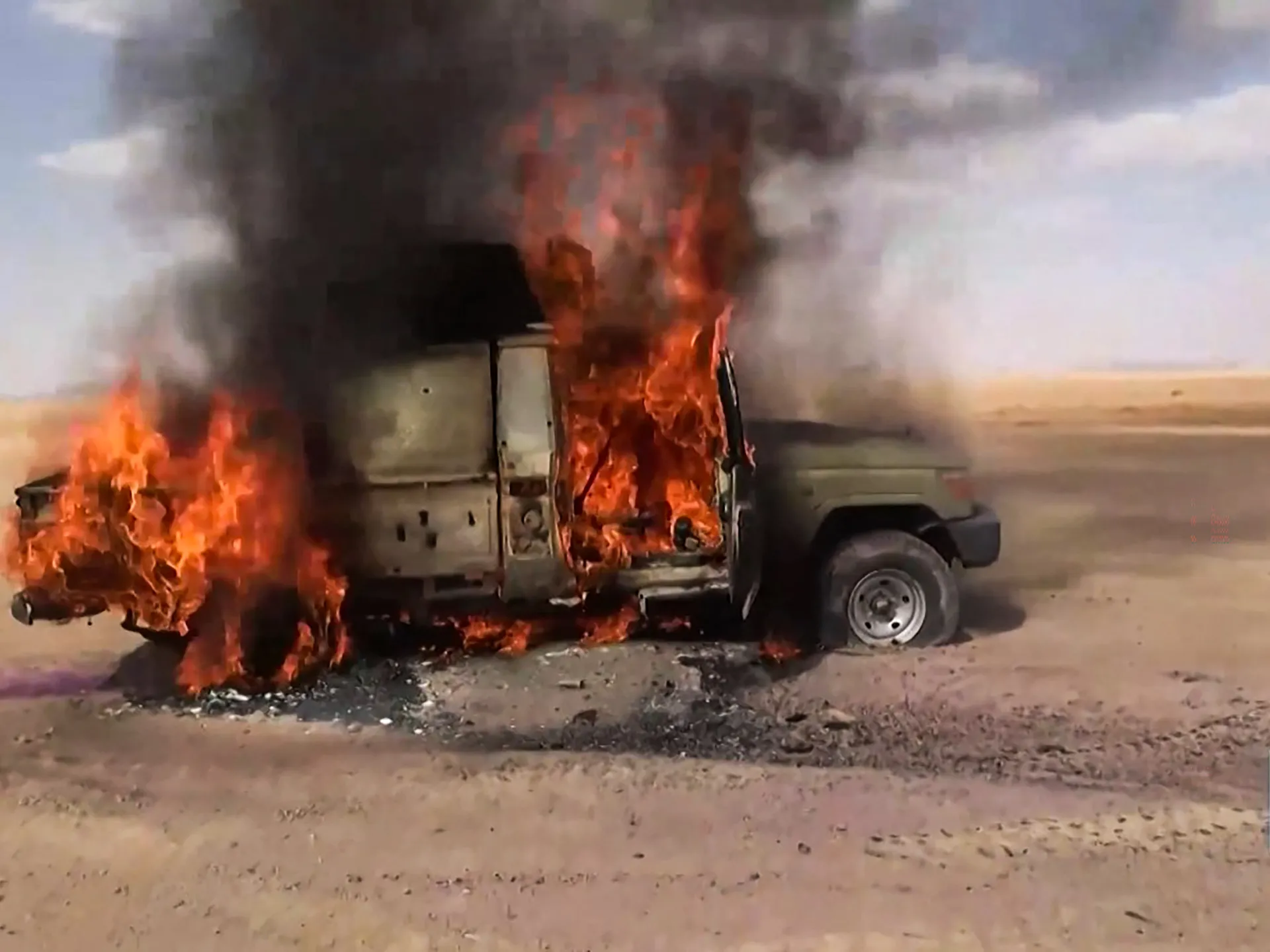
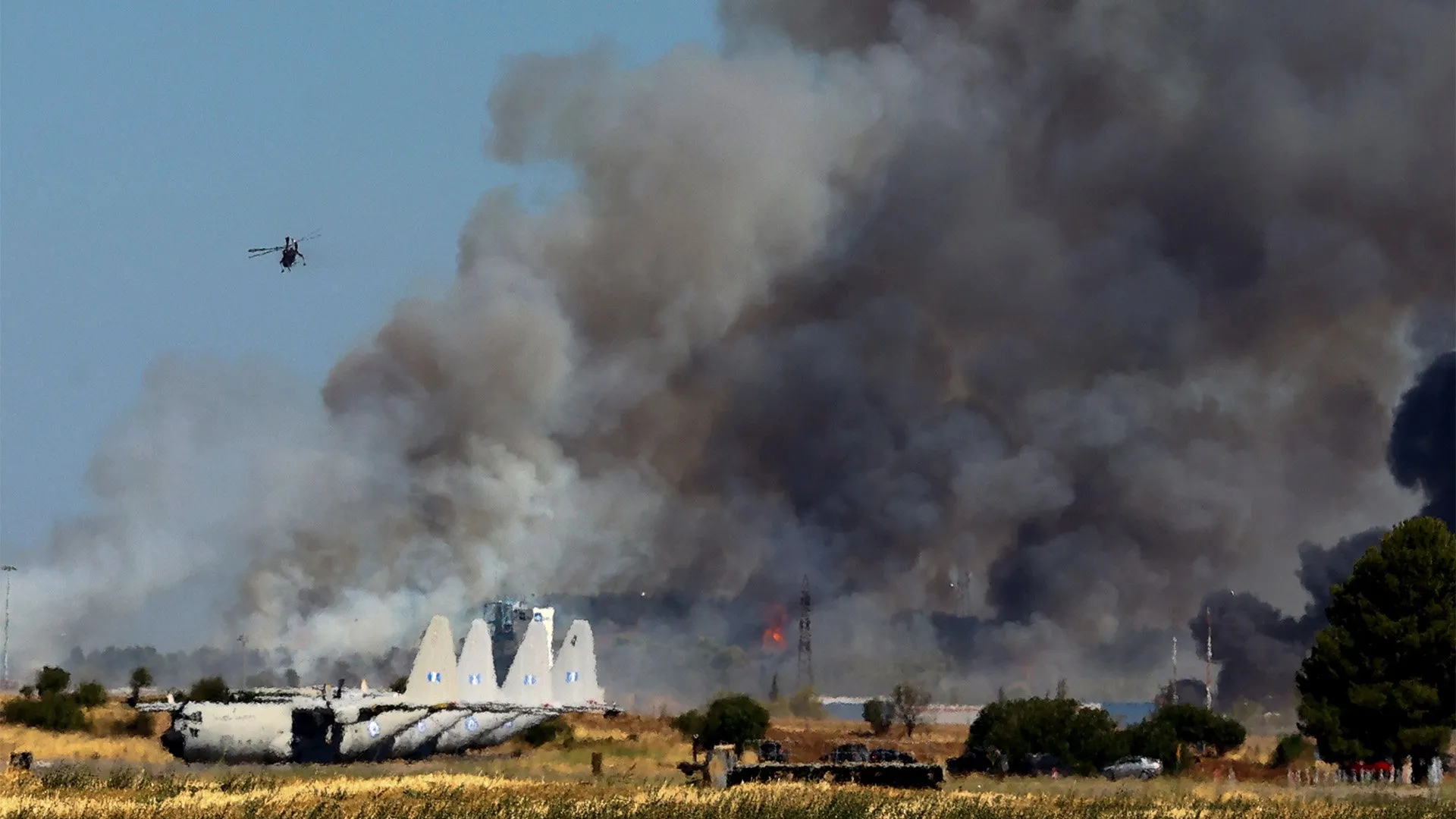
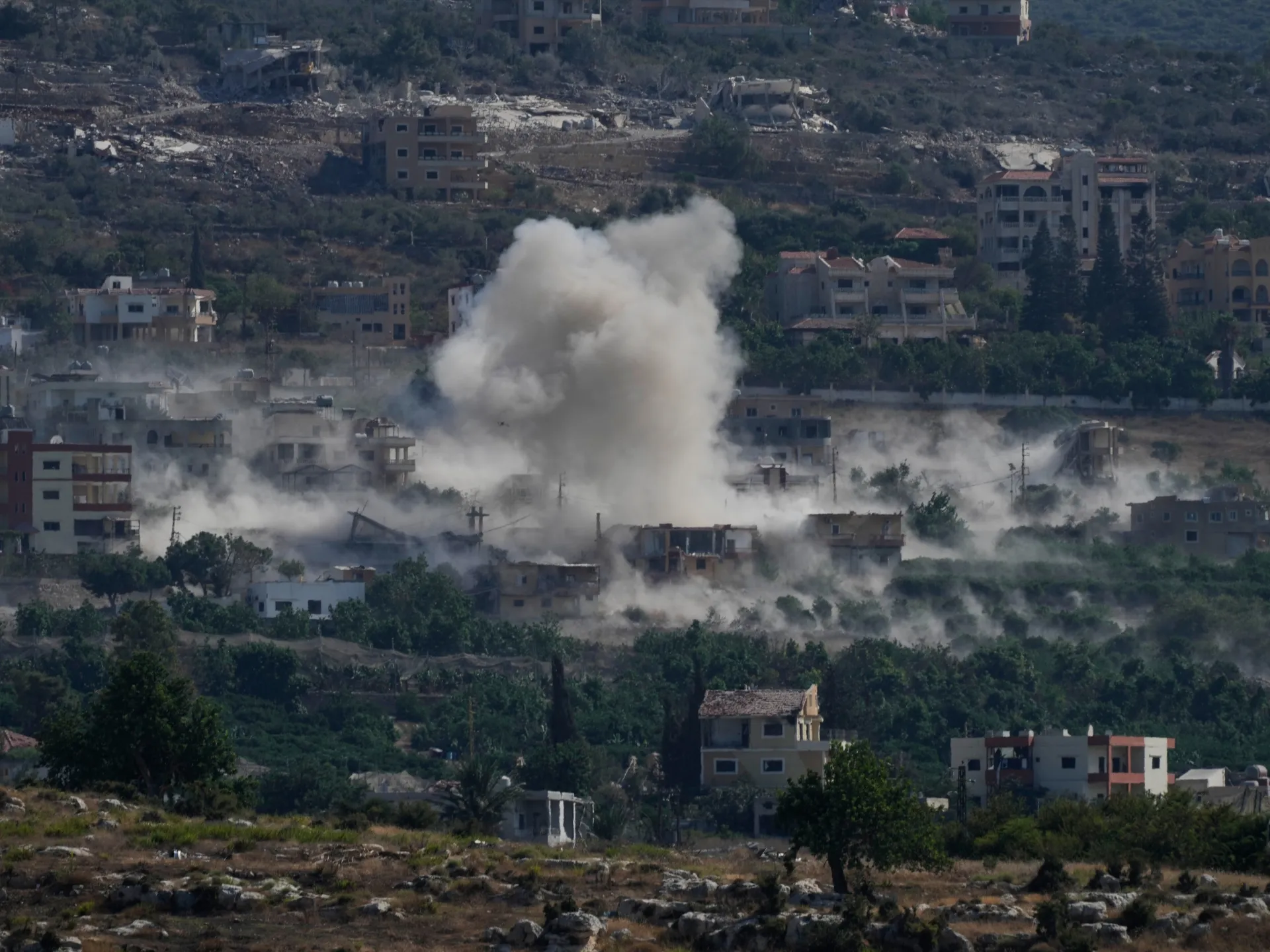
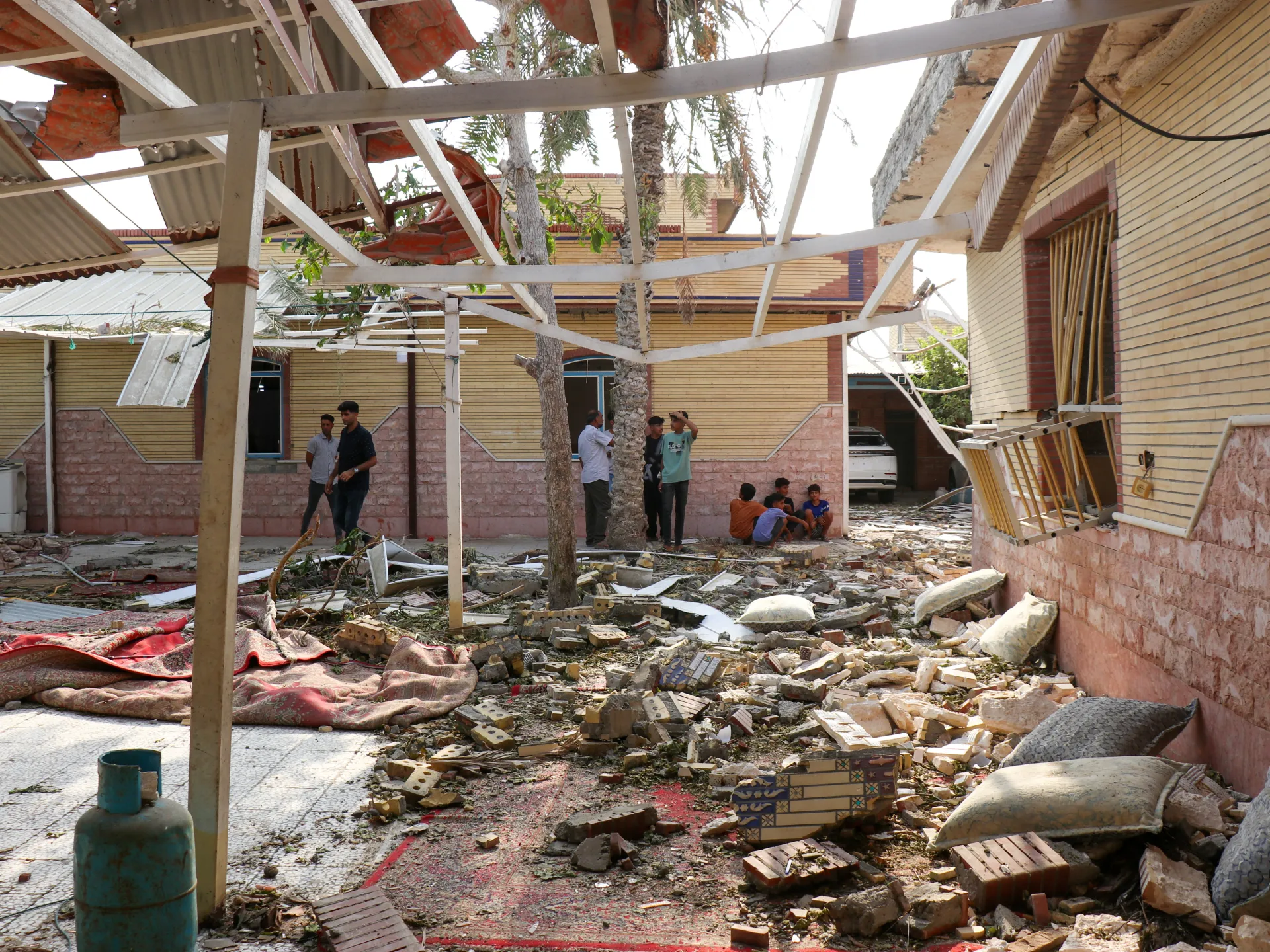
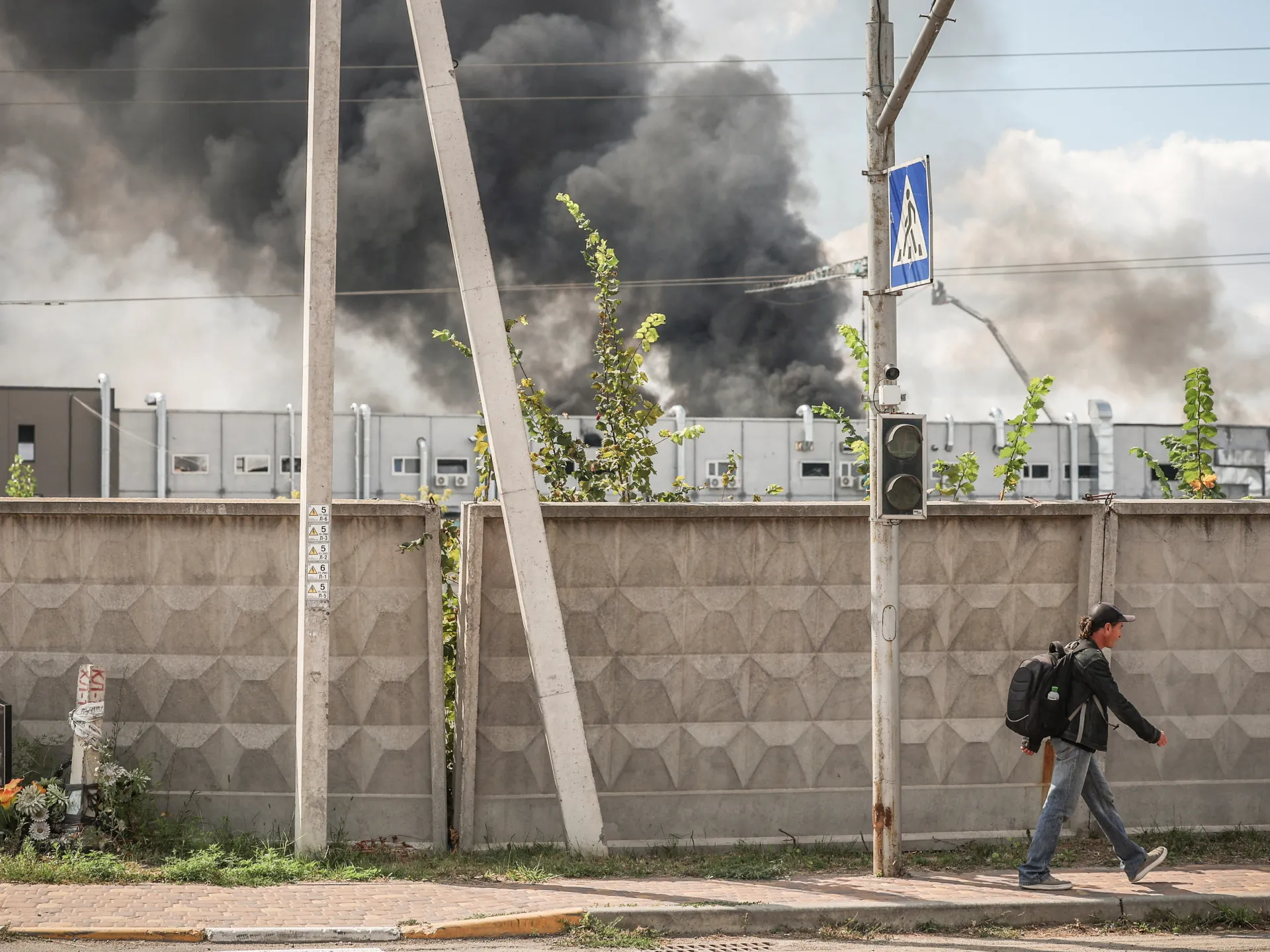
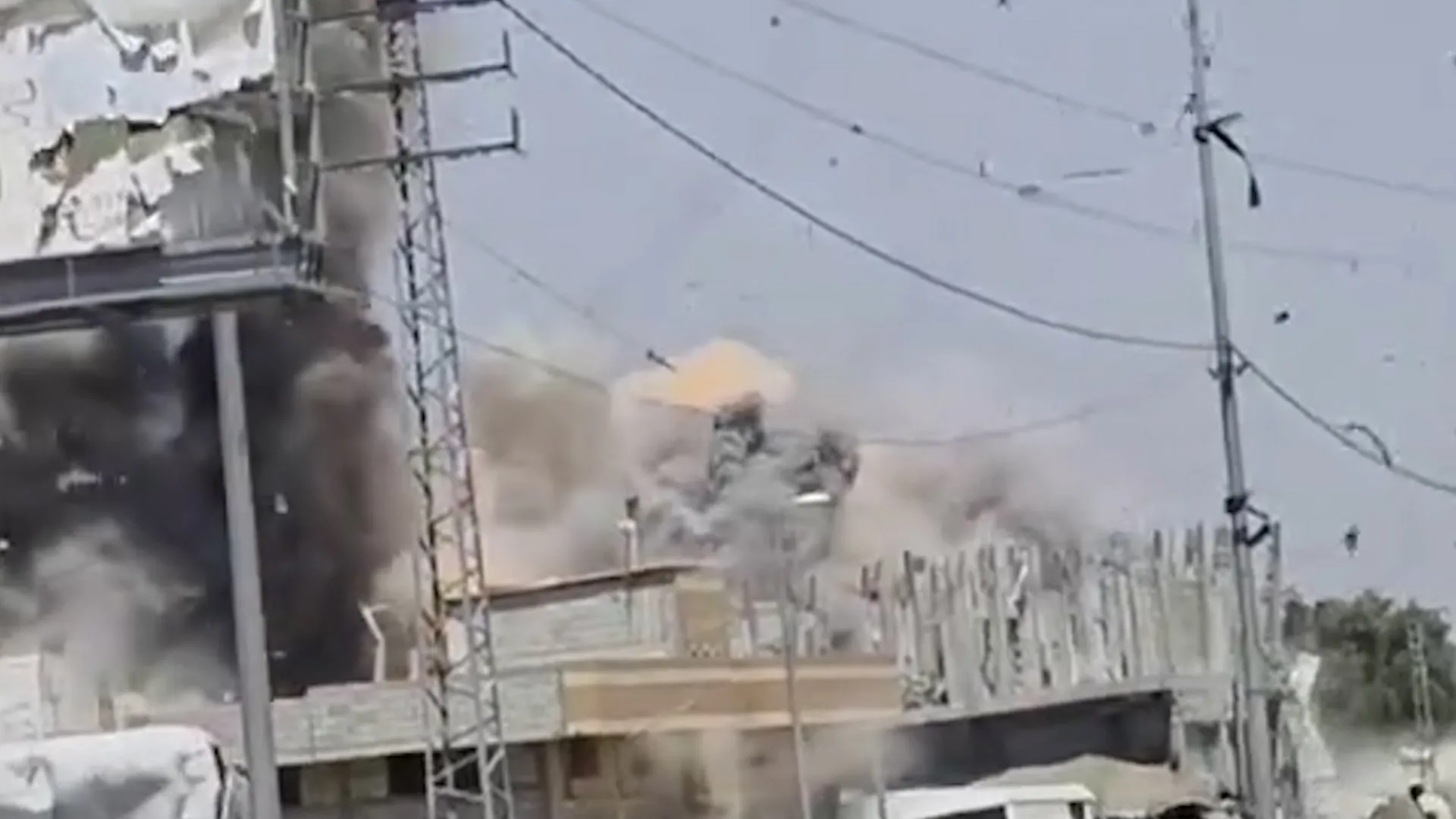
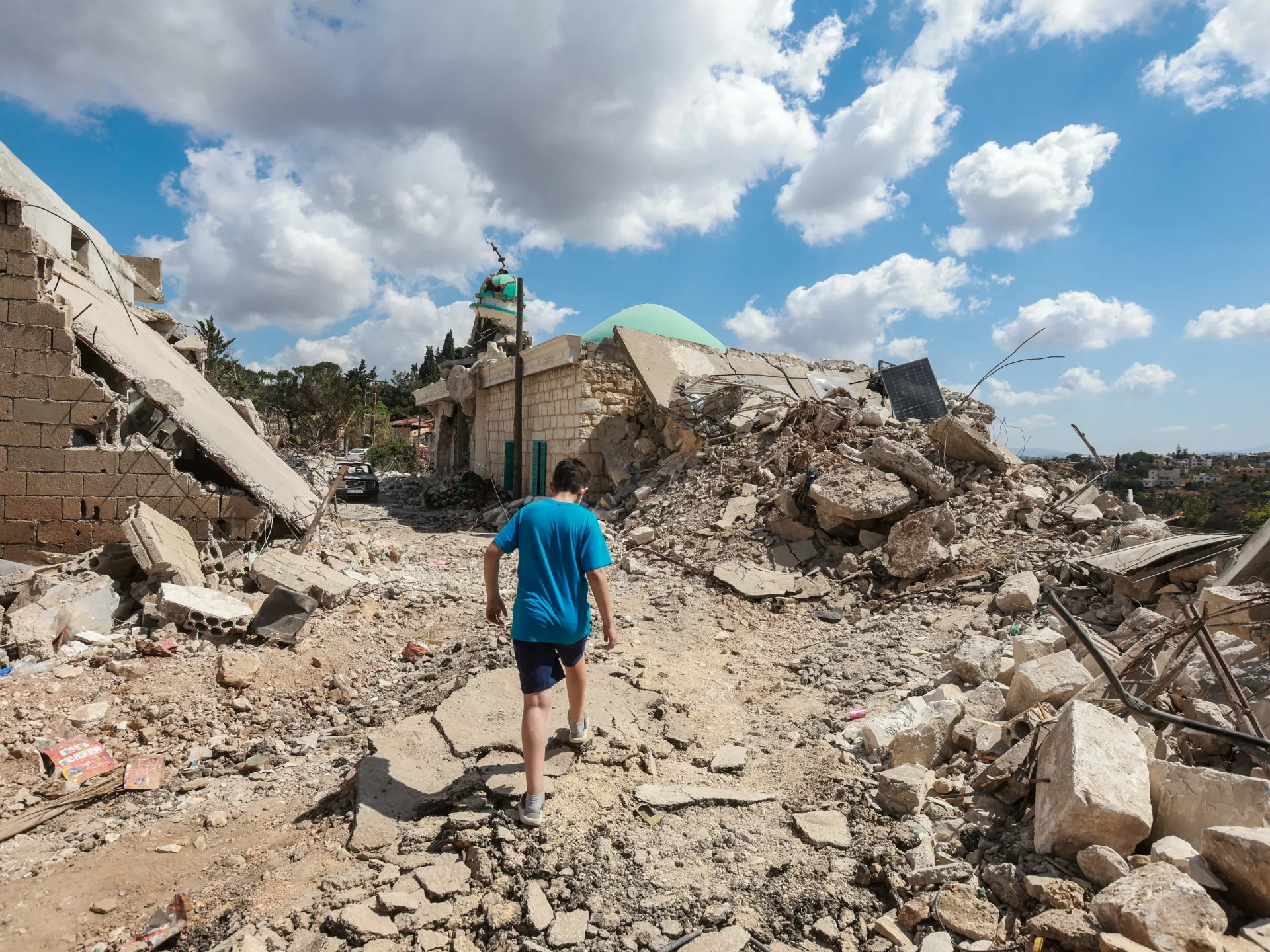
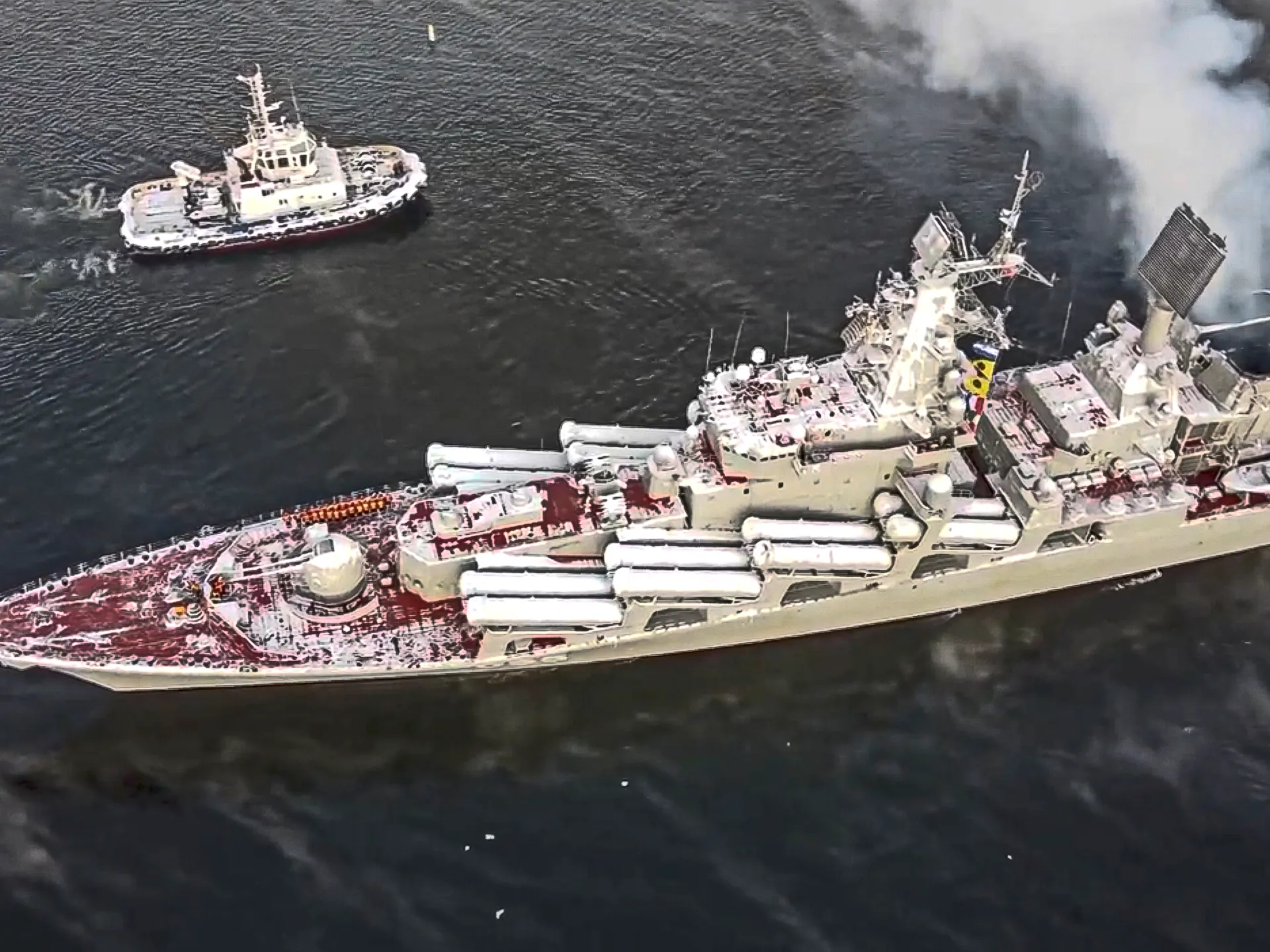
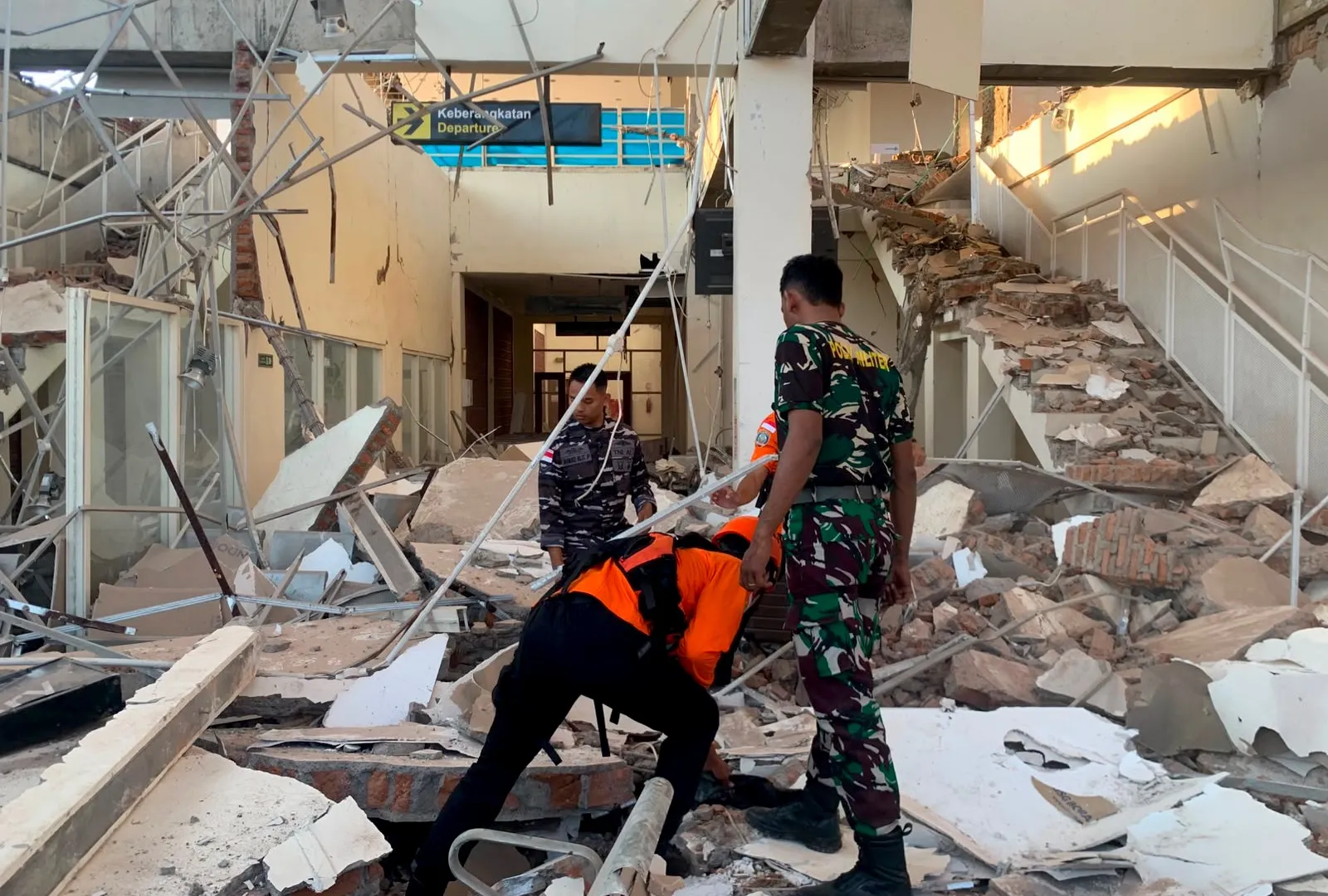
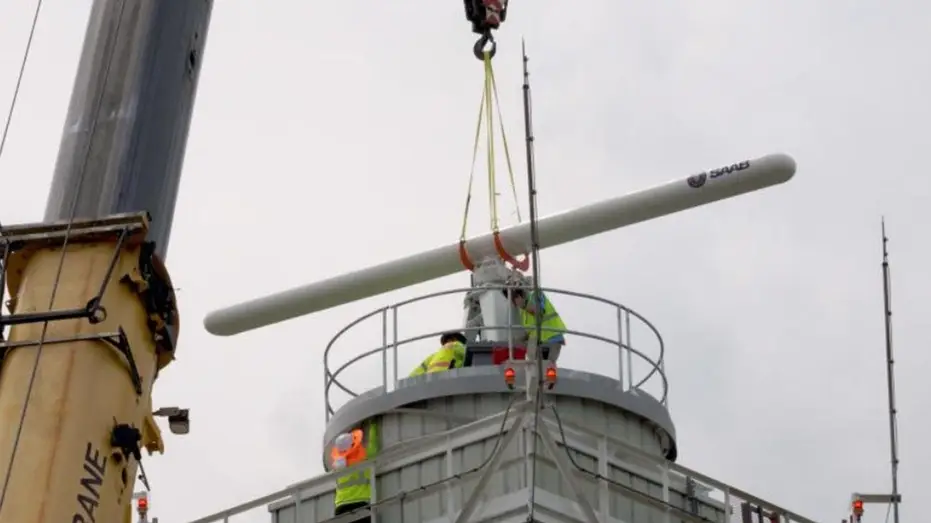
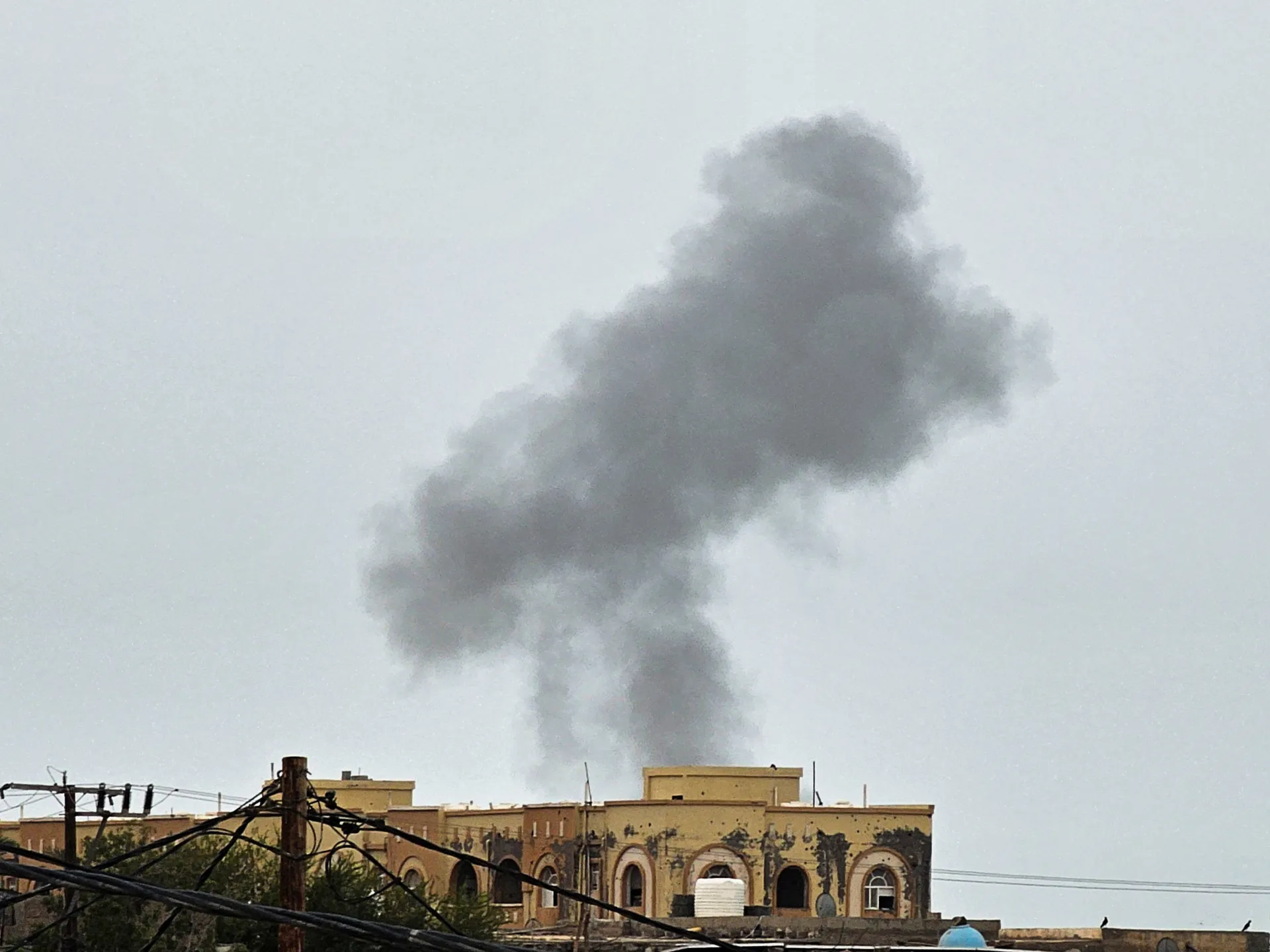
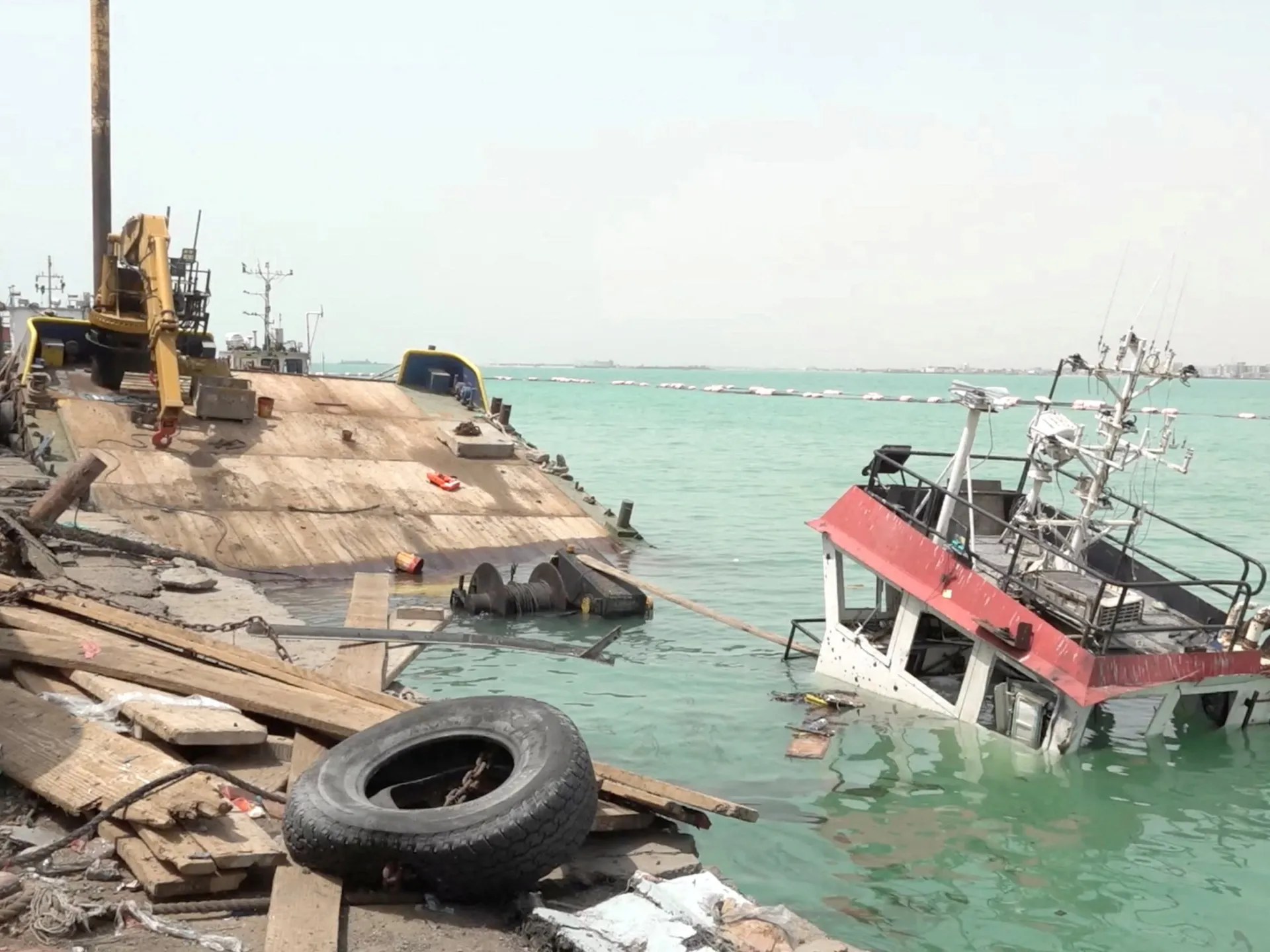
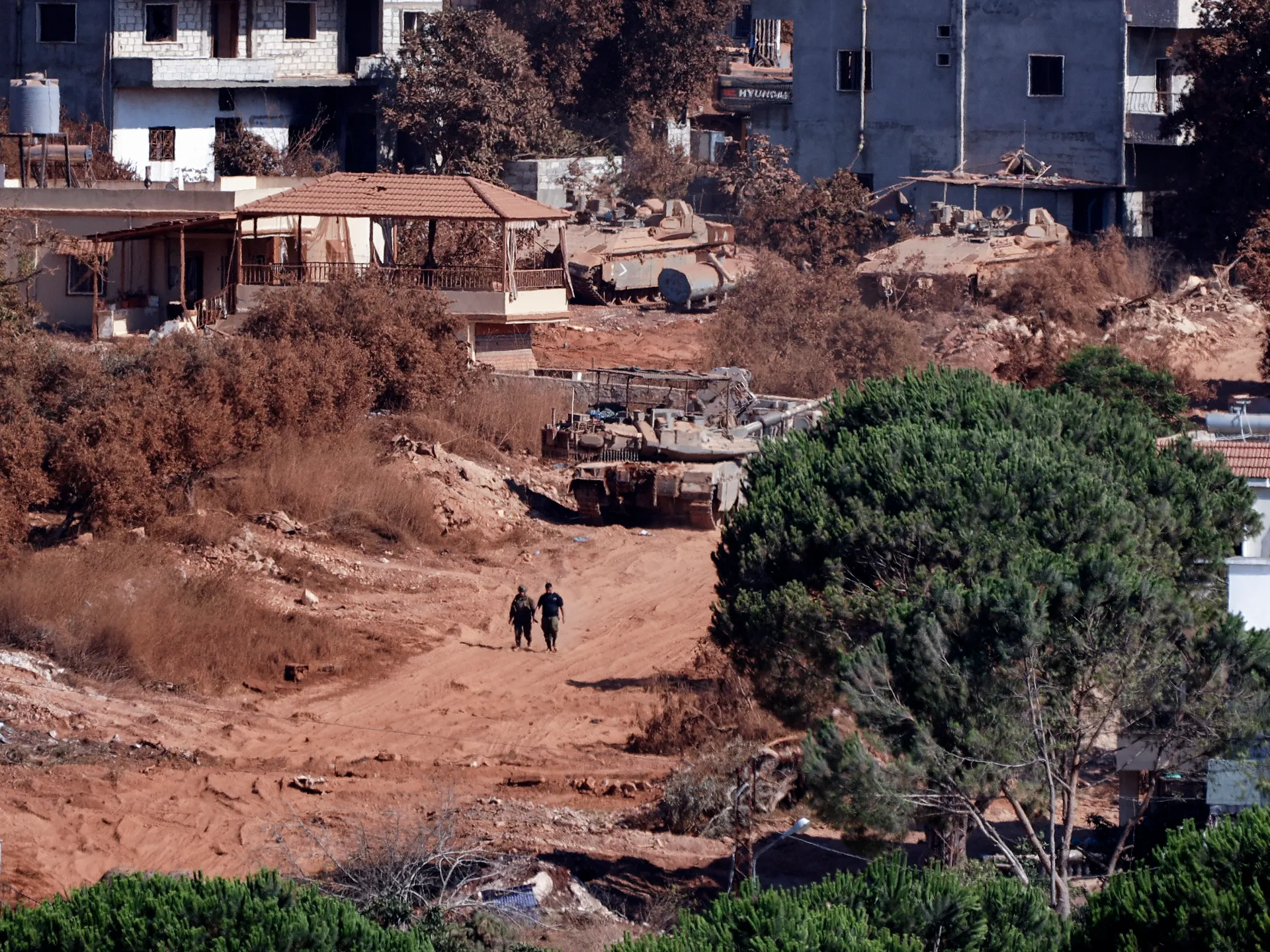
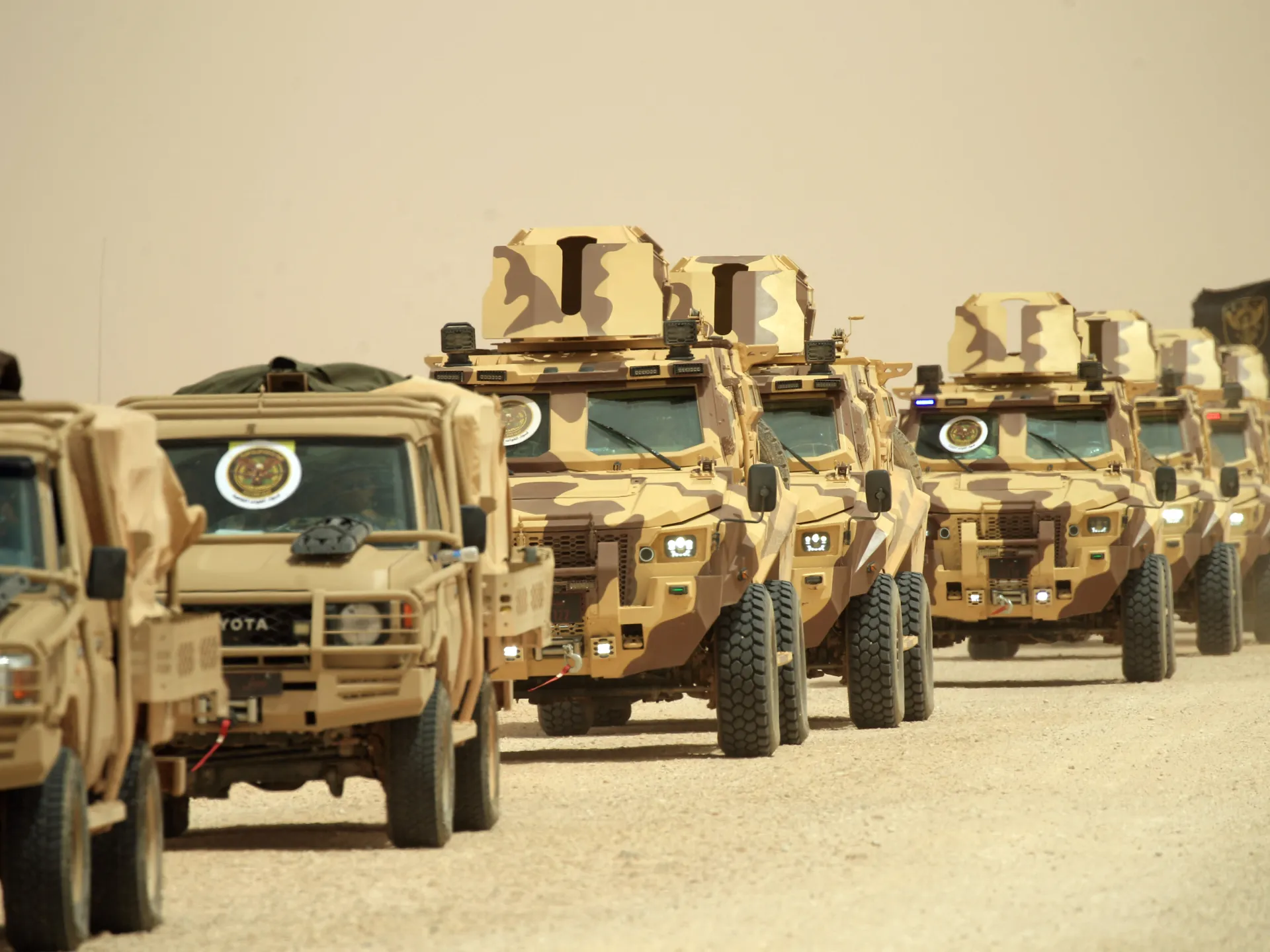
While U.S. forces face international legal pressure for their maritime tactics, they are simultaneously grappling with the physical consequences of regional hostilities. Leaked imagery obtained dle East, specifically at sites in Saudi Arabia and Kuwait. These visual accounts, described sclosed, depict destroyed aircraft, including a severed Boeing E-3 Sentry, and flattened support structures at Prince Sultan Air Force Base and Camp Arifjan.
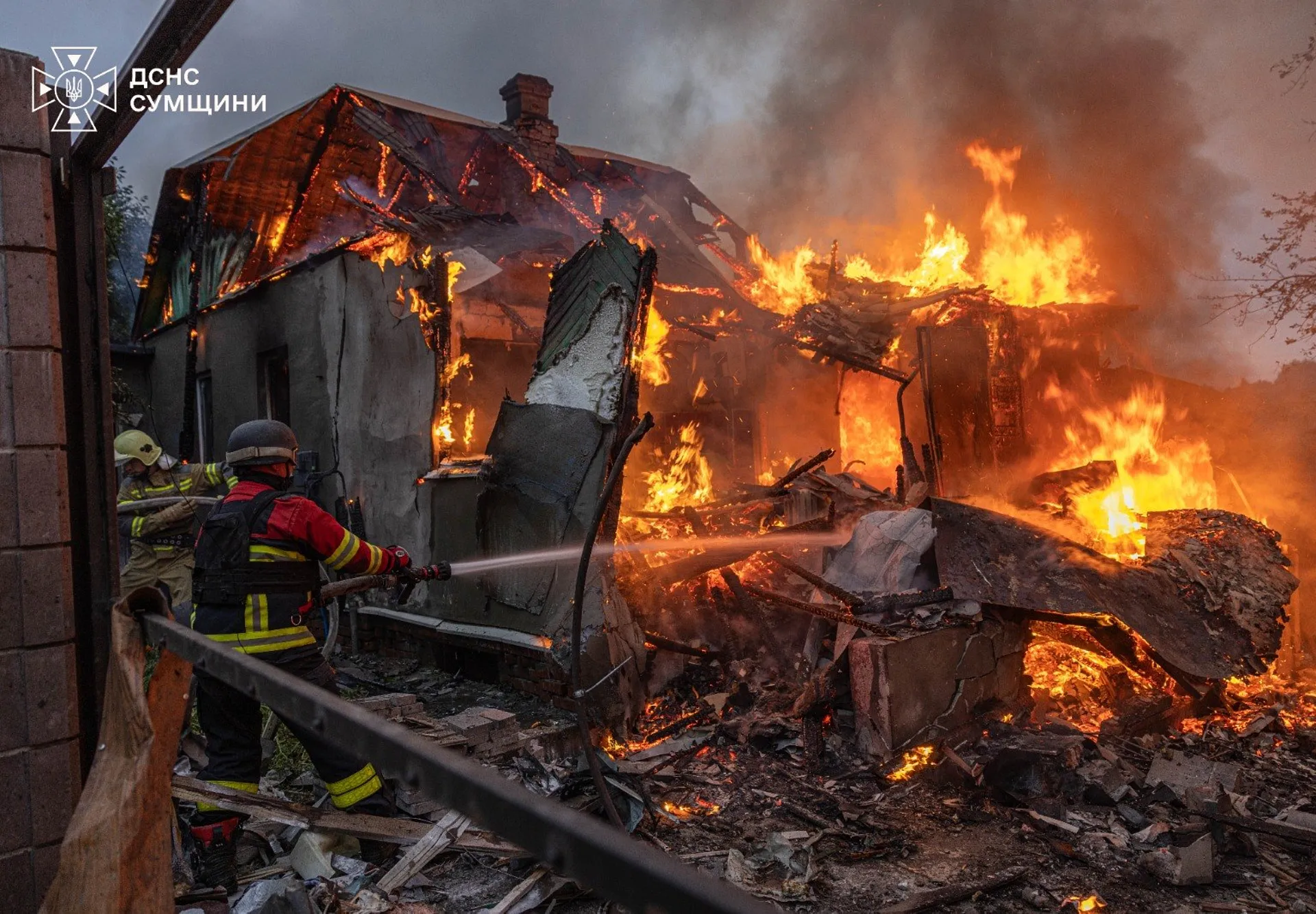
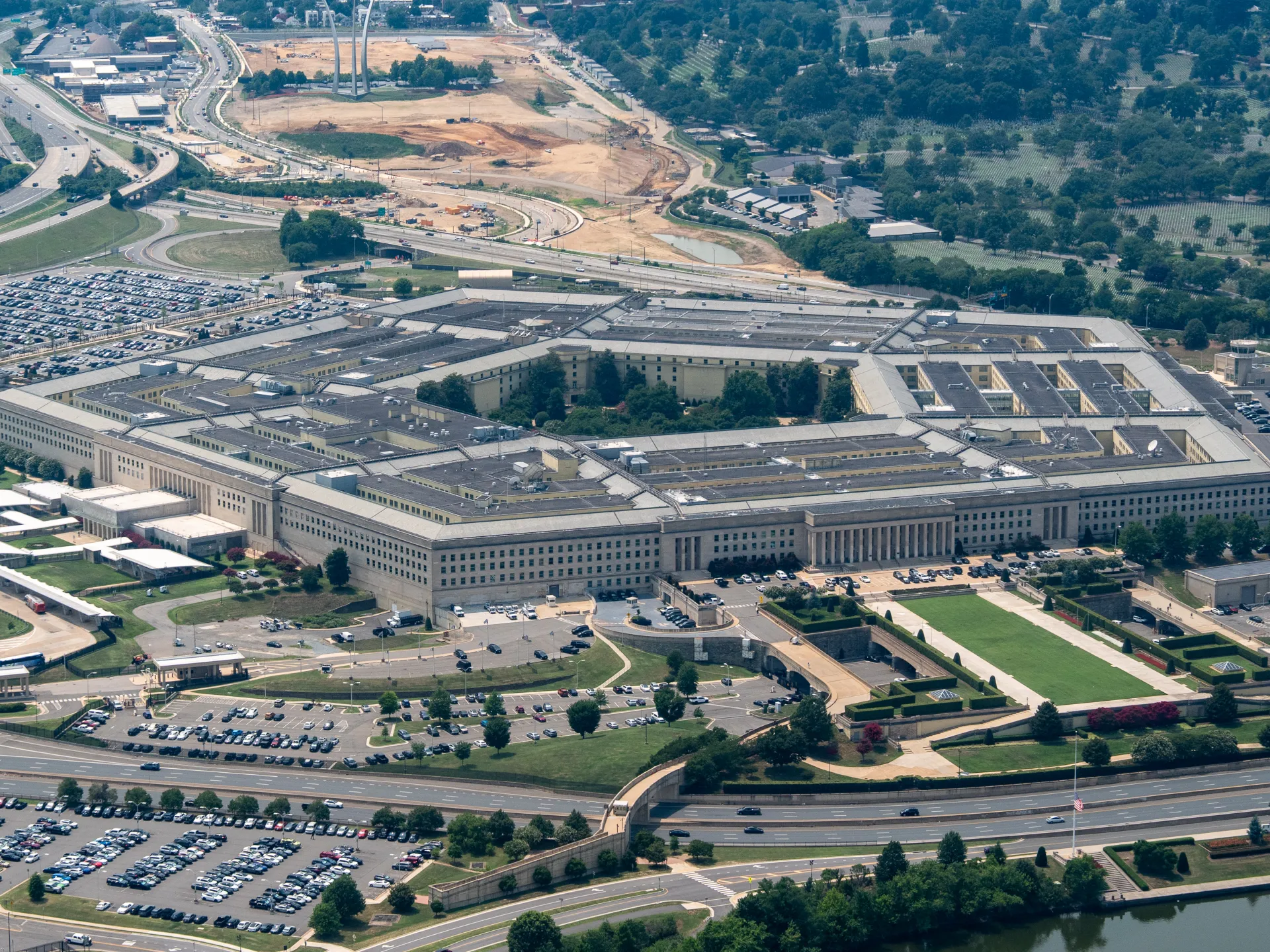
These reports align with broader findings from the Pentagon’s own watchdog, which confirmed that hundreds of buildings and structures across U.S. sites in the region have been compromised ure in hardening U.S. defensive postures against adversarial capabilities. The contrast between the administration's public messaging and the photographic evidence of destroyed radar equipment and housing units has sparked internal criticism regarding the adequacy of U.S. defensive readiness in the face of ongoing regional threats.
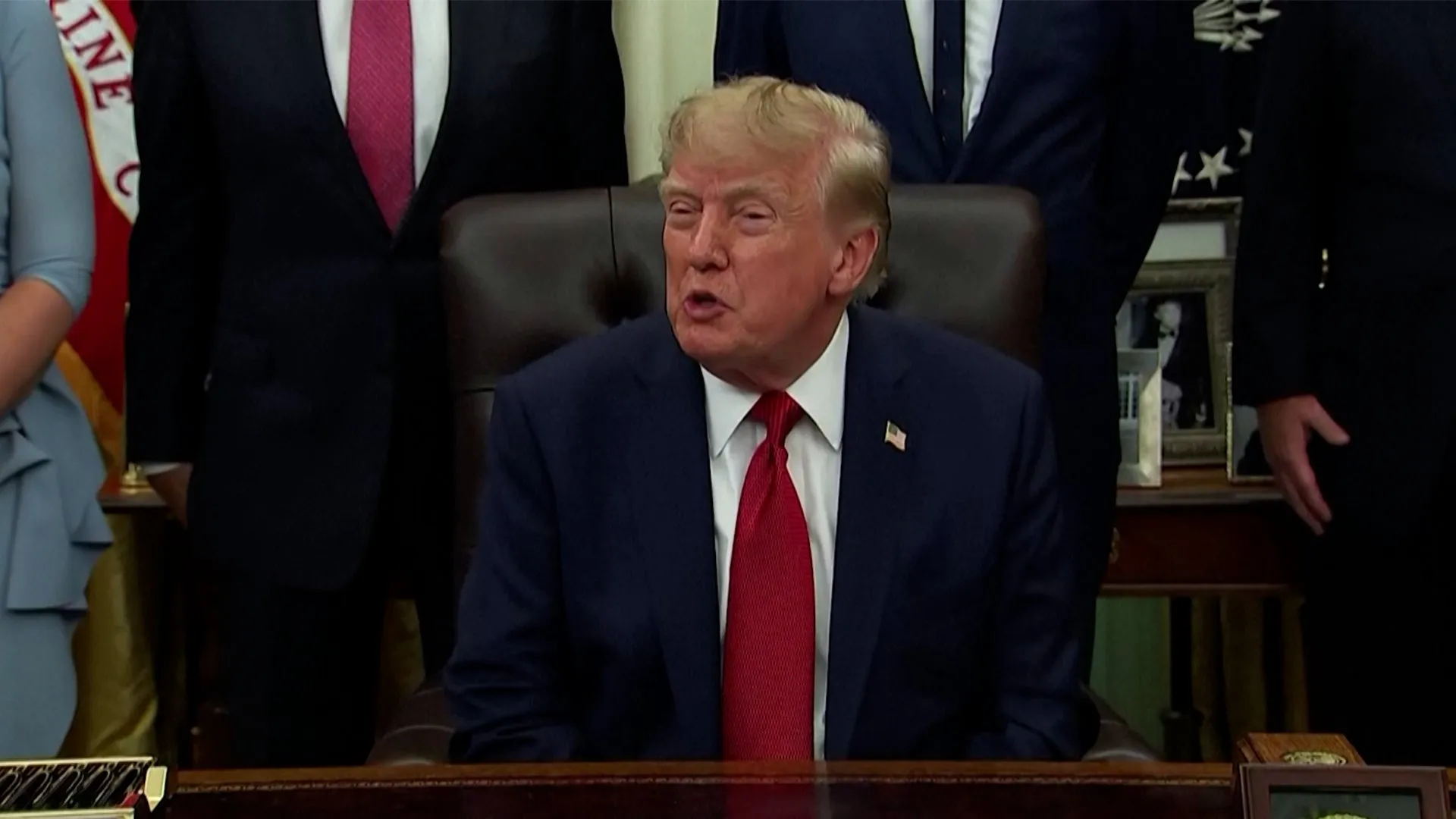
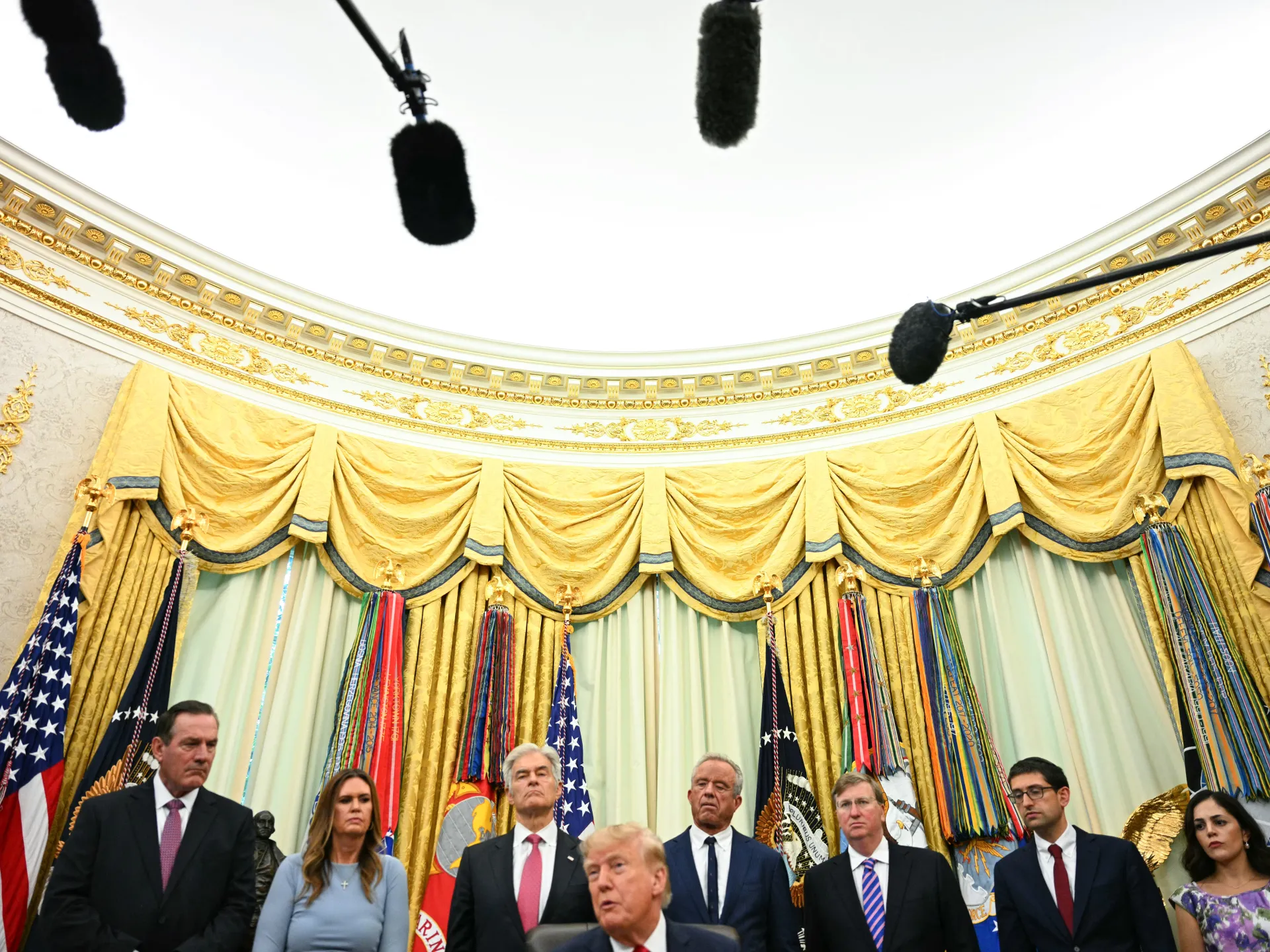
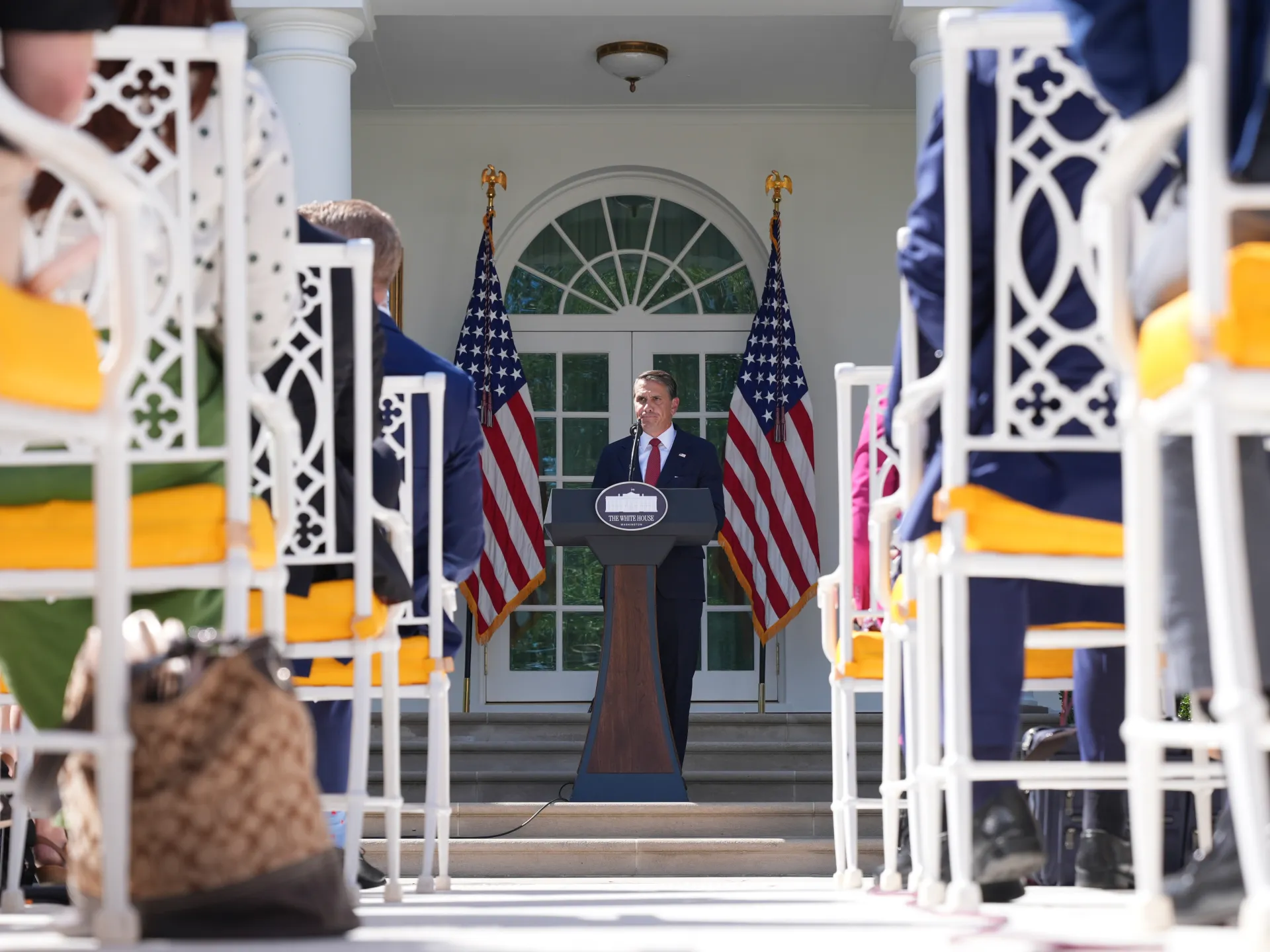
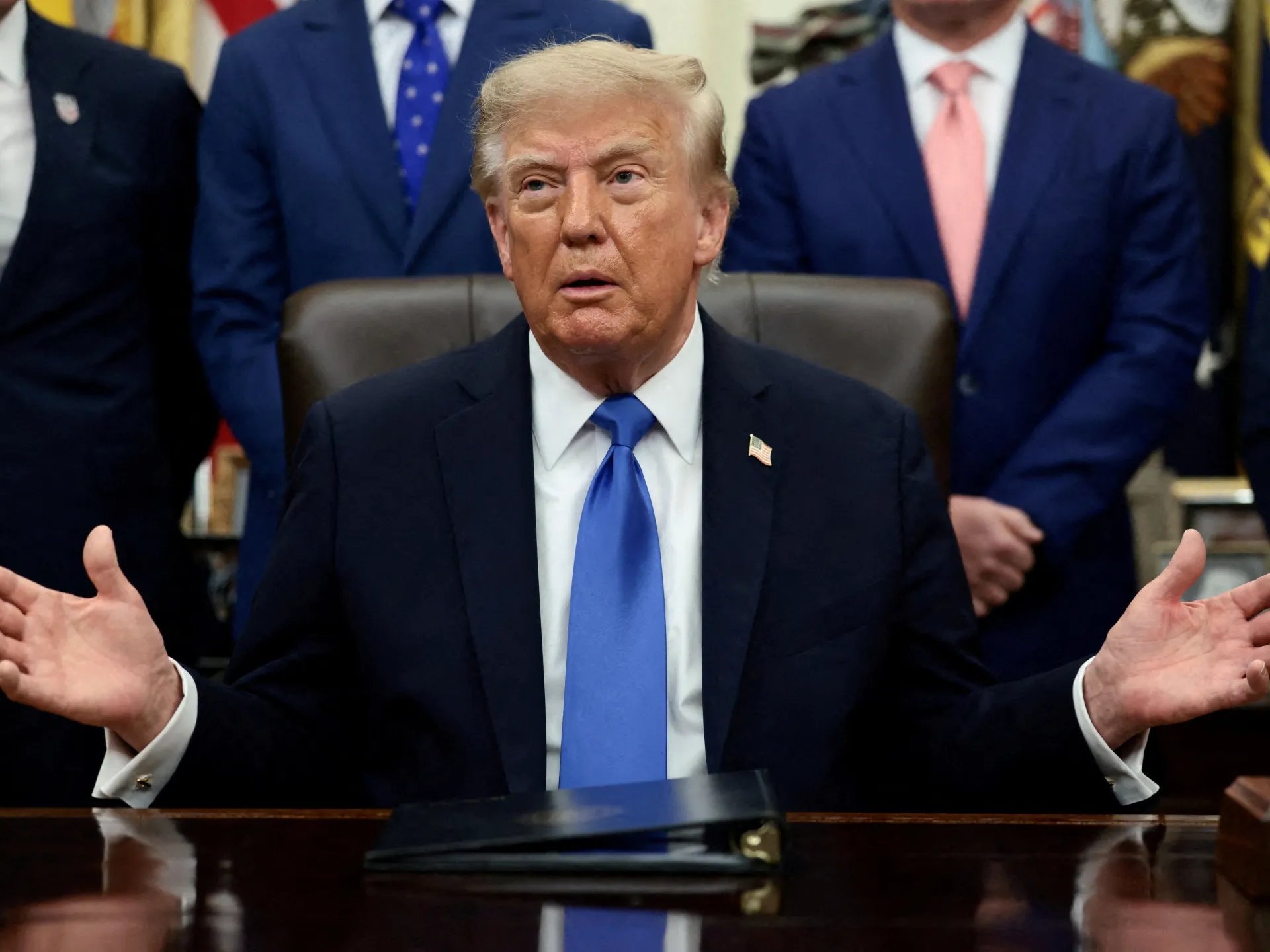
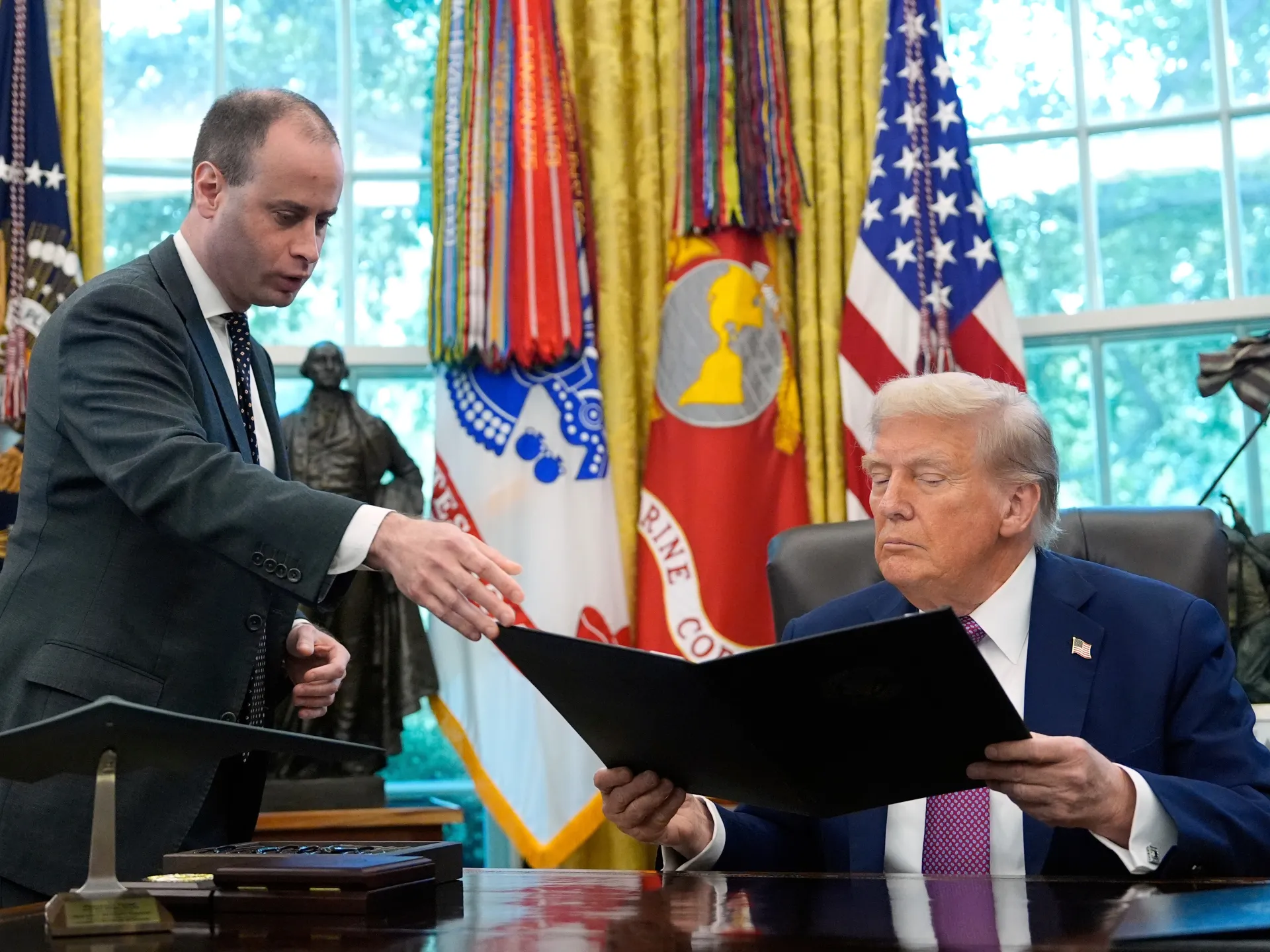
The dual pressure from international human rights bodies and the internal audit of regional defense failures creates a complex political landscape for the White House. The administration will likely face intensified demands from Congress for transparency regarding the casualties of maritime operations and the cost-benefit analysis of current naval engagements. Internationally, the UN report provides a legal basis for foreign entities to challenge U.S. sovereignty in international waters, potentially forcing a shift toward more traditional maritime interception methods. Simultaneously, the Pentagon is expected to face pressure to secure additional funding or strategic shifts to bolster the defenses of its regional bases, as the visibility of the damaged infrastructure makes it difficult to maintain the narrative that these sites remain fully operational and secure against future tactical threats.